 Direct comparison
The Philips PML8709 is a model that stands out in the offerings of the Chinese-Dutch manufacturer due to its uniqueness. Instead of the classic Philips operating system - TitanOS, we find the already well-known Google TV here, which provides extensive personalisation options and access to a vast library of applications. This television tempts us with very good contrast on one hand, while on the other hand, it surprises with a few unusual design decisions. In terms of picture quality, the PML8709 offers very good contrast, which, combined with wide colour gamut coverage, ensures excellent colour reproduction – especially after calibration. Despite a 60 Hz panel, the television is also suitable for occasional gaming thanks to support for features such as ALLM, VRR, and a low input lag of around 13 ms. On the other hand, Philips has deprived this model of one of the greatest advantages of its televisions – the Ambilight system. This unexpected move may disappoint many brand fans. Another weak point is performance in HDR – despite promising contrast results, the television performs averagely in this category. The average brightness and issues with details in brighter scenes give the impression that something has evidently gone wrong in the implementation of this feature. The Philips PML8709 is a television full of contrasts. On one hand, it offers solid black quality and interesting solutions for gamers, while on the other hand, some limitations, such as the lack of Ambilight and average brightness, mean that it is not a model without flaws. It is a good choice for those who value the versatility of Google TV and are looking for a television for everyday use.
- Matching (Score) |
- Our verdict |
- TV appearance |
- Where to buy |
- Contrast and black detail |
- HDR effect quality |
- Factory color reproduction |
- Color reproduction after calibration |
- Smoothness of tonal transitions |
- Image scaling and smoothness of tonal transitions |
- Blur and motion smoothness |
- Console compatibility and gaming features |
- Input lag |
- Compatibility with PC |
- Viewing angles |
- Daytime performance |
- Panel details |
- TV features |
- Apps |
- Playing files from USB |
- Sound
S Mini 2026
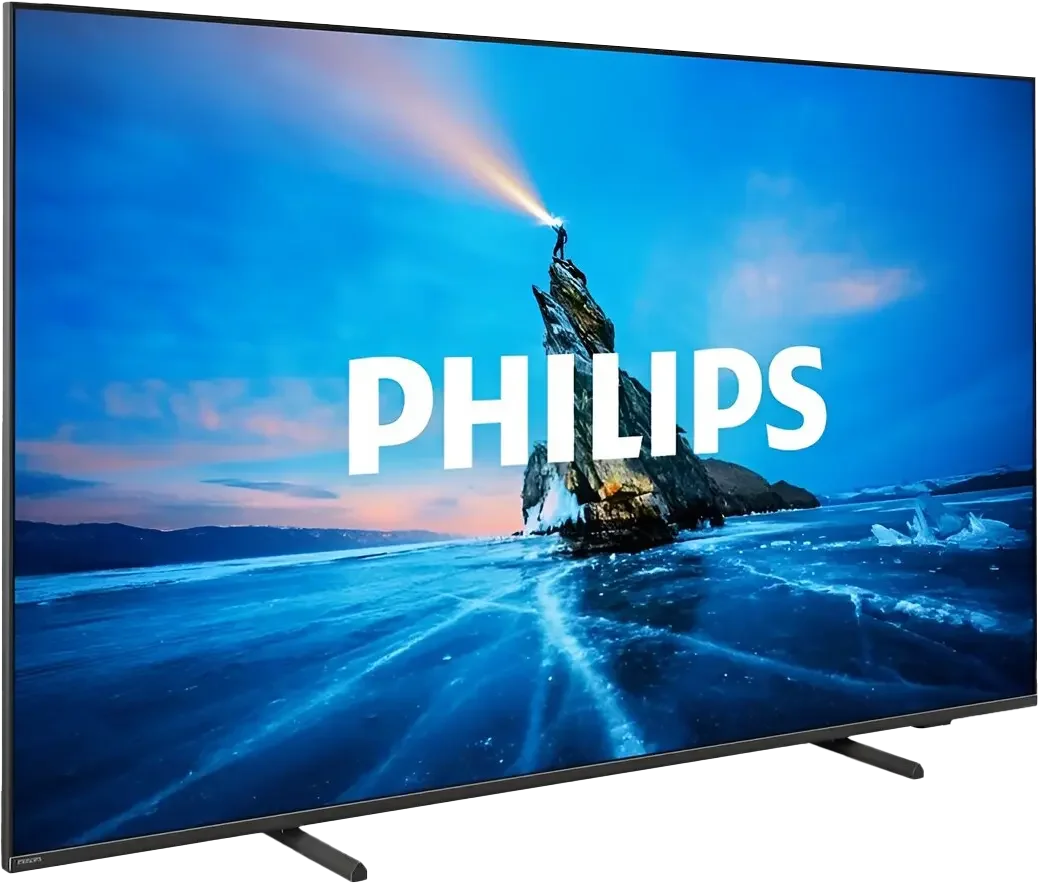
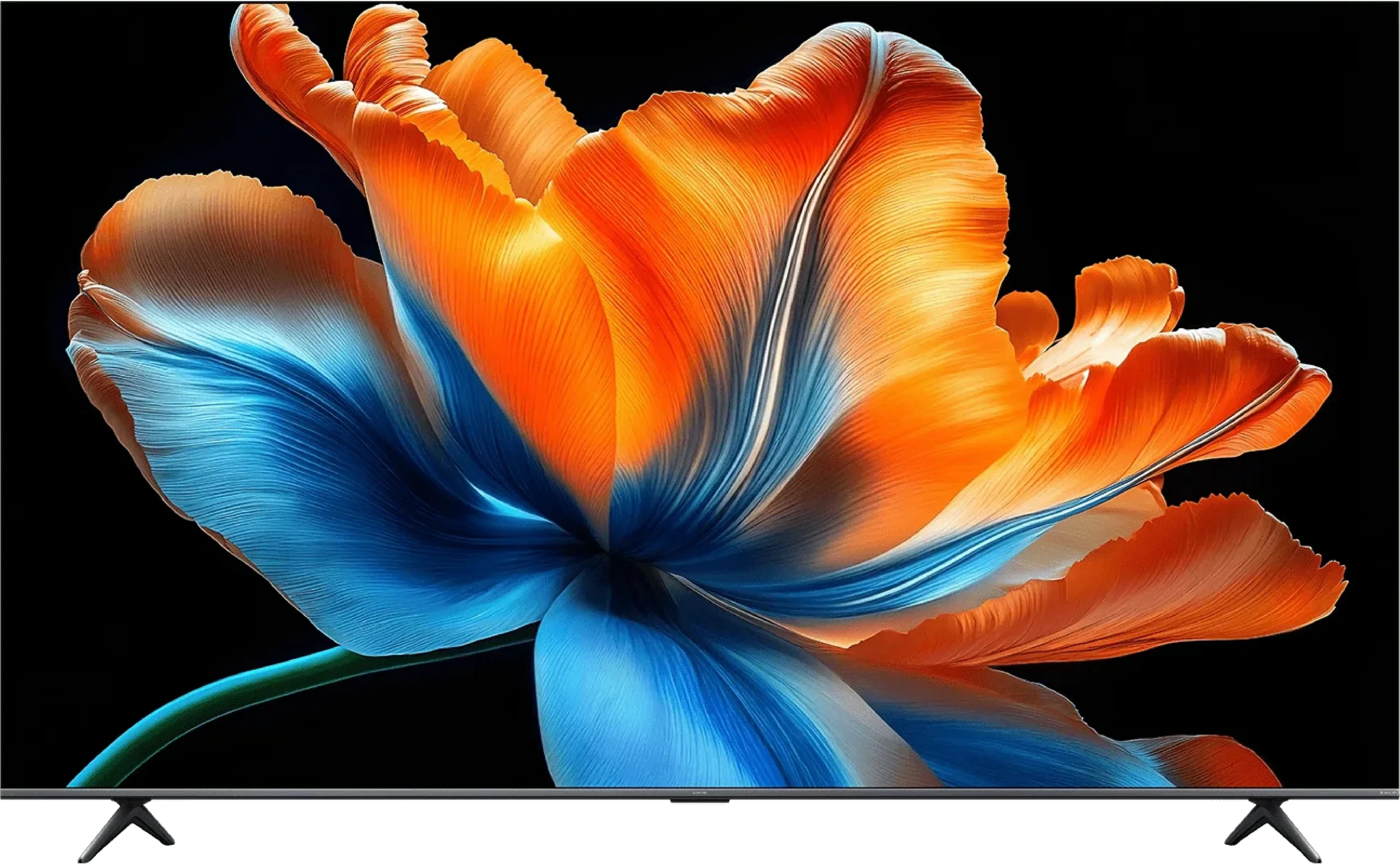
Panel type: LCD VA
Resolution: 3840x2160
System: Google TV
Model year: 2024
Complete the survey to find out the result
Panel type: LCD VA
Resolution: 3840x2160
System: Google TV
Model year: 2026
Complete the survey to find out the result
Overall rating
6.1
6.2
 Movies and series in UHD quality
6.3
6.2
 Classic TV, YouTube
6.6
6.0
 Sports broadcasts (TV and apps)
5.6
5.0
 Gaming on console
7.2
6.9
 TV as a computer monitor
3.5
5.6
 Watching in bright light
4.8
6.3
 Utility functions
6.5
6.7
 Apps
9.6
9.6
 Sound quality
5.1
5.0
Complete the survey to find out what fits your preferences
Advantages

Google TV operating system – intuitive and versatile
Very good contrast
Very good coverage of the DCI-P3 and BT.2020 colour palettes
Low input lag - around 13 ms
Support for ALLM, VRR, and HGiG in gaming mode
Very good contrast: MiniLED + VA
High brightness
Wide colour gamut
Low input lag
120 Hz mode at 1080p/1440p
Google TV with a wide selection of apps
Good results after calibration
Disadvantages

The quality of the HDR effect leaves a lot to be desired
No Dolby Vision
Not suitable for PC work
No Ambilight system
Panel limited to 60 Hz
Poor viewing angles
Poor image processing
Visible posterisation
Flat sound, little bass
Our verdict
In the smaller screen sizes (55 to 75 inches) the Xiaomi S Mini 2026 makes a really good impression, provided you judge it from the outset in the context of its price. Mini LED technology does exactly what we expect from it: it delivers strong contrast and produces HDR brightness high enough that watching films feels much more dynamic than on conventional TVs in this price bracket. Add Google TV to that and you simply get a device that’s easy to use for everyday entertainment. The catch is that how you evaluate this model depends heavily on how you plan to use it. The 55-, 65- and 75-inch versions use a 60 Hz panel, which automatically puts them in a very different position compared with the larger variants. If you’re looking for a screen specifically for sport or want to get the most out of a new console in 4K at 120 frames per second, this TV will simply fall short of expectations. A separate issue is Xiaomi’s policy, because the naming confusion can be very misleading. The 85- and 98-inch variants are actually completely different TVs in terms of construction and capabilities. A buyer is perfectly entitled to assume that by choosing a smaller size they are only sacrificing inches and perhaps the number of local dimming zones, whereas in practice they end up with kit from a completely different technological tier. Looking at the 55 to 75-inch model itself, if your benchmark is obtaining the best possible picture quality on a very low budget, the S Mini 2026 can more than hold its own.
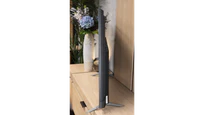
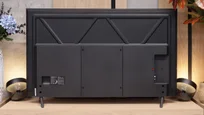
TV appearance
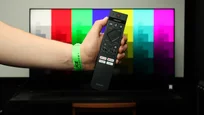
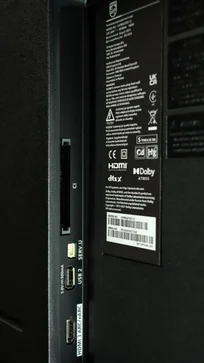
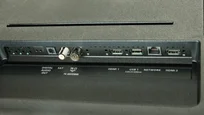
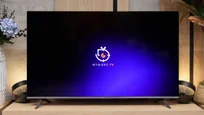


Contrast and black detail
7/10
7.8/10
Local dimming function: Yes, number of zones: 96 (16 x 6)
Local dimming function: Yes, number of zones: 308 (22 x 14)
Contrast:


Result
58,650:1

Result
37,150:1

Result
10,850:1

Result
6,150:1

Result
5,100:1
Result
458,550:1
Result
27,450:1
Result
25,200:1
Result
10,950:1
Result
6,650:1
Halo effect and black detail visibility:
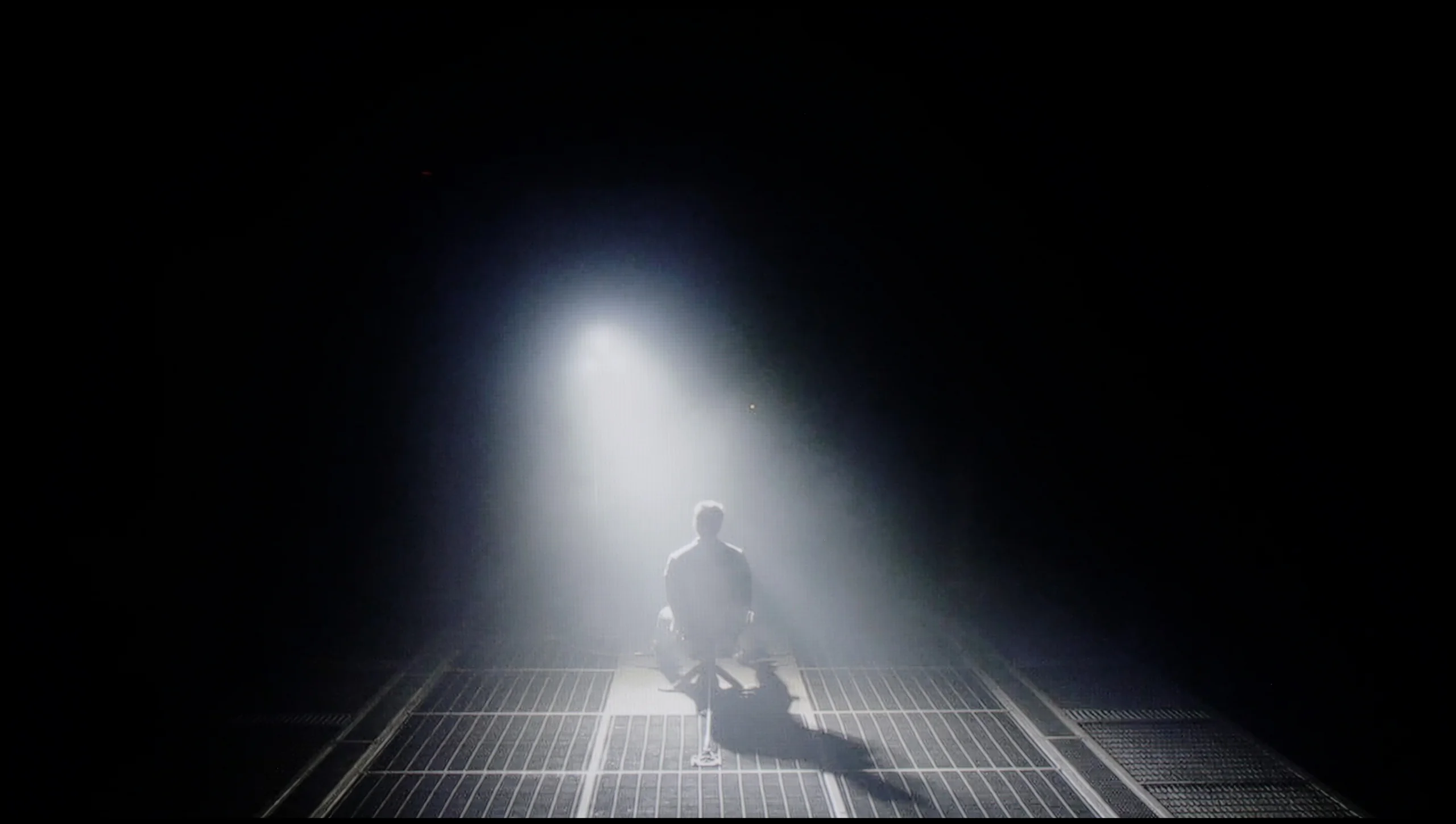
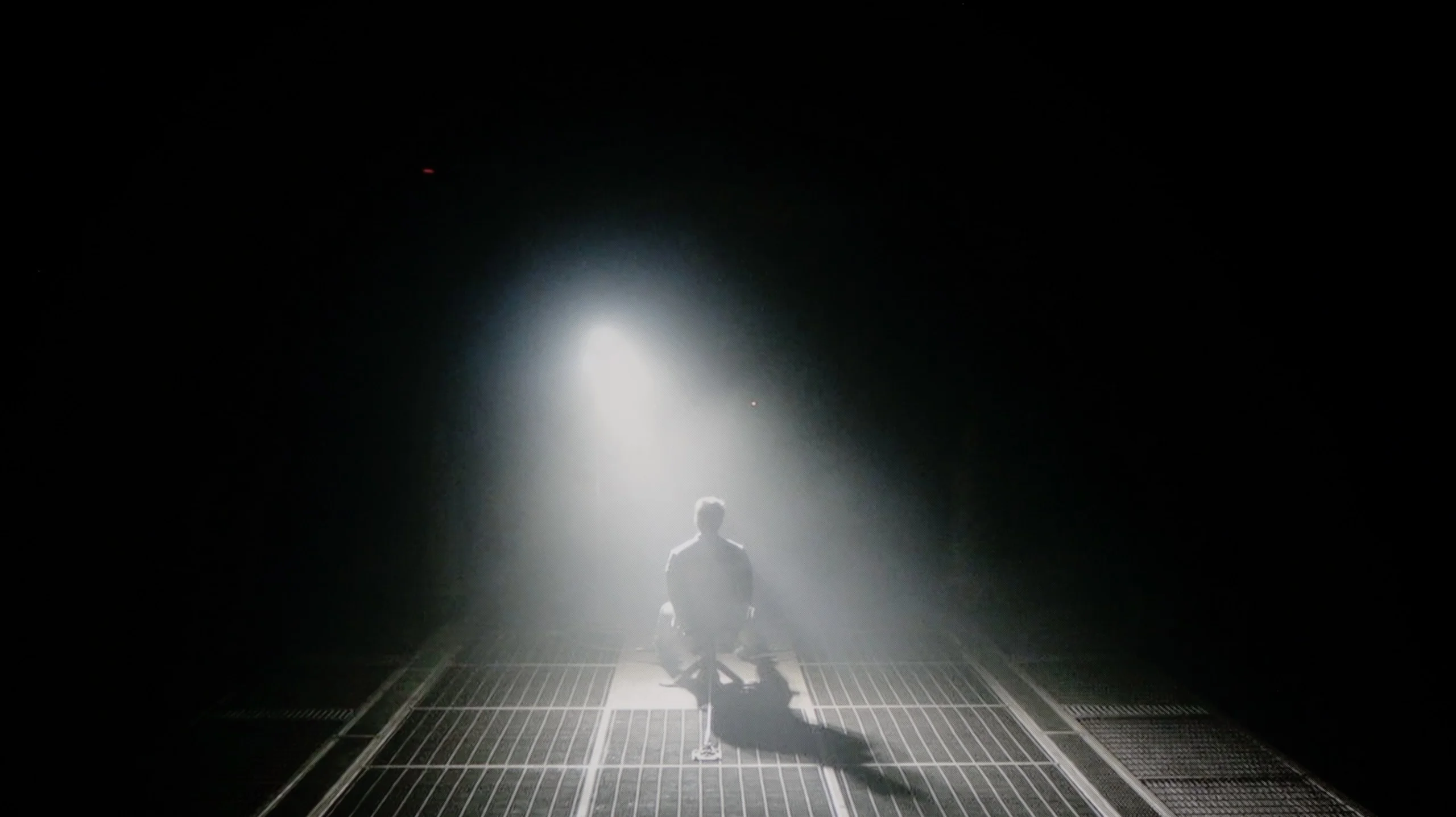
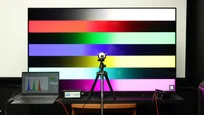
Check the visibility of bright lights on a dark background. Mini-LEDs often struggle with this. The photo does not compare black levels – that’s what the video below is for.
The video accurately shows differences in contrast and black levels between TVs, as well as potential issues: halo around bright objects or Mini-LED zone operation visible as brightness jumps.
The model name 8709 "PML" refers to Philips mini-LED technology, but can we really call its backlighting that? In the 65-inch version, we counted only 96 local dimming zones. For mini-LED standards, this number seems too low, which raises questions as to whether we are actually dealing with a true mini-LED here. However, if we look at the black quality, the television performs quite well. On the first two test patterns, as well as in less demanding scenes, the picture is quite decent – blacks are deep and contrast is satisfactory. Problems begin, however, in more complex scenes, such as the last three test patterns, where small light elements appear on the screen. The local dimming algorithm seems to "get lost," unable to decide whether to brighten or darken a given area. The result is visible errors – reduced black quality and unevenness of the picture. An example of the local dimming zones' operation can be seen in a scene from the film Sicario 2. You can see how the dimming zones try to reproduce details, but at the same time, this leads to a slight brightening around the helicopter lights. However, despite these shortcomings, the black level in the Philips PML8709 is quite good, especially considering its price class.
In terms of contrast the Xiaomi S Mini 2026 performs really well. The TV uses a VA panel and Mini LED backlighting with 308 local dimming zones in the 55-inch model. Although on paper the number of zones is not as impressive as in more expensive models, in practice the set handles dark scenes very well. In shots where small bright objects appear against a black background, it can effectively dim the remaining parts of the image. As a result blacks are deep and the contrast in many films can resemble what we know from OLED TVs.
Of course not every scene is equally easy for the local dimming system. When there are more bright elements or they are positioned close together, a faint halo can appear around them. That is a typical limitation of Mini LED TVs and Xiaomi is no exception. The backlight control algorithm itself is commendable. Compared with the previous generation it operates much more stably, so while watching you won't see annoying flicker or sudden changes in brightness between consecutive shots.
HDR effect quality
4/10
5/10
Luminance measurements in HDR:

Result
367 nit

Result
126 nit

Result
309 nit

Result
119 nit

Result
348 nit
Result
993 nit
Result
166 nit
Result
641 nit
Result
157 nit
Result
898 nit
Scene from the movie “Pan” (about 2800 nits)


Scene from the movie “Billy Lynn” (about 1100 nits)
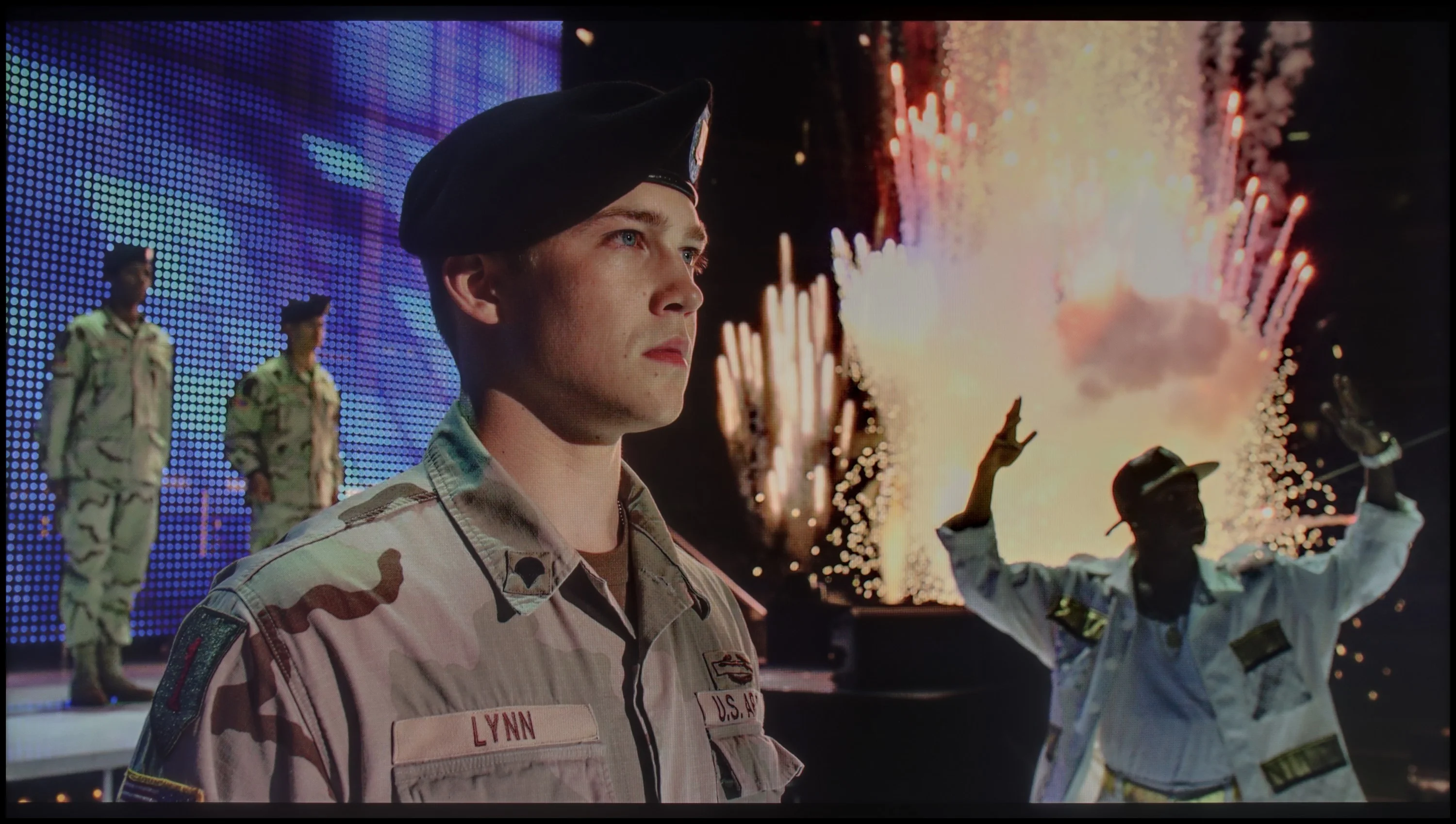
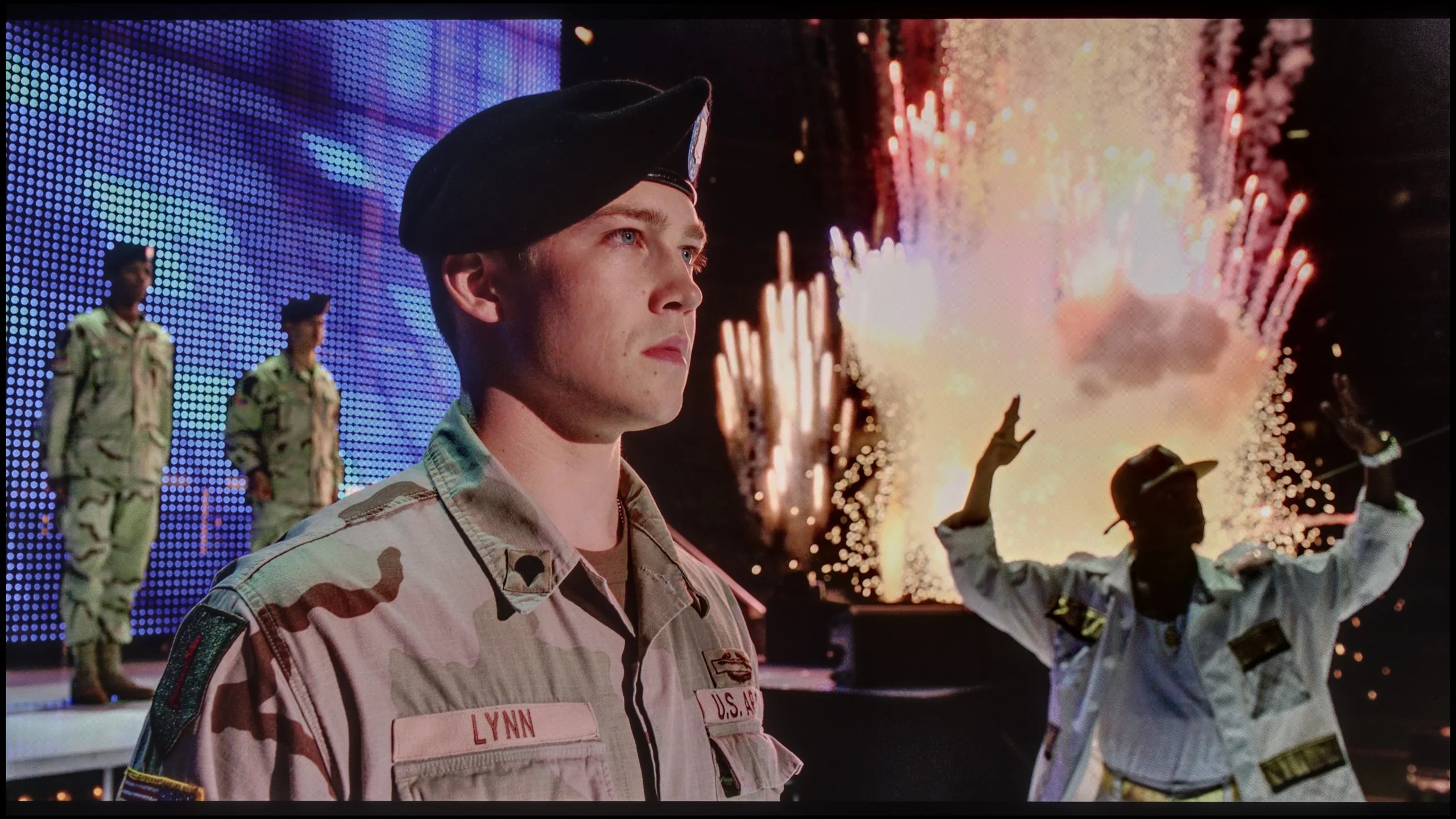
The photos show two HDR10 movies. 'Pan' is one of the brightest productions ever made, while 'Billy Lynn' (soldier) has brightness typical of streaming (Netflix, Prime, HBO MAX). Notice the intensity of effects and detail in whites.
Static HDR10


The photos present the visibility of white details in various HDR formats. They do not show brightness differences between TVs (these can be compared in the previous gallery).
Dynamic: HDR10+
Dynamic: HDR10+


The photos present the visibility of white details in various HDR formats. They do not show brightness differences between TVs (these can be compared in the previous gallery).
HDR luminance chart:
XIAOMI S Mini 2026 (55"-75") 60Hz
Philips PML8709
Looking at the results of the contrast, we expected that the algorithms responsible for the operation of zones in the Philips PML8709 would be at least decent. However, what we encountered during testing is difficult to explain. The average brightness we managed to achieve was only 350 nits, which is definitely too little to fully enjoy the effects of HDR. In practice, the television barely stands out against the backdrop of an average SDR. The situation becomes even more surprising for test scenes, such as the second one from the film Life of Pi or Sicario 2. Small light elements reach only 120 nits there, making them practically imperceptible. Such a level of brightness is completely at odds with contemporary HDR standards and significantly diminishes the experience of watching high-quality content. The only bright spot in this category is the very good coverage of wide colour gamuts – DCI-P3 at 97% and BT.2020 at 83%. This means that the colours are saturated and well-reproduced, which may improve the overall experience of watching HDR materials, if only a little. However, the lack of adequate brightness means that even this cannot save the Philips PML8709 in this category.
When it comes to HDR, the capabilities of the Xiaomi S Mini 2026 are really good, especially given the segment this model belongs to. The TV reaches around 1,000 nits of brightness without much trouble, allowing it to show a very pronounced HDR effect in bright scenes. The sun, reflections and brightly lit parts of the image can be really intense and at times almost striking in their brightness. It is a bit different in dark scenes, though. Very small light sources surrounded by black are displayed at much lower brightness, so they lack that pinpoint intensity seen on the best TVs. That said, this is not unusual for a Mini LED. The local dimming algorithm reduces the backlight to preserve the deepest possible blacks, which in such scenes matter more than a few extra nits.
HDR colours
Colour reproduction also performs well. Xiaomi markets the S Mini 2026 as a QLED TV, although the solution used here is effectively based on a PFS phosphor. The result is what matters, and it's quite good. Our measured coverage of the DCI-P3 gamut was about 94%, while in the much wider BT.2020 colour space it was about 74%. This means the TV can reproduce most colours used in HDR films with suitably high saturation. Its limitations are most visible with very intense shades of green, where the colour gamut starts to run out.
Factory color reproduction
3.9/10
5/10
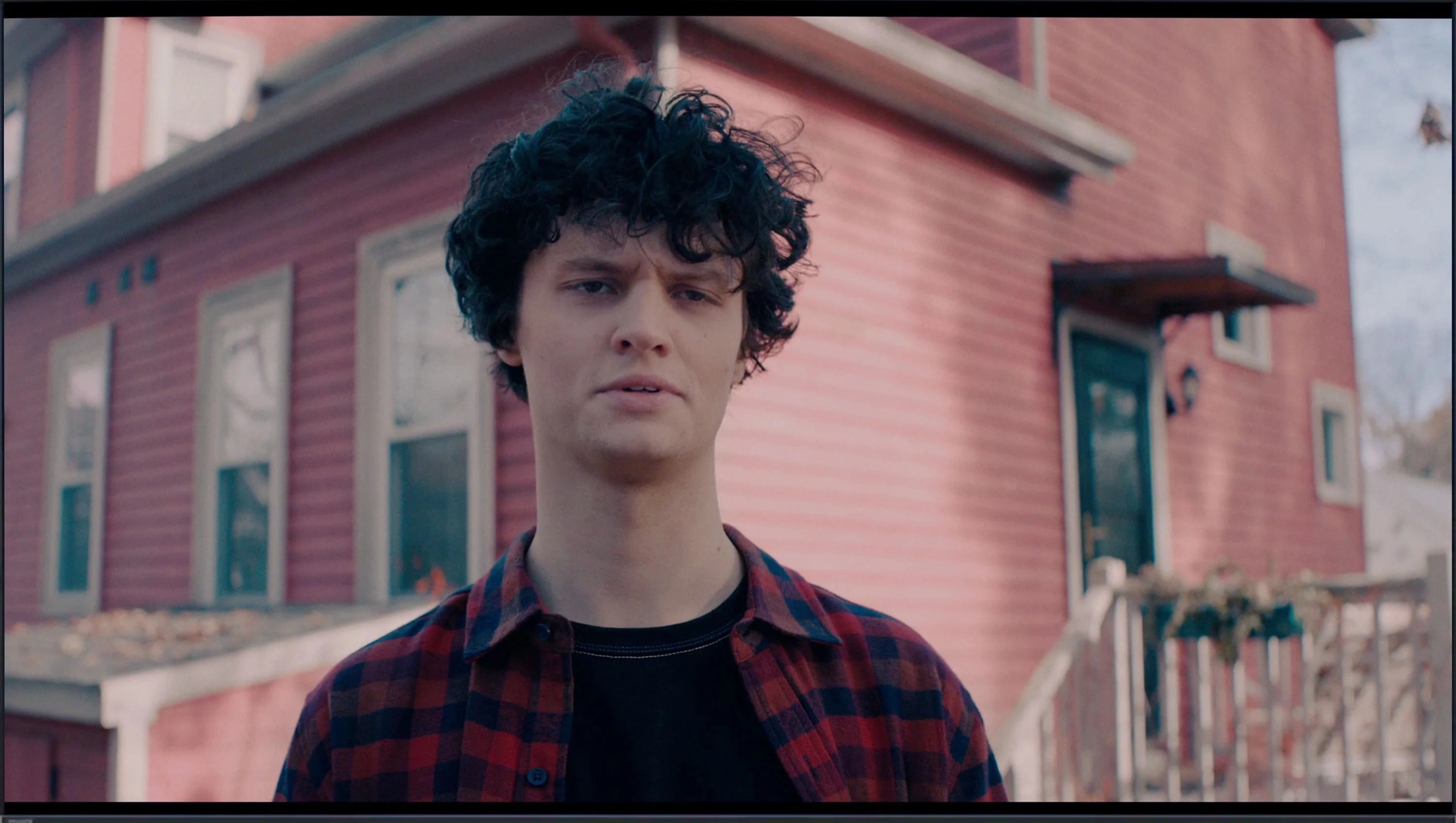
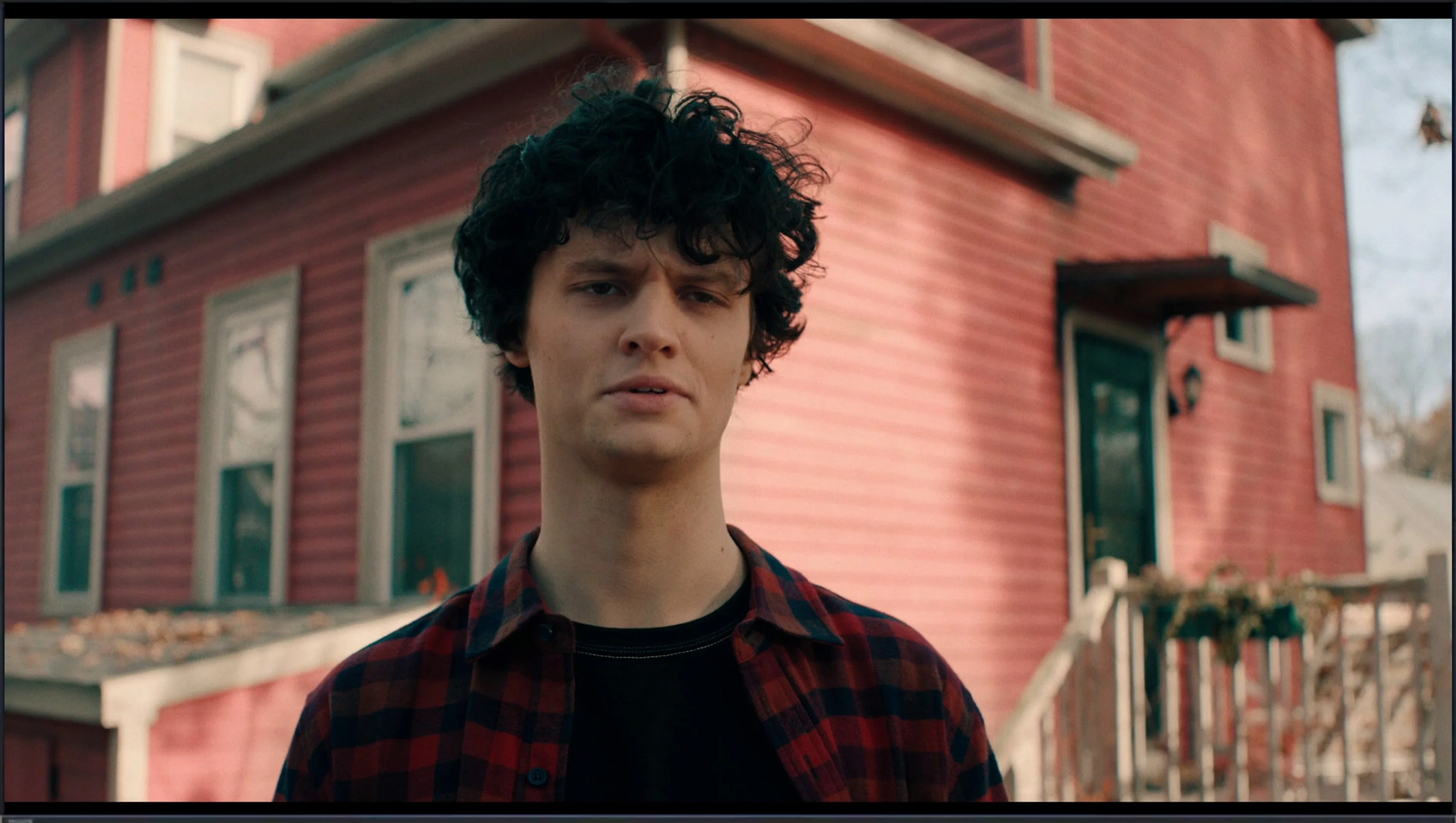
This gallery shows how colors change after professional TV calibration. If you notice the difference, we recommend ordering this service at SkalibrujTV.com.
Factory Mode
After calibration


This gallery shows how colors change after professional TV calibration. If you notice the difference, we recommend ordering this service at SkalibrujTV.com.
Factory Mode
After calibration
Although theoretically the Filmmaker mode on the Philips PML8709 should provide natural colour reproduction, in reality it resembles store mode more closely. In the white balance, both for HD and 4K content, there is a clear dominance of the blue colour. This causes the image to appear washed out and cold, which is particularly noticeable in the comparative photo below.
The brightness characteristics also leave much to be desired. Both the gamma and EOTF curve show excessive screen brightening. As a result, there is a loss of detail in both the brighter and darker areas of the image, which further diminishes its credibility and naturalness. Bright elements appear unnaturally flat and lacking in variety.
These significant issues in white balance and brightness characteristics lead to noticeable errors in colour reproduction, which can be easily seen in films as well as in the Colour Checker test. The colours are inaccurate, impacting the overall image quality and visual experience. The factory settings require significant improvement in order to fully enjoy the potential of this television.
We tested the Xiaomi S Mini 2026 in sizes from 55 to 75 inches in Film mode, which offered the most accurate colours compared with the other presets. That did not mean the picture was correctly set up straight away. In our sample the white balance was clearly shifted towards warmer tones. There was too little blue and too much red, so whites and greys had a slightly warm tint. The TV also tended to brighten darker parts of the image too much. This was due to the gamma, which instead of staying around 2.4 dropped in places to about 2.0. As a result there was more detail visible in the shadows, but the image lost some depth. The factory settings were therefore not bad, but there was still some way to go to achieve accurate image reproduction.
Color reproduction after calibration
7.6/10
7.5/10


The photos show how movies look on the TV. Pay attention to black detail visibility, colors, and shadow tint.


The photos show how movies look on the TV. Pay attention to black detail visibility, colors, and shadow tint.
Philips offers advanced image calibration tools in its televisions, which we decided to fully utilise. The results? Although we managed to improve many aspects, it was not without difficulties. White balance was one of the biggest challenges – despite our efforts, this can be described as a fight against windmills. We managed to correct it significantly, resulting in the image now looking much better than in the factory settings, but it is still far from perfect. Particularly in some scenes, a subtle dominance of blue is visible, although not as intense as before. We achieved a substantial improvement in brightness characteristics – gamma now appears much more stable. The EOTF curve initially looks correct, however, when analysing film content, it is evident that the television struggles to maintain the appropriate characteristics. The algorithms are "battling," trying to adjust brightness, which may stem from the limited number of dimming zones that do not always cope with more complex scenes. Overall, the image after calibration looks much more pleasing to the eye – colours are more natural, and errors in colour reproduction have been minimised. Although it is still not perfect, the Philips PML8709 now performs significantly better than in the factory settings.
Contrary to appearances, the Xiaomi S Mini 2026 responds quite well to calibration. After our adjustments the white balance was noticeably improved and the picture stopped leaning towards overly warm tones. With SDR material the effect is really good, and the TV can render such content very accurately; it is hard to fault it on colour reproduction. We applied similar corrections for HDR, though not everything could be fixed there. Colours look better than on the factory settings, but the TV still tends to display the image a little brighter than it should. This is visible in the EOTF curve, which sits above the reference value. In practice this means some HDR scenes are brighter than the creators intended. It is a quirk of this TV and we have no influence over it.
Smoothness of tonal transitions
9.1/10
5.5/10
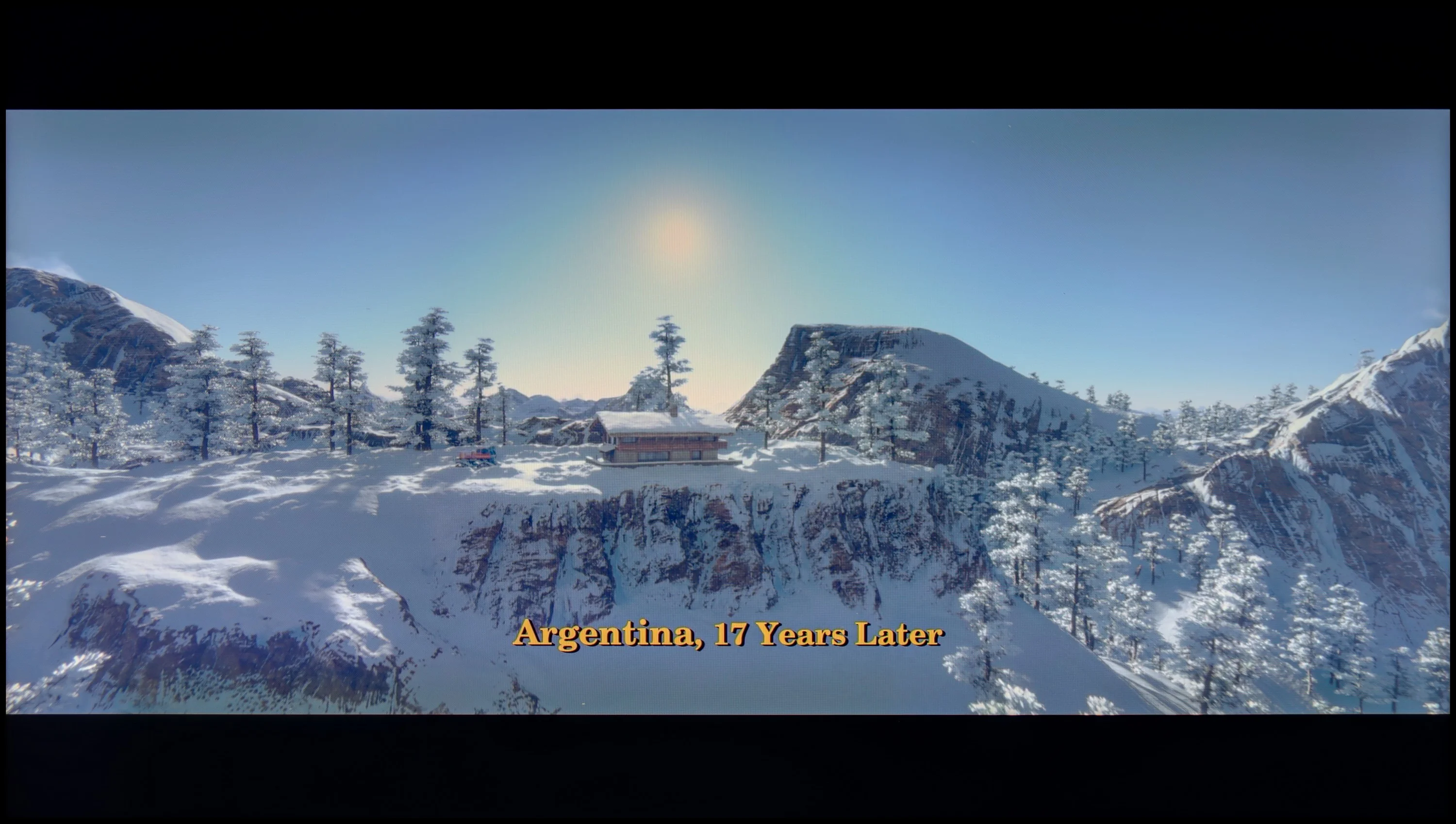

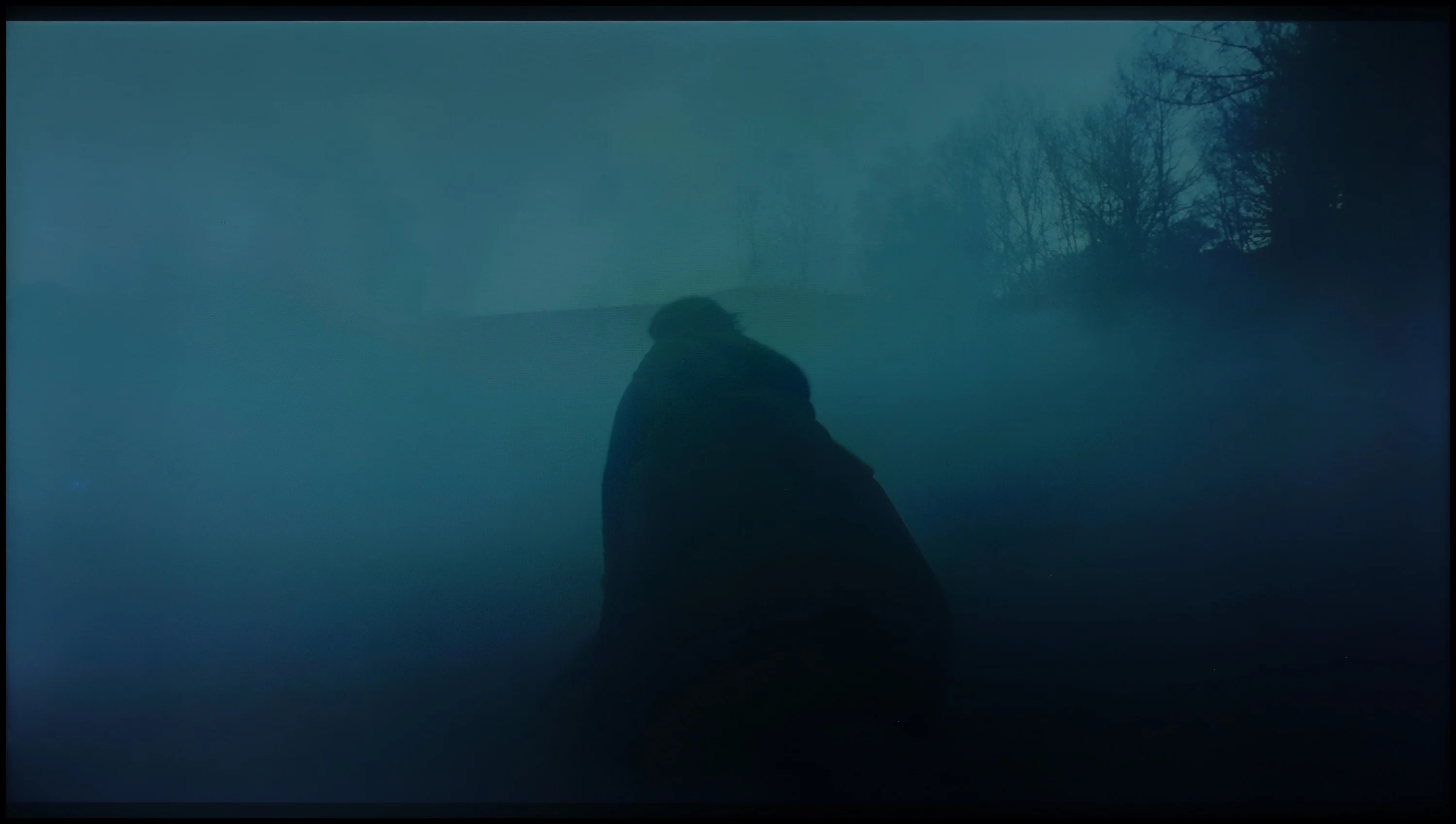
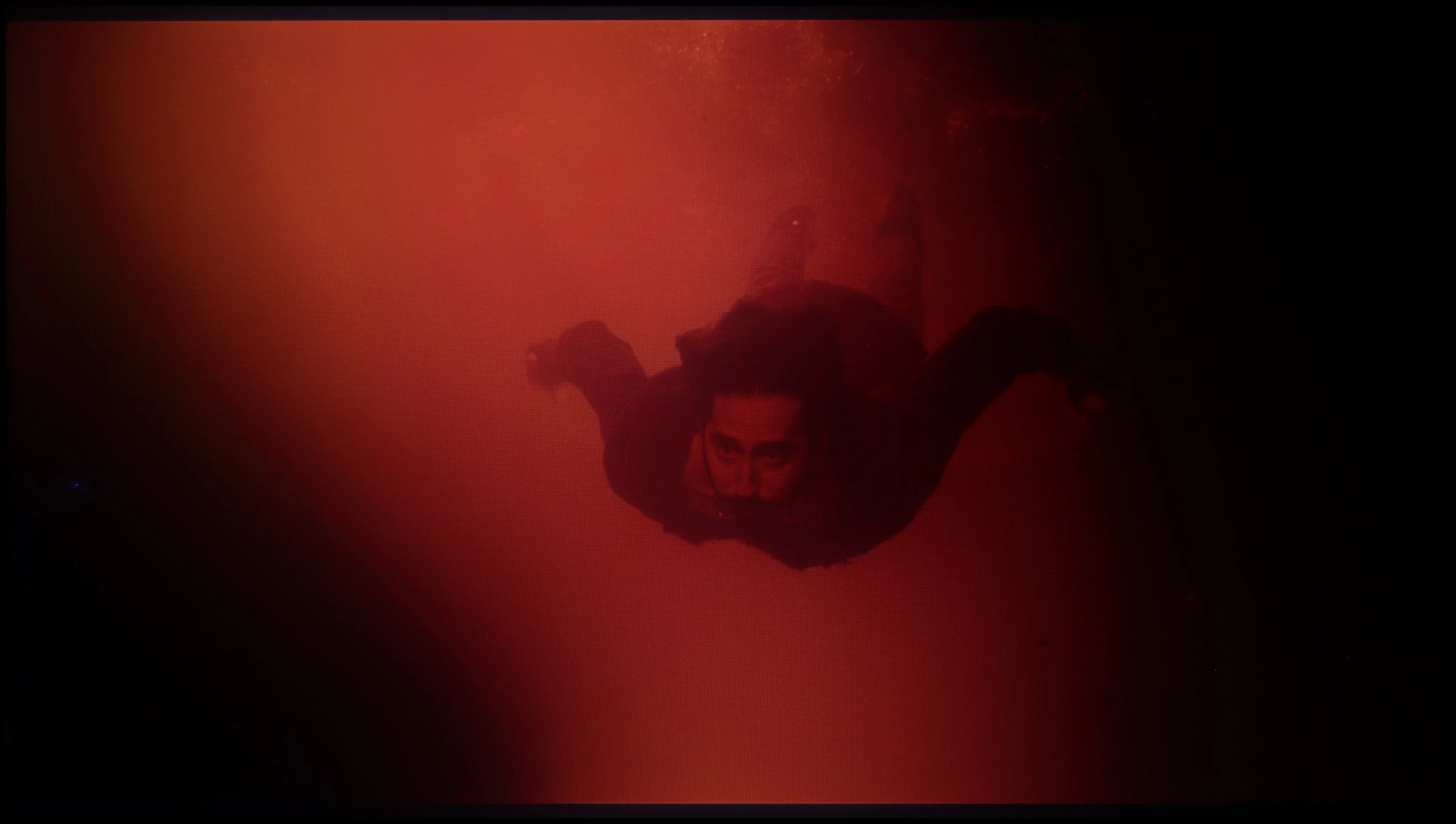
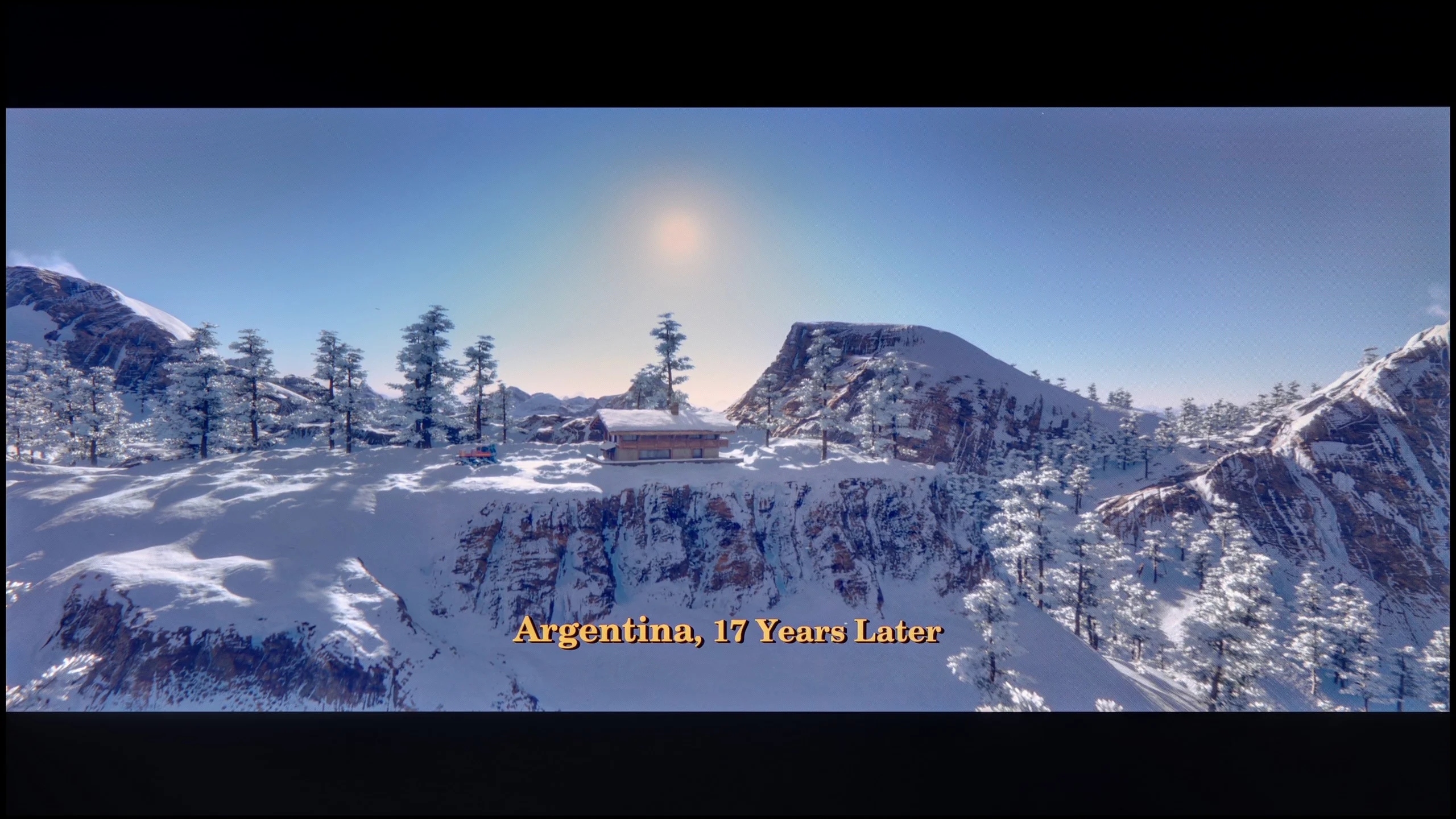
These are selected scenes that show smooth tonal transitions from one color to another. If you see distinct banding, it’s the TV panel’s fault.

These are selected scenes that show smooth tonal transitions from one color to another. If you see distinct banding, it’s the TV panel’s fault.

These are selected scenes that show smooth tonal transitions from one color to another. If you see distinct banding, it’s the TV panel’s fault.
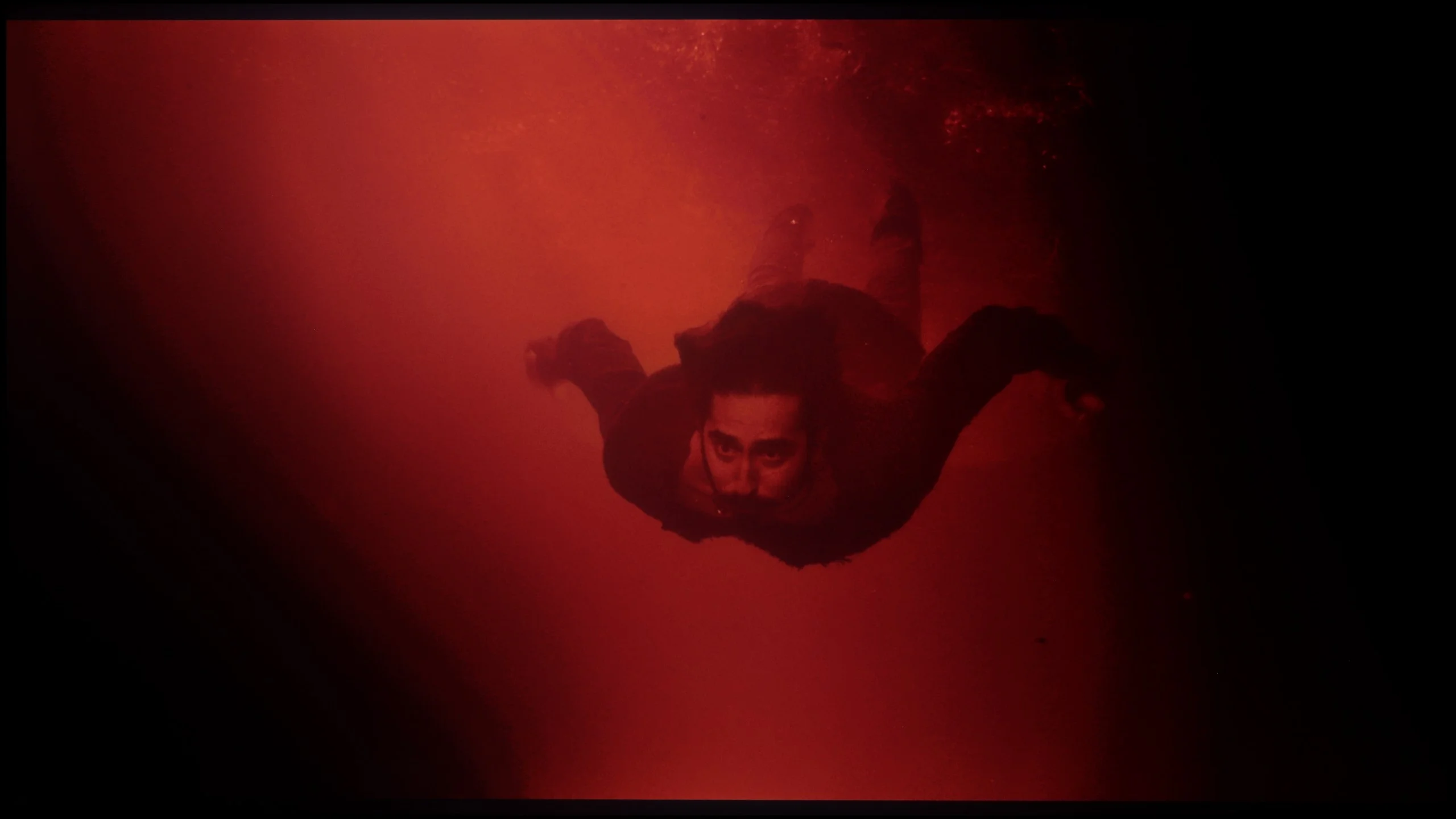
These are selected scenes that show smooth tonal transitions from one color to another. If you see distinct banding, it’s the TV panel’s fault.
The fluidity of tonal transitions in the Philips PML8709 is at a very high level. The colour gradation is incredibly smooth, and the transitions between shades appear natural and detailed. Even in more demanding scenes, the television performs excellently. Minor issues may arise with bright elements, where the gradation may be slightly less precise. However, these are such subtle differences that only the most discerning purists will notice them. For most users, the effects will be fully satisfying, and the image will maintain its impressive quality.
The smoothness of tonal transitions in the smaller variants of the Xiaomi S Mini 2026 is noticeably worse than in the larger versions. This is most apparent in dark scenes, where posterisation (visible bands between similar shades) appears quite often. In some shots this can be clearly distracting. Fortunately, the problem mainly affects the darker parts of the image. In bright scenes, colour transitions are usually smooth and there is little to criticise here.
Image scaling and smoothness of tonal transitions
6.9/10
3/10


Smooth transition function
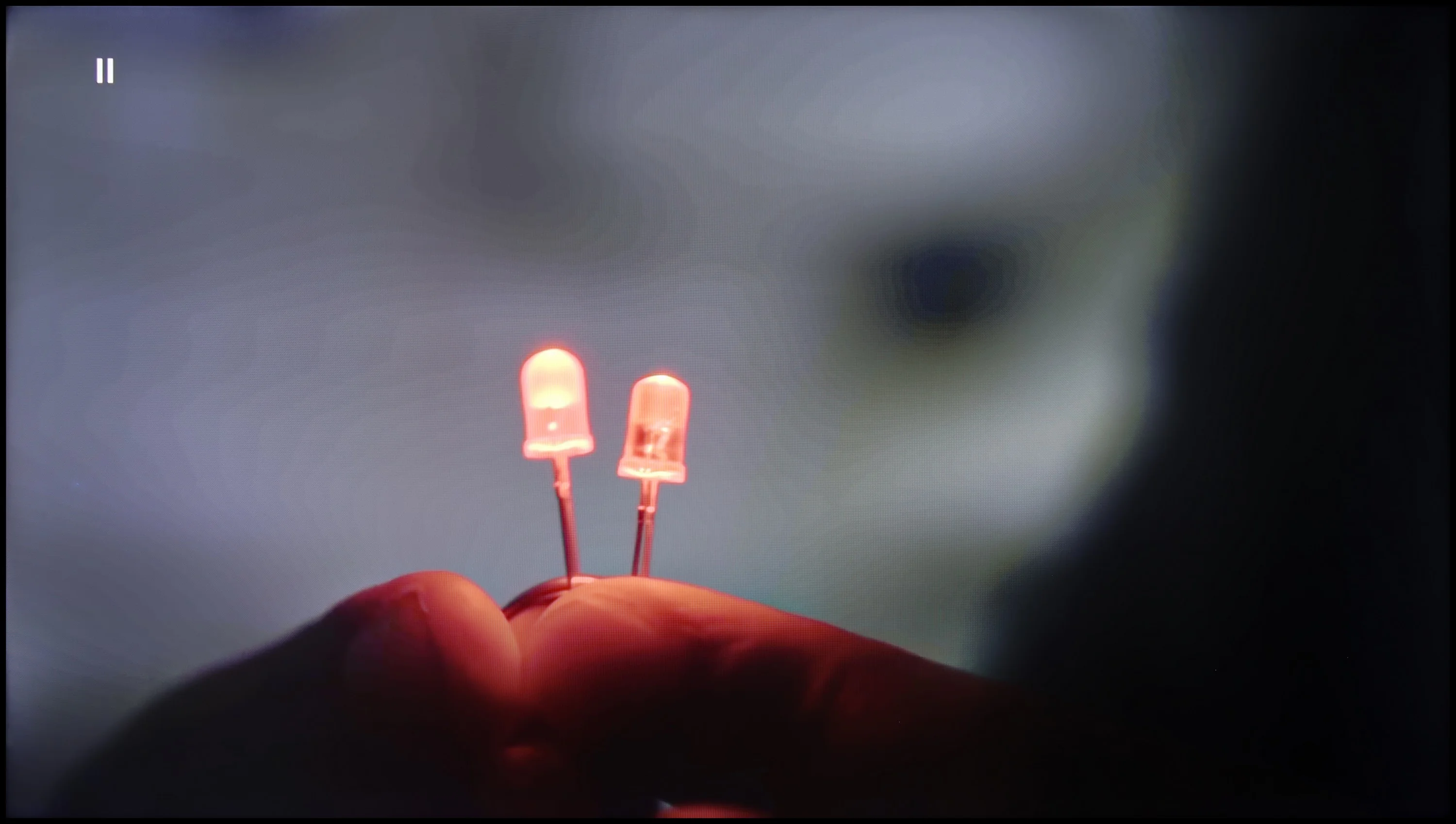
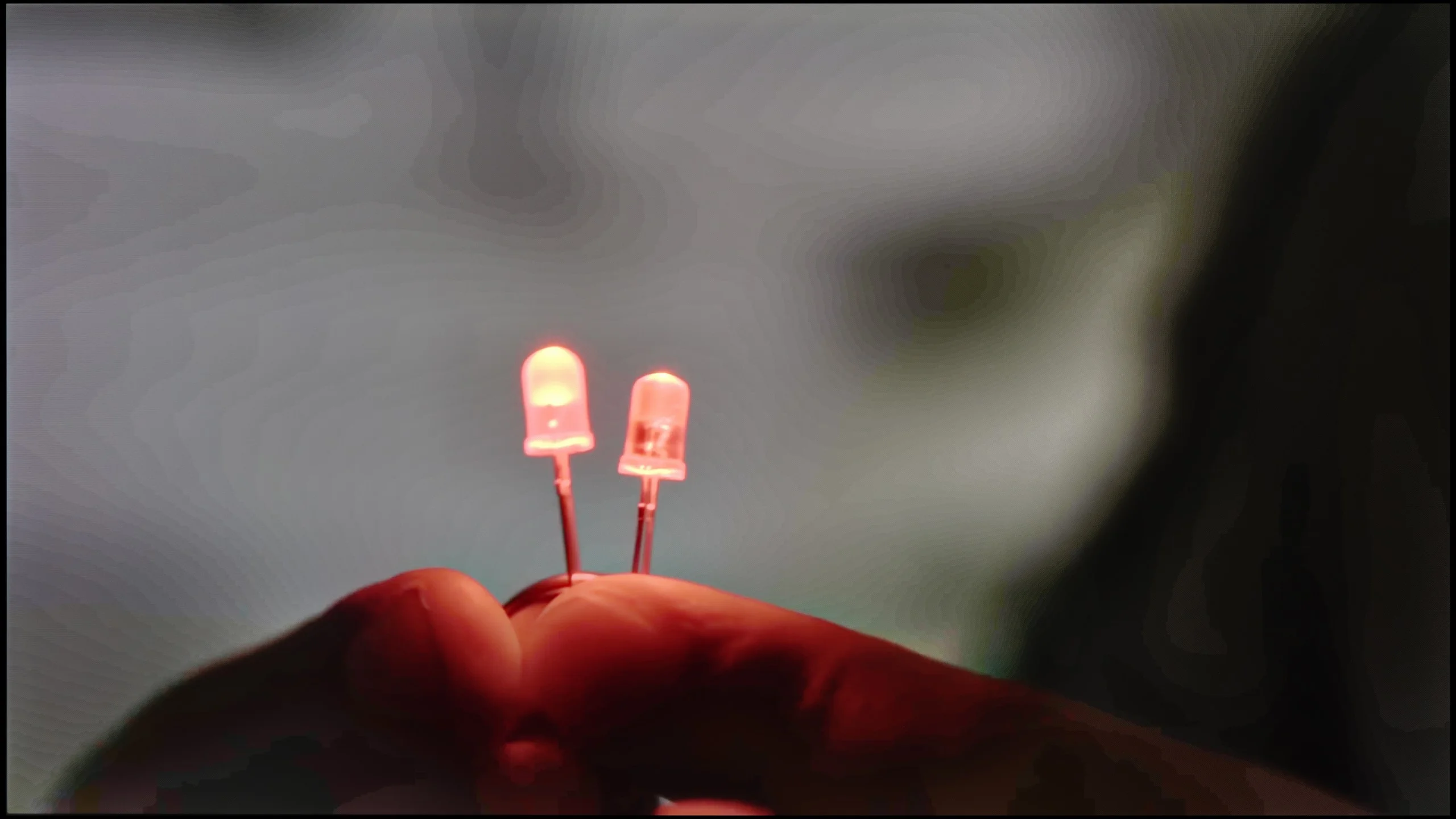
The match photo shows how the TV smooths weak tonal transitions in low-quality video.
Image scaling SD (576i)


The model photo shows how it handles upscaling of SD material.
The distortion reduction function in the Philips PML8709 smooths tonal transitions, but its effectiveness leaves much to be desired. We recommend setting this option to "Medium" – at this level, the effect is noticeable but not excessive. Unfortunately, compared to other Philips models, the smoothing effect is less effective, which means that certain tonal transitions may still appear a bit uneven. An additional drawback is that this function also smooths out other details, such as the textures of materials like a shirt, which can affect the sharpness of the image.
When it comes to image scaling, the television performs very well. The image appears plastic and free of noticeable "jaggedness." This effect may appeal to many users, although some may prefer a more pronounced appearance. Fortunately, the television allows for sharpness adjustment, and this enables us to tailor the image to individual preferences.
Digital image processing in the Xiaomi S Mini 2026 is handled by the MT5896 processor. Unfortunately, in this respect the TV is rather mediocre. Low-resolution content is not scaled very well, and its limitations quickly become apparent on a large screen. The picture looks quite digital, and the TV cannot bring out many extra details. Additionally, overscan cannot be turned off for low-resolution content. The situation is even worse when it comes to smoothing posterisation. On the smaller models there is not even a dedicated setting to reduce visible banding between similar shades. So if such imperfections are already present in the source material, Xiaomi essentially does not mask them.
Blur and motion smoothness
5/10
4.6/10
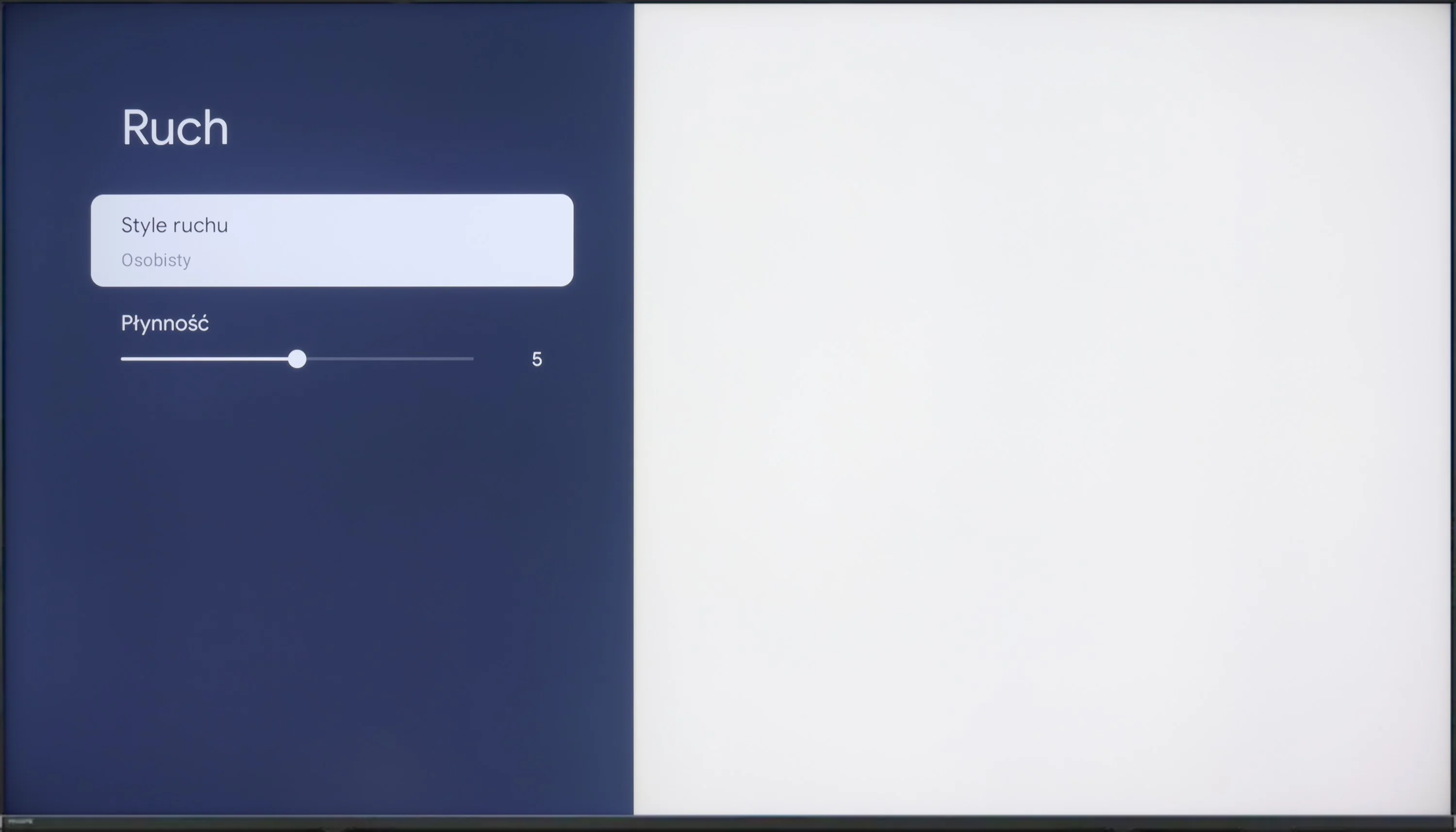
Blur (native resolution, maximum refresh rate):
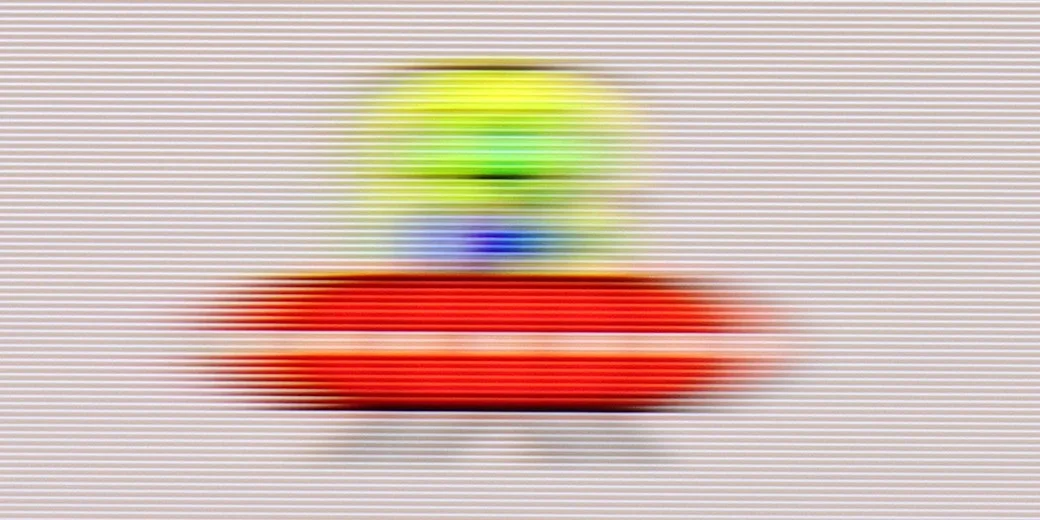
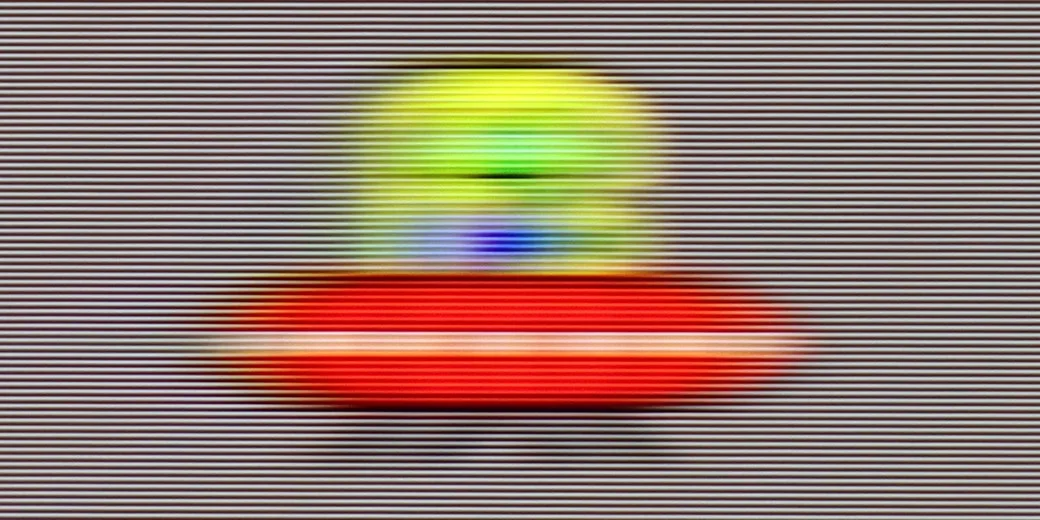
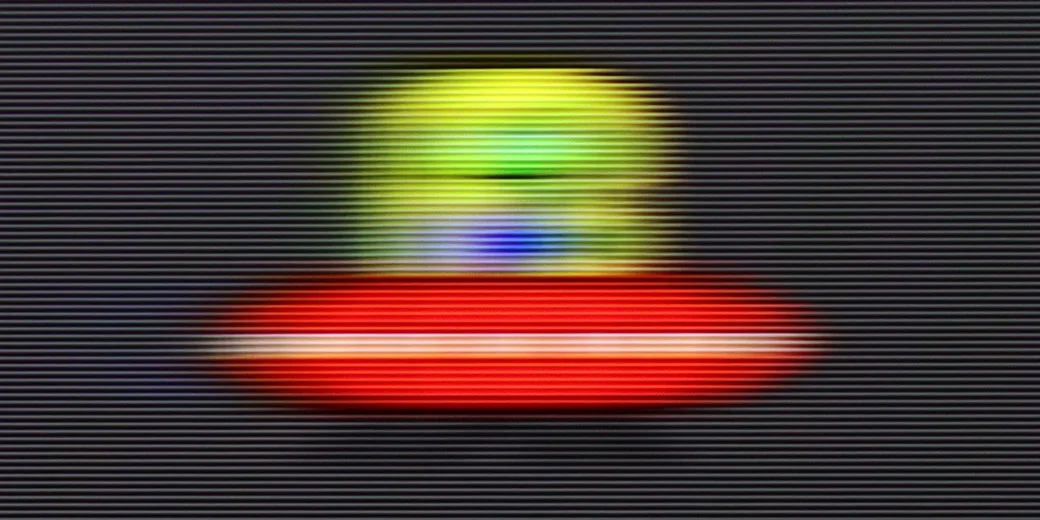

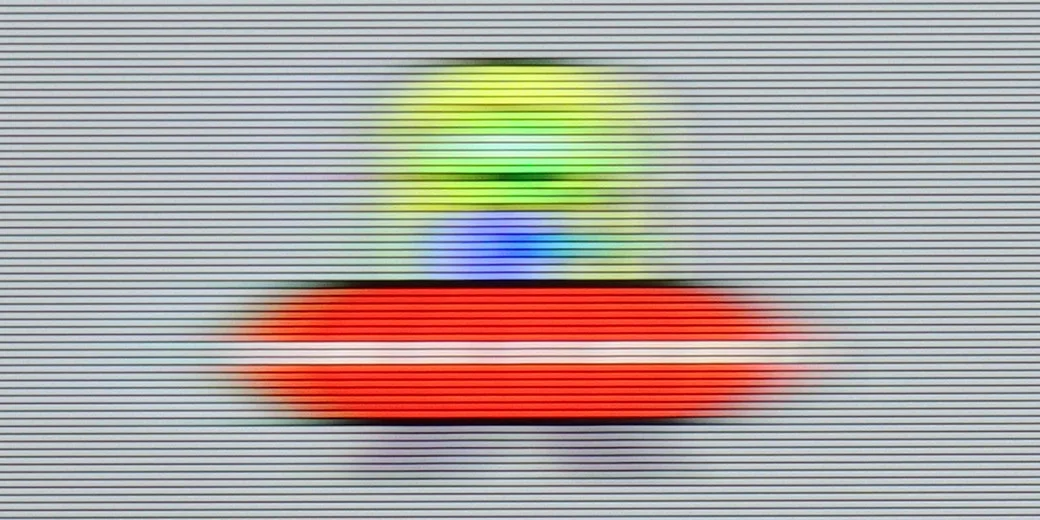
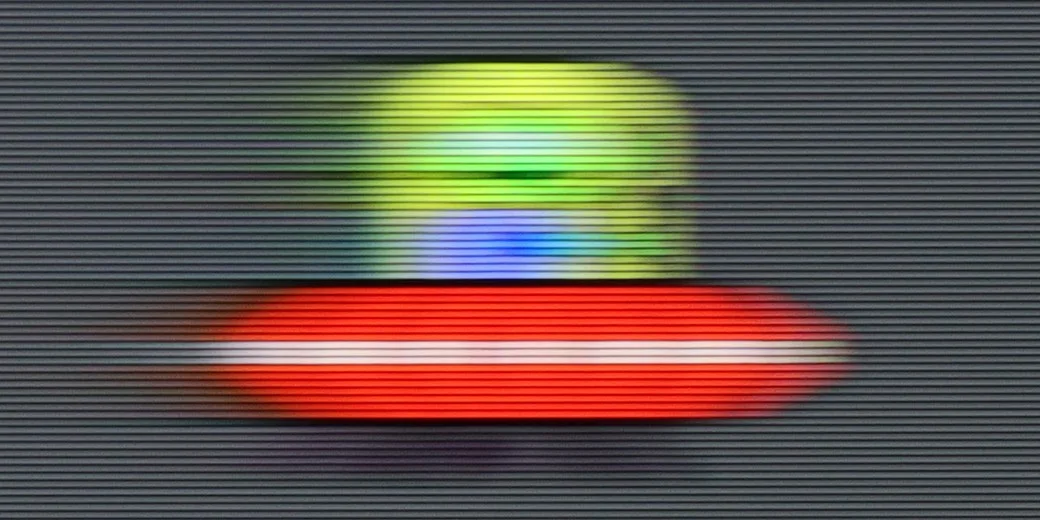
The Philips PML8709 is one of the few models with mini-LED technology on the market, offering a refresh rate of 60 Hz. Although it is not a panel for the most demanding gamers, it should satisfy those who mainly watch films. The television is equipped with the "Motion Style" function, which is a motion smoother that allows you to adjust the smoothness of motion according to preferences – from a more "plastic" look to a cinematic aesthetic with clearly visible frames.
The smaller variants of the Xiaomi S Mini 2026 use a 60 Hz panel, and that is their biggest limitation when it comes to motion. For films and series this is not yet a major issue, because the TV has a classic motion interpolation for 24/30 fps material. So we can reduce the characteristic judder and adjust the motion settings to our own preferences. Sports and other 50/60 Hz content fare worse, because there is no additional function to improve smoothness. In such material we are therefore limited by the panel's capabilities.
In terms of motion blur the TV performs quite typically for a VA panel. Most trailing is visible behind objects moving on a dark background, while in brighter scenes the effect is noticeably reduced. It is not at a level that completely ruins the perception of motion, but in dynamic scenes you can tell the panel is not among the fastest.
Console compatibility and gaming features
6/10
4.6/10
- ALLM
- VRR
- VRR range48 - 60Hz
- Dolby Vision Game Mode
- Correct implementation of HGIG
- 1080p@120Hz
- 1440p@120Hz
- 4K@120Hz
- Game bar
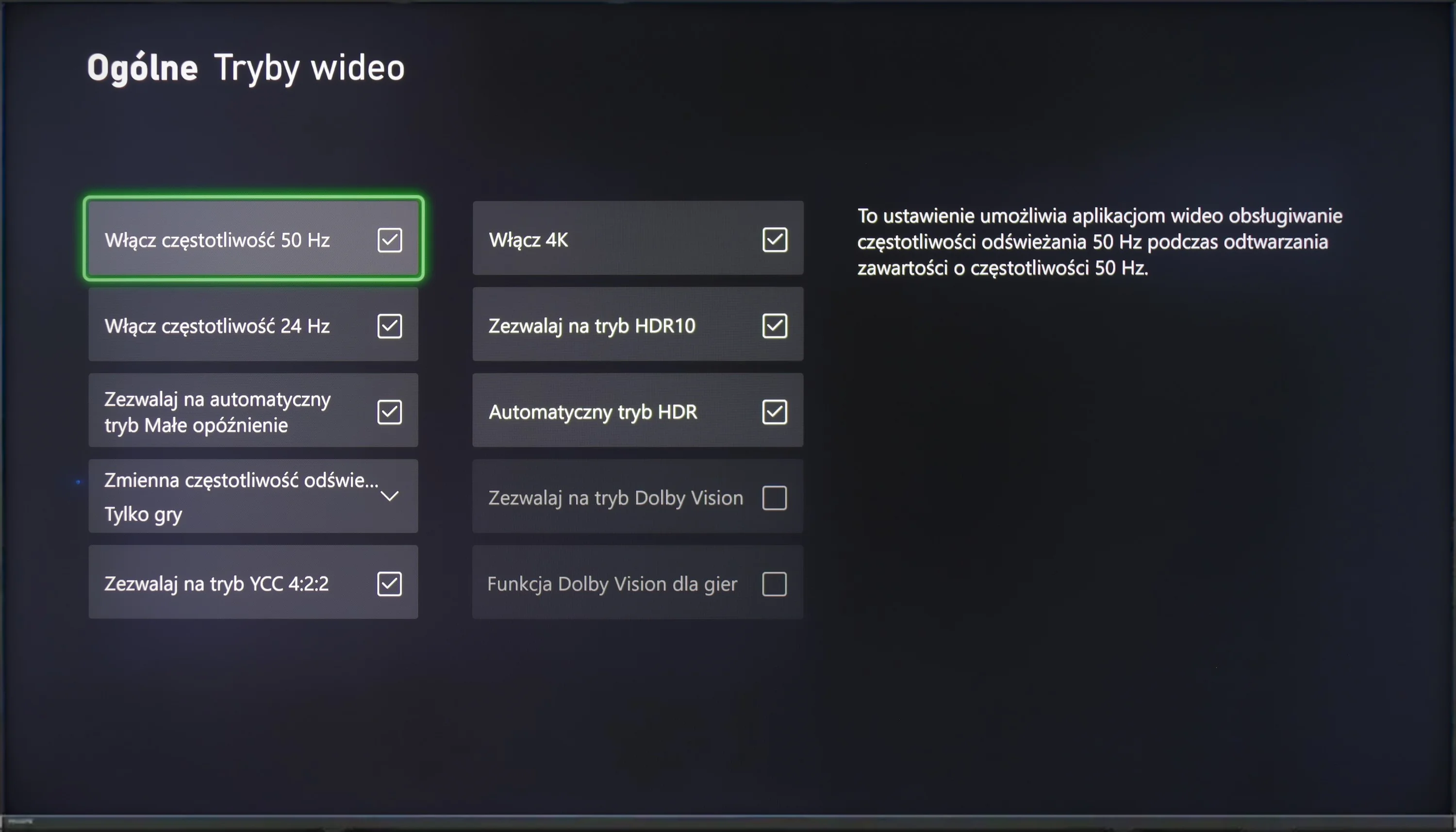
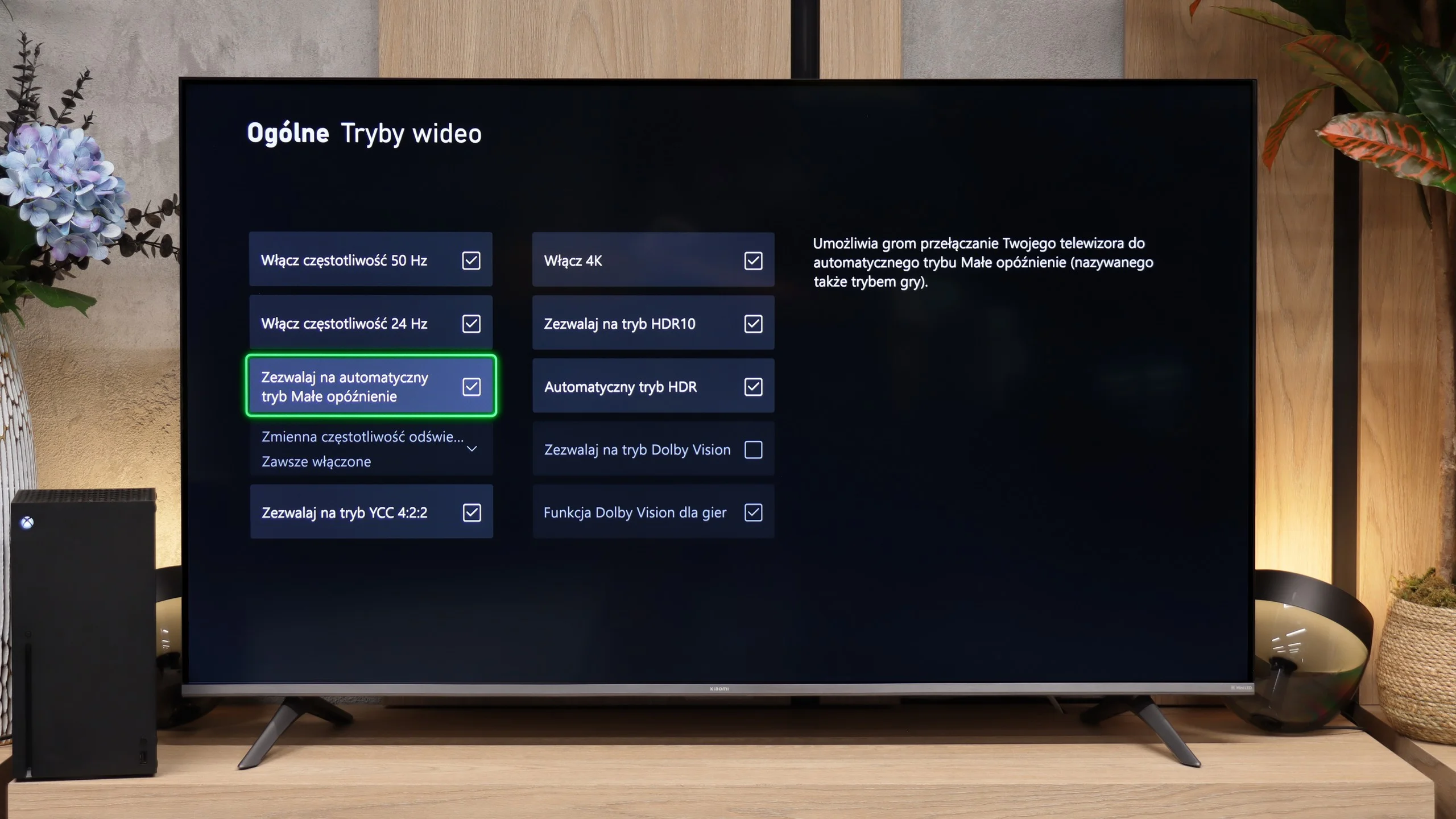
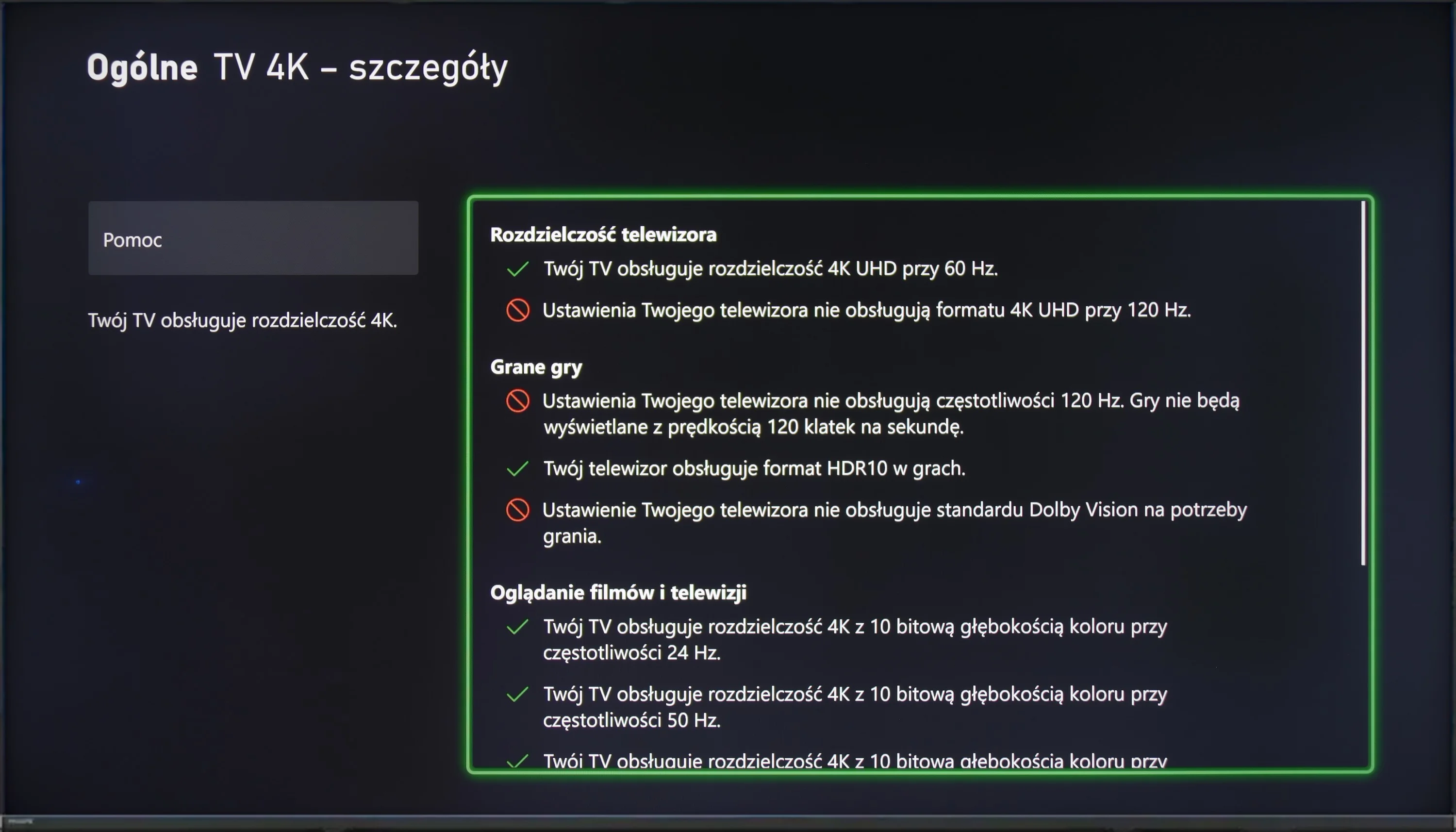
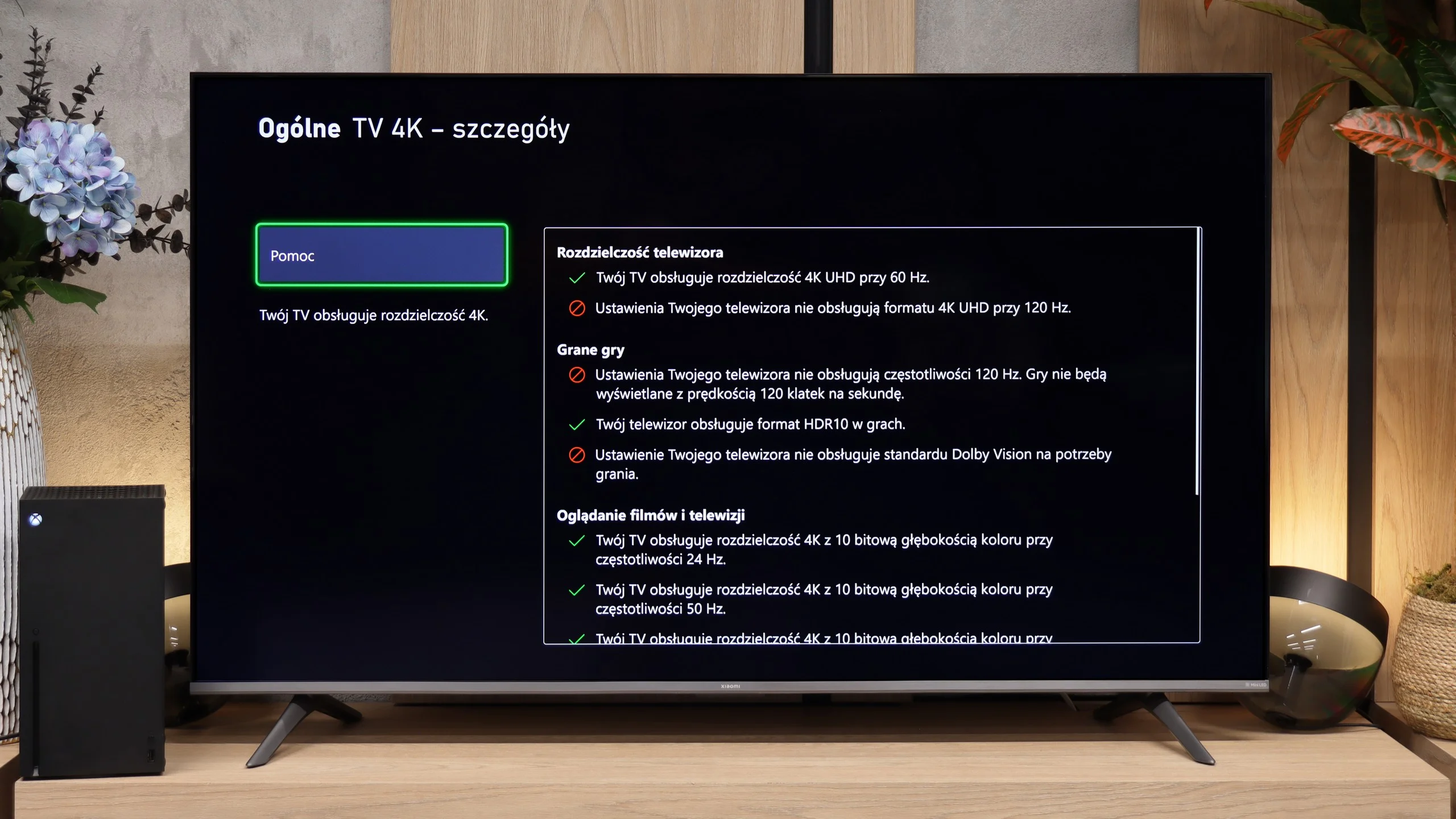
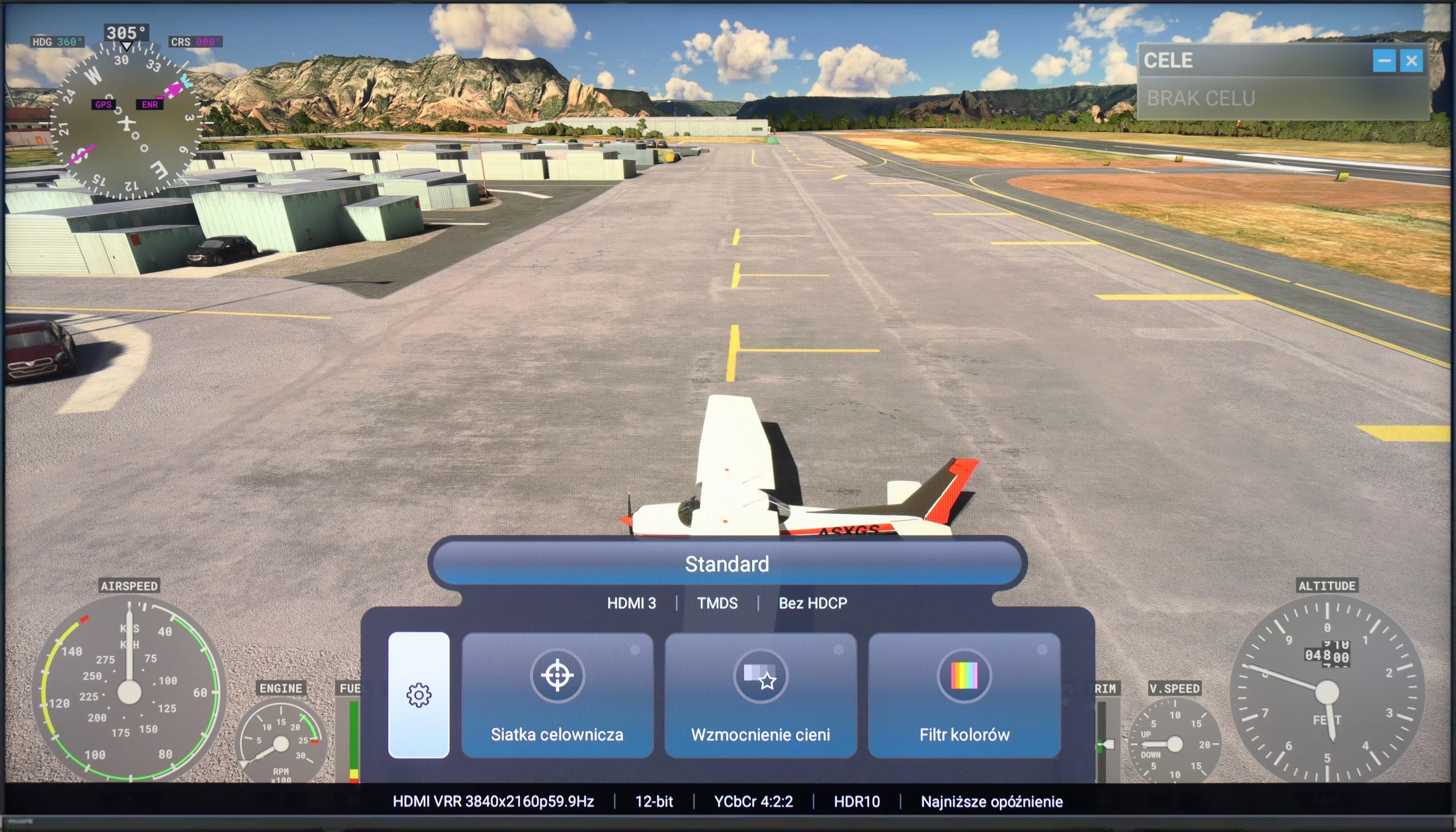
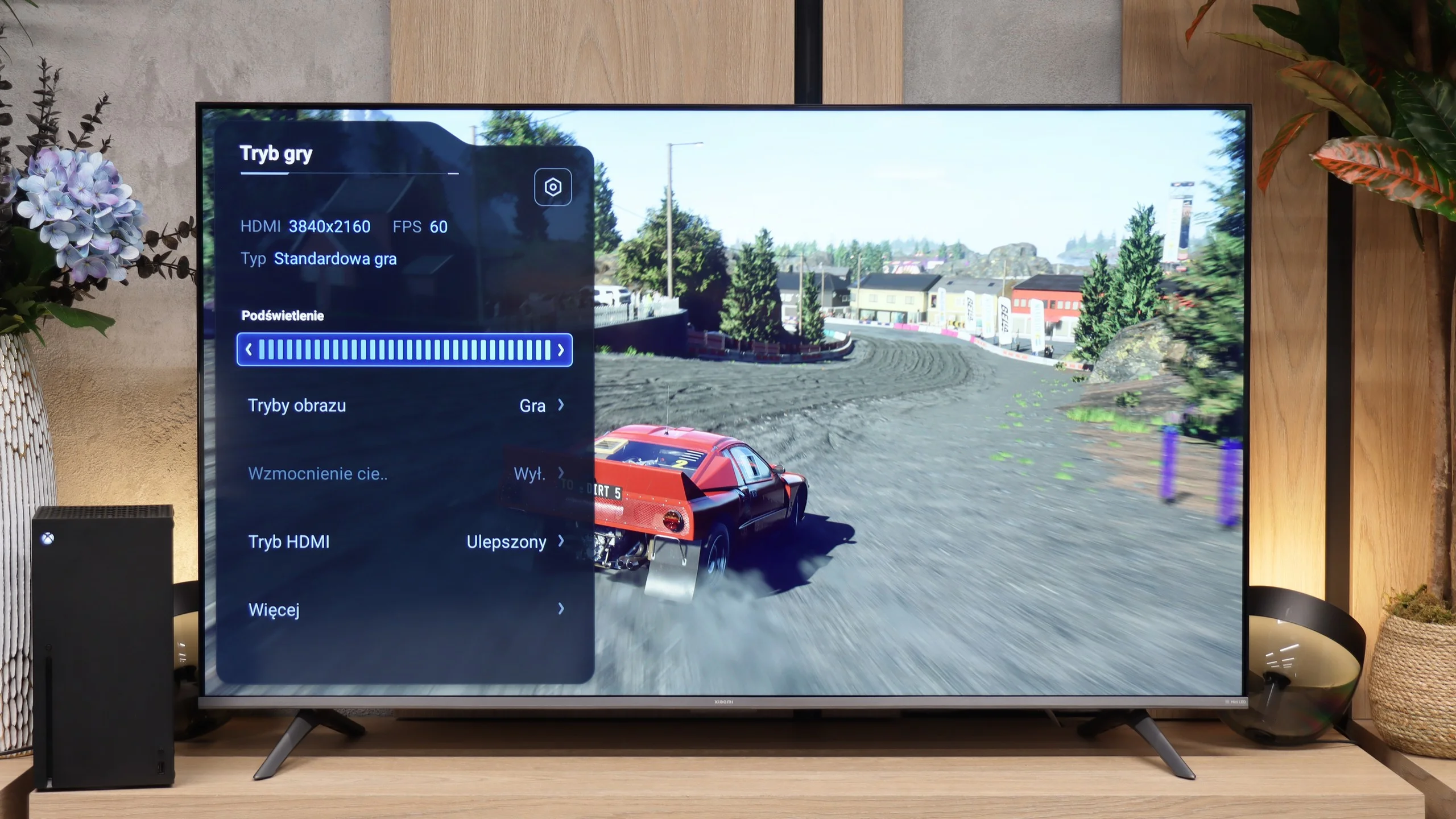
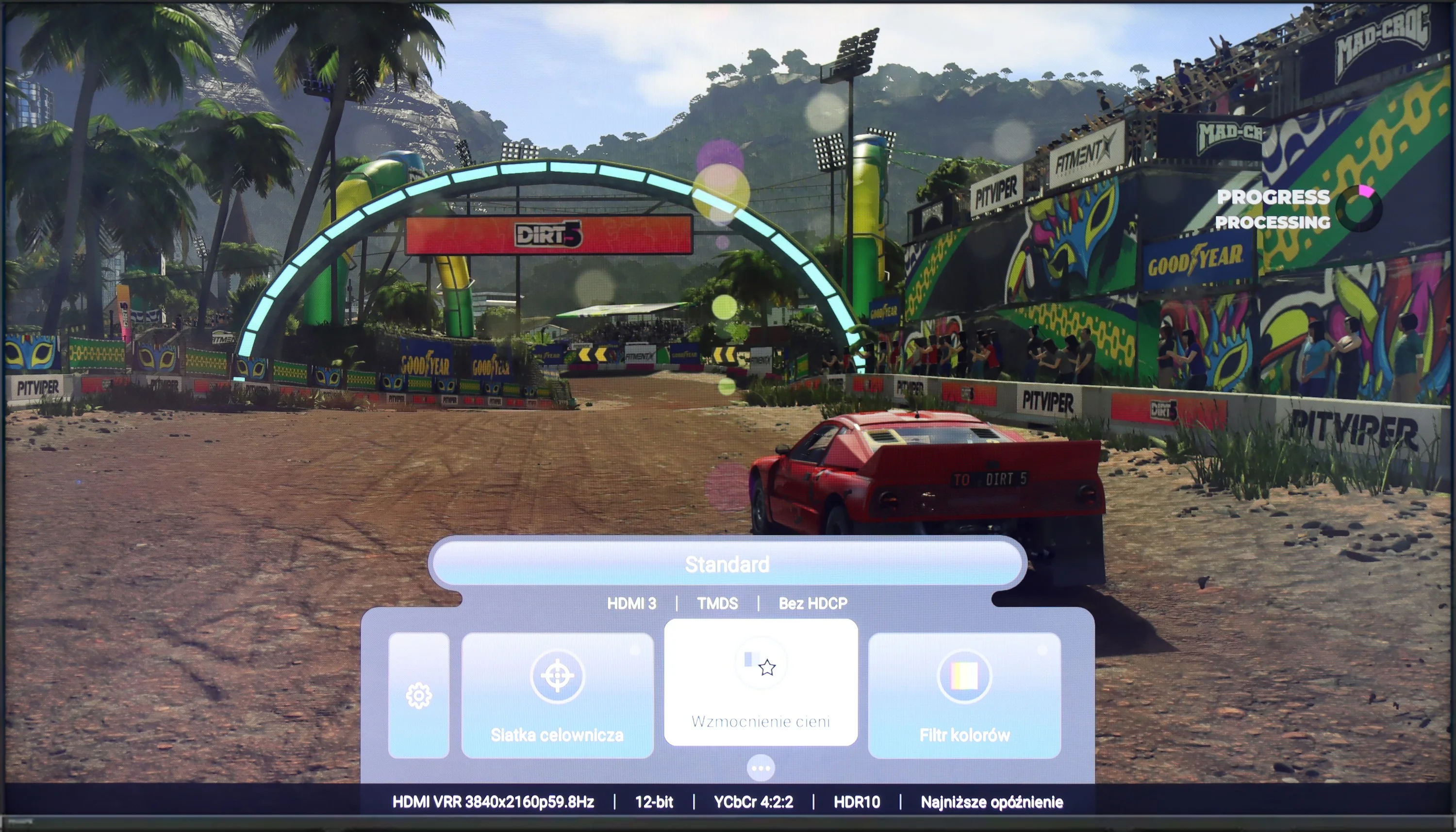
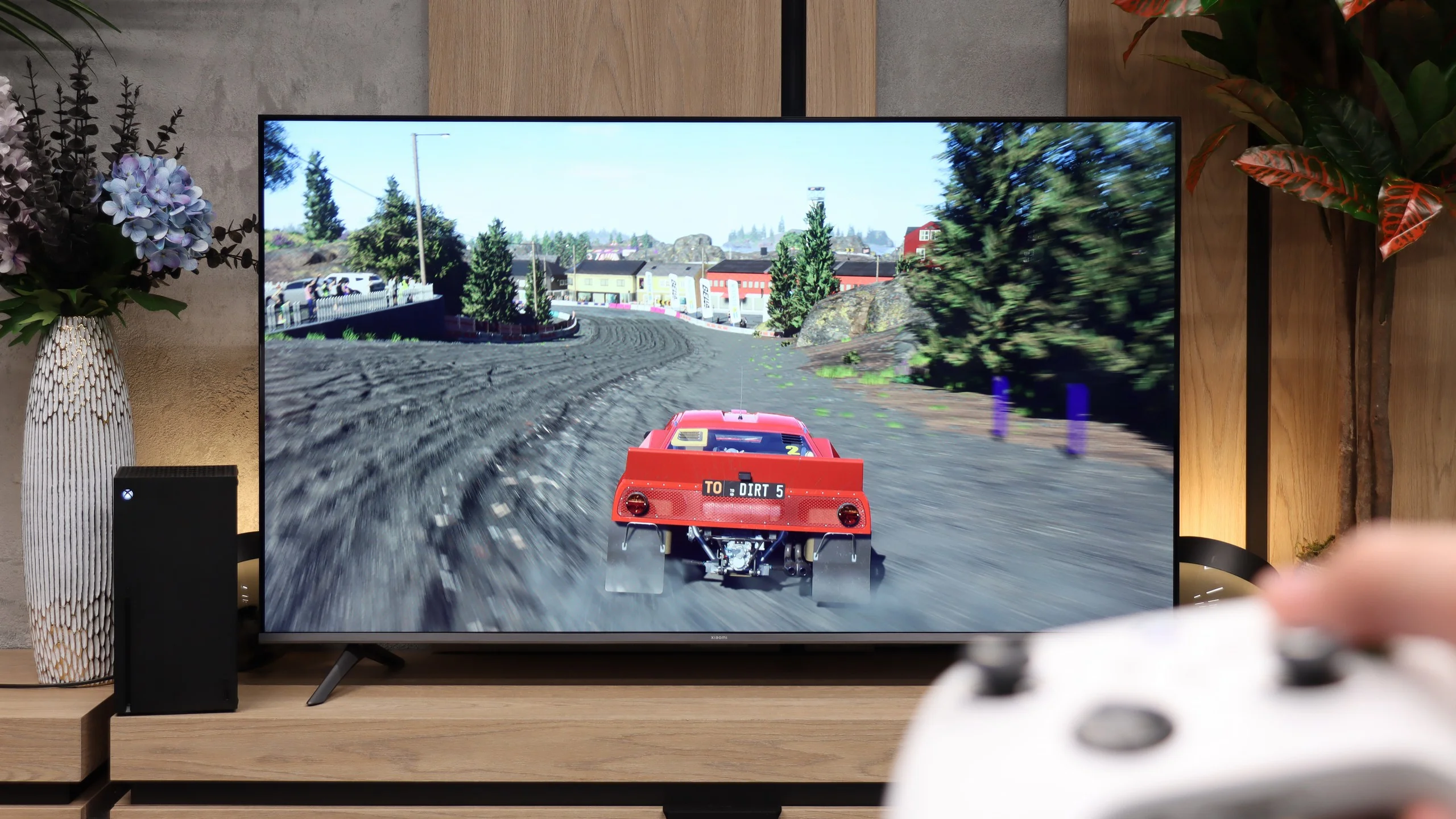
Philips PML8709 is a television aimed more at casual gamers, primarily due to its 60 Hz panel, which may not meet the expectations of the most demanding users. However, for those who appreciate gaming at a more measured pace, this model may prove sufficient.
The television offers several gamer-friendly features, such as ALLM (automatic switching to game mode) and VRR (variable refresh rate), which help deliver smoother visuals without annoying stutters. Furthermore, in terms of HDR, it includes an HGiG implementation that adjusts HDR effects to the specifics of games, providing a more natural image in properly optimised titles. Unfortunately, it lacks support for Dolby Vision mode, which may be noticeable in games that utilise this format.
A nice addition is the presence of a basic "Game Bar," which allows for quick viewing and modification of the most important gaming-related settings. This is a simple but useful feature, especially for those who often switch configurations between different types of gameplay. Despite some limitations, Philips PML8709 offers a solid set of features for less demanding gamers.
In larger sizes the Xiaomi S Mini 2026 is a much more interesting proposition for gamers. The panel natively runs at up to 144 Hz, so when connected to a PC you can use the high refresh rate even in 4K. At lower resolutions the TV can go even further, reaching up to 288 Hz. It also supports ALLM, automatic switching to game mode, and a Game Bar with the most important settings to hand. Of course, the TV has two full-bandwidth HDMI 2.1 ports. In terms of smoothness the difference compared with the 55 to 75-inch versions is therefore significant and especially noticeable with a PC or console. Not everything works perfectly, though. As with the smaller variants, we have reservations about the implementation of HGiG. The HDR setup screens on the PS5 and Xbox do not accurately match the TV's real capabilities, so if you set your console according to those prompts the brightest parts of the image can be blown out and lose some detail.
Input lag
10/10
9.9/10
SDR
HDR
Dolby Vision
Philips PML8709 performs very well in terms of input lag. At the supported resolutions, results around 13 ms are more than sufficient to ensure comfortable gameplay. Such a response time means that even more dynamic games do not cause annoying delays. As a result, players can enjoy smooth gameplay without unnecessary stress.
There is no major problem with input lag here. Around 10 ms at 120 Hz and 15 ms at 60 Hz are figures that easily suffice for console or PC gaming.
Compatibility with PC
3.5/10
5.6/10
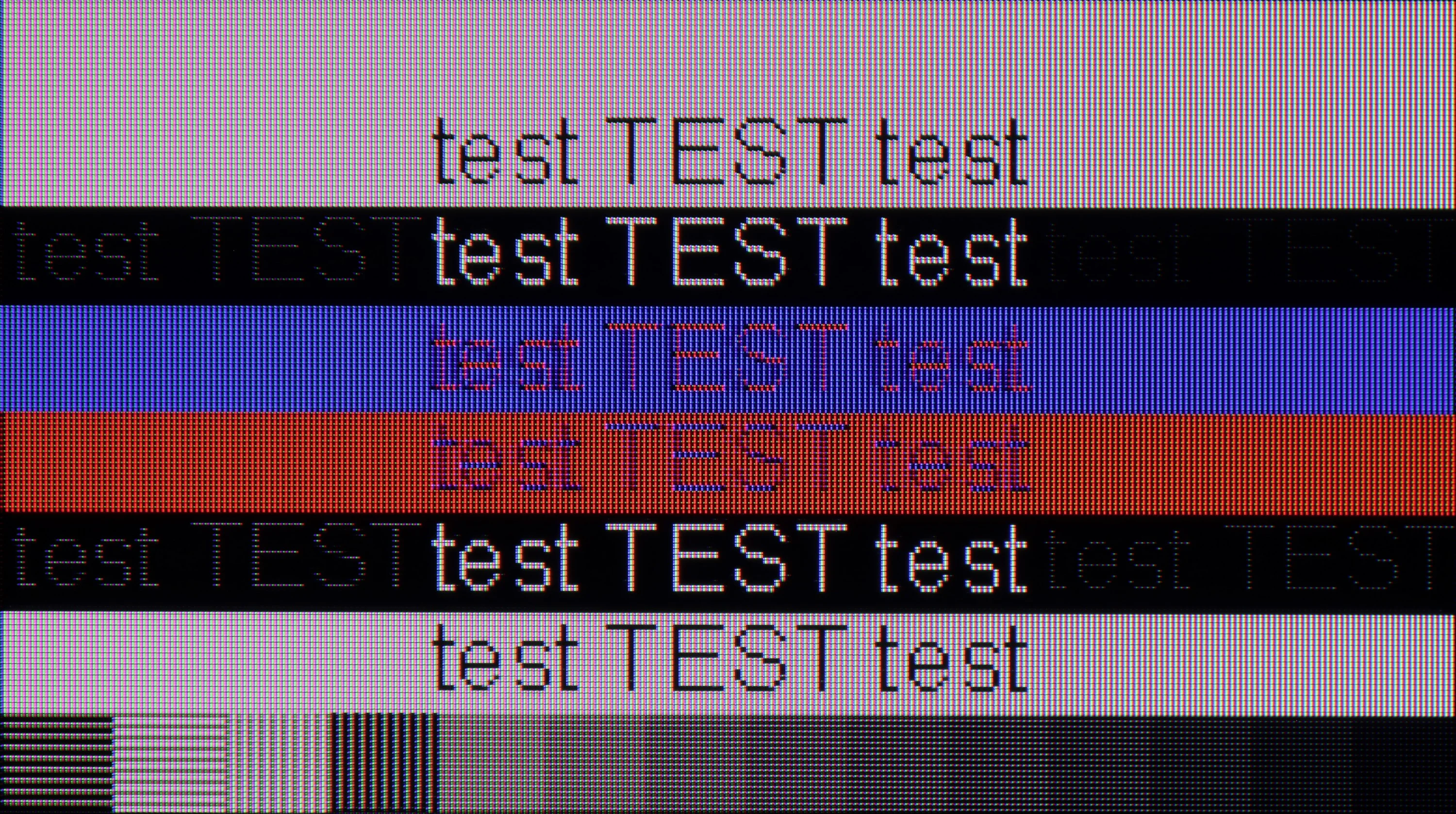
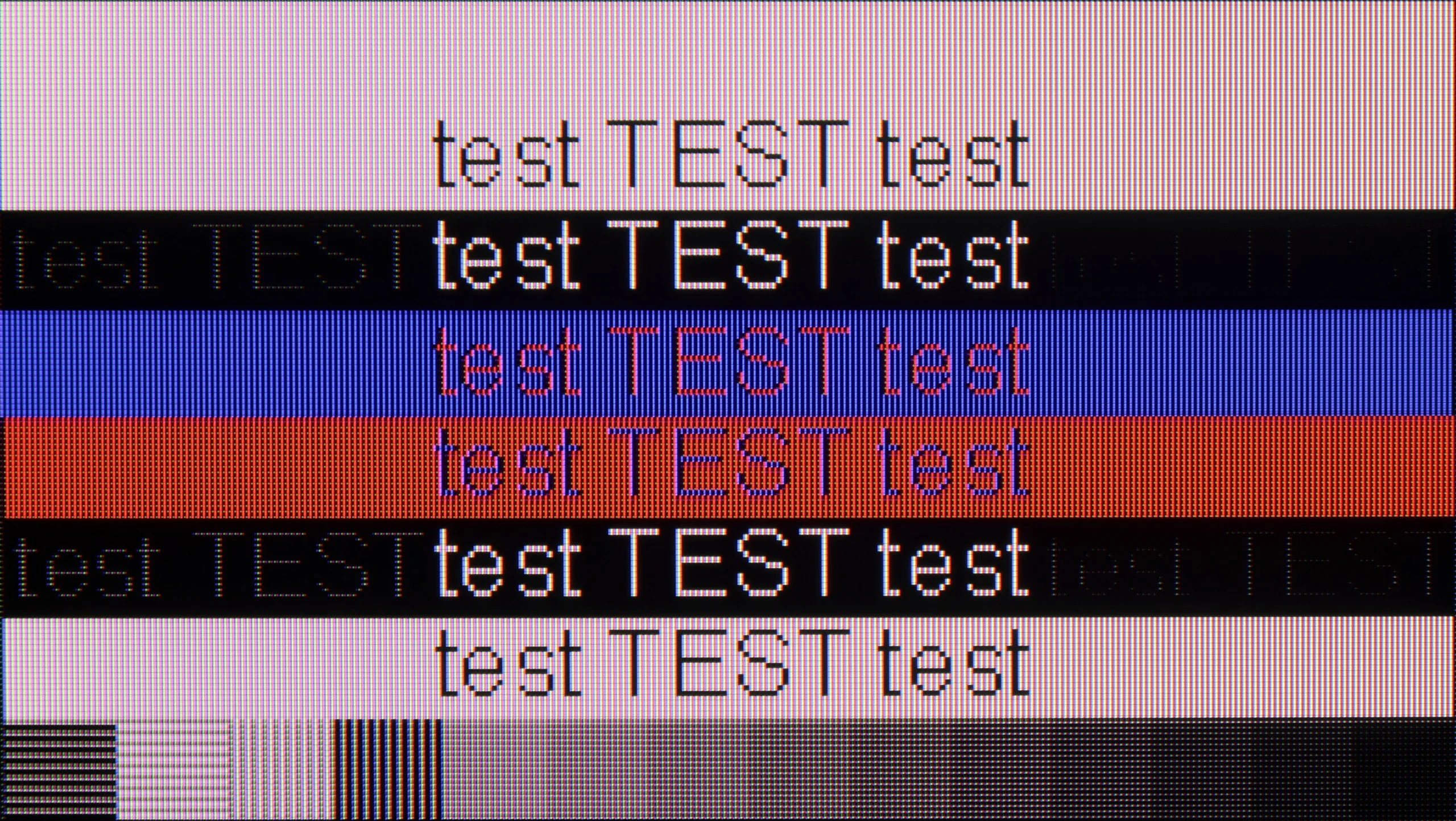
The photo shows the legibility of small fonts. Ideally, lines should be the same thickness on both light and dark text, with minimal pixel gaps.
The Philips PML8709 offers a dedicated mode for PC, but its capabilities are quite limited. The television does not support chroma 4:4:4, which significantly affects the readability of fonts – text appears blurred and is difficult to read, disqualifying this model for those planning to use it as a monitor for work or document viewing. Additionally, although in G-Sync tests the television showed compatibility, the image when using this function is very unstable, with frequent stuttering. Such unpredictability eliminates the benefits that adaptive sync support should provide.
The only positive aspect in the context of working with a PC is the low input lag, which may be an advantage for those using the television mainly for gaming. Nevertheless, the limitations in chroma support and issues with G-Sync make the PML8709 less than ideal for PC users.
Working with a computer is not the strong suit of the smaller variants of the Xiaomi S Mini 2026. The TV does not display chroma 4:4:4 correctly, so some small interface elements, icons and coloured text may look worse than they should. Plain black text on a light background is still fairly readable, but it's hard to regard this model as a particularly good monitor for typical computer work. A plus is the ability to obtain a higher refresh rate by lowering the resolution. Instead of 4K at 60 Hz, you can switch to 1080p or 1440p and use 120 Hz, which for PC gaming can be far more useful than full resolution.
Viewing angles
2.9/10
3/10
The Philips PML8709, equipped with a VA panel, offers average viewing angles typical for this type of display. The image deteriorates in quality when viewed from a sharper angle – colours wash out and contrast significantly decreases. This is a characteristic feature of VA panels and it is worth keeping in mind, especially if we plan to watch the television from different positions in the room. However, for viewers sitting directly in front, the picture remains clear and well-reproduced.
The viewing angles on the smaller variants of the Xiaomi S Mini 2026 are unfortunately poor. It's a typical trait of VA panels, but here the effect is quite pronounced. Simply move a little off centre and the image begins to noticeably fade and lose colour saturation. The brightness itself doesn't drop that much, but colours quickly become washed out. If the TV is to be watched by several people seated well to either side, this should be taken into account.
Daytime performance
4.8/10
6.3/10
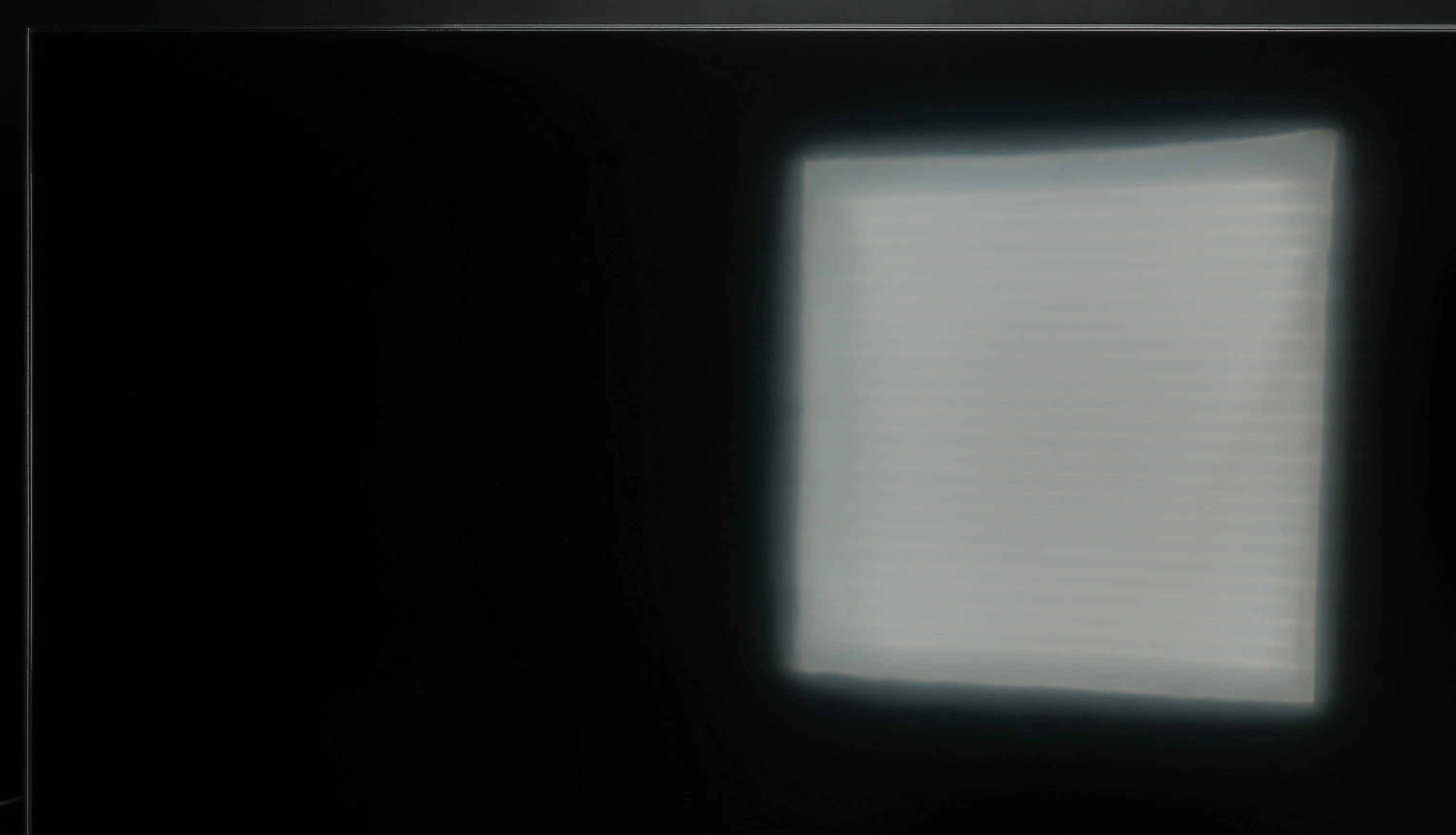
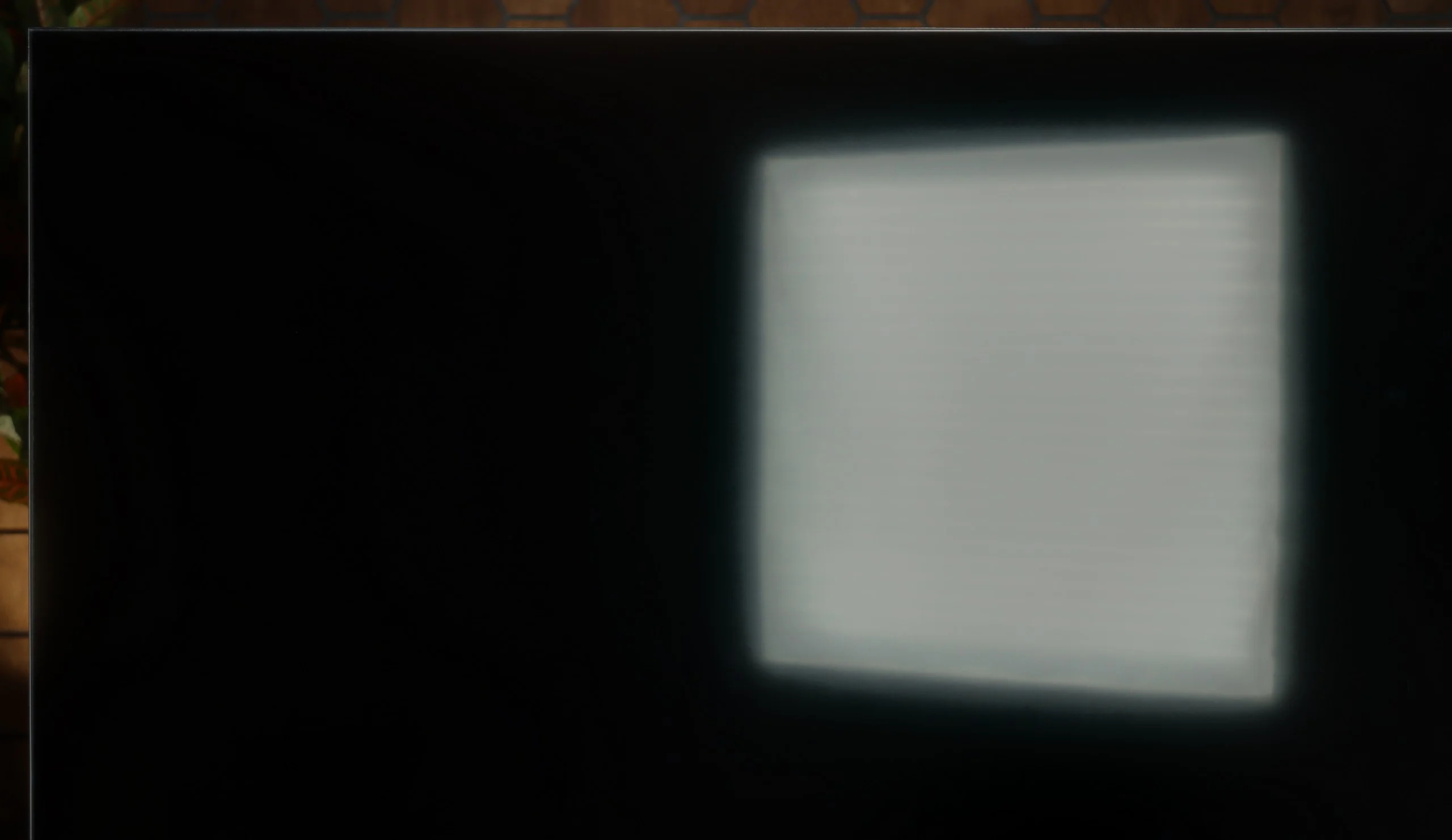
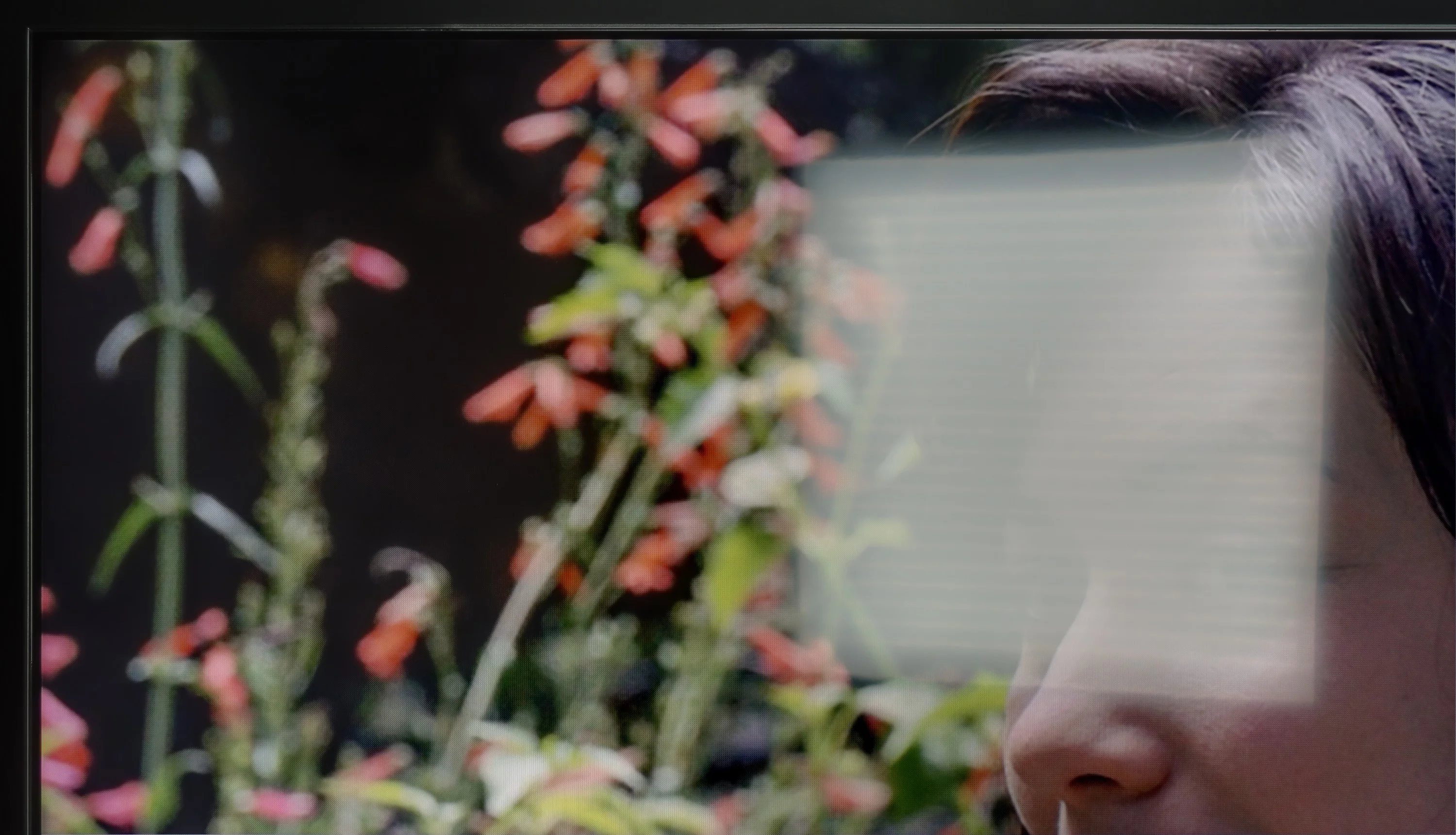
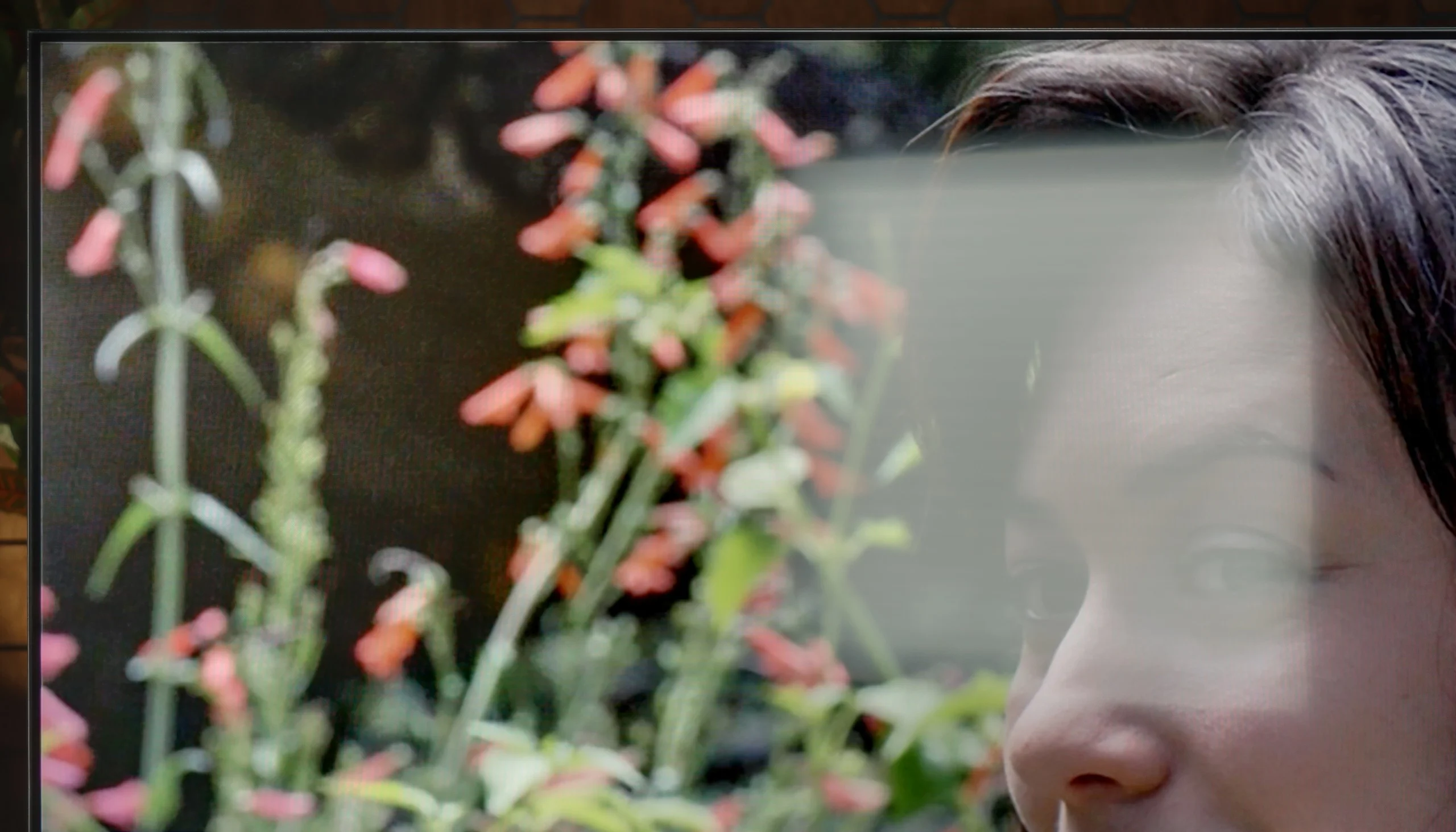
Panel brightness
XIAOMI S Mini 2026 (55"-75") 60Hz : 569 cd/m2
Philips PML8709: 337 cd/m2
The Philips PML8709 is equipped with a satin matrix, which performs moderately well in reducing reflections. In moderately lit rooms, reflections will not be too bothersome; however, in heavily sunlit conditions, the situation can become problematic. An additional challenge is the relatively low screen brightness, measuring around 330 cd/m². This level may prove insufficient to ensure comfortable viewing in bright rooms, where the image may appear too dark and unclear. The television will perform better under controlled lighting conditions, but for those looking for a model that handles daytime viewing well, this may be a significant limitation.
The smaller variants of the Xiaomi S Mini 2026 handle daytime viewing well. In SDR the TV averages around 570 nits, so it has enough brightness that the picture doesn’t look washed out even in a fairly brightly lit living room. The screen coating performs worse. It has a satin finish, but it doesn’t suppress direct reflections particularly effectively. If there’s a large window or a strong lamp opposite the TV, the reflection will be clearly visible. The brightness helps to mitigate this somewhat, but in terms of reflection suppression this isn’t the model’s strongest suit.
Panel details
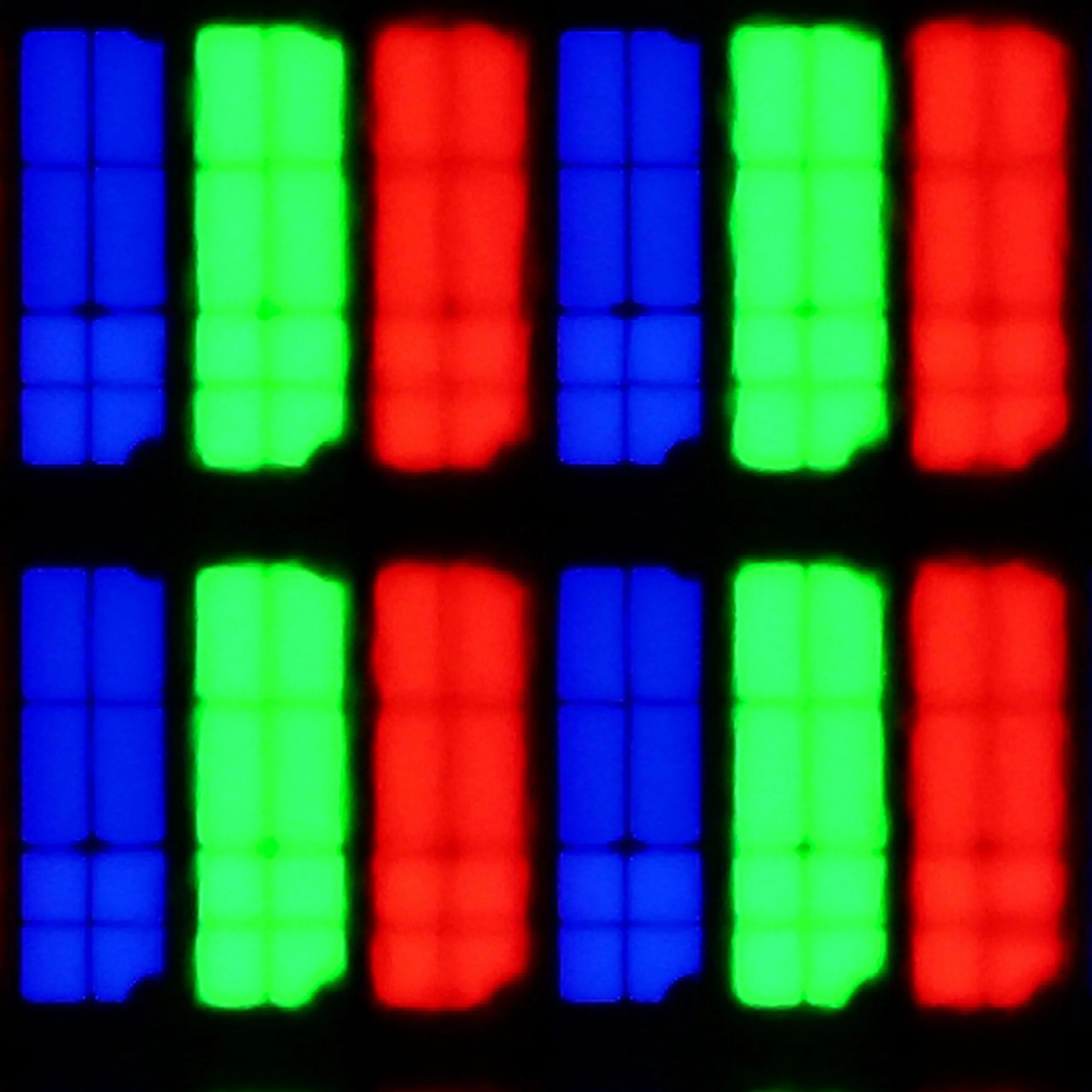
Subpixel Structure:
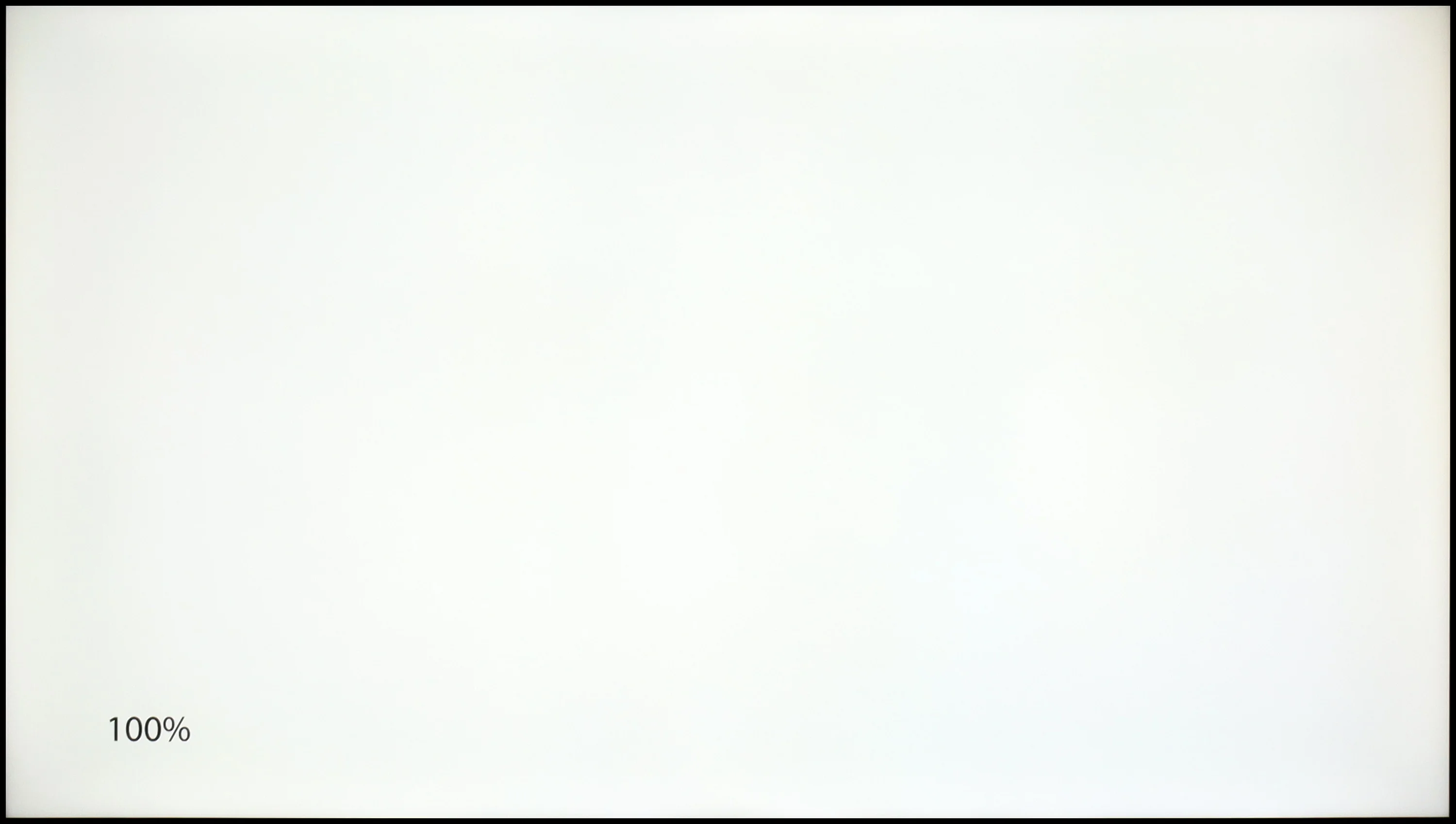
Panel uniformity and thermal imaging:

TV features
6.5/10
6.7/10
- SystemGoogle TVGoogle TV
- System performanceDecentPoor
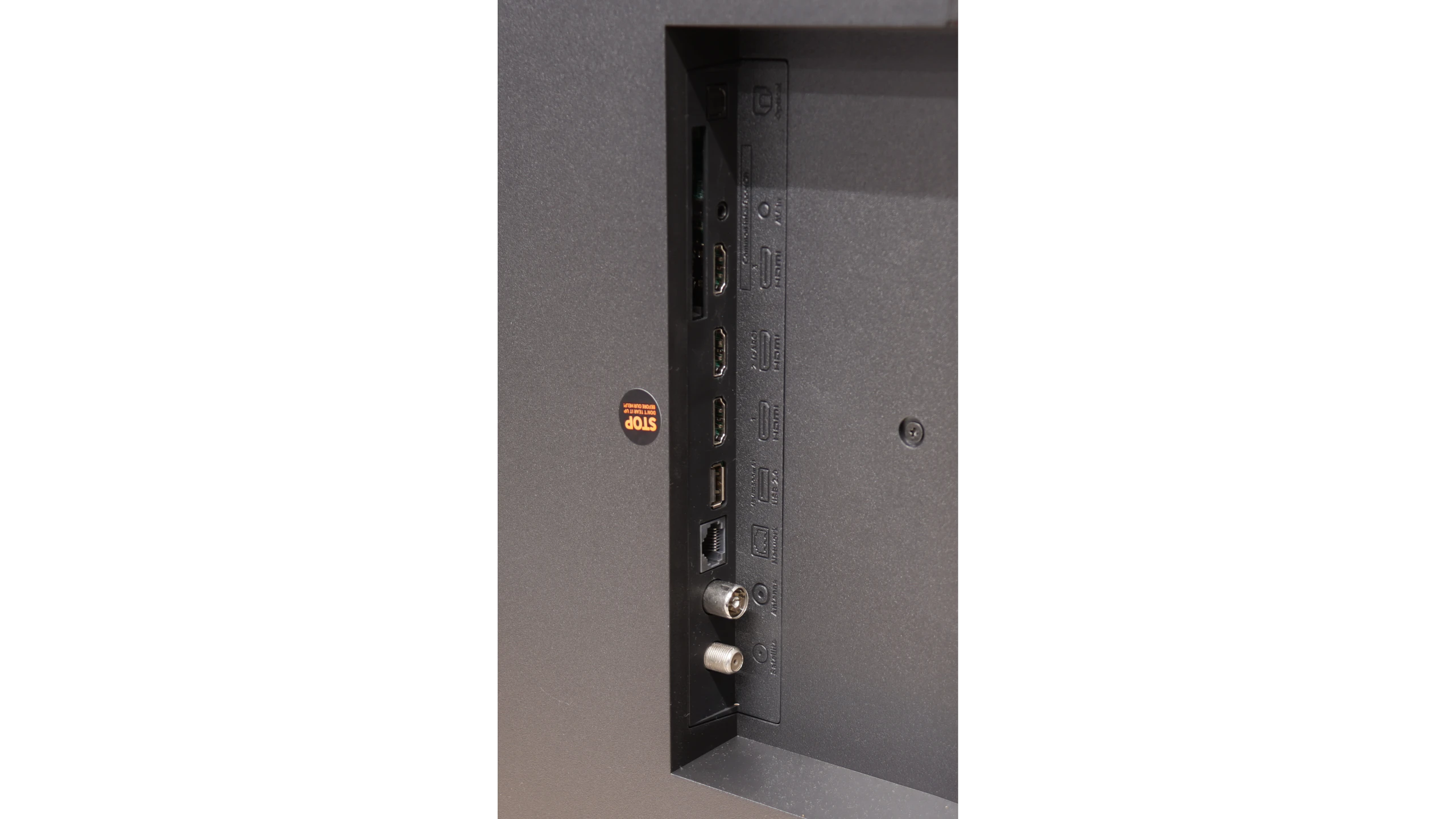
- HDMI inputs3 x HDMI 2.0, 0 x HDMI 2.13 x HDMI 2.0, 0 x HDMI 2.1
- OutputsToslink (Optical audio), eARC (HDMI), ARC (HDMI)Toslink (Optical audio), eARC (HDMI), ARC (HDMI), Mini-Jack (Headphones)
- Network InterfacesWi-Fi 2.4GHz, Wi-Fi 5GHz, Ethernet (LAN) 100MbpsWi-Fi 2.4GHz, Wi-Fi 5GHz, Ethernet (LAN) 100Mbps
- TV receptionDVB-T, DVB-T2, DVB-S, DVB-S2, DVB-CDVB-T, DVB-T2, DVB-S, DVB-S2, DVB-C
Classic features:
- Recording to USB (terrestrial TV)
- Recording programming
- Picture in Picture (PiP)
- RF remote control (no need to aim)
- Backlit remote control
- Teletext
- Audio only mode
- Bluetooth headphones support
- Simultaneous Bluetooth headphones & TV audio
Smart features:
- AirPlay
- Screen mirroring (Windows Miracast)
- Voice search
- Voice search in native language
- Ability to connect a keyboard and mouse
Sound connection options
- HDMI audioeARC (HDMI), ARC (HDMI)eARC (HDMI), ARC (HDMI)
- Other audio outputsToslink (Optical audio)Toslink (Optical audio), Mini-Jack (Headphones)
- Wireless audioBluetoothBluetooth
Supported audio formats (external HDMI eARC audio):
- Dolby Digital Plus 7.1
- Dolby True HD 7.1
- Dolby Atmos in Dolby Digital Plus (JOC)
- Dolby Atmos in Dolby True HD
- DTS:X in DTS-HD MA
- DTS-HD Master Audio
Senior accessibility
- Numeric keyboard on TV
- Font size adjustment
- Audio description
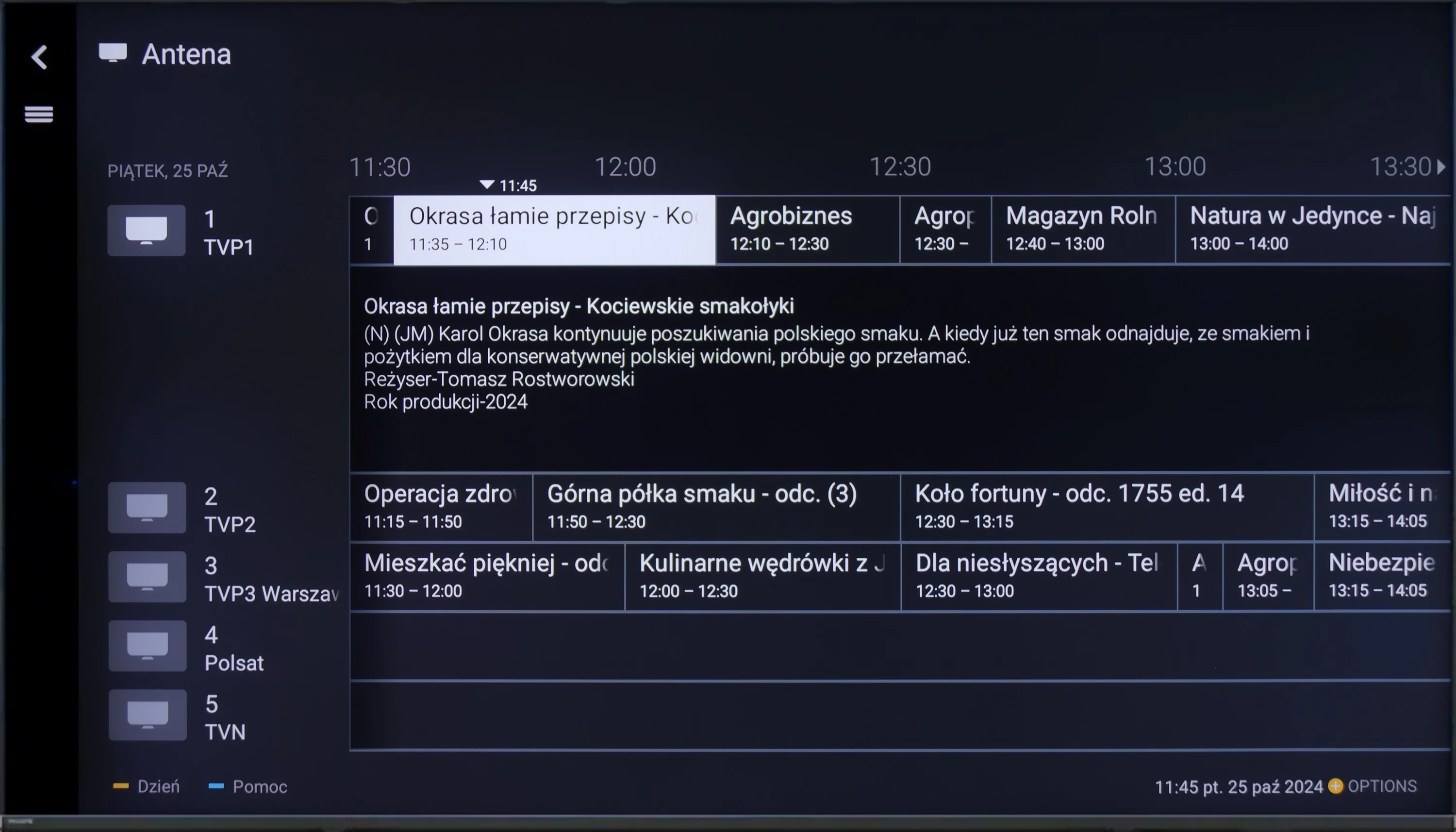
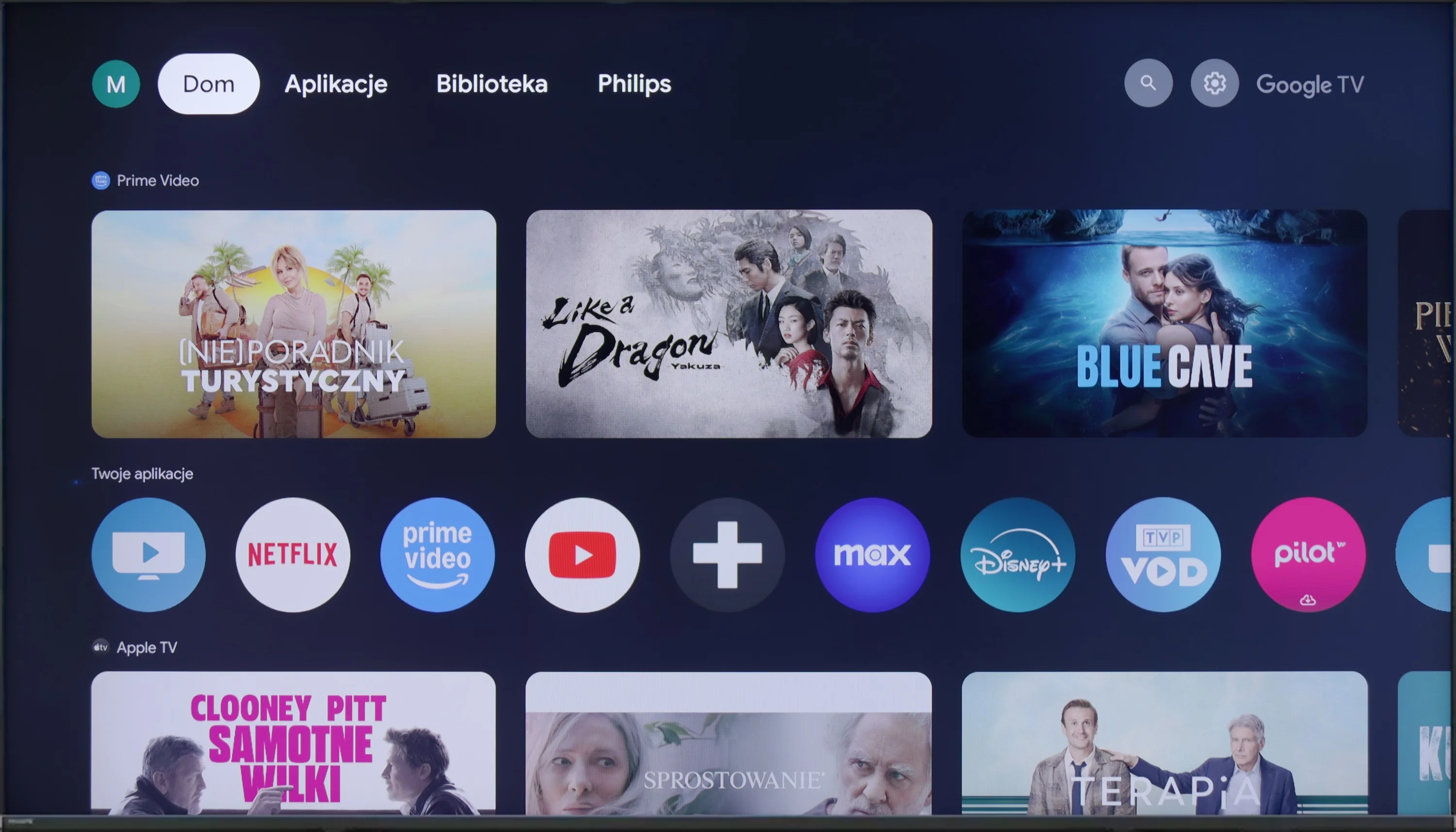
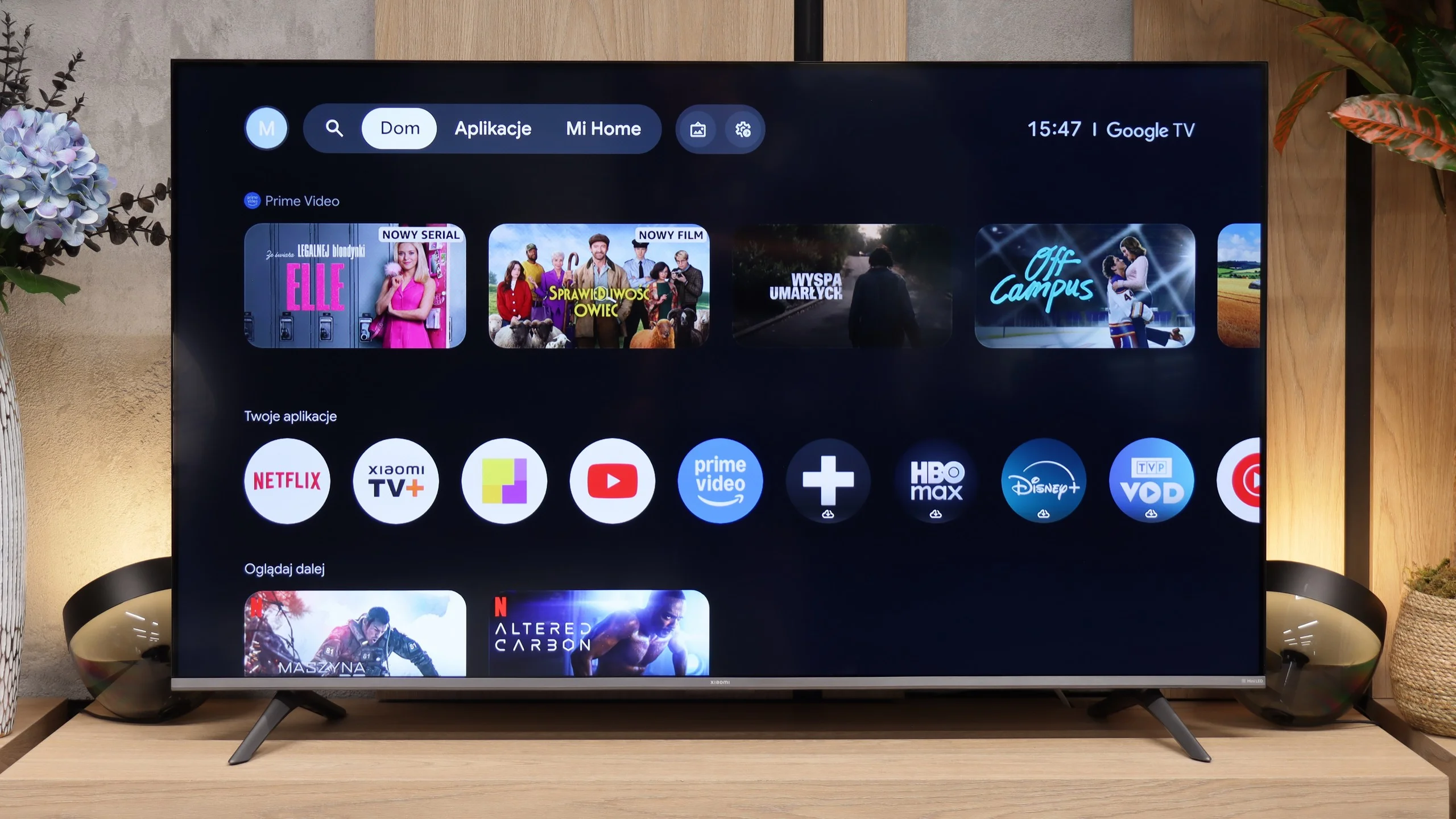
Philips PML8709 runs on the Google TV operating system. This is quite a surprising choice, considering that it is not a flagship model of the brand. Fortunately, it has avoided the implementation of the less popular TitanOS, which can be seen as a plus. Google TV offers a well-known, clear interface and wide possibilities for app installation, making the television more versatile.
In terms of usability, the television performs solidly. Daily use of the device is pleasant, thanks to support for voice search in Polish. The ability to connect peripheral devices such as keyboards, mice or headphones via Bluetooth increases its functionality. Unfortunately, the PML8709 does not offer more advanced options like USB recording or PiP (picture-in-picture) functionality, which may disappoint more demanding users.
An interesting fact, and quite a surprise, is the absence of the Ambilight system, for which Philips is widely known. The decision to omit this technology in the PML8709 model seems inexplicable, especially since Ambilight is often cited as one of the greatest advantages of televisions from this brand.
Google TV
The Xiaomi S Mini 2026 runs on Google TV, which remains one of the most comprehensive Smart TV platforms. It includes virtually all the most popular apps, such as Netflix, YouTube, Prime Video, Disney+, HBO Max or Canal+, and thanks to the Google Play store you can install many other apps as well. It also supports Google Assistant, Chromecast and the ability to control the TV from your smartphone.
Unfortunately, on the smaller models the system does not run as smoothly as we would expect. Switching between apps or navigating the menu can take a moment, and the interface sometimes responds with a slight delay. It’s not to a degree that prevents using the TV, but compared with the competition it’s clear this isn’t the fastest Google TV release on the market.
Classic features
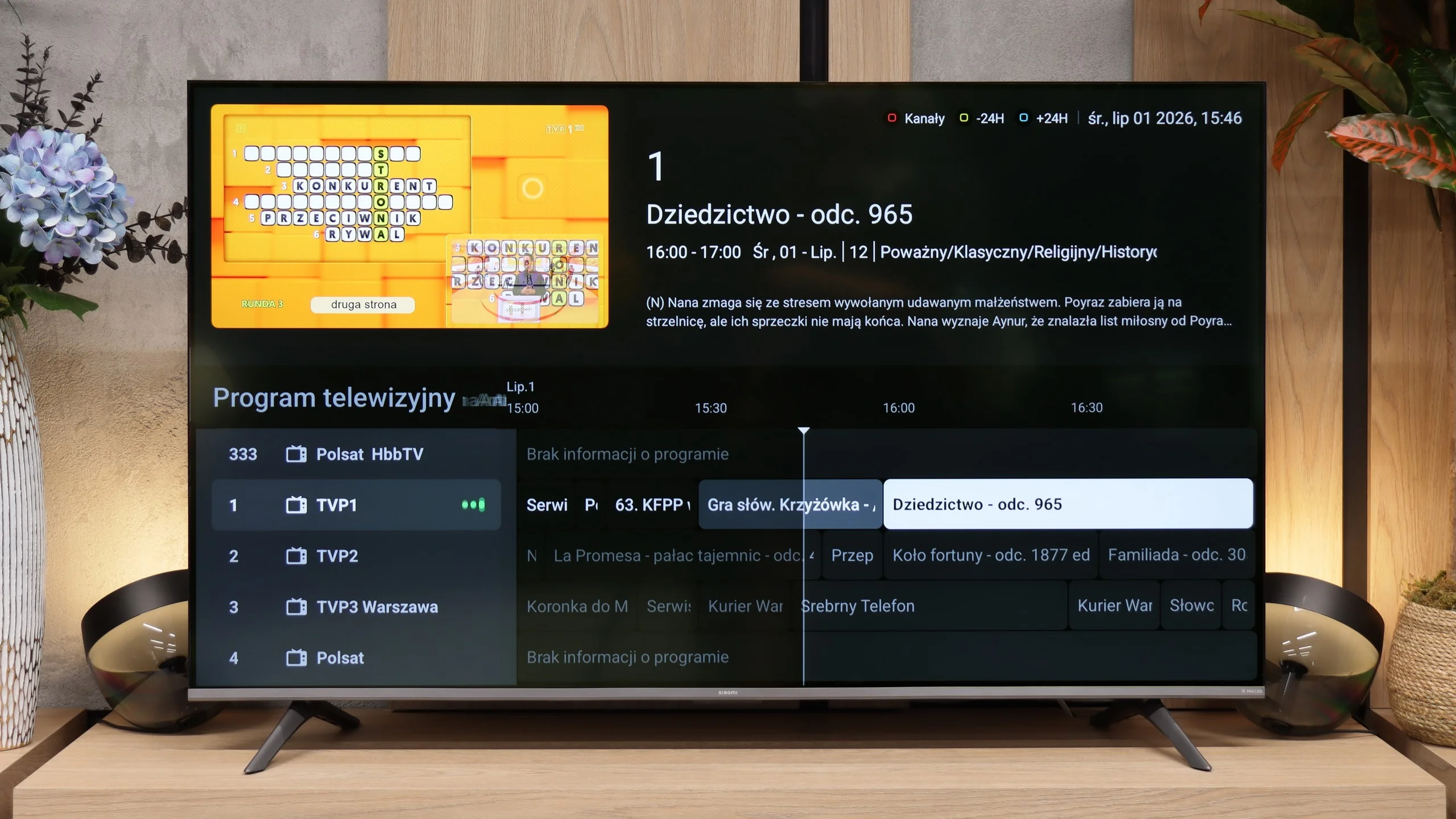
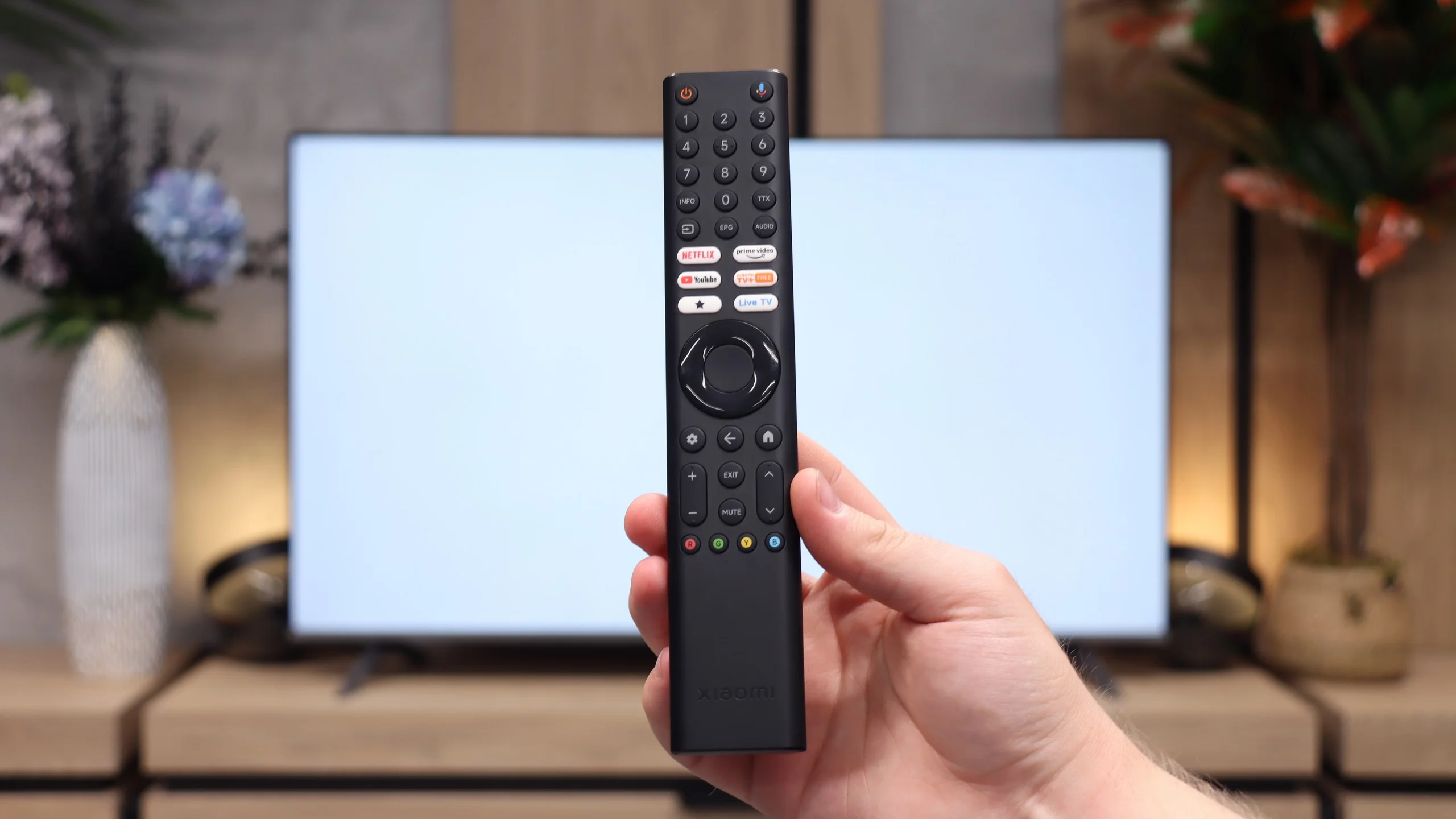
If you mainly use conventional television, Xiaomi doesn’t offer anything beyond what you’d expect from a modern TV. There is an electronic programme guide and teletext. The manufacturer also includes a remote with a traditional numeric keypad, which is increasingly rare these days, but for many people will still be a convenient way to change channels.
Worth noting is the presence of an analogue headphone output (mini-jack). This is an element that is disappearing from TVs year by year, giving way to exclusively digital audio outputs. Thanks to it you can easily connect older wired headphones or speakers without needing additional adapters.
Apps
9.6/10
9.6/10






















Playing files from USB
7.6/10
6.5/10
Supported photo formats:
Maximum photo resolution:
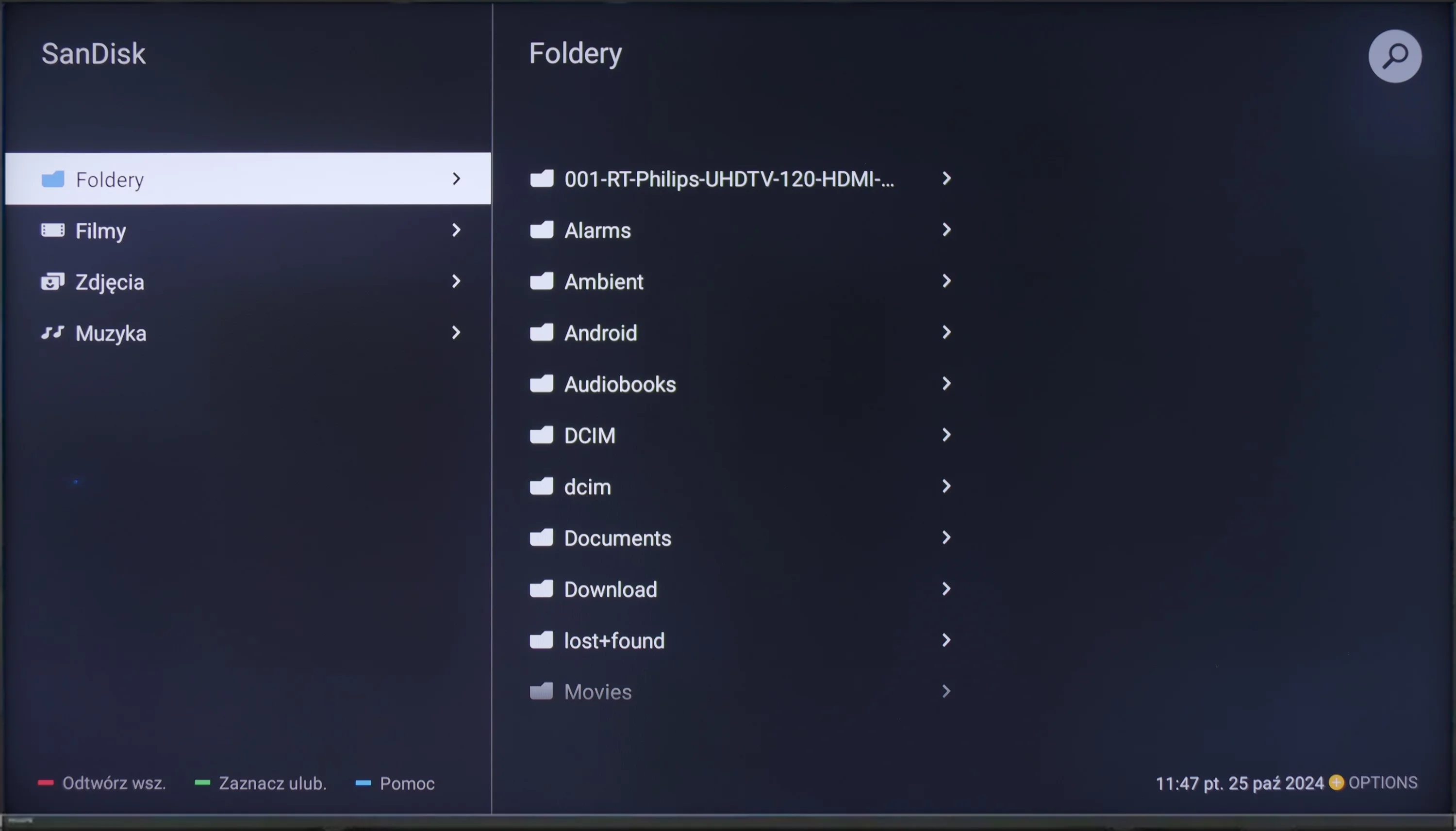
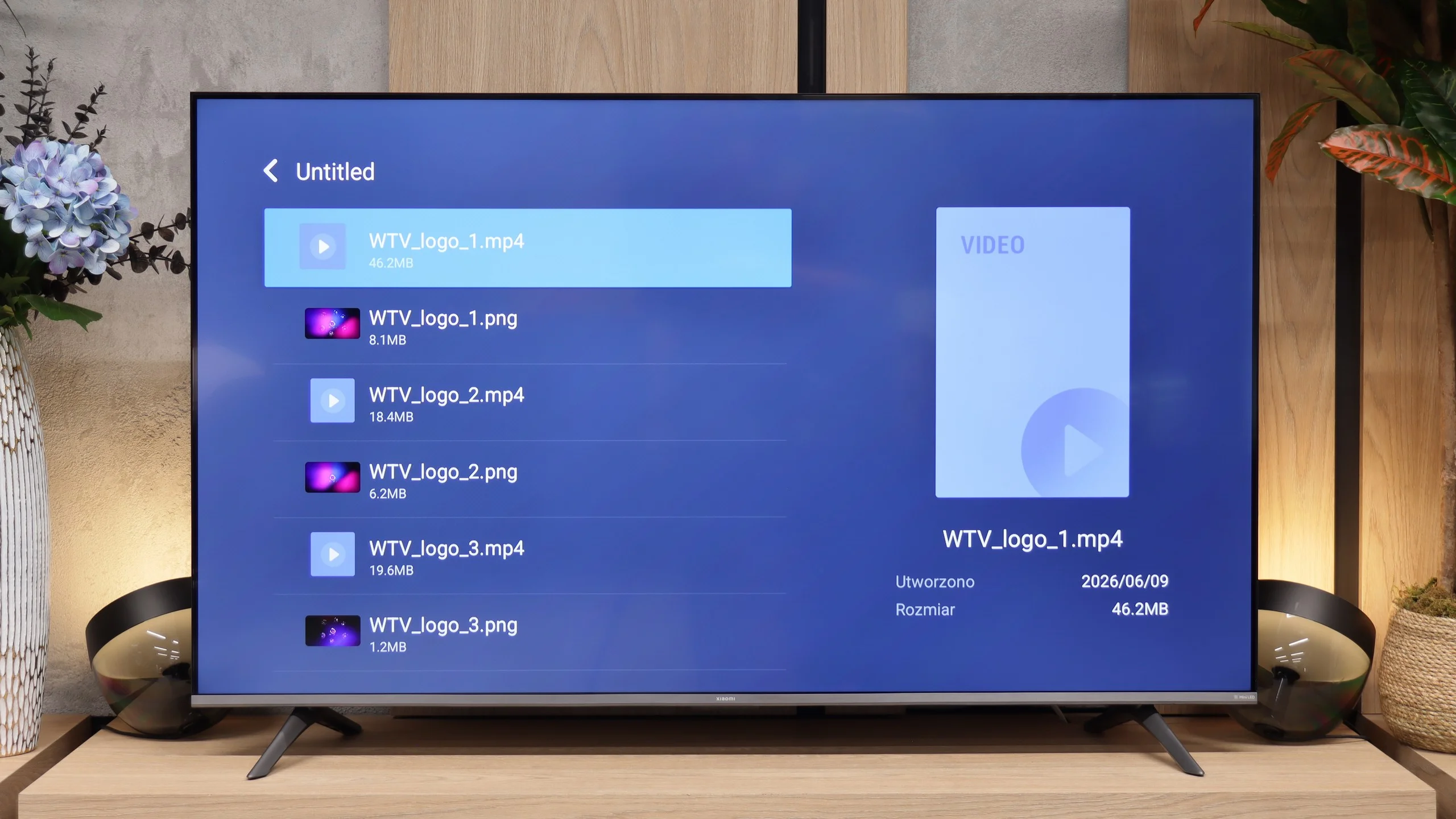
Philips PML8709 performs well in playing multimedia files from USB. The television should not have problems with handling most popular video, audio, and photo formats, making it a versatile tool for home entertainment. Files are read smoothly, and the interface of the built-in player is simple and intuitive.
However, a significant drawback is the lack of support for Polish characters in subtitles, stemming from the incomplete implementation of the UTF-8 standard. Subtitles with Polish characters are displayed incorrectly, which can be frustrating for those watching films in their native language. This shortcoming means that users seeking full compatibility with subtitles may be forced to resort to external multimedia players.
The built-in USB media player performs quite well and opens most common formats without any problem. However, if you come across a file it doesn't support, Google TV makes it easy to install another player, e.g. VLC. Our main concern is subtitles. The stock app doesn't handle some characters outside the basic alphabet correctly, which can cause problems with Polish letters. If you frequently watch films from a USB drive, it's better to use an external app.
Sound
5.1/10
5/10
- Maximum volume-89dB
- Dolby Digital Plus 7.1
- Dolby True HD 7.1
- Dolby Atmos in Dolby Digital Plus (JOC)
- Dolby Atmos in Dolby True HD
- DTS:X in DTS-HD MA
- DTS-HD Master Audio
The sound quality of the Philips PML8709 is average and standard for a television equipped with speakers rated at 2 x 10 W. The sound is sufficient for everyday viewing, but it is difficult to expect depth in the bass or clear details in more demanding scenes. On the plus side, it does support Dolby Atmos and DTS.
In terms of sound, the Xiaomi S Mini 2026 doesn't stand out. The speakers are perfectly adequate for regular TV viewing, but during films or concerts their limitations quickly become apparent. They particularly lack bass, which makes the overall sound rather flat. If better sound matters to you, it's worth considering a soundbar.
Sound Quality Test
No sound test video
Acoustic Measurements
No acoustic data
89dBC (Max)
75dBC
Reader comments
Comments are provided by the external service Disqus (Zeta Global). Once loaded, Disqus may set cookies and process data about your activity.
We will remember your choice on this device. Provider's privacy policy