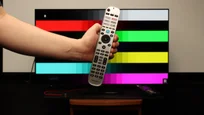
The Panasonic Z85A is the entry-level OLED model from the Japanese manufacturer, which fully utilises the potential of its panel. Thanks to OLED technology, we can expect phenomenal picture quality at the highest resolution – perfect blacks, excellent contrast, and superb HDR effects, especially after professional calibration. Additionally, it supports a full range of HDR formats, so we can easily choose a film in the best possible quality. Although Panasonic is usually associated with home cinema equipment, the Z85A performs just as well with sports and games. A 120 Hz panel, support for VRR, ALLM, and even functioning Dolby Vision in games guarantee smooth gameplay without any motion blur. The sound also deserves praise – although we won't find an impressive soundbar like in the model Z95A, it is still quite pleasant and has noticeable bass. Downsides? Primarily the Amazon Fire TV – an operating system that still has growing pains. Many popular applications are missing, and some functions are unavailable or poorly translated (e.g. lack of support for external subtitles). Another issue is the not very high brightness, typical of older WOLED panels – this may be a problem in a brightly lit room. Despite these shortcomings, the Panasonic Z85A is a great option for cinema enthusiasts and gamers looking for a versatile television with exceptional picture quality and solid sound. If we can overlook certain limitations of the system and the not-so-high brightness, the Z85A still has a lot to offer. However, if complete user comfort and a richer application ecosystem are crucial for us, then it is worth considering other OLED televisions from competitors as well.
- Matching (Score) |
- Our verdict |
- TV appearance |
- Where to buy |
- Contrast and black detail |
- HDR effect quality |
- Factory color reproduction |
- Color reproduction after calibration |
- Smoothness of tonal transitions |
- Image scaling and smoothness of tonal transitions |
- Blur and motion smoothness |
- Console compatibility and gaming features |
- Input lag |
- Compatibility with PC |
- Viewing angles |
- Daytime performance |
- Panel details |
- TV features |
- Apps |
- Playing files from USB |
- Sound
Panasonic Z85A vs SONY BRAVIA 3 II (XR35M2)
 Direct comparison
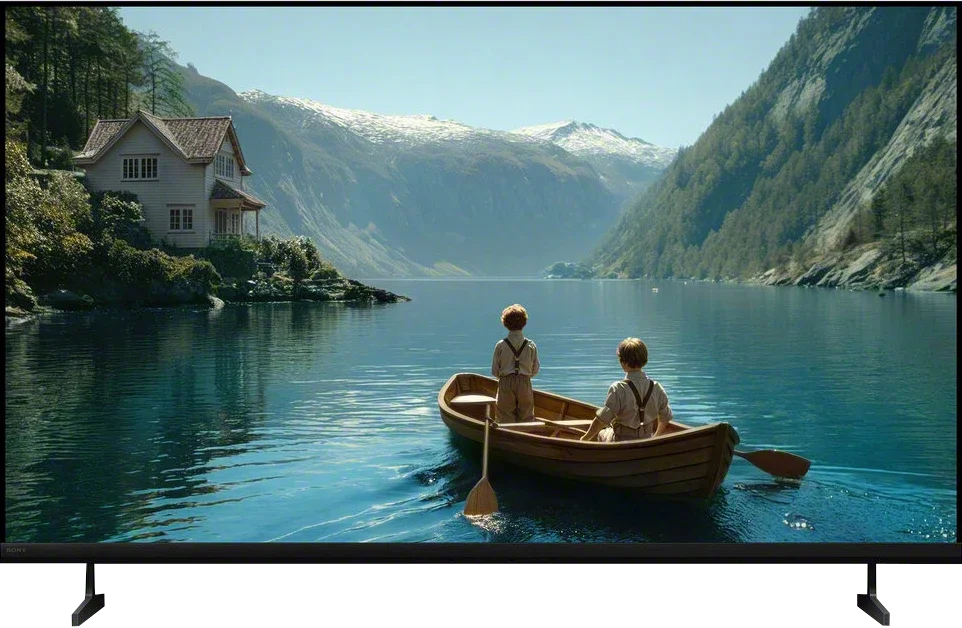
BRAVIA 3 II / XR35M2
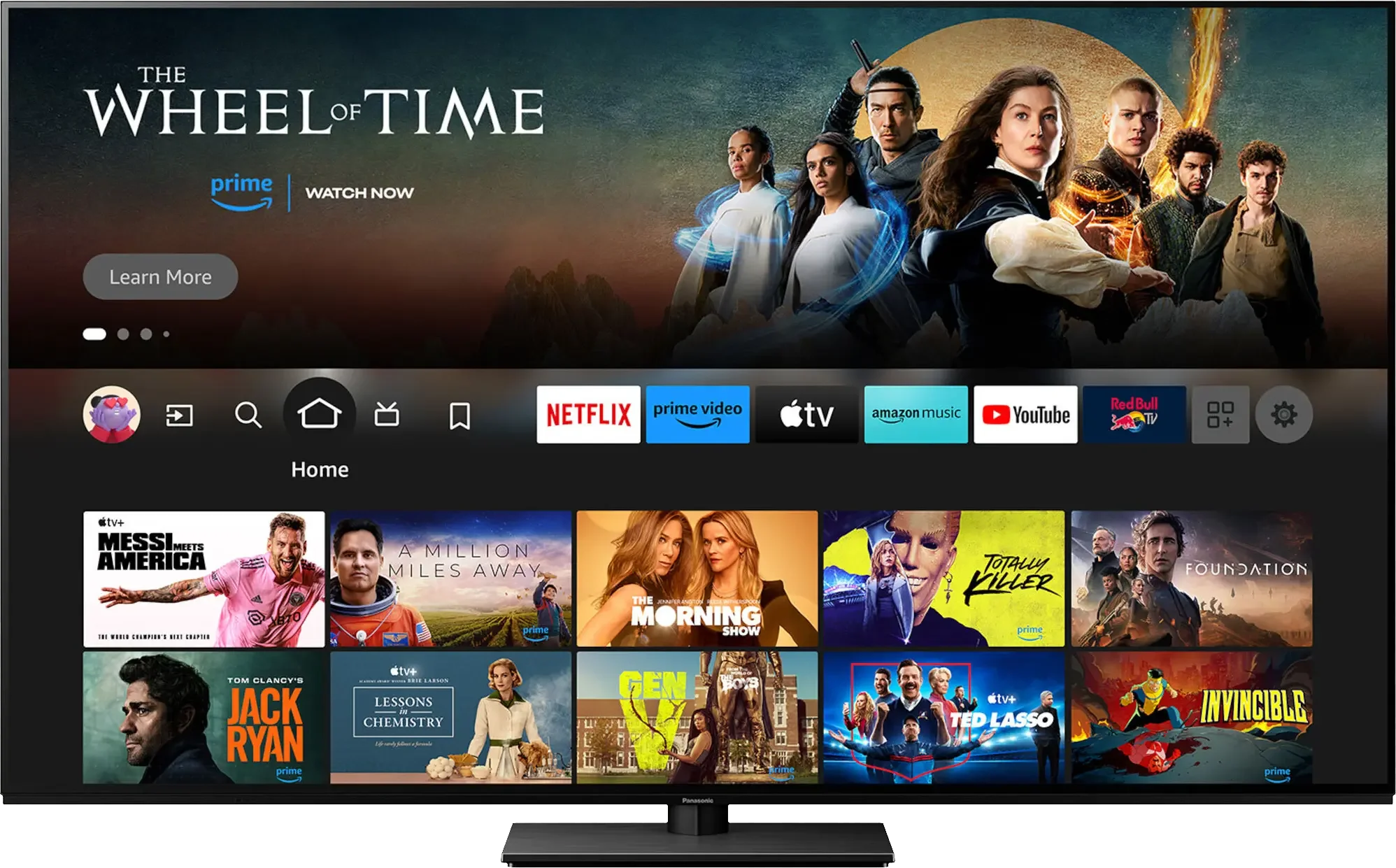
Panel type: WRGB OLED
Resolution: 3840x2160
System: Amazon FireTV
Model year: 2024
Complete the survey to find out the result
Panel type: LCD VA
Resolution: 3840x2160
System: Google TV
Model year: 2026
Complete the survey to find out the result
Overall rating
7.7
7.0
 Movies and series in UHD quality
 8.2
6.5
 Classic TV, YouTube
 8.7
6.3
 Sports broadcasts (TV and apps)
 8.5
6.7
 Gaming on console
 9.3
8.1
 TV as a computer monitor
 7.6
7.2
 Watching in bright light
 4.8
5.8
 Utility functions
 7.0
7.9
 Apps
Apps 5.7
9.6
 Sound quality
 7.4
6.8
Complete the survey to find out what fits your preferences
Advantages

Perfect black and infinite contrast thanks to the WOLED panel
Great HDR quality with good coverage of the DCI-P3 colour gamut (98%)
Excellent picture quality after professional calibration
Complete HDR package: HDR10, HDR10+, Dolby Vision
Low input lag: 5 ms (120 Hz) and 13 ms (60 Hz)
Support for ALLM, VRR, HGIG and Dolby Vision in games
Very good viewing angles
Smooth motion without smearing thanks to the 120 Hz OLED panel
USB recording capability and PiP feature
AirPlay support
Pleasant sound quality with noticeable bass
Very good motion handling and exceptionally low motion blur for a 120Hz LCD TV
4 × HDMI 2.1 48 Gb/s, finally!
Plenty of gaming features: VRR, ALLM, low input lag
Wide colour gamut, QLED (PFS)
Supports Dolby Vision
Google TV with a wide range of apps and features
Broad audio format support: Dolby Atmos and DTS
Record programmes to USB
Two remote controls included
Disadvantages

SDR brightness at 300 nits – too low for heavily sunlit rooms
Amazon Fire TV system has a limited number of applications
Some system functions are poorly translated into Polish
No support for external subtitles in the USB player
No support for DTS:X audio in the television
High price for what it offers; for only slightly more you can buy the much better BRAVIA 5 model
No local dimming
No proper HGiG support
Average processing of lower-quality source material
Our verdict
The Sony Bravia 3 II is a TV that quickly reveals the idea the manufacturer had for this model. It's meant above all to be a sensible Bravia for gaming, and in that respect the changes are substantial. After all, Sony has fixed one of the biggest annoyances of its TVs, the presence of only two full-featured HDMI 2.1 ports. Here there are four, and that alone makes the Bravia 3 II a much more convenient choice for anyone who wants to connect a lot of gaming kit. Fortunately it doesn't stop at gaming. The 120 Hz panel performs very well for motion, motion blur is minimal, and the motion-smoothing systems work surprisingly effectively, at times even better than on Sony's top TVs. Sport is therefore another use where the Bravia 3 II feels right at home. On top of that there's Google TV with its full suite of apps and features, so in practical terms this is simply the Sony we've known for years.
The biggest problem with this model, however, is not the TV itself but its current price. The Bravia 3 II is today dangerously close in price to the Bravia 5, and when the extra cost for the higher model is only a few percent, choosing the lower series begins to lose its appeal. The Bravia 5 already offers full Mini-LED backlighting with local dimming, which is exactly what the Bravia 3 II most lacks for evening viewing and in HDR. That's why we view this model through the lens of price. The Bravia 3 II itself is a genuinely successful lower-mid-range TV and with the right pricing could easily be one of the more interesting choices for a gamer or a sports fan. However, if the gap to the Bravia 5 remains small, it will be hard to recommend it with full conviction.
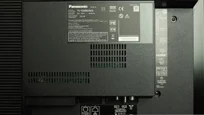
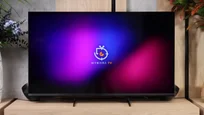
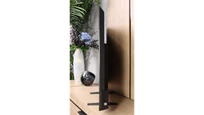
TV appearance

Contrast and black detail
10/10
5.6/10
Local dimming function: No
Contrast:


Result
∞:1

Result
∞:1

Result
∞:1

Result
∞:1

Result
∞:1
Result
3,050:1
Result
4,650:1
Result
5,850:1
Result
6,400:1
Result
4,350:1
Halo effect and black detail visibility:
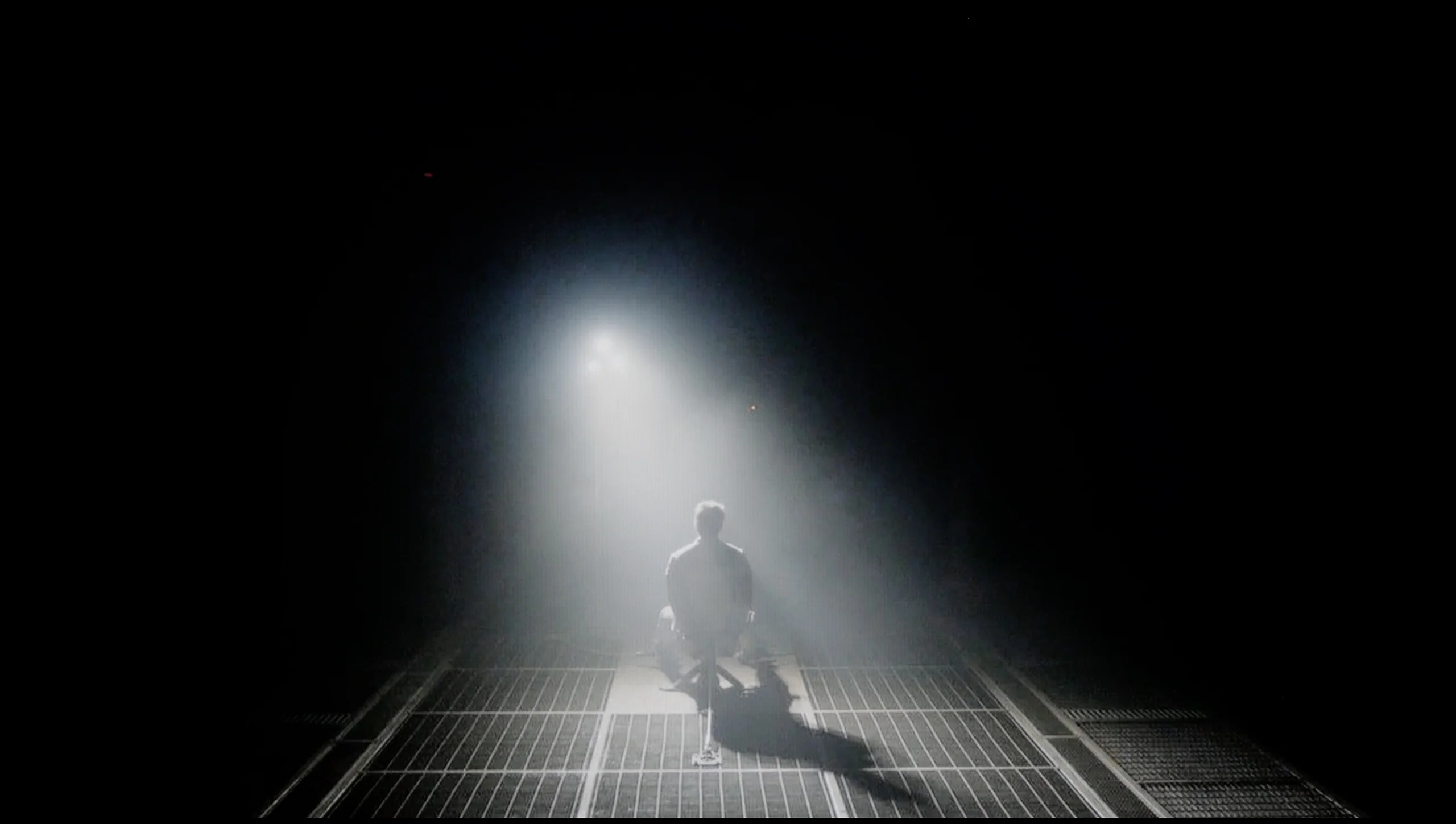
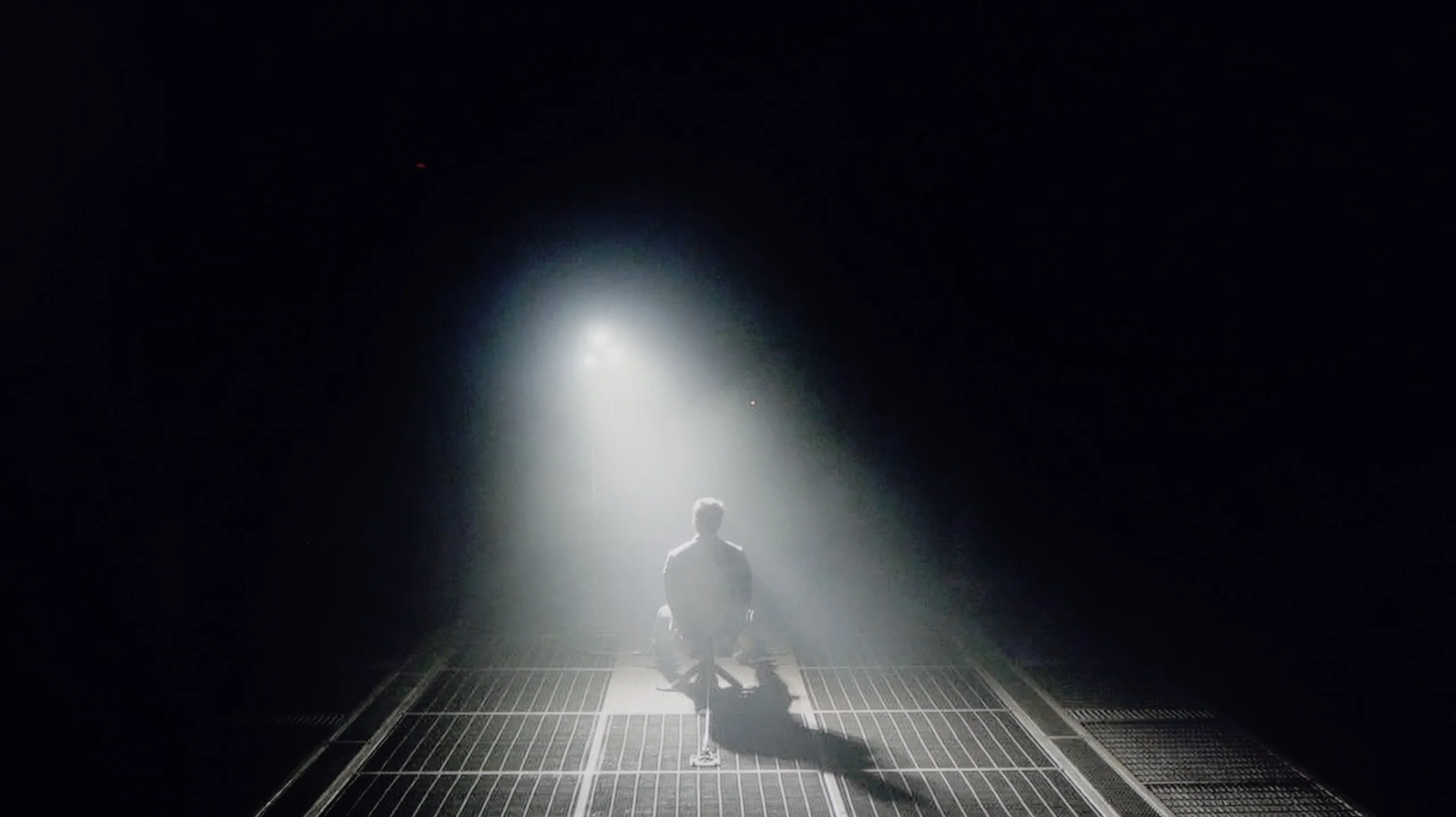
Check the visibility of bright lights on a dark background. Mini-LEDs often struggle with this. The photo does not compare black levels – that’s what the video below is for.
The video accurately shows differences in contrast and black levels between TVs, as well as potential issues: halo around bright objects or Mini-LED zone operation visible as brightness jumps.
The Panasonic Z85A uses a WOLED panel, which means one thing – perfect black and infinite contrast. Each pixel lights up and dims independently, so there is no question of any streaks or glow around bright objects on the screen. Even in the most demanding scenes, the image looks simply exemplary. There is no room for compromise in this regard, which is still present even in the most expensive LCD televisions. Here, Panasonic shines, utilising organic technology provided by LG Displays, and does so in truly impressive style.
The Bravia 3 II uses a VA panel, a solution that by nature delivers significantly better contrast than IPS or ADS panels. In our sample the native contrast ratio was around 5000:1, which is a pretty good result for a TV without local dimming. In practice that means blacks can look genuinely decent in a lightly lit room. Dark parts of the picture don't immediately go grey, and night scenes have noticeably more depth than on many IPS‑panel TVs. However, the poorer black level quality becomes apparent when you turn the lights off. The Bravia 3 II has no local dimming system, so the entire backlight behaves similarly regardless of what’s happening in a particular part of the image. In a dark room it's easy to see that blacks are no longer truly black but start to take on a dark navy cast. It's not a level that severely ruins the film-viewing experience, but during an evening viewing the difference compared with a Mini-LED TV, and even more so with an OLED TV, becomes very clear.
HDR effect quality
6.5/10
5.3/10
Luminance measurements in HDR:

Result
812 nit

Result
775 nit

Result
812 nit

Result
808 nit

Result
390 nit
Result
408 nit
Result
430 nit
Result
449 nit
Result
457 nit
Result
455 nit
Scene from the movie “Pan” (about 2800 nits)
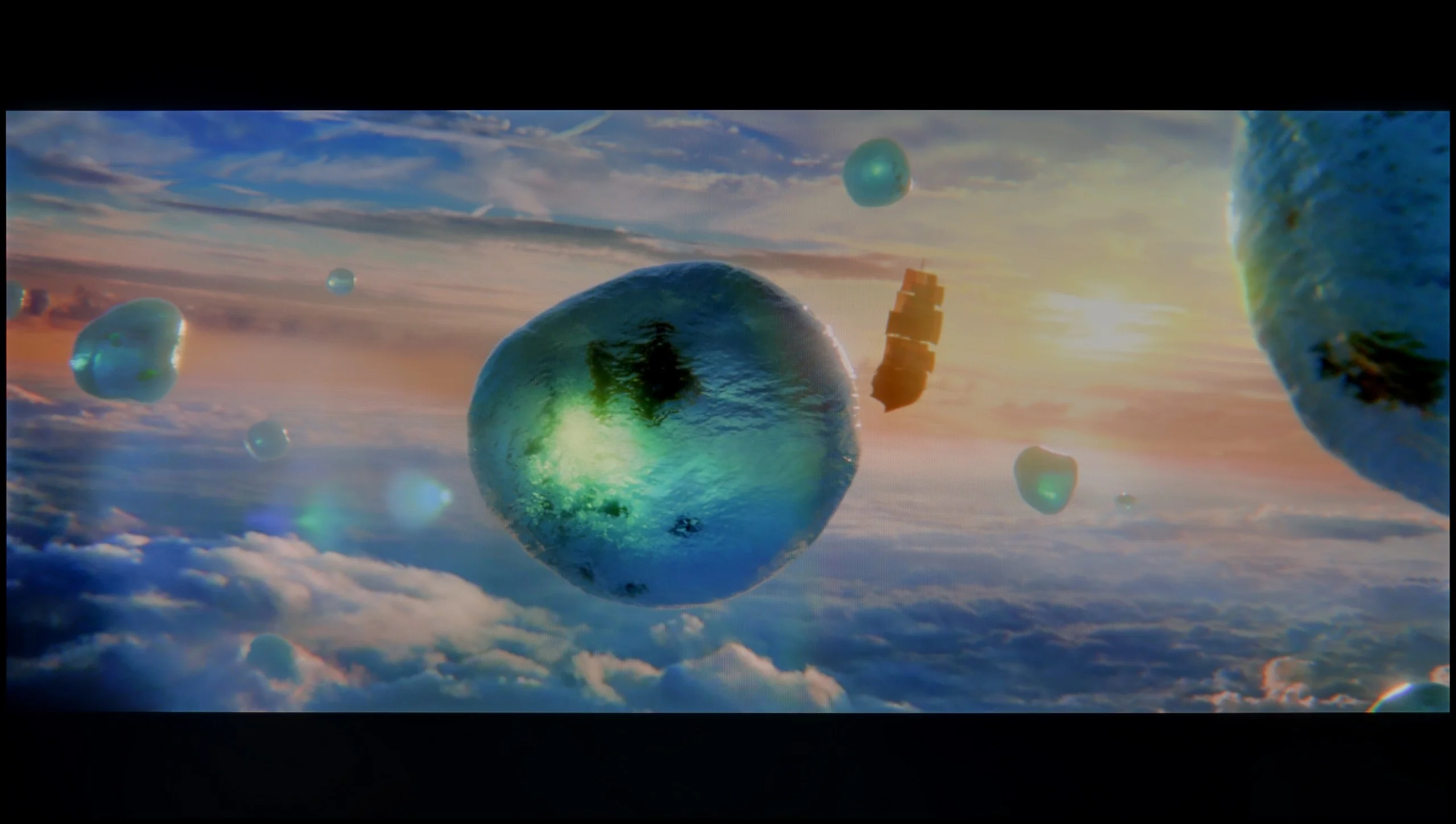
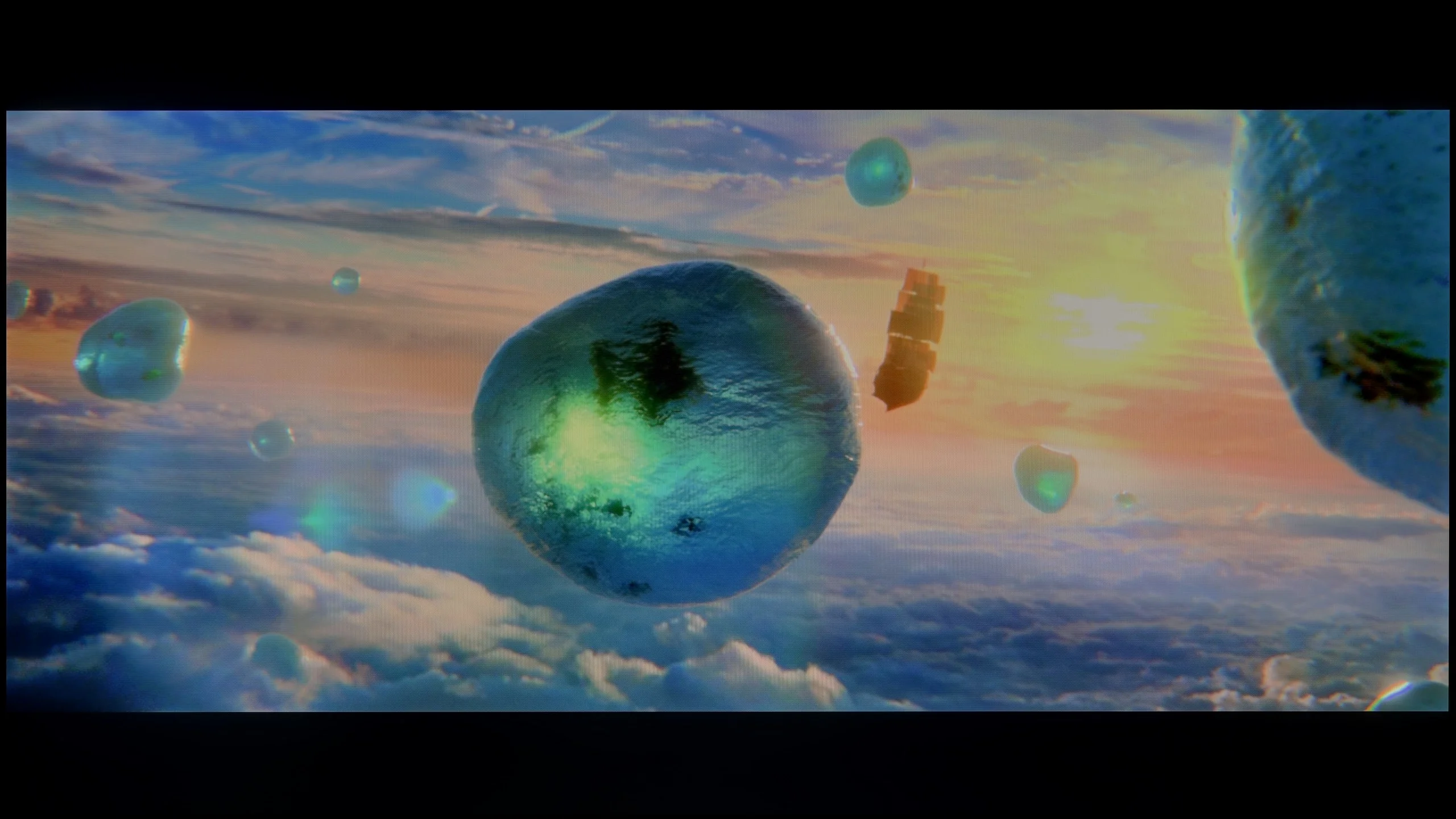
Scene from the movie “Billy Lynn” (about 1100 nits)
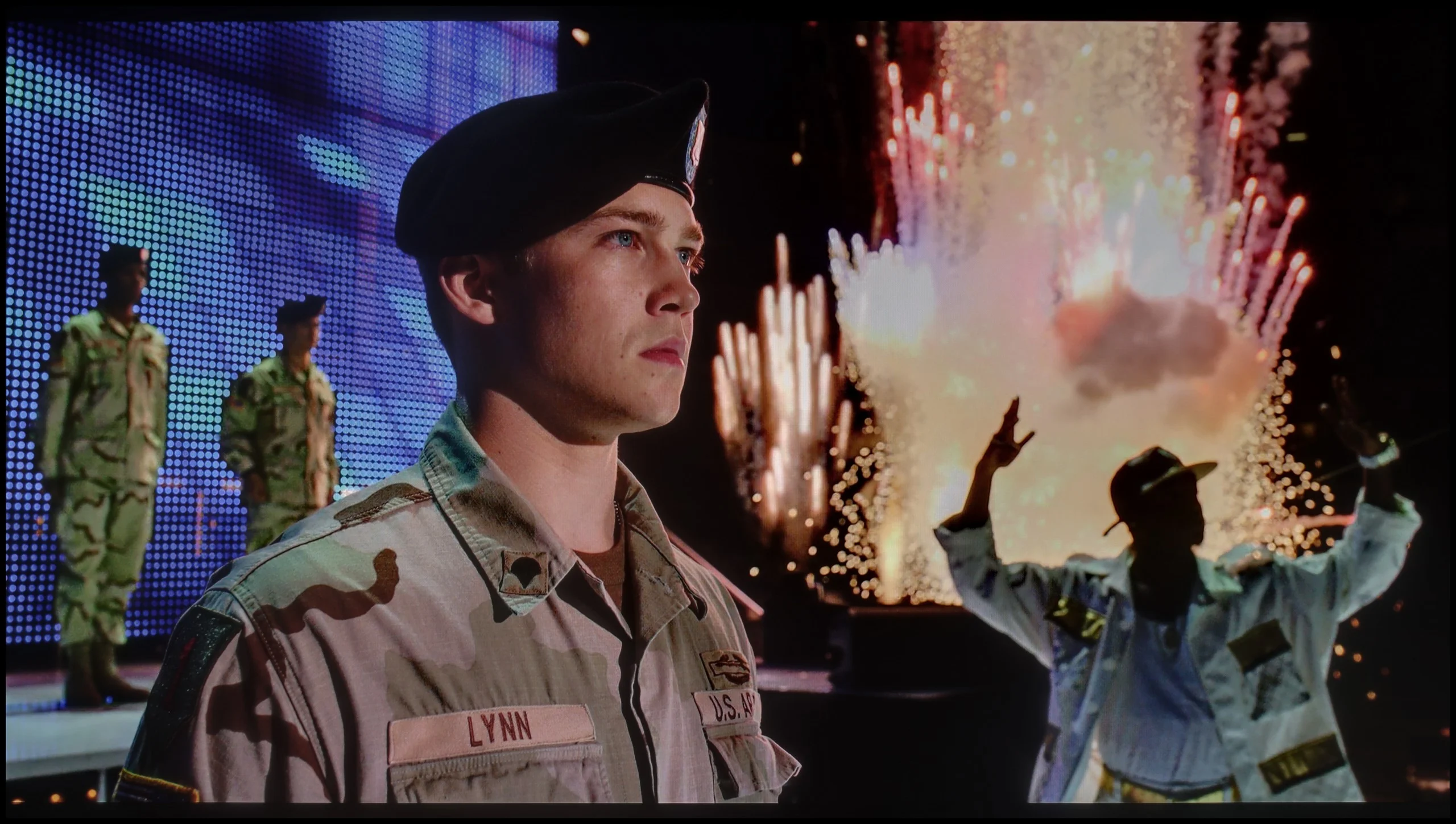
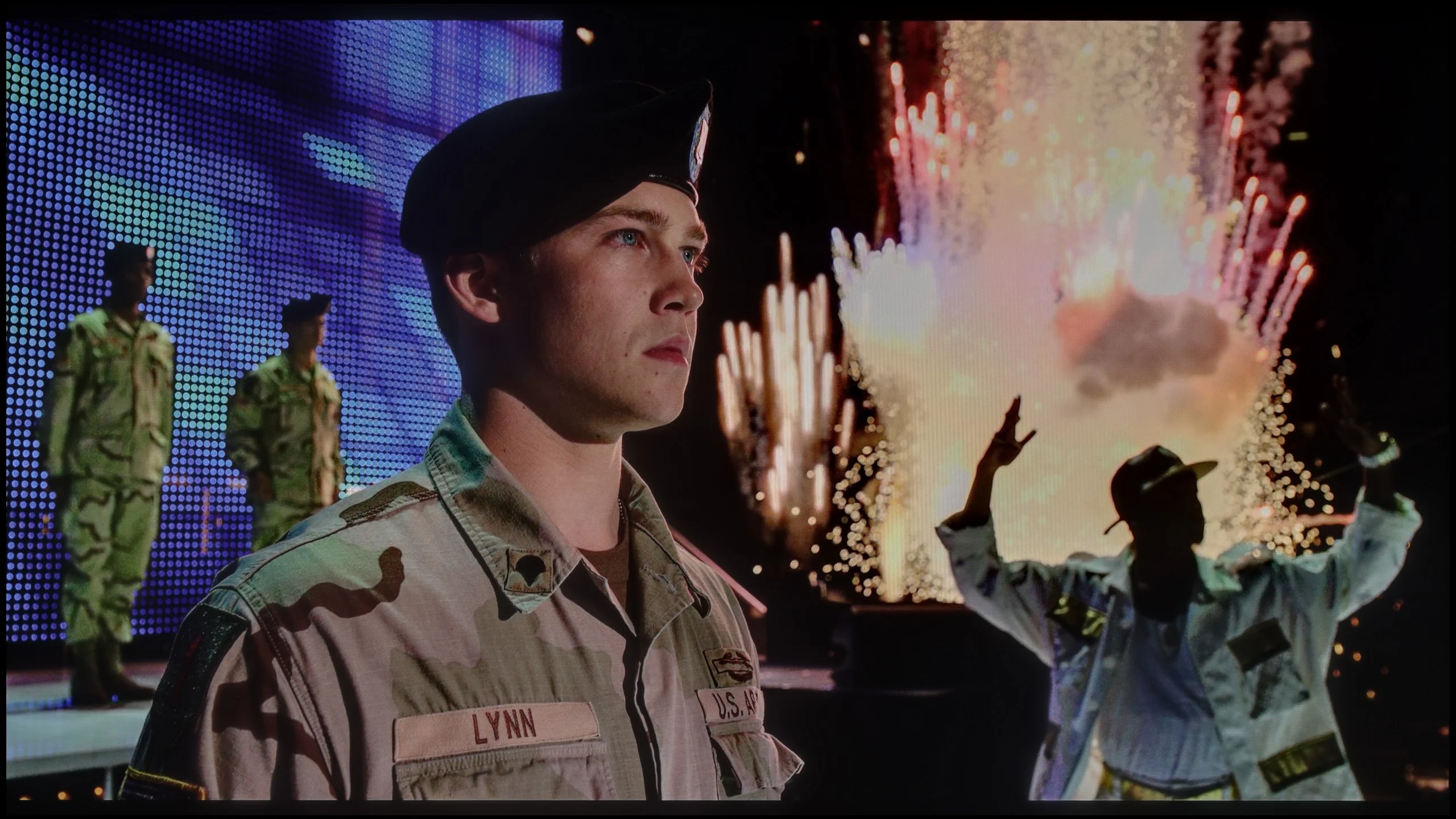
The photos show two HDR10 movies. 'Pan' is one of the brightest productions ever made, while 'Billy Lynn' (soldier) has brightness typical of streaming (Netflix, Prime, HBO MAX). Notice the intensity of effects and detail in whites.
Static HDR10


The photos present the visibility of white details in various HDR formats. They do not show brightness differences between TVs (these can be compared in the previous gallery).
Dynamic: Dolby Vision
Dynamic: Dolby Vision


The photos present the visibility of white details in various HDR formats. They do not show brightness differences between TVs (these can be compared in the previous gallery).
HDR luminance chart:
SONY BRAVIA 3 II (XR35M2)
Panasonic Z85A
Luminance of RGB colors
The Panasonic Z85A is an OLED television, so one can immediately expect great effects in films. And indeed – our tests have shown that the WOLED panel can achieve around 800 nits of peak brightness in optimal conditions. This is a solid result that performs well in most demanding HDR scenes, allowing viewers to enjoy a dynamic and detail-rich image. However, like any OLED, the Z85A has its limits. In very bright scenes covering the entire screen – such as the final sequence from the film The Meg – the television reduces brightness to around 400 nits. This is standard behaviour for this technology, so if someone plans to watch films in a brightly sunlit living room, it is worth keeping this in mind. The coverage of the DCI-P3 colour gamut at 98% also deserves high praise. Thanks to this, the television reproduces a wide range of colours that stand out with vibrancy and depth, and details in HDR scenes are sharp and precise. In short – the Panasonic Z85A delivers a solid HDR effect that will satisfy any film enthusiast.
Bravia 3 II is certainly not a TV that tries to impress with brightness. In our measurements it reached about 450 nits, so it falls well short of the brightest models on the market. That does not mean HDR is just a paper feature. Compared with ordinary SDR material, the brightest elements of the image can already come through noticeably, and reflections, highlights and stronger exposures have a bit more energy and stand out better from the rest of the scene. This is most obvious in simpler shots where the screen displays many bright elements. Then the Bravia 3 II can give a hint of a higher dynamic-range picture. The problem only begins with more demanding content, where much greater brightness headroom is required. There the TV quickly shows its limitations and instead of powerful, striking HDR we get only a competently rendered picture.
Colours
Bravia 3 II uses a QLED-type panel, although technically it does not use a classic quantum dot layer. Instead Sony has used a solution based on PFS phosphor, which performs a very similar role: it allows more saturated reds and greens and thus enables a much wider colour gamut. In measurements DCI-P3 coverage was around 94%, and the very wide BT.2020 around 74.4%. These are good results for this class of hardware, which mean the Bravia 3 II has no problem reproducing sufficiently saturated colours in HDR content. Colours do not look washed out, and more intense hues can look genuinely attractive.
Factory color reproduction
8.4/10
6.3/10
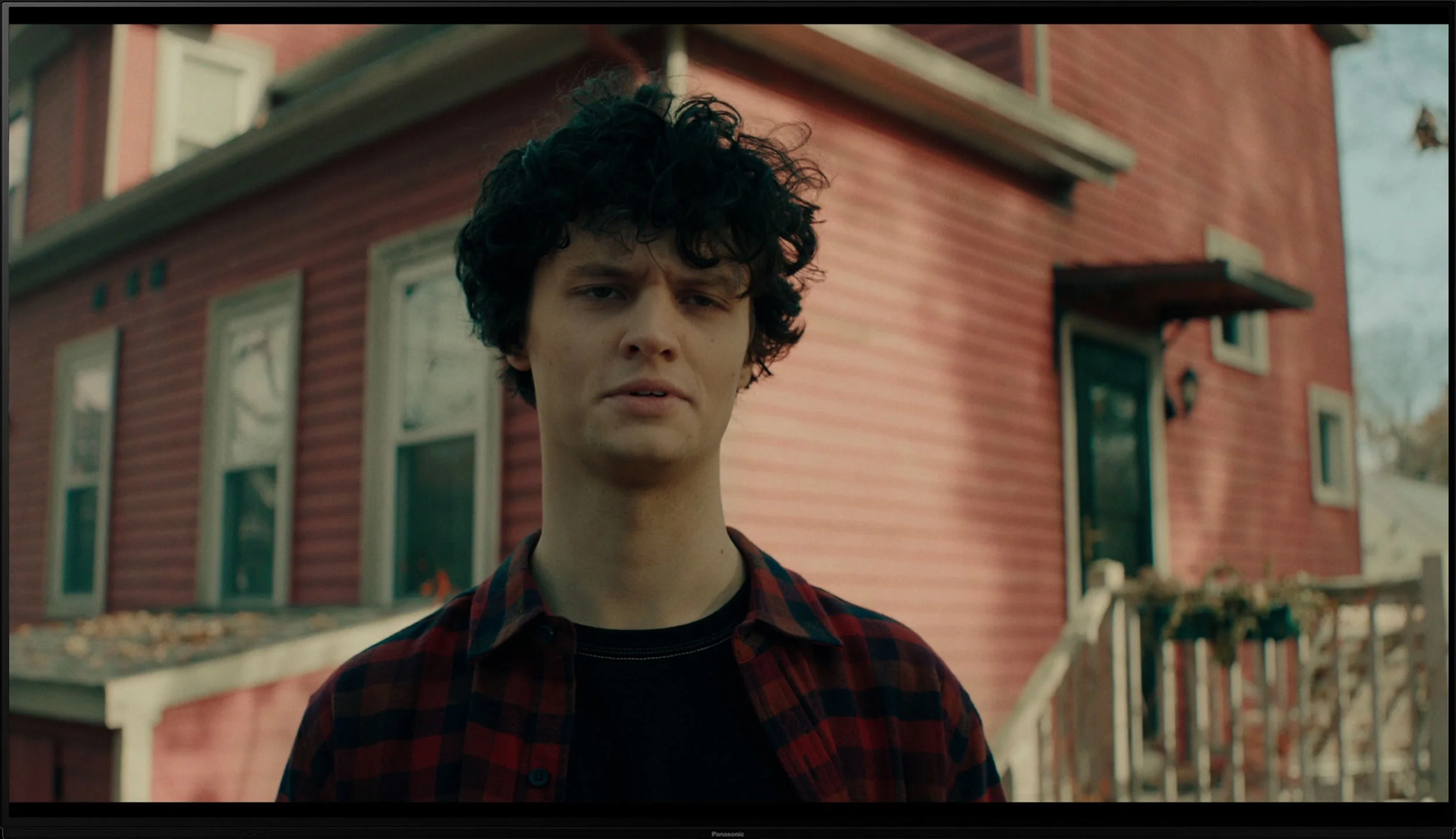
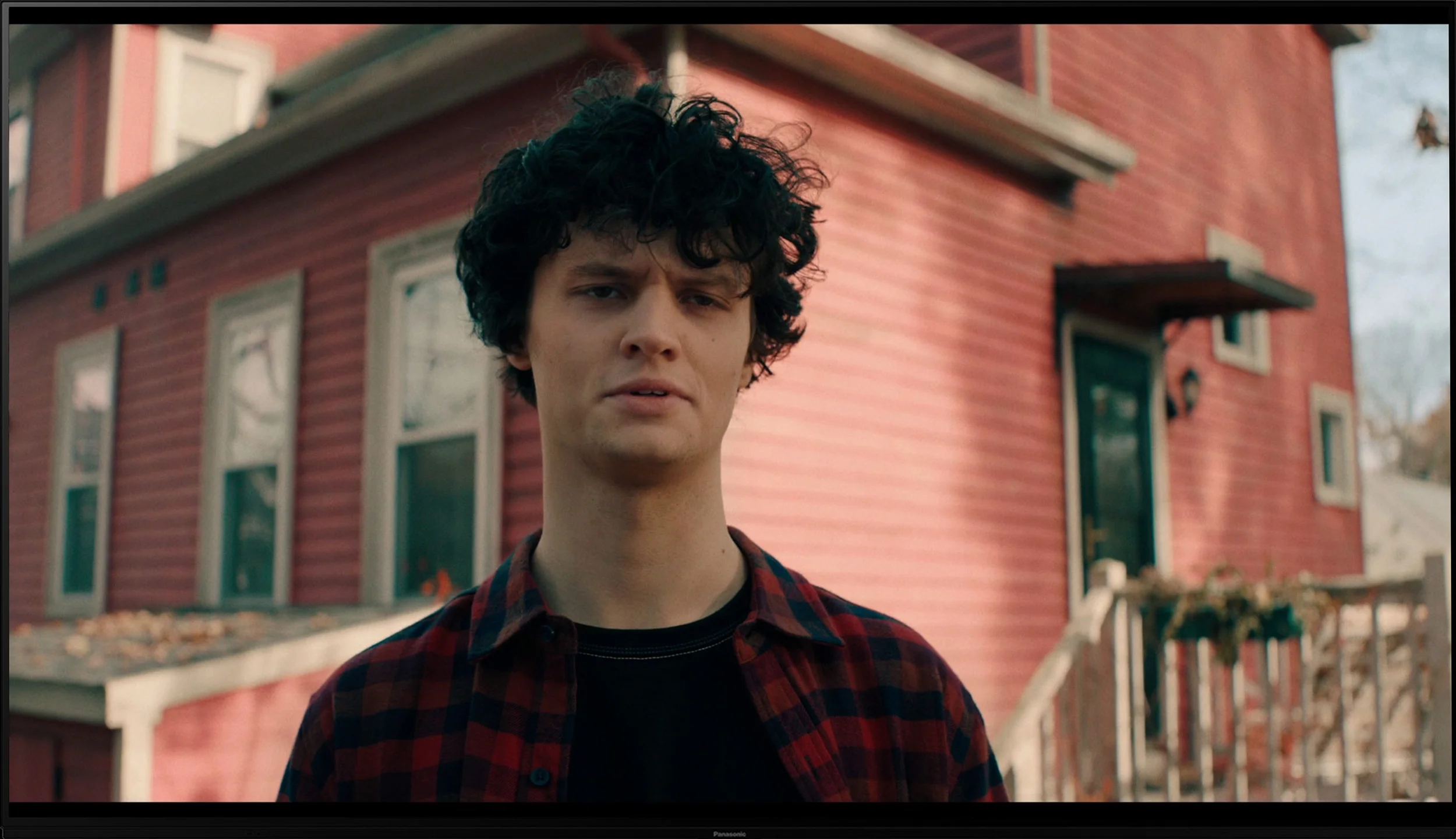
This gallery shows how colors change after professional TV calibration. If you notice the difference, we recommend ordering this service at SkalibrujTV.com.
Factory Mode
After calibration
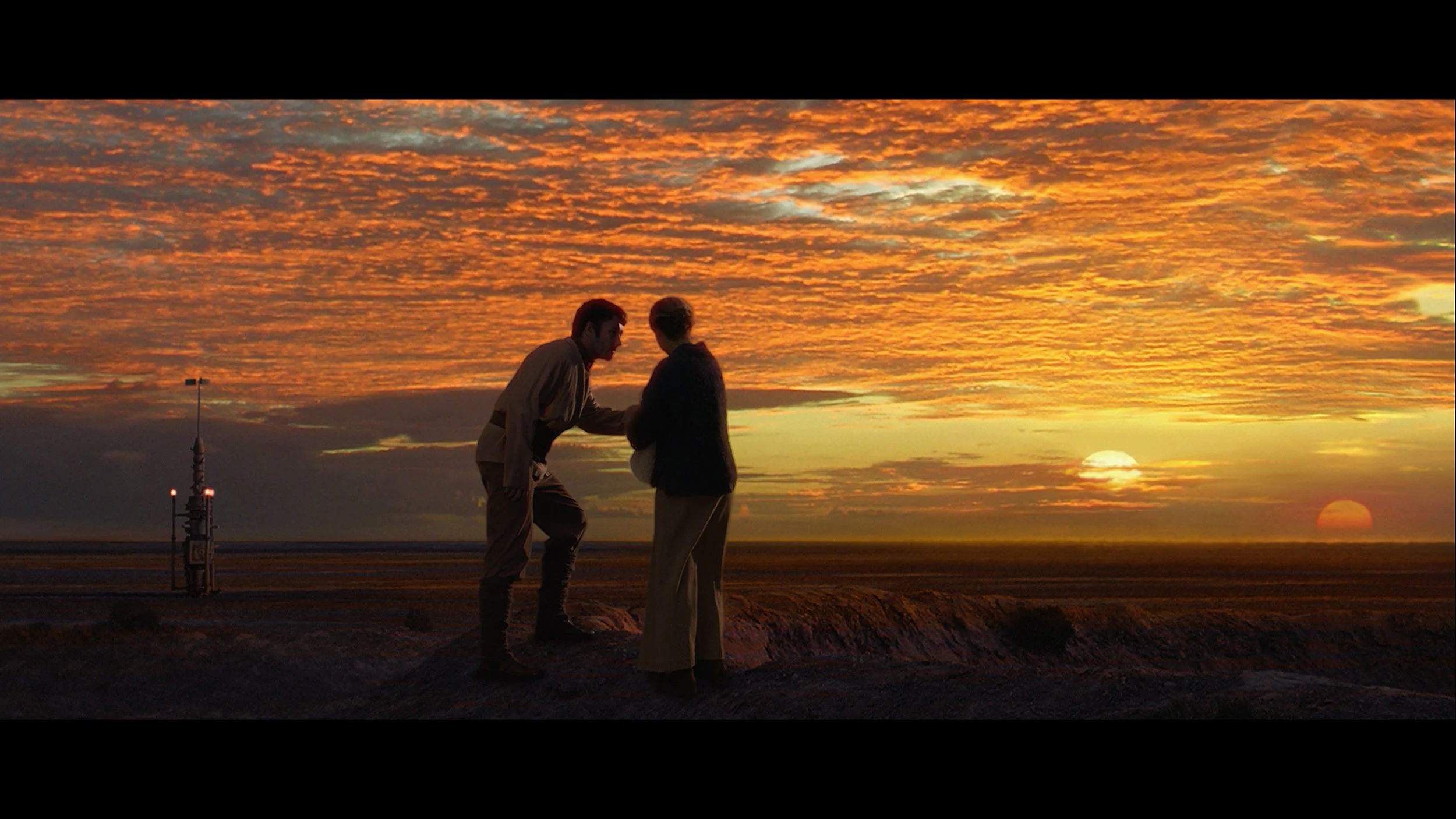
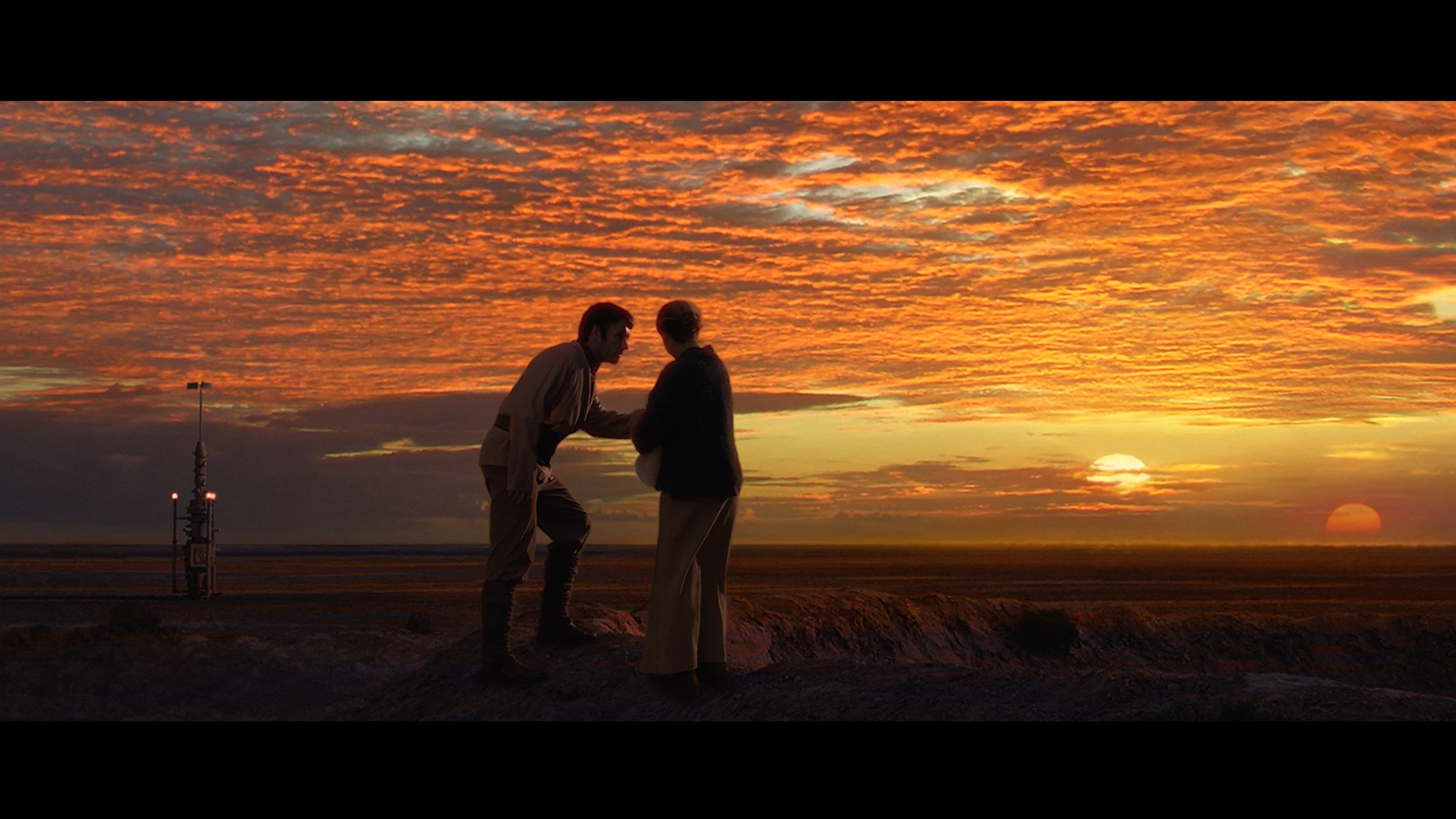
This gallery shows how colors change after professional TV calibration. If you notice the difference, we recommend ordering this service at SkalibrujTV.com.
Factory Mode
After calibration
The Panasonic Z85A offers many picture modes, but the Filmmaker mode definitely stands out from the rest. It is rare for a television to be so well tuned straight out of the box, and the unit we had the opportunity to test really surprised us positively.
However, there were a few minor shortcomings. In the SDR signal, we noticed a slight deficit of red and blue, which resulted in the image having a cooler hue than it should have. This is especially noticeable in the comparative photo. Conversely, in 4K HDR content, the situation was the opposite – an excess of red made the image appear warmer than the creators intended. In terms of brightness characteristics (gamma) and the maintenance of the appropriate EOTF curve, it's hard to find fault. There are slight deviations, but they are so minimal that the average viewer is unlikely to notice them.
It is also worth emphasising that our observations pertain to a specific unit of the television. Two identical models may differ from each other due to natural production variances. Nevertheless, the unit we had in our hands looks really solid and deserves praise. Now it's time for our calibration – we'll see if we can extract even more from this screen!
In Professional mode the Bravia 3 II already delivers a fairly good level of colour reproduction straight out of the box. In SDR the most noticeable issue is a slightly low gamma, which makes the midtones a little brighter. White balance isn't perfect either; as brightness increases the blue and red components become slightly lacking, so whites can at times take on a marginally warmer, faintly greenish tint. These are not faults that immediately catch the eye when watching a film. Average error values hover around 3, so the factory setting can be regarded as quite good. The situation is similar in HDR. Here too there is a slight lack of the blue component, so the image is marginally warmer than the reference, but the difference is not large enough to significantly interfere with normal viewing.
Color reproduction after calibration
9.4/10
8/10
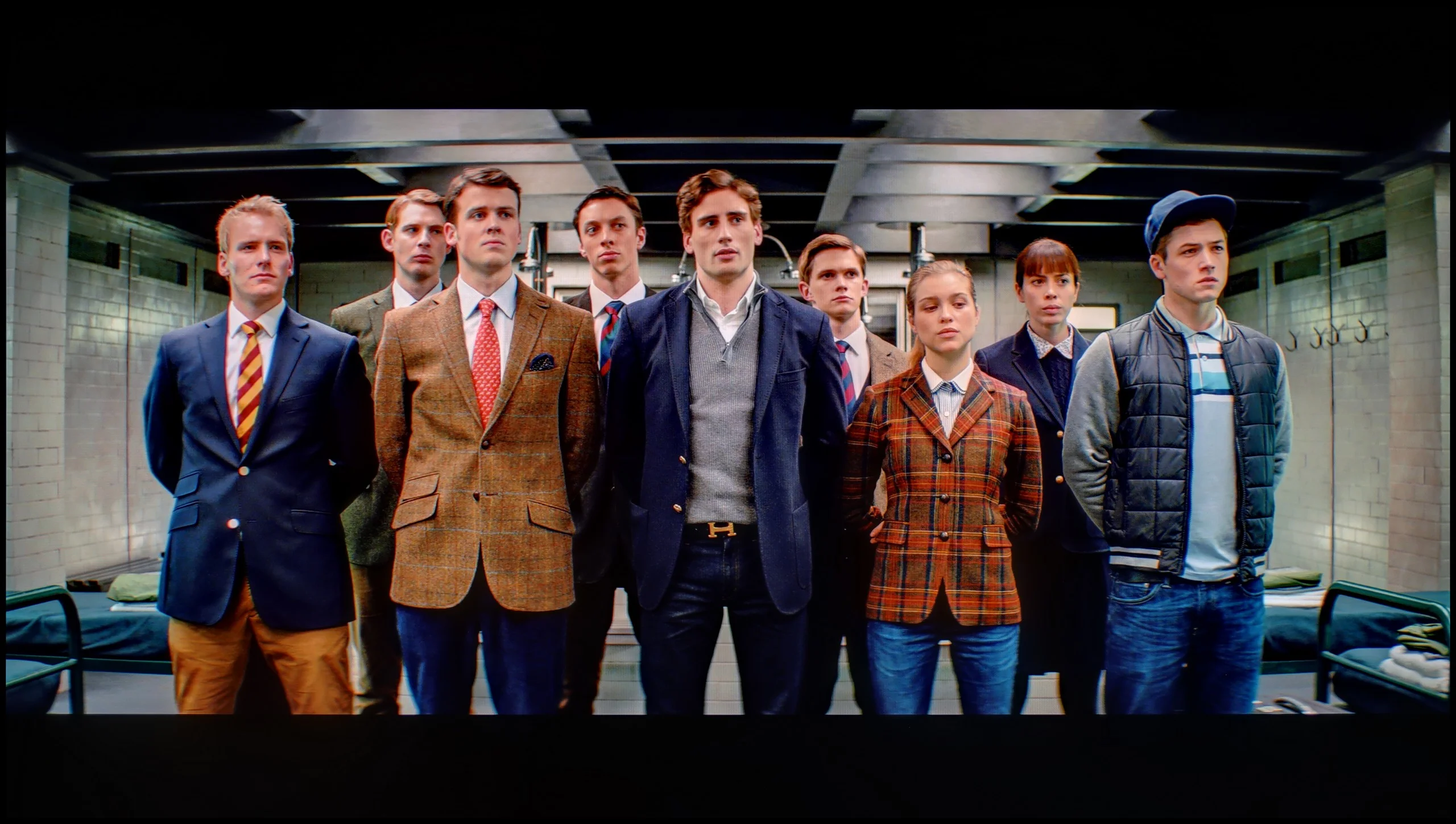
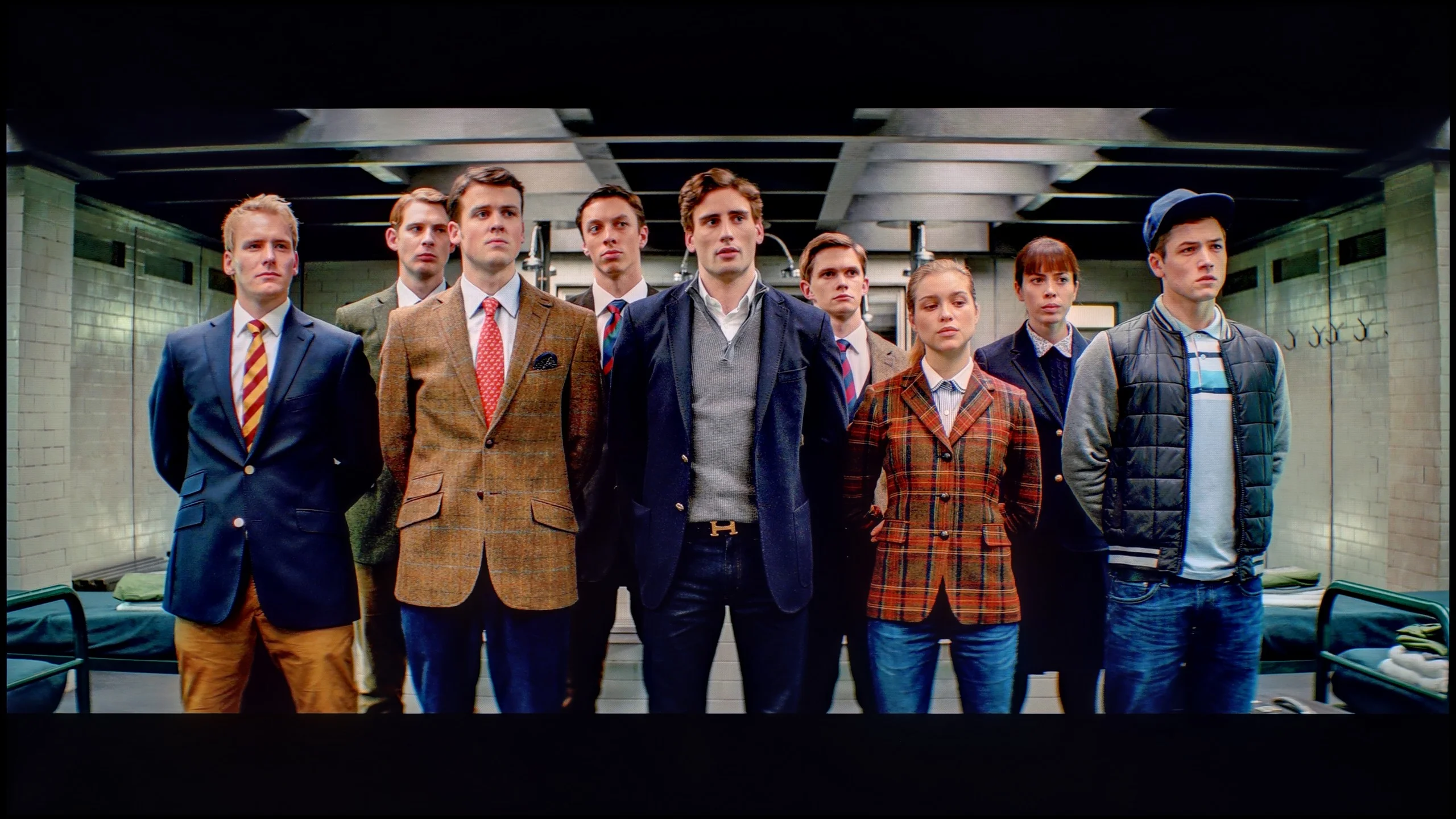
The photos show how movies look on the TV. Pay attention to black detail visibility, colors, and shadow tint.


The photos show how movies look on the TV. Pay attention to black detail visibility, colors, and shadow tint.
The Panasonic Z85A offers truly wide possibilities when it comes to image settings, so we enthusiastically set about calibration. Although we mainly focused on correcting the white balance, the final result exceeded our expectations. Both HD and 4K HDR content now display nearly perfect colour reproduction, with minimal errors that are hard to catch with the naked eye. Well-calibrated televisions are a rarity, and we must admit – it is truly gratifying. Although the gamma and EOTF curve did not require drastic adjustments, it was possible to further stabilise their characteristics across the entire brightness range. After calibration, the Panasonic Z85A is a true gem for home cinema enthusiasts. The image is precise, the colours are natural, and every scene looks exactly as the director intended.
After calibration, there is particularly a lot to be gained from SDR content. The white balance was set almost perfectly, the gamma practically matches the reference value, and the average colour errors fell from around 3 to about 1. That is already a level at which differences from the reference image are, in practice, very difficult to detect. The Bravia 3 II therefore shows that, despite its position in Sony’s lineup, it has quite a lot of potential for precise picture calibration. Improvements are also visible in HDR, although here it is no longer possible to avoid all the limitations of the TV itself. After evening out the colours, it is easier to notice that the EOTF curve in film content runs slightly below the reference value in places, so the Bravia 3 II gently darkens part of the image. This is not an ideal solution from a reference point of view, but in this particular TV it also has its benefits. With no local dimming and average black levels, this behaviour slightly reduces the visibility of the backlight in darker scenes and helps maintain a stronger impression of contrast. So you could say Sony partly masks the limitations of the panel this way, instead of trying at all costs to stick to the reference luminance.
Smoothness of tonal transitions
7.5/10
9.5/10
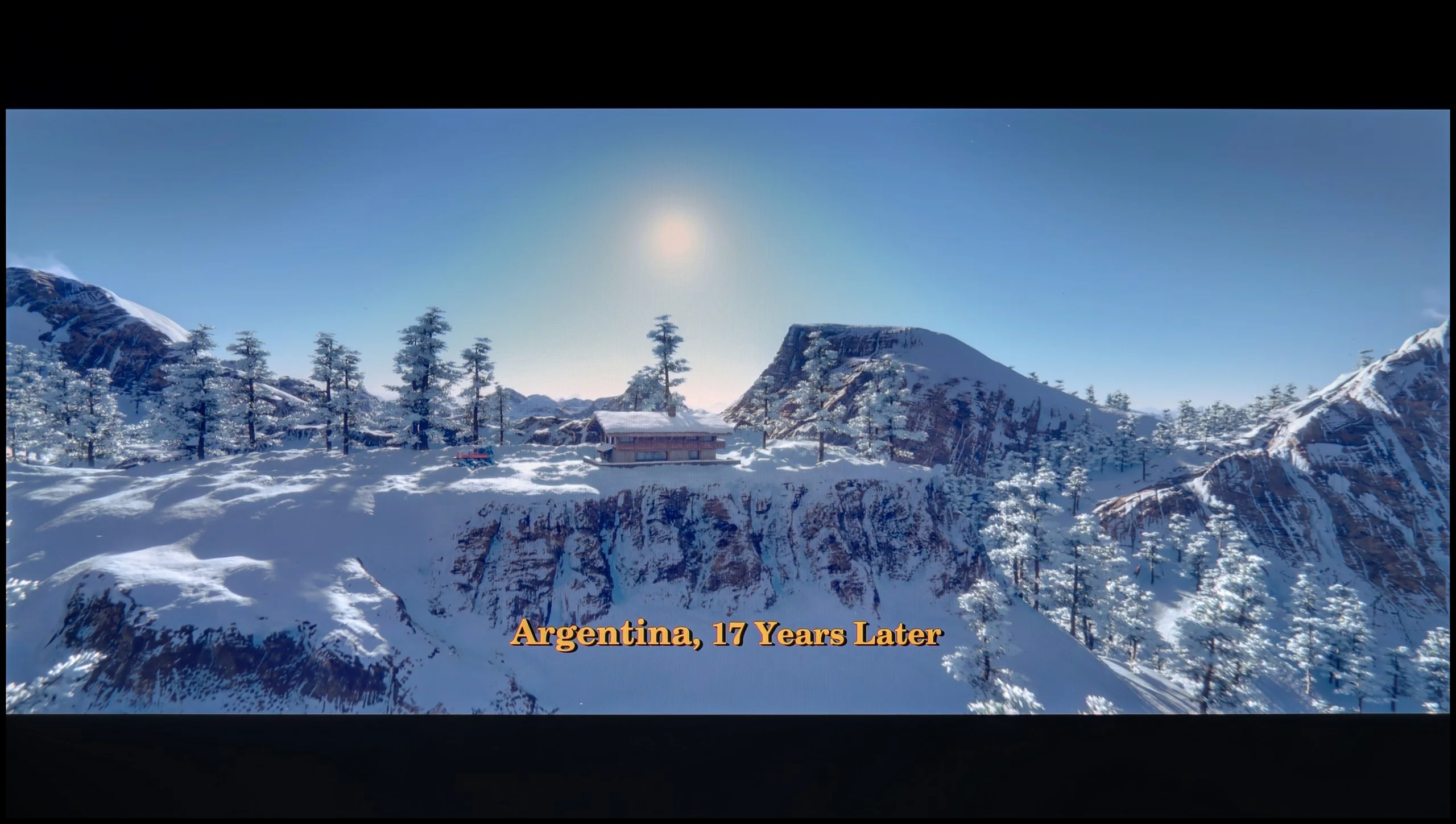
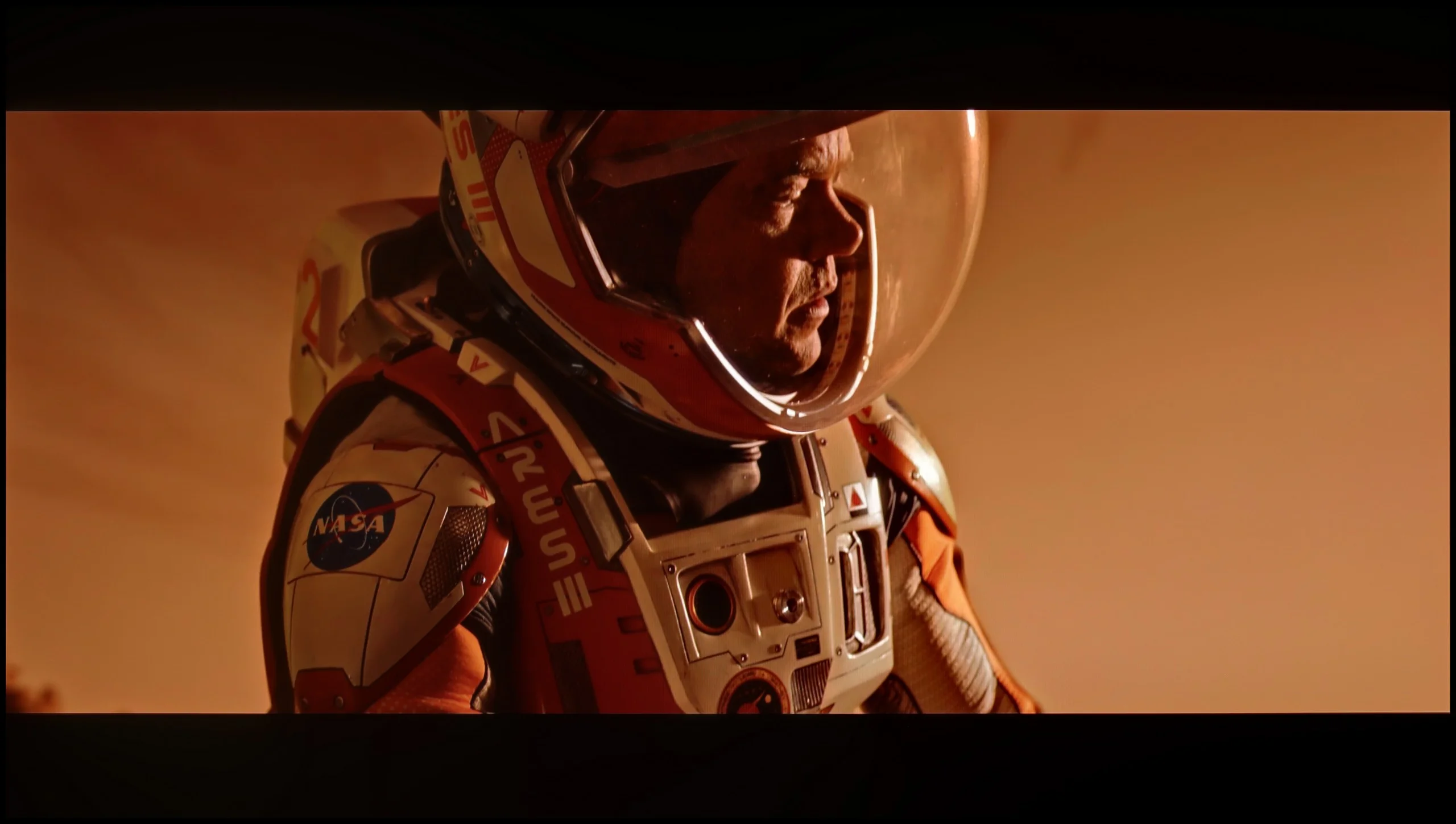
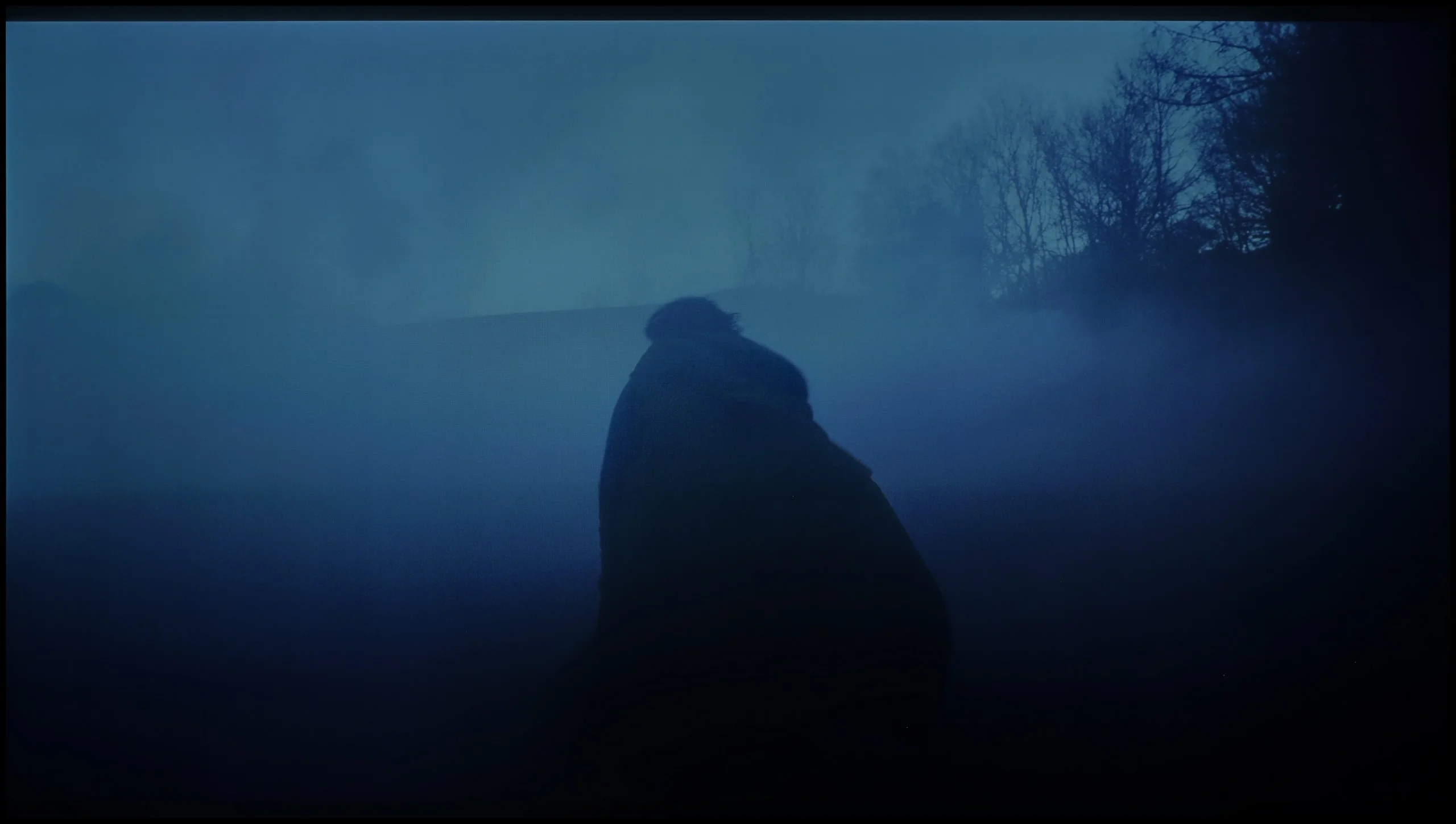
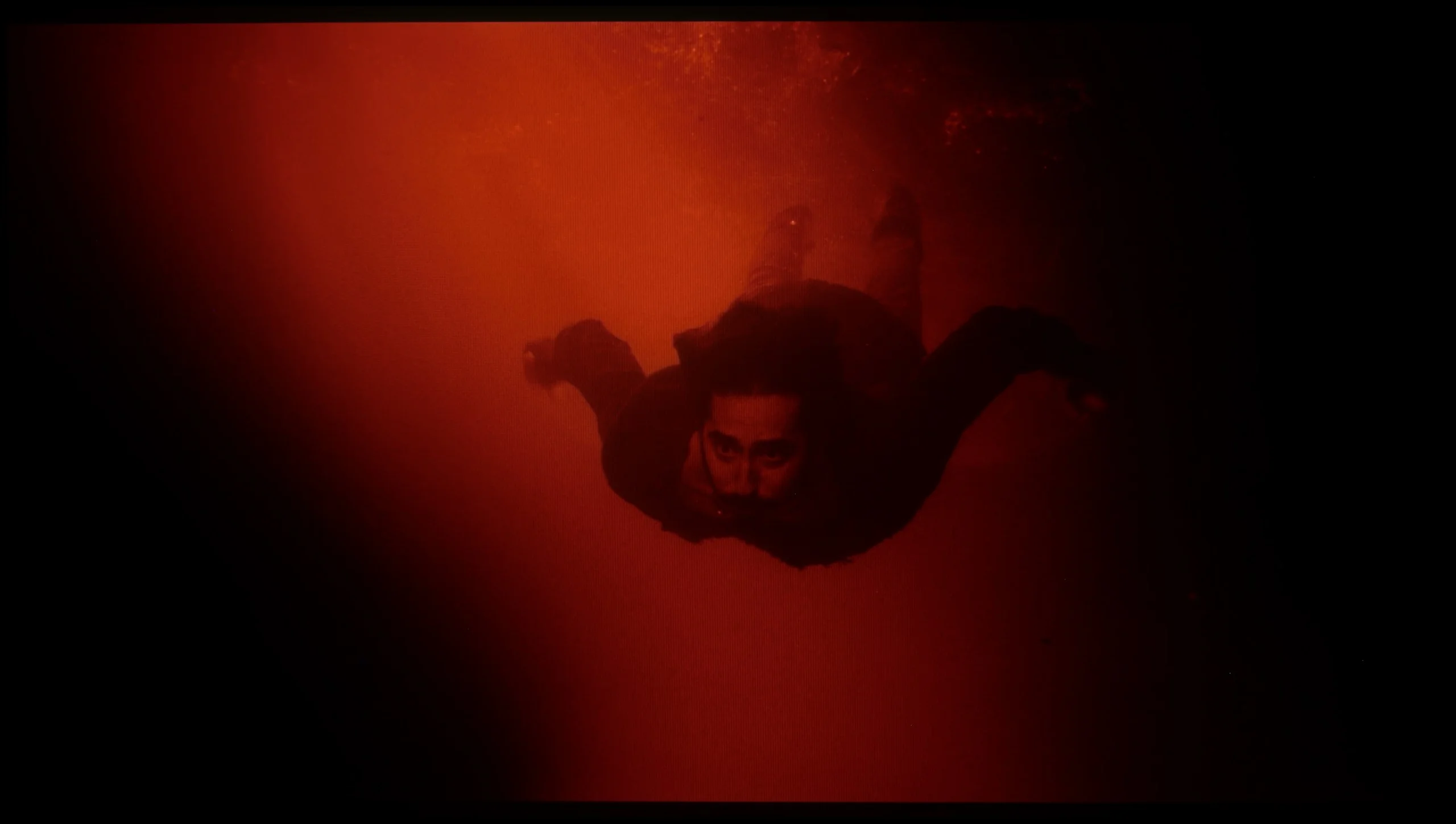
These are selected scenes that show smooth tonal transitions from one color to another. If you see distinct banding, it’s the TV panel’s fault.
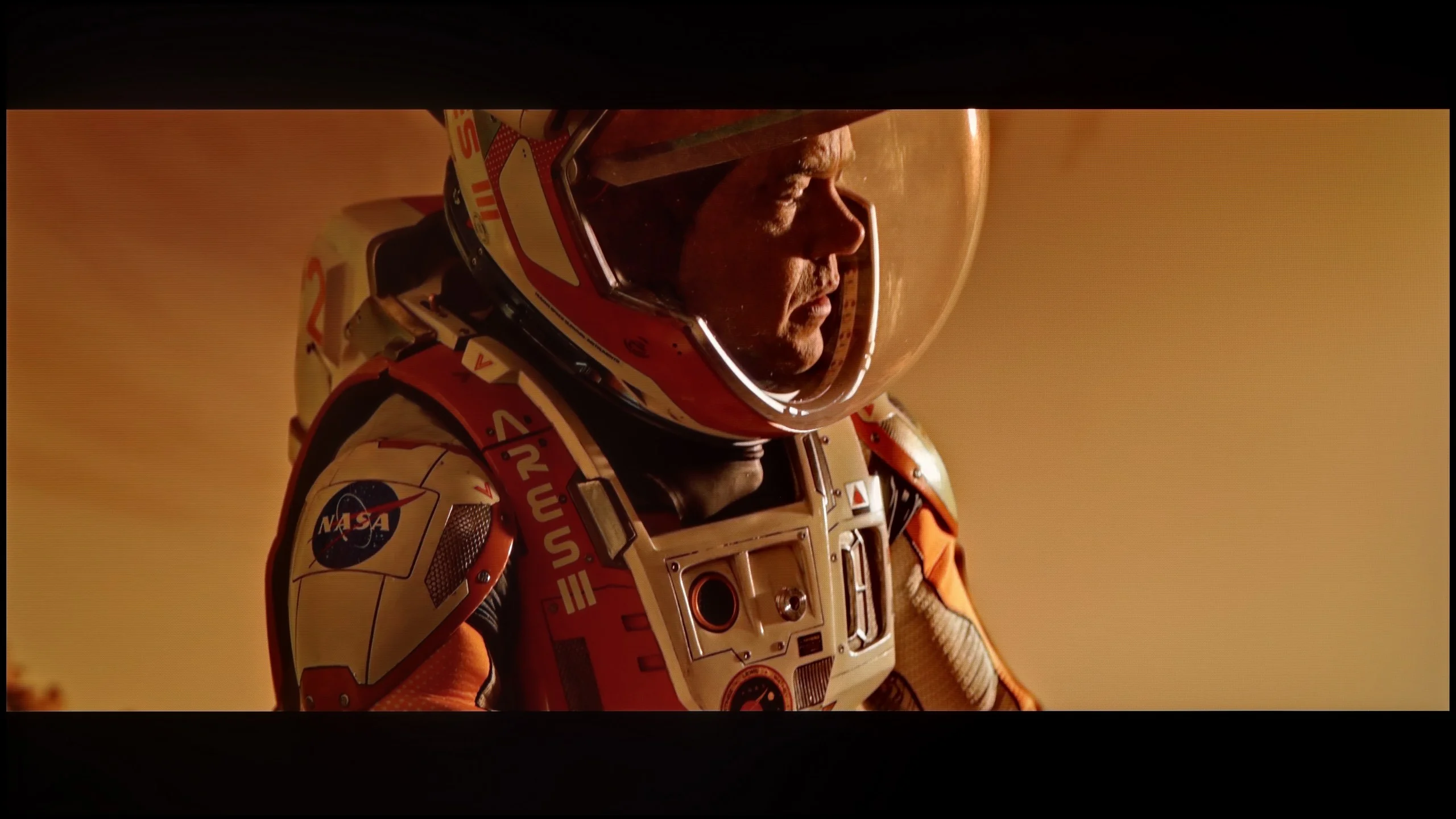
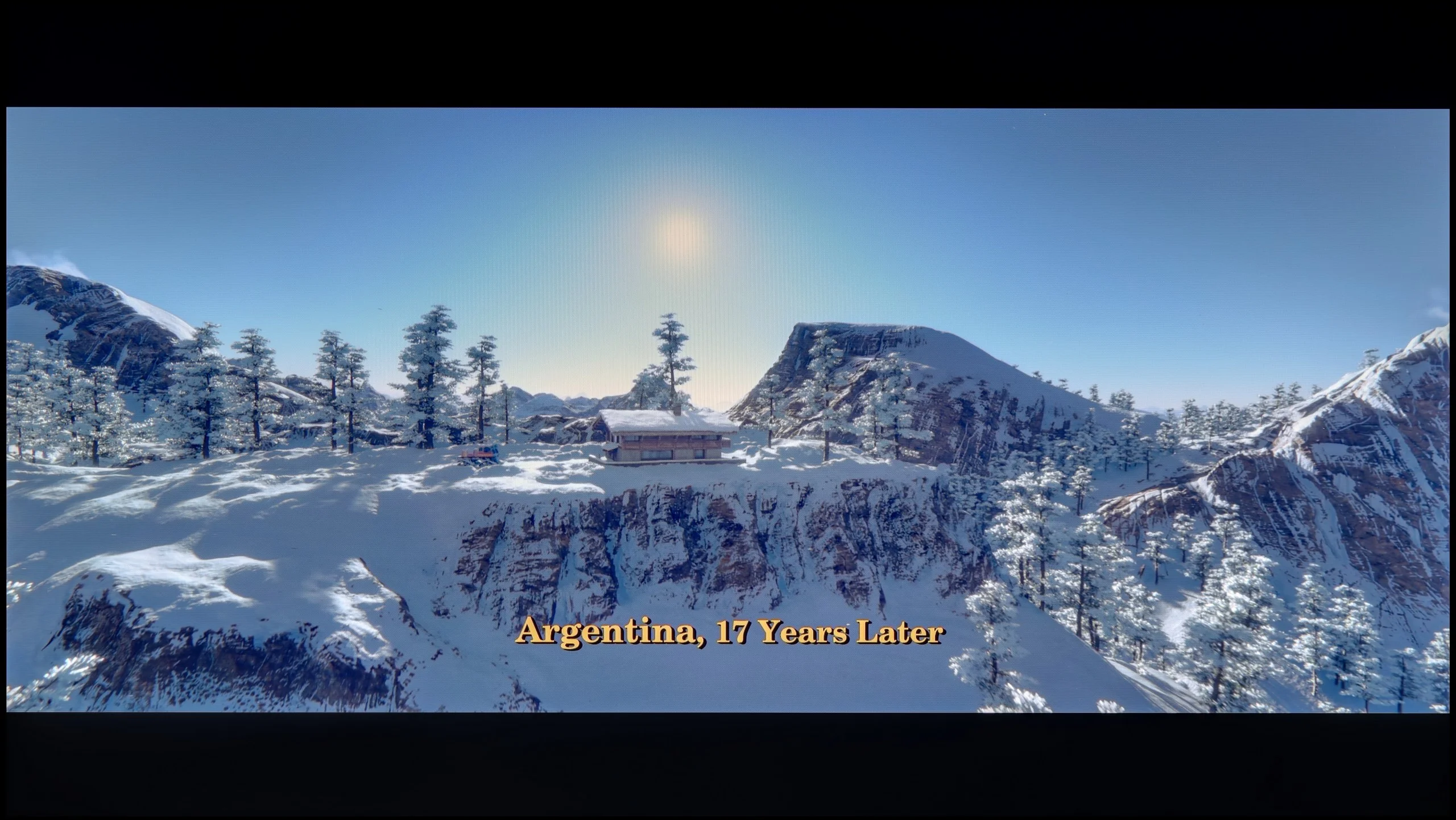
These are selected scenes that show smooth tonal transitions from one color to another. If you see distinct banding, it’s the TV panel’s fault.
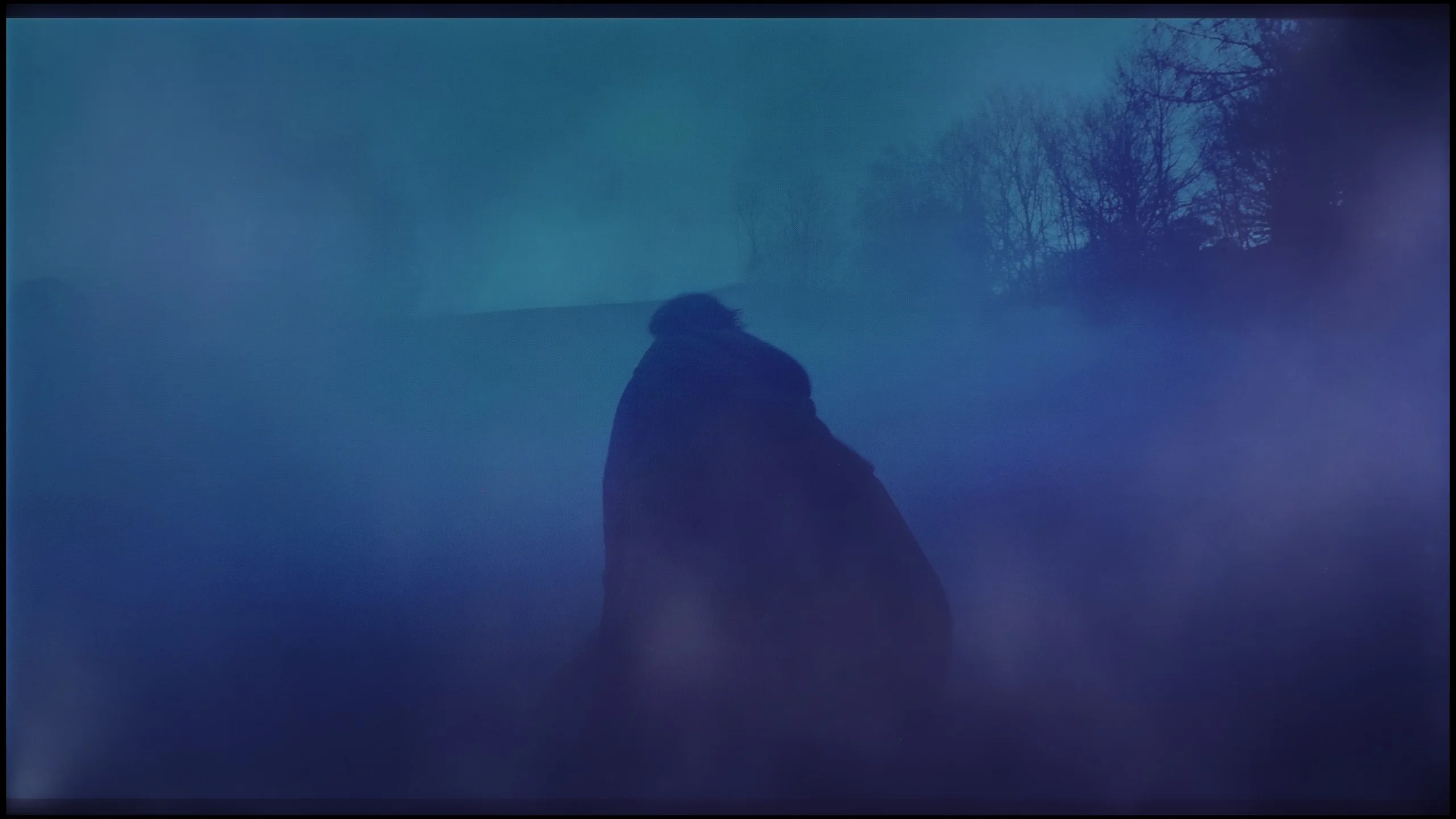
These are selected scenes that show smooth tonal transitions from one color to another. If you see distinct banding, it’s the TV panel’s fault.
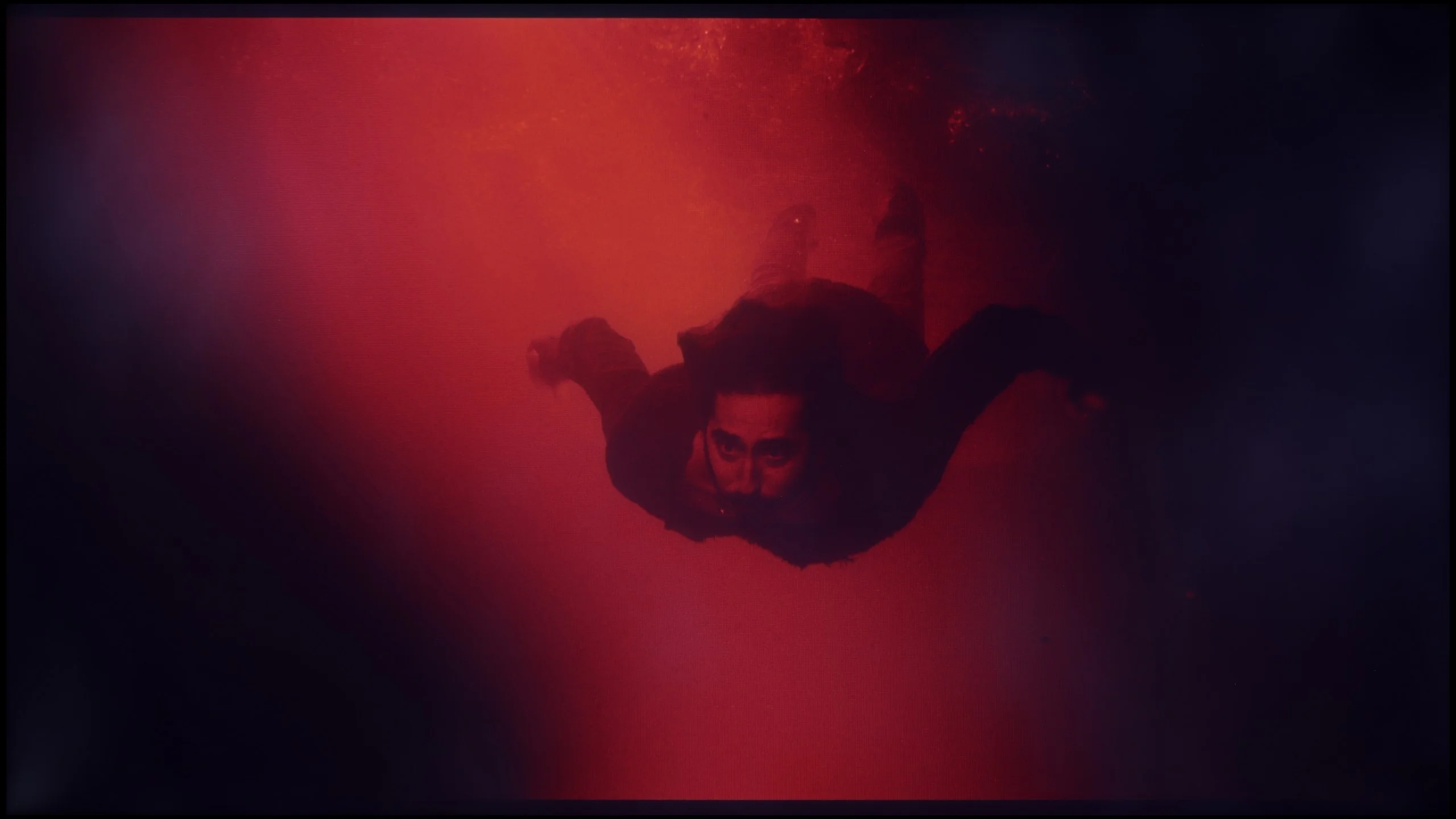
These are selected scenes that show smooth tonal transitions from one color to another. If you see distinct banding, it’s the TV panel’s fault.
The Panasonic Z85A handles the smoothness of tonal transitions really well. Colours blend together naturally, without noticeable artefacts or visible banding. However, in brighter scenes, such as the opening sequence in the film Kingsman, minor imperfections can be discerned. This is typical of WOLED panels, which have their limitations compared to Samsung Display's QD-OLED designs due to the use of white sub-pixels. The differences are not colossal, but a trained eye will pick them up, especially in more demanding scenes with subtle colour gradients. Despite these minor reservations, the Z85A offers a level that will satisfy the overwhelming majority of users. Tonal transitions are smooth, and the image maintains consistency even in complex scenes. This is a solid result, which in practice will rarely be a hindrance during everyday viewing of films or series.
In terms of the smoothness of tonal transitions, the Bravia 3 II performs very well. In most of the scenes we watched it was hard to notice any problems with blending individual shades. Gradients remain smooth both in bright parts of the image, such as skies or sunsets, and in much more challenging, dark scenes. The only thing that may stand out in our photos, especially in the darkest scenes, is the unevenness of the backlight itself. This, however, is not related to colour gradation. It is rather a consequence of using a backlight without local dimming.
Image scaling and smoothness of tonal transitions
7.4/10
6/10

Smooth transition function
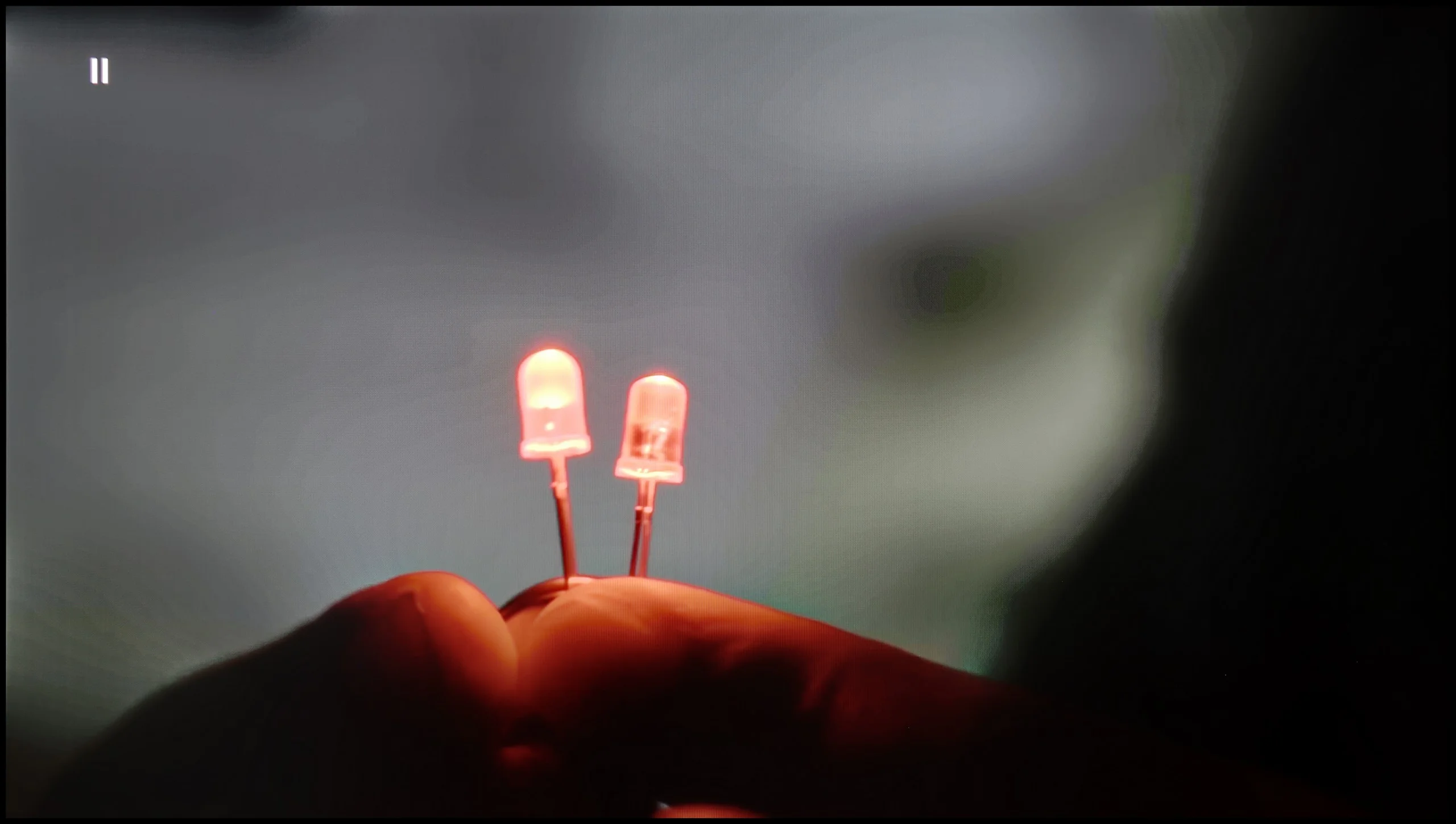
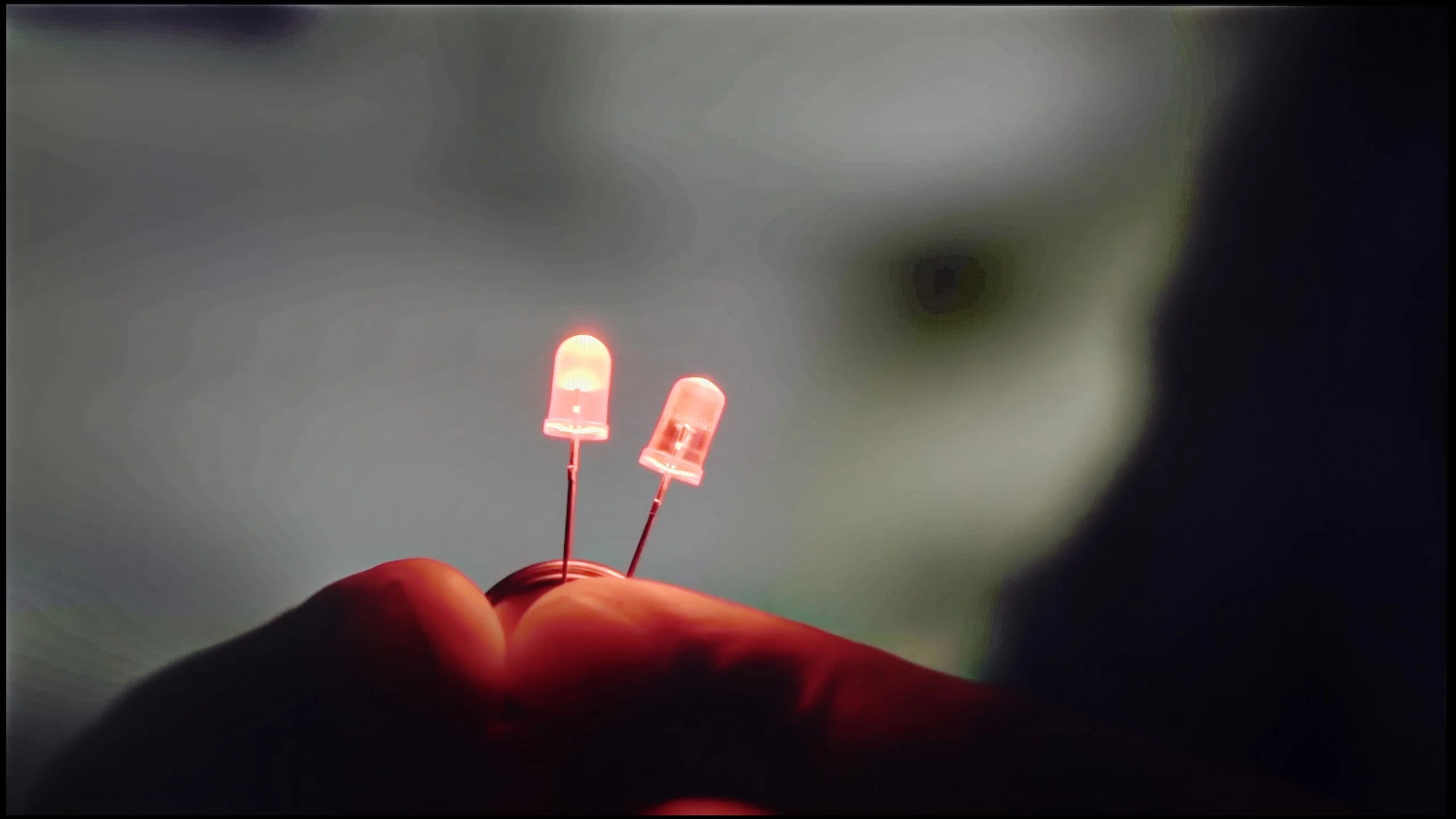
The match photo shows how the TV smooths weak tonal transitions in low-quality video.
Image scaling SD (576i)


The model photo shows how it handles upscaling of SD material.
Now that we know how the Panasonic Z85A performs with tonal transitions in 4K content, it’s time to take a look at its "Gradation Smoothing" feature. It works, but unfortunately not entirely effectively. Regardless of the chosen value – whether it’s low, medium, or high – we were unable to achieve perfectly smooth tonal transitions in our test sequence. We recommend setting this feature to an intermediate level. Although it may slightly blur fine details, at least the issue of film grain loss does not occur, which for many viewers can be crucial when watching classic productions.
As for image scaling, the television performs quite well. It’s noticeable that the image is slightly sharpened, and slim lines may at times appear a bit jagged. However, this is standard in most TVs, and fortunately, it can be adjusted using the sharpness slider. This gives us complete control – we can achieve a more plastic, blurred image or a clearer one, although it may be more “harsh” and artificially sharp. It all depends on user preference and the type of content we are watching. Overall, the scaling is at a solid level and should satisfy most users who are using lower resolution materials.
The Bravia 3 II is Sony's first TV to use the new MediaTek Pentonic 800 chipset, and there are a few changes in image processing. Starting with the basics. The upscaling itself is adequate. The TV can sensibly pull up lower-resolution material and does not have a strong tendency to over-emphasise jagged edges or other source imperfections. With regular broadcast TV or weaker streaming material the picture therefore remains quite pleasing. We have more reservations about the digital image processing. In this model Sony has replaced the well-known "Smooth Gradation" function with a new setting called "Digital Noise Reduction". Its role is essentially very similar: it is supposed to smooth unpleasant tonal transitions and artefacts resulting from heavy signal compression. Unfortunately, this function performs noticeably worse than before. At the "High" setting (the only one that had any visible effect) the TV can smooth away too many elements of the image at once, causing film grain to disappear and the texture of objects or even skin to start looking unnatural. Worse still, the effect is not particularly stable. When a scene contains more motion, the function's effect clearly weakens and at times it looks as if the TV stops intervening in the picture altogether. For everyday viewing we therefore would not recommend using it at a high level. It can help on a static shot, but the price is often an excessive loss of detail.
Blur and motion smoothness
8.5/10
8.2/10
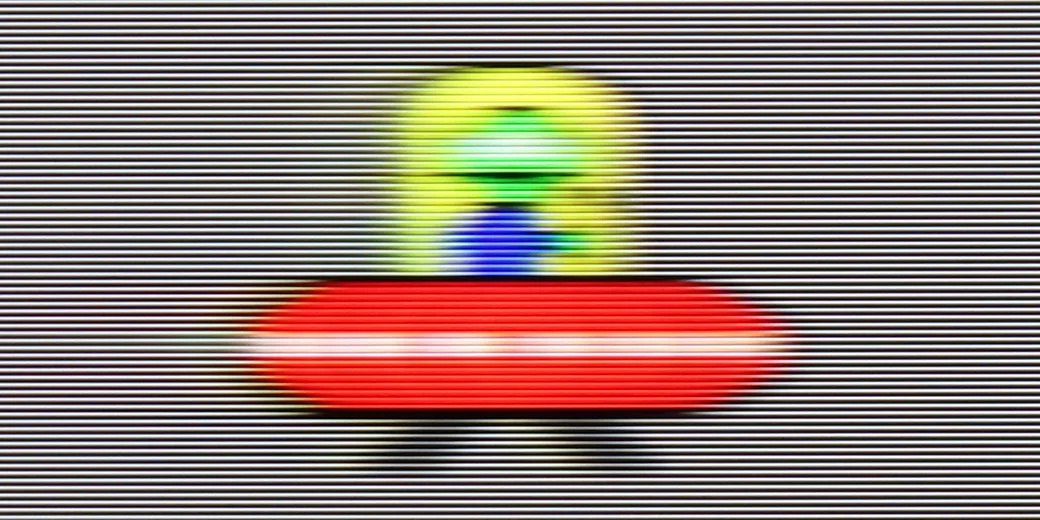
Blur (native resolution, maximum refresh rate):




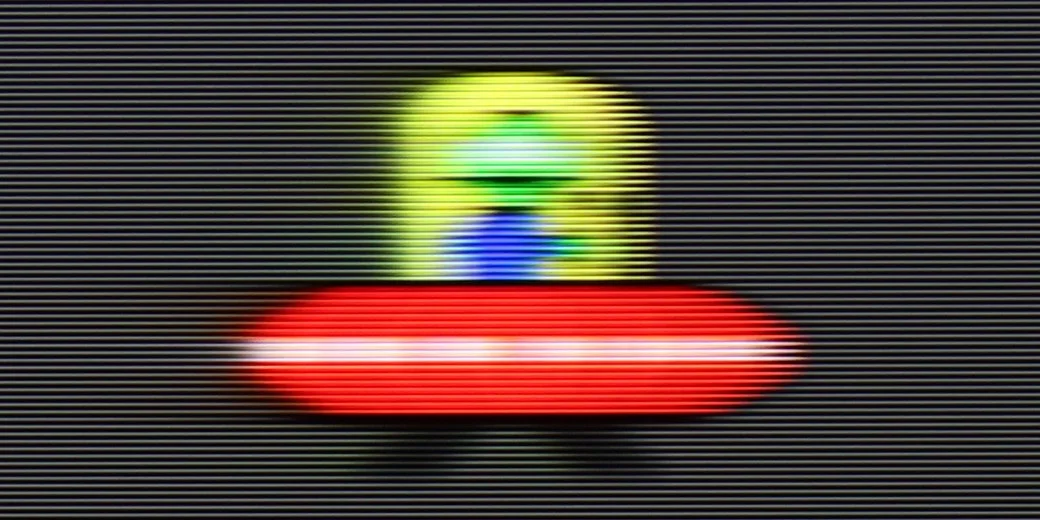
Blur (BFI function enabled):
Image flickers in this mode


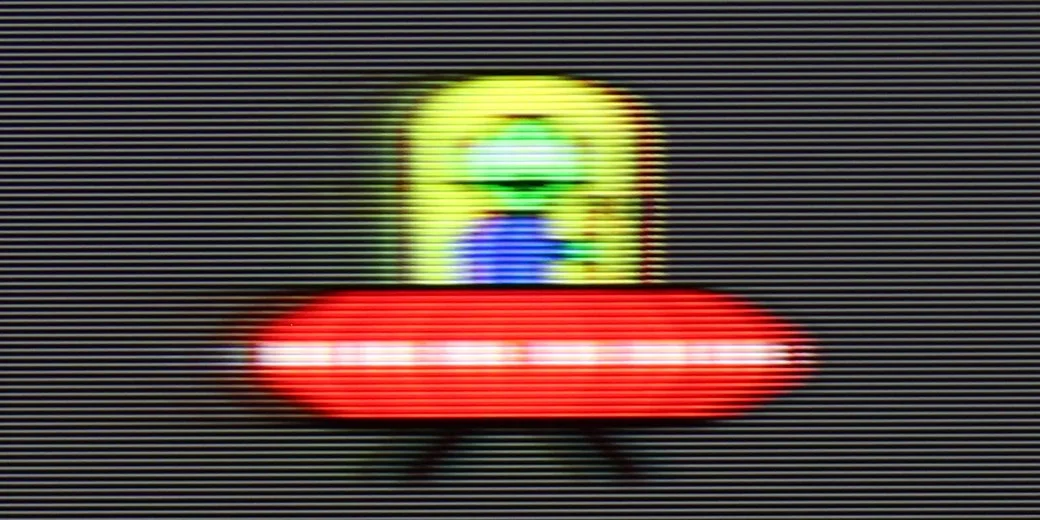
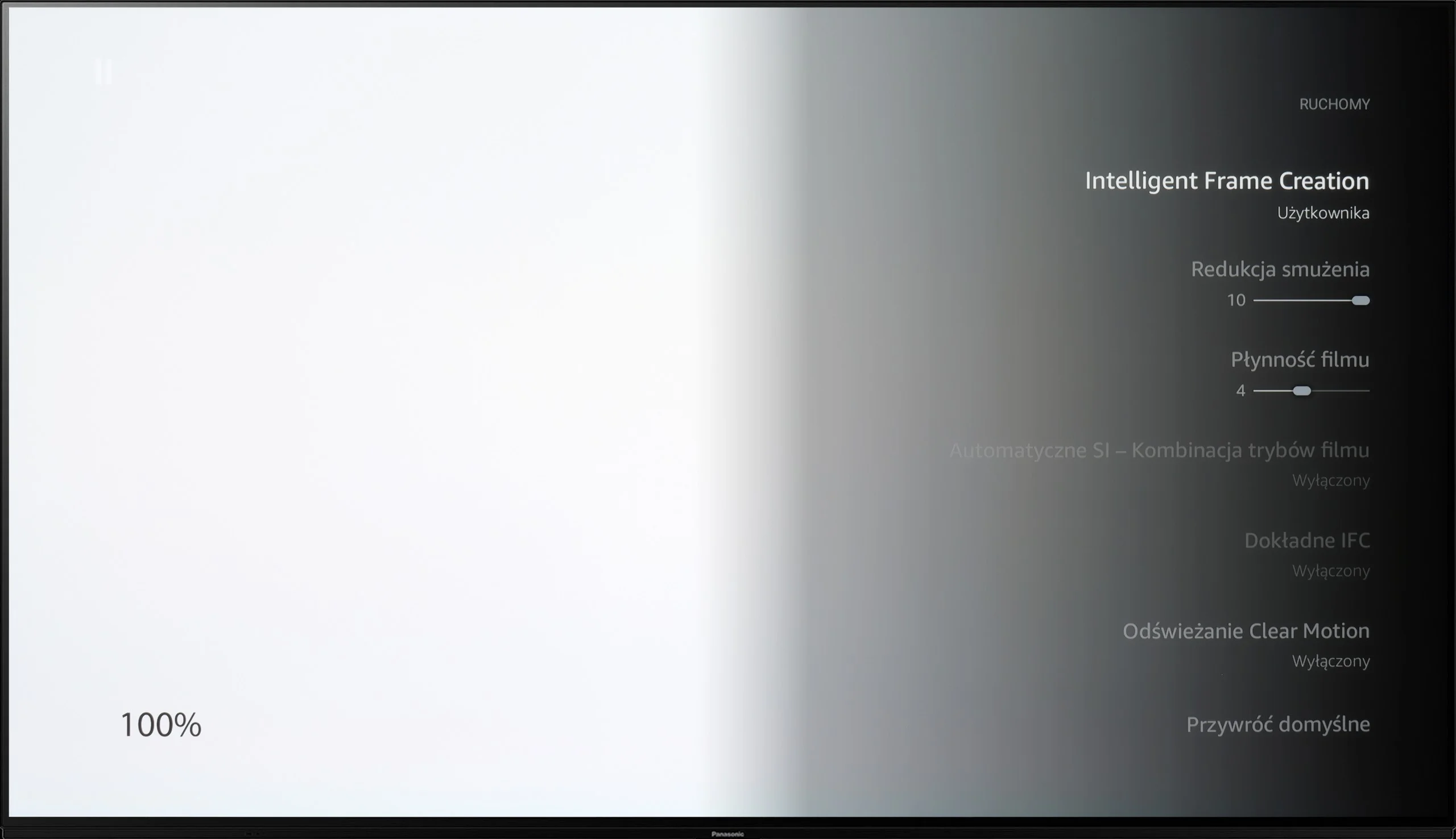
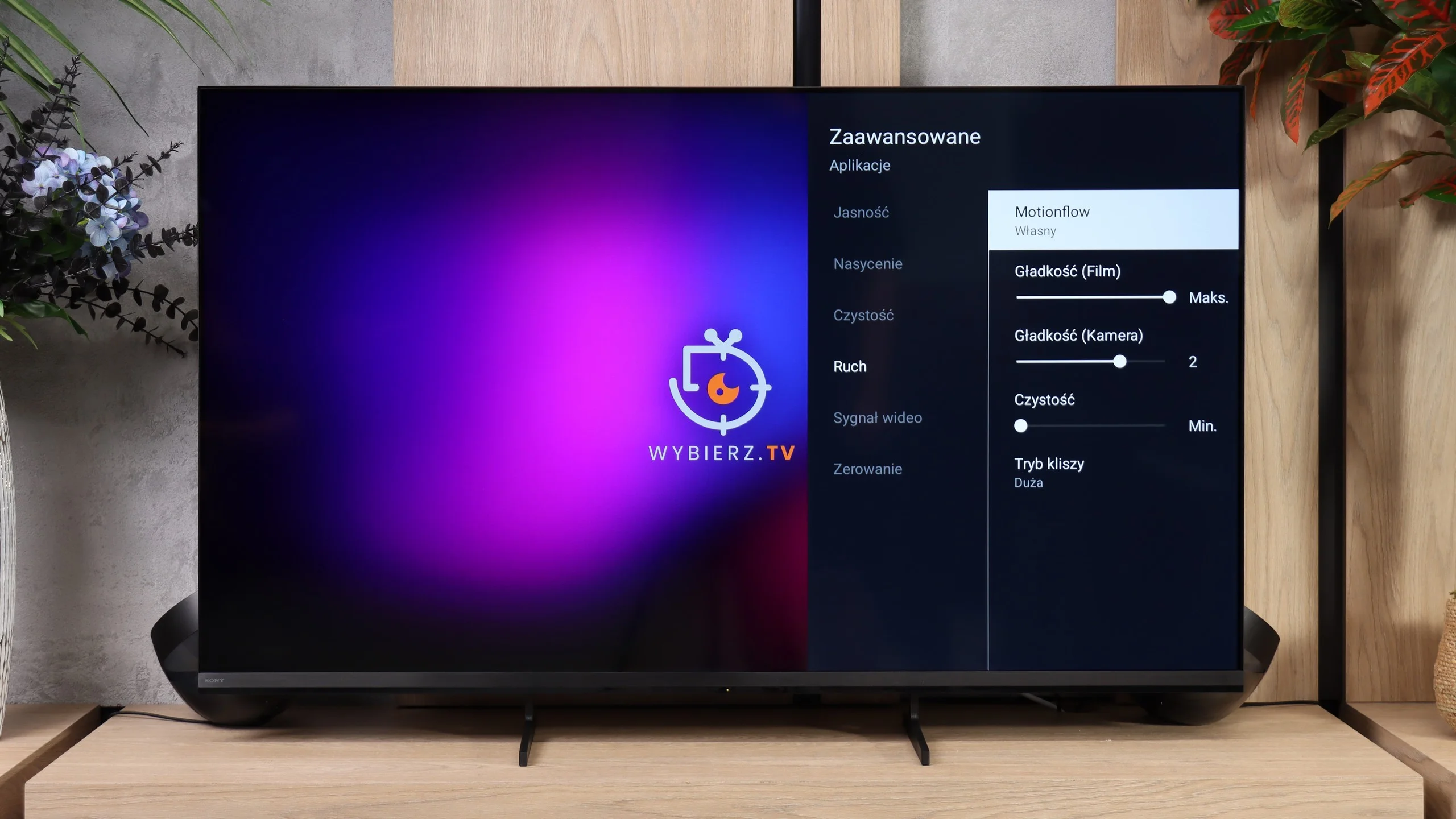
The Panasonic Z85A features a 120 Hz panel, which will certainly please both gamers and sports fans. Admittedly, it is not 144 Hz like some gaming TVs, but in practice, the difference is really hard to notice. In games, the image is stable and clear, and during fast action, there is no sign of any blurring. The same applies to sports – a fast-running footballer or a dynamic car manoeuvre looks smooth and natural. The TV also has the “Intelligent Frame Creation” function, which is a motion smoother. There are two sliders here – one is for reducing blur, and the other is for motion smoothness. With these, you can adjust the image to your own preferences – whether it be more of a cinematic effect with gentle transitions between frames, or a maximally smooth image ideal for watching sports.
Motion handling is definitely one of the Bravia 3 II's strongest points. The TV uses a 120Hz VA panel, a solution that, by nature, despite the high refresh rate, does not always cope well with motion blur. Here, however, Sony has managed to keep that problem very well under control. Fast-moving objects remain crisp, and the characteristic trails and blurring are reduced to a very low level, if not to zero. It is one of the least motion-blur-prone LCD TVs we have tested. Interestingly, in this respect the Bravia 3 II can even outperform the much more expensive True RGB flagship series, the Bravia 9 II.
Console compatibility and gaming features
10/10
8.1/10
- ALLM
- VRR
- VRR range40 - 120Hz48 - 120Hz
- Dolby Vision Game Mode
- Correct implementation of HGIG

- 1080p@120Hz
- 1440p@120Hz
- 4K@120Hz
- Game bar
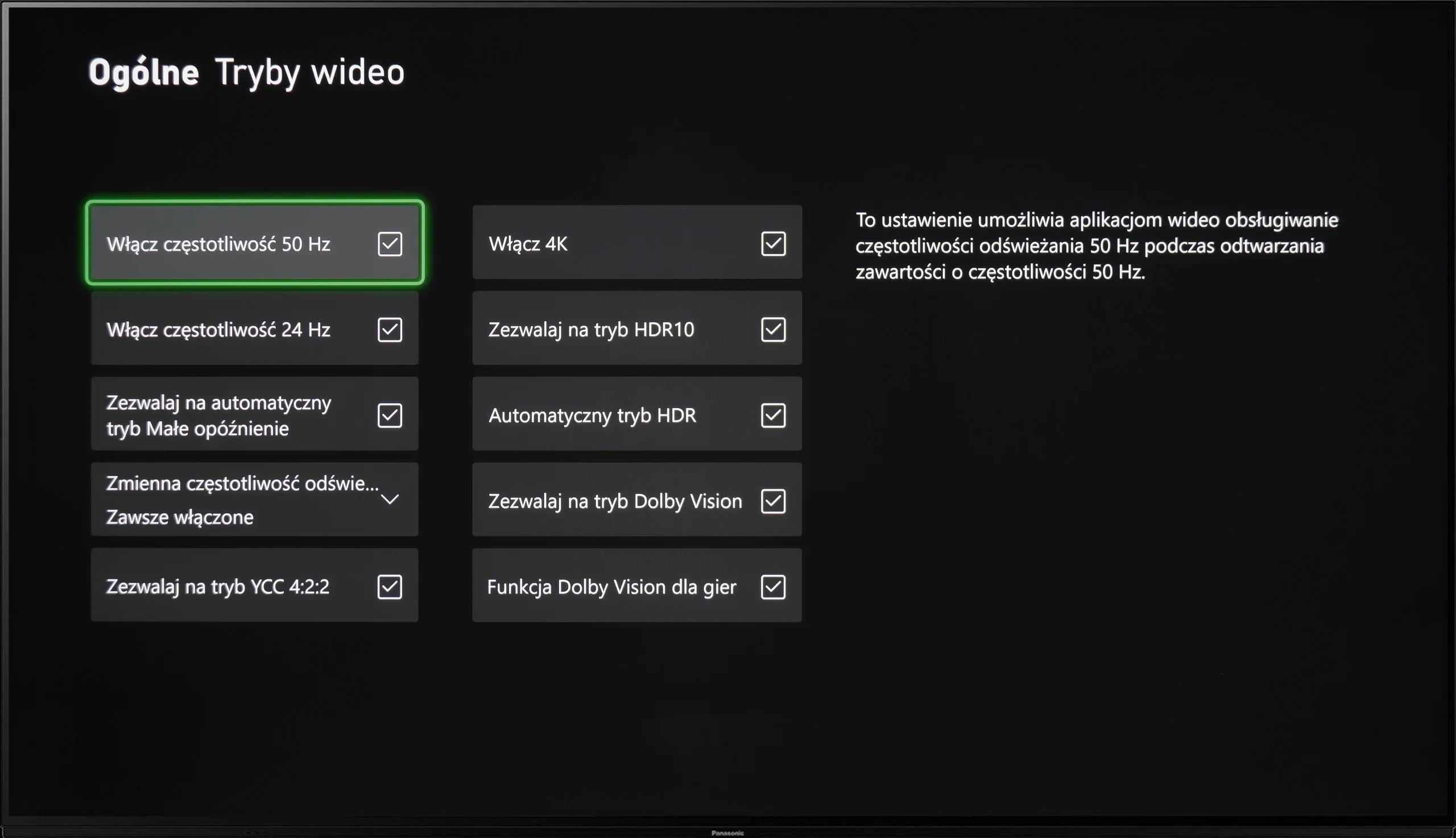
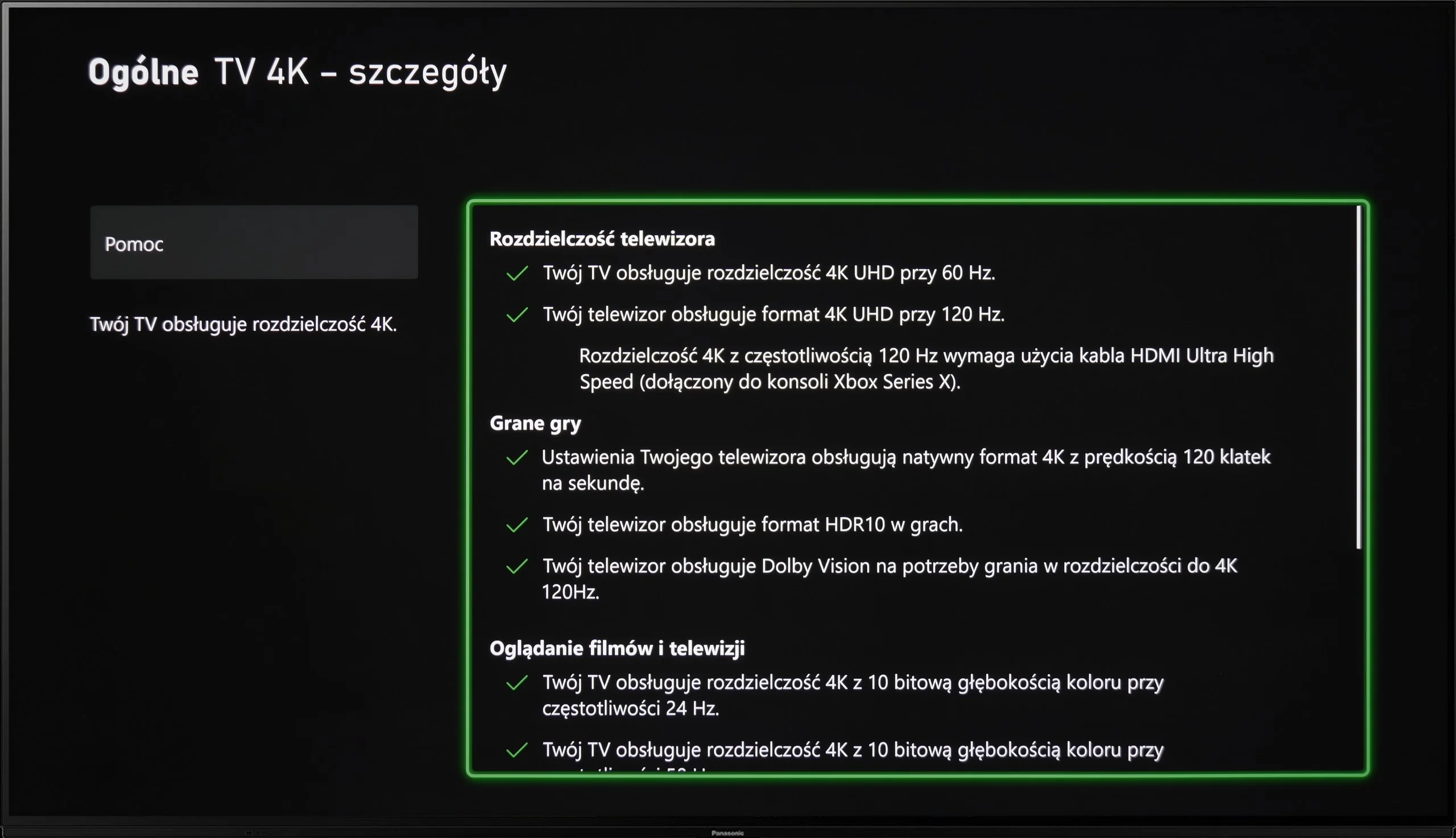
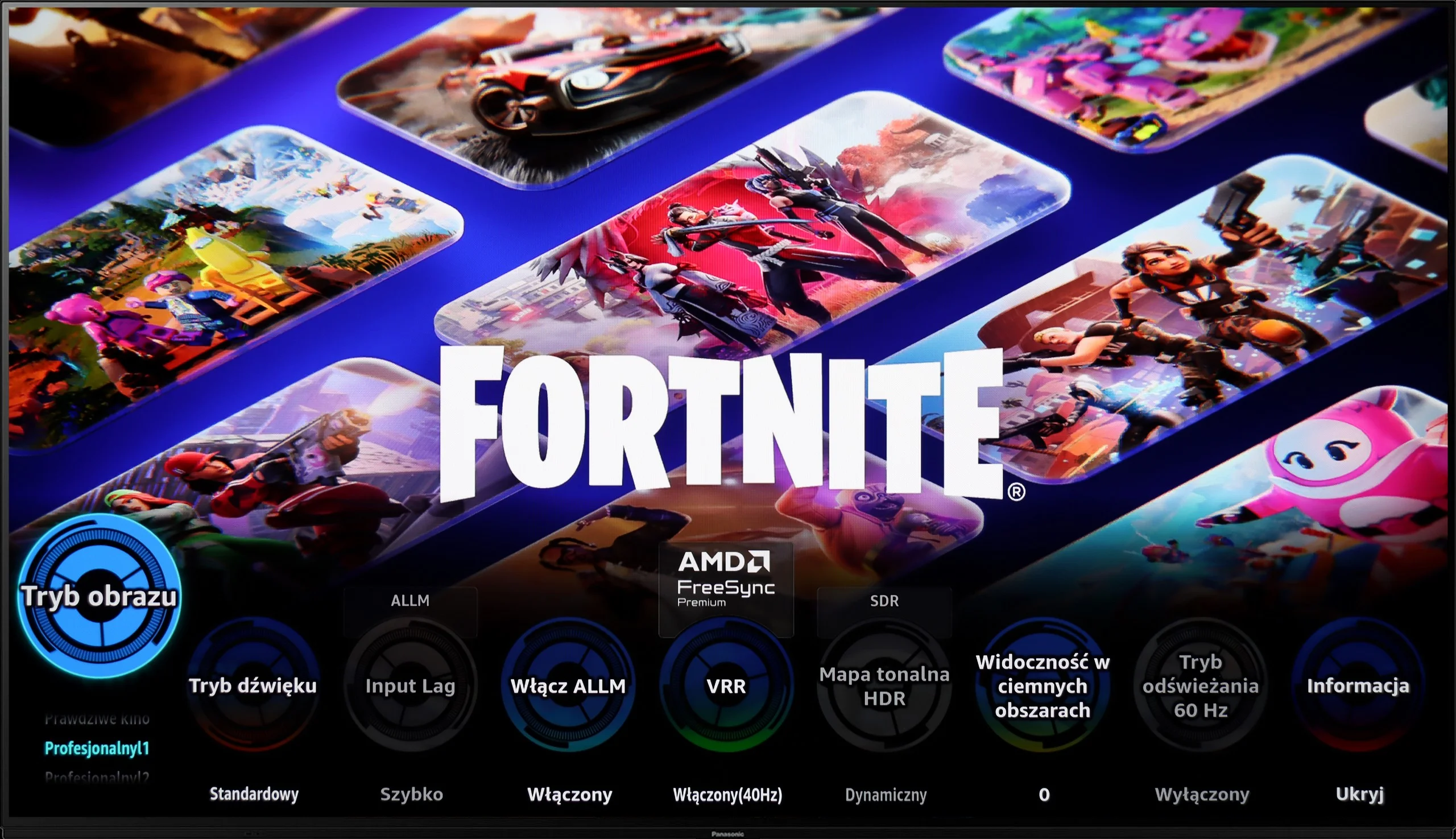
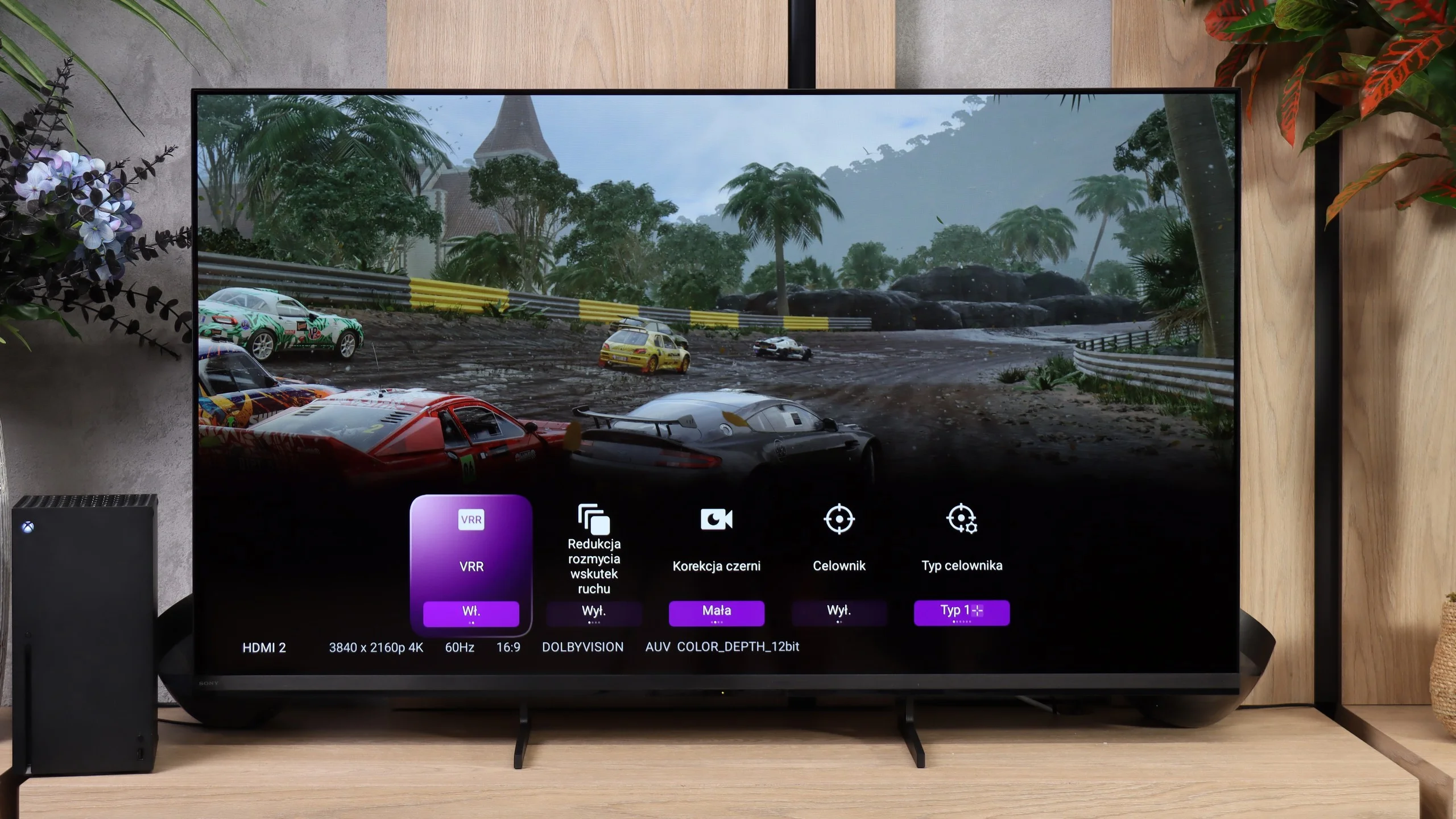
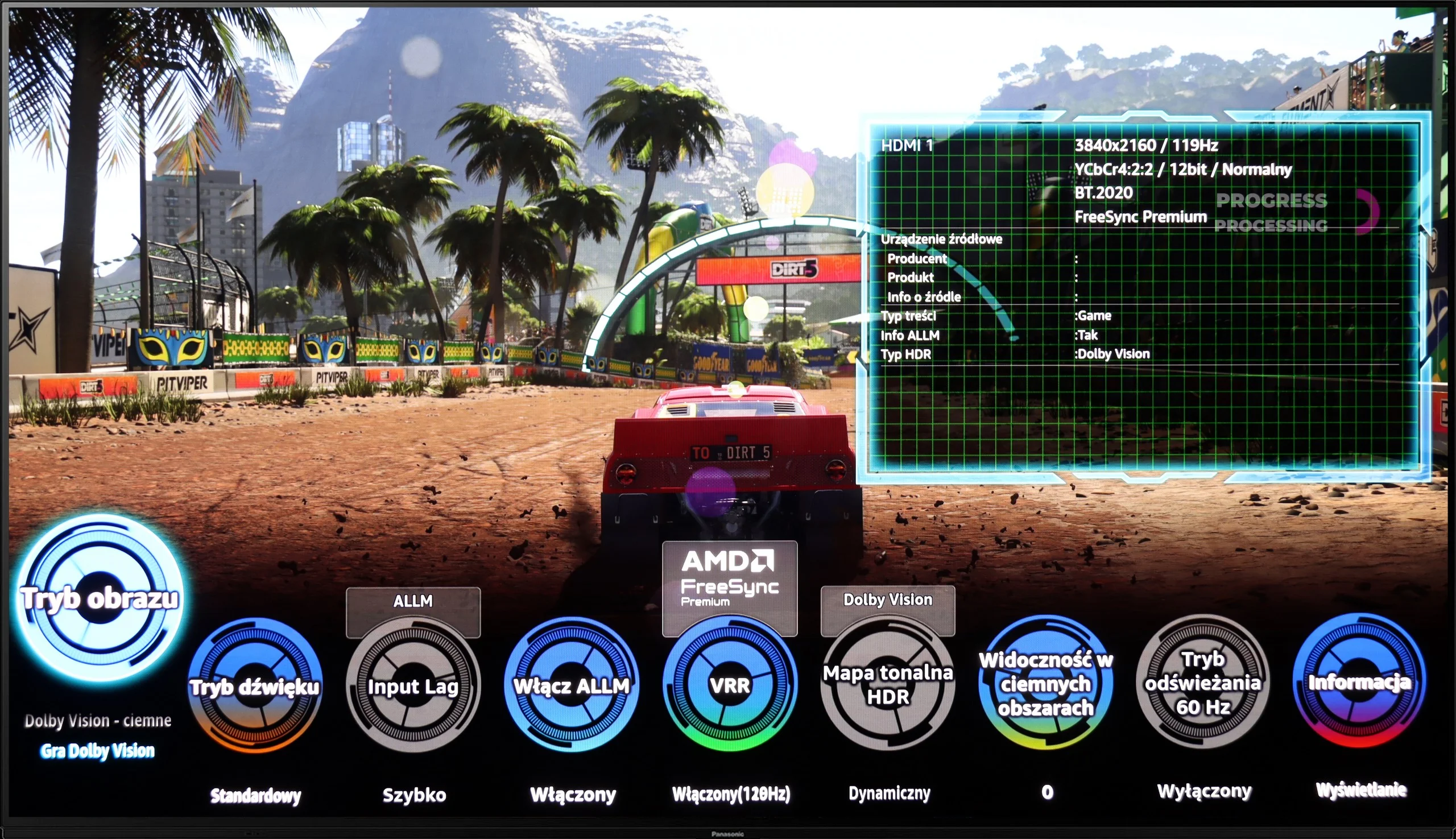
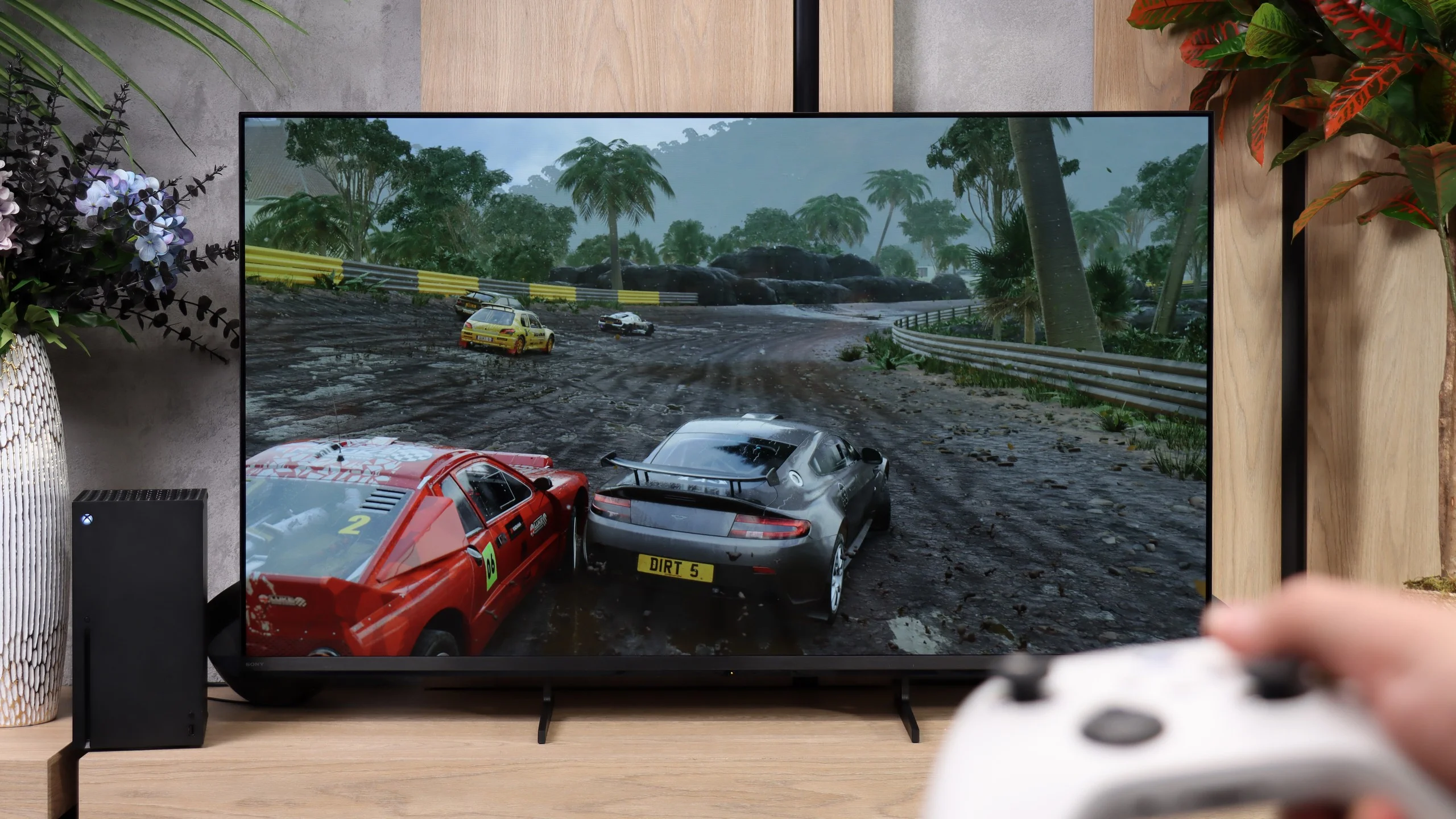
Panasonic is mainly associated with home cinema televisions, but the Z85A demonstrates that it can also step into the gaming world with a really strong impact. This hardware can easily be called a gaming beast – it has everything needed for comfortable gameplay.
Although there are only two HDMI 2.1 ports, both operate at full bandwidth, so we can easily connect both a next-gen console and a gaming PC. All key features are supported: ALLM automatically switches the television to game mode, VRR ensures smooth images without stuttering or tearing, and with correctly implemented HGIG and Dolby Vision, HDR games look really good – colours are vivid, details are sharp, and dark scenes are clear. We also find a Game Bar in the form of a clear, circular menu. It may not look as impressive as the competition's, but it is intuitive and contains all the important settings we would like to have at hand during gameplay.
In summary – the Panasonic Z85A is equipment that truly surprises with its gaming capabilities. It is a television on which both console gamers and PC players will feel at home. It is smooth, dynamic, and simply good.
Sony Bravia 3 II is a very good TV for gamers, although not everything has been implemented exactly as we would like. The biggest change concerns the connectors. For the first time in a Sony TV we get as many as four full HDMI 2.1 ports with 48 Gb/s bandwidth, thanks to the new MediaTek Pentonic 800 chipset. That removes one of the issues that has plagued this manufacturer’s TVs for years. We can connect several devices at once and on each input use the device’s full capabilities, for example VRR or ALLM. There is also a simple Game Bar that lets you view key signal parameters and change a few useful settings, such as black level, when you want to improve visibility in darker parts of a game. However, there are two limitations worth knowing. The first is the lack of support for 1440p at 120 Hz. That will not be a problem for everyone, but people using that resolution on a console or PC, for example to get higher frame rates in certain games, will have to choose 1080p. We have more reservations about HGiG support. Sony does not allow you to disable the TV’s tone mapping on the Bravia 3 II, so the screen is always processing HDR content even when you would prefer to leave that task to the console. This is most obvious during HDR setup — the checkerboard pattern does not disappear at the point that corresponds to the TV’s actual capabilities. That does not mean HDR in games will look bad. You just need to approach the setup a little differently and, instead of relying on the pattern, manually set the peak brightness to around 450 nits. The issue can be worked around, but you should know about it before you start setting up the console.
Input lag
10/10
9.9/10
SDR
HDR
Dolby Vision
Since the Panasonic Z85A has also been designed with gamers in mind, the input lag had to be refined here. And indeed – the results are truly excellent. At 120 Hz, the lag is only 5 ms, and at 60 Hz, it is 13 ms. These are values that will satisfy even the most demanding gamers, whether we are talking about fast-paced shooters or precise fighting games. The responses to our movements with the controller are practically instantaneous, and the gameplay is smooth and responsive. Importantly, the Dolby Vision mode also works flawlessly here. Just a few years ago, using Dolby Vision in games often resulted in high input lag, but in the Z85A, this problem has been effectively eliminated.
In terms of input lag, the Bravia 3 II performs very well. With a 120 Hz signal the input lag is around 8 ms, while at 60 Hz it rises to about 14 ms, so in both cases the response to controls is very quick and during normal gameplay it would be hard to notice any delay. It's also worth noting the TV's behaviour in Dolby Vision Gaming mode on the Xbox. In that mode input lag remains practically the same, and until recently Sony often had a noticeable problem with this.
Compatibility with PC
7.6/10
7.2/10
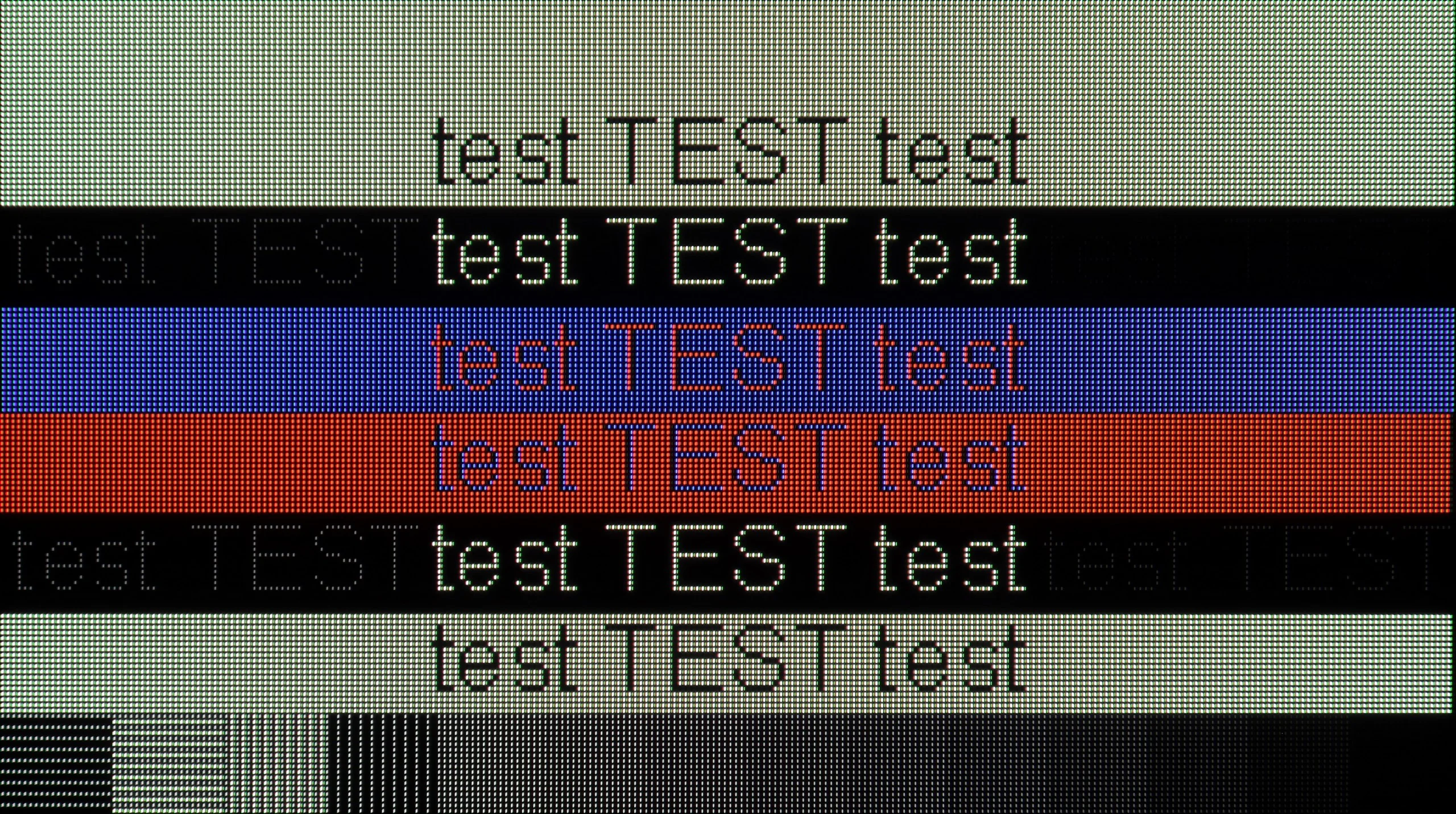
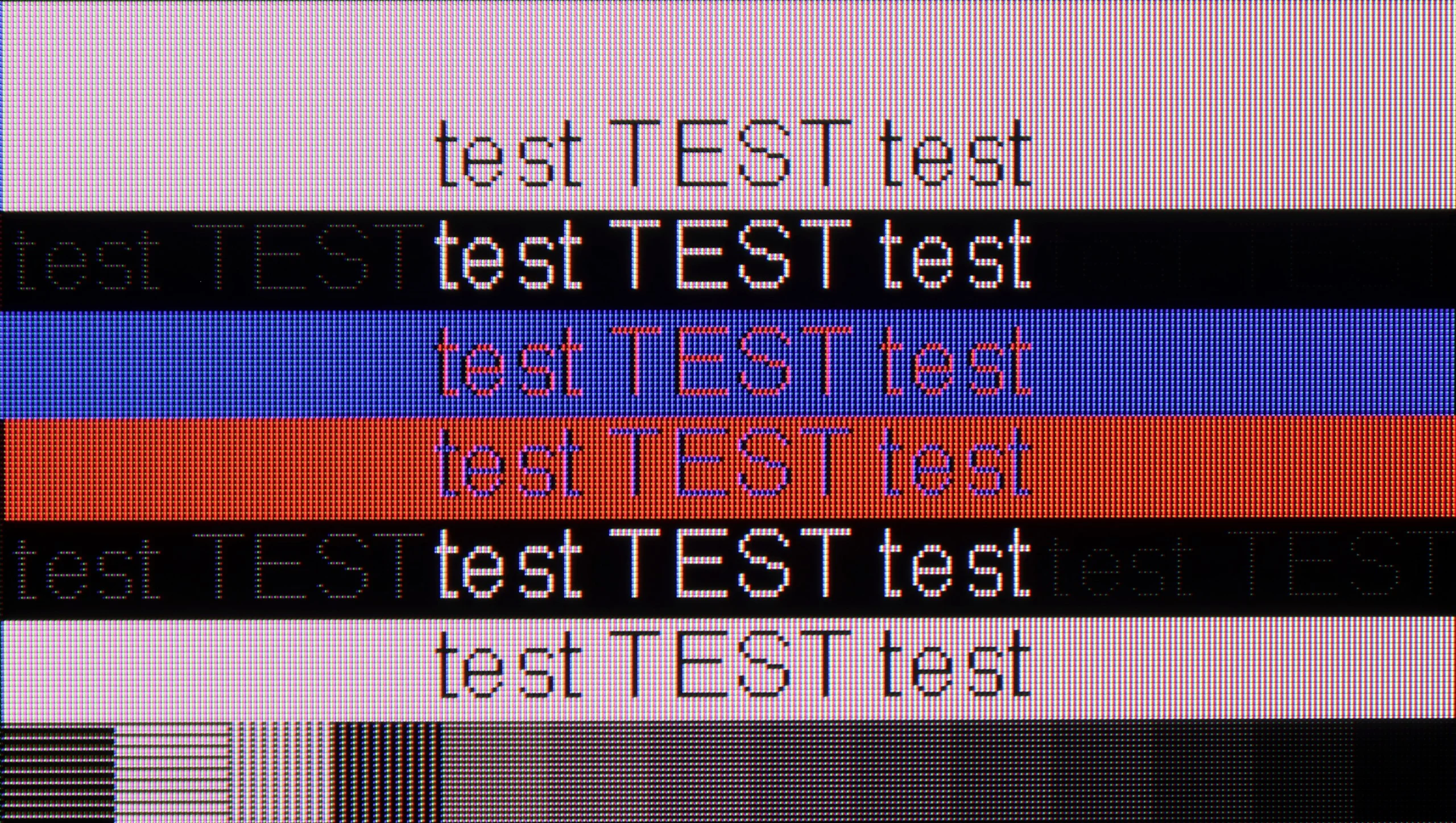
The photo shows the legibility of small fonts. Ideally, lines should be the same thickness on both light and dark text, with minimal pixel gaps.
Using the Panasonic Z85A as a computer monitor performs really well. The text is readable and clear, making it easy to browse websites or work with documents. However, one must keep in mind certain limitations of the WOLED panel – the distinctive way it displays fonts may hinder more demanding users, especially those who spend long hours working with text. In terms of gaming on PC, the television performs just as well as with a console. Low input lag, a 120 Hz refresh rate, and proper implementation of G-Sync and FreeSync ensure a smooth and responsive image without annoying stutters or frame tearing.
Interaction with a computer is generally good, although again not without a few reservations. The Bravia 3 II properly supports 4:4:4 chroma subsampling, so in typical use text and the system interface look sharp and legible. However, grey fonts are noticeable, with their vertical edges often markedly brighter than the horizontal ones. On a larger screen this is not particularly bothersome, but if someone is considering the smaller variant of the Bravia 3 II as a monitor for working with text, it is worth bearing in mind.
What bothers us more, however, is the lack of additional modes with higher refresh rates. It's not even about 144 or 165 Hz at 4K, but rather the ability to achieve smoother motion at Full HD. This solution is appearing increasingly in competitors' TVs (DLG 240Hz), while Sony still does not offer it, even in its pricier models. For most users, 4K at 120 Hz will of course be entirely sufficient, especially for consoles, but people who also use the TV as a gaming monitor for a PC may feel somewhat disappointed.
Viewing angles
7.4/10
3.3/10
The viewing angles on the Panasonic Z85A are really good – after all, it's OLED. Whether we're looking at the screen straight on or at a steep angle, the colours remain vibrant, and the contrast hardly loses quality. Of course, the Z85A is somewhat outperformed by televisions with MLA micro-lenses or Samsung's QD-OLED panels, which currently set the highest standard in this regard. However, the differences are subtle enough that most users won't notice them during everyday viewing.
Viewing angles are fairly typical for a VA panel, simply average and, for some, probably poor. The Bravia 3 II looks best when you sit directly in front of the screen. As you move to the side, colours start to lose saturation and blacks become increasingly grey. Unfortunately, that is the price you pay for this panel's high native contrast. Watching with two or three people should not be much of a problem, but on a wide sofa those sitting at the far ends will notice a clearly worse picture.
Daytime performance
4.8/10
5.8/10
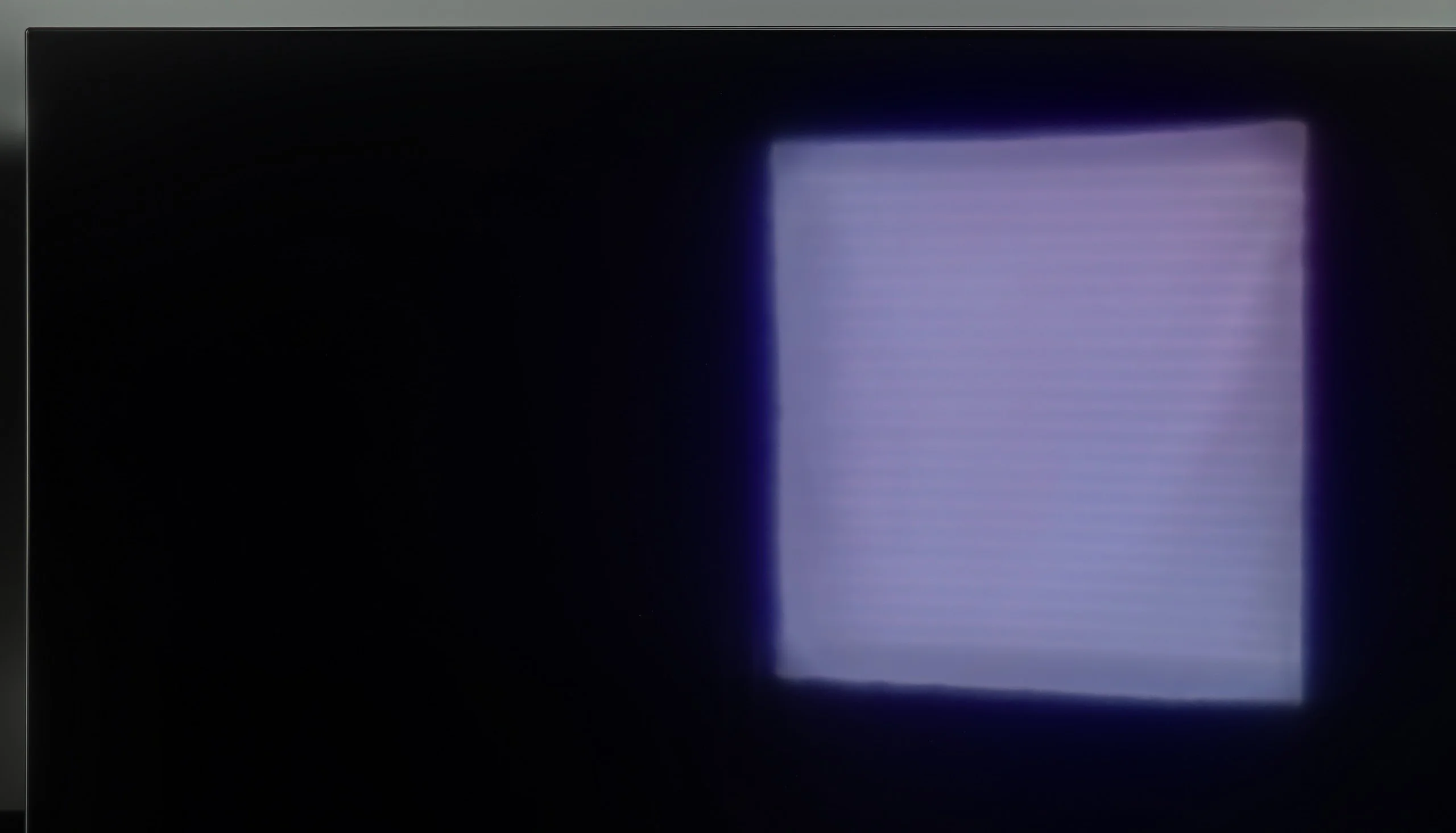
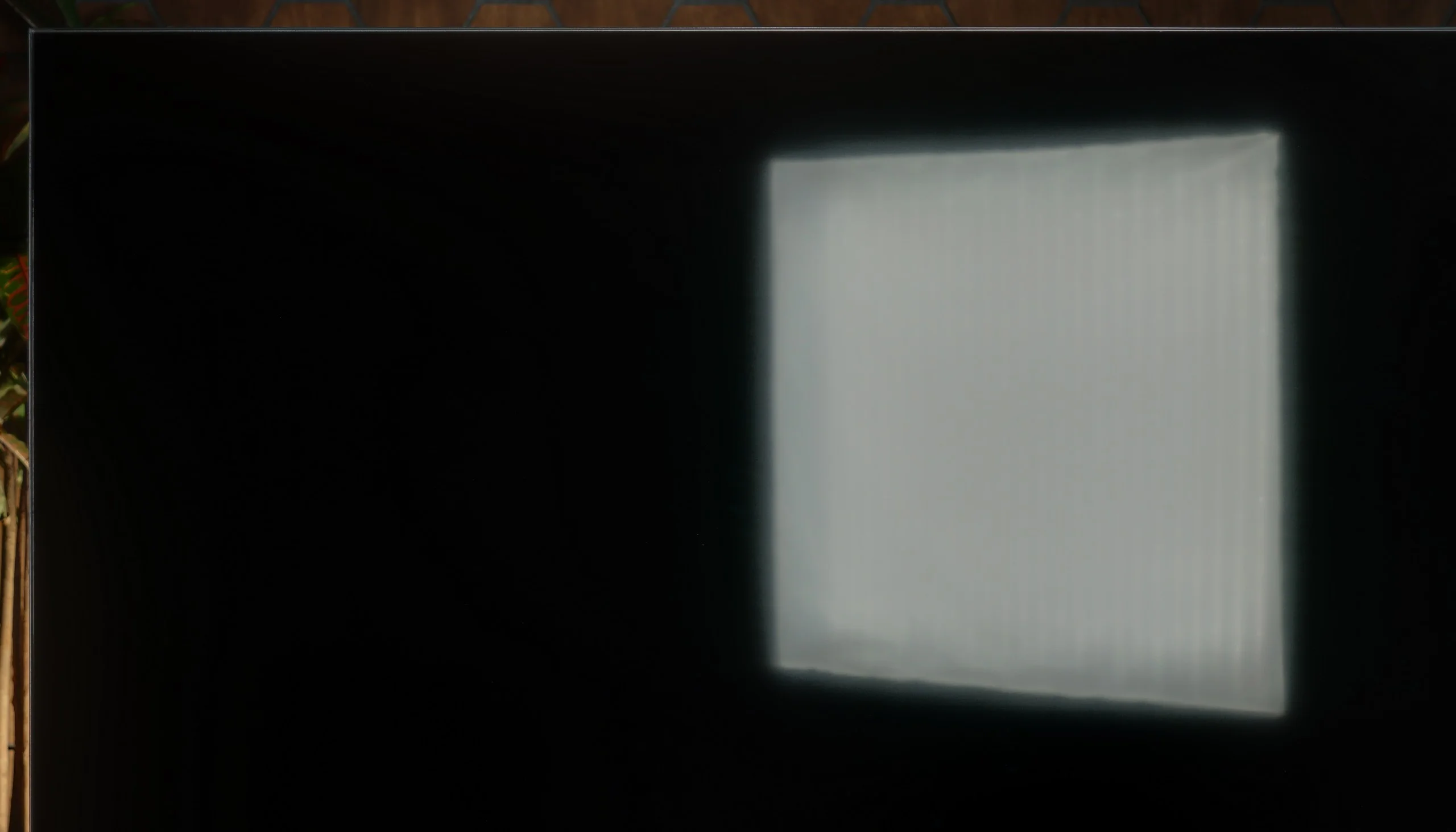
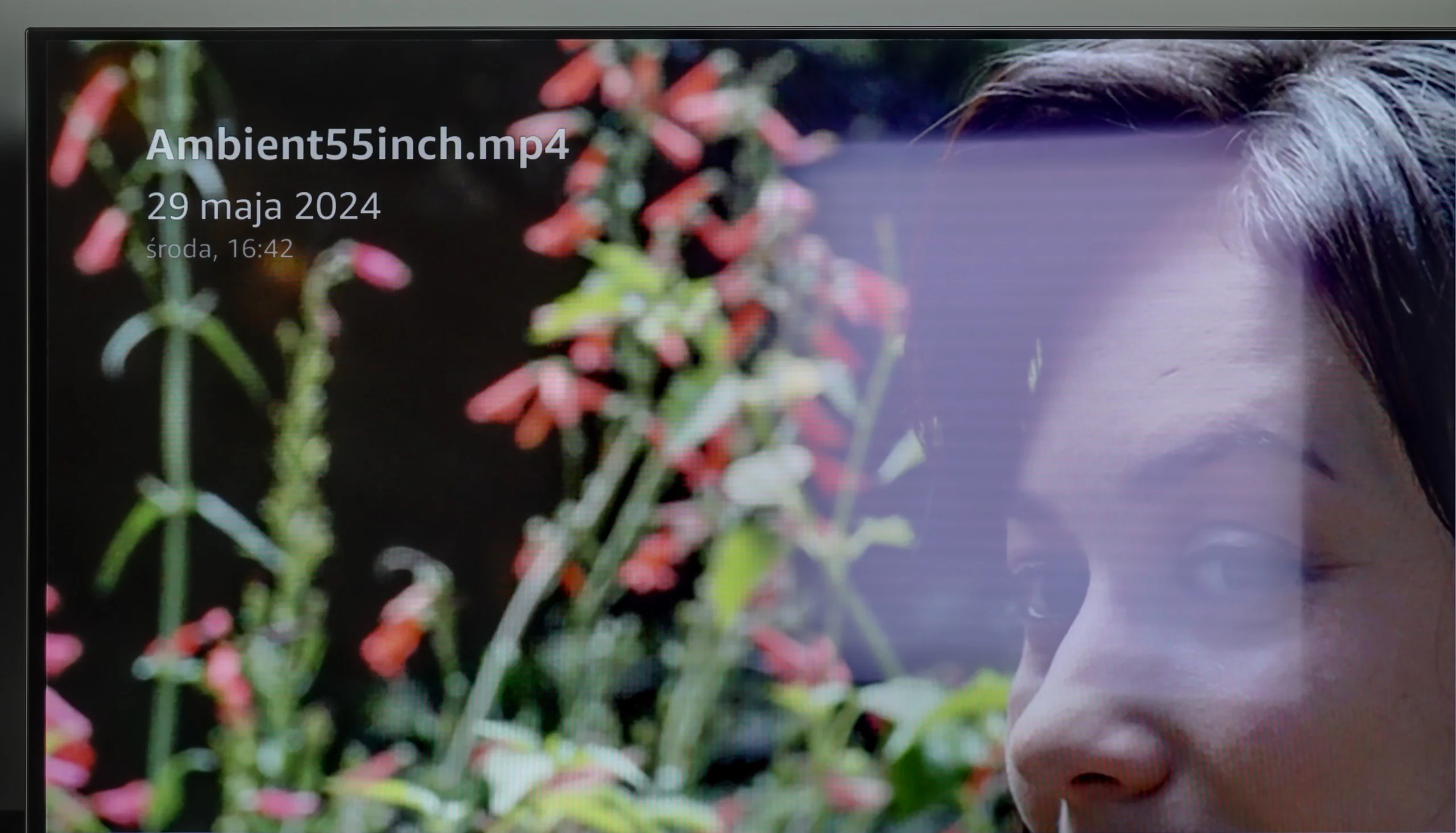
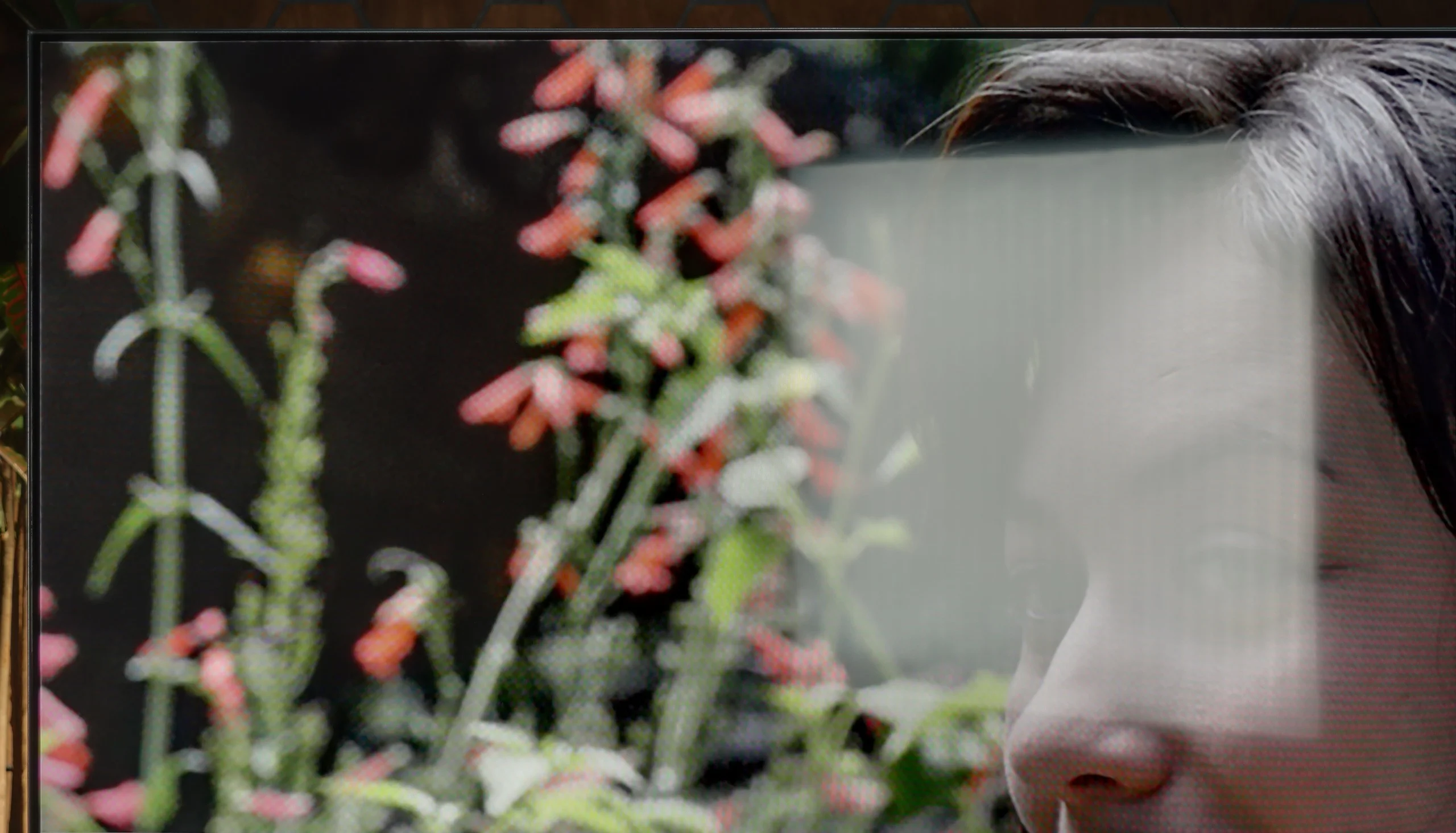
Panel brightness
SONY BRAVIA 3 II (XR35M2): 447 cd/m2
Panasonic Z85A: 286 cd/m2
The Panasonic Z85A leaves something to be desired during the day. The panel, despite being matte, moderately suppresses reflections, which can be noticeable in bright rooms. The reflections are not excessively visible, but there is one catch – they take on a bluish tint. In certain situations, especially in strong daylight, this can be slightly annoying and distract from the content on the screen. Additionally, the maximum brightness is just under 280 cd/m². That simply isn't enough to comfortably watch television in a brightly lit room. If we are planning a viewing in the middle of a sunny day, it will be necessary to cover the windows to ensure the image looks good.
In daytime the Bravia 3 II performs quite respectably, although a lot depends on where you place the TV. The applied satin coating handles reflections adequately; it doesn't act like a mirror, but strong light sources, especially a window opposite the screen, can be distracting while watching. On the plus side, the VA panel means blacks retain quite good depth in daylight and the picture doesn't immediately go grey or become heavily washed out. The brightness of around 450 nits, which the Bravia 3 II can maintain regardless of how many bright elements are on the screen, also helps. For a typical living room this will be more than sufficient and the picture remains clear during the day. However, if the TV is to be placed in a very bright room with large windows and a lot of direct light, you can find models with a noticeably more effective coating and greater brightness reserve.
Panel details
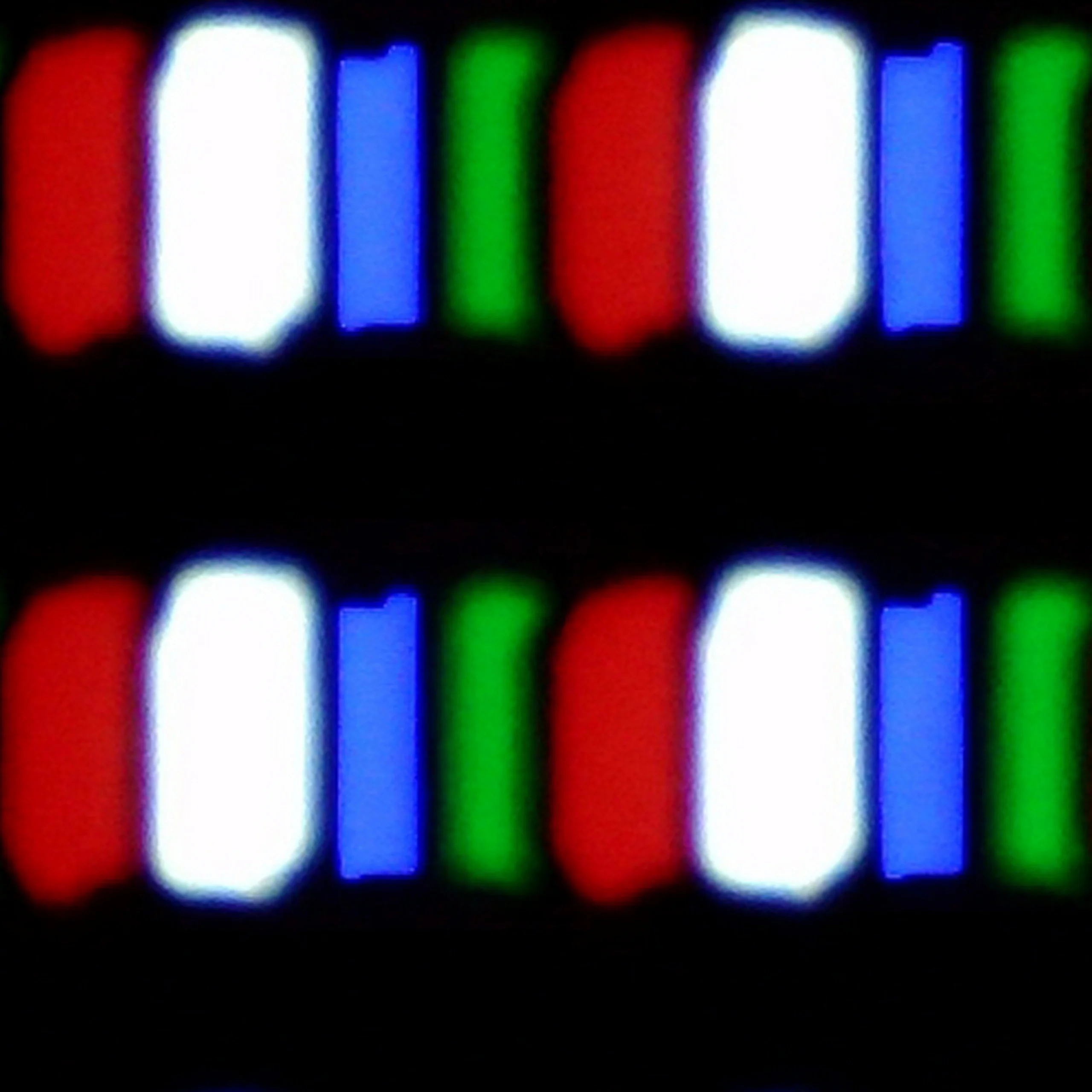
Subpixel Structure:
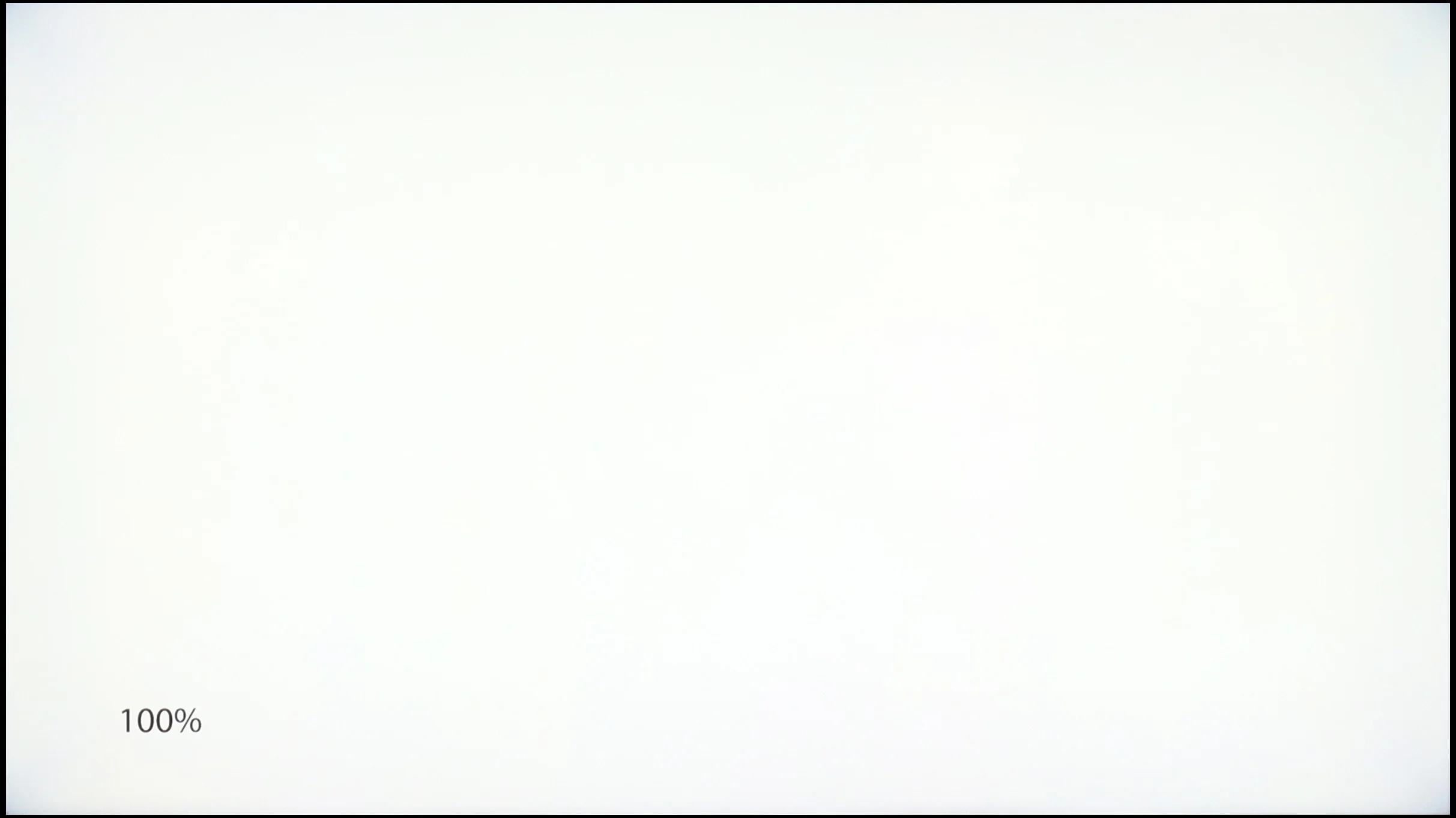
Panel uniformity and thermal imaging:

TV features
7/10
7.9/10
- SystemAmazon FireTVGoogle TV
- System performanceDecentGood
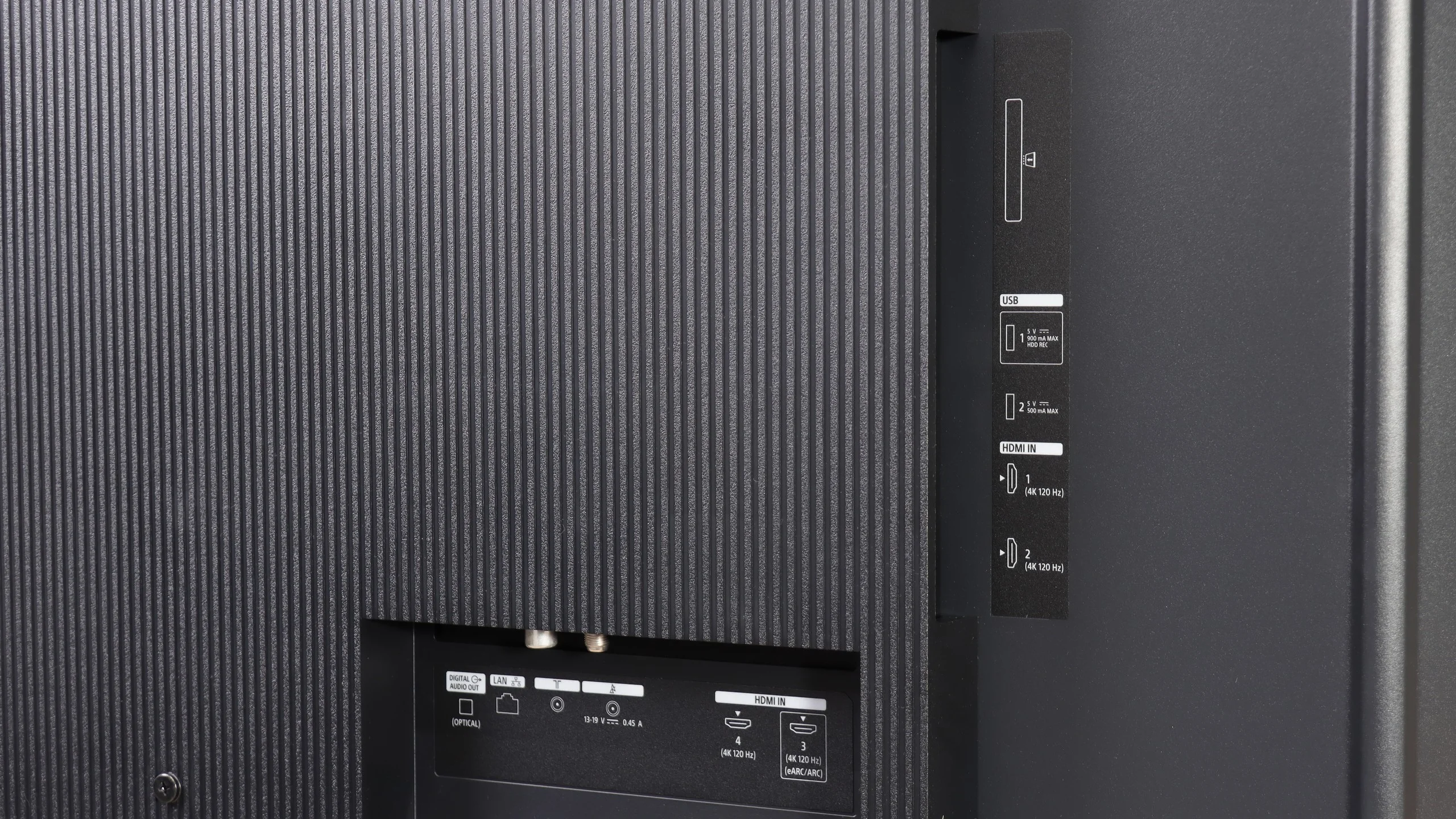
- HDMI inputs2 x HDMI 2.0, 2 x HDMI 2.1 48Gbps0 x HDMI 2.0, 4 x HDMI 2.1 48Gbps
- OutputsToslink (Optical audio), eARC (HDMI), ARC (HDMI), Mini-Jack (Headphones)Toslink (Optical audio), eARC (HDMI), ARC (HDMI)
- Network InterfacesWi-Fi 2.4GHz, Wi-Fi 5GHz, Ethernet (LAN) 100MbpsWi-Fi 2.4GHz, Wi-Fi 5GHz, Ethernet (LAN) 100Mbps
- TV receptionDVB-T, DVB-T2, DVB-S, DVB-S2, DVB-CDVB-T, DVB-T2, DVB-S, DVB-S2, DVB-C
Classic features:
- Recording to USB (terrestrial TV)
- Recording programming
- Picture in Picture (PiP)
- RF remote control (no need to aim)
- Backlit remote control
- Teletext
- Audio only mode
- Bluetooth headphones support
- Simultaneous Bluetooth headphones & TV audio
Smart features:
- AirPlay
- Screen mirroring (Windows Miracast)
- Voice search
- Voice search in native language
- Ability to connect a keyboard and mouse
Sound connection options
- HDMI audioeARC (HDMI), ARC (HDMI)eARC (HDMI), ARC (HDMI)
- Other audio outputsToslink (Optical audio), Mini-Jack (Headphones)Toslink (Optical audio)
- Wireless audioBluetoothBluetooth
Supported audio formats (external HDMI eARC audio):
- Dolby Digital Plus 7.1
- Dolby True HD 7.1
- Dolby Atmos in Dolby Digital Plus (JOC)
- Dolby Atmos in Dolby True HD
- DTS:X in DTS-HD MA
- DTS-HD Master Audio
Senior accessibility
- Numeric keyboard on TV
- Font size adjustment
- Audio description
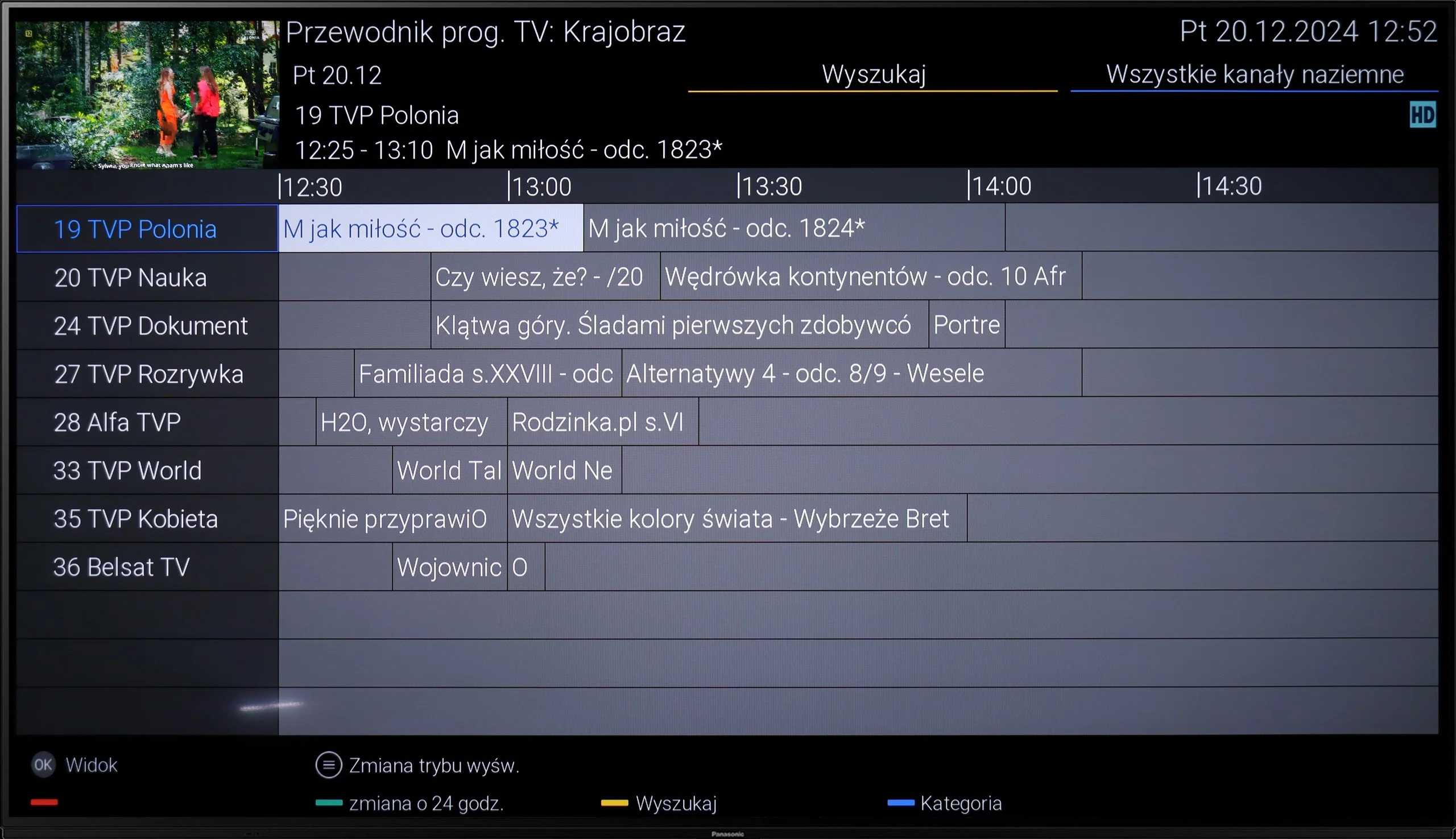
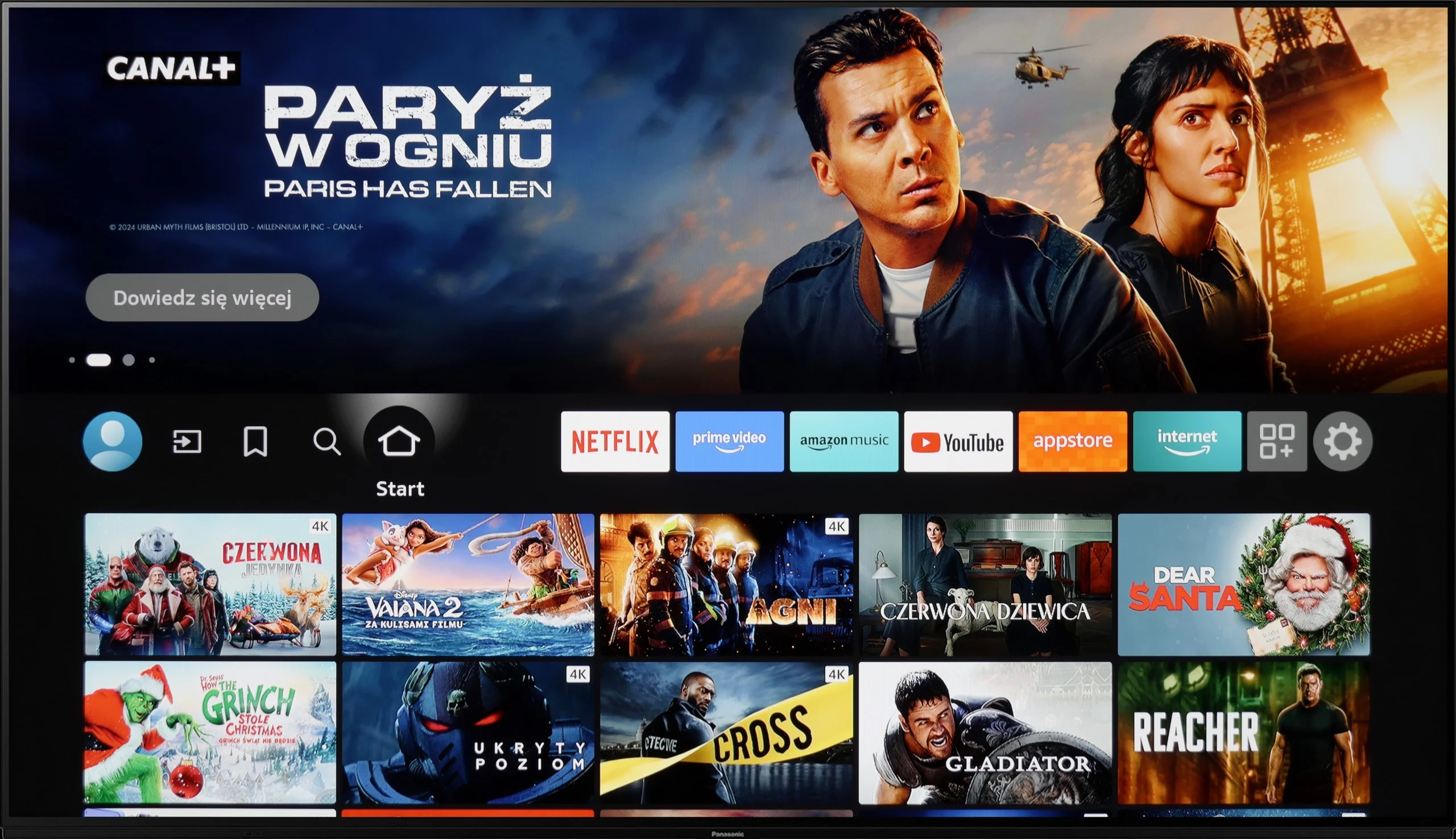
The operating system in the Panasonic Z85A is Amazon Fire TV, which is still a relatively new solution in the Polish market. Until now, we mainly associated it with portable smart devices, and now it is also making its way into televisions – similar to the flagship model Z95A.
On the plus side, it must be noted that the system operates smoothly and responsively. It is also quite intuitive, so navigation does not pose major problems. Unfortunately, when it comes to the availability of applications, it is somewhat lacking. In the Amazon store, we do find icons for popular services such as SkyShowtime, Rakuten, or Viaplay, but… they cannot be downloaded. This is a significant drawback for those who use these platforms daily. Additionally, some functions are poorly translated, which means in certain areas one has to guess what is meant. However, we believe that these are just growing pains, and over time they will be improved – both in terms of translations and application availability.
As for user functions, the situation is much better. The television supports recording to USB and the PiP (picture-in-picture) feature. There is also support for AirPlay, which will surely please users of Apple devices. We also have Bluetooth here, but unfortunately, we cannot connect headphones to it – it only works with keyboards and other control devices. Fortunately, it is possible to connect headphones or a home cinema system via cable, which resolves this issue.
In summary – the Panasonic Z85A offers a solid set of user functions that work well for everyday use. The Amazon Fire TV system is a step in the right direction, especially when compared to Panasonic's old system. However, at this moment, it is difficult to praise it unequivocally. There is potential, but the manufacturer still has a lot of work ahead to ensure everything functions as it should.
Smart TV features: Google TV
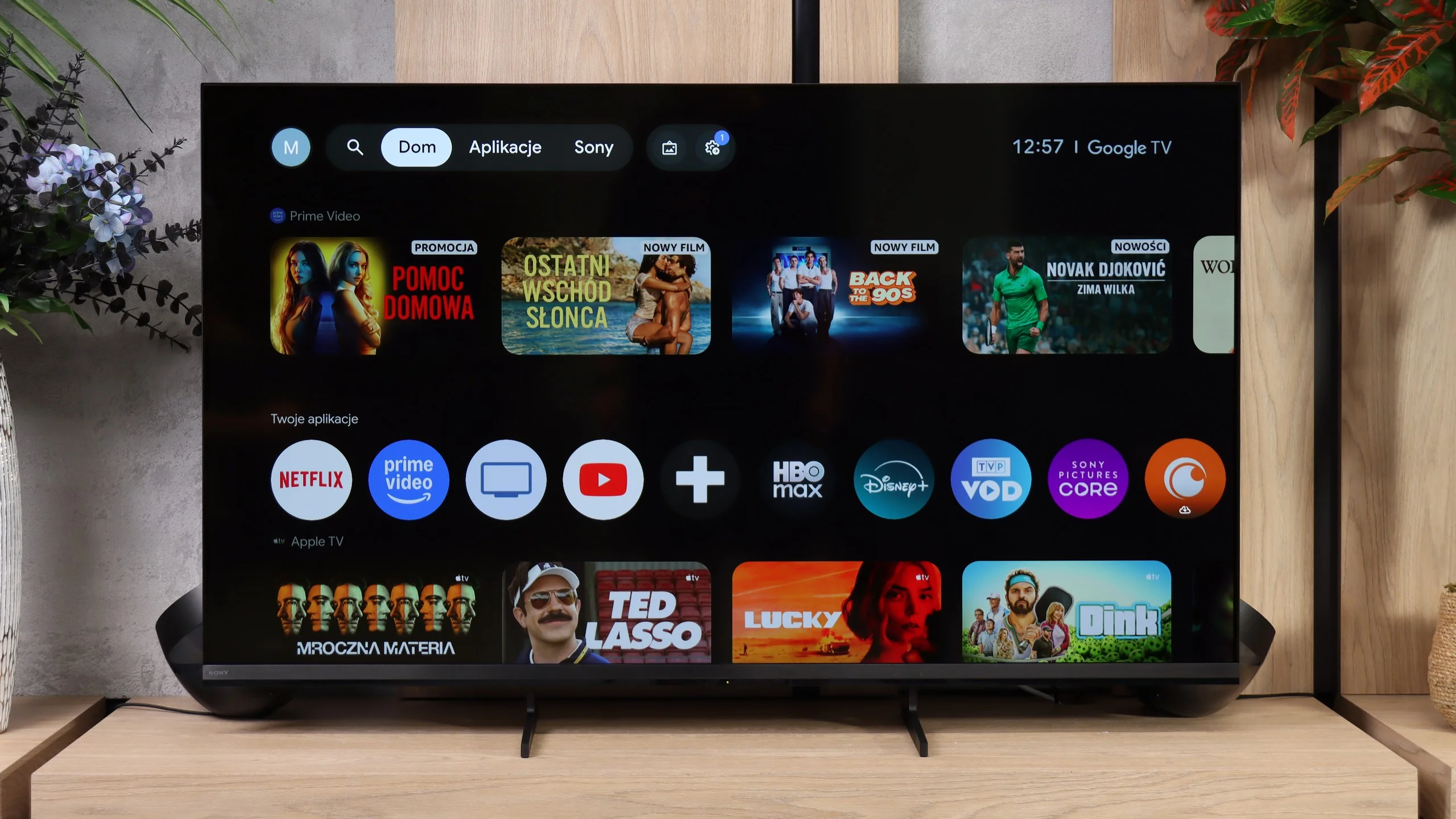
The Bravia 3 II runs on Google TV and, in terms of capabilities, is one of the more feature-rich systems currently found in TVs. First and foremost there is access to a very large number of apps, so in addition to the most popular streaming platforms you can also find plenty of less obvious services without much trouble. Sony also supports AirPlay and Chromecast, making it very convenient to cast content from a smartphone. Voice search also performs well, powered by Gemini, which handles commands in multiple languages and can genuinely make using the TV easier. However, during our tests we encountered one problem: the Bravia 3 II would not correctly receive a display from a Windows 11 PC over Miracast. So if you plan to use the television as an external screen for a computer, the most reliable solution remains a connection via HDMI.
Traditional television features
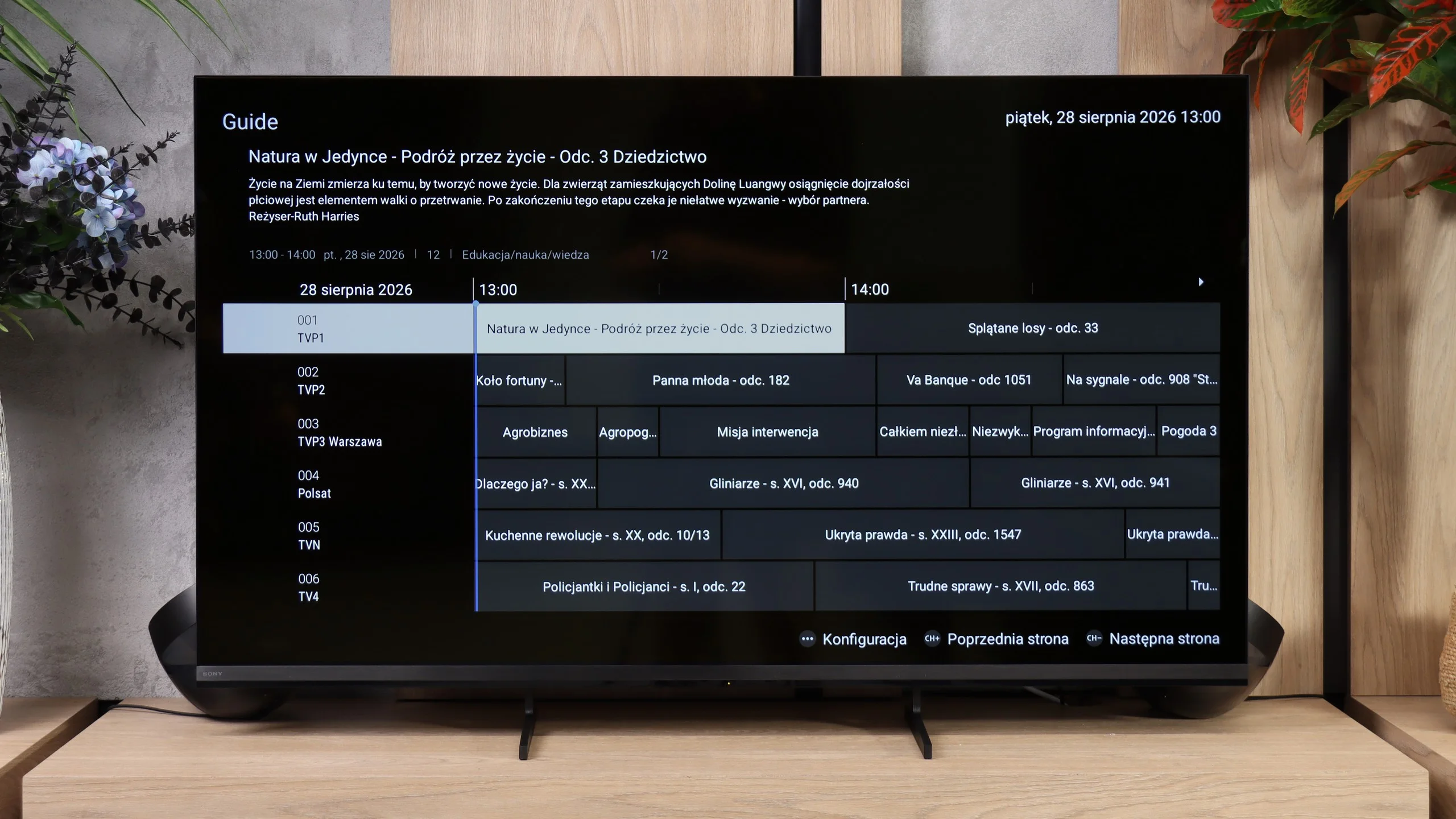
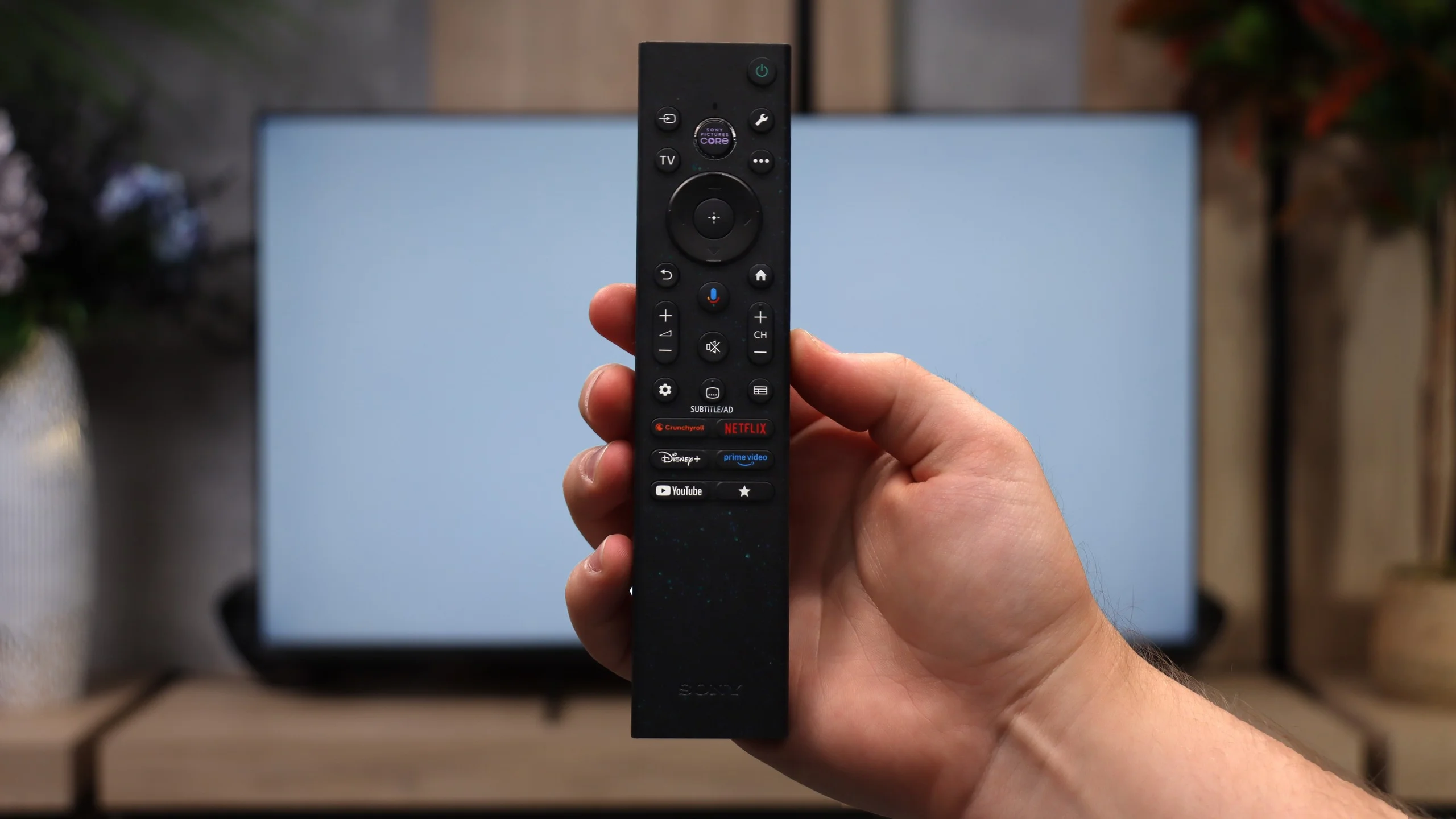
Sony has not forgotten those who still primarily use regular broadcast television. The Bravia 3 II supports recording programmes to USB with the ability to schedule them via PVR, which is rare today, especially in cheaper models. There is also teletext and a clear channel guide, so in terms of basic TV functions we weren't really missing anything, except perhaps picture-in-picture (PiP). A curious touch is that two remote controls are included. The first is modern and simplified (non-backlit version), while the second is a classic design with a full numeric keypad. Although it may seem a little old-fashioned, viewers who watch a lot of traditional television might actually find it more convenient, for example when entering channel numbers.
Apps
5.7/10
9.6/10






















Playing files from USB
3.1/10
9.3/10
Supported photo formats:
Maximum photo resolution:
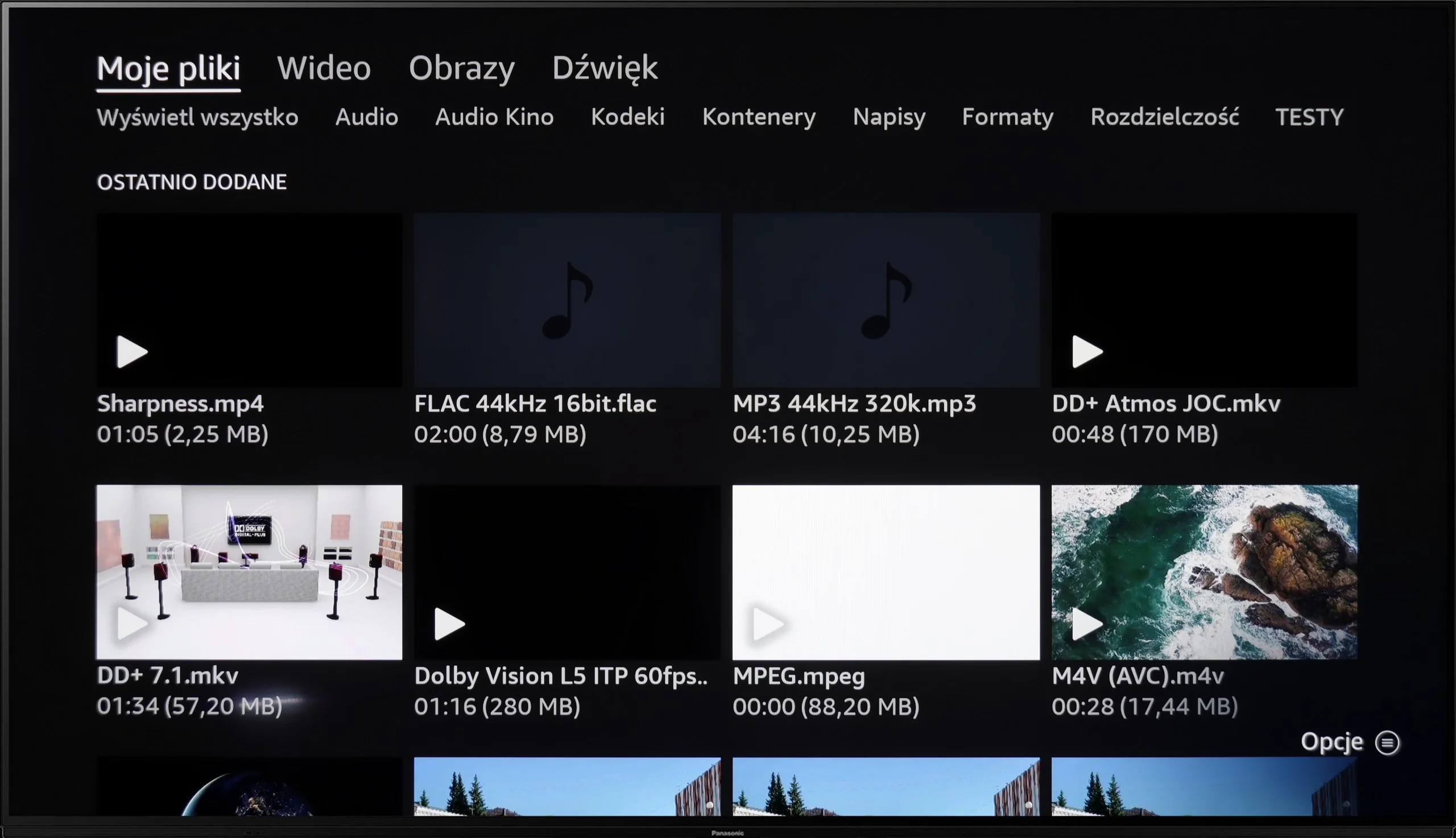
In terms of playback of files from USB, the Panasonic Z85A performs rather mediocrely. The built-in media player does handle most popular video formats, but it has one rather significant drawback – it does not support external subtitles. So, if we have older films on the drive or USB stick with separate subtitle files, we must reckon with the fact that the television simply will not display them. This is a considerable disadvantage, especially for those who use their own media libraries instead of streaming services. Of course, this problem can be circumvented by using an external media player (e.g. via a console or Smart TV box), but this is an additional step that could be avoided if the built-in application were better developed.
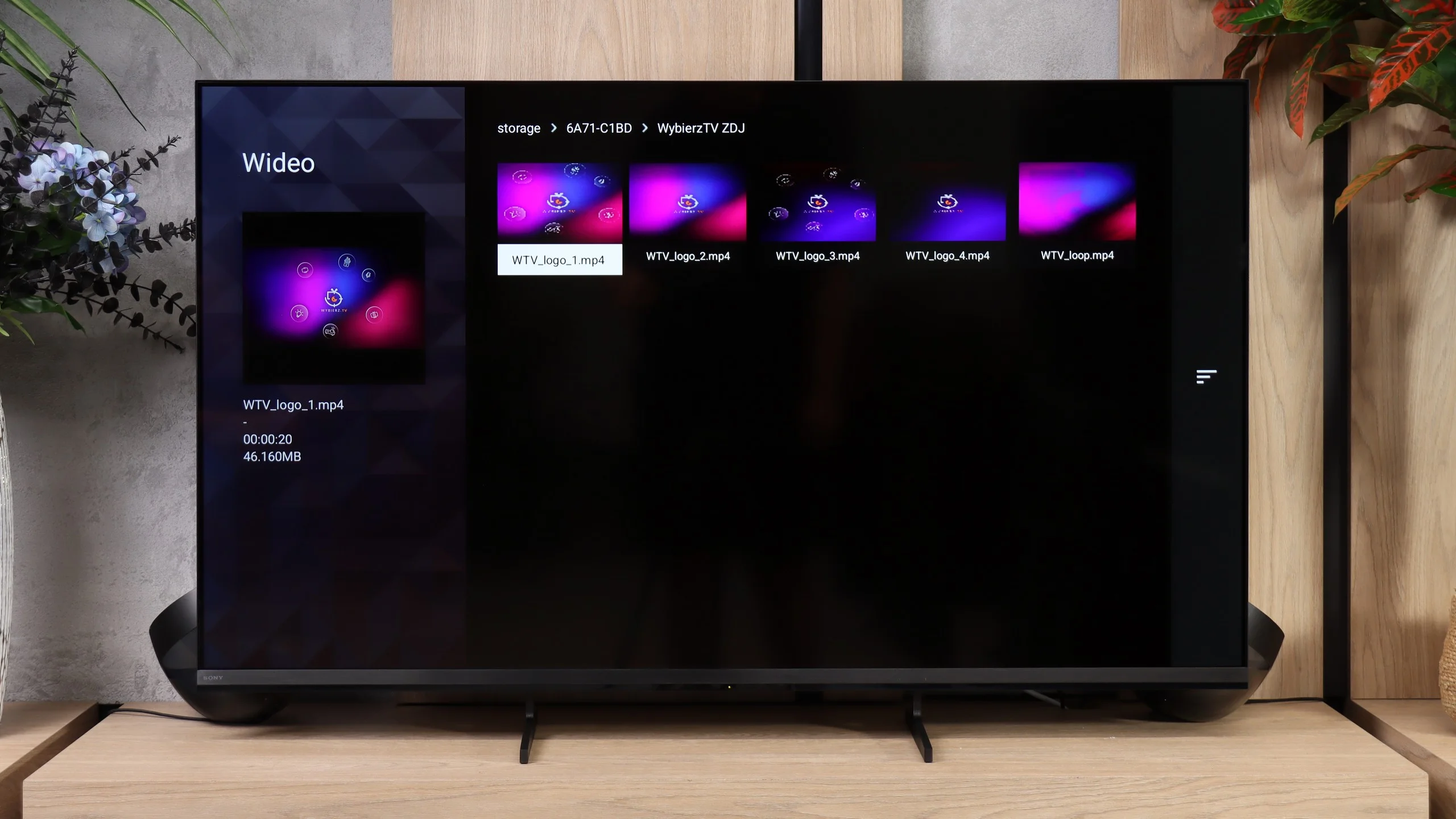
The built-in player in the Bravia 3 II works really well and during our tests had no trouble with most popular video and audio formats. It's hard to point to anything that would force us to install an additional player or use an external device. The only exception might be films with subtitles saved in .txt format, which the TV does not support, but let's be honest, at this stage that would be nitpicking.
Sound
7.4/10
6.8/10
- Maximum volume-87dB
- Dolby Digital Plus 7.1
- Dolby True HD 7.1
- Dolby Atmos in Dolby Digital Plus (JOC)
- Dolby Atmos in Dolby True HD
- DTS:X in DTS-HD MA
- DTS-HD Master Audio
In terms of sound, the Panasonic Z85A is pleasantly surprising. The television delivers a pleasant and clear sound, and it can also generate a noticeable bass, which adds depth to both films and music. The surround effect is also quite well reproduced, making watching films or playing games more immersive. Unfortunately, there is one "but". The television does not support the DTS:X format, which is quite popular among more advanced home cinema systems. Therefore, if we plan to use this sound standard, it will be necessary to connect the audio equipment first to the amplifier or soundbar, and only then to the television.
In terms of sound the Bravia 3 II performs adequately, but it's hard to say much more about it. The speakers handle dialogue and regular television well, but they noticeably lack low-frequency response. The bass quickly loses energy, so with music, action films or games the sound feels rather light and lacks punch. That's of course nothing unusual for TVs in this class, but if you want a more impressive sound a soundbar is a highly recommended addition.
The supported audio formats are a much better story. The Bravia 3 II handles practically everything we might need, including Dolby TrueHD, DTS-HD Master Audio and DTS:X, formats increasingly ignored by other manufacturers. The TV can also pass them through to an external audio setup. The exception is Dolby Atmos encoded in Dolby TrueHD, which the built-in speakers cannot play back directly, but with a suitable soundbar or AV receiver this should not be a major issue.
Sound Quality Test
No sound test video
Acoustic Measurements
No acoustic data
87dBC (Max)
75dBC
Reader comments
Comments are provided by the external service Disqus (Zeta Global). Once loaded, Disqus may set cookies and process data about your activity.
We will remember your choice on this device. Provider's privacy policy