Panasonic W70A vs IFFALCON U85X

Direct comparison

U85X1

Available screen sizes: 43”50”55”65”

Available screen sizes: 55”65”75”

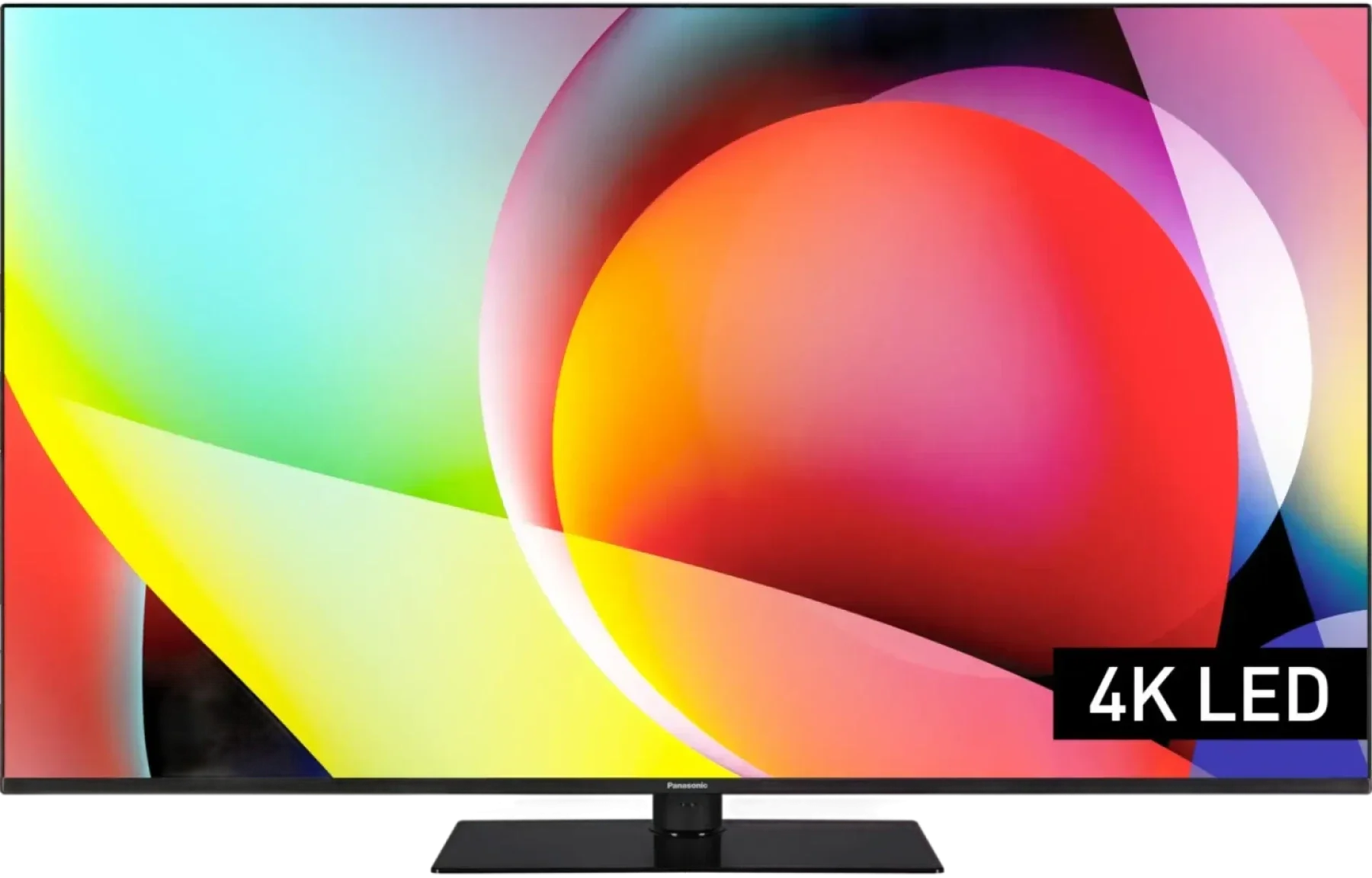
Review Panasonic W70A Main photo
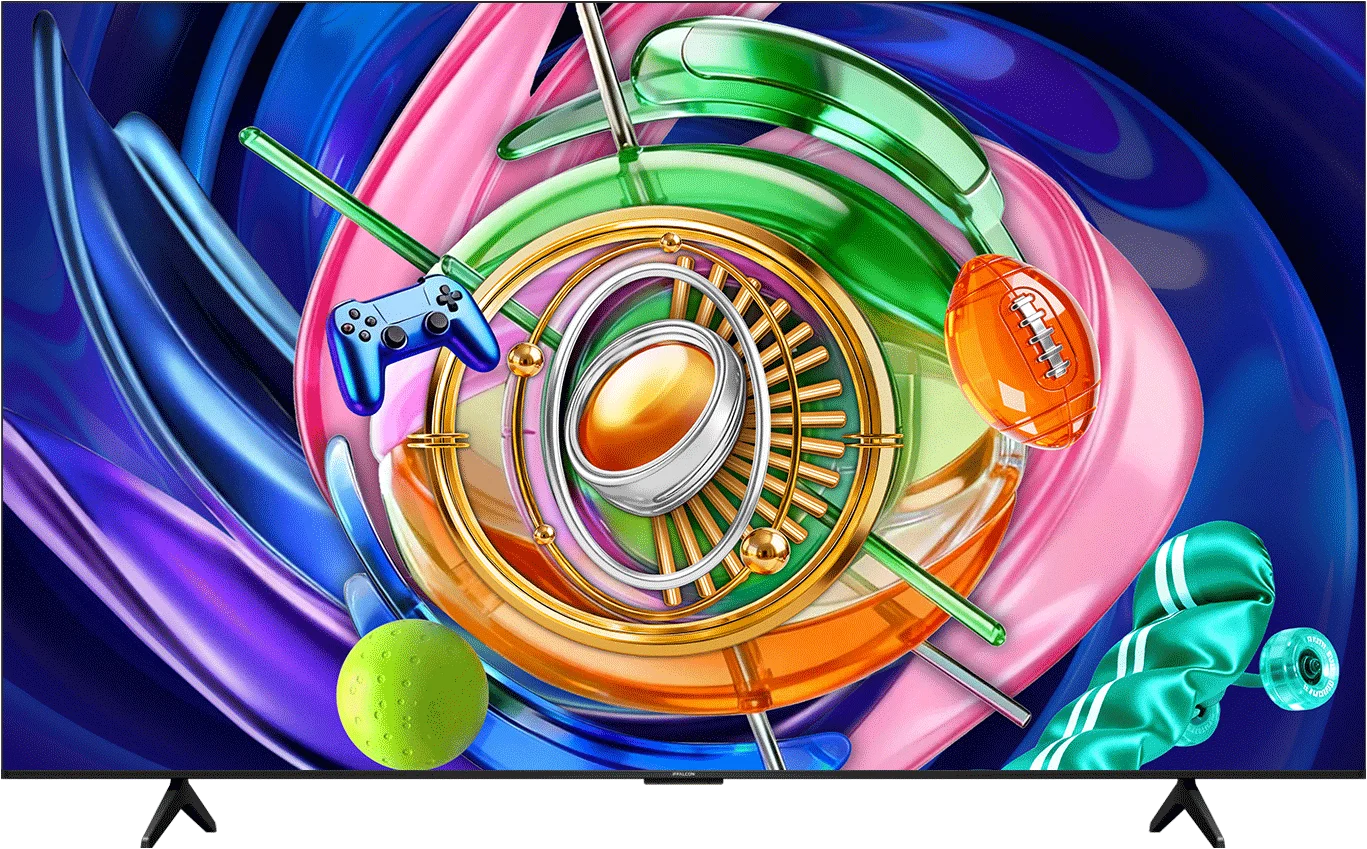
Review IFFALCON U85X Main photo

Panel type: LCD IPS

Resolution: 3840x2160

System: Google TV

Model year: 2024

Complete the survey to find out the result

Panel type: LCD VA

Resolution: 3840x2160

System: Google TV

Model year: 2026

Complete the survey to find out the result

Overall rating

5.6

6.9

  • Movies and series in UHD quality

    5.2

    6.2

  • Classic TV, YouTube

    5.2

    6.3

  • Sports broadcasts (TV and apps)

    5.3

    6.1

  • Gaming on console

    6.8

    8.4

  • TV as a computer monitor

    6.0

    8.6

  • Watching in bright light

    4.0

    5.6

  • Utility functions

    5.2

    7.6

  • Apps

    8.3

    9.6

  • Sound quality

    6.6

    6.9

Advantages

  • Wide viewing angles thanks to the IPS panel

  • Efficient and intuitive Google TV system

  • Supports Dolby Vision

  • Suitable for occasional gaming - VRR, ALLM, low input lag of 12 ms

  • Readable fonts when working with PC thanks to chroma 4:4:4

  • Bluetooth and voice search on the remote

  • Decent sound quality for a television in this class

  • Good contrast and black: VA panel with MINI-LED local dimming zones

  • High HDR brightness: solid 650 nits

  • Decent colours: thanks to the PFS filter (according to the manufacturer QLED)

  • Revolutionary for gamers: full HDMI 2.1, 144Hz, very low input lag, and VRR/ALLM features

  • Great as a monitor: 240Hz mode, support for G-SYNC/FreeSync

  • Powerful sound – dedicated subwoofer provides a noticeably deep bass

  • Versatile Smart TV – advanced Google TV system with full AirPlay support

Disadvantages

No like
  • Poor blacks and low contrast - IPS panel

  • Brightness at 270 cd/m² too low for comfortable viewing in bright rooms

  • Software errors (features are either poorly translated or located where they shouldn't be)*

  • Missing AirPlay support

  • Missing USB recording feature and PIP mode

*This situation pertains to the time of publication of this review, which is December 2024. We hope that Panasonic will manage to rectify these significant shortcomings in future updates.

  • Visible trailing

  • Backlight management could be better

  • Poor viewing angles – typical VA panel colour degradation when viewed from the side

  • Software issues – inaccurate menu translations and occasional drops in system fluidity

Our verdict

The Panasonic W70A draws attention primarily due to its advanced Google TV operating system, which gives access to a plethora of popular applications (YouTube, Netflix, Disney+, HBO Max, etc.). As for the picture, the IPS panel offers wide viewing angles, so colours do not lose intensity even when watching a film from a slight angle. Gamers will also not be disappointed, as it features VRR and ALLM, along with low input lag (around 12 ms) – all of this contributes to a pleasant experience for occasional gaming, despite the standard 60 Hz refresh rate.

However, it is worth noting that this is rather a basic model and has its limitations. The contrast and black levels are simply weak, which is a typical phenomenon for IPS panels, especially in dark rooms. A brightness level of around 270 cd/m² is also insufficient in brightly lit rooms, making the picture appear washed out. Certain shortcomings in the software itself cannot be overlooked either. Google TV is a great basis, but sometimes it happens that some settings are scattered in surprising places, and the quality of translations leaves much to be desired.

One must consider that the competition is offering more and more in a similar (or slightly higher) price range. Can the Panasonic W70A hold its ground in such an environment? On one hand, it tempts with a rich application base and decent support for gamers, but on the other hand, the market is flooded with more refined televisions equipped with better parameters. However, if wide viewing angles and easy access to Google TV services are a priority, it might be worth giving it a chance. Otherwise, it is advisable to look among competing models that often offer better black levels, higher brightness, and fewer annoying issues in the menu at a similar price.

iFFALCON U85X is a device that draws heavily from the technological solutions of its parent brand, TCL. It's hard not to get the impression that, in terms of pure technical specifications, we are dealing with almost a faithful copy of the successful C6K (C69K/Q6C) series, although in terms of design, the designers opted for references to the more budget-friendly P line. This specific combination makes the television do exactly what we expect from a solid Mini-LED, but at an even lower price. It provides very good contrast and a vivid HDR effect, which is directly due to the impressive number of local dimming zones. It is worth noting that, like the models from the C series, iFFALCON U85X turns out to be exceptionally tailored to the needs of gamers. Here we find almost every function necessary for comfortable gameplay, from full support for HDMI 2.1 ports, through ALLM and VRR technologies for console owners, to remarkable compatibility with PCs. As a monitor, the device performs excellently not only due to its support for refresh rates up to 240Hz but also because of the very sharp and readable font, which is not always a given in the world of televisions. Of course, this is not an ideal model, as it shares the same set of advantages and disadvantages as its TCL counterpart – mainly referring to issues like noticeable ghosting or aggressive brightness management in HDR. However, it creates an exceptionally interesting mix that makes us seriously question the sense of the existence of the iFFALCON brand as a separate entity, since the same product could successfully debut with the full TCL logo on the casing. Nonetheless, we have no major objections to the device itself; it is truly a model worth considering, provided you manage to buy it, as it is currently very difficult to obtain.

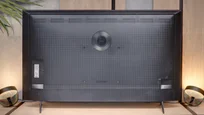
TV appearance

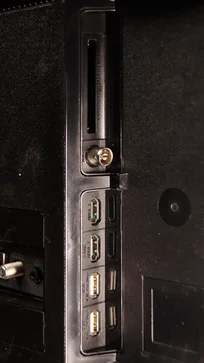
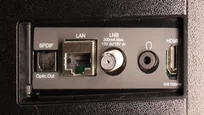
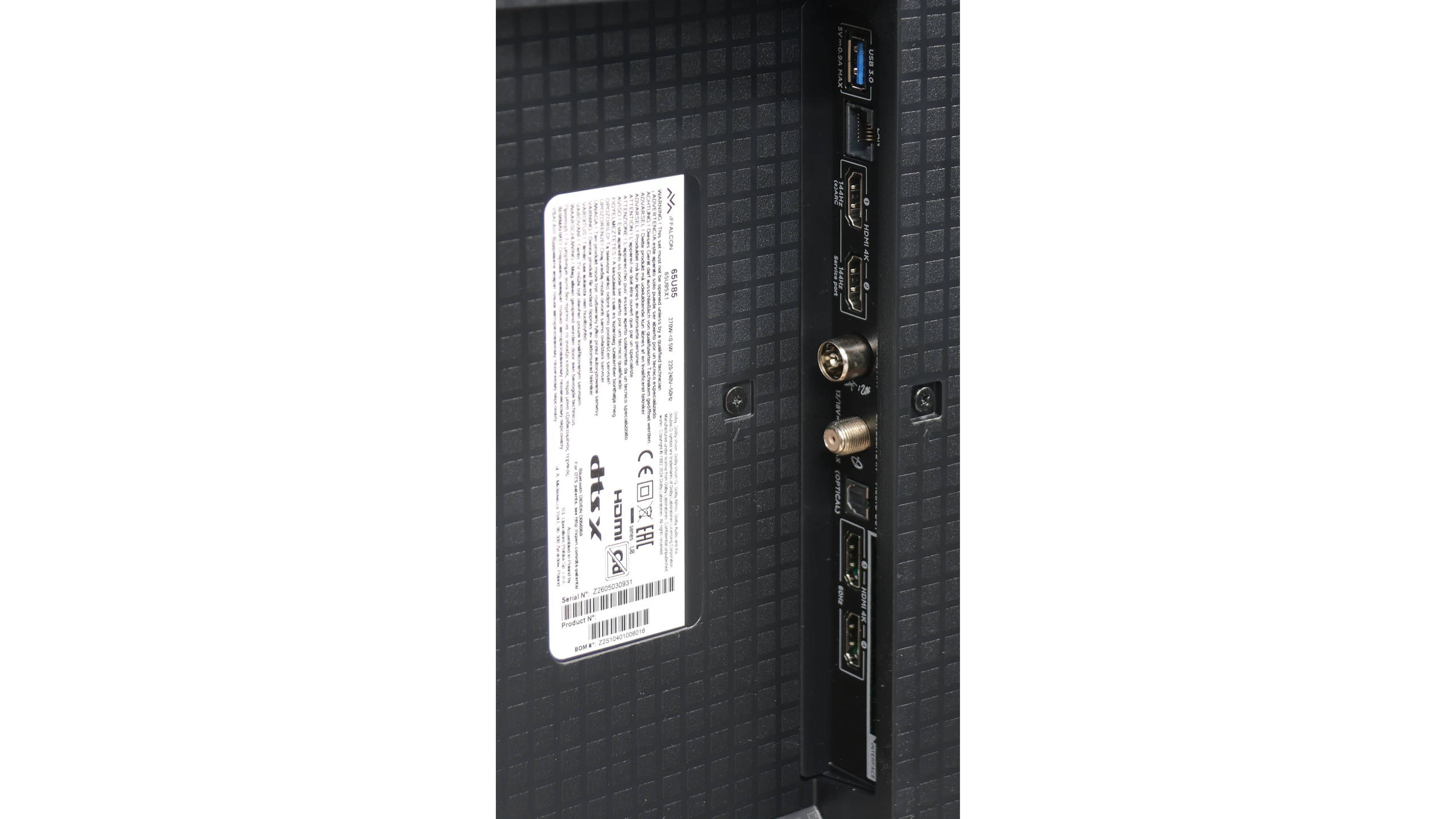
HDMI inputs
3 x HDMI 2.0, 0 x HDMI 2.1
2 x HDMI 2.0, 2 x HDMI 2.1 (48Gbps)
Other inputs
Outputs
Toslink (Optical audio), eARC (HDMI), ARC (HDMI), Mini-Jack (Headphones)
Toslink (Optical audio), eARC (HDMI)
Network Interfaces
Wi-Fi 2.4GHz, Wi-Fi 5GHz, Ethernet (LAN) 100Mbps
Build quality
Average
Average
Stand type
Central
Legs
Bezel color
Black
Graphite
Stand
Fixed
Fixed
Accessories
Stand
Stand

Contrast and black detail

2.5/10

7.3/10

Local dimming function: No

Local dimming function: Yes, number of zones: 224 (14 x 16)

Contrast:

Review Panasonic W70A Contrast and black detail

Result

1,100:1

Review Panasonic W70A Contrast and black detail

Result

1,250:1

Review Panasonic W70A Contrast and black detail

Result

1,300:1

Review Panasonic W70A Contrast and black detail

Result

1,250:1

Review Panasonic W70A Contrast and black detail

Result

1,050:1

Review IFFALCON U85X Contrast and black detail

Result

113,850:1

Review IFFALCON U85X Contrast and black detail

Result

24,800:1

Review IFFALCON U85X Contrast and black detail

Result

10,950:1

Review IFFALCON U85X Contrast and black detail

Result

7,000:1

Review IFFALCON U85X Contrast and black detail

Result

6,050:1

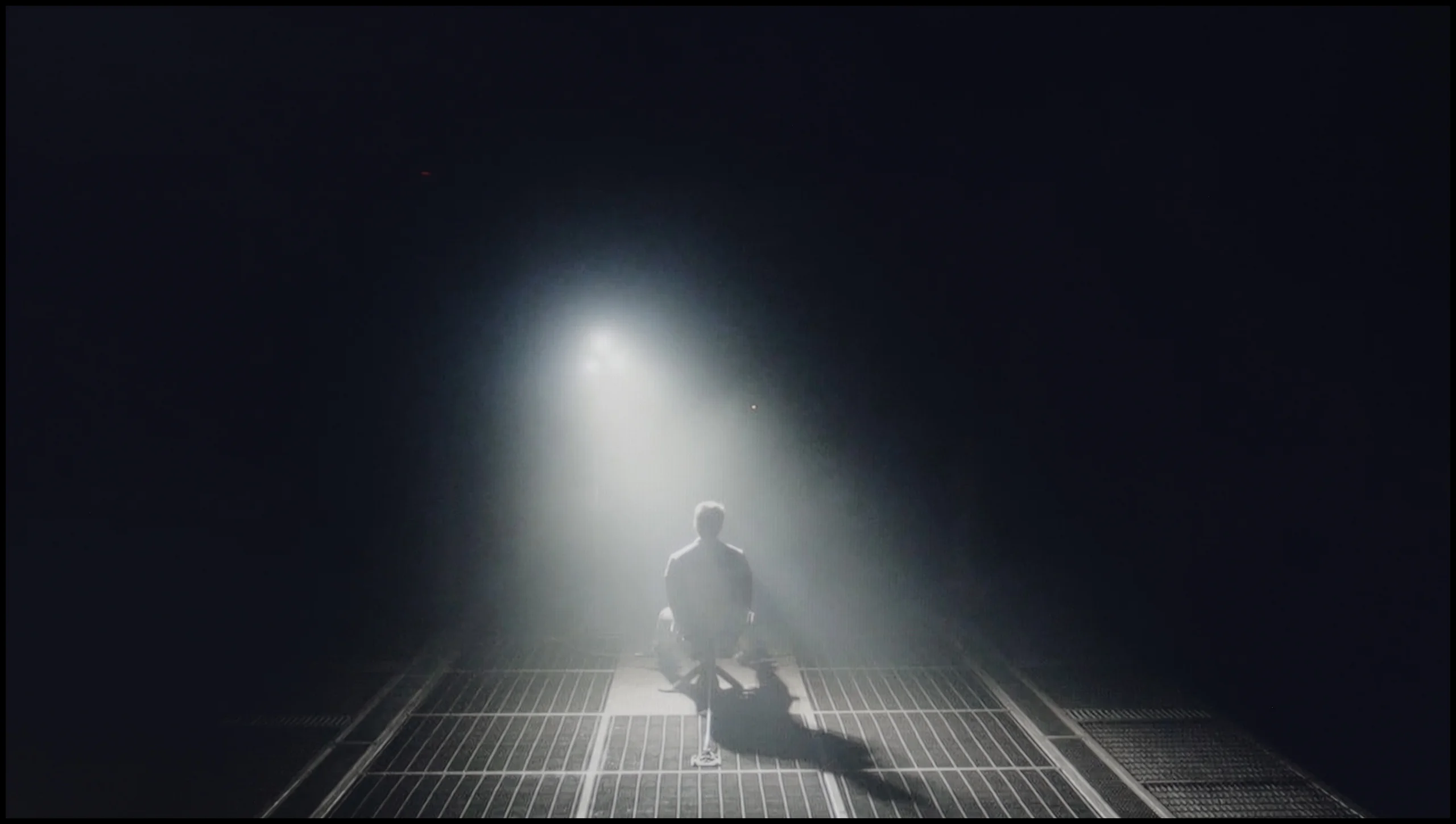
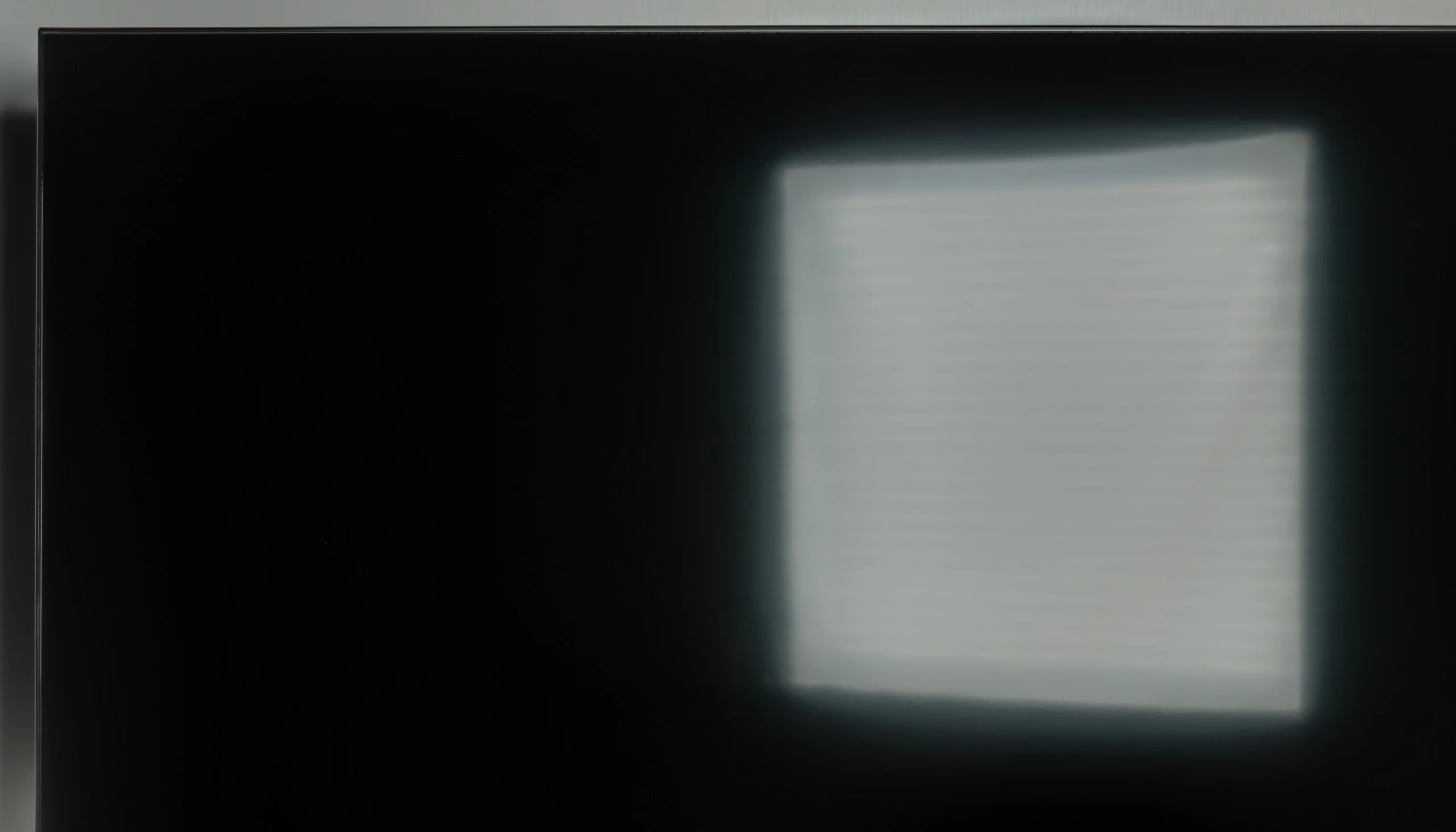
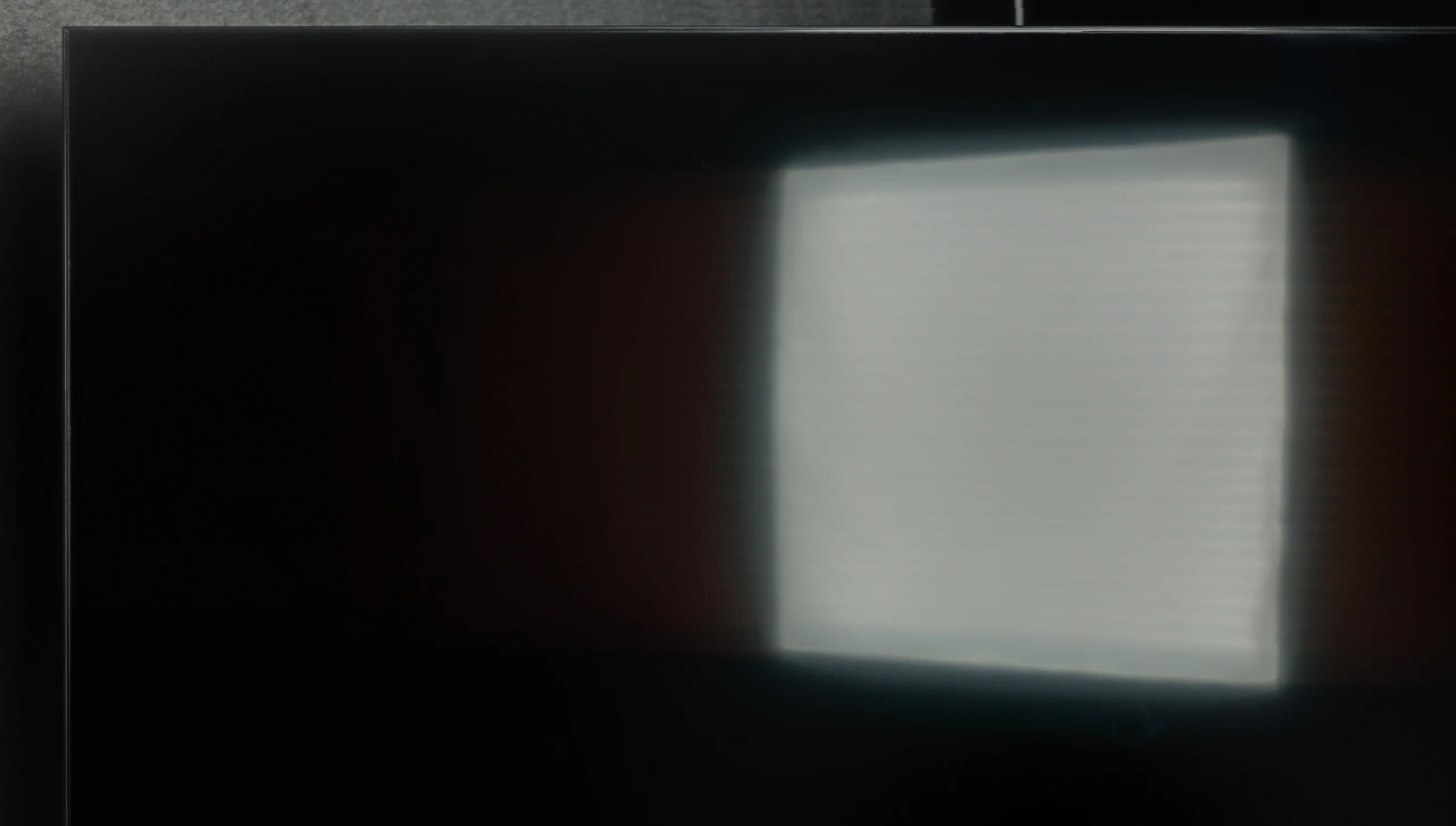
Halo effect and black detail visibility:

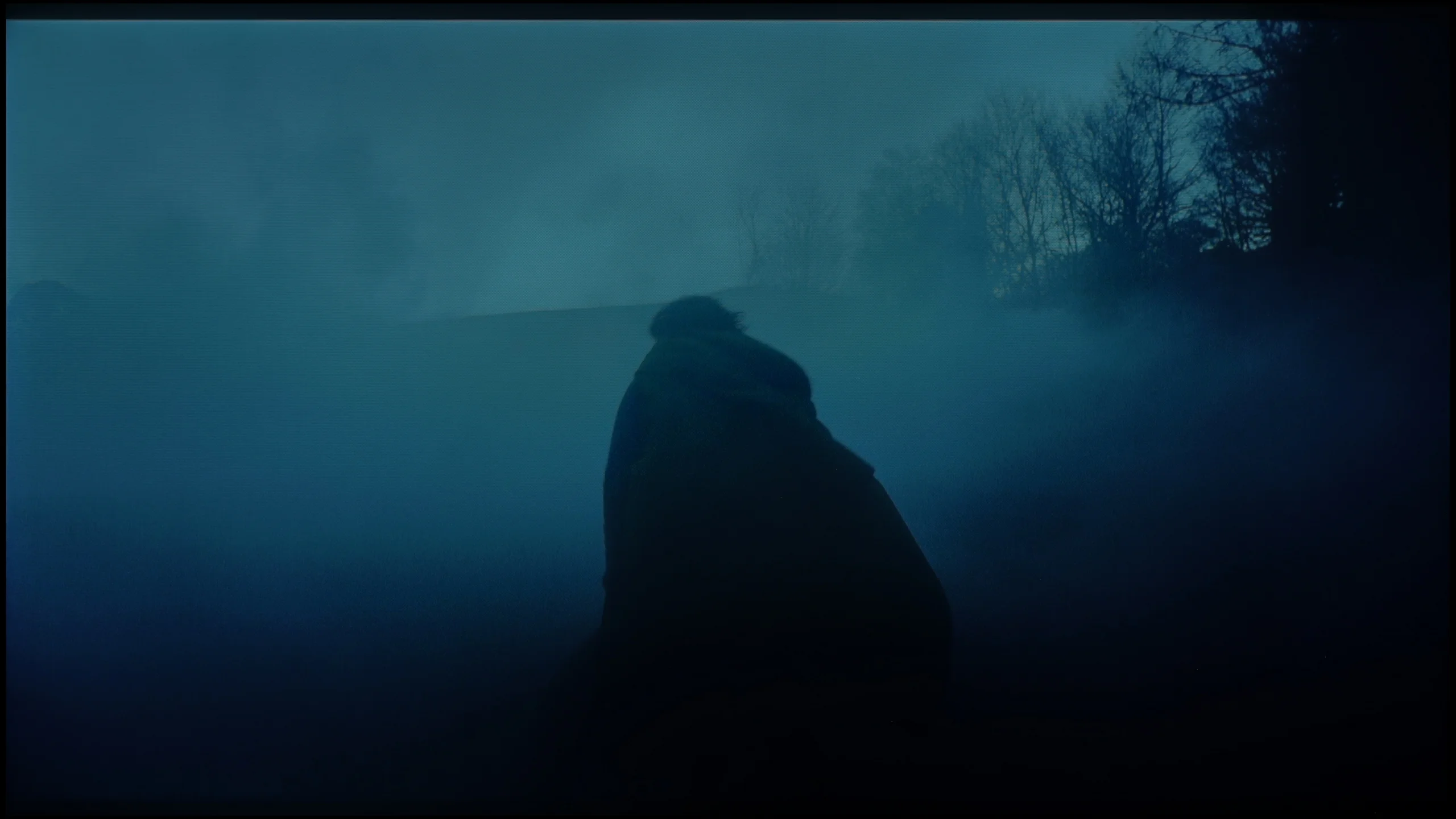
Check the visibility of bright lights on a dark background. Mini-LEDs often struggle with this. The photo does not compare black levels – that’s what the video below is for.

The video accurately shows differences in contrast and black levels between TVs, as well as potential issues: halo around bright objects or Mini-LED zone operation visible as brightness jumps.

The Panasonic W70A is equipped with an IPS panel, which unfortunately is not the best choice if we are looking for deep blacks and high contrast. Additionally, the lack of local dimming means that instead of pitch-black areas on the screen, we see rather silvery and navy-blue spots. In our tests, this was particularly evident on demanding dark scene test images. The contrast ratio, which hovers around 1000:1, is a result far from satisfactory – especially if we plan evening screenings in a darkened room. Scenes that should mesmerise with their depth of darkness instead look flat and lose their atmosphere.

In terms of blacks and contrast, the 65-inch iFFALCON U85X turns out to be almost an exact copy of the solutions known from the TCL C6K and C69K models, offering the same number of 224 local dimming zones in a 14x16 arrangement. Thanks to the use of a VA panel and such a solid number of zones, the device is capable of generating an image with impressive depth, where our measurements in real film scenes indicated a contrast exceeding 100,000:1. Of course, with this class of equipment, local dimming does not always achieve perfect precision, so in more challenging scenes with bright details against a dark background, we must reckon with the occurrence of the halo effect, which is a subtle glow around objects. Nevertheless, the overall quality of blacks is at a very high level and will certainly satisfy most users seeking cinematic experiences. The image certainly appears to have greater depth than in solutions without any local dimming technology.

HDR effect quality

4.5/10

4.7/10

Supported formats
HDR10, Dolby Vision, HLG
HDR10, HDR10+, Dolby Vision, Dolby Vision IQ, HLG
Color gamut coverage
DCI P3: 78.0%, BT.2020: 57.0%
DCI P3: 93.7%, BT.2020: 72.5%

Luminance measurements in HDR:

Review Panasonic W70A Brightness measurement

Result

247 nit

Review Panasonic W70A Brightness measurement

Result

257 nit

Review Panasonic W70A Brightness measurement

Result

278 nit

Review Panasonic W70A Brightness measurement

Result

289 nit

Review Panasonic W70A Brightness measurement

Result

293 nit

Review IFFALCON U85X Brightness measurement

Result

627 nit

Review IFFALCON U85X Brightness measurement

Result

165 nit

Review IFFALCON U85X Brightness measurement

Result

390 nit

Review IFFALCON U85X Brightness measurement

Result

124 nit

Review IFFALCON U85X Brightness measurement

Result

528 nit

Scene from the movie “Pan” (about 2800 nits)

Scene from the movie “Billy Lynn” (about 1100 nits)

The photos show two HDR10 movies. 'Pan' is one of the brightest productions ever made, while 'Billy Lynn' (soldier) has brightness typical of streaming (Netflix, Prime, HBO MAX). Notice the intensity of effects and detail in whites.

Static HDR10

The photos present the visibility of white details in various HDR formats. They do not show brightness differences between TVs (these can be compared in the previous gallery).

Dynamic: Dolby Vision

Dynamic: Dolby Vision

The photos present the visibility of white details in various HDR formats. They do not show brightness differences between TVs (these can be compared in the previous gallery).

HDR luminance chart:

IFFALCON U85X

Panasonic W70A

HDR on the Panasonic W70A unfortunately does not impress. A brightness level of 250–300 nits is simply too low to feel the true magic of cinematic effects in dynamic, bright scenes. Images that should “burst” with light look rather flat, and fine details in bright areas often get lost in the average luminance of the panel. On the positive side, the HDR effect is at least stable. The television does not fall into excessive brightness or lose details during rapid scene changes. Everything is predictable and calm, although unfortunately rather unimpressive. Another issue is the colour gamut coverage. The W70A has not been equipped with an additional layer of quantum dots (often known as QLED), which means the colours appear rather mediocre. There is a lack of depth in reds, saturation in greens, and precision in reproducing subtle shades.

iFFALCON U85 handles HDR in a rather twofold manner – on one hand, it can surprise with solid peak brightness of around 650 nits, which places it well above average in this price segment. This is especially evident in bright, full-screen scenes. Examples from films such as Life of Pi or the final test sequences from The Meg prove that the television can maintain the power and essence of HDR effect when the entire panel needs to "ignite," delivering truly satisfying experiences. However, problems arise in high-contrast scenes, where smaller, bright details appear on the screen; the dimming algorithms prioritize black depth to such an extent that they can stifle the brightness of small light points to just 100 nits, which drastically reduces image dynamics and deprives us of the true "bite" we expect from HDR standards. On a brighter note, however, the colours remain impressive, as the use of the PFS phosphor filter (marketed as QLED by the manufacturer) showcases them very well, achieving nearly 94% coverage of the DCI-P3 colour palette, allowing for a vibrant and rich image in most content.

Factory color reproduction

3.9/10

4.8/10

This gallery shows how colors change after professional TV calibration. If you notice the difference, we recommend ordering this service at SkalibrujTV.com.

Factory Mode

After calibration

This gallery shows how colors change after professional TV calibration. If you notice the difference, we recommend ordering this service at SkalibrujTV.com.

Factory Mode

After calibration

The Panasonic W70A was tested by us in movie mode, which theoretically should guarantee the most natural image reproduction. Unfortunately, as is often the case with budget TVs, the reality proved far from ideal.

In HD (SDR) content, the white balance was severely disrupted by an excess of red and a noticeable drop in blue tones. The effect? The image had a distinctly warm, almost yellowish glow, which is clearly visible in the comparison photo. In the case of 4K HDR material, the situation reversed. Here, the image became excessively cold and bluish, causing scenes to lose their naturalness and depth. The differences are visible even to the naked eye, especially in the bright areas of the image. The Colour Checker palette test confirmed our observations. Most colour samples did not hit their intended points, "drifting" towards warmer shades in SDR and cooler ones in HDR. As for brightness characteristics, both gamma and the EOTF curve showed significant issues. The image tended to excessively brighten certain areas, disrupting balance and leading to a loss of detail in darker and lighter regions.



In summary – the factory colour reproduction settings in the Panasonic W70A leave much to be desired. The image is far from neutral, and errors in white balance and gamma mean that a solid calibration is needed to extract the TV's full potential.
We tested the factory colours on the iFFALCON U85X model in 'Film' mode, which is definitely the most reliable among all available settings, although it is still far from perfect. The main issue that stands out in both SDR and HDR content is the incorrect white balance – an excess of blue and red components gives the image a slight purple tint, which disrupts the naturalness of the film scenes. An even greater challenge is the way the television manages its brightness. Analyzing the gamma chart for the SDR signal, we noticed significant instability: instead of adhering to the standard value of 2.4, the device oscillates around 2.2, only to suddenly make an unnatural jump towards 3.0. In practice, this leads to confusing effects – large, bright areas on the screen appear too dark, while smaller elements are unnecessarily brightened. A similar characteristic can be found in the EOTF curve, which makes the image unpredictable and loses its cinematic authenticity.

Color reproduction after calibration

5.7/10

7.5/10

The photos show how movies look on the TV. Pay attention to black detail visibility, colors, and shadow tint.

The photos show how movies look on the TV. Pay attention to black detail visibility, colors, and shadow tint.

Panasonic W70A, despite its limitations, provided us with considerable scope during calibration. Thanks to well-developed tools, we managed to achieve a significantly better white balance in both HD (SDR) and 4K HDR content. The issues with excess red in SDR and overly cool images in HDR have disappeared. The gamma brightness characteristic has also improved, maintaining stability and preventing excessive brightening or loss of detail in darker areas.

So where is the problem? Unfortunately, there are barriers that even professional calibration cannot overcome. Poor coverage of a wide color gamut means that the television cannot fully reproduce colours in HDR material. There is a lack of saturation, and subtle colour transitions still appear somewhat "flattened." Another limitation is brightness management, which results from the applied IPS panel. In the comparative image with the actress's face in colourful clothing, it is clearly visible how some shades are noticeably muted, and colours lose their depth and vibrancy.

Calibration has extracted from the W70A as much as possible. The image is now significantly more natural, and the errors in the factory settings have been effectively corrected. Unfortunately, hardware limitations in the form of poor colour gamut coverage and an average panel mean that even after calibration, we are unable to achieve spectacular effects, especially in HDR content.

After professional calibration of the movie mode, we must admit that the result is more than satisfactory – the iFFALCON U85X undergoes a true transformation. Colour errors in SDR content have dropped to a level below 2, which makes them virtually imperceptible to the human eye. We have managed to set the white balance almost perfectly, and brightness management (gamma) has become nearly exemplary. As a result, with standard quality materials, the television simply looks perfect and it is difficult to fault it.

In the case of HDR signal, the situation has also significantly improved, although here the nature of the device becomes a bit more evident. Colour errors have been reduced to around 3, which is an outstanding result in this price range. However, it is worth taking a look at the EOTF graph (available on the right side of the screen in the filters: 4K HDR, gamma / EOTF) to notice what is not immediately visible regarding the brightness management by the U85. Although the reference line looks decent, in real film scenes, the television still interprets the signal “in its own way” due to very aggressive local dimming algorithms. Does this disqualify this model for watching HDR content? Absolutely not. It's simply a typical affliction of almost every Mini-LED, which must reconcile high brightness with the attempt to maintain deep blacks. One simply needs to be aware of these technical limitations, which are unavoidable in this segment.

Smoothness of tonal transitions

8.3/10

7/10

These are selected scenes that show smooth tonal transitions from one color to another. If you see distinct banding, it’s the TV panel’s fault.

These are selected scenes that show smooth tonal transitions from one color to another. If you see distinct banding, it’s the TV panel’s fault.

These are selected scenes that show smooth tonal transitions from one color to another. If you see distinct banding, it’s the TV panel’s fault.

These are selected scenes that show smooth tonal transitions from one color to another. If you see distinct banding, it’s the TV panel’s fault.

In terms of the smoothness of tonal transitions, the Panasonic W70A performs really well. Transitions between colours are smooth, without clear and annoying "bands" or sudden jumps in hue. Even more demanding scenes, where subtle gradients dominate, look surprisingly good. Of course, a trained eye will notice certain imperfections, especially in the lighter parts of the screen, where slight colour banding can be observed. However, this is not something that significantly impacts the perception of the image and will be practically unnoticed by most users.

Unfortunately, what spoils the overall effect is the unevenness of the backlighting of the panel, which is quite pronounced and can distract from the quality of the tonal transitions themselves. This is especially noticeable on uniform backgrounds, where the differences in brightness between particular areas of the screen become more apparent.

In terms of fluidity of tonal transitions, the iFFALCON U85X performs quite decently. In most scenes, the gradients are almost imperceptible, so the annoying "banding" of colours should not be noticeable during daily viewing, for example, on choose.tv. However, it must be honestly admitted that in very dark shots, the image is not always perfectly smooth, and certain imperfections in the transitions between shades can be observed. Nevertheless, this result is more than satisfactory and does not spoil the overall perception of the picture.

Image scaling and smoothness of tonal transitions

7.8/10

5/10

Image without overscan on the SD signal
No
OK
Smooth transition function
OK
OK

Smooth transition function

The match photo shows how the TV smooths weak tonal transitions in low-quality video.

Image scaling SD (576i)

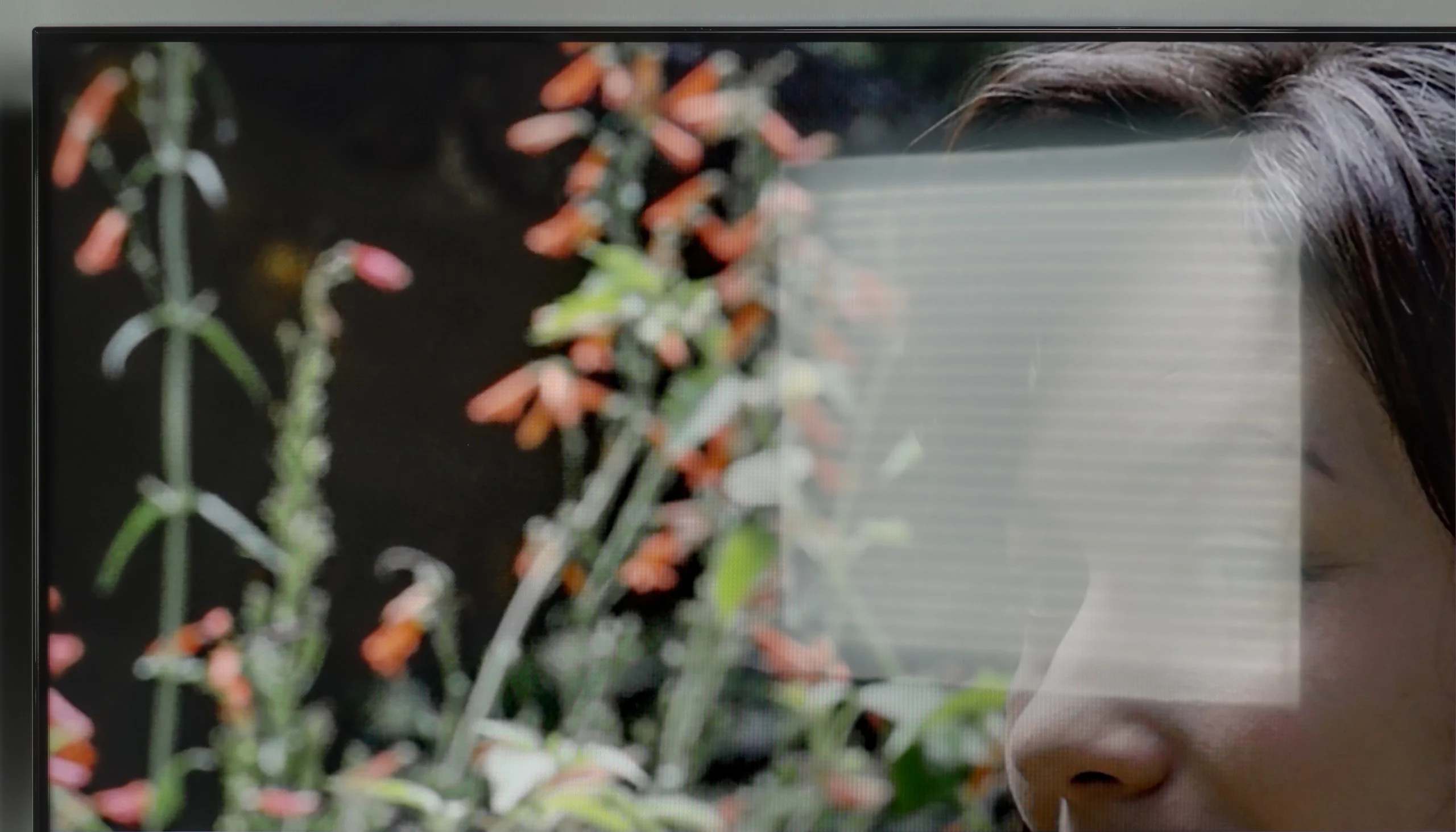
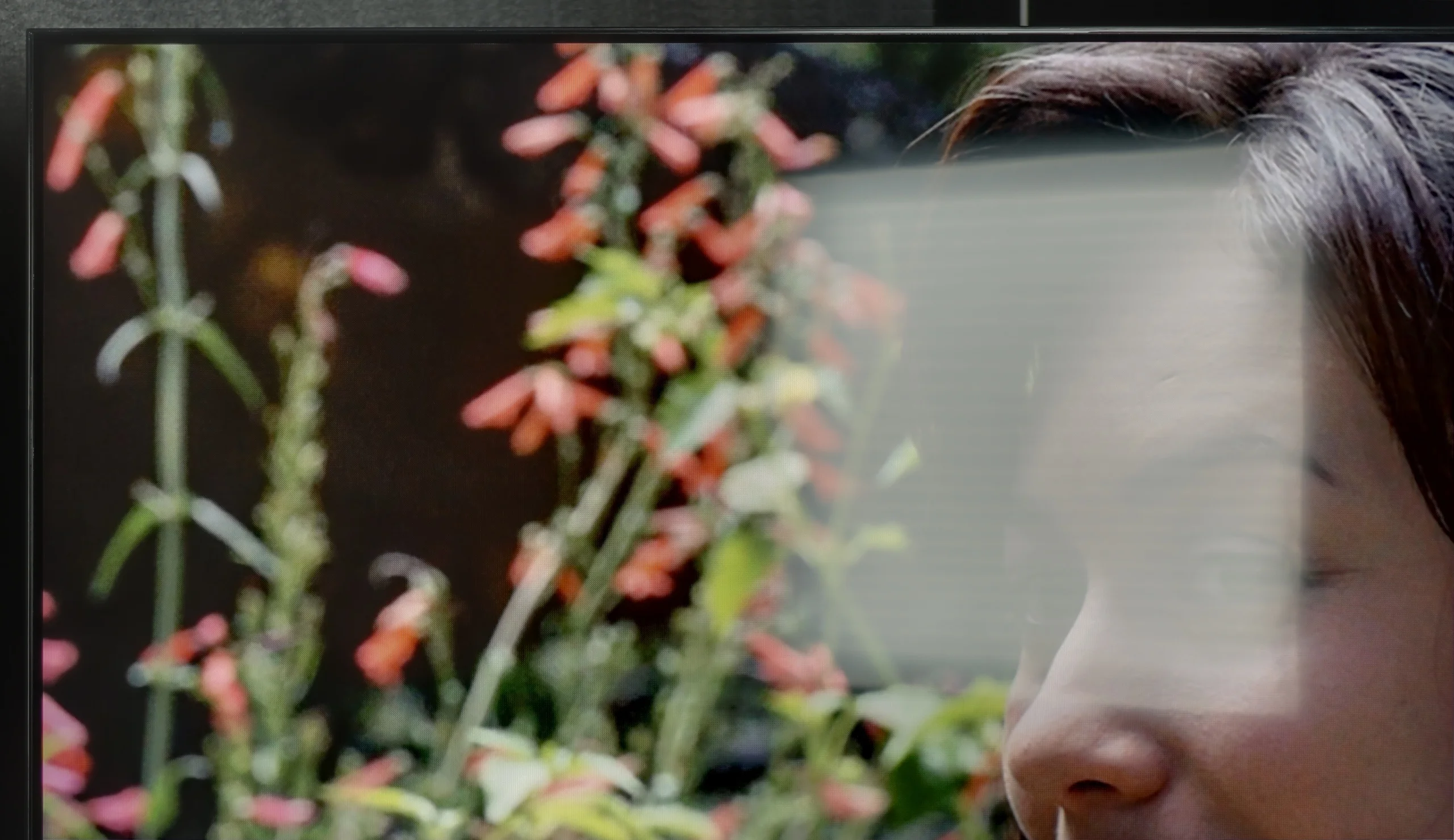
The model photo shows how it handles upscaling of SD material.

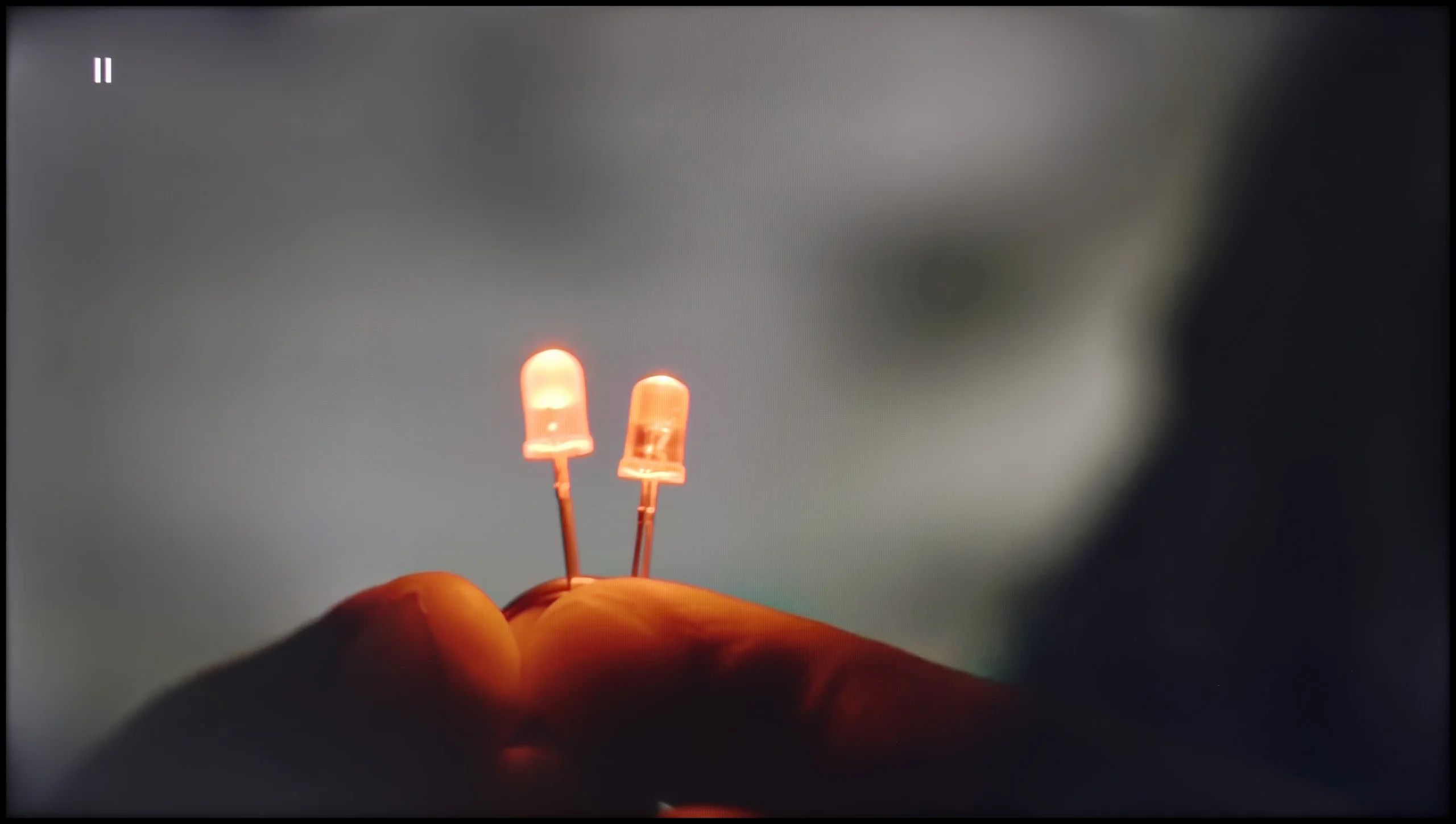
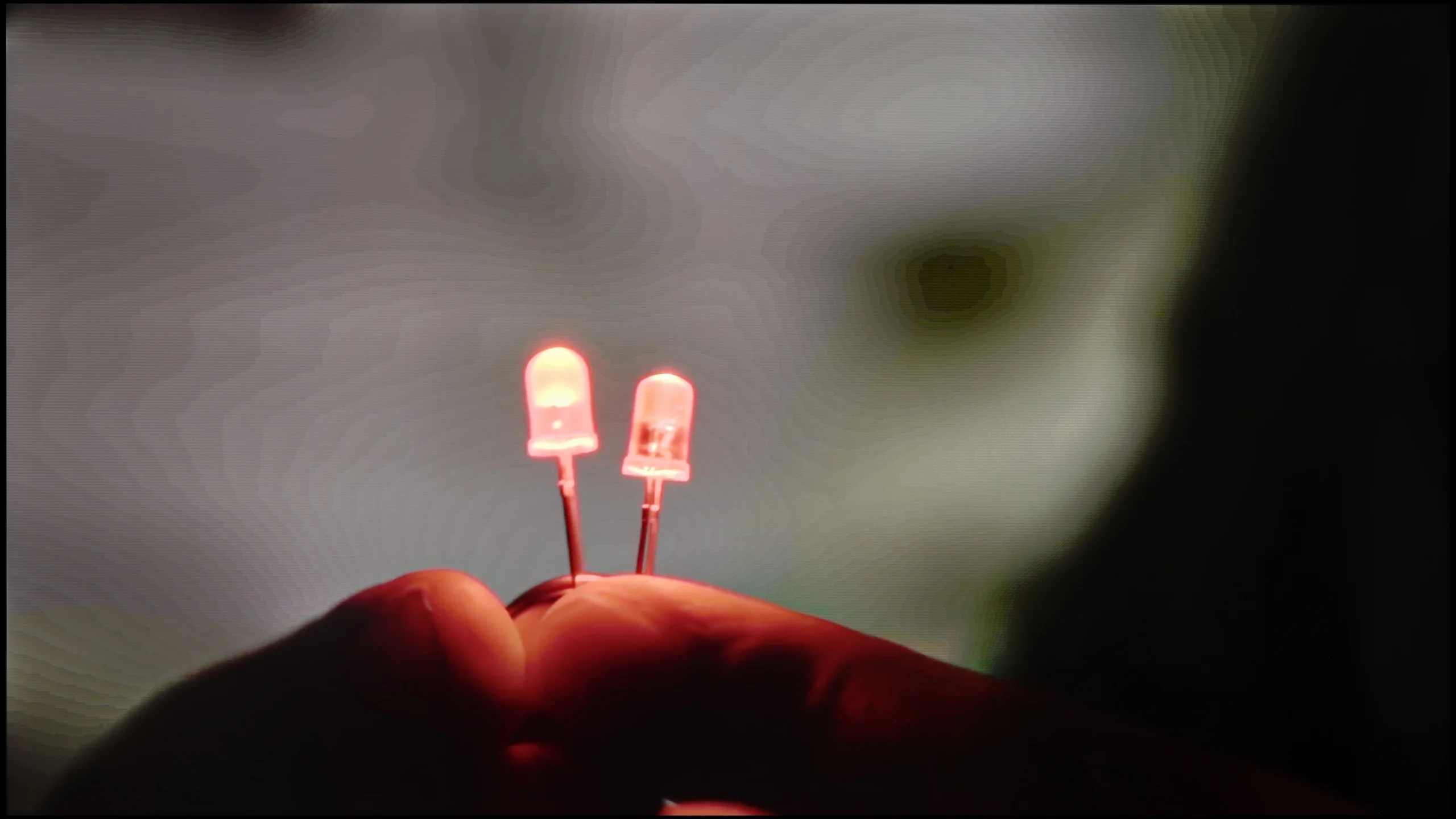
We checked how the Panasonic W70A performs when improving content of lower quality than 4K, and it must be said that in this regard, the television does quite respectably. The "Zeroing Counter" function is responsible for smoothing tonal transitions. The optimal setting turned out to be the Average option, which effectively smooths out issues with colour gradation while not ruining the film grain. This is the setting we recommend for most users, as it provides a balance between enhancing the smoothness of transitions and maintaining the naturalness of the image.

When it comes to image scaling, the Panasonic W70A performed really well. The test panel with a model was positively received – the details on her clothing were well reproduced, and the contours of her face retained clarity. In the background, we noticed slight "jaggies" on thin branches, but these are details that only a very keen eye would catch. However, it is worth noting a certain drawback of this model – the television tends to overscan, or slightly cropping the edges of the image. This is not a very intense phenomenon and will be practically unnoticeable for most users, but if we care about a perfect fit of the frame, it is worth keeping this in mind.

When it comes to upscaling the image to 4K resolution, the iFFALCON U85X performs well. The device efficiently enhances low-quality signals, making even older materials look clean and clear on the 4K panel. At extremely low resolutions, such as 480p, one can notice slightly jagged edges (especially on fine lines), but let's be honest – this is a scenario that you will encounter only when watching very old recordings, so in everyday use, it is not a real problem.

Much worse is the digital processing aimed at smoothing tonal transitions. Although in the menu we find the “Gradual Smoothing” function, its effectiveness is at least questionable. In practice, it does not effectively eliminate banding (colour banding), and worse, it can cause more harm than good. This filter can be too aggressive in areas where it shouldn’t, artificially smoothing details that should not be altered, such as the natural texture of the face or fine details of skin texture. Instead of improving quality, this function can give the image an unnatural, “plastic” appearance, so it is best to use it with great caution or, preferably, leave it switched off.

Blur and motion smoothness

4.7/10

6.8/10

Maximum refresh rate of the panel
60Hz
144Hz
Film motion smoothing option
OK
OK
Blur reduction option
No
OK
BFI function 60Hz
No
Yes, 120Hz (double contours)
BFI function 120Hz
No
Yes, 240Hz (double contours)
Brightness drop with BFI
-%
25%

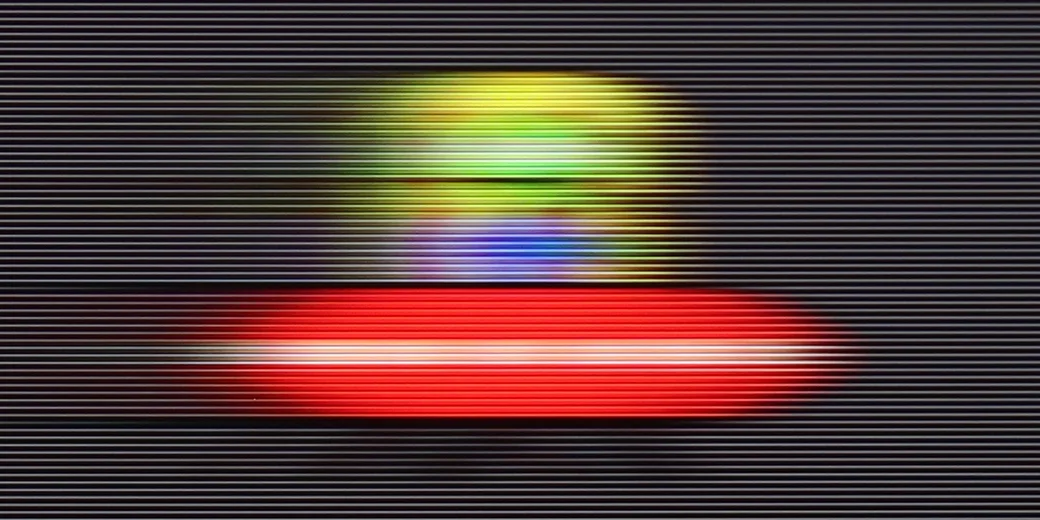
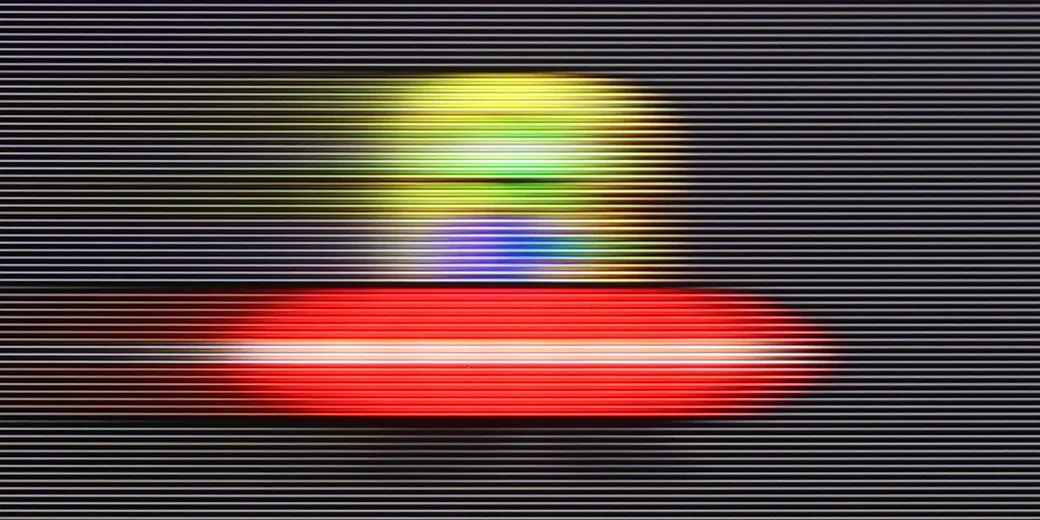
Blur (native resolution, maximum refresh rate):

Blur (BFI function enabled):

Blur ():

Blur (4K@144Hz):

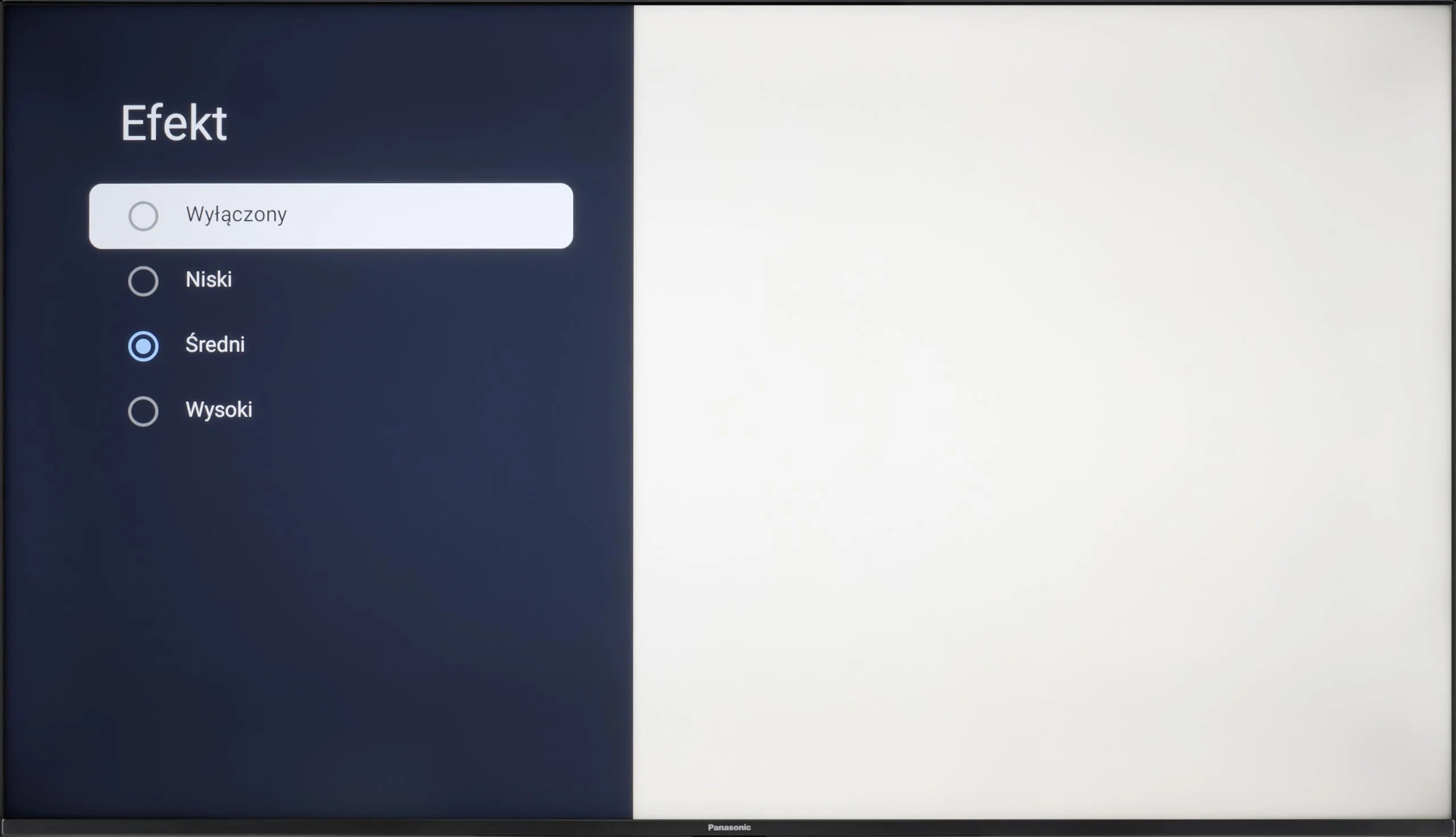
The Panasonic W70A is equipped with a 60 Hz panel, which immediately suggests that the television is best suited for watching films, series, or everyday TV content. In more dynamic scenes, such as sports broadcasts or games, the limitations of the panel become more noticeable. However, it is worth noting the presence of a motion smoother called "Effect", which offers three degrees of adjustment - low, medium, and high.

Each of the settings allows you to adjust the smoothness of motion to your own preferences, minimising motion blur and improving clarity in dynamic shots. In practice, the Medium setting seems to be the most versatile – it offers better fluidity without excessive "soap opera effect", which can look artificial in feature films. The High setting may work well for sports broadcasts, but in films, it can disrupt the natural character of motion.

In contrast to budget constructions, which in dynamic sports scenes can resemble a slideshow, the iFFALCON U85X is a heavyweight contender equipped with a panel that has a native refresh rate of 144Hz. However, it is worth noting that in the world of films, series, or sports, we will primarily operate at 120Hz due to the specifics of how image enhancement systems function. Such a fast panel is excellent news for gamers and sports fans as it opens the door to advanced motion settings that simply do not exist in cheaper 60Hz models.

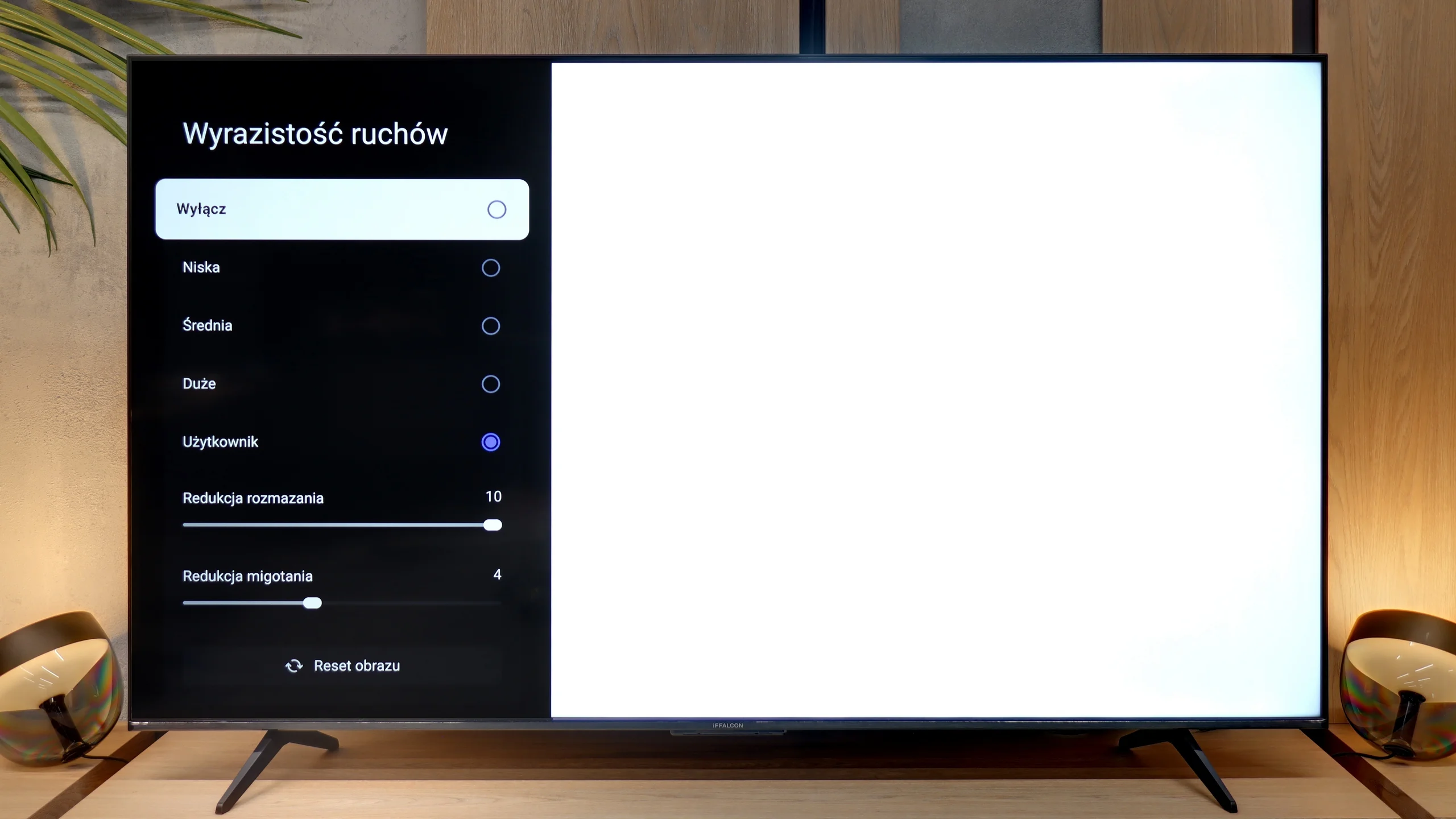
We manage everything from the menu “Motion Clarity”, where instead of using pre-set, often overly aggressive modes, we definitely recommend our own configuration based on two sliders. The most important of these, motion blur reduction, is responsible for fluidity in films – here, it’s best to aim for a value of around 4, which will maintain a natural, cinematic character of motion without falling into the artificial “soap opera effect.” Meanwhile, the first slider, motion blur reduction, is the key to success in sports broadcasts. In this case, it’s worth going all out and setting it to maximum, ensuring that the image during fast actions on the field remains sharp, while troublesome trailing is eliminated.

Console compatibility and gaming features

6.2/10

9.8/10

  • ALLM
    Yes
    Yes
  • VRR
    Yes
    Yes
  • VRR range
    47 - 60Hz
    48 - 240Hz
  • Dolby Vision Game Mode
    Yes
    Yes
  • Correct implementation of HGIG
    Yes
    Yes
  • 1080p@120Hz
    No
    Yes
  • 1440p@120Hz
    No
    Yes
  • 4K@120Hz
    No
    Yes
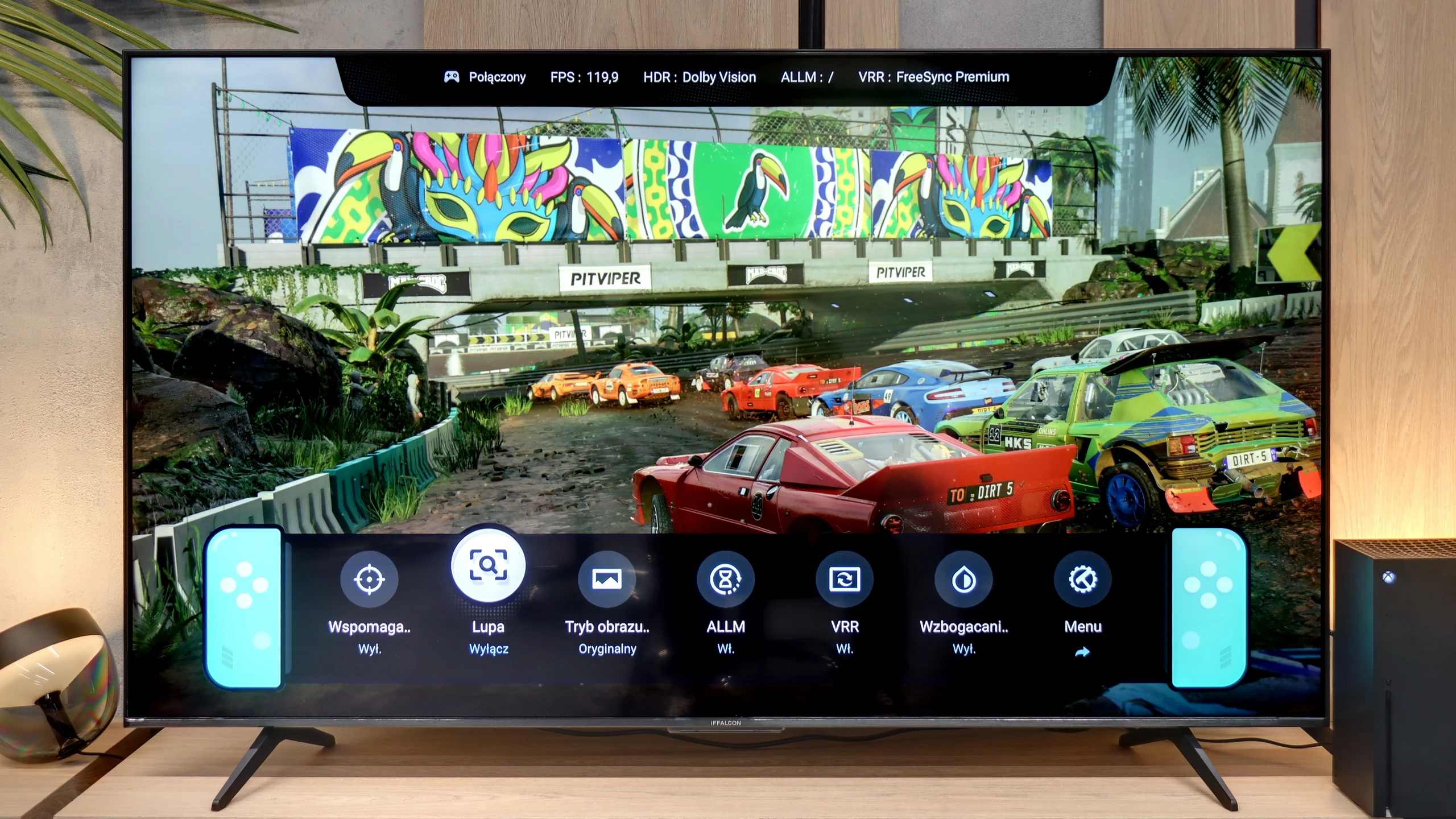
  • Game bar
    No
    Yes

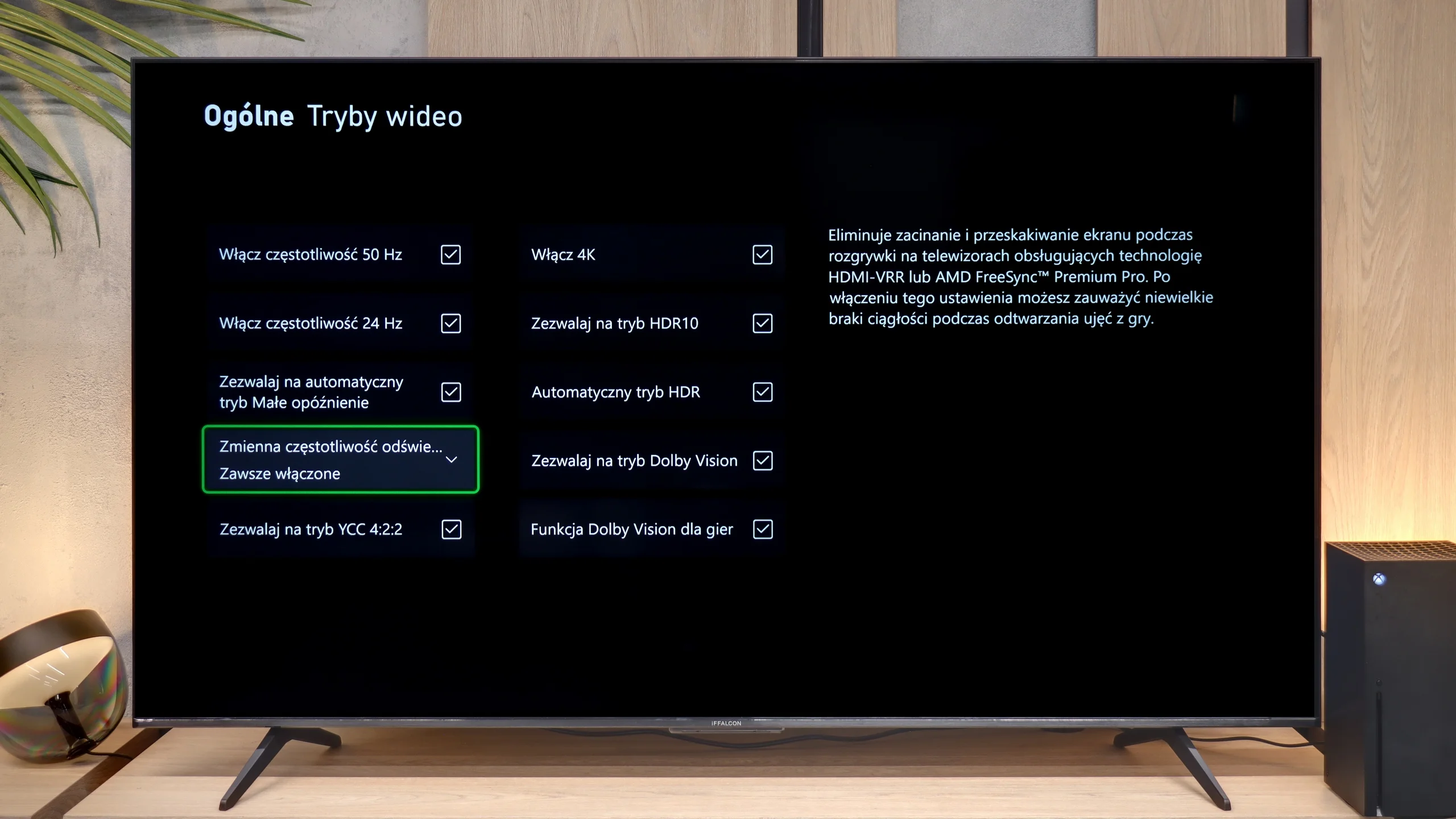
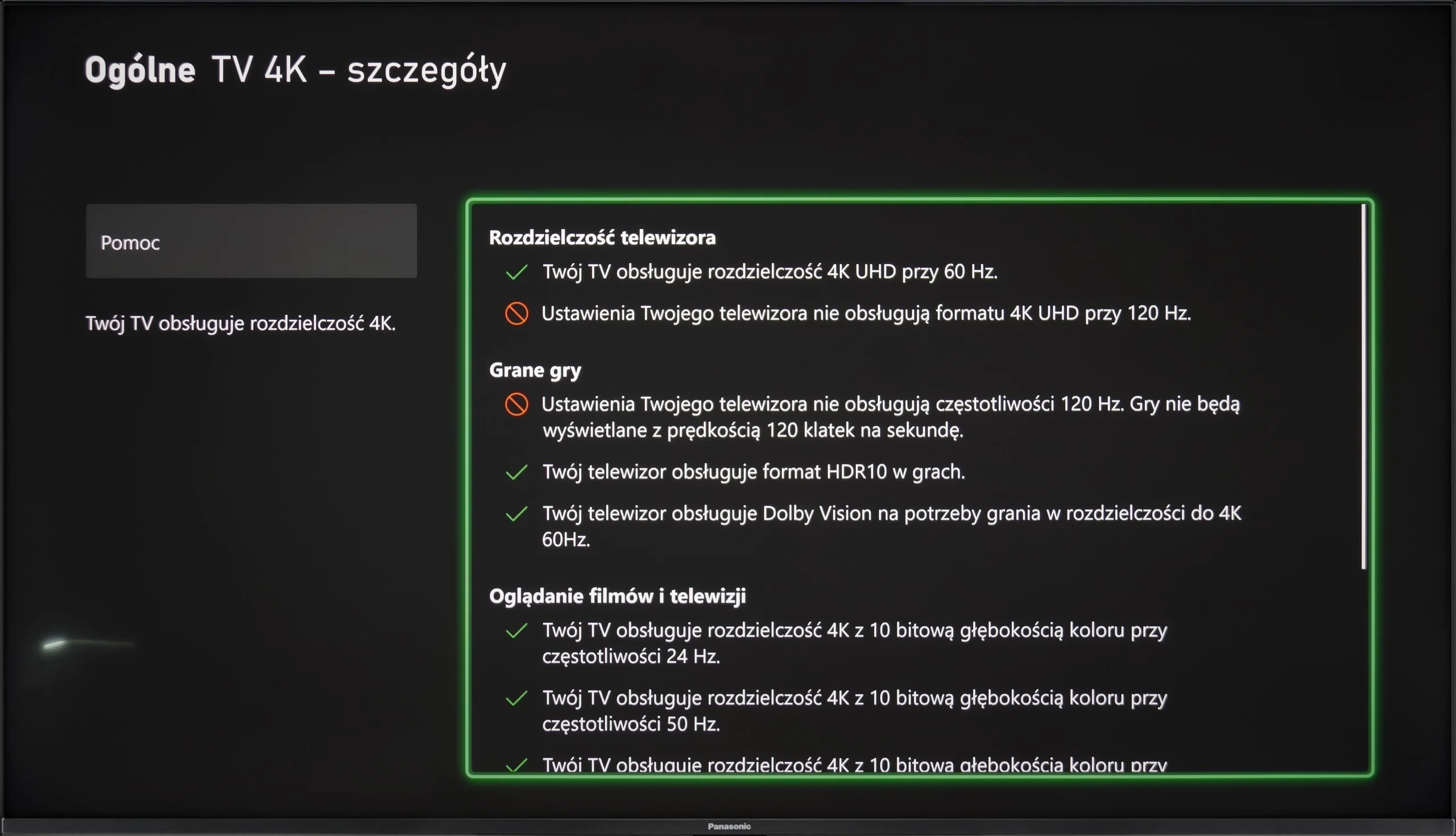
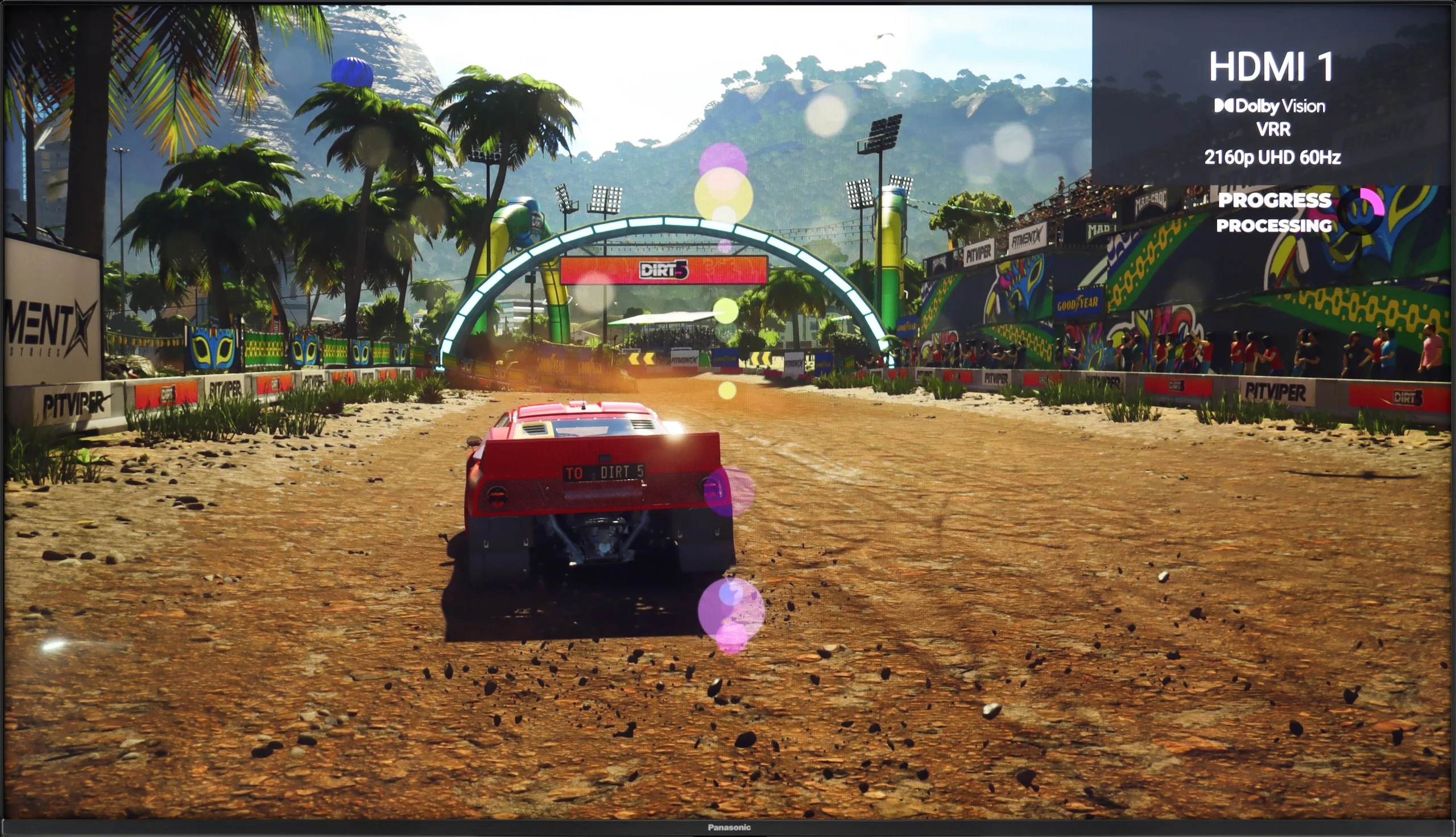
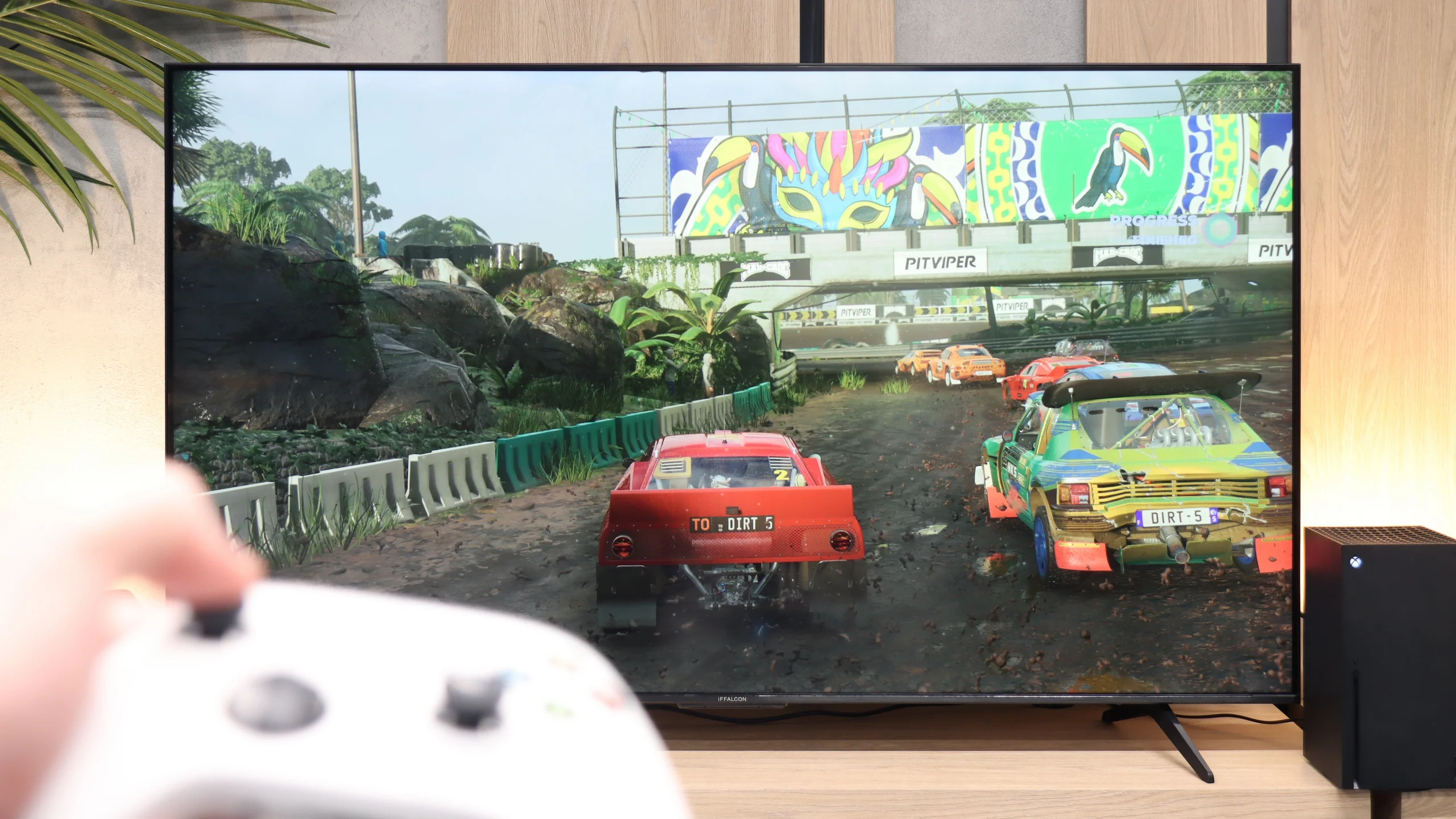
The Panasonic W70A is a television that is more suited to occasional gamers than to avid players. The 60 Hz panel does not allow for the full potential of next-generation consoles to be realised, especially in dynamic titles. The lack of HDMI 2.1 somewhat limits its capabilities, but fortunately, it features functions such as ALLM, which automatically switches to game mode, and VRR, which helps minimise screen tearing. It is worth noting the support for Dolby Vision in games and HGiG, which makes HDR more predictable and looks solid. It is just a shame that there is no Game Bar. This feature has become standard in many televisions and provides quick access to the most important settings for gamers. The W70A performs adequately for gaming, but it has its limitations. It will work well for calmer titles, but more demanding gamers may feel a lack of fulfilment.

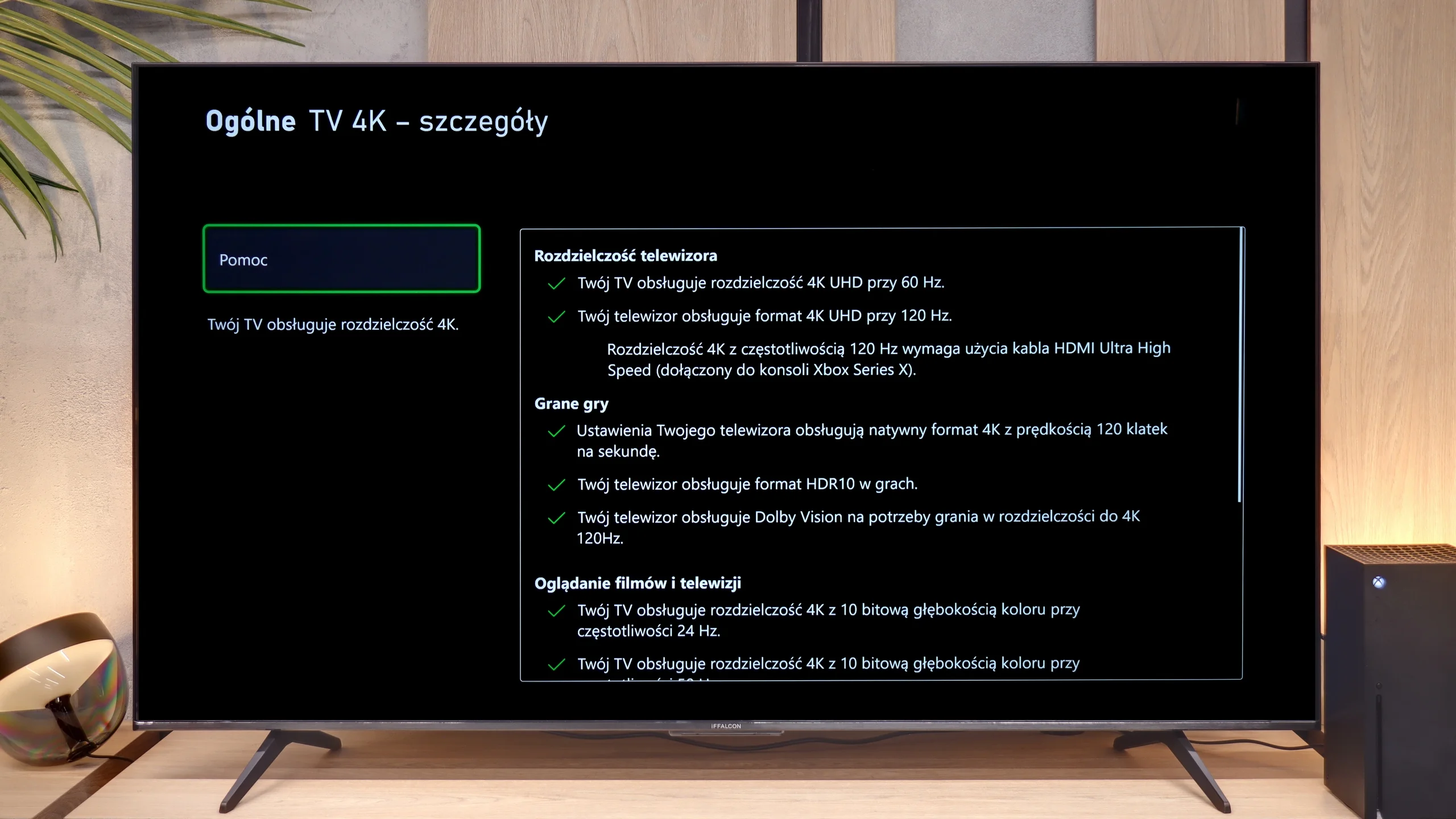
iFFALCON U85X is an outstanding piece of equipment for gamers that has just about everything one can expect from a modern screen for consoles or PCs. We find here two full-fledged HDMI 2.1 ports with full bandwidth of 48 Gbps, which opens the door to key technologies such as VRR and ALLM, ensuring smooth gameplay without tearing the image and with minimal latency. The television handles high refresh rates in various resolutions without any problems, and a real curiosity is the mode that allows for achieving up to 240Hz when dropping down to Full HD quality. The whole thing is managed by the Game Bar (which is a faithful copy from TCL), allowing for instant switching of picture modes, customising the interface appearance, or even adding a virtual crosshair in the middle of the screen.

Input lag

10/10

9.8/10

SDR

1080p60
12 ms
17 ms
1080p120
9 ms
2160p60
12 ms
17 ms
2160p120
9 ms

HDR

2160p60
12 ms
17 ms
2160p120
9 ms
4320p60

Dolby Vision

2160p60 DV
12 ms
17 ms
2160p120 DV
9 ms

In terms of signal delay, the Panasonic W70A performs really well. A score of 12 ms is a value that is practically below the threshold where noticeable lag can be mentioned. Gaming on this television is responsive, and character movements or reactions in games are instantaneous. Interestingly, even in Dolby Vision mode, which often presents issues with input lag, the television performed very well. This is a pleasant surprise, as many manufacturers struggle with this, and HDR often increases lag to a level that is noticeable during dynamic games.

The completed gaming arsenal is complemented by the outstanding latency results we measured in our tests. With a standard 60Hz signal, the input lag is just 17 ms, which is a completely safe value for comfortable gameplay, while switching to 120Hz reduces the latency to an impressive 9 ms. A nice fact is that these excellent parameters do not deteriorate even in Dolby Vision mode. In many televisions, activating this format is still associated with additional processor overhead and increased lag, but here the engineers at TCL (or iFFALCON) have done a great job.

Compatibility with PC

6/10

8.6/10

Chroma 444 (max. resolution and refresh rate)
Yes
Yes
Font clarity
Very Good
Good
Readability of dark text and shapes
Very Good
Very Good
Input lag in PC mode (4K, max. refresh rate)
12ms
9ms
Matrix subpixel arrangement
RGB
BGR
Max refresh rate
60Hz
144Hz
G-Sync
No
Yes

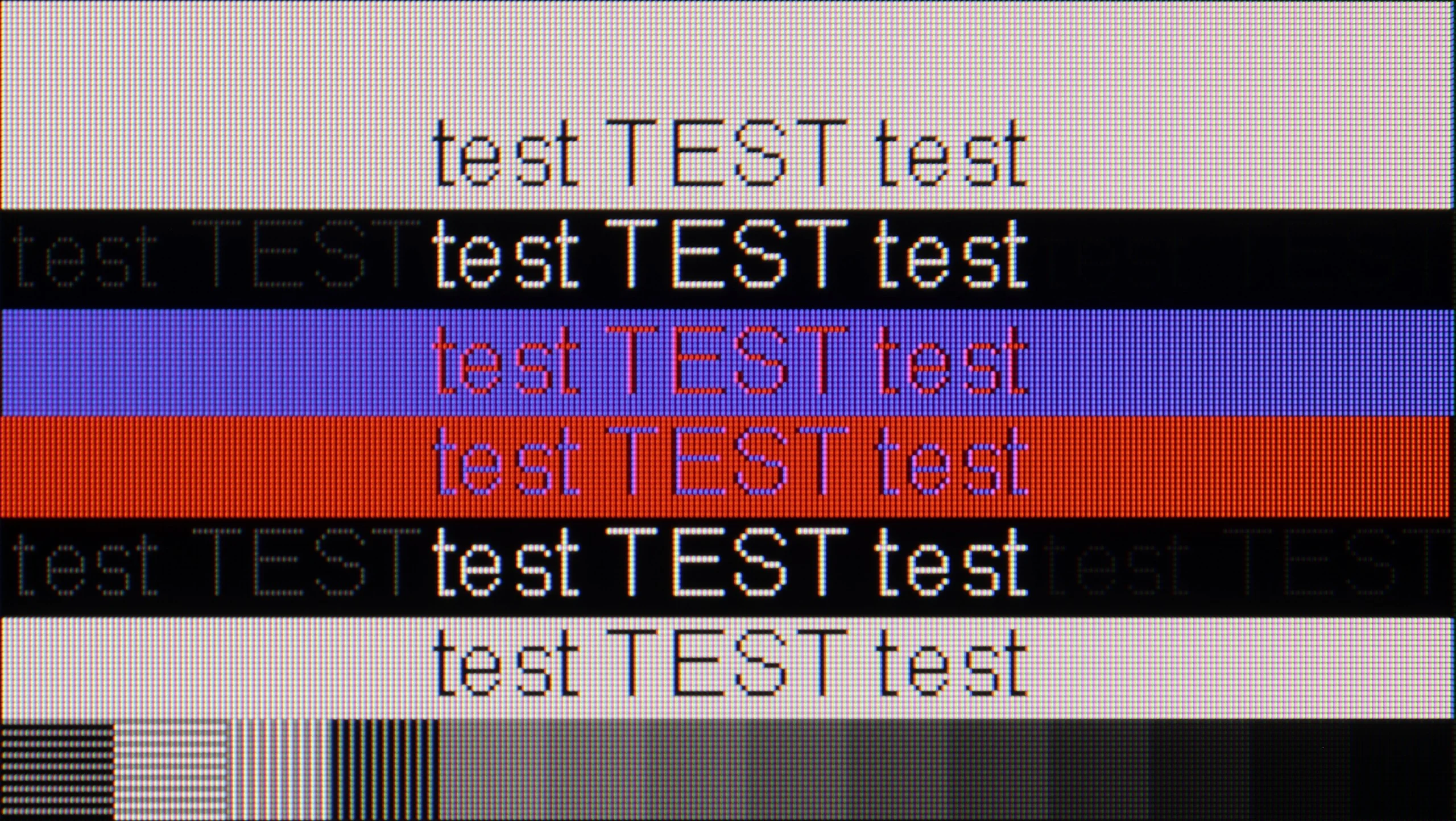
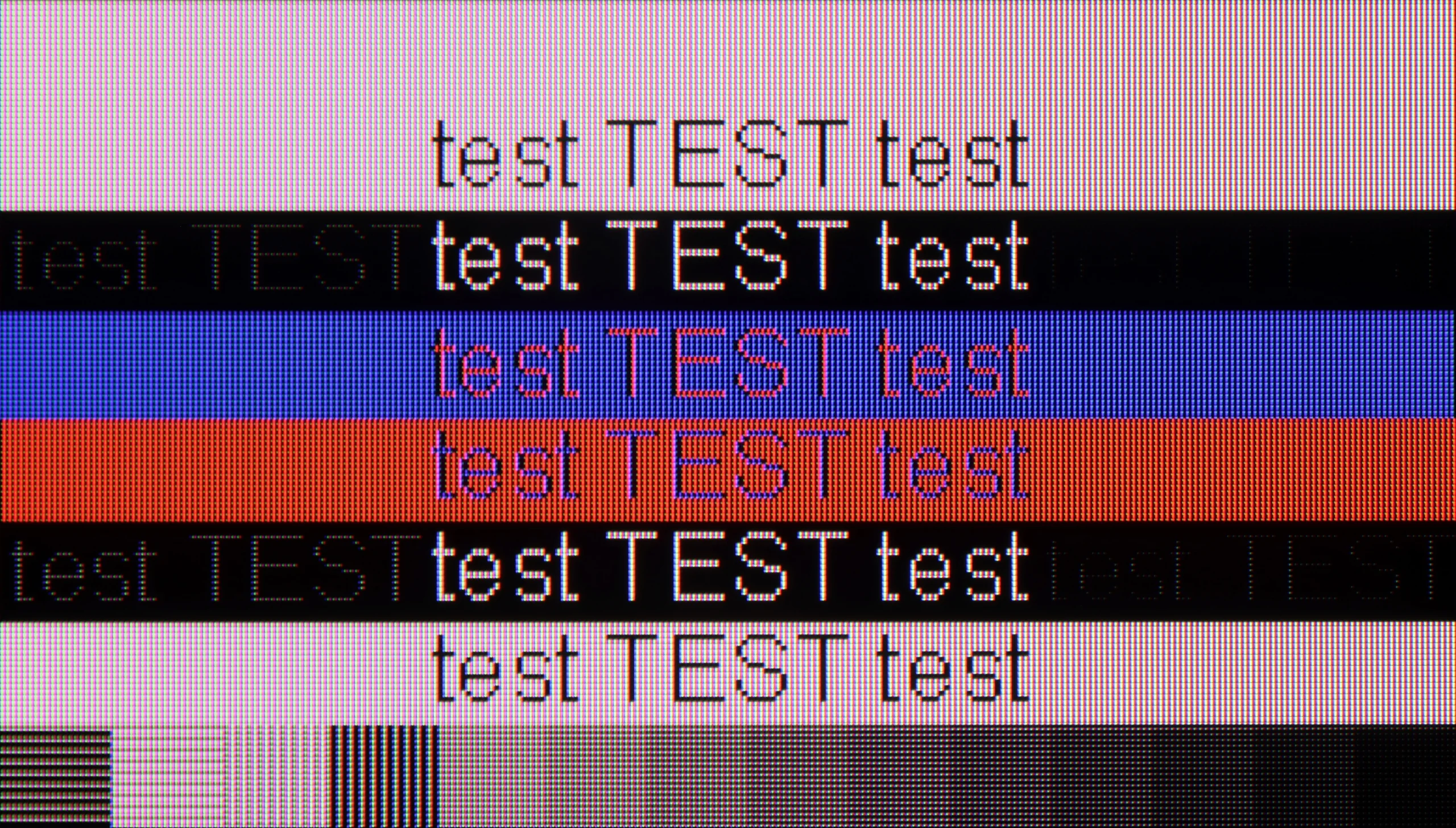
The photo shows the legibility of small fonts. Ideally, lines should be the same thickness on both light and dark text, with minimal pixel gaps.

The Panasonic W70A performs quite well as a monitor for work. Thanks to its IPS panel and support for 4:4:4 chroma, the text is clear, sharp, and readable. Even small fonts look good, without any blurriness or jagged edges. This television is really suitable for office work, browsing the internet, or writing documents.

Gaming on PC is a somewhat different story. The 60 Hz panel means that more dynamic titles do not look as smooth as they could on a screen with a higher refresh rate. The lack of support for G-Sync or FreeSync also doesn't help, so there may be issues with screen tearing.

iFFALCON U85X is also an excellent candidate for a powerful computer monitor, offering a work culture that is hard to find in typical televisions. The readability of fonts is nearly exemplary – although due to the nature of the VA panel, it is not as crystal clear as in IPS panels, the difference becomes practically imperceptible to the human eye when viewed from a distance of over one metre. The device natively supports a resolution of 4K at 144Hz refresh rate, but the real ace up its sleeve is the 240Hz mode (available at lower resolutions), which makes this behemoth an excellent tool for dynamic e-sports titles, where refresh rate takes precedence over pixel count. What is almost most important for PC users is that such high performance is fully supported by frame synchronization technologies, such as NVIDIA G-Sync and AMD FreeSync, effectively eliminating screen tearing and ensuring perfect fluidity regardless of the graphics card used.

Viewing angles

6.2/10

3.1/10

Brightness drop at an angle of 45 degrees
69%
68%

As for a television with an IPS panel, the viewing angles on the Panasonic W70A are at a really good level. The image retains decent quality even when viewed at a greater angle. Colours do not significantly lose their saturation, and details remain well visible. Of course, everything comes at a price. In this case, it is the weaker blacks that become even more washed out when viewed at an angle. This is, however, a standard compromise in the case of IPS panels, and it is hard to consider this a surprise.

When it comes to viewing angles, the iFFALCON U85X does not surprise us – it is simply poor, which is a typical characteristic of VA panels. We must treat this as a natural and conscious compromise: by choosing a panel with high contrast and deep blacks, we almost always sacrifice wide angles (only in top series do manufacturers use special coatings to improve this feature). You cannot cheat physics in this price segment, because while sitting directly in front of the television the picture looks fantastic, a slight lean to the side is enough for the colours to start losing their saturation. If you are planning evening screenings with a larger group, it is worth ensuring that everyone sits as close as possible to the central axis of the screen.

Daytime performance

4/10

5.6/10

Panel finish
Satin
Satin
Reflection suppression
Average
Decent
Black levels during daytime
Good
Good

Panel brightness

IFFALCON U85X: 419 cd/m2

Panasonic W70A: 272 cd/m2

The Panasonic W70A is equipped with a satin matrix that manages to reduce light reflections to an average degree. Glare is not excessively bothersome, but in bright rooms, especially with direct sunlight, it can be noticeable. The main issue, however, is the brightness level of 270 cd/m². That's simply not enough to comfortably watch television in full sun. The image becomes washed out, and darker scenes lose detail and depth.

In a bright room, the iFFALCON U85X performs moderately well, thanks to the satin coating of the panel. It quite effectively dampens direct light reflections, thereby avoiding the annoying mirror effect, although under stronger lighting one can see characteristic warm "spills" of light around reflecting objects. While it doesn't reach the level of top panels with the most advanced filters, the lack of high gloss makes daytime use significantly less troublesome. In terms of pure brightness output in the SDR standard, that is for television, the TV achieves an average brightness of around 420 nits. This isn't an outstanding result that would allow it to combat direct sunlight hitting the screen, but it's perfectly sufficient for comfortable viewing of content in a moderately sunlit living room.

Panel details

Backlight Type
White LED
Mini-LED PFS LED
Software version during testing
R3.1.1.0.0.V0.0.20.26
V8-0012T01-LF1V543.002503
Image processor
m7632 2gb ram
MT5896 2,5GB RAM

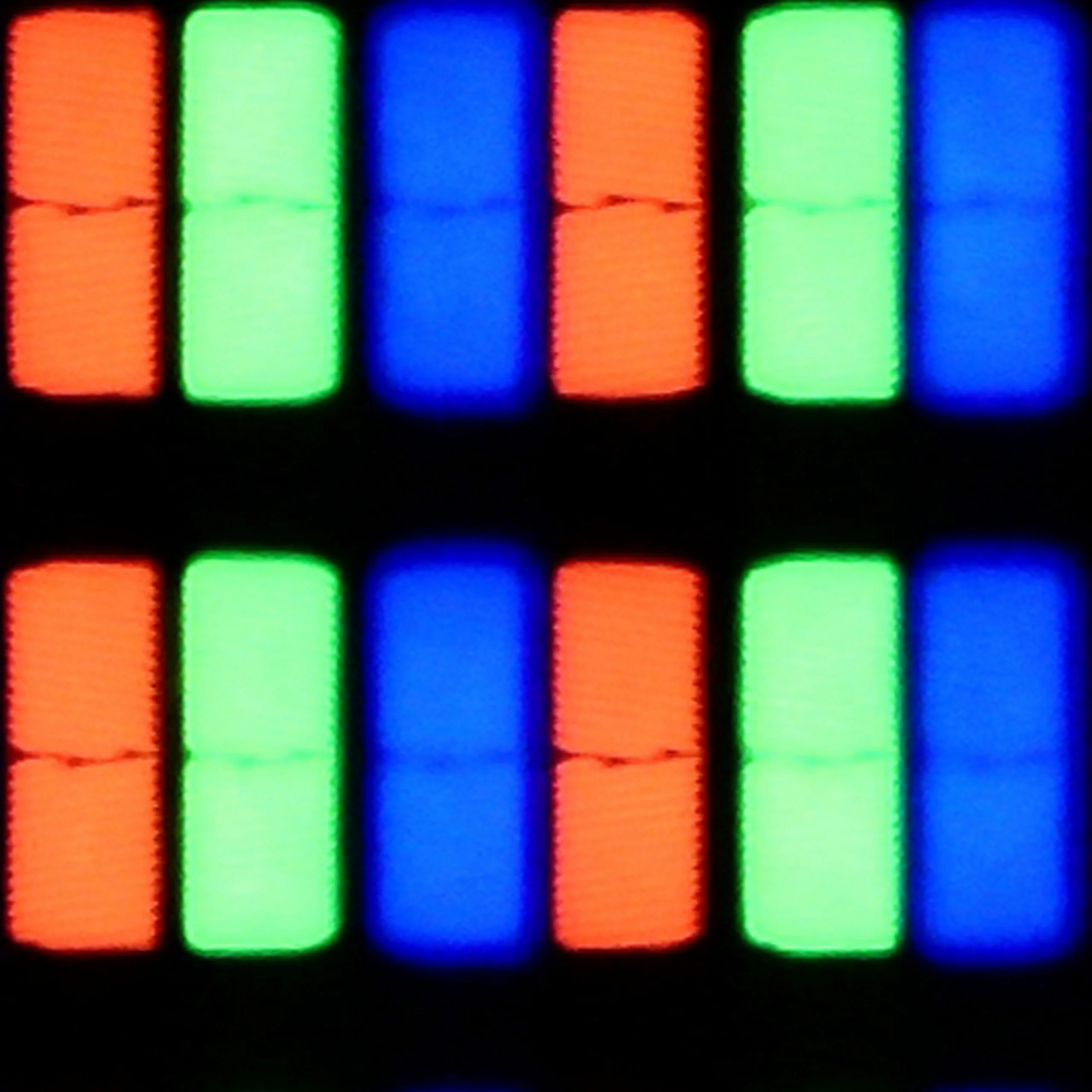
Subpixel Structure:

Panel uniformity and thermal imaging:

Review Panasonic W70A TV Panel details
Review IFFALCON U85X TV Panel details

Panasonic W70A

IFFALCON U85X

TV features

5.2/10

7.6/10

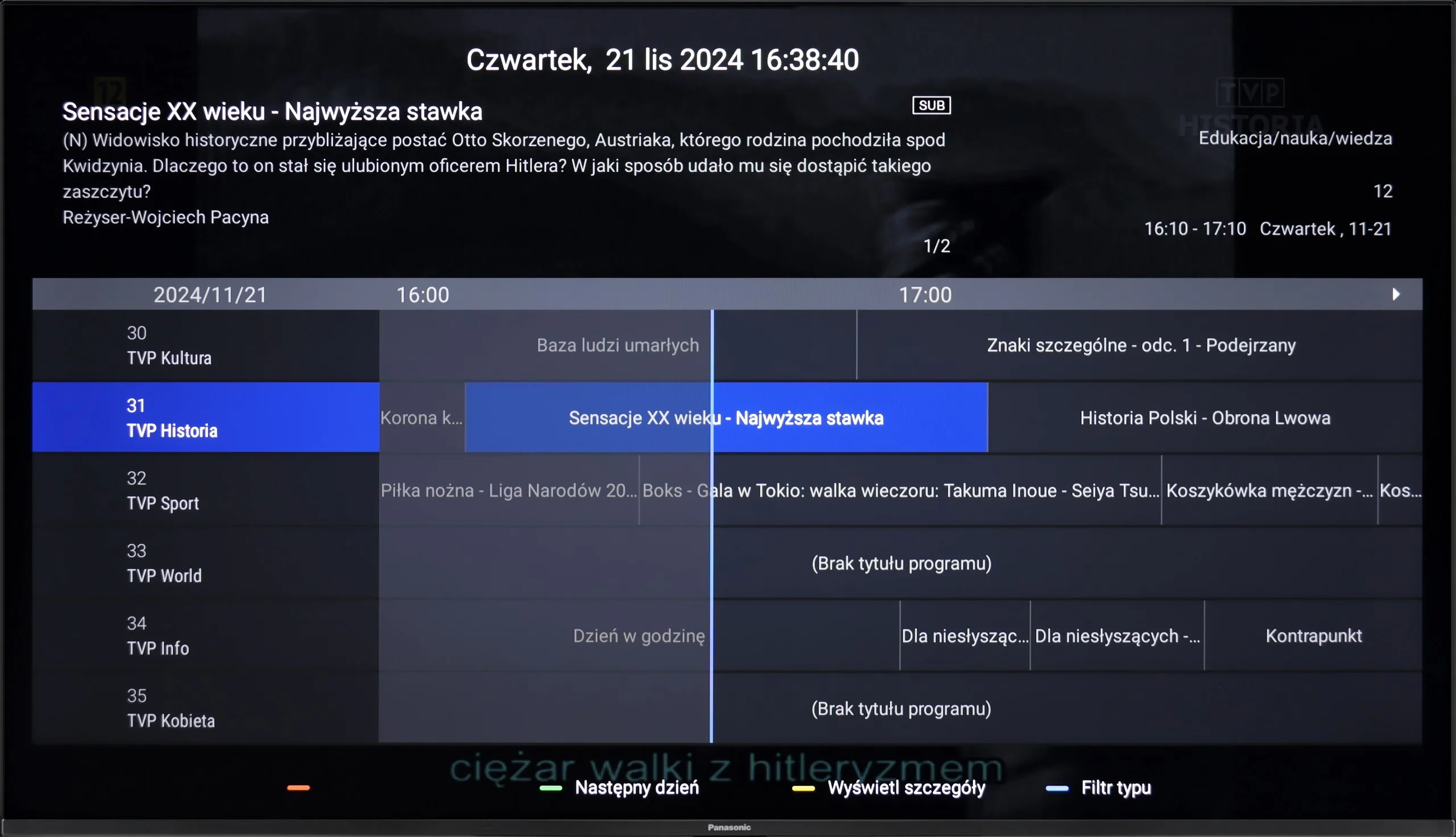
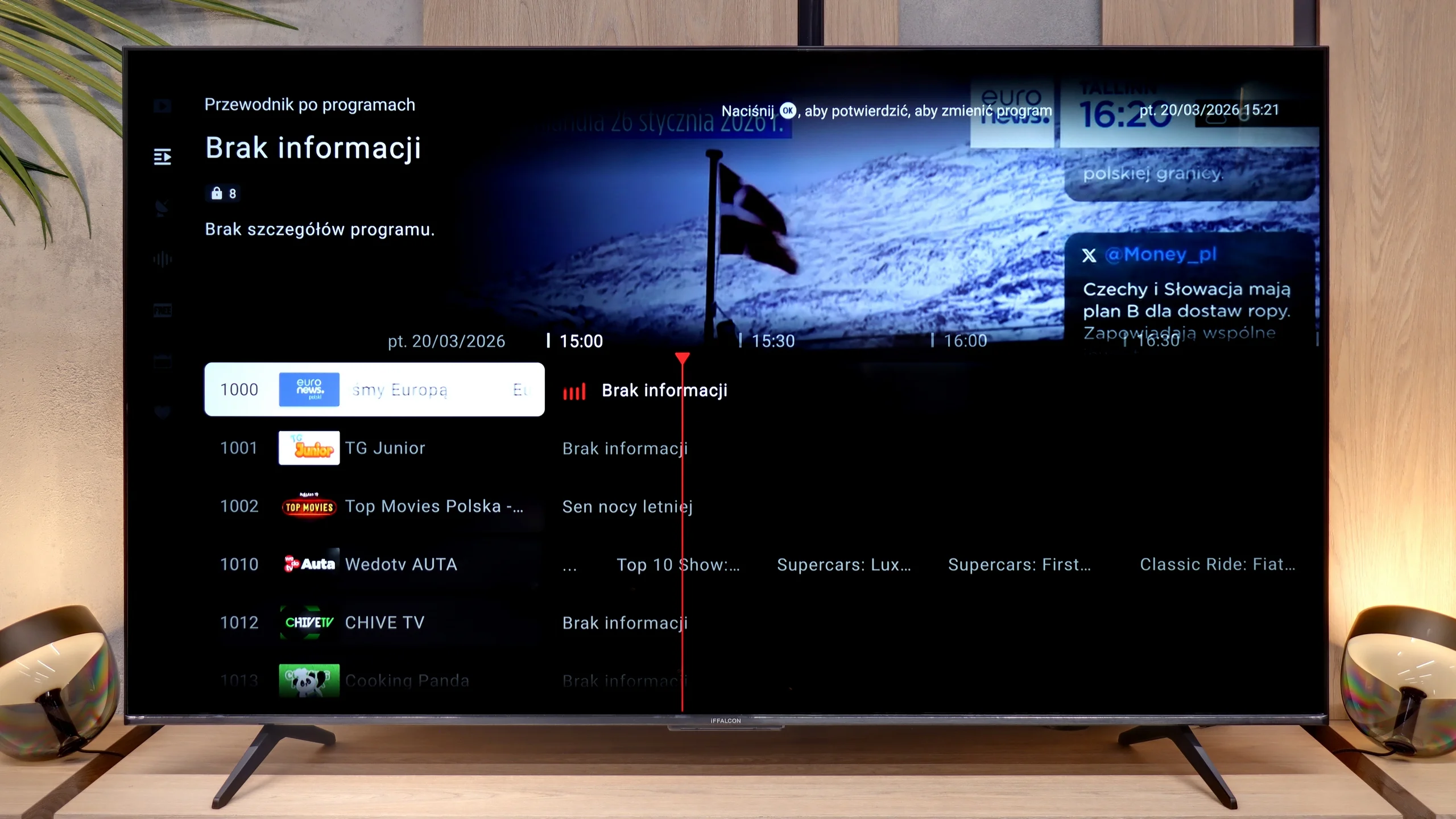
  • System
    Google TV
    Google TV
  • System performance
    Average
    Decent
  • HDMI inputs
    3 x HDMI 2.0, 0 x HDMI 2.1
    2 x HDMI 2.0, 2 x HDMI 2.1 48Gbps
  • Outputs
    Toslink (Optical audio), eARC (HDMI), ARC (HDMI), Mini-Jack (Headphones)
    Toslink (Optical audio), eARC (HDMI)
  • Network Interfaces
    Wi-Fi 2.4GHz, Wi-Fi 5GHz, Ethernet (LAN) 100Mbps
    Wi-Fi 2.4GHz, Wi-Fi 5GHz, Ethernet (LAN) 100Mbps
  • TV reception
    DVB-T, DVB-T2, DVB-S, DVB-S2, DVB-C
    DVB-T, DVB-T2, DVB-S, DVB-S2, DVB-C

Classic features:

  • Recording to USB (terrestrial TV)
    No
    No
  • Recording programming
    No
    No
  • Picture in Picture (PiP)
    No
    No
  • RF remote control (no need to aim)
    Yes
    Yes
  • Backlit remote control
    No
    No
  • Teletext
    Yes
    Yes
  • Audio only mode
    Yes
    Yes
  • Bluetooth headphones support
    Yes
    Yes
  • Simultaneous Bluetooth headphones & TV audio
    No
    Yes

Smart features:

  • AirPlay
    No
    Yes
  • Screen mirroring (Windows Miracast)
    Yes
    Yes
  • Voice search
    Yes
    Yes
  • Voice search in native language
    Yes
    Yes
  • Ability to connect a keyboard and mouse
    Yes
    Yes
Review Panasonic W70A TV features
Review IFFALCON U85X TV features

Sound connection options

  • HDMI audio
    eARC (HDMI), ARC (HDMI)
    eARC (HDMI)
  • Other audio outputs
    Toslink (Optical audio), Mini-Jack (Headphones)
    Toslink (Optical audio)
  • Wireless audio
    Bluetooth
    Bluetooth

Supported audio formats (external HDMI eARC audio):

  • Dolby Digital Plus 7.1
    Yes
    Yes
  • Dolby True HD 7.1
    No
    Yes
  • Dolby Atmos in Dolby Digital Plus (JOC)
    Yes
    Yes
  • Dolby Atmos in Dolby True HD
    No
    Yes
  • DTS:X in DTS-HD MA
    No
    Yes
  • DTS-HD Master Audio
    No
    Yes

Senior accessibility

  • Numeric keyboard on TV
    Yes
    Yes
  • Font size adjustment
    No
    No
  • Audio description
    No
    Yes

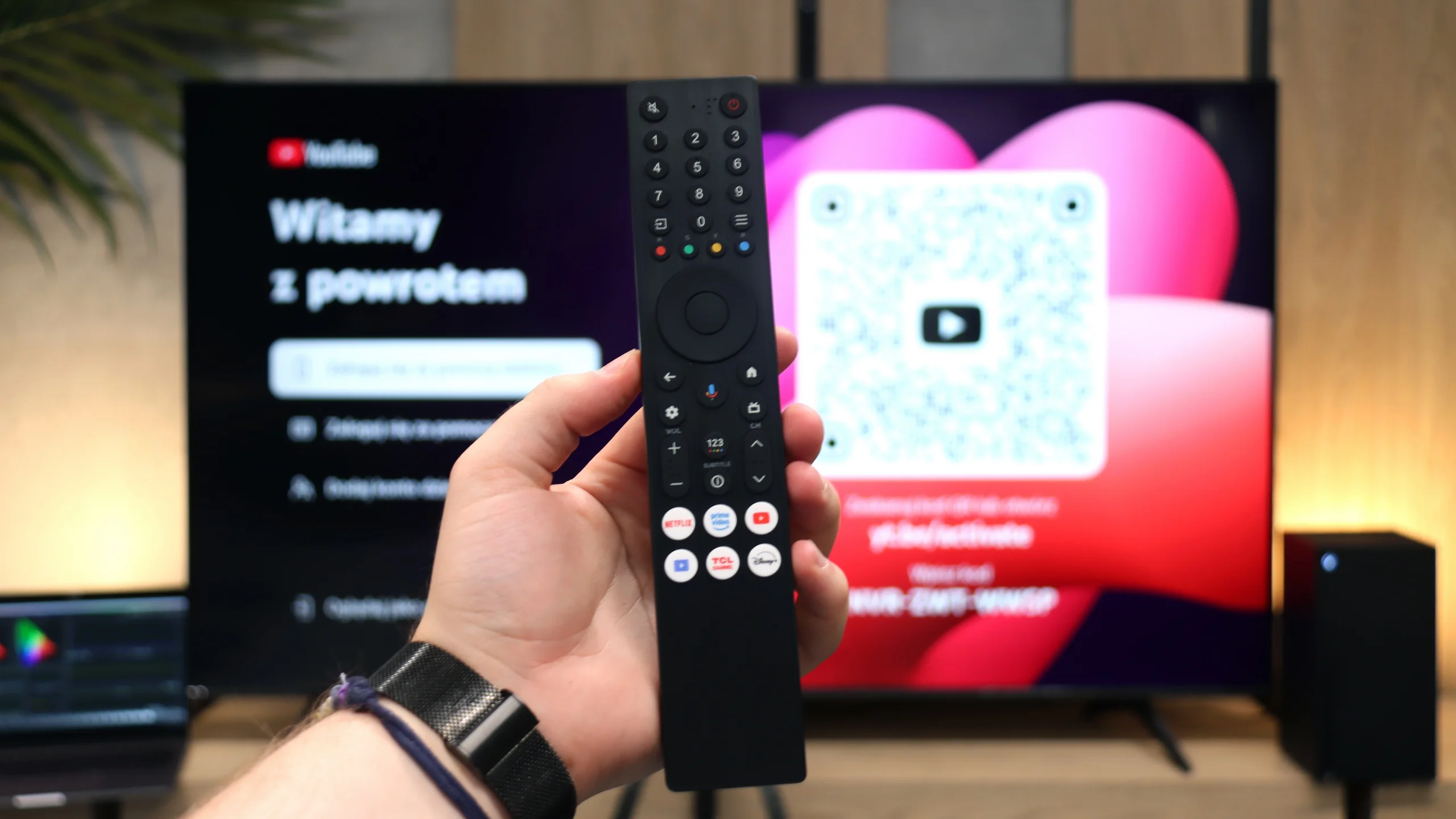
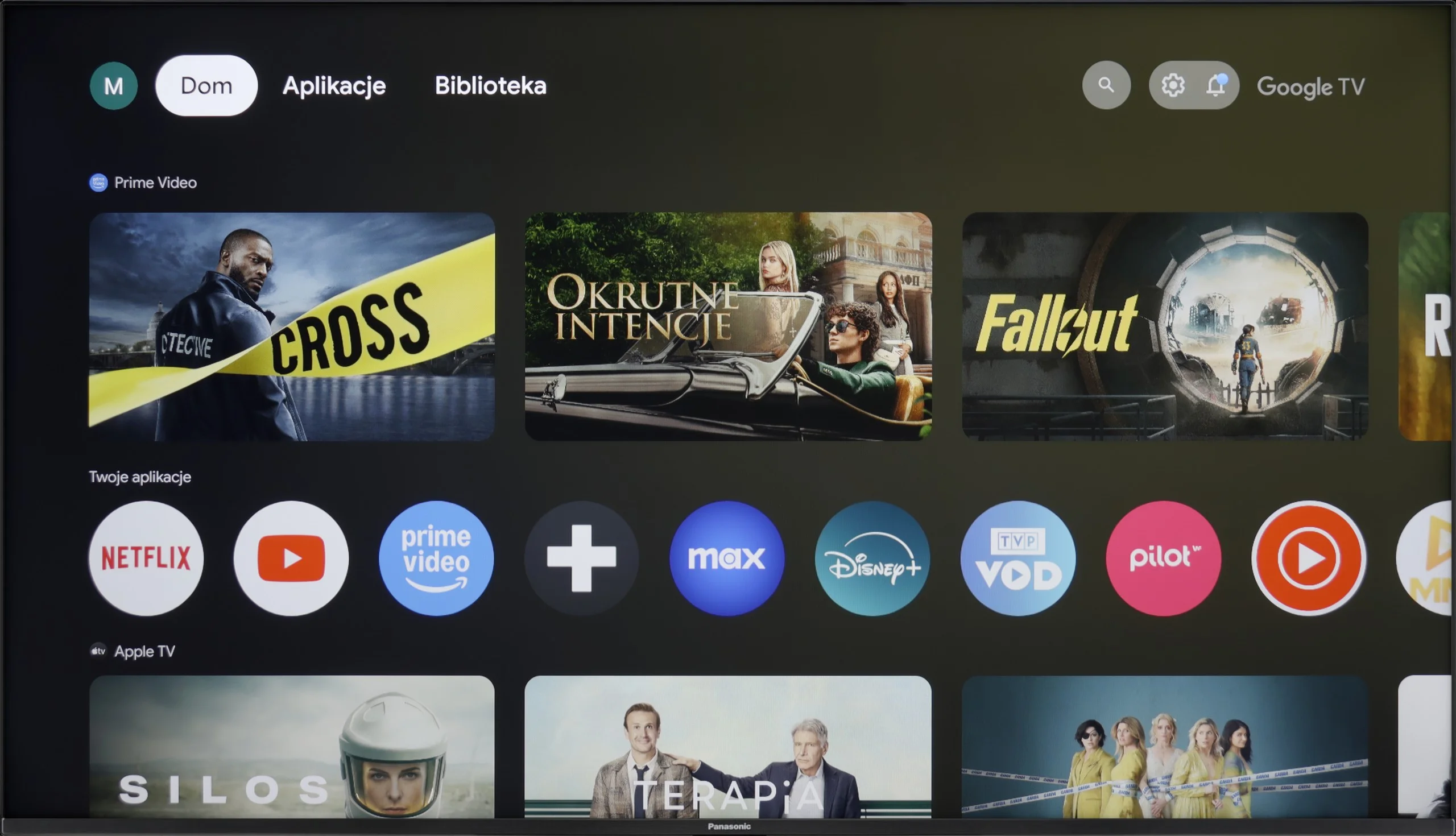
The Panasonic W70A operates on the Google TV system, and it must be admitted that this is one of its strong points. There are really many applications – all popular streaming services, YouTube, and even lesser-known platforms. The system runs smoothly, and navigating the menu is intuitive and hassle-free. The remote has a built-in microphone, so voice search can be used in Polish. This is a significant advantage, especially when you need to quickly find a film or an application. Additionally, there is Bluetooth, which allows you to connect headphones or other wireless devices. However, there are some shortcomings. There is no AirPlay, which may be a problem for users of Apple devices. There is also a lack of USB recording options and picture-in-picture (PIP) functionality.

The Panasonic W70A makes up for this with the functionality of Google TV and simple handling. It has everything needed to use a Smart TV, but if someone is counting on more advanced options related to traditional television, they may feel a bit unsatisfied.

Smart Features

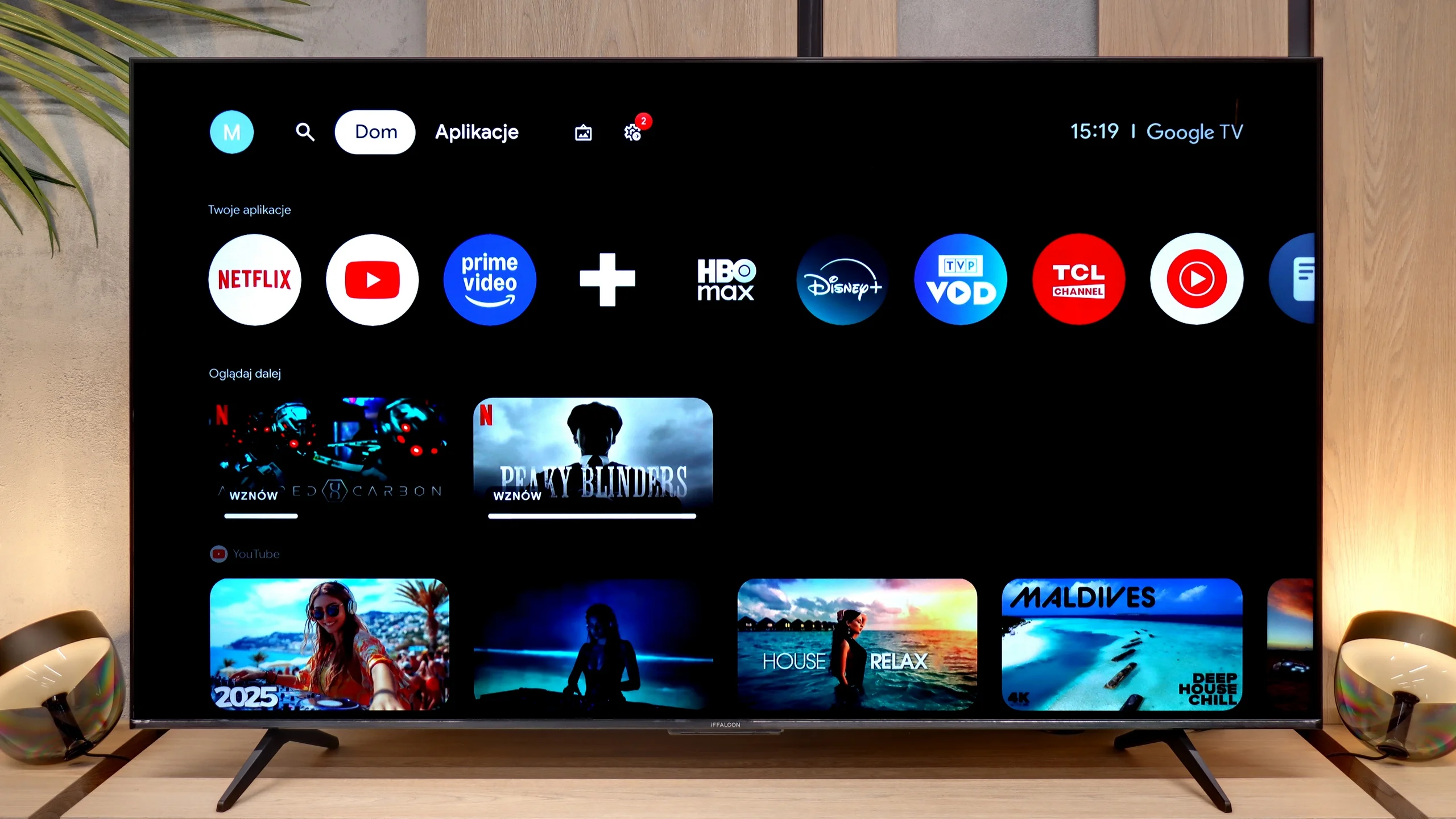
Similar to the products under the TCL brand, the iFFALCON U85X benefits from the Google TV system. This means access to an almost limitless library of applications, from the most popular VOD services to niche tools, as well as full integration with Google's voice assistants and Gemini. Users of the Apple ecosystem have also not been overlooked – the television works seamlessly with their devices thanks to the built-in AirPlay feature. The system itself runs quite smoothly, although it cannot be denied that it inherits some shortcomings known from TCL models. The interface can sometimes "hitch", requiring a moment's thought, and the Polish translations in the deeper corners of the menu can be quite odd and at times illogical.

Classic Features

In the area of traditional television functions, the iFFALCON U85X does not strive for any extravagance and offers the absolute minimum, which may be somewhat disappointing for more demanding users of traditional cable or satellite services. One will futilely search for the ability to record programmes to external USB memory or a picture-in-picture (PiP) mode that would allow tracking two sources simultaneously. From the more "modern" classics, we only get the option to wirelessly connect headphones via Bluetooth and teletext support. The remote control also does not pretend to be a modern gadget from the future; it is a classic design with a full numeric keypad, which makes it easy to quickly jump between channels, but visually it significantly lags behind minimalist trends.

Apps

8.3/10

9.6/10

OK
Disney_Plus
OK
Amazon_Prime_Video
OK
Player_TVN
OK
Polsat_Box_Go
OK
Canal_Plus_Online
OK
TVP_VOD
OK
Apple_TV_Plus
OK
SkyShowtime
OK
Rakuten
OK
CDA_Premium_Browser
OK
Spotify
OK
Tidal
OK
Netflix
OK
YouTube
No
HBO_MAX
OK
Kodi
No
Apple_music
No
Eleven_sports
No
Xbox Game Pass
No
GeForce NOW
OK
Amazon Luna
No
Boosteroid
No
Steam Link
OK
Disney_Plus
OK
Amazon_Prime_Video
OK
Player_TVN
OK
Polsat_Box_Go
OK
Canal_Plus_Online
OK
TVP_VOD
OK
Apple_TV_Plus
OK
SkyShowtime
OK
Rakuten
OK
CDA_Premium_Browser
OK
Spotify
OK
Tidal
OK
Netflix
OK
YouTube
OK
HBO_MAX
OK
Kodi
No
Apple_music
OK
Eleven_sports
No
Xbox Game Pass
OK
GeForce NOW
No
Amazon Luna
OK
Boosteroid
OK
Steam Link

Playing files from USB

7.7/10

9.2/10

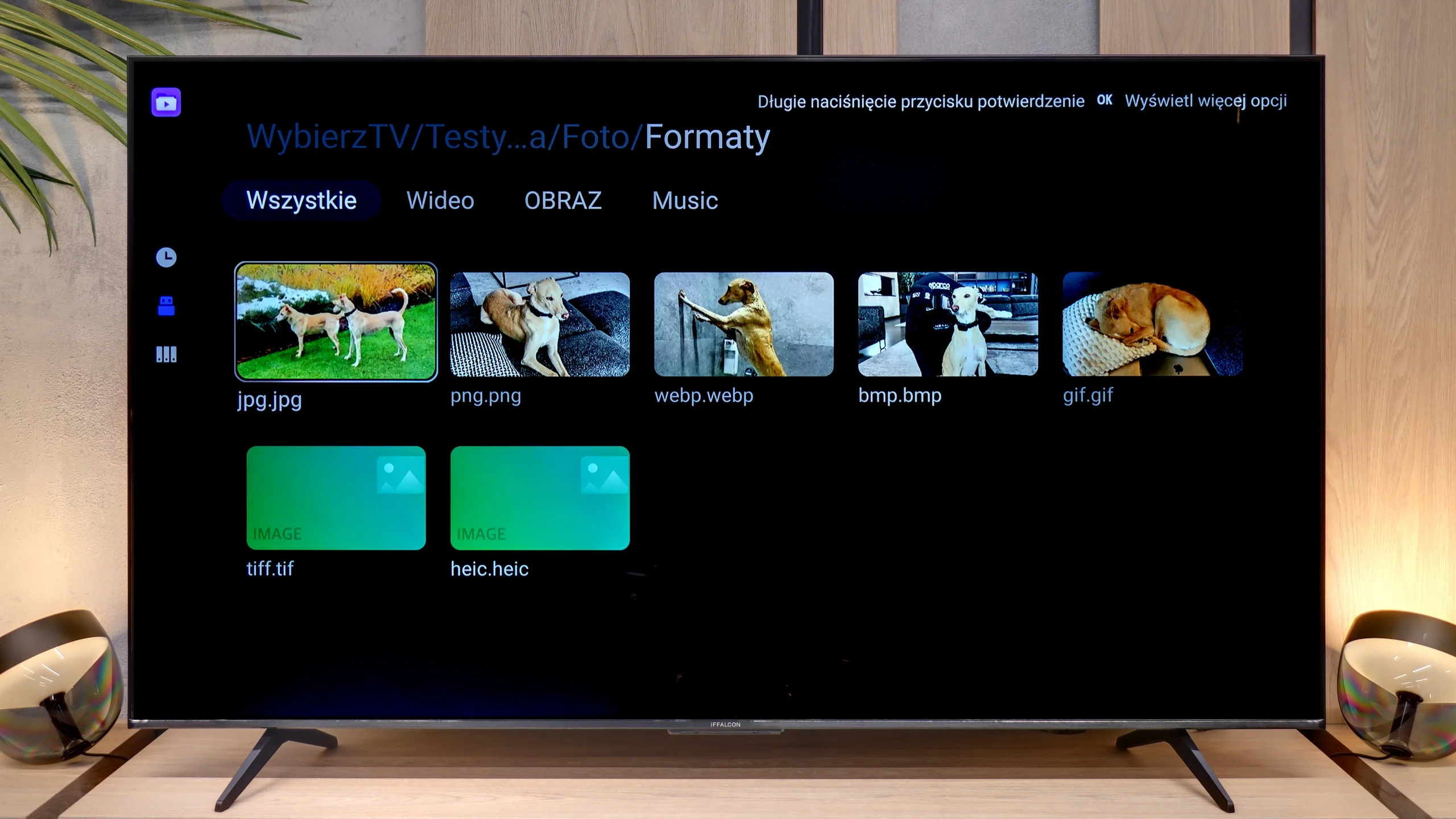
Supported photo formats:

JPEG
Yes
Yes
HEIC
Yes
No
PNG
Yes
Yes
GIF
Yes
Yes
WebP
Yes
Yes
TIFF
No
No
BMP
Yes
Yes
SVG
No
No

Maximum photo resolution:

4 Mpix
Yes
Yes
6 Mpix
Yes
Yes
8 Mpix
Yes
Yes
10 Mpix
Yes
Yes
12 Mpix
Yes
Yes
16 Mpix
Yes
Yes
20 Mpix
Yes
Yes
24 Mpix
Yes
Yes
28 Mpix
Yes
Yes
32 Mpix
Yes
Yes

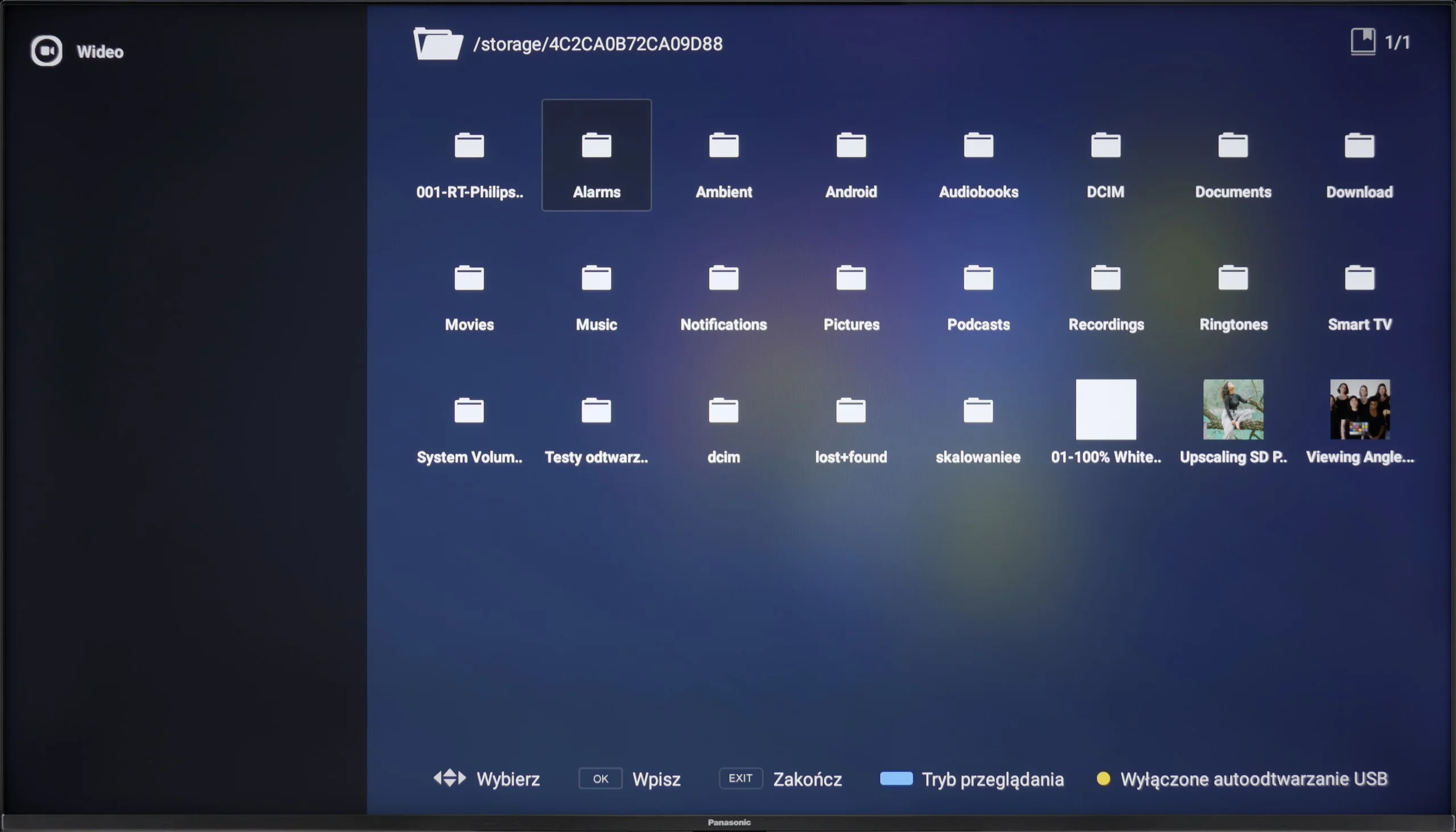
The built-in media player in the Panasonic W70A unfortunately has its limitations. First of all, it does not support Polish subtitles, which can be a significant problem for many people. Additionally, there are difficulties with playing certain file formats, which sometimes results in an error message or no sound.

Fortunately, thanks to the Google TV system, it is easy to install alternative media players that handle these shortcomings. In the Google Play Store, we can find several reliable applications that support both Polish subtitles and less popular video formats.

Playing files from a pendrive is no challenge for the iFFALCON U85X - the built-in player handles almost every audio and video format we thrown at it during testing without a hitch. The only drawback we could point out is the support for external subtitles; while popular formats like .sub and .srt work flawlessly, the television can be temperamental with .txt files. Fortunately, with the presence of the Google TV system, this problem can be quickly resolved by installing an external app like VLC. However, for most users, the factory tool will likely be more than sufficient to enjoy their own media library without any unnecessary hassle.

Sound

6.6/10

6.9/10

  • Maximum volume
    -
    83dB
  • Dolby Digital Plus 7.1
    Yes
    Yes
  • Dolby True HD 7.1
    No
    No
  • Dolby Atmos in Dolby Digital Plus (JOC)
    Yes
    Yes
  • Dolby Atmos in Dolby True HD
    No
    No
  • DTS:X in DTS-HD MA
    No
    Yes
  • DTS-HD Master Audio
    No
    Yes

The sound from the Panasonic W70A is surprisingly decent for a television in this class. It is quite well balanced, and the low tones are slightly perceptible, which adds some depth when watching films or listening to music. The dialogues are clear, and the overall sound perception is clean and pleasant. Of course, one cannot expect cinematic experiences or powerful bass – it is still a standard audio system in a television, and the physical limitations of the slim design take their toll.

iFFALCON U85X proves that the absence of the Onkyo or Bang & Olufsen logo on the casing does not necessarily mean flat and tinny sound. The audio system in this model plays surprisingly well, largely thanks to the dedicated subwoofer located at the back of the device. Our acoustic measurements confirm that the low end starts to "come alive." It is this distinct "hump" on the graph that is responsible for the noticeable dose of bass, which adds the weight and depth often missing in televisions to films and music. The only point of contention may be the fact that such bass can muffle the high tones, which may seem somewhat recessed. Overall, it can produce sound levels up to 83 dBC, which is more than sufficient for amplifying a larger lounge.

Sound Quality Test

No sound test video

Acoustic Measurements

No acoustic data

83dBC (Max)

75dBC

Reader comments

Comments are provided by the external service Disqus (Zeta Global). Once loaded, Disqus may set cookies and process data about your activity.

We will remember your choice on this device. Provider's privacy policy