 Direct comparison
LG UR781 is currently the cheapest model from the Korean manufacturer. It is equipped with an excellent WebOS system, which is the greatest advantage of this television. It will satisfy most users with its access to various streaming platforms and capabilities. The television offers adequate picture quality for its price, which will certainly meet the expectations of many basic users. Although its HDR capabilities are somewhat limited by the absence of Dolby Vision or HDR10+, it supports basic formats such as HDR10 and HLG. The television handles low-quality materials fairly well, thanks to the tone mapping smoothing feature that provides smooth and clear transitions, which is especially appreciated when watching films from low-quality sources (e.g., terrestrial television). When it comes to gaming, the television has very low input lag, which is a fundamental criterion. If we are looking for a budget solution, this is quite a nice choice for those who can sacrifice a 120Hz panel for the sake of price. Although the brightness of the television is lower than in competing models, and the colour gamut coverage is limited, the LG UR781 still offers impeccable HDR content appearance due to the presence of dynamic tone mapping. After proper calibration, the television can achieve better colour reproduction and optimal sharpness, significantly enhancing comfort and enjoyment while watching.
- Matching (Score) |
- Our verdict |
- TV appearance |
- Where to buy |
- Contrast and black detail |
- HDR effect quality |
- Factory color reproduction |
- Color reproduction after calibration |
- Smoothness of tonal transitions |
- Image scaling and smoothness of tonal transitions |
- Blur and motion smoothness |
- Console compatibility and gaming features |
- Input lag |
- Compatibility with PC |
- Viewing angles |
- Daytime performance |
- Panel details |
- TV features |
- Apps |
- Playing files from USB |
- Sound
Q100
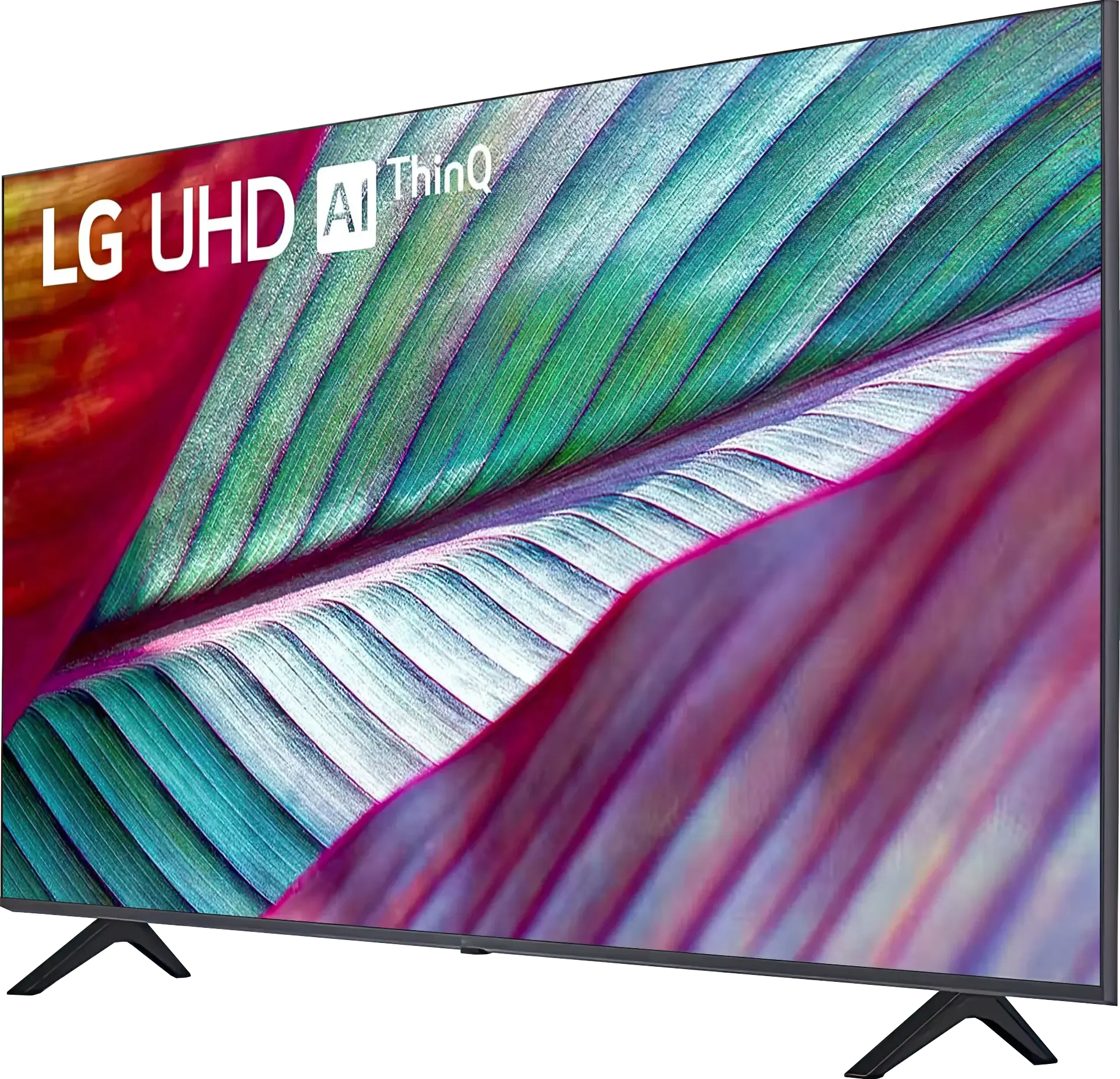
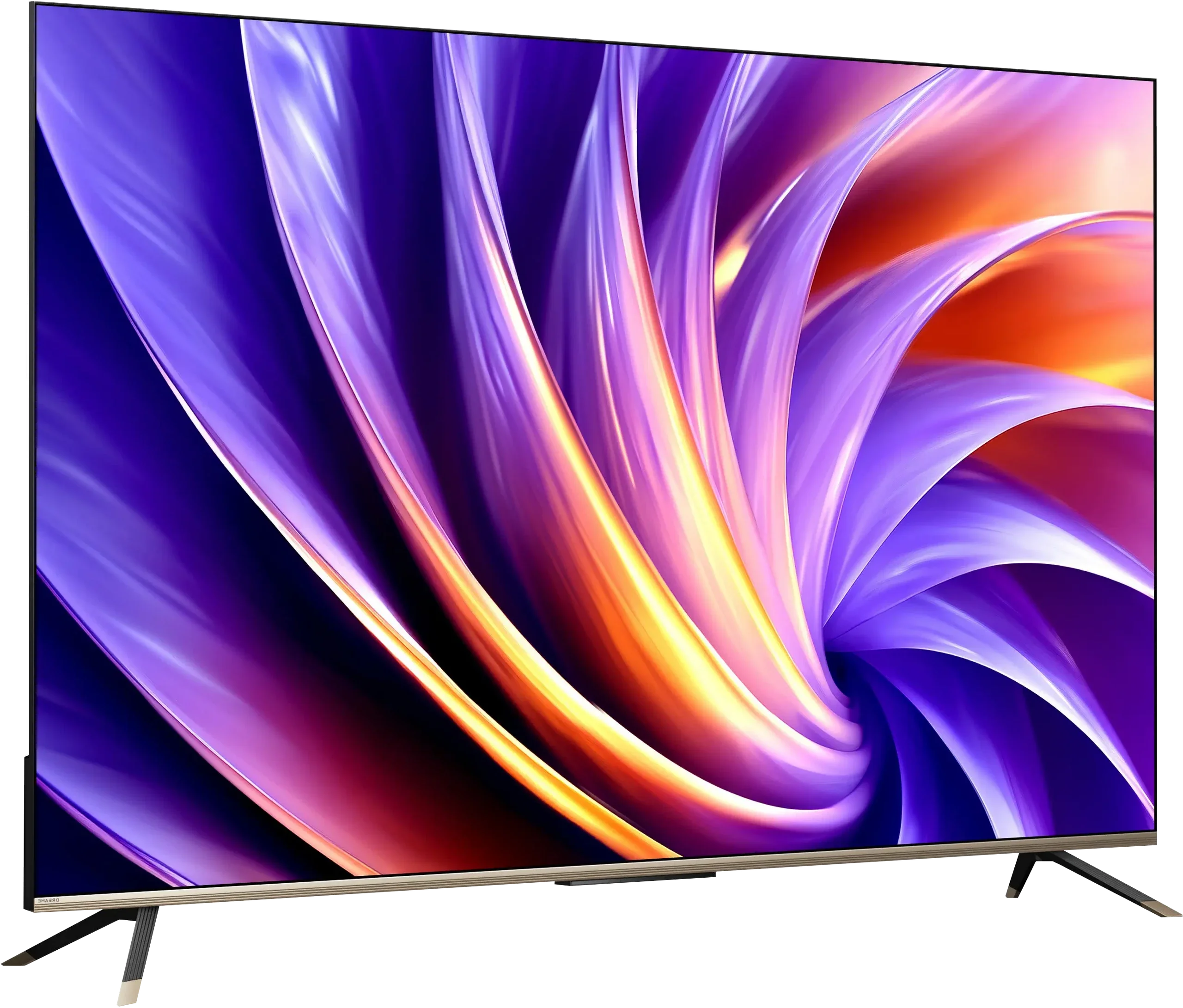
Panel type: LCD VA
Resolution: 3840x2160
System: WebOS
Model year: 2023
Panel type: LCD VA
Resolution: 3840x2160
System: Google TV
Model year: 2026
Check how well they match your needs
Take the surveyOverall rating
5.5
5.6
 Movies and series in UHD quality
5.4
5.8
 Classic TV, YouTube
5.8
5.4
 Sports broadcasts (TV and apps)
4.2
4.6
 Gaming on console
6.2
7.0
 TV as a computer monitor
6.0
4.0
 Watching in bright light
3.9
4.4
 Utility functions
6.4
5.2
 Apps
9.1
9.6
 Sound quality
5.2
5.0
Complete the survey to find out what fits your preferences
Advantages

WebOS with a large number of applications
Low input lag values
Works great in combination with PC
High native contrast
Game Bar
Google TV with a large selection of apps
Support for Dolby Vision
Wide colour gamut (QLED PFS filter)
Solid contrast from the VA panel
Smooth tonal transitions
Gaming features: VRR and ALLM
120 Hz in Full HD
Game Bar
Low input lag
Disadvantages

Very low brightness
Poor viewing angles
The system can "lag"
Low brightness, around 300 nits
Poor HDR performance
Average image processing
No AirPlay
Average audio
Our verdict
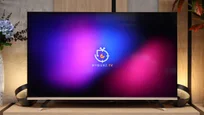
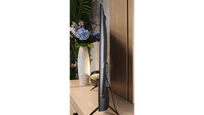
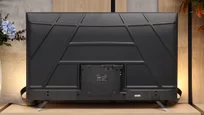
The Dreame Q100 is the manufacturer's entry-level model, and its price alone hints at what to expect. This is not a TV that tries to win on picture quality. Its strengths lie elsewhere: it has Google TV, surprisingly many features for gamers and costs relatively little. In terms of image, the Q100 performs similarly to many other sets in this segment. The VA panel provides decent contrast, colours are quite acceptable thanks to the QLED (PFS) filter, but around 300 nits of brightness soon becomes a limitation. That is especially true in HDR, where it simply lacks the necessary punch. It is good that Dreame has not abandoned Dolby Vision, because with a TV like this that format really comes in handy. Films and series from streaming platforms are better matched to the screen's capabilities and can look quite good as a result. The Q100 therefore makes most sense when you are looking for an inexpensive TV for casual viewing, Netflix, YouTube or the occasional console connection. There are no major surprises in terms of picture quality, but it would be unreasonable to expect them from one of the cheapest models in the line-up. For Dreame's first foray into this part of the market, the Q100 is a rather interesting start, all the more so given that until recently the brand name was more often associated with a vacuum cleaner than a television.
TV appearance


Where to buy

Contrast and black detail
5.5/10
5.3/10
Local dimming function: No
Local dimming function: No
Contrast:


Result
4,450:1

Result
4,550:1

Result
4,500:1

Result
4,750:1

Result
3,650:1
Result
4,350:1
Result
3,850:1
Result
4,100:1
Result
4,450:1
Result
3,400:1
Halo effect and black detail visibility:
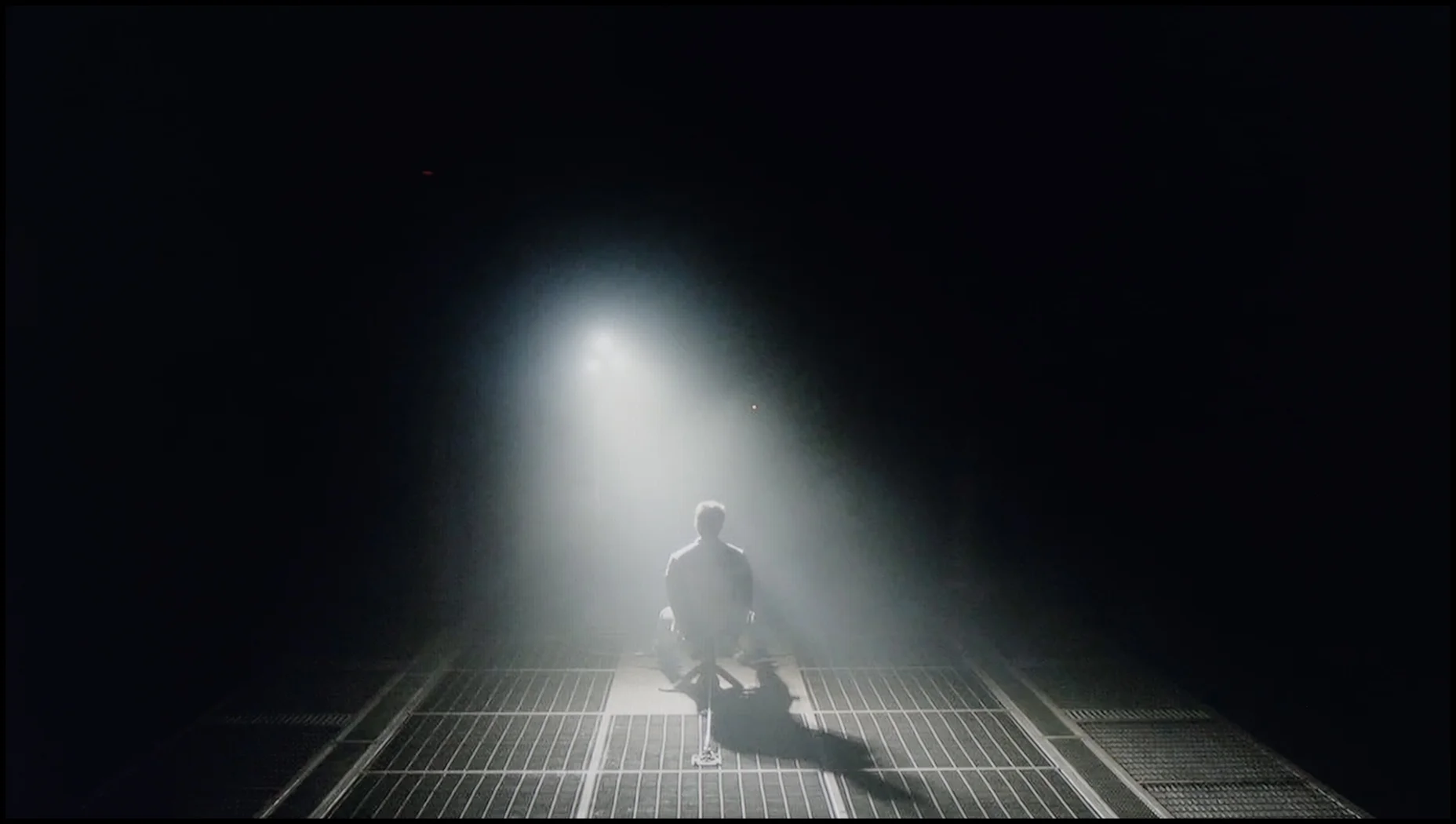
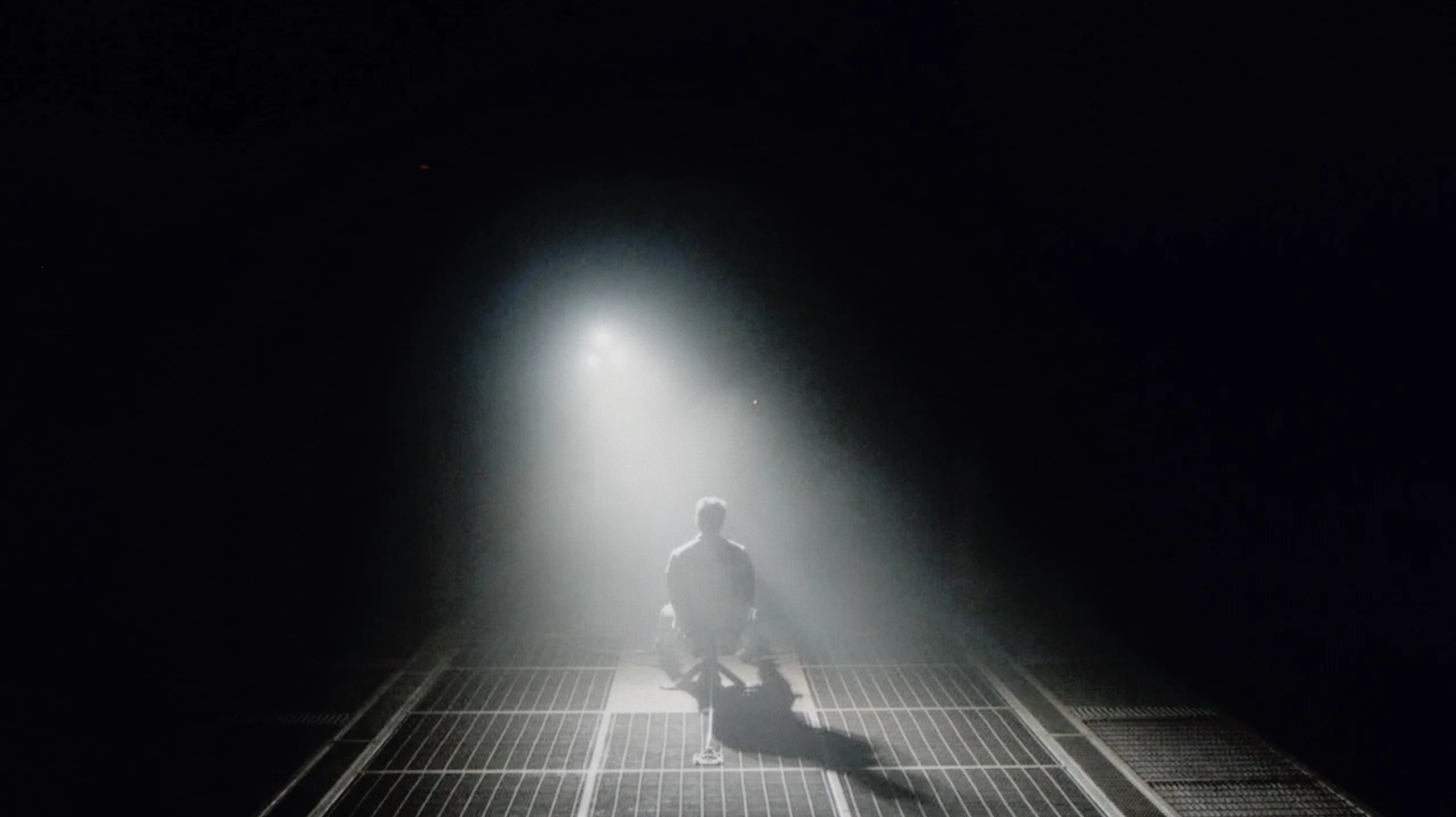
Check the visibility of bright lights on a dark background. Mini-LEDs often struggle with this. The photo does not compare black levels – that’s what the video below is for.
The video accurately shows differences in contrast and black levels between TVs, as well as potential issues: halo around bright objects or Mini-LED zone operation visible as brightness jumps.
LG UR781 is a television with a VA panel that stands out for its good native contrast, which is significantly better than that of IPS or ADS screens. Thanks to this technology, bright elements on a dark background look natural and there is no issue with distortion. Unfortunately, the lack of local dimming means that in darker rooms, the black is not perfect – it tends to take on a navy hue, which can be noticeable during night-time viewing.
Despite this, the LG UR781 offers sufficiently good quality in dark scenes, particularly for film enthusiasts. Blacks are deeper than those on IPS panels, allowing for a more cinematic experience. The VA panel also provides stronger contrast, making the image look clearer, and the details in darker shots become more visible. It is a solid choice for those who value better picture quality in evening conditions.
The Dreame Q100 is a simple LCD TV, so its black level and contrast performance depend mainly on the panel itself. It uses a VA panel that achieves a native contrast of about 4500:1. For this class of device that's a fairly good result. In practice this mainly means noticeably deeper blacks than similarly priced TVs with IPS or ADS panels. The difference is especially obvious in the evening, when dark scenes have more depth and do not look quite so grey.
However, bear in mind that the Q100 has no local dimming. The entire backlight therefore operates continuously, with no ability to dim specific parts of the image. In a very dark room the black thus begins to take on a navy tint and is a long way from what better Mini LEDs, and even more so OLEDs, can achieve in this respect. That said, this is not surprising, as a similar limitation affects most simple LCD TVs in this price bracket.
HDR effect quality
3.3/10
4.2/10
Luminance measurements in HDR:

Result
209 nit

Result
185 nit

Result
241 nit

Result
147 nit

Result
234 nit
Result
230 nit
Result
252 nit
Result
285 nit
Result
298 nit
Result
298 nit
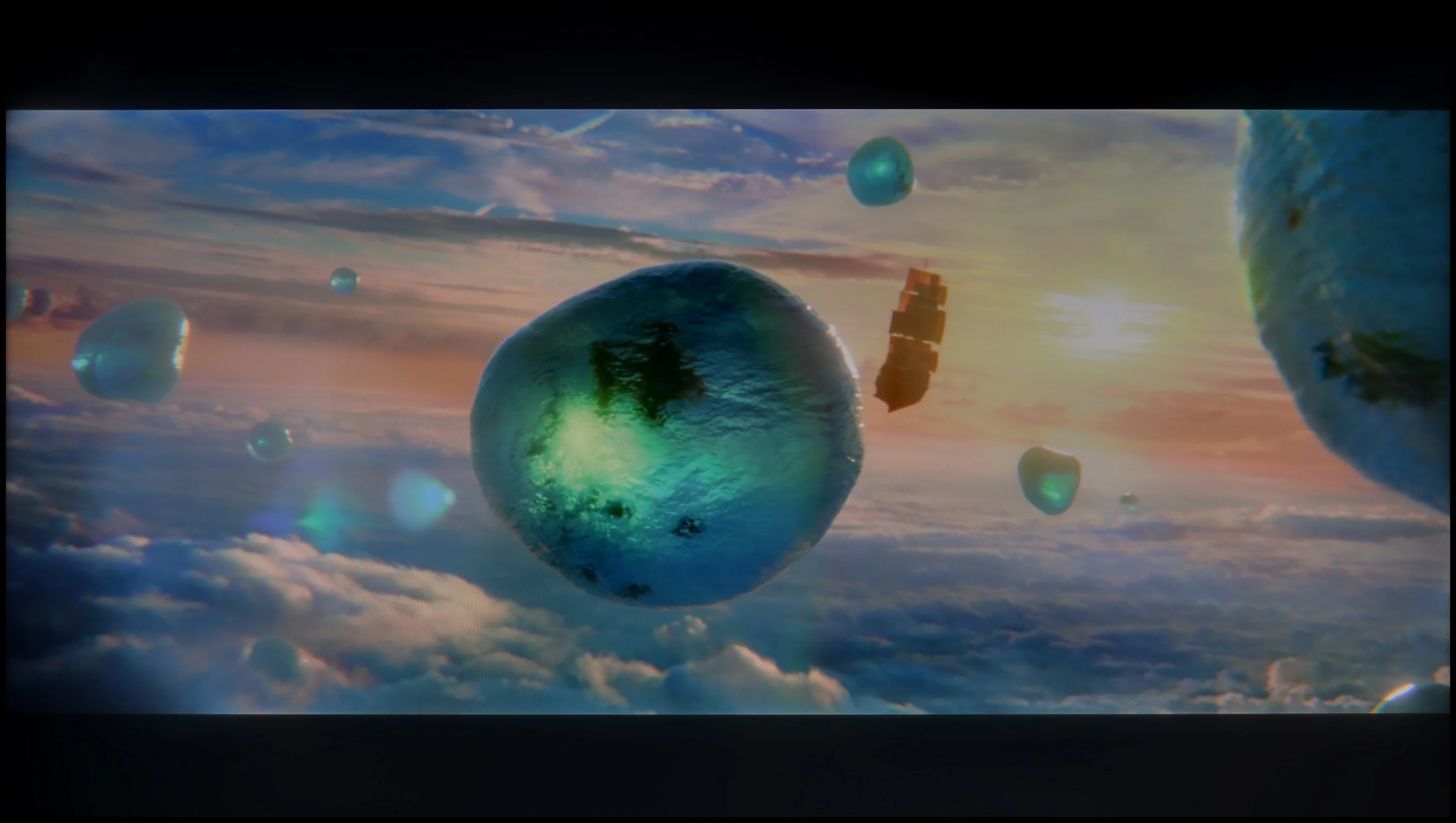
Scene from the movie “Pan” (about 2800 nits)
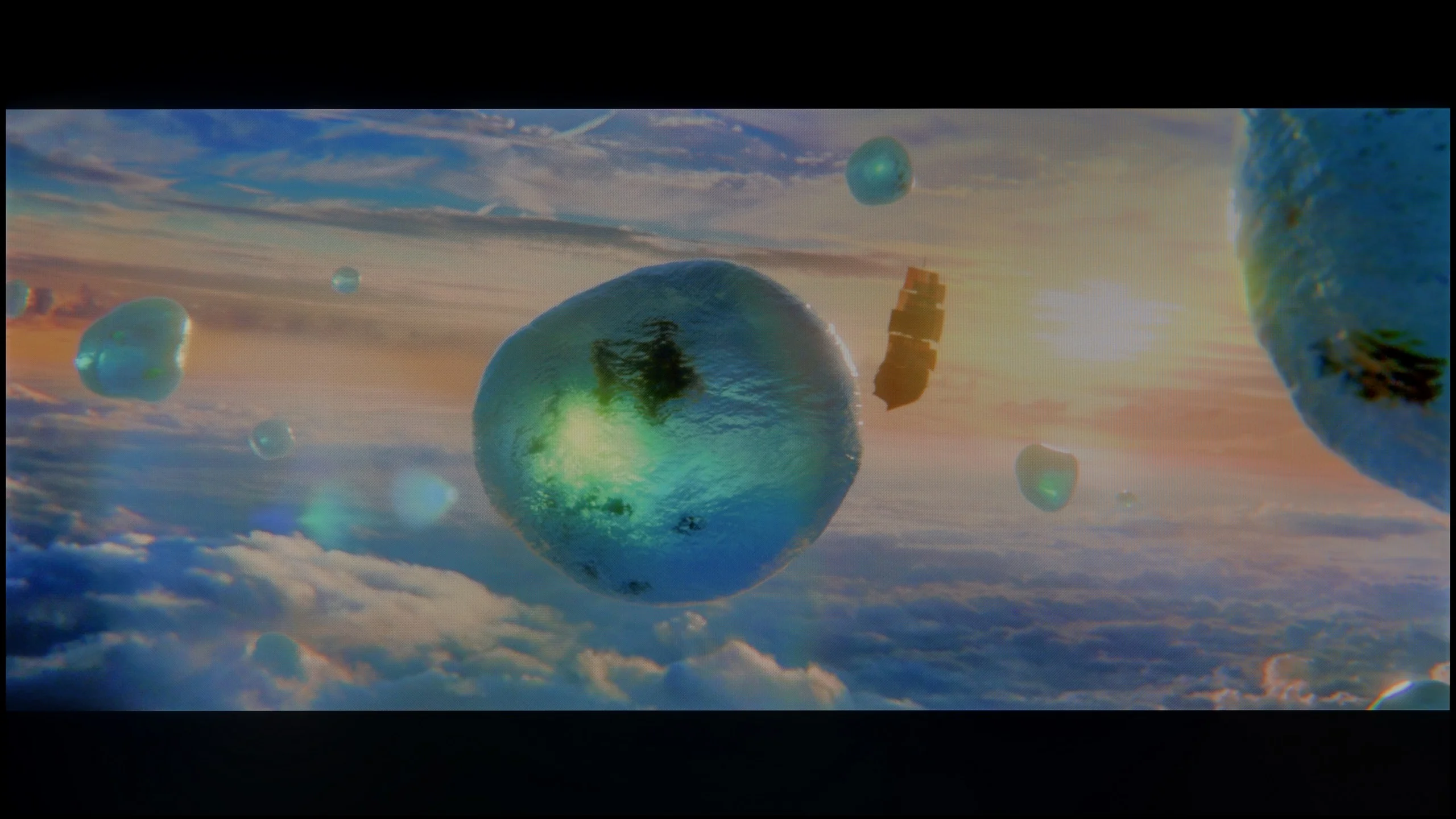
Scene from the movie “Billy Lynn” (about 1100 nits)


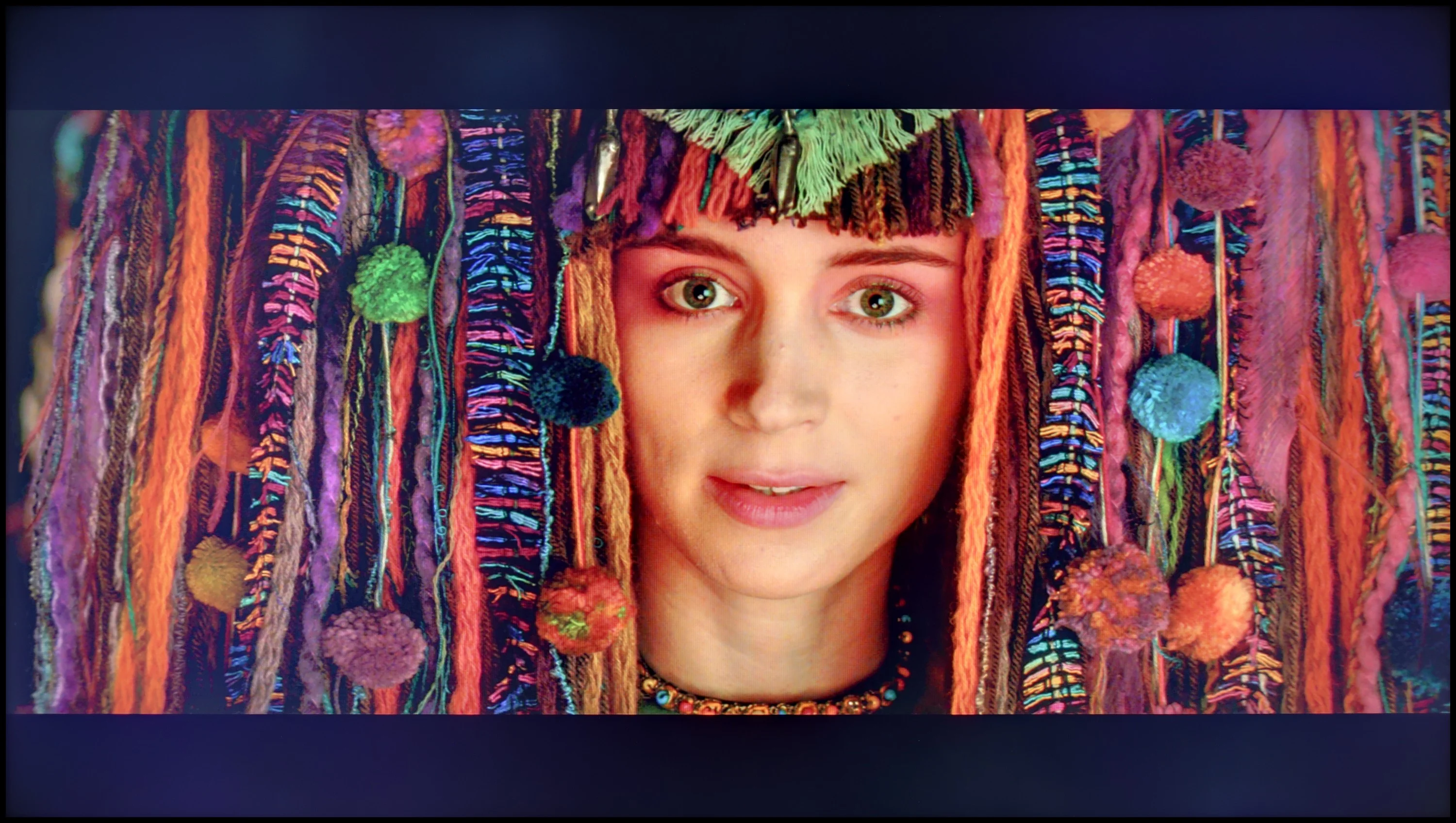
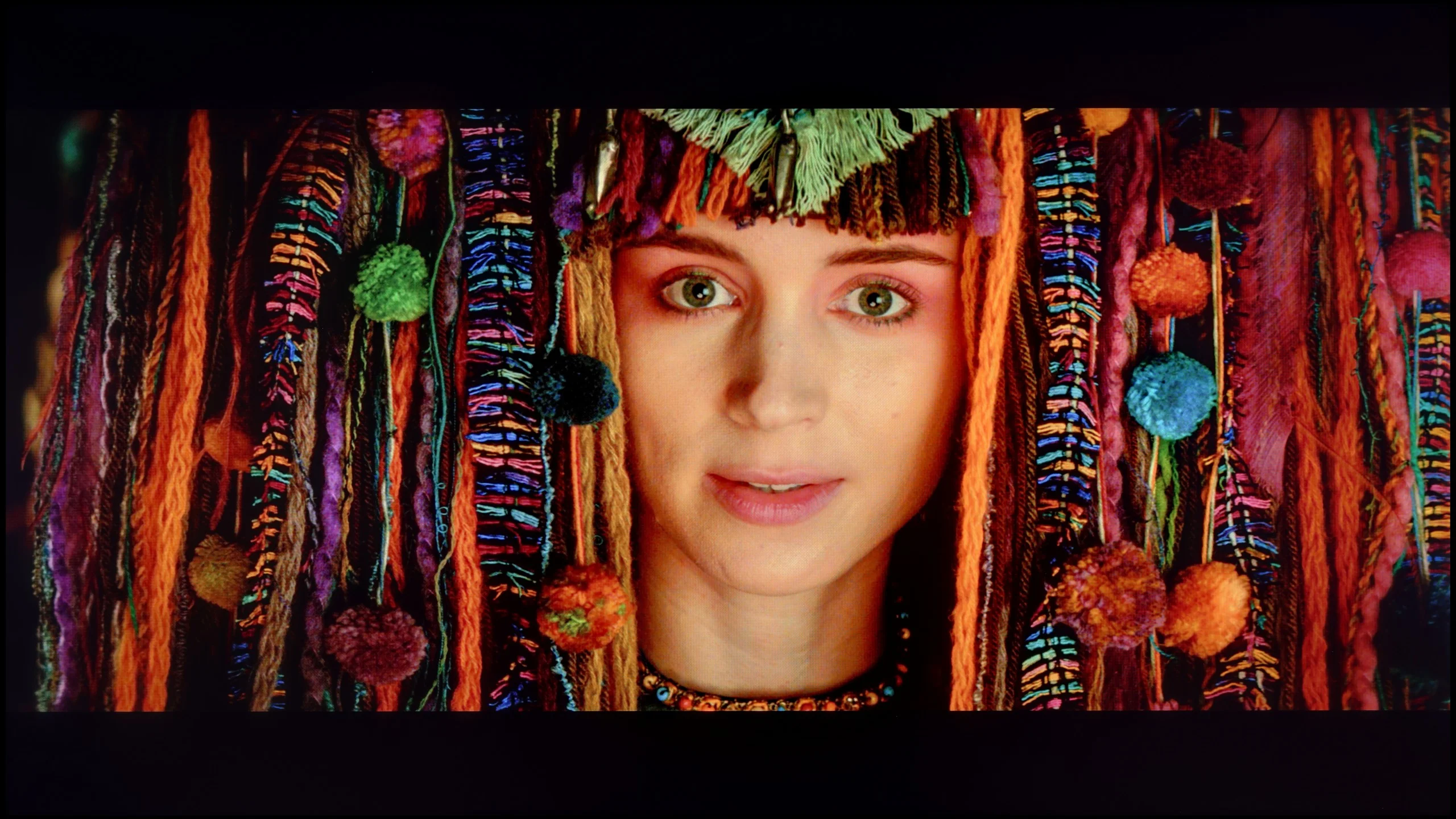
The photos show two HDR10 movies. 'Pan' is one of the brightest productions ever made, while 'Billy Lynn' (soldier) has brightness typical of streaming (Netflix, Prime, HBO MAX). Notice the intensity of effects and detail in whites.
Static HDR10


The photos present the visibility of white details in various HDR formats. They do not show brightness differences between TVs (these can be compared in the previous gallery).
HDR luminance chart:
Dreame Q100
LG UR781
In HDR mode, LG UR781 unfortunately does not impress with its brightness. In tests on five screens, the television achieved only around 200 nits, which is quite a low value for HDR standards. This brightness is similar to levels typical for SDR, causing HDR effects to be insufficiently pronounced, and the image may appear less impressive, especially in dynamic, bright scenes. In HDR mode, it has certain limitations in colour reproduction. This means that colours may not be as intense and rich as in televisions that manage better with a wide colour gamut. In practice, this can make the image less vibrant and dynamic, and HDR effects will not be as spectacular as one might expect. Additionally, UR781 LG has some issues with accurately reproducing colours in HDR mode, resulting in content that may look less vivid.
Unfortunately the Dreame Q100 is too simple, and above all too dim, a television to talk about a true HDR effect. The peak brightness we measured reaches at most about 300 nits, which is clearly too little for bright elements of the image to actually 'pop' with light. In fact, this is a level we more often associate with SDR material than with HDR. It therefore lacks the brightness headroom offered by more expensive televisions that makes highlights, reflections and the sun look noticeably more striking.
HDR colours
Fortunately the Q100 makes up for this a little elsewhere. The manufacturer markets it as a QLED television, although in practice a PFS filter is responsible for widening the colour palette. The DCI-P3 colour space we measured is covered at roughly 92%, and BT.2020 at about 67%. These are not top-tier figures, but still clearly better than simple LCD televisions without an additional gamut-expanding layer. As a result, HDR material can at least offer more saturated and varied colours, even if the brightness itself does not yet allow us to speak of a fully fledged HDR effect.
Factory color reproduction
3.9/10
6.5/10
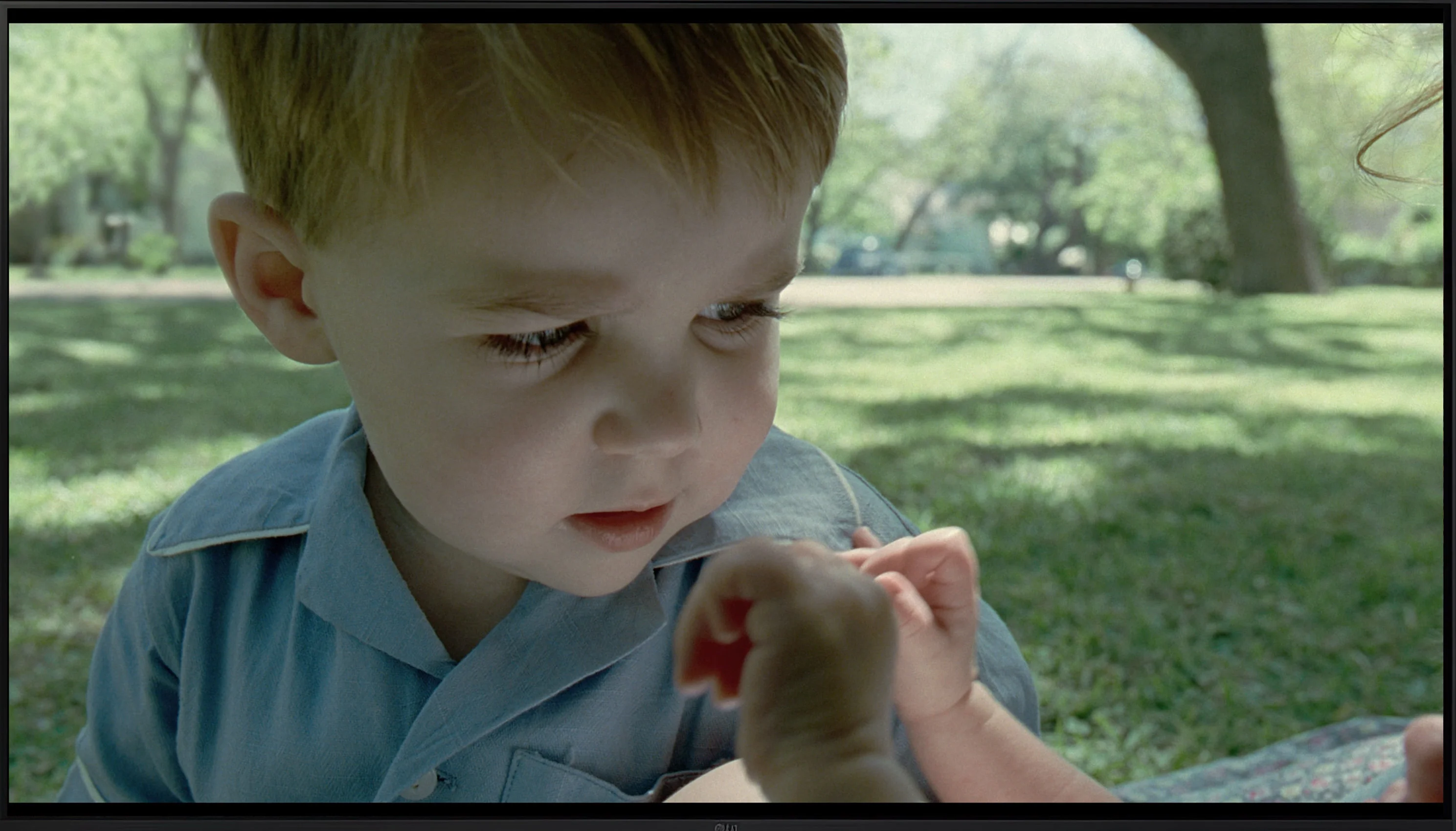
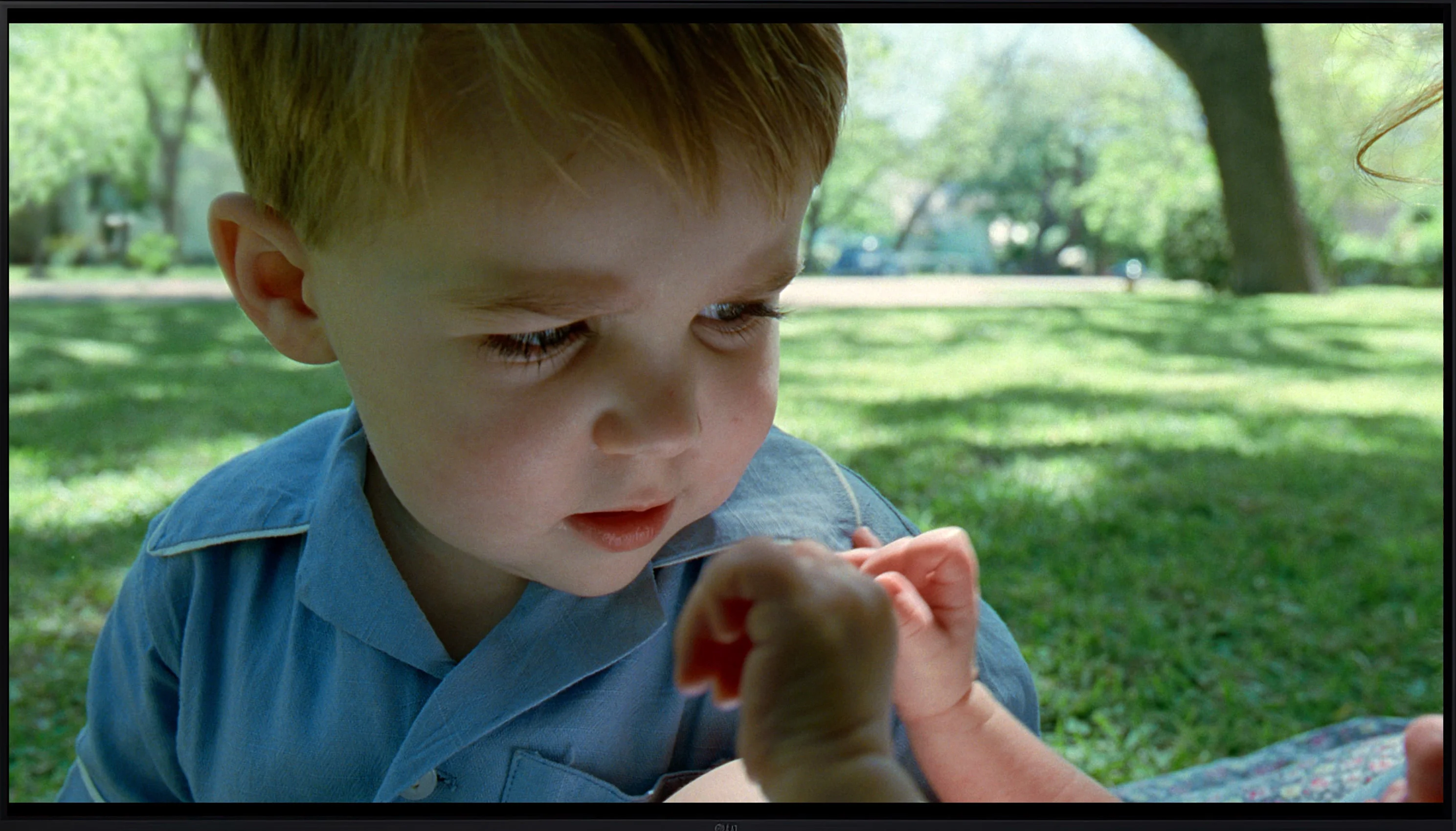
This illustrative image shows how colors change after professional calibration. If you can see the difference, you can order it from SkalibrujTV – it's our own service.
Factory mode
After calibration


This illustrative image shows how colors change after professional calibration. If you can see the difference, you can order it from SkalibrujTV – it's our own service.
Factory mode
After calibration
The colour reproduction in LG UR781 in Filmmaker Mode, which although is the best mode available from the factory settings, is not without its flaws. Firstly, the issue is white balance, where the graph shows dips in blue colour levels. This phenomenon results in a shift of hues towards yellow tones, causing the image to appear warmer than it should. Such deviation means that the colours on the screen are not naturally reproduced, which can be particularly noticeable in scenes with a white or neutral background. This can be confirmed by the Test Color Checker, which showed that some colours "shift" into other shades, meaning that the LG UR781 television does not display colours in accordance with reality. This distortion can affect the visual experience, making movie scenes seem less realistic, and details might be displayed in inappropriate colours, negatively impacting the overall image quality.
In terms of contrast, the analysis of the gamma graph revealed drops to a level of 2.0, whereas the optimal value should be 2.4. This means that the television may display darker parts of the image brighter in certain scenes, which reduces their depth and dynamics. Additionally, on the EOTF curve, which is responsible for brightness reproduction, an unnatural spike was observed at the beginning. This phenomenon can result in excessive brightness boost in the brightest parts of the image, leading to loss of detail in very bright scenes.
We chose the "Film" mode for testing and, in our opinion, it is by far the best of the available presets. There are none of the heavily boosted, unnatural colours you can see, for example, in the Vivid/Dynamic mode. The picture looks quite reasonable straight away, although it falls a little short of perfect. In SDR material the most noticeable issue was a slight warming of the image. The white balance had too much red, which made whites lean towards a warmer hue, and a similar tint was visible in shades of grey. In HDR the situation was a little different. Here blue had a slight advantage, making the picture a touch cooler. These are not major faults, though. For such an inexpensive TV, the factory settings on our unit were fairly decent, and the "Film" mode already delivers a relatively natural image without much fiddling with the settings.
Color reproduction after calibration
6/10
7/10
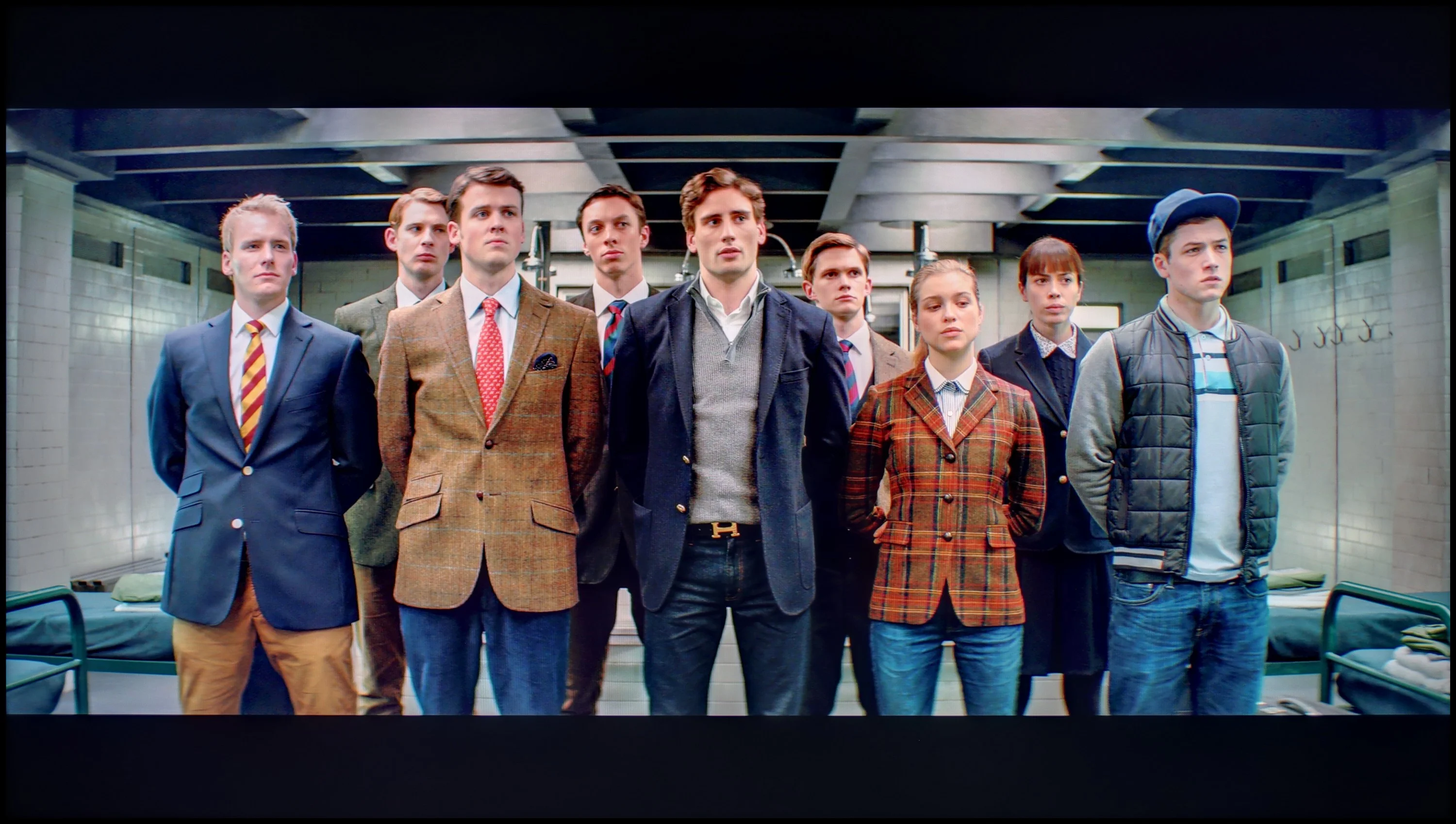
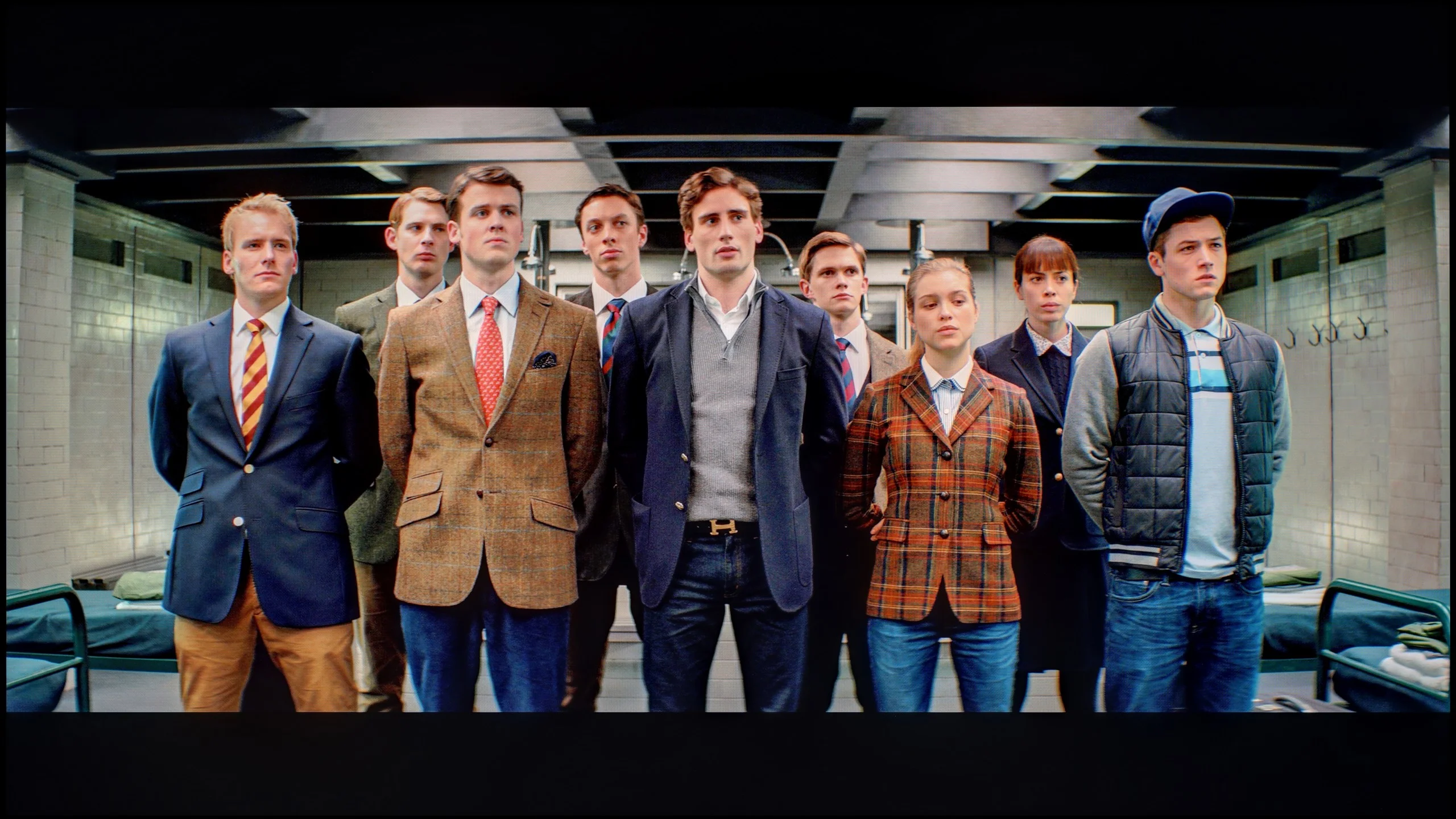
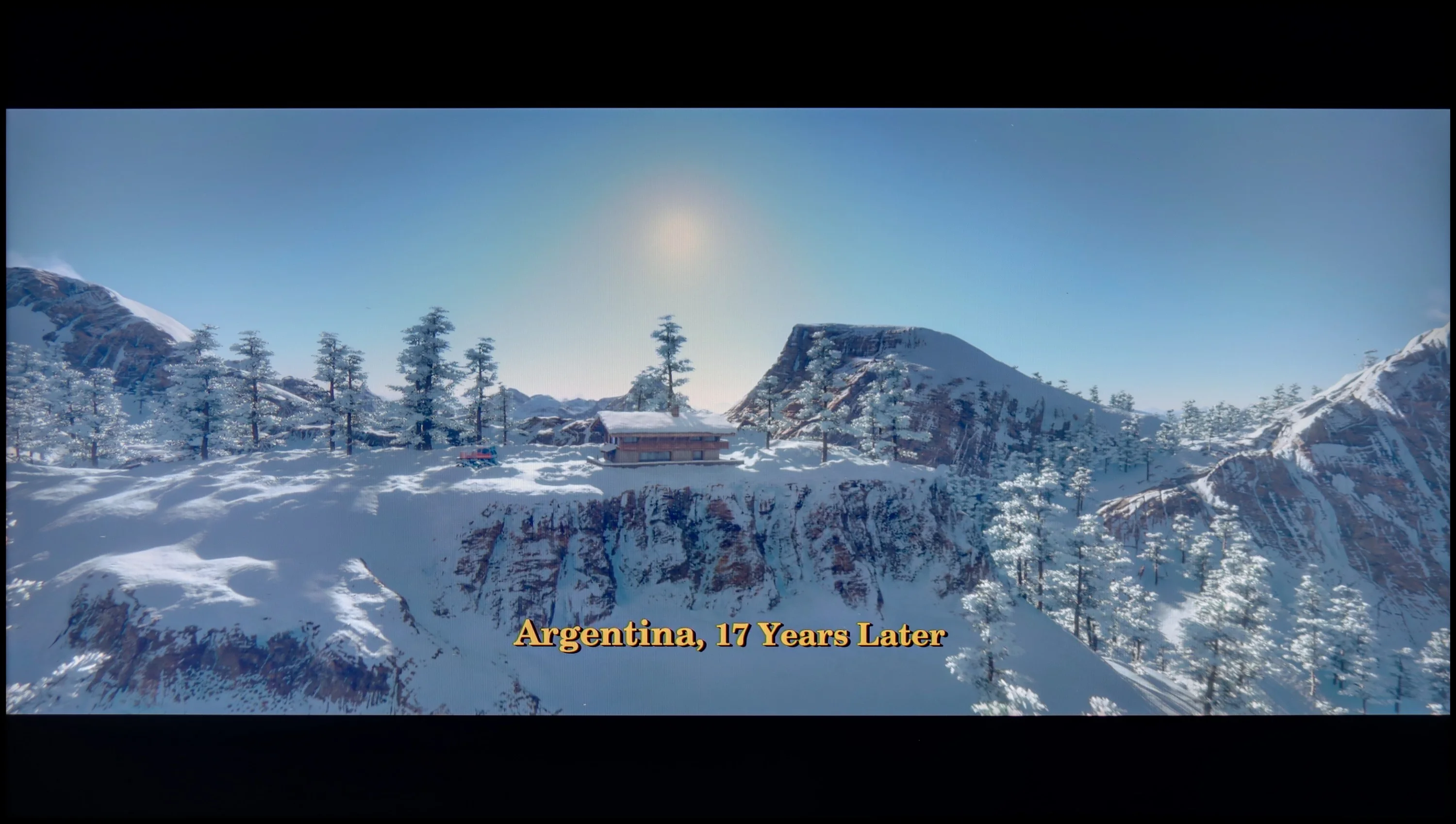
The photos show how movies look on the TV. Pay attention to black detail visibility, colors, and shadow tint.
The photos show how movies look on the TV. Pay attention to black detail visibility, colors, and shadow tint.
After calibration, the colour representation in SDR content is quite good. The white balance has been effectively improved, resulting in natural, balanced hues across various scenes. The gamma has also been adjusted, providing more precise detail in the shadows and highlights of the image. As a result, the LG UR781 television performs well in everyday use, offering solid colour quality and clear, well-balanced images in SDR mode.
However, the situation is worse for HDR content. The LG UR781 television does not support a wide colour gamut, which limits the depth and richness of colours that HDR can offer. The EOTF curve deviates from the ideal, resulting in excessive highlighting of details in the bright parts of the image. Unfortunately, this results in significant colour reproduction errors, as confirmed by tests on the Colour Checker. Additionally, the low brightness level of the panel further negatively impacts the quality of HDR images, causing dynamic range effects to be not fully realised, and colours to appear washed out.
Despite some shortcomings in HDR mode, the television has improved significantly after calibration, especially in SDR content. The improvement in white balance and gamma has greatly enhanced image quality, providing a more natural and cohesive colour representation. Compared to its state before calibration, the difference is clear, and the LG UR781 television now offers better performance in everyday use, particularly in the standard dynamic range.
Contrary to appearances, the Dreame Q100 is quite well prepared for image calibration. The menu contains quite a few advanced picture settings that allow its characteristics to be adjusted fairly precisely. In our case the most work was required on the white balance, both in SDR and HDR. After correction SDR content looked very good. We managed to achieve a practically neutral white balance and natural colours, with the main remaining limitation being the black level itself, stemming from the panel construction and the lack of local dimming.
In HDR we also managed to improve white balance and colour reproduction, but here the limitations of the TV's electronics become apparent more quickly. Even after very precise adjustment of the EOTF curve, the Q100 does not always follow it correctly during actual scenes. In some content it can also brighten the image further, causing some parts to look brighter than they should, and in bright areas some details can be lost as a result.
Smoothness of tonal transitions
8.6/10
9/10

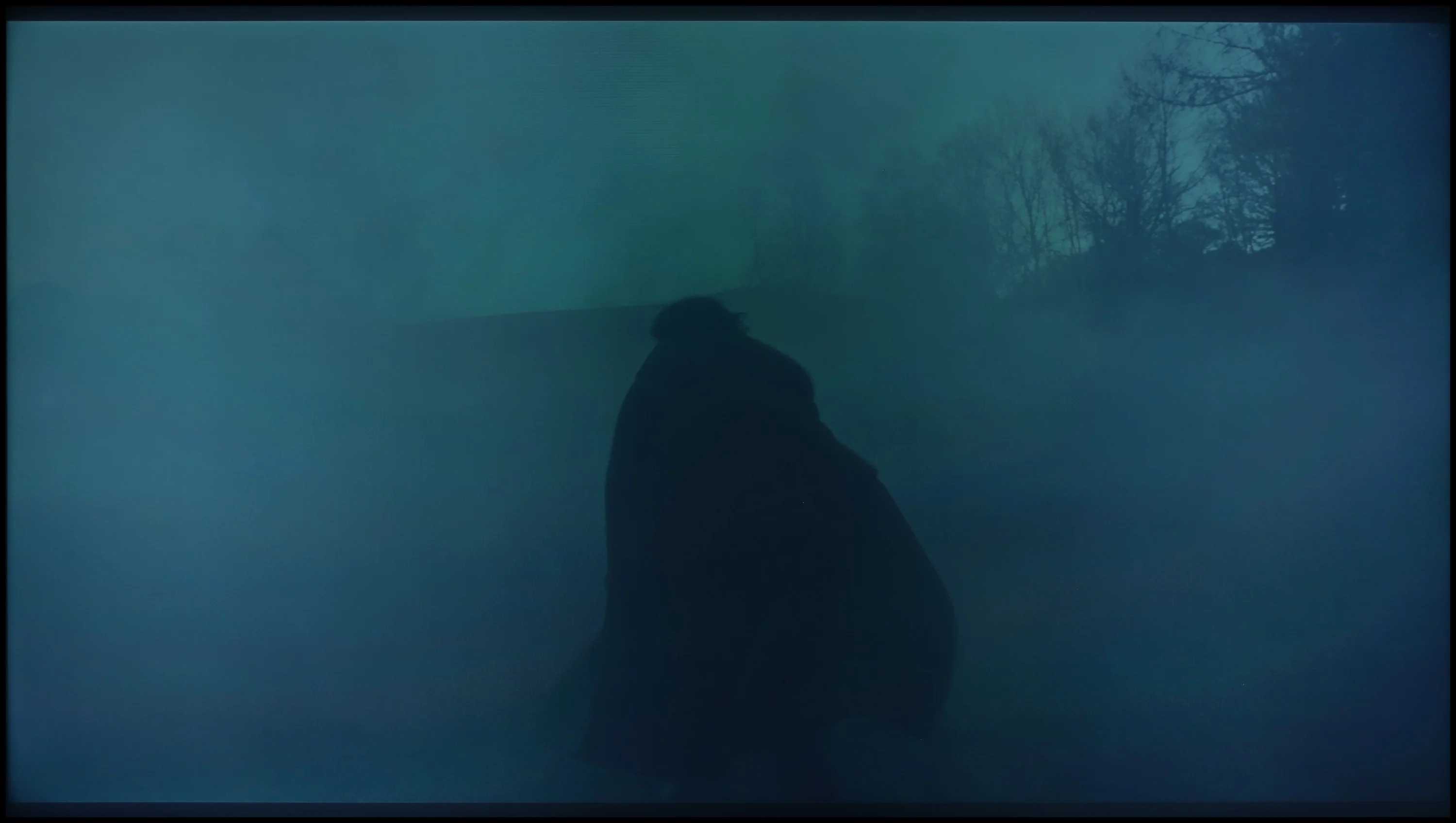
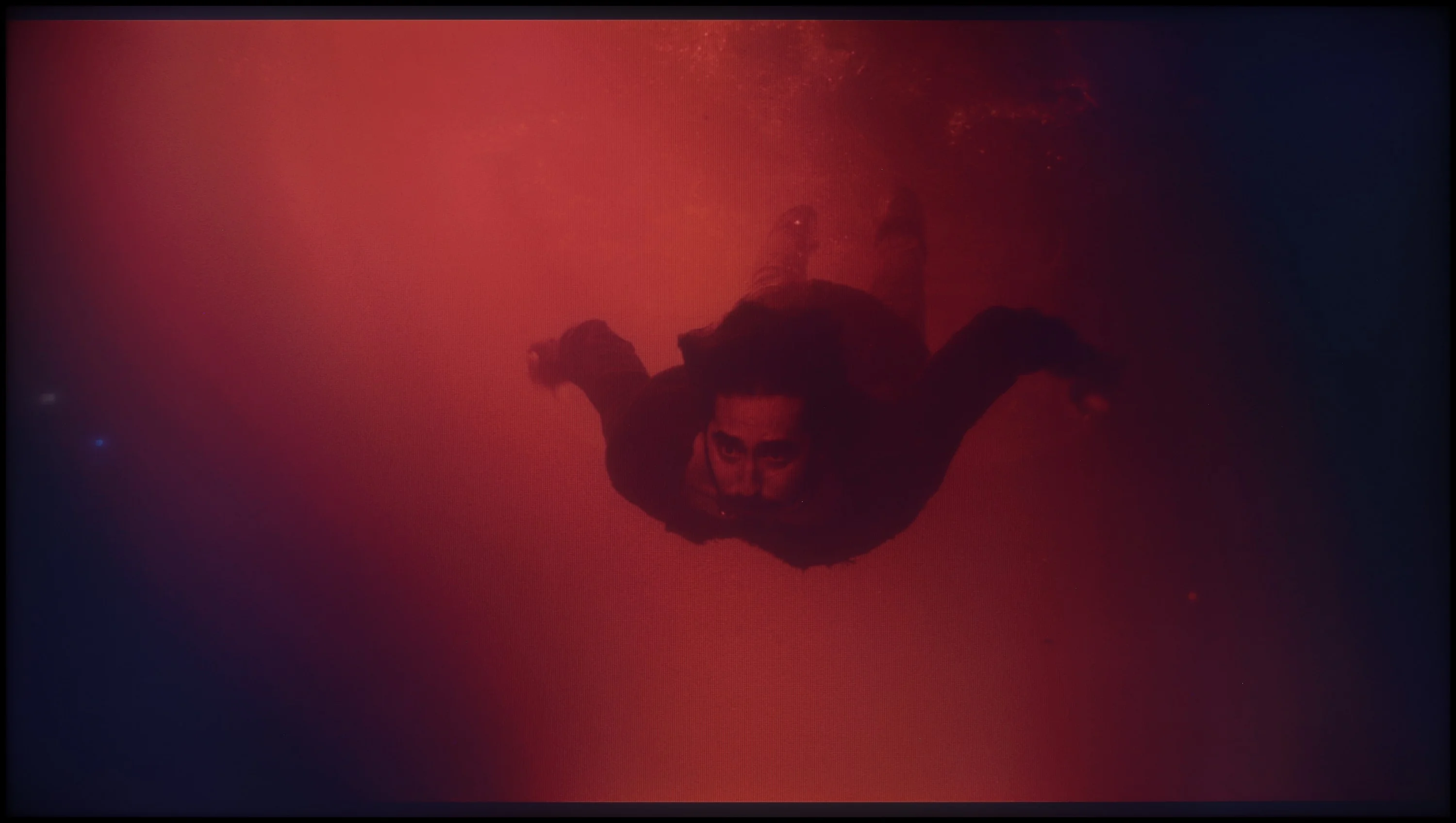
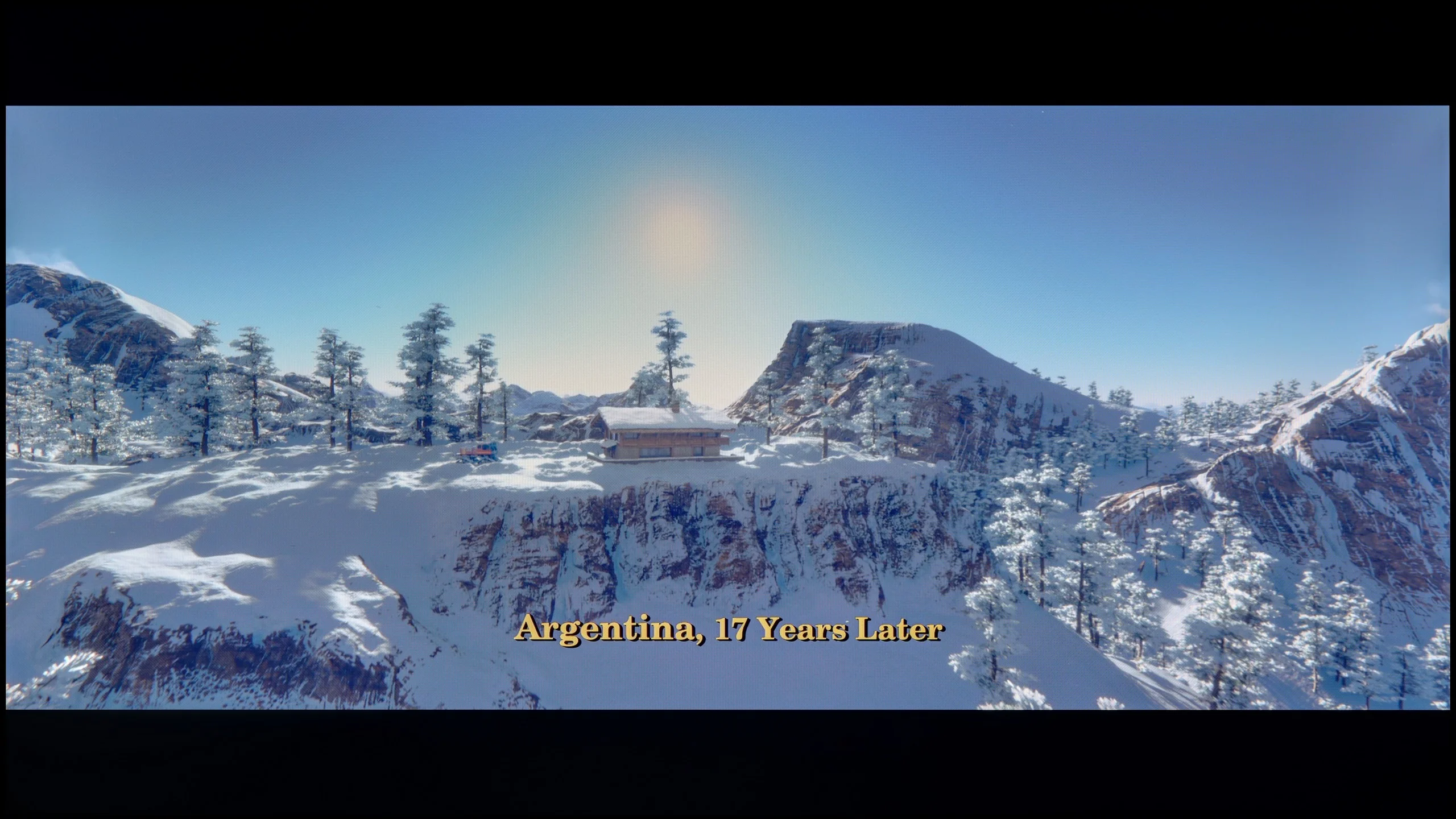
These are selected scenes that show smooth tonal transitions from one color to another. If you see distinct banding, it’s the TV panel’s fault.
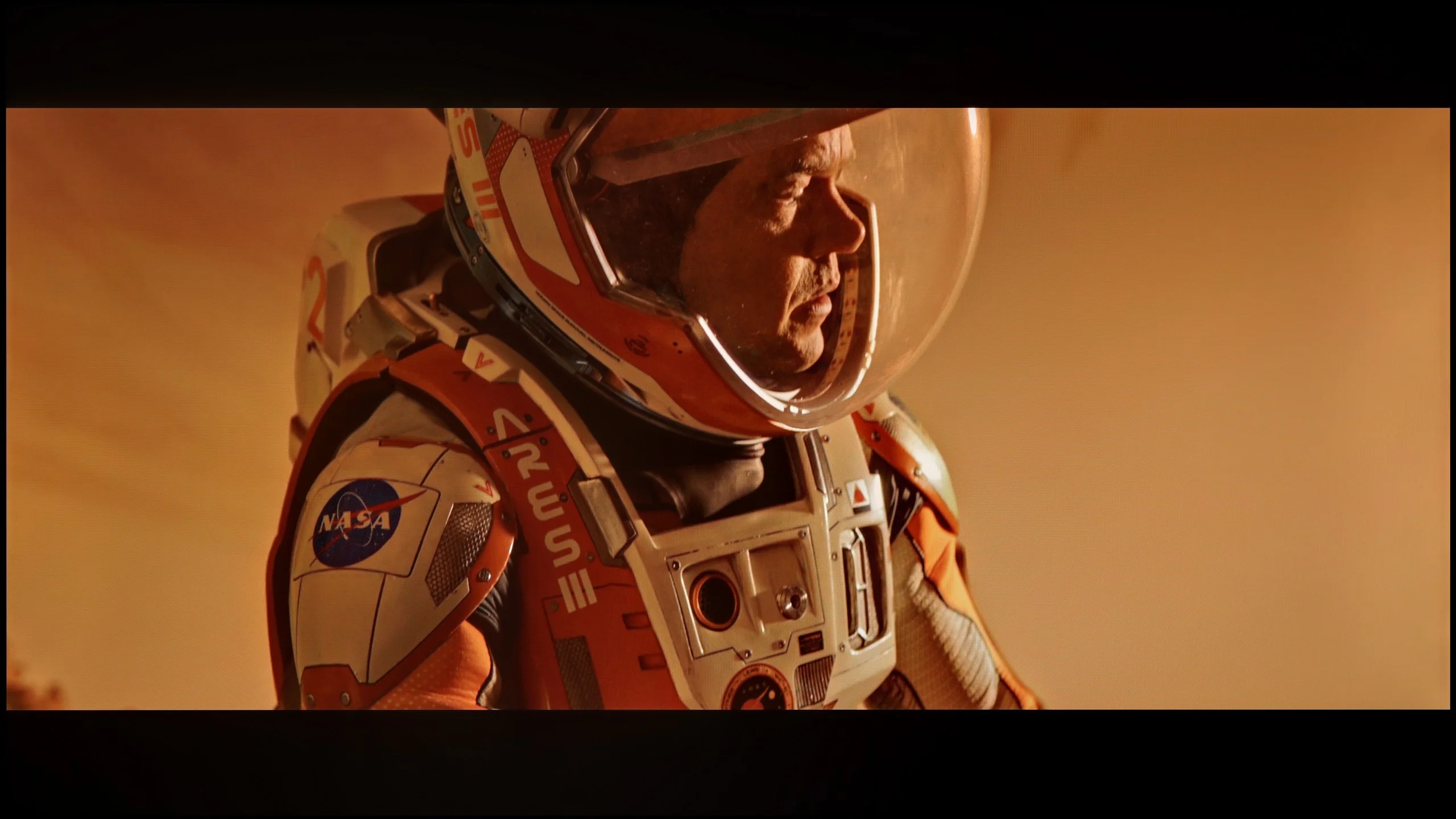
These are selected scenes that show smooth tonal transitions from one color to another. If you see distinct banding, it’s the TV panel’s fault.
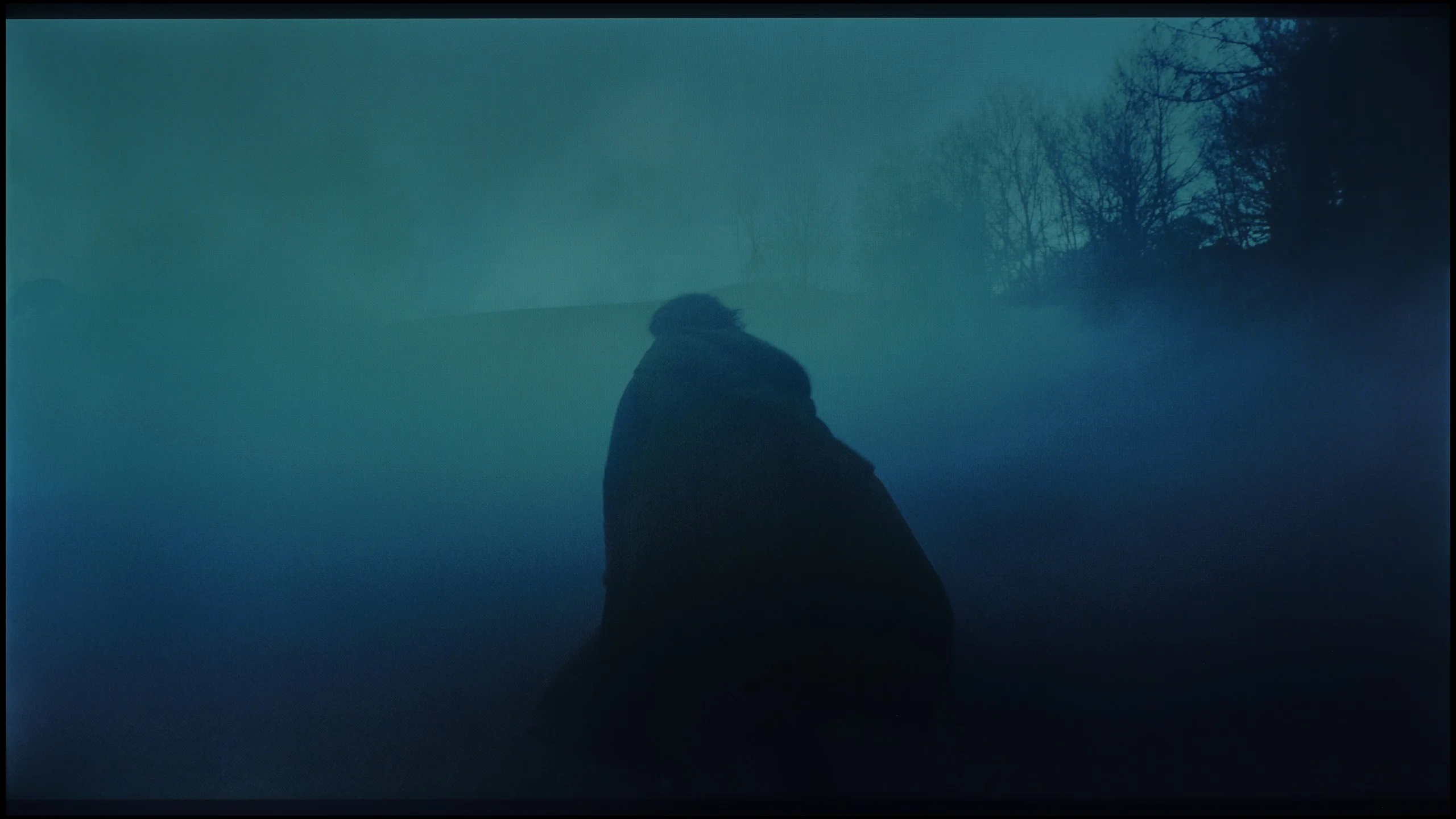
These are selected scenes that show smooth tonal transitions from one color to another. If you see distinct banding, it’s the TV panel’s fault.
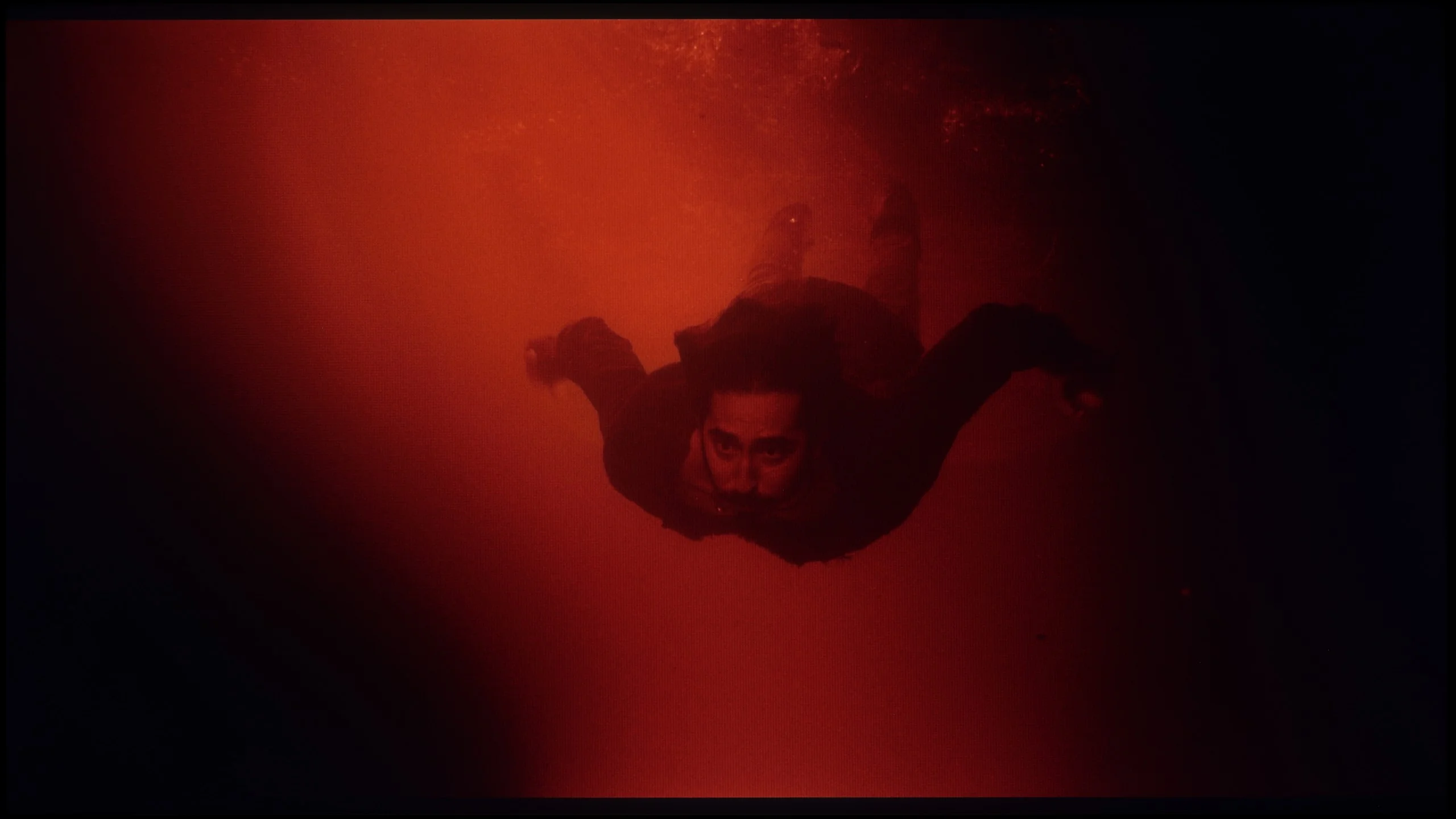
These are selected scenes that show smooth tonal transitions from one color to another. If you see distinct banding, it’s the TV panel’s fault.
TV LG UR781 handles tonal transitions excellently, presenting very high picture quality in all scenes. Issues with gradation only appear in darker colours, but they are subtle and not very noticeable. People with particularly sensitive eyesight may spot these imperfections, but overall the television provides very smooth tonal transitions.
Dreame Q100 handles the smoothness of tonal transitions very well. In most scenes the gradients are smooth, and the transitions between lighter and darker tones look natural, without noticeable banding or posterization. Minor imperfections may only appear in particularly demanding scenes, but these are situations that even much more expensive televisions can struggle with. Overall, in this respect the Q100 performs very well.
Image scaling and smoothness of tonal transitions
6.8/10
3/10


Smooth transition function
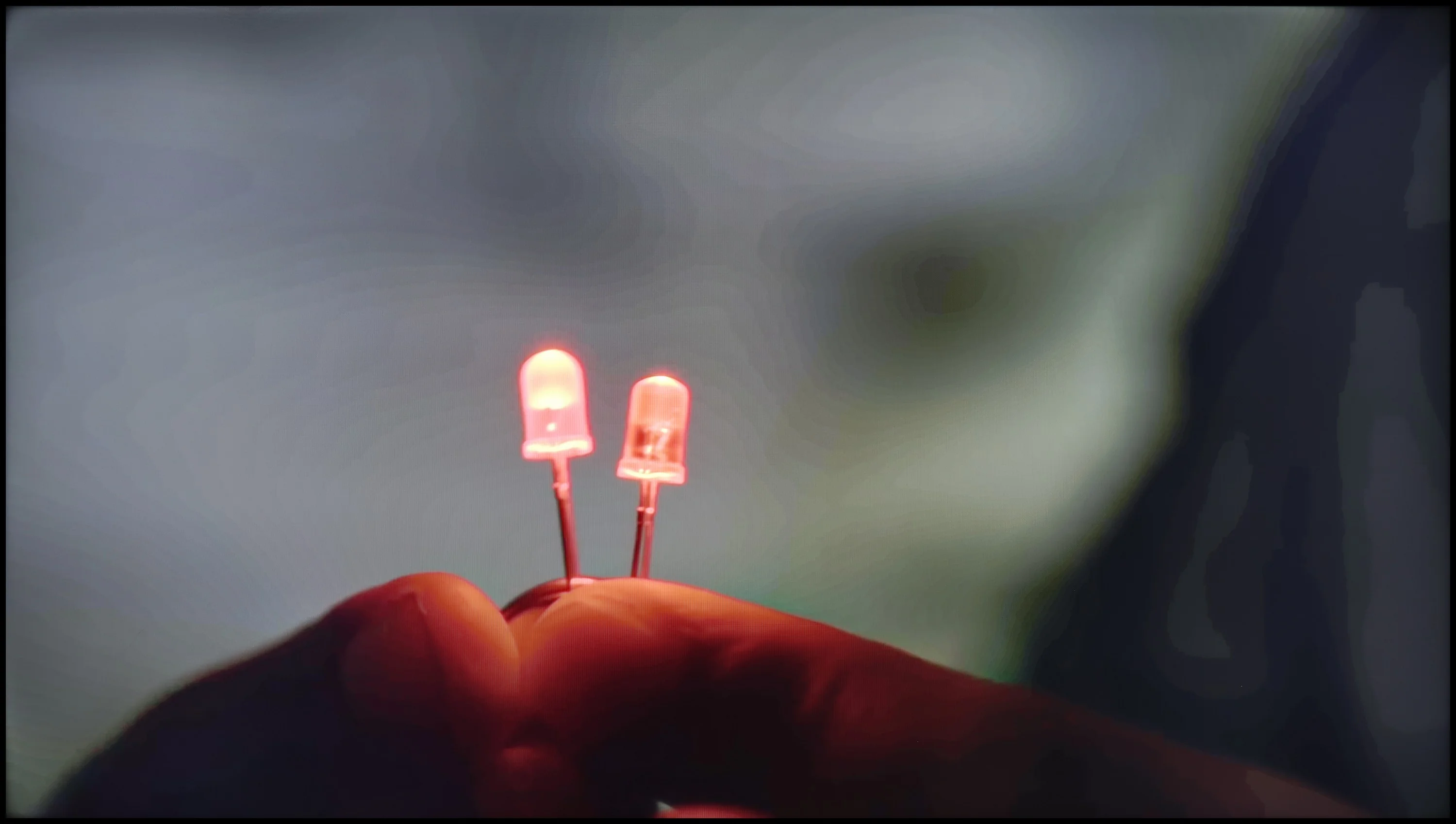
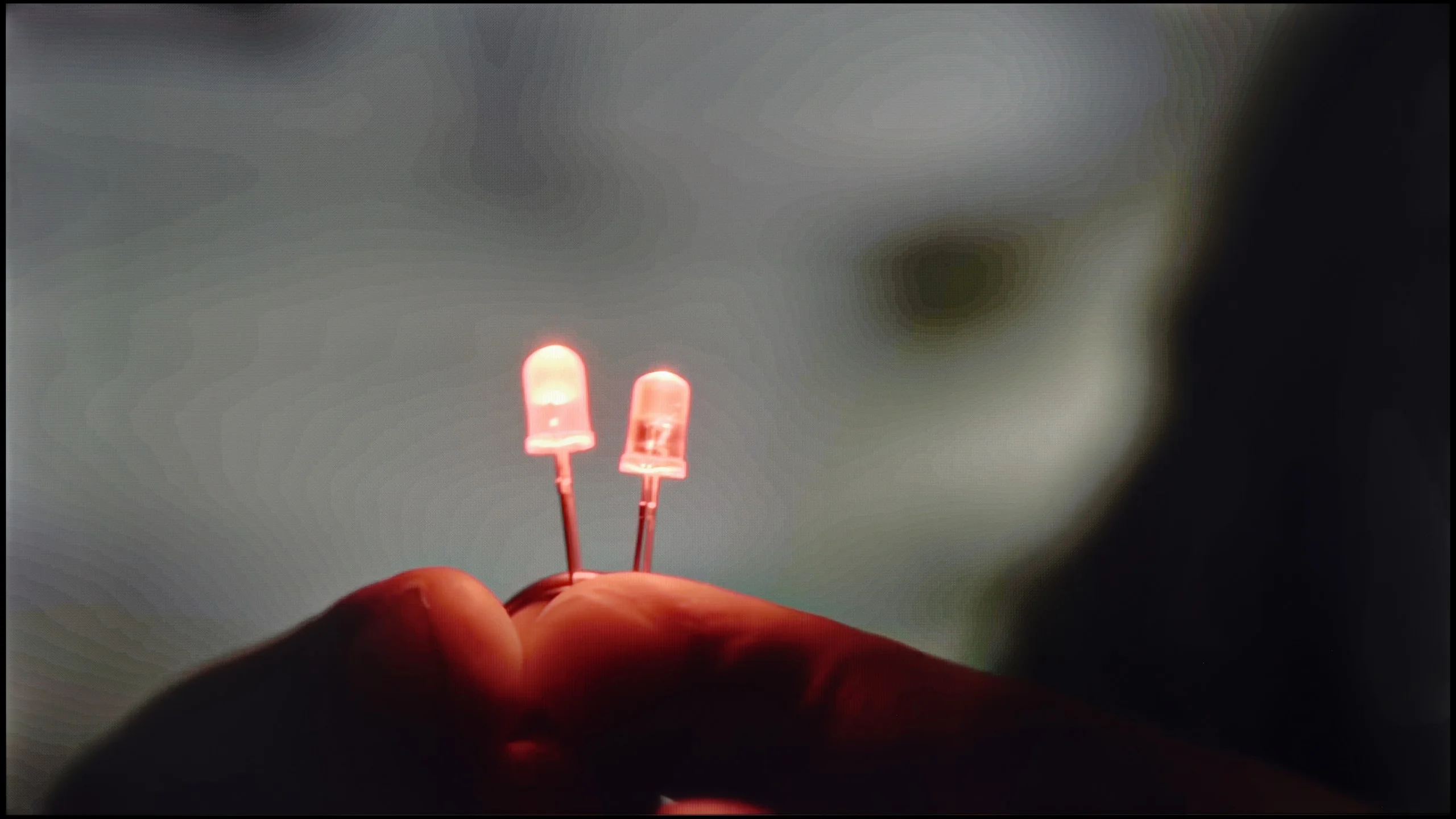
The match photo shows how the TV smooths weak tonal transitions in low-quality video.
Image scaling SD (576i)


The model photo shows how it handles upscaling of SD material.
Now let’s address the function of smoothing tonal transitions and its impact on overall image quality. As illustrated in the photo on the left, this function performs exceptionally mediocrely; we selected the "low" level, which does not improve quality but also does not blur the film grain. There is the option to increase the power of this function, which would soften the gradation; however, one must reckon with the fact that the image will be too softened in some scenes.
On the other hand, regarding image scaling, the television does not perform exceptionally, which can be particularly noticeable with lower resolution content. The LG UR781 television applies a slight, artificial sharpness boost, which makes the image appear sharper, but this primarily results from the overlay of artificial contours. For some users, this can be an advantage, as they prefer more vivid, accentuated details. However, this is a subjective matter—such an effect may not appeal to everyone, especially if they desire a more natural look to the image.
The weakest point of the Dreame Q100 is its digital image processing capabilities. The processor used copes only moderately well with enhancing weaker sources, and the menu lacks any function that effectively smooths unsightly tonal transitions or reduces visible posterisation. Upscaling itself is also unimpressive. With low-resolution material the image is fairly soft and lacks faithful detail reproduction. Additionally, the Q100 tends to overscan, slightly cropping the edges of the image with very poor sources, such as 480p material. In everyday viewing of HD or 4K content this won't be a major problem, but with older recordings the processor's limitations become clearly visible.
Blur and motion smoothness
2.2/10
4.6/10
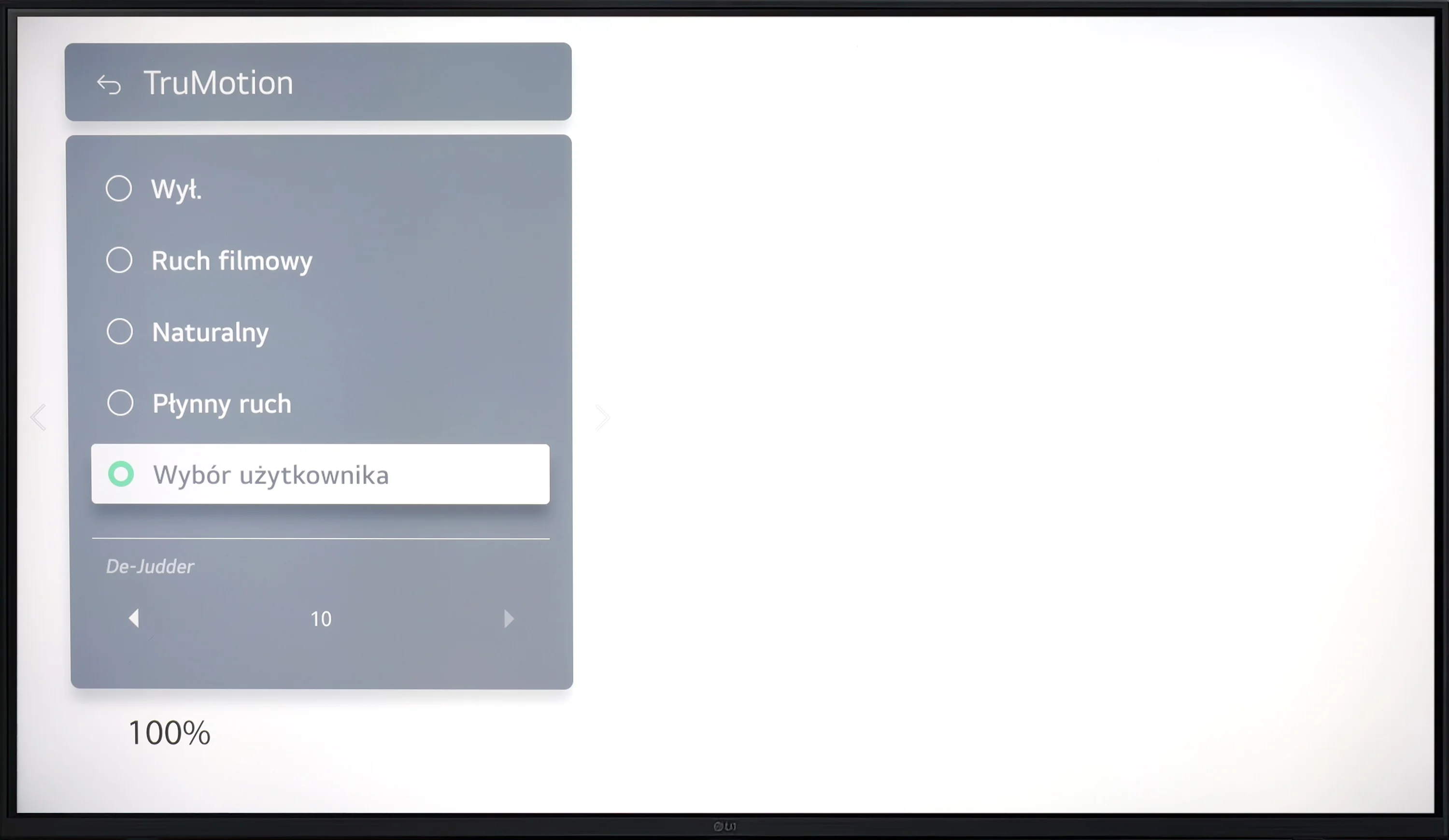
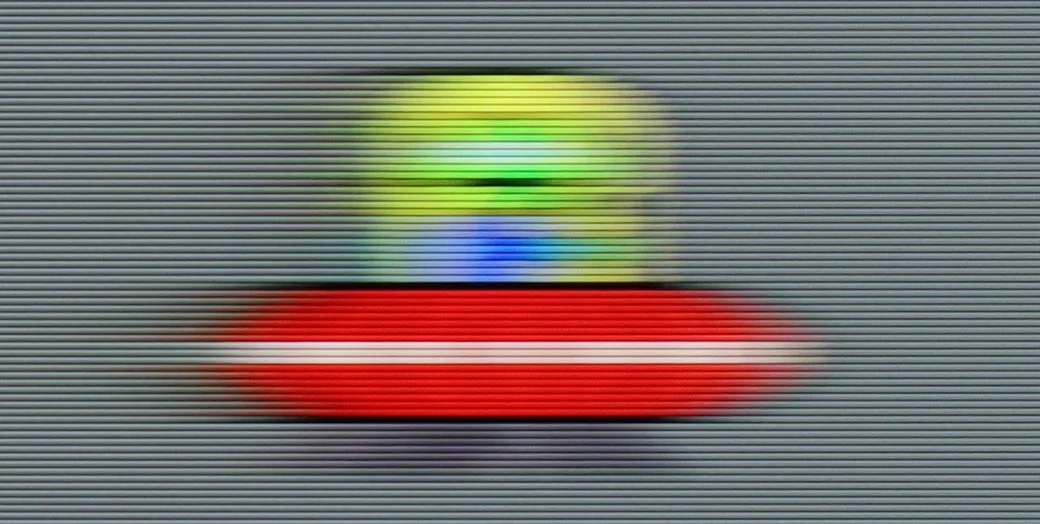
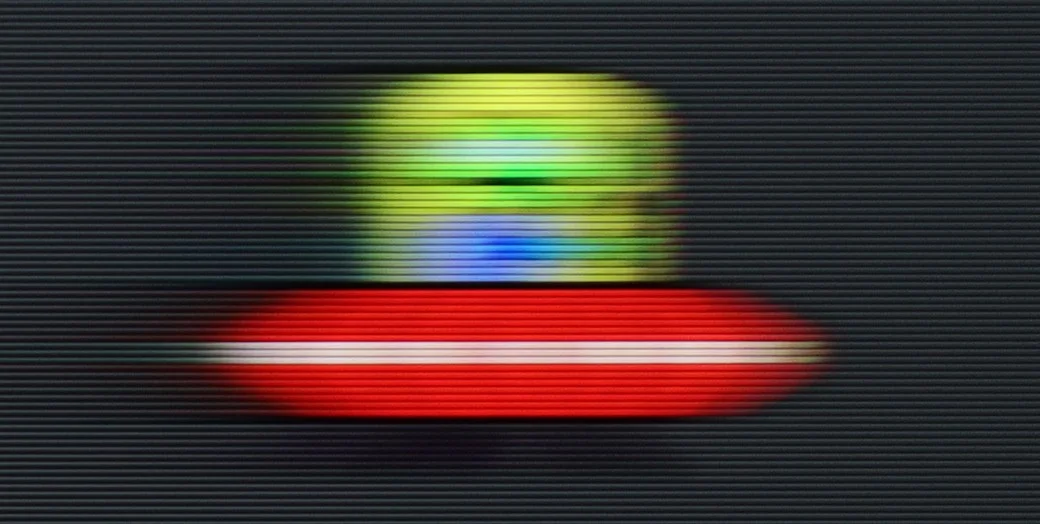
Blur (native resolution, maximum refresh rate):
Blur ():
Blur (1080p@120Hz):
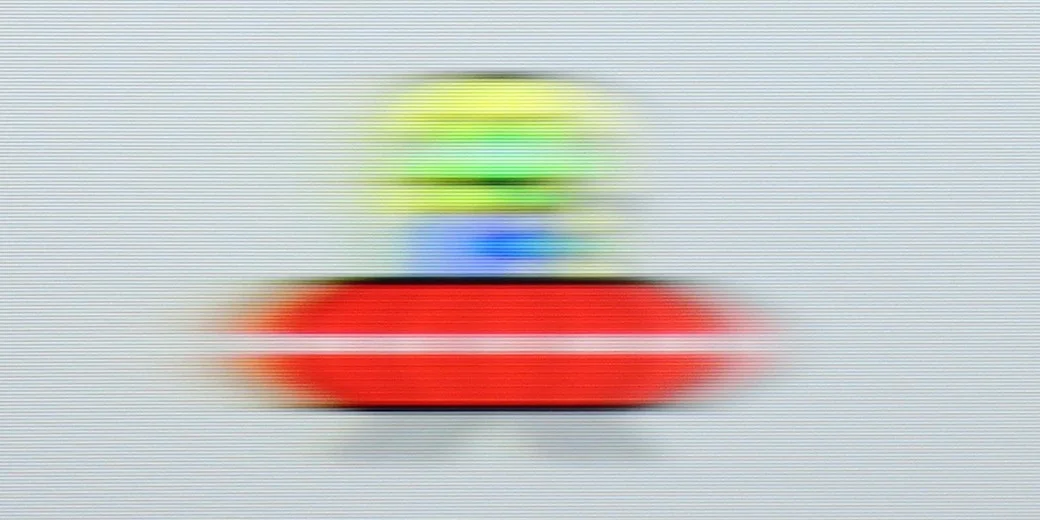
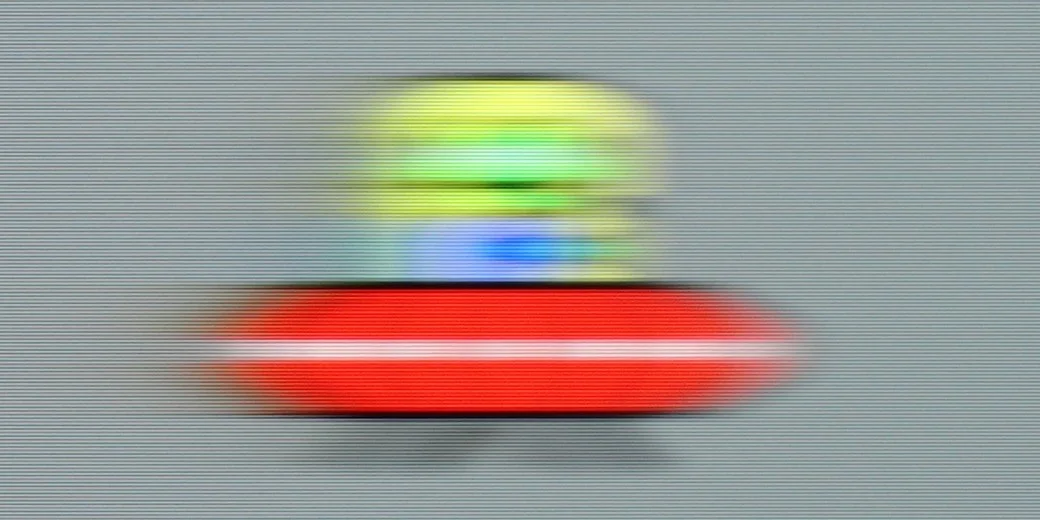
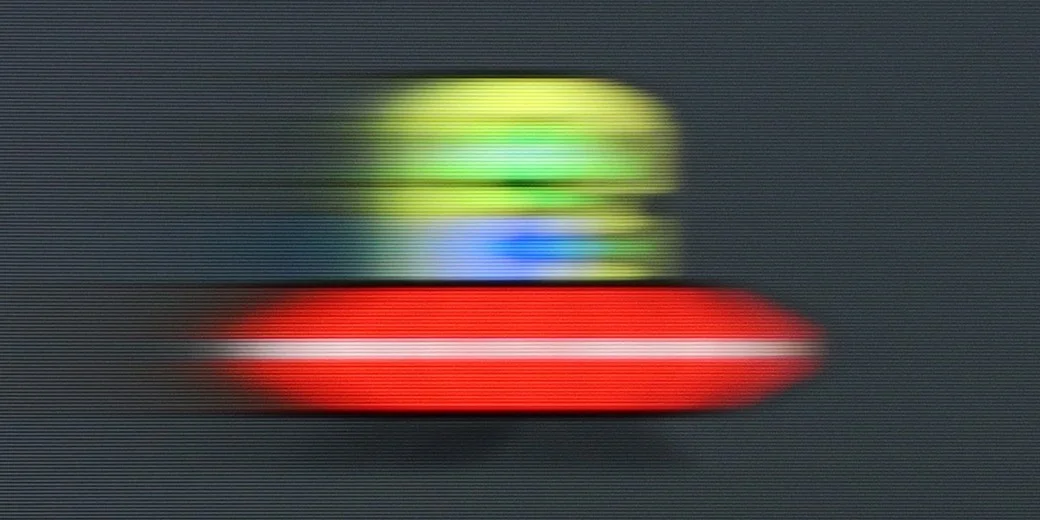
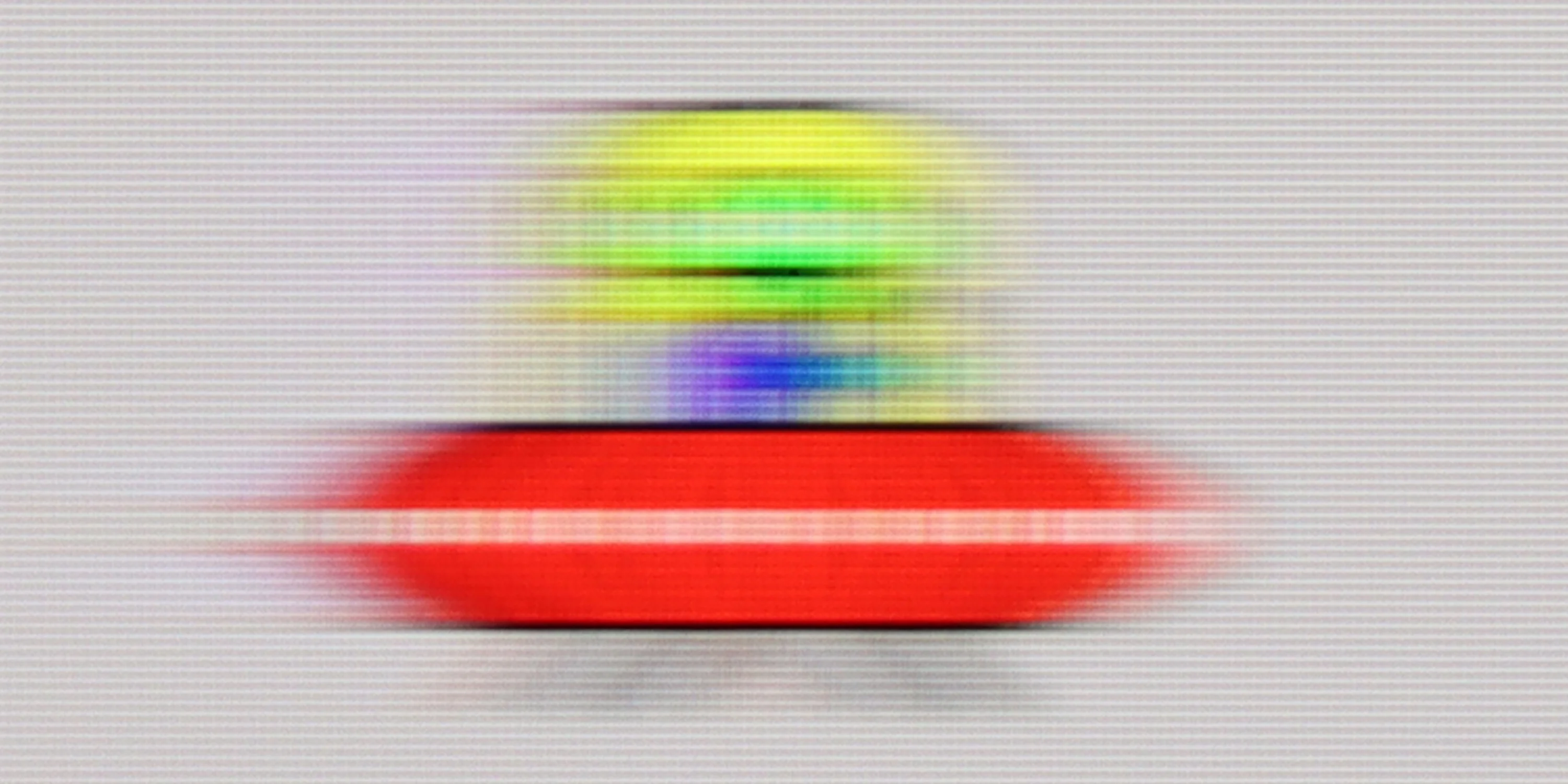
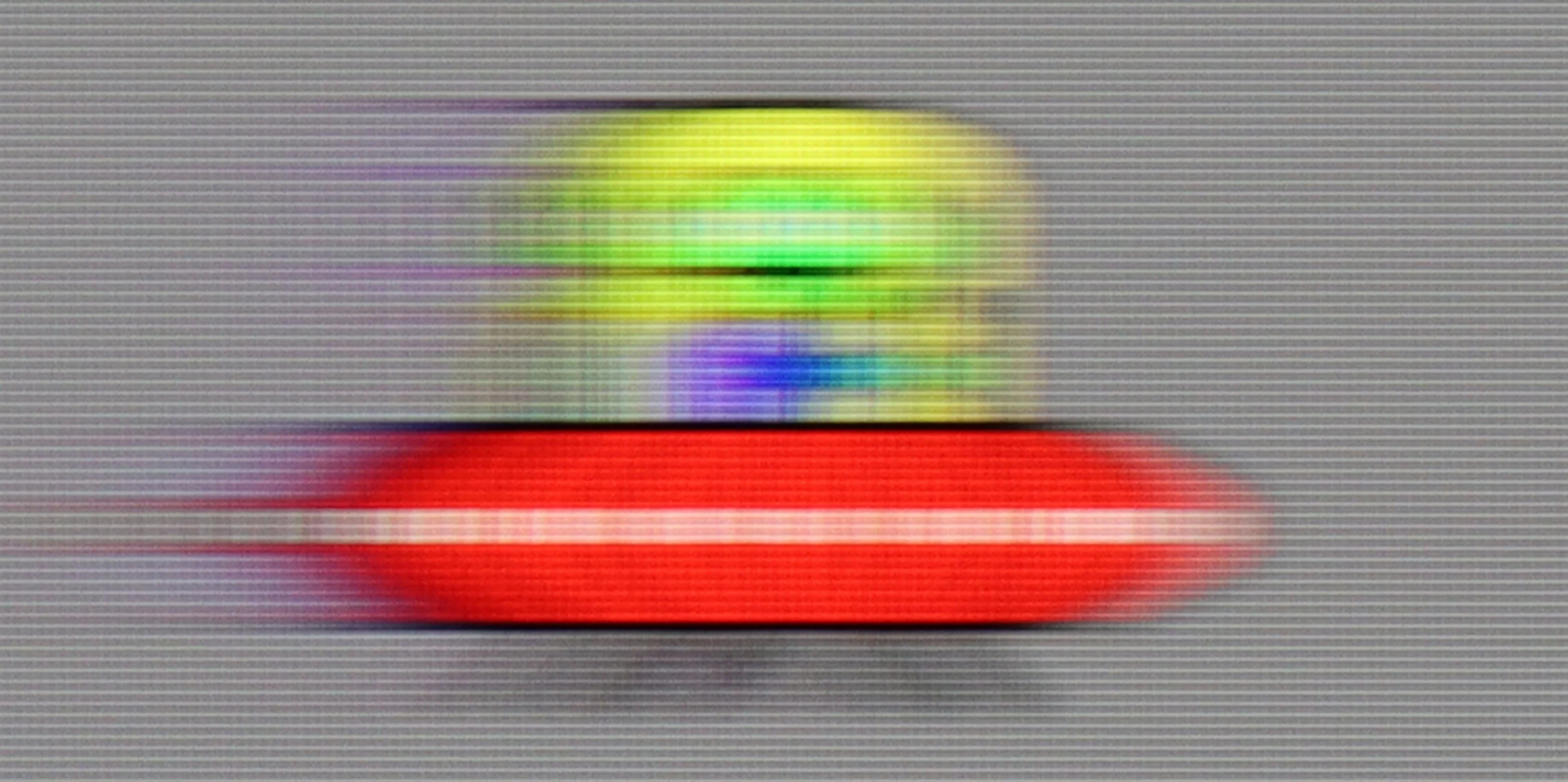
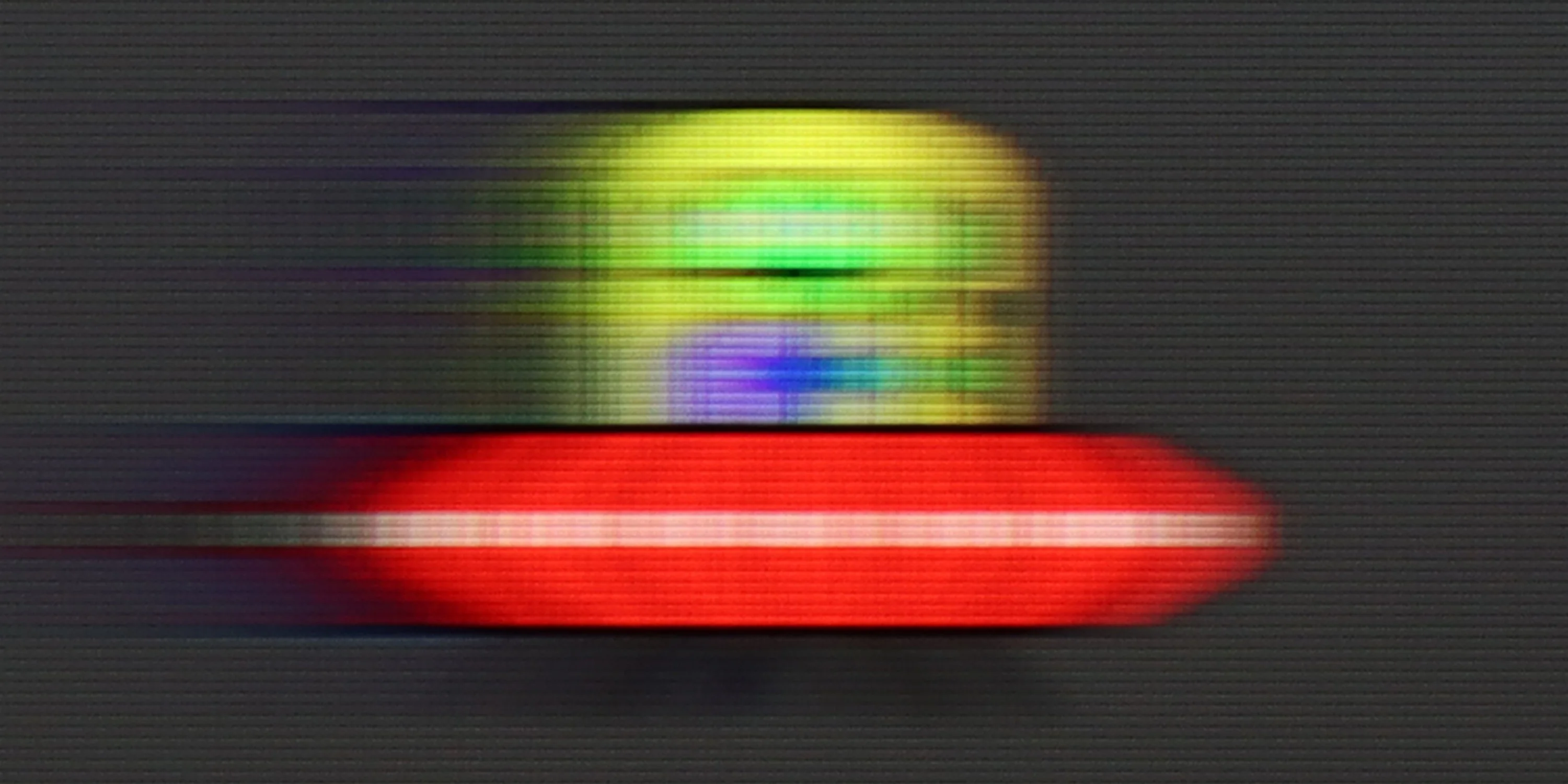
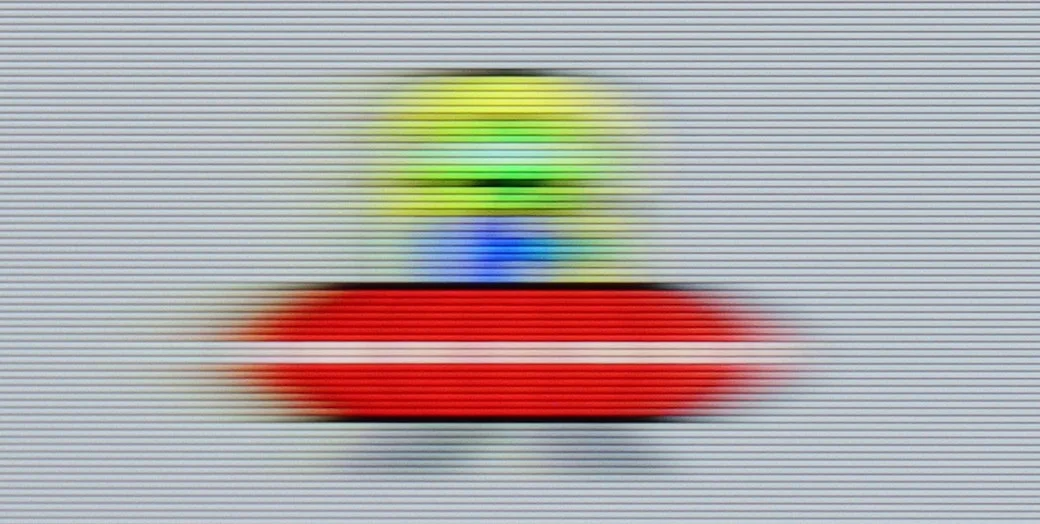
The LG UR781 television offers quite decent smoothness for films, thanks to the "True Motion" option, which allows users to adjust the level of motion smoothing on a scale from 0 to 10. The user can choose whether they want to preserve a more traditional, cinematic effect with subtle judder (lower settings) or prefer a smoother, theatrical image that, although slightly deviating from the cinematic standard, may appeal to many.
In dynamic sports content and games, the LG UR781 television performs worse. The television has a 60Hz panel, which limits its interpolation capabilities to these values; therefore, it can improve fluidity in films but cannot reduce motion blur. Additionally, the lack of support for 120 Hz and BFI (Black Frame Insertion) technology means that quick movements of objects become blurred, and the response time of the panel is too long, negatively affecting clarity in fast scenes. As a result, the television may not meet the expectations of gamers and sports fans who are looking for a smooth, clear image without motion blur.
The VA panel used in the Dreame Q100 has a native 60 Hz refresh rate, so from the outset this is not a TV designed for the most demanding sports fans or gamers. The manufacturer does mention the ability to run at 120 Hz, and that option is indeed available, but it mainly applies to a mode intended for gamers. In everyday use the Q100 should therefore be treated as a conventional 60 Hz TV. For fast-paced sports broadcasts or rapid gameplay this means less smooth motion than in models with 120 Hz panels or higher. On the plus side, the panel’s response time is worth noting. The VA panel does not exhibit excessive smearing, so motion remains quite clear and does not leave strong, blurred trails behind moving objects. For films you can also use a simple motion-smoothing system. The manufacturer has prepared several ready-made presets that help reduce the characteristic judder in material shot at 24 frames per second.
Console compatibility and gaming features
4.7/10
6.3/10
- ALLM
- VRR
- VRR range 48 - 120Hz
- Dolby Vision Game Mode
- Correct implementation of HGIG
- 1080p@120Hz
- 1440p@120Hz
- 4K@120Hz
- Game bar
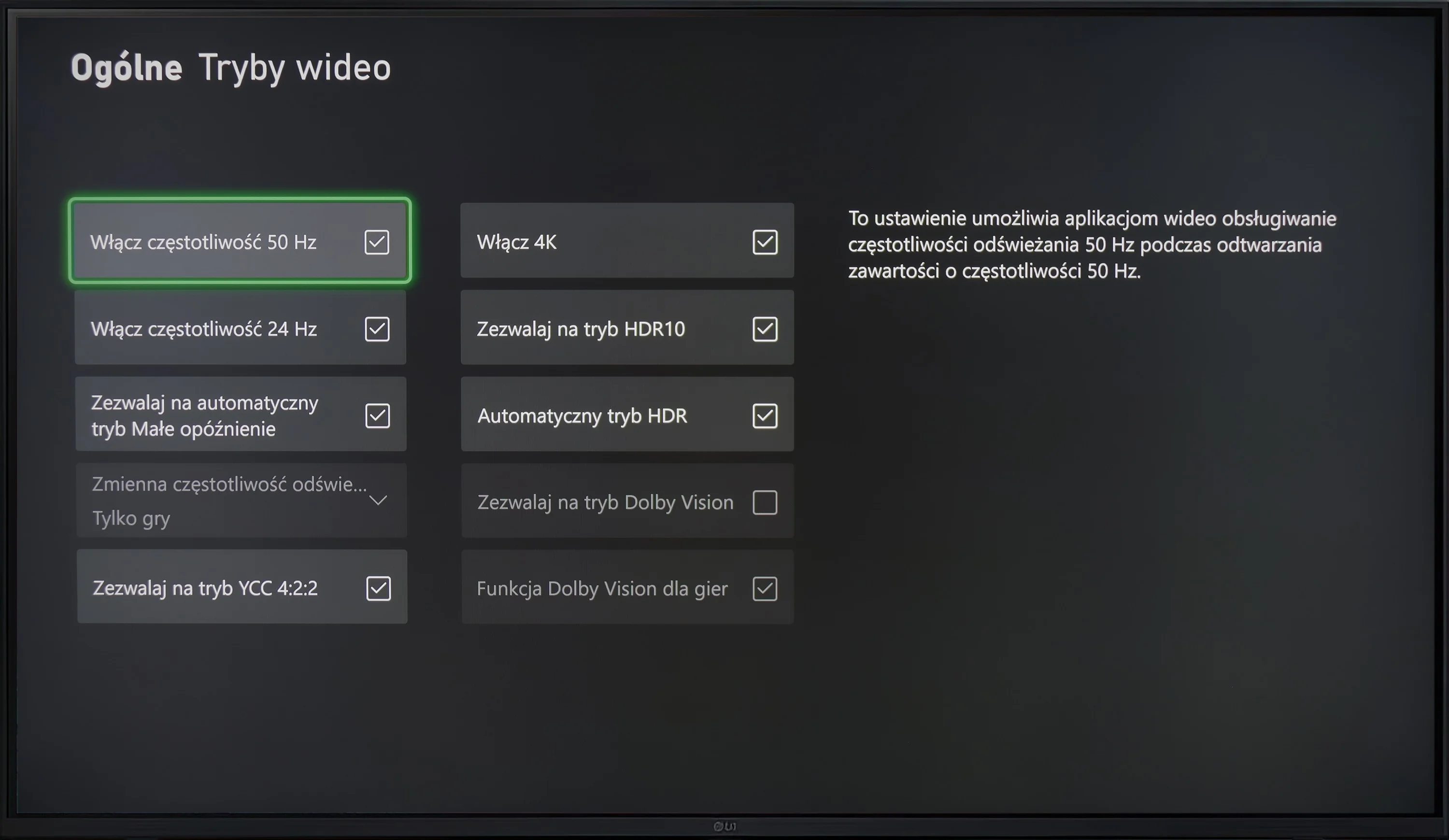
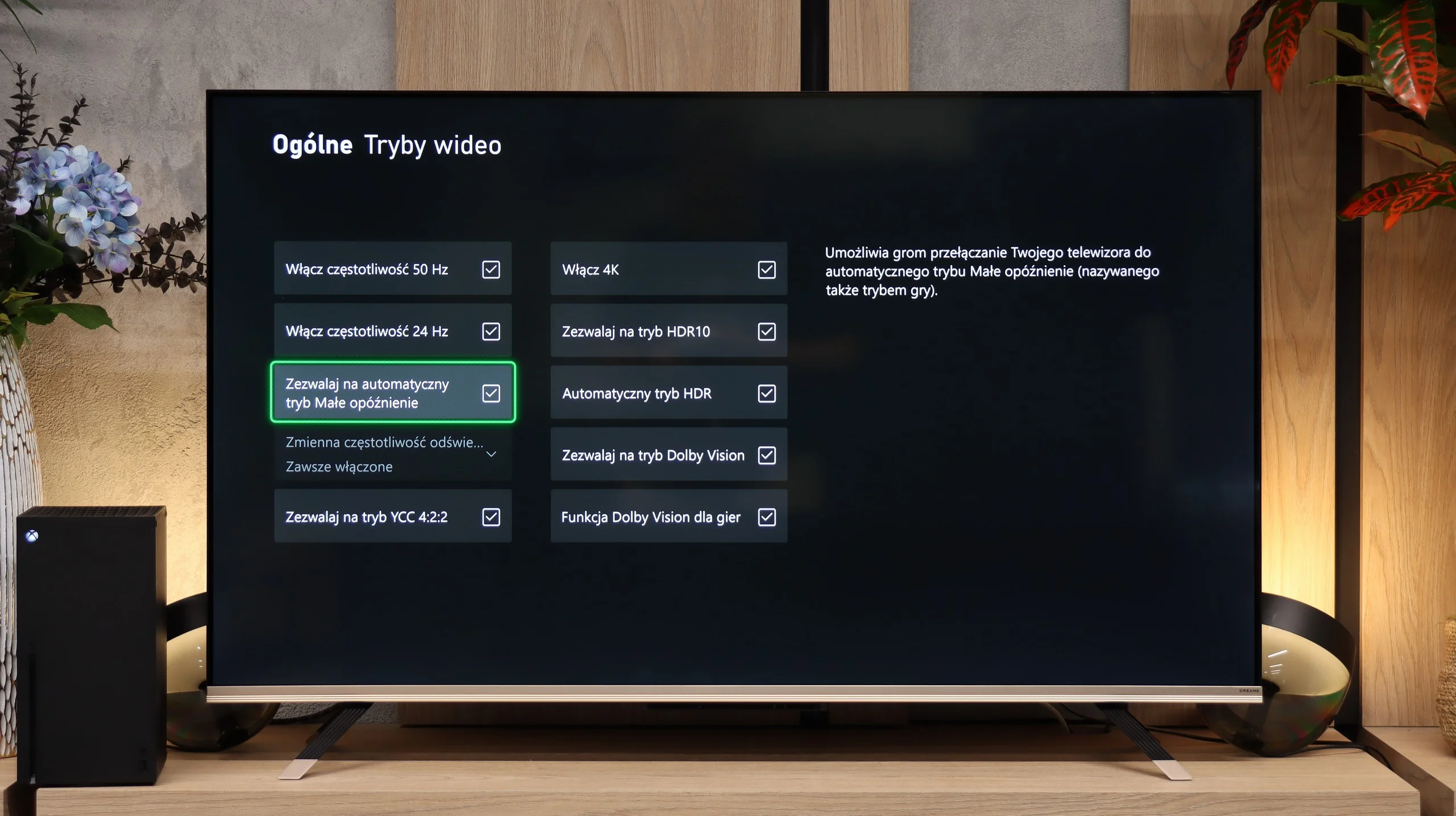
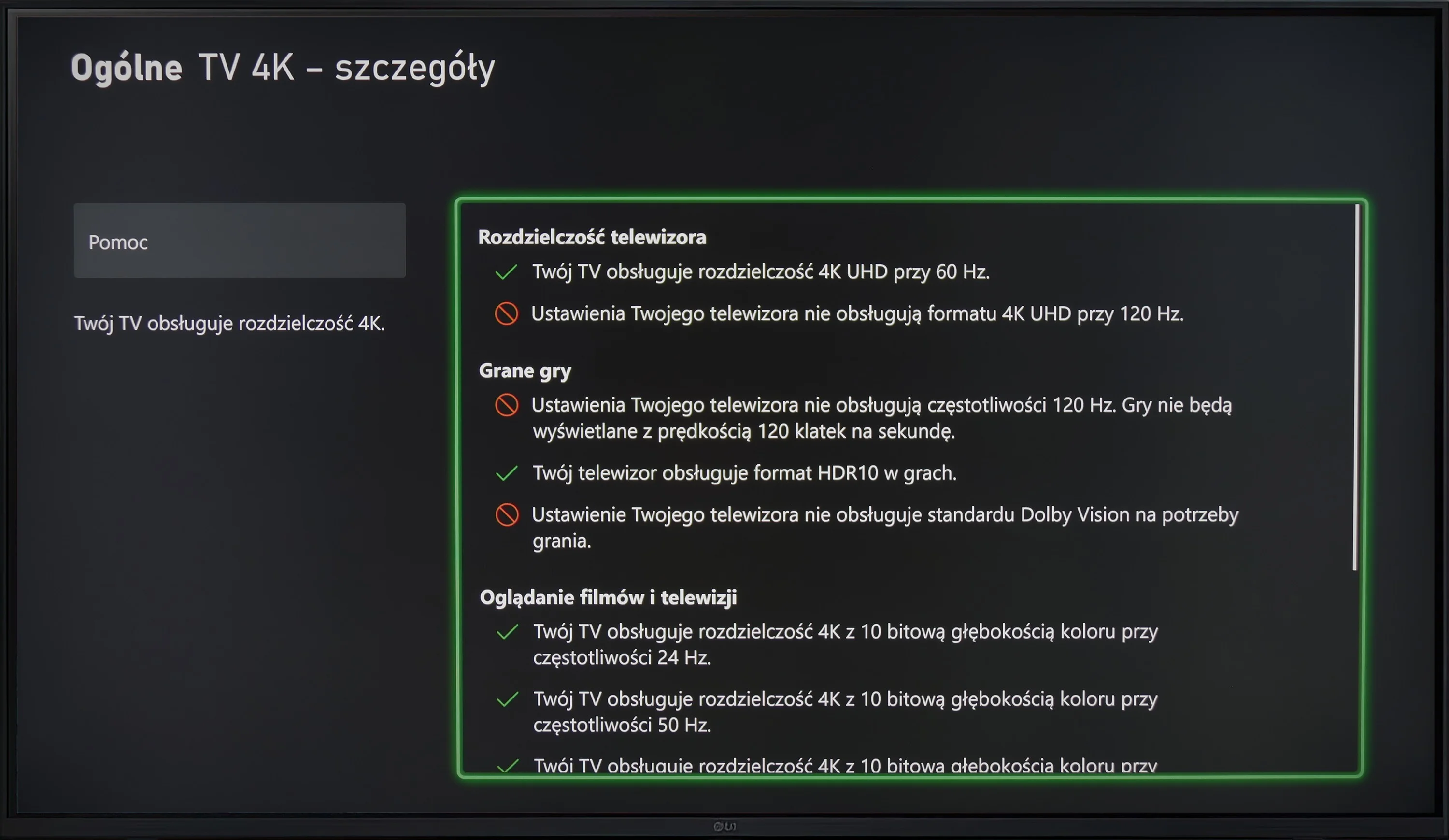
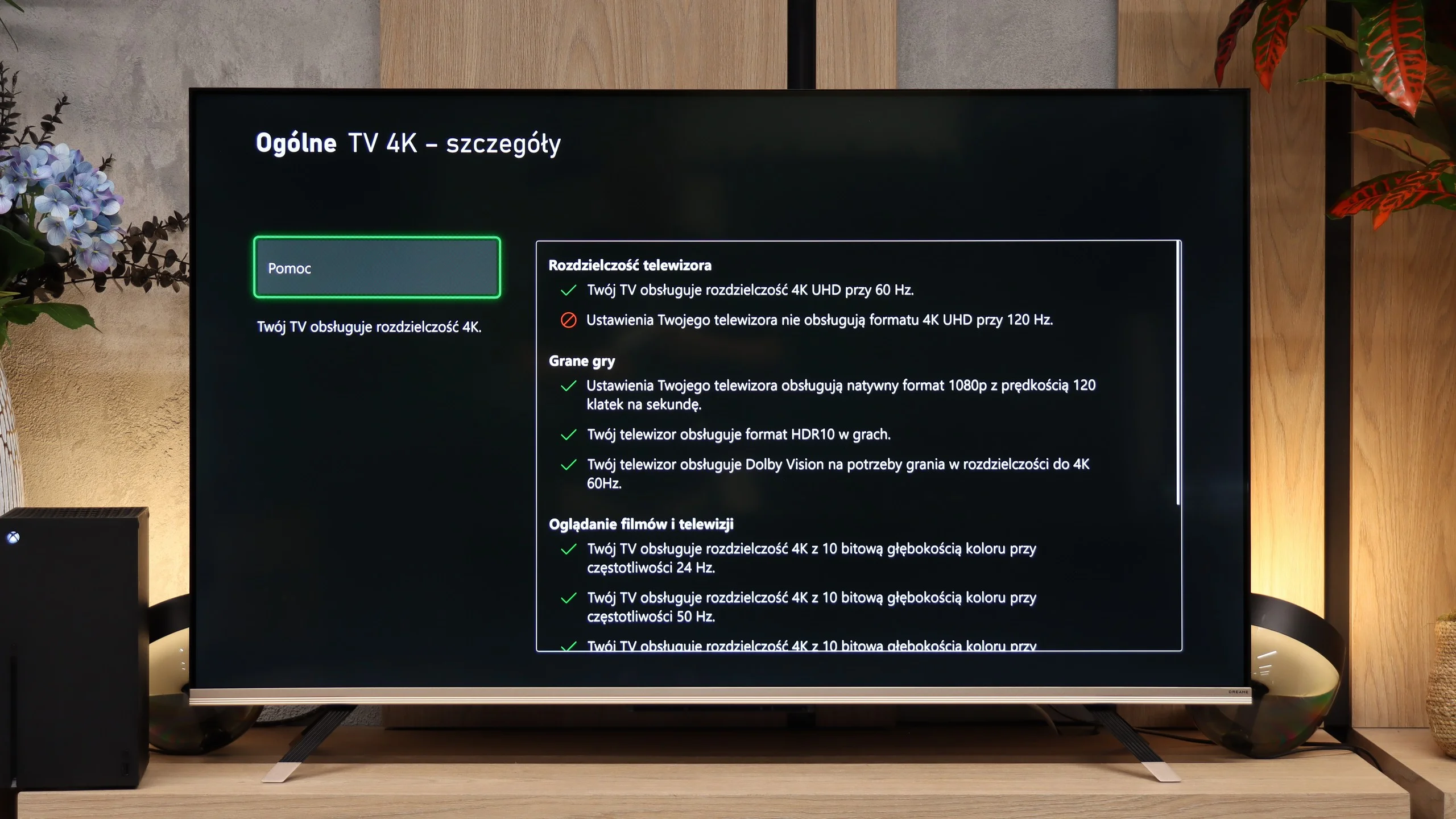
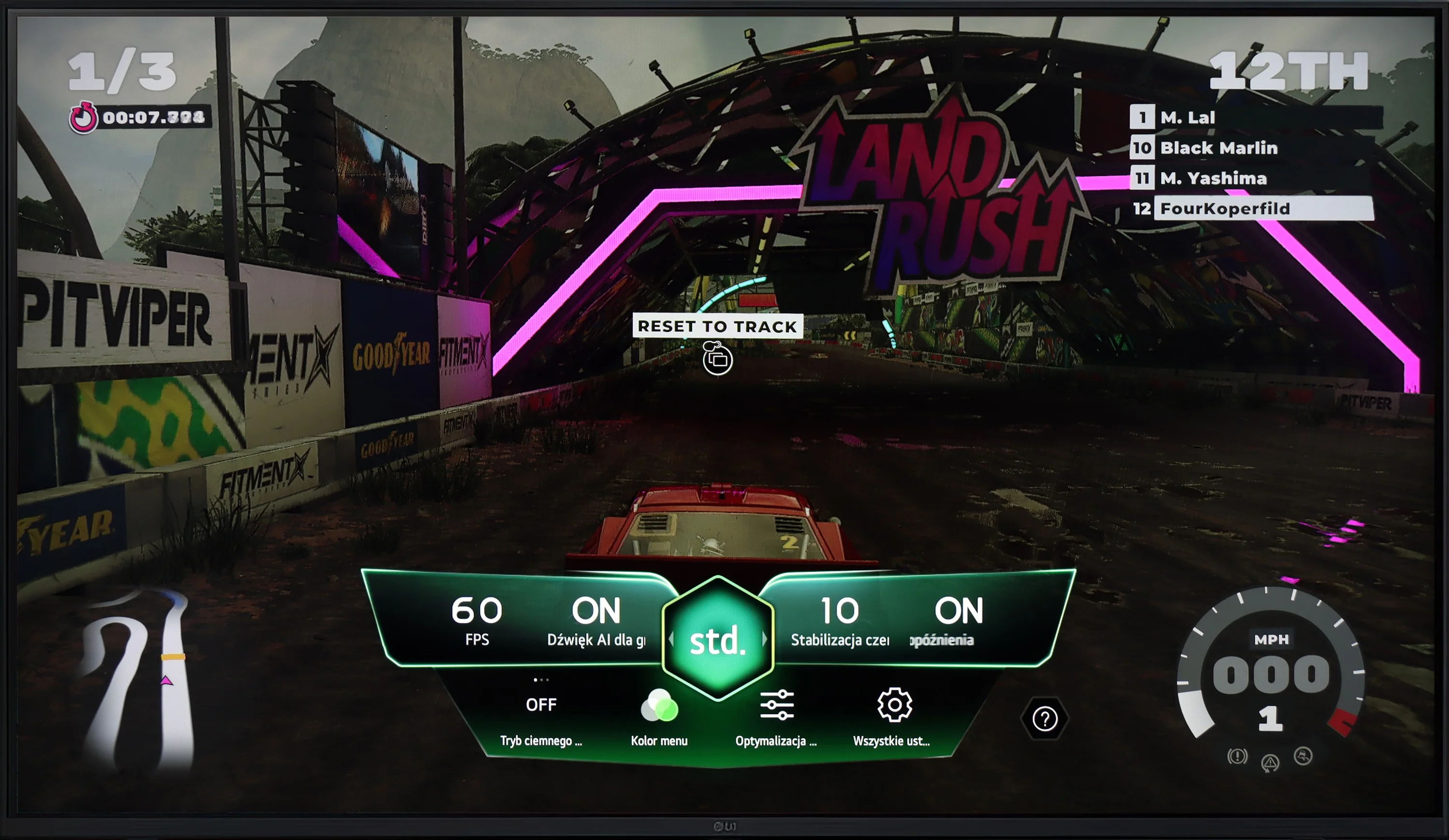
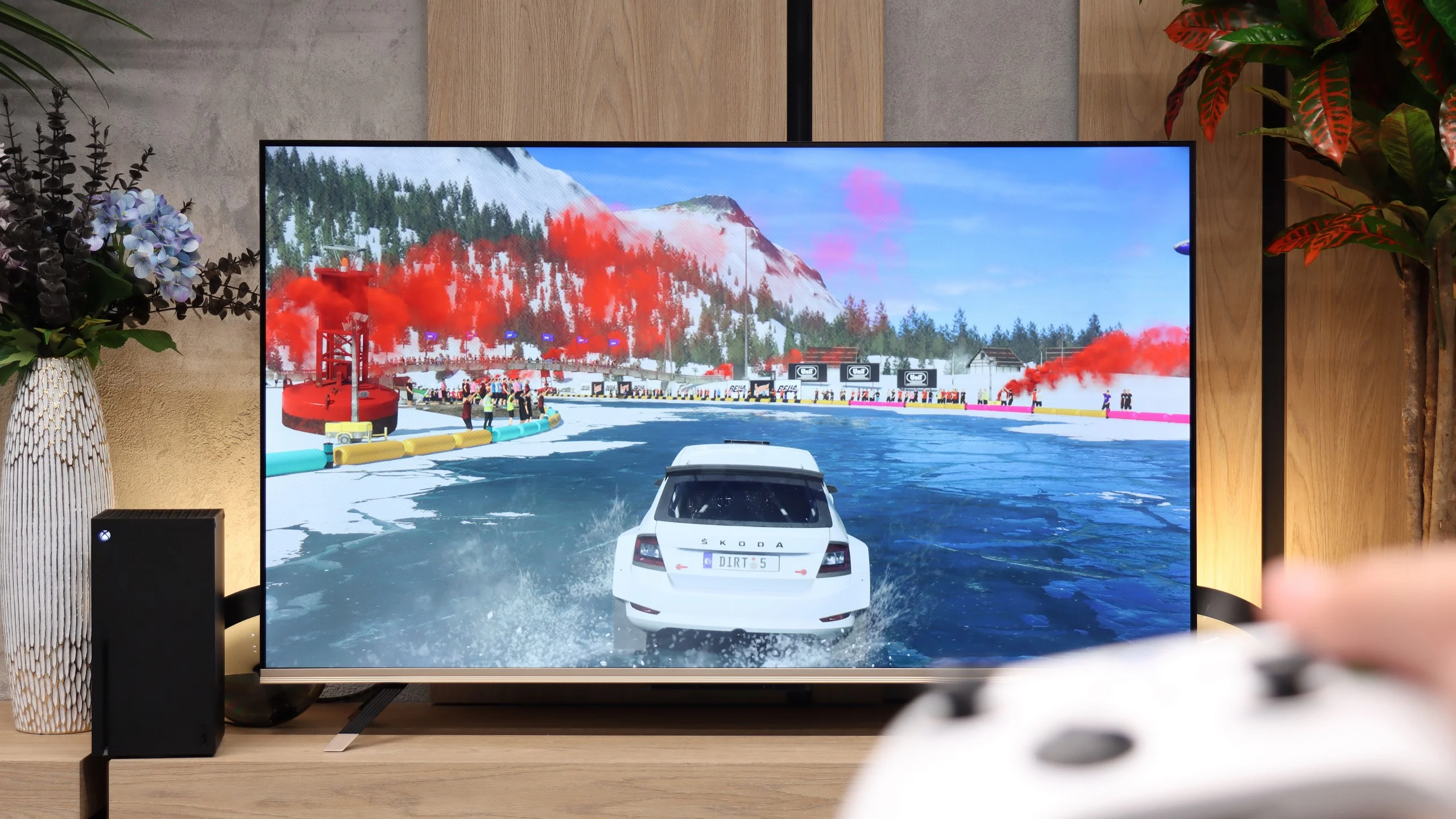
While gaming on the console, the television LG UR781 offers several important features that can affect the gaming experience, but it also has some limitations. A positive aspect is the presence of ALLM (Auto Low Latency Mode), which automatically optimises picture settings by switching the television LG UR781 into low latency mode, which is beneficial for gamers. The television also supports proper implementation of HGiG, meaning HDR games look as intended by the developers.
Unfortunately, it lacks support for Variable Refresh Rate (VRR), which may result in poorer fluidity of gameplay, particularly in more dynamic games. It also does not support Dolby Vision mode for games, which limits the HDR picture quality in games using this format. The television has a panel with a frequency of 60hz, which means it does not support higher frequencies at other resolutions, such as 1080p@120Hz, 1440p@120Hz, or 4K@120Hz, which is a significant drawback for gamers expecting smoother gameplay at higher resolutions. It also lacks support for G-Sync technology, which limits image synchronisation in games.
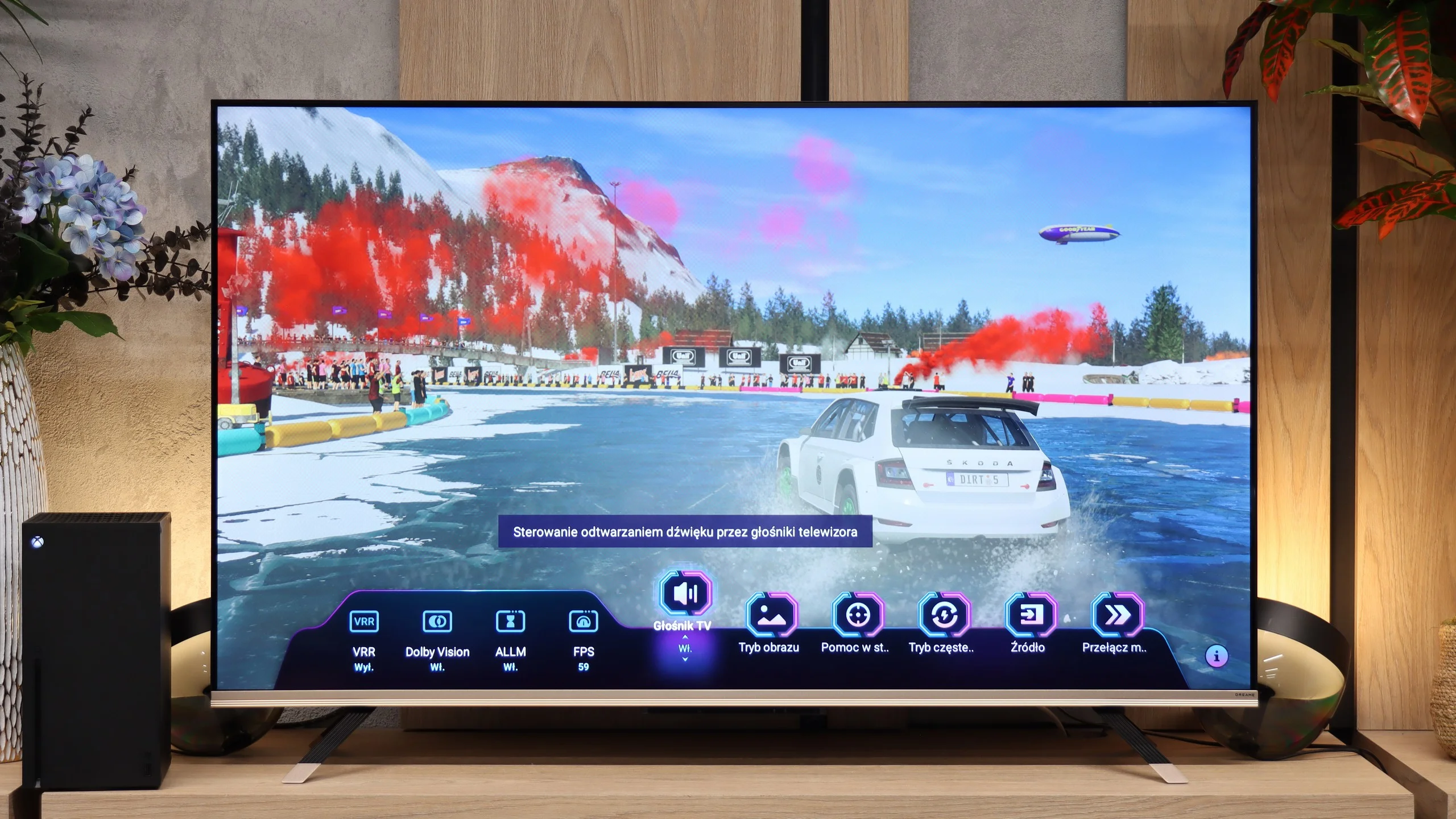
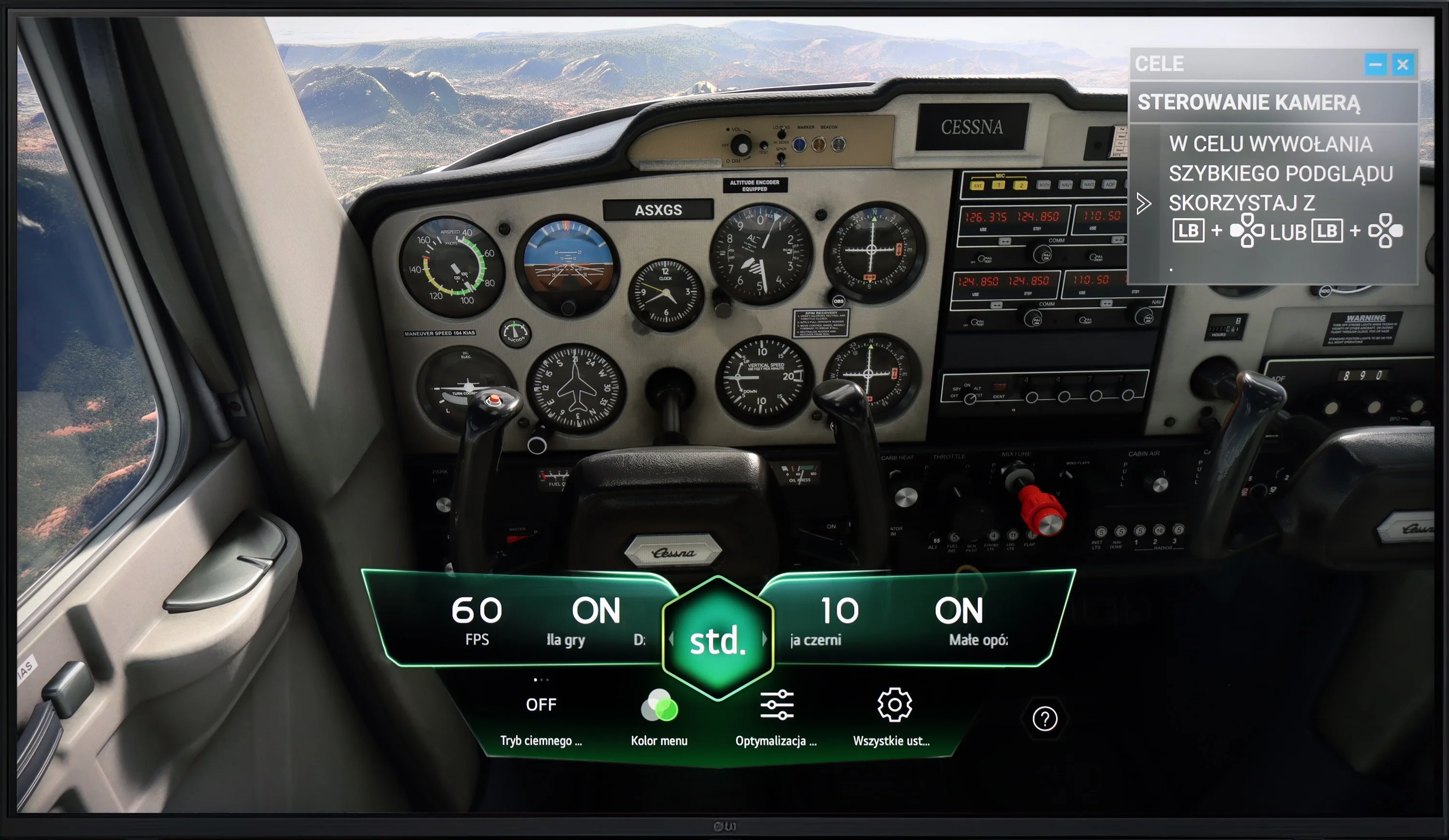
However, a positive aspect is the presence of the Game Bar feature, which allows quick access to settings for gamers and makes it easier to adjust picture parameters during gameplay.
The Dreame Q100 is not a strictly gaming device, but for console use it offers a reasonable package. It provides VRR to eliminate screen tearing and ALLM, which automatically switches the TV to a low-latency mode when it detects a console signal. An interesting compromise is support for a 120 Hz mode. The panel won’t achieve that refresh rate in 4K, but dropping to 1080p lets you play at 120 frames per second. If a given title prioritises smoothness over high resolution (and the game offers such a mode), it’s worth using this option. There’s also a handy Game Bar on board, allowing you to quickly change display settings, switch the refresh mode or add a virtual crosshair. Admittedly the HGiG implementation is weak here, but it earns points for supporting Dolby Vision Gaming on Xbox Series X and S. This is not a panel for technological purists, but for casual console gaming it performs flawlessly, especially when you opt to trade 4K for a smoother Full HD.
Input lag
10/10
10/10
SDR
HDR
Dolby Vision
The measurement of input lag on the television LG UR781 performs very well, regardless of the signal or resolution. Gamers will certainly appreciate the manufacturer's efforts, as gameplay in 4K at 60 Hz with HDR enabled achieves only 13 ms of lag. This is an exceptionally low result that ensures smooth and responsive experiences, even in fast-paced online games where every millisecond counts.
The measured input lag is low enough that it should not be an issue when gaming. In 60 Hz mode the latency stays below 15 ms, while switching to 120 Hz reduces it to under 10 ms. These low values ensure highly responsive gameplay.
Compatibility with PC
6/10
4/10
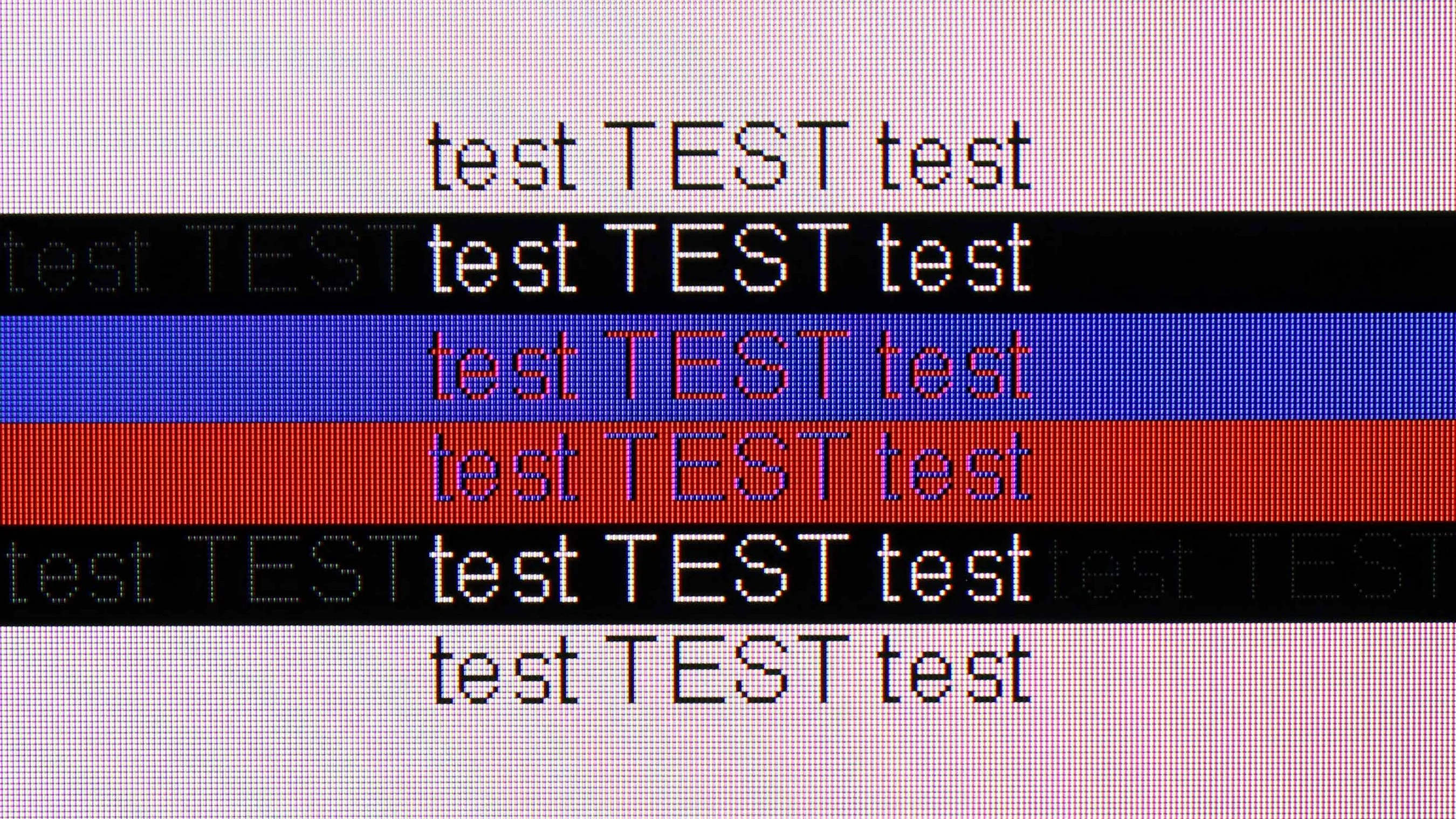
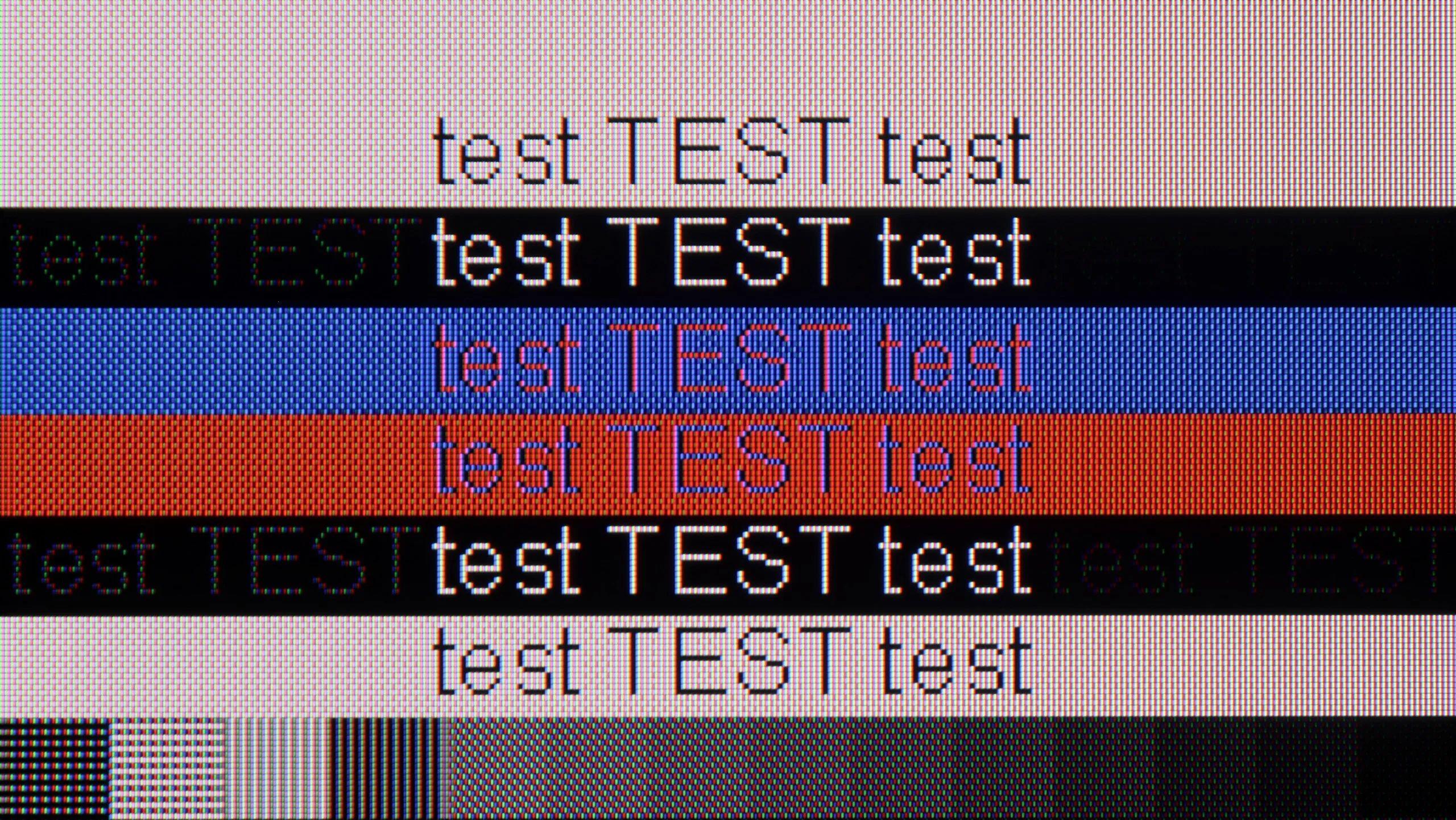
The photo shows the legibility of small fonts. Ideally, lines should be the same thickness on both light and dark text, with minimal pixel gaps.
Displaying text in 4K resolution at 60 Hz is exceptionally sharp, with excellent colour reproduction, meaning that even fine details, such as grey letters, are well visible, despite the use of a BGR pixel layout. An input lag of 14 ms ensures quick reactions, making the television well-suited for work. Unfortunately, the 60 Hz panel and lack of G-Sync do not meet the requirements of gamers using a computer, resulting in a lower rating for gaming. Nonetheless, the television performs well in office tasks and media viewing, which compensates for its use in work.
The Dreame Q100 can occasionally serve as a large screen connected to a computer, but it fares much worse as a monitor. First of all, the TV does not display chroma 4:4:4 correctly, so coloured text and fine interface elements are not as sharp and legible as they should be. Black text on a light background looks much better, but during normal computer use this limitation quickly becomes apparent. There is also the matter of refresh rate. The Q100 can run at 120 Hz, but only after lowering the resolution to Full HD. At native 4K we remain at 60 Hz. It is fine for occasional connection of a laptop or PC, but we would not recommend it as a permanent monitor.
Viewing angles
3.5/10
2.9/10
A characteristic feature of VA matrices is the noticeable drop in image quality at an angle. In the case of this model, when viewed at a 45-degree angle, brightness drops by as much as 70%, which affects the clear deterioration of black depth and overall image quality. LG UR781 televisions with VA matrices do have better contrast when viewed straight on, but their viewing angles are limited compared to other technologies such as IPS.
One of the typical limitations of VA panels is viewing angles, and the Dreame Q100 is no exception. Sit noticeably to one side and the image will start to lose saturation and the colours will become paler. In that respect IPS or ADS panels perform considerably better. However, it is a compromise, and in return the VA panel offers much better contrast and deeper blacks when watching the TV straight on.
Daytime performance
3.9/10
4.4/10
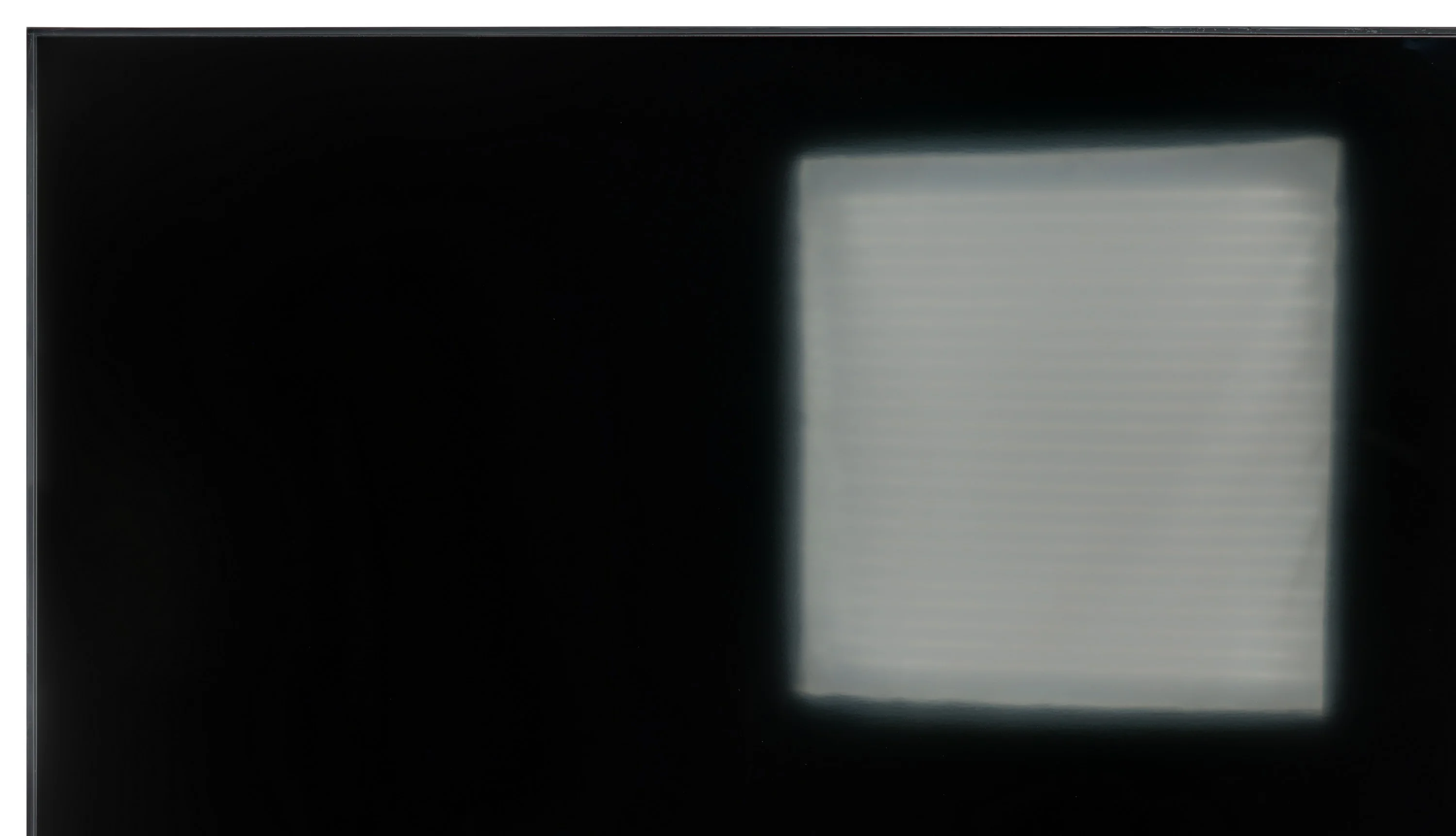
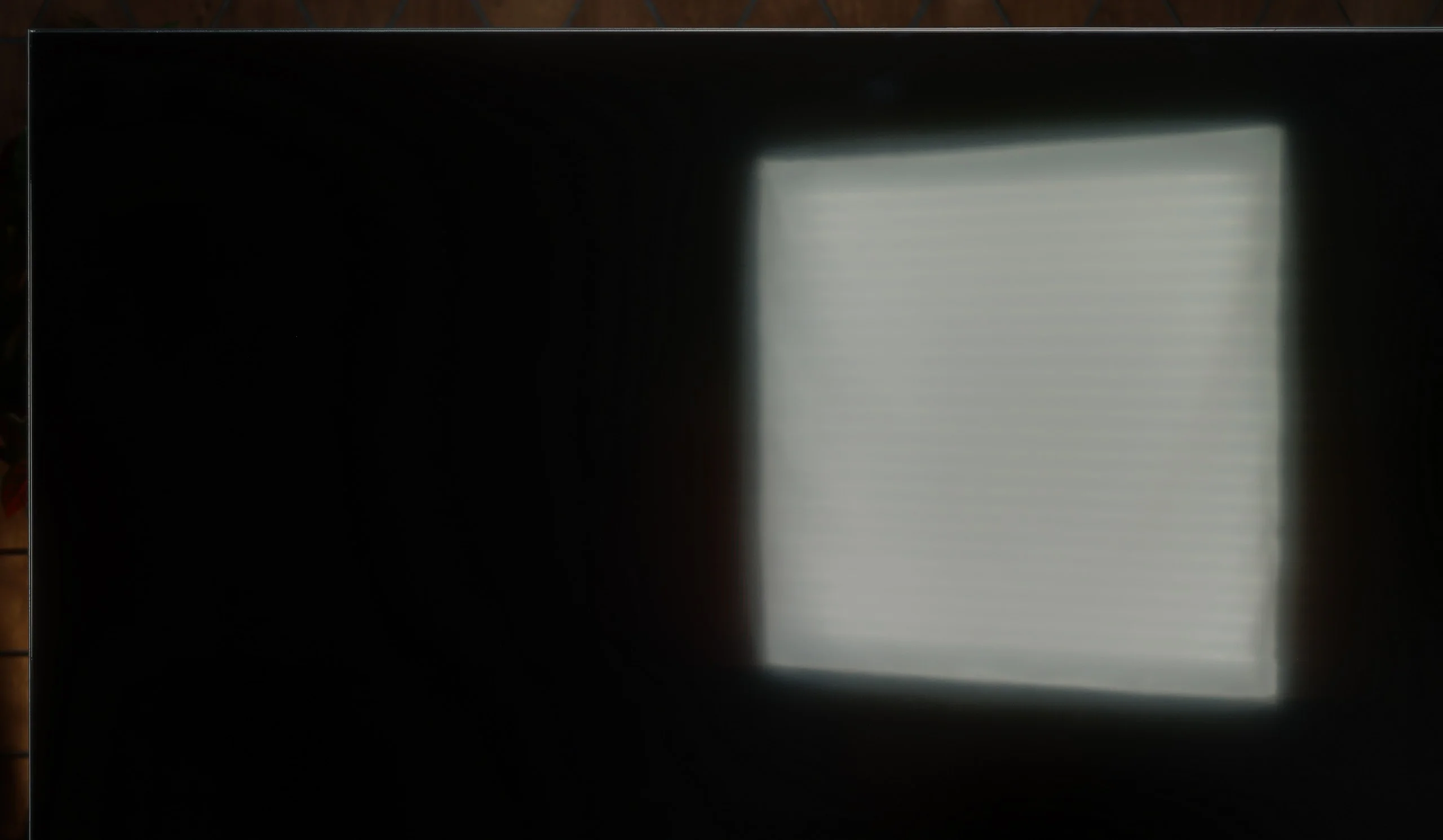
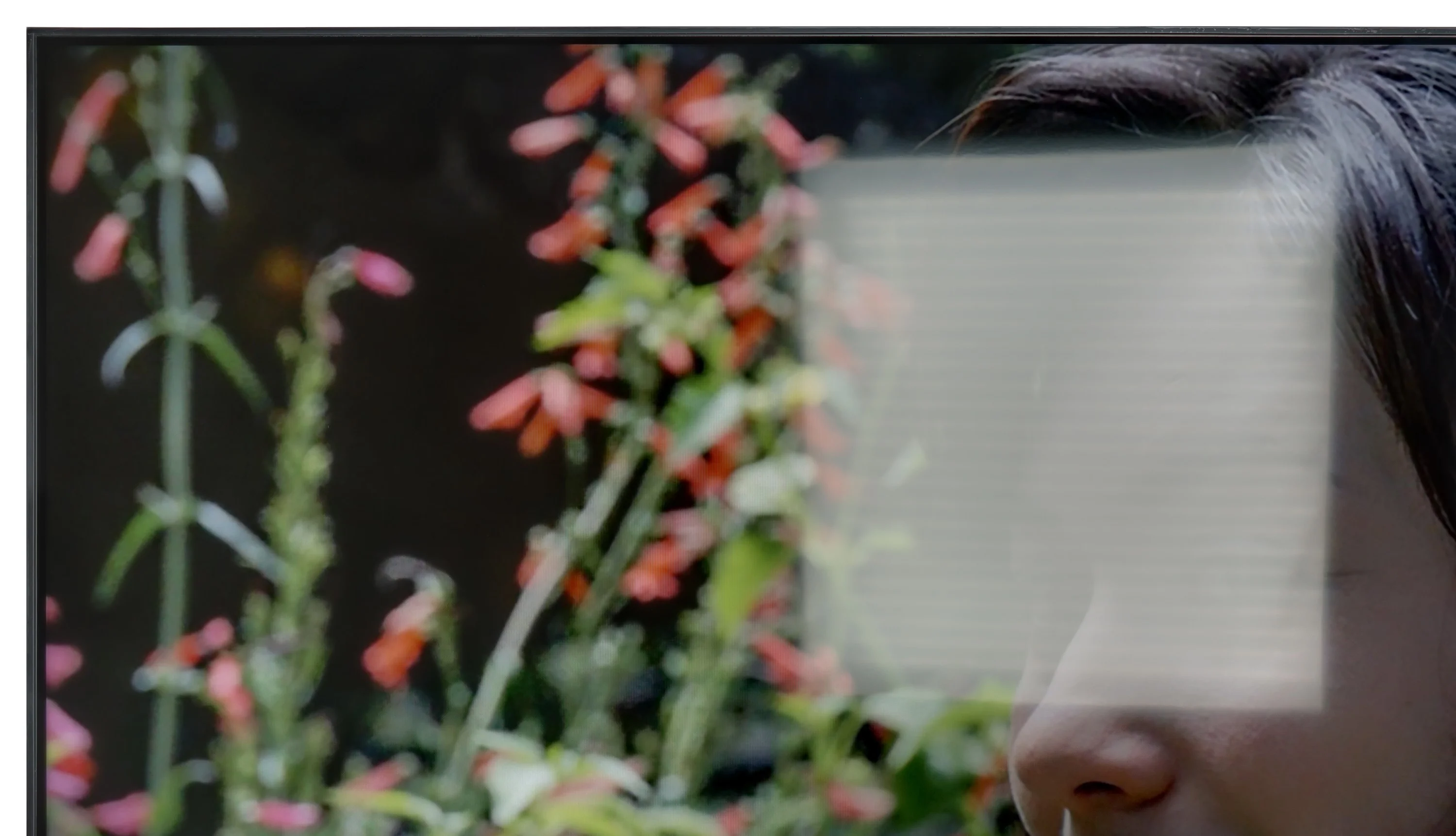
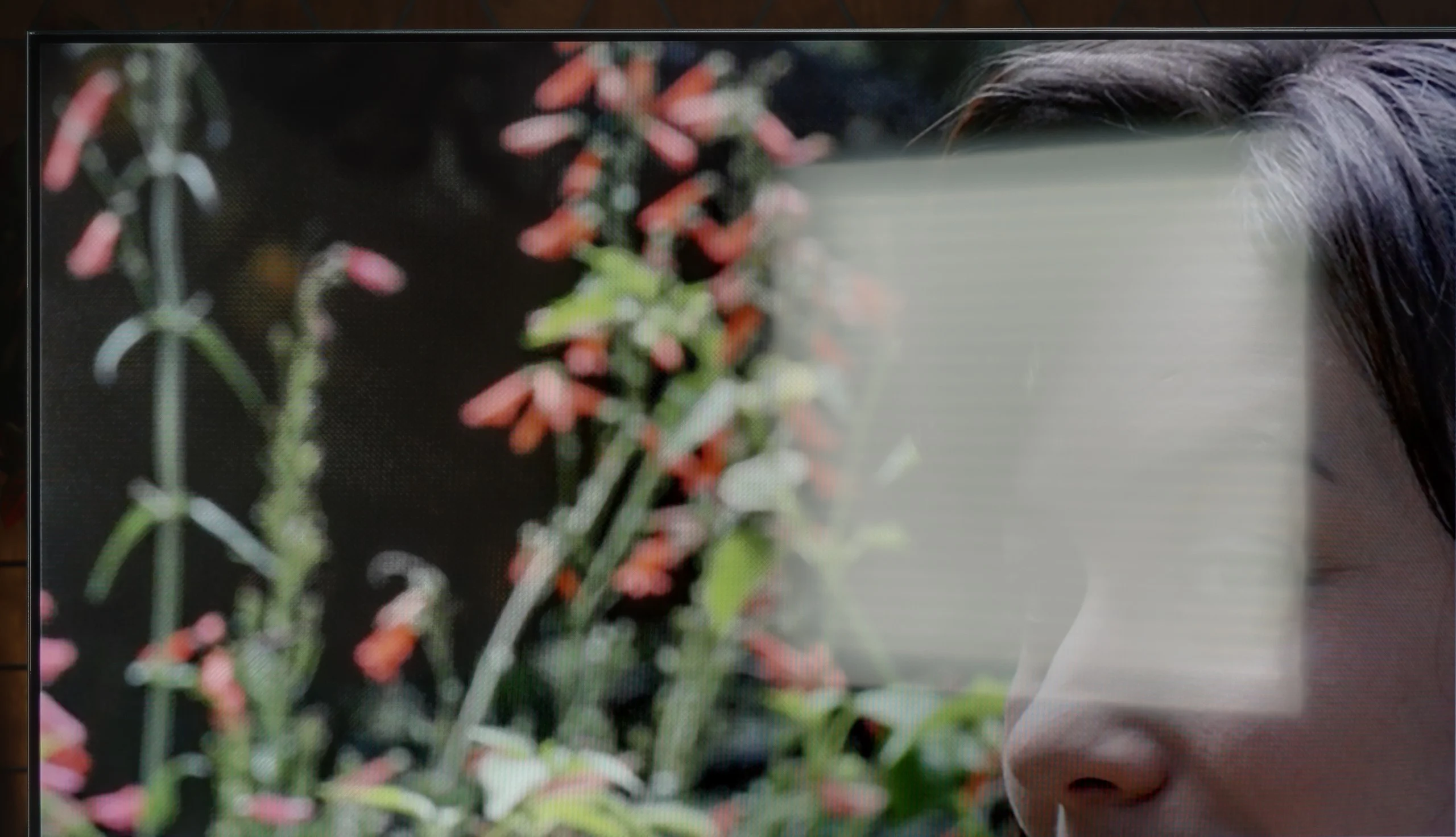
Panel brightness
Dreame Q100: 282 cd/m2
LG UR781: 231 cd/m2
Thanks to its satin finish, it effectively reduces reflections while watching during the day, making light reflections less troublesome. However, due to its low brightness in SDR mode, which is only 231 nits, it may struggle to display clear images in brighter rooms, especially on sunny days. Watching in such conditions may result in poorer visibility and less clarity of the image.
The Dreame Q100 is not a TV designed for very bright rooms. About 300 nits of brightness is too little for the image to remain clearly visible in a strongly sunlit living room, especially during the day. The situation is not helped by the satin screen coating, which copes rather poorly with direct reflections. With a lamp or window opposite the TV, reflections can be clearly visible. In a typical, moderately lit room the Q100 will manage adequately, but for a really bright living room it's worth looking for something with higher brightness and a better anti-reflective coating.
Panel details
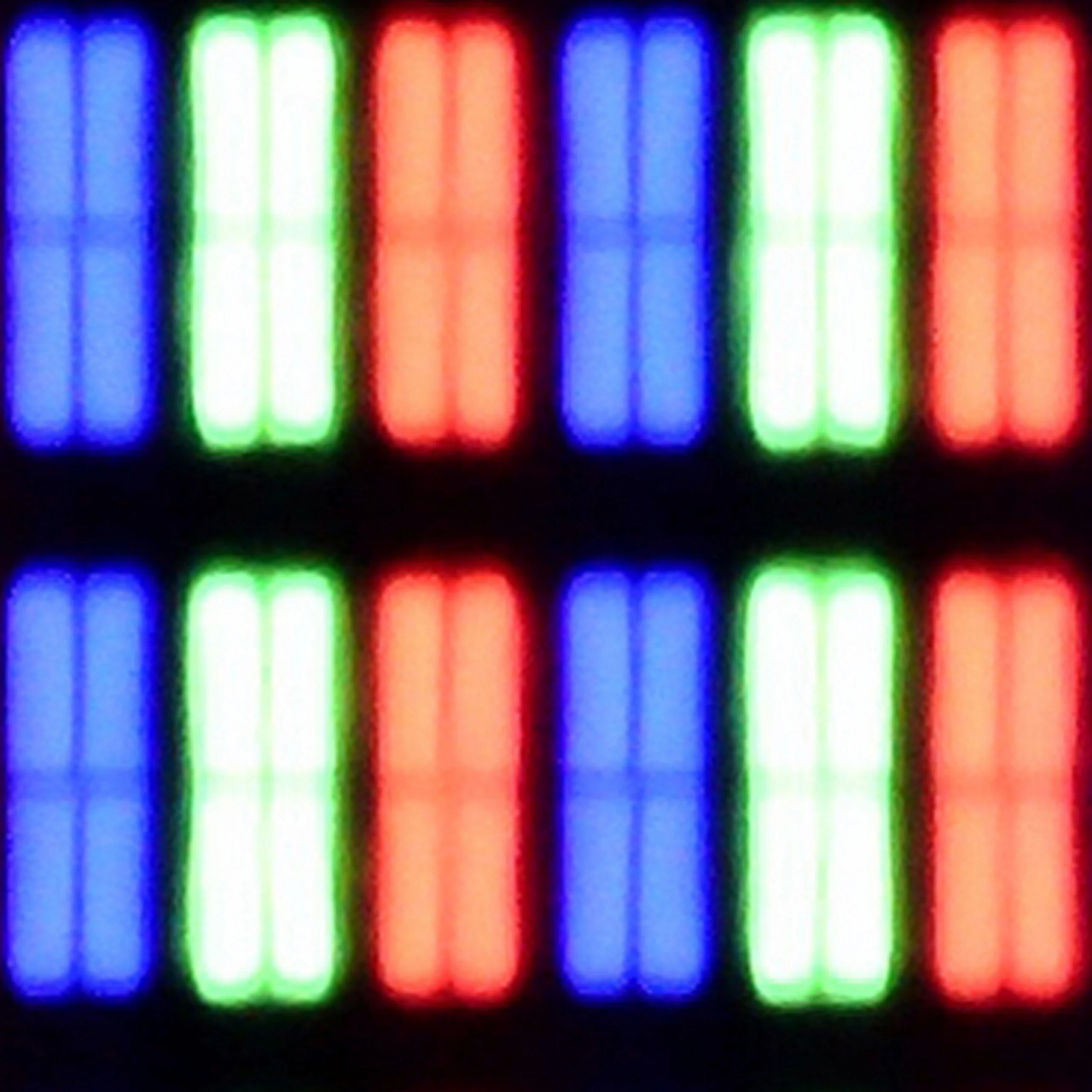
Subpixel Structure:
Panel uniformity and thermal imaging:

LG UR781
Dreame Q100
TV features
6.4/10
5.2/10
- SystemWebOSGoogle TV
- System performanceDecentAverage
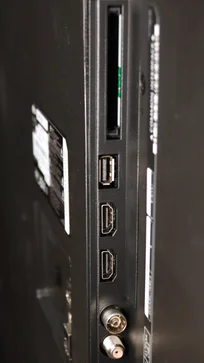
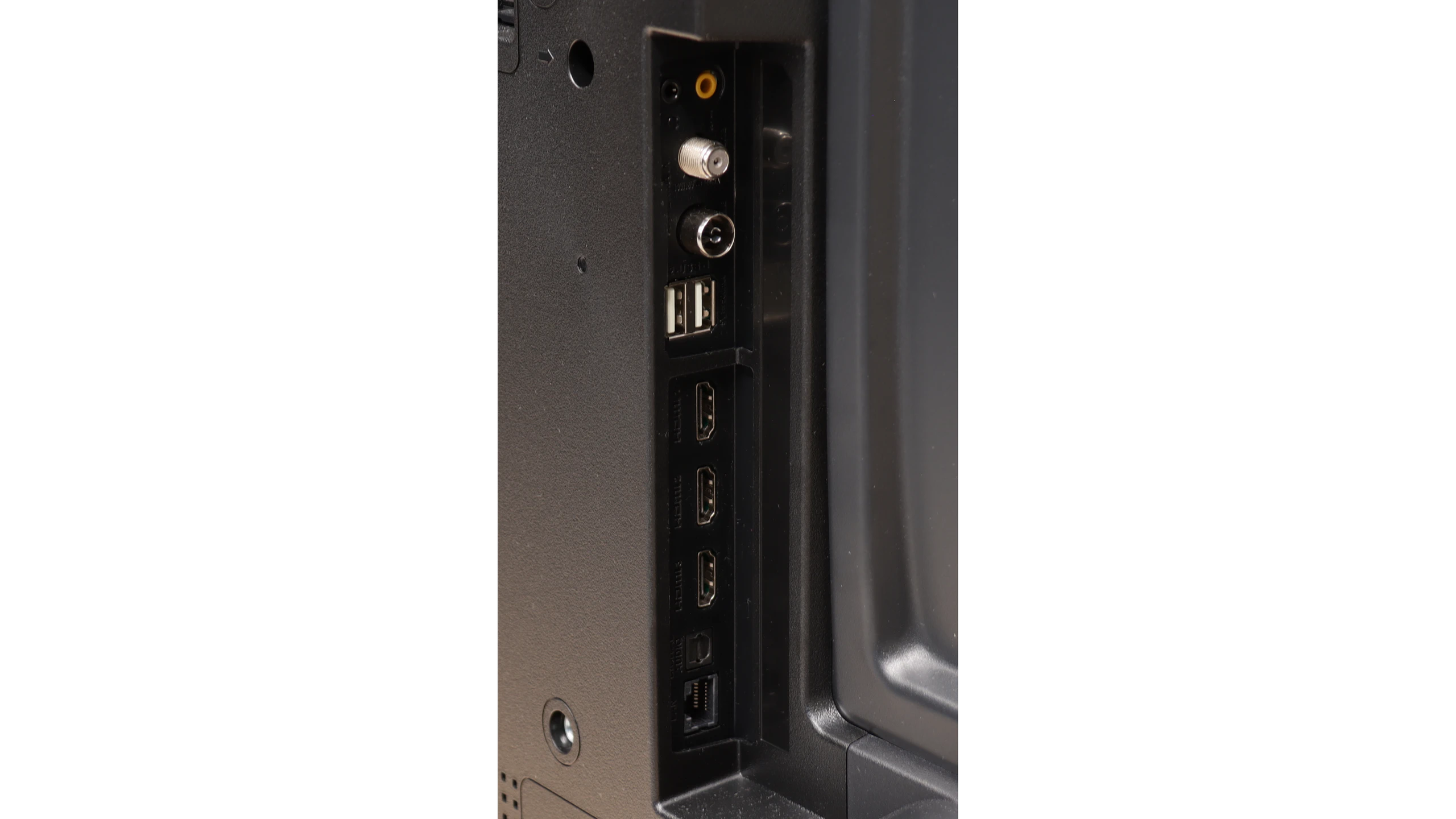
- HDMI inputs3 x HDMI 2.0, 0 x HDMI 2.13 x HDMI 2.0, 0 x HDMI 2.1
- Other inputsRCA (Chinch)
- OutputsToslink (Optical audio), eARC (HDMI), ARC (HDMI)SPDIF (Coaxial audio), eARC (HDMI), ARC (HDMI), Mini-Jack (Headphones)
- Network InterfacesWi-Fi 2.4GHz, Wi-Fi 5GHz, Ethernet (LAN) 100MbpsWi-Fi 2.4GHz, Wi-Fi 5GHz, Ethernet (LAN) 100Mbps
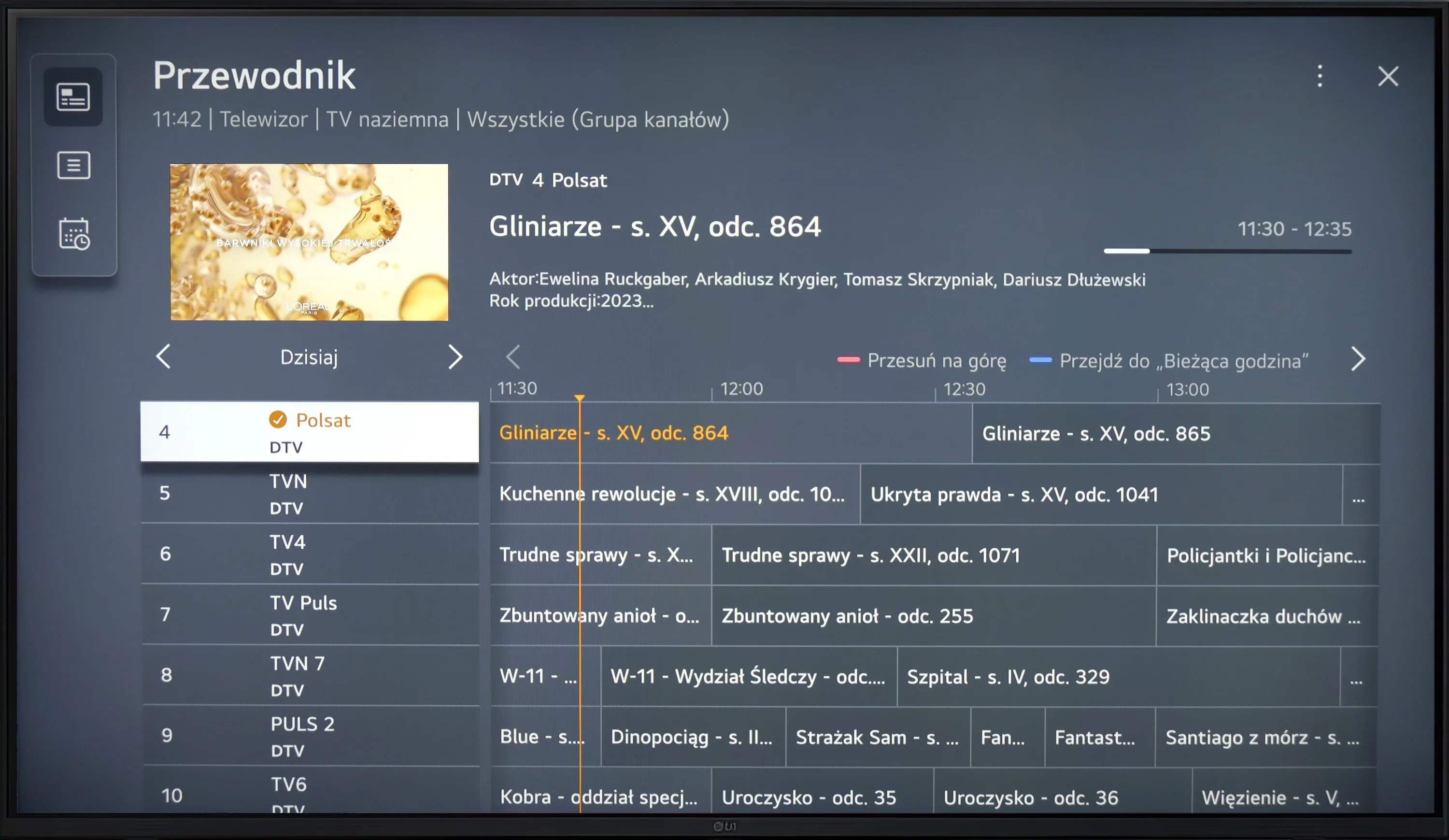
- TV receptionDVB-T, DVB-T2, DVB-S, DVB-S2, DVB-CDVB-T, DVB-T2, DVB-S, DVB-S2, DVB-C
Classic features:
- Recording to USB (terrestrial TV)
- Recording programming
- Picture in Picture (PiP)
- RF remote control (no need to aim)
- Backlit remote control
- Teletext
- Audio only mode
- Bluetooth headphones support
- Simultaneous Bluetooth headphones & TV audio
Smart features:
- AirPlay
- Screen mirroring (Windows Miracast)
- Voice search
- Voice search in native language
- Ability to connect a keyboard and mouse
Sound connection options
- HDMI audioeARC (HDMI), ARC (HDMI)eARC (HDMI), ARC (HDMI)
- Other audio outputsToslink (Optical audio)AuxiliaryOutput-SPDIF (Coaxial audio), Mini-Jack (Headphones)
- Wireless audioBluetoothBluetooth
Supported audio formats (external HDMI eARC audio):
- Dolby Digital Plus 7.1
- Dolby True HD 7.1
- Dolby Atmos in Dolby Digital Plus (JOC)
- Dolby Atmos in Dolby True HD
- DTS:X in DTS-HD MA
- DTS-HD Master Audio
Senior accessibility
- Numeric keyboard on TV
- Font size adjustment
- Audio description
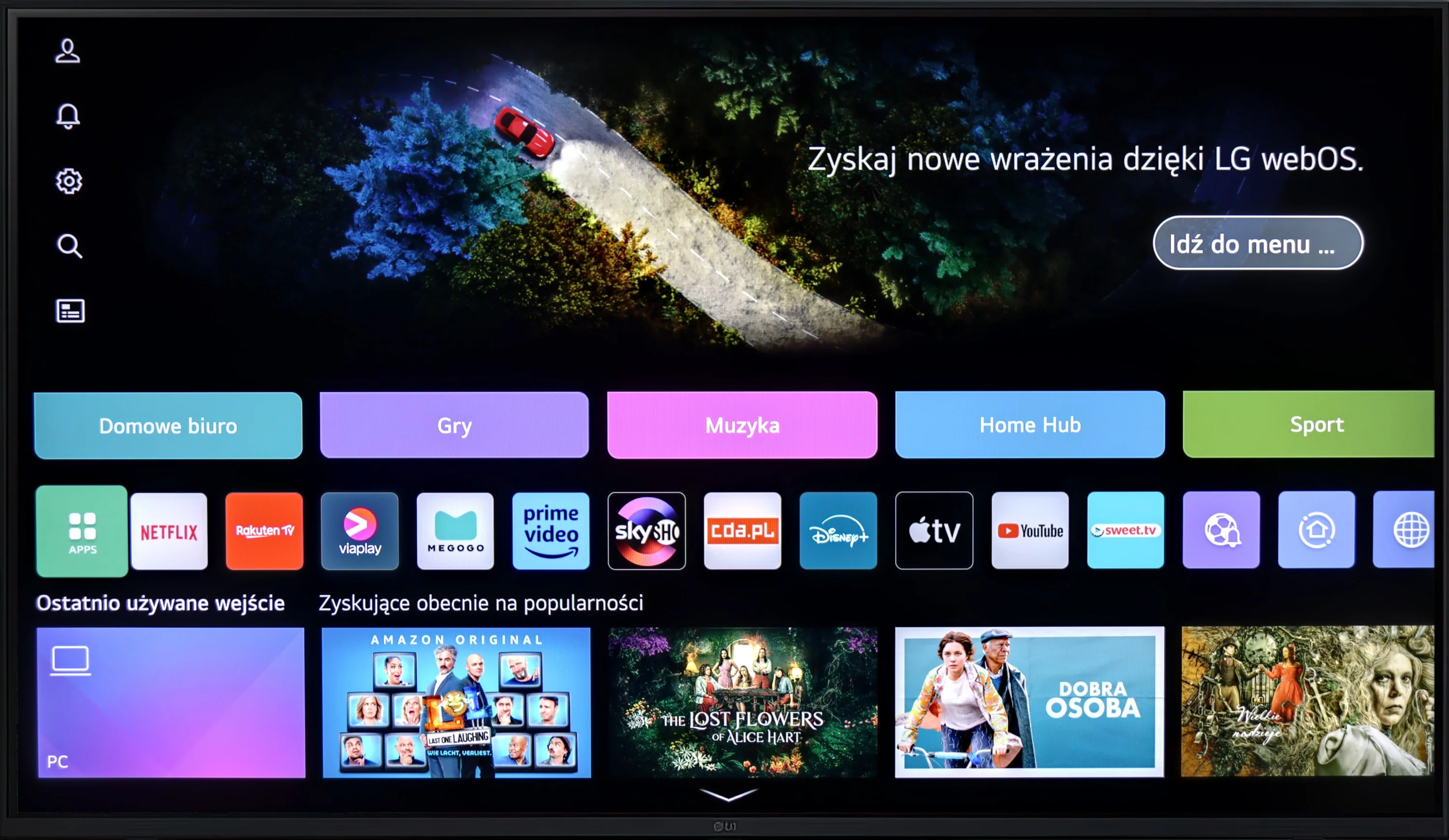
WebOS on LG UR781 televisions is a modern, intuitive system that provides easy access to popular streaming applications such as Netflix and YouTube, among others. It features a simple interface and supports functions such as Screen Mirroring, AirPlay, and Bluetooth. The system supports the connection of external devices, such as keyboards and headphones, offering extensive personalisation options and advanced multimedia features. Unfortunately, the basic model of the LG does not include the Magic remote (on-screen cursor), which is a shame! It is also worth noting that in the case of this model, WebOS was not particularly responsive and could be a bit frustrating.
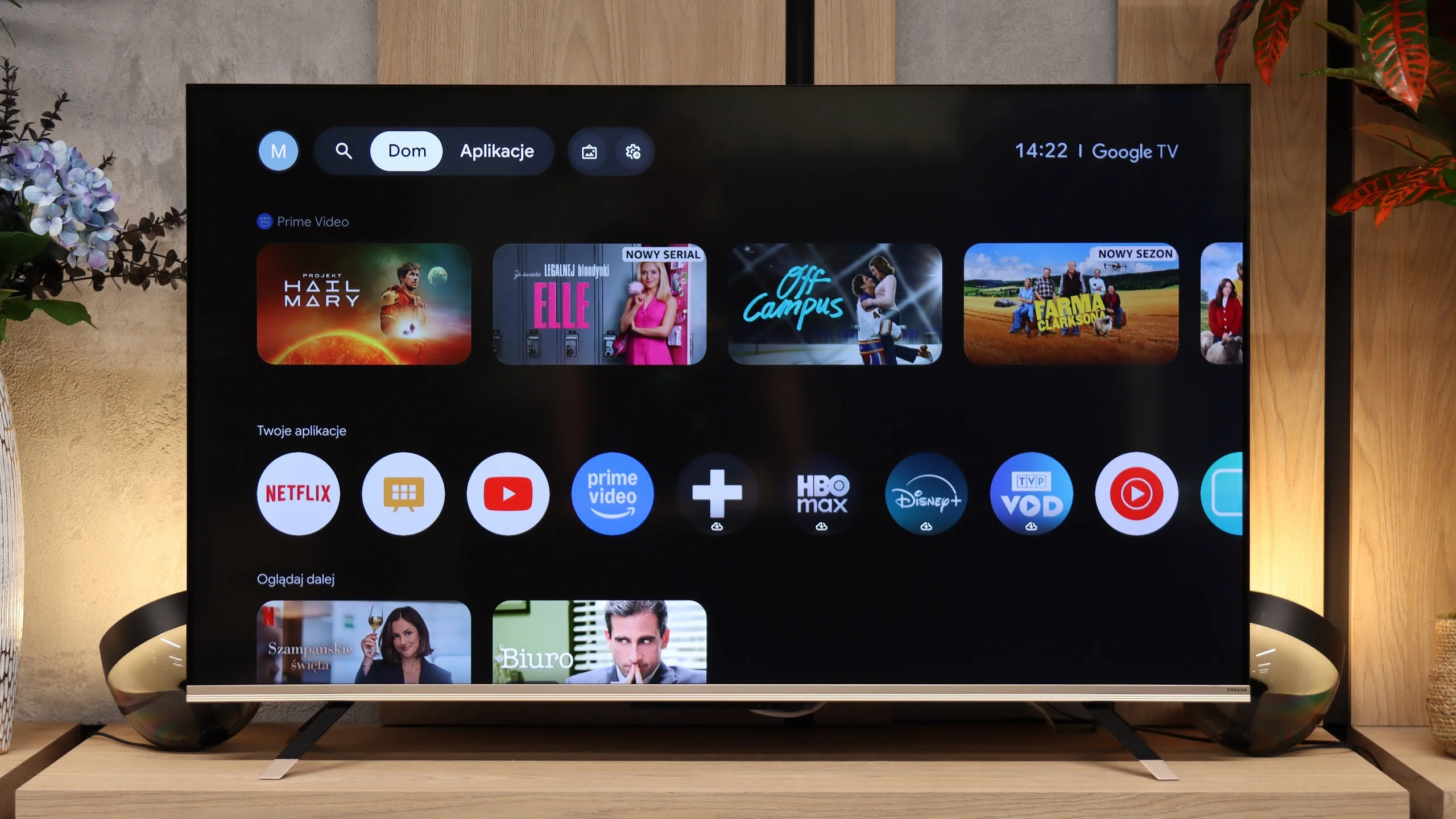
Google TV
The Dreame Q100 uses Google TV, so it is hard to fault when it comes to app access. You get all the most popular streaming services, the ability to install additional apps from the Google Play store and support for a Google account. The system therefore offers similar capabilities to many much more expensive televisions. During our tests we were unable to connect to the TV using an iPhone, so AirPlay is considered unavailable on this model.
Classic features
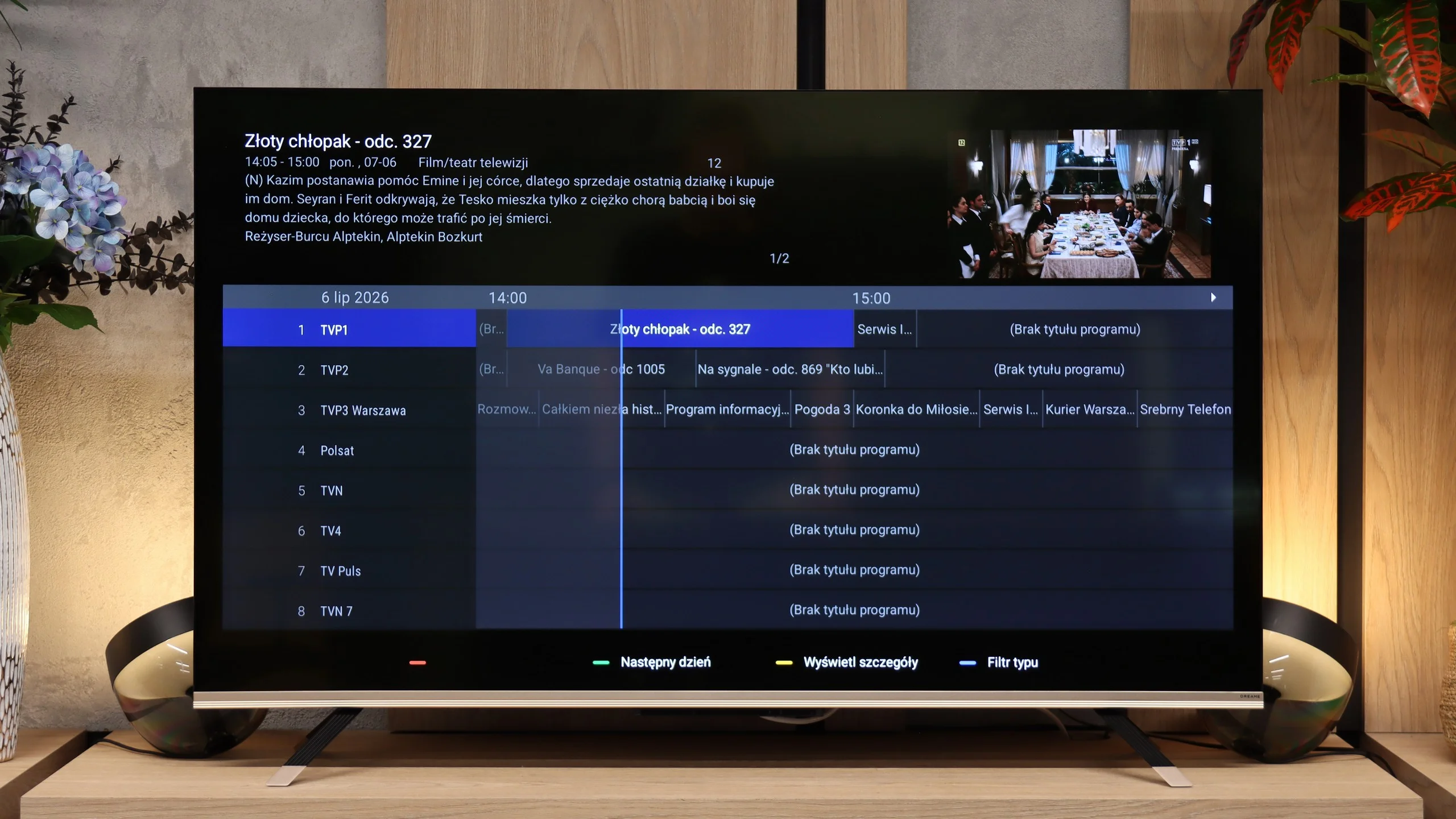
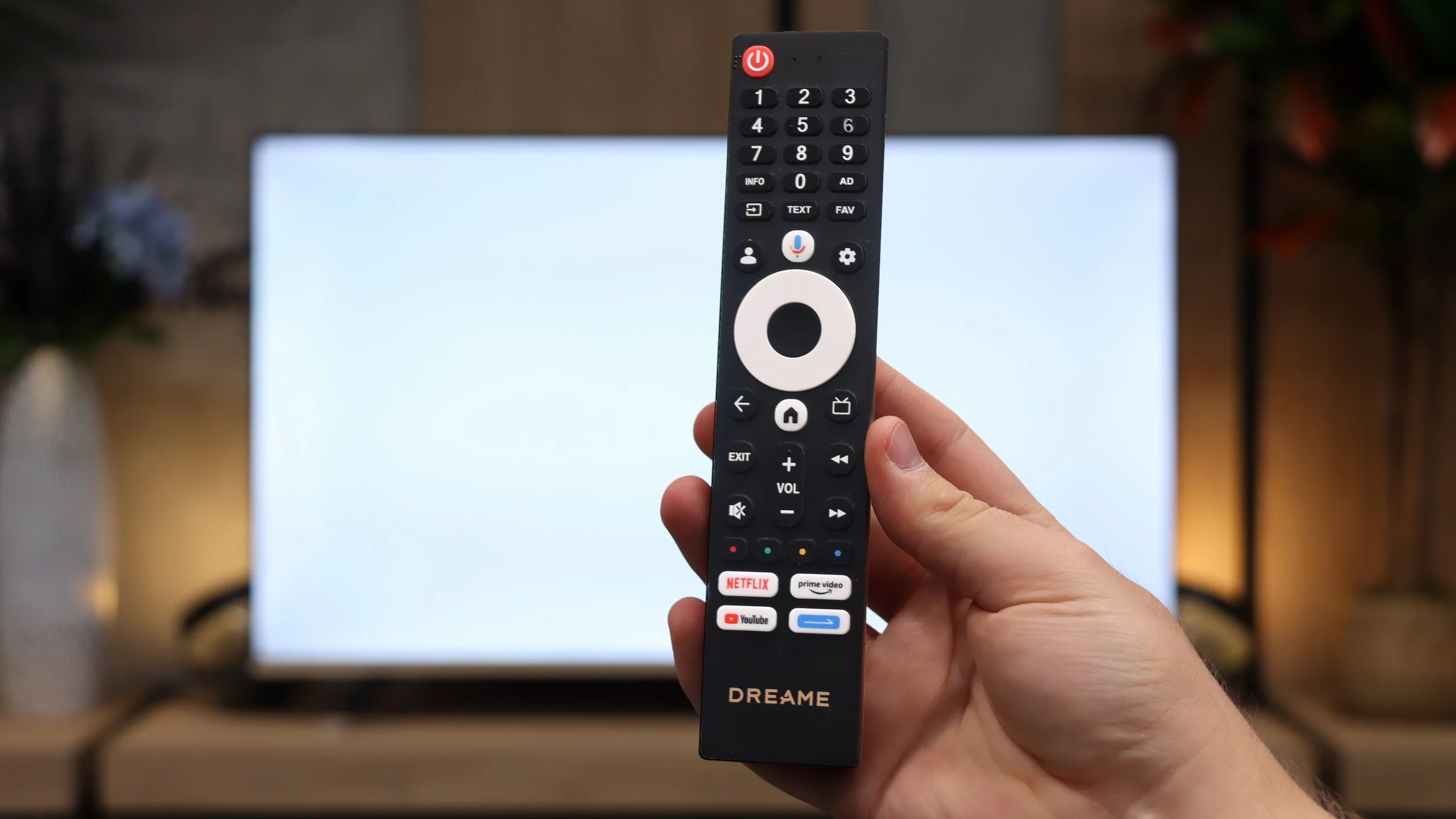
For regular TV viewing the Q100 performs without any major problems, but it is quite basic in terms of extra features. There is no option to record programmes to USB or to schedule such recordings. It also lacks more advanced functions found on pricier models, such as viewing from two tuners at once or PiP mode. Control is via a rather mediocre remote, but fortunately the manufacturer has kept a full numeric keypad on it, which is still very convenient for traditional television. On the plus side, the presence of analogue connectors is worth noting. The Q100 even has a classic mini-jack headphone socket, which we see less and less of in new TVs today.
Apps
9.1/10
9.6/10






















Playing files from USB
8.2/10
8.9/10
Supported photo formats:
Maximum photo resolution:
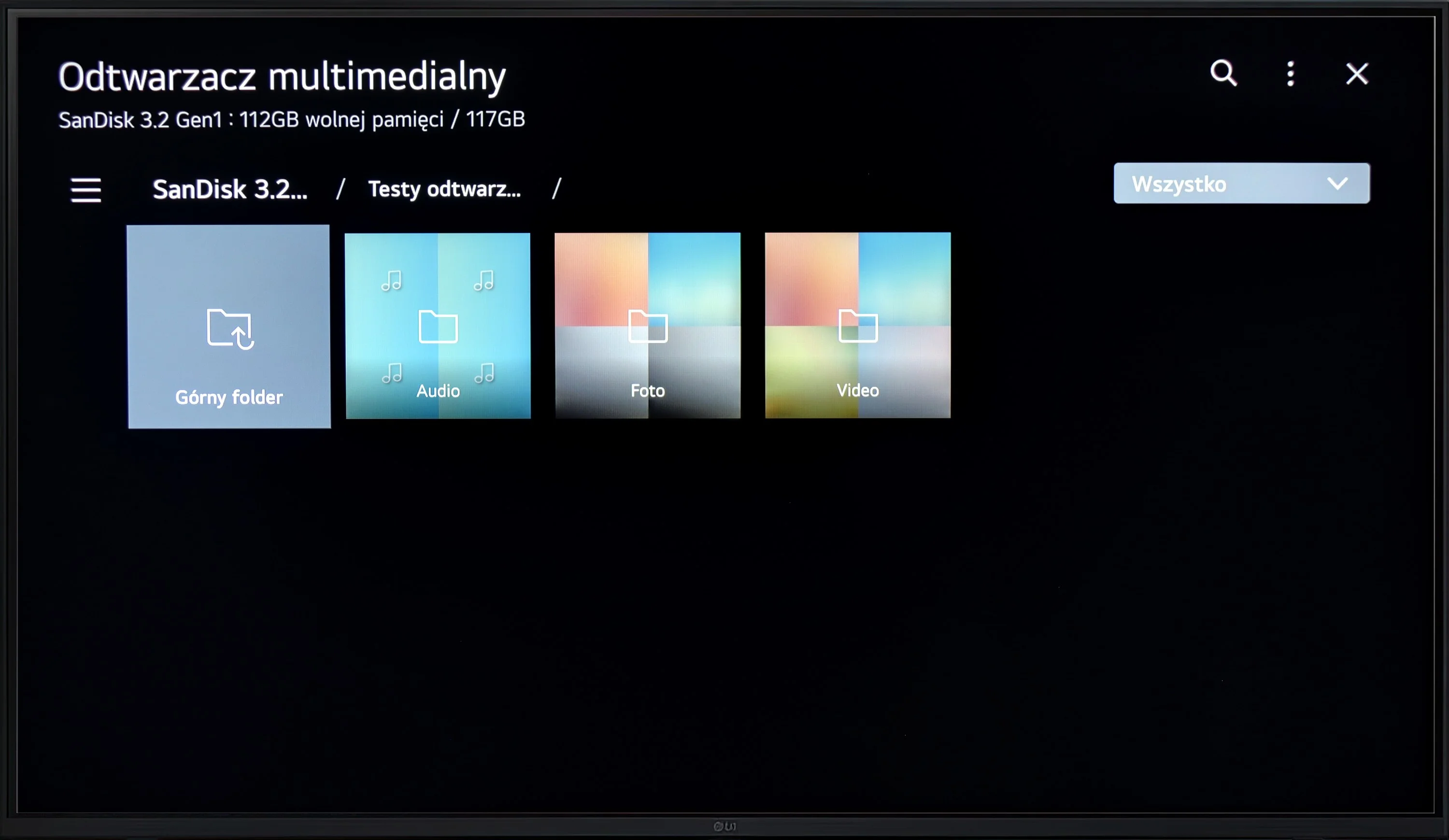
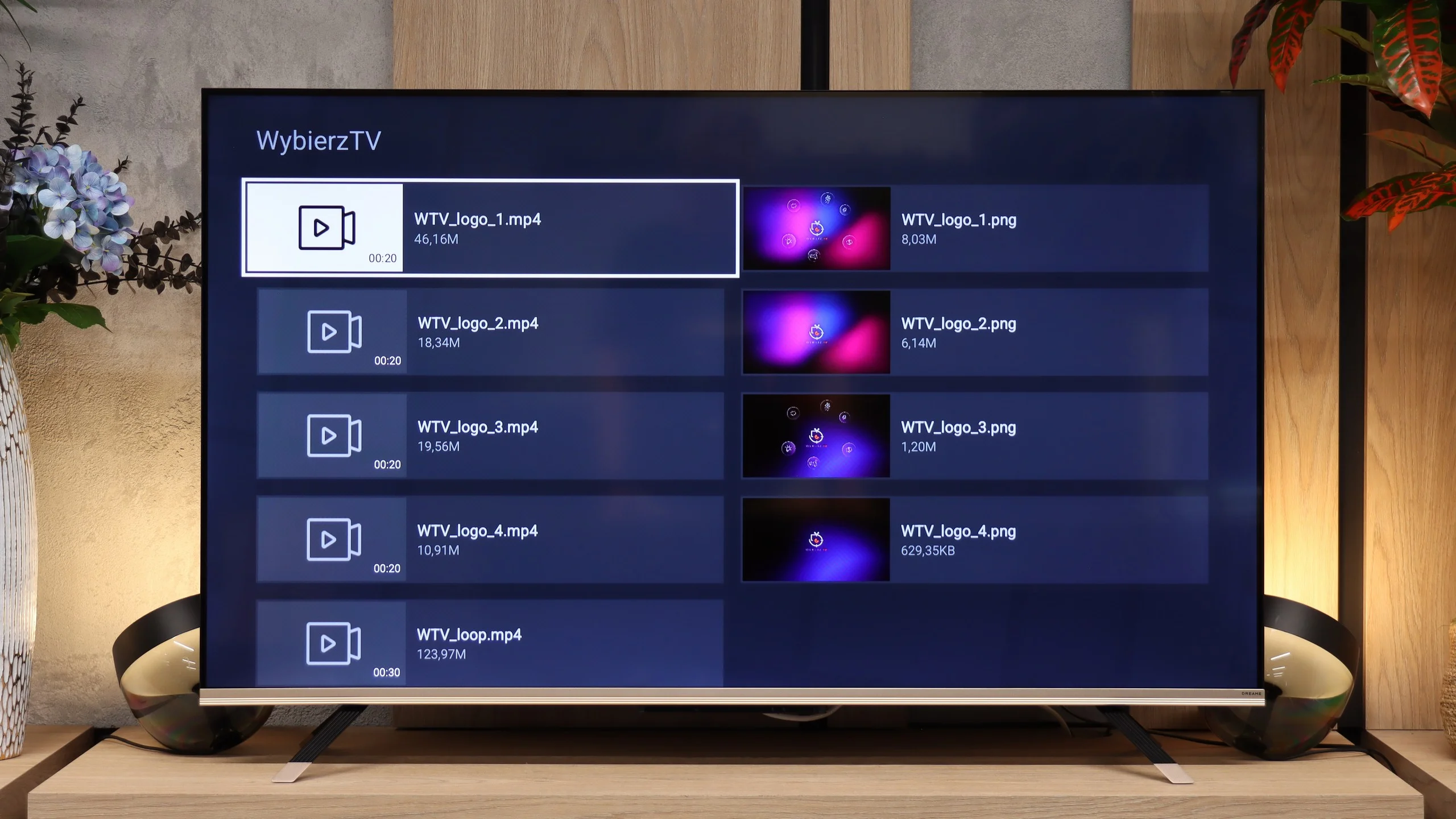
The LG UR781 television will play most video files and codecs, and when subtitles are uploaded to a film, you can even change the colour or size of the font. The biggest drawback here is the lack of support for less popular photo formats.
The Dreame Q100 is very good at playing files from a USB drive. During testing it handled the majority of popular video and audio formats without major problems. The only limitations concerned subtitles. The TV would not play some formats, such as .SUB or .TXT.
Sound
5.2/10
5/10
- Maximum volume-87dB
- Dolby Digital Plus 7.1
- Dolby True HD 7.1
- Dolby Atmos in Dolby Digital Plus (JOC)
- Dolby Atmos in Dolby True HD
- DTS:X in DTS-HD MA
- DTS-HD Master Audio
Although the TV offers a certain semblance of bass, the overall sound quality is average. The television does not support most advanced spatial sound codecs, which limits its capabilities in fully reproducing audio effects. The only support for spatial sound is the ability to stream audio to an external device, such as a soundbar, using the Dolby Digital Plus feature.
The sound in the Dreame Q100 is simply average. It most noticeably lacks bass, which makes the overall sound fairly flat and gives little sense of space. Fortunately, even at higher volumes there are no unpleasant crackles, squeaks or resonances from the TV's plastic housing. One positive is Dolby Atmos support, although the TV's built-in speakers cannot demonstrate what the format is capable of. If you want better spatial sound, you're unlikely to manage without a soundbar or a home cinema system.
Sound Quality Test
No sound test video
Acoustic Measurements
No acoustic data
87dBC (Max)
75dBC
Reader comments
Comments are provided by the external service Disqus (Zeta Global). Once loaded, Disqus may set cookies and process data about your activity.
We will remember your choice on this device. Provider's privacy policy