 Direct comparison
LG QNED91T is the only MiniLED backlit television from LG for 2024, attracting attention due to its innovative use of a VA panel. This is a certain departure from the previous standards of the Korean manufacturer in its top LCD televisions, which usually featured an IPS/ADS panel. However, the effect is positive – the panel combined with local dimming offers really good contrast. The blacks are deep and should satisfy most users. LG 65QNED91T6A is truly a bright television, so placing it in somewhat challenging lighting conditions will not pose a challenge for it. In terms of motion fluidity, the QNED91T shows top class. The TruMotion feature works excellently, allowing for adjustment of the image to personal preferences – from classic, cinematic looks to a smoother effect. And the 120Hz panel makes it ideal equipment for sports or gaming. For the latter, LG has prepared something special – four full HDMI 2.1 ports with a bandwidth of 48 Gbps, allowing you to enjoy features like VRR and ALLM (among others). This, combined with low input lag, makes this equipment an excellent choice for gaming on console or PC. Everyday use of QNED91T is pure pleasure, mainly thanks to the WebOS system. The interface is intuitive, there are plenty of applications available, and the included Magic Remote control significantly facilitates navigation through the menu. The operation is quick, and using the television is comfortable thanks to the voice assistant. Unfortunately, the television also has its drawbacks. Despite the advantages of the VA panel in terms of high contrast, the algorithms responsible for local dimming of the miniLED zones do not perform their best. In HDR content, there are situations where the image is either too bright or excessively dark, which is particularly troublesome in scenes requiring precision. Additionally, in practice, the differences between standard HDR10 and Dolby Vision are almost imperceptible. This is a significant disappointment, especially in this class of television. Nevertheless, the LG QNED91T is an interesting choice for those who need a high-brightness television with considerable gaming capabilities and value the convenience of the WebOS system. If image quality in HDR content, such as Netflix, Prime Video, or Max, is a priority, we recommend considering alternative models, for example, OLED B4 from the 2024 line, which can be purchased for a similar price.
- Matching (Score) |
- Our verdict |
- TV appearance |
- Where to buy |
- Contrast and black detail |
- HDR effect quality |
- Factory color reproduction |
- Color reproduction after calibration |
- Smoothness of tonal transitions |
- Image scaling and smoothness of tonal transitions |
- Blur and motion smoothness |
- Console compatibility and gaming features |
- Input lag |
- Compatibility with PC |
- Viewing angles |
- Daytime performance |
- Panel details |
- TV features |
- Apps |
- Playing files from USB |
- Sound
QNED91T / QNED90T
A400U / Premium Wallpaper
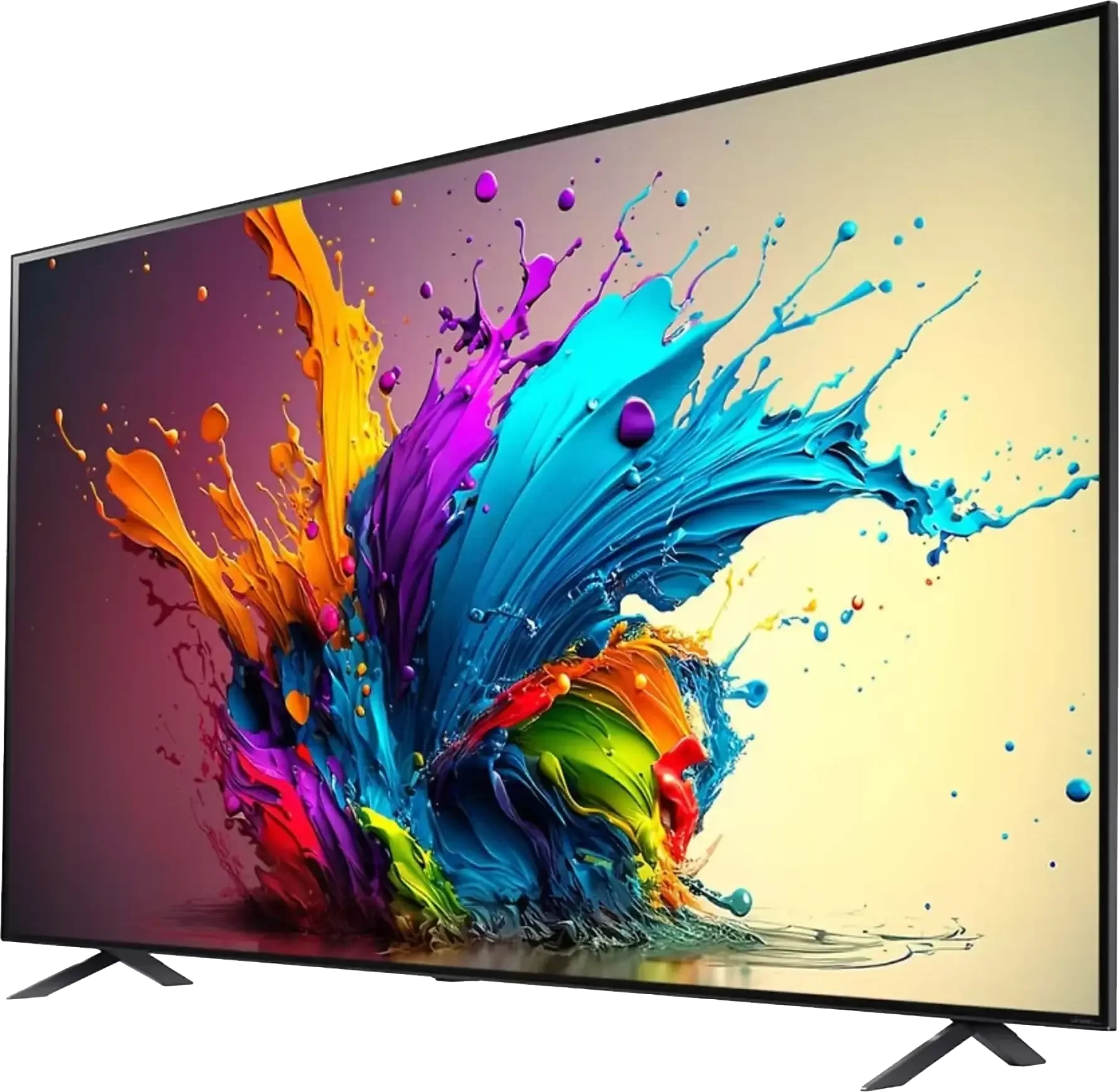
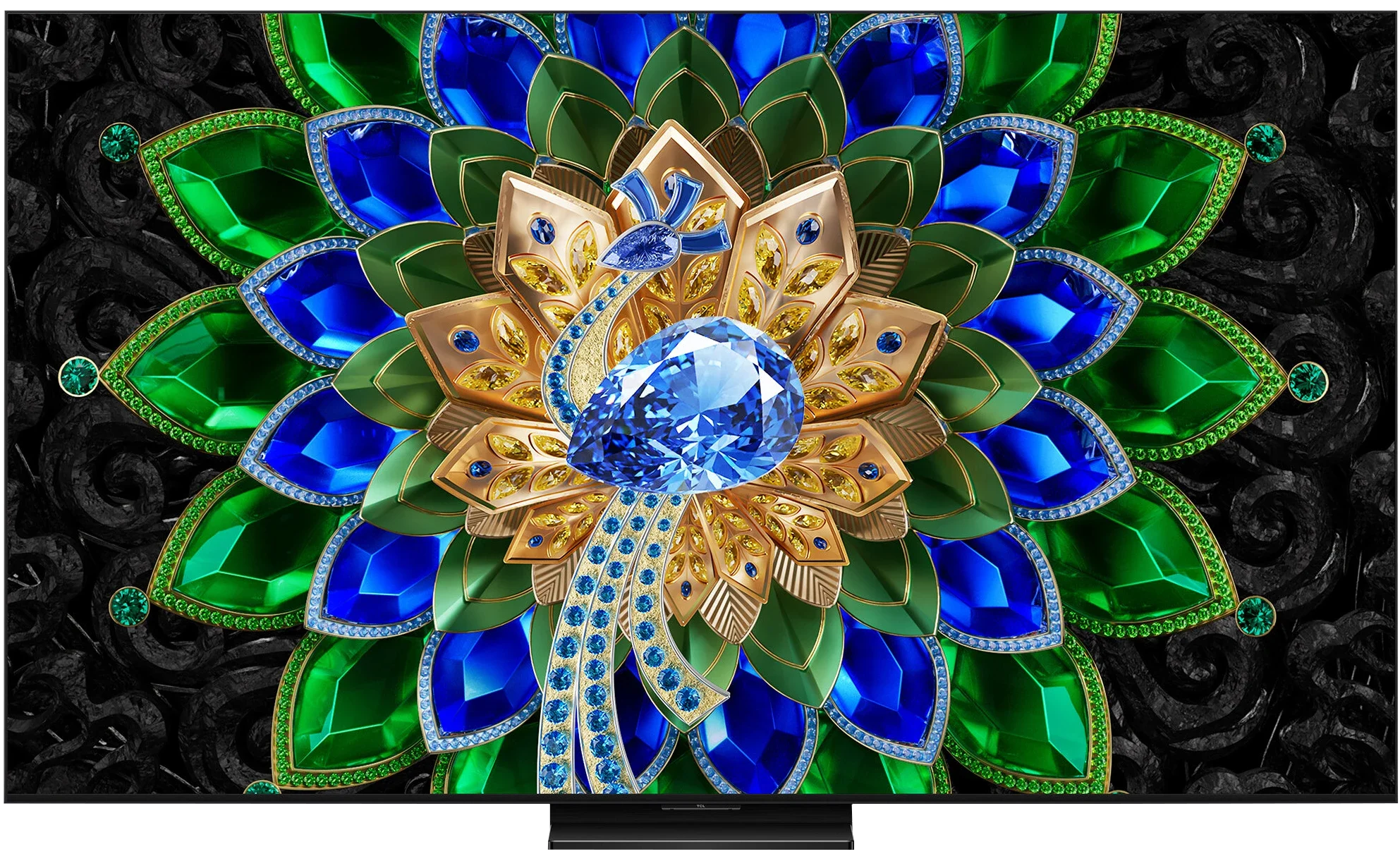
Panel type: LCD VA
Resolution: 3840x2160
System: WebOS
Model year: 2024
Complete the survey to find out the result
Panel type: LCD VA
Resolution: 3840x2160
System: Google TV
Model year: 2026
Complete the survey to find out the result
Overall rating
7.2
7.8
 Movies and series in UHD quality
6.7
7.5
 Classic TV, YouTube
6.9
7.3
 Sports broadcasts (TV and apps)
6.8
7.0
 Gaming on console
8.5
8.8
 TV as a computer monitor
7.6
8.5
 Watching in bright light
6.1
8.5
 Utility functions
8.4
7.8
 Apps
8.3
9.6
 Sound quality
6.9
6.7
Complete the survey to find out what fits your preferences
Advantages

Decent contrast - VA panel
Suitable for gamers: HDMI 2.1, low input lag, 120Hz
Reasonable brightness - works well for daytime viewing
Great operating system WebOS - Magic Remote, voice features
Recording from built-in tuners
Excellent value for money
Very good black levels and high contrast thanks to Mini LED backlighting and a VA panel
High brightness delivering impressive HDR and comfortable daytime viewing
Accurate image reproduction after calibration
Extensive gaming features: VRR, ALLM, low input lag
High refresh rates up to 144 Hz at 4K and 288 Hz at Full HD when connected to a PC
Google TV with a wide selection of apps
Slim, flat casing and very good build quality
Disadvantages

Poor management of dimming zones
Lack of adaptation in HDR - no noticeable difference between HDR10 and Dolby Vision
Poor viewing angles
Poor digital image processing due to the use of the older MediaTek Pentonic 700 processor
Only two HDMI 2.1 inputs, one of which is shared with eARC
The glossy screen does a poor job of suppressing reflections
Limited viewing angles
Flat sound
Our verdict
Is it worth buying the TCL A400U? Yes, because it’s one of those TVs where paying extra for a higher series doesn’t always make sense. In films you get what you normally expect from a good TV: very good blacks, a strong HDR effect and a natural picture, especially after calibration. Brightness won’t be lacking during the day either, although because of the glossy panel it’s better not to position it opposite a large window. The whole package is completed by a slim, well-made casing. The A400U doesn’t mimic a picture-on-the-wall as convincingly as some “wallpaper” TVs, but as an elegant living-room model it looks very good.
Buying it, you don’t have to choose between a TV for films and a screen for gaming. The A400U supports 4K at 120 Hz, including in Dolby Vision, and low input lag keeps controls quick and responsive. With a PC you can even use 144 Hz at 4K or 288 Hz in Full HD. That’s a level of capability at which it’s hard to justify paying more for a pricier model purely for gaming features. In everyday use the TV doesn’t disappoint either. Google TV runs smoothly, apps launch without annoying delays, and using the device is simply convenient.
That doesn’t mean the A400U will suit every home. If you often watch broadcast TV or other lower-quality material, the Pentonic 700 processor won’t always improve it as much as you might expect. The slightly more expensive C7L has a similar limitation, so only moving up to a clearly higher series, such as the C8L, brings a noticeable change in this regard. Before buying it’s also worth checking how many devices you want to connect. Two HDMI 2.1 inputs, one of which is taken by eARC, may prove insufficient if you have two consoles and a soundbar. It’s sensible to include a soundbar in the budget anyway, because the built-in speakers clearly don’t match the capabilities of the picture.
However, if you’re mainly after a TV for films, streaming and gaming, the TCL A400U is one of the most convincing mid-range buys of 2026. More expensive models can do more, but not every one of those advantages will matter during everyday viewing. Here you get a very good picture, extensive features and excellent build quality, without having to pay for functions you may never see. That’s why the TCL A400U is, in our view, one of the most cost-effective TVs of 2026.
TV appearance
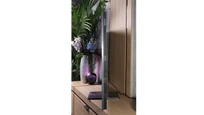
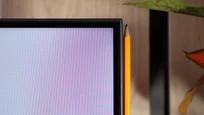
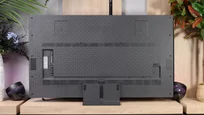

Contrast and black detail
7.2/10
8/10
Local dimming function: Yes, number of zones: 160 (16 x 10)
Local dimming function: Yes, number of zones: 576 (18 x 32)
Contrast:


Result
126,250:1

Result
20,900:1

Result
19,200:1

Result
4,900:1

Result
4,550:1
Result
170,250:1
Result
41,700:1
Result
24,500:1
Result
22,550:1
Result
8,550:1
Halo effect and black detail visibility:
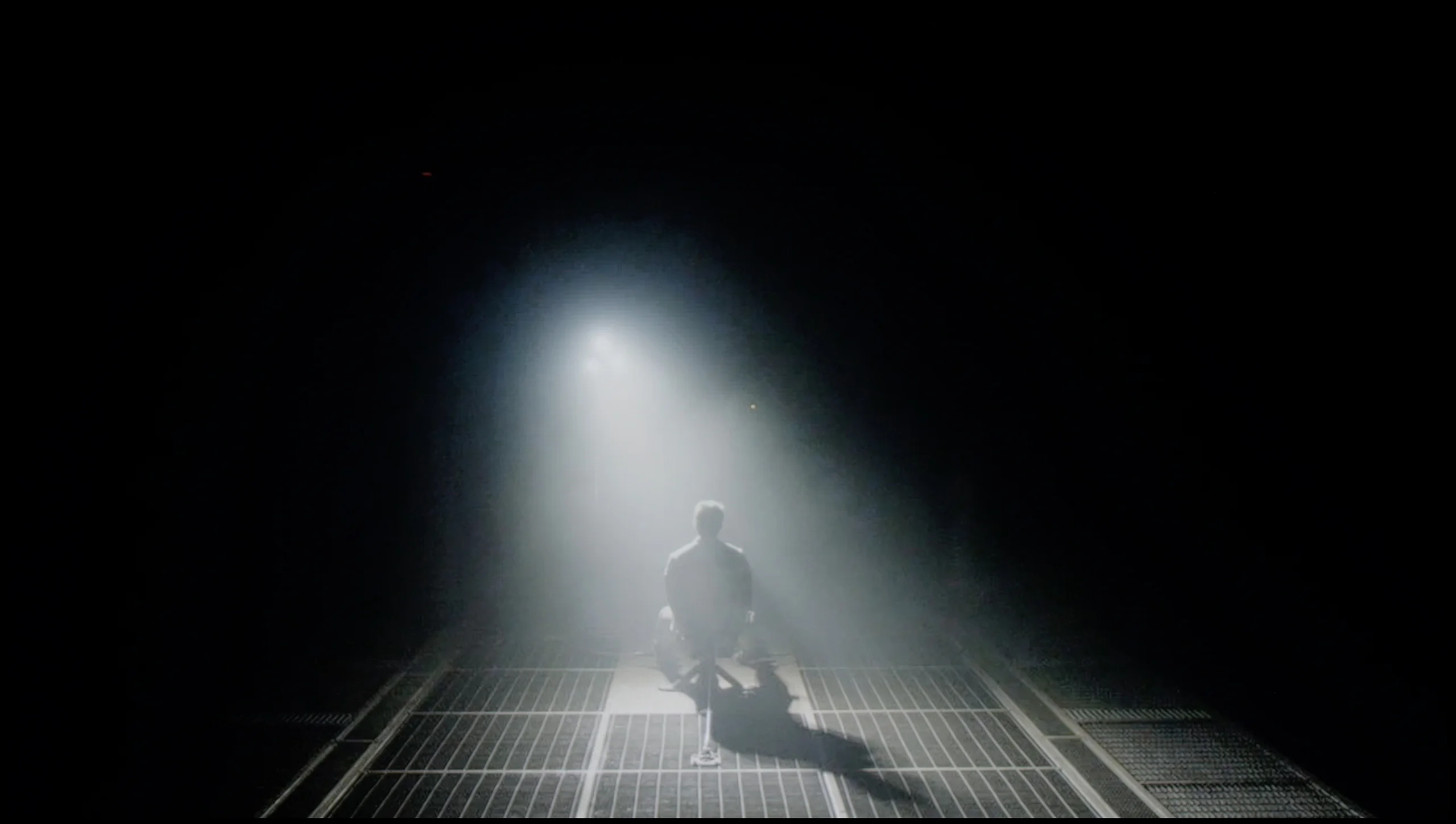
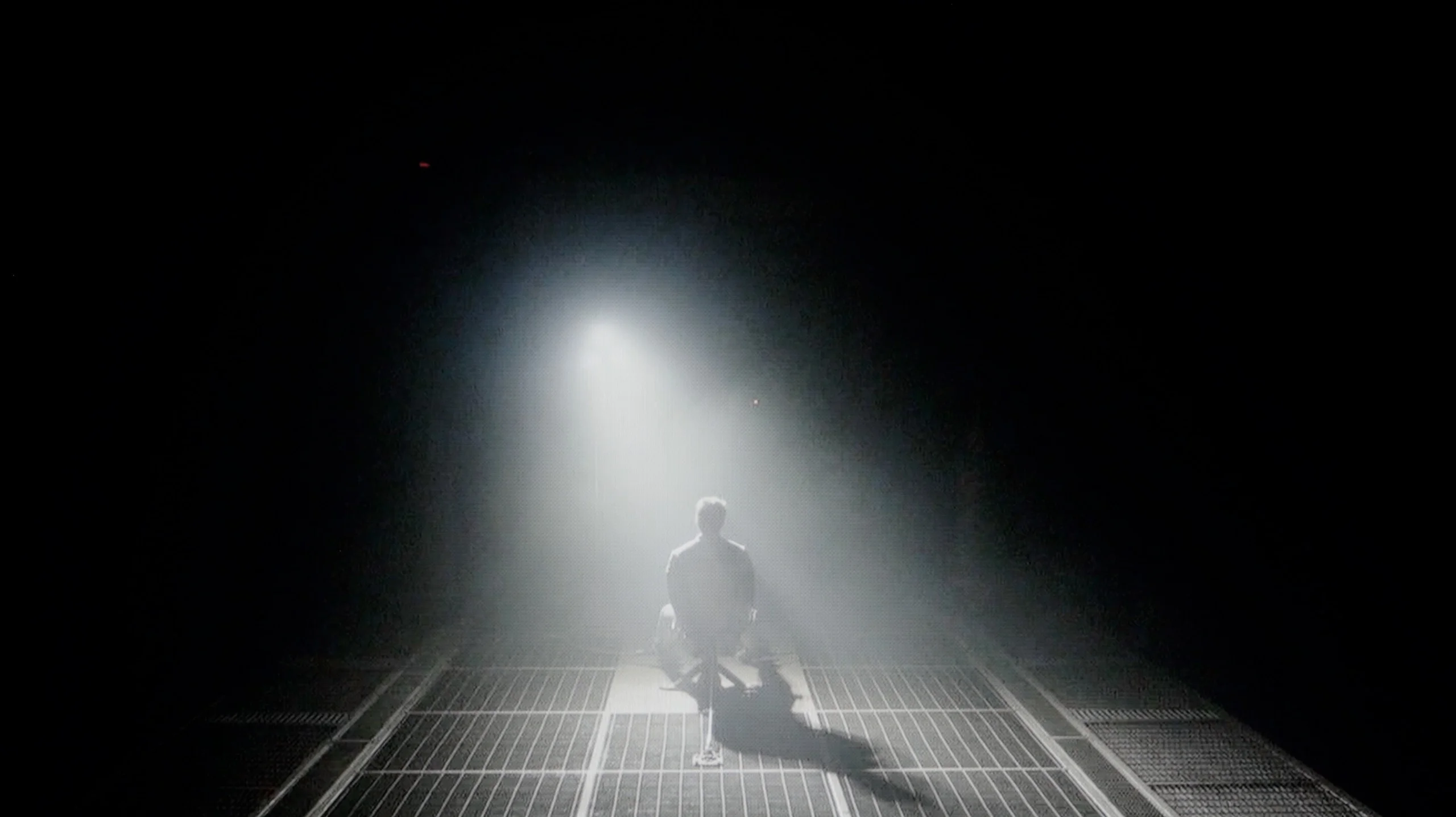
Check the visibility of bright lights on a dark background. Mini-LEDs often struggle with this. The photo does not compare black levels – that’s what the video below is for.
The video accurately shows differences in contrast and black levels between TVs, as well as potential issues: halo around bright objects or Mini-LED zone operation visible as brightness jumps.
QNED91T is a television with MiniLED backlighting, and in the tested size of 65", we noted 160 zones of backlighting. The specimen we tested, with the "1" suffix at the end, was equipped with a VA panel, which offers significantly better contrast than IPS panels, which - note - can be found in the LG QNED90T. Therefore, it is worth being cautious when choosing a version to avoid disappointment in terms of contrast. The model QNED90T is rather difficult to acquire in Poland, but distribution can vary. Returning to our contrast tests, it performed really well in less demanding scenes. For example, in one scene from the film "Oblivion", we observed perfect light separation - it looked impressive. However, not everything is so straightforward. In a scene from "Sicario 2", we noticed that the screen was noticeably darker, significantly deviating from the reference image appearance. The television effectively eliminates the halo effect (i.e., the glow around objects), but this comes at the cost of brightness - and quite a substantial one. Despite these compromises, the contrast of the LG 65QNED91T6A is really solid. Of course, as is the case with MiniLED televisions, one must reckon with certain limitations, but the overall impressions are very positive.
The black in the TCL A400U performs excellently, even surprisingly so. The 65-inch sample we tested uses 576 local dimming zones, which effectively separate bright objects from a dark background. In most of our scenes the contrast ratio ranged from about 22,500:1 to 41,700:1, and in the most favourable shot it exceeded 170,000:1. That gives the image very good depth in the evening, and the blacks do not resemble the grey glow common to ordinary LCD screens without local dimming. Interestingly, the C7L we tested in the same size had over 1,000 zones, yet the contrast results were very similar, in places even worse. The A400U therefore shows that the number of zones alone does not determine the effect. Equally important is how the TV controls them, and here TCL has done a very good job.
Of course there are scenes in which the backlight reaches its limits. When a lot of small bright elements appear on a black background, you can notice a halo effect around them, a luminous rim. The zones cover too large an area to illuminate every such detail without brightening its surroundings. In our most difficult shot the contrast fell to about 9,000:1, but even then it did not look bad. It is not perfect black in every situation, however for most of a viewing session the A400U gives plenty of reasons to be pleased in this respect.
HDR effect quality
5.2/10
6.1/10
Luminance measurements in HDR:

Result
1069 nit

Result
180 nit

Result
577 nit

Result
96 nit

Result
674 nit
Result
1226 nit
Result
264 nit
Result
636 nit
Result
217 nit
Result
1434 nit
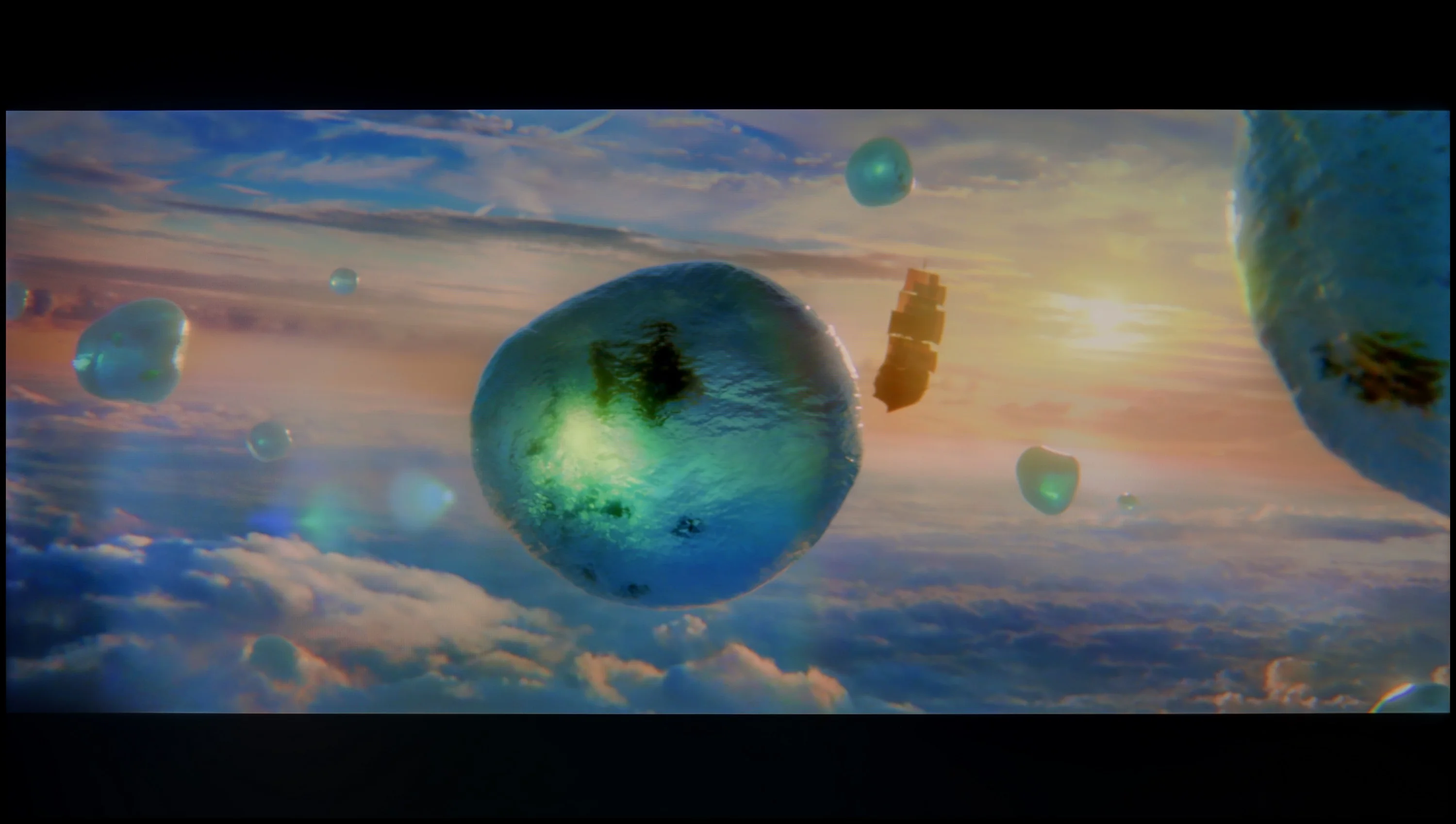
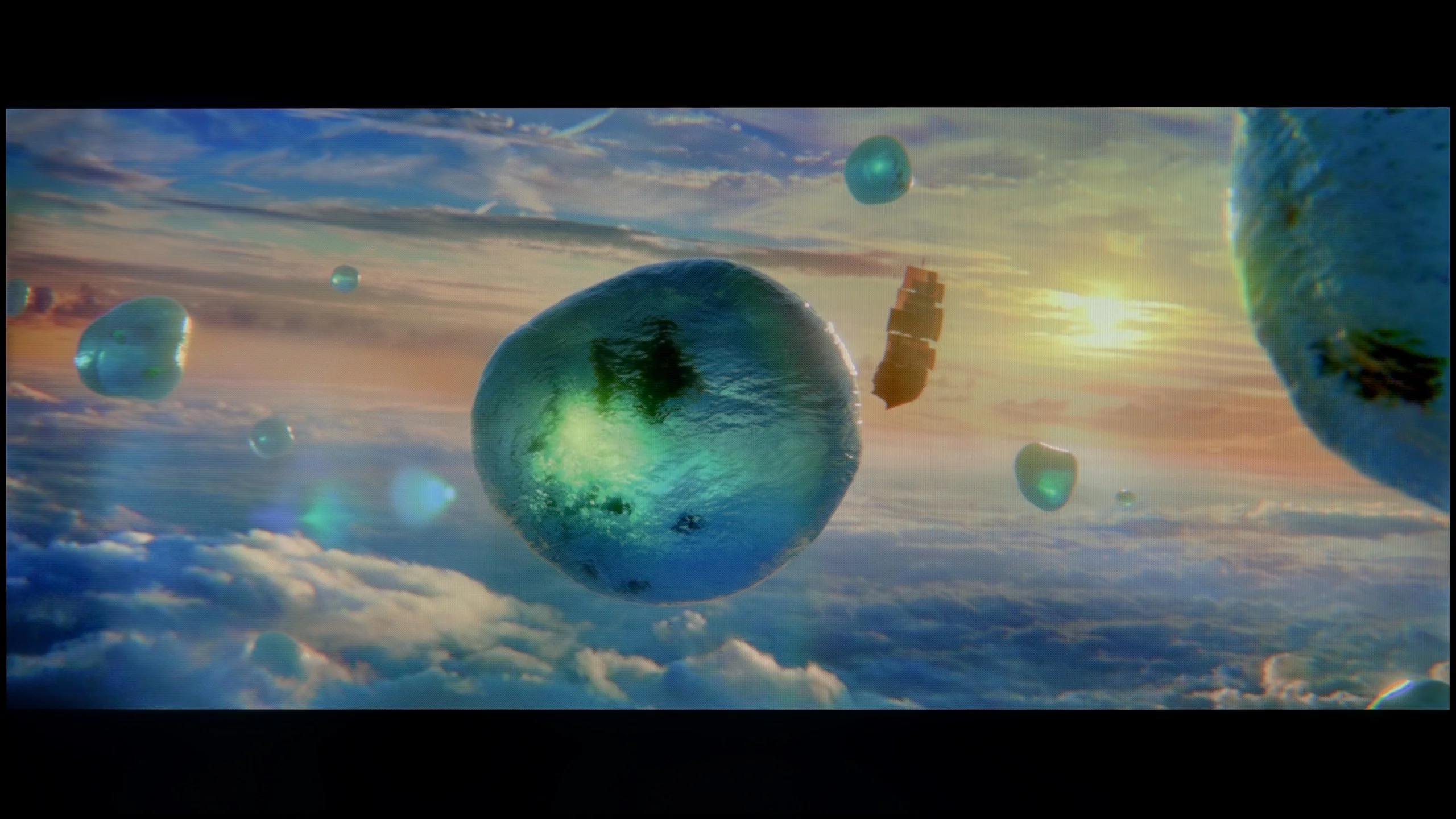
Scene from the movie “Pan” (about 2800 nits)
Scene from the movie “Billy Lynn” (about 1100 nits)
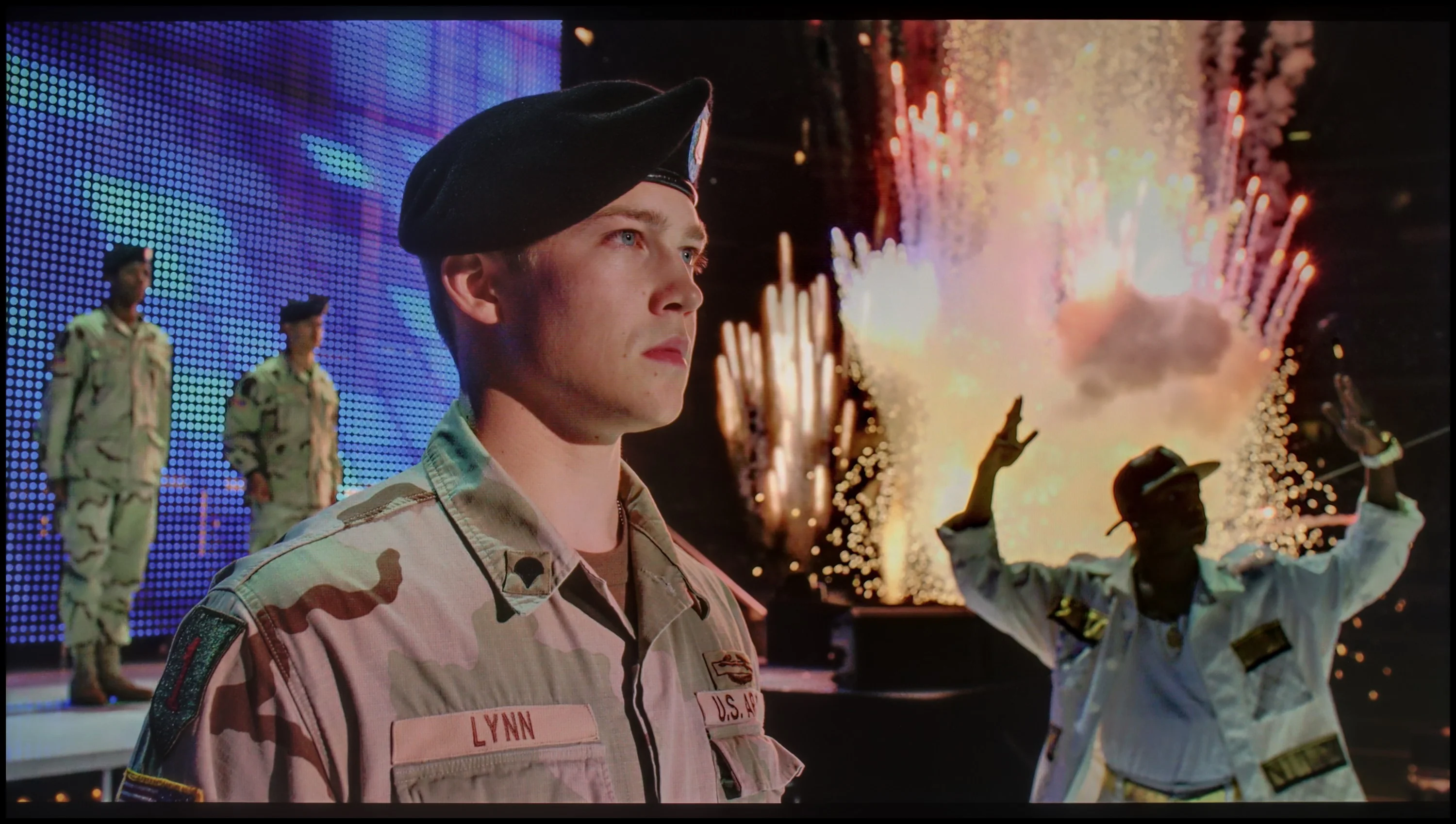
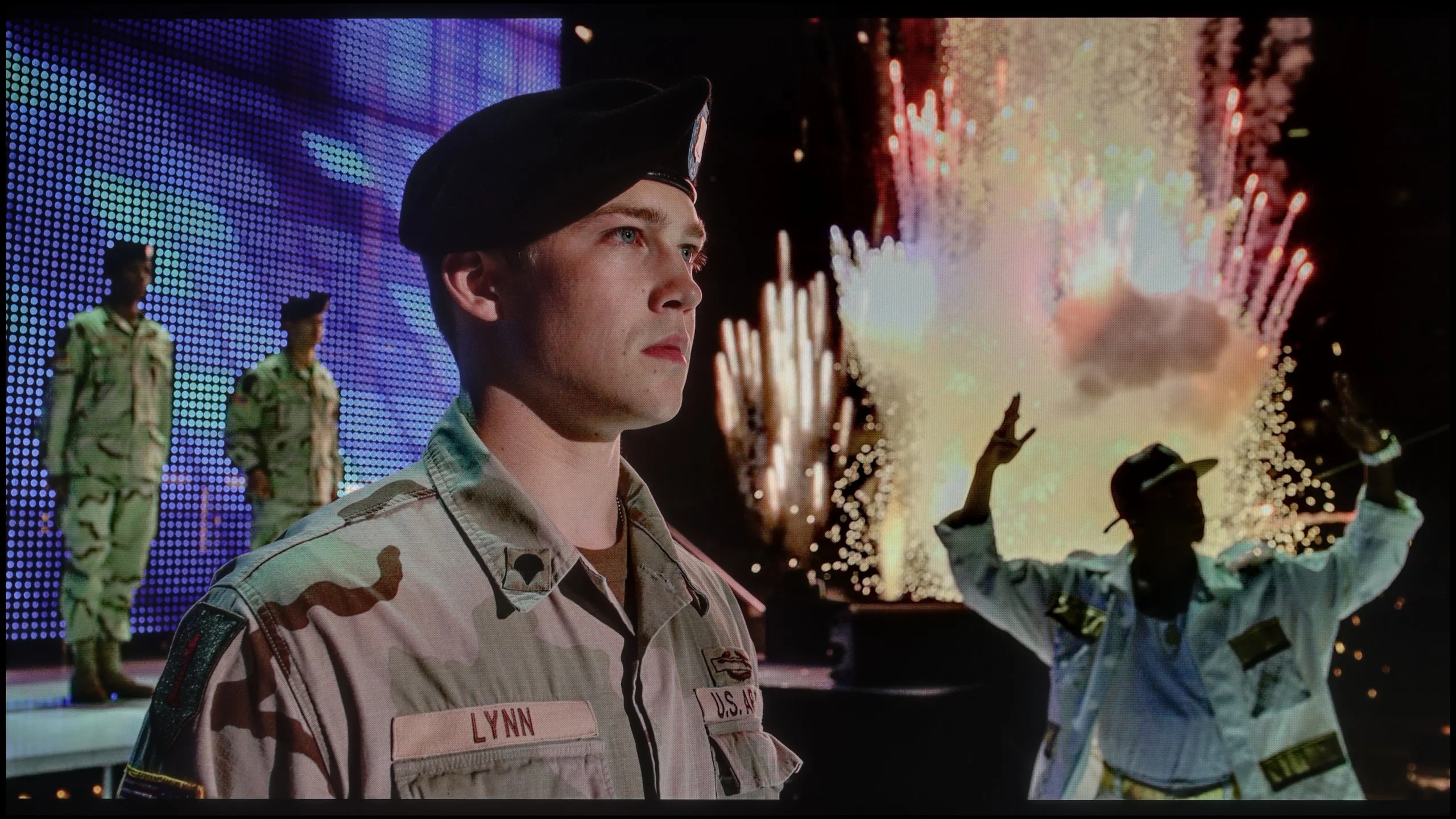
The photos show two HDR10 movies. 'Pan' is one of the brightest productions ever made, while 'Billy Lynn' (soldier) has brightness typical of streaming (Netflix, Prime, HBO MAX). Notice the intensity of effects and detail in whites.
Static HDR10


The photos present the visibility of white details in various HDR formats. They do not show brightness differences between TVs (these can be compared in the previous gallery).
Dynamic: Dolby Vision
Dynamic: Dolby Vision


The photos present the visibility of white details in various HDR formats. They do not show brightness differences between TVs (these can be compared in the previous gallery).
HDR luminance chart:
TCL A400U
LG QNED91T6A
As befits a MiniLED television, LG QNED91T easily surpasses the magical barrier of 1000 nits on the luminance chart. In scenes where light played a key role, the effect was truly decent. For instance, 1000 nits in the first scene of "Life of Pi" is an impressive value, and the 600 nits achieved in the third and fifth scenes allowed one to feel the true magic of HDR. However, problems arise with very small light elements on the screen, such as the moon, street lamps, or lights. A value around 100 nits - to put it bluntly - is disappointing, as these elements are dark enough to be barely visible. The television deserves praise for covering 96% of the DCI-P3 colour gamut and 75% of BT.2020. LG QNED91T leaves us with very mixed feelings, mainly due to the very aggressive dimming algorithms, which, while effectively eliminating the halo effect, negatively impact the brightness of smaller elements.
TCL A400U can deliver very strong HDR. On test patterns peak brightness reaches around 2000 nits, and in brighter film scenes we measured from about 1200 to over 1400 nits. Those are very good figures, translating into intense sun reflections and a noticeable glow on bright parts of the image. In such shots there is little to complain about in terms of power. It is not always equally dramatic, though. When small lights appear on a dark background the algorithm has to decide how much to illuminate the zones that contain them. Higher brightness would also mean a more visible halo around objects, so the A400U opts to preserve deep blacks. In our toughest scenes the small lights therefore reached only about 220 to 260 nits. They remain visible, but lose the intensity we would expect from such a bright TV. It is a compromise typical of many Mini LEDs in this price range. The backlight has plenty of power, but the number of zones limits how precisely it can be used. You can also see the C7L's advantage here, which, thanks to a greater number of zones, can render some of those elements brighter.
Colours
Colours perform well, though they do not achieve the same saturation as the new SQD Mini LED models. The A400U uses a PFS phosphor and covers roughly 94% of the DCI-P3 gamut and 74% of BT.2020. In HDR films this yields rich, well-saturated tones. DCI-P3, which contains most of the colours used in them, is almost fully covered. Some shortcomings are most evident in the most saturated greens. They will not be as intense as on screens able to display a wider gamut, but in most films it will be hard to notice. The difference is easier to spot in games with heavily saturated, neon colours that often exceed the panel's capabilities.
Factory color reproduction
6/10
6.2/10
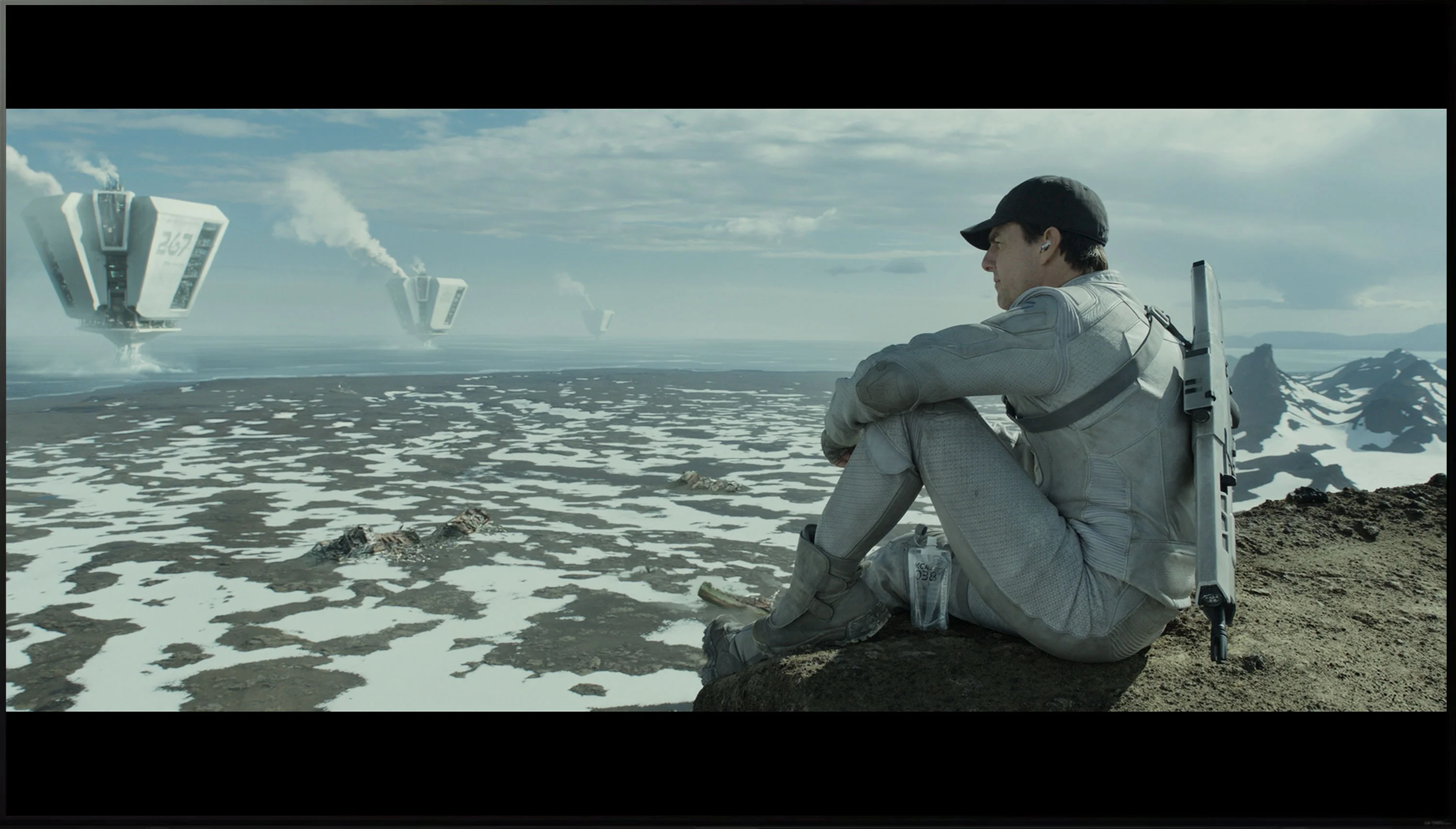
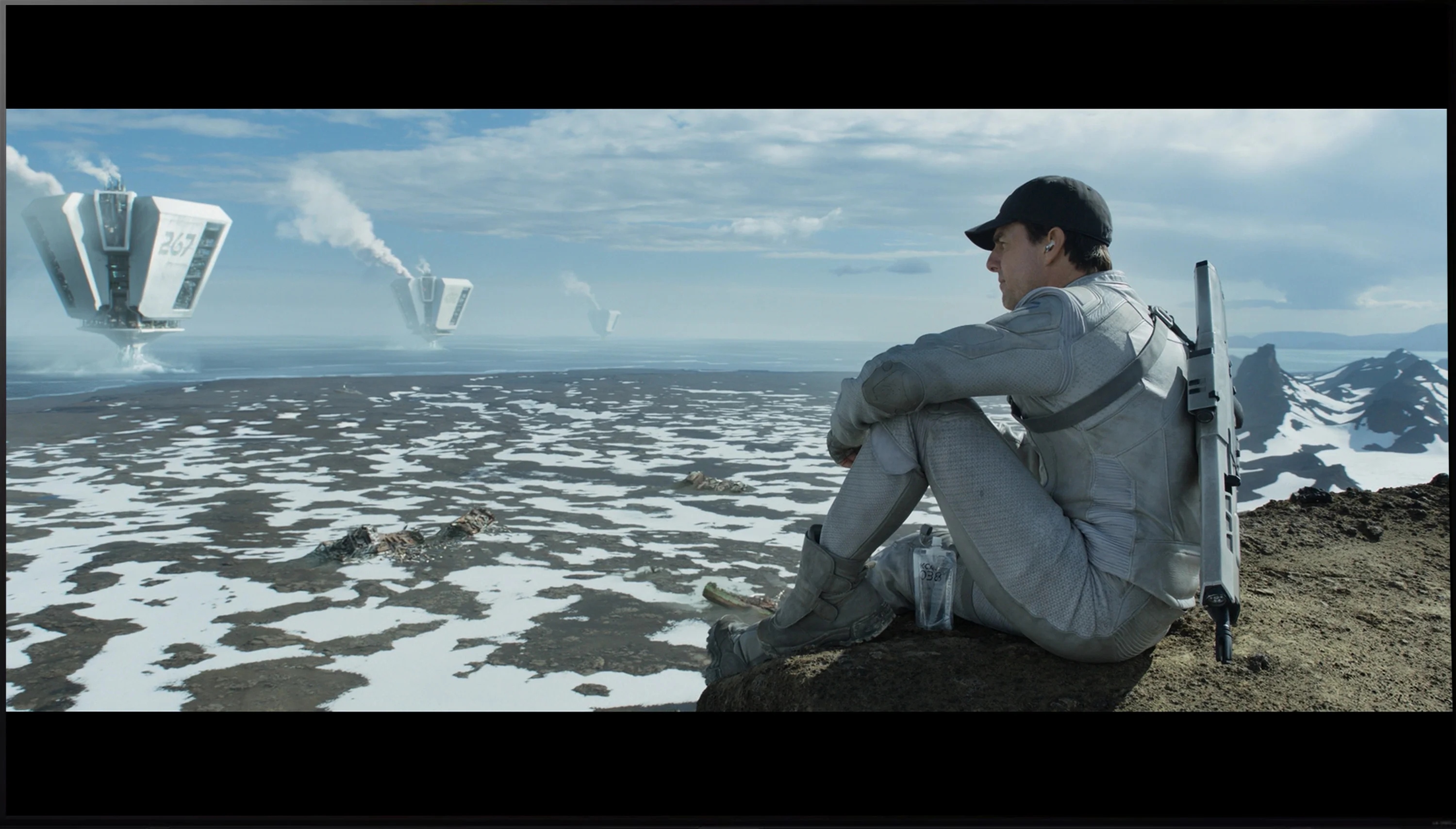
This gallery shows how colors change after professional TV calibration. If you notice the difference, we recommend ordering this service at SkalibrujTV.com.
Factory Mode
After calibration
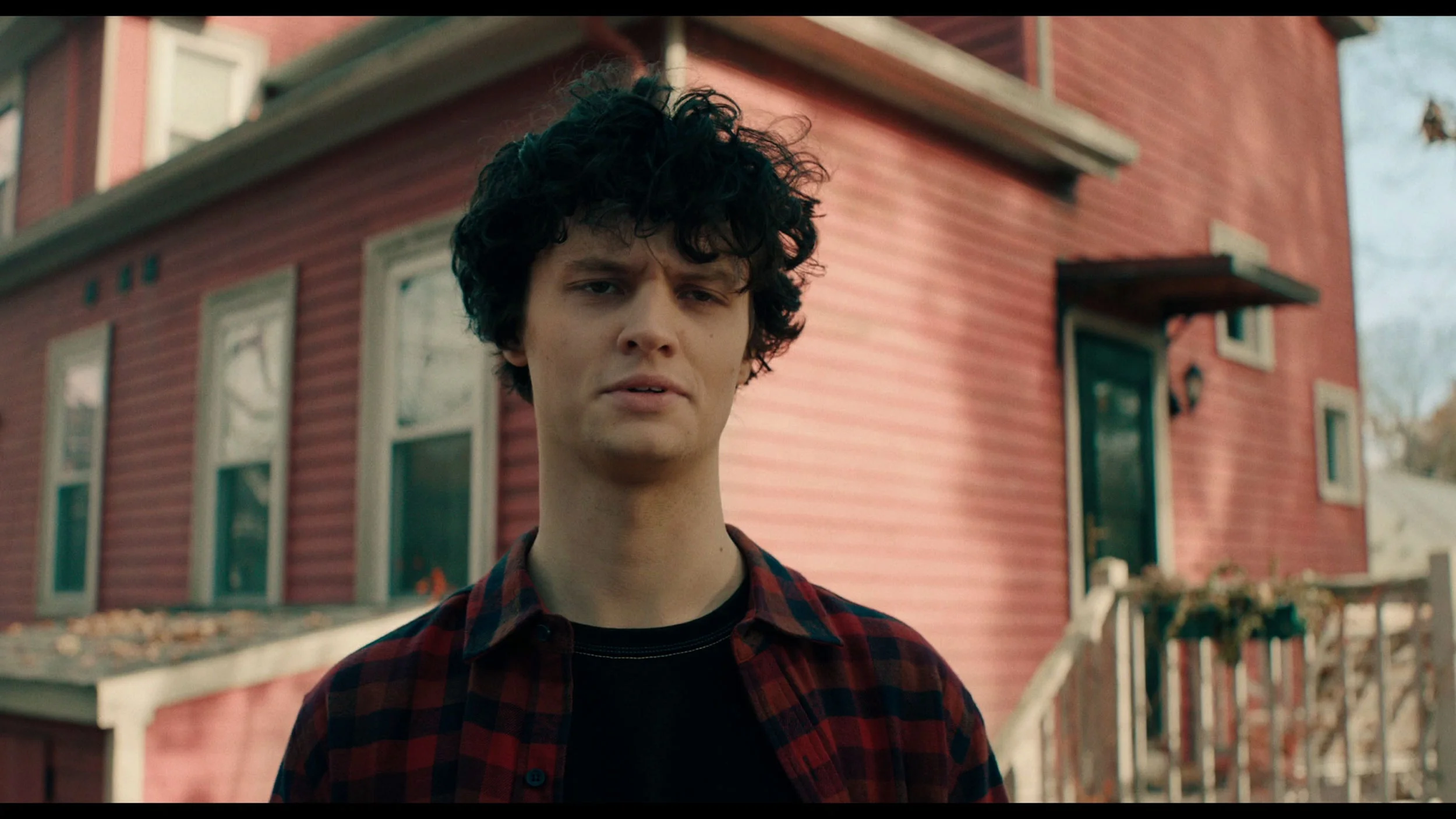
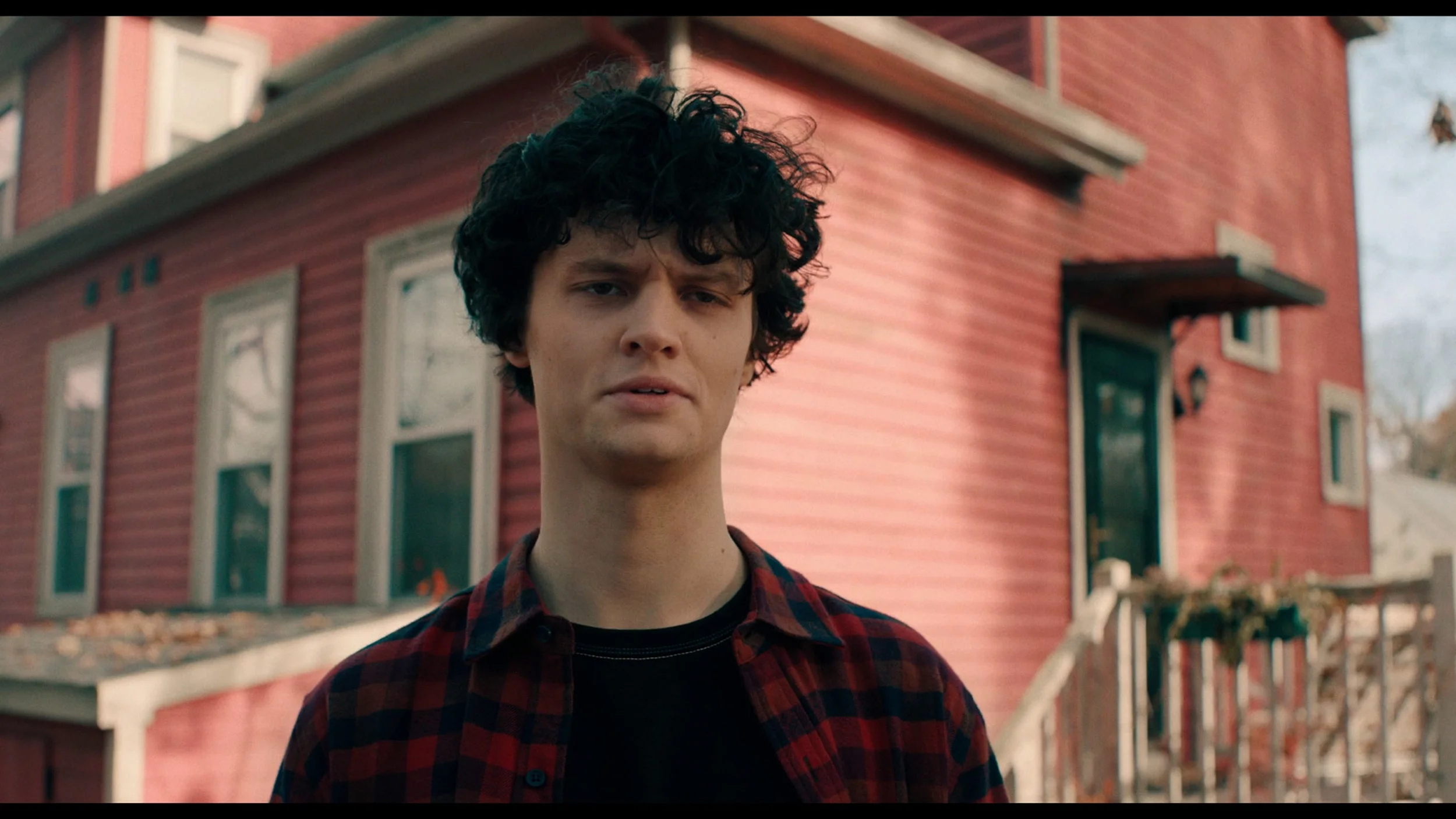
This gallery shows how colors change after professional TV calibration. If you notice the difference, we recommend ordering this service at SkalibrujTV.com.
Factory Mode
After calibration
All our tests are conducted in the best picture mode on each television. In this case, as usual, it is the Filmmaker mode. The name of the mode suggests ideal colour reproduction; however, there were noticeable deviations from the correct image here. Our unit, in terms of white balance, displayed quite a strong dip in blue hues - both in SDR and 4K HDR content - which resulted in a distinct yellowing of the image, visible in comparison scenes from the film with Tom Cruise. As we mentioned earlier, QNED91T has certain tendencies to brighten the screen. This is confirmed by gamma, which is quite significantly below the reference value of 2.4. Meanwhile, the EOTF curve, responsible for brightness in 4K content, showed some issues with the television's dimming in the darkest areas, which we could observe in the paragraph describing the quality of the HDR effect. Although the Filmmaker mode is quite a good "out-of-the-box" mode, it too requires some adjustments.
In its factory settings, Filmmaker mode on the A400U performs quite well, especially for regular TV and SDR films. However, there is a slight lack of red. Whites therefore have a faint greenish cast and faces can look a little too pale. It is not strongly noticeable in every scene, but in shots with a lot of white or red the tint is easier to spot. There are also small luminance inconsistencies. Dark areas are slightly lifted, while some brighter tones are overly subdued. It is perfectly watchable, though there is room for improvement.
There are more comments regarding HDR. Out of the box the TV brightens the image too much, which is clearly visible on the EOTF chart. This is not about highlights such as the sun or lamps, which should be intense. Faces and surroundings also become brighter, when in the film they were meant to look more restrained. As a result the scene loses some depth and looks as if someone had cranked up its brightness. On top of that the brightest whites tend to take on a slightly cool hue. The most needed change is therefore to tidy up HDR rendering, because in its factory Filmmaker settings the A400U adds “more” than it should.
Color reproduction after calibration
7.8/10
8.9/10
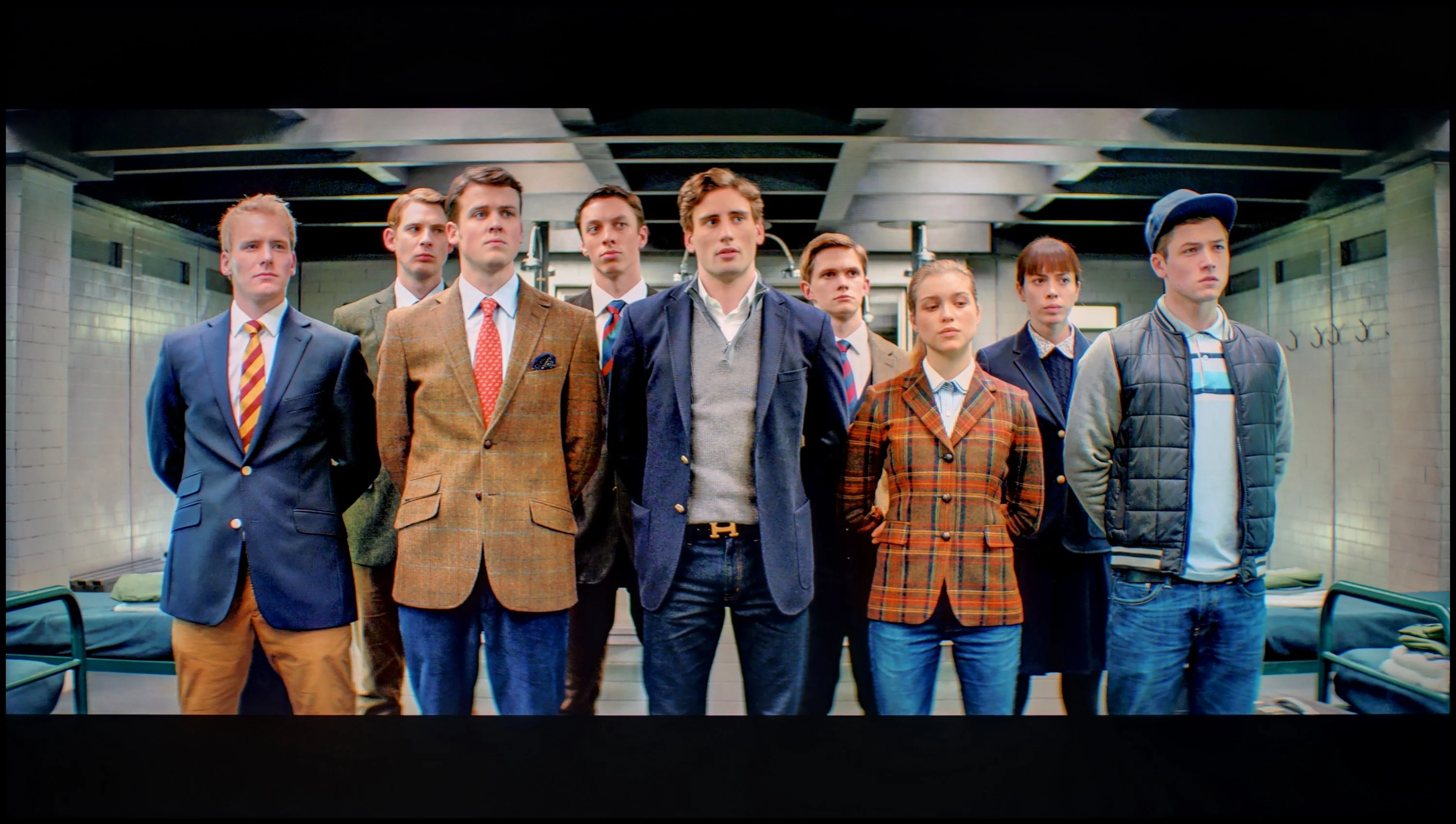
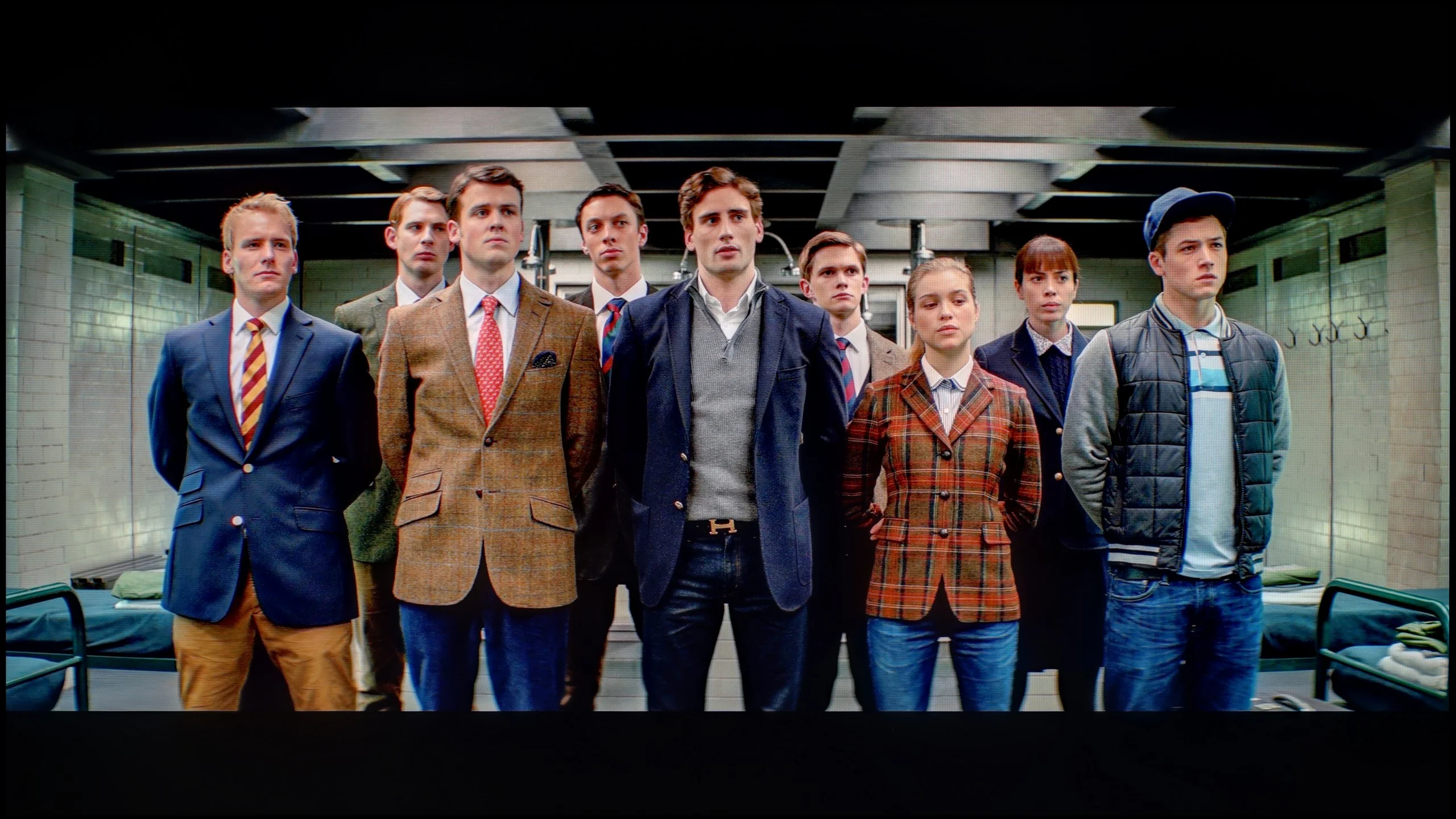
The photos show how movies look on the TV. Pay attention to black detail visibility, colors, and shadow tint.


The photos show how movies look on the TV. Pay attention to black detail visibility, colors, and shadow tint.
LG offers advanced calibration tools in its televisions such as 65QNED91T6A, which we utilised. When it comes to white balance, we were able to significantly correct it in SDR content. The picture mode in 4K HDR quality posed greater challenges, which, although still not perfect, looks significantly better than before calibration. Errors on the Color Checker palette and colour gamut are much smaller than in the factory settings. Regarding brightness characteristics, gamma for HD content is practically ideal, with a slight exception at the end of the graph. However, the television had the most trouble with brightness in 4K HDR content. Analyzing the EOTF characteristics in films, we observed that the television manipulates brightness quite heavily, which we could see in previous tests. Brightness is significantly boosted compared to the graph in the static test, and the television lights up certain scenes to the point that some smaller elements lose detail. This is unfortunately caused by the average backlight zone management algorithm in this model. Nevertheless, calibration yields quite good results, especially when it comes to the precise reproduction of colours.
The TCL A400U responds very well to calibration and allows most of the shortcomings of the Filmmaker mode in factory settings to be corrected. In SDR it was possible to almost perfectly correct the white balance. The lack of red has gone, so whites and greys no longer have a greenish tint and faces have regained a natural look. Brightness rendering has also improved. Apart from minor deviations in the darkest and brightest parts, the TV sticks to the reference, without unnecessary brightening or dimming of the image.
The most important change, however, concerns HDR. Thanks to the available peak brightness adjustment, the brightening seen in the factory settings could be tamed. Measurements in film scenes, not just on test patterns, confirm this. Faces and backgrounds are no longer artificially overlit, while bright elements still retain the appropriate intensity. Errors in the Color Checker test in HDR are mostly below 2, which is a very good result. Not everything is perfect — the very brightest whites retain a slightly cool tint, but overall the image is much more faithful. This is the improvement we described earlier when comparing scenes from 'Pan' and 'Billy Lynn'. The A400U allows HDR to be fine-tuned so that both detail and the correct overall scene brightness are preserved. This option was missing in other TCL models, where peak brightness adjustment was not possible. Here the manufacturer has made it available to the user, and it is clear it was needed. After calibration the A400U shows film without unnecessary boosting of the image.
Smoothness of tonal transitions
8.5/10
9.4/10
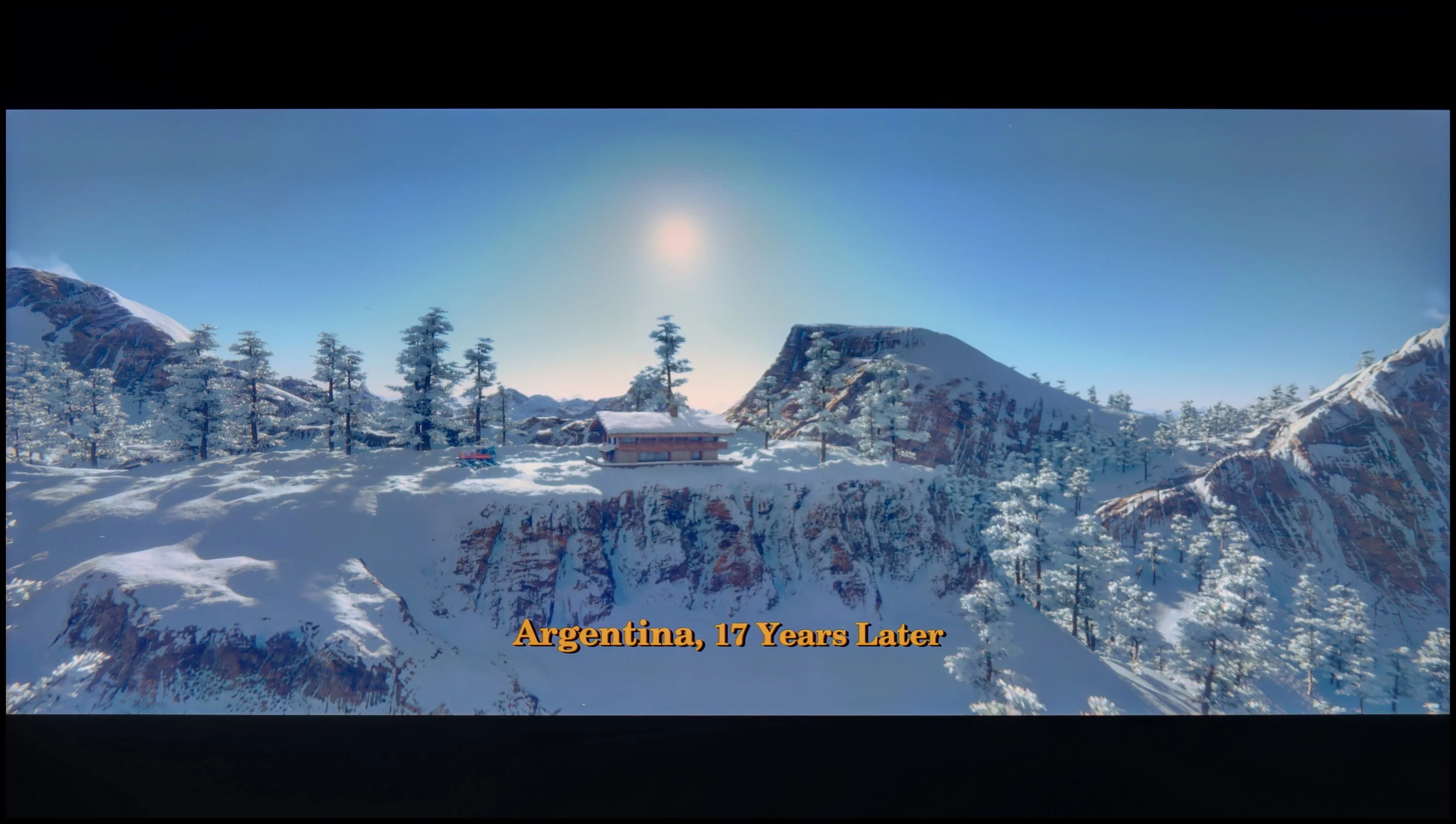

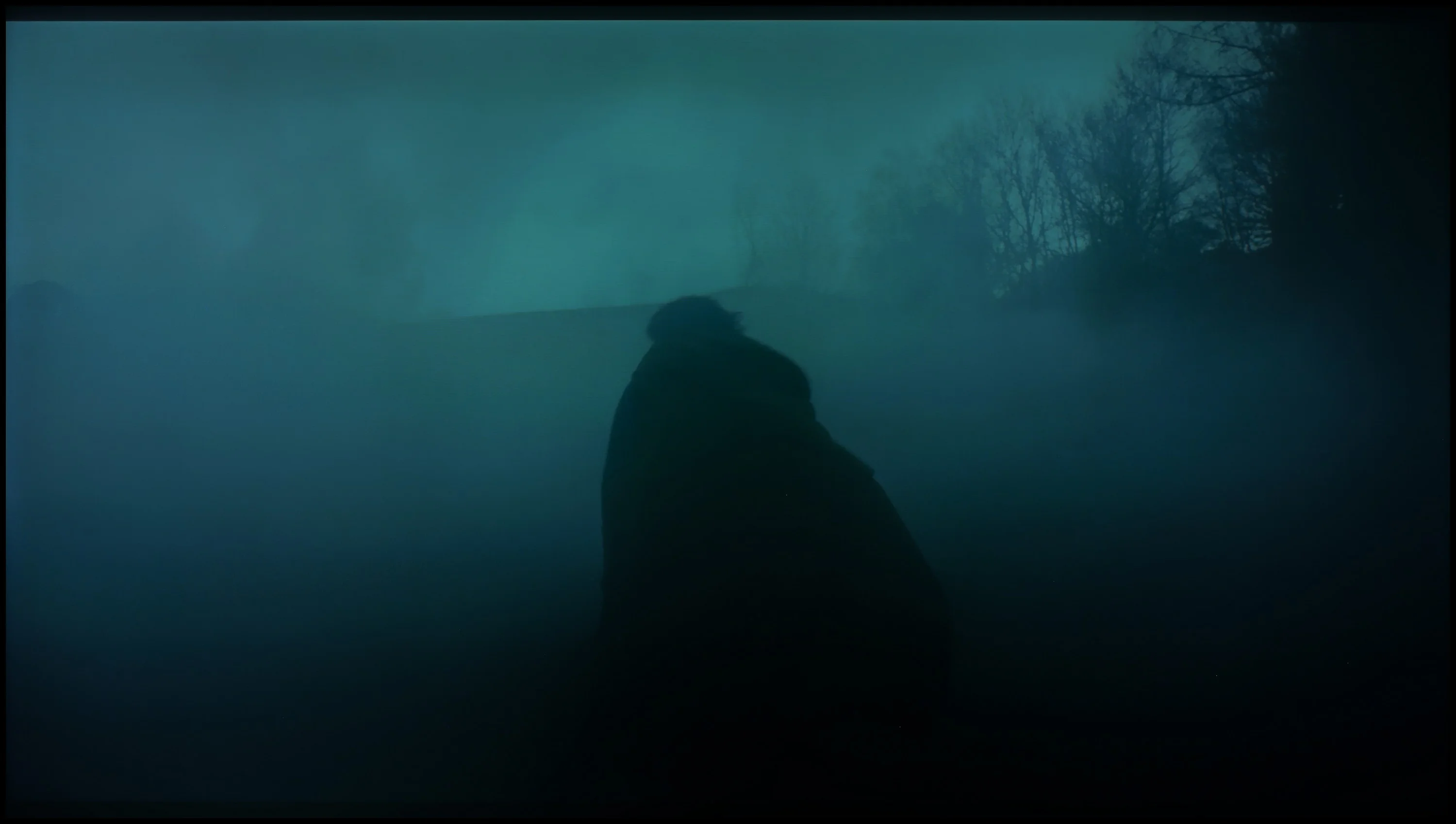
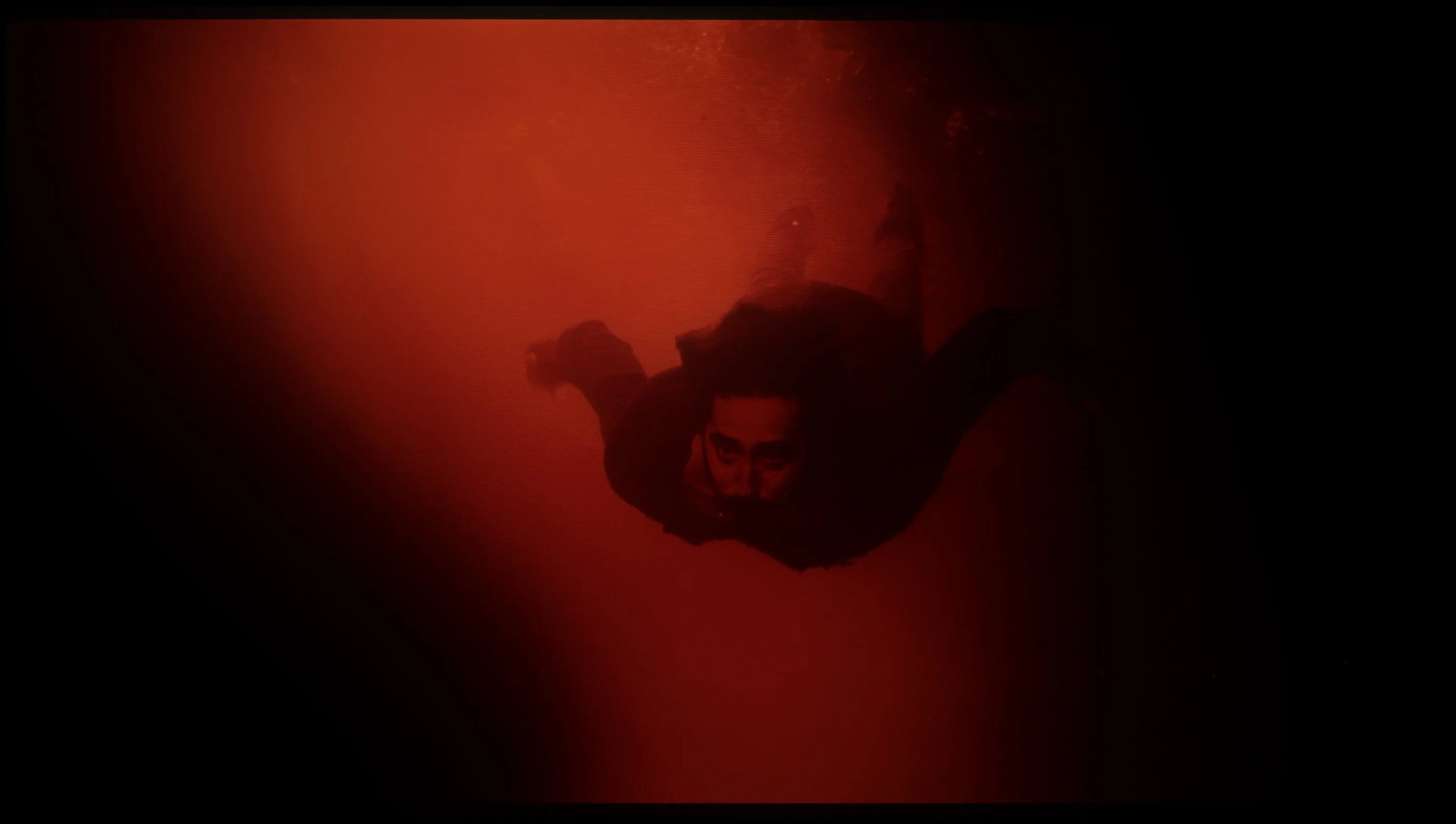
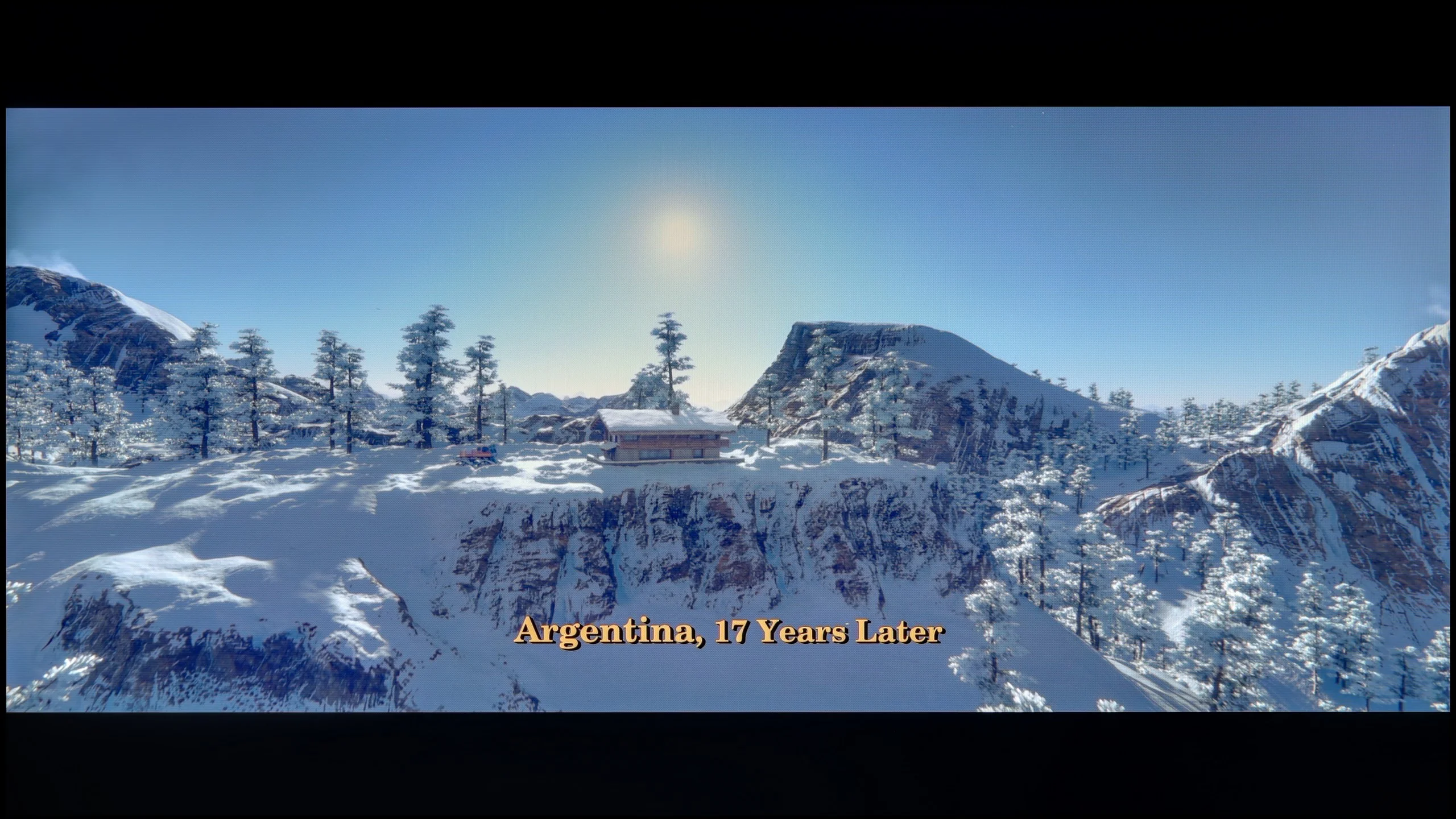
These are selected scenes that show smooth tonal transitions from one color to another. If you see distinct banding, it’s the TV panel’s fault.
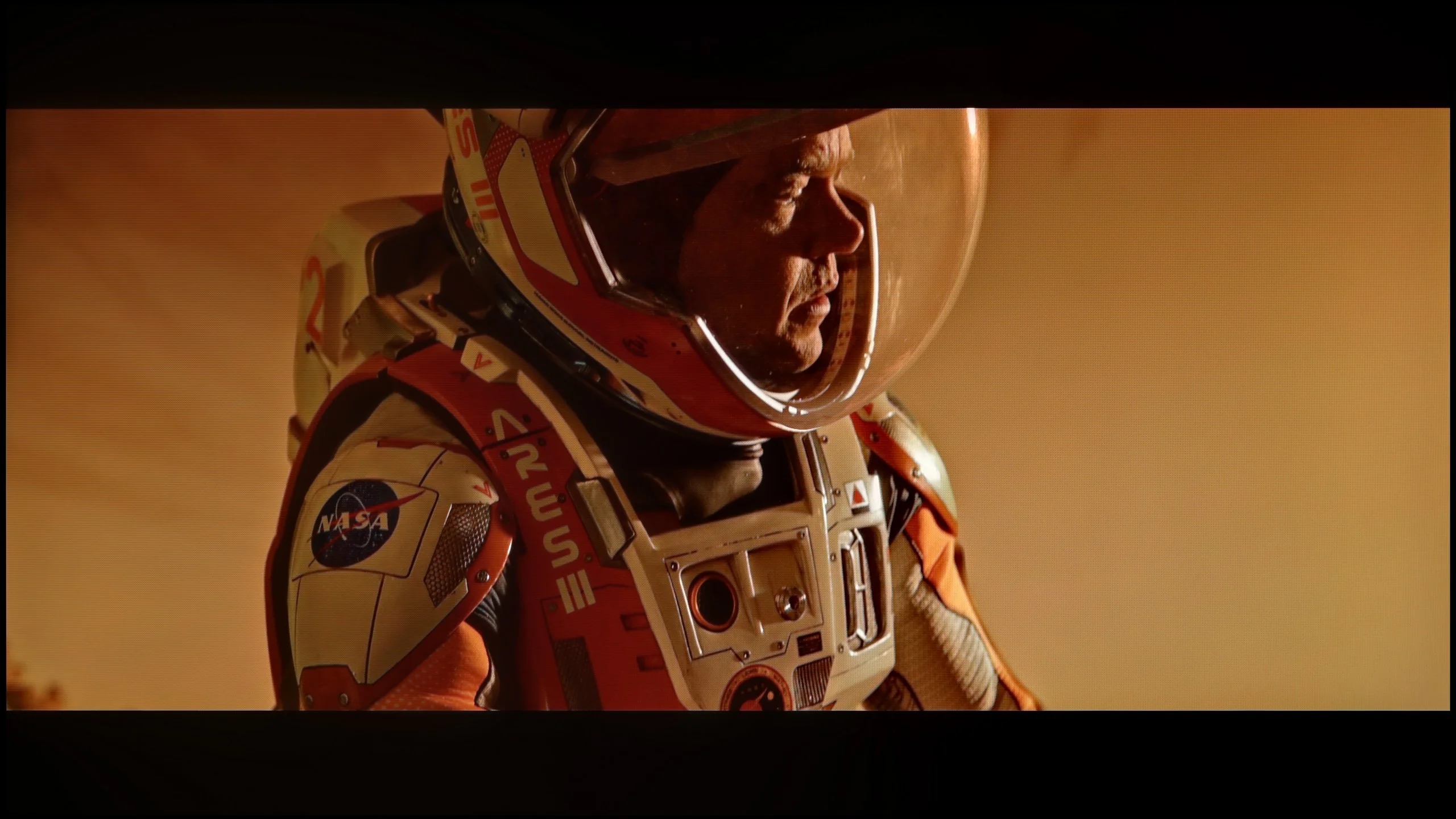
These are selected scenes that show smooth tonal transitions from one color to another. If you see distinct banding, it’s the TV panel’s fault.
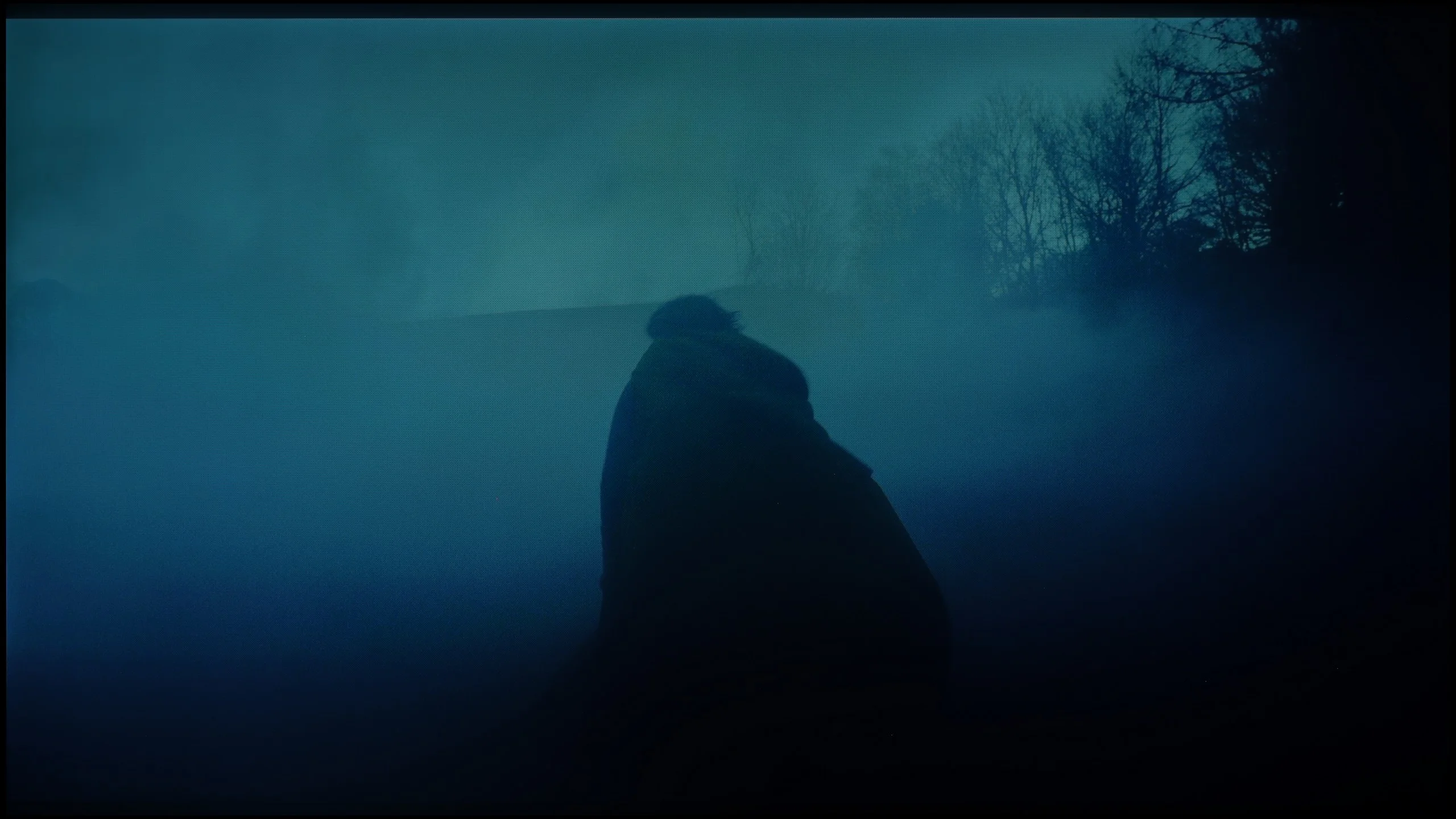
These are selected scenes that show smooth tonal transitions from one color to another. If you see distinct banding, it’s the TV panel’s fault.
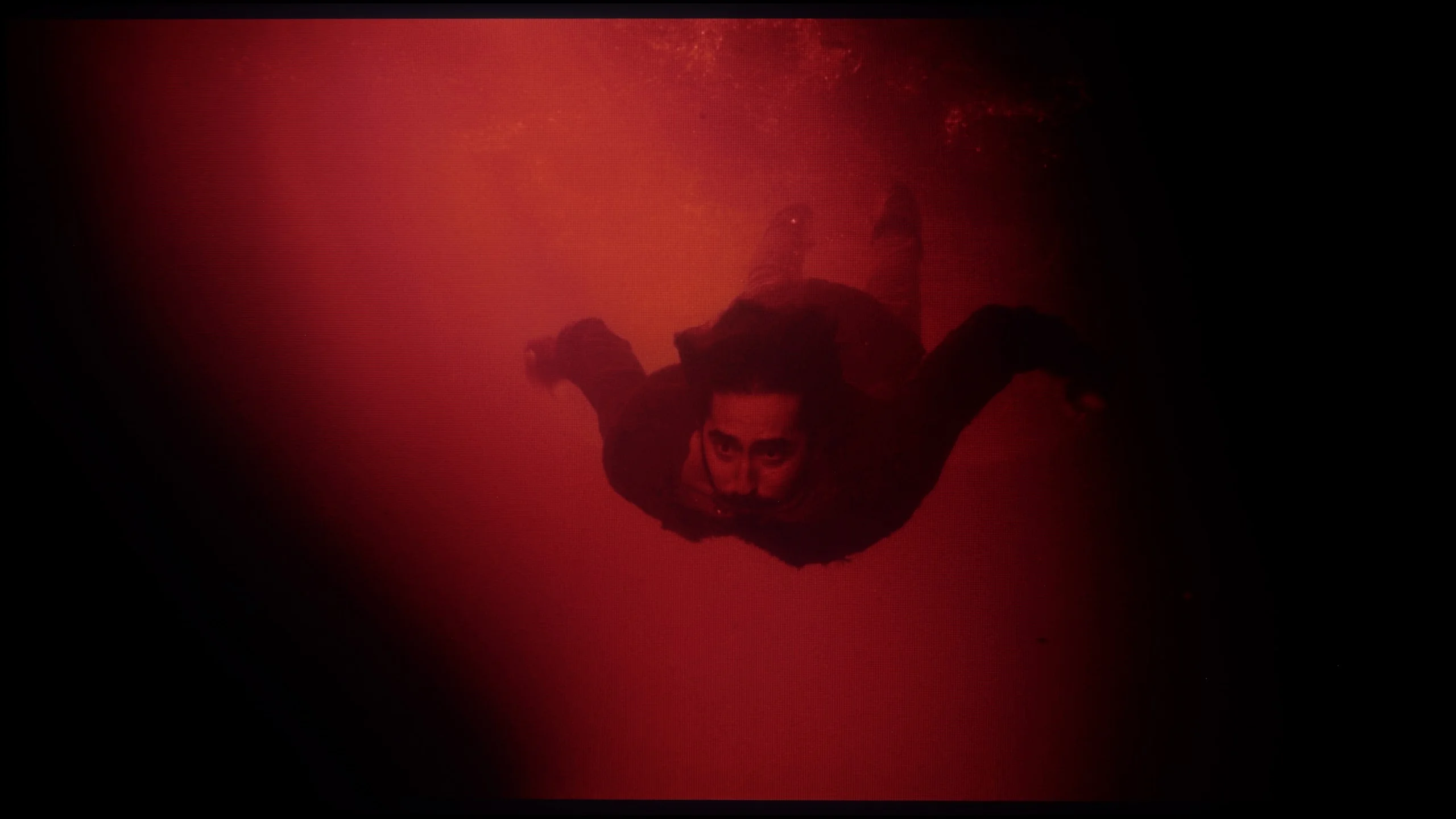
These are selected scenes that show smooth tonal transitions from one color to another. If you see distinct banding, it’s the TV panel’s fault.
The gradation on the LG QNED91T looks very good. There are only slight cut-offs in the brightest scenes, but the television handles the black levels very well, ensuring smooth tonal transitions. As a result, the picture is natural and pleasant to the eye, without any visible issues.
The TCL A400U handles tonal transitions in 4K material very well. In bright scenes it’s hard to find any issues. The sky or the subtle halo around the sun look smooth, without visible banding or seams between shades. Colours flow smoothly from one to another, so nothing distracts from the film. Minor imperfections only appear in the darkest scenes, near black. You can spot slight banding there, but you have to look closely to notice it. During normal viewing it is unlikely to be noticeable. It’s a very good result and one of the A400U’s stronger points.
Image scaling and smoothness of tonal transitions
7.5/10
5.5/10

Smooth transition function
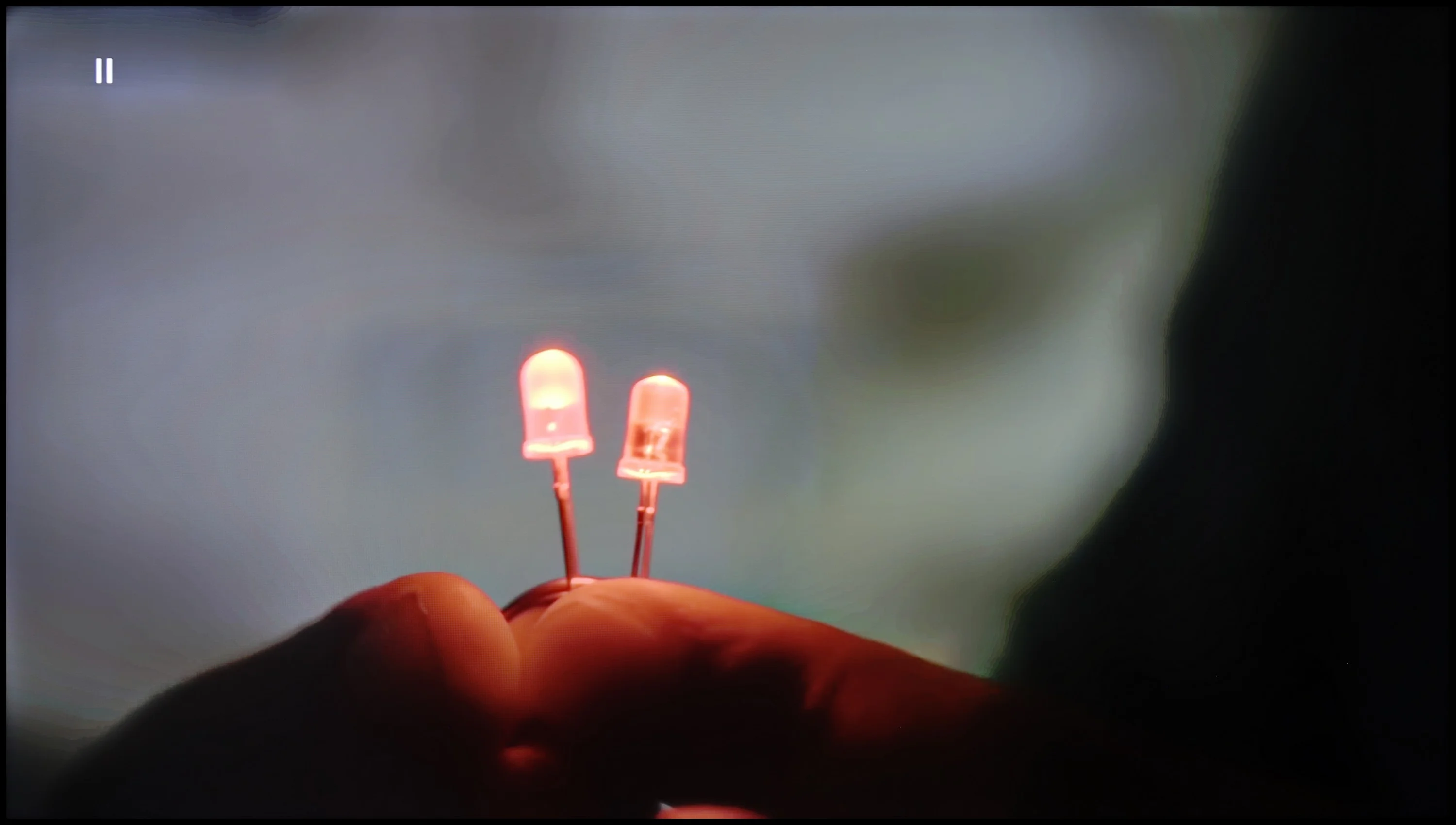
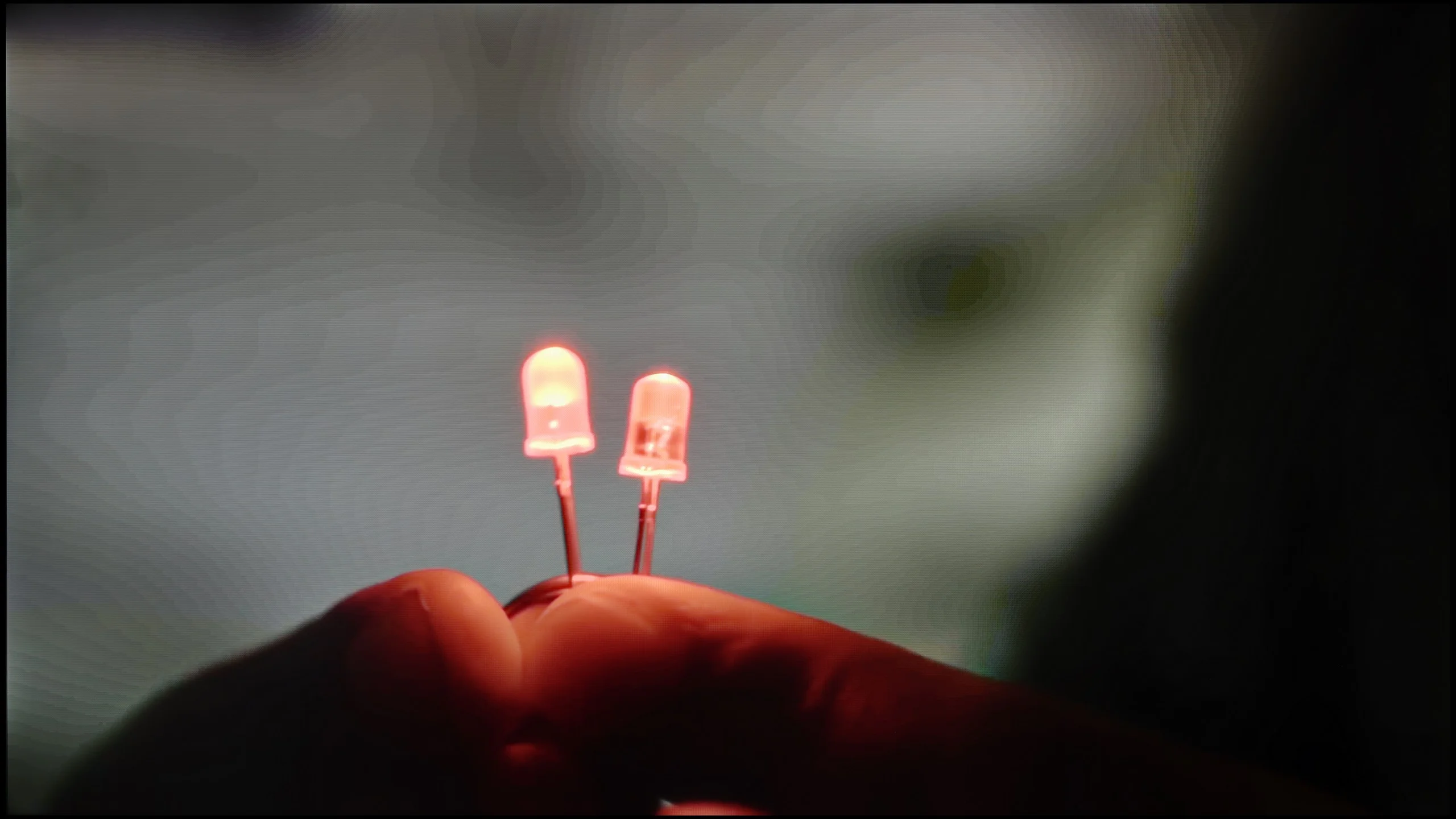
The match photo shows how the TV smooths weak tonal transitions in low-quality video.
Image scaling SD (576i)

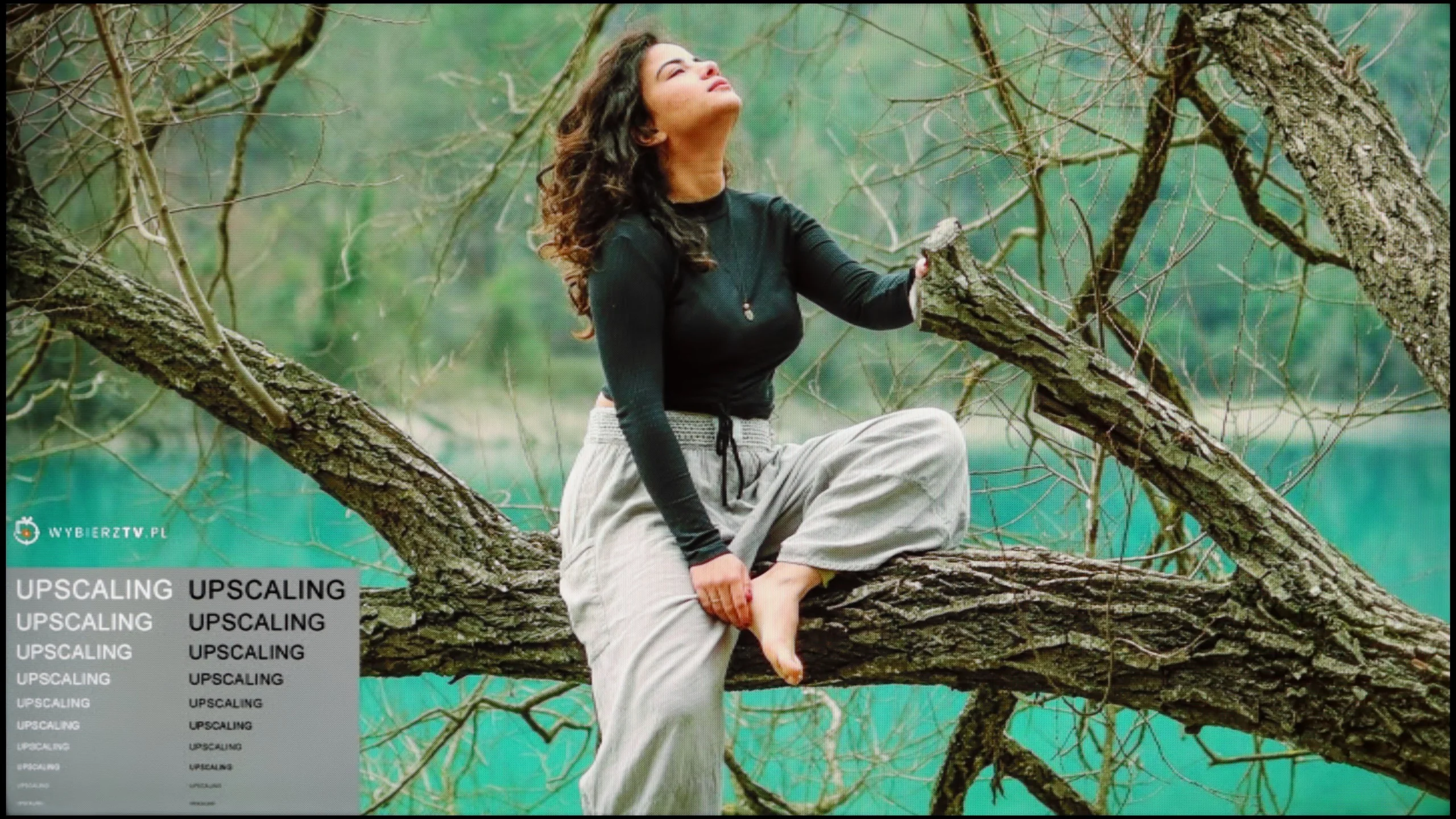
The model photo shows how it handles upscaling of SD material.
When it comes to tonal transitions in lower quality materials, the television offers a well-known feature from LG televisions - "Smooth Gradation". We can control it in three levels: low, medium, and high. We recommend using the medium option, as it does a good job of removing tonal transitions without causing noticeable problems with the removal of object structure or other artefacts.
As for image scaling (upscaling), LG's Alpha processor performs quite well in this regard. The image appears very plastic, with slight aliasing on some elements, which does not significantly affect the quality. It looks really okay, and the overall effect is very satisfactory.
The TCL A400U properly upscales lower-resolution sources to 4K. Edges are well defined and fine details remain discernible, so older films and regular broadcast TV look quite good. There’s also no problem with overscan, meaning the edges of the picture aren’t cropped. Even with very low-resolution material the TV shows the entire frame.
It fares much worse at removing imperfections from heavily compressed footage. The A400U, like the C7L, uses the older Pentonic 700 chip. The tone-smoothing feature is available, but in practice it achieves very little. Visible bands between shades remain on screen, and enabling it can introduce additional artefacts. This is one of the weaker points of the model. High-quality material looks smooth, as noted earlier, but if imperfections are already encoded in the recording the A400U can do little about them.
Blur and motion smoothness
7.5/10
7.7/10
Blur (native resolution, maximum refresh rate):

Blur (BFI function enabled):


Blur ():
Blur (1080p@288Hz):
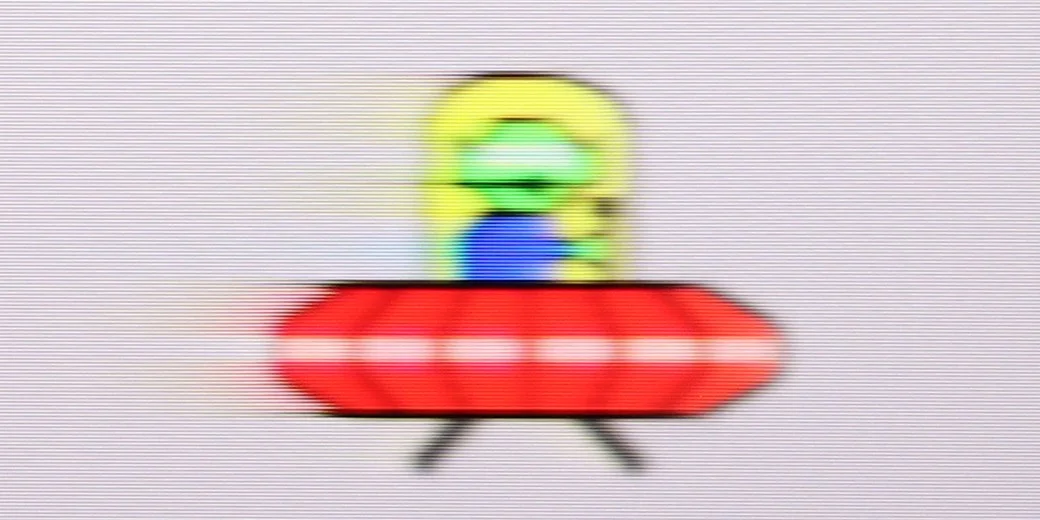
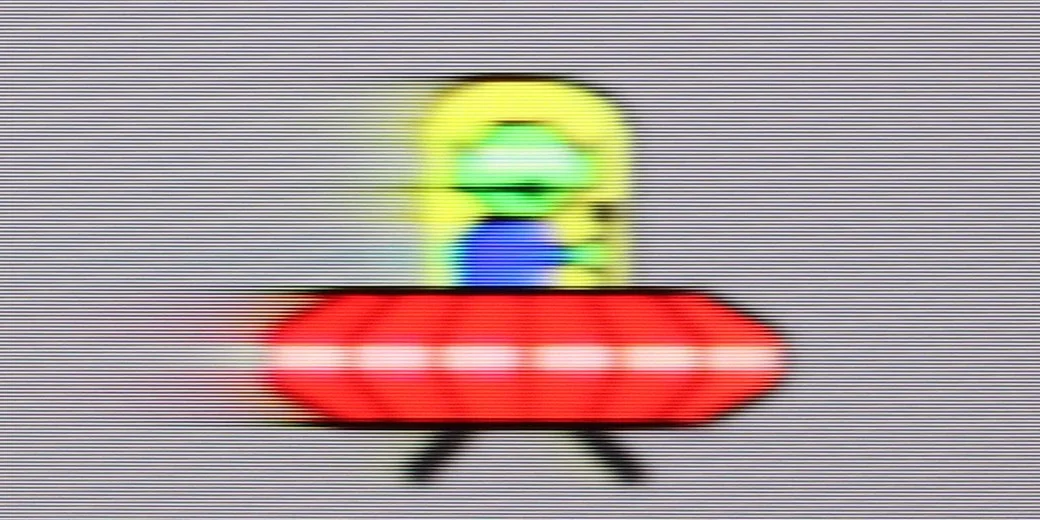
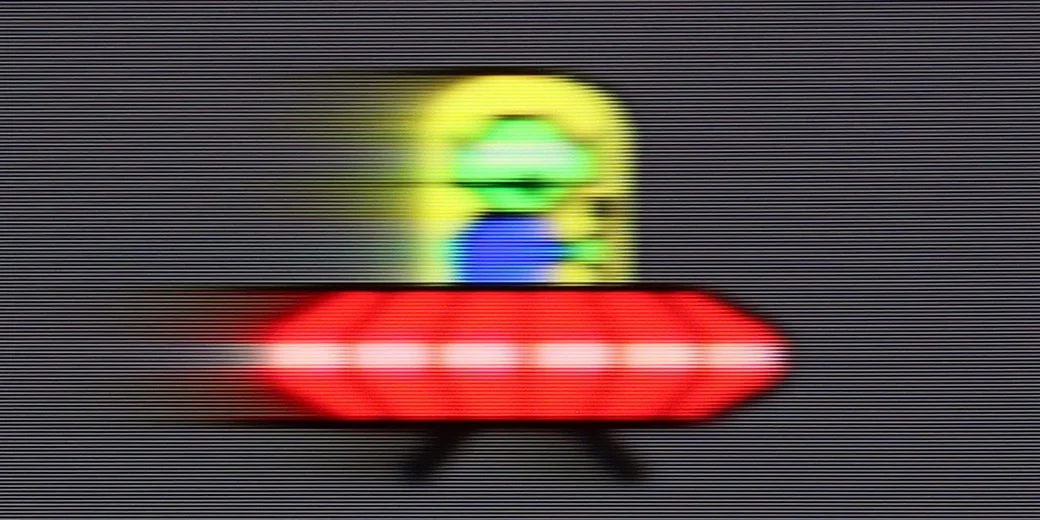
The television has a refresh rate of 120 Hz, which should satisfy most users in terms of motion smoothness. Additionally, QNED91T is equipped with the TruMotion feature, which allows for smoother image display in films. Within this feature, we can adjust the "De-Judder" and "De-Blur" sliders. The "De-Judder" slider is responsible for reducing judder in films, which is particularly useful when playing content with a lower frame rate, while "De-Blur" helps to reduce blur in fast scenes, which is important for sports or dynamic shots.
The TCL A400U has a 144 Hz panel, so it’s well suited to sports and gaming. In films you can further tweak motion smoothness using the "Motion Clarity" settings. There are two sliders: "Blur Reduction" and "Flicker Reduction". They help improve the legibility of fast motion and soften abrupt camera shifts. You don’t need to set them high straight away, especially if you want to preserve a cinematic look.
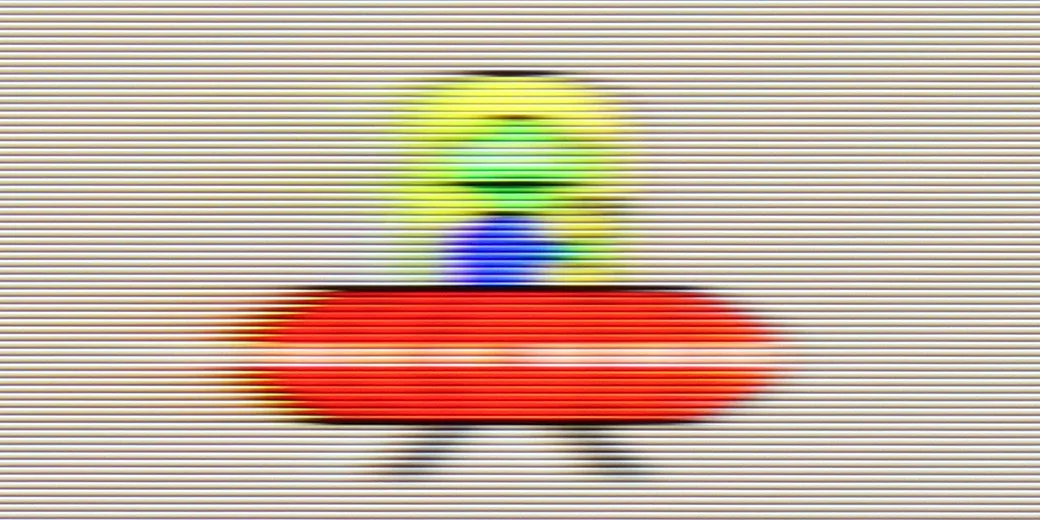
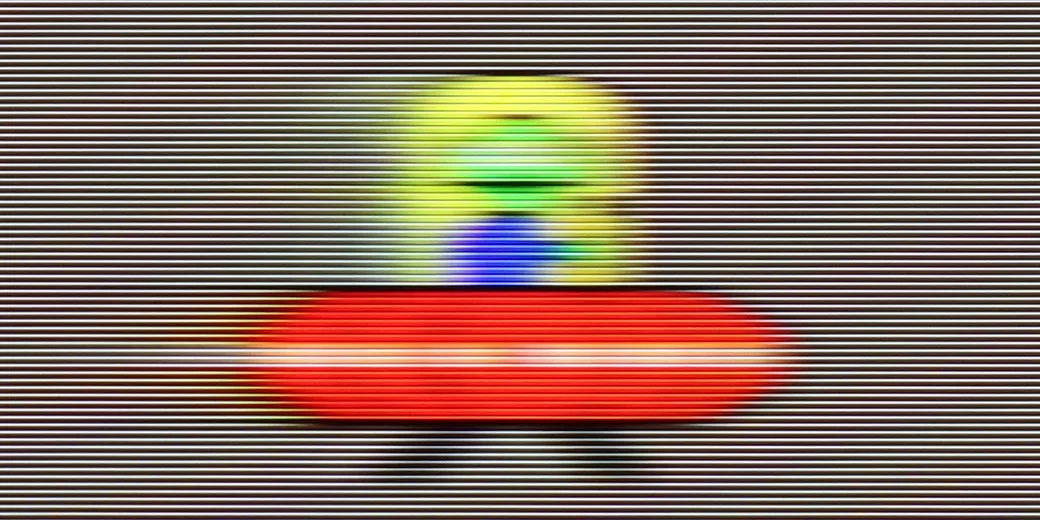
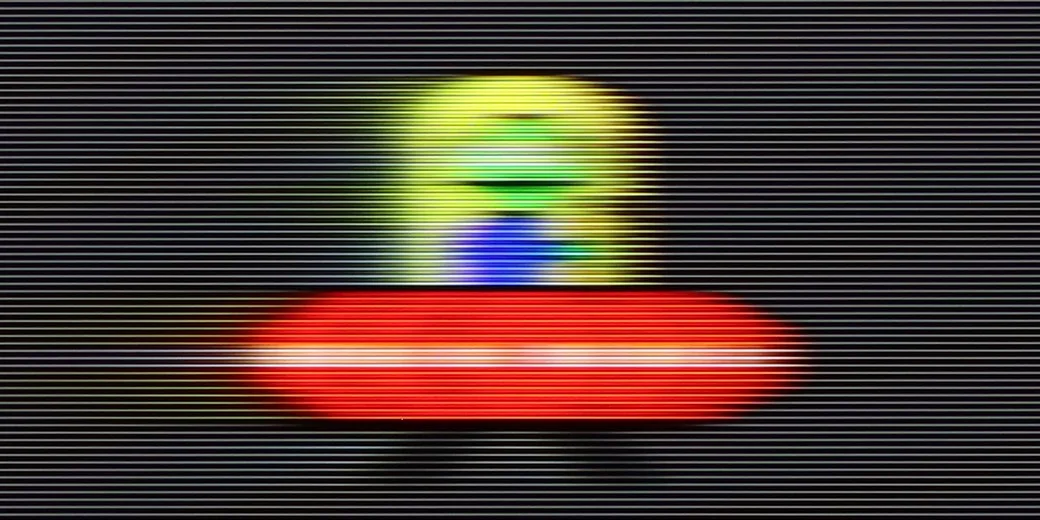
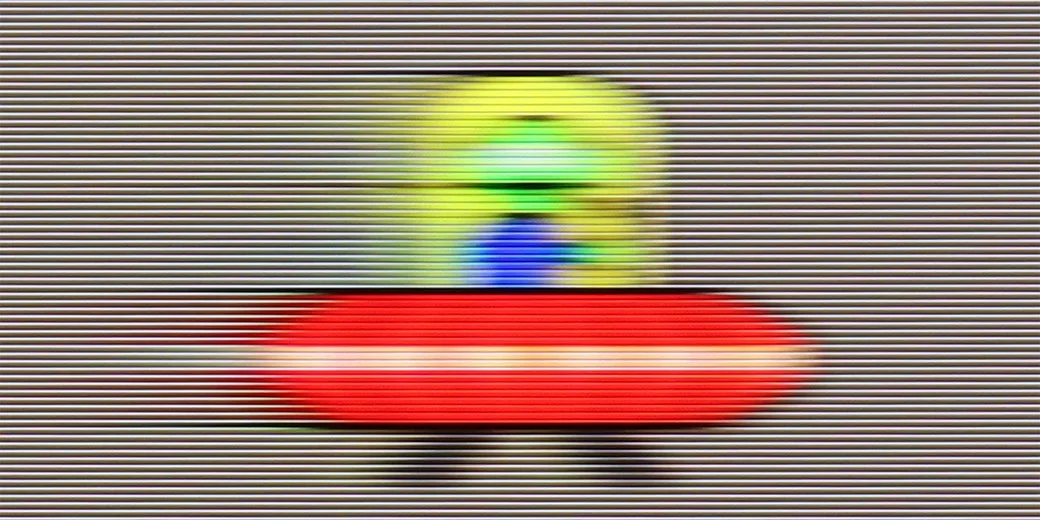
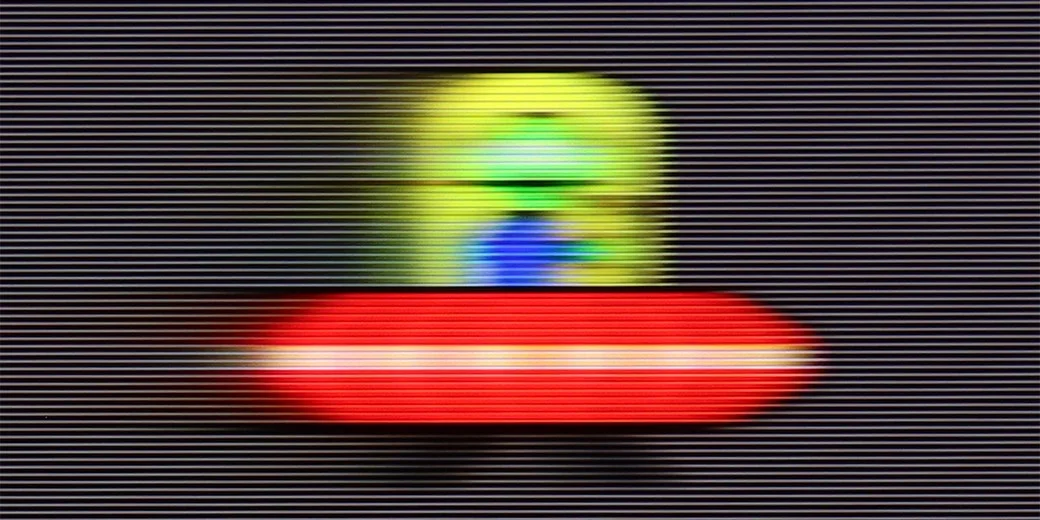
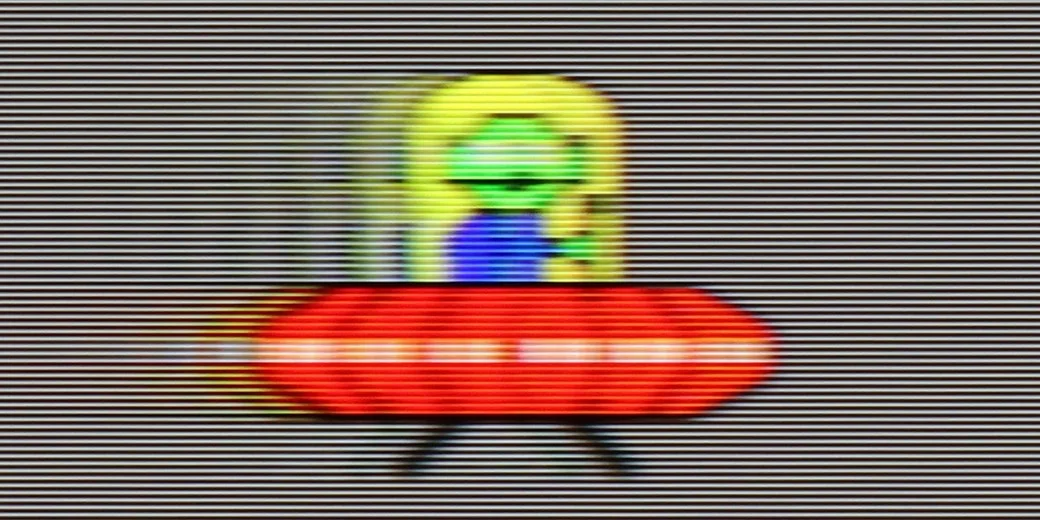
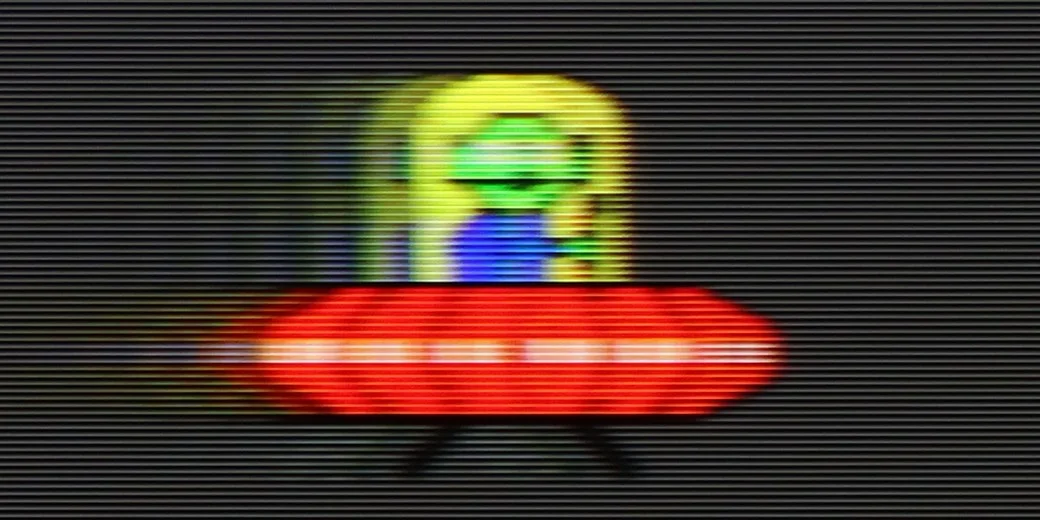
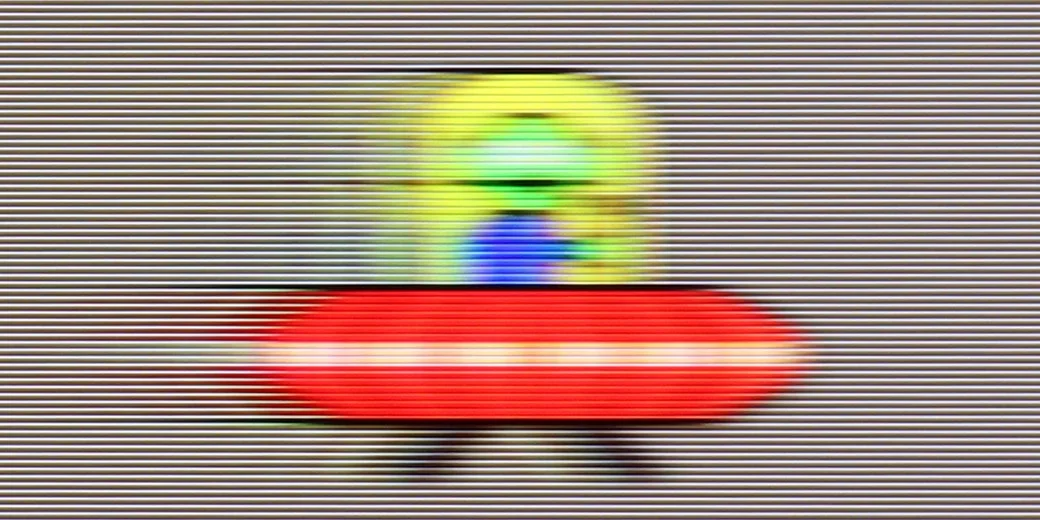
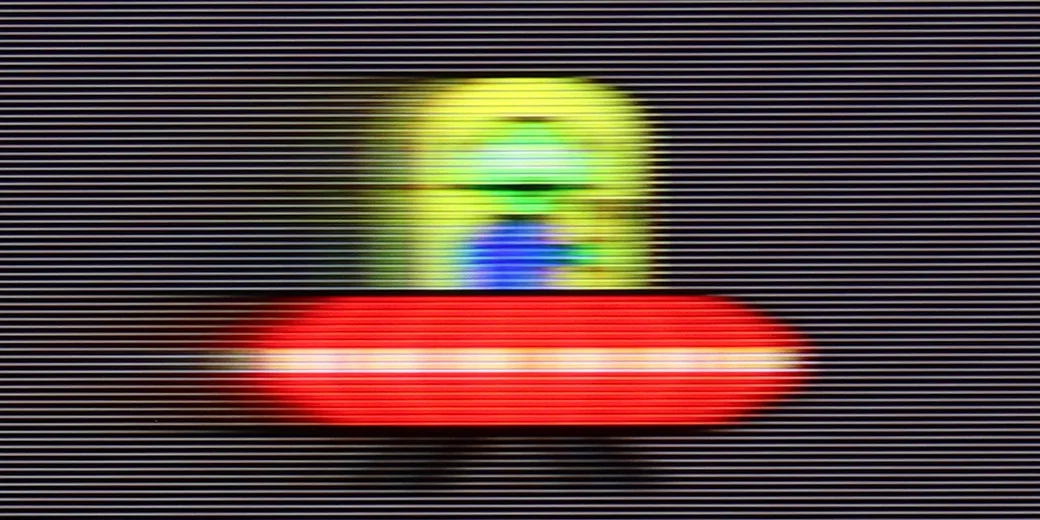
The panel’s response time is decent, though VA smearing is noticeable. In the UFO test at 120 Hz a blurred trail remains behind the object and its fine details lose sharpness. They’re not very long trails, but it’s certainly not on a par with the best LCD panels on the market. BFI, which uses short interruptions in the displayed image to improve perceived motion clarity, doesn’t change much here. Instead double contours appear, so it’s hard to consider it particularly useful. However, the brightness drop when it’s enabled is small, around 14%, so it’s worth experimenting with yourself.
Console compatibility and gaming features
9.8/10
9.8/10
- ALLM
- VRR
- VRR range48 - 120Hz48 - 288Hz
- Dolby Vision Game Mode
- Correct implementation of HGIG
- 1080p@120Hz
- 1440p@120Hz
- 4K@120Hz
- Game bar
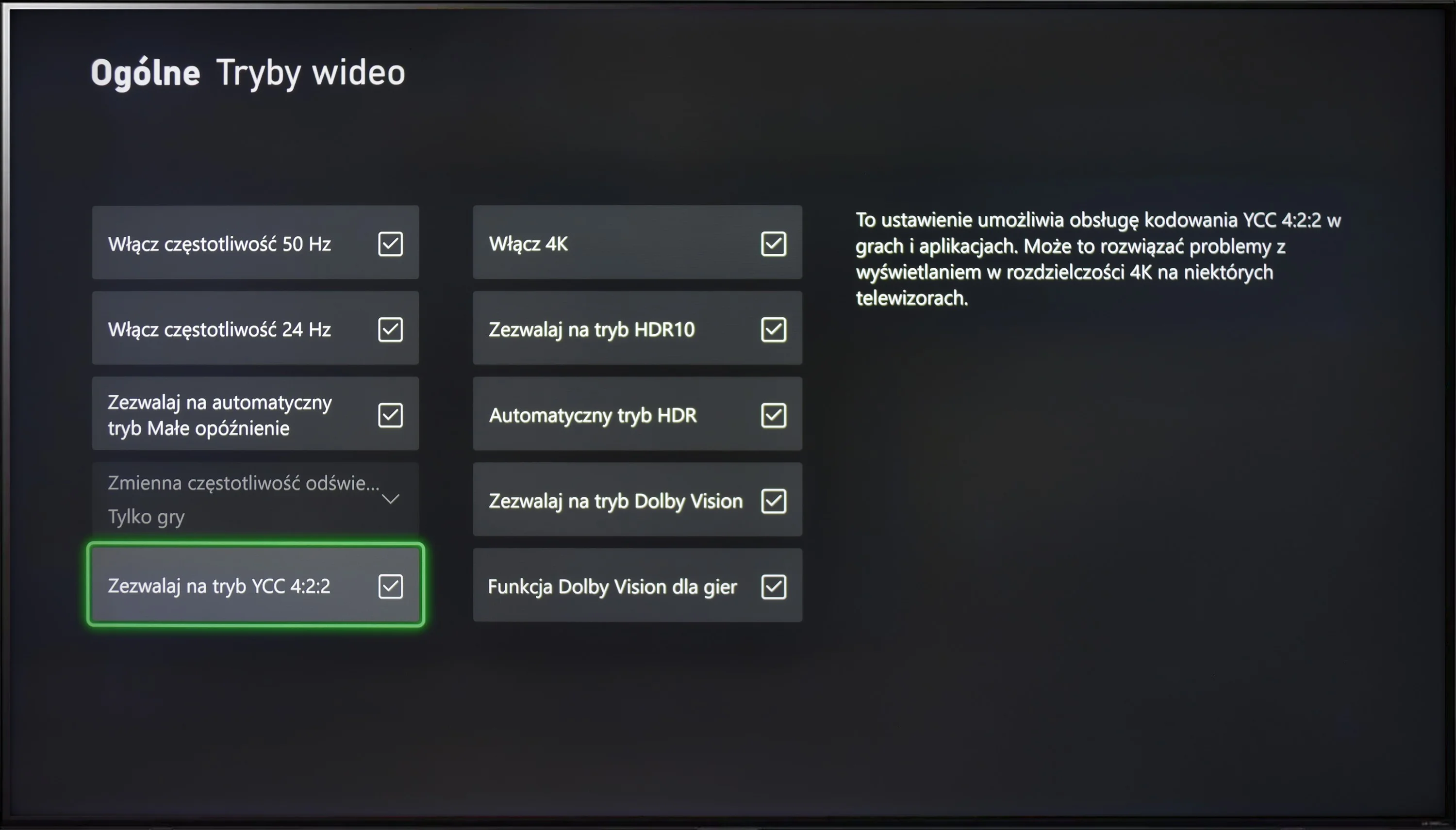
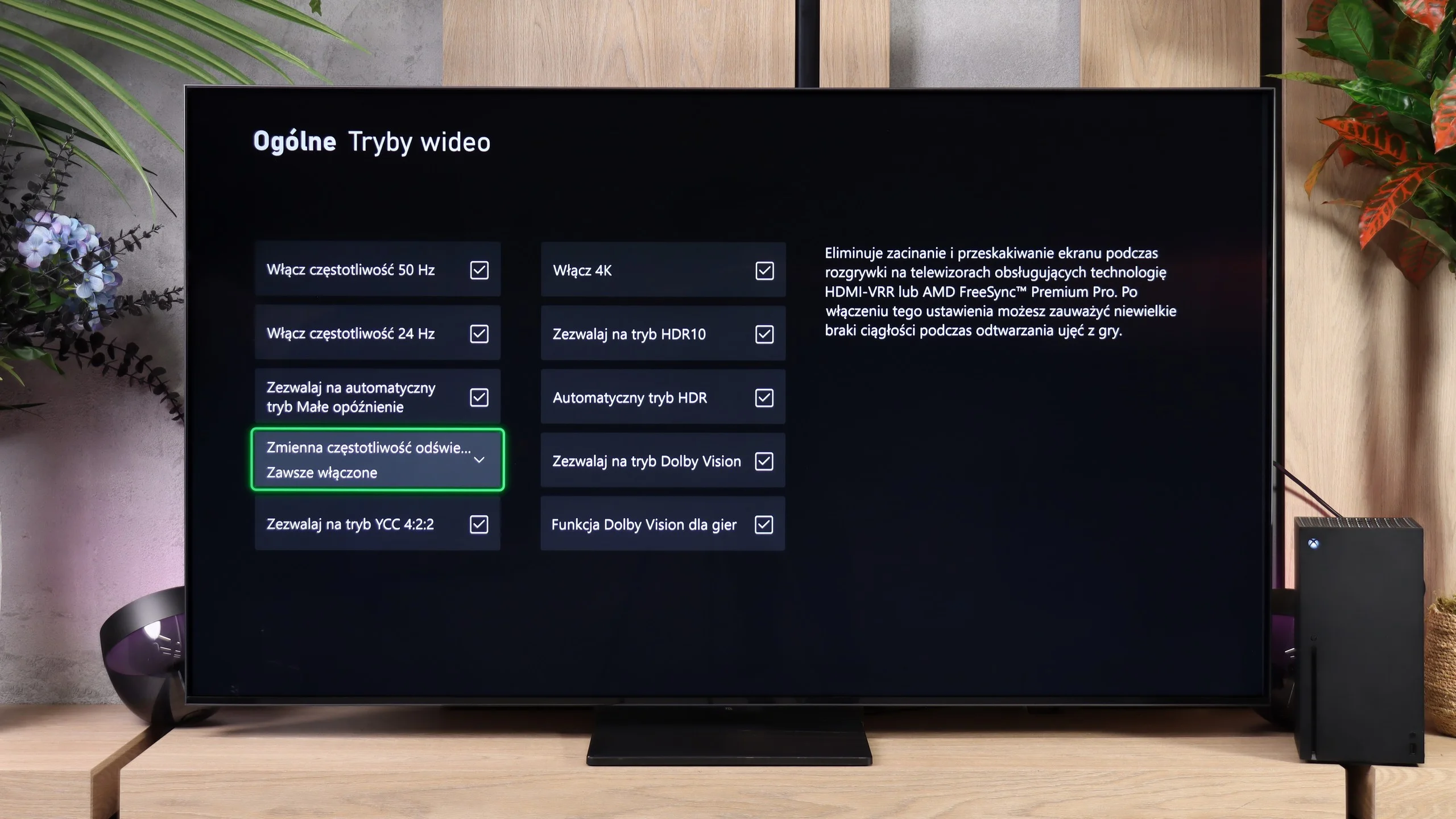
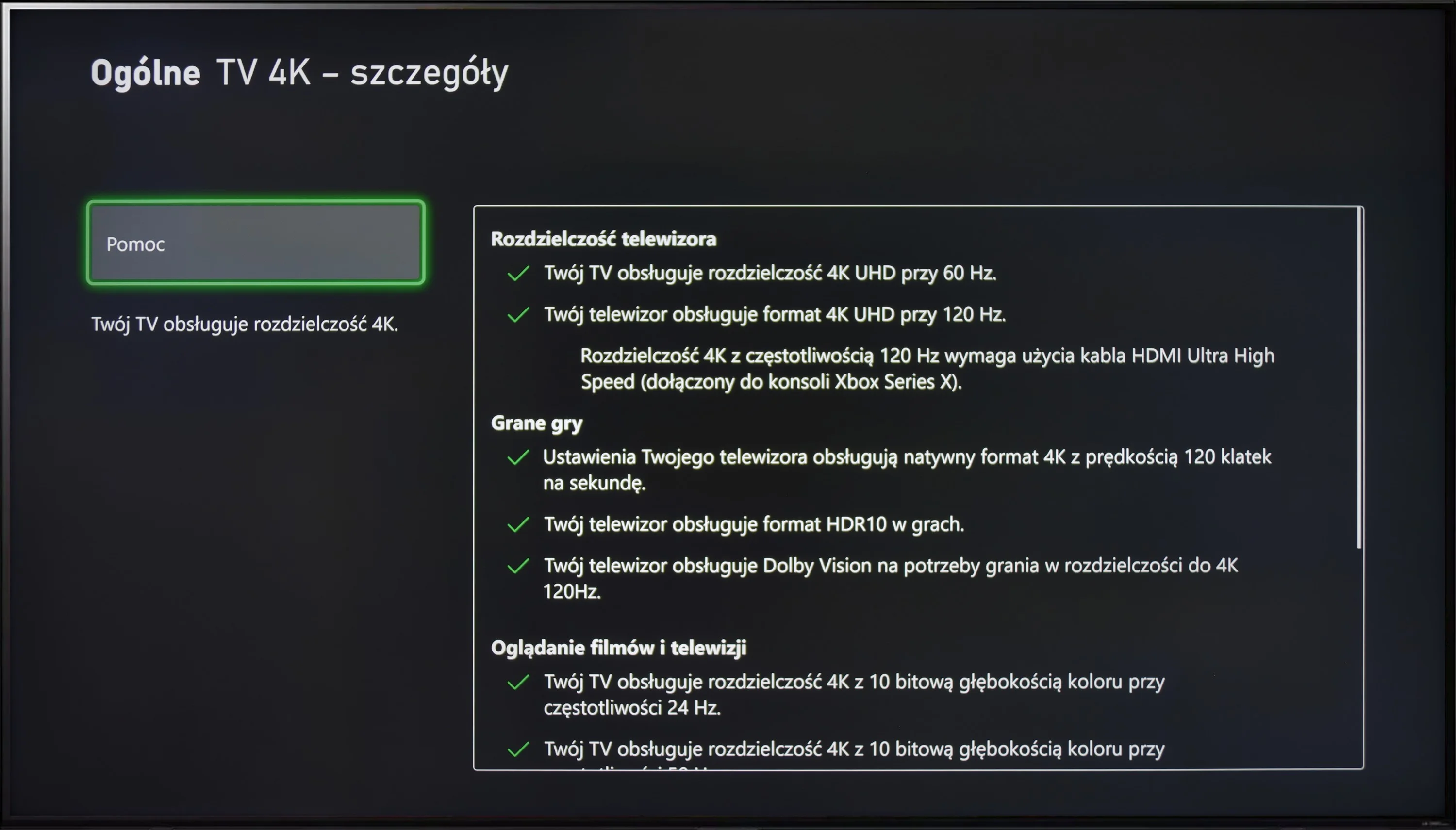
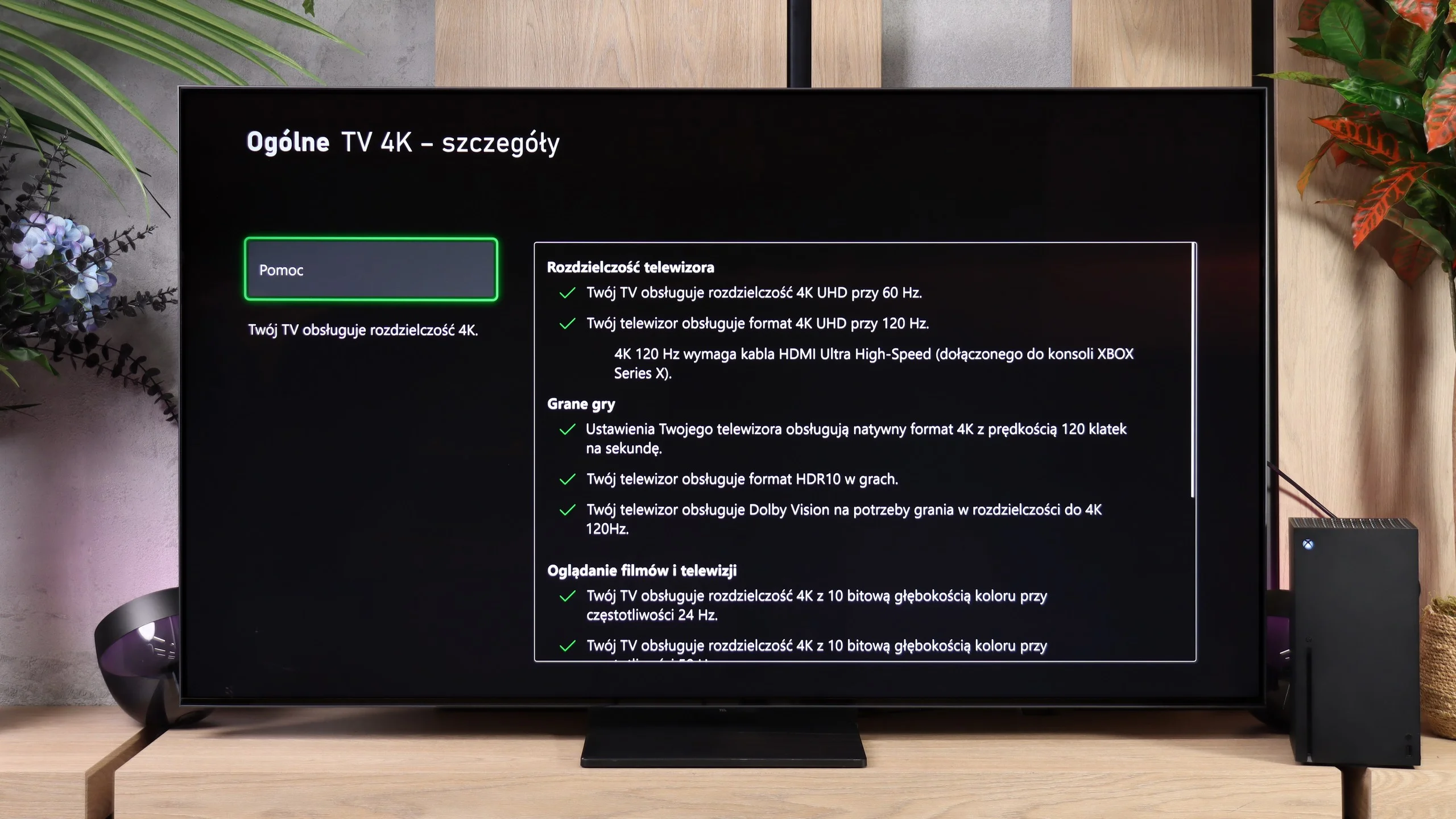
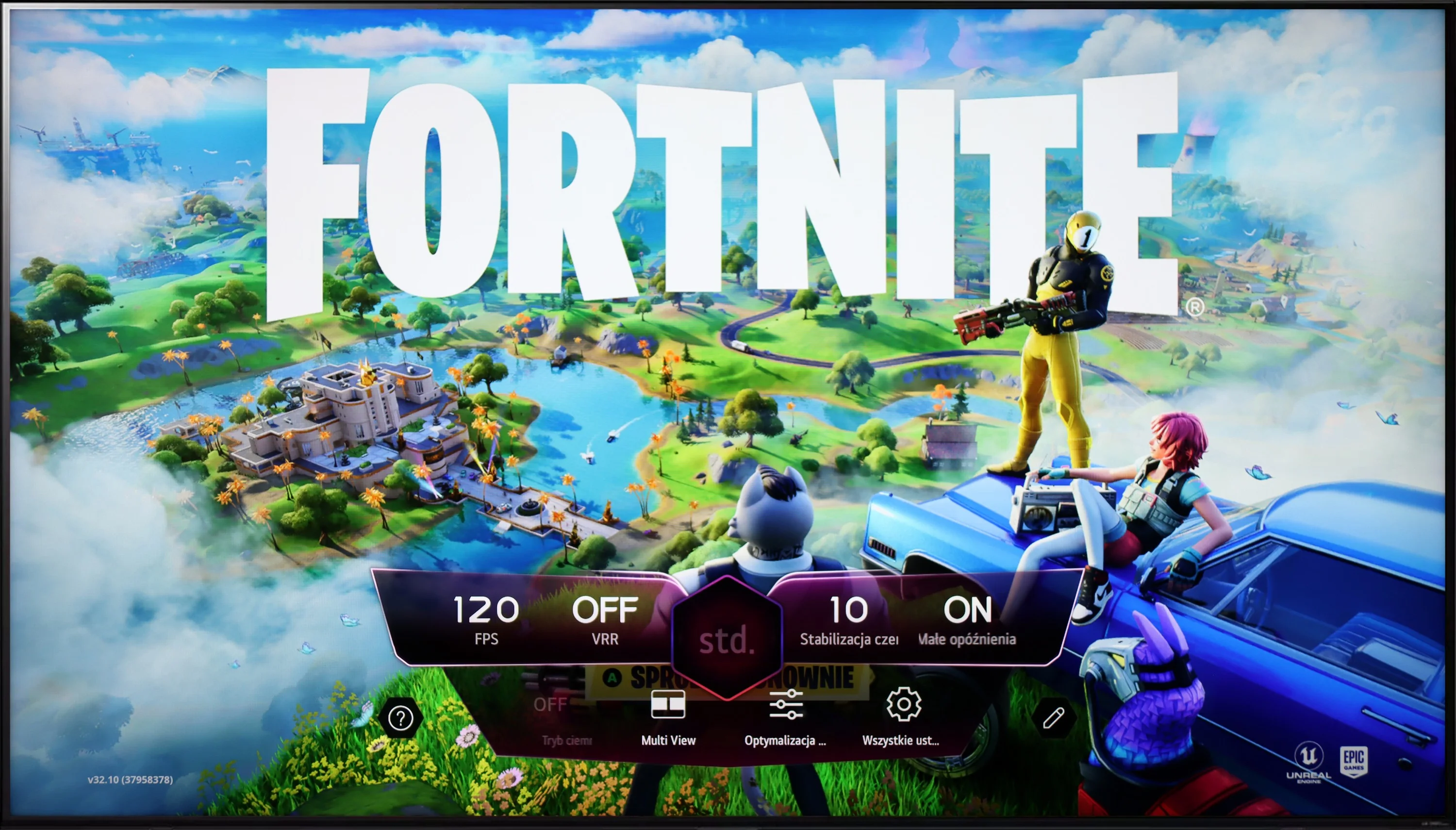
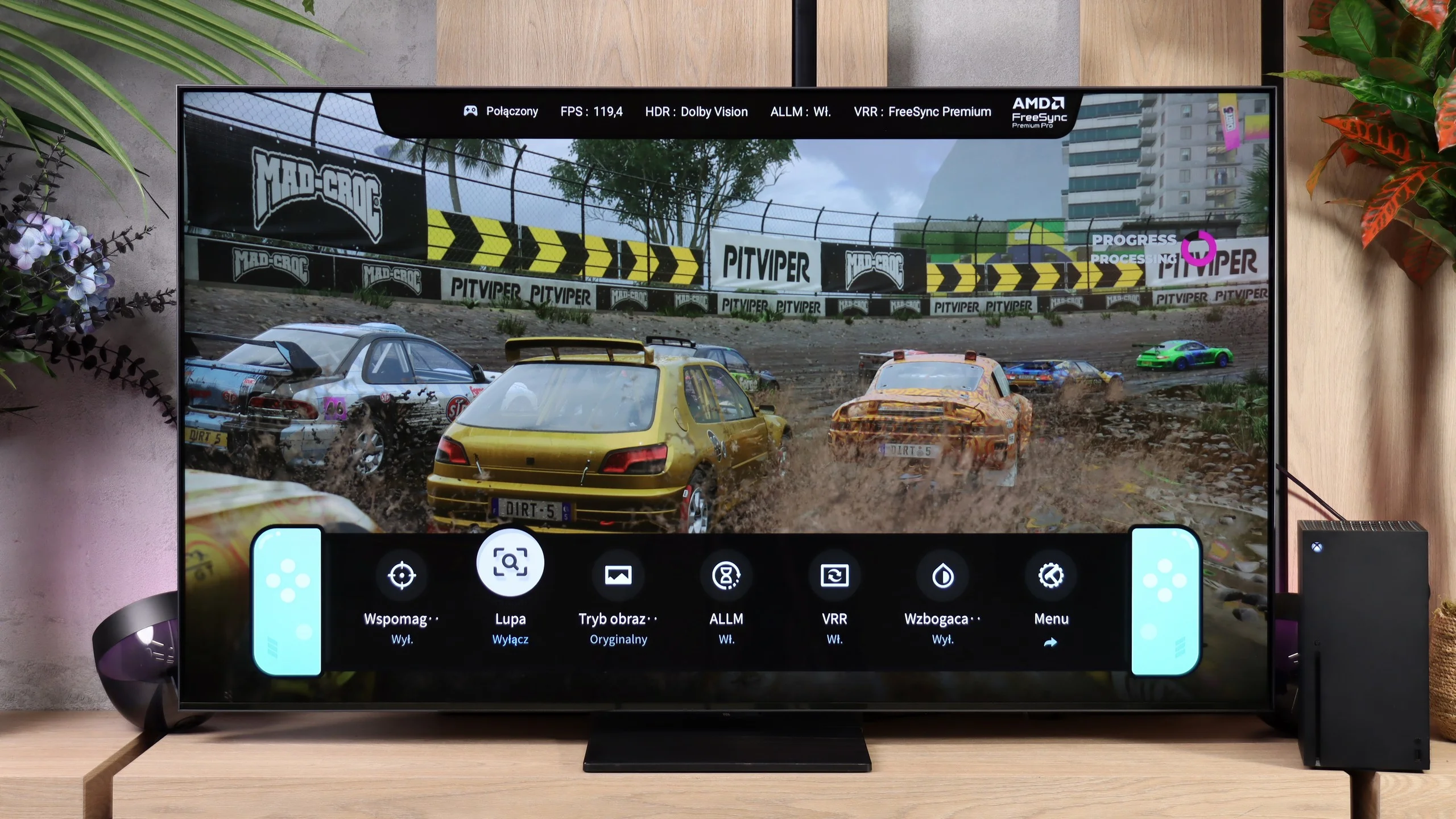
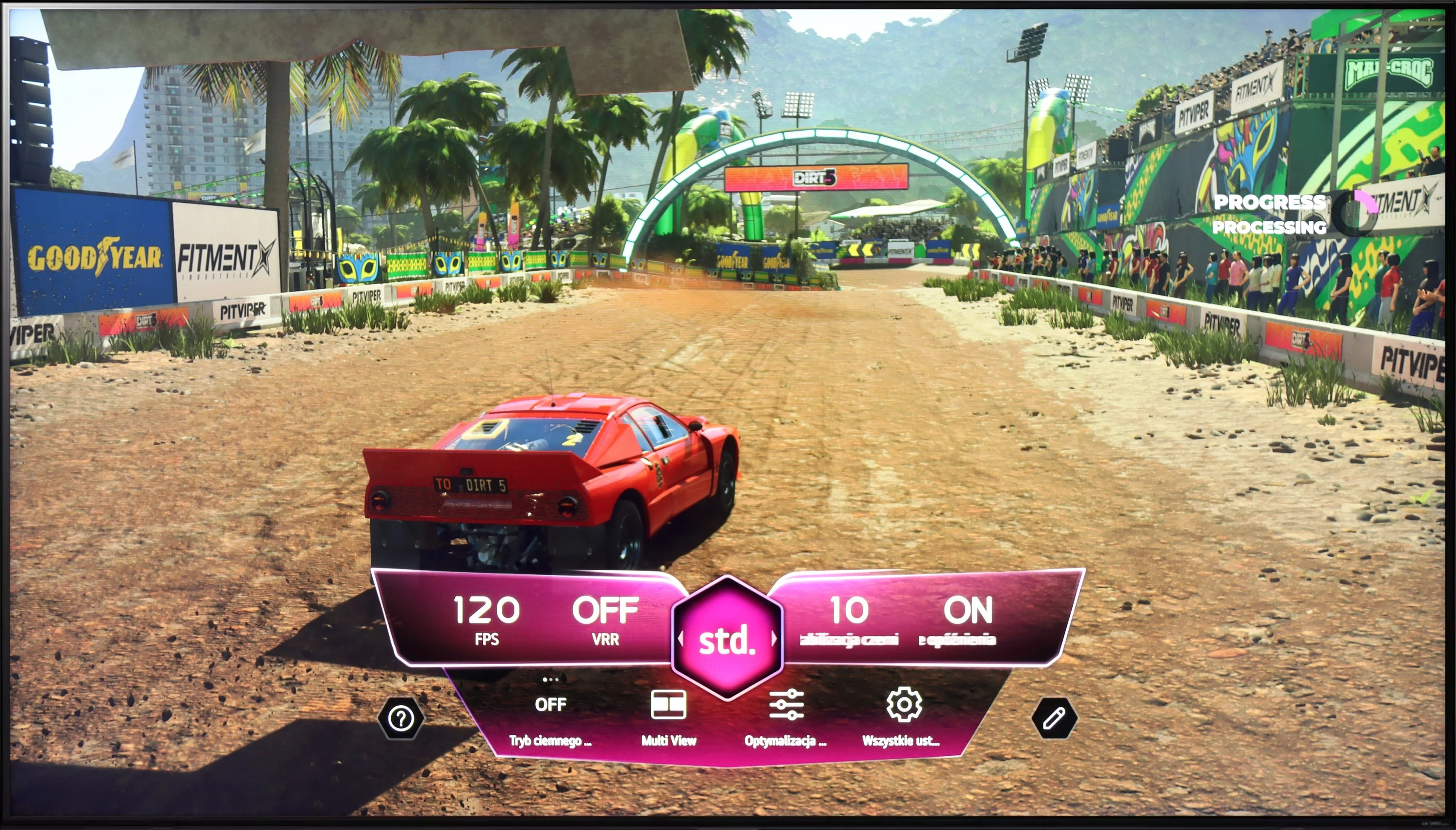
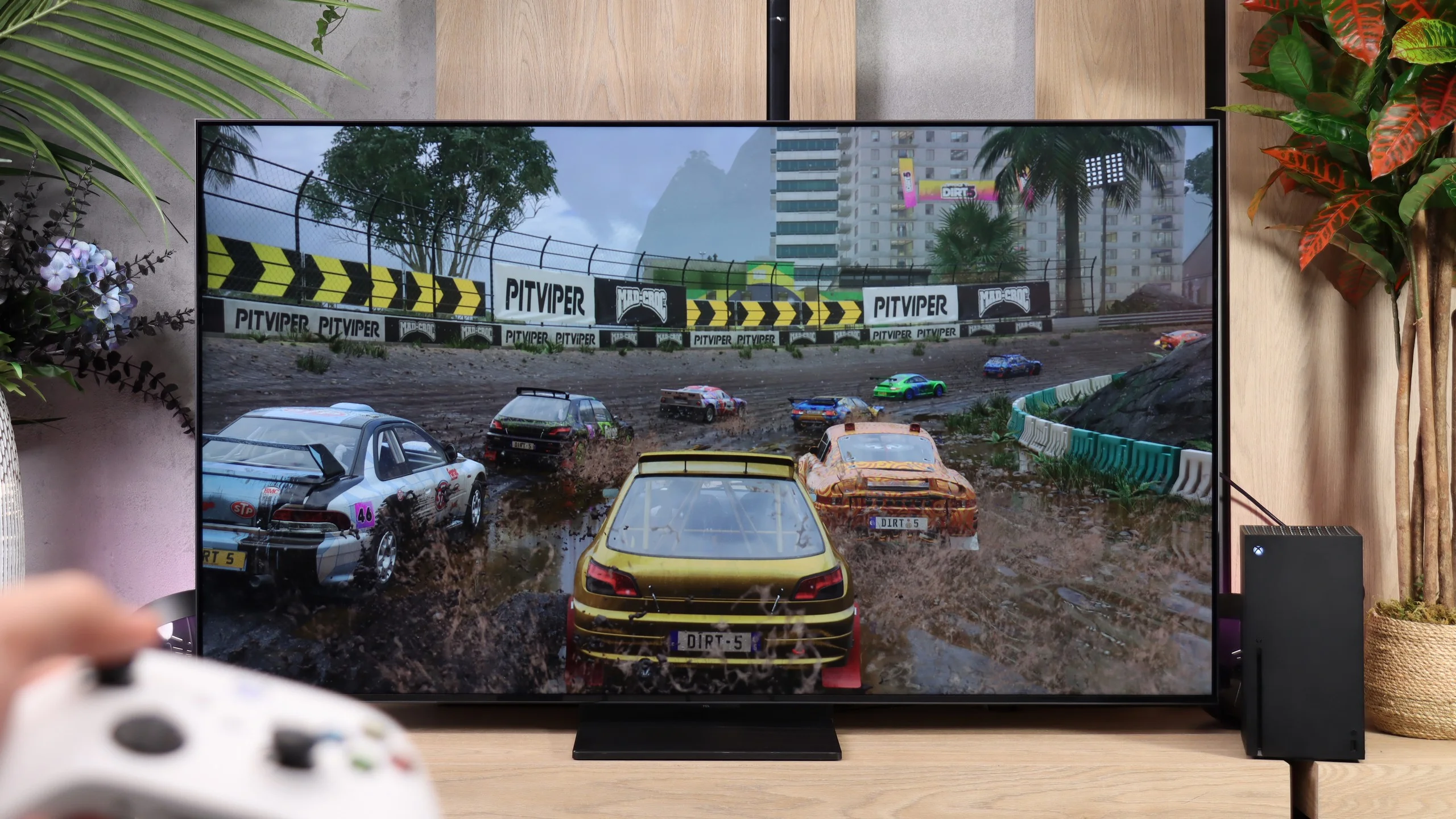
The LG 65QNED91T6A television is equipped with HDMI 2.1 ports with full bandwidth of 48 Gb/s, providing full support for all the standards needed for gaming on modern consoles. We can count on variable refresh rate (VRR) support and automatic low latency mode (ALLM). This ensures smooth gameplay without delays.
Thanks to support for all popular HDR standards in games, such as HGiG and Dolby Vision, we can fully utilise the potential of the PS5 and XBOX One consoles. The television also handles lower resolutions than 4K without any issues, so even older consoles look good on it. The Game Bar makes it easy to access gaming-related settings, allowing us to quickly and intuitively adjust picture parameters and features for gamers. Additionally, the QNED91T offers the NVIDIA GeForce Now feature, which allows us to play in the cloud without needing a console. However, it should be noted that this solution is quite costly and somewhat falls short of the Xbox Game Pass, which is available only on Samsung televisions.
QNED91T LG is an excellent choice for both less experienced and more advanced gamers looking for a versatile television for gaming.
TCL A400U has very extensive features for gamers, even though its appearance suggests a TV for an elegant living room. It supports 120 Hz in Full HD, 1440p and 4K, so it lets you use the high-speed modes available on consoles. When connected to a PC you can get 144 Hz at 4K or even 288 Hz at Full HD. In fast-paced games this gives plenty of freedom to choose between image detail and smoothness. It also has VRR, which adjusts the refresh rate to the frame rate and reduces screen tearing when a game doesn’t maintain steady performance. Its range is 48–288 Hz, with the highest value applying to Full HD. ALLM automatically switches the screen to game mode, and Xbox users can use Dolby Vision at 120 Hz as well. HGiG, which works correctly, is worth praising. It allows you to set HDR on the console without the TV additionally changing the look of the test pattern and making it hard to judge when the test pattern should disappear. That doesn’t mean the picture brightness in game mode is ideal, as we noted during calibration, but the HDR setup proceeds correctly. The package is completed by a clear Game Bar. You can quickly check the frame rate, the active HDR format or VRR status, and access additional tools such as a crosshair and a magnifier. The most important options are to hand without having to go into the full settings menu.
Input lag
9.8/10
10/10
SDR
HDR
Dolby Vision
The input lag on QNED91T is really very low, even in Dolby Vision mode. This means we can rely on a fast response time, which is very important in dynamic games where every millisecond counts. Regardless of whether we are playing in standard mode or HDR, the television offers very good results that will satisfy even the most demanding gamers.
A400U responds to controller input very quickly. At 60 Hz latency is 13–14 ms, and at 120 Hz it drops to 8–9 ms in SDR and HDR10. These are excellent results, also for fast shooters and online games. Dolby Vision performs just as well: 14 ms at 60 Hz and 10 ms at 120 Hz means using this format does not result in any noticeable degradation of control. When it comes to input lag, there's little to criticise here.
Compatibility with PC
7.6/10
8.5/10
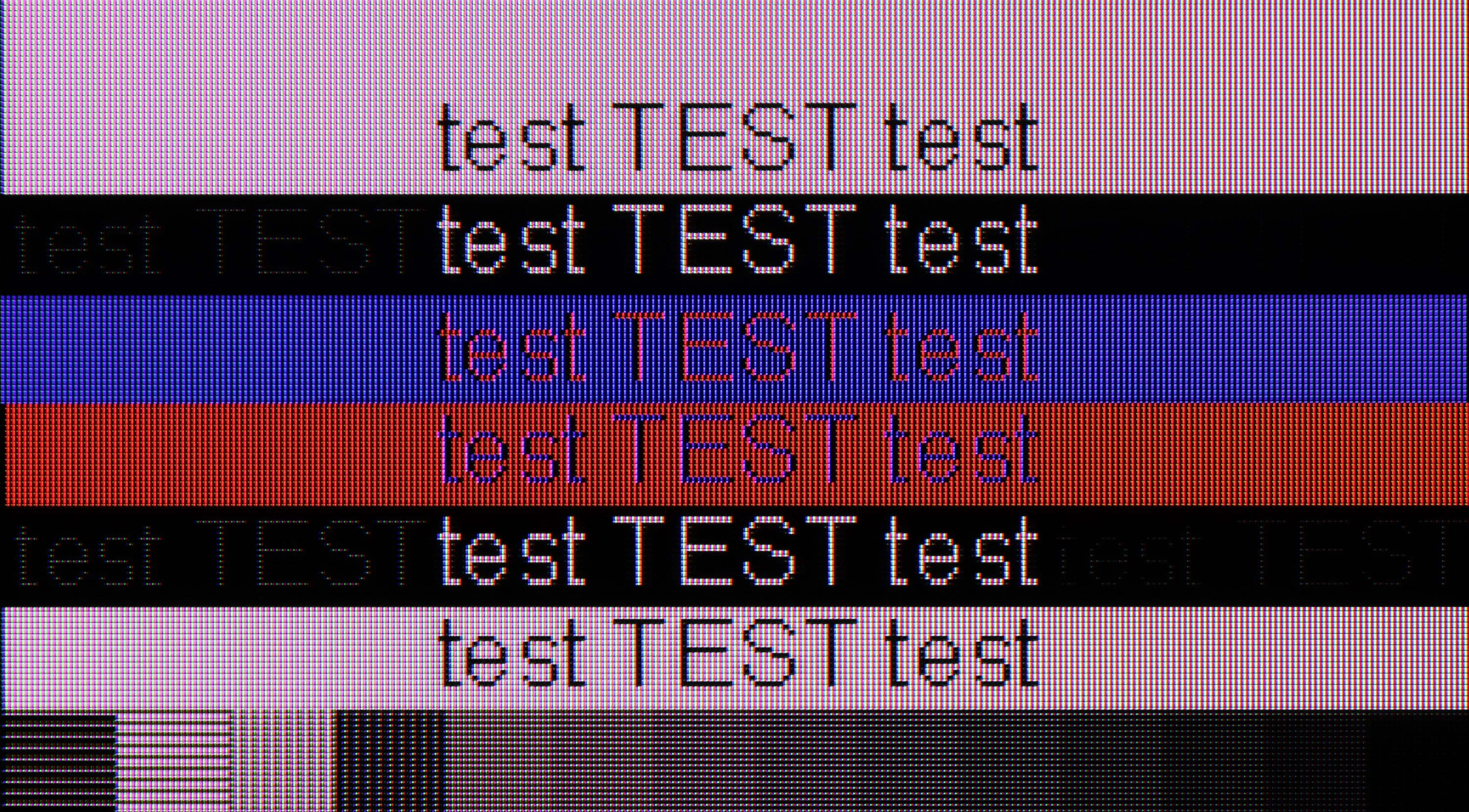
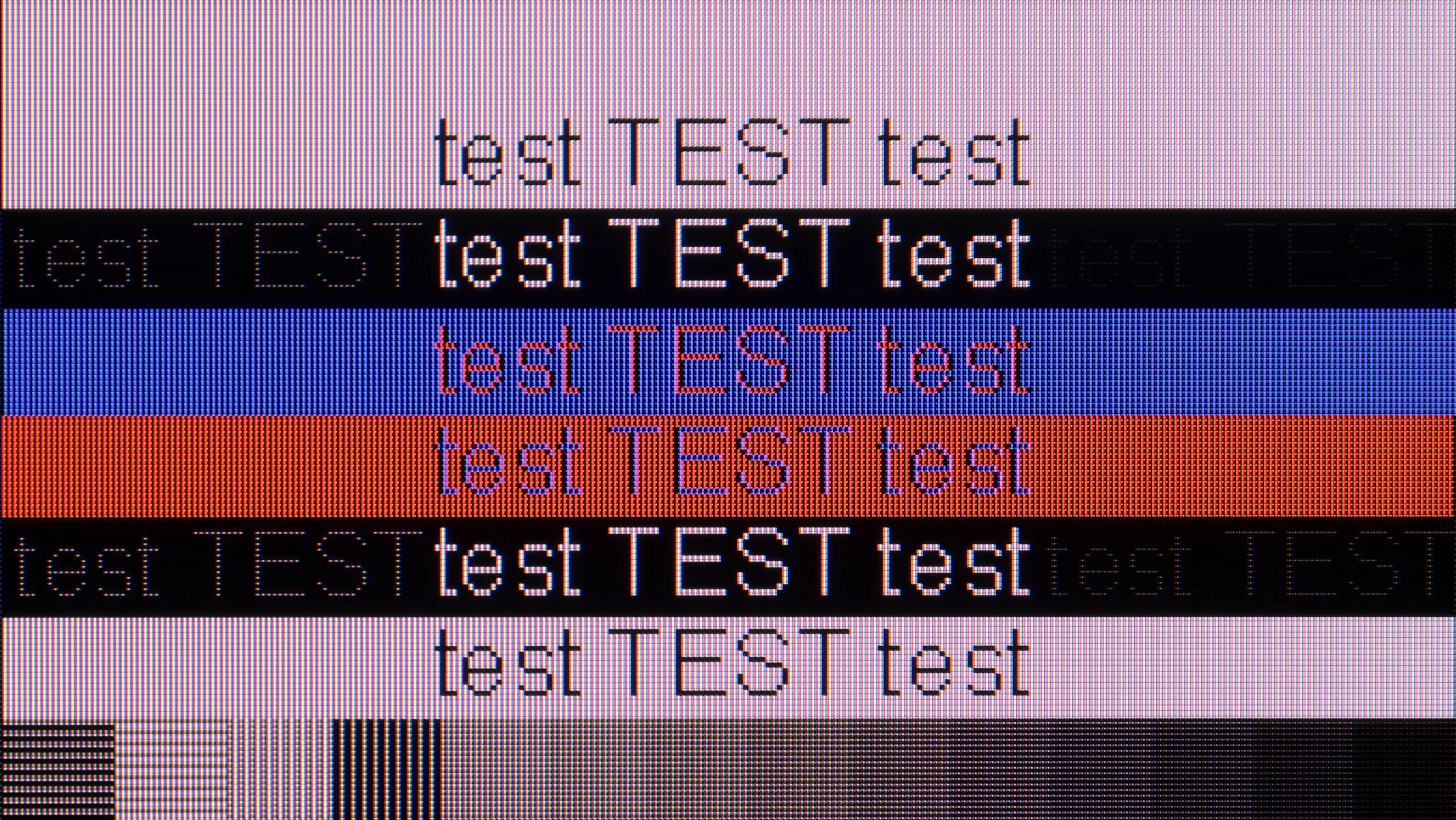
The photo shows the legibility of small fonts. Ideally, lines should be the same thickness on both light and dark text, with minimal pixel gaps.
When it comes to gaming on a computer, LG QNED91T easily synchronises with NVIDIA graphics cards and supports G-Sync functionality. The very low input lag makes gaming on a personal computer truly enjoyable. The television supports chroma 4:4:4, which provides excellent text readability. Although we noticed slight blurring of fonts around the edges, overall the image looks very good, and readability is at an acceptable level.
TCL A400U works very well with a computer, primarily thanks to its extensive gaming capabilities. Support for 4K at 144 Hz or 288 Hz in Full HD, working G-Sync and an input lag of 9 ms let you comfortably play even fast-paced titles.
Text legibility, however, depends on the selected refresh rate. At 120 Hz fonts look nearly perfect, regardless of size or colour. Switching to 144 Hz introduces an issue with horizontal strokes in letters, especially the darker ones. They are noticeably dimmer than the vertical strokes, which makes small text appear uneven despite maintaining chroma 4:4:4. If the A400U is also to be used as a work monitor, it's best to stick to 120 Hz and enable higher refresh rates for gaming. It's an annoyance, but it mainly affects people who sit close to the screen and work with small type. When gaming or using the computer from the sofa it won't be a major problem.
Viewing angles
3.4/10
3.6/10
As we mentioned in the paragraph about contrast, the television is equipped with a VA panel, which generally offers very good contrast compared to IPS panels. Unfortunately, VA panels have their weakness in the form of limited viewing angles, a weakness that is also evident in the case of QNED91T LG. The viewing angles here are not the best, and although the use of an angle-expanding coating could significantly improve the situation, unfortunately, it is not present here. As a result, the picture loses quality when viewed from a larger angle, which can be problematic when there are multiple people watching at the same time.
Viewing angles are not the strongest suit of the TCL A400U. The VA panel handles blacks well when viewed straight on, but colours lose saturation from the side and the image loses contrast. It's not the worst performance among TVs with a VA panel, but with a wider sofa layout the difference between a seat in the centre and one at the edge will be noticeable. It is clearly inferior to IPS panels, and even more so to OLEDs. The A400U is therefore best viewed straight on if you want to preserve full colour saturation and deep blacks.
Daytime performance
6.1/10
8.5/10
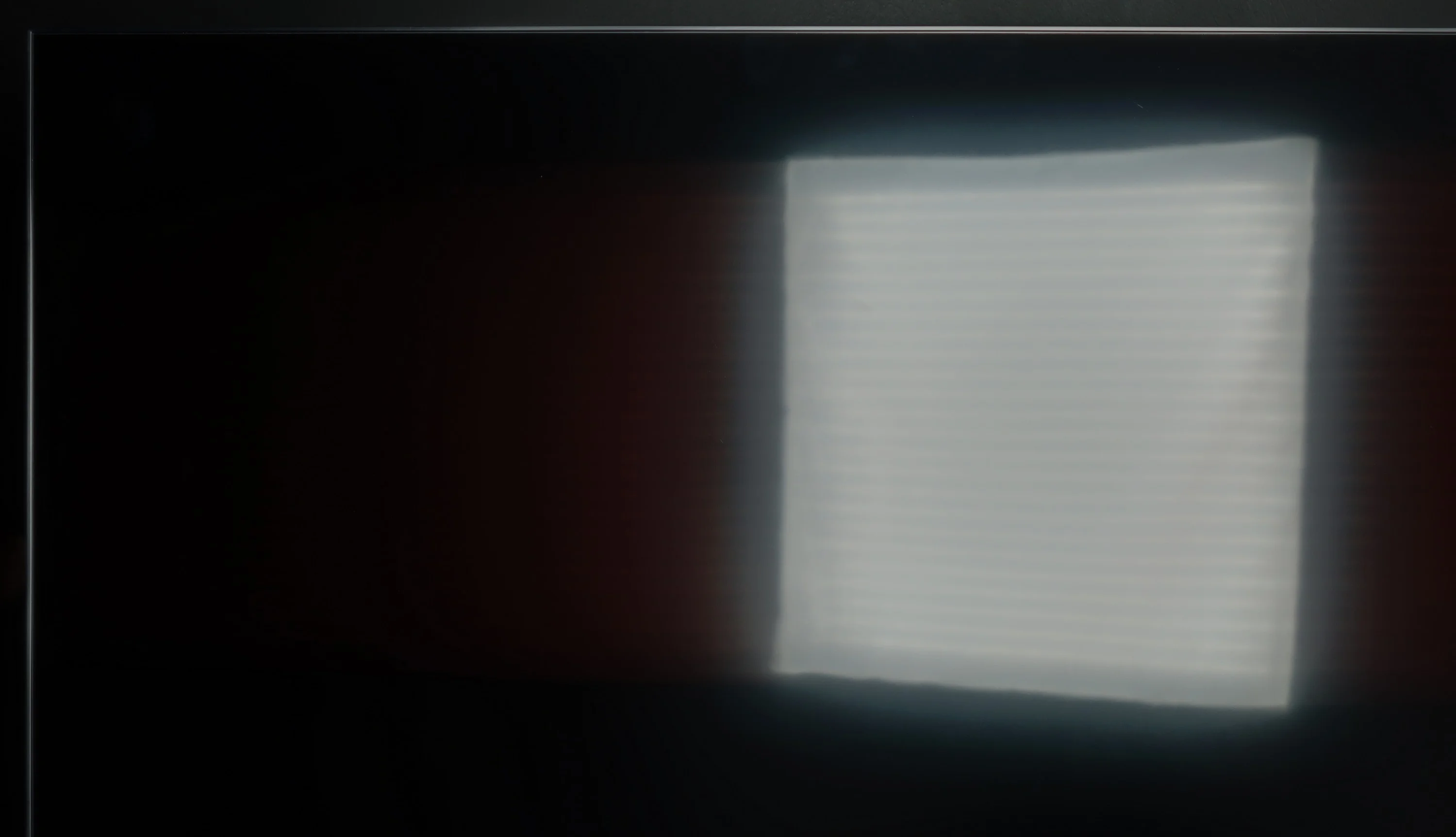
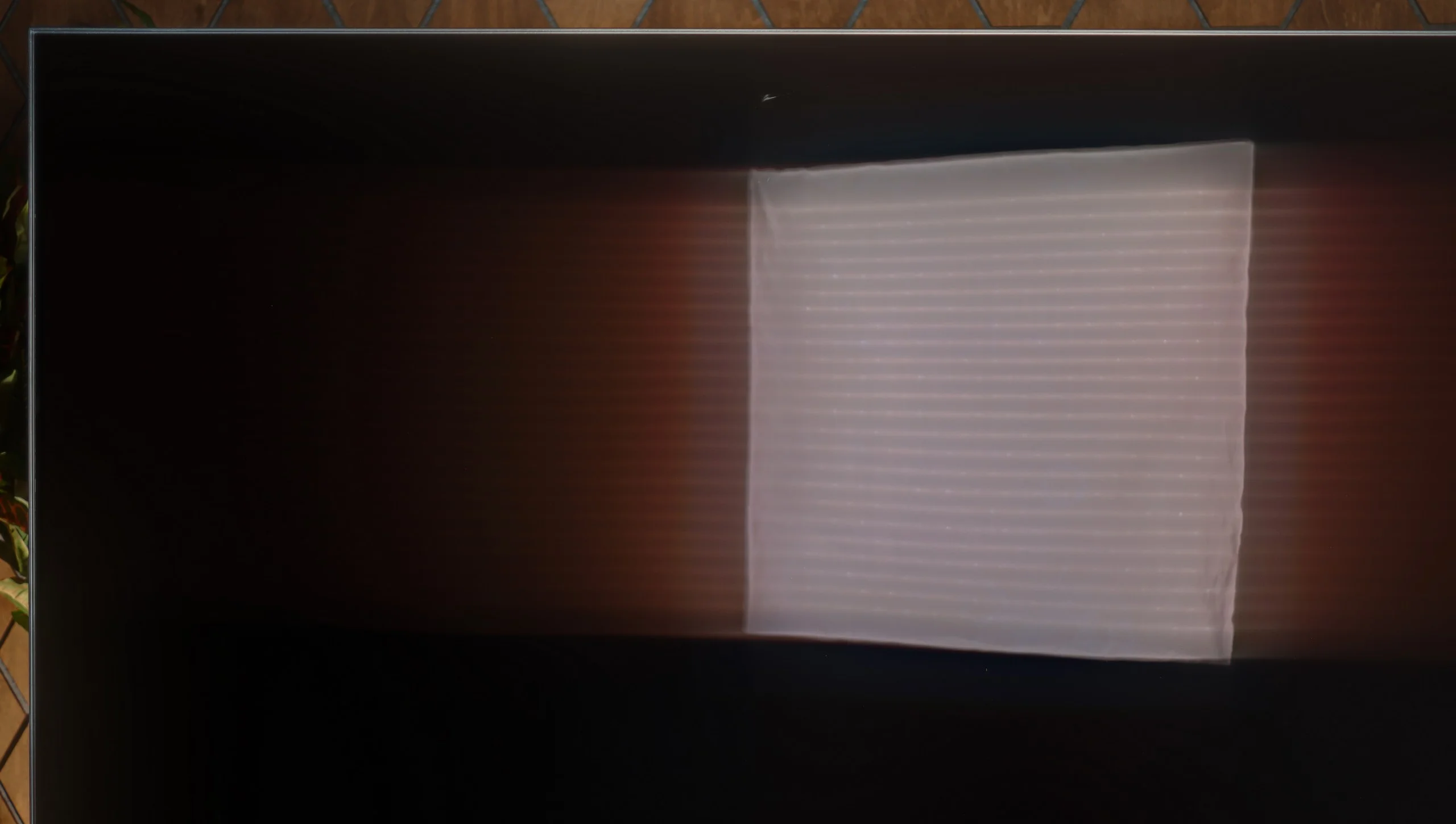
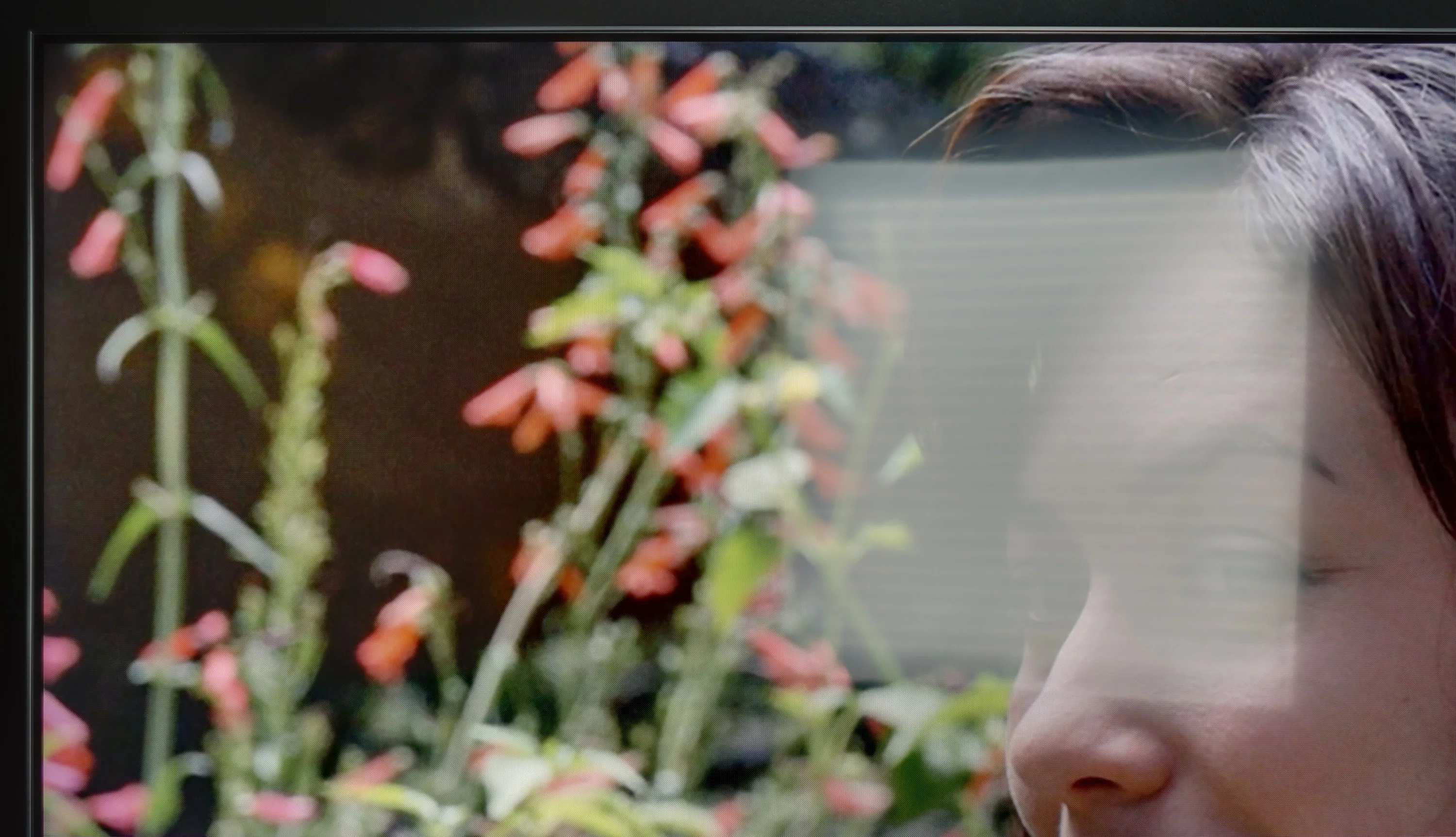
Panel brightness
TCL A400U: 1227 cd/m2
LG QNED91T6A: 573 cd/m2
The LG 65QNED91T6A television is equipped with a satin panel, which performs moderately with direct reflections of light, such as from lamps or wall lights. In the first test photo with a large lamp, you can see how the reflection "spreads across the screen". However, the QNED91T makes up for this in terms of brightness - the average SDR brightness of 580 cd/m² is sufficient for watching television even in more challenging lighting conditions. As a result, despite the issues with reflections, the television performs well during the day.
In televisions meant to serve as interior decoration you often find matte screens that reduce reflections and help achieve a picture-on-the-wall look. The TCL A400U goes a different way. It has a fully glossy coating that unfortunately shows clear reflections of windows and lamps. You can also see this while watching, especially when a bright reflection falls on a darker part of a film. On the plus side, black levels and colours hold up well in a lit room. The image does not become milky and colours remain nicely saturated. The A400U’s biggest asset in daylight, however, is brightness. The average of our measurements was about 1,300 nits, and even with the whole screen filled with white the TV maintained around 700 nits. That’s a very good result, allowing comfortable viewing even in a brightly lit living room. You just need to position the screen sensibly. The A400U has enough power to cope with a bright environment, but it will not eliminate the reflection of a large window positioned directly opposite it.
Panel details
Subpixel Structure:
Panel uniformity and thermal imaging:
LG QNED91T6A
TCL A400U
TV features
8.4/10
7.8/10
- SystemWebOSGoogle TV
- System performanceGoodGood
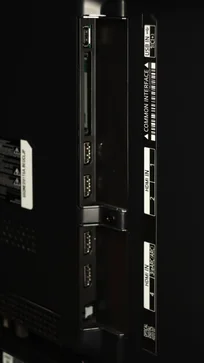
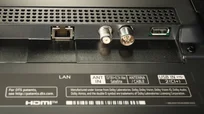
- HDMI inputs0 x HDMI 2.0, 4 x HDMI 2.1 48Gbps2 x HDMI 2.0, 2 x HDMI 2.1 48Gbps
- OutputsToslink (Optical audio), eARC (HDMI), ARC (HDMI)Toslink (Optical audio), eARC (HDMI), ARC (HDMI)
- Network InterfacesWi-Fi 2.4GHz, Wi-Fi 5GHz, Ethernet (LAN) 100MbpsWi-Fi 2.4GHz, Wi-Fi 5GHz, Ethernet (LAN) 100Mbps
- TV receptionDVB-T, DVB-T2, DVB-S, DVB-S2, DVB-CDVB-T, DVB-T2, DVB-S, DVB-S2, DVB-C
Classic features:
- Recording to USB (terrestrial TV)

- Recording programming
- Picture in Picture (PiP)
- RF remote control (no need to aim)
- Backlit remote control
- Teletext
- Audio only mode
- Bluetooth headphones support
- Simultaneous Bluetooth headphones & TV audio
Smart features:
- AirPlay
- Screen mirroring (Windows Miracast)
- Voice search
- Voice search in native language
- Ability to connect a keyboard and mouse
Sound connection options
- HDMI audioeARC (HDMI), ARC (HDMI)eARC (HDMI), ARC (HDMI)
- Other audio outputsToslink (Optical audio)Toslink (Optical audio)
- Wireless audioBluetoothBluetooth
Supported audio formats (external HDMI eARC audio):
- Dolby Digital Plus 7.1
- Dolby True HD 7.1
- Dolby Atmos in Dolby Digital Plus (JOC)
- Dolby Atmos in Dolby True HD
- DTS:X in DTS-HD MA
- DTS-HD Master Audio
Senior accessibility
- Numeric keyboard on TV
- Font size adjustment
- Audio description
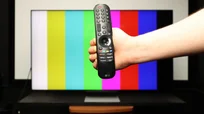
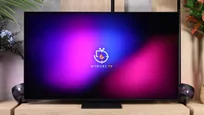
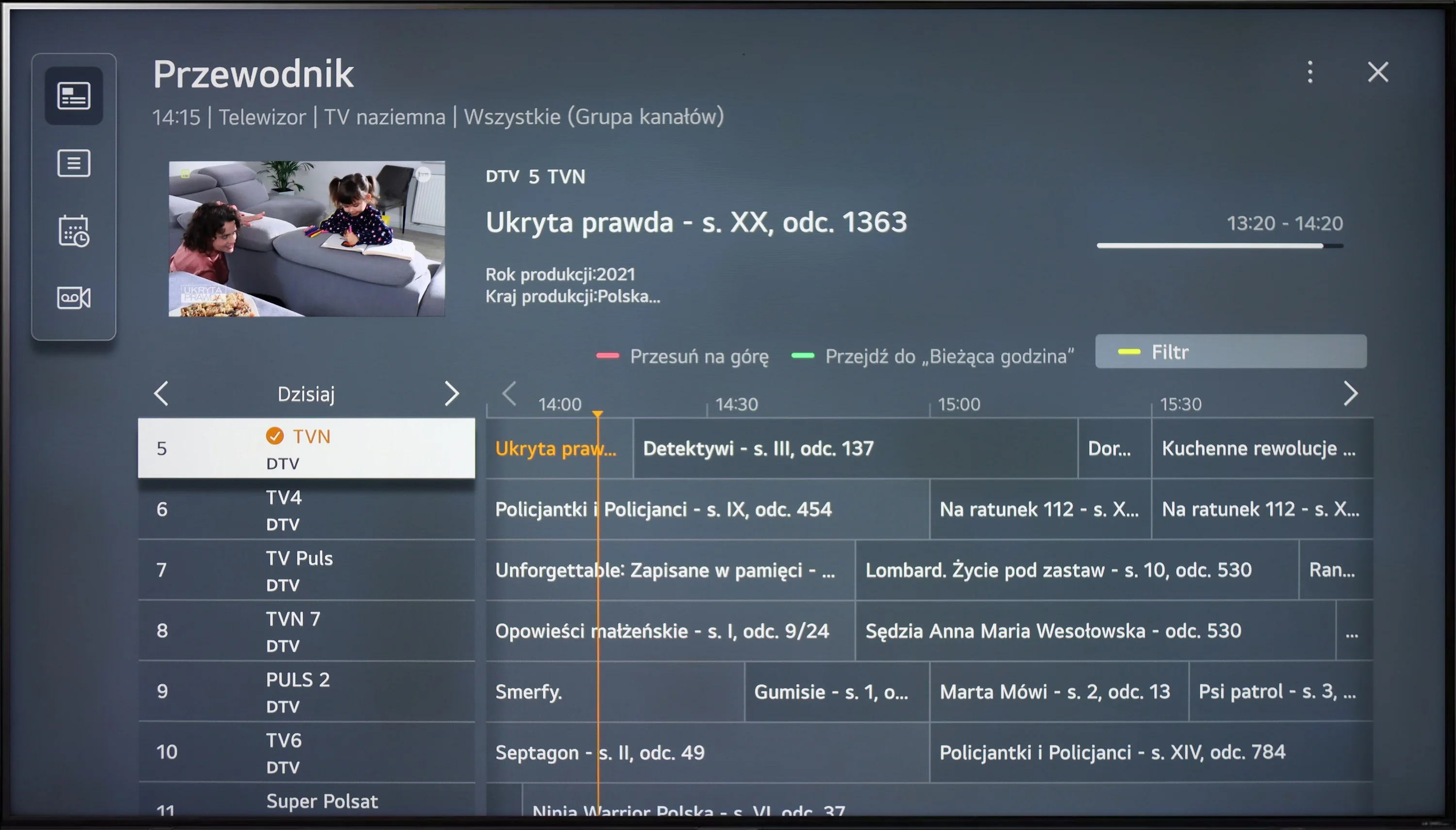
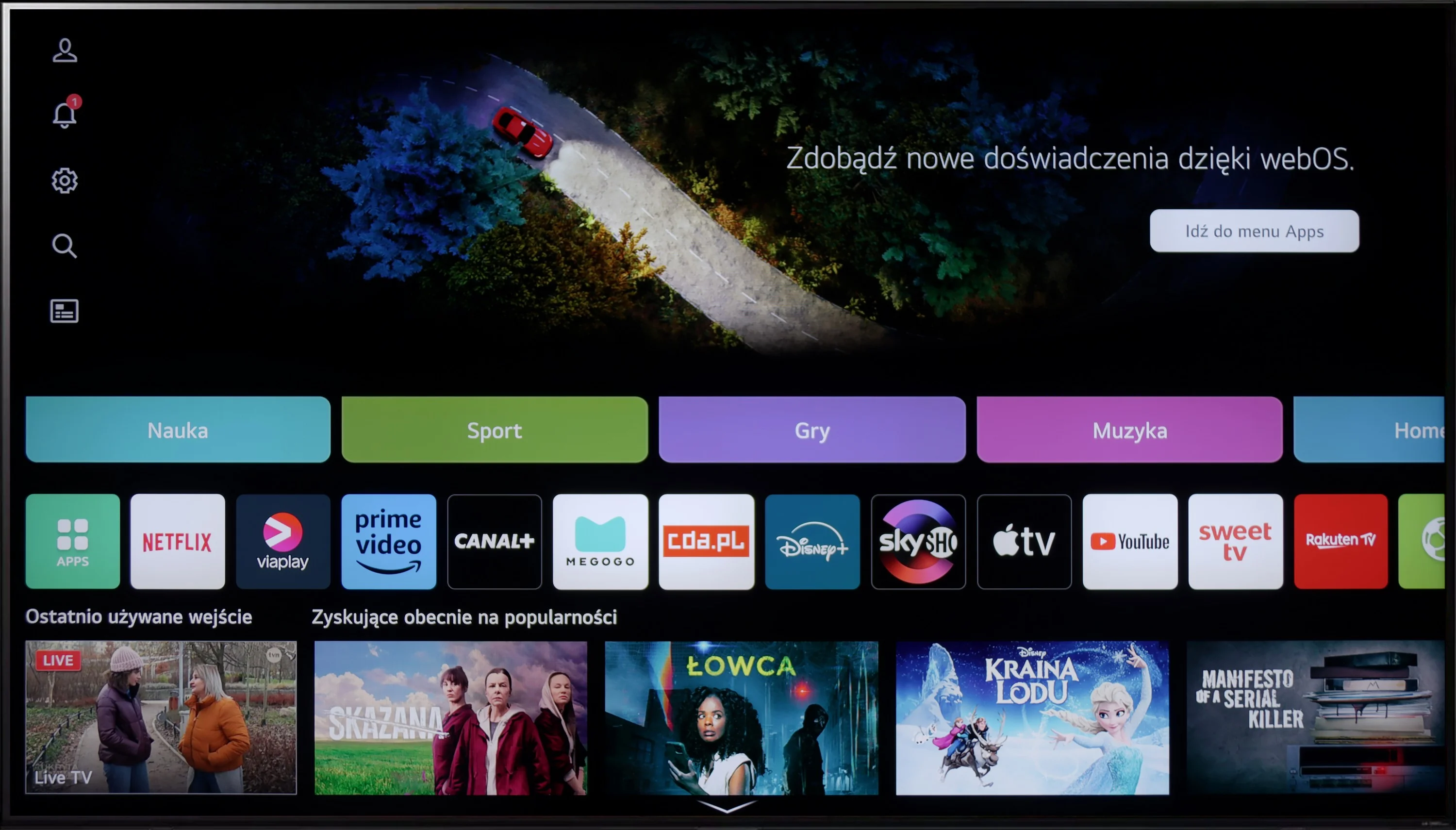
The most important thing in today's televisions, besides picture quality, is the operating system. The one available in LG models is really very good. Of course, we are talking about the WebOS system, which offers most of the popular applications available in Poland, similar to GoogleTV. What sets this system apart is primarily the excellent remote control with an accelerometer - the Magic Remote, which resembles a magic wand. Controlling with this remote is incredibly convenient. Additionally, the television offers a very good voice assistant that understands Polish perfectly.
In terms of user functions, the television offers practically everything one could desire. Here we find the ability to record programmes from built-in tuners, support for AirPlay to connect an iPhone, and a mirroring function. We can easily connect keyboards, mice, or headphones, although keyboards are not essential thanks to the convenient Magic Remote. Unfortunately, it lacks the PiP (Picture-in-Picture) function, but this is such a specific feature that only those who truly need it will feel its absence. The QNED91T is a television that does not disappoint when it comes to daily enjoyment of its use.
Google TV
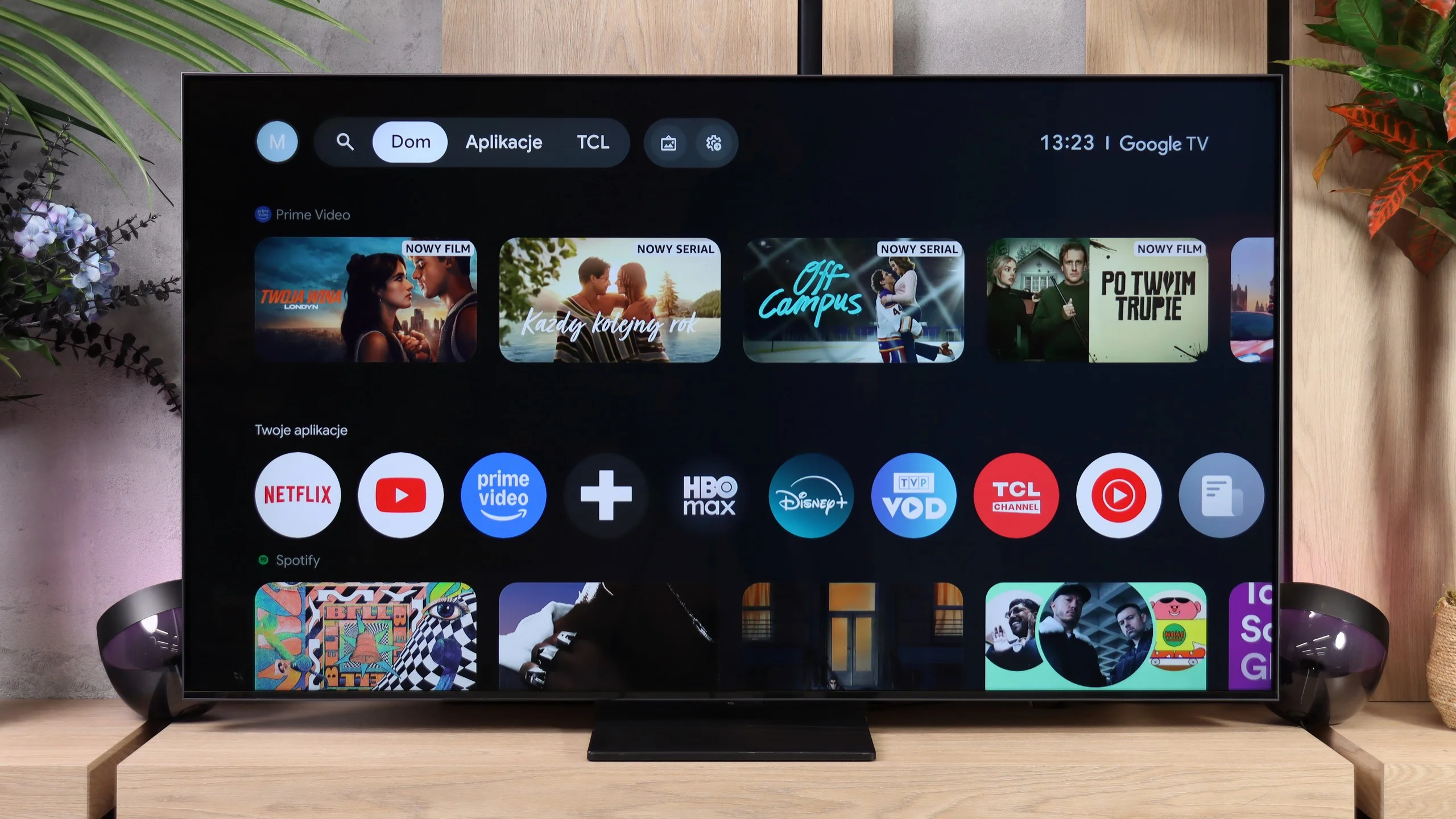
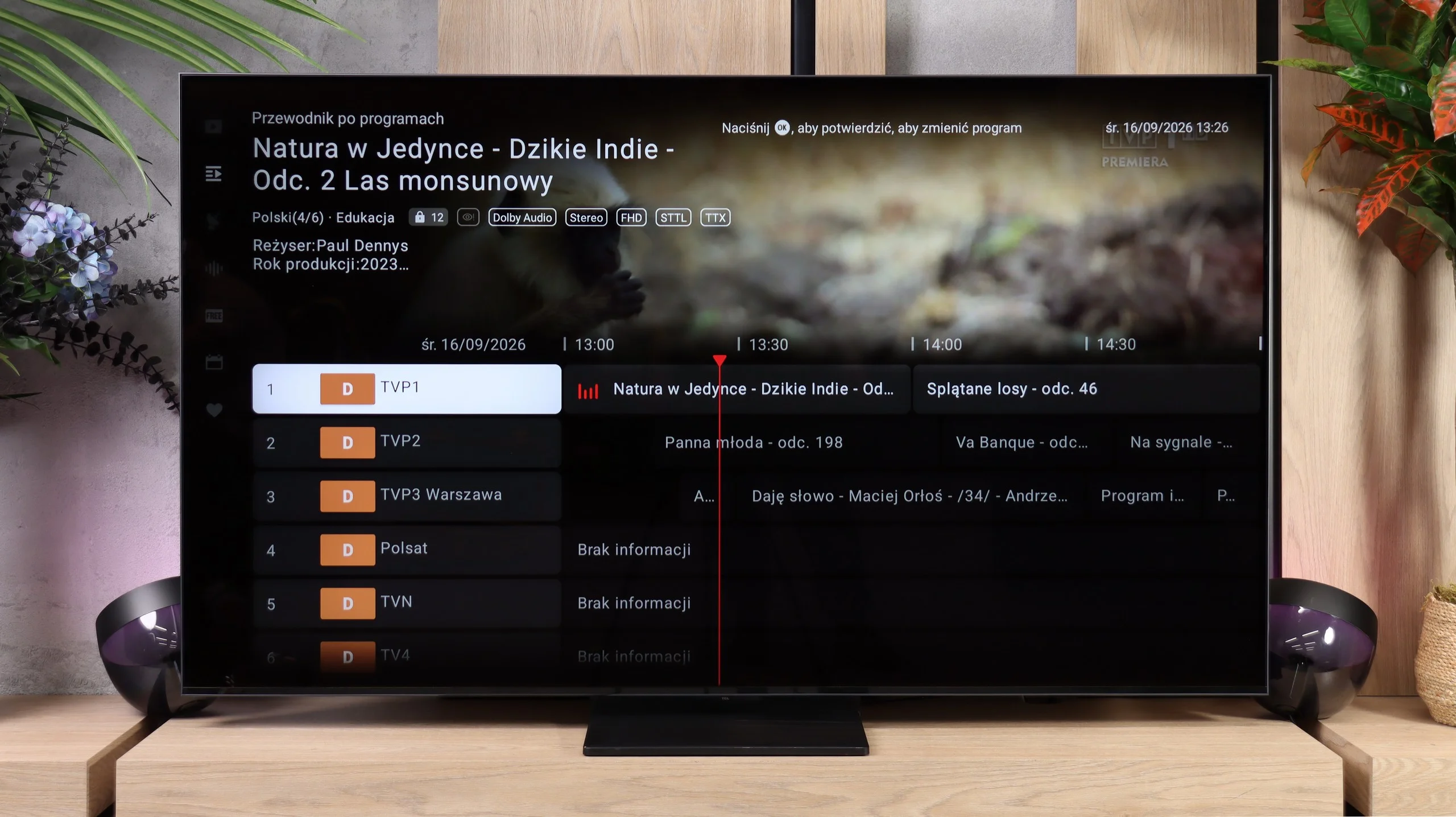
Google TV on the A400U runs smoothly and lets you use the TV conveniently without an external streamer. The selection of apps is wide, so it's easy to find something to watch, and when searching for a specific film Polish voice search comes in handy. Instead of tediously selecting individual letters with the remote, just say the title. You can also cast content from your phone to the screen without much fuss. Those watching traditional TV get slightly fewer options. The lack of USB recording means you can't save a favourite programme for later without an external set-top box.
Practical features
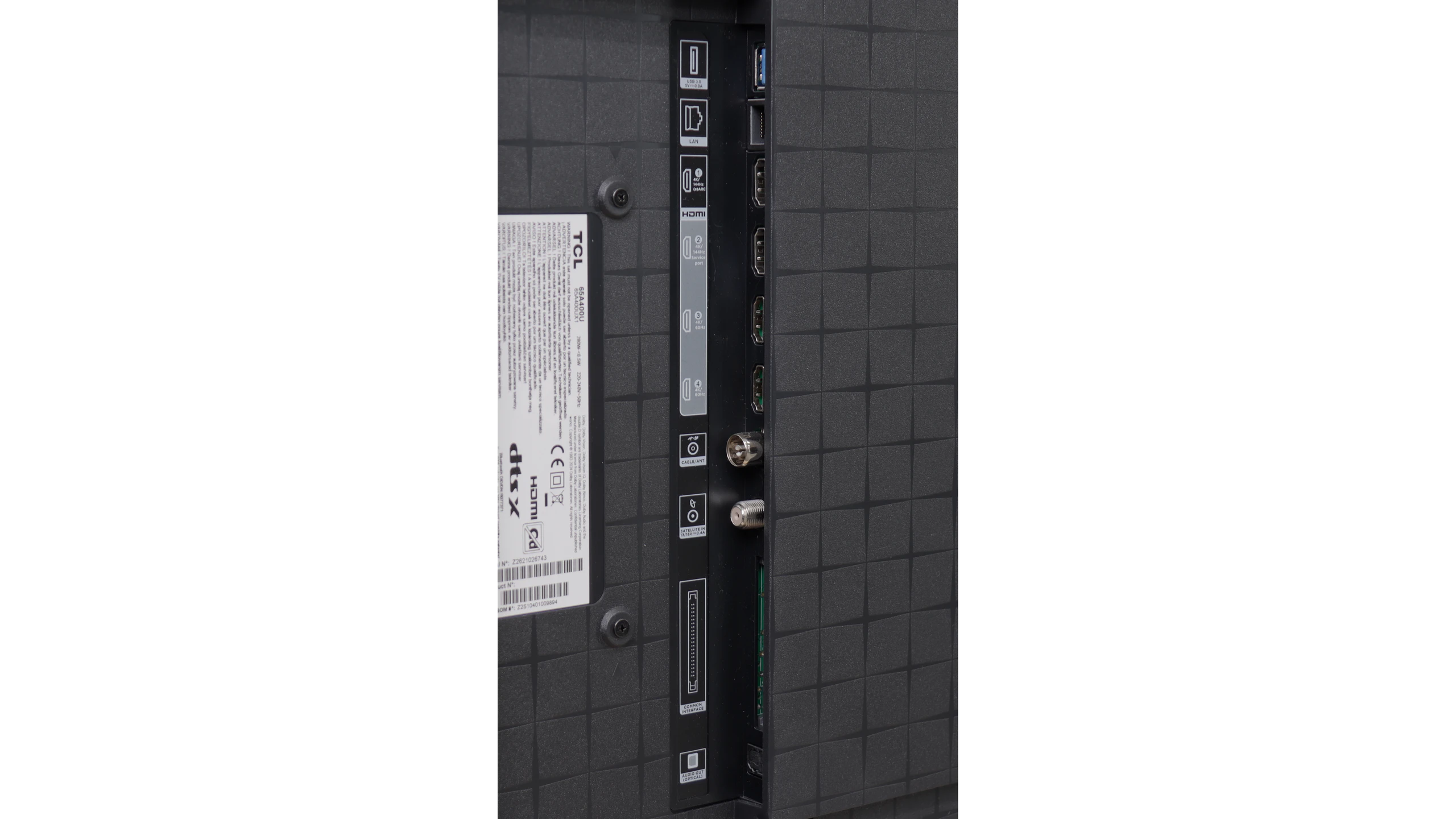
The A400U has several practical features. For example, you can connect Bluetooth headphones while keeping the TV speakers on. However, there are some drawbacks, especially for viewers of traditional broadcast TV. You can't record programmes to USB, and there is no picture-in-picture mode to display two sources at once. It's also worth considering how you connect additional equipment. Of the four HDMI inputs, only two support high refresh rates at 4K, and one of them is also used for connecting audio via eARC. If you use that one for a soundbar, you'll be left with only one such input for a console or PC. With a single console that's no problem, but a more elaborate setup may run out of ports.
Remote
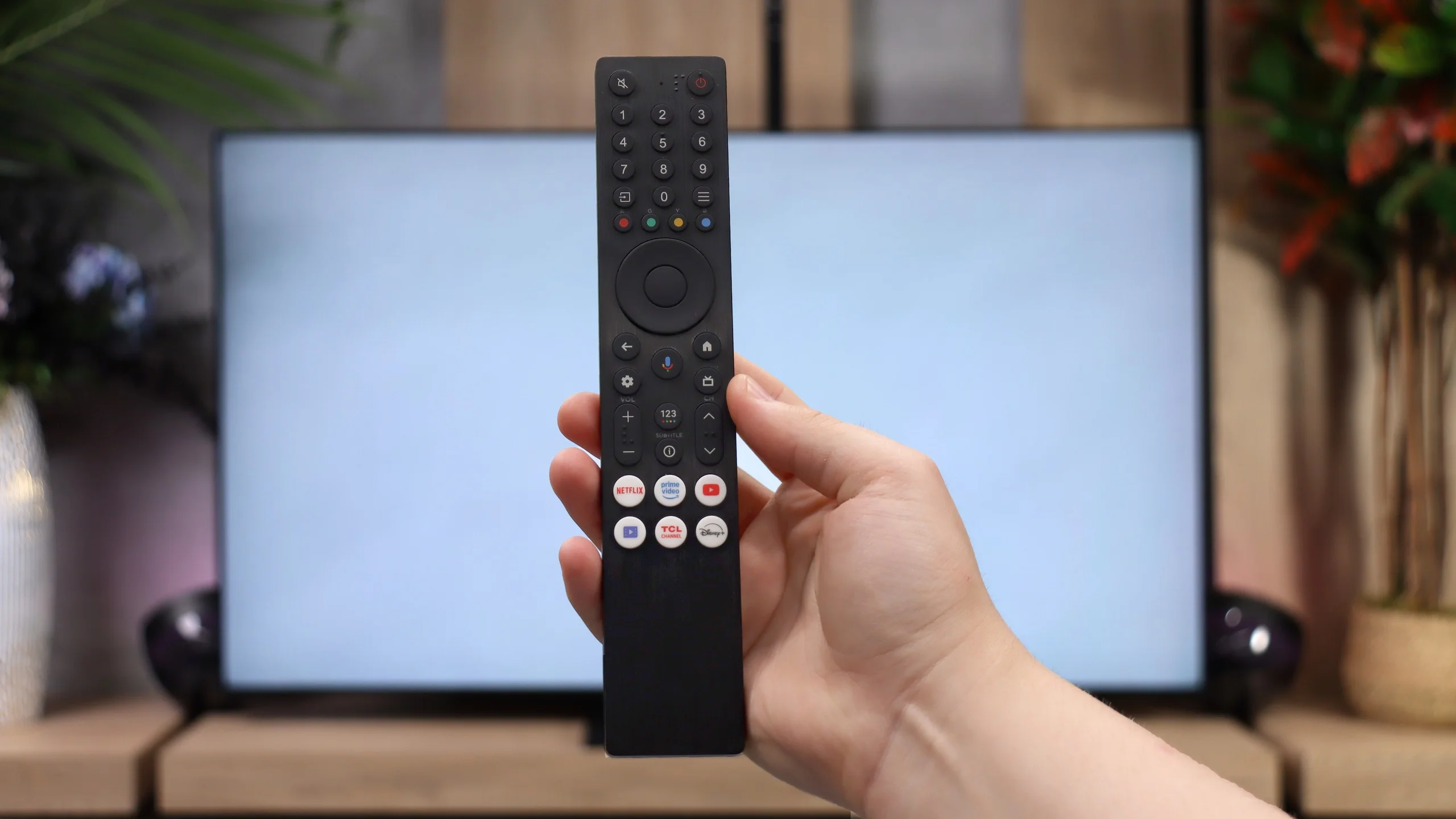
With such a refined look for the A400U it's a pity the same attention wasn't paid to the remote. The large plastic casing with lots of buttons looks rather ordinary next to such a well-made TV. A more minimalist remote, like the one on the C8L, would suit the character of this model much better. The A400U is, of course, the cheaper model, but if styling is one of its main selling points, why not? 😉 The remote itself works well and does not require pointing at the screen, although button backlighting would be useful in the evening.
Apps
8.3/10
9.6/10






















Playing files from USB
8.5/10
9.4/10
Supported photo formats:
Maximum photo resolution:
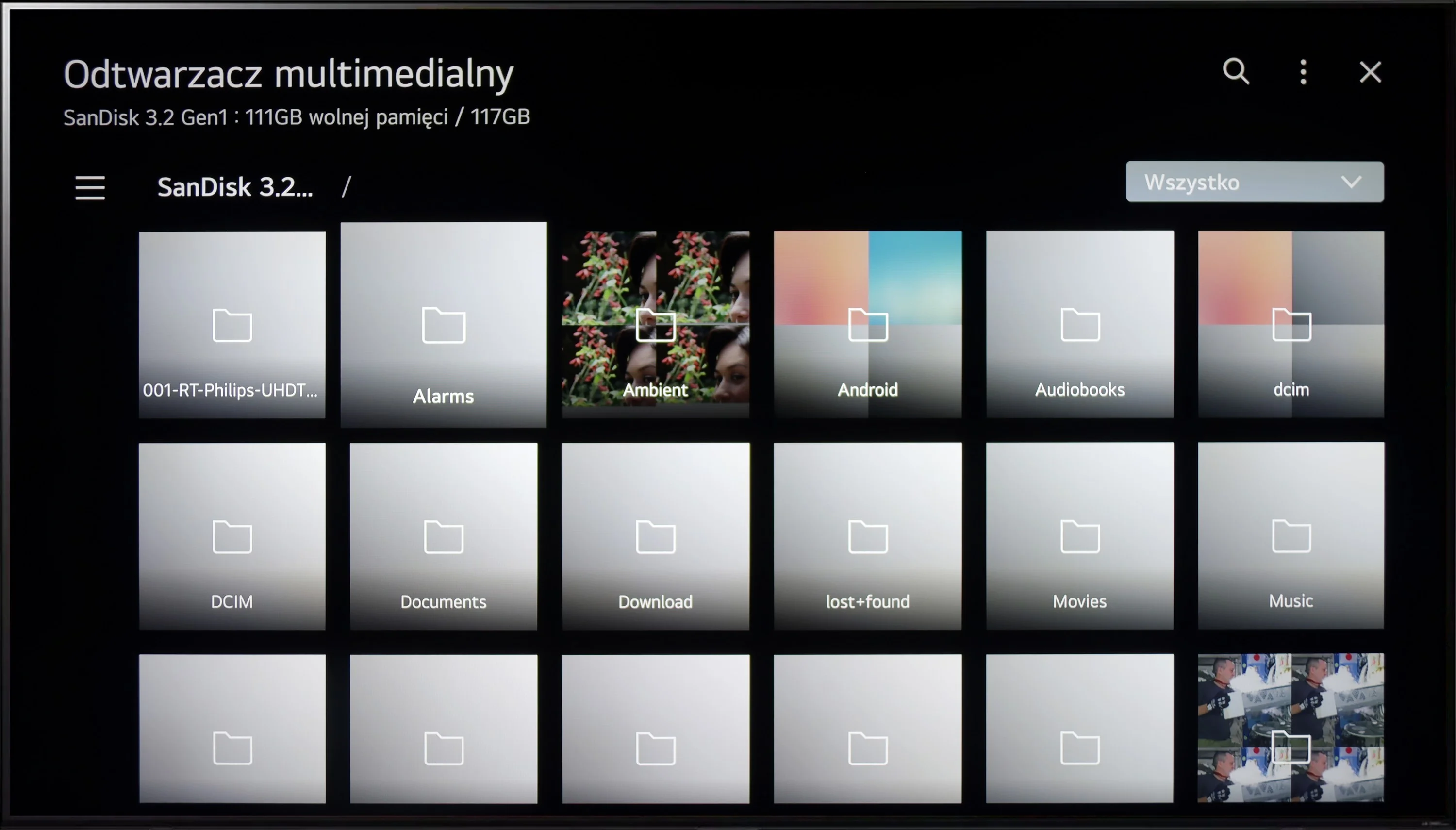
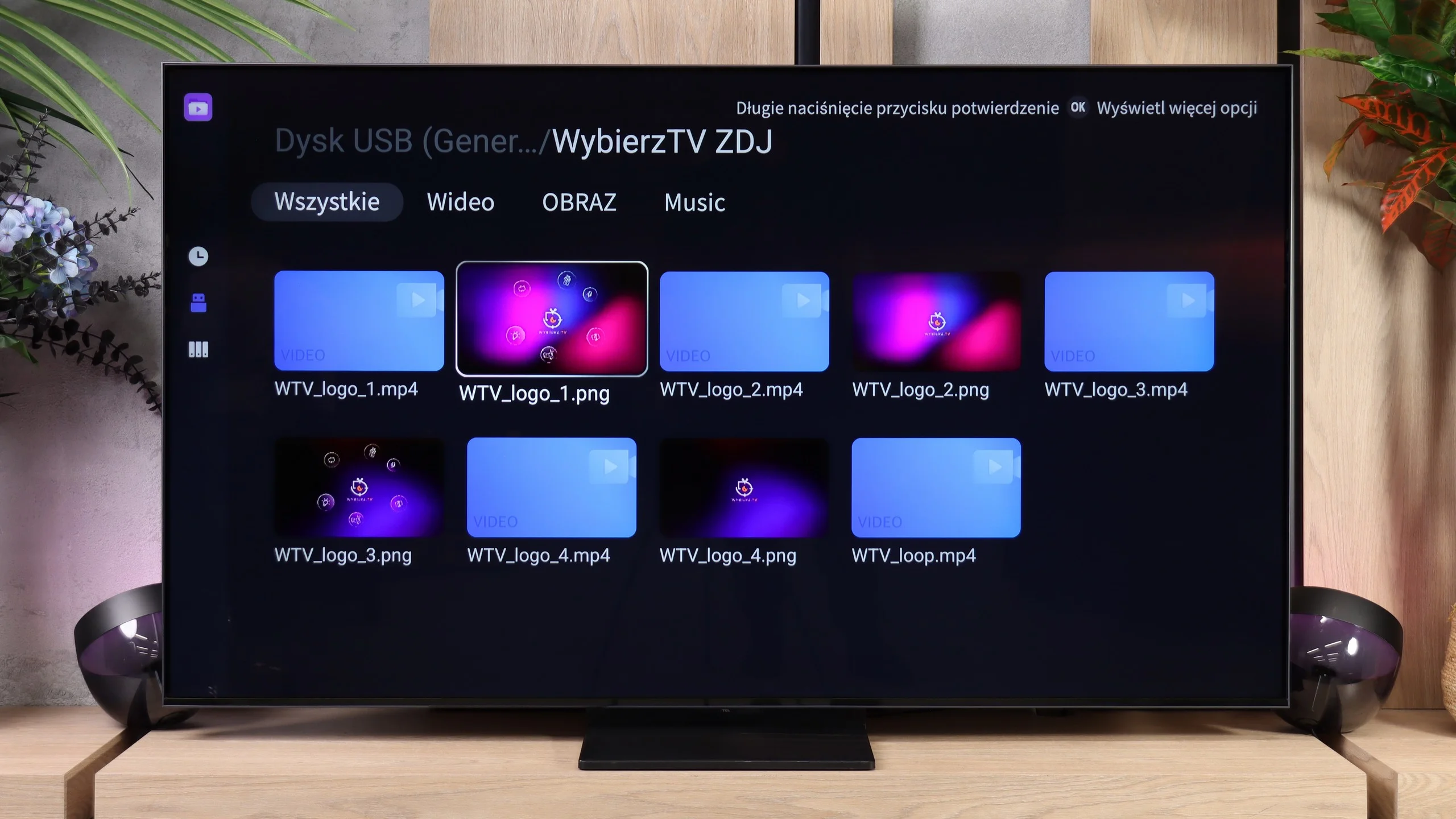
The built-in player in QNED91T should satisfy most users. It easily handles Polish characters and plays films with subtitles from external drives. The player will also cope with most audio and photo formats, except for Apple HEIC files.
The built-in USB player in the TCL A400U performs very well. It opened almost all the video files, photos and music tracks we tested, so to play your own content from a USB stick what the TV offers straight out of the box is usually enough. One small caveat is the lack of support for subtitles in .txt format. If you have an older collection of films with such subtitles, you may need to convert them or install a different player. There is no problem with the popular .srt and .sub formats.
Sound
6.9/10
6.7/10
- Maximum volume-82dB
- Dolby Digital Plus 7.1
- Dolby True HD 7.1
- Dolby Atmos in Dolby Digital Plus (JOC)
- Dolby Atmos in Dolby True HD
- DTS:X in DTS-HD MA
- DTS-HD Master Audio
LG QNED91T is equipped with a set of 4 speakers in a 2.2 configuration with a total power of 40W. The television sounds quite pleasant, and the subtle bass is noticeable. Of course, it is not at the level of an external audio system, such as a soundbar or home cinema, but it is sufficient for everyday use. It is also worth praising the support for audio formats DTS:X and Dolby Atmos, which significantly enhance the quality of sound experiences.
Unfortunately, the sound in the TCL A400U is as flat as its casing. The built-in 2.0 speakers with 20 W of power are sufficient for watching the news or standard television programmes, but for films and music they clearly lack bass. Explosions don't have the necessary impact, and music sounds rather thin. The slim design has its price, so for movie nights it's worth considering a soundbar, preferably one with a separate subwoofer. The TV supports Dolby Atmos and DTS, so additional audio equipment will also let you make better use of spatial soundtracks.
Sound Quality Test
No sound test video
Acoustic Measurements
No acoustic data
82dBC (Max)
75dBC
Reader comments
Comments are provided by the external service Disqus (Zeta Global). Once loaded, Disqus may set cookies and process data about your activity.
We will remember your choice on this device. Provider's privacy policy