 Direct comparison
LG G4 is a strong contender for being the best television of 2024. With the combination of OLED black and MLA technology, we obtain an incredibly dynamic and vivid image, which will certainly captivate us completely. LG G4 is also proof that televisions equipped with an OLED panel supported by MLA technology are indeed suitable for viewing in a sunny room. The operating system, while not as open as the competition, offers many possibilities. Its greatest advantage is the well-known remote control with a pointer, which makes controlling the unit (in our opinion) one of the most convenient on the market. The factory colour reproduction, although not at a high level, after the calibration process, can be referred to as a reference screen, delivering a truly cinematic image. It is no coincidence that post-production studios choose televisions from this manufacturer. They alone offer such deep intervention possibilities in the image, thanks to 3D LUT calibration. It seems that the biggest (and perhaps only) disadvantage of this television is tonal transitions, which, although far from ideal, cannot be said to take away the pleasure of viewing. The remedy is provided by the manufacturer itself, and enabling the "Smooth Gradation" function will eliminate the vast majority of the stuttering. LG G4 also performs very well when watching various sports or other dynamic scenes. The motion smoother is extremely advanced and allows for tailoring the smoothing to one's needs. Thanks to HDMI 2.1 ports with their full functionality and the manufacturer's attention to detail, the tested television will find its place in the homes of many avid gamers. Every essential feature works flawlessly, and the low input lag in every mode is very pleasing. In summary, LG G4 is an extremely versatile television, allowing for entertainment in excellent quality both at night and during the day.
- Matching (Score) |
- Our verdict |
- TV appearance |
- Where to buy |
- Contrast and black detail |
- HDR effect quality |
- Factory color reproduction |
- Color reproduction after calibration |
- Smoothness of tonal transitions |
- Image scaling and smoothness of tonal transitions |
- Blur and motion smoothness |
- Console compatibility and gaming features |
- Input lag |
- Compatibility with PC |
- Viewing angles |
- Daytime performance |
- Panel details |
- TV features |
- Apps |
- Playing files from USB |
- Sound
G45 / G42

The Frame / LS03HAU
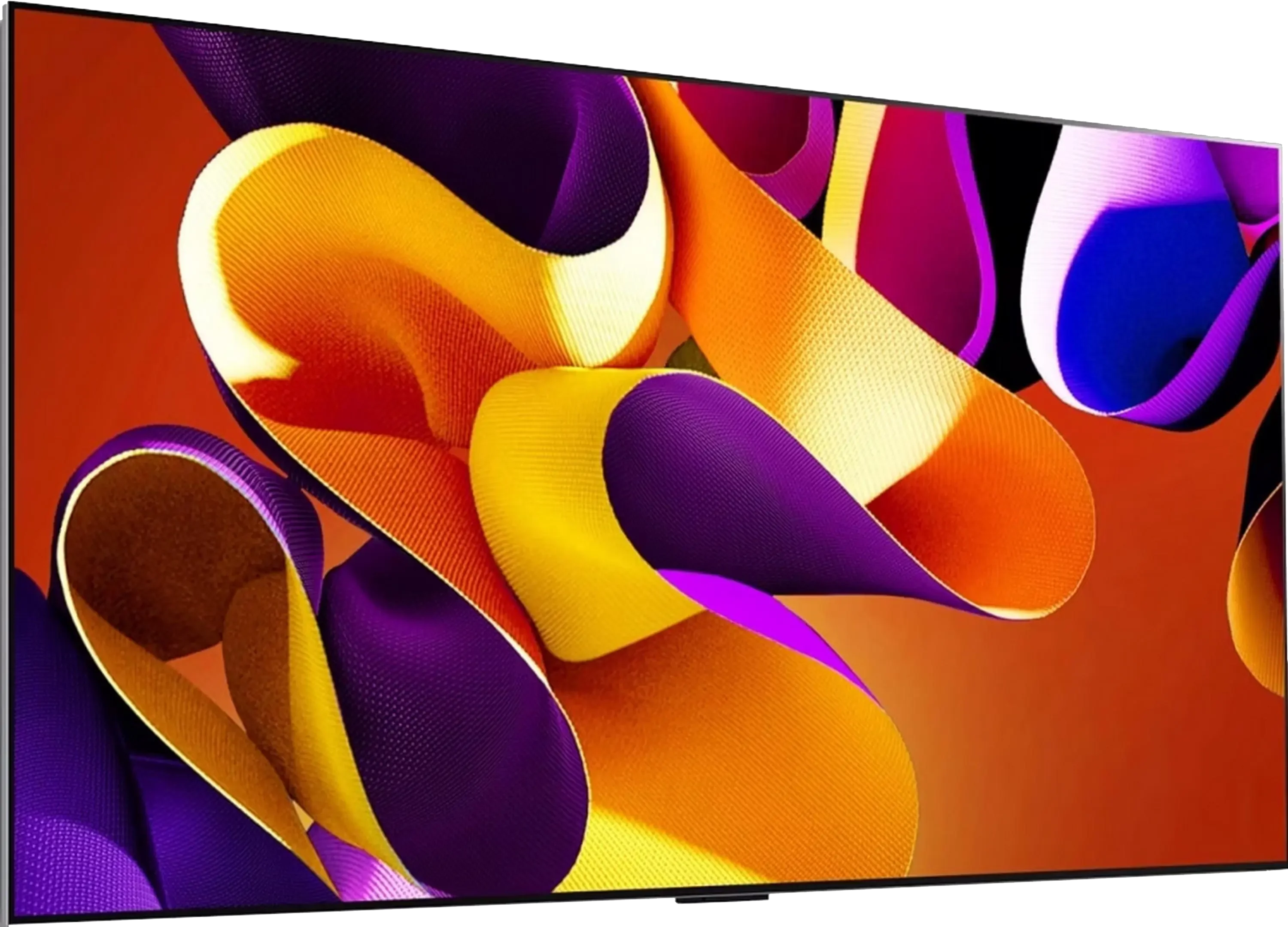
Panel type: WRGB OLED
Resolution: 3840x2160
System: WebOS
Model year: 2024
Complete the survey to find out the result
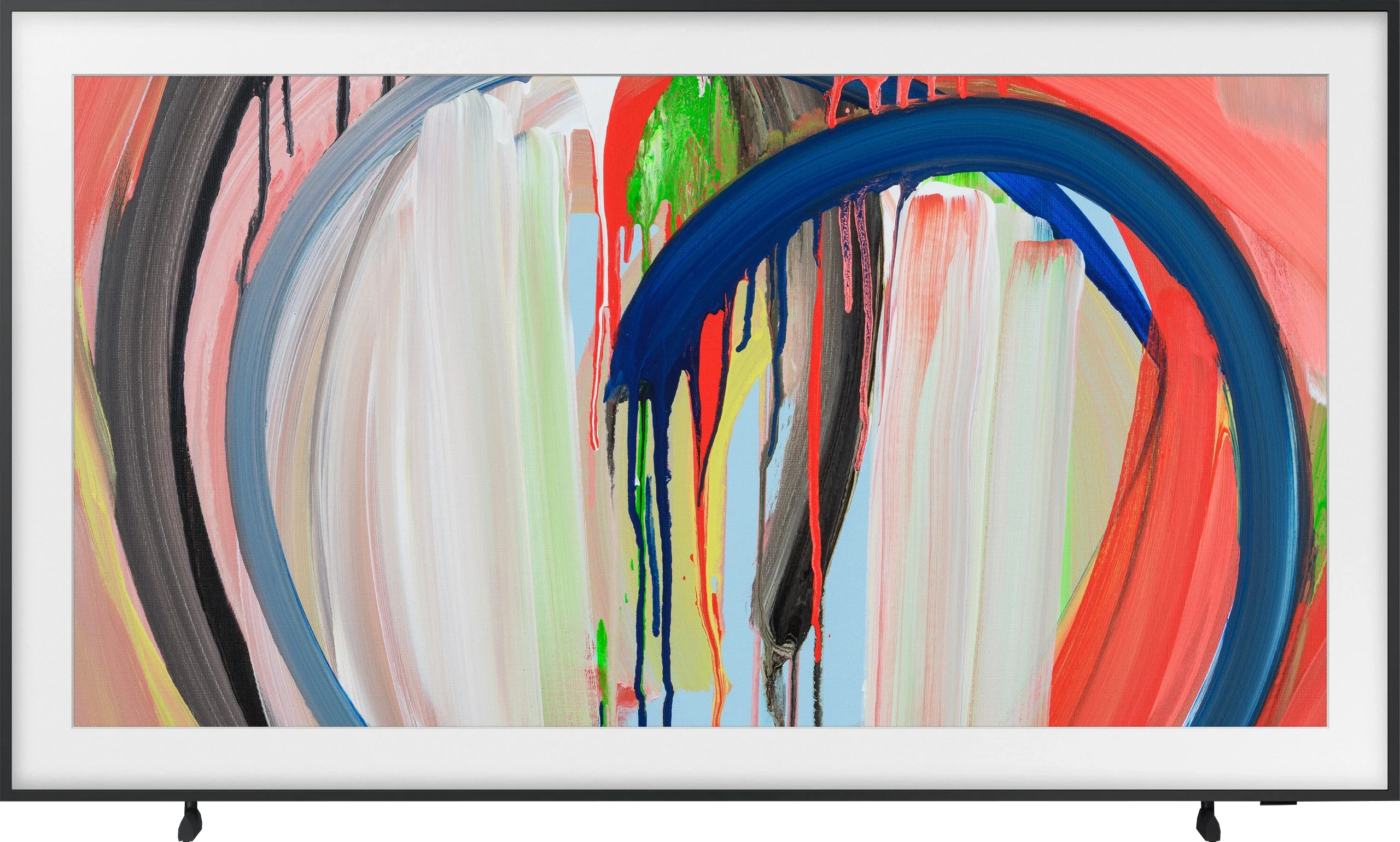
Panel type: LCD VA
Resolution: 3840x2160
System: Tizen
Model year: 2026
Complete the survey to find out the result
Overall rating
8.5
7.1
 Movies and series in UHD quality
8.6
6.7
 Classic TV, YouTube
9.1
6.4
 Sports broadcasts (TV and apps)
9.0
6.3
 Gaming on console
9.5
8.8
 TV as a computer monitor
8.6
8.0
 Watching in bright light
5.8
6.7
 Utility functions
9.0
7.7
 Apps
9.1
9.3
 Sound quality
8.6
6.0
Complete the survey to find out what fits your preferences
Advantages

Phenomenal alignment of the image with the director’s intent
Reference colour reproduction after calibration
Very high brightness in HDR materials
Outstanding cooperation with consoles and computers
The panel effectively suppresses light reflections
Perfect viewing angles
Matte screen coating, ideal for a bright living room
Unique on-wall picture design
One Connect module simplifies device connections
Wall mount included
Art Mode with motion sensor
Customisable bezel colours
High brightness, around 650 nits
Vibrant colours, QLED
High refresh rates: 144 Hz in 4K and 240 Hz in Full HD
Extensive gaming features: VRR, ALLM, HGiG, FreeSync, G-Sync and low input lag
Tizen with a wide selection of apps, AirPlay and SmartThings
Disadvantages

Visible tonal transitions
The sound of the built-in audio system - it could be better in this class of television
No local dimming, average black levels and contrast
VA panel smearing (especially on dark backgrounds)
Only one HDMI 2.1 port
Full access to Art Store requires an additional subscription
Average, rather flat sound
Our verdict
Samsung The Frame 2026 is still a TV aimed at a fairly specific type of buyer. If your main priority is having a screen that looks good in your interior, hangs almost flush against the wall, and doesn’t simply turn into a large black rectangle when switched off, there are very few TVs on the market that execute this idea quite as well. The matte screen, interchangeable bezels, external One Connect box, and extensive Art Mode allow The Frame to genuinely become part of the room rather than just another TV sitting in the living room. And that’s exactly where we see its biggest appeal.
Importantly, though, that doesn’t mean design is all you’re getting. The Frame performs really well in bright rooms. Its matte coating is very effective at reducing reflections, brightness reaching around 650 nits is enough for comfortable daytime viewing, and the wide colour gamut means colourful content, animation, and brighter HDR scenes can look very impressive. On top of that, there’s 144Hz support at 4K and, for the first time, up to 240Hz at Full HD. VRR, ALLM, FreeSync, G-Sync, HGiG, low input lag, and an extensive Game Bar make The Frame a much more capable gaming TV than its “artistic” character might suggest.
The biggest compromises become apparent when you look at it as a TV primarily intended for home cinema. The Frame has no local dimming, so blacks become noticeably raised in dark scenes, and this is where the difference compared with good Mini LED and OLED TVs is most obvious. HDR therefore looks best with bright and colourful content, while evening movie sessions in a dark room are definitely not its strongest suit. There is also noticeable motion blur and only one full-bandwidth HDMI 2.1 port on the One Connect box, which may be frustrating for some users, especially gamers.
The Frame 2026, then, isn’t a TV for someone looking for the absolute best picture quality in its price range. There are models that offer deeper blacks or a more impactful HDR experience. But if the TV is meant to become part of a well-designed living room, is often used during the day, displays artwork, and at the same time needs to perform well with a wide variety of content, The Frame still makes a lot of sense. Samsung has barely changed its formula here, but it’s easy to see why — the “picture on the wall” concept is still executed extremely well. Owners of the previous model have little reason to upgrade, but for new buyers looking for this particular combination of design and TV functionality, it remains one of the most interesting options on the market.
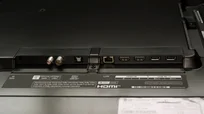
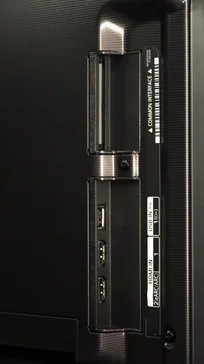
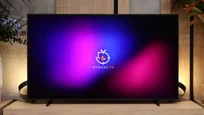
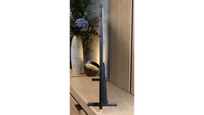
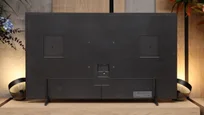
TV appearance

Contrast and black detail
10/10
6/10
Local dimming function: No
Contrast:


Result
∞:1

Result
∞:1

Result
∞:1

Result
∞:1

Result
∞:1
Result
6,300:1
Result
6,800:1
Result
5,500:1
Result
5,950:1
Result
4,050:1
Halo effect and black detail visibility:
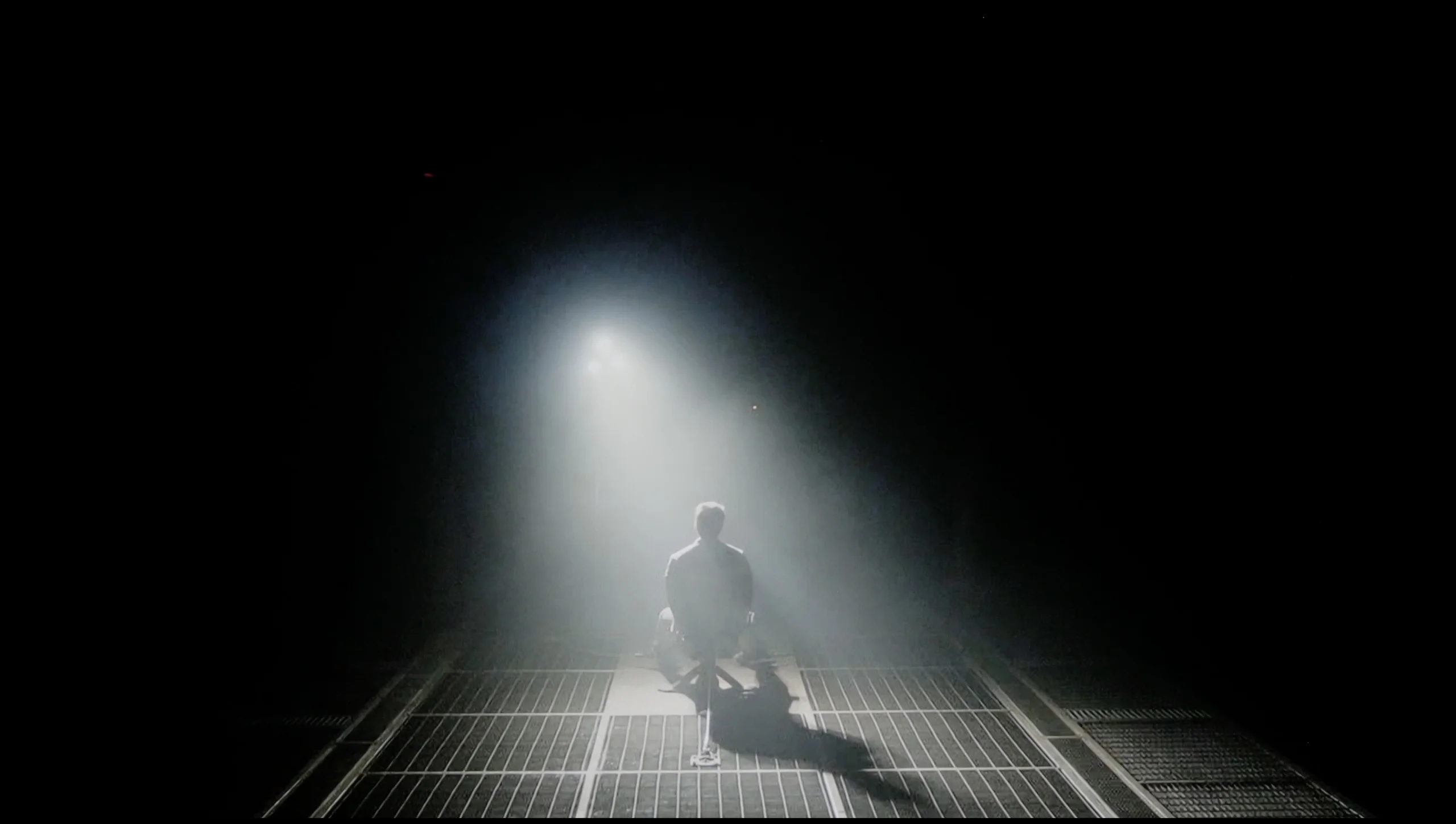
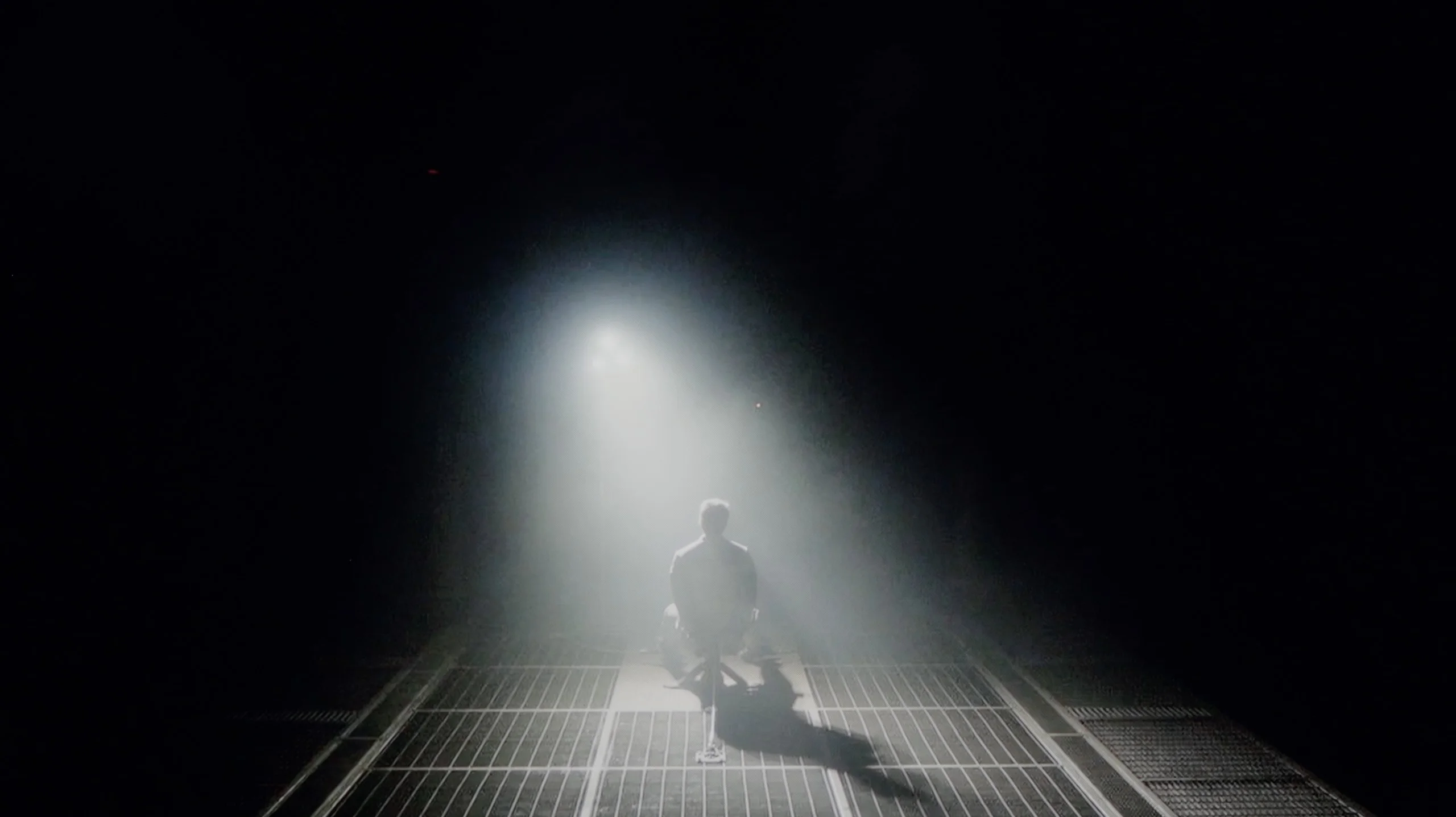
Check the visibility of bright lights on a dark background. Mini-LEDs often struggle with this. The photo does not compare black levels – that’s what the video below is for.
The video accurately shows differences in contrast and black levels between TVs, as well as potential issues: halo around bright objects or Mini-LED zone operation visible as brightness jumps.
LG G4, thanks to its OLED panels produced for over 10 years, delivers perfect results in contrast, black levels, and detail reproduction in the darkest scenes. It is worth noting that the panel itself is equipped with MLA (Micro Lens Array) technology, which LG showcased just a year ago during the launch of its predecessor. The use of organic matrix allows not only for achieving pitch-black levels but also for an extraordinary immersion and three-dimensional effect of the image, which is hard to find even in the best Mini LED televisions. Such image quality is closely correlated with OLED matrix technology, as each pixel is controlled by an electric impulse rather than by blocking filters on the panel. Therefore, if we want to achieve true black, the pixel is not turned on at all. This is clearly visible in test images, where the spotlight provides high brightness while being perfectly separated from each other. The situation does not change in the demanding scene from "Sicario 2," where no imperfections are visible in the form of dimming zone issues that we may encounter in LCD televisions.
Samsung The Frame 2026 uses a VA panel but has no local dimming. That means the TV cannot dim selected parts of the screen. The backlight therefore works quite evenly across the whole panel. The VA panel itself gives an advantage over IPS or ADS screens. Blacks are noticeably better, and the picture doesn't look quite as washed out when watching in the evening. That said, in terms of contrast The Frame performs fairly averagely. This is most evident in dark scenes. If a bright object appears on a black background, the TV cannot dim the area around it. Blacks then take on a more navy cast and the image loses depth. The same applies to films with black bars. In a darkened room it's fairly easy to see that the bars are not truly black. In simpler, brighter scenes the issue is much less noticeable. So during regular TV, sport or daytime viewing, contrast is unlikely to be a major problem. It looks worse during evening viewing sessions, especially if you've previously used an OLED or a good Mini-LED. The difference in black levels to The Frame's disadvantage then becomes very obvious.
HDR effect quality
7.9/10
6.1/10
Luminance measurements in HDR:

Result
1474 nit

Result
1467 nit

Result
1403 nit

Result
1441 nit

Result
850 nit
Result
587 nit
Result
609 nit
Result
599 nit
Result
648 nit
Result
663 nit
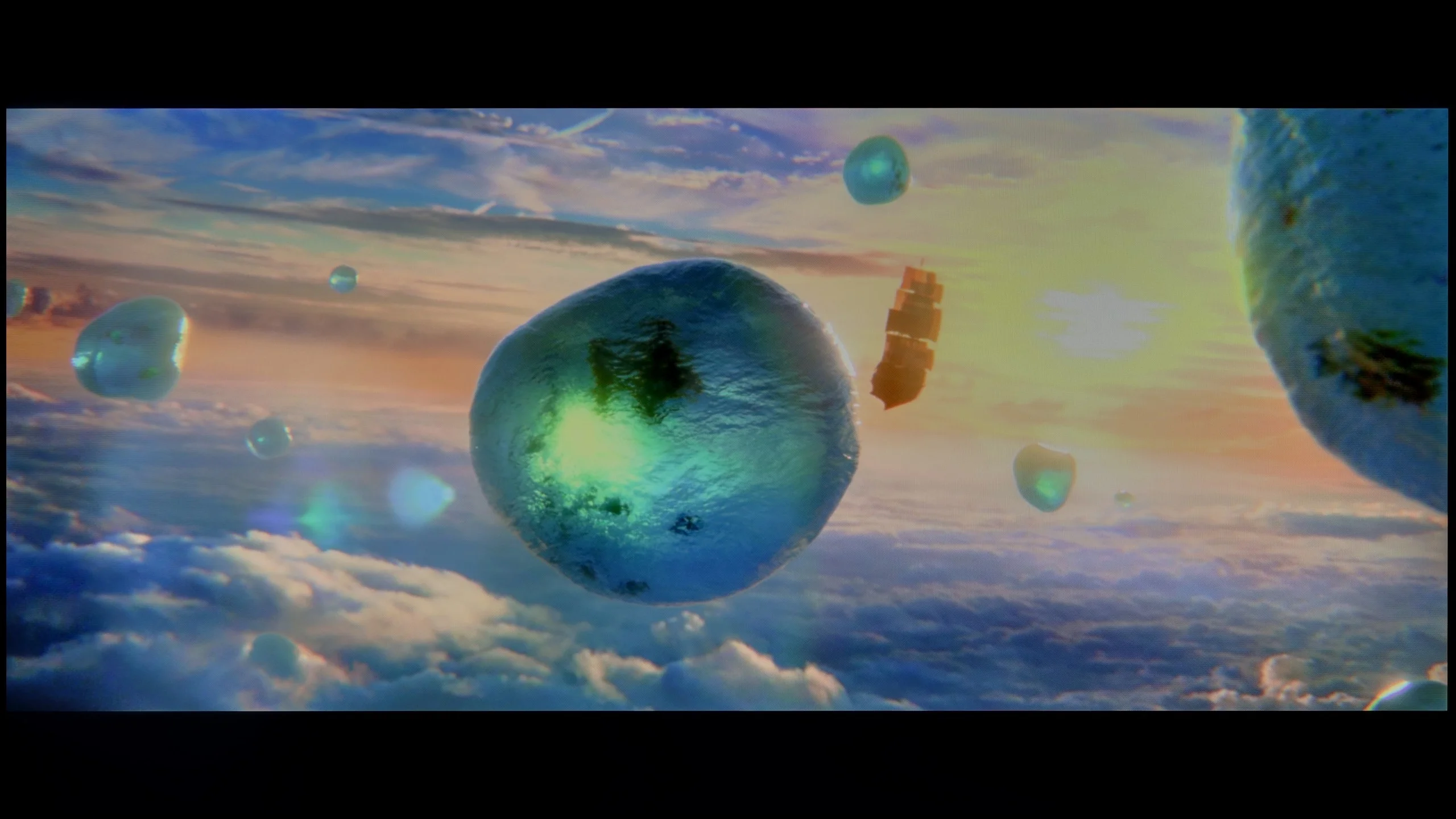
Scene from the movie “Pan” (about 2800 nits)

Scene from the movie “Billy Lynn” (about 1100 nits)

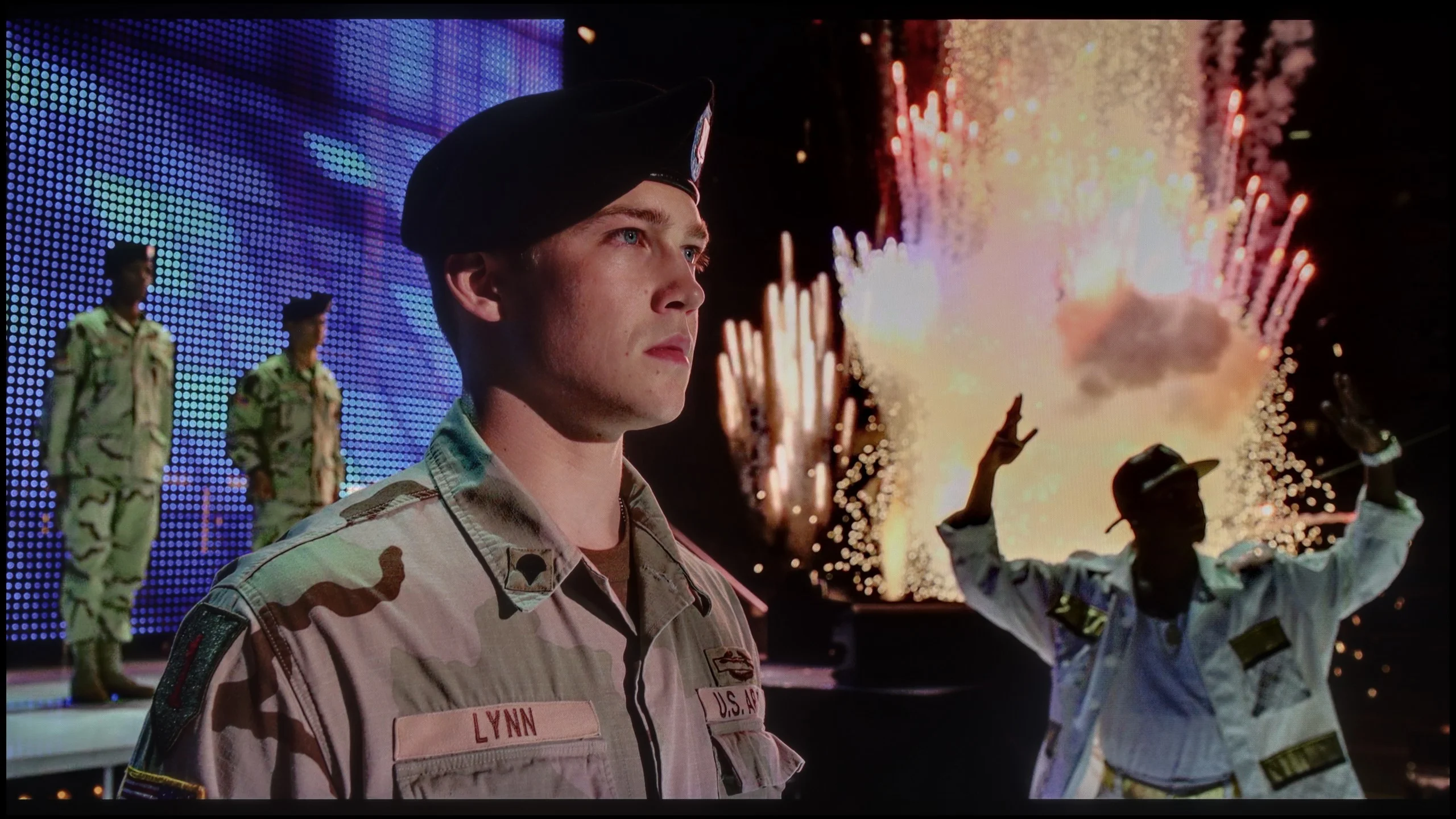
The photos show two HDR10 movies. 'Pan' is one of the brightest productions ever made, while 'Billy Lynn' (soldier) has brightness typical of streaming (Netflix, Prime, HBO MAX). Notice the intensity of effects and detail in whites.
Static HDR10


The photos present the visibility of white details in various HDR formats. They do not show brightness differences between TVs (these can be compared in the previous gallery).
Dynamic: Dolby Vision
Dynamic: HDR10+


The photos present the visibility of white details in various HDR formats. They do not show brightness differences between TVs (these can be compared in the previous gallery).
HDR luminance chart:
Samsung The Frame 2026 (LS03H)
LG OLED G4
Luminance of RGB colors
LG G4 guarantees an incredibly vivid HDR effect, placing the television among the very best. The equipment of the highest model in the producer's 2024 portfolio with the second generation of micro-lens technology (MLA) has achieved a maximum brightness level of 1474 nits in real scenes. The only area where the product from the Korean manufacturer may lag behind LCD televisions with Mini LED backlighting is during the full-screen scenes featuring a lot of white. If we disregard the latter type of scene, the average result would be even higher. It is also worth mentioning scenes with very fine details, where each one shines at full intensity, which is not as evident in non-OLED televisions. The combination of such brightness and wide coverage of the DCI-P3 palette makes HDR materials more engaging than ever before.
The Frame 2026 is a genuinely bright TV. Its peak brightness reaches around 650 nits and, importantly, it maintains similar levels regardless of the type of scene being displayed. It doesn’t really matter whether we’re watching a very bright full-screen image or just a small highlight occupying part of the screen. The backlight remains powerful, allowing bright parts of the image to stand out clearly.
This gives The Frame a solid foundation for HDR. Bright highlights can look impactful, and the picture doesn’t appear flat or overly dim. Unfortunately, there is a compromise. Without local dimming, the TV cannot darken the black areas surrounding very bright objects.
This is clearly visible in scenes 2 and 4 of our test procedure. Bright elements look impressive, but at the same time, the blacks around them become noticeably raised. As a result, the image loses some of its depth, especially when watching in a dark room. This is why The Frame performs best with HDR in bright and moderately bright scenes, where its high brightness works to its advantage. In darker scenes, the situation is quite the opposite.
Colours
The Frame also performs well when it comes to colour reproduction. As a QLED TV, it can display a wide colour gamut and produce rich, saturated colours. DCI-P3 coverage reaches around 94%, while BT.2020 comes in at around 72%. These are good results, and you can see the difference in actual content.
Colours look vivid without appearing washed out, particularly in bright and colourful scenes. Animations and other content with plenty of saturated colours can look really good on The Frame. With this type of material, the TV shows one of its stronger sides.
Factory color reproduction
8.4/10
7.1/10


This gallery shows how colors change after professional TV calibration. If you notice the difference, we recommend ordering this service at SkalibrujTV.com.
Factory Mode
After calibration


This gallery shows how colors change after professional TV calibration. If you notice the difference, we recommend ordering this service at SkalibrujTV.com.
Factory Mode
After calibration
The best factory mode in terms of colour reproduction was "Filmmaker". This was the one we used during our tests. Let's check how its characteristics looked before the calibration process. Looking closely at the white balance first, we can notice a significant dominance of red and green. As a result, the image had a warm yellowish hue. Such characteristics are typically observed in "Cinema", "Filmmaker" or similarly named modes. The effect of this colour balance was clearly visible in both SDR and HDR content, which after switching from "Standard" mode appeared distinctly yellow. Now, let's move on to two graphs that are responsible for the brightness characteristics and consequently the contrast of the image. The first one (Gamma), representing materials with a standard colour palette, performed decently. For most of the time, midtones and bright whites were reproduced very accurately; however, it noticeably lost the darkest details, which merged into a black blob. Conversely, HDR materials, represented by the EOTF curve graph, exhibited a significant drop in contrast due to a strong boost in brightness. The colours themselves also posed a problem, as can be seen on the "ColorChecker" graph, since they were noticeably under-saturated.
For assessing the factory colour output we chose the Filmmaker Mode. If you’re encountering it for the first time, it’s a mode designed to reproduce a film or series as faithfully as possible. The TV then switches off most of the extra picture enhancement features, and the colours and luminance characteristics are intended to be as close as possible to what the creators of the material intended. And it must be admitted that The Frame 2026 performs really well in this respect straight out of the box. The biggest deviation is visible in the white balance. As brightness increases the blue starts to drop out and green increases slightly. As a result the picture shifts toward warmer tones. White is therefore not perfectly neutral, and in some scenes you can notice a slightly warmer cast.
The luminance response for both the gamma and EOTF curves looks good. Across most of the range they stay fairly close to the target, although in the darkest parts of the picture there is a larger deviation. In practice some details emerging from black may therefore be rendered a little more strongly. However, this is not an error that stands out during normal viewing. Overall Filmmaker Mode is a good starting point here. However the picture is a little too warm by default and not all hues land exactly where they should.
Color reproduction after calibration
9.5/10
8/10
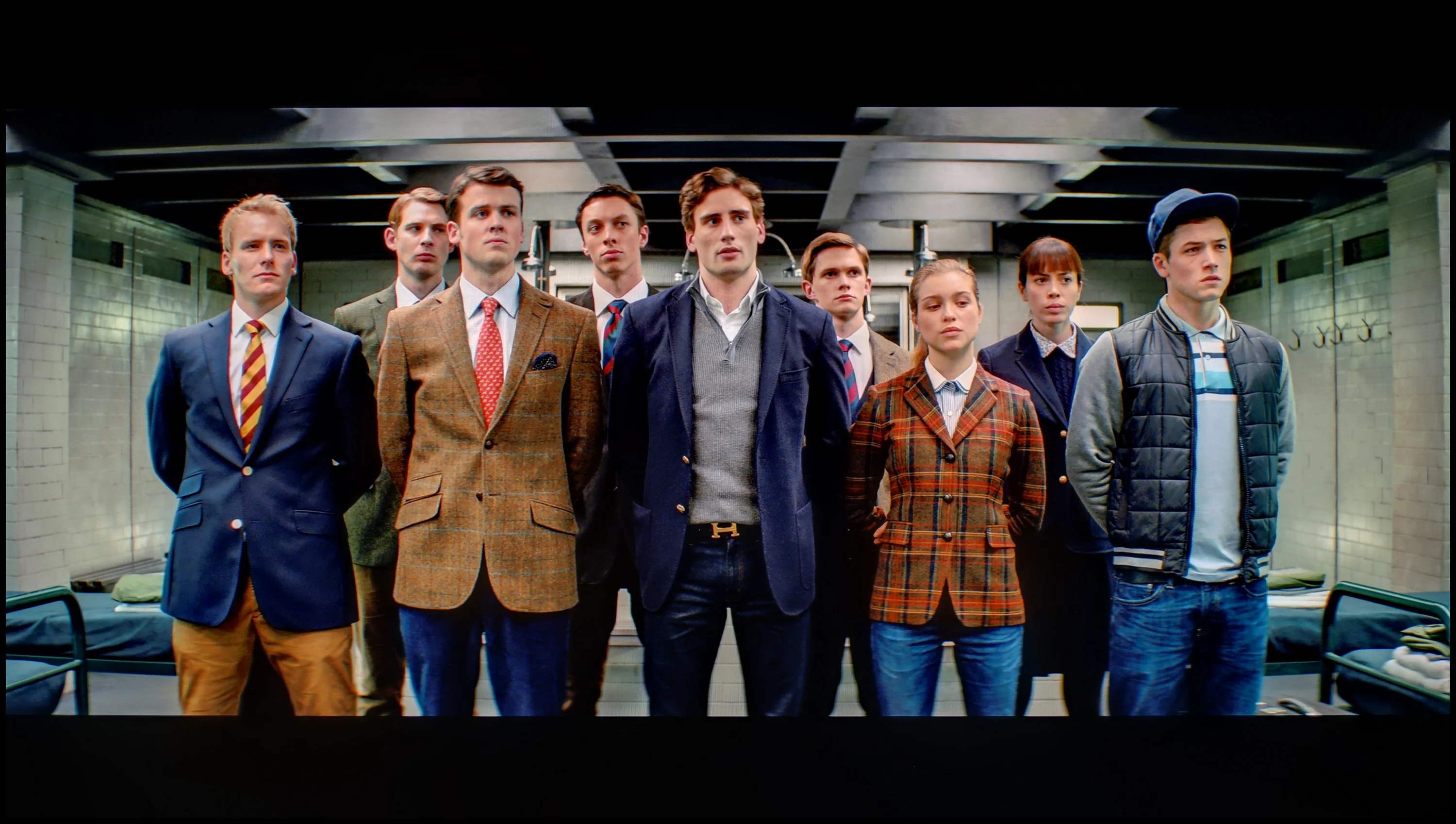
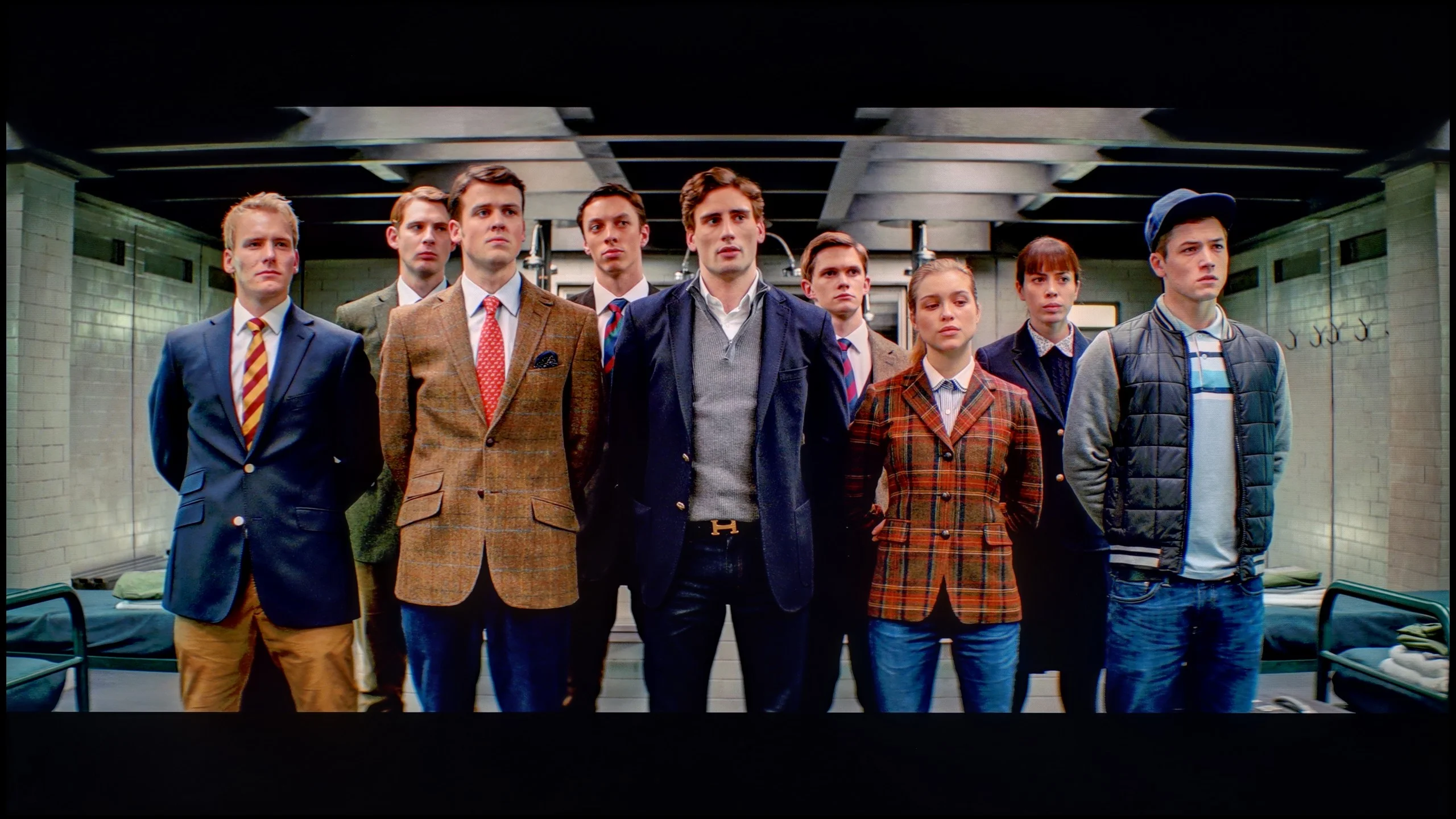
The photos show how movies look on the TV. Pay attention to black detail visibility, colors, and shadow tint.


The photos show how movies look on the TV. Pay attention to black detail visibility, colors, and shadow tint.
The manufacturer has implemented extensive support for the calibration process in its LG televisions for many years. We therefore used 2- and 20-point greyscale adjustments, as well as an advanced CMS (Colour Management System), and got to work. As you can see, thanks to the procedure carried out, each parameter has significantly improved. The use of tools allowed for the achievement of extremely beneficial effects, which include: studio colour reproduction, recovery of details in dark areas of the image, appropriate brightness characteristics, and suitable colour saturation. This brings us as close as possible to the reference image, which is what the film director saw on the preview monitor. It is worth noting that the LG G4 televisions alone allow for even deeper intervention in image quality thanks to the ability to calibrate with 3D LUTs. However, this is a solution recommended only for post-production or graphic studios.
After calibration we mainly managed to remove that warmer tint and better even out the white balance. We also smoothed the brightness response a little, which made the picture more neutral and predictable. There are, however, things calibration won't fix here. It's mainly the black behaviour, which stems from the backlight design and the lack of local dimming. In some scenes blacks will therefore still be slightly lifted and you simply have to accept that. It's more a characteristic of this model than something that can be fixed with the settings. HDR is also a limitation. Samsung doesn't allow full freedom when working with the widest colour gamut, so not all colours can be reproduced perfectly. In normal viewing it's probably hard to notice, but it's worth being aware of.
Smoothness of tonal transitions
6.2/10
8.5/10
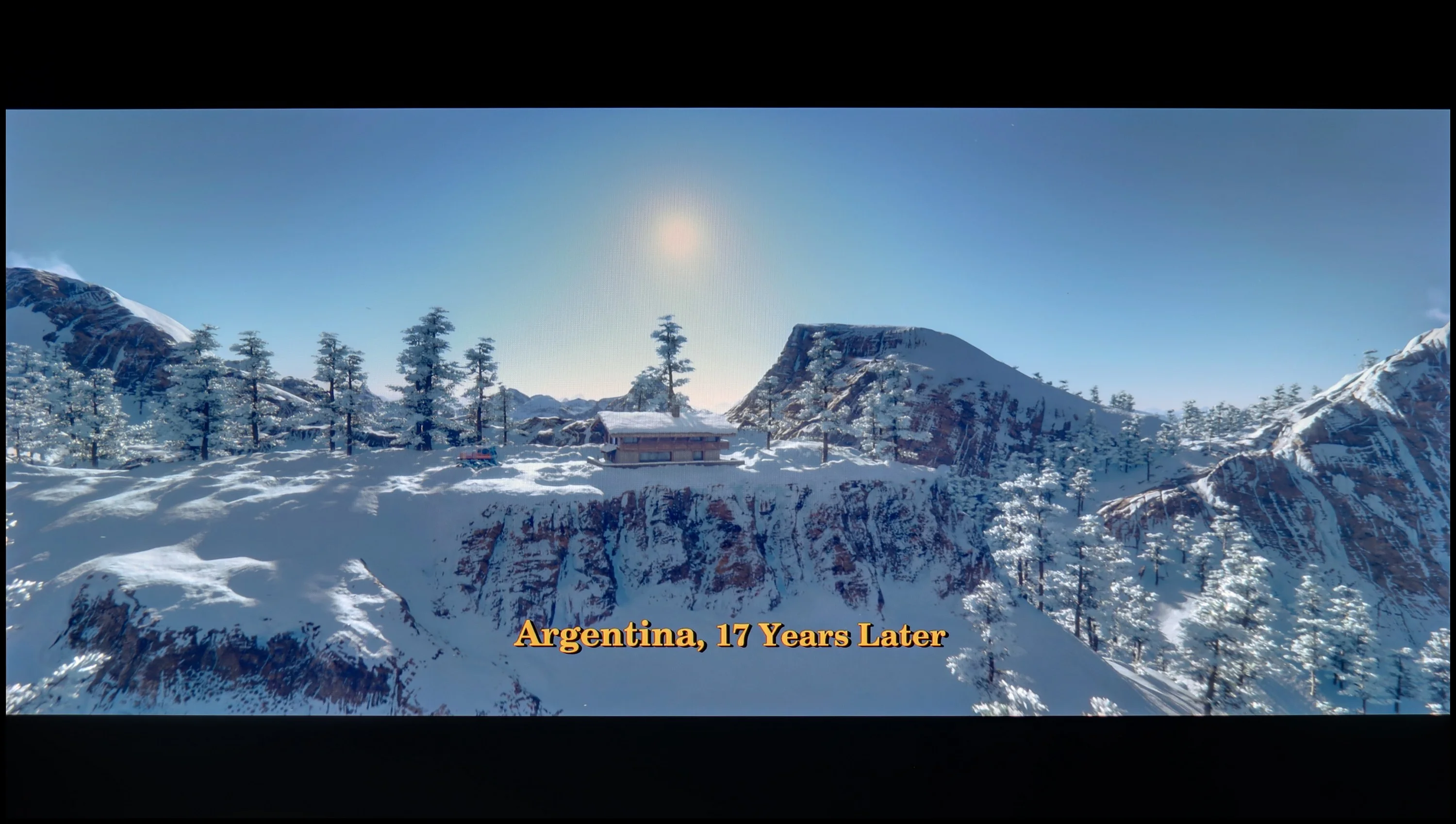

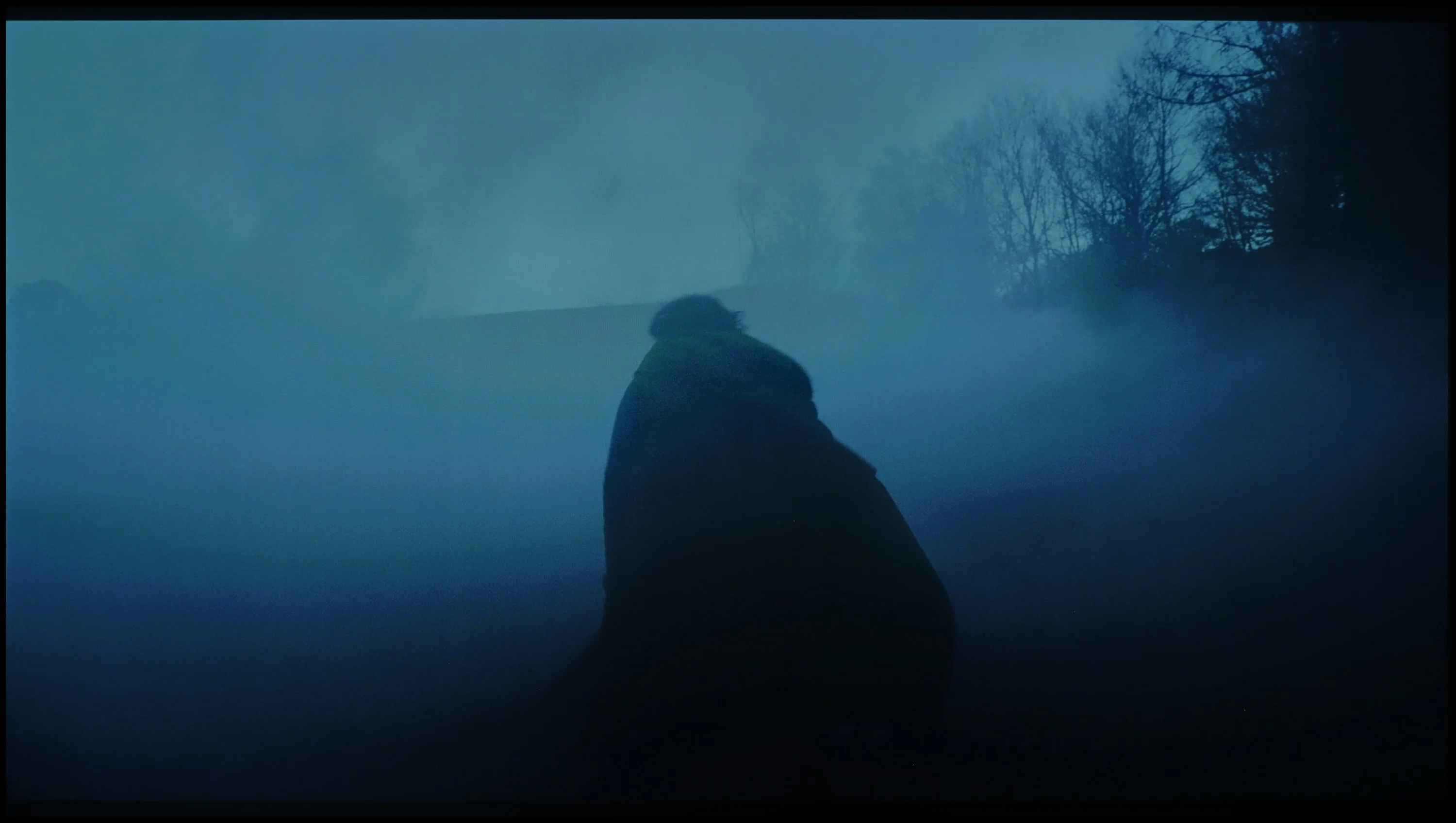
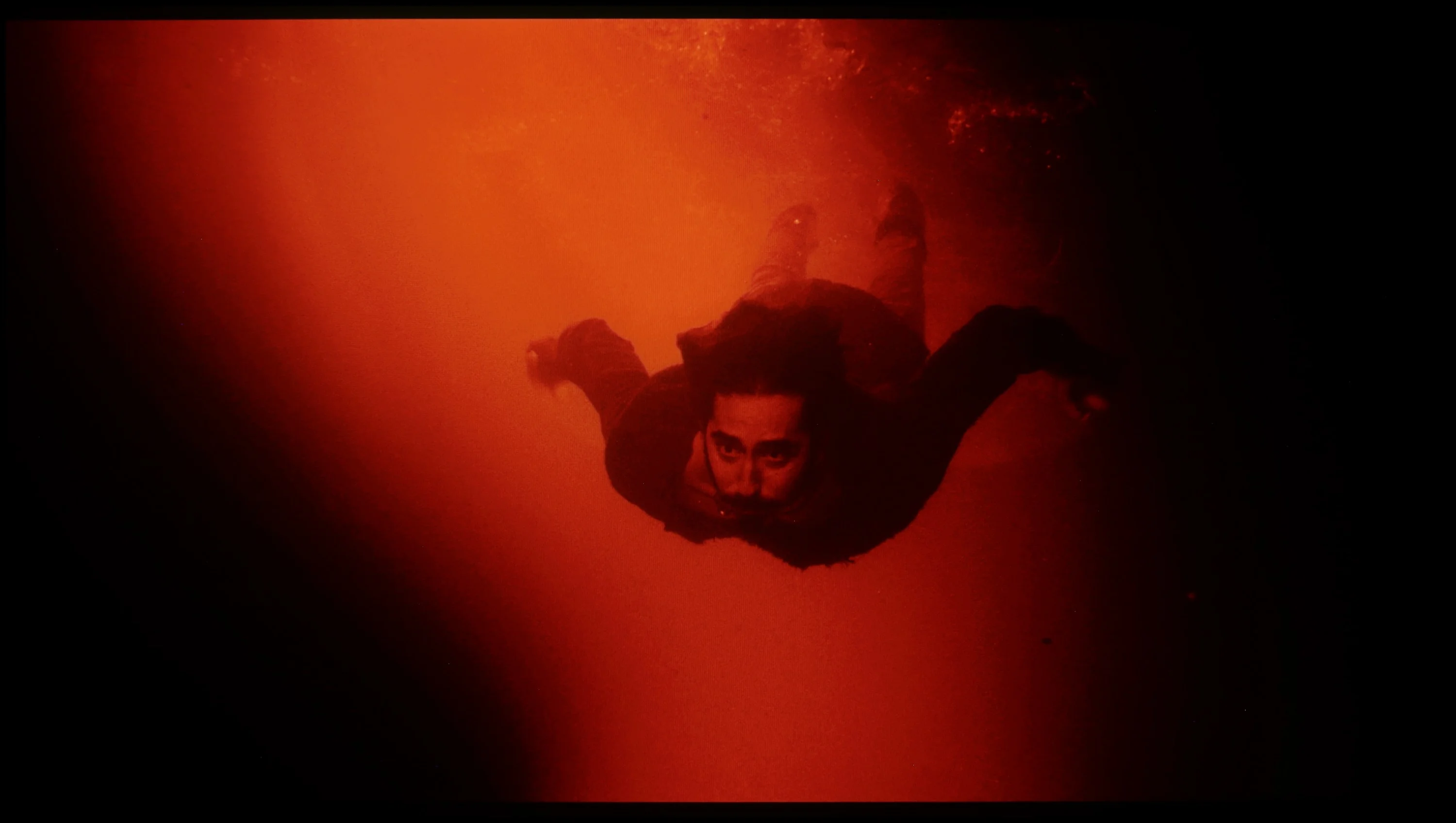
These are selected scenes that show smooth tonal transitions from one color to another. If you see distinct banding, it’s the TV panel’s fault.

These are selected scenes that show smooth tonal transitions from one color to another. If you see distinct banding, it’s the TV panel’s fault.
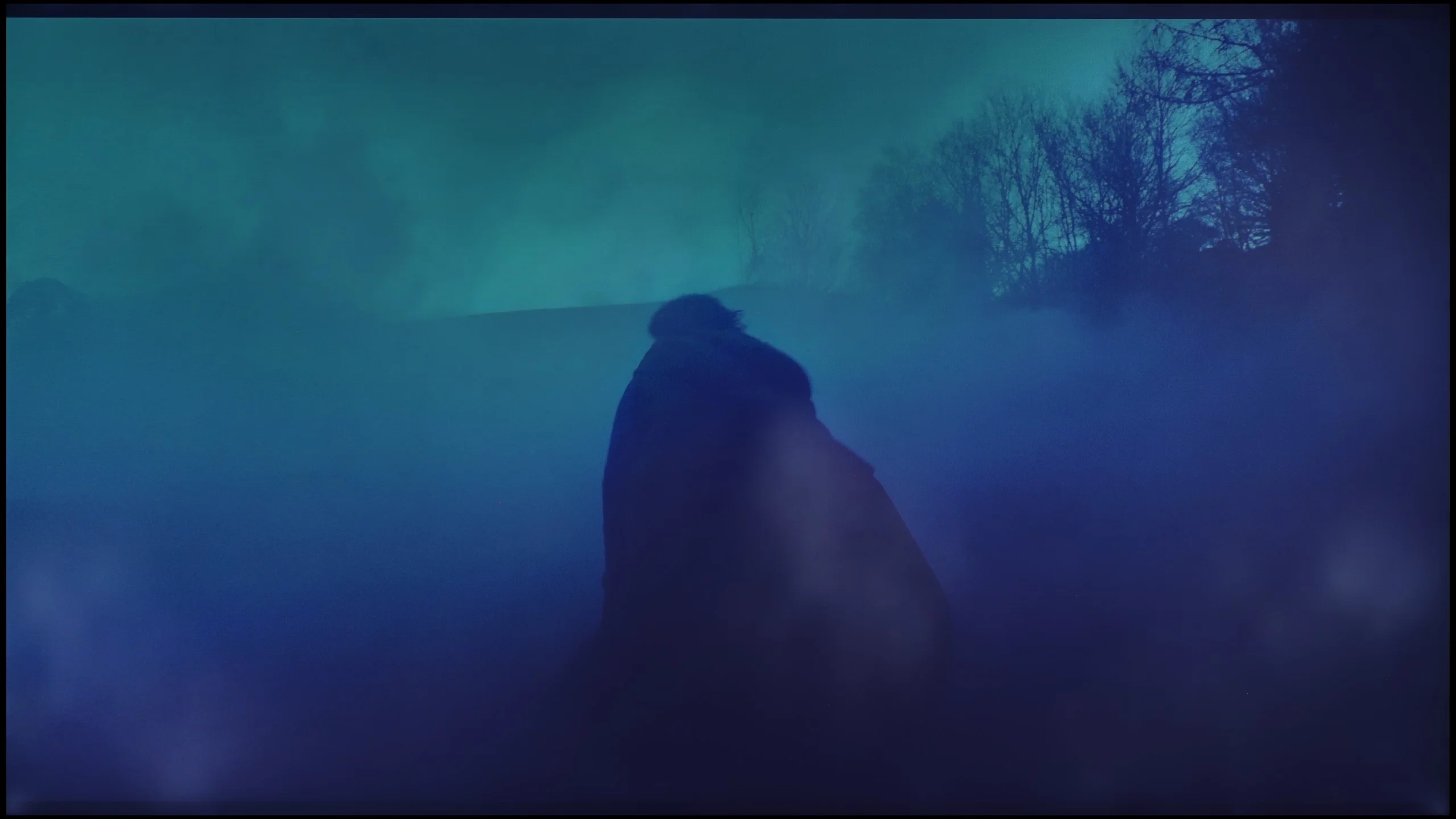
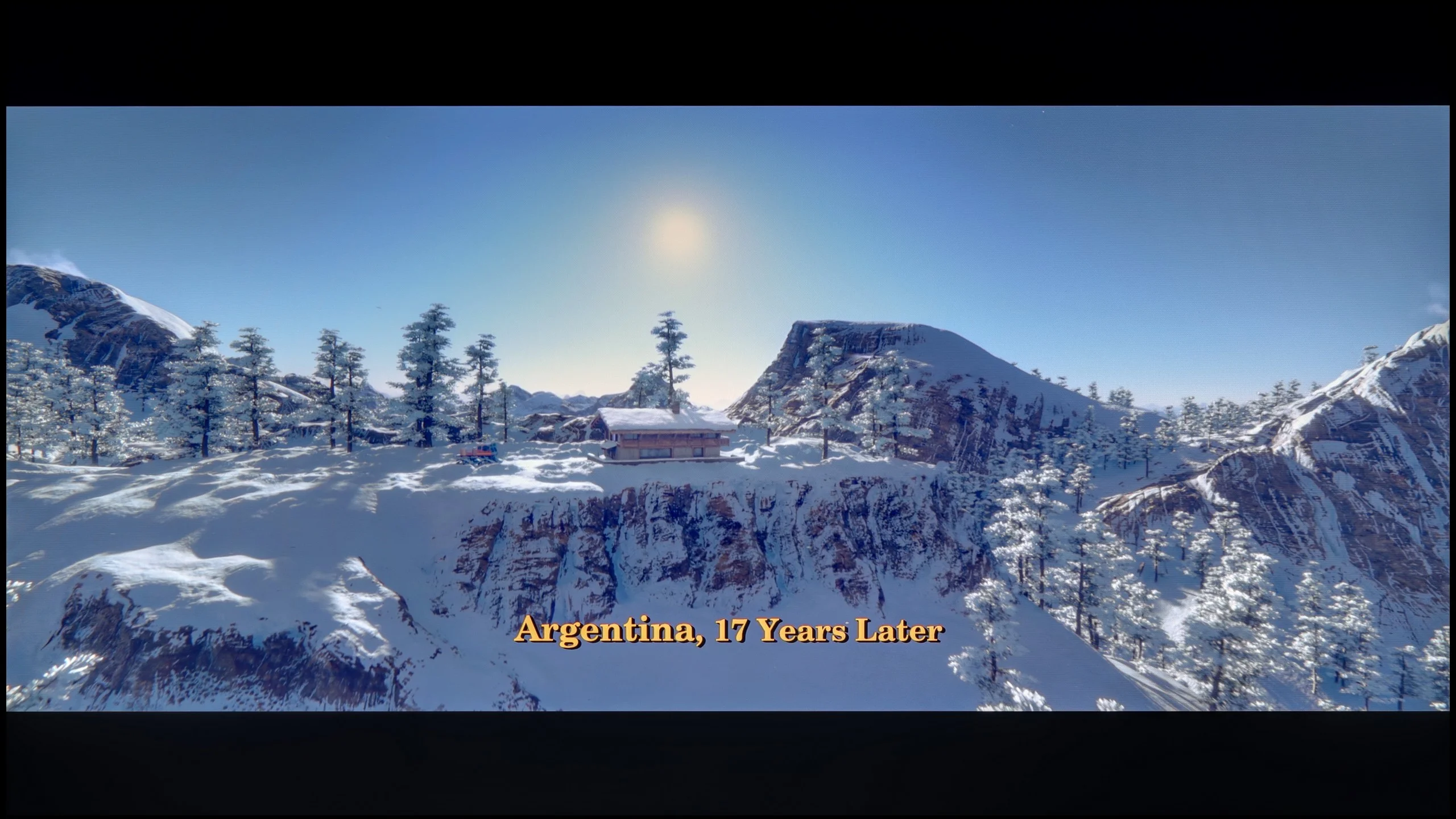
These are selected scenes that show smooth tonal transitions from one color to another. If you see distinct banding, it’s the TV panel’s fault.

These are selected scenes that show smooth tonal transitions from one color to another. If you see distinct banding, it’s the TV panel’s fault.
The tonal transitions presented on LG G4 are not among the best. Each scene played from a BluRay disc with 10-bit HDR exhibited clear inconsistencies in colour transitions. This is particularly noticeable in the case of the film "The Green Knight", where issues related to posterisation were especially evident. This effect could also be observed in films of moderate and high brightness, such as "The Martian" and "Kingsman", which is rarely seen in televisions (especially of this class), which surprised us. Such results suggest that in scenes of low luminance with a large amount of black, this issue will be bothersome, even for a layperson.
Gradation in The Frame 2026 comes across well, though not perfectly. In bright tonal transitions you can notice slight issues and occasional mild banding. These are not faults that seriously disturb normal viewing, but they can be picked up on our test images and in more demanding scenes. We would rate the bright tonal gradation at roughly 7.5 to 8 out of 10.
Interestingly, gradation in the darker parts of the image looks noticeably better. Here the transitions are very smooth and it's hard to find clear signs of posterization. This is the opposite of many LCD TVs, where the near-black region often causes bigger problems. In photos of dark scenes you can, however, see some unevenness in the image. These do not stem from the gradation itself but from panel uniformity and the operation of the backlight. Unfortunately, in that respect our sample of The Frame was not perfect, so in very dark shots you could spot brighter and darker patches of backlight.
Image scaling and smoothness of tonal transitions
8.2/10
7/10


Smooth transition function
The match photo shows how the TV smooths weak tonal transitions in low-quality video.
Image scaling SD (576i)


The model photo shows how it handles upscaling of SD material.
The tested television did not perform particularly well with materials rich in tonal transitions, as a result of which we could observe a strong posterisation effect. However, there is a partial remedy for this issue. The manufacturer has equipped the LG G4 with a smoothing system called "Gentle Gradation," which we can apply at three levels: Low, Medium, and High. Each of these options guarantees quite a high effectiveness of smoothing on light colours, although it is low on darker ones. We recommend primarily using the first one, as the other two interfere with the director's intentions by removing film grain.
When watching lower-quality materials, the efficiency of the television during upscaling is extremely important. The image from the tested television is sharp and clear. However, one should pay attention to the jagged edges of fine details and minor issues around characters, such as the creation of halo effects, which occurs due to the sharpening imposed by LG G4 even when the lowest value on the slider, that is 0, is set. It is worth noting that this represents a certain change compared to the LG G3, which did not impose such strong image sharpening, even when the appropriate slider was set to position 0.
As with many of Samsung’s newer TVs, this one also uses the NQ4 AI processor, only the older, second-generation version. And you have to admit it handles digital image processing quite well. Lower-resolution material is sharpened effectively, and after upscaling to 4K it still looks natural. The TV can also somewhat "tidy up" weaker sources, like older recordings or lower-quality broadcasts. That doesn't, of course, mean it will suddenly turn poor footage into 4K, but at closer viewing distances the difference compared with simpler models with weaker processors is easy to spot. Edges are clearer, and fine details don't get lost as much to signal compression.
Samsung also offers a few additional image-enhancing features, but as usual it's best to use them sparingly. At stronger settings, noise reduction can very effectively reduce posterization, but it also noticeably interferes with the image. The picture then simply starts to look very artificial, for example by heavily smoothing characters' faces. So it makes the most sense with really poor sources when various types of noise are seriously distracting.
Blur and motion smoothness
8.5/10
6.8/10
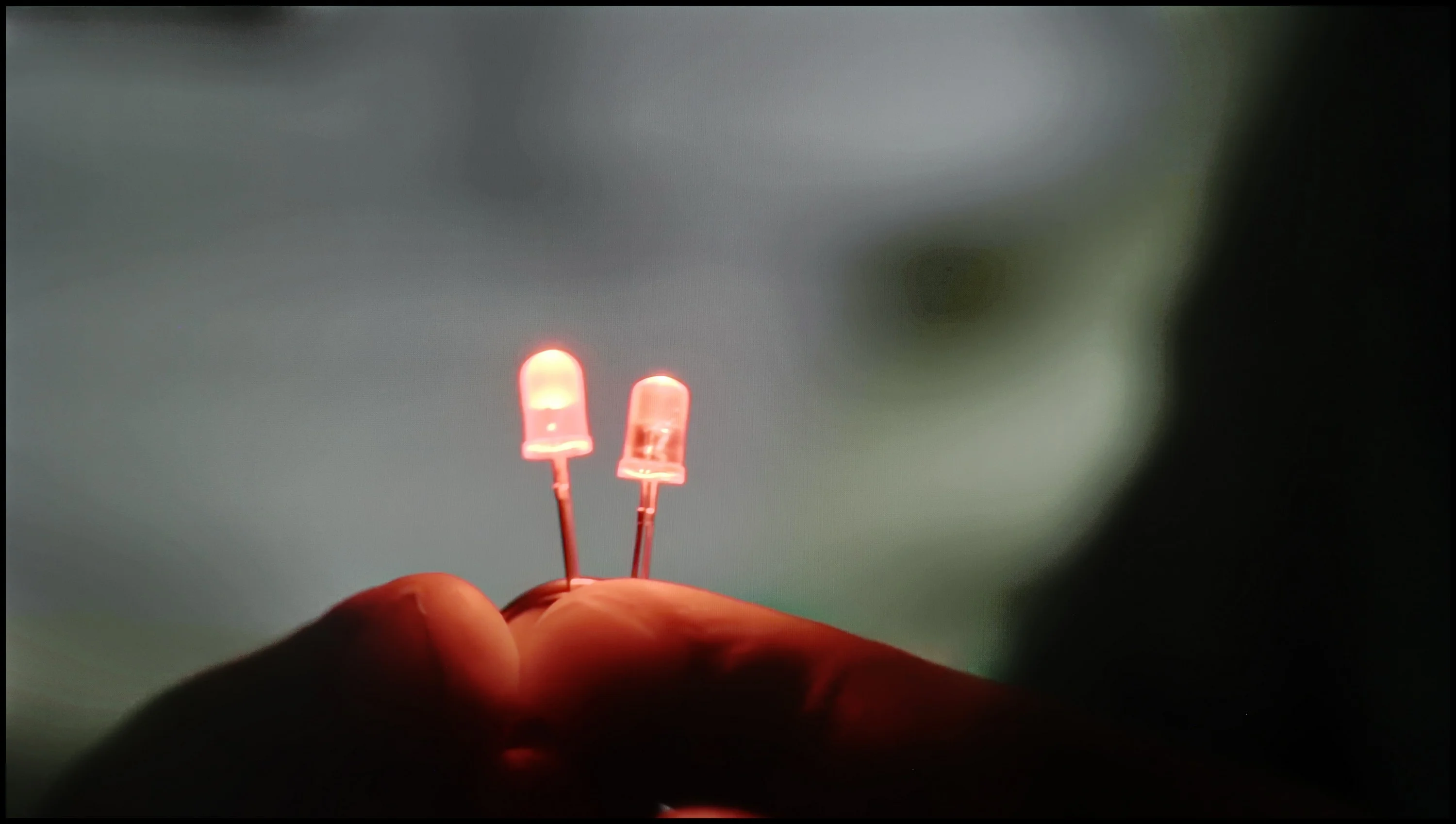
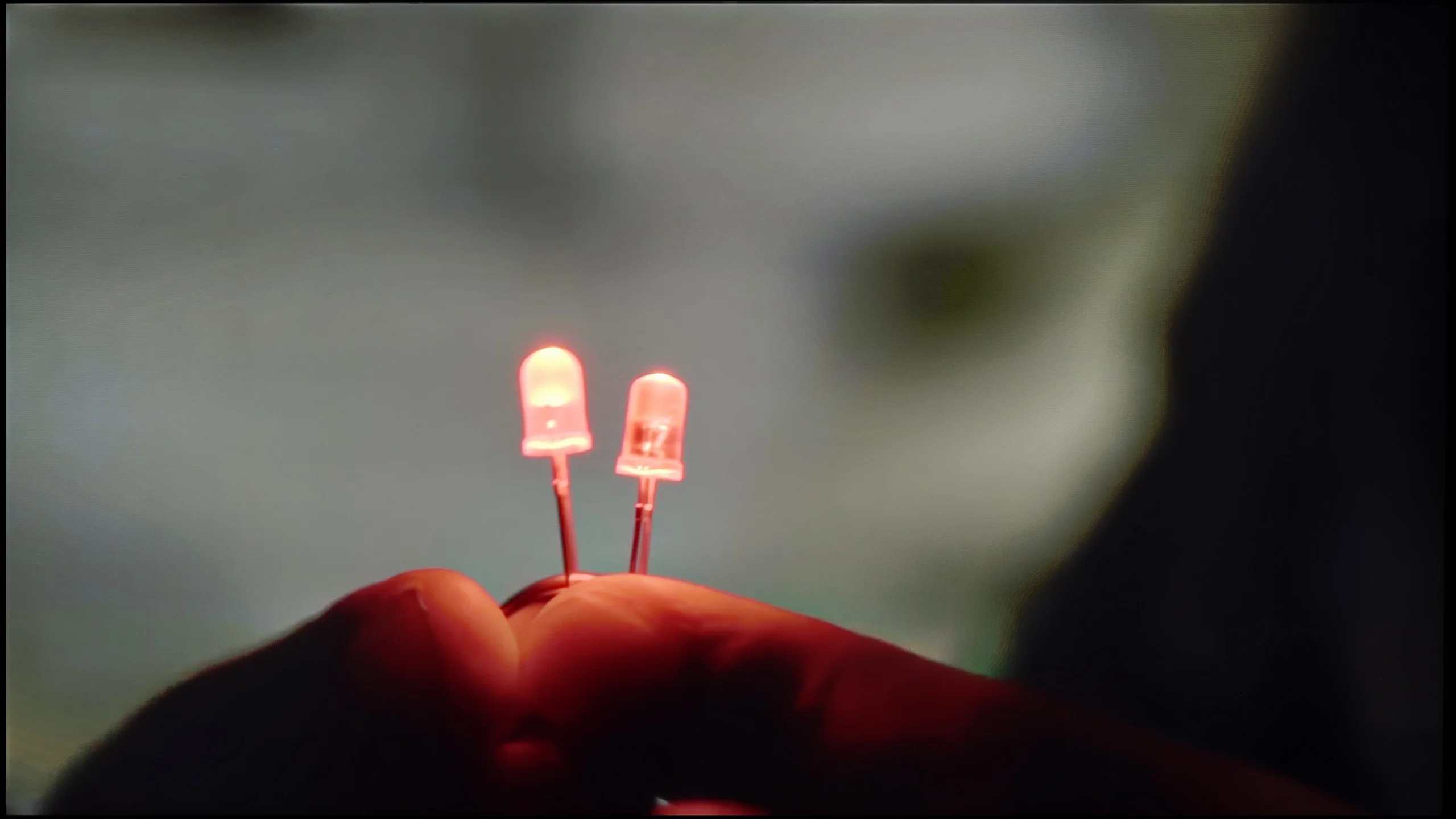
Blur (native resolution, maximum refresh rate):




Blur (BFI function enabled):
Image flickers in this mode

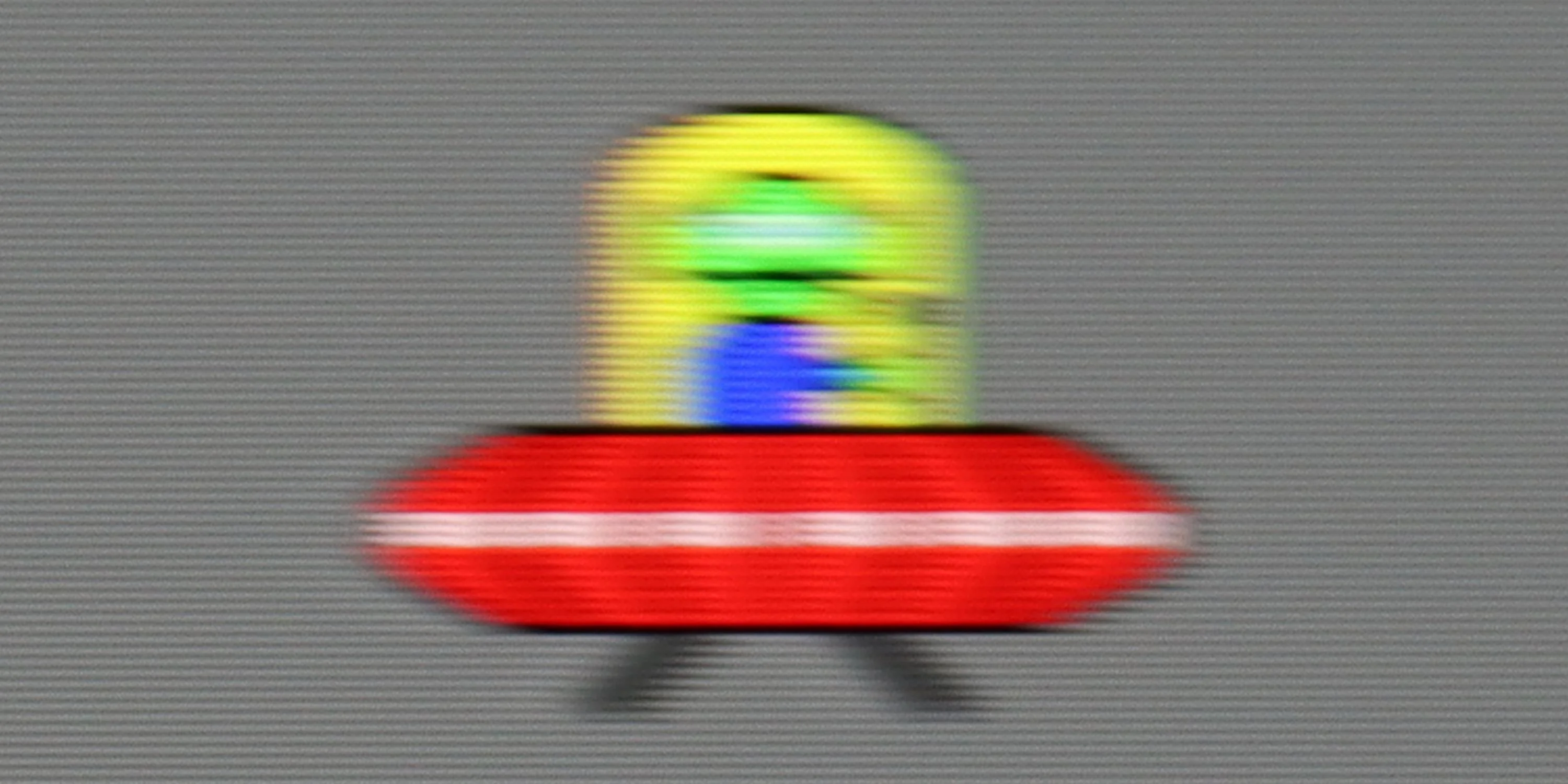
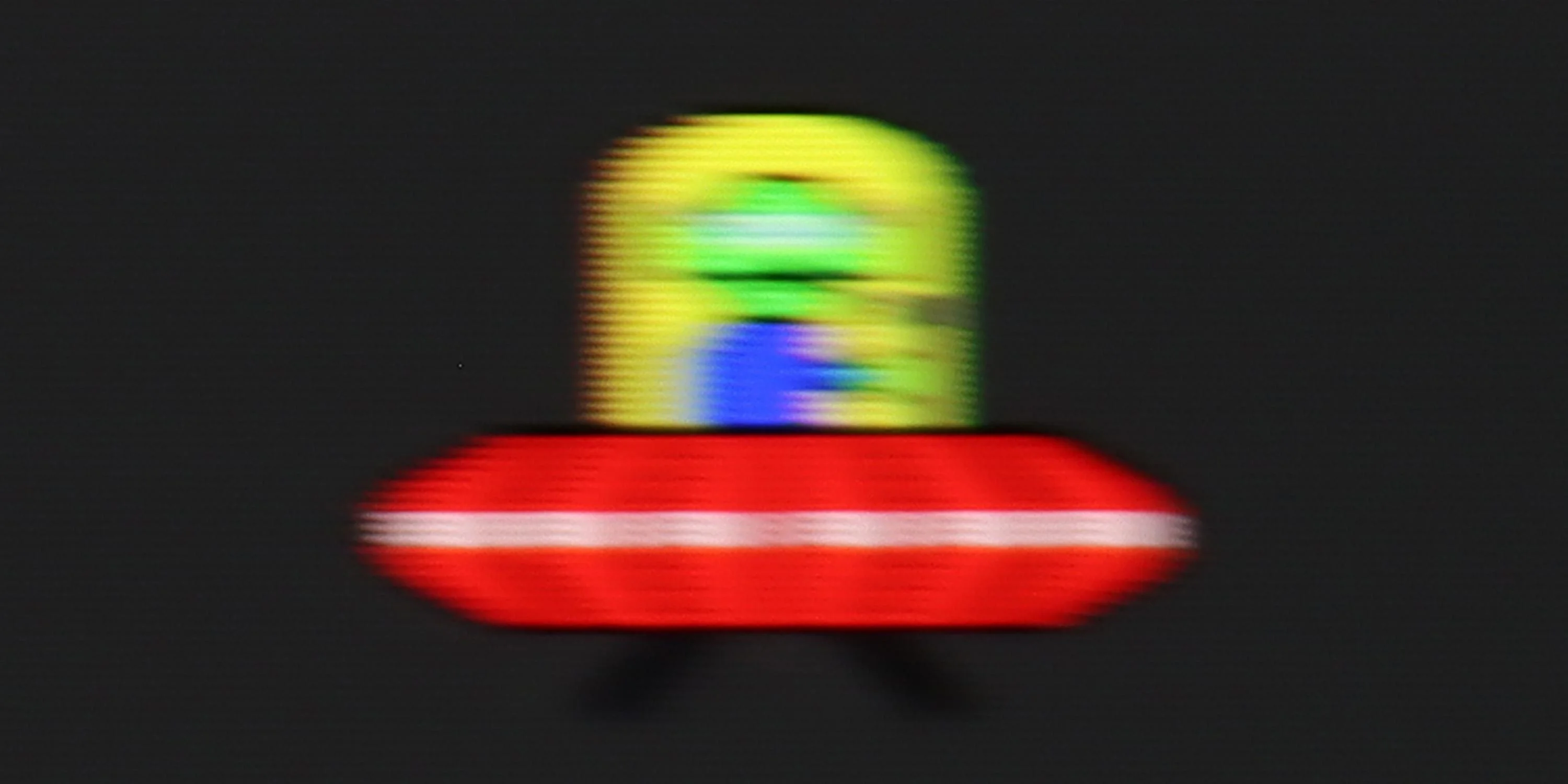
Image flickers in this mode



Blur ():
Blur (1080p@240Hz):


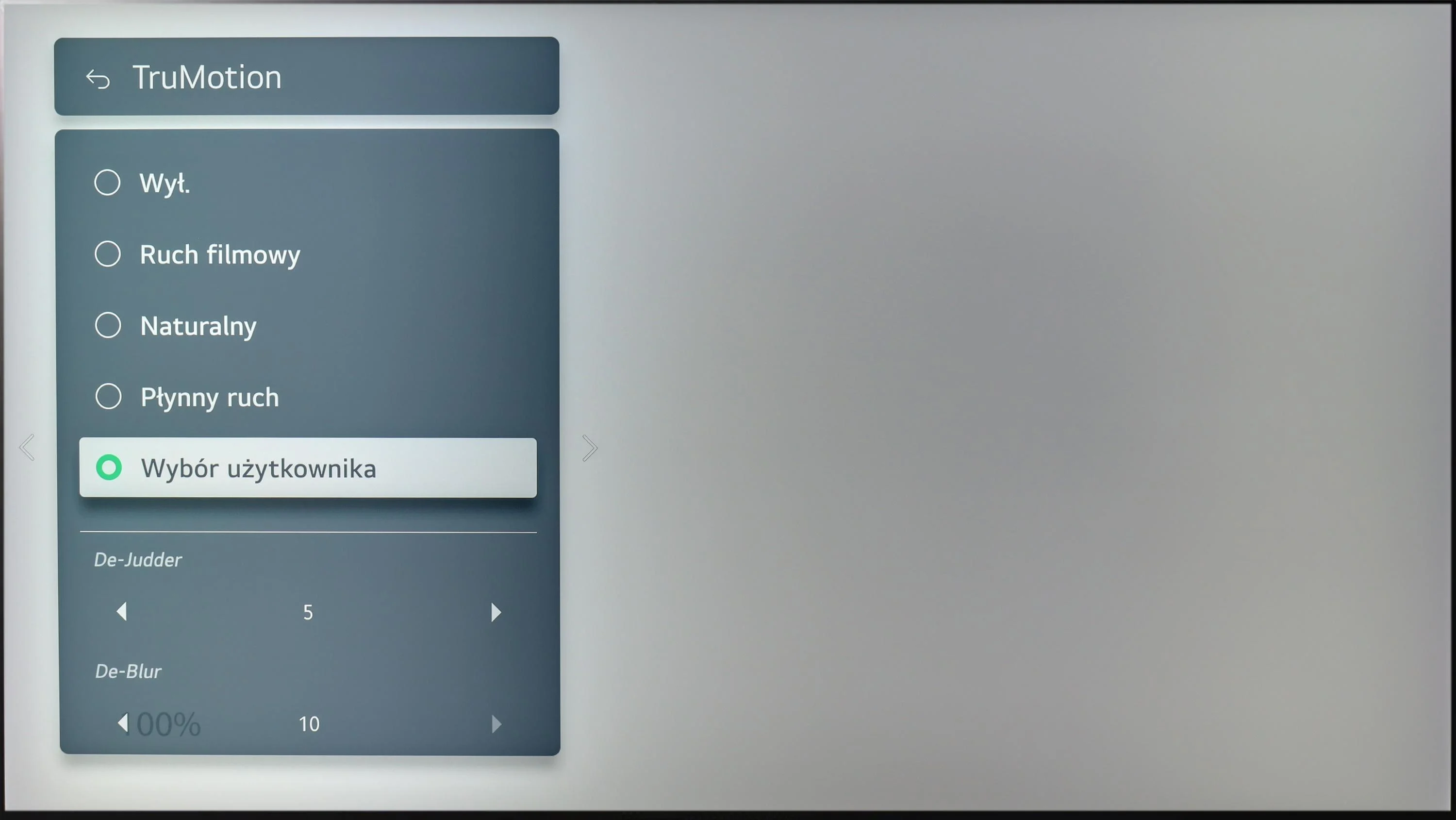
The maximum refresh rate that we can set on the LG G4 is 144 Hz. Naturally, this is only possible when the LG G4 is connected to a very powerful PC. Otherwise, we will operate at a maximum refresh rate of 120 Hz, which is recommended if we primarily want to watch sports or content with high motion dynamics. For those requiring high image fluidity, the manufacturer has implemented a multi-level motion smoother called "TrueMotion". This has been divided into two separate sliders that adjust the sharpness of moving images (De-Blur) and judder (De-Judder). Both sliders can be set in the range from 0 to 10, with each level affecting the degree of smoothness, allowing everyone to find their golden mean.
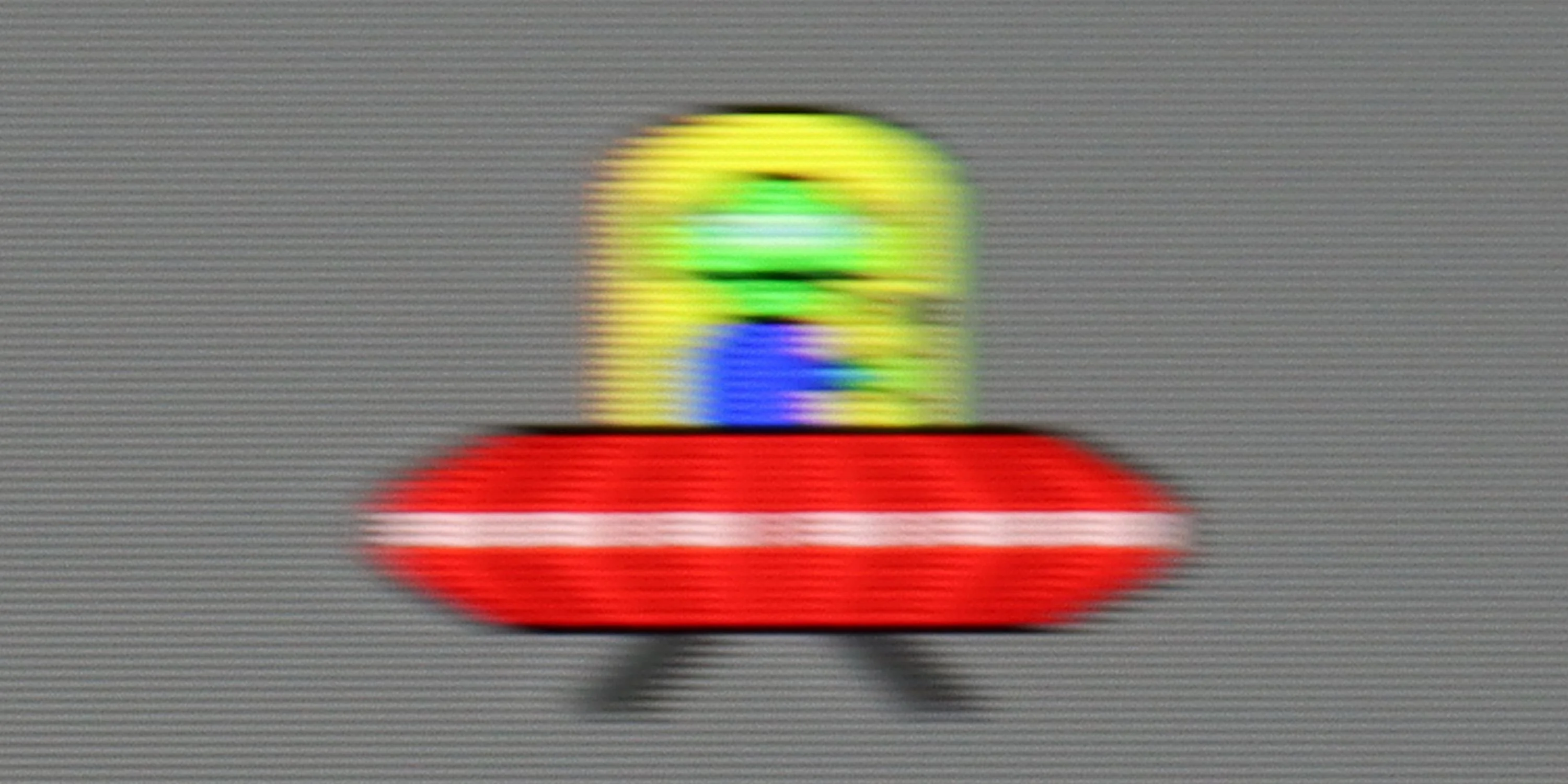
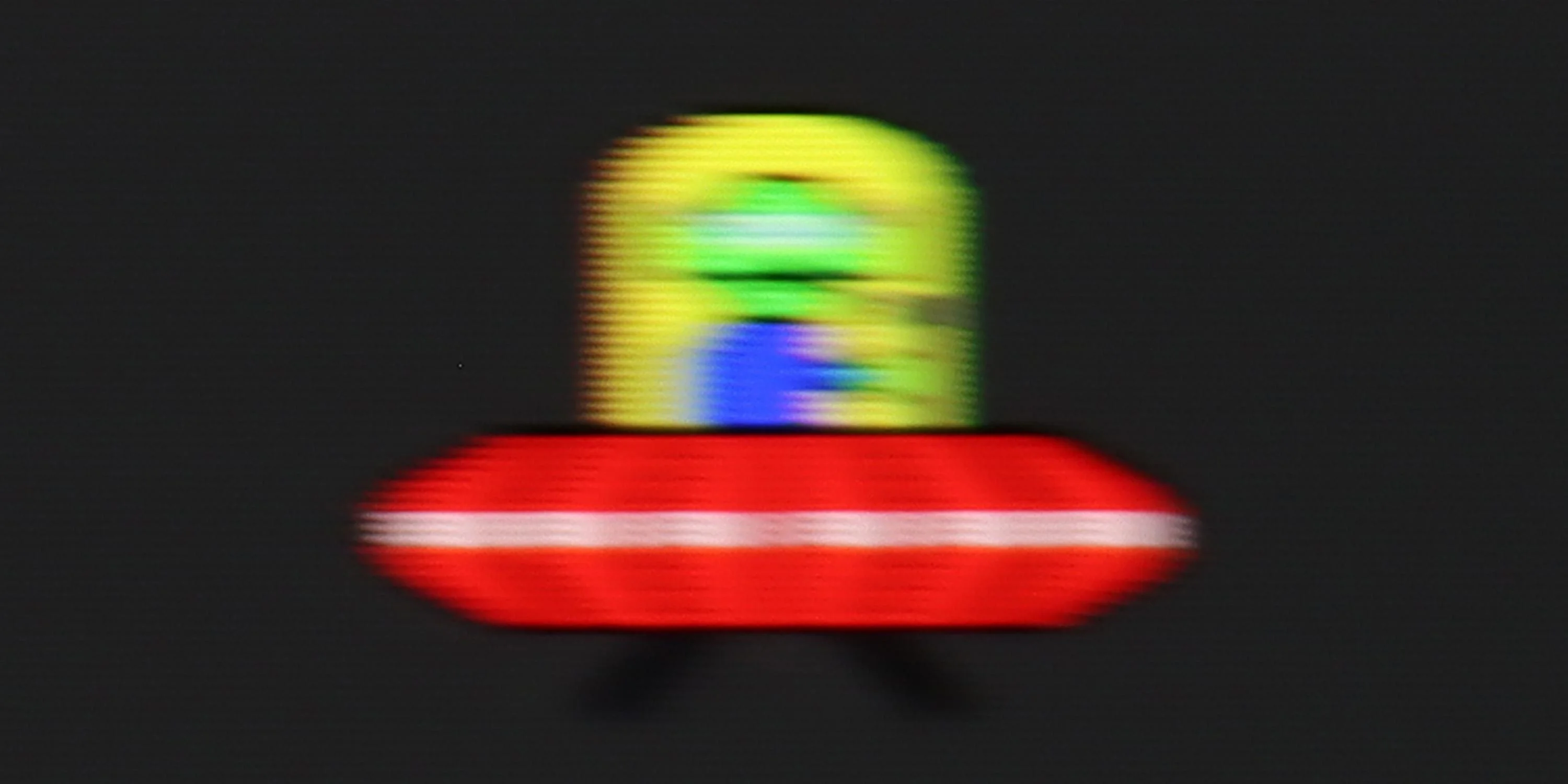
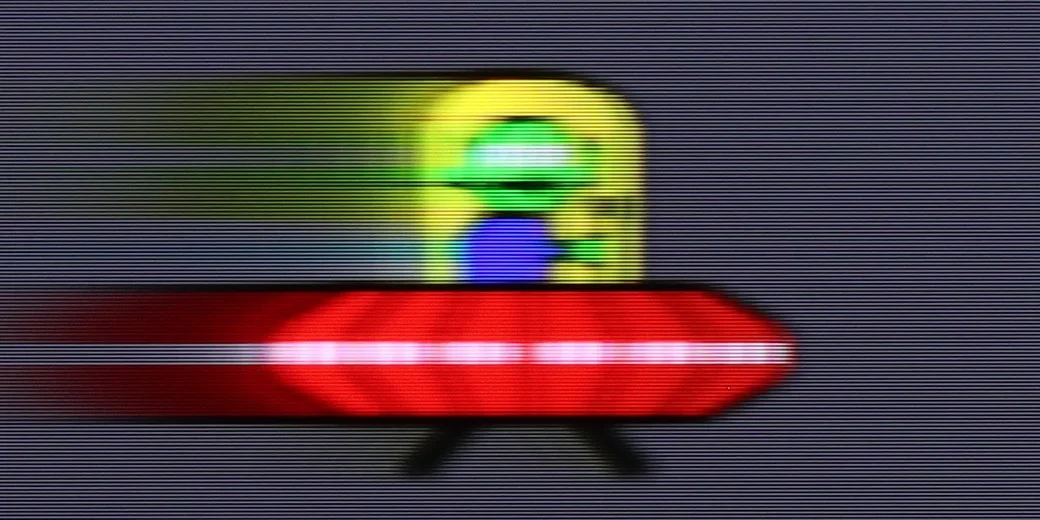
The LG OLED G4 panel features an average response time of 0.78 ms (as directly derived from our measurements), enabling an incredibly clear image, unattainable by LCD televisions, which can have response times of several milliseconds. This is perfectly illustrated by the images from the "UFO Test", which show no trailing blur behind the object. Moreover, the LG OLED G4 test revealed that the television offers the ability to precisely adjust the motion smoothing function, allowing users to select the ideal level of image interpolation. We particularly appreciated this during fast-paced actions in video games, where the LG G4 performed exceptionally well, minimising any blurring. Thanks to OLED technology, this model eliminates so-called ghosting, ensuring that the image remains sharp even in the most dynamic sporting or cinematic scenes.
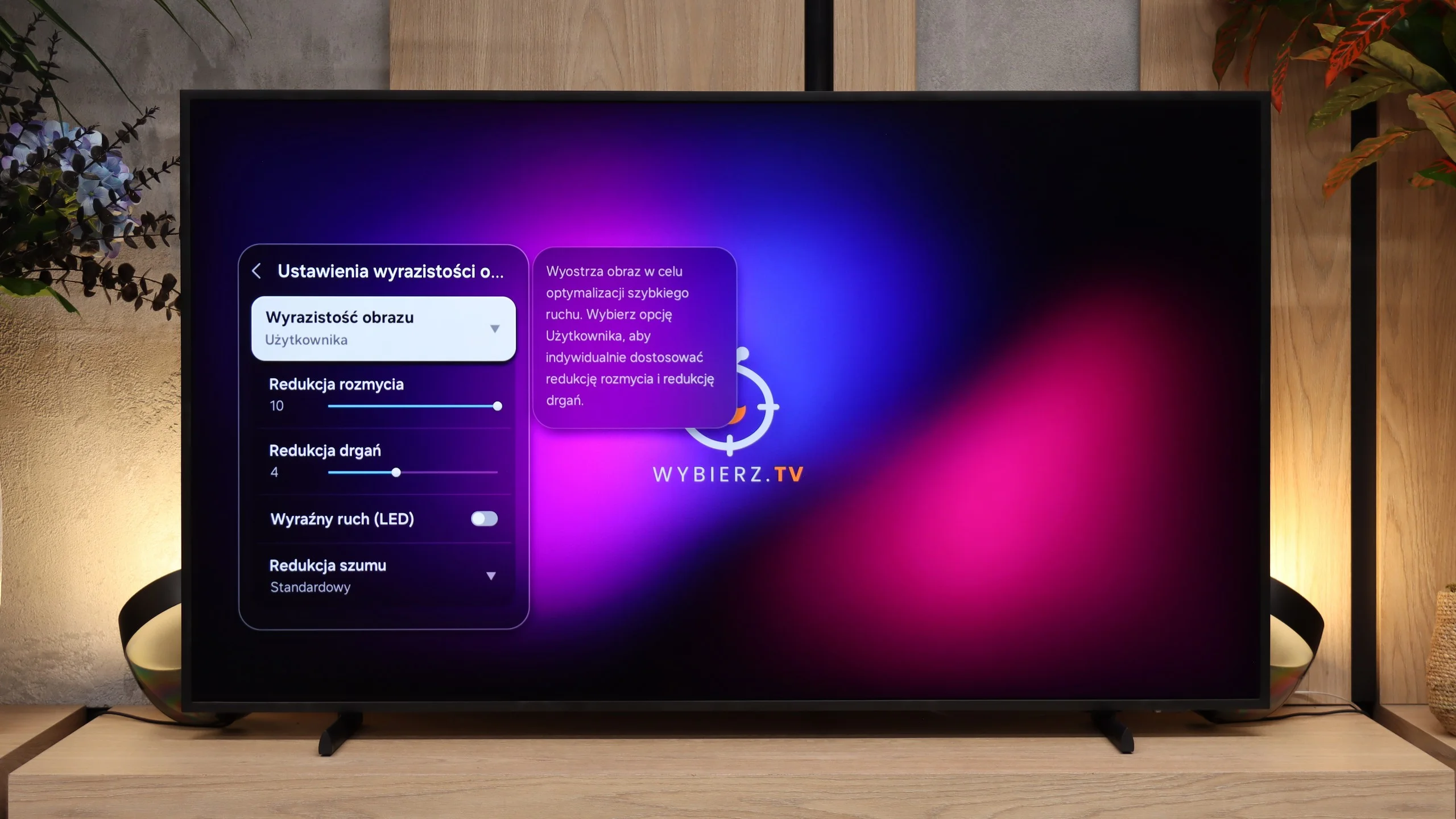
Samsung again used a panel with a maximum refresh rate of 144 Hz. Refresh rates up to 120 Hz primarily offer greater possibilities with material that contains a lot of motion. The TV can use additional motion-smoothing systems that can improve fluidity in sports and other fast-moving content. However, a high refresh rate alone does not solve everything. The Frame still uses a VA panel, which has a fairly slow response time, and consequently fairly pronounced motion blur. With rapidly moving objects, especially on a dark background, trails are easy to notice. There is also a slight doubling of edges, which can be visible even when additional motion-enhancement systems are switched off. We saw similar behaviour in last year's The Frame 2025, and it's a shame Samsung hasn't addressed this issue. The 144 Hz itself provides a good foundation, but the panel's response time still limits this TV.
Console compatibility and gaming features
10/10
9.6/10
- ALLM
- VRR
- VRR range40 - 144Hz48 - 240Hz
- Dolby Vision Game Mode
- Correct implementation of HGIG
- 1080p@120Hz
- 1440p@120Hz
- 4K@120Hz
- Game bar
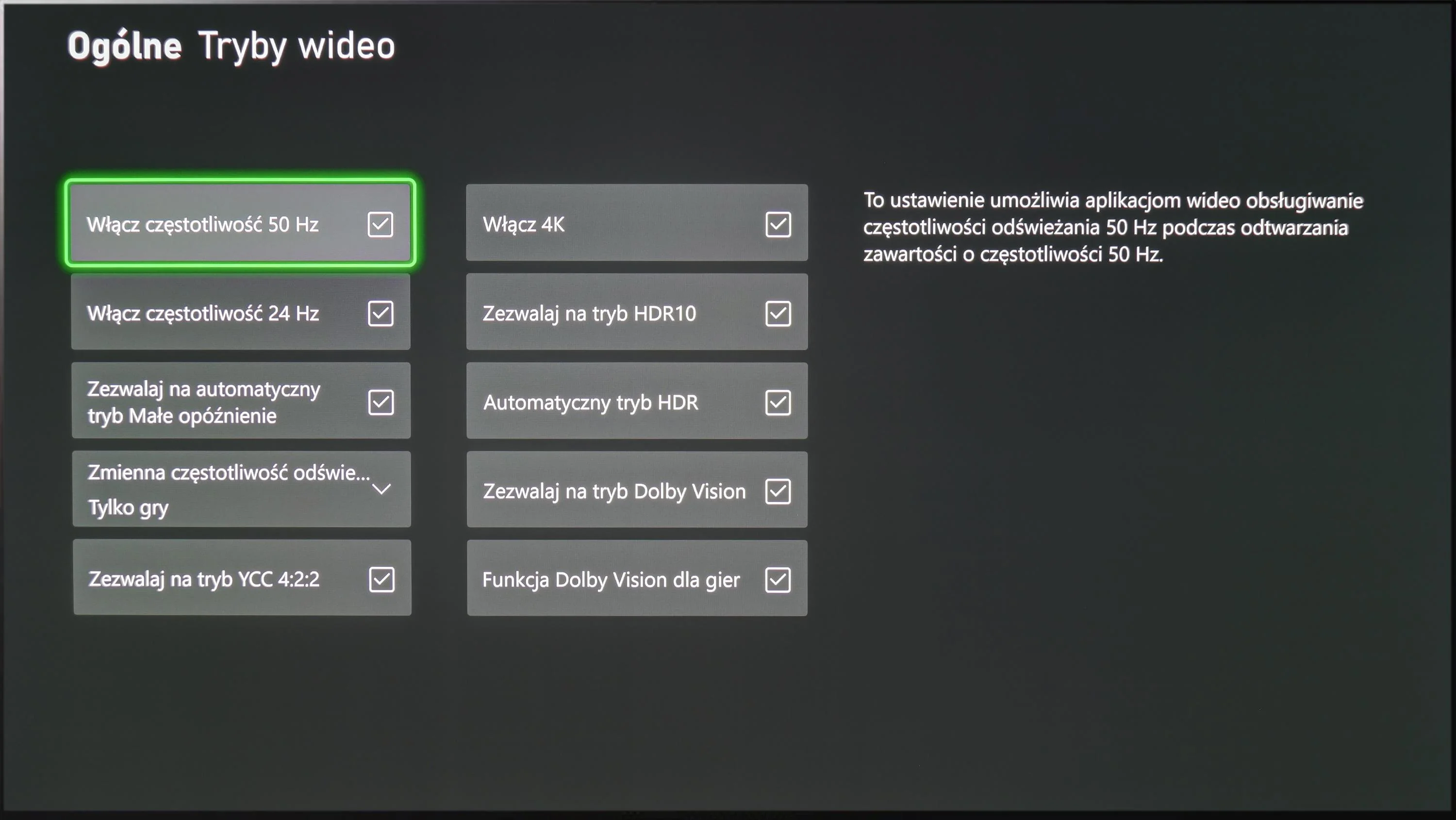
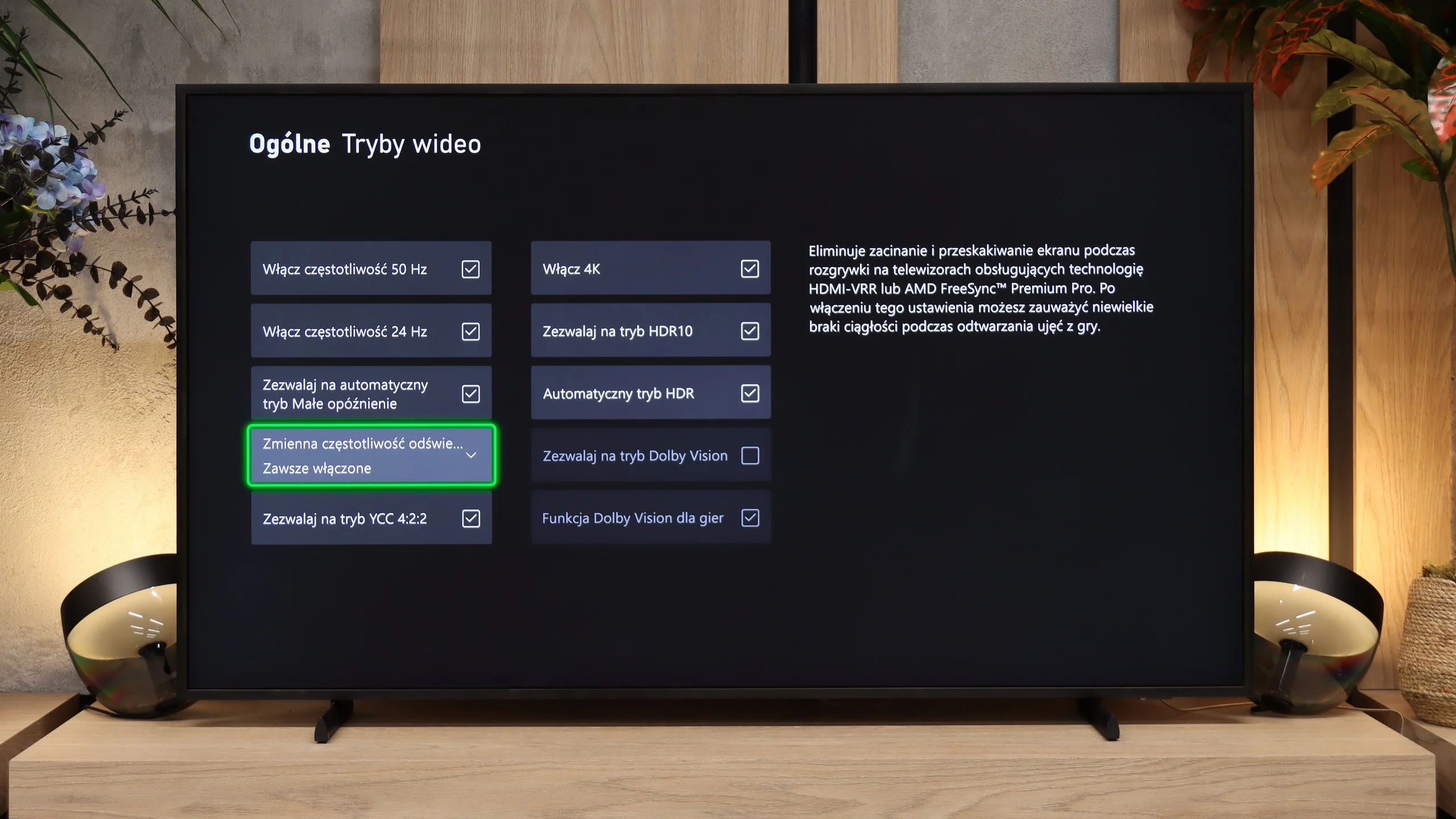
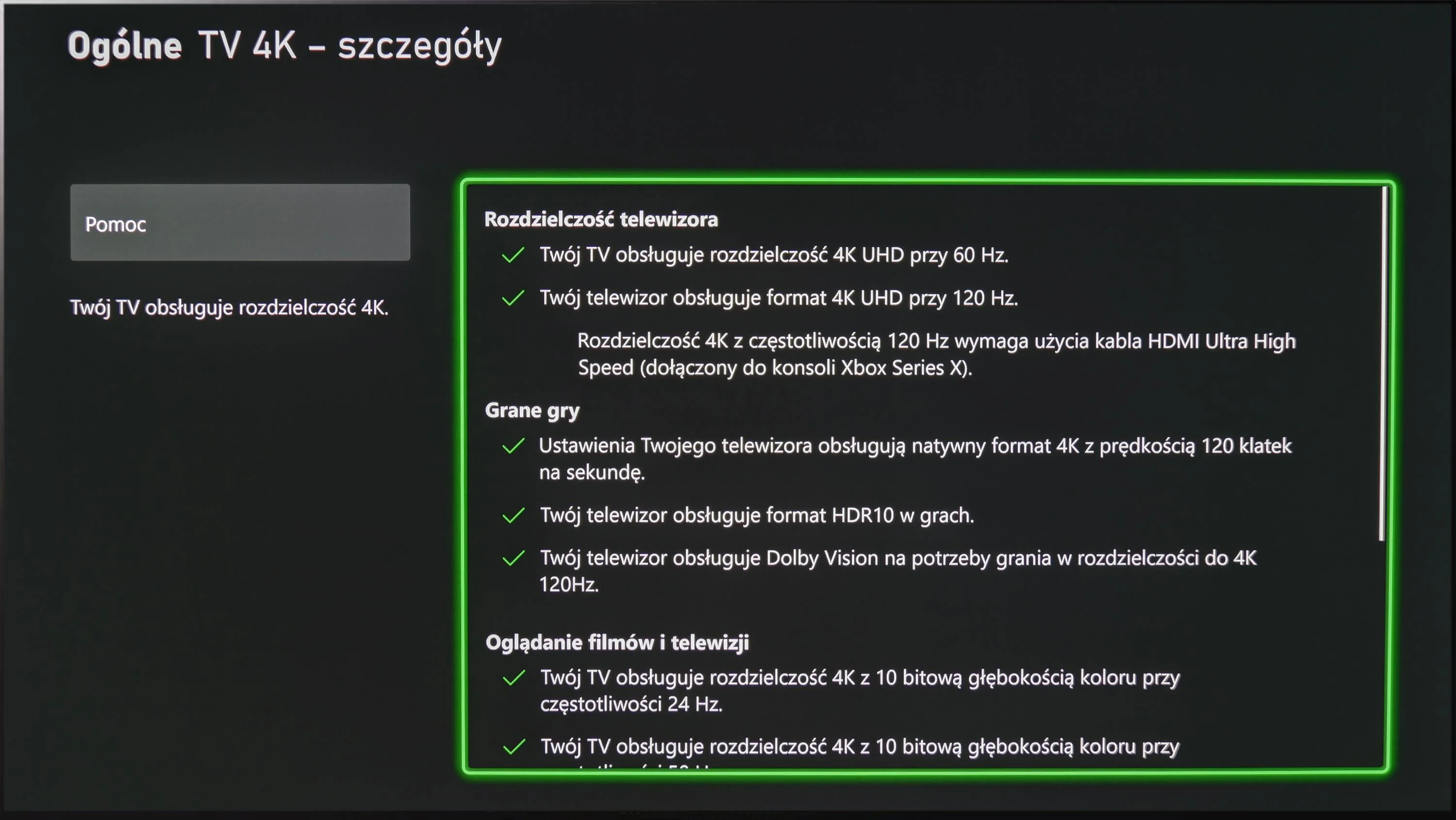
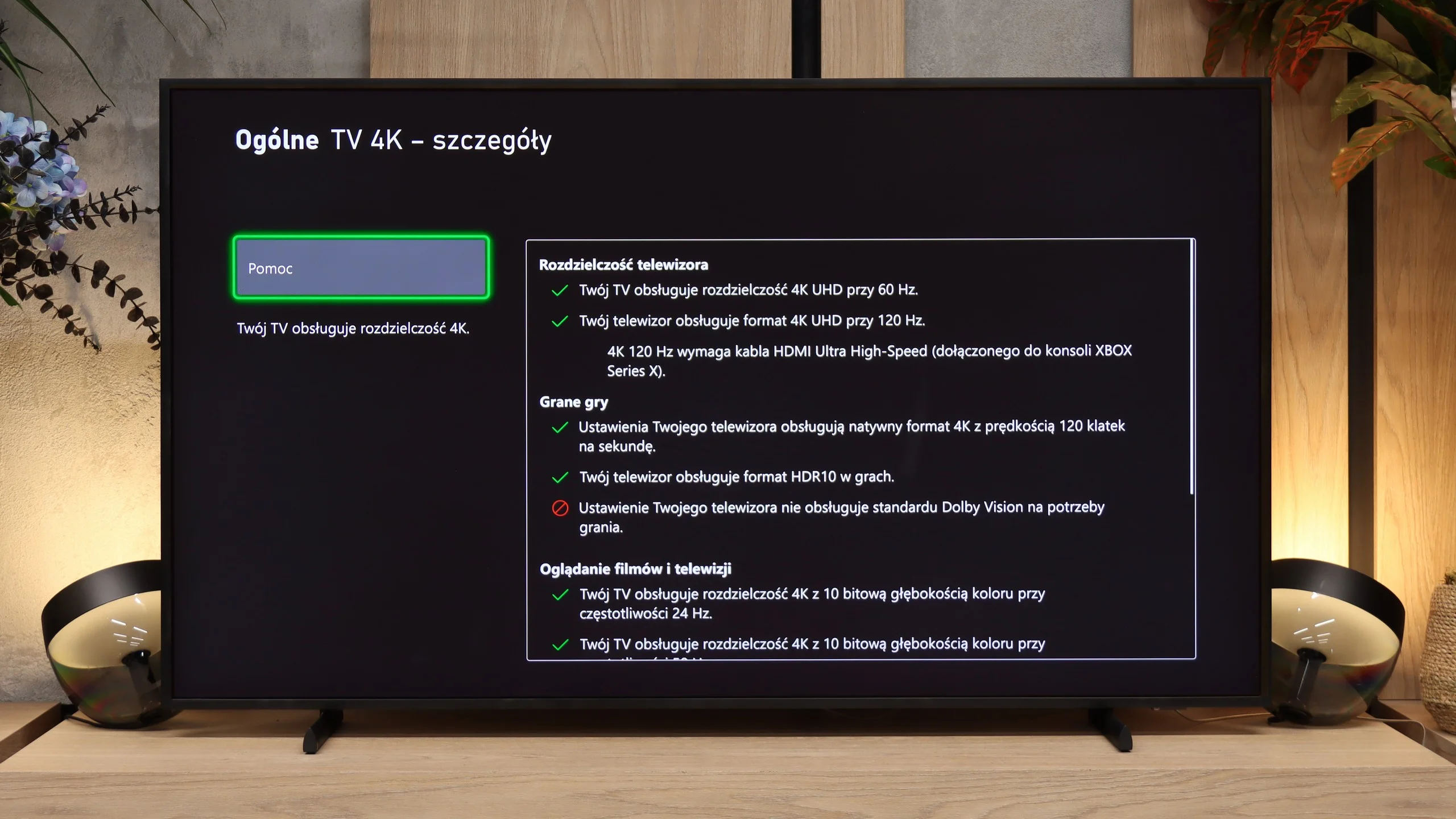
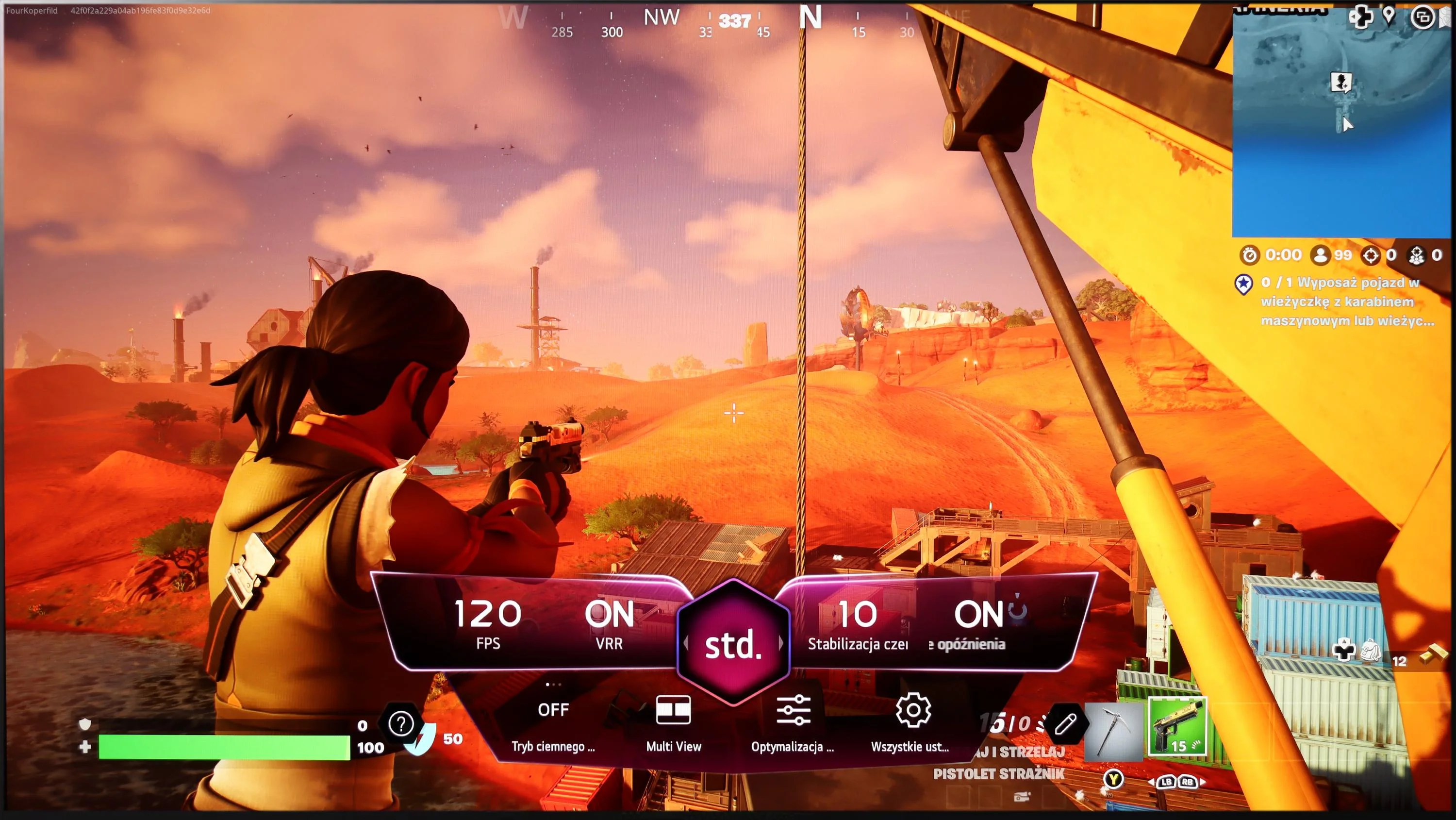
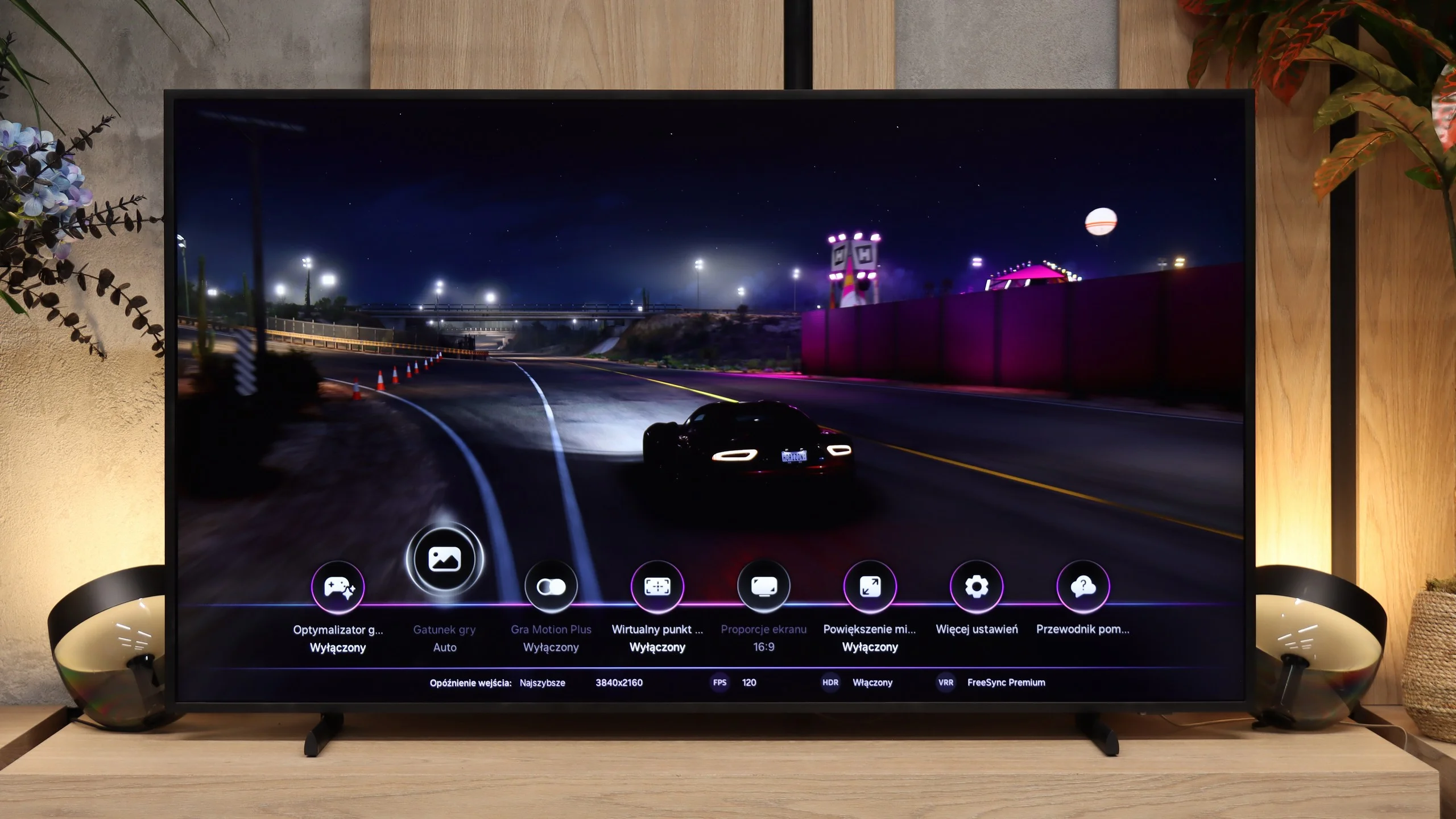
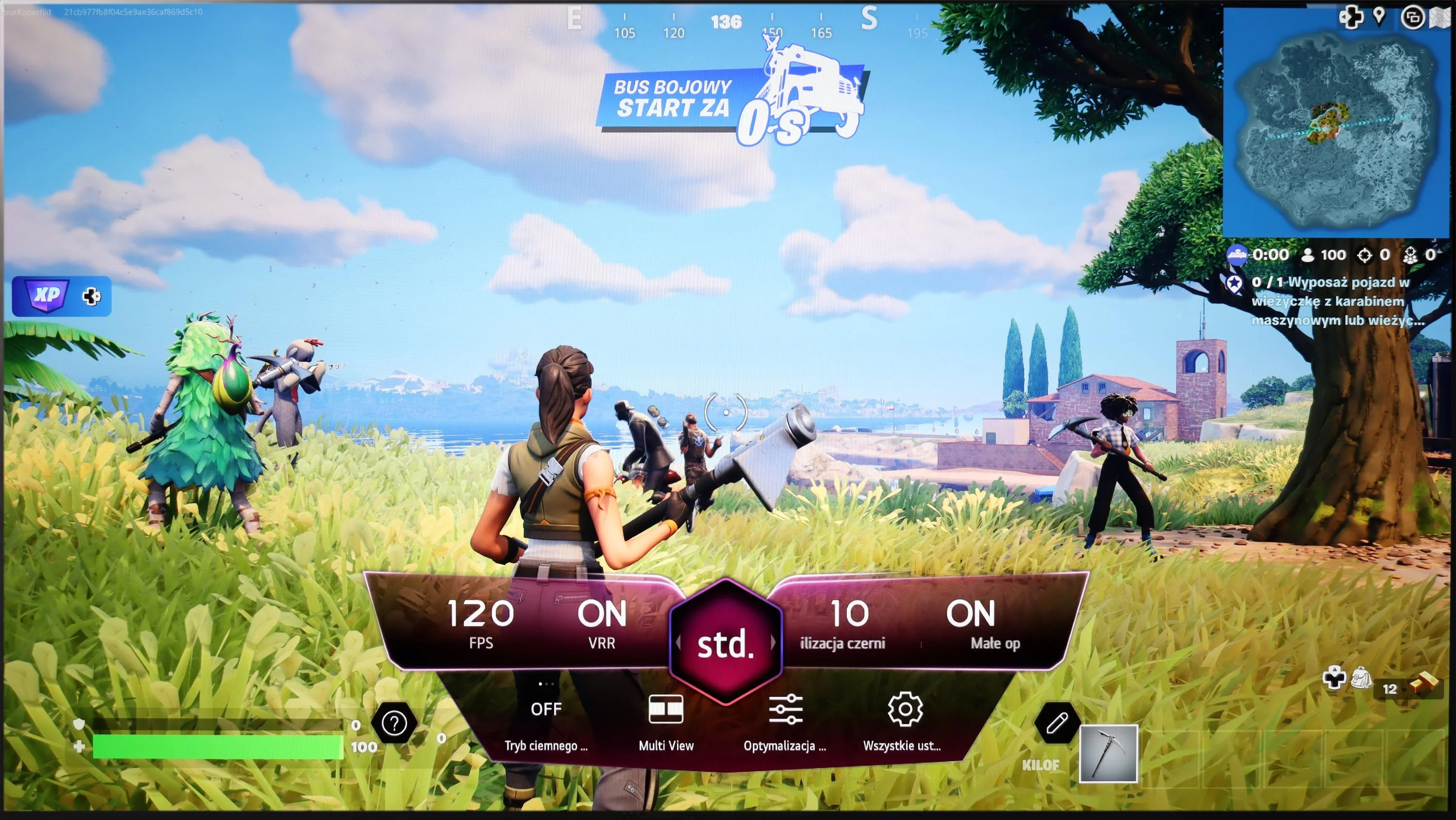
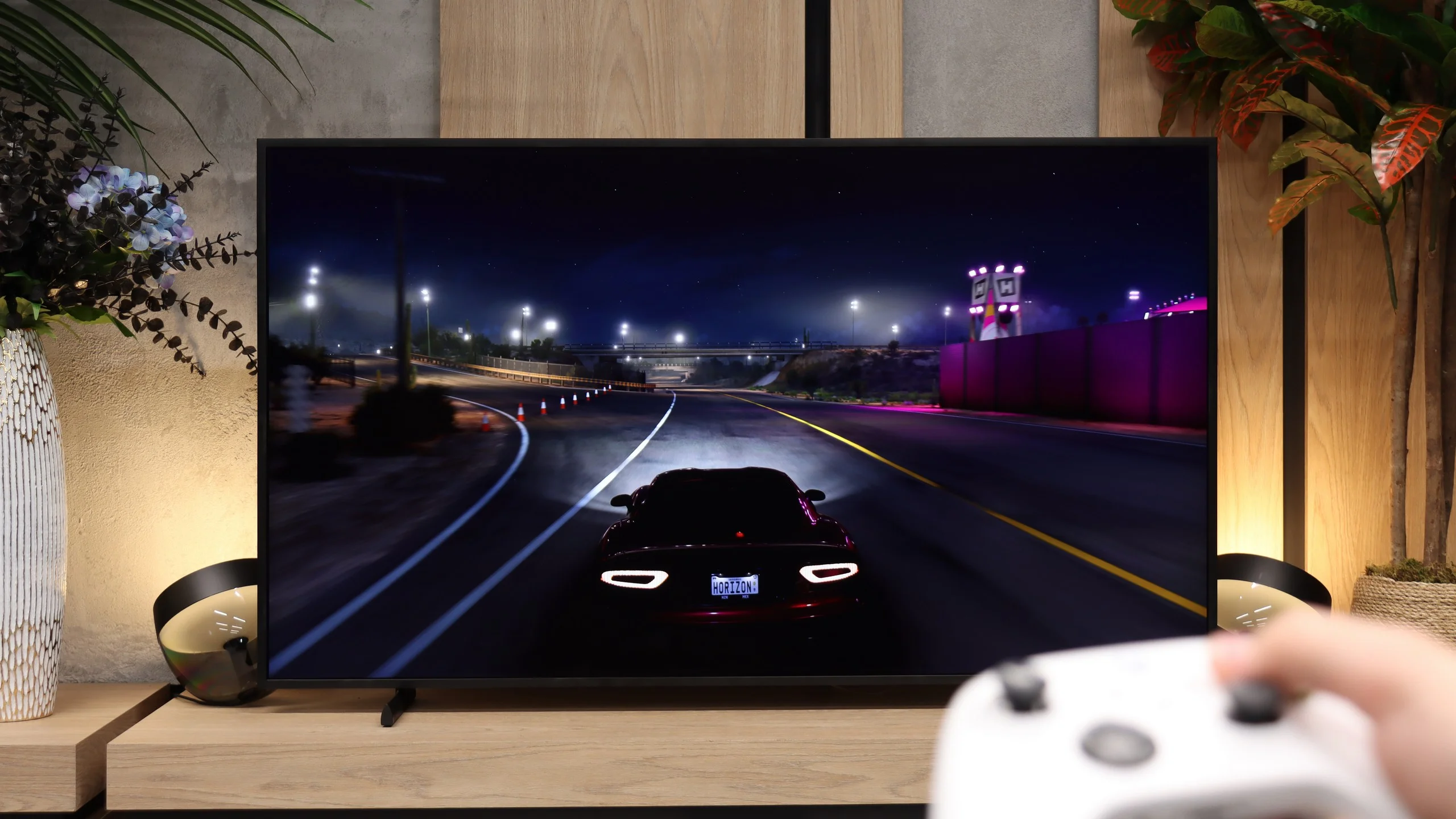
The LG G4 television supports all the features that make up the HDMI 2.1 standard. During testing, each of them activated without the slightest problem, which allows us to consider the television as designed for gaming. Their functionality will surely be appreciated by both console users and those connecting the LG G4 to a computer. It is also worth mentioning the correct implementation of the HGIG (HDR Gaming Interest Group) mode, which ensures that games mastered to brightness levels exceeding the maximum luminance of the LG G4 will correctly map tones, and the game's visuals will remain true to the original.
A nice touch is the existence of a special GameBar, which we can call up at any moment to check game parameters, but most importantly, to change them quickly. More importantly, enabling VRR technology does not degrade contrast, which is very common in televisions that feature local dimming or Mini LED backlighting. Of course, this is thanks to the OLED panel itself, characterised by pixel self-emission. As a matter of editorial obligation, we will only mention a slight grey flicker, which is somewhat normal after enabling VRR.
In summary, the LG G4, like practically all OLED televisions, is an ideal product for all kinds of games and online competitions. With fully-fledged HDMI 2.1 connections with a full bandwidth of 48 Gbit, features such as VRR, ALLM, G-Sync, FreeSync, or gaming in HDR Dolby Vision will bring much joy.
In terms of gaming features, The Frame is practically on a par with Samsung’s top televisions. When a console is connected the TV automatically switches to Game Mode thanks to ALLM, so we do not have to change settings manually each time. There is also VRR, which matches the screen refresh rate to the number of frames produced by the console or PC. This helps avoid the characteristic screen tearing when frame rates drop. The Frame of course supports 4K at 120 Hz, so you can take advantage of the capabilities of the PlayStation 5 or Xbox Series X in games that offer higher frame rates. HGiG also works correctly. With HDR properly configured on the console, the TV does not try to brighten the picture further on its own, so bright effects in games are displayed as they should be. Samsung also includes a Game Bar. It is a handy menu you can bring up without leaving the game. There you can check VRR operation and the current frame rate, and quickly change the most important gaming-related settings. With a PC the possibilities are even greater, because the aforementioned Full HD mode lets you increase the refresh rate up to 240 Hz. There is essentially one feature missing that Samsung has already got us used to, namely Dolby Vision Gaming. Xbox owners will notice this most, as that console can use Dolby Vision in games. There is one more thing worth mentioning specific to this model. Its One Connect module has only one HDMI 2.1 port, so you must plug the console or PC into that port if you want to use 4K at 120 Hz. Fortunately Samsung did not combine this port with eARC. The soundbar can therefore be connected separately (3) and you still have a full HDMI 2.1 available for the console.
Input lag
10/10
9.9/10
SDR
HDR
Dolby Vision
The input lag of the LG G4 is at an incredibly low level in every scenario. Even the most passionate gamers will undoubtedly appreciate the very low input lag at demanding 4K 120 Hz settings with HDR, measuring just 5 ms. It is also worth noting that the lag at the same settings but with Dolby Vision HDR enabled remains unchanged, which is not as obvious in the competition. Therefore, it deserves the highest score and recommendation.
People who feared that the additional One Connect module might cause greater delay between our action on the gamepad and what happens on the screen can sleep soundly. The input lag we measured is just as low as in other Samsung TVs.
At 60 Hz it is around 15 ms, and after switching to 120 Hz it falls to around 8 ms. These are very good results, so the delay is hard to notice in practice even in fast-paced games. The One Connect module itself does not introduce any noticeable issue.
Compatibility with PC
8.6/10
8/10
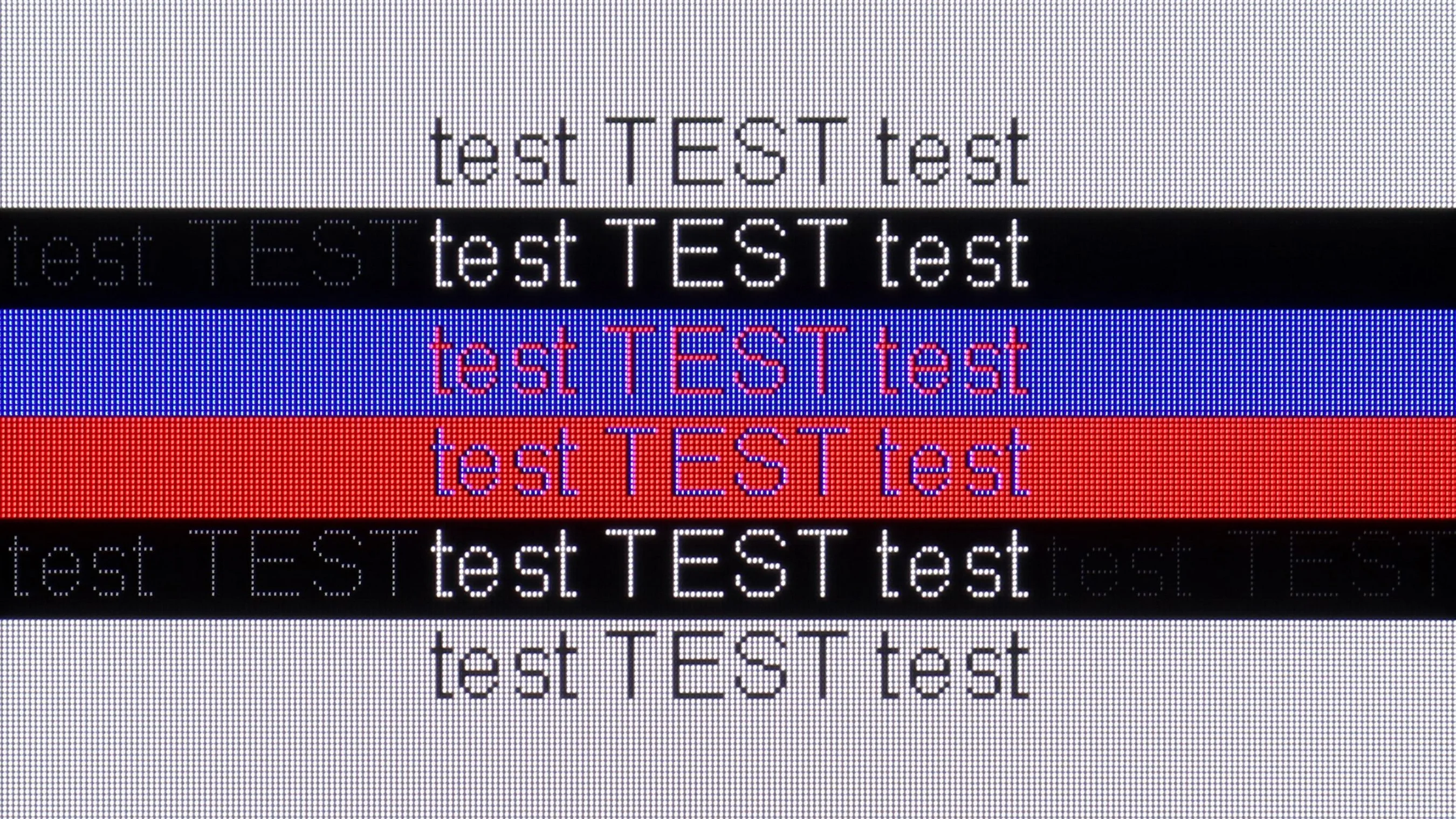
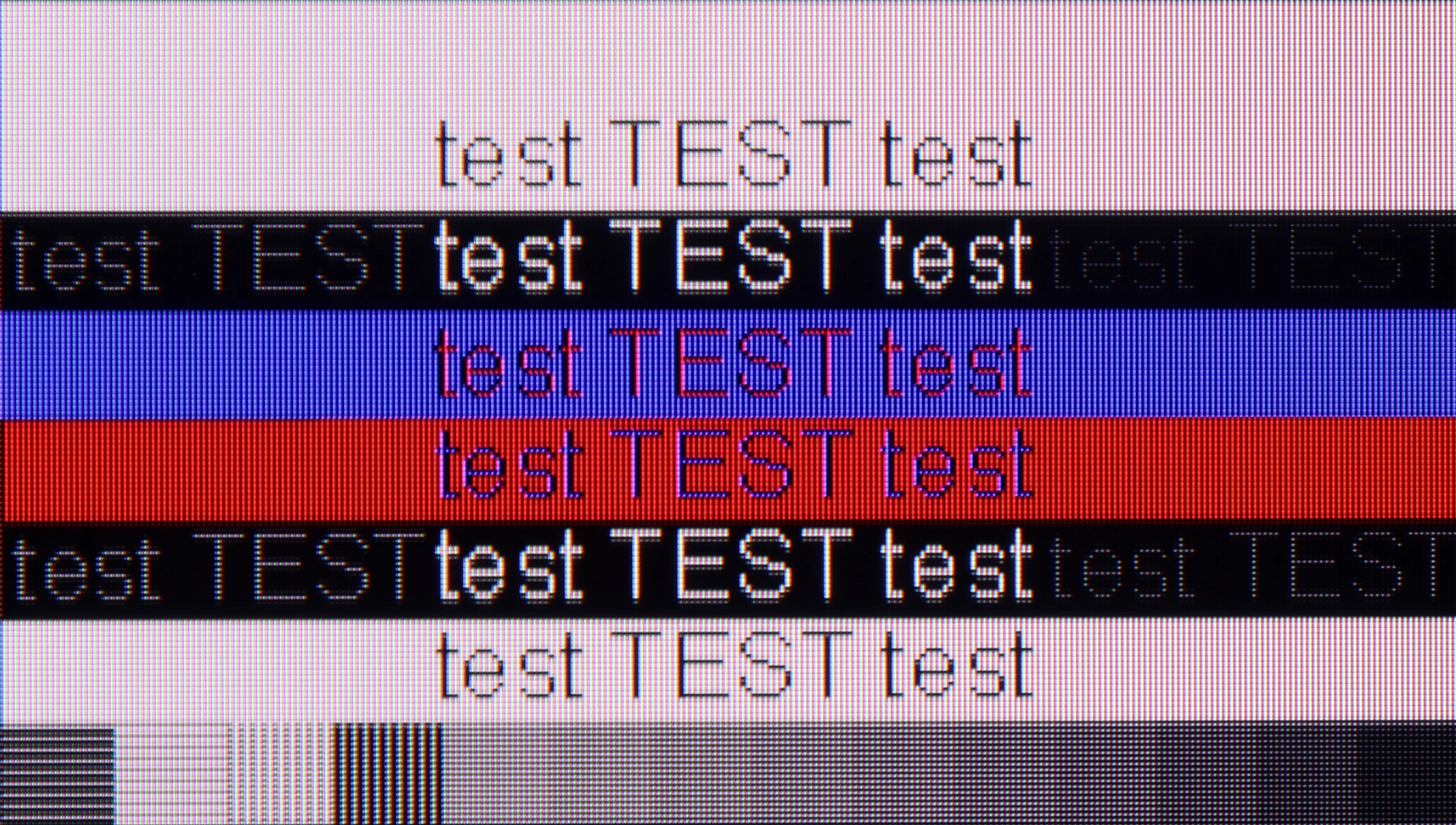
The photo shows the legibility of small fonts. Ideally, lines should be the same thickness on both light and dark text, with minimal pixel gaps.
LG G4 combined with a PC performs excellently, thanks to its very low latency of just 5 ms, which is practically an instantaneous response between the mouse, the eye, and the screen. A crucial aspect when working on a screen is the readability of text, which in the case of the tested television is very good.
The RWBG pixel layout does not significantly impact the display of fonts or letters, which is a significant advantage over Samsung's QD-OLED panels. Users of both Windows and macOS equipped computers will certainly be pleased with the performance on the tested television LG G4.
In this category you could jokingly say that the new The Frame gives with one hand and takes away with the other. If you look solely at PC gaming, it performs really well. You have 144 Hz at 4K or even 240 Hz in Full HD, plus support for G-Sync and FreeSync and very low input lag. The Frame can easily serve as a large gaming monitor and it's hard to find major complaints.
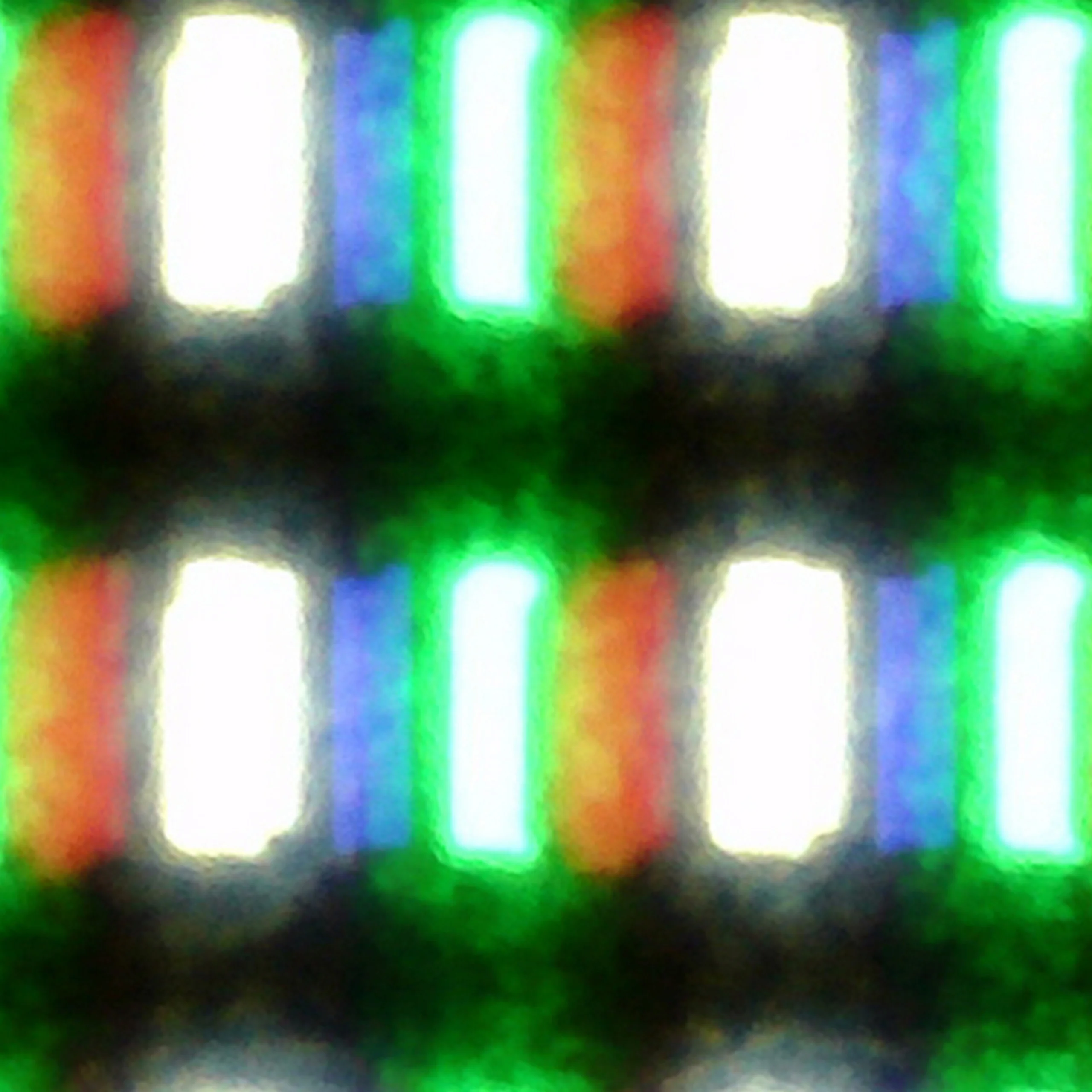
On the other hand, we had the impression that font readability in the new model has worsened slightly. When you look at text from very close up, you can notice additional halos at the lower edges of characters caused by the action of individual sub-pixels. This gives a slight impression of blurred text. Of course this is mainly an issue for people who would actually want to use The Frame as a monitor on a desk, for example for working with text. At a typical viewing distance the problem is practically impossible to notice. And let's be honest, it's hard to imagine anyone putting a 55- or 65-inch The Frame on their desk.
Viewing angles
9.7/10
3.1/10
The undeniable advantage of OLED screens equipped with MLA technology is their efficiency when viewed from different angles. There are no noticeable changes to the eye, regardless of where we are viewing from. This type of screen maintains consistent brightness, saturation, and white tone, in contrast to LCD matrices or OLEDs without micro-lens array (MLA) technology. The only matrices that can rival them are those produced by Samsung Displays, using quantum dot technology, namely QD-OLED.
Viewing angles are not a strong point of this model. Compared with LCD TVs with IPS panels, and even more so with OLEDs, the picture loses quality fairly quickly when viewed at an angle.
Daytime performance
5.8/10
6.7/10
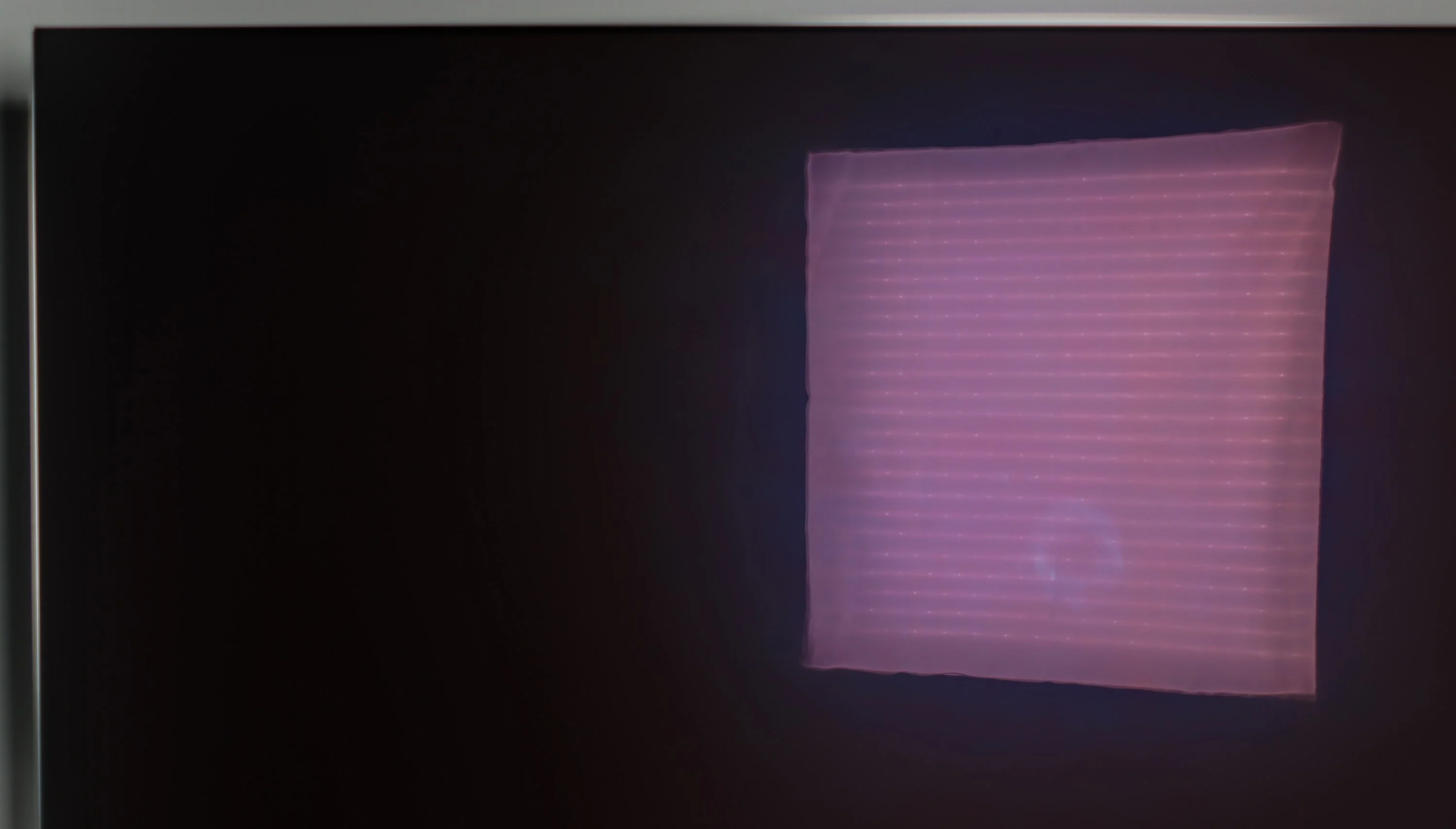
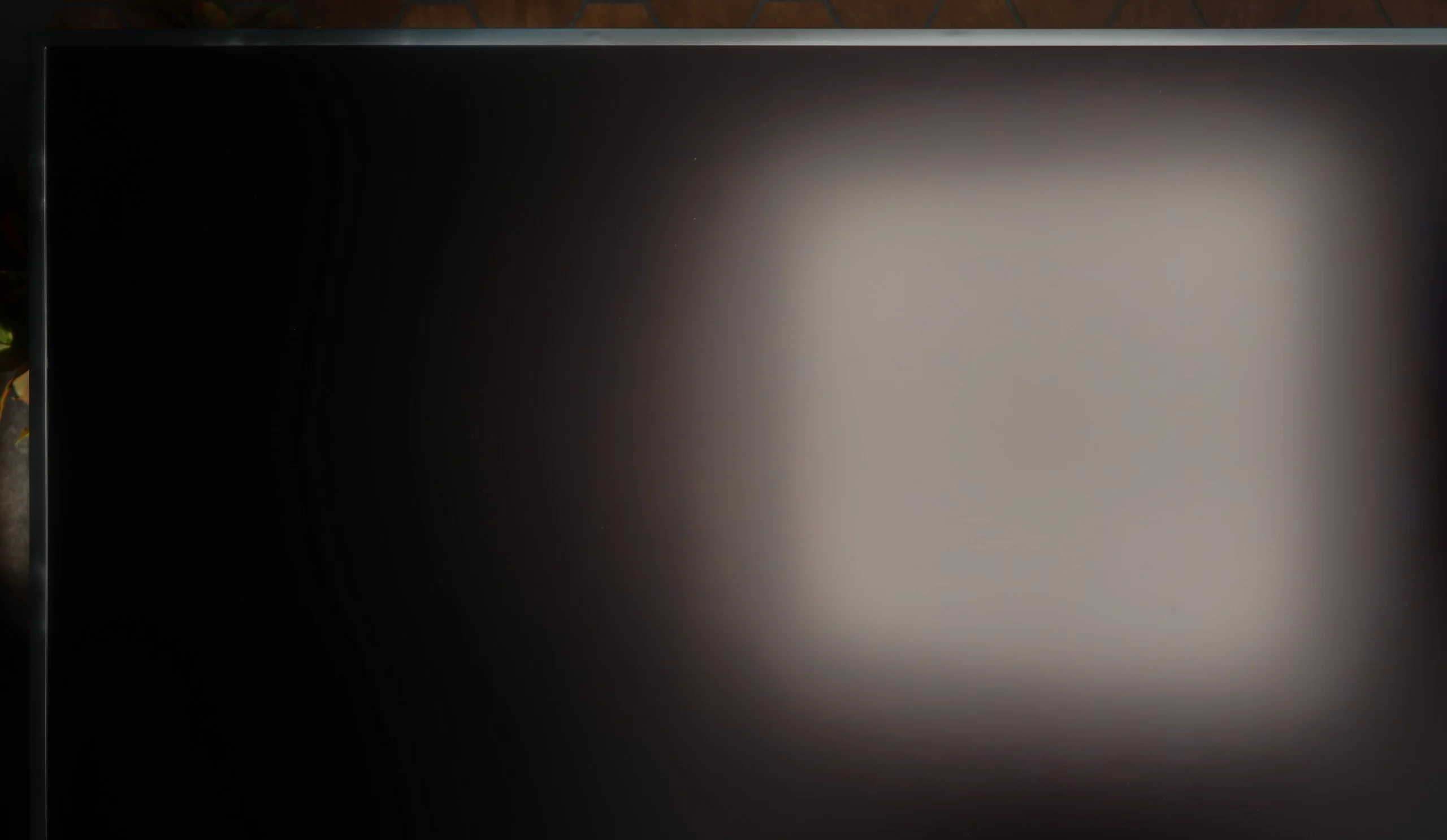
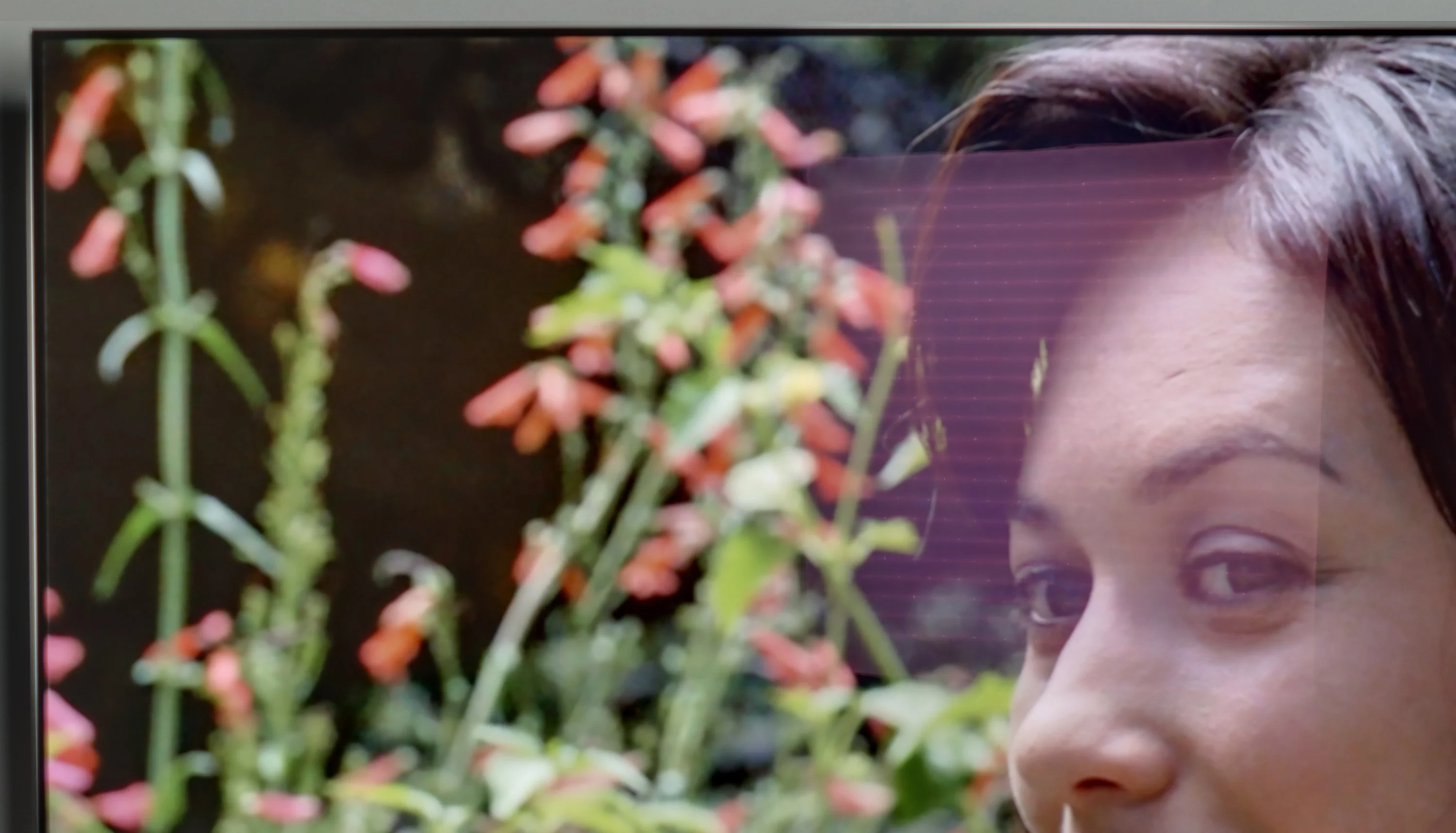
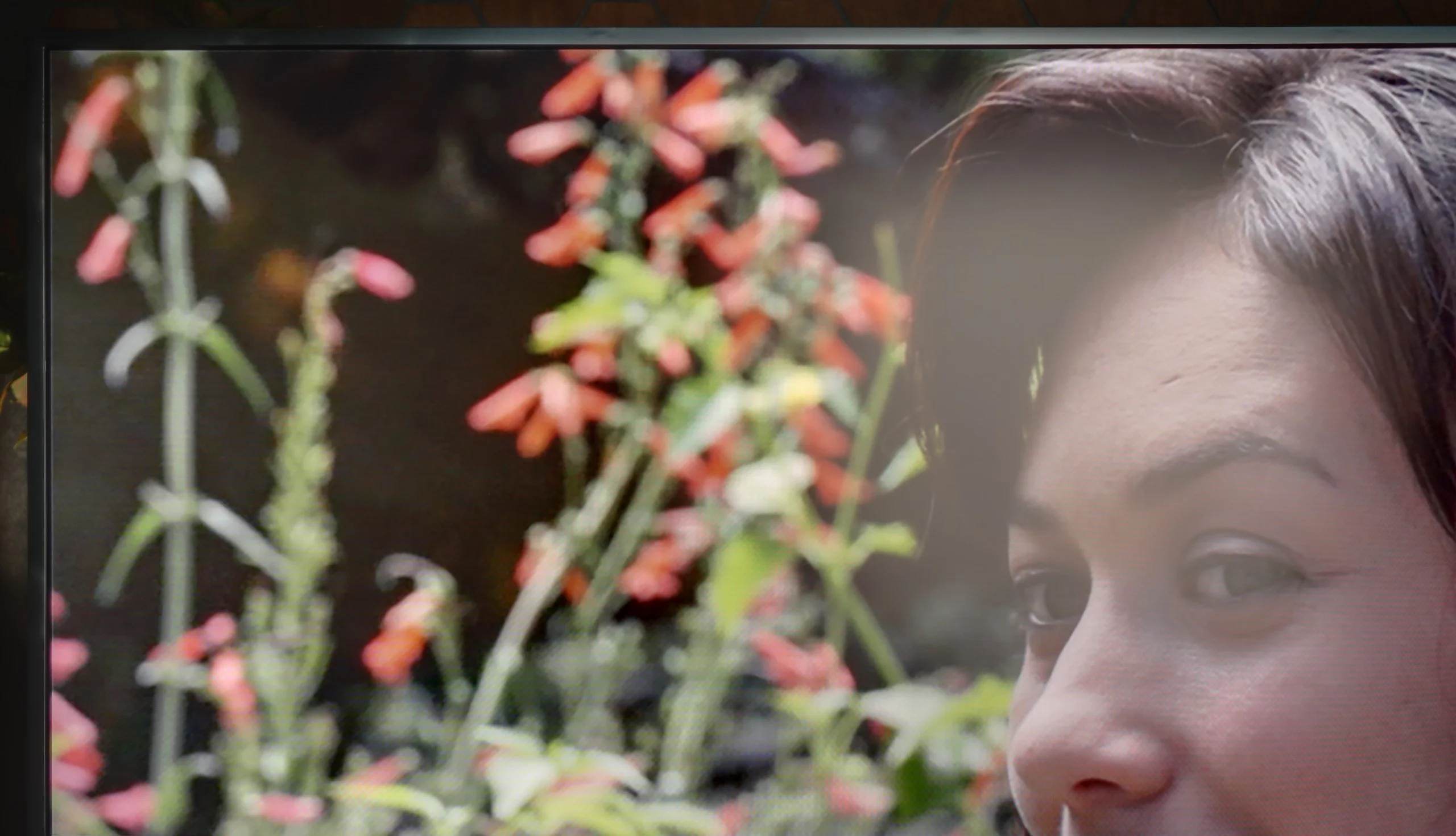
Panel brightness
Samsung The Frame 2026 (LS03H): 617 cd/m2
LG OLED G4: 482 cd/m2
The glossy coating of the panel in LG G4, although it sounds like a negative, is in fact the opposite. Thanks to it, the LG G4 television maintains very high efficiency and effectively suppresses all reflections, "holding" them only at their source. It is also worth mentioning the quality of black during the day, which in the case of WRGB panels produced by LG Displays is outstanding. OLED MLA panels, despite a large number of advantages, are somewhat worse in this case, but still better in the context of competition from Samsung, whose QD-OLED panels grey out when triggered by light. The combination of brightness at around 500 nits and a glossy coating allows for daytime use of the television, unless the user has a living room with large glazing.
The Frame is, by design, a television that will often be used in a bright living room, and its matt finish suits that very well. The screen effectively diffuses reflections, so a window or a lit lamp don't turn into a clear mirror. In that respect it's really good and it's one of this model's stronger points. The matt coating does, however, have its downside. Strong light falling directly on the screen scatters over a larger area and slightly raises the black level. So during the day blacks don't look as "deep" as at night, especially when the room is very bright. But we think that's a fair compromise. On the plus side, The Frame's high brightness helps. The TV has enough power that the picture doesn't wash out and remains clearly visible during the day. Overall, then, it's a good TV for a bright living room, particularly if reflections bother you more.
Panel details
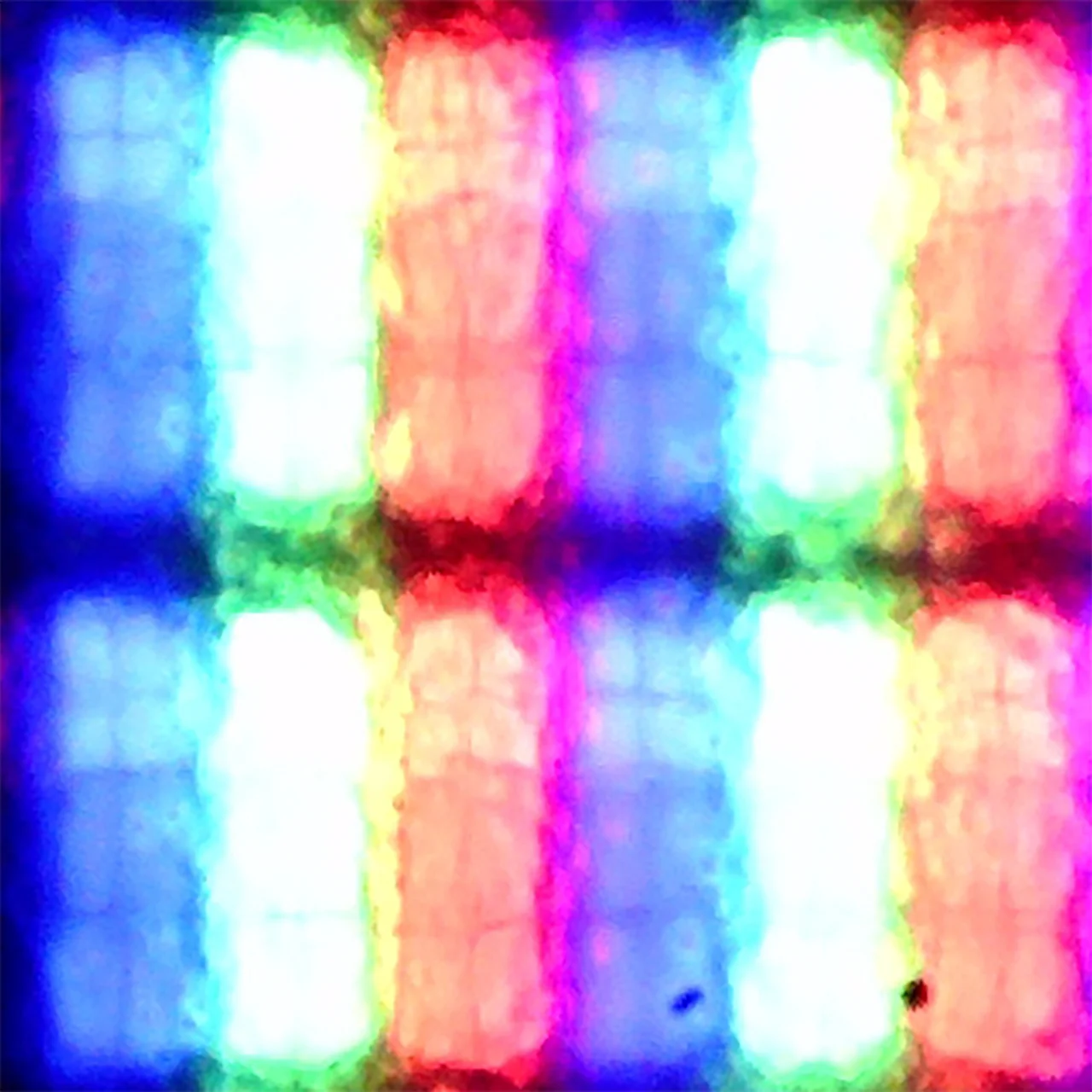
Subpixel Structure:
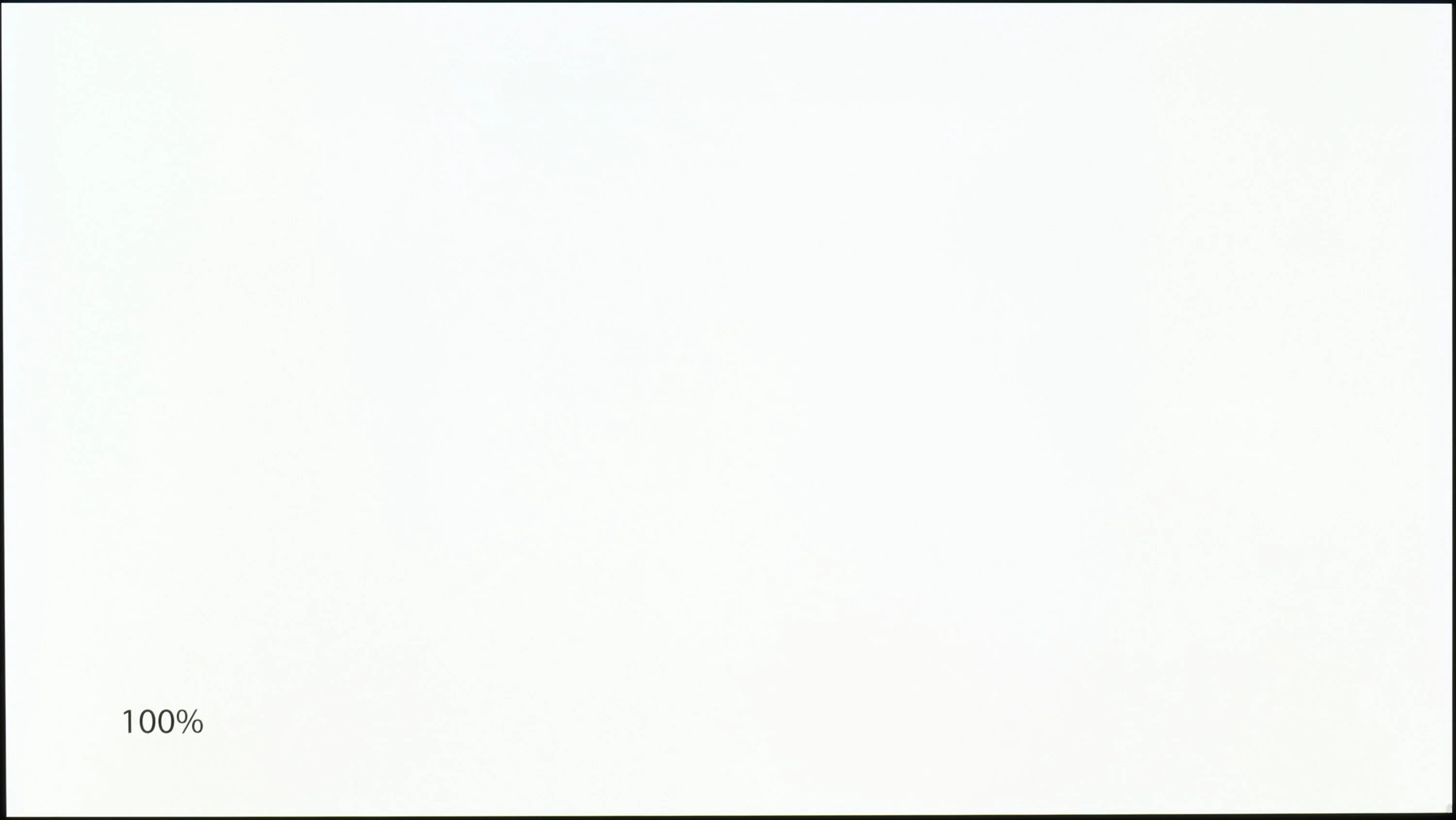
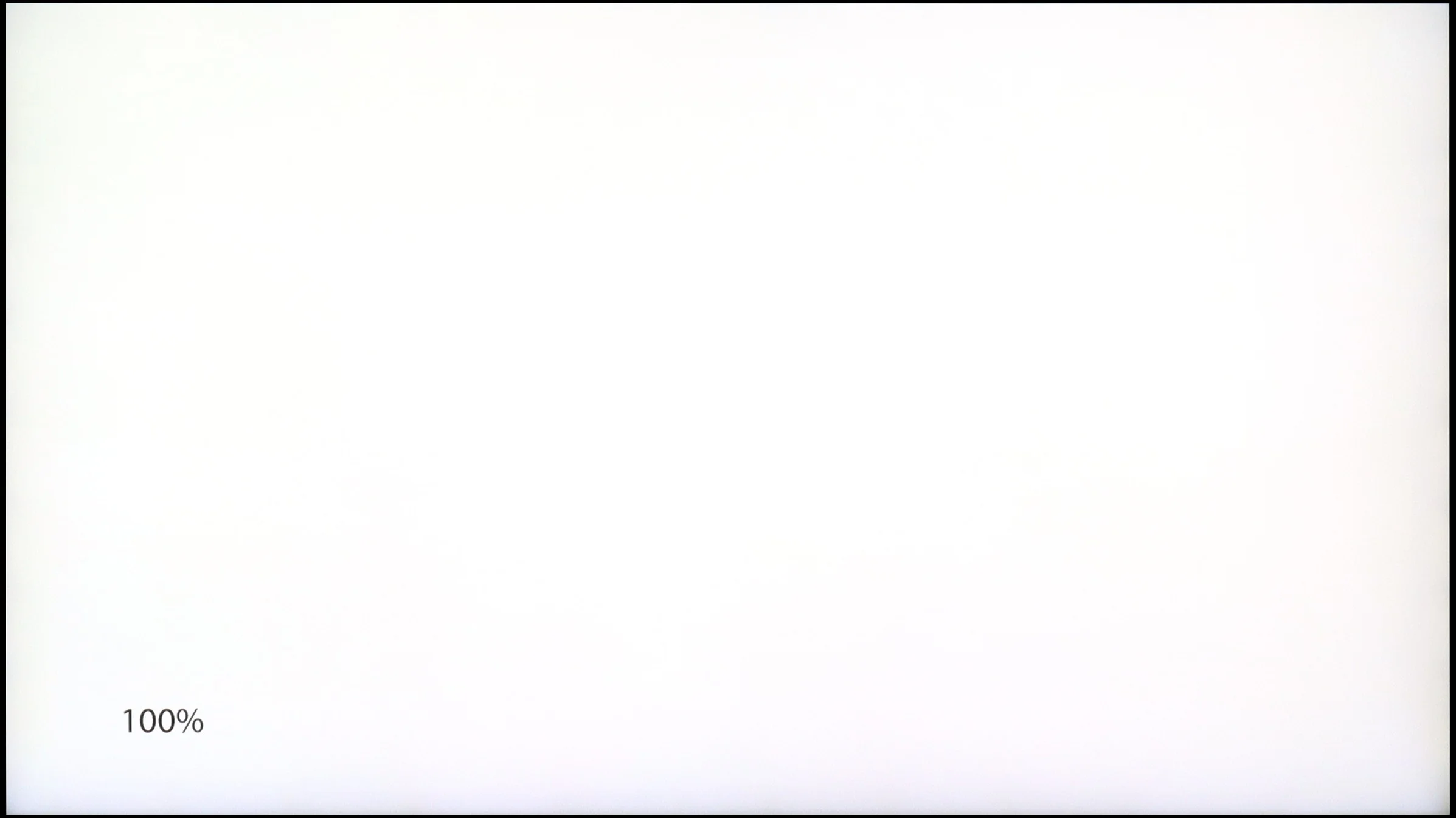
Panel uniformity and thermal imaging:
LG OLED G4
Samsung The Frame 2026 (LS03H)
TV features
9/10
7.7/10
- SystemWebOSTizen
- System performanceVery goodGood
- HDMI inputs0 x HDMI 2.0, 4 x HDMI 2.1 48Gbps3 x HDMI 2.0, 1 x HDMI 2.1 40Gbps
- Other inputsUSB-C
- OutputsToslink (Optical audio), eARC (HDMI), ARC (HDMI)Toslink (Optical audio), eARC (HDMI), ARC (HDMI)
- Network InterfacesWi-Fi 2.4GHz, Wi-Fi 5GHz, Ethernet (LAN) 100MbpsWi-Fi 2.4GHz, Wi-Fi 5GHz, Ethernet (LAN) 100Mbps
- TV receptionDVB-T, DVB-T2, DVB-S, DVB-S2, DVB-CDVB-T, DVB-T2, DVB-S, DVB-S2, DVB-C
Classic features:
- Recording to USB (terrestrial TV)
- Recording programming
- Picture in Picture (PiP)
- RF remote control (no need to aim)
- Backlit remote control
- Teletext
- Audio only mode
- Bluetooth headphones support
- Simultaneous Bluetooth headphones & TV audio
Smart features:
- AirPlay
- Screen mirroring (Windows Miracast)
- Voice search
- Voice search in native language
- Ability to connect a keyboard and mouse
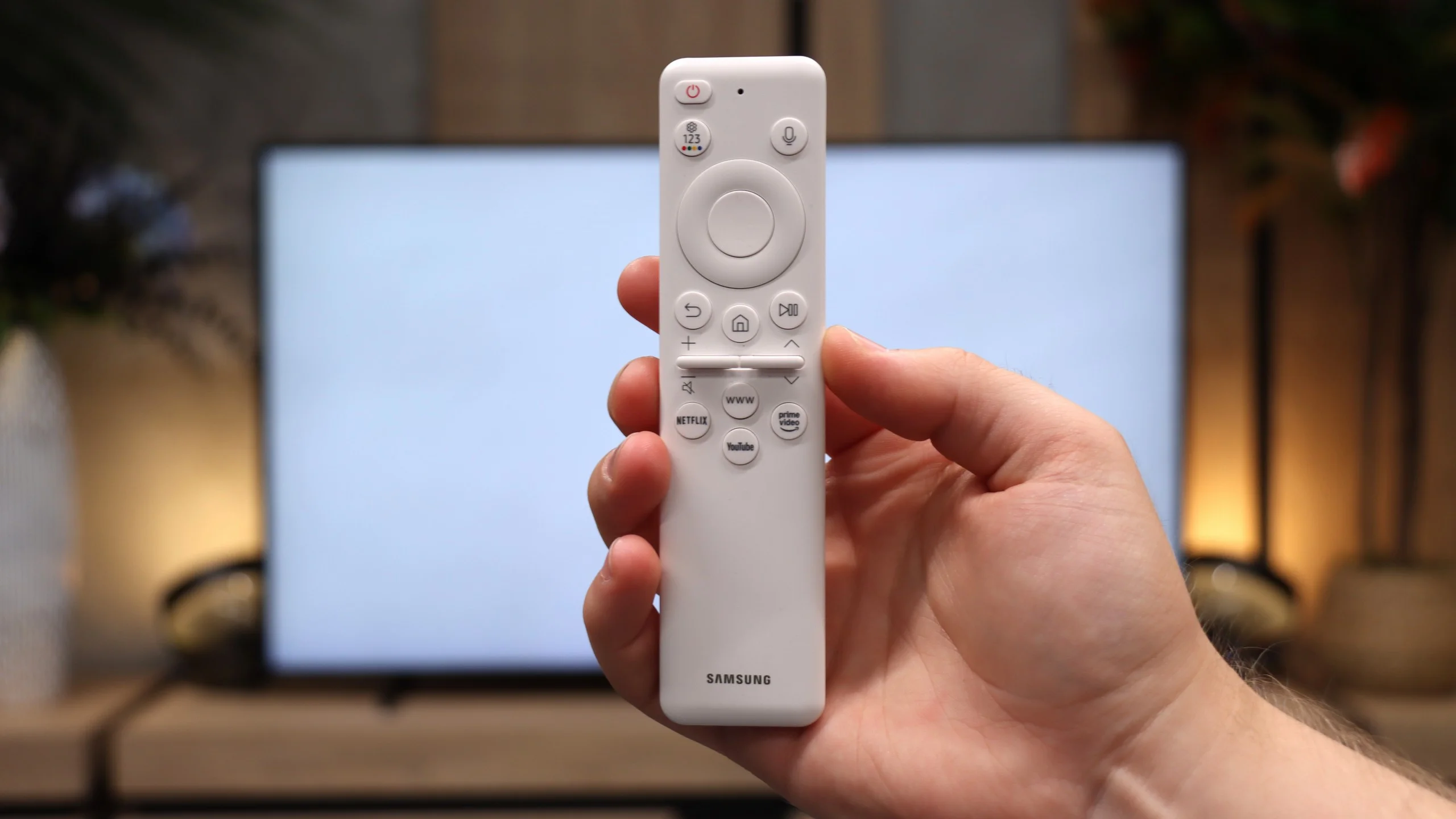
Sound connection options
- HDMI audioeARC (HDMI), ARC (HDMI)eARC (HDMI), ARC (HDMI)
- Other audio outputsToslink (Optical audio)Toslink (Optical audio)
- Wireless audioBluetoothBluetooth
Supported audio formats (external HDMI eARC audio):
- Dolby Digital Plus 7.1
- Dolby True HD 7.1
- Dolby Atmos in Dolby Digital Plus (JOC)
- Dolby Atmos in Dolby True HD
- DTS:X in DTS-HD MA
- DTS-HD Master Audio
Senior accessibility
- Numeric keyboard on TV
- Font size adjustment
- Audio description
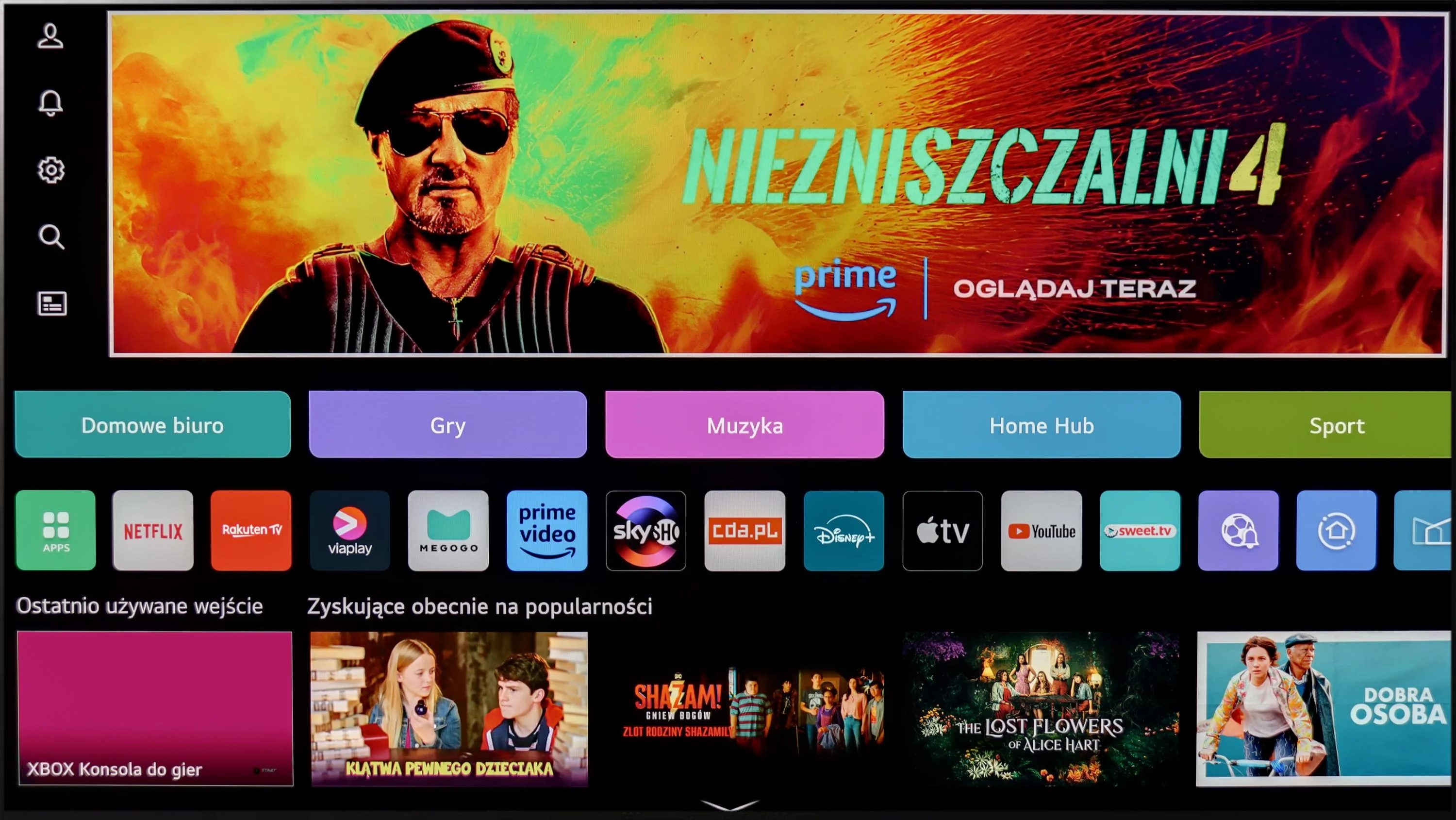
LG uses the well-known proprietary WebOS system, which has been around for many years. The system itself offers practically all the most important applications, and those that are missing can be counted on one hand, such as CDA and KODI.
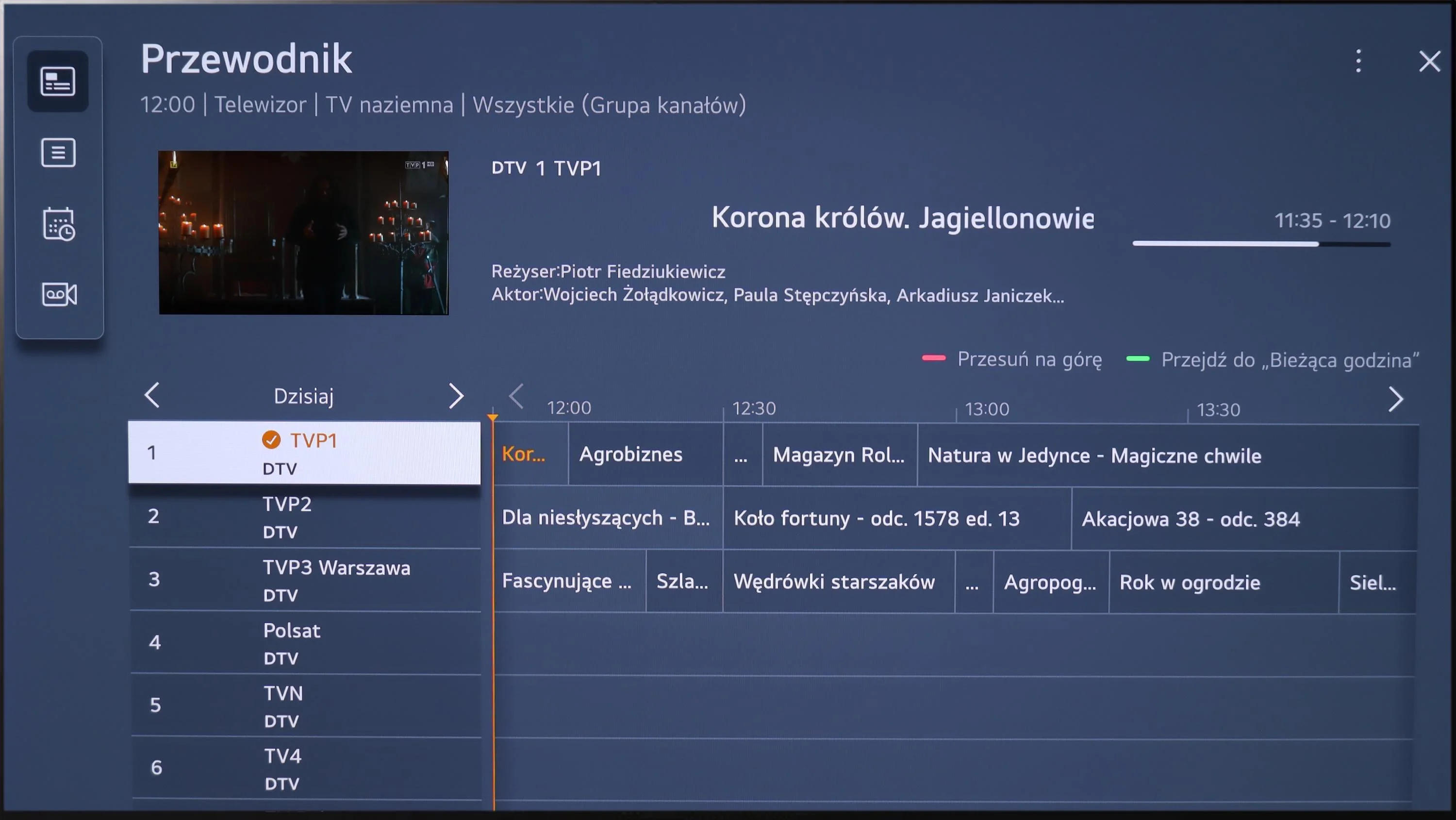
WebOS also boasts a highly regarded feature that allows users to perform operations using a cursor that appears when the remote is moved. The convenience provided by this function is invaluable when typing queries or passwords for portals. WebOS, like most systems, also supports functions such as screen mirroring, AirPlay, voice search in Polish, and the ability to connect headphones via Bluetooth. On a more practical note, WebOS allows us to use both headphones and the LG G4 television speaker simultaneously, which will certainly be a great convenience for those with hearing impairments. Among the more interesting features, particularly appreciated by sports fans, is the ability to set an alert for upcoming matches, ensuring that we never miss a broadcast. The home panel also deserves praise, allowing control of all smart devices connected to the home network. For example, the end of a washing cycle will be signalled by a notification in the top right corner.
In summary, the WebOS system, although less known and having certain limitations compared to Android TV, offers stable and fast performance and supports most functions that may be needed by users. It is a solid solution for those looking for a simple and effective operating system in their television.
Operating System: Tizen
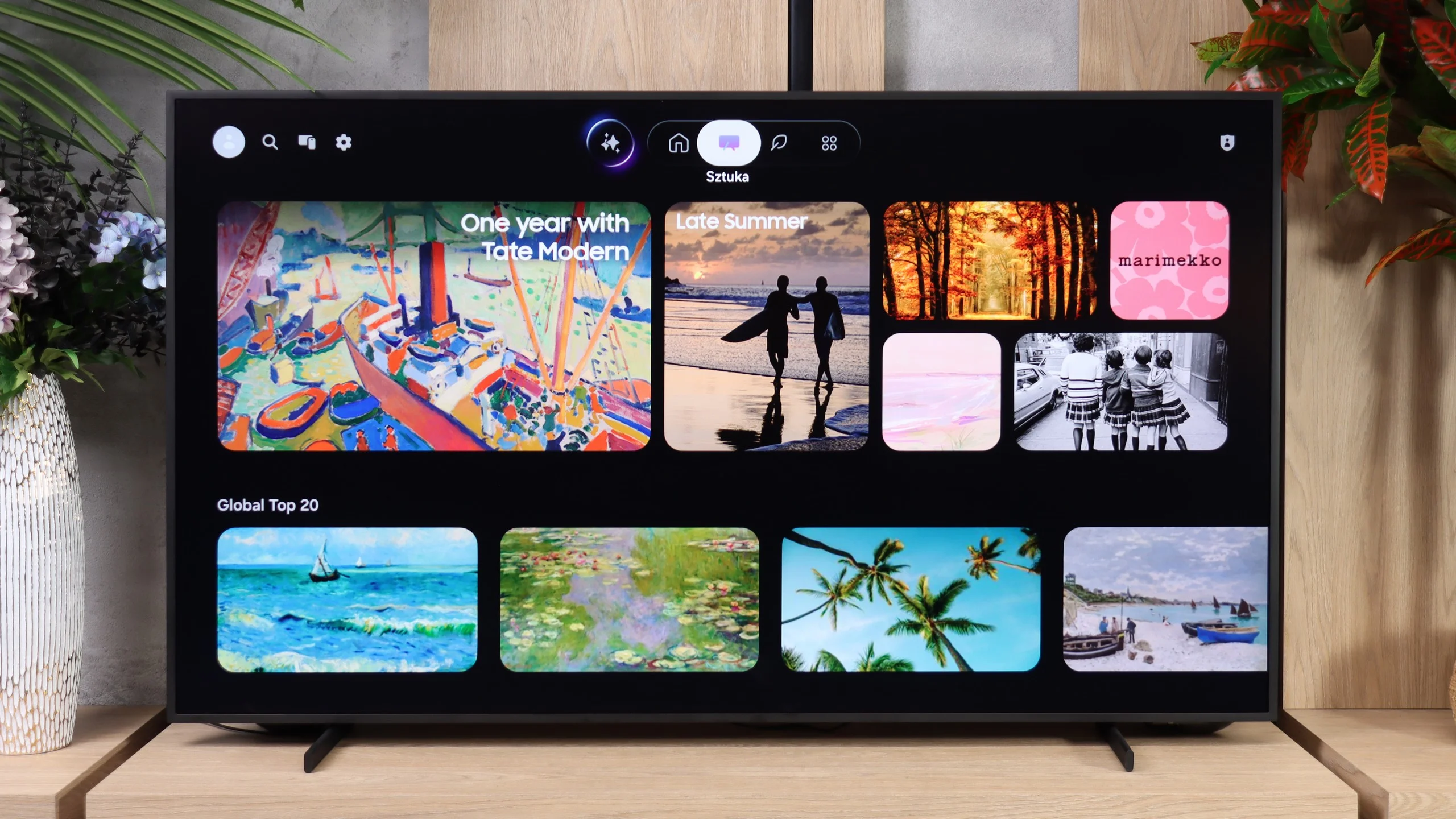
Samsung The Frame 2026 runs on the familiar Tizen operating system, so when it comes to Smart TV features, you get pretty much everything you would expect from a modern TV. There is a wide selection of streaming apps, AirPlay, SmartThings, and the ability to cast content from a smartphone. The system itself is fast and responsive, while the menu layout is very similar to what you’ll find on other Samsung TVs.
When it comes to traditional TV features, things are a little more basic. The Frame doesn’t really stand out in this area, focusing primarily on its online features and lifestyle-oriented functionality.
Art Mode
The key feature, of course, remains Art Mode. It allows The Frame to display artwork or your own photos when you’re not watching TV, effectively turning the screen into part of your interior. The matte screen coating plays an important role here, as it helps the displayed artwork look less like an image shown on a glowing TV screen.
Another interesting addition is the motion sensor, something you won’t normally find on other TVs. It’s worth pointing out that this is not the same thing as the ambient light sensor. The latter adjusts the screen brightness to match the conditions in the room, while the motion sensor detects whether someone is nearby. If the room is empty, the TV can automatically turn Art Mode off and then switch it back on when you return. This means the screen doesn’t have to stay on all the time.
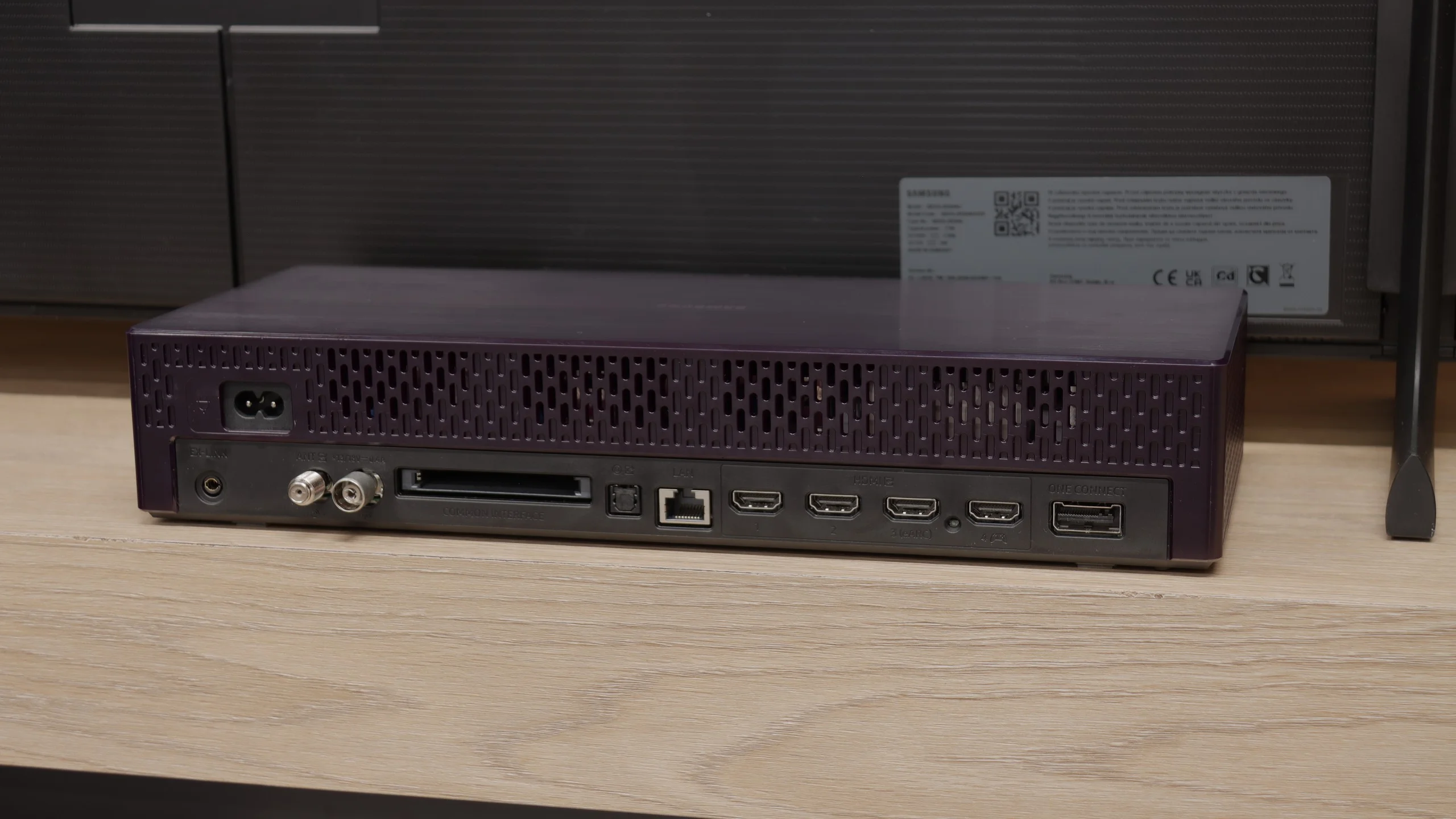
Another feature that works particularly well with this model is One Connect. In our opinion, it makes a lot of sense on a TV like The Frame, which is designed to sit as close to the wall as possible. All the main cables are connected to a separate box, while only a single cable runs to the screen itself. It’s simply a very convenient solution.
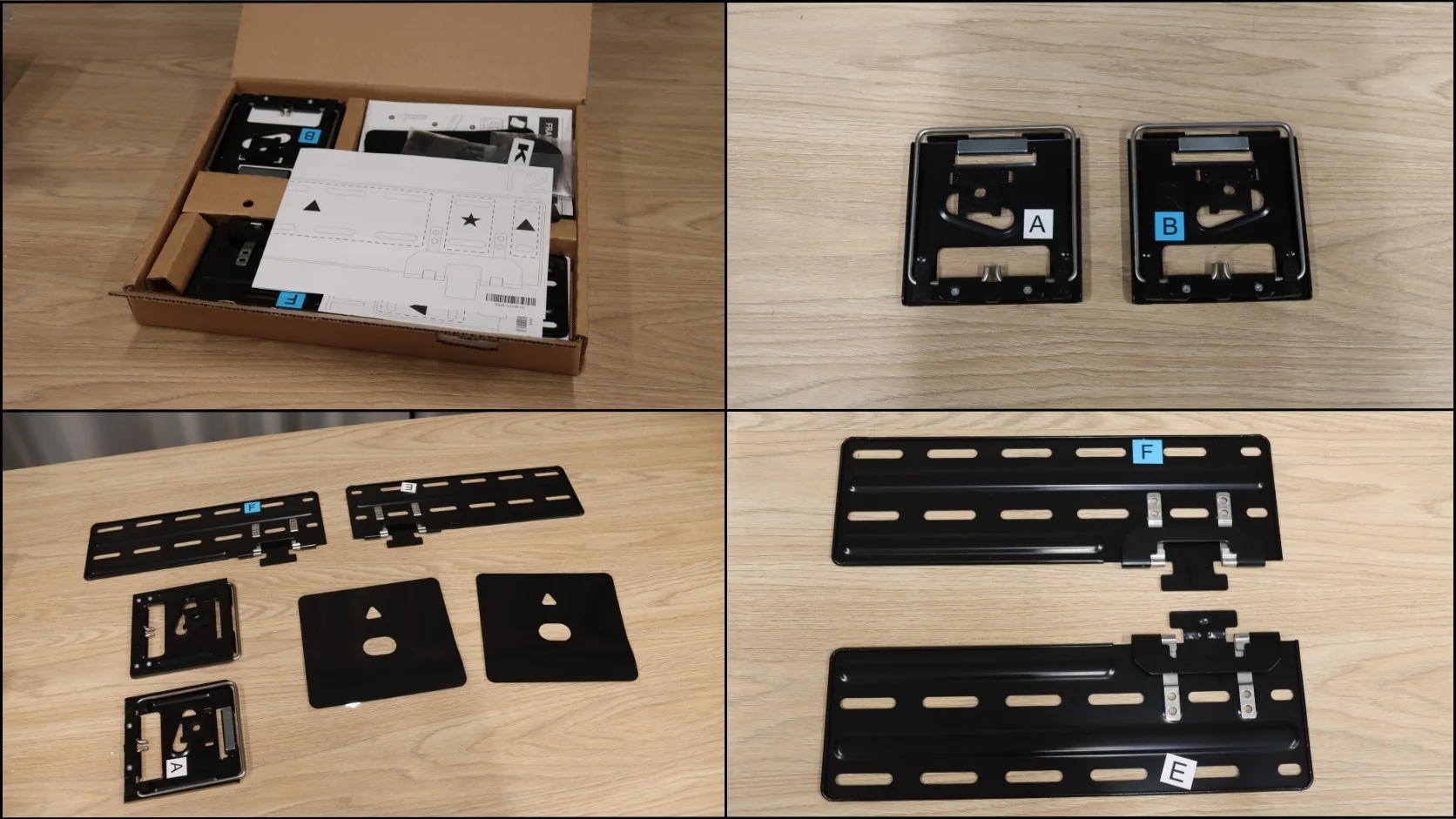
It’s also worth mentioning that Samsung includes a dedicated wall mount in the box. That might sound obvious, but it really isn’t. With the flagship S99H, for example, which also puts a strong emphasis on flush wall mounting and blending into the interior, the appropriate wall mount has to be purchased separately. With The Frame, it’s included, so you can save yourself a bit of extra money right from the start.
*The Art Mode photo was taken on The Frame Pro 2026. It looks identical on the standard The Frame — we have to admit that we simply forgot to take a photo of it during testing. 😉
Apps
9.1/10
9.3/10






















Playing files from USB
8.5/10
9.1/10
Supported photo formats:
Maximum photo resolution:
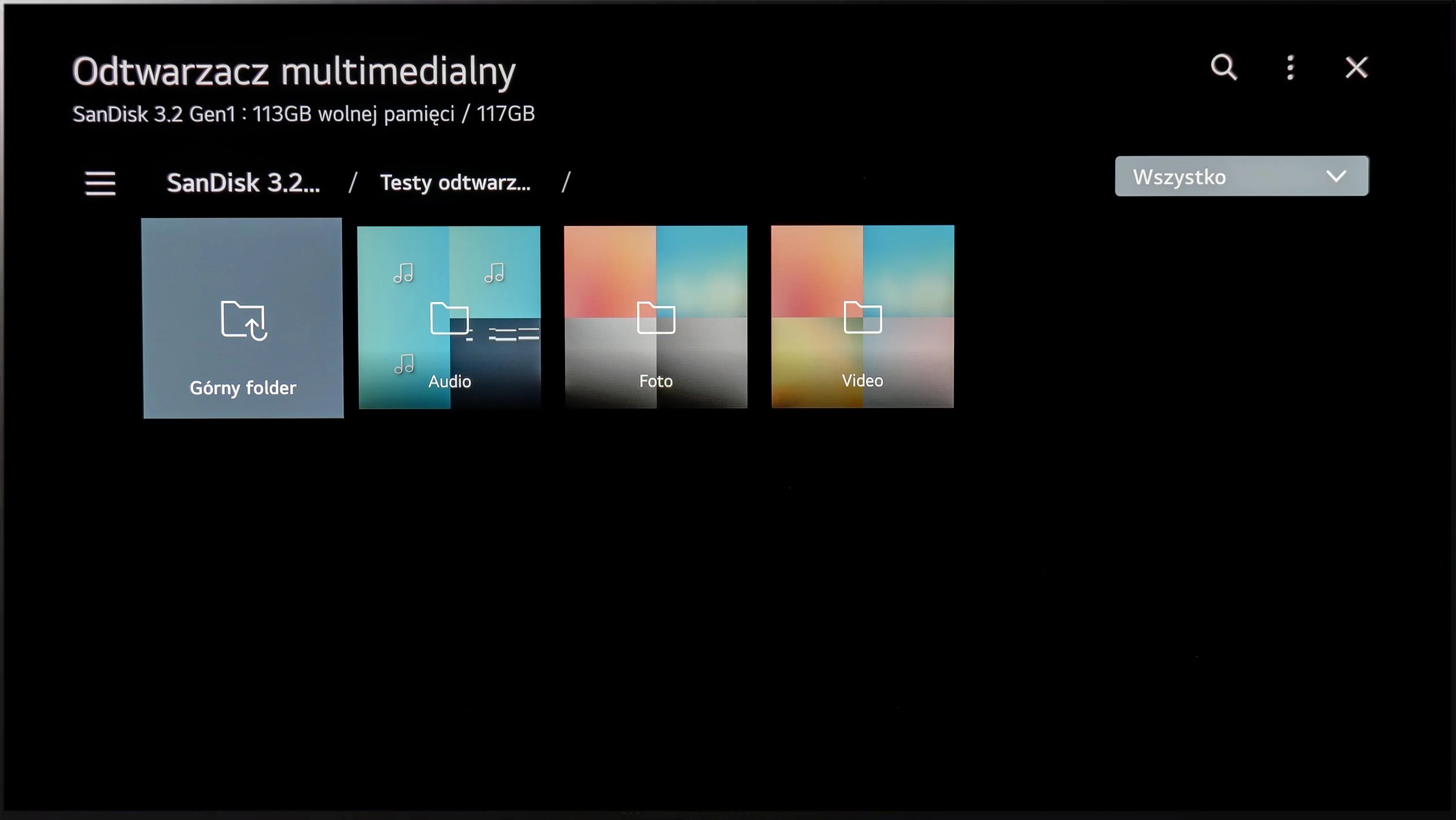
The default media player on the LG G4 performs well with most image types, although the absence of a few equally popular ones is surprising. It successfully plays videos recorded in practically all the most popular formats, including Dolby Vision. The only codec that the G4 cannot play is H.266 VVC, although this is currently rather unused. However, attention should be paid to the supported image formats, of which there are only two: JPEG and PNG. Users of Apple devices may feel disappointed by the lack of support for the HEIC format, which is the default format for photos taken. A remedy for this is to use the built-in AirPlay feature. We will also mention the lack of support for TXT subtitles.
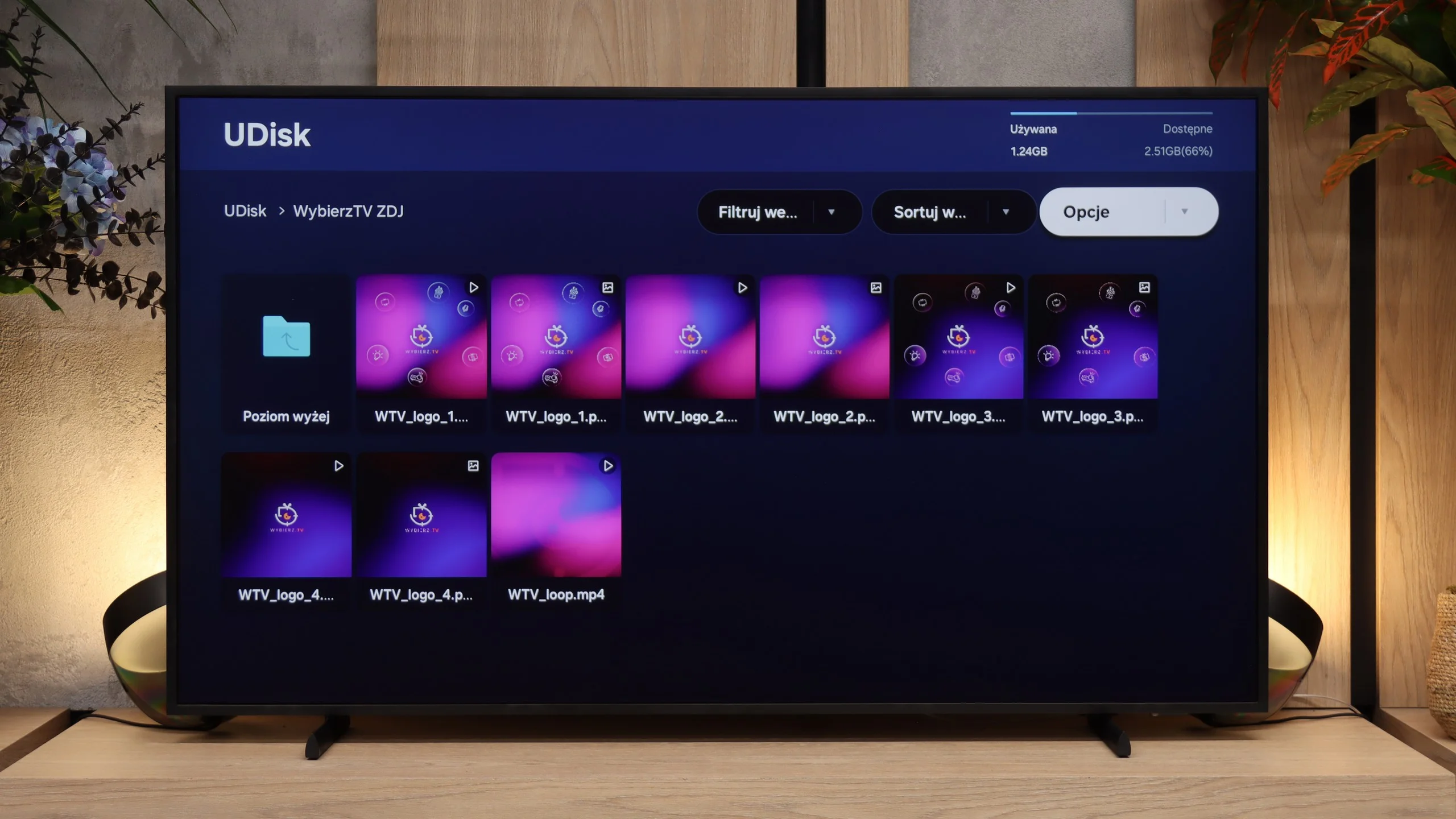
In terms of USB file playback, The Frame performs adequately. The TV easily handles the main video, photo and audio formats, so in everyday use you should not encounter many surprises. However, we again ran into problems with the HEIC format, which is common on Apple devices. Images saved in this format could not be opened correctly, which can be irritating if you often transfer photos directly from an iPhone. Apart from that, the player worked without major issues.
Sound
8.6/10
6/10
- Maximum volume-90dB
- Dolby Digital Plus 7.1
- Dolby True HD 7.1
- Dolby Atmos in Dolby Digital Plus (JOC)
- Dolby Atmos in Dolby True HD
- DTS:X in DTS-HD MA
- DTS-HD Master Audio
The assessment of sound quality remains always subjective. However, we must give LG G4 credit for maintaining a fairly good level of sound clarity. The biggest drawback of the built-in audio system in the television is the low bass range. However, this must be viewed from a different perspective — anyone choosing this television will likely have a home cinema system. In this case, broad support for audio codecs, including DTS-HD Master Audio and Dolby Atmos, will prove crucial.
Despite using a 40 W speaker system in a 2.0.2 configuration — on paper somewhat better than in many conventional TVs — the sound is fairly average. What bothers us most is that it’s simply flat. As with most very slim TVs, there is a lack of bass and greater depth. Fortunately the midrange and treble are reproduced correctly. Dialogue is clear, and at normal listening levels there are no major distortions. For news or regular TV that setup is perfectly adequate. For films, music or games, however, you’ll quickly find it lacking.
That’s why we would definitely recommend adding a soundbar or external speakers to The Frame. Samsung, moreover, has an increasing number of models designed specifically for lifestyle TVs, such as the slim S800 series or speakers from the Studio or Music Frame lines, which in design match the TV itself.
Sound Quality Test
No sound test video
Acoustic Measurements
No acoustic data
90dBC (Max)
75dBC
Reader comments
Comments are provided by the external service Disqus (Zeta Global). Once loaded, Disqus may set cookies and process data about your activity.
We will remember your choice on this device. Provider's privacy policy