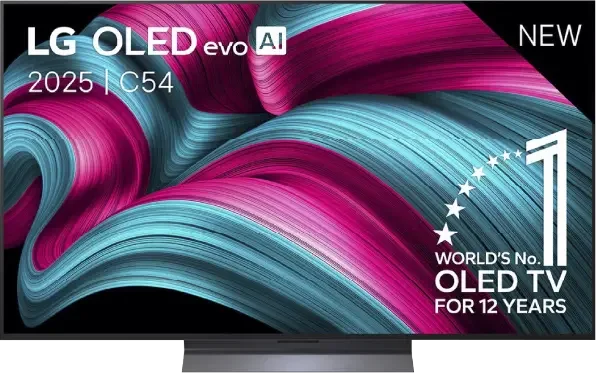
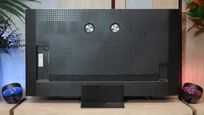
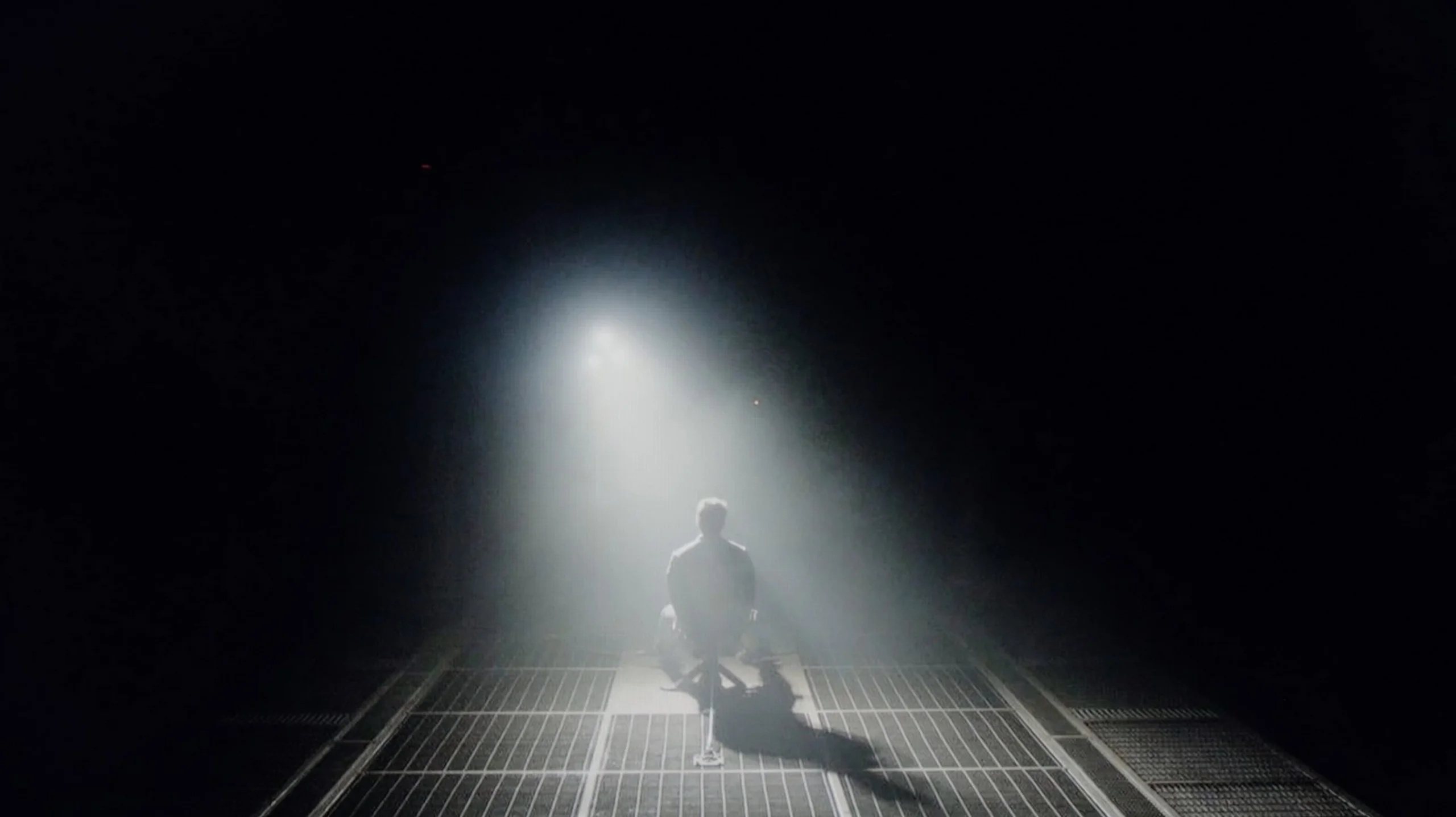
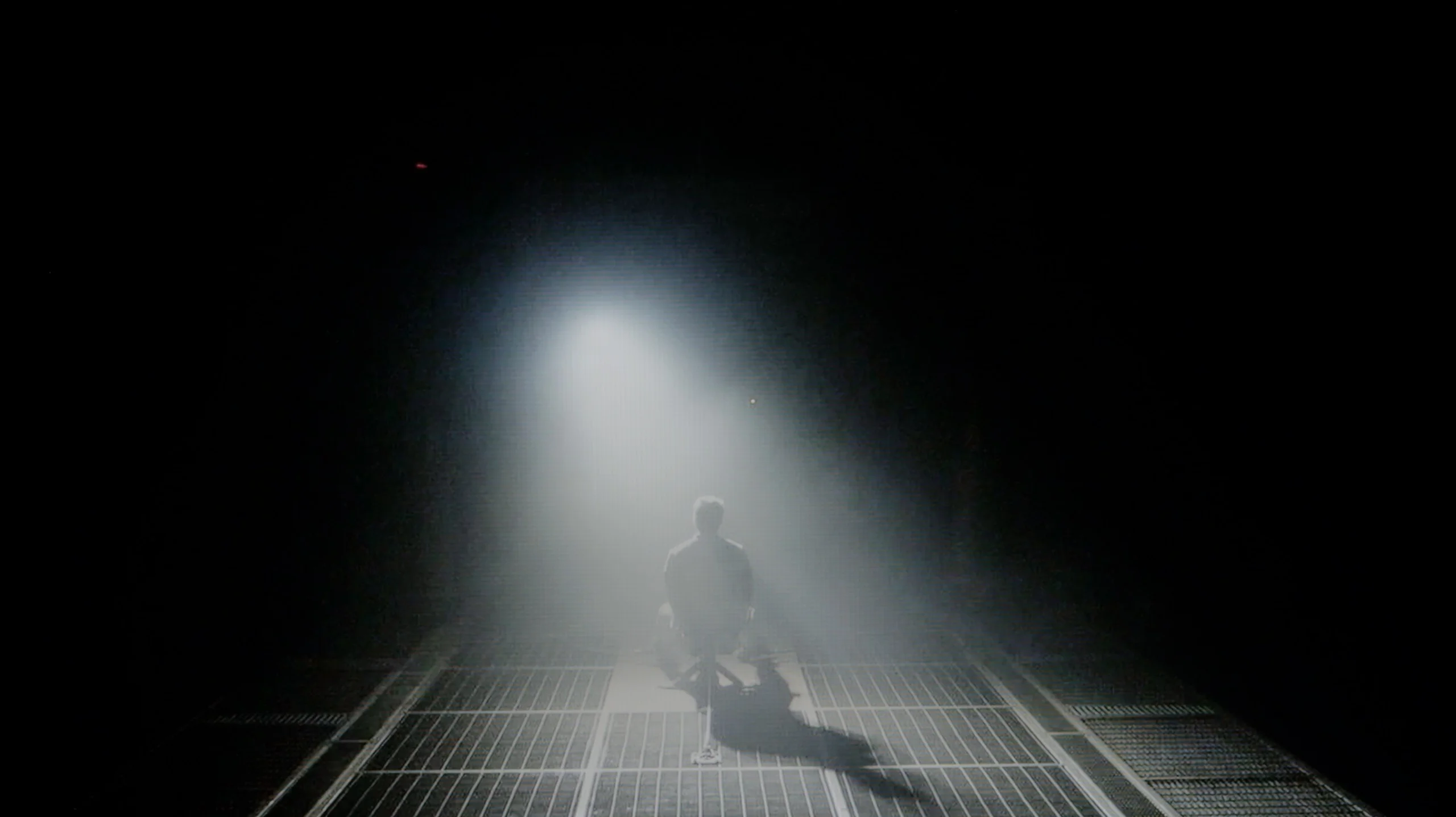
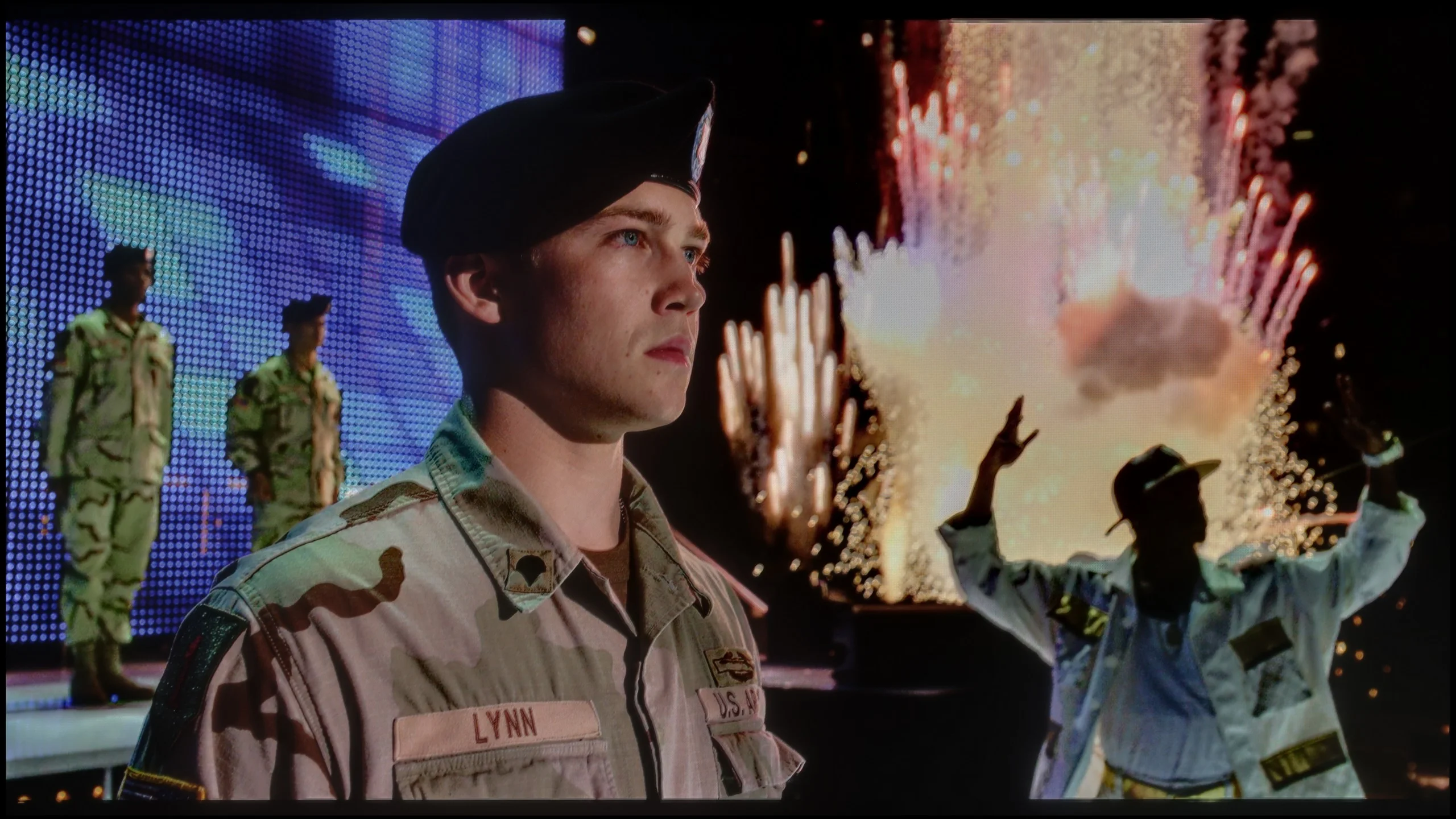
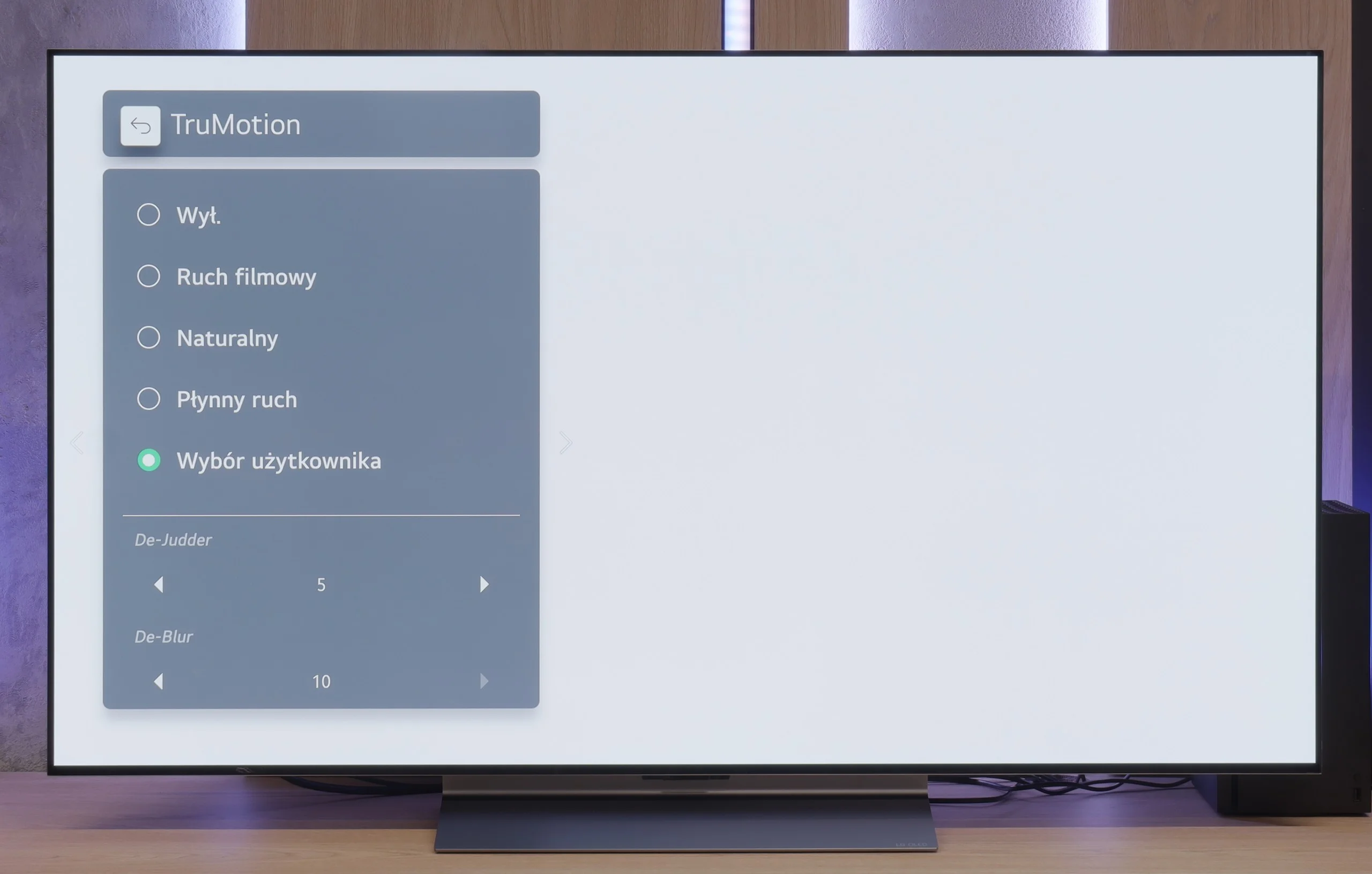
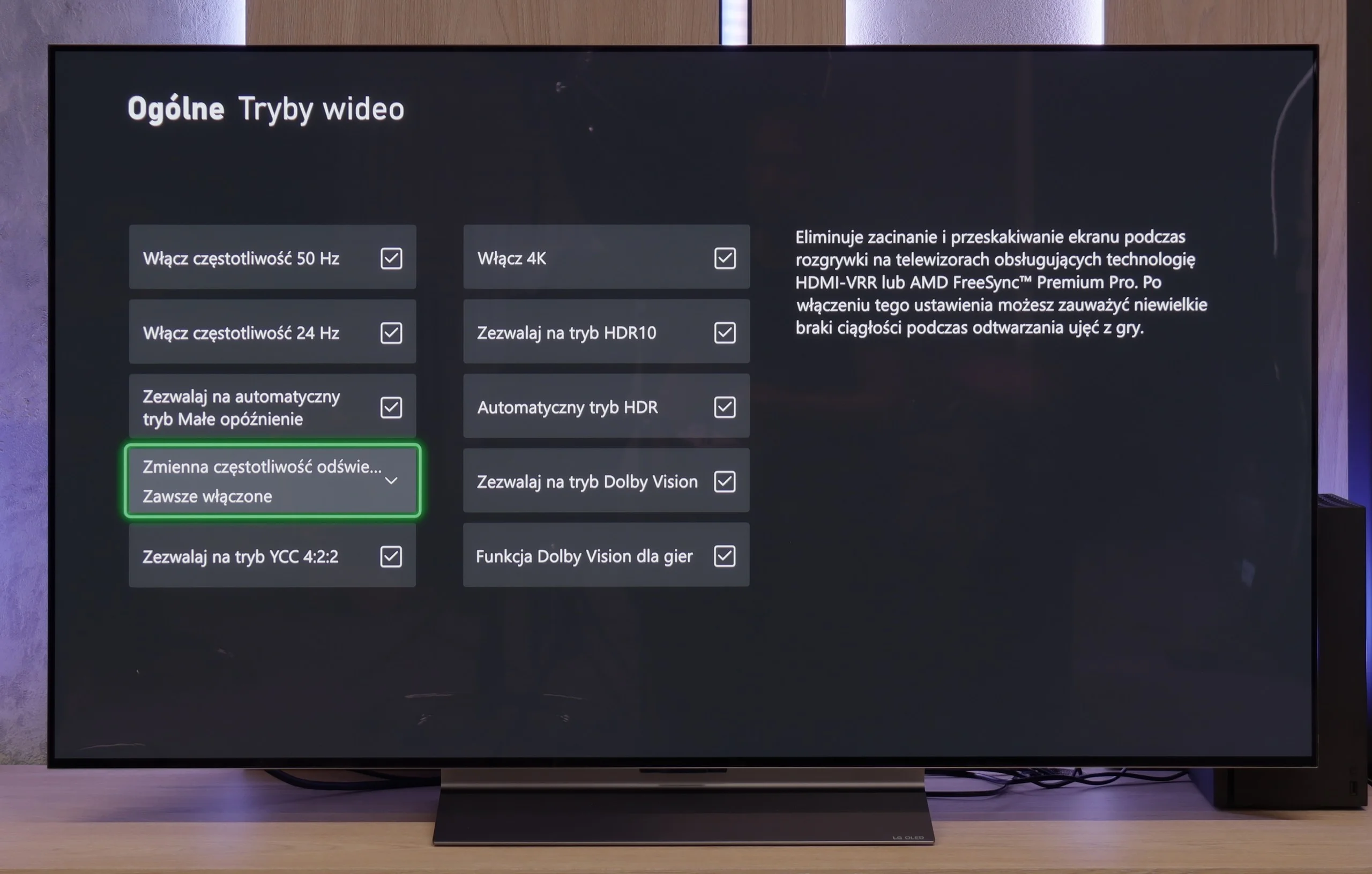
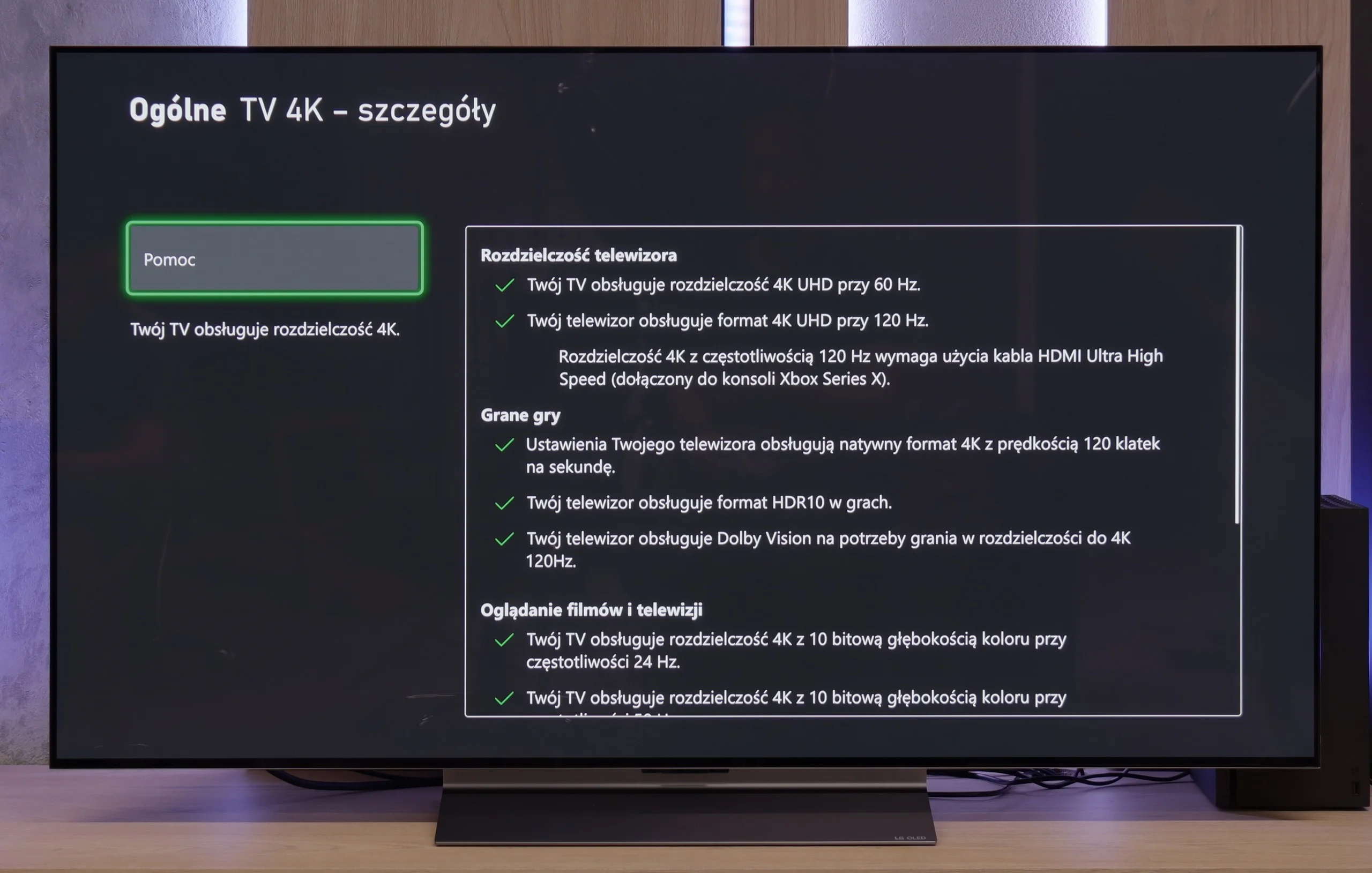
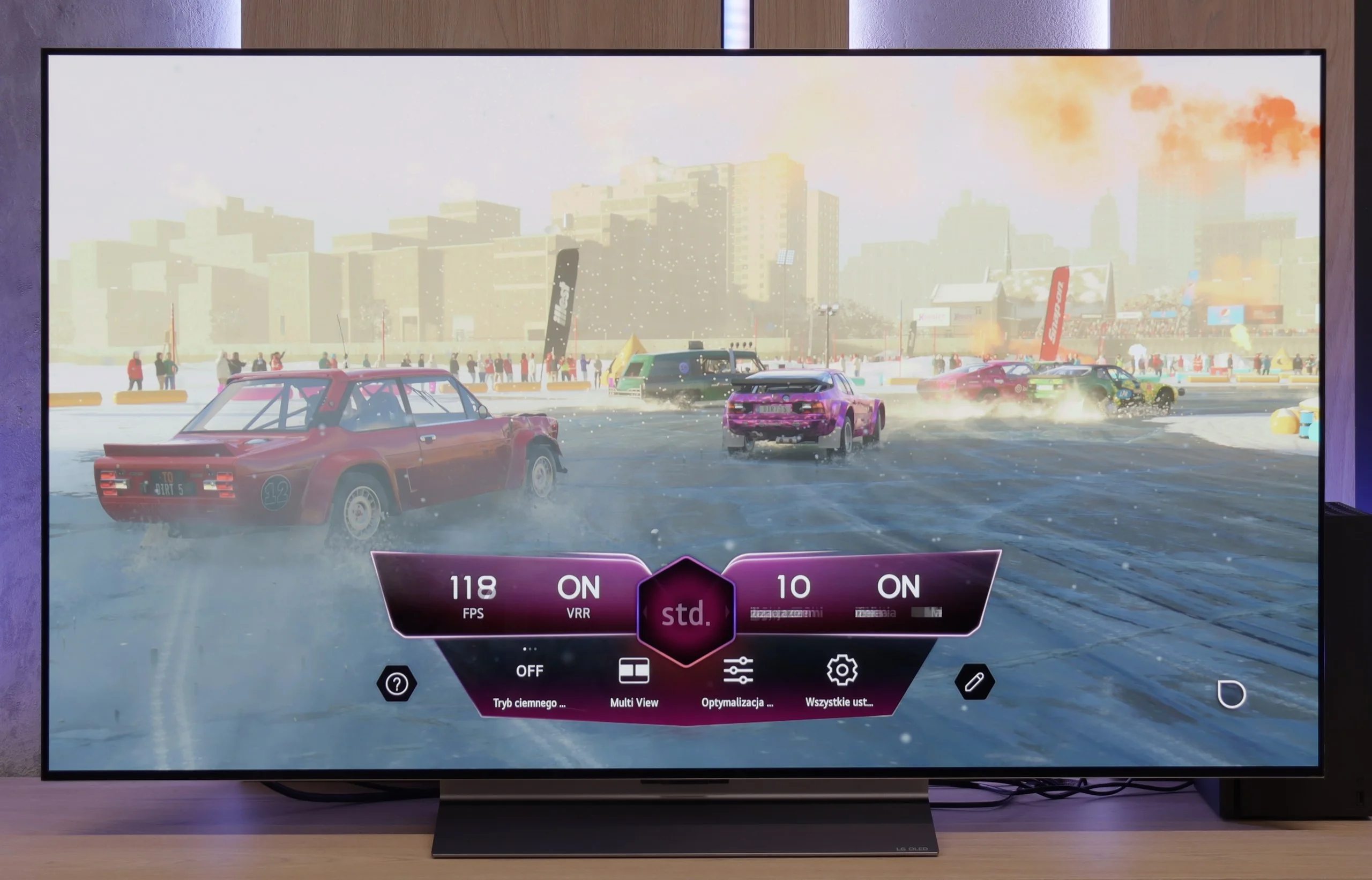
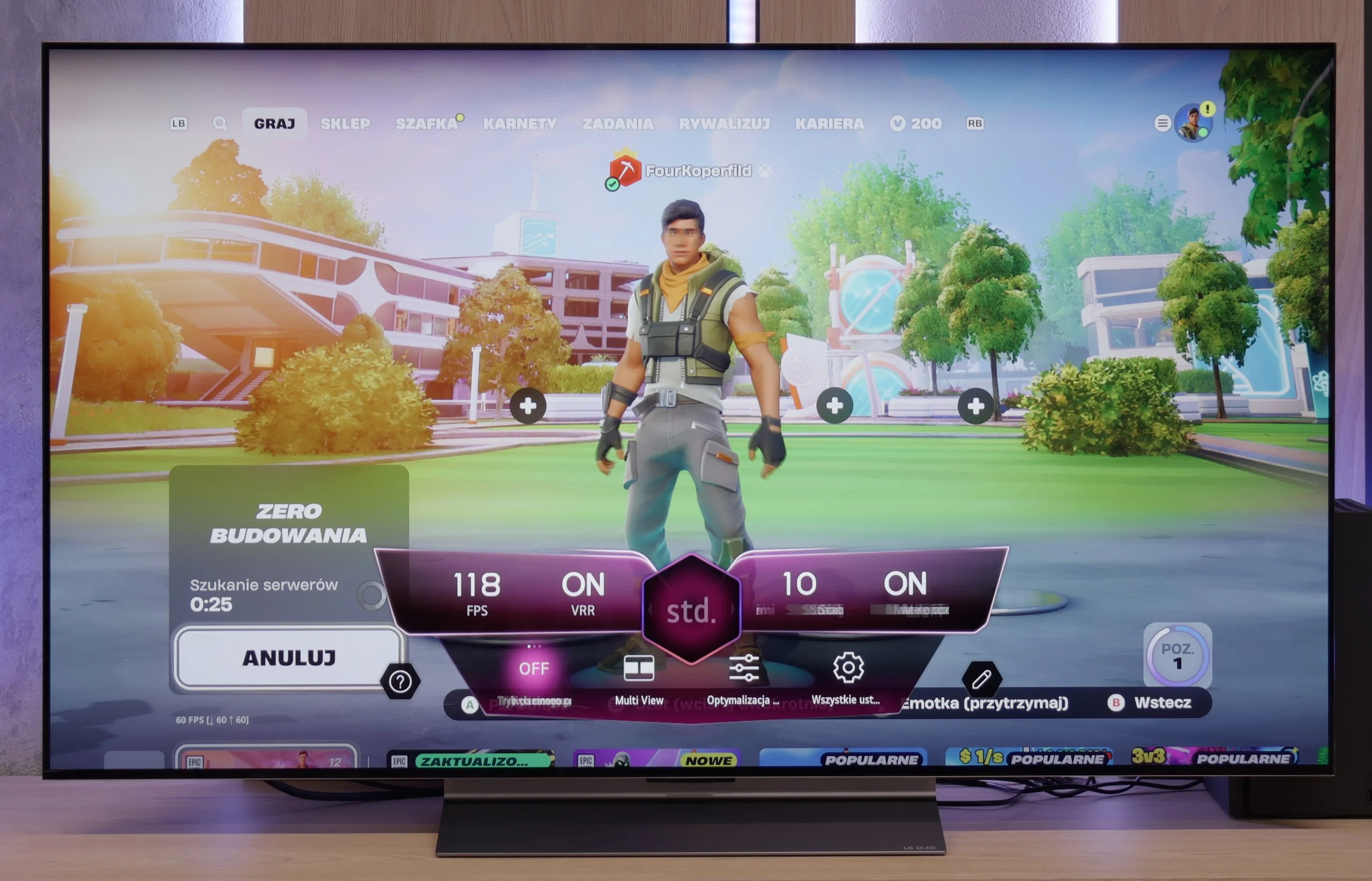
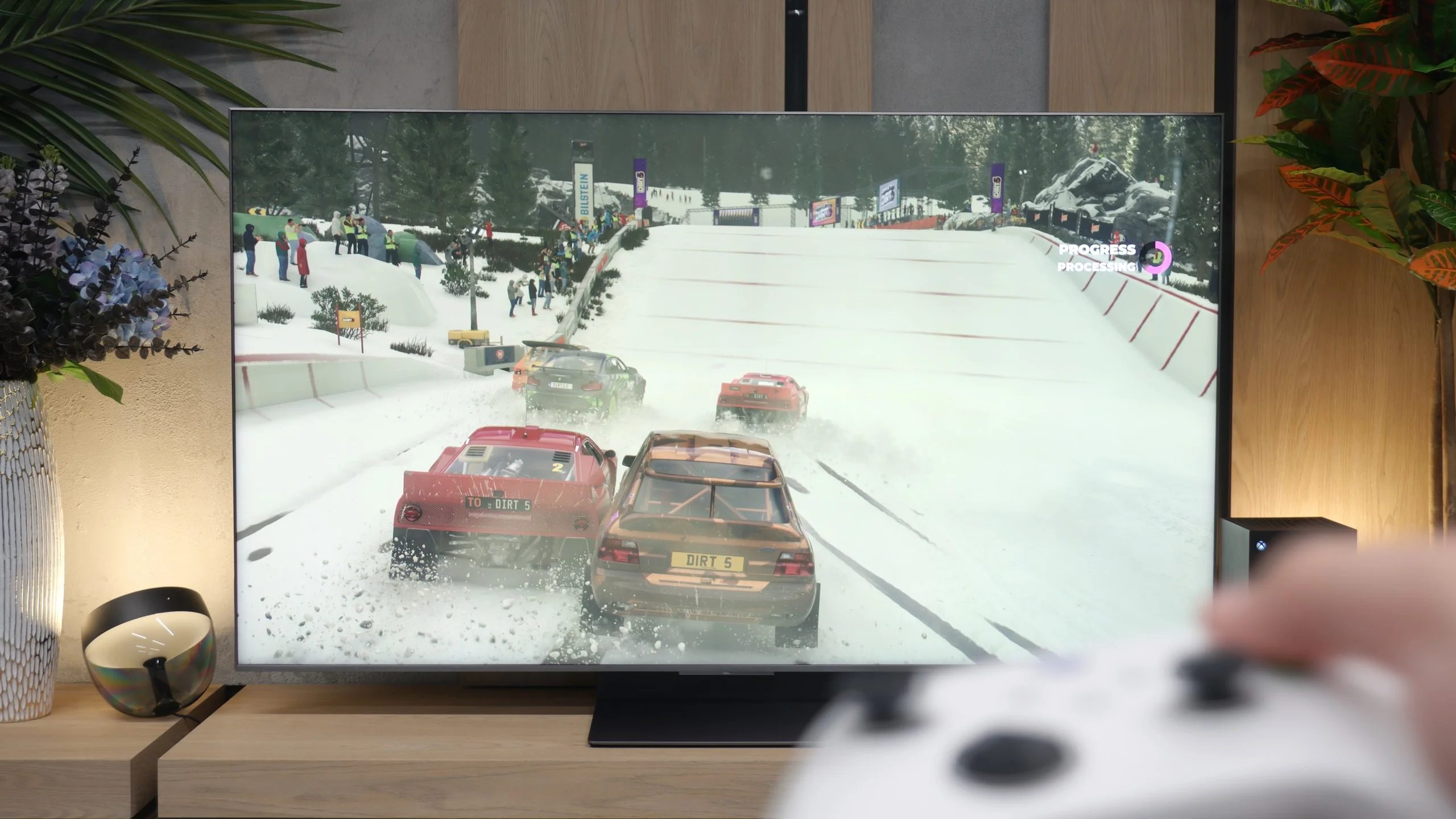
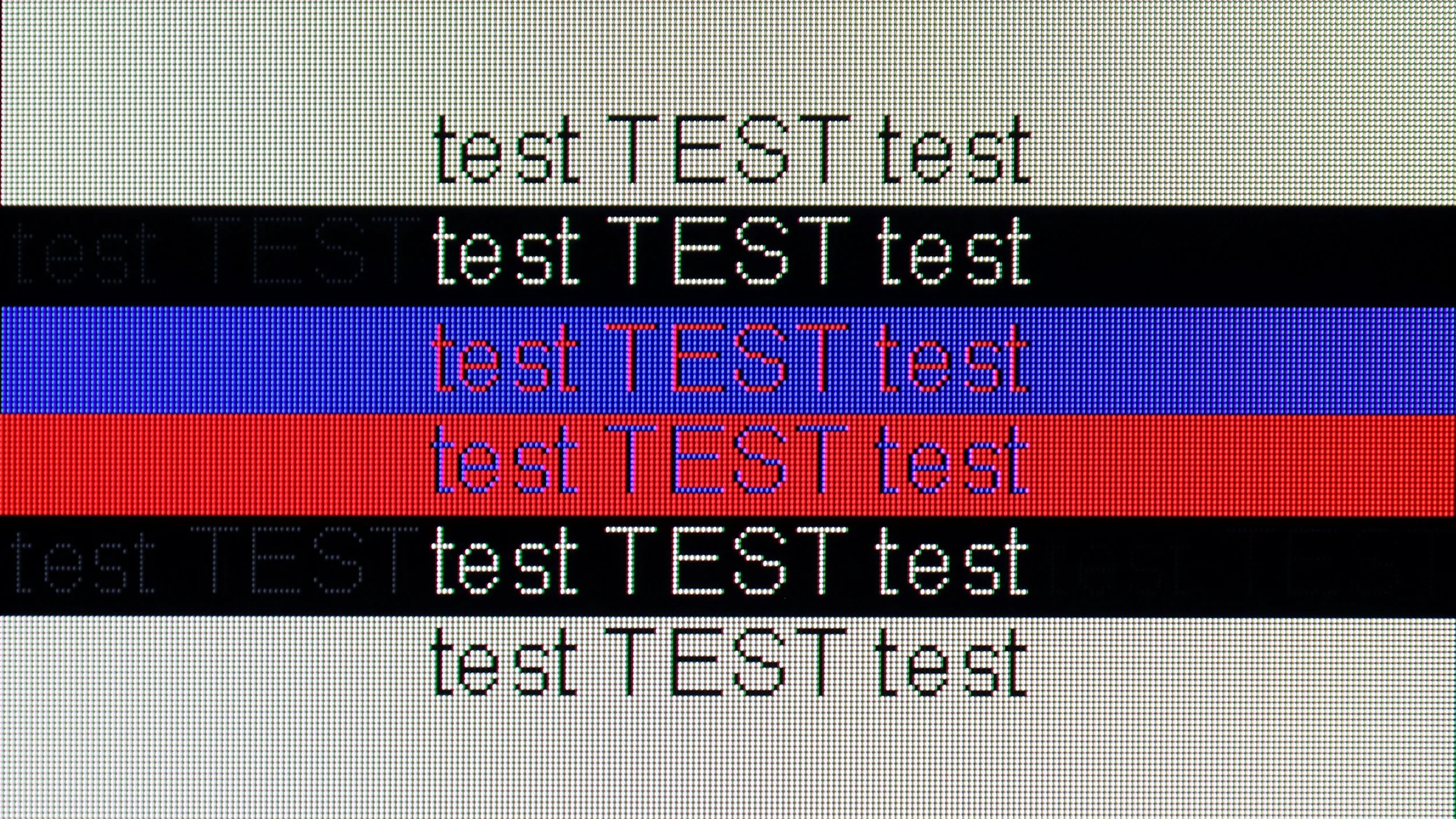
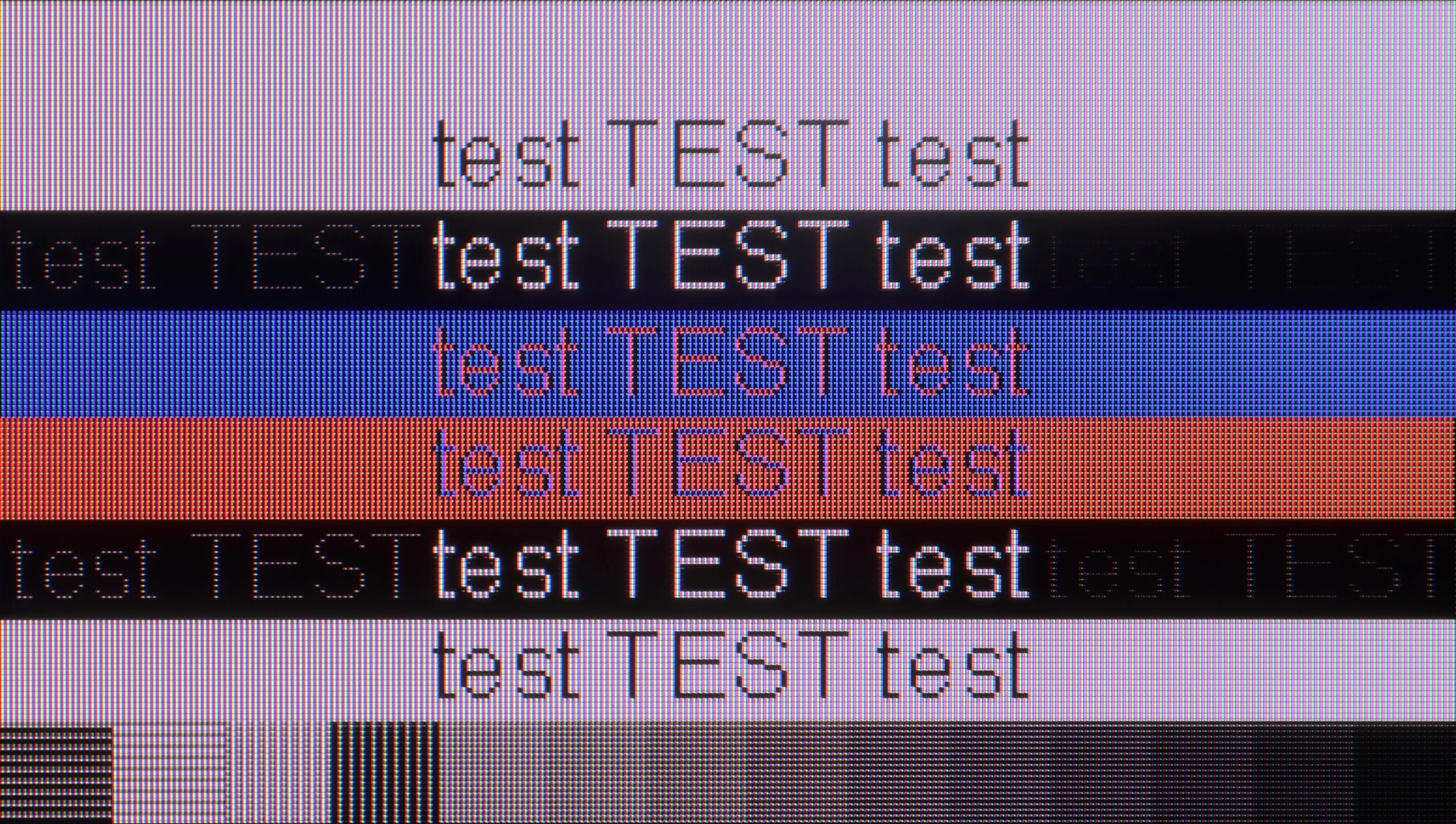
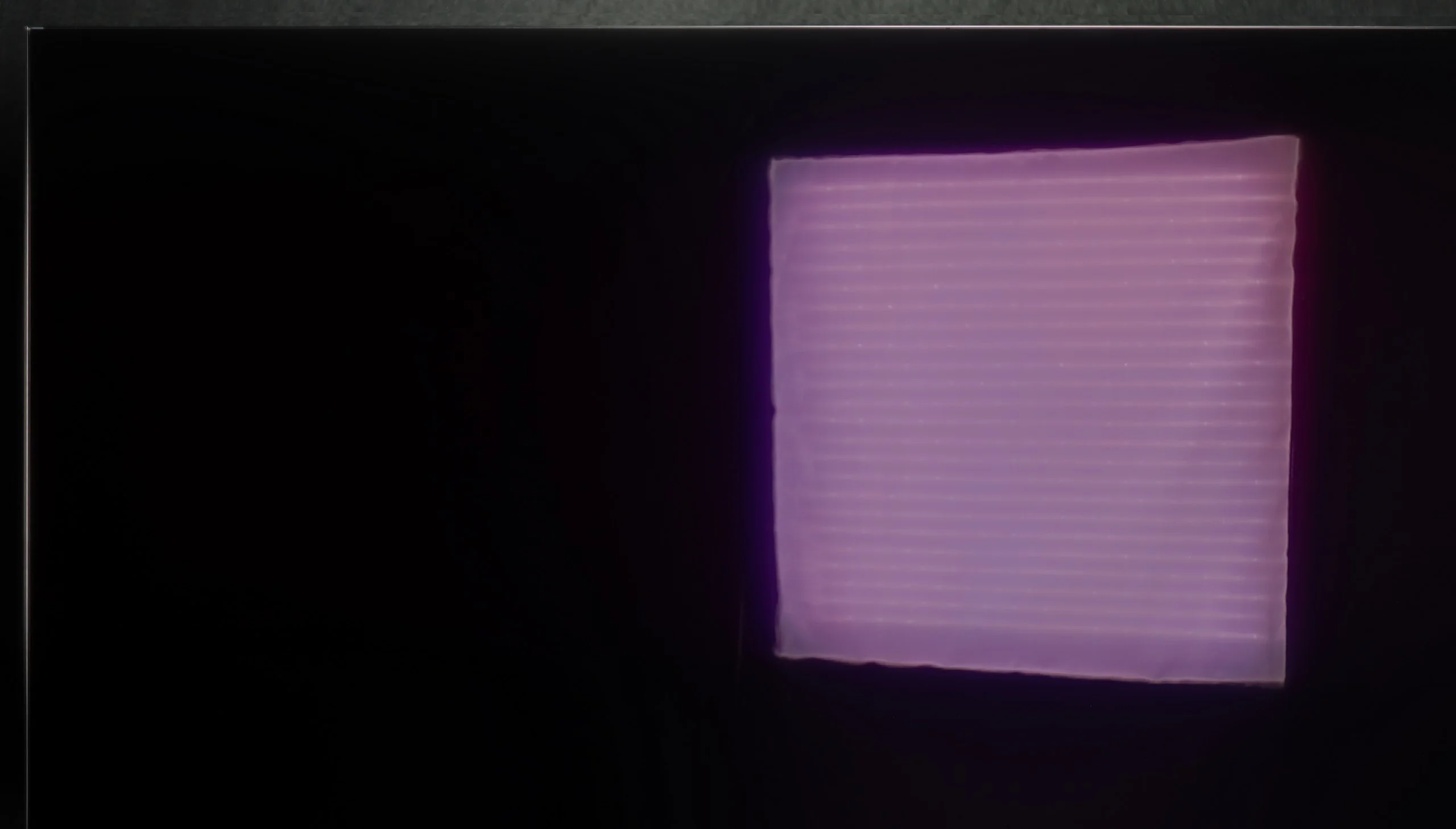
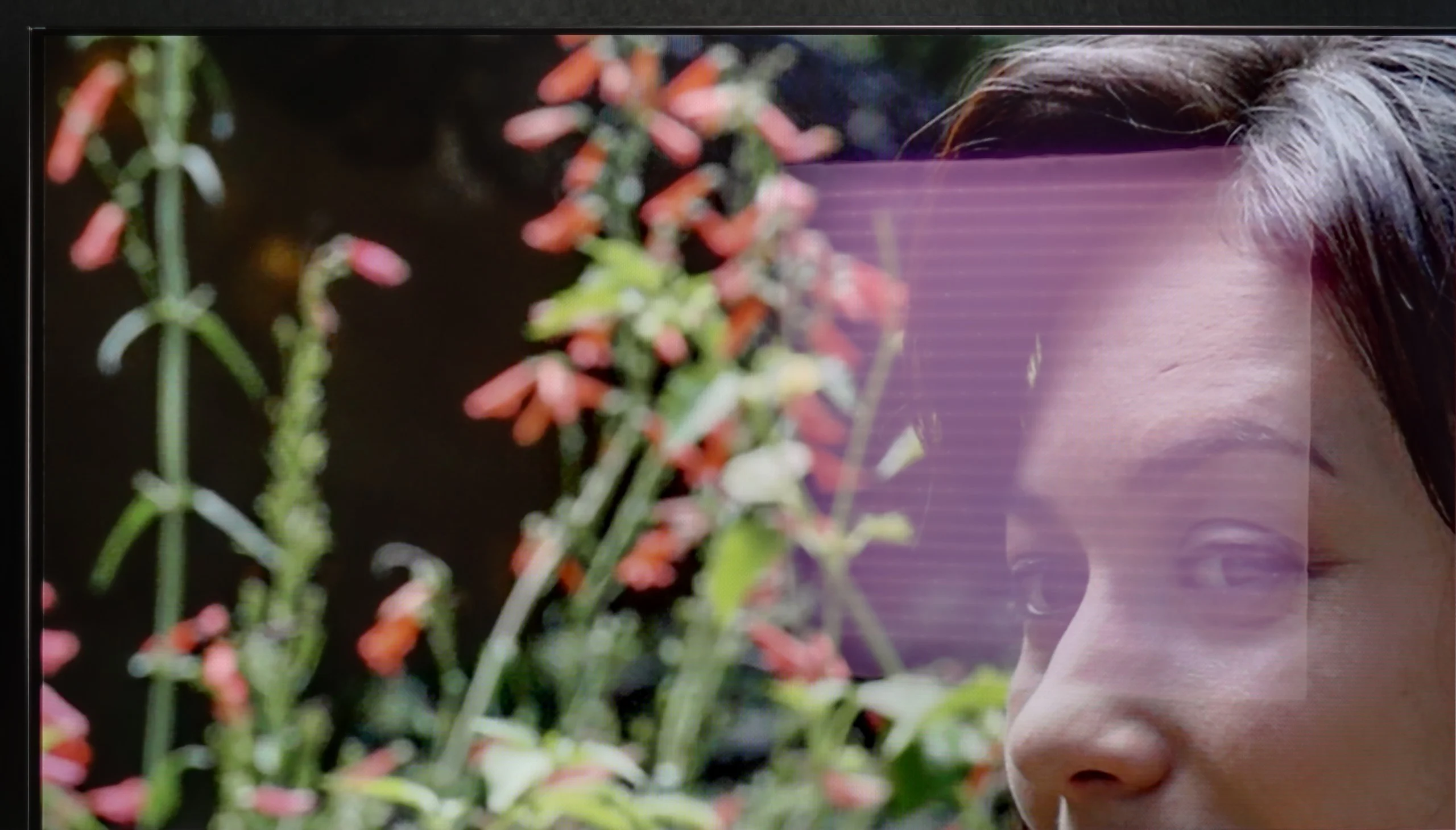
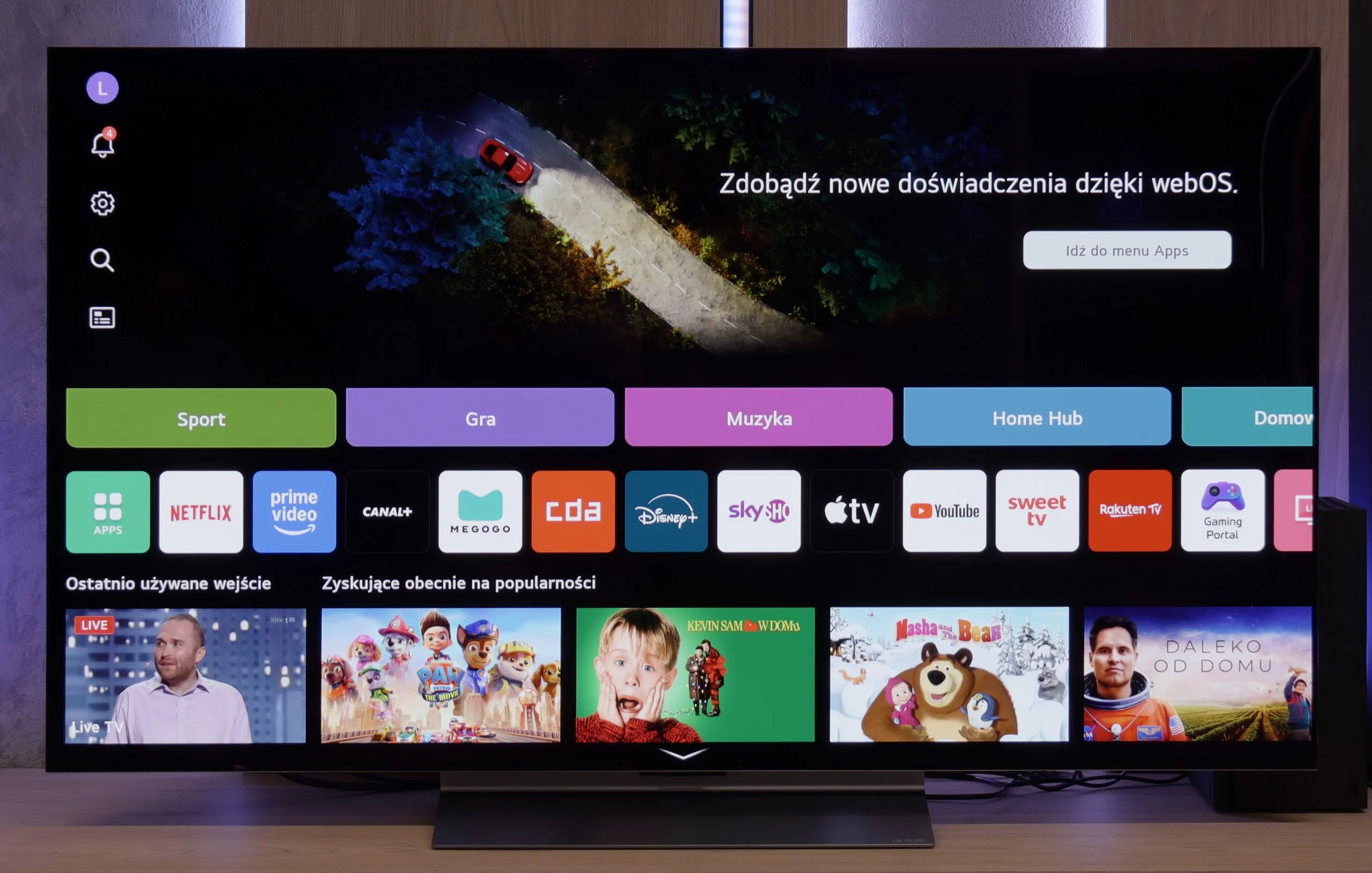
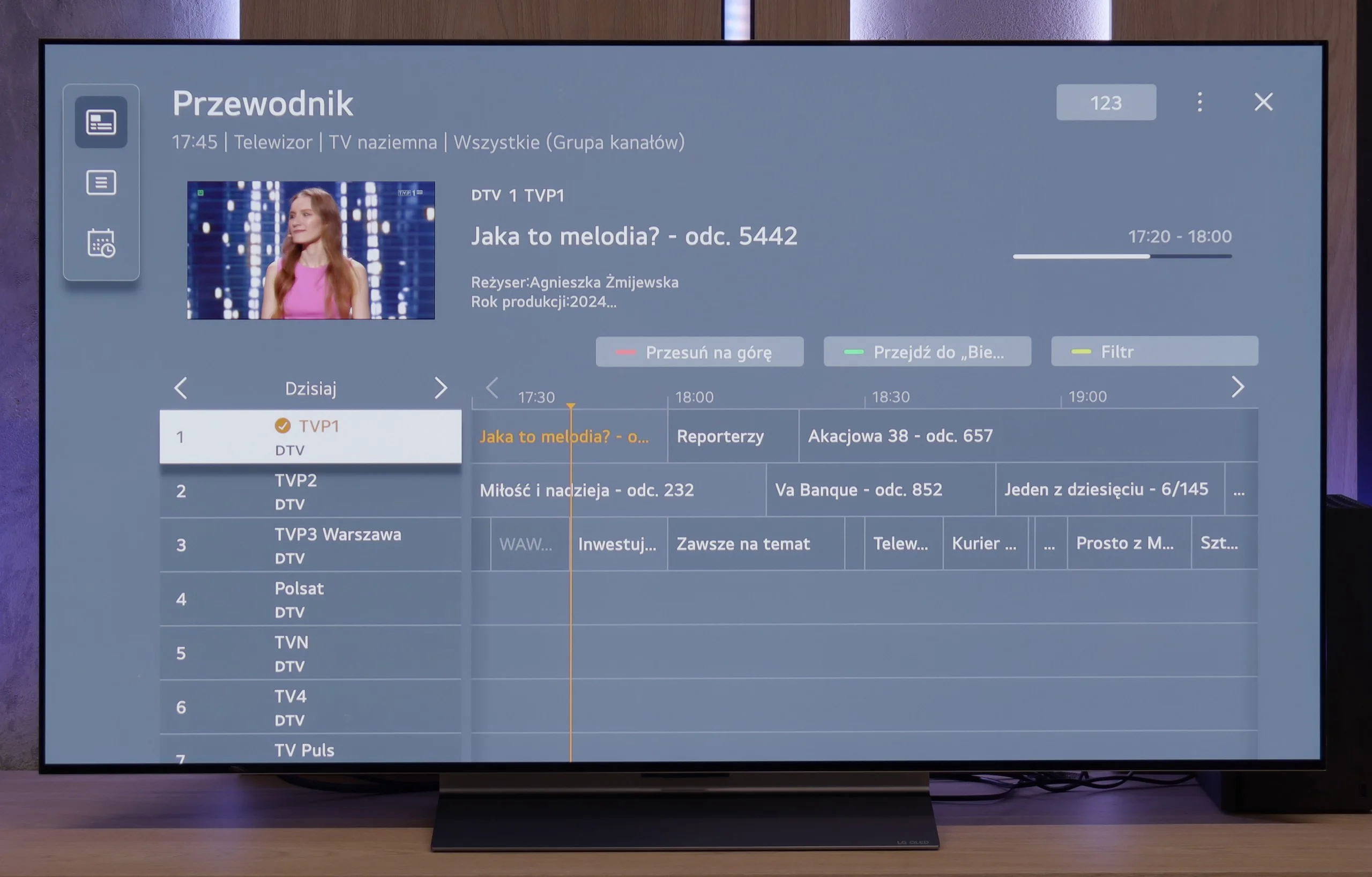
LG C5 is a very successful continuation and, in some aspects, even a step forward compared to last year's model C4. The biggest change is the significantly higher brightness – for the first time in the history of the C series, the barrier of 1000 nits has been exceeded, which greatly improves the quality of the HDR effect. Both films and series look more dynamic as a result, and bright scenes finally have the proper "glow". After calibration, the picture quality is nearly reference-level, and one could get the impression that we are dealing with equipment that is much more expensive than its price suggests. C5 is also one of the best choices for gamers – four full HDMI 2.1 ports, low input lag, support for VRR, G-Sync, and correctly implemented HGiG. Additionally, the 144 Hz panel makes not only gaming but also watching sports pure pleasure. The convenient WebOS system and the Magic remote with cursor control function also deserve praise – everything works smoothly and intuitively. This is a television that you simply want to use.
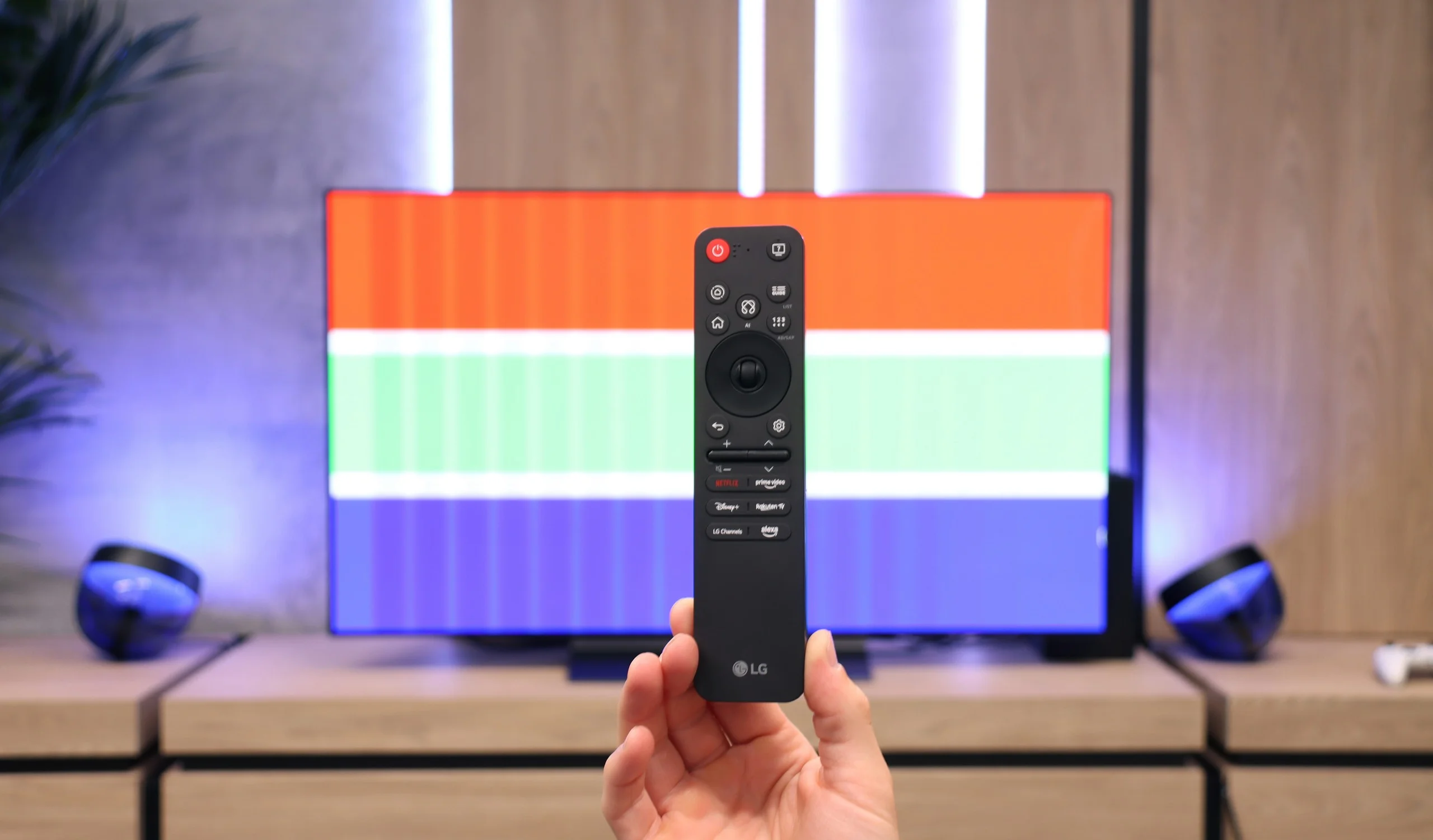
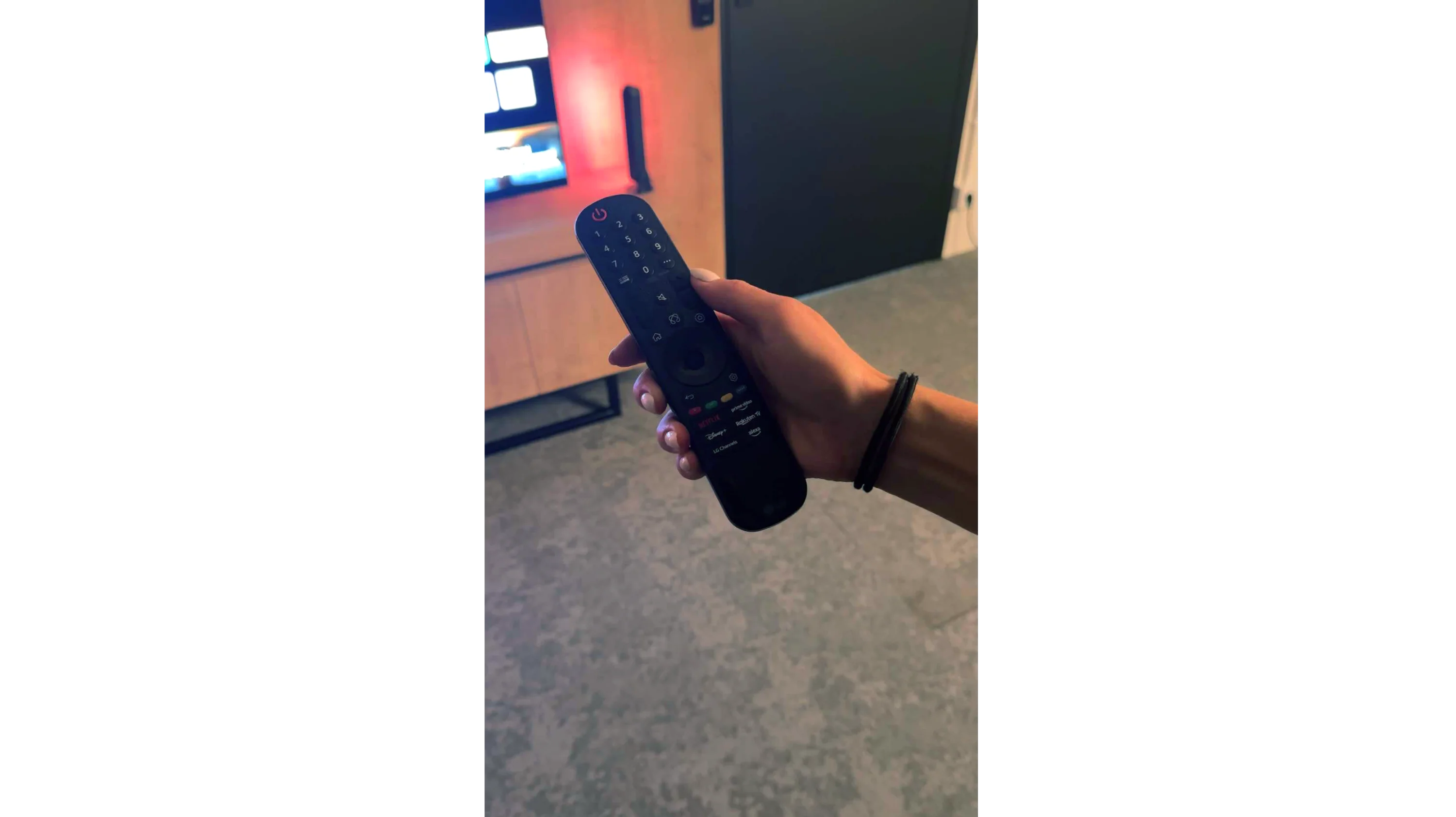
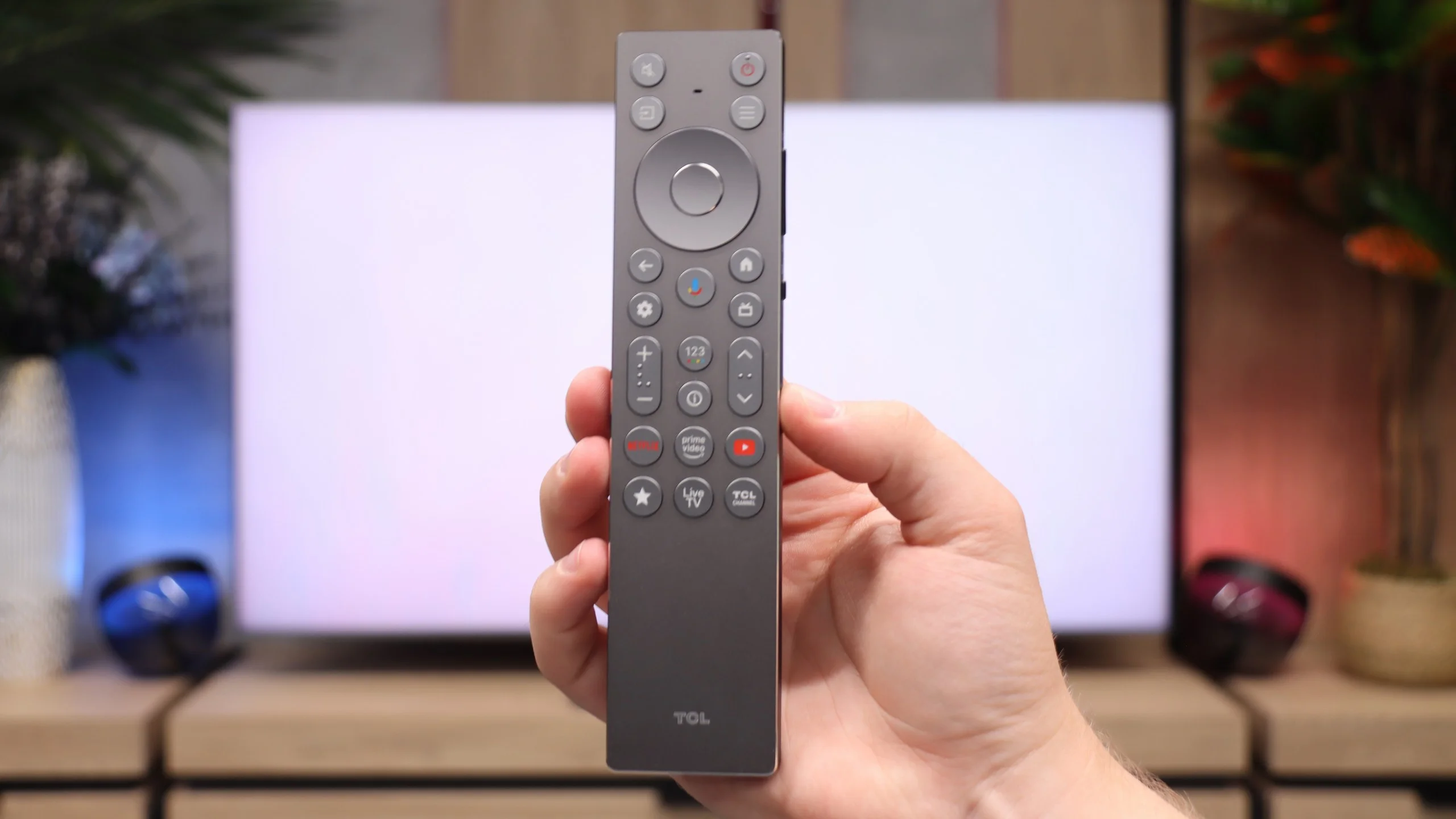
However, there were a few minor reservations. This year, LG has decided to abandon support for DTS codecs, which may be problematic for those using physical media and collections of Blu-ray films. It is also worth noting the confusion regarding the different versions of the remote – depending on the model designation, we may receive a completely different remote than the one we held during our tests. Despite these few comments, LG C5 is a television that makes an excellent impression in almost every regard. Brightness, colours, gaming features, smoothness of the image, and overall build quality make it one of the best OLEDs in its class.
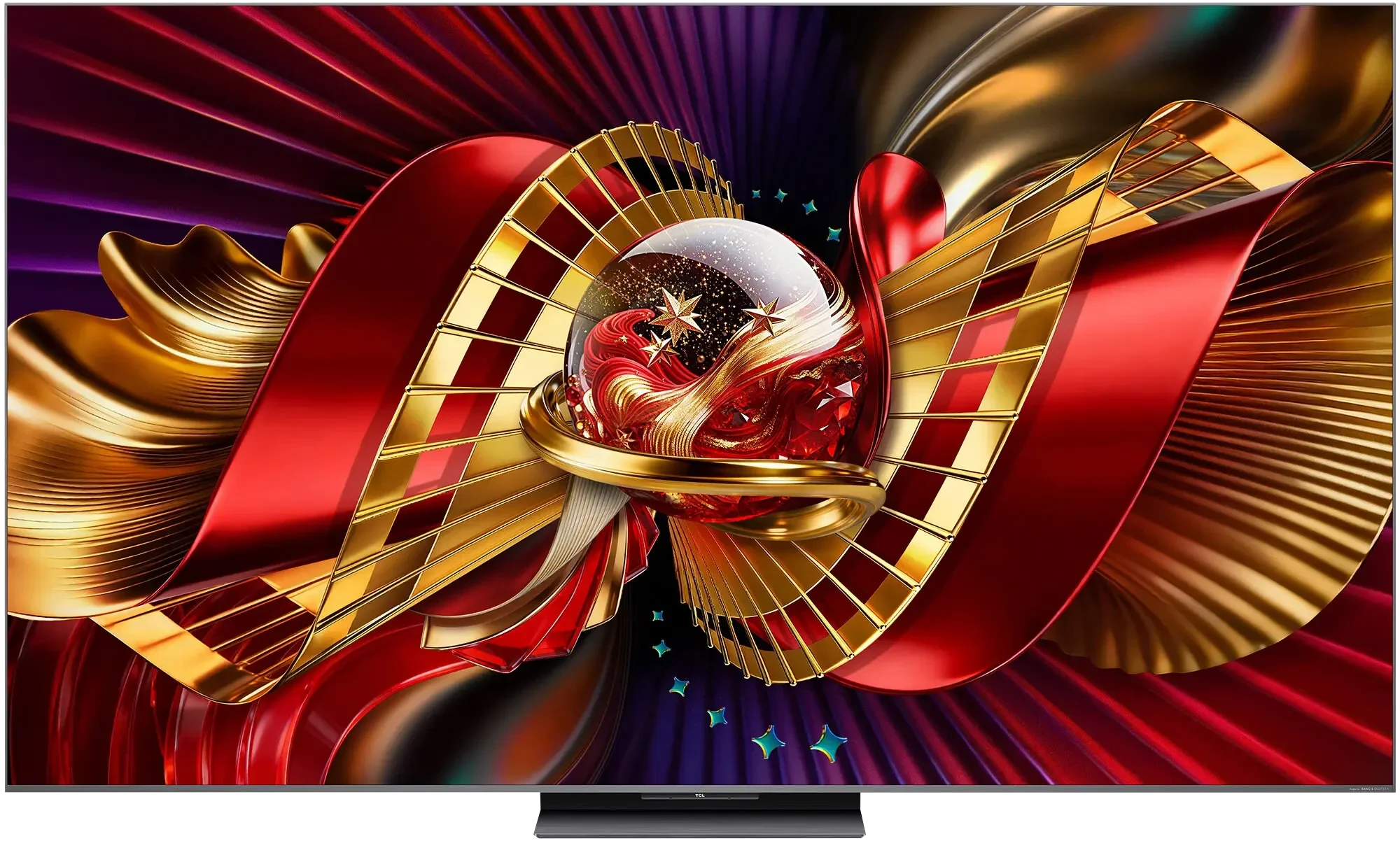
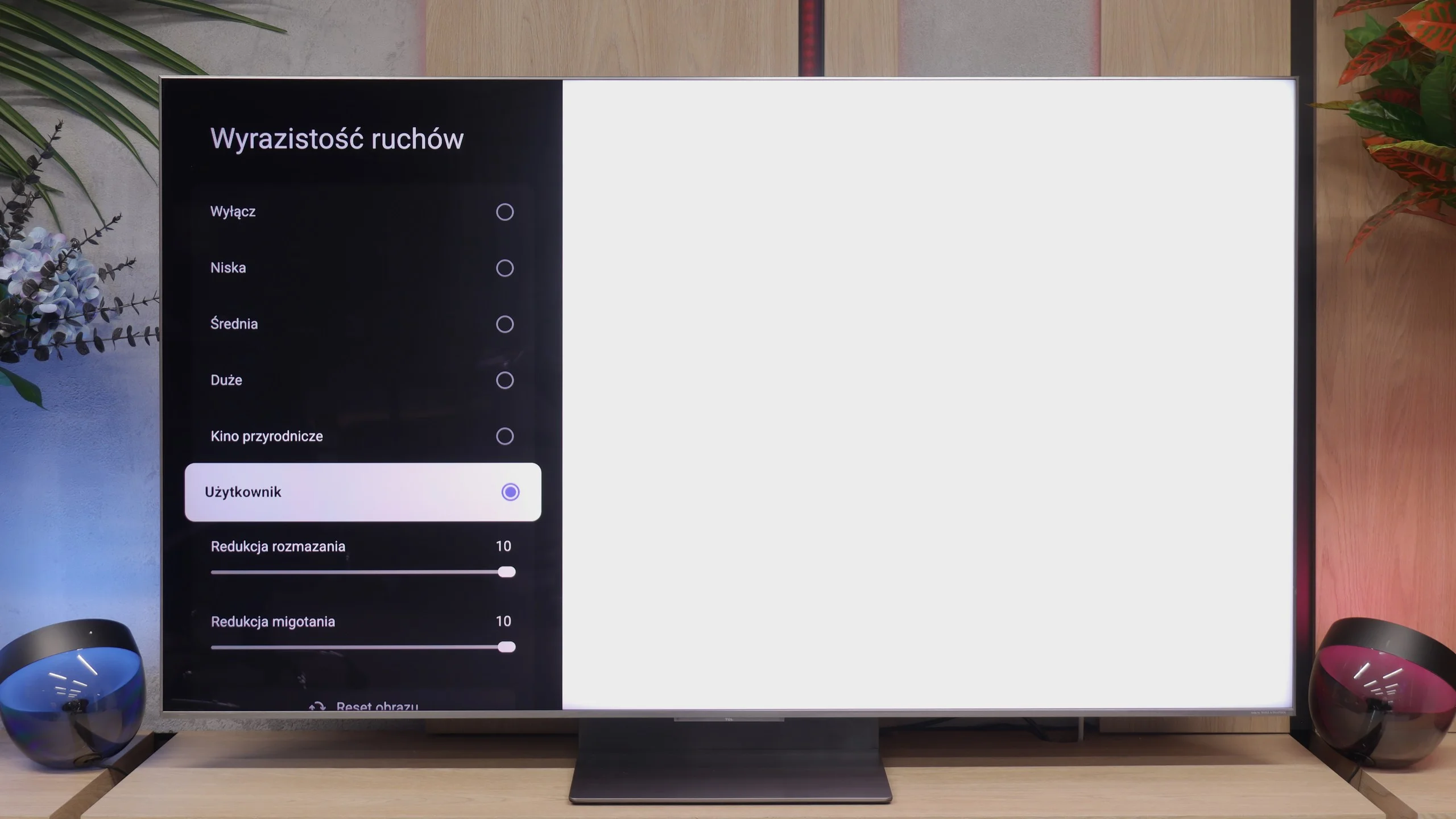
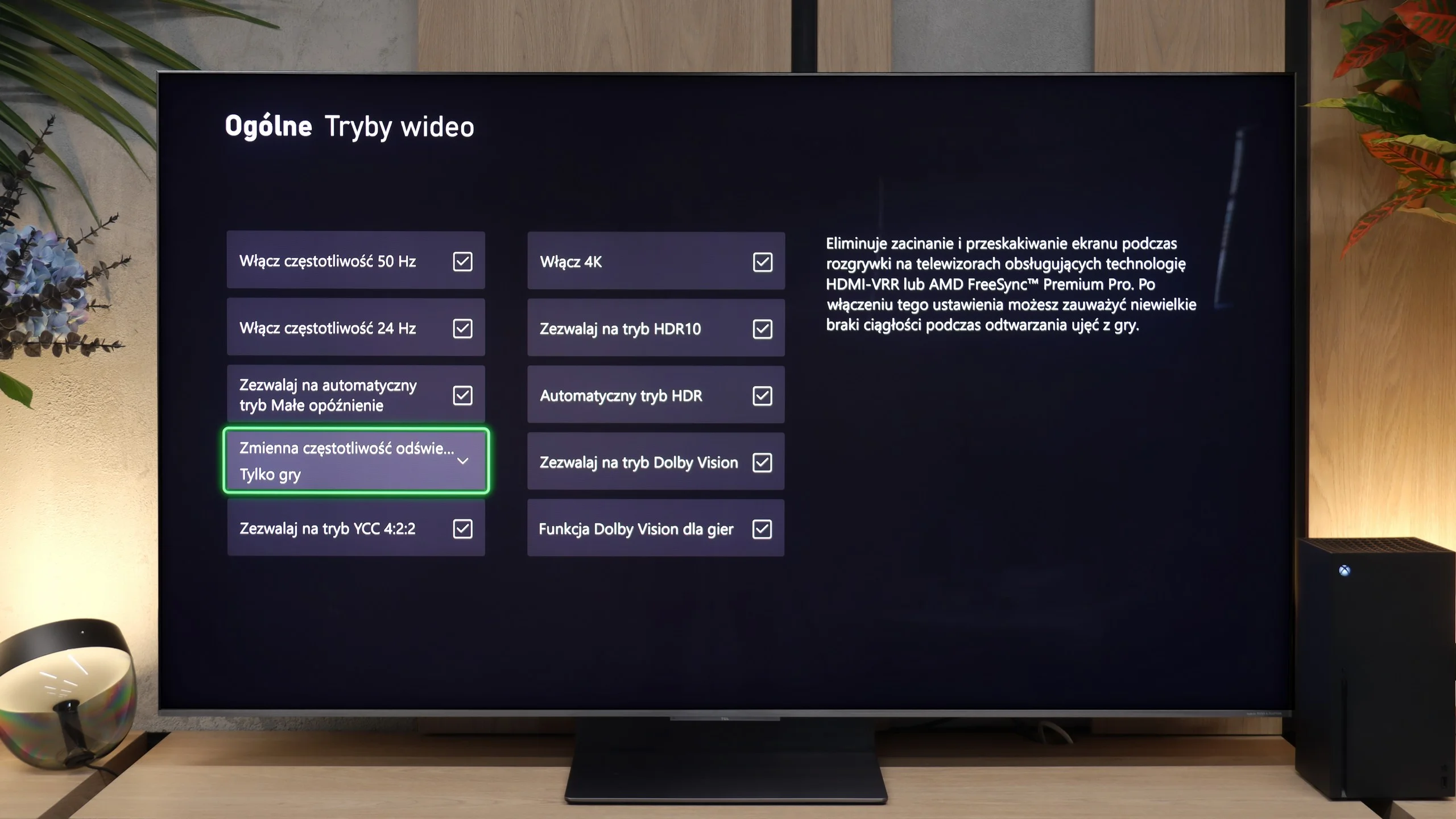
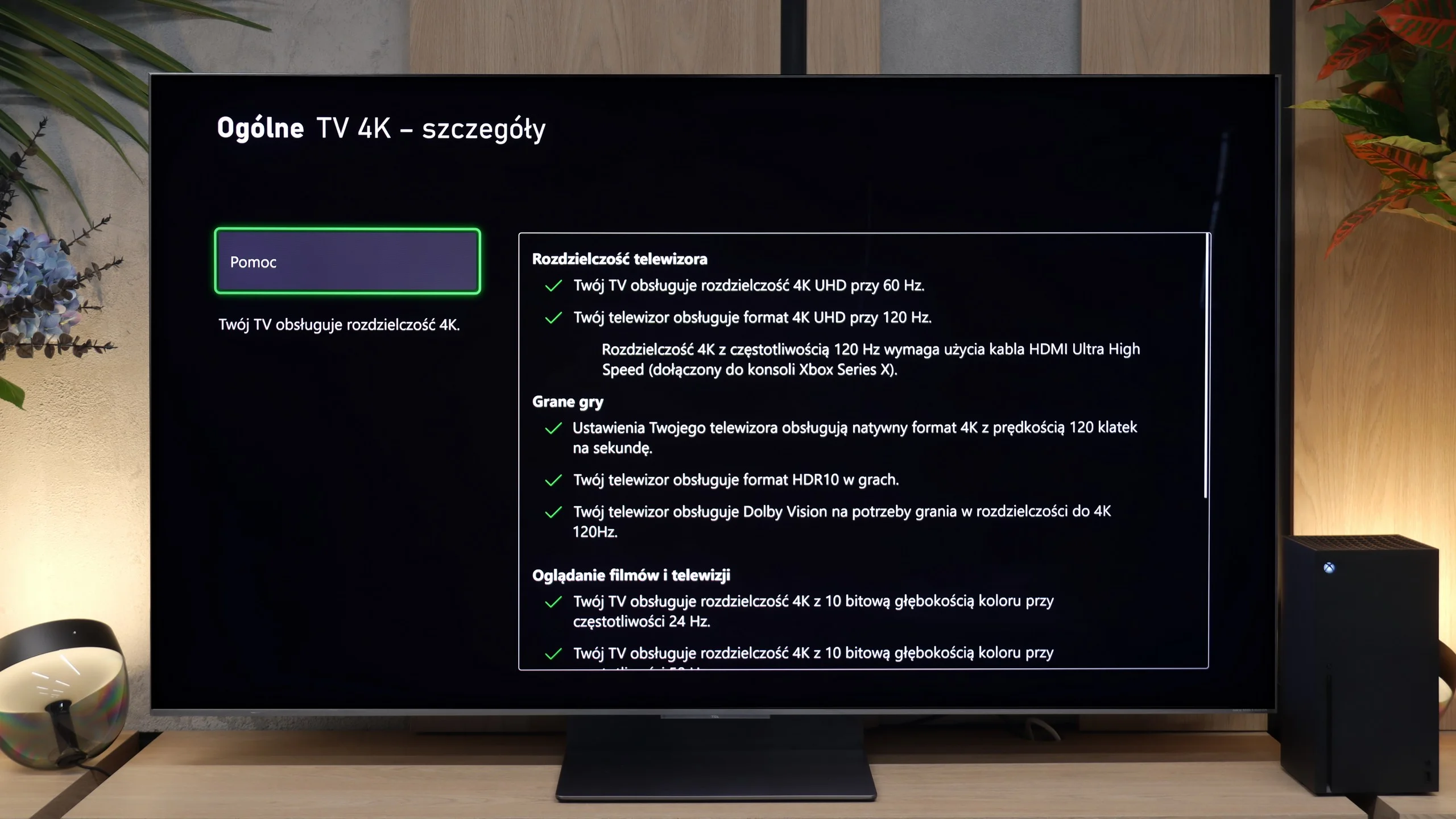
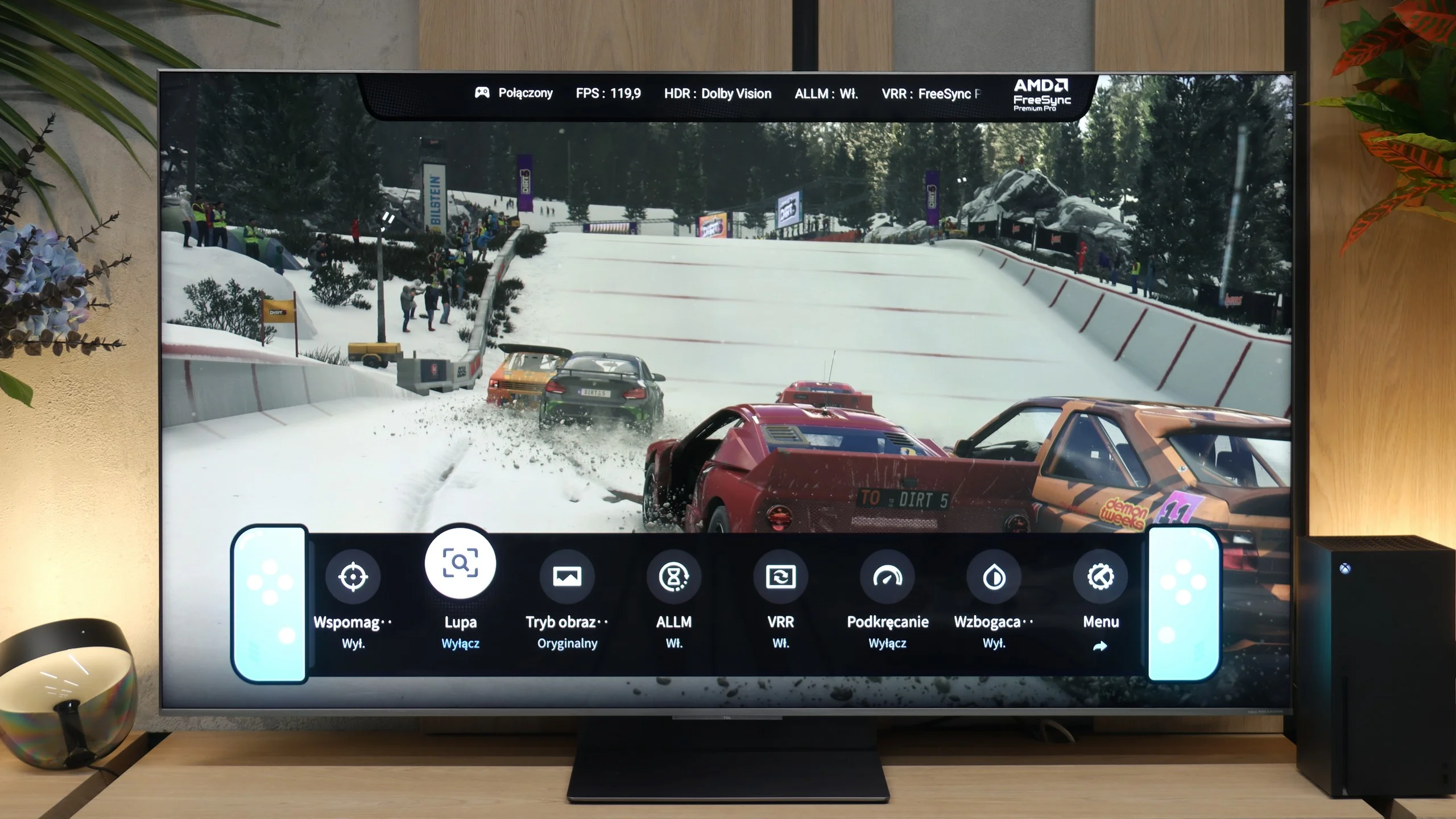
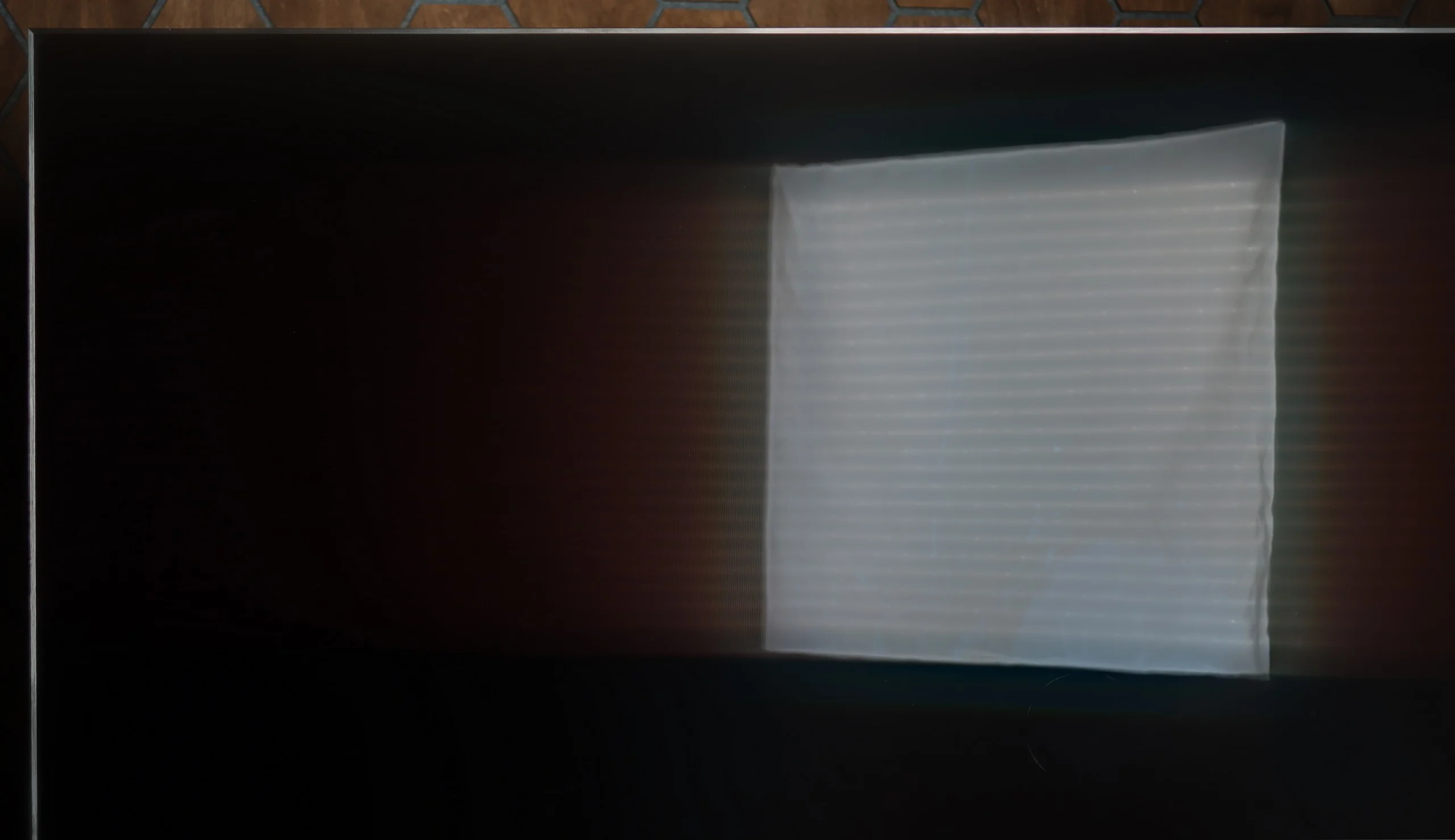
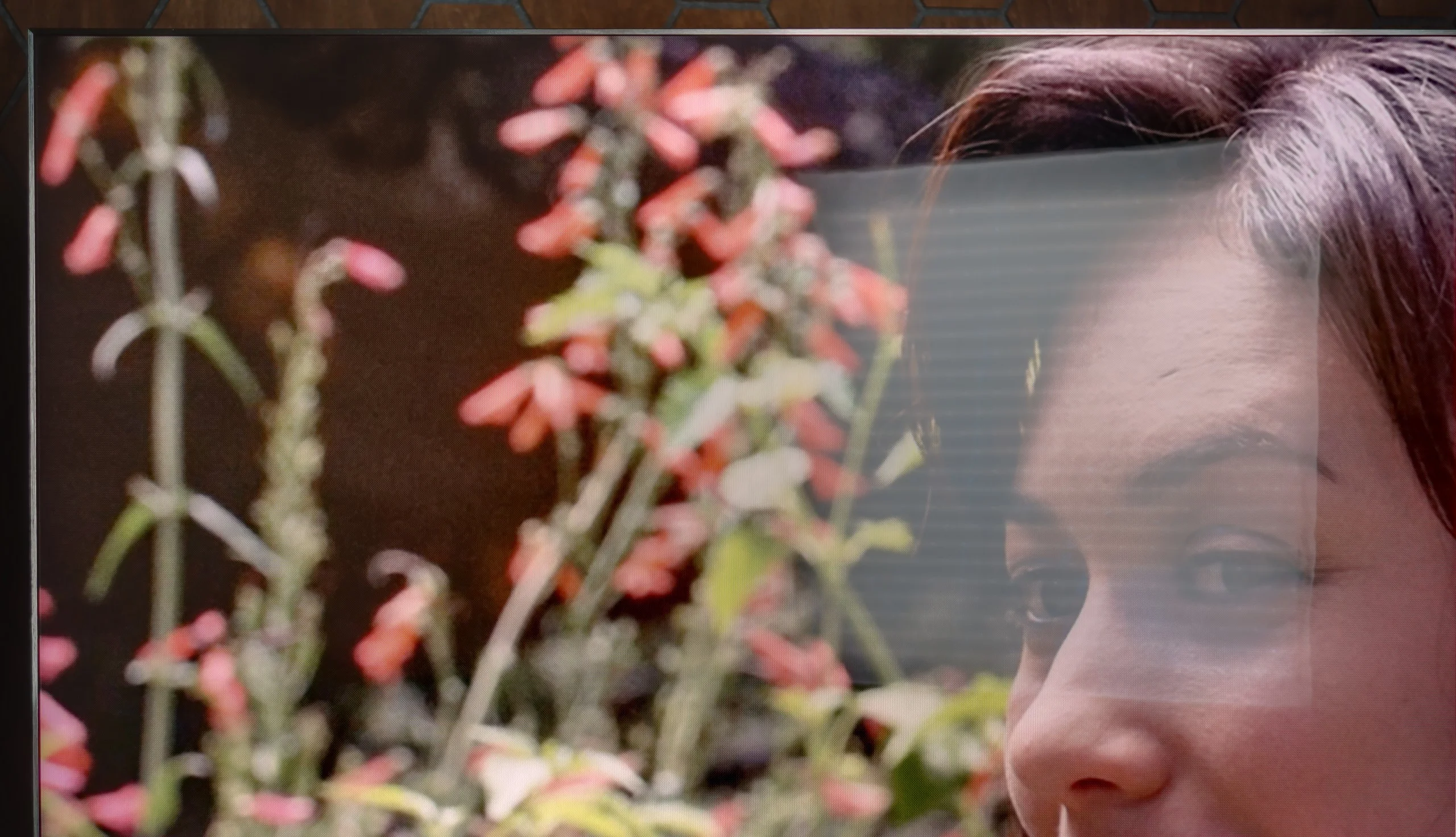
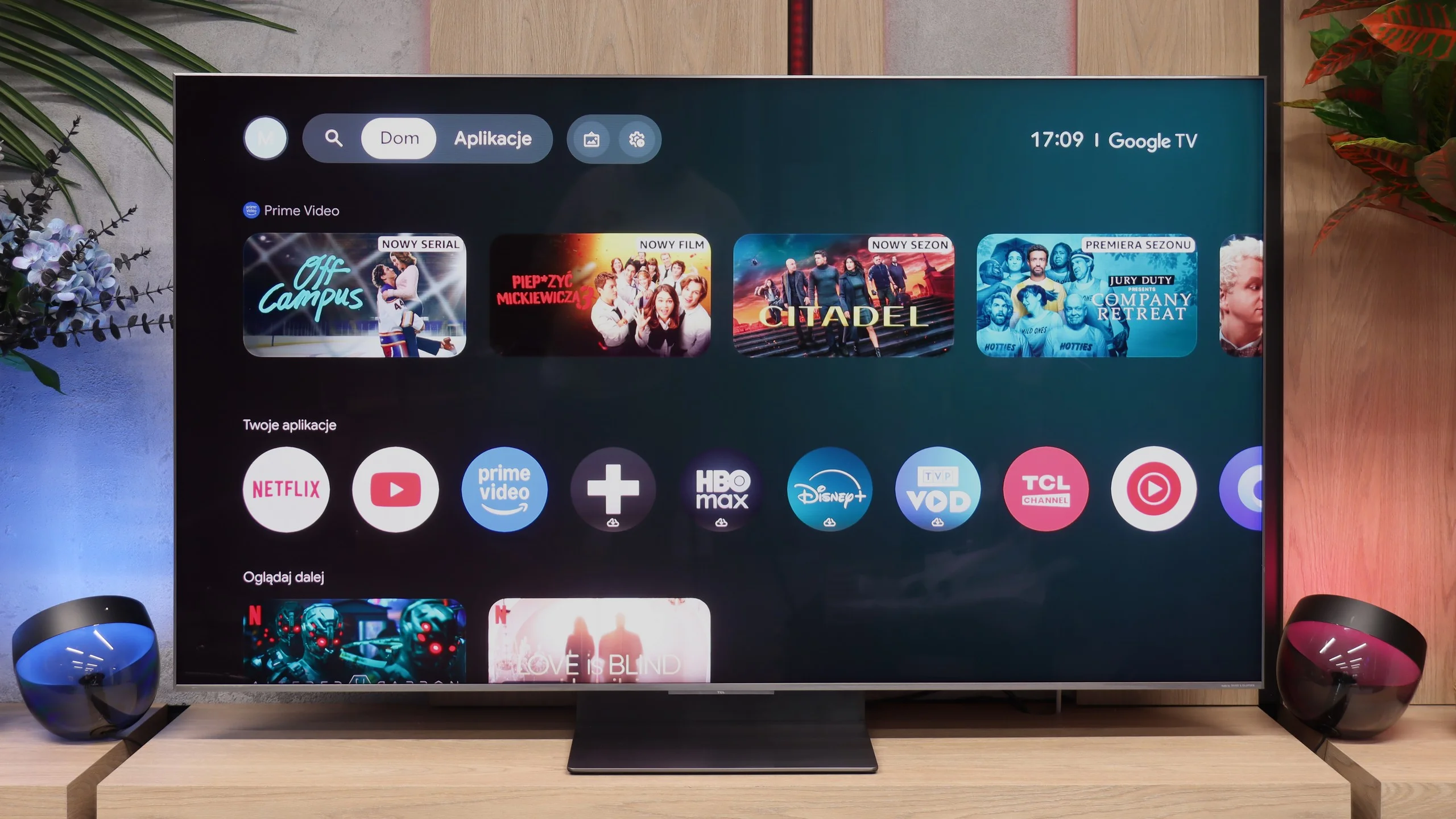
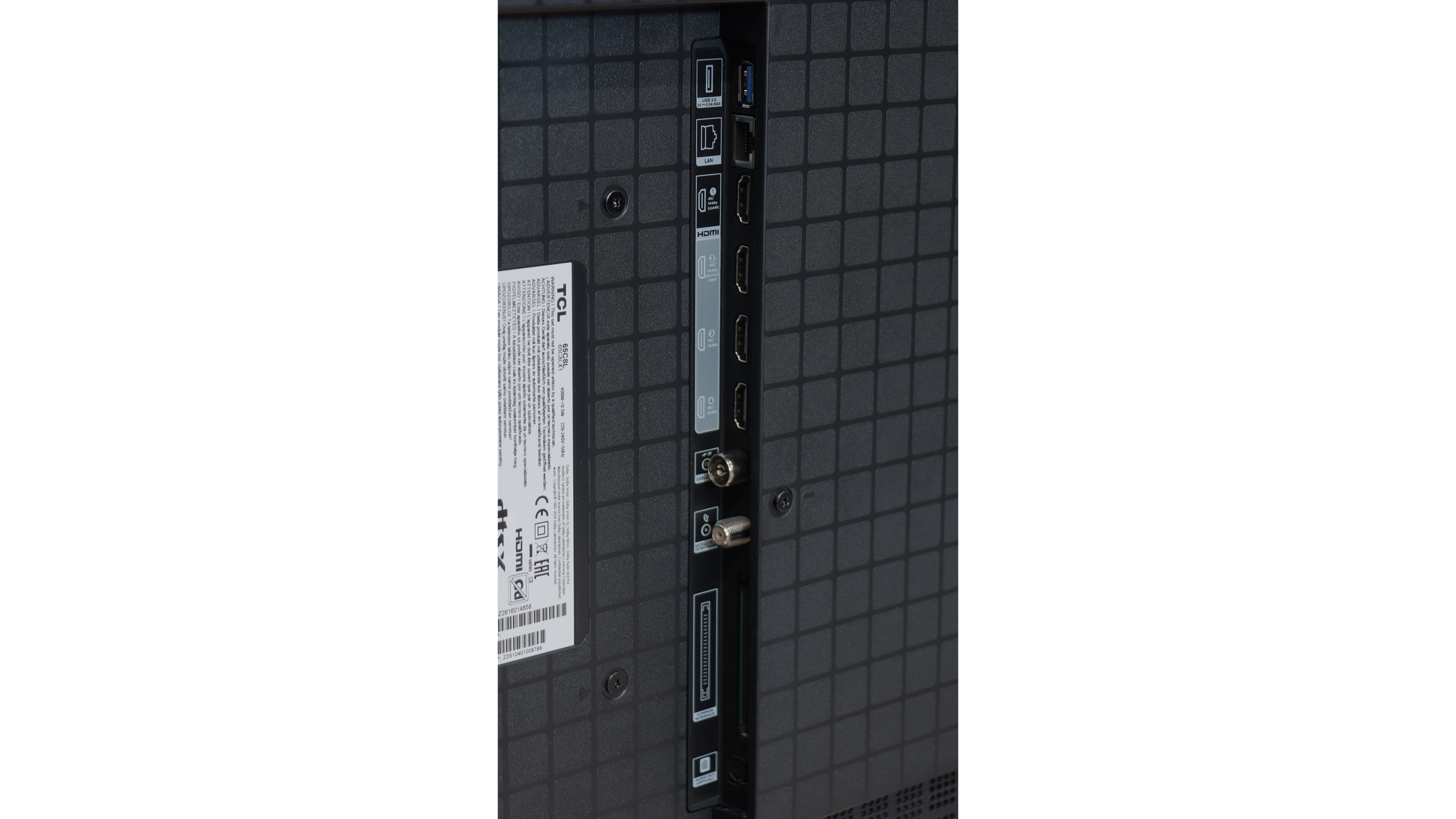
TCL C8L is undoubtedly one of the most intriguing Mini-LED televisions that has entered our laboratory this year. This model stands out primarily due to its excellent price-to-performance ratio. TCL has already accustomed us to aggressive pricing for its screens, but in the case of the C8 series, the manufacturer has managed to push the boundaries even further. For the amount that often only allows the purchase of mid-range models or two such models like C8K in the competitive market, here we receive equipment and specifications equal to top models. The new image processor, four full HDMI 2.1 ports, support for extreme refresh rates, and powerful peak brightness thanks to a vast number of dimming zones are arguments that are hard to overlook.
However, analysing the whole picture, one must honestly summarise the character of this television. The C8L is equipment designed more for displaying “spectacular” images rather than rigorously faithful ones. What do we mean by this? The software and algorithms managing the Mini-LED backlight zones have been tuned to favour visual appeal – the image is meant to be bright, contrasty, and striking in saturation. And what does this mean? The television has a tendency to autonomously interpret images instead of adhering to certain studio standards. For most users looking for “greater” emotions in films or games, this effect will likely be an advantage. On the other hand, purists and fans of perfectly natural images (such as us 😉) may find this behaviour too aggressive and not in line with the director's intent. Hence, we leave the final assessment on this matter to you.
Generally speaking, despite this specificity, the TCL C8L is a television that we can, and indeed must, wholeheartedly recommend. It is primarily a premium-class product, doing literally everything right... to a fault. Certain imperfections we would simply treat as features of this device rather than flaws – mainly due to the technological limitations that all Mini-LED televisions from any manufacturer on the market have accustomed us to. Ultimately, the software refinement has brought a lot to the new model, resulting in a mature, confident, and nearly complete piece of equipment.
 Direct comparison