Classic TV functions:
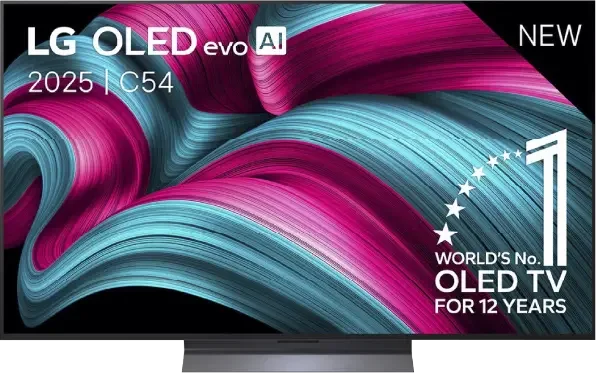
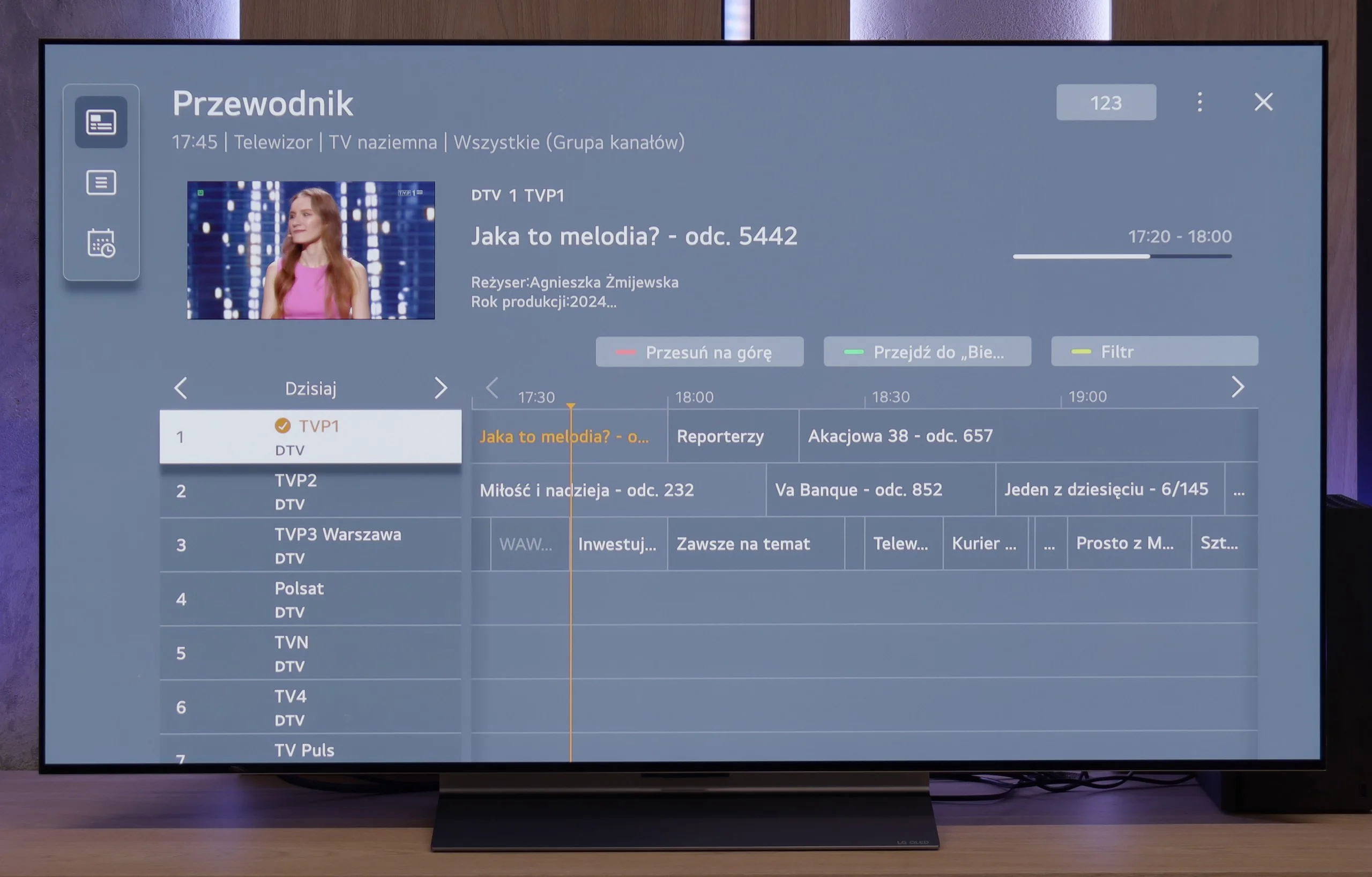
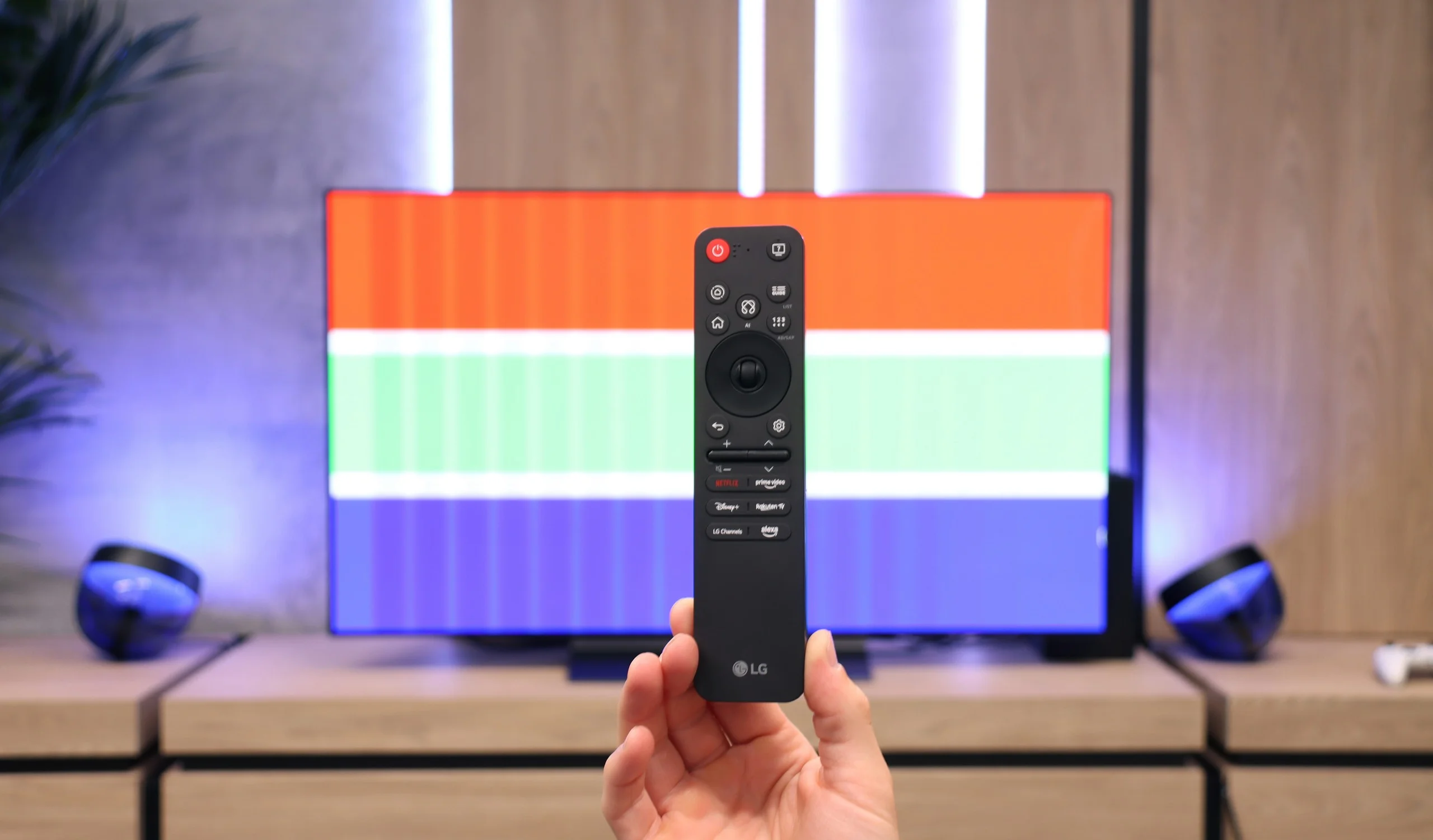
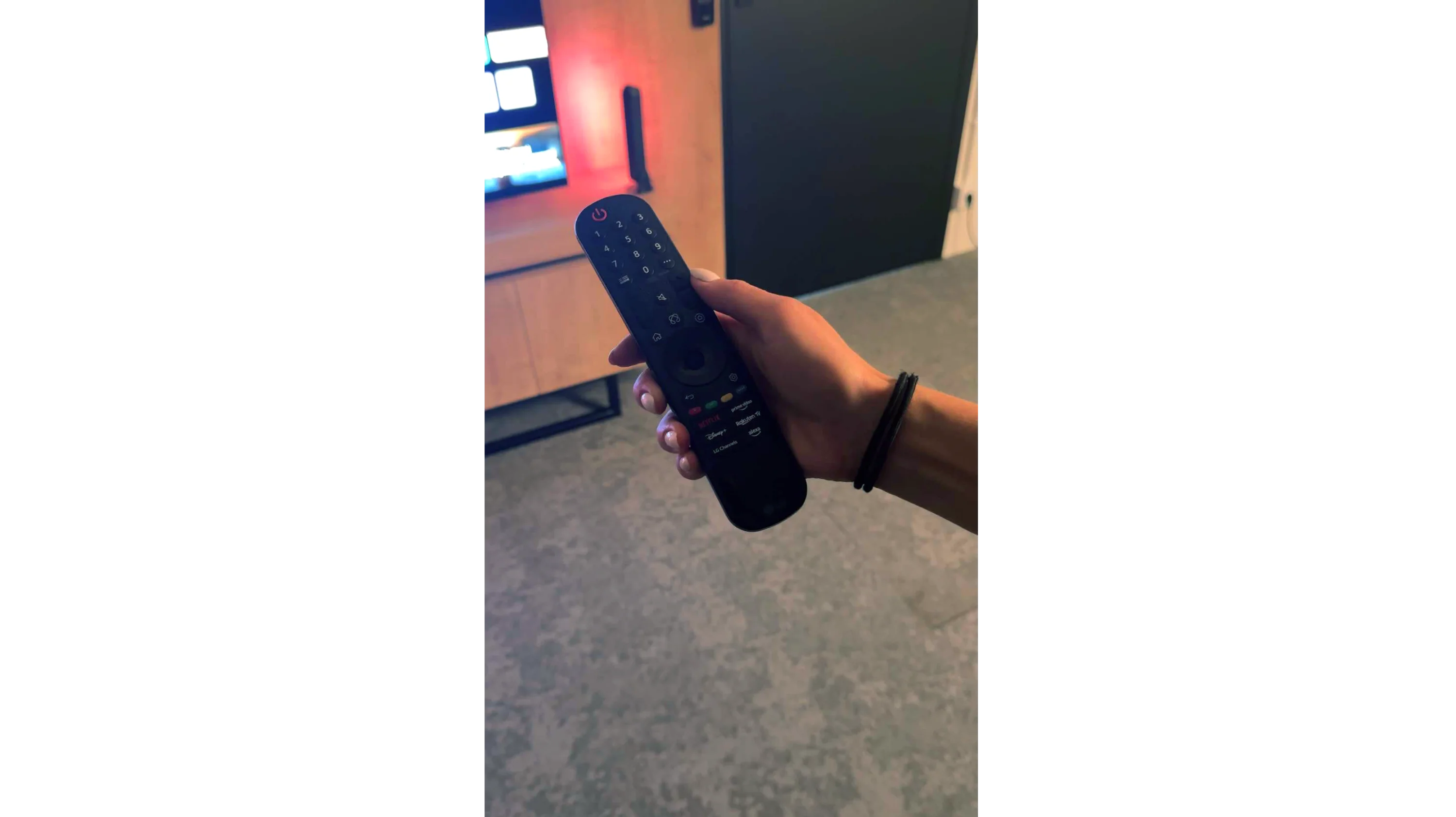
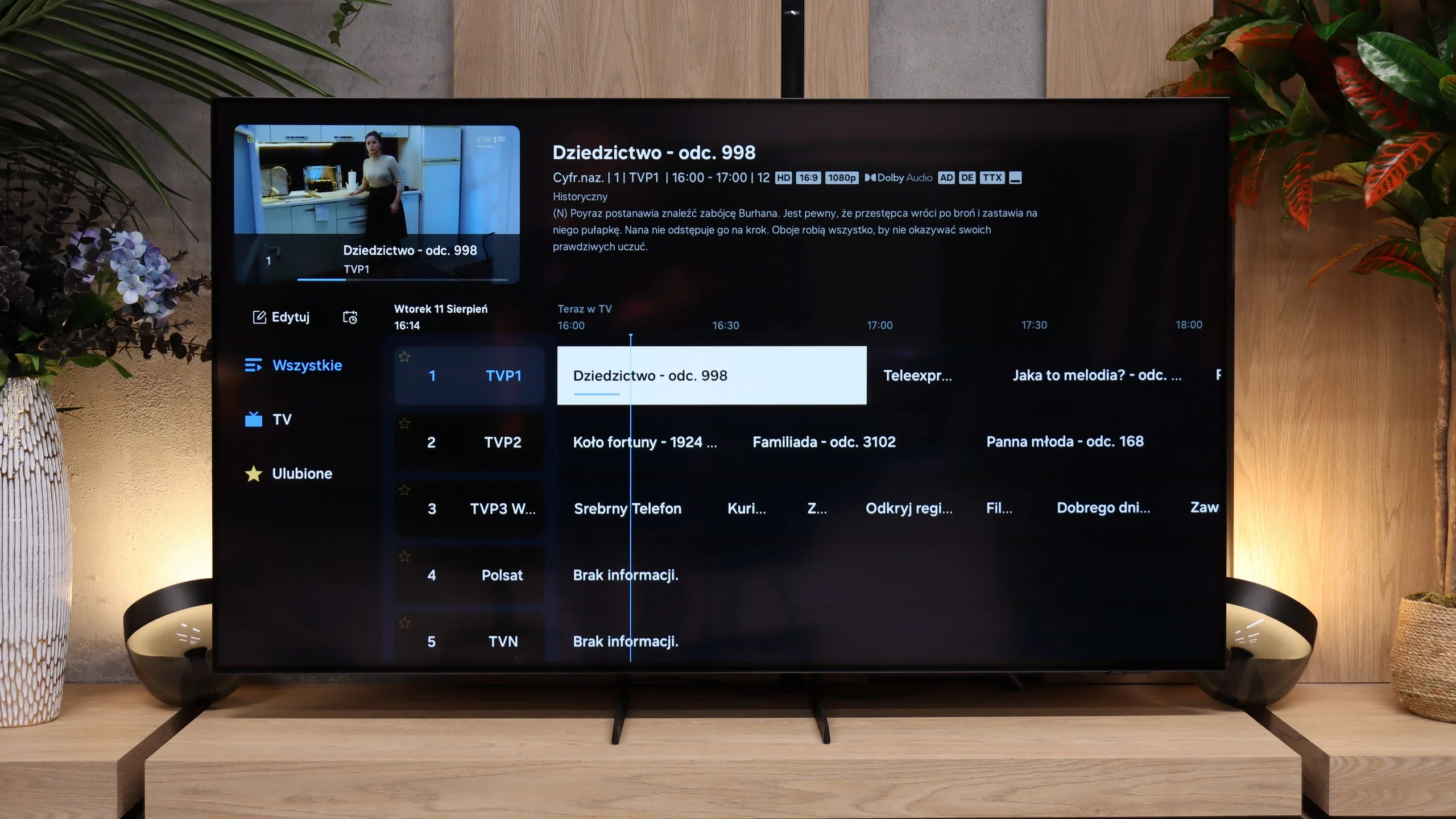
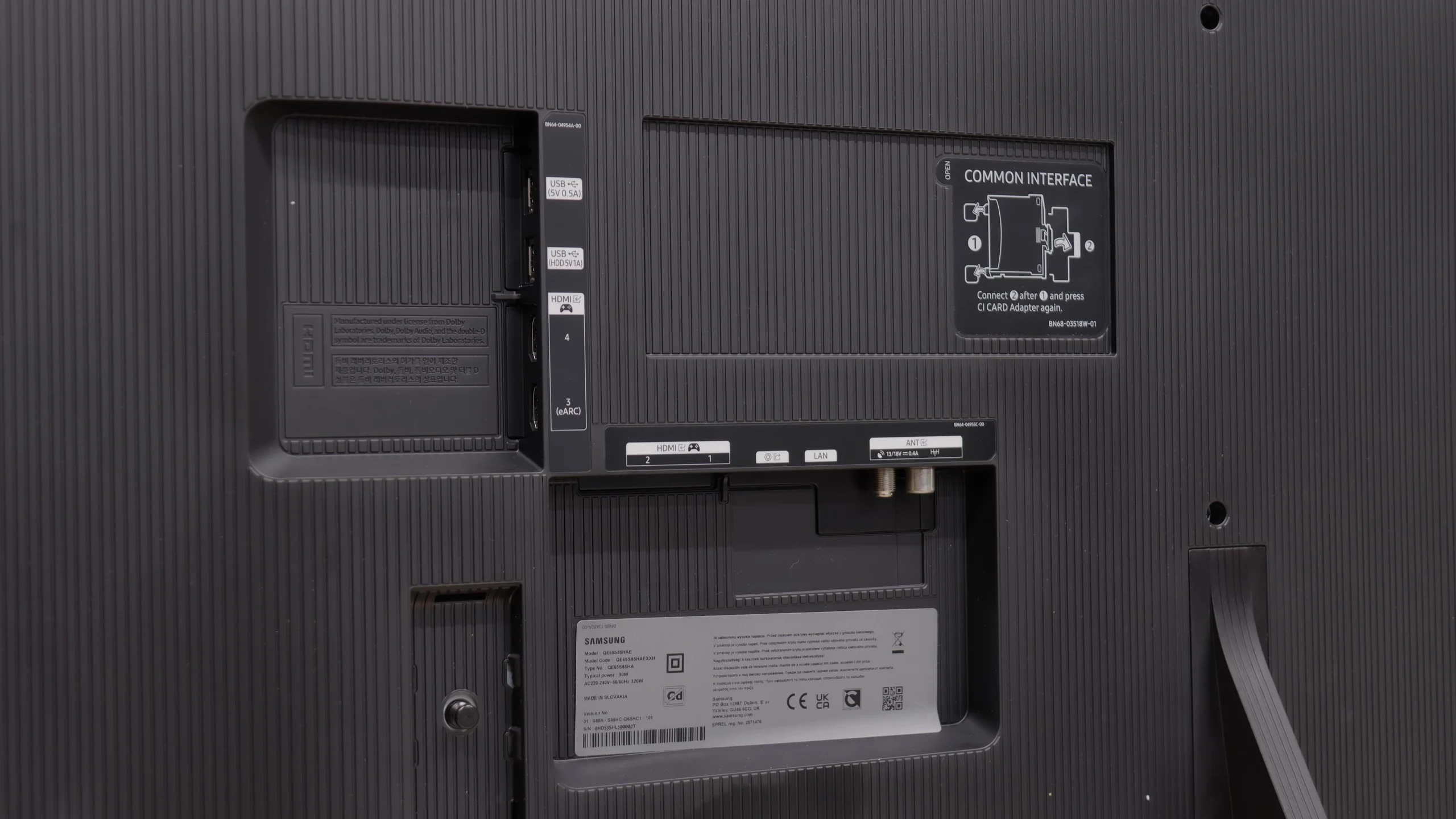
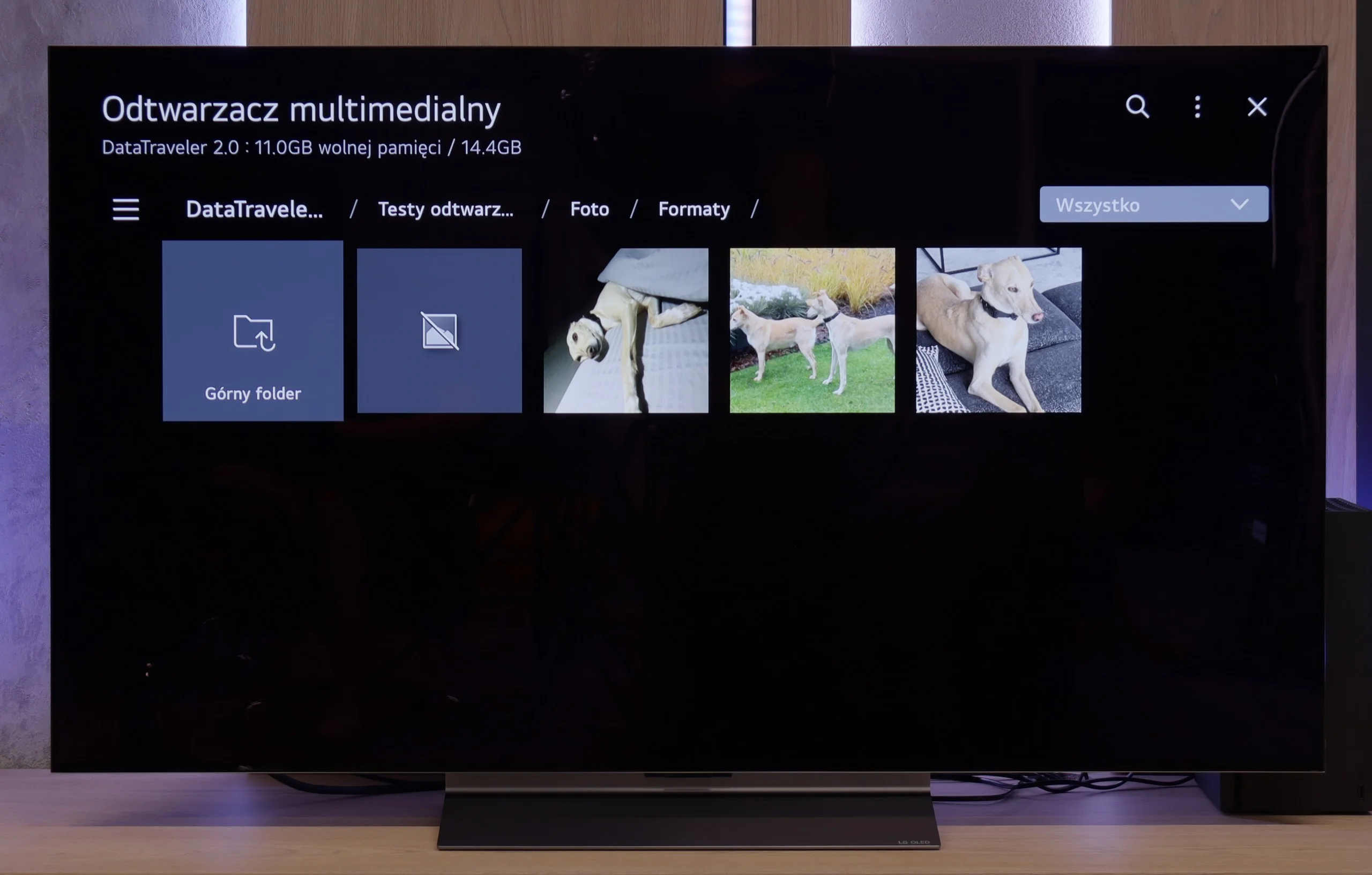
In terms of classic television functions, the LG C5 performs really well. Here we have the ability to record programmes to USB from built-in DVB-T(2) tuners, teletext support, an EPG programme list, as well as seamless pairing of headphones via Bluetooth. For many users, these are still very important elements of daily TV use – and here LG doesn’t lack anything except for the PIP function. It is also worth noting the remote control, or rather... the different versions of the remote. In our test, we used the C54 model, which is equipped with the new version of the Magic remote. It resembles Samsung's minimalist approach – there is no numeric keypad or "source" button, but it looks modern and is comfortable for daily use. On the other hand, other variants, such as C5ELB, may be sold with an older version of the remote – a more classic one, with more buttons and a numeric keypad. Some will find it more practical, while others will consider it outdated. In short: quite a bit of confusion, so it's worth checking the model suffix before making a purchase.
Smart TV:
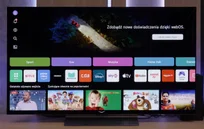
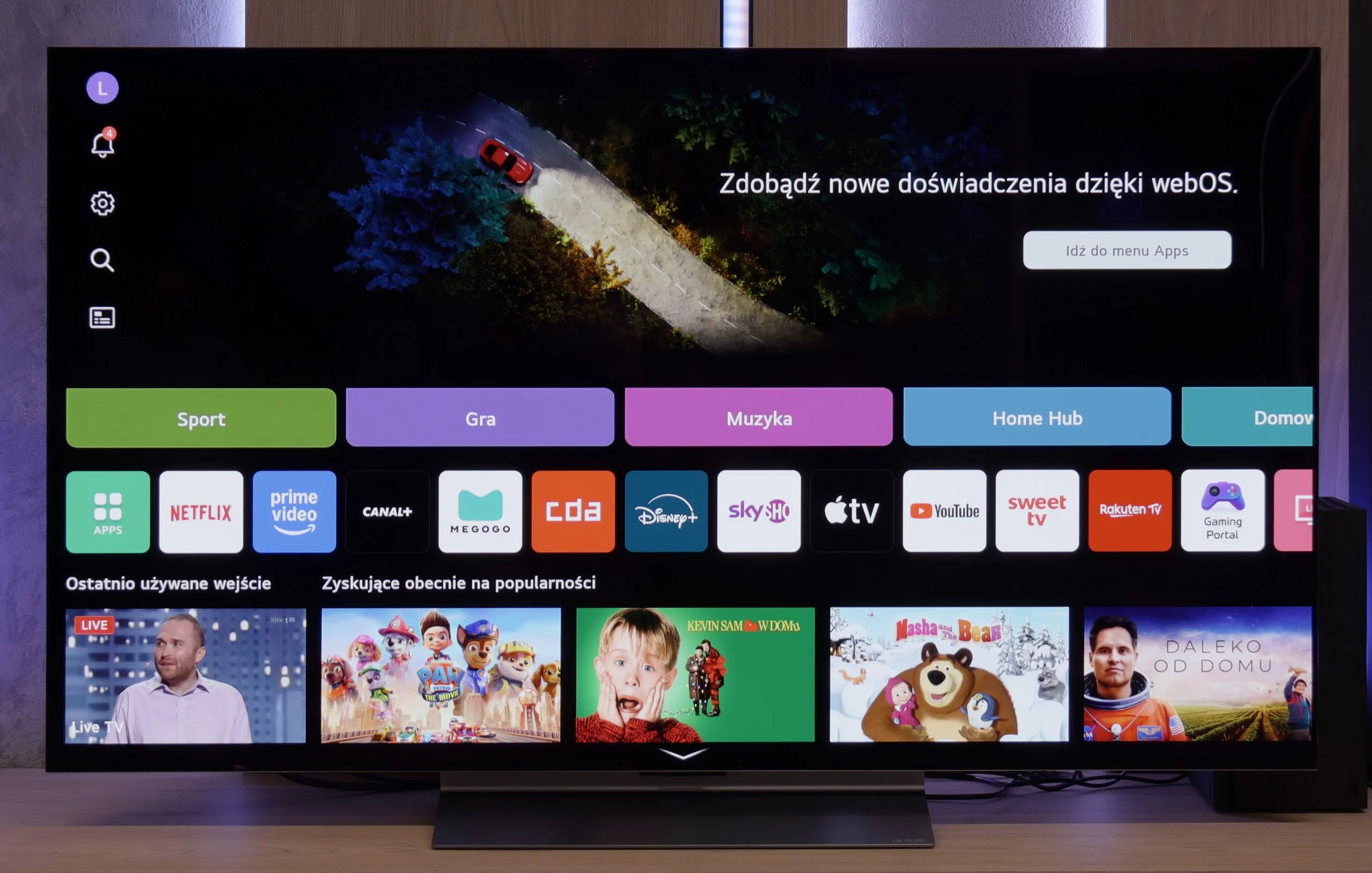
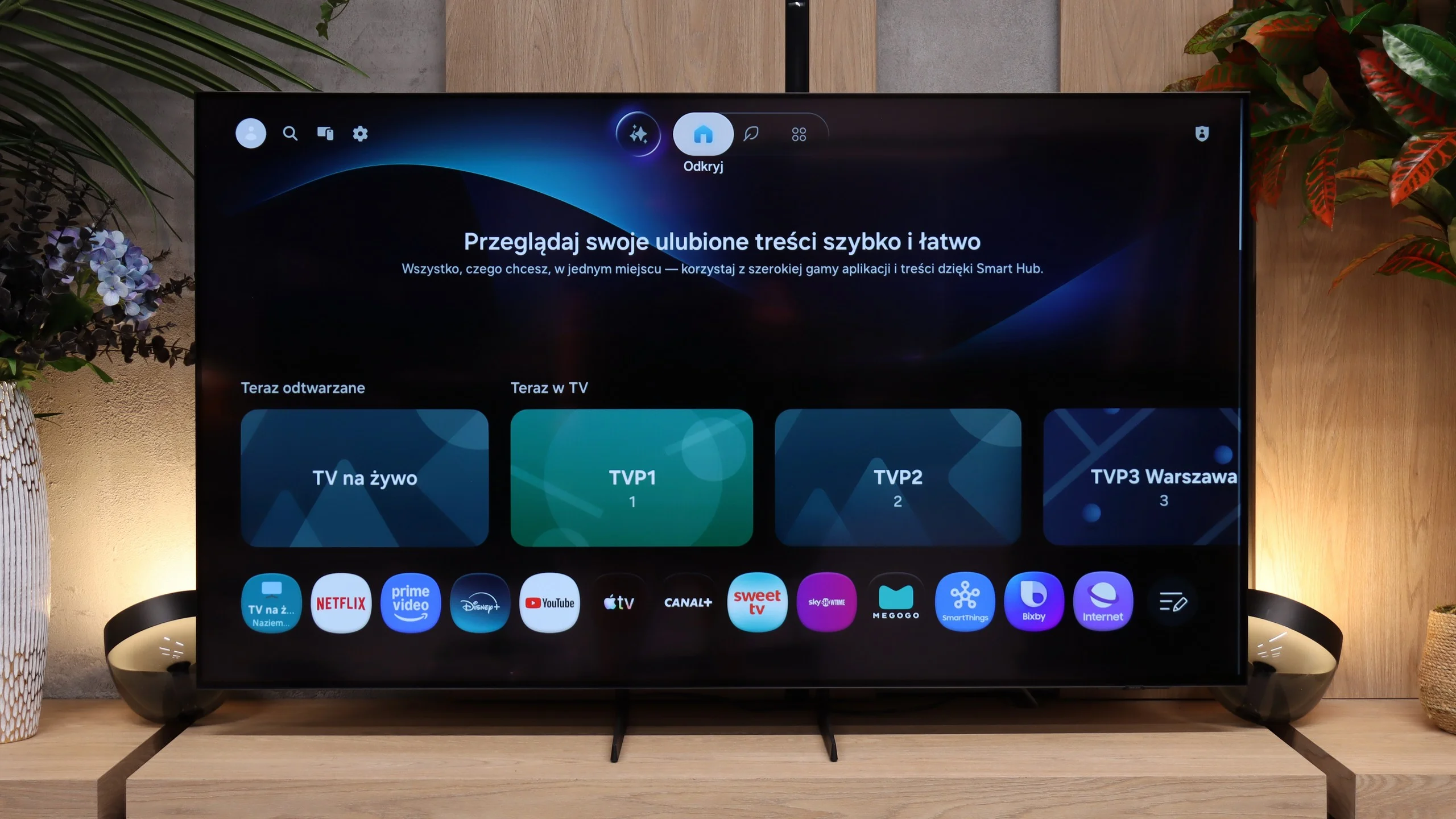
Regardless of the remote's version, we operate the same system – WebOS. This is one of the most enjoyable solutions in the Smart TV world. An intuitive menu, quick operation, and support for popular features such as AirPlay, screen mirroring, and voice assistant make the system perform very well on a daily basis. Additionally, cursor control via the gyroscope in the Magic remote remains one of the most convenient forms of navigation in televisions. There are really many applications available – Netflix, Disney+, HBO Max, Apple TV, and many others. However, it should be noted that this is not a system based on Android/Google TV, so it might happen that we simply won’t find some less popular application in the LG store.
Tizen
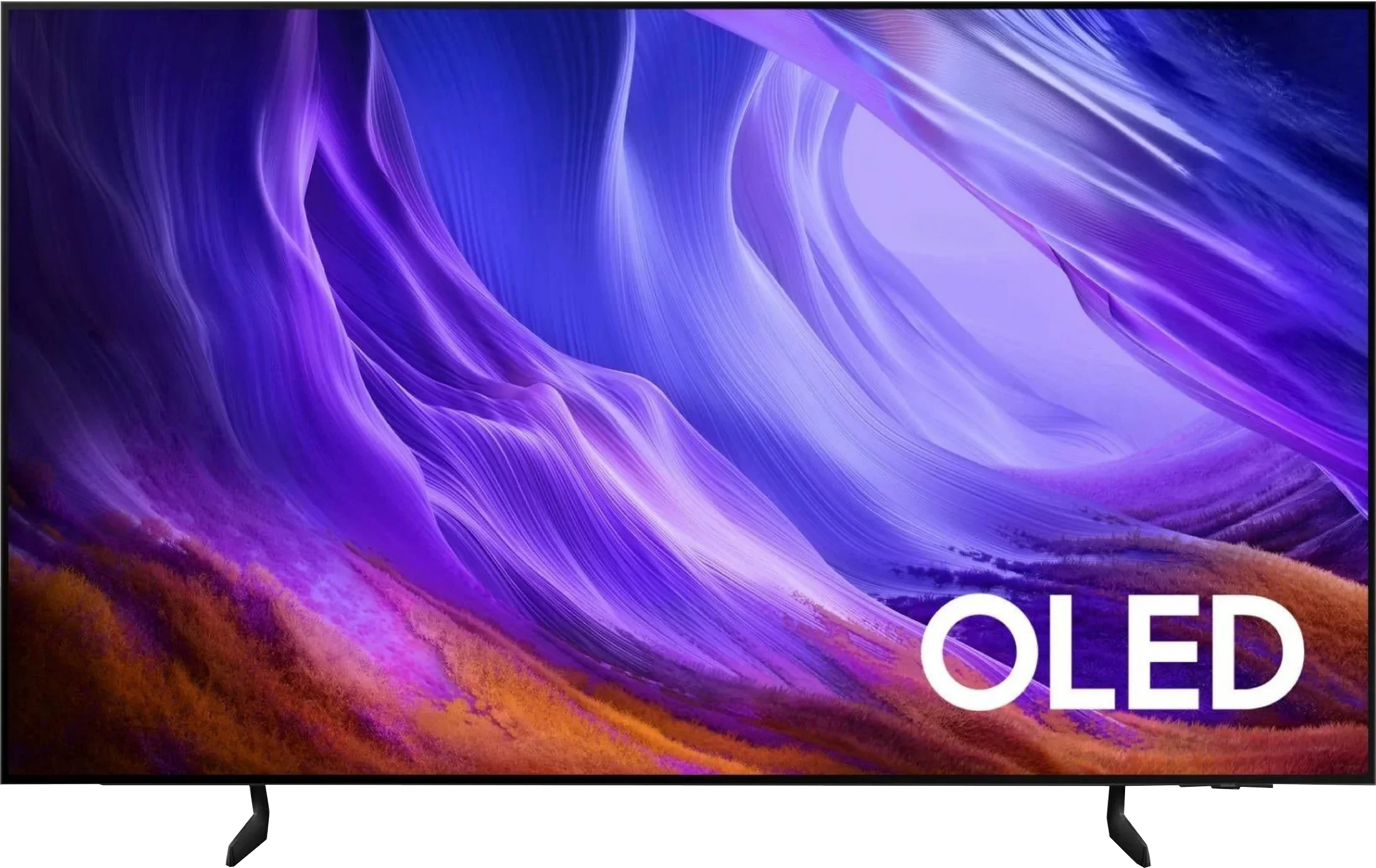
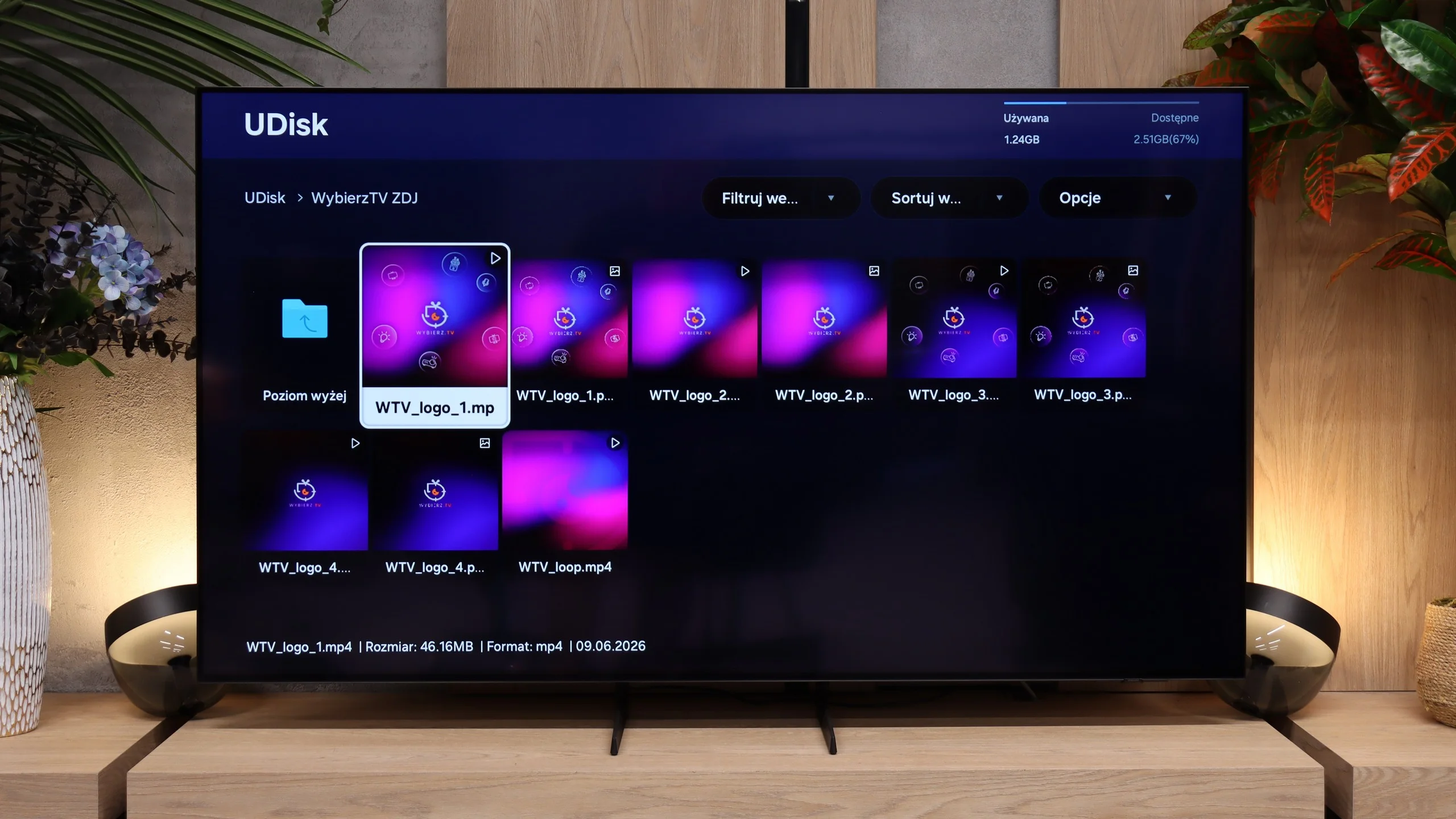
Samsung S85H runs on Tizen and, in terms of online features, there is little to criticise. The system is fast and responsive, and the selection of apps is one of the largest on the market. Besides the main streaming platforms you will also find many less popular services, so it’s unlikely you’ll be left without something you really need. Samsung is also developing SmartThings features, integration with other devices and an increasing number of AI-based solutions. There are really lots of possibilities here and some users will probably never explore half of them. A big plus is the promised seven years of system updates. For a television, which we usually keep much longer than a phone or computer, that matters. Tizen should therefore receive new features and fixes for a long time rather than being abandoned after two or three years. The S85H does not, in fact, feel like a cheaper model. We essentially get the same extensive ecosystem that Samsung offers in its more expensive TVs.
Classic features
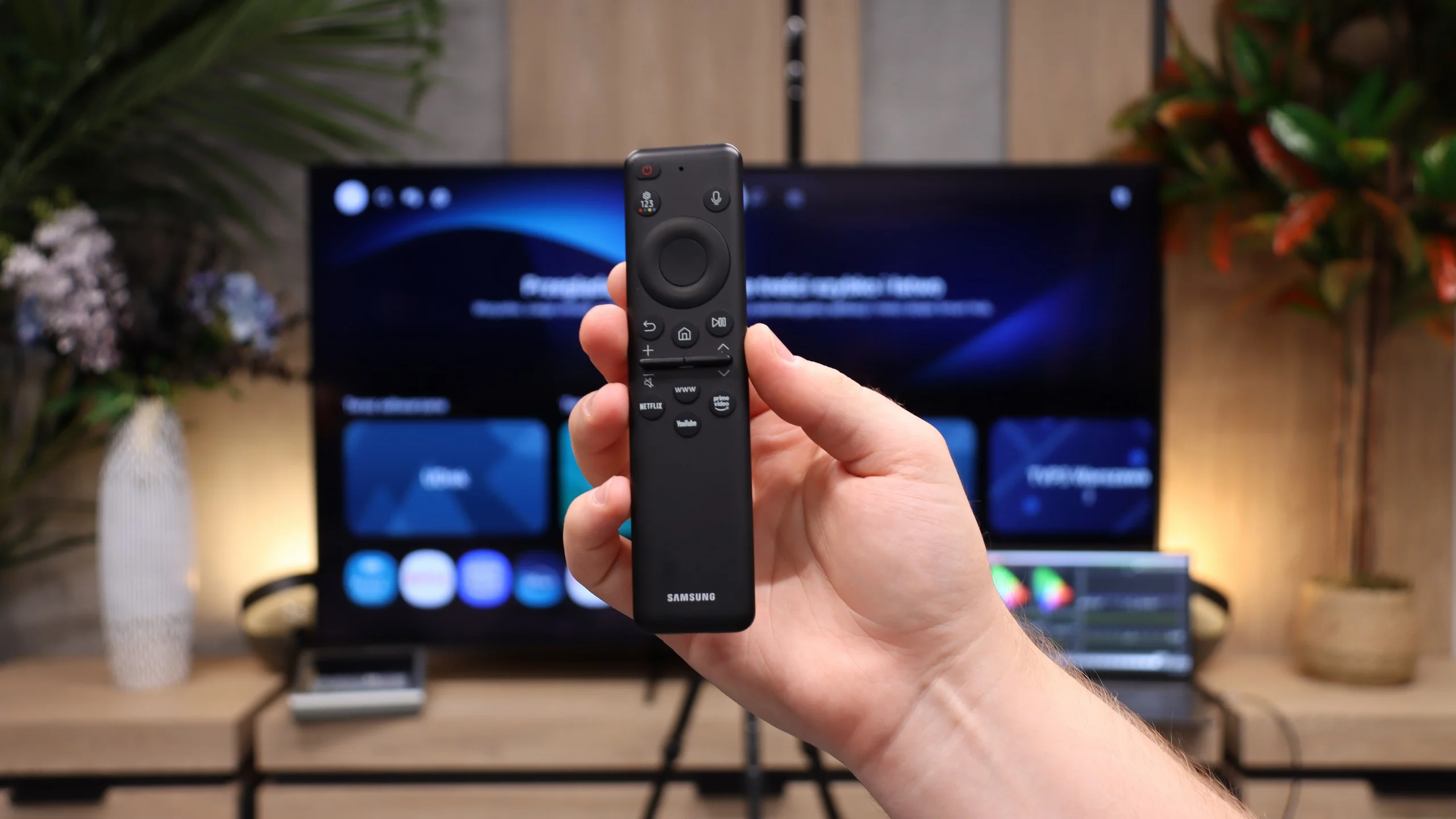
Samsung’s approach to classic television features looks completely different. It’s clear that for several years the manufacturer has been placing increasing emphasis on "modern" services at the expense of traditional ones. The S85H is therefore not a TV that will particularly appeal to people who are used to extensive control over conventional broadcasting. The supplied remote illustrates this well. It is small, minimalist and has only the most necessary buttons, but lacks a traditional numeric keypad. That works well for streaming, but for those who frequently watch broadcast TV without a set-top box it may not be to everyone’s taste. It’s simply a consequence of the direction Samsung is taking its televisions...
 Direct comparison