Classic TV functions:
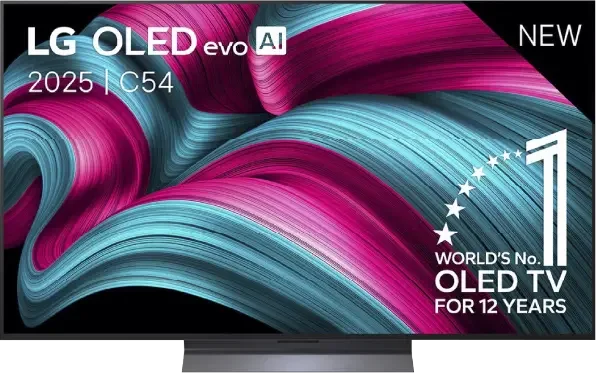
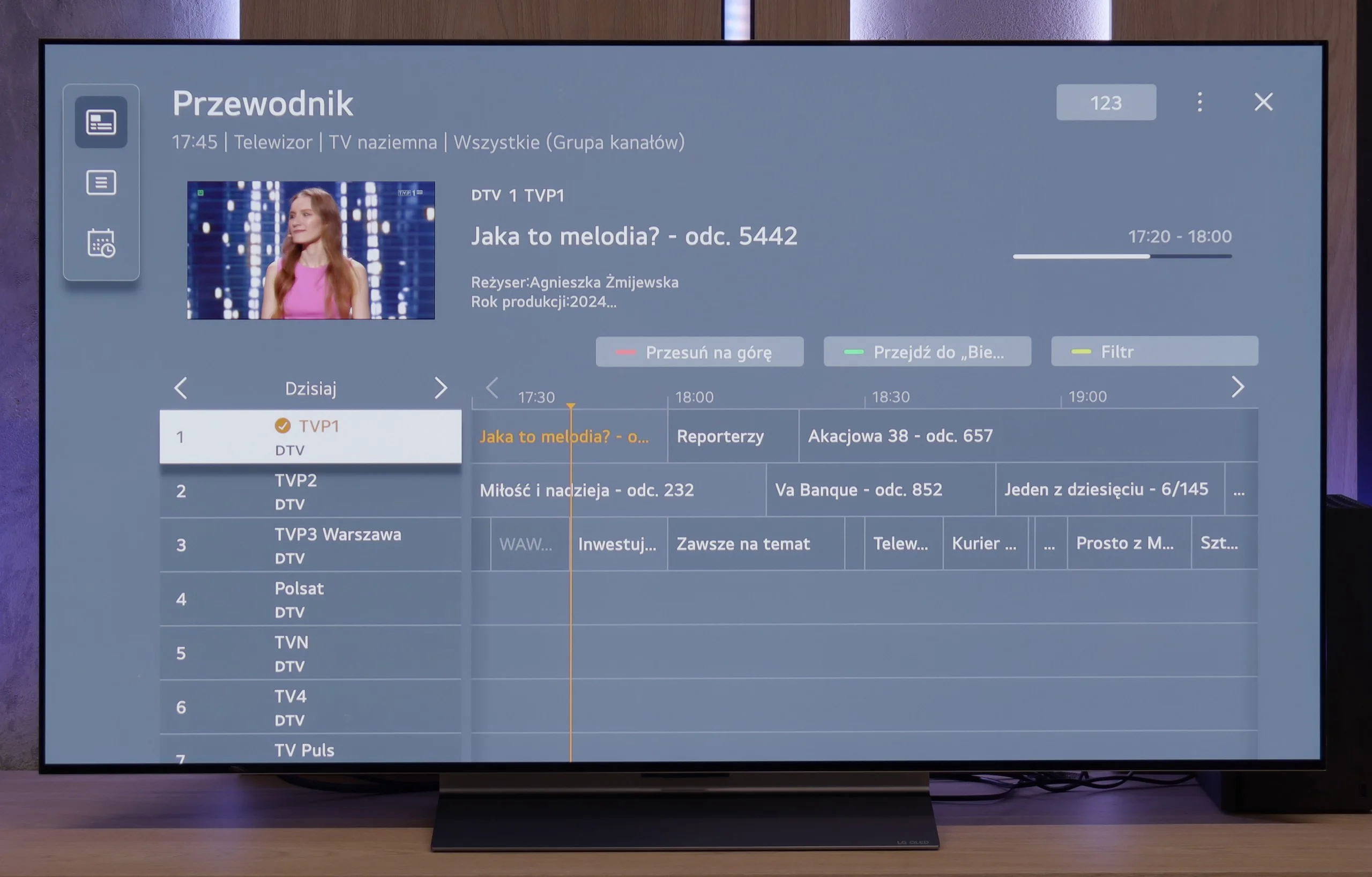
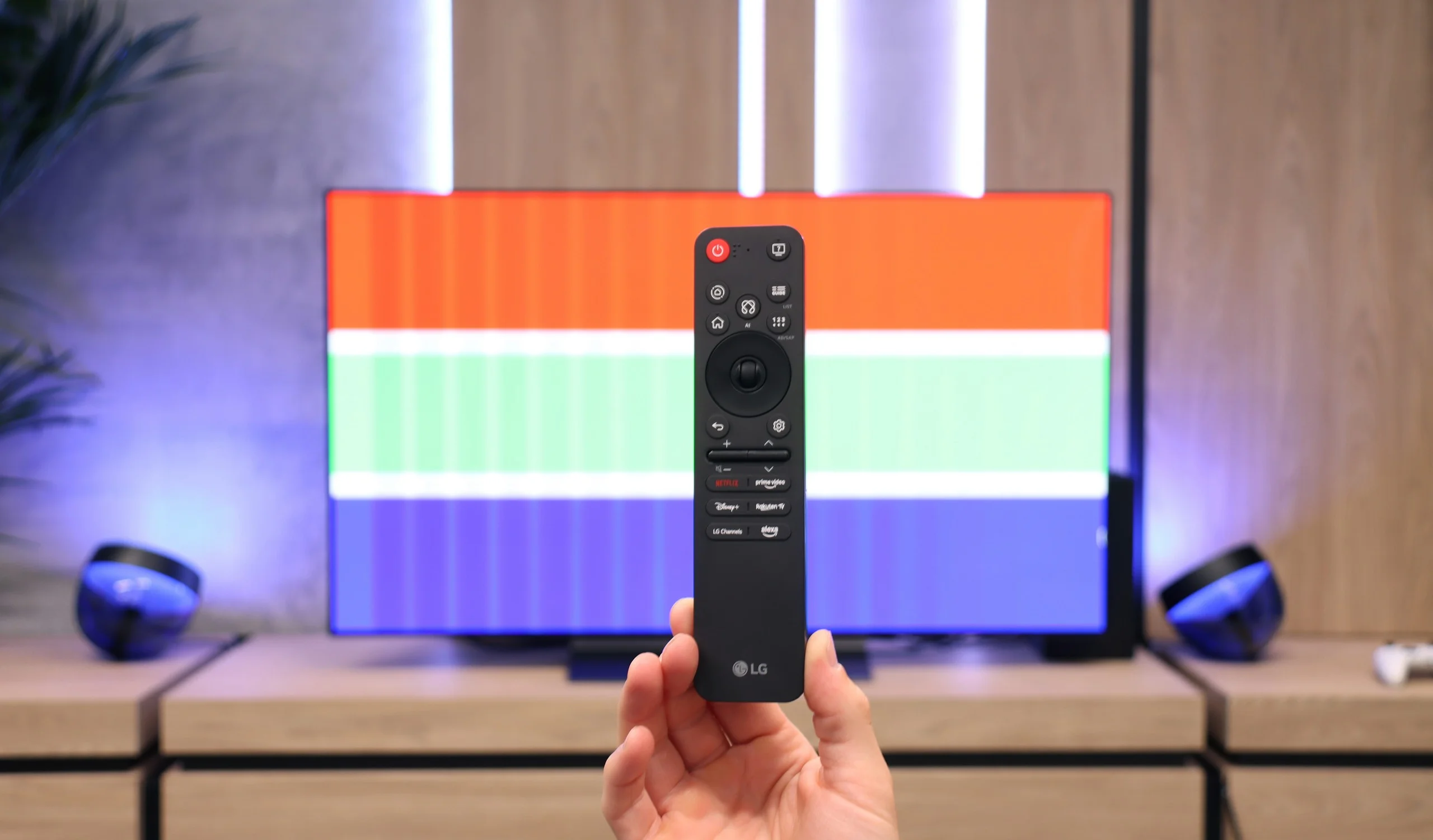
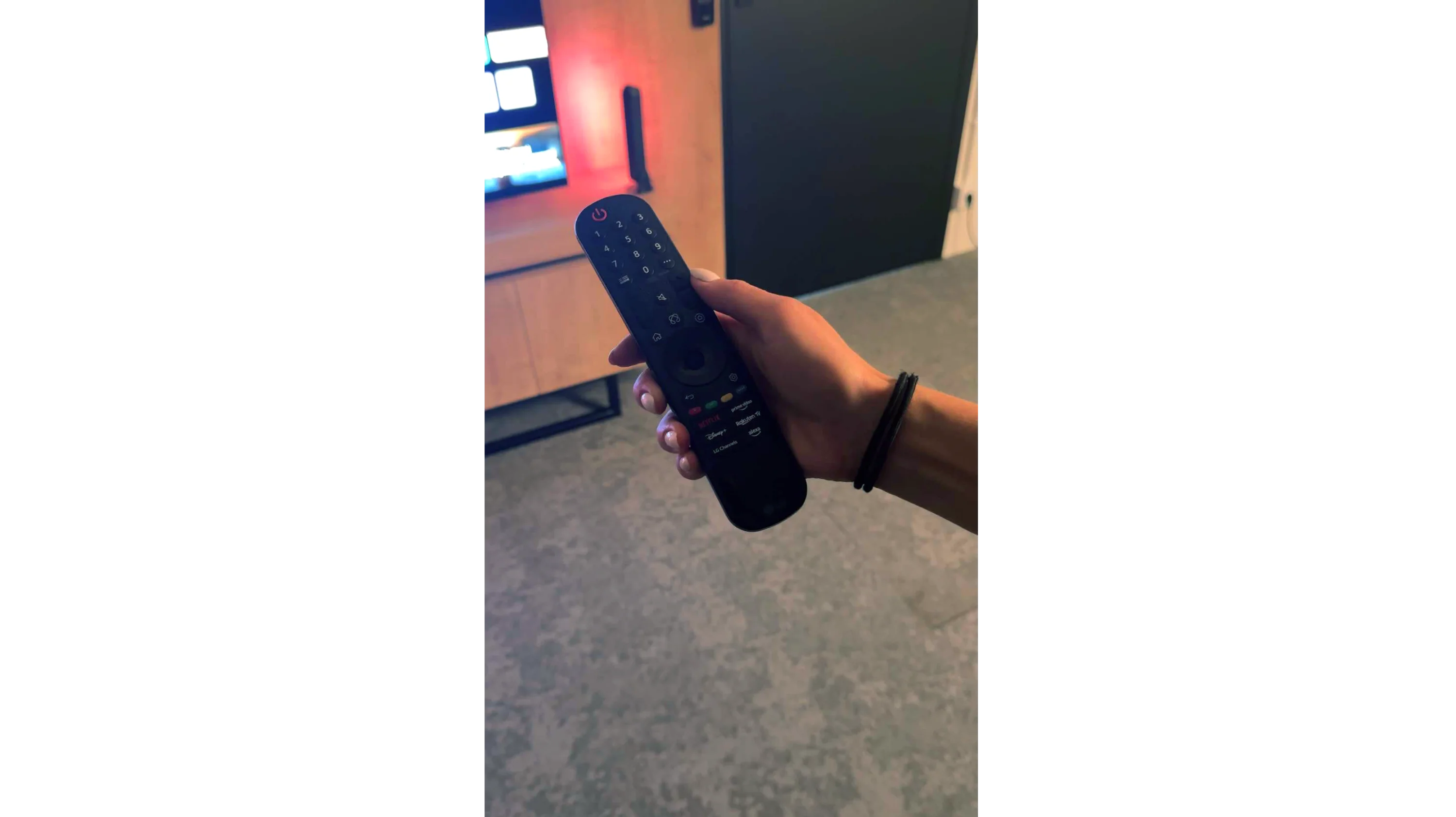
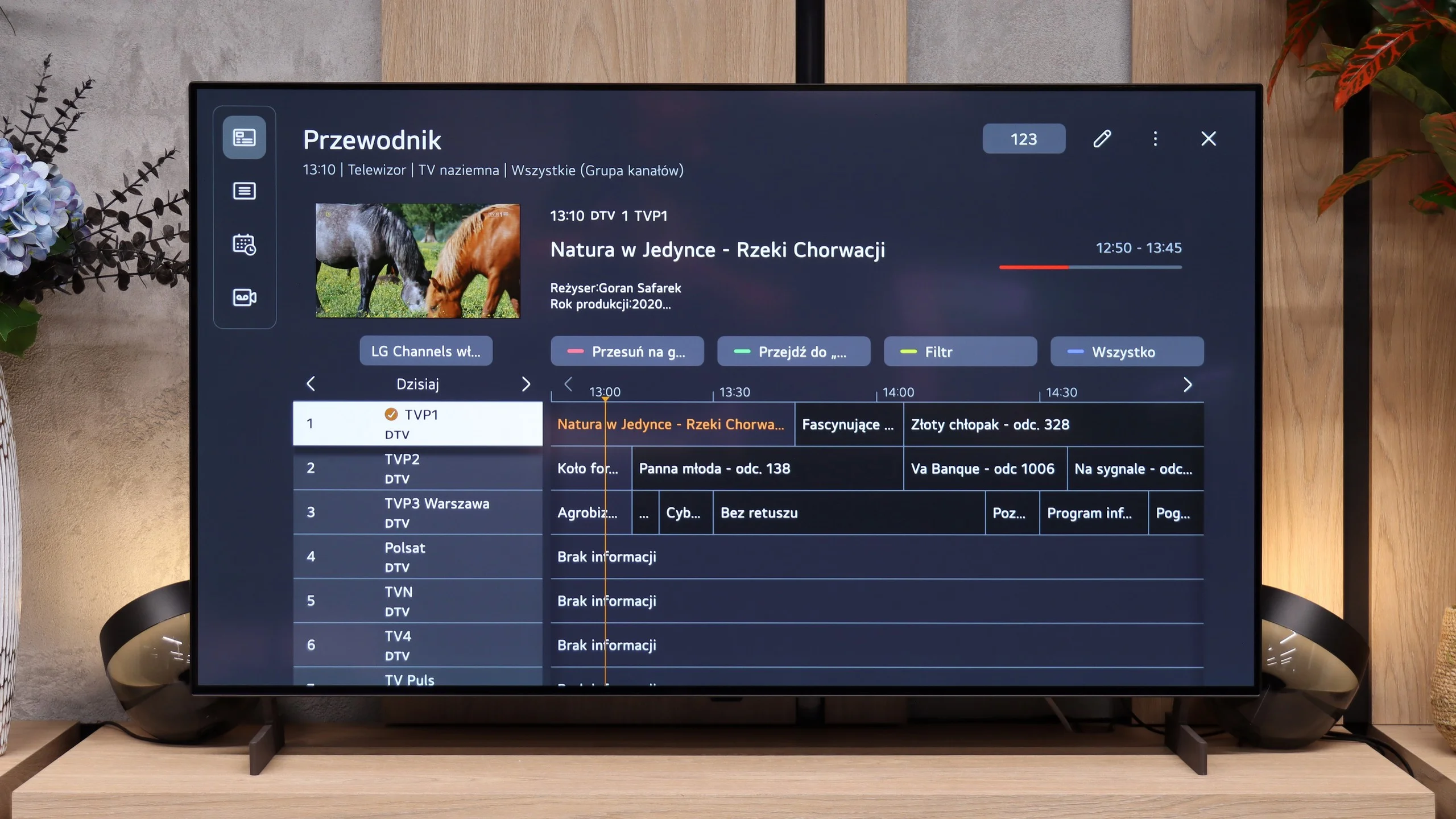
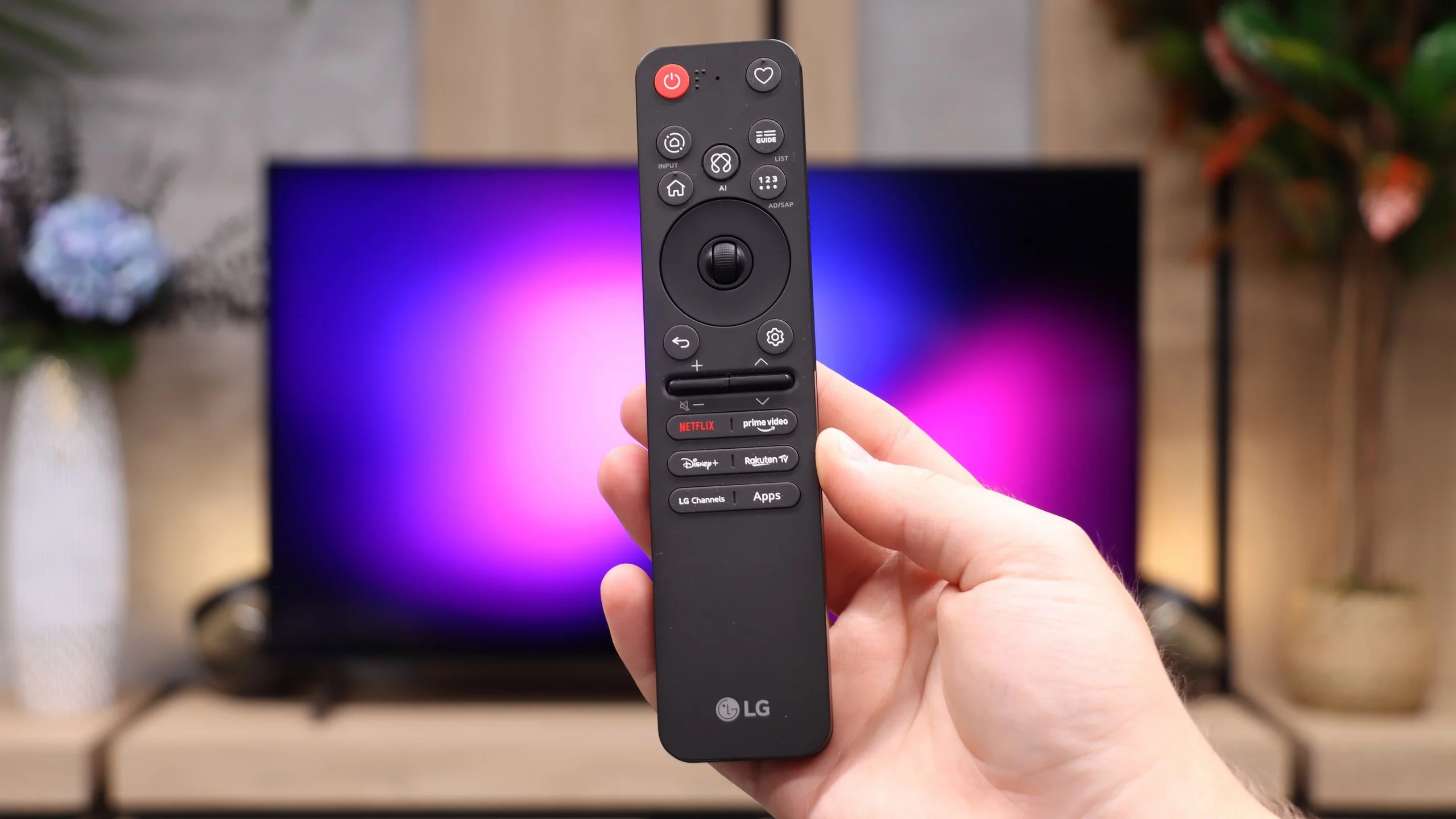
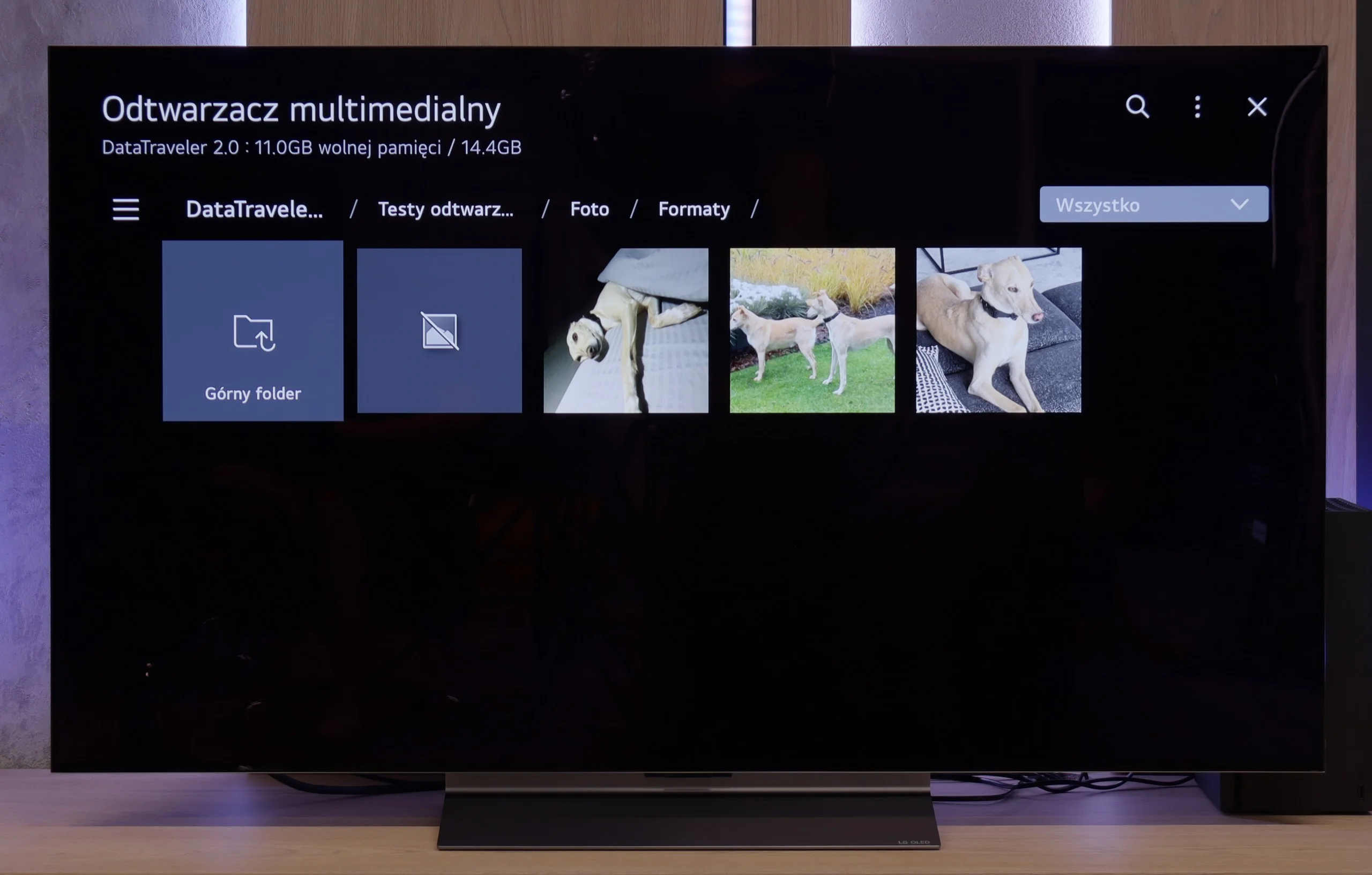
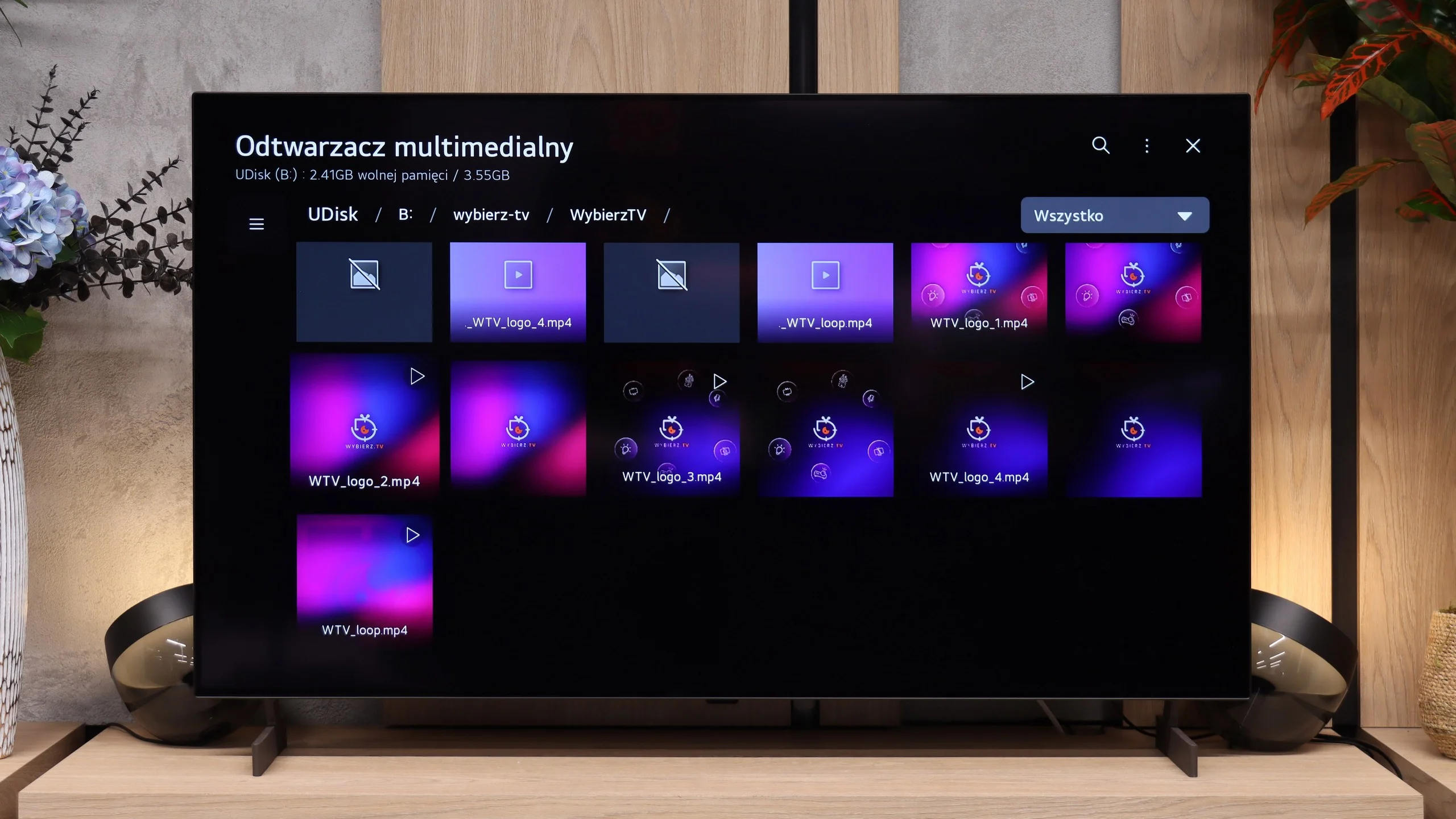
In terms of classic television functions, the LG C5 performs really well. Here we have the ability to record programmes to USB from built-in DVB-T(2) tuners, teletext support, an EPG programme list, as well as seamless pairing of headphones via Bluetooth. For many users, these are still very important elements of daily TV use – and here LG doesn’t lack anything except for the PIP function. It is also worth noting the remote control, or rather... the different versions of the remote. In our test, we used the C54 model, which is equipped with the new version of the Magic remote. It resembles Samsung's minimalist approach – there is no numeric keypad or "source" button, but it looks modern and is comfortable for daily use. On the other hand, other variants, such as C5ELB, may be sold with an older version of the remote – a more classic one, with more buttons and a numeric keypad. Some will find it more practical, while others will consider it outdated. In short: quite a bit of confusion, so it's worth checking the model suffix before making a purchase.
Smart TV:
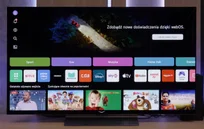
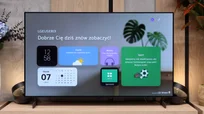
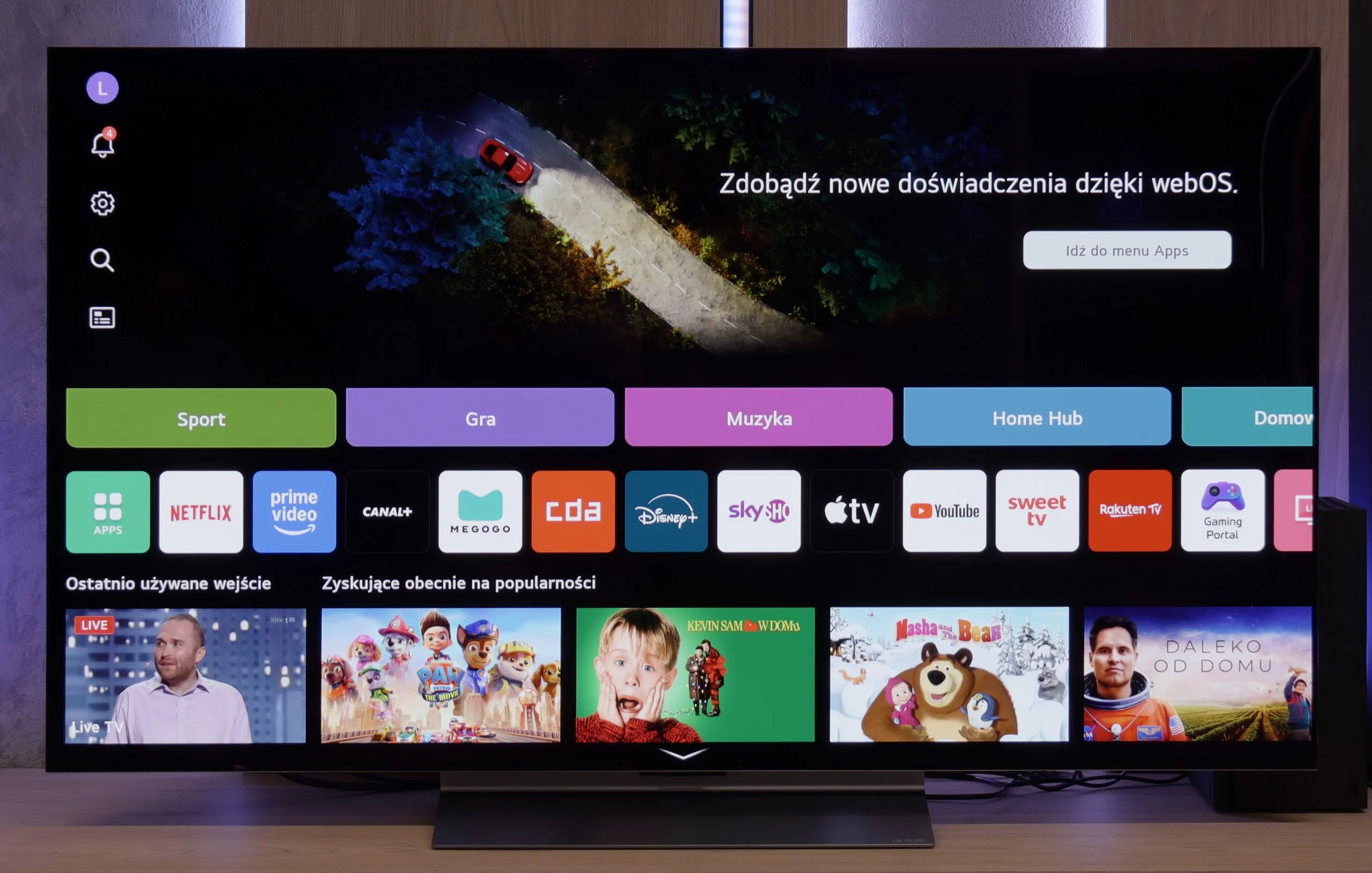
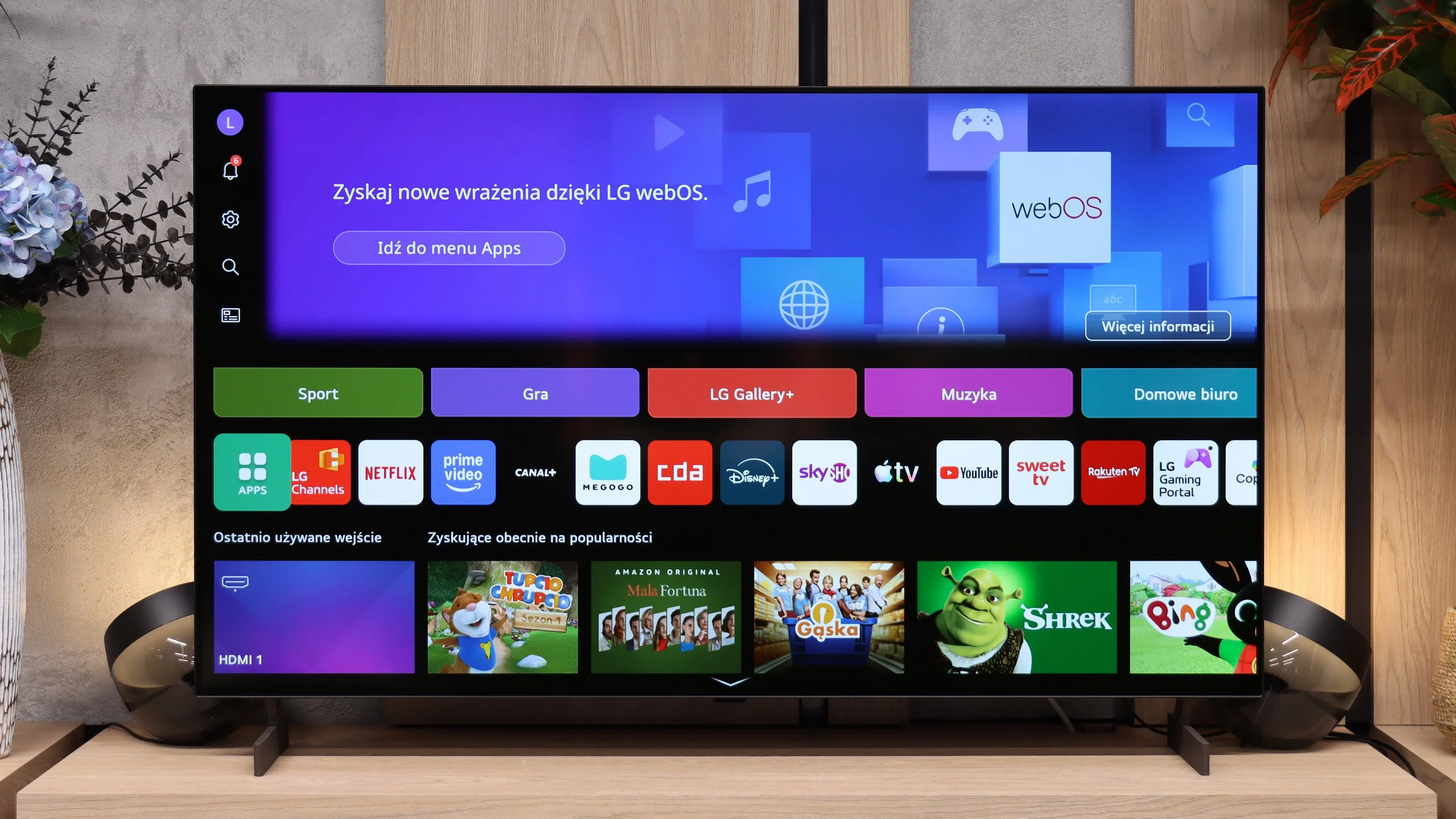
Regardless of the remote's version, we operate the same system – WebOS. This is one of the most enjoyable solutions in the Smart TV world. An intuitive menu, quick operation, and support for popular features such as AirPlay, screen mirroring, and voice assistant make the system perform very well on a daily basis. Additionally, cursor control via the gyroscope in the Magic remote remains one of the most convenient forms of navigation in televisions. There are really many applications available – Netflix, Disney+, HBO Max, Apple TV, and many others. However, it should be noted that this is not a system based on Android/Google TV, so it might happen that we simply won’t find some less popular application in the LG store.
Smart TV: webOS
LG B6 uses webOS, LG’s proprietary platform. Its biggest advantage remains the way you control it. The supplied Magic Remote works much like a mouse; simply move your wrist to shift the cursor across the screen and point at the items you want. At first it may feel unusual, but it quickly proves very convenient, especially when typing text, selecting apps or navigating a complex menu. The remote itself is fairly minimalist and does not offer many traditional buttons, but cursor control largely makes up for that. On the other hand, if you do not want to wave your hand to enter letters, you can always speak the desired phrase into the remote and the AI voice assistant will suggest appropriate recommendations.
In terms of available apps it is hard to fault webOS. You will find virtually all the major streaming services here, as well as additional features such as AirPlay, screen mirroring and Chromecast. The TV therefore works well with both iPhones and Android devices. It is a shame, however, that the system does not run on the B6 as smoothly as on higher-end models. At times it can respond with a slight delay, and the home screen is heavily cluttered with recommendations, tiles and ads. That does not make webOS unusable, but it could certainly be more organised.
Classic features
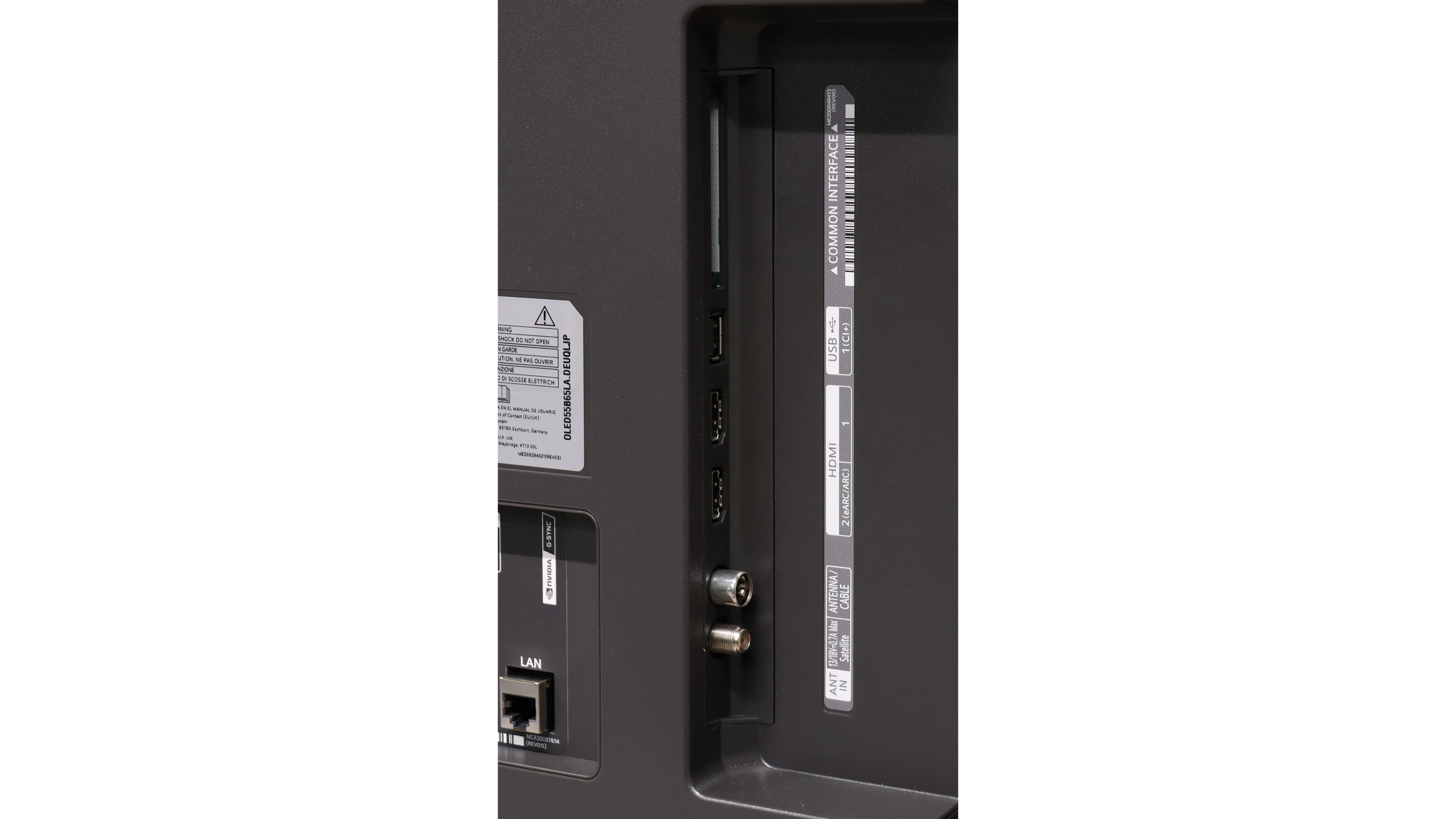
By contrast, the traditional TV features perform very well, features many manufacturers seem to be gradually forgetting. The LG B6 allows, among other things, recording programmes to a connected drive or USB storage. The PVR function also works with a scheduler, so a recording can be planned in advance from the TV guide. This comes in handy when you want to save an episode, a match or another event broadcast during your absence. There is also a clear channel guide and efficient handling of terrestrial, cable and satellite TV. For people who still regularly use traditional television, the B6 is therefore a relatively complete device, provided the lack of teletext does not bother you.
 Direct comparison