 Direct comparison
Hisense UR9S is without doubt one of the more interesting launches this year, but not necessarily for the reasons the manufacturer most emphasises. Admittedly, the brand’s first RGB Mini LED backlight in history and in this range impresses in measurements, but in practice the TV’s main strength is that it is simply well refined. It’s clear Hisense learned from previous models and improved the things that really matter for day-to-day viewing. RGB Mini LED itself has considerable potential, but for now it is not yet a reason to buy this particular model. In actual films and series the advantage of the new technology is not as pronounced as test-pattern results might suggest. Perhaps future generations will show much more, but today we treat it more as an interesting direction of development than a true revolution. Above all, the UR9S stands out for its versatility. It handles black levels very well (for an LCD panel), processes lower-quality footage efficiently and offers extensive features for both regular viewing and gaming. It also has a few solutions missing from rivals, such as a USB-C port with DisplayPort and a very high panel refresh rate for PC gamers. Is it worth considering? In our view, yes, especially if you are looking for a flagship LCD TV. Not because it uses an RGB Mini LED backlight, but because it is a very good, versatile and simply pleasant TV for everyday use.
- Matching (Score) |
- Our verdict |
- TV appearance |
- Where to buy |
- Contrast and black detail |
- HDR effect quality |
- Factory color reproduction |
- Color reproduction after calibration |
- Smoothness of tonal transitions |
- Image scaling and smoothness of tonal transitions |
- Blur and motion smoothness |
- Console compatibility and gaming features |
- Input lag |
- Compatibility with PC |
- Viewing angles |
- Daytime performance |
- Panel details |
- TV features |
- Apps |
- Playing files from USB |
- Sound
G64LW / G66LS

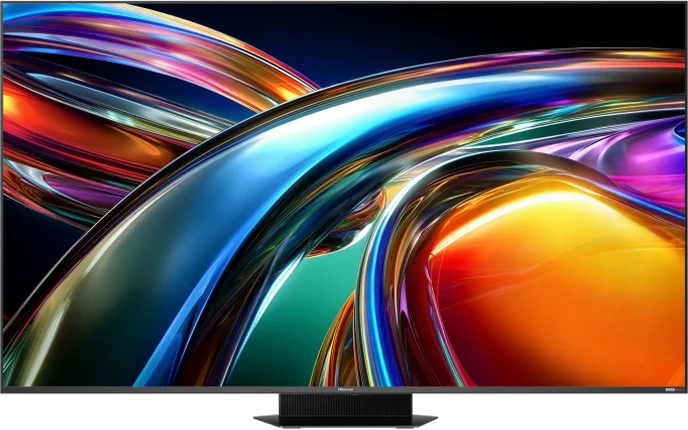
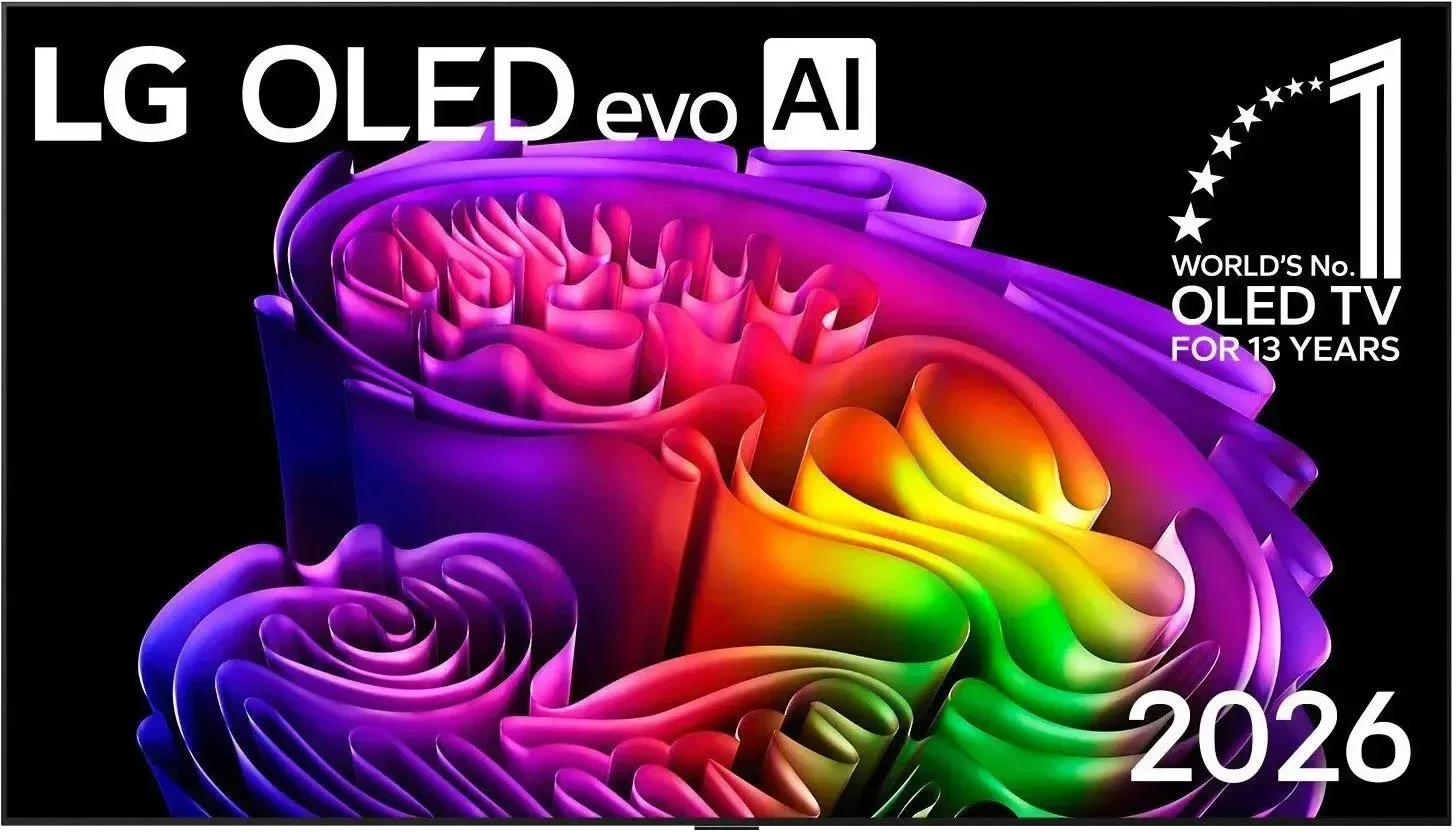
Panel type: LCD VA
Resolution: 3840x2160
System: VIDAA
Model year: 2026
Complete the survey to find out the result
Panel type: WRGB OLED
Resolution: 3840x2160
System: WebOS
Model year: 2026
Complete the survey to find out the result
Overall rating
8.4
8.7
 Movies and series in UHD quality
7.9
8.6
 Classic TV, YouTube
7.9
8.7
 Sports broadcasts (TV and apps)
7.6
8.6
 Gaming on console
8.4
9.5
 TV as a computer monitor
8.4
8.7
 Watching in bright light
9.9
8.2
 Utility functions
9.4
8.5
 Apps
8.3
9.1
 Sound quality
7.8
8.4
Complete the survey to find out what fits your preferences
Advantages

High HDR and SDR brightness
Very good black levels and contrast for an LCD TV
Excellent image processing and upscaling of lower-quality content (Pentonic 800)
Matt coating that effectively reduces reflections
Extensive gaming features (170/180 Hz, VRR, FreeSync, G-Sync, HDMI 2.1)
Low input lag
USB-C port with DisplayPort support
Dolby Atmos and DTS support
Good audio system for a TV
Smoothly functioning HomeOS (VIDAA)
Convenient remote with backlight, solar panel and USB-C charging
Perfect black OLED
High brightness HDR and SDR
Excellent anti-reflective coating
Reference colours (after calibration can be represented just like on director’s equipment)
Full support for gamers (HDMI 2.1, 165 Hz, VRR, ALLM)
Low Input Lag (below 5ms)
Smoothness and sharpness in motion
Outstanding upscaling and image processing
Full support for Dolby Vision
Functional webOS system with Magic remote control support
5-year warranty on the panel included
Disadvantages

In films, the full potential of RGB Mini LED backlighting is not always realised
HDR image brightness deviates from the director's intent
Lack of proper HGiG implementation (a feature for gamers)
Some key applications are missing
Very annoying dithering – graininess and flickering of the image near black
Worse (although still good) viewing angles than its predecessor
No support for DTS:X audio codec (useful for Blu-ray owners)
Our verdict
Without a doubt, the LG G6 is an outstanding television in many respects. Thanks to the new second-generation Tandem OLED panel, it does something that no other screen with a glossy coating on the market has been able to achieve – it superbly suppresses light reflections while maintaining perfect, unblemished picture quality. When we add to this its record brightness and the unique properties of the panel itself, the G6 can generate images that can literally take your breath away at times. The excellent webOS system and features for gamers only reinforce the belief that this is a worthy successor to the G5 model. However, this is just one side of the coin... because with a device of this class, the expectations are the highest possible. During detailed testing, we encountered a problem with digital image processing in scenes close to black. There was too aggressive dithering and slight flickering of details in dark sequences. While this flaw does not stand out drastically during normal viewing from the couch and does not undermine the overall admiration for the contrast, a trained eye will easily notice that LG's engineers stumbled at the final hurdle while tuning the panel. When purchasing a fairly expensive flagship product here and now, perfection is simply expected from the first power-up.
Despite this evident slip-up, the LG G6 is still at the absolute forefront of the market and one of the most interesting televisions of the year. It has solid foundations to become the ultimate screen. We firmly believe that the manufacturer will quickly diagnose the problem and release an appropriate software update – if that happens, the competition will once again have nothing to look for. We promise to monitor the situation continuously, and as soon as a patch is released, we will certainly verify its effectiveness.
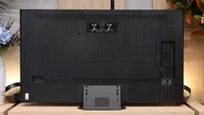
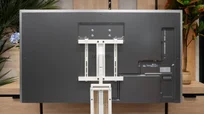
TV appearance


Contrast and black detail
8.5/10
10/10
Local dimming function: Yes, number of zones: 1056 (24 x 44)
Contrast:


Result
411,100:1

Result
152,050:1

Result
38,100:1

Result
28,450:1

Result
14,700:1
Result
∞:1
Result
∞:1
Result
∞:1
Result
∞:1
Result
∞:1
Halo effect and black detail visibility:
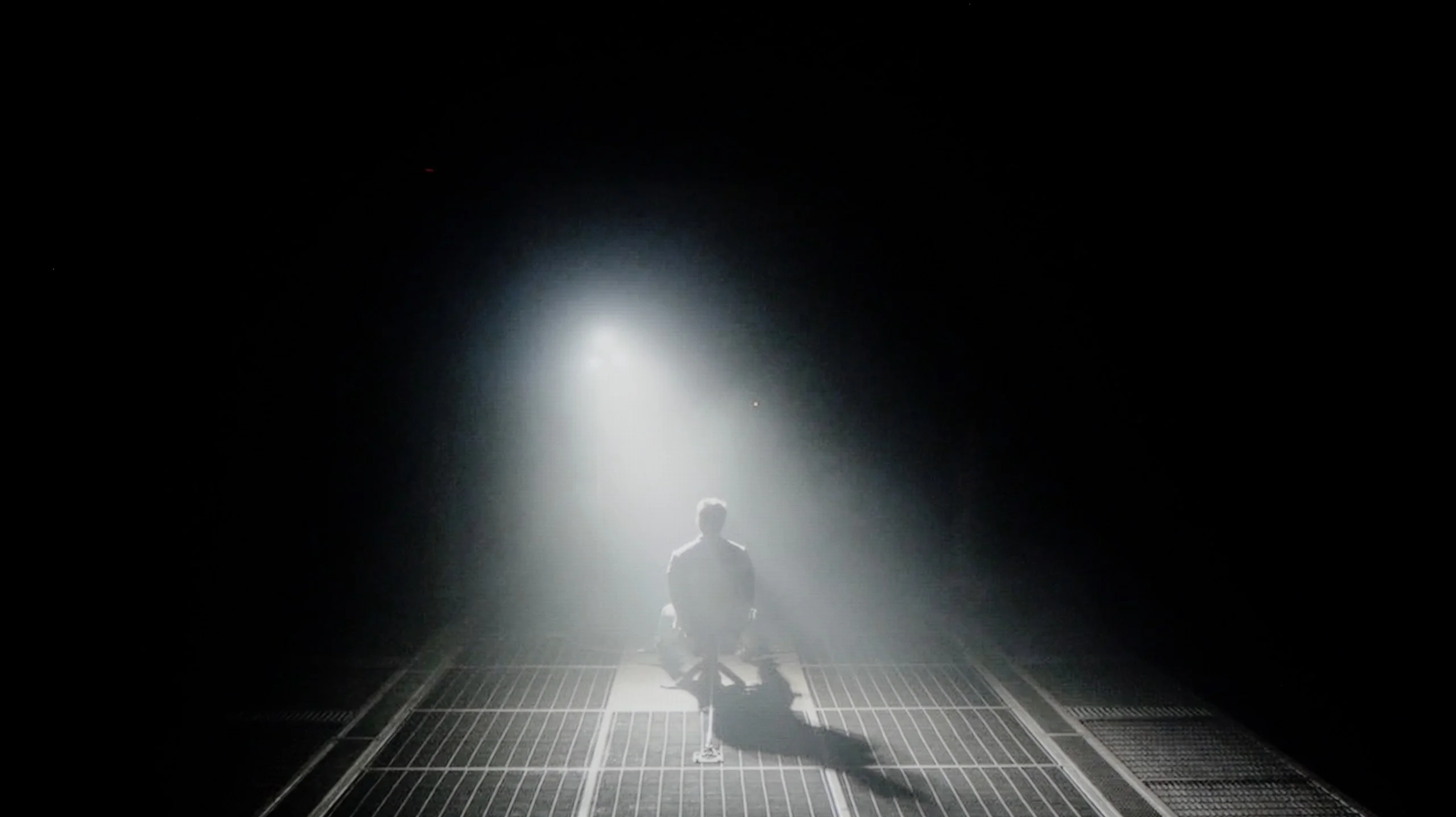
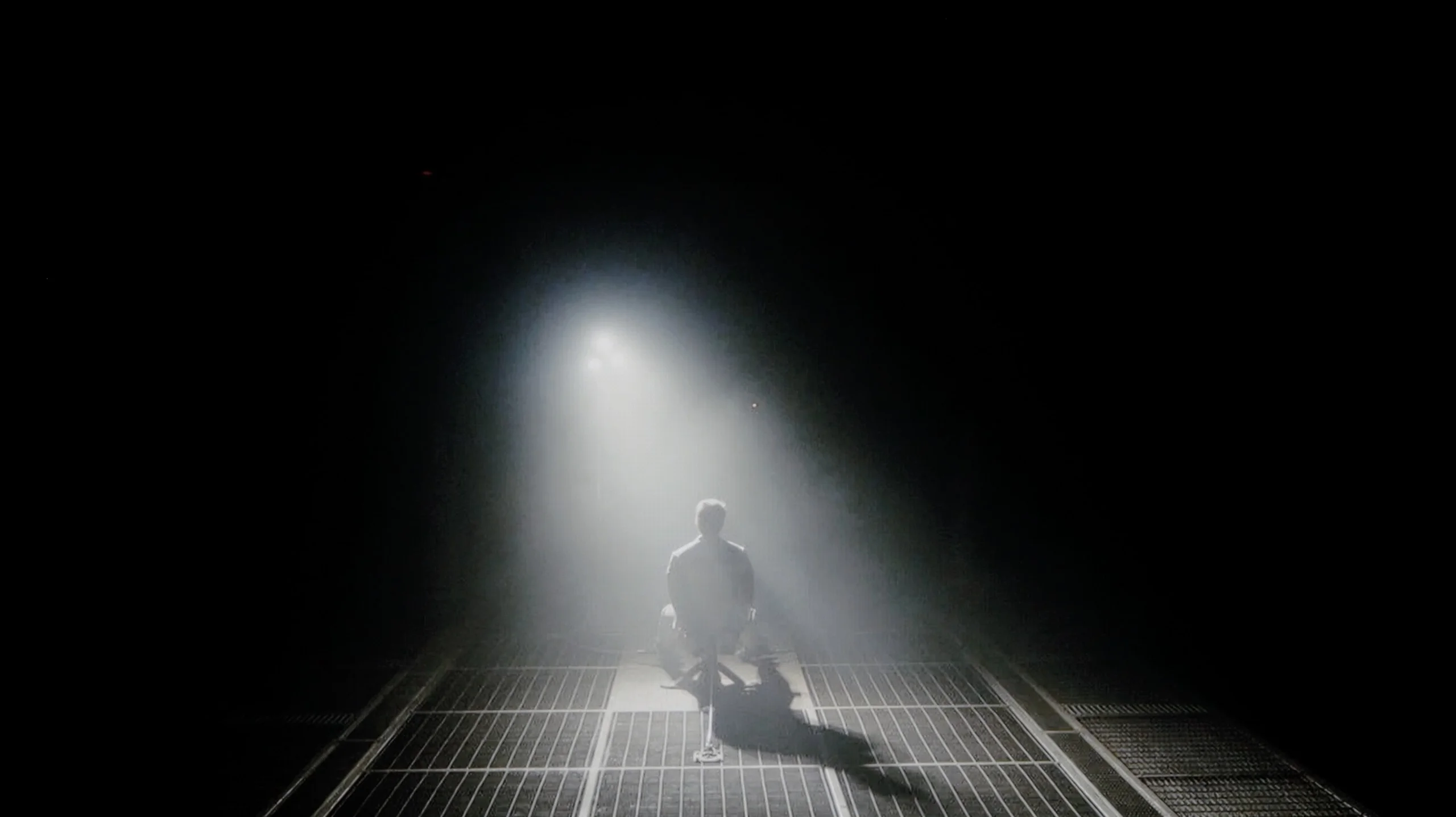
Check the visibility of bright lights on a dark background. Mini-LEDs often struggle with this. The photo does not compare black levels – that’s what the video below is for.
The video accurately shows differences in contrast and black levels between TVs, as well as potential issues: halo around bright objects or Mini-LED zone operation visible as brightness jumps.
The Hisense UR9S in the 65-inch version has 1056 local dimming zones. That’s still quite a lot, although fewer than last year’s U8Q with classic QD Mini LED backlighting. The number of zones alone does not determine black performance, because it is equally important how the TV controls them. Despite the smaller number of zones, the UR9S delivers a comparable level in this respect. The contrast we measured was very high in most scenes and reached six-figure values. As a result, blacks look deep and the image retains good depth. Naturally, as with any Mini LED TV, a halo effect can appear around bright elements on a dark background, which makes contrast in those areas noticeably lower. In the UR9S the halo is not as unnatural to the eye as on traditional Mini LED screens. The glow often takes on the colour of the displayed object. If a small coloured element appears on screen, the backlight in that part of the screen lights with a similar colour instead of creating a typical white bloom. This is not, of course, a TV that can rival OLED when it comes to black levels. Even so, the UR9S is certainly one of the better LCD TVs in this category.
As the LG G6 is based on OLED technology, specifically the 2nd generation WOLED TANDEM matrix, when it comes to black levels and contrast, we are talking perfection, as confirmed by our laboratory measurements – in every test scenario, the television achieved an absolute infinity score. The ability to independently control each pixel gives it a significant advantage over any LCD panel on the market. This translates into a brilliant, plastic depth of image that immediately draws you into every possible viewing experience. This is perfectly illustrated by the example of a dark, demanding scene with a helicopter from the film Sicario 2. While traditional screens with local dimming (including Mini-LEDs) can generate an irritating “halo” effect during such moments, brighten black bars in films, or lose details in shadows, the LG G6 performs flawlessly. Black, where it needs to be black, remains pitch black and perfectly separated from bright points.
*A small note: during this test, a quite noticeable graininess and flicker of the image stands out. However, we do not take this into account in the assessment of the contrast itself and this part of the review – we will describe this specific problem in the following section. Paragraph: "Smoothness of tonal transitions".
HDR effect quality
6.8/10
9.1/10
Luminance measurements in HDR:

Result
1704 nit

Result
385 nit

Result
845 nit

Result
291 nit

Result
1719 nit
Result
2387 nit
Result
2345 nit
Result
2418 nit
Result
2439 nit
Result
1844 nit
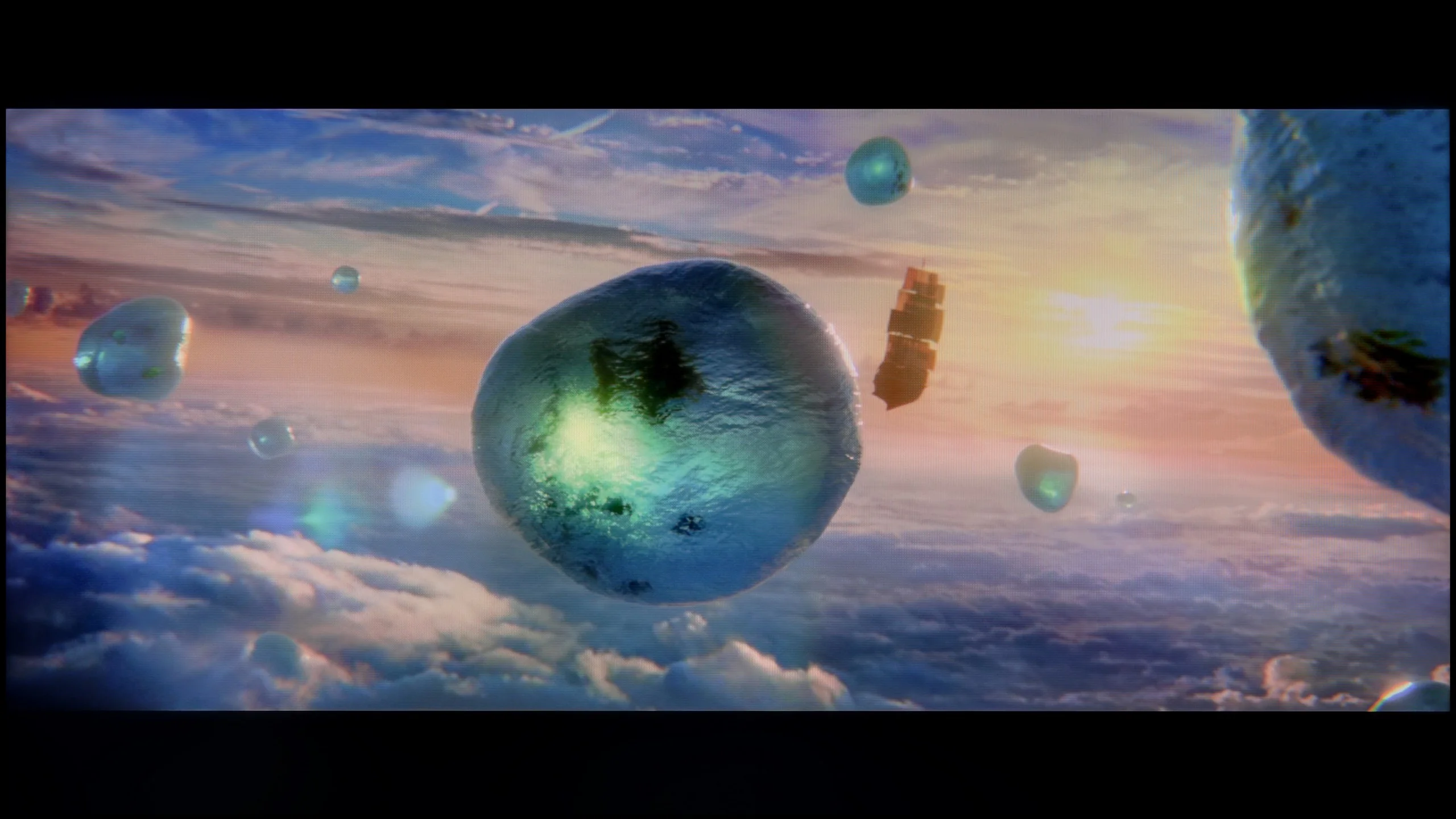
Scene from the movie “Pan” (about 2800 nits)
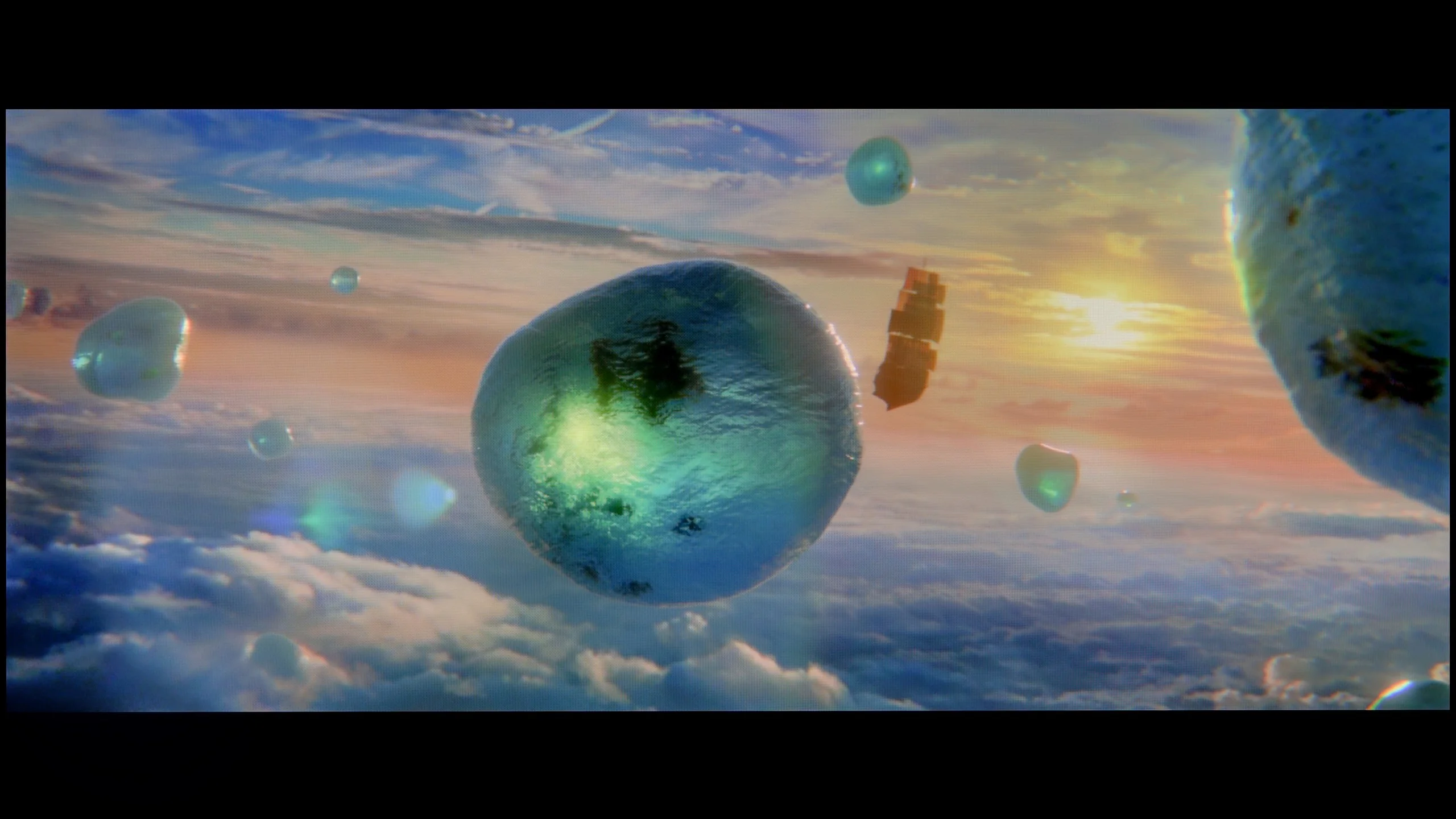
Scene from the movie “Billy Lynn” (about 1100 nits)
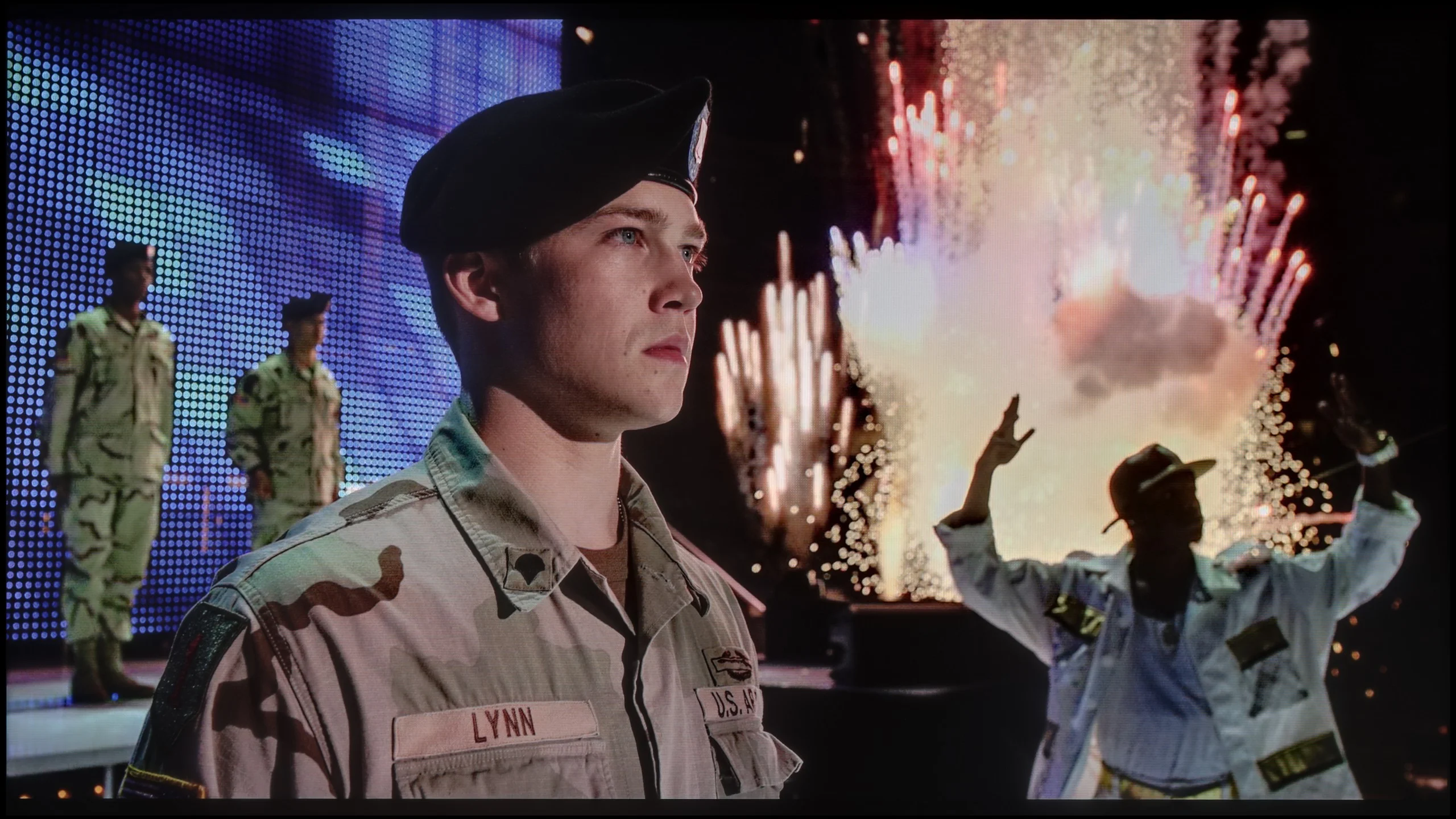
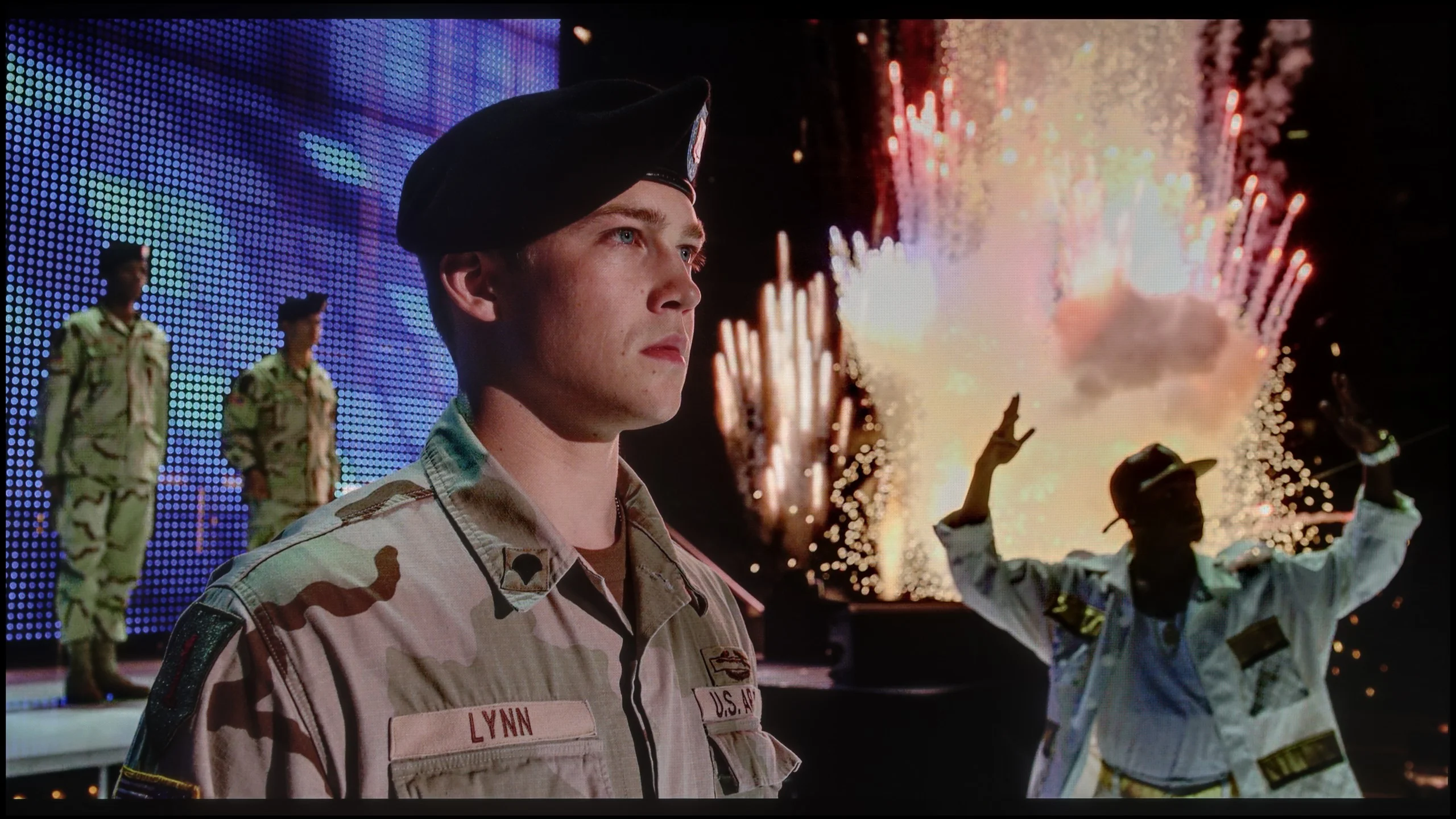
The photos show two HDR10 movies. 'Pan' is one of the brightest productions ever made, while 'Billy Lynn' (soldier) has brightness typical of streaming (Netflix, Prime, HBO MAX). Notice the intensity of effects and detail in whites.
Static HDR10


The photos present the visibility of white details in various HDR formats. They do not show brightness differences between TVs (these can be compared in the previous gallery).
Dynamic: Dolby Vision
Dynamic: Dolby Vision


The photos present the visibility of white details in various HDR formats. They do not show brightness differences between TVs (these can be compared in the previous gallery).
HDR luminance chart:
LG OLED G6 (G64LW, G66LS)
Hisense UR9S
Luminance of RGB colors
Hisense UR9S is undoubtedly a show of strength from the Chinese manufacturer when it comes to luminance. On a synthetic test pattern the panel reached as much as 2600 nits, which is an impressive result. However, it is important to clearly separate laboratory results from filmic realities. In real material the UR9S behaves much more... restrained. Maximum brightness peaks in balanced scenes hover around 1500 nits. In demanding, dark shots, where algorithms must at once maintain deep black and precisely light small details, brightness can fall drastically, even to around 400 nits. The discrepancy between the chart and reality is therefore huge. This is a direct consequence of the conservative behaviour of the local dimming system. When a bright object occupies a large part of the frame, the system can easily sustain a high brightness. But in night scenes the priority becomes protecting black and combating the halo effect (unsightly glows around bright edges). To avoid contrast degradation, the TV drastically limits light output. Even so, the UR9S can still produce a very powerful, immersive HDR effect that impresses in bright, spectacular sequences.
Colour gamut coverage
On test patterns the Hisense UR9S performs excellently in terms of colour. Its coverage of the DCI-P3 gamut is almost 100%, and the wide BT.2020 as much as 93%. Those are results even the best QD-OLED TVs do not achieve. But again, synthetic measurements are one thing, films and series another. In real-world scenes the figures fell to 93% for DCI-P3 and 81% for BT.2020. That's still a great result, but the advantage of RGB Mini LED is no longer as dramatic as manufacturers claim in their marketing materials. One could even say that currently their capability is similar to TVs equipped with quantum dots, the so-called QLED. So why does this happen? To a large extent colour reproduction here depends on the specifics of how the backlight zones operate. When a strongly saturated colour sits next to white or another, more complex element, a single zone has to handle both parts of the picture at once. Under those conditions the backlight cannot maintain extreme saturation of a given colour on screen, because the emitted light takes on a more white-like character. In the UR9S this has been refined quite well, but still not enough for the TV to maintain such high colour saturation in every situation.
The LG G6 is currently one of the brightest OLEDs on the market. Its peak brightness reaches nearly 2500 nits, and what’s best – this has a direct impact on real film scenes. The television flawlessly extracts details in the bright areas of the image. And this is regardless of whether we are talking about very small points like stars in the sky or slightly larger elements on the screen. Naturally, with full-screen, uniformly white scenes, the brightness of the G6 decreases due to the panel protection system (ABL). However, in real, varied cinematic shots, this value still hovers around 2000 nits, which can be considered an outstanding result. The coverage of the colour palette also deserves praise. The new second-generation Tandem OLED panel only brought a cosmetic change but still an improvement. The coverage of the DCI-P3 palette reaches nearly 99.5%, whereas for the ultra-wide BT.2020, it is around 84%. These are very good results, although it’s worth remembering one thing: at extremely high brightness levels, the colour volume will be lower than in Samsung Display’s QD-OLED panels due to the use of a white sub-pixel (WOLED). However, in everyday content and most films, catching this difference will be very difficult.
Factory color reproduction
5.1/10
7.4/10
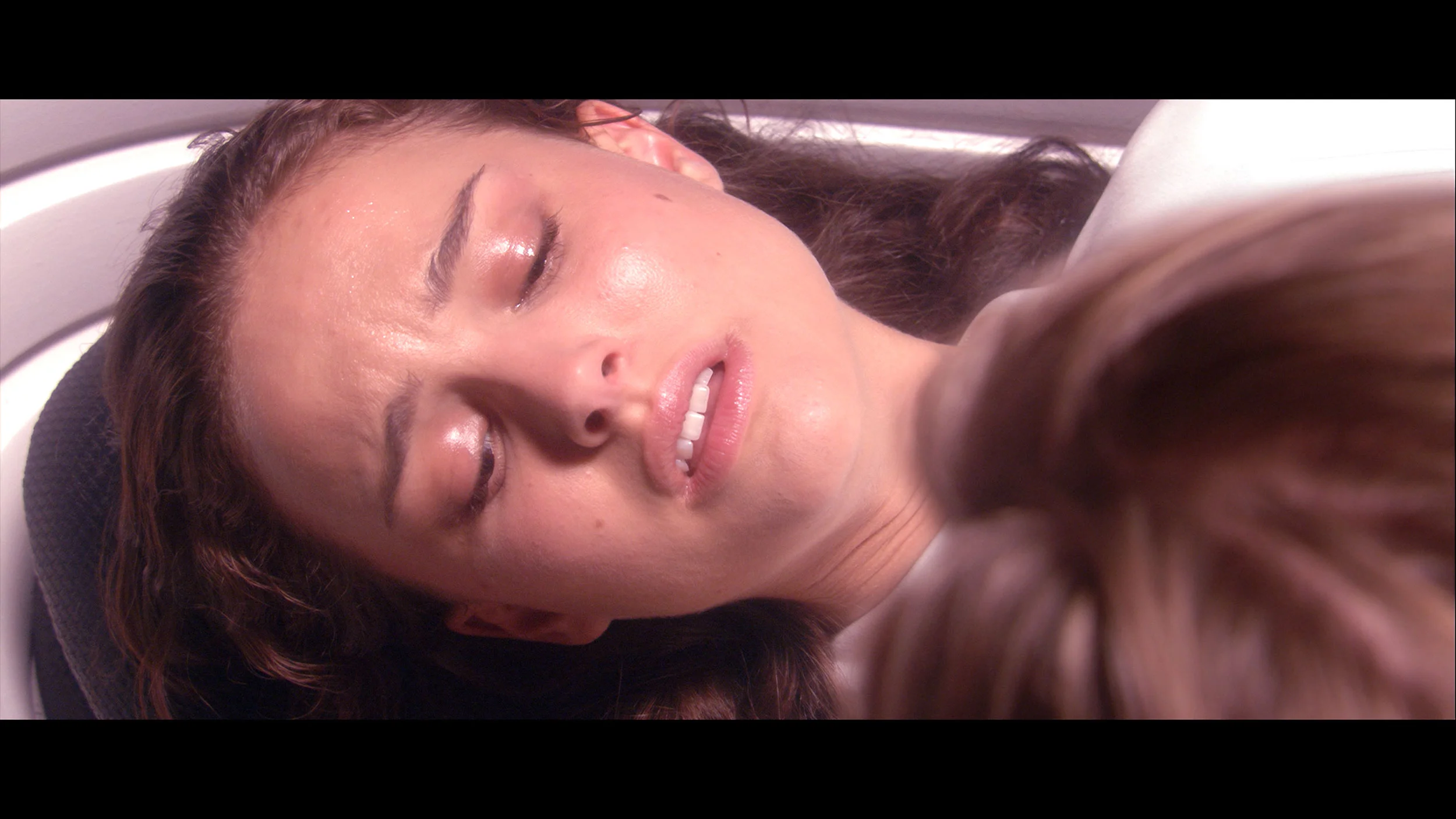

This gallery shows how colors change after professional TV calibration. If you notice the difference, we recommend ordering this service at SkalibrujTV.com.
Factory Mode
After calibration
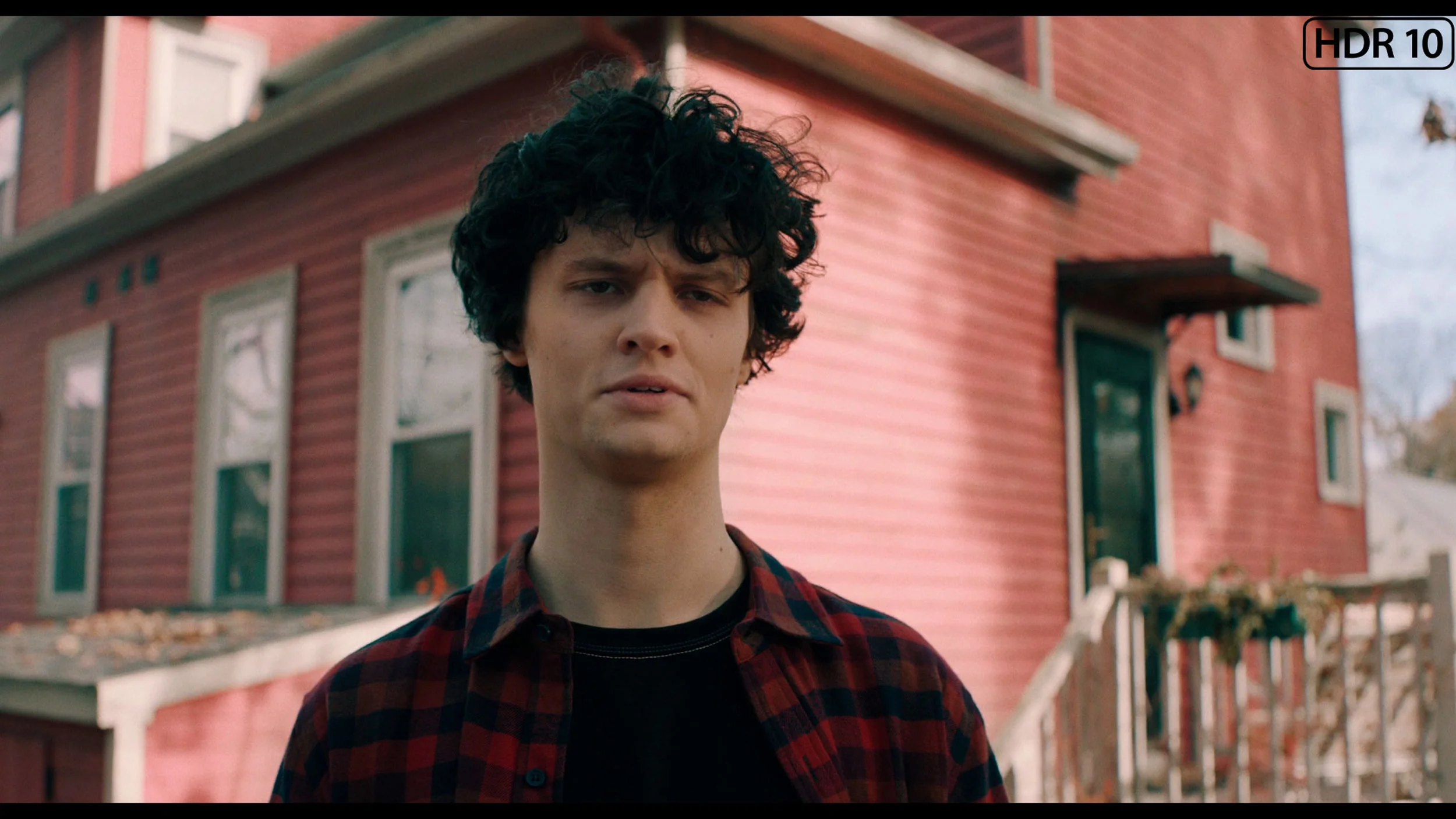
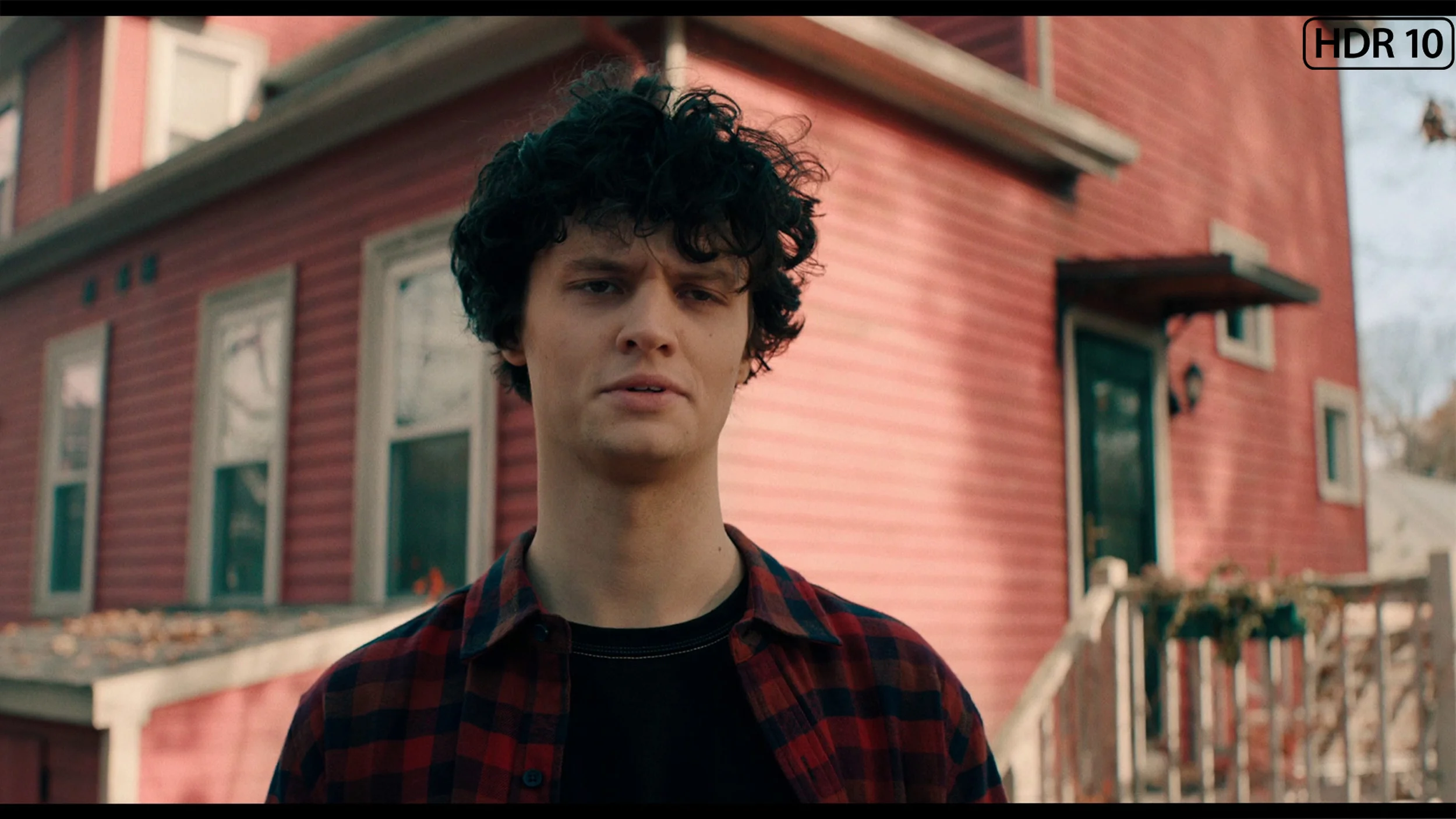
This gallery shows how colors change after professional TV calibration. If you notice the difference, we recommend ordering this service at SkalibrujTV.com.
Factory Mode
After calibration
We tested the Hisense UR9S in Filmmaker Mode, which out of the box provides the best image reproduction. With HDR material the TV performed quite well in this regard. The white balance showed no major errors, and the luminance response, although it had the characteristic Hisense profile, was maintained at a reasonable level. The picture was therefore neither excessively brightened nor noticeably colour-distorted. The same mode performed much worse with SDR material, the kind of content we watch most often, such as broadcast television or YouTube. The white balance was strongly shifted towards red and blue, giving the picture a slight pink tint. This also affected the gamma curve. Instead of approaching the reference value of 2.4, it was closer to 2.0, making the image look too bright, particularly in midtones and darker areas. Filmmaker Mode therefore remains the best out-of-the-box choice, but it is not a mode without faults.
We tested the LG G6 in the best factory mode in terms of colour fidelity, namely FILMMAKER MODE. In the case of our test unit, this mode was quite well tuned straight out of the box. In SDR content, the only issue we could point out was the white balance, which tended to drift towards warmer tones. Consequently, the image could occasionally appear slightly yellowed; however, overall, this was not an bothersome problem. The G6 performed a bit worse with HDR content. There, we noted too much blue component in the white balance, which caused the image to take on cooler hues, resulting in fairly noticeable errors. As can be seen in our ColorChecker chart, the colours indeed drifted towards these cooler registers. Nevertheless, considering the factory settings, the television displayed a perfectly decent level. We do know, however, that OLED screens – particularly those from LG – respond excellently to professional calibration, which is why we immediately went ahead with it.
Color reproduction after calibration
8/10
9.2/10
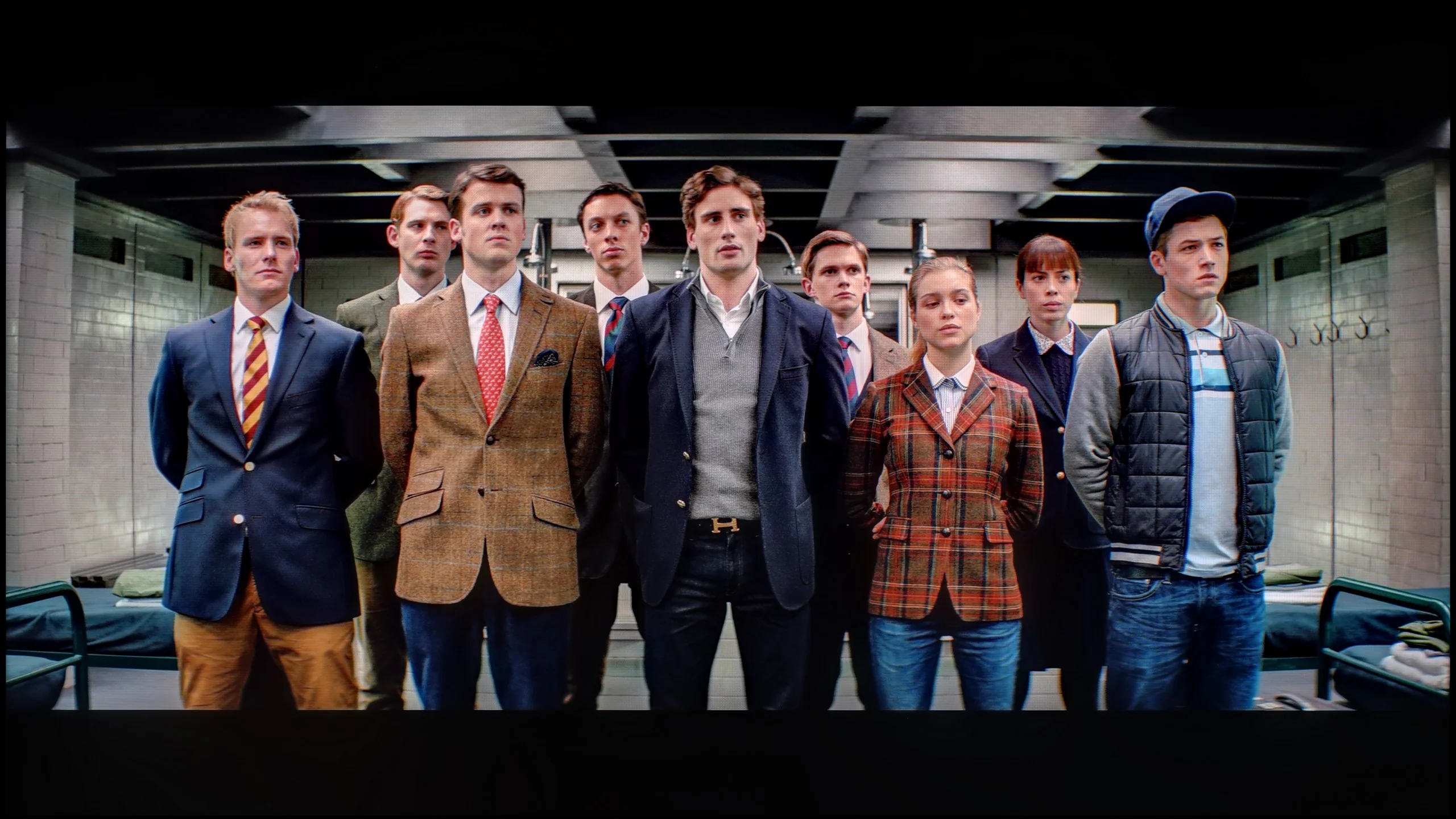
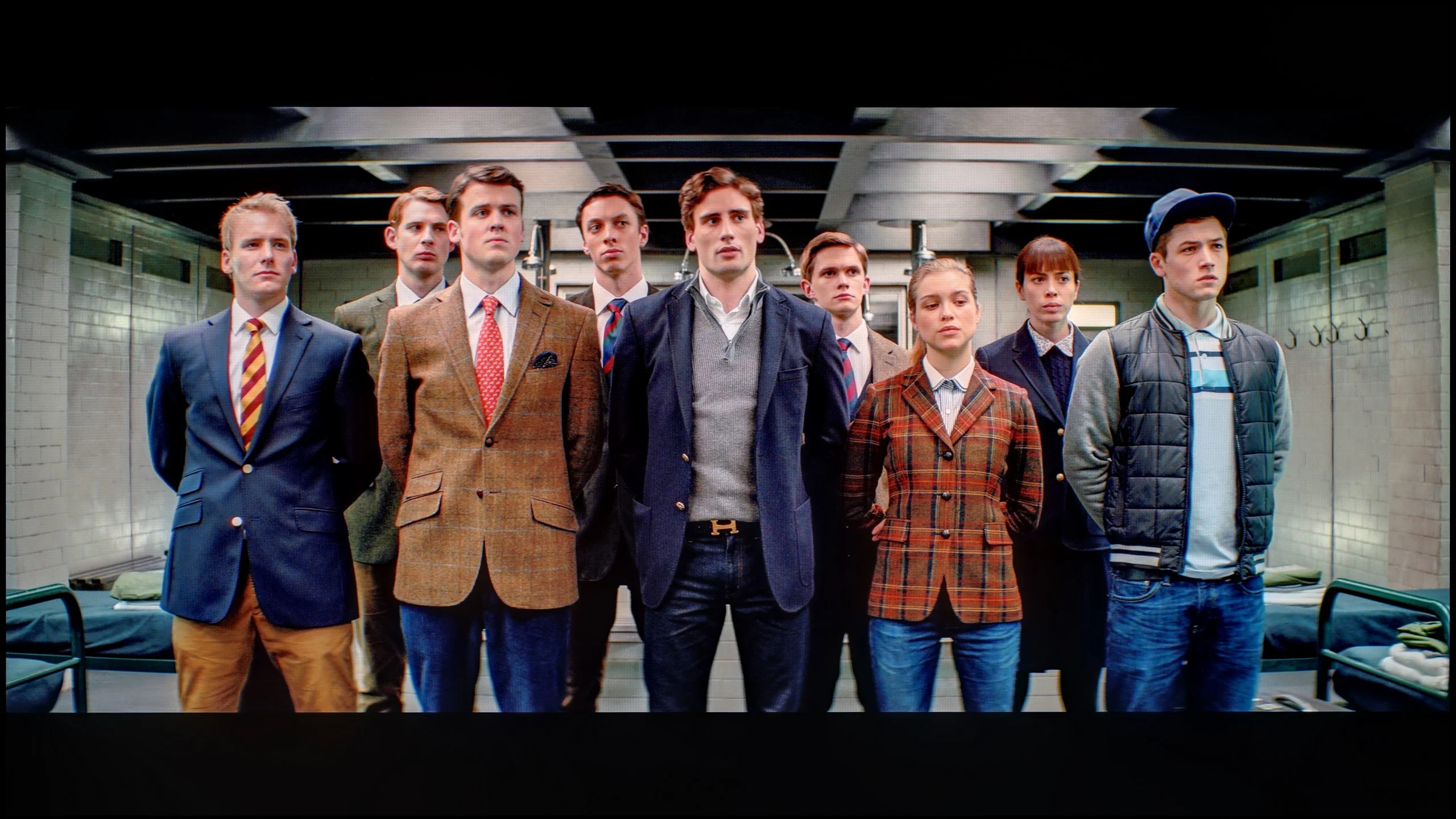
The photos show how movies look on the TV. Pay attention to black detail visibility, colors, and shadow tint.
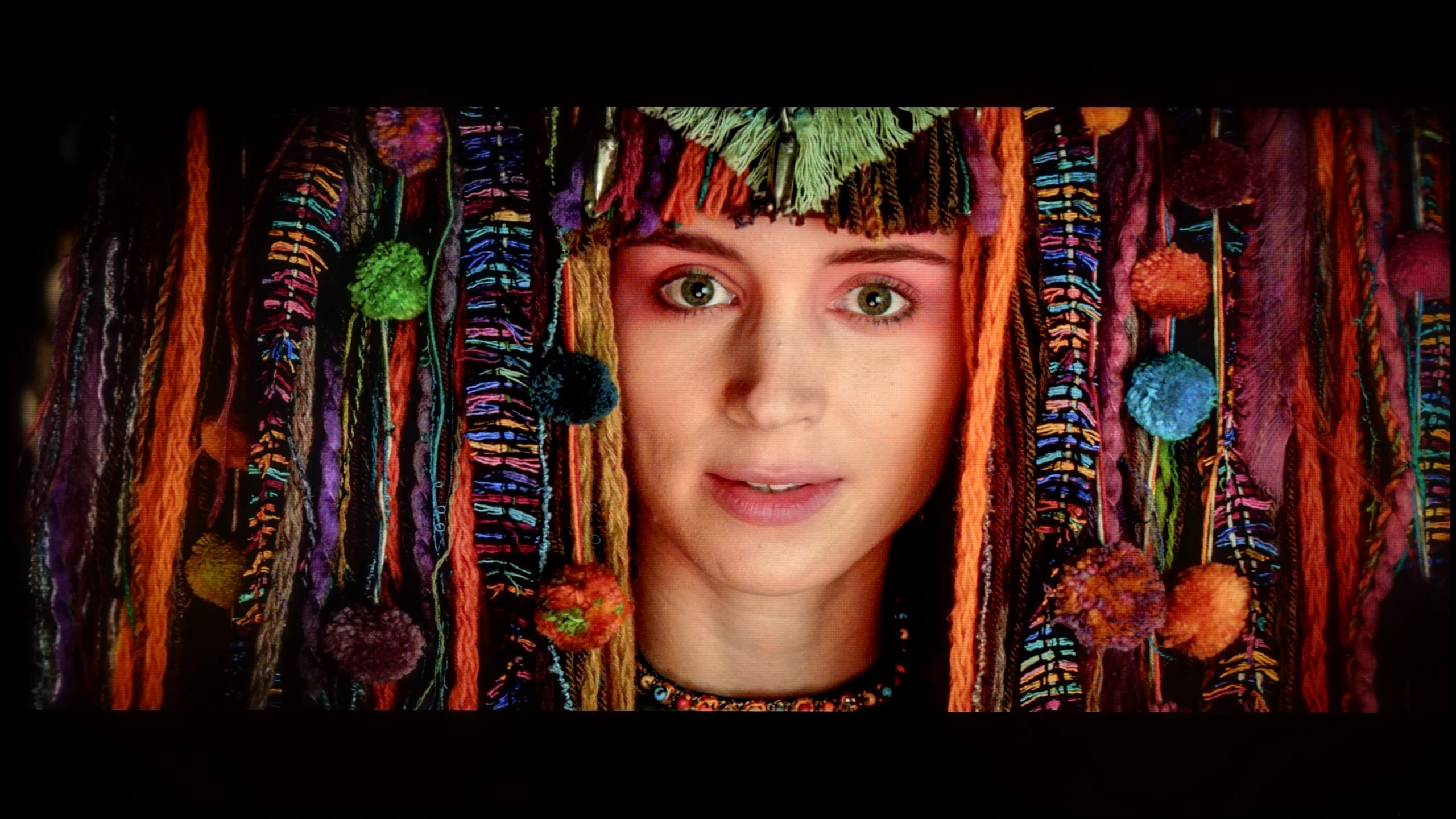

The photos show how movies look on the TV. Pay attention to black detail visibility, colors, and shadow tint.
After calibration the biggest improvement was in SDR mode, although we also refined the HDR picture. Hisense offers a lot of calibration settings in the menu, so we were able to precisely correct the white balance and the remaining image errors. The most important change was removing the pink tint that had previously been clearly visible in SDR material. After calibration the picture looks much more natural, especially in everyday content such as TV or YouTube.
Colour reproduction errors on the ColorChecker chart are very small after calibration. The vast majority of colours fall below values of 2 to 3, which is at a level very difficult to discern with the human eye. The only thing we could not completely eliminate is the tone-mapping approach characteristic of Hisense TVs in HDR. It affects how brightness is distributed in films and can subtly 'enhance' the image, rather than sticking exactly to the creators' intent. For less experienced viewers this can produce a stronger 'wow' effect, but it will not always fully match how the material should look.
After professional calibration, we gained complete control over the panel, and we managed to align all parameters to nearly zero. We successfully calibrated the white balance perfectly, which eliminated the factory cool and warm tints from the screen. The effects are clear as day in the ColorChecker test – the average colour reproduction errors dropped below the critical value of 1-2. And what does that mean? PERFECT colours, without any distortion! However, as reviewers, we must point out here how the LG G6 arbitrarily manipulates brightness, for which the EOTF curve is responsible. When looking at the standard synthetic chart, it might seem that the line is quite straight. However, the situation changes when we turn on the measurement filter, which shows how the television interprets brightness in real, moving film scenes (EOTF in MOVIES). Then it becomes evident that some of the tiniest parts on the screen are slightly over-brightened by the algorithm. Of course, for the average viewer, such a deviation will be practically unnoticeable, but in the test of such an expensive screen, it is worth noting – especially since we are talking about a model that has huge aspirations to be named the best television of the year.
Smoothness of tonal transitions
9.4/10
5.5/10
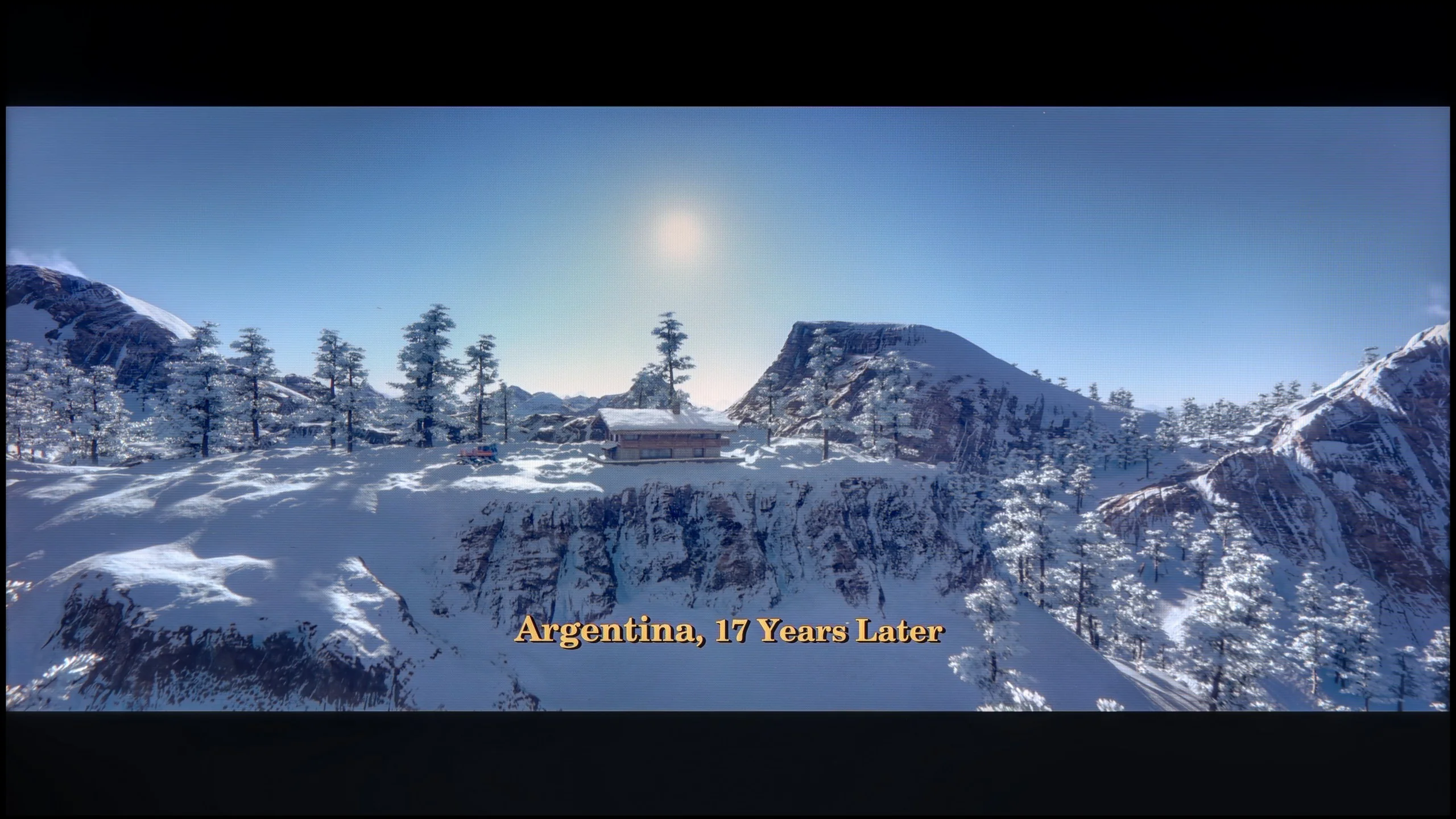
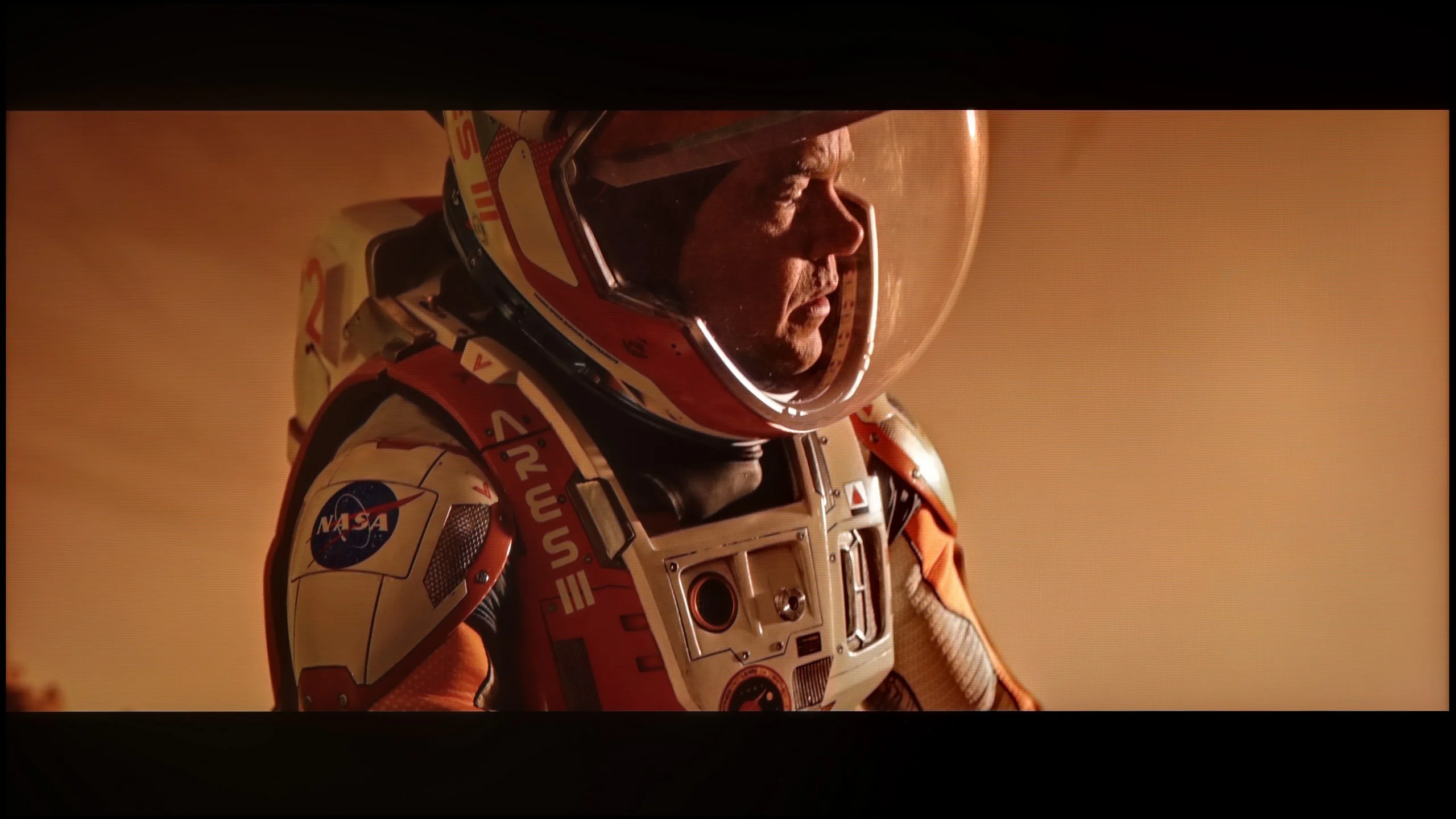
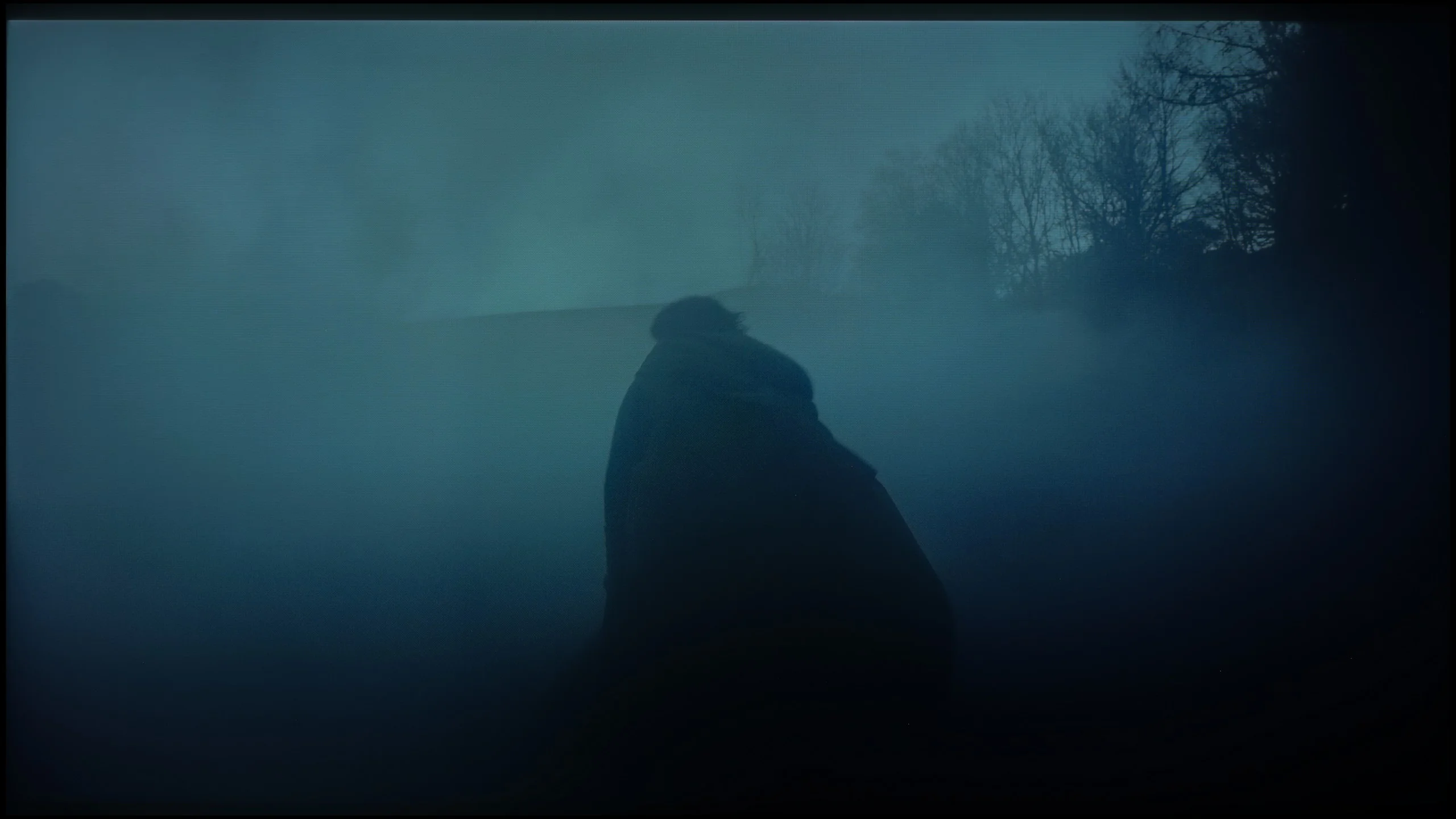
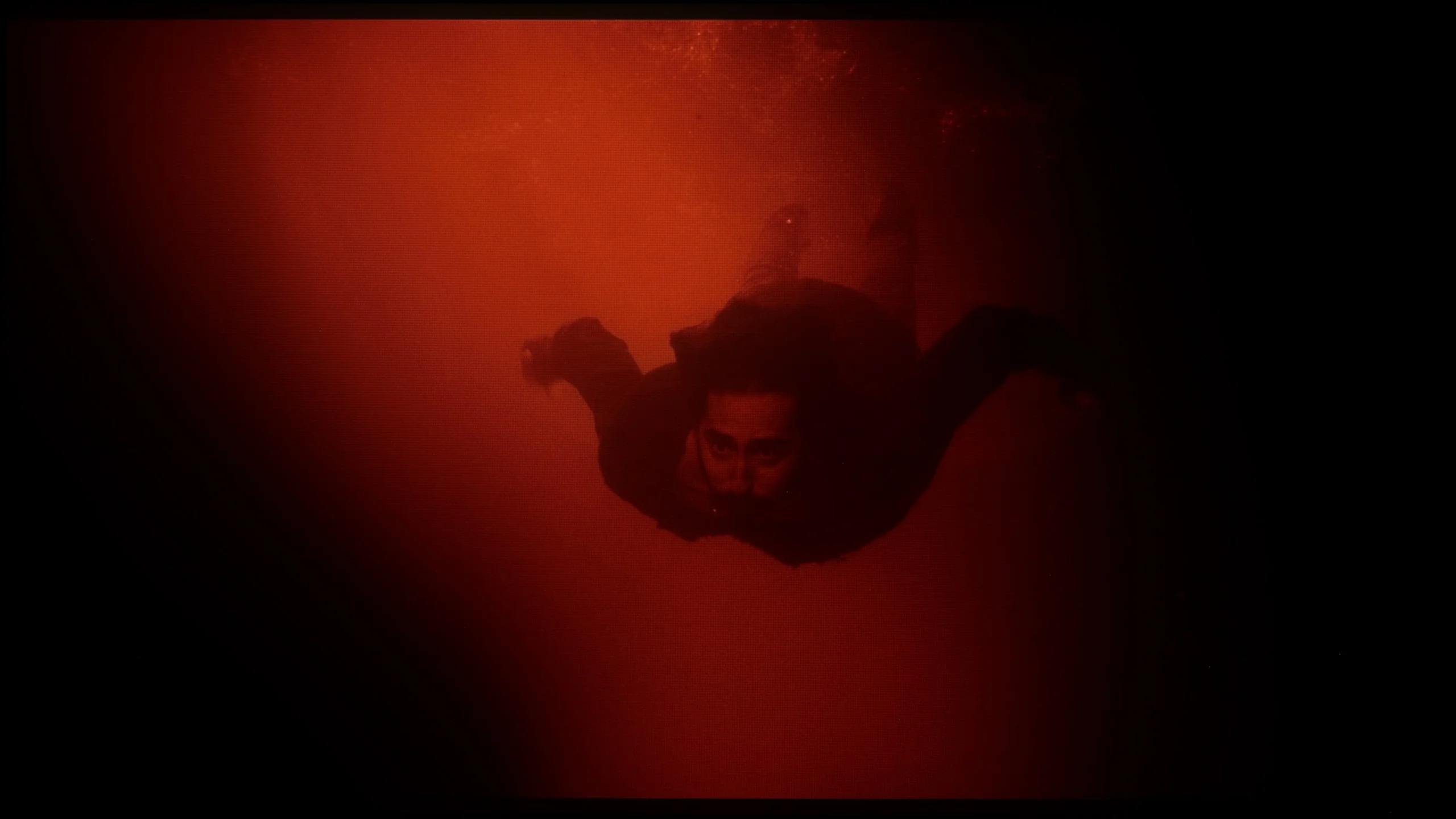
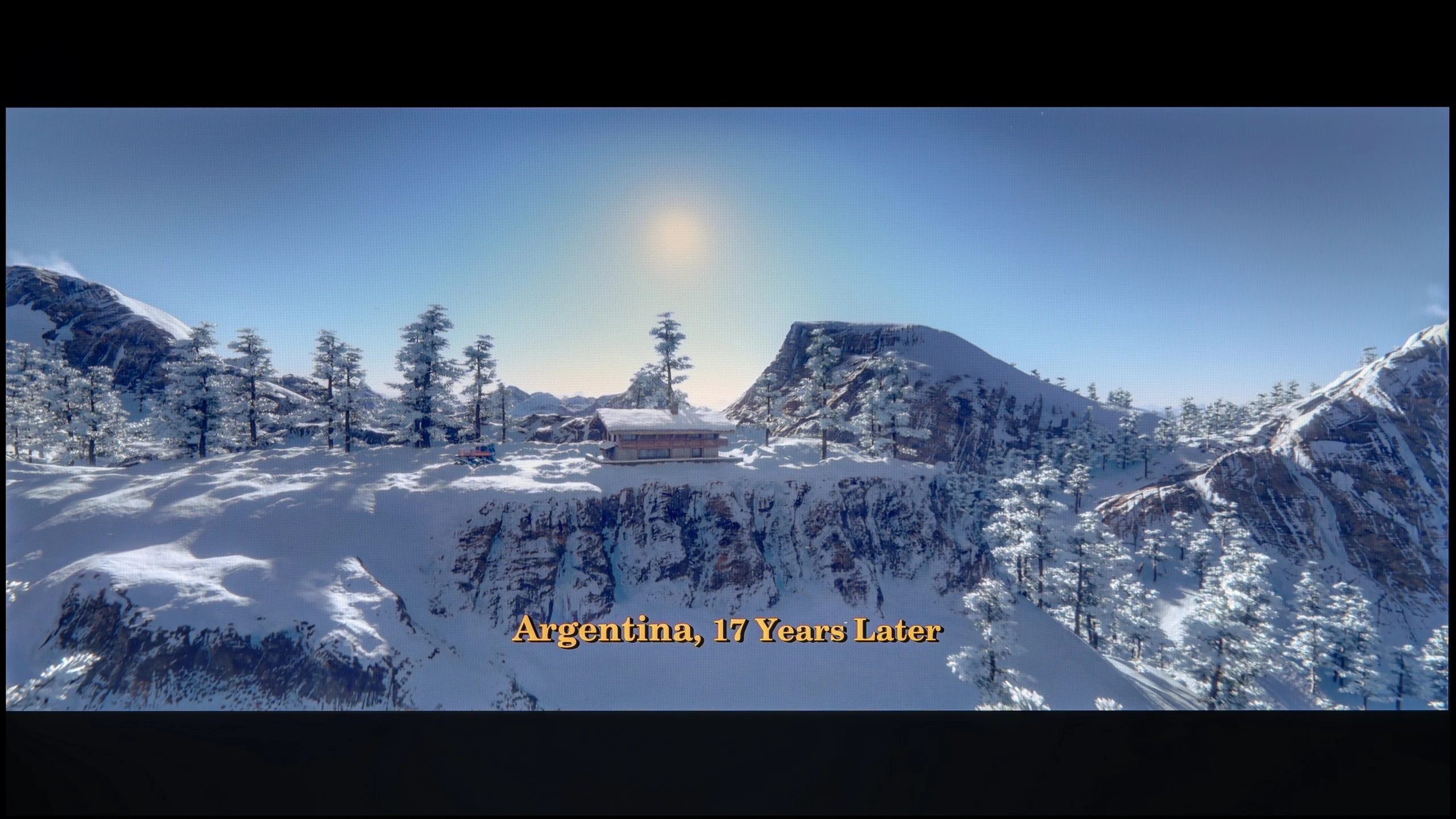
These are selected scenes that show smooth tonal transitions from one color to another. If you see distinct banding, it’s the TV panel’s fault.
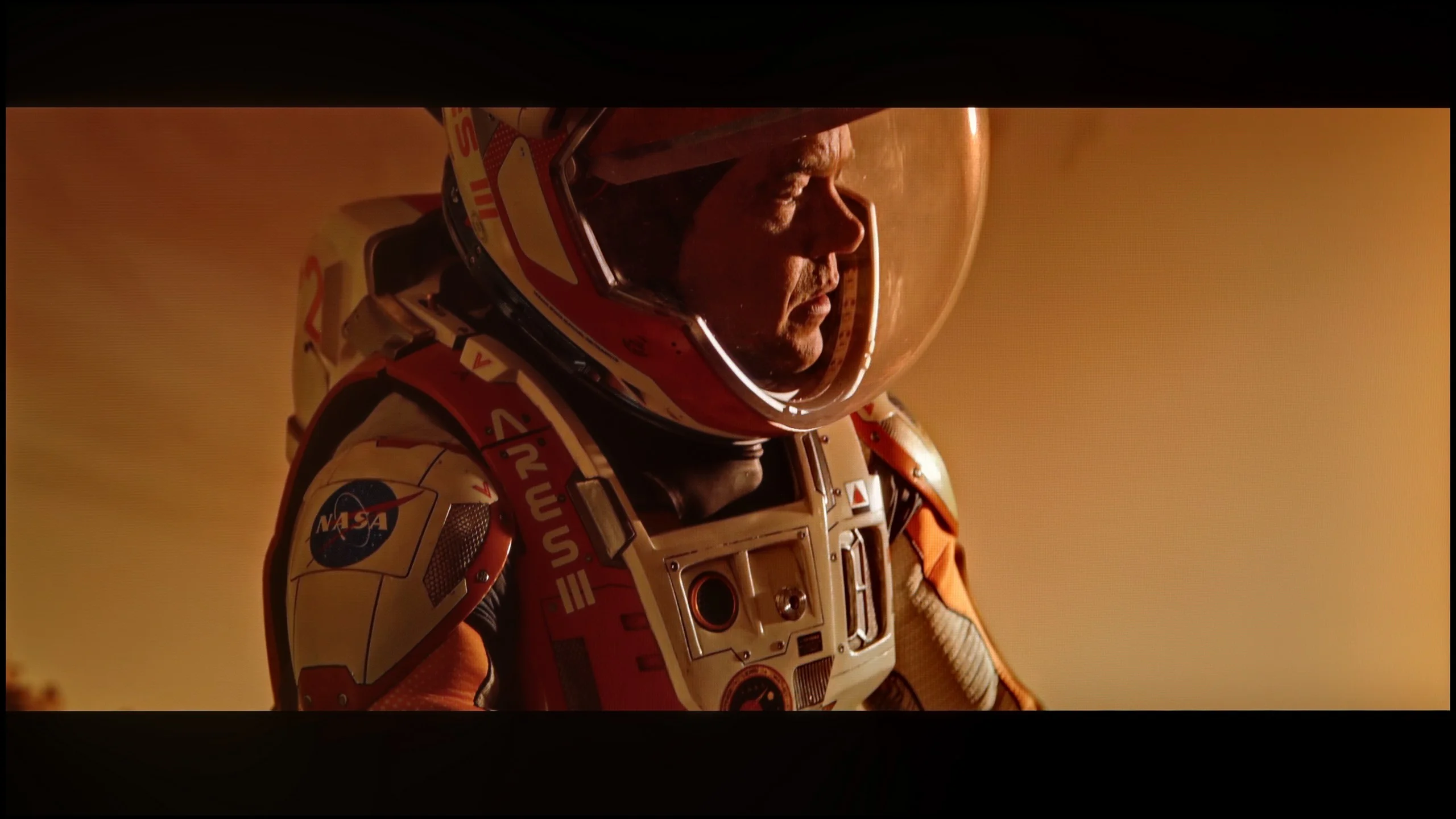
These are selected scenes that show smooth tonal transitions from one color to another. If you see distinct banding, it’s the TV panel’s fault.
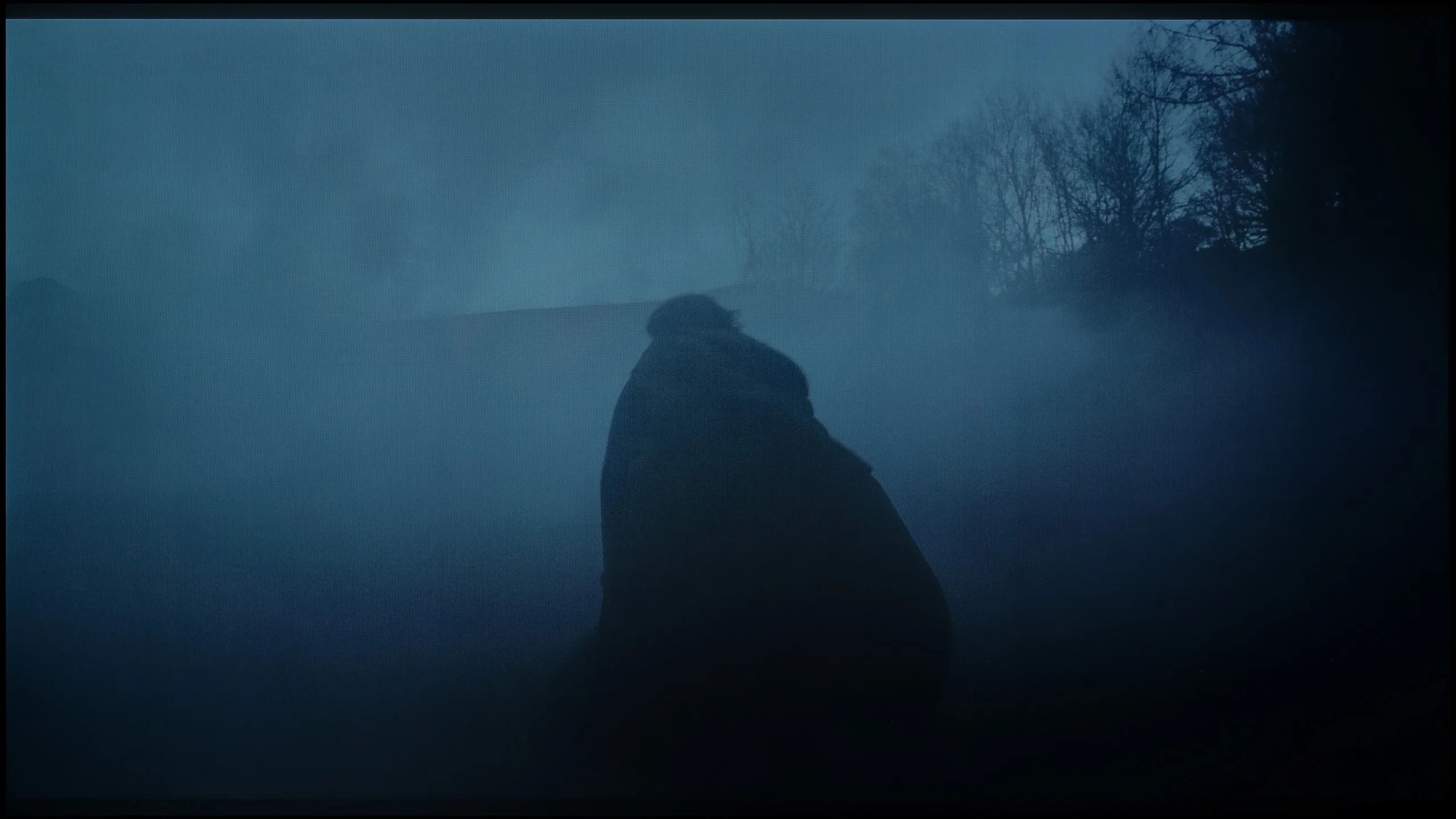
These are selected scenes that show smooth tonal transitions from one color to another. If you see distinct banding, it’s the TV panel’s fault.
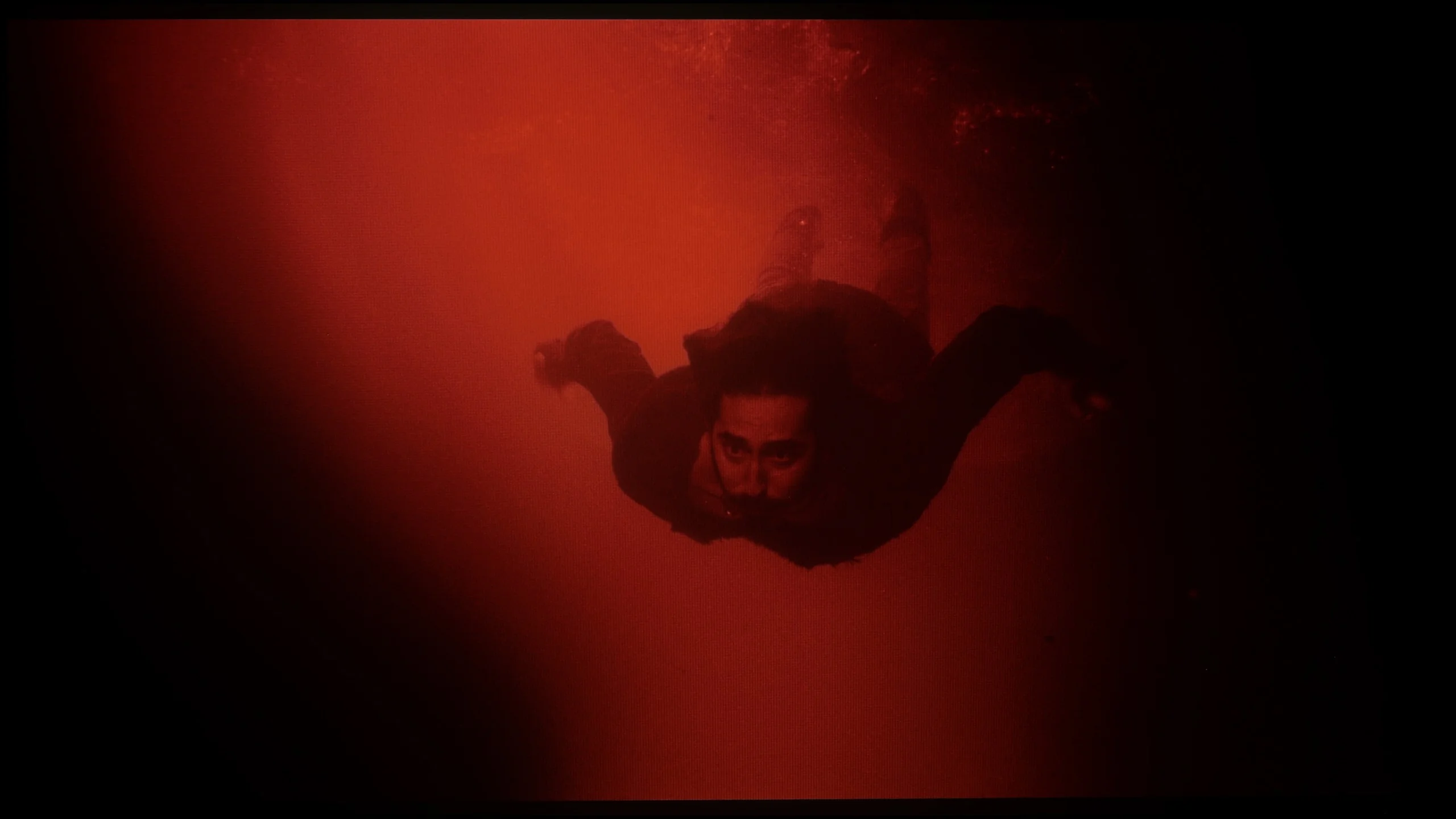
These are selected scenes that show smooth tonal transitions from one color to another. If you see distinct banding, it’s the TV panel’s fault.
In terms of the smoothness of tonal transitions, the Hisense UR9S performs very well. In high-quality material, such as films on Ultra HD Blu-ray discs or content from streaming services, the transitions between tones are smooth and there is no obvious posterization. Occasionally you may notice minor imperfections, mainly in Dolby Vision content, but they are small enough that during normal viewing they are hard to regard as a real problem.
Here, unfortunately, we come to the least cheerful part of this review. If we were judging solely the fluidity of tonal transitions, the G6 would receive high marks. The blending of colours is at a very good level, and at times it resembles what we know from Samsung's QD-OLED panels. This is great news, as until now, ugly, layered bands in dark shades have been the bane of WOLED panels. In this category, we could easily give a strong 8.5 out of 10.
Note: Unfortunately, the final rating in this section drops significantly, and the culprit is very aggressive dithering. In dark scenes, the image literally 'trembles', and in areas close to black/dark grey, the television can irritably flicker. We do not know exactly what causes this, but looking at the tests of other reviewers around the world – everyone has encountered exactly this same problem. We hope that LG will fix this as soon as possible with some update. We know that LG can respond quickly to negative user feedback, which can already be read online. We will monitor the situation closely and will inform you in case of improvement.
Image scaling and smoothness of tonal transitions
8/10
8.7/10

Smooth transition function
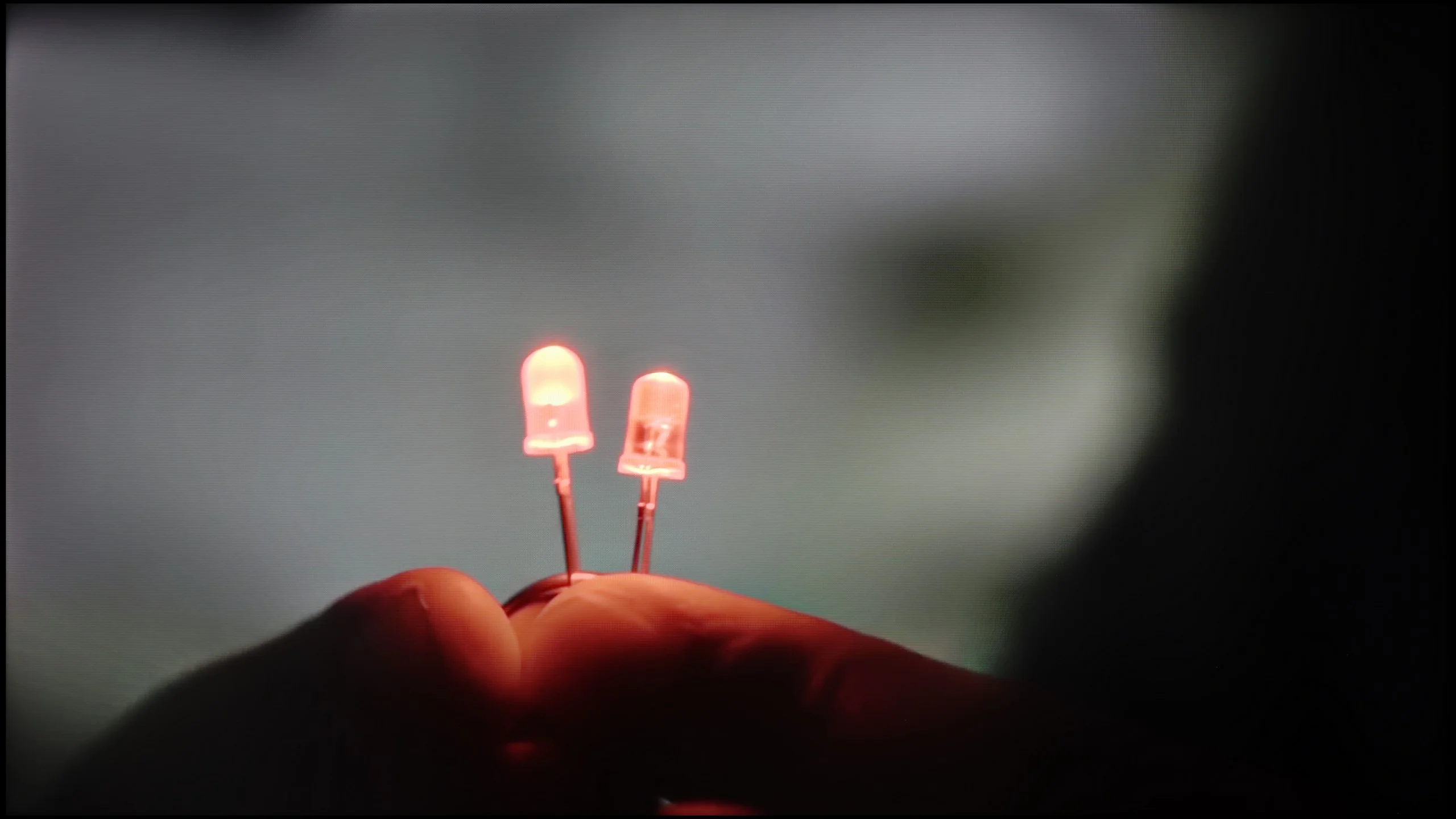
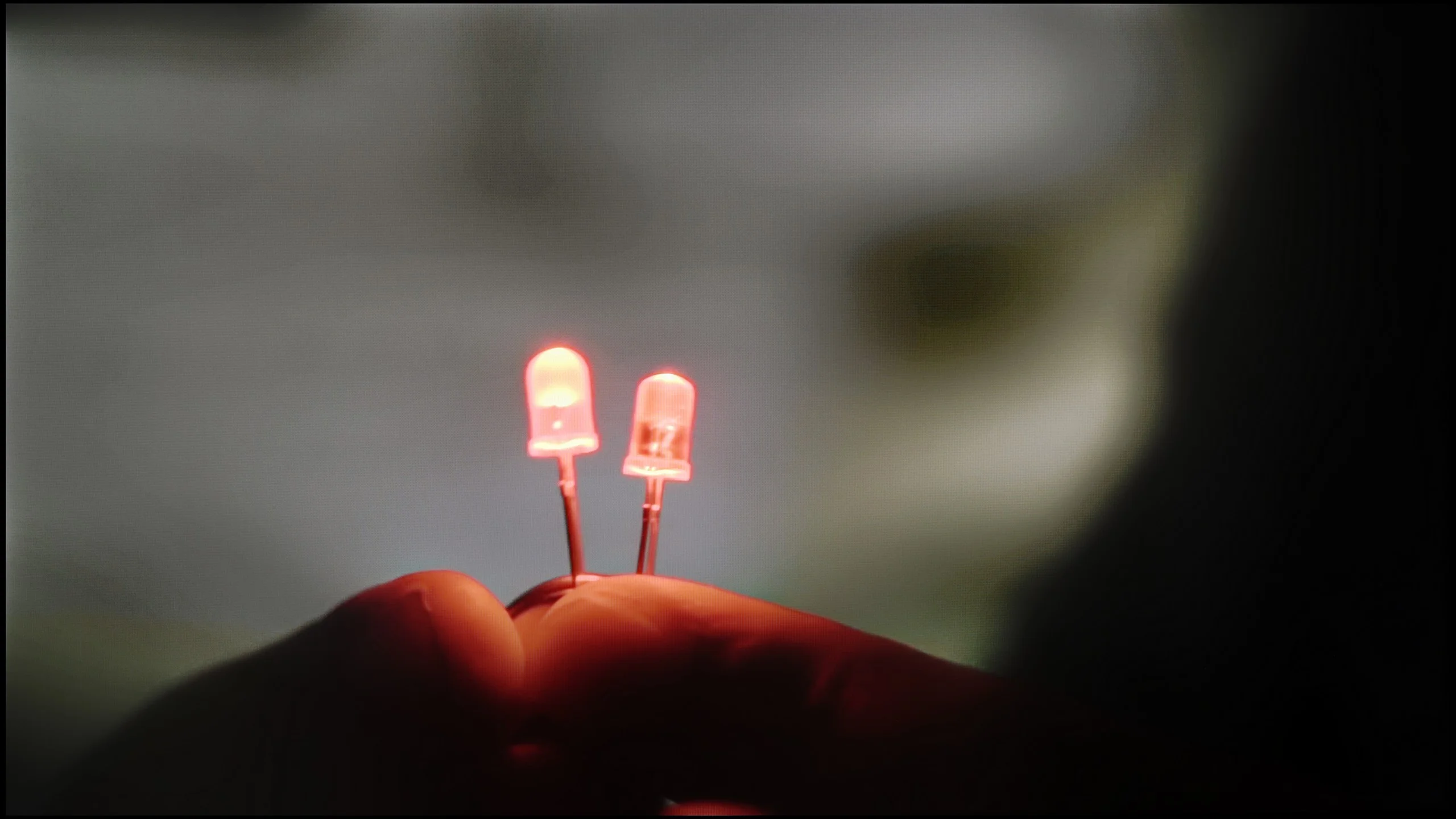
The match photo shows how the TV smooths weak tonal transitions in low-quality video.
Image scaling SD (576i)


The model photo shows how it handles upscaling of SD material.
For the past two years digital picture processing has been one of Hisense's strengths, and the UR9S is no exception. The manufacturer uses the Hi-View AI Engine RGB processor, which in practice is built on the well-known MediaTek Pentonic 800 platform, previously used, among others, in the U8Q model. The TV handles upscaling lower-resolution material to 4K very well, and copes with low-bitrate content where compression artefacts are common. Thanks to a feature called "Smooth and Gradient Picture", the image remains detailed without appearing over-sharpened or artificially smoothed. When watching regular broadcast TV or older, lower-quality material, the UR9S can get a surprising amount out of them. In terms of digital picture processing, this is one of the most refined LCD TVs we've had the chance to test.
Whatever one may say about the G6’s problems with near-black signal, it must be fairly acknowledged that it handles heavily compressed material and lower resolution content exceptionally well. All unwanted, unsightly tonal transitions are effectively reduced here by the "Smooth Gradation" feature. At the "Low" setting, the algorithm works flawlessly – effectively masking the artefacts resulting from strong compression without destroying the sharpness and details in the frame. Higher levels of this function do indeed smooth the image further, but they start to blur the real elements of object texture, which is why we recommend keeping this slider at a low setting. As for the upscaling to 4K, the processor does an excellent job – edge sharpness and detail reconstruction are at the highest level, and in this regard, the G6 does not fall behind the world leaders at all.
Blur and motion smoothness
7.9/10
8.5/10
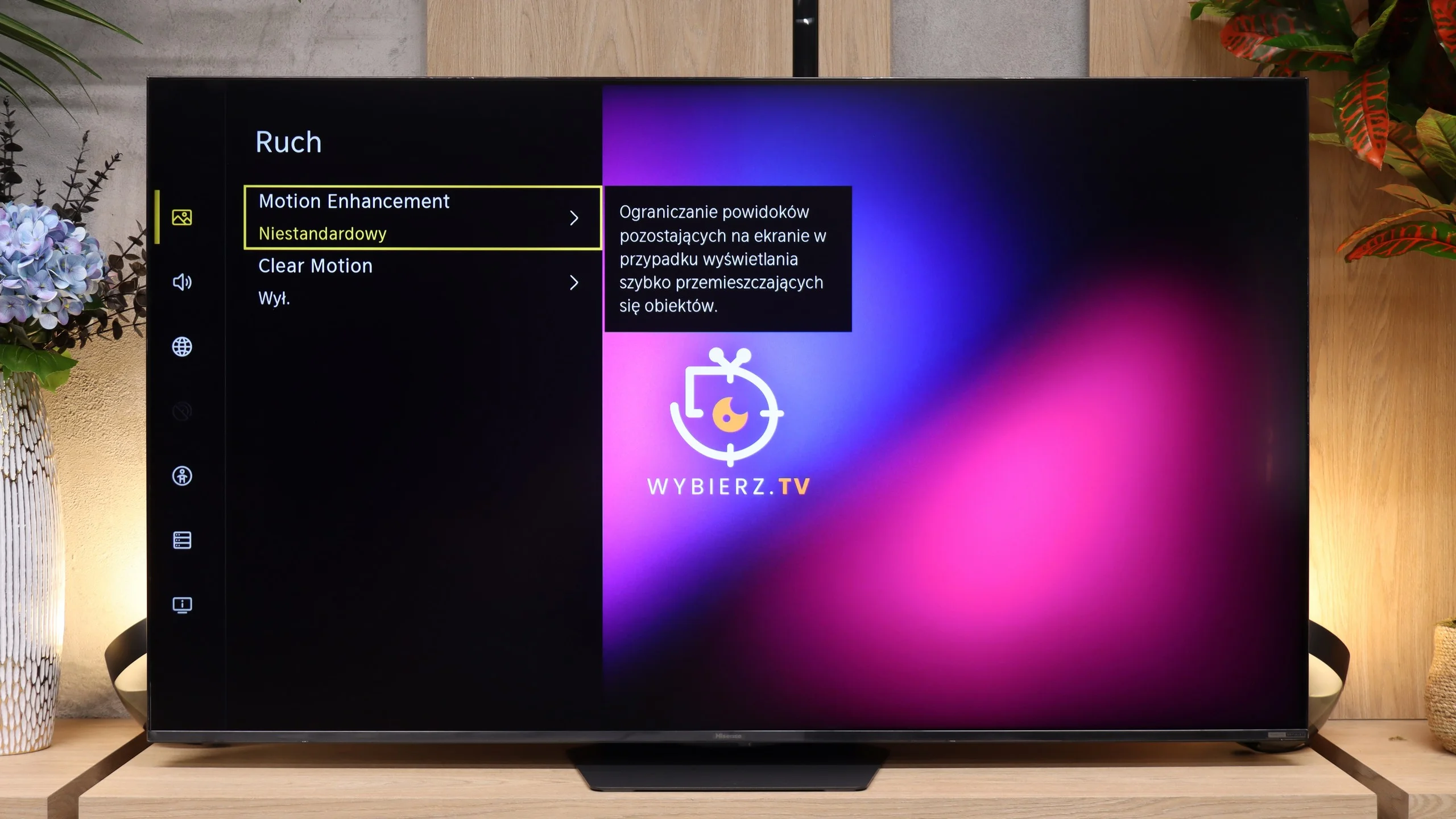
Blur (native resolution, maximum refresh rate):



Blur (BFI function enabled):



Image flickers in this mode
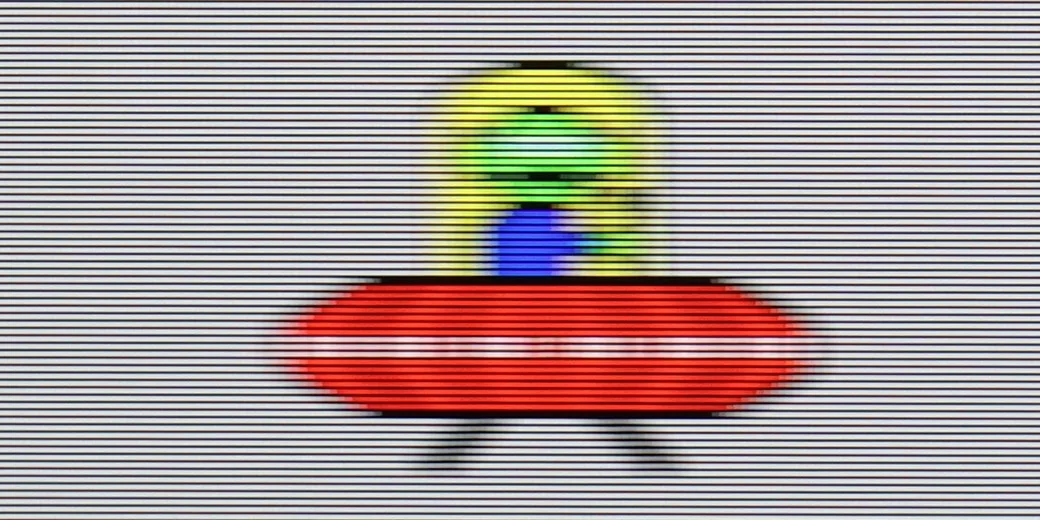
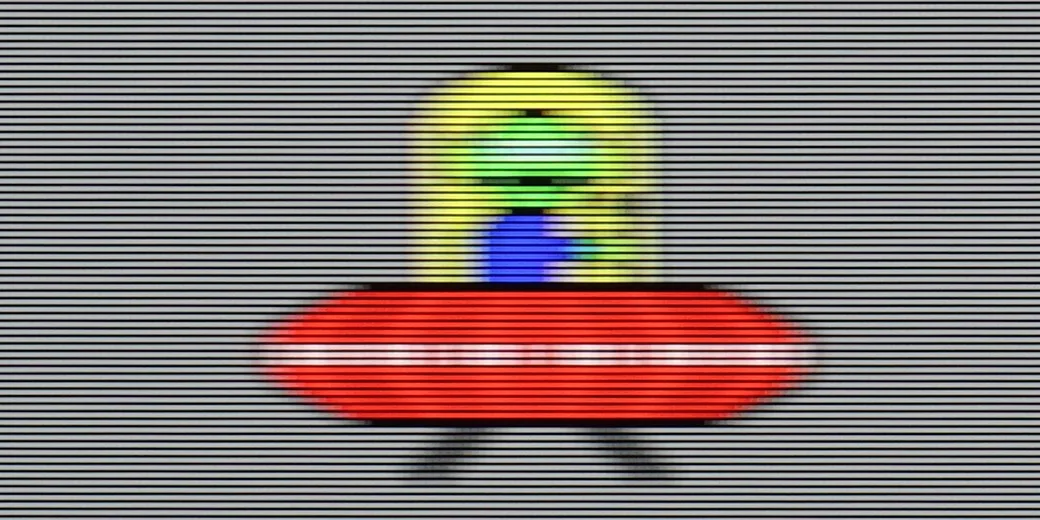
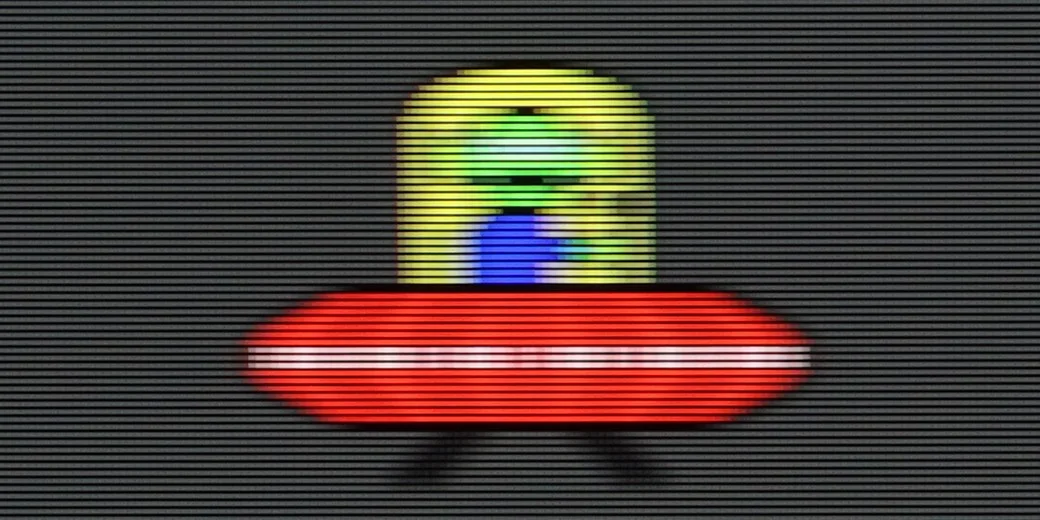
Blur (1080P@330Hz):
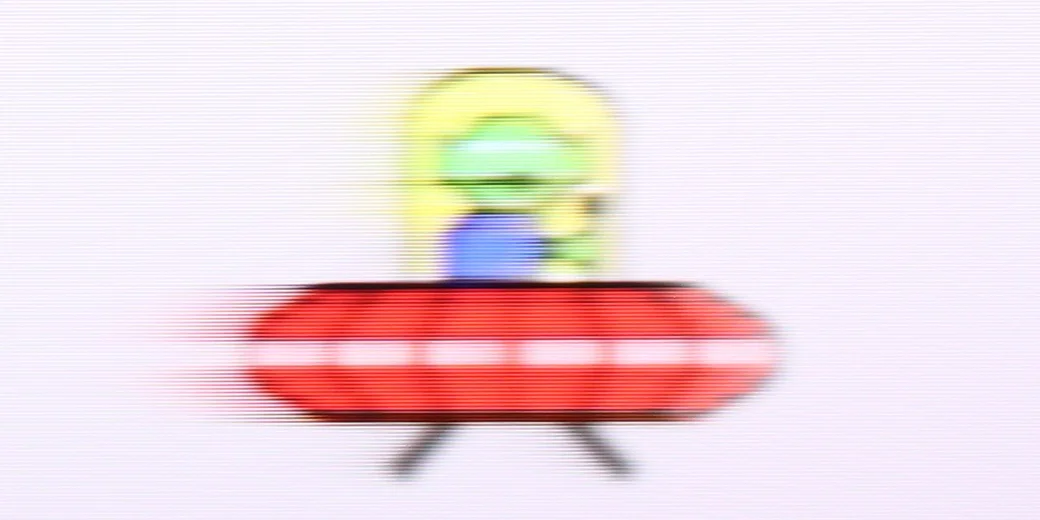


Blur (4K@165Hz):



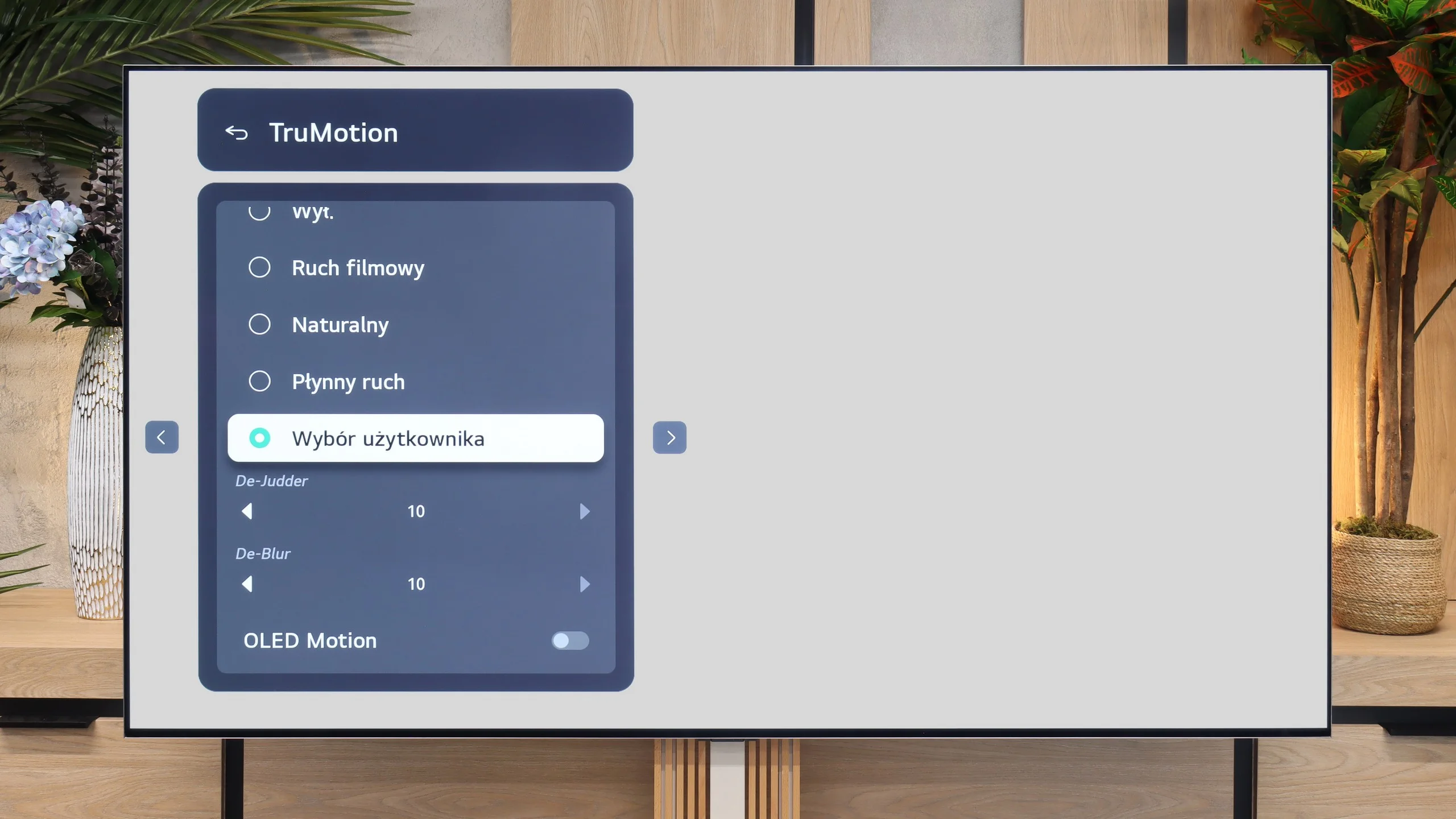
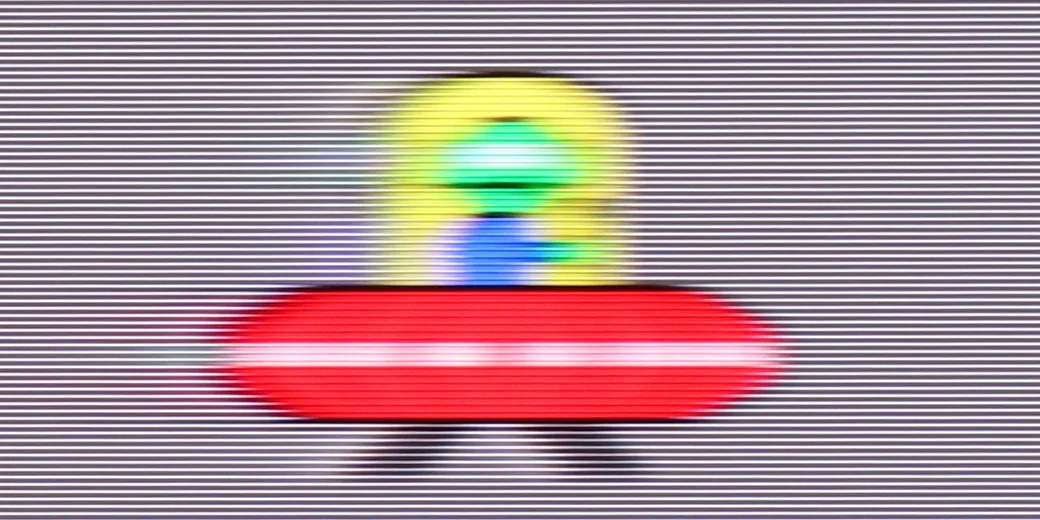
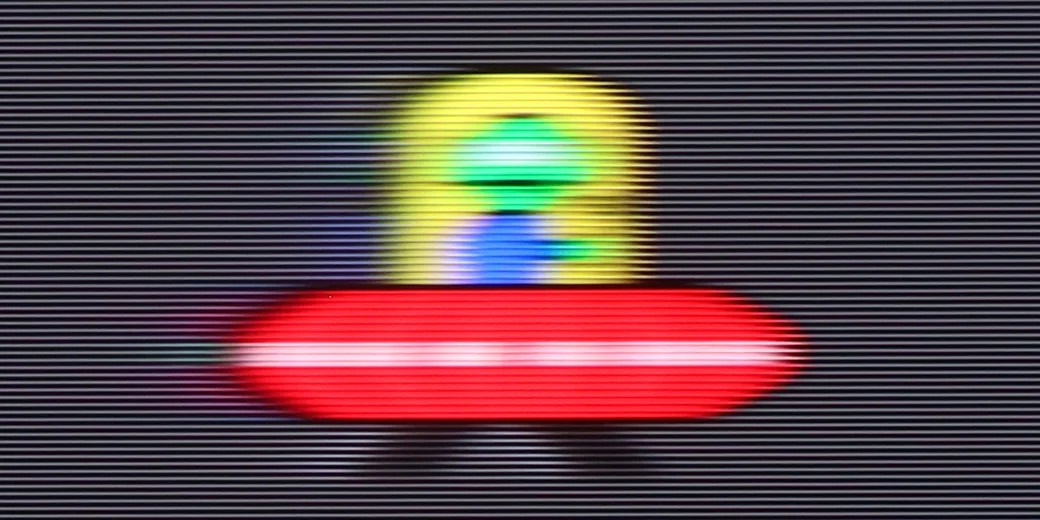
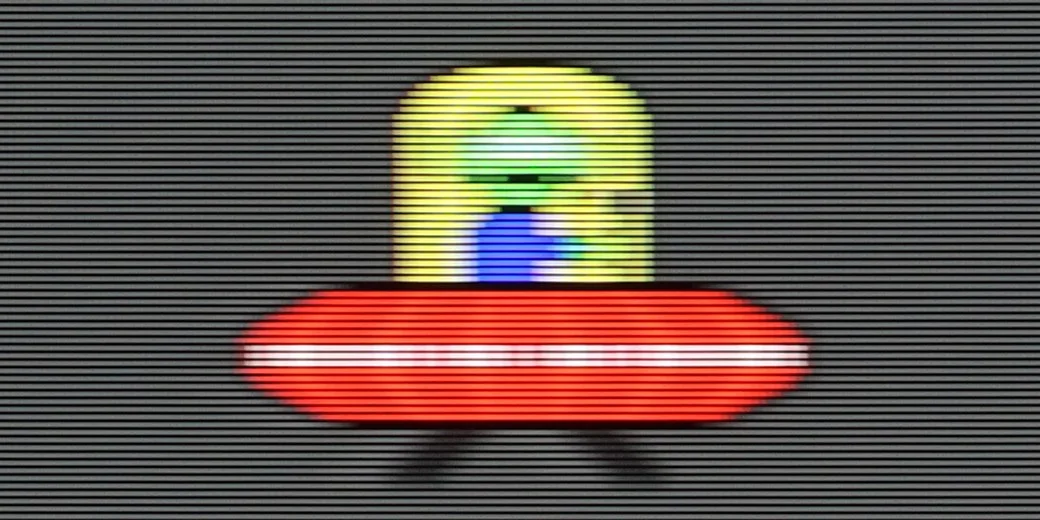
The Hisense UR9S is one of the first televisions on the market with a 4K panel and a 170 Hz refresh rate. In the larger sizes, 75 and 85 inches, this goes up to 180 Hz. However, such a high refresh rate will be useful mainly to owners of very high-performance PCs. Most films and TV series are still watched at 24 fps, and sports broadcasts at 50 fps, so for everyday use panel response time and the operation of the motion smoothing are more important. In that respect the UR9S performs very well. Panel smearing is minimal, as confirmed by our UFO test. Moving objects do not leave a pronounced trail, so the picture remains clear even in fast scenes.
LG G6 is an OLED television, so in the category of motion fluidity, it traditionally deserves the highest marks. The television supports very high refresh rates reaching up to 165 Hz in 4K resolution, but most importantly – on the screen, you will not notice any signs of blurring. The response time of the panel is almost instantaneous, ensuring that dynamic images remain perfectly sharp.
Console compatibility and gaming features
8.5/10
10/10
- ALLM
- VRR
- VRR range48 - 330Hz40 - 165Hz
- Dolby Vision Game Mode
- Correct implementation of HGIG

- 1080p@120Hz
- 1440p@120Hz
- 4K@120Hz
- Game bar
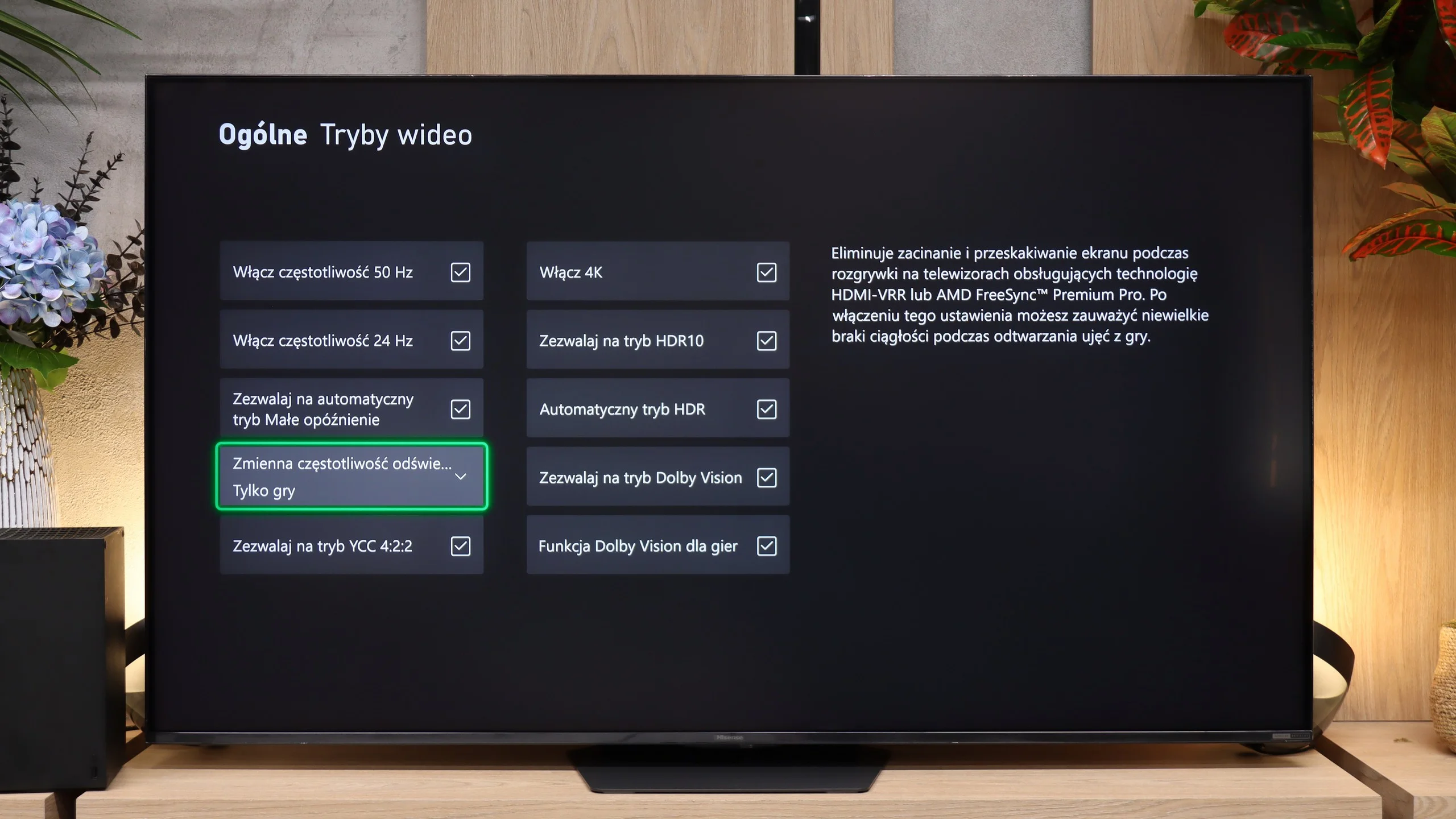
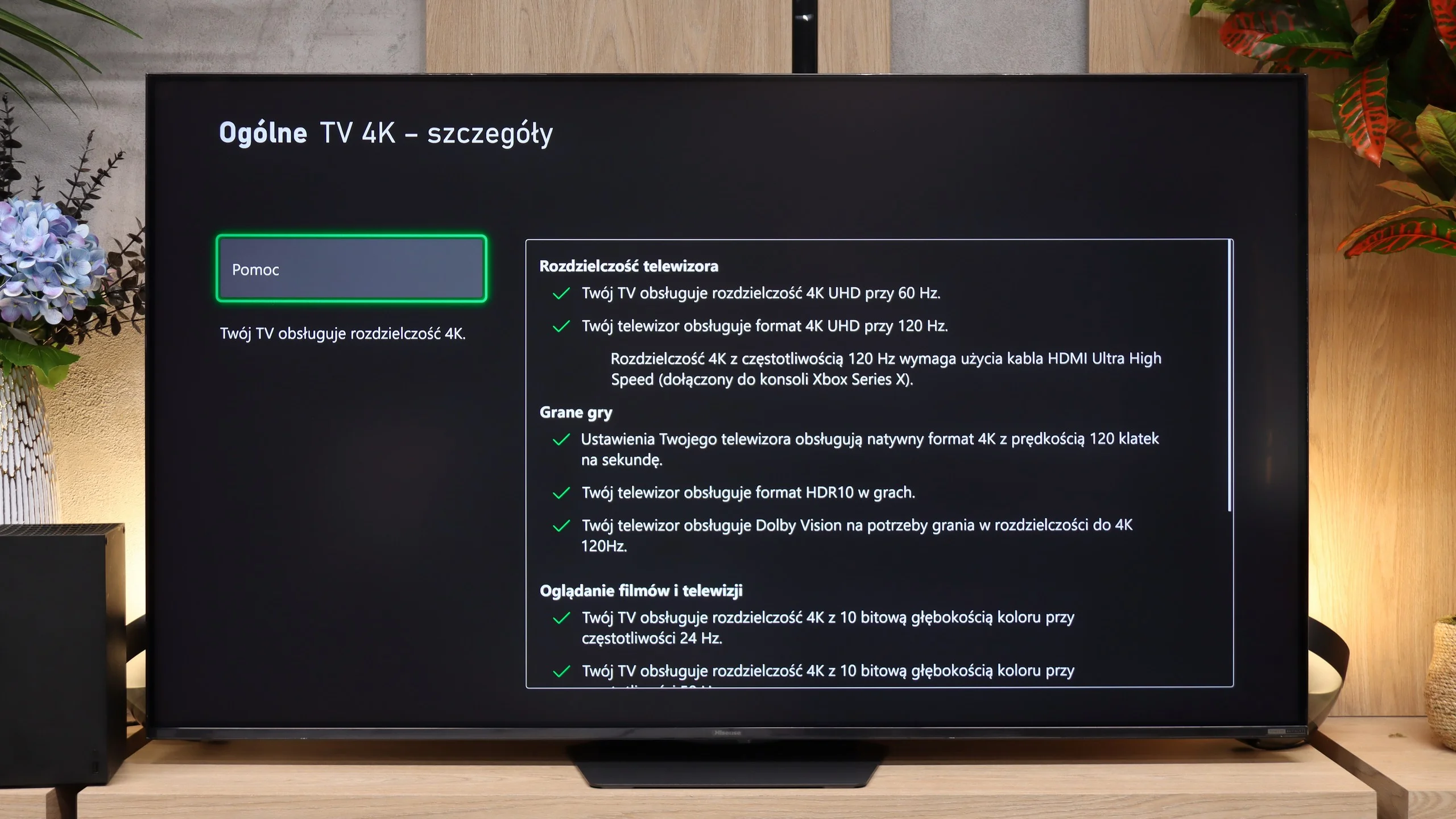
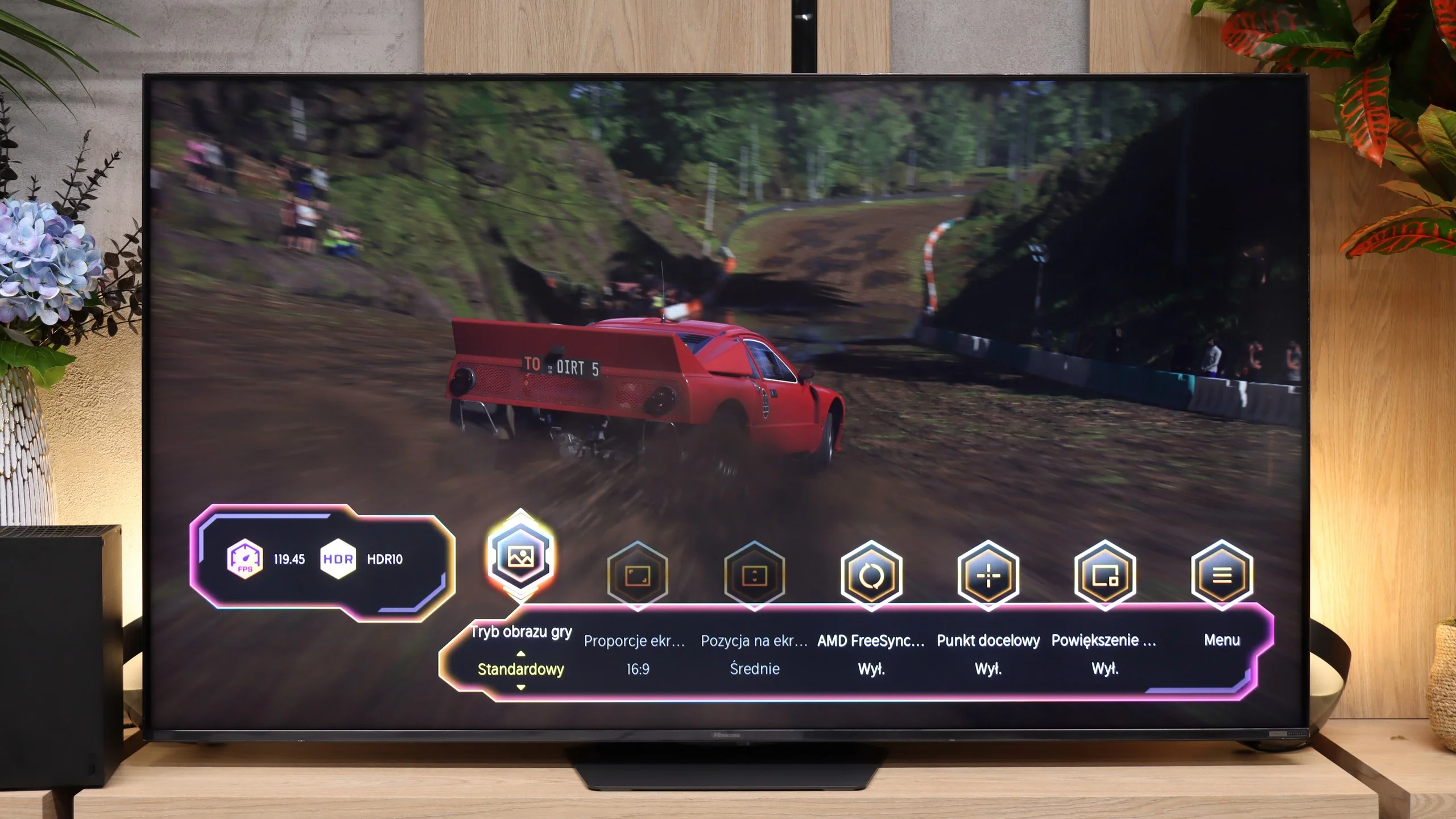
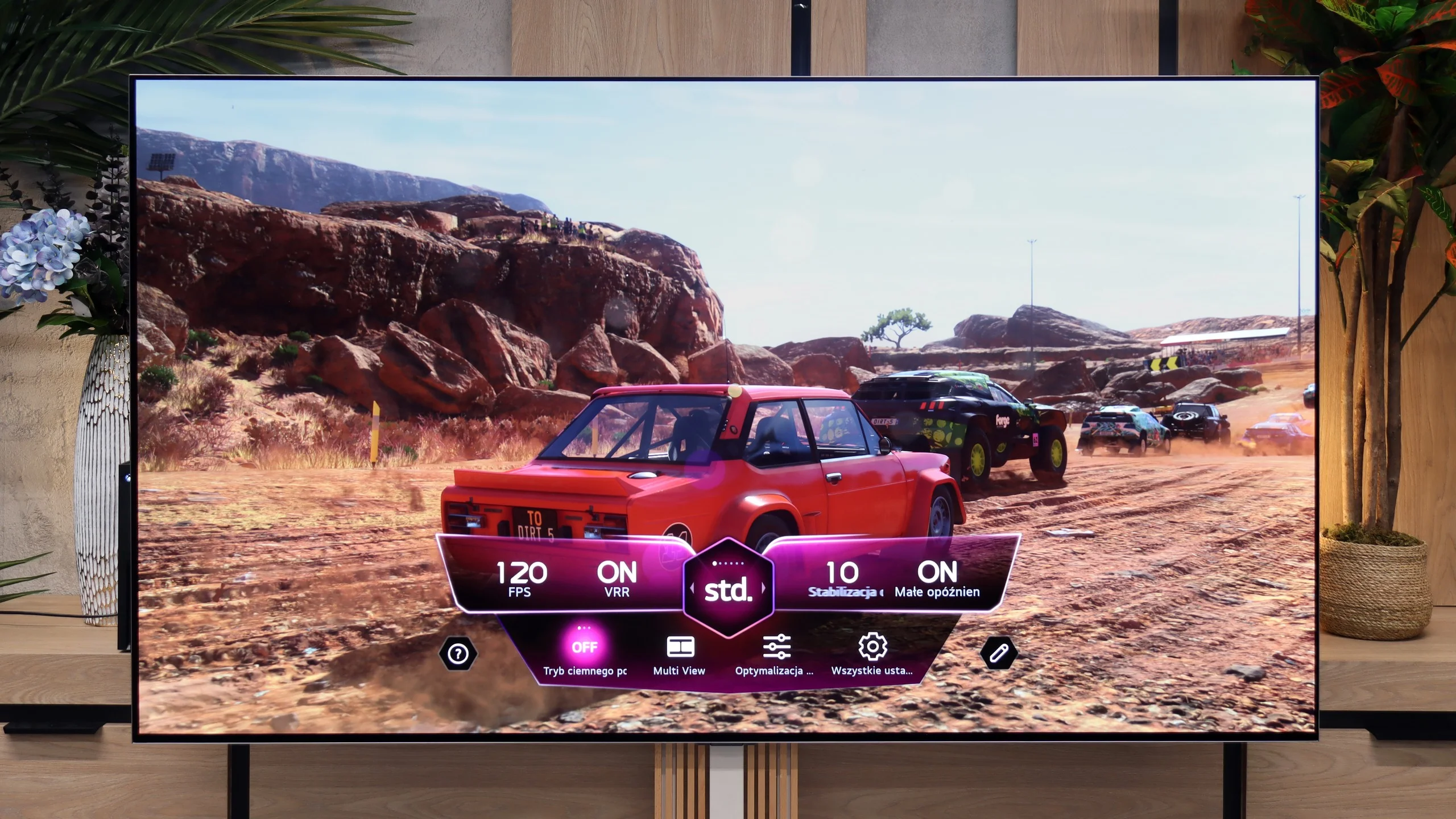
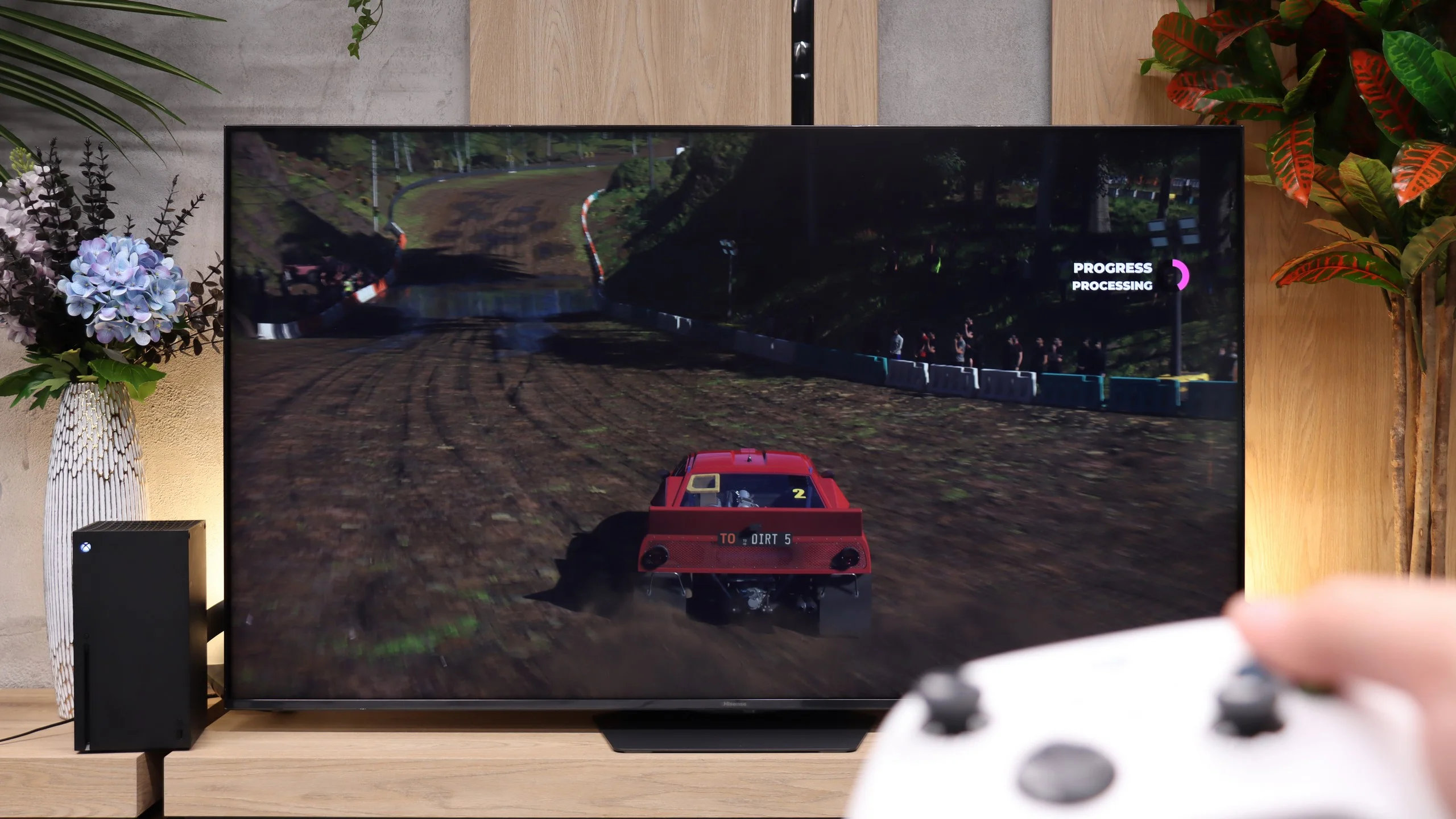
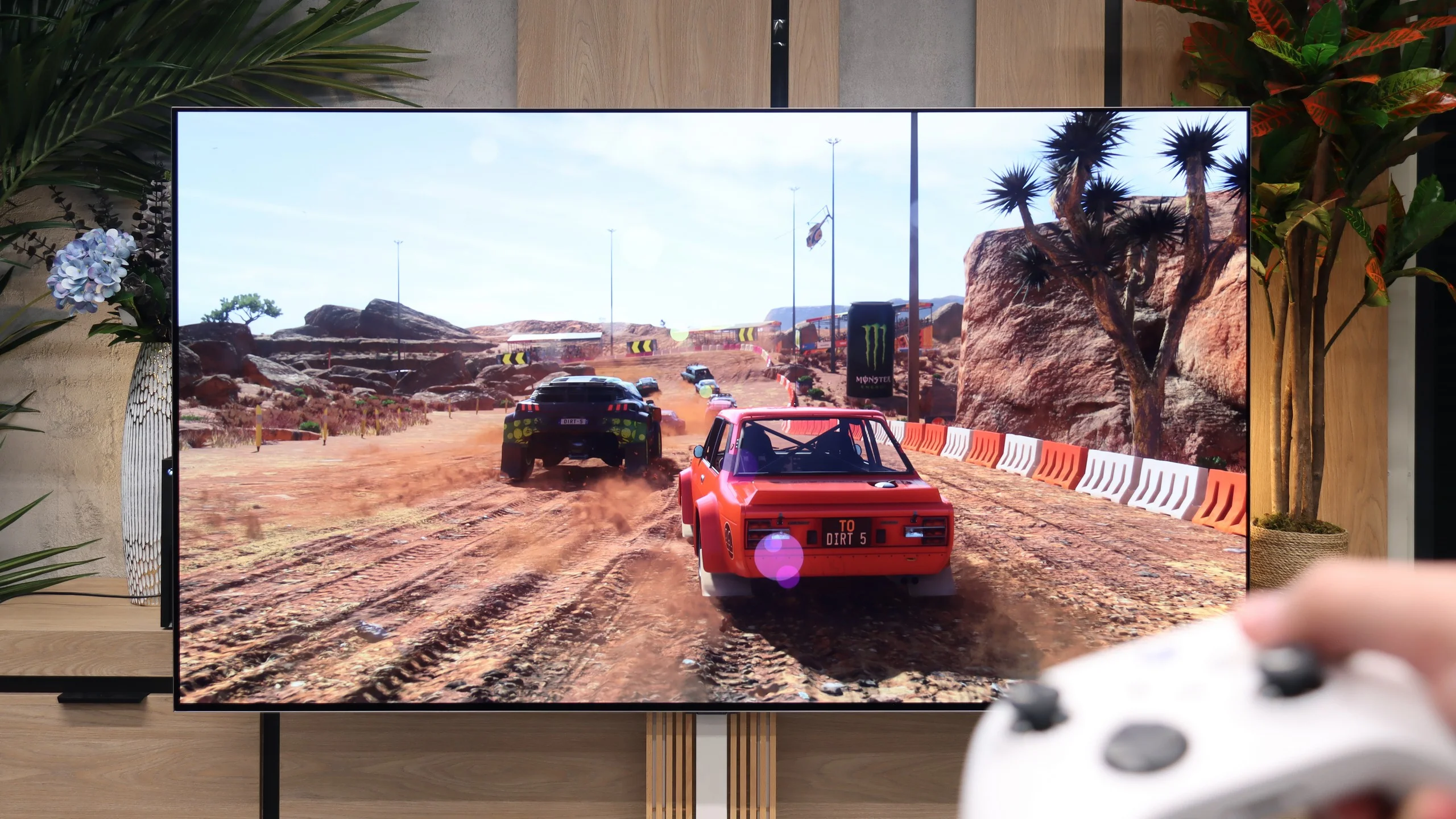
Hisense UR9S is very well prepared for gaming. All three HDMI ports are HDMI 2.1 and offer the full 48 Gb/s bandwidth. The TV supports 4K at 170 Hz, and on larger screen sizes even 180 Hz. It also includes VRR, ALLM, NVIDIA G-Sync and AMD FreeSync, so in terms of basic features there is little to criticise. PC gamers can additionally enable DLG mode. After switching the resolution to Full HD the refresh rate can increase to as much as 330 Hz. That's probably an option for a relatively small group of users, but it shows how much headroom the panel has. Hisense has also added a Game Bar that lets you quickly change key settings, check the refresh rate or enable an on-screen crosshair and minimap zoom.
The biggest drawback remains the lack of a properly working HGiG. The TV still uses its own tone mapping, which makes configuring HDR on a console a bit more difficult. In our case values around 1500 to 2000 nits worked best, but it's worth checking which setting keeps all the detail in the brightest parts of the image.
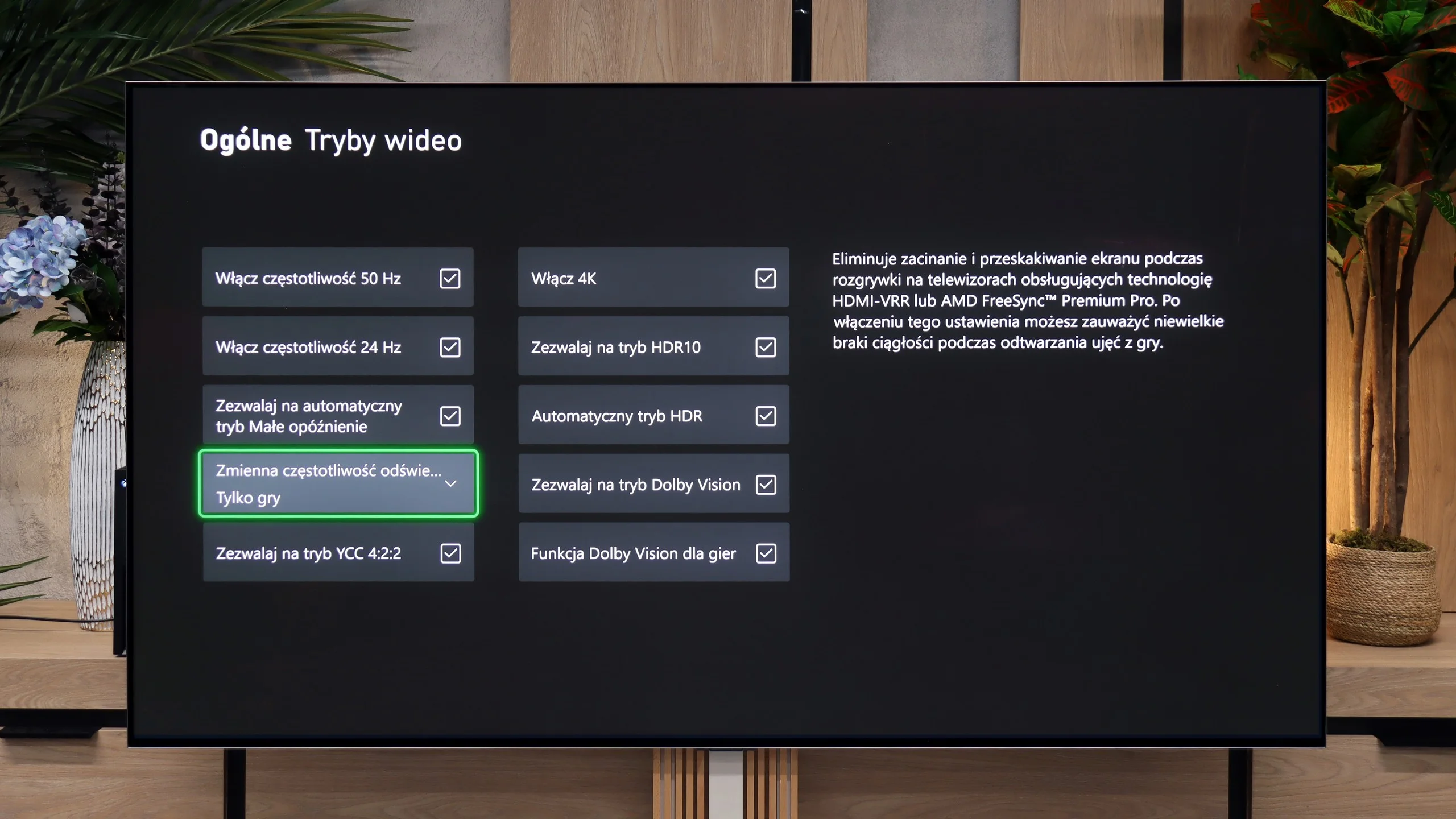
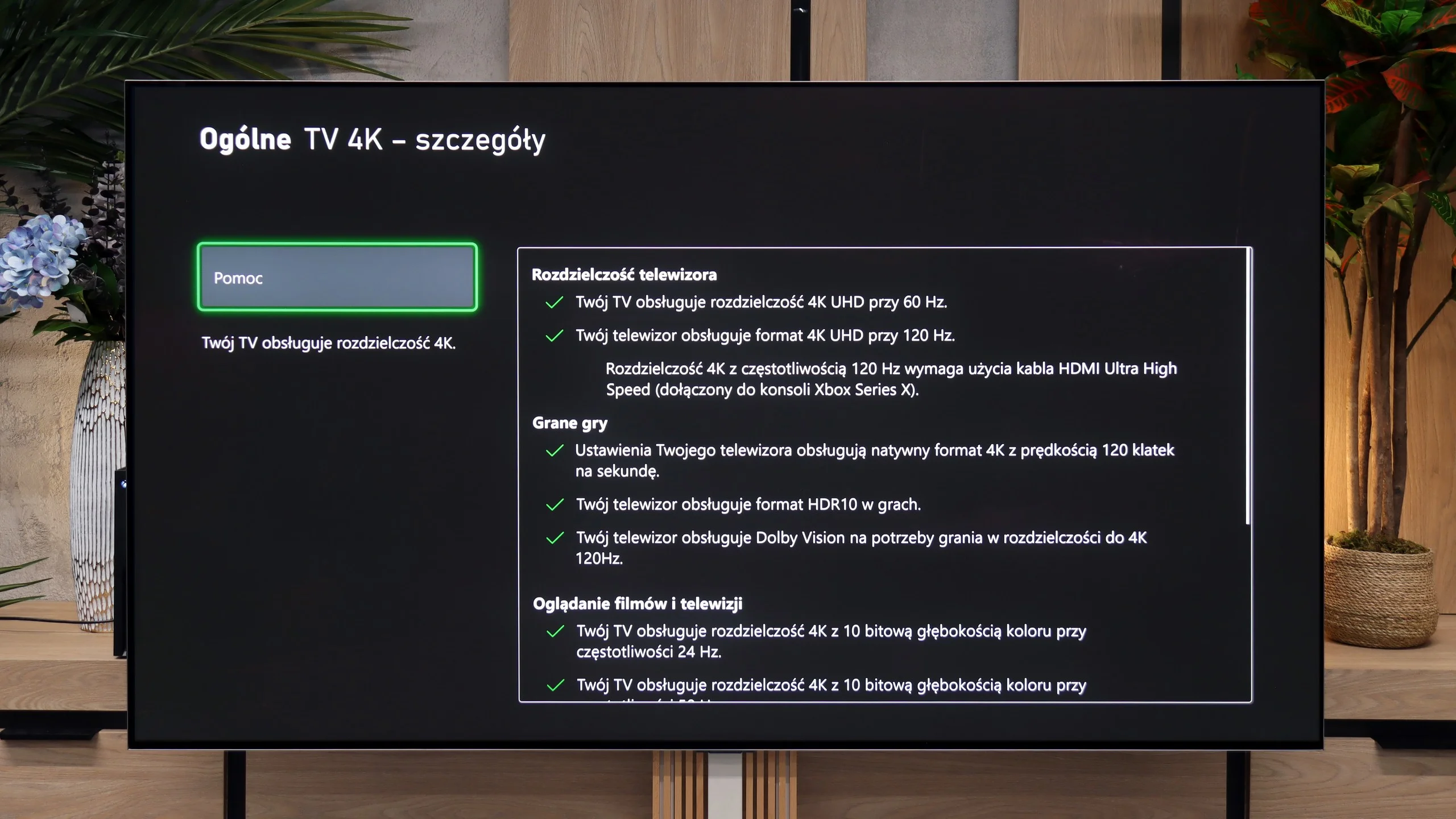
The LG G6 is a true monster for gamers and one of the best-equipped televisions on the market in this regard. The manufacturer has not skimped on features, equipping this model with as many as four full HDMI 2.1 ports with a maximum bandwidth of 48 Gbps. This means that no matter which port you plug in your PlayStation 5, Xbox Series X, or powerful PC, you will get the absolute maximum performance from them.
The television supports a full set of gaming technologies: from VRR (Variable Refresh Rate) to AMD FreeSync Premium Pro, and even Nvidia G-Sync Compatible. On top of that, it offers remarkably low, nearly imperceptible input lag and an exceptionally well-functioning Game Optimizer panel, which allows you to monitor signal parameters in real time. Gaming on this screen, with the perfect black of OLED and impressive refresh rates, is pure pleasure.
Input lag
9.5/10
9.9/10
SDR
HDR
Dolby Vision
The Hisense UR9S can also boast very low input lag. With a 4K signal at 120 Hz, input lag is only around 10 ms, which means thumbstick movements are registered instantly. That level will easily meet the demands of both casual players and fans of fast-paced online battles. We observed slightly higher values after enabling Dolby Vision on an Xbox console. In that scenario, the lag rises to about 20 ms. Even so, it remains low enough not to affect gameplay comfort and is practically unnoticeable during play.
When it comes to signal delay, the results are fabulously low. For a standard 120 Hz signal, the Input Lag is just 5 ms. At 60 Hz, this value increases to 13 ms, which is still an excellent and completely imperceptible delay. The only thing we need to nitpick is the television's performance when using the Dolby Vision Game signal. In this format, the Input Lag nearly doubles, reaching 13 ms for 120 Hz and 22 ms for 60 Hz. Despite this jump, we believe that these values in games are low enough that absolutely no one will feel any discomfort during gameplay.
Compatibility with PC
8.4/10
8.7/10
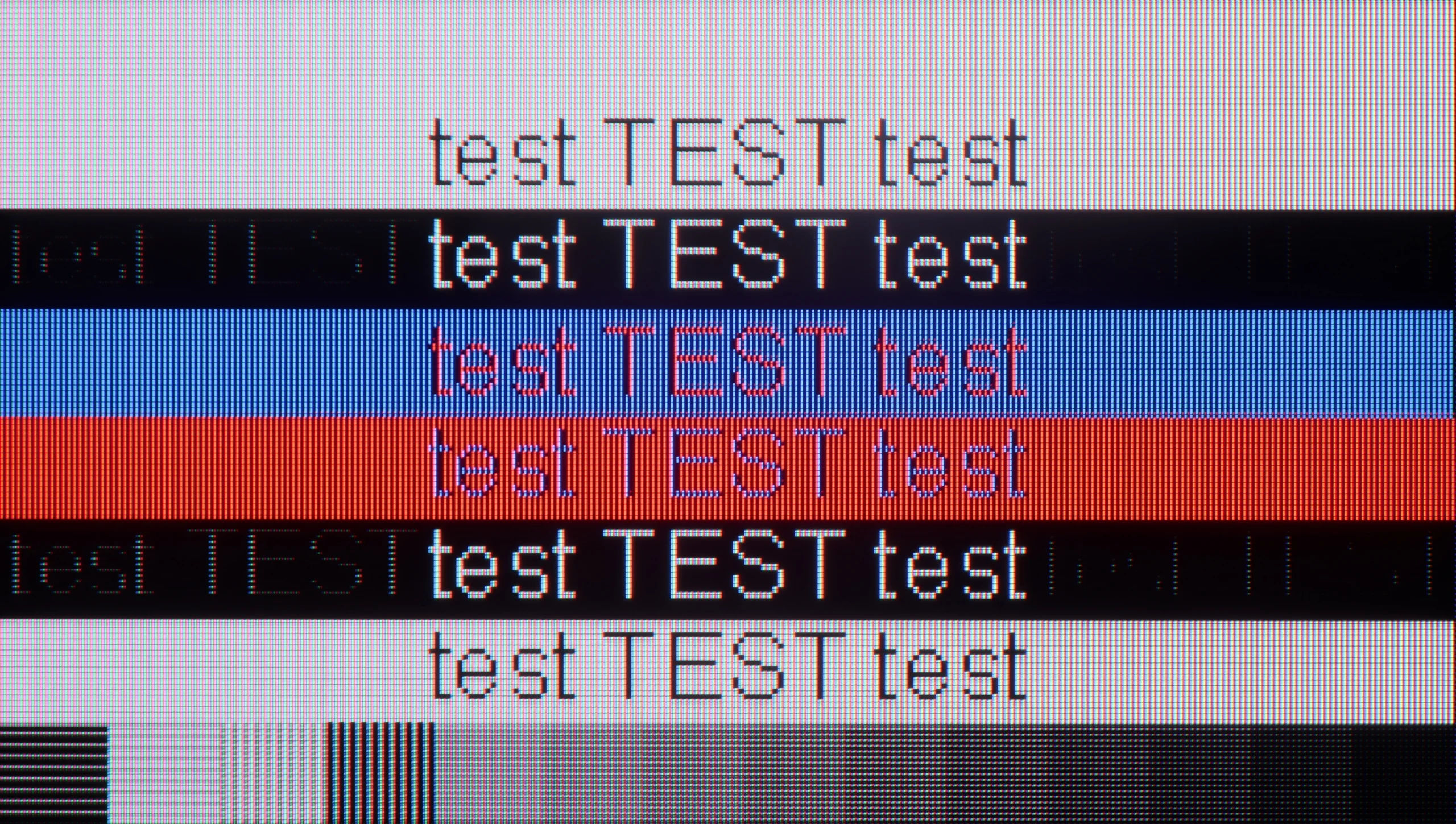
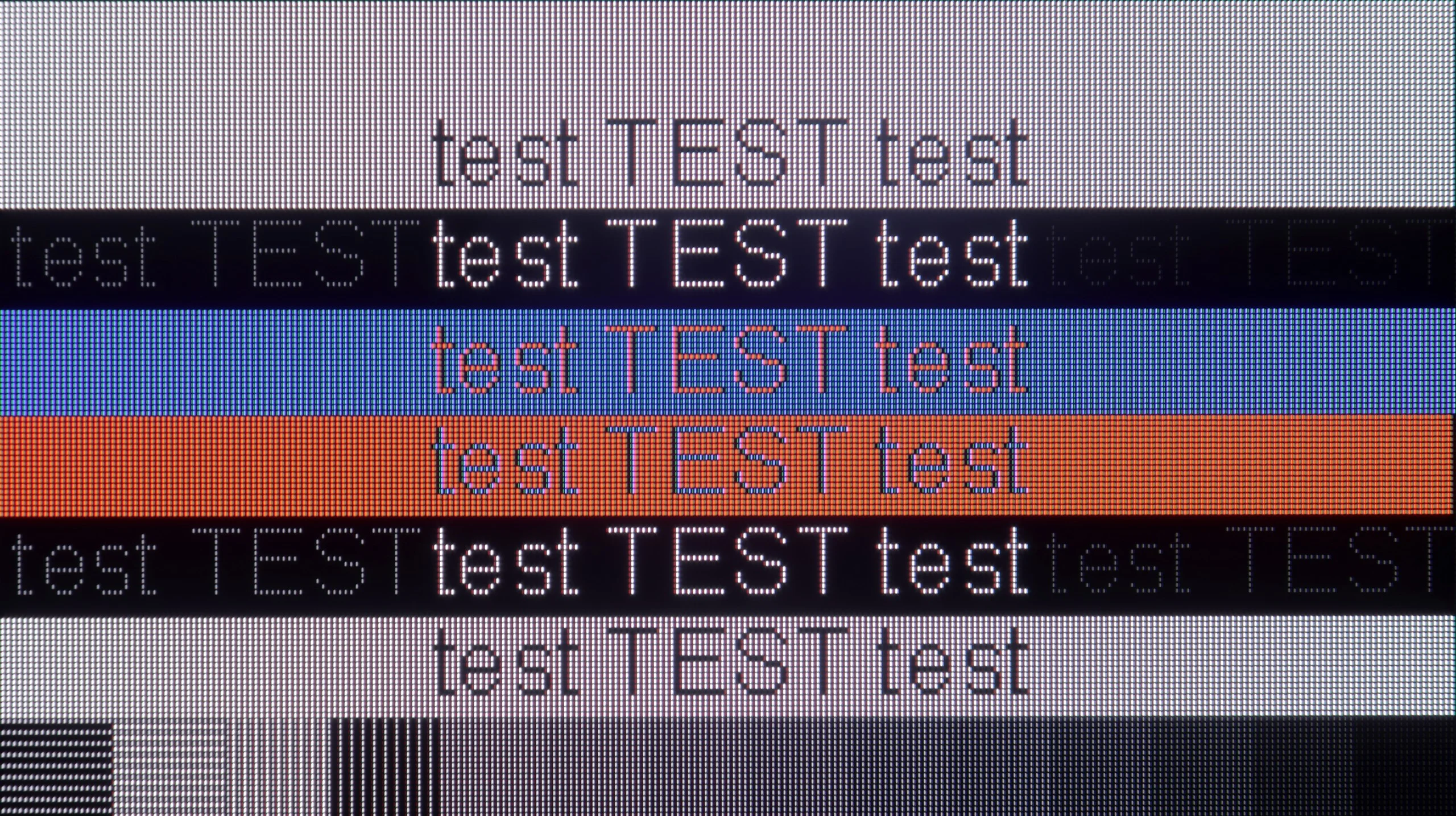
The photo shows the legibility of small fonts. Ideally, lines should be the same thickness on both light and dark text, with minimal pixel gaps.
Its performance with a PC is generally very good, mainly thanks to full support for gaming technologies. The aforementioned G-Sync and FreeSync work flawlessly, and PC gamers will certainly appreciate the ability to natively use higher panel refresh rates. The panel fares a little worse, however, during typical work with text documents. Although the TV easily supports 4:4:4 chroma sampling, so the overall readability of standard fonts remains good, on closer inspection of darker text some imperfections become apparent. Letter shapes can be imprecise, and the horizontal strokes of fonts are less pronounced than the vertical ones, which at times negatively affects the clarity of characters. Undoubtedly this is a flaw, but it is so specific that it is hard to call it a major drawback in a device whose smallest variant starts at 65 inches. It’s hard to imagine anyone planning to put such a screen directly on a desk for everyday office work. 😉
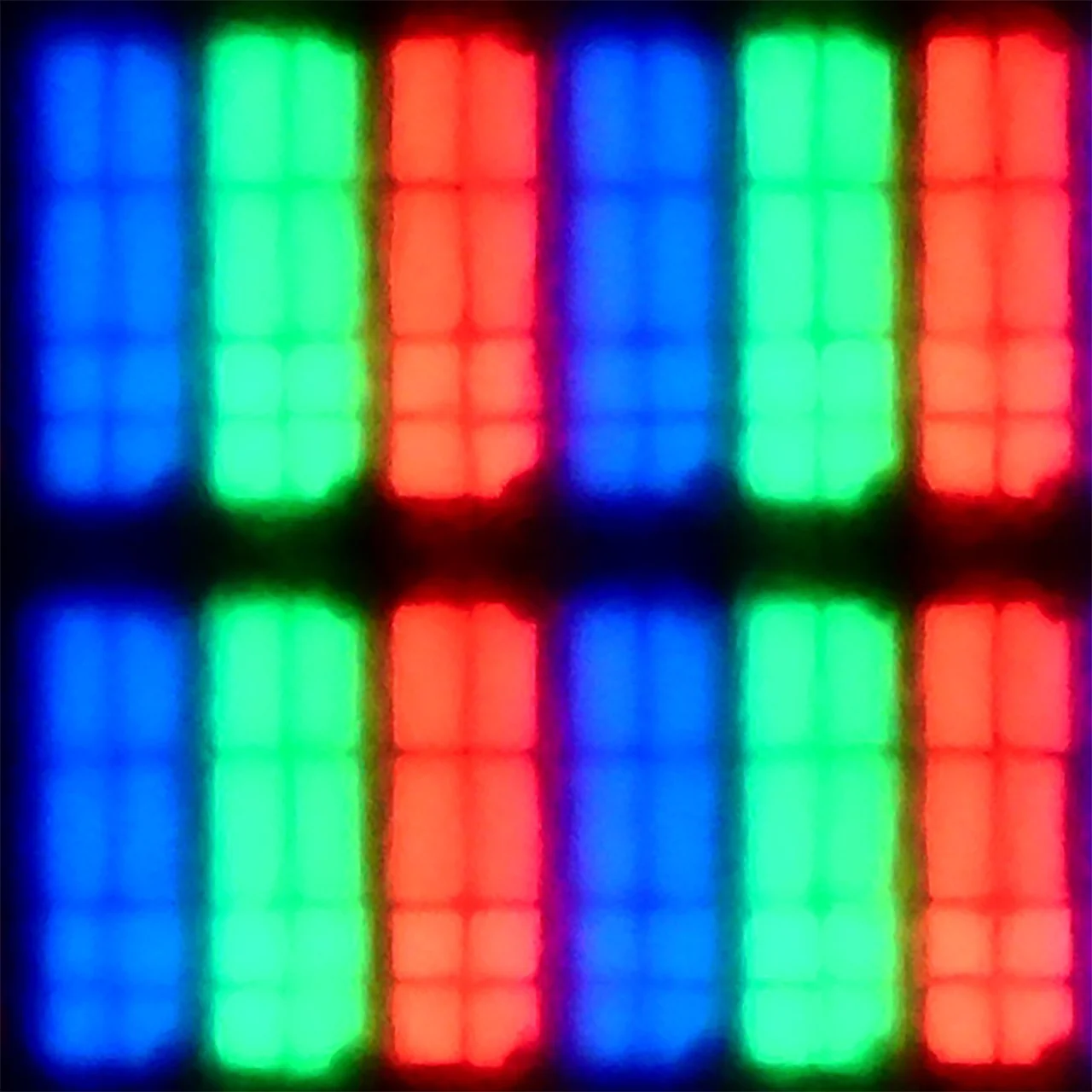
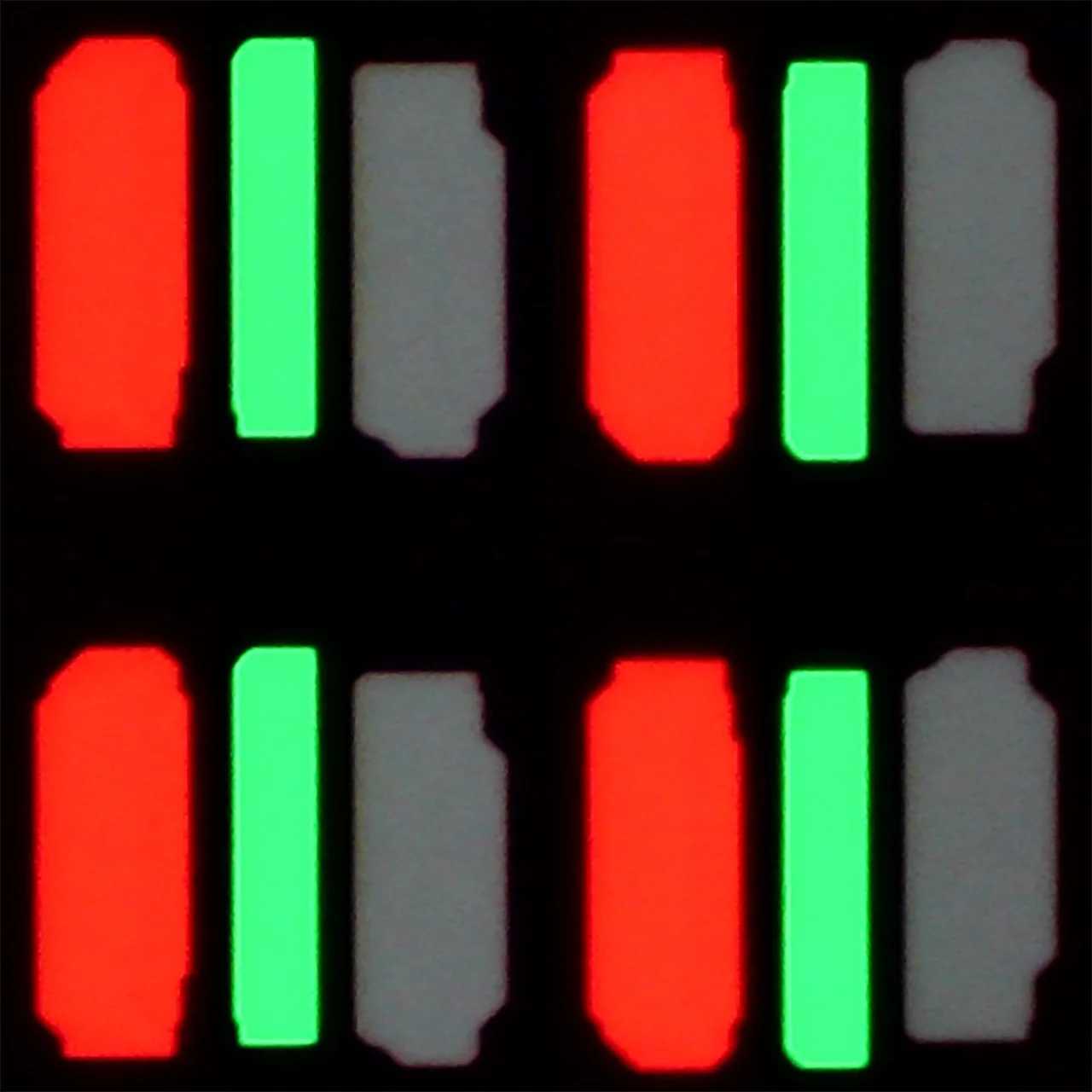
As we mentioned earlier, the LG G6 is an outstanding screen for gamers as well as those using computers. With full support for Nvidia G-Sync and AMD FreeSync technology, and a high refresh rate of up to 165 Hz, this television performs brilliantly as a gigantic gaming monitor. However, when it comes to everyday office work with text, it does somewhat less well (though in our opinion still very well), which is, by the way, a typical feature of any WOLED-type screen. Due to the specific arrangement of four subpixels (with an additional white subpixel), rather than three as in traditional computer monitors, system fonts can have an additional red halo around black or white letters. This is a direct result of the new structure of the second-generation Tandem OLED matrix, which now operates in the RGWB configuration (in last year's first generation of Tandem OLED, it was in the BWRG configuration). In our opinion, the sharpness of font edges has slightly deteriorated because of this, but it is certainly not something that will immediately catch your eye when occasionally working with documents or browsing the web.
Viewing angles
5.6/10
7.2/10
Hisense UR9S is fitted with a VA panel. A natural characteristic of this kind of panel is a drop in contrast and colour saturation when viewing the screen at an angle. In the model we tested this effect is, of course, noticeable, but in our view not so pronounced as to materially reduce the comfort of everyday viewing. To some extent this is also a trait tied to TVs that use RGB backlighting. Compared with many other LCD TVs based on VA panels, the UR9S simply performs well. Colour and black level degradation does not occur as abruptly as in some competing solutions, meaning people sitting slightly to the side of the screen still get a satisfactory image. Naturally you will get the fullest potential and best depth when looking straight at the panel, but for a VA design we rate the viewing angles very positively.
As is fitting for an OLED panel, the viewing angles on the LG G6 are really good. The television viewed from the side does not drastically lose brightness or colour saturation. In this respect, the picture quality is miles better than any LCD television – and this is true for both IPS panels and even more so for VA panels without special wide-angle coatings. In this area, the only better screens on the market remain the QD-OLED panels from Samsung Display, where the angles are simply perfect, as well as older WOLED panels with MLA (micro-lens array) technology, which LG abandoned in this series two years ago. Unfortunately, we assess the viewing angles of this year's model to be slightly worse than last year's. We noticed that the 2nd generation Tandem OLED panel tends to take on more greenish hues at large angles, while last year's model maintained greater neutrality in this regard.
Daytime performance
9.9/10
8.2/10
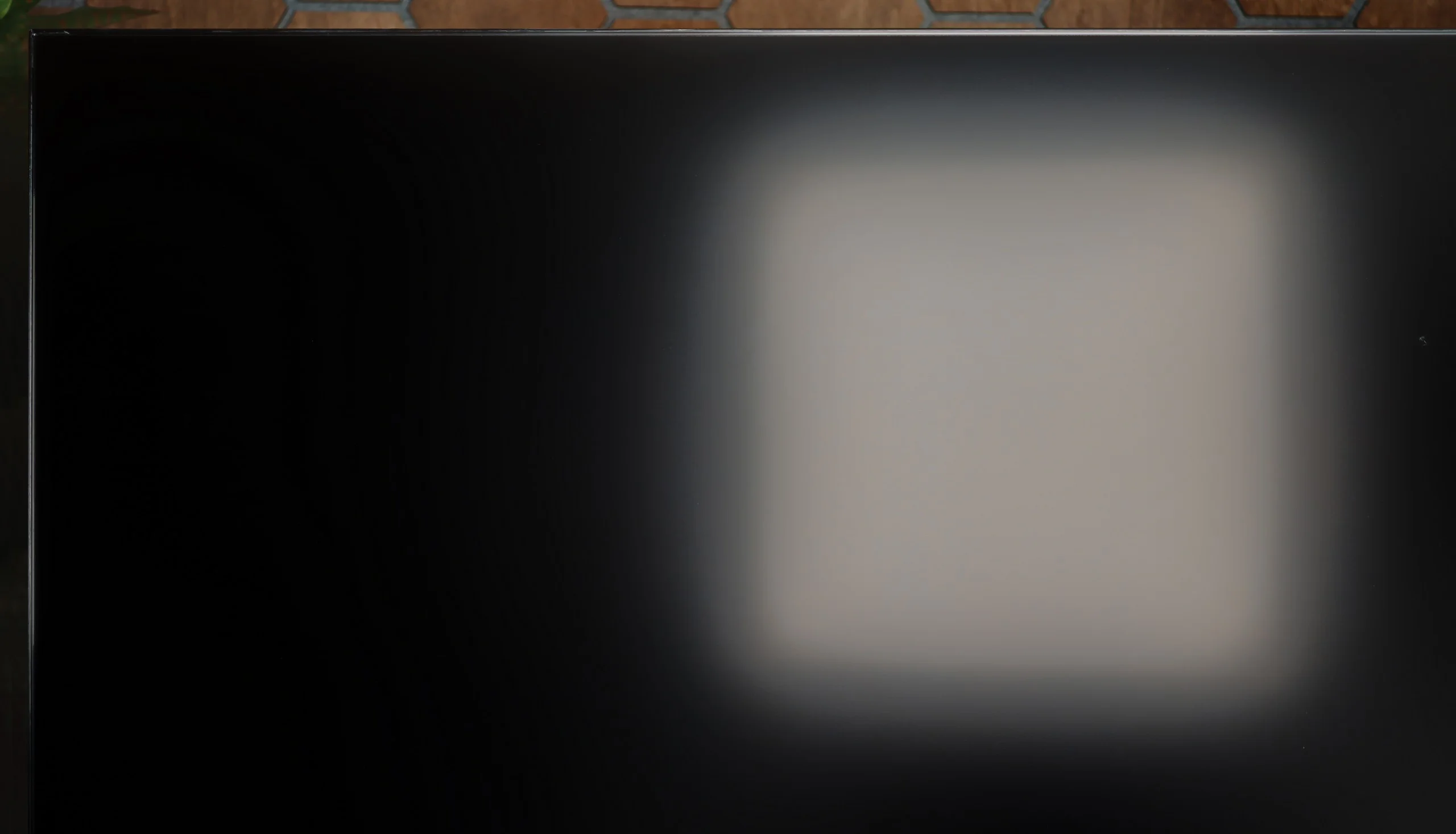
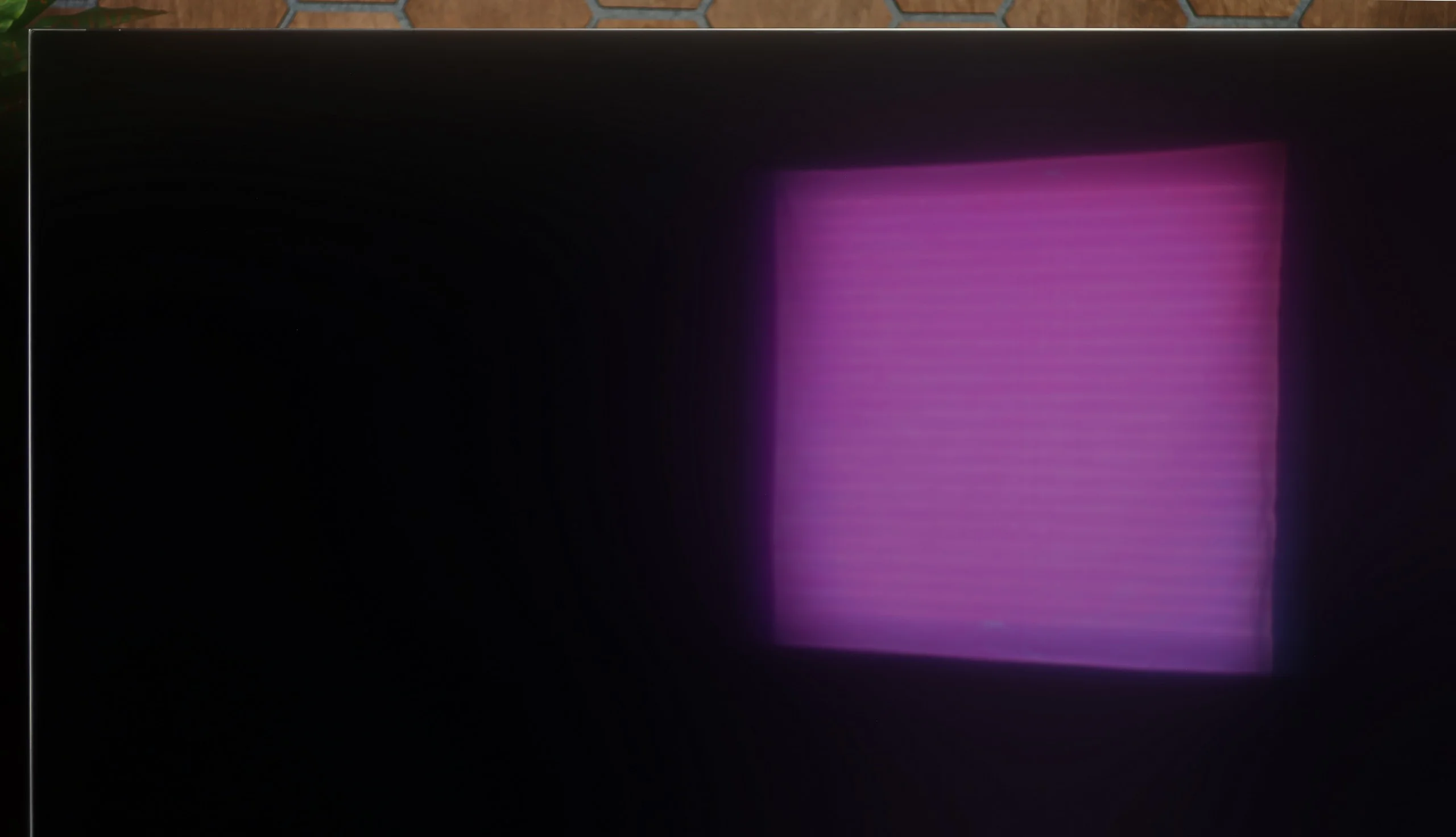
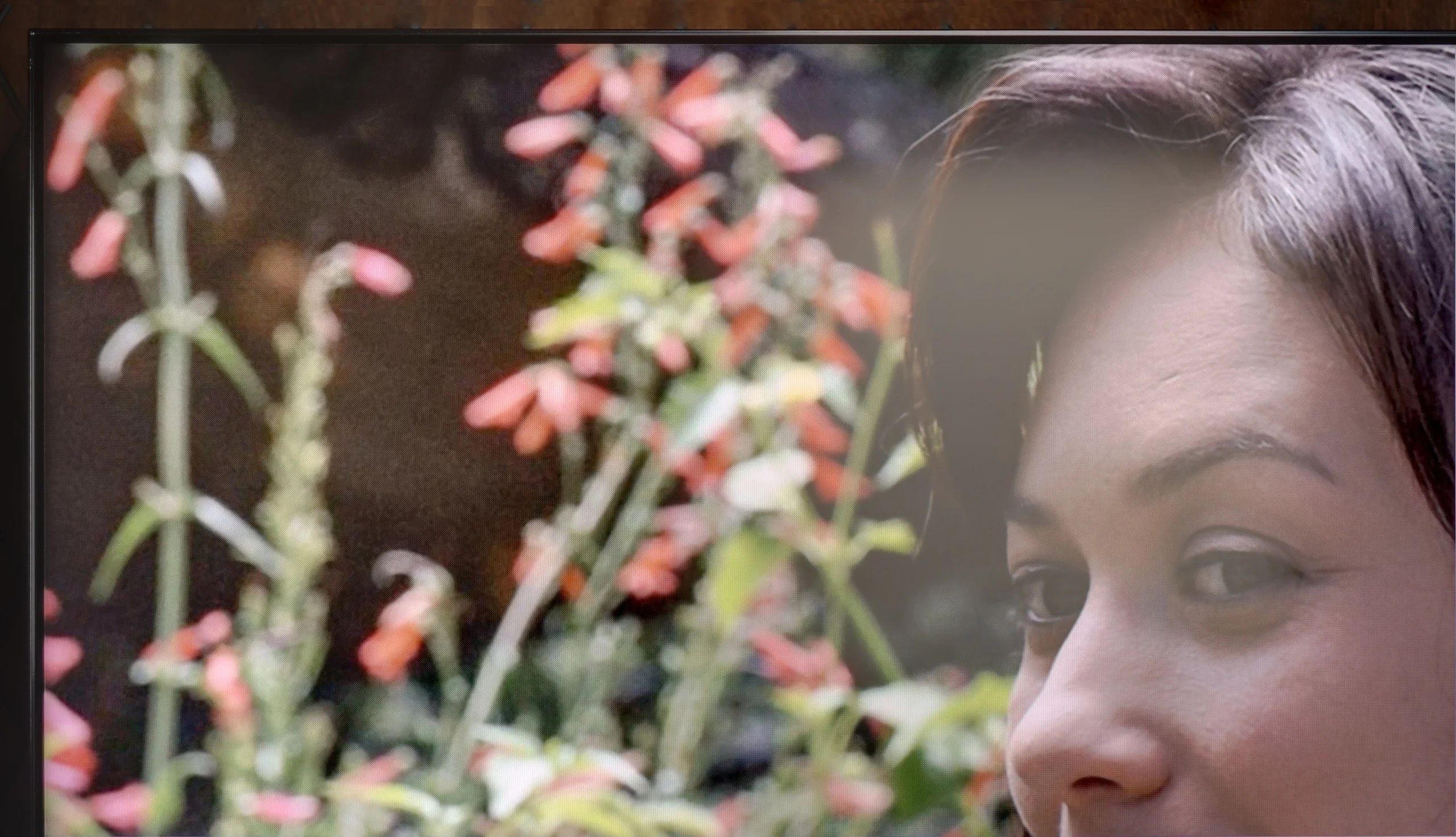
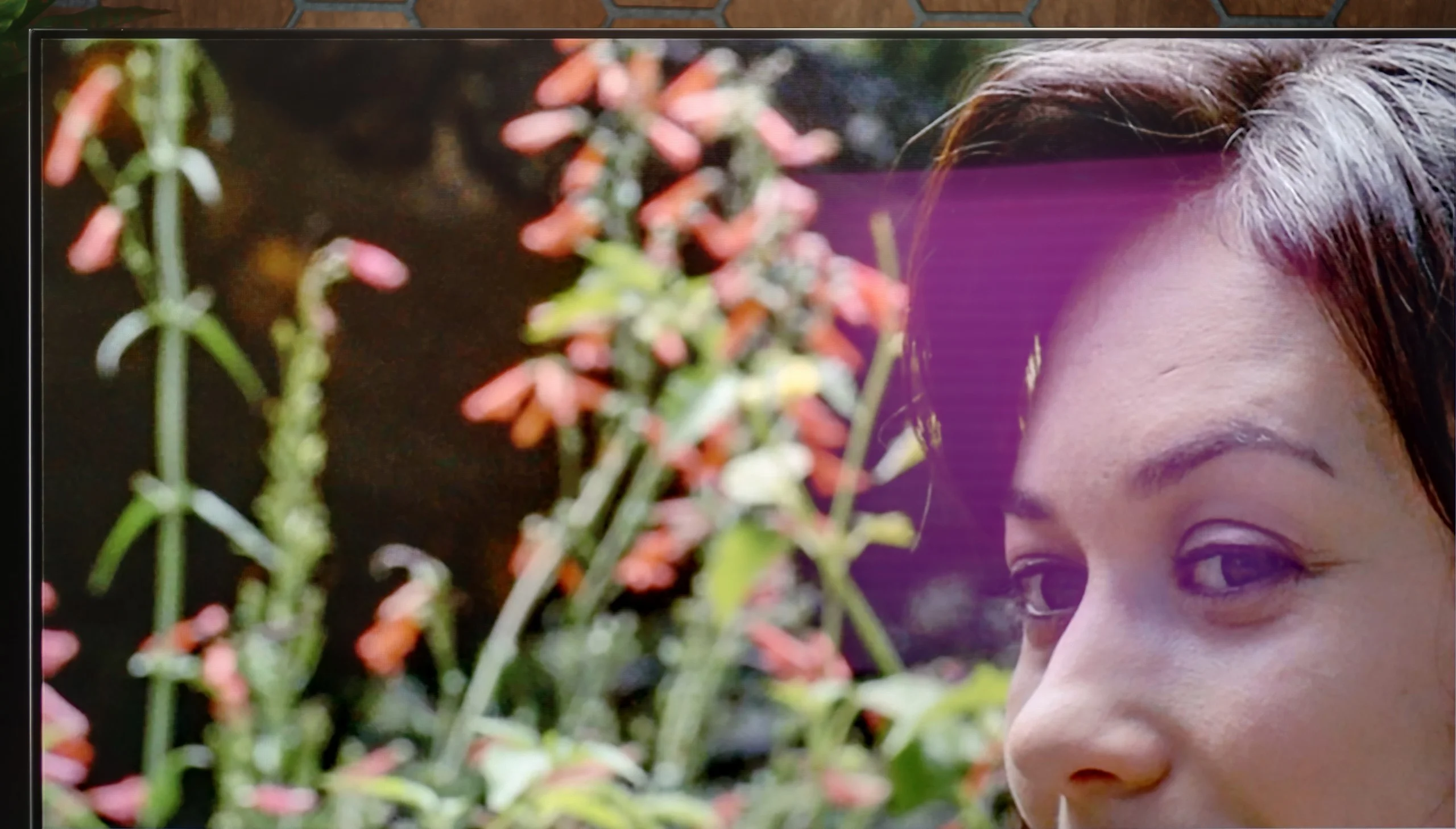
Panel brightness
LG OLED G6 (G64LW, G66LS): 857 cd/m2
Hisense UR9S: 1639 cd/m2
The Hisense UR9S comes with a matte screen coating that handles direct reflections very well. This is especially important in brightly sunlit living rooms, particularly when light falls directly on the screen. On top of that, the TV is very bright, so even in challenging conditions the picture remains clear. The matte surface, however, makes blacks appear slightly lifted during the day, and colours lose a little saturation compared with glossy screens. Even so, it’s a fair compromise. It’s clear Hisense is targeting this model at people who want a flagship TV but also watch a lot in bright rooms.
The LG G6 will perform exceptionally well as a television in a brightly lit room. Thanks to its powerful peak brightness, the television can easily cut through most external light sources. Best of all, the new generation of the Tandem OLED panel has brought significant improvements in the reduction of reflections. Although the screen coating is still glossy (and thus maintains well-saturated colours even in challenging conditions), it effectively suppresses glare. It does this definitely better than classic OLED screens with a standard glossy coating. We could confidently compare this level to that of glossy QD-OLED panels, but with one key advantage in favour of LG. Unlike the technology of competitors, in this model, deep blacks remain intact in a bright living room. There is no risk of greyness or a purple hue due to incoming light – the blacks in the G6 during the day are simply perfect, just as they are at night.
Panel details
Subpixel Structure:
Panel uniformity and thermal imaging:
Hisense UR9S
LG OLED G6 (G64LW, G66LS)
TV features
9.4/10
8.5/10
- SystemVIDAAWebOS
- System performanceGoodVery good
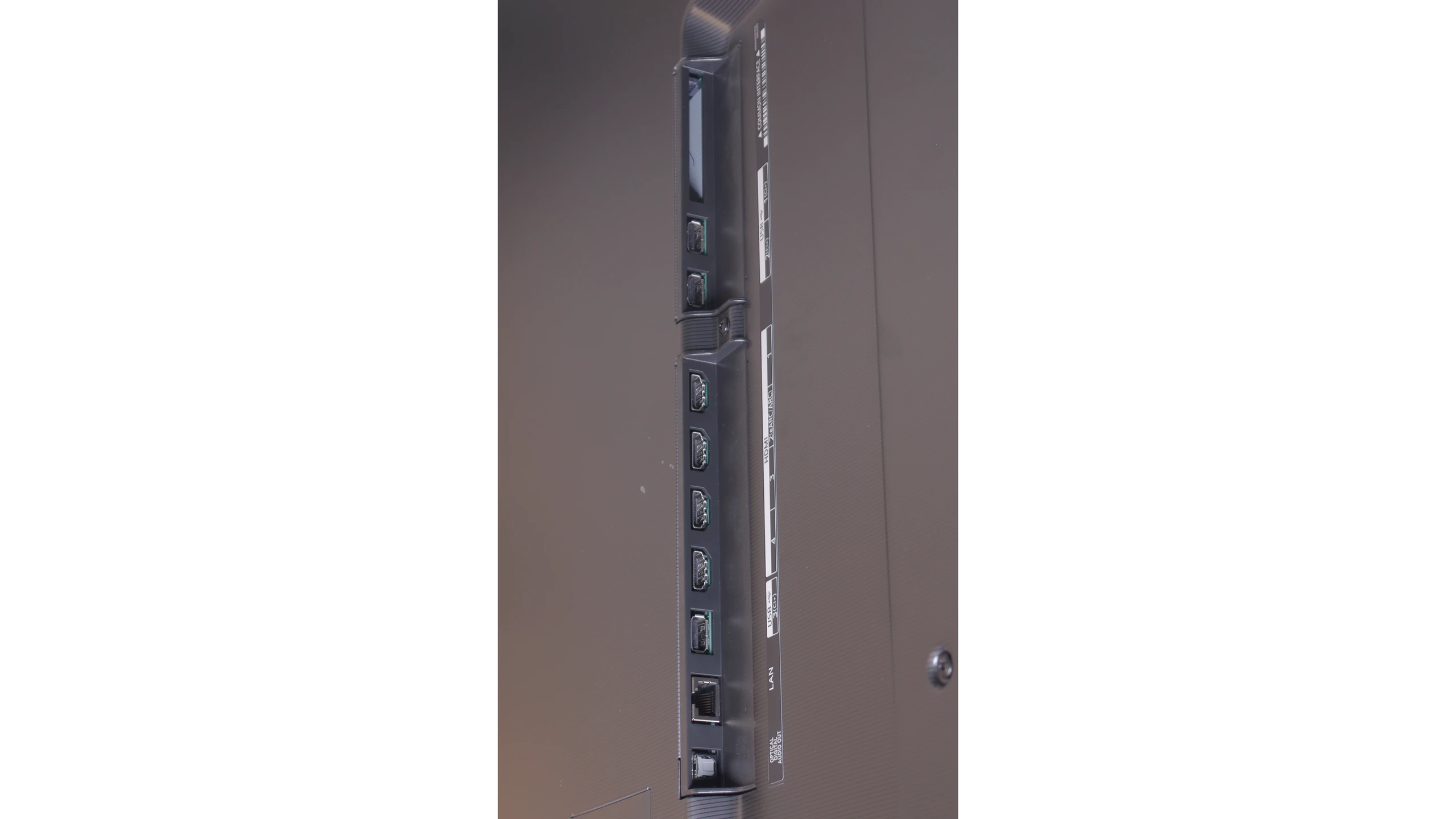
- HDMI inputs0 x HDMI 2.0, 3 x HDMI 2.1 48Gbps0 x HDMI 2.0, 4 x HDMI 2.1 48Gbps
- Other inputsIR (remote)
- OutputsToslink (Optical audio), eARC (HDMI), ARC (HDMI)Toslink (Optical audio), eARC (HDMI), ARC (HDMI)
- Network InterfacesWi-Fi 2.4GHz, Wi-Fi 5GHz, Ethernet (LAN) 100MbpsWi-Fi 2.4GHz, Wi-Fi 5GHz, Ethernet (LAN) 100Mbps
- TV receptionDVB-T, DVB-T2, DVB-S, DVB-S2, DVB-CDVB-T, DVB-T2, DVB-S, DVB-S2, DVB-C
Classic features:
- Recording to USB (terrestrial TV)
- Recording programming
- Picture in Picture (PiP)
- RF remote control (no need to aim)
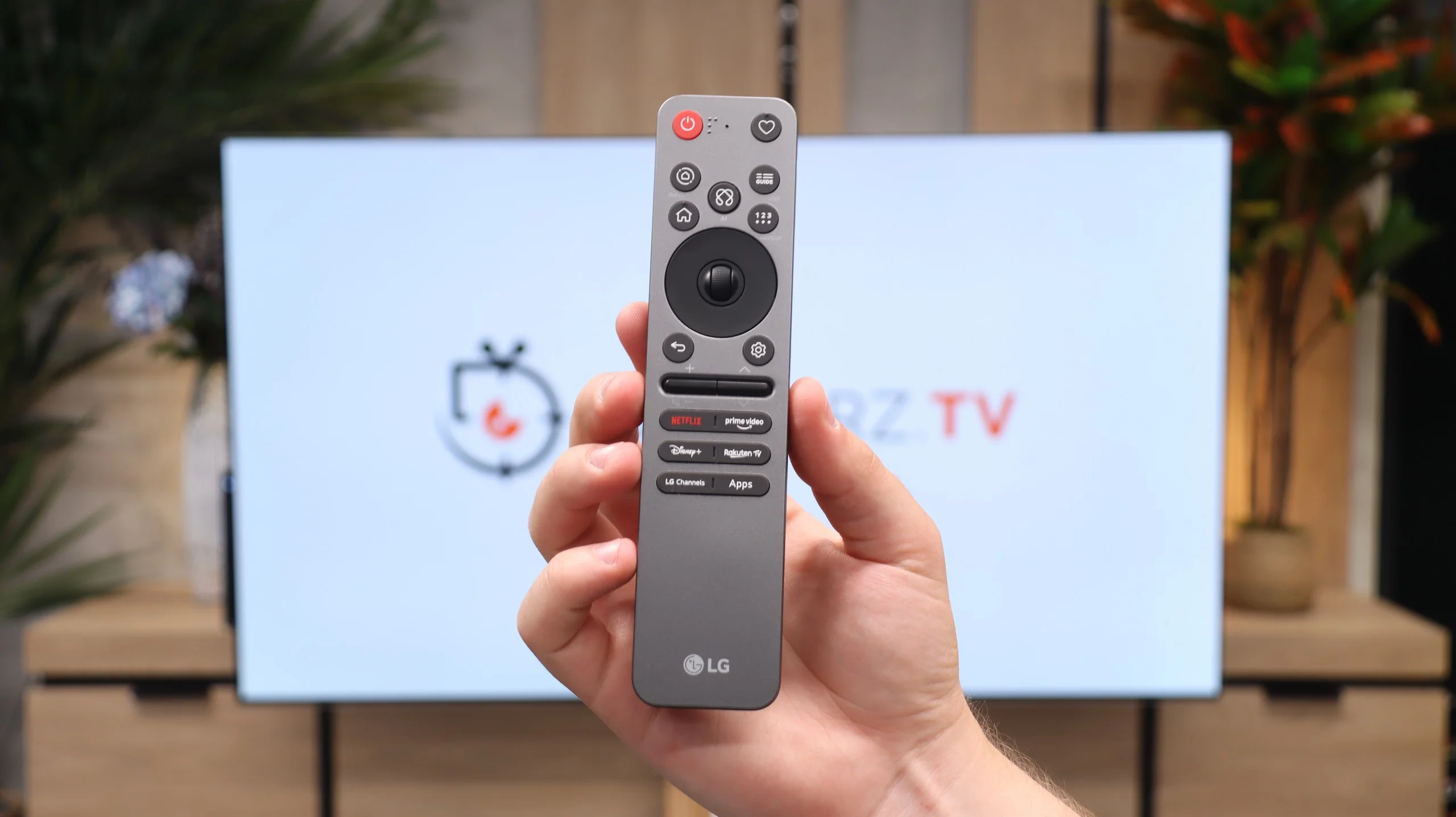
- Backlit remote control
- Teletext
- Audio only mode
- Bluetooth headphones support
- Simultaneous Bluetooth headphones & TV audio
Smart features:
- AirPlay
- Screen mirroring (Windows Miracast)
- Voice search
- Voice search in native language
- Ability to connect a keyboard and mouse
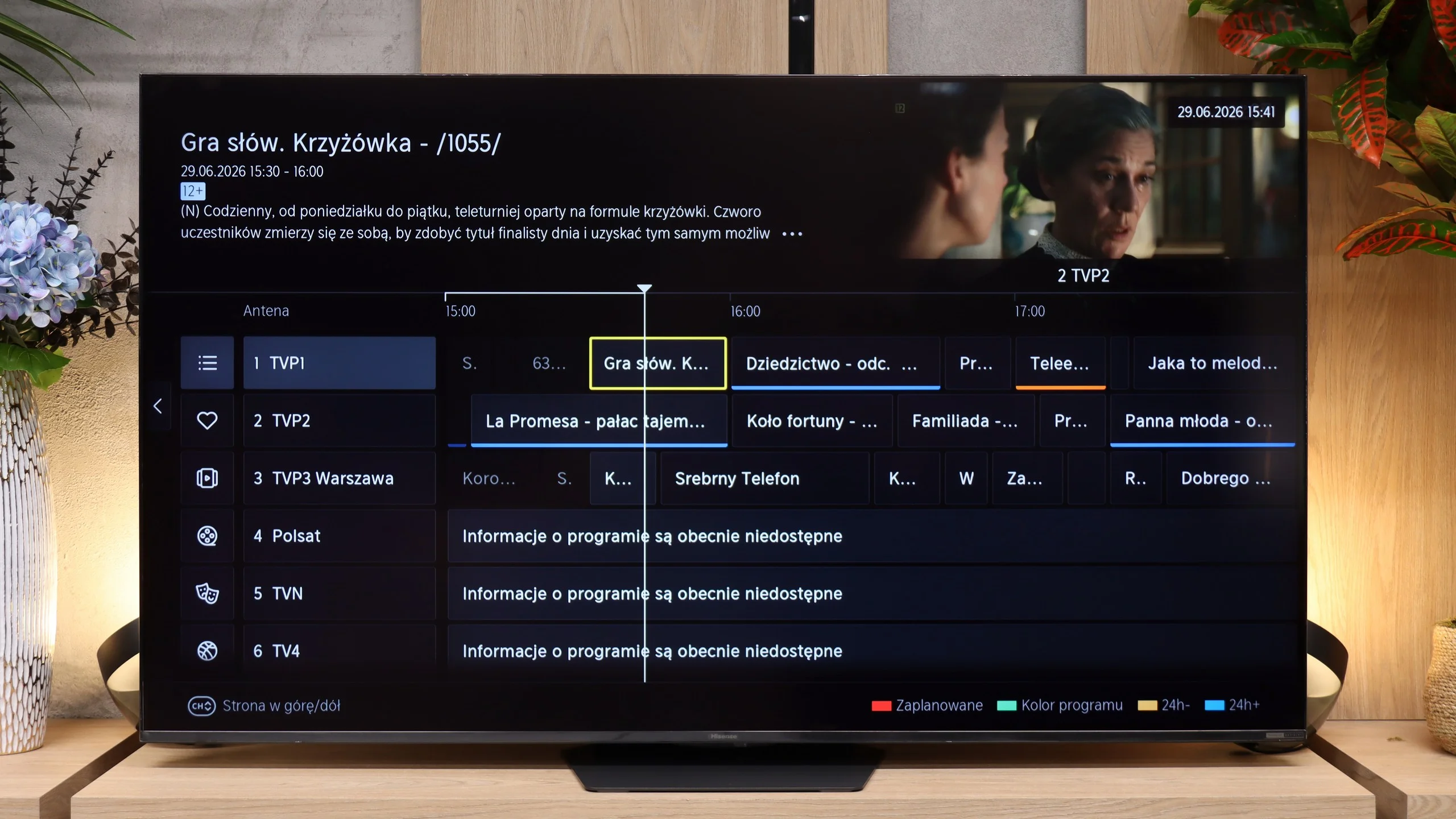
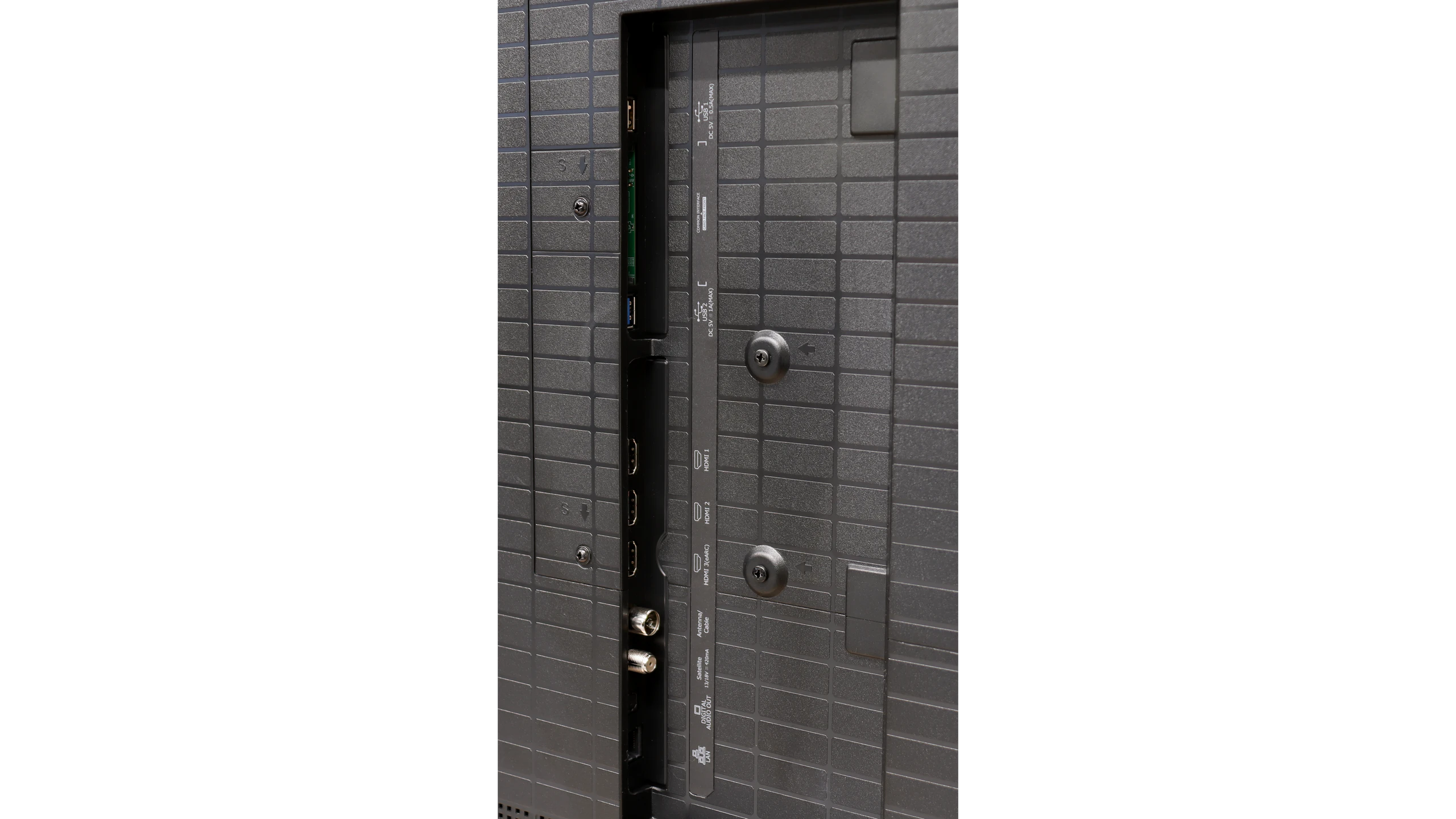
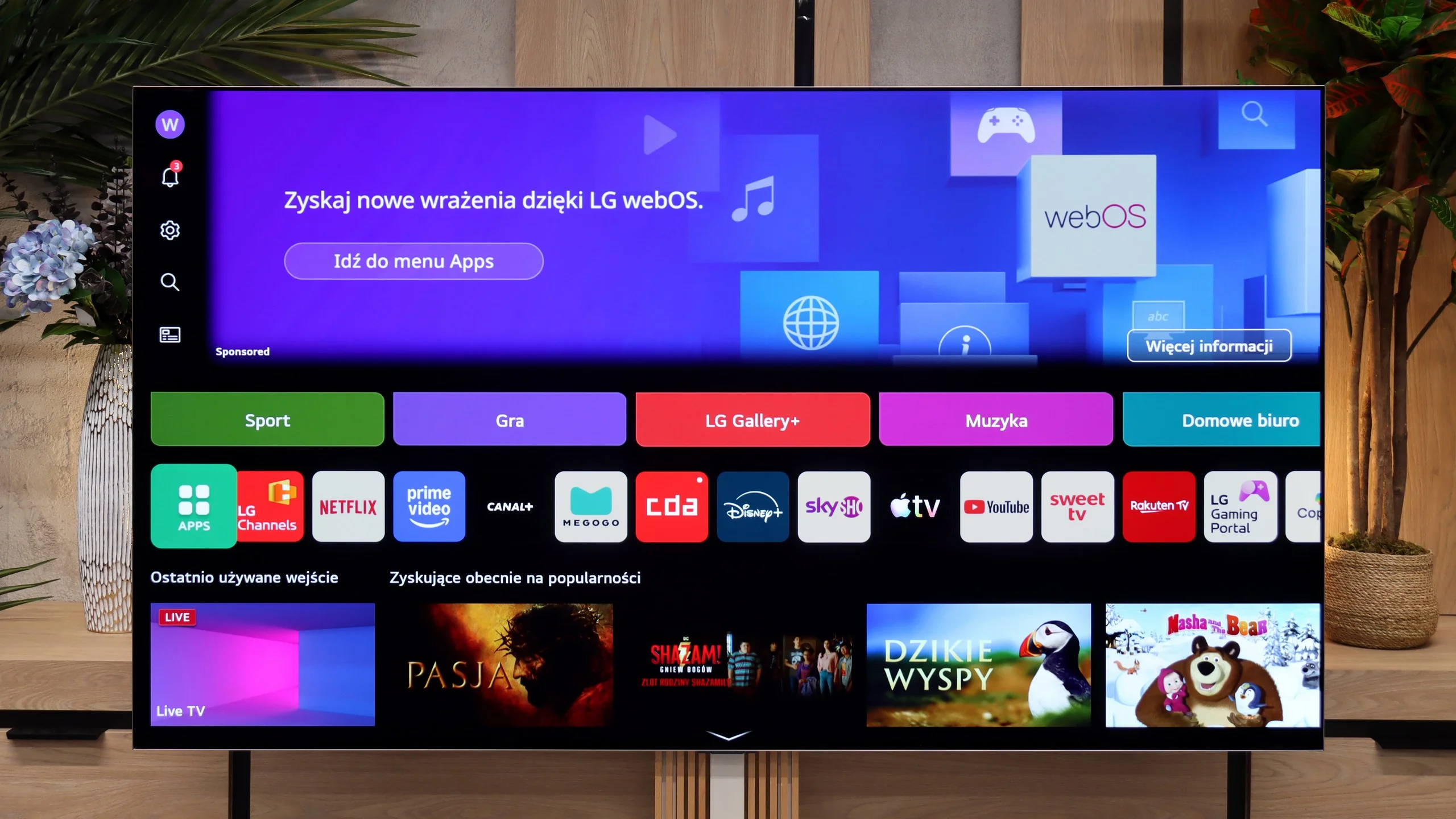
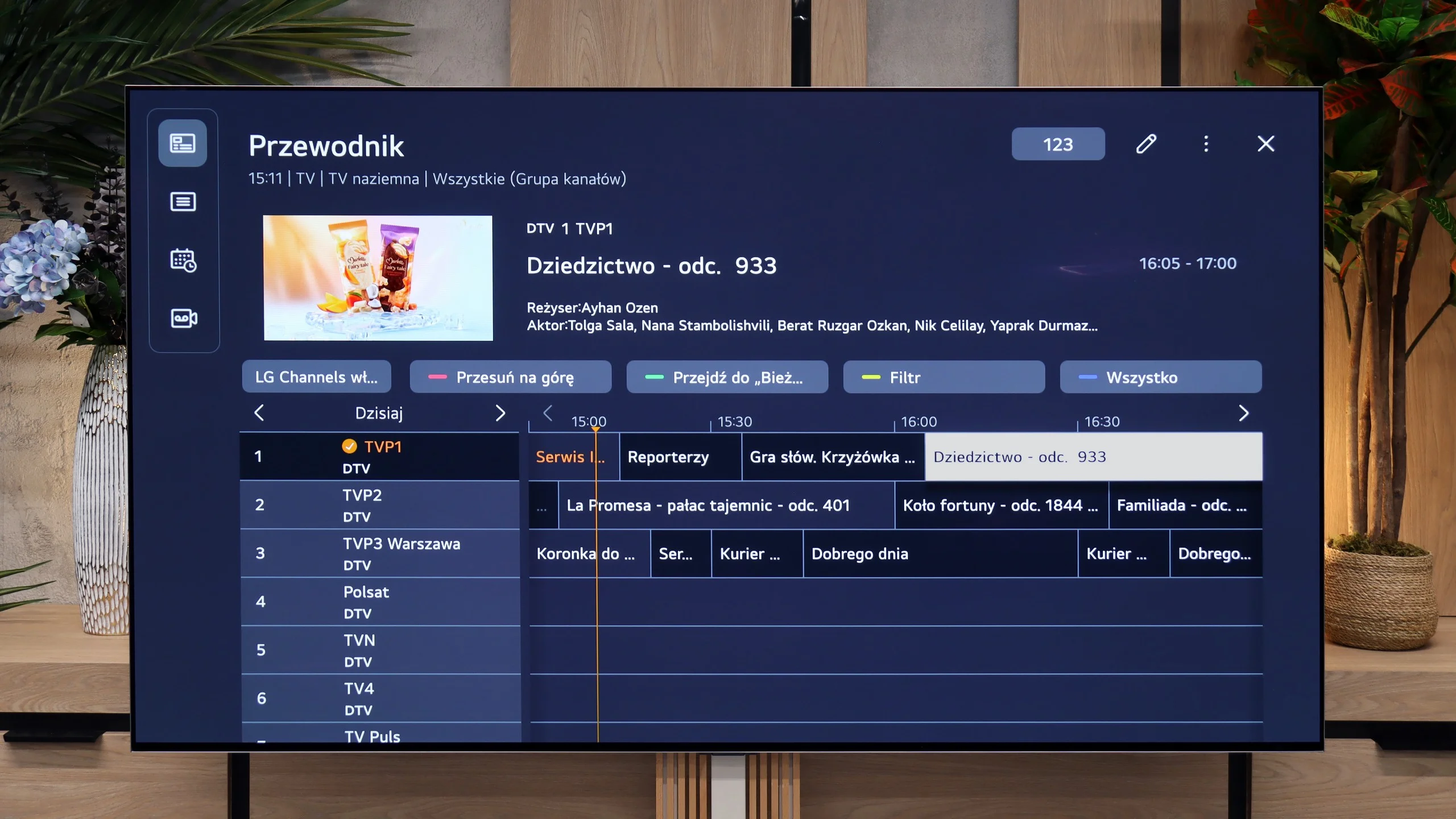
Sound connection options
- HDMI audioeARC (HDMI), ARC (HDMI)eARC (HDMI), ARC (HDMI)
- Other audio outputsToslink (Optical audio)Toslink (Optical audio)
- Wireless audioBluetoothBluetooth
Supported audio formats (external HDMI eARC audio):
- Dolby Digital Plus 7.1
- Dolby True HD 7.1
- Dolby Atmos in Dolby Digital Plus (JOC)
- Dolby Atmos in Dolby True HD
- DTS:X in DTS-HD MA
- DTS-HD Master Audio
Senior accessibility
- Numeric keyboard on TV
- Font size adjustment
- Audio description
Classic features
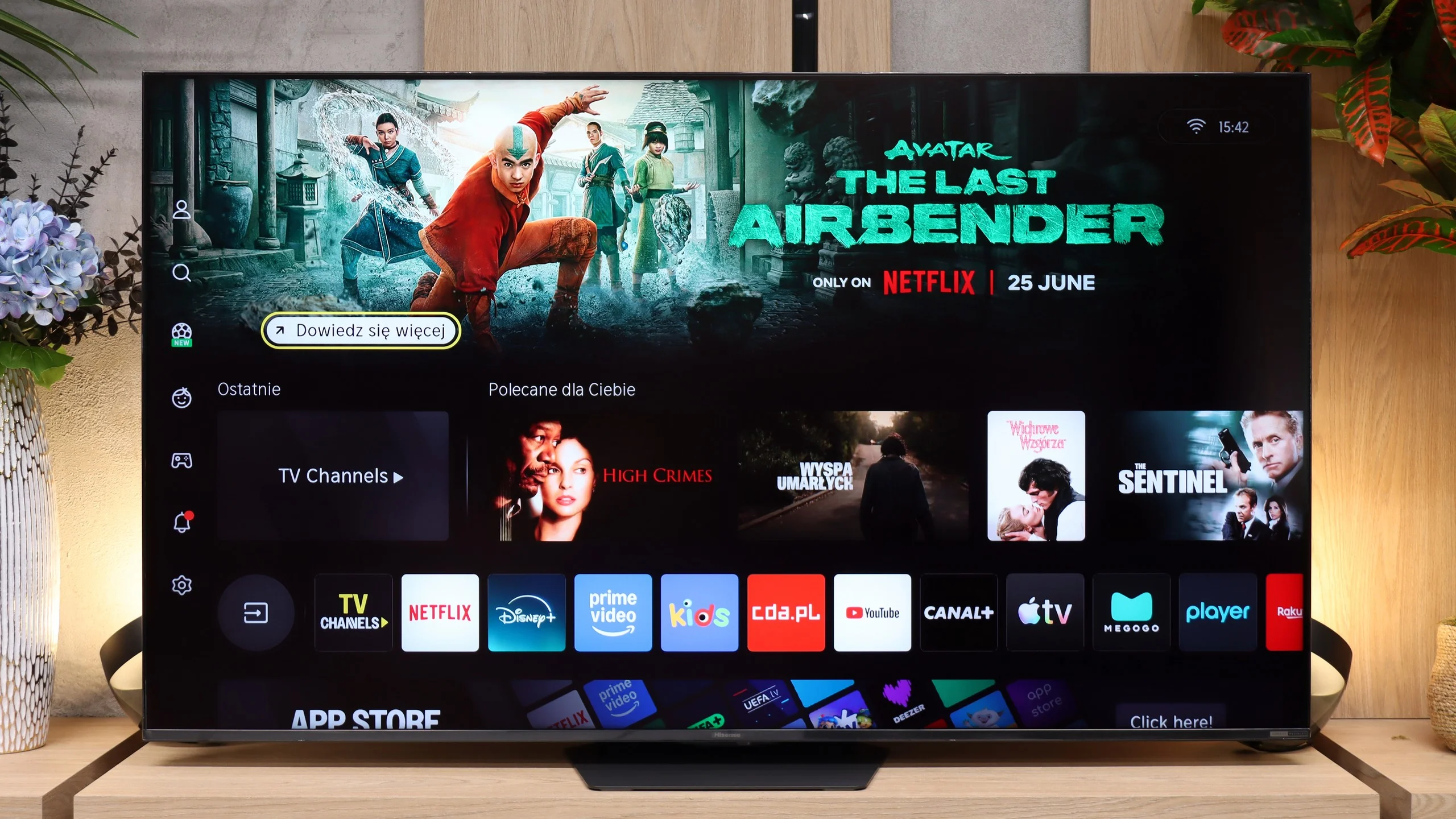
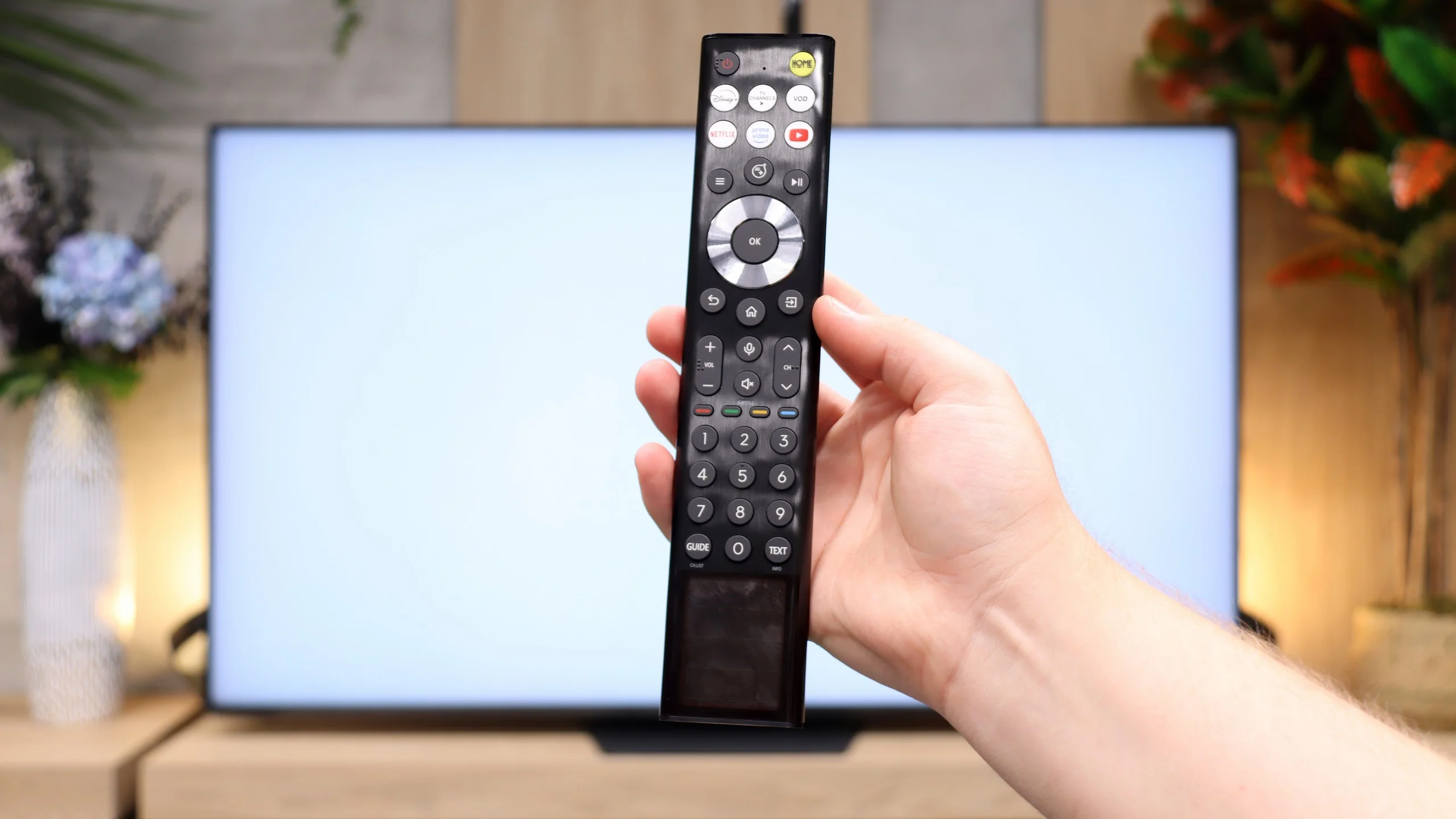
In terms of traditional television features the Hisense UR9S does not disappoint. In addition to a full set of tuners it also offers a CI+ slot and the ability to record programmes to a USB drive, a feature many manufacturers are increasingly dropping. The remote also deserves praise. Besides backlighting, USB-C charging and a small solar panel, the manufacturer has retained a full numeric keypad and a dedicated input button. These are small details, but in everyday use they can be really convenient.
Smart TV
The Hisense UR9S runs HomeOS, which is an evolution of the well-known VIDAA platform. The system itself is very fast and showed no stuttering throughout testing. The app library is slightly smaller than Google TV's, but the main streaming services are, of course, available. The manufacturer has also added a new app offering recommendations for films, series and sporting events, as well as a voice assistant using artificial intelligence.
webOS System and Smart Features
The television operates on the latest version of the webOS system. While it is a closed platform, it supports absolutely all the key streaming applications on the market. You can easily launch useful wireless connectivity features here, such as built-in Chromecast, AirPlay, or classic screen mirroring. However, the biggest distinguishing feature of the LG platform remains the brilliant Magic remote. Though it is quite compact and lacks a physical numeric keypad, it does something that competitors still cannot replicate – it works like a wireless mouse. It is equipped with a gyroscope, allowing us to intuitively move the cursor across the screen, which drastically speeds up typing passwords or navigating menus. Additionally, LG has one of the best voice assistants for device control, and this combination with the Magic remote provides excellent navigation capabilities within the system. The only thing that can be quite irritating here is the intrusive advertisements and sponsored tiles that LG increasingly clutters the main screen of the system with. Nevertheless, the absence of Google TV is no drawback for the G6 – considering the smooth operation of webOS, one can confidently say that it is even an advantage.
Features for Traditionalists
In terms of traditional television, the LG G6 also performs excellently and does not forget traditional users. Despite the minimalist remote, it is packed with numerous useful solutions. The manufacturer has not given up on PVR functionality, allowing recording of programmes from built-in tuners directly onto external USB storage or a hard drive. We also have a smoothly functioning TimeShift for pausing live television and the option to schedule recordings. These features could prove invaluable during the upcoming World Cup in football when matches will be played late in the evening, and we may not be able to watch them live. Of course, it also includes standard functions, such as the ability to connect wireless headphones via Bluetooth.
Apps
8.3/10
9.1/10






















Playing files from USB
8.3/10
9.2/10
Supported photo formats:
Maximum photo resolution:
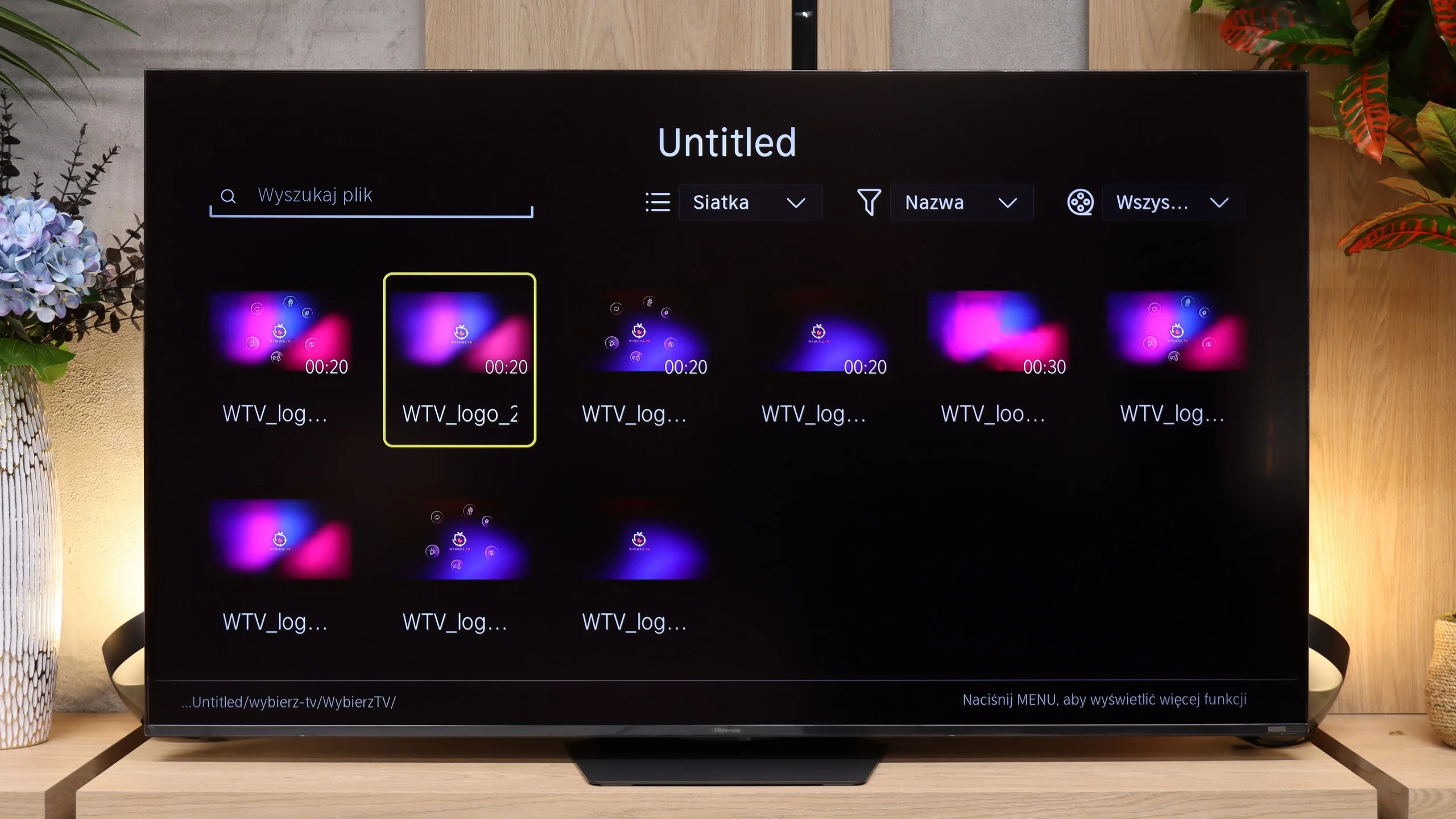
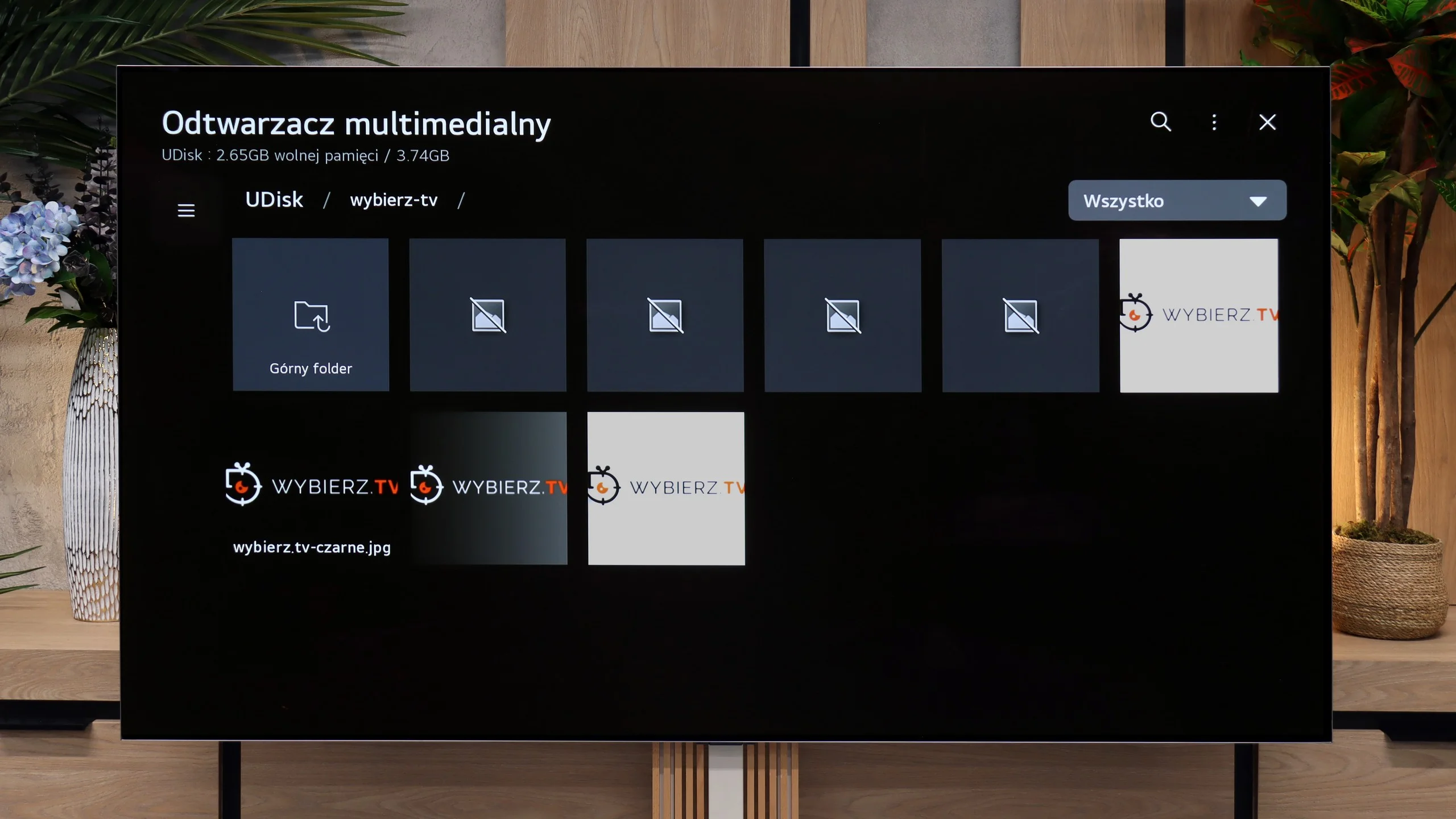
The built-in media player copes fairly well overall and will be perfectly sufficient for most users. However, during testing we came across a few annoying details that could spoil your mood. Above all, the TV is fussy when trying to display high-resolution photos; the system simply refused to work with files sized 10, 12, 20, 24 or 28 Mpix. Sure, this is not a fault that rules out the model, but if you want to copy raw photos from your camera onto a USB stick to show friends some holiday shots, you are in for an unpleasant surprise. In that scenario you either have to resort to wireless screen mirroring via Miracast or manually reduce the files’ resolution on your computer beforehand.
The lack of the ability to install an external media player (as is the case in Android-based systems) is actually no problem for the LG G6. The built-in factory player works great and effortlessly handles most audio, video or photo formats that we provided it from our USB flash drive. However, during testing, we encountered some deficiencies – notably a rather strange lack of support for subtitles in the popular .txt format. However, we believe that this option will quickly make its way to the G6 with the next software update.
Sound
7.8/10
8.4/10
- Maximum volume89dB88dB
- Dolby Digital Plus 7.1
- Dolby True HD 7.1
- Dolby Atmos in Dolby Digital Plus (JOC)
- Dolby Atmos in Dolby True HD
- DTS:X in DTS-HD MA
- DTS-HD Master Audio
Hisense UR9S features a 4.1.2 speaker system with a total power of 90 W. The manufacturer emphasises its collaboration with French brand Devialet, both on the chassis and in the TV menu. It must be said that the UR9S sounds really good for built-in speakers. It's loud, easily fills a larger living room, and the sound is full and clear. Dialogue is easy to hear, and there is more bass than in most televisions. Is there a big difference compared with last year's flagship Hisense models? Frankly, no. Despite the Devialet logo, the sound signature remained very similar. That does not change the fact that the UR9S is among the better-sounding televisions on the market. It is also worth noting the support for Dolby Atmos and DTS, which many manufacturers have already dropped.
Despite its very flat casing, the LG G6 sounds surprisingly good. The manufacturer has managed to squeeze some quite nice speakers under the panel, which can produce a sound that is fairly "spatial" – if one can even call the limited physical capabilities of the television such a thing 😉. The sound is clear, has decent dynamics, and will perform flawlessly for everyday viewing of news programmes or series. The television also easily supports the very popular spatial audio codec Dolby Atmos.
Unfortunately, for the second year in a row, there is no support for the DTS:X format. Regardless of what one might say, it has recently become quite unpopular in streaming services, but a television in the top price and quality tier simply should not restrict users in terms of audio format support. Additionally, we must complain that LG has somewhat castrated the audio menu itself. We missed more advanced settings and predefined sound profiles, of which there were definitely more in last year's model.
Sound Quality Test
Acoustic Measurements
89dBC (Max)
75dBC
88dBC (Max)
75dBC
Reader comments
Comments are provided by the external service Disqus (Zeta Global). Once loaded, Disqus may set cookies and process data about your activity.
We will remember your choice on this device. Provider's privacy policy