 Direct comparison
Hisense A6N is a simple model aimed at users looking for a cheap everyday TV. Thanks to its VA panel it offers decent contrast, which works well when watching regular TV, especially in the evening when reflections aren't an issue. The digital processing also holds up – content from terrestrial or satellite TV looks quite good for this price range. When it comes to gaming, the A6N is not bad, especially for casual players. Low input lag and support for features such as ALLM and VRR are welcome extras that make games run smoothly and with minimal delay. Dolby Vision support is another plus, although at this screen brightness it's hard to talk about the full HDR experience. The VIDAA operating system is simple and runs smoothly, but it has its limits. The number of available apps is underwhelming – popular services like Netflix and YouTube are present, but you shouldn't expect more niche apps. If you need greater versatility, that could be a problem. Of course, as a budget model, the Hisense A6N has its drawbacks. Screen brightness is fairly low, so in a brightly lit room the picture can simply look washed out. Colour reproduction is also unimpressive – colours are less saturated. This is most noticeable when watching high-quality HDR material, such as series or films on Netflix. For people planning to use the TV as a computer monitor, it's also not the best choice – lack of chroma 4:4:4 support makes text less readable. The Hisense A6N is a budget TV that will work for everyday TV viewing or occasional gaming. Its strengths, like decent contrast and smooth system operation, may satisfy less demanding users. However, for those seeking better picture quality or more advanced features, it's worth considering other options that for a little more money can offer more.
- Matching (Score) |
- Our verdict |
- TV appearance |
- Where to buy |
- Contrast and black detail |
- HDR effect quality |
- Factory color reproduction |
- Color reproduction after calibration |
- Smoothness of tonal transitions |
- Image scaling and smoothness of tonal transitions |
- Blur and motion smoothness |
- Console compatibility and gaming features |
- Input lag |
- Compatibility with PC |
- Viewing angles |
- Daytime performance |
- Panel details |
- TV features |
- Apps |
- Playing files from USB |
- Sound
Neo QLED / QN95

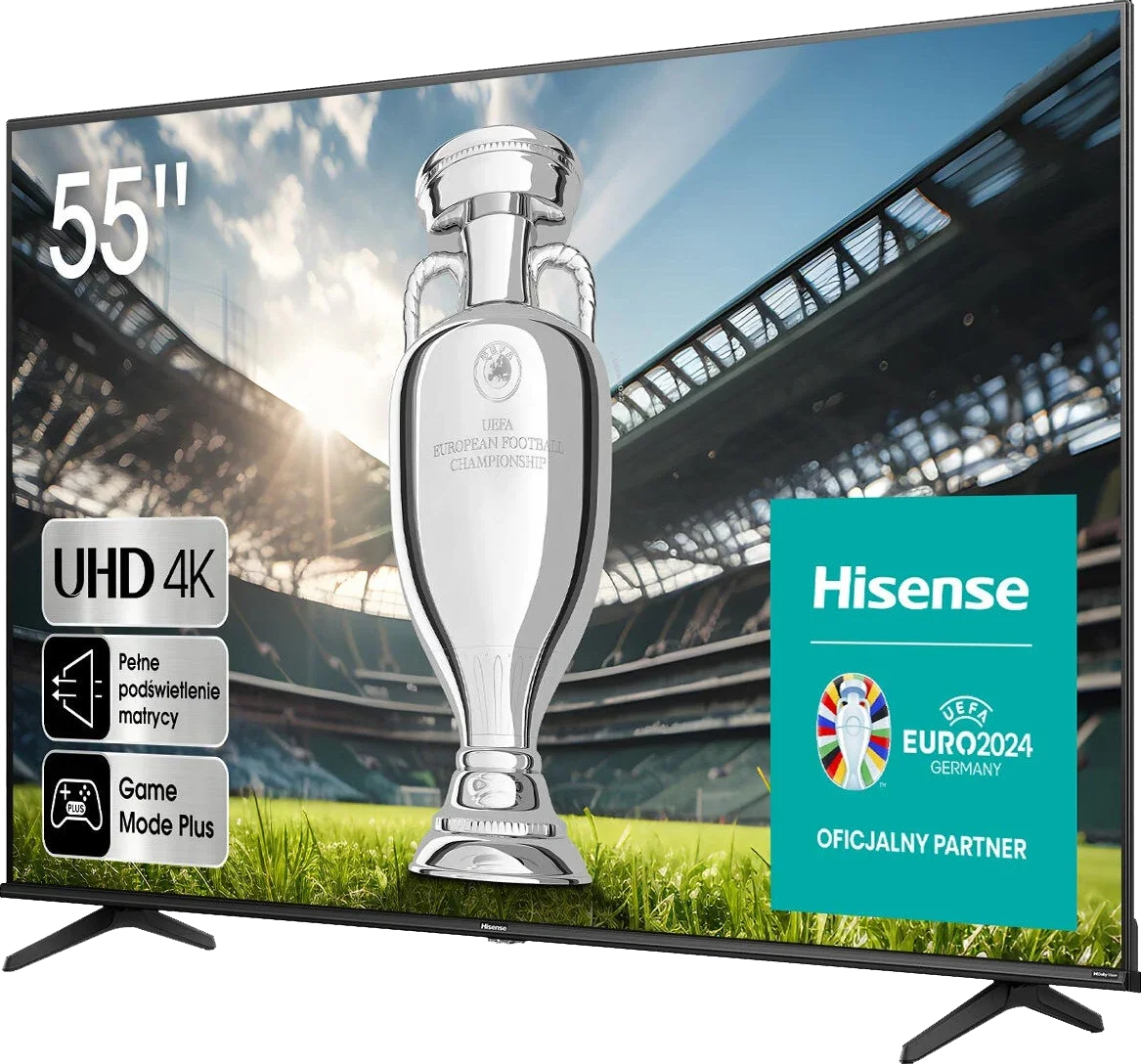
Panel type: LCD VA
Resolution: 3840x2160
System: VIDAA
Model year: 2024
Complete the survey to find out the result
Panel type: LCD VA (wide viewing angle)
Resolution: 3840x2160
System: Tizen
Model year: 2024
Complete the survey to find out the result
Overall rating
5.4
7.8
 Movies and series in UHD quality
5.8
8.0
 Classic TV, YouTube
5.6
8.1
 Sports broadcasts (TV and apps)
4.5
7.7
 Gaming on console
6.6
9.2
 TV as a computer monitor
1.0
8.6
 Watching in bright light
3.8
6.5
 Utility functions
7.0
6.7
 Apps
7.7
9.3
 Sound quality
5.5
7.0
Complete the survey to find out what fits your preferences
Advantages

Decent native contrast
Support for all HDR formats: Dolby Vision, HDR10+ etc.
Decent for occasional gamers: ALLM, VRR, Game Bar
Low input lag, even in Dolby Vision mode
Excellent brightness - great for HDR content
Very good contrast
Wonderful choice for gamers (HDMI 2.1 4K@144Hz, low input lag)
Wide viewing angles - unusual for this type of panel
Modern design
Camera included
Disadvantages

Rudimentary VIDAA operating system, missing several apps
Poor panel brightness
Not suitable for use with a PC
No recording support
No DTS format support - may pose a problem for Blu-ray users
Our verdict
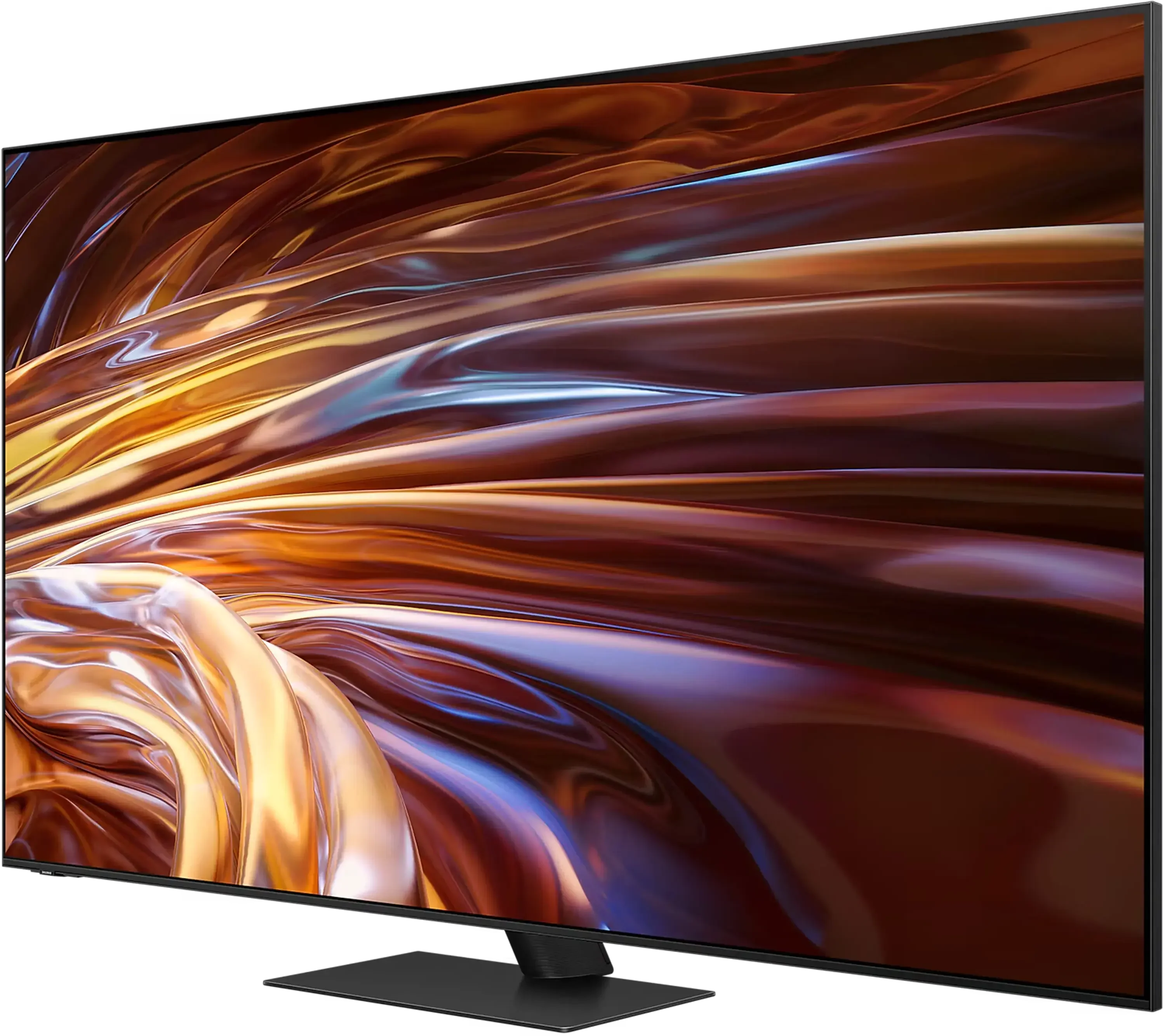
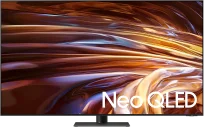
The Samsung QN95D immediately made a great impression on us. Right from the start, we felt that the Tizen system is intuitive and quick. The fast access to streaming applications such as PrimeVideo, Netflix, and MAX, as well as the ability to integrate with the SmartThings ecosystem, makes using the television simply convenient. The solar remote is a clever solution – eco-friendly and practical, as it allows control of other devices, such as a decoder (e.g. Canal+) or soundbar. While watching films and series, we quickly noticed how much of a difference the MiniLED technology makes. Thanks to the precisely functioning backlight zones, the picture gained incredible depth - which was confirmed by our contrast tests. The blacks are truly deep, and bright scenes using HDR stand out with excellent detail despite the lack of Dolby Vision. Additionally, the high brightness combined with the anti-reflective coating allows for comfortable viewing even in a sunlit room. When we played on this television, we immediately appreciated the low input lag and the fluidity of the image. The 144 Hz panel and support for HDMI 2.1 guaranteed dynamic and responsive gameplay, regardless of the game. All these features made every gaming session pure pleasure, especially in dynamic titles where precision and lack of delays matter. In terms of design - which is worth mentioning for this television - the QN95D simply looks great. The slim housing, solid central stand, and Ambient Mode function, which allows the screen to blend into the room's decor, give it an elegant touch. The included camera is an interesting addition that can be useful during video calls or when using interactive applications – like personal training through the Daily+ tab. However, for such, let’s be honest, an expensive piece of equipment, there are a few downsides. The lack of a recording function and support for sound in DTS:X format may be a problem for users seeking this feature. Nevertheless, the Samsung QN95D is a television that combines exceptional picture quality, functionality, and elegant design. The MiniLED backlighting makes a real difference here, especially if we care about deep blacks, high contrast, and excellent brightness. This is a device that will perform well during movie screenings, dynamic gaming, and everyday television watching.
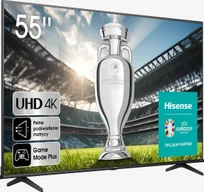
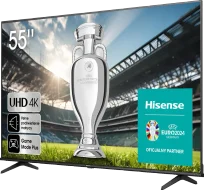
TV appearance

Contrast and black detail
5.6/10
8.3/10
Local dimming function: No
Local dimming function: Yes, number of zones: 1344 (24 x 56)
Contrast:


Result
5,250:1

Result
5,150:1

Result
4,700:1

Result
4,950:1

Result
3,500:1
Result
∞:1
Result
218,000:1
Result
61,000:1
Result
10,500:1
Result
4,900:1
Halo effect and black detail visibility:
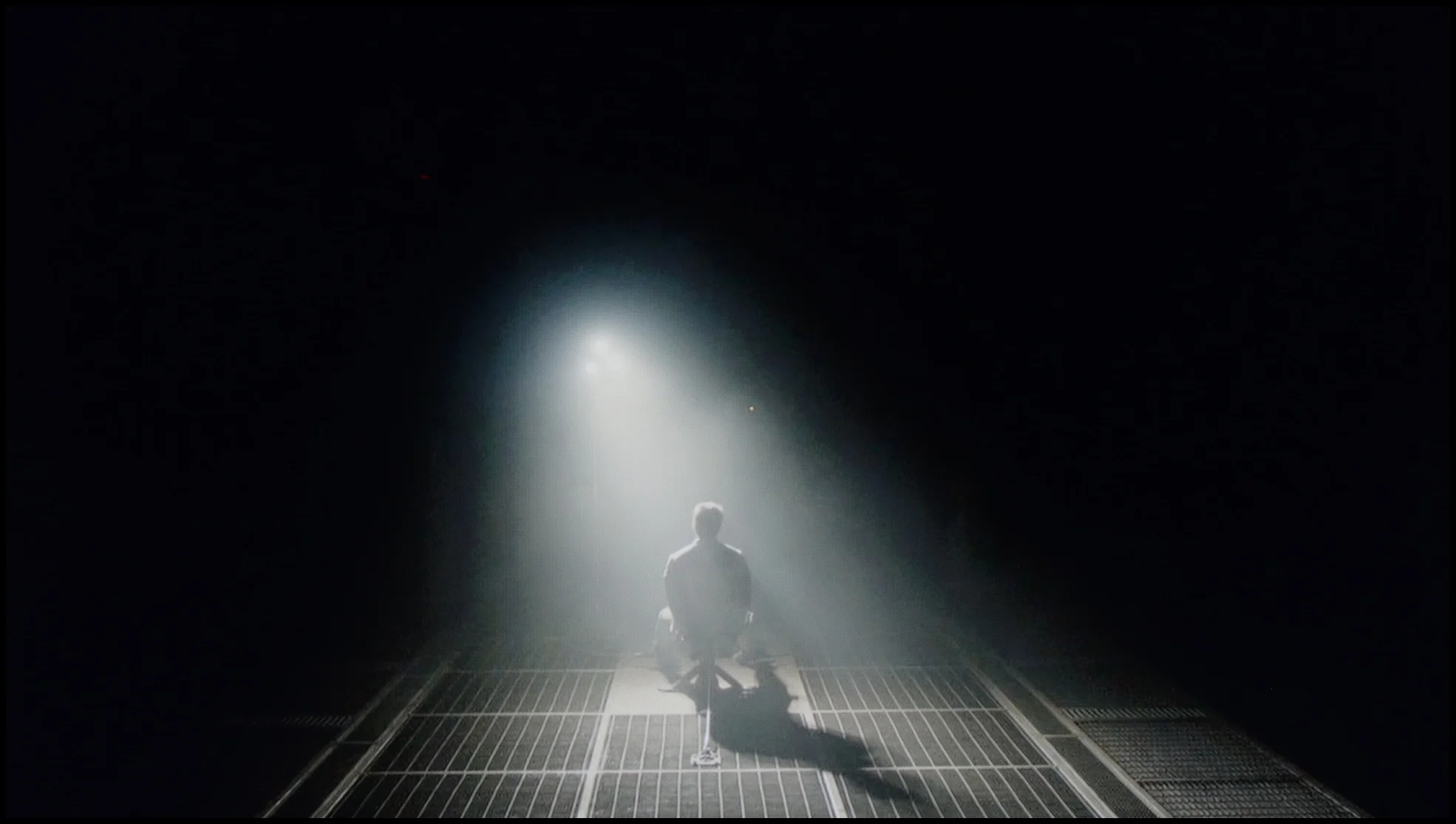
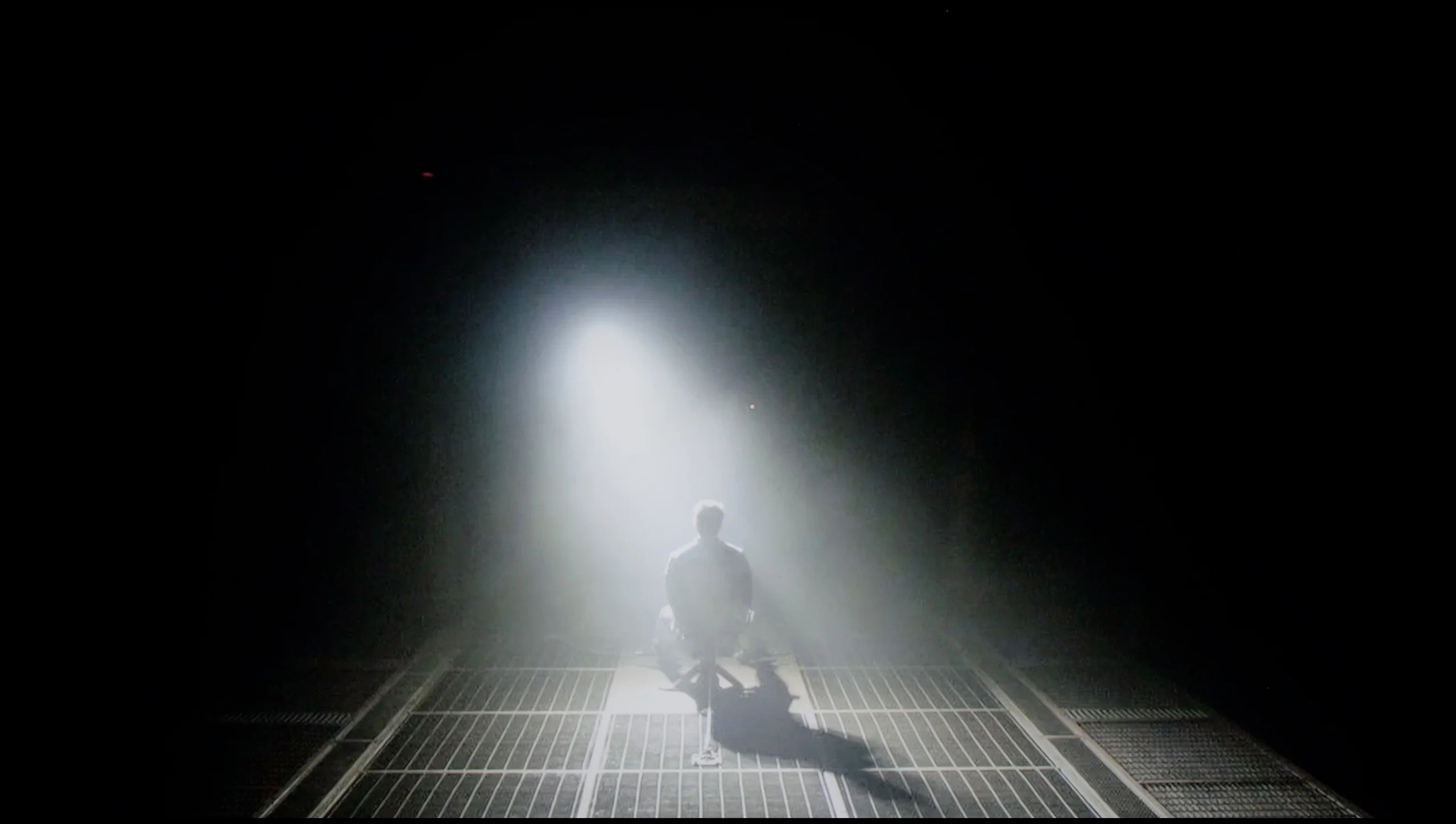
Check the visibility of bright lights on a dark background. Mini-LEDs often struggle with this. The photo does not compare black levels – that’s what the video below is for.

The video accurately shows differences in contrast and black levels between TVs, as well as potential issues: halo around bright objects or Mini-LED zone operation visible as brightness jumps.
The TV is fitted with a VA panel, which offers significantly better contrast compared with IPS panels, making blacks deeper and the picture more defined. On the test patterns we managed to achieve an impressive contrast ratio of around 5000:1, which translates into very good reproduction of detail in dark scenes. However, owing to the lack of local dimming, bear in mind that blacks in some sequences can appear more like a navy tint than perfectly deep black. This is particularly noticeable in demanding scenes, such as in the film The Revenant. Even so, considering the price of the set, the TV delivers decent black performance that will satisfy most users.
Samsung QN95D is a television that certainly attracts attention thanks to the use of a VA panel and innovative Mini LED backlighting. This model stands out with an impressive number of 1344 local dimming zones, achieving an exceptional level of contrast and black depth. It is worth noting that the number of backlighting zones may vary depending on the screen size – in larger models, these zones naturally increase, allowing for even better performance in terms of contrast and black levels. Mini LED, with smaller diodes, enables more precise control of backlighting, significantly enhancing the quality of the displayed image. The tested 55-inch model handles detail reproduction excellently, and its ability to adjust brightness in different parts of the screen results in a phenomenal visual effect. During our tests, Samsung QN95D on the test pattern from the film "Oblivion" surprised us with results that could compete with OLED televisions, offering nearly reference-level contrast. However, how does the television perform in more challenging conditions? In more demanding scenes, the local dimming algorithm may show some flaws. In some cases, on dark backgrounds, smaller bright elements may lose a lot of brightness, which we noticed during tests with the Pioneer Kuro test disc. Additionally, when we take a closer look (e.g. a scene from the film Sicario 2), some imperfections can be observed. The television sometimes struggles with brightness optimisation – in some scenes, it dims elements too much, while in others, it brightens the screen too intensely. These phenomena can be noticeable enough to capture the viewer's attention, especially in demanding night scenes. However, if we do not pay much attention to the mentioned imperfections, Samsung QN95D proves to be one of the best choices in terms of black depth among displays with MiniLED technology.
HDR effect quality
4.2/10
6.7/10
Luminance measurements in HDR:

Result
200 nit

Result
210 nit

Result
252 nit

Result
245 nit

Result
276 nit
Result
1798 nit
Result
542 nit
Result
805 nit
Result
269 nit
Result
1528 nit
Scene from the movie “Pan” (about 2800 nits)


Scene from the movie “Billy Lynn” (about 1100 nits)


The photos show two HDR10 movies. 'Pan' is one of the brightest productions ever made, while 'Billy Lynn' (soldier) has brightness typical of streaming (Netflix, Prime, HBO MAX). Notice the intensity of effects and detail in whites.
Static HDR10


The photos present the visibility of white details in various HDR formats. They do not show brightness differences between TVs (these can be compared in the previous gallery).
Dynamic: Dolby Vision
Dynamic: HDR10+


The photos present the visibility of white details in various HDR formats. They do not show brightness differences between TVs (these can be compared in the previous gallery).
HDR luminance chart:
Samsung Neo QLED QN95D
Hisense A6N
The HDR performance of the A6N is unfortunately underwhelming. A peak brightness of 250 nits does not allow for spectacular effects, and HDR comes across as rather lacklustre, more like ordinary SDR. This will not satisfy more demanding users who want to enjoy high-quality cinematic content. In addition, colour gamut coverage is not very impressive either: an 82% DCI-P3 result is average and does not allow viewers to fully enjoy vivid colours in HDR content.
Samsung QN95D handles HDR exceptionally well, achieving a peak brightness of around 2000 nits. In the tested movie scenes, where the screen is fully lit, the television provides intense and realistic representation of HDR content, significantly enhancing the visual experience. Nevertheless, similar to contrast, the dimming algorithm may sometimes show limitations. Despite the considerable number of Mini LED zones, the television does not surprise the user with incredible brightness. For instance, in scenes from the film "Life of Pi," where a bright moon appears against a dark background, and in excerpts from "Sicario 2," where a strong light effect occurs on a dark background, the television displays very poor results. At such moments, the television attempts to reduce the halo effect by darkening the image to a level reminiscent of SDR quality. As a result, blacks appear deep and uniform, but this comes at the cost of losing some detail in bright areas. It is a compromise aimed at maintaining the best possible quality of black, although it simultaneously causes the image to lose a bit of its dynamism. Despite certain flaws in the operation of the local dimming algorithm, this television deserves praise for its wide coverage of the DCI-P3 colour gamut. This is made possible by the use of a quantum dot coating, also known as QLED technology, which allows for vibrant and rich colours.
Factory color reproduction
1.9/10
5.9/10


This gallery shows how colors change after professional TV calibration. If you notice the difference, we recommend ordering this service at SkalibrujTV.com.
Factory Mode
After calibration
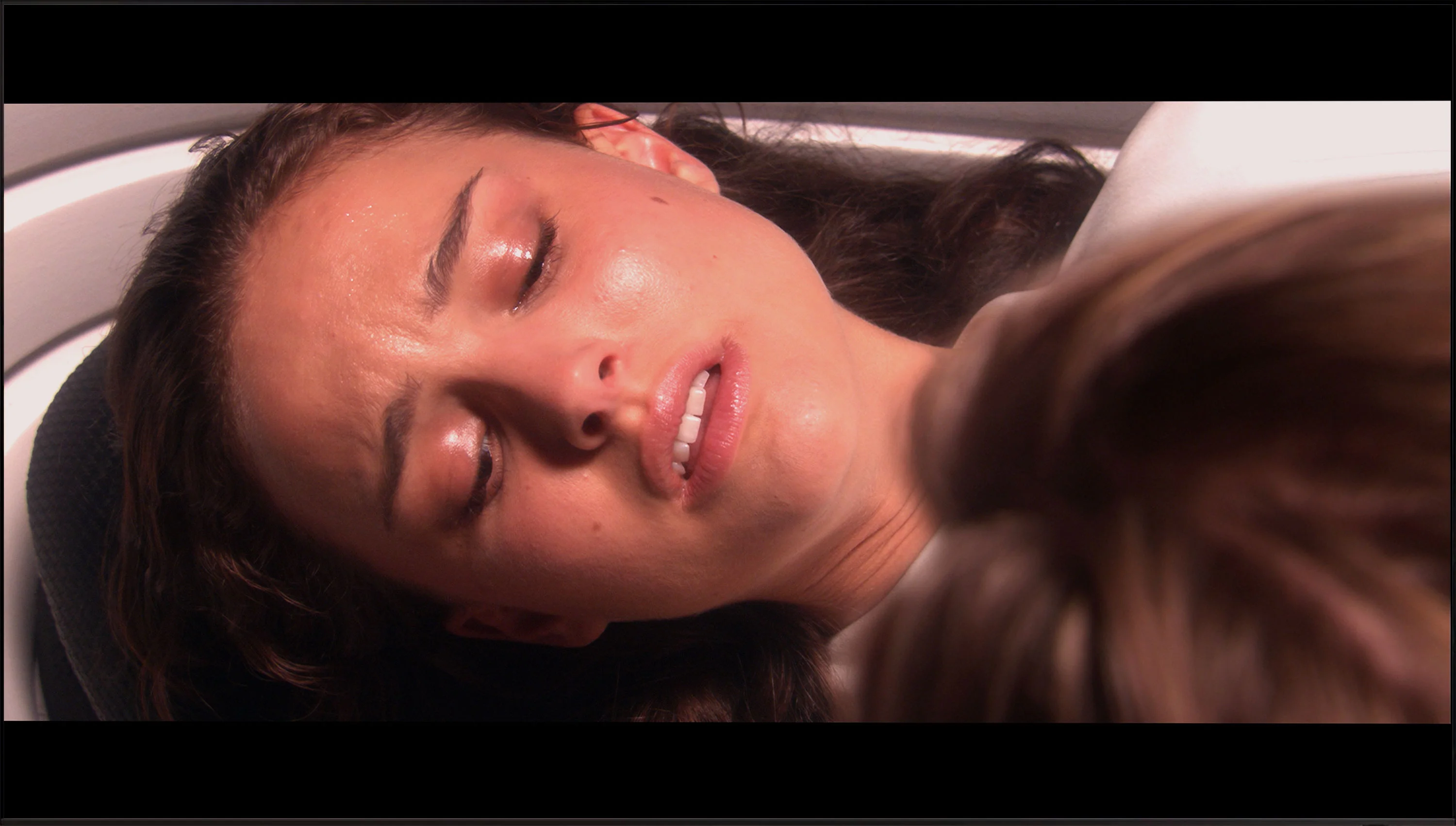
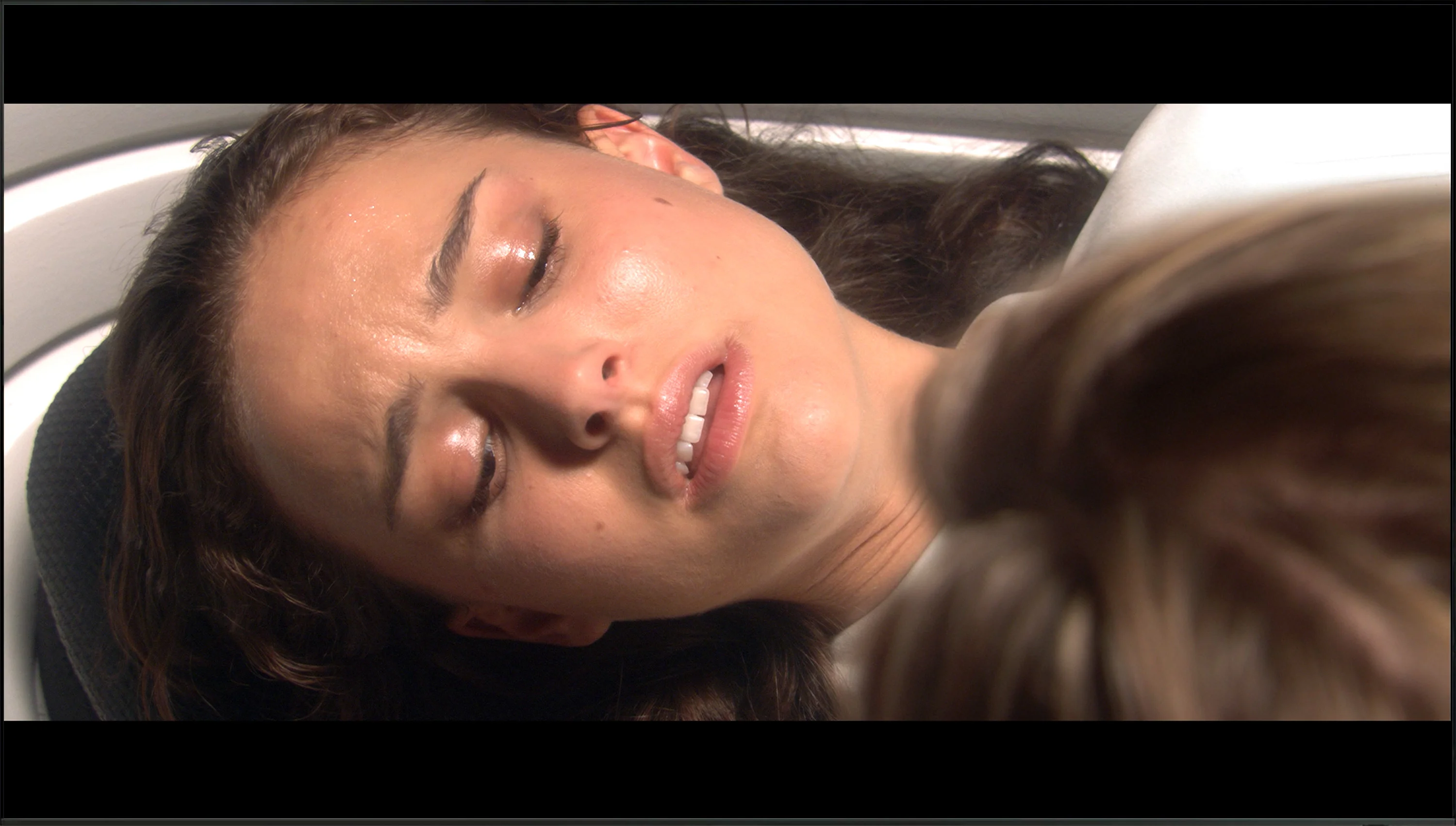
This gallery shows how colors change after professional TV calibration. If you notice the difference, we recommend ordering this service at SkalibrujTV.com.
Factory Mode
After calibration
In terms of colour reproduction, the Hisense A6N in Filmmaker Mode leaves much to be desired. Although the mode's name suggests we should expect faithful rendering of cinematic colours, the reality is different, and the TV has significant problems with picture quality. The white balance issue is particularly noticeable for both HD and 4K material, being severely skewed by a dominance of blue. This results in artificial, cool tints, which are clearly visible in the comparison photo below. The Colour Checker test further confirms these errors, which are compounded by low colour gamut coverage.
The gamma luminance characteristic reveals a serious problem with maintaining the 2.4 level, the curve sitting well below the reference value and causing the image to be overly bright with washed-out blacks. The EOTF curve for 4K material also points to brightness issues, with a pronounced rise at the low end caused by the TV's excessive brightening, which negatively affects picture quality. Such image behaviour prevents fully enjoying films and requires manual calibration.
In the category of factory colour reproduction, the television Samsung QN95D was tested in Filmmaker mode, which offers the best settings from the manufacturer. Nevertheless, it is not entirely free from flaws. In the case of HD content, there is a noticeable colour deviation, particularly in white balance, where the red colour clearly dominates the graph. The situation improves with 4K HDR content; however, there are still significant drops in blue colour reproduction. These effects can be observed in a scene from the film "Star Wars," where the protagonist is depicted in overly warm tones.
As for contrast, we can observe an initial large jump on the gamma graph, indicating that the television effectively highlights the brighter parts of the image. However, at the end of the graph, we notice a distinct drop, which may mean that in darker tones, details can be lost. Such a shape of the gamma curve can affect the way users perceive dark scenes, where some details may become too blurred or too dark, causing the image to lose clarity. It is also worth noting the curve responsible for brightness (EOTF), which is quite correct, except for the initial drop.
Although Samsung QN95D boasts impressive parameters and advanced technologies to deserve the title of one of the best televisions on the market, it requires certain adjustments in colour reproduction and contrast to fully utilise its potential.
Color reproduction after calibration
5.7/10
8.9/10
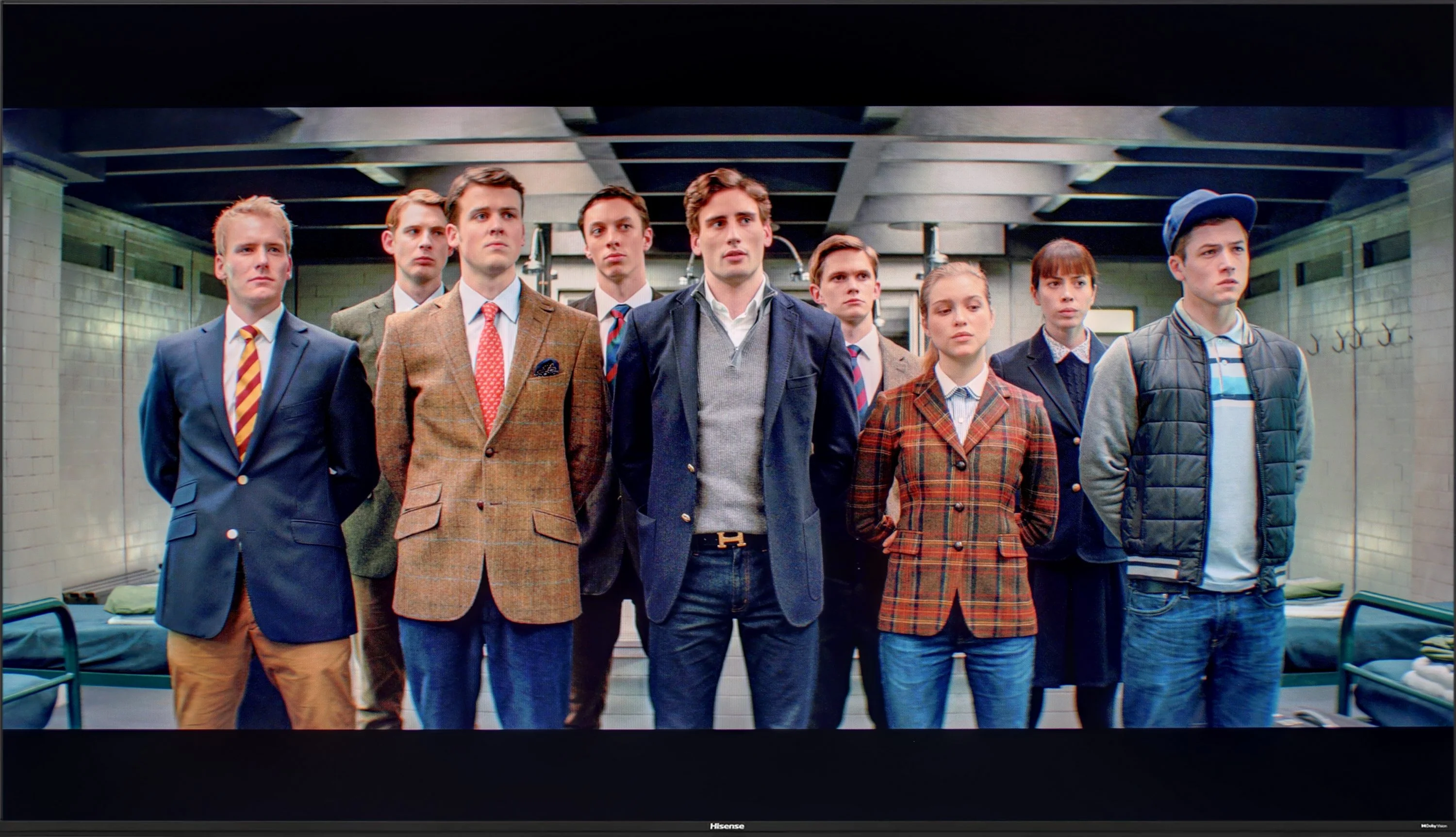

The photos show how movies look on the TV. Pay attention to black detail visibility, colors, and shadow tint.


The photos show how movies look on the TV. Pay attention to black detail visibility, colors, and shadow tint.
Hisense A6N offers options and tools in its settings to adjust many image parameters that we have utilized. When it comes to white balance, we managed to eliminate the excess blue colour – this effect is clearly visible in the comparison photo below, where the boy in the image seemingly "comes to life". A significant improvement can also be noticed in the gamma brightness characteristics – the television no longer has serious issues with excessively brightening the entire image. Unfortunately, the same cannot be said for 4K content, where the EOTF curve could not be fully corrected due to the exceptionally low brightness of this model. For HDR materials, we apply dynamic tone mapping, which allows for the recovery of many details despite the boosting of mid-tones in the image. For this television, this provides more benefits than drawbacks. The errors that are still visible in the colour palette test and Colour Checker for 4K materials stem from the low colour gamut coverage and are difficult to eliminate due to the characteristics of the television. Nevertheless, the tonal quality of the image is significantly better, which is why we recommend calibrating the factory settings, which are far from ideal.
After calibration, the picture on the Samsung QN95D television achieves truly impressive results. The white balance is perfectly aligned, and error readings rarely exceed 2, which means that colours are displayed very accurately. Most samples from the Color Checker test fall within an acceptable error range, confirming that the television reproduces hues excellently. The contrast has also improved significantly, and the gamma curve is more stable, resulting in better visibility of details in both dark and bright scenes. However, it is worth noting the EOTF (Electro-Optical Transfer Function) curve, which shows some discrepancies in film tests. Although the television performs well in most scenes, details in the blacks can still be lost in more extreme cases – this is due to an aggressive dimming algorithm.
Nevertheless, these minor imperfections do not detract from the overall picture quality. After calibration, the Samsung QN95D impresses with its visual quality, offering an exceptional experience that will certainly satisfy anyone looking for a top-tier television.
Smoothness of tonal transitions
9.1/10
9.1/10
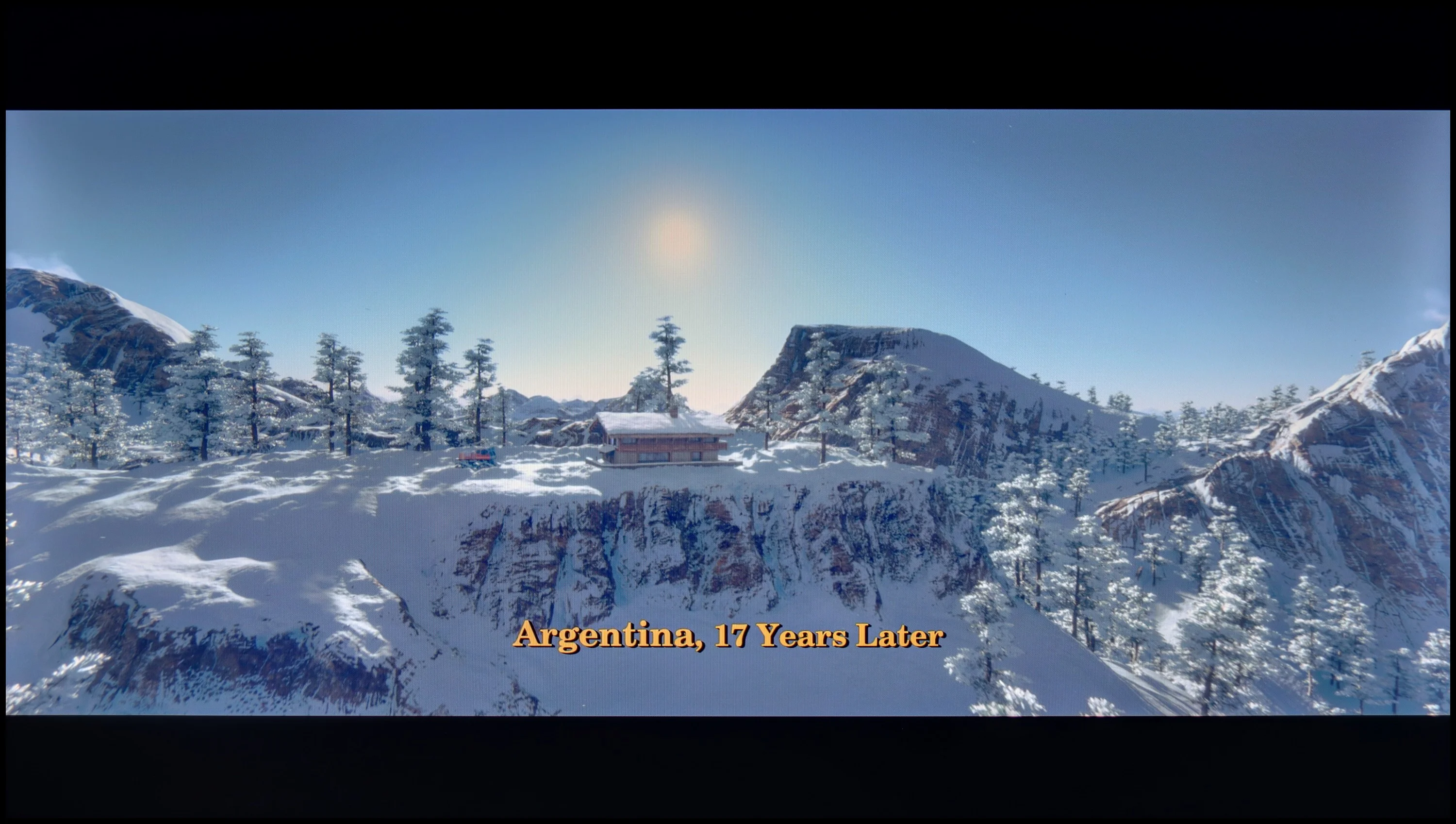

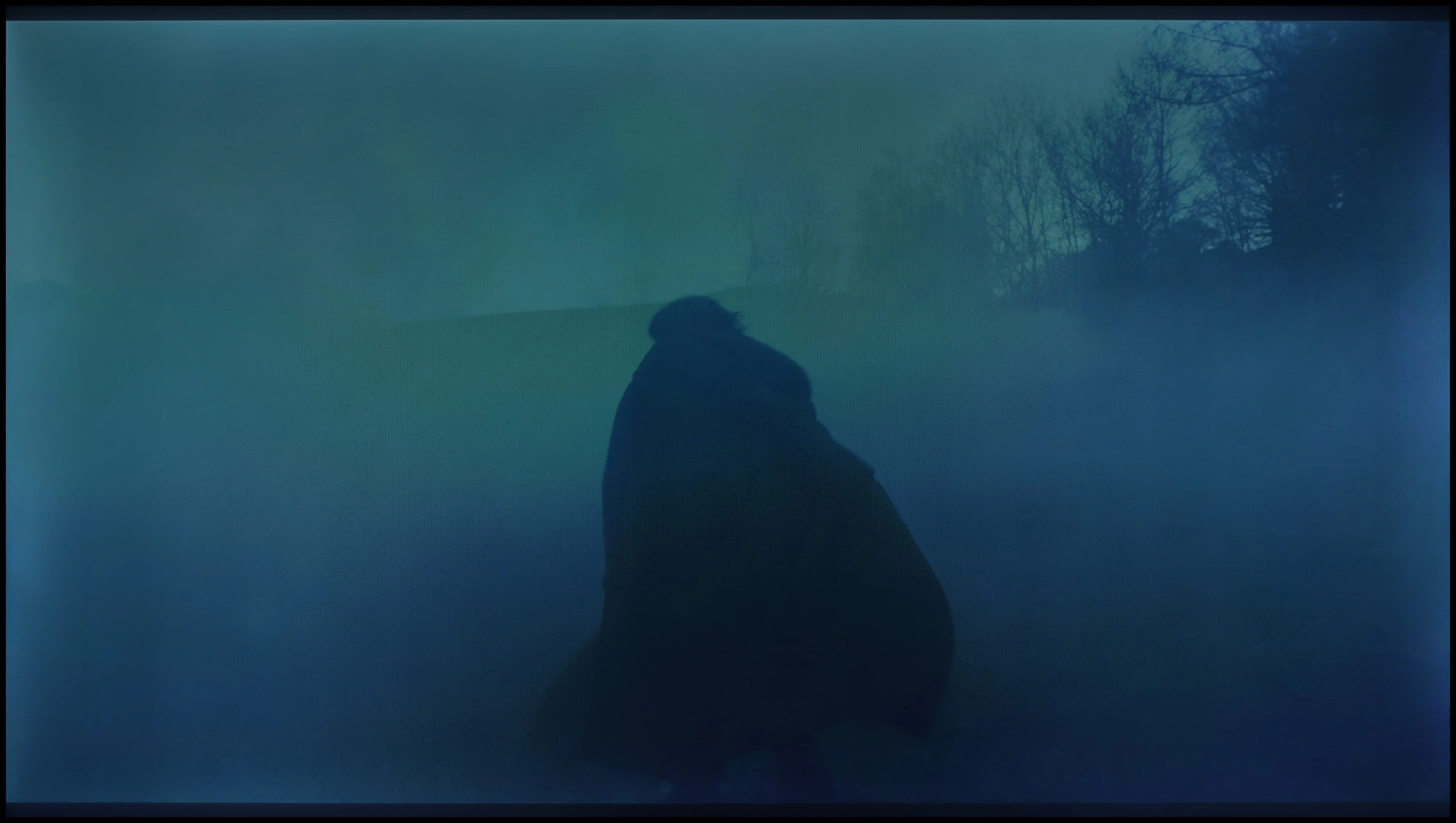

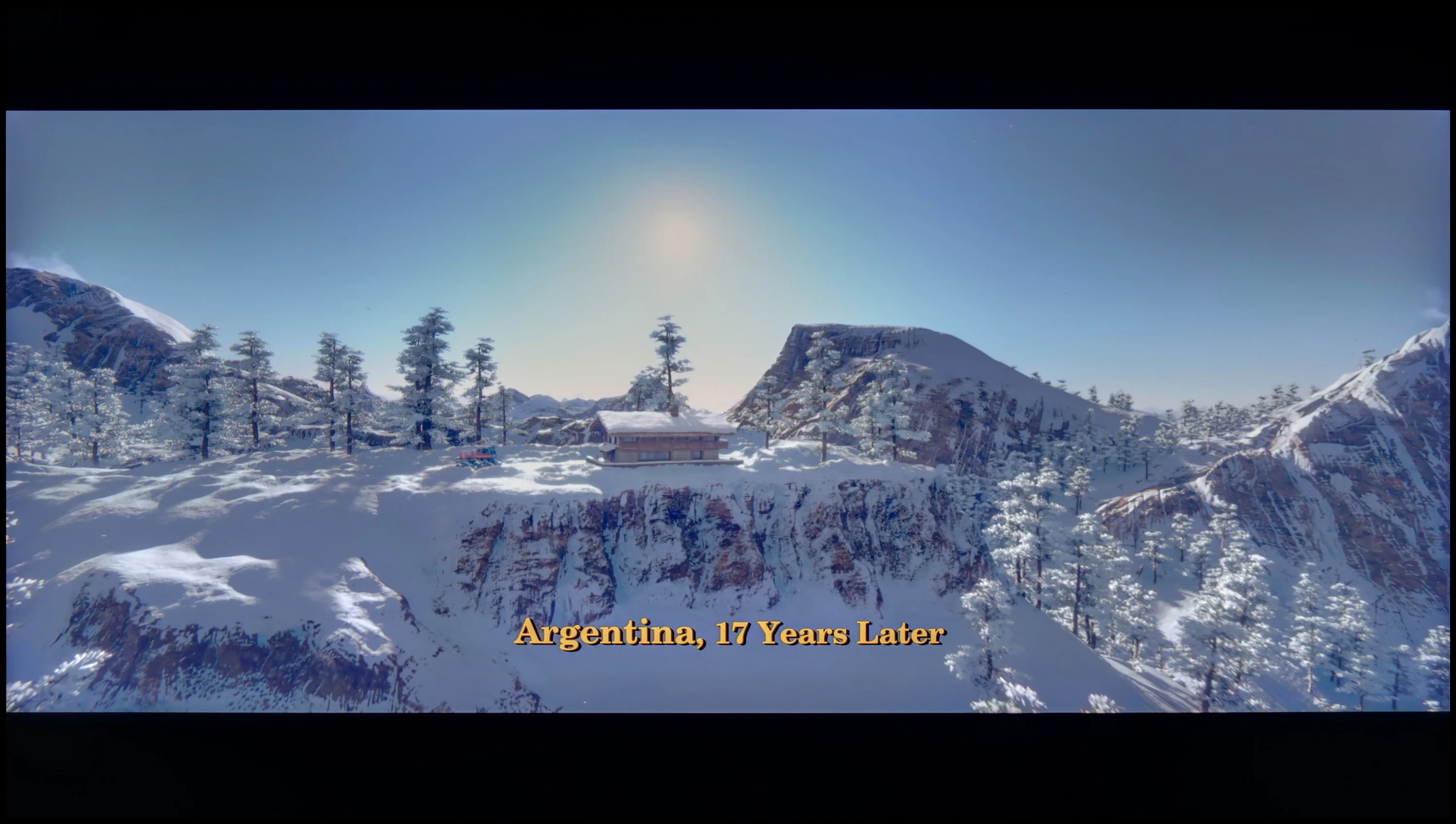
These are selected scenes that show smooth tonal transitions from one color to another. If you see distinct banding, it’s the TV panel’s fault.

These are selected scenes that show smooth tonal transitions from one color to another. If you see distinct banding, it’s the TV panel’s fault.
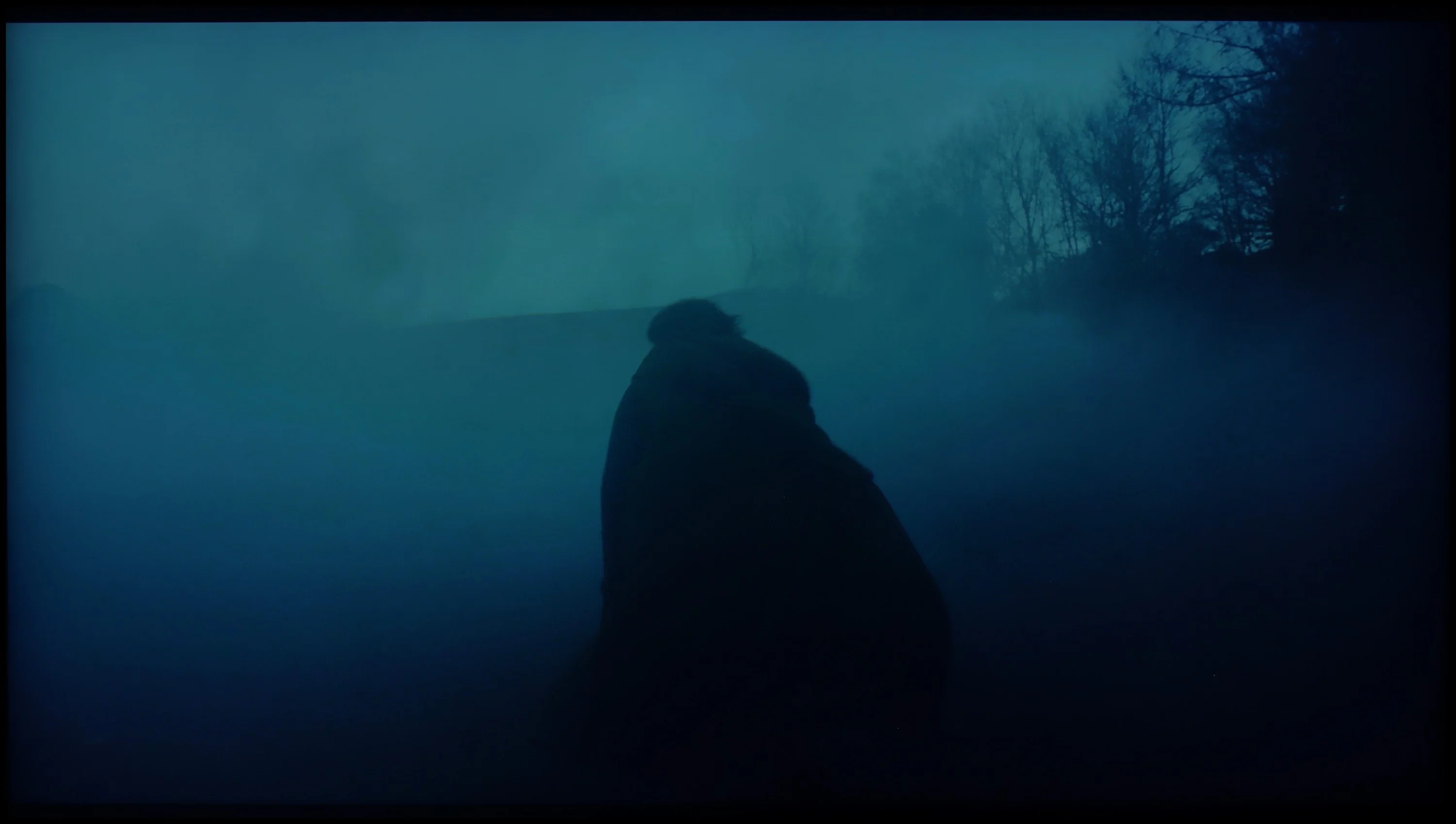
These are selected scenes that show smooth tonal transitions from one color to another. If you see distinct banding, it’s the TV panel’s fault.

These are selected scenes that show smooth tonal transitions from one color to another. If you see distinct banding, it’s the TV panel’s fault.
The smoothness of tonal transitions is one of this TV's strongest points. Hisense A6N handles tonal transitions very well; gradients in the image look natural and without major artefacts. The TV has no significant problems in this area. Although slight unevenness can be seen in bright and dark scenes, it is not pronounced enough to interfere with viewing. The smoothness of tonal transitions on the Hisense A6N is undoubtedly one of its greatest strengths.
The fluidity of tonal transitions is one of the strongest points of the Samsung QN95D television, which received a very high rating in this category. Such results are rarely seen in televisions that offer such high brightness. Thanks to the precise operation of the panel, tonal transitions are exceptionally smooth and natural. The only noticeable shortcomings might be slight errors around the blacks, but they are subtle enough that most users are unlikely to notice them. This makes the Samsung QN95D an excellent choice for those who value image quality and detail, especially in scenes with complex lighting.
Image scaling and smoothness of tonal transitions
5/10
7.2/10


Smooth transition function
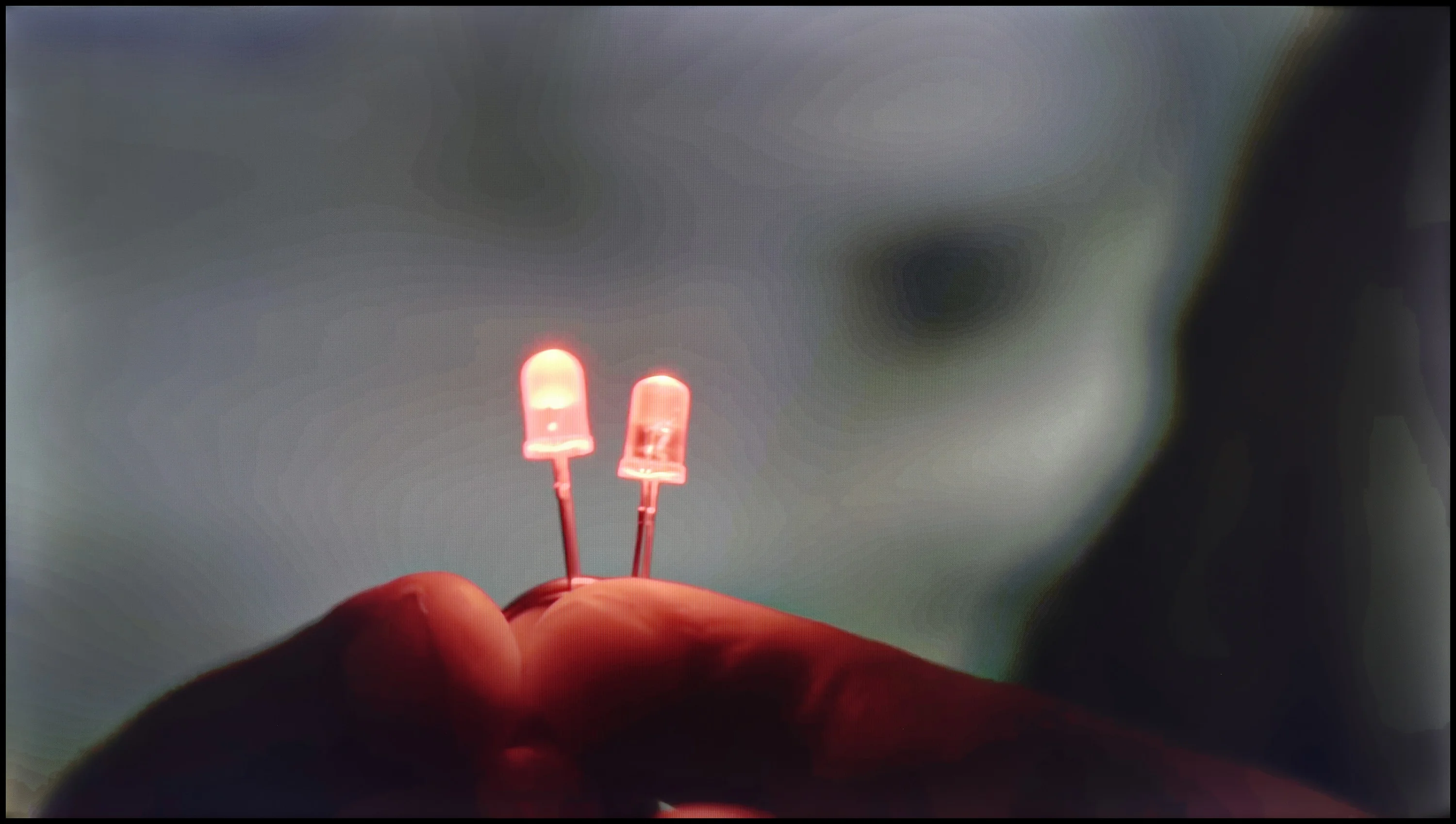
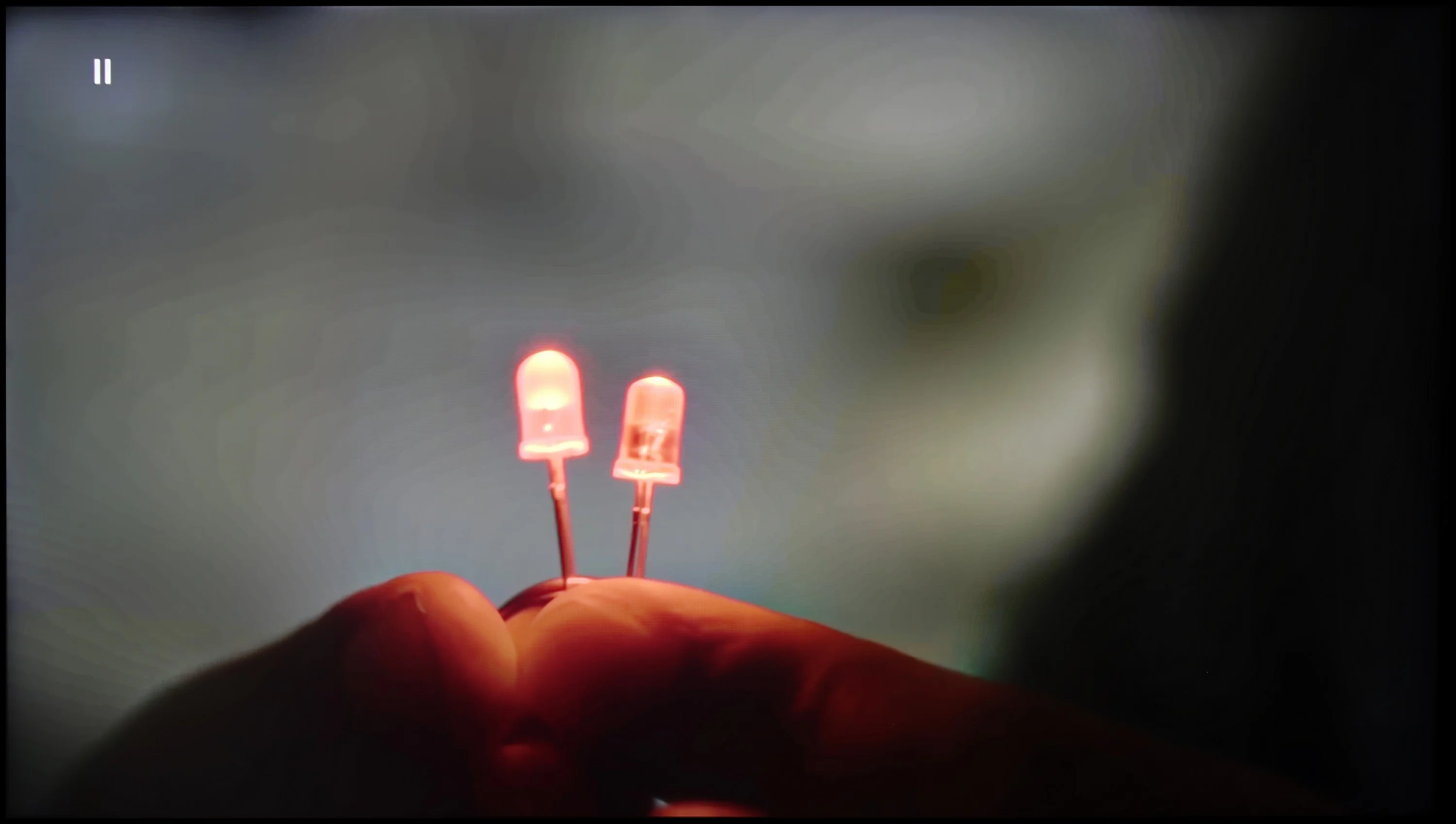
The match photo shows how the TV smooths weak tonal transitions in low-quality video.
Image scaling SD (576i)


The model photo shows how it handles upscaling of SD material.
Let's check how A6N performs with low-quality materials. When it comes to smoothing tonal transitions, the lack of posterisation reduction or smoothing of tonal transitions in low-quality materials such as television or DVD can be noticeable for more demanding viewers. In terms of digital processing, the model is presented correctly, and the branches are devoid of characteristic jaggedness – the image is very plastic and soft, which may appeal to those who prefer this style of image.
The Samsung QN95D television handles tonal transitions even in lower quality materials, thanks to the noise reduction feature employed, which functions like a gentle gradation. This feature is extremely effective, smoothing out the image and eliminating unwanted noise while significantly improving the quality of the displayed material. However, as is often the case, too much effectiveness can lead to unintended side effects. In some materials, this feature may also blur elements that should remain sharp, such as film grain.
Despite this, the television performs well in the context of image scaling, eliminating larger jagged edges. In a scene where branches are visible, they are not excessively artificially sharpened, allowing for a natural appearance, and the model does not have an artificial outline. Overall, this means that even in more challenging conditions, the film material presents itself satisfactorily on the Samsung QN95D. The only downside when watching HD/SD content (such as regular terrestrial television) is the fact that we have a slightly cropped image – this is caused by the so-called overscan, which cannot be turned off.
Blur and motion smoothness
3.9/10
7.5/10
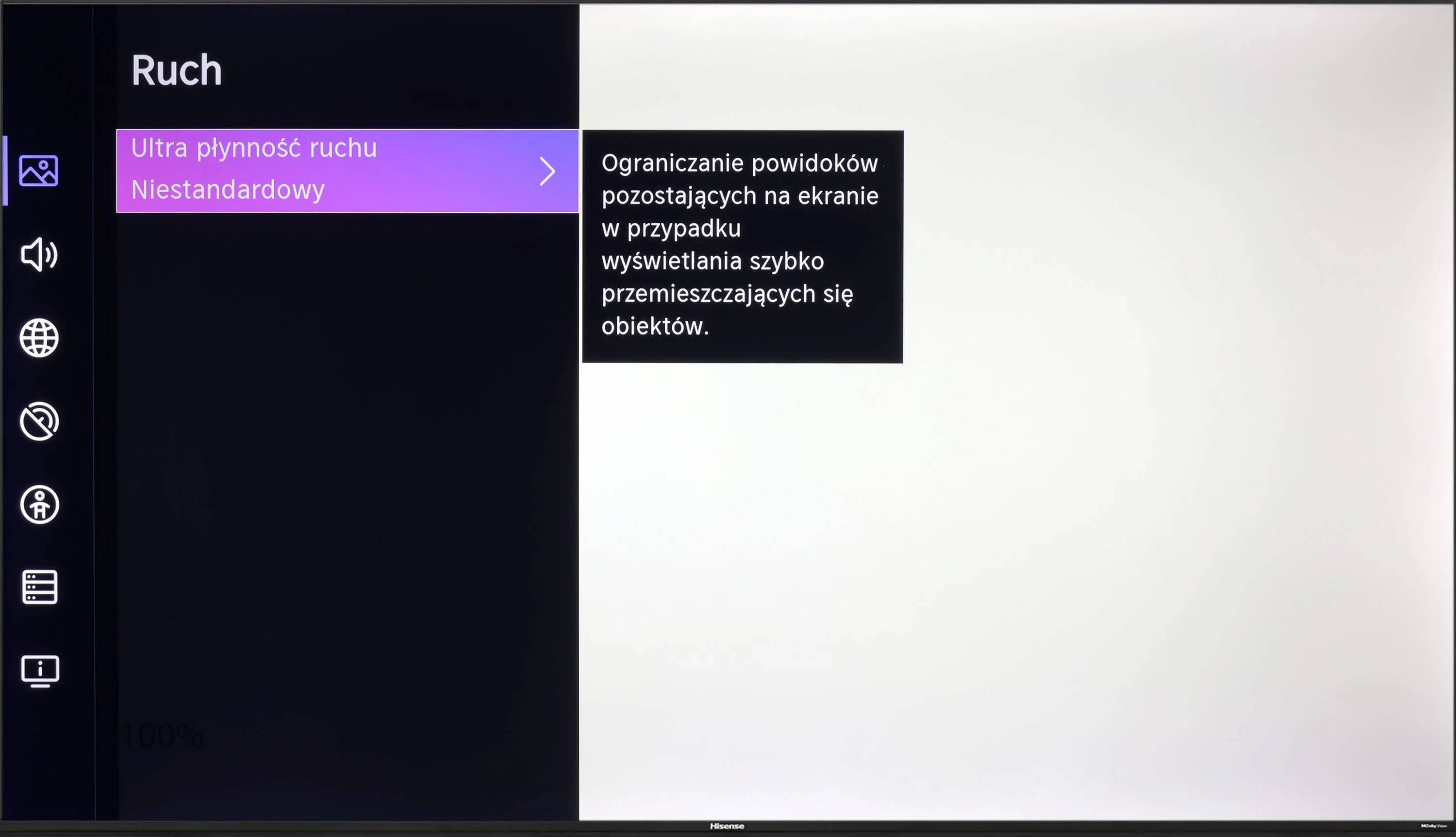
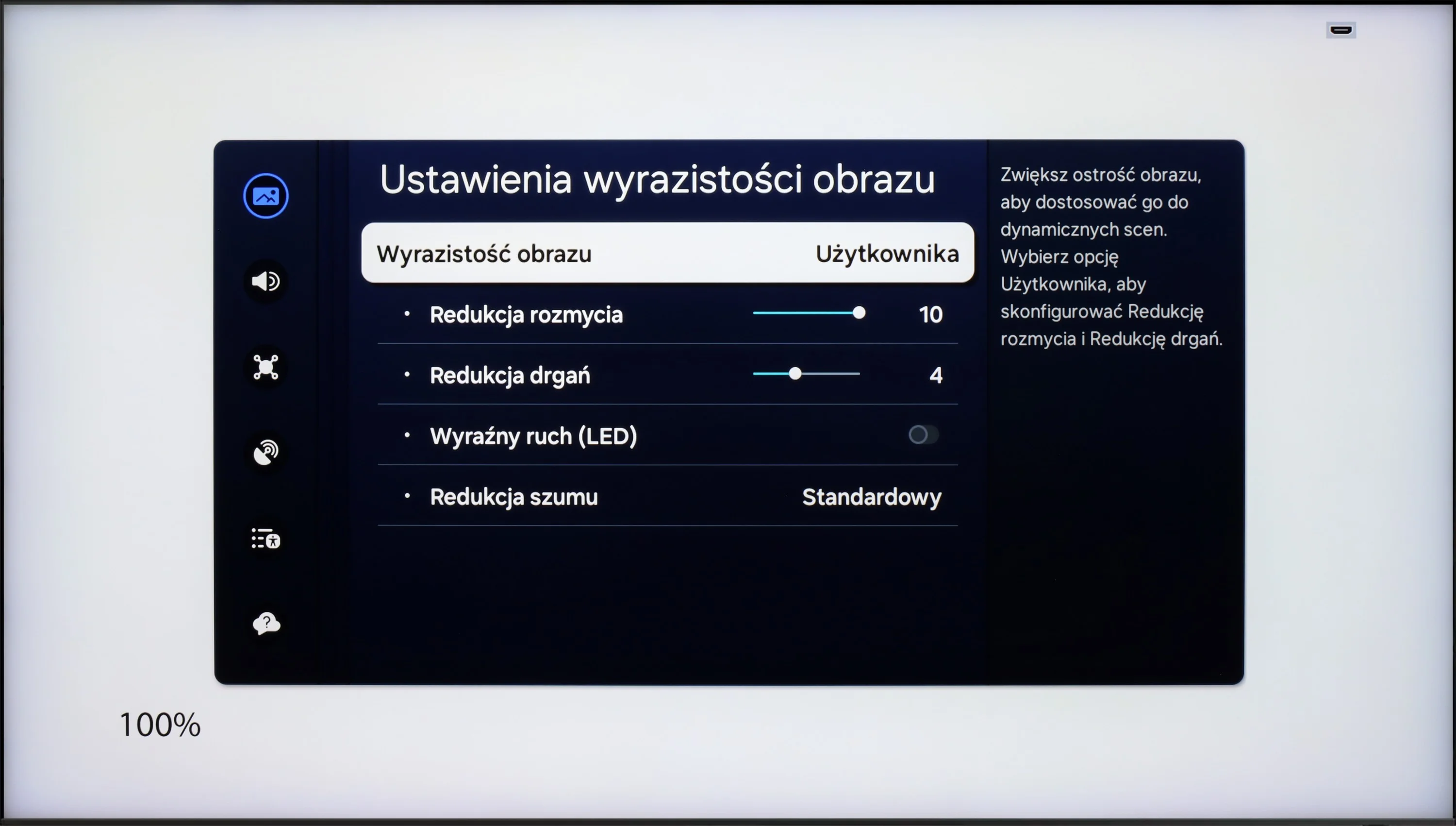
Blur (native resolution, maximum refresh rate):






Blur (BFI function enabled):
Image flickers in this mode



The 60 Hz panel in Hisense A6N will probably satisfy people who enjoy watching films, because the TV offers an "ultra motion smoothing" feature, which lets you adjust the image's choppiness, making it either more staccato or more fluid and cinematic. When it comes to motion blur, performance is fairly average, with quite noticeable smearing, especially on dark backgrounds, which is a fairly typical characteristic for this class of TVs.
The panel in Samsung QN95 performs very well in terms of motion blur and smoothness of movement. With a refresh rate of 120 Hz and features for reducing blur and judder, the picture settings can be customised to personal preferences, whether for watching films or for dynamic sports broadcasts. The user has the option to adjust the smoothness of the image on a 10-point scale – from a more frame-like appearance reminiscent of traditional film to a smooth, almost theatrical effect, which works particularly well for sports transmissions.
Console compatibility and gaming features
5.3/10
9.5/10
- ALLM
- VRR
- VRR range48 - 60Hz48 - 144Hz
- Dolby Vision Game Mode
- Correct implementation of HGIG
- 1080p@120Hz
- 1440p@120Hz
- 4K@120Hz
- Game bar
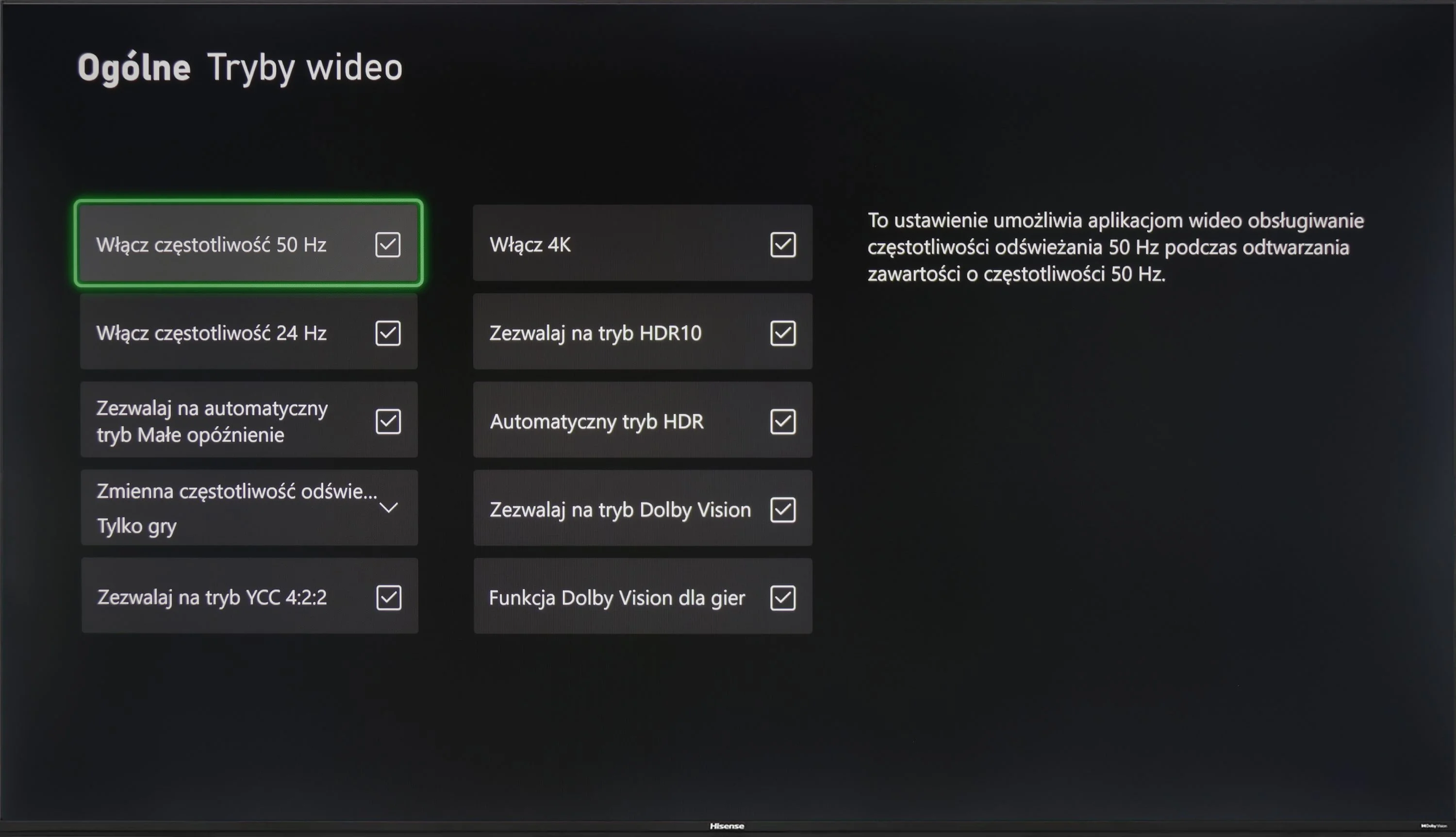
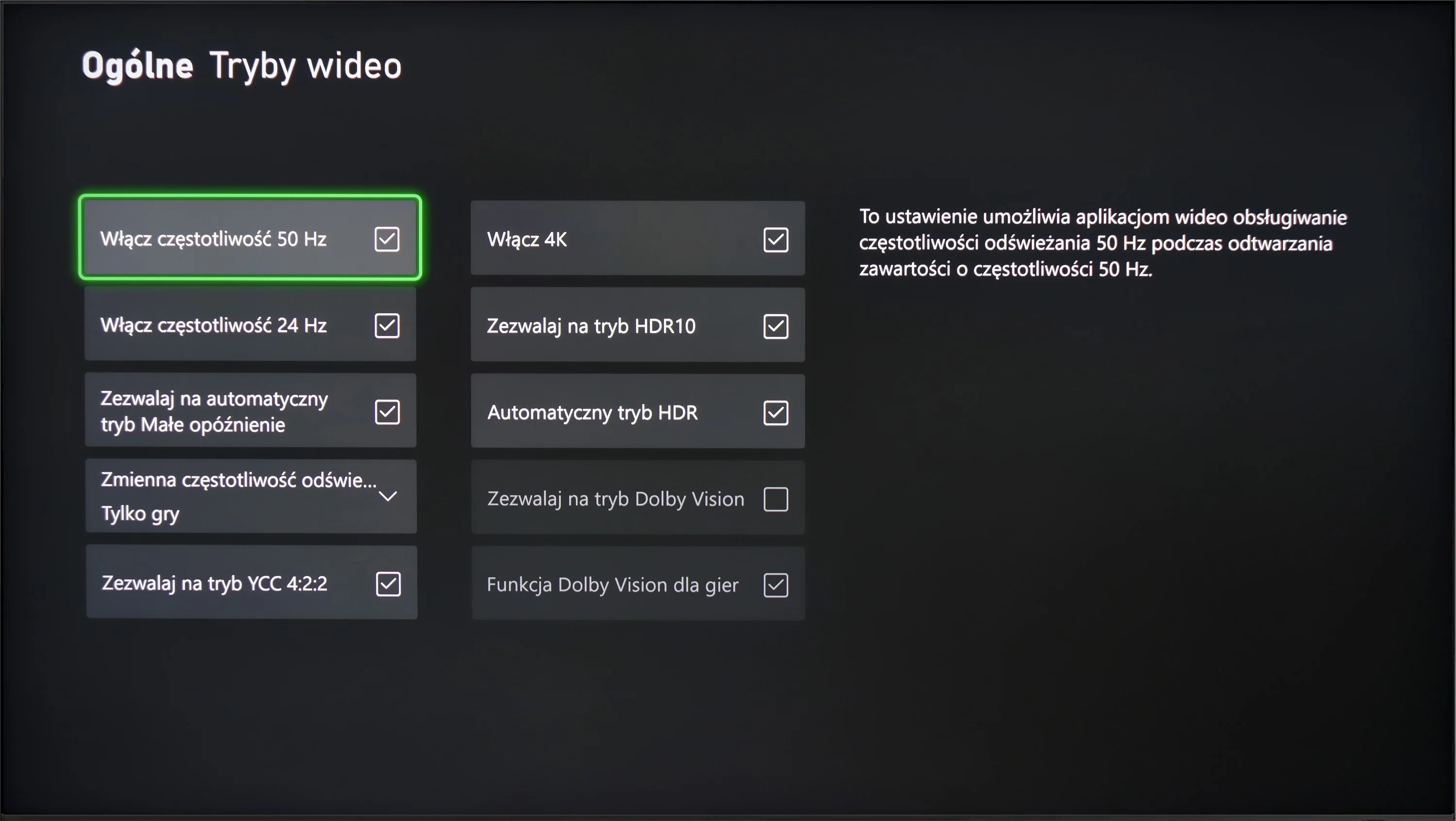
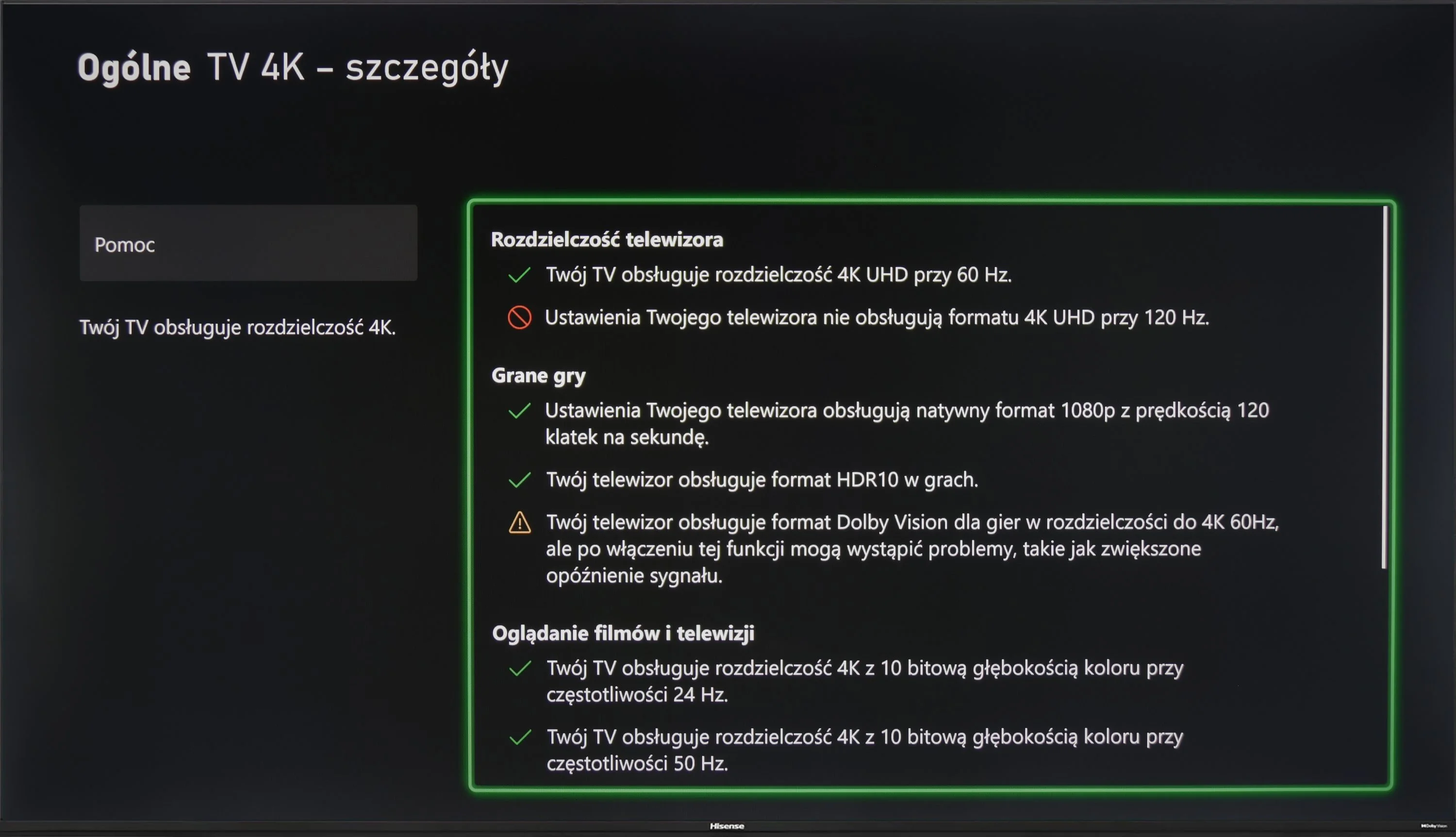
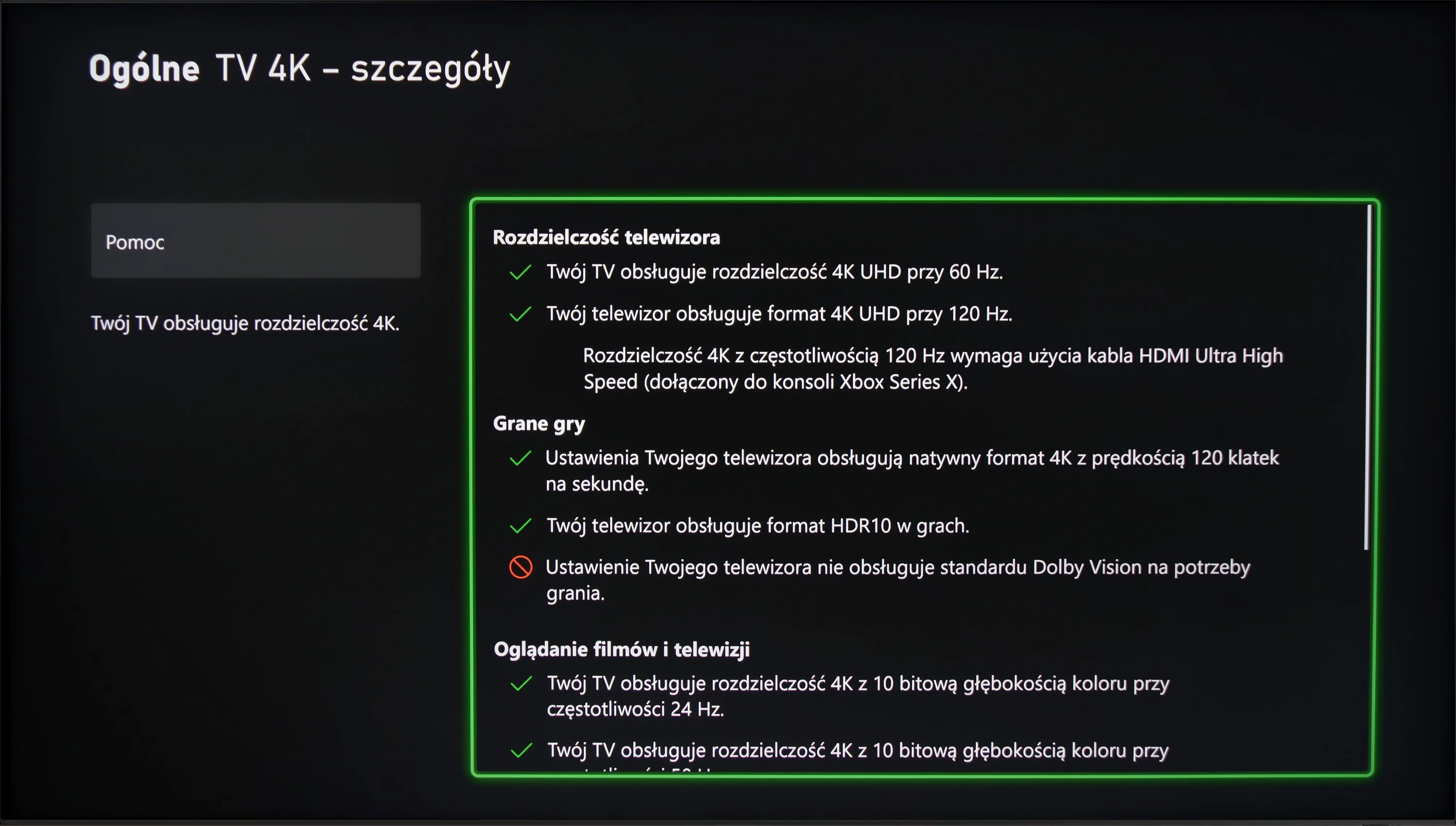
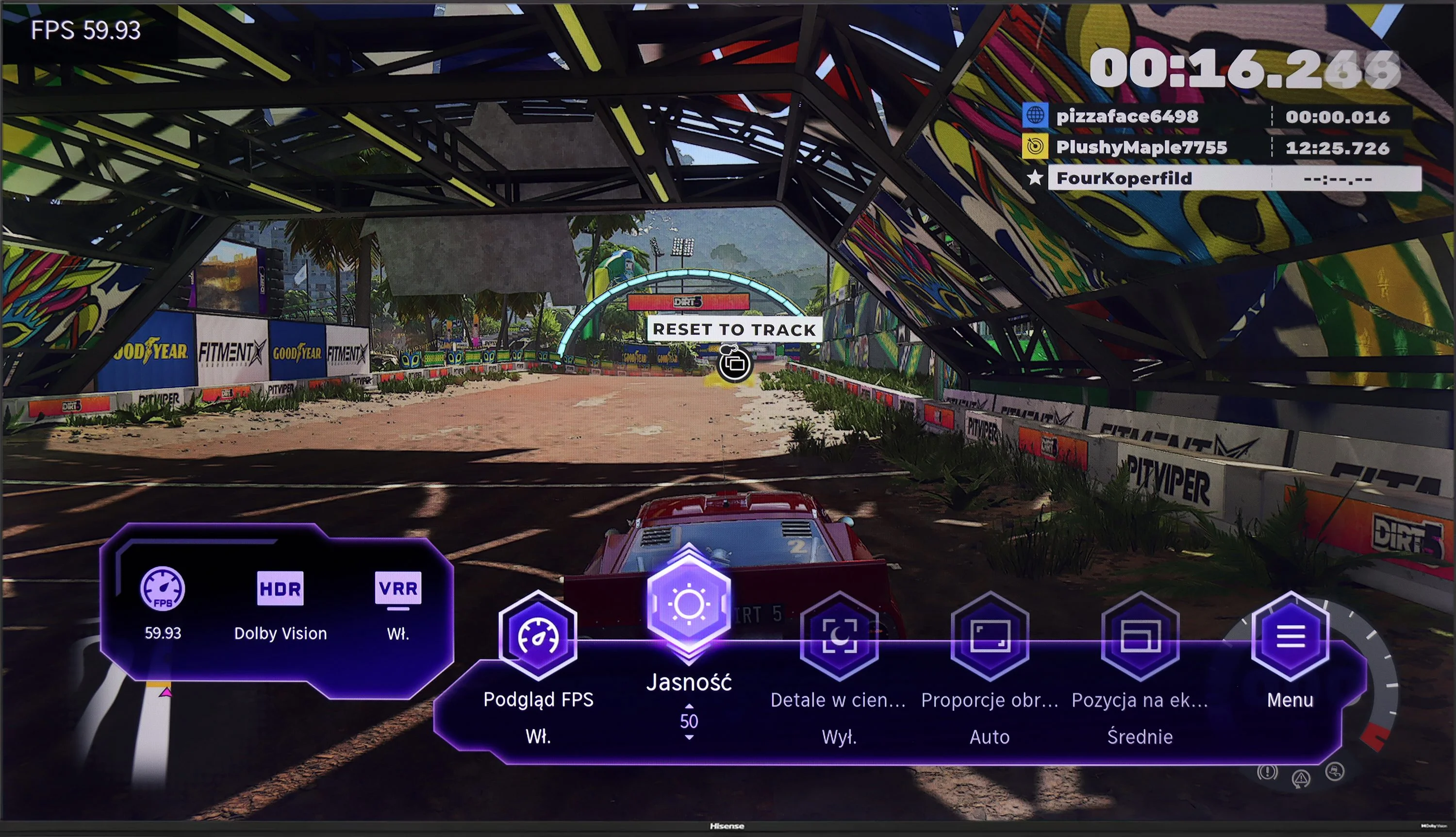
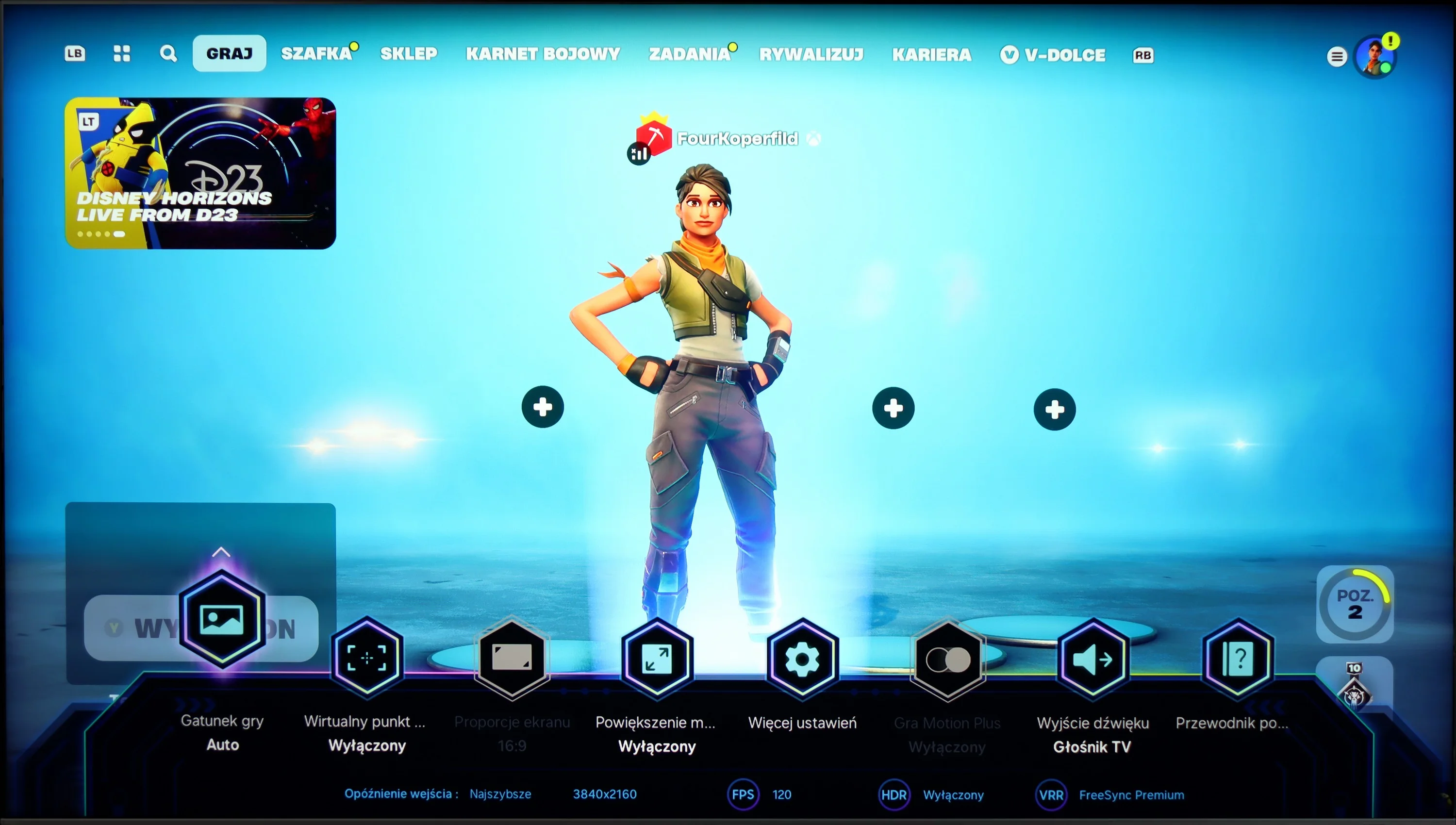
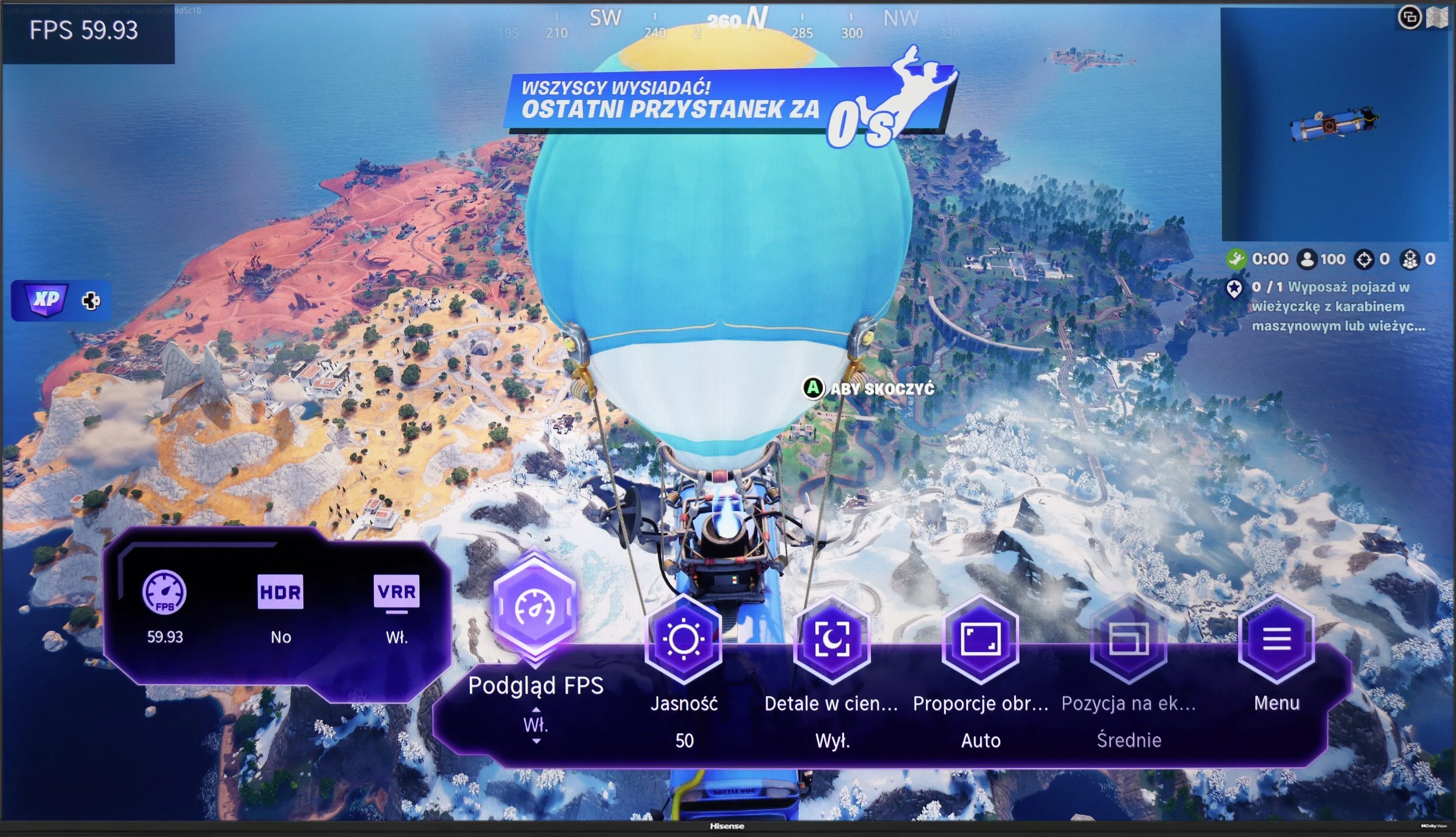
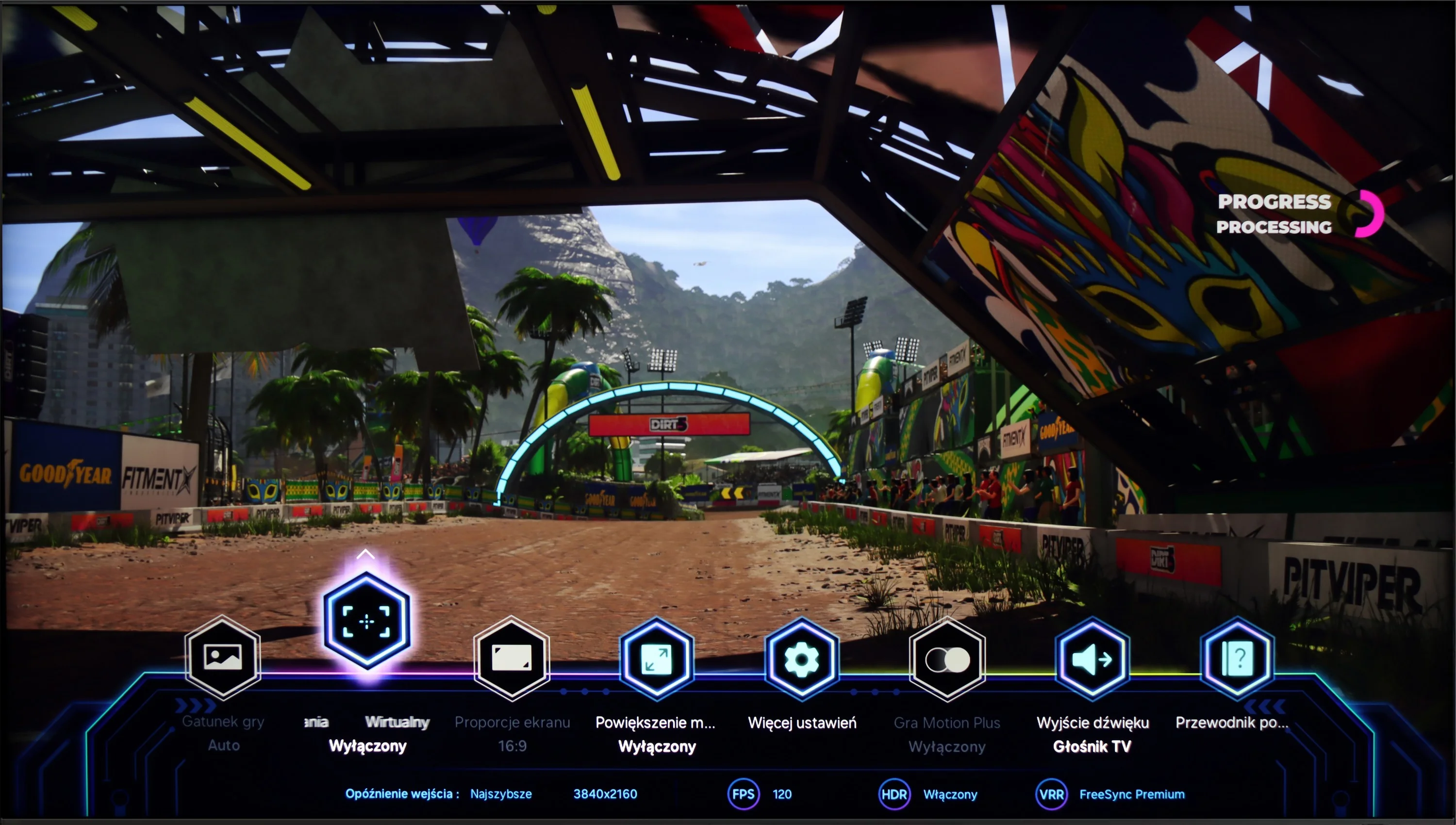
Hisense A6N is a television that will probably appeal to casual gamers, mainly because of its 60 Hz panel, which may not satisfy more demanding users. Despite that, it offers a few conveniences that can make gaming more enjoyable. The TV supports features such as ALLM (automatic low-latency mode), VRR (variable refresh rate) and Dolby Vision, allowing you to enjoy better image quality and smoother motion in games that support these technologies. Moreover, the low input lag means in-game reactions are quick, which is crucial, especially in fast-paced titles. Thanks to these features, although the TV is not the ideal choice for demanding gamers, it provides solid support for those who value comfortable gaming without complicated settings. It is an ideal solution for people who want to enjoy gaming without high hardware demands while having access to modern technologies that enhance the gaming experience.
Samsung QN95D offers quite a few features that gamers will appreciate. First and foremost, the television supports variable refresh rate (VRR), which allows for smoother gameplay, eliminating issues with tearing, especially during dynamic scenes. We also find the auto low latency mode (ALLM) feature, which automatically switches the television to low latency mode when it detects a connected console or computer, ensuring more responsive controls.
Furthermore, the QN95D Samsung has a game mode that reduces input lag to a very low level, which is crucial in games where reflexes play an important role. With a high refresh rate of 120 Hz, the picture is exceptionally smooth, significantly enhancing the experience of fast-paced action games and sports productions. The television also supports G-Sync and FreeSync technologies, which further enhance gameplay smoothness and improve user comfort. An interesting addition is the 'Game Bar' – a special menu that provides quick access to all game-related settings, allowing easy adjustments of picture and parameters to suit user preferences without the need to interrupt gameplay.
Although the Samsung QN95D does not support Dolby Vision – which is quite obvious for Samsung televisions – it does offer the HGiG feature, which ensures appropriate picture quality in HDR games, in line with the creators' vision.
Input lag
9.9/10
9.8/10
SDR
HDR
Dolby Vision
Hisense A6N achieves an impressive input lag of around 12 to 14 ms, which is an excellent result. The implementation of Dolby Vision also deserves praise; with other brands it is often problematic and unplayable, but here it runs smoothly and without noticeable delays, which is a big plus for fans of fast-paced games.
QN95D Samsung stands out with excellent input lag performance, achieving values below 15 ms. This is an impressive result that is not dependent on resolution or refresh rate. With such low latency, gamers can enjoy the TV's instant response to their commands, which is crucial in dynamic games. Whether we are playing 4K titles at 120 Hz or lower resolution games, the QN95D ensures exceptional gameplay smoothness and precise motion rendering. Such a level of responsiveness makes the TV an ideal choice for any avid gamer.
Compatibility with PC
1/10
8.6/10
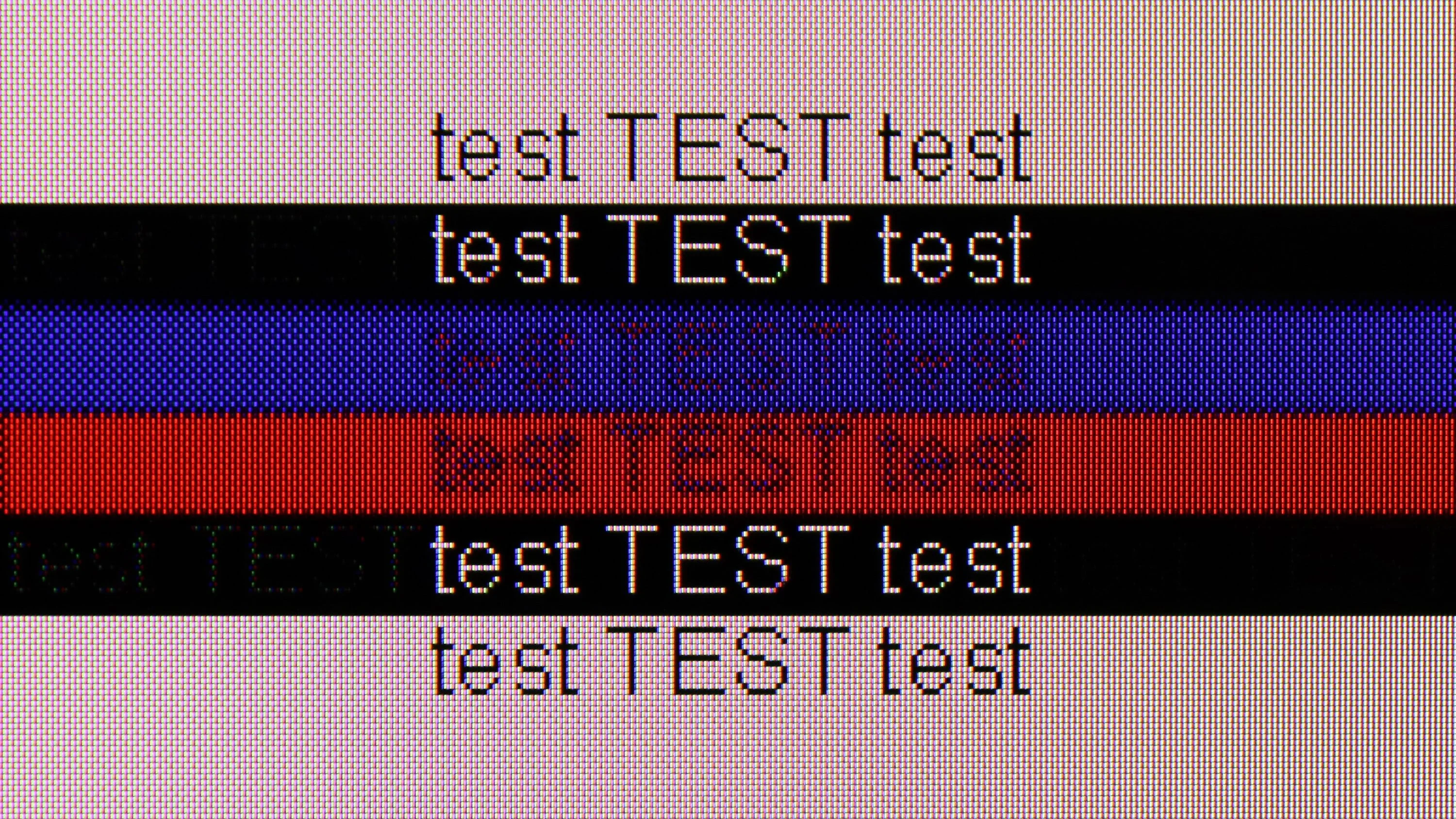
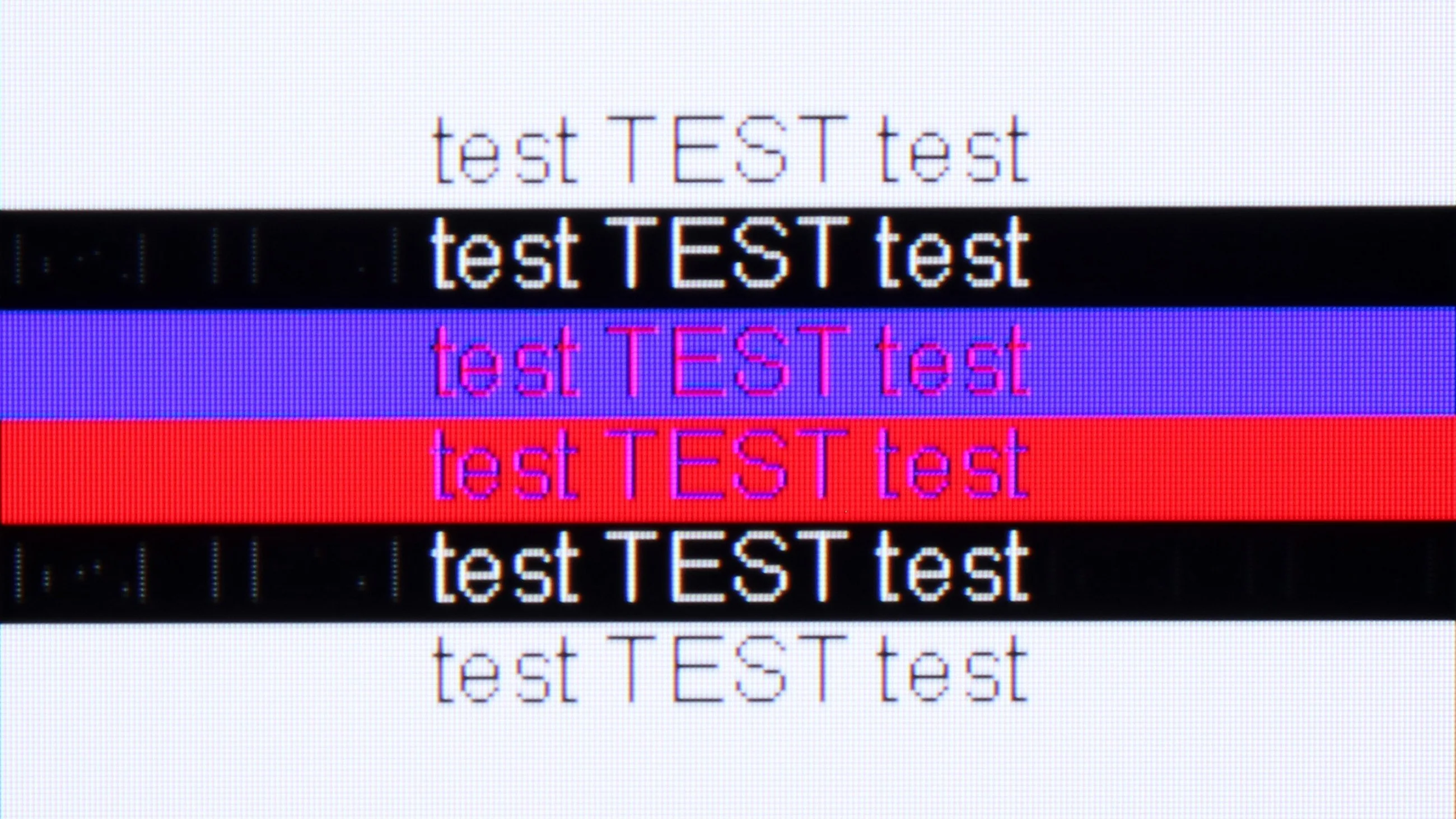
The photo shows the legibility of small fonts. Ideally, lines should be the same thickness on both light and dark text, with minimal pixel gaps.
The Hisense A6N TV is unfortunately not suitable for use with a computer. Lack of support for 4:4:4 chroma subsampling causes fonts to be completely blurry and illegible, making it very difficult to use the TV as a monitor. This definitely rules out this model as an option for anyone looking for a TV to use with a PC.
In the category of collaboration with a PC, the Samsung QN95D television stands out with its high performance, offering support for 4:4:4 chroma and impressively low input lag. Thanks to these features, users can enjoy fluidity and responsiveness, making it an ideal choice for office work or everyday applications. However, one noticeable issue is the poor visibility of horizontal lines on a dark background. In the test image on the right, it is evident that the letters resemble vertical lines, which can be somewhat frustrating. Nonetheless, the television generally offers good compatibility with a computer, and users can expect comfortable operation in their daily tasks.
Viewing angles
3.4/10
7.1/10
Unfortunately, the viewing angles on the Hisense A6N are poor, which is typical of VA panels. When watched from a wider angle the image quickly loses quality: colours fade and contrast falls markedly. You get the best viewing experience when seated directly in front of the television, because even a small shift to the side causes colour reproduction and contrast to deteriorate. This limitation can be important in larger rooms where viewers are seated at different angles to the screen.
In the case of TVs with VA panels, one can usually expect limited viewing angles; however, QN95D Samsung surprises in this category. Thanks to the applied coating that widens viewing angles, the TV offers really good performance, which is rarely seen in devices with this type of panel. Although VA panels are usually not the best in this regard, in this model, the picture remains clear and vivid even when viewed from the side, making it an excellent choice for larger rooms and group watching.
Daytime performance
3.8/10
6.5/10
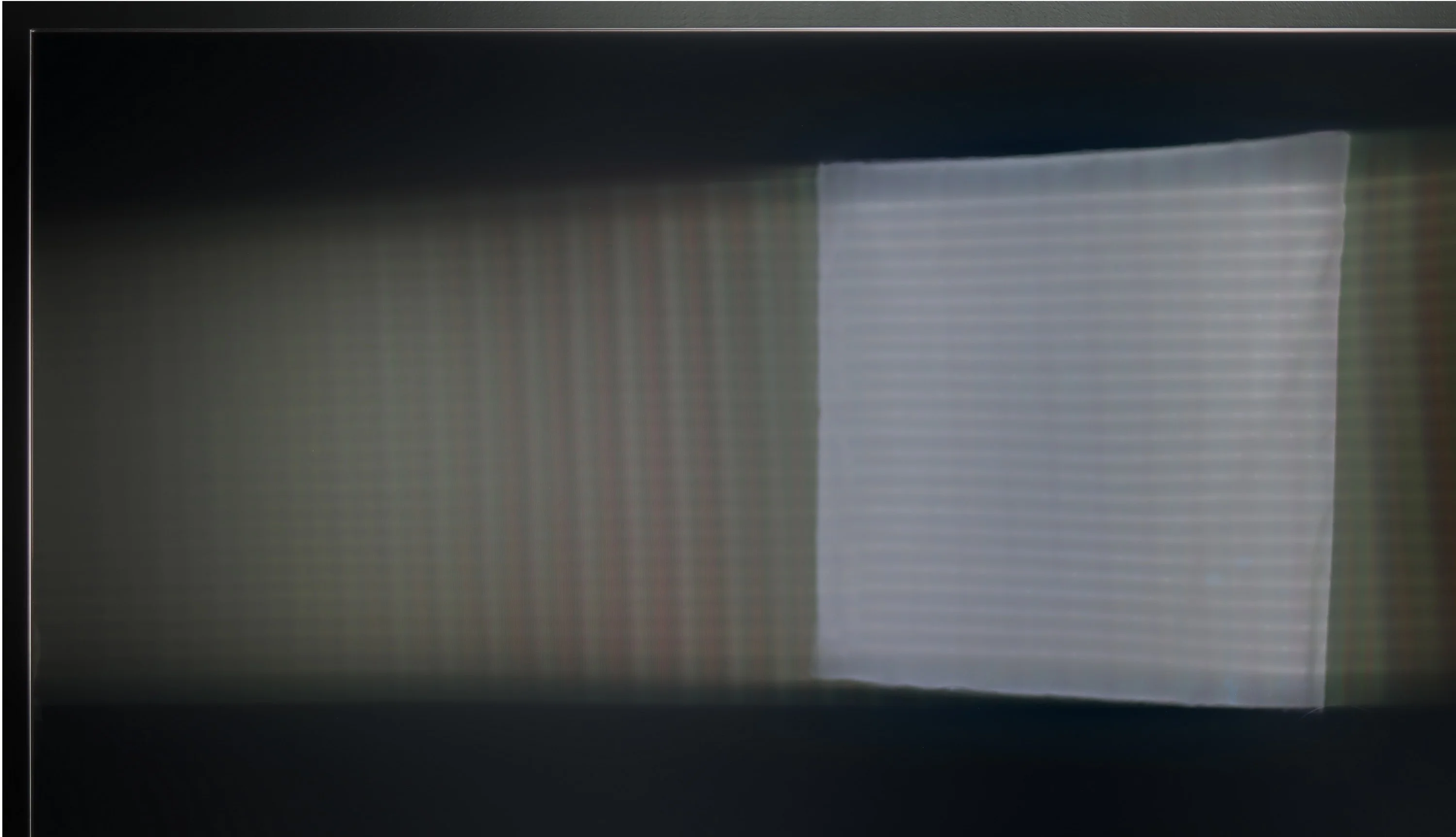
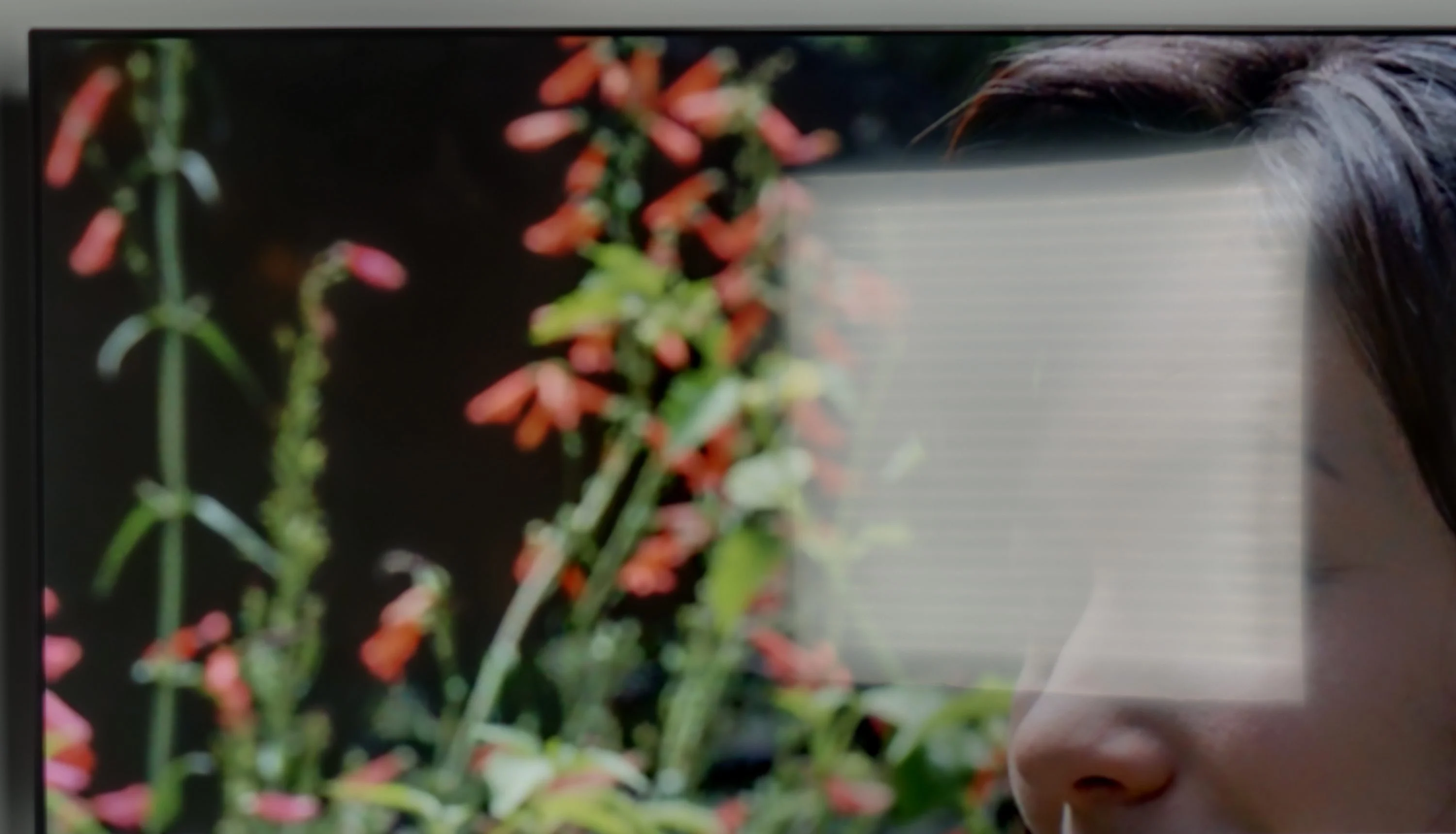
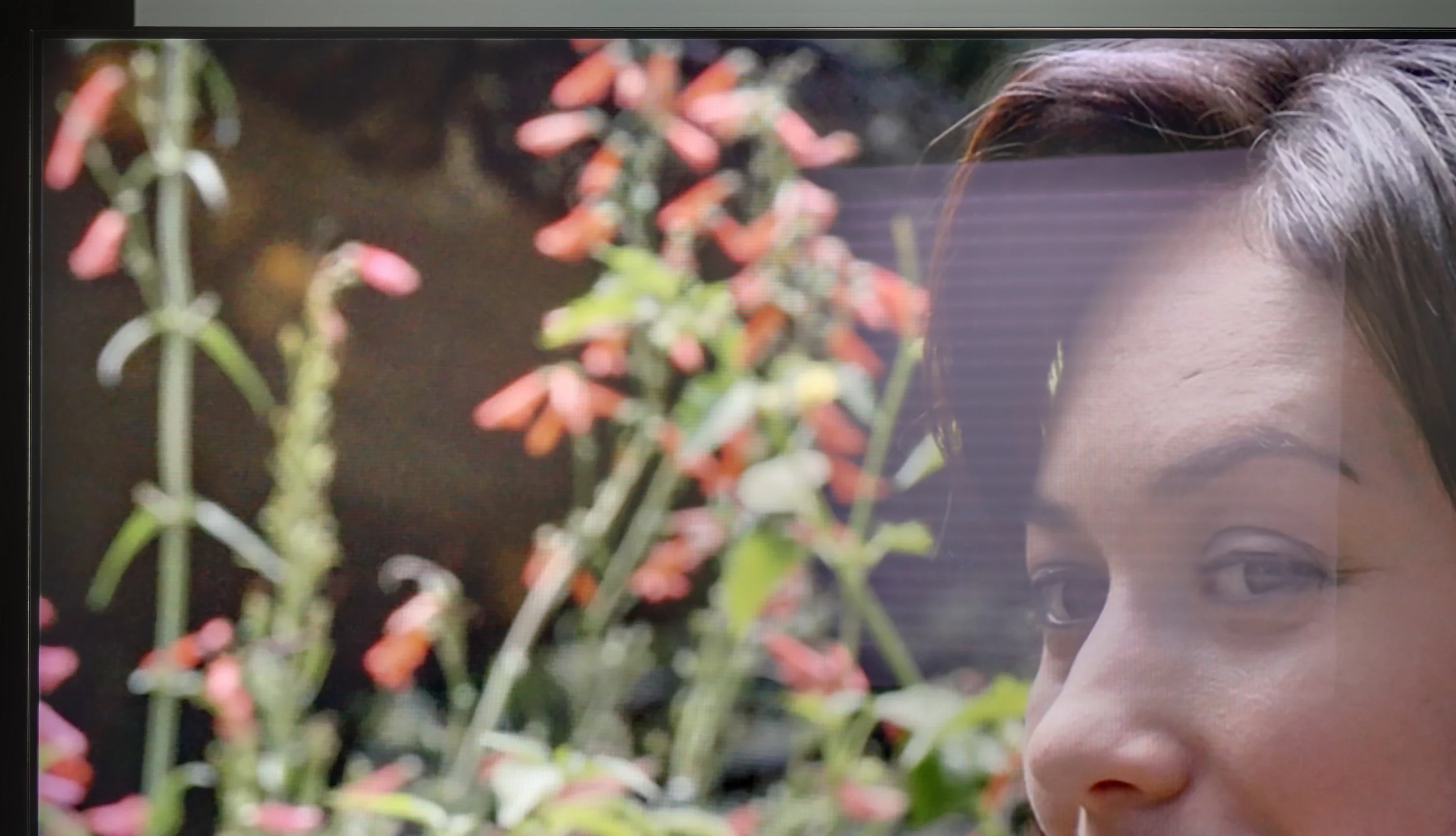
Panel brightness
Samsung Neo QLED QN95D: 655 cd/m2
Hisense A6N: 226 cd/m2
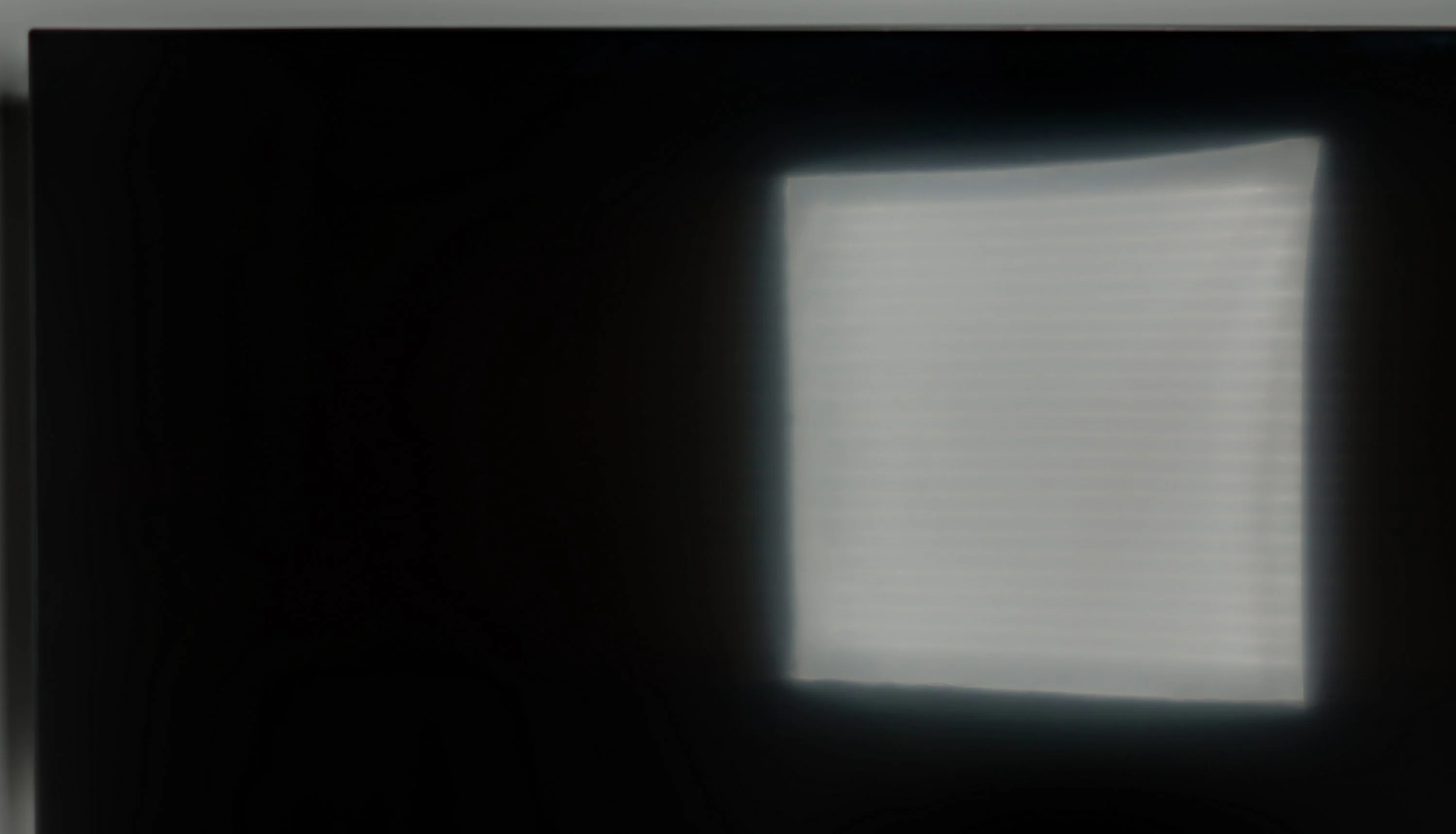
A satin-finish panel suppresses reflections well, but a brightness of 220 cd/m² is not enough for the TV to effectively cut through strong ambient light. In bright rooms or with a lot of daylight the image can look washed out, which reduces viewing comfort in such conditions.
In the daytime performance category, QN95D Samsung, despite using a glossy panel, may struggle with highly visible reflections on the screen. As seen in the photo on the right, the lamp disperses to the left and right, which is a result of the anti-reflective coating used. However, overall this coating performs very well when the television displays any colours other than black, where reflections become more noticeable. It is worth noting that the television achieves very high brightness for SDR content, exceeding 650 nits, which provides comfortable viewing even in bright rooms.
Panel details
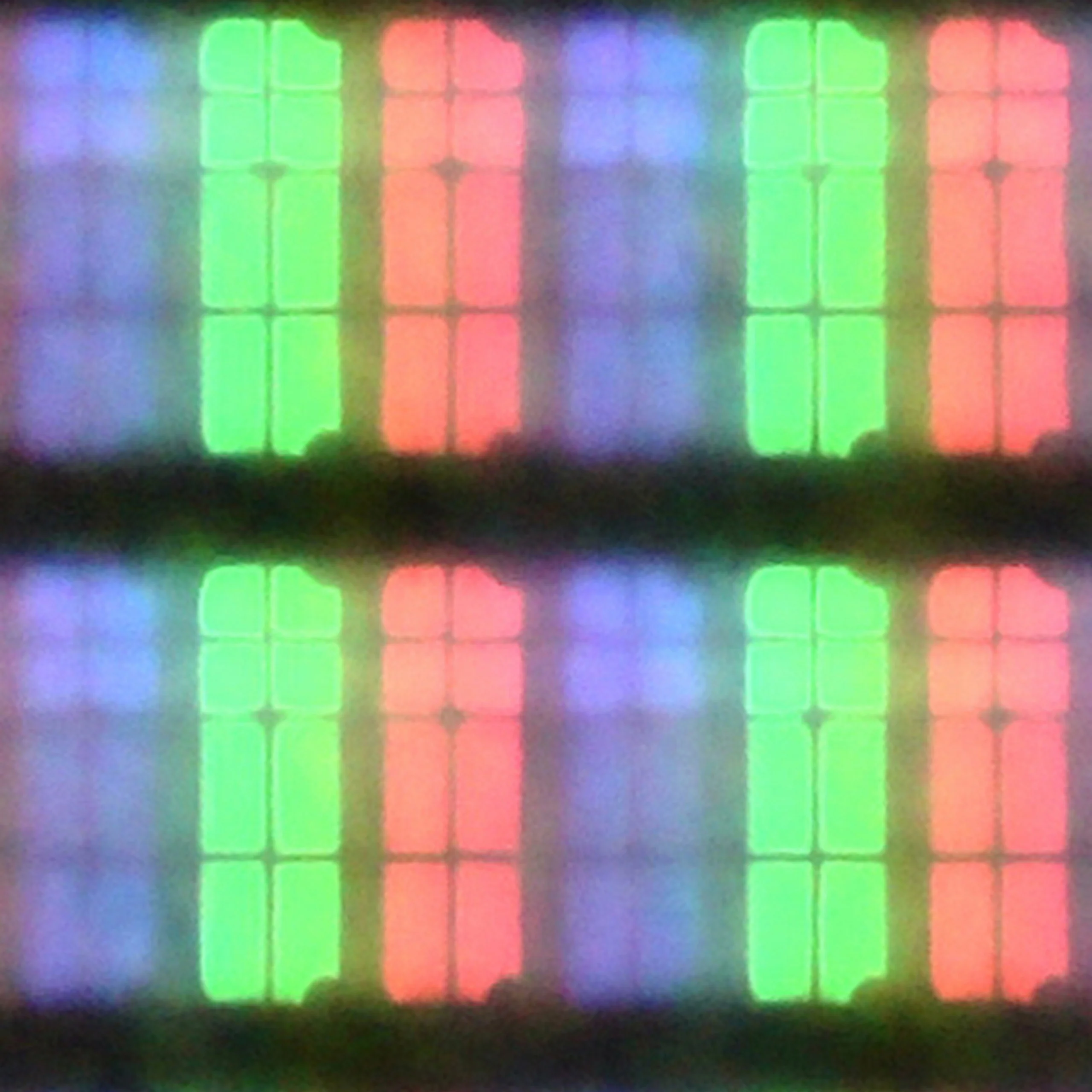
Subpixel Structure:
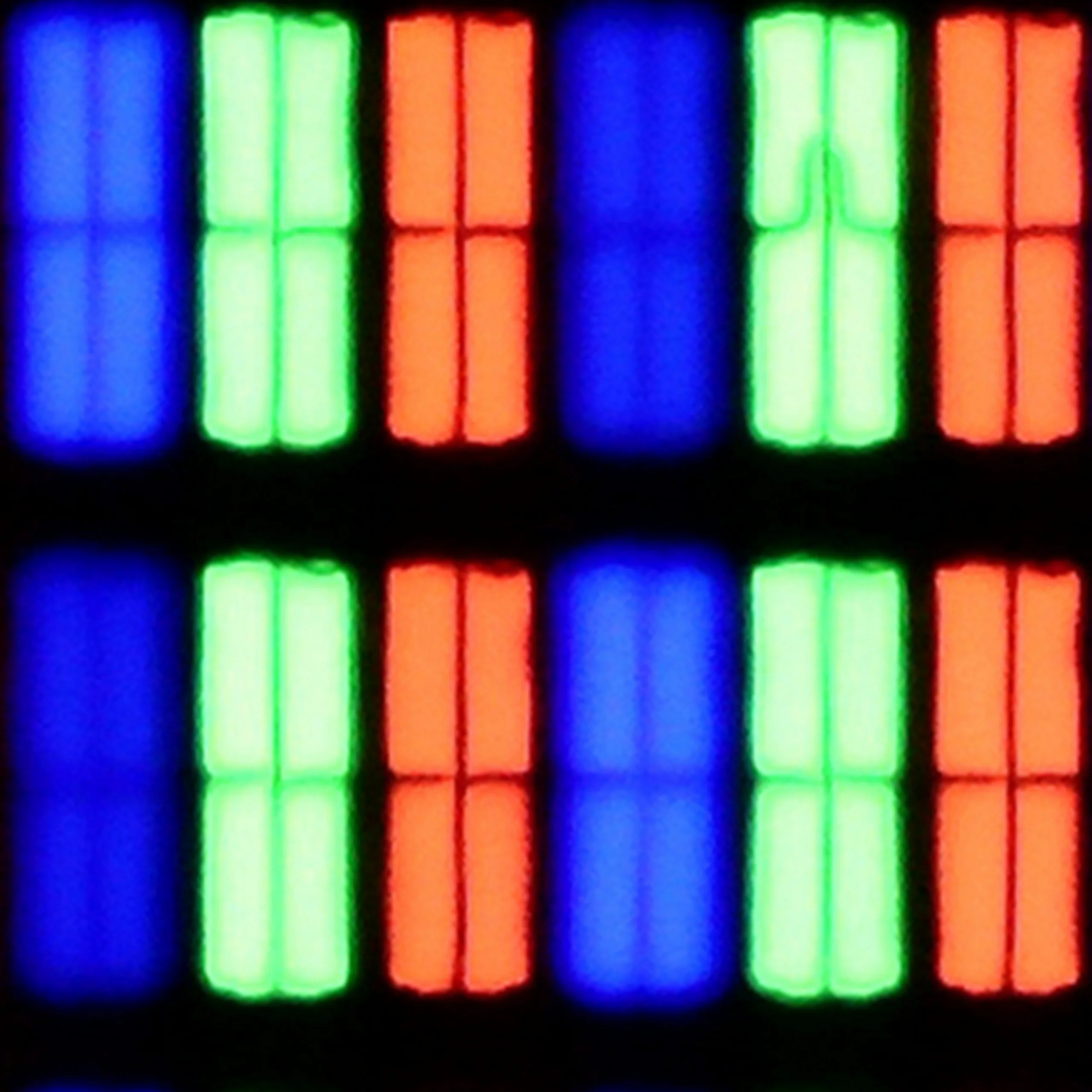
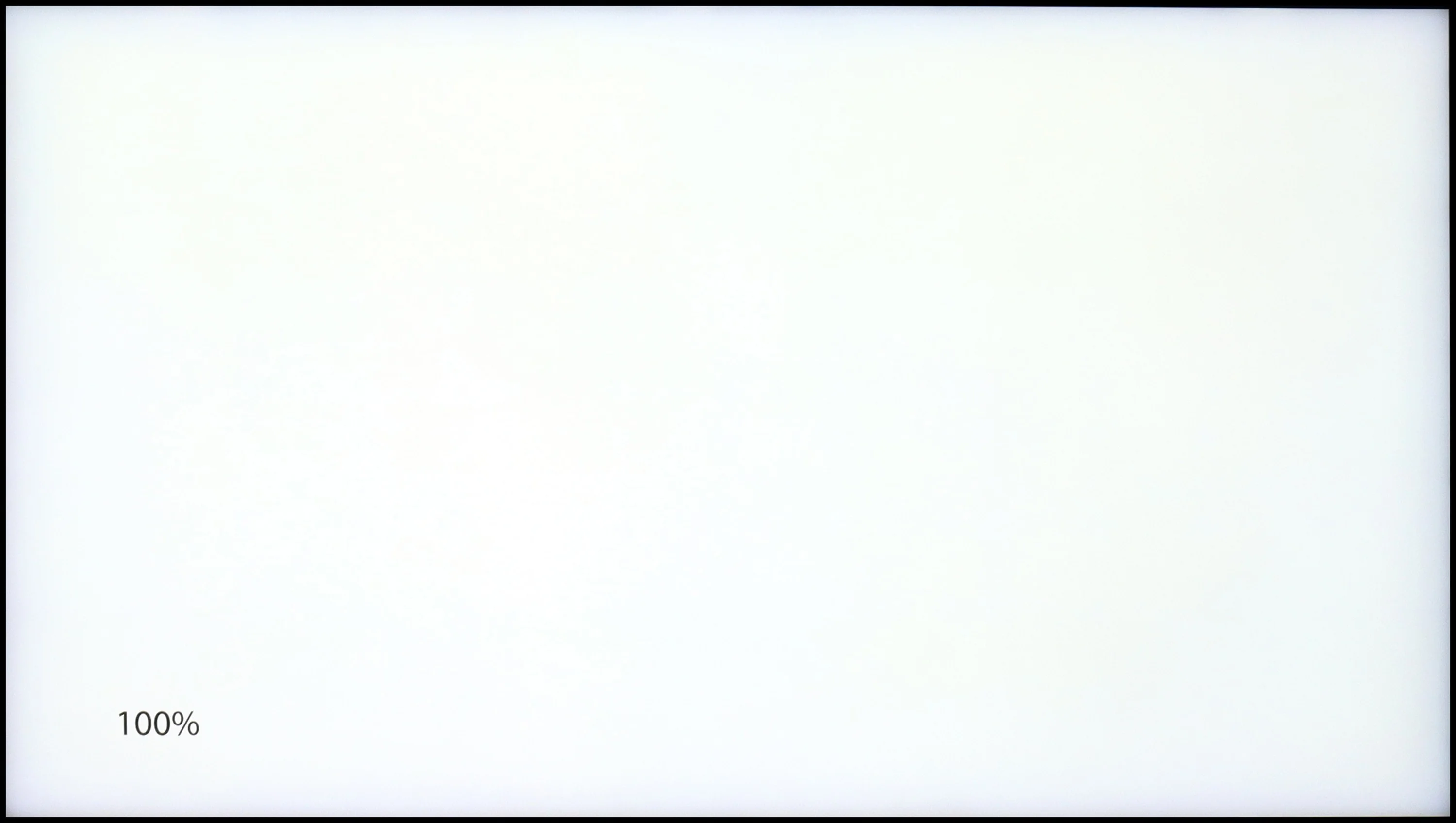
Panel uniformity and thermal imaging:
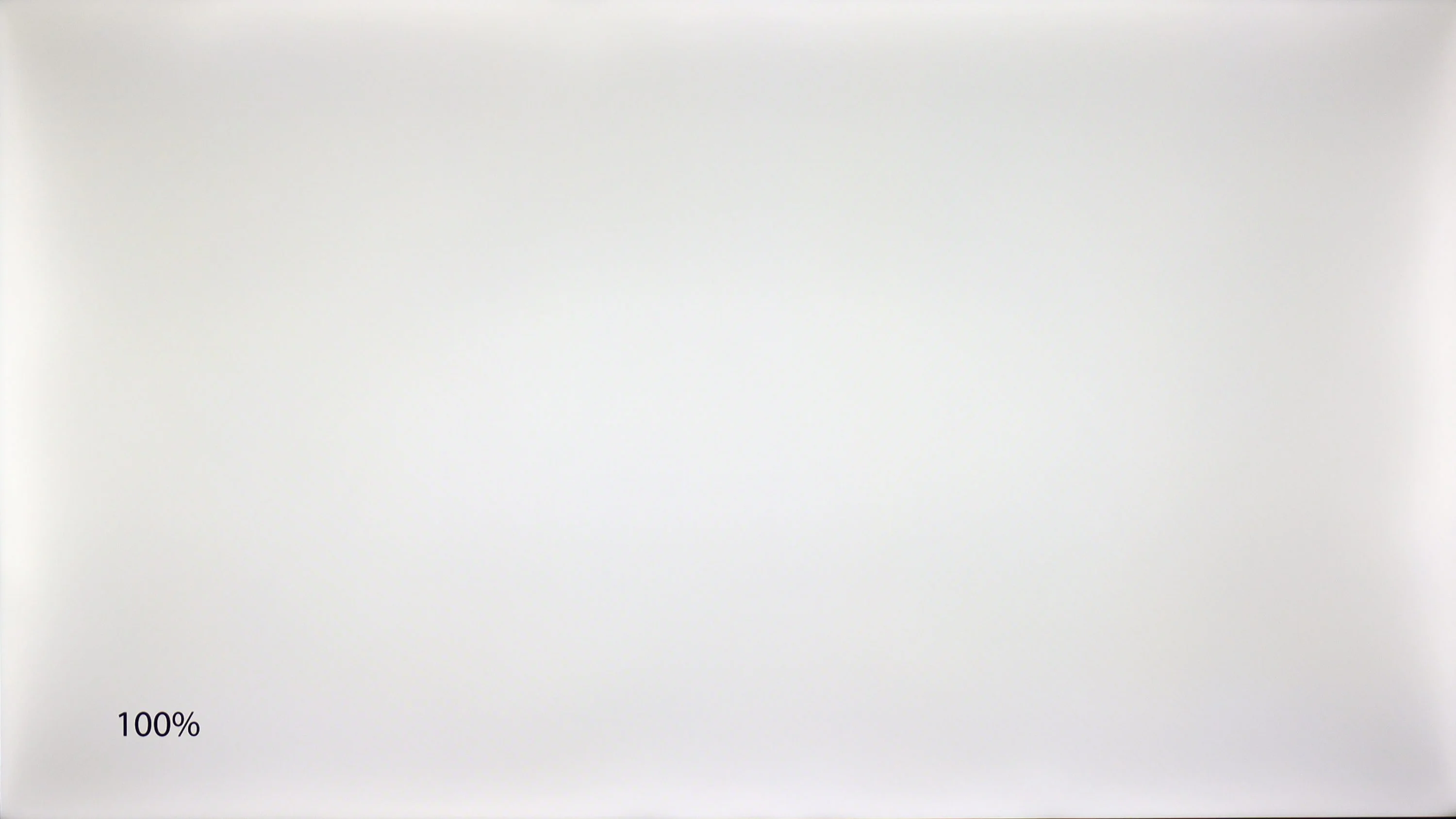
Hisense A6N
Samsung Neo QLED QN95D
TV features
7/10
6.7/10
- SystemVIDAATizen
- System performanceDecentVery good
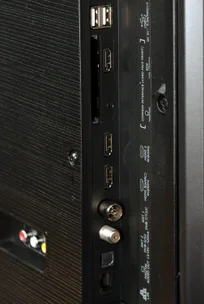
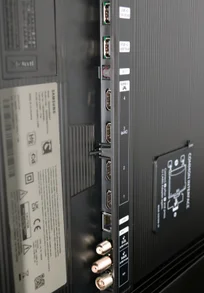
- HDMI inputs0 x HDMI 2.0, 0 x HDMI 2.10 x HDMI 2.0, 4 x HDMI 2.1 48Gbps
- OutputsToslink (Optical audio), eARC (HDMI), ARC (HDMI)
- Network InterfacesWi-Fi 2.4GHz, Wi-Fi 5GHz, Ethernet (LAN) 100MbpsWi-Fi 2.4GHz, Wi-Fi 5GHz, Ethernet (LAN) 100Mbps
- TV receptionDVB-T, DVB-T2, DVB-S, DVB-S2, DVB-CDVB-T, DVB-T2, DVB-S, DVB-S2, DVB-C
Classic features:
- Recording to USB (terrestrial TV)
- Recording programming
- Picture in Picture (PiP)
- RF remote control (no need to aim)
- Backlit remote control
- Teletext
- Audio only mode
- Bluetooth headphones support
- Simultaneous Bluetooth headphones & TV audio
Smart features:
- AirPlay
- Screen mirroring (Windows Miracast)
- Voice search
- Voice search in native language
- Ability to connect a keyboard and mouse
Sound connection options
- HDMI audioeARC (HDMI), ARC (HDMI)
- Other audio outputsToslink (Optical audio)
- Wireless audioBluetoothBluetooth
Supported audio formats (external HDMI eARC audio):
- Dolby Digital Plus 7.1
- Dolby True HD 7.1
- Dolby Atmos in Dolby Digital Plus (JOC)
- Dolby Atmos in Dolby True HD
- DTS:X in DTS-HD MA
- DTS-HD Master Audio
Senior accessibility
- Numeric keyboard on TV
- Font size adjustment
- Audio description
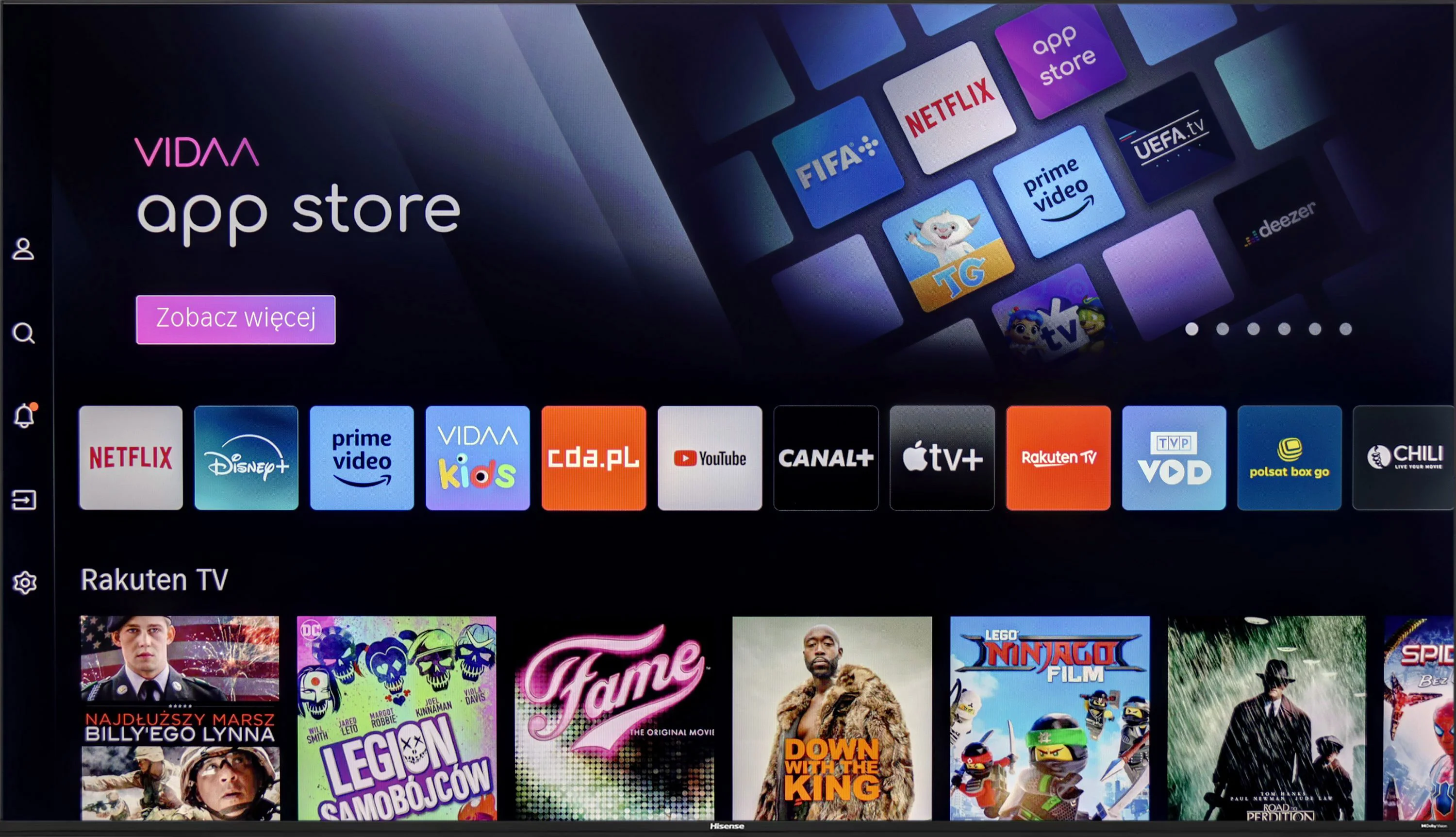
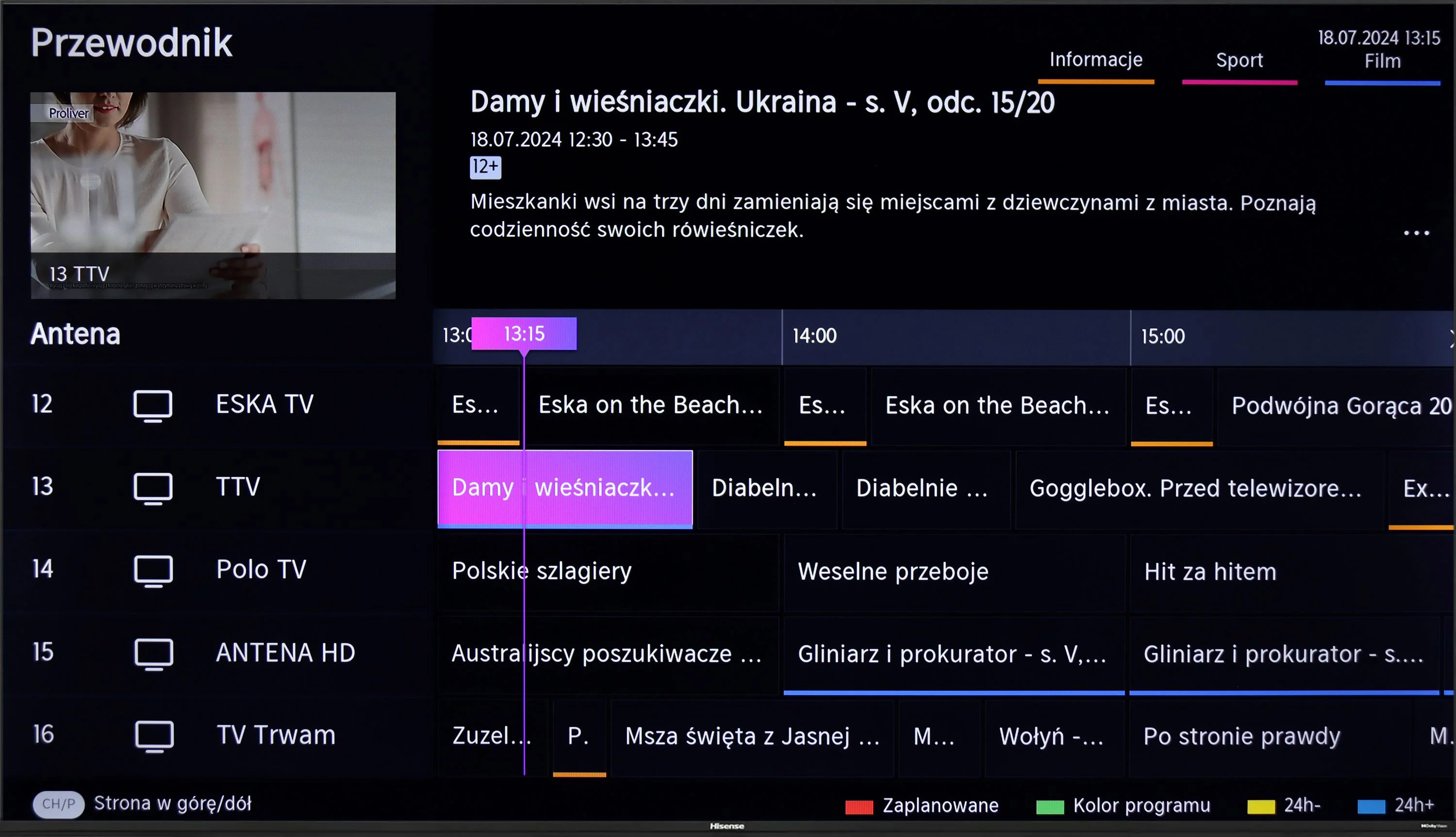
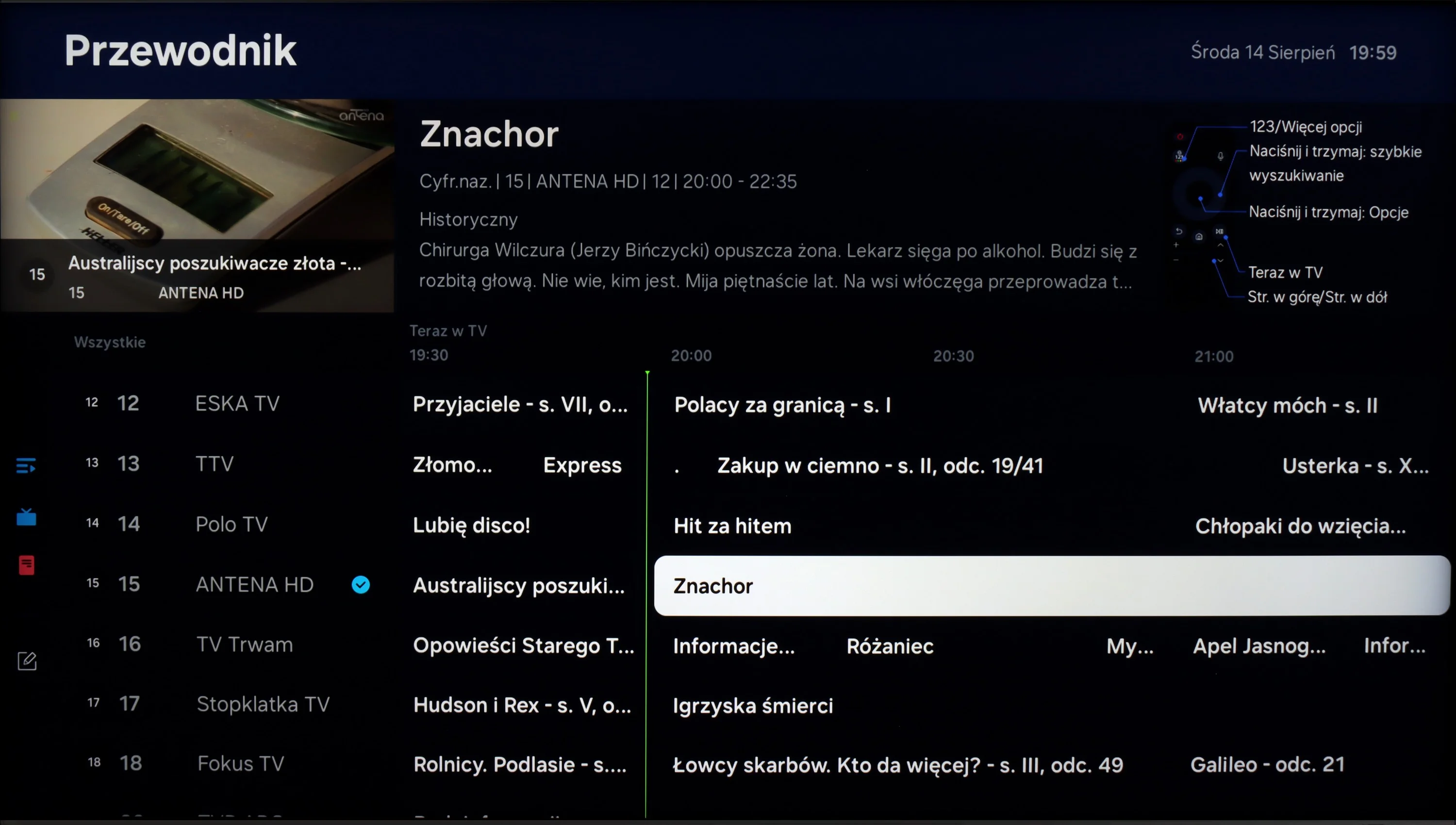
The Hisense A6N television runs on the VIDAA system, which is fast and responsive without significant stuttering. There are plenty of apps, but unfortunately it lacks music services such as Spotify or Tidal. This may disappoint users expecting a wide choice of streaming services. Nevertheless, the television has a few features that can compensate: it supports screen mirroring and AirPlay, allowing wireless streaming from other devices. Additionally, you can connect peripherals such as keyboards or headphones via Bluetooth, which increases the device's functionality. Unfortunately, viewers of traditional broadcast TV may be disappointed by the lack of recording functionality and a PiP (Picture-in-Picture) option, limiting the ability to personalise viewing.
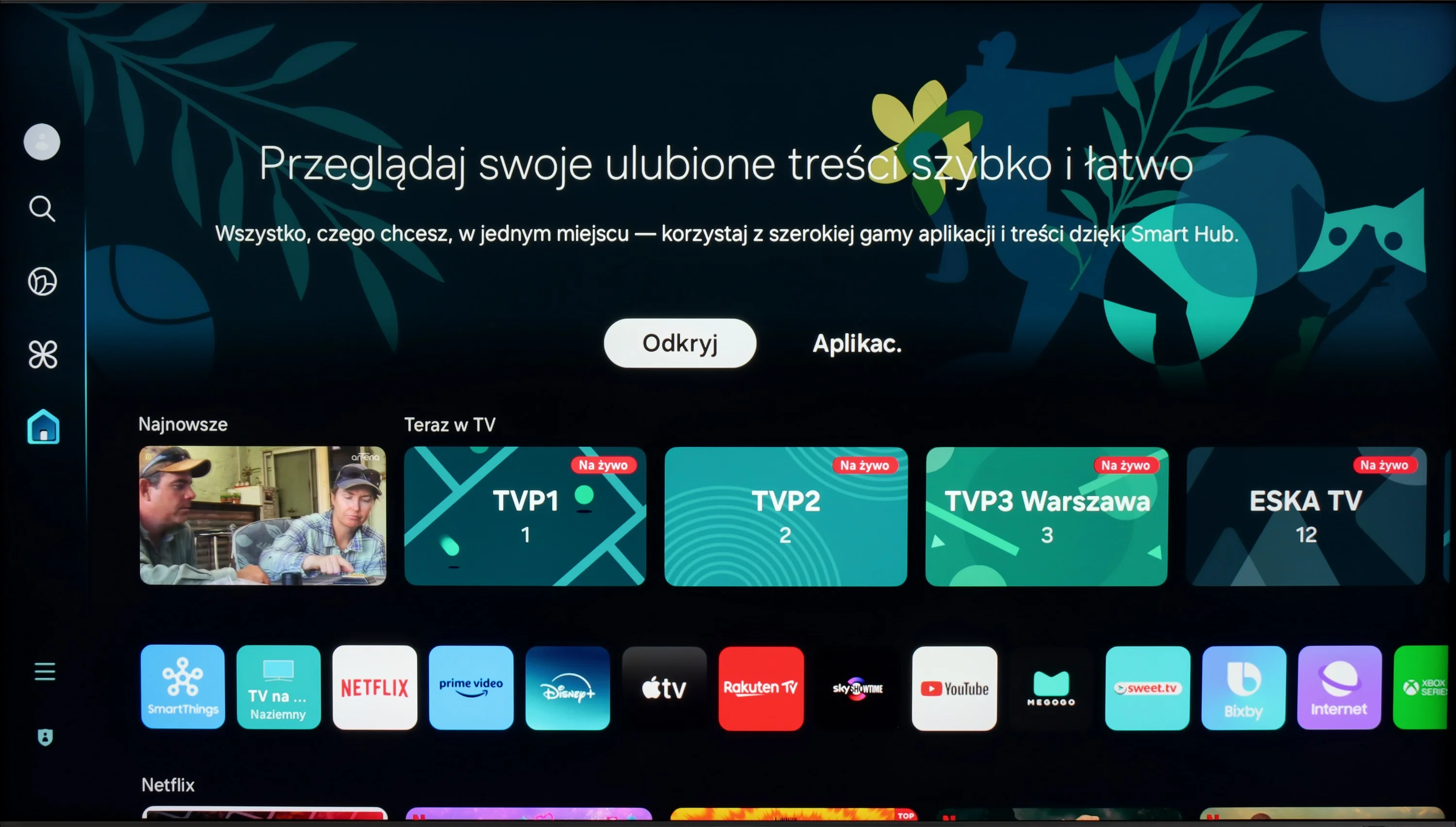
The Tizen system in Samsung televisions is characterised by simplicity and speed of operation. The central point of the interface is the "Smart Hub," which allows for quick access to the most important applications and recommended content, such as Netflix, YouTube, and Prime Video. Tizen also supports the Multi View function, allowing for simultaneous viewing of several image sources. Integration with AirPlay enables easy content sharing from Apple devices, and there is voice control in Polish. Users can control the television, search for content, and perform other operations using voice commands, which significantly facilitates the daily use of the device. One of the most distinctive elements of Samsung QN95D is the included Slim Fit camera, which offers functionality that goes beyond the standards of other models currently on the market. Thanks to the applied "POGO" connector, the camera can be easily connected directly to the television. It allows for video calls and personal training functions using the camera. This innovative approach opens up new possibilities for users in terms of interaction with the television.
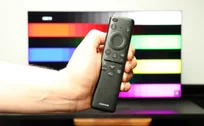
It is also worth mentioning the solar remote control, which is an eco-friendly solution—it does not require battery replacement as it charges using solar energy. This remote is also universal, allowing control of other devices, such as the Canal+ decoder, without the need for additional remotes. This is a significant convenience that enhances user comfort. Features dedicated to users of traditional television include picture-in-picture (PIP), allowing for the simultaneous viewing of two programmes. However, the lack of recording functionality may be a disappointment, as this could be a drawback for some users.
Apps
7.7/10
9.3/10






















Playing files from USB
3.9/10
9.1/10
Supported photo formats:
Maximum photo resolution:
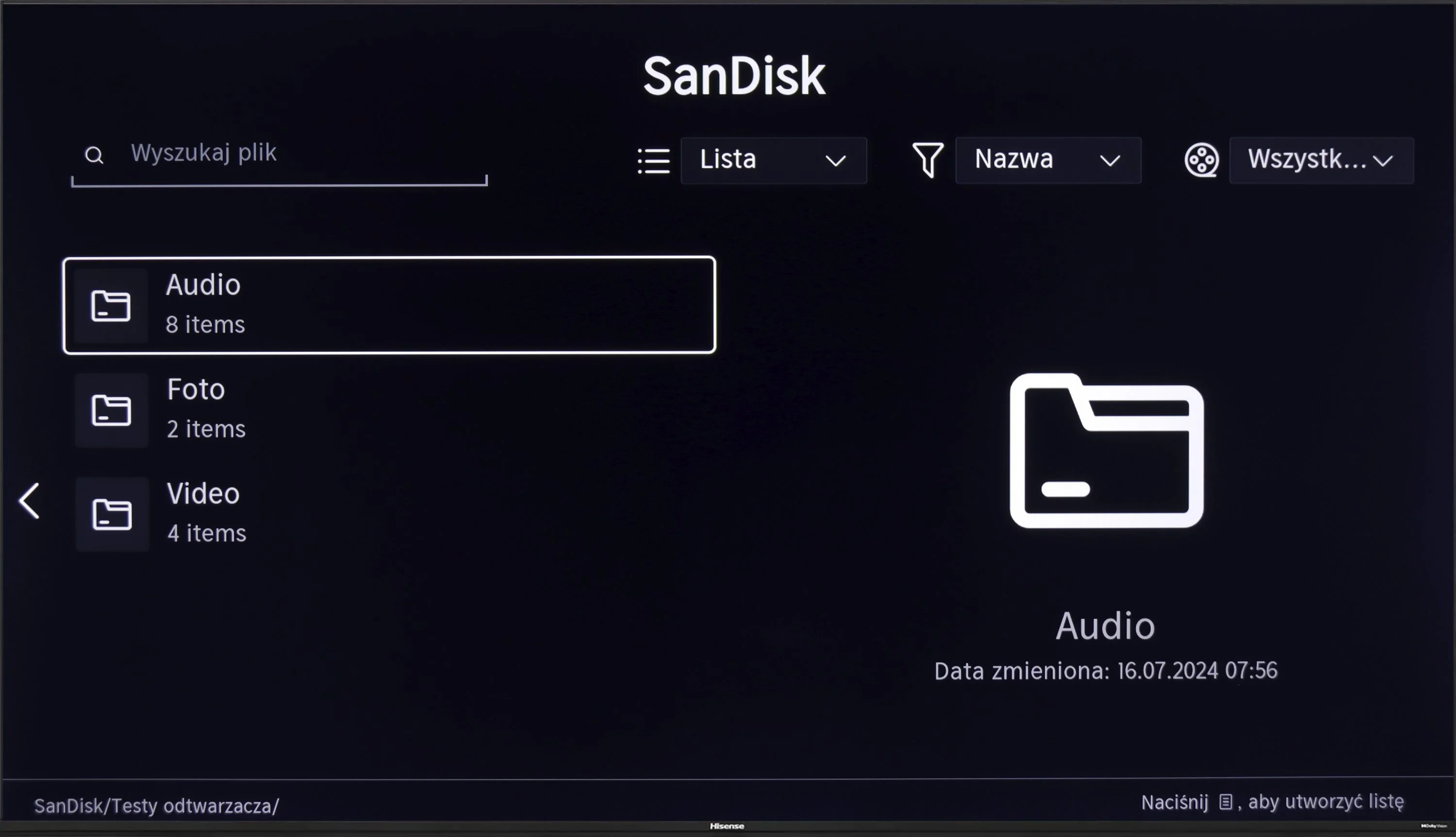
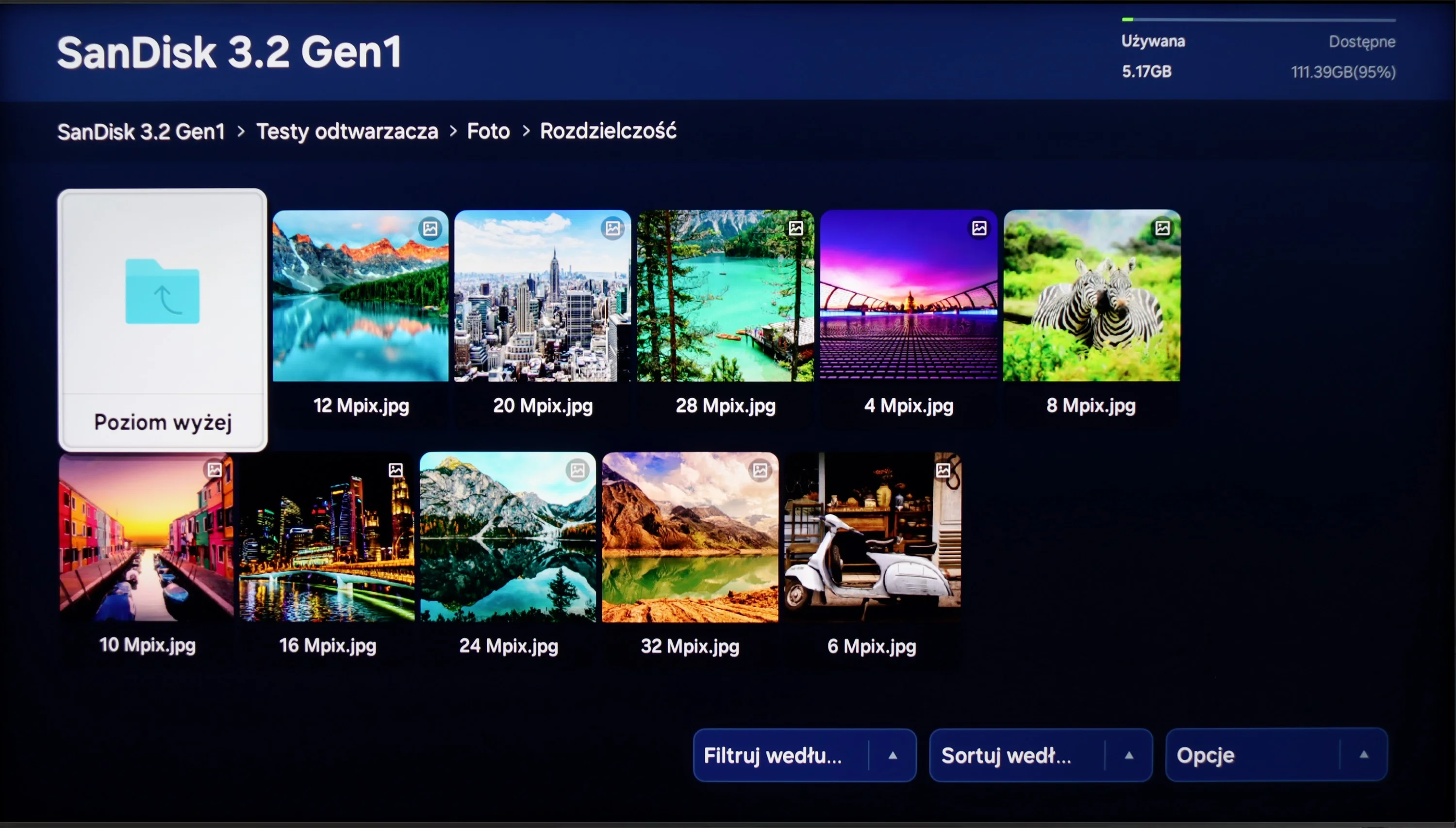
Unfortunately, the lack of support for Polish characters is a major disappointment. It poses a significant problem when playing back material with Polish subtitles. This limitation greatly affects the viewing experience of films from local media.
The built-in player in the Samsung QN95D television is undoubtedly one of its stronger points. It handles almost all video and audio file formats that we tested exceptionally well. The exception is the lack of support for Dolby Vision, which aligns with Samsung's policy, and less popular codecs. A significant advantage is the support for Polish characters in subtitles and the ability to customise font colours, which greatly improves the comfort of watching content with subtitles. A downside may be the limited support for photo formats – the television mainly supports JPEG, and there is a lack of support for more advanced formats such as PNG or Apple HEIC.
Sound
5.5/10
7/10
- Maximum volume--
- Dolby Digital Plus 7.1
- Dolby True HD 7.1
- Dolby Atmos in Dolby Digital Plus (JOC)
- Dolby Atmos in Dolby True HD
- DTS:X in DTS-HD MA
- DTS-HD Master Audio
The sound in Hisense A6N can be described as rather flat and average, typical of budget televisions. However, when connected to an external audio system, users will not be disappointed, since the TV supports most popular audio formats, including DTS and Dolby, allowing for a significantly improved listening experience.
The sound in Samsung QN95D is at a very good level thanks to the 4.2.2 system with a power of 70W. It provides clear, crisp audio, and the bass is well-balanced, which works well both for watching films and gaming. The support for Dolby Atmos adds a spatial effect, allowing for a fuller audio experience. However, there is a lack of support for DTS, which is a typical feature for Samsung TVs, but it may be a downside for those attached to that format. Overall, the sound performs very well and should meet the needs of most users.
Reader comments
Comments are provided by the external service Disqus (Zeta Global). Once loaded, Disqus may set cookies and process data about your activity.
We will remember your choice on this device. Provider's privacy policy