 Direct comparison
Haier M95E is on paper a television that looks like the dream come true for any "bargain hunter". When we look at the specifications – a Mini LED panel with hundreds of zones, a powerful brightness exceeding 1500 nits, a QLED 144Hz matrix, phenomenally low input lag, and sound branded by Harman Kardon – everything screams "flagship!". We are dealing with equipment that theoretically should challenge the most expensive players on the market. Unfortunately, if you read our review carefully, you will need to pay close attention, as there is one word that recurs almost in every paragraph: "but...". And it is this word that perfectly summarises this model. M95E is a television of gigantic contradictions and wasted potential, where nearly every advantage is brutally countered by a fundamental software flaw. So we have hundreds of dimming zones, but the algorithms controlling them create a distracting disco on the screen. We have phenomenal HDR brightness, but the television completely fails to manage tone mapping and burns out details. We have an ultra-fast, smooth 144Hz panel, but motion smoothing systems for films practically do not exist. We have a great package for gamers, but without HGiG and with problems displaying fonts. Finally, we have fantastic sound, but wrapped in a clunky and annoying Smart TV system. This is why the Haier M95E is such a frustrating device. It is a story of fantastic hardware that lacked the final, most important polish – refined software.
- Matching (Score) |
- Our verdict |
- TV appearance |
- Where to buy |
- Contrast and black detail |
- HDR effect quality |
- Factory color reproduction |
- Color reproduction after calibration |
- Smoothness of tonal transitions |
- Image scaling and smoothness of tonal transitions |
- Blur and motion smoothness |
- Console compatibility and gaming features |
- Input lag |
- Compatibility with PC |
- Viewing angles |
- Daytime performance |
- Panel details |
- TV features |
- Apps |
- Playing files from USB |
- Sound
M95 / M95EUX
P7L / P79L

Available screen sizes: 65”
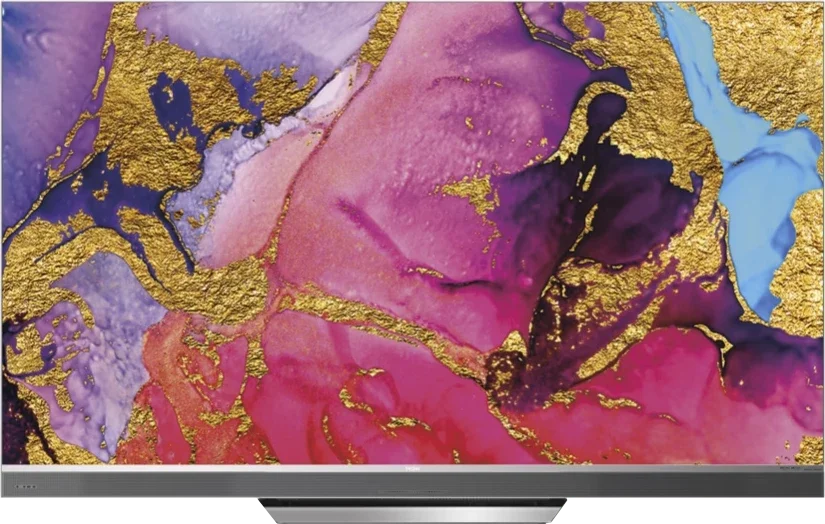
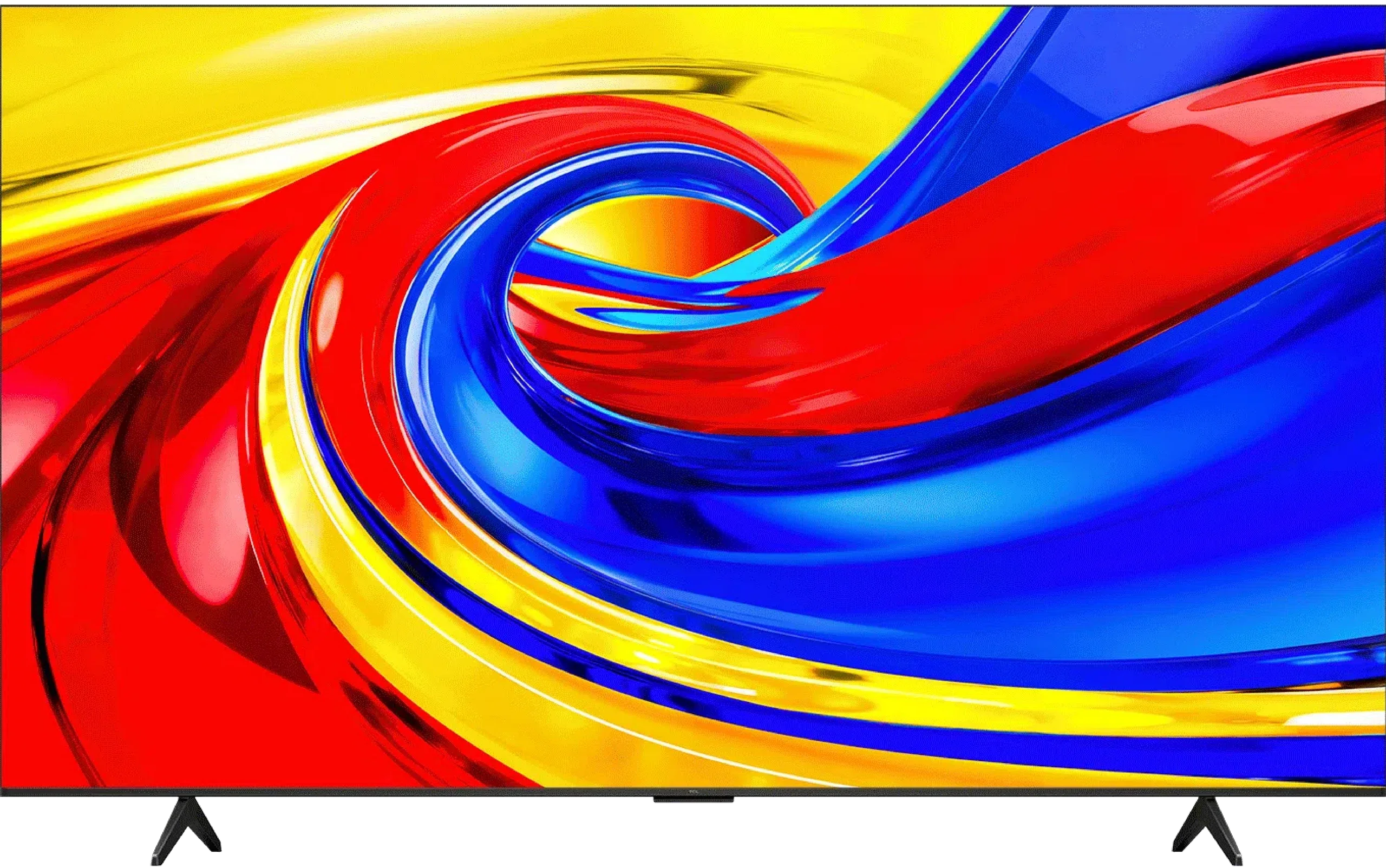
Panel type: LCD VA
Resolution: 3840x2160
System: Google TV
Model year: 2025
Complete the survey to find out the result
Panel type: LCD VA
Resolution: 3840x2160
System: Google TV
Model year: 2026
Complete the survey to find out the result
Overall rating
7.3
6.3
 Movies and series in UHD quality
6.9
5.8
 Classic TV, YouTube
6.1
6.0
 Sports broadcasts (TV and apps)
5.6
5.7
 Gaming on console
8.0
7.3
 TV as a computer monitor
6.6
5.8
 Watching in bright light
8.5
5.2
 Utility functions
6.3
7.0
 Apps
9.6
9.6
 Sound quality
9.2
6.2
Complete the survey to find out what fits your preferences
Advantages

Phenomenal sound: Built-in audio system from Harman Kardon
Very high brightness: up to 1700 nits
Good panel for gaming and sport: 144Hz, low motion blur
Low input lag: below 10 ms (at 120Hz)
Full gaming package: Two HDMI 2.1 ports, support for 4K@144Hz, VRR (G-Sync) and ALLM provide a solid foundation for consoles and PC
Great tonal fluidity: The television handles gradients and colour transitions excellently
Wide colour gamut (QLED): 96% DCI-P3 coverage ensures vivid and saturated colours
Support for Dolby Vision and HDR10+
Good contrast thanks to the VA panel
Rich colours: QLED (PFS)
Supports Dolby Vision and HDR10+
Supports audio formats Dolby Atmos and DTS:X
Extensive gaming features: VRR and ALLM
Low input lag
120 Hz support at lower resolutions
Google TV with a wide selection of apps
Disadvantages

Very underdeveloped dimming algorithms are the biggest disadvantage. The Mini LED zones "dance" on the screen.
Clunky Google TV system: The entire interface operates slowly, has annoying stutters, and encounters errors.
Non-functioning motion smoother in films.
Average performance with PC: At 120Hz and 144Hz, the television struggles with sharp font display.
Very high price considering the current state of the product.
Low brightness
Poor viewing angles
Average sound quality
Our verdict
TCL P7L is a successful budget television that shows you can get more than just a screen for basic viewing for a modest sum. It does not match pricier Mini LED or OLED models, but in its class it has a lot to offer. The VA panel delivers decent blacks and contrast, so during an evening session the picture does not look as flat as on many cheap IPS models. After calibration the colours are also good. For watching films and series it is a solid base, and Google TV provides access to a wide range of apps and streaming services. The biggest surprise is its gaming capabilities. The P7L responds quickly to controller input, supports VRR and switches automatically to game mode. There is even Dolby Vision Gaming and a Game Bar with settings at your fingertips. What is more, reducing the resolution to 1080p or 1440p allows you to play at 120 Hz. In 4K you are limited to 60 Hz, so you must choose between greater detail and smoother motion, but it is good that at this price you have that choice. TCL also handles lower-quality sources well. Lower-resolution material looks acceptable, and the tonal transition smoothing actually helps reduce visible banding between shades. The way it presents HDR is also commendable. The TV sensibly adapts content to its capabilities and tries to preserve highlight detail instead of turning it into blown-out whites. Dolby Vision helps here too, often delivering noticeably better results than HDR10. That does not mean the HDR effect itself is awe-inspiring. The biggest limitation of the P7L is brightness. Small highlights and reflections do not have the punch you see on more expensive screens, even if their detail remains visible. For the same reason the TV is less well suited to a very sunlit living room. It performs much better in a moderately lit room. So the P7L has its limitations, but it is hard to deny its strong value for money. It is suitable for everyday viewing, does not restrict you in app choice and offers surprising freedom in games. If you are looking for an inexpensive television and can accept its flaws, the TCL P7L is a model worth considering.
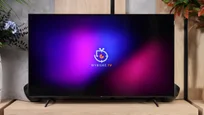
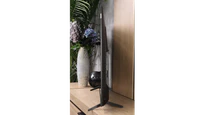
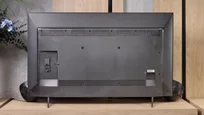
TV appearance



Contrast and black detail
6.8/10
6.1/10
Local dimming function: Yes, number of zones: 576 (24 x 24)
Local dimming function: No
Contrast:


Result
152,100:1

Result
36,400:1

Result
37,800:1

Result
13,850:1

Result
5,350:1
Result
7,550:1
Result
7,350:1
Result
5,150:1
Result
6,600:1
Result
4,250:1
Halo effect and black detail visibility:
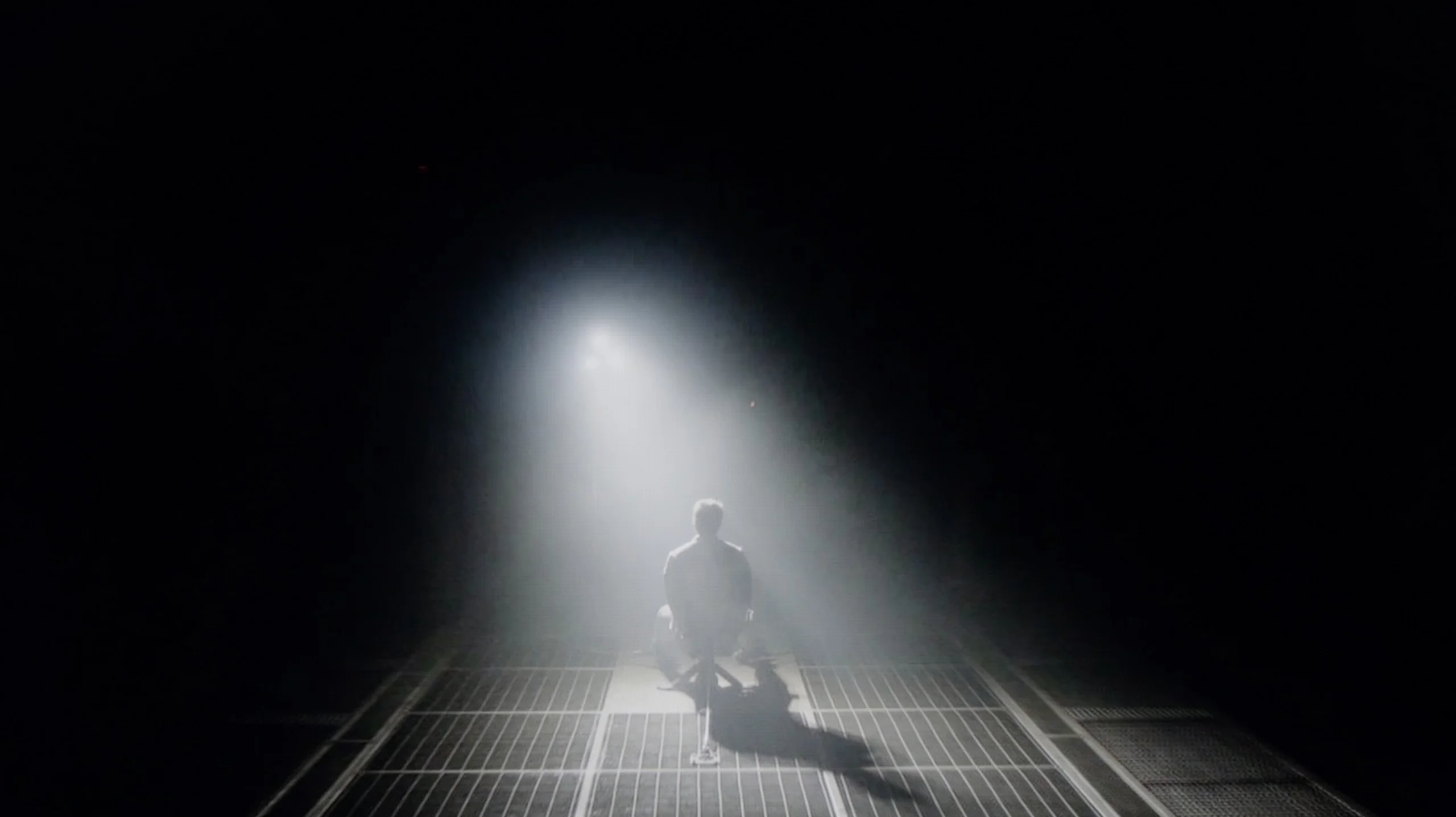
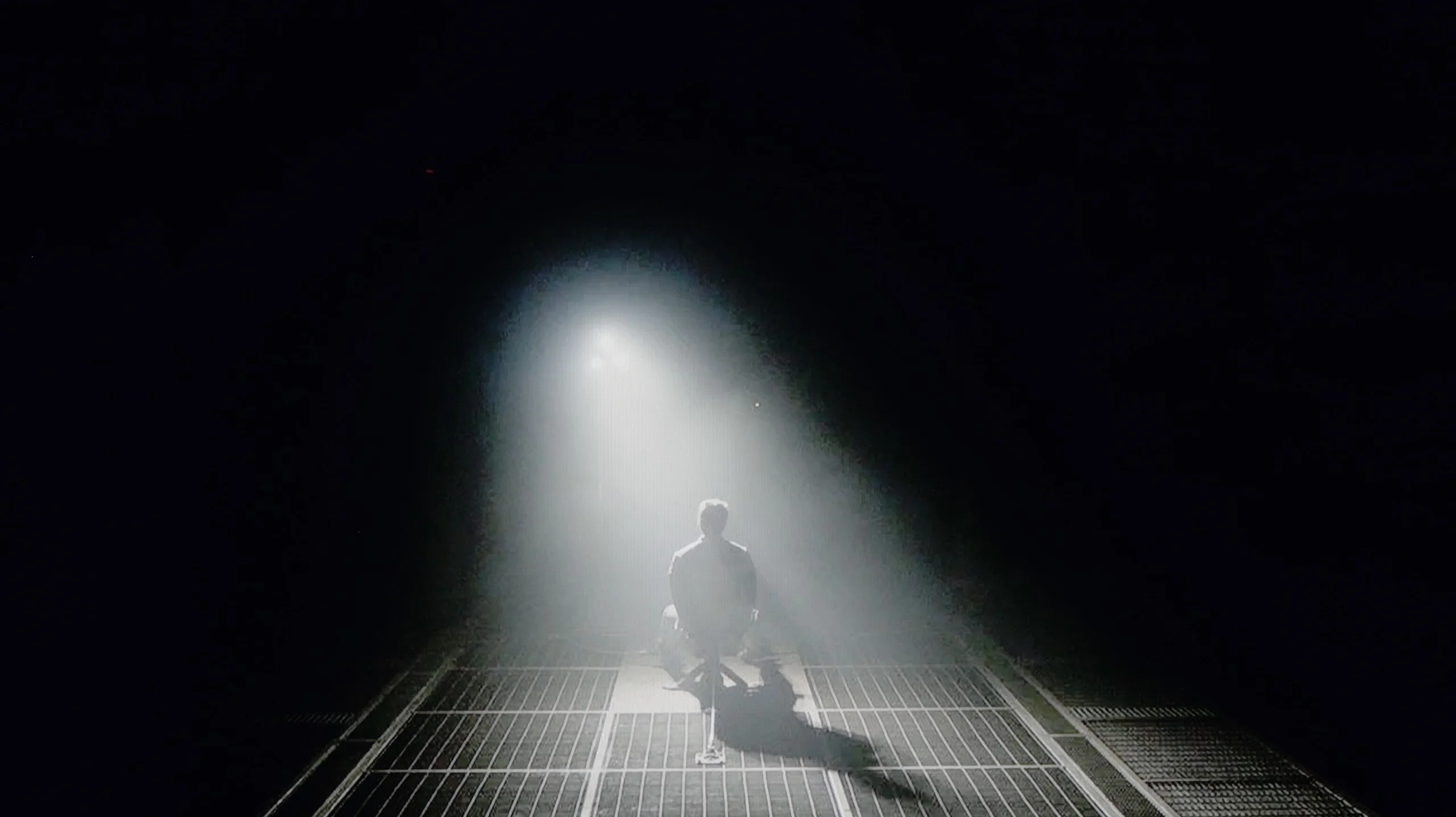
Check the visibility of bright lights on a dark background. Mini-LEDs often struggle with this. The photo does not compare black levels – that’s what the video below is for.
Getting to the heart of the matter, namely the assessment of black levels and contrast, we must begin with specifications that evoke genuine admiration on paper. The Haier M95E is a Mini LED construction, equipped in its 65-inch version with an impressive grid of 576 independent dimming zones (a symmetrical layout of 24x24). When we combine this technology with a VA panel, renowned for its native deep blacks, our expectations for image depth instantly rise. And indeed, as long as we feed the television with static test patterns, everything looks phenomenal. The contrast measurements are so remarkable that the M95E almost throws down the gauntlet to the most expensive players in the market. Unfortunately, this admiration lasts only until we switch on the first random piece of film material.
As soon as motion appears on screen – and we’re not even talking about wild chases, but rather ordinary dialogue or a camera transition – a fundamental weakness of the rudimentary backlight control algorithms comes to light. If you remember our tests of the Xiaomi S MINI-LED 2025 model, the story dangerously circles back. The dimming zones seem to have a life of their own, throwing a kind of "light disco". Chaotic flashes and visible backlight pumping are unfortunately very distracting and spoil the viewing experience, creating a huge HALO effect. Importantly, we conducted tests on the "High" dimming setting. It turns out that in our unit, this was the only mode in which the zones could undertake any meaningful work in HDR content, without causing a drastic drop in overall brightness. All of this leads to one conclusion: the M95E has enormous, yet completely untapped hardware potential. Clearly, there has been a lack of hours spent refining the software, which forced us to lower the score in this key category.
The TCL P7L can surprise with quite respectable black levels, mainly thanks to its VA panel. The panel itself offers contrast of around 4500:1, which is clearly better than in typical IPS screens. The TV also uses global backlight control, so in darker scenes it can push black levels even lower, and in our measurements it achieved results that exceeded the panel's own capabilities.
However, this is not the local dimming found on Mini LED TVs. The P7L cannot dim small parts of the image independently, so when a bright element appears on screen the entire backlight has to operate at a similar level. In more demanding scenes the difference compared with models that use zoned dimming becomes apparent quite quickly, and in a completely dark room blacks can tend towards navy tones. Despite these limitations, we assess the P7L's overall contrast positively, especially given the segment it occupies.
HDR effect quality
6.8/10
4.5/10
Luminance measurements in HDR:

Result
1147 nit

Result
629 nit

Result
1025 nit

Result
682 nit

Result
881 nit
Result
250 nit
Result
300 nit
Result
368 nit
Result
297 nit
Result
347 nit
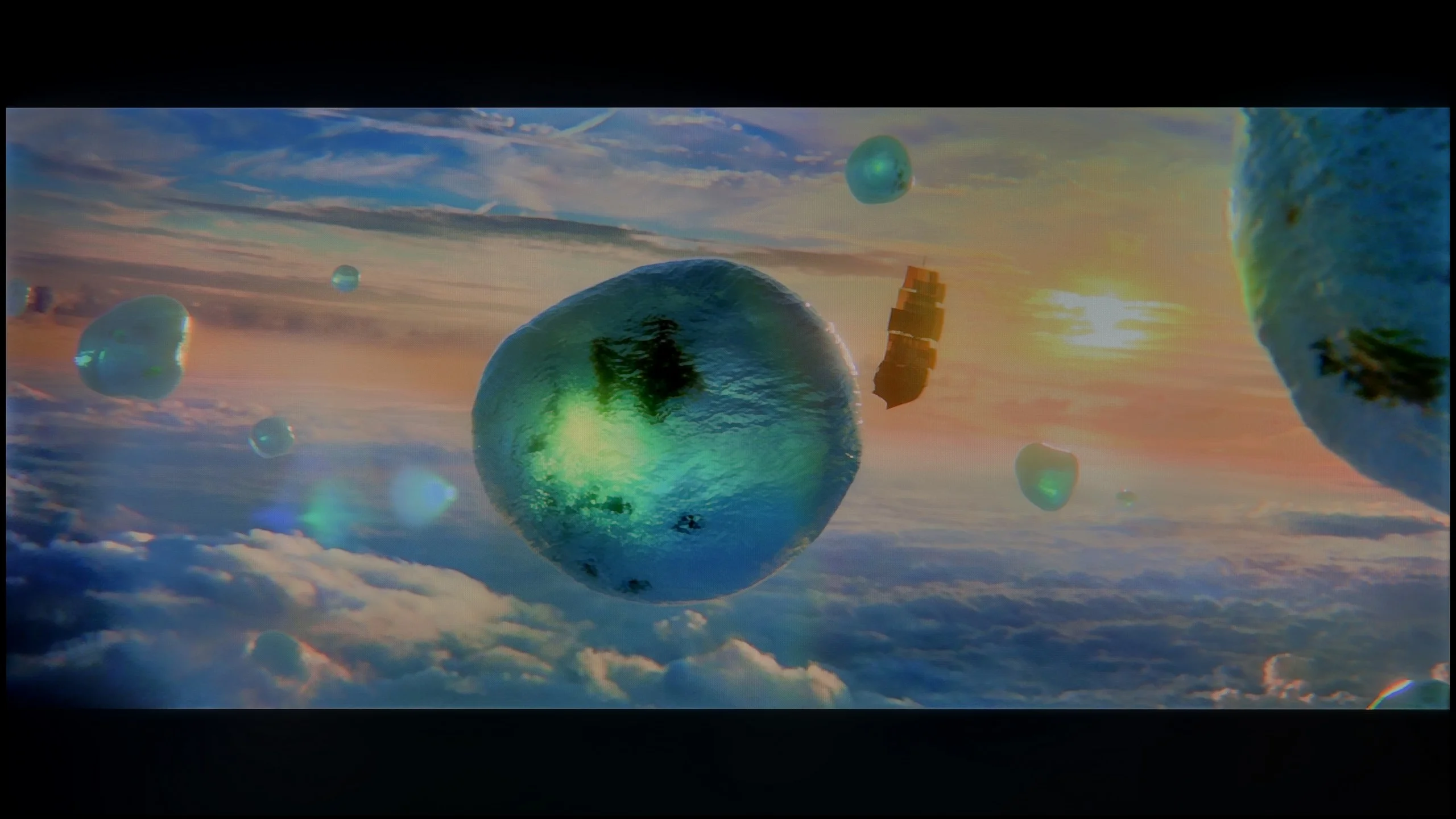
Scene from the movie “Pan” (about 2800 nits)

Scene from the movie “Billy Lynn” (about 1100 nits)
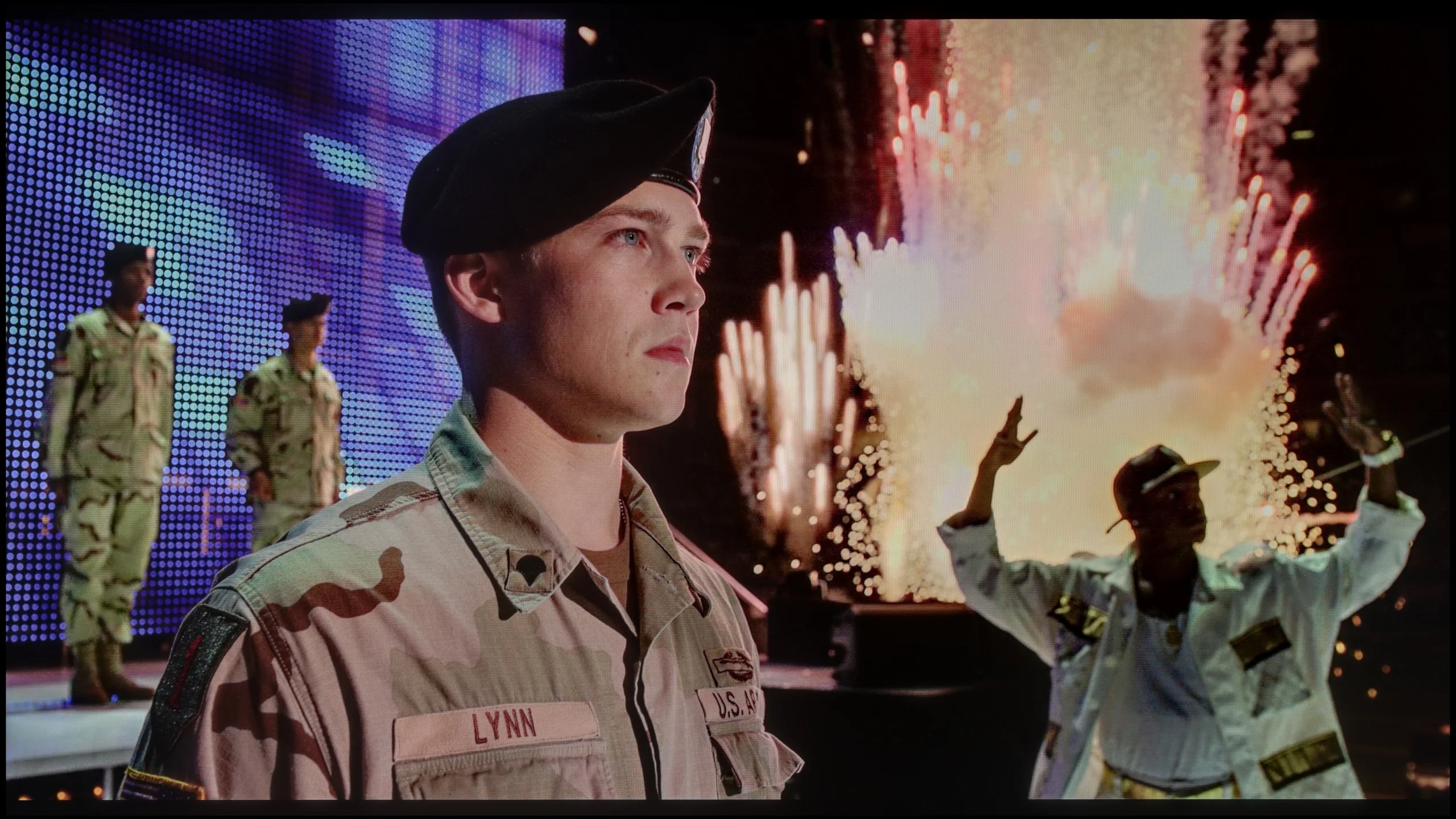
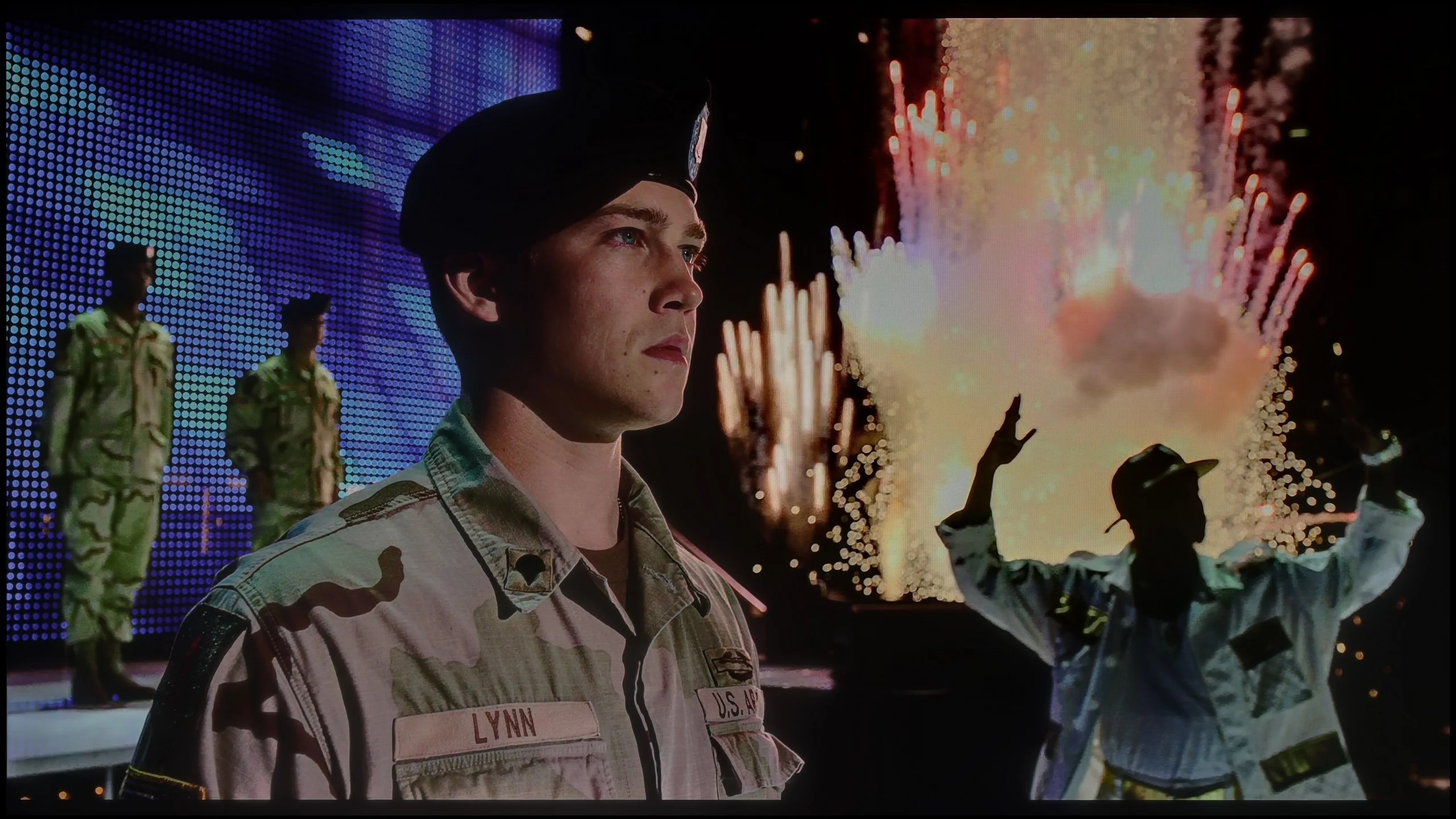
The photos show two HDR10 movies. 'Pan' is one of the brightest productions ever made, while 'Billy Lynn' (soldier) has brightness typical of streaming (Netflix, Prime, HBO MAX). Notice the intensity of effects and detail in whites.
Static HDR10
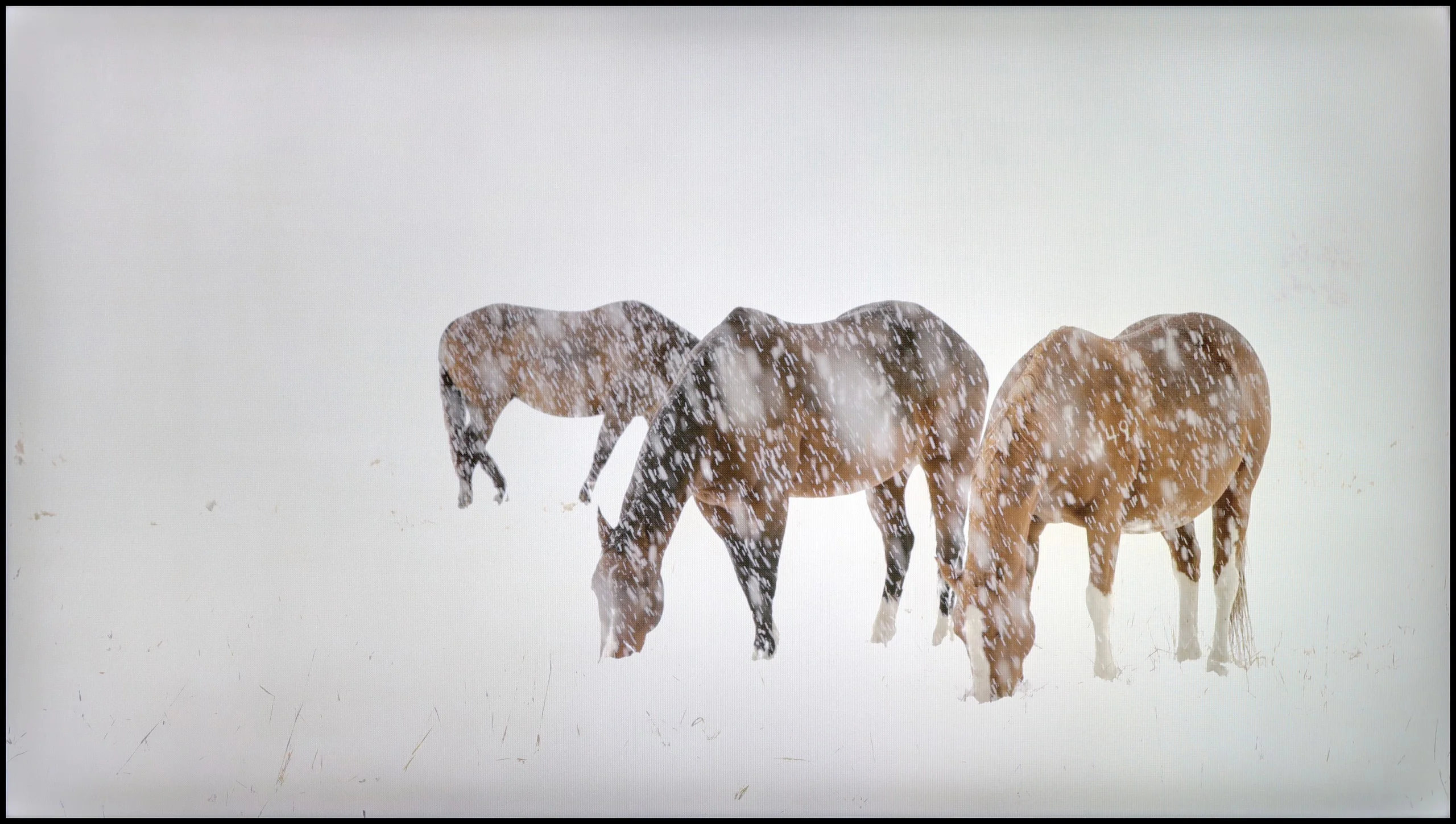

The photos present the visibility of white details in various HDR formats. They do not show brightness differences between TVs (these can be compared in the previous gallery).
Dynamic: Dolby Vision
Dynamic: Dolby Vision


The photos present the visibility of white details in various HDR formats. They do not show brightness differences between TVs (these can be compared in the previous gallery).
HDR luminance chart:
TCL P7L / P79L
Haier M95E
If there is one category in which the Haier M95E absolutely shines, it is the HDR effect, driven by the raw power of the backlighting. This television cannot be denied the fact that it is a truly bright device. In both most film scenes and during our synthetic measurements, the panel easily achieved, and often even exceeded, the threshold of 1200-1500 nits. This has a direct impact on the viewing experience – the image has a punch and genuinely allows one to feel the magic of materials recorded in this format. However, one must be aware of a certain compromise. When exceptionally demanding scenes appear on the screen, full of small but intense points of light, the M95E does not lose its resonance or dim, but pays a different price for it. A very strong and noticeably distracting halo effect is generated around these bright elements. It is clear here that the algorithms controlling the dimming have been programmed to prioritise brightness and the visibility of the smallest details, even if this comes at the expense of pristine blacks. We are not entirely convinced that this is the healthiest approach; nonetheless, it must be acknowledged that the overall capabilities of the M95E in this regard are indeed significant. A huge advantage is the fact that we are dealing with a Mini LED QLED type construction. The use of a layer of quantum dots brings measurable benefits in the form of wide coverage of the colour palette, which in our tests reached nearly 96% of the DCI-P3 space. This guarantees that the television has full predispositions for displaying vibrant and properly saturated colours.
The biggest limitation of the TCL P7L in HDR is simply brightness. The TV does not have much luminance headroom, so strong highlights, the sun or small light sources can't clearly 'pop' out of the picture. As a result, even well-produced HDR material looks fairly restrained and, in terms of dynamics, is closer to good SDR than to what brighter models show. That does not mean the P7L completely fails at HDR. The issue is primarily a lack of backlight power.
Looking at colours, the situation is a little better. The TV covers around 91% of the DCI-P3 gamut and about 68% of the wide BT.2020 colour space, so for this price class the colour range is quite respectable. TCL markets this model as QLED, although the nature of the solution used is closer to backlighting that uses a PFS phosphor than to a classic quantum-dot layer. What matters most to the viewer, however, is the effect: more saturated colours are on offer.
Factory color reproduction
4.6/10
5.4/10
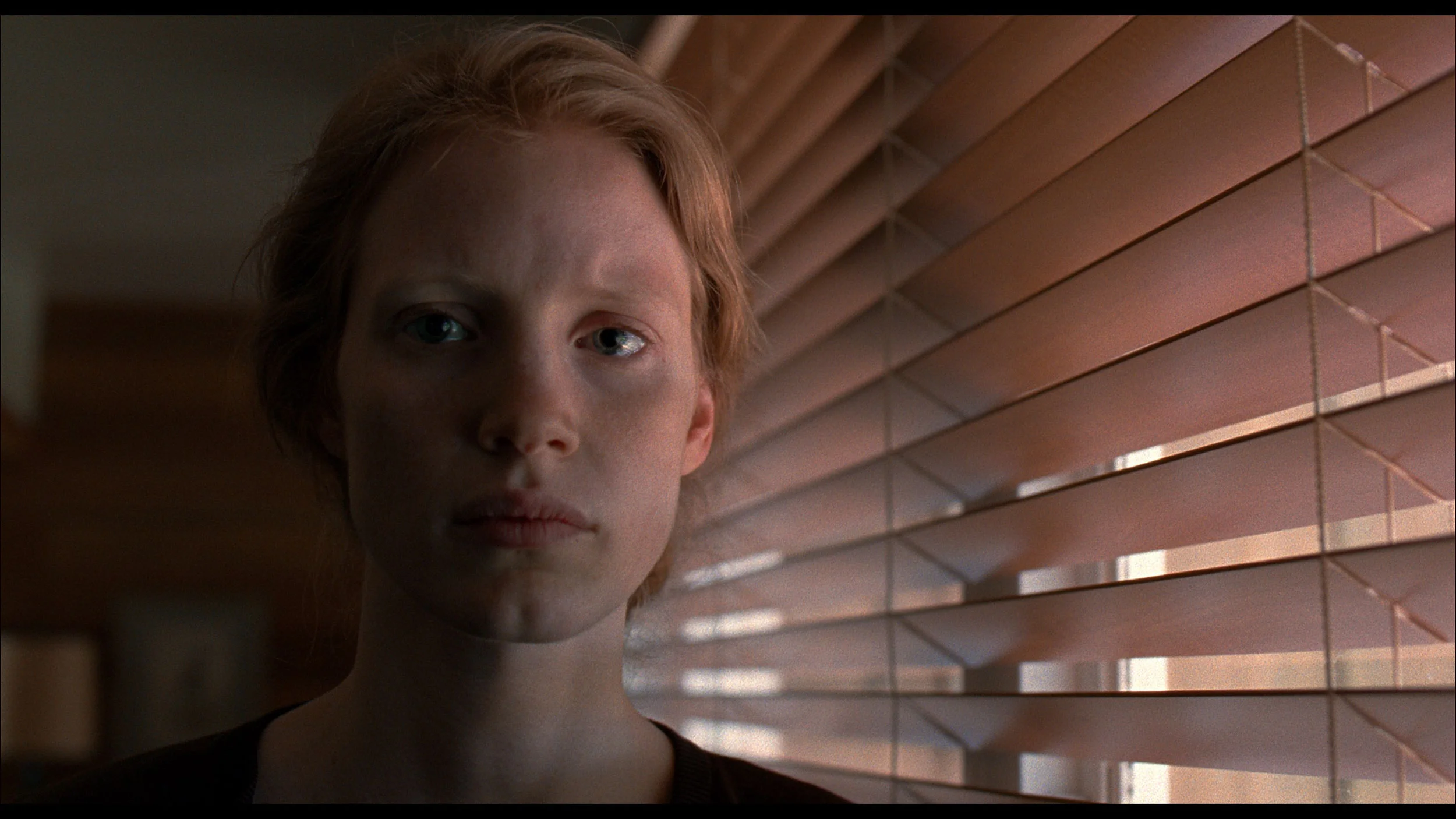
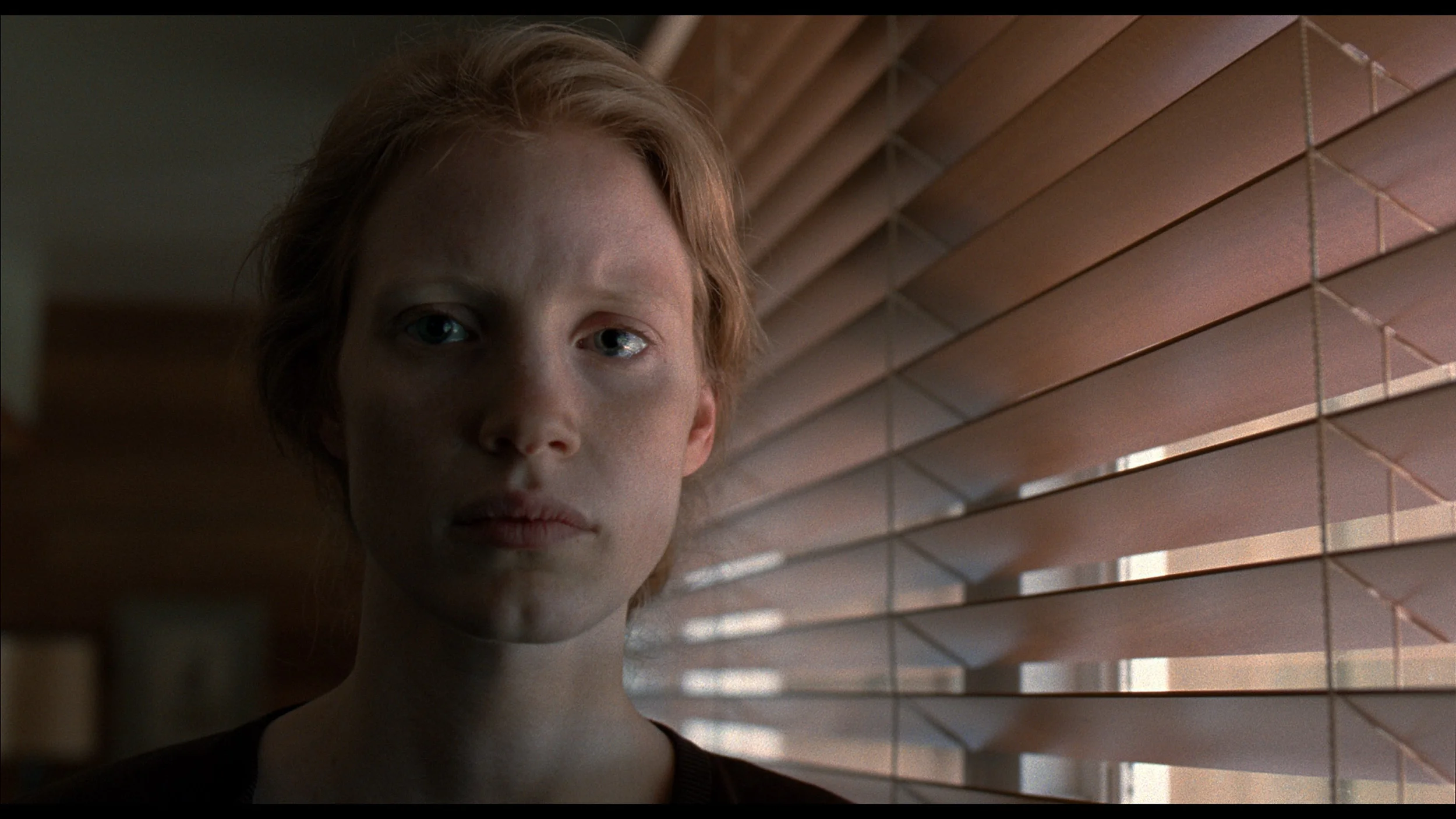
This gallery shows how colors change after professional TV calibration. If you notice the difference, we recommend ordering this service at SkalibrujTV.com.
Factory Mode
After calibration


This gallery shows how colors change after professional TV calibration. If you notice the difference, we recommend ordering this service at SkalibrujTV.com.
Factory Mode
After calibration
Each television is primarily evaluated based on its default cinema mode – in this case, "Movie" – which theoretically should be the "best" and most faithful upon being taken out of the box. Unfortunately, in the case of the Haier M95E, the word "best" is certainly not synonymous with the word "good." Already during SDR viewing, the picture revealed evident problems: white balance skewed too much to red, and excessive, unnatural colour saturation led to visible colour deviations. What’s worse, the M95E also struggles with brightness management (gamma curve), excessively darkening the entire scene. Such behaviour is hard to commend, as it directly leads to details merging into shadows that are irrevocably lost in a black blob.
However, the real disaster occurred after switching to HDR material, while still remaining in "Movie" mode. It’s hard for us to guess who came up with such a fantastic idea – or perhaps it was simply a complete oversight of this stage by Haier's engineers – but instead of cinematic fidelity, the picture began to resemble a garish "Dynamic" mode. The white balance exposed immense problems with the blue colour, which in turn resulted in unnatural sharpening and artificial over-saturation of the entire scene. As if that weren’t enough, the EOTF curve characteristics mercilessly revealed that the television also has fundamental issues with local dimming management in this setting. We have not calibrated many Haier models in our career, but we already know for sure that the M95E definitely needs such calibration.
In Film mode the TCL P7L performs quite respectably without major changes to the settings, particularly with ordinary SDR material. White balance is relatively even, though as brightness increases there is a slight rise in red and blue and a touch too little green. This does not, however, produce a strongly visible tint and most colours remain close to their reference points. The Colour Checker confirms this, with a large portion of errors falling below the level that should be particularly noticeable during normal viewing. We have more reservations about the gamma response. In the darkest parts of the image the TV runs it noticeably above the reference value, so some shadow detail can be a little too subdued. The characteristic then calms down and across much of the range it is close to the intended behaviour. As a result SDR generally looks natural, but in dark scenes the P7L can lose some subtlety.
In HDR the factory calibration is less precise. As brightness increases the excess of blue becomes more pronounced, which can make the image look cooler than it should. The number of larger colour deviations also grows, particularly in brighter hues. As for the EOTF curve itself, it is handled fairly conservatively, with the TV showing the image darker than the reference across much of the range. For such an inexpensive model, the factory Film mode settings are not bad.
Color reproduction after calibration
6/10
7/10
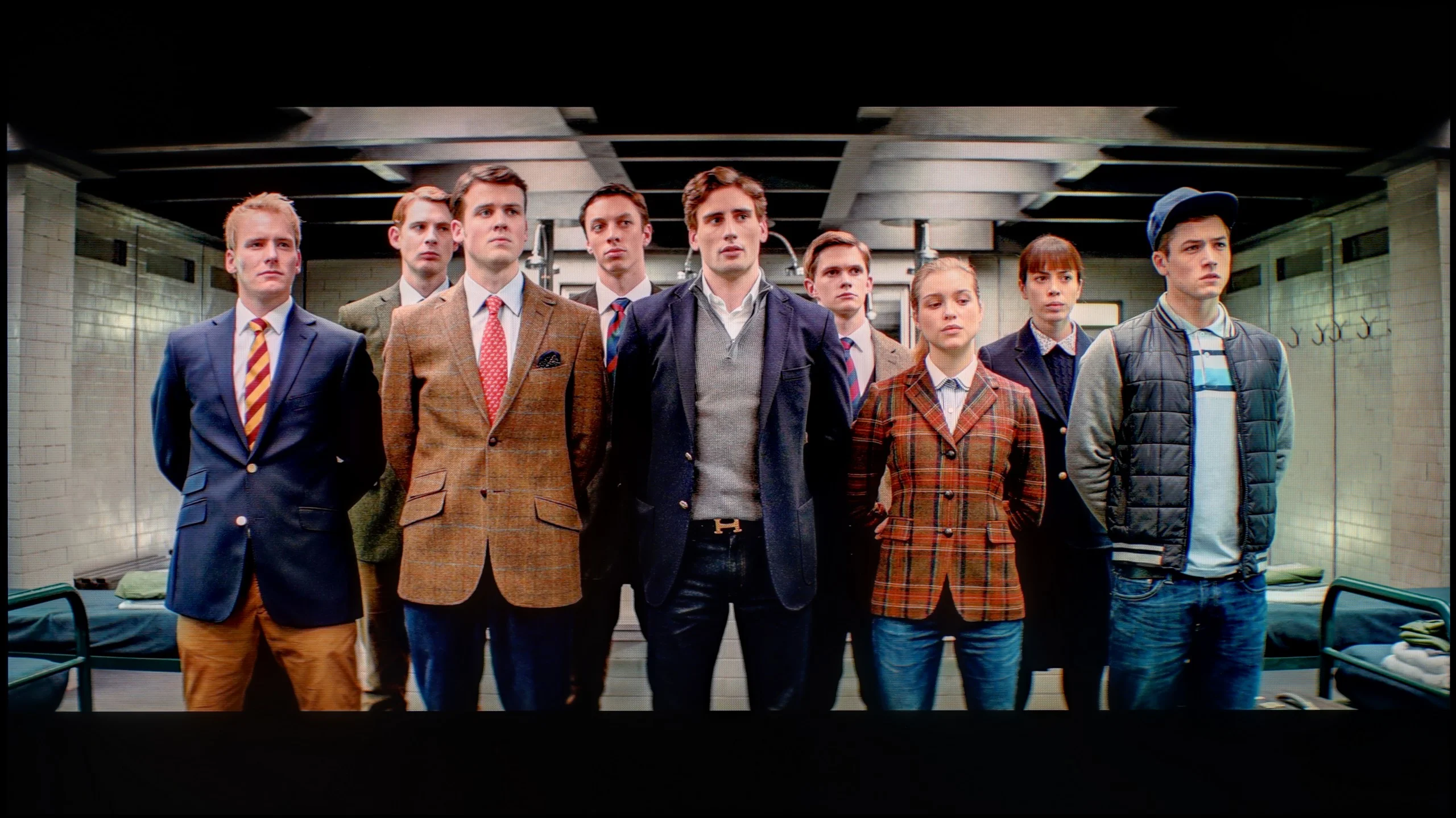
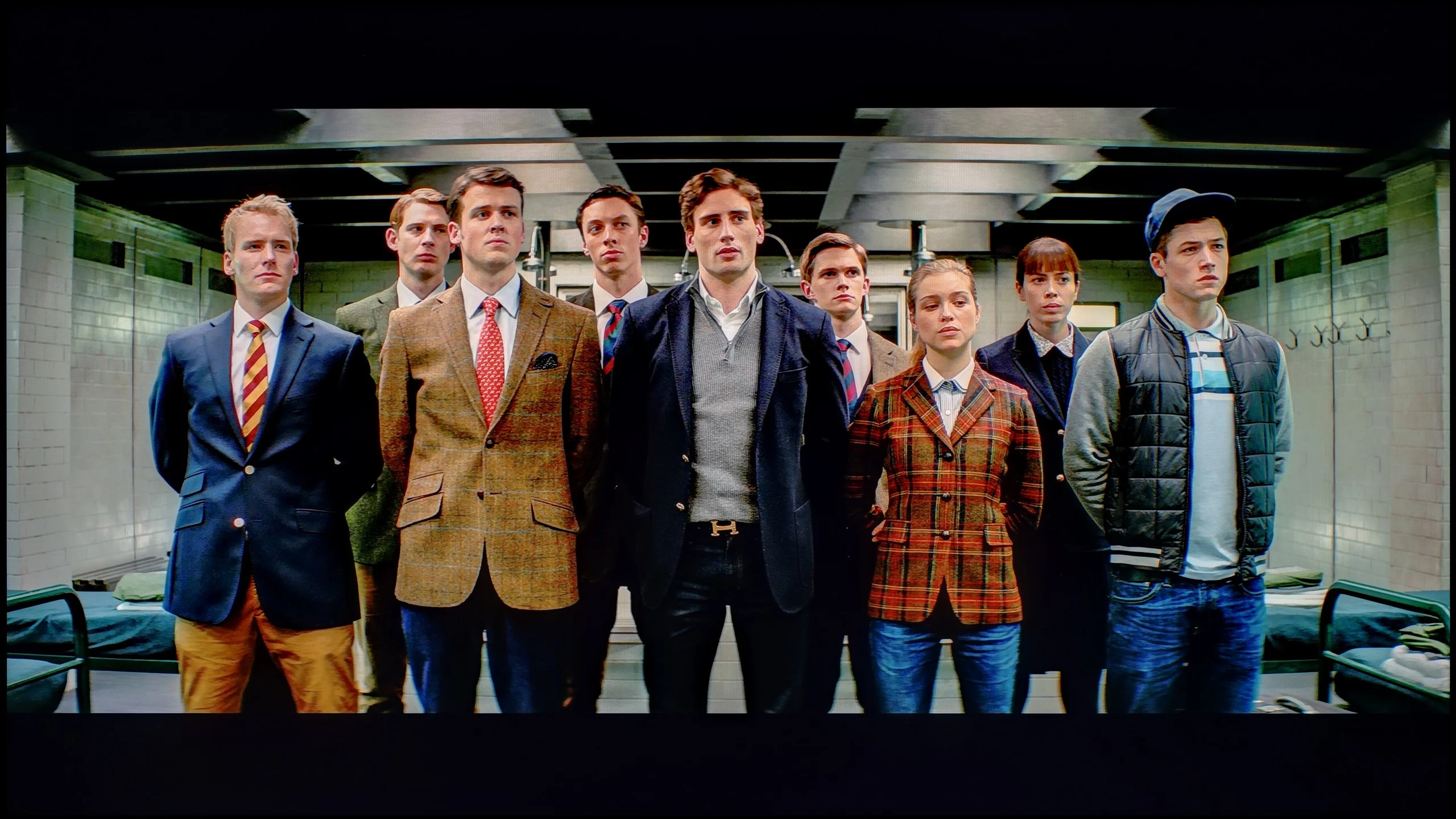
The photos show how movies look on the TV. Pay attention to black detail visibility, colors, and shadow tint.


The photos show how movies look on the TV. Pay attention to black detail visibility, colors, and shadow tint.
The calibration process left us with extremely mixed feelings. On the one hand, we noted considerable success in the area of colour accuracy. By using the available options in the menu, we managed to tame the white balance and bring it down to an acceptable level. As a result, SDR content finally freed itself from the irritating red dominance, and the HDR image no longer resembled a vibrant, shop display mode. We also succeeded in clearly adjusting the entire colour palette and its saturation – perhaps not perfectly, but as much as the software allowed, and the difference was visible to the naked eye.
And unfortunately, this is where our list of improvements essentially ends, as the M95E simply did not allow for more. As we indicated earlier, most settings related to image brightness do not respond to our commands at all. This means that we were unable to grasp its fundamental characteristics in any way – neither the gamma curve nor the EOTF. In practice, the television in SDR content still tends to darken details, as confirmed by the elevated gamma, merging details in the shadows. Meanwhile, the EOTF curve in HDR mode still ruthlessly exposes all the aforementioned problems with chaotic local dimming management. And although the calibration process itself yielded a lot, removing most of the colour issues, in the end, we had to capitulate.
After calibration the TCL P7L can deliver a genuinely pleasant picture, especially with conventional SDR material. We managed to even out the white balance very well, and the gamma curve now tracks close to the target value of 2.4. This is also reflected in the colour measurements: most errors have fallen noticeably, and in everyday viewing it is hard to point to any obvious inaccuracies. Films, series, YouTube and ordinary broadcast TV therefore look more natural, without unnecessary warmth or a cool tint. For a model in this price bracket the SDR performance is really very good.
With HDR the situation becomes more complicated. Calibration helped improve the white balance and tidy up some deviations, but here the panel's limitations become increasingly apparent. The P7L has relatively low brightness and cannot maintain adequate luminance for more saturated colours, so some errors remain even after careful tuning. In other words, settings can improve the way the TV interprets the signal, but they cannot overcome its physical limits. That is why calibration makes most sense for this model primarily in SDR.
Smoothness of tonal transitions
9.4/10
7/10
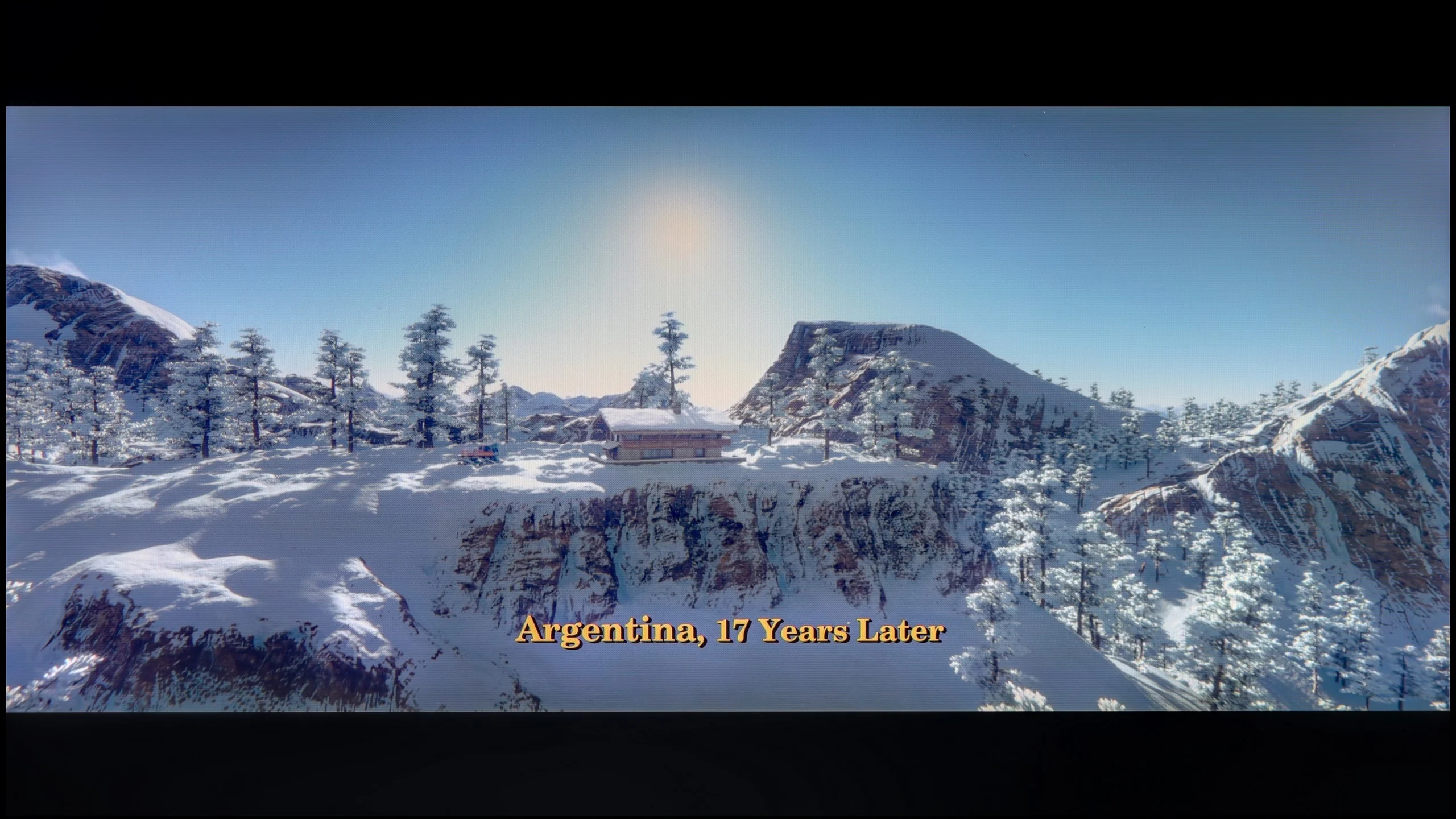
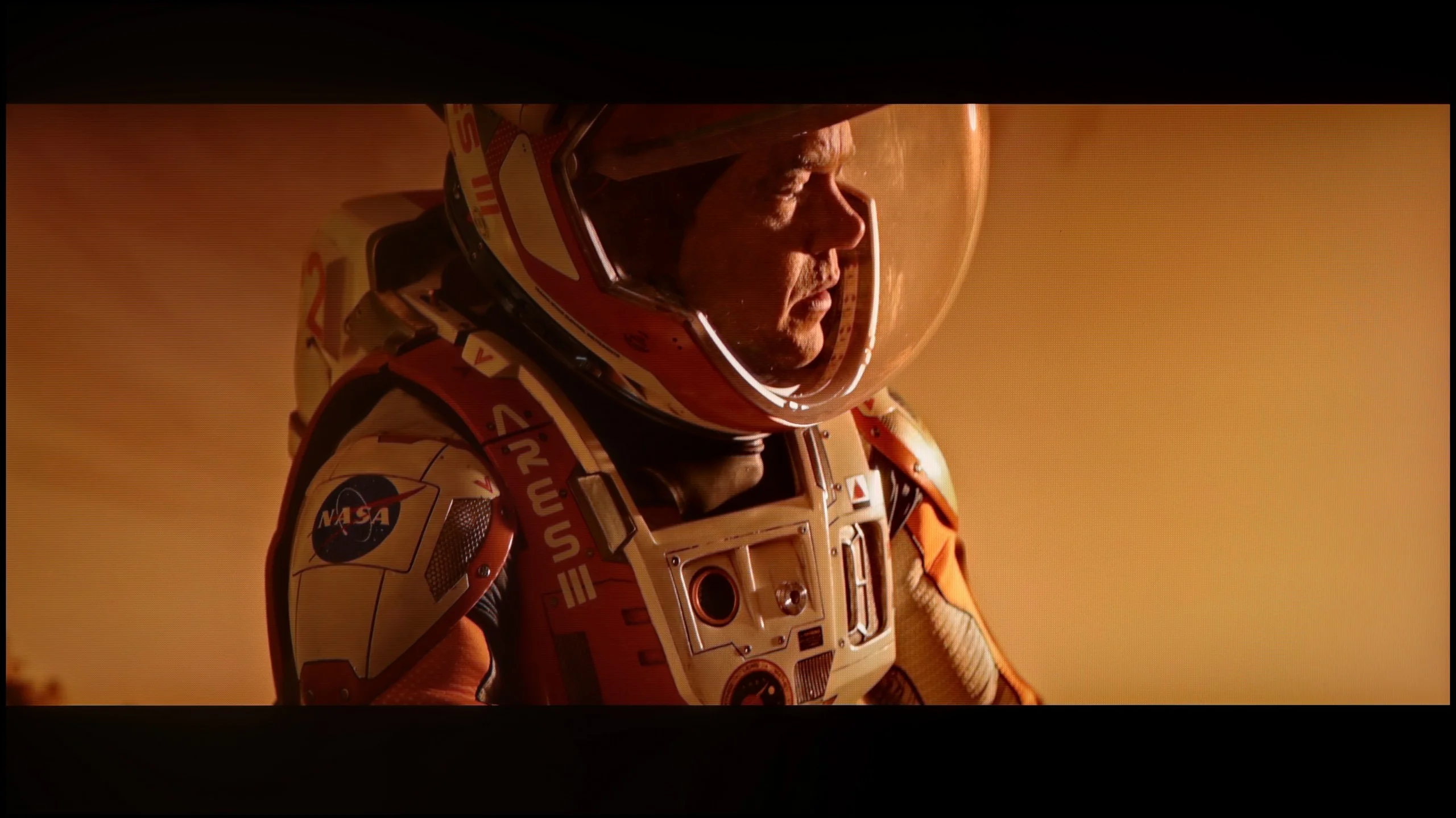
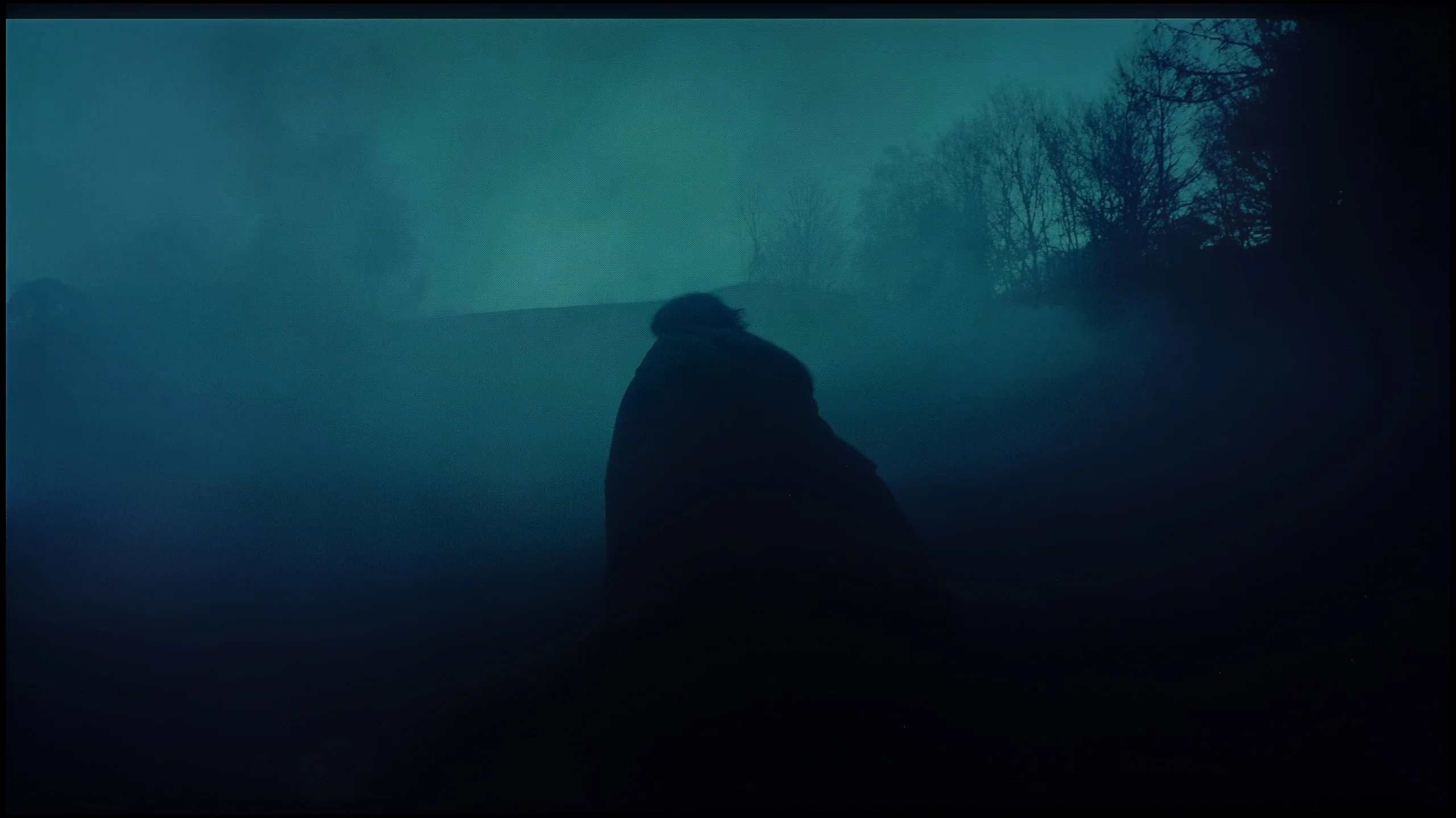
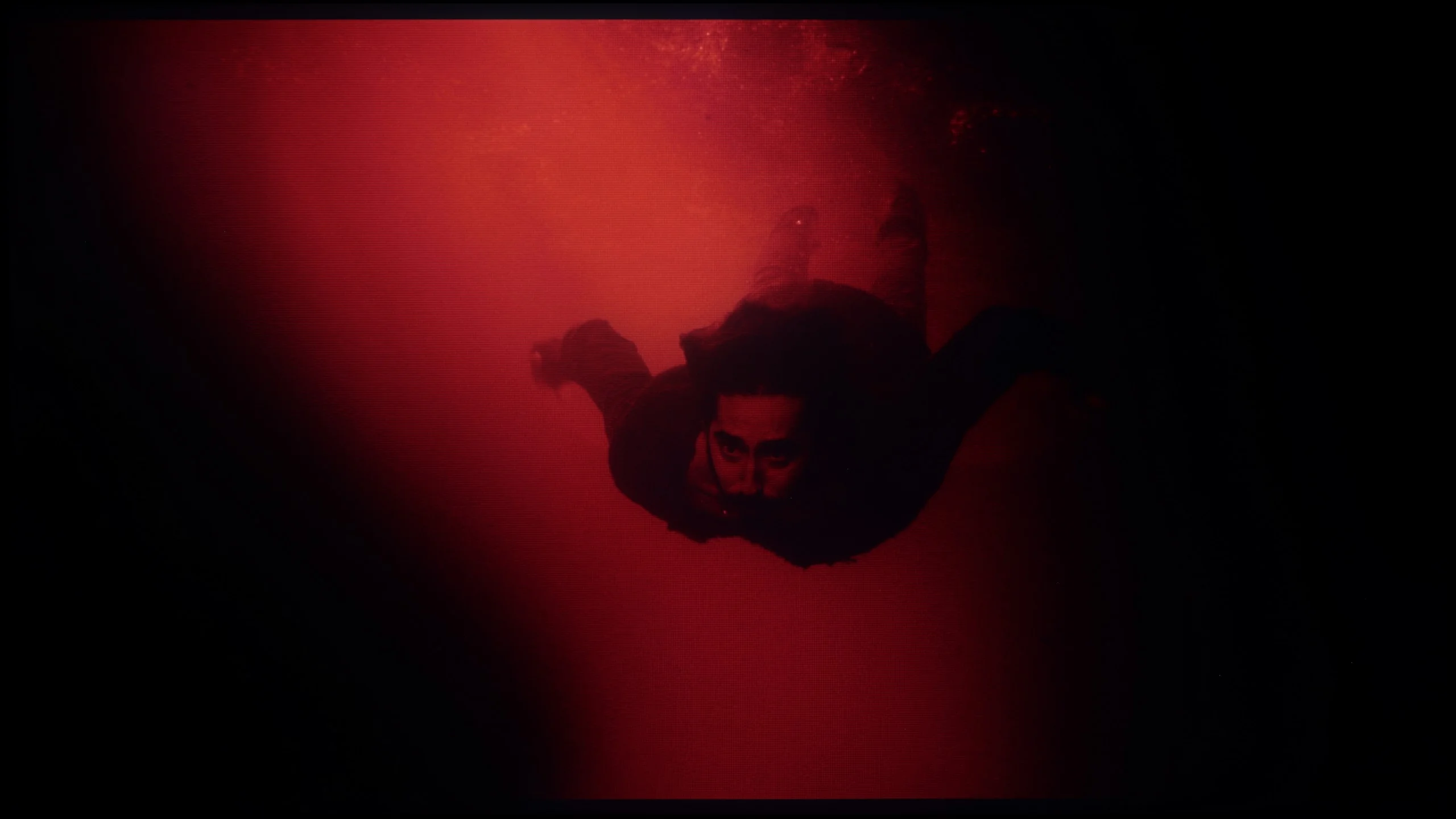
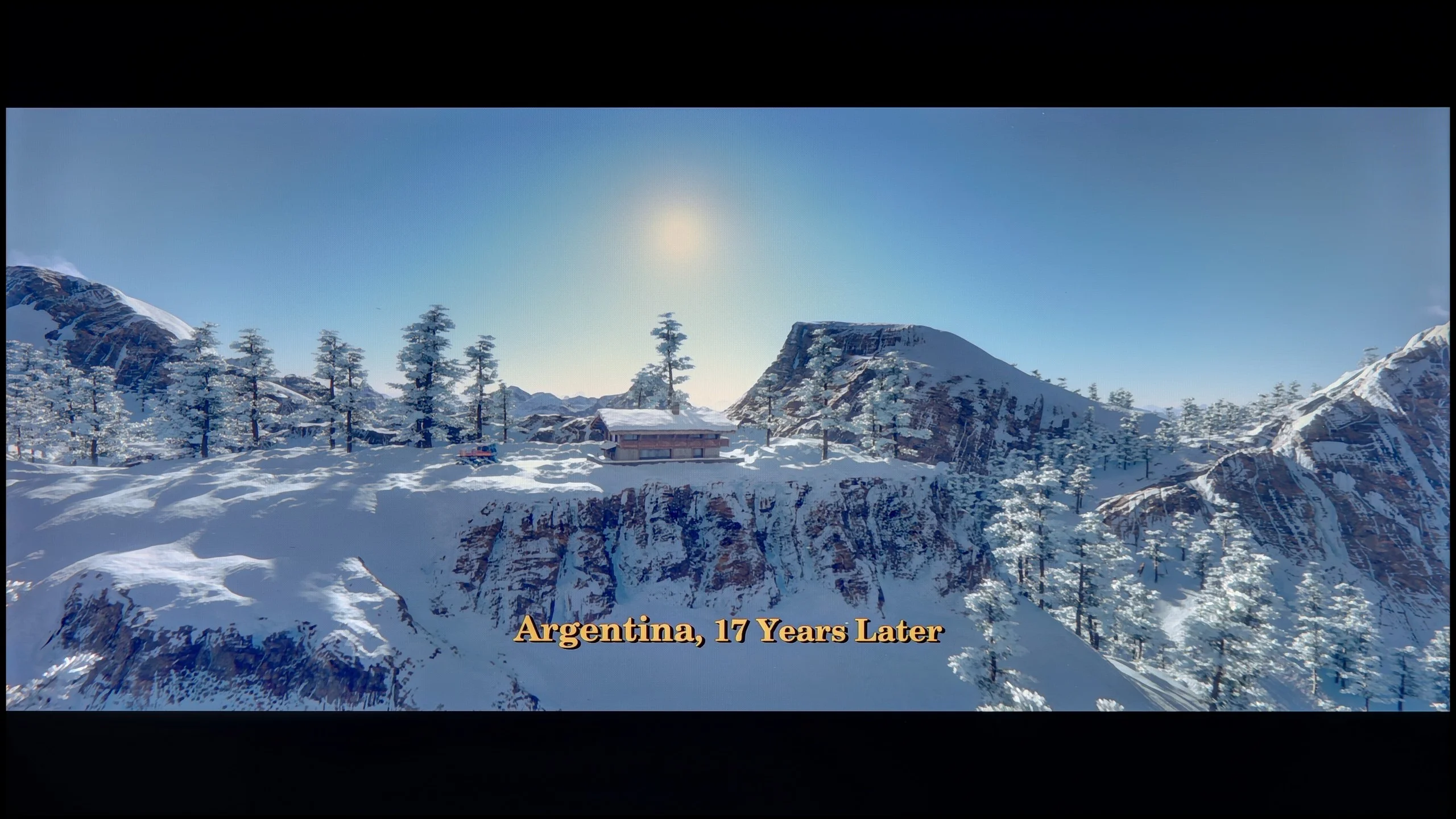
These are selected scenes that show smooth tonal transitions from one color to another. If you see distinct banding, it’s the TV panel’s fault.
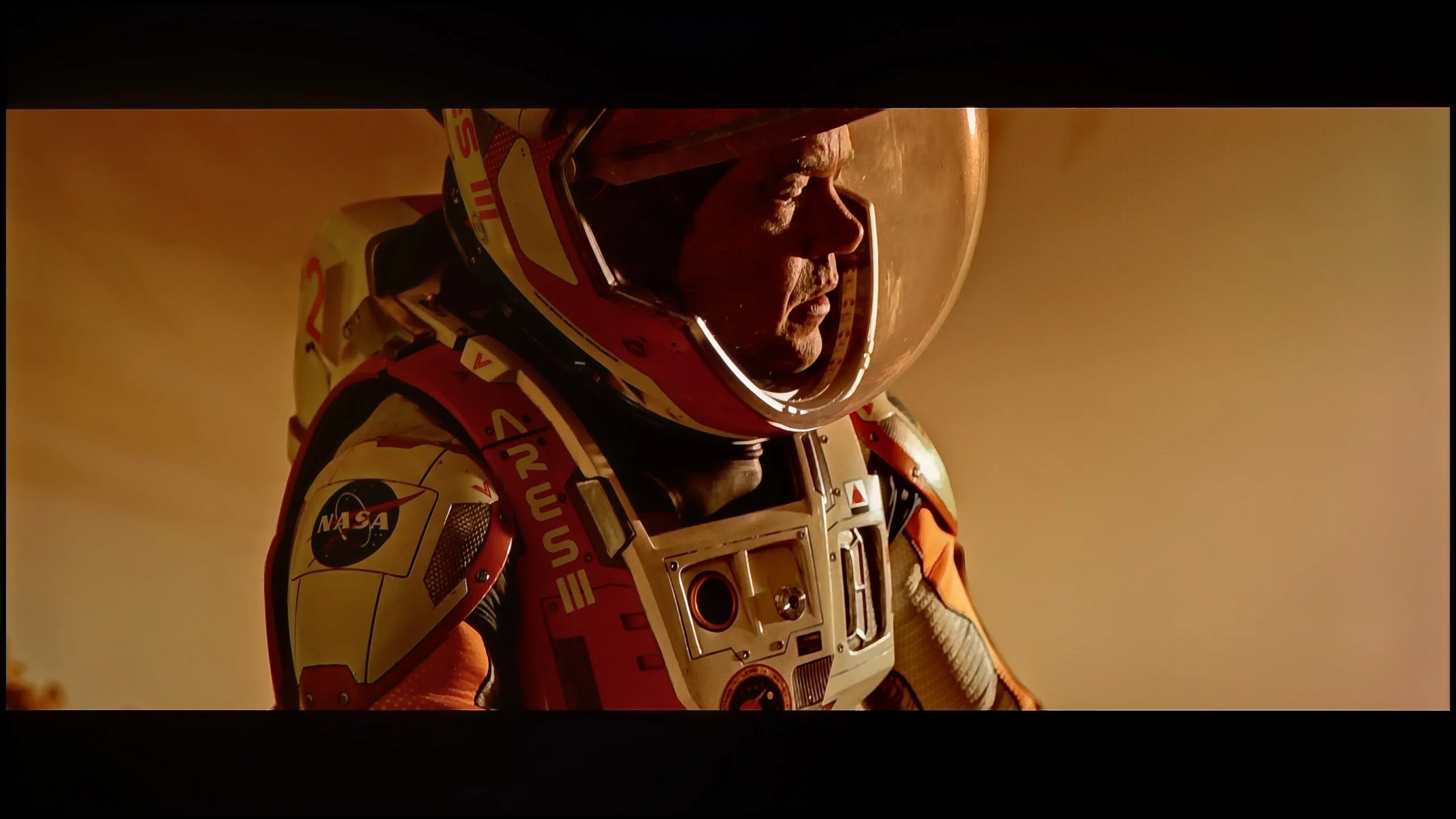
These are selected scenes that show smooth tonal transitions from one color to another. If you see distinct banding, it’s the TV panel’s fault.
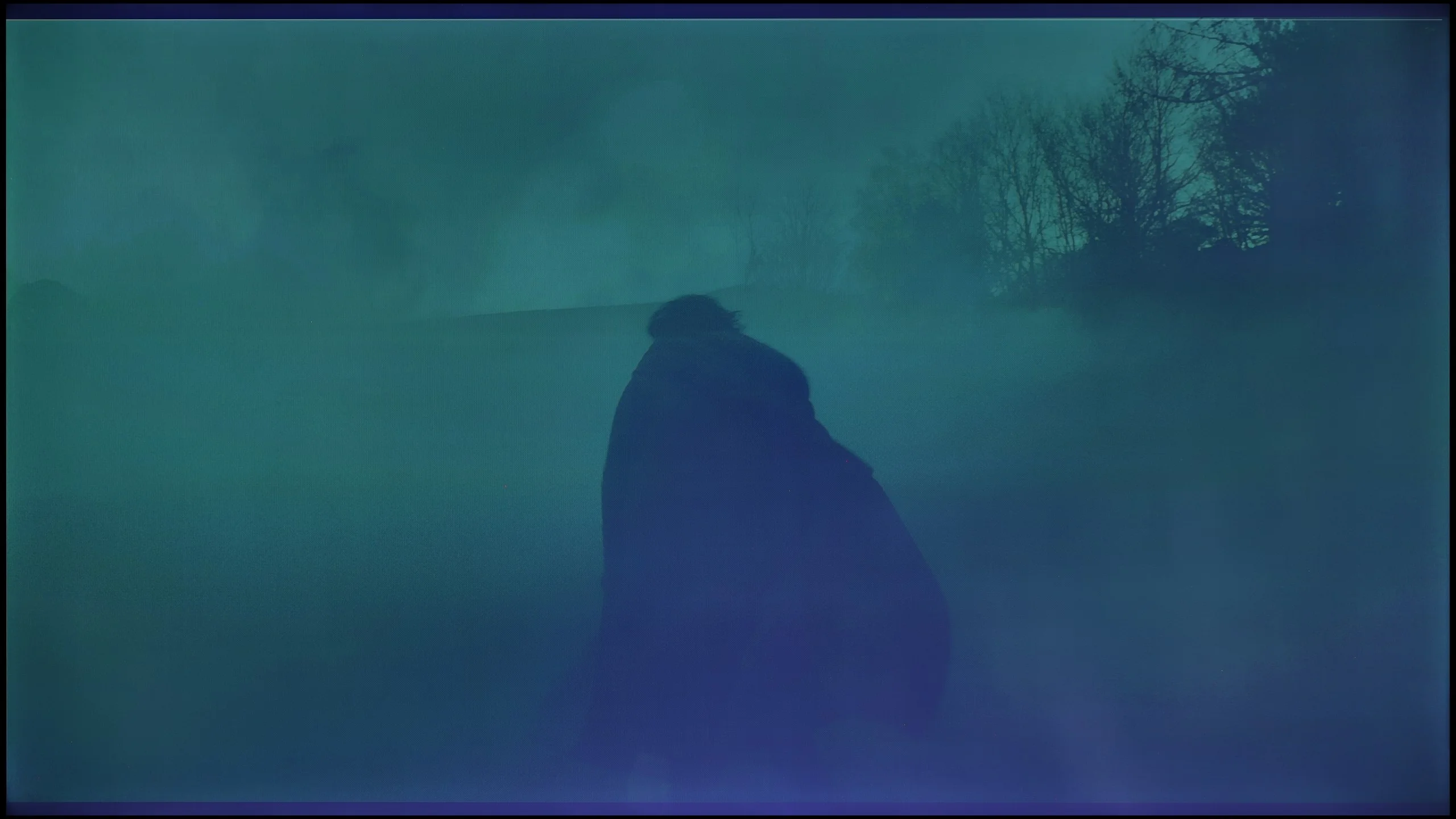
These are selected scenes that show smooth tonal transitions from one color to another. If you see distinct banding, it’s the TV panel’s fault.
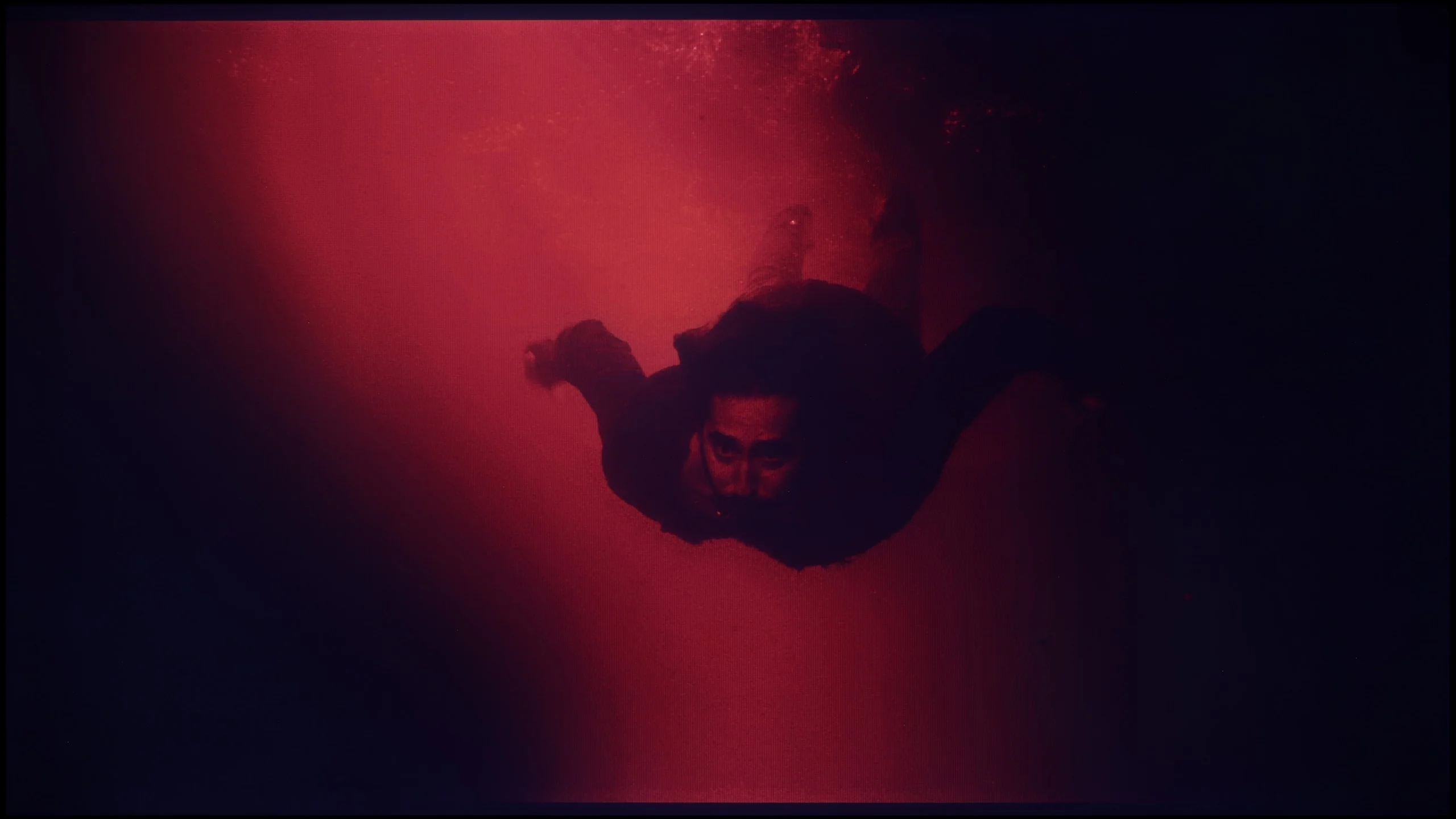
These are selected scenes that show smooth tonal transitions from one color to another. If you see distinct banding, it’s the TV panel’s fault.
We now move on to the category that has turned out to be one of the strongest points of the tested model. The fluidity of tonal transitions, or the ability to smoothly blend closely related shades, is at a very high level here. The Haier M95E excels at reproducing gradients, even in the most demanding dark scenes, where many televisions can already show unsightly banding (posterization). Although we did manage to notice minimal shortcomings in very bright parts of the image, these are errors so minor that they do not spoil the overall excellent impression. In this particular competition, the M95E deserves one of the highest ratings on our portal.
The smoothness of tonal transitions on the TCL P7L is quite good, but not in every scene. In brighter scenes the television performs very well, because changes between successive shades are gentle, and on the sky, bright walls or subtle gradients it's hard to spot anything that would noticeably disrupt viewing. It becomes worse in the darker areas of the image. It is there that visible joins between colours and successive grey levels appear more often. In dark scenes you can therefore notice characteristic banding or more pronounced 'steps' where the transition should be smoother. It's not an issue all the time, but with weaker source material or scenes with lots of mid-tones it can stand out.
Image scaling and smoothness of tonal transitions
5/10
7/10

Smooth transition function
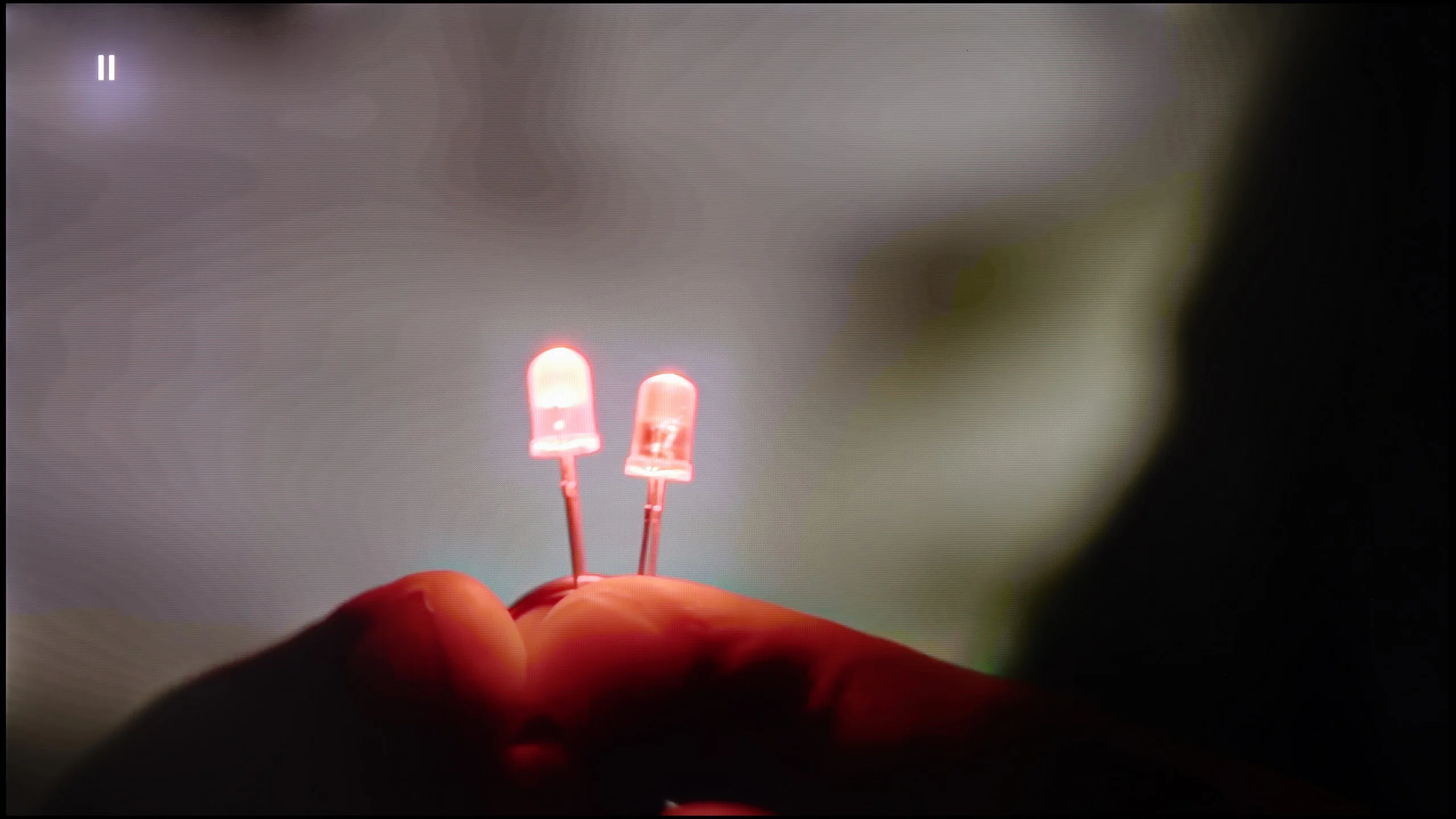
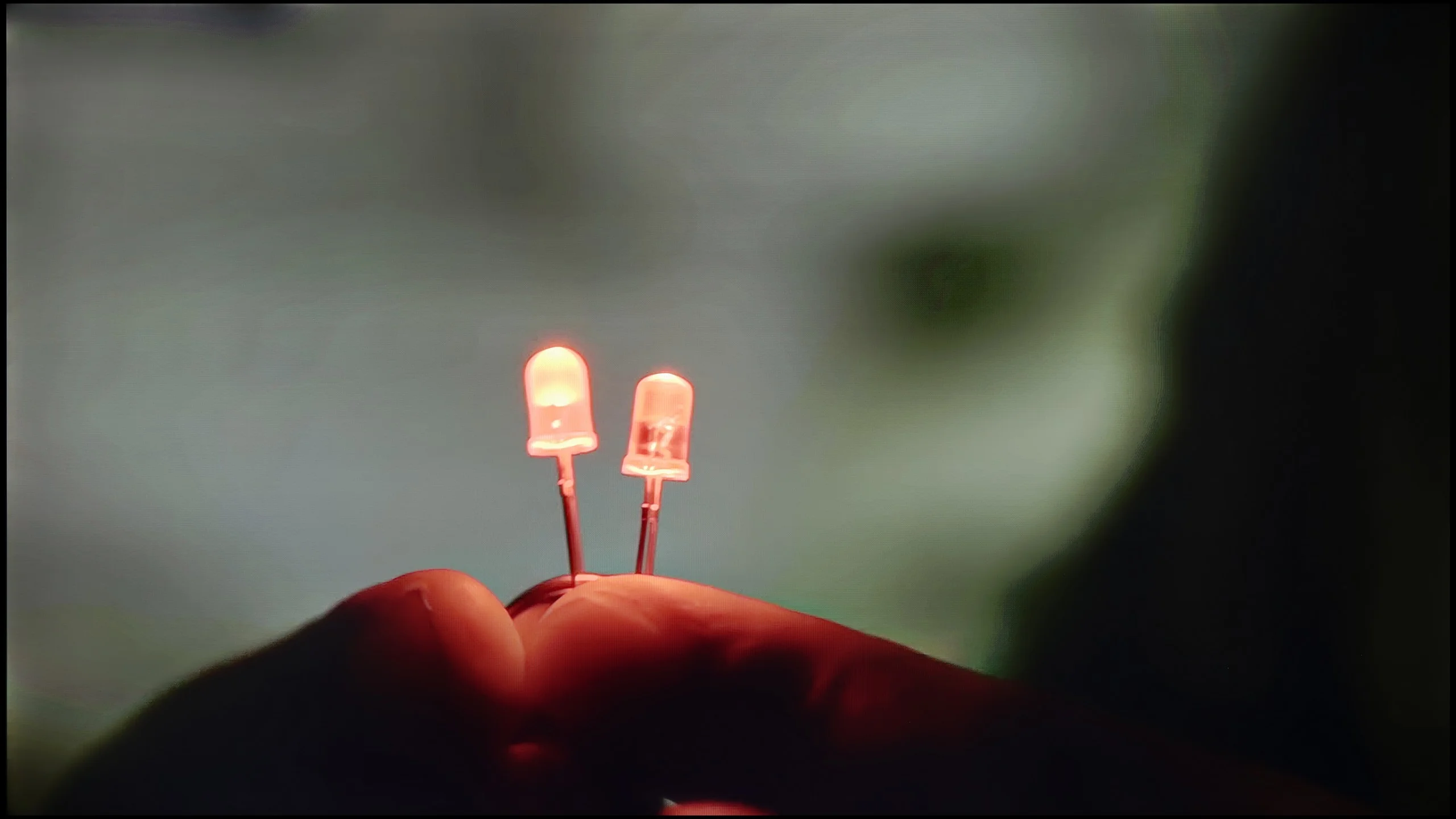
The match photo shows how the TV smooths weak tonal transitions in low-quality video.
Image scaling SD (576i)
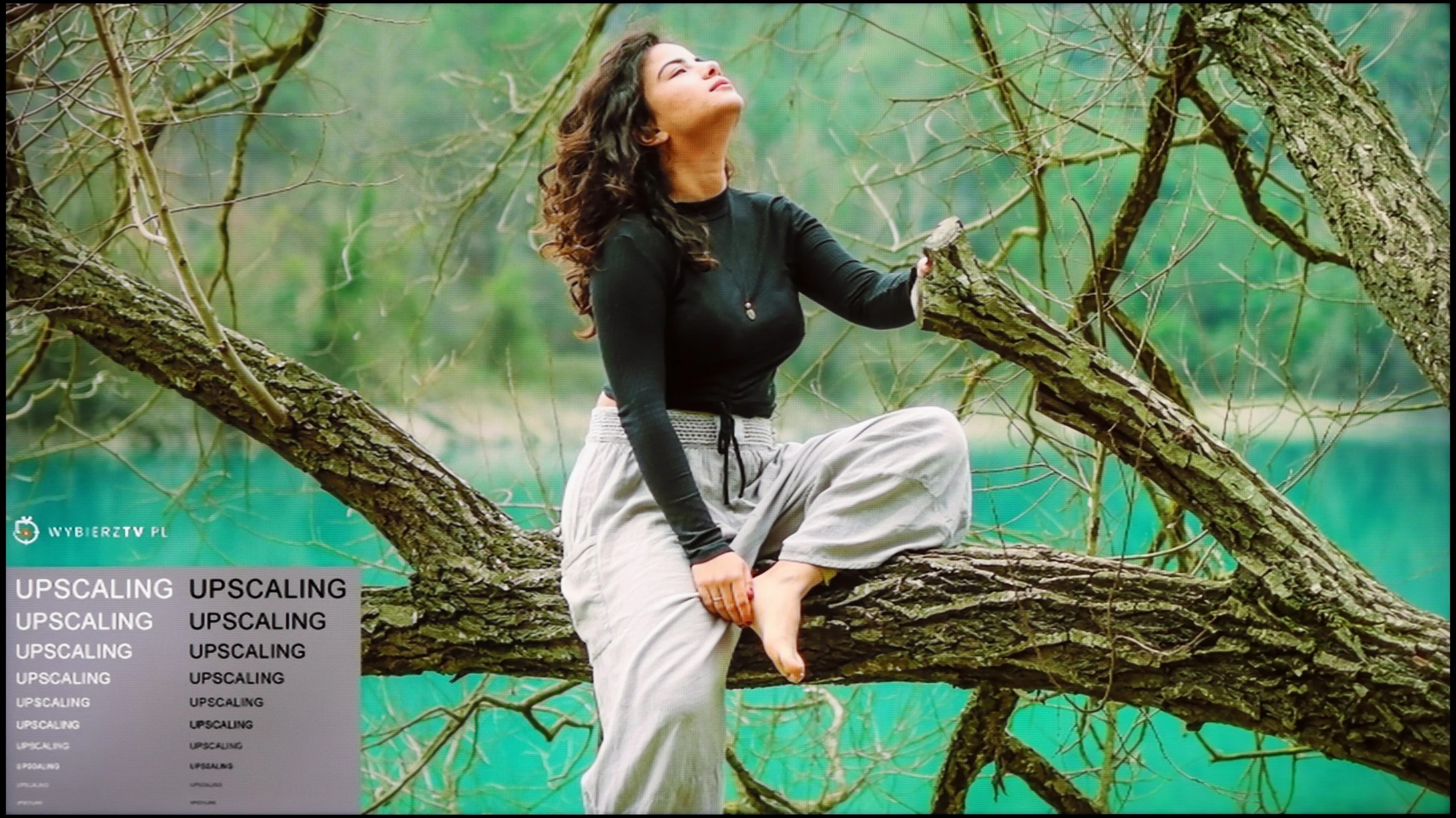
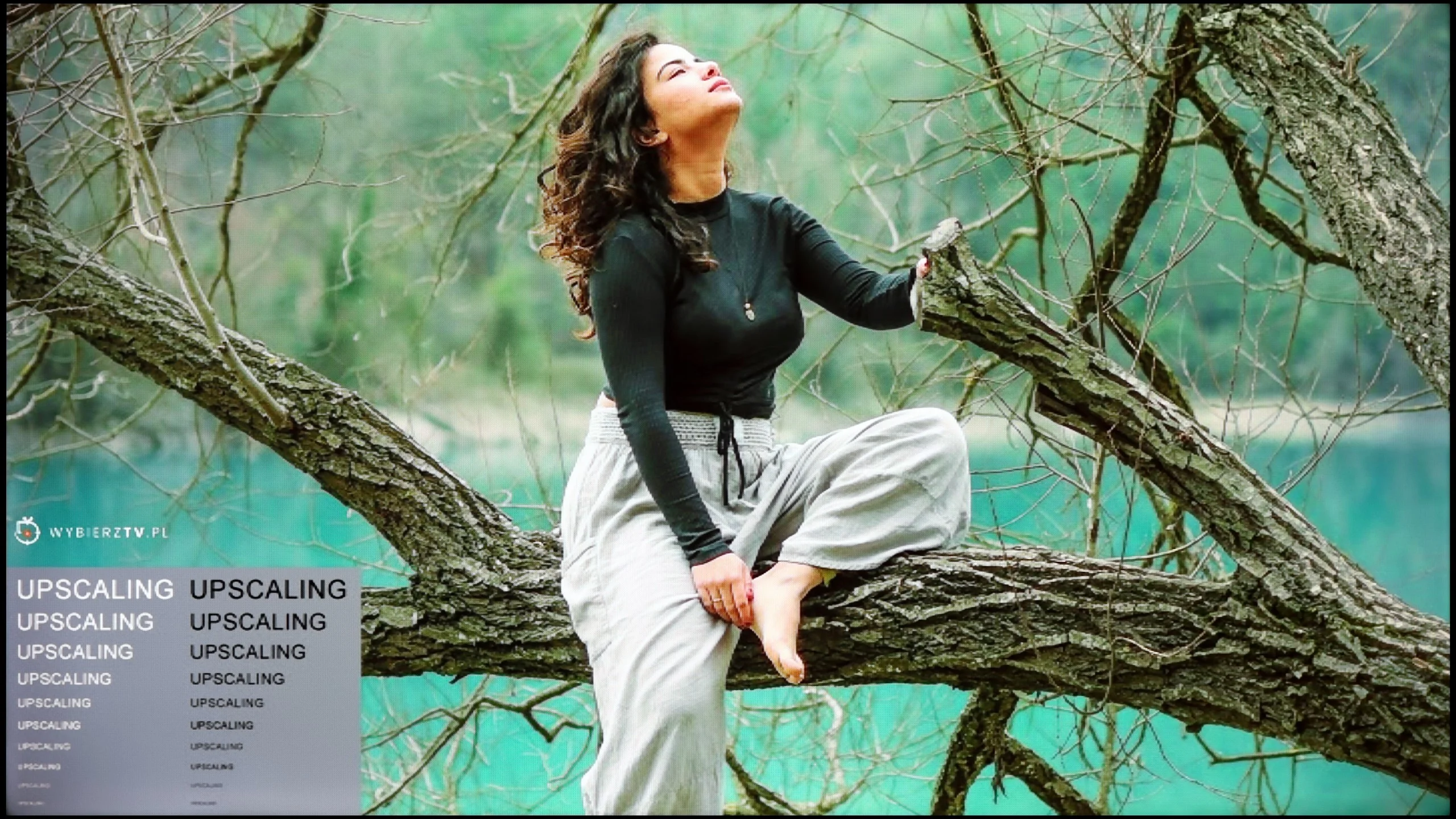
The model photo shows how it handles upscaling of SD material.
Well, what happens to those colour connections when a lower quality material full of compression artifacts comes on screen? Unfortunately, we have some bad news for you. Although the menu contains an option responsible for smoothing tonal transitions in older content, we definitely DO NOT RECOMMEND using it. Its activation causes an avalanche of additional, hideous artifacts and noticeably blurs the entire image, and what's funniest – it often doesn't even remove those unwanted "jaggies" it was supposed to fight against. This function might as well not exist at all.
We can write many more positive remarks about the general upscaling process, which raises lower resolutions to the native 4K matrix. The image after upscaling looks really decent – it is neither overly jagged nor artificially smoothed. In this particular matter, the M95E simply performs well.
In this respect the TCL P7L performs surprisingly well, especially for such an inexpensive TV. The banding-reduction feature, which in many budget models does little or nothing, actually manages to improve the picture here. It does not remove all banding entirely, but it can noticeably reduce posterisation and make more challenging gradients look more natural. At this price point that’s a genuinely pleasant surprise. Upscaling itself also performs well. Lower-resolution material is scaled correctly, without over-sharpening or adding artificial outlines around objects. Of course the P7L won’t turn a very poor source into a 4K-quality image, but for regular TV the result is simply solid. For a model in this class there is little to criticise.
Blur and motion smoothness
6.5/10
5.5/10

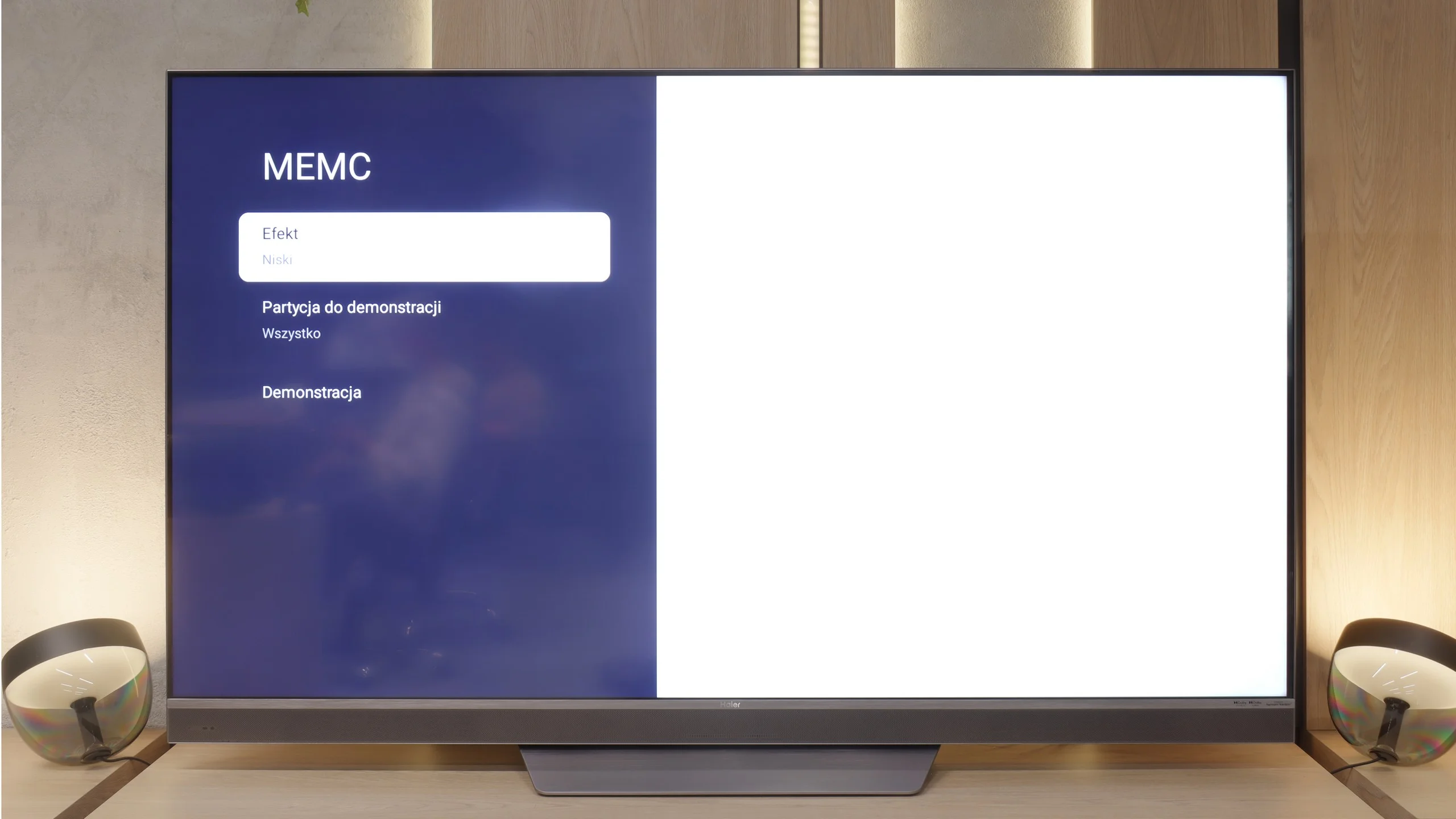
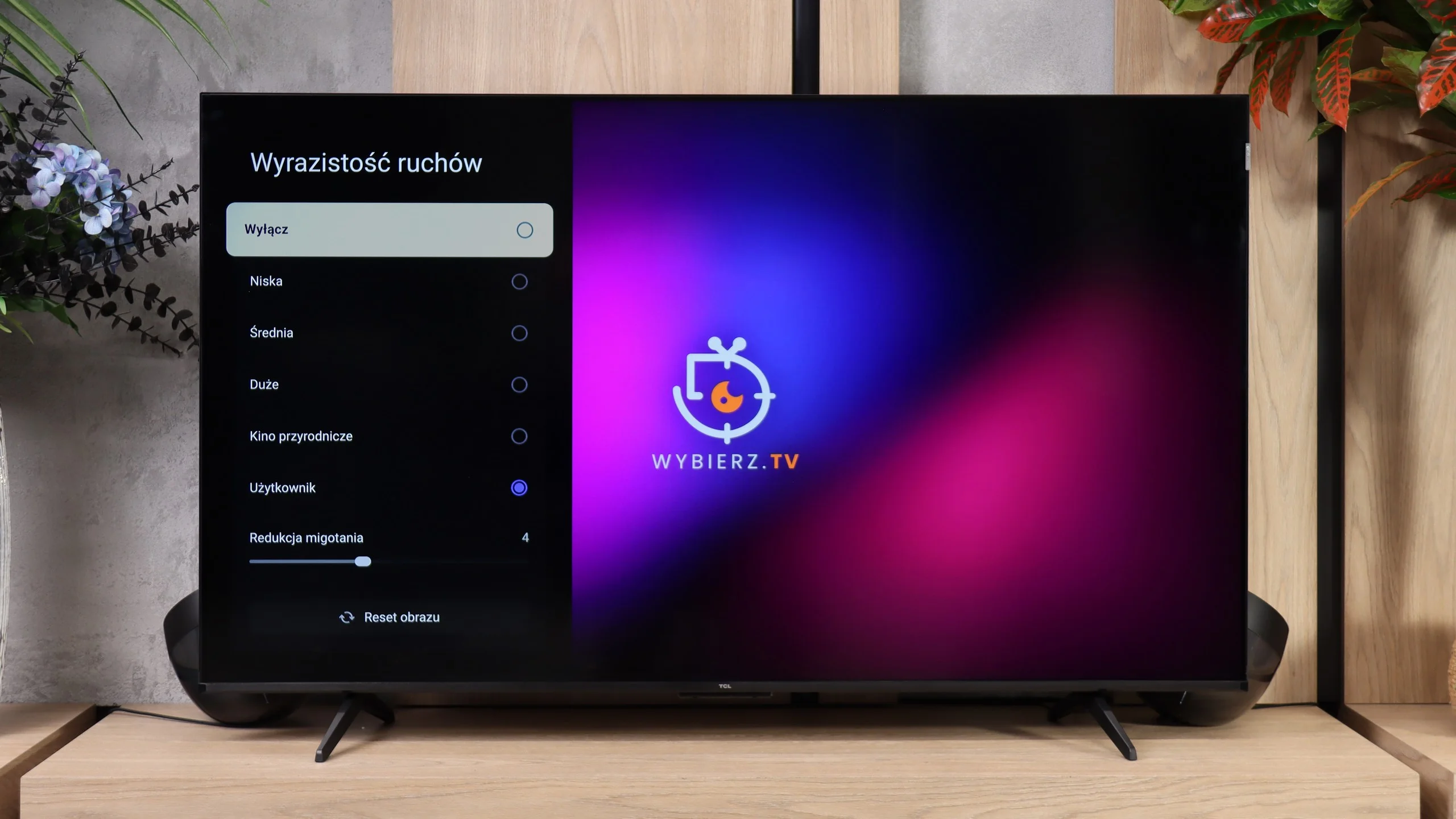
Blur (native resolution, maximum refresh rate):

Blur (4K@144Hz):
Blur (1440p@120Hz):
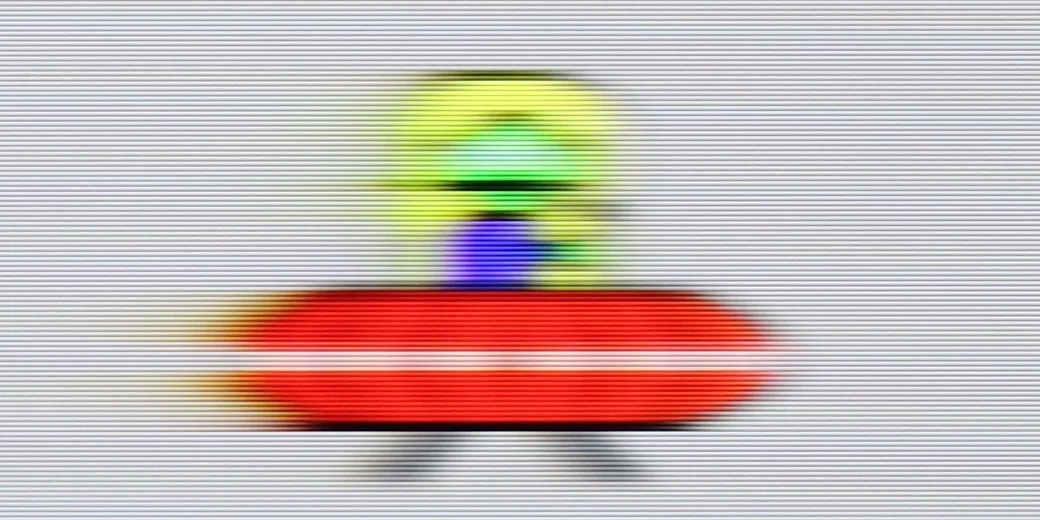
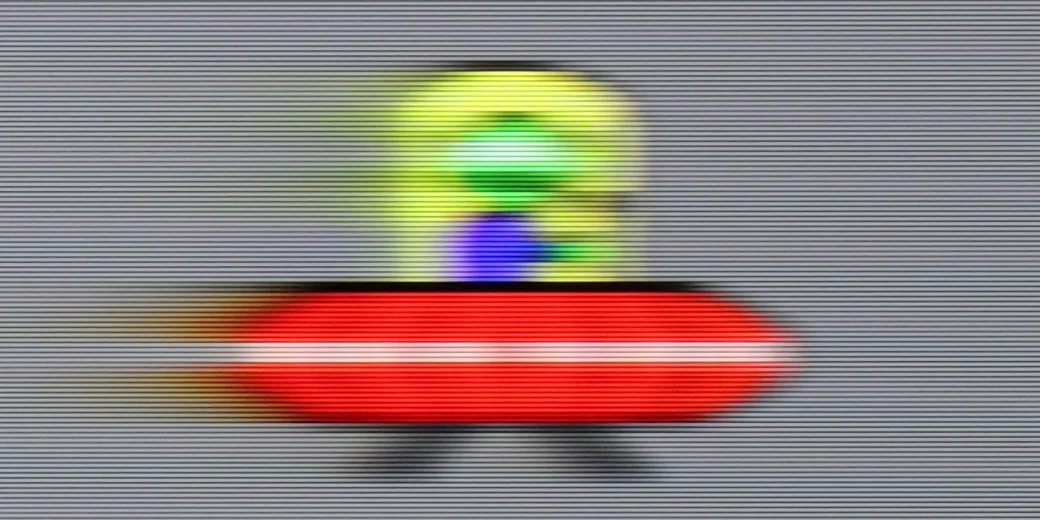
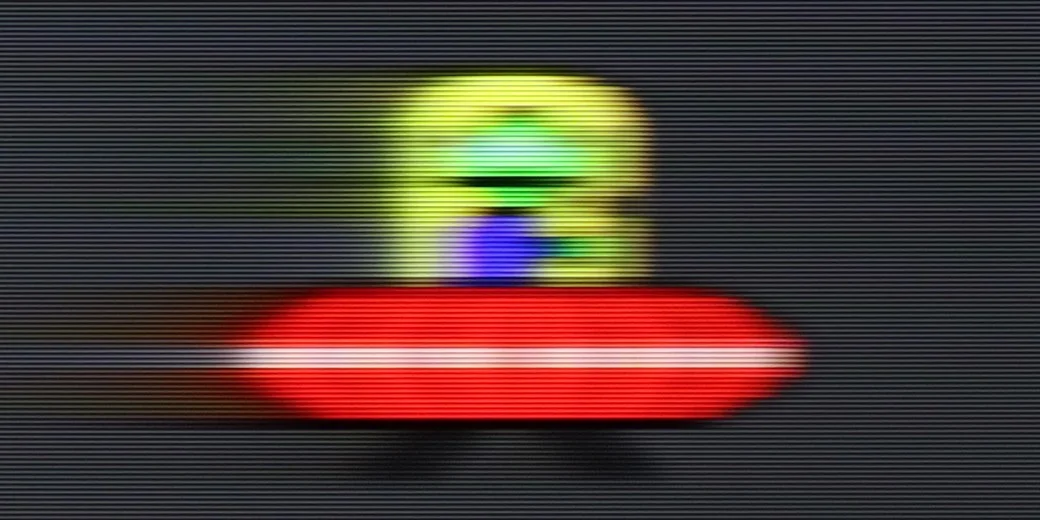
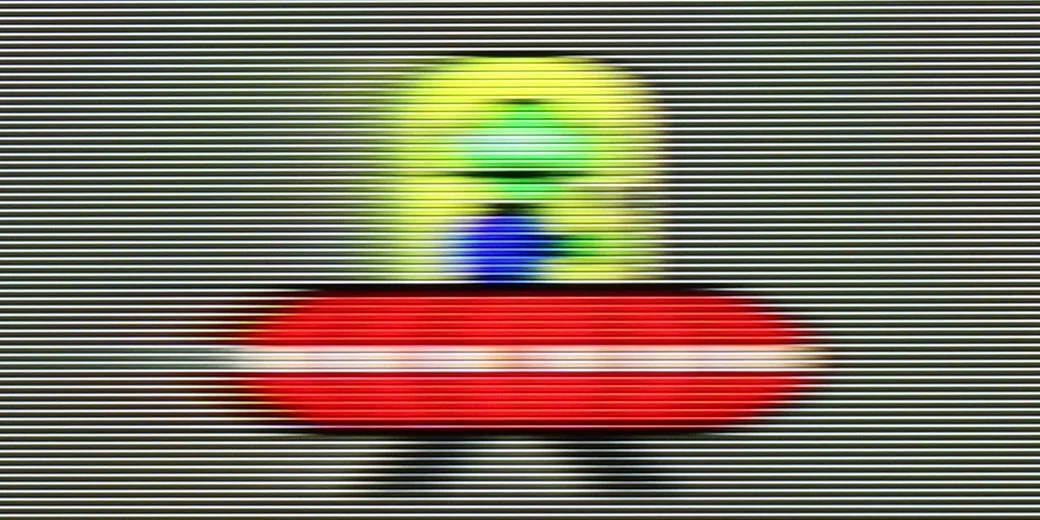
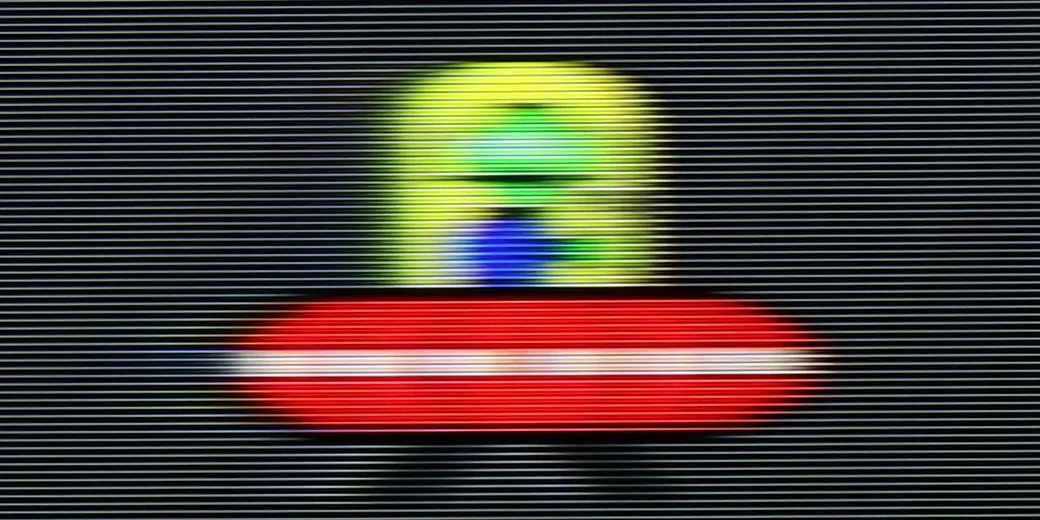
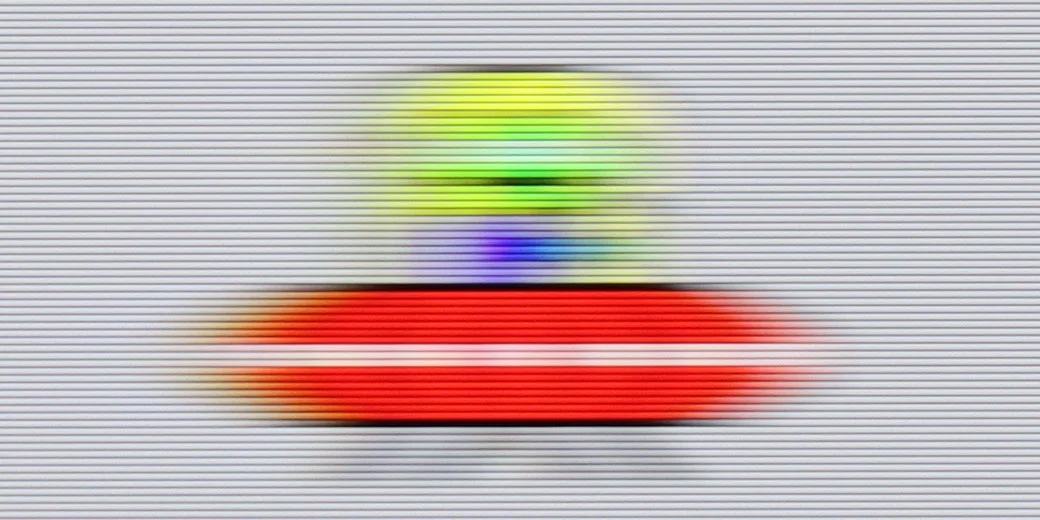
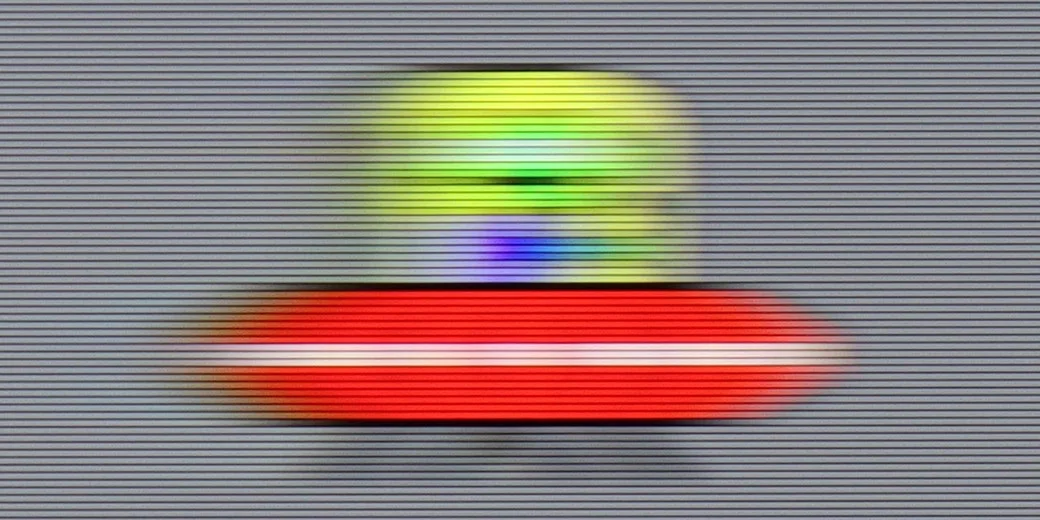
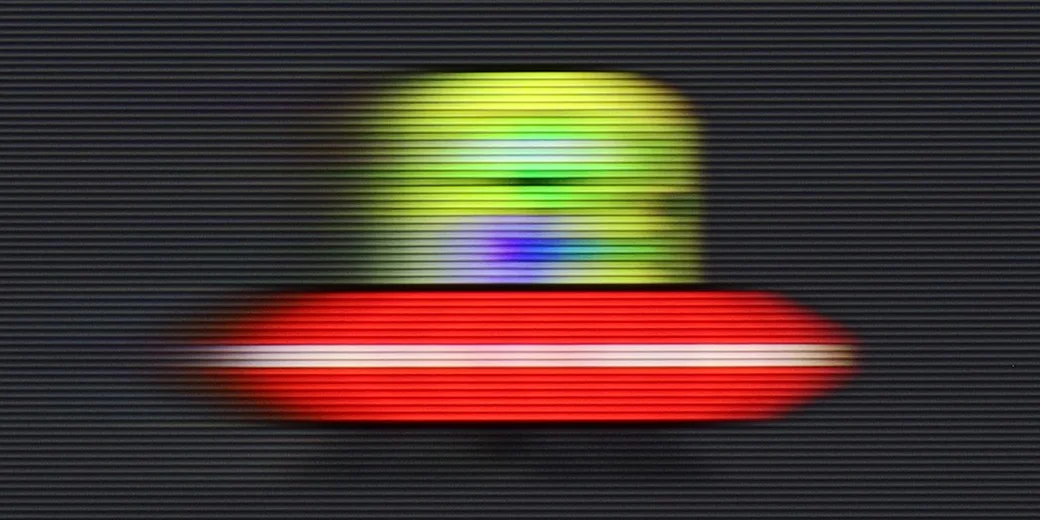
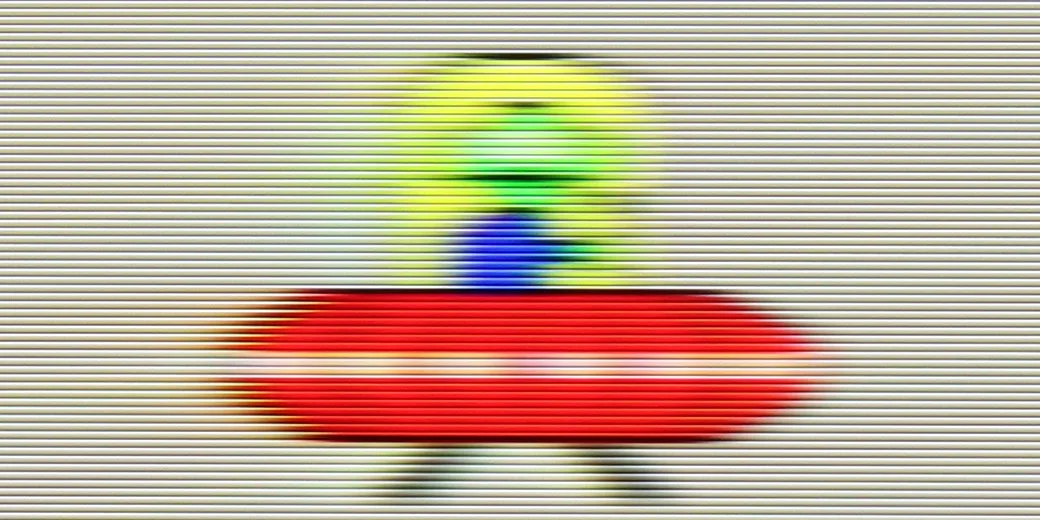
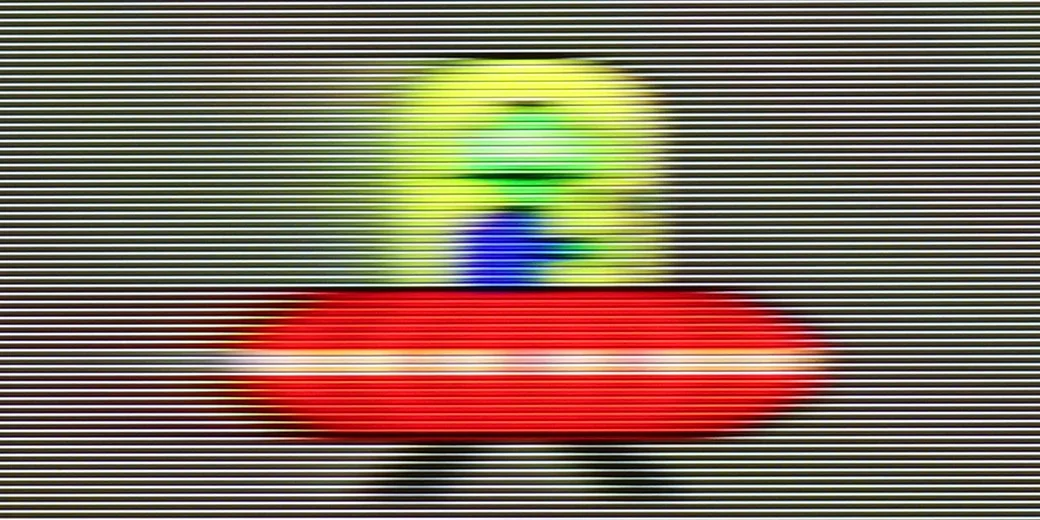
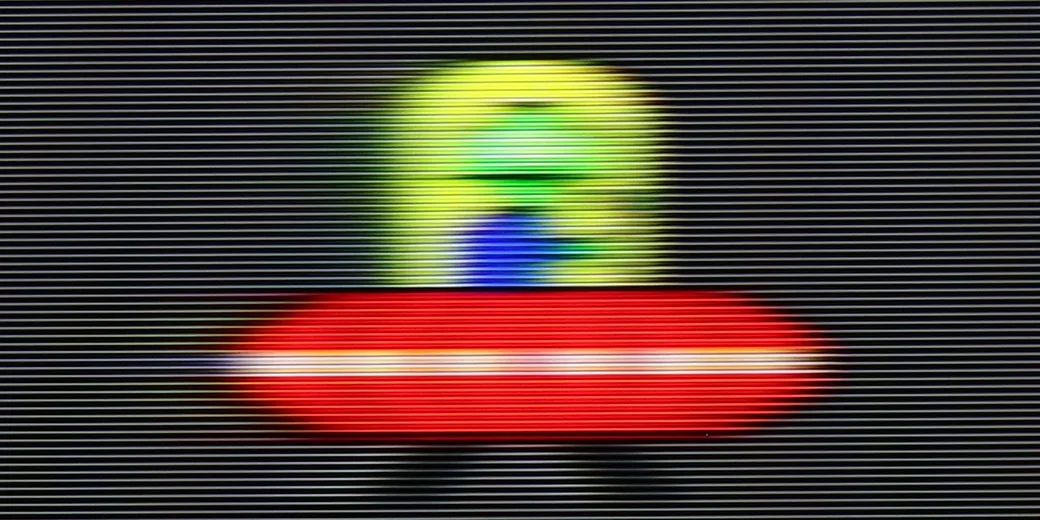
In terms of motion fluidity and blur, our feelings are quite mixed, as the M95E is a paradox of a television. Let's start with absolute admiration: at the heart of the device is a 144Hz panel, but what truly impresses is its performance with 120Hz content, which is crucial for sports and console gaming. We must state with full responsibility that Haier has equipped this television with one of the best VA panels currently available on the market regarding the minimisation of blur. It is rare to encounter an LCD panel that offers such clean, sharp, and ghosting-free motion. In this respect, the M95E is simply phenomenal.
And that is precisely why the unpleasant surprise that awaits us on the software side is so painful. It turns out that this fantastic hardware potential is completely underutilised, as the television practically offers no effective options for improving fluidity. The motion smoothing systems that should assist with lower frame-rate content can indeed be found in the Menu, but they essentially do not respond to our settings. The conclusion is brutally simple: if you intend to watch high-fluidity material, you must be sure that the source is broadcasting it at native 120. In every other case, you must accept a rather raw, stuttering image, as the M95E will do nothing to smooth it out.
The TCL P7L uses a panel with a native 60 Hz refresh rate at 4K resolution, and that's how it should be regarded in everyday use. When watching films the TV mainly offers frame interpolation, so it can smooth motion and reduce the characteristic judder, but it does not deliver the fluidity typical of true 120 Hz panels.
Console compatibility and gaming features
8.1/10
6.7/10
- ALLM
- VRR
- VRR range48 - 144Hz48 - 120Hz
- Dolby Vision Game Mode
- Correct implementation of HGIG
- 1080p@120Hz
- 1440p@120Hz
- 4K@120Hz
- Game bar
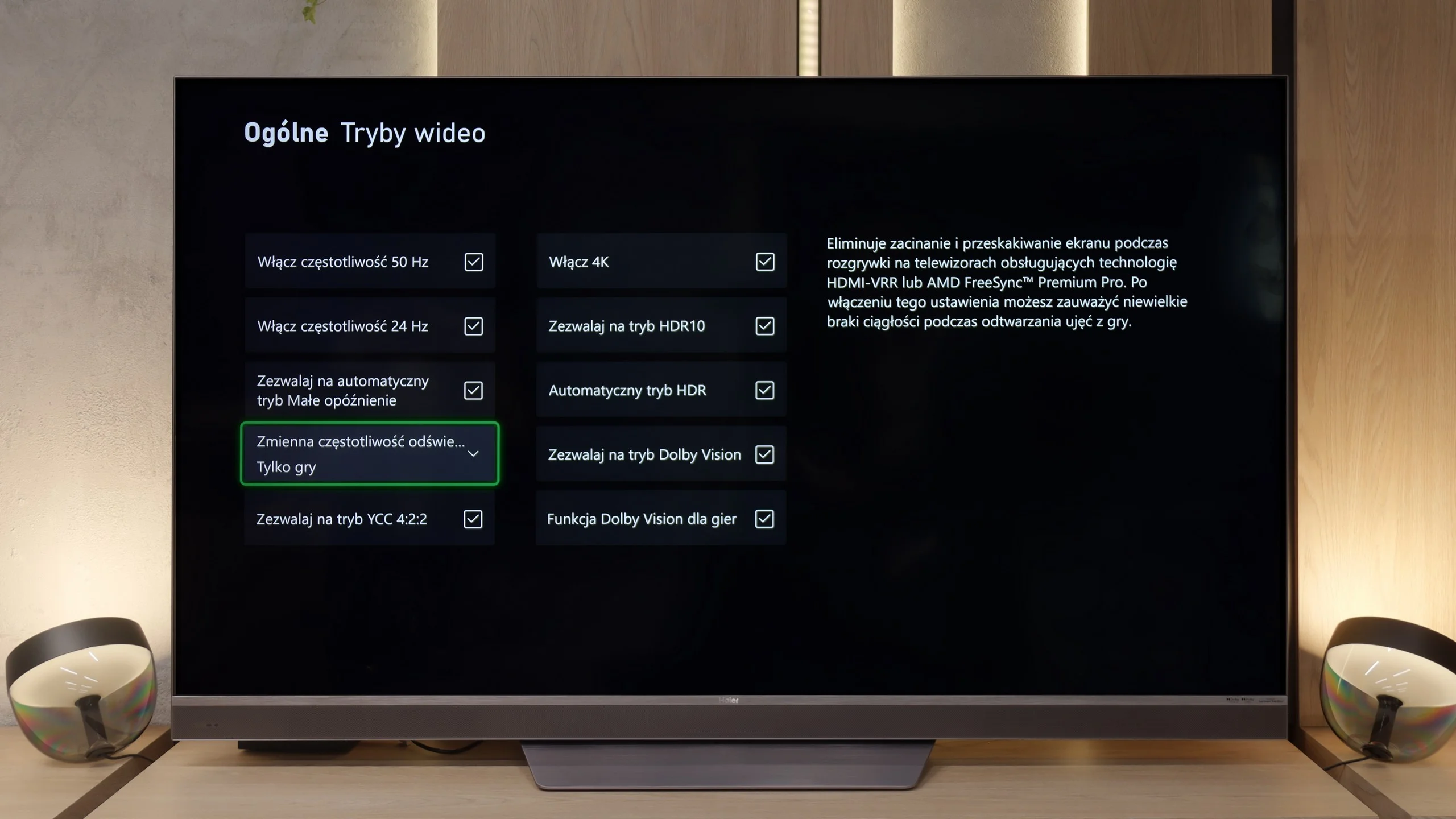
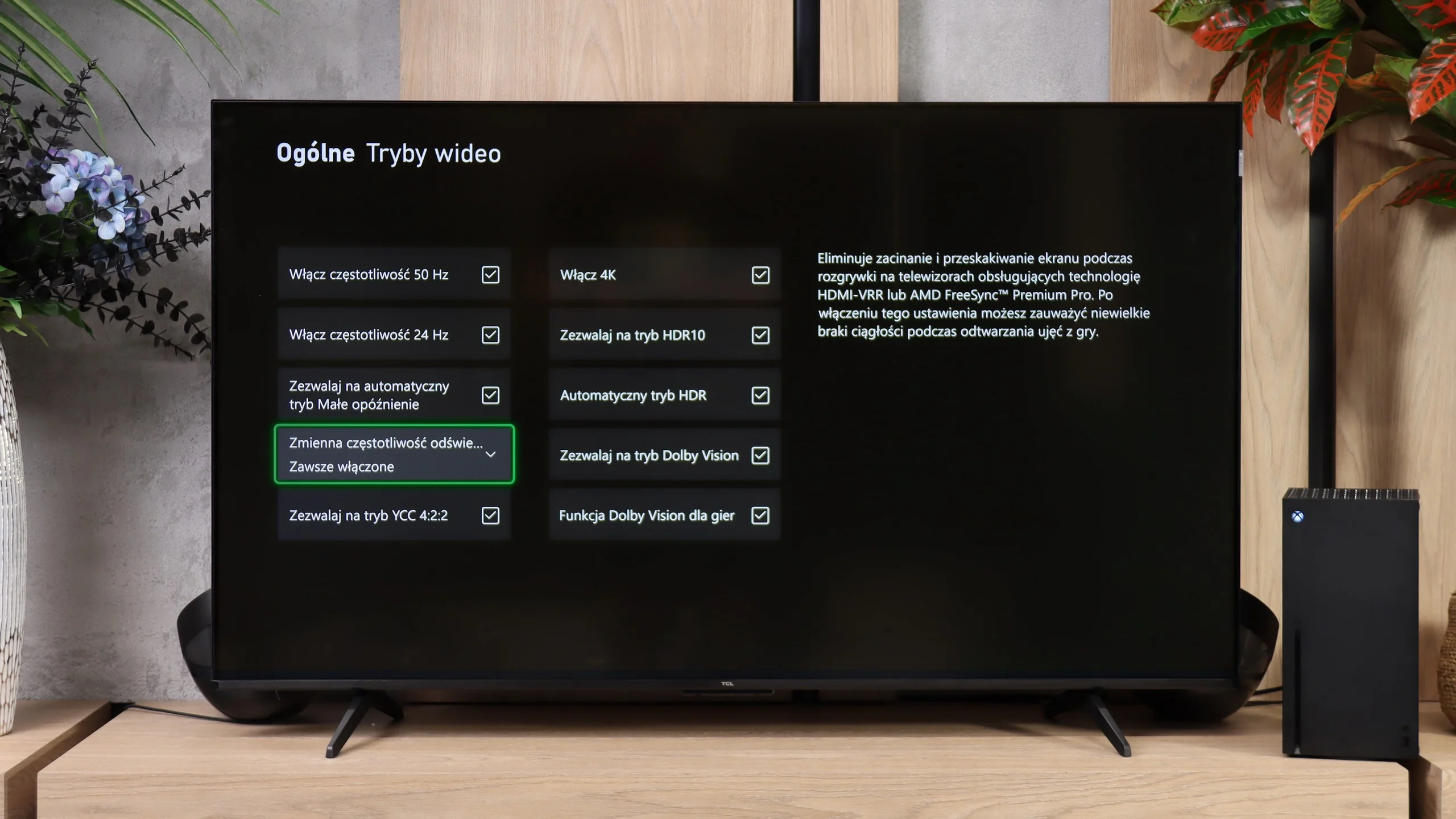
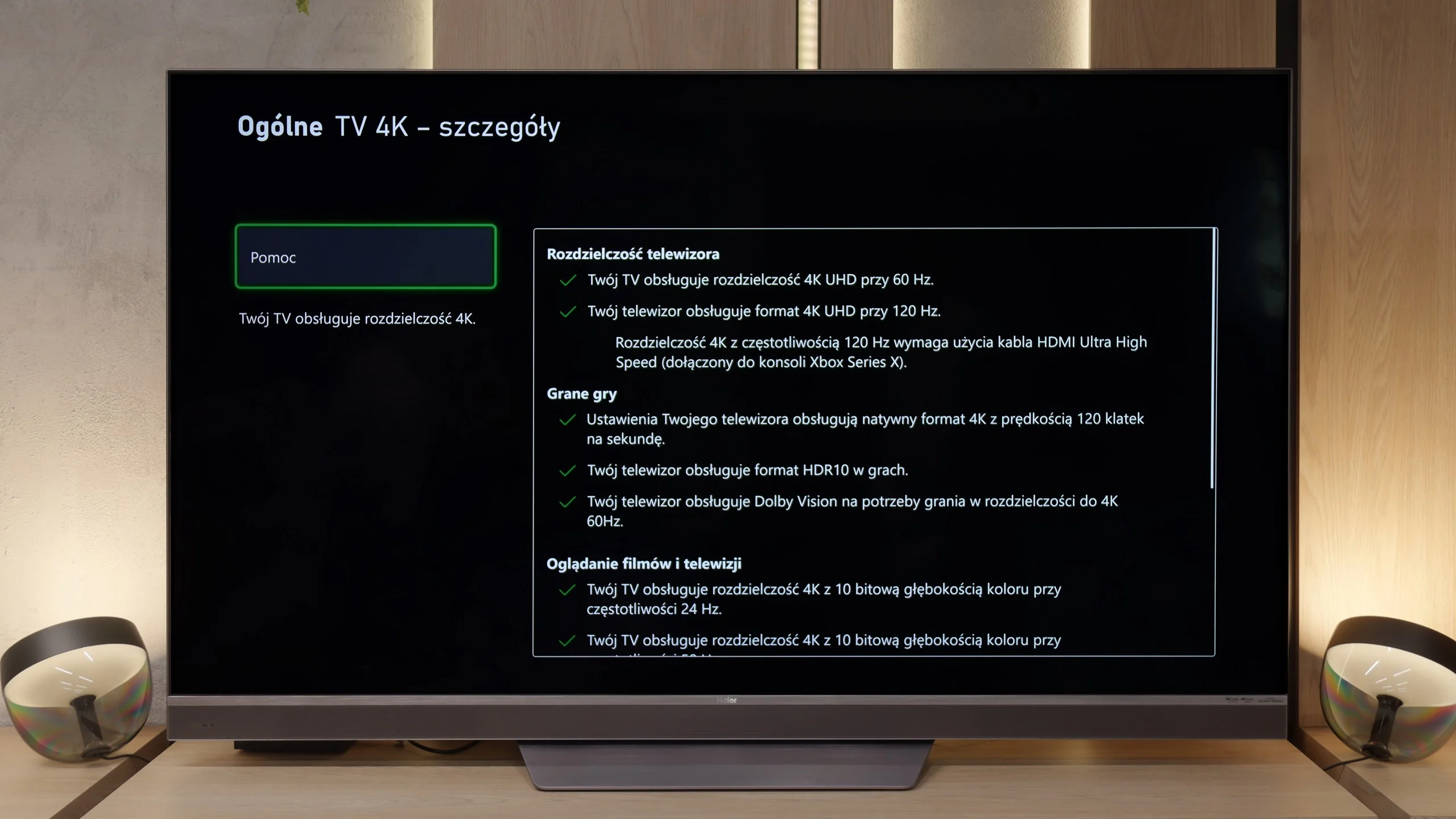
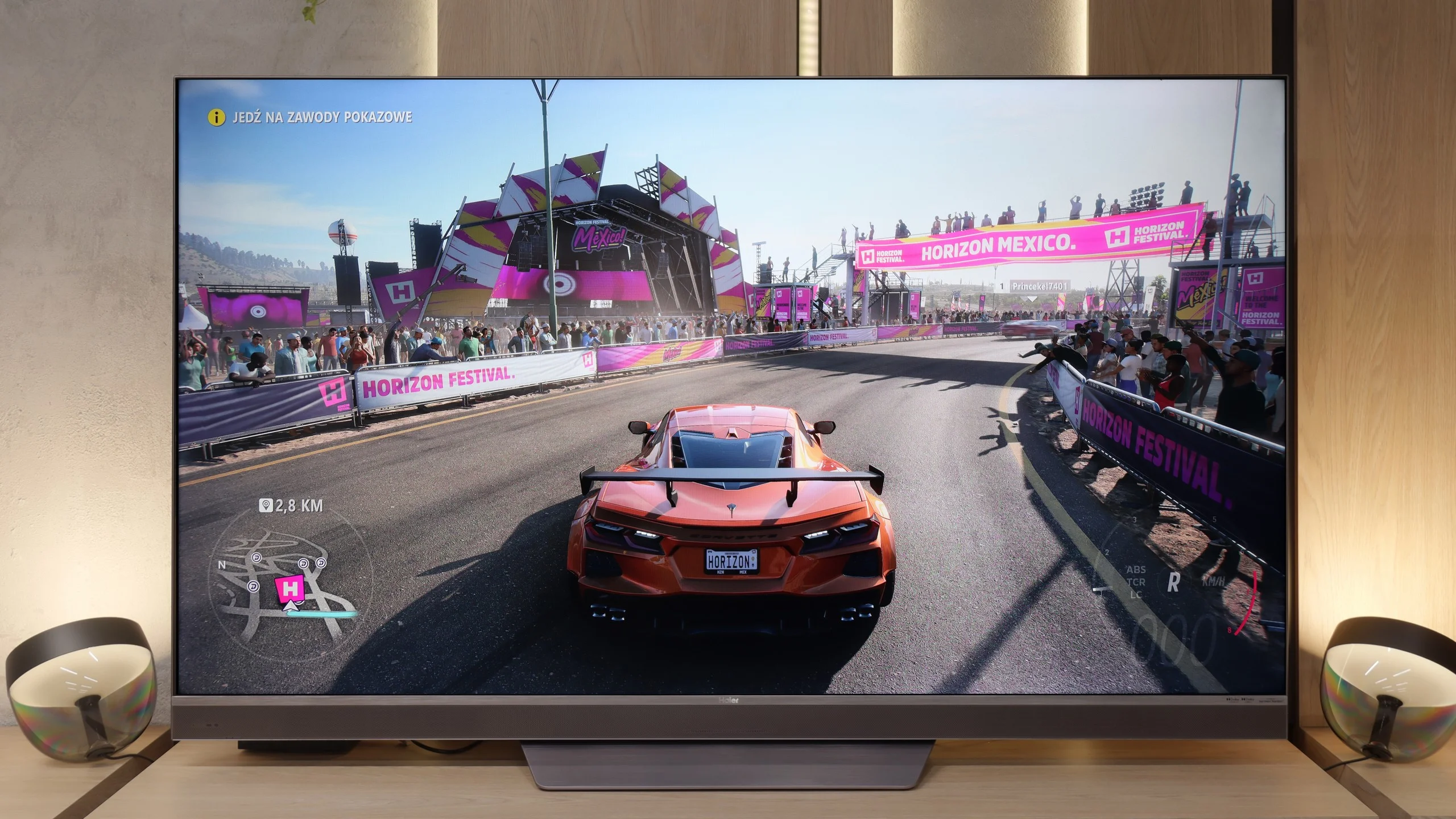
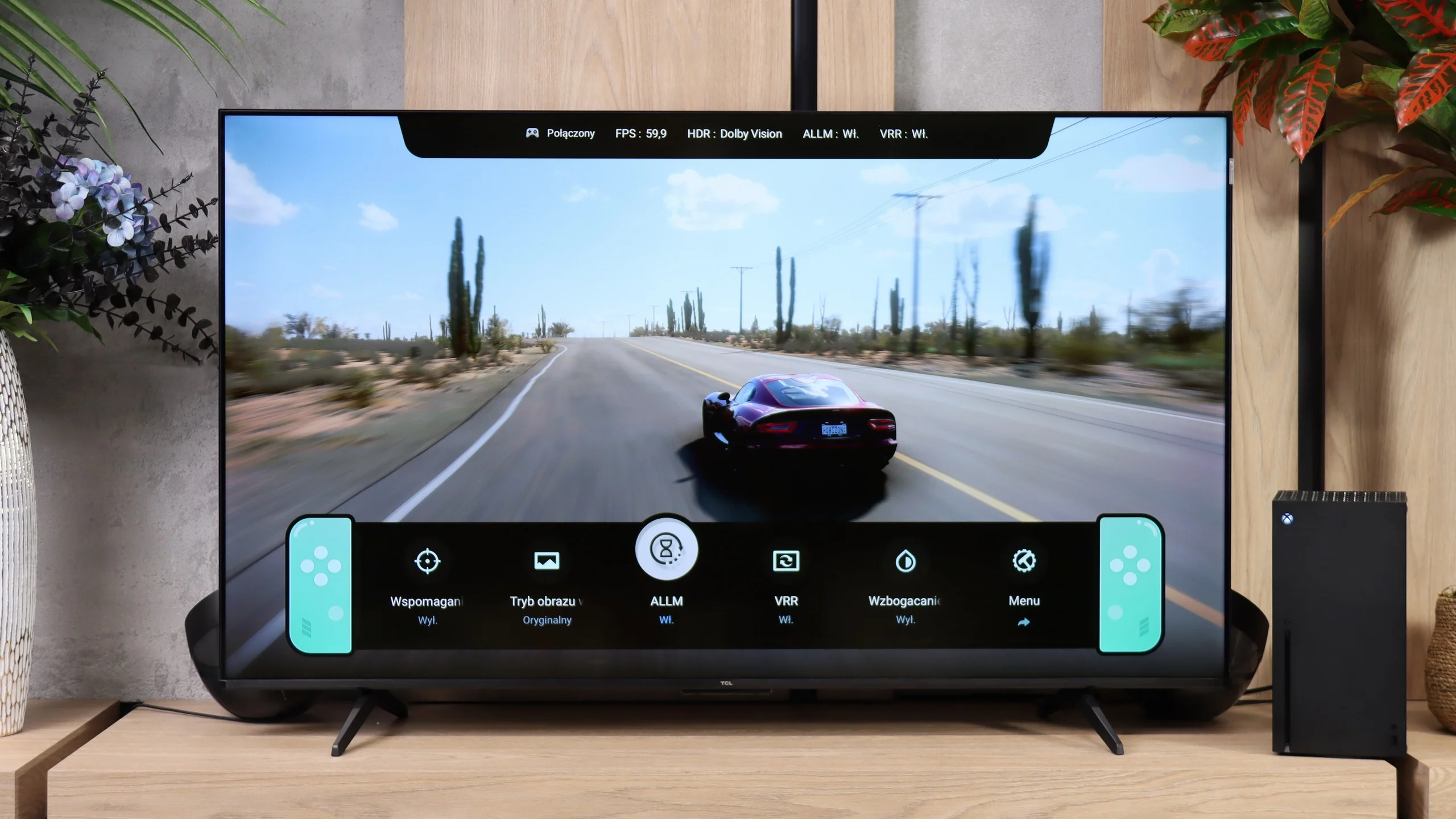
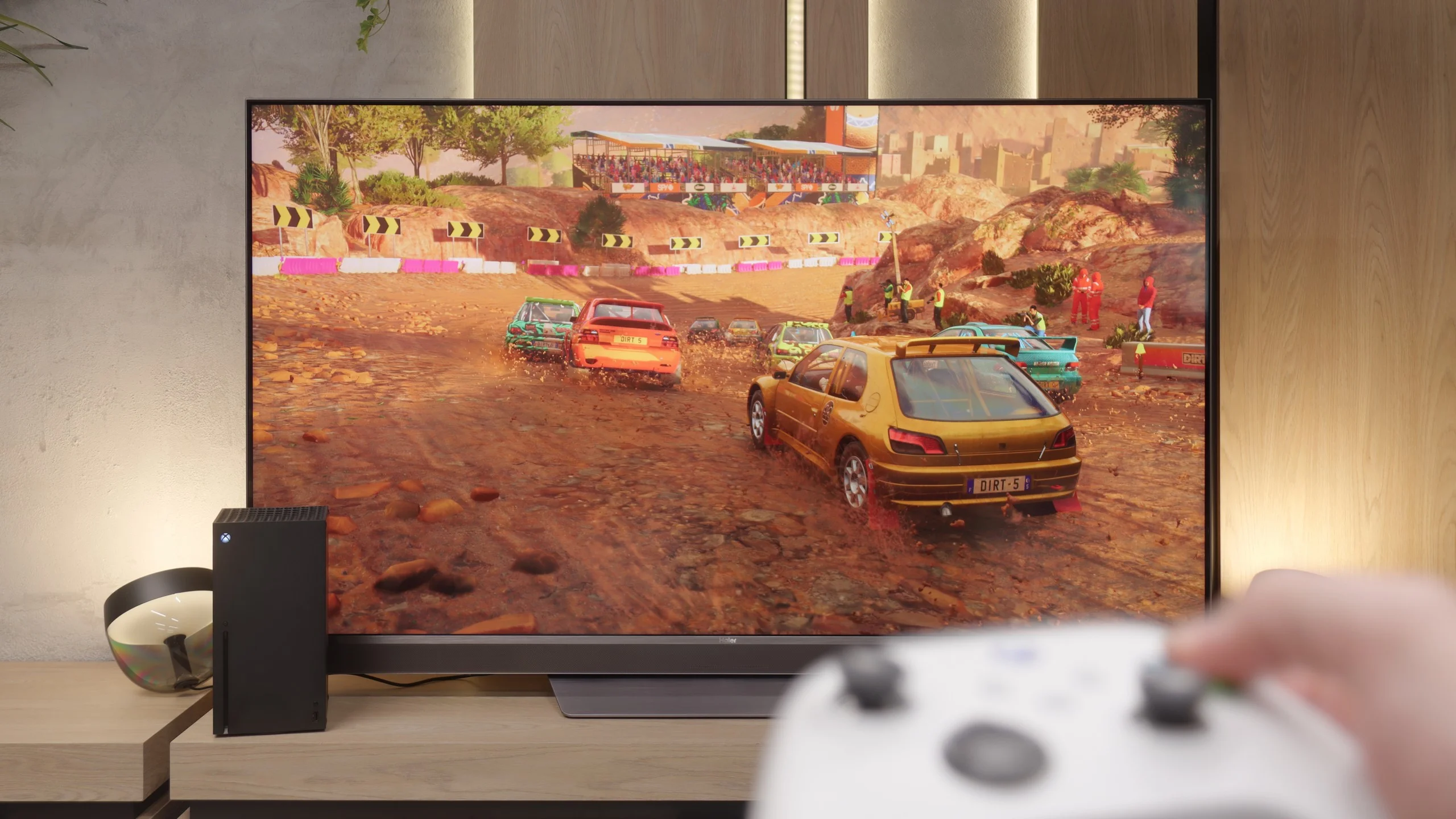
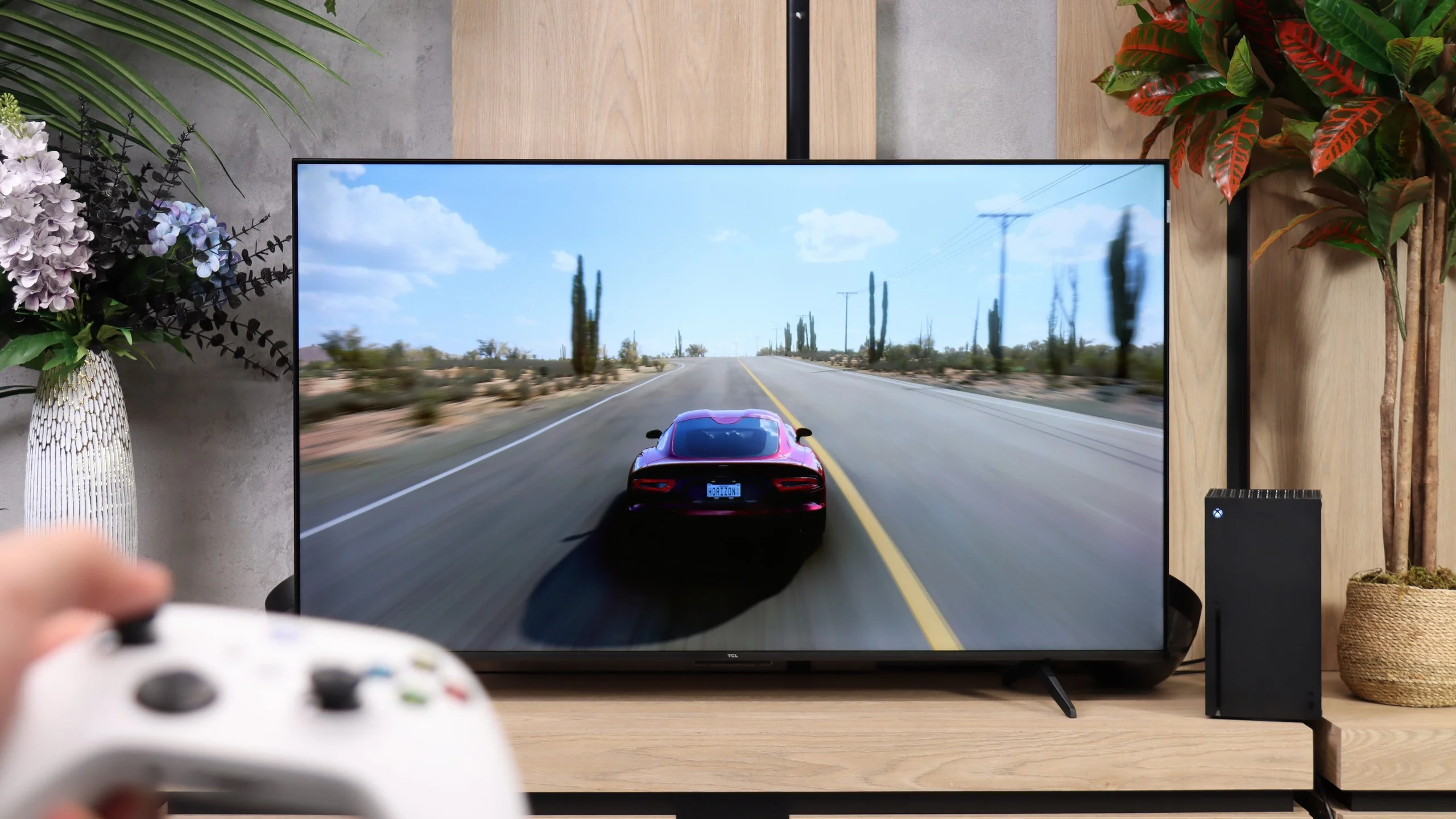
When it comes to features for gamers, the Haier M95E presents some very strong arguments. First of all, it is fully ready for the new generation of consoles and powerful PCs. It is equipped with two full-fledged HDMI 2.1 ports, which seamlessly handle 4K signals at 120Hz, and even allow for gameplay at 144Hz. This is the foundation that guarantees us the full use of the potential of our gear. Moreover, the key technologies work flawlessly here. The television flawlessly detects the console and automatically switches to low latency mode (ALLM), so we don’t have to fiddle with the settings. The frame synchronization (VRR) works just as efficiently, eliminating annoying screen tearing when game fluidity slightly drops. Considering the incredibly low motion blur of the panel, which we have already mentioned, the M95E creates a really comfortable and responsive gaming environment. Of course, this is not a perfect package. A dedicated "Game Bar," which is a handy menu for gamers, would be useful, but this is essentially just a nice addition. A more serious failing is the lack of support for the HGiG standard, which complicates the perfect HDR configuration on the console and may lead to overexposures. Despite these shortcomings, the basic "gaming" set that the M95E offers is really solid and fully functional.
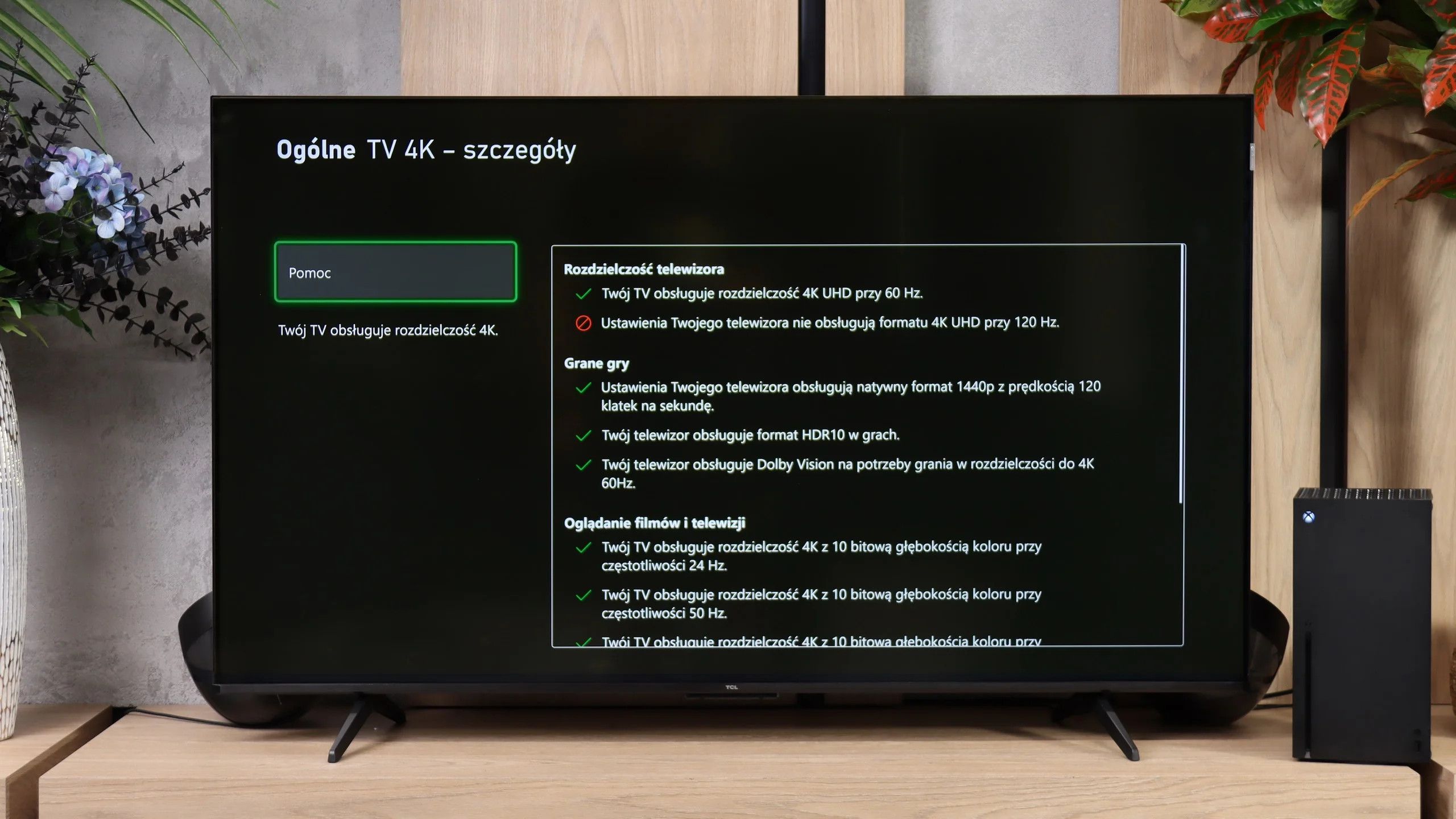
For such an inexpensive TV, the P7L has quite a lot to offer gamers. It has ALLM, VRR, Dolby Vision for gaming, and TCL also includes its Game Bar, which lets you quickly check the key information or change some settings without leaving the game. Not everything is perfect, though, because HGiG doesn’t work here as it should, but at this price point it’s hard to complain about the feature set. The most interesting part starts when you give up 4K. At that resolution the TV runs at up to 60 Hz, but at 1440p and 1080p it can display at 120 Hz. And that’s not just a line in the specs. In fast-paced games that support that frame rate you can really notice the improvement in smoothness, so if you value smoother motion more than maximum image detail, that mode can make a lot of sense. Of course, that doesn’t turn the P7L into a proper 120 Hz TV. Even so, those extra modes are exactly what make the P7L perform very well for gaming.
Input lag
9.8/10
10/10
SDR
HDR
Dolby Vision
The key parameter for every gamer, often more important than colours or contrast, is responsiveness. In this category, the Haier M95E pulls no punches. The input lag we measured for the 120Hz signal was below 10 milliseconds. This places it among the absolute market leaders, ranking this model on par with dedicated gaming monitors. In practice, this means an instant response to every movement of the controller, keyboard, or mouse.
In terms of latency the TCL P7L performs very well. With a 60 Hz signal the input lag is about 13 ms, regardless of whether you’re playing in SDR, HDR or Dolby Vision. That’s already a level at which the delay should be practically imperceptible during normal gameplay. It gets even better when you switch the TV to 120 Hz mode at a lower resolution. Then the input lag falls to about 9 ms, which nicely complements the modes described earlier. For gamers, that’s another argument that, despite the P7L’s budget nature, it is fairly well prepared in this respect.
Compatibility with PC
6.6/10
5.8/10
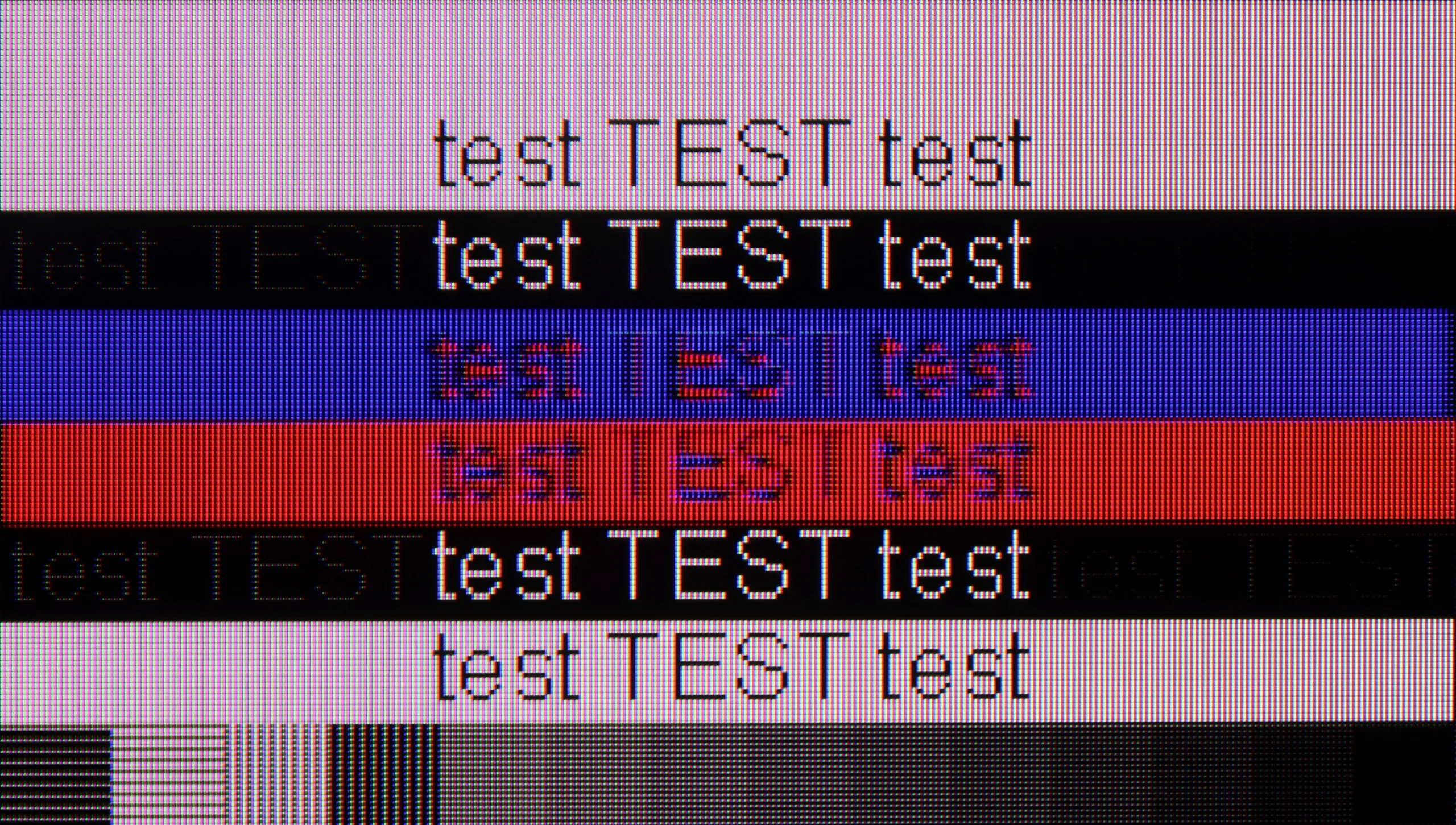
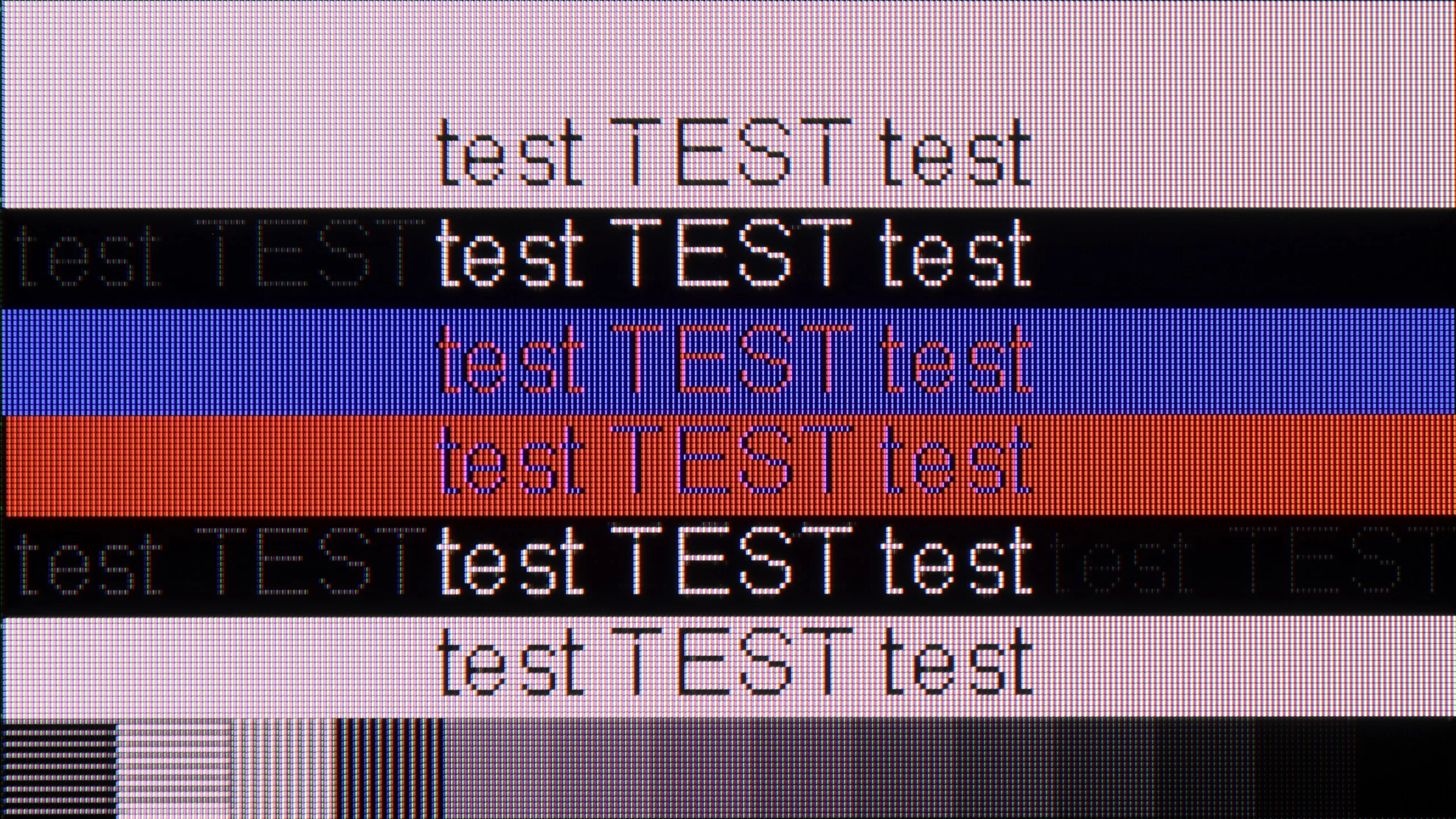
The photo shows the legibility of small fonts. Ideally, lines should be the same thickness on both light and dark text, with minimal pixel gaps.
As a PC gaming monitor, the M95E performs really well. It has full support for 144Hz, there is VRR, and consequently, it also works with G-Sync. In this regard – excellent. Perhaps that is why our "average" rating in this category surprises you. The reason is simple: while it excels at gaming, its performance for regular text work is not as good. At 120Hz or 144Hz settings, the TV's ability to display text is, frankly, poor. The text is blurry, and the coloured letters are smeared due to a lack of full Chroma 4:4:4 support. Interestingly, there is a solution – simply switch the computer to 60Hz mode and everything returns to normal, with the fonts becoming sharp. The only problem is that it forces us to constantly juggle settings every time we want to stop gaming and do a bit of work.
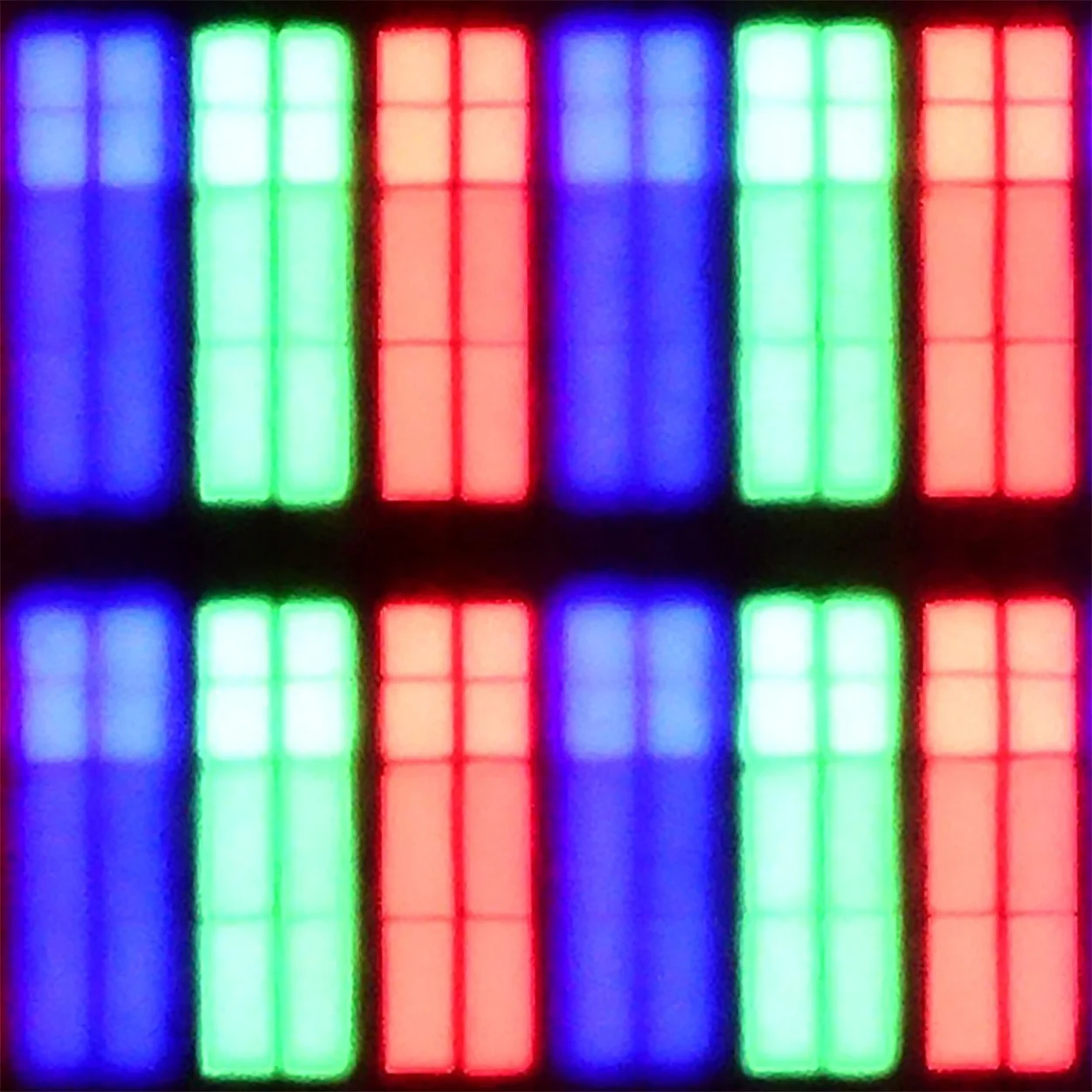
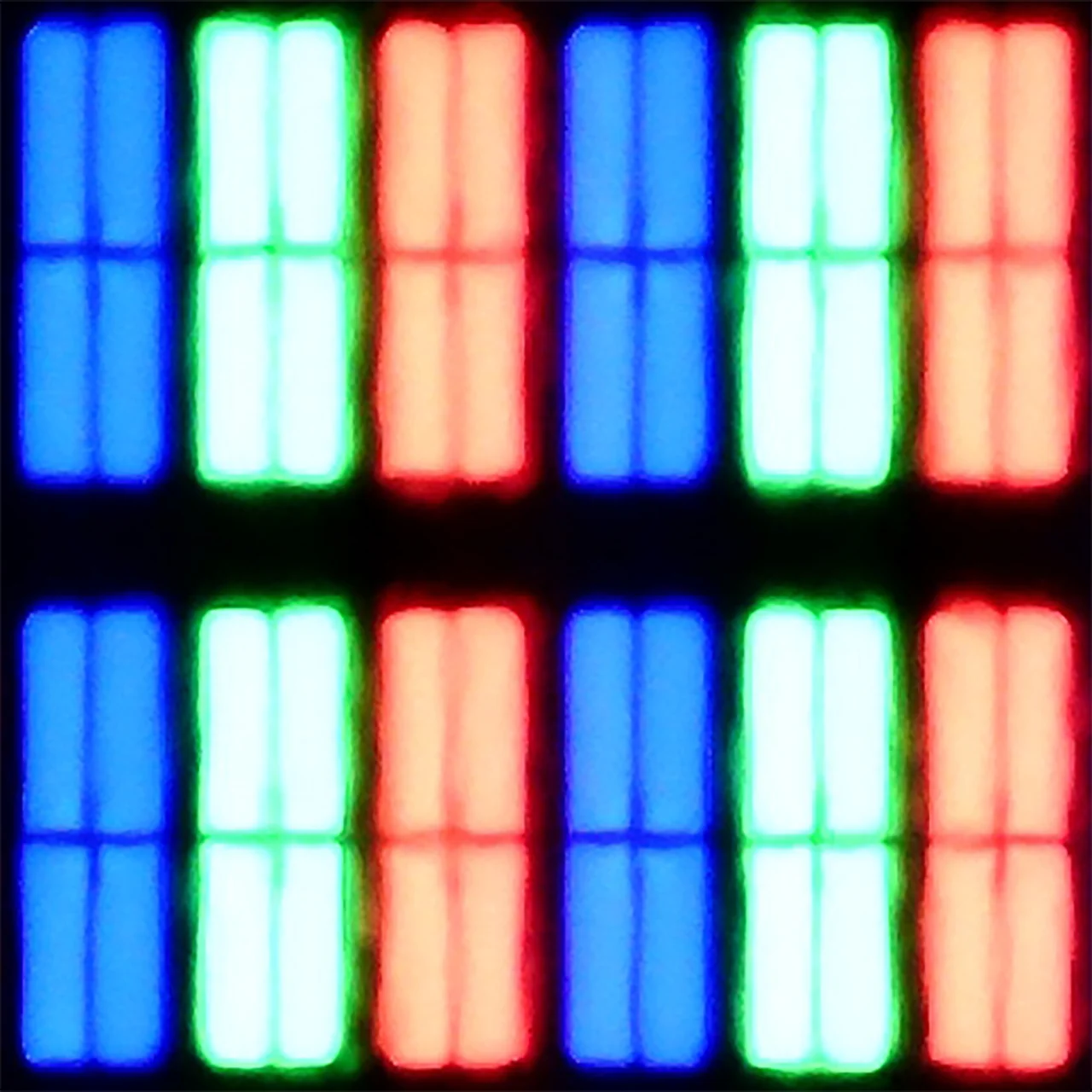
The TCL P7L is probably not the first choice for office work. The TV correctly supports 4:4:4 chroma, so text itself remains fairly sharp, but the BGR subpixel layout causes some issues with its appearance. On the vertical edges of letters you can notice small artefacts and characteristic "dots" that can be distracting when sitting close to the screen. For occasional browsing or working with documents this isn't a major problem, but as a monitor for daily text work the P7L performs rather averagely.
It looks much better for PC gaming. Low input lag, support for G-Sync and VRR mean the TV works well with the graphics card, and at lower resolutions you can also make use of 120 Hz. In 4K we're still limited to 60 Hz, but if the computer is intended mainly for gaming the P7L makes much more sense in that role than as a typical work monitor.
Viewing angles
3.1/10
3.2/10
The issue of viewing angles is not surprising here – they are simply poor. The Haier M95E uses a VA type panel, so as you move away from the screen's axis, the image quickly loses colour saturation, and the contrast appears noticeably pale. However, this is a typical and fully expected characteristic of this technology, so it's hard to regard it as a significant disadvantage – this type of panel is just like that.
Viewing angles on the TCL P7L are rather poor, which is typical for a VA panel. It is precisely because of that panel that the TV offers higher contrast and better blacks, but the price for that is a noticeable fall in image quality when you view the screen from the side. You only have to move a little off axis for colours to start losing saturation and for blacks to turn greyer. For that reason the P7L performs best when you are sitting as directly in front of the screen as possible. On a larger sofa and when watching with several people, the seats at the sides will be noticeably less comfortable.
Daytime performance
8.5/10
5.2/10
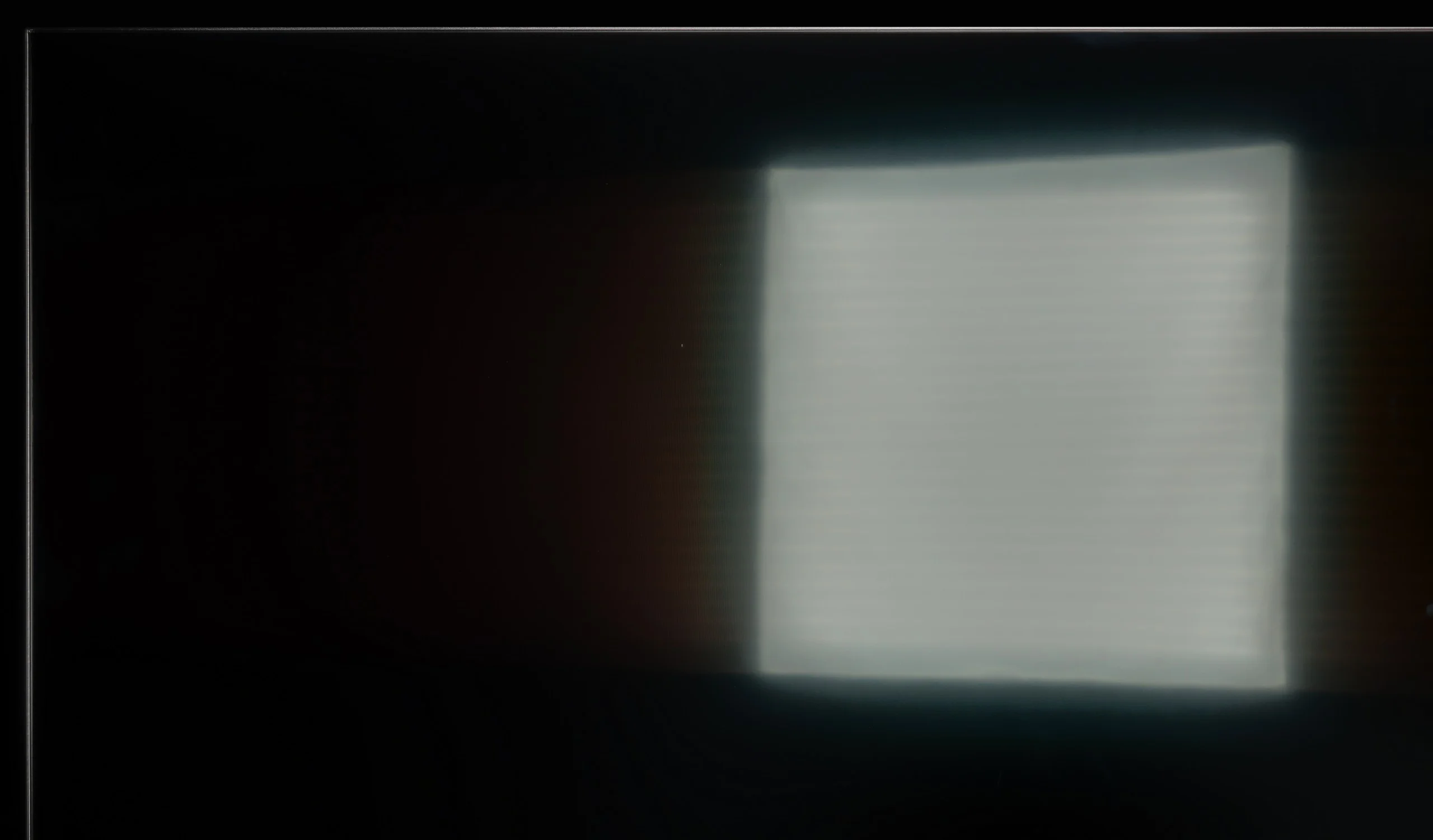
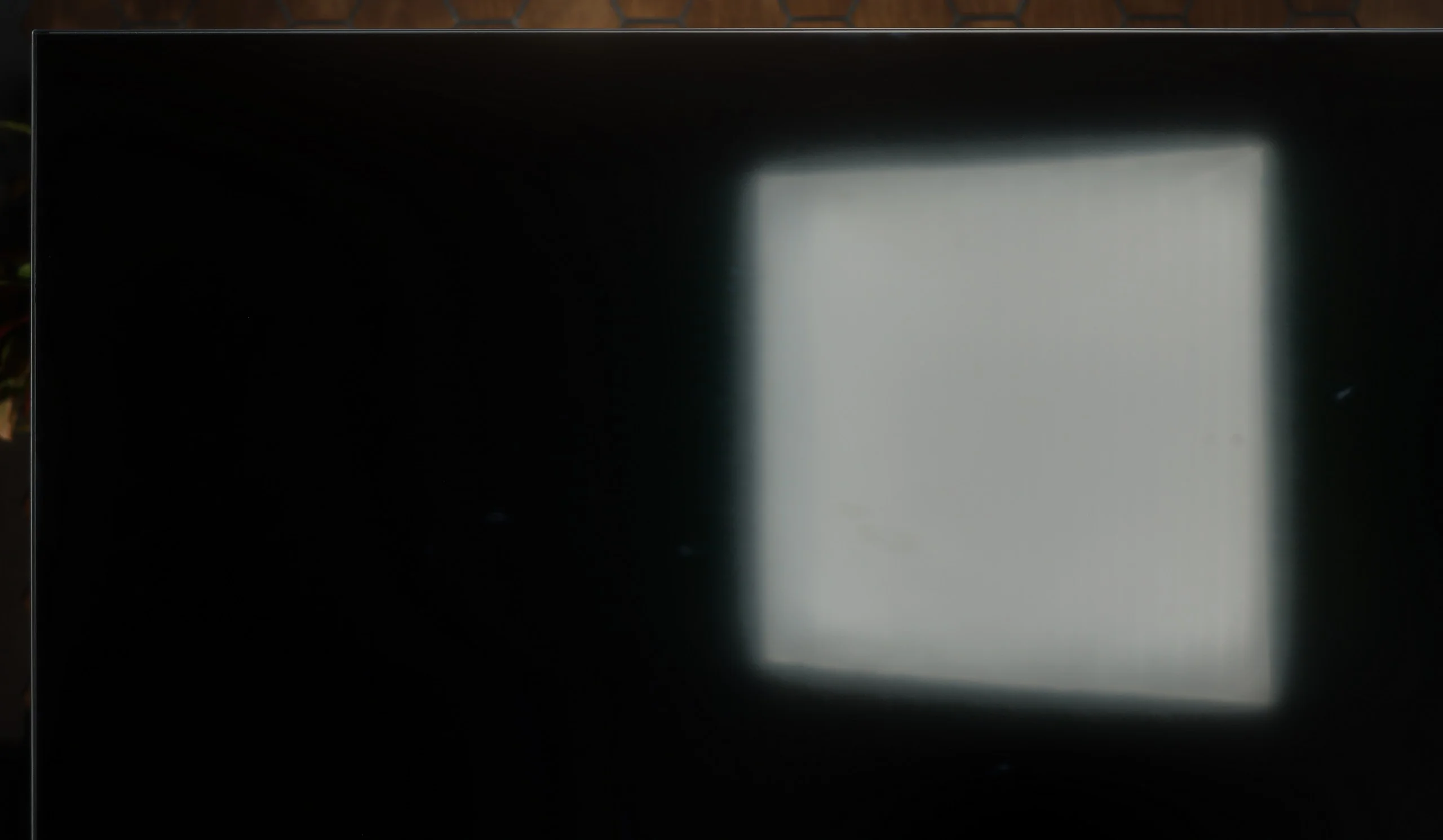
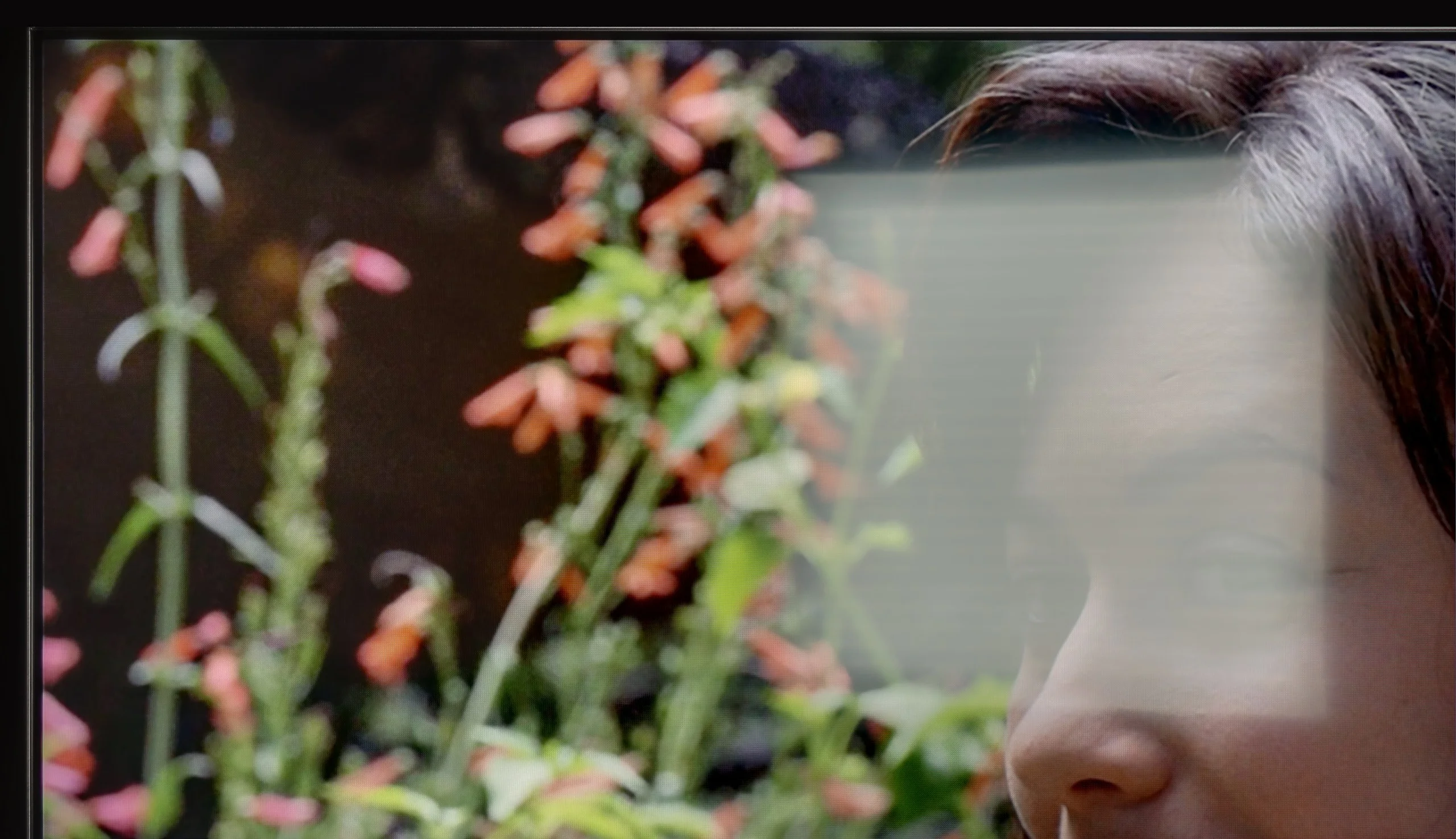
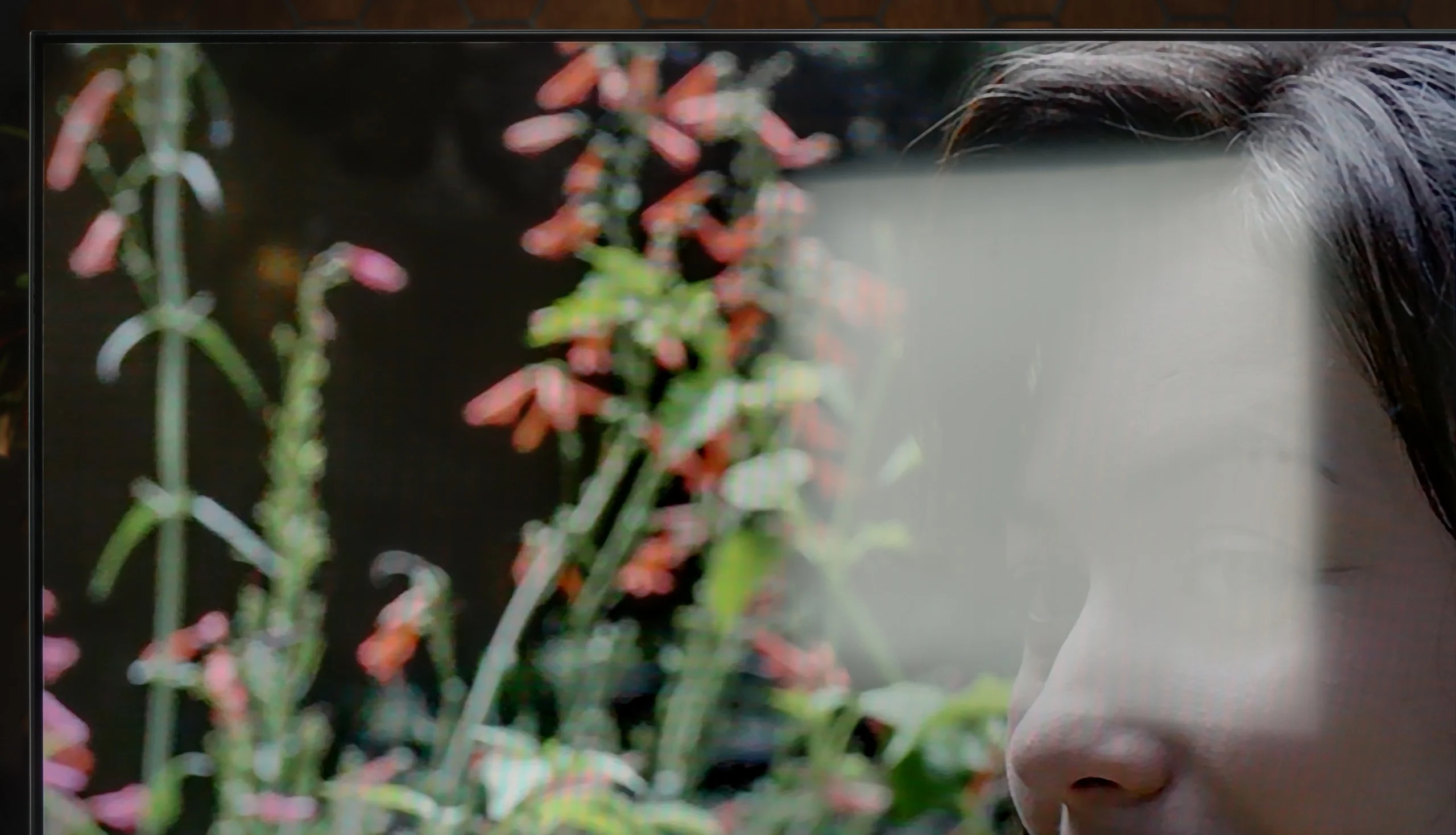
Panel brightness
TCL P7L / P79L: 364 cd/m2
Haier M95E: 1039 cd/m2
If you are looking for a television for a bright living room, the Haier M95E is one of the stronger contenders. Its performance in daytime conditions is mainly thanks to its very high brightness. In SDR mode, the panel achieves an average of over 1000 nits, which is a result that allows it to easily "break through" the light entering the room, even in very challenging conditions. And although the M95E does not have some revolutionary, super-matte anti-reflective coating, its raw backlight power is more than sufficient to perform excellently as a screen for daytime viewing.
By day the TCL P7L copes quite well, although much depends on the TV’s position relative to windows. The screen’s satin coating disperses reflections fairly effectively, so under normal living-room lighting the picture stays readable and doesn’t immediately turn into a mirror. Black levels also look good, and in daylight the blacks don’t lose too much depth. The limitation, however, is brightness. Around 360 nits is enough for normal viewing in a moderately bright room, but with strong sunlight falling directly on the screen the P7L starts to lose out to its surroundings. It will therefore be fine for a typical living room, but if the TV is to sit opposite a large window or you mainly watch in a very bright room, it’s worth bearing that in mind.
Panel details
Subpixel Structure:
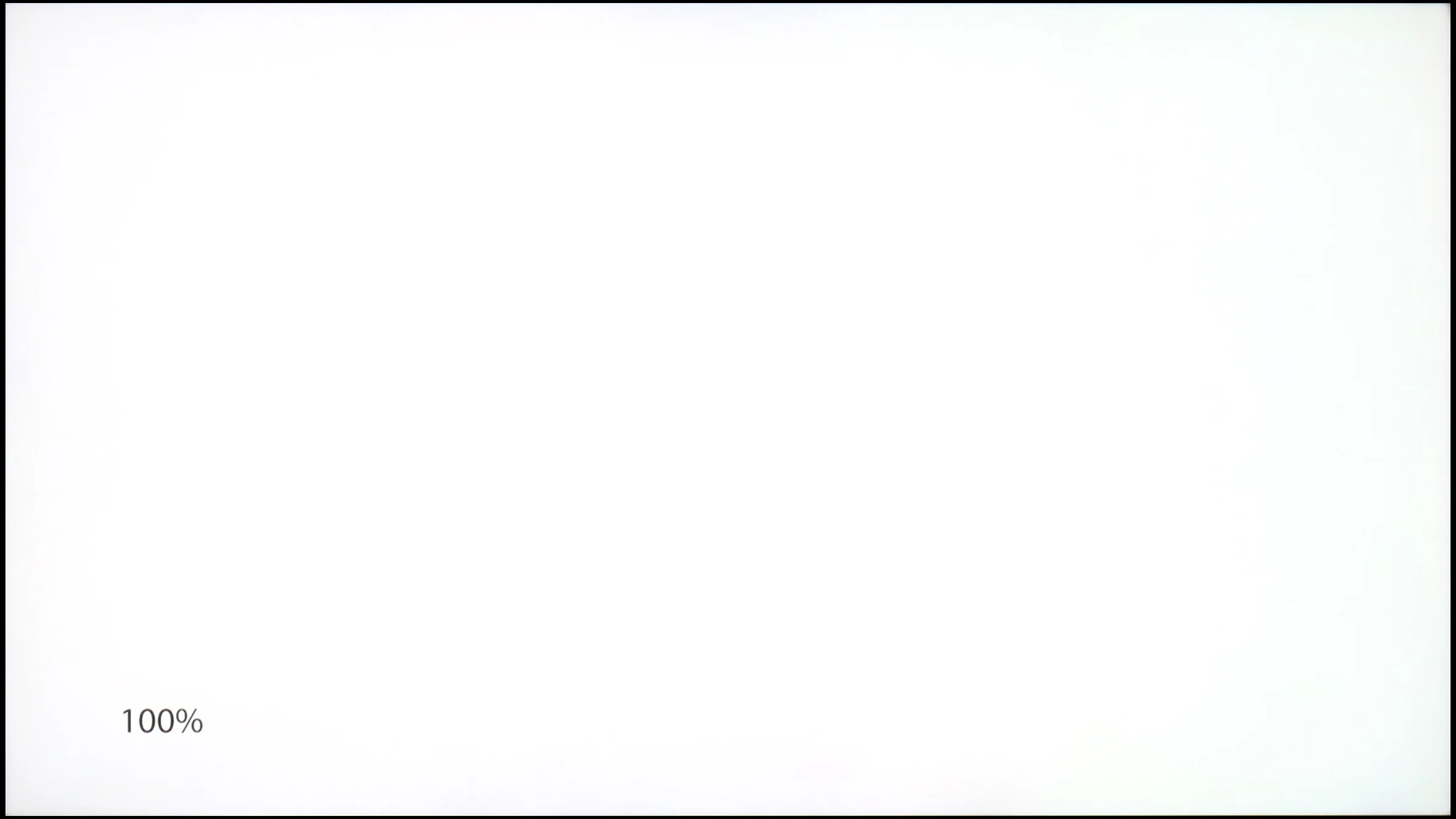
Panel uniformity and thermal imaging:
Haier M95E
TCL P7L / P79L
TV features
6.3/10
7/10
- SystemGoogle TVGoogle TV
- System performanceGoodDecent
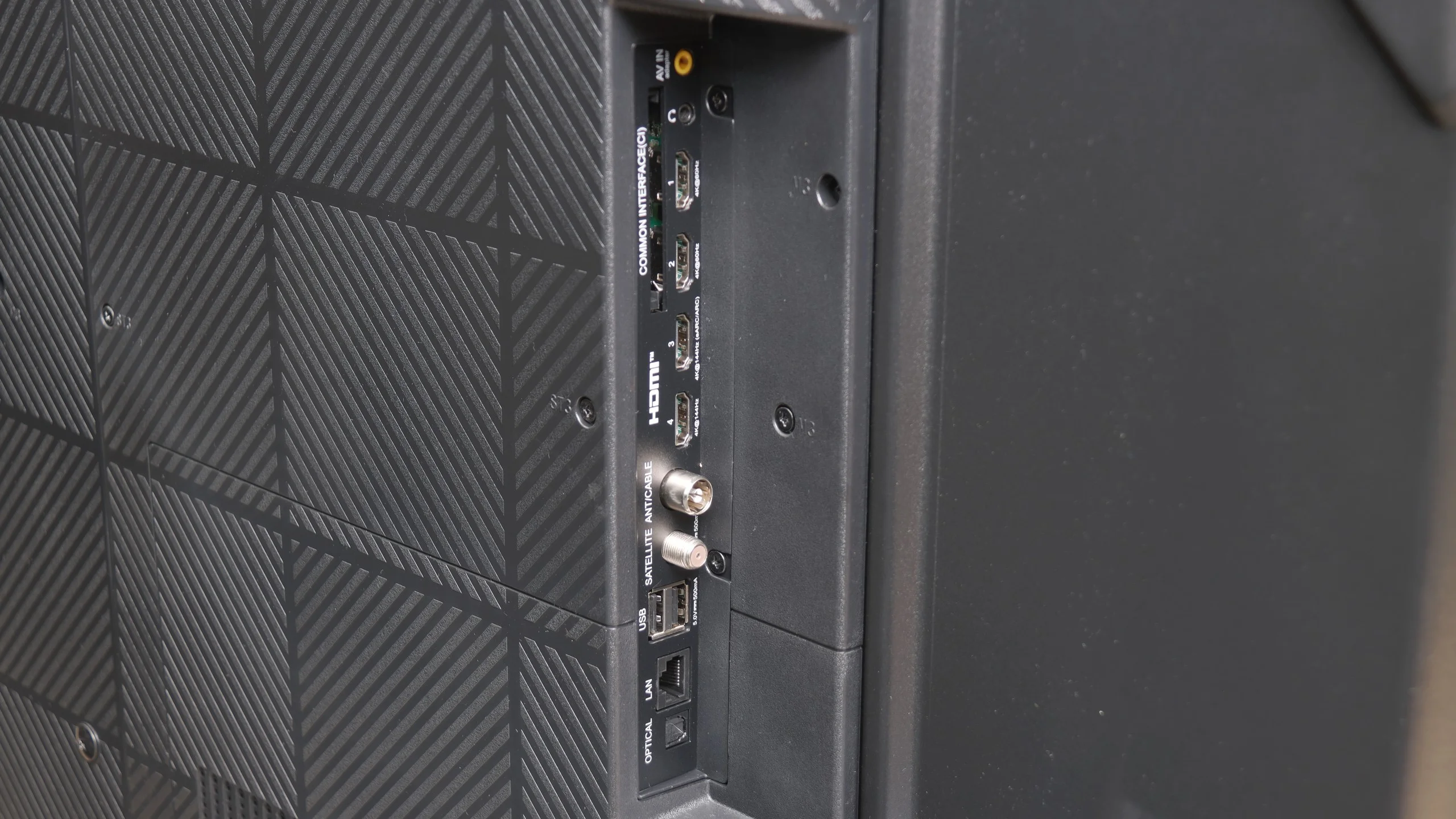
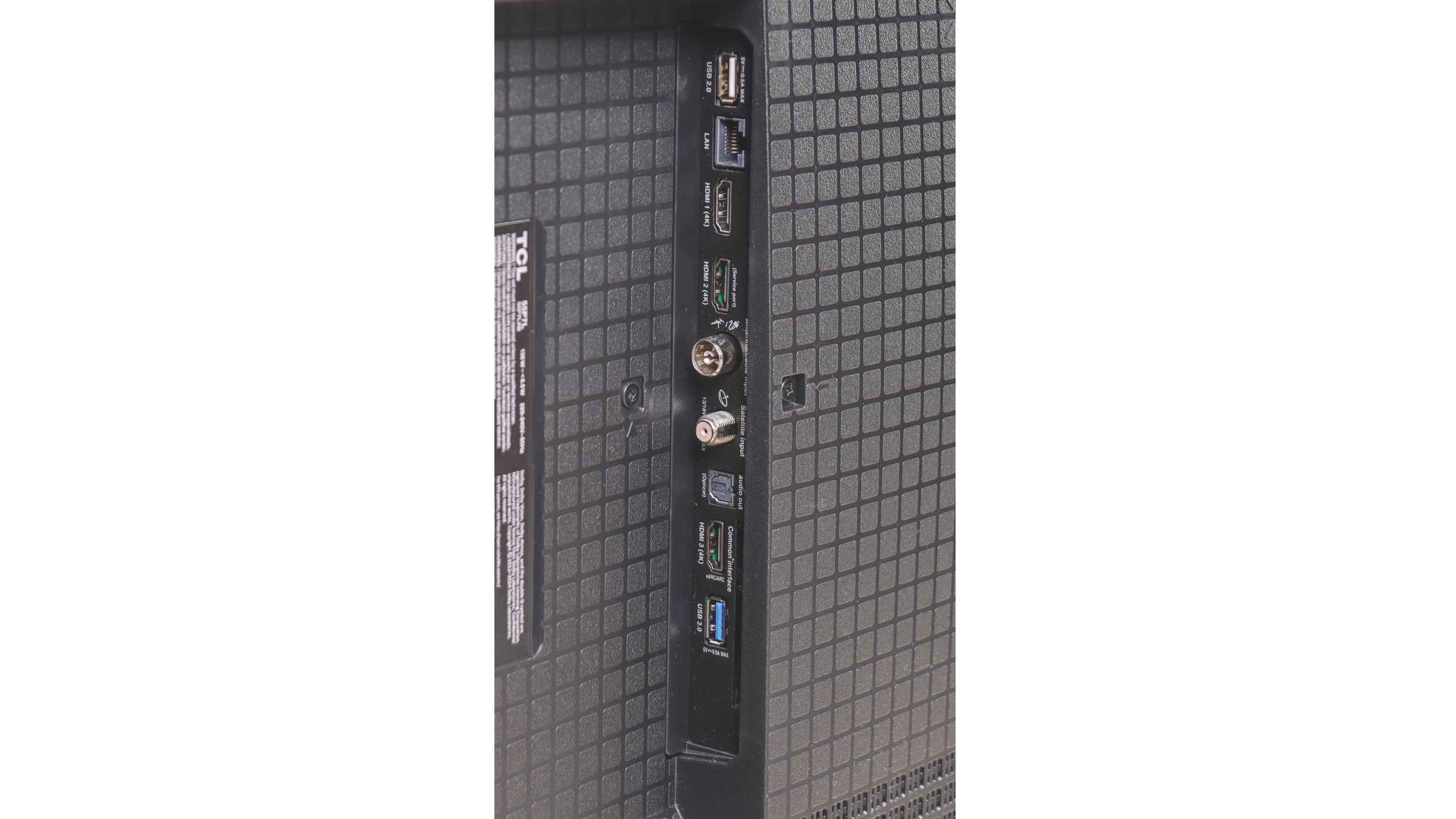
- HDMI inputs2 x HDMI 2.0, 2 x HDMI 2.13 x HDMI 2.0, 0 x HDMI 2.1
- Other inputsRCA (Chinch)
- OutputsToslink (Optical audio), eARC (HDMI), ARC (HDMI), Mini-Jack (Headphones)Toslink (Optical audio), eARC (HDMI), ARC (HDMI)
- Network InterfacesWi-Fi 2.4GHz, Wi-Fi 5GHz, Ethernet (LAN) 100MbpsWi-Fi 2.4GHz, Wi-Fi 5GHz, Ethernet (LAN) 100Mbps
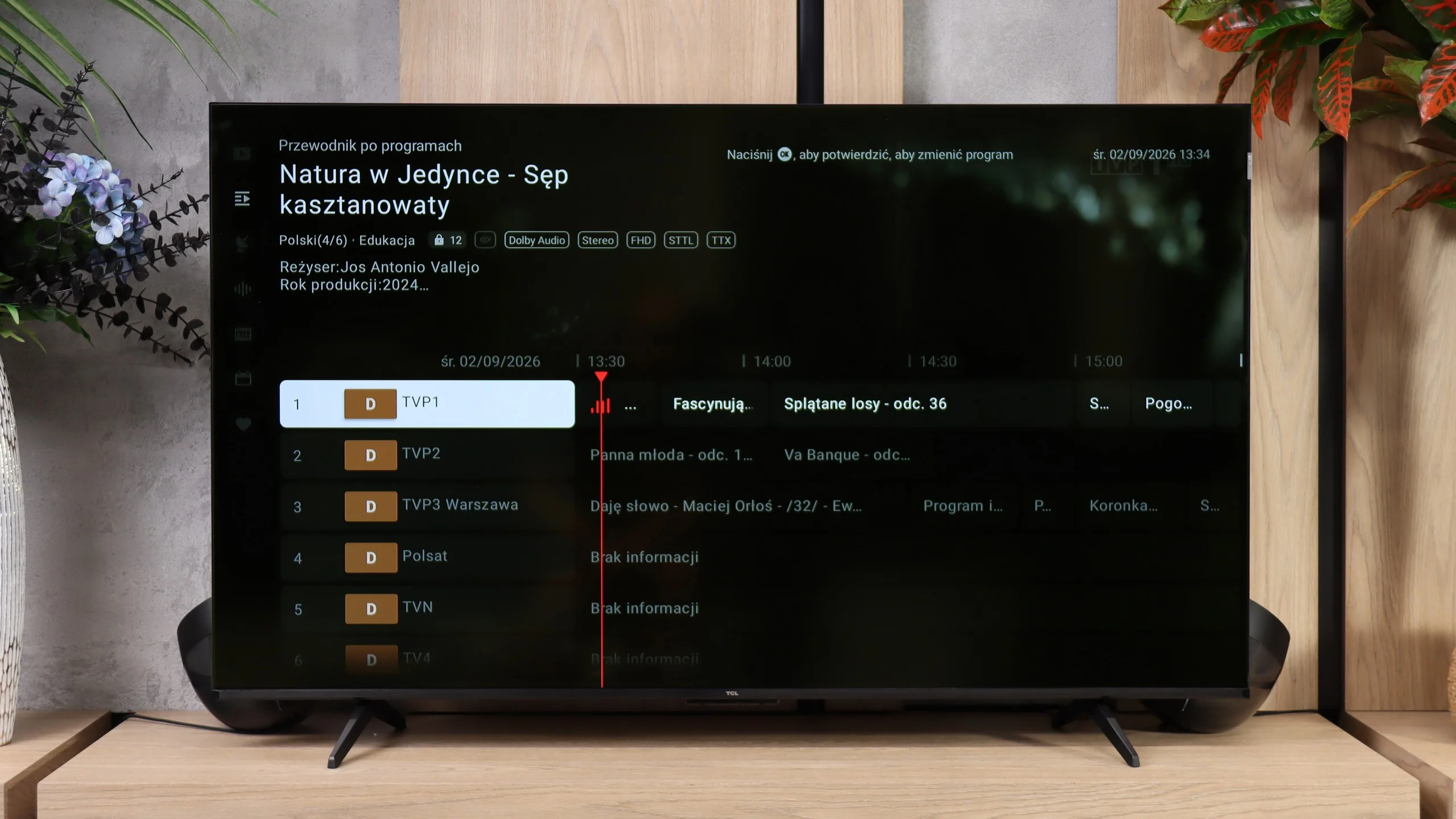
- TV receptionDVB-T, DVB-T2, DVB-S, DVB-S2, DVB-CDVB-T, DVB-T2, DVB-S, DVB-S2, DVB-C
Classic features:
- Recording to USB (terrestrial TV)
- Recording programming
- Picture in Picture (PiP)
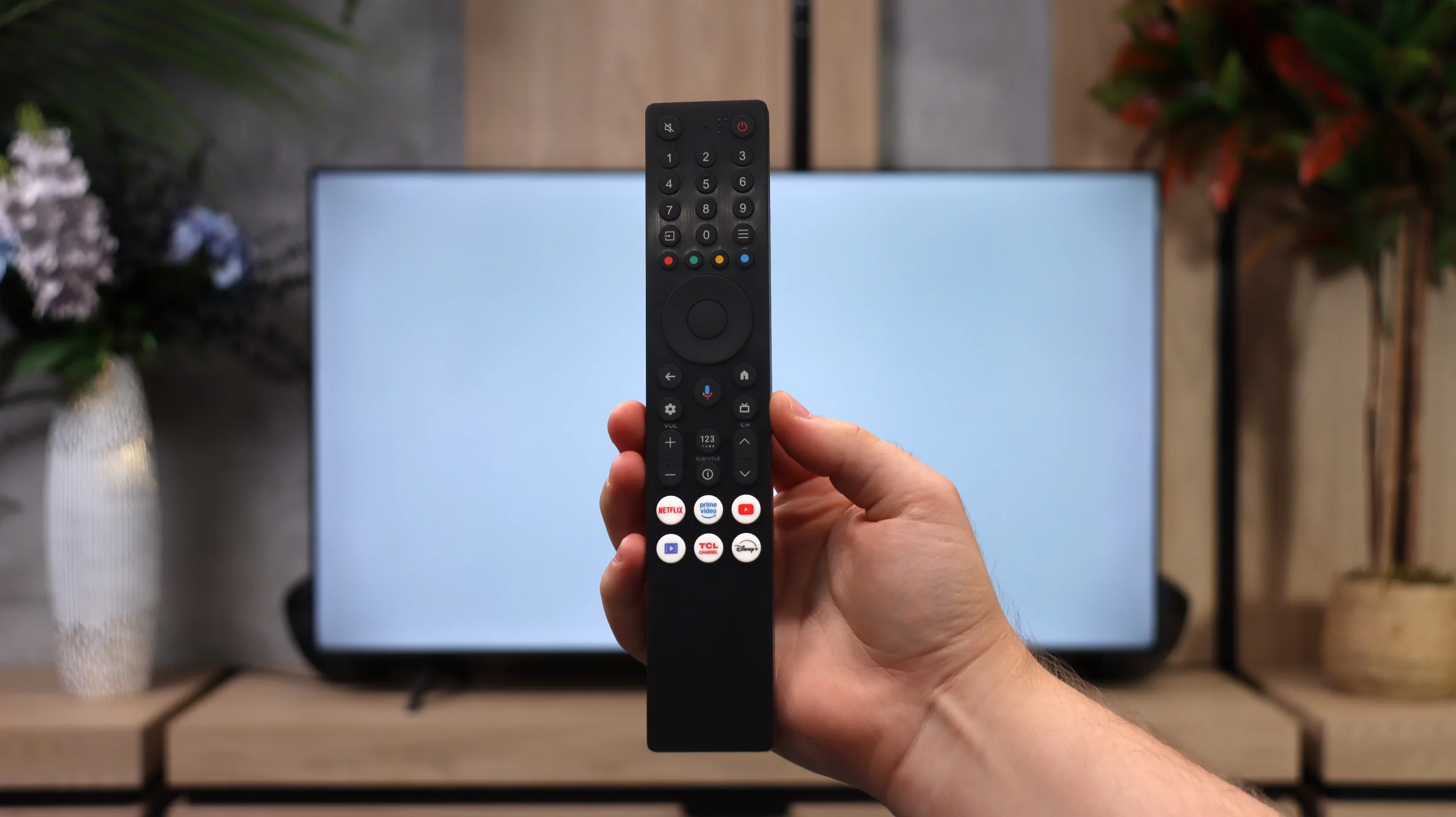
- RF remote control (no need to aim)
- Backlit remote control
- Teletext
- Audio only mode
- Bluetooth headphones support
- Simultaneous Bluetooth headphones & TV audio
Smart features:
- AirPlay
- Screen mirroring (Windows Miracast)
- Voice search
- Voice search in native language
- Ability to connect a keyboard and mouse
Sound connection options
- HDMI audioeARC (HDMI), ARC (HDMI)eARC (HDMI), ARC (HDMI)
- Other audio outputsToslink (Optical audio), Mini-Jack (Headphones)Toslink (Optical audio)
- Wireless audioBluetoothBluetooth
Supported audio formats (external HDMI eARC audio):
- Dolby Digital Plus 7.1
- Dolby True HD 7.1
- Dolby Atmos in Dolby Digital Plus (JOC)
- Dolby Atmos in Dolby True HD
- DTS:X in DTS-HD MA
- DTS-HD Master Audio
Senior accessibility
- Numeric keyboard on TV
- Font size adjustment
- Audio description
Classic Features of the M95E
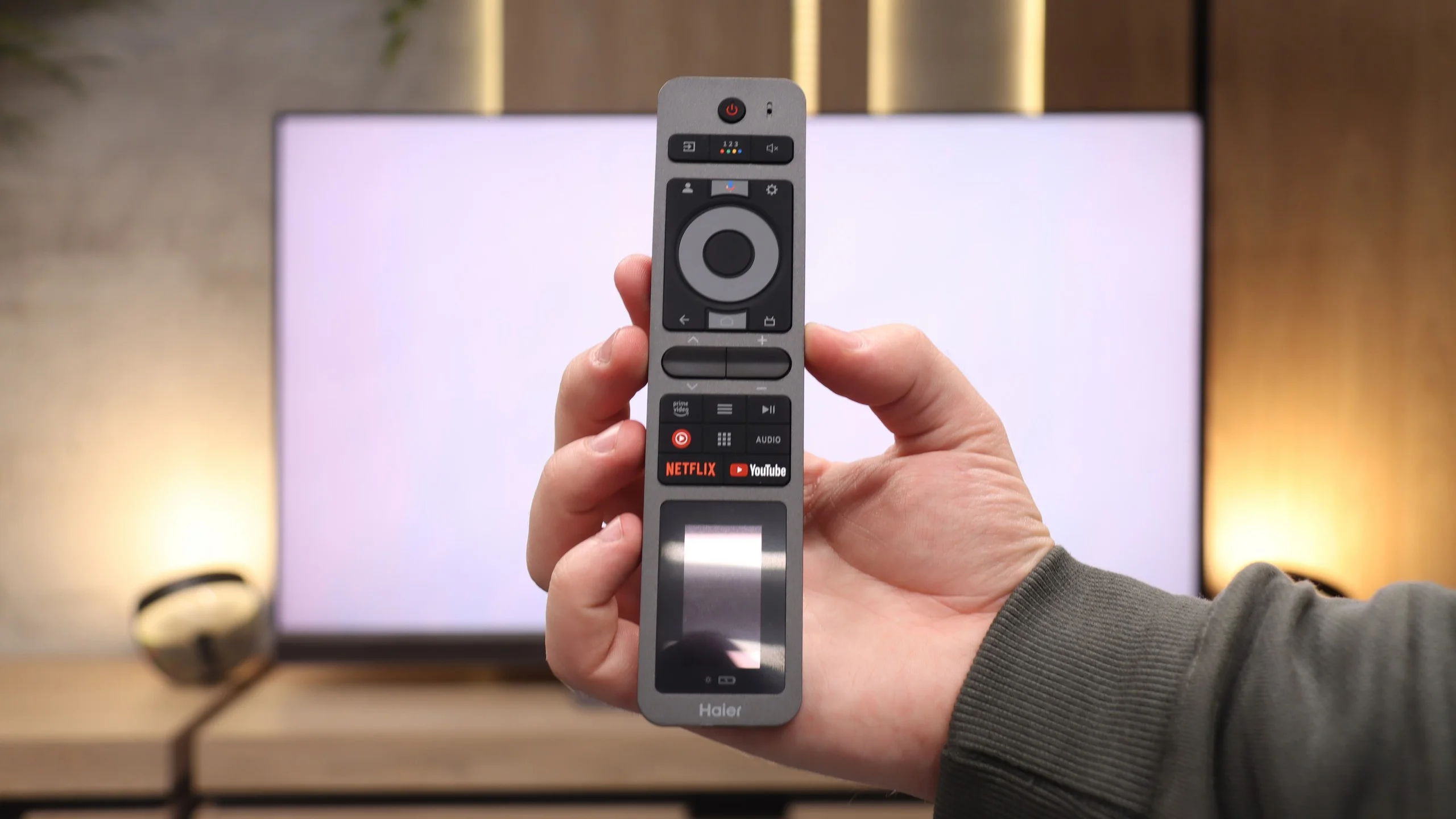
When it comes to the classic features of the television, the M95E is, to put it mildly, disappointing. The only real plus in this category is that we at least get a remote control included, although this too has a rather awkward shape and is not among the most comfortable to use. The real trouble began when we tried to search for terrestrial TV channels – the receiver stubbornly refused to connect to any antenna throughout the testing period. To be sure, we checked the same setup on another television, where everything worked perfectly, which rules out any fault on our part. Overall, apart from the fact that it has Bluetooth and a physical mini-jack headphone output, it's hard to praise the M95E for much here.
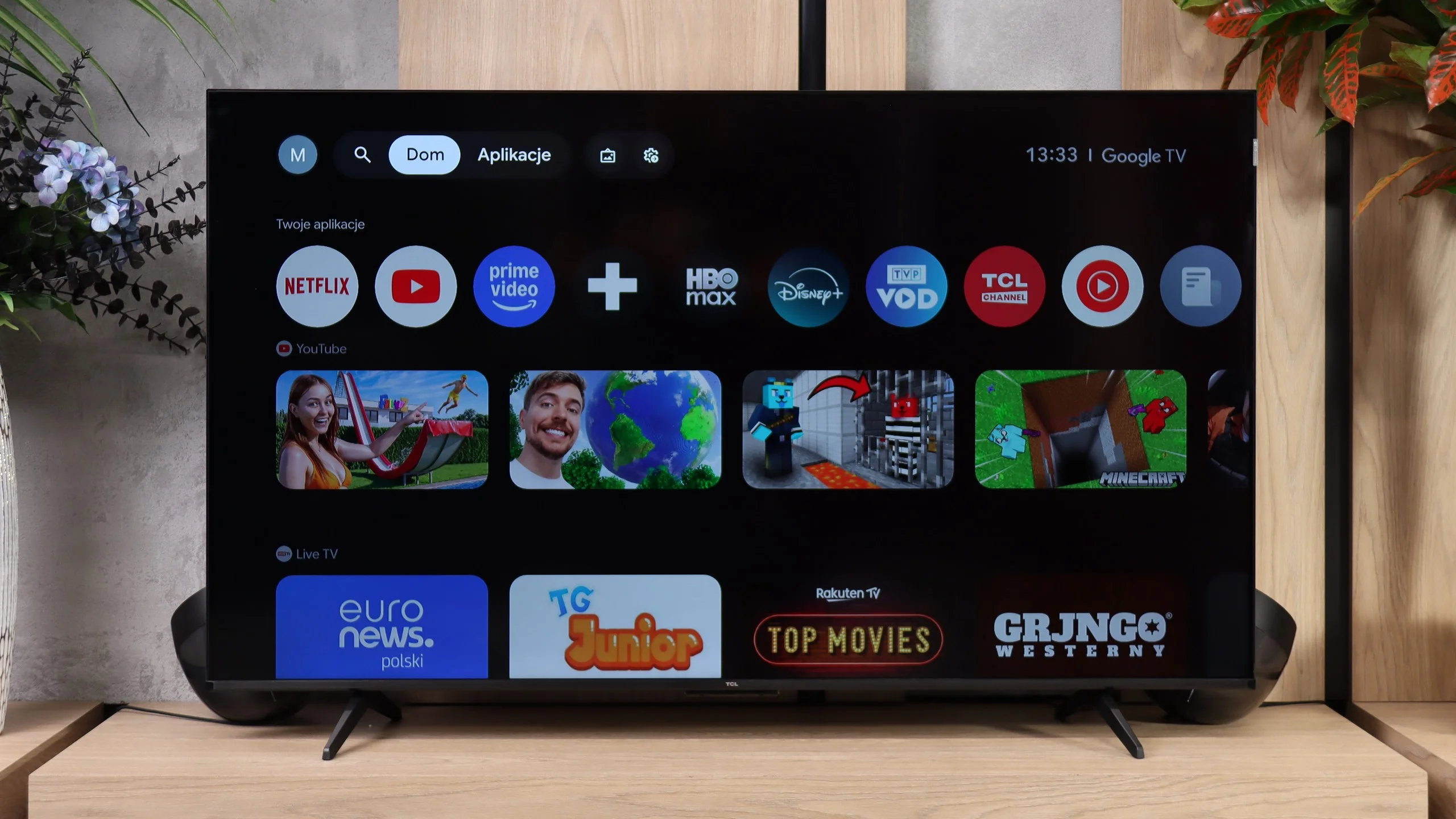
Operating System: Google TV
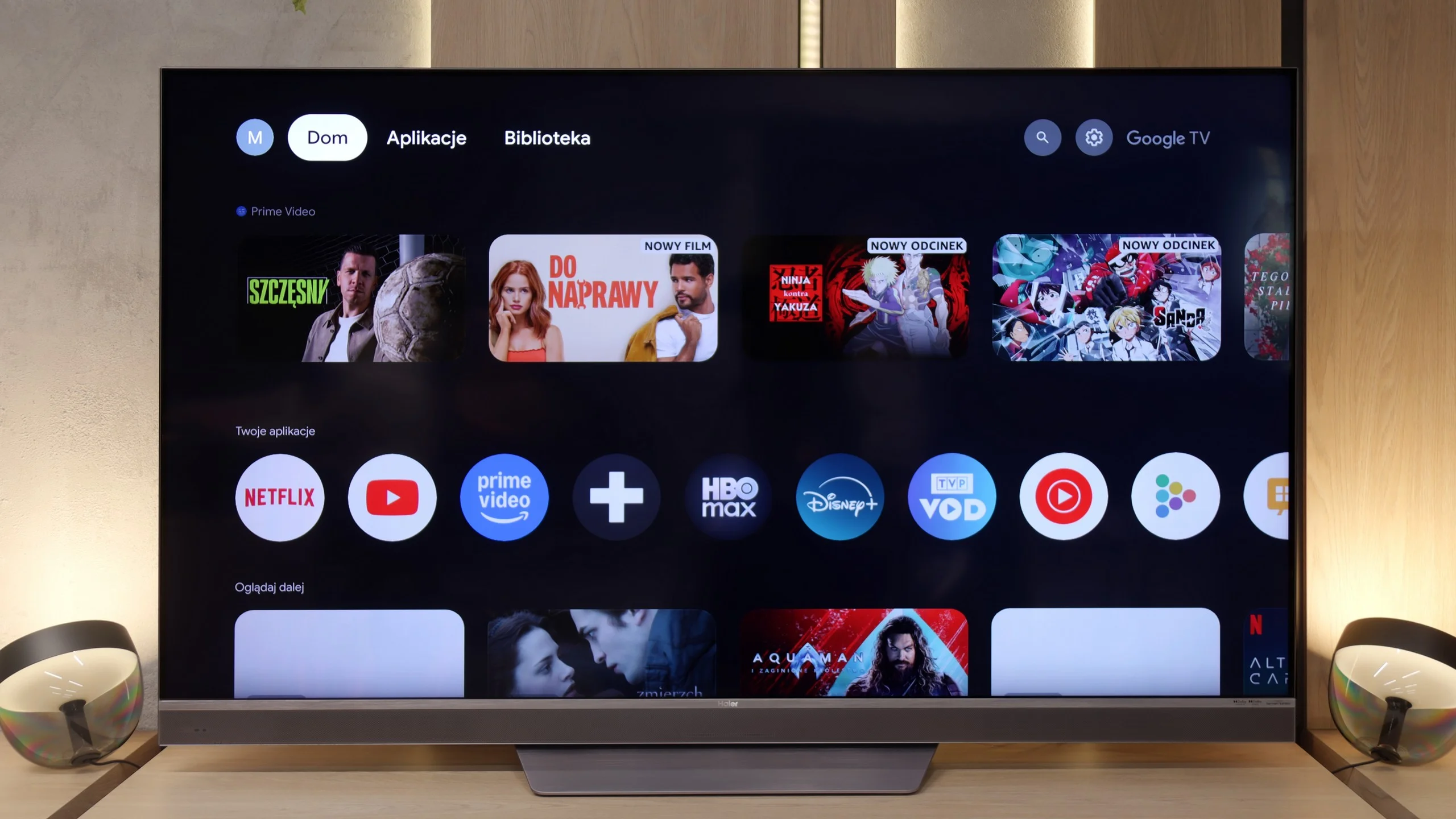
Alright, you might be wondering, what about the Smart features? After all, Google TV is a system that offers remarkable capabilities. That’s true, generally speaking. And indeed, the M95E boasts the same vast library of applications and access to a voice assistant as any other manufacturer. However, this is where the advantages of this system in the tested model come to an end. On our unit, the software simply operated clumsily. We encountered frustrating bugs, and the entire interface regularly experienced slight lags at the most inopportune moments, which effectively discouraged us from using it.
Smart TV
The TCL P7L runs on Google TV and that is definitely one of this model’s stronger points. The system provides access to virtually all popular streaming apps, and it also supports AirPlay, casting from other devices and voice search, including Polish. The interface itself performs decently, it isn’t as fast as on more expensive sets, but for everyday use it shouldn’t be particularly irritating.
TV features
When it comes to more traditional features the P7L is clearly a simpler television. It lacks recording to USB, scheduling recordings and picture-in-picture, so people used to those extras on older TVs may miss them. What remains are the basics: such as teletext, an audio-only mode, Bluetooth headphone support and the option to play audio simultaneously through the TV speakers and headphones. The remote uses radio signals, so you don’t have to point it directly at the screen, which is simply handy in everyday use.
Apps
9.6/10
9.6/10






















Playing files from USB
9.5/10
8.7/10
Supported photo formats:
Maximum photo resolution:
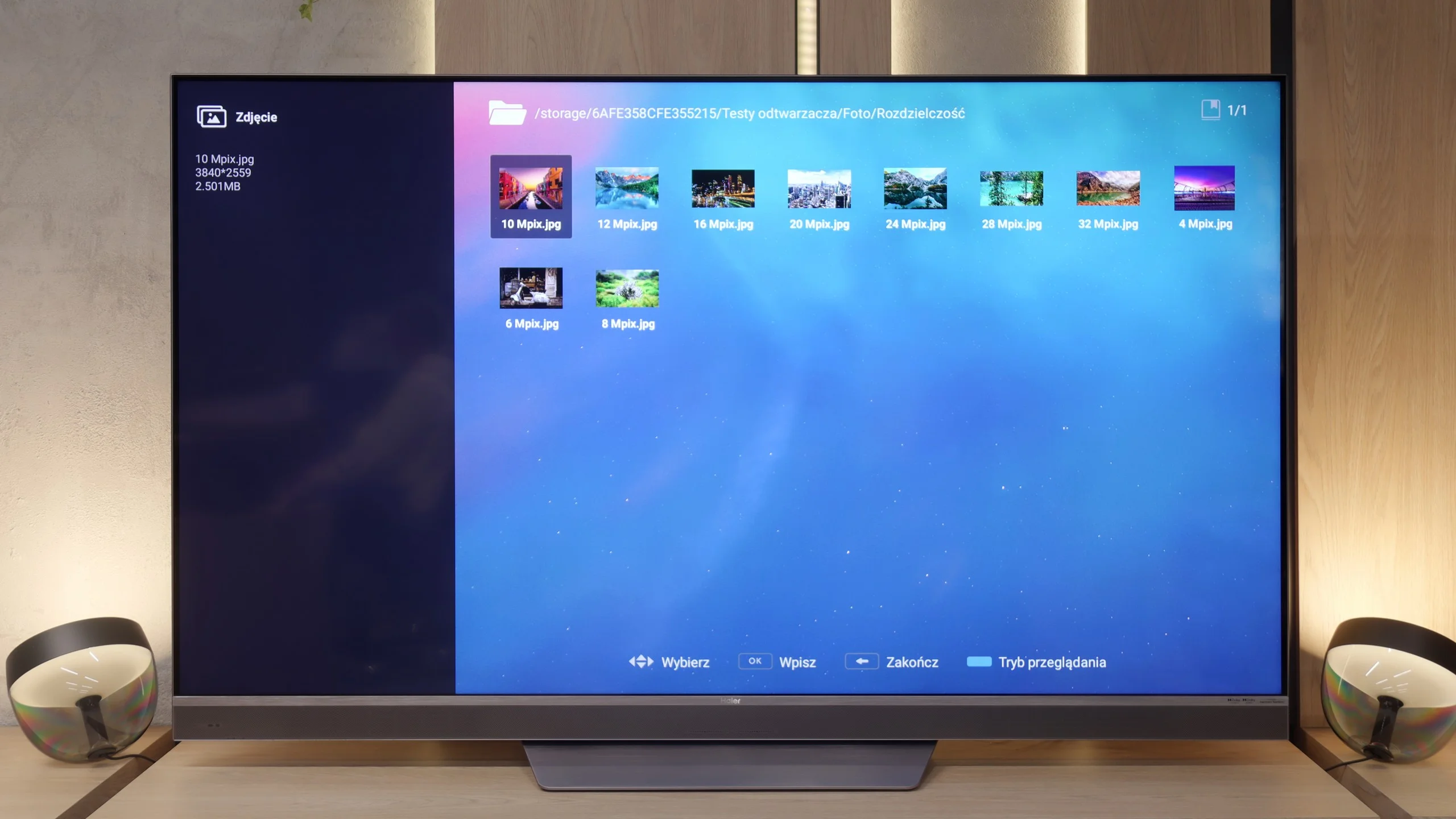
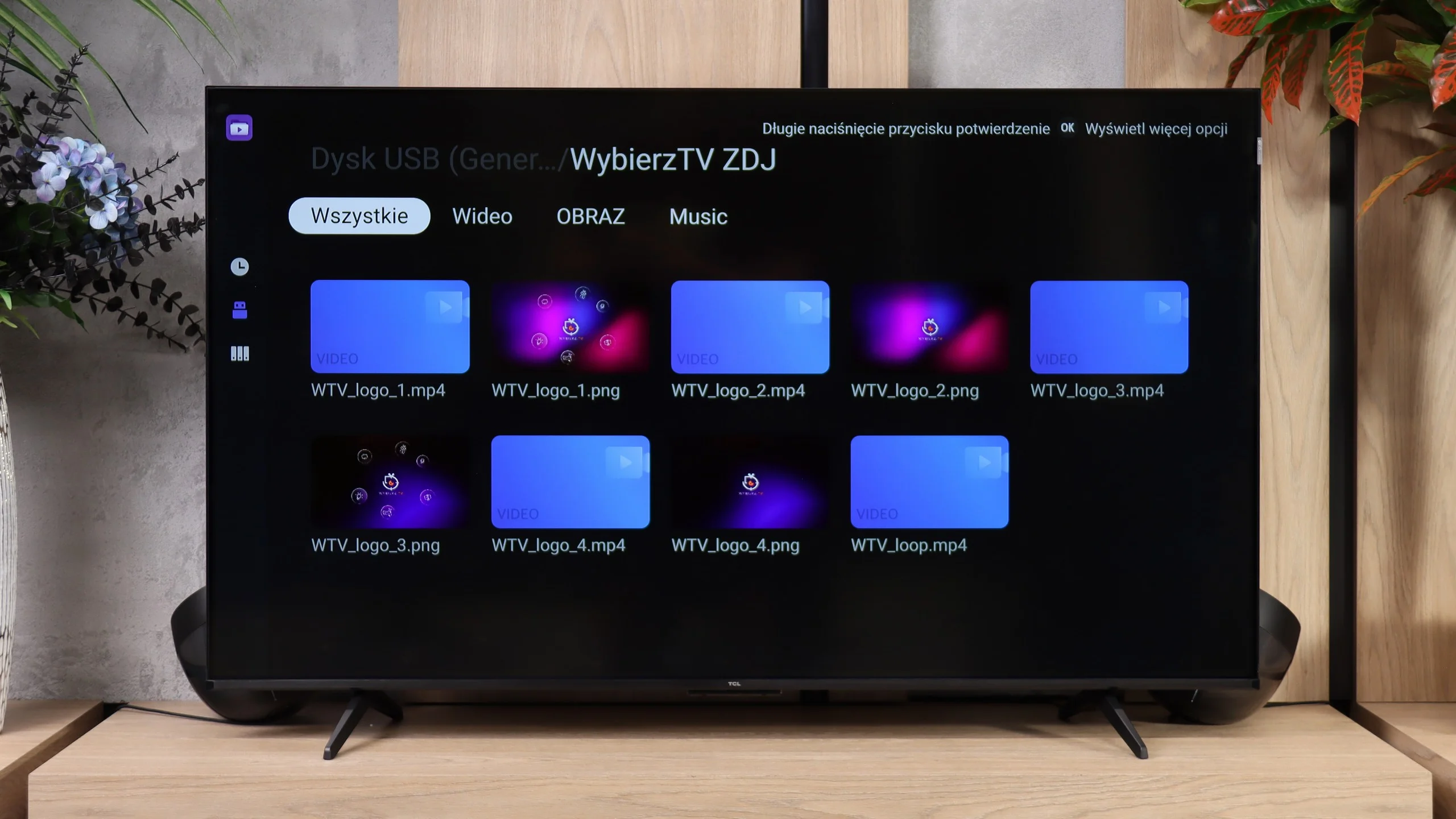
In such an unpolished and clunky system, we did not expect any positive surprises. However, the built-in USB file player turned out to be a real gem. To our surprise, the application worked smoothly and handled the playback of all the most important formats we threw at it flawlessly. It is one of the few elements of the M95E software that seems to work exactly as it should.
The built-in media player in the TCL P7L performs quite well. The TV handles most common video and subtitle formats and also easily plays 4K content encoded with newer codecs. It's perfectly adequate for occasional viewing of videos from a USB flash drive or external drive, and in that respect there's little to complain about. What proved most annoying, however, was displaying photos. The P7L did not always open higher-resolution files correctly and behaved somewhat selectively: some large photos worked, others did not. So if you plan to frequently browse photos on the TV straight from a camera or phone, it's worth bearing in mind.
Sound
9.2/10
6.2/10
- Maximum volume87dB89dB
- Dolby Digital Plus 7.1
- Dolby True HD 7.1
- Dolby Atmos in Dolby Digital Plus (JOC)
- Dolby Atmos in Dolby True HD
- DTS:X in DTS-HD MA
- DTS-HD Master Audio
After all this enumeration of shortcomings and wasted potential, we move on to a category that is like a breath of fresh air. The sound on the Haier M95E is simply phenomenal. We can confidently state that it is one of the best-sounding televisions to have graced our editorial office this year. The integrated soundbar, proudly positioned at the front, plays really clearly and evenly, serving us distinct dialogues and selective high tones. The real magic also comes from the back of the casing – that’s where two additional subwoofers are located, providing a surprisingly strong and enjoyable bass experience. Of course, we will be realists. We are still talking about the capabilities of the speakers built into the television, and there can be no comparison with a decent external audio system. Nevertheless, as far as integrated solutions go, the M95E sounds really very good and leaves most of the competition far behind.
The sound on the TCL P7L is fairly conventional for a budget TV. The speakers can get quite loud and dialogue is clear, but they lack depth and, above all, bass. For regular TV, YouTube or news that setup is more than adequate, but in films and music you’ll quickly notice the sound is rather flat and thin. On the plus side, it supports a wide range of formats, including Dolby Atmos and DTS. However, the TV itself can’t turn those into a full surround effect, so if you want a more powerful sound, especially in the low end, a soundbar is definitely the better option.
Sound Quality Test
Acoustic Measurements
87dBC (Max)
75dBC
89dBC (Max)
75dBC
Reader comments
Comments are provided by the external service Disqus (Zeta Global). Once loaded, Disqus may set cookies and process data about your activity.
We will remember your choice on this device. Provider's privacy policy