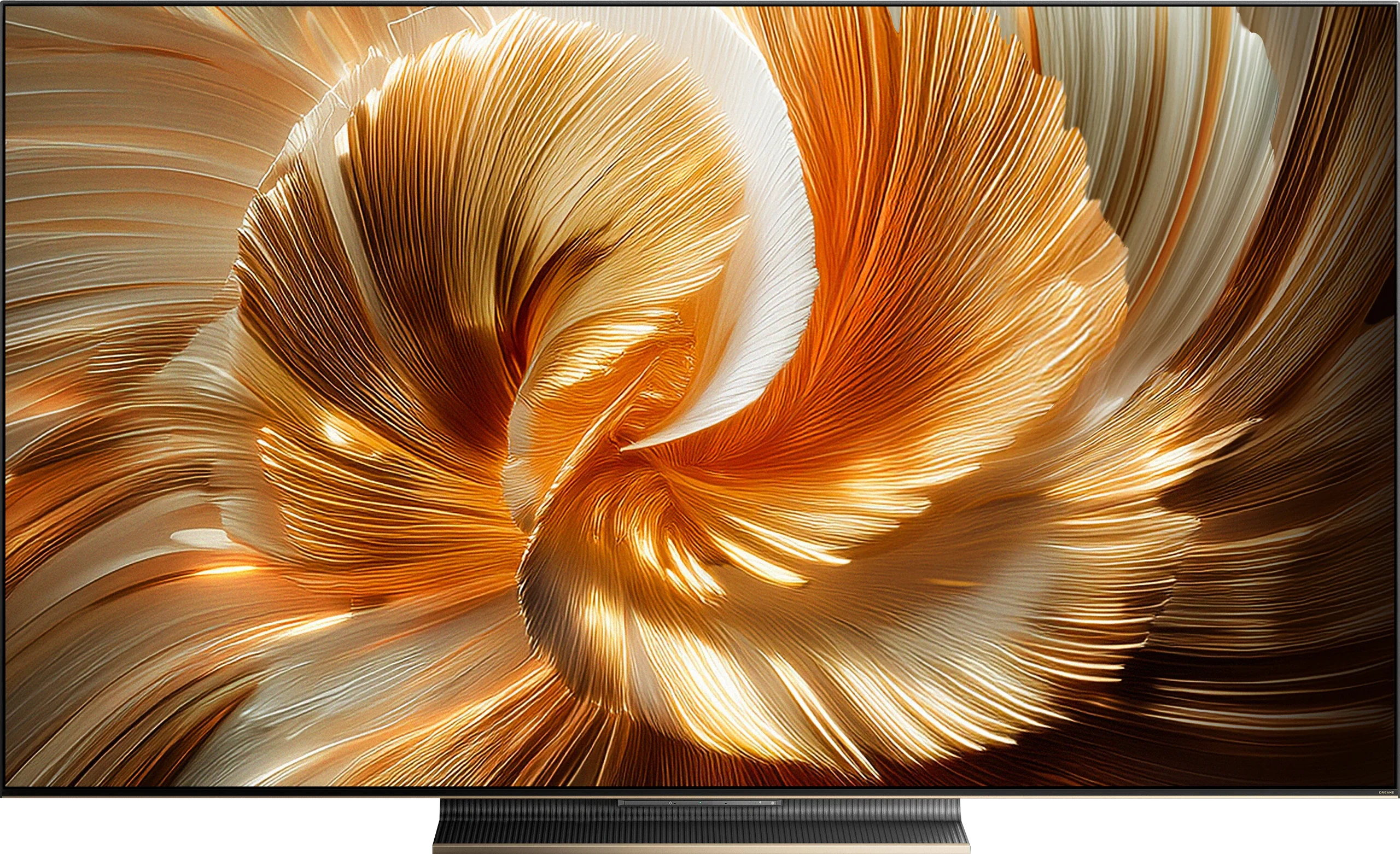
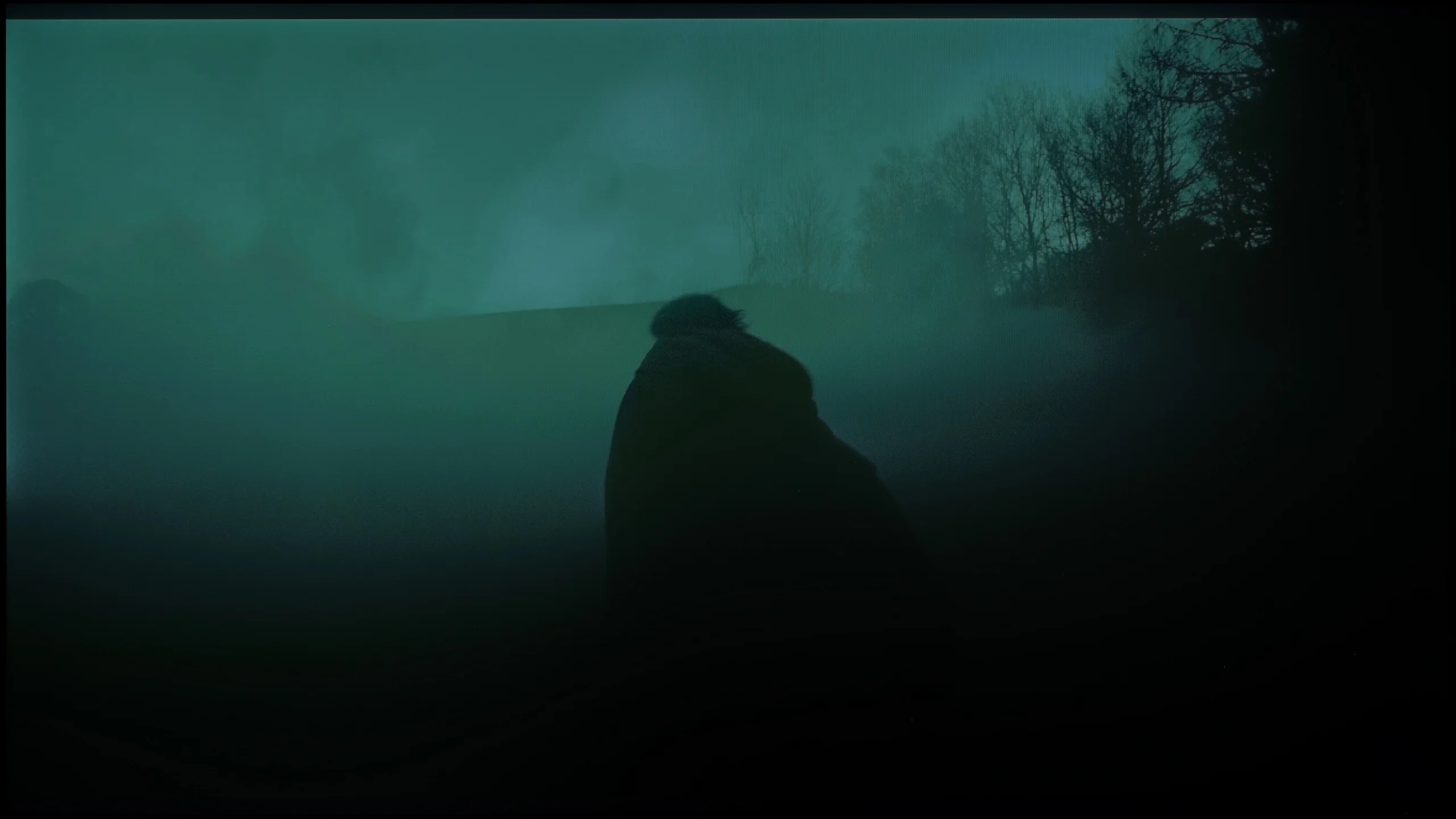
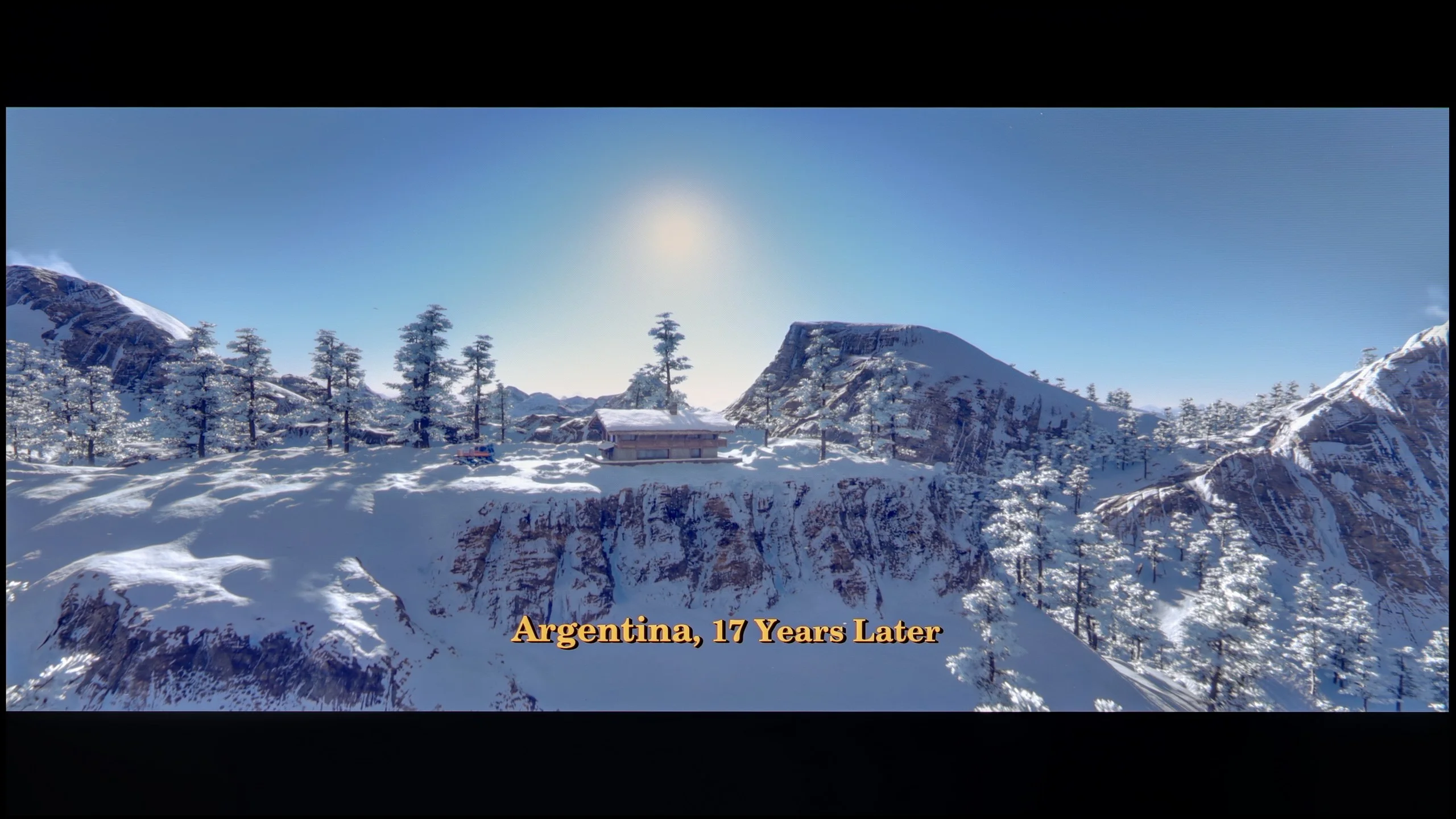
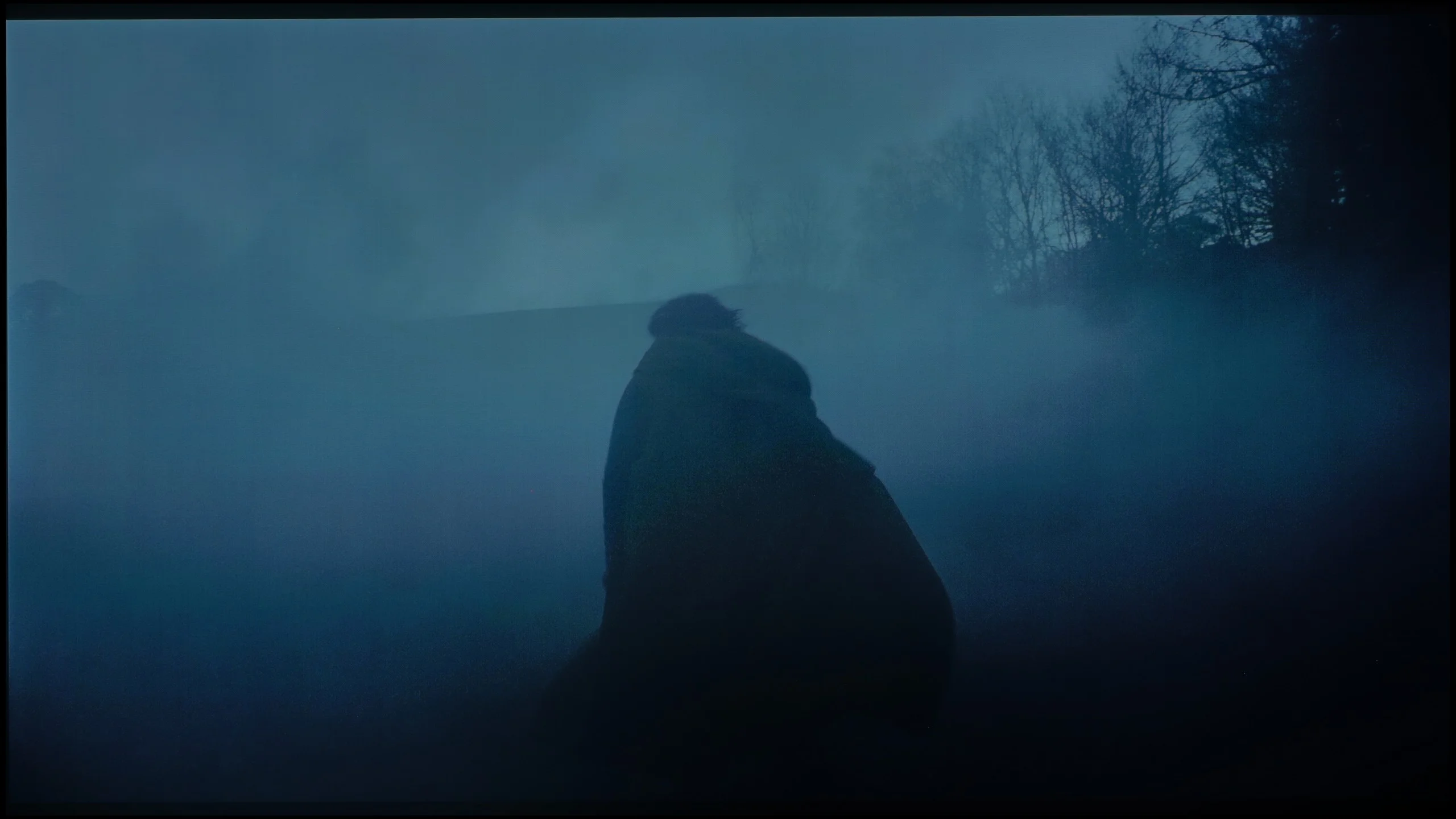
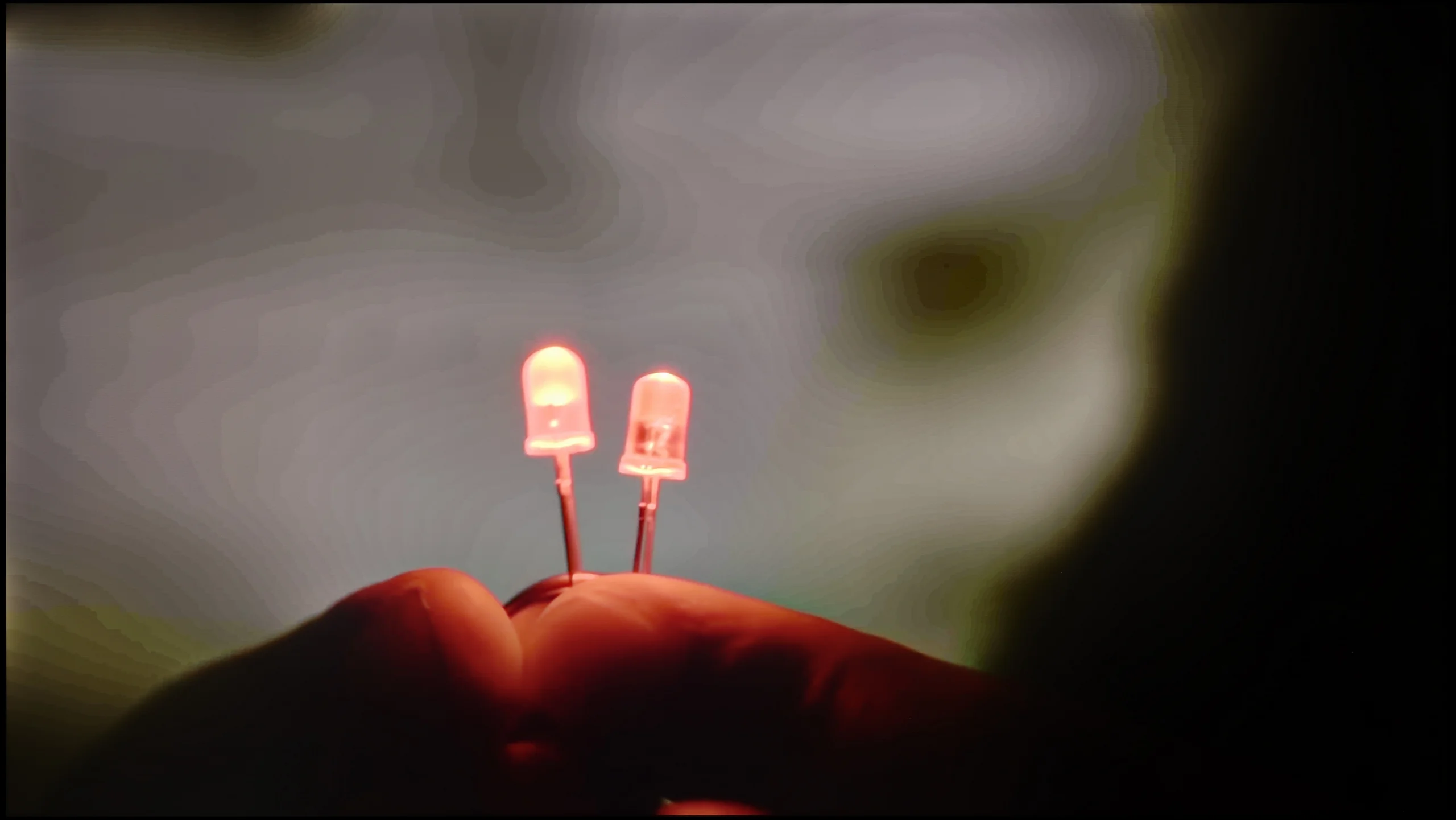
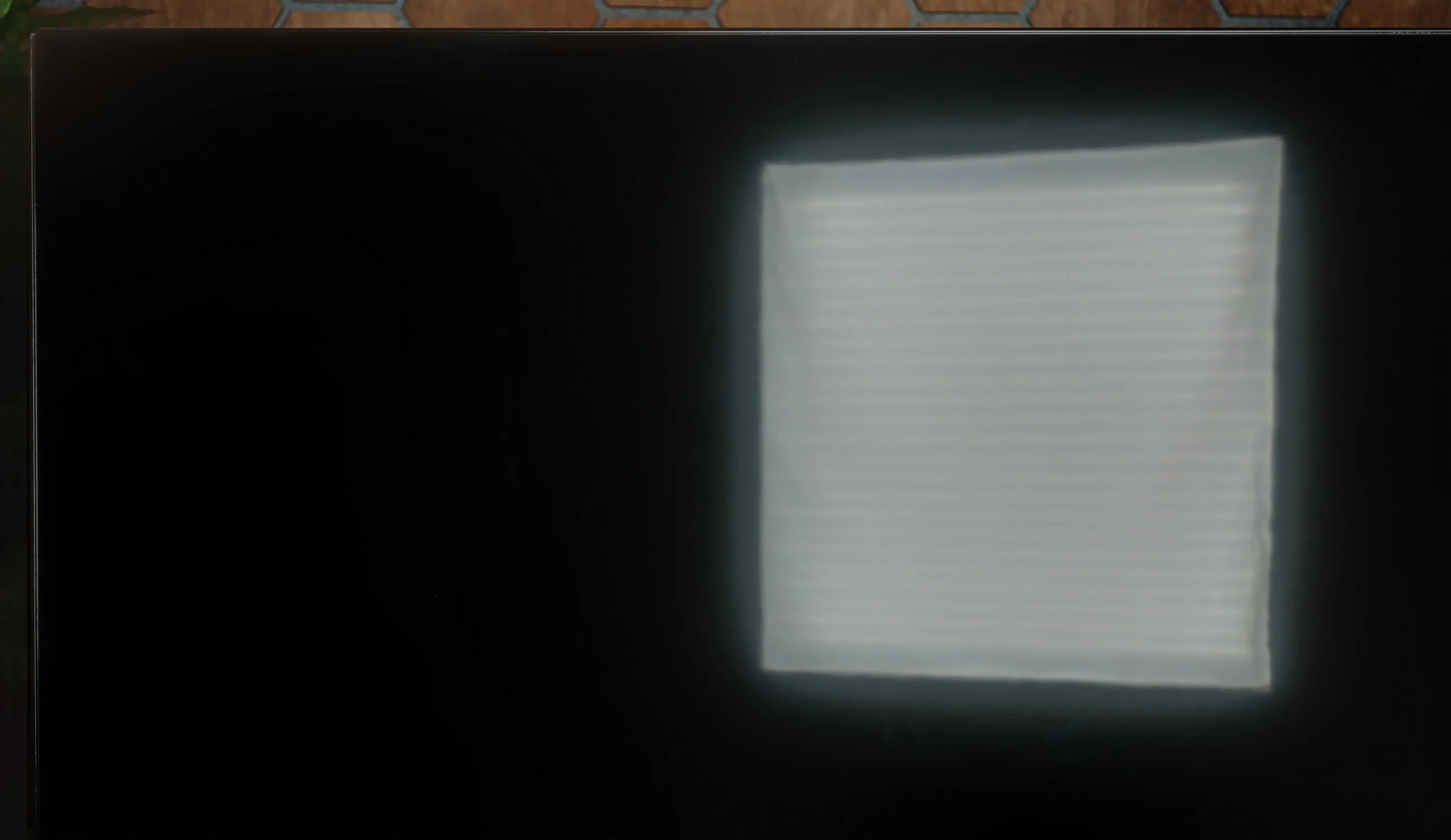
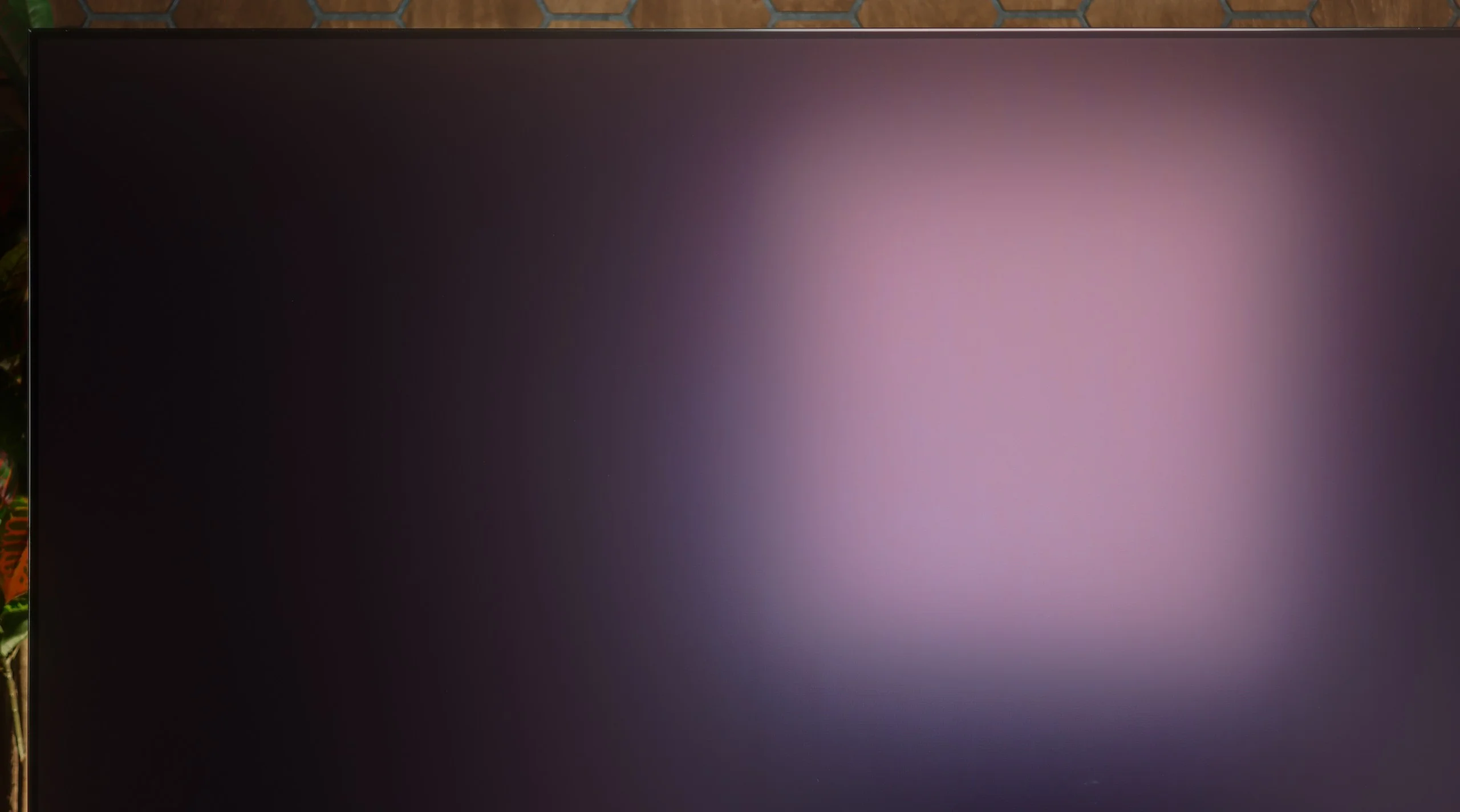
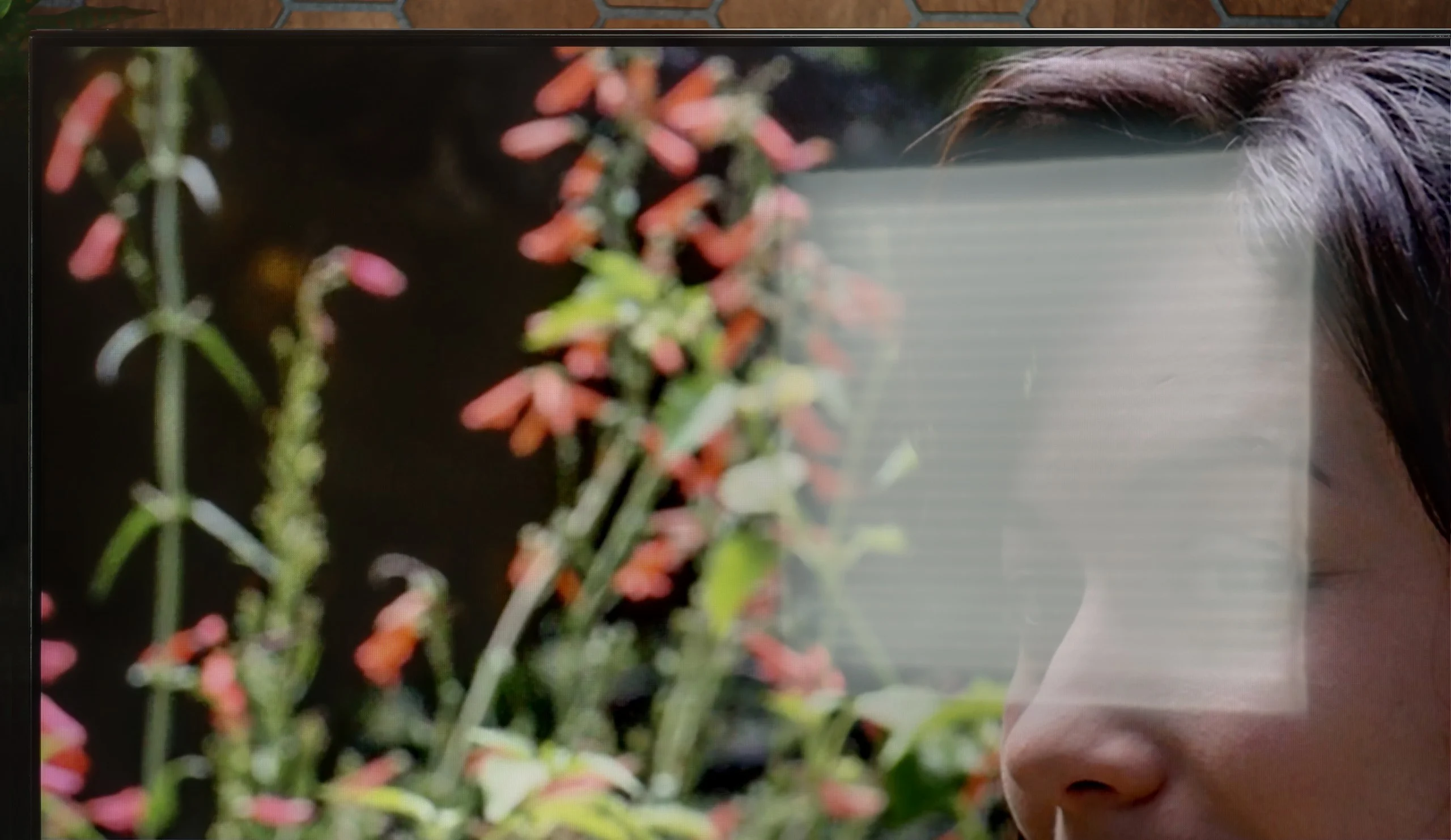
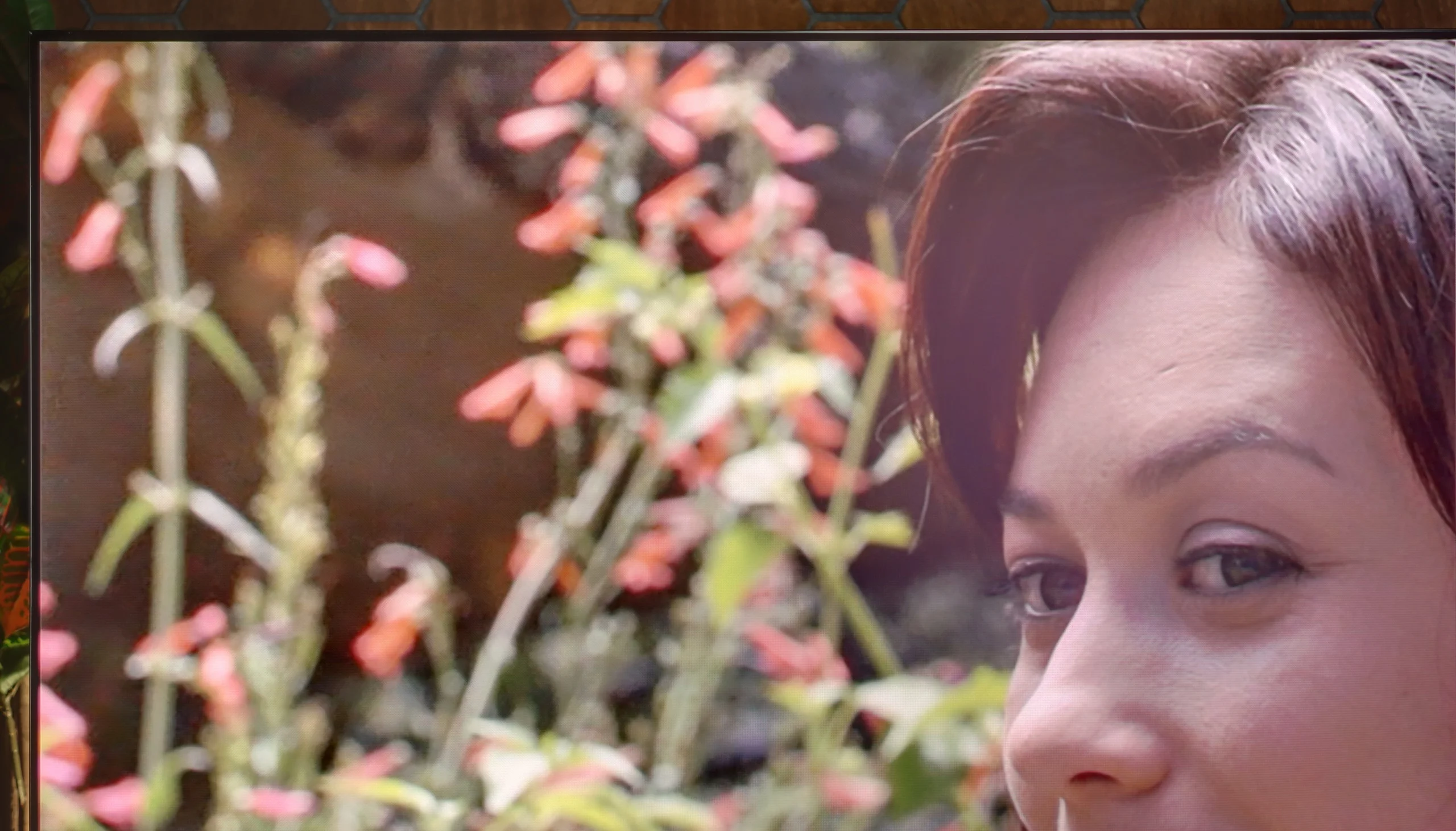
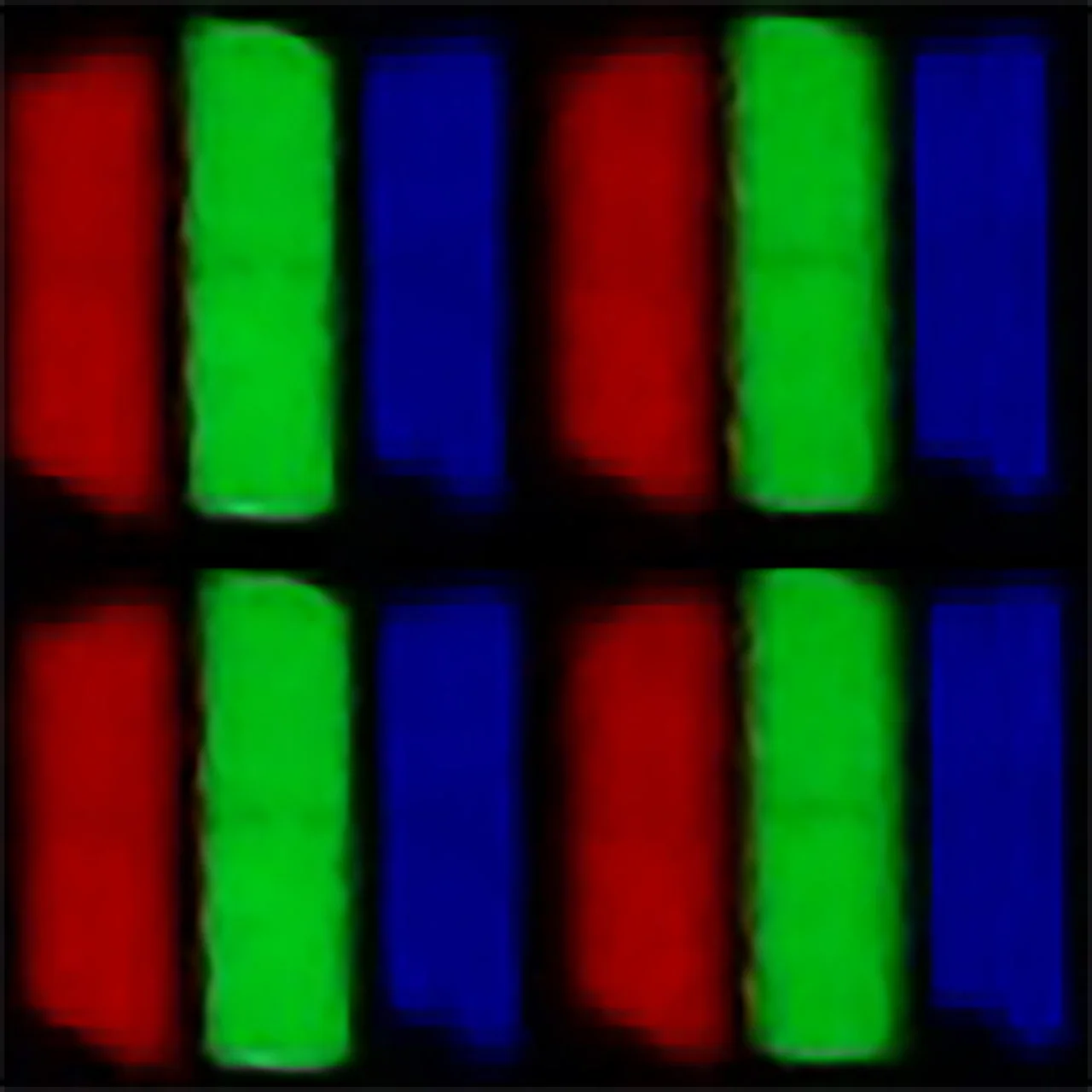
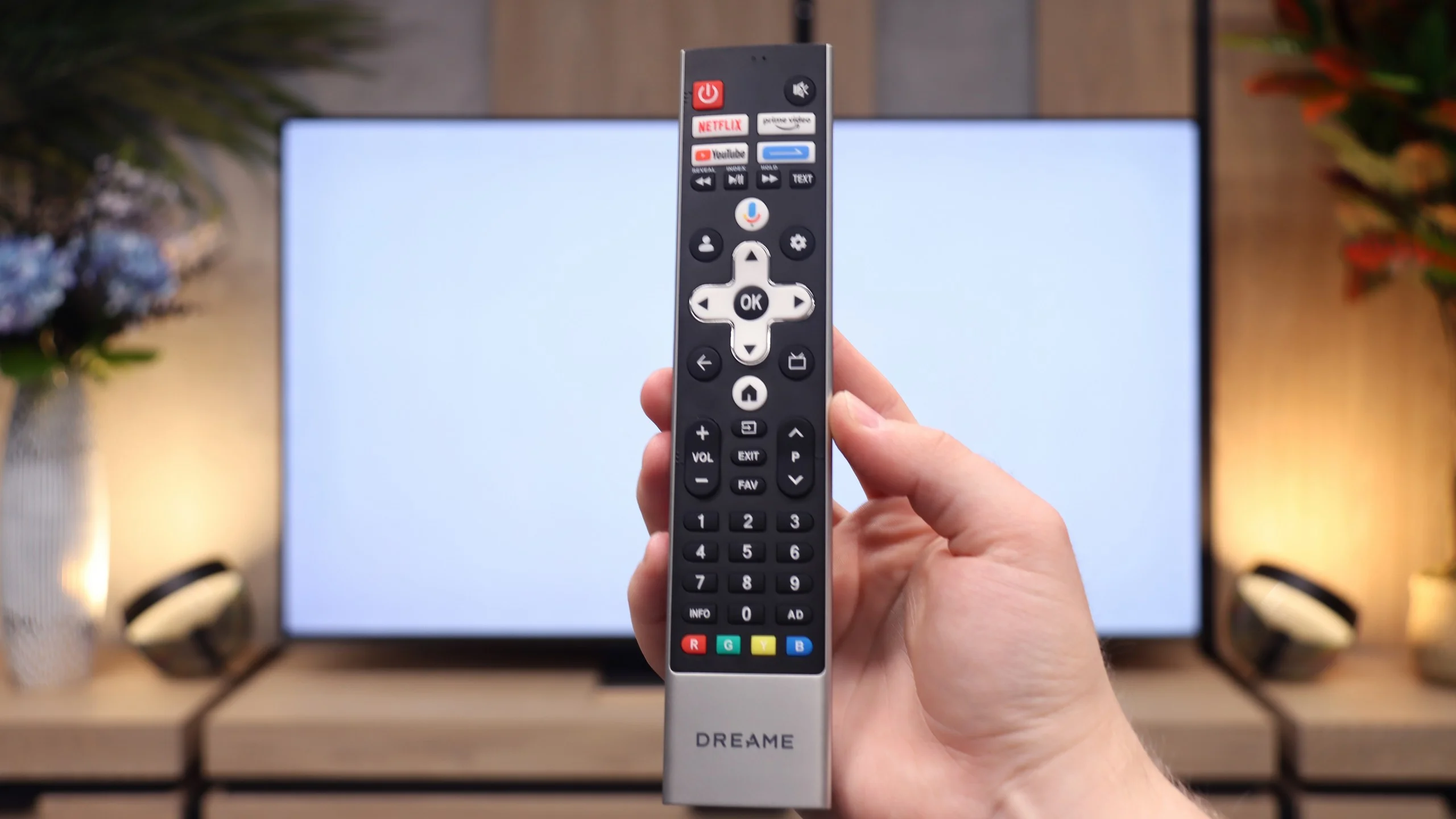
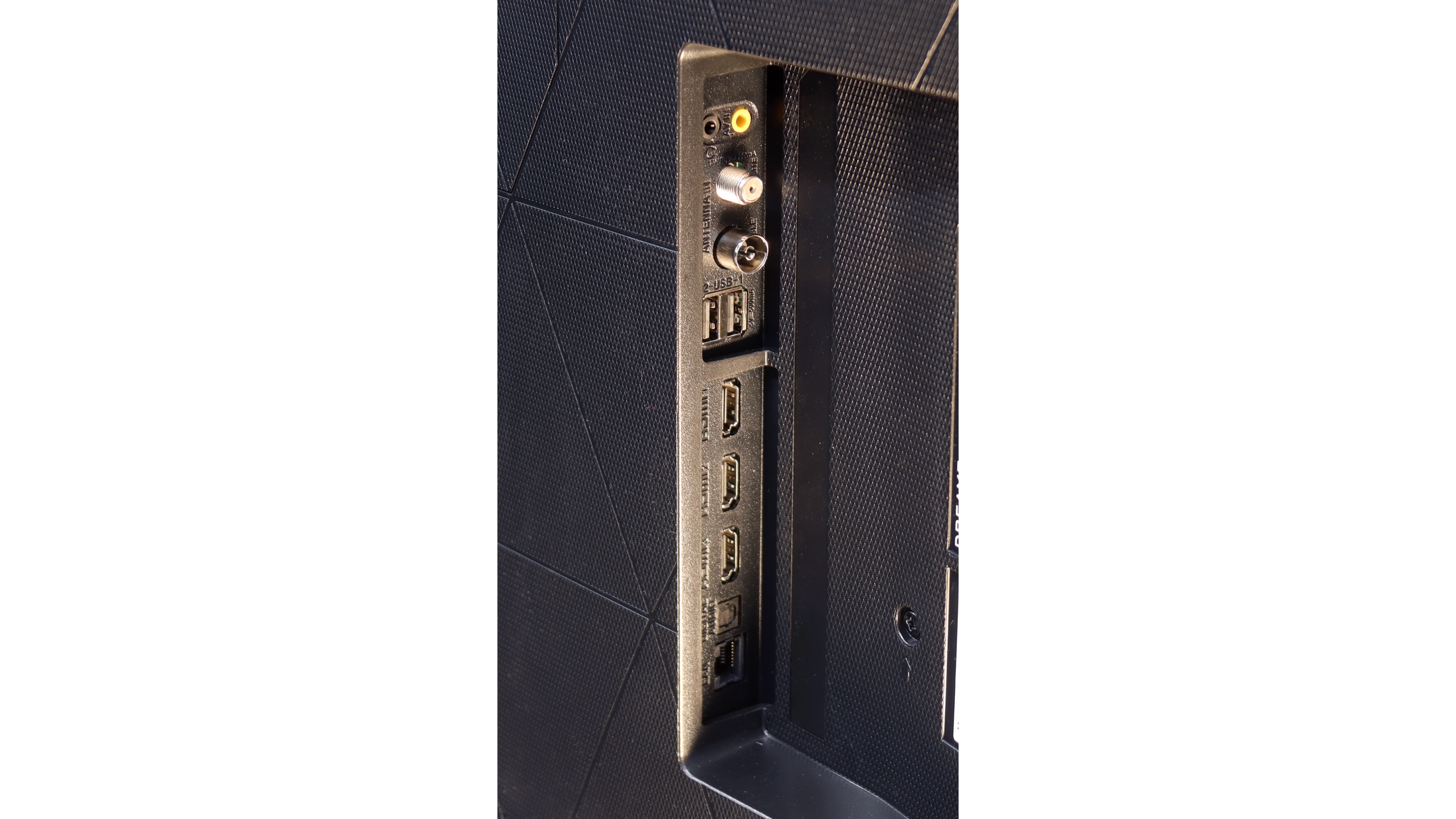
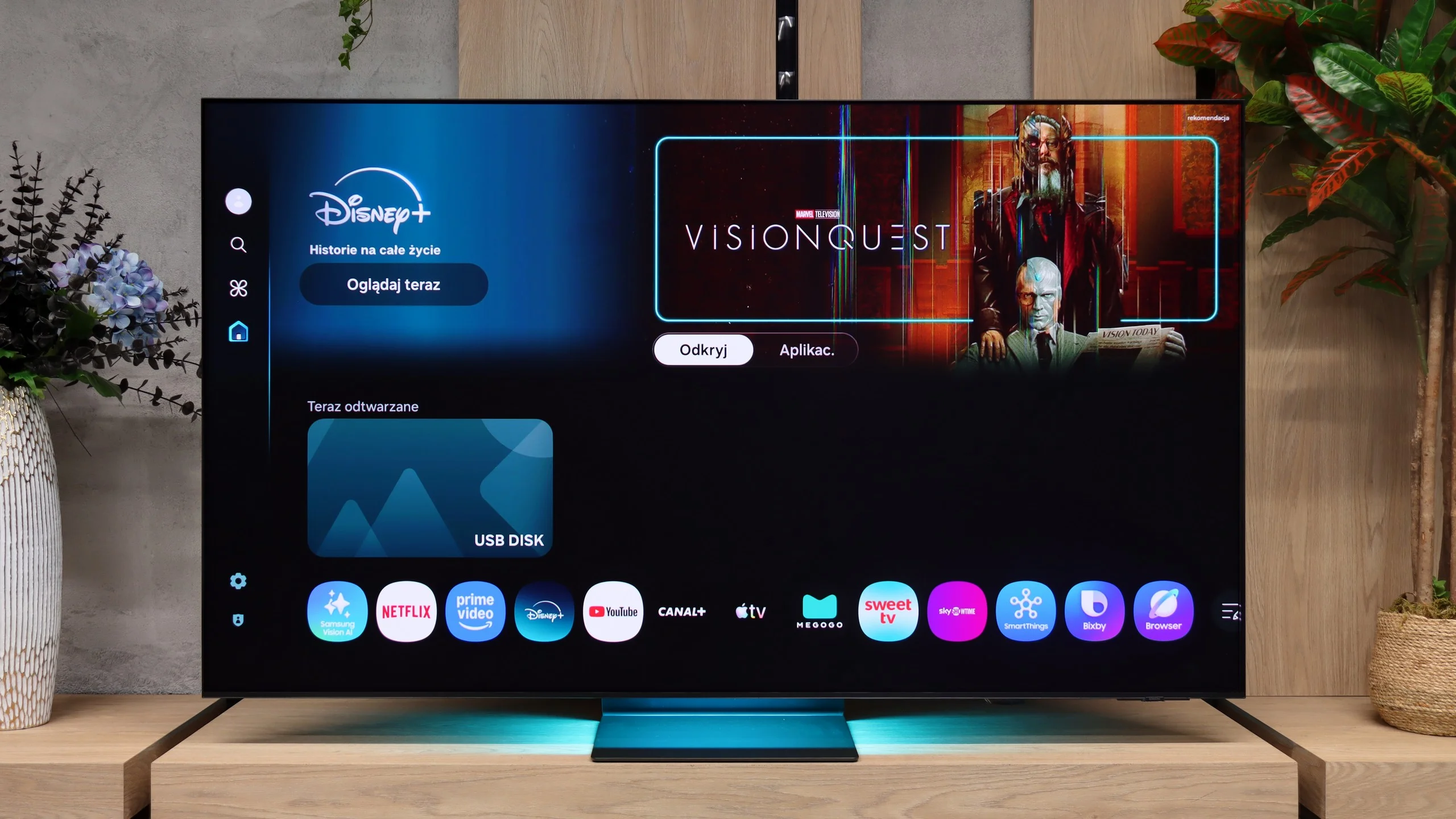
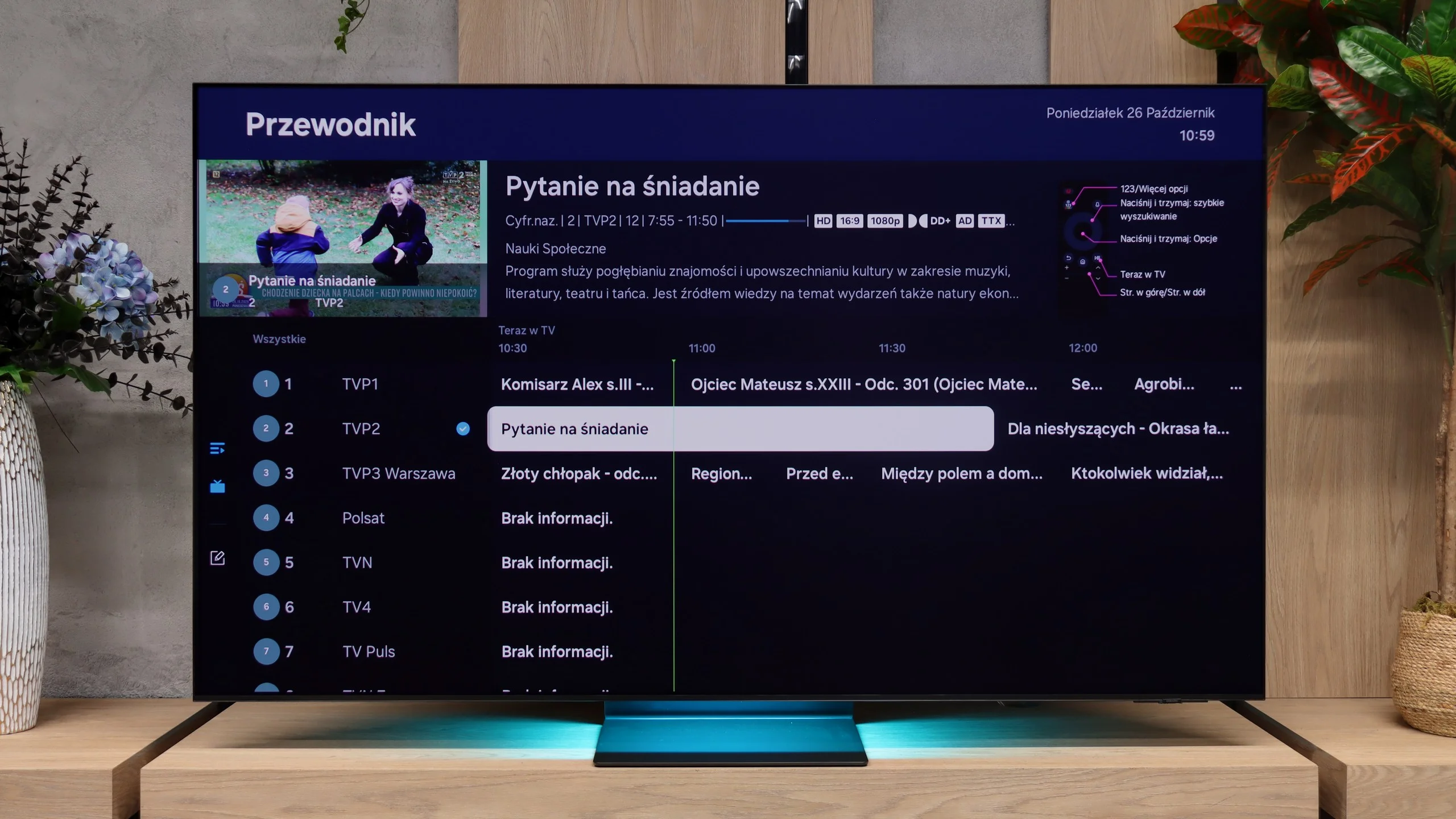
The Dreame S100 is a relatively bright television. In movie mode, the brightness we measured reached around 600 nits. This is a really good result, although not the highest when considering the competition at this price point. In fullscreen scenes, it is evident that the television can produce an image that impresses with its brightness. Unfortunately, when more complex scenes appeared on the screen, the local dimming algorithm in this model primarily focused on maintaining the deepest blacks. However, this came at the expense of HDR performance – and in a drastic manner. In such scenes, the brightness of bright elements dropped below 100 nits, which is a frankly tragic result, far from any HDR effect. One can improve this aspect, but not without a "however." It is simply necessary to change the local dimming setting in the television's menu, but then the blacks in such scenes simply become grey. It's a pity that Dreame couldn't better refine the local dimming algorithms, and the S100 is another example that the sheer number of local dimming zones does not always translate to a better image. As a consolation, it is worth adding that the Dreame S100 is advertised as a "QLED" type television, although in reality it uses a PFS LED filter. As a result, the colours are appropriately saturated, and the colour gamut coverage of DCI-P3 we measured exceeded 94%.
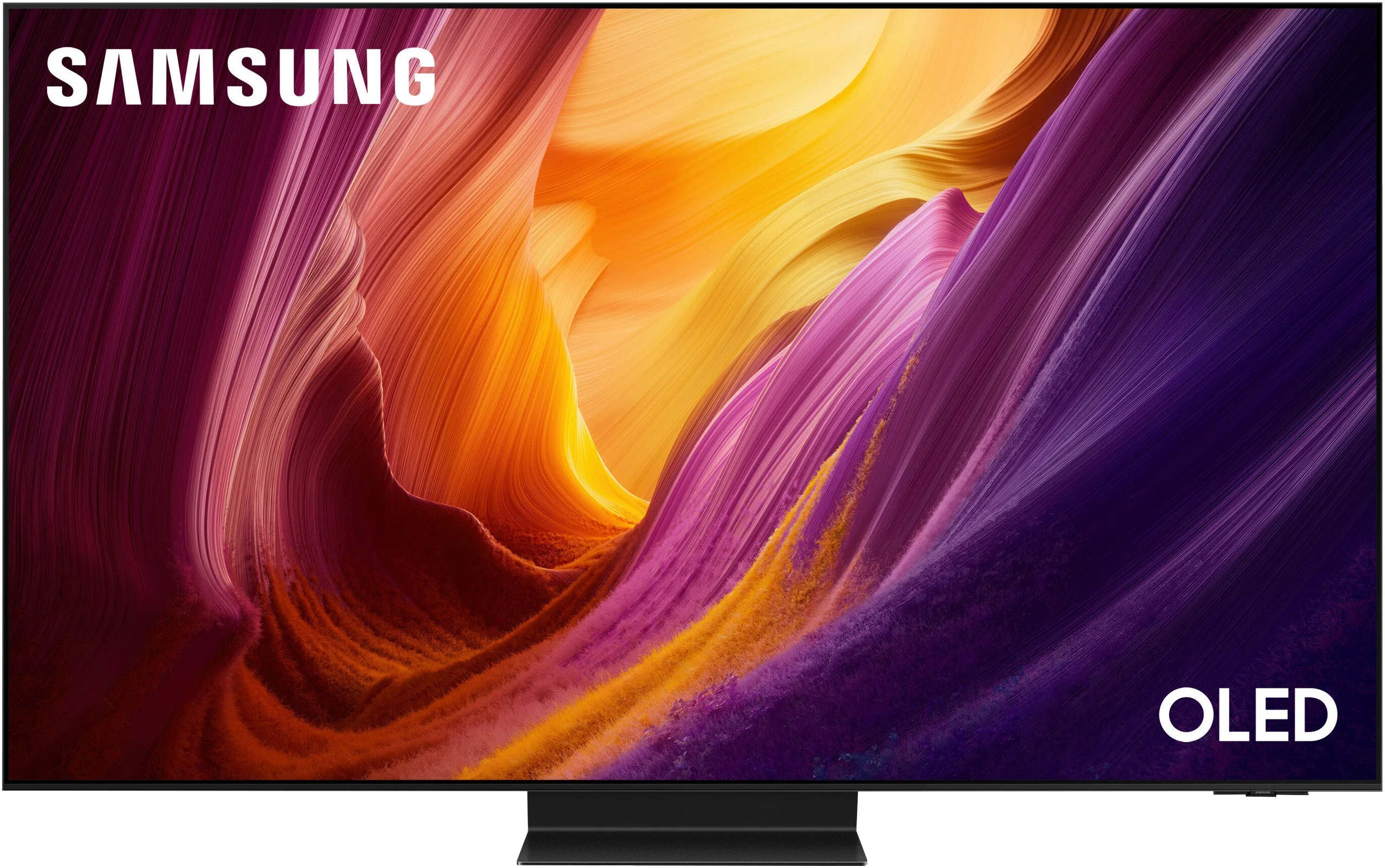
The Samsung S95H is an extraordinarily bright OLED TV. It does not quite reach the level of this year’s S99H, the one with a bezel, but a peak of around 2300 nits is still a phenomenal result. You can really feel it in films. Highlights, sun reflections or lights on a dark background have the punch we expect from a premium TV. Importantly, the S95H performs well across different scenes. It does not need a single small bright spot on a black screen to show what it can do. In the first four test shots we measured over 2100 nits, even though each of them places slightly different demands on the TV. That makes the HDR effect powerful both in night scenes and in more evenly lit frames.
Of course, the limitations typical of OLEDs remain. When a very bright image occupies a large part of the screen, ABL comes into play, the mechanism that limits panel brightness. With an almost white screen the drop can be much larger than with a short, point-like flare. That does not mean bright film scenes look weak. In a demanding shot from "The Meg" we recorded about 1600 nits. That is still a fantastic result, and the bright sky and reflections on the water retain very high intensity.
QD-OLED colours
Colours on the Samsung S95H are simply outstanding. It is one of the most 'colourful' OLEDs we have tested. Deeply saturated reds, greens and neons look great and complement the screen's high brightness. DCI-P3 coverage is as high as 99.9%, so the TV can reproduce practically the entire colour range used in that space for HDR films.
Interestingly, our measurements also show progress compared with the S95F. Coverage of the wider BT.2020 gamut rose from around 87% to 89.6%. That is a very similar result to what we obtained with this year’s S99H, which suggests very similar capabilities of both panels in terms of colour gamut. The difference from its predecessor is small but worth noting. The S95H remains at the very top among OLEDs in this regard and can confidently compete with new screens using SQD quantum dots.
 Direct comparison