 Katarzyna Petru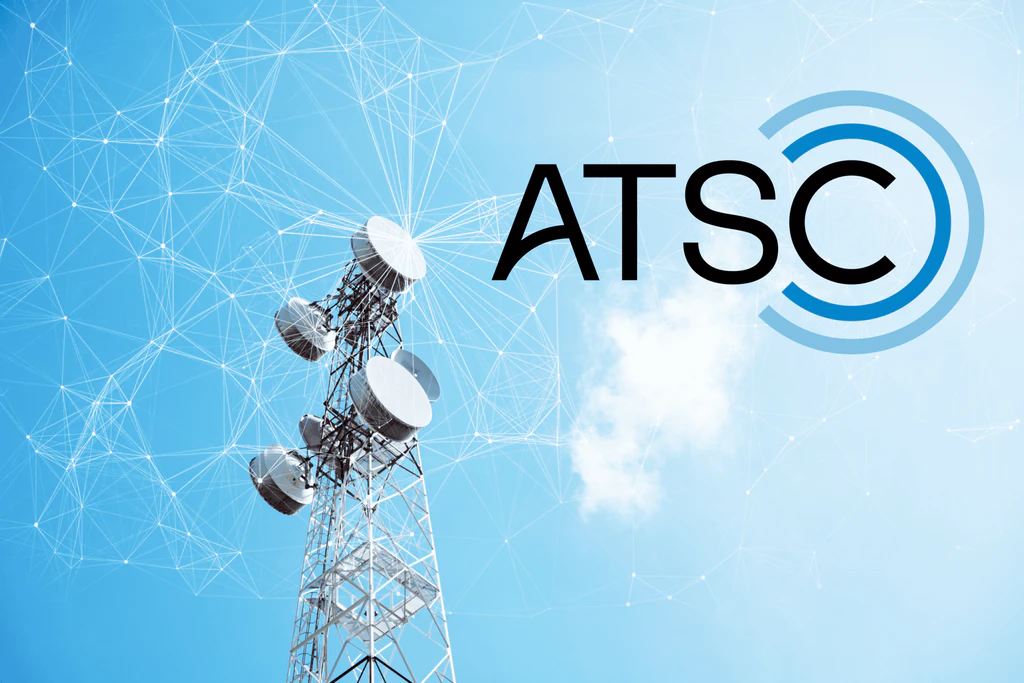
Despite the fact that ATSC 3.0 technology promised a new quality of free over-the-air television, its adoption in 2026 still faces enormous obstacles. Most television manufacturers still do not choose to integrate this tuner into their standard models, which raises questions about the future of digital broadcasting in North America.
What exactly is ATSC 3.0 and how does it compare to DVB-T2?
ATSC 3.0, also known as "NextGen TV", is a broadcasting standard for television signals that aims to offer 4K picture quality with HDR, Dolby Atmos sound, and advanced interactive features. It is set to debut in North America and Australia. It can be compared to the European standard DVB-T2, which in Poland enabled the transition to HD and 4K quality. The main difference is that ATSC 3.0 is more oriented towards a hybrid connection with the internet. Unfortunately, while DVB-T2 has become a common standard in Europe, ATSC 3.0 is struggling with licensing and patent issues, which has led manufacturers such as LG to completely withdraw from implementing this tuner in newer models.
Market versus Reality
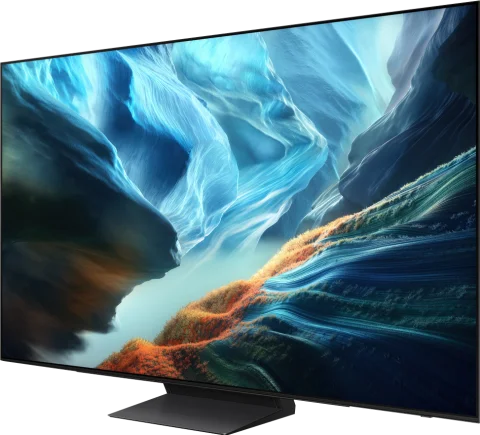
Currently, the situation does not look very optimistic. Samsung offers support only in selected OLED and QLED models, while Hisense and Sony limit it to their higher series. Most of the cheaper brands completely overlook this standard. The industry is trying to salvage the situation by announcing the introduction of set-top boxes priced below $60 by 2026; however, with the ubiquity of streaming applications, very few users are willing to invest in additional hardware. According to reports from FlatpanelsHD, if the trend does not reverse, the planned shutdown of the old ATSC 1.0 signal in 2027 may be significantly delayed.
Source: FlatpanelsHD