 Redakcja Choose TV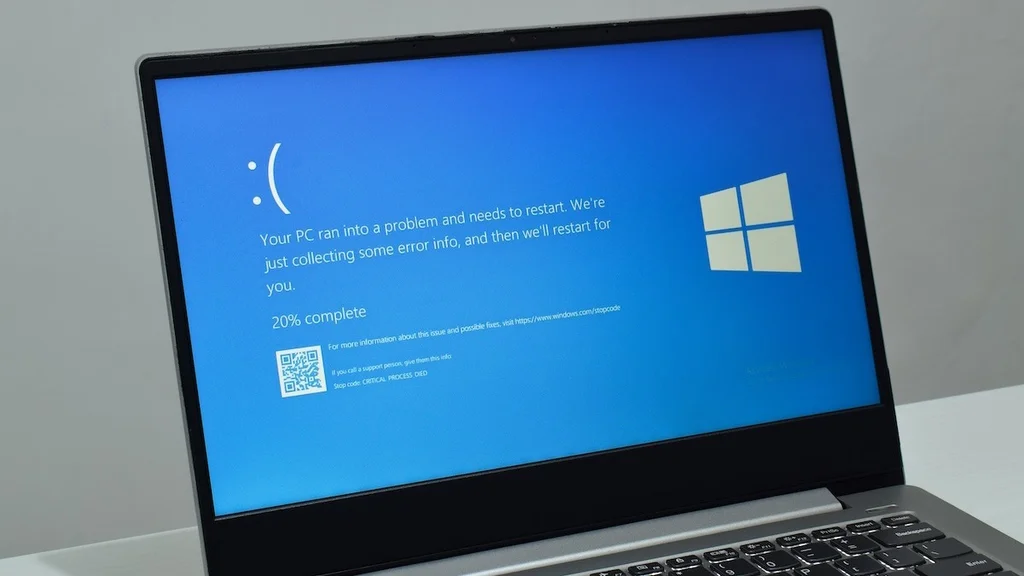
Windows 11 has once again encountered a hiccup, and the latest update only confirms that some bugs have been lingering in the system for months. Issues that emerged earlier in version 24H2 have also carried over to 25H2 — and not by chance. Both editions utilise the same codebase and service branch, as Microsoft officially confirms.
However, the most important aspect is how these bugs manifest in practice. They strike at the foundations of the user interface. XAML-based applications — such as the start menu, file explorer, search, taskbar, or system settings — can behave unstably, freeze, or launch with a noticeable delay.
Problems persist from update to update
The patch from October (KB5066835), intended for Windows 11 25H2, did not resolve these issues. Worse still, the next one — KB5070311 — also brought no improvement. This indicates that Microsoft is struggling with bugs at the system architecture level, rather than with a single component.
Who does this affect?
According to Microsoft, primarily corporate and managed environments. This is where the issues with the UI occur most frequently and in the most severe form. Home users — at least according to the official narrative — are said to experience them rarely, although the giant from Redmond does not rule out that problems may also arise on ordinary computers.
A temporary workaround is to restart the SIHost.exe process, which is the shell infrastructure host responsible for interface elements.
System that a billion devices still do not want to use
Errors have always occurred — it is a natural part of software development. The problem is that they concern the fundamentals of the operating system's operation, which makes them particularly troublesome. And when we add the fact that Windows 11 still struggles to convince users — while a billion computers still run on Windows 10 — it becomes clear that Microsoft needs to deliver more than just cosmetic fixes.
For now, however, it appears that the latest patches are more about putting out fires than genuinely improving the system's stability.