 Katarzyna Petru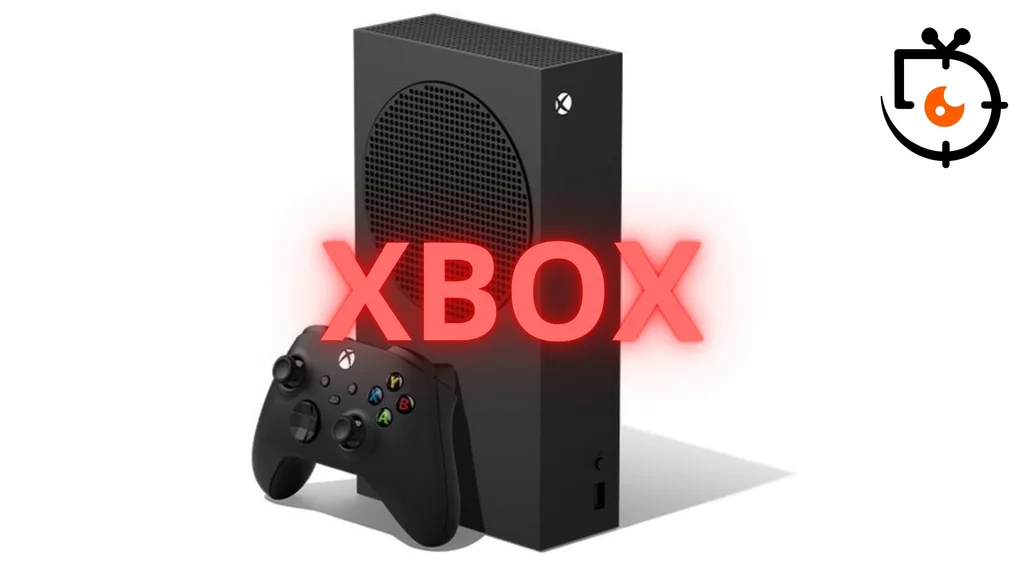
According to reports from Windows Central, Microsoft already has approved plans for a new generation of hardware aiming for 2027, however, a key change may concern the production model itself. More and more indicates that the company is considering a transition known from the PC market, where external hardware partners play a significantly larger role. In practice, manufacturers such as ASUS could create their own devices with the Xbox logo, differing in size, power, and price. Microsoft would mainly be responsible for the system, platform rules, and software in this model. As a result, Xbox could cease to be a specific console, and instead become a fully-fledged environment of hardware operating on a common platform.
Will Windows 11 Become the Heart of Future Xboxes?
As reported by digitaltrends, more and more indications suggest that Windows 11 is set to become the foundation of future Xbox devices, making it easier to share stores and game libraries between consoles and PCs. A taste of this approach could be seen in the case of the ROG Xbox Ally, a portable device created in collaboration with ASUS, which runs on Windows 11 but defaults to a full-screen Xbox interface. Only a manual switch reveals the classic desktop, which on one hand provides flexibility, but on the other exposes typical issues known from PCs, such as less intuitive navigation and performance overhead.
According to reports, Microsoft is drawing lessons from these limitations and working on a more cohesive, "console-like" experience, primarily focused on controller support ahead of the hardware launch planned for 2027.
A clear point of these changes may be a longer lifespan of the current generation. If the new Xbox devices become more expensive and closer to PCs, the Xbox Series X and Series S are unlikely to be abandoned quickly. The key will be the freedom to choose the power, price, and form of the device, tailored to one's needs.
source: digitaltrends.com, windowscentral.com