 Redakcja Choose TV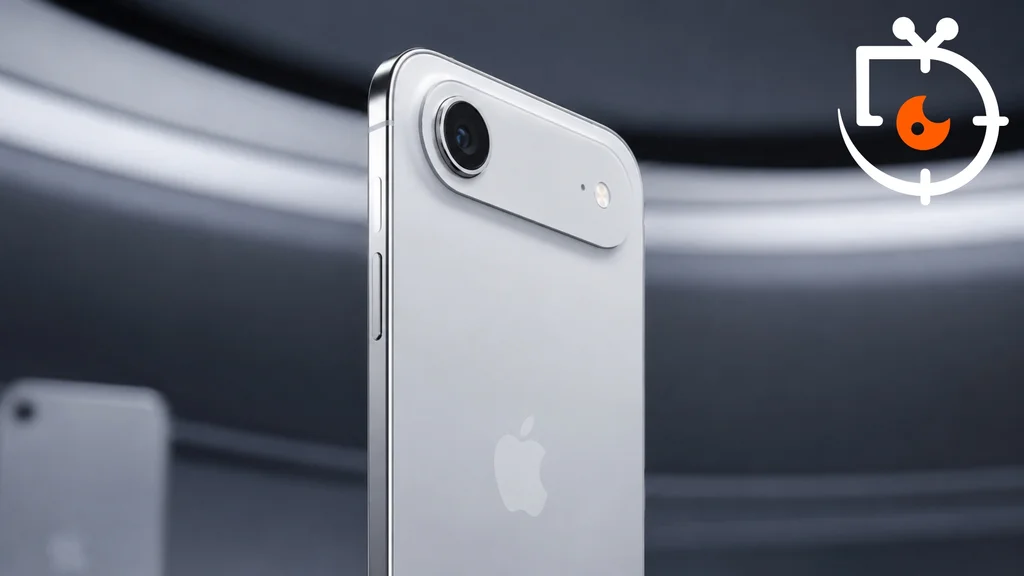
The iPhone Air was meant to be Apple's answer to the growing popularity of ultra-thin smartphones. The manufacturer opted for an elegant design, while limiting some hardware compared with the pricier models. Many had hoped the second-generation device would fix the main shortcomings of the first. However, the latest leaks suggest Apple may be heading in a completely different direction. The company is reportedly planning to both improve and restrict the device's capabilities, which could significantly affect consumer interest.
Apple may opt for a less powerful chip than expected
According to the latest information, the iPhone Air 2 is set to receive the standard A20 processor instead of the more powerful A20 Pro chip. That would mean the device would be powered by exactly the same chip as the base iPhone 18. For many users such a decision may be hard to accept. So far the Air line has been meant to stand out with a distinctive design while offering specifications close to those of the higher-end models. If the leaks prove true, performance differences between the iPhone Air 2 and the standard iPhone 18 may be practically negligible. That raises questions about the point of having such a model in Apple's line-up, especially since the device is likely to cost noticeably more than the base variant. Sources suggest the manufacturer is looking for ways to reduce the costs associated with rolling out new processors produced using 2 nm lithography. These technologies are extremely costly, and Apple must also keep production costs for new generations of smartphones under control. Using the standard chip could significantly reduce the expenses related to producing the Air model. At the same time the company would risk losing one of the reasons to buy the device. For some customers, performance remains one of the most important factors when choosing a new phone.
An improved camera may not be enough to persuade customers
That does not mean Apple isn’t planning any upgrades. According to leaks, the iPhone Air 2 may get a dual camera made up of two 48-megapixel sensors. That would be a significant step forward compared with the first-generation device, which was often criticised for its limited photographic capabilities. A better camera array would certainly increase the model’s appeal to many users. The problem, however, is that the camera alone might not justify a higher price. If the smartphone offers the same processor and a similar amount of RAM as the cheaper iPhone 18, many customers may opt for the base model. Apple is therefore in a rather difficult position. On the one hand, the company wants to develop its line of ultra-thin smartphones, on the other it must convince users that they are worth the extra cost. Experts point out that sales of such devices have never been as high as those of classic iPhone models. For that reason, some sources suggest Apple may limit iPhone Air 2 production to relatively small quantities. That would reduce the risk associated with potentially weaker market interest. If the second generation does not succeed, the manufacturer could abandon the line entirely in the coming years. In such a scenario, Plus models, which for years were a staple of Apple’s portfolio, could return to the range.
Recent leaks suggest the iPhone Air 2 may get a weaker processor than fans of the brand expected. Although the device is set to gain an improved camera, potential performance limitations could make it harder for it to compete for customers. For Apple, this could be one of the most important tests for the future of the entire Air range.
source: wccftech