 Redakcja Choose TV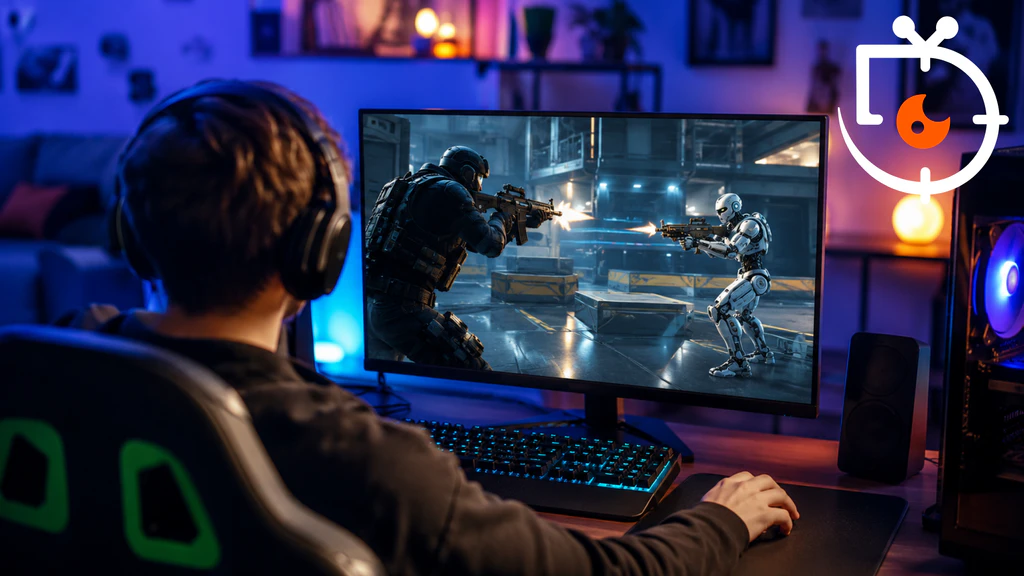
Artificial intelligence is often presented as a technology that limits interpersonal relationships and replaces genuine interactions. This also applies to online games, where many players fear that bots will take away the social aspect of gameplay. However, the latest study concerning PUBG: Battlegrounds shows a completely different picture. It turns out that properly designed AI-controlled opponents can increase players' confidence and encourage them to cooperate with others more often. The effects proved so pronounced that they attracted the attention of researchers analysing the impact of artificial intelligence on user behaviour. The study's findings will be published in the journal Information Systems Research.
AI bots helped beginner players find their feet in PUBG
PUBG: Battlegrounds has been one of the world's most popular online games since its release in 2017. Over time, however, a problem well known to multiplayer game developers emerged. Experienced players reached such a high level of skill that new users were regularly eliminated early in matches. That discouraged beginners from continuing to play and made it harder for the game's community to grow. In response to this problem, studio Krafton introduced AI-controlled opponents into selected matches in 2020. The bots were deliberately programmed to perform slightly below the average player. As a result, new participants could stay in matches longer, secure eliminations and succeed more often. Interestingly, players knew bots were present but could not tell which opponents were AI-controlled. That made every victory feel authentic and satisfying. Researchers say this element had a huge impact on increasing beginner players' confidence.
Greater confidence led to more frequent play with others
An analysis of players' behaviour showed that after AI opponents were introduced, users spent around 50 per cent more time in PUBG than before. The number of matches played also increased. The most interesting changes, however, concerned cooperation between players. Researchers recorded around a 28 per cent rise in team matches. This means that people who gained confidence thanks to bots were much more likely to team up with friends and choose to play together rather than play solo. The researchers explain this phenomenon by an increased sense of self-efficacy, the belief that one can cope with challenges. The study's authors believe a similar mechanism could be used beyond the world of gaming. Artificial intelligence could help new employees during induction, make learning to use new programmes easier, or support people acquiring new skills. Rather than replacing people, AI could act as a training partner that prepares users for more demanding tasks. The study thus shows that, when used appropriately, artificial intelligence can enhance collaboration between people rather than restrict it.
New research on PUBG: Battlegrounds shows that artificial intelligence does not always have to weaken relationships between players. Properly designed bots boosted novice players' confidence, increased time spent in-game and encouraged them to cooperate with others more often. The results suggest that AI can become an effective tool for supporting skill development both in games and in many other areas.
source: digitaltrends