 Redakcja Choose TV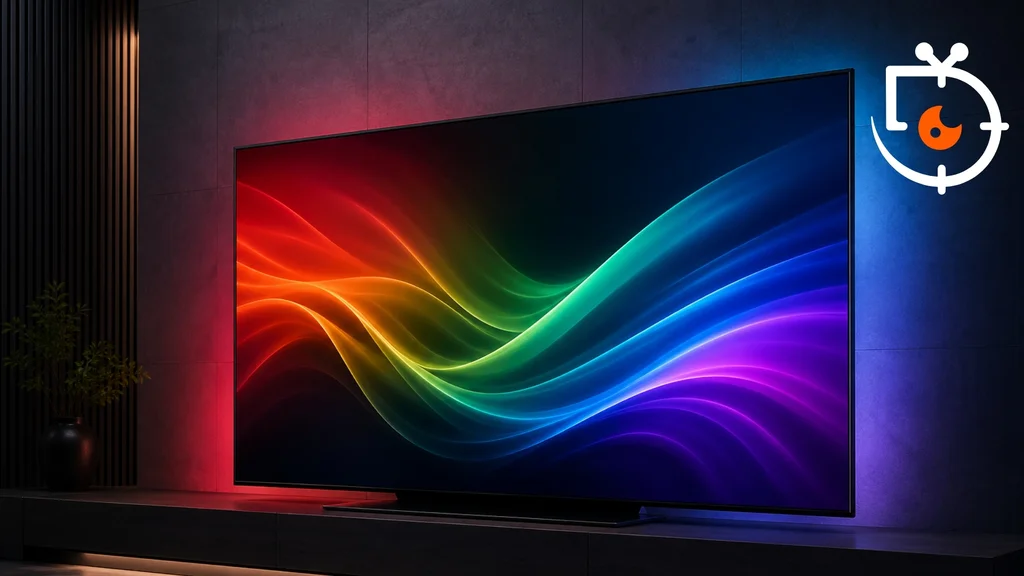
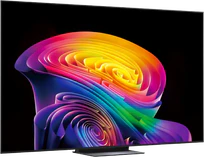
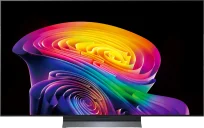
The television market is entering a new phase. The largest manufacturers such as Samsung, LG, TCL, and Hisense are beginning to strongly promote a new type of RGB LED screens. This is a technology that aims to challenge OLEDs while simultaneously enhancing the capabilities of classic LCDs.
How much do new models cost
Prices are not low, but they are finally starting to come down to a more “consumer” level. The cheapest models start at around $1600 for 55 inches, while the largest and most advanced constructions can cost as much as $30,000 for 115 inches. This means that RGB LED is no longer just a showcase of technology, but is beginning to reach real sales, especially in larger sizes where this technology makes the most sense.
The biggest advantage is the wider colour palette and higher brightness. Manufacturers boast of covering even 100% of the BT.2020 colour space, which in theory provides a more realistic and vibrant image. In practice, RGB LED works differently than classic backlighting; instead of white diodes, it uses separate red, green, and blue light sources, which allows for better control over colours and contrast.
Not all models are created equal
However, it's worth being cautious of marketing. The differences between models can be enormous, particularly in the number of dimming zones, which have a key impact on image quality. Some manufacturers inflate these numbers by counting RGB subpixels separately, which can be misleading. Therefore, the actual image quality will depend on the specific model, rather than the technology itself.
RGB LED is another step in the development of televisions and a serious competitor to OLED. For now, it is a premium segment, but everything suggests that over time prices will drop, and the technology will become more accessible.
source: flatpanelshd