 Direct comparison
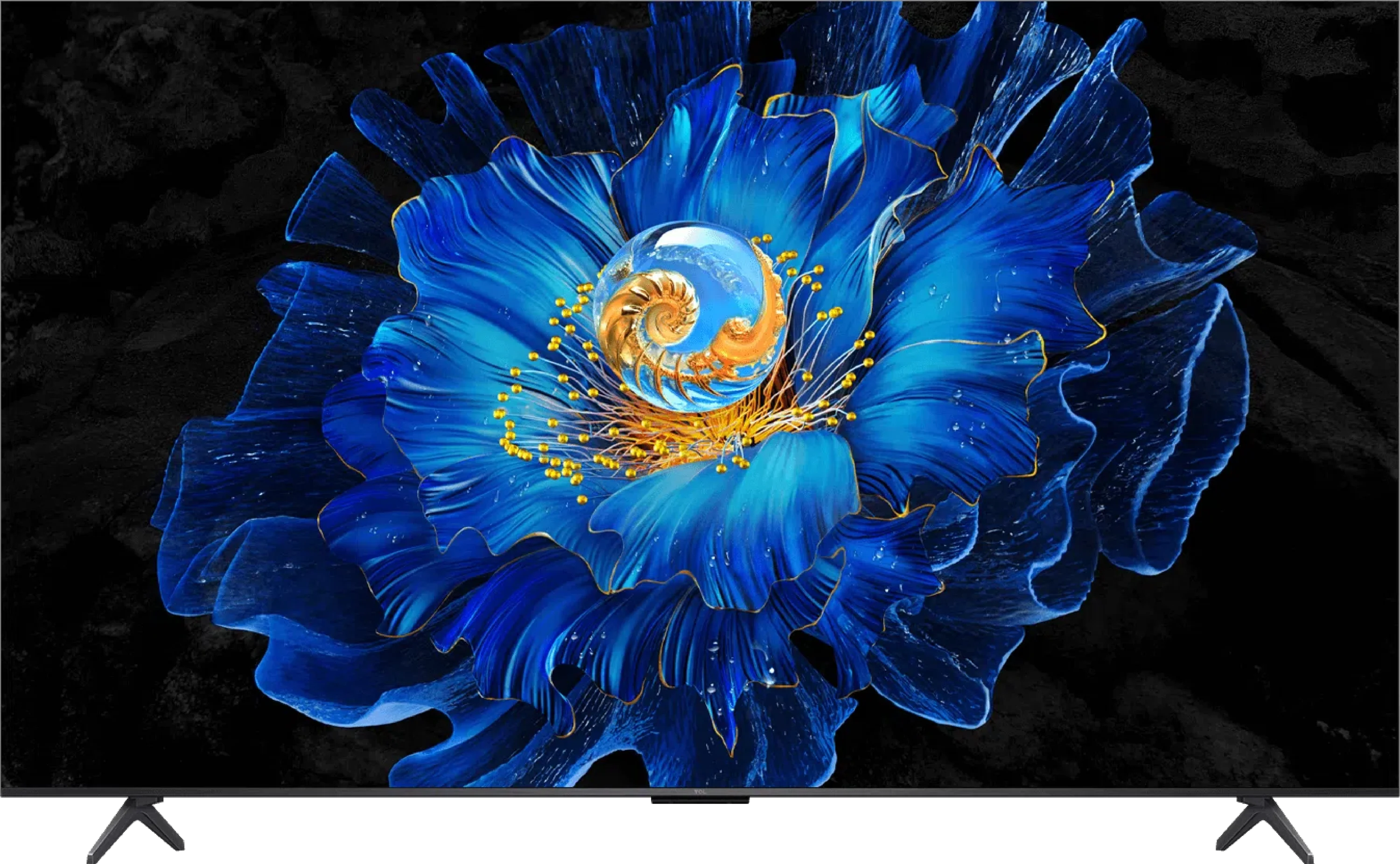
TCL C6KS (also known as C69KS and Q6CS) is a television that on paper promised to be a hit in the "value for money" category. And indeed, in many respects, it's a successful piece of equipment: thanks to the Mini-LED backlighting, we get good blacks and brightness that rivals more expensive models. In fact, it’s identical to that of the slightly pricier C6K, which we have already tested for you. Additionally, it features the same excellent Google TV system and surprisingly rich features for gamers, which make it enjoyable to play on, even with a 60 Hz panel. Unfortunately, the good impression is marred by the performance of the panel used. The television struggles with noticeable motion blur, and aggressive dithering (digital noise) makes the image often look unnatural and artificial – as if it has been unnaturally sharpened. Ultimately, the biggest problem with the C6KS is not its flaws but its sibling, the C6K. At its current price, this model is in a strange "in-between" position. It costs almost the same (or only slightly less) than the full-fledged TCL C6K, which offers a significantly better 120 Hz panel and is simply a complete construction without those annoying issues. The C6KS is a compromise model that will only become attractive under one condition – if its price drops drastically. For now, the much safer and better choice remains to pay the (often nominal) extra for the C6K model. One could jokingly assert that the letter "S" in the name actually stands for "Slim". However, it's not about an exceptionally slim body, but how much this model has been "slimmed down" in terms of features compared to the fully-fledged C6K.
- Matching (Score) |
- Our verdict |
- TV appearance |
- Where to buy |
- Contrast and black detail |
- HDR effect quality |
- Factory color reproduction |
- Color reproduction after calibration |
- Smoothness of tonal transitions |
- Image scaling and smoothness of tonal transitions |
- Blur and motion smoothness |
- Console compatibility and gaming features |
- Input lag |
- Compatibility with PC |
- Viewing angles |
- Daytime performance |
- Panel details |
- TV features |
- Apps |
- Playing files from USB |
- Sound
C6KS / C69KS / Q6CS

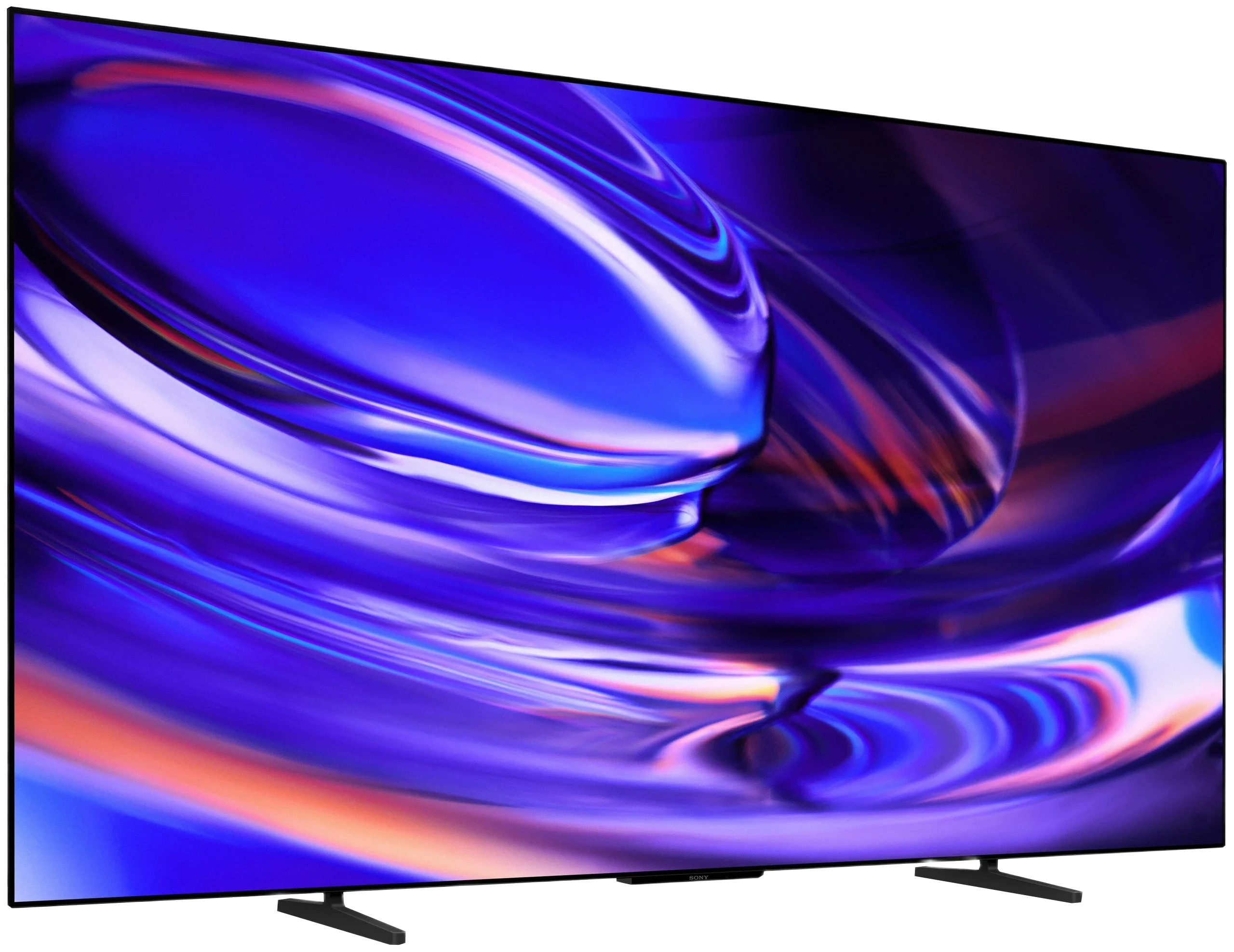
BRAVIA 6 / A65
Panel type: LCD VA
Resolution: 3840x2160
System: Google TV
Model year: 2025
Complete the survey to find out the result
Panel type: WRGB OLED
Resolution: 3840x2160
System: Google TV
Model year: 2026
Complete the survey to find out the result
Overall rating
6.4
7.4
 Movies and series in UHD quality
5.9
7.5
 Classic TV, YouTube
6.1
8.1
 Sports broadcasts (TV and apps)
5.3
8.1
 Gaming on console
7.7
8.5
 TV as a computer monitor
1.7
7.6
 Watching in bright light
6.6
4.6
 Utility functions
7.0
6.6
 Apps
9.6
9.6
 Sound quality
6.5
7.0
Complete the survey to find out what fits your preferences
Advantages

Very good contrast and black level: VA panel and MINI-LED backlighting
Quite high (around 600 nits)
Many features for gamers: VRR, ALLM, HGiG
Additional gaming mode: 120Hz and 144Hz
Google TV system with a wide selection of applications
Support for multiple HDR formats including Dolby Vision
Support for Dolby Atmos and DTS
Quite pleasant sound from built-in speakers
Perfect blacks and the infinite contrast of an OLED panel
Natural colours after calibration, especially in SDR
120 Hz panel with almost instantaneous pixel response
Four full HDMI 2.1 inputs with 48 Gb/s bandwidth
Very low input lag, also in Dolby Vision at 120 Hz
Support for premium formats: Dolby Vision, Dolby Atmos and DTS
Google TV with a wide selection of apps
Wide viewing angles
Solid construction with adjustable stand height
Disadvantages

The panel has heavy blooming
Strong visible dithering (looks like artificial 4K)
Very poor compatibility with PC
Minor system errors
Lots of chaos in naming (many derivative models that are no different)
Quite a few system bugs
Low brightness and mediocre glare suppression, making daytime viewing difficult (OLED SE)
Average gradation and poor smoothing of tonal transitions
Limited calibration options
Missing several gaming features: HGIG, Game Bar and support for 120Hz at 1440p
Our verdict
BRAVIA 6 can deliver a lot of viewing pleasure, especially in the evening when the advantages of the OLED panel are most visible. Deep blacks, good contrast and natural colours after calibration make it easy to appreciate its picture with the right material. It also performs well with consoles: it’s smooth and responds quickly to controller input. It’s nice to see four full HDMI 2.1 ports, a decision Sony has finally made. That makes connecting multiple devices less troublesome than even on some more expensive models from the brand. The whole package is rounded off by solid build quality and a pleasing design. But that’s not enough to stand out among competing OLEDs. We’ve typically paid extra for Sony TVs, among other things, for better image processing, and it’s hard to spot an advantage in that area with the BRAVIA 6. Lower-quality footage looks average, and in demanding HDR scenes details disappear in the bright parts of the picture. Dolby Vision helps a bit, but it doesn’t change the overall impression: you get a picture that can be enjoyable, but there’s no clear reason to pick Sony over another basic OLED. While the lack of such an advantage can be acceptable at a suitably low price, it’s much harder to overlook issues with everyday use. Google TV offers a large selection of apps, but during our tests using the TV too often ended with having to unplug it. It could even struggle to play a movie from a USB stick. It’s at moments like these that we felt there was little… Sony in this BRAVIA. It lacks the refinement that used to be one of the reasons to pay more for a Sony TV. Ultimately the BRAVIA 6 leaves a fair amount to be desired. The OLED panel gives it a good foundation, but viewing enjoyment too often gives way to frustration with the operation. For that reason, in its current state we find it hard to recommend, even though it’s one of the cheapest OLEDs on the market. An attractive price can compensate for some picture limitations, but it’s hard to see that as a sufficient argument when basic functions fail. So before we consider whether it’s worth buying the BRAVIA 6, Sony needs to provide the refinement we expect.
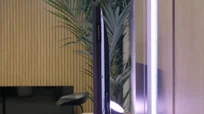
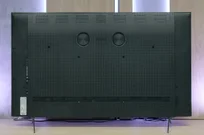
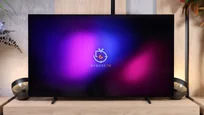
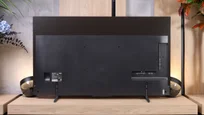
TV appearance


Contrast and black detail
7.5/10
10/10
Local dimming function: Yes, number of zones: 180 (10 x 18)
Contrast:


Result
129,650:1

Result
26,650:1

Result
12,900:1

Result
12,600:1

Result
6,250:1
Result
∞:1
Result
∞:1
Result
∞:1
Result
∞:1
Result
∞:1
Halo effect and black detail visibility:
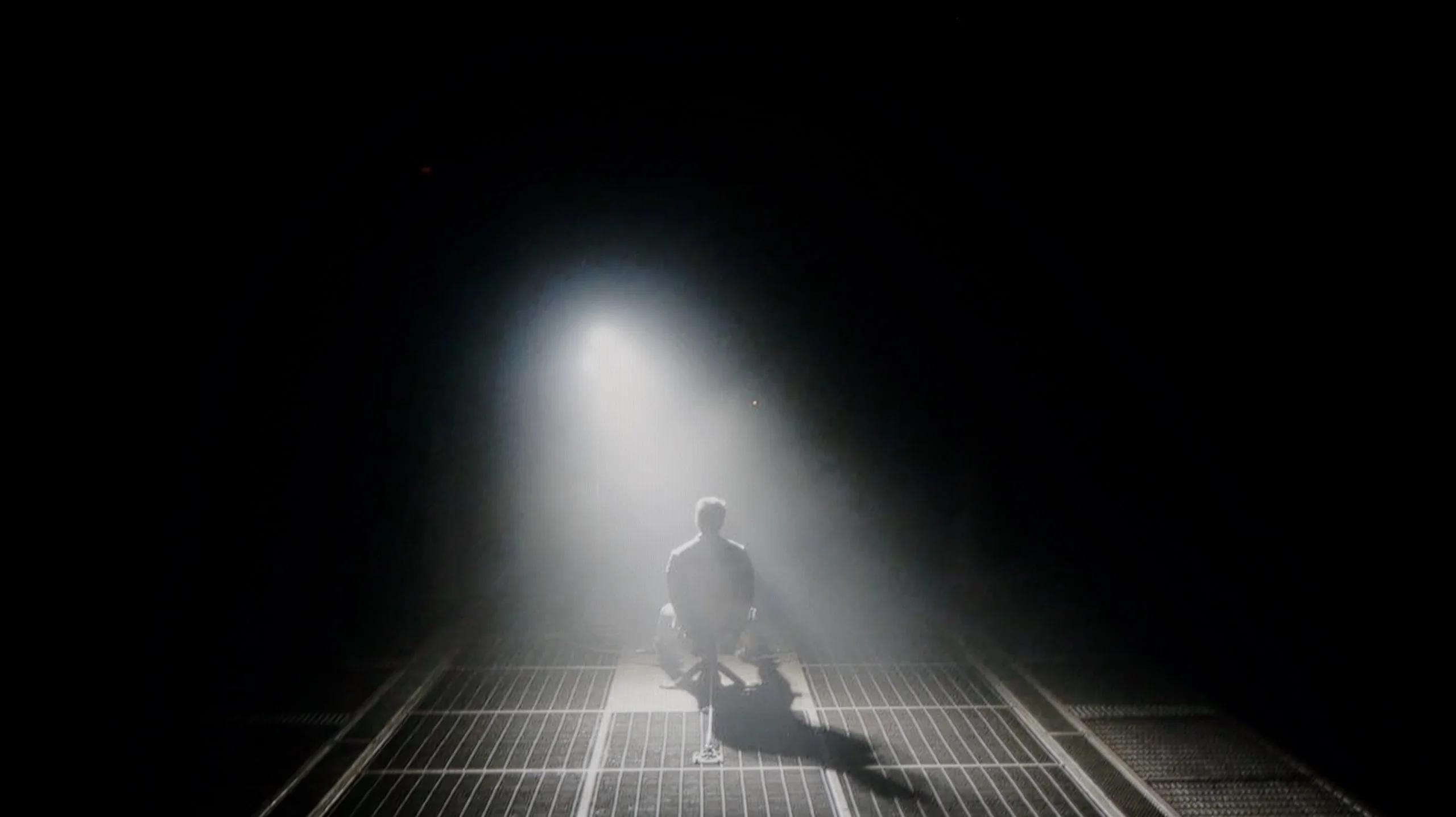
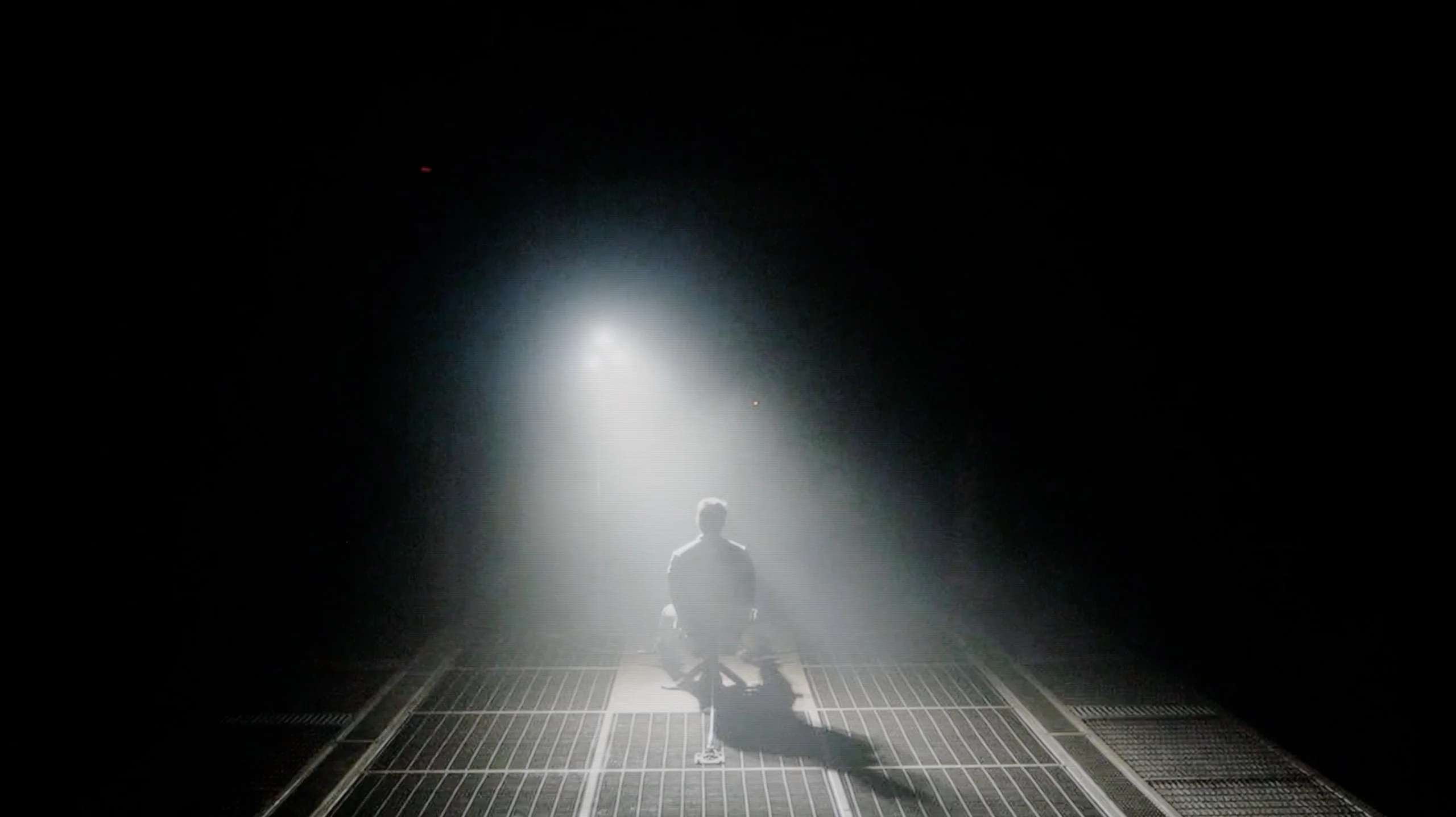
Check the visibility of bright lights on a dark background. Mini-LEDs often struggle with this. The photo does not compare black levels – that’s what the video below is for.
The video accurately shows differences in contrast and black levels between TVs, as well as potential issues: halo around bright objects or Mini-LED zone operation visible as brightness jumps.
Let's move on to what tigers like best, which is black and contrast. If you were worried that the lower price of the C6KS model (C69KS/Q6CS) was due to drastic cuts in image quality, I have great news for you regarding black levels and contrast. In direct comparison with the more expensive C6K, the tested model is almost on par with it. Just like in the higher series, we find here a VA panel supported by a local dimming system. What’s most interesting – and here’s a big surprise – during the tests we counted exactly the same number of dimming zones (in the same size) in the C6KS as in the more expensive counterpart! The black level is very good. The contrast measurement results speak for themselves – for such a relatively inexpensive television, the black is deep and free from major flaws that often plague budget models without local dimming. Of course, we can't defy physics. One must reckon that in very demanding scenes (e.g., bright text on a black background), we may sometimes notice undesirable effects, such as blooming (the halo effect around bright objects). However, this is not something that disqualifies this television – generally, the black level here is at a very decent, satisfying level.
Sony BRAVIA 6, also known as the A65, uses an OLED panel, so when it comes to black levels and contrast it deserves top marks. In all test scenes blacks remained completely black, and the measured contrast was infinite. That's thanks to independent control of each pixel, which can be turned off completely, even with a very bright element right next to it. In that respect the BRAVIA 6 even outperforms the best Mini LEDs. A few thousand local-dimming zones still don't offer the precision of control over each of the more than 8 million pixels.
However, in the video below you can see that some dark parts of the image are slightly brightened. It's worth clarifying that this concerns the very darkest shades of grey, not true black. The BRAVIA 6 tends to show them brighter than it should, so details in deep shadow can be overly emphasised. This doesn't change the panel's ability to completely turn off black elements, so we don't lower the rating in this category. We'll return to this behaviour when assessing image reproduction and the effects of calibration.
HDR effect quality
4.9/10
5.7/10
Luminance measurements in HDR:

Result
602 nit

Result
204 nit

Result
421 nit

Result
152 nit

Result
590 nit
Result
483 nit
Result
616 nit
Result
697 nit
Result
680 nit
Result
276 nit
Scene from the movie “Pan” (about 2800 nits)


Scene from the movie “Billy Lynn” (about 1100 nits)
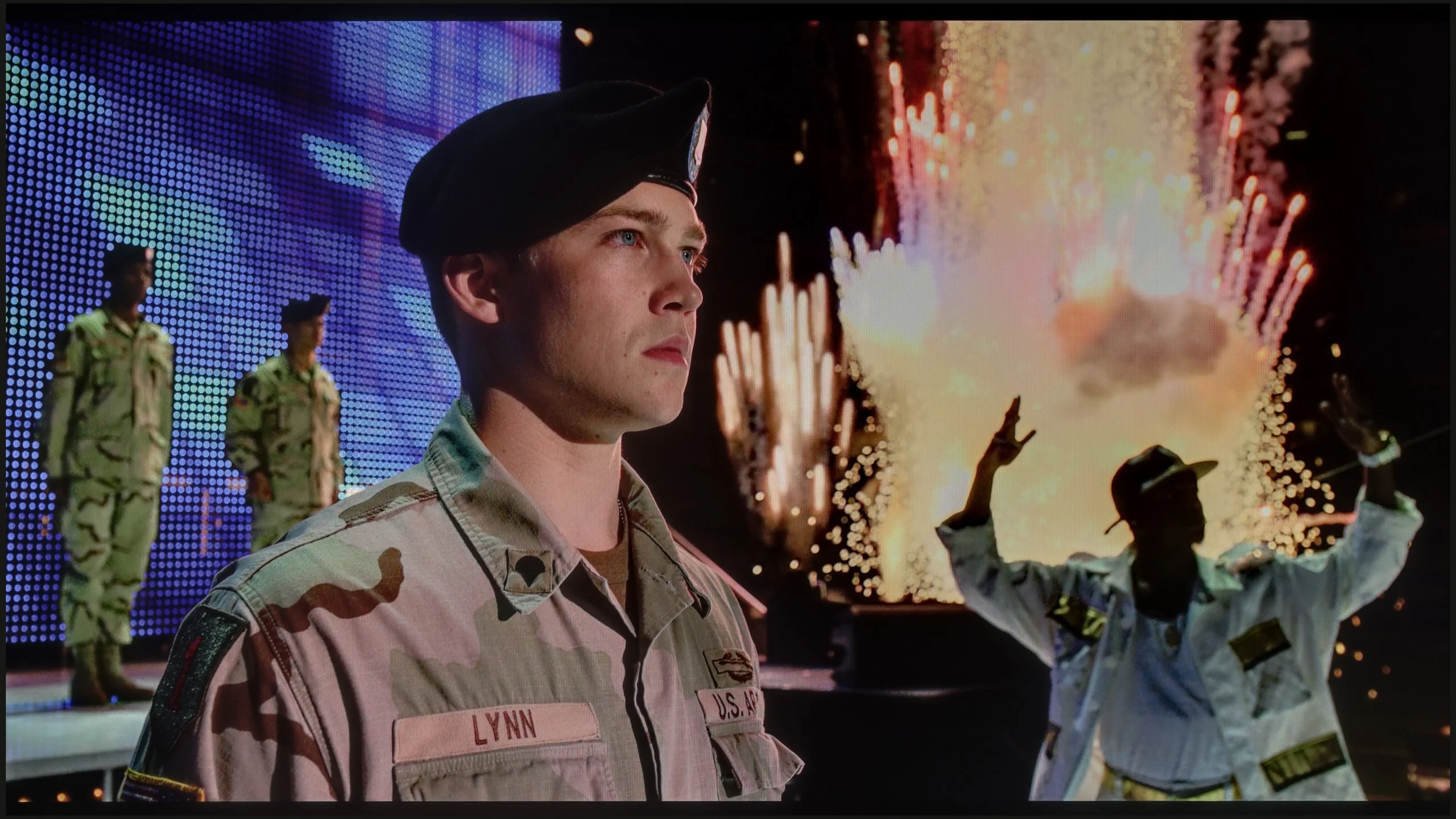
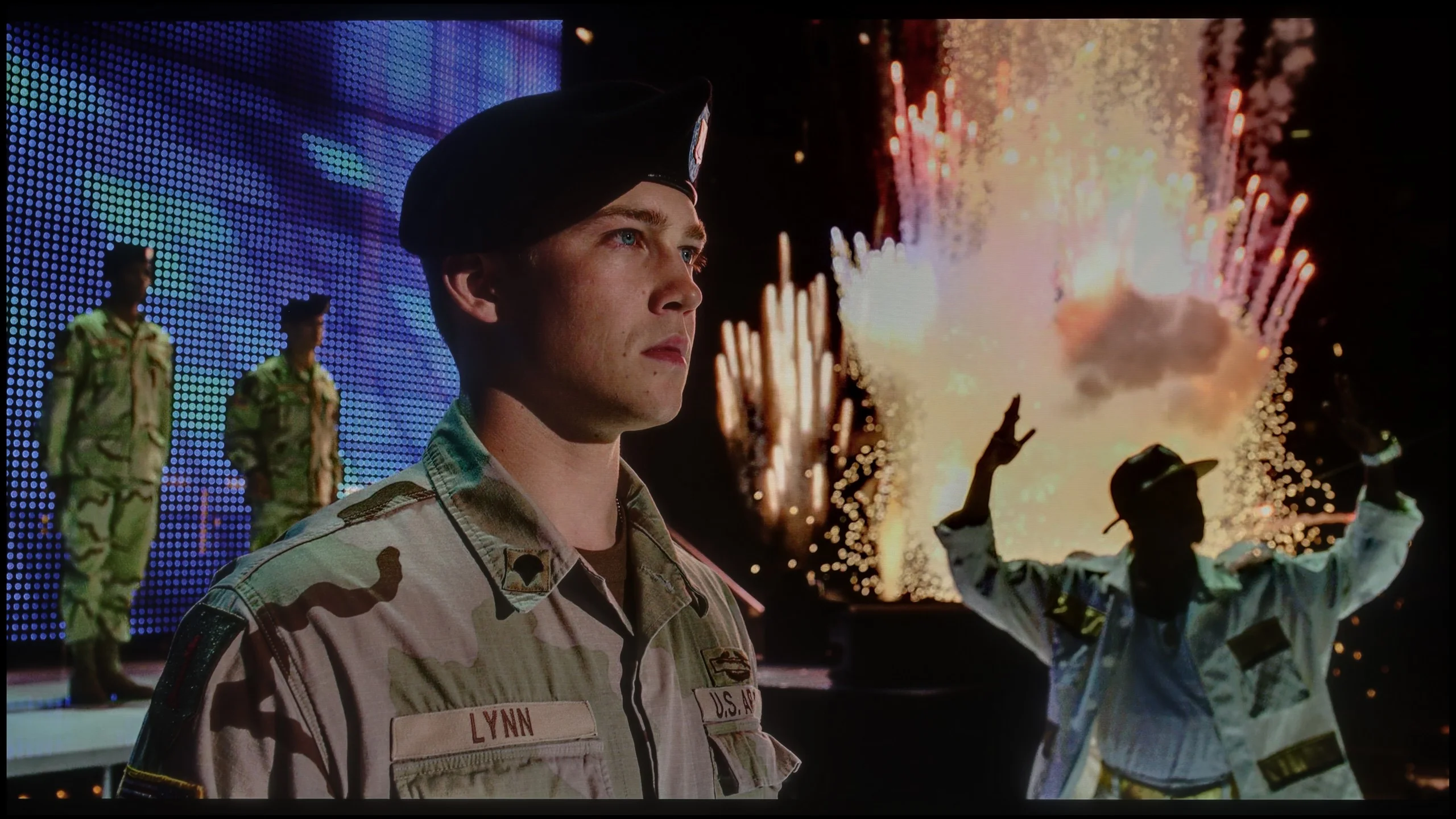
The photos show two HDR10 movies. 'Pan' is one of the brightest productions ever made, while 'Billy Lynn' (soldier) has brightness typical of streaming (Netflix, Prime, HBO MAX). Notice the intensity of effects and detail in whites.
Static HDR10


The photos present the visibility of white details in various HDR formats. They do not show brightness differences between TVs (these can be compared in the previous gallery).
Dynamic: Dolby Vision
Dynamic: Dolby Vision


The photos present the visibility of white details in various HDR formats. They do not show brightness differences between TVs (these can be compared in the previous gallery).
HDR luminance chart:
Sony BRAVIA 6 (A65)
TCL C6KS / C69KS / Q6CS
Luminance of RGB colors
And what about HDR? Here the C6KS performs quite well and – as is becoming the theme of this review – just like in the C6K model. The maximum brightness generated by this television is around 600 nits. In bright scenes, this translates to a really solid, cinematic effect and generally, video materials look good here. However, it's important to keep in mind the specifics of the dimming algorithm in this model. When very small, bright points (e.g. stars) appear on a dark background, the television can quite significantly dim them. The goal is simple: to eliminate blooming and maintain the best possible black. It's a reasonable compromise. Most viewers will definitely appreciate deep, “true black” more than additional microscopic details, the display of which could cause the screen to appear greyed out. Such is the nature of local dimming technology in this price range, and one must be aware of this. It’s also worth noting that the TCL C69KS (C6KS) has an additional PFS coating, which is marketed under the QLED technology slogan. Thanks to this, the colours are saturated and vibrant – our measurements showed that the coverage of a wide colour gamut reaches as much as 92%.
The Sony BRAVIA 6 is a moderately bright TV, and compared with today's OLEDs it can even be classed among the darker models. It peaks at around 700 nits, but you'll see those values mainly on small highlights surrounded by a dark background. In brighter, mixed scenes the result is closer to 500 nits — for example, a sunset shot from the film "Life of Pi", where we measured 483 nits. Combined with perfect blacks this gives a pleasant HDR effect, especially in the evening, although it's hard to call the brightness spectacular. Limitations become even more noticeable when bright elements occupy most of the screen. Then ABL kicks in, the mechanism that limits brightness when the OLED panel is heavily loaded. The BRAVIA 6 uses the panel's capabilities fairly conservatively, and in such shots brightness falls to around 250–280 nits. In the scene with the oil rig we got about 250 nits, so a bright sky no longer has the same punch as a single torch in darkness. It's in wide, sunny landscapes or large flares that it most noticeably lacks brightness headroom.
Colours
In terms of colours the BRAVIA 6 does quite well. It covers about 95–96% of the DCI-P3 gamut, so it can reproduce most of the colours used in HDR films and series with proper saturation. It still trails higher-end WOLED panels a bit, which approach full coverage of that gamut, but in everyday viewing it won't be a big difference. A larger gap separates it from QD-OLED screens when rendering the most intense colours from the wider BT.2020 gamut. Sony covers that at roughly 71–72%, so exceptionally saturated reds or greens won't look as impressive as on organic panels with quantum dots or on SQD Mini-LED displays. Moreover, gamut coverage alone doesn't mean the TV can show those colours at high brightness. On the BRAVIA 6 very bright, colourful highlights have less punch, which further tames the HDR impact. In typical films the colours still look good, with screen brightness remaining the bigger limitation.
Factory color reproduction
5/10
6.9/10


This gallery shows how colors change after professional TV calibration. If you notice the difference, we recommend ordering this service at SkalibrujTV.com.
Factory Mode
After calibration
In contrast to the more expensive C6K model, in the tested C6KS we don't find an option in the menu labelled as Filmmaker Mode. Is this a reason to cry? Absolutely not. Our tests showed that in practice, in terms of colour reproduction, the lack of this specific label makes virtually no difference. The best available Film/Cinema mode here offers an almost identical picture profile to the aforementioned Filmmaker in the more expensive model. So we get a very similar image, just under a different name. Therefore, if you were wondering whether paying extra for the C6K would give you better colours – the answer is: no, in both cases the base is the same and requires slight adjustments.
In Cinema mode the Sony BRAVIA 6 delivers a rather pleasant picture, although the factory settings give it a slightly too warm character. In SDR, that is when watching regular TV and older films, there’s a dominance of red and a shortage of blue. The image can therefore take on a creamy, slightly pinkish tint, and faces look more flushed than they should. It’s not a cast that completely alters the look of a film, but it’s noticeable with neutral colours. On top of that there’s a bit too much darkening in SDR. The gamma curve sits above the target value, which during viewing means darker areas of the scene. The scene may appear more contrasty, but subtle shadow detail becomes harder to distinguish.
In HDR the colours behave a little differently. The red dominance is reduced, but together with a slight excess of blue and a lack of green it gives a faint pink cast to bright, neutral surfaces. The luminance response remains close to the reference across much of the range, although you can see the previously mentioned lift of tones just above black. Because of this, in night scenes some parts of the background are more visible than the filmmakers intended. Some midtones are also slightly brightened. Overall cinema mode is a sensible starting point for viewing and is definitely the best mode among the options, but the white balance and the way brightness is rendered still need refining.
Color reproduction after calibration
7.5/10
8/10
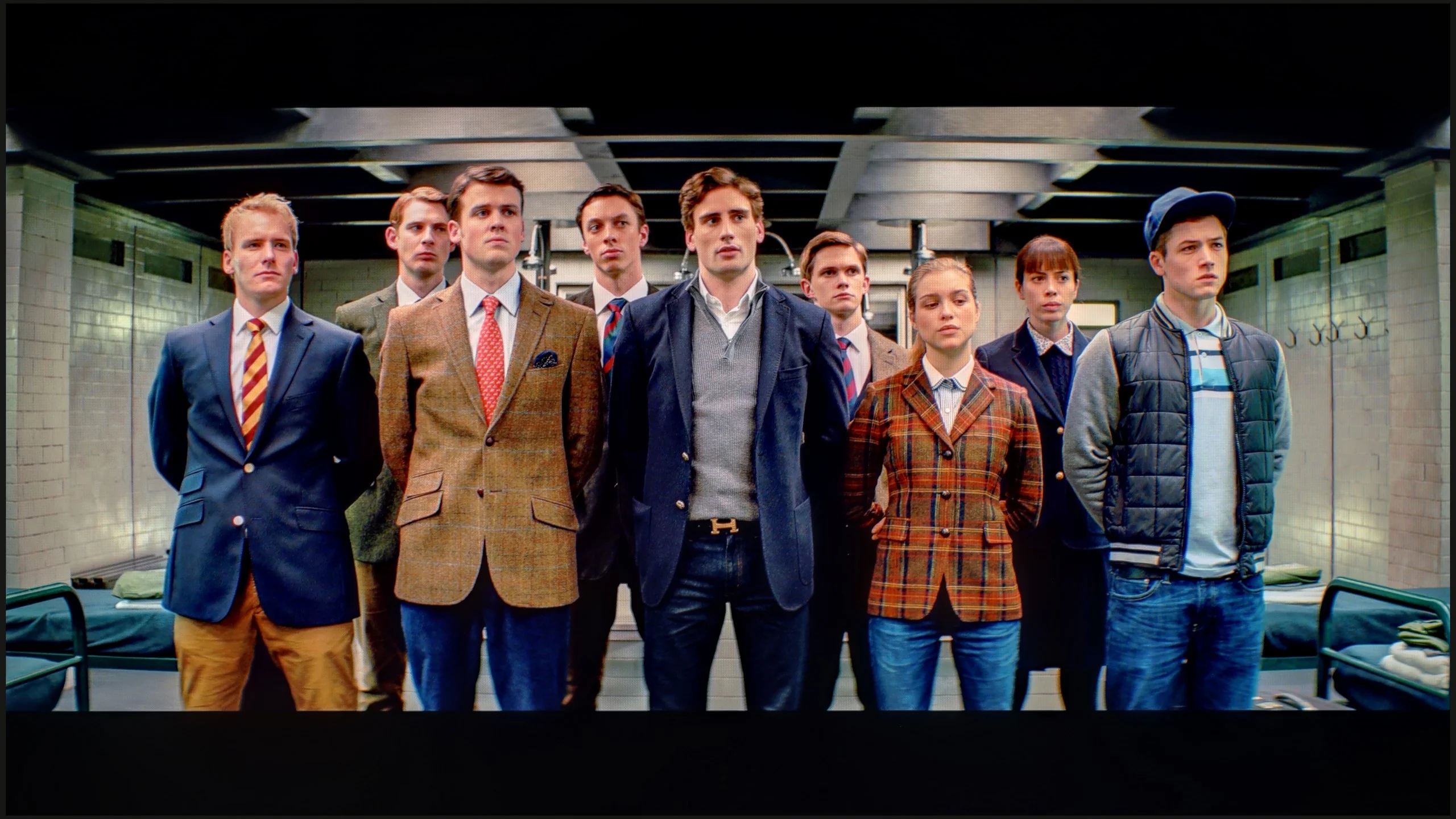
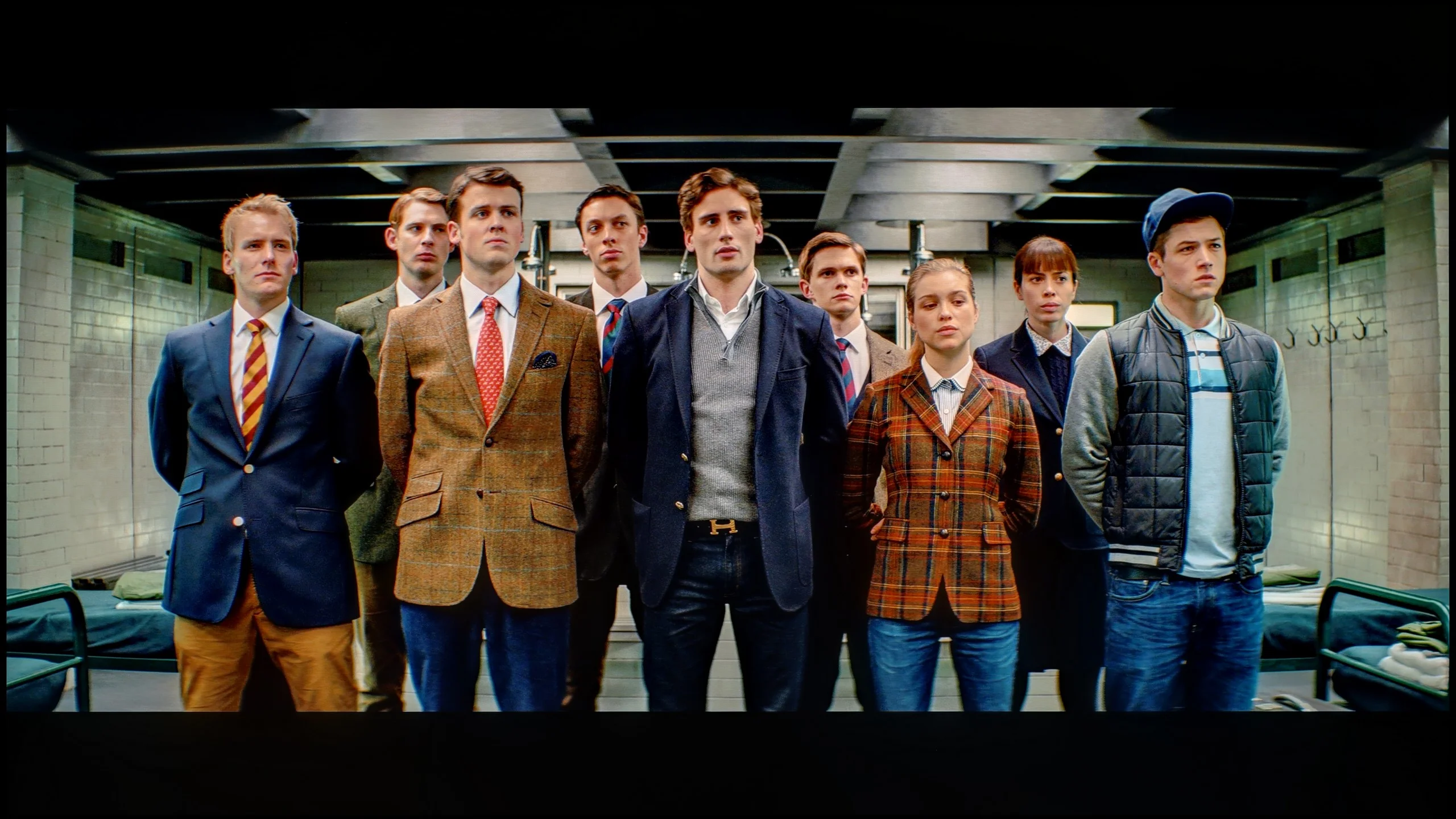
The photos show how movies look on the TV. Pay attention to black detail visibility, colors, and shadow tint.


The photos show how movies look on the TV. Pay attention to black detail visibility, colors, and shadow tint.
Thanks to the white balance adjustment, the C69KS's tendency to distort colours has been effectively limited, leading to a very good final effect. After calibration, we will no longer see excessive warmth in SDR scenes or overly cool tones in HDR. However, it is worth noting the brightness characteristic. In SDR content, there are hardly any objections – the image looks very good, especially in older films, TV shows, or YouTube materials. Evaluating the television's performance in HDR is much more difficult. Analysis of the EOTF curve suggests correct behaviour, but its practical variant shows certain limitations. The C69KS can overly brighten the smallest elements of the frame, while at other times it can dim the entire scene. Calibration has therefore brought clear benefits in terms of colour, but certain limitations resulting from local dimming and the way it is controlled by the C69KS cannot be avoided, which we also observed in the C6K test.
BRAVIA 6 responds well to picture calibration, although many user options are unavailable from the TV’s menu. Apart from basic white balance and gamma adjustments in SDR, it’s hard to get the rest of the image under control. Fortunately, those adjustments alone allow a significant improvement. In SDR we were able to almost perfectly even out the white balance, which removed the excessive warm cast and stopped faces looking overly rosy. After correcting the gamma, darker areas are also better visible. For regular broadcast TV or YouTube content the result is noticeably better than the factory settings.
In HDR it was also possible to reduce the colour cast, but a bigger problem here is how the TV manages brightness. BRAVIA 6 unusually changes it depending on the scene: some tones are darkened, others brightened, and the available settings do not allow full correction. You can see this in measurements taken from films, where the brightness behaviour and the way the EOTF curve differs between shots are visible. That leads to the aforementioned emphasis of the darkest greys, which makes some night scenes too bright. Calibration therefore makes sense and especially in SDR allows a natural, well tuned image. In HDR the colour improvement is also noticeable, but it does not solve the issues with brightness and preserving the brightest details. It’s a shame, because with more control over what the TV does the panel’s capabilities could be put to better use.
Smoothness of tonal transitions
4.8/10
6.7/10
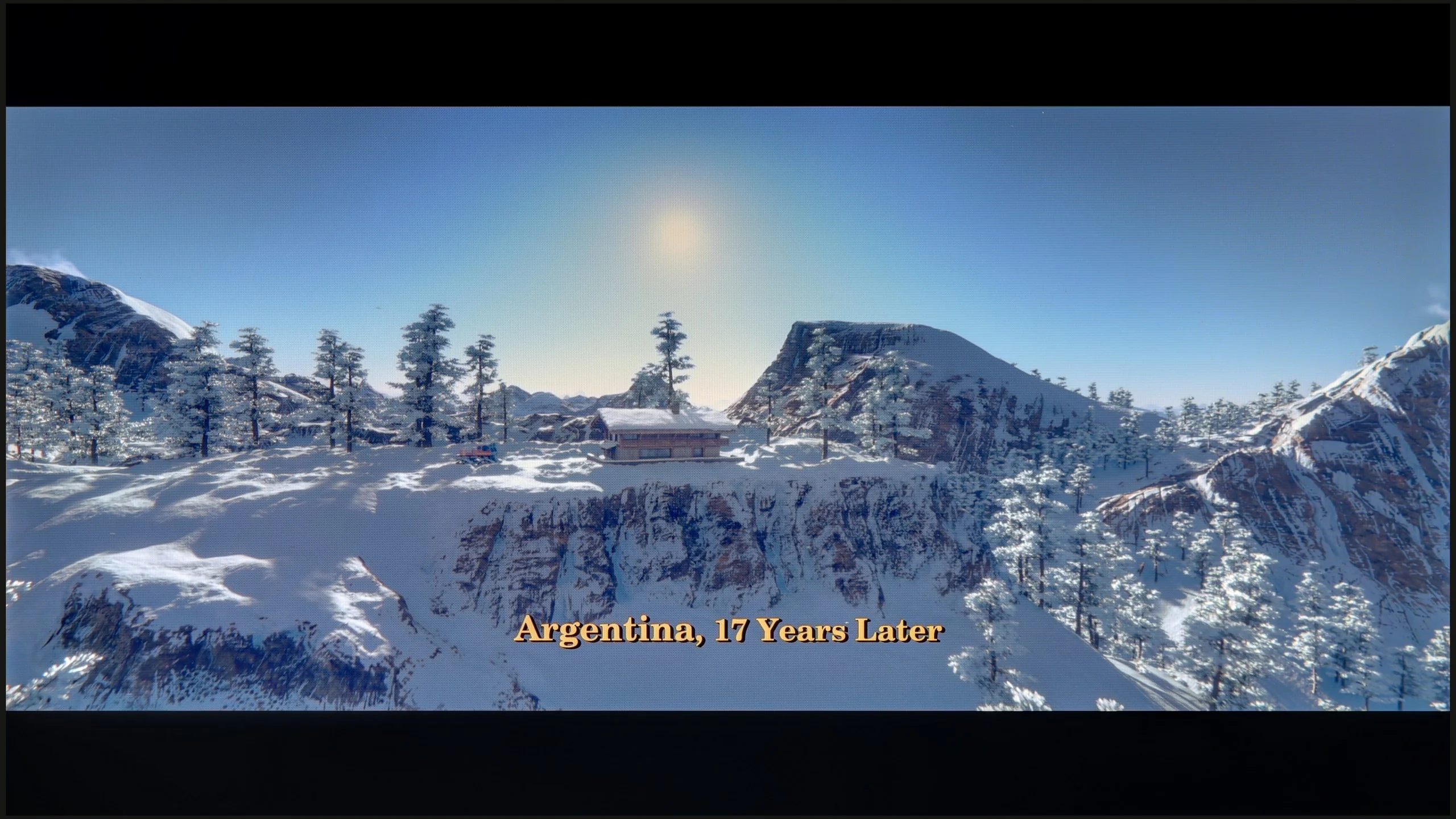
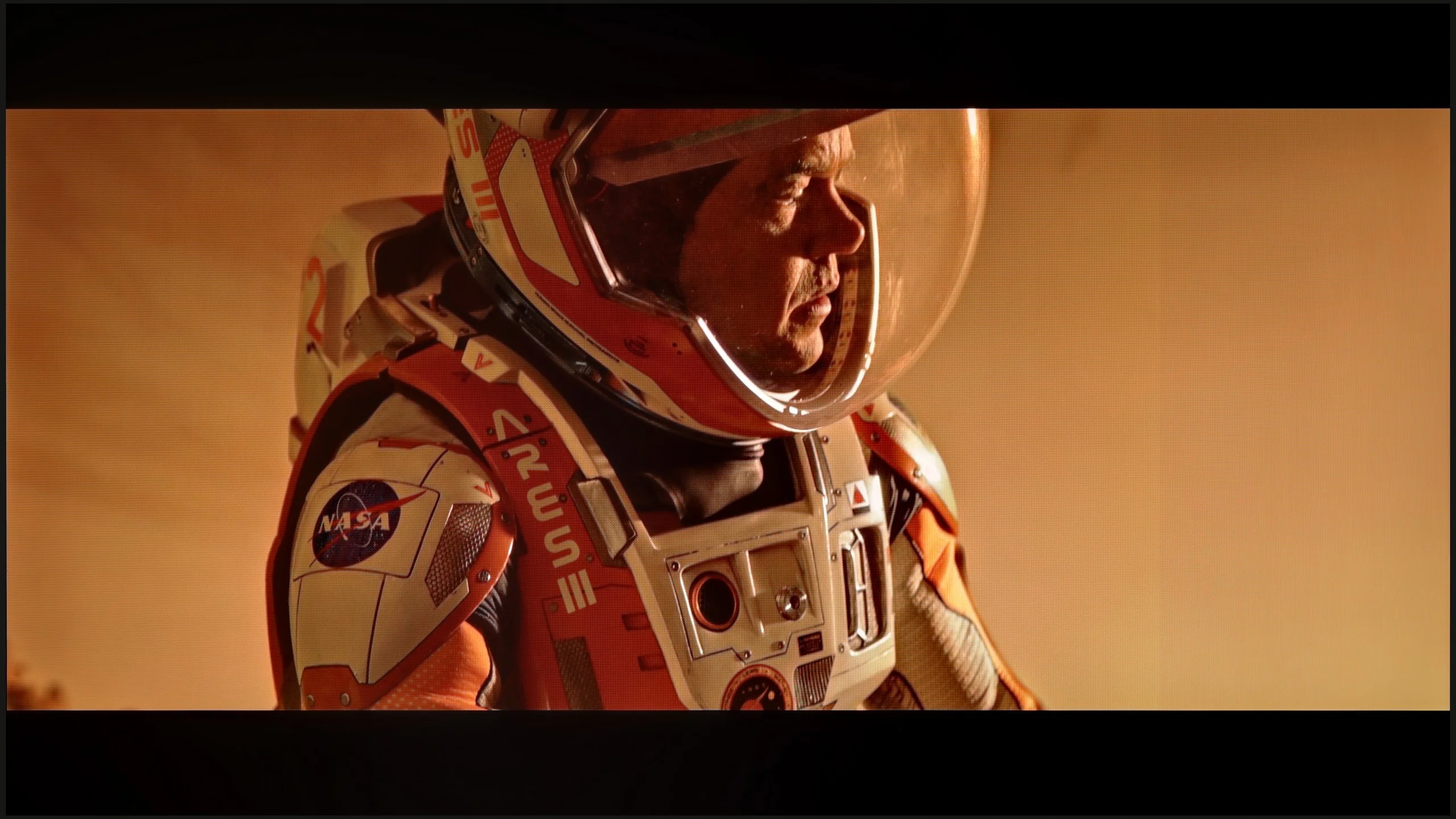
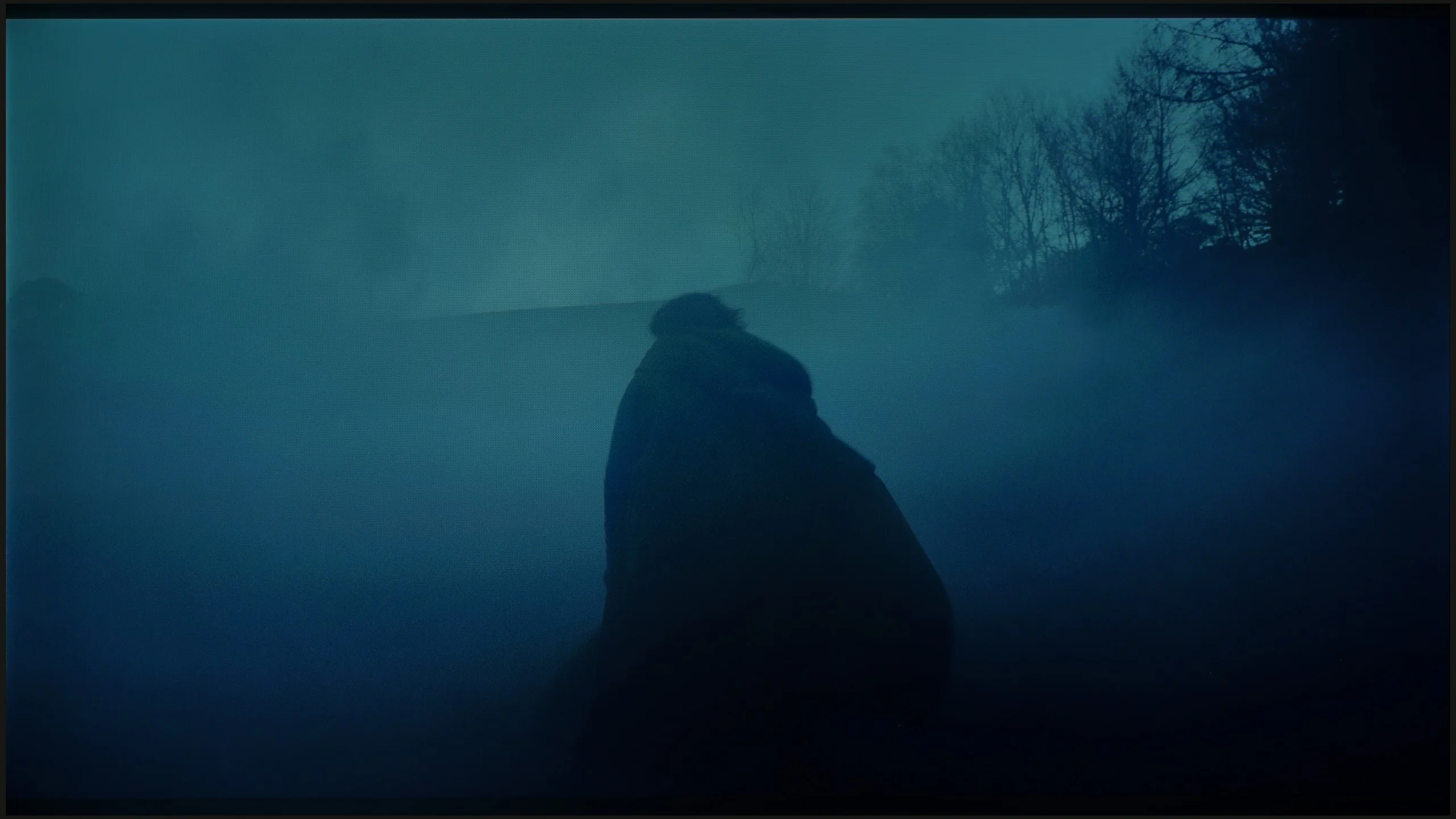
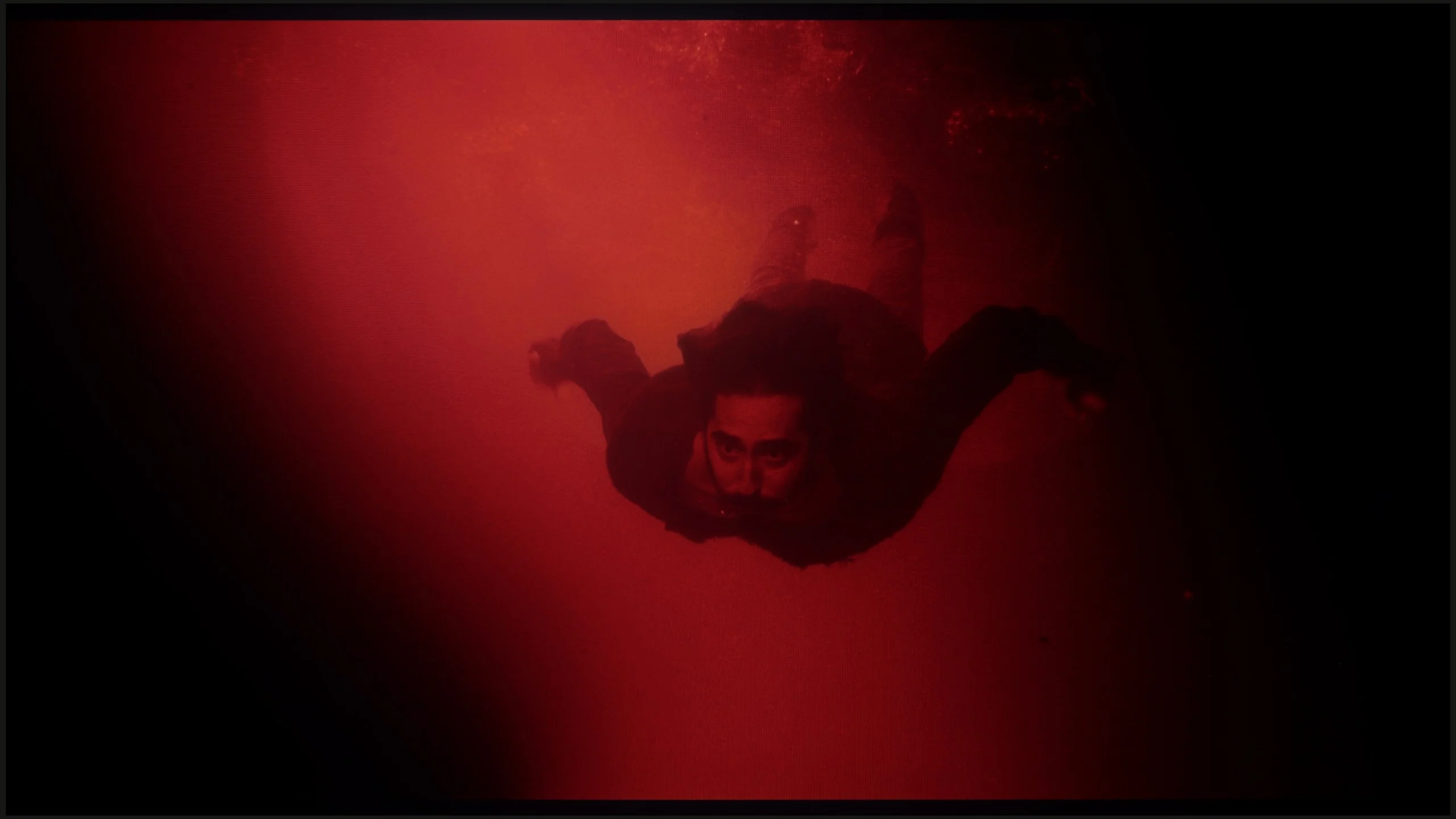
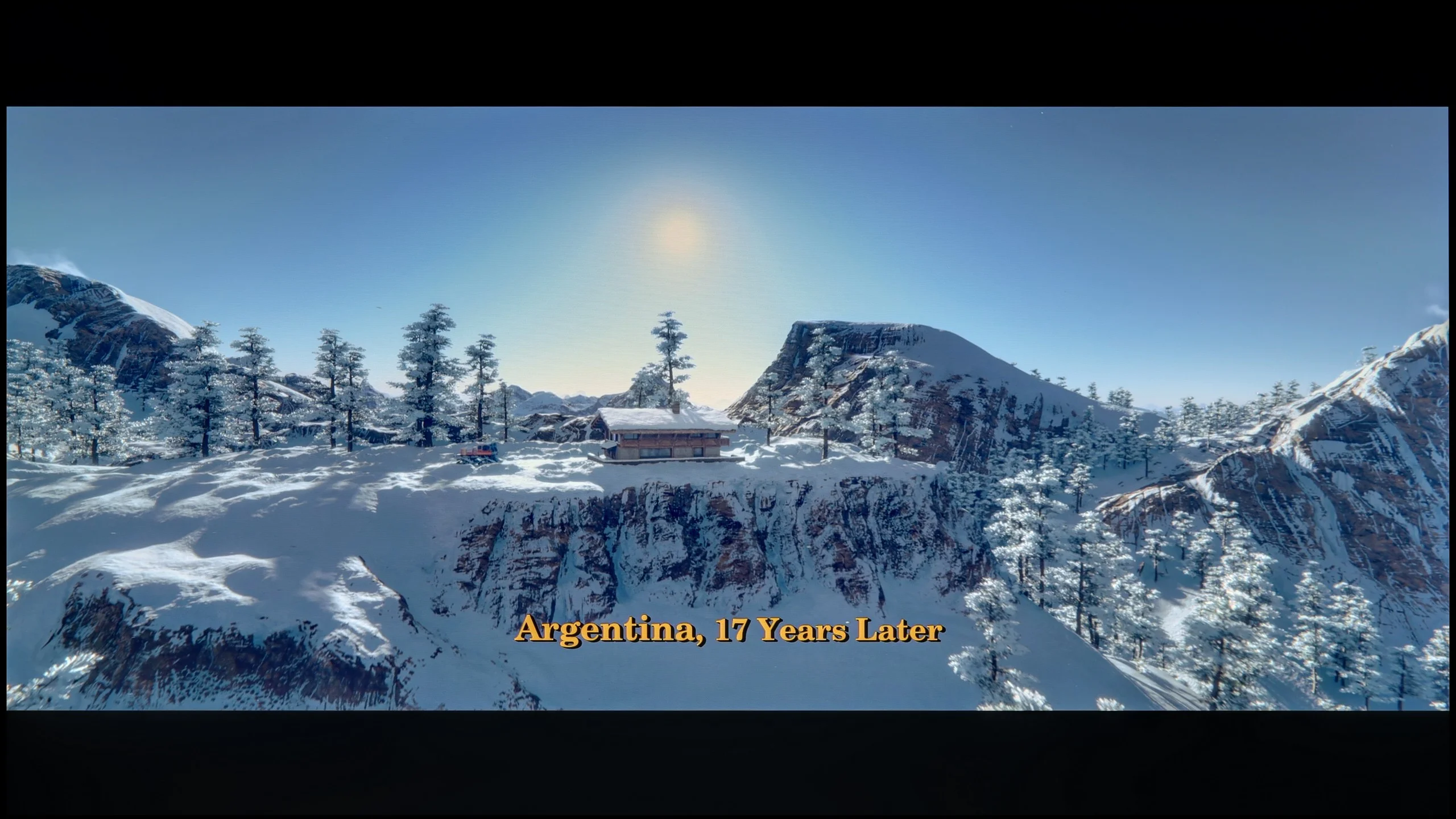
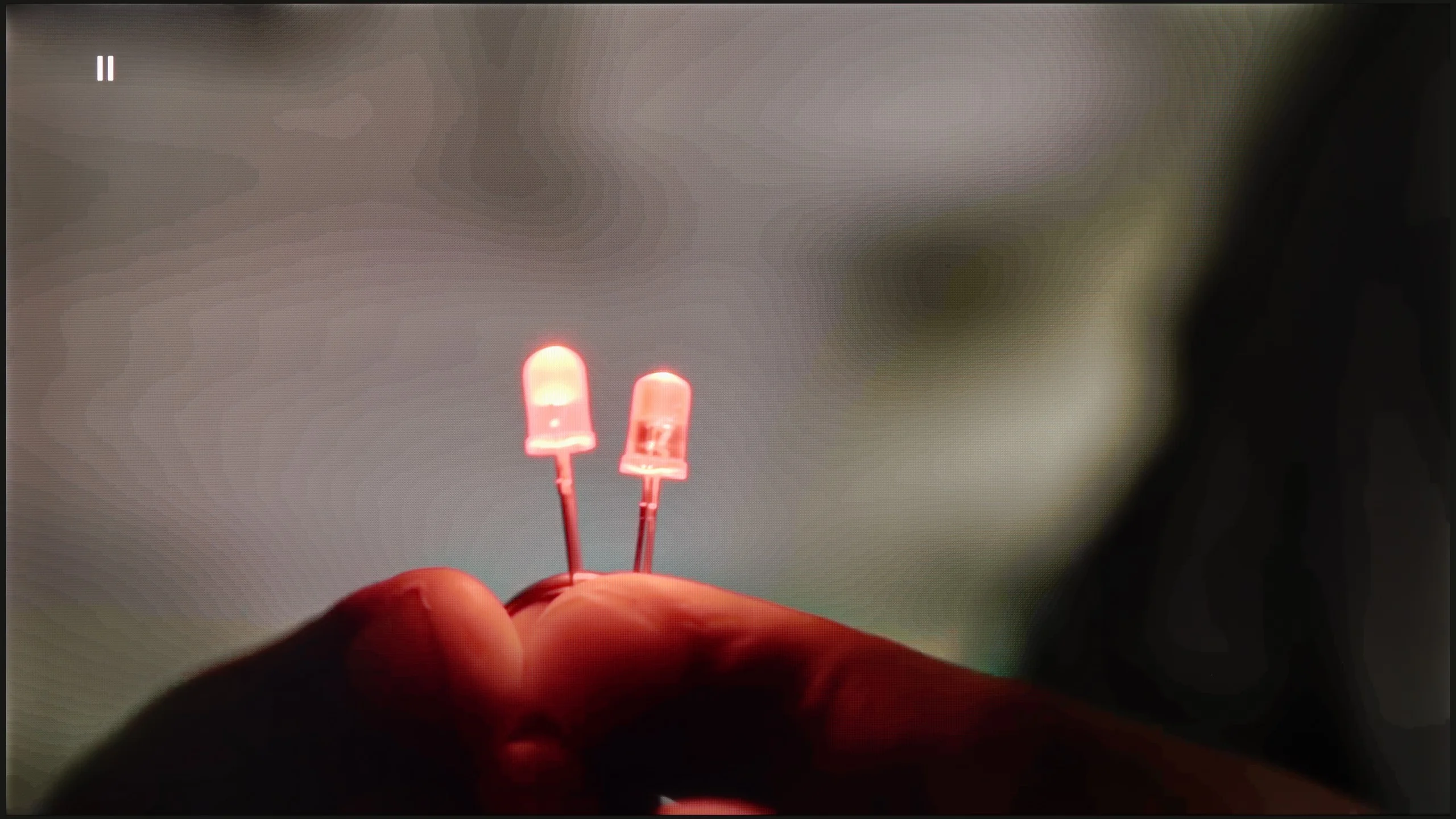
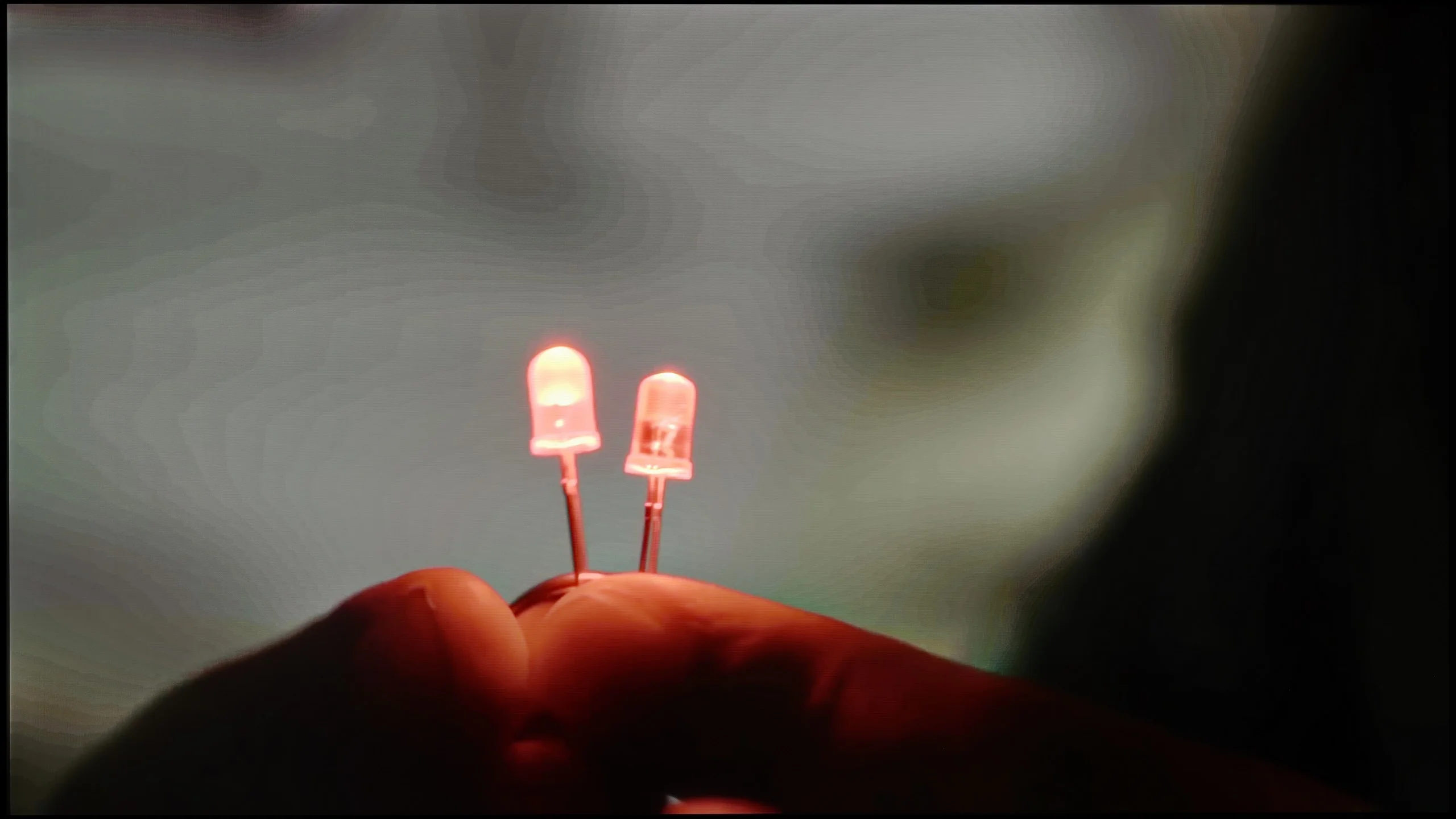
These are selected scenes that show smooth tonal transitions from one color to another. If you see distinct banding, it’s the TV panel’s fault.

These are selected scenes that show smooth tonal transitions from one color to another. If you see distinct banding, it’s the TV panel’s fault.
These are selected scenes that show smooth tonal transitions from one color to another. If you see distinct banding, it’s the TV panel’s fault.
These are selected scenes that show smooth tonal transitions from one color to another. If you see distinct banding, it’s the TV panel’s fault.
When looking solely at the fluidity of tonal transitions, the C69KS provides no real reasons for complaint. The gradation of colours is appropriate, and more challenging sequences do not reveal any significant issues. However, you may be surprised by the low rating in this category. This is due to very strong dithering and artificially boosted "resolution," which lead to a grainy and unnatural character of the image. For this reason, the final rating is significantly lower, despite the correct gradation of the tonal transitions themselves.
The smoothness of tonal transitions on the BRAVIA 6 is rather average. In every scene we checked you can spot small irregularities where one shade should blend into another. In bright shots they’re subtle and easy to miss, but darker tones cause more problems. On shaded backgrounds the boundaries between them are clearer, so instead of a smooth transition you see distinct bands. We observed similar imperfections in other TVs we tested with an OLED SE panel. Interestingly, when running the same scenes in Dolby Vision the tonal gradation gets a little worse. These aren’t issues that ruin an entire viewing session, but on uniform backgrounds and in darker shots they can draw more attention.
Image scaling and smoothness of tonal transitions
5/10
6/10


Smooth transition function
The match photo shows how the TV smooths weak tonal transitions in low-quality video.
Image scaling SD (576i)


The model photo shows how it handles upscaling of SD material.
The C69KS handles upscaling quite well. The tested 576p content looks surprisingly decent – a considerable amount of detail is preserved, and the algorithm adds a subtle ‘rounding’ effect to sharp edges, making the image appear more cohesive. However, it doesn't perform as well when it comes to smoothing tonal transitions. The television practically cannot improve them, leaving the image in a rather raw state. With older materials, this can be simply exhausting, as the lack of additional processing highlights all imperfections.
The "magic" of Sony's image processing has been talked about for years, and we've repeatedly confirmed its effectiveness in higher-end models. BRAVIA 6 shows, however, that the Japanese manufacturer's logo alone doesn't guarantee equally good results. Despite using a MediaTek Pentonic 800 processor, the TV handles smoothing of banding between shades in heavily compressed footage only rather averagely. The available "De Contour" function set to medium helps a little, but some uneven transitions remain visible. On the plus side, we didn't notice any obvious blurring of detail or extra artefacts. So it's worth using on weaker recordings, though its effectiveness is far from what we've become used to from the manufacturer's TVs. Upscaling of lower-resolution material performs better. The image is a little soft, but most fine detail stays clearly visible. In the scene with the model you can make out both the tree's texture and thin branches in the background, so this gentler sharpening doesn't automatically mean a loss of detail. There's also no issue with overscan: the TV shows the entire frame, without cropping the edges even with an SD signal.
Blur and motion smoothness
4.9/10
8.5/10
Blur (native resolution, maximum refresh rate):






Blur (4K@144Hz):

Blur (4K@60Hz):



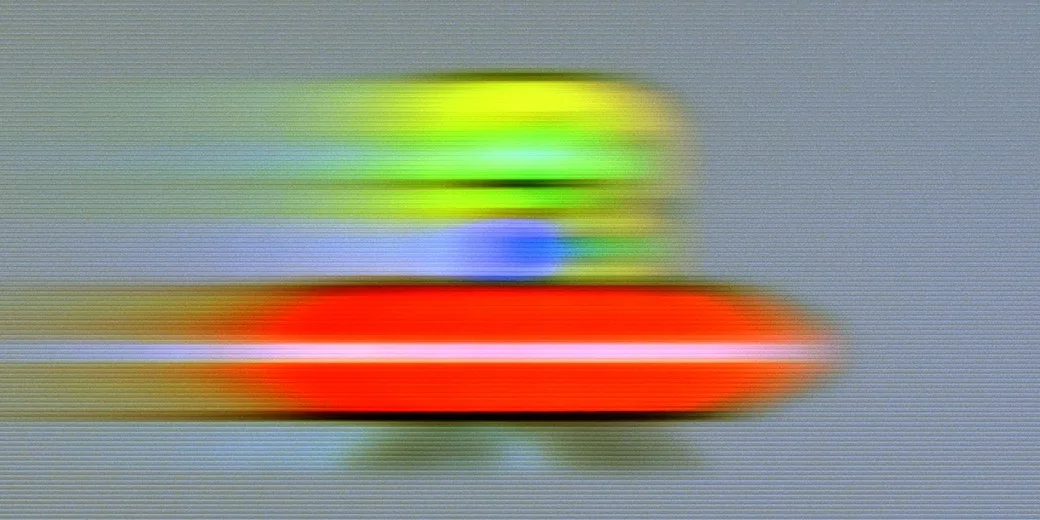
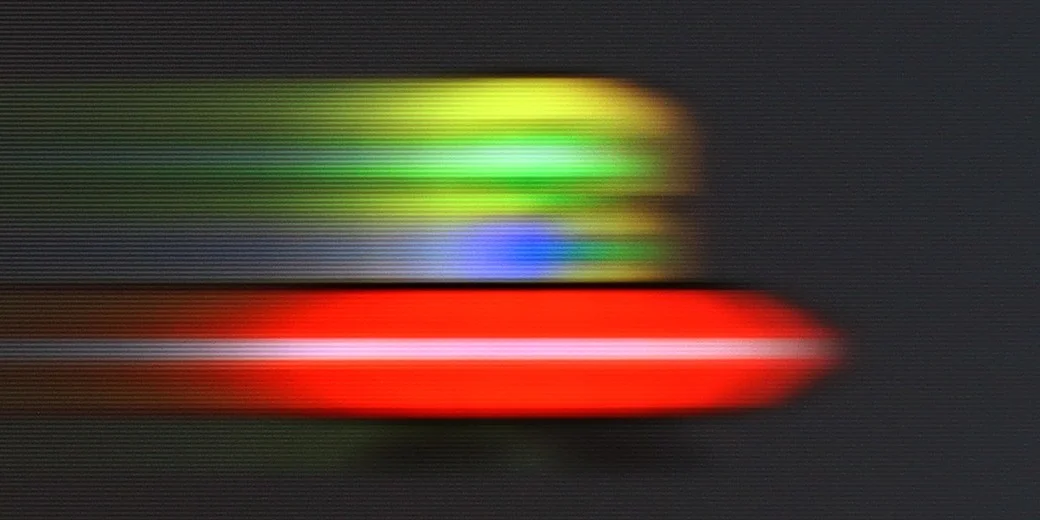
C69KS offers a simplified motion enhancement panel in movies, allowing users to adjust the intensity of the effect using a slider. This makes it easy to tailor the smoothness to personal preferences. It also deserves credit for the ability to utilise higher refresh rates – even though the panel operates natively in 4K at 60 Hz, by lowering the resolution to 1440p, modes of 120 and 144 Hz can be enabled, on both consoles and PC. This sounds like great news, however, in practice, the image at these settings trails exceptionally badly. The effect is so pronounced that the overall experience simply appears mediocre and loses its appeal in everyday use.
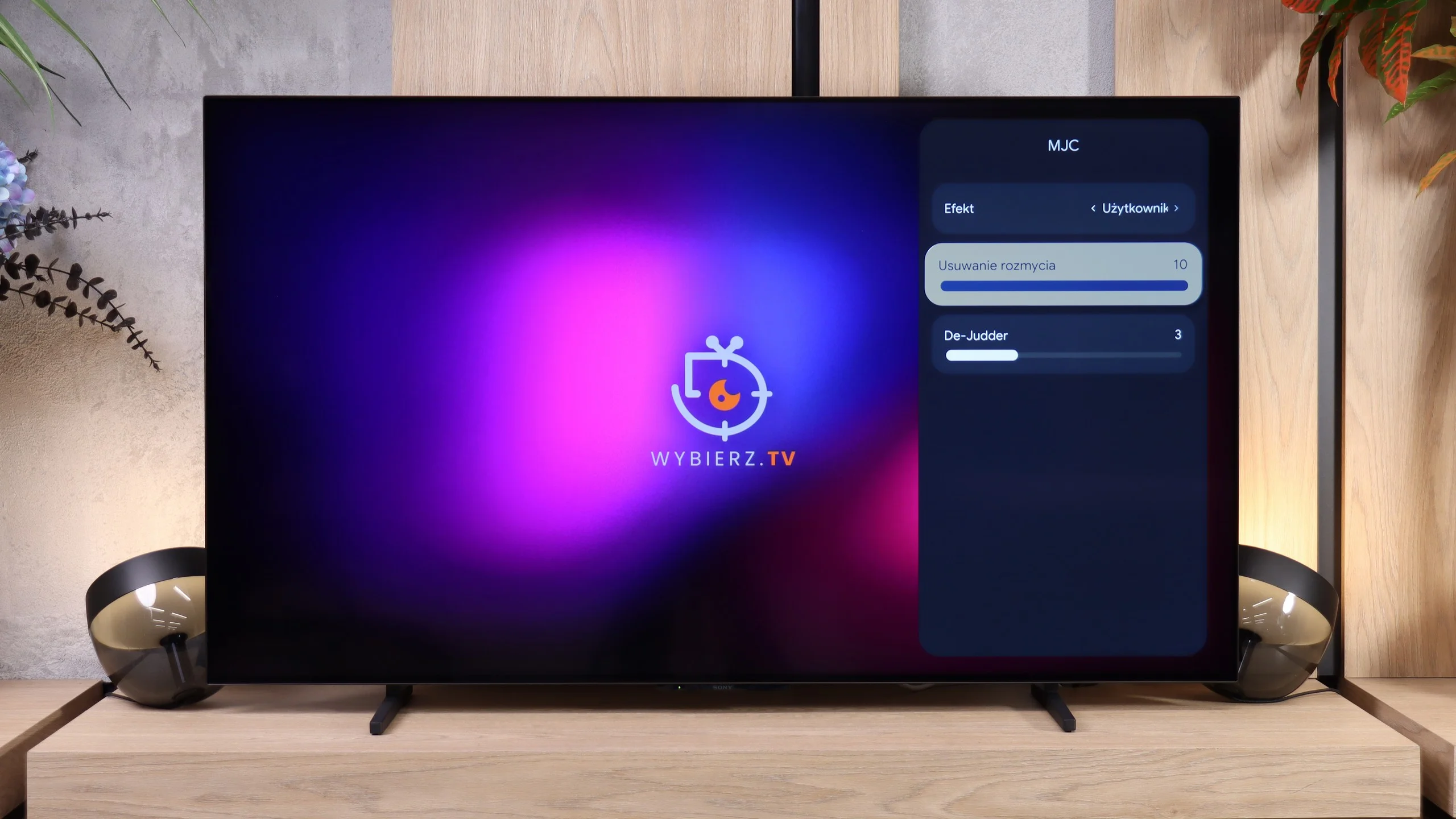
In dynamic scenes the BRAVIA 6 performs very well. The OLED panel responds almost instantly, so moving objects show virtually no smearing, even on dark backgrounds. Combined with a 120 Hz refresh rate, this delivers a sharp picture for watching sport and gaming. In that respect the TV offers exactly what we'd expect from an OLED.
The motion settings menu is much less typical for Sony. Instead of the familiar Motionflow system there's a feature called "MJC", which in both appearance and naming more closely resembles solutions found on budget TVs from other brands. You get two sliders: "Blur Reduction", which here is equivalent to the "Smoothness (Film)" setting, and "De-Judder", which corresponds to the "Smoothness (Camera)" control on other Sony models. The motion smoothing itself works well and lets you adjust motion to your preferences, though users switching from another BRAVIA will be surprised by the new menu on the TV.
Console compatibility and gaming features
8/10
7.5/10
- ALLM
- VRR
- VRR range48 - 144Hz48 - 120Hz
- Dolby Vision Game Mode
- Correct implementation of HGIG
- 1080p@120Hz
- 1440p@120Hz
- 4K@120Hz
- Game bar
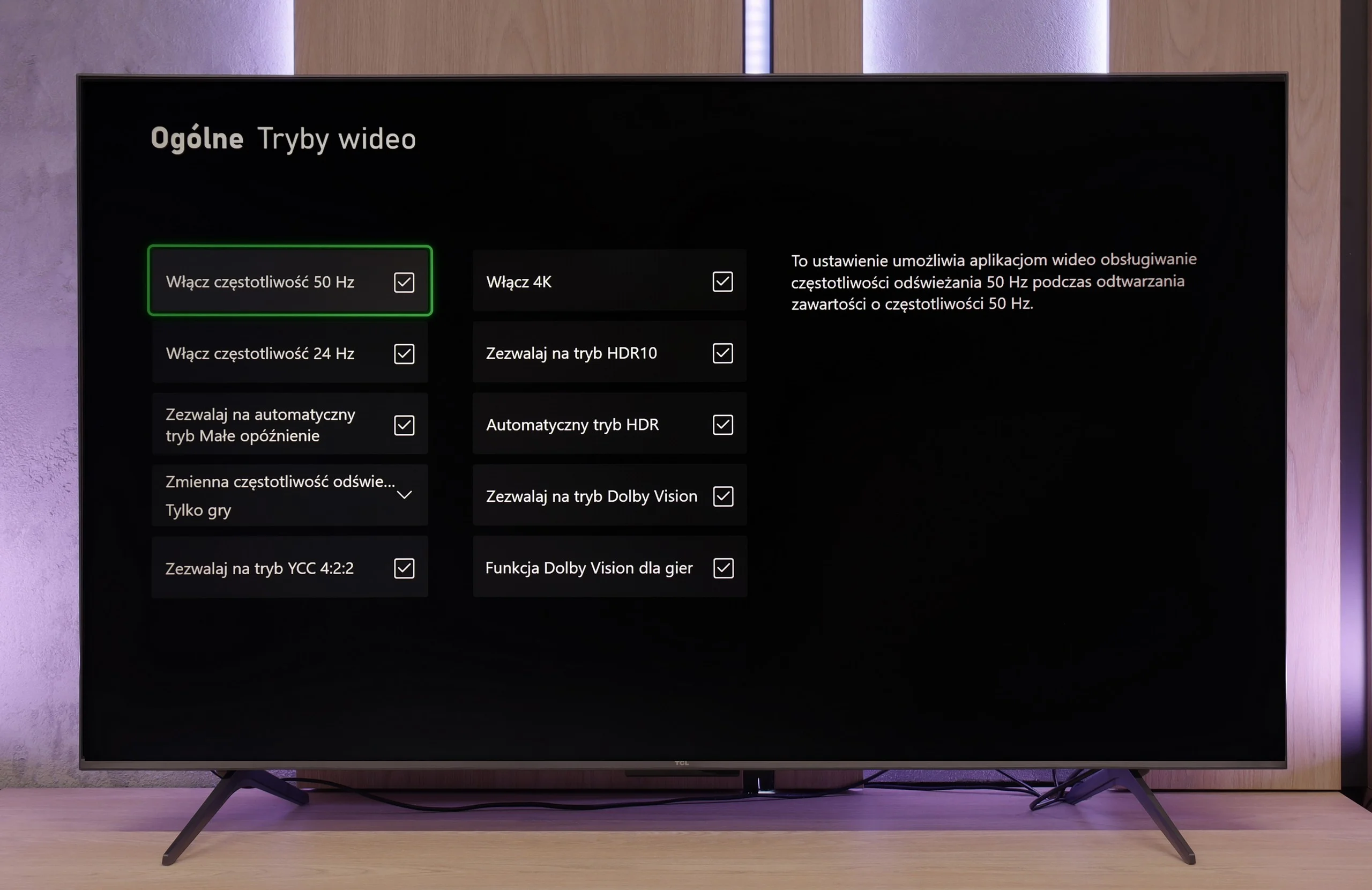
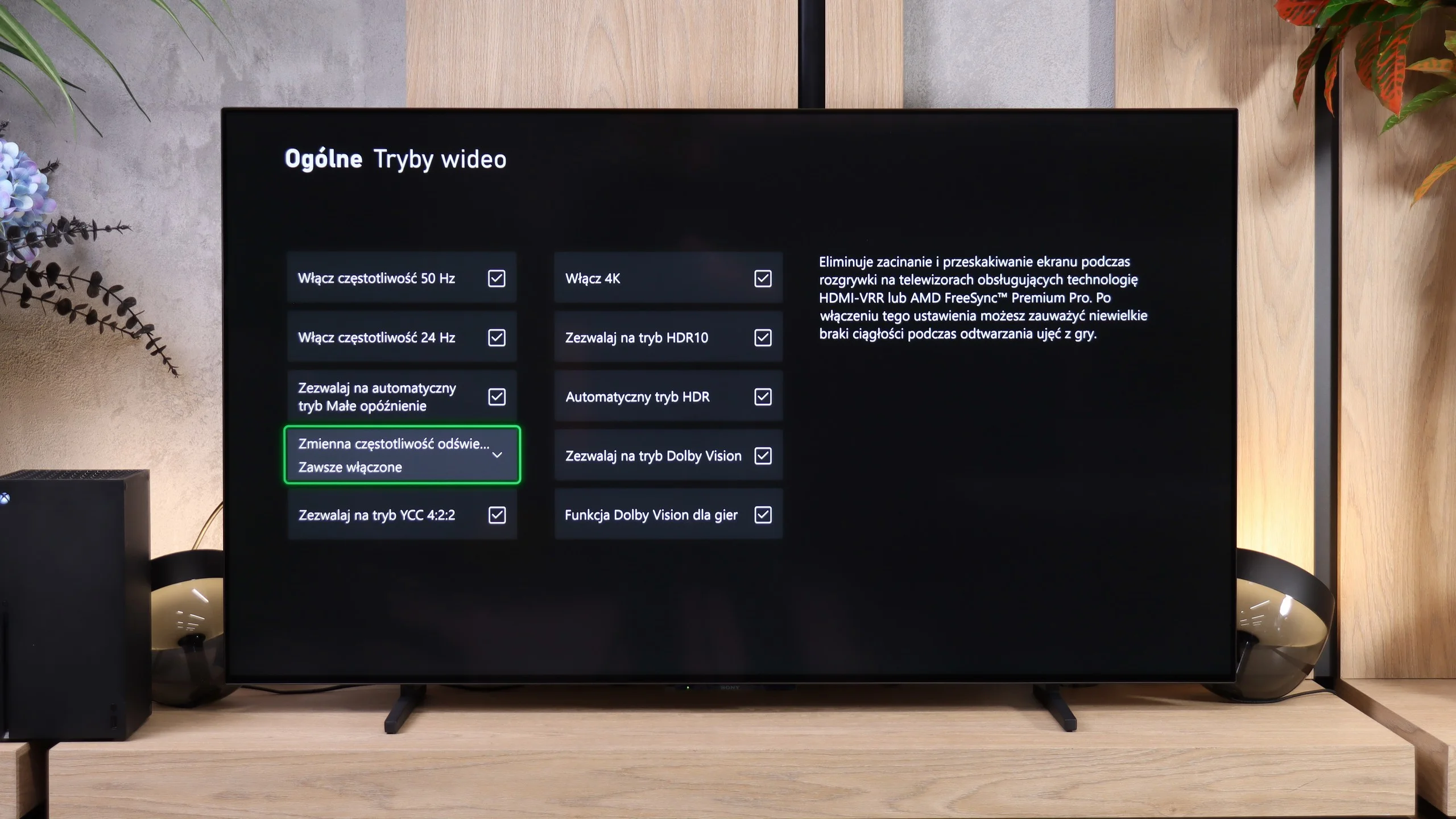
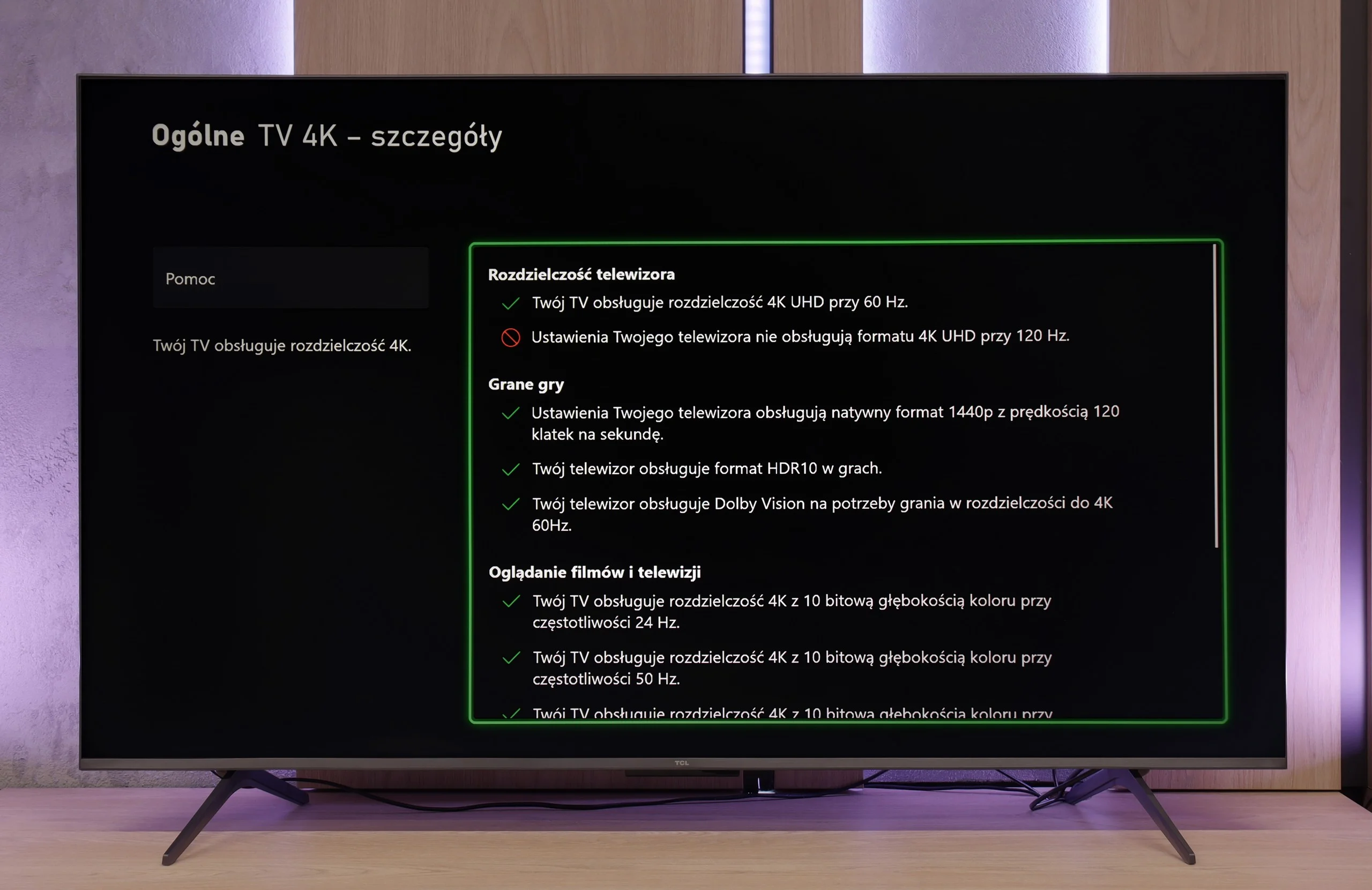
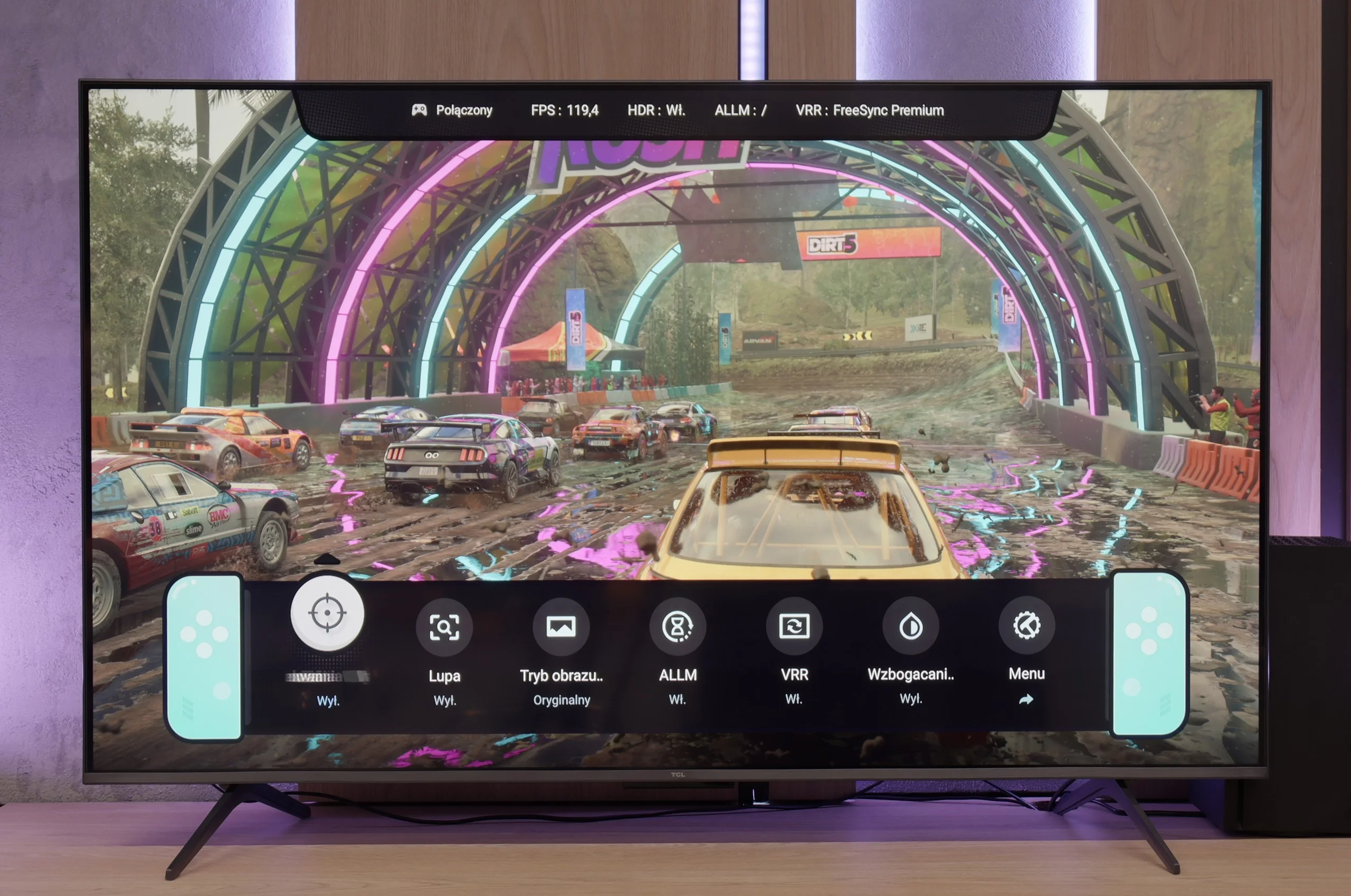
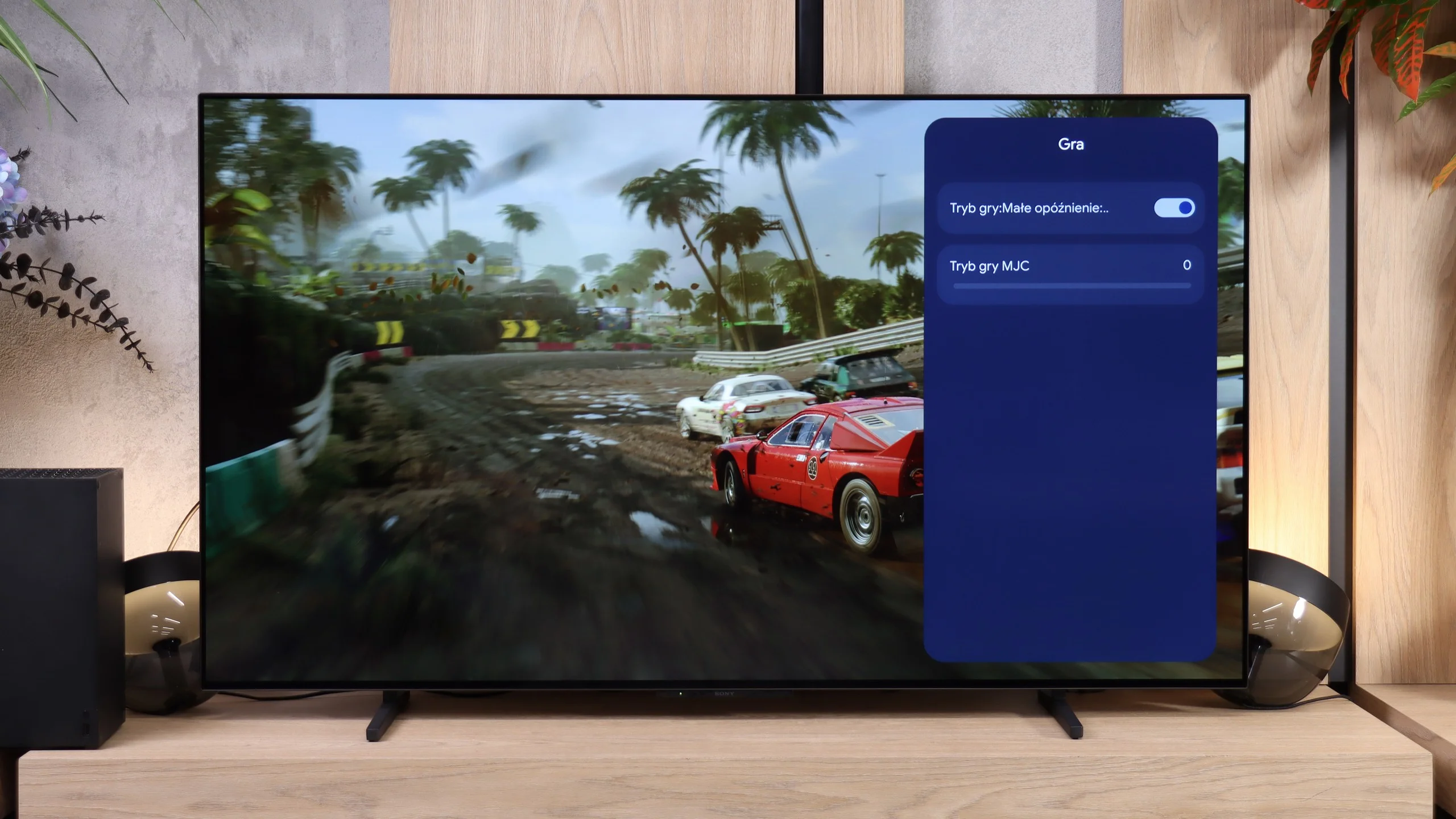
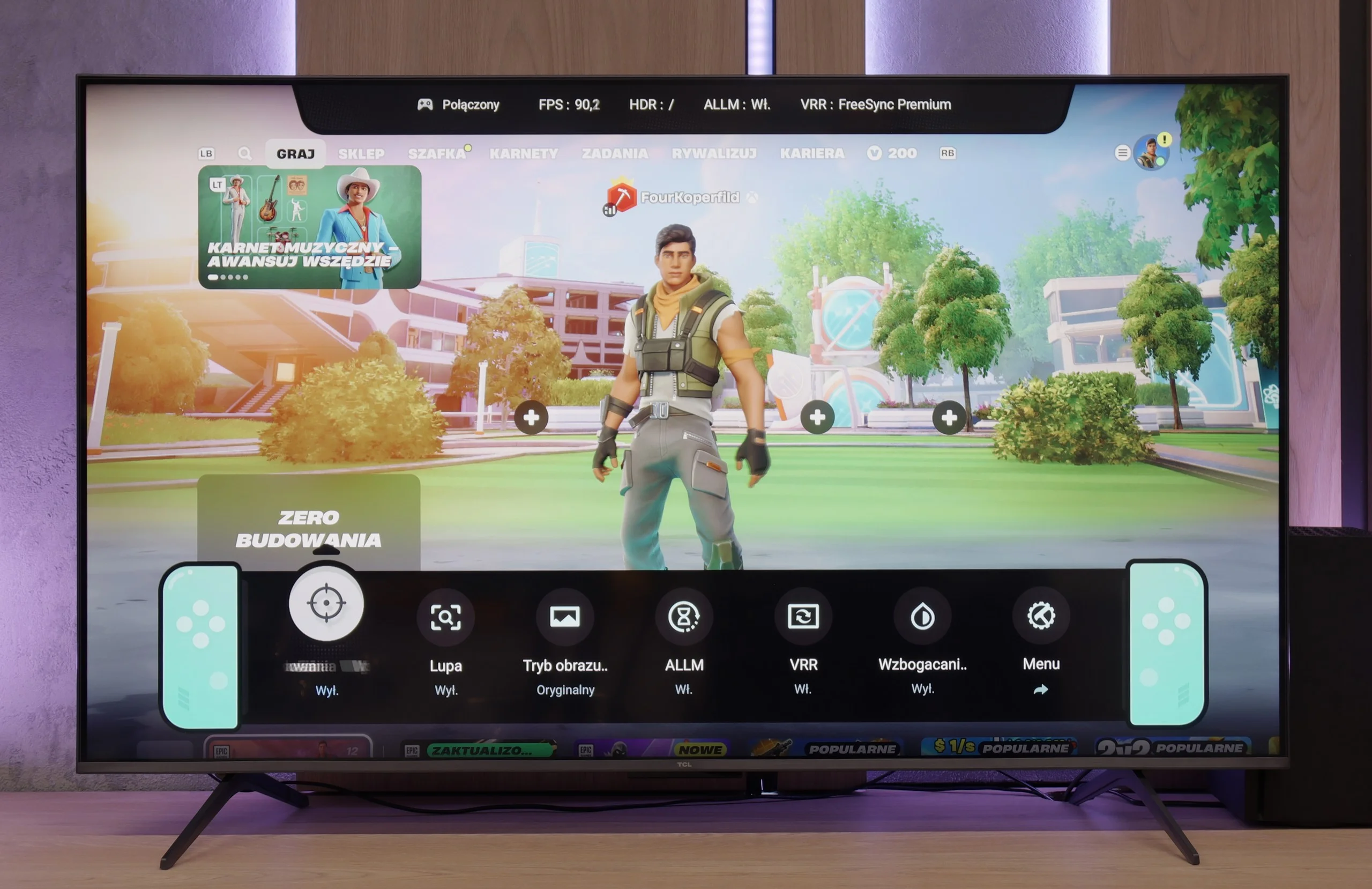
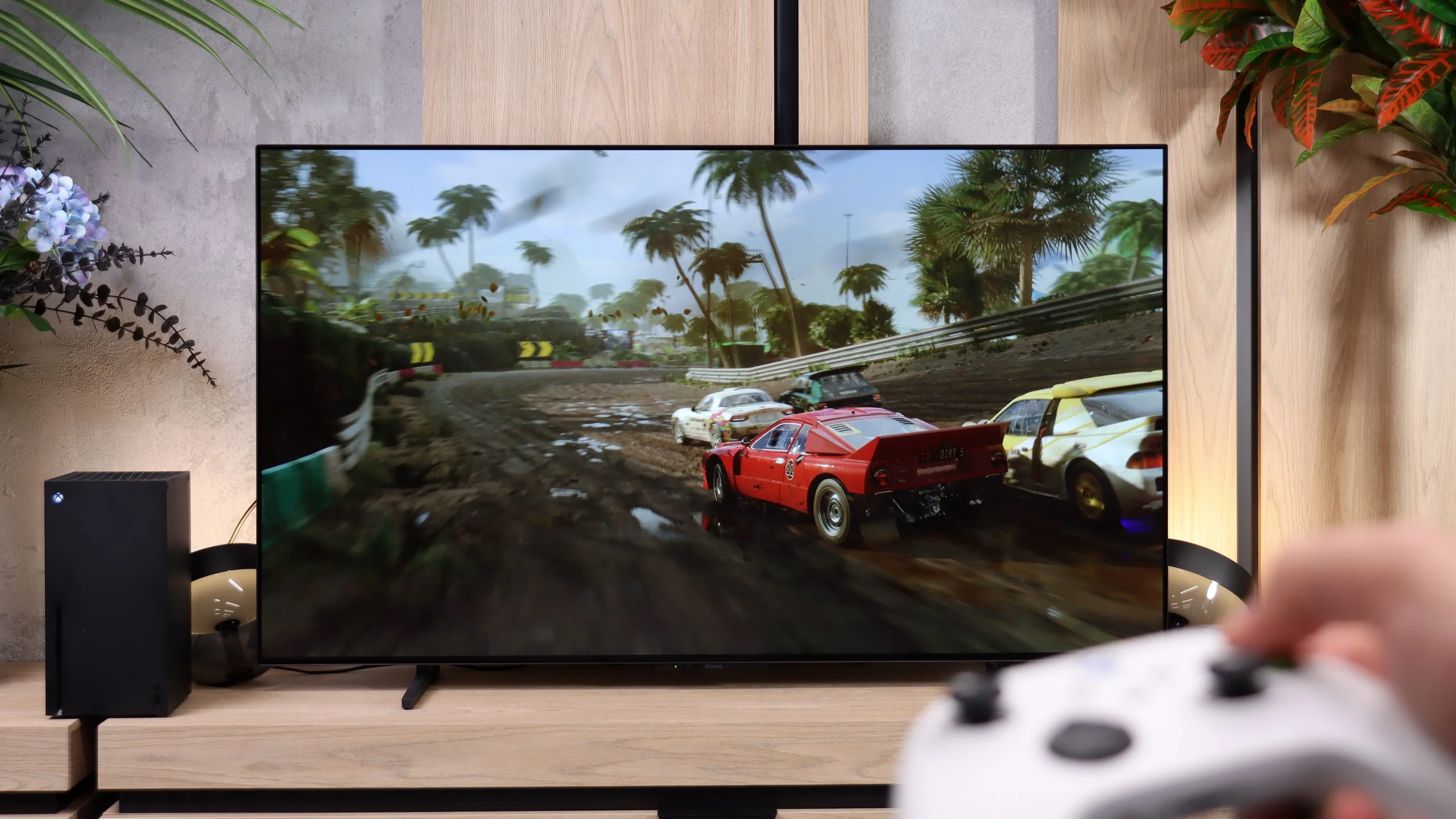
If we overlook the smudging and lack of native 4K at 120 Hz, the C69KS is impressive in how well it performs for gaming. You get everything you would expect from a gaming TV: Variable Refresh Rate (VRR), Auto Low Latency Mode (ALLM), Dolby Vision Gaming mode, and a consistently functioning HGiG. The TV can also operate at 120 or even 144 Hz at lower resolutions, making gameplay on console or PC smoother. Additionally, there's a clear Game Bar that allows you to quickly check key settings while gaming. As a result — despite a few limitations — the C69KS can be a genuinely successful screen for gamers.
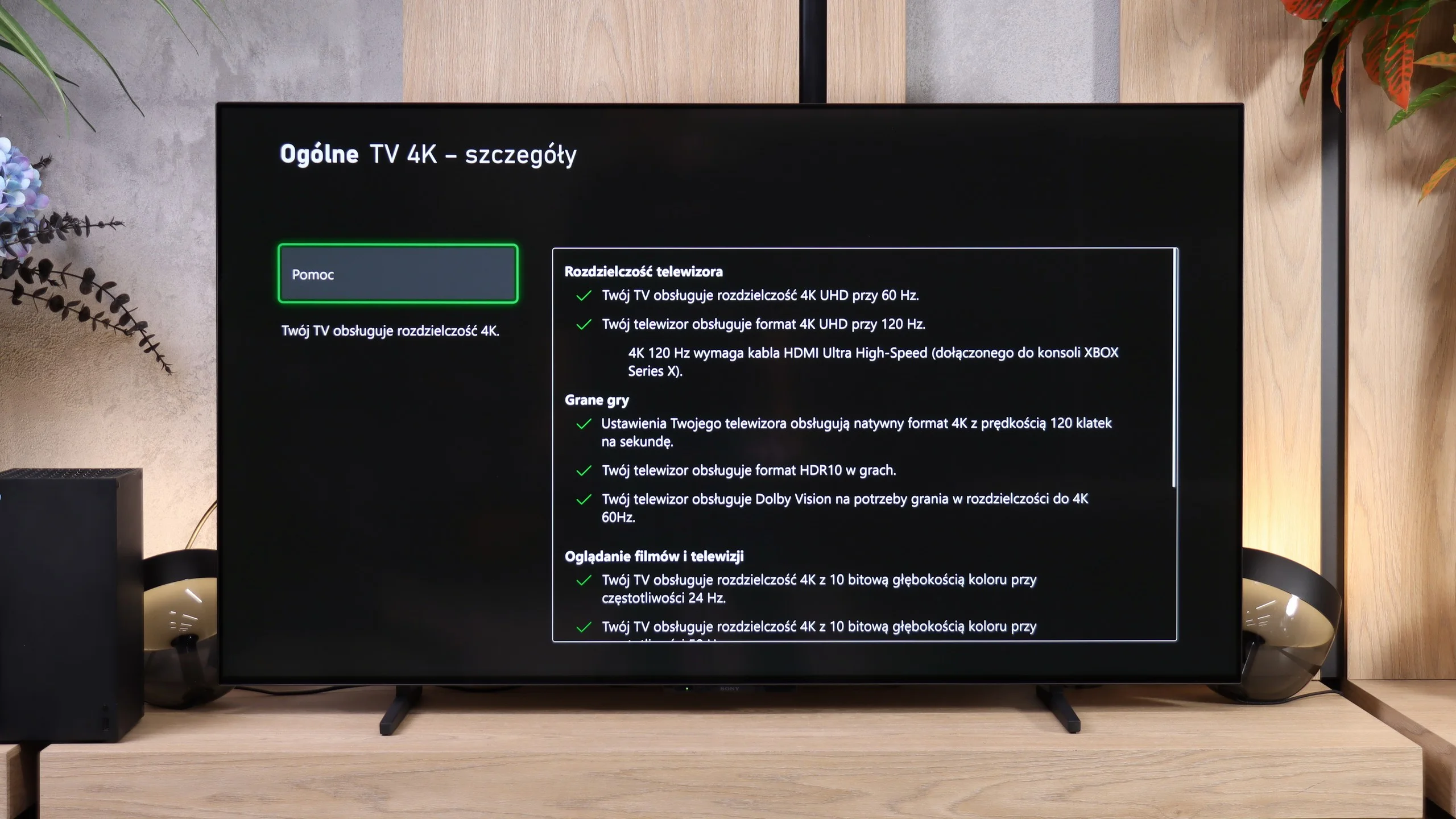
The Sony BRAVIA 6 is very good for gaming. Solid picture quality, fast OLED panel response and support for 4K at 120 Hz mean the TV handles fast-paced titles well. Players who expect more than just smooth gameplay will, however, quickly notice a few unusual omissions and shortcomings.
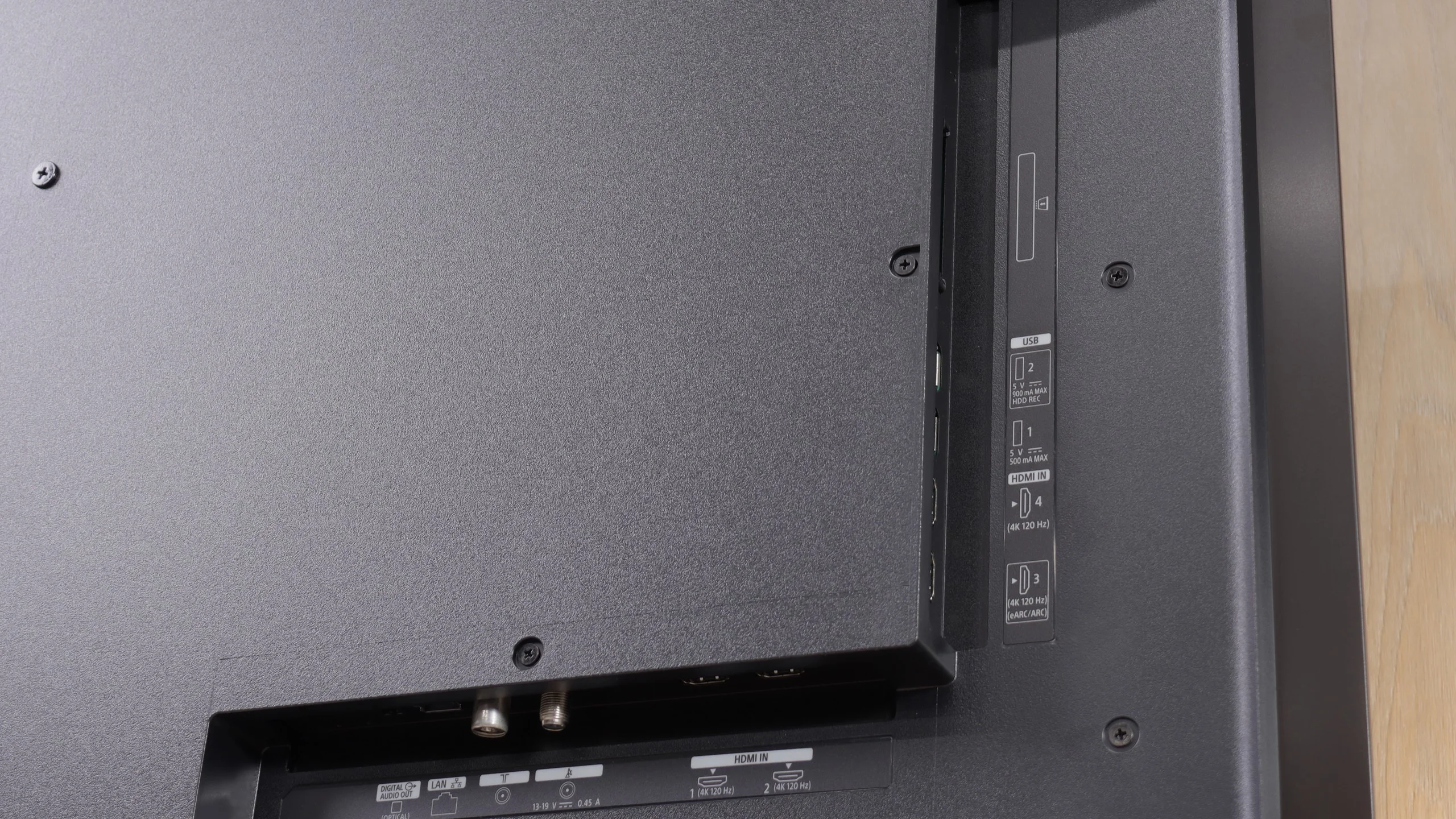
Start with the biggest change versus other Sony models: the BRAVIA 6 has four full-spec HDMI 2.1 inputs with 48 Gb/s bandwidth, thanks to the new MediaTek Pentonic 800 platform. That means you can connect several gaming devices and a soundbar without giving up a high refresh rate on any source. Each port supports ALLM, which automatically switches to low-latency mode, and VRR from 48 to 120 Hz, which synchronises the screen refresh with the game's frame rate. Dolby Vision at 120 Hz also works, with low input lag.
HDR setup is more problematic. There’s no correctly working HGiG, and the test checkerboard used for console calibration only disappears at around 1000 nits, even though the panel does not reach that brightness. Relying solely on that pattern can therefore lead to a loss of detail in the brightest parts of a game. In the settings that let you enter brightness in nits it’s better to choose roughly 700 nits, a value closer to the screen’s capabilities. We also couldn’t find a Game Bar, although retail materials suggest a basic version is included. The review unit only offered a sparse game settings menu. On top of that, there’s the familiar Sony limitation of no 1440p at 120 Hz. That won’t be a problem when playing on a console in 4K, but PC gamers may feel the restriction if they want 1440p to get more frames than 4K while retaining higher detail than Full HD.
Input lag
10/10
10/10
SDR
HDR
Dolby Vision
TCL C6KS performs very well here — the latency drops below 10 ms, which means responses in games are instantaneous. This is an excellent result in this class and definitely good news for those playing dynamic titles.
Input lag on the BRAVIA 6 is very low. At 60 Hz we measured 13–14 ms, and switching to 120 Hz drops it to just 5 ms. That means the TV responds quickly to controller inputs and doesn't get in the way when gaming.
Compatibility with PC
1.7/10
7.6/10
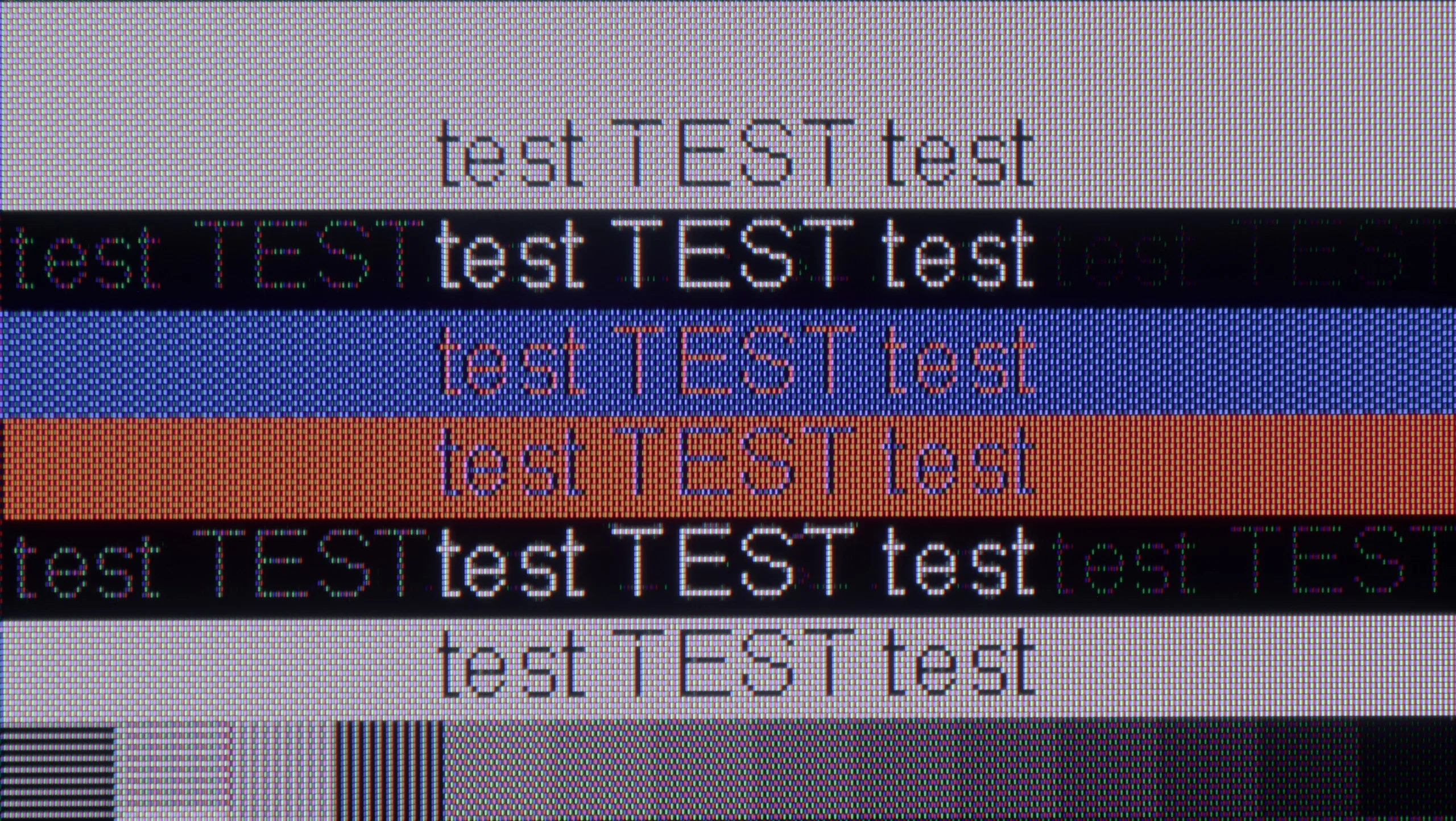
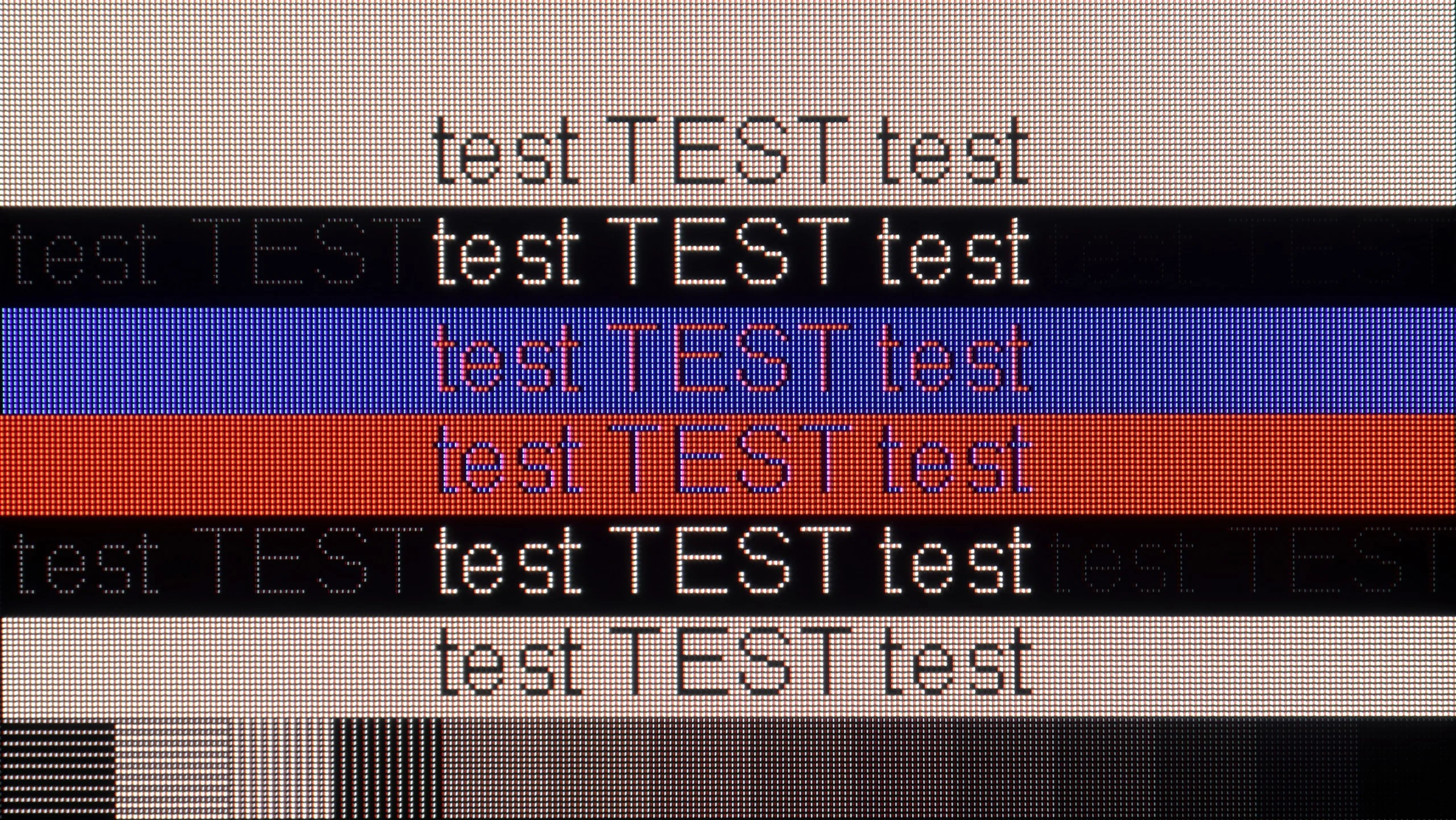
The photo shows the legibility of small fonts. Ideally, lines should be the same thickness on both light and dark text, with minimal pixel gaps.
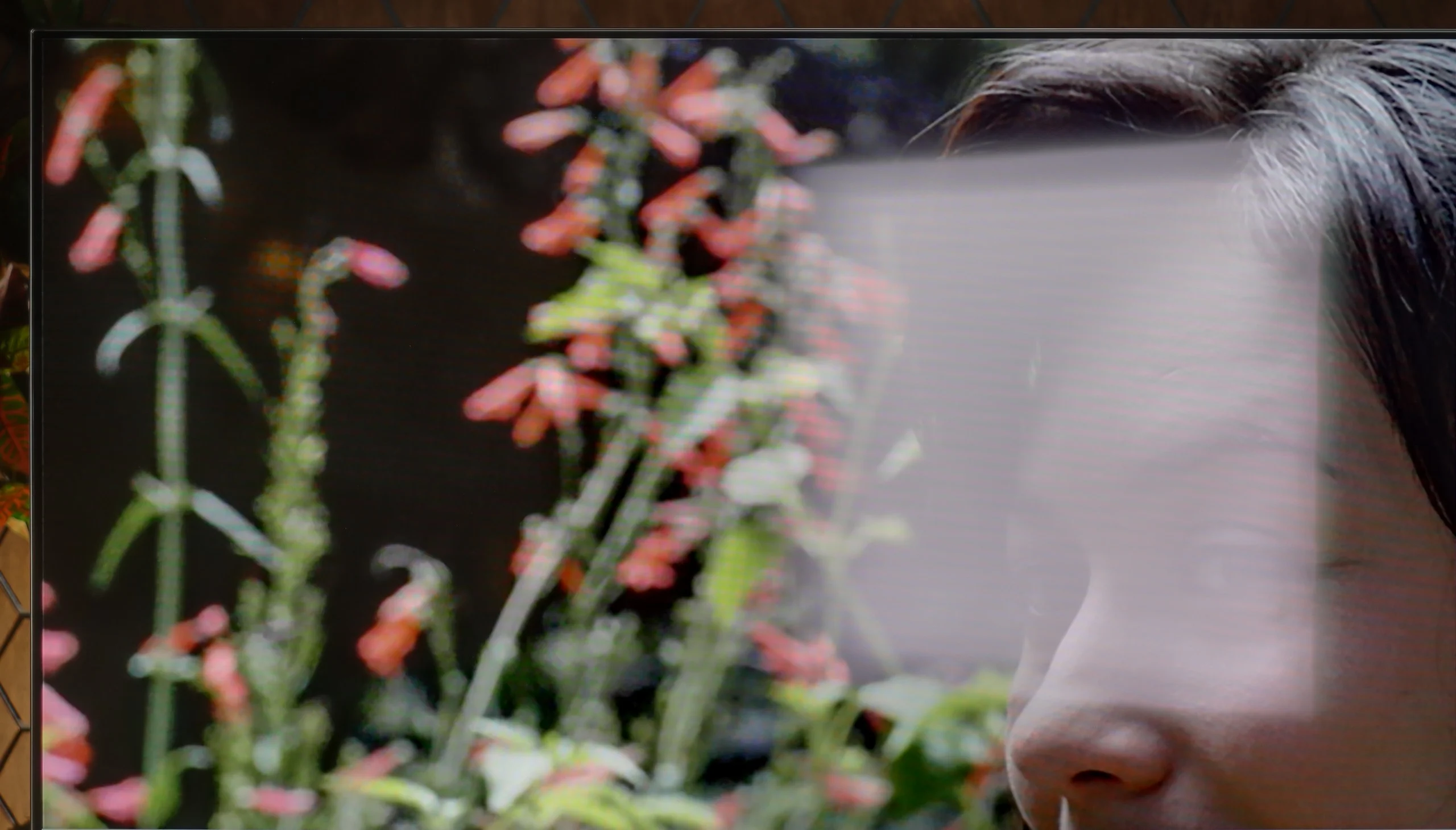
Aside from the previously mentioned ability to work at 144 Hz at lower resolutions, the C6KS offers nothing that would encourage its use as a monitor. The fonts look really poor — the darkest ones have a distinct, rainbow halo, and the standard text is surrounded by strange artifacts. The effect is noticeable enough that prolonged work at the computer can be simply tiring.
The BRAVIA 6 works well as a large screen for PC gaming. It supports 4K at 120 Hz, works with G-Sync, and input lag is just 5 ms. Combined with the panel's fast response, that makes for very enjoyable gameplay without noticeable smearing. The only thing missing is a higher refresh rate for people who want to use a powerful PC to play at more than 120 frames per second. As we mentioned earlier, you also can't use 1440p at 120 Hz.
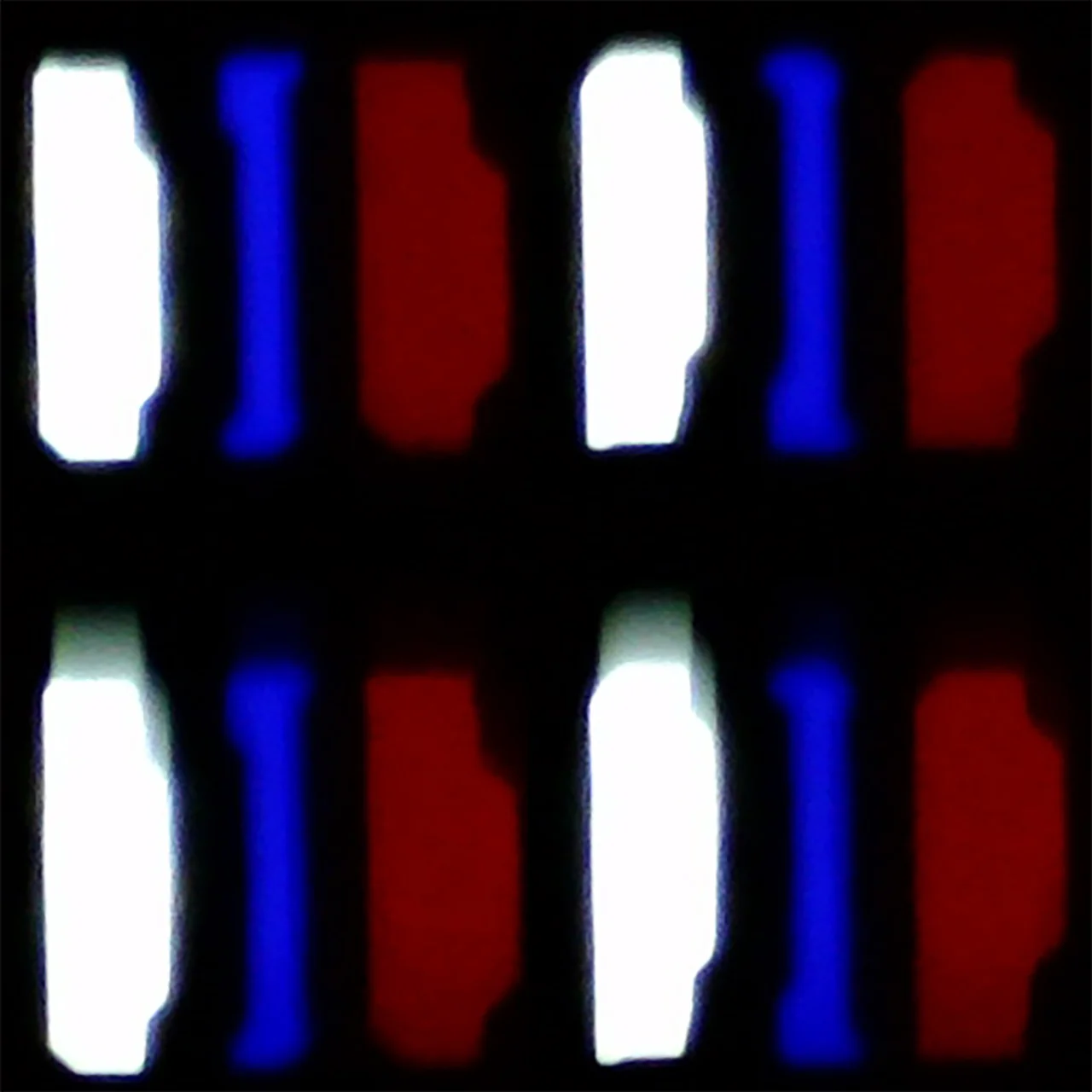
For text work it's good, though not perfect. The TV correctly handles 4:4:4 chroma subsampling even in 4K at the maximum refresh rate, so small letters remain legible and dark text doesn't lose parts of its outlines. Up close you can, however, see slight coloured fringing caused by the RGWB subpixel layout. That shouldn't be a major issue for web browsing or occasional work, but if you plan to read documents for hours from close up, fonts won't look as clean as on a typical RGB-layout monitor.
Viewing angles
2.7/10
7.5/10
The viewing angles in the C6KS are very poor, typical of VA panels. It’s a compromise we pay for by choosing high contrast — head-on, the image looks good, but any significant deviation quickly causes drops in brightness and saturation.
The BRAVIA 6 can be comfortably watched from the side too. Blacks stay deep and colours don't lose saturation as quickly as on LCD TVs with VA panels. At a 45-degree angle we measured a 31% drop in brightness, so the picture is a bit dimmer than head-on but still looks good. With a wide sofa or when watching in a larger group you don't have to fight for a spot opposite the screen. 😉 In that respect, the only better technology is QD-OLED screens.
Daytime performance
6.6/10
4.6/10
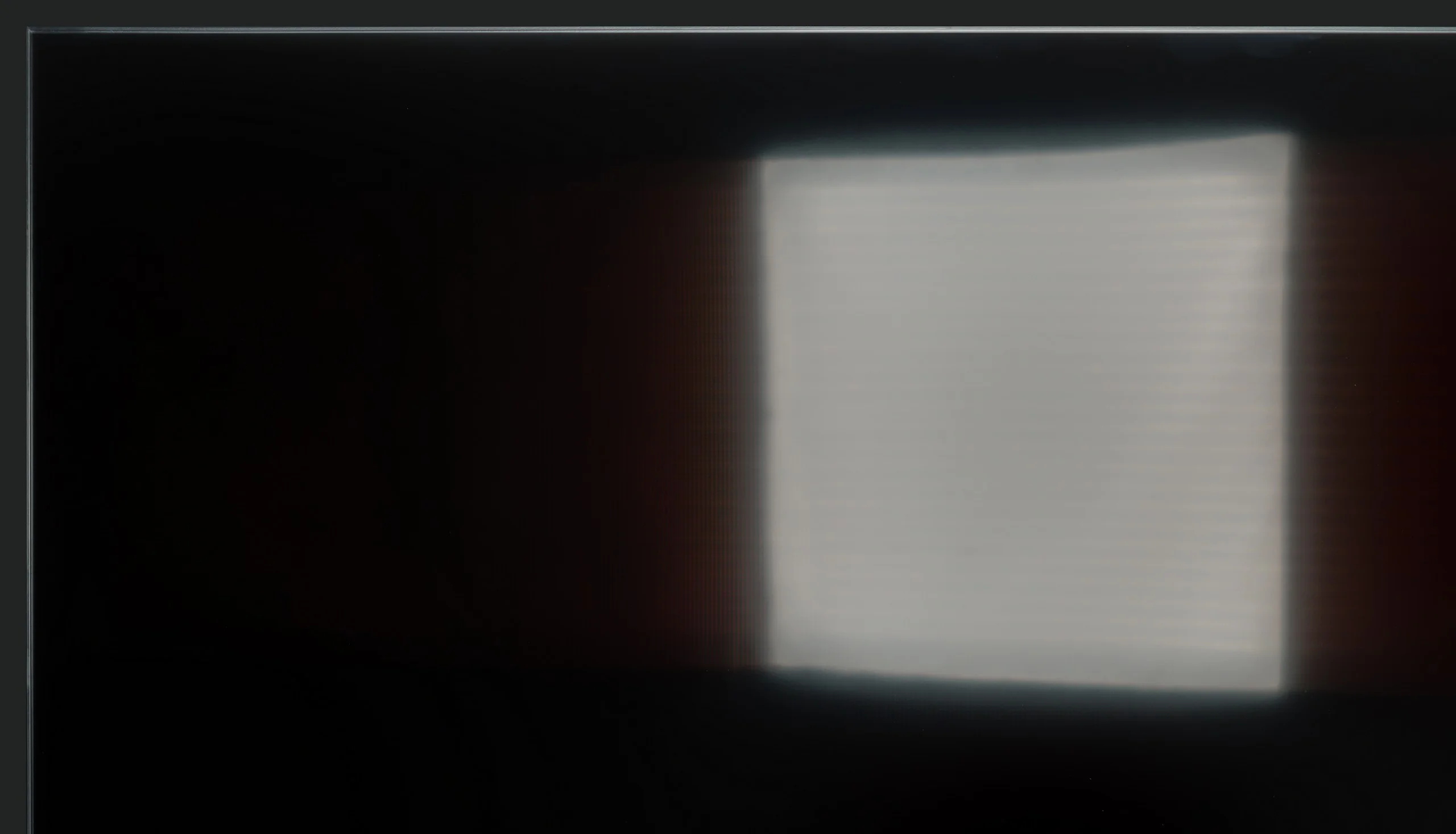
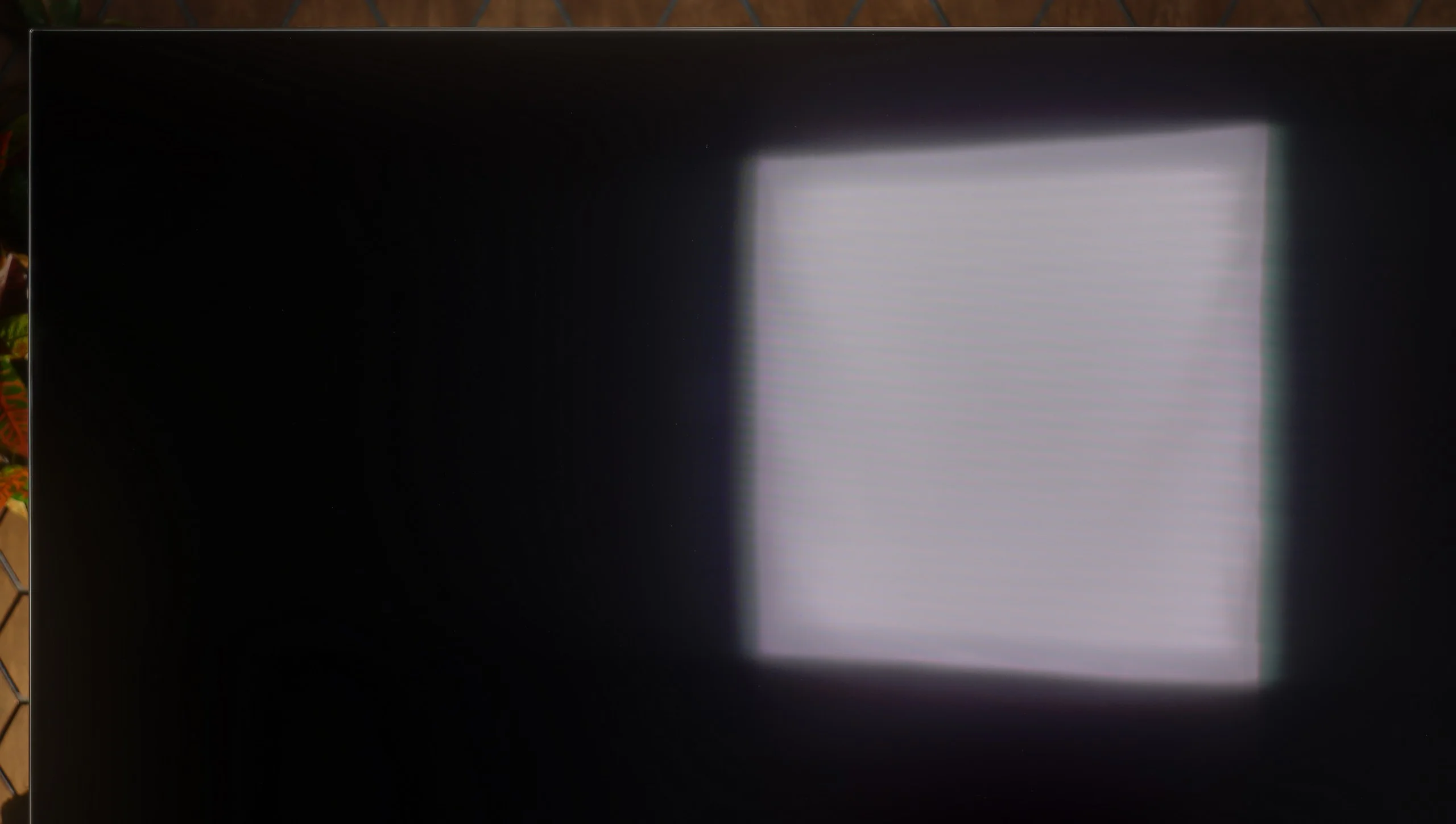
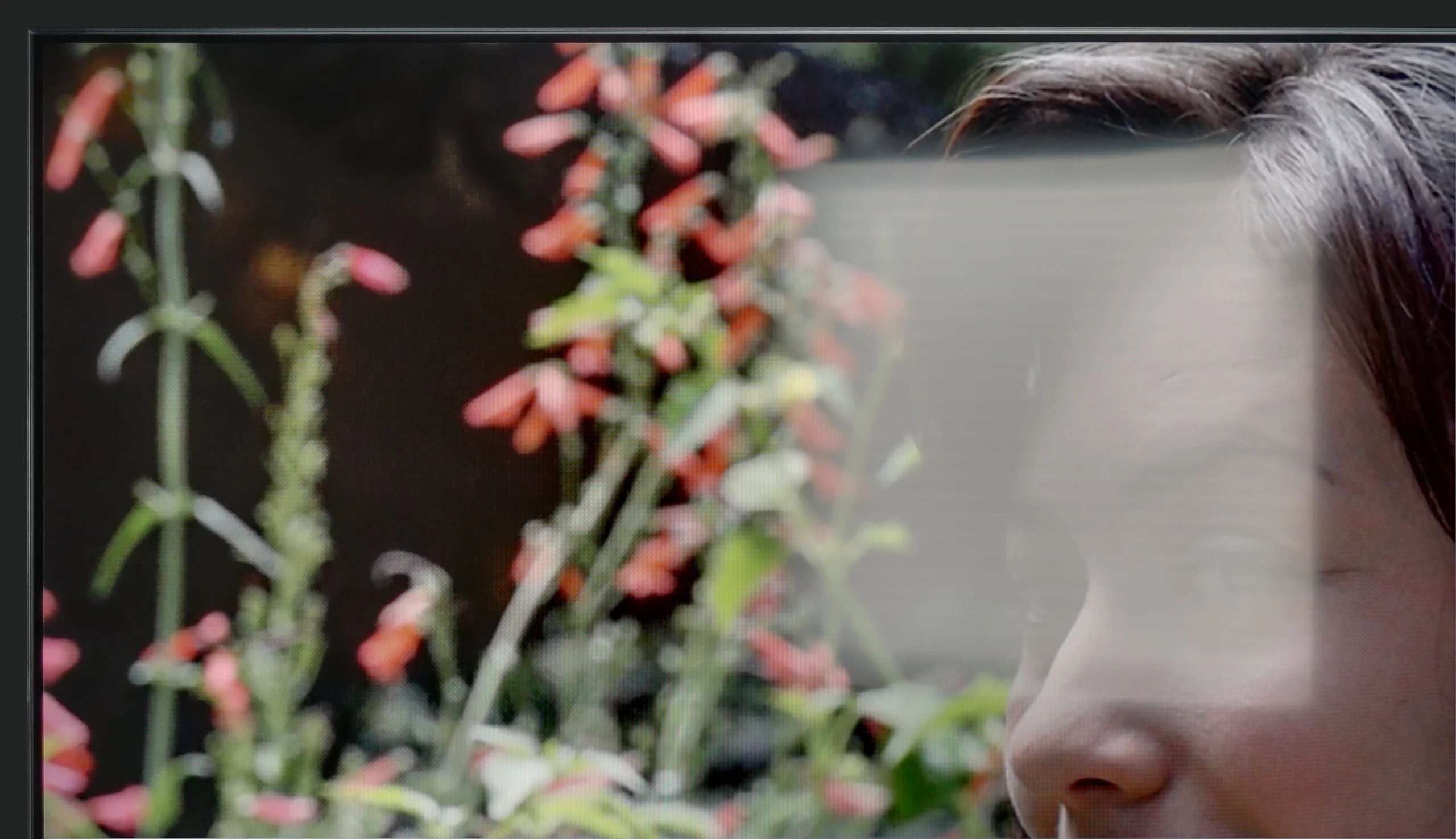
Panel brightness
Sony BRAVIA 6 (A65): 266 cd/m2
TCL C6KS / C69KS / Q6CS: 527 cd/m2
The C6KS performs really well as a TV screen for daytime viewing. Its brightness of around 500–600 nits easily cuts through challenging lighting conditions. Additionally, it features a satin finish that effectively reduces reflections. As a result, the TV impresses during daytime viewing, even in brighter rooms.
Watching in a bright room is one of the BRAVIA 6’s biggest weaknesses. Average SDR brightness is just 266 nits, and with a lot of white on screen it drops even lower. In a sunny living room the picture simply lacks the punch to cut through ambient light. For darker films, you may find it hard to watch comfortably unless you close the curtains.
The OLED SE panel used here, which lacks a conventional polariser, doesn't help. Its satin coating only moderately suppresses direct reflections, so a window or lamp opposite the TV remain clearly visible even with an image on screen. Blacks themselves hold up very well in a lit room, but the combination of poor reflection suppression and low peak brightness severely limits viewing in bright environments. The BRAVIA 6 will therefore perform best in a room where you can control the light, or simply for evening viewing sessions.
Panel details
Subpixel Structure:
Panel uniformity and thermal imaging:


TCL C6KS / C69KS / Q6CS
Sony BRAVIA 6 (A65)
TV features
7/10
6.6/10
- SystemGoogle TVGoogle TV
- System performanceDecentAverage
- HDMI inputs3 x HDMI 2.0, 0 x HDMI 2.10 x HDMI 2.0, 4 x HDMI 2.1 48Gbps
- OutputsToslink (Optical audio), eARC (HDMI), ARC (HDMI)Toslink (Optical audio), eARC (HDMI), ARC (HDMI)
- Network InterfacesWi-Fi 2.4GHz, Wi-Fi 5GHz, Ethernet (LAN) 100MbpsWi-Fi 2.4GHz, Wi-Fi 5GHz, Ethernet (LAN) 100Mbps
- TV receptionDVB-T, DVB-T2, DVB-S, DVB-S2, DVB-CDVB-T, DVB-T2, DVB-S, DVB-S2, DVB-C
Classic features:
- Recording to USB (terrestrial TV)
- Recording programming
- Picture in Picture (PiP)
- RF remote control (no need to aim)
- Backlit remote control
- Teletext
- Audio only mode
- Bluetooth headphones support
- Simultaneous Bluetooth headphones & TV audio
Smart features:
- AirPlay
- Screen mirroring (Windows Miracast)
- Voice search
- Voice search in native language
- Ability to connect a keyboard and mouse
Sound connection options
- HDMI audioeARC (HDMI), ARC (HDMI)eARC (HDMI), ARC (HDMI)
- Other audio outputsToslink (Optical audio)Toslink (Optical audio)
- Wireless audioBluetoothBluetooth
Supported audio formats (external HDMI eARC audio):
- Dolby Digital Plus 7.1
- Dolby True HD 7.1
- Dolby Atmos in Dolby Digital Plus (JOC)
- Dolby Atmos in Dolby True HD
- DTS:X in DTS-HD MA
- DTS-HD Master Audio
Senior accessibility
- Numeric keyboard on TV
- Font size adjustment
- Audio description
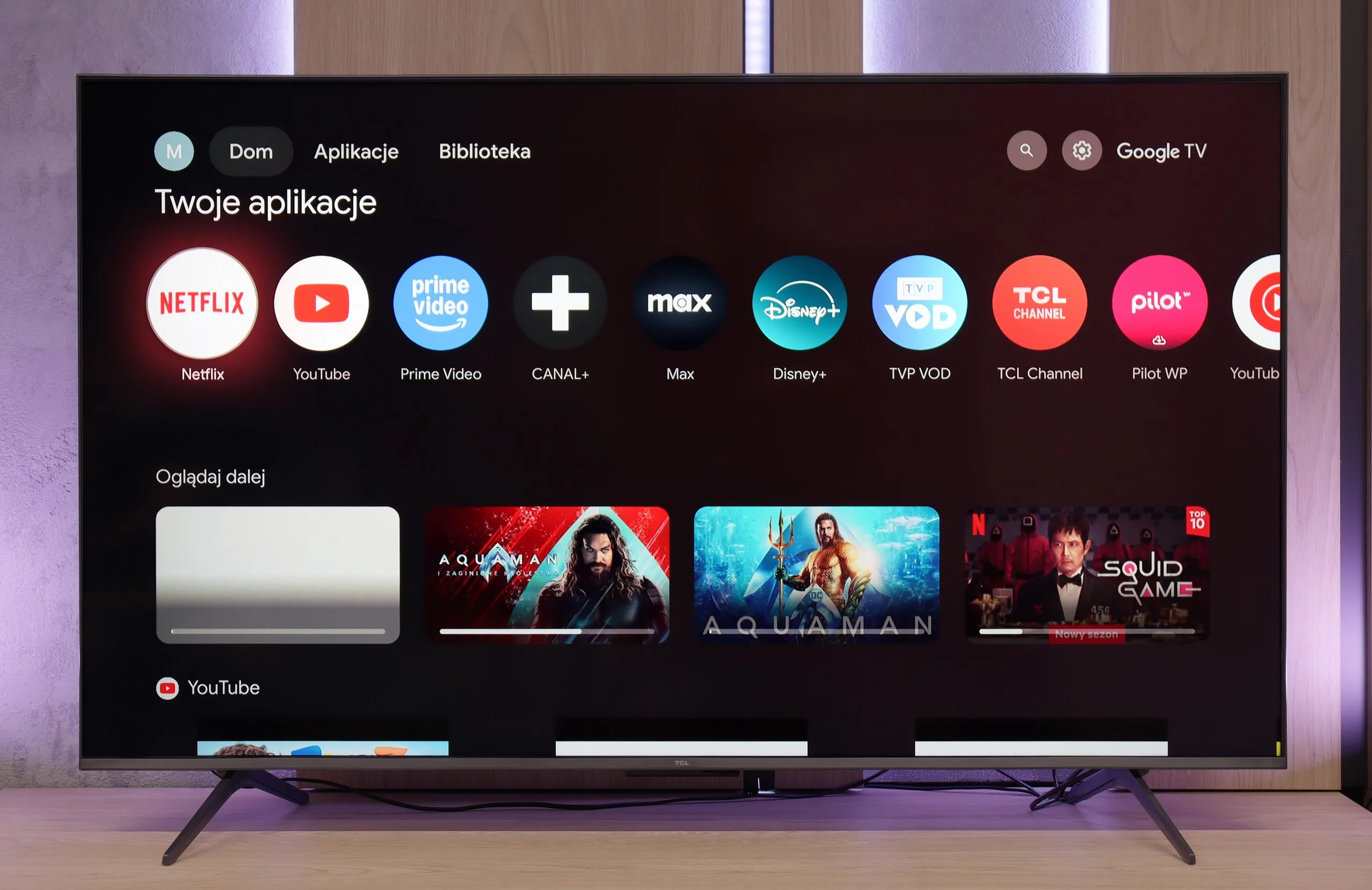
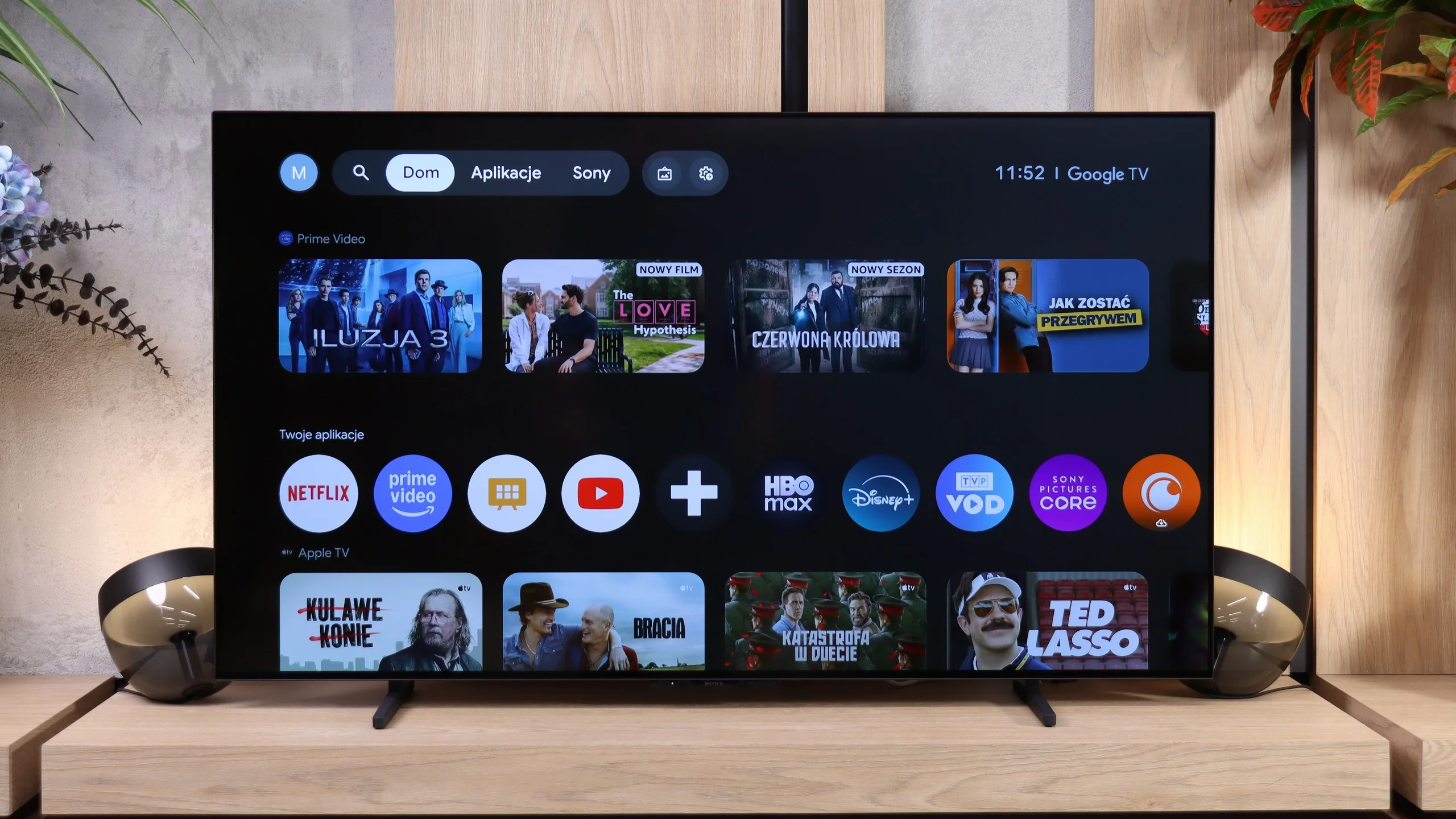
The biggest advantage of the C6KS is the Google TV system. It's an environment that offers a lot — ideal for those who value a wide selection of apps and convenient use of streaming services. AirPlay, screen sharing functionality, and the voice assistant work very well here, making daily use of the television simply convenient.
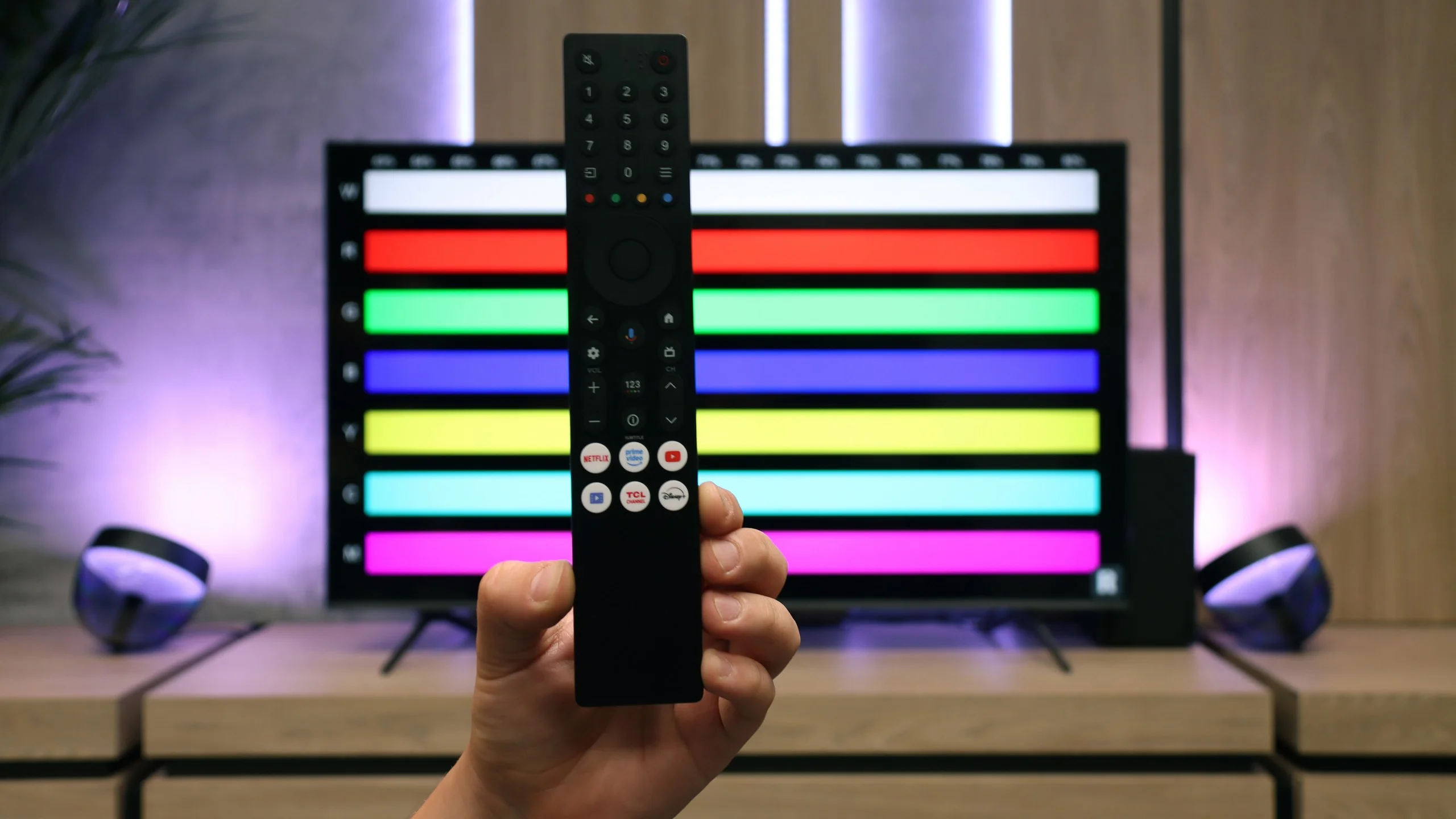
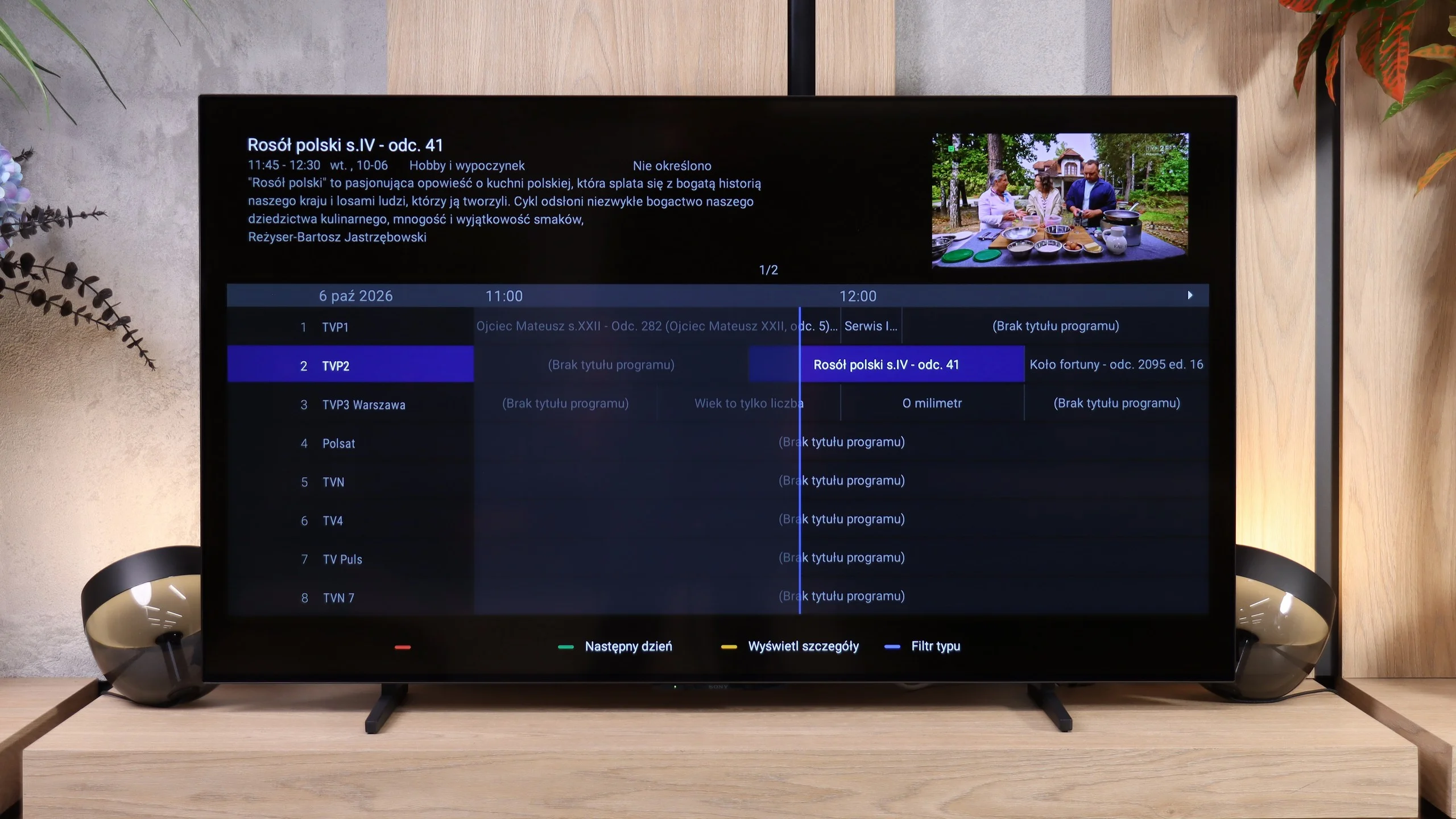
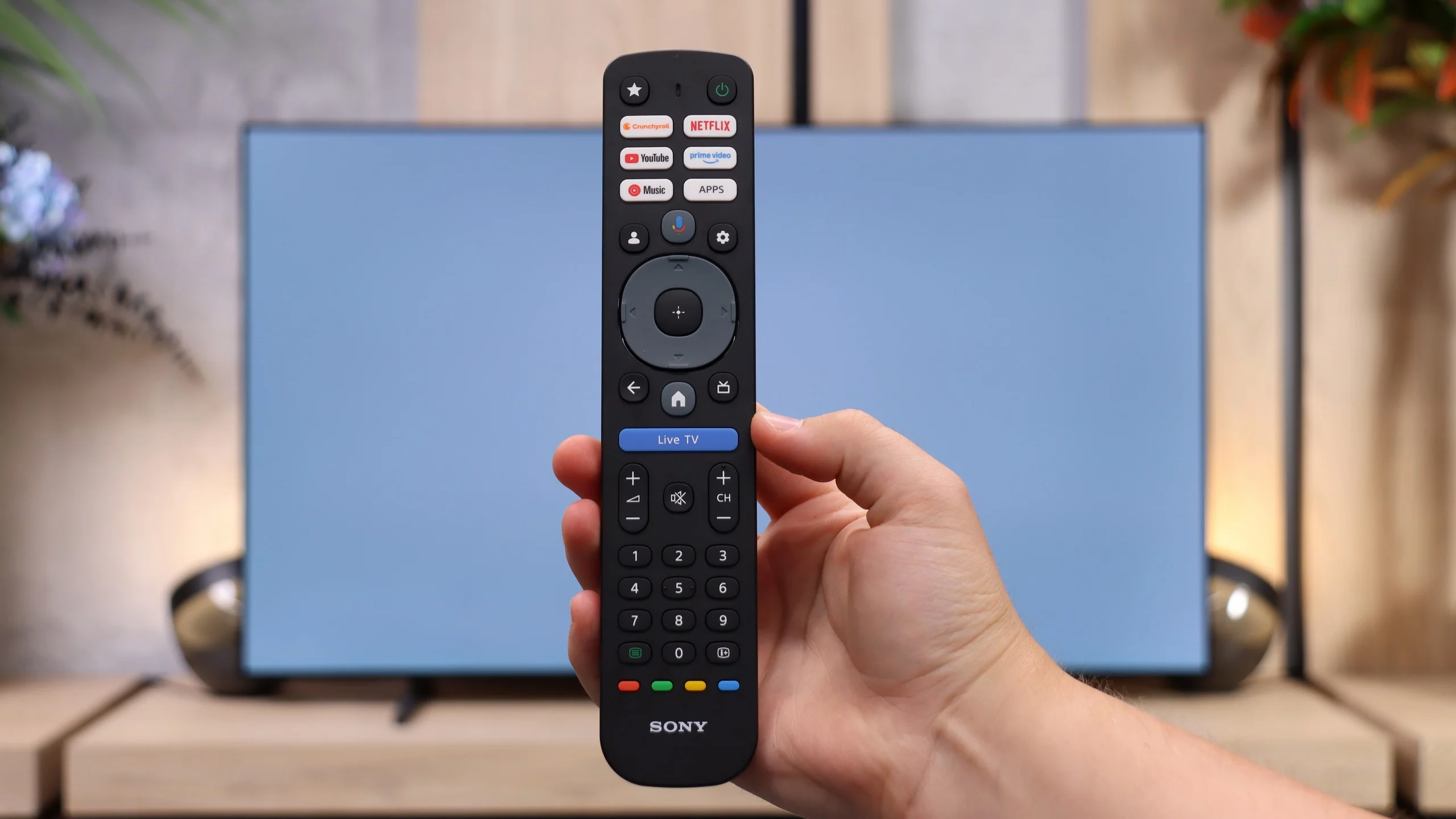
The support for traditional television is somewhat lacking. Users who are counting on extensive "TV" features may feel overlooked. Besides the smoothly functioning Bluetooth remote with a numeric keypad, we won't find conveniences like USB recording or PiP functionality here.
Google TV
BRAVIA 6 is currently the most affordable OLED with Google TV. That's a big plus, because there are plenty of apps and the system lets you install additional apps and search for content by voice in Polish. The only omission is AirPlay, which may be a problem for iPhone users.
Unfortunately, during testing the system caused quite a few problems. Navigating the menu itself was fast, but we encountered translation errors and frequent TV freezes. Some settings didn't save first time. We had to change them several times, and sometimes only unplugging the TV from the mains helped. To play videos and photos from a USB stick, we had to unplug the TV from the mains four times. The software under test simply looked unfinished. That's hard to accept in this class of kit...
Remote and classic features
The package includes a completely new remote with a large number of buttons and a full numeric keypad. It's a convenient solution for people watching regular TV, especially older viewers. The star button can be programmed. The remote doesn't require aiming at the screen, but it isn't backlit. Build quality is fairly average, and the rubber buttons don't feel particularly solid.
The TV features are basic. There's a clear EPG programme guide and teletext, but no USB recording or picture-in-picture. You can, however, use Bluetooth headphones and the TV speakers at the same time. So the feature set is OK, but the system problems seriously spoil everyday use.
Apps
9.6/10
9.6/10






















Playing files from USB
8.9/10
9.5/10
Supported photo formats:
Maximum photo resolution:
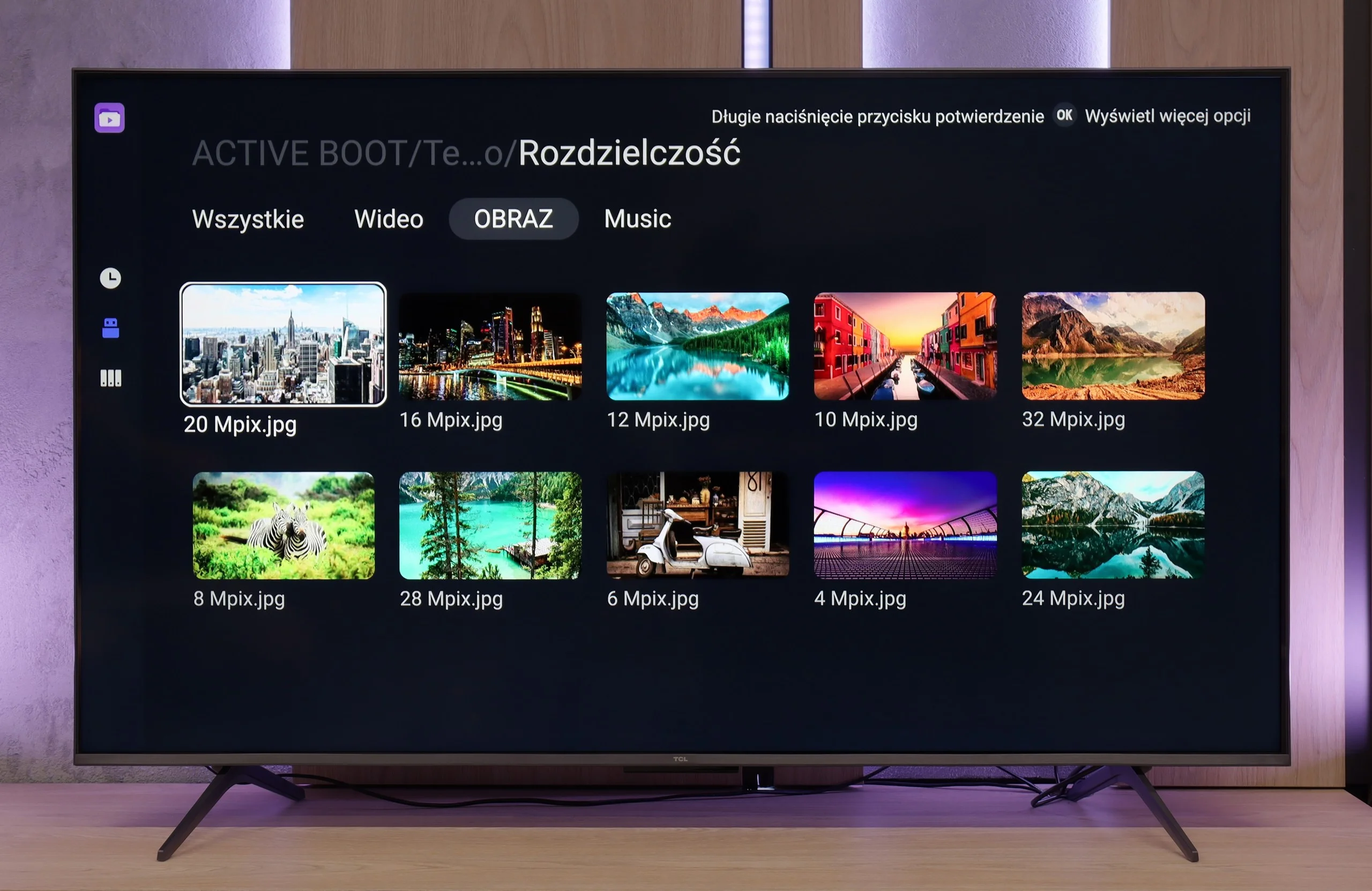
The system player really does a great job and smoothly handles popular formats. The only hiccup appears with files from the Apple ecosystem (e.g., HEIC) – here TCL just gives up. Fortunately, a huge plus of Google TV is that you can install your own app, e.g., VLC. This way, you can quickly patch up the shortcomings of the factory player and play practically any material, customizing the TV to your needs.
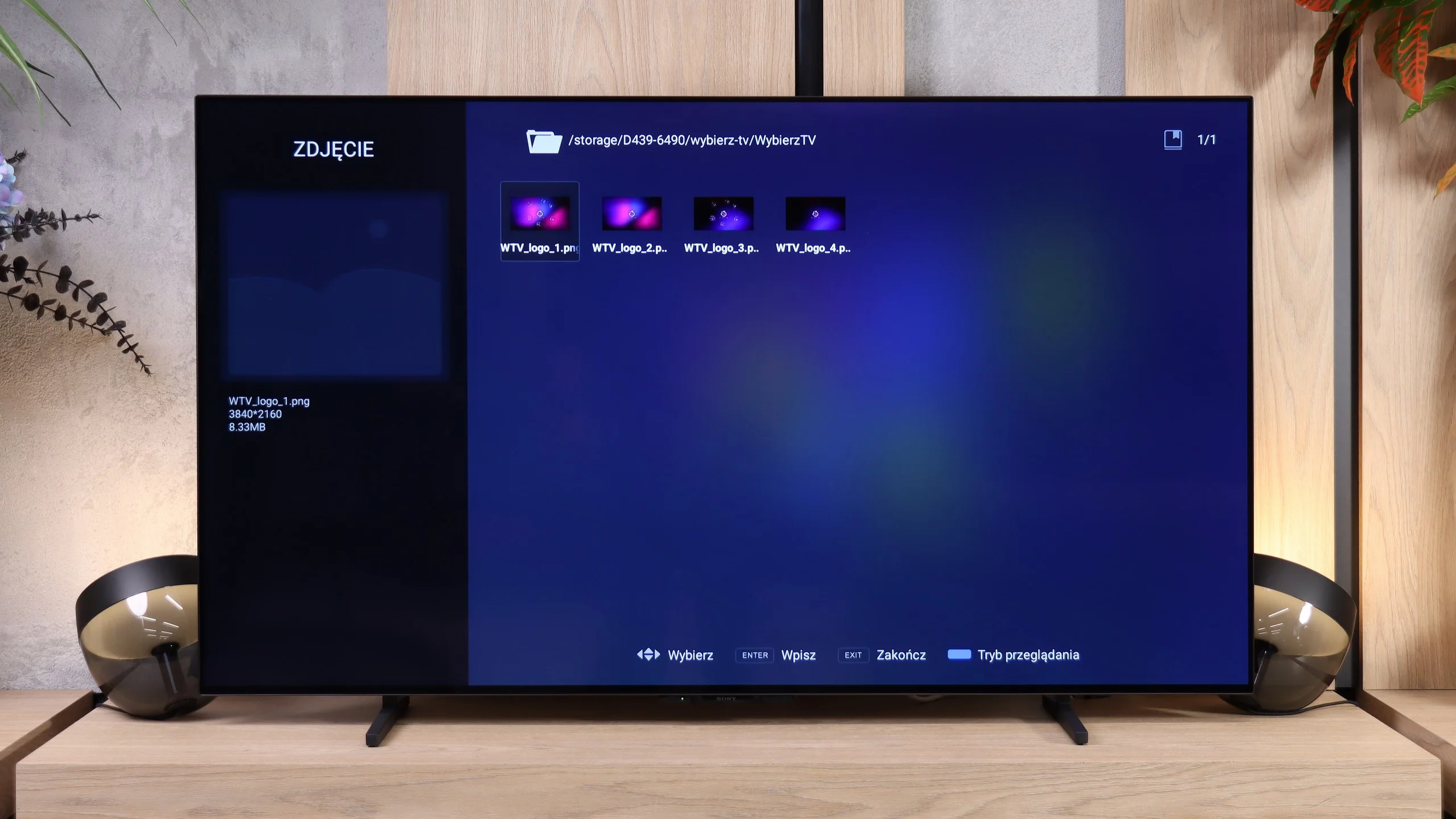
BRAVIA 6 supports many popular video, music and photo formats. It also handled photographs with resolutions up to 32 megapixels, so in terms of file compatibility it performs very well. Unfortunately there’s a big 'but' here, which we mentioned in the system description. Before the media player started correctly recognising videos and photos from a USB flash drive, we had to unplug the TV from the mains several times. In the end we managed to open most of the files, but it’s hard to call that a convenient user experience. The high rating in this category is due solely to the number of supported formats.
Sound
6.5/10
7/10
- Maximum volume-94dB
- Dolby Digital Plus 7.1
- Dolby True HD 7.1
- Dolby Atmos in Dolby Digital Plus (JOC)
- Dolby Atmos in Dolby True HD
- DTS:X in DTS-HD MA
- DTS-HD Master Audio
The TCL C6KS performs almost identically to the C6K model, as it uses the same speaker set branded by Onkyo. For a TV of this class, the sound is quite good — you can even feel a slightly defined bass, which is not common in the budget segments. However, it's worth keeping the proper perspective in mind. This bass is decent compared to other TVs, but a home theatre system or even a basic soundbar will offer a much fuller, more dynamic sound. The C6KS will therefore be suitable for regular TV viewing, but if someone is after a stronger sound, additional audio equipment will be the natural choice.
Despite its modest 2.0 speaker setup with a total power of 20 W, the BRAVIA 6 sounds quite pleasant. The sound is fairly balanced, dialogue is clear, and for regular viewing there's no need to immediately reach for extra audio. The TV can also get loud, as confirmed by a 94 dB measurement. However, the familiar issue with other TVs remains: a lack of deep bass. In quieter scenes this isn't particularly bothersome, but in action films and music you can hear the sound lacks a bit of 'weight'. Explosions don't have a strong punch, and the low end is more hinted at than felt. For series and everyday programmes that setup is sufficient, whereas a soundbar with a subwoofer will give movie sessions more punch and a more immersive sound. Especially since the TV supports Dolby Atmos and DTS:X.
Sound Quality Test
No sound test video
Acoustic Measurements
No acoustic data
94dBC (Max)
75dBC
Reader comments
Comments are provided by the external service Disqus (Zeta Global). Once loaded, Disqus may set cookies and process data about your activity.
We will remember your choice on this device. Provider's privacy policy