Sony BRAVIA 2 II (S25M2) vs TCL A400U

Direct comparison

BRAVIA 2 II / S25M2

A400U / Premium Wallpaper

Available screen sizes: 43”50”55”65”75”

Available screen sizes: 55”65”75”85”98”

Review Sony BRAVIA 2 II (S25M2) Main photo
Review TCL A400U Main photo

Panel type: LCD IPS

Resolution: 3840x2160

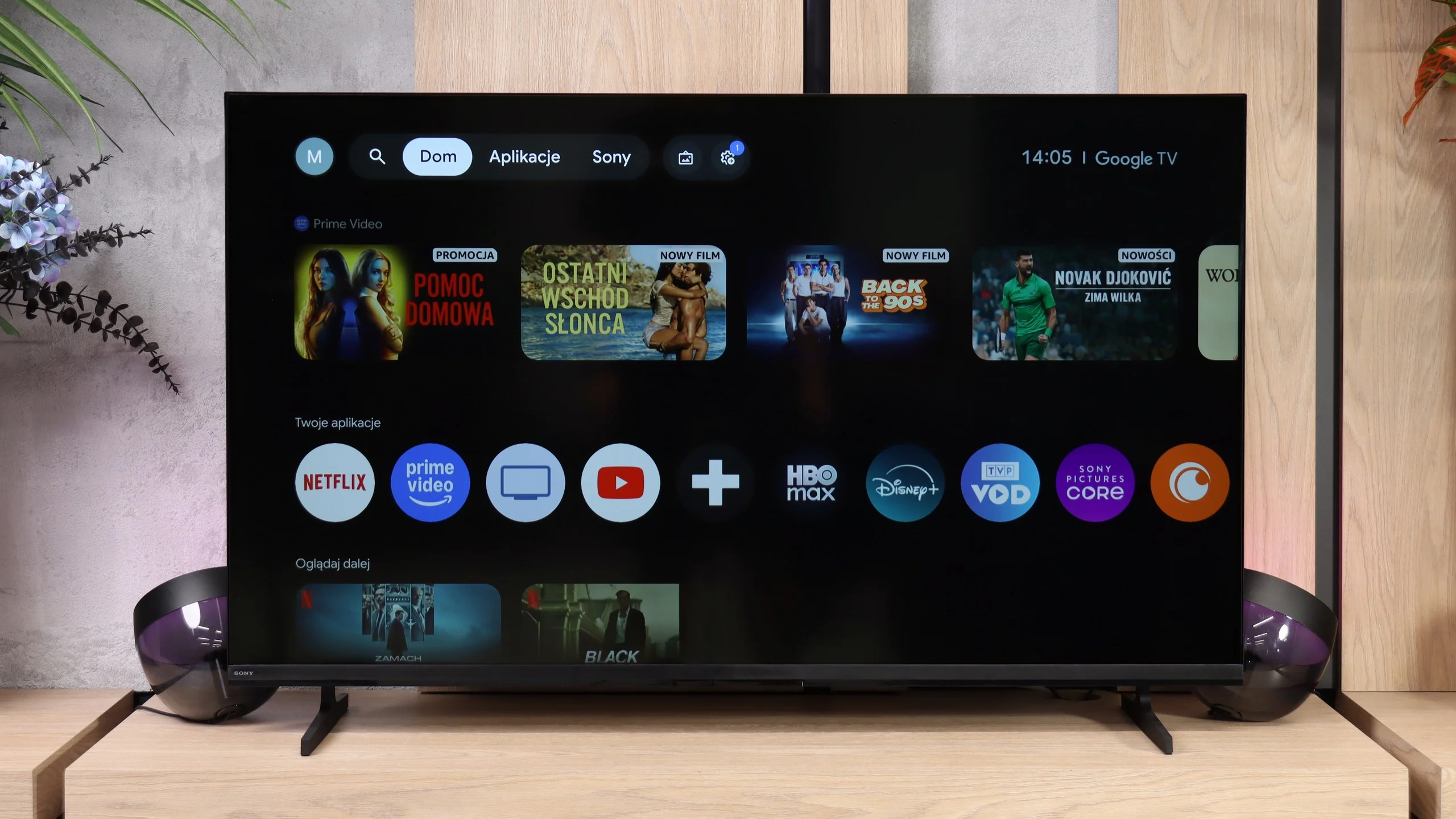
System: Google TV

Model year: 2026

Complete the survey to find out the result

Panel type: LCD VA

Resolution: 3840x2160

System: Google TV

Model year: 2026

Complete the survey to find out the result

Overall rating

5.8

7.8

  • Movies and series in UHD quality

    5.2

    7.5

  • Classic TV, YouTube

    5.2

    7.3

  • Sports broadcasts (TV and apps)

    5.5

    7.0

  • Gaming on console

    6.2

    8.8

  • TV as a computer monitor

    6.0

    8.5

  • Watching in bright light

    4.8

    8.5

  • Utility functions

    6.6

    7.8

  • Apps

    9.6

    9.6

  • Sound quality

    6.1

    6.7

Advantages

  • Very good viewing angles (IPS panel)

  • Google TV with a huge selection of apps

  • Chromecast and AirPlay

  • Low input lag

  • Very good USB file player

  • Supports audio formats: Dolby (Atmos, TrueHD, Digital), DTS (X, HD)

  • Two remotes included

  • Great value for money

  • Very good black levels and high contrast thanks to a Mini LED backlight and a VA panel

  • High brightness for impressive HDR and comfortable daytime viewing

  • Accurate image reproduction after calibration

  • Extensive gaming features: VRR, ALLM and low input lag

  • High refresh rates up to 144 Hz at 4K and 288 Hz at Full HD when used with a PC

  • Google TV with a wide selection of apps

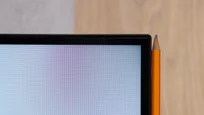
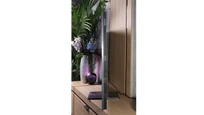
  • Slim, flat chassis and very good build quality

Disadvantages

No like
  • Too expensive for what it offers!

  • Very poor black levels and low contrast (IPS panel)

  • Low brightness of around 320 nits

  • No support for dynamic HDR formats (Dolby Vision, HDR10+)

  • Panel limited to 60 Hz

  • Very limited gaming capabilities

  • Poor digital image processing due to the older MediaTek Pentonic 700 processor

  • Only two HDMI 2.1 inputs, one of which is shared with eARC

  • The glossy screen does a poor job of reducing reflections

  • Limited viewing angles

  • Flat sound

Our verdict

The Sony Bravia 2 II is a TV that’s best suited to simple, everyday use. And we suspect many people will pick it mainly for Google TV. The system gives access to a huge number of apps and streaming services, and you also get Chromecast, AirPlay and convenient voice search. The TV itself may not run as fast as pricier Sony models, but in terms of functionality there’s little to complain about. Importantly, for regular viewing the picture quality is quite decent. The Bravia 2 II handles SDR material especially well — ordinary broadcast TV, YouTube and a lot of older films and series. The out-of-the-box Cinema mode is sensibly tuned, colours look natural and, without much fiddling with the settings, you can just start watching. And that’s where the Bravia 2 II shows its strengths — as a simple smart TV for daily use, rather than a set that aims to dazzle with panel performance.

However, you have to remember that the “Bravia” badge on the case doesn’t automatically mean great picture quality. The Bravia 2 II uses an IPS panel with very low contrast, and that’s its biggest problem. In daylight it’s not so noticeable, but turn the lights off in the evening and black starts to look more like dark grey. Of course, in return you get good viewing angles, so if the TV sits in a large living room and several people watch from different spots, IPS has an advantage. But that comes at the cost of weak blacks. This TV isn’t designed for HDR impact or for more demanding gamers either. Around 300 nits of brightness and a narrow colour gamut mean HDR content doesn’t show much more than SDR. A 60 Hz panel and the lack of broader gaming features also make it clear that gaming isn’t a priority for this model.

And that wouldn’t be a major issue, because we expected that from an entry-level Sony. The biggest problem for the Bravia 2 II, though, is the price. For similar money you can easily find competitor TVs, especially Korean and Chinese brands, that already offer a lot more, ranging from 120 Hz panels to Mini-LED backlights with local dimming. So the Bravia 2 II isn’t a bad TV in itself. It’s simply too expensive for what it offers. If its price were noticeably lower, it would make much more sense as a basic TV for everyday viewing.
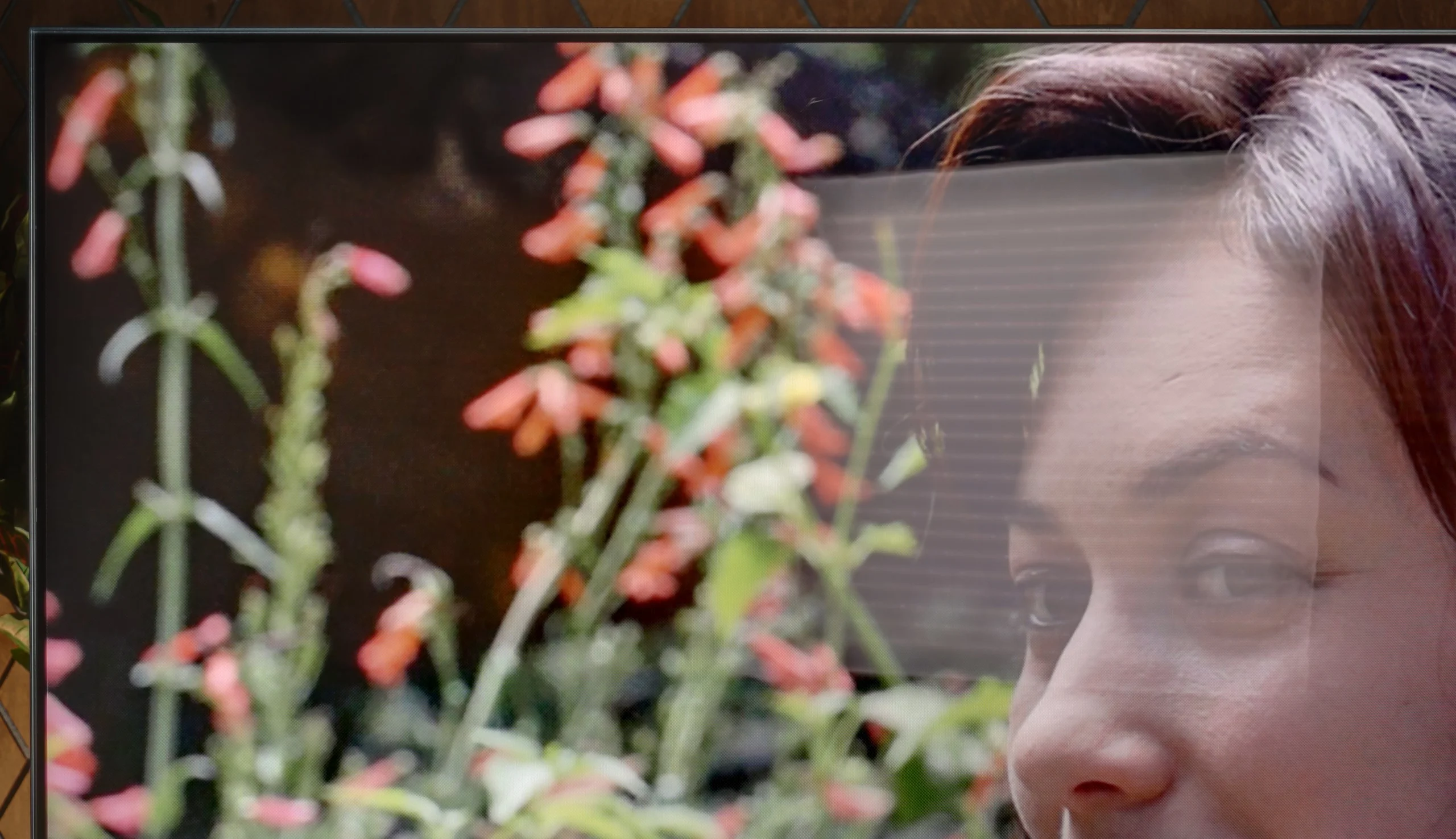
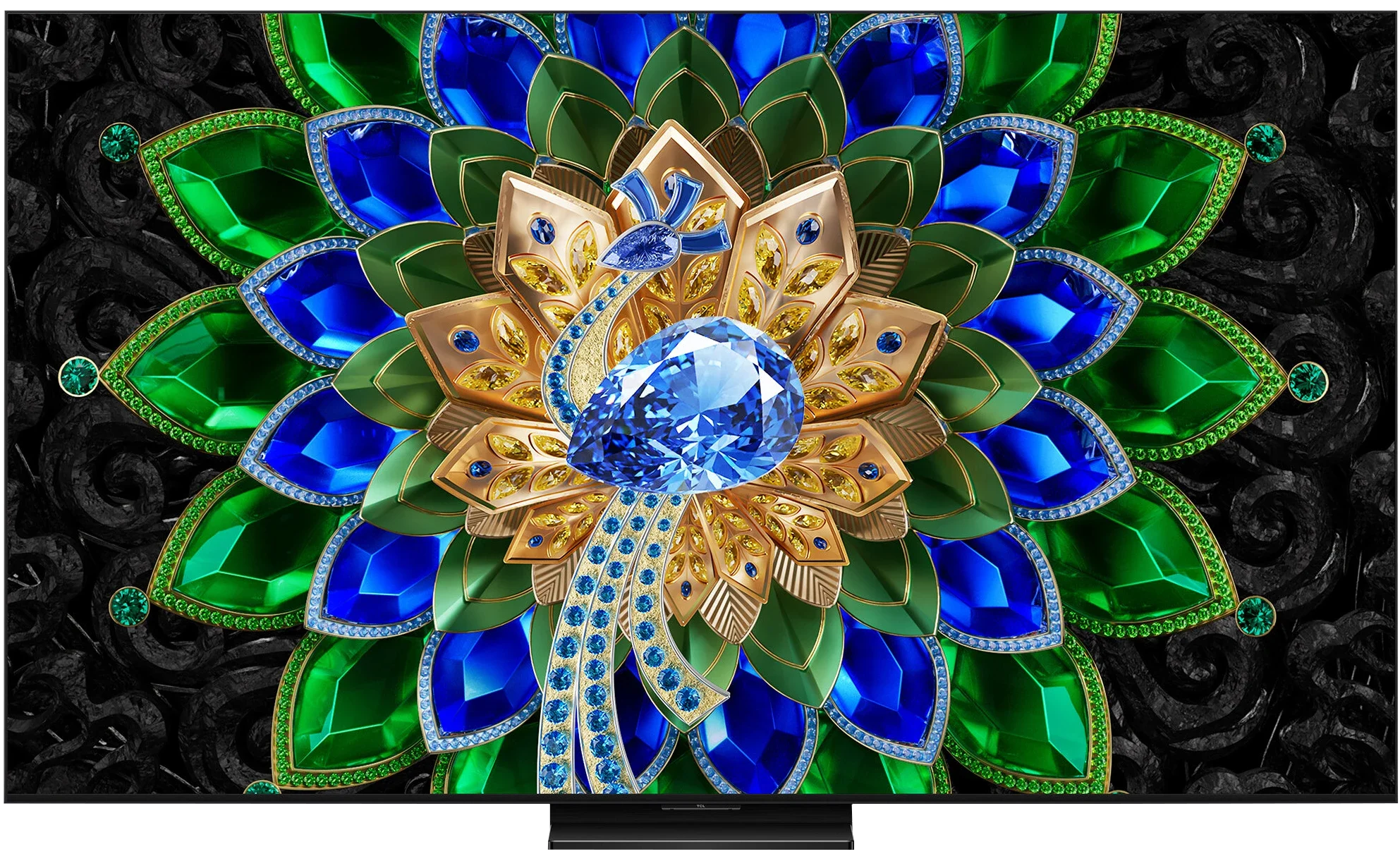
Is the TCL A400U worth buying? Yes, because it's one of those TVs where paying extra for a higher-tier model doesn't always make sense. In movies you get what you'd expect from a good TV: very good blacks, punchy HDR and a natural-looking picture, especially after calibration. There's enough brightness for daytime viewing, although because of the glossy panel it's best not to place it opposite a large window. The package is rounded off by a slim, well-made cabinet. The A400U doesn't fake a wall-mounted picture as convincingly as some "wallpaper" TVs, but as an elegant living-room set it looks very good. You also don't have to choose between a TV for films and a screen for gaming. The A400U supports 4K at 120 Hz, including Dolby Vision, and its low input lag keeps controls quick and responsive. From a PC you can even run 4K at 144 Hz or 288 Hz in Full HD. That's a level of capability that makes it hard to justify paying more for a pricier model purely for gamer features. Day-to-day the TV doesn't disappoint either. Google TV runs smoothly, apps launch without annoying delays, and using the set is simply convenient. That doesn't mean the A400U will suit every home. If you often watch regular broadcast TV or other low-quality sources, the Pentonic 700 processor won't always be able to clean them up as much as you might expect. The slightly pricier C7L has a similar limitation, so only stepping up to a clearly higher series, like the C8L, brings a noticeable improvement in that respect. Before buying, check how many devices you want to connect. Two HDMI 2.1 inputs, one of which is taken by eARC, may not be enough if you have two consoles and a soundbar. It's worth budgeting for a soundbar too, because the built-in speakers clearly don't match the picture's capabilities. If you're mainly after a TV for movies, streaming and gaming, the TCL A400U is one of the most convincing buys in the mid-range in 2026. Pricier models can do more, but not all of those advantages will matter during everyday viewing. Here you get very good picture quality, extensive features and excellent build, without having to pay for functions you might never see. That's why we consider the TCL A400U one of the best value TVs of 2026.

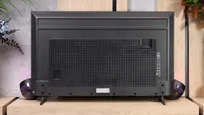
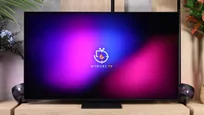
TV appearance

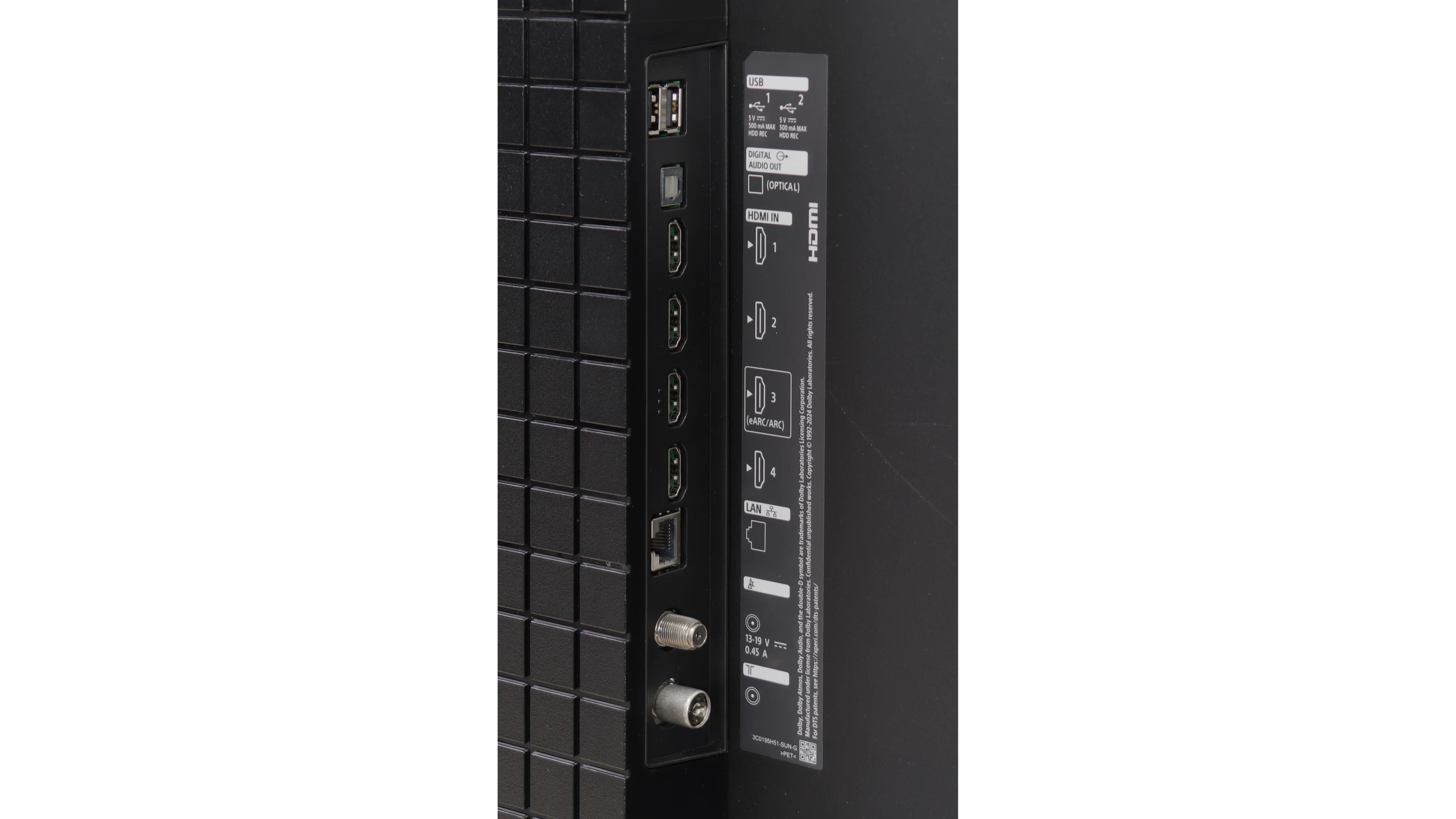
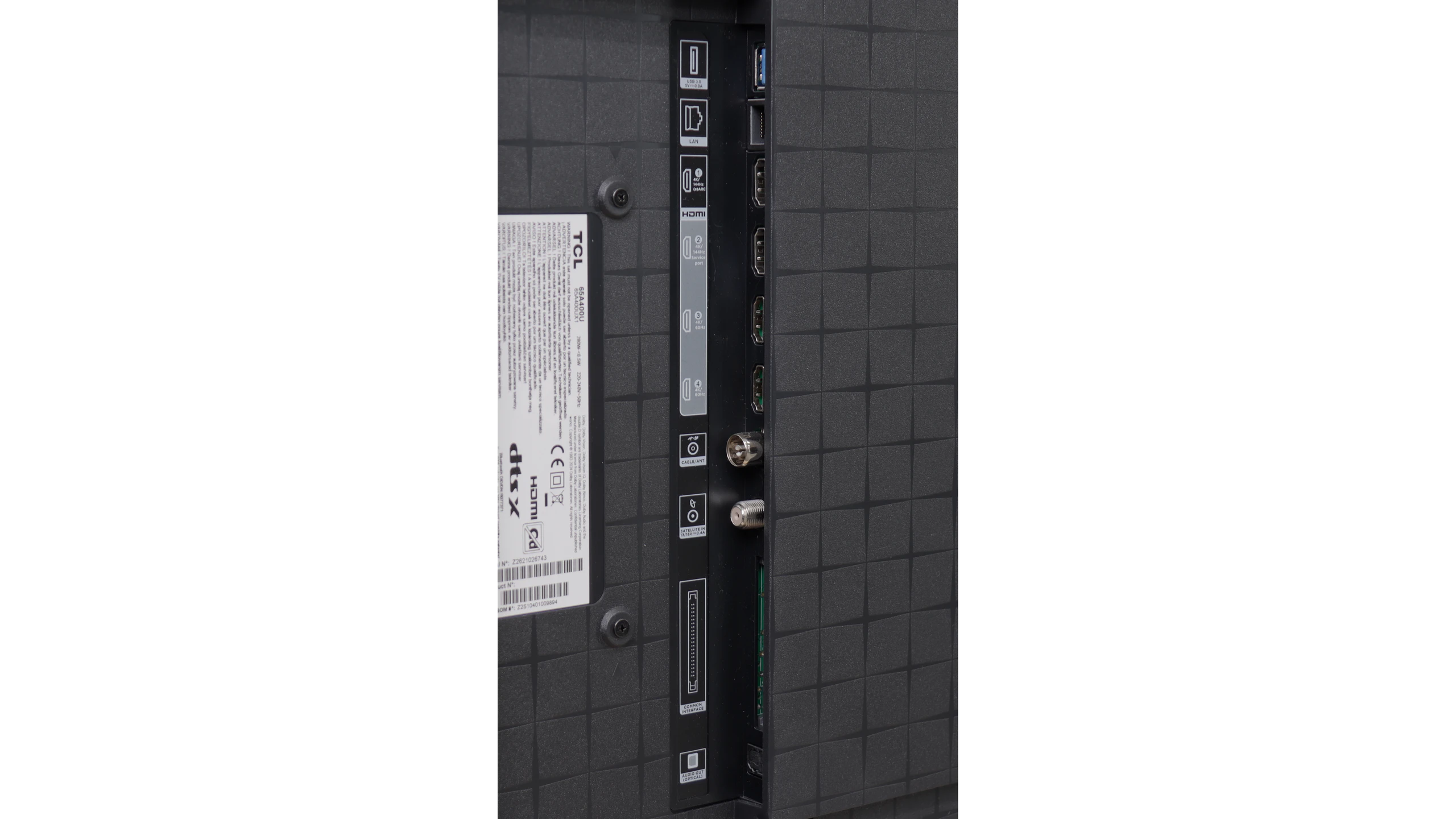
HDMI inputs
4 x HDMI 2.0, 0 x HDMI 2.1
2 x HDMI 2.0, 2 x HDMI 2.1 (48Gbps)
Other inputs
Outputs
Toslink (Optical audio), eARC (HDMI), ARC (HDMI)
Network Interfaces
Wi-Fi 2.4GHz, Wi-Fi 5GHz, Ethernet (LAN) 100Mbps
Build quality
Good
Premium
Stand type
Legs
Central
Bezel color
Graphite
Graphite
Stand
Fixed
Height adjustment
Flat design
No
Yes
Accessories
Two remote controls, Stand
Stand

Contrast and black detail

2.7/10

8/10

Local dimming function: No

Local dimming function: Yes, number of zones: 576 (18 x 32)

Contrast:

Review Sony BRAVIA 2 II (S25M2) Contrast and black detail

Result

1,150:1

Review Sony BRAVIA 2 II (S25M2) Contrast and black detail

Result

1,200:1

Review Sony BRAVIA 2 II (S25M2) Contrast and black detail

Result

1,450:1

Review Sony BRAVIA 2 II (S25M2) Contrast and black detail

Result

1,400:1

Review Sony BRAVIA 2 II (S25M2) Contrast and black detail

Result

1,100:1

Review TCL A400U Contrast and black detail

Result

170,250:1

Review TCL A400U Contrast and black detail

Result

41,700:1

Review TCL A400U Contrast and black detail

Result

24,500:1

Review TCL A400U Contrast and black detail

Result

22,550:1

Review TCL A400U Contrast and black detail

Result

8,550:1

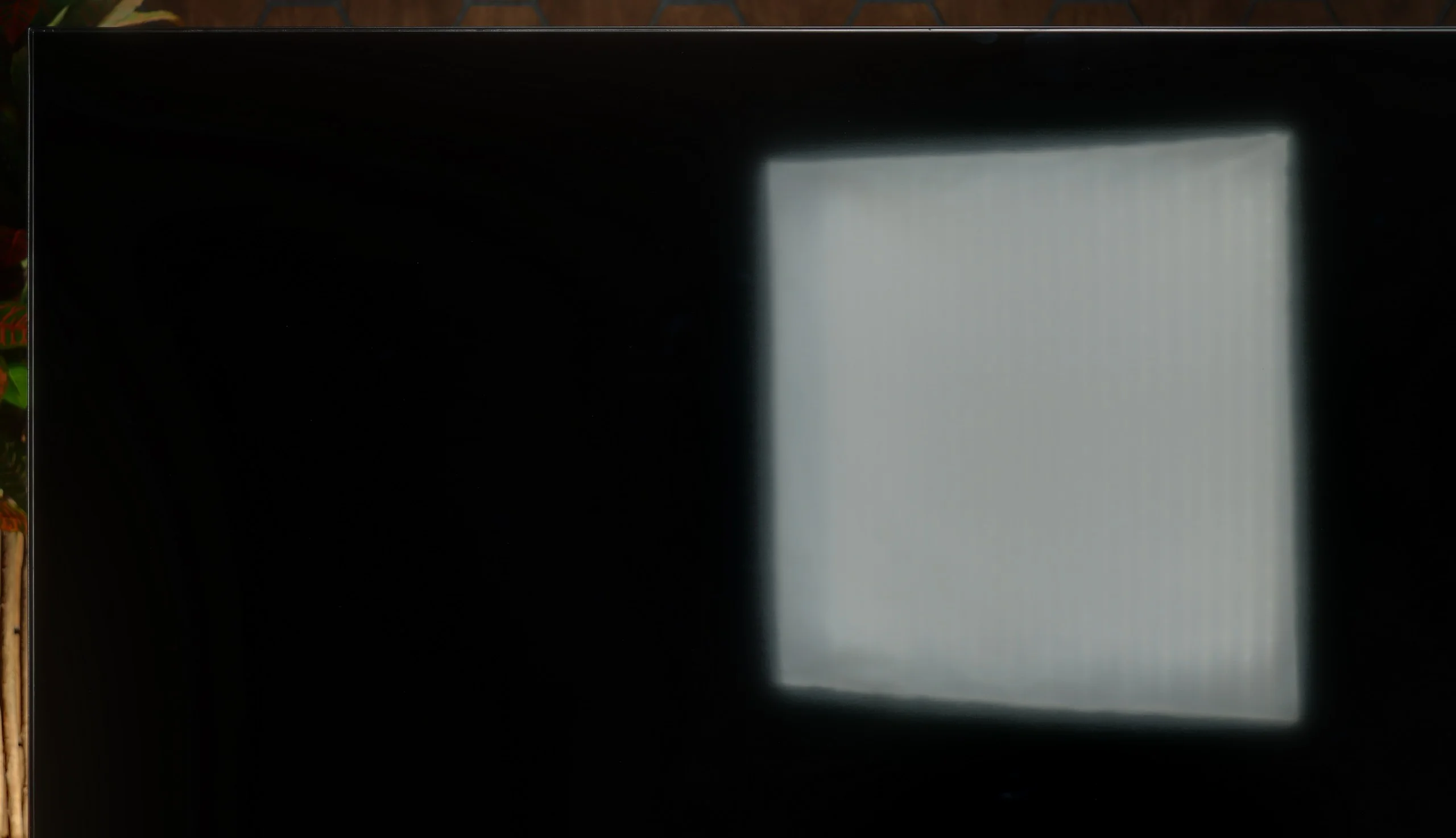
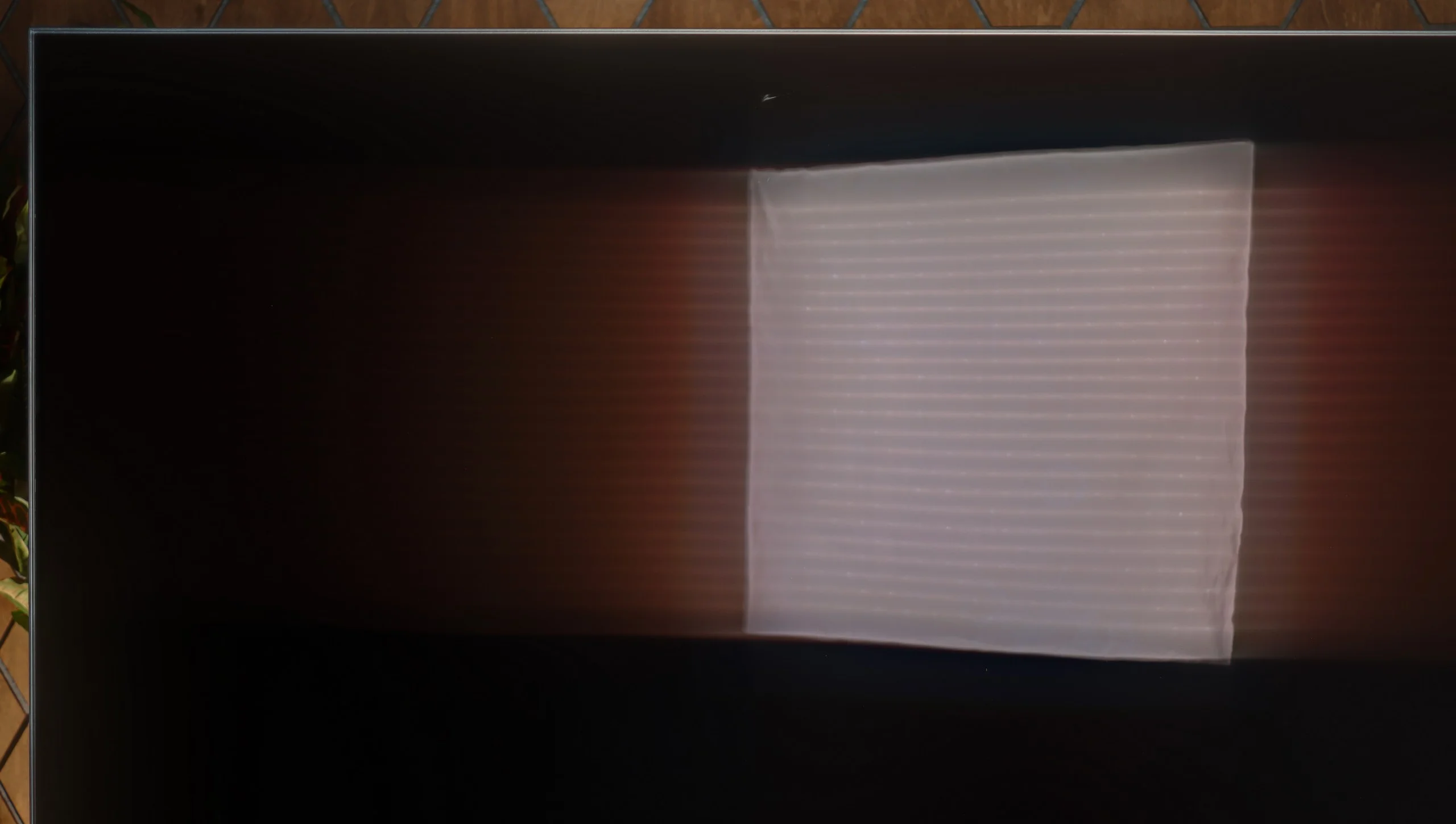
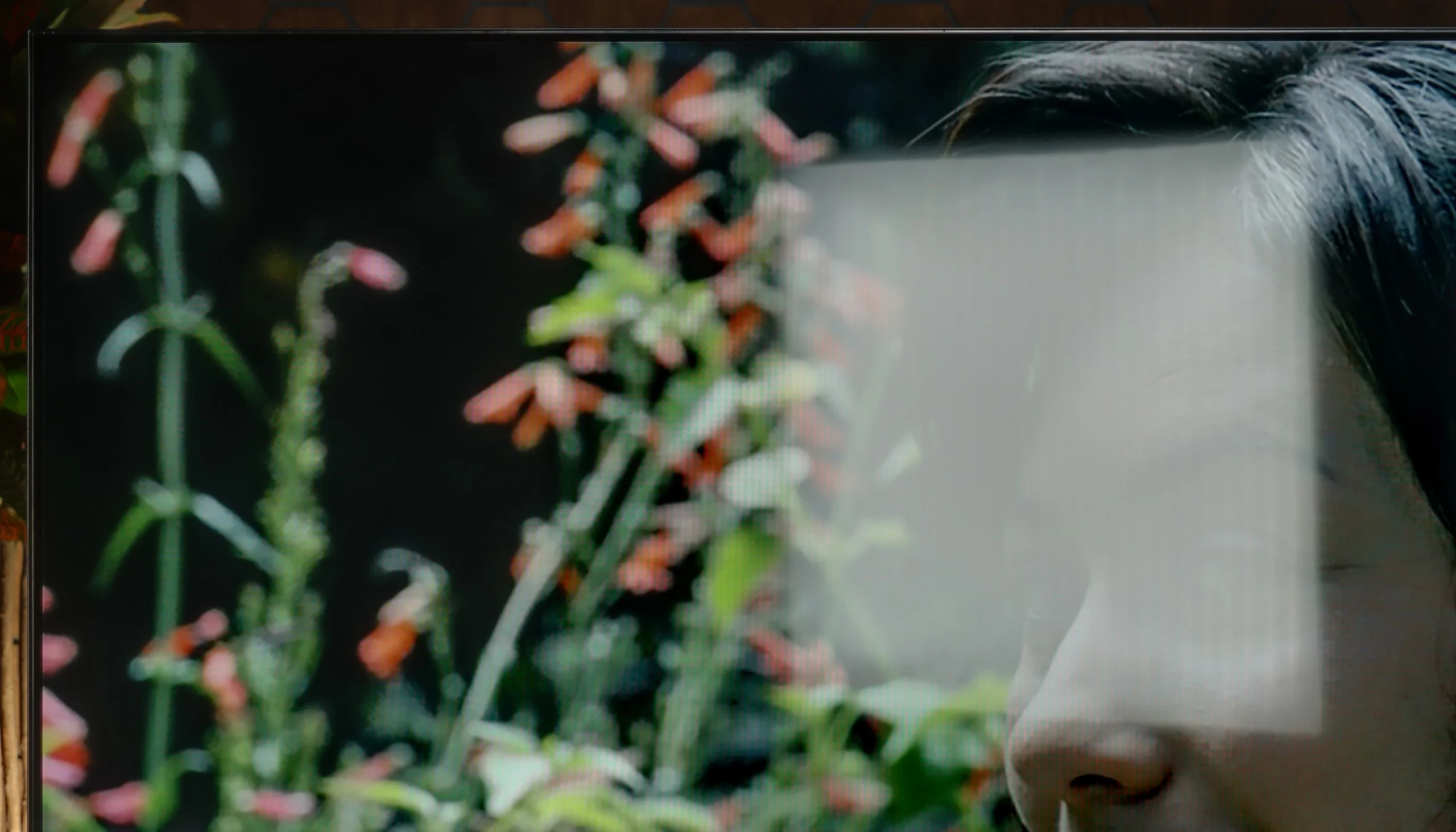
Halo effect and black detail visibility:

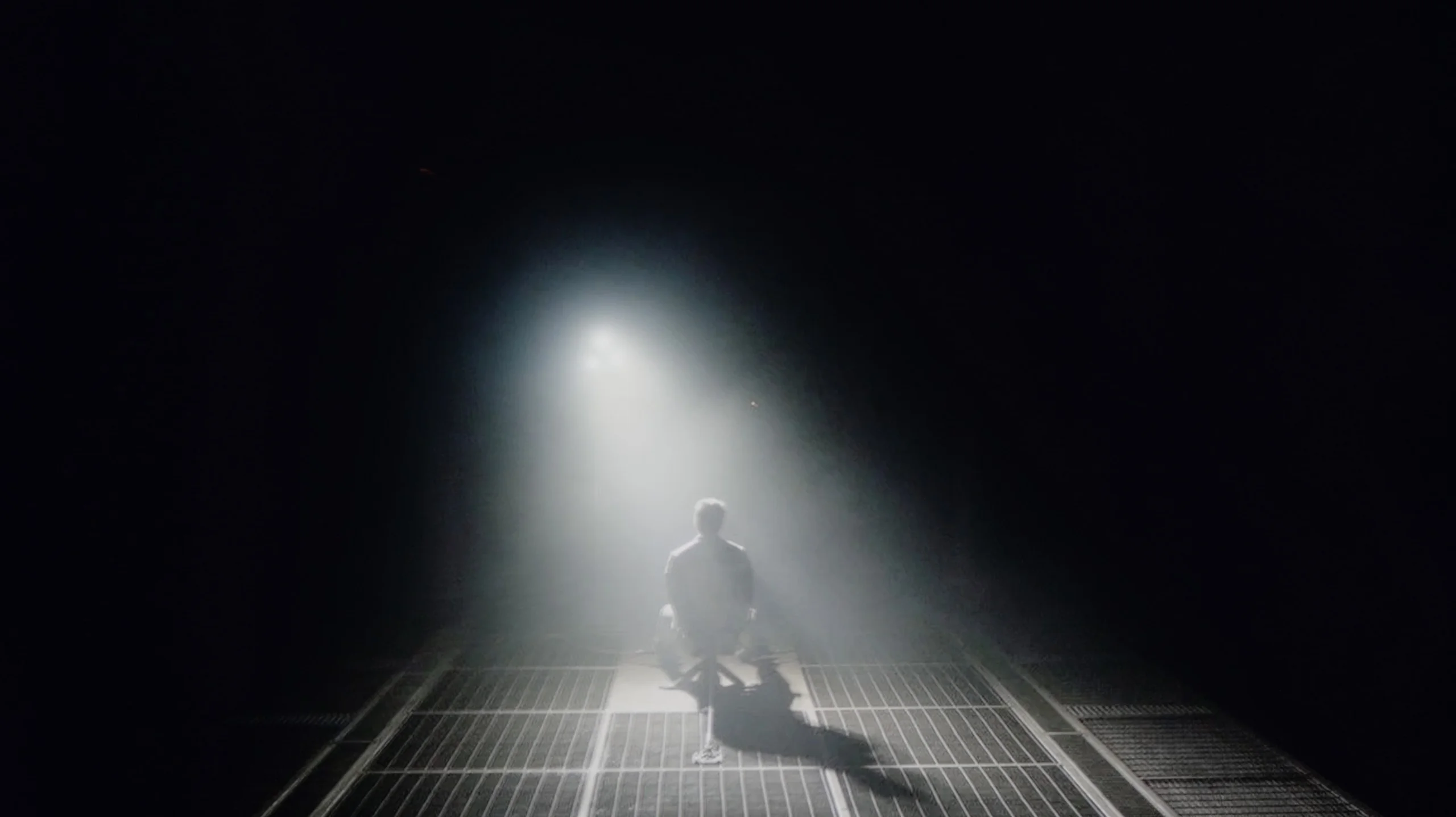
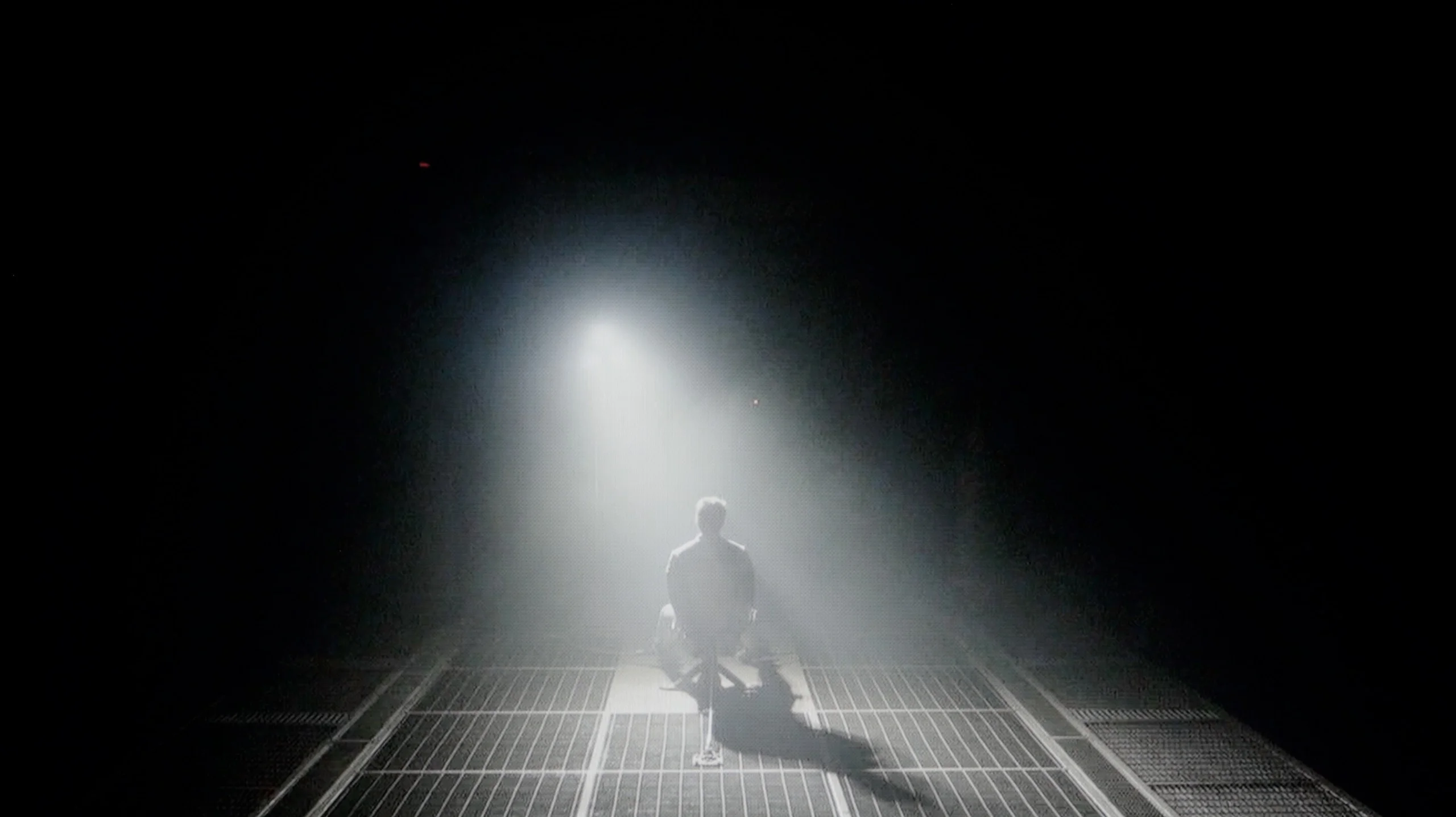
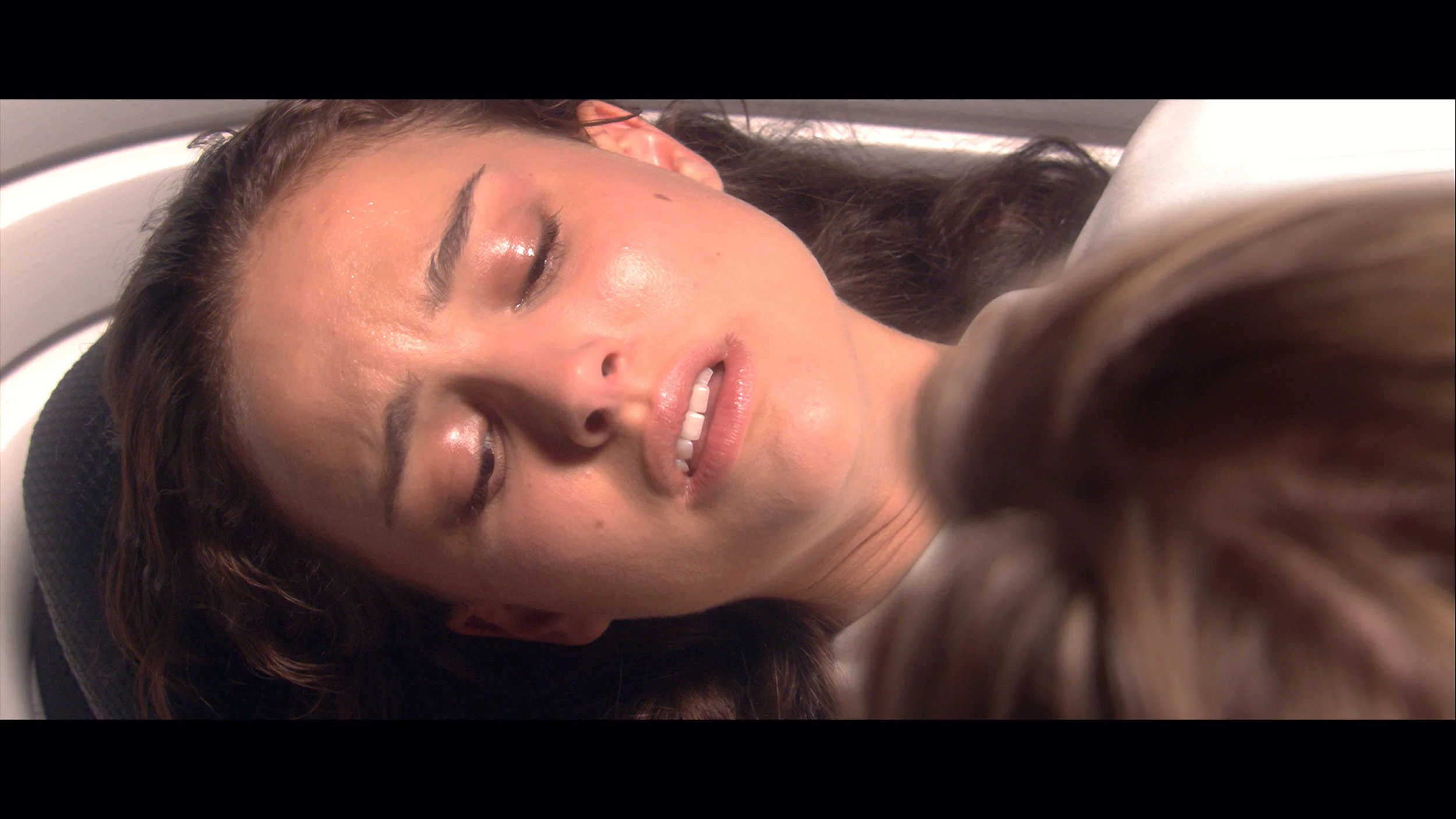
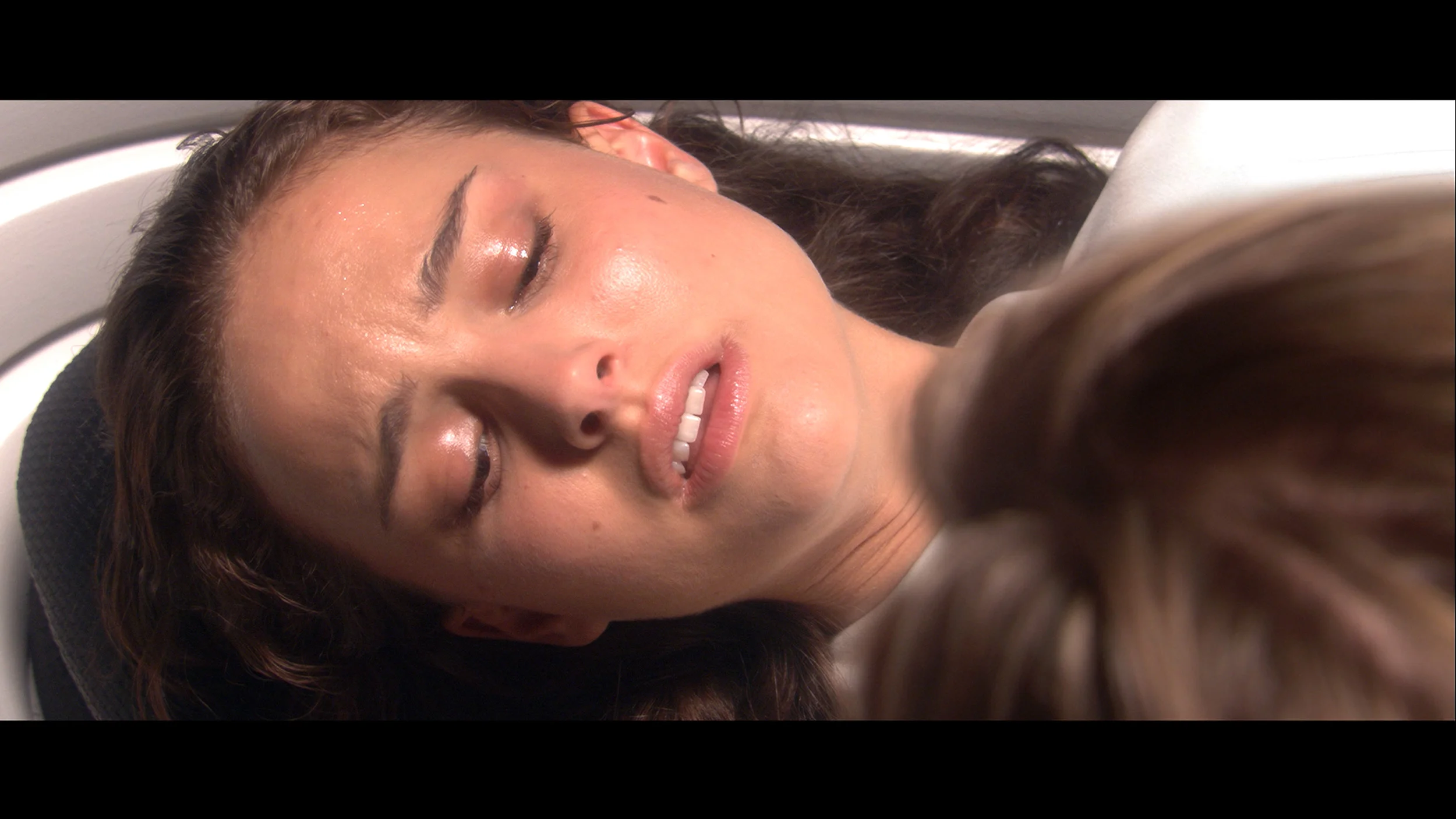
Check the visibility of bright lights on a dark background. Mini-LEDs often struggle with this. The photo does not compare black levels – that’s what the video below is for.

The video accurately shows differences in contrast and black levels between TVs, as well as potential issues: halo around bright objects or Mini-LED zone operation visible as brightness jumps.

When it comes to black levels, the Bravia 2 II unfortunately doesn't have much going for it. Sony has used an IPS panel here, which offers one of the lowest native contrasts among LCD panels. In our measurements we saw figures around 1,100:1 to 1,450:1, and unfortunately that's very noticeable when watching. Additionally, the TV lacks any local dimming, so it can't darken only the parts of the screen that should remain dark. In practice, this means that once the lights go out, blacks very quickly shift toward grey and navy. In scenes such as Oblivion or Sicario 2, instead of a deep background we get a noticeably brightened image, which takes away a lot of the atmosphere from evening viewing. Of course an IPS panel also has the advantage of better viewing angles, but in this respect it's hard to call that sufficient compensation. If you're looking for a TV primarily for watching films at night, the Bravia 2 II simply isn't a model we could recommend.

Black levels on the TCL A400U are excellent, even surprisingly so. The 65-inch model we tested uses 576 local dimming zones that effectively separate bright objects from a dark background. In most of our scenes the contrast ranged from about 22,500:1 to 41,700:1, and in the most favourable shot it exceeded 170,000:1. That gives the picture very good depth in the evening, and the black doesn’t resemble the greyish glow you get from ordinary LCD screens without local dimming. Interestingly, the C7L we tested in the same size had over 1,000 zones, yet its contrast results were very similar and in places even worse. The A400U shows that the number of zones alone doesn’t determine the outcome. How the TV controls them is just as important, and here TCL has done a very good job. Of course, there are scenes where the backlight reaches its limits. When a lot of small bright elements appear on a black background, you can see a halo effect around them, a bright rim. The zones cover too large an area to light each small detail without brightening its surroundings. In our most challenging shot the contrast fell to around 9,000:1, but even then it didn’t look bad. It’s not perfect black in every situation, but for most of a viewing session the A400U gives plenty of reasons to be pleased in that regard.

HDR effect quality

4/10

6.1/10

Supported formats
HDR10, HLG
HDR10, HDR10+, Dolby Vision, Dolby Vision IQ, HLG
Color gamut coverage
DCI P3: 79.0%, BT.2020: 57.6%
DCI P3: 93.7%, BT.2020: 73.5%

Luminance measurements in HDR:

Review Sony BRAVIA 2 II (S25M2) Brightness measurement

Result

294 nit

Review Sony BRAVIA 2 II (S25M2) Brightness measurement

Result

307 nit

Review Sony BRAVIA 2 II (S25M2) Brightness measurement

Result

329 nit

Review Sony BRAVIA 2 II (S25M2) Brightness measurement

Result

330 nit

Review Sony BRAVIA 2 II (S25M2) Brightness measurement

Result

325 nit

Review TCL A400U Brightness measurement

Result

1226 nit

Review TCL A400U Brightness measurement

Result

264 nit

Review TCL A400U Brightness measurement

Result

636 nit

Review TCL A400U Brightness measurement

Result

217 nit

Review TCL A400U Brightness measurement

Result

1434 nit

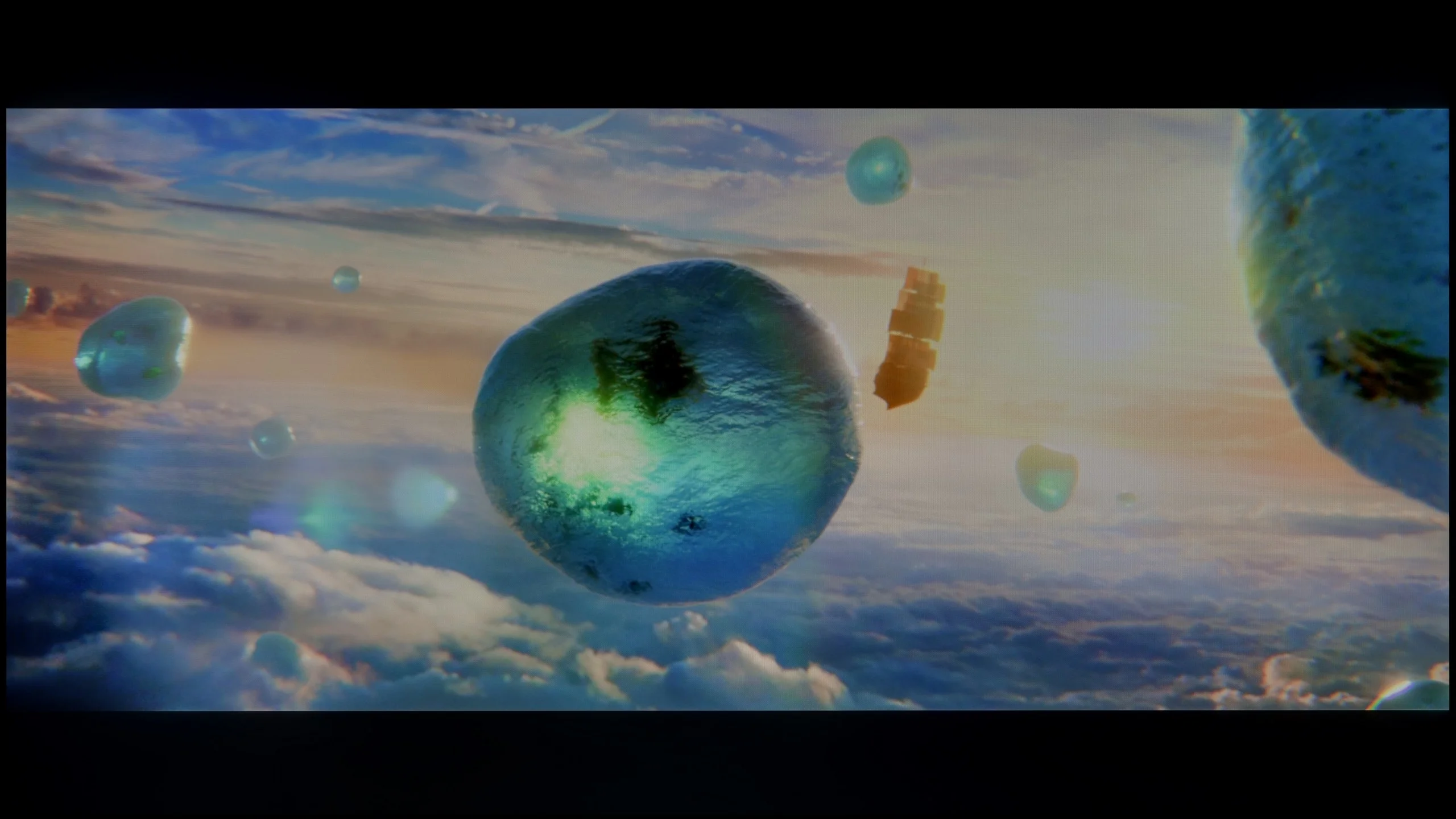
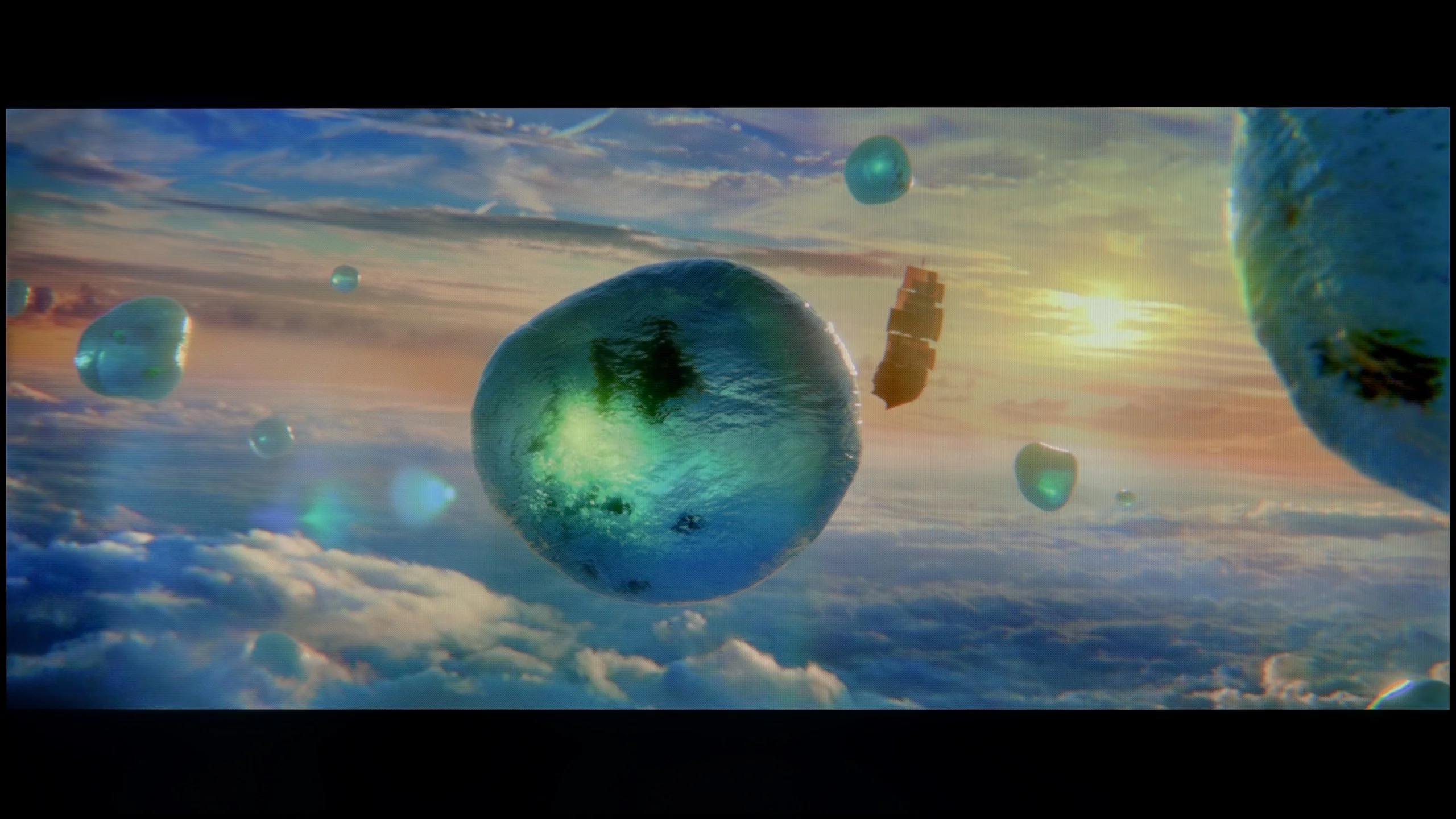
Scene from the movie “Pan” (about 2800 nits)

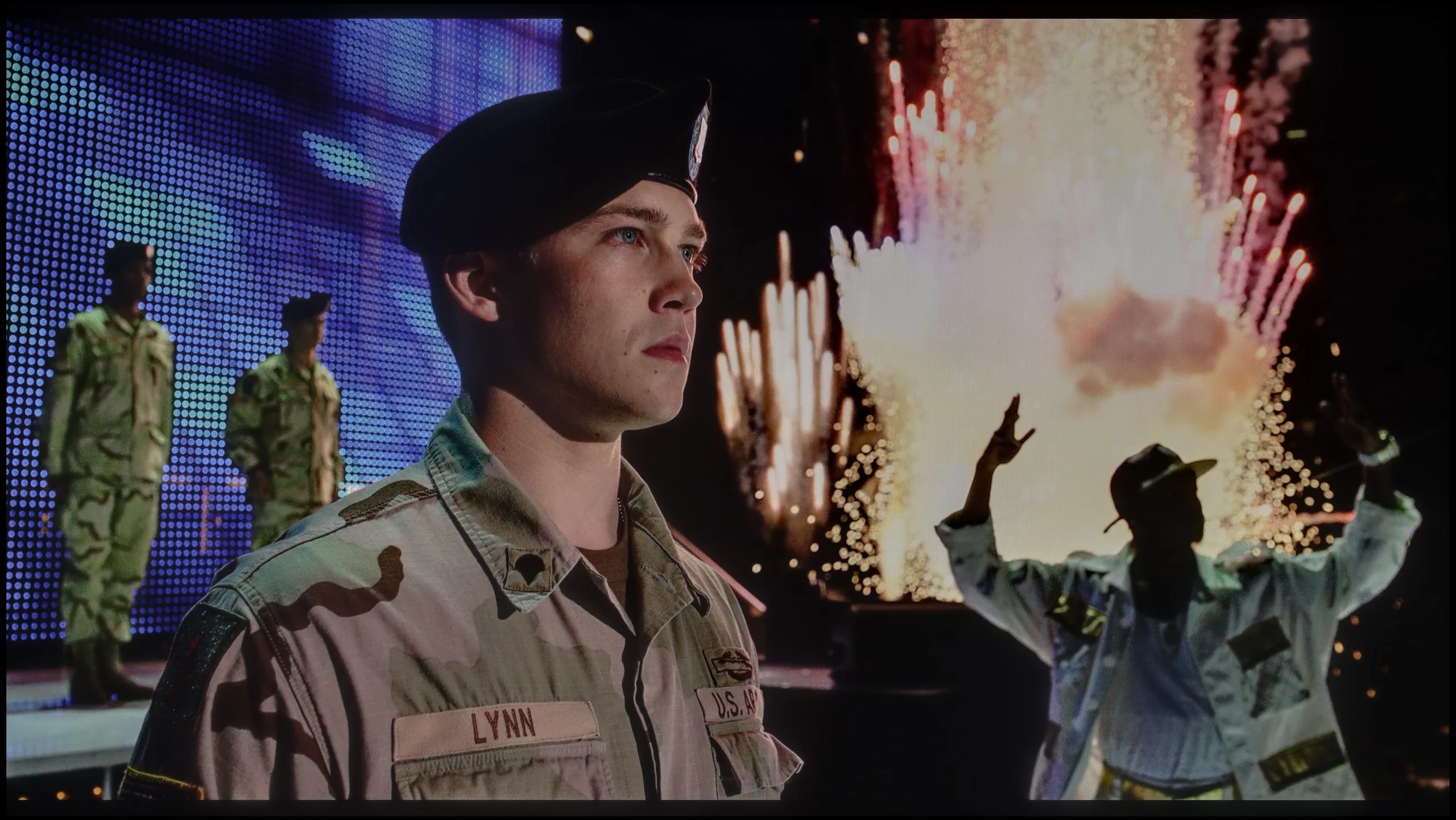
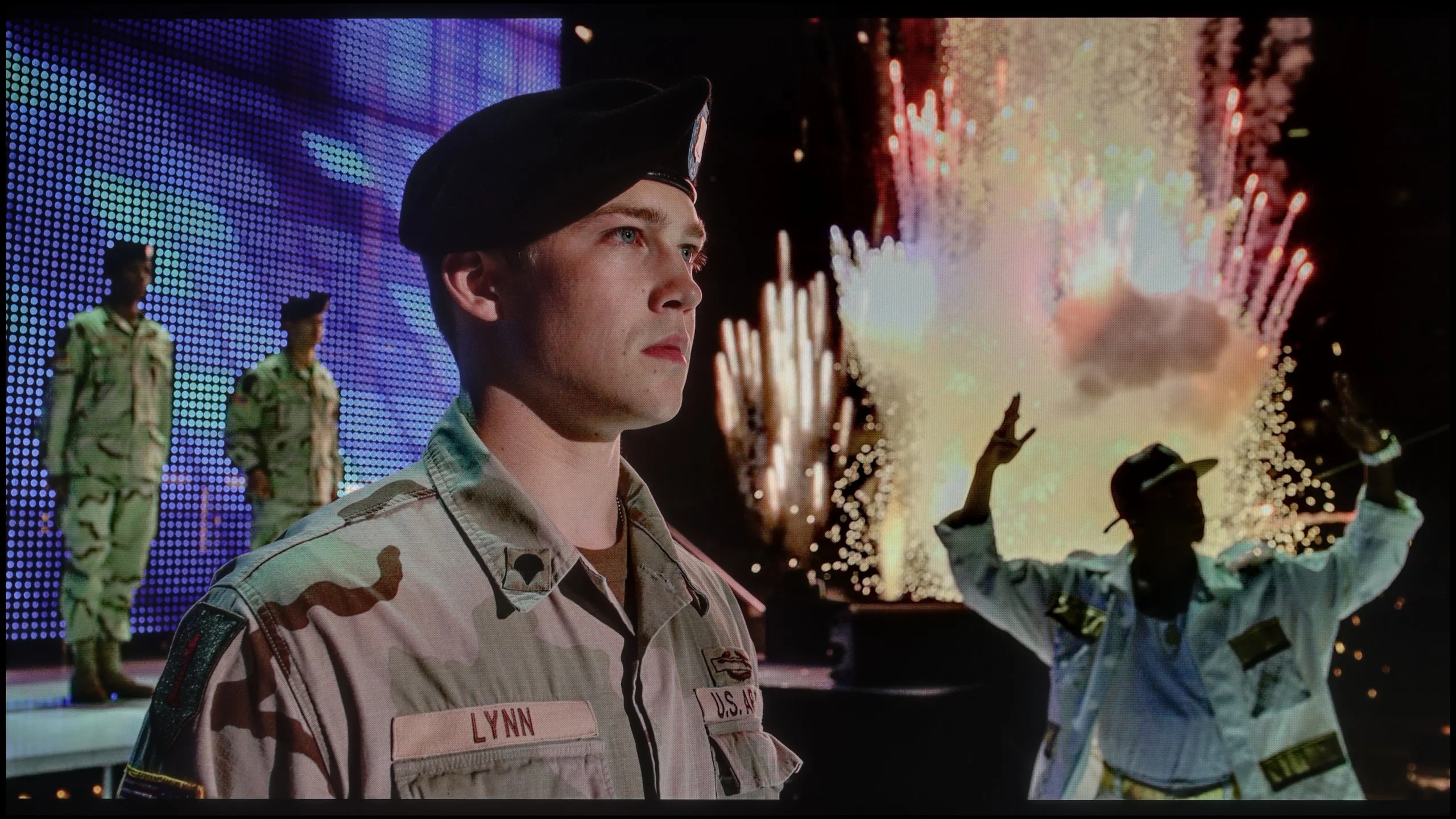
Scene from the movie “Billy Lynn” (about 1100 nits)

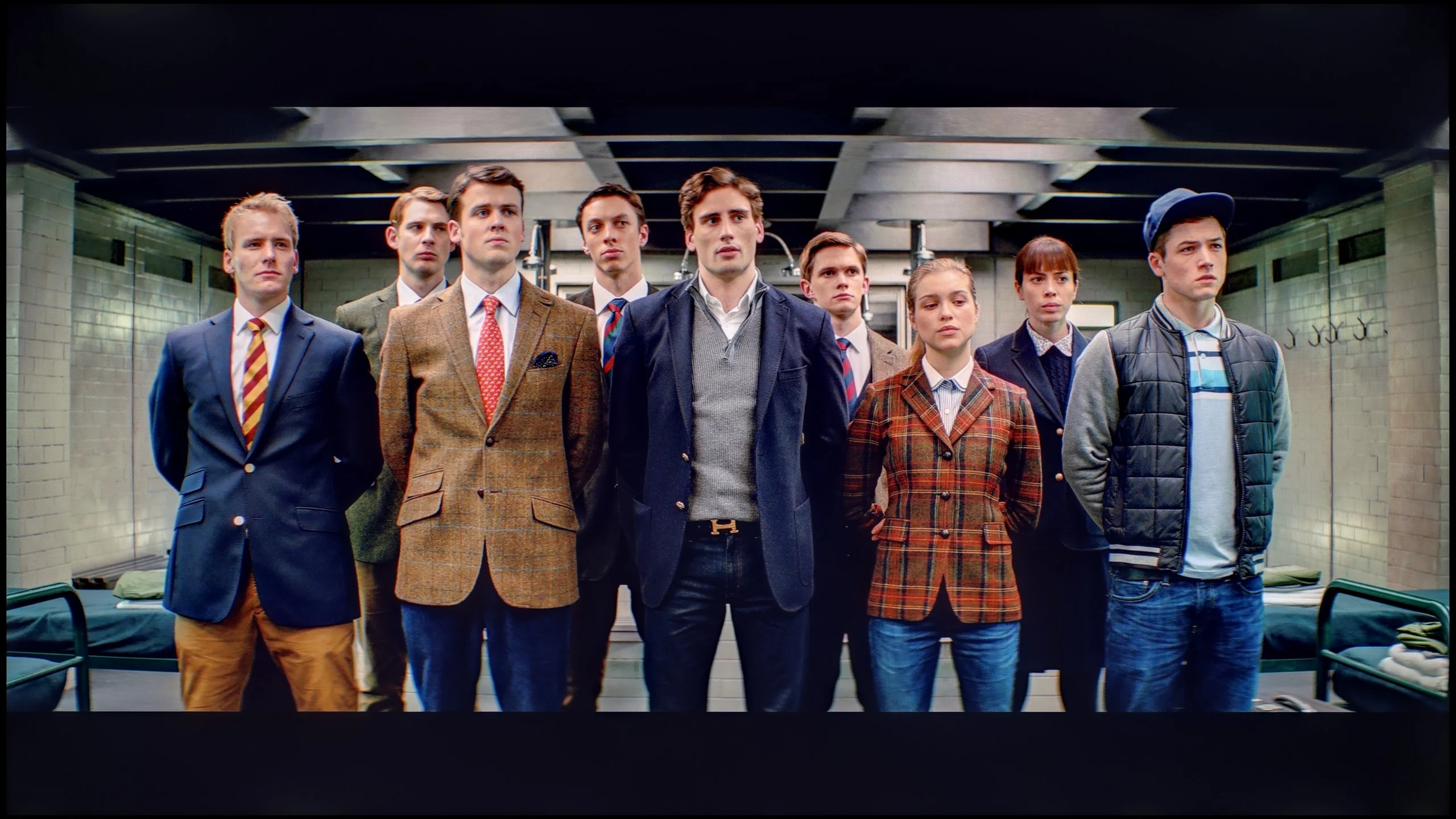
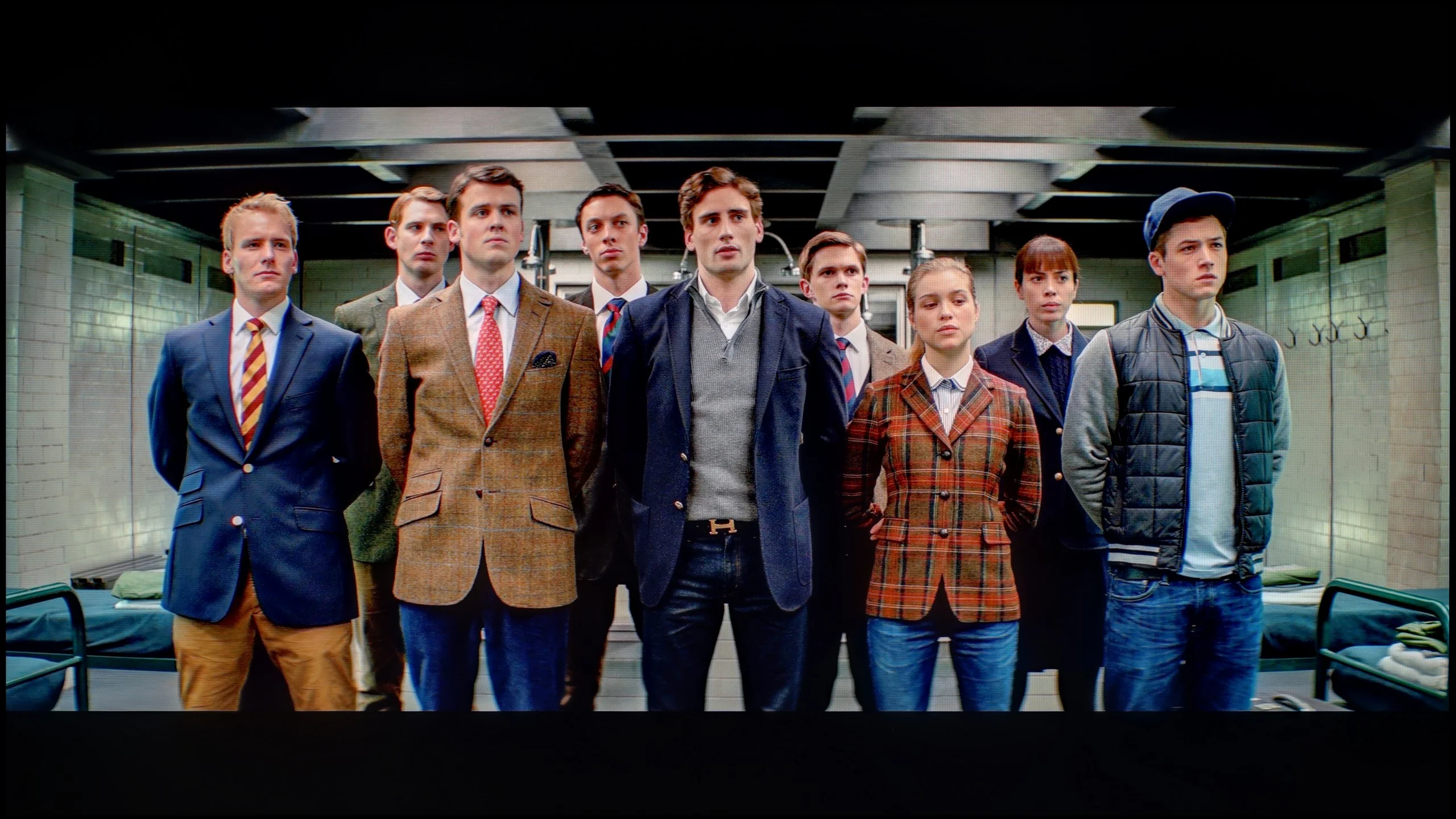
The photos show two HDR10 movies. 'Pan' is one of the brightest productions ever made, while 'Billy Lynn' (soldier) has brightness typical of streaming (Netflix, Prime, HBO MAX). Notice the intensity of effects and detail in whites.

Static HDR10

The photos present the visibility of white details in various HDR formats. They do not show brightness differences between TVs (these can be compared in the previous gallery).

HDR luminance chart:

TCL A400U

Sony BRAVIA 2 II (S25M2)

Sony Bravia 2 II isn't a particularly bright TV and unfortunately that's immediately obvious in HDR. In our measurements brightness stayed around 300 to 330 nits, which is far too low for the brightest parts of the image to look truly impactful. In practice HDR here doesn't differ that much from regular SDR. Bright highlights, the sun or lamps are of course visible, but they lack the intensity you'd expect from HDR content. The Bravia 2 II is therefore much better suited to standard SDR material, where its limited brightness will be least noticeable.

Colour gamut coverage

The Sony Bravia 2 II also doesn't impress when it comes to colour. The TV doesn't use any extra gamut-expanding filter, such as the quantum dots found in QLED sets or a PFS phosphor layer. In our measurements it covered about 78% of the DCI-P3 gamut and roughly 57% of the very wide BT.2020. That's definitely too little to deliver truly saturated colours in HDR material. More intense reds, greens or turquoises will simply be less striking than on TVs with an expanded colour gamut. The Bravia 2 II is much better matched to the standard Rec.709 gamut used for films, series and SDR broadcast.

TCL A400U can deliver really punchy HDR. On test patterns peak brightness reaches around 2000 nits, and in brighter movie scenes we measured roughly 1200 to over 1400 nits. Those are very good figures, which translate into intense sun highlights and a clear glow on the bright parts of the image. In those shots it's hard to complain about a lack of punch. It's not always as dramatic, though. When small lights appear on a dark background the algorithm has to decide how strongly to light the zones covering them. Higher brightness would also mean a more visible halo around objects, so the A400U favours preserving deep blacks. In our toughest scenes small lights therefore only reached about 220 to 260 nits. They're still visible, but they lose the intensity you'd expect from such a bright TV. That's a compromise typical for many Mini LED sets in this price bracket. The backlight has plenty of power, but the number of zones limits how precisely it can be applied. You can also see the advantage of the C7L here, which, thanks to a larger number of zones, can render some of those elements brighter.

Colours

Colours hold up well, though they don't reach the saturation of the new SQD Mini LED models. The A400U uses a PFS phosphor and covers about 94% of DCI-P3 and 74% of BT.2020. In HDR films this produces juicy, well-saturated colours. DCI-P3, which contains most of the colours used in those films, is almost fully covered. Some shortfalls are visible mainly in the most saturated greens. They won't be as intense as on screens capable of reproducing a wider gamut, but in most films it's hard to notice. It's easier to spot the difference in games with heavily saturated, neon colours that often push beyond this panel's capabilities.

Factory color reproduction

5.3/10

6.2/10

This gallery shows how colors change after professional TV calibration. If you notice the difference, we recommend ordering this service at SkalibrujTV.com.

Factory Mode

After calibration

This gallery shows how colors change after professional TV calibration. If you notice the difference, we recommend ordering this service at SkalibrujTV.com.

Factory Mode

After calibration

The out-of-the-box colour reproduction in Kino mode was really quite good, at least for ordinary SDR material. The Bravia 2 II had a slight tendency to boost reds, which made some colours lean a bit warmer, at times with a faint pinkish tint. That wasn't a major fault and during normal viewing the picture still looked fairly natural. There was a bit more going on with image brightness. Looking at the gamma curve, Sony doesn't stick perfectly to the reference value. The darkest areas are slightly lifted, while as brightness increases the gamma gradually rises and a large part of the image becomes darker than it should. However, the difference isn't big enough to seriously bother during everyday watching. Overall, SDR straight out of the box performs quite decently.

The situation is much worse in HDR. We've already mentioned the limited colour gamut, but on top of that the Bravia 2 II quite aggressively manipulates image brightness. The EOTF curve sits below the reference for much of the range, which means the TV renders most mid and brighter parts of the scene darker than the source material intends. Only towards the very end of the range does the curve flatten out, as the panel reaches the limits of its capabilities. Combined with a peak brightness of around 300 nits, this gives HDR that not only lacks much punch but can simply look too dark.

On factory settings, Filmmaker mode on the A400U performs quite well, especially for regular television and SDR films. There is, however, a slight shortage of red. Whites therefore have a faint greenish tint, and faces can look a bit too pale. It isn't hugely obvious in every scene, but in shots with a lot of white or red the tint is easier to spot. There are also minor inconsistencies in brightness. Dark areas are slightly lifted, while some brighter tones are overly dimmed. It's perfectly watchable, though there's room for improvement.

There are more issues with HDR. Out of the box the TV brightens the image too much, which is clearly visible on the EOTF graph. This isn't about specular highlights like the sun or lamps, since those should be intense. Faces and surroundings also become brighter, even when they were meant to look calmer in the film. As a result the scene loses some depth and looks as if someone has turned up the brightness. On top of that the brightest whites shift slightly cool. What needs sorting most is the HDR handling, because on its default settings the A400U adds "more" than it should in Filmmaker mode.

Color reproduction after calibration

7/10

8.9/10

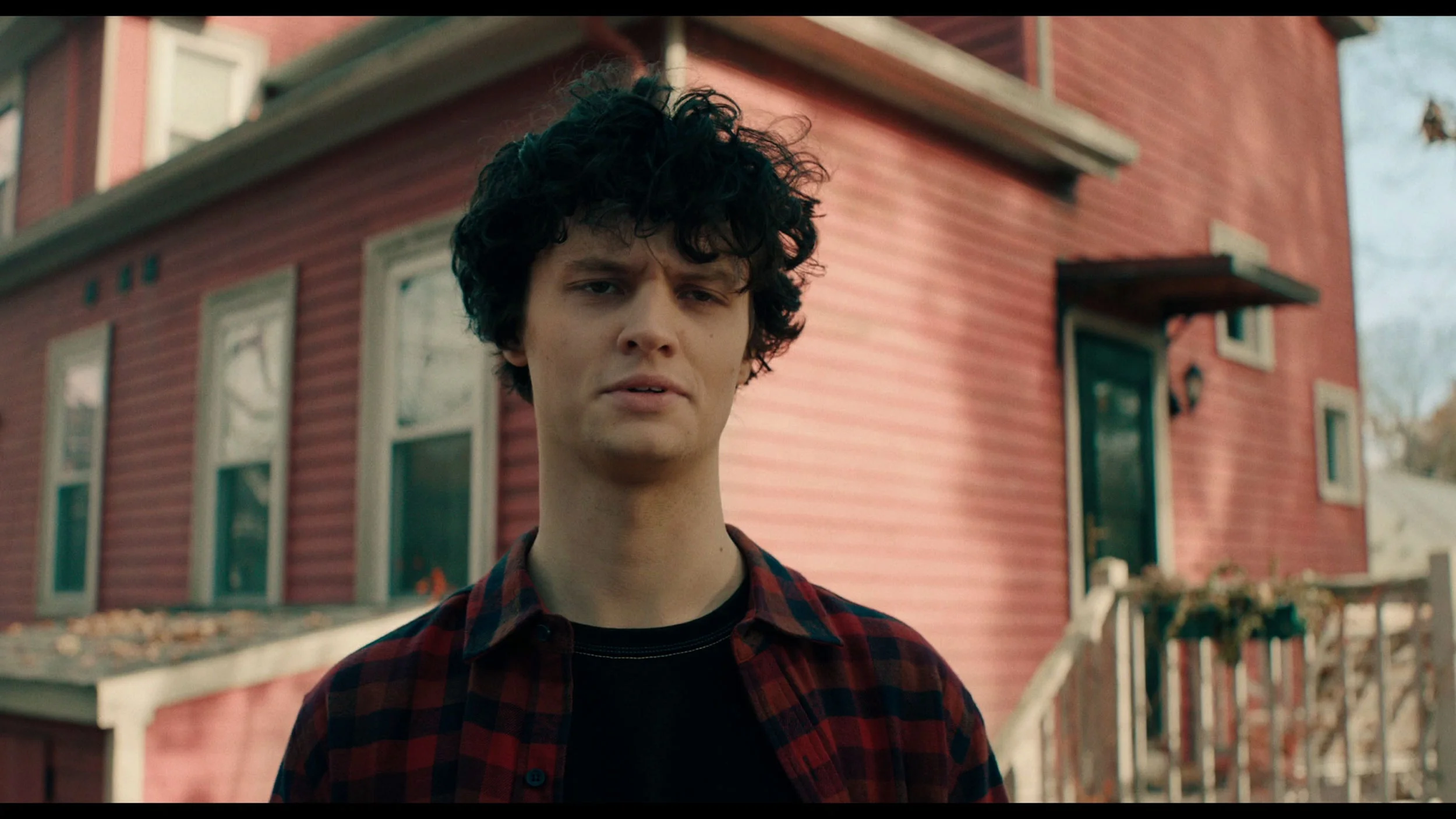
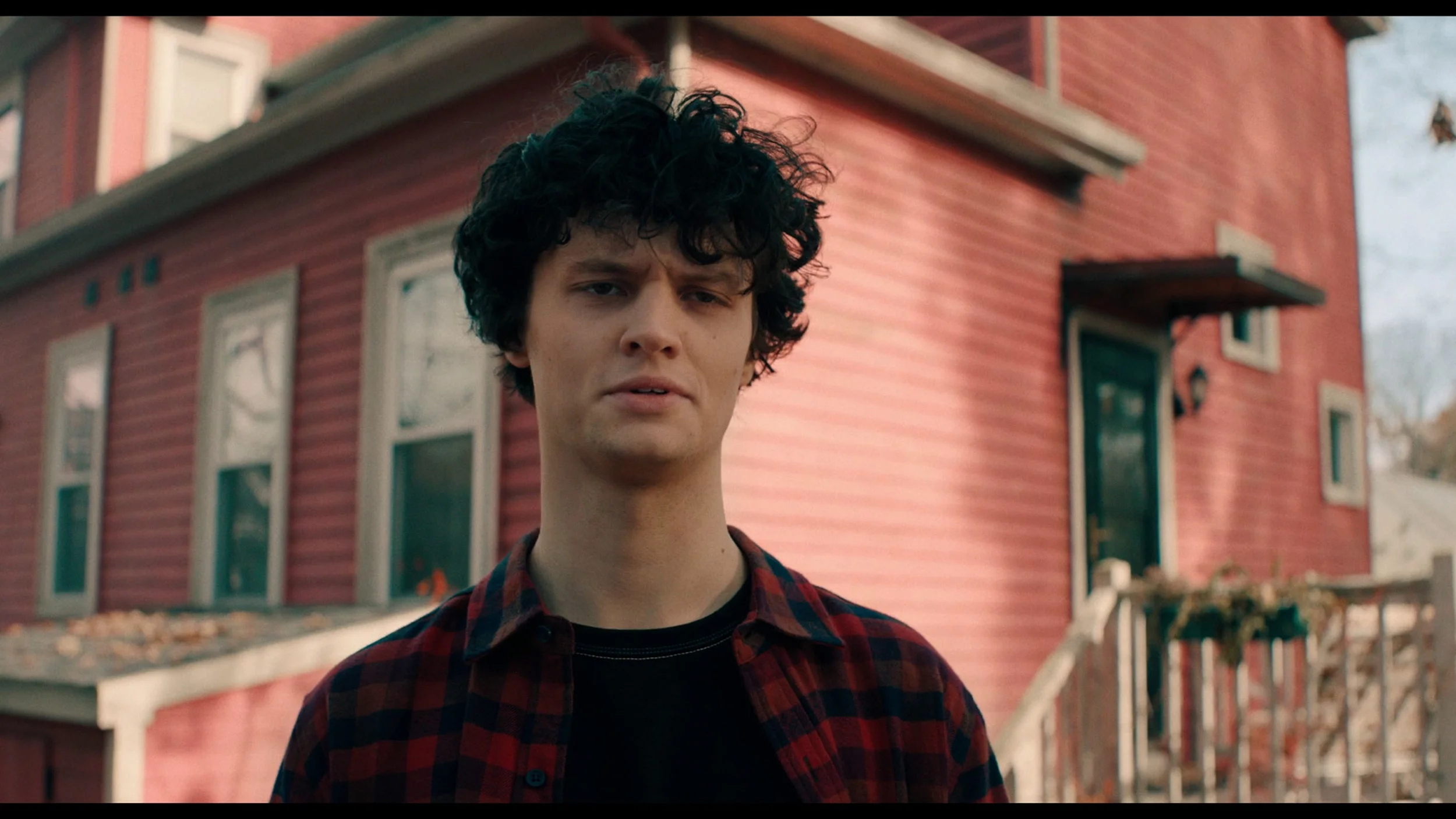
The photos show how movies look on the TV. Pay attention to black detail visibility, colors, and shadow tint.

The photos show how movies look on the TV. Pay attention to black detail visibility, colors, and shadow tint.

Calibration did a lot for the Bravia 2 II, especially with SDR content. Above all, we managed to even out the white balance and tidy up the gamma, which now stays much closer to the reference value. As a result, the image no longer has the earlier pink cast, and the brightness across different areas is much better organised. You can also see it in the colour errors, which after calibration dropped to a very low level (with only minor issues in the most saturated reds).

We also partly managed to rein in the Bravia 2 II in HDR, especially in the way the TV handles image brightness. However, there is one thing no calibration can fix: the panel's capabilities. A narrow colour gamut means the TV physically can't reproduce the most saturated colours recorded in HDR content. On top of that, the low contrast of the IPS panel causes darker scenes to be covered in a grey haze, which robs colours of some of their depth. So we can improve how the Bravia 2 II uses its capabilities, but we can't overcome the panel's inherent limitations.

The TCL A400U responds very well to calibration and lets you correct most of the shortcomings of the factory Filmmaker mode. In SDR it was possible to almost perfectly level the white balance. The lack of red has disappeared, so whites and greys no longer have a greenish tint and faces have regained a natural look. Brightness reproduction has also improved. Apart from small deviations in the darkest and brightest parts, the TV sticks to the reference without unnecessary brightening or dimming of the picture.

The most important change, however, concerns HDR. Thanks to the available peak brightness adjustment it was possible to tame the brightening seen in the factory settings. Measurements in film scenes, not just test patterns, confirm this. Faces and backgrounds are no longer artificially brightened, while bright elements still retain the right punch. Errors in the Color Checker test in HDR mostly fall below 2, which is a very good result. Not everything is perfect, as the very brightest whites retain a slightly cool tint, but overall the image is much more faithful. This is the improvement we described earlier when comparing scenes from "Pana" and "Billy Lynn". The A400U lets you fine-tune HDR to preserve both detail and the proper brightness of the whole scene. That option was missing from other TCL models, where peak brightness control was not possible. Here the manufacturer made it available to the user and it’s clear it was needed. After calibration the A400U presents a film without unnecessary picture boosting.

Smoothness of tonal transitions

8/10

9.4/10

These are selected scenes that show smooth tonal transitions from one color to another. If you see distinct banding, it’s the TV panel’s fault.

These are selected scenes that show smooth tonal transitions from one color to another. If you see distinct banding, it’s the TV panel’s fault.

These are selected scenes that show smooth tonal transitions from one color to another. If you see distinct banding, it’s the TV panel’s fault.

These are selected scenes that show smooth tonal transitions from one color to another. If you see distinct banding, it’s the TV panel’s fault.

The smoothness of tonal transitions on the Bravia 2 II is pretty good, though it depends a lot on the scene. In brighter parts of the picture the gradation is smooth and it's hard to spot any major issues. It gets worse in very dark shots. In scenes with many dark tones you can already see distinct banding between successive shades. So it's not perfect, but with most everyday content the issue shouldn't be particularly noticeable.

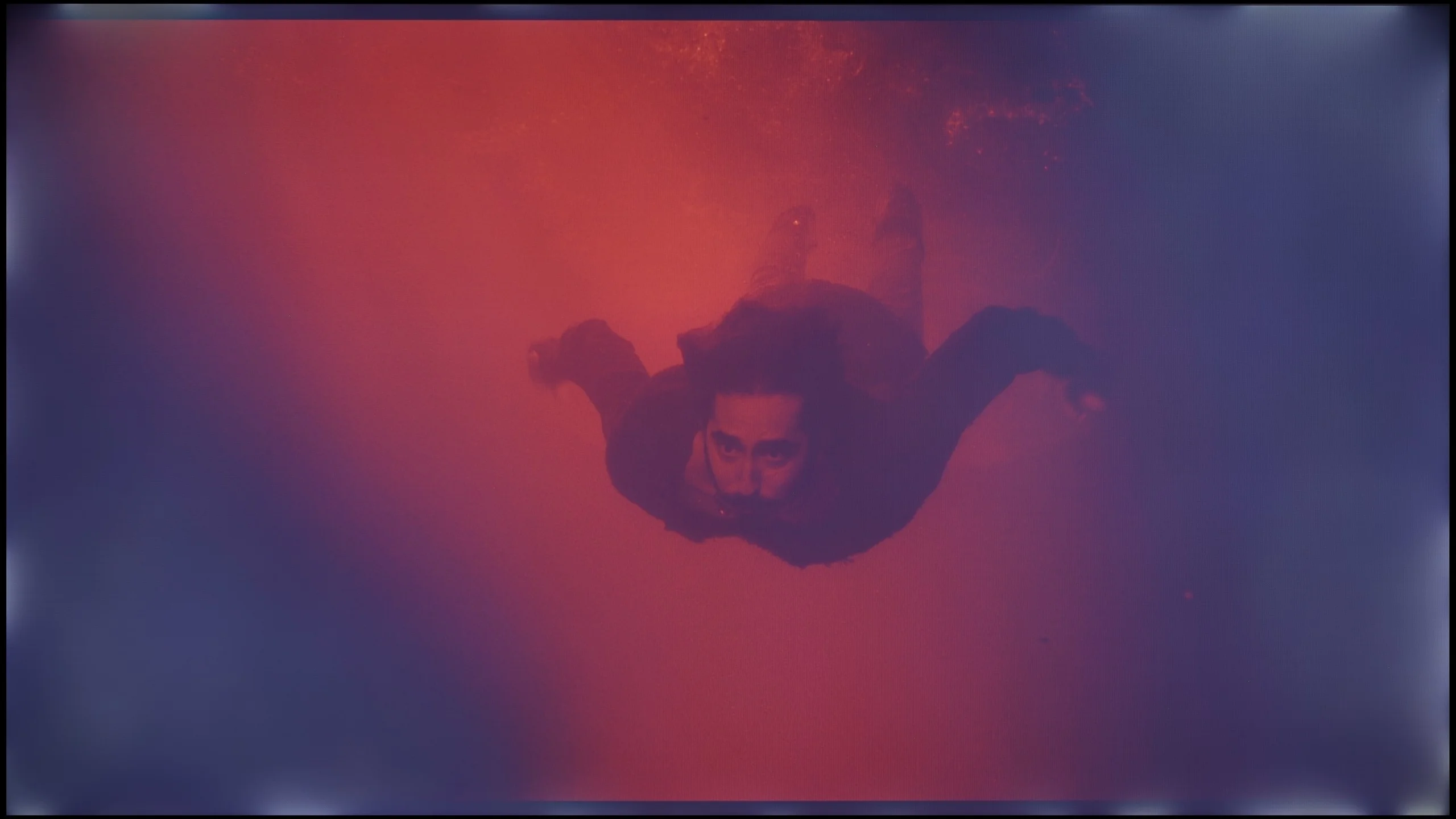
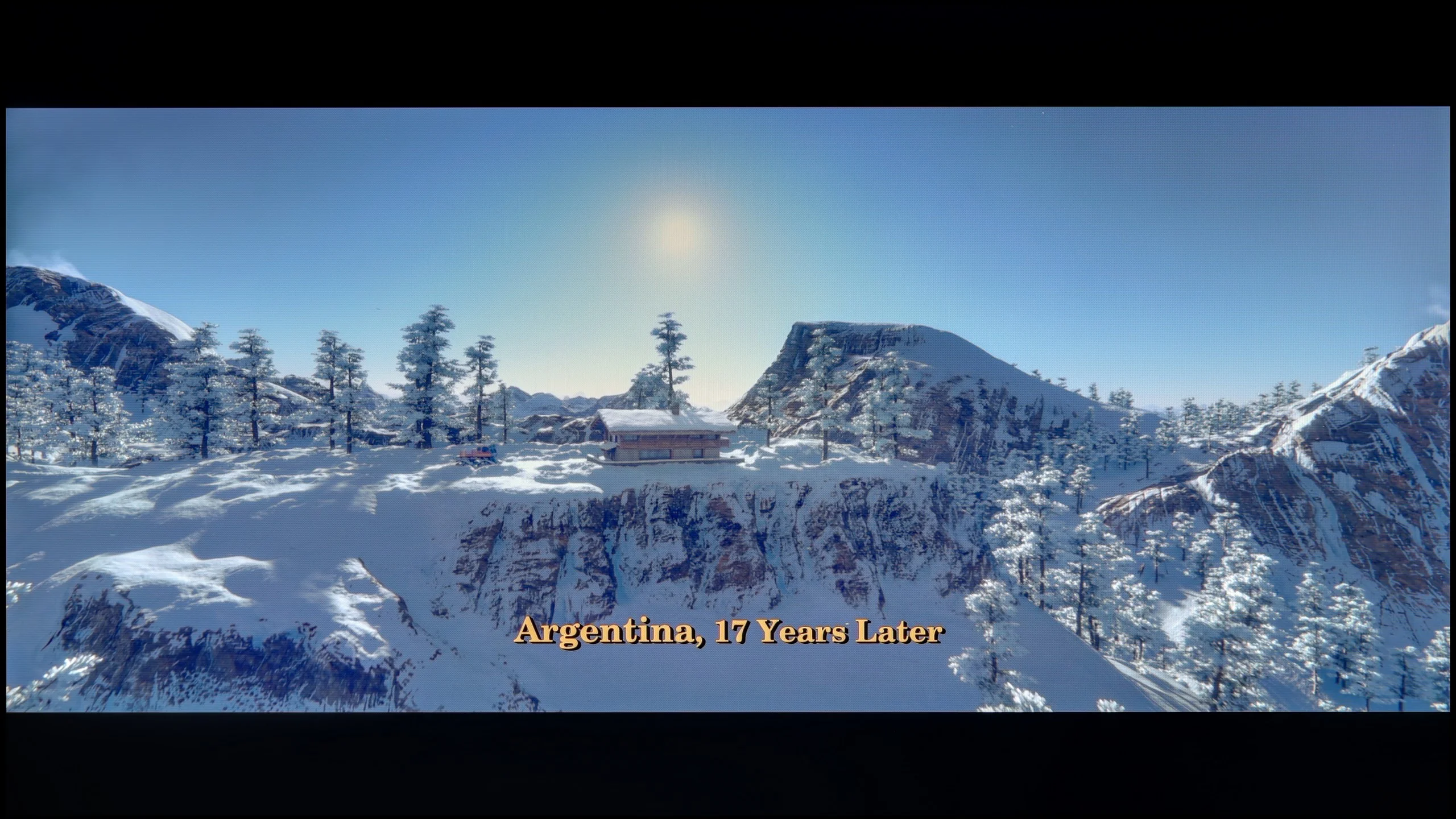
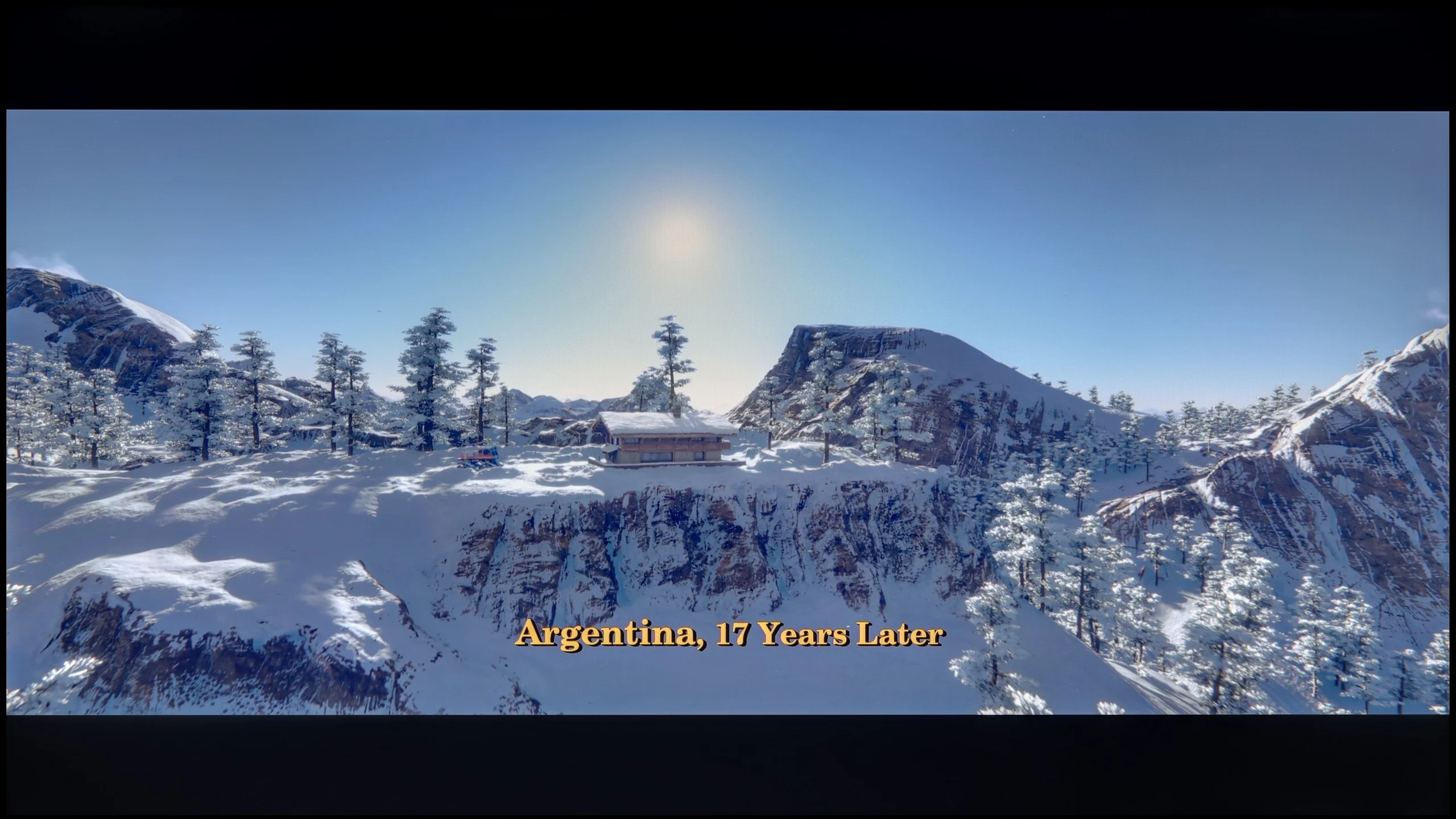
TCL A400U handles tonal transitions in 4K content very well. In bright scenes it's hard to find any issues. The sky and the faint halo around the sun look smooth, with no visible banding or boundaries between shades. Colours blend smoothly into one another, so nothing distracts from the film. Minor imperfections only appear in the darkest scenes, close to black. You can spot slight banding there, but you have to look closely to notice it. During normal viewing it’s unlikely to be distracting. That's a very good result and one of the A400U's strengths.

Image scaling and smoothness of tonal transitions

6/10

5.5/10

Image without overscan on the SD signal
OK
OK
Smooth transition function
OK
OK

Smooth transition function

The match photo shows how the TV smooths weak tonal transitions in low-quality video.

Image scaling SD (576i)

The model photo shows how it handles upscaling of SD material.

Upscaling on the Bravia 2 II performs quite well and the TV maintains the standard we've come to expect from Sony. Lower-resolution material is sensibly upscaled to 4K, and the image is slightly smoothed without excessive edge sharpening. It's less successful at dealing with content that shows visible compression artefacts. That's down to the "Digital Noise Reduction" function, which on the "High" setting can smooth some ugly banding. The problem is it does so quite aggressively and, along with the imperfections, removes a lot of fine detail, including natural film grain. What's more, when there's more motion on screen its effectiveness drops considerably and the improvement is minimal. For that reason we generally didn't use this feature for everyday viewing.

The TCL A400U correctly upscales lower-resolution sources to 4K. Contours are clear and fine detail remains discernible, so older films and regular TV look fairly good. There's also no issue with overscan, meaning it doesn't crop the edges of the image. Even with very low-resolution material the TV shows the entire frame.

It performs much worse at removing imperfections from heavily compressed recordings. The A400U, like the C7L, uses the older Pentonic 700 chip. A tonal-smoothing function is available, but in practice it does very little. Visible banding between shades remains on screen, and turning it on can even introduce additional artefacts. That's one of the weaker aspects of this model. High-quality material looks smooth, as noted earlier, but if flaws are already encoded in the recording, the A400U can't do much about them.

Blur and motion smoothness

5/10

7.7/10

Maximum refresh rate of the panel
60Hz
144Hz
Film motion smoothing option
OK
OK
Blur reduction option
No
OK
BFI function 60Hz
Yes, 120Hz (double contours)
BFI function 120Hz
No
Yes, 240Hz (double contours)
Brightness drop with BFI
25%
14%

Blur (native resolution, maximum refresh rate):

Blur (BFI function enabled):

Blur ():

Blur (1080p@288Hz):

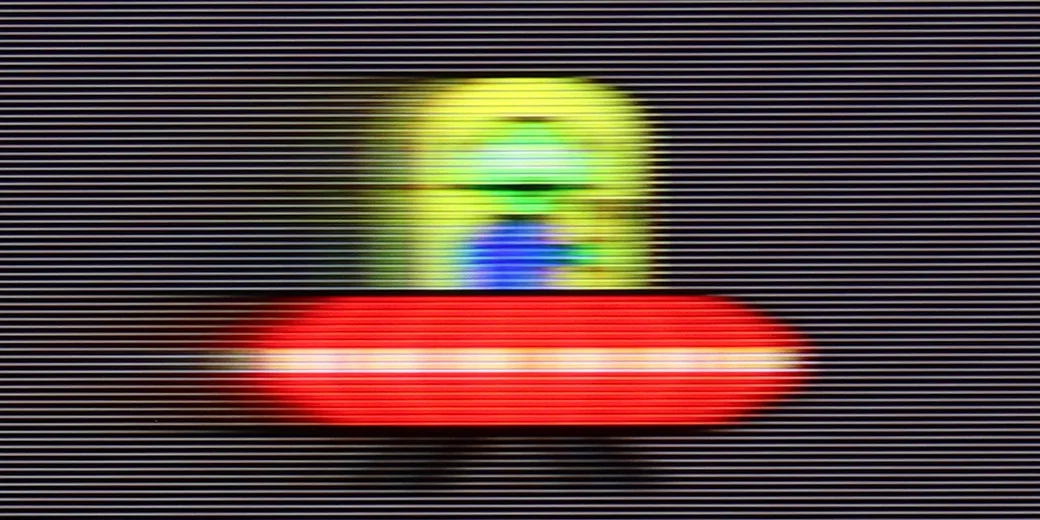
Bravia 2 II uses a 60 Hz panel and, for what it is, handles motion quite well. However, bear in mind it’s an entry-level panel and its limitations are especially noticeable with sports. The TV can’t interpolate 50/60 fps material to a higher refresh rate, so it can’t further improve the sharpness of fast-moving objects. For films and series there’s a conventional motion-smoothing feature that can reduce the judder typical of 24 fps material.

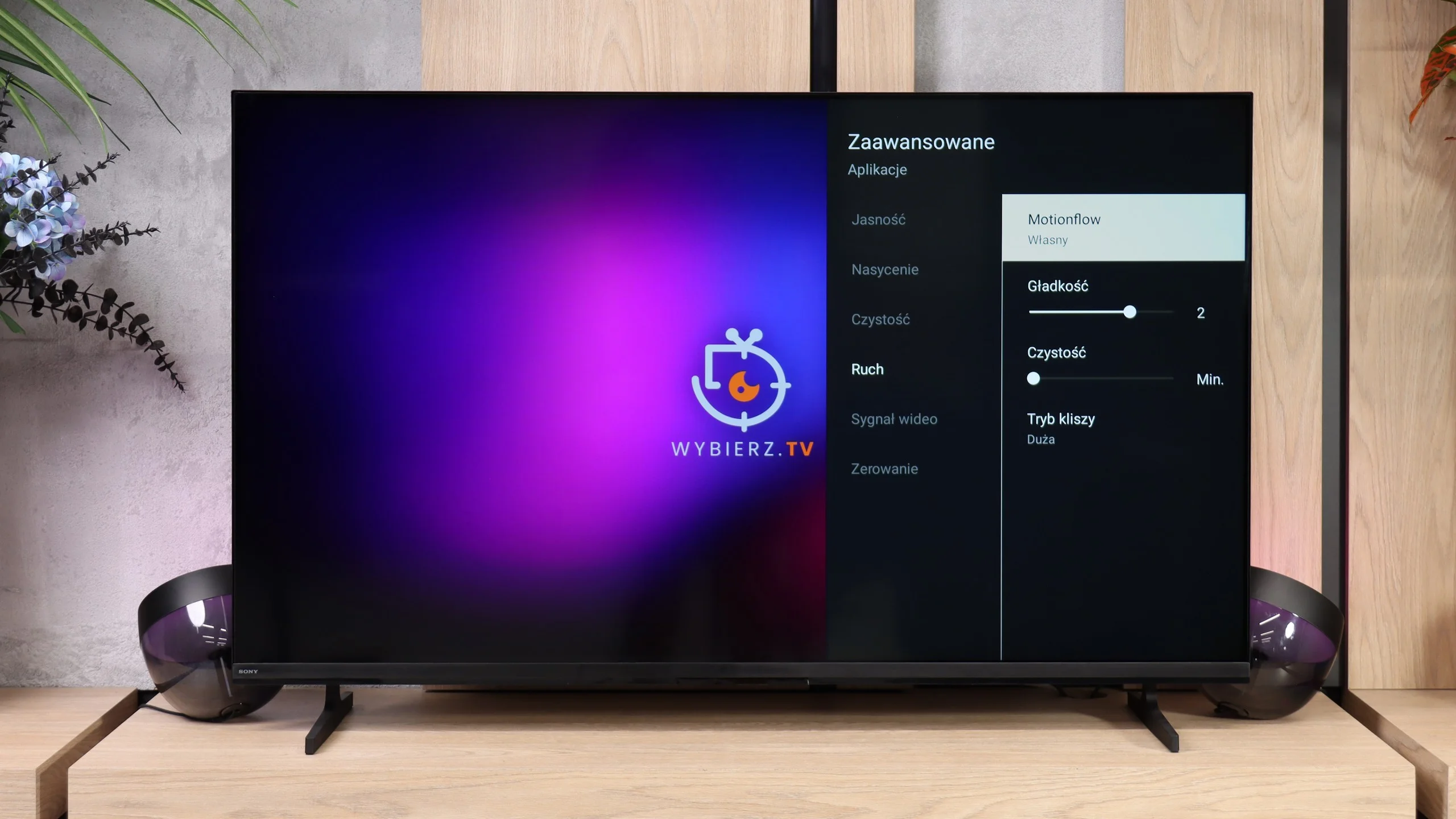
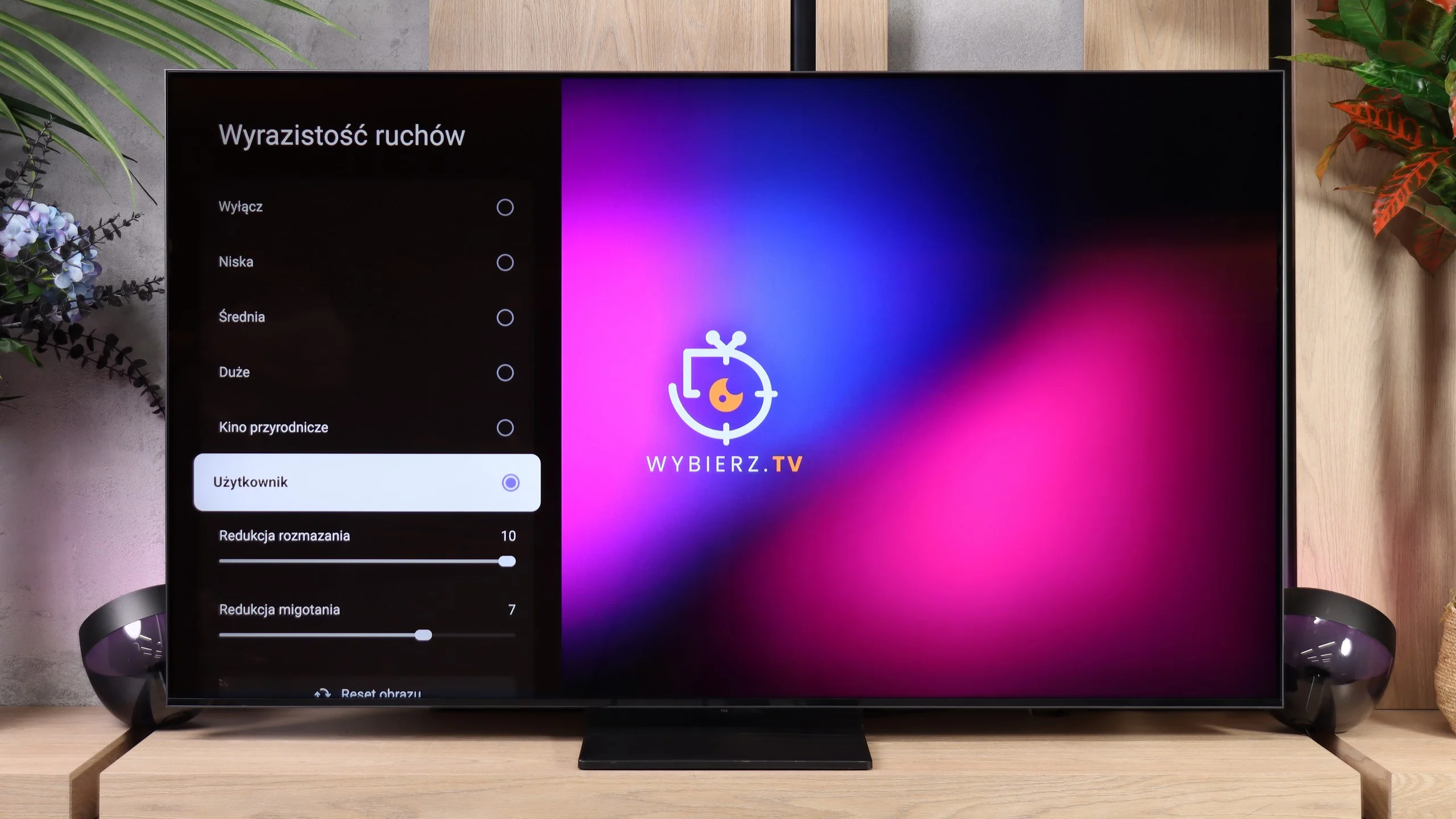
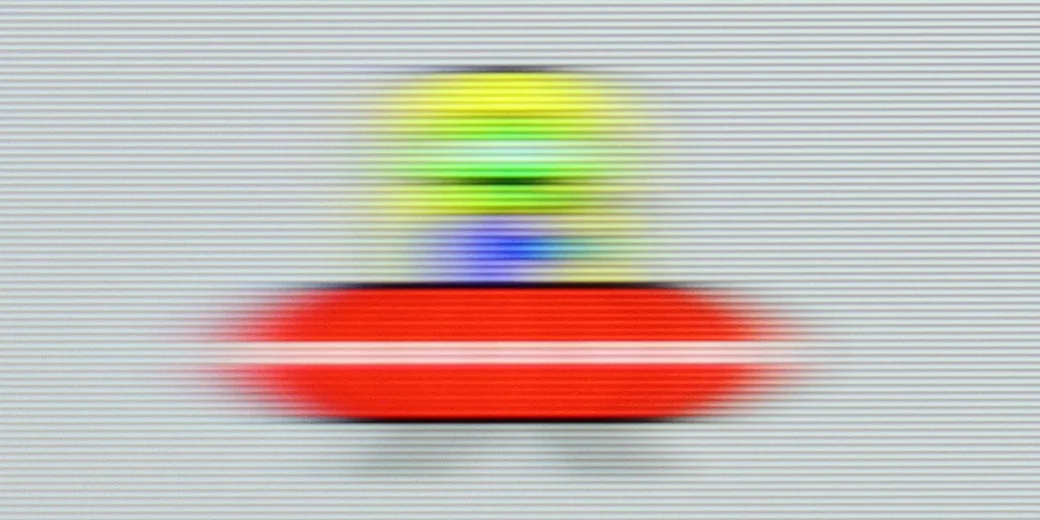
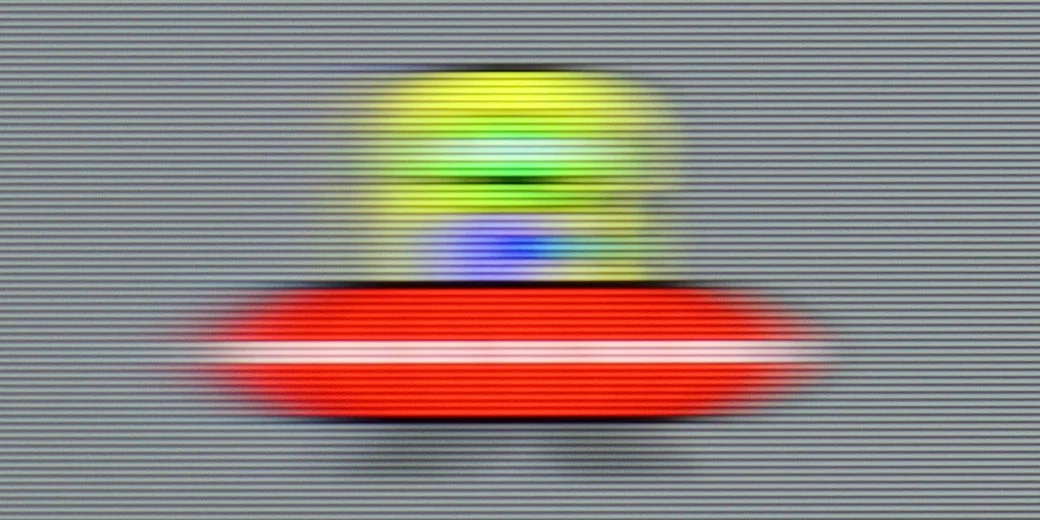
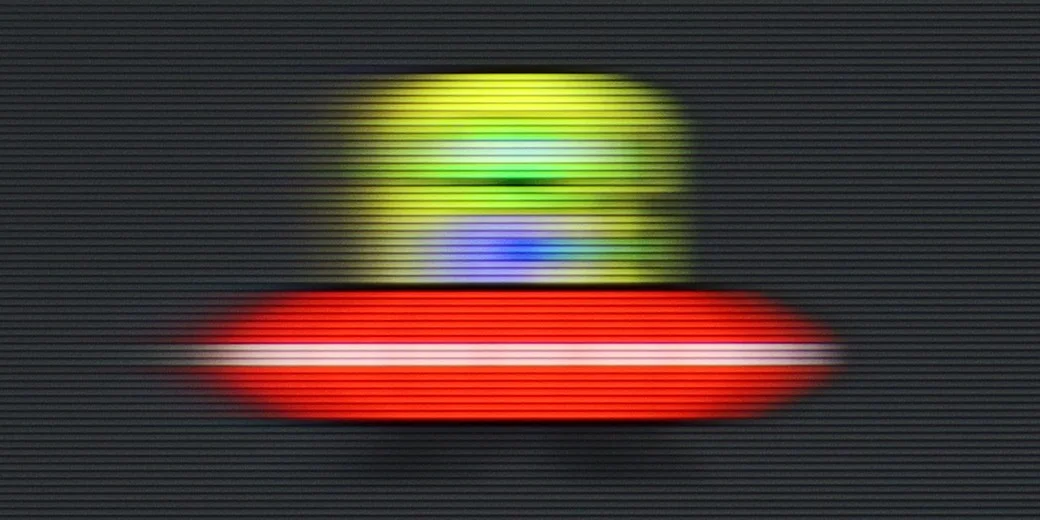
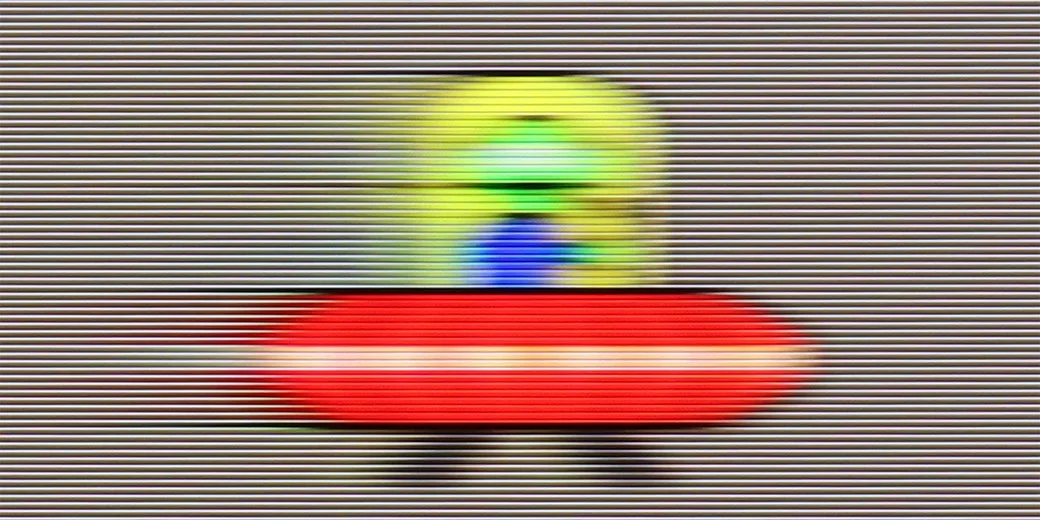
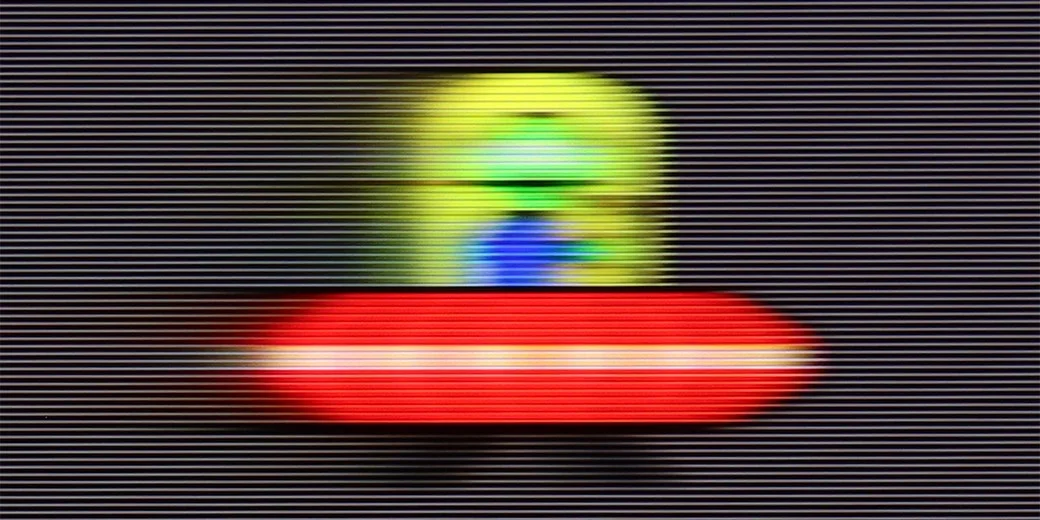
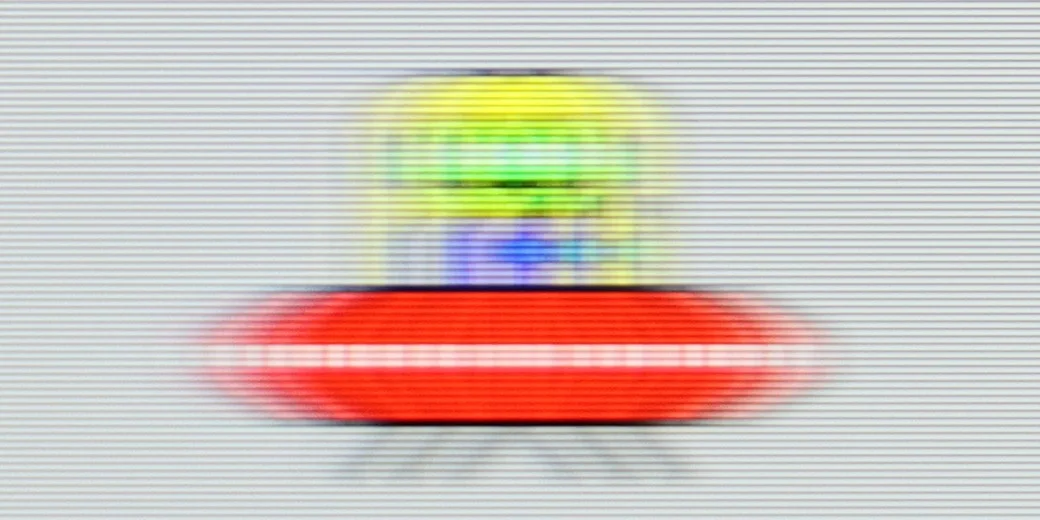
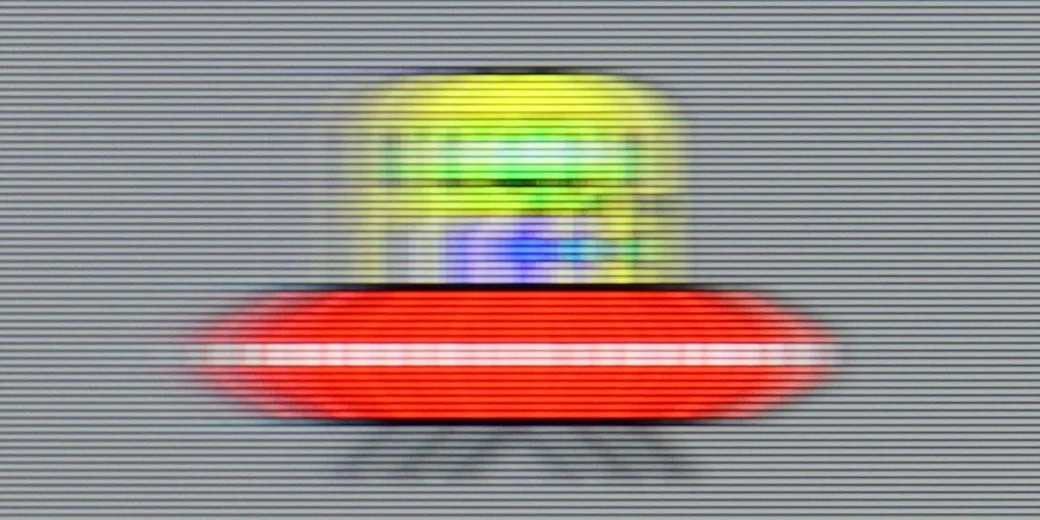
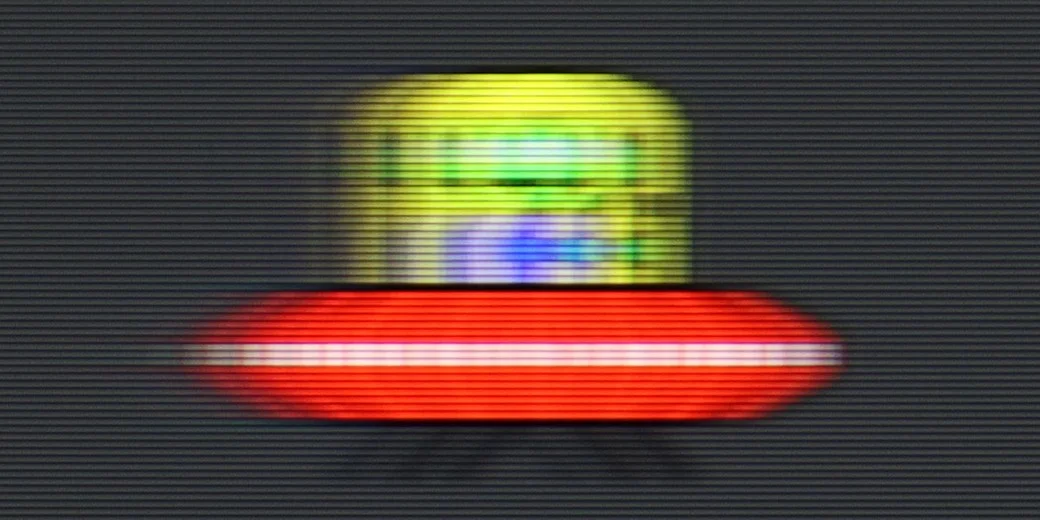
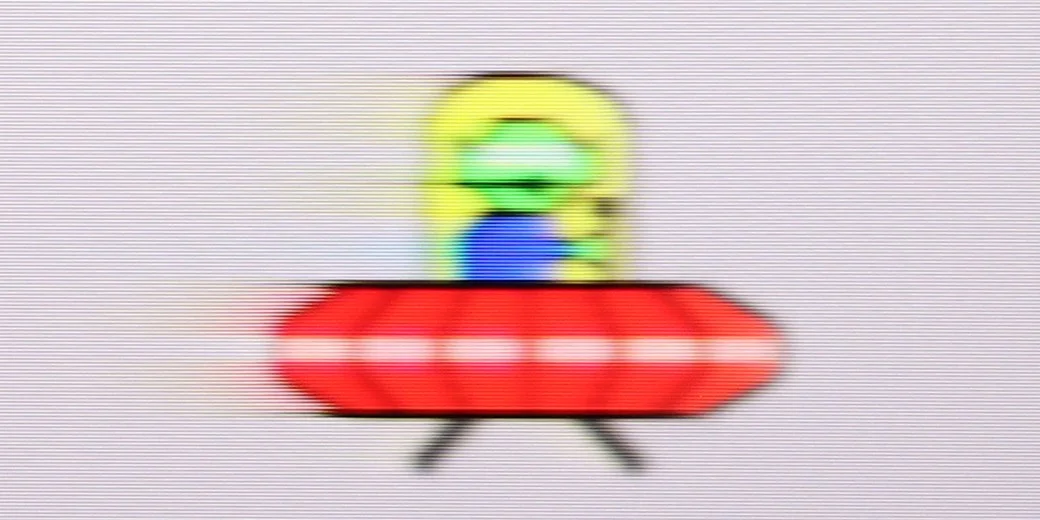
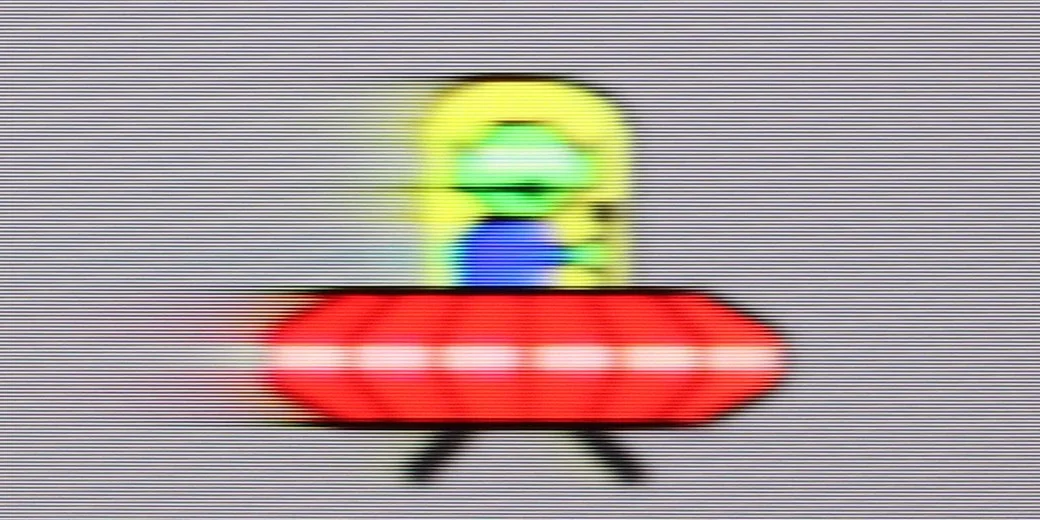
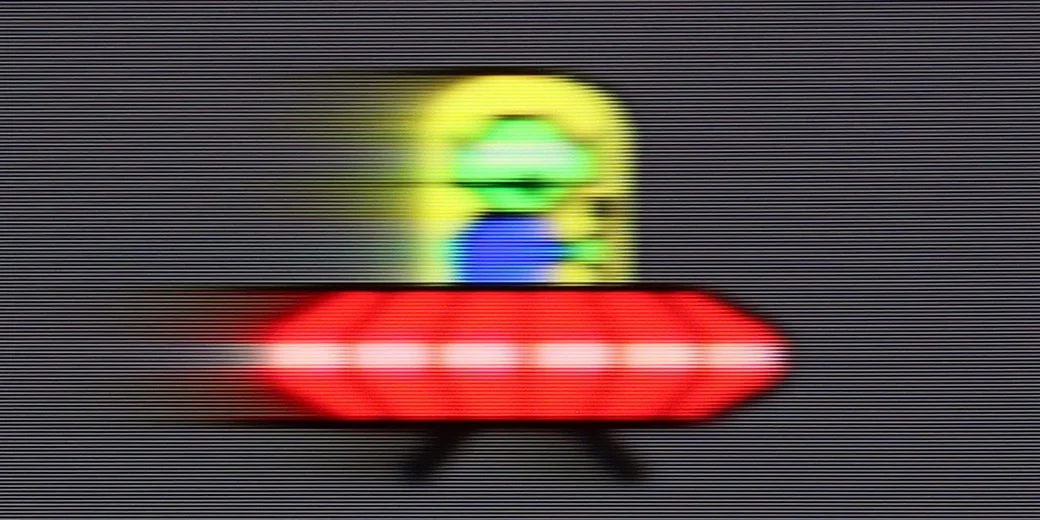
TCL A400U has a 144 Hz panel, so it's well suited to sports and gaming. In films you can further tune smoothness with the "Motion Clarity" settings. There are two sliders: "Blur Reduction" and "Flicker Reduction". They help improve readability of fast motion and soften abrupt camera shifts. You don't need to set them high straight away, especially if you want to preserve the cinematic look of a film. The panel's response time is decent, though some smearing typical of VA panels is visible. In the UFO test at 120 Hz a blurry trail remains behind the object and its fine details lose sharpness. They aren't very long smears, but it's certainly not the level of the best LCD panels on the market. The BFI feature, which briefly interrupts the image to improve perceived motion sharpness, doesn't change much here. Instead, it introduces double contours, so it's hard to call it particularly useful. The brightness drop when you enable it is small, about 14%, so it's worth experimenting with yourself.

Console compatibility and gaming features

3.3/10

9.8/10

  • ALLM
    Yes
    Yes
  • VRR
    No
    Yes
  • VRR range
    No
    48 - 288Hz
  • Dolby Vision Game Mode
    No
    Yes
  • Correct implementation of HGIG
    No
    Yes
  • 1080p@120Hz
    No
    Yes
  • 1440p@120Hz
    No
    Yes
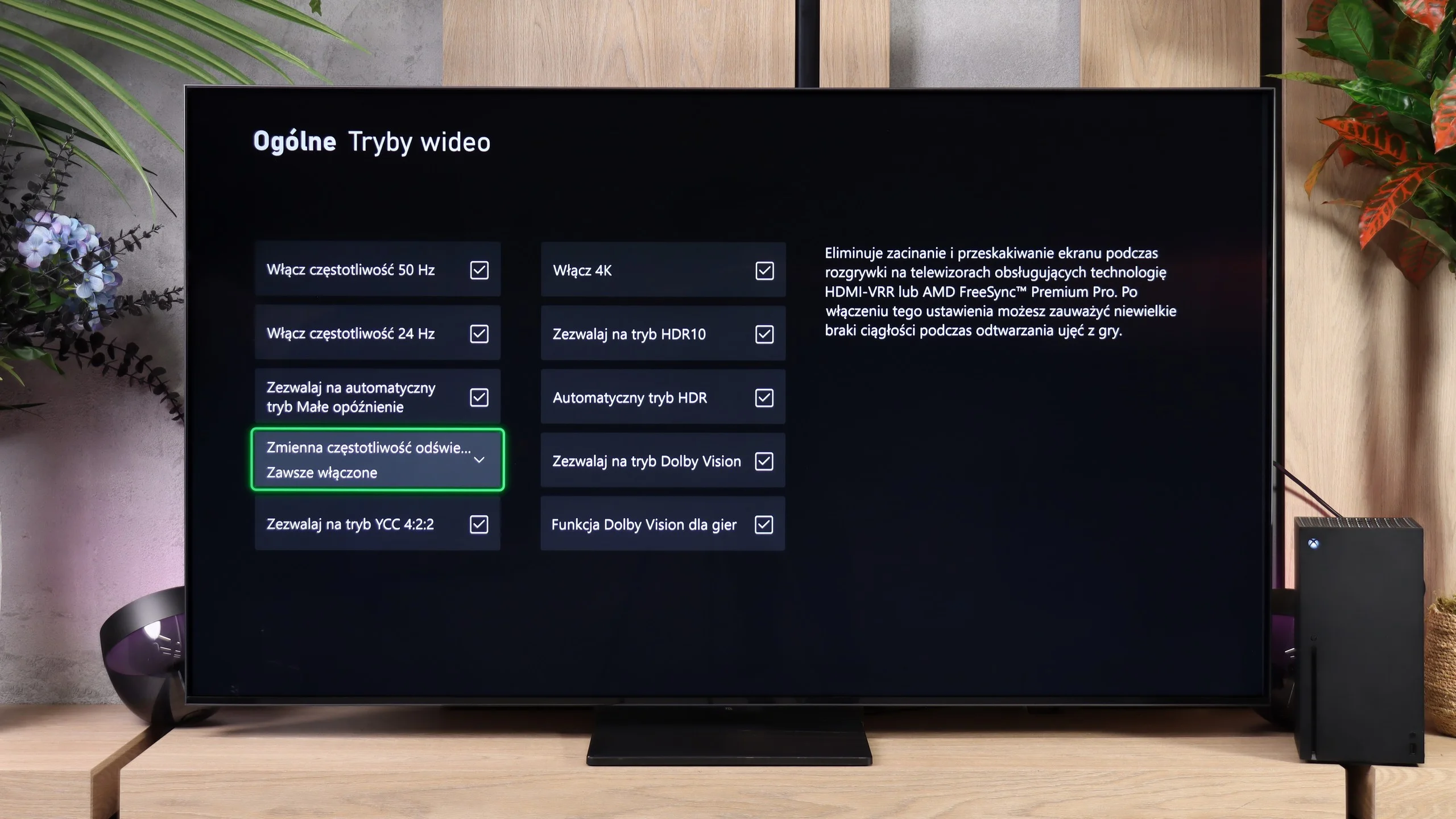
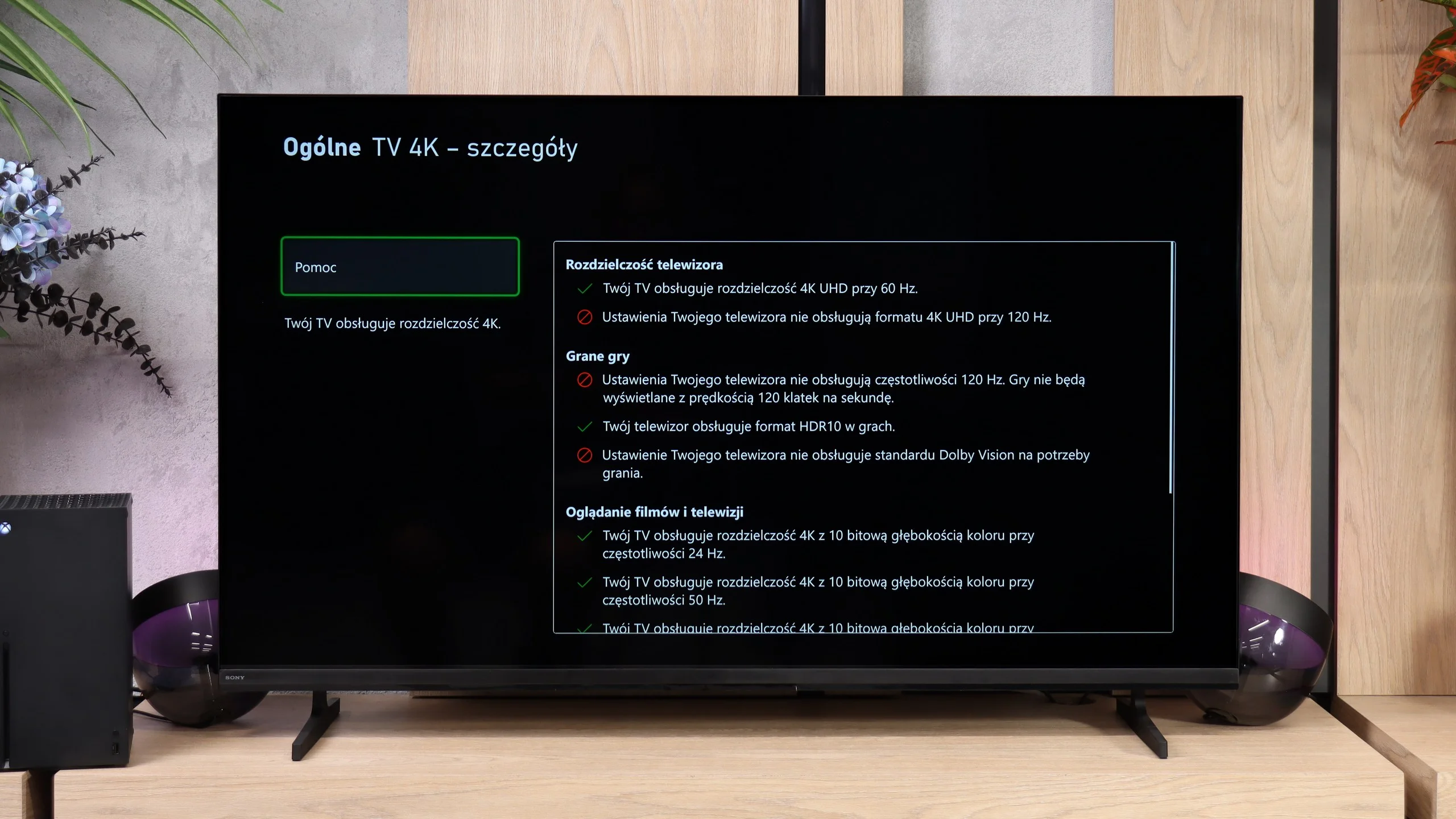
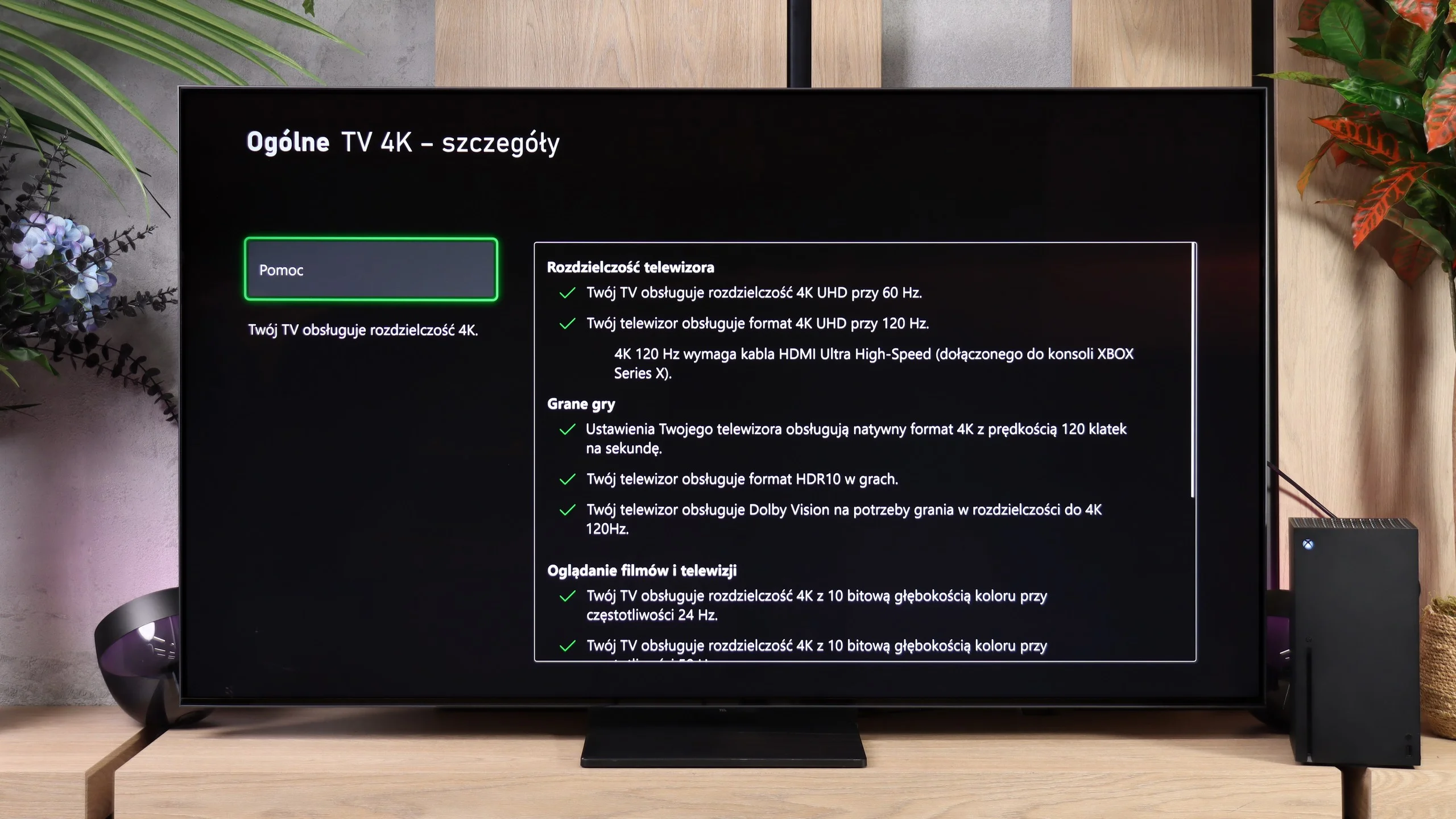
  • 4K@120Hz
    No
    Yes
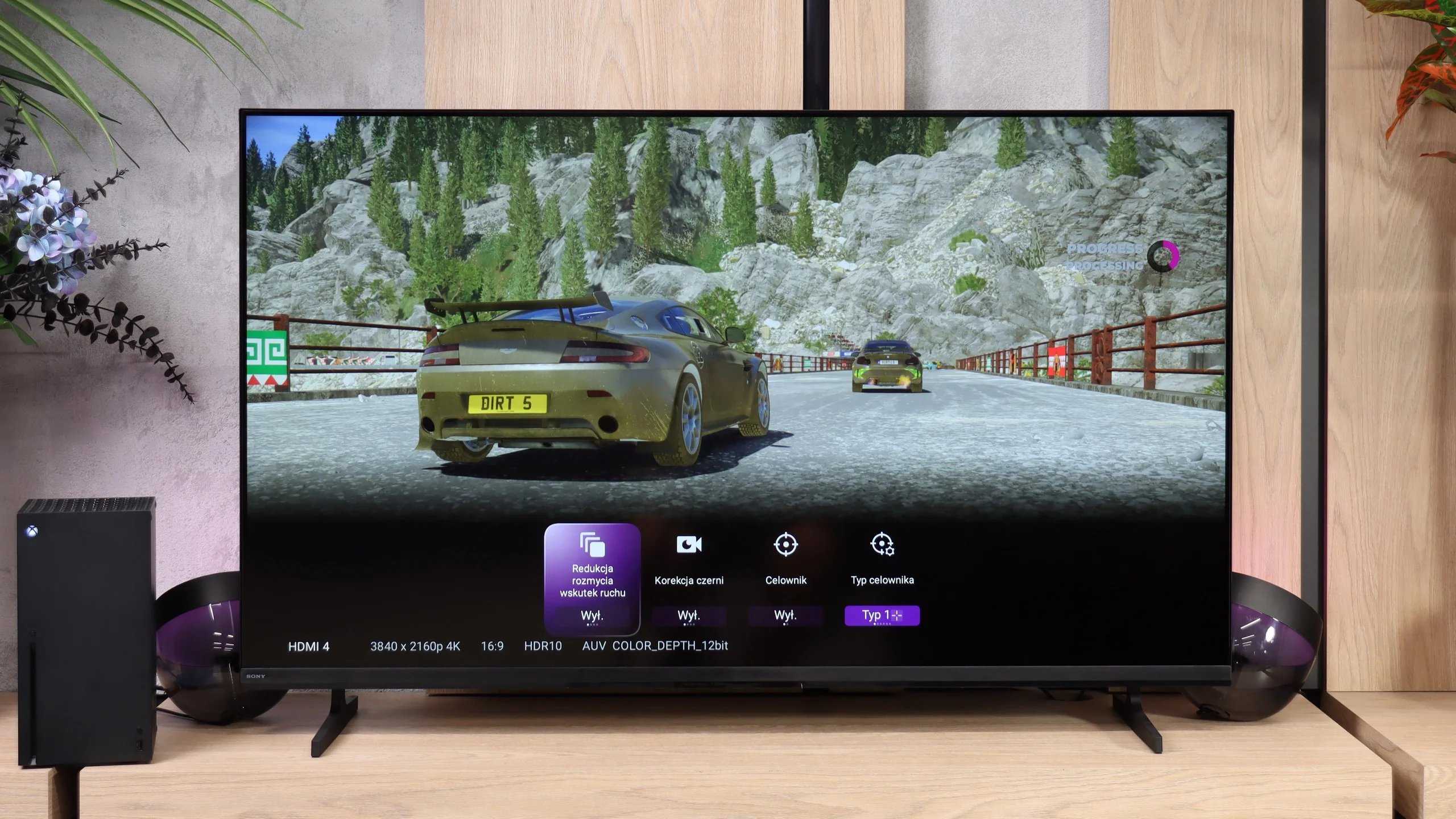
  • Game bar
    Yes
    Yes

The Bravia 2 II isn’t a TV that’s particularly suited to gaming, and the feature list makes that clear pretty quickly. You basically only get automatic low-latency ALLM and a simple Game Bar where you can view basic signal info and change a few settings. That’s where the positives end. The TV doesn’t support VRR or 120 Hz (not even at lower resolutions) and on top of that it has problems correctly implementing HDR HGIG. It’s fine for occasional console play and, thanks to low input lag, the controls remain responsive, but if you’re after a TV primarily for gaming the Bravia 2 II is a significantly limited choice.

The TCL A400U offers extensive features for gamers, even though its looks suggest a TV for a stylish living room. It supports 120 Hz at Full HD, 1440p and 4K, so it can use the high-refresh modes available on consoles. When connected to a PC you can get 144 Hz at 4K or even 288 Hz at Full HD. For fast-paced games this gives plenty of flexibility between image detail and smoothness. It also has VRR, which adjusts the refresh rate to the frame rate and reduces screen tearing when a game can't hold steady performance. Its range is 48 to 288 Hz, with the highest value applying to Full HD. ALLM automatically switches the TV to game mode, and Xbox users can use Dolby Vision at 120 Hz as well.

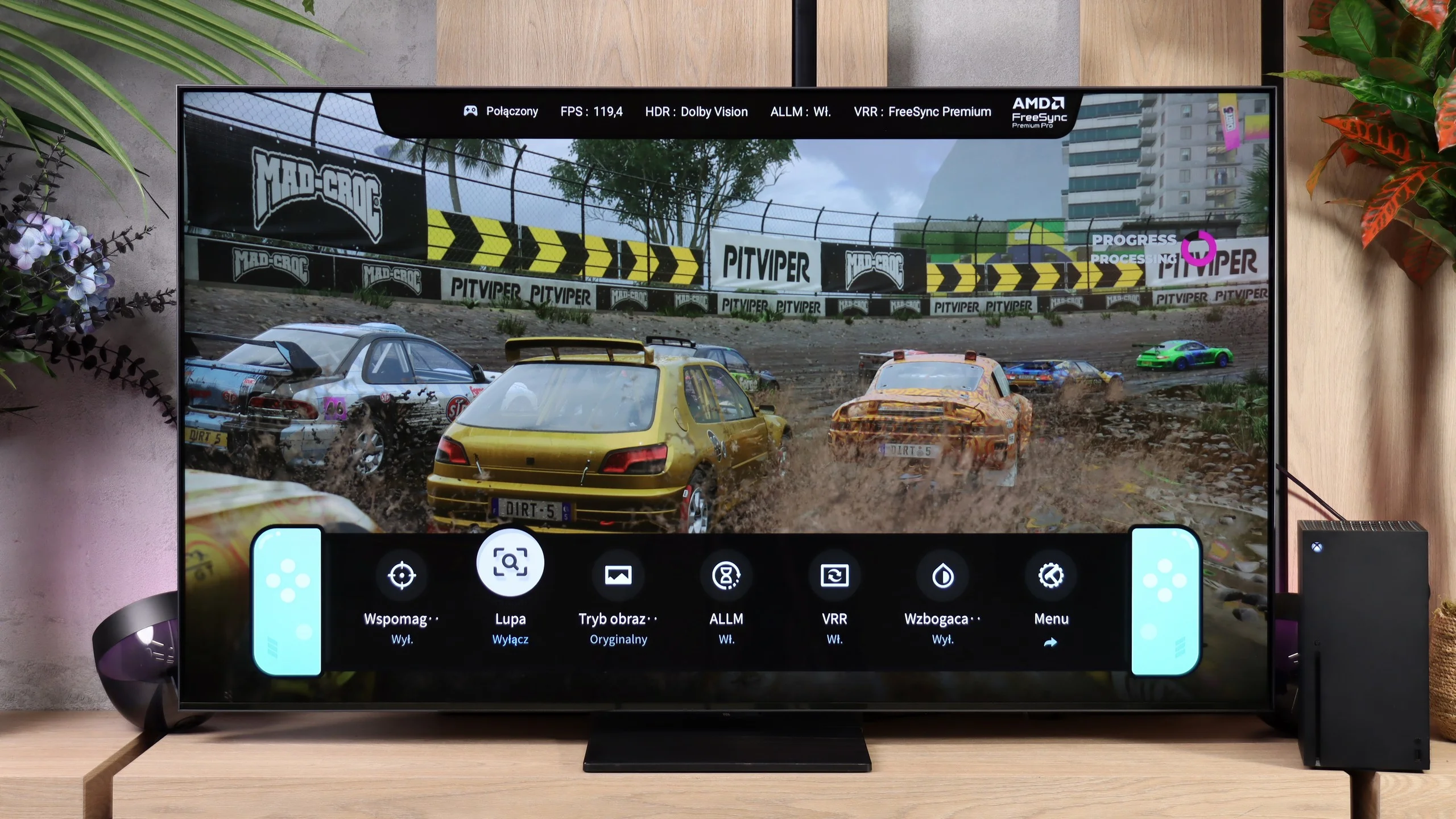
The properly working HGiG is commendable. It lets you set up HDR on the console without the TV further altering the test pattern and making it hard to judge when the pattern should disappear. That doesn't mean the peak brightness in Game mode is perfect, as we noted during calibration, but the HDR setup proceeds correctly. The package is rounded out by a clear Game Bar. You can quickly check the frame rate, active HDR format or VRR status, and also access extra tools like a crosshair and a magnifier. The key options are at hand without having to go into the full settings menu.

Input lag

10/10

10/10

SDR

1080p60
12 ms
14 ms
1080p120
9 ms
2160p60
12 ms
14 ms
2160p120
9 ms

HDR

2160p60
11 ms
13 ms
2160p120
8 ms
4320p60

Dolby Vision

2160p60 DV
14 ms
2160p120 DV
10 ms

Here the Bravia 2 II performs considerably better. The input lag is only about 11 ms, low enough that you’ll hardly notice any delay while gaming. So even with a modest set of gaming features, the TV will handle regular console gaming without any major issues.
The A400U responds to controller inputs very quickly. At 60 Hz the lag is 13 to 14 ms, and at 120 Hz it drops to 8 to 9 ms in SDR and HDR10. Those are excellent results, including for fast-paced shooters and online multiplayer. Dolby Vision performs just as well: 14 ms at 60 Hz and 10 ms at 120 Hz, so using that format doesn't cause any noticeable drop in control responsiveness. In terms of input lag it's hard to fault.

Compatibility with PC

6/10

8.5/10

Chroma 444 (max. resolution and refresh rate)
Yes
Yes
Font clarity
Very Good
Very Good
Readability of dark text and shapes
Very Good
Average
Input lag in PC mode (4K, max. refresh rate)
11ms
9ms
Matrix subpixel arrangement
RGB
RGB
Max refresh rate
60Hz
144Hz
G-Sync
No
Yes

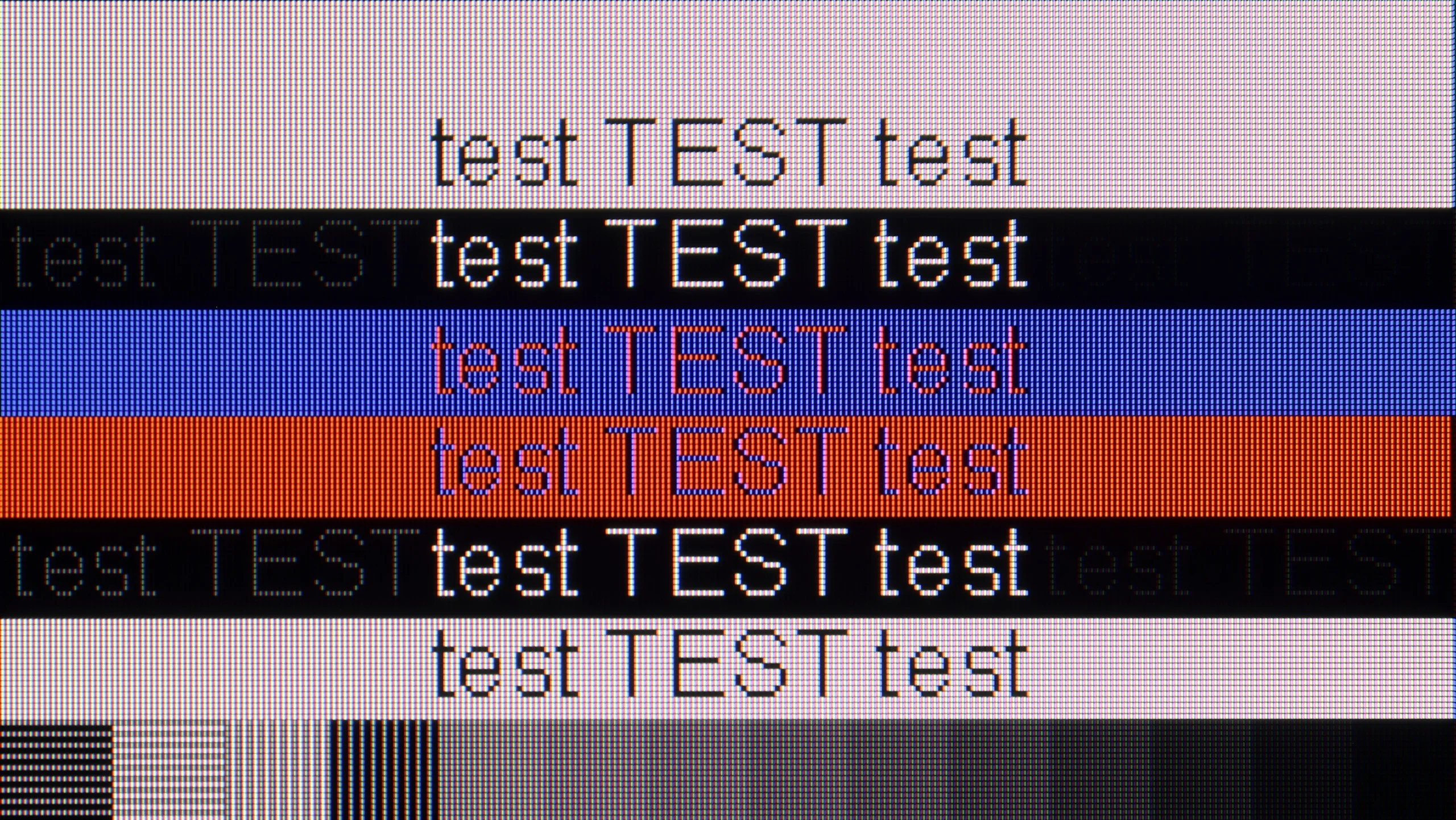
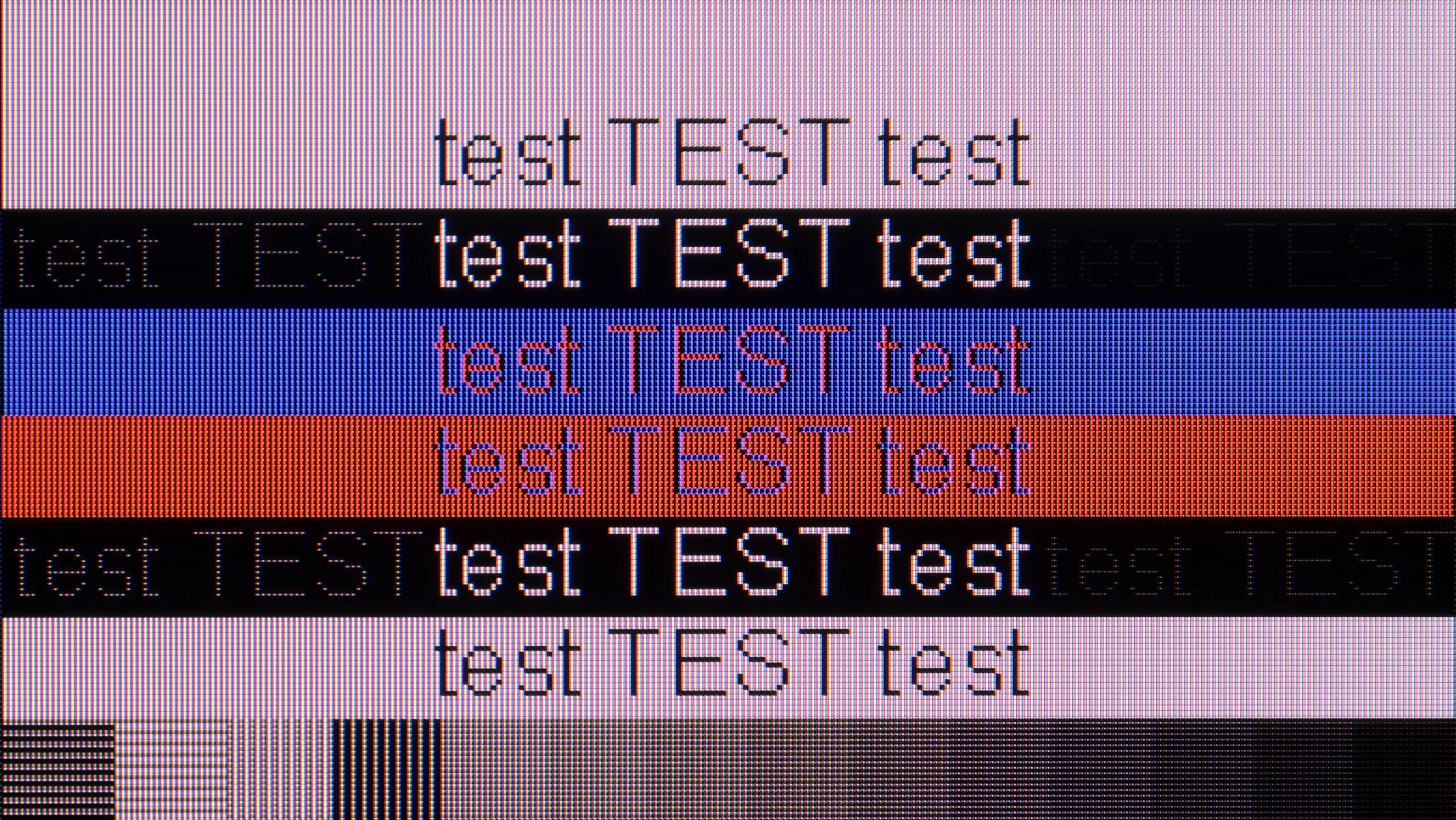
The photo shows the legibility of small fonts. Ideally, lines should be the same thickness on both light and dark text, with minimal pixel gaps.

Bravia 2 II handles a computer very well, at least if you think of it as a screen for work. Thanks to its IPS panel and accurate 4:4:4 chroma reproduction, fonts are sharp and readable regardless of their size, shape or colour. That’s particularly good news for people considering the smaller variant and placing it on a desk instead of a classic monitor. It looks much worse, however, from a gaming perspective. The TV doesn’t offer 120 Hz, VRR or other features that would interest more demanding PC gamers. So it’s very good for office work or watching content from a computer, but as a gaming screen it has quite a few limitations.

The TCL A400U works very well with a PC, mainly thanks to its extensive gaming capabilities. Support for 4K at 144 Hz or 288 Hz in Full HD, a functioning G-Sync and input lag of around 9 ms let you comfortably play even fast-paced titles.

Text legibility, however, depends on the selected refresh rate. At 120 Hz fonts look nearly perfect, regardless of size and colour. Switching to 144 Hz introduces a problem with the horizontal strokes of letters, especially darker ones. They are noticeably dimmer than the vertical strokes, making small text appear uneven despite retaining 4:4:4 chroma. If the A400U is also to be used as a work monitor, it’s best to stick to 120 Hz and only enable higher refresh rates for gaming. It's an inconvenience, but it mainly affects people sitting close to the screen and working with small fonts. When gaming or using the PC from the couch it won’t be a big issue.
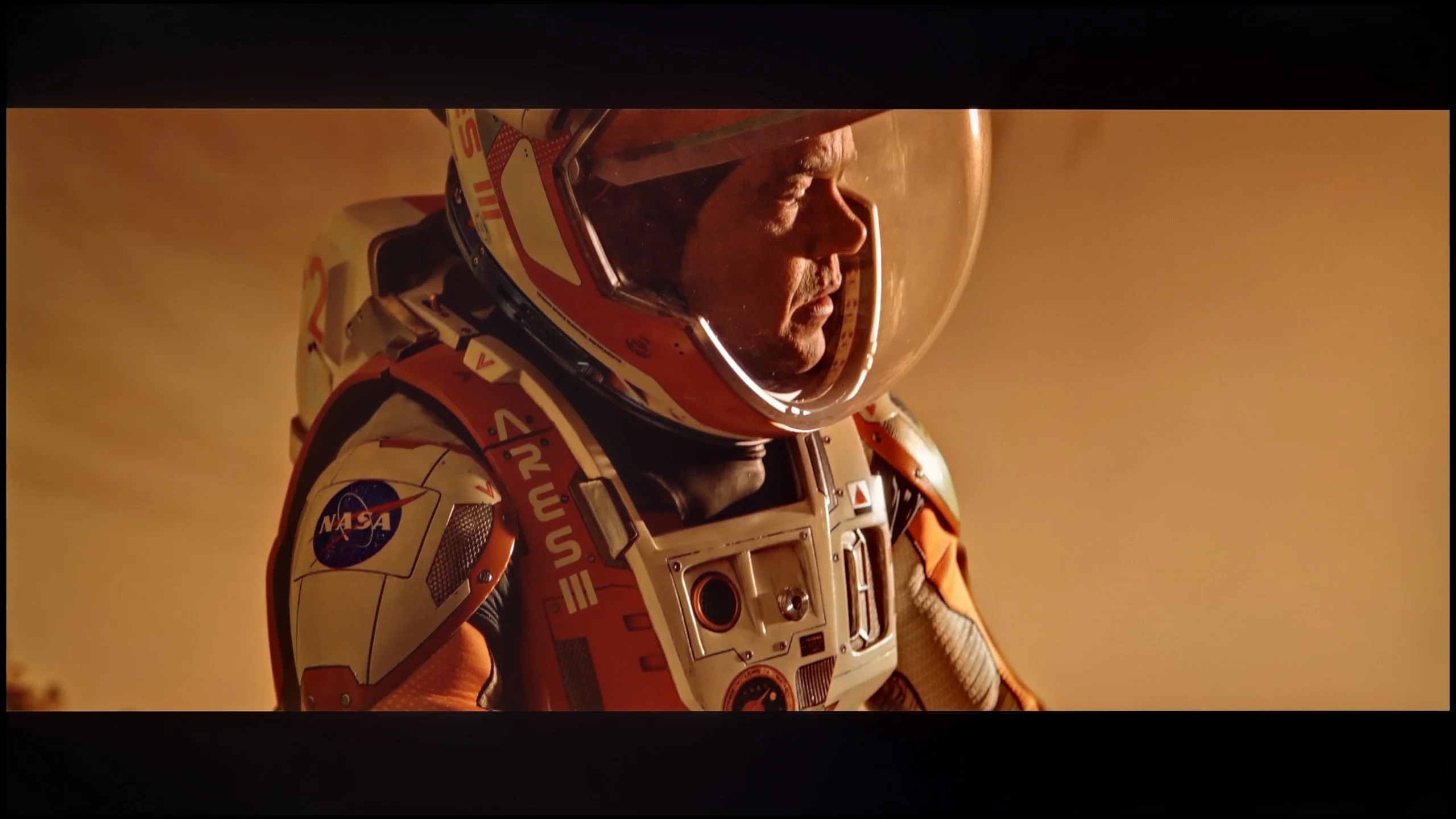
Viewing angles

6.5/10

3.6/10

Brightness drop at an angle of 45 degrees
62%
79%

Viewing angles are one of the Bravia 2 II's stronger points. Thanks to the IPS panel, colours and brightness remain accurate for quite a while even when we’re not sitting directly in front of the TV. In this area Sony regains some of the points it lost earlier on black levels and contrast. As a result, the Bravia 2 II may be better suited to a larger living room or a room where some people watch the TV from the side, especially if it will mainly be used for everyday TV.

Viewing angles aren't the strongest suit of the TCL A400U. The VA panel handles blacks well when viewed straight on, but colours lose saturation from the side and the image becomes less contrasty. It's not the worst performance among TVs with this kind of panel, but with a wider seating arrangement the difference between the middle and the edge will be noticeable. It clearly falls short of IPS screens, and even more so of OLEDs. So it's best to watch the A400U as straight on as possible if you want to retain full colour saturation and good black levels.

Daytime performance

4.8/10

8.5/10

Panel finish
Satin
Glare
Reflection suppression
Decent
Poor
Black levels during daytime
Good
Very Good

Panel brightness

TCL A400U: 1227 cd/m2

Sony BRAVIA 2 II (S25M2): 319 cd/m2

In daylight the Bravia 2 II performs rather average. Brightness of around 320 nits doesn’t leave much headroom, but in a typical, moderately bright living room it’s still enough to keep the picture readable. The screen’s matte coating does a decent job of reducing reflections, though it can’t eliminate them entirely. With strong light falling directly on the screen, there’s simply not enough brightness to effectively cut through the glare. So it will be fine for ordinary daytime viewing, but in a very bright room with lots of windows you may start to notice the limitations of this model.

TVs intended to act as interior decoration often use matte screens that reduce reflections and help achieve the look of a picture on the wall. The TCL A400U goes a different route. It has a fully glossy finish that, unfortunately, clearly reflects windows and lamps. You can also notice this while watching, especially when a bright reflection falls on a darker part of a film. On the plus side, it handles blacks and colours well in a lit room. The picture doesn't get washed out, and colours remain nicely saturated.

The A400U's biggest asset in daylight, however, is its brightness. The average from measurements was about 1300 nits, and even with the entire screen filled with white the TV held around 700 nits. That's a very good result, which allows comfortable viewing even in a brightly lit living room. You just need to choose the screen's placement sensibly. The A400U has enough power to cope with a bright environment, but it won't remove reflections from a large window positioned directly opposite it.

Panel details

Backlight Type
White LED
Mini-LED PFS LED
Software version during testing
6120800301
v8-0012t01-lf1v641.003171
Image processor
mt5896 2,5gb RAM
mt5896 2,5GB RAM

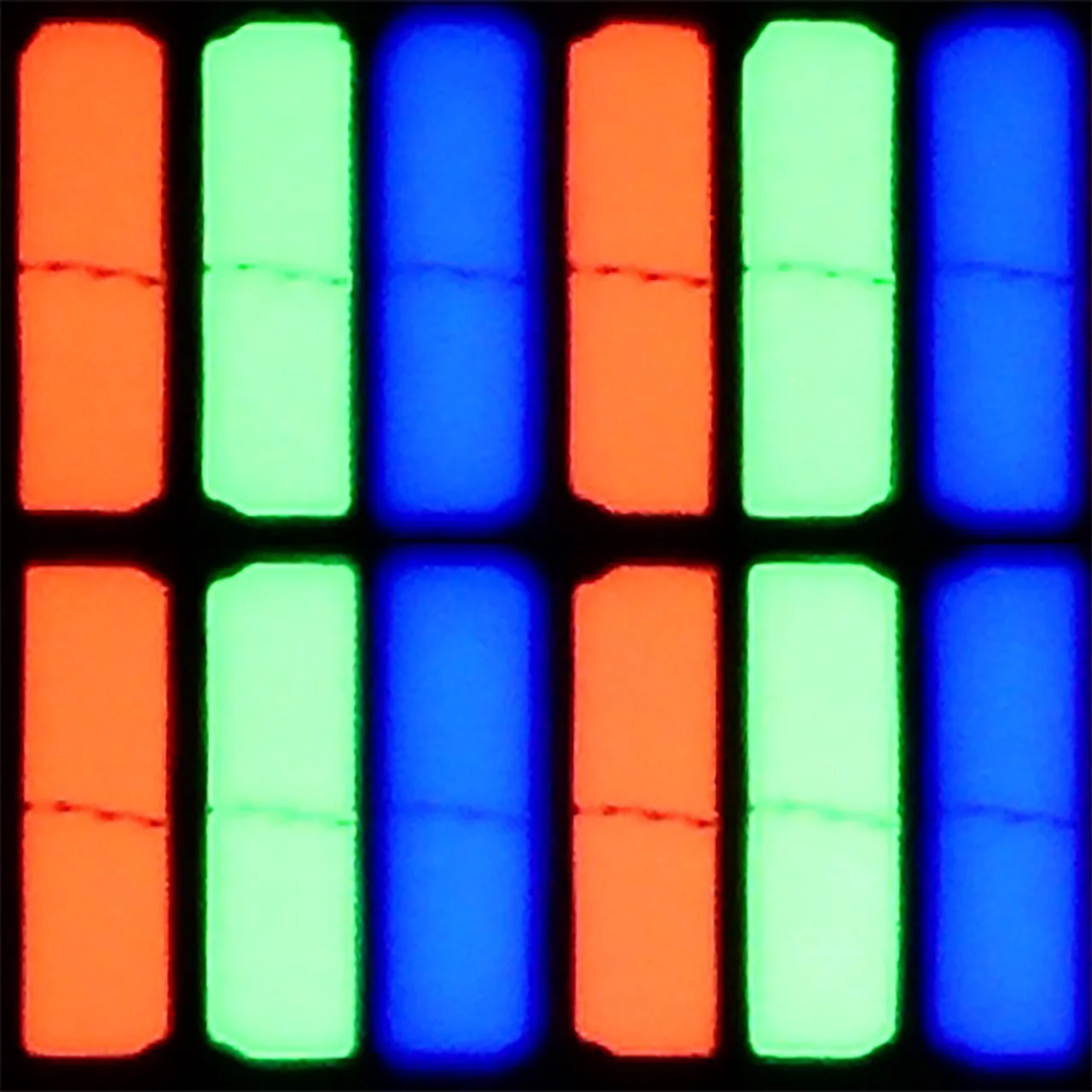
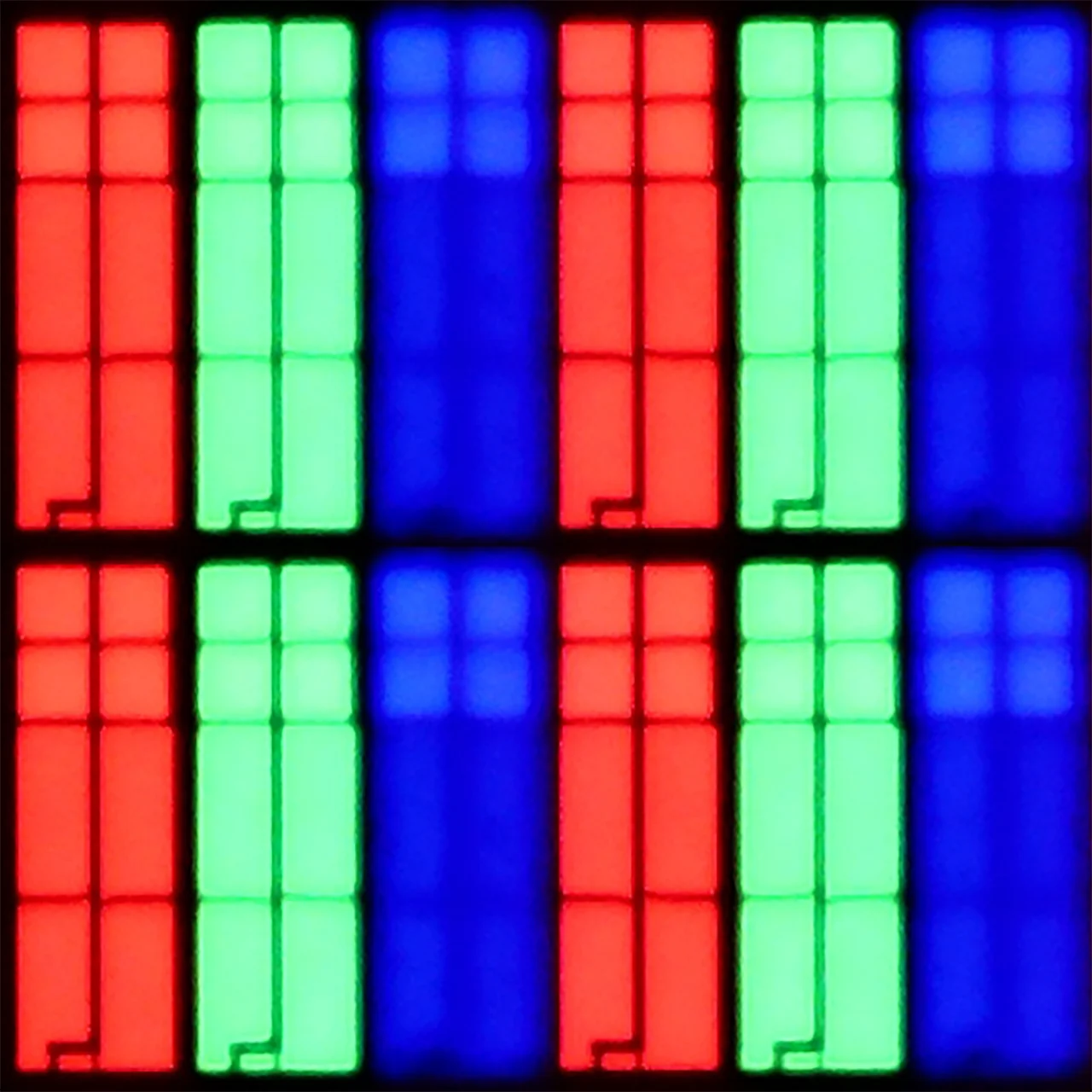
Subpixel Structure:

Panel uniformity and thermal imaging:

Review Sony BRAVIA 2 II (S25M2) TV Panel details
Review TCL A400U TV Panel details

Sony BRAVIA 2 II (S25M2)

TCL A400U

TV features

6.6/10

7.8/10

  • System
    Google TV
    Google TV
  • System performance
    Decent
    Good
  • HDMI inputs
    4 x HDMI 2.0, 0 x HDMI 2.1
    2 x HDMI 2.0, 2 x HDMI 2.1 48Gbps
  • Outputs
    Toslink (Optical audio), eARC (HDMI), ARC (HDMI)
    Toslink (Optical audio), eARC (HDMI), ARC (HDMI)
  • Network Interfaces
    Wi-Fi 2.4GHz, Wi-Fi 5GHz, Ethernet (LAN) 100Mbps
    Wi-Fi 2.4GHz, Wi-Fi 5GHz, Ethernet (LAN) 100Mbps
  • TV reception
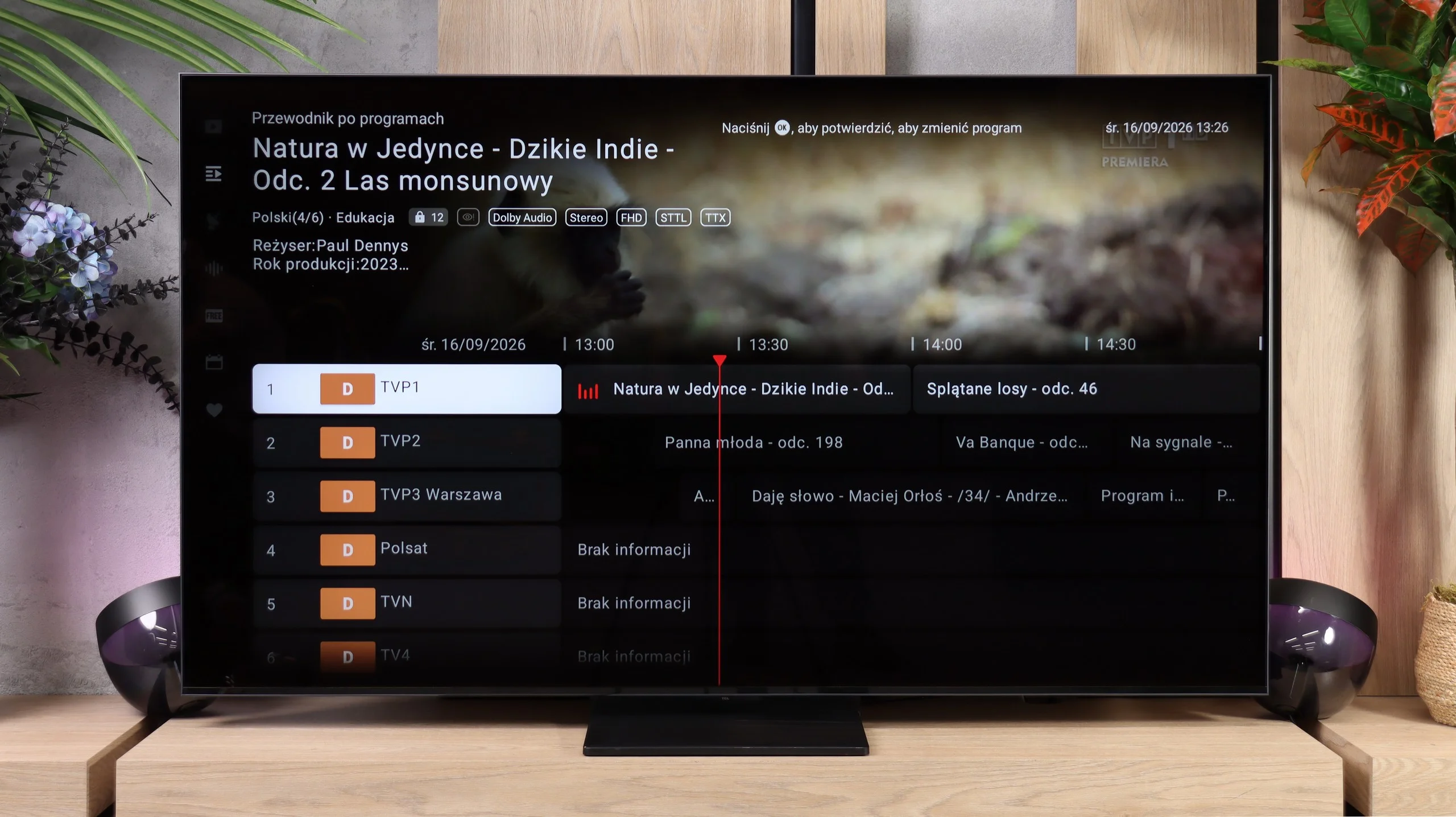
    DVB-T, DVB-T2, DVB-S, DVB-S2, DVB-C
    DVB-T, DVB-T2, DVB-S, DVB-S2, DVB-C

Classic features:

  • Recording to USB (terrestrial TV)
    No
    No
  • Recording programming
    No
    No
  • Picture in Picture (PiP)
    No
    No
  • RF remote control (no need to aim)
    Yes
    Yes
  • Backlit remote control
    No
    No
  • Teletext
    Yes
    Yes
  • Audio only mode
    Yes
    Yes
  • Bluetooth headphones support
    Yes
    Yes
  • Simultaneous Bluetooth headphones & TV audio
    No
    Yes

Smart features:

  • AirPlay
    Yes
    Yes
  • Screen mirroring (Windows Miracast)
    No
    Yes
  • Voice search
    Yes
    Yes
  • Voice search in native language
    Yes
    Yes
  • Ability to connect a keyboard and mouse
    Yes
    Yes
Review Sony BRAVIA 2 II (S25M2) TV features
Review TCL A400U TV features

Sound connection options

  • HDMI audio
    eARC (HDMI), ARC (HDMI)
    eARC (HDMI), ARC (HDMI)
  • Other audio outputs
    Toslink (Optical audio)
    Toslink (Optical audio)
  • Wireless audio
    Bluetooth
    Bluetooth

Supported audio formats (external HDMI eARC audio):

  • Dolby Digital Plus 7.1
    Yes
    Yes
  • Dolby True HD 7.1
    Yes
    Yes
  • Dolby Atmos in Dolby Digital Plus (JOC)
    Yes
    Yes
  • Dolby Atmos in Dolby True HD
    Yes
    Yes
  • DTS:X in DTS-HD MA
    Yes
    Yes
  • DTS-HD Master Audio
    Yes
    Yes

Senior accessibility

  • Numeric keyboard on TV
    Yes
    Yes
  • Font size adjustment
    No
    Yes
  • Audio description
    Yes
    Yes

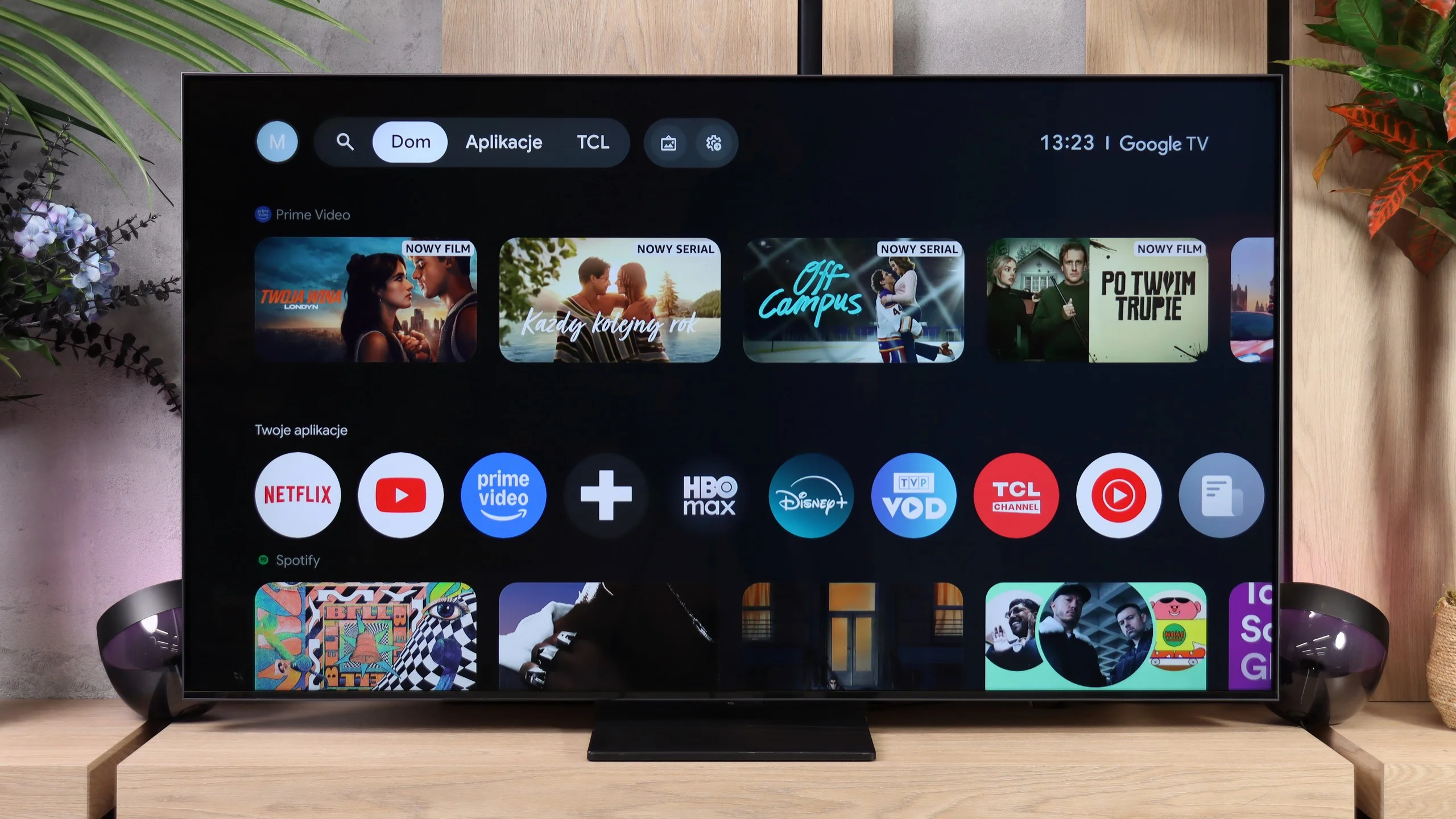
Google TV

Bravia 2 II runs Google TV, which is definitely one of this model's stronger points. First and foremost, you get a huge range of apps, so accessing popular streaming services is no problem. It also has Chromecast and AirPlay, making it easy to cast content from your phone or other devices. Voice search with Google Assistant/Gemini works very well, including in Polish. The system itself isn't the fastest version of Google TV we've used, and you sometimes have to wait a moment for a response, but overall it performs decently. In terms of features it's hard to complain — especially for one of Sony's more affordable TVs.

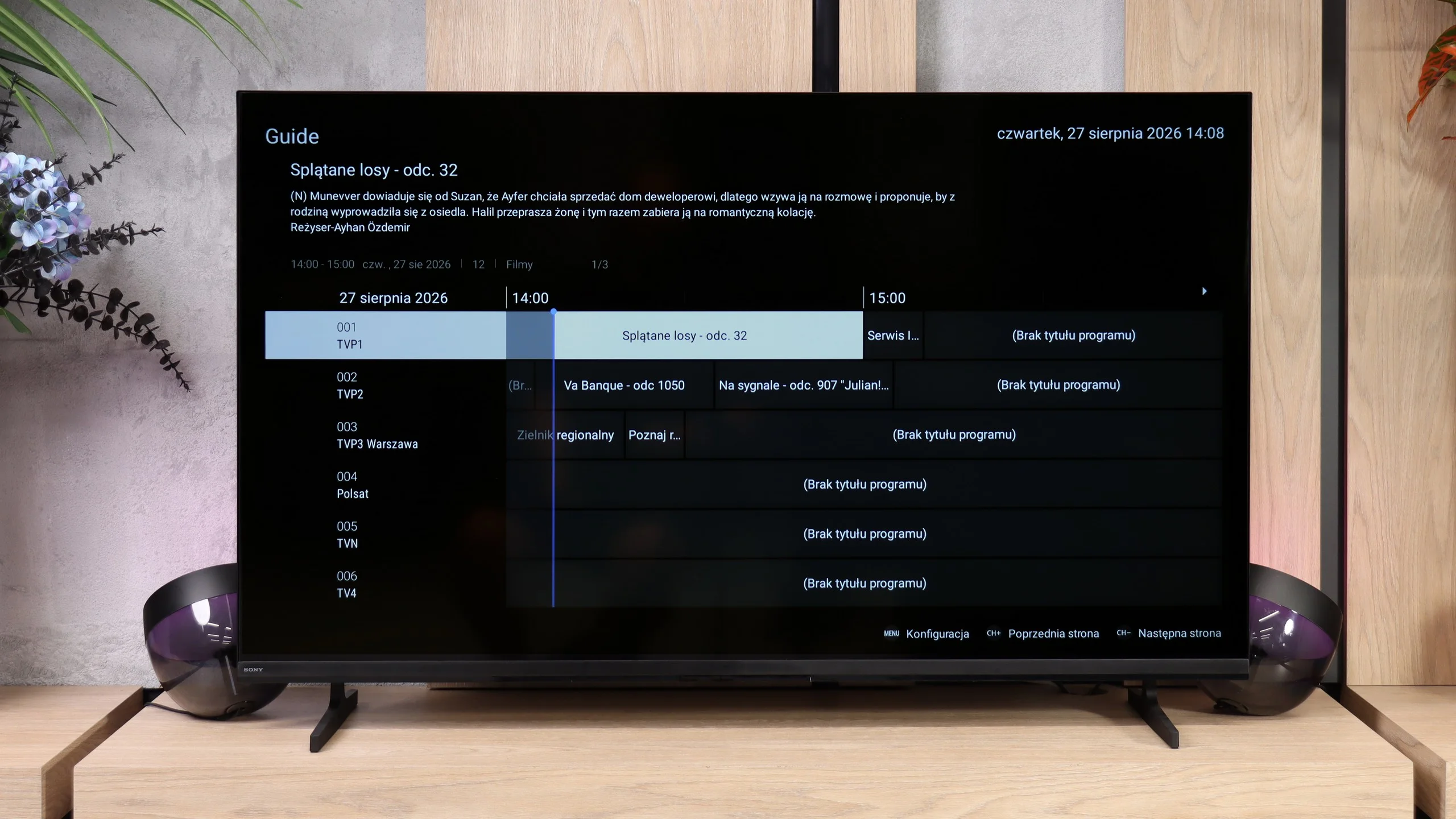
Funkcje telewizyjne

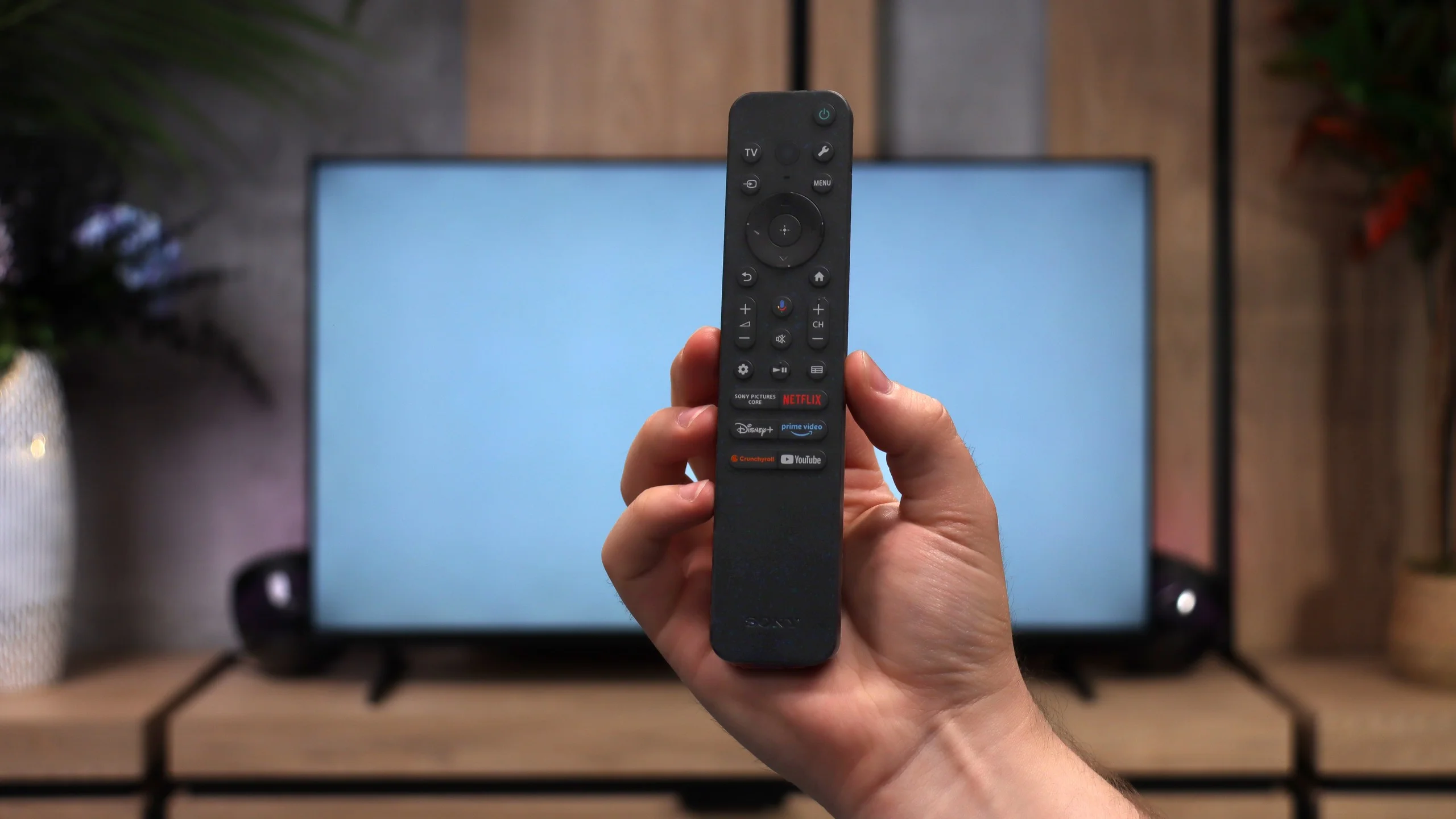
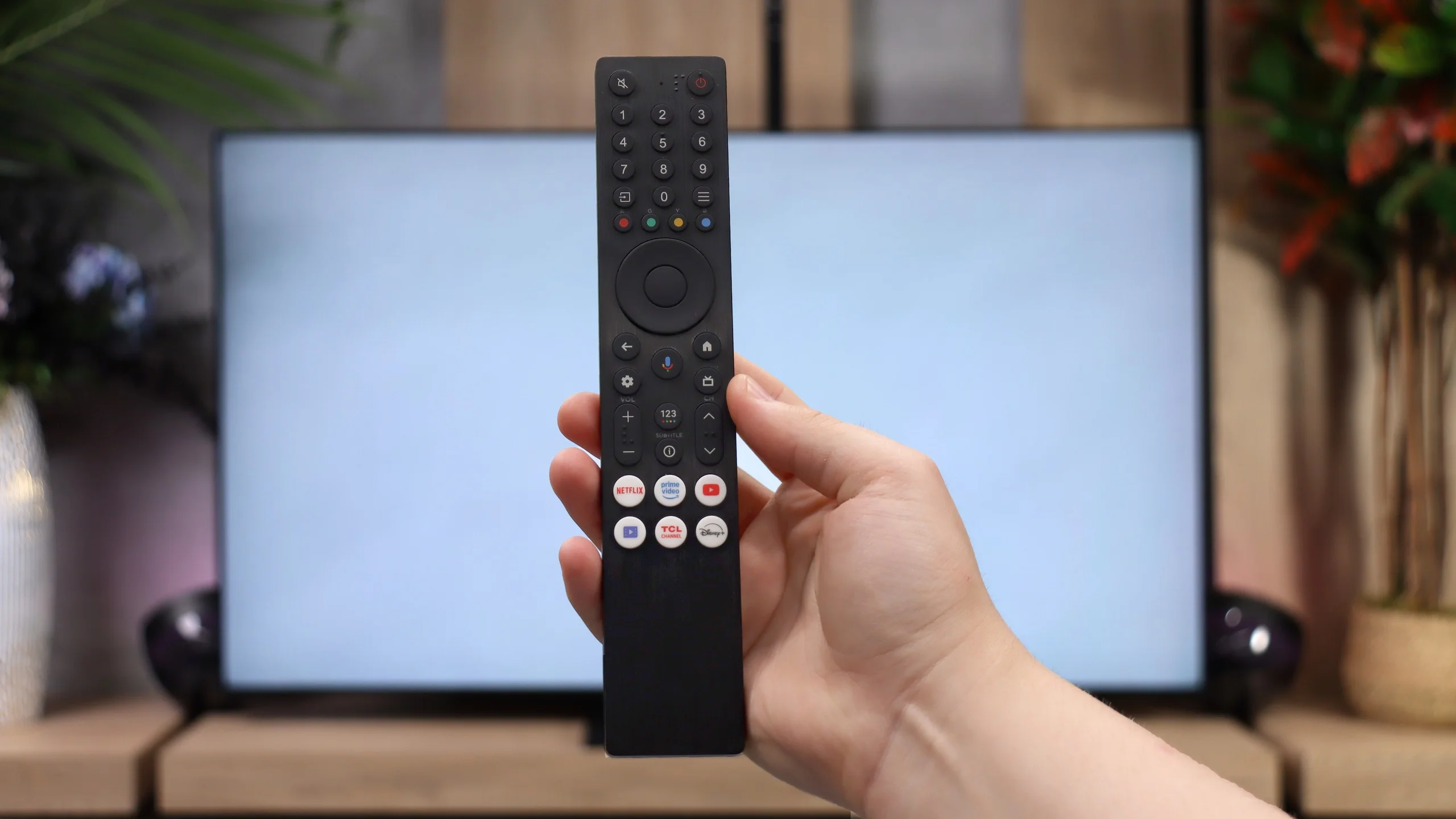
When it comes to traditional TV features, the Bravia 2 II is rather modest. For example, there's no recording to USB or other more advanced extras, so in that respect it's fairly basic. A plus is the inclusion of two remotes. One is modern and simpler, mainly for using the Smart TV, while the other is a classic remote with more buttons, which may be more convenient for people who often watch regular TV. The smaller one works via radio, so you don't have to point it directly at the screen, which is simply more convenient in everyday use.

Google TV

Google TV in the A400U runs smoothly and makes it easy to use the TV without plugging in an external set-top box. The app selection is wide, so it’s easy to find something to watch, and Polish voice search is handy when you’re looking for a specific film. Instead of tediously picking letters with the remote, just say the title. You can also cast content from your phone to the screen without much fuss. People watching traditional TV have slightly fewer options. The lack of USB recording means you can’t save your favourite programme for later without an external decoder.

Practical features

The A400U has a few handy features. For example, you can connect Bluetooth headphones while keeping the TV speakers on. There are, however, some shortcomings, especially for those using traditional TV. You can’t record programmes to USB, and there’s no picture-in-picture mode to show two sources at once. It’s also worth thinking about connecting extra equipment. Of the four HDMI inputs, only two support high refresh rates at 4K, and one of those is also used for audio via eARC. If a soundbar occupies that port, only one high-refresh 4K input will remain for a console or PC. With a single console that’s no problem, but a more elaborate setup may run out of ports.

Remote

With the A400U’s refined looks, it’s a shame the remote didn’t get the same attention. A large plastic body with lots of buttons looks rather ordinary next to such a well-made TV. A more minimalist remote, like the one on the C8L, would suit this model’s character much better. The A400U is, of course, the cheaper device, but since looks are one of its main selling points, why not? 😉. In everyday use the remote works well and you don’t need to aim it at the screen, although backlit buttons would be useful in the evening.

Apps

9.6/10

9.6/10

OK
Disney_Plus
OK
Amazon_Prime_Video
OK
Player_TVN
OK
Polsat_Box_Go
OK
Canal_Plus_Online
OK
TVP_VOD
OK
Apple_TV_Plus
OK
SkyShowtime
OK
Rakuten
OK
CDA_Premium_Browser
OK
Spotify
OK
Tidal
OK
Netflix
OK
YouTube
OK
HBO_MAX
OK
Kodi
No
Apple_music
OK
Eleven_sports
No
Xbox Game Pass
OK
GeForce NOW
No
Amazon Luna
OK
Boosteroid
OK
Steam Link
OK
Disney_Plus
OK
Amazon_Prime_Video
OK
Player_TVN
OK
Polsat_Box_Go
OK
Canal_Plus_Online
OK
TVP_VOD
OK
Apple_TV_Plus
OK
SkyShowtime
OK
Rakuten
OK
CDA_Premium_Browser
OK
Spotify
OK
Tidal
OK
Netflix
OK
YouTube
OK
HBO_MAX
OK
Kodi
No
Apple_music
OK
Eleven_sports
No
Xbox Game Pass
OK
GeForce NOW
No
Amazon Luna
OK
Boosteroid
OK
Steam Link

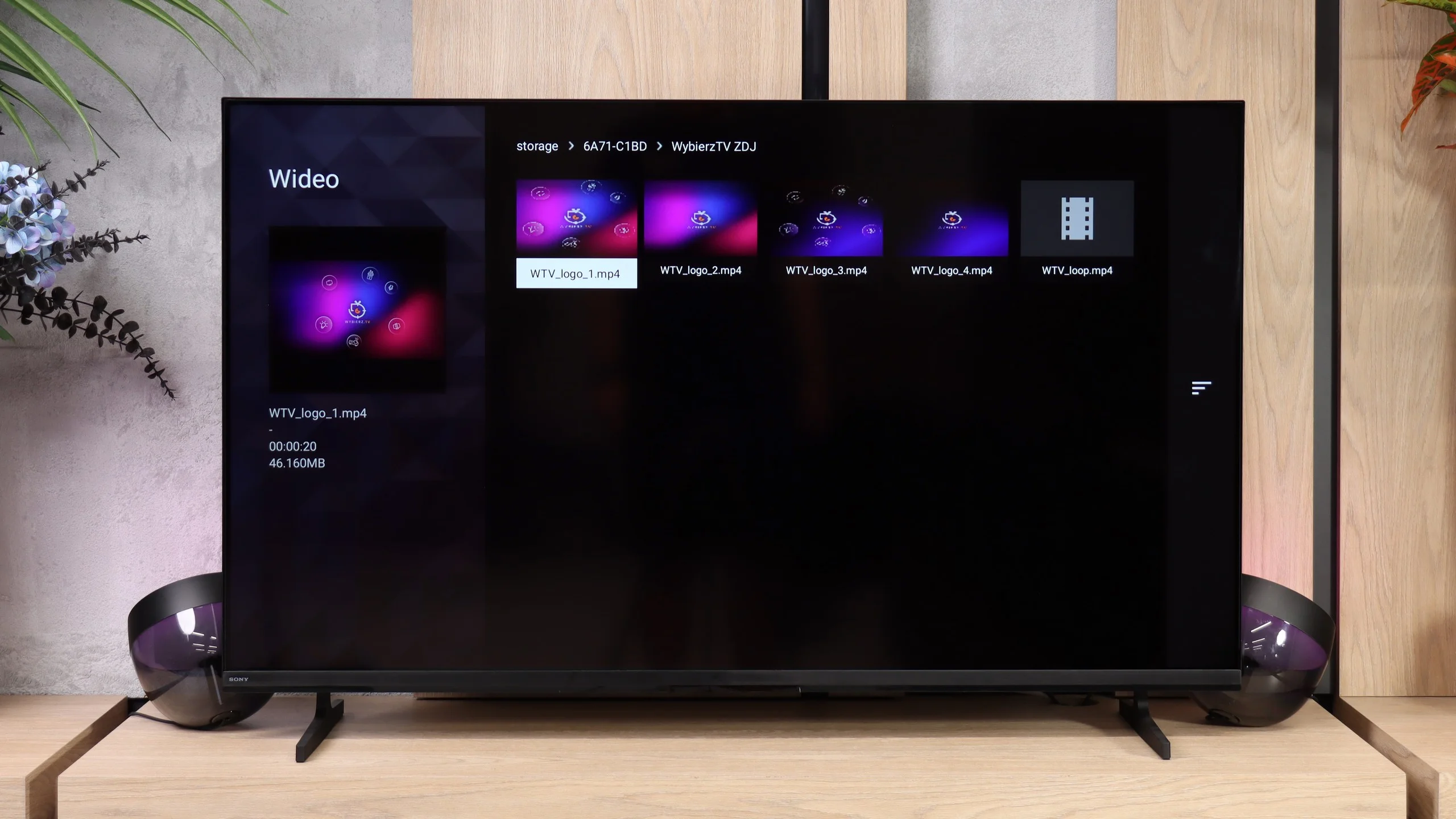
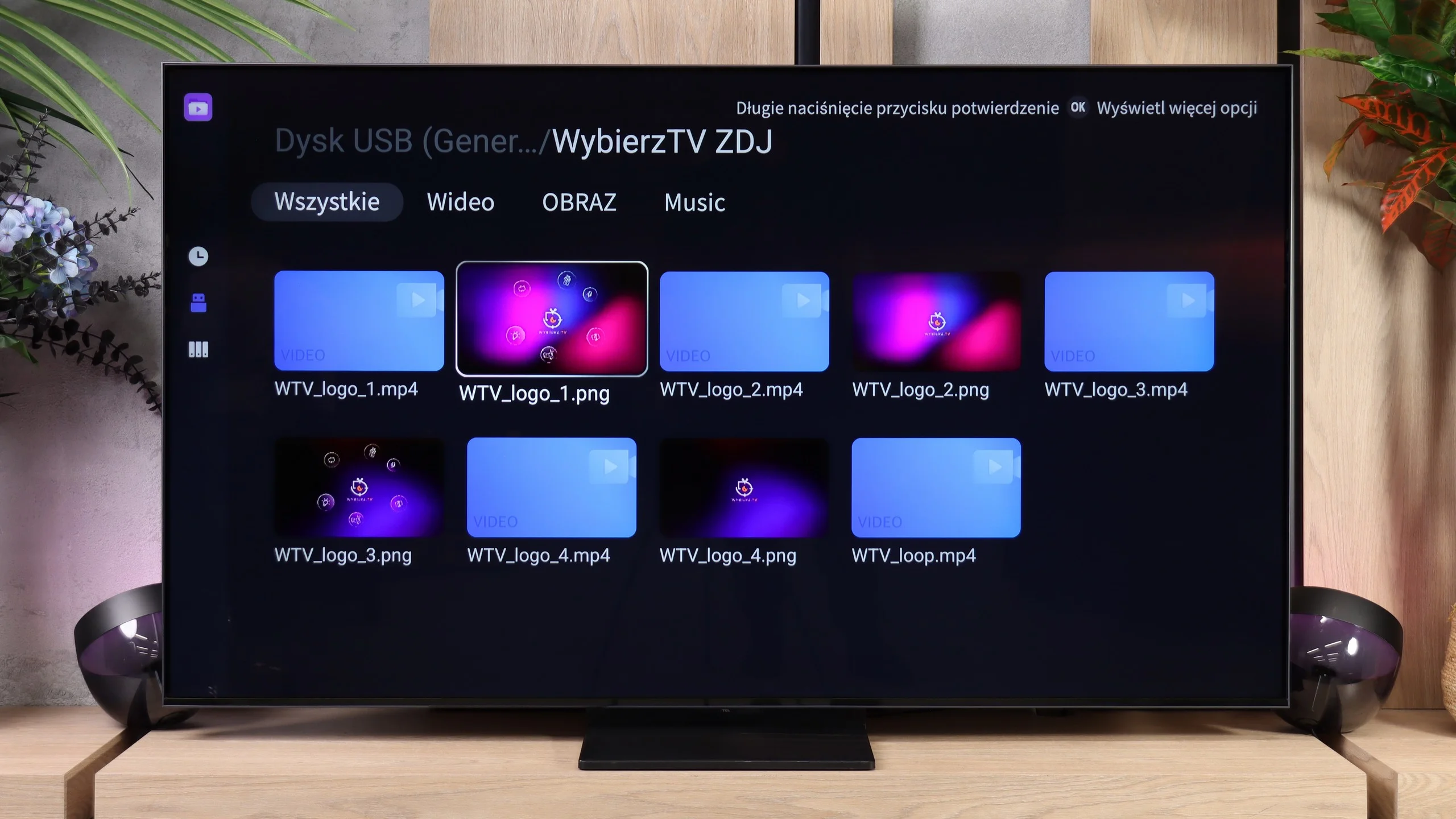
Playing files from USB

9.4/10

9.4/10

Supported photo formats:

JPEG
Yes
Yes
HEIC
Yes
Yes
PNG
Yes
Yes
GIF
Yes
Yes
WebP
Yes
Yes
TIFF
No
No
BMP
Yes
Yes
SVG
No
No

Maximum photo resolution:

4 Mpix
Yes
Yes
6 Mpix
Yes
Yes
8 Mpix
Yes
Yes
10 Mpix
Yes
Yes
12 Mpix
Yes
Yes
16 Mpix
Yes
Yes
20 Mpix
Yes
Yes
24 Mpix
Yes
Yes
28 Mpix
Yes
Yes
32 Mpix
Yes
Yes

The built-in file player performs very well. The Bravia 2 II opens almost everything you throw at it, from common video files and subtitles to photos and music. Importantly, it also handles more demanding 4K material encoded in HEVC or AV1. Of course, there are a few isolated formats the TV doesn’t support, such as VVC or some less common audio and image files. These are things few people will try to play directly on the TV.

The built-in USB player in the TCL A400U performs very well. It opened almost all the video files, photos and music tracks we tested, so to play your own material from a USB stick the TV’s out-of-the-box capabilities are usually sufficient. One small caveat is the lack of support for subtitles in .txt format. If you have an older collection of films with such subtitles, you may need to convert them or install a different media player. There’s no issue with popular .srt and .sub formats.

Sound

6.1/10

6.7/10

  • Maximum volume
    92dB
    82dB
  • Dolby Digital Plus 7.1
    Yes
    Yes
  • Dolby True HD 7.1
    Yes
    No
  • Dolby Atmos in Dolby Digital Plus (JOC)
    Yes
    Yes
  • Dolby Atmos in Dolby True HD
    No
    No
  • DTS:X in DTS-HD MA
    Yes
    Yes
  • DTS-HD Master Audio
    Yes
    Yes

Sound in the Bravia 2 II is simply adequate for an entry-level TV. It’s more than enough for watching regular TV, like the news, but as with this type of design it mainly lacks bass. You notice it quite quickly with music and even more in action films, where explosions and other heavy effects lack real weight. Sony does deserve praise for its audio format support. When you connect a soundbar or a home theatre system, the TV will pass the key formats over eARC with no trouble, including Dolby Atmos, Dolby TrueHD, DTS-HD Master Audio and DTS:X. It’s especially welcome to see DTS included, which can’t always be taken for granted on rival TVs, even the pricier models.

The sound in the TCL A400U is unfortunately as flat as its casing. The built-in 2.0 system with 20 W output is enough for watching the news or everyday TV programmes, but it clearly lacks bass for films and music. Explosions lack punch and music sounds rather thin. The slim design comes at a cost, so for movie nights it's worth considering a soundbar, preferably with a separate subwoofer. The TV supports Dolby Atmos and DTS, so additional speakers will also make better use of the spatial audio tracks.


Sound Quality Test

Acoustic Measurements

92dBC (Max)

75dBC

82dBC (Max)

75dBC

Reader comments

Comments are provided by the external service Disqus (Zeta Global). Once loaded, Disqus may set cookies and process data about your activity.

We will remember your choice on this device. Provider's privacy policy