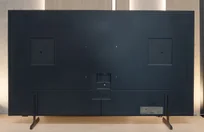
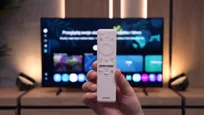
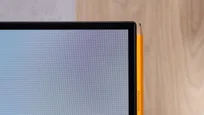
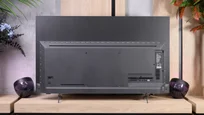
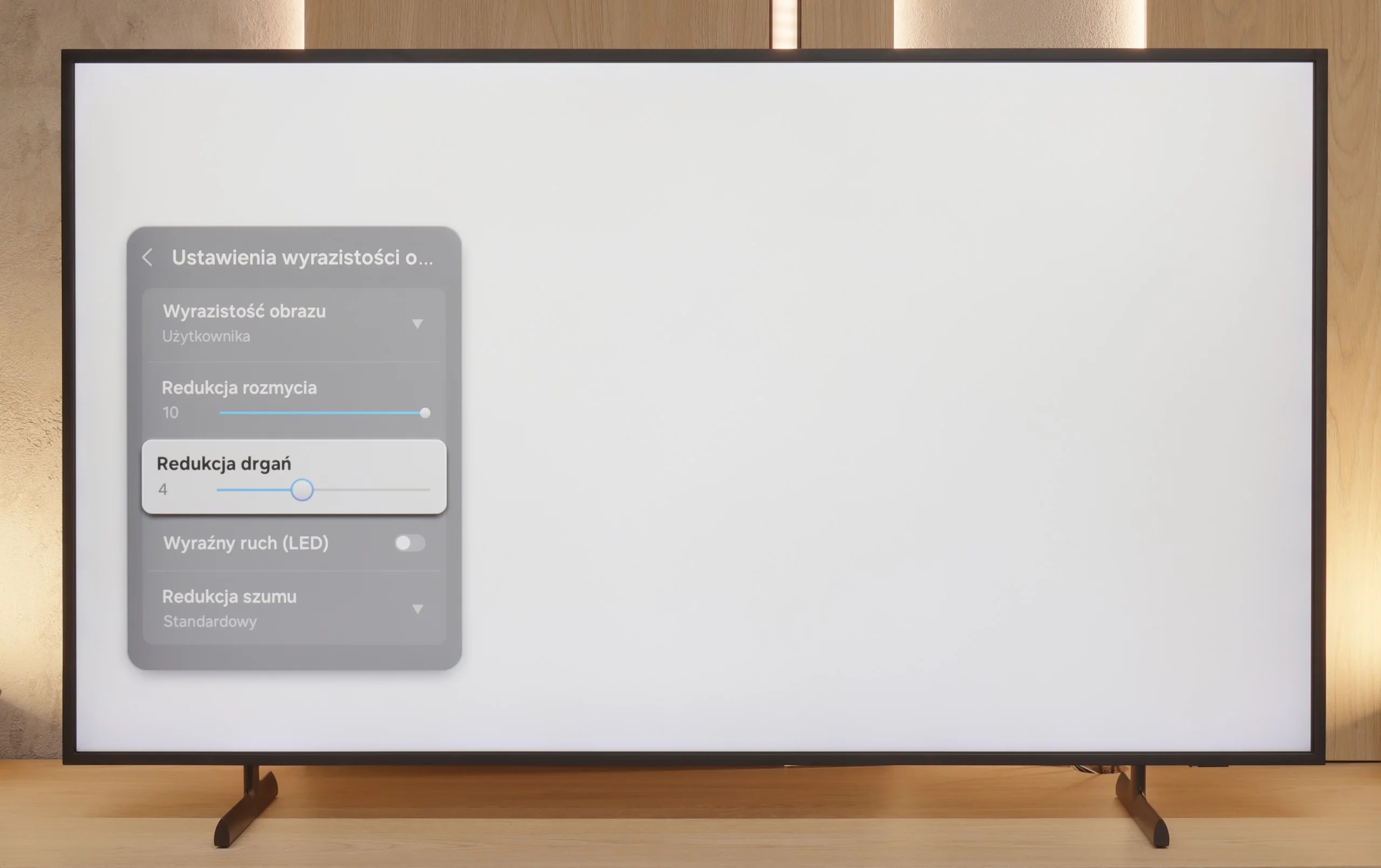
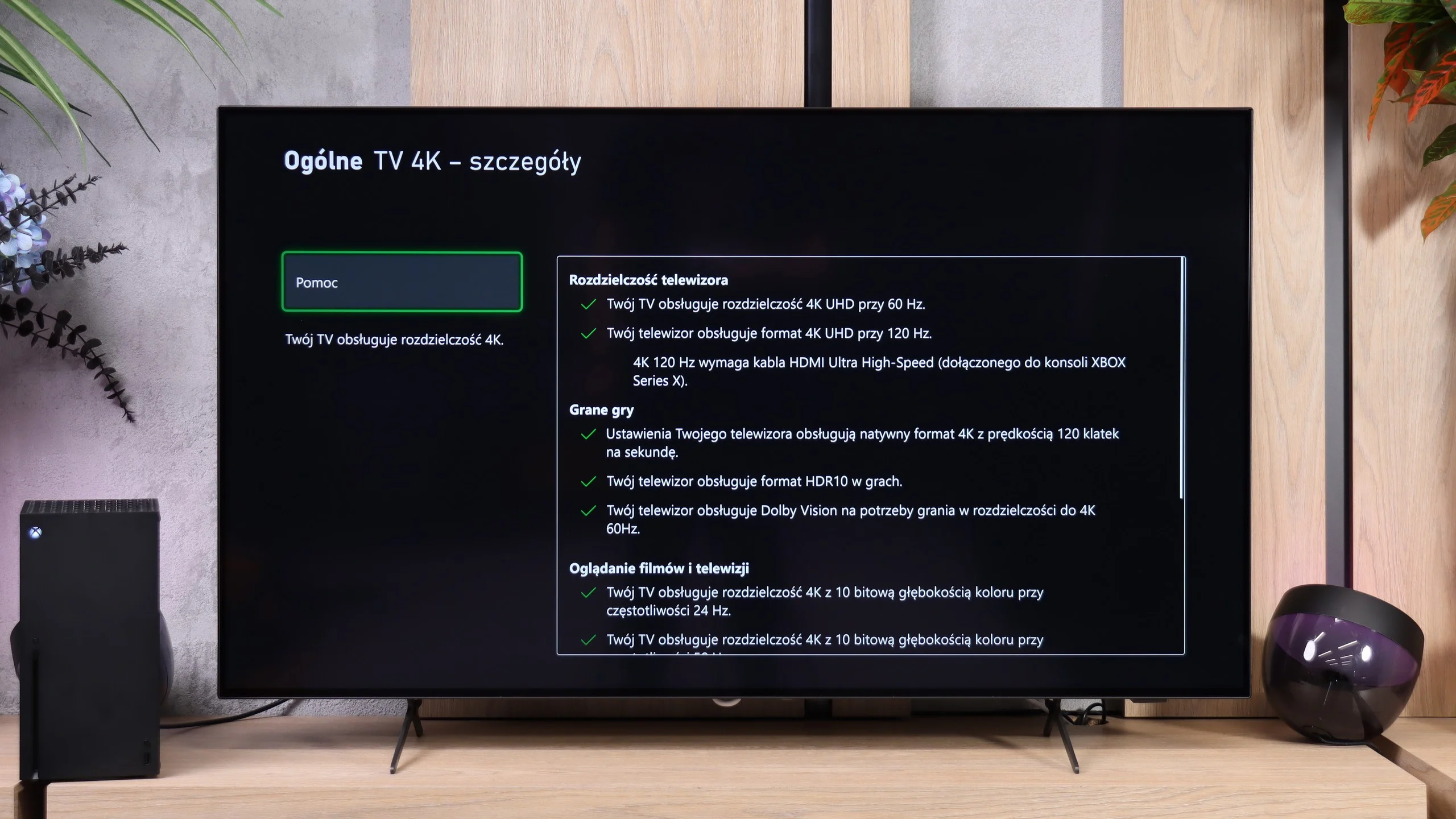
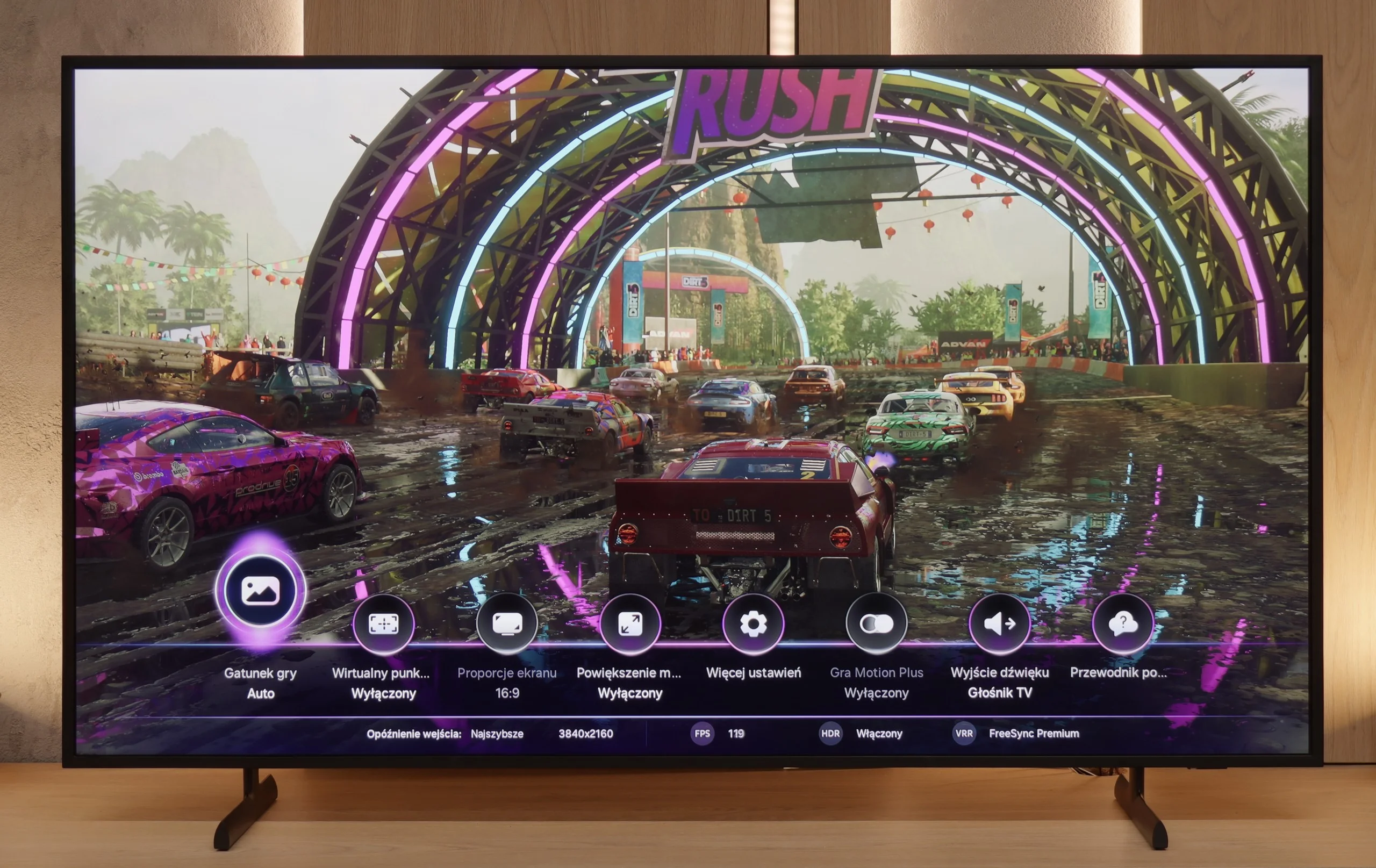
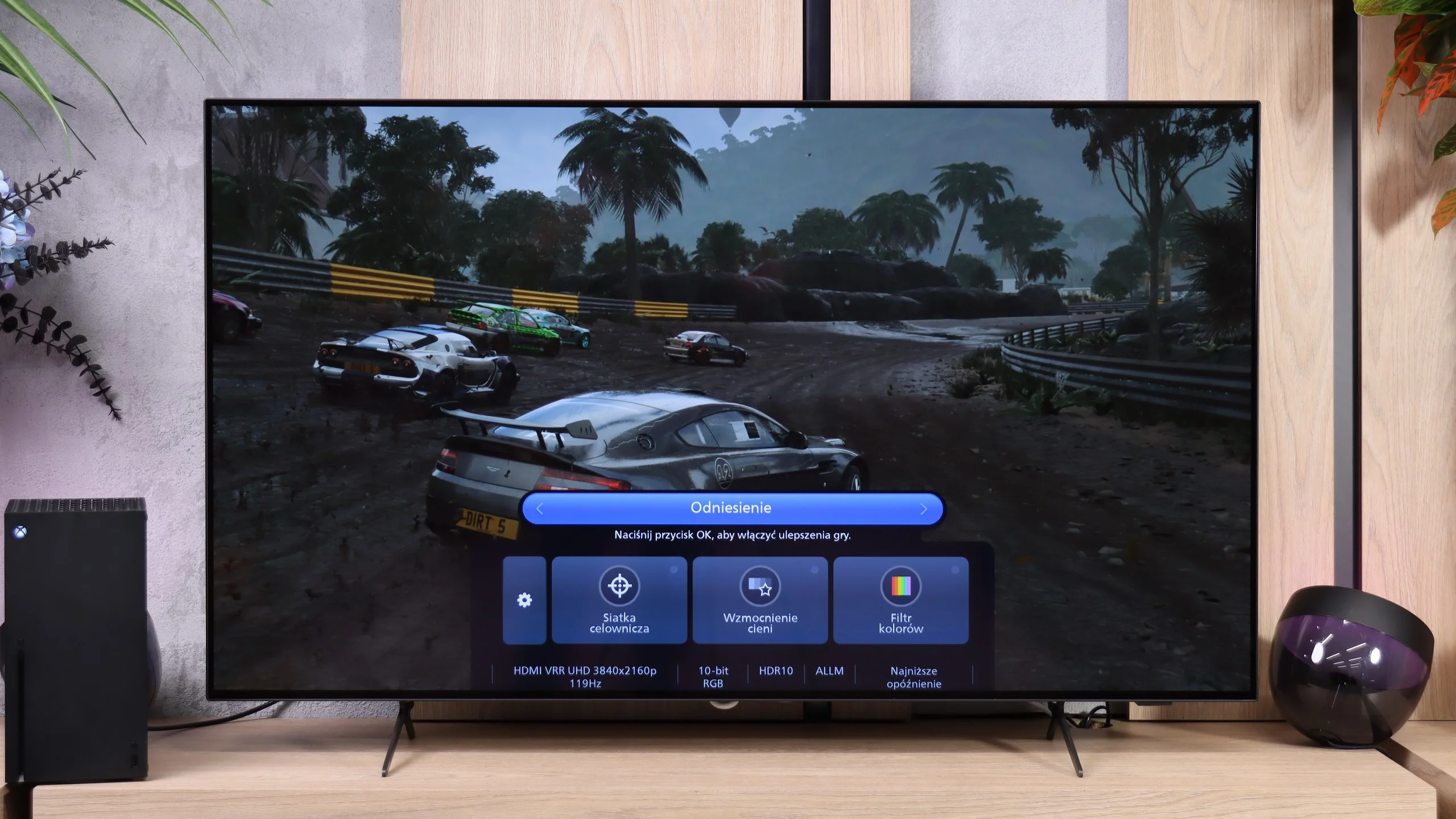
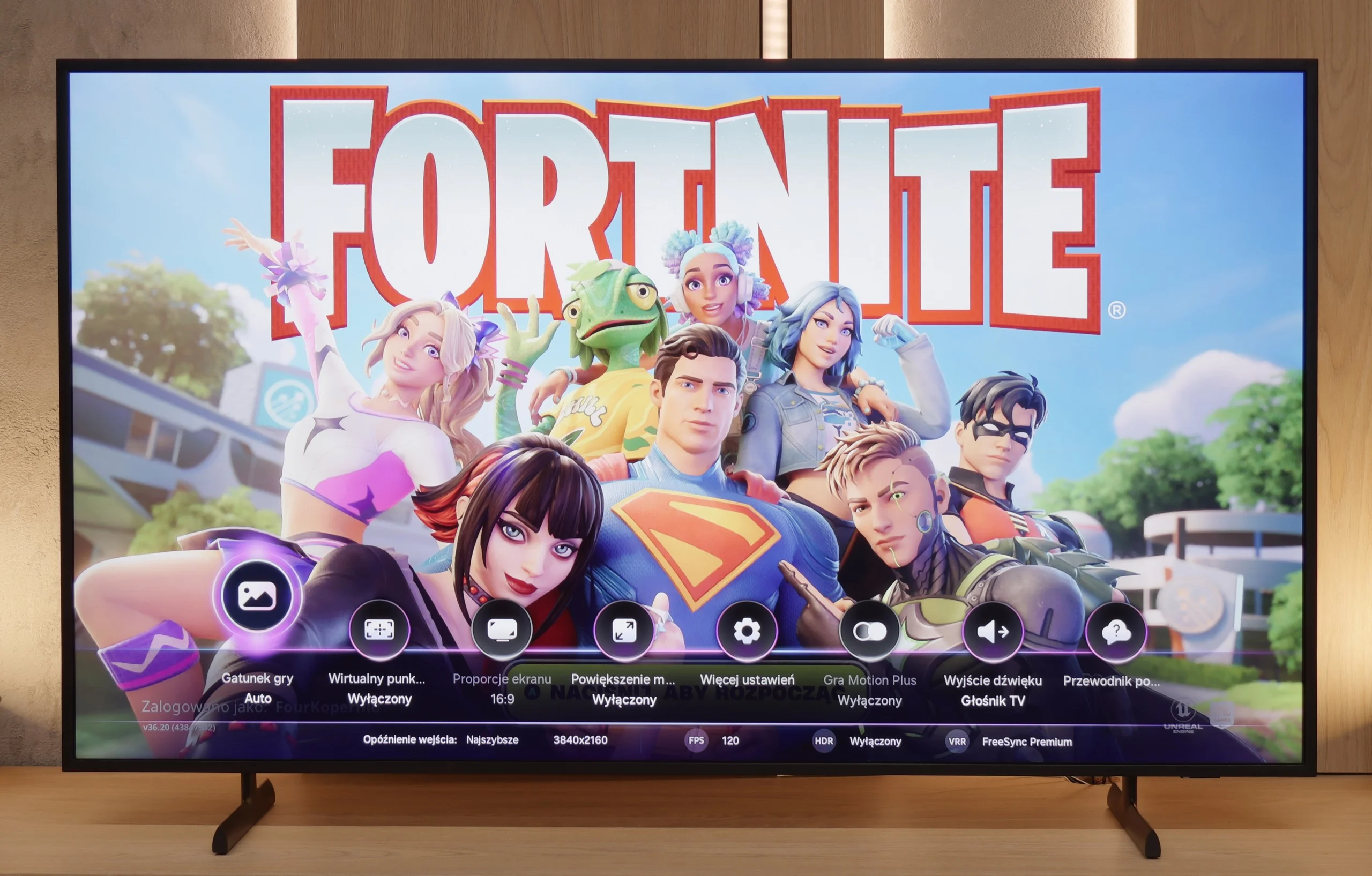
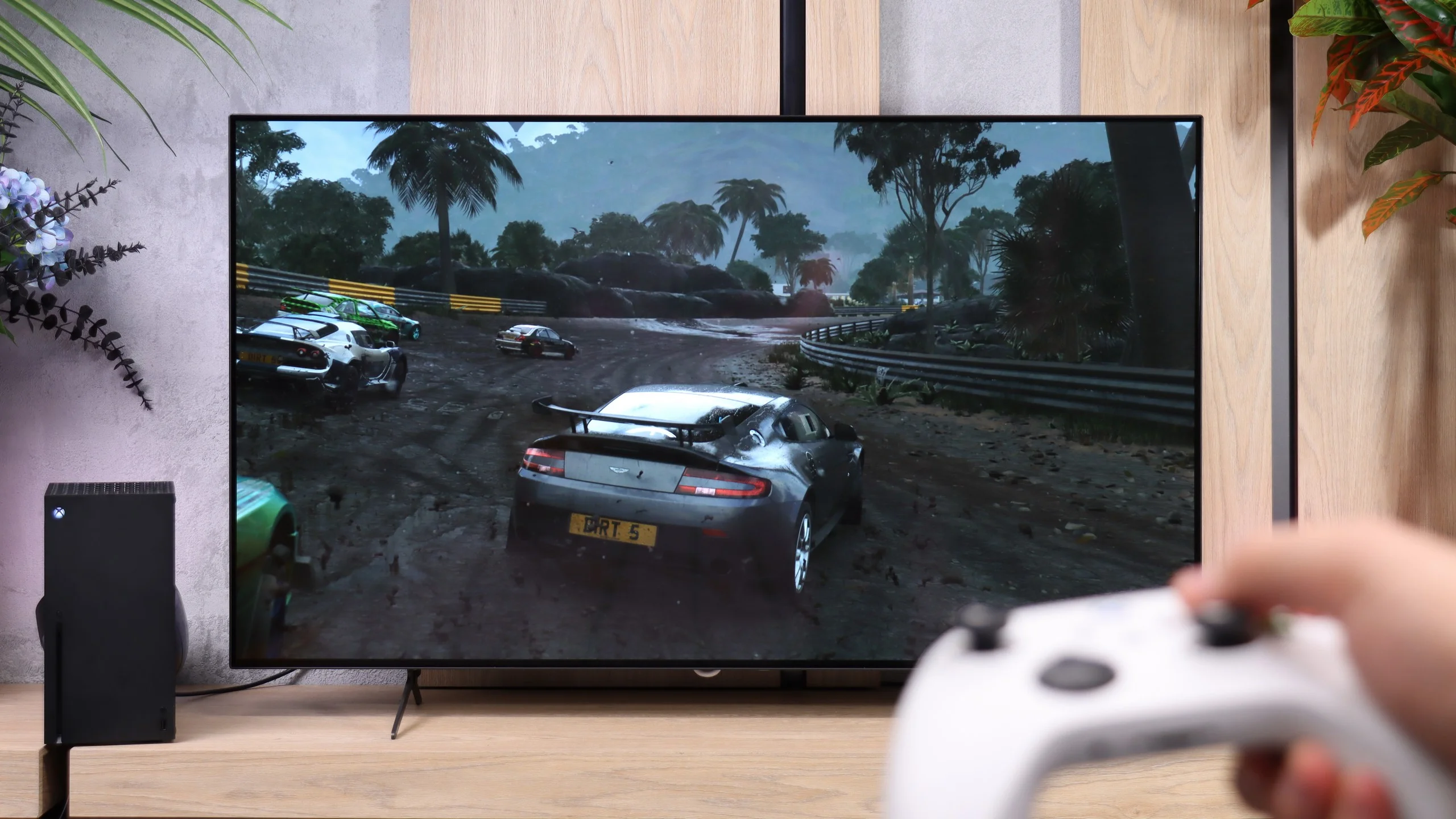
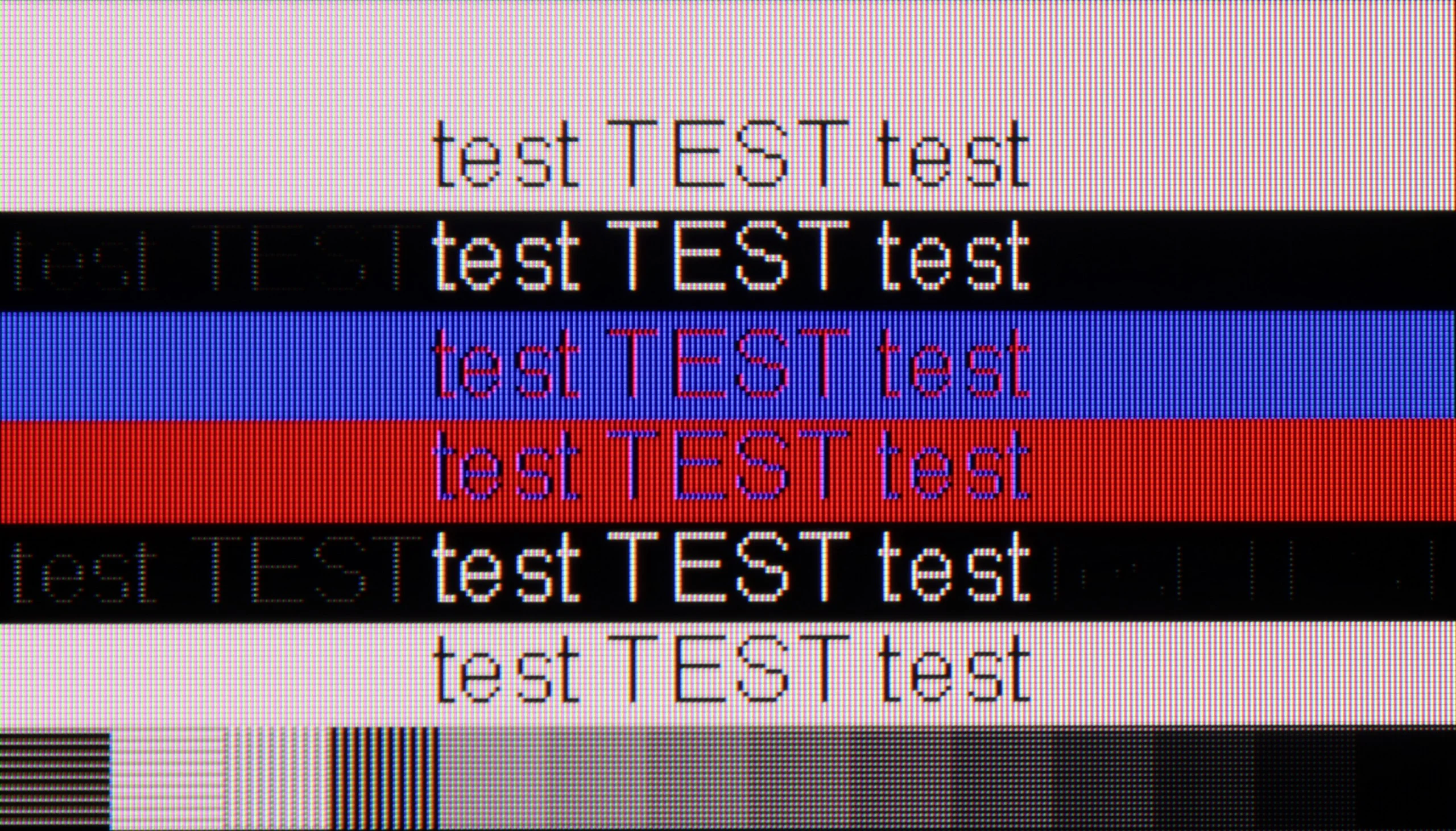
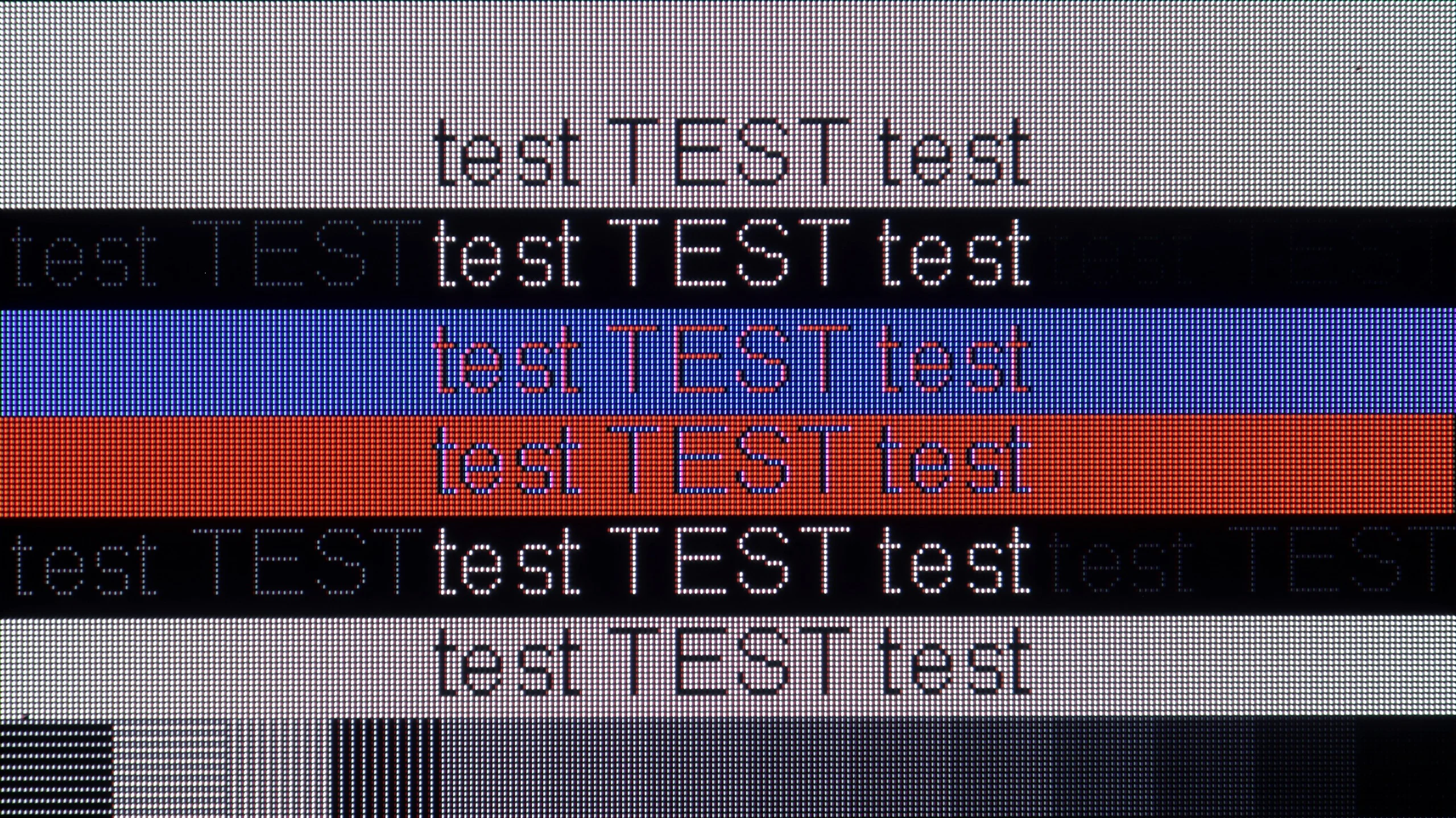
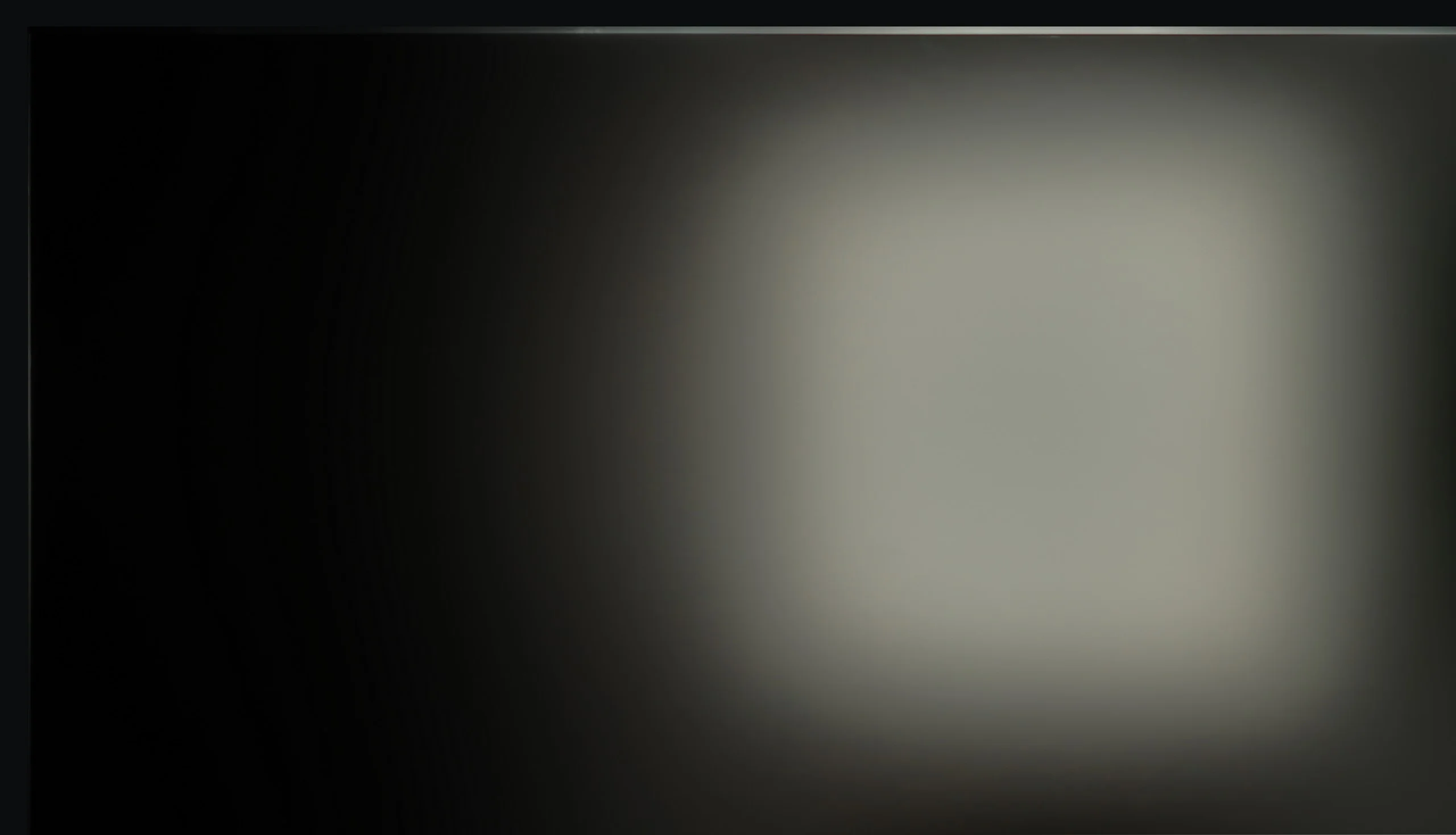
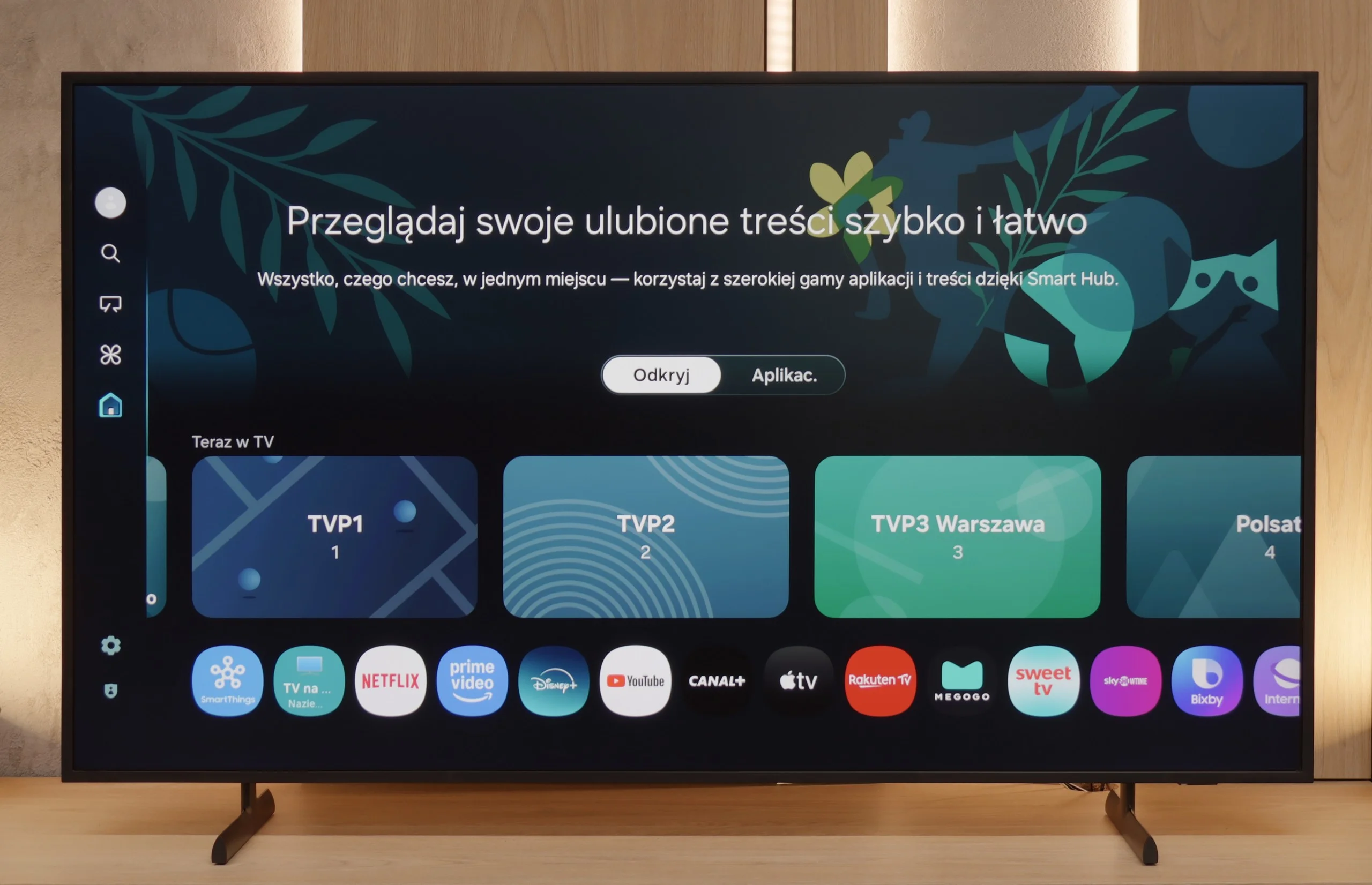
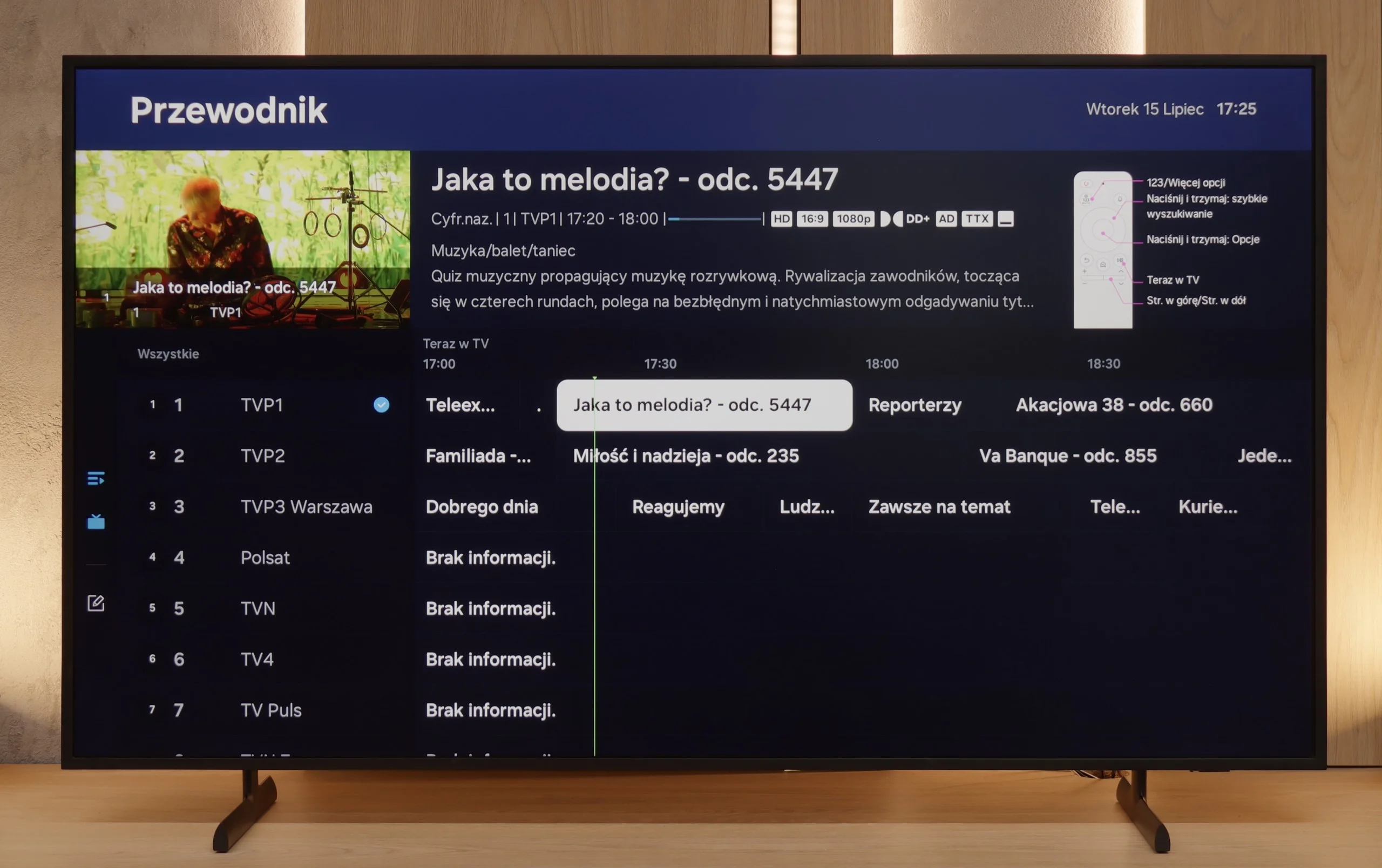
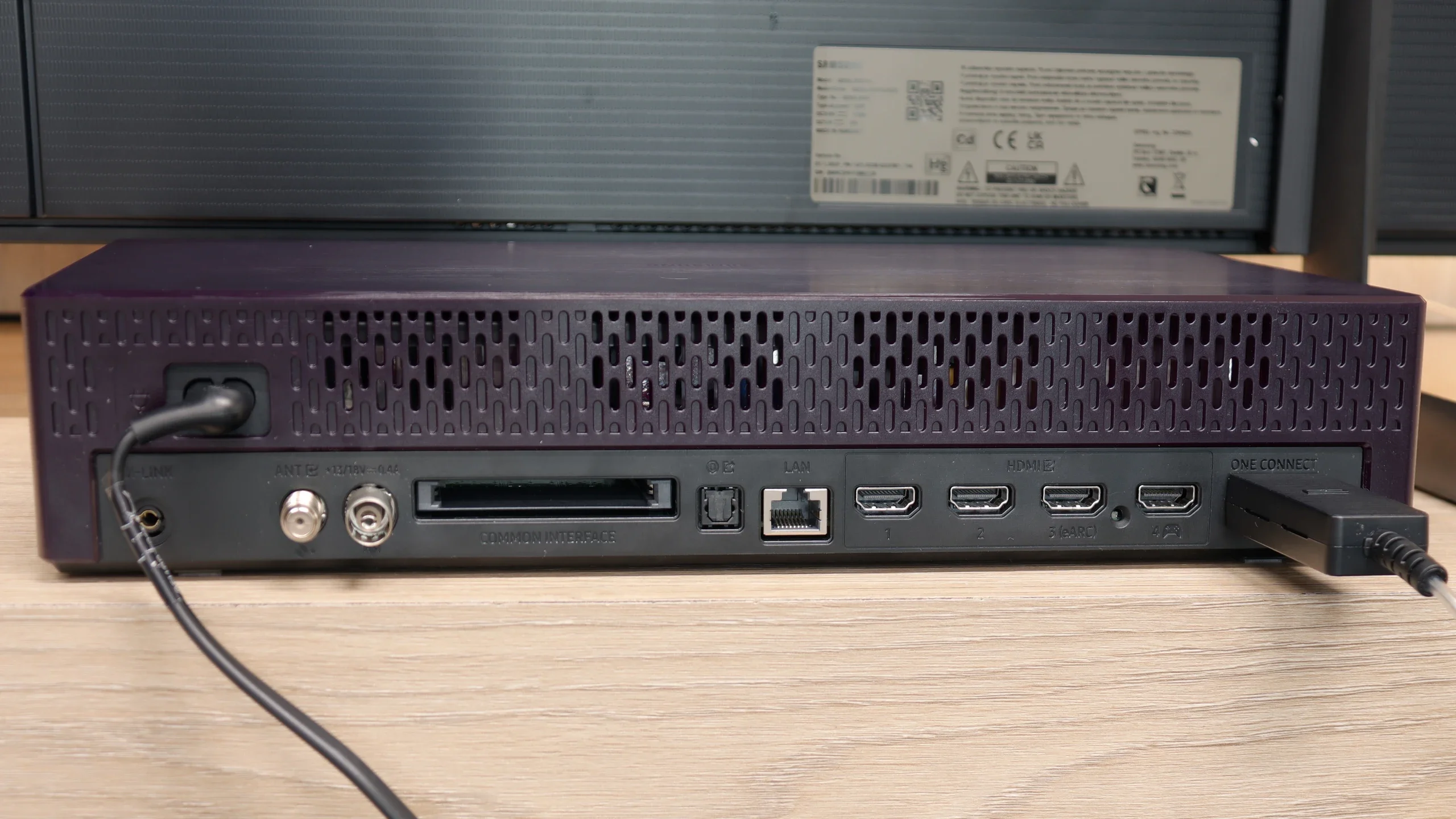
Samsung The Frame 2025 is a TV like no other – and even though competition has emerged, it still does it best. The matte display, flush with the wall, and a single thin cable thanks to the One Connect module make the device resemble a painting more than any other screen. The Art Store app still offers the best art scans on the market (even if they are subscription-based), and with interchangeable frames, we can match the TV to the interior almost like furniture. As for the picture itself, because after all, we are talking about an ordinary TV, there are no significant changes, but also no disappointments compared to last year's LS03D model. The Frame still offers high native contrast and solid brightness at 600 nits, which combined with the matte coating provides very comfortable use during the day. The colours aren't as vibrant as those on glossy screens, but against competitive matte designs – they perform the best. A new feature is the 144 Hz refresh rate, although in practice, it will mainly benefit PC gamers. And indeed – in terms of features for gamers, The Frame has almost everything: low input lag, variable refresh rate (VRR) support, automatic game mode (ALLM), Game Bar, and a one-of-a-kind motion smoother designed for games. Unfortunately, not everything is as perfect as it might seem. Why? Well, because the HGiG mode, which suddenly disappeared from the latest version of the Tizen system, is missing. And Samsung really should respond here, as it is a key element for many gamers when choosing a screen. And we fully understand that. Even though LS03F The Frame 2025 doesn't bring major revolutions, it remains a unique TV that, besides its appearance, offers a quite solid picture and expanded gaming features. It's just a pity that year after year we also get new compromises.
[UPDATE] We have updated our tests of Samsung TVs from the 2025 model year due to the release of software version 1131, which restored the crucial HGiG feature for gamers.
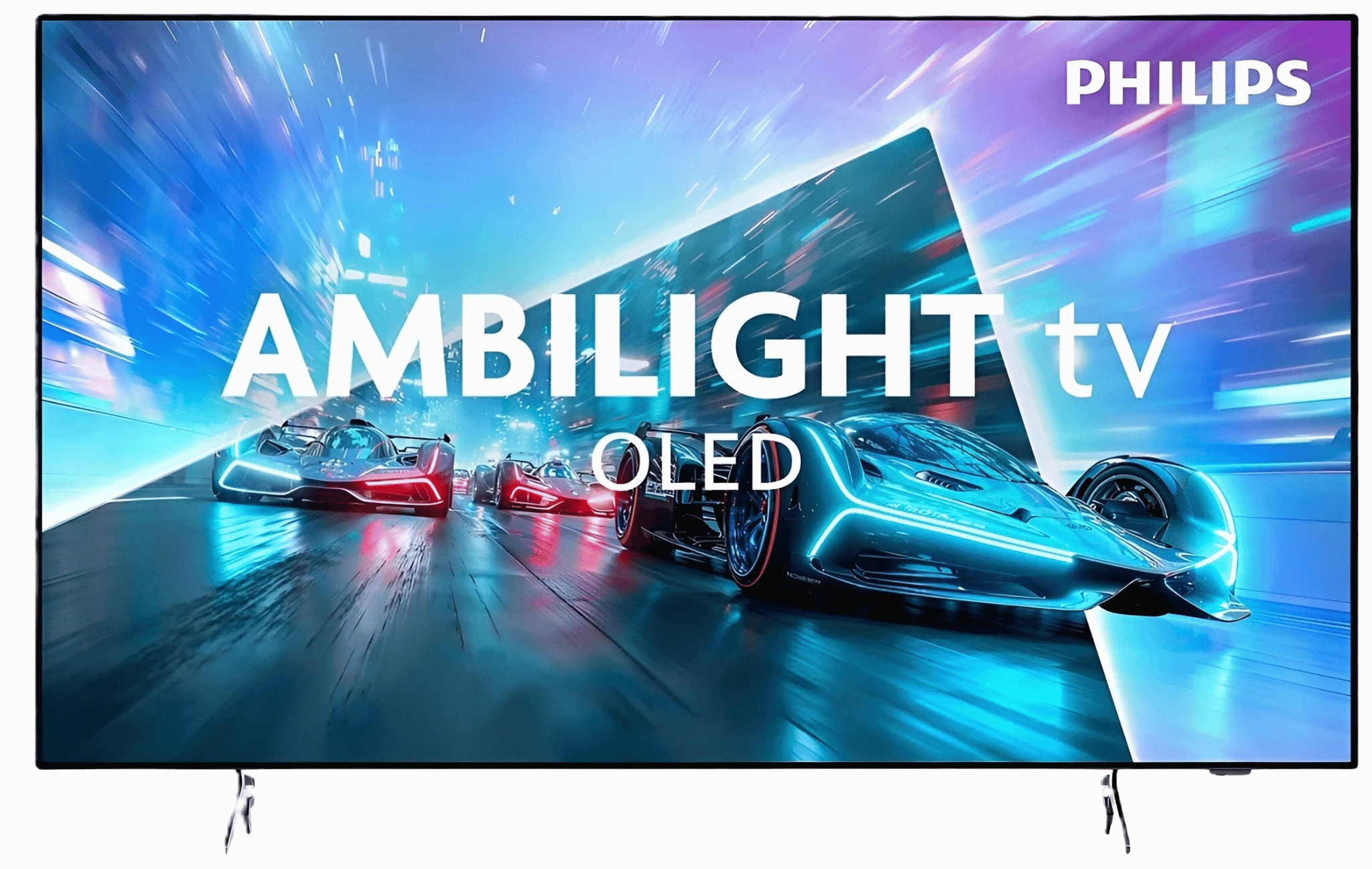
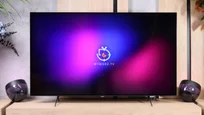
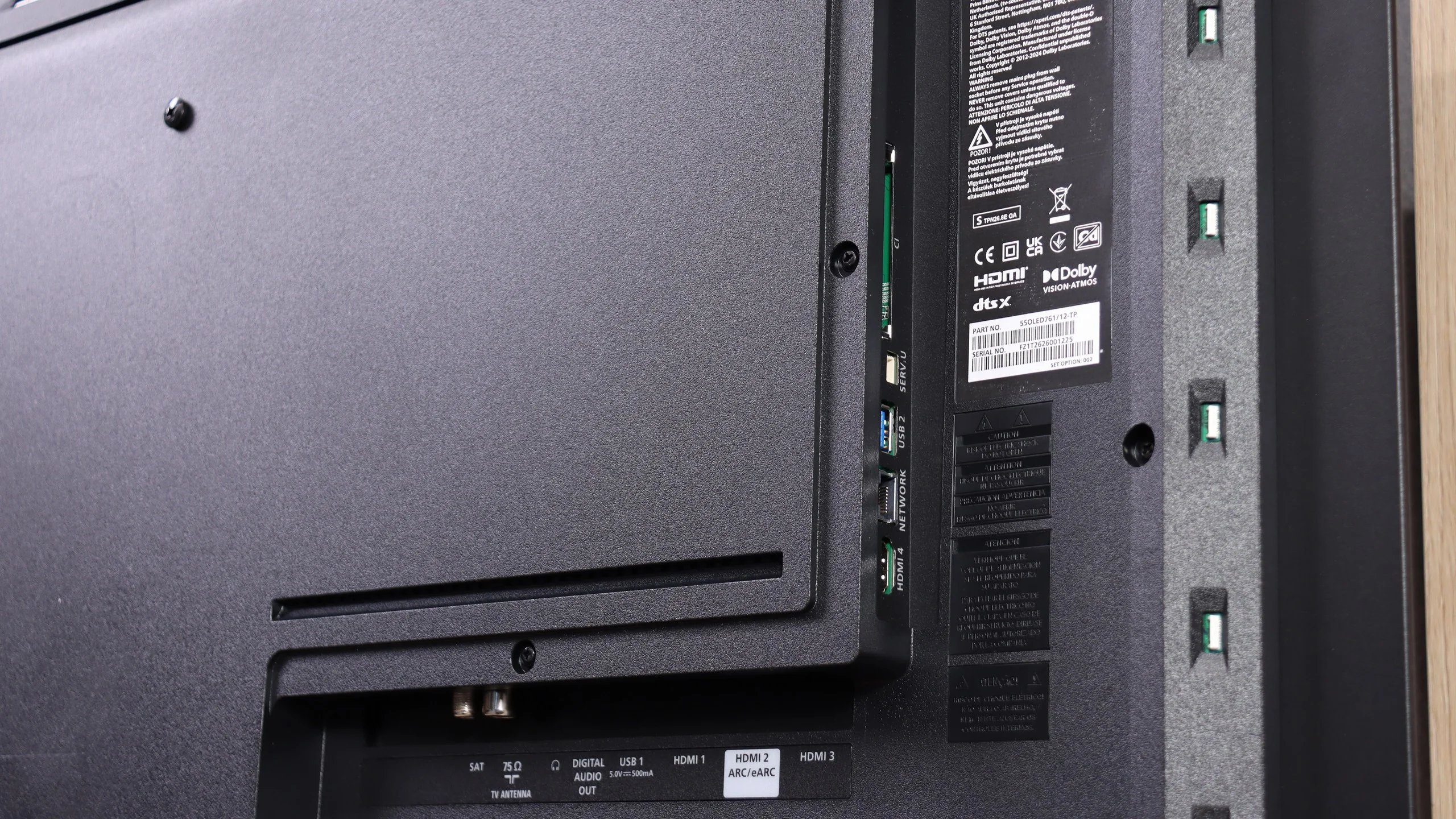
Philips OLED761 shows that the brand’s entry-level OLED can be a successful choice for watching films. It performs best in the evening, when perfect blacks and impressive HDR let you appreciate the strengths of this panel. After calibration, colour reproduction is very good, so it's hard to fault the picture during normal viewing. It doesn't always handle the brightest highlights in demanding HDR10 films as well, but Dolby Vision helps in those scenes. This is a TV that can make an evening screening with the lights off genuinely impressive. A big part of that experience is Ambilight. If you like lighting the wall behind the screen, the OLED761 gives you a solid reason to consider Philips. You don't have to pay extra for higher-end ranges to combine that feature with a good OLED picture. This model also works well for gaming: a 120 Hz panel and four HDMI 2.1 inputs let it serve as a screen for movies as well as consoles or a computer. That's important, because even the cheapest OLED in a range should be a versatile purchase, not a TV that's only good for night-time viewing.
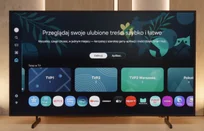
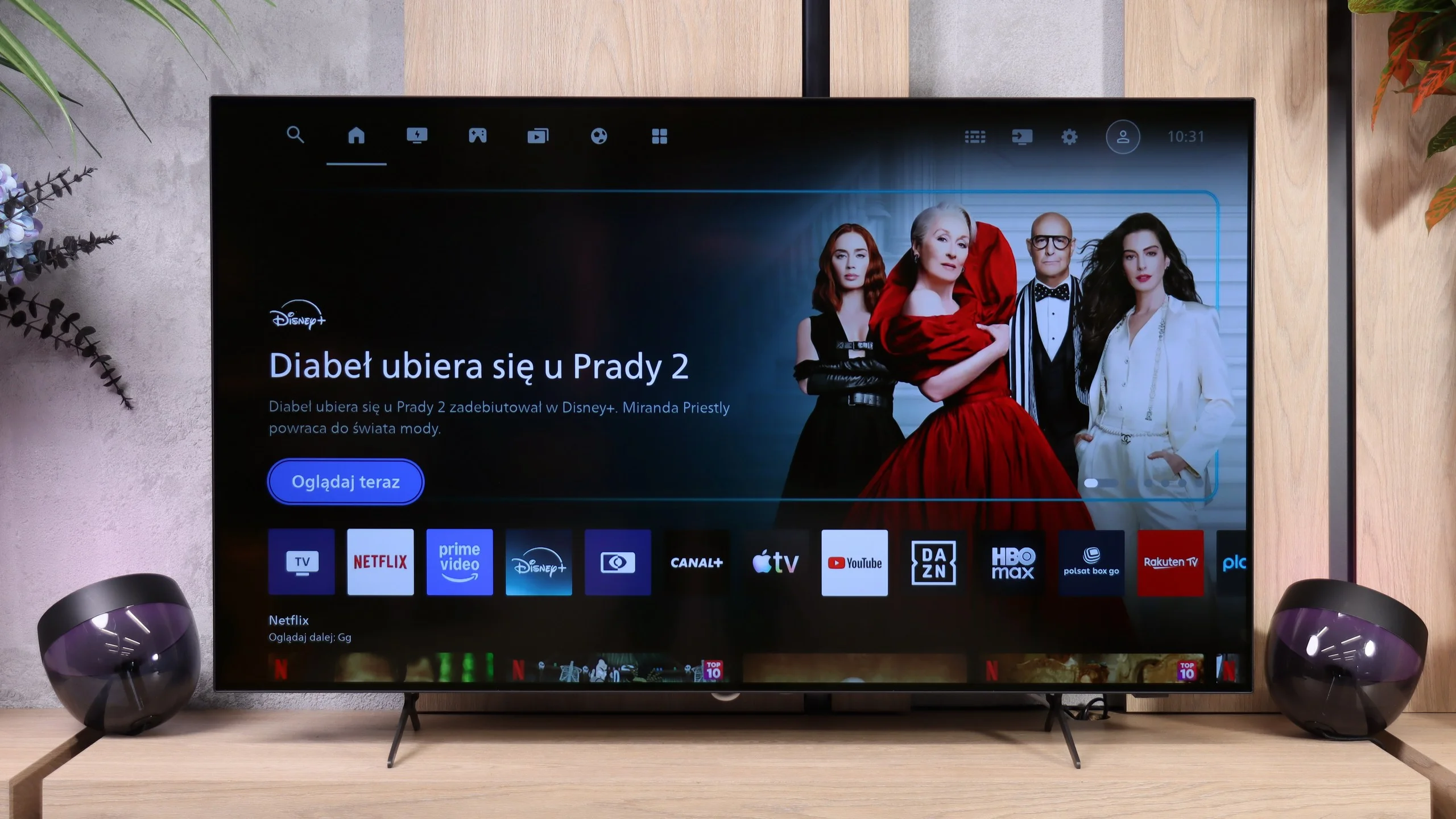
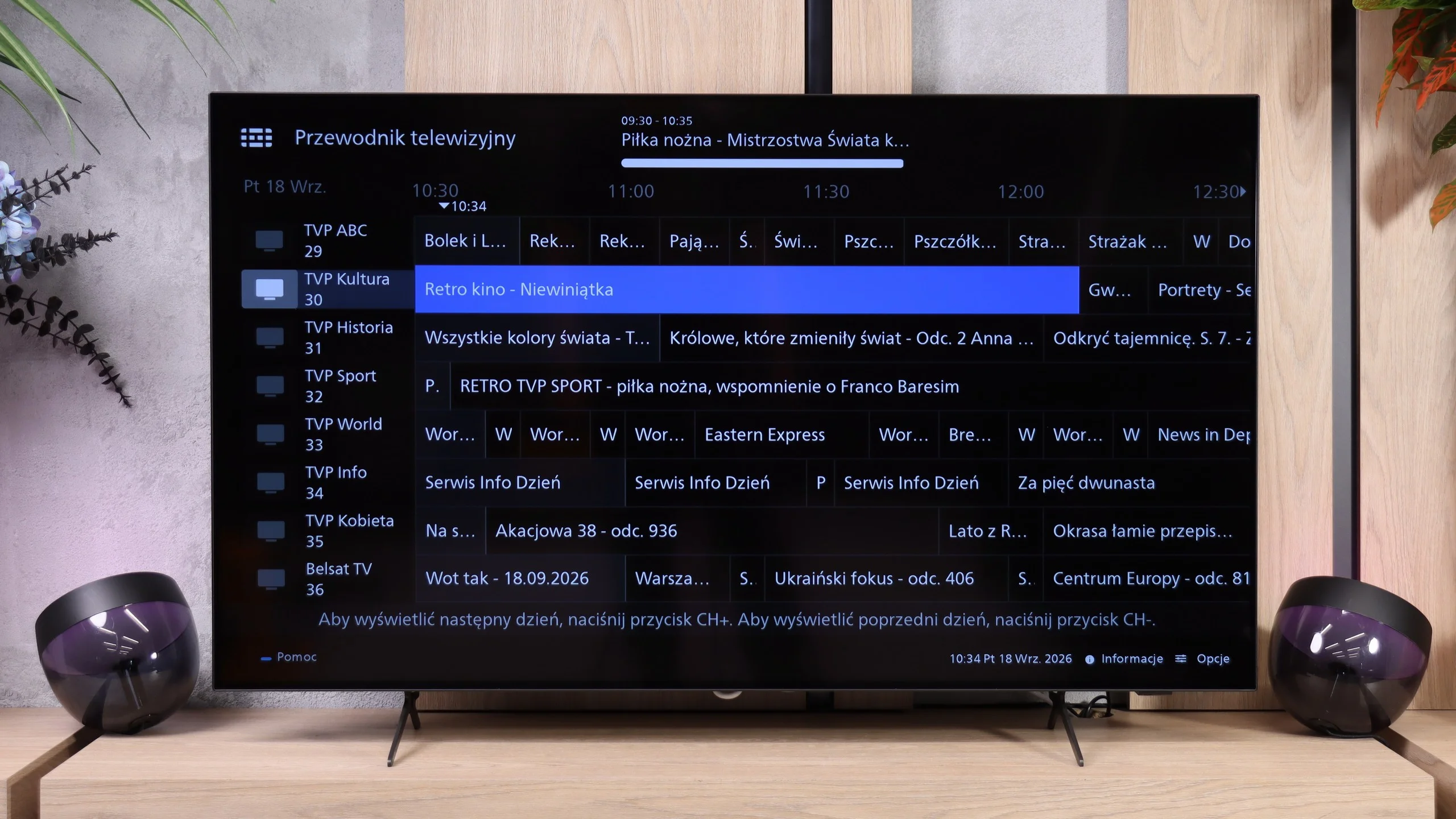
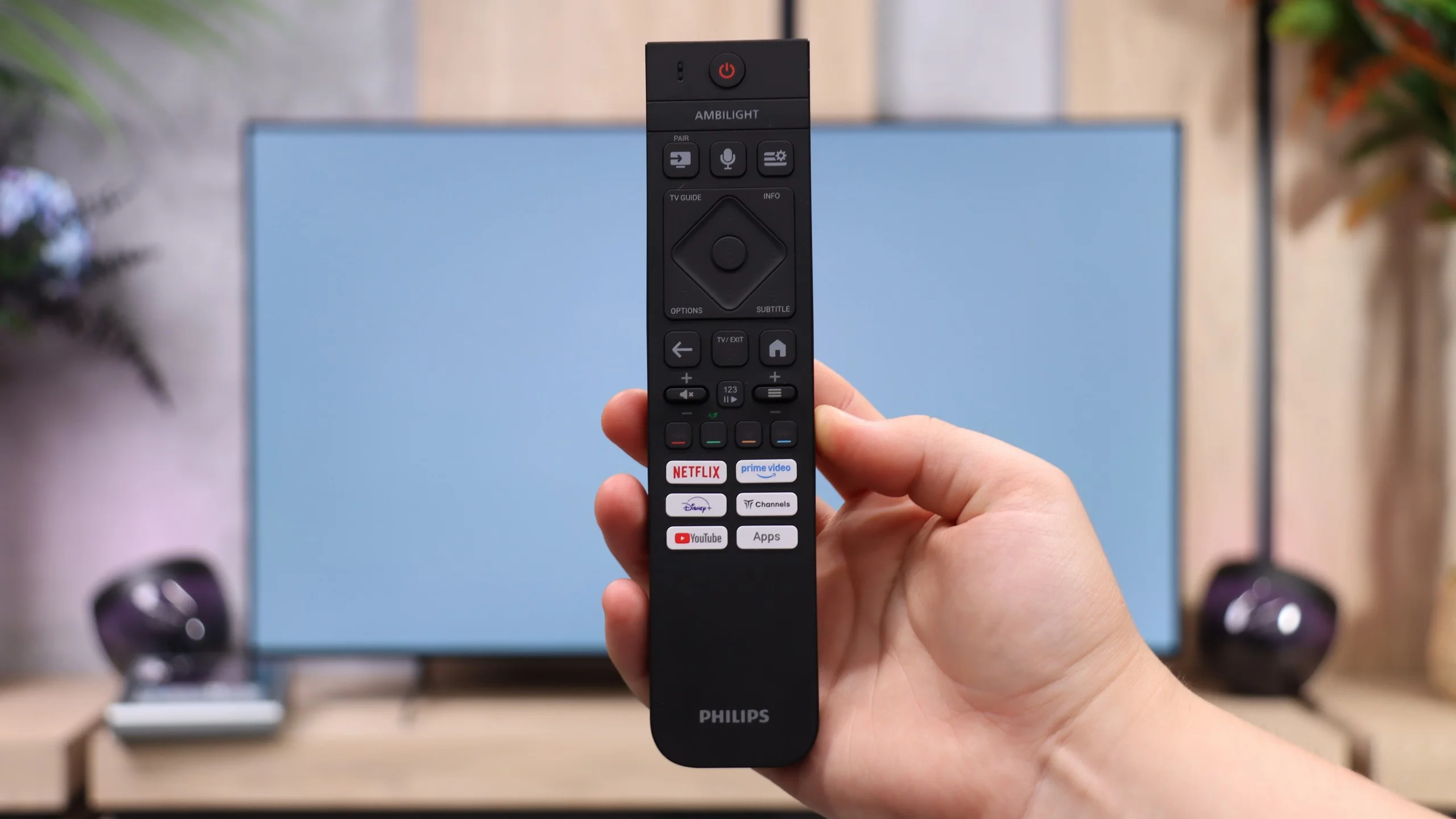
Before buying, though, it's worth looking at two limitations. The first is watching in a bright room. The OLED761 is a little dimmer than rivals using a similar panel, and the lack of a polariser in the OLED SE panel further reduces its performance in bright rooms. The second is Titan OS. The system runs more smoothly than in earlier versions, but still offers a smaller selection of apps than the competition. Improved responsiveness is welcome, but it won't replace access to the services you use every day, so check availability before purchasing. We also didn't like the remote. Although it's backlit and has a full set of useful keys, it requires precise aiming at the screen.
Ultimately the Philips OLED761 makes most sense for people who mainly watch in the evenings and want Ambilight. In those conditions it can confidently compete with the Samsung S85H and LG B6 in terms of picture quality, and the choice between them will depend more on price, the operating system and personal habits. Philips doesn't have a clear advantage in every use case, but that doesn't mean it should be treated as an inferior alternative just because it opens the brand's OLED range. At the right price it's a good purchase, but only if the available apps are enough for you.
 Direct comparison