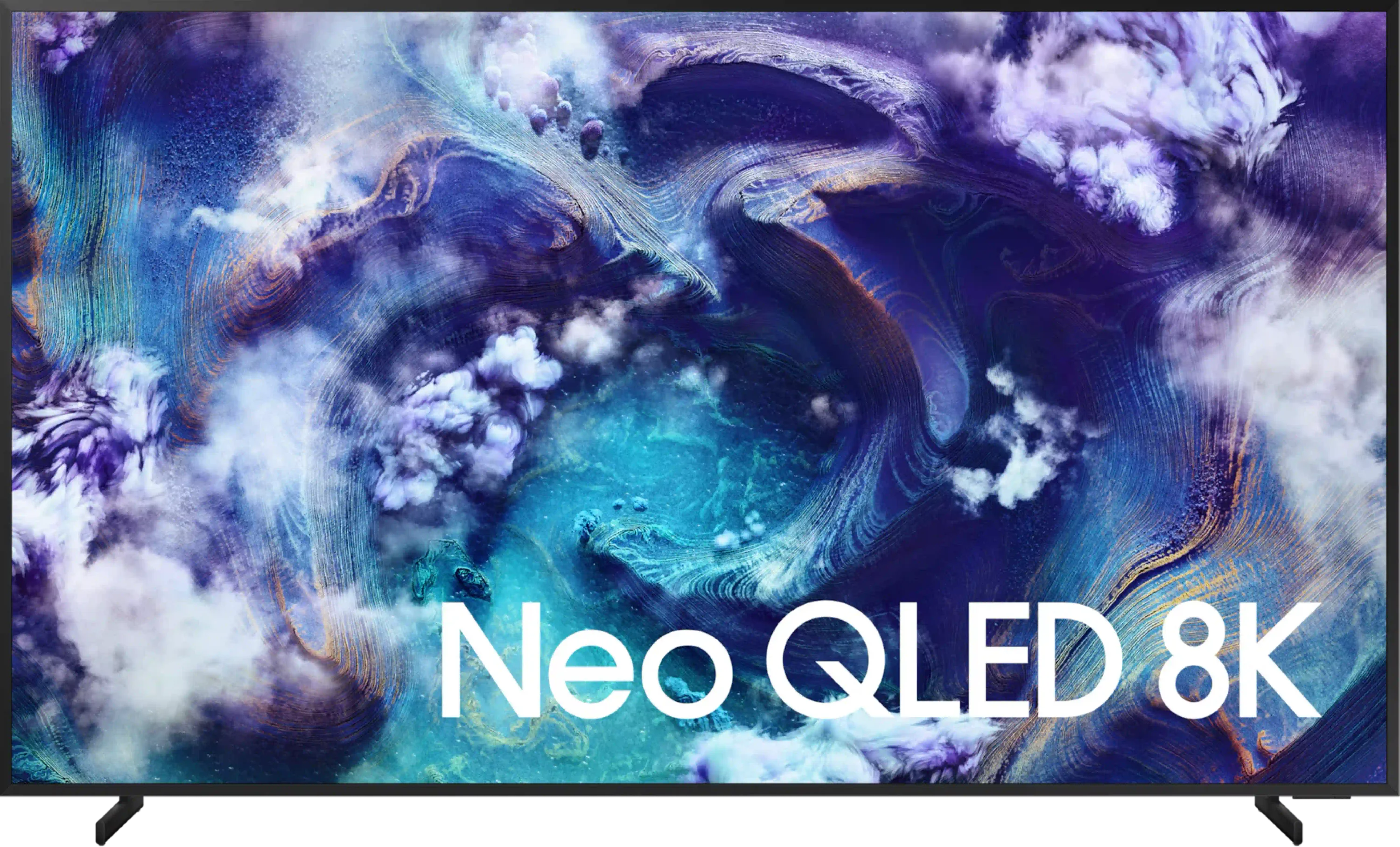
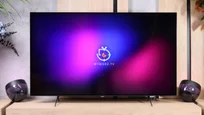
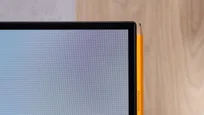
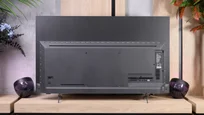
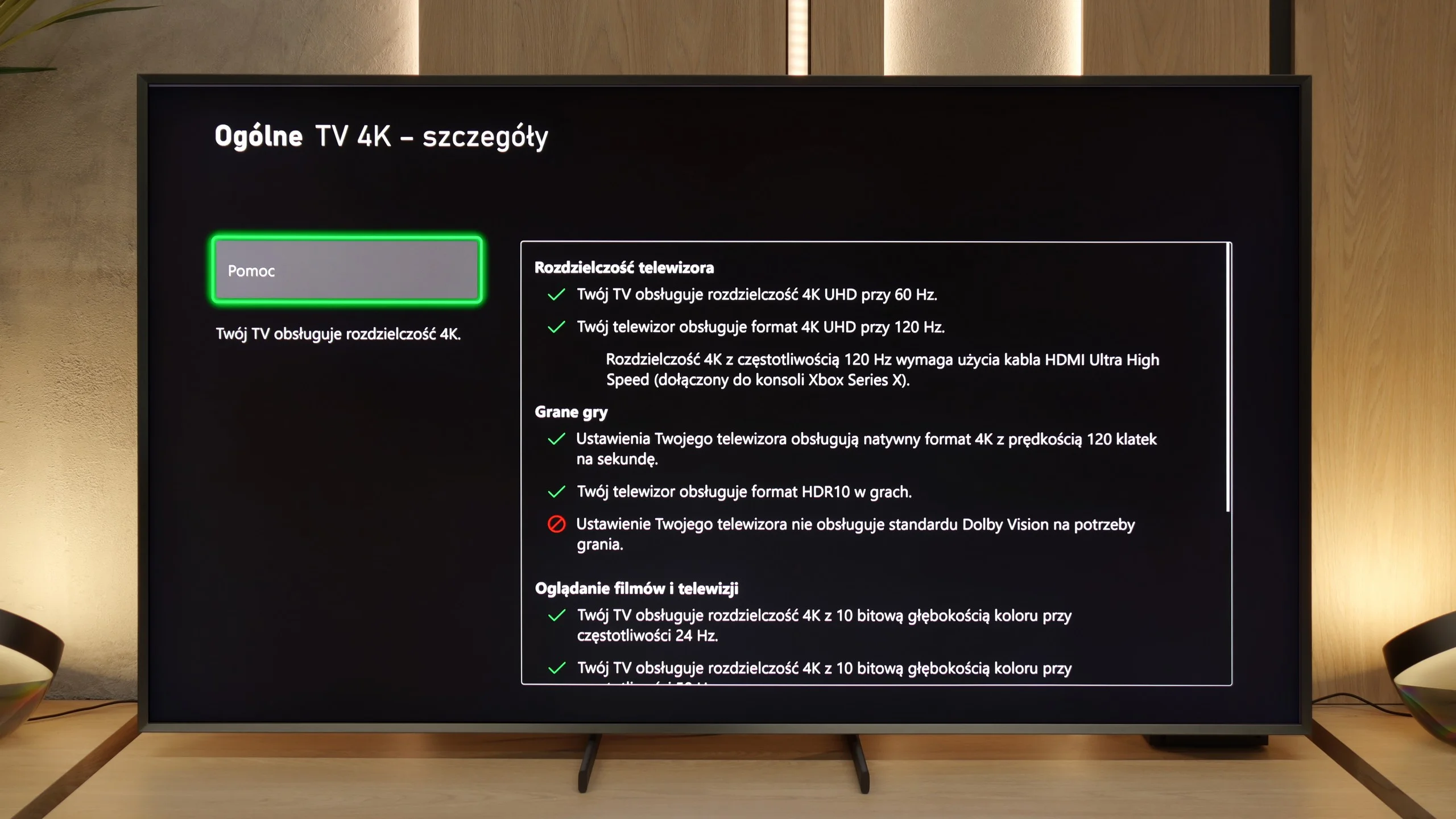
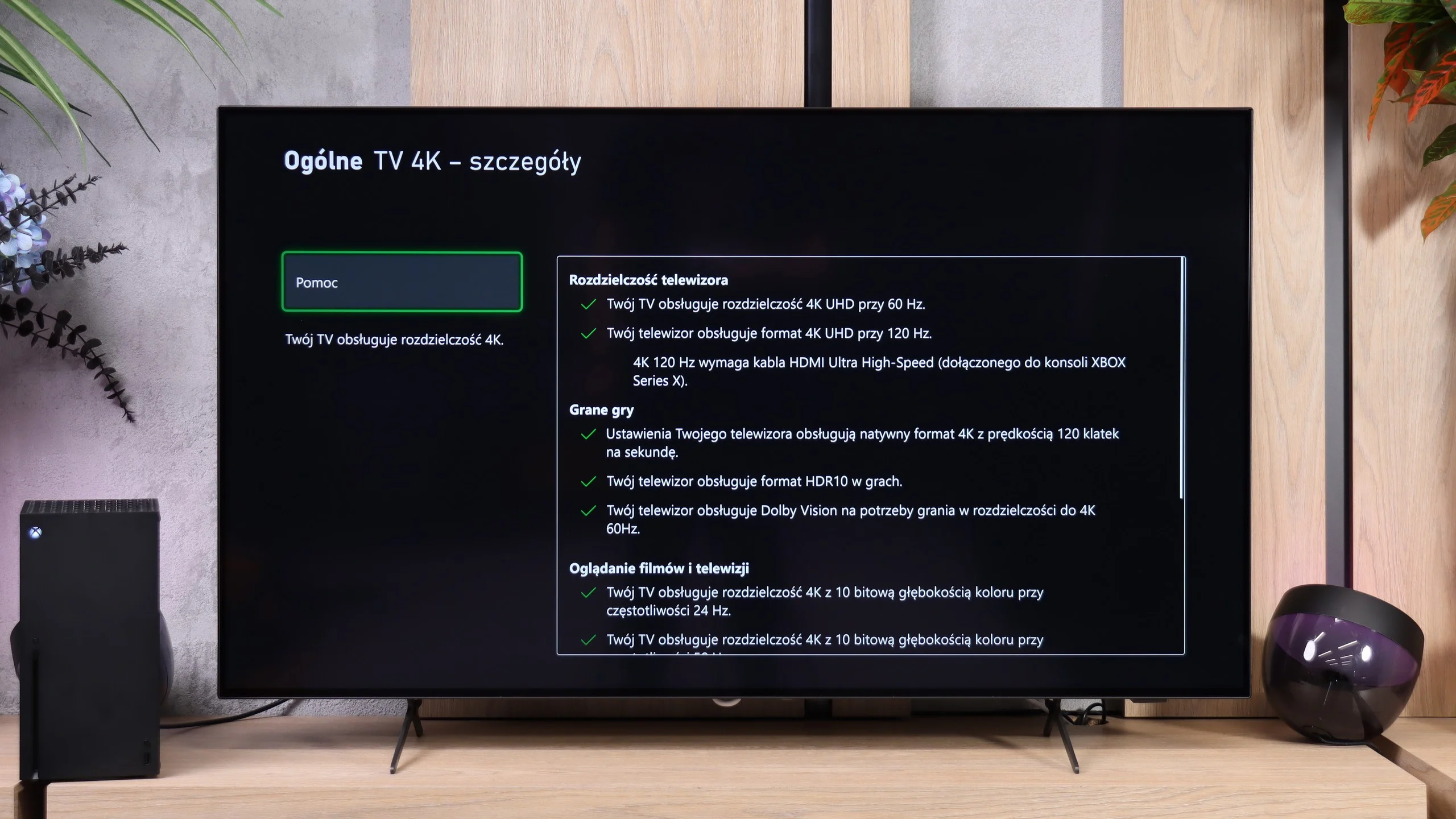
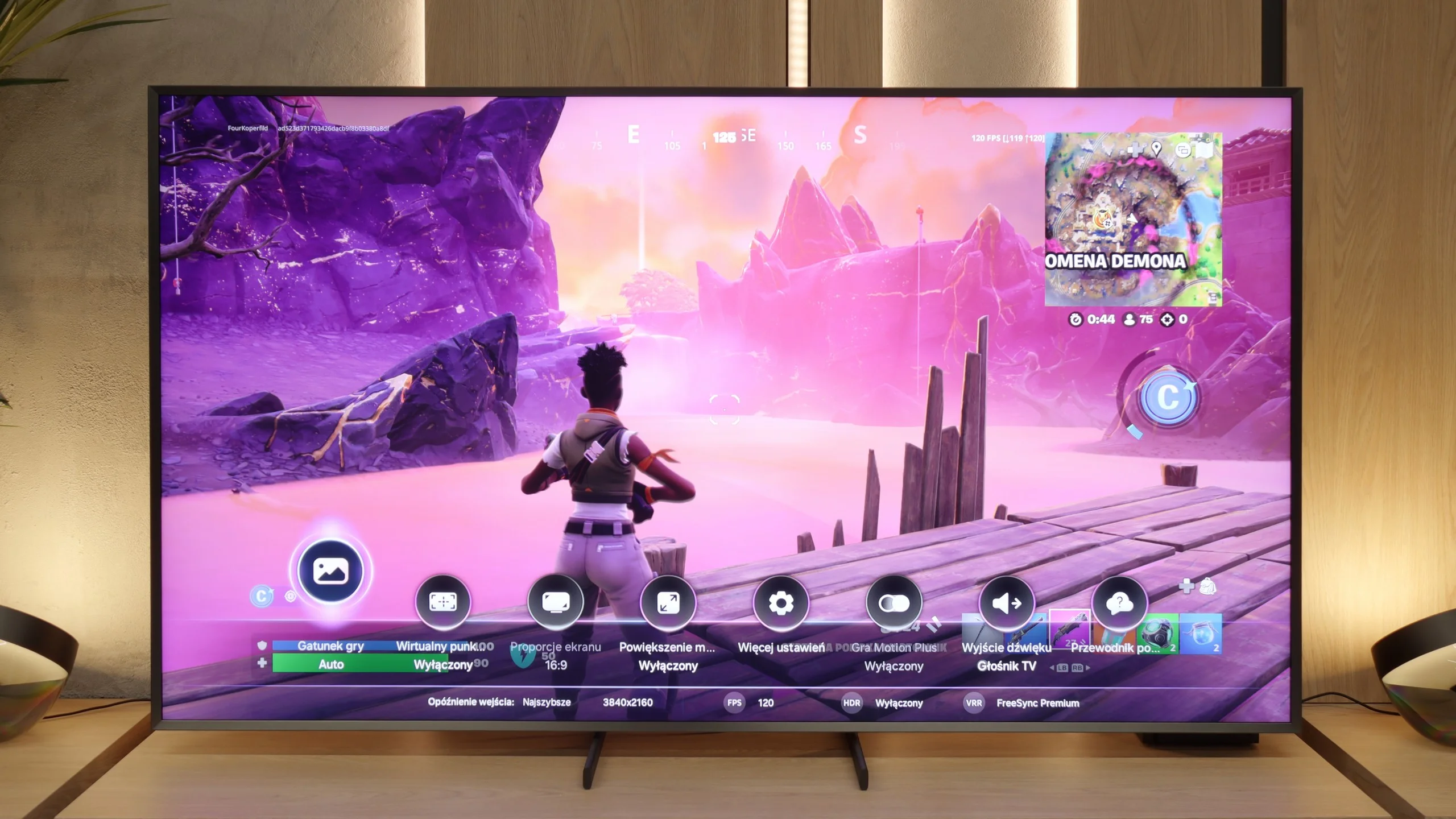
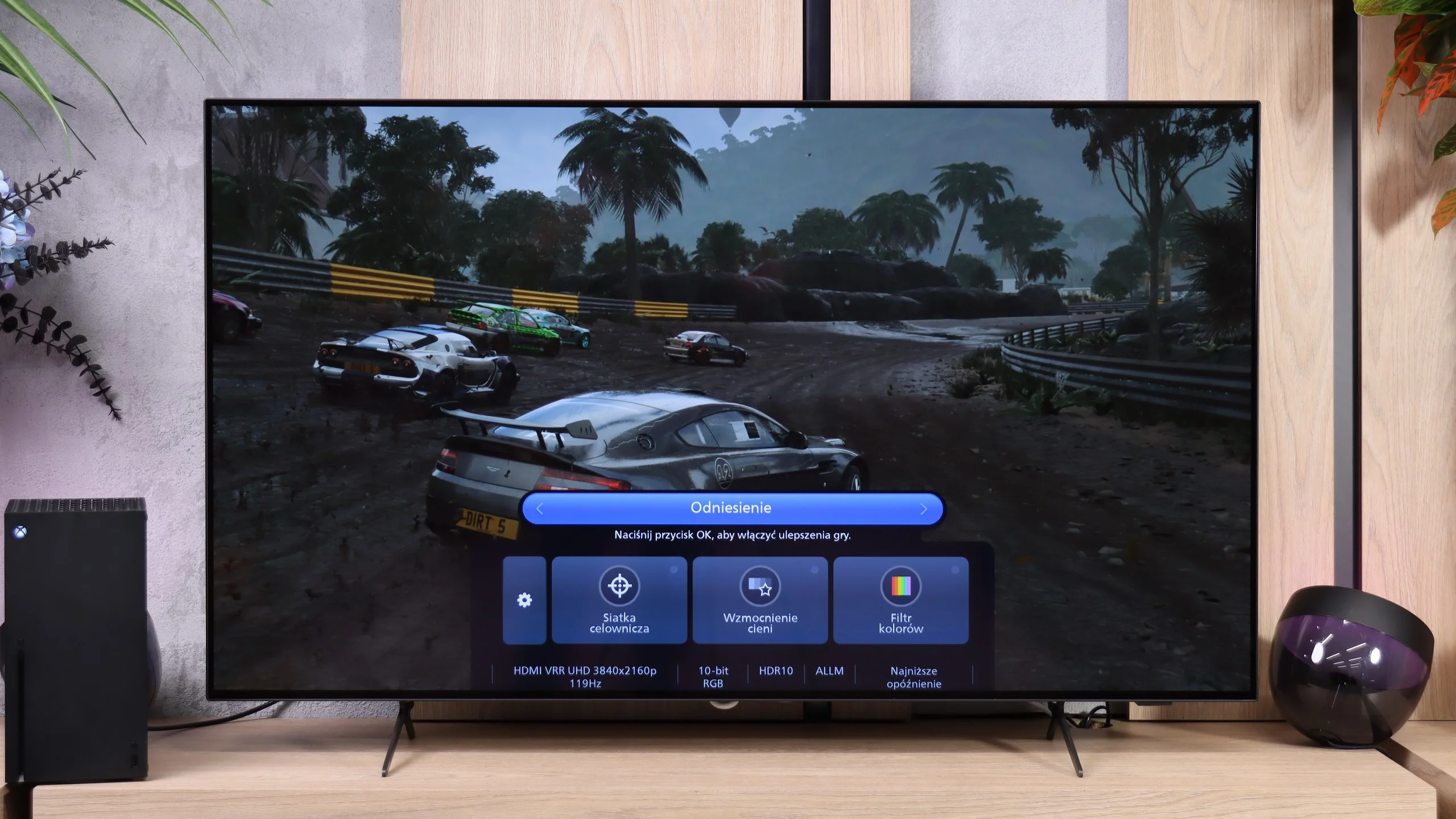
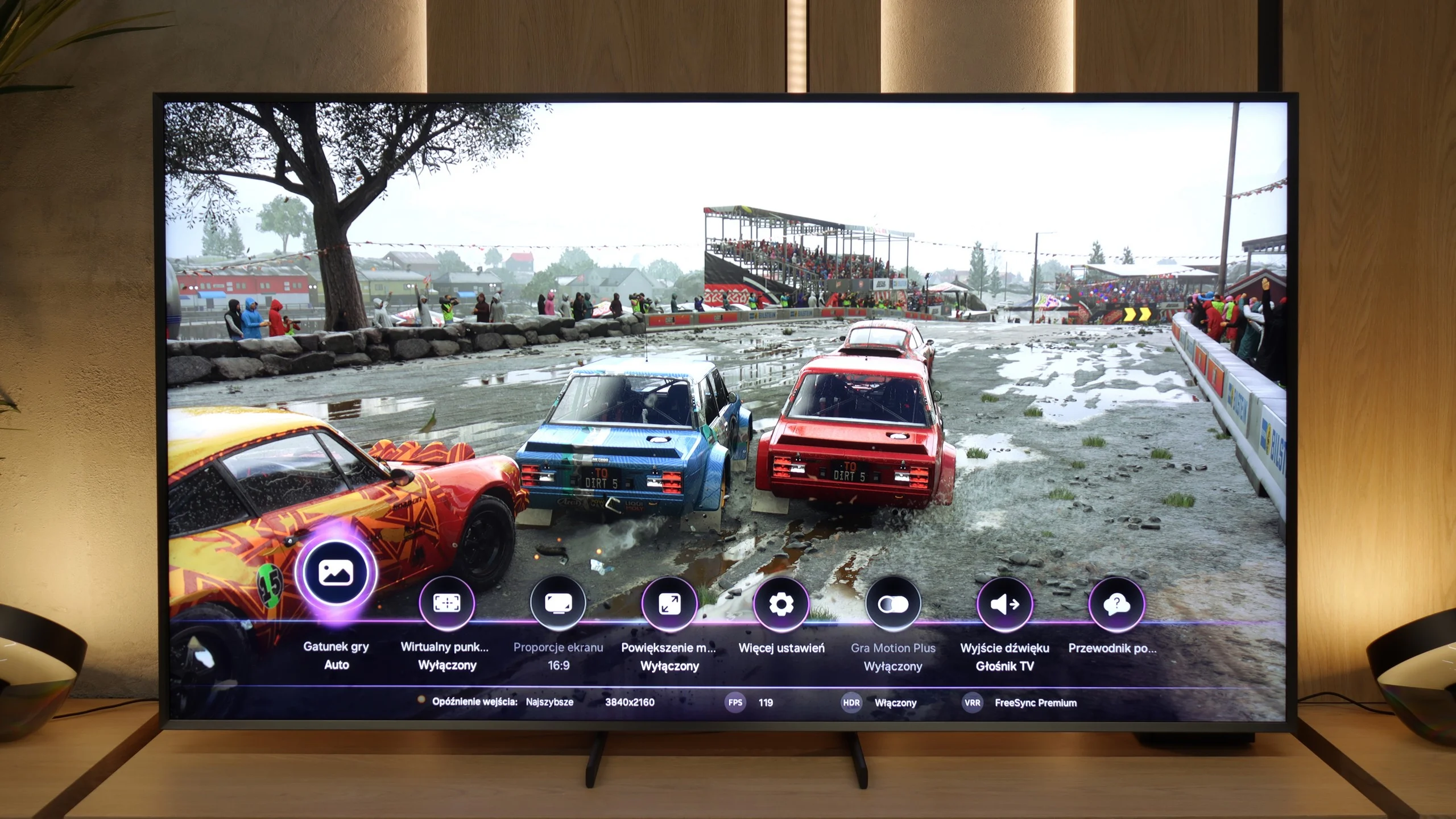
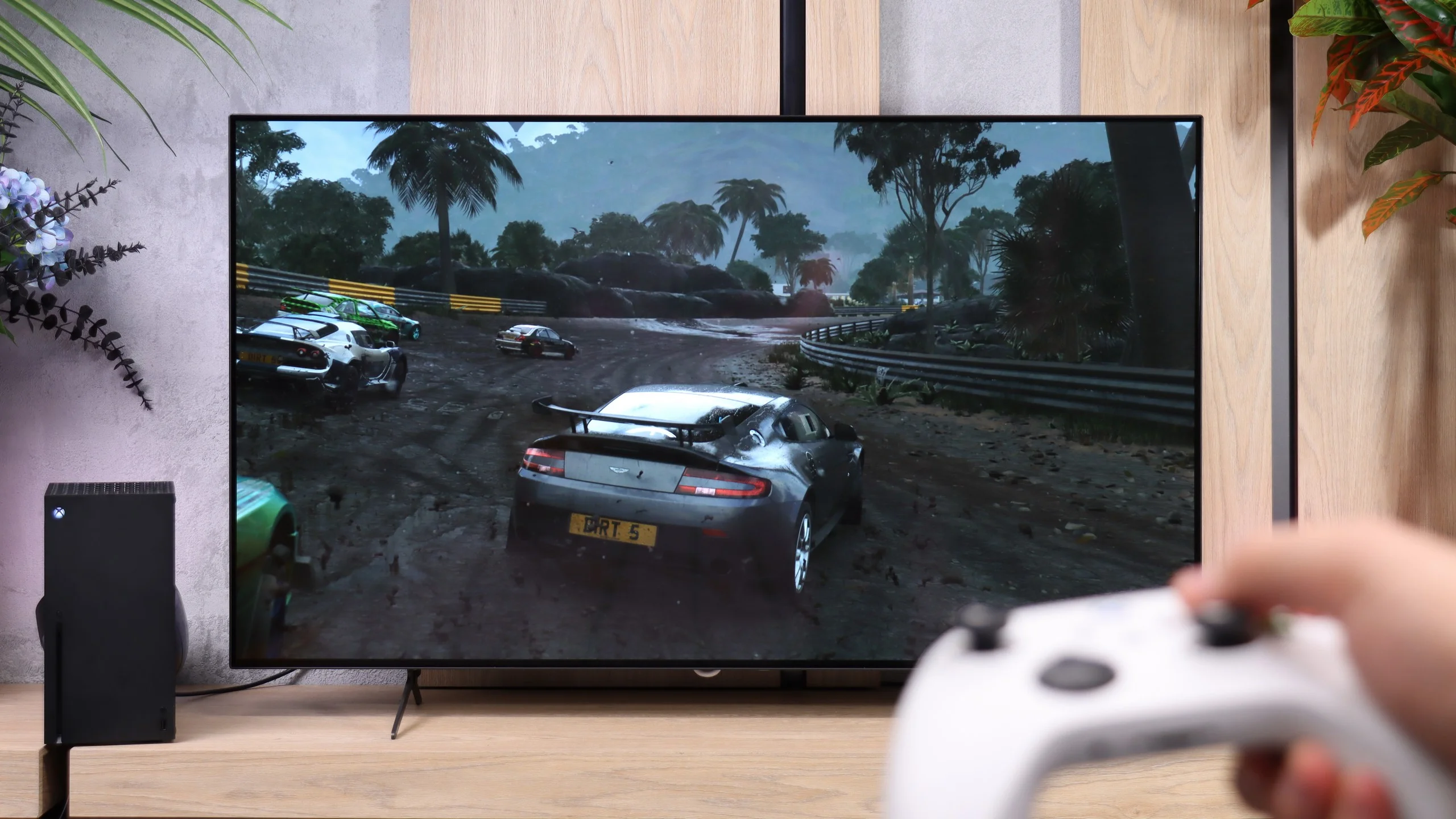
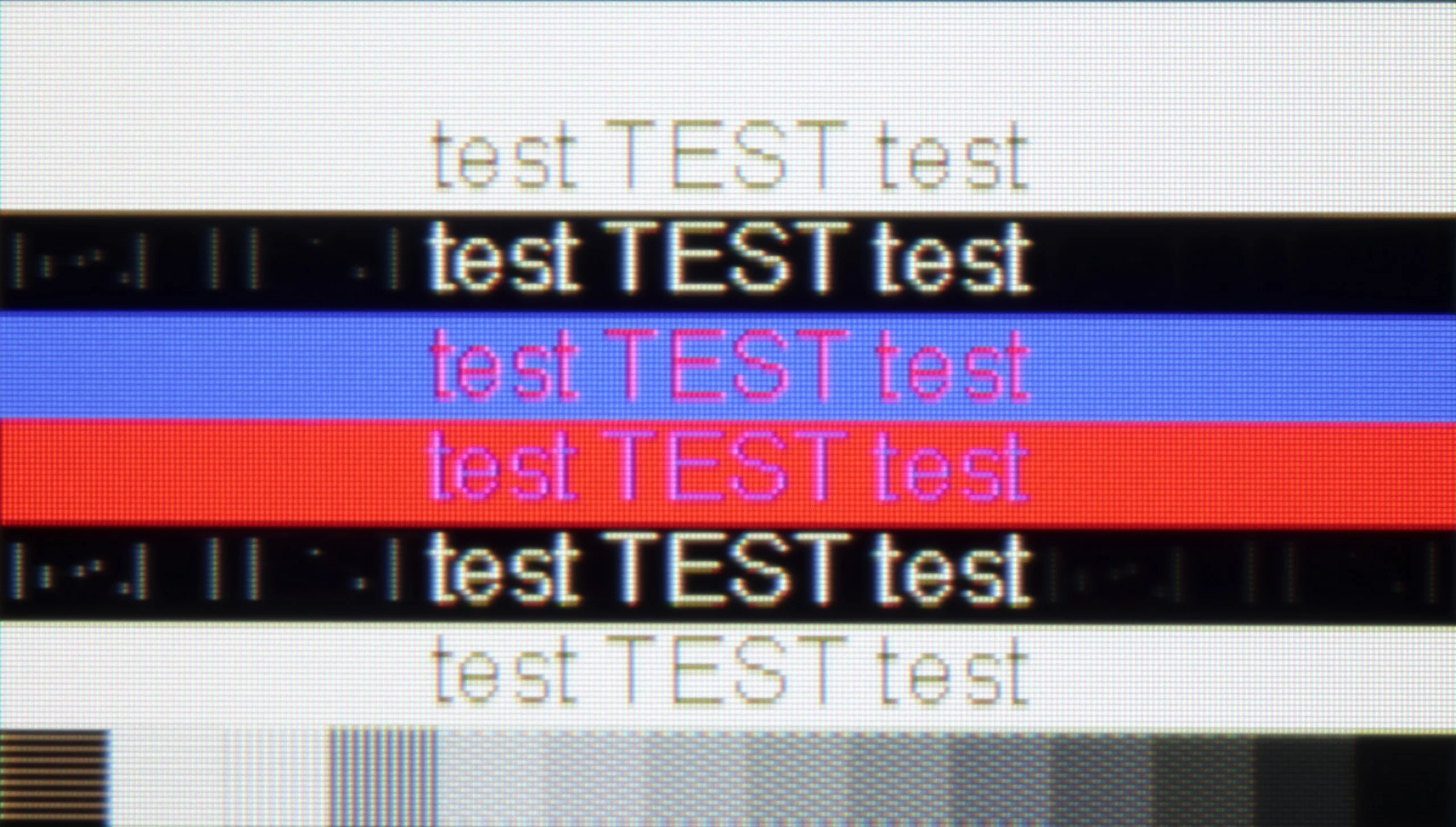
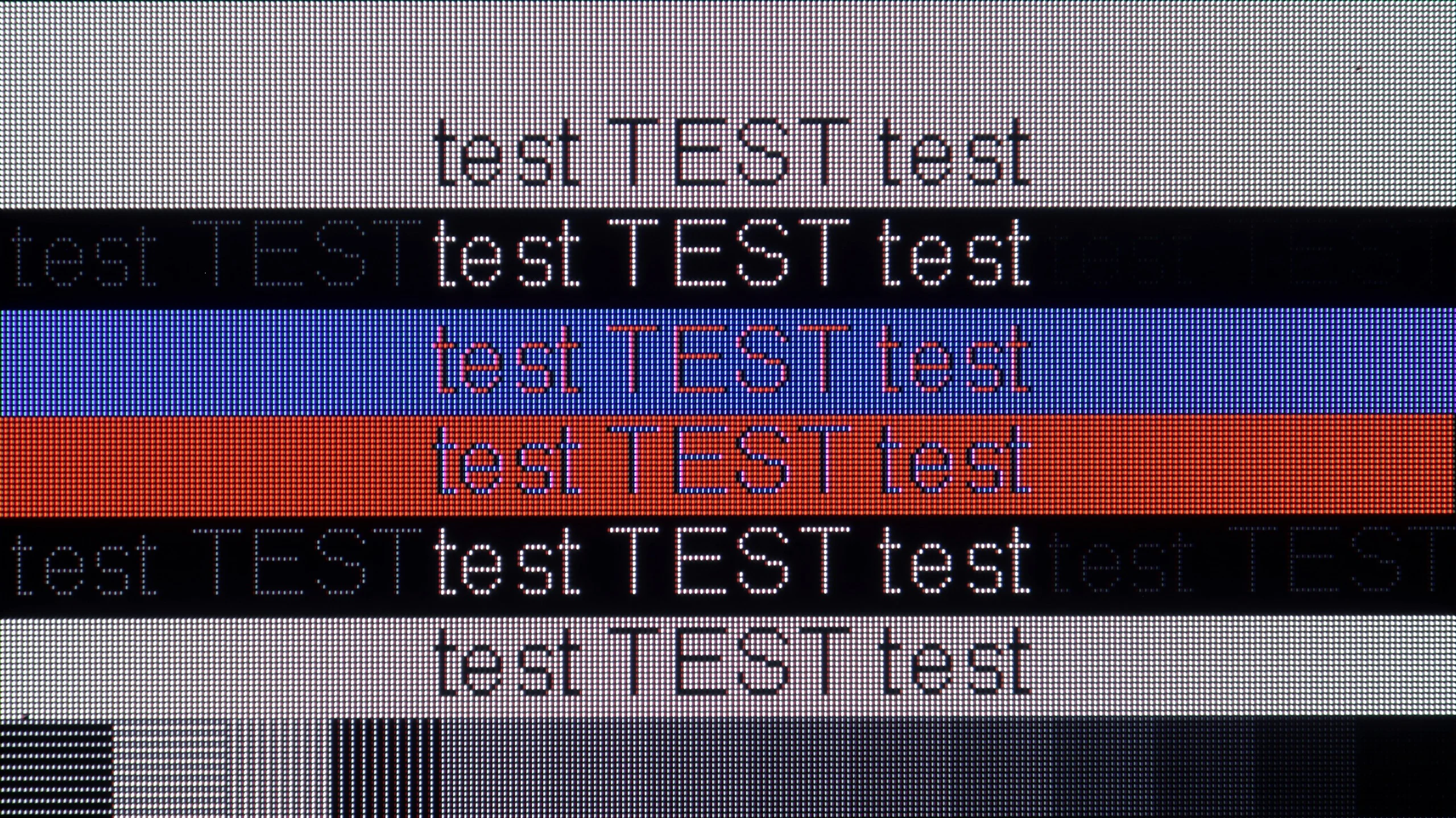
The Samsung QN900F is a television that can make a huge impression. The greatest strength of this model is the combination of Mini-LED backlighting with a matte panel. This not only provides decent blacks but above all incredible brightness and excellent visibility in any conditions. During the day, in a brightly lit room, it is probably the best-performing television in Samsung's offering this year. Gamers will also find plenty to like here – even though it's an 8K screen, it can run at 165 Hz in 4K. In addition, it comes with a full suite of HDMI 2.1, VRR and ALLM features, and low input lag, so the QN900F is well-suited for both next-gen consoles and PCs. The design also deserves big praise – when mounted on the wall, with its thick metal frame, this model resembles a more luxurious version of the iconic The Frame. Combined with the matte panel and Art Store mode, it can actually be treated as a piece of equipment that not only plays and shines but also decorates the living room.
However, not everything is perfect. Despite its impressive specs, managing local dimming doesn't always perform as well as one might expect. Given the large number of zones, Samsung could improve its control over blacks and HDR effects – it’s clear that the potential is enormous, but this doesn't always translate to top-tier picture quality. Additionally, it’s worth noting that 8K resolution is still more of a novelty than a real necessity, and the price of this model makes it easy to start looking for cheaper alternatives, even within Samsung's own offerings. Despite these reservations, the QN900F is a television that can definitely impress. Its strength lies not in the 8K itself, but in how it presents the picture, how it looks, and the enjoyment it provides when using it.
[UPDATE] We have updated our 2025 Samsung TV reviews following the release of firmware version 1131, which officially restores the essential HGiG (HDR Gaming Interest Group) support.
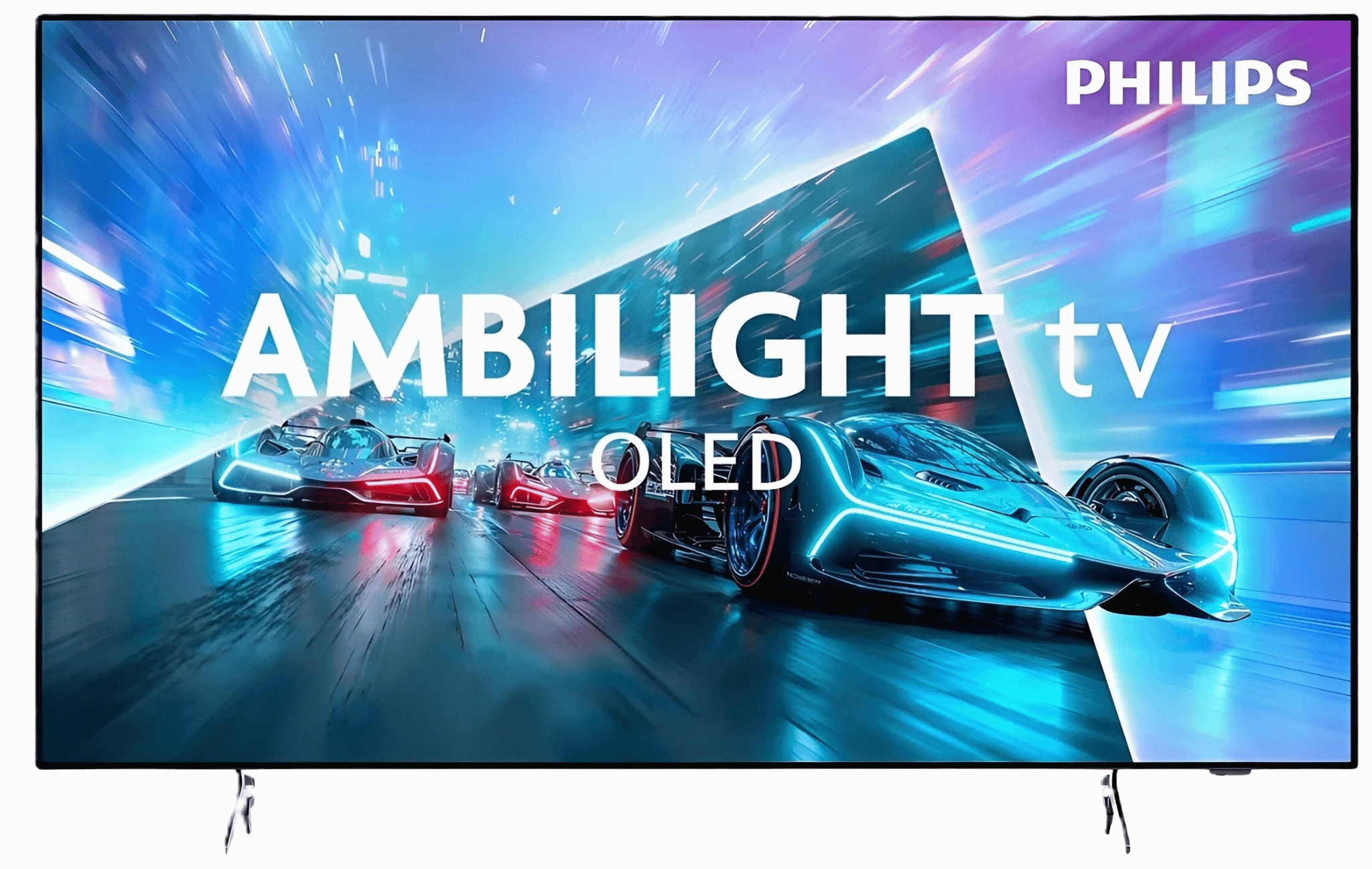
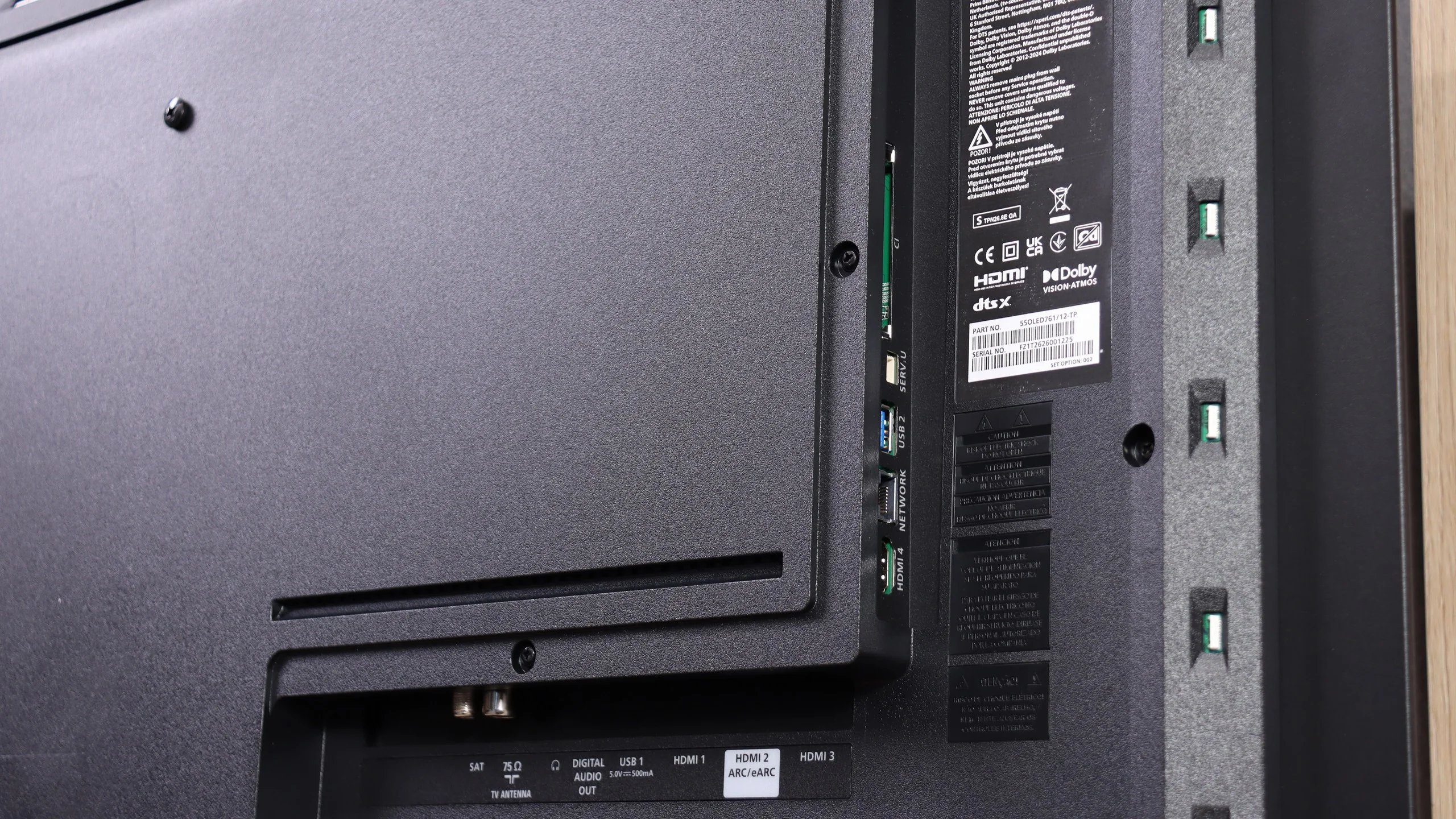
Philips OLED761 shows that the brand’s entry-level OLED can be a successful choice for watching films. It performs best in the evening, when perfect blacks and impressive HDR let you appreciate the strengths of this panel. After calibration, colour reproduction is very good, so it's hard to fault the picture during normal viewing. It doesn't always handle the brightest highlights in demanding HDR10 films as well, but Dolby Vision helps in those scenes. This is a TV that can make an evening screening with the lights off genuinely impressive. A big part of that experience is Ambilight. If you like lighting the wall behind the screen, the OLED761 gives you a solid reason to consider Philips. You don't have to pay extra for higher-end ranges to combine that feature with a good OLED picture. This model also works well for gaming: a 120 Hz panel and four HDMI 2.1 inputs let it serve as a screen for movies as well as consoles or a computer. That's important, because even the cheapest OLED in a range should be a versatile purchase, not a TV that's only good for night-time viewing.
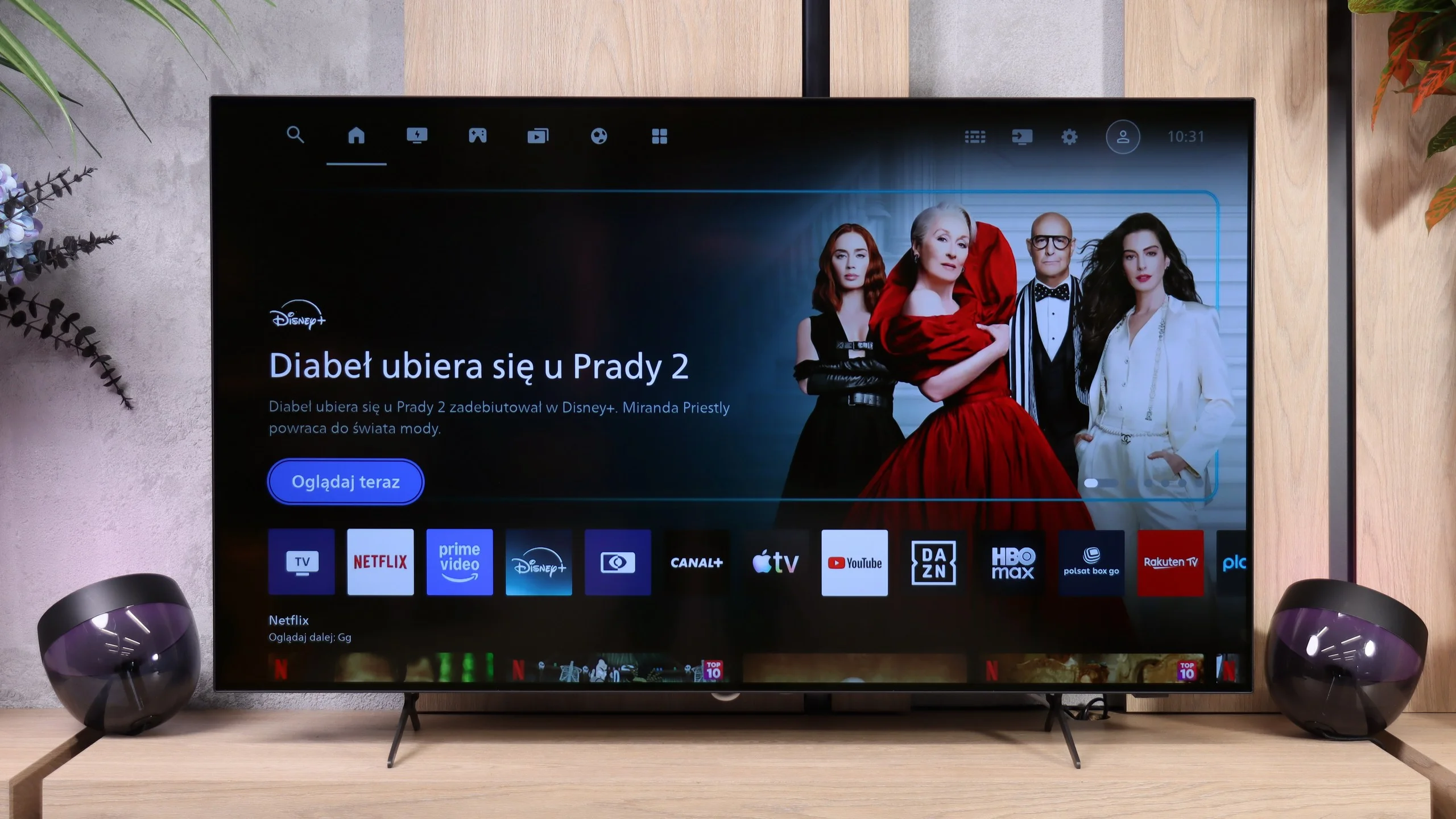
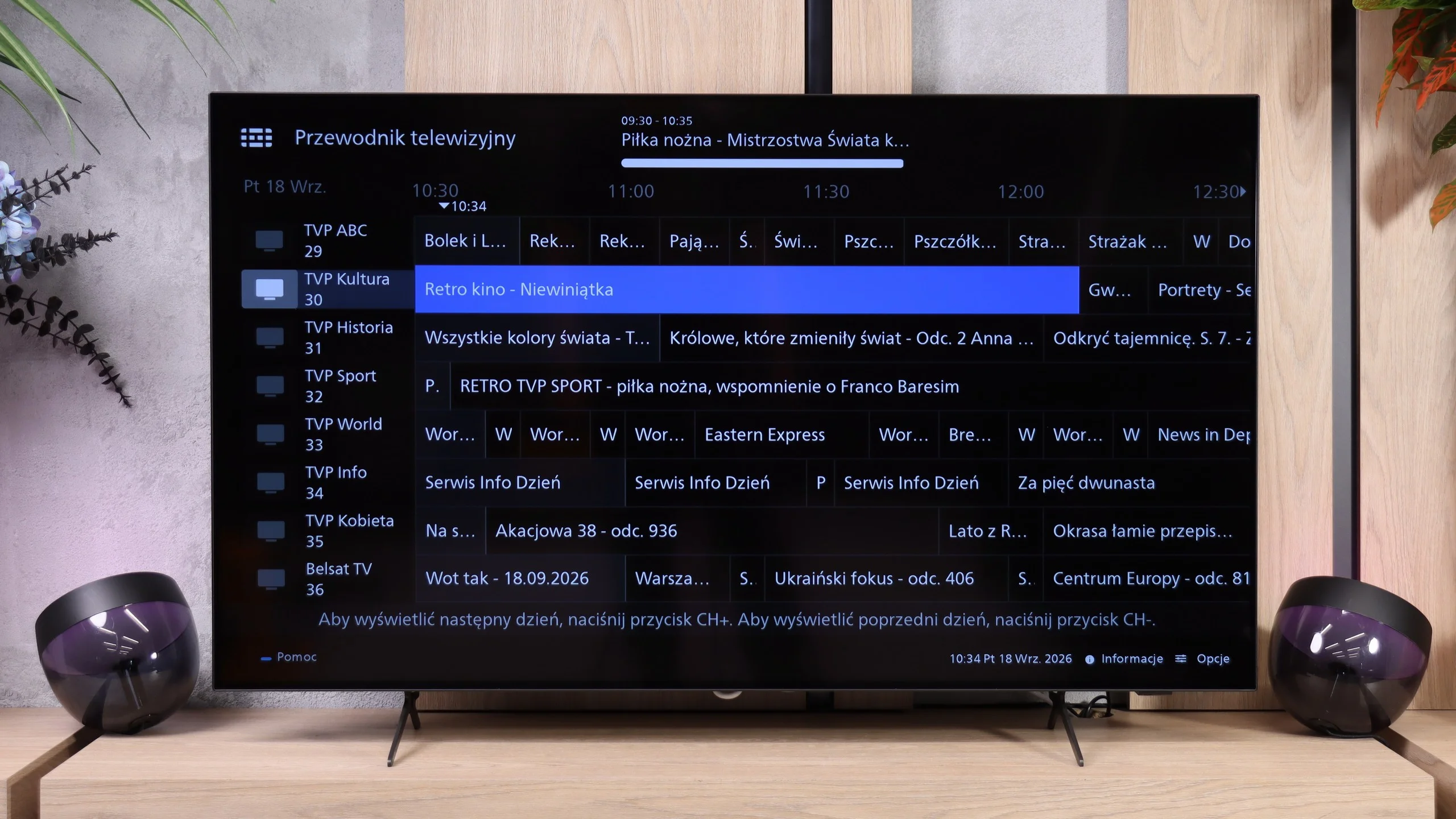
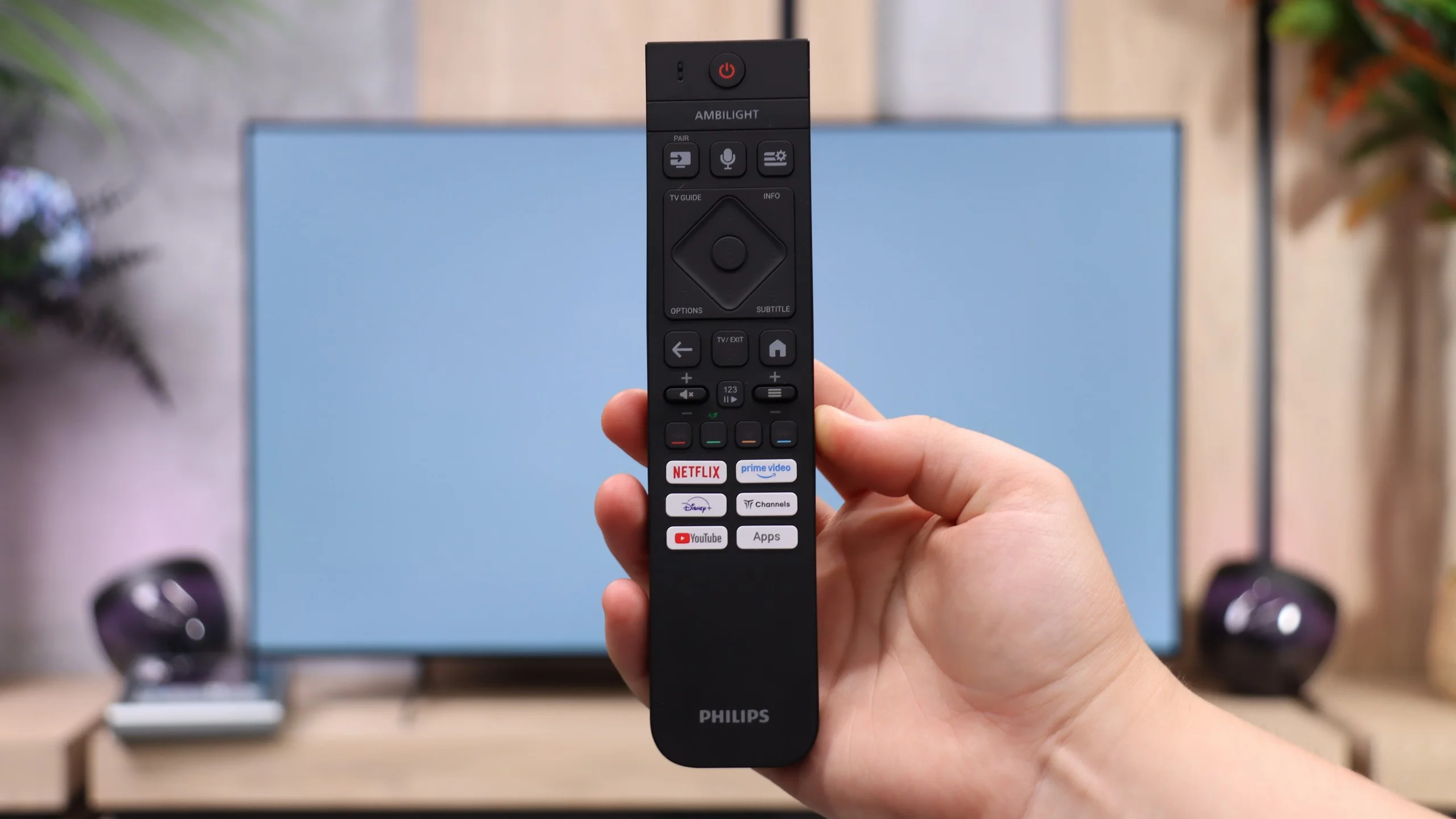
Before buying, though, it's worth looking at two limitations. The first is watching in a bright room. The OLED761 is a little dimmer than rivals using a similar panel, and the lack of a polariser in the OLED SE panel further reduces its performance in bright rooms. The second is Titan OS. The system runs more smoothly than in earlier versions, but still offers a smaller selection of apps than the competition. Improved responsiveness is welcome, but it won't replace access to the services you use every day, so check availability before purchasing. We also didn't like the remote. Although it's backlit and has a full set of useful keys, it requires precise aiming at the screen.
Ultimately the Philips OLED761 makes most sense for people who mainly watch in the evenings and want Ambilight. In those conditions it can confidently compete with the Samsung S85H and LG B6 in terms of picture quality, and the choice between them will depend more on price, the operating system and personal habits. Philips doesn't have a clear advantage in every use case, but that doesn't mean it should be treated as an inferior alternative just because it opens the brand's OLED range. At the right price it's a good purchase, but only if the available apps are enough for you.
 Direct comparison