Samsung OLED S95H (S99H) (QD-OLED) vs Philips OLED761

Direct comparison

S99H / S95H

Info

Available screen sizes: 55”65”77”83”

Available screen sizes: 55”65”

Review Samsung OLED S95H (S99H) (QD-OLED) Main photo
Review Philips OLED761 Main photo

Panel type: QD-OLED

Resolution: 3840x2160

System: Tizen

Model year: 2026

Complete the survey to find out the result

Panel type: WRGB OLED

Resolution: 3840x2160

System: Titan OS

Model year: 2026

Complete the survey to find out the result

Overall rating

9.0

7.7

  • Movies and series in UHD quality

    9.7

    8.0

  • Classic TV, YouTube

    9.5

    8.7

  • Sports broadcasts (TV and apps)

    9.0

    8.5

  • Gaming on console

    9.9

    9.0

  • TV as a computer monitor

    8.8

    7.6

  • Watching in bright light

    8.0

    4.5

  • Utility functions

    7.8

    7.9

  • Apps

    9.3

    7.7

  • Sound quality

    8.7

    7.0

Advantages

  • Perfect OLED blacks

  • Reference image quality in HDR (after calibration)

  • Very high brightness (over 2800 nits in HDR!)

  • Beautifully saturated QD-OLED colours

  • Excellent glare suppression (matte coating)

  • Very good motion clarity (no smearing, refresh rate up to 165 Hz)

  • Brilliant for gamers (4x HDMI 2.1, low input lag, Game Motion Plus)

  • Fast Tizen OS with 7 years of support

  • Top viewing angles

  • High build quality

  • Perfect blacks and very high contrast

  • Impressive HDR for evening viewing sessions

  • Very good colour reproduction after calibration

  • Wide viewing angles

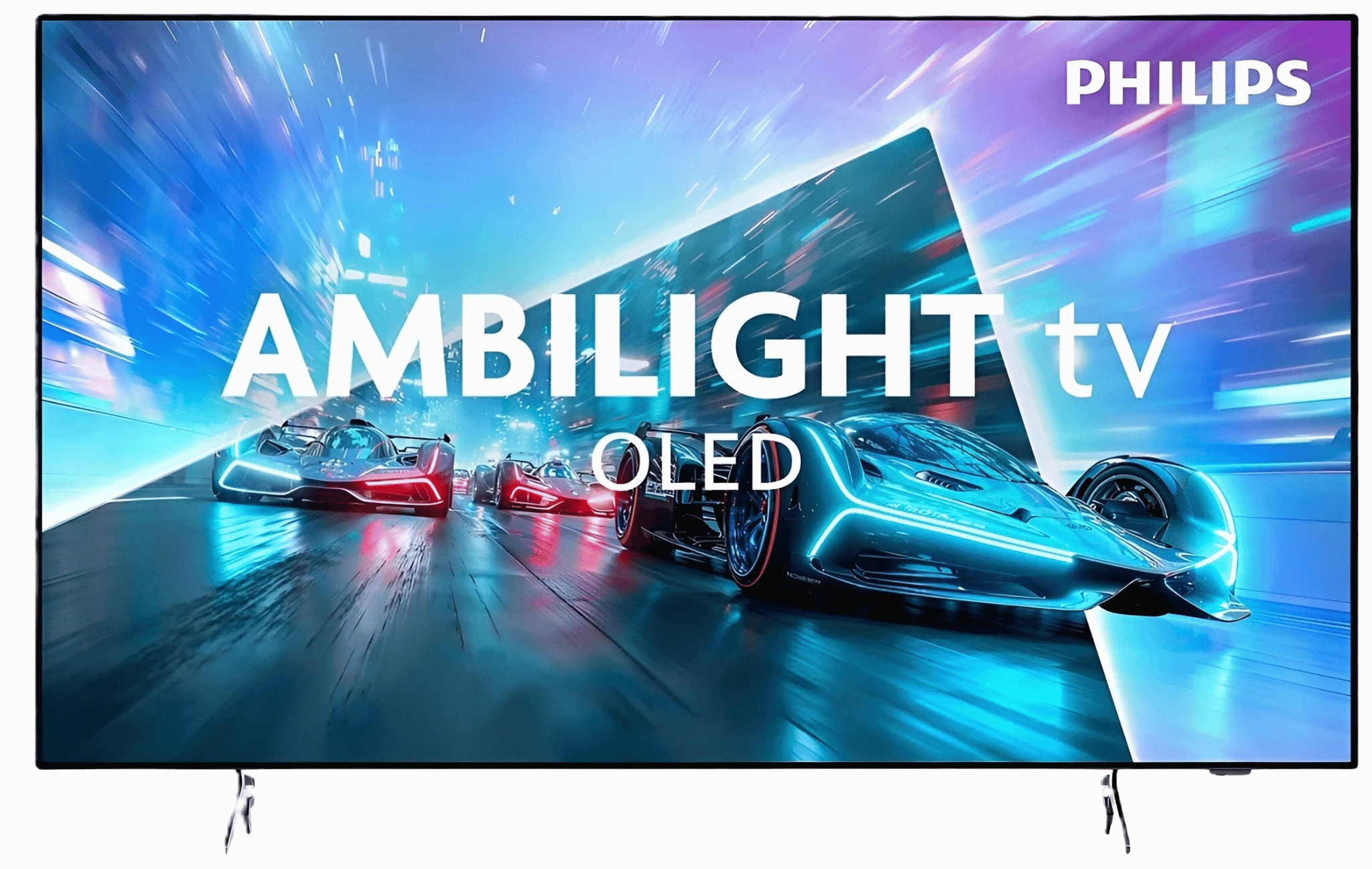
  • Ambilight enhances viewing enjoyment 🙂

  • 120 Hz panel useful for gaming and sports

  • Four HDMI 2.1 inputs

  • Dolby Vision support (improves the picture in many HDR scenes)

Disadvantages

No like
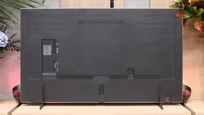
  • No wall mount or One Connect included

  • Black takes on a cherry tint in bright light (a characteristic of QD-OLED panels)

  • No DTS:X (for Blu-ray fans)

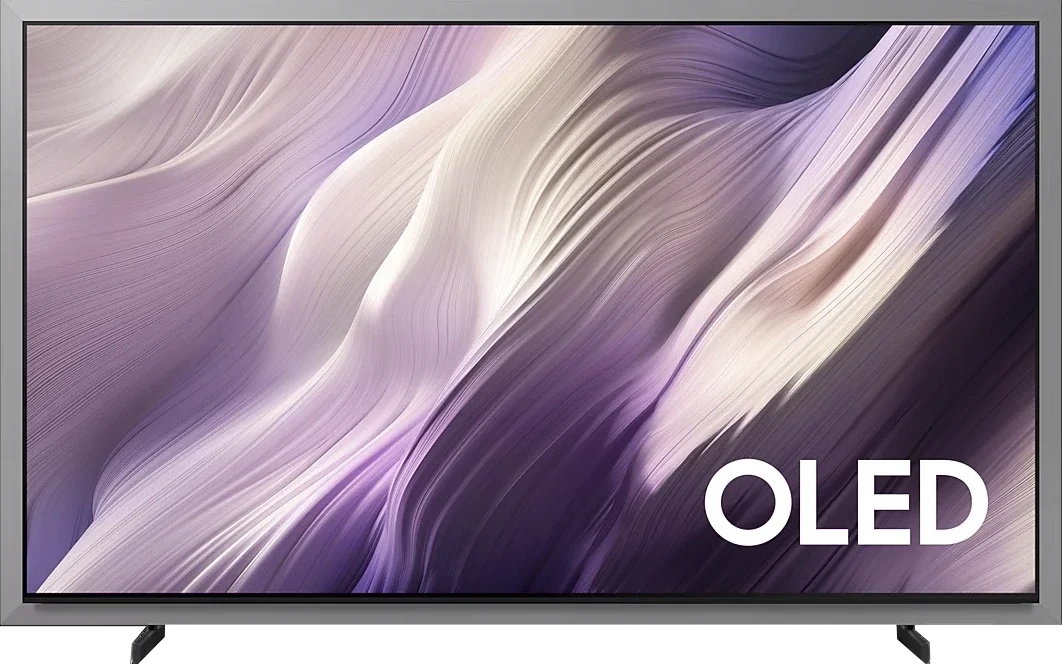
  • Unusual design 😉

  • Limited app selection on Titan OS

  • Lower SDR brightness than competitors

  • Screen reflections that are distracting in a bright living room

  • Infrared remote control requires aiming at the TV (sometimes slow to respond)

  • Visible posterisation

Our verdict

The Samsung S99H is probably the best OLED TV we’ve tested so far, and certainly the best Samsung OLED in years. In terms of picture quality it’s really hard to find a weak spot. Blacks are perfect, as you’d expect from an OLED panel, and the HDR performance impresses with brightness and colour saturation. The use of a QD-OLED panel produces an image that in many scenes looks almost reference-level. Practically every parameter related to display performance is excellent. It’s also simply a pleasure to use day to day. Tizen is fast, gives access to all the major apps and comes with seven years of update support. On top of that there are brilliant gaming features, which translated into one of the highest scores in that category on our site. The S99H will therefore perform well in virtually any situation, whether you’re watching movies in the evening, following regular TV in a bright living room, or spending several hours on a console.

So is it the perfect TV? Not quite. The most controversial aspect is, of course, the design. Its unique look with a wide bezel means you’ll either love it straight away or be put off completely — and that’s purely a matter of taste. We can, however, judge the equipment, and in that respect Samsung left something to be desired. In a model designed primarily for wall mounting there’s no dedicated wall bracket and no One Connect module. Samsung does allow you to buy the wireless version, Wireless One Connect, but for a product at this price point those two items should, in our view, be included.

These are not faults that should rule out the model. The Samsung S99H stands on its picture above all else, and that picture is simply phenomenal. If you like the way it looks and are after the very best TV, it’s hard to point to a better choice today. At the moment the Samsung S99H is the strongest contender for the title of best TV of 2026.

Philips OLED761 shows that the brand’s entry-level OLED can be a successful choice for watching films. It performs best in the evening, when perfect blacks and impressive HDR let you appreciate the strengths of this panel. After calibration, colour reproduction is very good, so it's hard to fault the picture during normal viewing. It doesn't always handle the brightest highlights in demanding HDR10 films as well, but Dolby Vision helps in those scenes. This is a TV that can make an evening screening with the lights off genuinely impressive. A big part of that experience is Ambilight. If you like lighting the wall behind the screen, the OLED761 gives you a solid reason to consider Philips. You don't have to pay extra for higher-end ranges to combine that feature with a good OLED picture. This model also works well for gaming: a 120 Hz panel and four HDMI 2.1 inputs let it serve as a screen for movies as well as consoles or a computer. That's important, because even the cheapest OLED in a range should be a versatile purchase, not a TV that's only good for night-time viewing.

Before buying, though, it's worth looking at two limitations. The first is watching in a bright room. The OLED761 is a little dimmer than rivals using a similar panel, and the lack of a polariser in the OLED SE panel further reduces its performance in bright rooms. The second is Titan OS. The system runs more smoothly than in earlier versions, but still offers a smaller selection of apps than the competition. Improved responsiveness is welcome, but it won't replace access to the services you use every day, so check availability before purchasing. We also didn't like the remote. Although it's backlit and has a full set of useful keys, it requires precise aiming at the screen.

Ultimately the Philips OLED761 makes most sense for people who mainly watch in the evenings and want Ambilight. In those conditions it can confidently compete with the Samsung S85H and LG B6 in terms of picture quality, and the choice between them will depend more on price, the operating system and personal habits. Philips doesn't have a clear advantage in every use case, but that doesn't mean it should be treated as an inferior alternative just because it opens the brand's OLED range. At the right price it's a good purchase, but only if the available apps are enough for you.

TV appearance

HDMI inputs
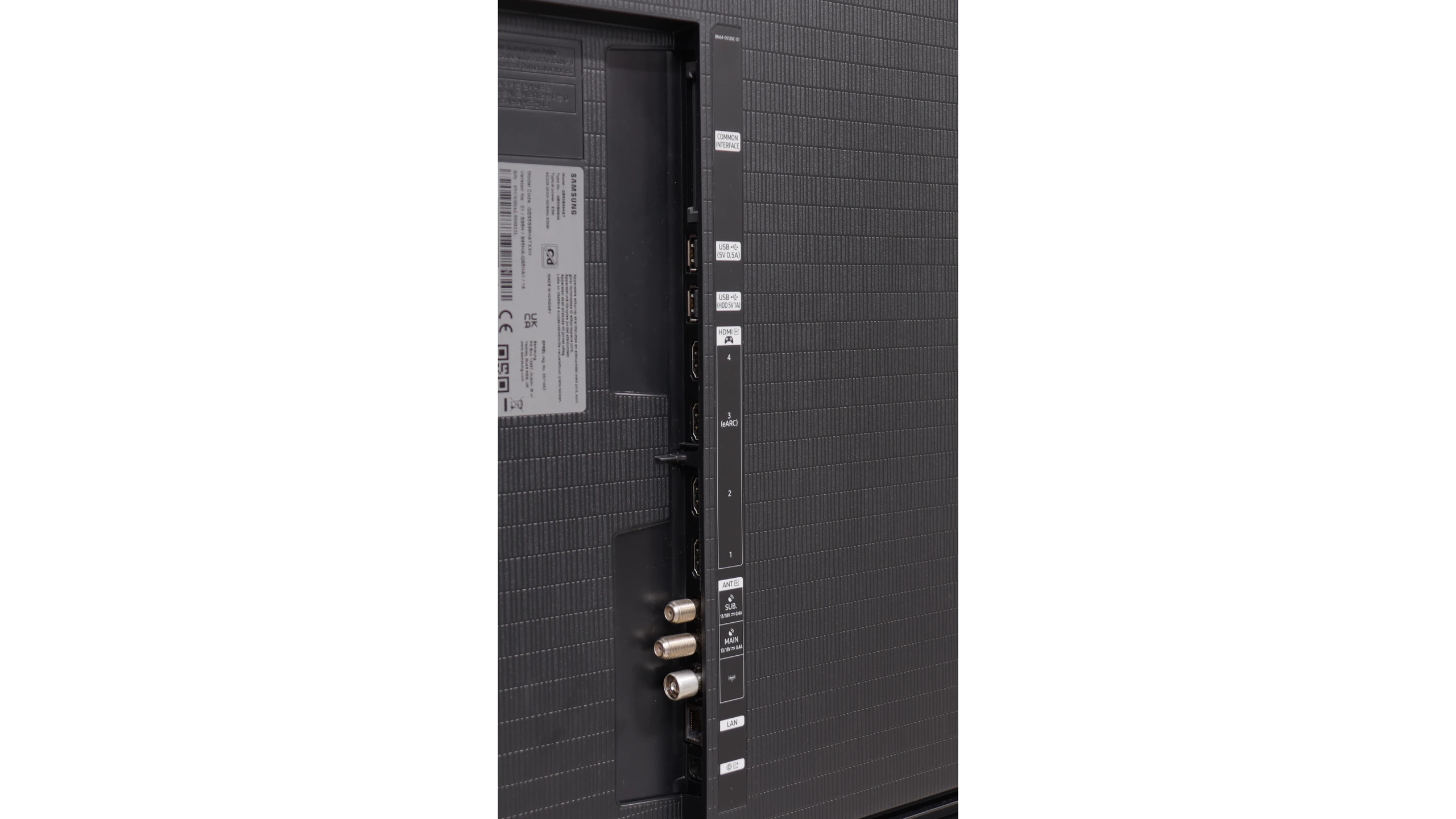
0 x HDMI 2.0, 4 x HDMI 2.1 (48Gbps)
Other inputs
Outputs
Toslink (Optical audio), eARC (HDMI), ARC (HDMI)
Toslink (Optical audio), eARC (HDMI), ARC (HDMI), Mini-Jack (Headphones)
Network Interfaces
Wi-Fi 2.4GHz, Wi-Fi 5GHz, Ethernet (LAN) 100Mbps
Build quality
Super Premium
Good
Stand type
Legs
Legs
Bezel color
Silver
Graphite
Stand
Fixed
Fixed
Flat design
Yes
No
Accessories
Stand
Stand

Contrast and black detail

10/10

10/10

Contrast:

Review Samsung OLED S95H (S99H) (QD-OLED) Contrast and black detail

Result

∞:1

Review Samsung OLED S95H (S99H) (QD-OLED) Contrast and black detail

Result

∞:1

Review Samsung OLED S95H (S99H) (QD-OLED) Contrast and black detail

Result

∞:1

Review Samsung OLED S95H (S99H) (QD-OLED) Contrast and black detail

Result

∞:1

Review Samsung OLED S95H (S99H) (QD-OLED) Contrast and black detail

Result

∞:1

Review Philips OLED761 Contrast and black detail

Result

∞:1

Review Philips OLED761 Contrast and black detail

Result

∞:1

Review Philips OLED761 Contrast and black detail

Result

∞:1

Review Philips OLED761 Contrast and black detail

Result

∞:1

Review Philips OLED761 Contrast and black detail

Result

∞:1

Halo effect and black detail visibility:

Check the visibility of bright lights on a dark background. Mini-LEDs often struggle with this. The photo does not compare black levels – that’s what the video below is for.


The video accurately shows differences in contrast and black levels between TVs, as well as potential issues: halo around bright objects or Mini-LED zone operation visible as brightness jumps.
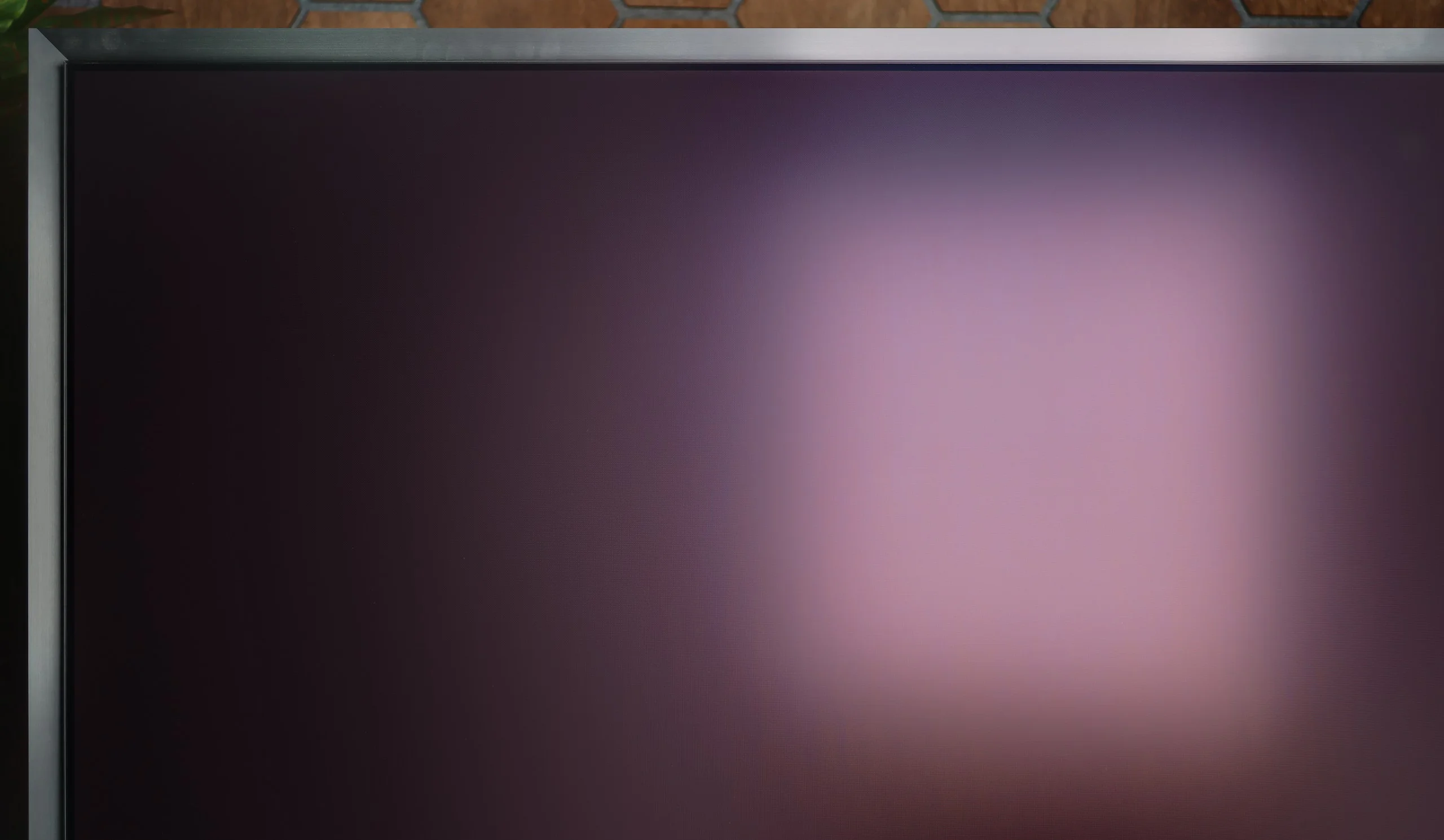
As you'd expect from an OLED TV, the Samsung S99H delivers perfect black and virtually infinite contrast. Each pixel can switch off independently, so bright elements cause no haloing and blacks stay black even in the toughest scenes. This gives the picture excellent depth and it looks great in films, TV series and games. Compared with Mini LED LCD TVs, the advantage is particularly noticeable in dark shots with small bright details. Subtitles, stars, headlights and small light sources retain full definition and don't blend into the background. You also don't get the haloing typical of local dimming, nor the dimming down of bright elements just to preserve deep blacks. Importantly, in this respect it doesn't much matter whether we're talking about the QD-OLED panel or Tandem WOLED. In both cases you can expect the same fundamental benefits of organic technology: precise per-pixel control and excellent contrast regardless of the scene.
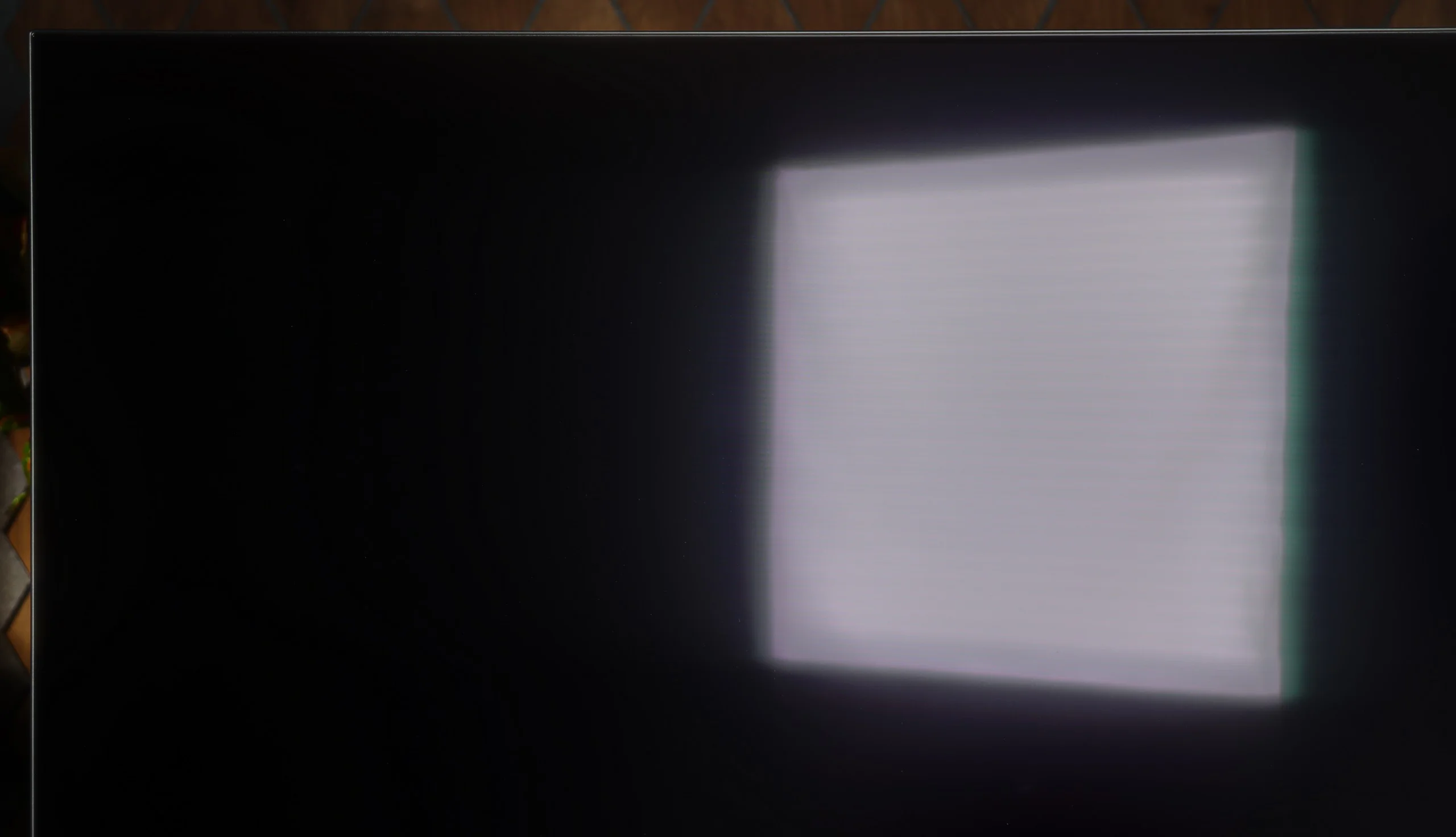
In this category the Philips OLED761 receives the highest rating. The OLED panel used allows each pixel to be controlled independently, and where the image should be completely black it can simply be switched off. As a result we achieved infinite contrast in all test scenes. When watching, this translates to deep blacks and a very clear separation of bright elements from the dark background. Even a small lamp or a star does not cause the surrounding area to be lit up by the screen's backlight, something Mini LEDs still struggle with in demanding scenes. That's an advantage of the technology itself, which is why even Philips' cheapest OLED can match much more expensive models in this respect. In a dark room it's especially obvious how much precision like this delivers. Black doesn't turn grey just because a bright object appears right next to it, and the TV doesn't have to choose between dimming the light and keeping the dark background.

Certain reservations, however, concern how it displays tones just above black. In cinematic scenes the OLED761 can slightly brighten those tones, so the darkest parts of the picture can be a little brighter than they should be. The start of the luminance curve also confirms this. That doesn't mean the panel can't show perfect black, because completely black elements still remain switched off. The imperfection affects reproduction of the very darkest greys and, although it doesn't negate the excellent contrast, you can notice it in some night shots.

HDR effect quality

9.4/10

6.1/10

Supported formats
HDR10, HDR10+, HLG
HDR10, HDR10+, Dolby Vision, HLG
Color gamut coverage
DCI P3: 99.9%, BT.2020: 89.0%
DCI P3: 96.9%, BT.2020: 71.9%

Luminance measurements in HDR:

Review Samsung OLED S95H (S99H) (QD-OLED) Brightness measurement

Result

2837 nit

Review Samsung OLED S95H (S99H) (QD-OLED) Brightness measurement

Result

2795 nit

Review Samsung OLED S95H (S99H) (QD-OLED) Brightness measurement

Result

2592 nit

Review Samsung OLED S95H (S99H) (QD-OLED) Brightness measurement

Result

2811 nit

Review Samsung OLED S95H (S99H) (QD-OLED) Brightness measurement

Result

2271 nit

Review Philips OLED761 Brightness measurement

Result

538 nit

Review Philips OLED761 Brightness measurement

Result

702 nit

Review Philips OLED761 Brightness measurement

Result

784 nit

Review Philips OLED761 Brightness measurement

Result

740 nit

Review Philips OLED761 Brightness measurement

Result

289 nit

Scene from the movie “Pan” (about 2800 nits)

Scene from the movie “Billy Lynn” (about 1100 nits)

The photos show two HDR10 movies. 'Pan' is one of the brightest productions ever made, while 'Billy Lynn' (soldier) has brightness typical of streaming (Netflix, Prime, HBO MAX). Notice the intensity of effects and detail in whites.

Static HDR10

The photos present the visibility of white details in various HDR formats. They do not show brightness differences between TVs (these can be compared in the previous gallery).

Dynamic: HDR10+

Dynamic: Dolby Vision

The photos present the visibility of white details in various HDR formats. They do not show brightness differences between TVs (these can be compared in the previous gallery).

HDR luminance chart:

Philips OLED761

Samsung OLED S95H (S99H) (QD-OLED)

Luminance of RGB colors

When it comes to pure brightness, the S99H is an astronomically bright TV. Its peak brightness in film scenes can exceed 2,800 nits. Whatever the scene, you can expect powerful HDR effects that are almost blinding, which is exactly what we want from a top‑tier display. By nature, an OLED panel can't maintain that extreme brightness in very bright, full‑screen frames the way it can with small bright highlights, but the results are still excellent. In a bright scene from The Meg the sun still exceeded 2,200 nits. That means the S99H was able to hold a higher brightness than most Mini LED screens on the market. In terms of brightness the S99H is currently the best OLED TV we've tested.

Colour gamut coverage

The S99H also handles colours exceptionally well, thanks directly to the QD‑OLED panel used here. Whether the test used synthetic test patterns or measurements with film material in the background, the results remained very high. The S99H easily covers almost 100% of the DCI‑P3 gamut, and in the most demanding space, BT.2020 it reaches nearly 90%. That's absolute top‑tier performance. These results match what we saw in the new SQD‑Mini‑LED displays, and in real film scenes they even surpass RGB Mini LED displays.

Philips OLED761 uses the new-generation WOLED SE panels from LG Display, and in terms of HDR brightness it achieves results close to its nearest rivals, the Samsung S85H and LG B6. Peak brightness is around 800 nits, which for an entry-level OLED is a solid result. Importantly, similar values also appear in films. In scenes with small bright elements on a dark background we measured around 700–780 nits, so a torch, spotlight or lamp can really stand out. Combined with perfect black, this delivers a convincing HDR effect, especially during evening viewing. The panel’s capabilities do fall off as the bright area increases. When single highlights are replaced by a wide sunlit landscape, the TV can no longer maintain such high brightness. In an oil-rig scene we recorded 289 nits, and with an even larger bright-area fill the result can drop to around 200 nits. In practice this means a sun-drenched shot will look less punchy than small lights in a night scene. Despite this limitation, the OLED761’s HDR performance deserves praise. It’s not a TV that will light up a room with every bright scene, but it can clearly show the difference between standard footage and HDR content. It performs best where bright accents appear against a darker background, because that’s when high peak brightness on individual elements and deep blacks combine for the best effect.

Colour

The Philips OLED761 also handles colour well, as its panel covers the vast majority of the DCI-P3 gamut, which contains most of the colours seen in HDR films and series. As a result, in everyday viewing colours have proper saturation and the picture doesn’t look washed out. Limitations only appear in more demanding material that uses shades beyond DCI-P3 and in the wider BT.2020 gamut. In such shots the most intense reds and greens may look less striking than on QD-OLED, SQD-Mini LED or RGB Mini LED screens. A separate issue is saturation retention at high brightness. The WOLED panel uses an additional white subpixel to help boost brightness, but that doesn’t increase the brightness of the colours in the same way. Therefore very bright colours can look a little washed out, most noticeable on vivid neons or colourful light effects. These are limitations mainly visible in specific, demanding scenes. In most films and series watched day-to-day the OLED761 has enough capability to show well-saturated, attractive colours.

Factory color reproduction

7.5/10

6.5/10

This gallery shows how colors change after professional TV calibration. If you notice the difference, we recommend ordering this service at SkalibrujTV.com.

Factory Mode

After calibration

This gallery shows how colors change after professional TV calibration. If you notice the difference, we recommend ordering this service at SkalibrujTV.com.

Factory Mode

After calibration

Samsung offers a whole host of picture modes and features, but we traditionally recommend choosing FILMMAKER mode, especially if you want the most faithful rendering of the creators' intent. Out of the box the TV is tuned very well, though it has minor flaws. These are mainly a slight deviation in white balance in SDR content and a slightly low gamma. As a result, the picture in a dark room can be a little too bright compared with the reference value of 2.4, which is the standard for watching films with the lights off. These are, of course, small issues, because overall colour reproduction remains very good and the errors in ColorChecker measurements are not large. However, we know that for a screen of the S99H's calibre you can and should expect even more, so we subjected it to professional calibration.

The factory film mode settings on the OLED761 deliver a fairly pleasant picture, though the colours are not completely neutral. In SDR material there is primarily a lack of blue, and in parts of the range also red, which can make whites and greys take on a slightly yellow‑green tint. You’ll notice this most easily on neutral surfaces, which look warmer than they should. The colours themselves perform quite well, and most of the test samples do not show large errors. So this is not a case where a tint completely changes the look of the film. The way brightness is set in SDR needs more attention. Over most of the range the TV slightly darkens the image, which can make faces and background elements look heavier and details in darker areas less readable. At the same time, tones just above black are brightened. These two traits can occur together: the deepest shadows become too obvious while the rest of the scene is a little too dark. In HDR you can also see a shortage of blue, especially in the brighter parts of the image. Whites therefore take on a warm, yellowish cast, which can be noticeable on clouds or snow. Darker tones are set much better in terms of white balance, so the extent of this tint changes with scene brightness. Out of the box the OLED761 performs decently, but measurements show that, above all, white neutrality and the rendering of brightness still need refining through calibration.

Color reproduction after calibration

9.6/10

9/10

The photos show how movies look on the TV. Pay attention to black detail visibility, colors, and shadow tint.

The photos show how movies look on the TV. Pay attention to black detail visibility, colors, and shadow tint.

After professional calibration, FILMMAKER mode looks practically perfect. Because Samsung offers a rich set of advanced calibration controls, we were able to tune the colours to an almost perfect level. Above all, we managed to even out the white balance and the gamma curve, which resulted in noticeably improved contrast and correct image modelling. In a profile prepared like this there really isn't a single thing to pick apart or call a fault. After calibration, the S99H can deliver an essentially reference-quality picture.

After calibration the Philips OLED761 performs very well. The white balance was set almost perfectly, removing the earlier colour cast so faces, whites and greys look more natural. The improved gamma means the picture is no longer unnecessarily dark and it's easier to pick out detail in darker areas. Colours are reproduced with high accuracy, which, combined with deep blacks, produces a very pleasing image for evening movie viewing. It's clear that even Philips's entry-level OLED has considerable potential that's worth realising by refining the settings. In HDR the luminance response tracks the reference across most of the range, so most scenes retain the correct appearance. There remains a slight lift in tones just above black and a tendency to render the very brightest highlights a little too strongly. However, these are issues limited to specific parts of the image. In the most demanding shots some bright detail may still be lacking, but the overall result after calibration is definitely successful. The OLED761 can deliver a natural, well-balanced picture that lets you focus on the film.

Smoothness of tonal transitions

9.6/10

7.4/10

These are selected scenes that show smooth tonal transitions from one color to another. If you see distinct banding, it’s the TV panel’s fault.

These are selected scenes that show smooth tonal transitions from one color to another. If you see distinct banding, it’s the TV panel’s fault.

These are selected scenes that show smooth tonal transitions from one color to another. If you see distinct banding, it’s the TV panel’s fault.

These are selected scenes that show smooth tonal transitions from one color to another. If you see distinct banding, it’s the TV panel’s fault.

The smoothness of tonal transitions on the Samsung S99H looks very good. Bright scenes fare best, where successive shades blend very smoothly with no visible banding. In darker passages it is also good, though you can occasionally notice small imperfections. In everyday viewing they are practically unnoticeable. It is also worth noting that this is one of the strengths of QD-OLED panels. Compared with WOLED panels, they cope much better with near-black transitions, where competing panels from LG Display more often show posterisation and uneven tonal gradation.

Philips OLED761 handles tonal transitions quite well, although on bright gradients you can see slight banding between shades. They appear in most of the bright shots we tested, but are subtle enough that during normal viewing they shouldn't draw too much attention away from the film. In darker scenes the imperfections are most noticeable when the image fades to black and in the shot with red water, where colour transitions could be smoother. More than the gradation itself, panel uniformity can be more distracting. In dark scenes it shows up as fairly distinct bands that make a uniform background look less even than it should. This is a separate issue from the visible boundaries between shades, although both phenomena can overlap during viewing. We've seen similar bands so far in every OLED we've tested with the new WOLED SE panel, so this is not a problem exclusive to the OLED761. However, their severity can vary between units.

Image scaling and smoothness of tonal transitions

7.5/10

7.5/10

Image without overscan on the SD signal
No
OK
Smooth transition function
OK
OK

Smooth transition function

The match photo shows how the TV smooths weak tonal transitions in low-quality video.

Image scaling SD (576i)

The model photo shows how it handles upscaling of SD material.

Upscaling and digital image processing are handled by Samsung's proprietary NQ4 Gen3 processor. It copes very well with scaling lower-resolution content to 4K. The picture is clear without looking artificial or overly sharp. The only fairly specific drawback appears with very old material recorded at 480p or lower. In such cases the TV can slightly crop the edges of the image.

The processor also does a decent job with artefacts visible in low-bitrate material, for example in heavily compressed YouTube videos. The noise reduction function effectively smooths the picture and reduces posterisation, but it works quite aggressively. It can remove not only unwanted artefacts but also some fine detail, and even natural film grain. We, wanting to preserve maximum fidelity to the source material, chose not to use it. However, if someone values a clean, as-smooth-as-possible image more than keeping every detail, it may prove useful.

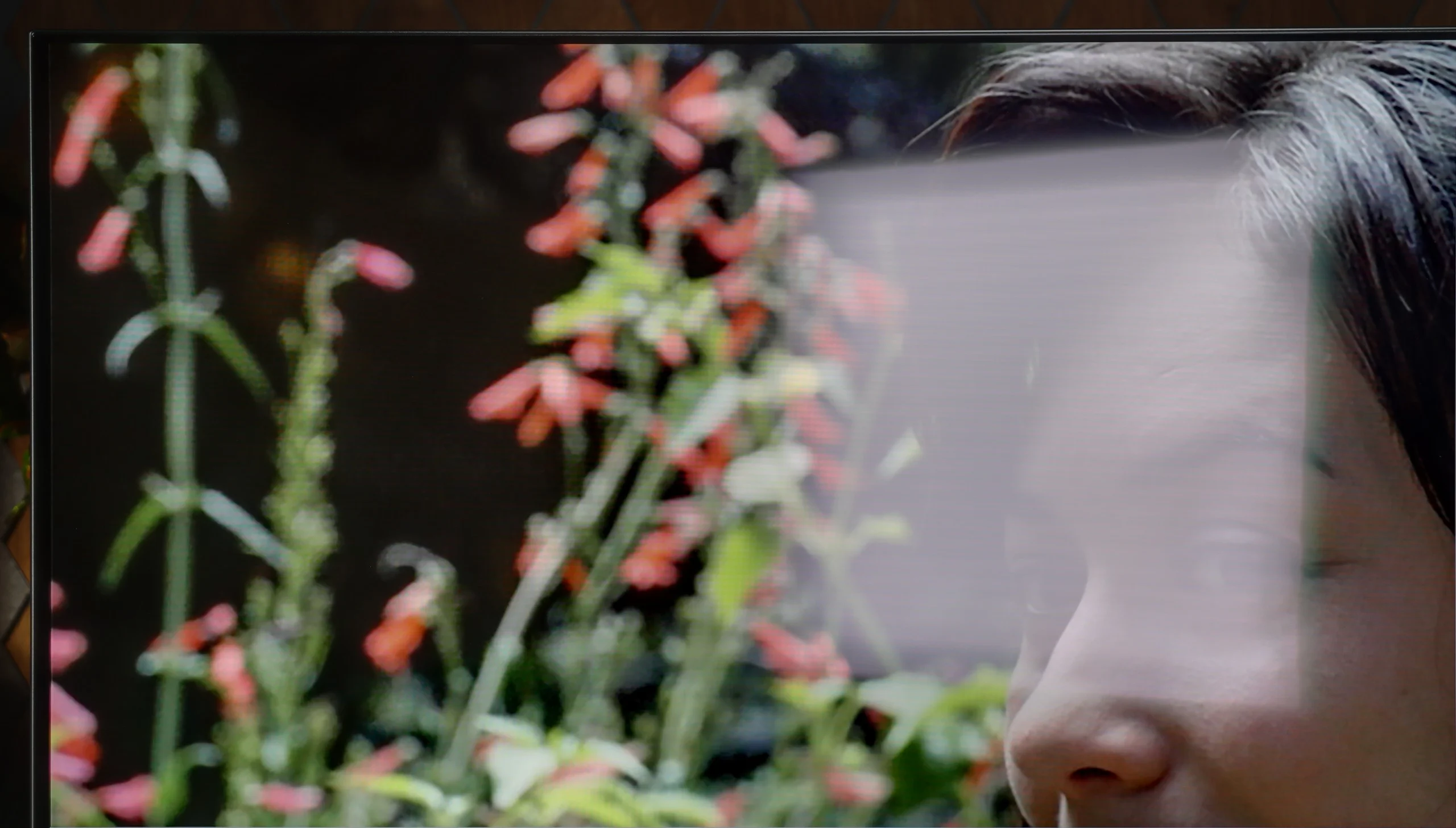
Philips OLED761 does a pretty good job of improving lower-quality source material. Its Pentonic 800 processor effectively smooths visible transitions between shades that often appear in heavily compressed footage. This is handled by the "Artefact Reduction" setting. When enabled, banding on uniform backgrounds becomes less noticeable, and importantly this isn't achieved at the cost of noticeably smearing detail. It's a feature worth using when the quality of the material you're watching leaves a bit to be desired. The upscaling itself, however, has Philips' characteristic softness. Lower-resolution content looks fairly soft, and fine details and outlines lack some sharpness. You can see this in the shot of a model, for example in the hair and thin branches, which could be more clearly defined. A plus is the lack of overscan, meaning the edges of the picture aren't cropped. Even with a low-resolution signal the TV displays the entire frame.

Blur and motion smoothness

8.5/10

8.5/10

Maximum refresh rate of the panel
165Hz
120Hz
Film motion smoothing option
OK
OK
Blur reduction option
OK
OK
BFI function 60Hz
Yes, 60Hz (image flickers)
No
BFI function 120Hz
No
No
Brightness drop with BFI
50%
-%

Blur (native resolution, maximum refresh rate):

Blur (BFI function enabled):

Image flickers in this mode

Blur (4K@165Hz):

Blur (4K@60Hz):

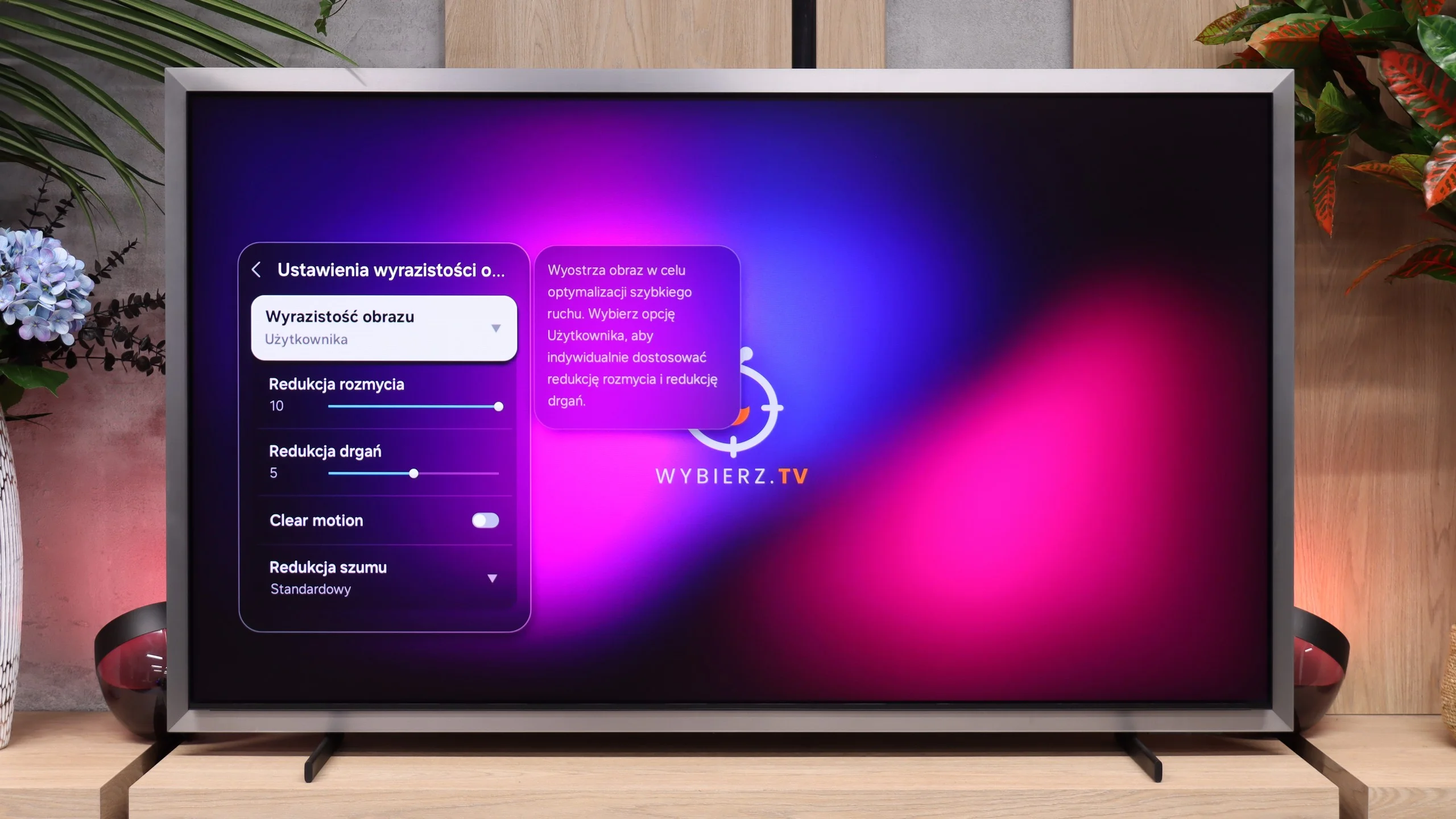
Another major advantage of organic panels is very good motion handling. Thanks to the pixels' near-instant response time, the Samsung S99H shows virtually no smearing. Fast-moving objects don't produce visible halos or trailing artefacts, so the TV performs very well for both sport and gaming. One quirk of OLED screens compared with LCD is the way they render low-frame-rate material. With very slow camera movement the picture can appear noticeably more juddery. This can be quite effectively mitigated using frame interpolation. Samsung lets you adjust judder reduction and motion blur reduction separately, so it's easy to find a compromise between a smoother picture and preserving the cinematic feel of the content.

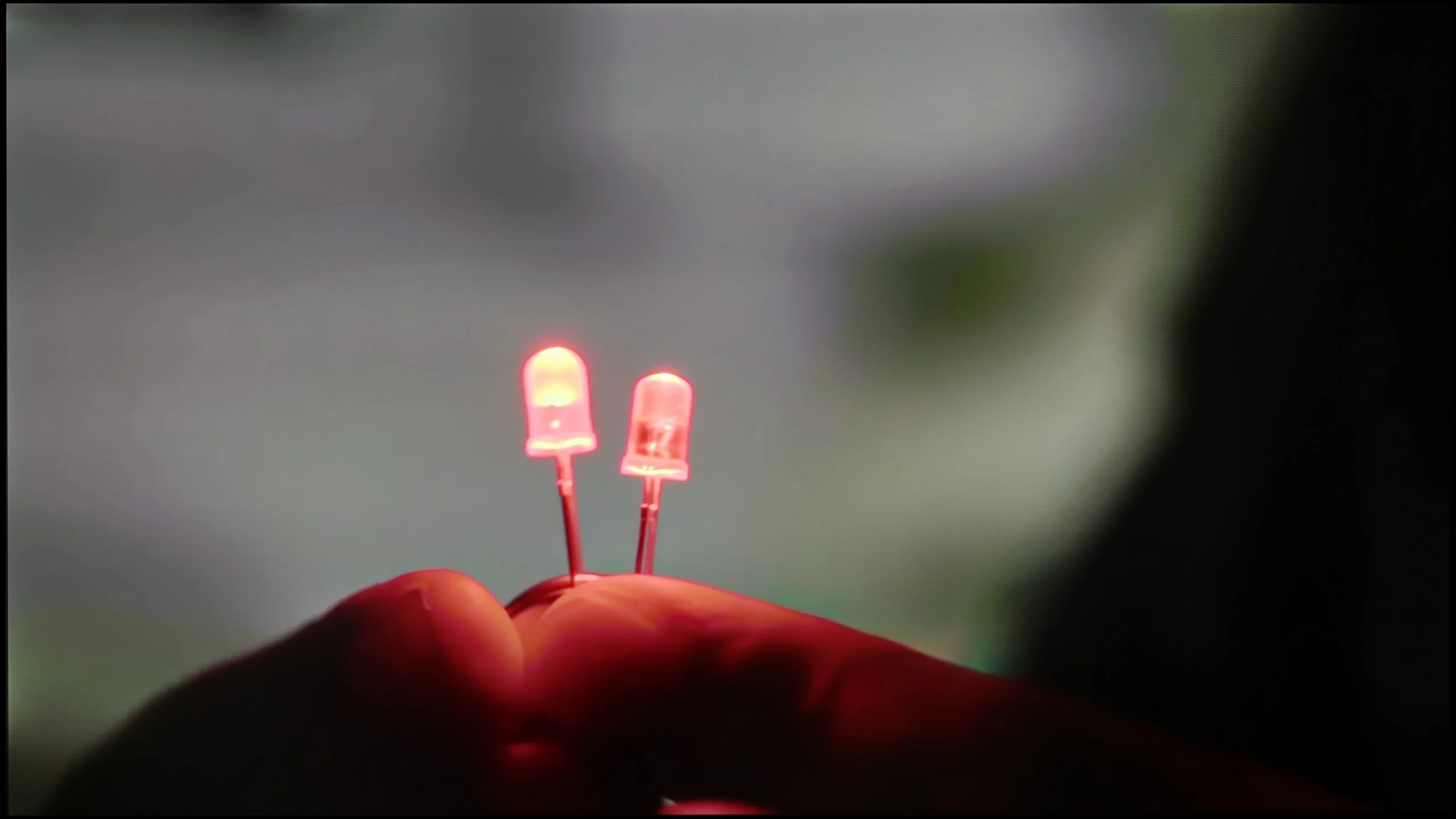
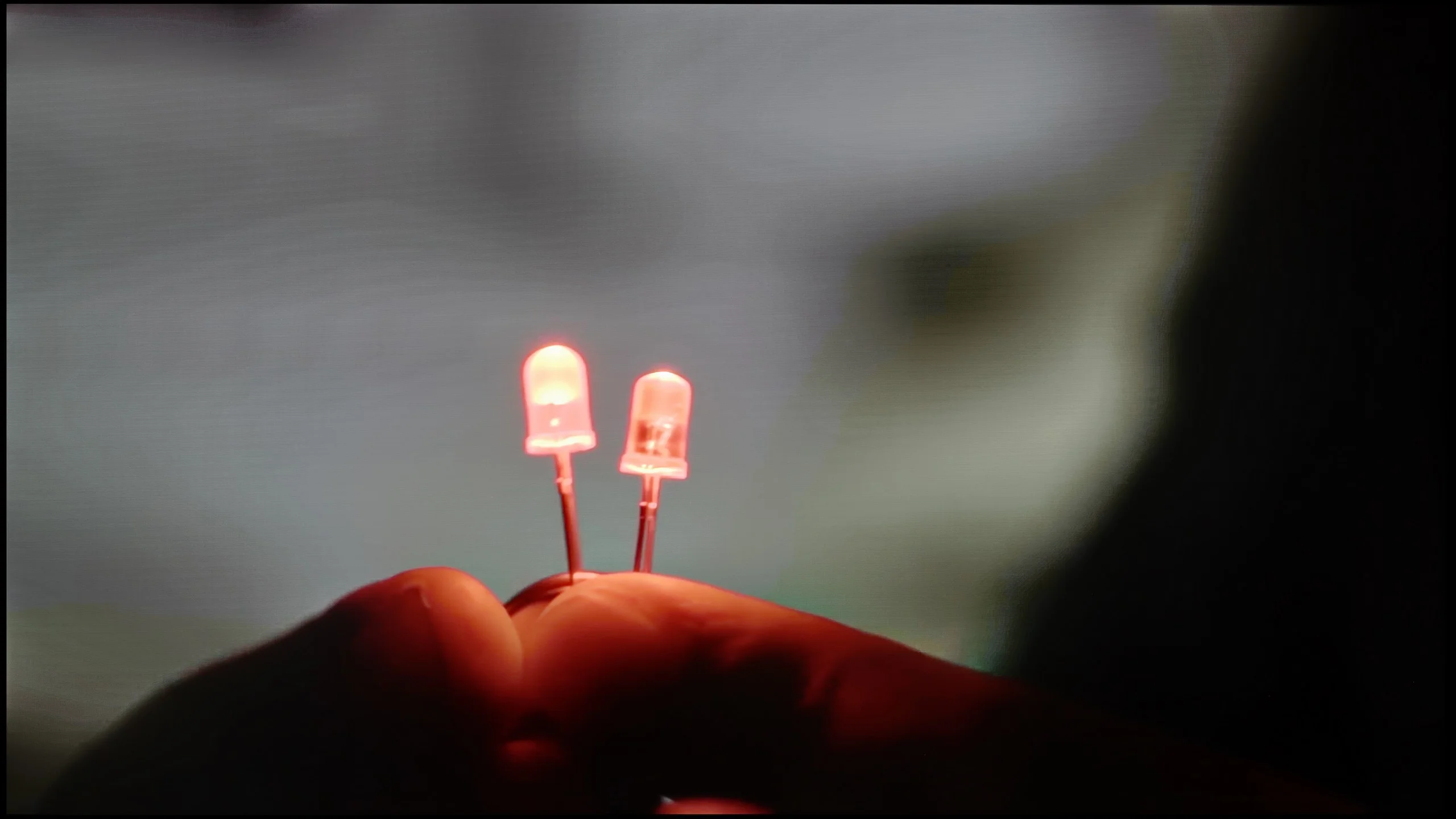
The Philips OLED761 performs very well in fast-moving scenes. Thanks to extremely fast pixel response, moving objects leave virtually no trails, which will be appreciated by both people watching sport and gamers. The 120 Hz panel also helps maintain good motion clarity, as seen in the UFO test: edges remain clear whether the object moves against a bright or dark background. With a 60 Hz signal there is more blur, but that mainly results from the way motion is presented at the lower refresh rate rather than slow pixel response.

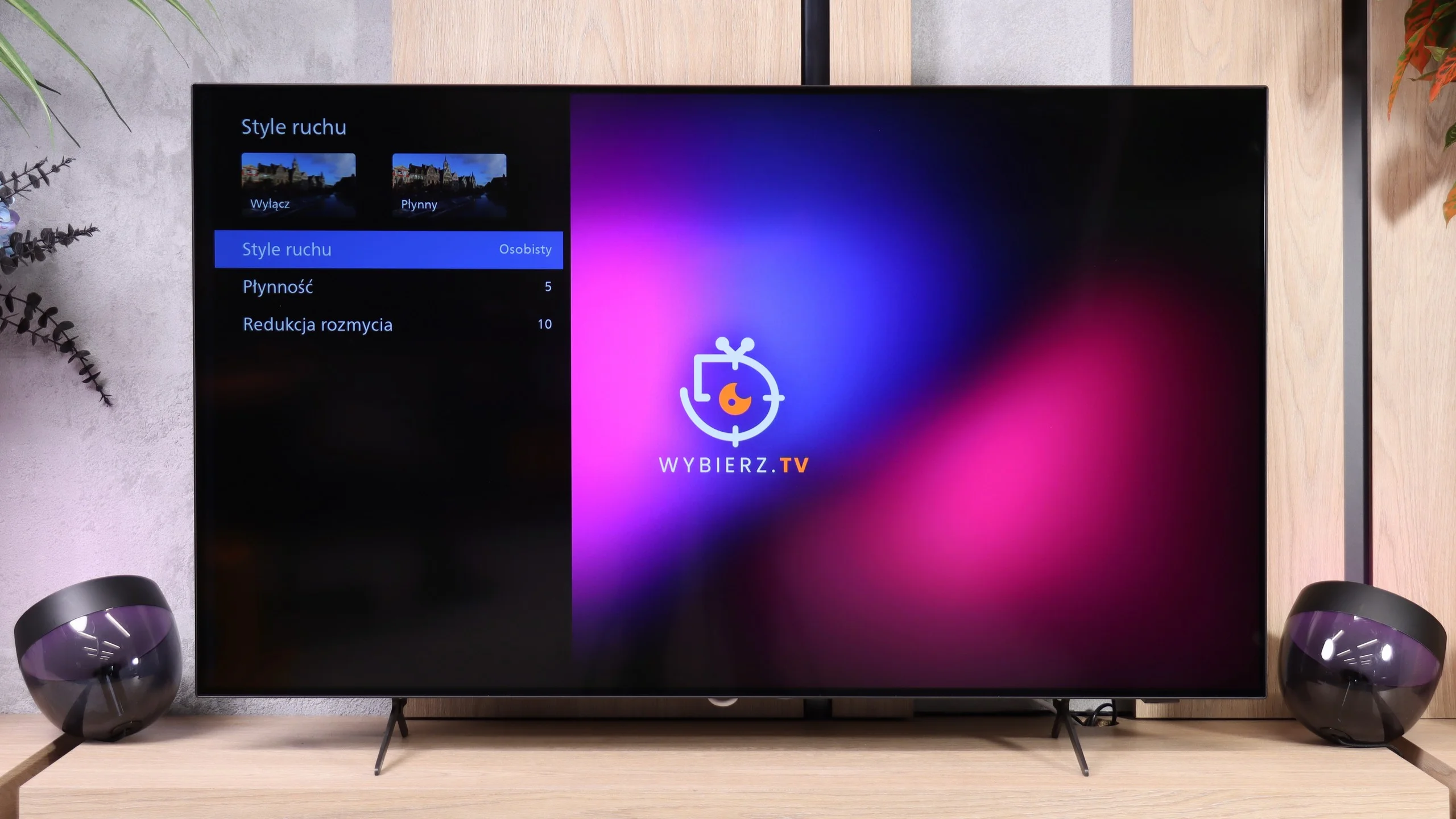
When watching films you can use the 'Motion Style' settings, which include 'Smoothness' and 'Blur Reduction' sliders. They let you tailor the image to your preferences, from preserving the characteristic cinematic motion to heavily smoothing it. A slight increase in smoothness is especially useful for slow camera moves, which on a fast reacting OLED can sometimes look jerky. There is no BFI, i.e. black frame insertion to improve motion clarity, but even without it the OLED761 performs very well in this category.

Console compatibility and gaming features

9.6/10

10/10

  • ALLM
    Yes
    Yes
  • VRR
    Yes
    Yes
  • VRR range
    48 - 165Hz
    40 - 120Hz
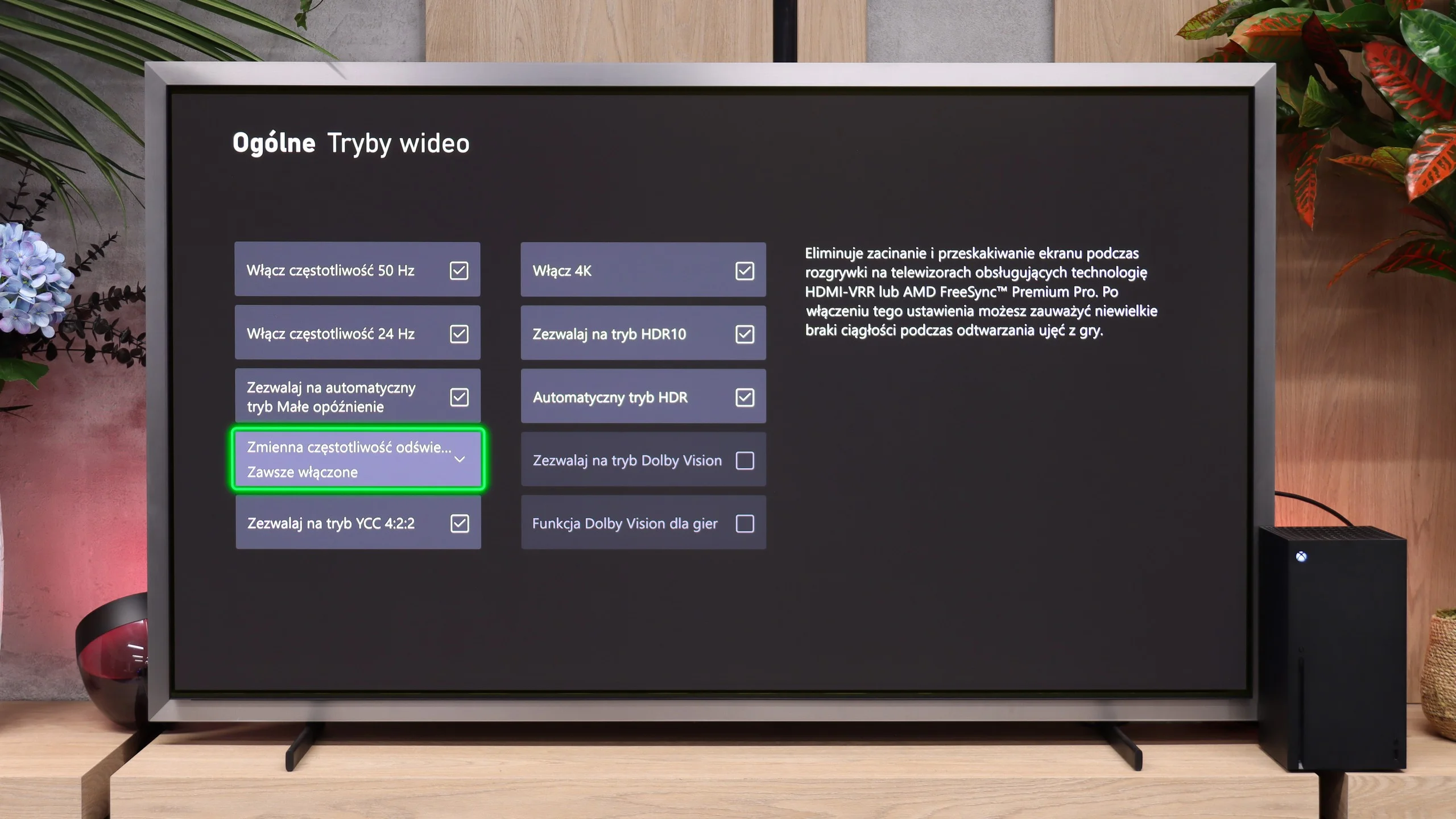
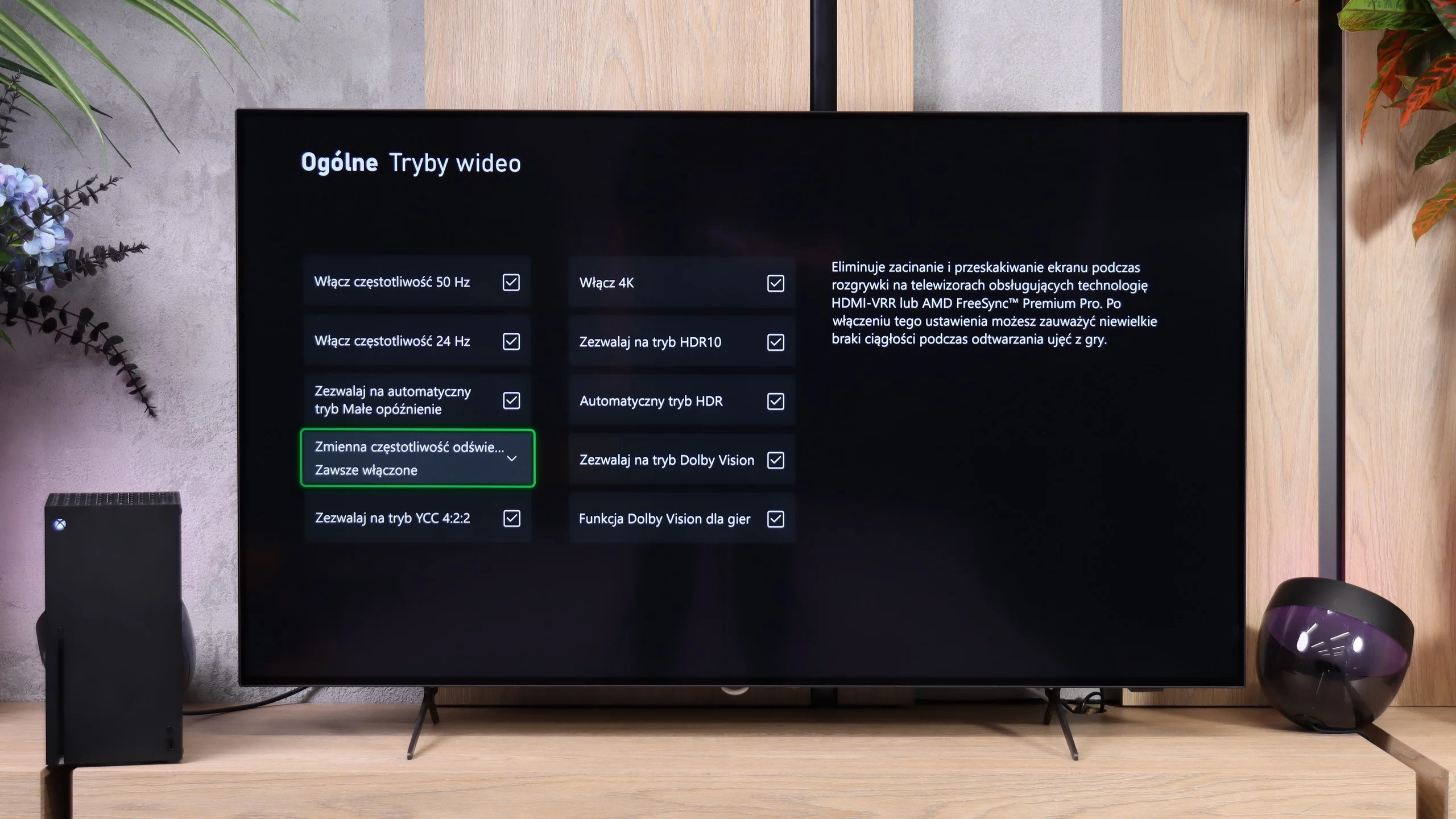
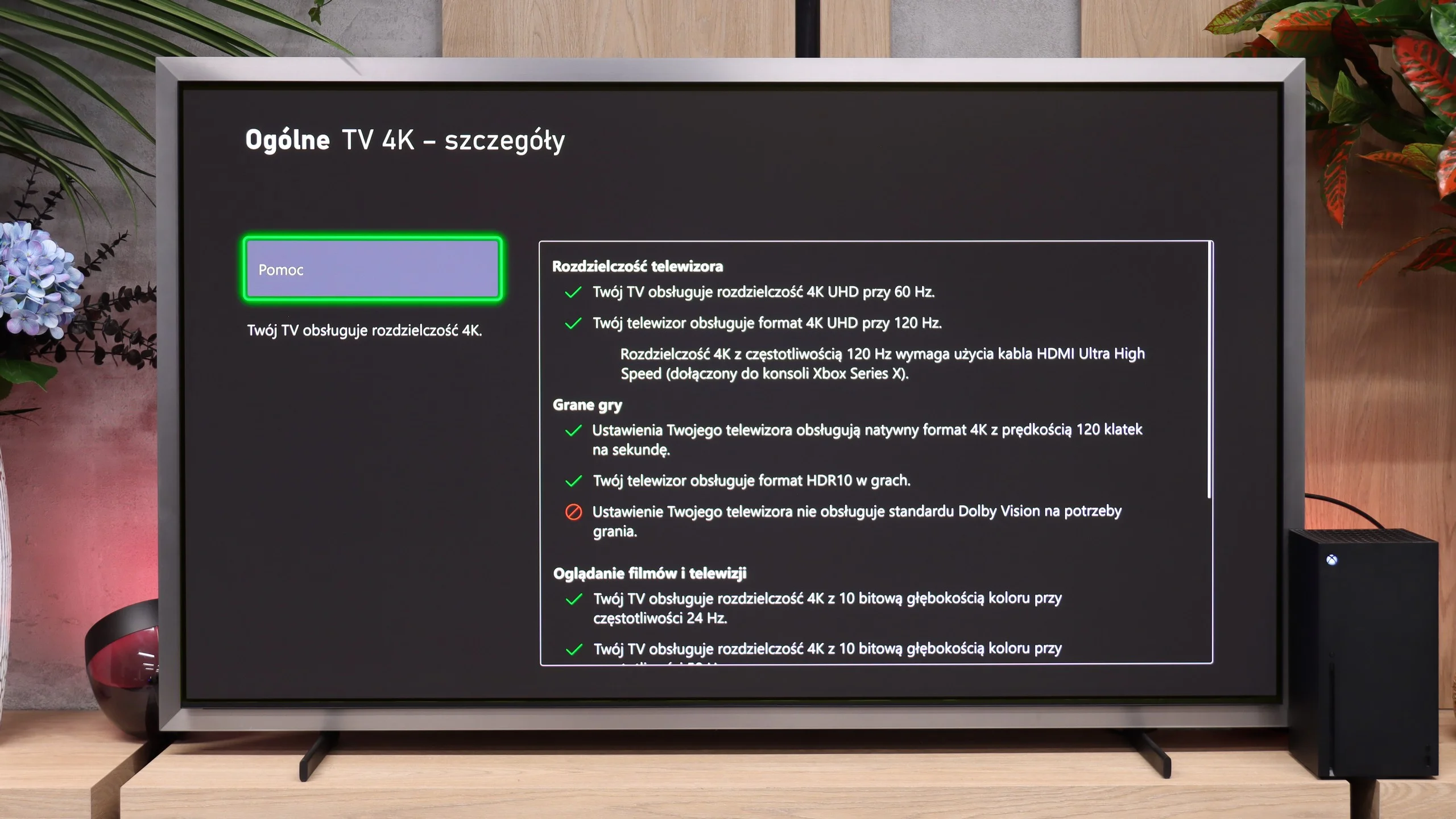
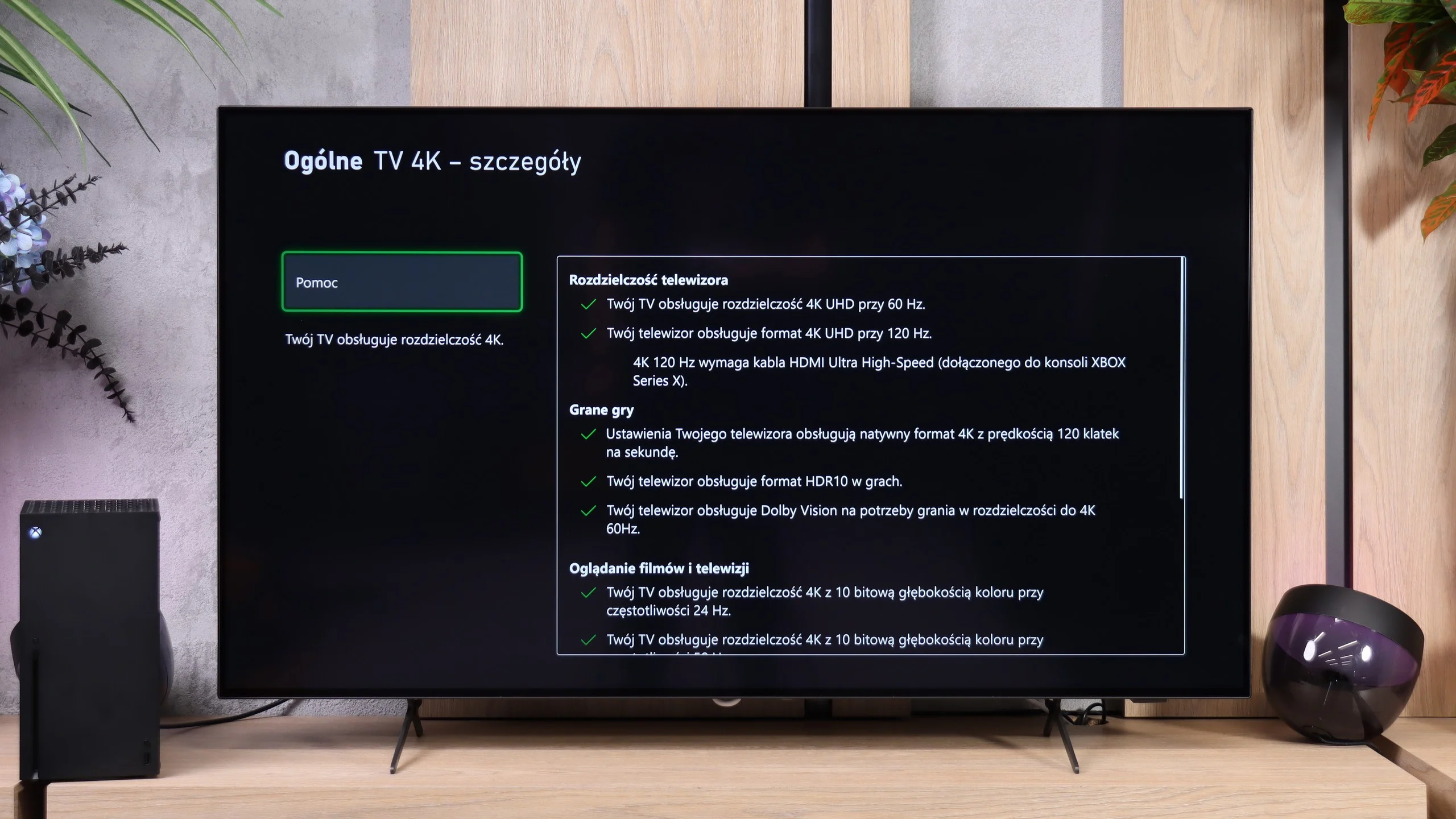
  • Dolby Vision Game Mode
    No
    Yes
  • Correct implementation of HGIG
    Yes
    Yes
  • 1080p@120Hz
    Yes
    Yes
  • 1440p@120Hz
    Yes
    Yes
  • 4K@120Hz
    Yes
    Yes
  • Game bar
    Yes
    Yes

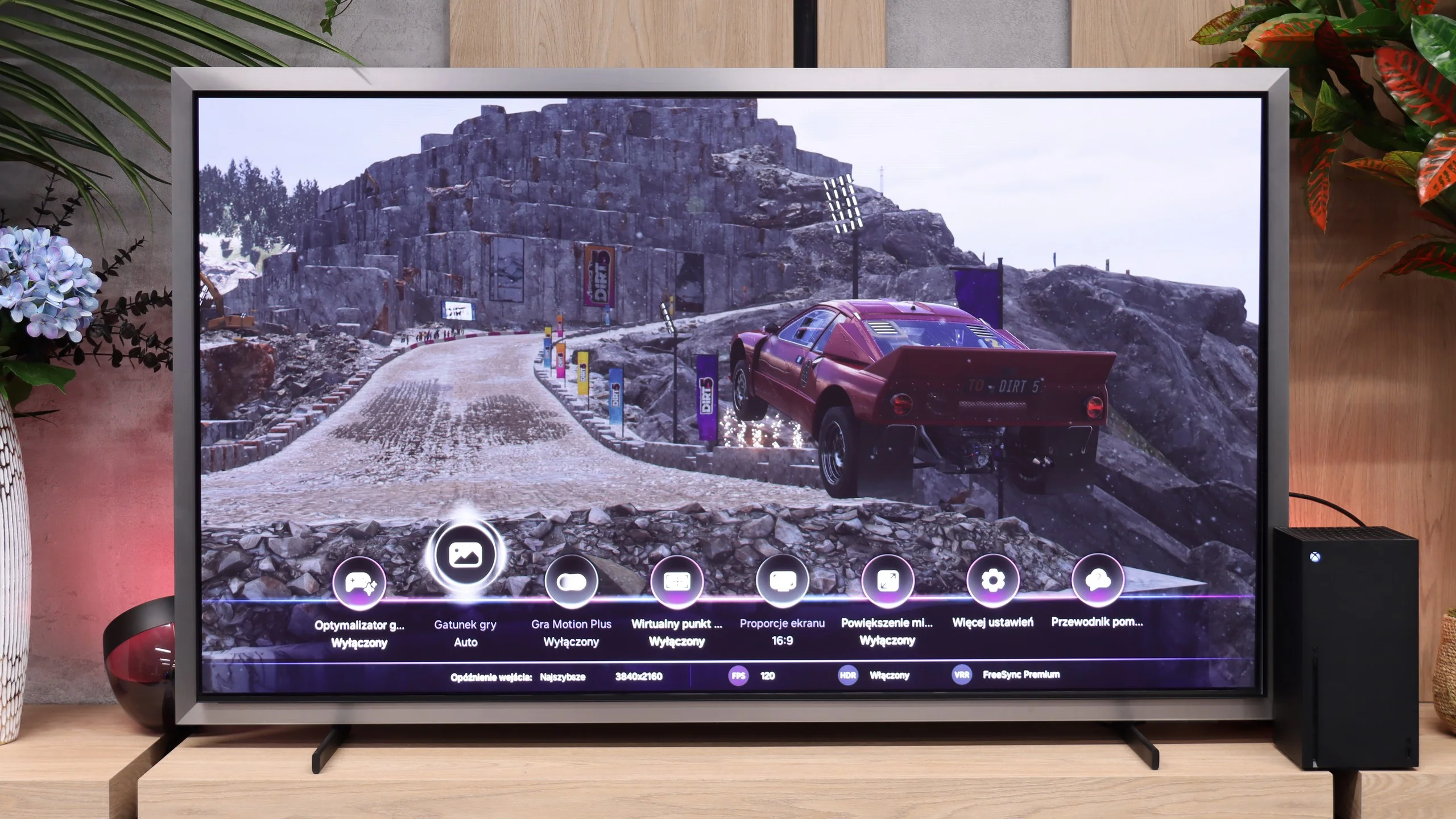
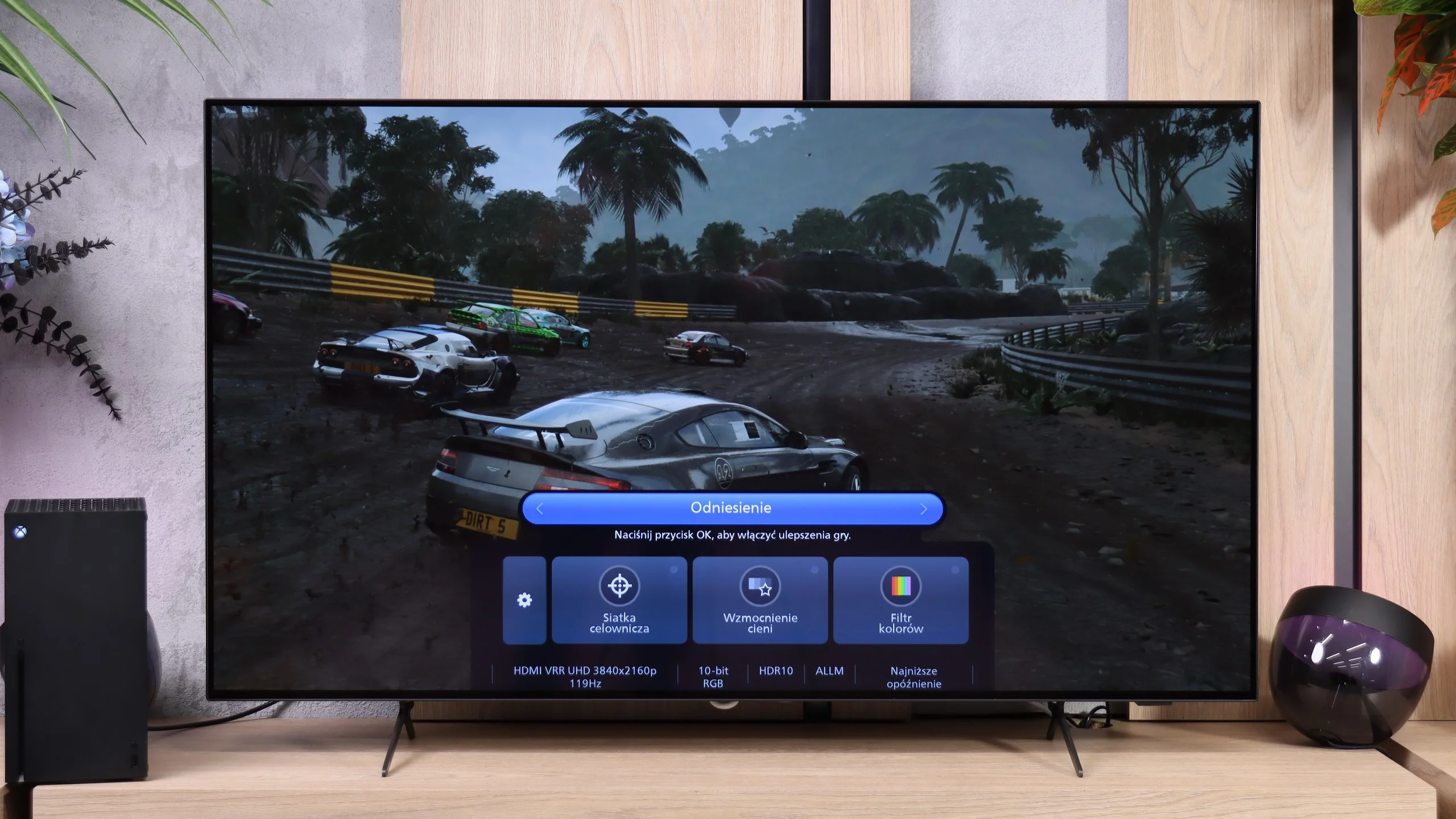
Samsung S99H is also a top TV for gamers. It offers almost every possible and useful feature... well, perhaps except the obvious lack of Dolby Vision for the Xbox console. It’s equipped with four full-fledged HDMI 2.1 ports with the full 48 Gbps bandwidth. That makes it easy to use frame-rate synchronization VRR or automatic low-latency mode (ALLM). This year Samsung also has no issues with proper HGiG support, so HDR setup on a console is quick and free of unnecessary complications. Samsung is also known for interesting extras in its TVs. In the Game Bar menu you’ll find options to add an on-screen crosshair, enlarge the minimap, or change the aspect ratio of the displayed image (PC).

Particularly noteworthy is Samsung’s feature: Game Motion Plus. It’s Samsung’s proprietary motion-smoothing system that uses interpolation to boost smoothness in games. Input lag then rises to around 40 to 50 ms (depending on the strength of the setting), which, compared with the competition, is an excellent result. The system makes gameplay noticeably smoother. So if someone has their eye on a demanding game (e.g. GTA 6 😉) that runs on a console at only 30 fps, the S99H can display it much more smoothly than competing models.

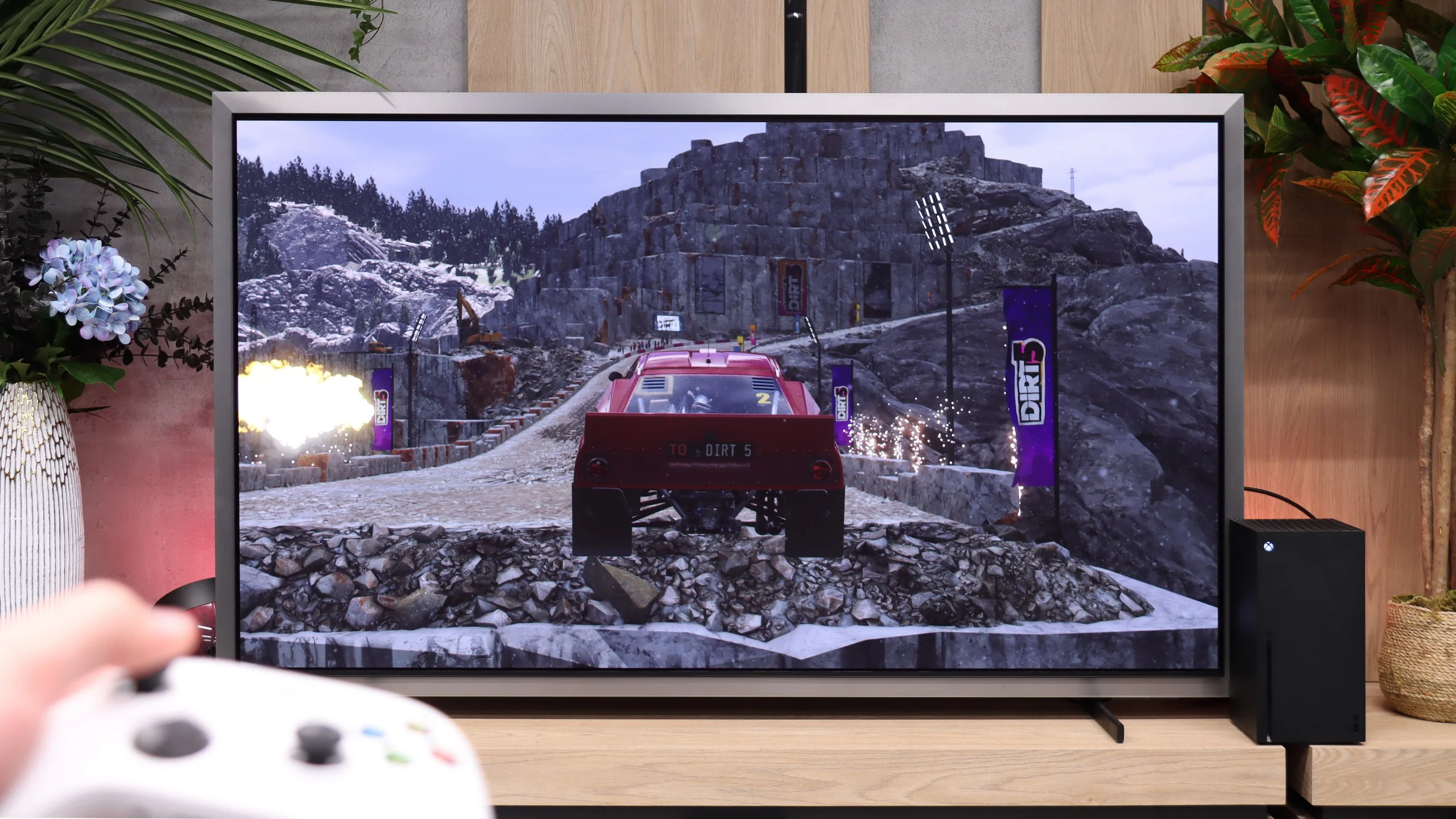
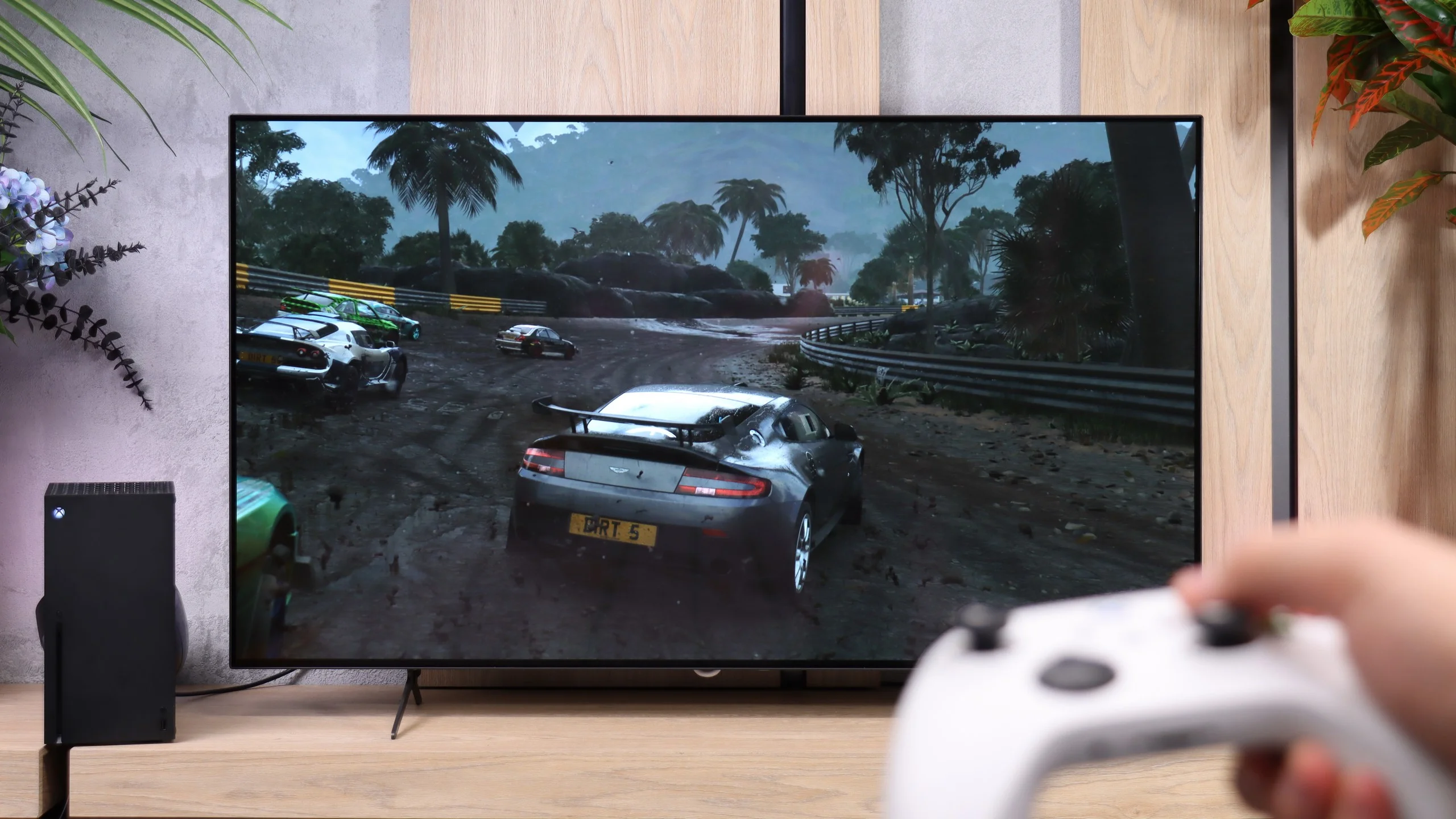
Although the OLED761 is Philips' cheapest OLED this year, it's hard to spot any major cutbacks in its gamer-focused features. The TV supports 120 Hz gaming in Full HD and 1440p as well as 4K, so it can make use of the high-frame-rate modes available on consoles. That pairs well with the fast OLED panel, which prevents trailing or smearing behind objects even during fast-paced gameplay. When a console can't keep a steady frame rate, VRR operating between 40 and 120 Hz helps. The image doesn't tear during quick camera pans, and frame-rate fluctuations are less noticeable. Philips has also thought about convenience. When you start a game the TV can automatically switch to a low-latency mode, and the most important settings are available in a handy Game Bar. You can check image parameters there, enable an on-screen crosshair, or brighten shadows if it's hard to spot an enemy in a dark area. The panel itself may not be the flashiest game bar on the market, but it does the job. There's also support for Dolby Vision for gaming and a properly working HGiG, which makes it easier to match the console's HDR settings to the screen's capabilities. So in terms of features alone, the OLED761 offers a lot.

Input lag

10/10

9.4/10

SDR

1080p60
10 ms
14 ms
1080p120
5 ms
5 ms
2160p60
10 ms
14 ms
2160p120
5 ms
5 ms

HDR

2160p60
10 ms
31 ms
2160p120
5 ms
13 ms
4320p60

Dolby Vision

2160p60 DV
30 ms
2160p120 DV

Input lag is very low regardless of the selected refresh rate. With a 120 Hz signal we measured around 5 ms, and at 60 Hz about 10 ms. After connecting a PC and setting it to 165 Hz, the values were even lower. Response to controller or mouse movement is almost instantaneous, so in that respect the Samsung S99H is suitable even for very fast and demanding games.

Latency on the OLED761 depends not only on refresh rate but also on whether you’re playing in SDR or HDR. SDR performs best — we measured 14 ms at 60 Hz and just 5 ms at 120 Hz, both in Full HD and 4K. Those are excellent results, letting you enjoy quick response to controller inputs even in fast-paced games.

With HDR enabled, latency rises to 31 ms at 60 Hz and 13 ms at 120 Hz. Dolby Vision at 60 Hz gives a similar result of 30 ms. You can still play comfortably, especially in calmer titles, but it’s a shame that turning on HDR brings this drawback.

Compatibility with PC

8.8/10

7.6/10

Chroma 444 (max. resolution and refresh rate)
Yes
Yes
Font clarity
Good
Good
Readability of dark text and shapes
Very Good
Very Good
Input lag in PC mode (4K, max. refresh rate)
5ms
5ms
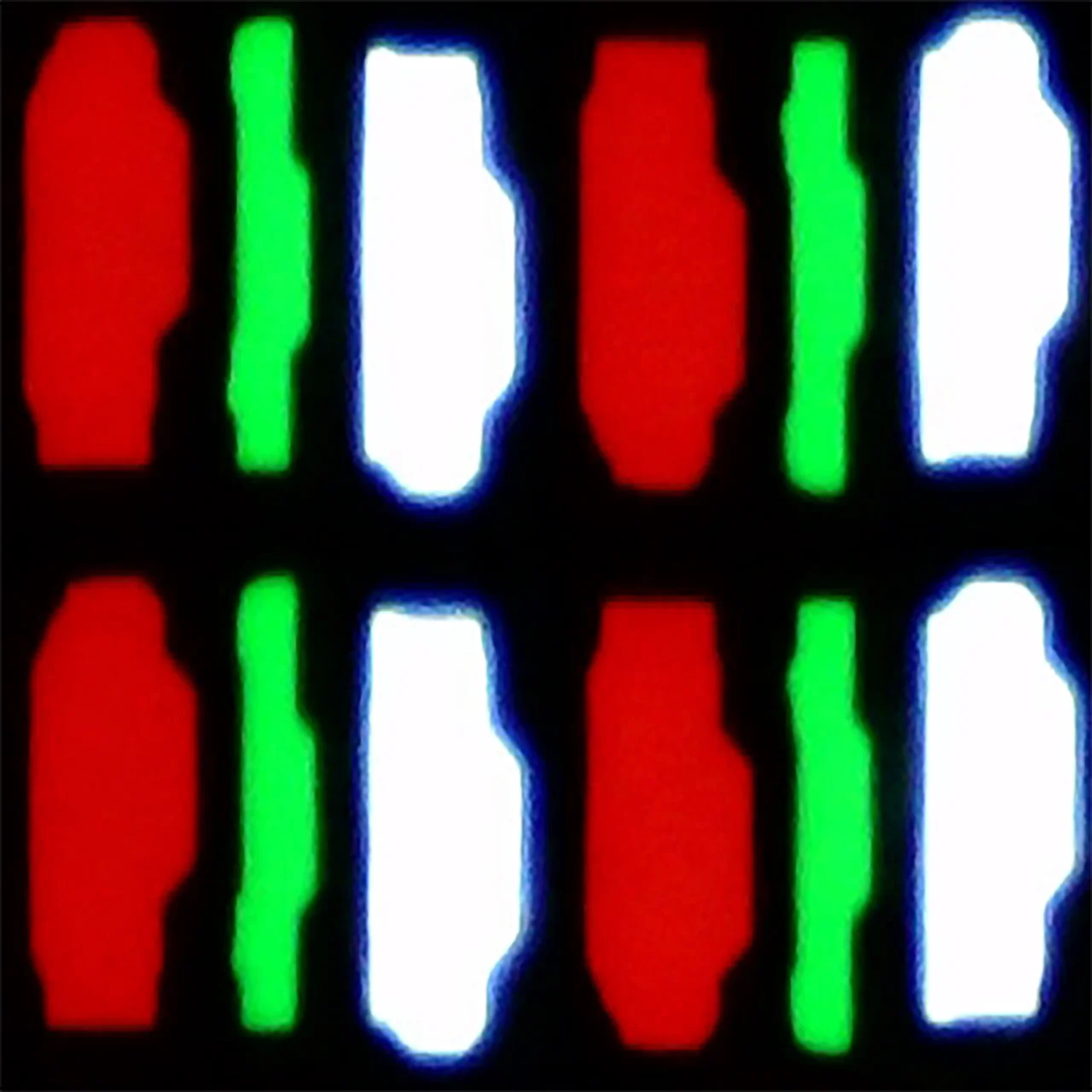
Matrix subpixel arrangement
RGB (QD-OLED)
RGWB
Max refresh rate
165Hz
120Hz
G-Sync
Yes
Yes

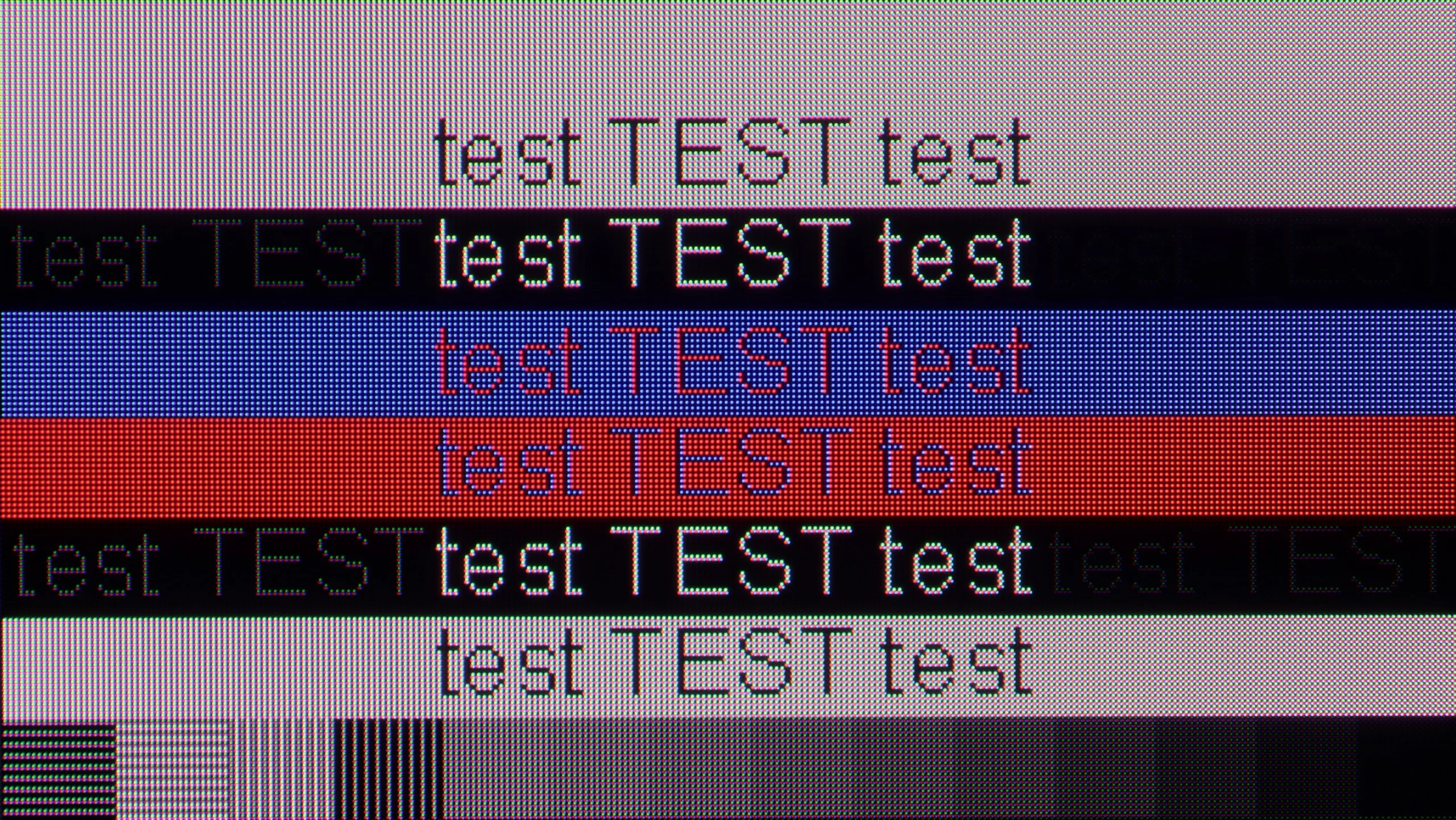
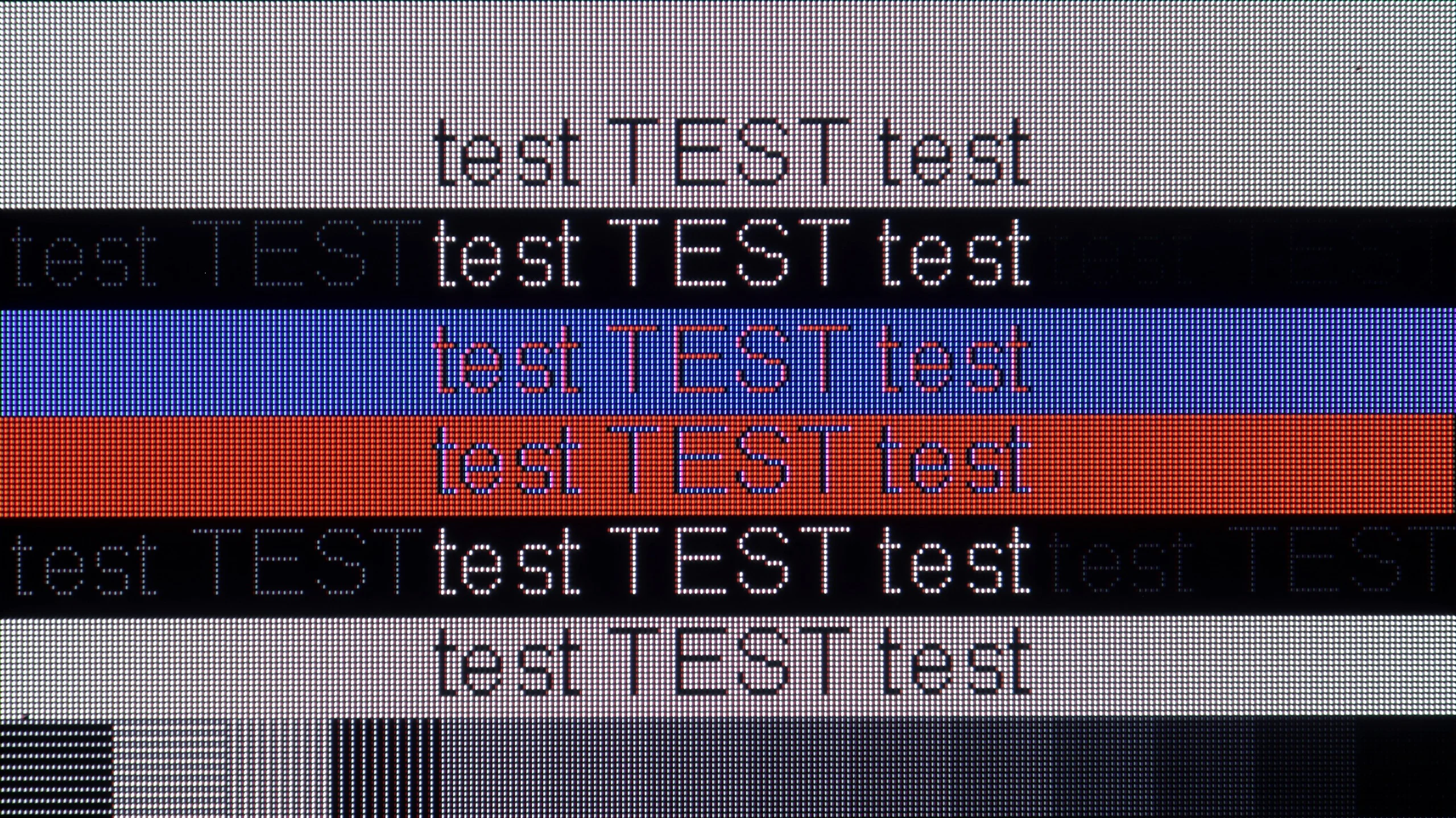
The photo shows the legibility of small fonts. Ideally, lines should be the same thickness on both light and dark text, with minimal pixel gaps.

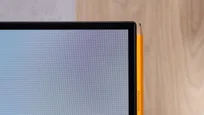
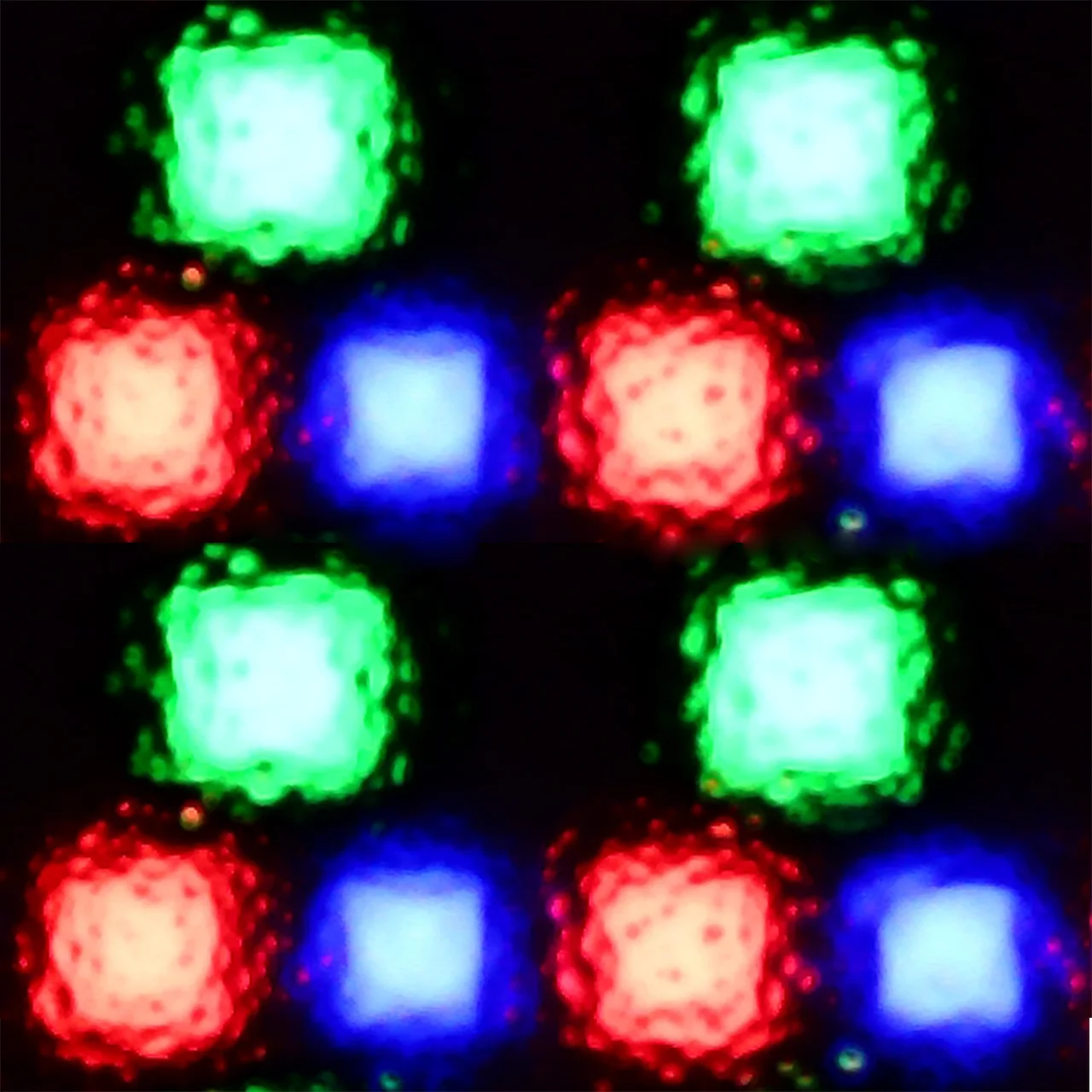
The S99H also works very well as a large monitor connected to a computer. This is mainly thanks to full support for frame rate synchronisation, with both AMD FreeSync Premium Pro and seamless G-Sync compatibility for NVIDIA cards. The TV also supports refresh rates of up to 165 Hz, which is a nice plus for PC gamers. The only distinctive characteristic of QD-OLED panels is the triangular subpixel layout. Because of this, the sharpness of very small text viewed from extremely close up isn’t perfect. However, given the size of the S99H, this TV is unlikely to sit directly on anyone’s desk, and when working or gaming from more than a metre away the issue becomes irrelevant.

Philips OLED761 performs well when connected to a computer. It correctly handles 4:4:4 chroma, so small text is readable and coloured letters retain their sharpness. When viewed up close you can, however, notice faint red fringes on character edges. These come from the RGWB subpixel arrangement used in the WOLED panel, which typical font smoothing methods aren’t tuned for. While browsing the web this may not be bothersome, but if the TV is to be used mainly for working with text, it’s worth taking into account.

In games the OLED761 feels much better. The panel’s fast response and support for G-Sync and FreeSync let you enjoy smooth motion without troublesome smearing or frame tearing. At 4K and 120 Hz in SDR we measured just 5 ms input lag, so control is very responsive. Bear in mind that input lag increases when HDR is enabled, as noted earlier. The main limitation is the refresh rate being capped at 120 Hz. The OLED761, like other tested models with the WOLED SE panel, doesn’t offer an extra 144 Hz mode or higher refresh rates at reduced resolution. For most people that won’t be a serious issue, since 120 Hz already delivers very good fluidity. Only gamers with a powerful PC aiming for the highest possible frame counts might feel slightly short-changed.

Viewing angles

9.9/10

7.5/10

Brightness drop at an angle of 45 degrees
12%
34%

Viewing angles on the S99H are simply excellent, thanks to the QD-OLED panel. In this respect it's right at the top of the market. Even when viewing the screen from a very steep angle the image remains perfectly legible, with only a negligible drop in brightness or colour saturation. That's a hallmark of QD-OLED panels and gives them the edge over conventional WOLED displays, where viewing angles are somewhat worse.

When it comes to OLED performance, the OLED761 looks very good. You can sit off to the side and still watch an image with deep blacks and well-saturated colours, without the noticeable degradation associated with VA panels. That's one of the advantages of OLED that’s easy to appreciate when watching with others: you don't have to sit in the middle of the sofa for a film to look as it should. Only QD-OLED panels remain better in that respect.

Daytime performance

8/10

4.5/10

Panel finish
Matte
Satin
Reflection suppression
Very Good
Average
Black levels during daytime
Average
Good

Panel brightness

Philips OLED761: 284 cd/m2

Samsung OLED S95H (S99H) (QD-OLED): 851 cd/m2

One of the key and most distinctive features of Samsung's OLEDs (including the S99H tested here) is the matte screen coating. It's currently one of the best solutions on the market if you want to minimise reflections. Whether the room has large windows or the lamps are on, any glare is very effectively dispersed. However, this comes at a cost. Because of the matte screen finish and the nature of QD-OLED panels (which in bright surroundings can take on a slightly cherry tint), blacks lose a little of their depth and richness during the day. It's worth noting, though, that this effect mainly occurs when very harsh light falls directly on the panel. Fortunately the S99H is an extremely bright OLED TV, comparable in this regard to the best Mini LED screens on the market. Its average brightness in everyday SDR content reaches close to 850 to 900 nits, so the TV will easily cope even in a strongly sunlit living room.

Philips OLED761 is not the best choice for a very bright living room. Average brightness in SDR is about 280 nits, so it performs a little worse even than rivals using the same panel. In a strongly sunlit room the image simply lacks the punch to remain clearly visible, especially when watching darker scenes. In such conditions you may need to cover the windows.

It also doesn’t help how the WOLED SE panel’s satin finish handles direct reflections. A window or lamp opposite the screen is fairly clearly visible, and around their reflections you get noticeable doubling and coloured fringing. On the plus side, blacks still look good in a lit room, but at low TV brightness the reflections can be distracting. The OLED761 therefore works best where you can block out the windows and prevent strong light from reflecting straight onto the screen.

Panel details

Backlight Type
QD-OLED
WRGB OLED
Software version during testing
1204
TPN258E_V058.102.079.061
Image processor

Subpixel Structure:

Panel uniformity and thermal imaging:

Review Samsung OLED S95H (S99H) (QD-OLED) TV Panel details
Review Philips OLED761 TV Panel details

Samsung OLED S95H (S99H) (QD-OLED)

Philips OLED761

TV features

7.8/10

7.9/10

  • System
    Tizen
    Titan OS
  • System performance
    Very good
    Good
  • HDMI inputs
    0 x HDMI 2.0, 4 x HDMI 2.1 48Gbps
    0 x HDMI 2.0, 4 x HDMI 2.1 48Gbps
  • Outputs
    Toslink (Optical audio), eARC (HDMI), ARC (HDMI)
    Toslink (Optical audio), eARC (HDMI), ARC (HDMI), Mini-Jack (Headphones)
  • Network Interfaces
    Wi-Fi 2.4GHz, Wi-Fi 5GHz, Ethernet (LAN) 100Mbps
    Wi-Fi 2.4GHz, Wi-Fi 5GHz, Ethernet (LAN) 100Mbps
  • TV reception
    DVB-T, DVB-T2, DVB-S, DVB-S2, DVB-C
    DVB-T, DVB-T2, DVB-S, DVB-S2, DVB-C

Classic features:

  • Recording to USB (terrestrial TV)
    No
    No
  • Recording programming
    No
    No
  • Picture in Picture (PiP)
    Yes
    No
  • RF remote control (no need to aim)
    Yes
    No
  • Backlit remote control
    No
    Yes
  • Teletext
    Yes
    Yes
  • Audio only mode
    Yes
    Yes
  • Bluetooth headphones support
    Yes
    Yes
  • Simultaneous Bluetooth headphones & TV audio
    Yes
    Yes

Smart features:

  • AirPlay
    Yes
    Yes
  • Screen mirroring (Windows Miracast)
    Yes
    Yes
  • Voice search
    Yes
    Yes
  • Voice search in native language
    Yes
    Yes
  • Ability to connect a keyboard and mouse
    Yes
    Yes
Review Samsung OLED S95H (S99H) (QD-OLED) TV features
Review Philips OLED761 TV features

Sound connection options

  • HDMI audio
    eARC (HDMI), ARC (HDMI)
    eARC (HDMI), ARC (HDMI)
  • Other audio outputs
    Toslink (Optical audio)
    Toslink (Optical audio), Mini-Jack (Headphones)
  • Wireless audio
    Bluetooth, Samsung Q-Symphony (Speaker extension)
    Bluetooth, Samsung Q-Symphony (Speaker extension)

Supported audio formats (external HDMI eARC audio):

  • Dolby Digital Plus 7.1
    Yes
    Yes
  • Dolby True HD 7.1
    Yes
    Yes
  • Dolby Atmos in Dolby Digital Plus (JOC)
    Yes
    Yes
  • Dolby Atmos in Dolby True HD
    Yes
    Yes
  • DTS:X in DTS-HD MA
    No
    Yes
  • DTS-HD Master Audio
    No
    Yes

Senior accessibility

  • Numeric keyboard on TV
    No
    Yes
  • Font size adjustment
    Yes
    Yes
  • Audio description
    Yes
    Yes

Smart features: Tizen

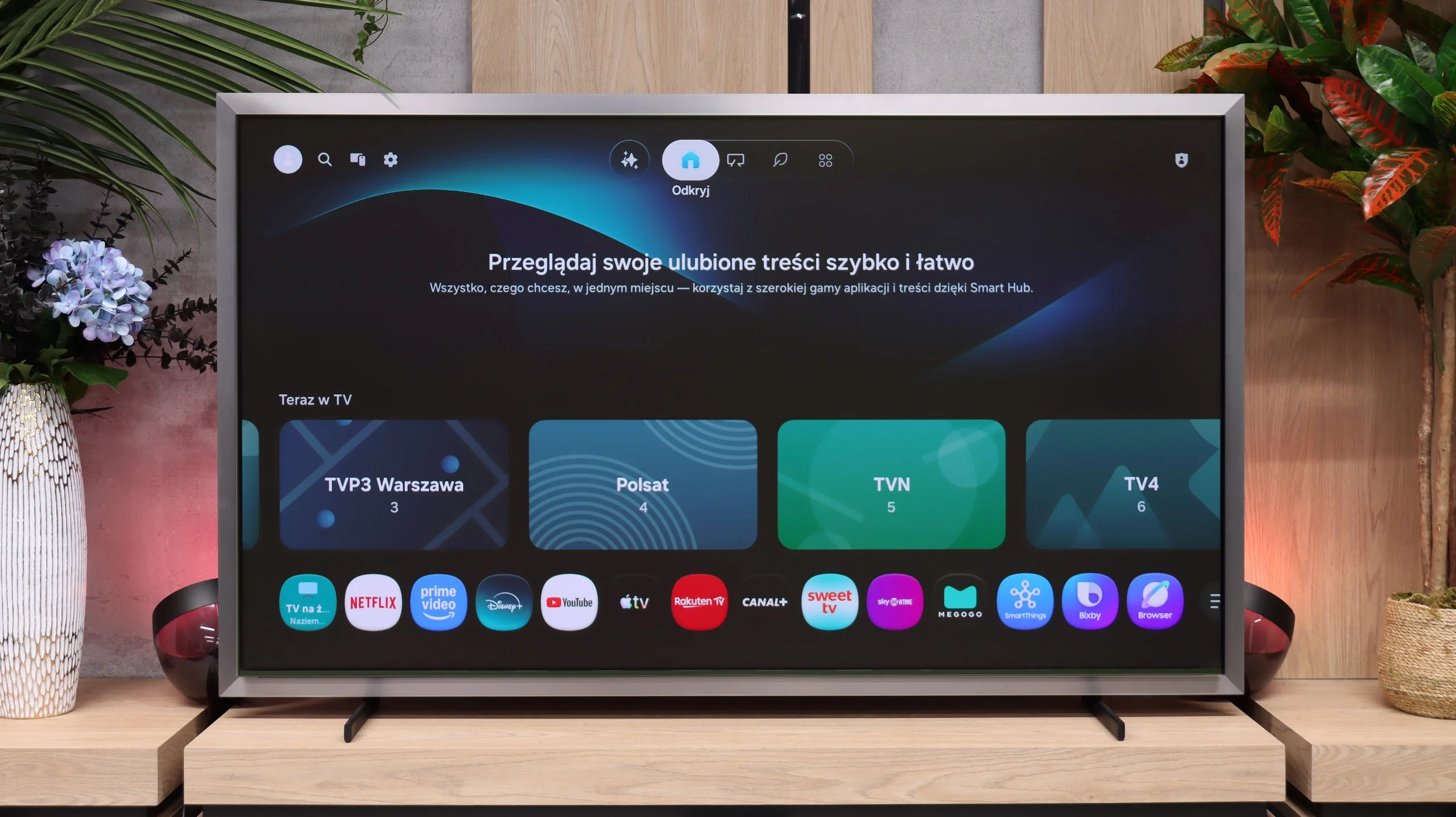
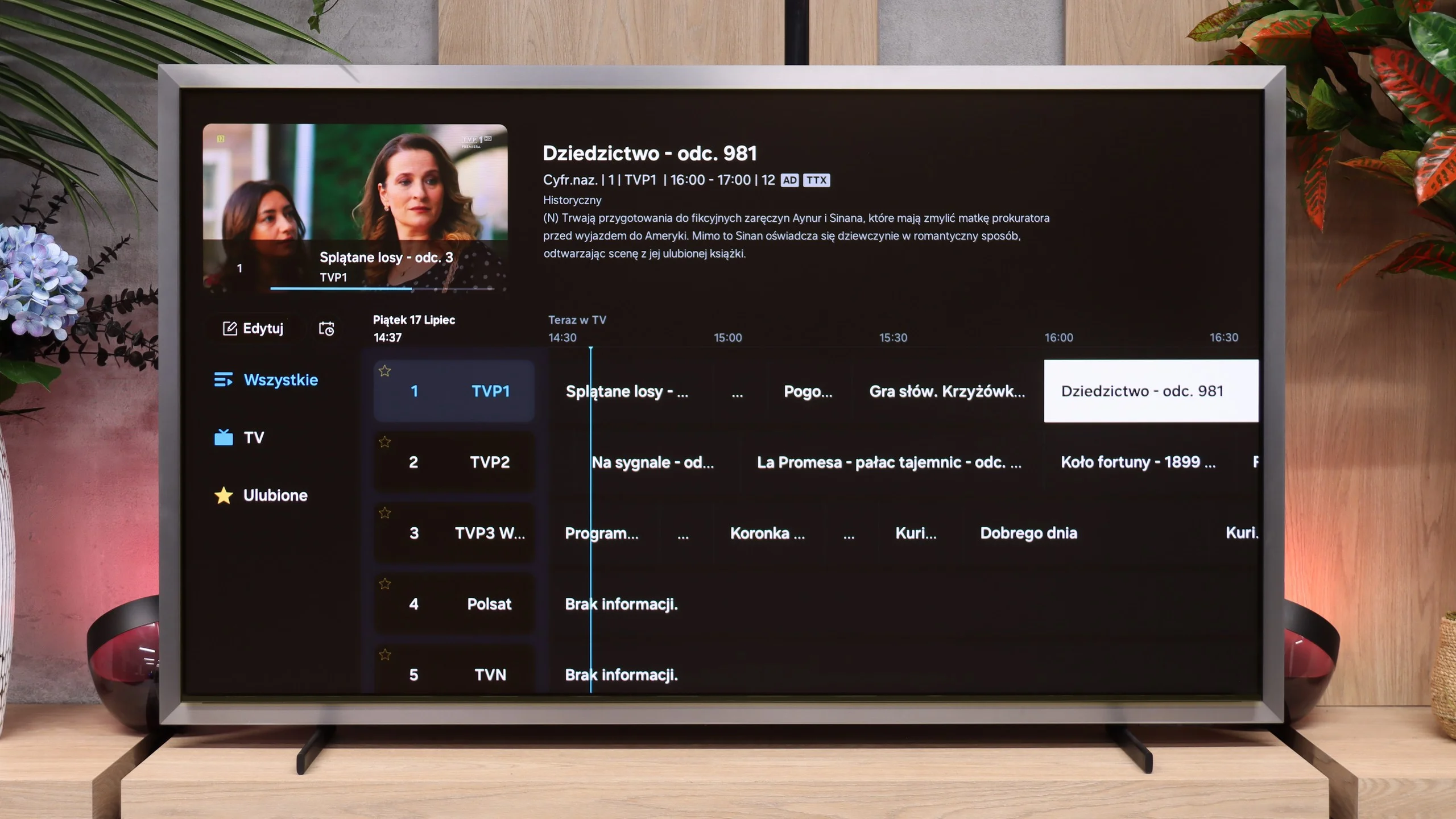
The Tizen system runs exceptionally quickly and stably on the S99H. The broad support for wireless protocols is notable – it includes Apple AirPlay and the recently added Chromecast support. It’s hard to fault Tizen today in terms of app availability. Its catalogue covers all the most popular streaming services and in that respect it matches the capabilities of Google TV.

Art Mode (Art Mode)

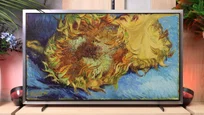
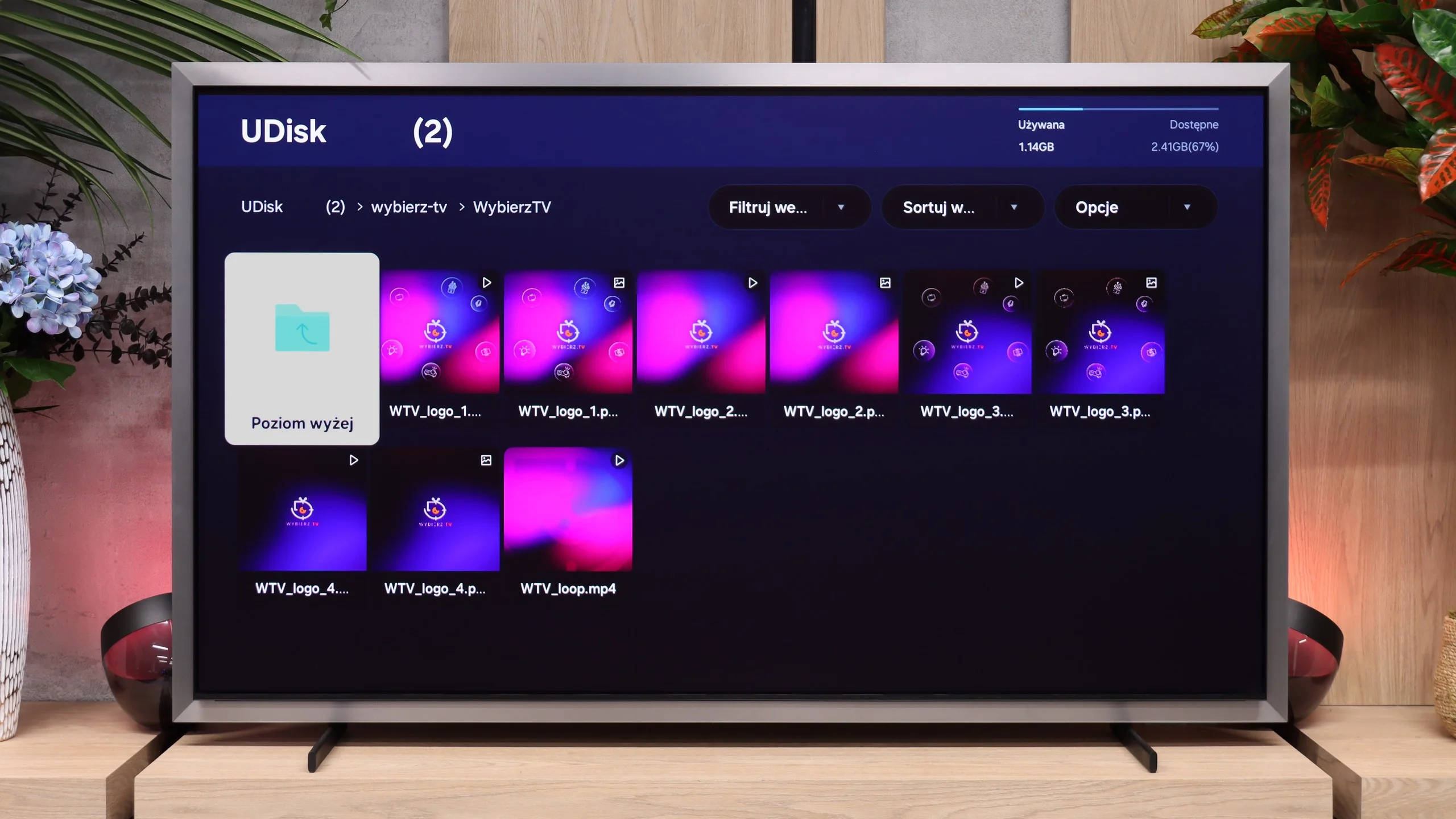
The S99H is the first Samsung OLED TV to be equipped with a dedicated Art Mode, previously seen mainly on The Frame series. That’s a bit of a surprise, because most manufacturers using OLED panels generally advise against long-term display of static images. Here the feature is officially promoted, which suggests Samsung is confident in the panel’s resistance to burn-in. Access to the full art library unfortunately requires a paid subscription. However, there’s a simple workaround: you can upload favourite artworks or your own photos to the TV’s internal storage for free and set them as the background in the dedicated app. It’s worth adding that the set includes an ambient light sensor that adjusts brightness and colour temperature so the displayed image closely mimics a real canvas or print.

Daily use and the remote

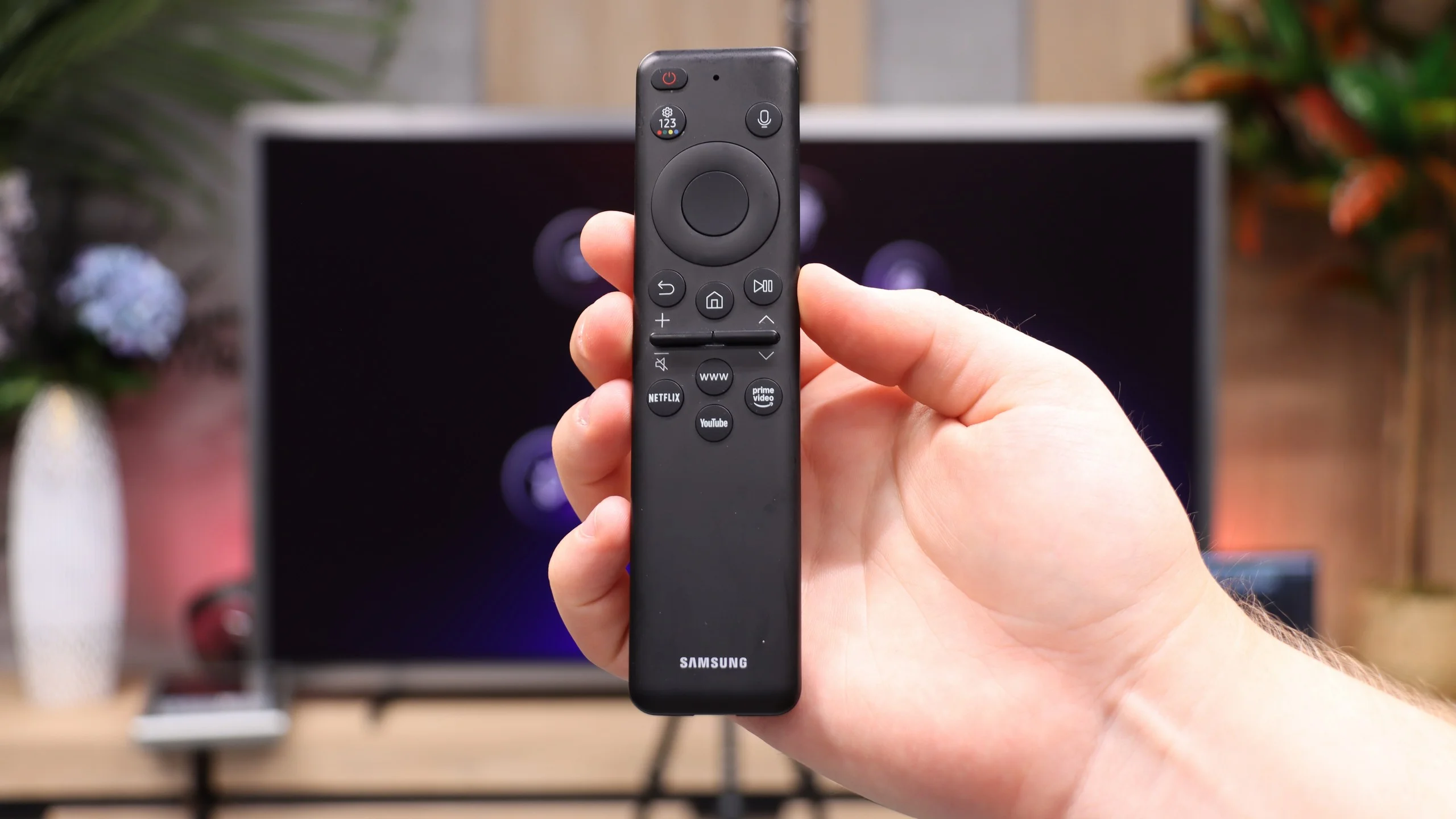
All the classic TV functions perform well on the S99H, although the controls may not appeal to older users. That’s due to the minimalist remote, which lacks a traditional numeric keypad. The advantage of the solar-powered remote is its universal remote function; you can easily pair it and control virtually any device connected to the TV, such as satellite set-top boxes, consoles and media players.

Titan OS

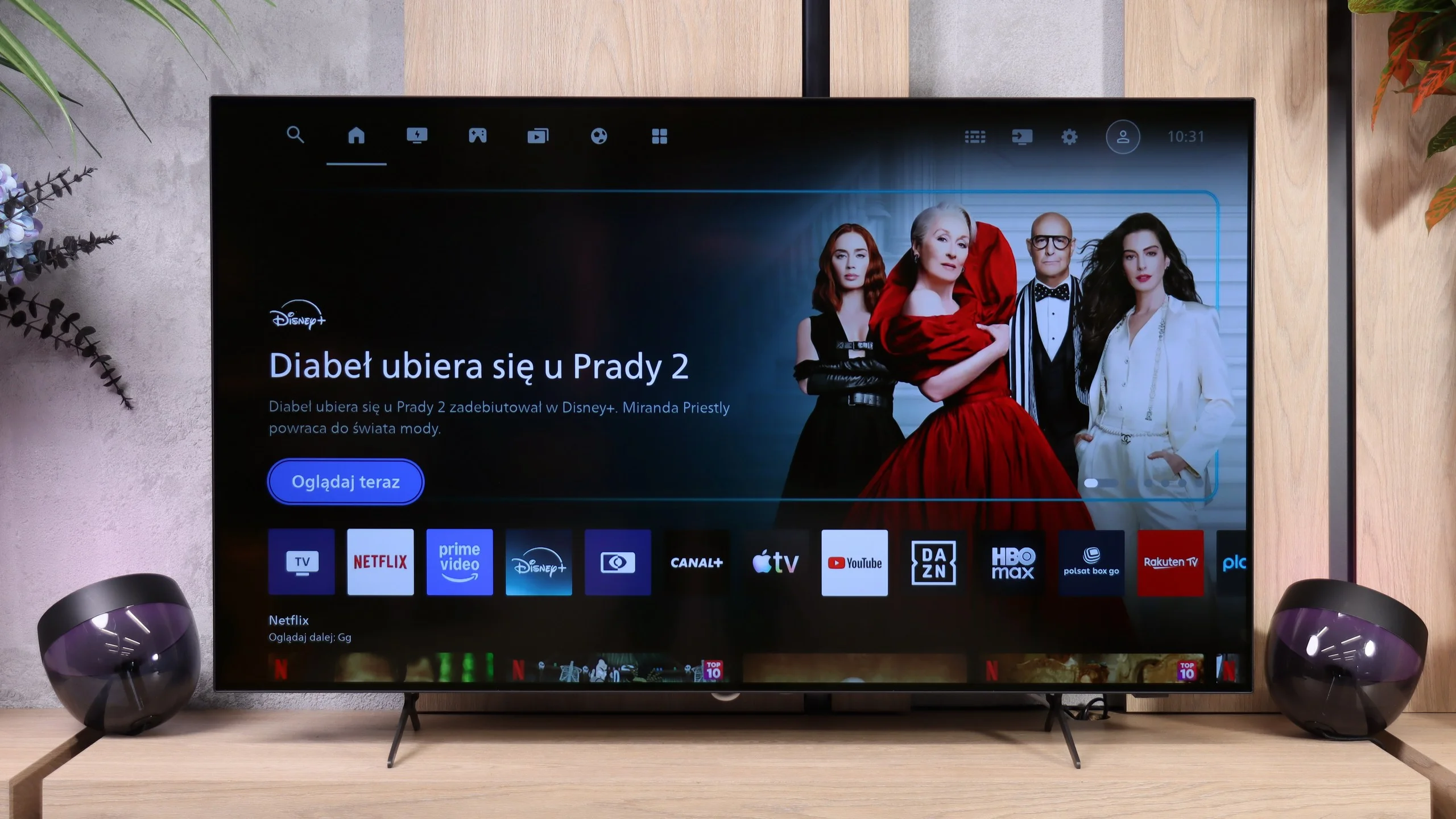
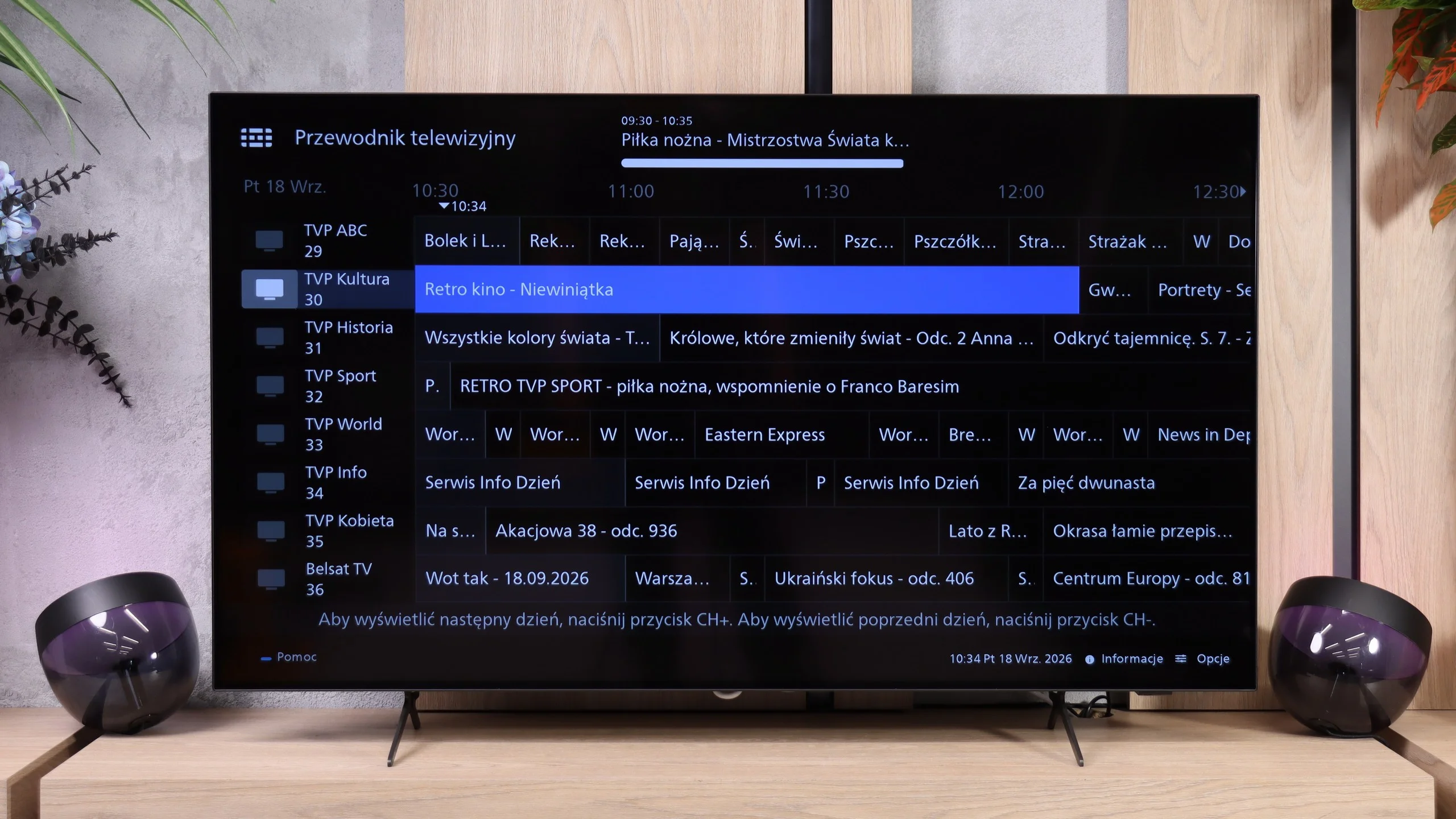
In the OLED761, instead of Google TV you'll find Titan OS, which has been appearing more and more often in Philips TVs for several years. Over that time the system has clearly matured. It responds faster to commands, navigates the menu more smoothly, and functions that used to cause problems are finally starting to work as they should. You can see progress in everyday use, and that deserves praise. It's still not at the level of refinement and features of webOS or Tizen, and there's still a considerable gap compared with the freedom and app selection offered by Google TV, but Titan OS is definitely heading in the right direction.

Practical features and ports

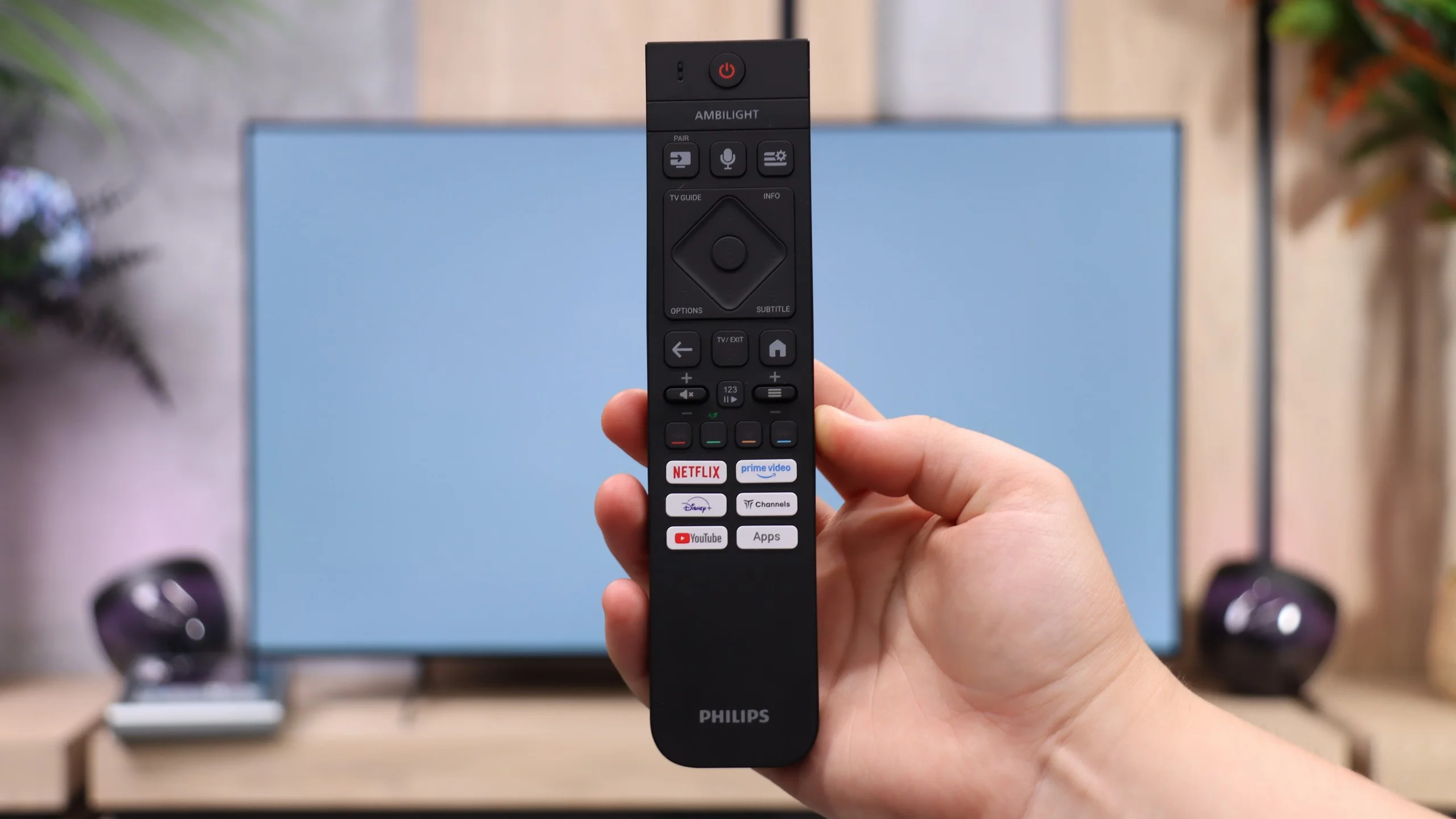
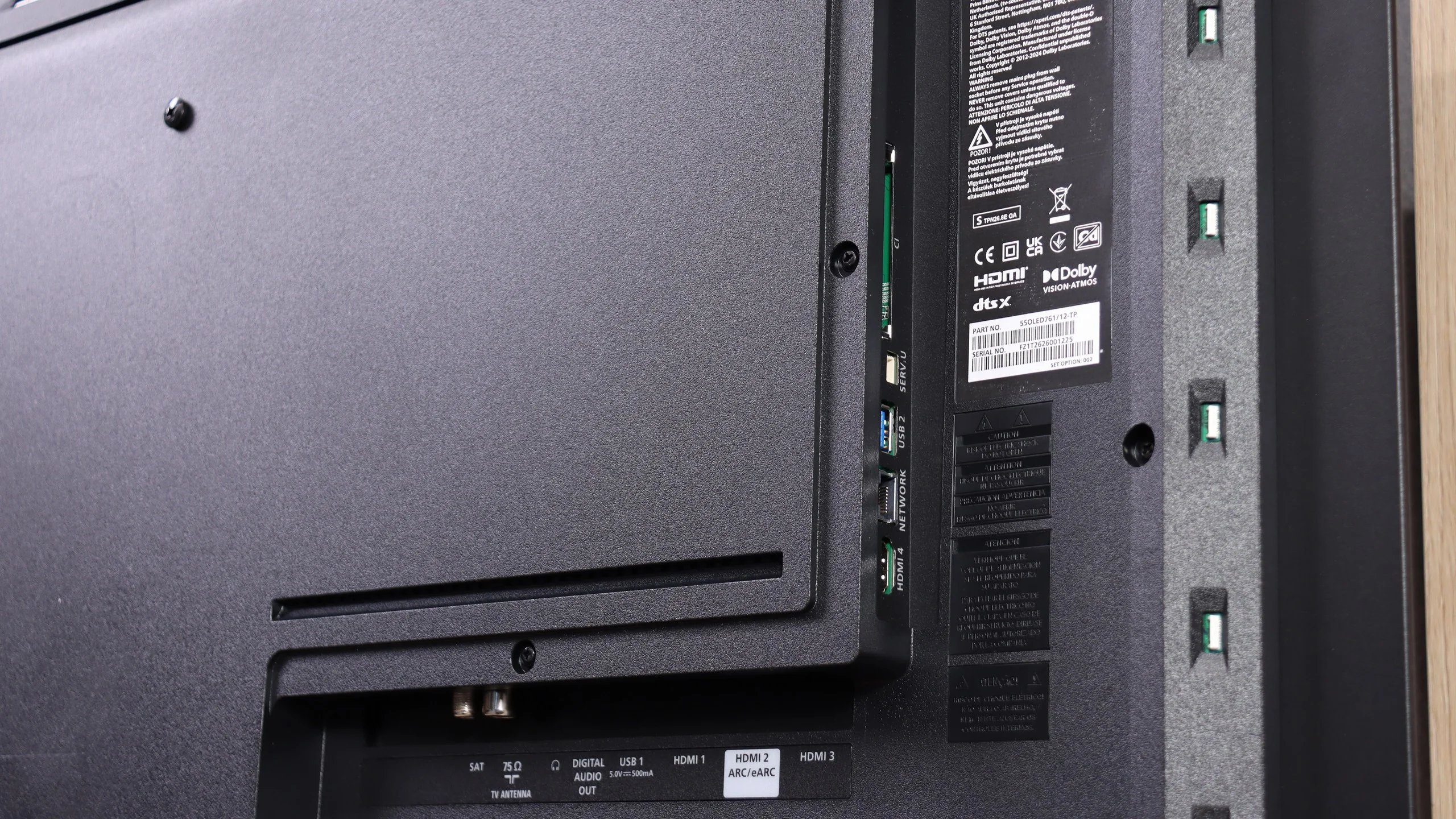
When watching regular broadcasts you get the basic conveniences, including teletext and a remote with a numeric keypad. The buttons are backlit, which is very handy in the evening, but it's hard to understand why Philips stubbornly sticks to infrared for the remote. Having to point the remote at the TV can be simply inconvenient (the only function that operates wirelessly is voice control). There's also no USB recording or picture-in-picture. On the plus side, the port layout is commendable: all four HDMI inputs support the 2.1 standard at 48 Gbps, so with a soundbar connected via eARC you still have three ports left to take full advantage of gaming consoles and a PC. You don't have to worry about which device to connect at the cost of high refresh rates. There's even an analogue mini-jack output, increasingly rare on new TVs but still useful for wired headphones or older audio kit.

Ambilight

The most distinctive extra is, of course, Ambilight, for which Philips gets extra points from us. Lighting the wall with colours from the screen can add a lot of atmosphere to films and games, but it's also useful for relaxed evening viewing. The subtle glow means the bright screen isn't the only light source in a completely dark room, which can improve viewing comfort. It's worth setting its intensity to suit the room rather than cranking it up to maximum straight away. For people who enjoy that kind of viewing, Ambilight can be one of the stronger reasons to choose the OLED761.

Apps

9.3/10

7.7/10

OK
Disney_Plus
OK
Amazon_Prime_Video
OK
Player_TVN
OK
Polsat_Box_Go
OK
Canal_Plus_Online
OK
TVP_VOD
OK
Apple_TV_Plus
OK
SkyShowtime
OK
Rakuten
OK
CDA_Premium_Browser
OK
Spotify
No
Tidal
OK
Netflix
OK
YouTube
OK
HBO_MAX
No
Kodi
OK
Apple_music
OK
Eleven_sports
OK
Xbox Game Pass
OK
GeForce NOW
OK
Amazon Luna
OK
Boosteroid
No
Steam Link
OK
Disney_Plus
OK
Amazon_Prime_Video
OK
Player_TVN
OK
Polsat_Box_Go
OK
Canal_Plus_Online
OK
TVP_VOD
OK
Apple_TV_Plus
OK
SkyShowtime
OK
Rakuten
OK
CDA_Premium_Browser
No
Spotify
No
Tidal
OK
Netflix
OK
YouTube
OK
HBO_MAX
No
Kodi
No
Apple_music
No
Eleven_sports
No
Xbox Game Pass
No
GeForce NOW
No
Amazon Luna
OK
Boosteroid
No
Steam Link

Playing files from USB

8.8/10

8.6/10

Supported photo formats:

JPEG
Yes
Yes
HEIC
No
Yes
PNG
Yes
Yes
GIF
No
Yes
WebP
No
No
TIFF
No
No
BMP
Yes
Yes
SVG
No
No

Maximum photo resolution:

4 Mpix
Yes
Yes
6 Mpix
Yes
Yes
8 Mpix
Yes
Yes
10 Mpix
Yes
No
12 Mpix
Yes
No
16 Mpix
Yes
Yes
20 Mpix
Yes
No
24 Mpix
Yes
No
28 Mpix
Yes
No
32 Mpix
Yes
Yes

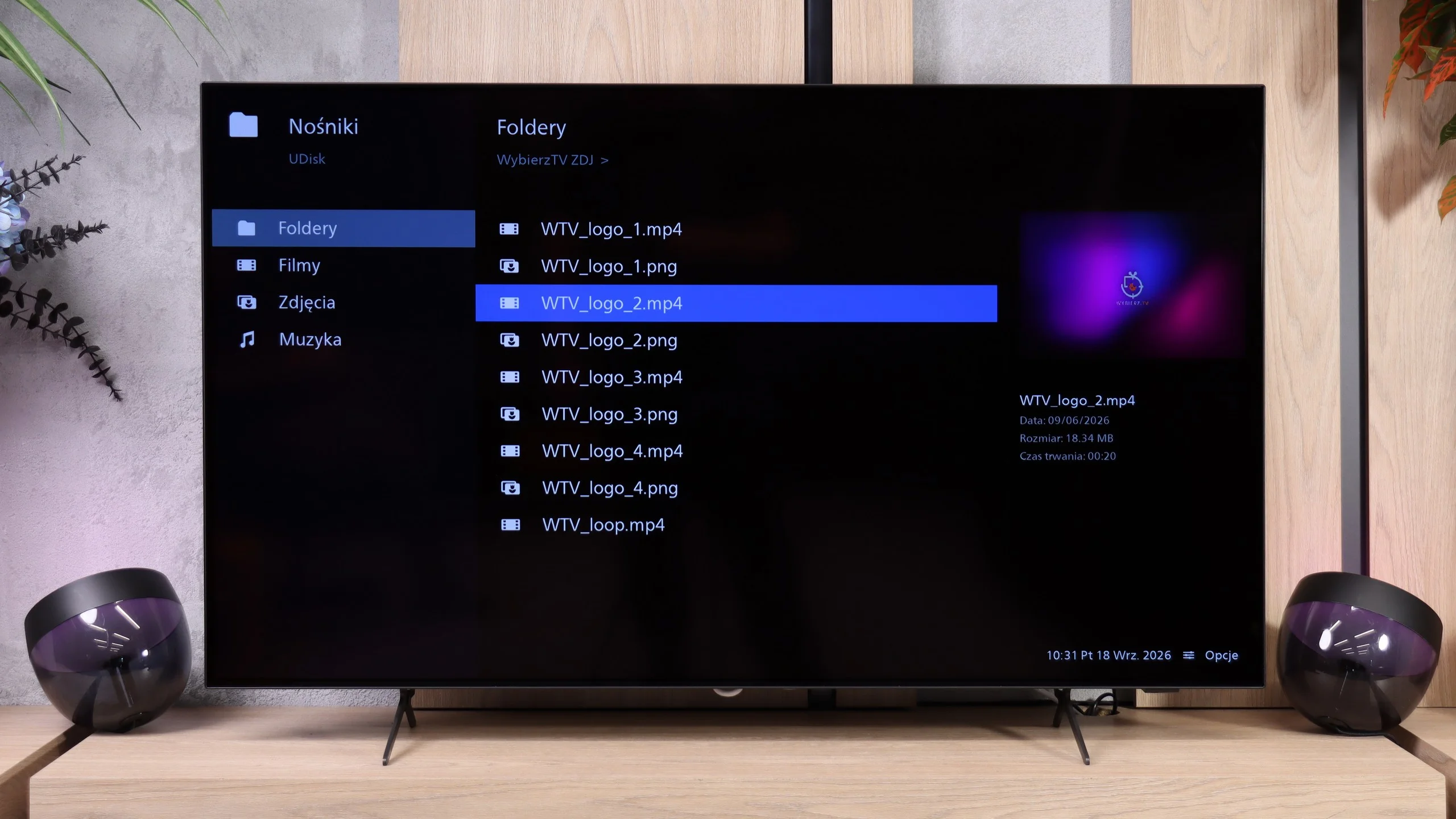
The built-in media player in the S99H runs smoothly and quickly. The TV easily handles most popular video and audio formats, providing smooth playback without stuttering. The only reservations concern support for certain photo formats stored on external drives. The TV reacts rather oddly to files in Apple’s HEIC format... although thumbnails in the browser display correctly, attempting to open a photo at full size causes the interface to freeze. It looks like a software bug that Samsung will likely fix in an upcoming update.

The USB player in the Philips OLED761 behaves rather oddly, and this shows Titan OS still needs refinement. Test videos and music files opened correctly, but photos caused the most problems. Interestingly, it wasn't just lack of support for some formats, but also the photos' resolution. The TV opened 16 and 32 MP photos, yet failed to handle some smaller ones, including 10 and 12 MP. So it's hard to give a simple rule for preparing photos so that they'll all display. If you plan to show holiday photos on the big screen, it's worth checking the files beforehand or using screen mirroring.

Sound

8.7/10

7/10

  • Maximum volume
    95dB
    90dB
  • Dolby Digital Plus 7.1
    Yes
    Yes
  • Dolby True HD 7.1
    No
    No
  • Dolby Atmos in Dolby Digital Plus (JOC)
    Yes
    Yes
  • Dolby Atmos in Dolby True HD
    No
    No
  • DTS:X in DTS-HD MA
    No
    Yes
  • DTS-HD Master Audio
    No
    Yes

For such a slim design, the Samsung S99H sounds surprisingly good. At first we were amazed that such a flat screen could produce such a full, room‑filling sound. Importantly, there’s even some bass, while keeping in mind these are built-in TV speakers, not a dedicated home cinema. 😉 The TV easily handles Dolby Atmos decoding and Samsung’s own Q-Symphony system. That makes it simple to pair the screen with a Samsung soundbar (or the new Studio series speakers), so the built-in speakers work together with external audio. For everyday viewing and standard use, though, external audio gear won’t be needed right away. As is traditional for Samsung, there’s no support for DTS. For people who use streaming only that may not be a big loss, but for fans of physical media and Blu-ray discs it will be a noticeable drawback.

Philips OLED761 sounds pretty good for a slim TV. The midrange is the strongest, so dialogue is clear and it's easy to hear what the characters are saying. For watching series, the news or everyday programmes, the built-in speakers are perfectly adequate. What’s missing, though, is deeper bass, which is most noticeable in music and action films. Explosions lack punch and tracks don't have the same fullness. So if you want a more cinematic sound, a soundbar with a separate subwoofer will be a noticeable addition to the setup. Especially as the OLED761 has no trouble handling surround formats like Dolby Atmos and DTS:X.

Sound Quality Test

Acoustic Measurements

95dBC (Max)

75dBC

90dBC (Max)

75dBC

Reader comments

Comments are provided by the external service Disqus (Zeta Global). Once loaded, Disqus may set cookies and process data about your activity.

We will remember your choice on this device. Provider's privacy policy