Classic features
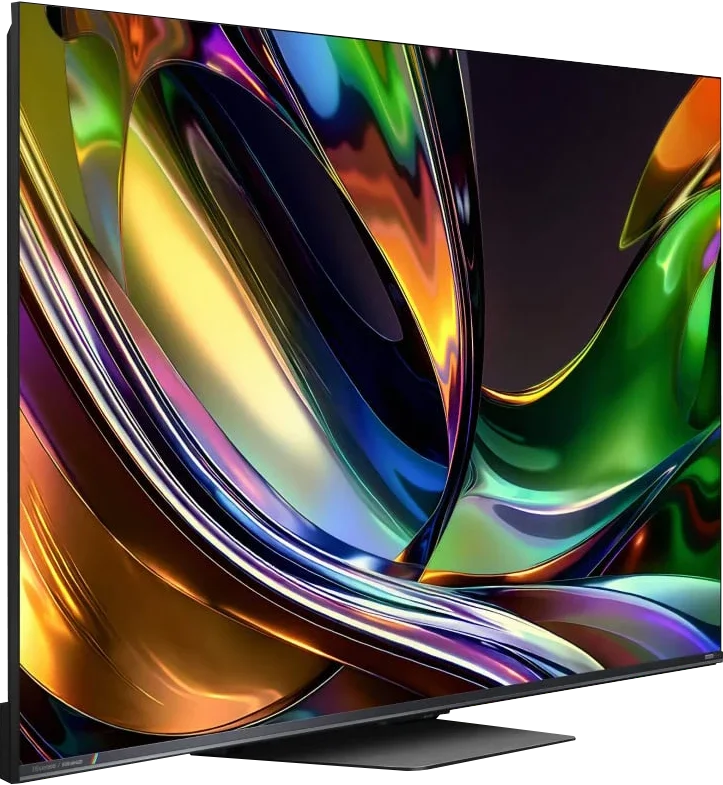
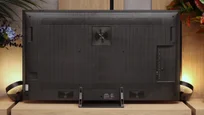
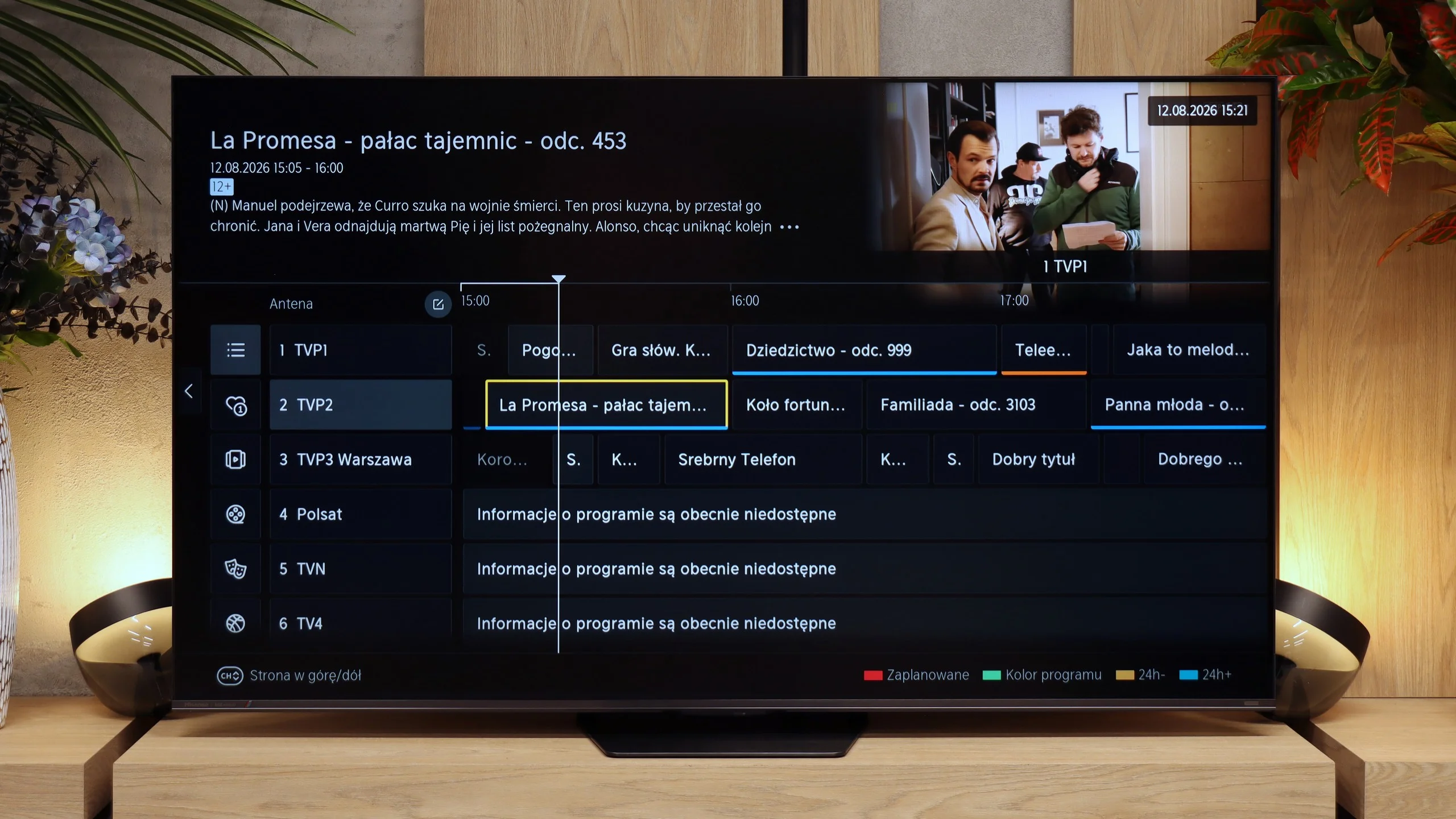
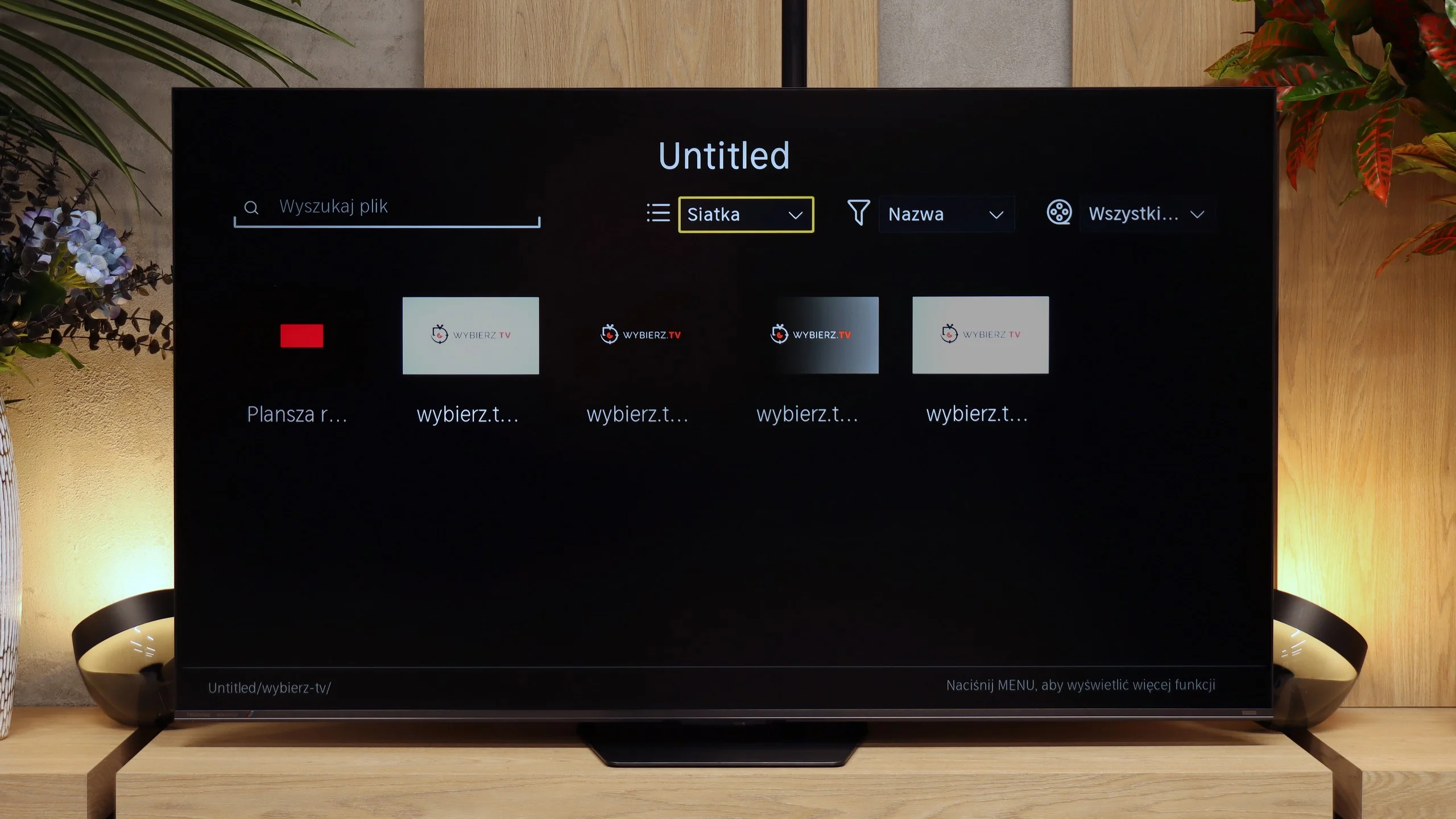
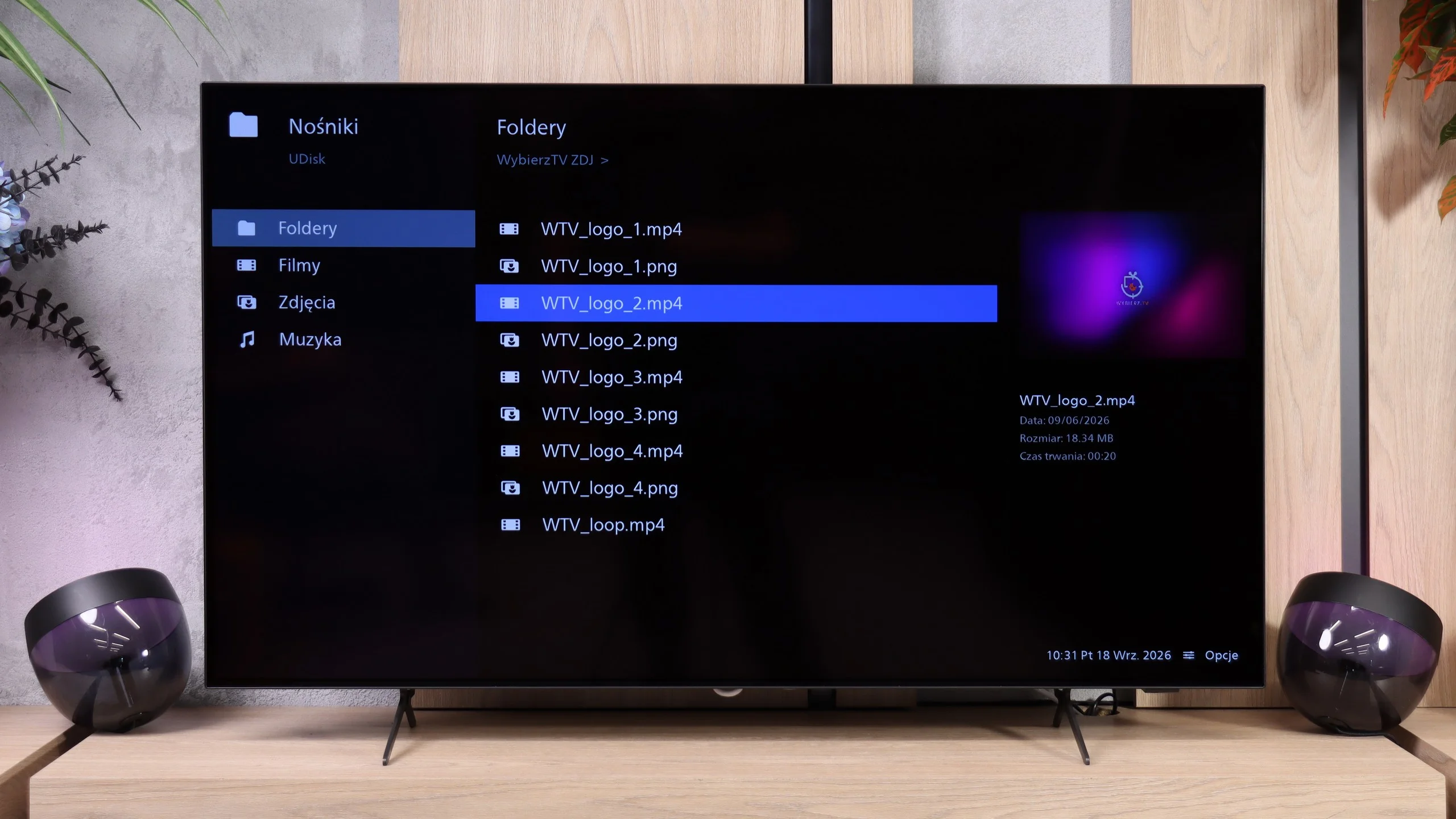
Hisense is one of those manufacturers that, fortunately, hasn’t abandoned the classic TV features. The UR8S lets you record programmes to USB, schedule recordings, has teletext and an "audio-only" mode. You can also use the TV speakers and Bluetooth headphones at the same time. The only real missing feature is picture-in-picture (PiP). The remote control also deserves praise. It’s well made, backlit and has plenty of buttons, so you can access most key functions without digging through menus. It communicates with the TV by radio, so you don’t need to point it directly at the screen.
VIDAA system
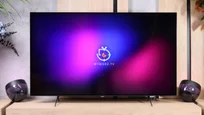
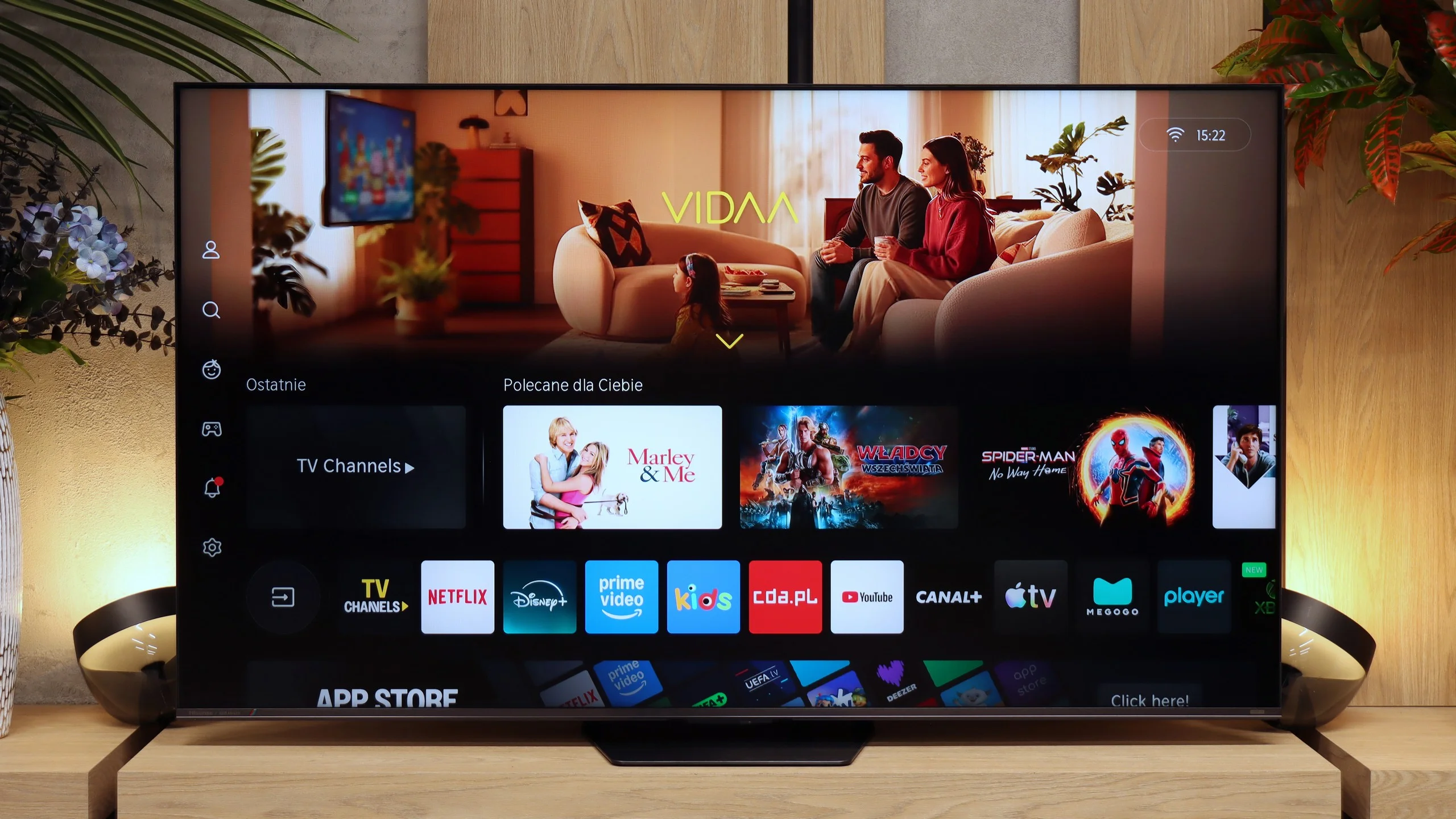
The VIDAA system on the UR8S is very fast and responsive. Apps launch smoothly, navigating the menus is fluid, and during testing we had no major complaints about its performance. The app library is now large enough to include all the major streaming services. There are also extra Smart features. The UR8S supports AirPlay, Miracast, voice search in Polish and the ability to connect a keyboard and mouse. VIDAA may not offer as much freedom as Google TV, but for everyday TV use it essentially provides everything you need.
Titan OS
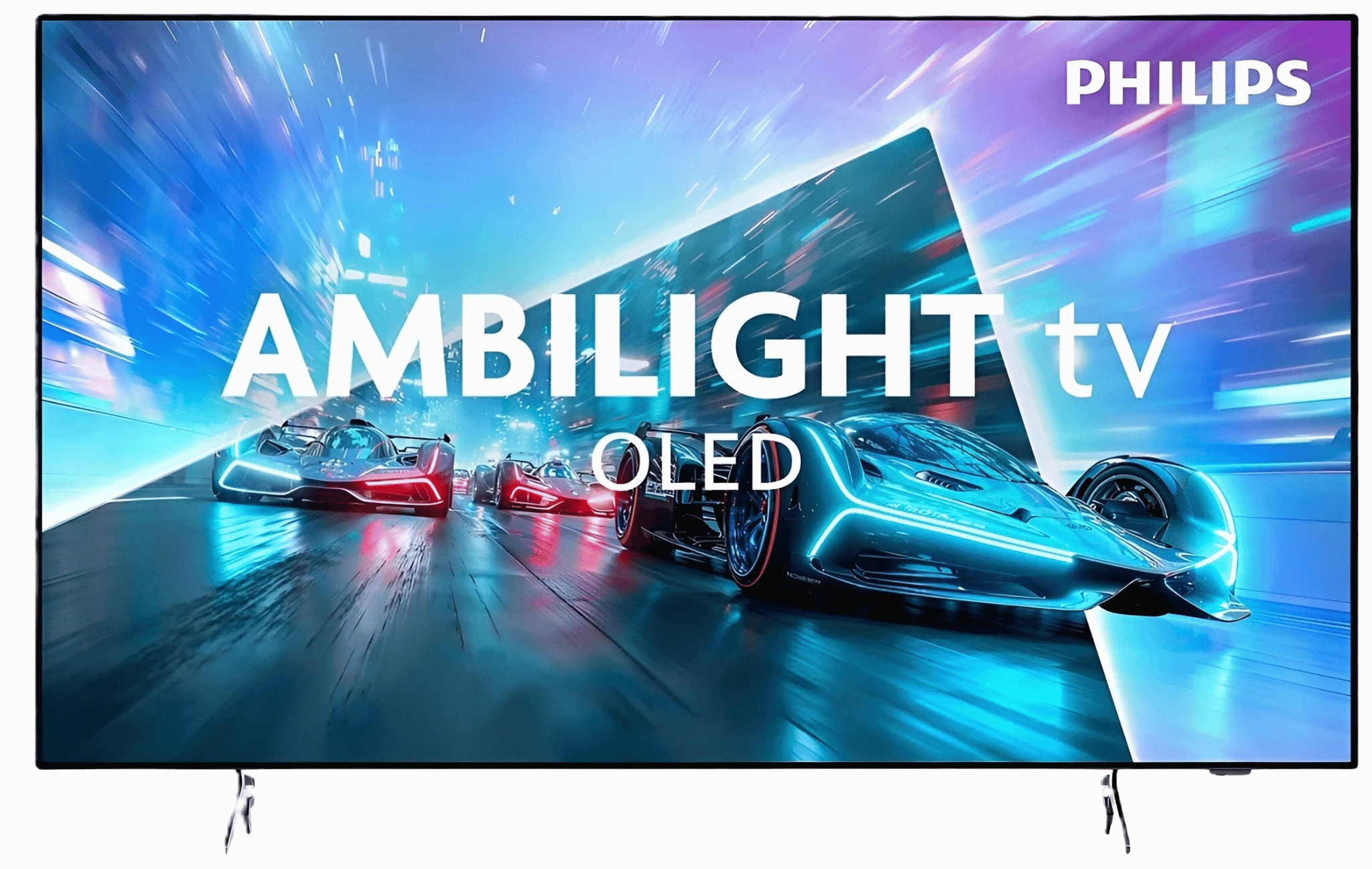
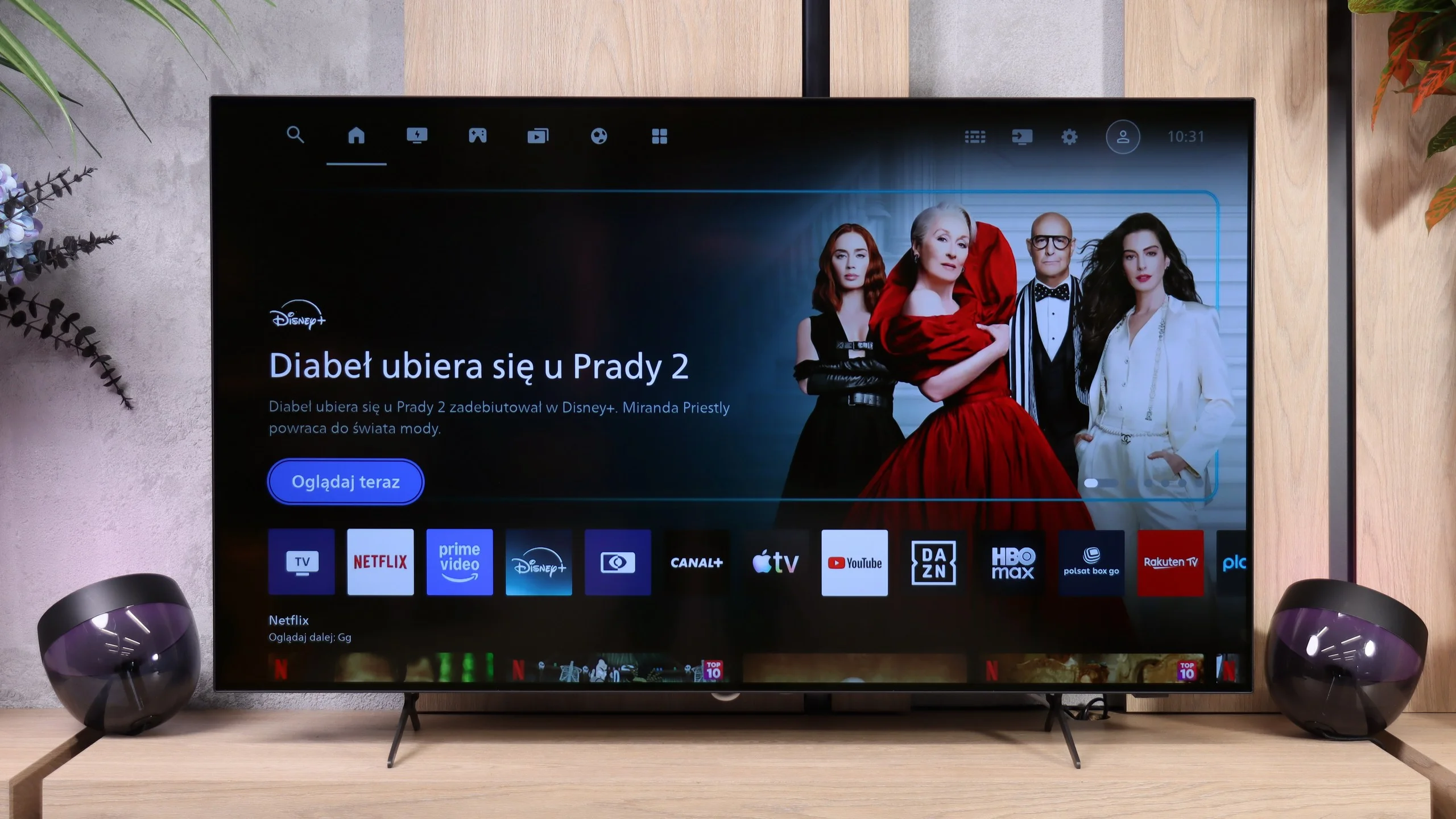
In the OLED761, instead of Google TV you'll find Titan OS, which has been appearing more and more often in Philips TVs for several years. Over that time the system has clearly matured. It responds faster to commands, navigates the menu more smoothly, and functions that used to cause problems are finally starting to work as they should. You can see progress in everyday use, and that deserves praise. It's still not at the level of refinement and features of webOS or Tizen, and there's still a considerable gap compared with the freedom and app selection offered by Google TV, but Titan OS is definitely heading in the right direction.
Practical features and ports
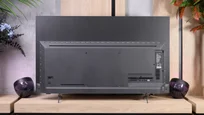
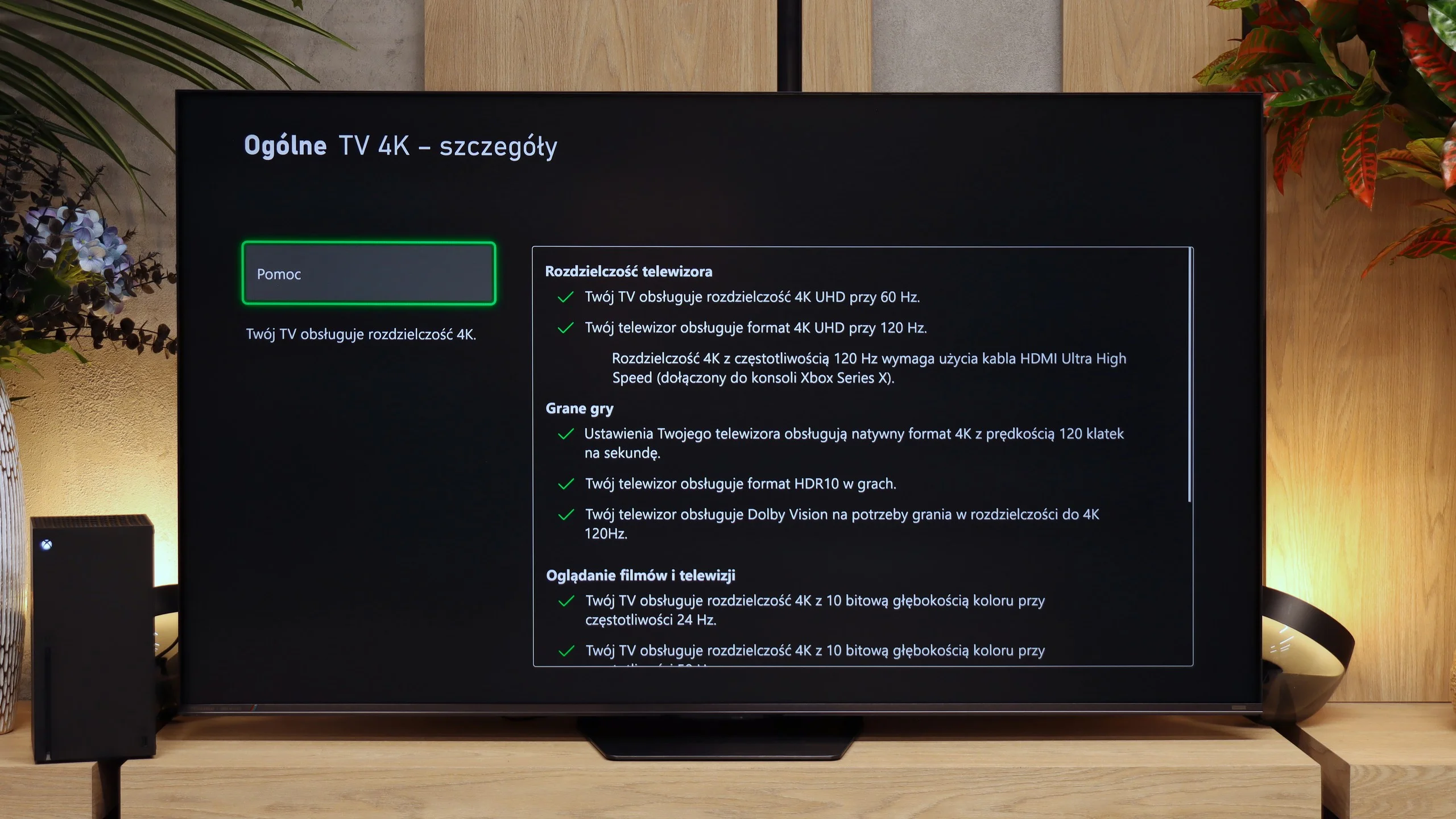
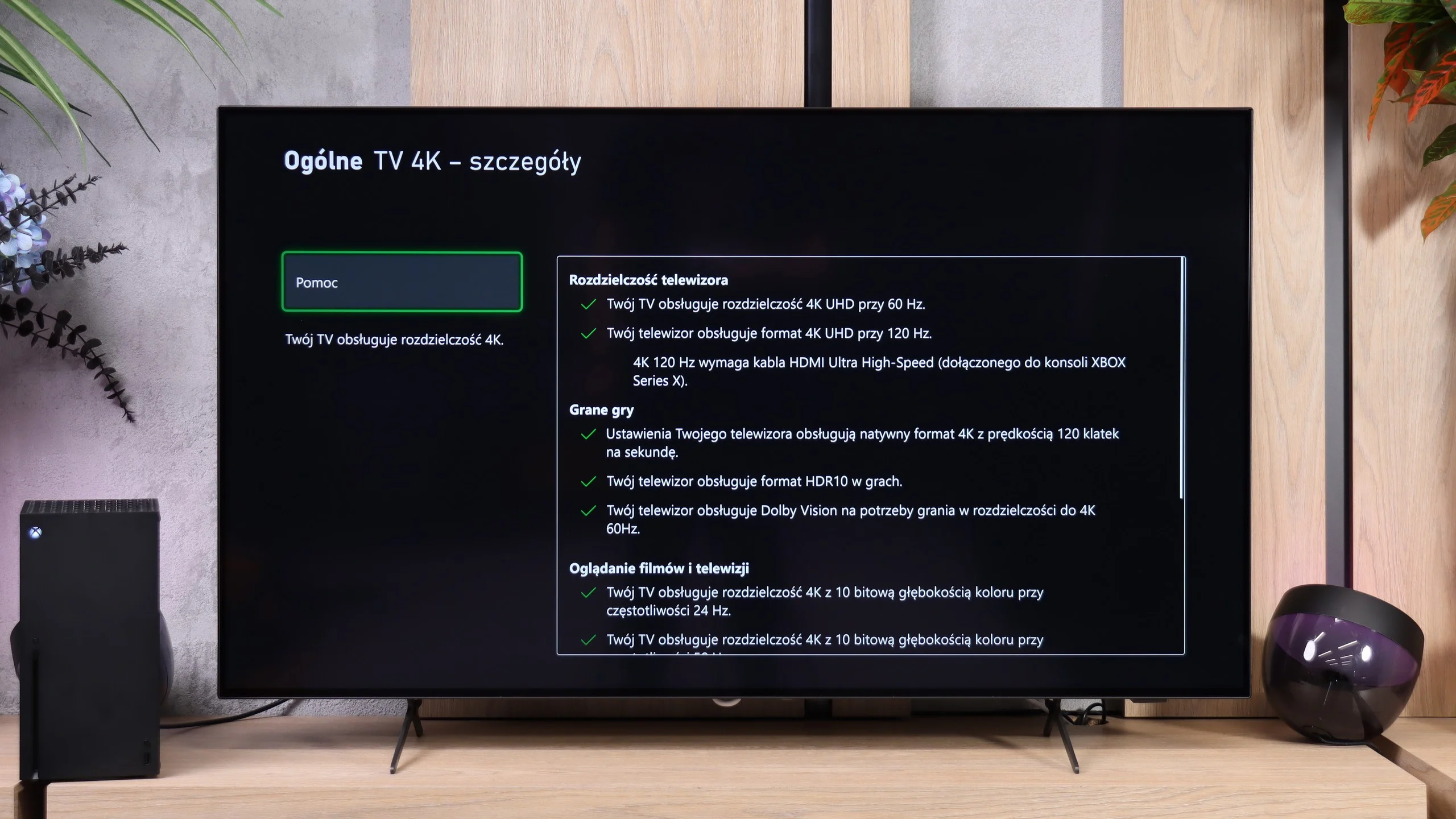
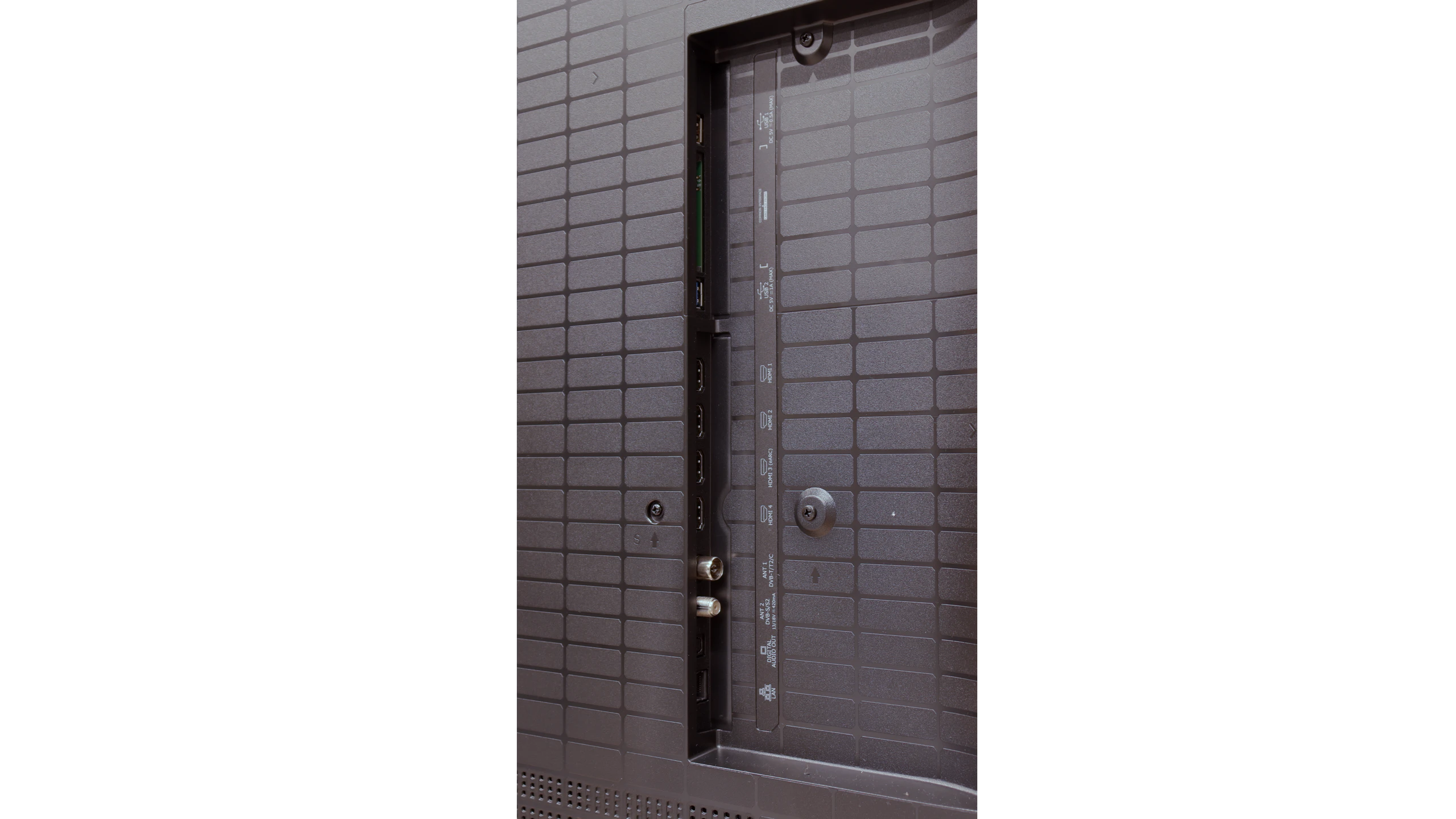
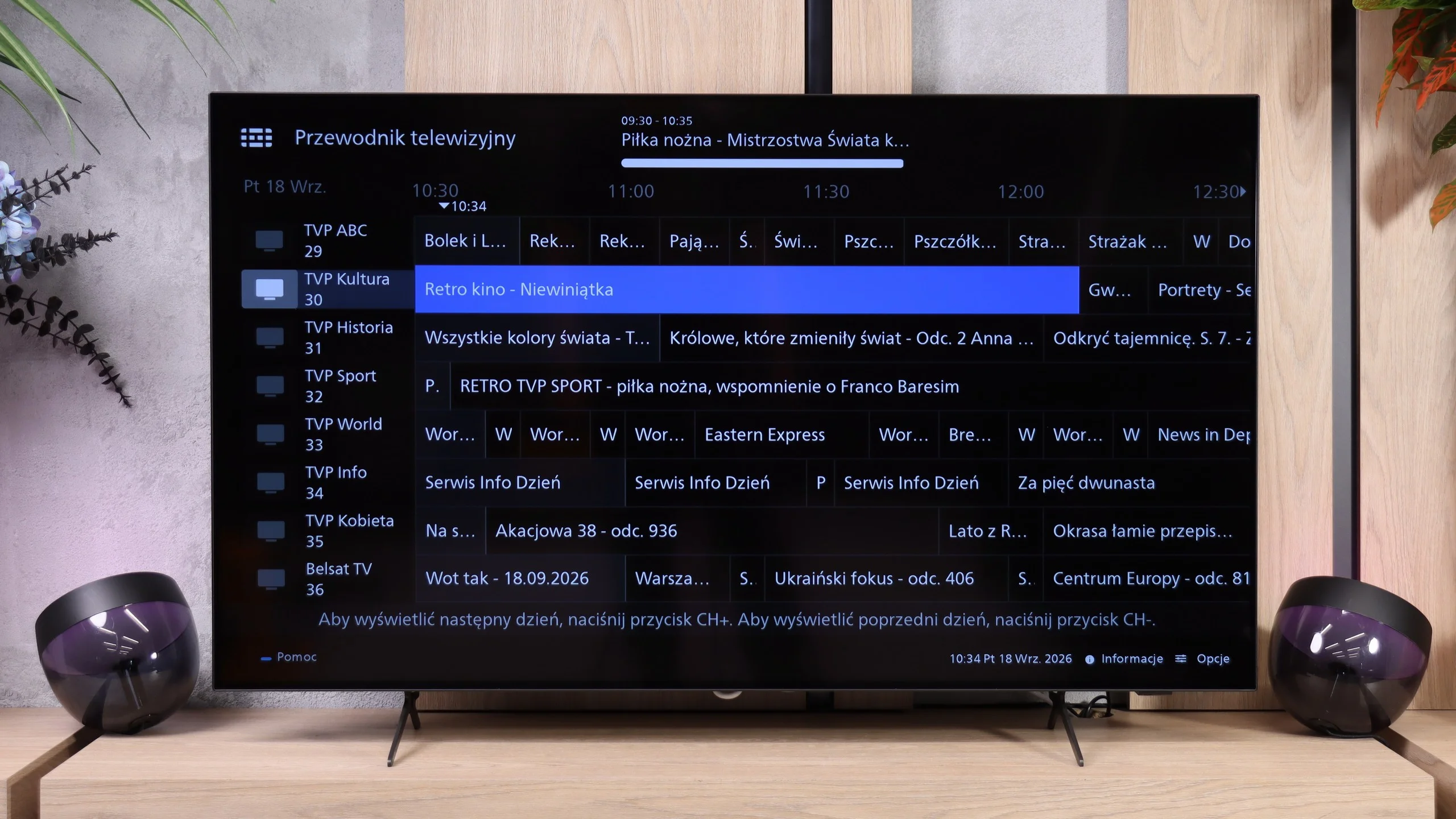
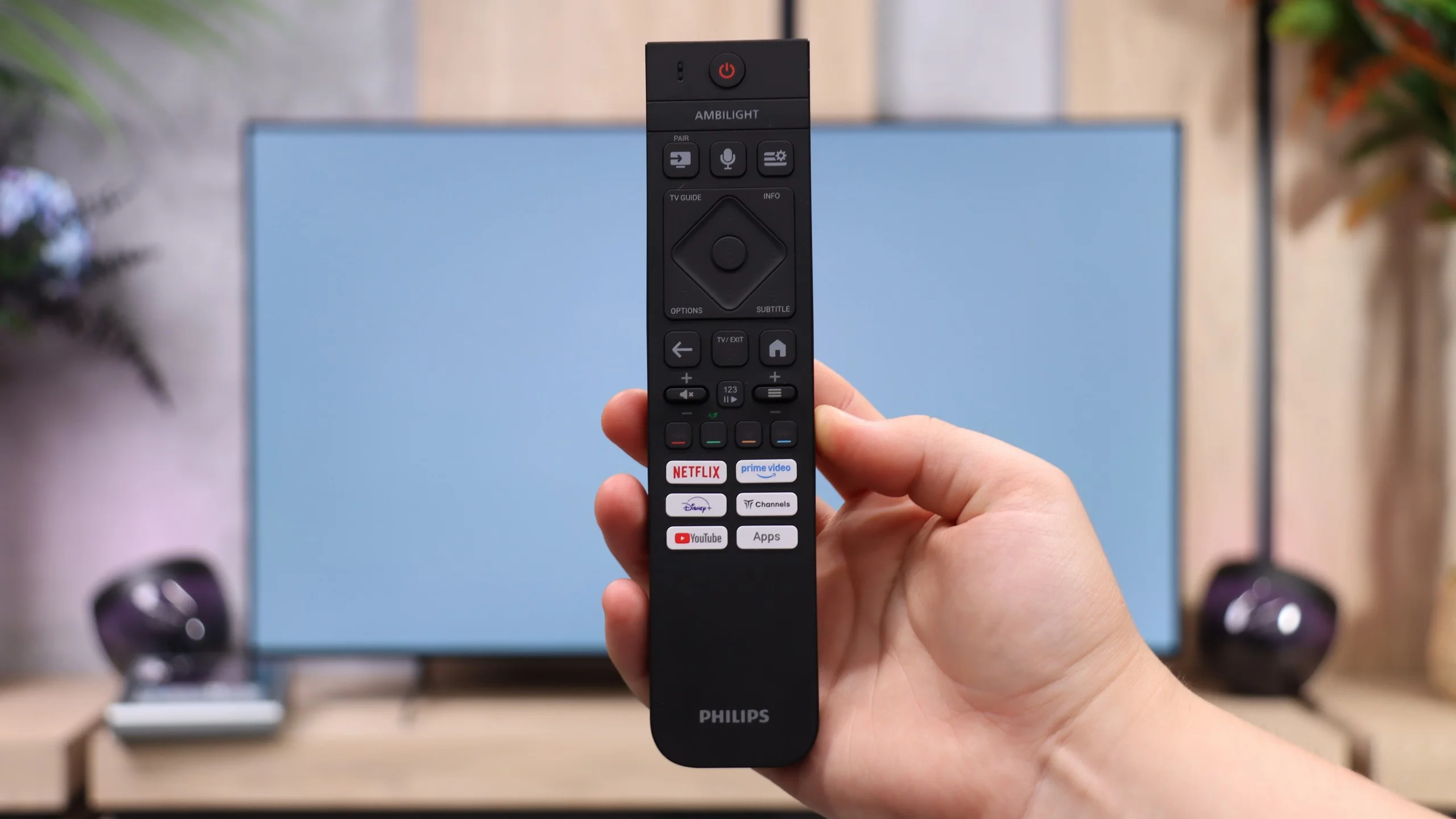
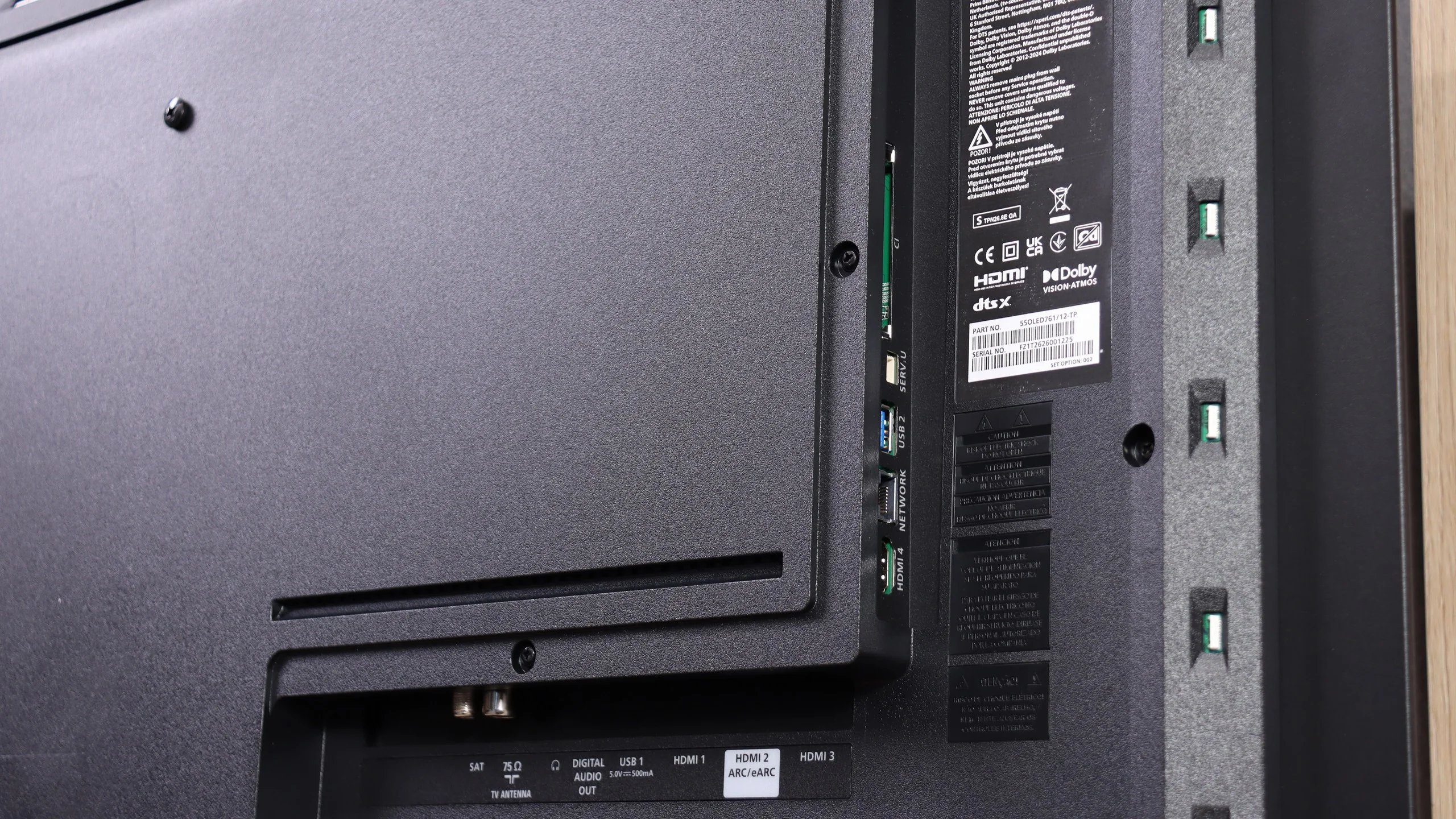
When watching regular broadcasts you get the basic conveniences, including teletext and a remote with a numeric keypad. The buttons are backlit, which is very handy in the evening, but it's hard to understand why Philips stubbornly sticks to infrared for the remote. Having to point the remote at the TV can be simply inconvenient (the only function that operates wirelessly is voice control). There's also no USB recording or picture-in-picture. On the plus side, the port layout is commendable: all four HDMI inputs support the 2.1 standard at 48 Gbps, so with a soundbar connected via eARC you still have three ports left to take full advantage of gaming consoles and a PC. You don't have to worry about which device to connect at the cost of high refresh rates. There's even an analogue mini-jack output, increasingly rare on new TVs but still useful for wired headphones or older audio kit.
Ambilight
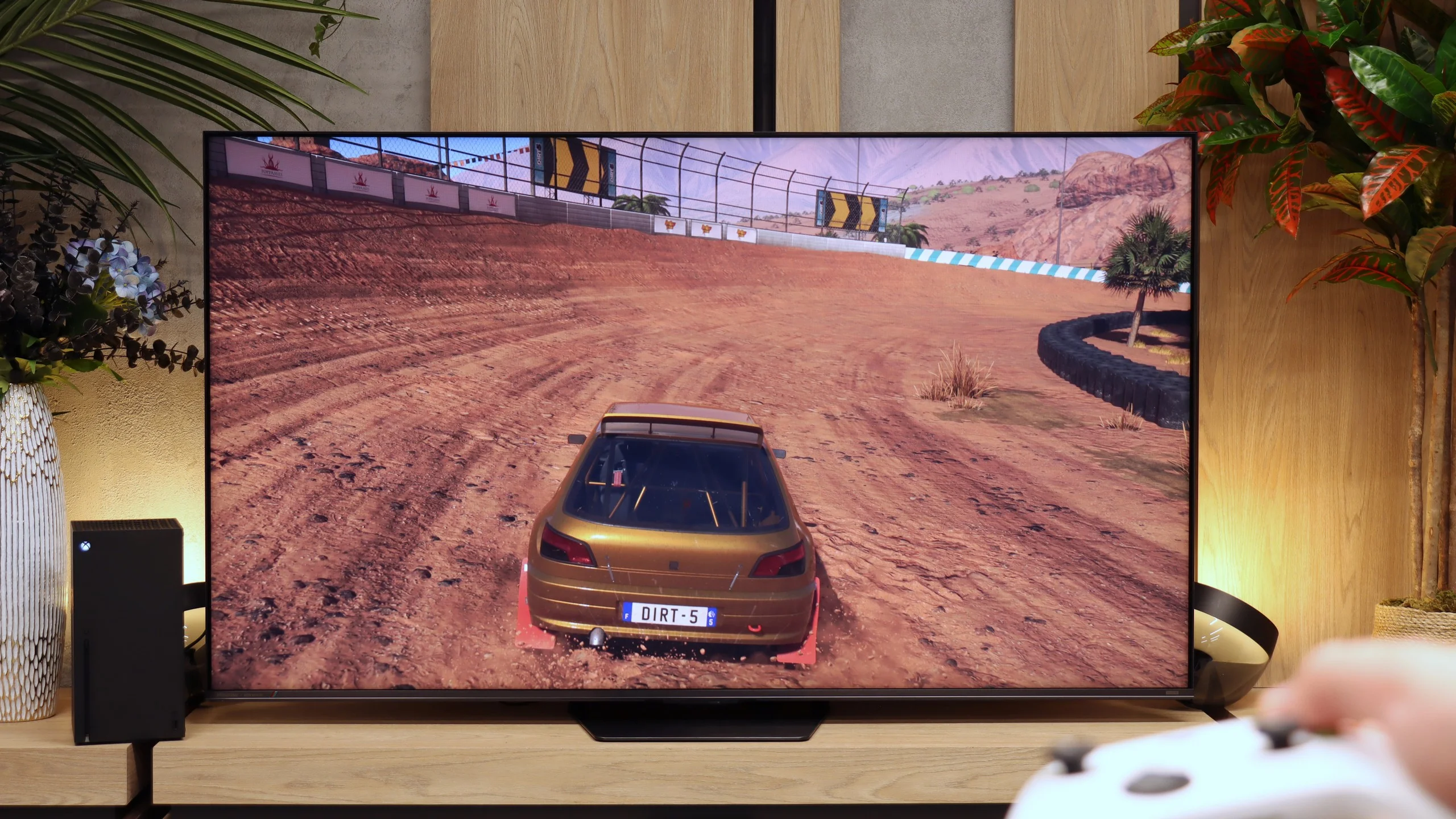
The most distinctive extra is, of course, Ambilight, for which Philips gets extra points from us. Lighting the wall with colours from the screen can add a lot of atmosphere to films and games, but it's also useful for relaxed evening viewing. The subtle glow means the bright screen isn't the only light source in a completely dark room, which can improve viewing comfort. It's worth setting its intensity to suit the room rather than cranking it up to maximum straight away. For people who enjoy that kind of viewing, Ambilight can be one of the stronger reasons to choose the OLED761.
 Direct comparison