 Direct comparison
Hisense U7S Pro is without doubt a successful model, but one built for specific tasks. Its absolute domain is bright, sunlit living rooms. Thanks to its huge brightness (over 2200 nits in HDR) and a matte panel, you can expect a comfortable picture during the day — no squinting or fighting reflections. This great daytime performance comes with rich features. You get excellent upscaling of lower-quality sources (e.g. traditional broadcast TV), a brilliant remote and sound tuned by Devialet. Importantly, the bright screen also squeezes out the maximum for gamers. There are four HDMI 2.1 ports, VRR, ALLM and refresh rates up to 330 Hz. All of these features make it a real beast for consoles or PC, provided you can forgive the lack of HGiG support. While the TV shines by day (or should I say "mattes"? 😉), some compromises appear after dark. Although the panel received a sizeable upgrade over last year’s model in terms of the number of Mini-LED dimming zones, there isn’t a marked improvement in black level performance in this generation. Generally it’s good, but sometimes it feels the algorithms don’t quite handle such a large number of dimming points. It’s clear that, like any Mini-LED, the U7S Pro will lose out to OLEDs during night-time viewing. Overall, though, it’s still a very versatile, well-equipped TV for everyday use. So if you’re after a TV that gives a satisfying picture at any time of day, without paying top-tier prices, this model is an excellent choice.
- Matching (Score) |
- Our verdict |
- TV appearance |
- Where to buy |
- Contrast and black detail |
- HDR effect quality |
- Factory color reproduction |
- Color reproduction after calibration |
- Smoothness of tonal transitions |
- Image scaling and smoothness of tonal transitions |
- Blur and motion smoothness |
- Console compatibility and gaming features |
- Input lag |
- Compatibility with PC |
- Viewing angles |
- Daytime performance |
- Panel details |
- TV features |
- Apps |
- Playing files from USB |
- Sound
U7S PRO / U77S PRO

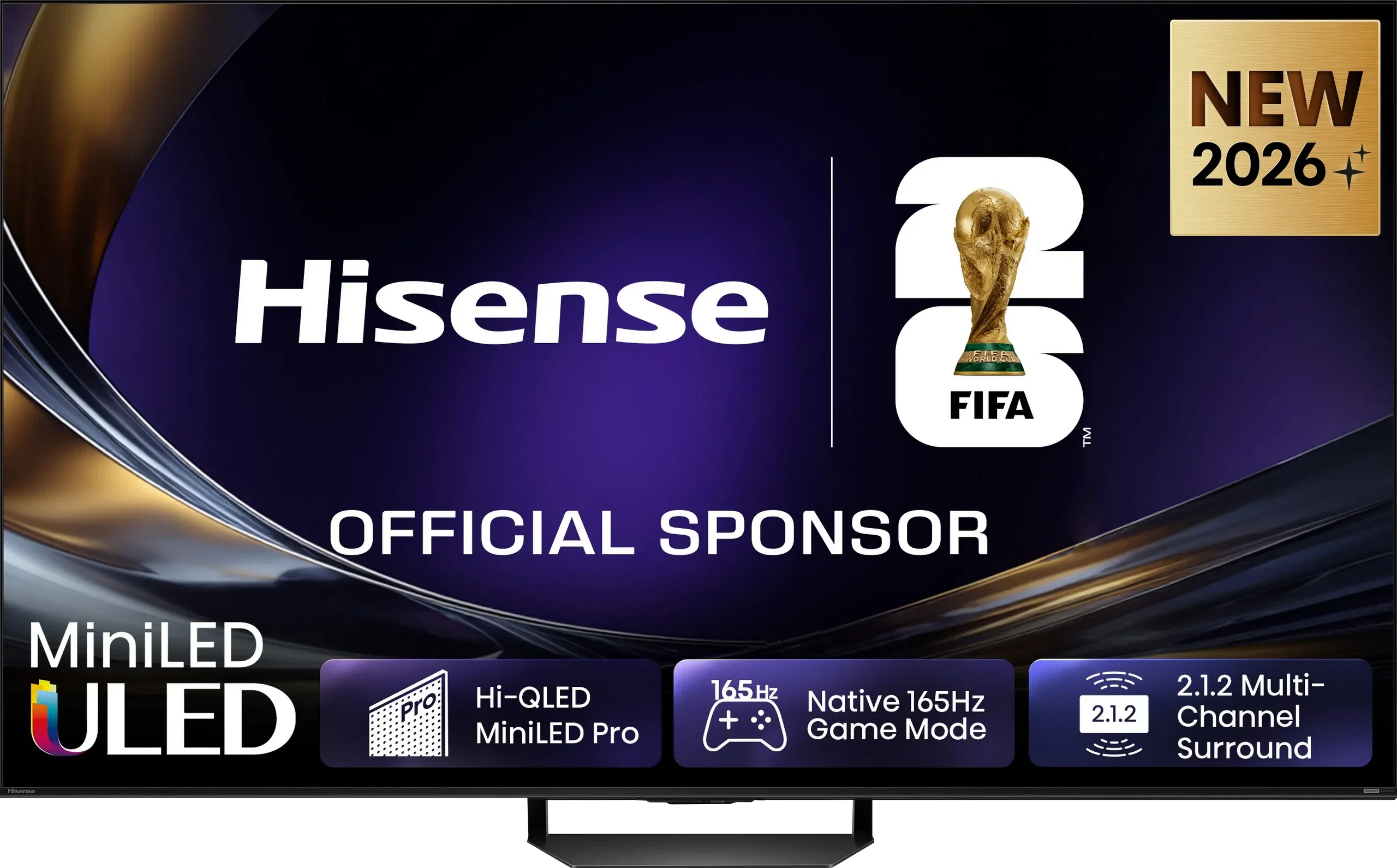
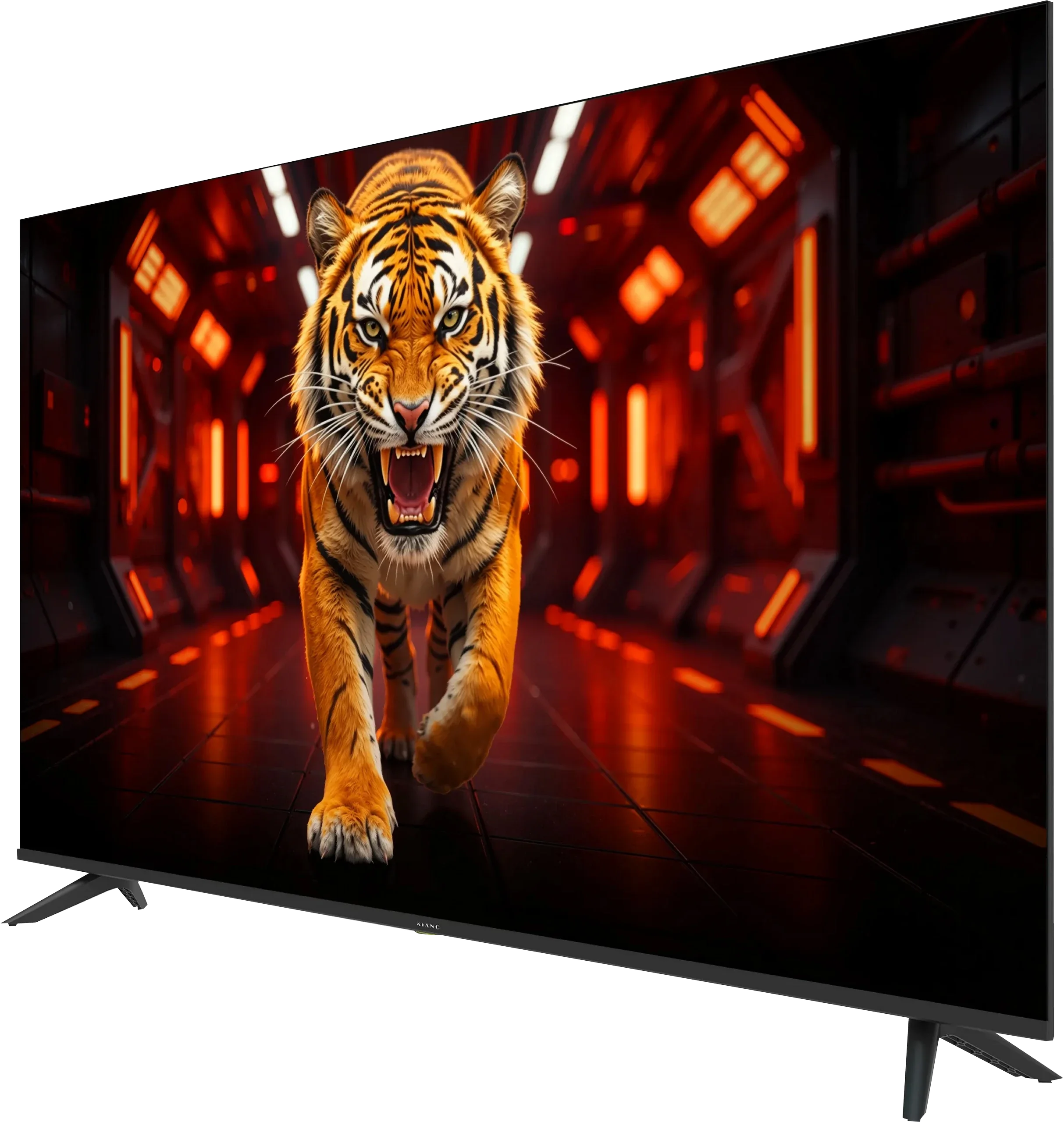
Panel type: LCD VA
Resolution: 3840x2160
System: VIDAA
Model year: 2026
Complete the survey to find out the result
Panel type: LCD VA
Resolution: 3840x2160
System: Tizen
Model year: 2026
Complete the survey to find out the result
Overall rating
7.8
4.9
 Movies and series in UHD quality
7.3
4.8
 Classic TV, YouTube
7.1
5.4
 Sports broadcasts (TV and apps)
6.8
3.9
 Gaming on console
8.3
5.3
 TV as a computer monitor
8.4
6.0
 Watching in bright light
8.1
3.7
 Utility functions
9.4
5.1
 Apps
8.3
8.8
 Sound quality
7.8
3.6
Complete the survey to find out what fits your preferences
Advantages

Very high brightness: Over 2200 nits in HDR
Good black levels and contrast: VA panel (65") + 960 Mini-LED zones
QLED: Wide colour gamut coverage
Excellent upscaling: Very good processing of lower-quality sources
Ideal for a bright living room: High brightness + matte panel
Extensive format support: Dolby Vision, HDR10+, Dolby Atmos, DTS:X
Powerful gaming features: 4x HDMI 2.1 (48 Gbps), up to 330 Hz, low input lag, Game Bar
Better-than-average sound: Built-in subwoofer + Devialet tuning
Remote: Solar panel, USB-C, backlight, numeric keypad
Recording TV programmes to USB
Low price
Tizen system with a large selection of popular apps
Decent contrast thanks to a VA panel
Effective digital image processing (a feature rarely found at this price)
Low input lag
Very good text clarity when connected to a computer
Supports AirPlay and wireless screen mirroring
Disadvantages

No support for the HGiG format (consoles)
App limitations: Limited availability of some apps on HomeOS / VIDAA
Poor off-axis picture: the matte panel also loses its ability to suppress reflections
Low brightness
No wide colour gamut (no QLED / PFS)
Poor motion handling: noticeable smearing, 60 Hz panel and no motion smoothing
No gaming features at all
Slow responsiveness
Very poor sound
Average build quality
Our verdict
The Kiano Elegance is primarily aimed at people who want to spend as little as possible on a TV while still having convenient access to popular apps. Using Tizen is a big plus here, because you get the system known from Samsung sets and don’t have to immediately buy a streaming stick or set-top box to watch movies or series. At a suitably low price, that could be reason enough to consider this model. The digital video processing also deserves praise; its behaviour is similar to the solutions in Samsung’s entry-level TVs. Kiano quite effectively smooths unwanted colour banding in lower-quality material, so heavily compressed footage looks better. It’s far from perfect, of course, but remember the very modest budget we’re dealing with. In this context, the fact that the feature actually helps is worth acknowledging. Unfortunately, the operating system itself doesn’t make the Kiano run as smoothly as Samsung TVs. Sometimes you have to wait for a response, and the USB media player can take ages to open files. Cost-cutting is also apparent in the build quality and the screen’s capabilities. Low brightness makes watching in a sunny room difficult and prevents the display from showing impressive HDR, while faster motion suffers from blur. Add weak sound to that, and buying separate speakers can quickly become another expense. So the Kiano Elegance only makes sense if it’s noticeably cheaper than the competition. It may be adequate for everyday TV or as a second set in the house, but if you’re only a small amount short of a base model from a better-known brand, we think it’s worth paying the extra. Tizen and the decent video processing are strengths of this Kiano, but they don’t make up for all the cost-cutting. It’s better to compare final prices than to assume a TV with Samsung’s system will offer the same user experience.
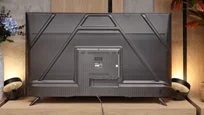
TV appearance

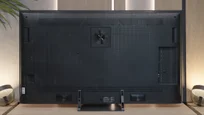
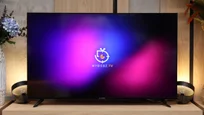
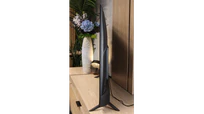

Contrast and black detail
7.5/10
4.8/10
Local dimming function: Yes, number of zones: 960 (24 x 40)
Local dimming function: No
Contrast:


Result
346,350:1

Result
13,500:1

Result
19,050:1

Result
9,950:1

Result
6,450:1
Result
3,350:1
Result
3,350:1
Result
2,650:1
Result
3,650:1
Result
2,400:1
Halo effect and black detail visibility:
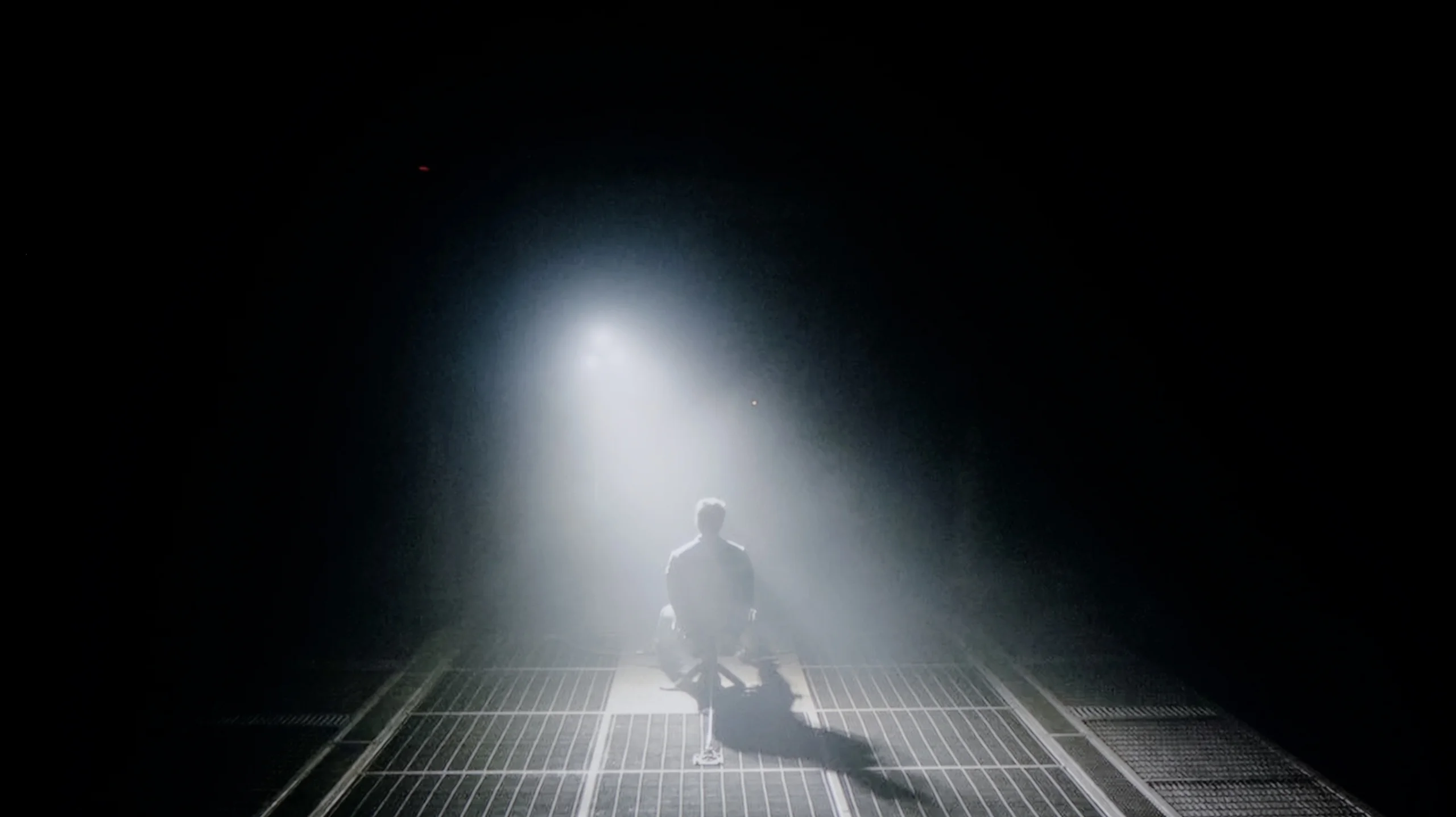
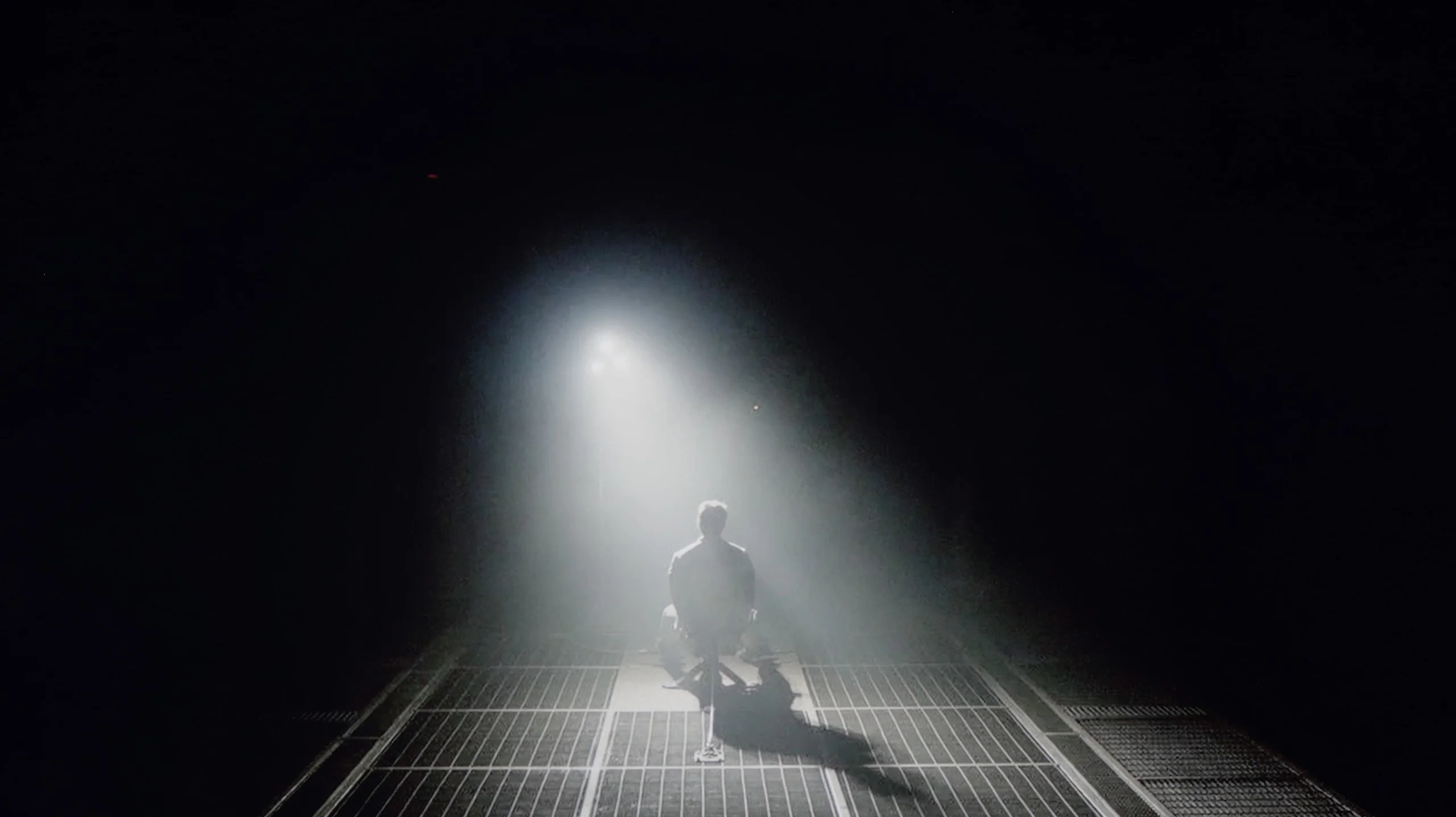
Check the visibility of bright lights on a dark background. Mini-LEDs often struggle with this. The photo does not compare black levels – that’s what the video below is for.
The video accurately shows differences in contrast and black levels between TVs, as well as potential issues: halo around bright objects or Mini-LED zone operation visible as brightness jumps.
The U7S Pro in the 65" variant we tested uses a VA panel and has as many as 960 local dimming zones. Thanks to the combination of such a panel (which has a high native contrast) and a large number of zones, blacks are really very good here. In dark scenes, watched with a slight light on, the effect can even resemble OLED TVs – as our first test scene from the movie Oblivion brilliantly demonstrated. Unfortunately, when more fine, bright elements appear on a dark background, the local dimming algorithm begins to show its weaknesses. The contrast can clearly drop then, and a "halo" effect, or characteristic glow (known as blooming), becomes noticeable around bright objects. However, this is a natural feature of Mini-LED TVs resulting from the physical limitations of this technology – while there are many dimming zones, there will always be fewer than independent pixels in an OLED, so it is physically impossible to completely avoid this. Interestingly, although the new U7S Pro model has almost twice as many local dimming zones as last year's U7Q Pro, it did not bring any significant improvement in this aspect in practice.
The 55-inch Kiano Elegance we tested uses a VA panel, which by itself delivers fairly decent blacks. Our measured contrast was around 4000:1, a result typical for this type of panel and clearly better than in TVs using IPS or ADS matrices. In the evening the picture therefore has decent depth and the blacks are not as heavily lifted. However, it should be remembered that the Elegance uses a conventional backlight without local dimming. That means the backlight is on all the time and the TV cannot dim selected parts of the screen. In that respect the difference compared with even basic Mini LED models is already noticeable. There, individual backlight zones can dim independently, so blacks can be much deeper in dark scenes. Kiano does not have those capabilities, but for a simple LCD TV its native contrast is quite respectable.
HDR effect quality
6.7/10
3/10
Luminance measurements in HDR:

Result
1041 nit

Result
458 nit

Result
1104 nit

Result
528 nit

Result
897 nit
Result
158 nit
Result
172 nit
Result
193 nit
Result
180 nit
Result
205 nit
Scene from the movie “Pan” (about 2800 nits)


Scene from the movie “Billy Lynn” (about 1100 nits)


The photos show two HDR10 movies. 'Pan' is one of the brightest productions ever made, while 'Billy Lynn' (soldier) has brightness typical of streaming (Netflix, Prime, HBO MAX). Notice the intensity of effects and detail in whites.
Static HDR10


The photos present the visibility of white details in various HDR formats. They do not show brightness differences between TVs (these can be compared in the previous gallery).
Dynamic: Dolby Vision
Dynamic: HDR10+


The photos present the visibility of white details in various HDR formats. They do not show brightness differences between TVs (these can be compared in the previous gallery).
HDR luminance chart:
Kiano Elegance Tizen
Hisense U7S Pro
Let's start with the fact that the U7S Pro is an impressively bright TV. In calibrated mode our test equipment recorded a staggering 2200 nits of peak brightness. That's an excellent result, especially given that this model is positioned more as a mid-range set.
As we know, peak brightness on test patterns is one thing, and real film scenes are another. Unfortunately, in real-world footage the backlight output drops noticeably. In the most demanding moments the TV can still exceed 1000 nits, which is still a great result and sits well within the HDR mastering standards for most films, but the real challenge comes from aggressively tuned local dimming algorithms. Because of them, small bright details, like stars or the moon in a night sky, are noticeably dimmed. The TV seems determined to preserve deep blacks, which is understandable, but sadly this comes at the expense of dynamic range and the overall HDR punch.
Colour reproduction is worth praising. The new U7S Pro is a QLED design that provides very wide colour gamut coverage. Unlike last year's model (U7Q Pro), this year's variant is a genuine QLED rather than a solution based on a PFS filter. As a result, colour saturation has clearly increased, and coverage of the demanding BT.2020 colour space has exceeded 81%.
The HDR effect on the Kiano Elegance is basically non-existent. The TV is simply too dim to deliver any noticeable quality jump over regular SDR. Measured brightness is around 200 nits, which is far too low for bright elements, like various lighting effects, to really stand out on screen. HDR material will be played back, but without the punch this format should be known for. On top of that, the Kiano Elegance doesn’t use any additional colour‑gamut enhancing technology, such as quantum dots or even a PFS filter. As a result, some of the intense colours encoded in HDR films can’t be shown with proper saturation. In more colourful productions it’s especially obvious that the picture is simply poorer than on TVs with a wide colour gamut. The Kiano Elegance is therefore much better suited to ordinary SDR content, like broadcast TV, YouTube or older films and series; their demands are much lower and match this TV’s capabilities far better.
Factory color reproduction
4.7/10
4.8/10


This gallery shows how colors change after professional TV calibration. If you notice the difference, we recommend ordering this service at SkalibrujTV.com.
Factory Mode
After calibration
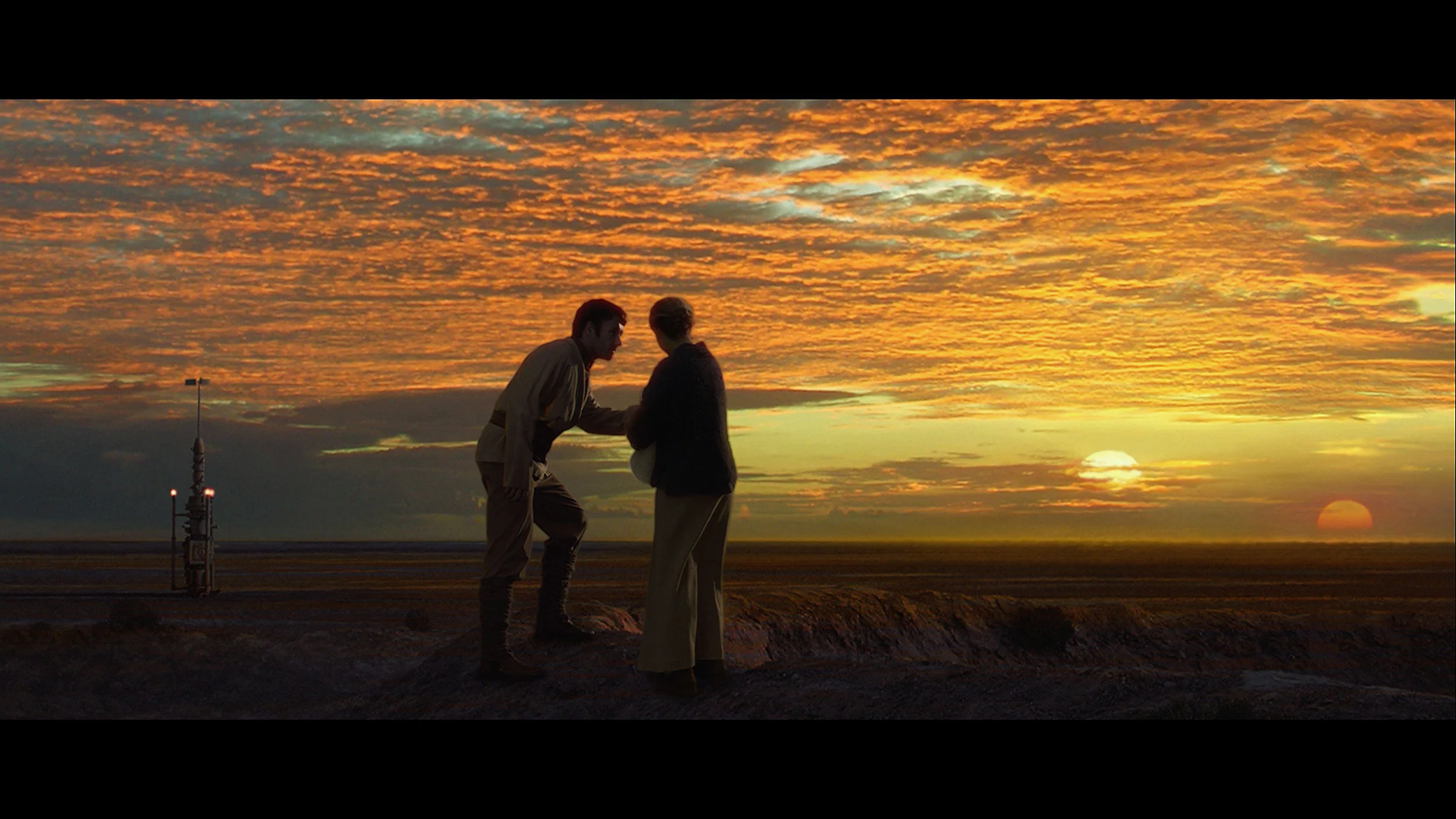

This gallery shows how colors change after professional TV calibration. If you notice the difference, we recommend ordering this service at SkalibrujTV.com.
Factory Mode
After calibration
We tested the U7S Pro, as we always do, in the best factory-tuned picture mode, Filmmaker Mode. The displayed colours can be judged in two ways. The most disappointing was the profile intended for SDR viewing, i.e. classic TV, YouTube and other less demanding content. The image there had a distinct yellow cast, which proved to be a direct result of an incorrectly set white balance. As our charts show, this involved a huge deficiency of the blue component, which drastically affected the overall colour temperature. You can see this clearly on the ColorChecker charts and on the colour palette graphs themselves, where most samples drifted towards yellow. Fortunately, the factory HDR mode performed much better; there the colour errors hovered around a Delta E of 3, which is a really solid result.
In Film mode the colours on the Kiano Elegance look quite respectable, especially for a TV in this price range. That said, the picture isn’t correctly set up straight away. It’s most noticeable in the white balance, which lacked red. As a result the image had a slightly cooler cast, and some skin tones and warmer colours didn’t look as natural as they should. On top of that, both the SDR gamma and the EOTF curve in HDR were set too high. Put simply, the TV brightened the picture more than the source material intended. In SDR that produced a slightly brighter, more TV-like image, but it also robbed the picture of some depth. In HDR the same behaviour amplified the panel’s limitations, because at such low brightness the TV had even less headroom to correctly show the brighter parts of the image. The biggest constraints therefore came in HDR. The colour palette encoded in that kind of material often exceeds the Kiano Elegance’s capabilities, since it doesn’t use any gamut-expanding solution. More saturated reds, greens and blues are displayed much more muted than they should be. In less demanding scenes this isn’t yet very obvious, but with more colourful films the difference compared with TVs that have a wide colour gamut becomes very noticeable.
Color reproduction after calibration
7.5/10
6.5/10


The photos show how movies look on the TV. Pay attention to black detail visibility, colors, and shadow tint.


The photos show how movies look on the TV. Pay attention to black detail visibility, colors, and shadow tint.
We do know, however, that the company Hisense is capable of much more – as previous generations have proven – which is why we simply couldn’t leave the factory flaws of the U7S Pro model unaddressed in everyday content. As always in such cases, we had the television undergo professional calibration. The conclusions? This process brought about a colossal change. After manually adjusting the white balance and compensating for deficiencies in the blue component, the annoying yellow tint disappeared as if by magic. White became naturally clean, and skin tones gained the proper, healthy hue. Importantly, the calibration not only tamed the capricious SDR mode but also maximised the potential of the panel, reducing average colour reproduction errors to values nearly imperceptible to the human eye. The only thing we need to criticise after the whole process is the very nature of the Mini-LED backlighting and its specific interaction with the HDR signal. The aggressively tuned local dimming algorithms significantly interfere with the EOTF brightness curve. As a result, the backlighting doesn’t always work perfectly with the creator’s intent – depending on the scene being watched, the curve can noticeably run either above or below the reference, occasionally disrupting the ideal dynamic of HDR images.
Surprisingly, even a budget TV like the Kiano Elegance offers quite a few calibration options. We managed particularly well with the white balance. After correction the cooler cast disappeared and the colours became noticeably more natural. We also managed to better set the gamma and the overall picture response in SDR. Despite our efforts, it soon became clear that further limits were no longer due to the settings but to the TV's capabilities. In SDR the Kiano can look quite decent. TV broadcasts, YouTube, sport or older films can display natural colours and a pleasing picture. It's a lot worse with HDR. Here calibration alone can't make up for the lack of brightness and a wide colour gamut. The TV simply can't reproduce some of the more saturated colours or adequately strong bright highlights. So while you can get a really decent picture in SDR, HDR still clearly remains beyond its capabilities.
Smoothness of tonal transitions
9.5/10
8.5/10


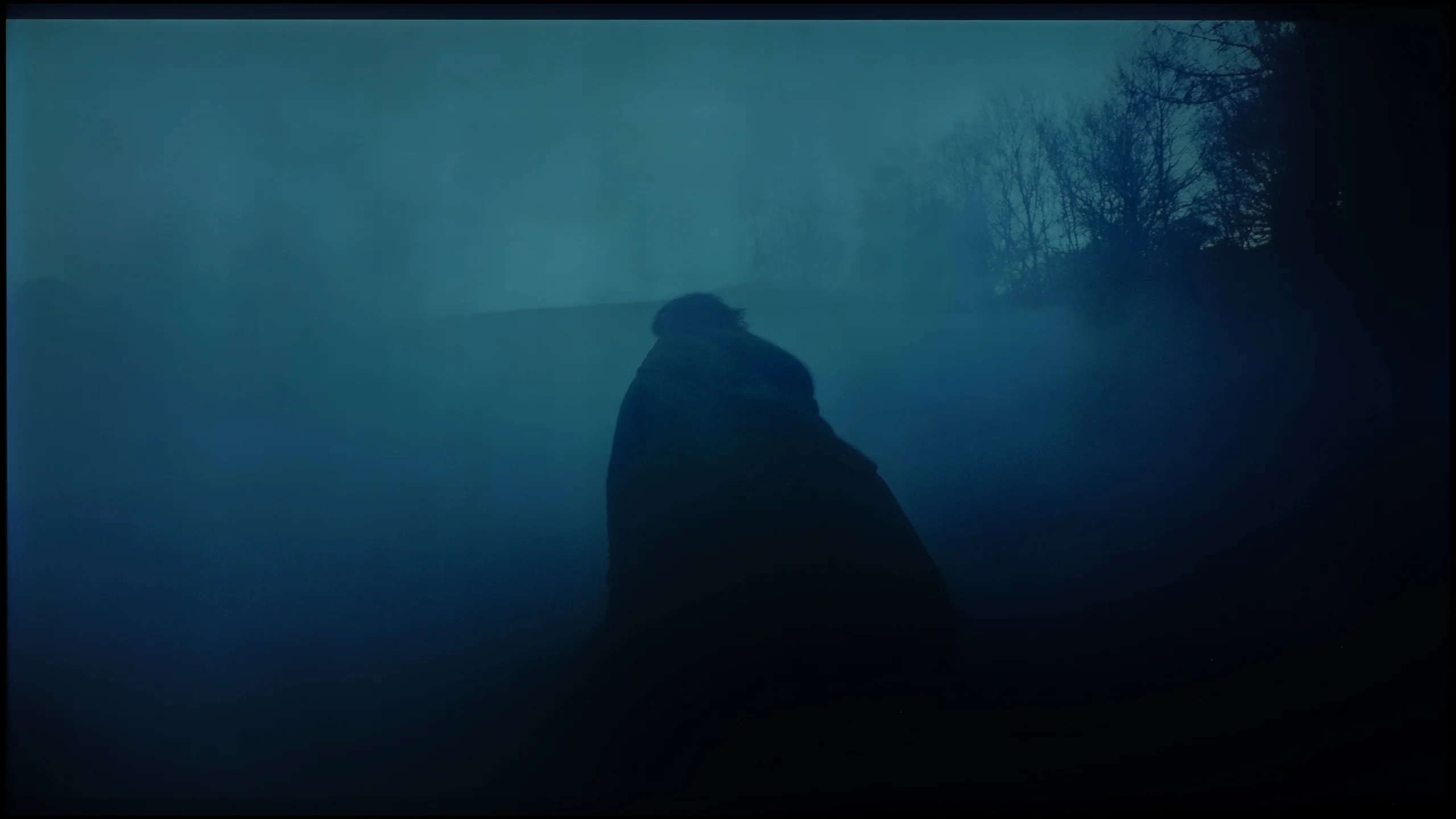


These are selected scenes that show smooth tonal transitions from one color to another. If you see distinct banding, it’s the TV panel’s fault.

These are selected scenes that show smooth tonal transitions from one color to another. If you see distinct banding, it’s the TV panel’s fault.
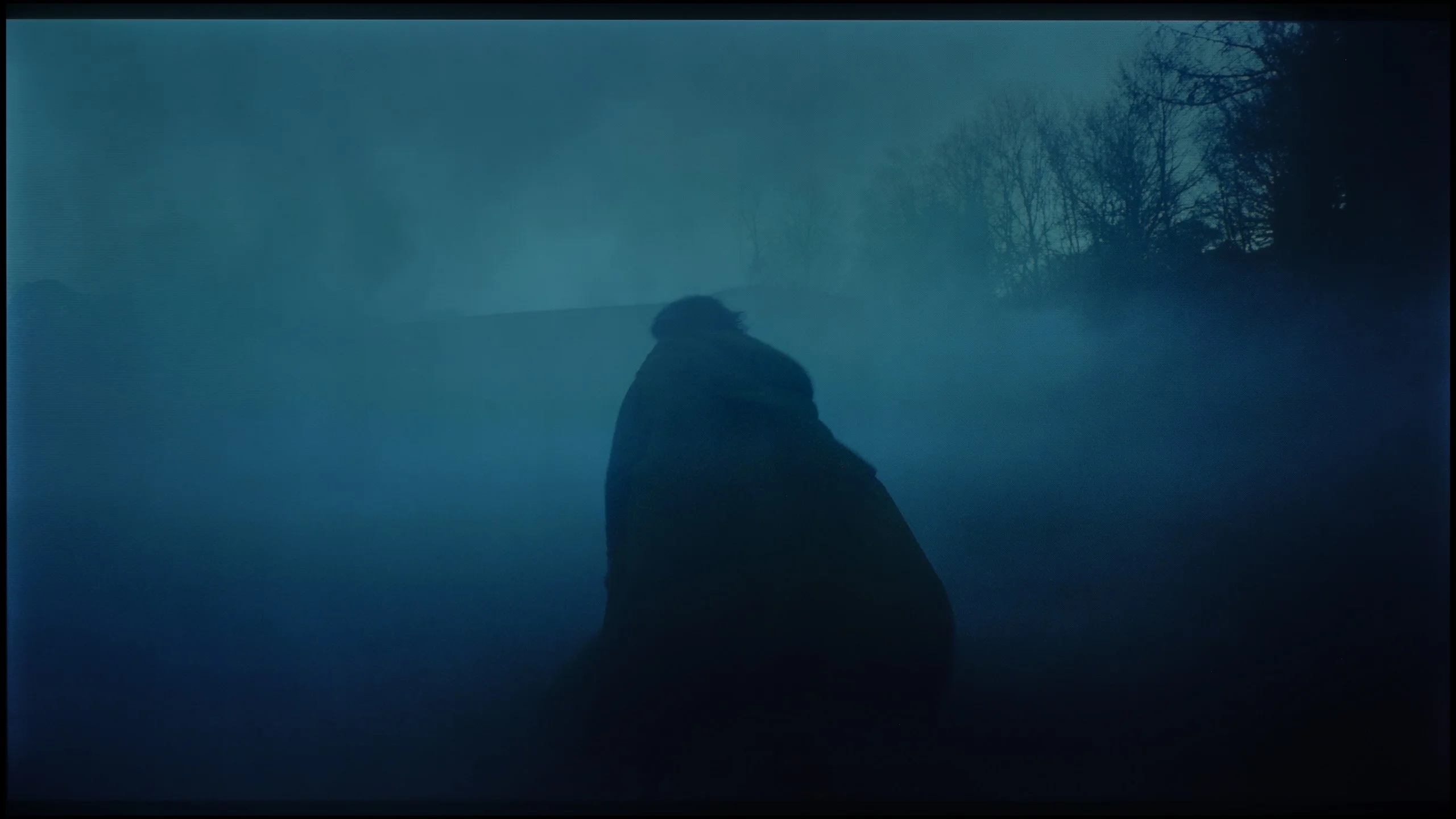
These are selected scenes that show smooth tonal transitions from one color to another. If you see distinct banding, it’s the TV panel’s fault.

These are selected scenes that show smooth tonal transitions from one color to another. If you see distinct banding, it’s the TV panel’s fault.
Digital image processing has for some time now been a genuine hallmark of Hisense. In the U7S Pro we didn't notice any serious problems with the so-called colour banding, that is, the posterisation effect. Individual shades transition almost perfectly and smoothly into one another, without the irritating effect of jagged edges or visible 'steps' in gradients.
Kiano Elegance handles colour gradation quite well. In most scenes the transitions between shades are smooth and there’s no strong banding or obvious stripes, which can be a problem in the cheapest televisions. The biggest limitations only appear in darker scenes. With very subtle transitions in greys or shadows you can notice slight posterisation and some colour separation. However, it’s not something that will be obvious all the time. In typical material Kiano performs reasonably well in this respect, especially given its price.
Image scaling and smoothness of tonal transitions
7.8/10
6.5/10


Smooth transition function
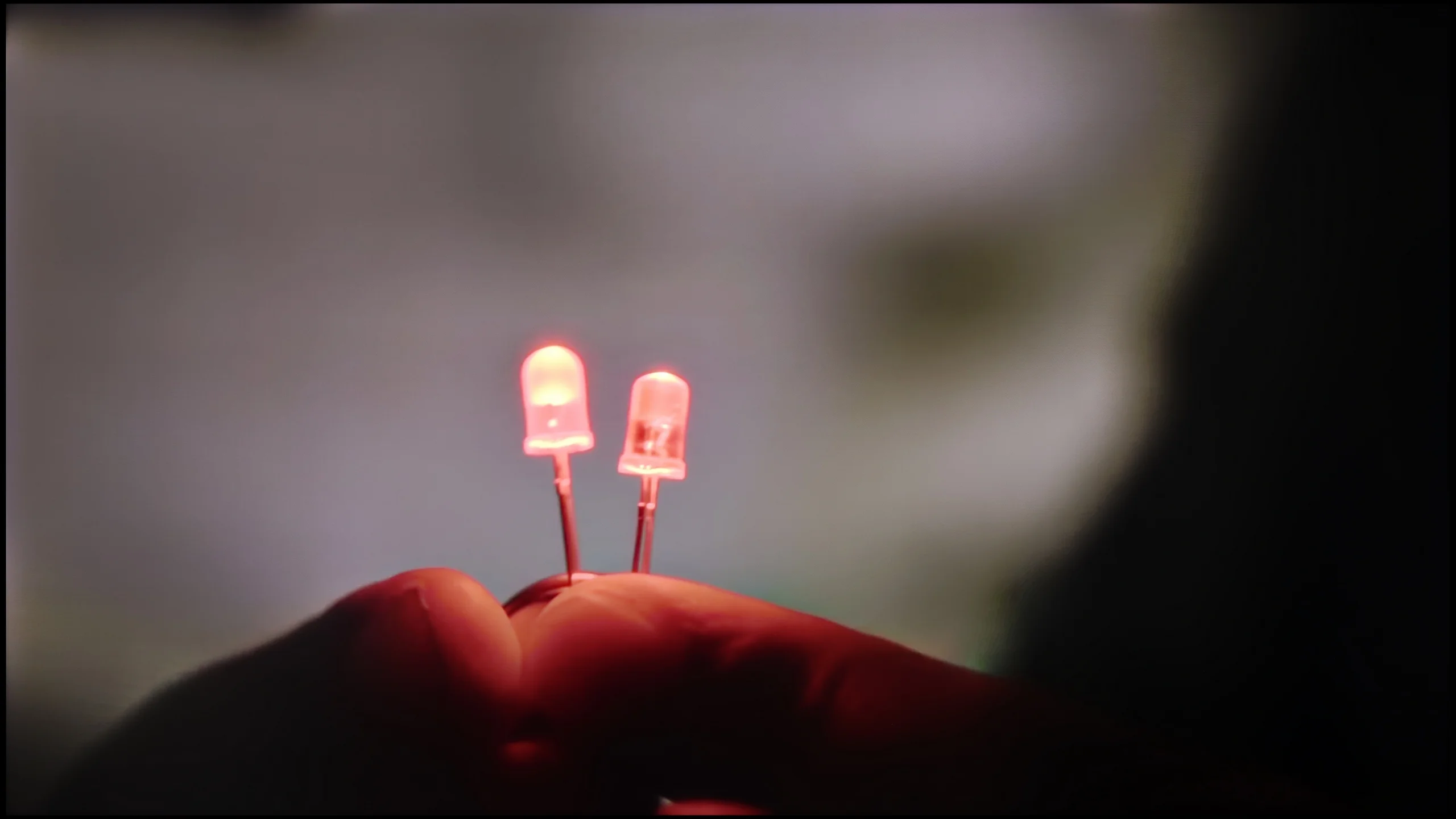
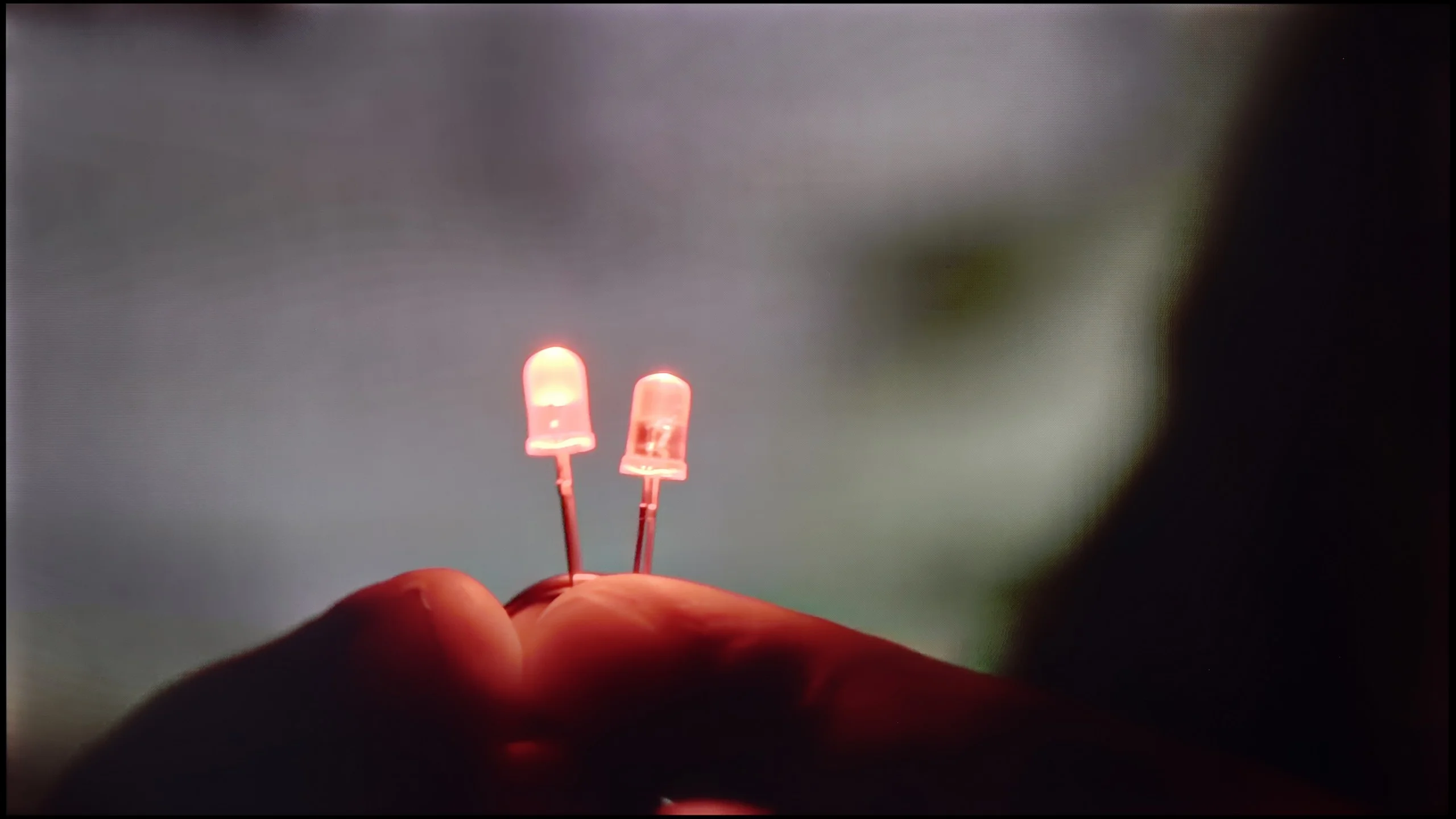
The match photo shows how the TV smooths weak tonal transitions in low-quality video.
Image scaling SD (576i)
The digital processing of lower-quality signals is at a very high level here, and that's all thanks to the MediaTek Pentonic 800 processor used in the U7S Pro. The upscaling itself also performs well, meaning the TV's ability to upscale lower-resolution signals to 4K is impressive. We didn't notice any unnatural, overly sharp contours on the screen, and our test image of the model simply looked attractive.
For a relatively inexpensive television, the upscaling and digital image processing in the Kiano Elegance perform really well. The upscaling of lower-resolution content is decent. It's not, of course, at the level of the best TVs on the market, but regular broadcast TV and Full HD material look quite good on the 4K screen. We were even more surprised by its ability to smooth unwanted tonal transitions. Many TVs in this price range either don't offer a similar feature at all, or its effect is practically invisible. Kiano, using the noise reduction known from Samsung TVs, can quite effectively mask heavy compression, colour banding and other imperfections of weaker source material. There is only one catch. The feature works fairly aggressively and, along with imperfections, can also remove some fine detail and natural film grain. So with high-quality source material we'd probably leave it off. However, if you're watching older footage, heavily compressed broadcasts or poor-quality material from the internet, it's worth experimenting with it. In those conditions it can actually improve the viewing experience.
Blur and motion smoothness
7.4/10
2/10
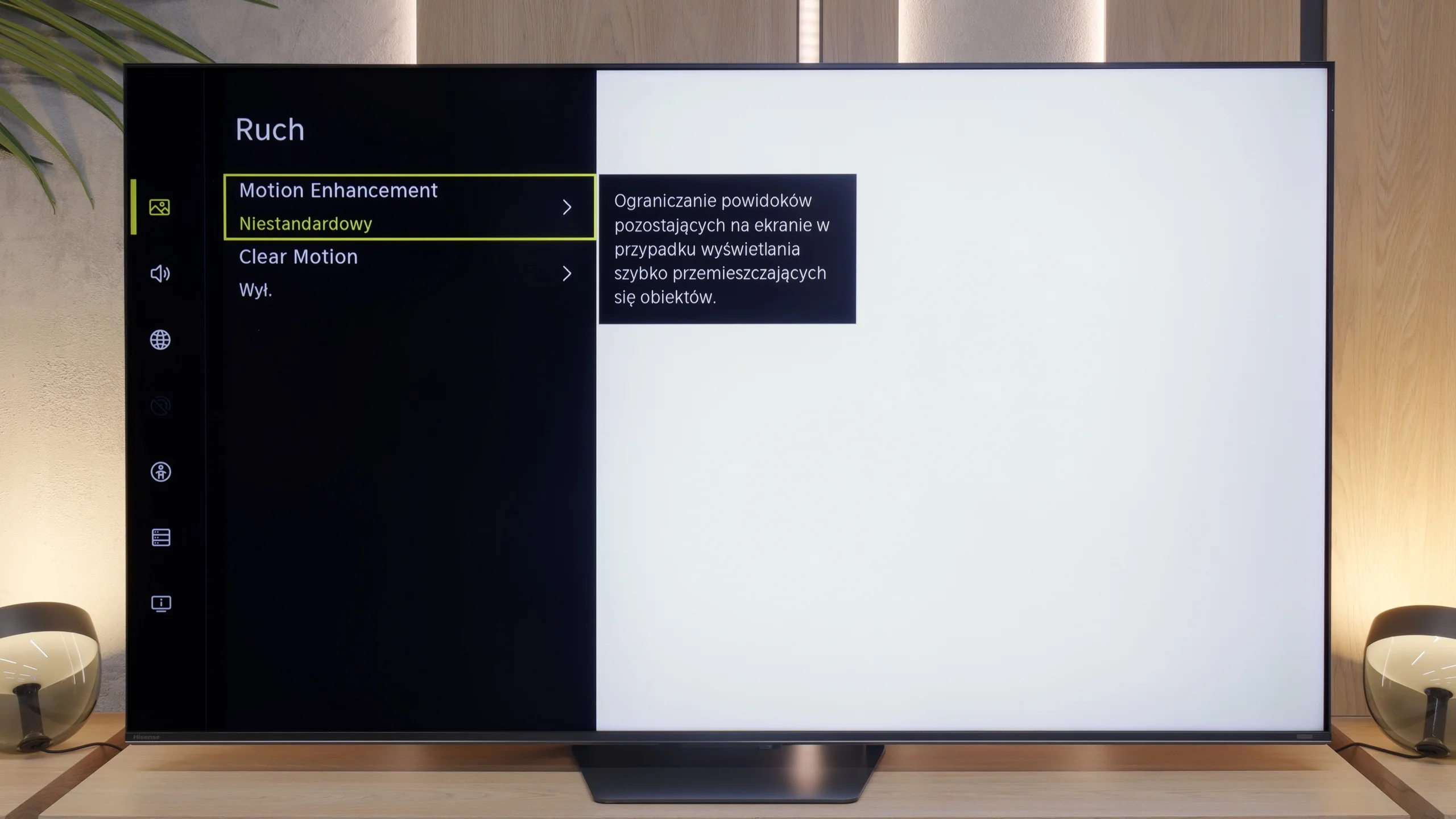
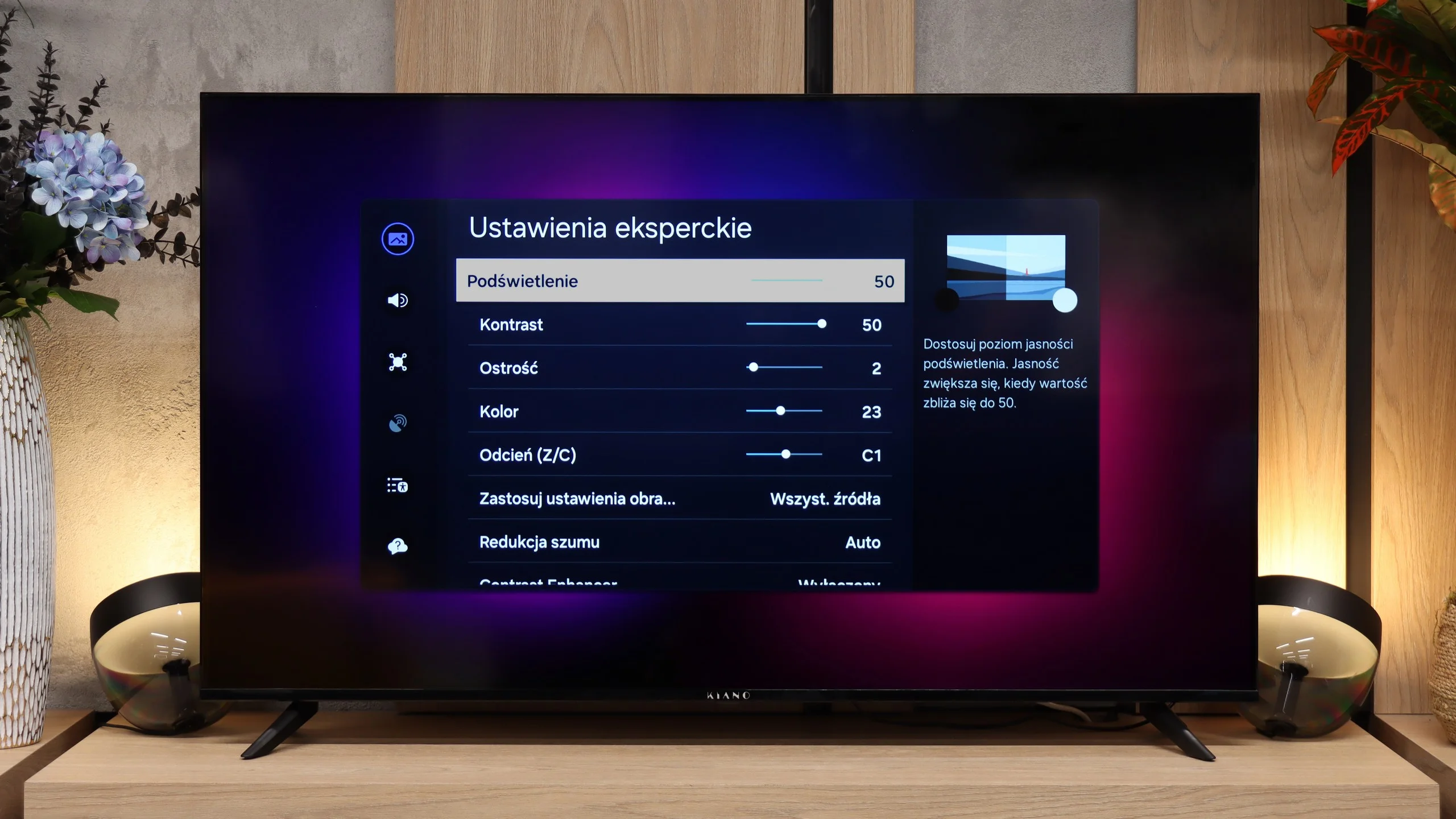
Blur (native resolution, maximum refresh rate):






Blur (BFI function enabled):



Blur (1080P@330Hz):



Blur ():
The Hisense U7S Pro uses a panel with a maximum refresh rate of 165 Hz at 4K, and in gaming mode it can even hit 330 Hz at Full HD. However, it's worth remembering that these top figures don't mean much in everyday use, because most content still runs at a maximum of 120 Hz (for example when playing on a console). Even so, the TV handles motion quite well and performs respectably for an LCD design.
There isn't much to fault when it comes to smoothness. In the menu you'll find a motion smoothing feature called "Motion Enhancement", which hides two sliders: blur reduction and judder reduction. They let you manually tune the smoothing, which works well for both films and sport, effectively improving the raw TV signal.
In terms of motion handling the Kiano Elegance performs rather poorly. The TV has a 60 Hz panel, but at this price point that's not surprising. What's far more bothersome is the lack of any motion-smoothing function. In practice this means the TV displays content at exactly the frame rate it was recorded in. In films this isn't yet a major issue, but with sport or fast panning shots it's clear that motion isn't particularly smooth.
Console compatibility and gaming features
8.5/10
1.6/10
- ALLM
- VRR
- VRR range48 - 330Hz
- Dolby Vision Game Mode
- Correct implementation of HGIG
- 1080p@120Hz
- 1440p@120Hz
- 4K@120Hz
- Game bar
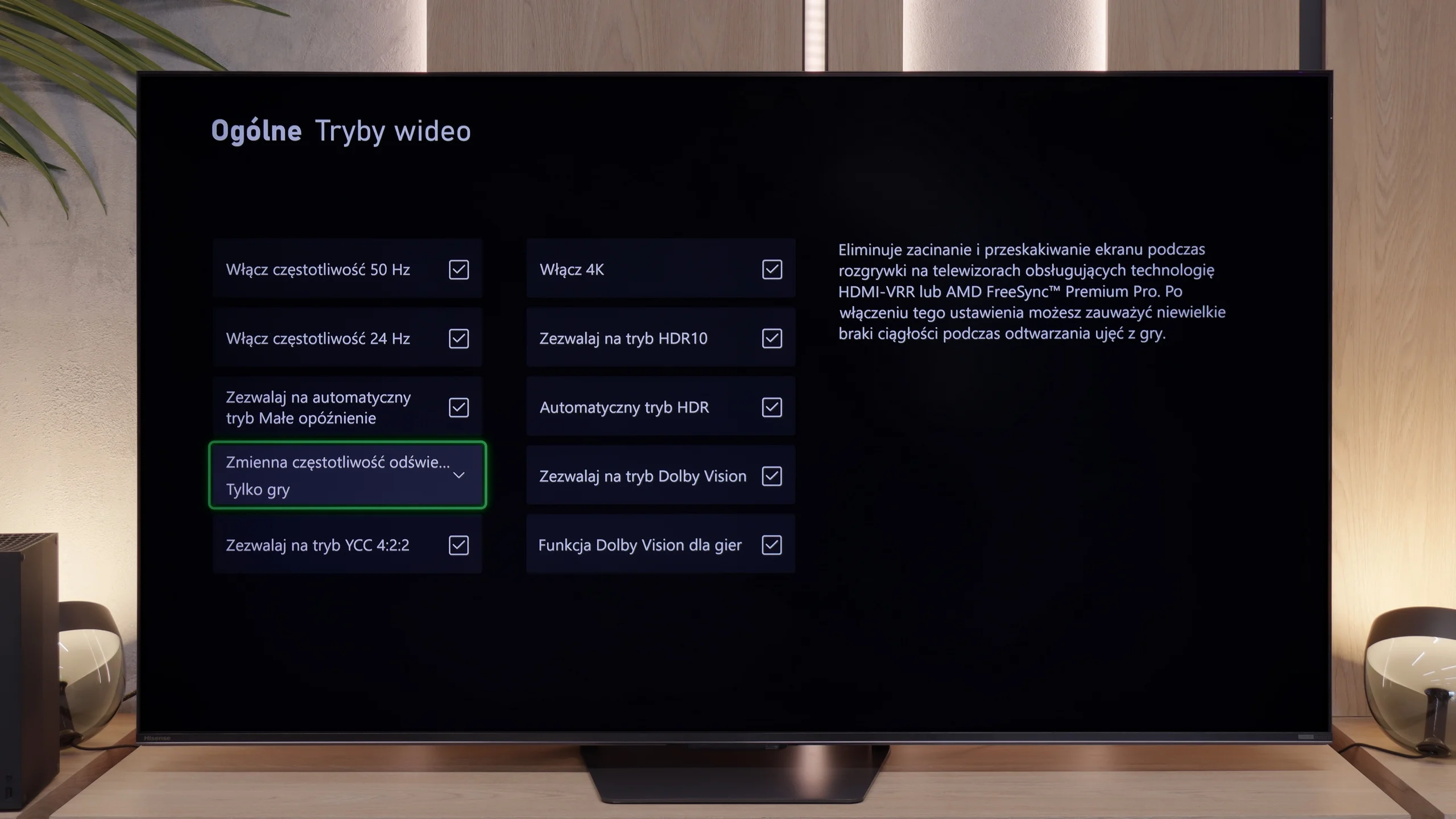
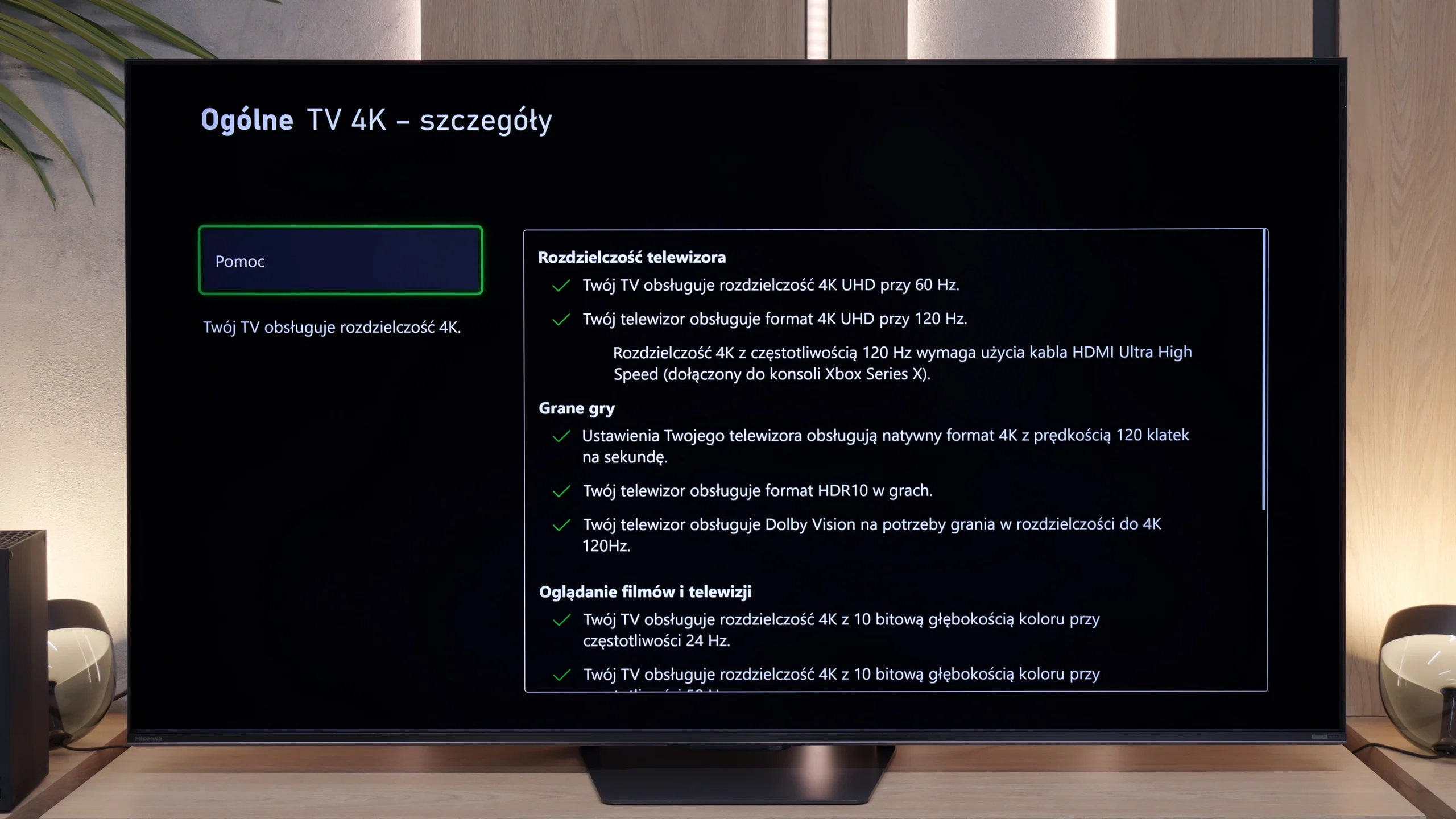
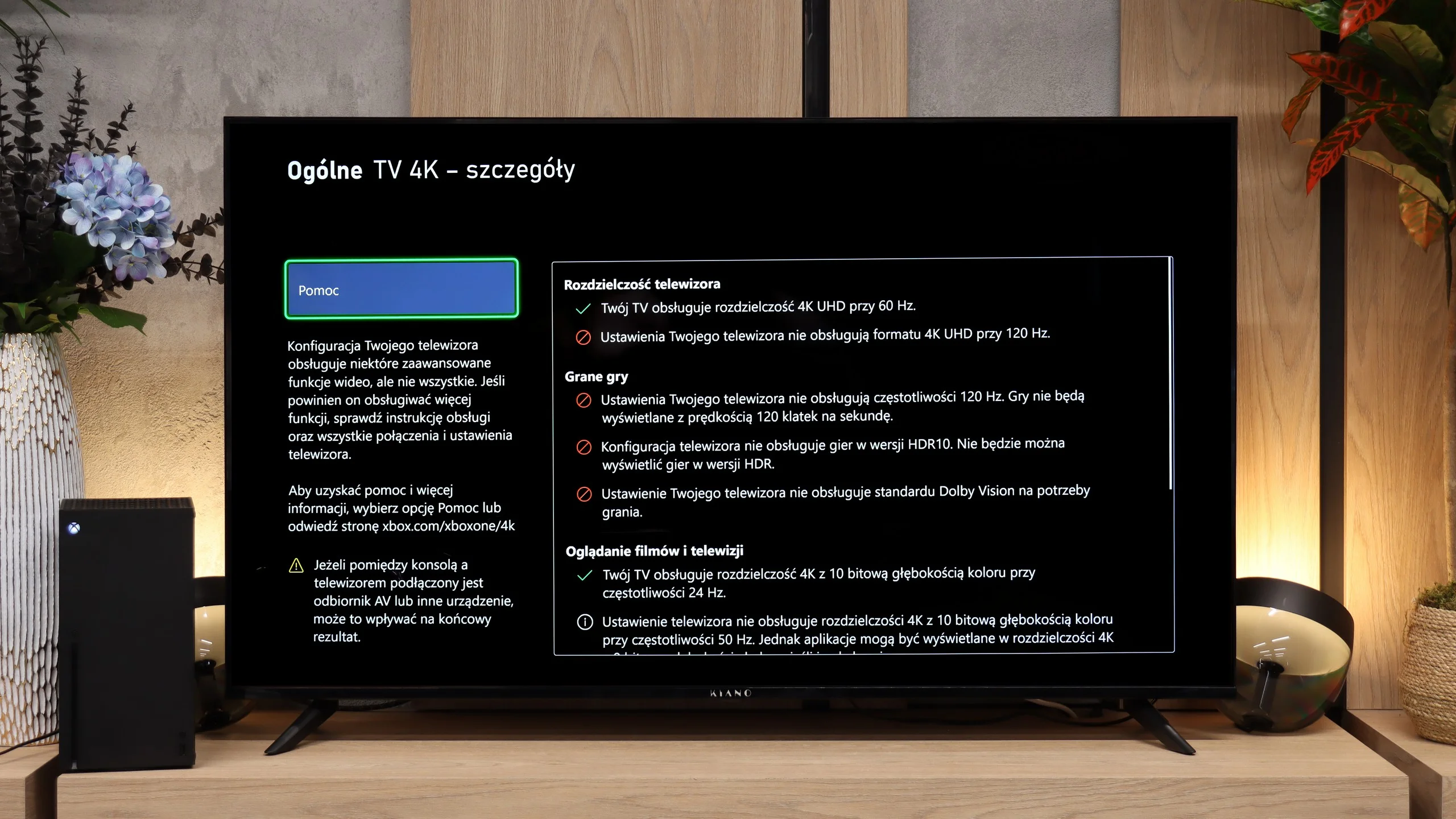
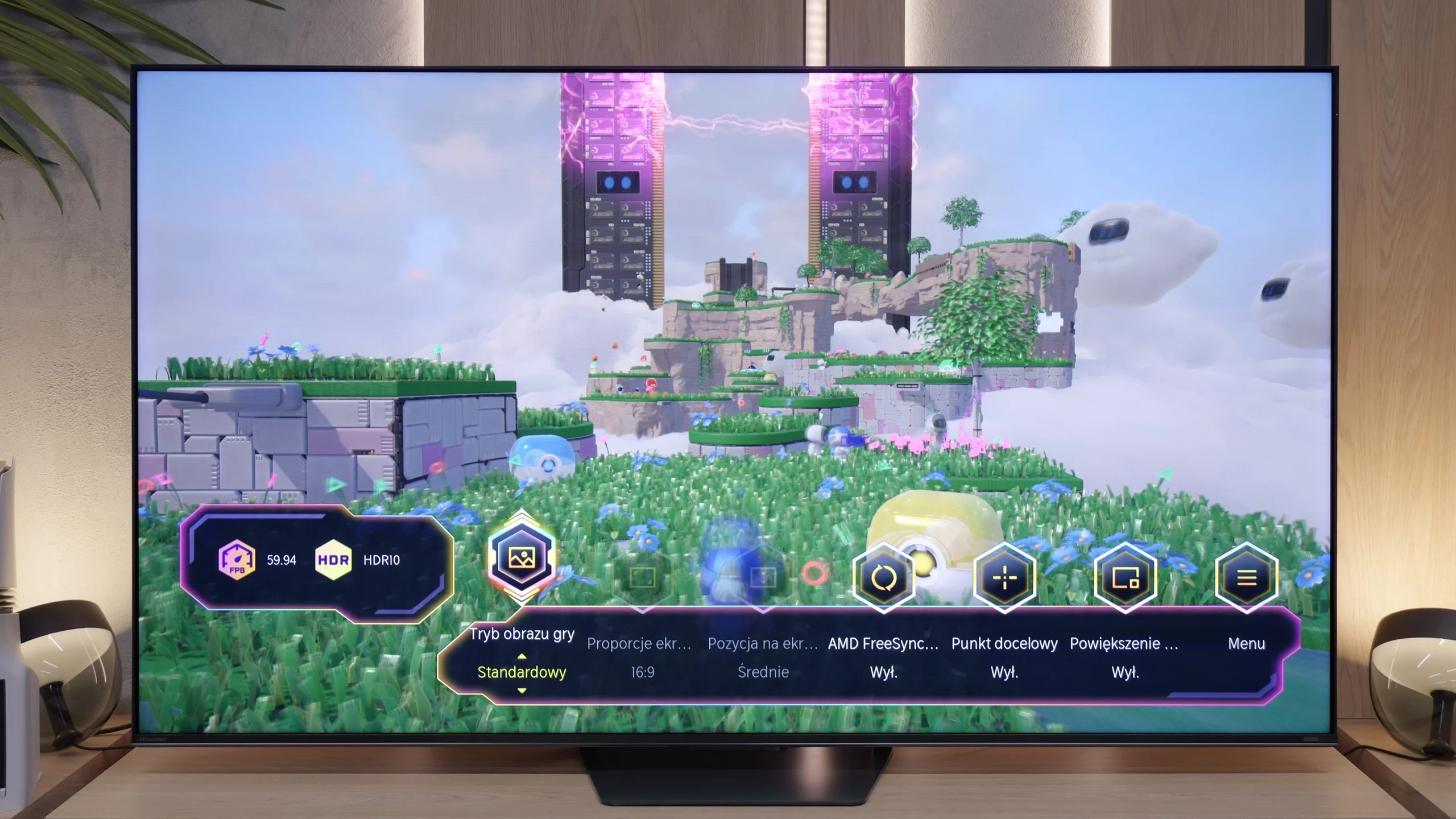
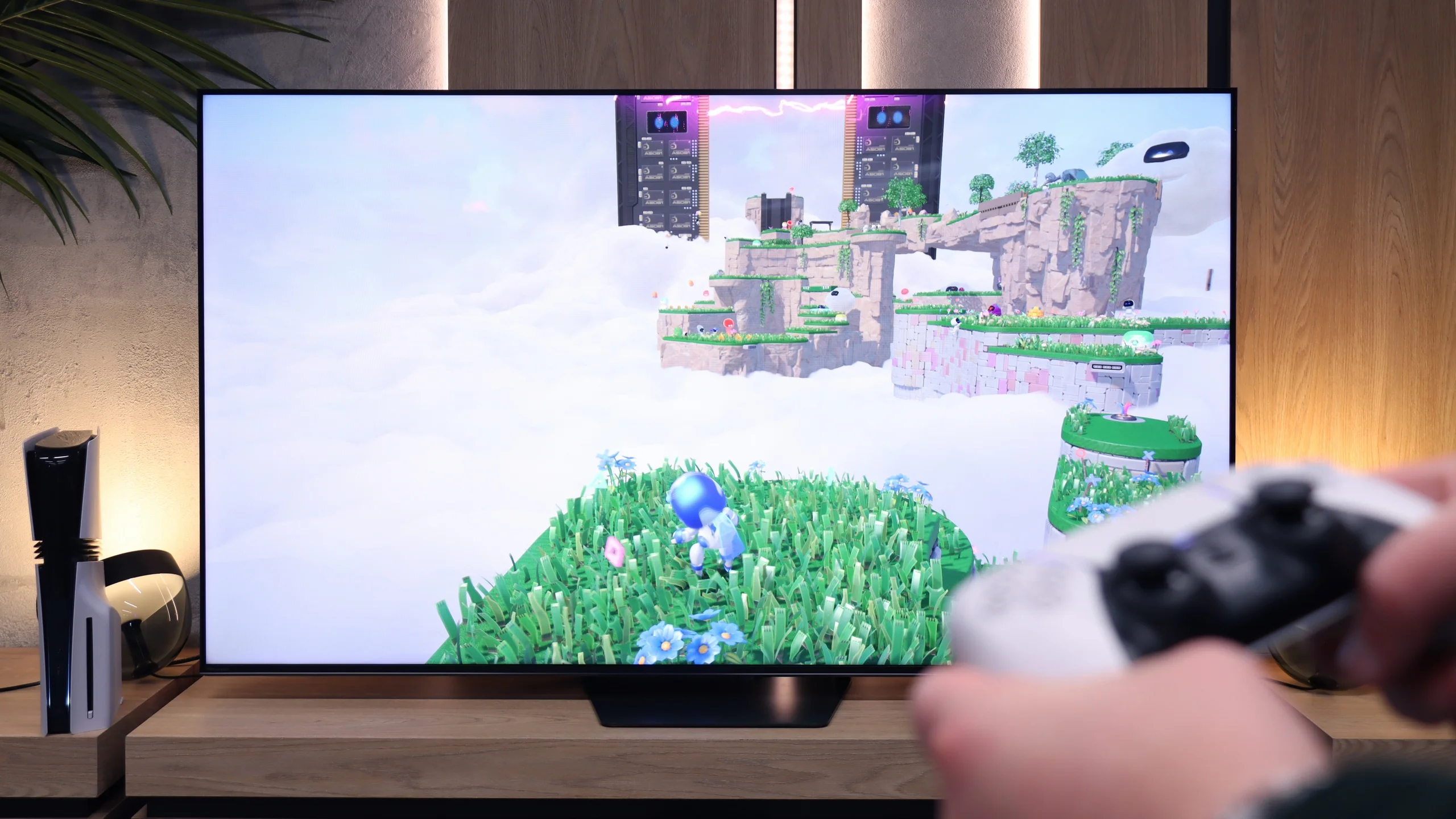
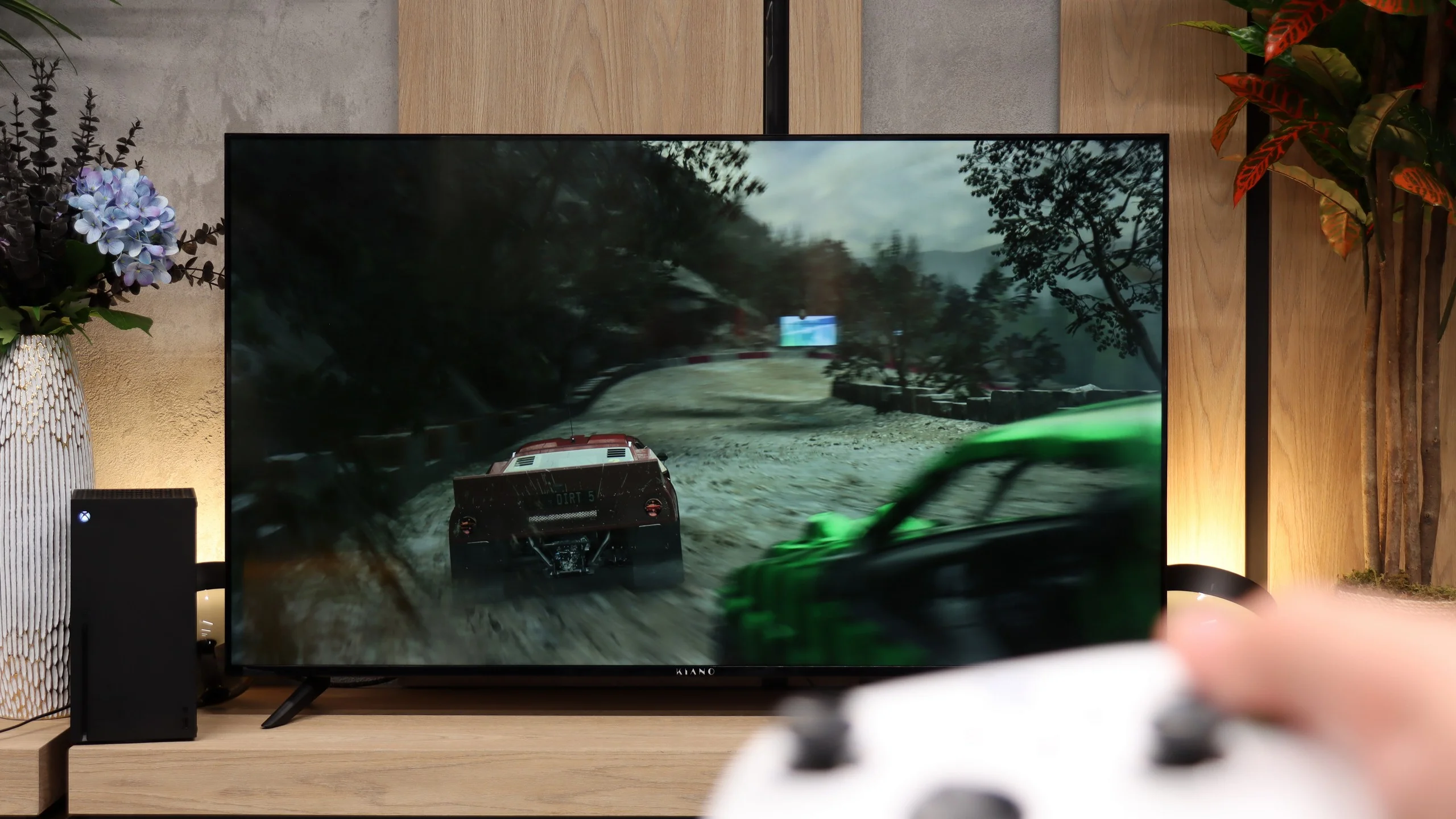
If you're planning to connect a console or PC to the U7S Pro, you'll be more than pleased – this TV is great gear for gamers. Hisense hasn't held back, featuring 4 HDMI 2.1 ports with full bandwidth of 48 Gbps. So you don't have to juggle cables, as each port will handle the full suite of features. We have an automatic game mode (ALLM) and VRR, which operates over a wide range from 48 Hz to a whopping 330 Hz. Of course, that 330 Hz is currently just a gimmick for owners of powerful PCs, as consoles will cap at 120 Hz, but it's good to have that headroom for the future. The Game Bar also works really well when gaming. It's a handy menu bar for gamers, where you can quickly change the picture mode, turn on a crosshair in the middle of the screen, and even switch the display aspect ratio to ultra-wide, which PC simulation fans will appreciate. The only downside worth noting is the incorrect implementation of the HGiG format in games. The issue is that the TV ignores instructions from the console regarding the image generated in HDR10 and constantly butts in, trying to "enhance" the image in its own way. This makes proper HDR configuration in the console menu (where brightness is set on the logo/checkerboard) a bit more challenging.
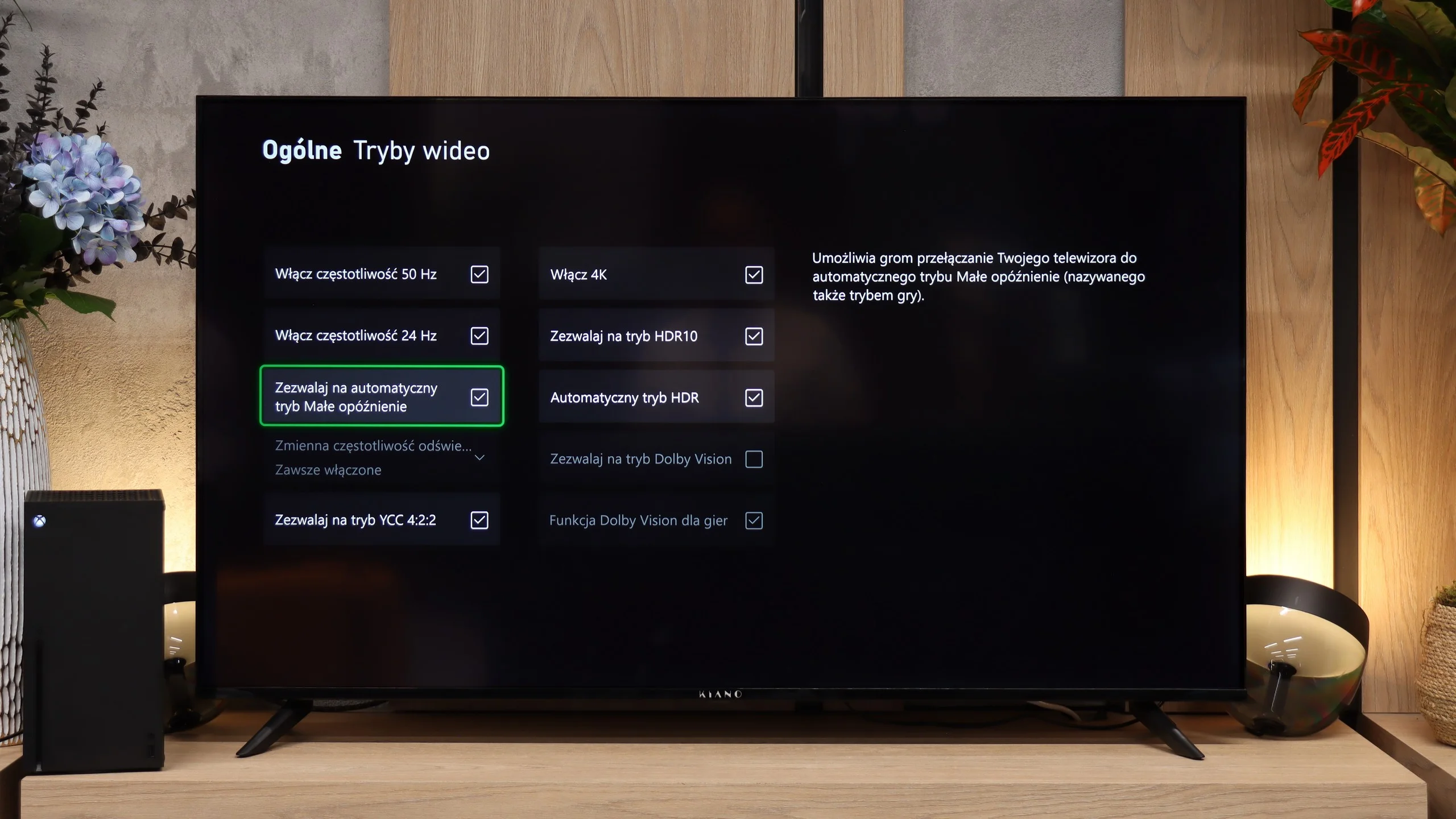
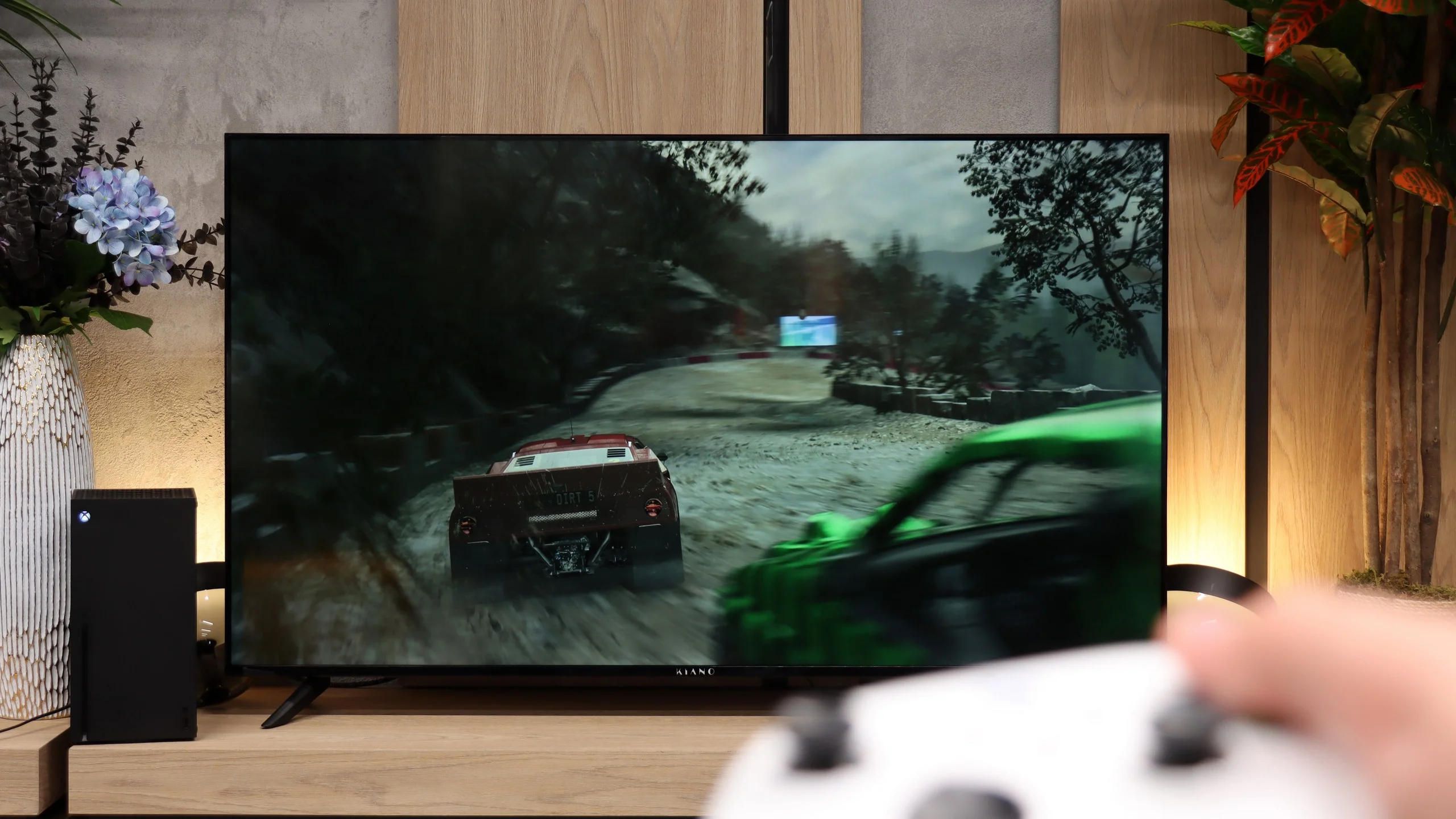
The Kiano Elegance will let you hook up a console and play, but its ambitions pretty much end there. The panel only supports up to 60 Hz, and there's no VRR to help with frame drops. It even lacks ALLM, the automatic switch to a low-latency mode, so you'll need to set up the TV yourself. That's a pity, especially since input lag is low in the right mode. If a console is one of the main reasons you're buying a TV, it's worth looking for something with greater capabilities.
Input lag
9.7/10
9.8/10
SDR
HDR
Dolby Vision
If we talk about latency, it's really good. Results below 10 ms for content at 120 Hz are great news, because the response to movement of the analogue stick or pressing a button on the controller is instantaneous. At the standard 60 Hz the lag rises to about 18 ms, which is still low enough that even a keen gamer won't be able to notice it. The only thing you could pick at is playing with Dolby Vision enabled — then input lag can jump to around 30 ms. To be fair, that's still not something we'd call bad or that would prevent comfortable gaming.
Although it has few features for gamers, the Kiano Elegance performs very well in terms of input lag. We measured around 14-15 ms at 60 Hz, both in Full HD and 4K. Turning on HDR also doesn't worsen the figure. Response to controller inputs is therefore quick, and while gaming you don't feel the TV noticeably delaying your inputs. It's one of the stronger points of this model.
Compatibility with PC
8.4/10
6/10
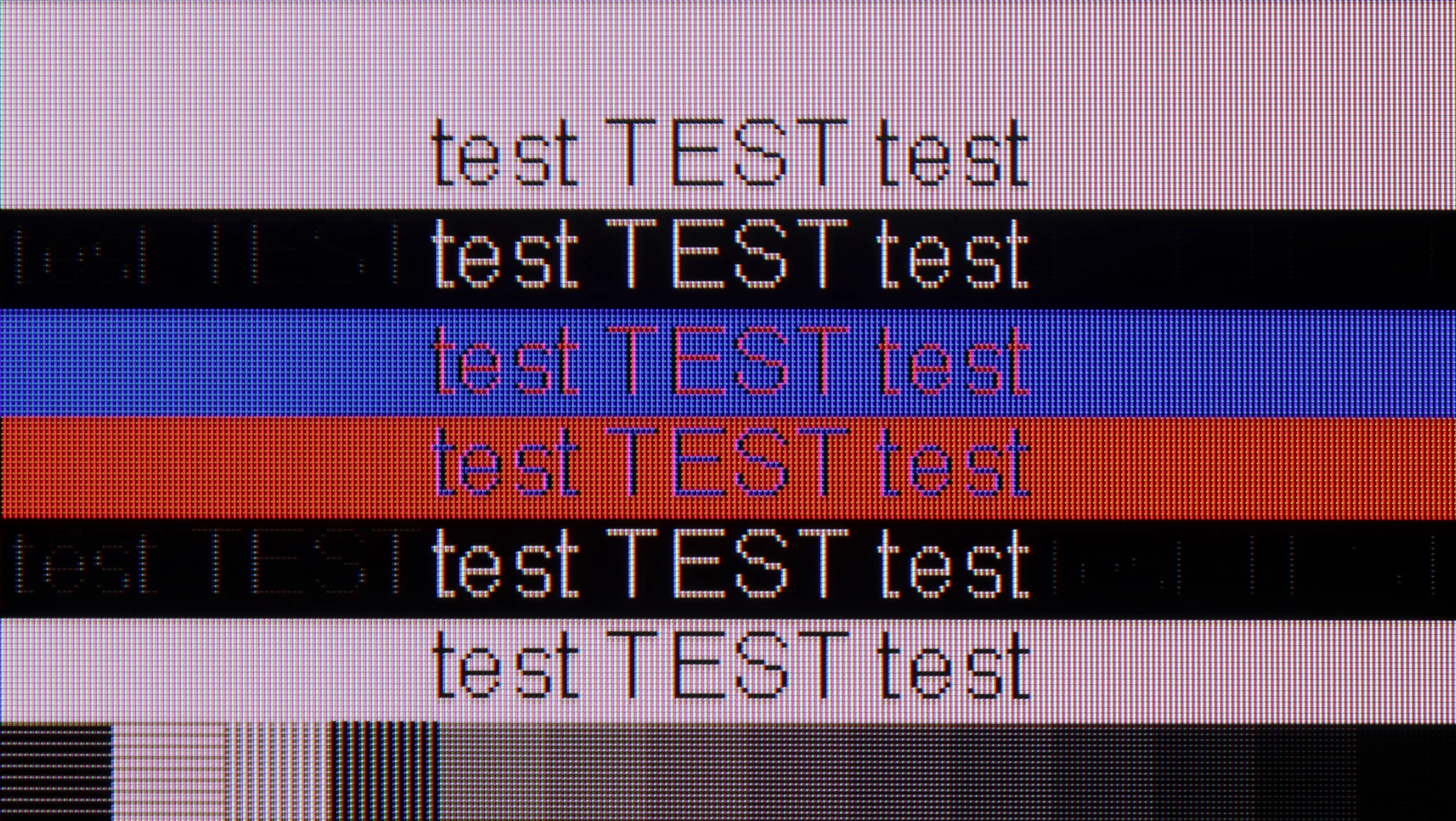
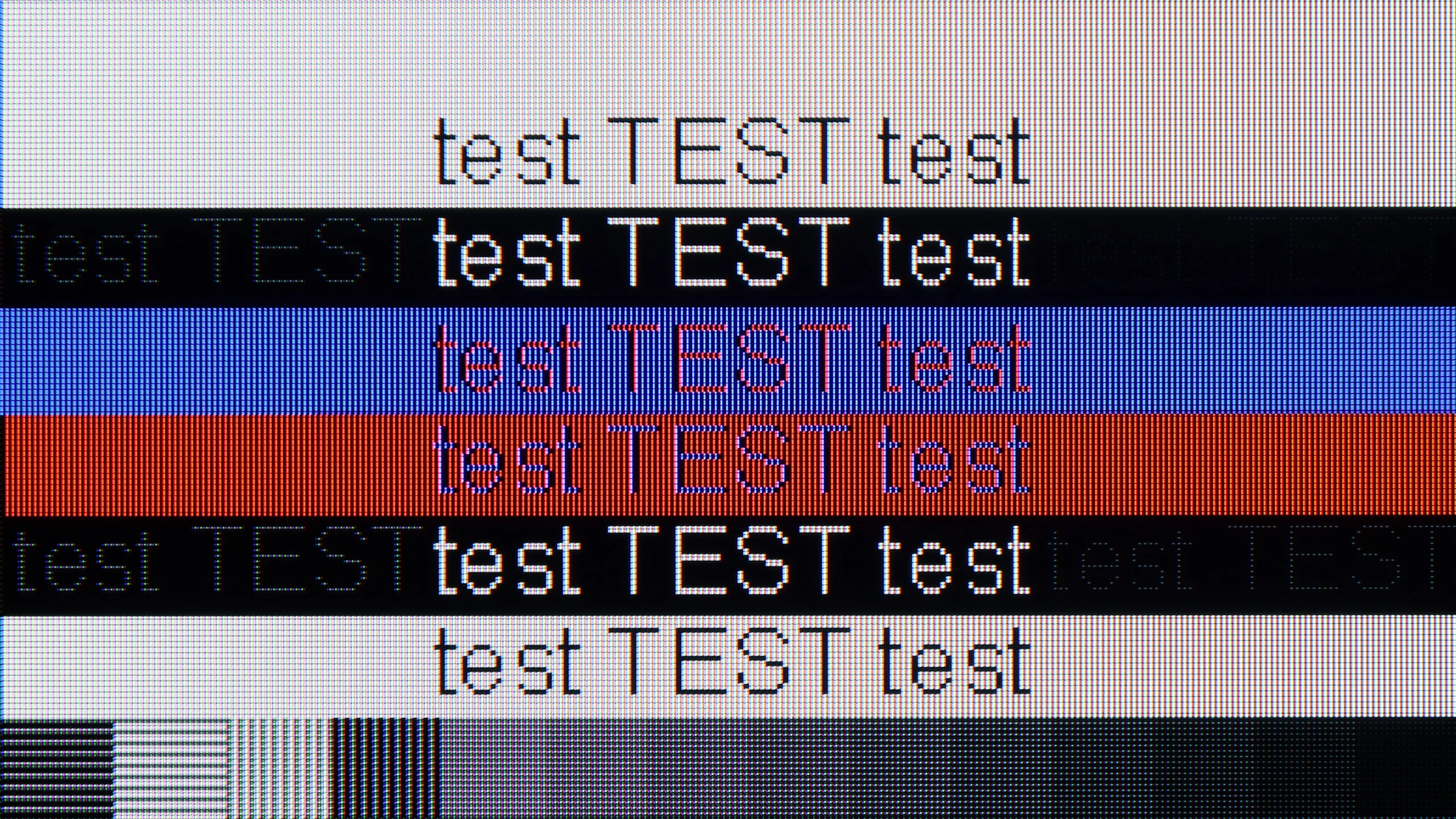
The photo shows the legibility of small fonts. Ideally, lines should be the same thickness on both light and dark text, with minimal pixel gaps.
As we already mentioned, the U7S Pro is a great bit of kit for gamers, including PC players. The TV can reach a very high refresh rate — up to 165 Hz at 4K, and when you drop to Full HD it can hit as much as 330 Hz. Those are figures you typically see in monitors, not TVs. On top of that, the TV works well with NVIDIA and AMD graphics cards thanks to G-Sync and FreeSync.
When it comes to desktop text readability, it’s pretty good — the TV supports full colour sampling (Chroma 4:4:4), so fonts should be sharp and clear. There’s a small catch: text readability significantly worsens when the TV is running at 165 Hz or 144 Hz. To fix that and get much sharper fonts, it’s best to simply change the refresh rate in Windows settings to 120 Hz.
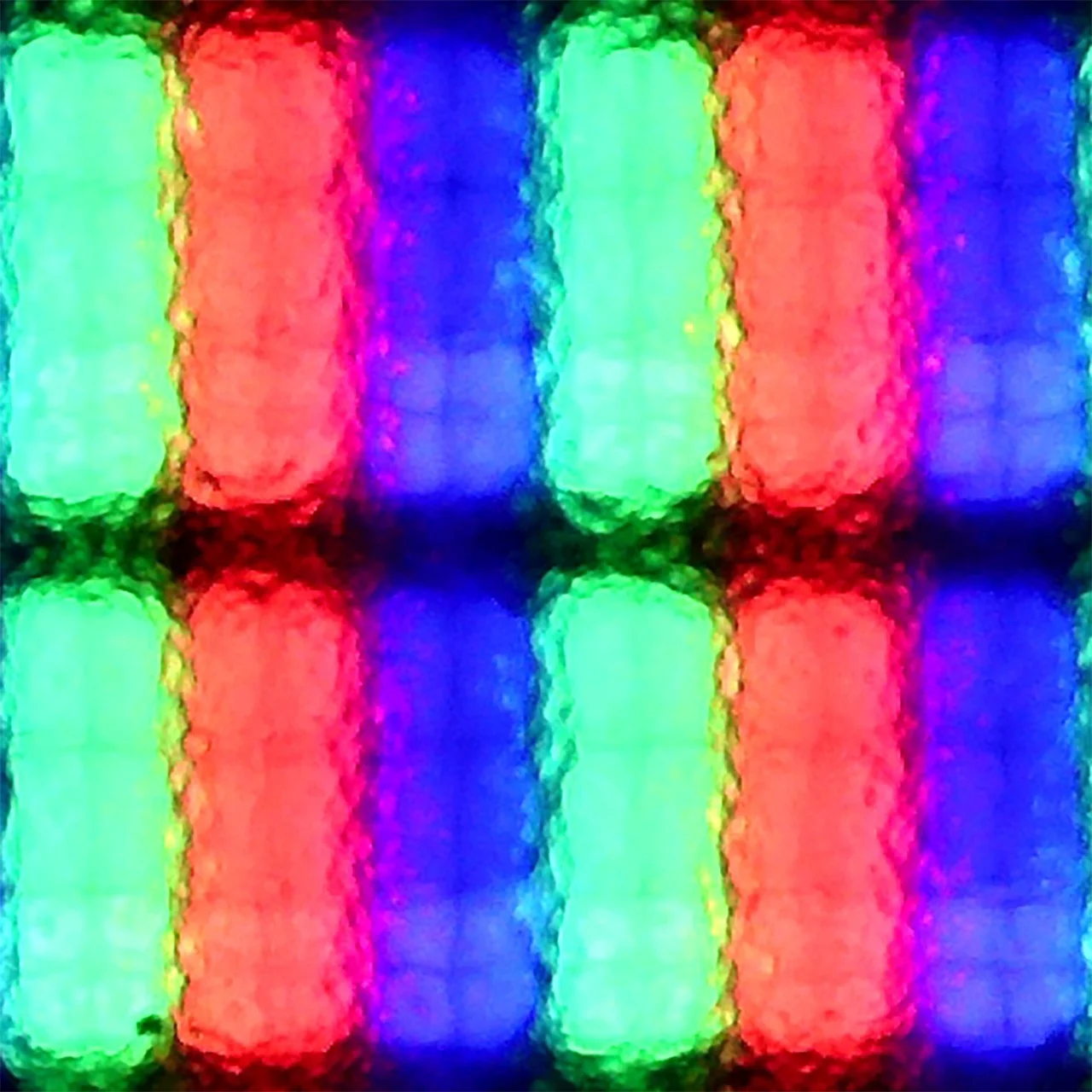
For browsing the internet, documents or showing an image from a laptop, the Kiano Elegance performs quite well. It supports chroma 4:4:4, so small, coloured letters remain legible. There are no major problems displaying dark text either. Despite using a BGR subpixel layout, font readability in our tests was very good.
When gaming on a computer, however, the earlier described limitations return. The refresh rate tops out at 60 Hz and G-Sync is not supported. A low input lag of around 15 ms provides responsive control, but it won't improve the sharpness of moving objects. As a large screen for basic tasks, the Kiano manages fine, but there are better options for fast-paced games.
Viewing angles
3.2/10
2.8/10
Unfortunately, the U7S Pro doesn't offer the best viewing angles on the market. That's due to the VA panel used here, which, unlike IPS or ADS panels, shows much greater picture degradation when viewed from the side. Colours lose their saturation and contrast falls off noticeably. Interestingly, this applies not only to the panel itself but also to the screen's outer layer. The matte coating used here loses its matte qualities at steep angles and starts to behave more like a glossy screen. Instead of diffusing light, it begins to reflect it more strongly, which can increase discomfort when using the TV in a sunlit room. Therefore, to enjoy the best image quality and minimise reflections, it's best to sit directly in front of the U7S Pro wherever possible.
The Kiano Elegance is best watched sitting directly in front of the screen. Move to the side and colours clearly lose saturation and the picture becomes much less contrasty. At a 45-degree angle we measured a brightness drop of about 63%, so the difference is hard to miss. It's a typical weakness of VA panels and worth keeping in mind if the TV will sit by a wide sofa or be viewed from different parts of the room.
Daytime performance
8.1/10
3.7/10
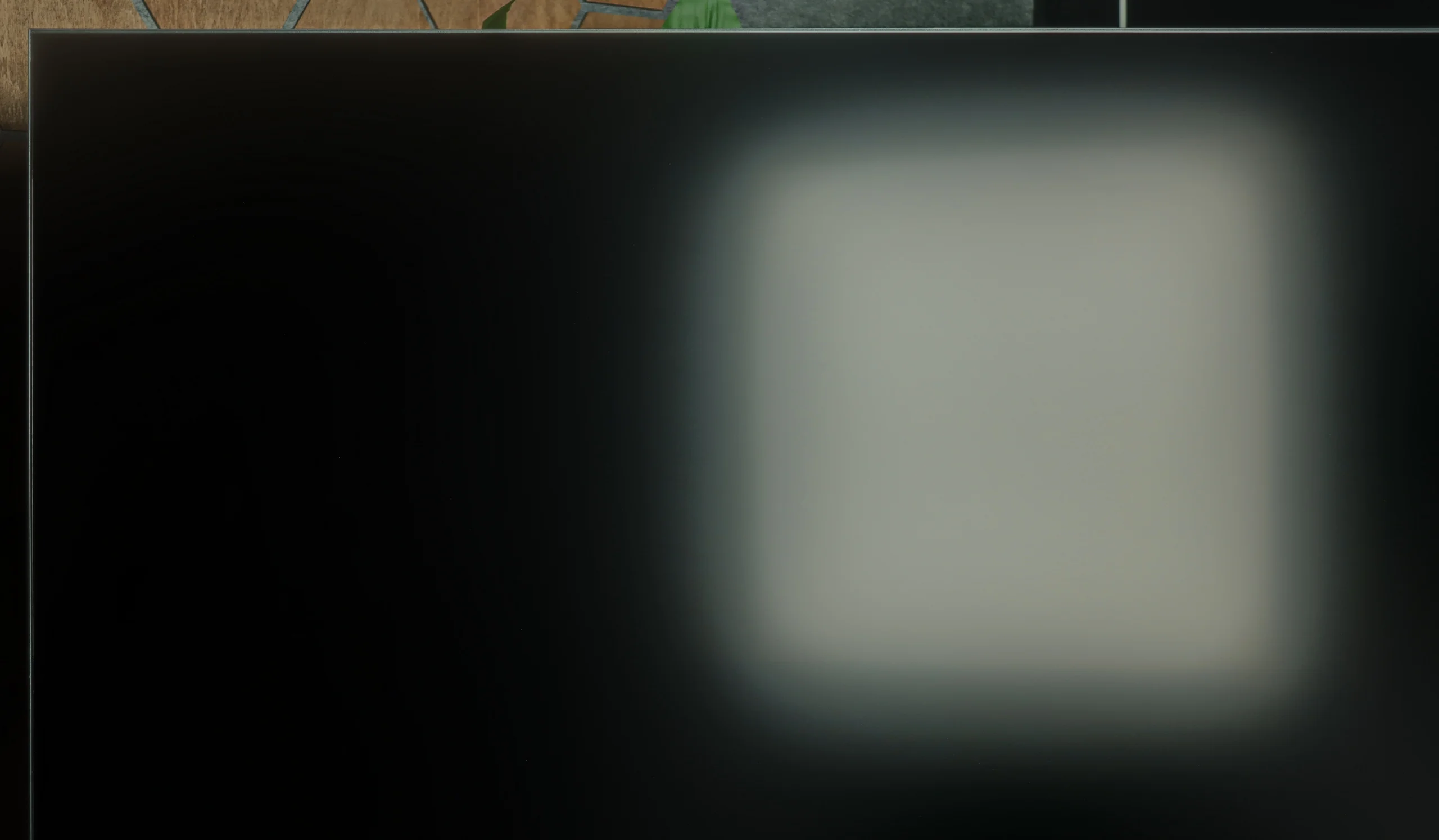
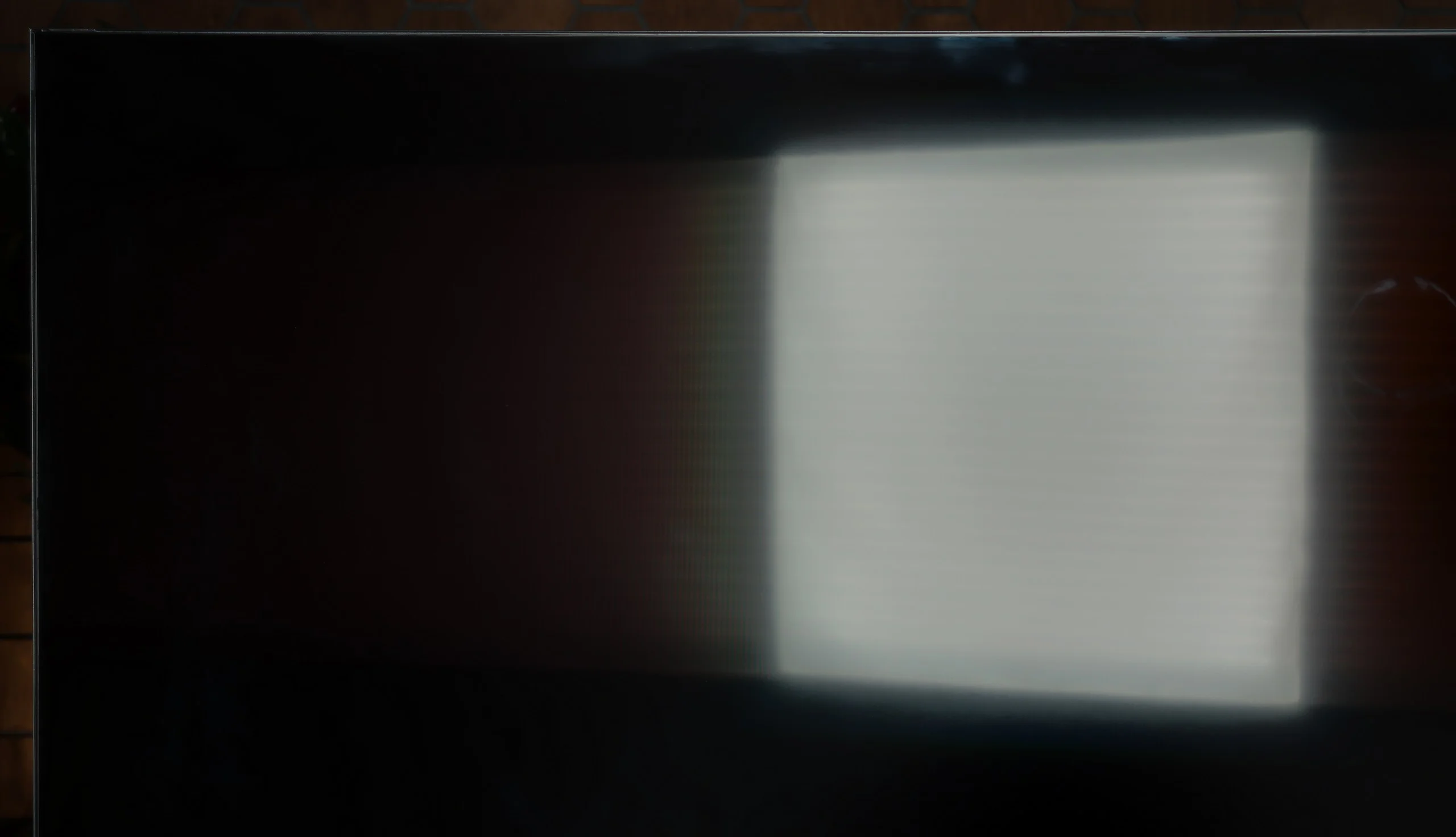

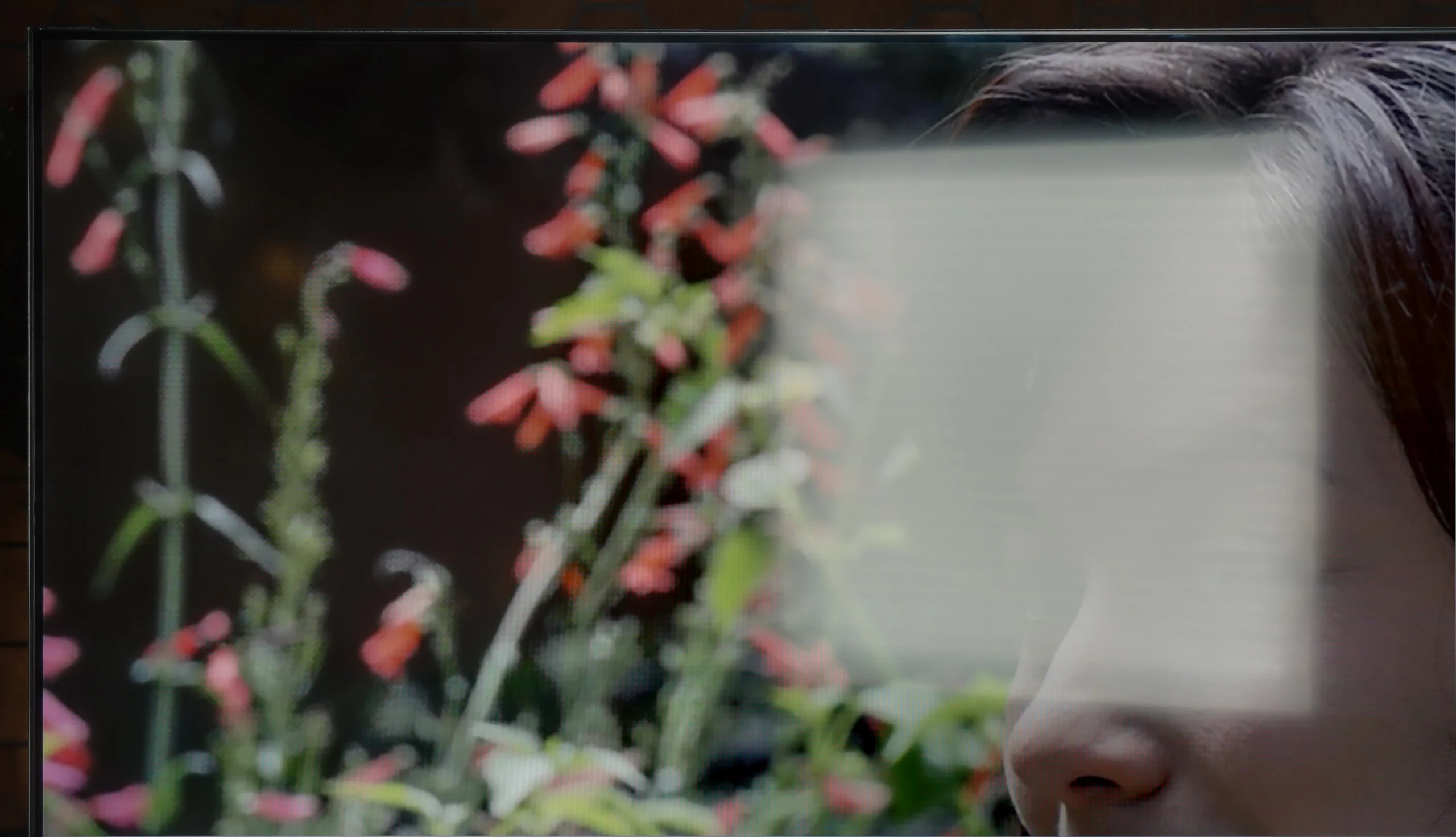
Panel brightness
Kiano Elegance Tizen: 215 cd/m2
Hisense U7S Pro: 903 cd/m2
The U7S Pro works very well in brightly sunlit living rooms, thanks to its new matte screen coating. On this year’s model it does a good job of suppressing reflections from light hitting the screen head-on. It’s not the deepest matte you can find on the market, but in most scenarios it holds up. It’s worth remembering the mentioned quirk: when you sit at an angle the coating drastically loses its effectiveness and the screen starts to look satin-glossy. So if you have windows at an unlucky angle, people sitting at the side of the sofa may have to contend with noticeable reflections. Despite this minor drawback, the U7S Pro is still an excellent choice for a bright living room. Beyond the coating, its main weapon is extreme brightness. In typical TV content (SDR) the screen can reach around 900 nits on average. That’s an outstanding result that places this model among the market leaders.
In a brightly sunlit living room the Kiano Elegance will simply be too dim. The average brightness is around 215 nits, so during the day the picture is easily overwhelmed by light coming in through the windows. Especially with darker films you may need to pull the blinds. The satin coating does a decent job of reducing reflections, and blacks in a lit room don't look bad, but that's not enough to make up for the low brightness. The TV will perform much better in a less sunlit room or for evening viewing.
Panel details
Subpixel Structure:
Panel uniformity and thermal imaging:


Hisense U7S Pro
Kiano Elegance Tizen
TV features
9.4/10
5.1/10
- SystemVIDAATizen
- System performanceGoodAverage
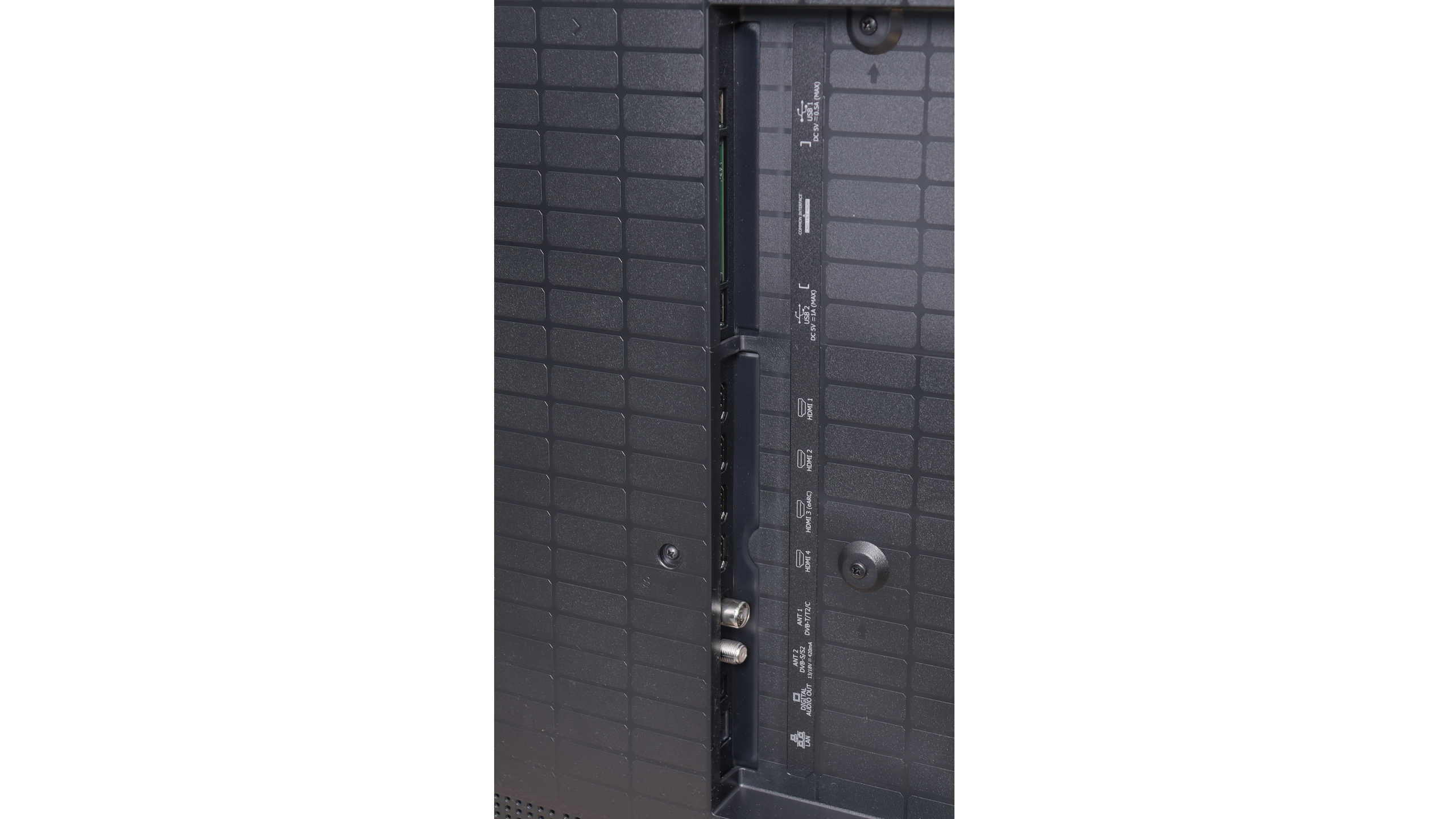
- HDMI inputs0 x HDMI 2.0, 4 x HDMI 2.1 48Gbps3 x HDMI 2.0, 0 x HDMI 2.1
- Other inputsRCA (Chinch)
- OutputsToslink (Optical audio), eARC (HDMI), ARC (HDMI)SPDIF (Coaxial audio), eARC (HDMI), ARC (HDMI)
- Network InterfacesWi-Fi 2.4GHz, Wi-Fi 5GHz, Ethernet (LAN) 100MbpsWi-Fi 2.4GHz, Wi-Fi 5GHz, Ethernet (LAN) 100Mbps
- TV receptionDVB-T, DVB-T2, DVB-S, DVB-S2, DVB-CDVB-T, DVB-T2, DVB-S, DVB-S2, DVB-C
Classic features:
- Recording to USB (terrestrial TV)
- Recording programming
- Picture in Picture (PiP)
- RF remote control (no need to aim)
- Backlit remote control
- Teletext
- Audio only mode
- Bluetooth headphones support
- Simultaneous Bluetooth headphones & TV audio
Smart features:
- AirPlay
- Screen mirroring (Windows Miracast)
- Voice search
- Voice search in native language
- Ability to connect a keyboard and mouse
Sound connection options
- HDMI audioeARC (HDMI), ARC (HDMI)eARC (HDMI), ARC (HDMI)
- Other audio outputsToslink (Optical audio)AuxiliaryOutput-SPDIF (Coaxial audio)
- Wireless audioBluetoothBluetooth
Supported audio formats (external HDMI eARC audio):
- Dolby Digital Plus 7.1
- Dolby True HD 7.1
- Dolby Atmos in Dolby Digital Plus (JOC)
- Dolby Atmos in Dolby True HD
- DTS:X in DTS-HD MA
- DTS-HD Master Audio
Senior accessibility
- Numeric keyboard on TV
- Font size adjustment
- Audio description
SmartTV: Vidaa / HomeOS
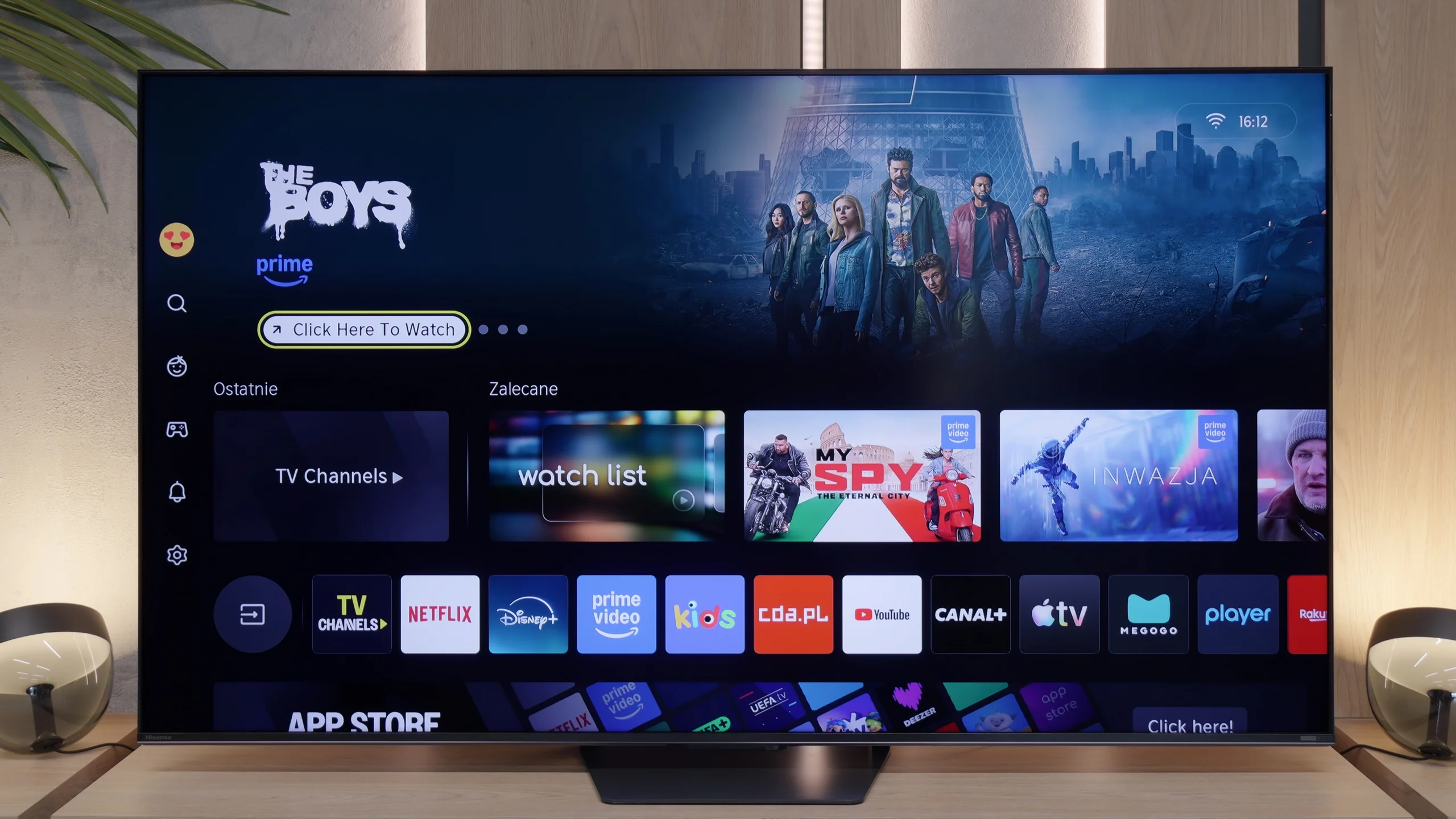
Hisense U7S Pro on our European market traditionally relies on its proprietary system. This year, Vidaa underwent rebranding and changed its name to "HomeOS". When it comes to the appearance of the system itself, there are no major revolutions – instead of purple accents, we simply have yellow. The system operates really smoothly and responsively. The television supports all typical Smart TV functions, such as AirPlay, screen mirroring, and voice search. Interestingly, the new voice assistant is based on artificial intelligence, so its responses are primarily driven by AI. The only criticism that can be levelled at the Vidaa system is that it does not offer the broadest library of applications. At least, this is the case at the time of writing this review, which is in May 2026. (Application list at the bottom).
TV Features
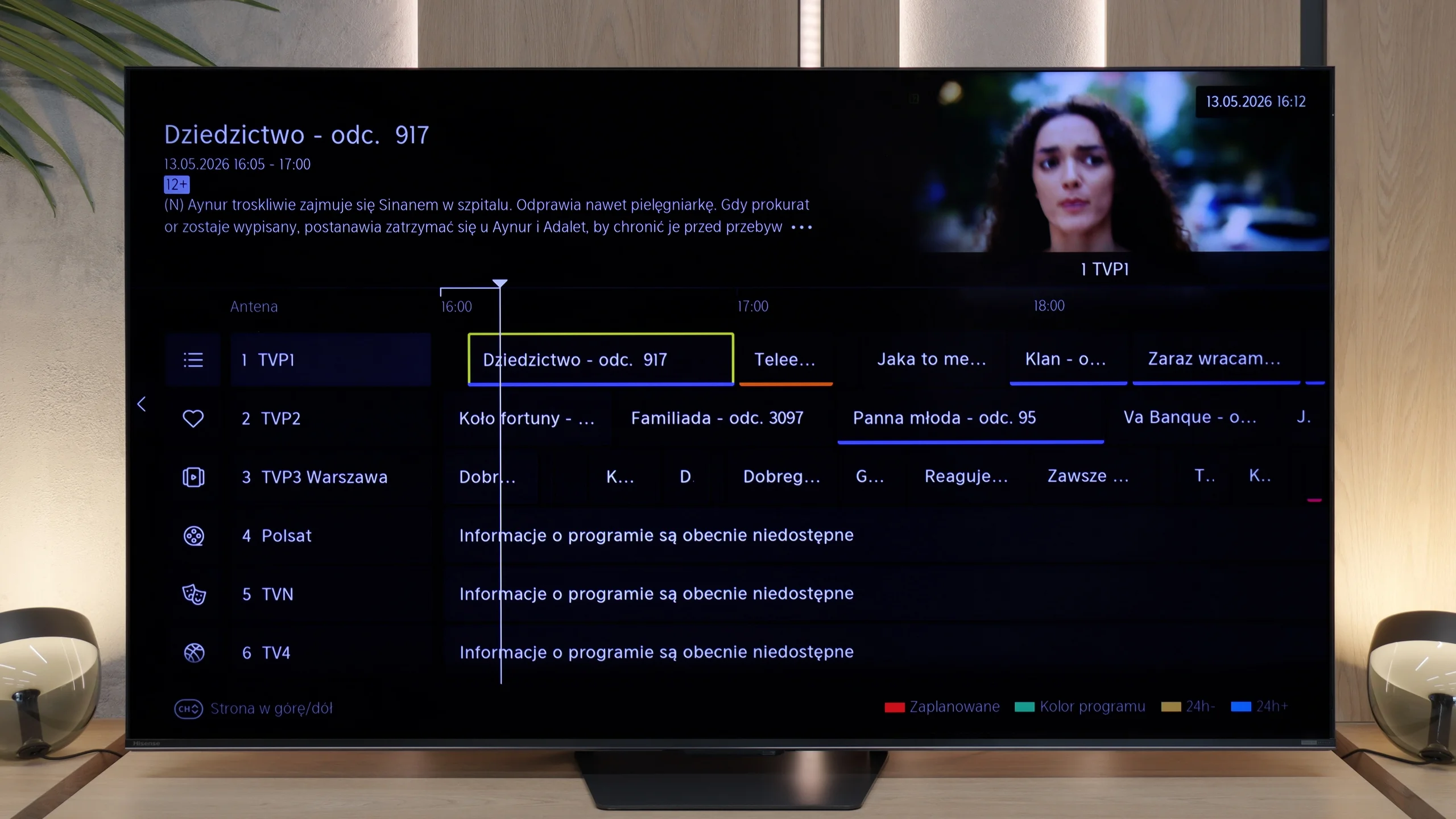
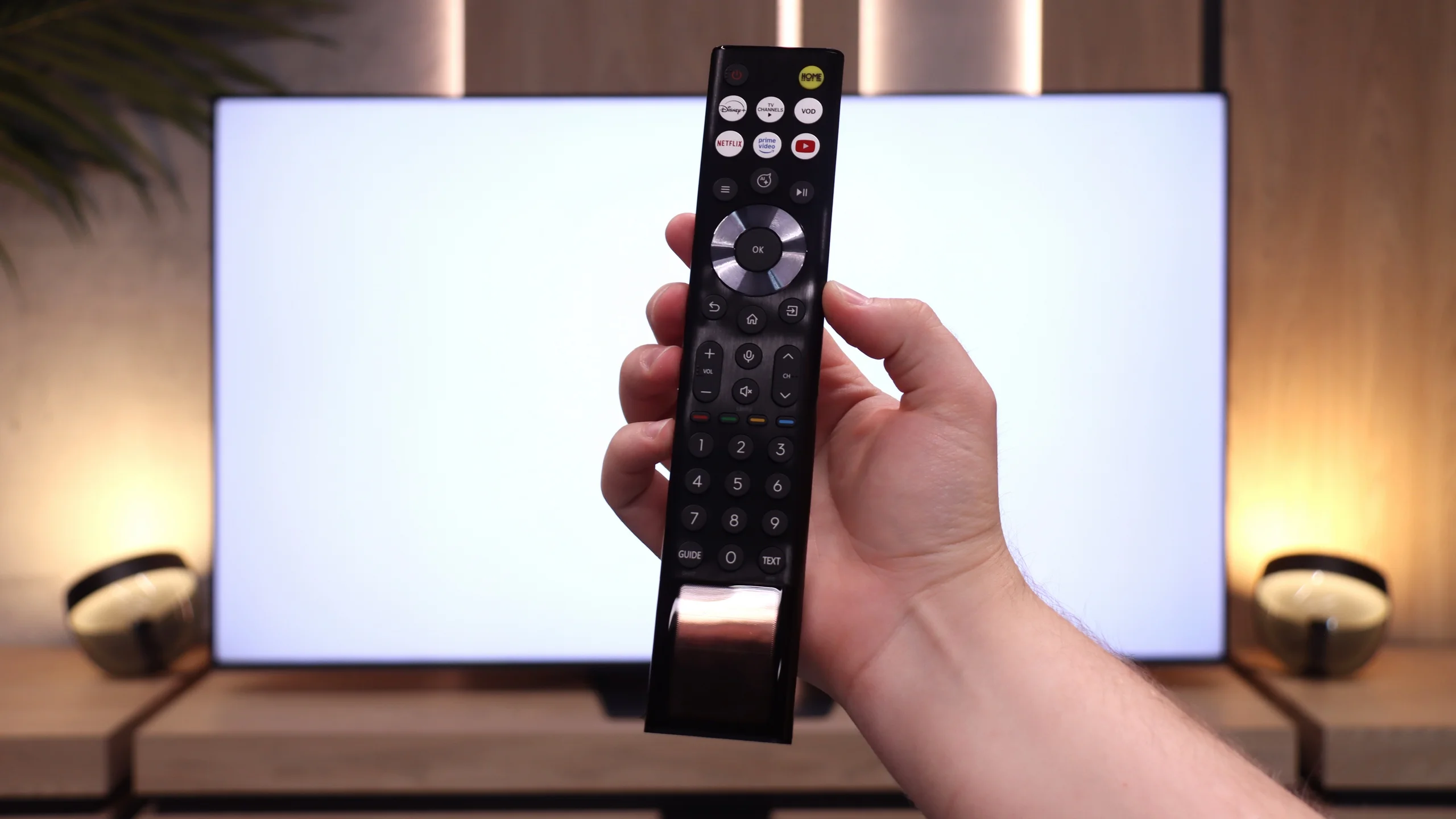
The U7S Pro also performs well as a traditional television for watching regular broadcasts, mainly thanks to the remote control with a physical numeric keypad that comes in the box. With this, you can easily and quickly enter the number of the station you’re interested in. In the evenings, there's no need to click blindly, as the operational part of the remote is backlit. Additionally, you don’t have to worry about batteries – the remote is equipped with a solar panel, and if necessary, it can simply be recharged using a USB-C port. It’s also worth mentioning that the HomeOS system (i.e. Vidaa) offers a program recording function from the built-in tuner directly onto a USB stick or drive, as well as the option to schedule recordings. This is a big plus, as such functionality is quite rare these days, and it will certainly please those who use antenna television.
Tizen on the Kiano TV
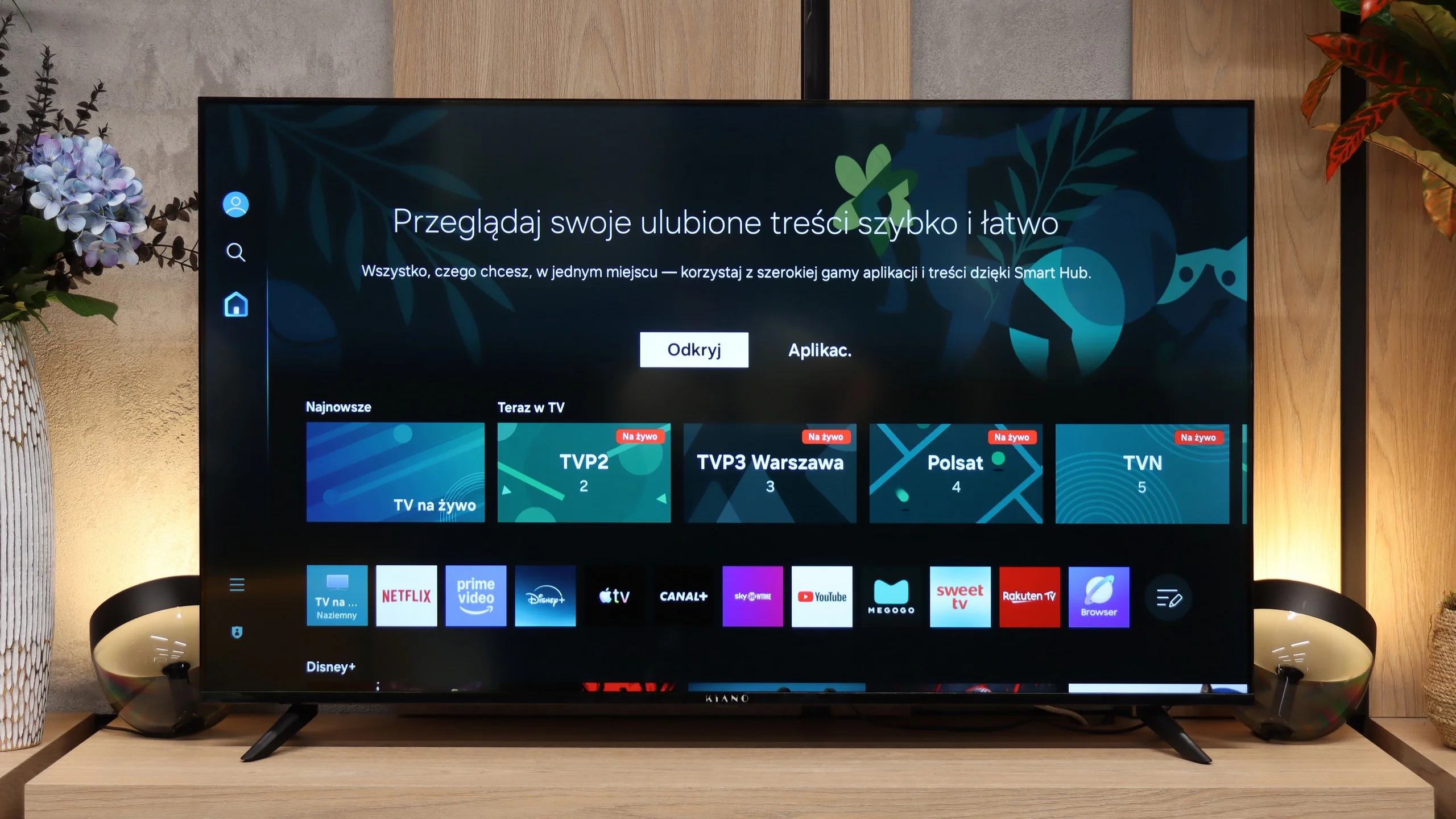
Tizen is one of the main reasons to consider this model. It gives access to many popular apps, so you don't need to buy a streaming stick just to watch series or YouTube. Bear in mind, though, that the same OS doesn't mean the same ease of use as on pricier Samsungs. On the Kiano responsiveness is average and you may have to wait a moment for the menu to react. There's also no voice search, so titles must be entered with the remote. A handy addition is AirPlay and the ability to wirelessly cast the screen from a computer.
Everyday use
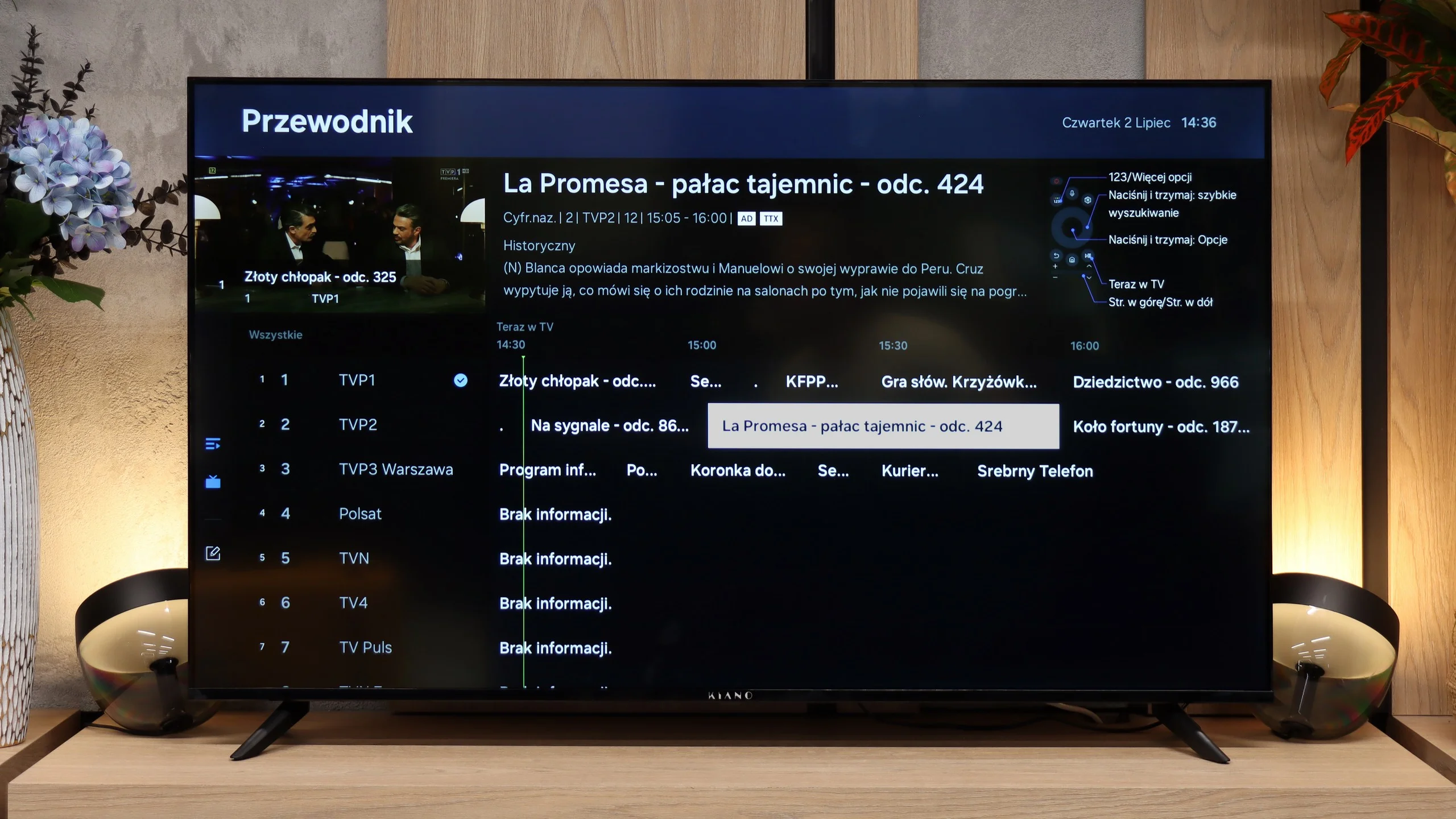
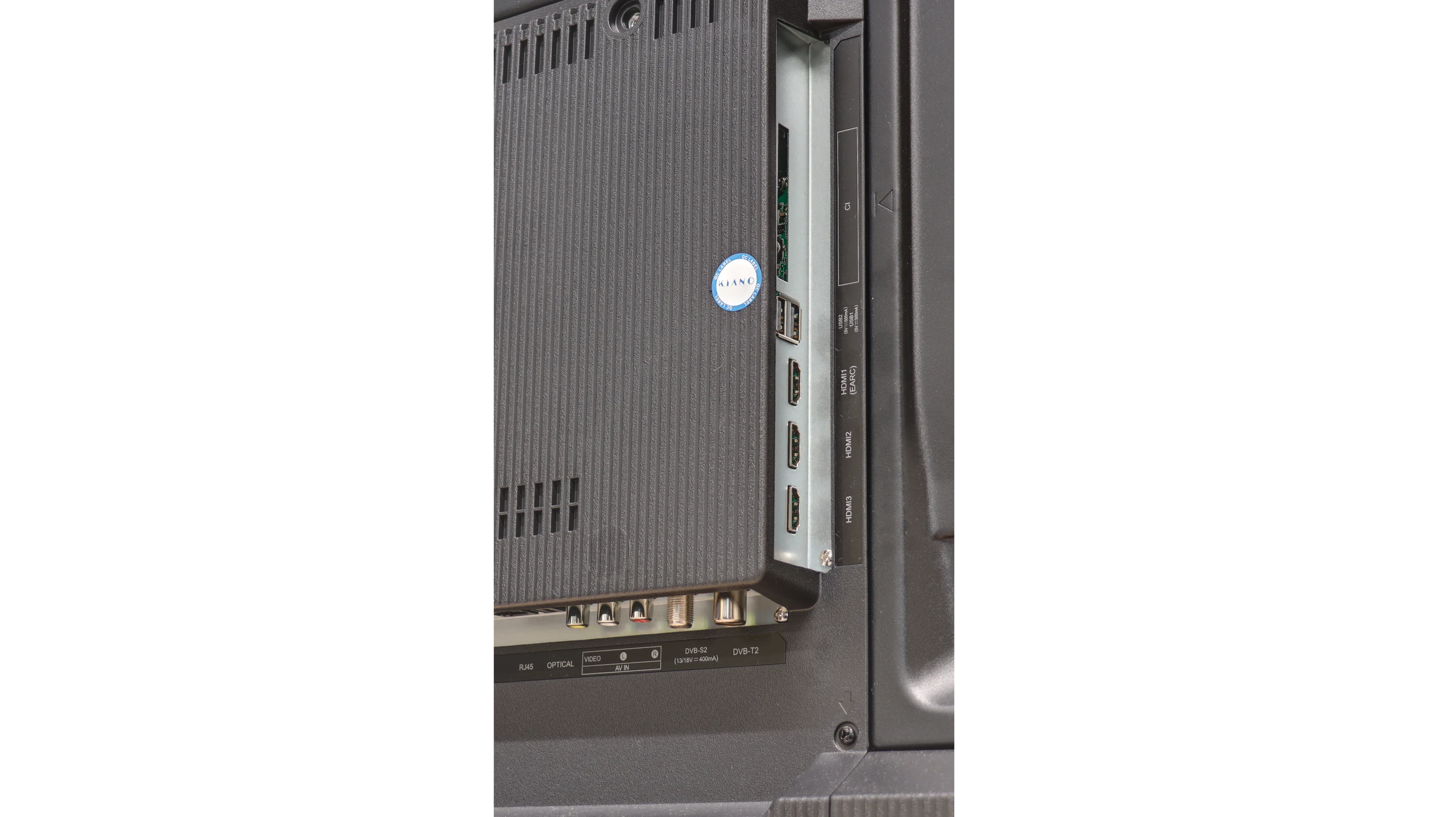
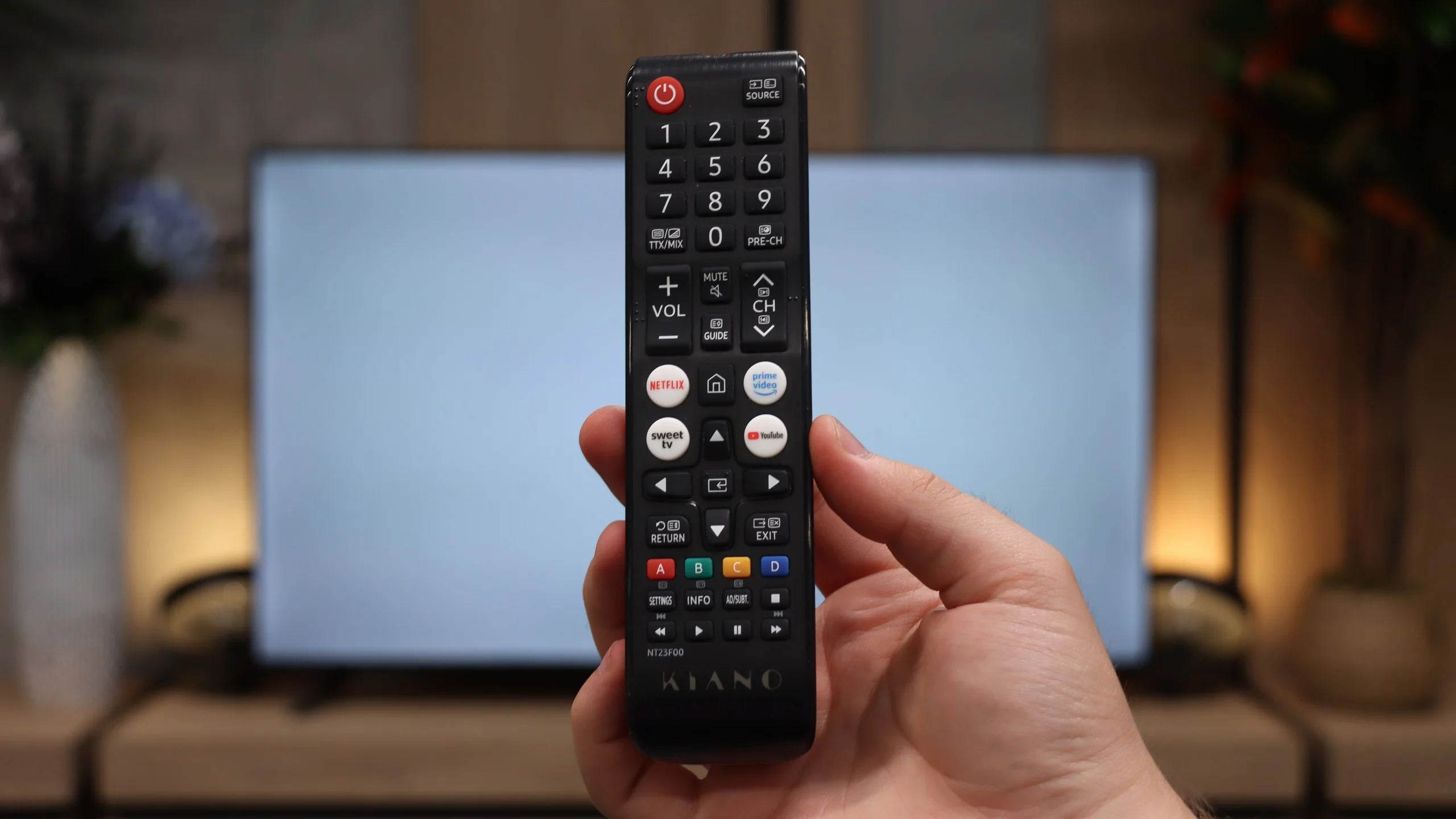
Basic TV functions are in place, but there’s no USB recording or picture-in-picture. The remote works over infrared, so you need to point it at the TV, and its buttons aren’t backlit. A useful feature is the ability to use Bluetooth headphones and the speakers simultaneously. That way one person can listen through headphones (for example a senior) without cutting sound for other household members. For connecting devices there are three HDMI 2.0 inputs, enough for 4K at 60 Hz. You can connect a soundbar via eARC, and an analogue RCA input is retained for older equipment.
Apps
8.3/10
8.8/10






















Playing files from USB
8.3/10
8/10
Supported photo formats:
Maximum photo resolution:
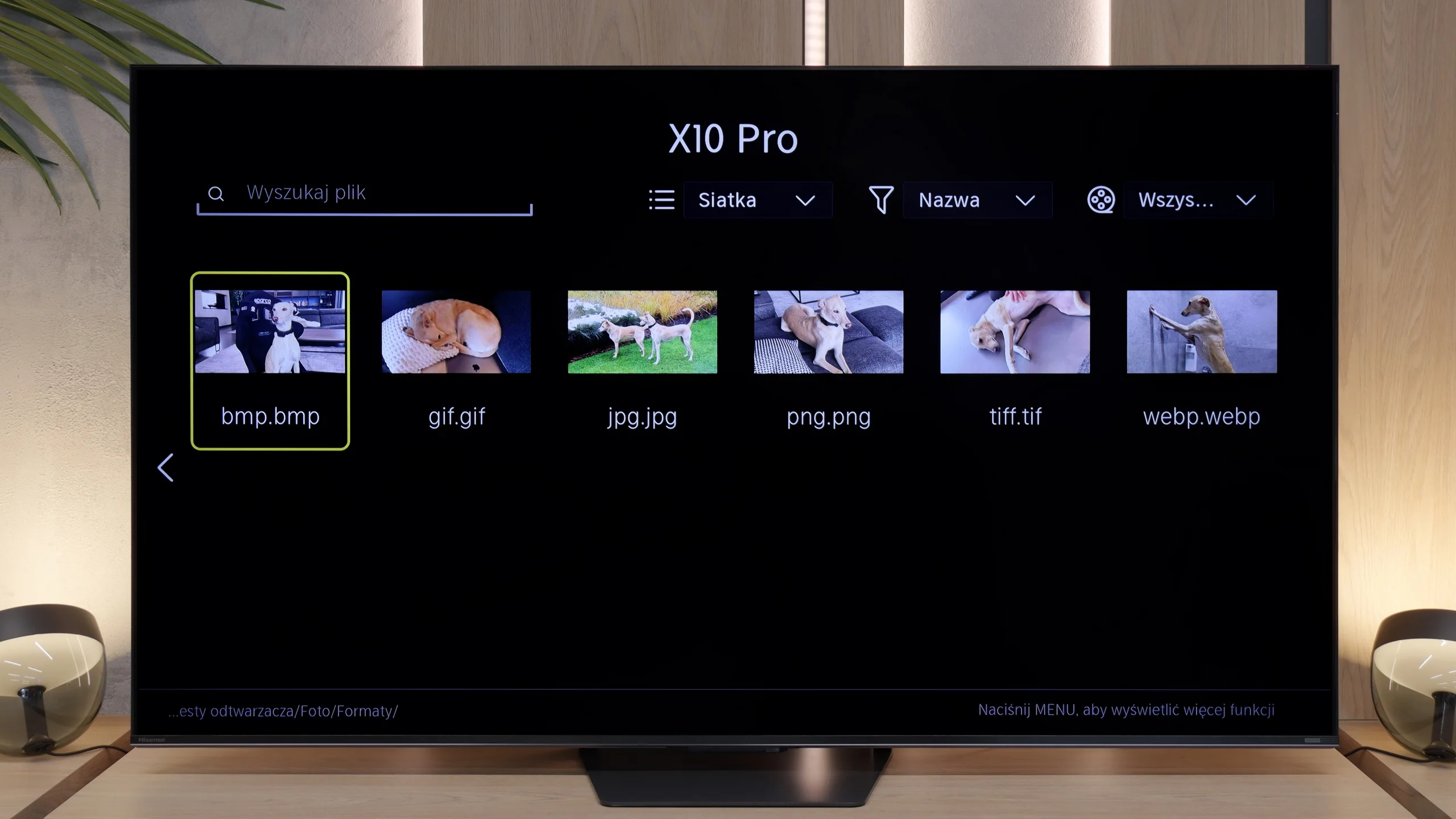
Playing files from a USB stick on the U7S Pro isn't a problem. The TV handles the vast majority of photo, audio and video file formats without complaint. However, we have reservations about the resolutions of supported photos, which are fairly limited. It's worth bearing in mind that during testing photos with resolutions such as 12, 20 or 24 MP simply wouldn't play from the built-in player.
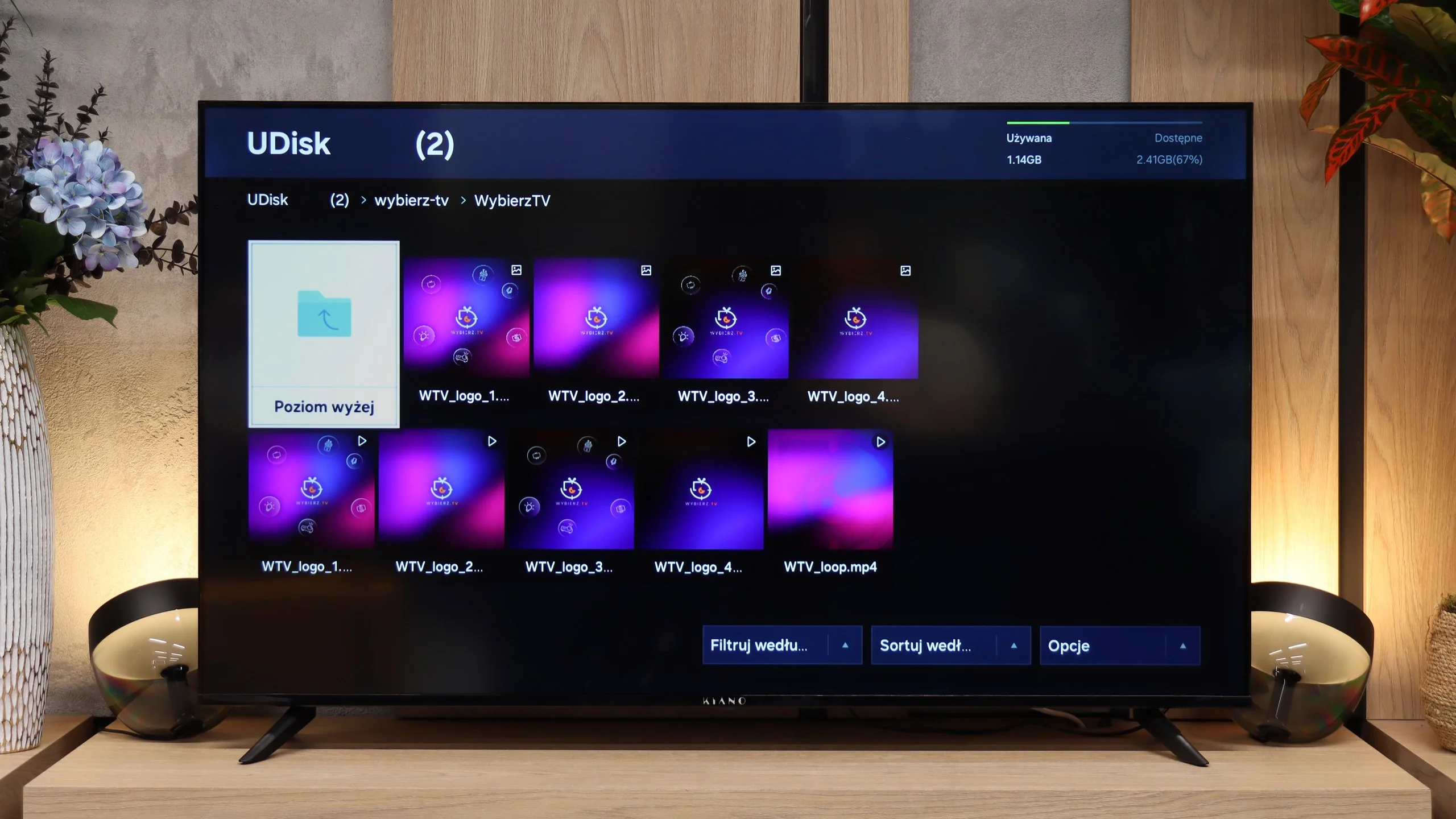
The USB media player in the Kiano Elegance supports most common formats, so playing typical movies, photos or music usually isn’t a problem. However, using it is another story. During testing it had its 'moments of weakness' and could take a very long time to open a single file. Sometimes it took so long you could start to wonder whether the TV was still loading or had frozen. It’s fine for the occasional playback from a USB stick, but browsing a larger collection can require a lot of patience.
Sound
7.8/10
3.6/10
- Maximum volume85dB88dB
- Dolby Digital Plus 7.1
- Dolby True HD 7.1
- Dolby Atmos in Dolby Digital Plus (JOC)
- Dolby Atmos in Dolby True HD
- DTS:X in DTS-HD MA
- DTS-HD Master Audio
The sound on the U7S Pro is really good, certainly above average. Hisense has changed the cabinet design compared with the U7Q Pro and now there’s a built-in subwoofer, a low-frequency speaker. That makes the bass clearly audible. This year the Chinese manufacturer is heavily promoting its collaboration with engineers from Devialet, who handled the audio tuning on this model. The logo on the cabinet mentioned earlier is proof of that. The only thing to criticise is the TV’s behaviour at full volume. At maximum volume (set to 100%) the cabinet vibrates unpleasantly and you can clearly hear irritating creaks in the plastic. Fortunately, reducing the volume to around 80% completely eliminates the problem.
Sound is one of the weaker points of the Kiano Elegance. The TV can play fairly loudly; we measured 88 dB, but volume doesn't translate into sound quality. For regular programme viewing you can stick with the built-in speakers, however for films or music it's worth budgeting for a separate sound system. Connecting a soundbar via HDMI eARC should not be a problem. The TV also supports Dolby Atmos via Dolby Digital Plus, but it won't play Dolby TrueHD or DTS-HD tracks.
Sound Quality Test
Acoustic Measurements
85dBC (Max)
75dBC
88dBC (Max)
75dBC
Reader comments
Comments are provided by the external service Disqus (Zeta Global). Once loaded, Disqus may set cookies and process data about your activity.
We will remember your choice on this device. Provider's privacy policy