 Direct comparison
The U7Q PRO is a TV that makes it clear within minutes: "speed is what matters here". Hisense has surprised us with how much they’ve packed into a device that doesn’t cost a fortune. A refresh rate of 165 Hz in 4K, and even 288 Hz in Full HD – not long ago, such figures were reserved exclusively for top-end gaming monitors. And here we have a mid-range TV with almost a full suite of features for gamers, confidently throwing down the gauntlet to much pricier competitors. But it doesn’t stop at speed. The U7Q PRO also boasts a very bright screen, peaking at an impressive 1500 nits. Like every Mini-LED, it has its typical "moods", occasionally exaggerating the image, but the overall visual effect remains very positive – especially in HDR content. It’s also worth mentioning the Vidaa operating system – fast, intuitive and equipped with features like AirPlay, a voice assistant, and a web browser. While it doesn’t offer the full range of apps found on Android, in everyday use the system performs exceptionally well. So, why is it “almost” perfect for gamers? It just lacks the HGiG feature, which allows for precise adjustment of brightness levels in HDR games. It’s a minor drawback, but it can be significant for console purists. Nevertheless, the U7Q PRO remains a very solid proposition – and a testament to the fact that Chinese manufacturers have not only caught up with competitors from Korea and Japan, but in some aspects have even begun to overtake them.
- Matching (Score) |
- Our verdict |
- TV appearance |
- Where to buy |
- Contrast and black detail |
- HDR effect quality |
- Factory color reproduction |
- Color reproduction after calibration |
- Smoothness of tonal transitions |
- Image scaling and smoothness of tonal transitions |
- Blur and motion smoothness |
- Console compatibility and gaming features |
- Input lag |
- Compatibility with PC |
- Viewing angles |
- Daytime performance |
- Panel details |
- TV features |
- Apps |
- Playing files from USB |
- Sound
U7Q PRO / U78Q PRO

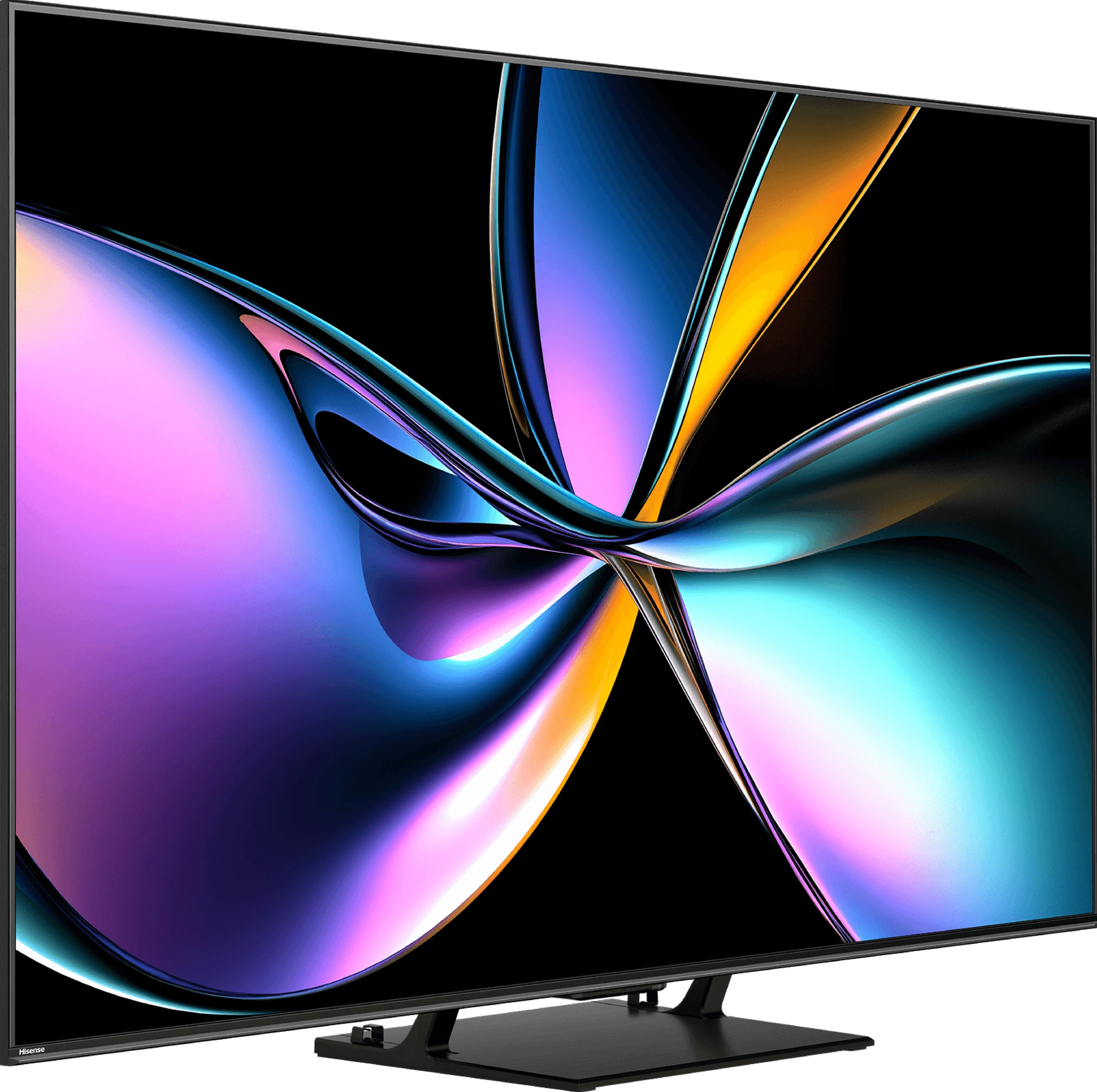
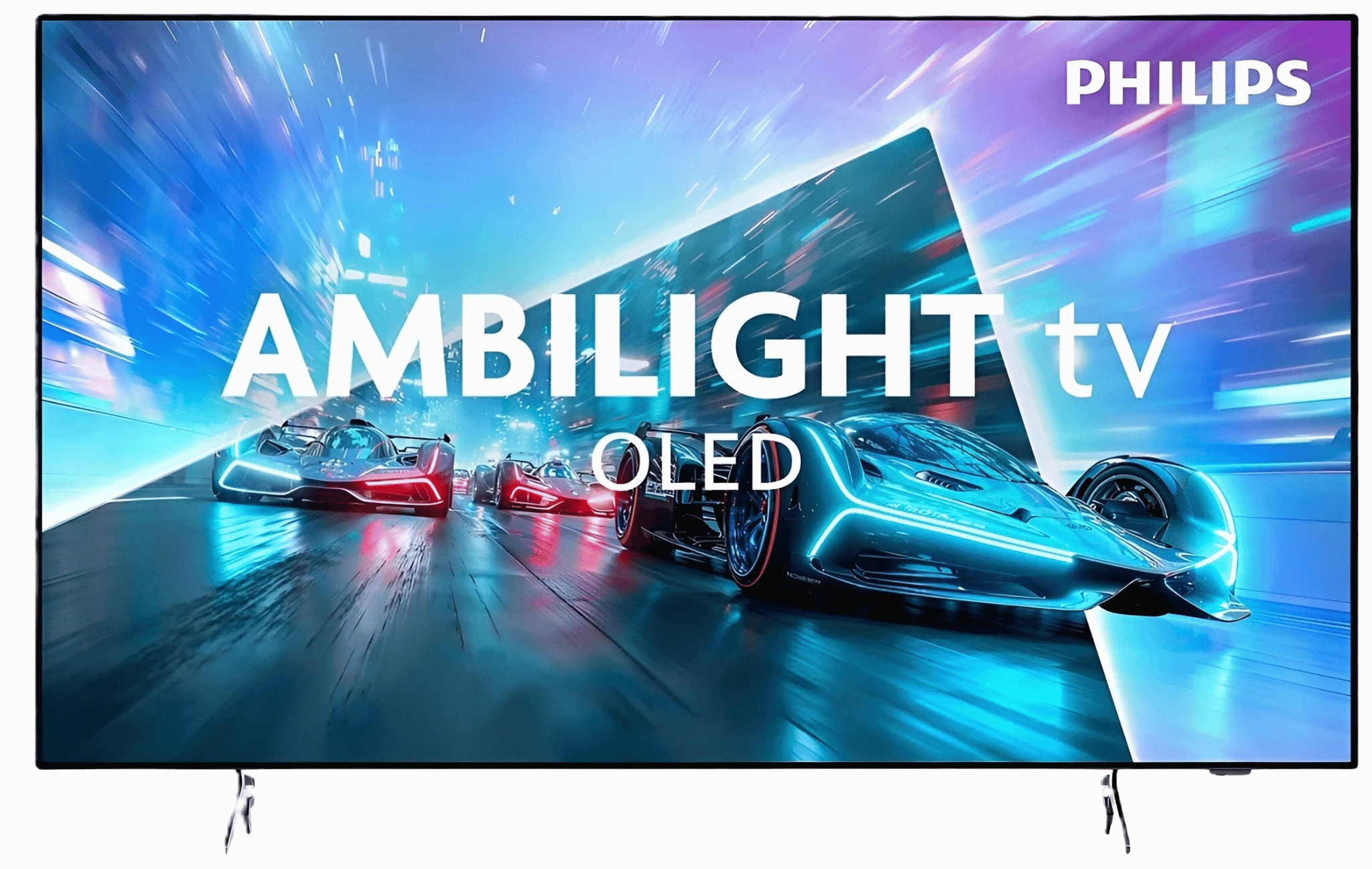
Panel type: LCD VA
Resolution: 3840x2160
System: VIDAA
Model year: 2025
Complete the survey to find out the result
Panel type: WRGB OLED
Resolution: 3840x2160
System: Titan OS
Model year: 2026
Complete the survey to find out the result
Overall rating
7.4
7.7
 Movies and series in UHD quality
7.2
8.0
 Classic TV, YouTube
7.2
8.7
 Sports broadcasts (TV and apps)
6.7
8.5
 Gaming on console
8.2
9.0
 TV as a computer monitor
8.2
7.6
 Watching in bright light
6.2
4.5
 Utility functions
9.4
7.9
 Apps
7.7
7.7
 Sound quality
7.8
7.0
Complete the survey to find out what fits your preferences
Advantages

Excellent contrast and black - true Mini-LED backlighting with VA panel (65")
Very good motion fluency - 4K@165 Hz panel
Very high HDR brightness - even above 1500 nits
Perfect for gaming - Low input lag, VRR, ALLM, 4x HDMI 2.1, 288Hz at 1080p.
Vidaa operating system has many features like Airplay, USB recording
Outstanding quality of tonal transitions
Perfect blacks and very high contrast
Impressive HDR for evening viewing sessions
Very good colour reproduction after calibration
Wide viewing angles
Ambilight enhances viewing enjoyment 🙂
120 Hz panel useful for gaming and sports
Four HDMI 2.1 inputs
Dolby Vision support (improves the picture in many HDR scenes)
Disadvantages

No support for HGiG
Average viewing angles
Missing apps on the VIDAA platform
Limited app selection on Titan OS
Lower SDR brightness than competitors
Screen reflections that are distracting in a bright living room
Infrared remote control requires aiming at the TV (sometimes slow to respond)
Visible posterisation
Our verdict
Philips OLED761 shows that the brand’s entry-level OLED can be a successful choice for watching films. It performs best in the evening, when perfect blacks and impressive HDR let you appreciate the strengths of this panel. After calibration, colour reproduction is very good, so it's hard to fault the picture during normal viewing. It doesn't always handle the brightest highlights in demanding HDR10 films as well, but Dolby Vision helps in those scenes. This is a TV that can make an evening screening with the lights off genuinely impressive. A big part of that experience is Ambilight. If you like lighting the wall behind the screen, the OLED761 gives you a solid reason to consider Philips. You don't have to pay extra for higher-end ranges to combine that feature with a good OLED picture. This model also works well for gaming: a 120 Hz panel and four HDMI 2.1 inputs let it serve as a screen for movies as well as consoles or a computer. That's important, because even the cheapest OLED in a range should be a versatile purchase, not a TV that's only good for night-time viewing.
Before buying, though, it's worth looking at two limitations. The first is watching in a bright room. The OLED761 is a little dimmer than rivals using a similar panel, and the lack of a polariser in the OLED SE panel further reduces its performance in bright rooms. The second is Titan OS. The system runs more smoothly than in earlier versions, but still offers a smaller selection of apps than the competition. Improved responsiveness is welcome, but it won't replace access to the services you use every day, so check availability before purchasing. We also didn't like the remote. Although it's backlit and has a full set of useful keys, it requires precise aiming at the screen.
Ultimately the Philips OLED761 makes most sense for people who mainly watch in the evenings and want Ambilight. In those conditions it can confidently compete with the Samsung S85H and LG B6 in terms of picture quality, and the choice between them will depend more on price, the operating system and personal habits. Philips doesn't have a clear advantage in every use case, but that doesn't mean it should be treated as an inferior alternative just because it opens the brand's OLED range. At the right price it's a good purchase, but only if the available apps are enough for you.
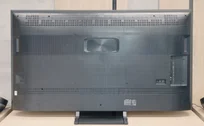
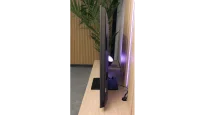
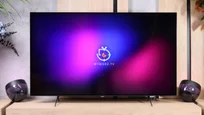
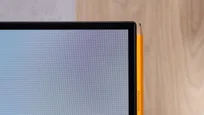
TV appearance

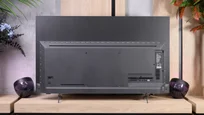

Contrast and black detail
8/10
10/10
Local dimming function: Yes, number of zones: 560 (20 x 28)
Contrast:


Result
340,000:1

Result
62,850:1

Result
42,000:1

Result
11,100:1

Result
7,500:1
Result
∞:1
Result
∞:1
Result
∞:1
Result
∞:1
Result
∞:1
Halo effect and black detail visibility:
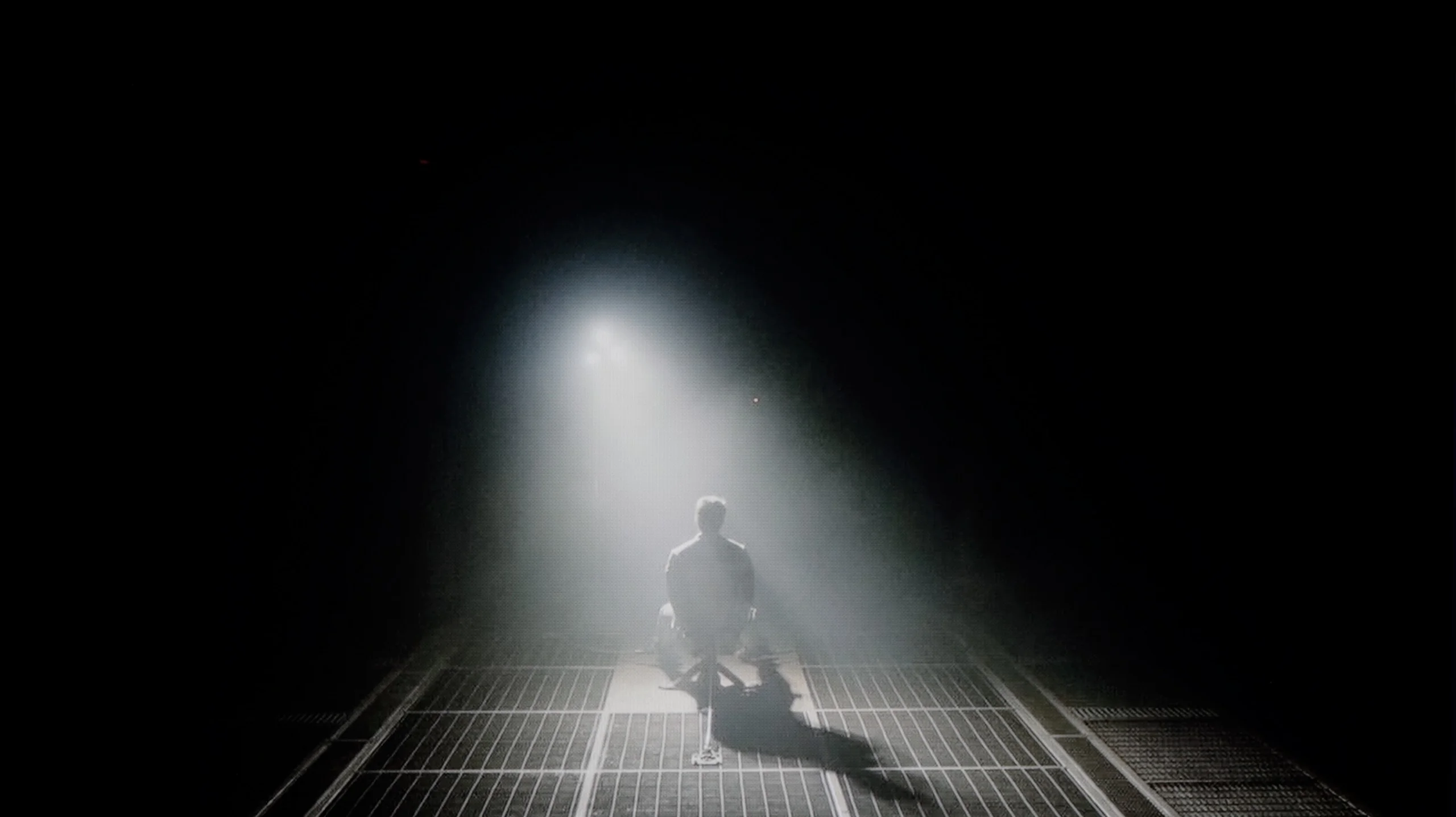
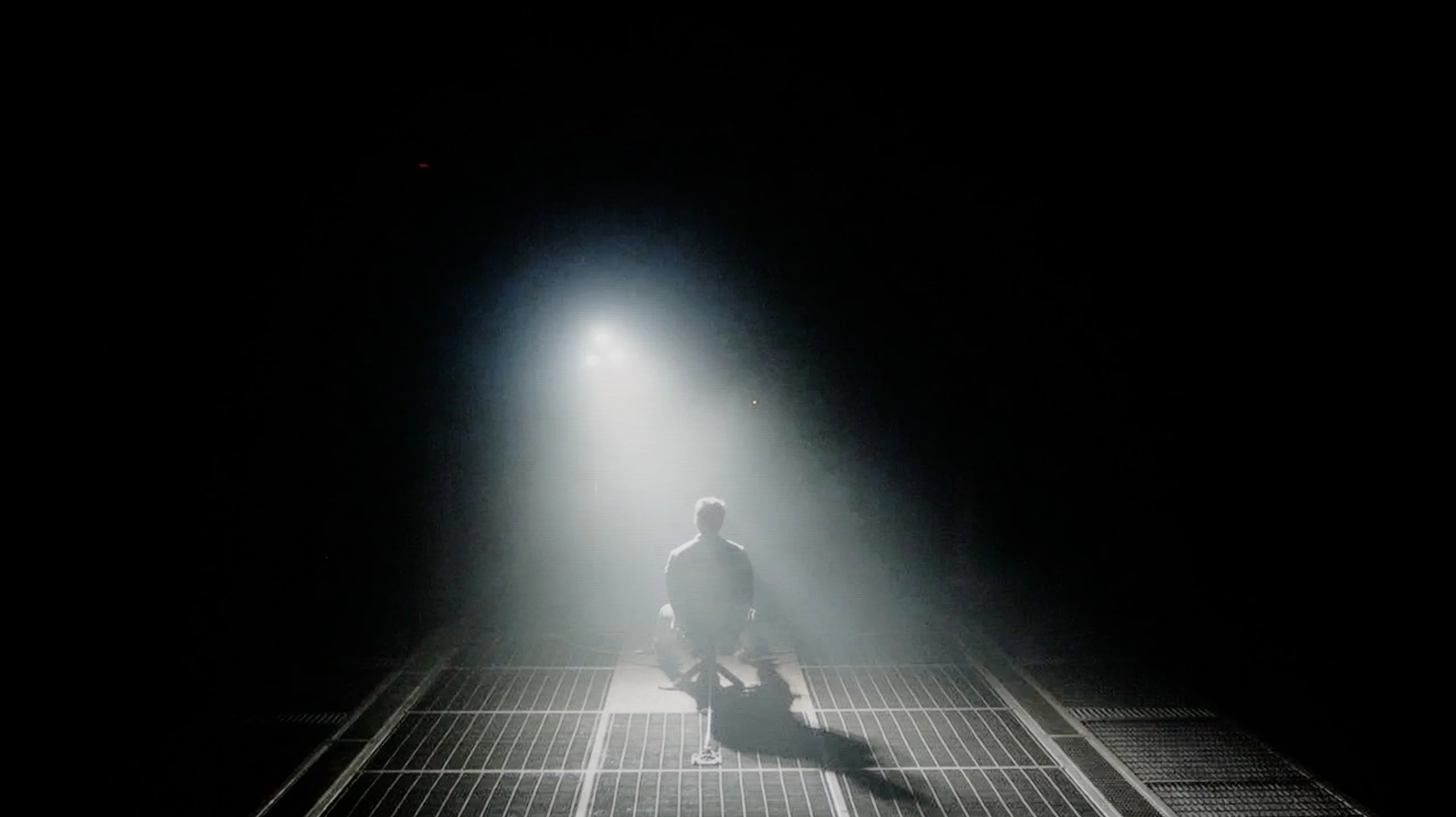
Check the visibility of bright lights on a dark background. Mini-LEDs often struggle with this. The photo does not compare black levels – that’s what the video below is for.
The video accurately shows differences in contrast and black levels between TVs, as well as potential issues: halo around bright objects or Mini-LED zone operation visible as brightness jumps.
Hisense U7Q PRO is a mini-LED television with a VA panel and – in the version we tested, 65 inches – 560 local dimming zones. It's worth noting straight away that this number varies depending on the size – larger diagonals get more zones, while smaller ones get fewer accordingly. But regardless, the dimming system itself works really solidly here.
The contrast is genuinely very good for the price range in which this model is placed. In optimal conditions, the U7Q PRO can achieve results close to six-figure values, which until recently was reserved for much higher-end equipment. In practice – in scenes like the one from the film Oblivion – the picture looks stunning. With the lights on in the room, it's hard at first glance to distinguish this TV from organic screens. Of course, it’s still an LCD with local dimming, so compromises are unavoidable. In more challenging scenes, where there are many small light sources, the U7Q PRO tends to dim too aggressively. Instead of a slight degradation of black – some details that should be visible disappear. This is a side effect of the algorithm, which firmly adheres to the principle of “black should be black,” even at the expense of subtle elements in the picture.
But nonetheless – contrast is one of the stronger points of this model.
In this category the Philips OLED761 receives the highest rating. The OLED panel used allows each pixel to be controlled independently, and where the image should be completely black it can simply be switched off. As a result we achieved infinite contrast in all test scenes. When watching, this translates to deep blacks and a very clear separation of bright elements from the dark background. Even a small lamp or a star does not cause the surrounding area to be lit up by the screen's backlight, something Mini LEDs still struggle with in demanding scenes. That's an advantage of the technology itself, which is why even Philips' cheapest OLED can match much more expensive models in this respect. In a dark room it's especially obvious how much precision like this delivers. Black doesn't turn grey just because a bright object appears right next to it, and the TV doesn't have to choose between dimming the light and keeping the dark background.
Certain reservations, however, concern how it displays tones just above black. In cinematic scenes the OLED761 can slightly brighten those tones, so the darkest parts of the picture can be a little brighter than they should be. The start of the luminance curve also confirms this. That doesn't mean the panel can't show perfect black, because completely black elements still remain switched off. The imperfection affects reproduction of the very darkest greys and, although it doesn't negate the excellent contrast, you can notice it in some night shots.
HDR effect quality
6/10
6.1/10
Luminance measurements in HDR:

Result
1129 nit

Result
323 nit

Result
721 nit

Result
267 nit

Result
736 nit
Result
538 nit
Result
702 nit
Result
784 nit
Result
740 nit
Result
289 nit
Scene from the movie “Pan” (about 2800 nits)
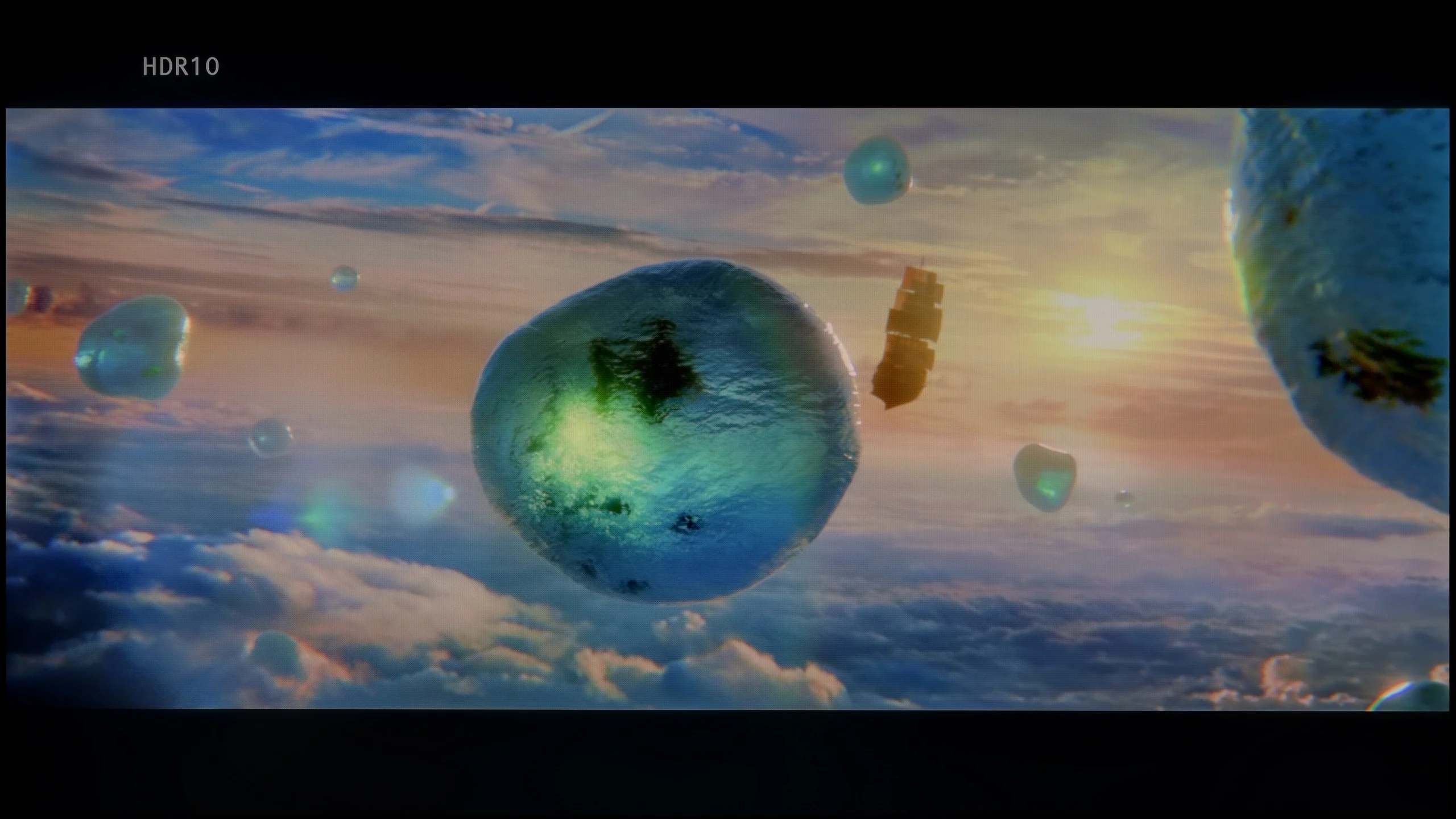

Scene from the movie “Billy Lynn” (about 1100 nits)


The photos show two HDR10 movies. 'Pan' is one of the brightest productions ever made, while 'Billy Lynn' (soldier) has brightness typical of streaming (Netflix, Prime, HBO MAX). Notice the intensity of effects and detail in whites.
Static HDR10


The photos present the visibility of white details in various HDR formats. They do not show brightness differences between TVs (these can be compared in the previous gallery).
Dynamic: Dolby Vision
Dynamic: Dolby Vision


The photos present the visibility of white details in various HDR formats. They do not show brightness differences between TVs (these can be compared in the previous gallery).
HDR luminance chart:
Philips OLED761
Hisense U7Q PRO
Luminance of RGB colors
U7Q PRO is truly a bright television. In synthetic tests, it achieved over 1500 nits, which is an outstanding result for this price bracket. Such brightness – at least in theory – allows it to display HDR content as intended by the creators, even in more demanding scenes with strong lighting. In practice, it performs very well, but not always perfectly. In bright scenes with large areas – like the test screen with intense sunlight from the film "Pan" – the U7Q PRO makes a huge impression. It can even dazzle with its light, which is definitely an advantage in the context of HDR content. Unfortunately, it doesn’t always manage to maintain this when there are many small bright details on a dark background. In such moments, the local dimming algorithms tend to dim some bright elements to maintain good blacks – and the side effect is that some details simply vanish from the frame. This is a classic compromise in mini-LED televisions – and the U7Q PRO is no exception. With such a large number of dimming zones, however, one could have hoped for a slightly more mature algorithm responsible for their control. Fortunately, the overall perception of HDR content is very positive. The U7Q PRO is not only bright but also colourful, thanks to the PFS LED (QLED) coating, the coverage of the DCI-P3 colour palette is at 95%, and BT.2020 around 73%.
Philips OLED761 uses the new-generation WOLED SE panels from LG Display, and in terms of HDR brightness it achieves results close to its nearest rivals, the Samsung S85H and LG B6. Peak brightness is around 800 nits, which for an entry-level OLED is a solid result. Importantly, similar values also appear in films. In scenes with small bright elements on a dark background we measured around 700–780 nits, so a torch, spotlight or lamp can really stand out. Combined with perfect black, this delivers a convincing HDR effect, especially during evening viewing. The panel’s capabilities do fall off as the bright area increases. When single highlights are replaced by a wide sunlit landscape, the TV can no longer maintain such high brightness. In an oil-rig scene we recorded 289 nits, and with an even larger bright-area fill the result can drop to around 200 nits. In practice this means a sun-drenched shot will look less punchy than small lights in a night scene. Despite this limitation, the OLED761’s HDR performance deserves praise. It’s not a TV that will light up a room with every bright scene, but it can clearly show the difference between standard footage and HDR content. It performs best where bright accents appear against a darker background, because that’s when high peak brightness on individual elements and deep blacks combine for the best effect.
Colour
The Philips OLED761 also handles colour well, as its panel covers the vast majority of the DCI-P3 gamut, which contains most of the colours seen in HDR films and series. As a result, in everyday viewing colours have proper saturation and the picture doesn’t look washed out. Limitations only appear in more demanding material that uses shades beyond DCI-P3 and in the wider BT.2020 gamut. In such shots the most intense reds and greens may look less striking than on QD-OLED, SQD-Mini LED or RGB Mini LED screens. A separate issue is saturation retention at high brightness. The WOLED panel uses an additional white subpixel to help boost brightness, but that doesn’t increase the brightness of the colours in the same way. Therefore very bright colours can look a little washed out, most noticeable on vivid neons or colourful light effects. These are limitations mainly visible in specific, demanding scenes. In most films and series watched day-to-day the OLED761 has enough capability to show well-saturated, attractive colours.
Factory color reproduction
6.2/10
6.5/10


This gallery shows how colors change after professional TV calibration. If you notice the difference, we recommend ordering this service at SkalibrujTV.com.
Factory Mode
After calibration
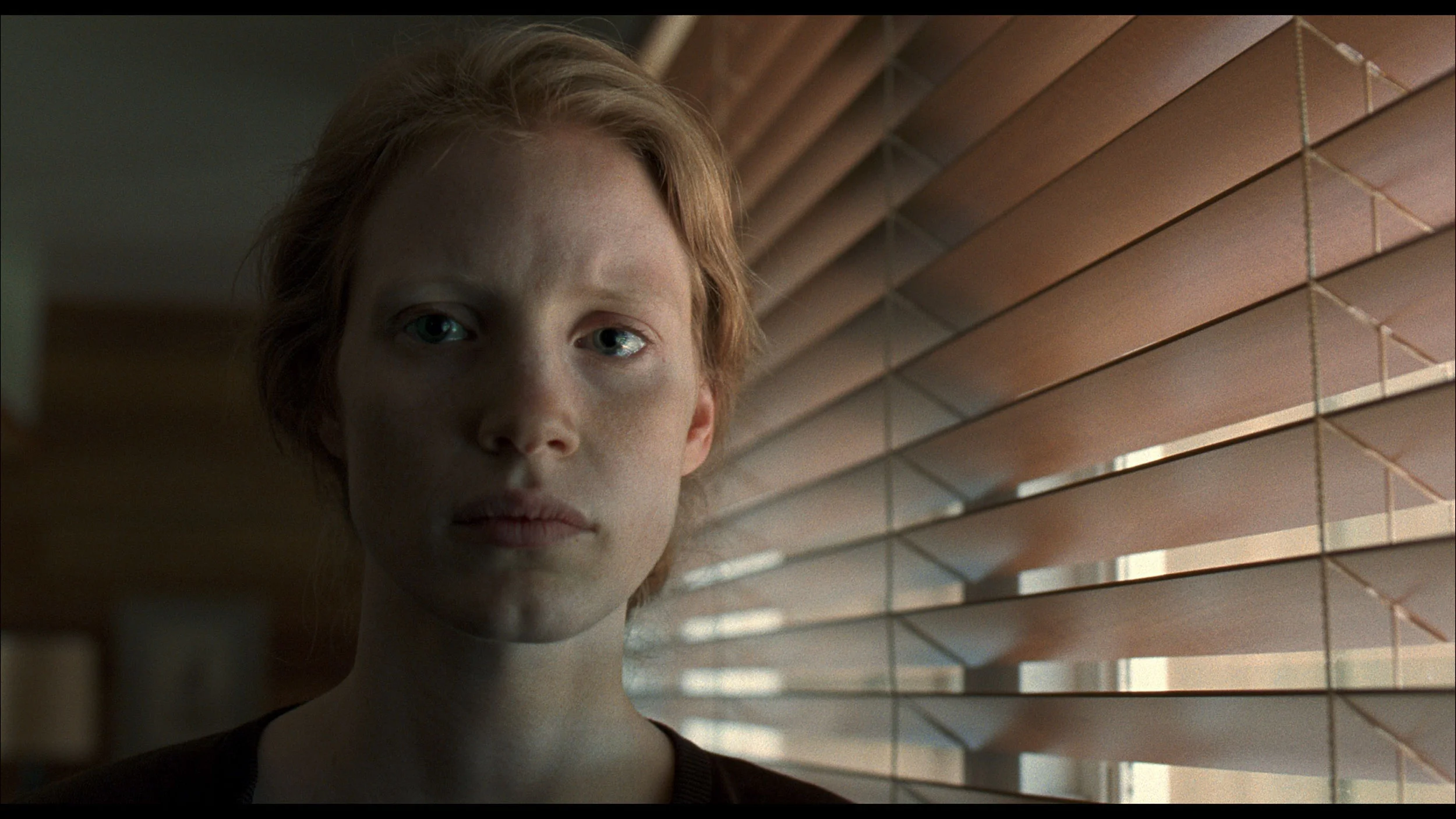
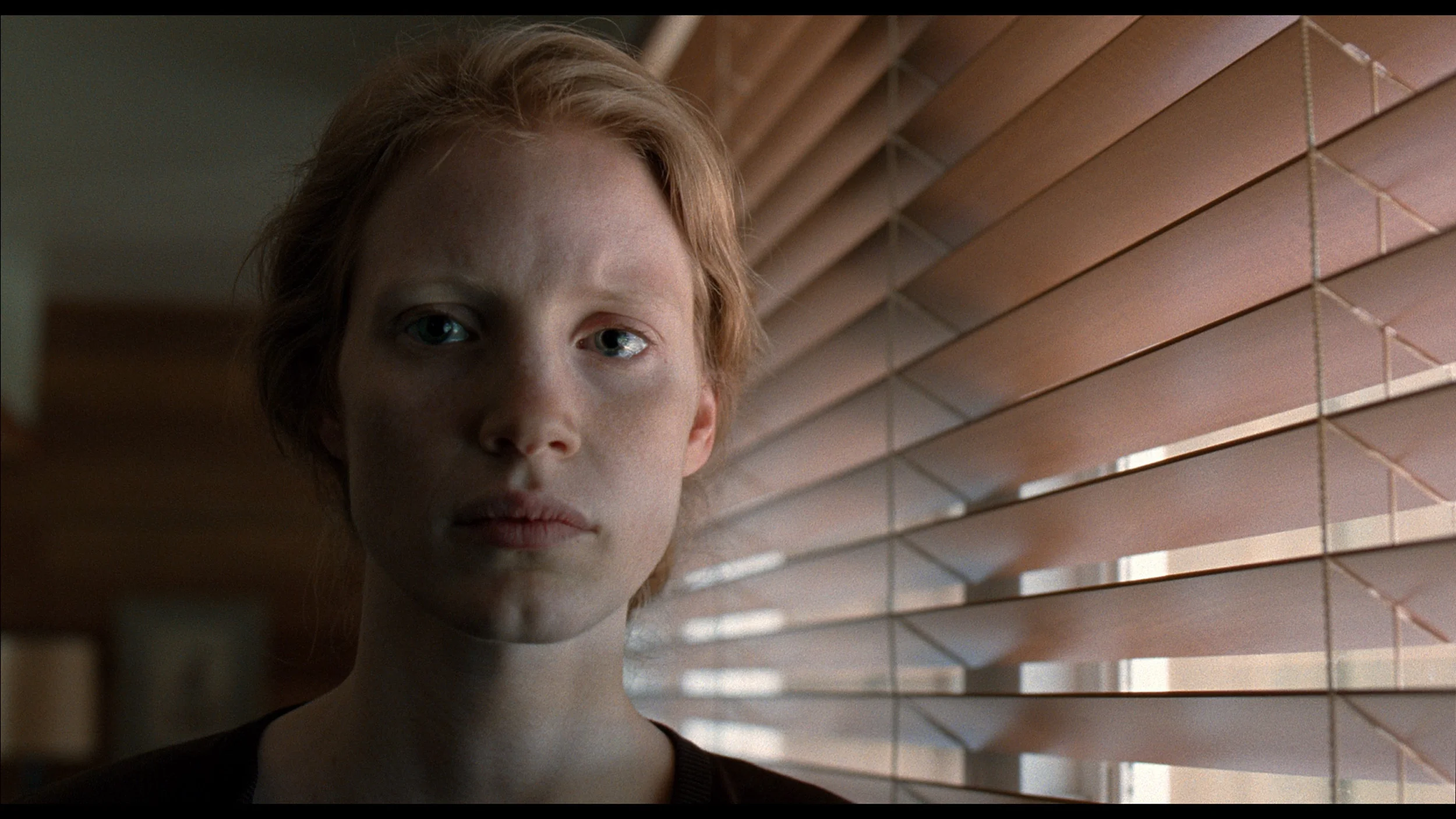
This gallery shows how colors change after professional TV calibration. If you notice the difference, we recommend ordering this service at SkalibrujTV.com.
Factory Mode
After calibration
We tested the U7Q PRO in the best possible picture mode that this model offers – Filmmaker Mode. And indeed, this mode performs the best in terms of colour reproduction. But that doesn’t mean it’s perfect. In our test unit, both in SDR and HDR content, the image had a slightly cooler tone. The white balance was shifted towards blue, which made the overall image feel a bit "cooler." It may not be glaring, but it is definitely noticeable – particularly on white backgrounds, which instead of being neutral, seemed slightly bluish. Additionally – as we mentioned earlier – the television has a tendency to slightly brighten and oversaturate the image, which is also confirmed by the gamma and EOTF charts. All of this together means that without calibration, the image may appear somewhat unnatural – too cool, with slightly exaggerated dynamics. That’s why we decided to perform our own calibration – and you can see its effects and charts below.
The factory film mode settings on the OLED761 deliver a fairly pleasant picture, though the colours are not completely neutral. In SDR material there is primarily a lack of blue, and in parts of the range also red, which can make whites and greys take on a slightly yellow‑green tint. You’ll notice this most easily on neutral surfaces, which look warmer than they should. The colours themselves perform quite well, and most of the test samples do not show large errors. So this is not a case where a tint completely changes the look of the film. The way brightness is set in SDR needs more attention. Over most of the range the TV slightly darkens the image, which can make faces and background elements look heavier and details in darker areas less readable. At the same time, tones just above black are brightened. These two traits can occur together: the deepest shadows become too obvious while the rest of the scene is a little too dark. In HDR you can also see a shortage of blue, especially in the brighter parts of the image. Whites therefore take on a warm, yellowish cast, which can be noticeable on clouds or snow. Darker tones are set much better in terms of white balance, so the extent of this tint changes with scene brightness. Out of the box the OLED761 performs decently, but measurements show that, above all, white neutrality and the rendering of brightness still need refining through calibration.
Color reproduction after calibration
7.5/10
9/10


The photos show how movies look on the TV. Pay attention to black detail visibility, colors, and shadow tint.


The photos show how movies look on the TV. Pay attention to black detail visibility, colors, and shadow tint.
Thanks to calibration, we've managed to tame the white balance in SDR and HDR content. For SDR material, the effect is really quite good – the image becomes neutral, cohesive, and simply pleasant to watch. Everything looks the way it should.
HDR performs a bit worse. Although the white balance looks correct and overall the image gains naturalness, unfortunately, the delta E errors are still noticeable. Why? Because Hisense's U7Q PRO model does not give us full control over how the television manages brightness in HDR mode. And this is where the limitation arises. When we look at the EOTF curve for HDR content, it clearly shows what we mentioned earlier – at the beginning of the graph, there’s a noticeable drop, meaning the television darkens the smallest portions more than it should. On the other hand, those brightest elements can be overly bright. As a result, some details are lost, others are too aggressive, and overall control over brightness doesn't always align with what we’re trying to achieve during calibration.
Does the image look better after calibration? Definitely, yes, in terms of colour. But when it comes to brightness management in HDR, one must accept that the Hisense U7Q PRO will still do it in its own way.
After calibration the Philips OLED761 performs very well. The white balance was set almost perfectly, removing the earlier colour cast so faces, whites and greys look more natural. The improved gamma means the picture is no longer unnecessarily dark and it's easier to pick out detail in darker areas. Colours are reproduced with high accuracy, which, combined with deep blacks, produces a very pleasing image for evening movie viewing. It's clear that even Philips's entry-level OLED has considerable potential that's worth realising by refining the settings. In HDR the luminance response tracks the reference across most of the range, so most scenes retain the correct appearance. There remains a slight lift in tones just above black and a tendency to render the very brightest highlights a little too strongly. However, these are issues limited to specific parts of the image. In the most demanding shots some bright detail may still be lacking, but the overall result after calibration is definitely successful. The OLED761 can deliver a natural, well-balanced picture that lets you focus on the film.
Smoothness of tonal transitions
9.5/10
7.4/10
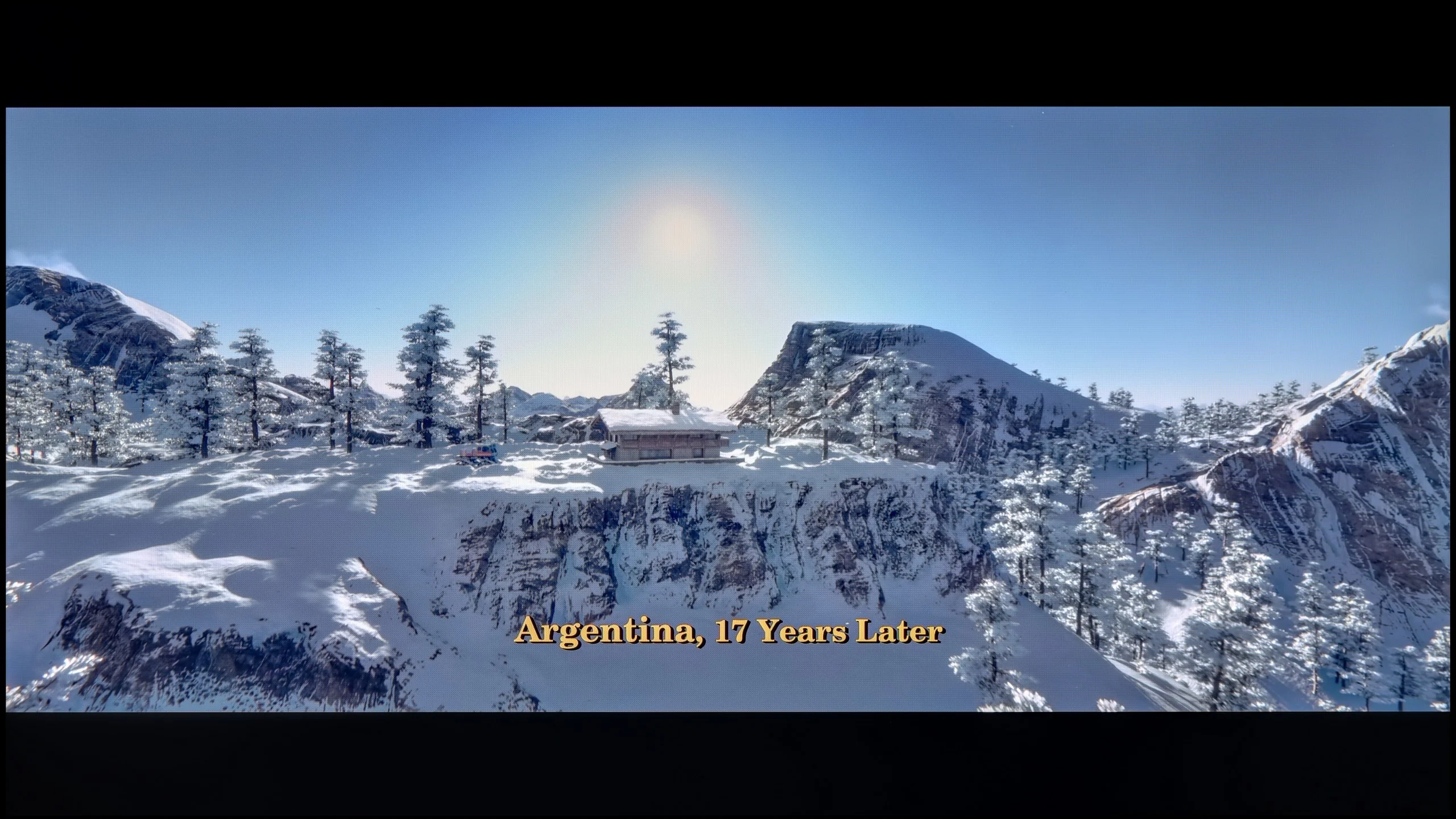

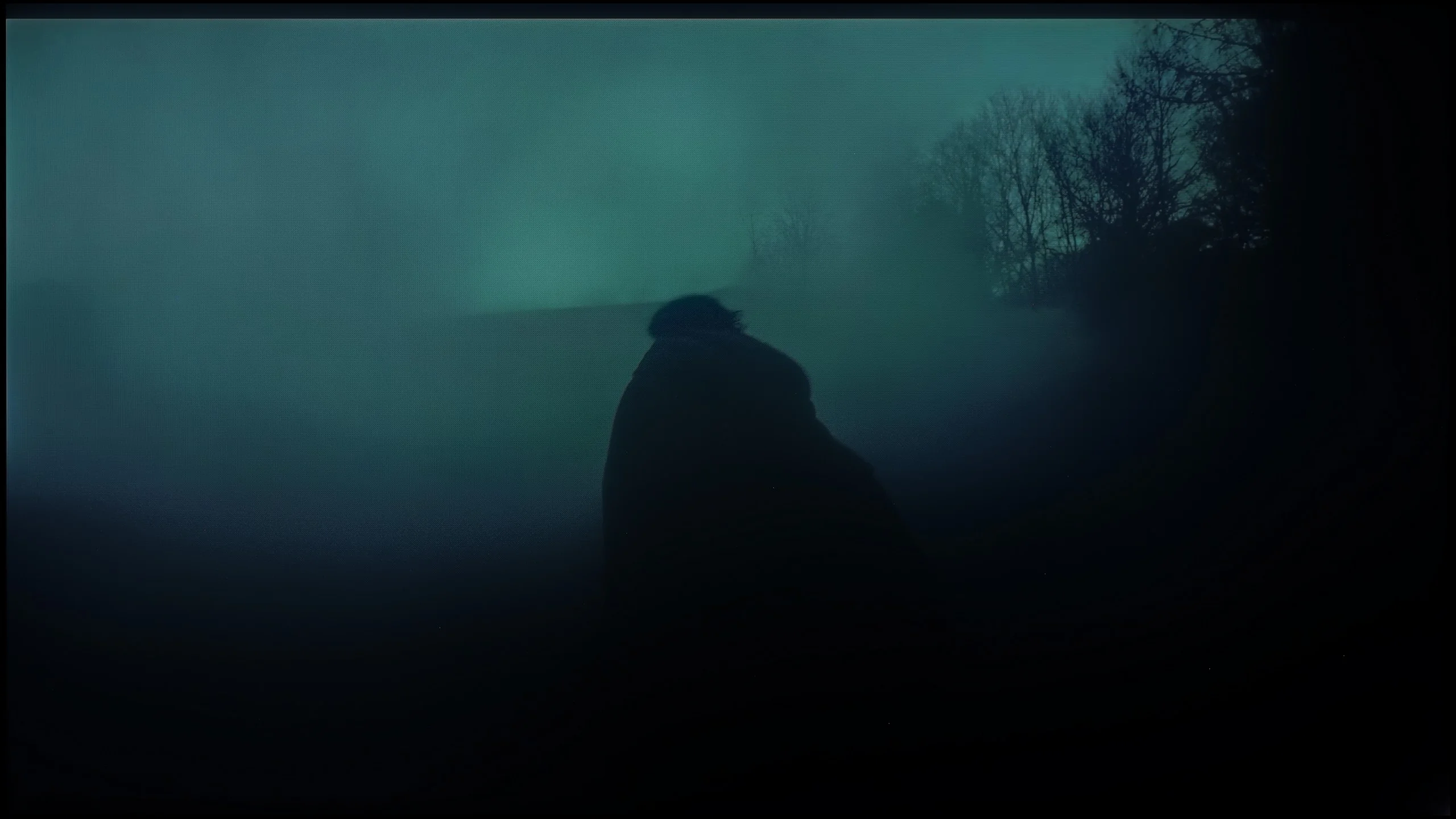

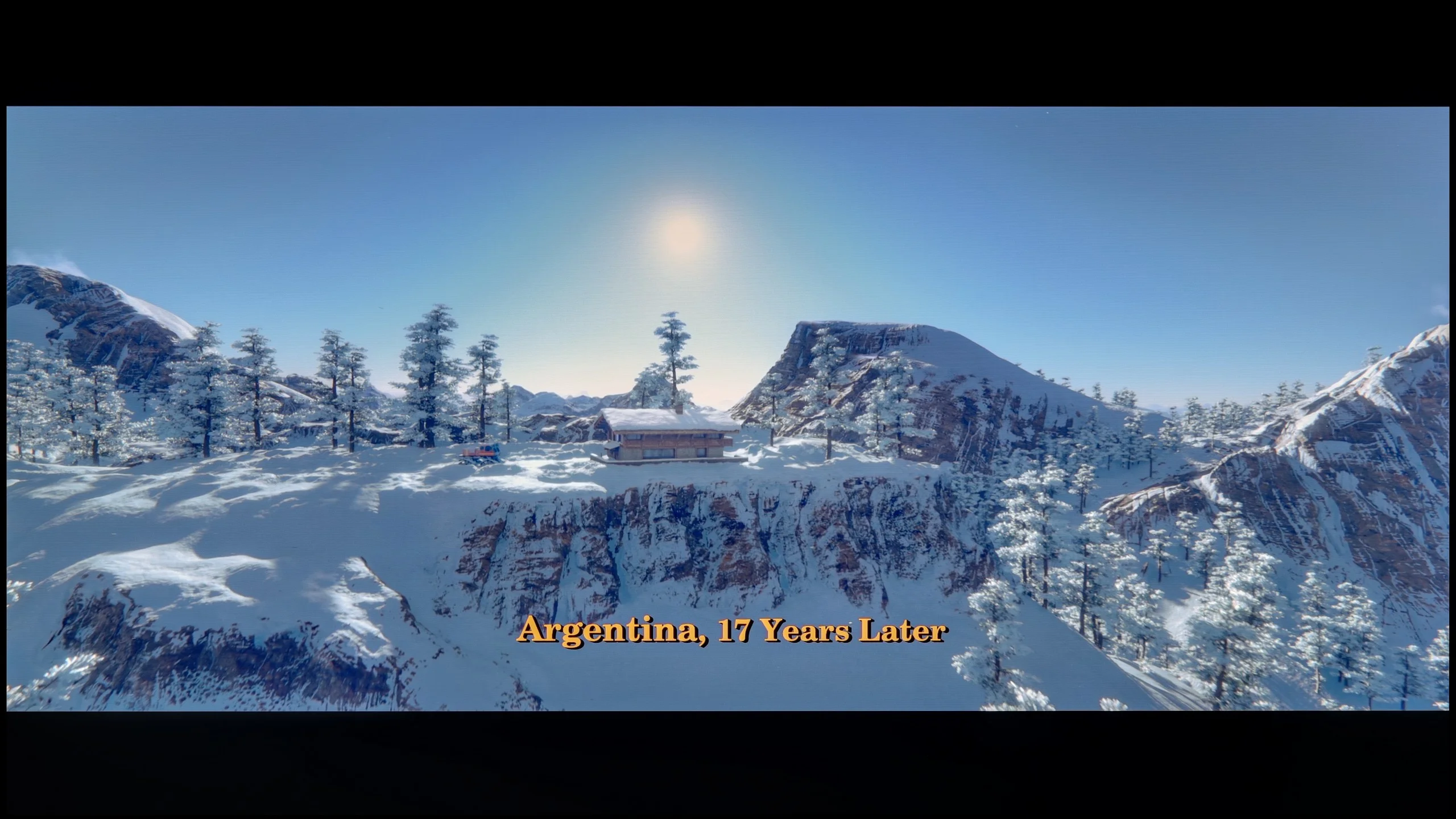
These are selected scenes that show smooth tonal transitions from one color to another. If you see distinct banding, it’s the TV panel’s fault.

These are selected scenes that show smooth tonal transitions from one color to another. If you see distinct banding, it’s the TV panel’s fault.
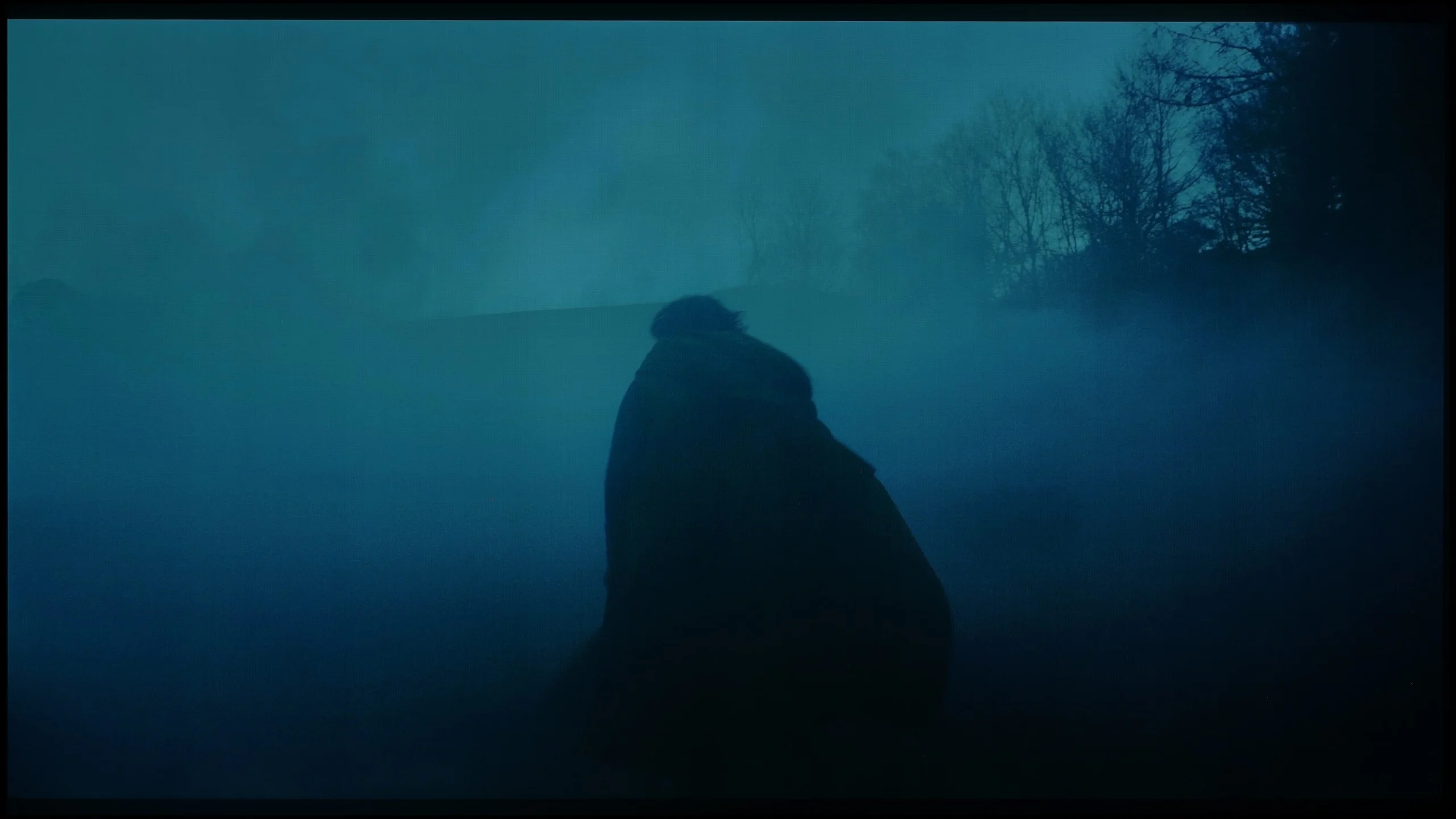
These are selected scenes that show smooth tonal transitions from one color to another. If you see distinct banding, it’s the TV panel’s fault.
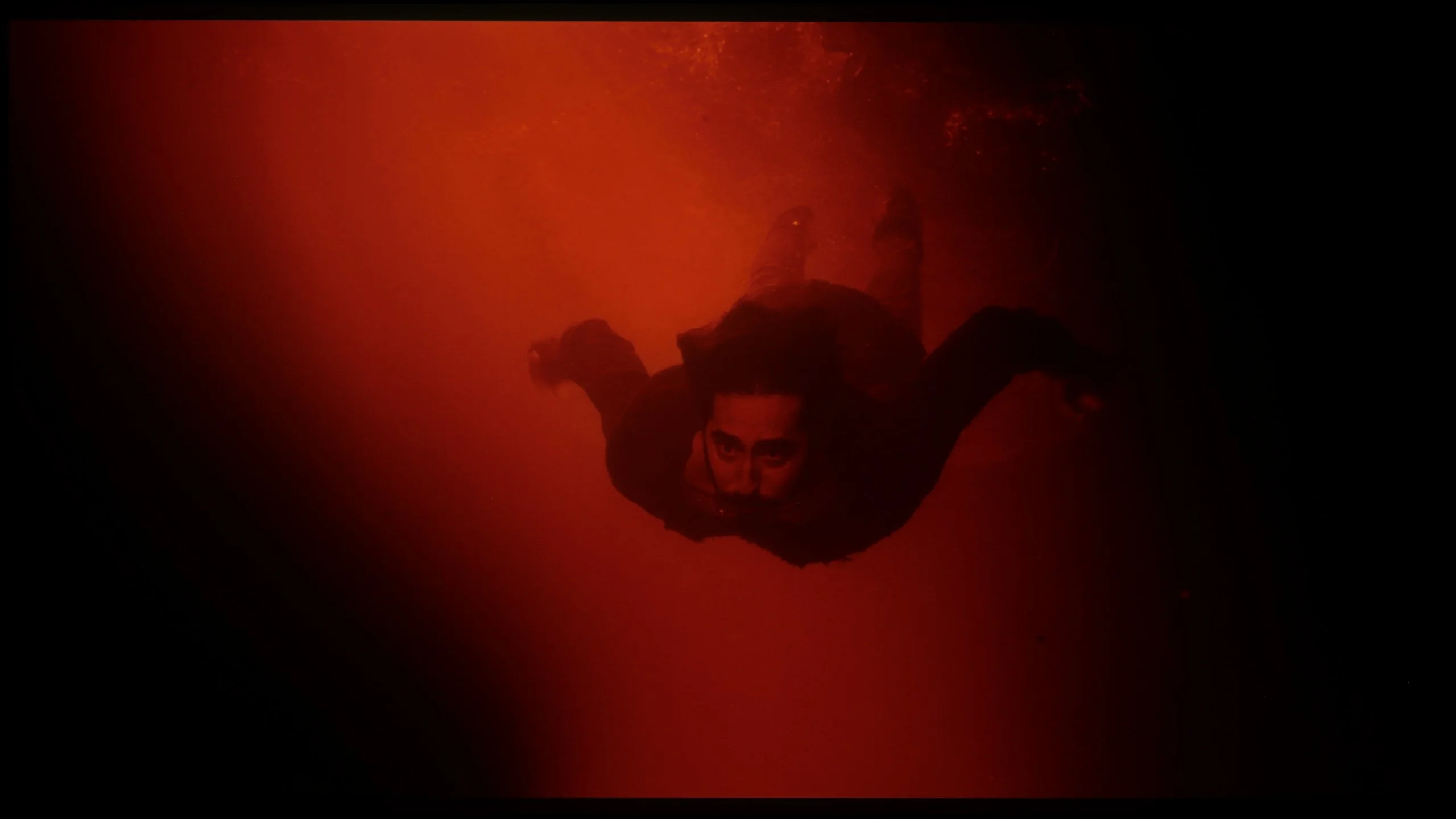
These are selected scenes that show smooth tonal transitions from one color to another. If you see distinct banding, it’s the TV panel’s fault.
The U7Q PRO handles tonal transitions really well. Colours blend smoothly, with no banding, stripes, or strange artefacts. Even in tougher scenes that typically expose any imperfections – there was nothing to criticise here. The picture simply looks clean. The gradients – both colour and grey – are fluid, nothing tears, nothing distracts. It's one of those elements you don't notice while watching… certainly not with the U7Q PRO.
Philips OLED761 handles tonal transitions quite well, although on bright gradients you can see slight banding between shades. They appear in most of the bright shots we tested, but are subtle enough that during normal viewing they shouldn't draw too much attention away from the film. In darker scenes the imperfections are most noticeable when the image fades to black and in the shot with red water, where colour transitions could be smoother. More than the gradation itself, panel uniformity can be more distracting. In dark scenes it shows up as fairly distinct bands that make a uniform background look less even than it should. This is a separate issue from the visible boundaries between shades, although both phenomena can overlap during viewing. We've seen similar bands so far in every OLED we've tested with the new WOLED SE panel, so this is not a problem exclusive to the OLED761. However, their severity can vary between units.
Image scaling and smoothness of tonal transitions
7.8/10
7.5/10

Smooth transition function
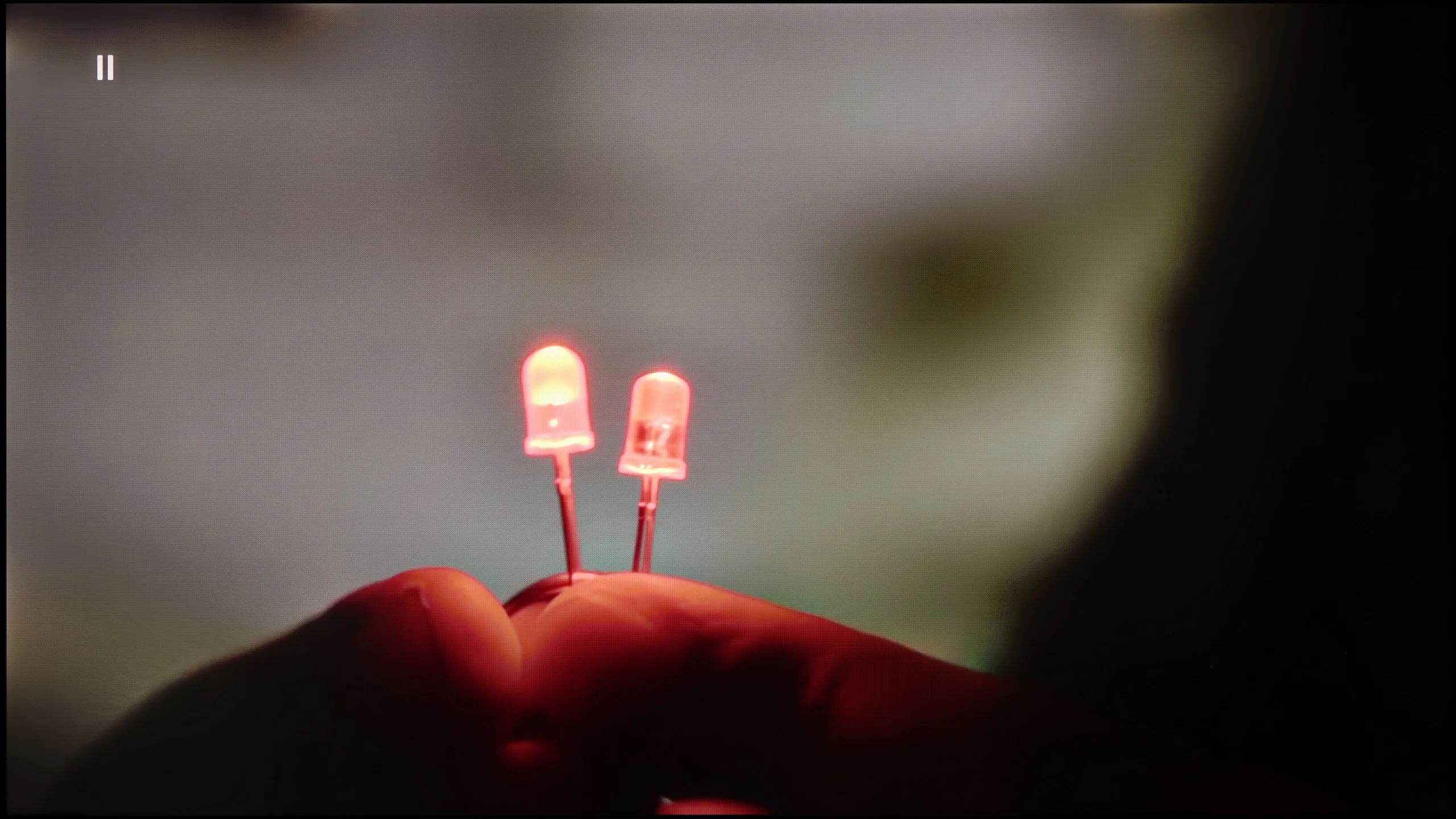
The match photo shows how the TV smooths weak tonal transitions in low-quality video.
Image scaling SD (576i)


The model photo shows how it handles upscaling of SD material.
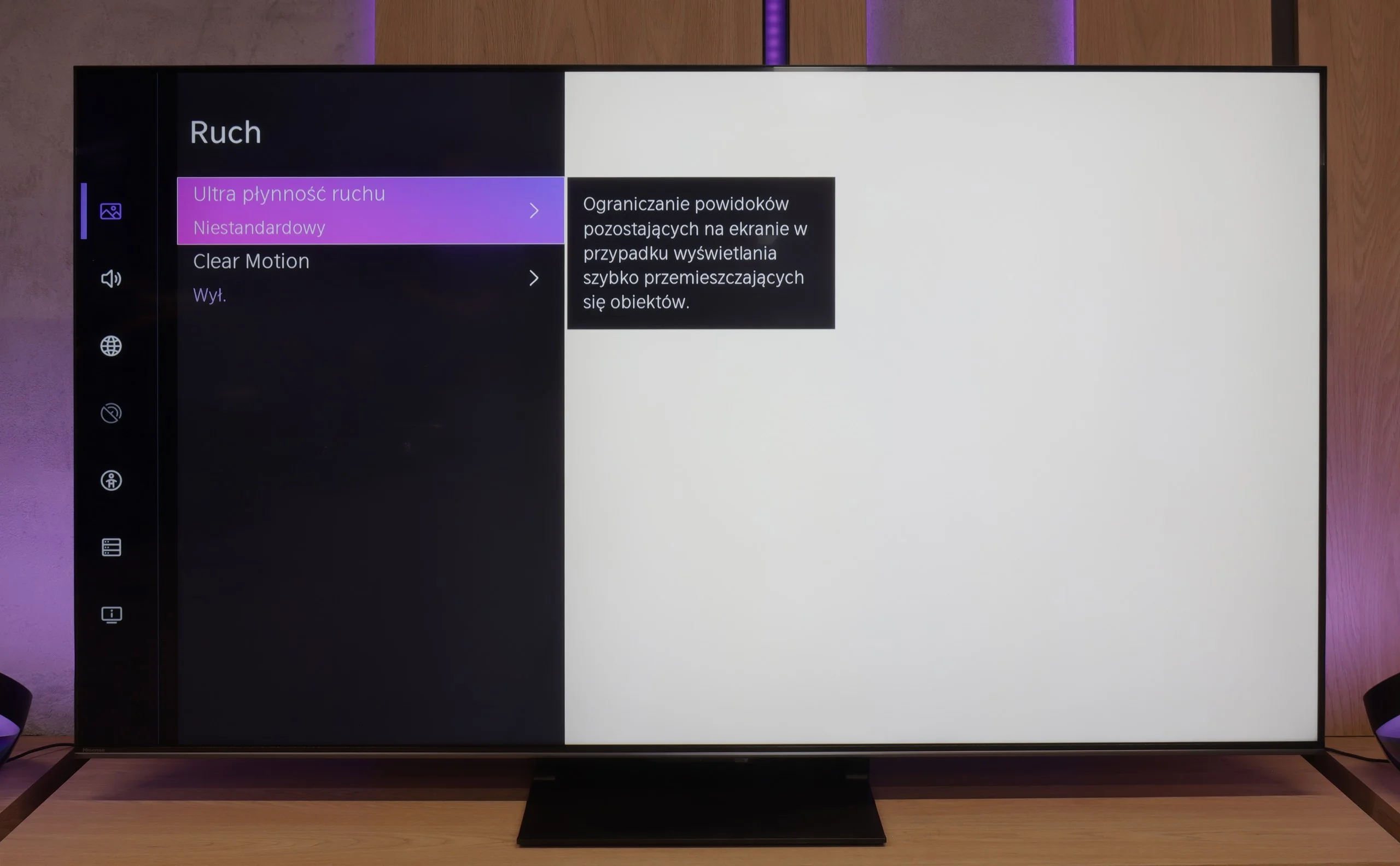
If someone happens to come across older materials where the banding issue arises – Hisense has a solution for that. In the U7Q PRO, we find a feature called "Smooth and Gradient Picture". Set to the "Medium" level, it works really well – eliminating most gradient problems without smoothing the entire image like a blur in Photoshop. 😉 Film grain remains, details don't disappear – that's exactly how it should work. Well done on the implementation!
As for scaling weaker materials, it's simply good. It's not at the level of the most expensive TVs with advanced upscaling, but older content looks good. There is some minor banding at very low resolutions, but that's perfectly normal and hard to avoid. On the plus side – even with the oldest materials, there is no overscan effect, the image isn't cropped or artificially stretched.
Philips OLED761 does a pretty good job of improving lower-quality source material. Its Pentonic 800 processor effectively smooths visible transitions between shades that often appear in heavily compressed footage. This is handled by the "Artefact Reduction" setting. When enabled, banding on uniform backgrounds becomes less noticeable, and importantly this isn't achieved at the cost of noticeably smearing detail. It's a feature worth using when the quality of the material you're watching leaves a bit to be desired. The upscaling itself, however, has Philips' characteristic softness. Lower-resolution content looks fairly soft, and fine details and outlines lack some sharpness. You can see this in the shot of a model, for example in the hair and thin branches, which could be more clearly defined. A plus is the lack of overscan, meaning the edges of the picture aren't cropped. Even with a low-resolution signal the TV displays the entire frame.
Blur and motion smoothness
7.1/10
8.5/10
Blur (native resolution, maximum refresh rate):

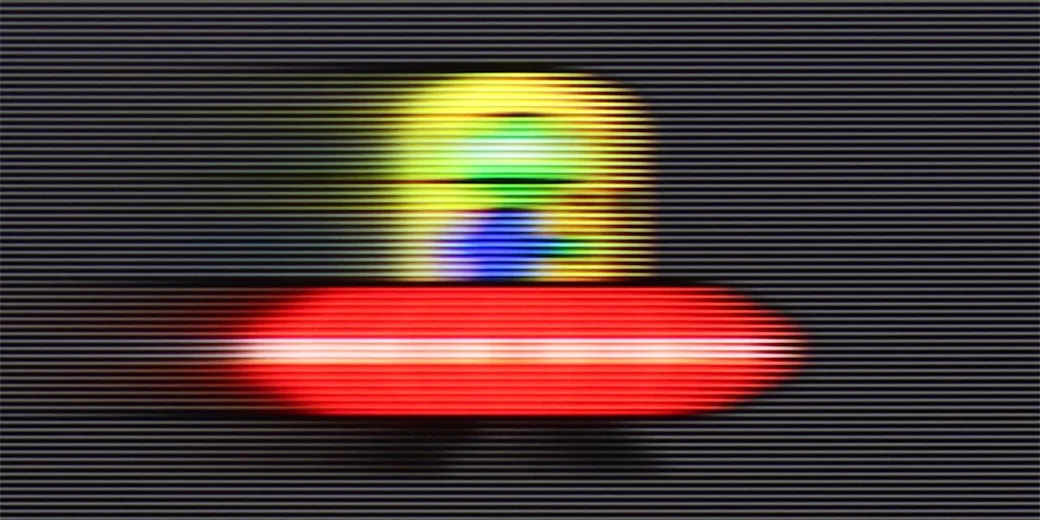



Blur (BFI function enabled):



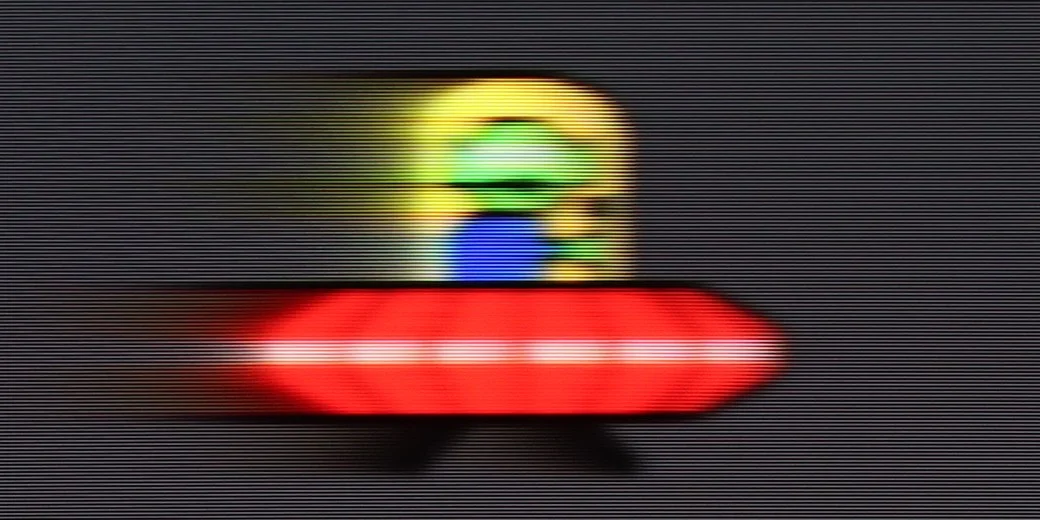
Blur (1080p 288Hz):


Blur (4K@60Hz):

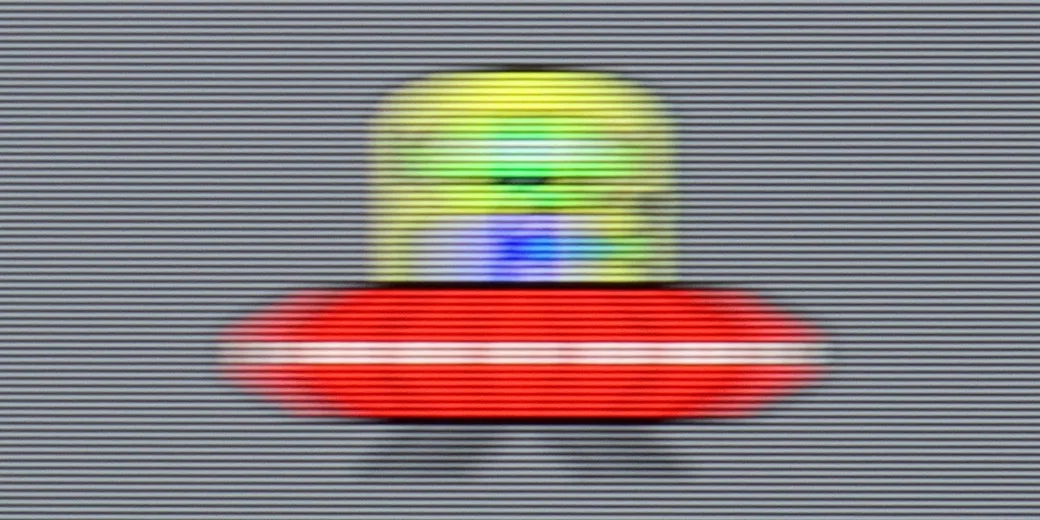

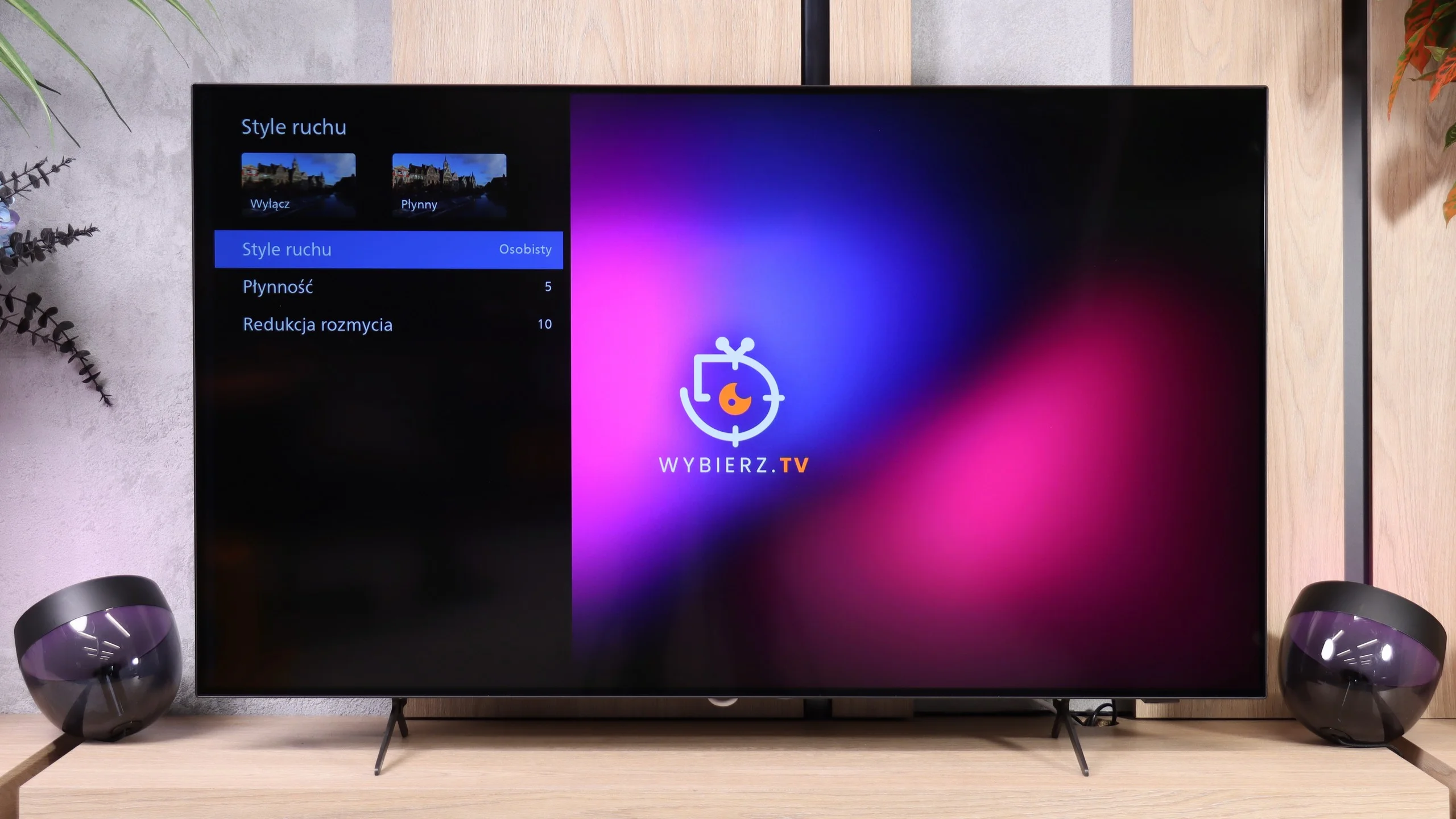
“Speed” – this word was most frequently mentioned during our tests of the U7Q PRO. The television is equipped with a 165 Hz panel, which in itself is impressive – especially considering we’re talking about a mid-range model. Of course, PC gamers will benefit the most from its full capabilities, but even during everyday viewing, it’s clear that this is a fast and efficient panel. Like most modern televisions, the U7Q PRO can also enhance the smoothness of films that were originally recorded at 24 frames. In the menu, we find a slider that allows us to adjust the effect to our own preferences – from a more cinematic feel, with subtle motion, to a stronger smoothing with the characteristic “soap opera effect.”
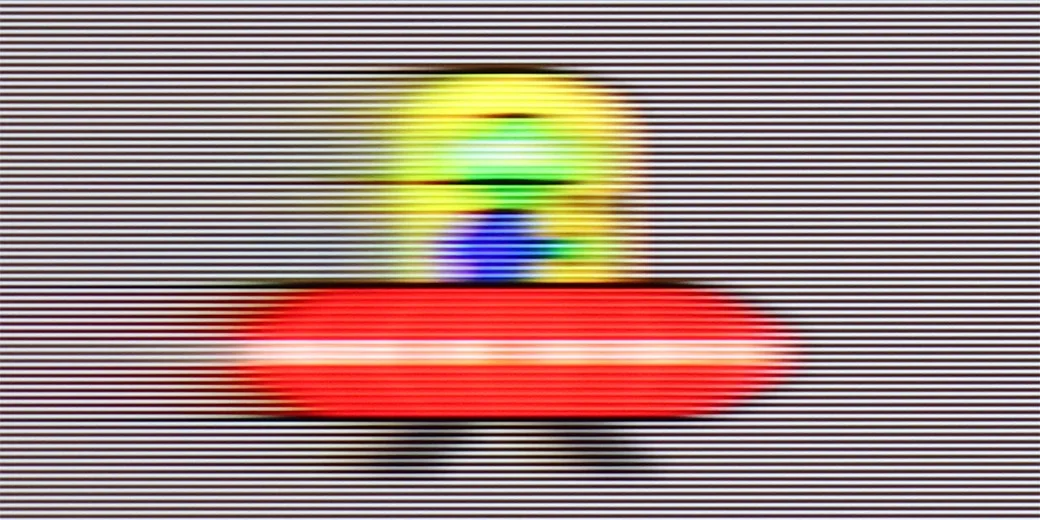
The Philips OLED761 performs very well in fast-moving scenes. Thanks to extremely fast pixel response, moving objects leave virtually no trails, which will be appreciated by both people watching sport and gamers. The 120 Hz panel also helps maintain good motion clarity, as seen in the UFO test: edges remain clear whether the object moves against a bright or dark background. With a 60 Hz signal there is more blur, but that mainly results from the way motion is presented at the lower refresh rate rather than slow pixel response.
When watching films you can use the 'Motion Style' settings, which include 'Smoothness' and 'Blur Reduction' sliders. They let you tailor the image to your preferences, from preserving the characteristic cinematic motion to heavily smoothing it. A slight increase in smoothness is especially useful for slow camera moves, which on a fast reacting OLED can sometimes look jerky. There is no BFI, i.e. black frame insertion to improve motion clarity, but even without it the OLED761 performs very well in this category.
Console compatibility and gaming features
8.5/10
10/10
- ALLM
- VRR
- VRR range48 - 288Hz40 - 120Hz
- Dolby Vision Game Mode
- Correct implementation of HGIG

- 1080p@120Hz
- 1440p@120Hz
- 4K@120Hz
- Game bar
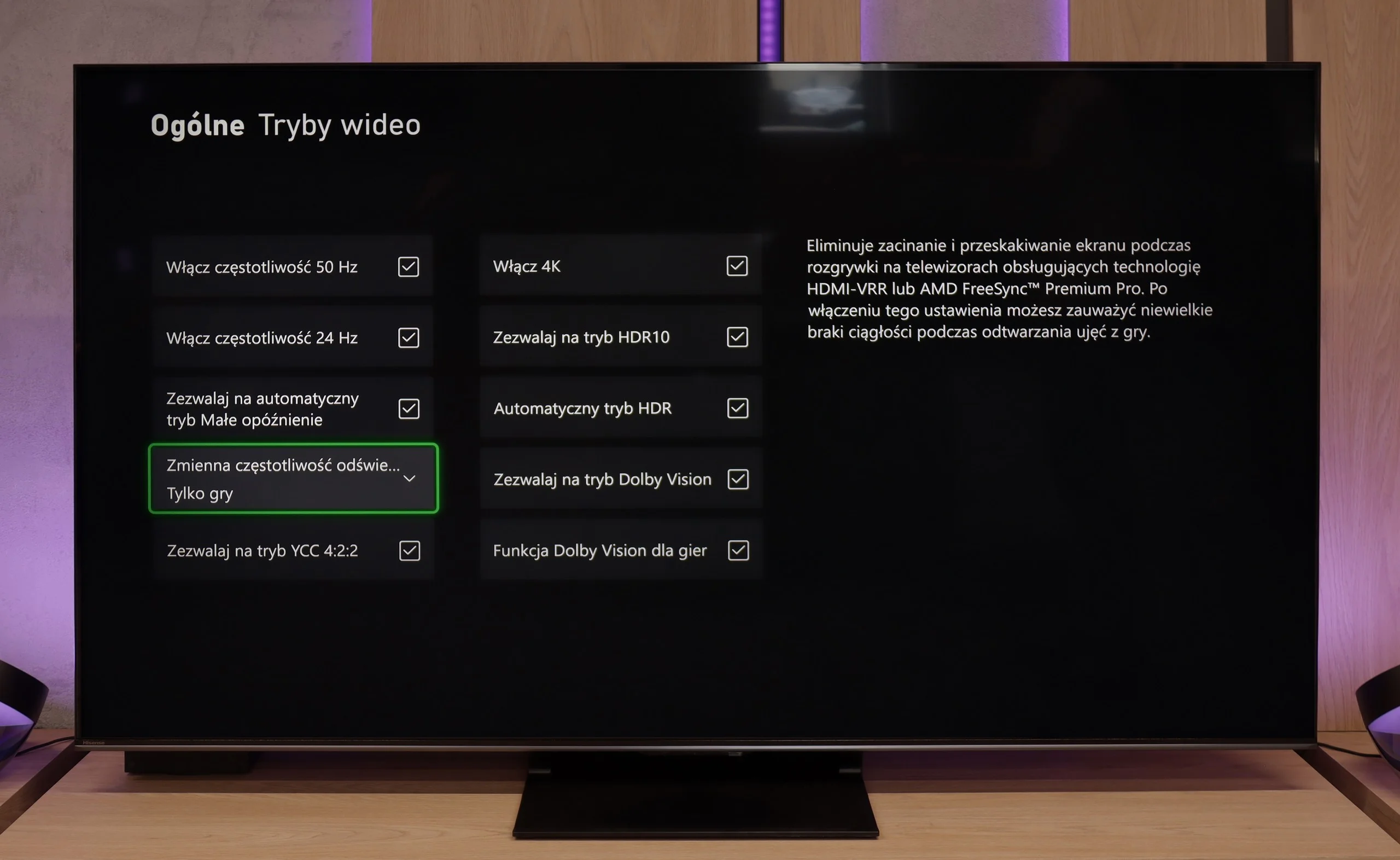
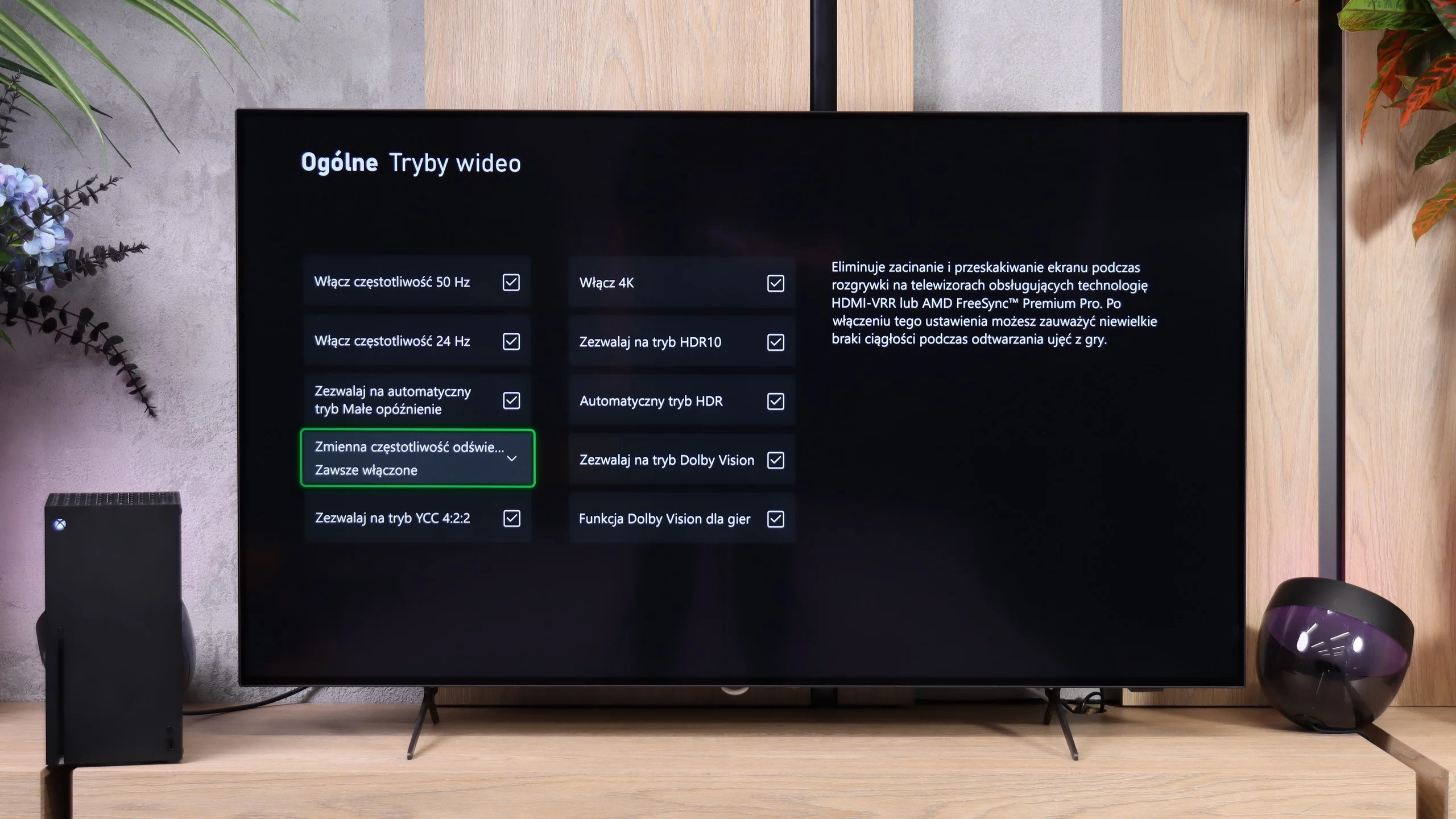
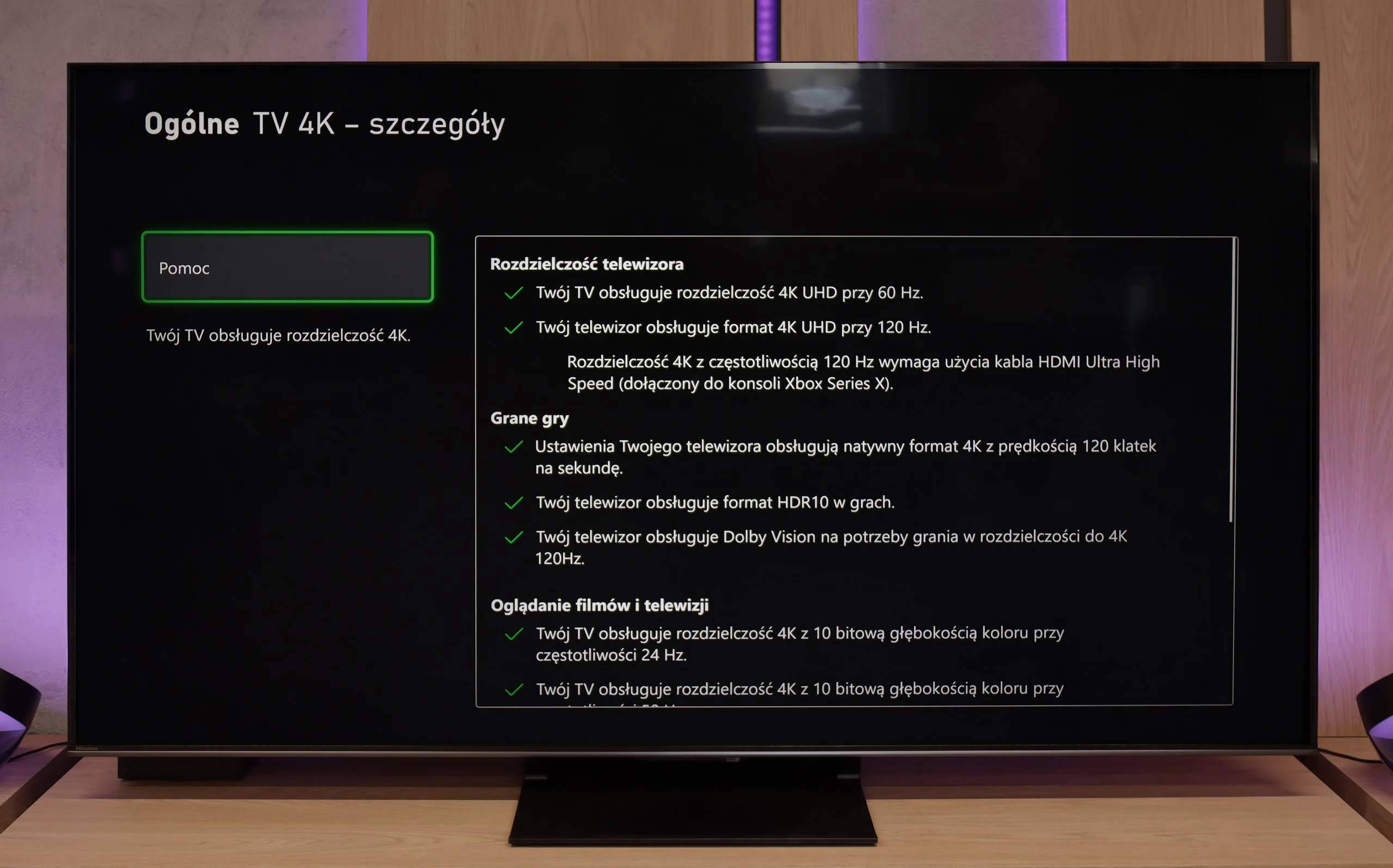
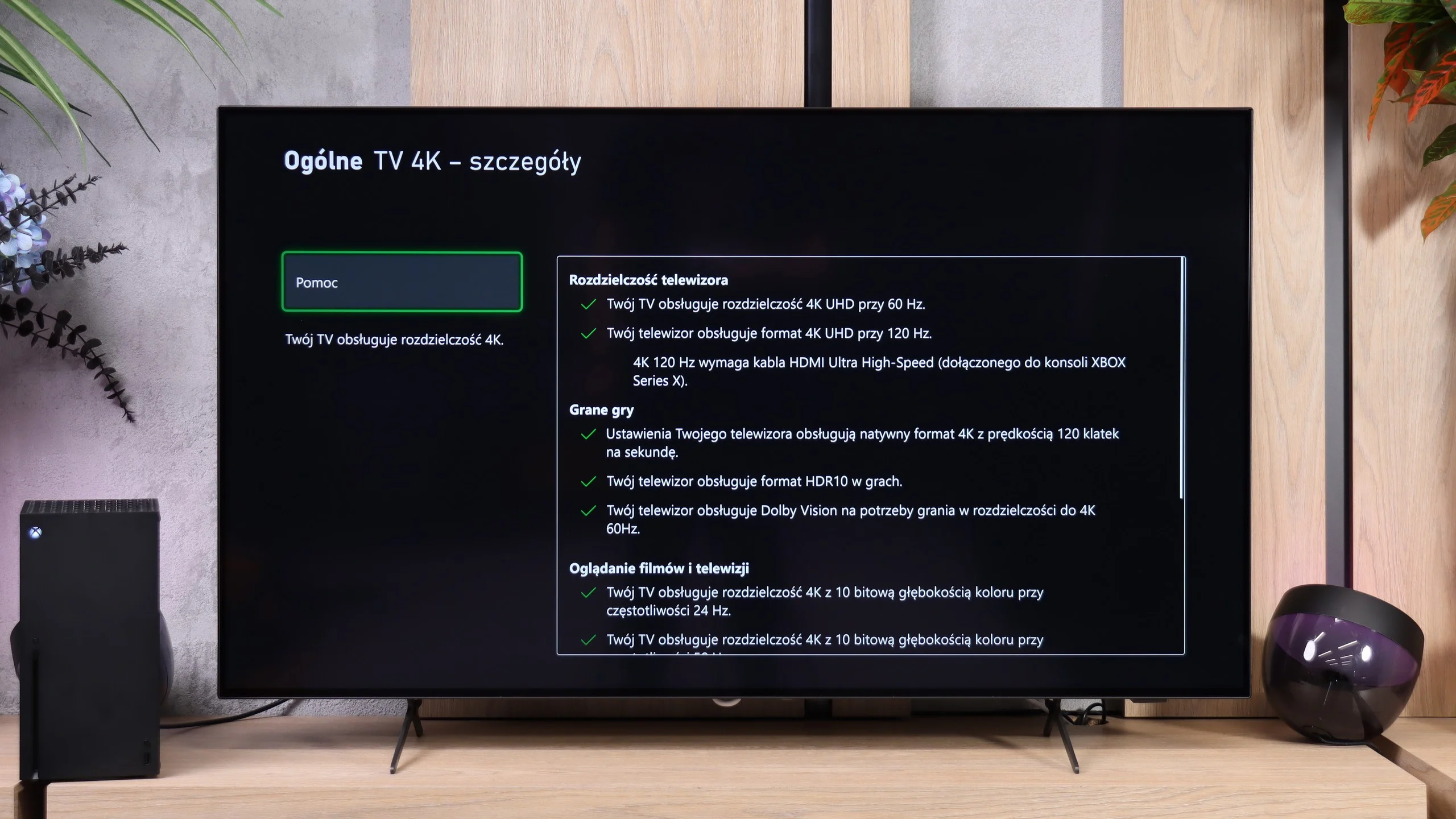
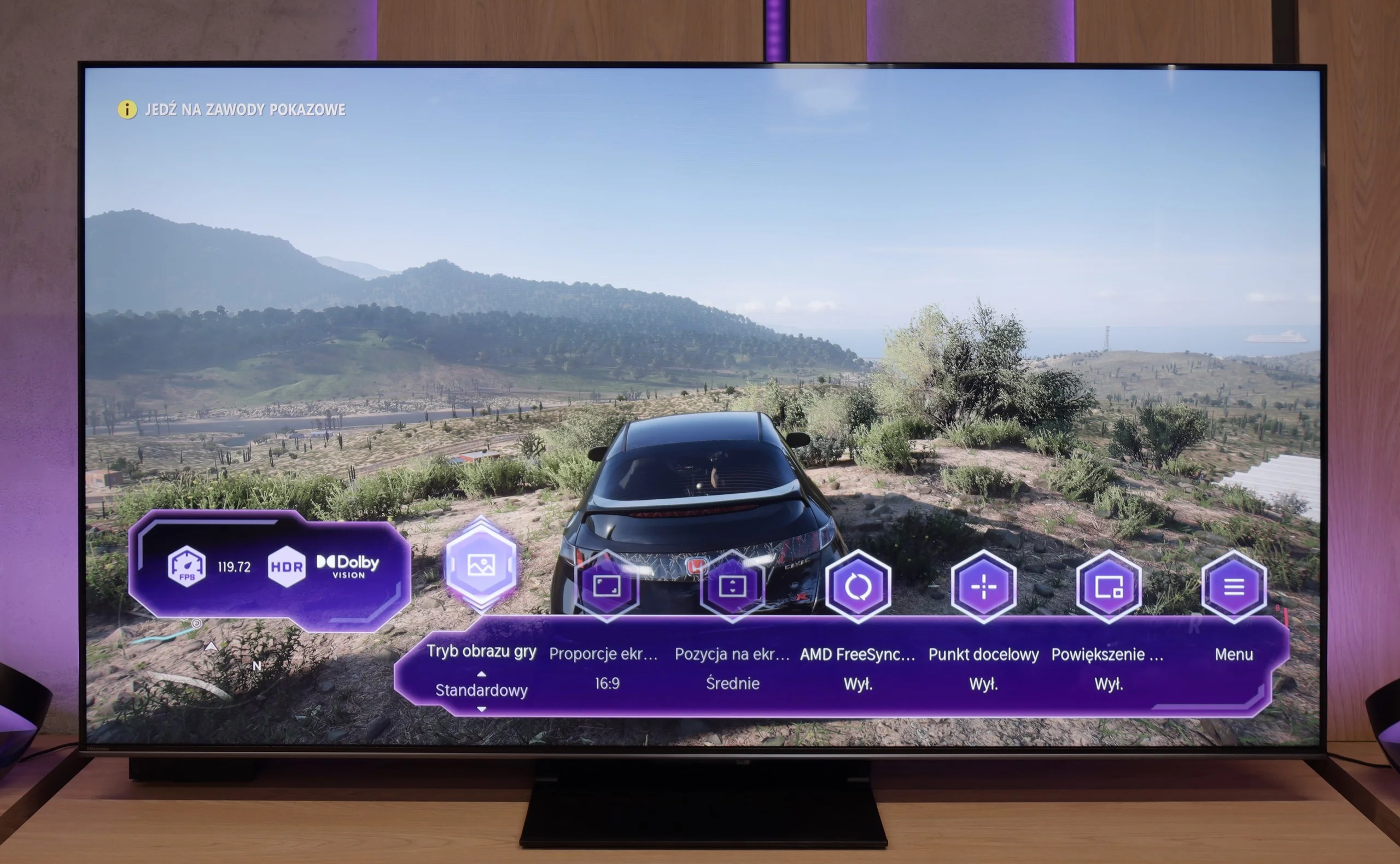
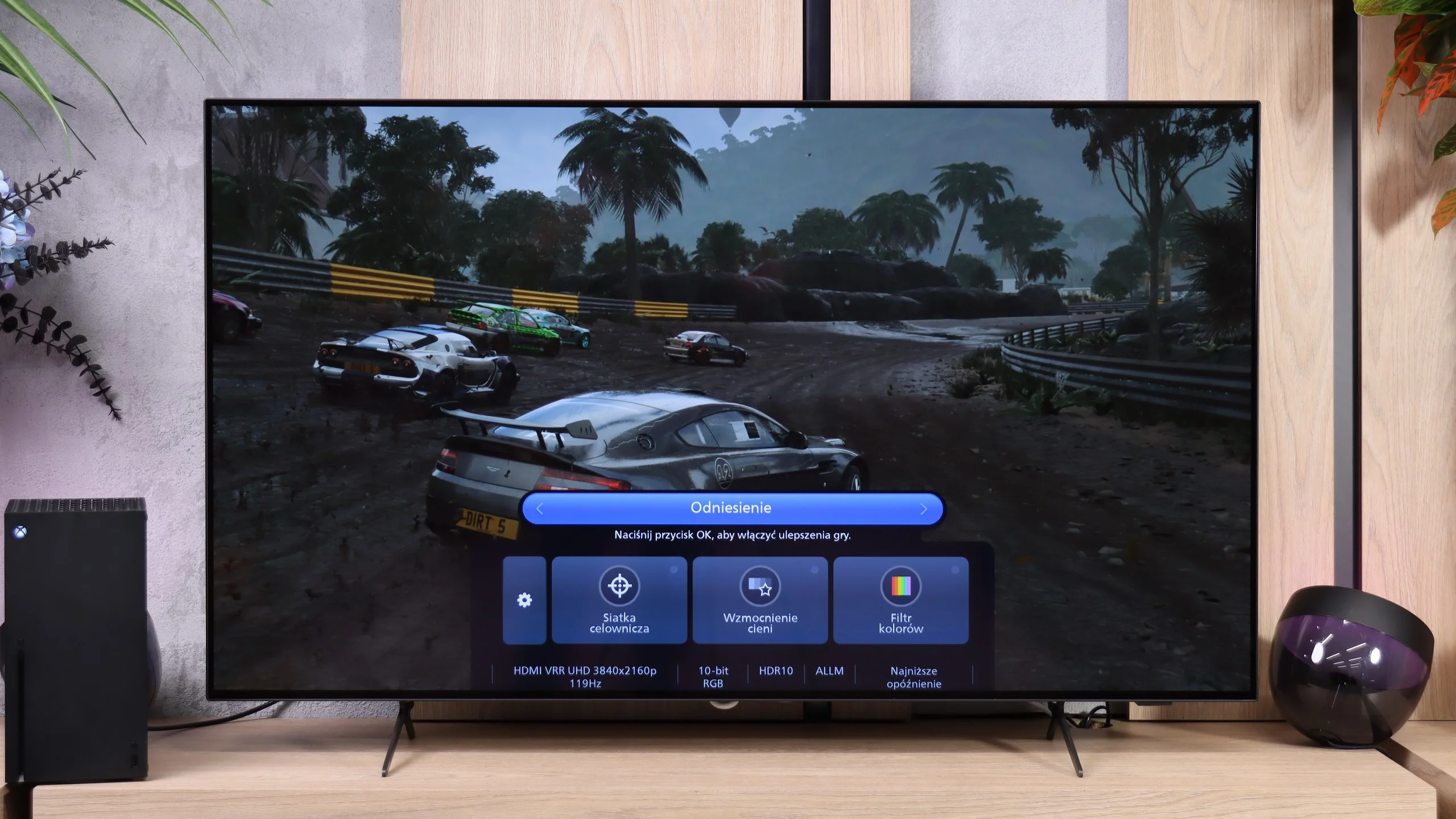
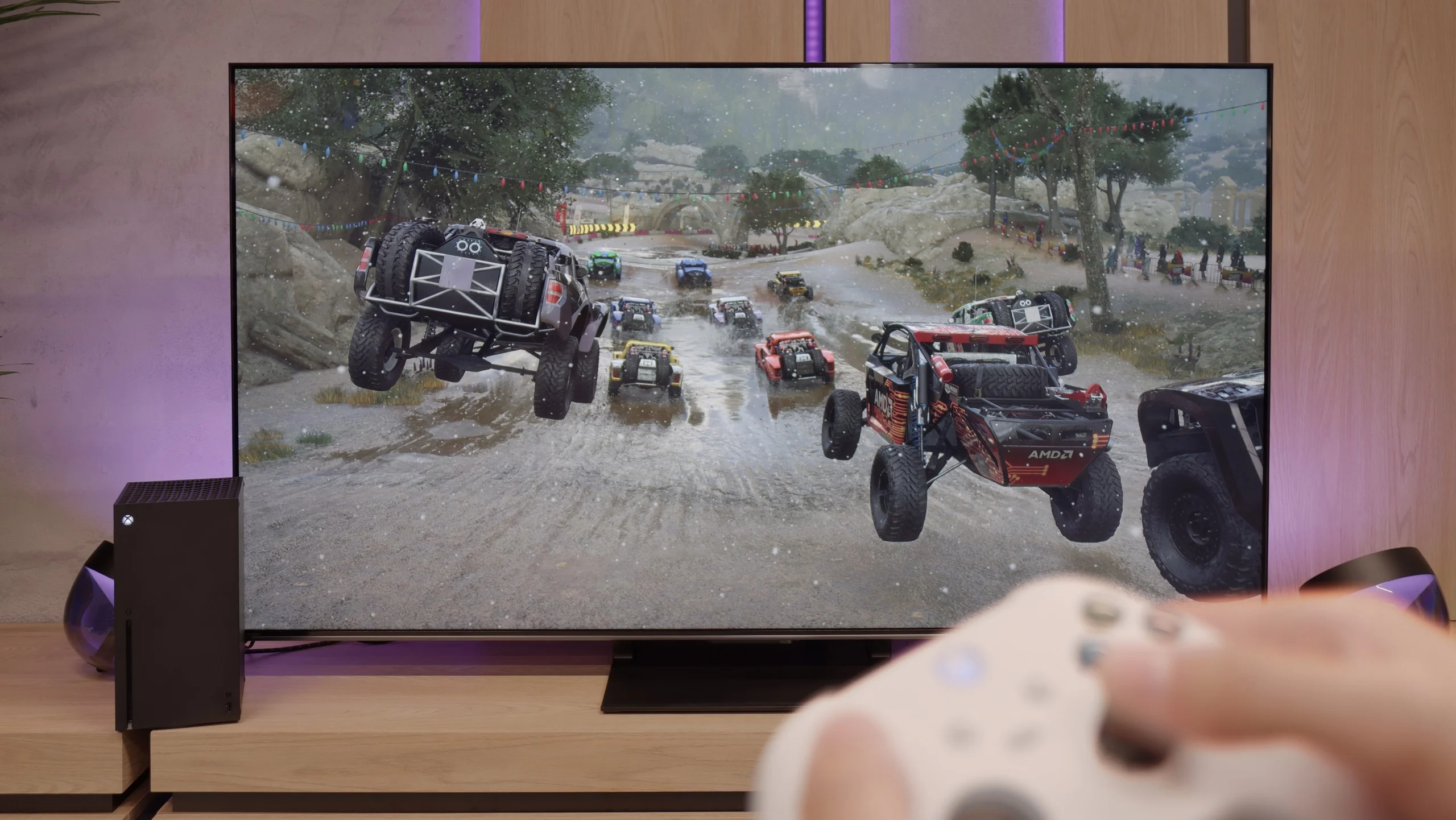
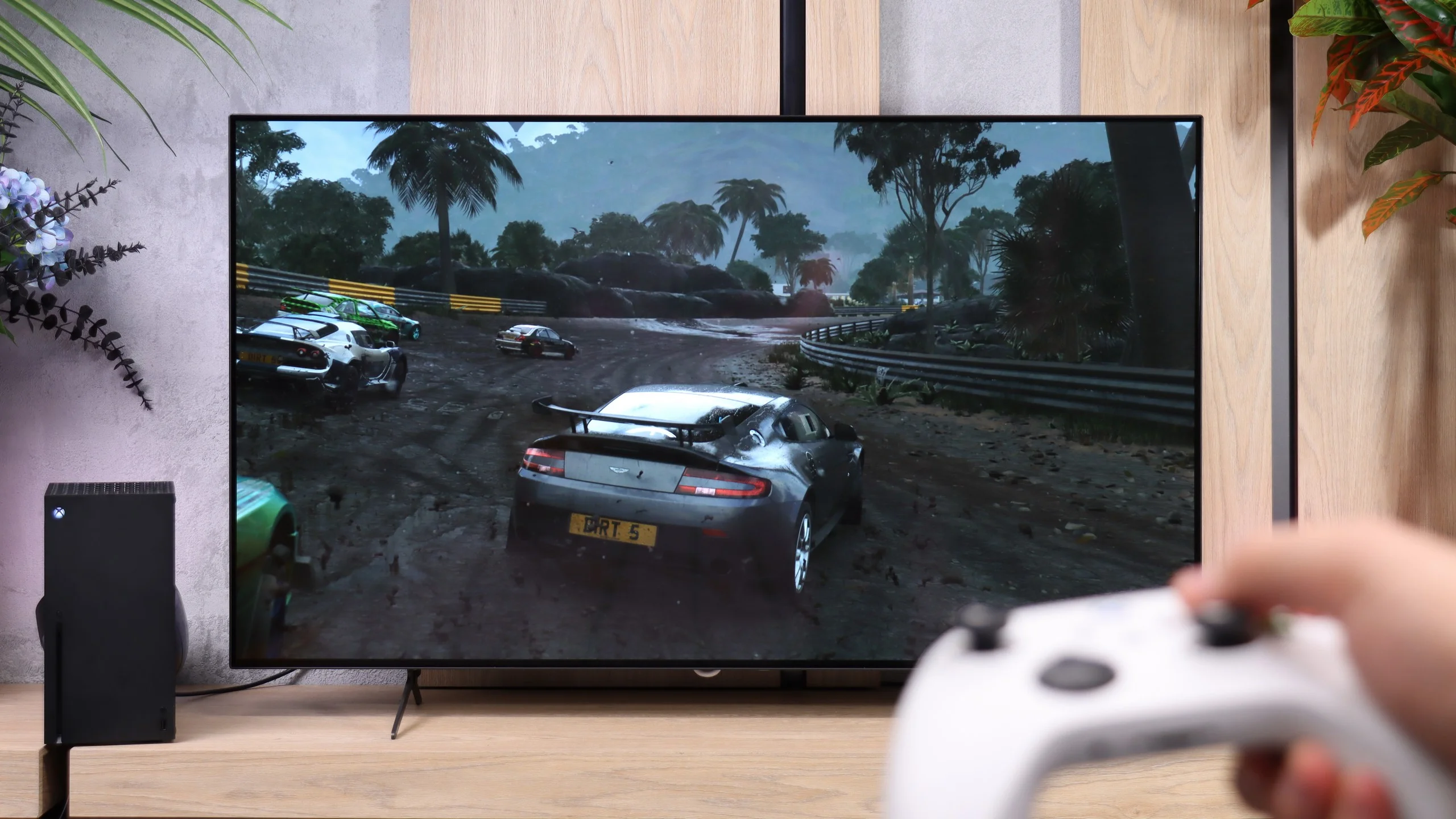
Hisense U7Q PRO is a TV that seems to have been designed with gamers in mind. We have practically everything that can be expected from a gaming screen: variable refresh rate (VRR), automatic mode (ALLM), and as many as four HDMI 2.1b ports with full bandwidth of 48 Gb/s. Additionally, there’s a clear and quite functional Game Bar, as well as a well-implemented Dolby Vision GAMING mode that works seamlessly with Xbox Series S and X consoles.
Sounds like the ideal? Well, almost. Unfortunately, Hisense has still not implemented the HGiG feature, which is the system's tone mapping limitation on the TV's end. This means that when configuring HDR brightness on the console, we do it “by eye” or look for settings in online guides, as the screen does not display its actual brightness range. It’s a shame – because HGiG makes it easier to match the console to the TV and helps avoid overexposed or too dark scenes in HDR games.
Fortunately, the other elements work very well. Input lag is low, responsiveness is excellent, and the handling of other features is faultless. And although not everything worked perfectly, the U7Q PRO can still be confidently recommended to gamers.
Although the OLED761 is Philips' cheapest OLED this year, it's hard to spot any major cutbacks in its gamer-focused features. The TV supports 120 Hz gaming in Full HD and 1440p as well as 4K, so it can make use of the high-frame-rate modes available on consoles. That pairs well with the fast OLED panel, which prevents trailing or smearing behind objects even during fast-paced gameplay. When a console can't keep a steady frame rate, VRR operating between 40 and 120 Hz helps. The image doesn't tear during quick camera pans, and frame-rate fluctuations are less noticeable. Philips has also thought about convenience. When you start a game the TV can automatically switch to a low-latency mode, and the most important settings are available in a handy Game Bar. You can check image parameters there, enable an on-screen crosshair, or brighten shadows if it's hard to spot an enemy in a dark area. The panel itself may not be the flashiest game bar on the market, but it does the job. There's also support for Dolby Vision for gaming and a properly working HGiG, which makes it easier to match the console's HDR settings to the screen's capabilities. So in terms of features alone, the OLED761 offers a lot.
Input lag
9.8/10
9.4/10
SDR
HDR
Dolby Vision
In terms of signal delay, the Hisense U7Q PRO performs exceptionally well. For 120 Hz content, the input lag stays below 10 ms, which translates to a lightning-fast response – the screen almost instantly reacts to our movements, something console and PC gamers will particularly appreciate. With 60 Hz content, the situation looks a bit worse, as the response time doubles – this is natural and applies to virtually all televisions. Nevertheless, it still remains below 20 ms, which can be confidently regarded as a very good result, almost close to perfection – and in practice, it’s hard to feel this during gaming.
Latency on the OLED761 depends not only on refresh rate but also on whether you’re playing in SDR or HDR. SDR performs best — we measured 14 ms at 60 Hz and just 5 ms at 120 Hz, both in Full HD and 4K. Those are excellent results, letting you enjoy quick response to controller inputs even in fast-paced games.
With HDR enabled, latency rises to 31 ms at 60 Hz and 13 ms at 120 Hz. Dolby Vision at 60 Hz gives a similar result of 30 ms. You can still play comfortably, especially in calmer titles, but it’s a shame that turning on HDR brings this drawback.
Compatibility with PC
8.2/10
7.6/10
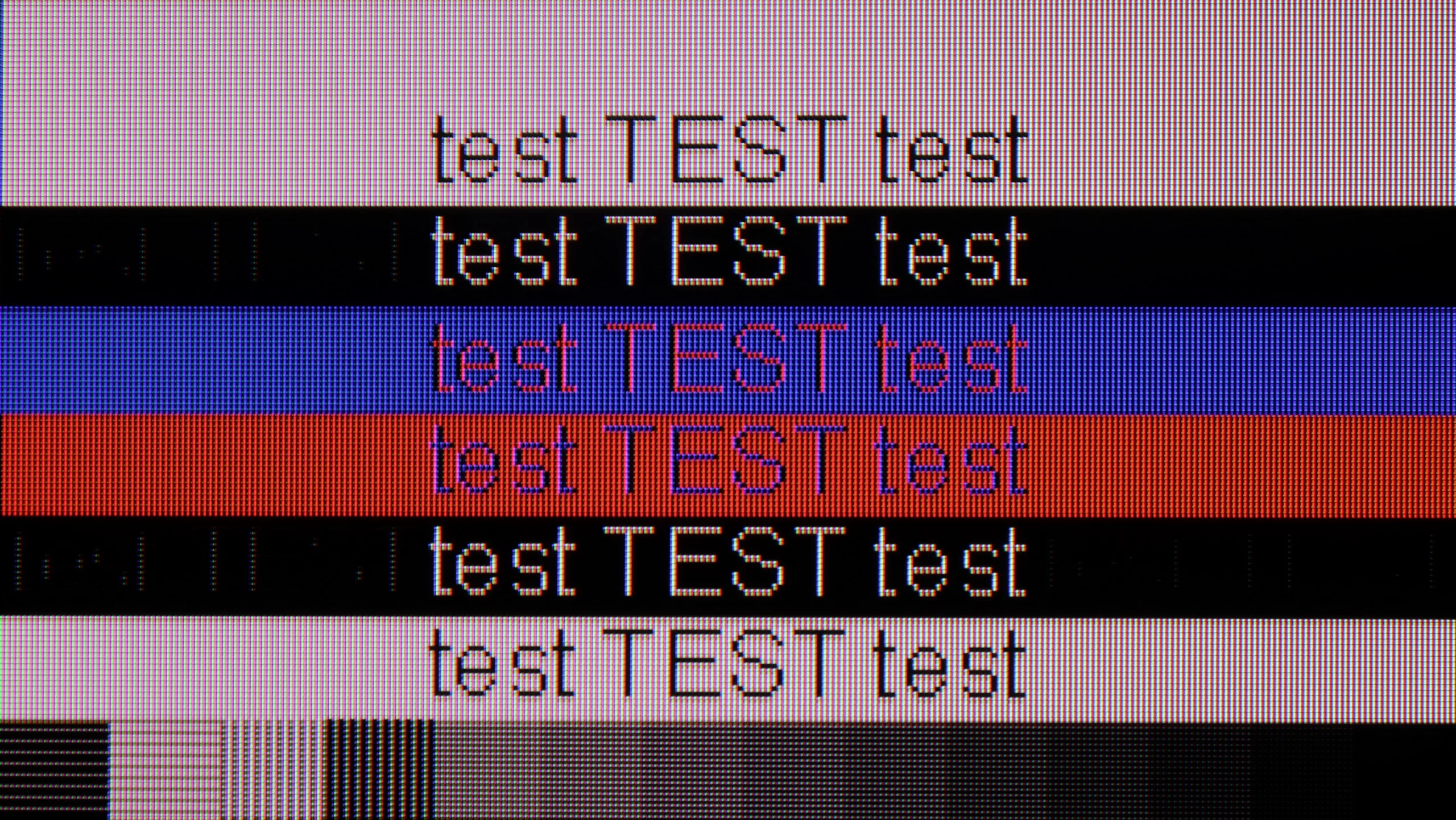
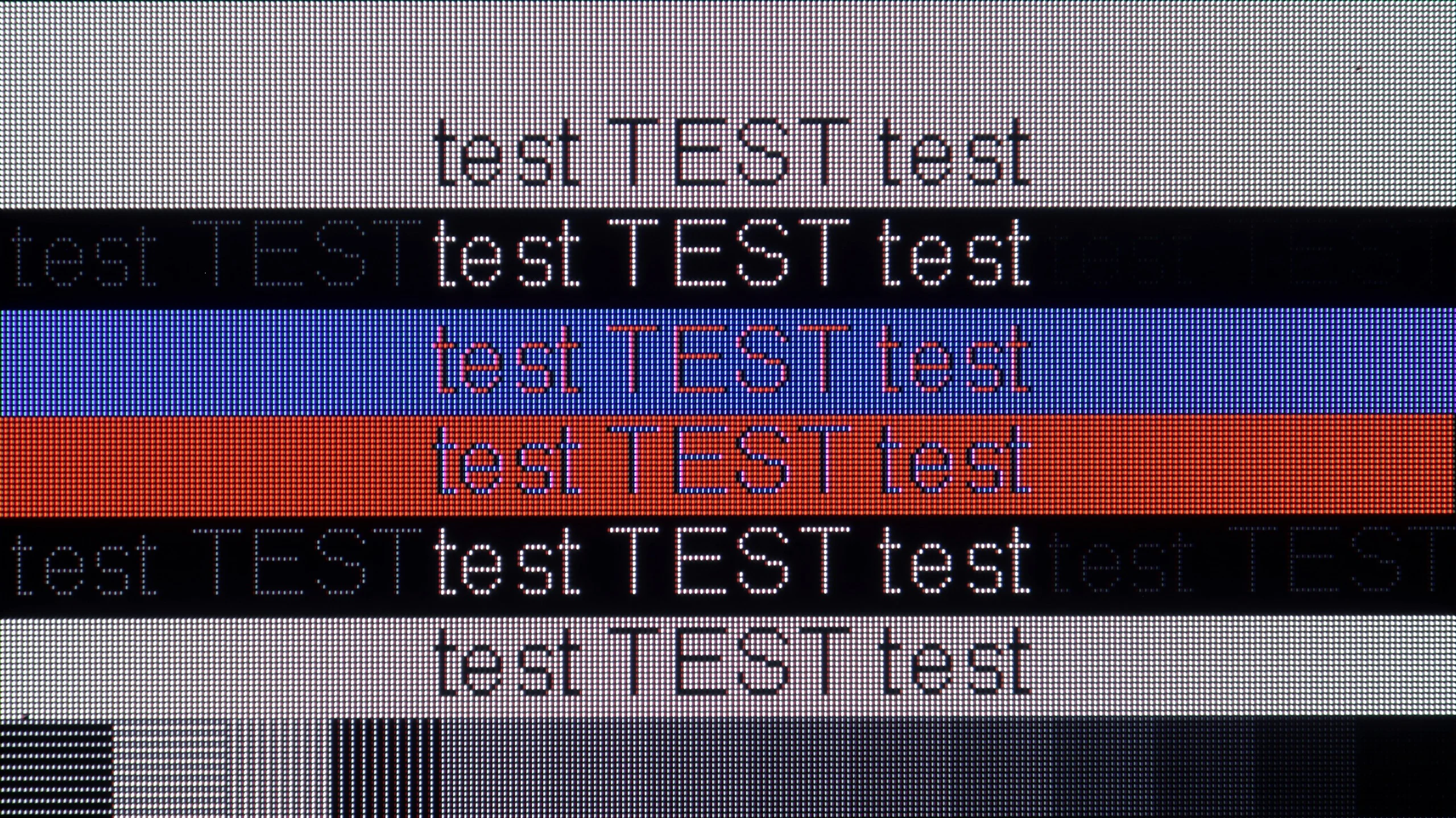
The photo shows the legibility of small fonts. Ideally, lines should be the same thickness on both light and dark text, with minimal pixel gaps.
Playing on a PC with the Hisense U7Q PRO is pure fun. Low input lag, a full 165 Hz in 4K and even 288 Hz in Full HD – these are numbers we wouldn't expect from a TV at this price. In this regard, it's really hard to nitpick. If someone is looking for a large screen for gaming from a PC – the U7Q PRO can confidently serve as a monitor. It performs a bit worse for everyday text work. Although chroma 4:4:4 is present, so theoretically, everything should look good. But in practice, grey text on a dark background looks strange – vertical lines are sharp, but horizontal ones can blur, disappear, or look slightly dimmed. However, it's fair to add that if you use the TV as usual – that is, from a few metres away – you're unlikely to notice this. The issue only becomes apparent when someone places the U7Q PRO on a desk, a metre from their face, and starts working with text or spreadsheets. If you plan to use it in this way – it’s worth keeping this in mind.
Philips OLED761 performs well when connected to a computer. It correctly handles 4:4:4 chroma, so small text is readable and coloured letters retain their sharpness. When viewed up close you can, however, notice faint red fringes on character edges. These come from the RGWB subpixel arrangement used in the WOLED panel, which typical font smoothing methods aren’t tuned for. While browsing the web this may not be bothersome, but if the TV is to be used mainly for working with text, it’s worth taking into account.
In games the OLED761 feels much better. The panel’s fast response and support for G-Sync and FreeSync let you enjoy smooth motion without troublesome smearing or frame tearing. At 4K and 120 Hz in SDR we measured just 5 ms input lag, so control is very responsive. Bear in mind that input lag increases when HDR is enabled, as noted earlier. The main limitation is the refresh rate being capped at 120 Hz. The OLED761, like other tested models with the WOLED SE panel, doesn’t offer an extra 144 Hz mode or higher refresh rates at reduced resolution. For most people that won’t be a serious issue, since 120 Hz already delivers very good fluidity. Only gamers with a powerful PC aiming for the highest possible frame counts might feel slightly short-changed.
Viewing angles
3/10
7.5/10
In this regard, the U7Q PRO performs averagely. The television is equipped with a VA panel, which is not known for its wide viewing angles. When you start looking at the screen at an angle, the image clearly loses brightness and the colours start to fade. This is a completely normal phenomenon in VA panels without additional coatings to widen the angles – so if you plan to watch from the side or with a larger group, it's worth keeping this in mind. On the other hand, head-on – the image looks great, with deep blacks and very good contrast, much better than on IPS/ADS panels.
When it comes to OLED performance, the OLED761 looks very good. You can sit off to the side and still watch an image with deep blacks and well-saturated colours, without the noticeable degradation associated with VA panels. That's one of the advantages of OLED that’s easy to appreciate when watching with others: you don't have to sit in the middle of the sofa for a film to look as it should. Only QD-OLED panels remain better in that respect.
Daytime performance
6.2/10
4.5/10
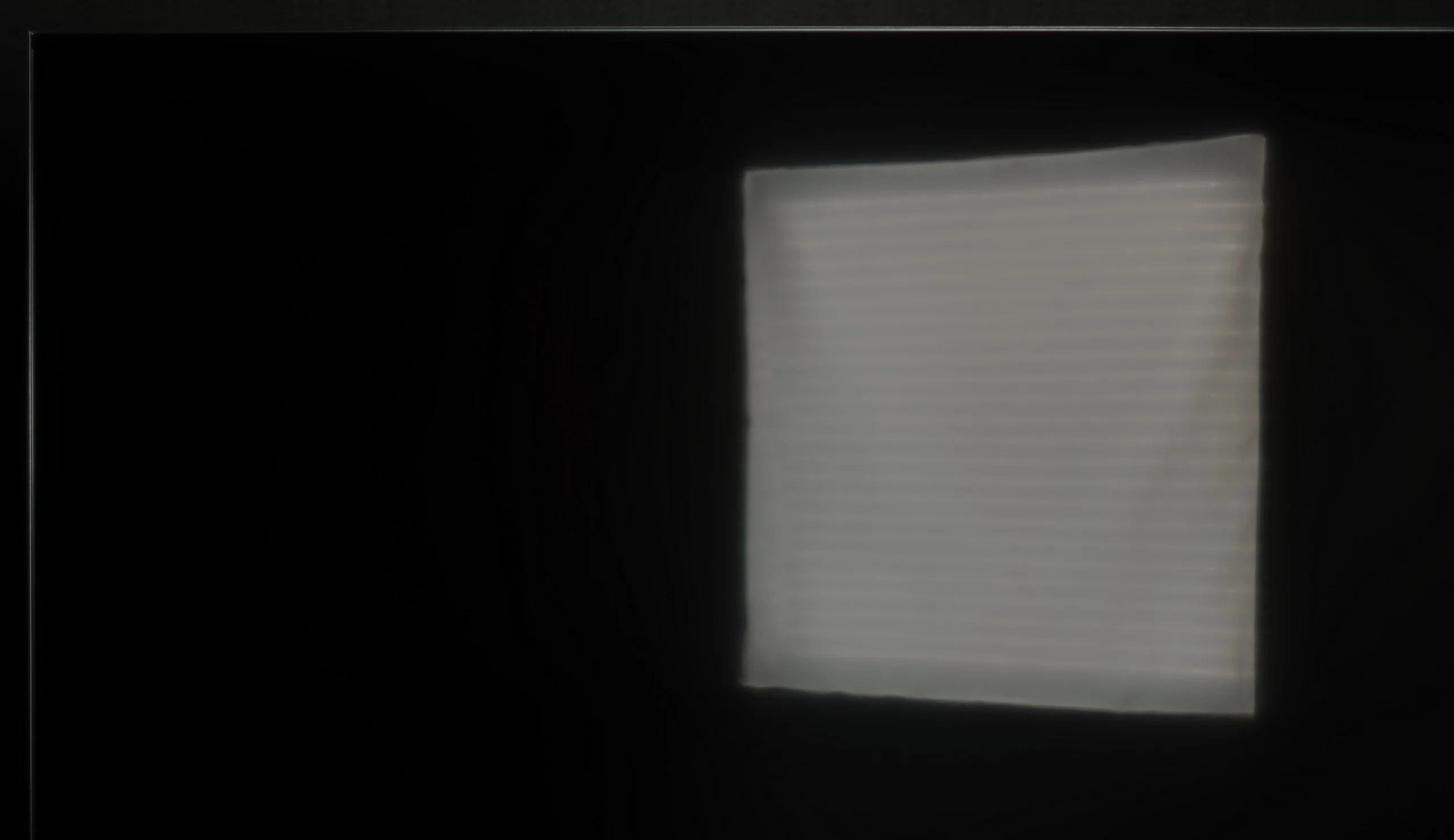
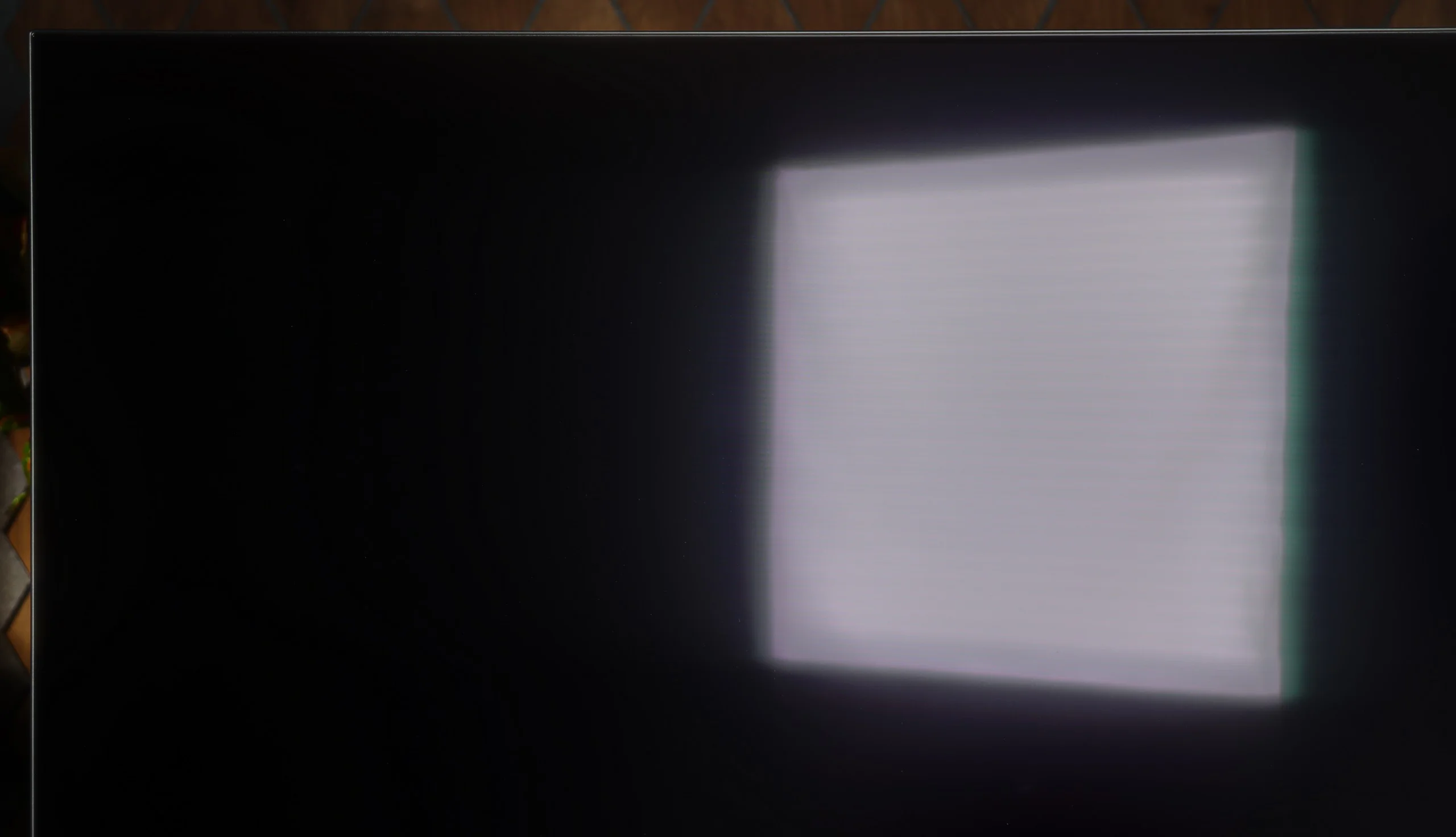
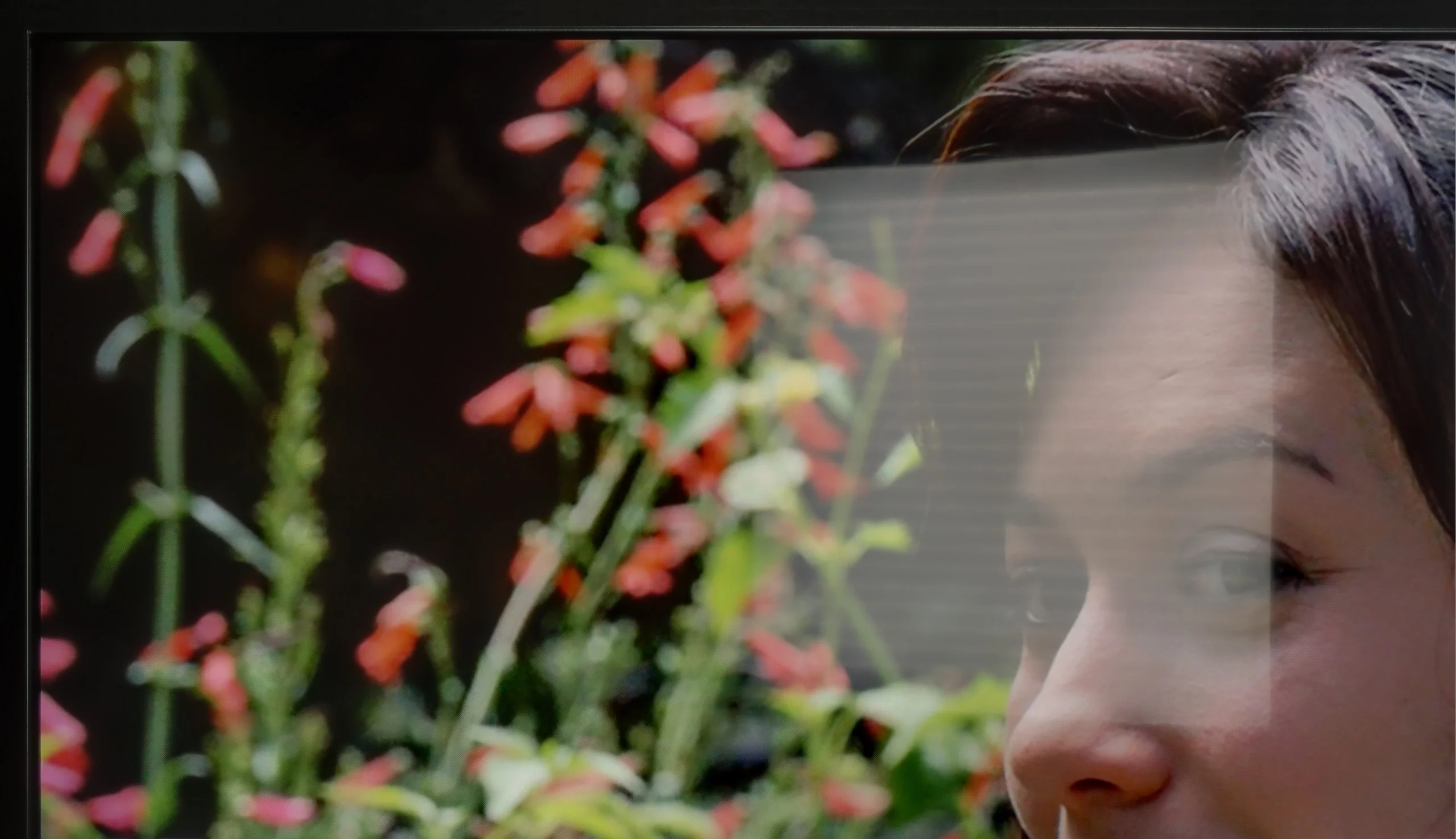
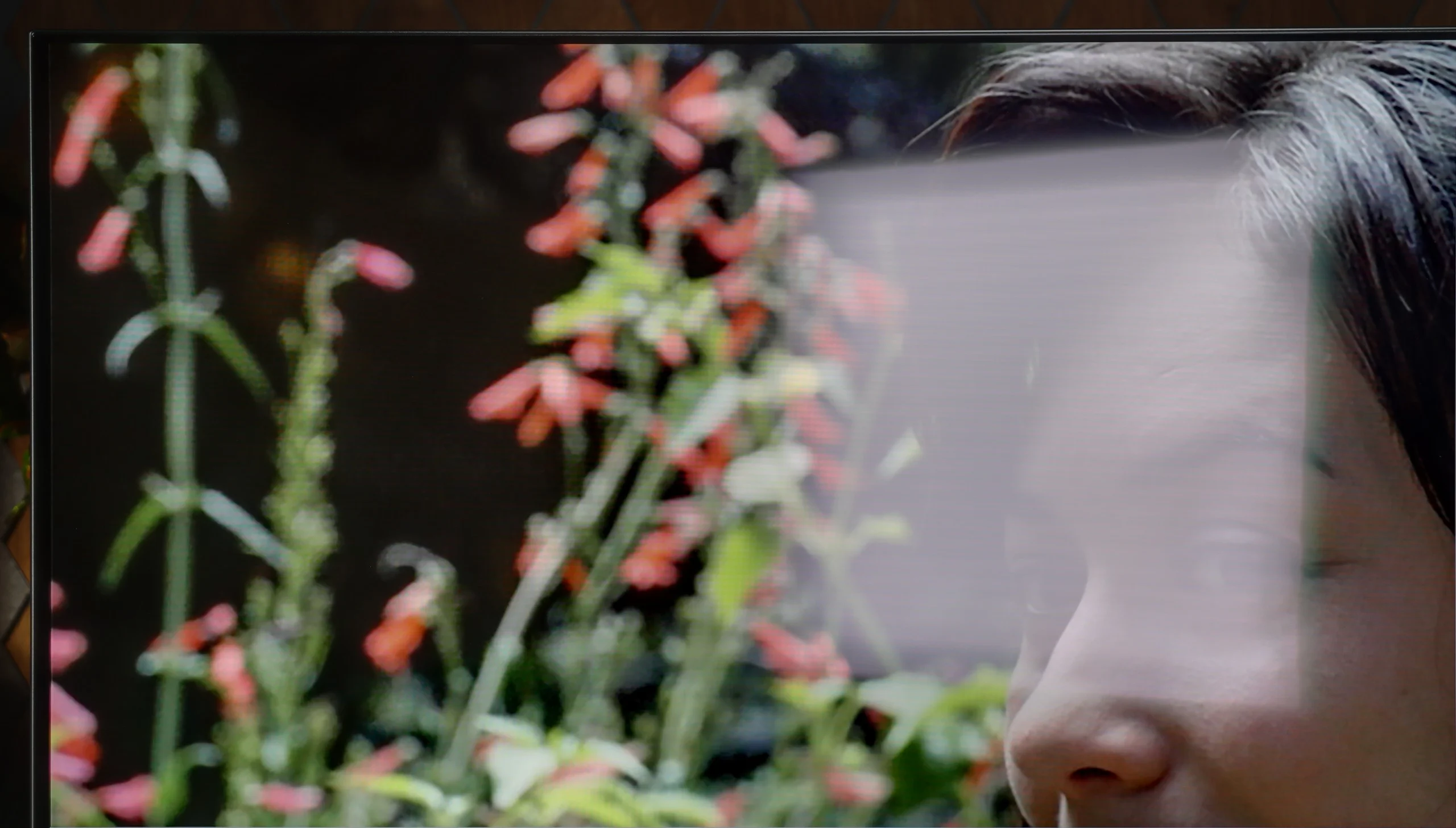
Panel brightness
Philips OLED761: 284 cd/m2
Hisense U7Q PRO: 472 cd/m2
As we mentioned earlier – the U7Q PRO is a really bright TV, especially when it comes to HDR content. For SDR materials, the TV dims a bit, but an average brightness level of around 500 nits is still a very solid result. This means you can easily watch TV or movies even in quite a bright room. Only under very extreme lighting – like direct strong sunlight on the screen – can visibility suffer a bit. Fortunately, Hisense has applied a satin anti-reflective coating that effectively reduces reflections, and the blacks maintain their depth even during the day. This makes a difference and allows for comfortable use of the TV in various lighting conditions.
Philips OLED761 is not the best choice for a very bright living room. Average brightness in SDR is about 280 nits, so it performs a little worse even than rivals using the same panel. In a strongly sunlit room the image simply lacks the punch to remain clearly visible, especially when watching darker scenes. In such conditions you may need to cover the windows.
It also doesn’t help how the WOLED SE panel’s satin finish handles direct reflections. A window or lamp opposite the screen is fairly clearly visible, and around their reflections you get noticeable doubling and coloured fringing. On the plus side, blacks still look good in a lit room, but at low TV brightness the reflections can be distracting. The OLED761 therefore works best where you can block out the windows and prevent strong light from reflecting straight onto the screen.
Panel details
Subpixel Structure:
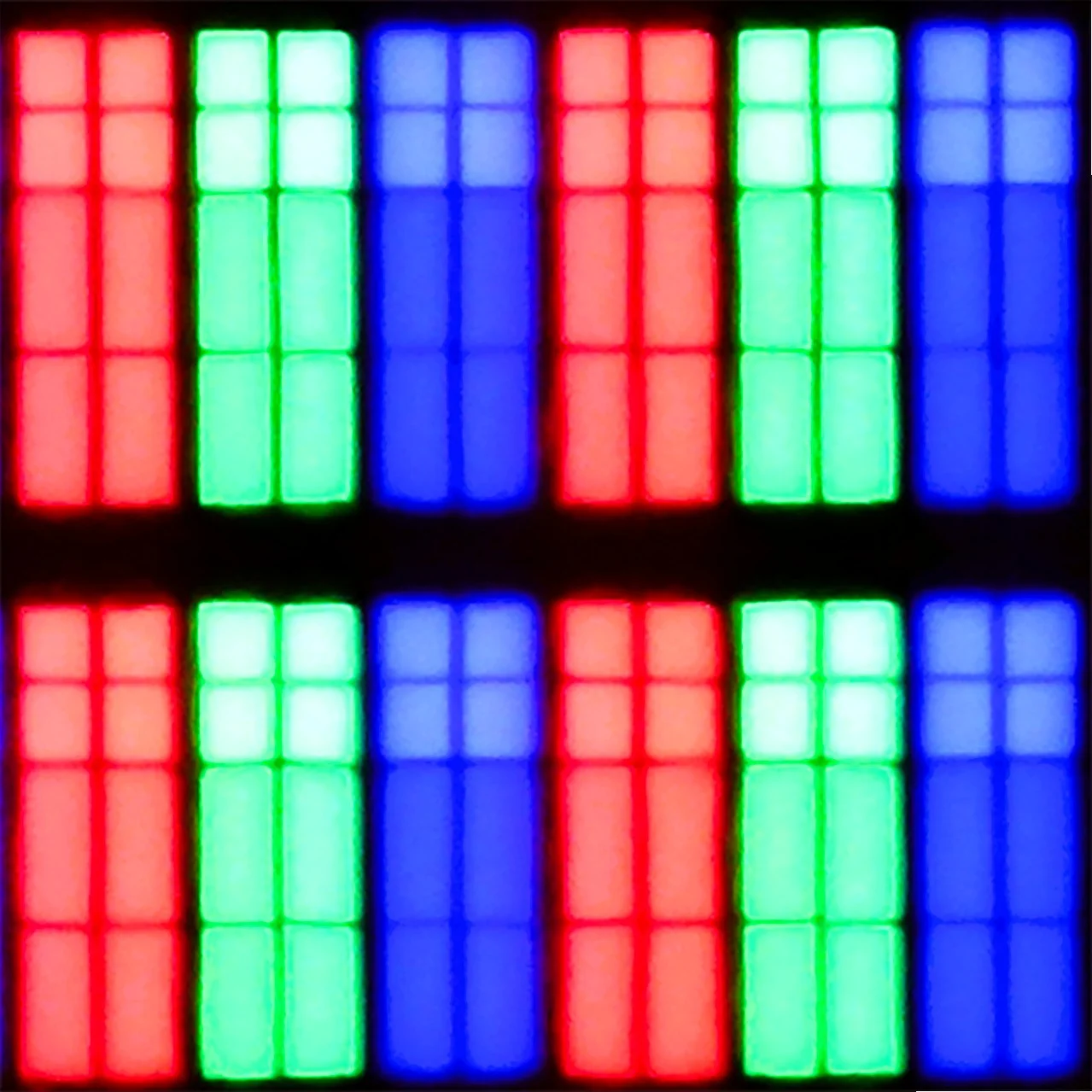
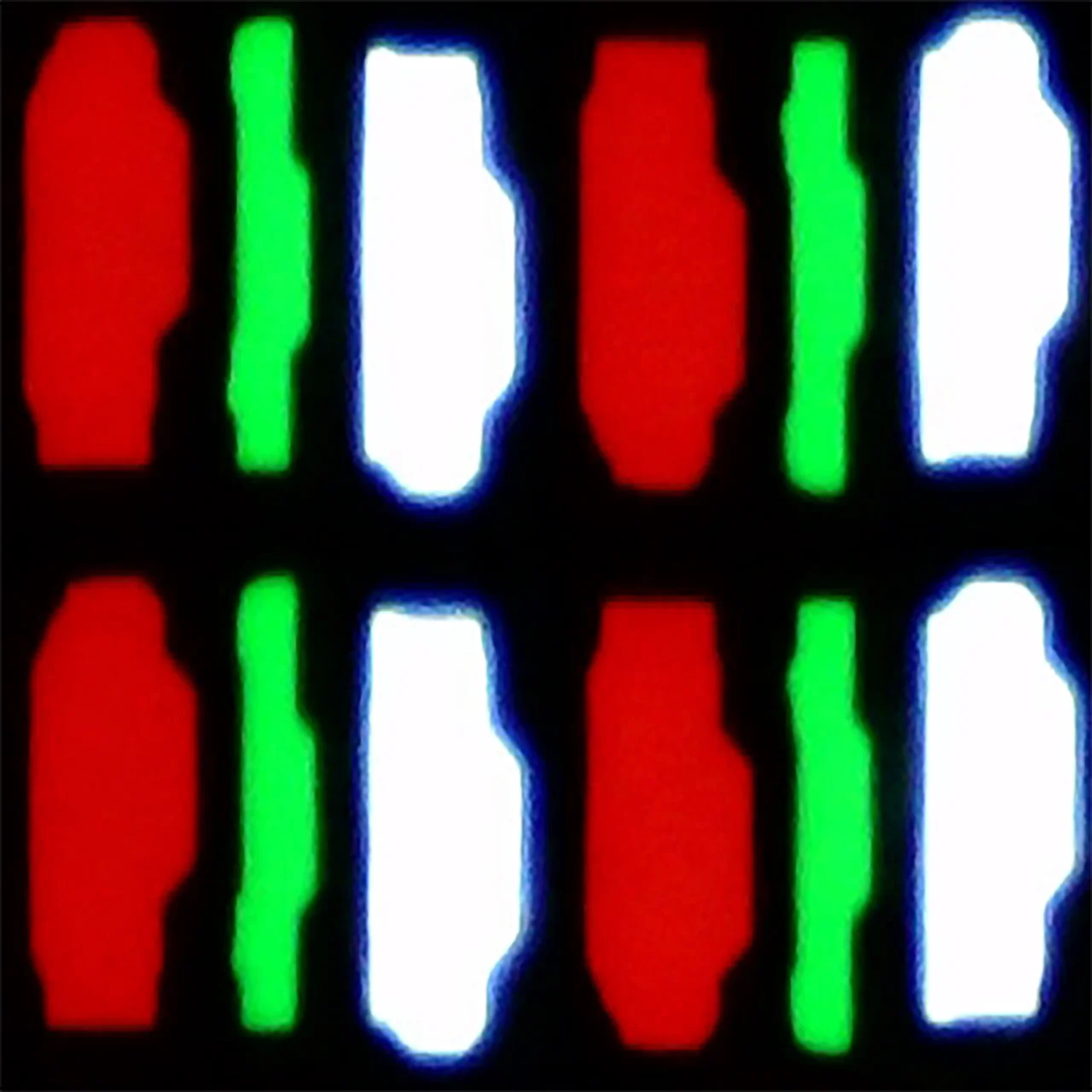
Panel uniformity and thermal imaging:


Hisense U7Q PRO
Philips OLED761
TV features
9.4/10
7.9/10
- SystemVIDAATitan OS
- System performanceGoodGood
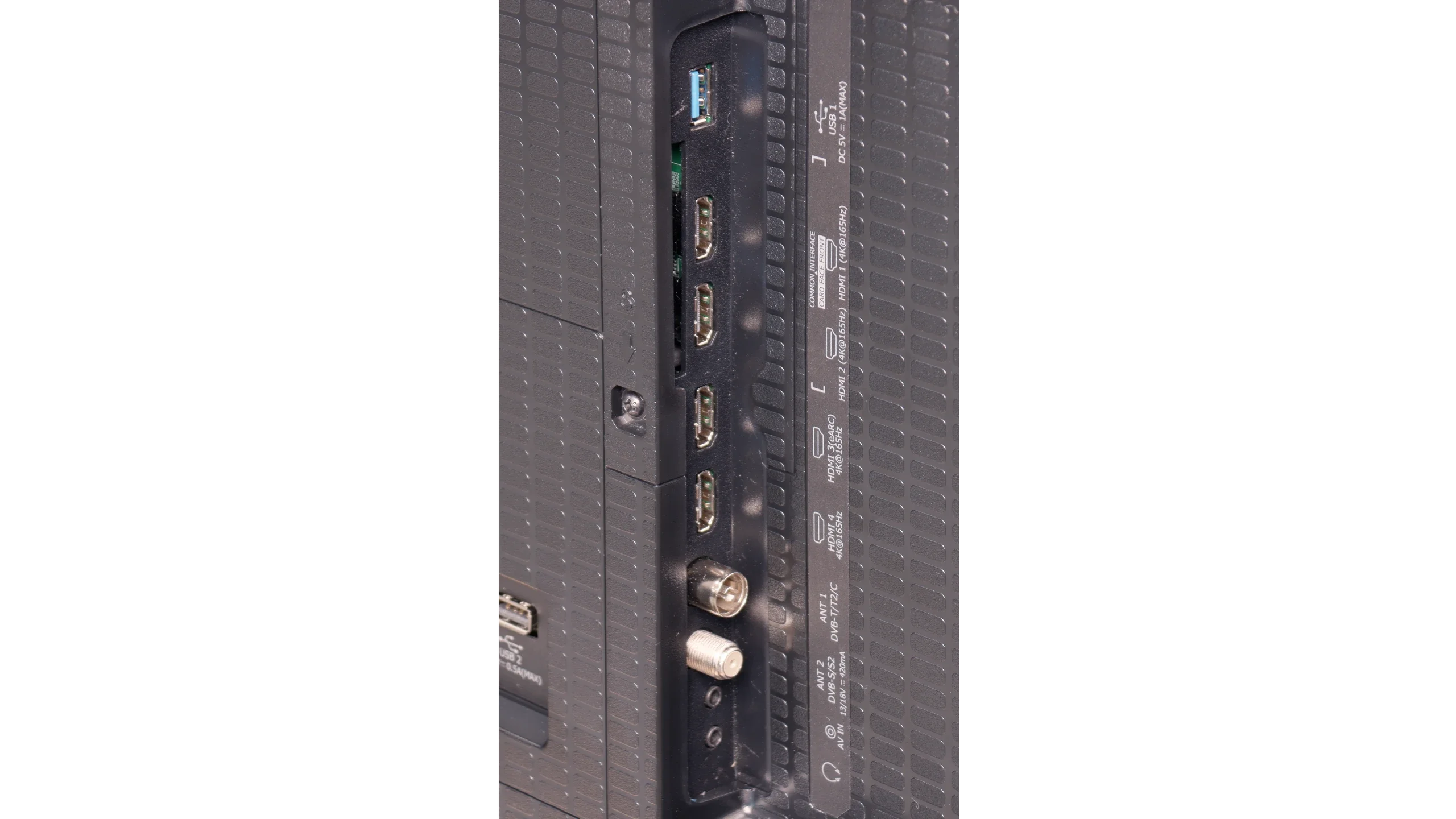
- HDMI inputs0 x HDMI 2.0, 4 x HDMI 2.1 48Gbps0 x HDMI 2.0, 4 x HDMI 2.1 48Gbps
- Other inputsRCA (Chinch)
- OutputsToslink (Optical audio), eARC (HDMI), ARC (HDMI), Mini-Jack (Headphones)Toslink (Optical audio), eARC (HDMI), ARC (HDMI), Mini-Jack (Headphones)
- Network InterfacesWi-Fi 2.4GHz, Wi-Fi 5GHz, Ethernet (LAN) 100MbpsWi-Fi 2.4GHz, Wi-Fi 5GHz, Ethernet (LAN) 100Mbps
- TV receptionDVB-T, DVB-T2, DVB-S, DVB-S2, DVB-CDVB-T, DVB-T2, DVB-S, DVB-S2, DVB-C
Classic features:
- Recording to USB (terrestrial TV)
- Recording programming
- Picture in Picture (PiP)
- RF remote control (no need to aim)
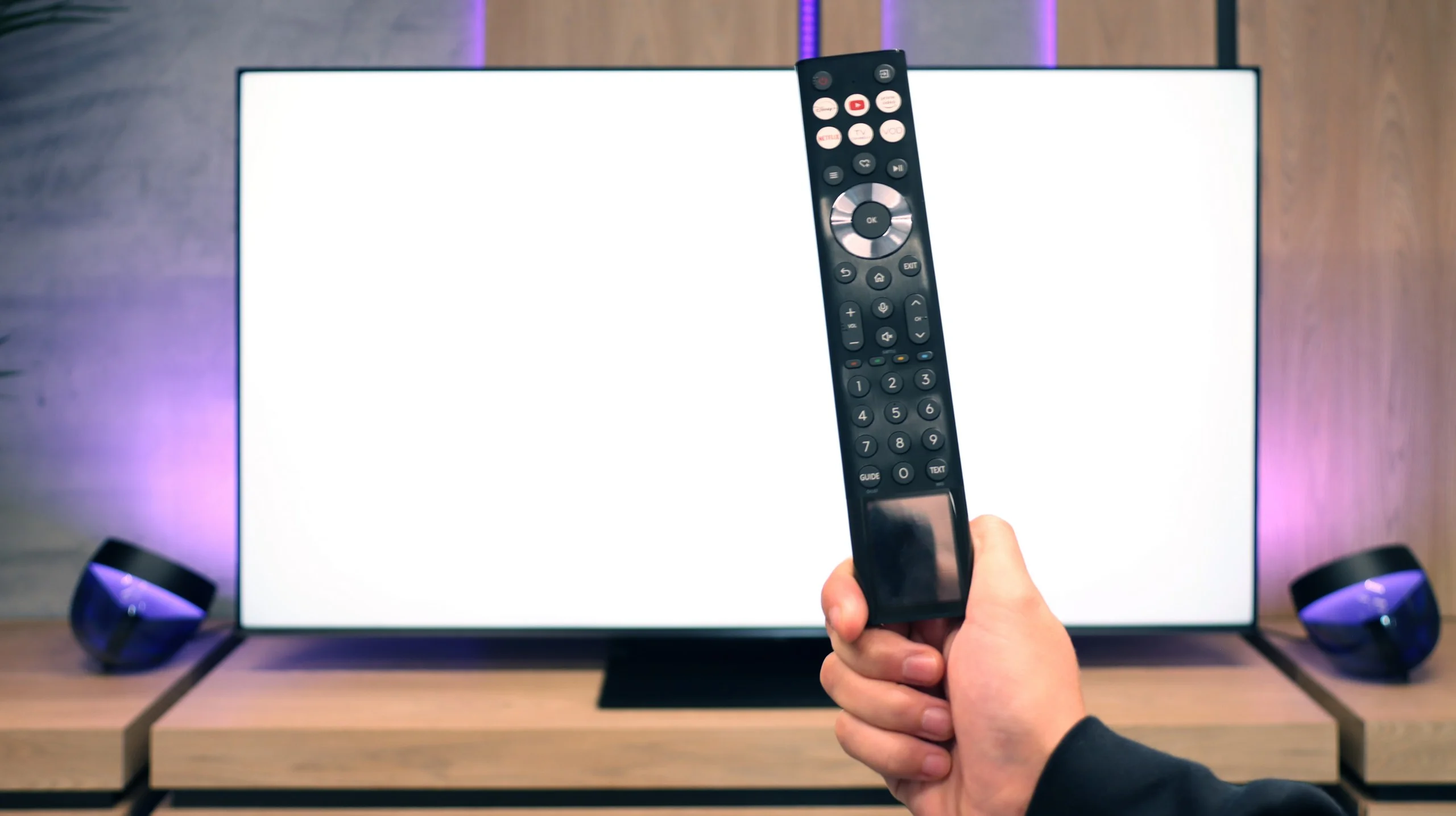
- Backlit remote control
- Teletext
- Audio only mode
- Bluetooth headphones support
- Simultaneous Bluetooth headphones & TV audio
Smart features:
- AirPlay
- Screen mirroring (Windows Miracast)
- Voice search
- Voice search in native language
- Ability to connect a keyboard and mouse
Sound connection options
- HDMI audioeARC (HDMI), ARC (HDMI)eARC (HDMI), ARC (HDMI)
- Other audio outputsToslink (Optical audio), Mini-Jack (Headphones)Toslink (Optical audio), Mini-Jack (Headphones)
- Wireless audioBluetoothBluetooth
Supported audio formats (external HDMI eARC audio):
- Dolby Digital Plus 7.1
- Dolby True HD 7.1
- Dolby Atmos in Dolby Digital Plus (JOC)
- Dolby Atmos in Dolby True HD
- DTS:X in DTS-HD MA
- DTS-HD Master Audio
Senior accessibility
- Numeric keyboard on TV
- Font size adjustment
- Audio description
Classic features of U7Q PRO
If you plan to use the television in a more "classic" way, that is, for watching daily programs or connecting headphones, the Hisense U7Q PRO has almost everything you could expect. The television easily supports recording to USB, you can connect headphones via Bluetooth, and the remote control is backlit, which is still not standard even in more expensive models. While many people today are foregoing these classic features in favour of streaming apps, it's good to know that the U7Q PRO still does this well and without compromises (aside from the lack of PiP functionality).
SmartTV System: Vidaa
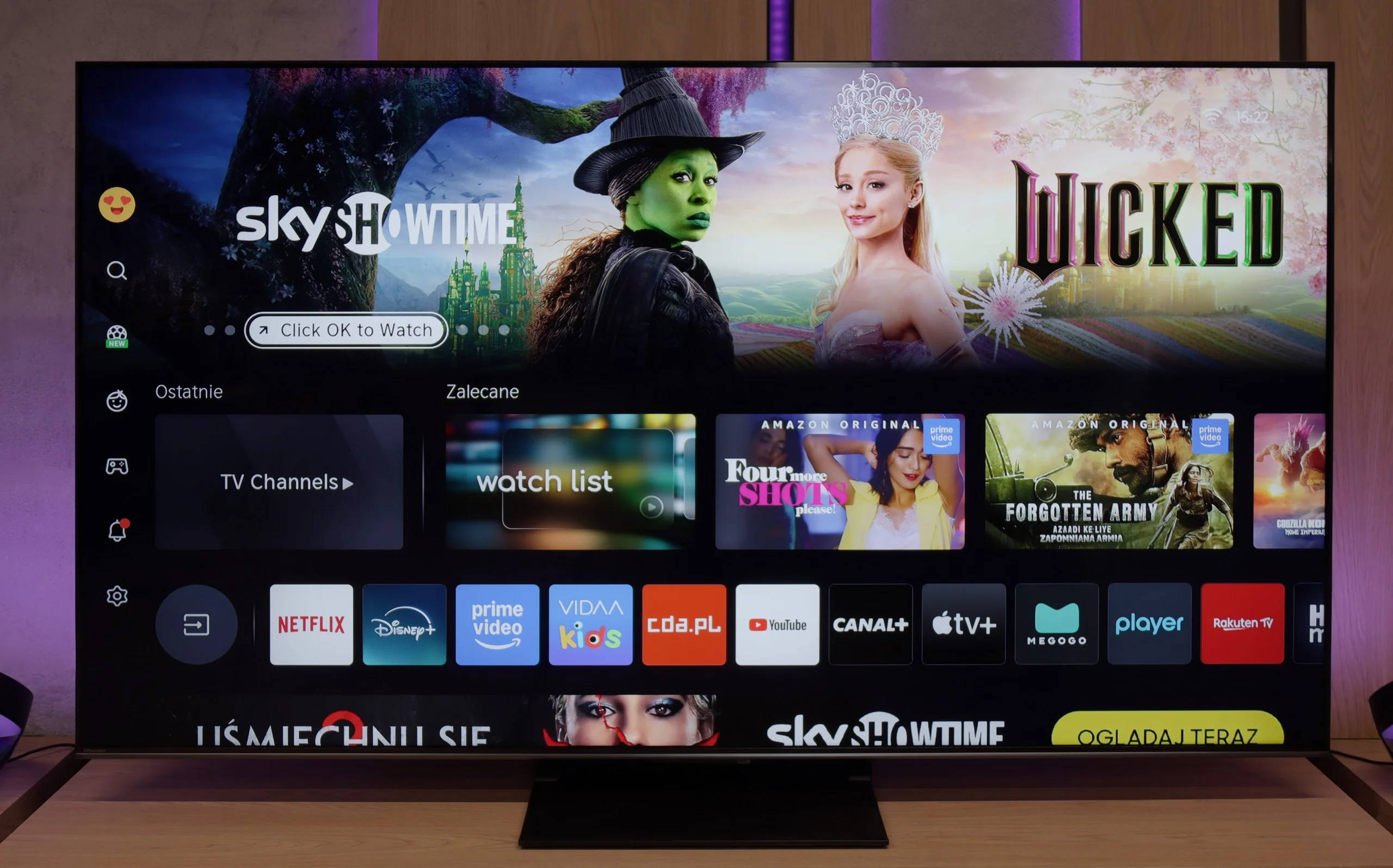
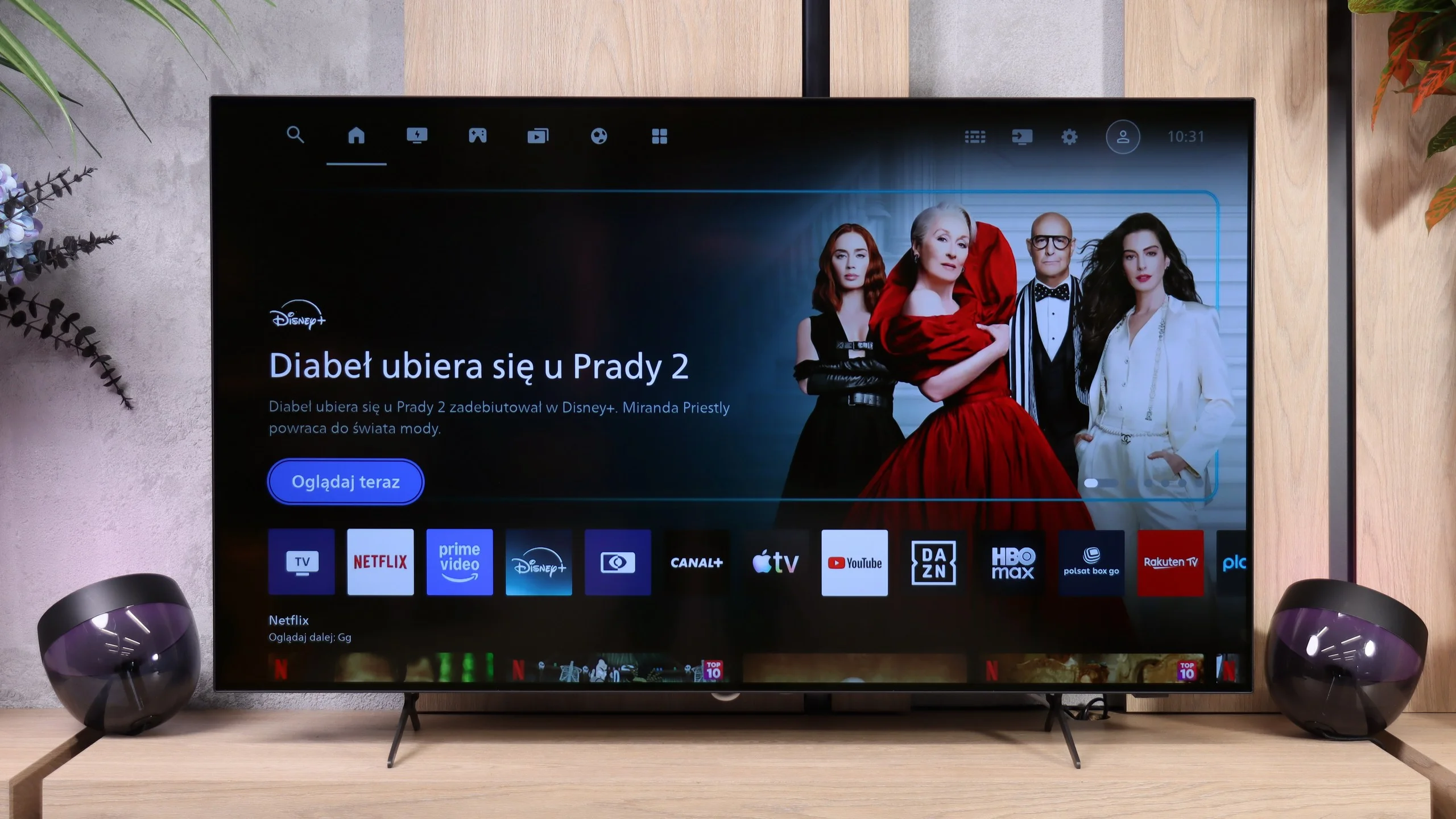
When it comes to smart features, in Europe this model runs on the VIDAA system. The system operates smoothly, has a built-in web browser, supports voice control (also in Polish), and includes AirPlay, which will please users of Apple devices. However, it should be noted that VIDAA is a closed system, so you won't find all the popular apps that we've become accustomed to with Android TV or Google TV. Before purchasing, it's worth checking whether the apps you actually use are available.
Titan OS
In the OLED761, instead of Google TV you'll find Titan OS, which has been appearing more and more often in Philips TVs for several years. Over that time the system has clearly matured. It responds faster to commands, navigates the menu more smoothly, and functions that used to cause problems are finally starting to work as they should. You can see progress in everyday use, and that deserves praise. It's still not at the level of refinement and features of webOS or Tizen, and there's still a considerable gap compared with the freedom and app selection offered by Google TV, but Titan OS is definitely heading in the right direction.
Practical features and ports
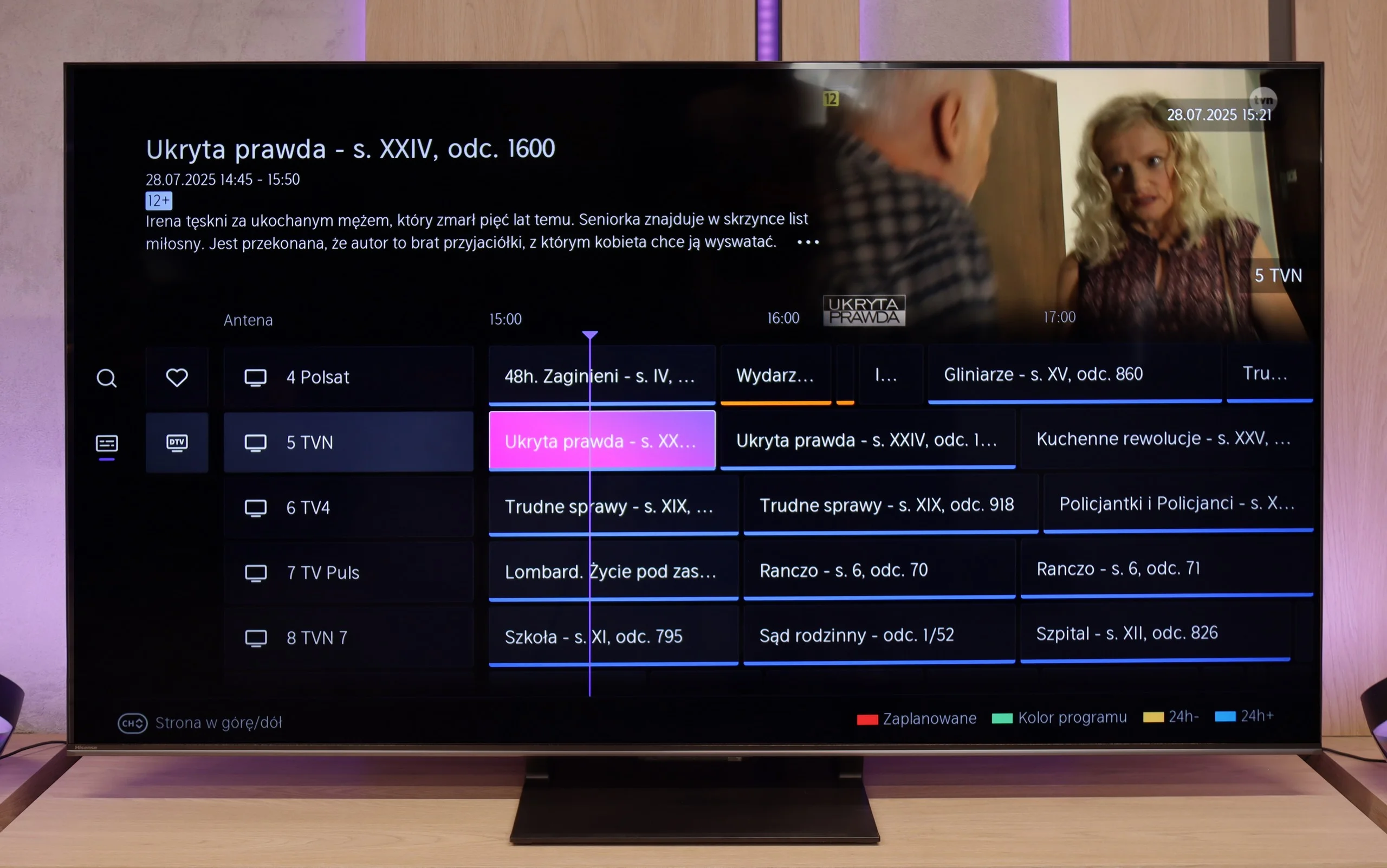
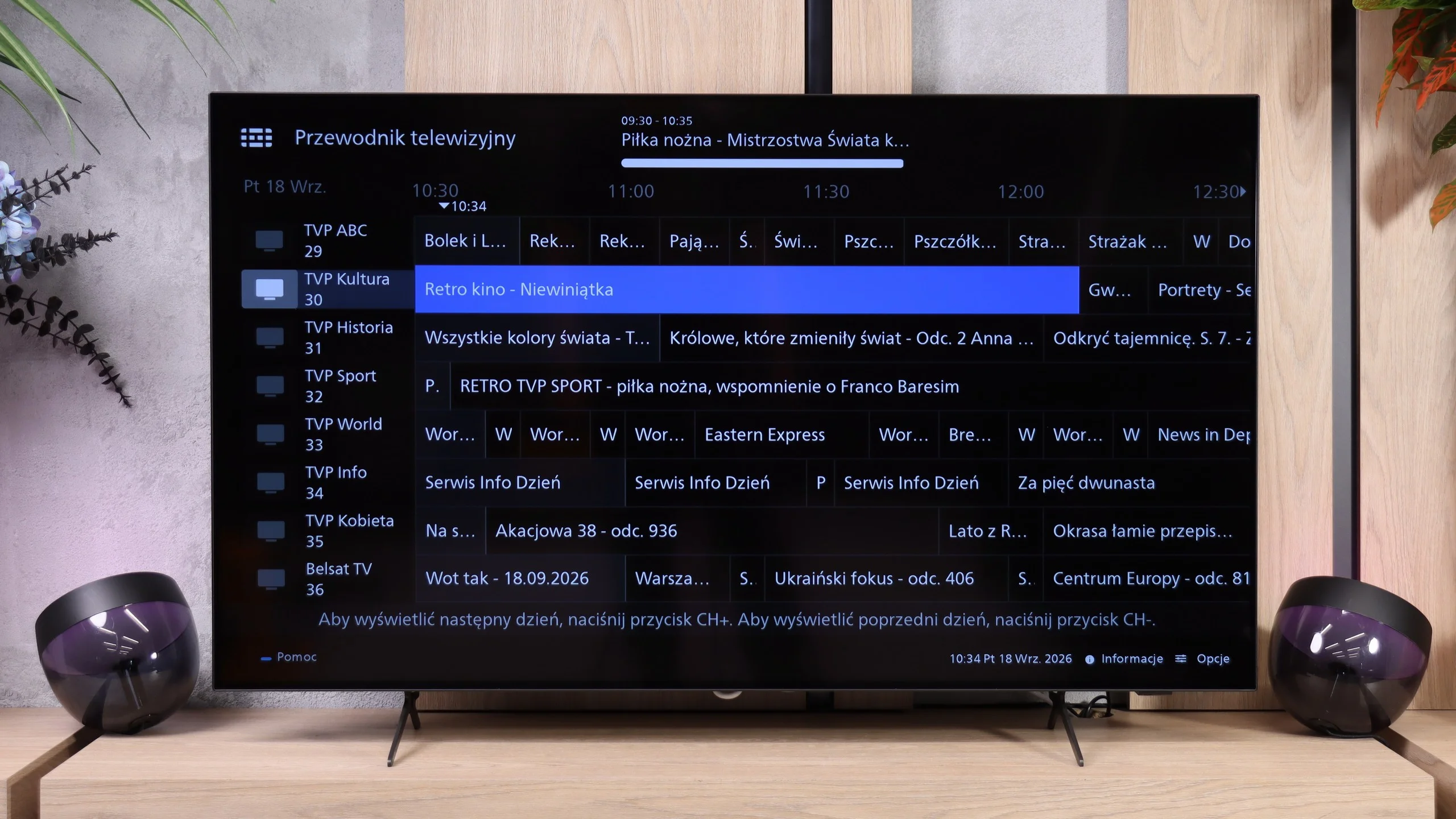
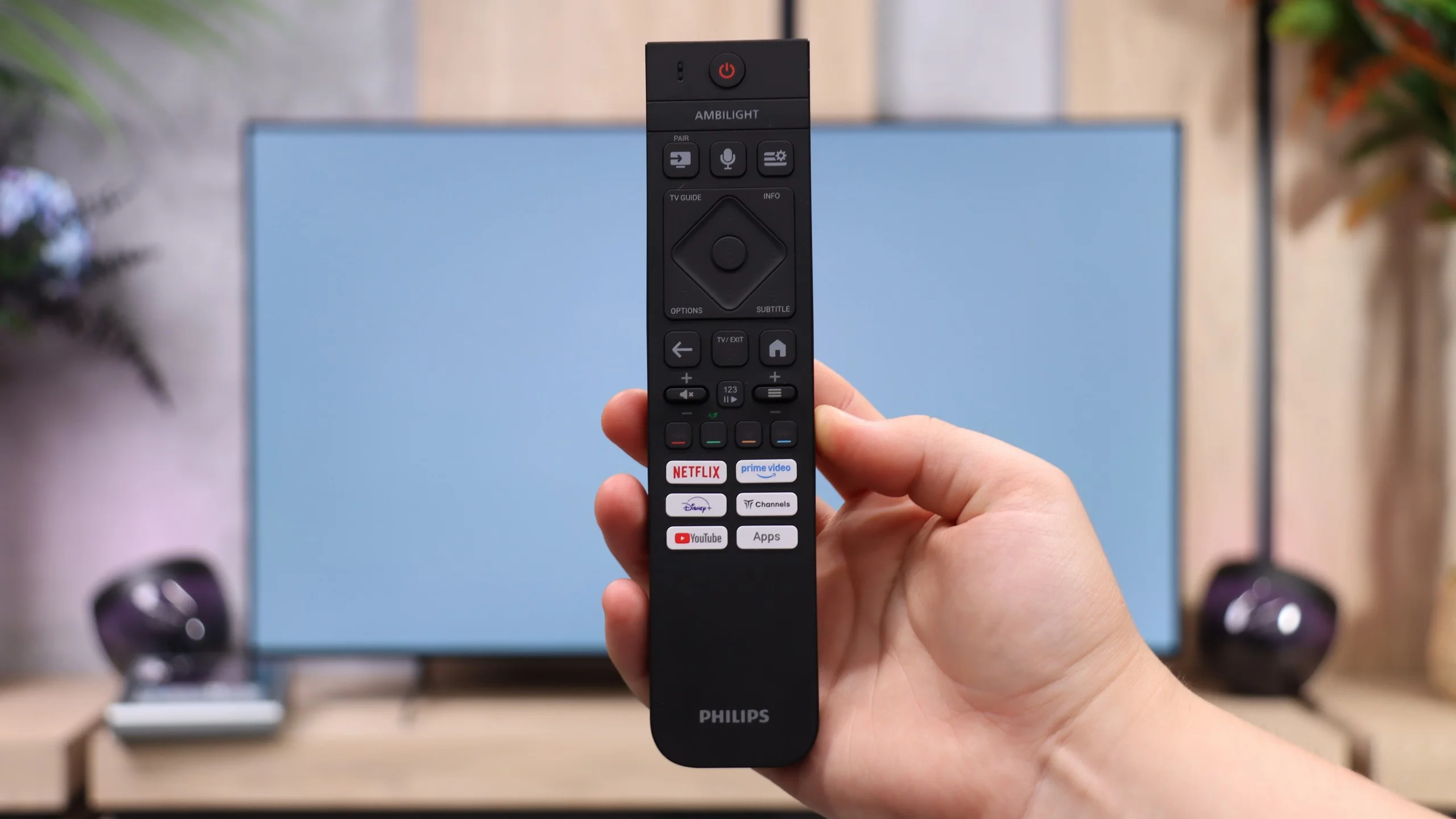
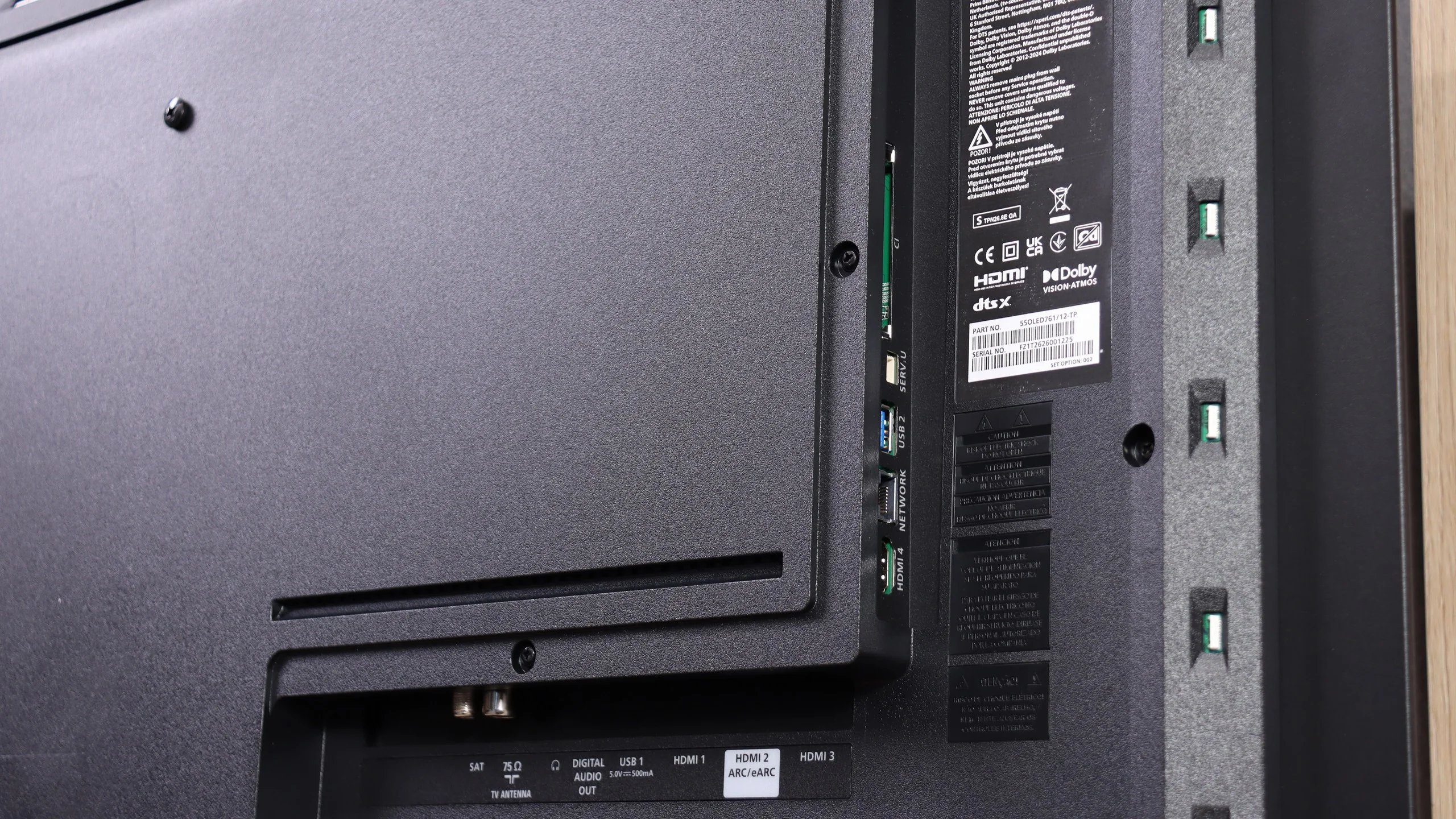
When watching regular broadcasts you get the basic conveniences, including teletext and a remote with a numeric keypad. The buttons are backlit, which is very handy in the evening, but it's hard to understand why Philips stubbornly sticks to infrared for the remote. Having to point the remote at the TV can be simply inconvenient (the only function that operates wirelessly is voice control). There's also no USB recording or picture-in-picture. On the plus side, the port layout is commendable: all four HDMI inputs support the 2.1 standard at 48 Gbps, so with a soundbar connected via eARC you still have three ports left to take full advantage of gaming consoles and a PC. You don't have to worry about which device to connect at the cost of high refresh rates. There's even an analogue mini-jack output, increasingly rare on new TVs but still useful for wired headphones or older audio kit.
Ambilight
The most distinctive extra is, of course, Ambilight, for which Philips gets extra points from us. Lighting the wall with colours from the screen can add a lot of atmosphere to films and games, but it's also useful for relaxed evening viewing. The subtle glow means the bright screen isn't the only light source in a completely dark room, which can improve viewing comfort. It's worth setting its intensity to suit the room rather than cranking it up to maximum straight away. For people who enjoy that kind of viewing, Ambilight can be one of the stronger reasons to choose the OLED761.
Apps
7.7/10
7.7/10






















Playing files from USB
8.2/10
8.6/10
Supported photo formats:
Maximum photo resolution:
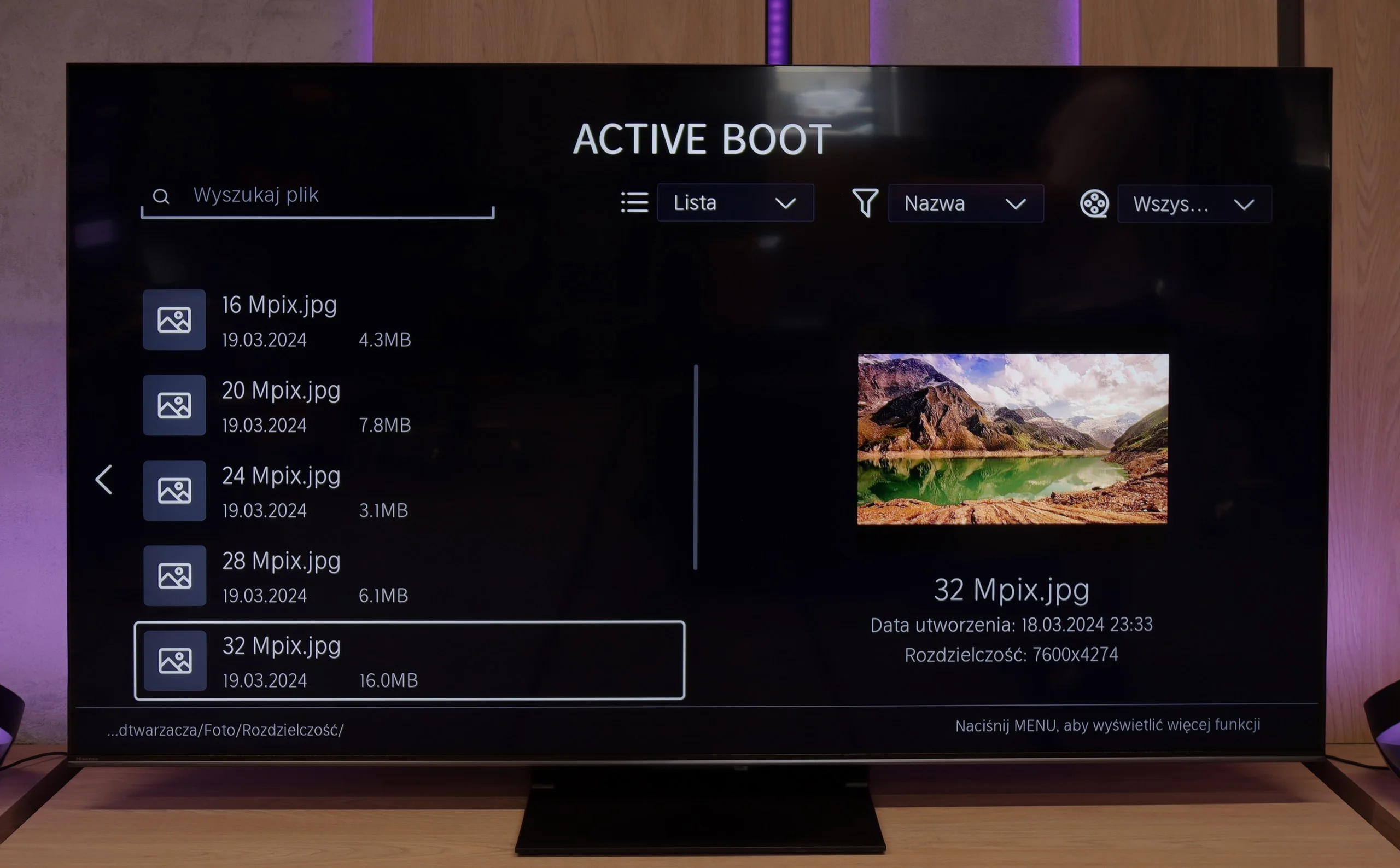
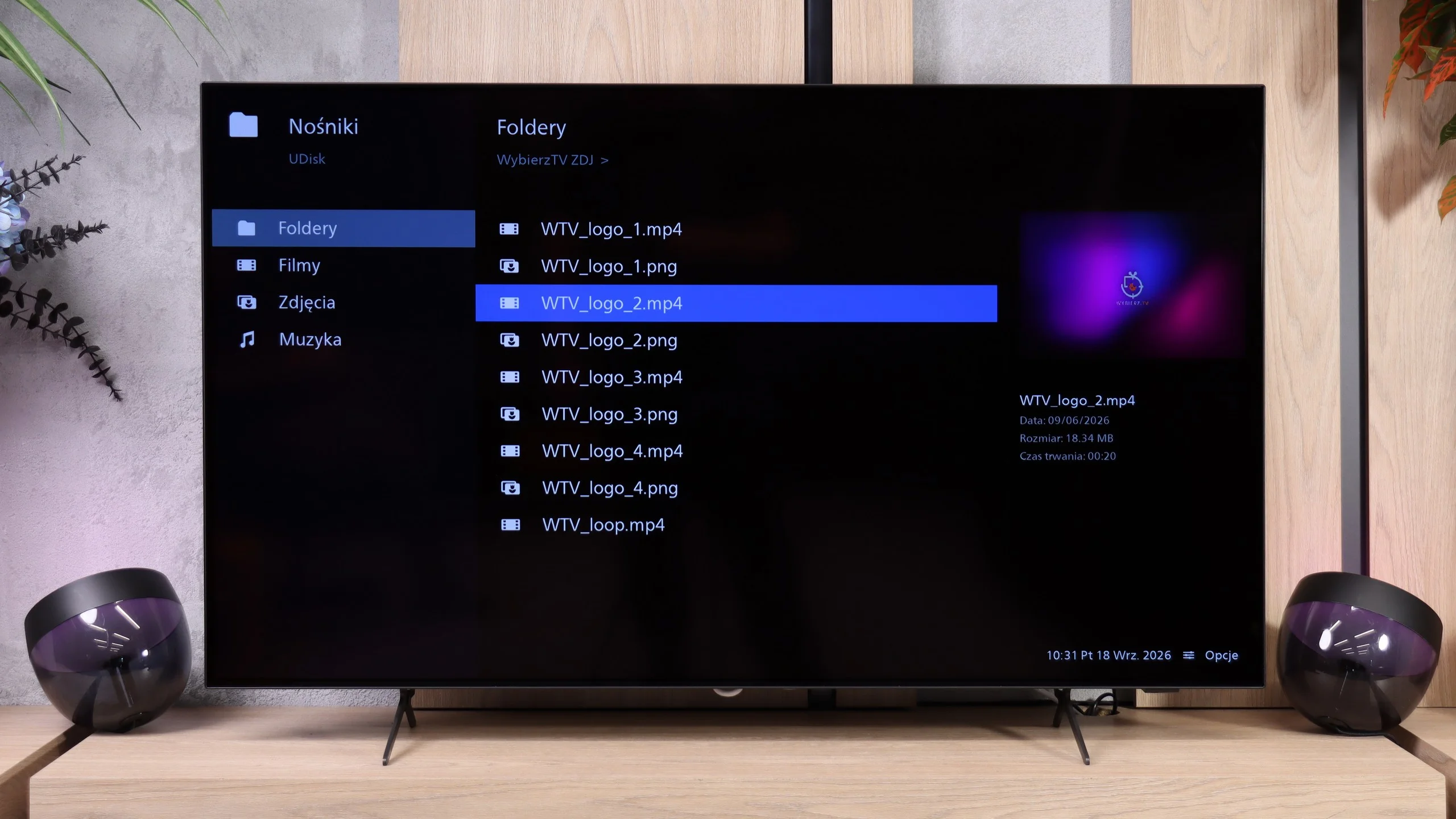
The built-in media player in the VIDAA system worked very efficiently and seamlessly on our U7Q PRO unit. The television had no trouble reading external video and audio files, as well as subtitles, making it convenient to watch movies from a USB drive or external hard drive. Most popular formats worked flawlessly, so there was no need to convert anything. The only complaint is a certain selectiveness in handling high-resolution images – not all of them opened. Therefore, you will find a detailed list of supported image resolutions (Mpix) in our comparison table.
The USB player in the Philips OLED761 behaves rather oddly, and this shows Titan OS still needs refinement. Test videos and music files opened correctly, but photos caused the most problems. Interestingly, it wasn't just lack of support for some formats, but also the photos' resolution. The TV opened 16 and 32 MP photos, yet failed to handle some smaller ones, including 10 and 12 MP. So it's hard to give a simple rule for preparing photos so that they'll all display. If you plan to show holiday photos on the big screen, it's worth checking the files beforehand or using screen mirroring.
Sound
7.8/10
7/10
- Maximum volume85dB90dB
- Dolby Digital Plus 7.1
- Dolby True HD 7.1
- Dolby Atmos in Dolby Digital Plus (JOC)
- Dolby Atmos in Dolby True HD
- DTS:X in DTS-HD MA
- DTS-HD Master Audio
For built-in TV speakers, the U7Q PRO sounds surprisingly good. The audio is clear, with distinct mid and high tones, and while the bass is somewhat limited, it doesn’t completely disappear. One could say that for "TV speakers," the level is more than satisfactory. However, it’s worth noting that in our test unit, we couldn't play DTS:X audio from local files – the TV simply doesn’t support it. This means that if you’re counting on a cinematic surround effect solely from its built-in speakers, there might be a bit of a letdown. Thankfully, the TV seamlessly transmits DTS signals to an external amplifier, so if you have a home theatre – just connect it up and everything works as it should.
Philips OLED761 sounds pretty good for a slim TV. The midrange is the strongest, so dialogue is clear and it's easy to hear what the characters are saying. For watching series, the news or everyday programmes, the built-in speakers are perfectly adequate. What’s missing, though, is deeper bass, which is most noticeable in music and action films. Explosions lack punch and tracks don't have the same fullness. So if you want a more cinematic sound, a soundbar with a separate subwoofer will be a noticeable addition to the setup. Especially as the OLED761 has no trouble handling surround formats like Dolby Atmos and DTS:X.
Sound Quality Test
Acoustic Measurements
85dBC (Max)
75dBC
90dBC (Max)
75dBC
Reader comments
Comments are provided by the external service Disqus (Zeta Global). Once loaded, Disqus may set cookies and process data about your activity.
We will remember your choice on this device. Provider's privacy policy