 Redakcja Choose TV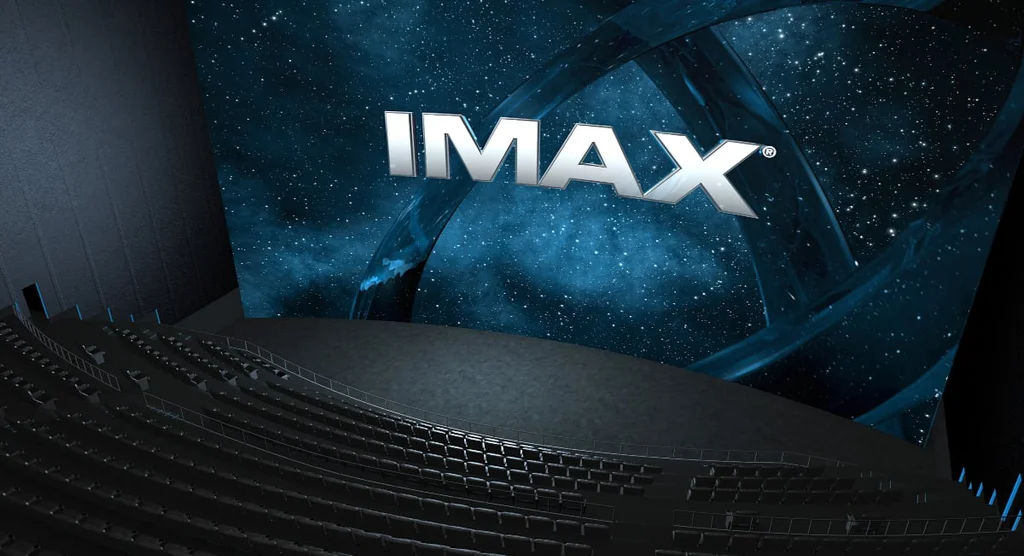
The dispute with IMAX and the launch of its own premium cinema format, Epic, has led Vue's network (including CinemaxX) to start closing and transforming its IMAX screens. This is a significant turnaround, as we are talking about the largest private cinema network in Europe, which for years has been one of IMAX's key partners.
Vue has been collaborating with IMAX since 2015, and in the UK market since 2016. For years, IMAX’s large-format screens have been synonymous with “better cinema” for audiences—even if in practice these were rarely screens that met the criteria for true, full IMAX. For many film enthusiasts, IMAX still represents the pinnacle of classic projection cinema.
This alliance is now falling apart.
From Narnia to Open Conflict
Relations between Vue and IMAX began to deteriorate following IMAX’s high-profile deal with Netflix. This involved exclusive cinema screenings of the new “Narnia,” which IMAX agreed to despite a shortened theatrical window. For the cinema chains, this was a red flag – IMAX, rather than defending the traditional distribution model, started to make concessions to streaming.
Soon after, Vue presented a direct alternative to IMAX – its own premium format called Epic. This was no longer a minor adjustment to strategy, but an outright challenge to their former partner. The situation was further inflamed by recent comments from the CEO of Vue, who publicly accused IMAX of undermining the entire cinema ecosystem.
Closure of IMAX theatres in the UK
The effects of this war are already visible in practice. Vue has started closing IMAX theatres in the UK to convert them into Epic auditoriums. This process has already taken place or is underway in places like Nottingham, Cheshire, and Leeds. However, Epic is not limited to the Isles. Theatres in this format are being created or are under construction in the Netherlands and Italy as well.
In other regions, such as the Nordic countries, Vue has not yet provided a schedule for changes. As Mirko Engel, PR & Brand Communications Manager for Vue / CinemaxX, stated, IMAX remains a premium partner there – at least for the moment.
At the same time, Vue's management has announced ambitious plans for Epic's development: at least 50 theatres by 2027, with the first 11 set to launch as early as 2025. Among potential next markets are Denmark, Poland, and Germany.
Epic and "HDR" that isn't really HDR
Vue strongly promotes Epic as a format offering HDR, based on Barco projectors. The problem is that we are talking more about marketing than real HDR image quality.
Barco projectors are capable of accepting an HDR signal, performing tone mapping, and displaying a higher brightness image, but this comes at the cost of black levels, namely dynamic contrast. In practice, the maximum contrast of such projectors is around 1000:1 – and that's under ideal conditions, where everything in the room is black, including the clothing of the audience.
Meanwhile, cinematic HDR in the DCI specification requires a minimum contrast ratio of 60,000:1, a black level of 0.005 nits, and peak brightness of 300 nits. Today, such parameters are achievable only by LED screens for cinemas. No projector has DCI HDR certification and there are no signs that this will change – unless the HDR specification for cinemas is heavily watered down in the future.
IMAX vs Epic – the beginning of a bigger change?
The Vue move shows something more than just a local conflict. It’s another signal that cinema chains are increasingly wanting to have full control over their own premium formats, rather than relying on external brands like IMAX.
The question is whether Epic will truly convince viewers as a real alternative, or will it remain “IMAX with a different name” and similar technological limitations. One thing is for sure – the war for the premium format in cinemas is just beginning.