 Redakcja Choose TV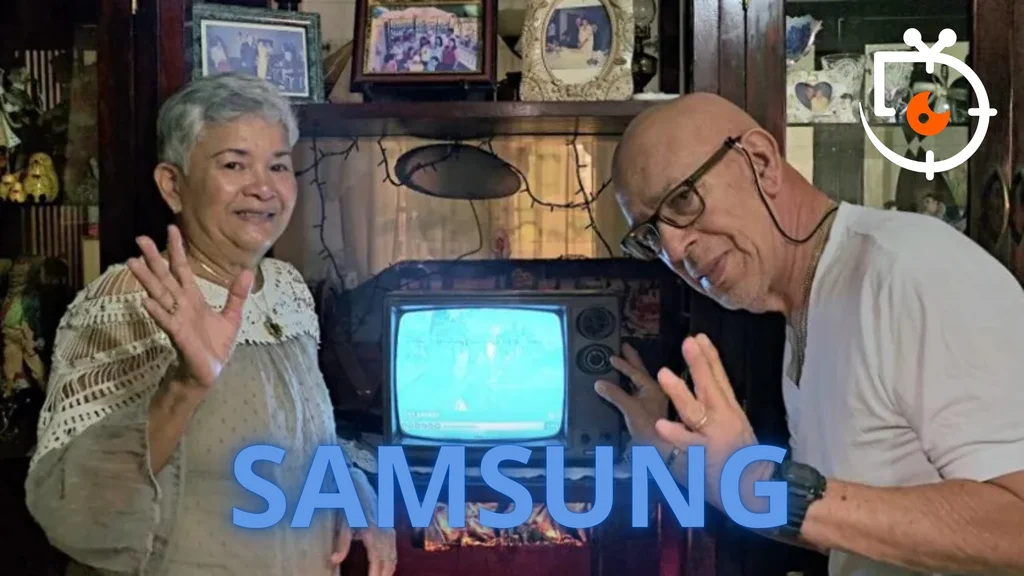
An older couple from Guatemala had been using a Samsung CRT television for 39 years, bought in 1987. The set worked almost every day, from morning news to evening films, and it even displayed reports of the fall of the Berlin Wall. It was only after nearly four decades that the equipment started to fail, so the family decided to return it under the Eco Trade-In program and exchange it for a new LCD model. Samsung not only accepted the device but after restoring it, kept it as a symbol of the durability of past constructions. The story has resonated widely, as such longevity is now a rarity.
39 years is a long time, but the record is even older
Although the case from Guatemala is impressive, there have been even more extreme examples in the history of television. In 2011, a working television of the Marconi brand from 1936 was sold at auction for £16,800, which is about $22,900. This means it operated for about 75 years from the time it was manufactured. It's an absolute niche, but it shows how solid older constructions could be.
Why old CRTs lasted decades, while today they last 5–7 years
The durability of cathode ray tubes stemmed from their analog simplicity, easier repairs, and better heat management. Modern LCD and OLED televisions are significantly more technologically complex, reliant on LED backlighting and software. Today's television age is most often estimated to be around 5–7 years, sometimes a decade under favourable conditions. In practice, repairs often cease to be cost-effective, so the equipment is replaced more quickly than serviced.
The story of a 39-year-old Samsung is not just a curiosity, but a strong contrast to modern electronics. In the past, a television was bought for decades, today it’s more often for a few years. This example shows that durability was once a real value, not just a marketing slogan.
source: techradar.com