 Redakcja Choose TV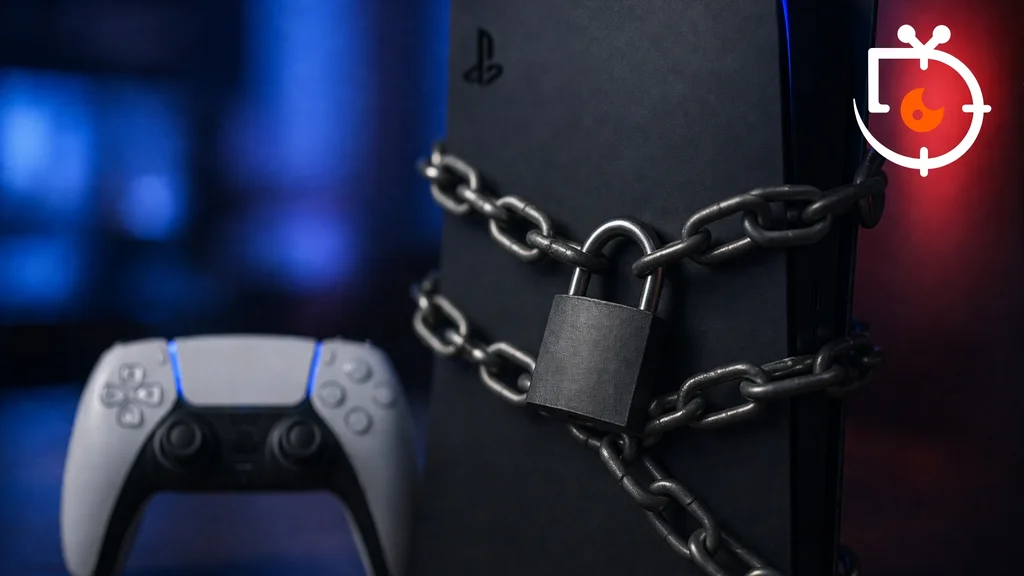
Sony has introduced a new DRM security measure that initially caused quite a stir among gamers. Reports suggested that PlayStation 5 users would need to connect to the internet every 30 days to maintain access to their digital games. However, it turns out that the actual mechanism may be more complex and at least partially justified.
DRM as a Protection Against Refund Abuse
According to community analyses, the new DRM may be an attempt to limit refund-related abuses in PlayStation Network. The mechanism is that after purchasing a game, the user receives a temporary licence valid for about 30 days, but the crucial part is the first period of roughly 14 days, which is the standard return window. Only after this period does the system assign a permanent licence that allows for normal offline play without restrictions. This model would aim to prevent situations where someone buys a game, exploits it to retain the licence, and then returns the purchase while still playing without network access. If this theory is true, Sony is trying to close a loophole that could have cost the company real money.
There are still reasons for concern
Although the new DRM may make sense from a security standpoint, it raises significant doubts among gamers. The primary issue is the lack of clear communication from Sony; users are not informed that their game may require an internet connection within a certain time after purchase. For those with limited access to the internet, this can be a real obstacle, especially if they do not manage to 'activate' the full licence within the required period. Even if the restriction is temporary, the very necessity of a one-time online connection can be problematic and undermines the idea of full ownership of digital games.
The new Sony DRM may be a clever way to combat abuse, but it also highlights how complicated the digital distribution market is becoming. Without clear rules and communication, such solutions can easily backfire on users.
source: techpowerup