 Redakcja Choose TV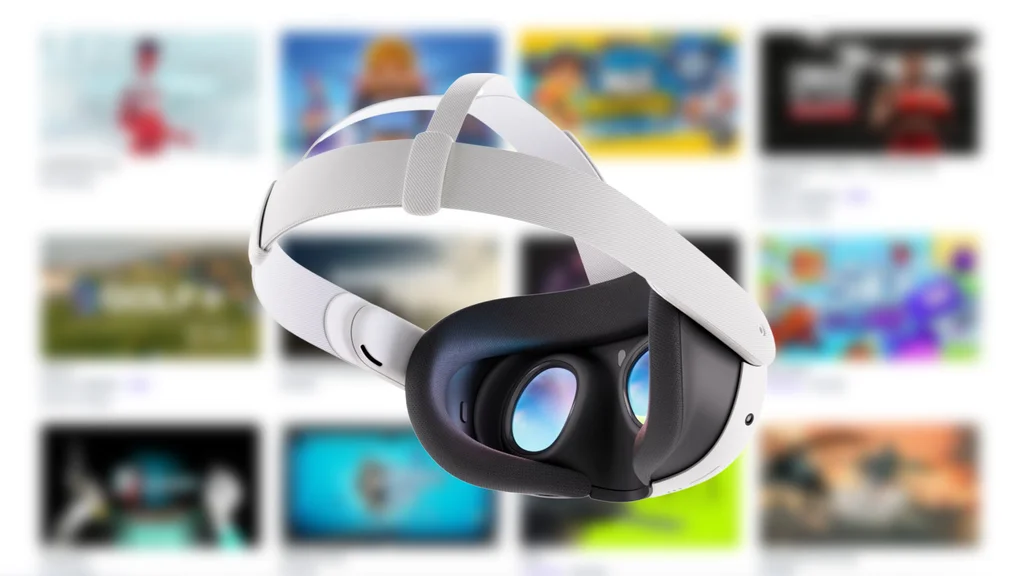
Meta was meant to be the future of the internet, and Metaverse – a new platform where we would spend half our lives. Meanwhile, after four years of massive investments, the company has logged over 70 billion dollars in losses, and the Reality Labs division is bracing for one of the largest budget cuts in its history. According to the latest reports, Meta is also delaying two key launches of VR/AR headsets.
The Metaverse hasn't caught on. Meta is hitting the brakes hard
When Zuckerberg rebranded Facebook to Meta in 2021 and unveiled his vision of the "3D internet," it seemed like the dawn of a new era. Today, we know it was a very costly era.
Reality Labs, the division responsible for VR, AR, and the Metaverse, has been generating billion-dollar losses for years, and the Quest headsets – despite good performance in the gaming segment – have not captivated the mass audience nor created a real foundation for the Metaverse. The problems? Low-quality LCD panels, weak processors, average ergonomics, and a lack of strong content beyond gaming. According to Bloomberg and Business Insider, Meta plans to cut as much as 30 percent of the department's budget starting in January, with the cuts hitting projects related to the virtual world the hardest.
Two new headsets… but later. Much later
Internal notes from Maher Saba, one of the leaders at Reality Labs, have just leaked to the media. From these, we learn that Meta is delaying its next two devices:
1. Phoenix (formerly Puffin) – a response to Apple Vision Pro, but only in 2027 - This was supposed to be a groundbreaking headset with OLEDs instead of outdated LCDs. Nonetheless, earlier reports from The Information suggested that the device would still be weaker than the Vision Pro – with lower resolution and a less powerful chipset. The release has been pushed to 2027.
2. Meta Quest 4 – 2027 or 2028 - The successor to Quest 3 is also getting shelved under “let's wait.” Meta plans a major strategy overhaul in the VR segment, which means significant delays for the entire line of equipment.
The competition isn't asleep: Apple, Samsung, Valve
Meta has found itself in a situation that Zuckerberg surely didn't anticipate. The XR segment is growing, but it is not Meta that sets the direction.
Apple Vision Pro – micro-OLED, ultra-high resolution, powerful M-series chip, native 3D films (MV-HEVC).
Samsung Galaxy XR + Android XR – a joint project of Samsung and Google, also featuring micro-OLED.
Valve Steam Frame – launching in 2025; LCD panel, but a strongly gaming-focused ecosystem.
Importantly: Meta is the only one not supporting 3D films, as its hardware does not support MV-HEVC – a codec essential for playing spatial content. As a result, Quest lags behind not only in image quality but also in multimedia features.
Is Meta abandoning the Metaverse?
No. But it's clear that the company is shifting from "Zuckerberg’s dream" mode to "cost-cutting" mode. VR remains part of the strategy, but it will be developed more slowly, cautiously, and with a greater focus on real technologies rather than promises that have not translated into any mass product since 2021.
Meta now needs to catch up with rivals who have transitioned to micro-OLED and powerful computing systems – exactly those elements that Zuckerberg has downplayed for years in favour of cheap, lightweight tech headsets. The year 2025 is shaping up to be the biggest VR reset in Meta’s history. The question is: can the company still make up for lost ground?