 Redakcja Choose TV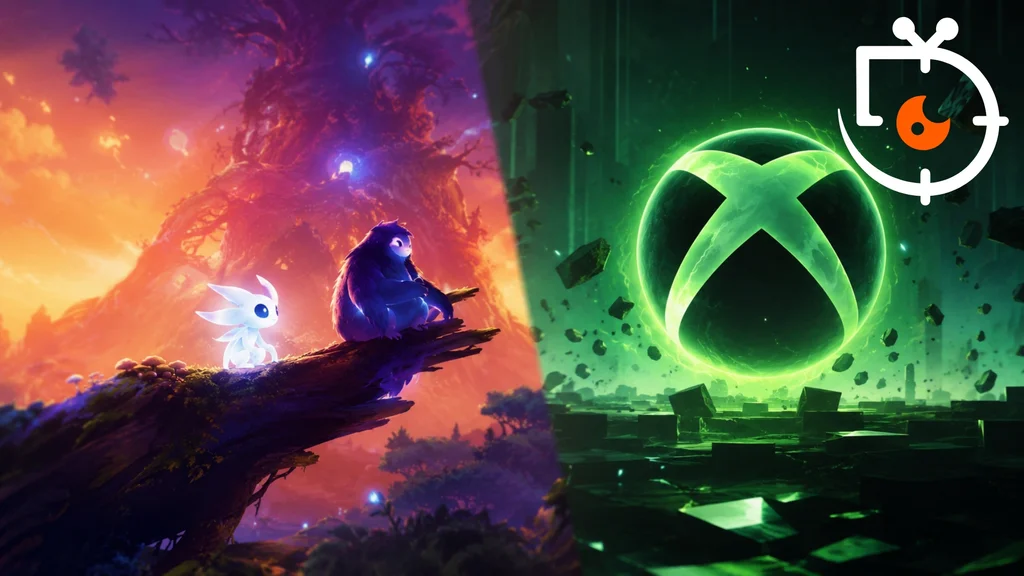
In recent weeks Microsoft's gaming division has been back in the spotlight. Reports of possible layoffs and issues at some studios have sparked a wide-ranging debate about the future of Xbox. Industry conversation has increasingly turned to Game Pass and the effectiveness of the subscription model. Thomas Mahler, head of Moon Studios responsible for the Ori series, decided to share his view. His comments quickly sparked a heated debate among players and developers.
Game Pass had a chance to succeed, but it lacked major releases
According to Thomas Mahler, the idea of Game Pass wasn’t doomed to fail. He says the problem arose when the service didn’t get enough titles that could regularly convince players to keep paying the subscription. He compared the situation to the streaming-services market, where users pay for access to standout series and films. In his view, the same principle applies to the games industry. Players are willing to pay each month if they’re confident they’ll get access to titles the whole world is talking about. Mahler believes, however, that Xbox simply lacked those kinds of launches. He pointed out that many studios owned by Microsoft failed to deliver hits that met expectations. As an example he cited Bethesda and Starfield, which many players say didn’t reach the cult status of Skyrim. According to the developer, the platform needed games that would be genuine cultural events, drawing in millions of players. Without such titles it’s hard to sustain dynamic subscriber growth. Mahler also stressed that new releases matter hugely to players, and a library of older titles alone isn’t enough to build long-term interest in the service. In his view this was Microsoft’s biggest problem. Even the best business model needs regular hits to drive interest across the whole ecosystem.
Controversial comparison and the wider subscription problem
The most heated reaction, however, was to the comparison of Game Pass to communism. Mahler argued that systems like this can curb the motivation to create standout games if developers don't receive the right incentives to exceed expectations. According to him, developers must have a strong reason to strive to make the next big hit, not just a competent game that meets the minimum requirements. In practice this means building a model that rewards success and high quality. It's worth noting, however, that many experts point to a slightly different problem. Game Pass has regularly received highly rated titles, including franchises like Forza Horizon, Indiana Jones and the new DOOM instalments. Microsoft has also tried to capitalise on the huge popularity of the Call of Duty series. Some analysts therefore believe the challenge runs deeper and stems from the very nature of subscription services. The biggest hits can cannibalise traditional game sales, while smaller titles are not always able to attract new subscribers. That makes finding the perfect balance extremely difficult. Additionally, not all of a game's problems can be directly attributed to Game Pass. One example is Starfield, whose development began before Microsoft acquired Bethesda. So the debate over the service's future continues, and opinions about its impact on the industry remain sharply divided.
Thomas Mahler believes Game Pass could have been much more successful if Xbox had regularly delivered games that were global hits. According to him, there was a lack of titles that would encourage players to keep paying for the subscription for a long time. At the same time, the debate shows that the problems of subscription services can be far more complex than just the quality of the games available.
source: wccftech