 Redakcja Choose TV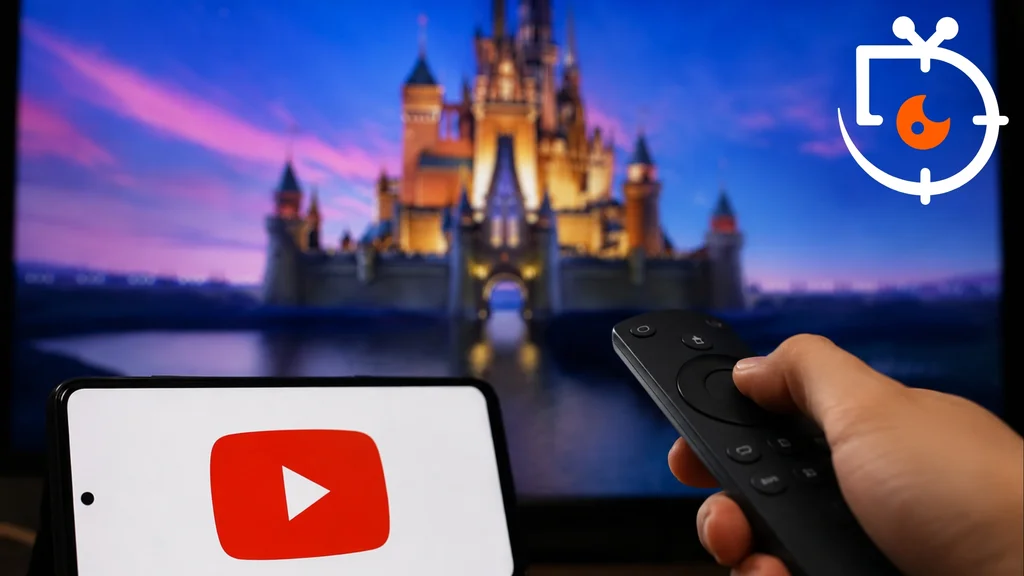
Prices for streaming services and internet TV have been rising for years, and users increasingly feel they are paying more not only for new content but also for deals made over their heads. That's the issue at the heart of a class-action lawsuit brought by YouTube TV subscribers against Disney. The case concerned how the media giant allegedly influenced the prices of internet TV packages by forcing its channels into base plans. It has now been settled for US$50 million. It's an important signal for the market, although it does not yet mean a real drop in monthly fees for customers.
YouTube TV subscribers accused Disney of artificially inflating package prices
A class-action lawsuit was filed at the end of 2022 by a group of YouTube TV subscribers who accused Disney of using anticompetitive practices that affected prices for internet TV. The claim was mainly that the company forced distribution partners, such as YouTube TV, to include channels like ESPN in their base packages. According to the plaintiffs, that model artificially raised the price of the whole service because the provider couldn’t offer a cheaper version without Disney’s channels. In practice users paid more even if they weren’t interested in sport or other content owned by the media giant. The suit said similar contractual clauses covered other competitors in the live internet TV market, which helped Disney keep prices high across the segment. ESPN played a particular role here, as that channel has long been one of the most expensive elements of TV bundles in the United States. The case gained attention also because it came against a backdrop of earlier price rises for YouTube TV. The service launched at around US$35 per month, but after adding Disney-owned channels and further increases it cost about US$65. YouTube TV itself had previously suggested fairly clearly that its subscription could be up to US$15 cheaper without Disney’s channel package. That context meant the dispute was seen not just as a legal fight but as a symbol of the wider problem of rising streaming and internet-TV costs. Users increasingly feel they are paying not only for content but also for aggressive negotiations between platforms and channel owners. The lawsuit was intended to show consumers are no longer willing to passively accept such practices. Although Disney did not admit wrongdoing, the fact it settled for such a large sum shows the case was a serious reputational and legal problem for the company.
There’s a $50 million settlement, but YouTube TV bills probably won’t fall because of it
In the end Disney agreed to a $50 million settlement, which formally ends the dispute, although the company did not admit any wrongdoing. Users who used YouTube TV, DirecTV Stream, DirecTV Now or AT&T TV Now between 1 April 2019 and 31 March 2026 will be able to claim part of that amount. For customers that sounds like a small victory, but in practice it does not mean an automatic cut to subscription fees or a major overhaul in how TV packages are sold. The settlement does say Disney will “consider” allowing distribution partners to offer fewer channels, including ESPN, but there is no firm obligation or specific mechanism forcing a change to the model. That means the main issue for customers — package structure and pricing — may remain largely unchanged. The case also has a wider context, as relations between Disney and YouTube TV have long been strained. In 2025 the two companies clashed publicly again during negotiations for a new deal, and some Disney channels disappeared from YouTube TV for nearly two weeks. A representative of the platform then described Disney’s approach as “unnecessarily aggressive”, which only intensified the atmosphere around the whole dispute. Today’s settlement therefore doesn’t close the issue of rising streaming costs, but it shows that pressure from users and the courts can have real consequences for the biggest players. On the other hand, $50 million for a company like Disney is an amount that may not translate into a change of overall business strategy. So it’s hard to expect this one case to suddenly reverse the trend of rising internet TV prices. It may, however, become an important precedent and encourage users to take a closer look at what they’re actually paying for in their packages. At a time when subscriptions regularly get more expensive, even a symbolic win for customers matters — especially if it shows that large corporations are not completely beyond the reach of consumer pressure.
Disney zawarł ugodę na $50 million w sprawie pozwu zbiorowego wniesionego przez subskrybentów YouTube TV i innych usług telewizji internetowej. Spór dotyczył praktyk, które miały sztucznie podnosić ceny pakietów poprzez obowiązkowe dodawanie kanałów takich jak ESPN. To ważne zwycięstwo użytkowników, ale na razie nie zapowiada realnego spadku cen abonamentów.
source: 9to5google