 Redakcja Choose TV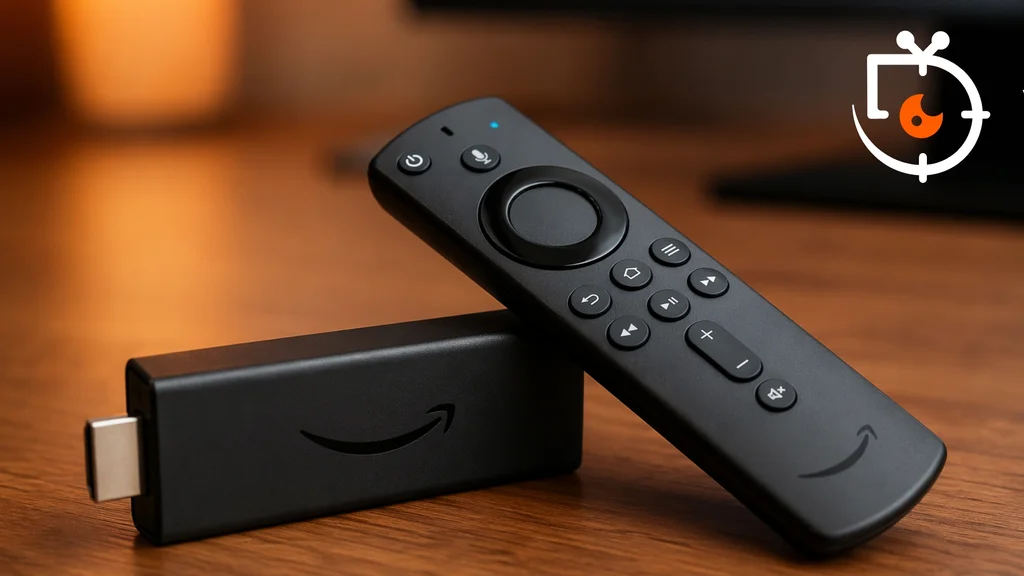
The Amazon case is reigniting the debate about how long streaming devices should last. The class-action lawsuit concerns older models of the Fire TV Stick, which users claim have become practically useless after the software support ended. While the hardware still powers on, its actual functionality has significantly declined, which for many means the need to purchase a new device.
What users are complaining about
The lawsuit highlights that devices from 2014 and 2016 began to operate very slowly after the updates were completed, frequently freezing and experiencing issues with content playback. A key problem turned out to be the loss of support for applications, including Netflix, which effectively eliminates the primary use of these devices. Users claim that Amazon did not provide sufficient support after the updates were completed and did not clearly inform how long the hardware would remain fully functional.
Bigger Industry Issue
The whole situation highlights a larger trend in technology, where hardware becomes obsolete not due to physical wear and tear, but due to a lack of software support. The Fire TV Stick was supported for about 7 to 8 years, which doesn’t look bad in the market context, but in practice, the loss of applications makes the device lose its utility much faster. Institutions like the FTC have already pointed out that manufacturers should clearly inform about the support duration, as the absence of such information can mislead consumers.
The lawsuit against Amazon could have wider implications than just compensation, as it addresses an issue that affects practically the entire industry. If the case ends in favor of the users, companies may be forced to be more transparent and clearly define how long their devices will actually function as intended.
source: flatpanelshd