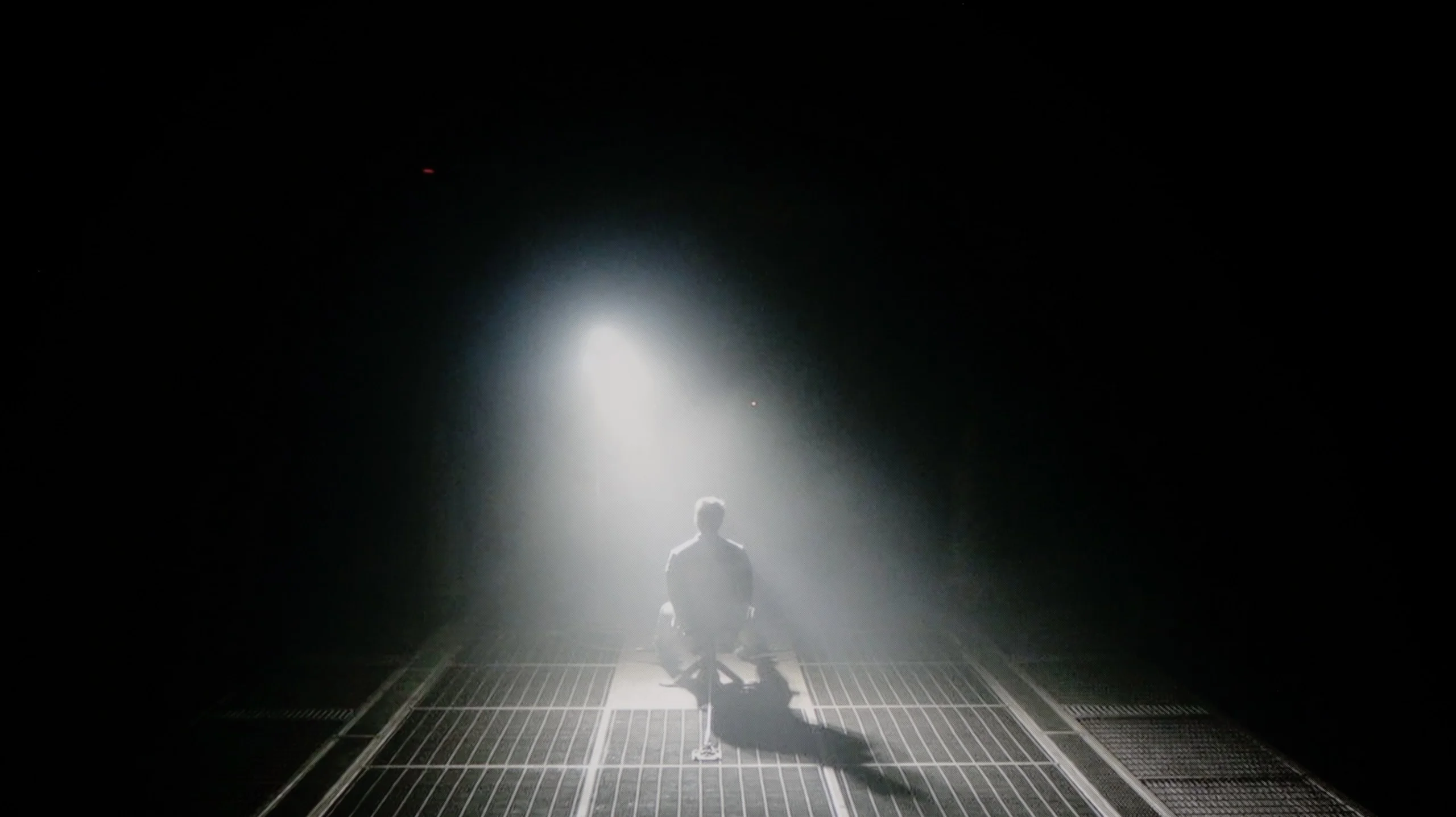
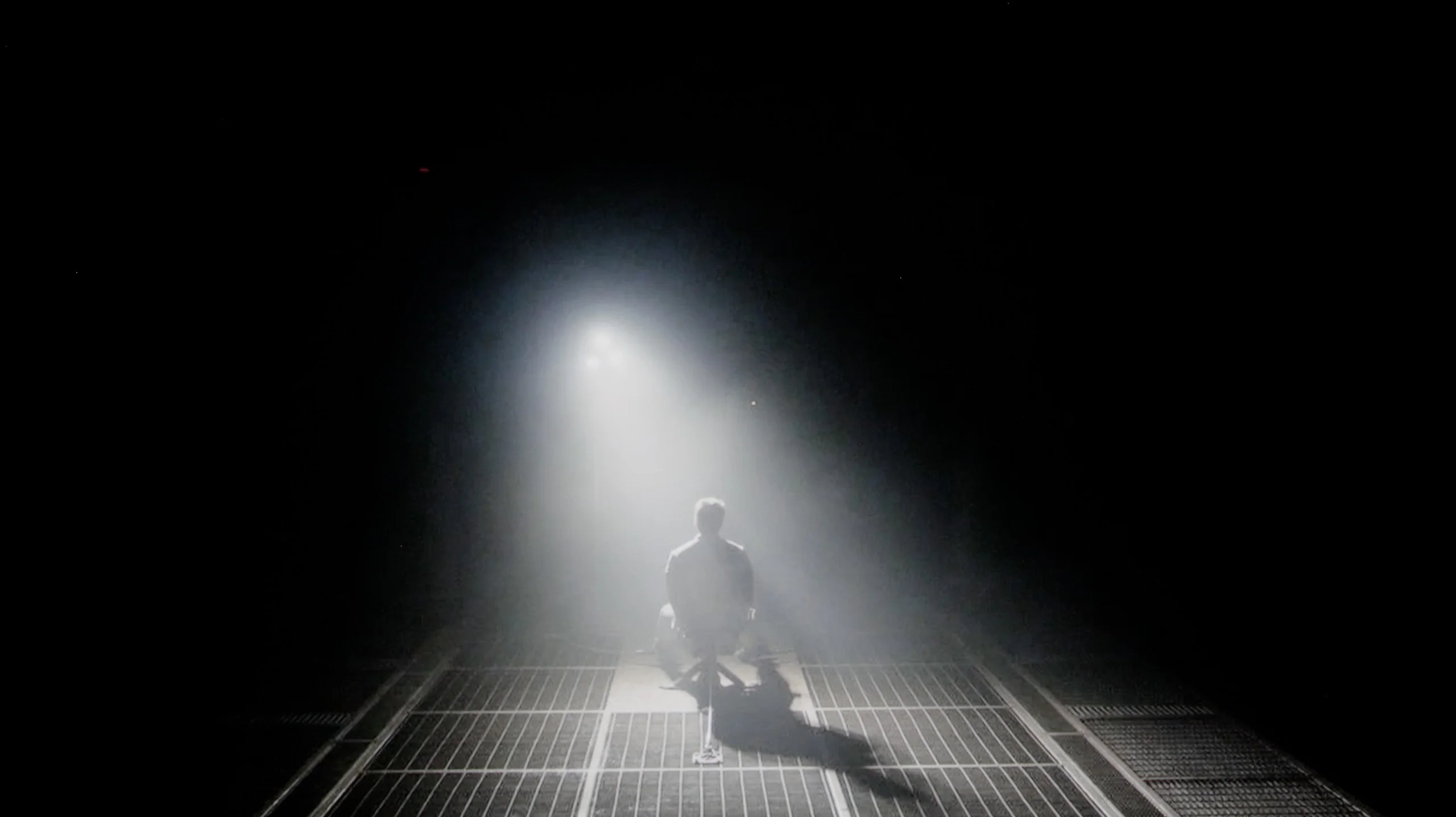
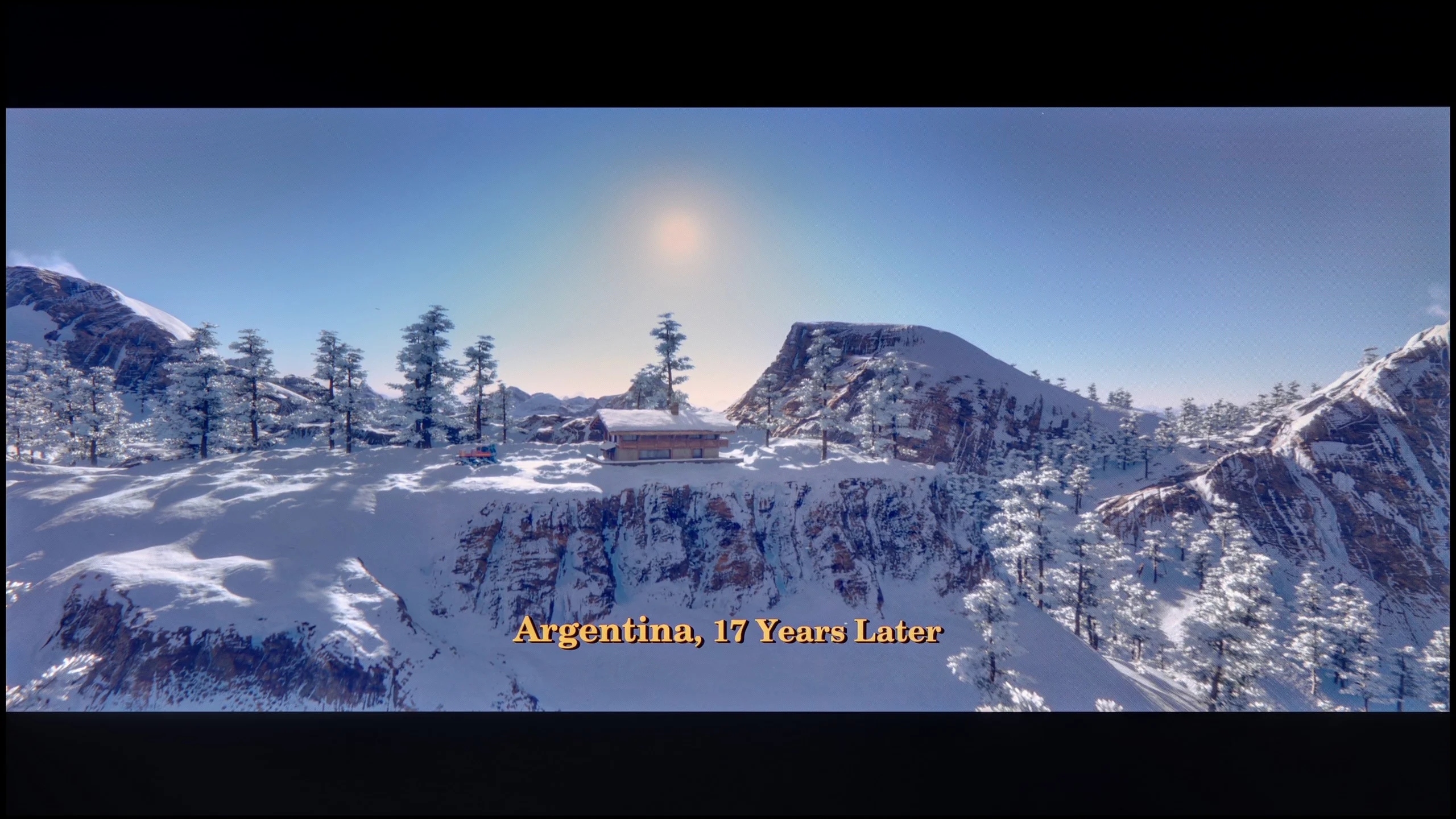
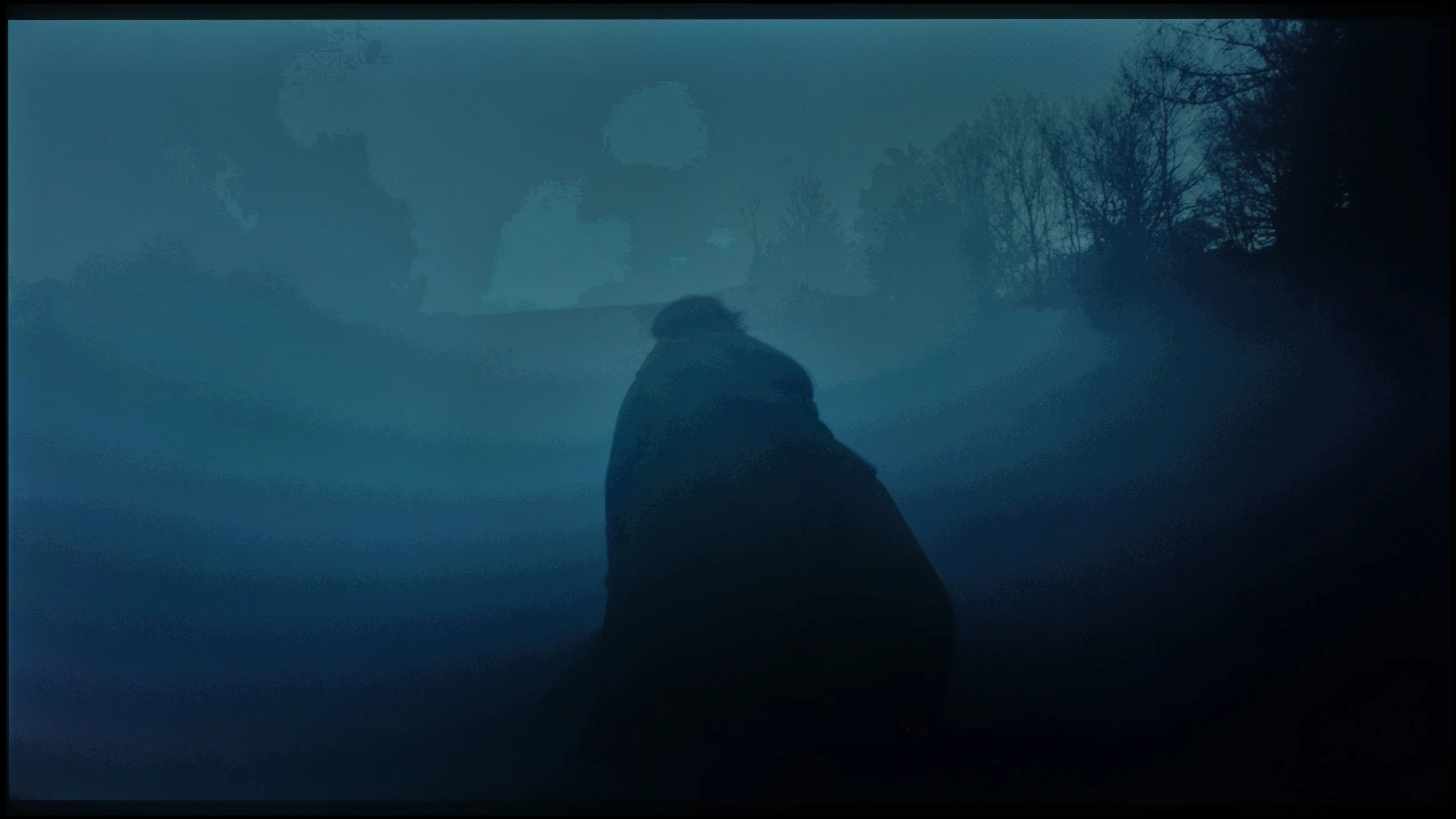
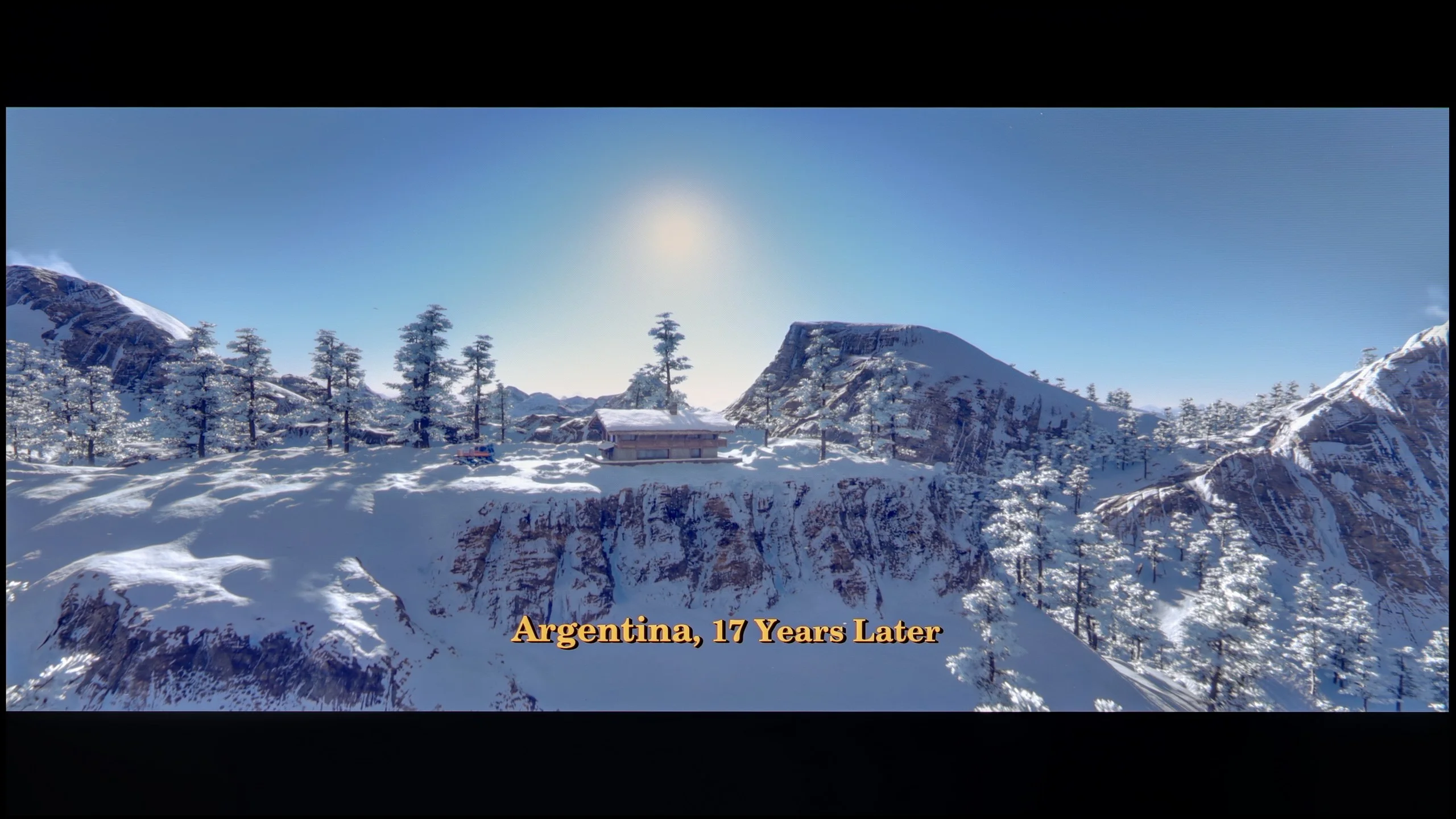
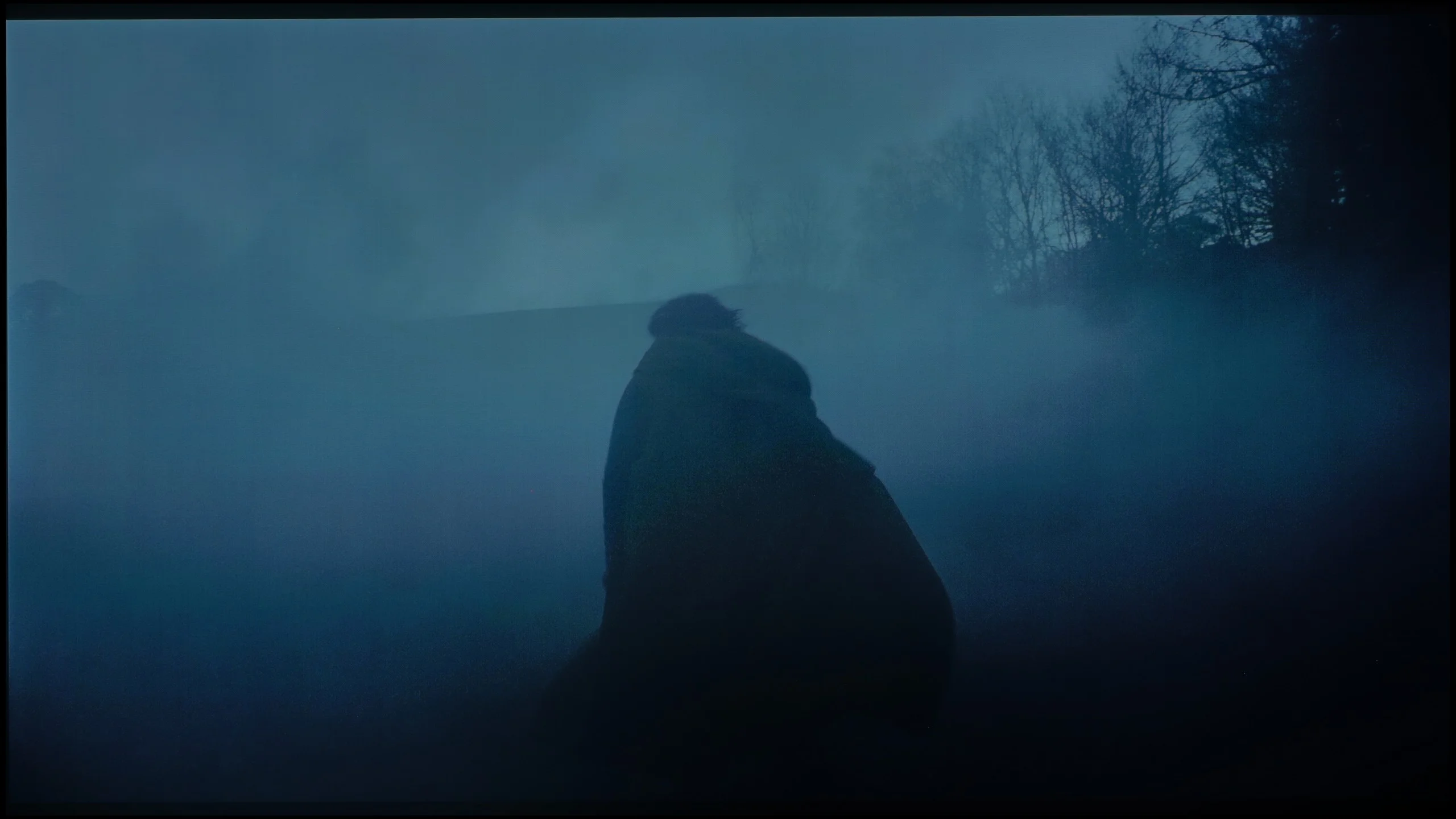
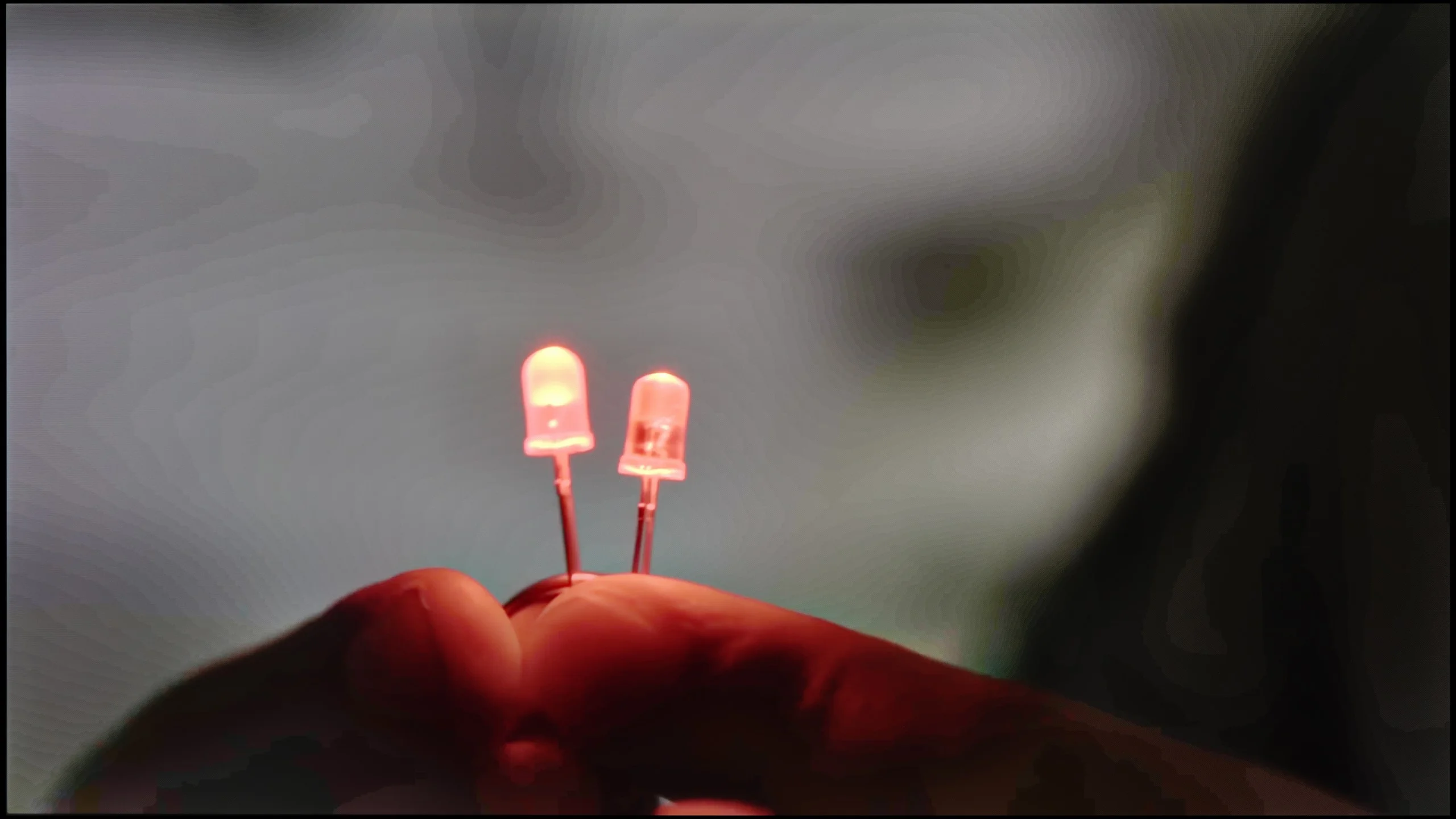
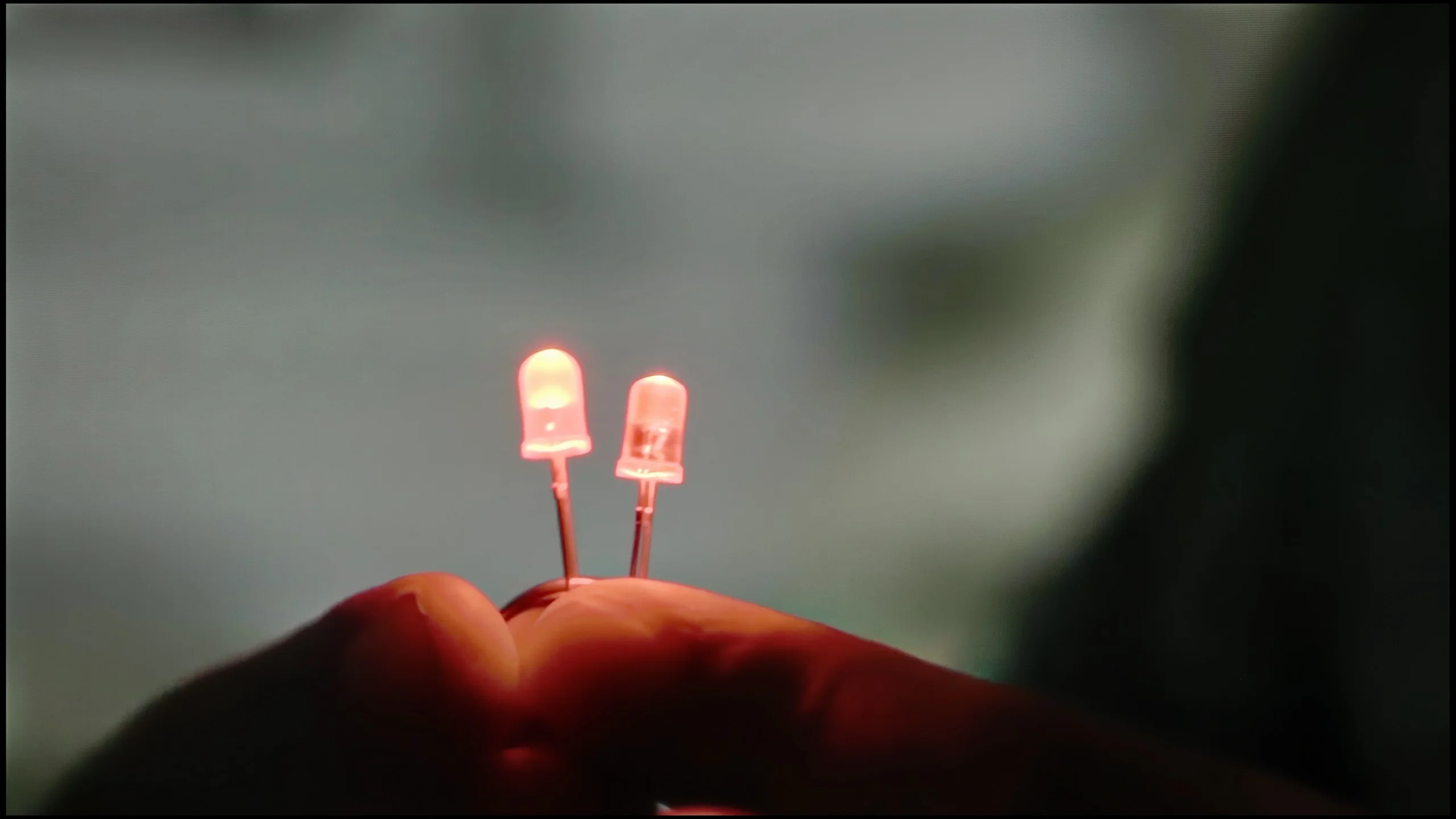
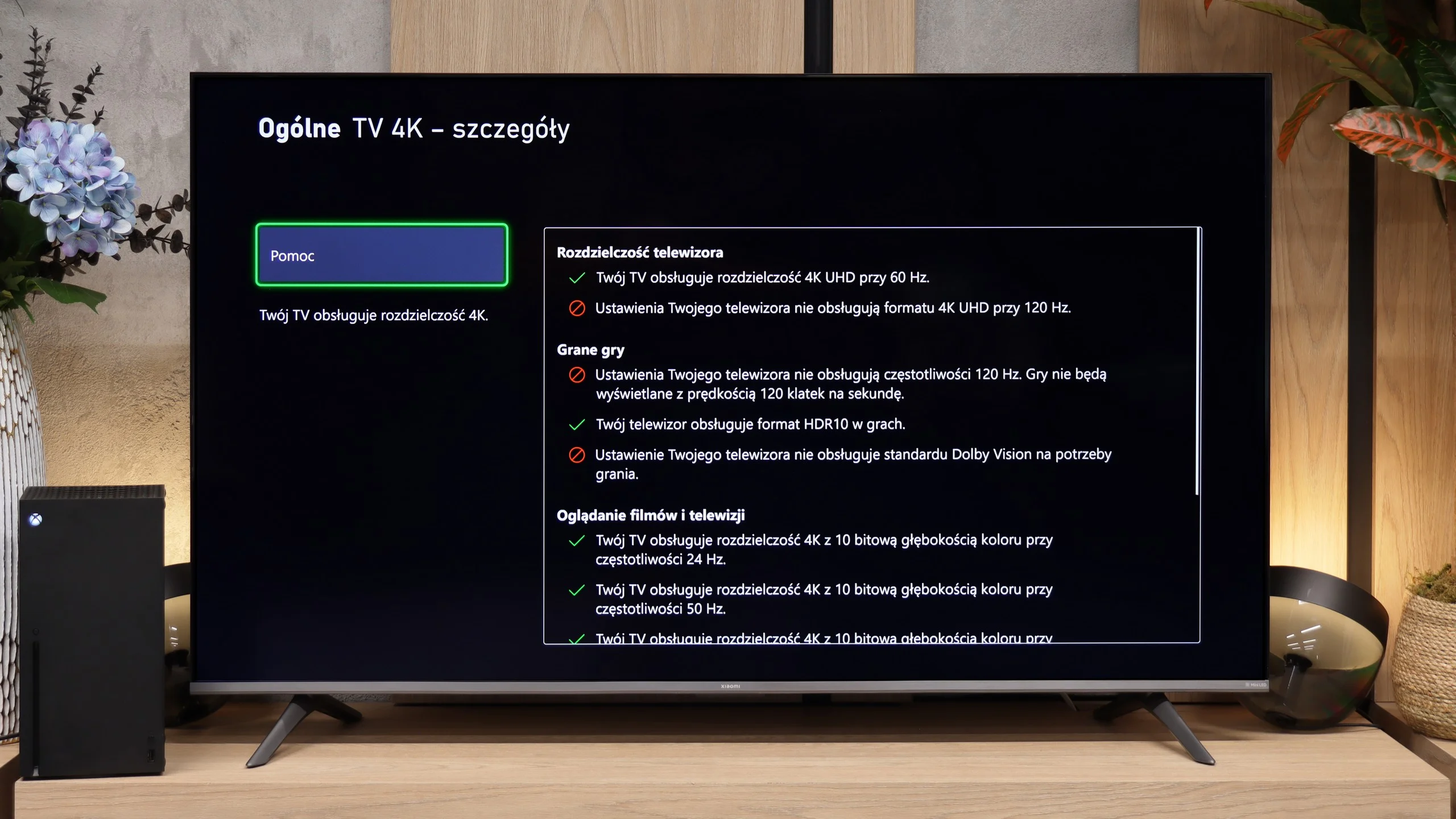
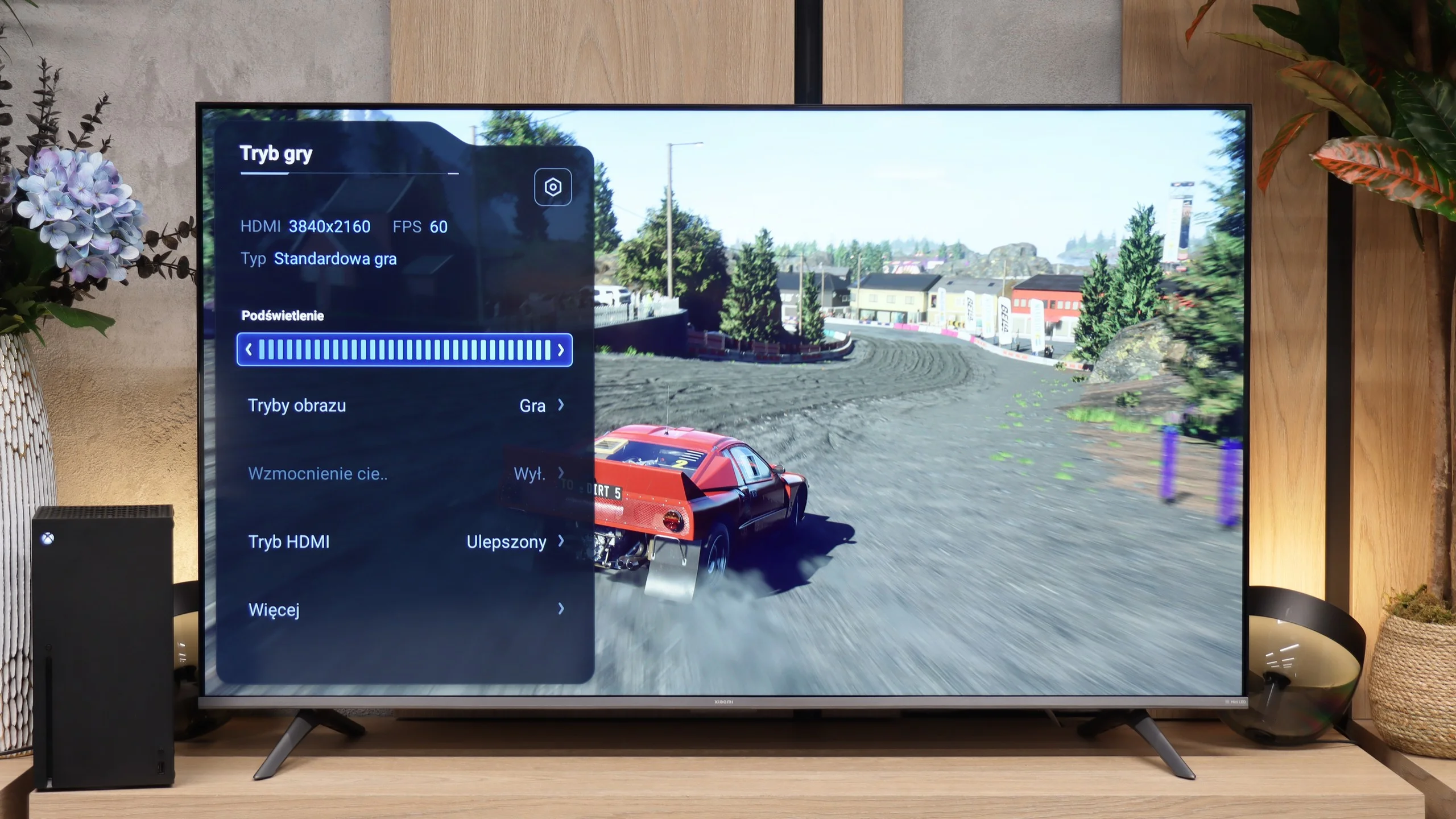
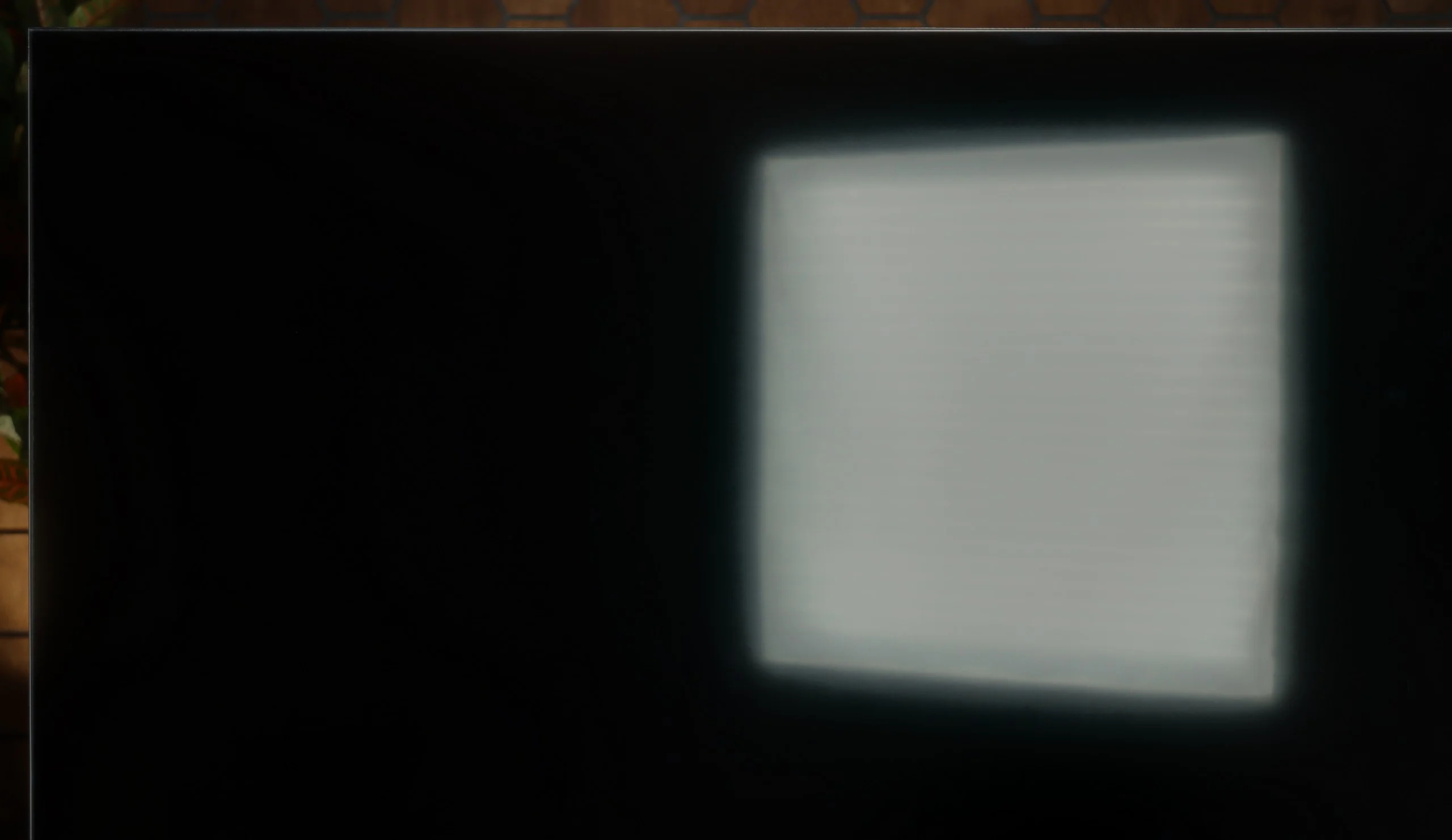
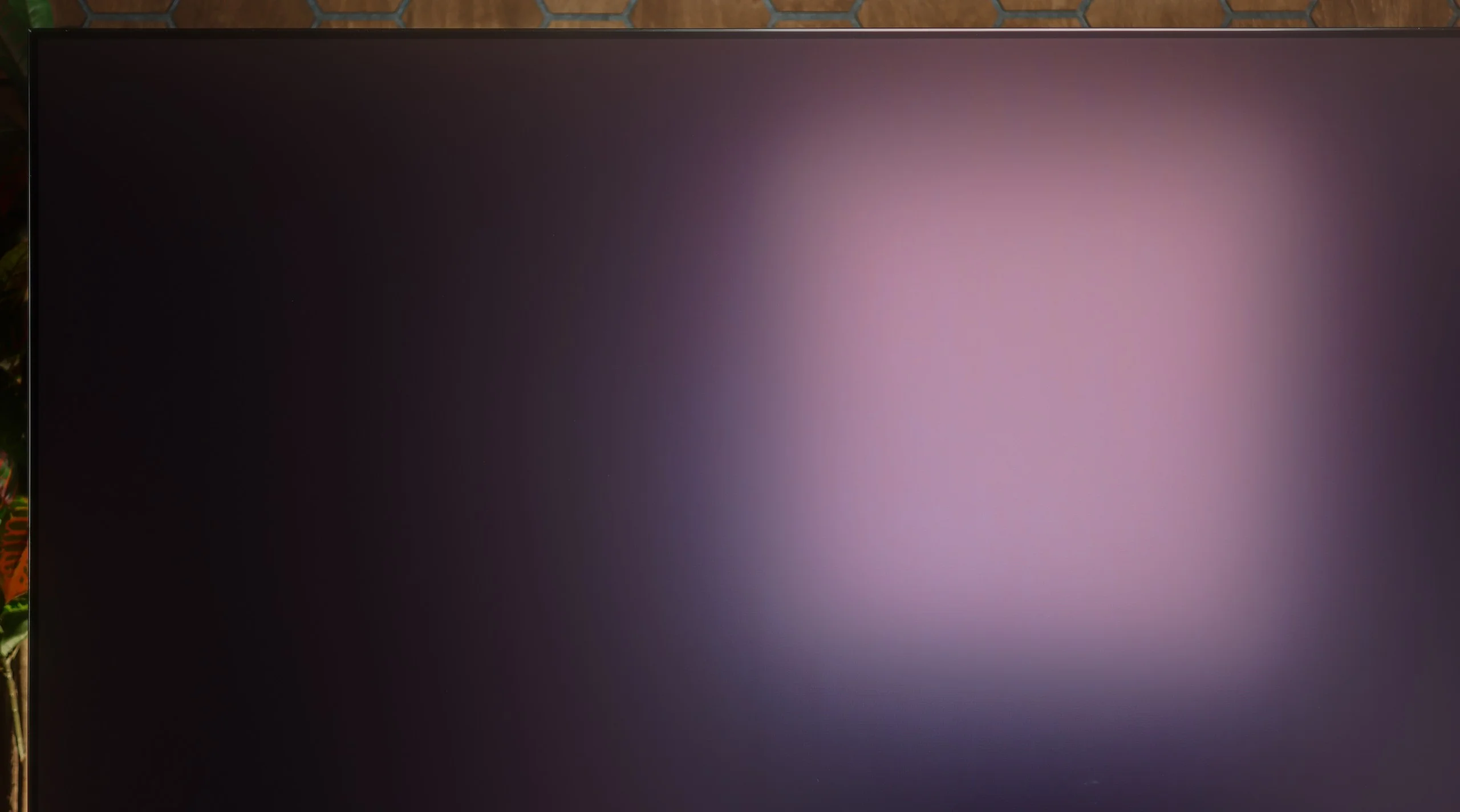
When it comes to HDR, the capabilities of the Xiaomi S Mini 2026 are really good, especially given the segment this model belongs to. The set reaches roughly 1,000 nits of brightness without much trouble, allowing it to deliver a very pronounced HDR effect in bright scenes. Sun highlights, reflections, and brightly lit parts of the image can be very intense and at times almost blindingly bright. It’s a little different in dark scenes, though. Very small light sources surrounded by black are shown at significantly lower brightness, so they lack the point-like intensity seen in the best TVs. This is not unusual for a Mini LED. The local dimming algorithm limits the backlight to keep blacks as deep as possible, which in those scenes matters more than a few extra nits.
HDR Colors
Color reproduction also performs well. Xiaomi markets the S Mini 2026 as a QLED TV, although the solution used here is practically based on a PFS phosphor. What matters most is the result, and it’s quite good. Our measurements showed about 94% coverage of the DCI-P3 gamut, while in the much wider BT.2020 space it was around 74%. That means the TV can reproduce most of the colors used in HDR films with suitably high saturation. Its limitations are most visible only with very saturated shades of green, where the color range starts to fall short.
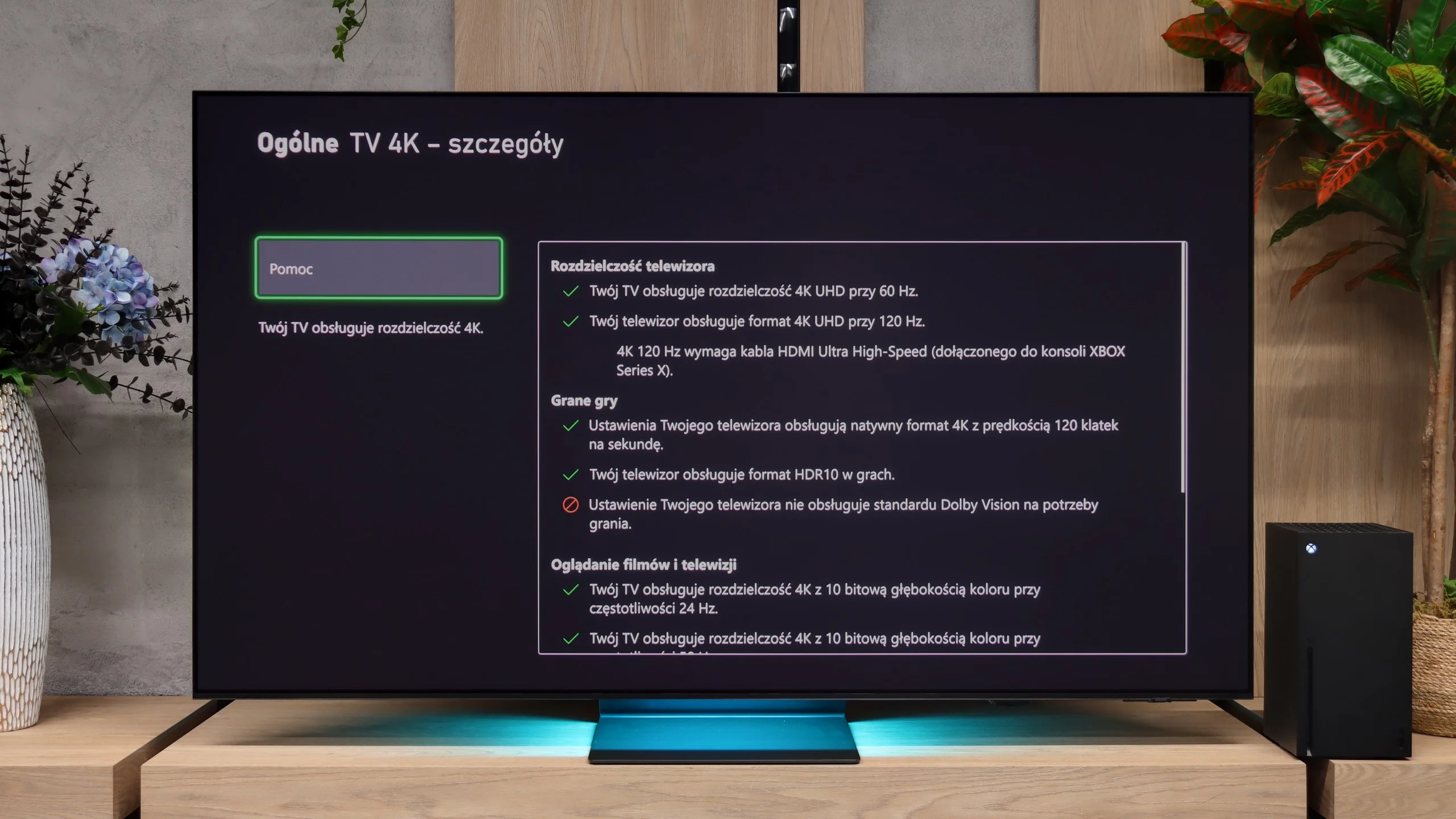
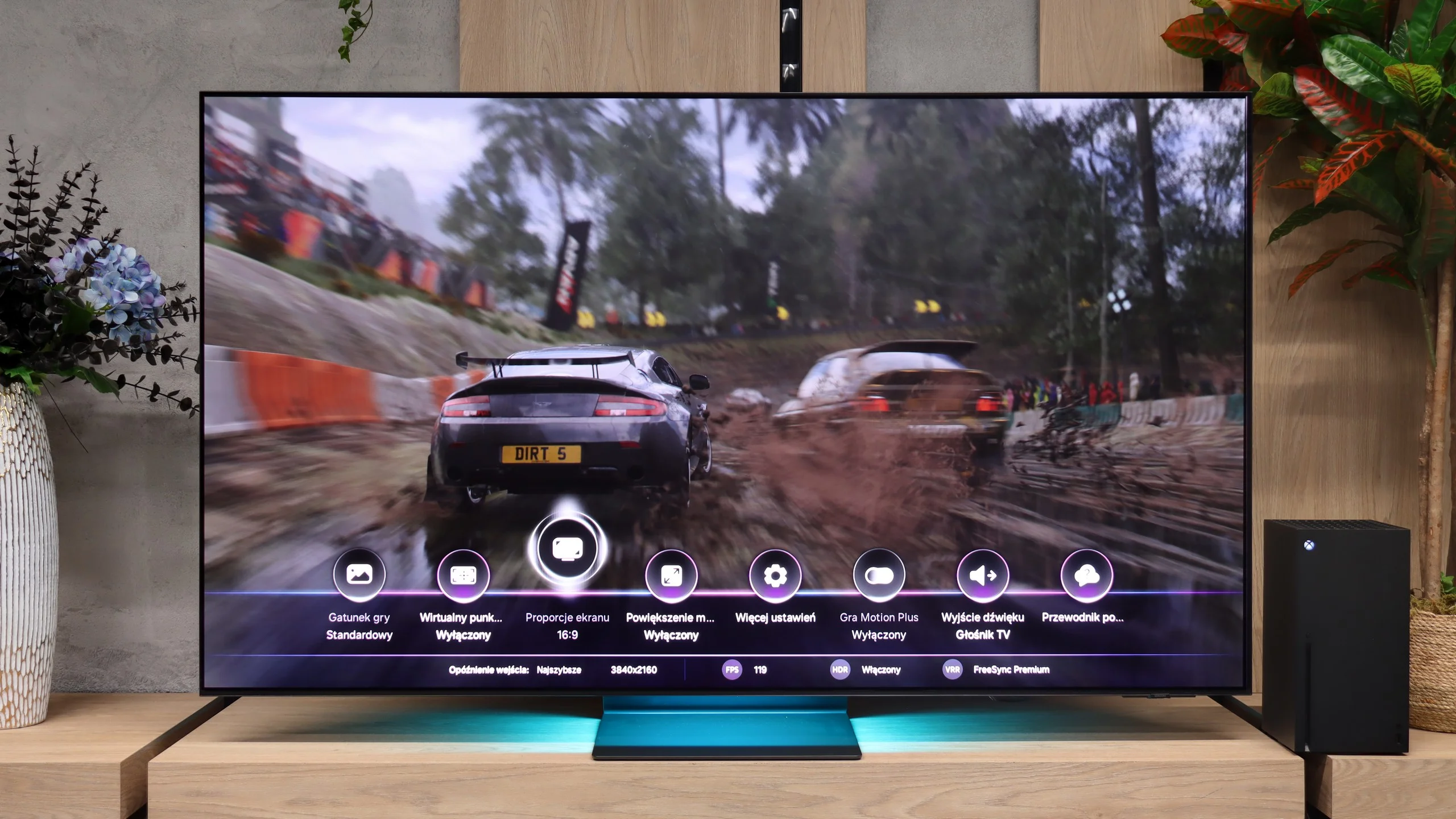
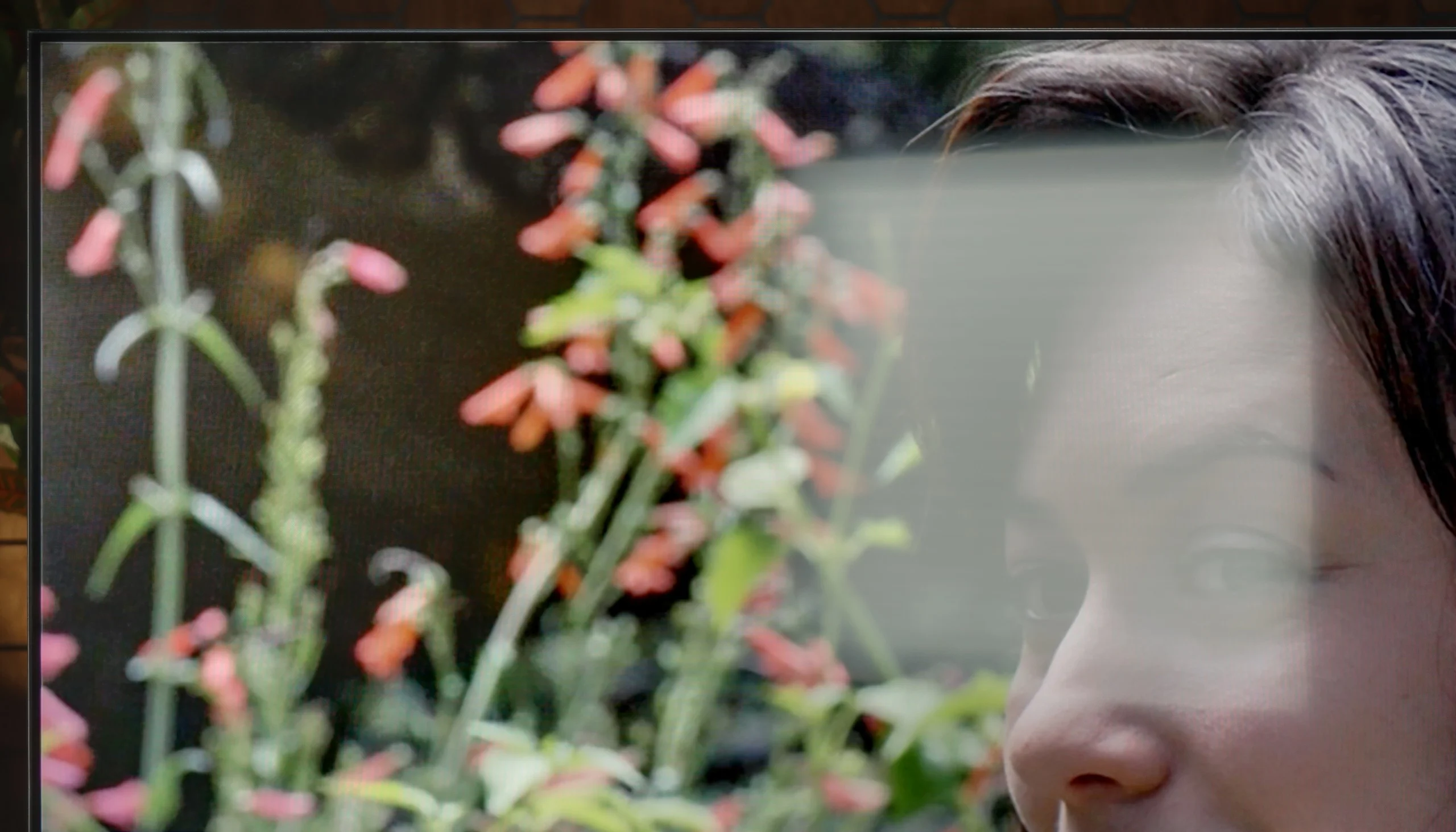
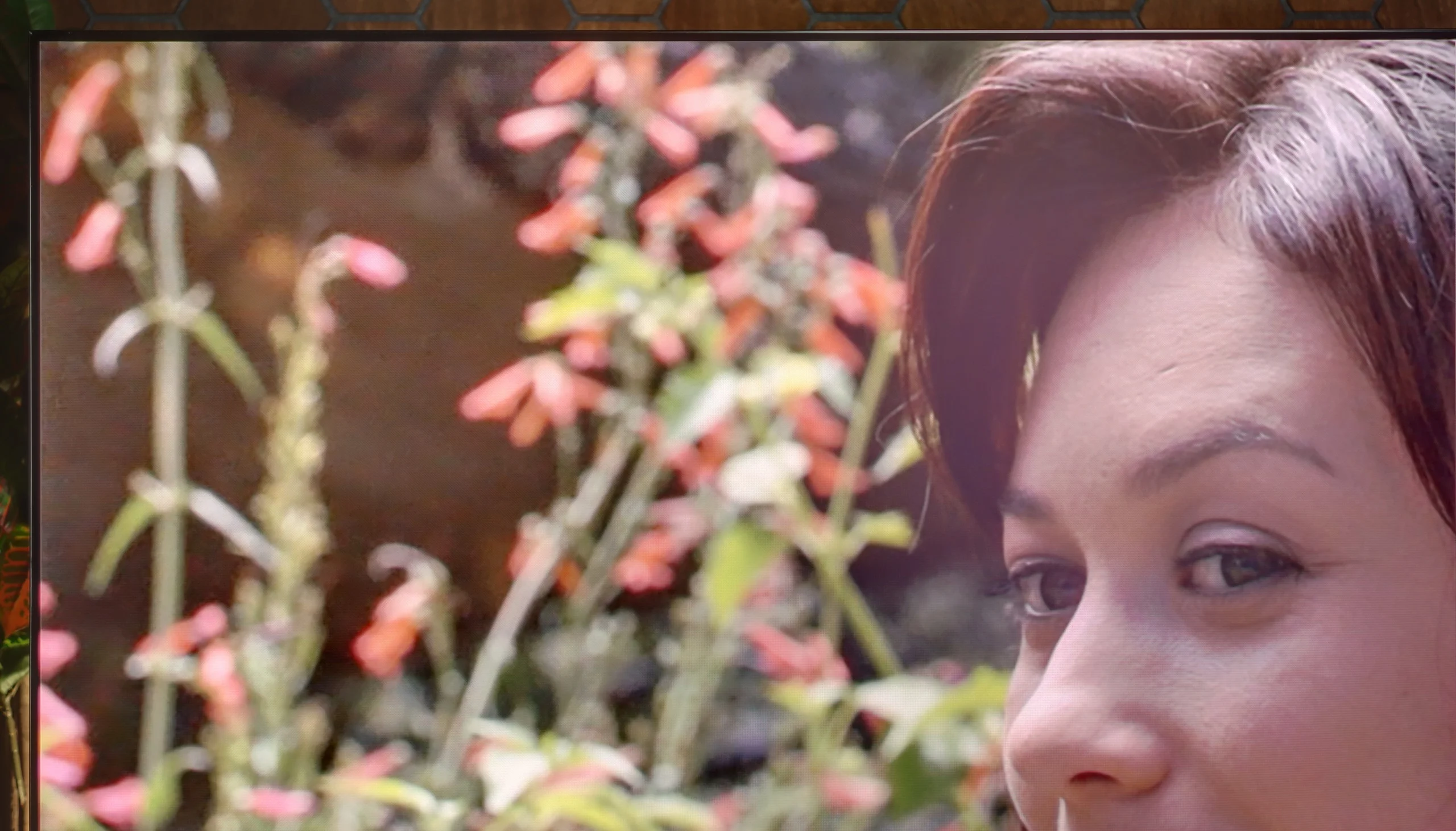
The Samsung S95H is an extremely bright OLED TV. It doesn't quite reach the level of this year's S99H, the one with a bezel, but a peak of around 2300 nits is still a phenomenal result. You can really feel that in movies. Highlights, sun reflections, or lights against a dark background have the punch we expect from a premium TV. Importantly, the S95H performs well across different scenes. It doesn't need a single small bright spot on a black screen to show what it can do. In the first four test shots we measured over 2100 nits, even though each places slightly different demands on the TV. That makes the HDR effect strong both in night scenes and in more evenly lit frames.
Of course there are limitations typical of OLEDs. When a very bright image covers a large part of the screen, ABL comes into play, the mechanism that limits panel brightness. With an almost white screen the drop can be much greater than with a short, point-like highlight. That doesn't mean bright movie scenes look weak. In a demanding shot from "The Meg" we reached about 1600 nits. That's still an excellent result, and the bright sky and reflections on the water retain a lot of intensity.
QD-OLED colors
The colors on the Samsung S95H are simply fantastic. It's one of the most "colorful" OLEDs we've tested. Deeply saturated reds, greens, and neons look great and complement the screen's high brightness well. DCI-P3 coverage is as high as 99.9%, so the TV can reproduce virtually the entire gamut used in this color space for HDR films.
Interestingly, our measurements also show progress compared with the S95F. BT.2020 coverage increased from about 87% to 89.6%. That's a very similar result to what we recorded with this year's S99H, suggesting very similar capabilities of both panels in terms of color gamut. The difference from its predecessor is small but worth noting. The S95H remains at the very top of OLEDs in this regard and can confidently compete with new displays using SQD quantum dots.
 Direct comparison