The TCL P755 stands out with its integration of Google TV, providing a smooth, user-friendly experience and access to thousands of apps and streaming services like Netflix, HBO Max, YouTube, and Disney+. The system personalises content recommendations based on the user’s viewing habits, adding a customised touch. Support for AirPlay and Windows Miracast further enhances its appeal, allowing the P755 to act as a central entertainment hub with both convenience and functionality.
In terms of picture quality, the P755 impresses within its price range, with Dolby Vision support for an enriched HDR experience that features deeper colours and enhanced contrast. Its wide colour gamut coverage ensures vibrant and lifelike visuals, making movies and series more immersive. The high native contrast is also notable and rare among similarly priced competitors, offering an attractive viewing experience.
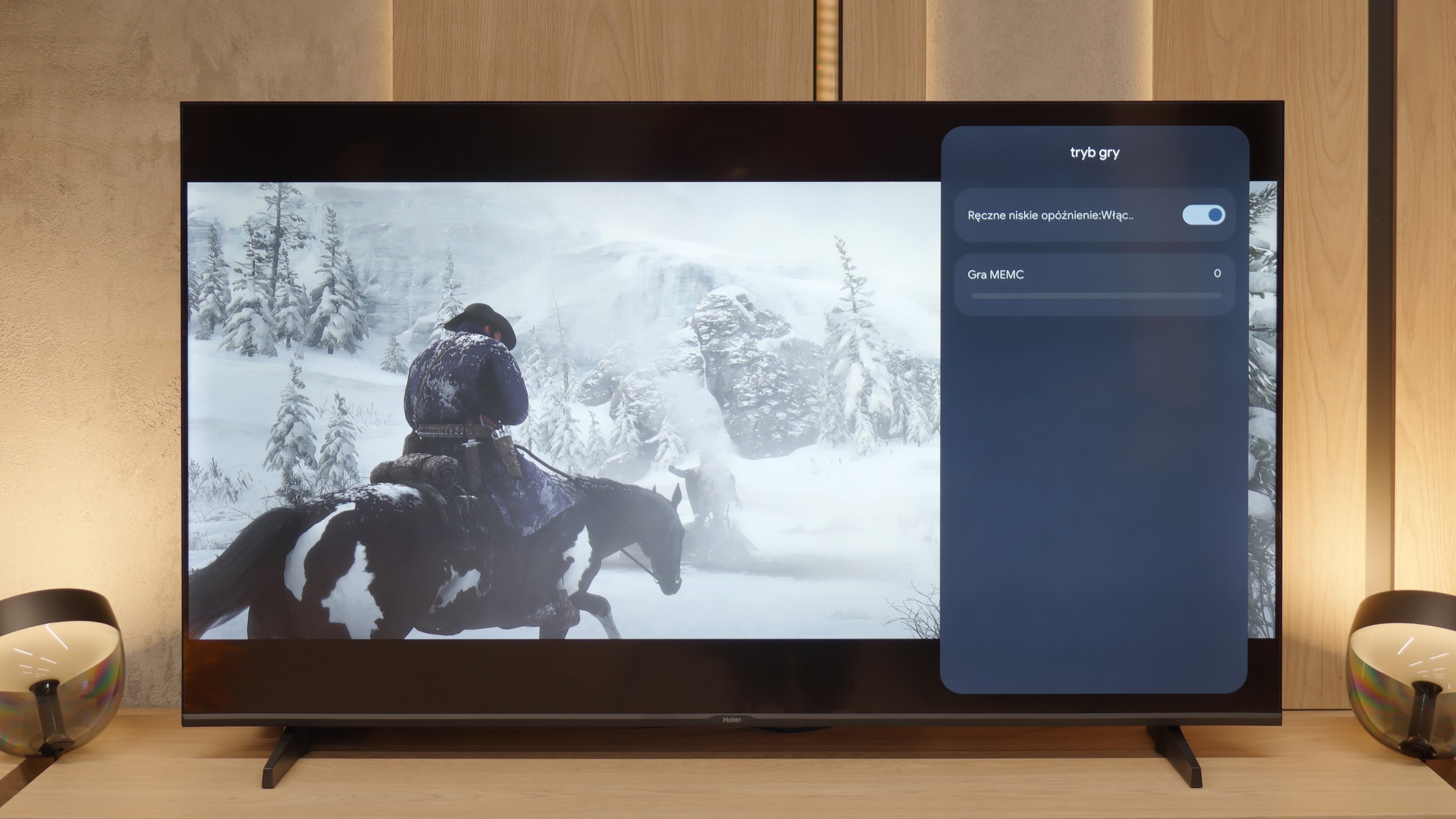
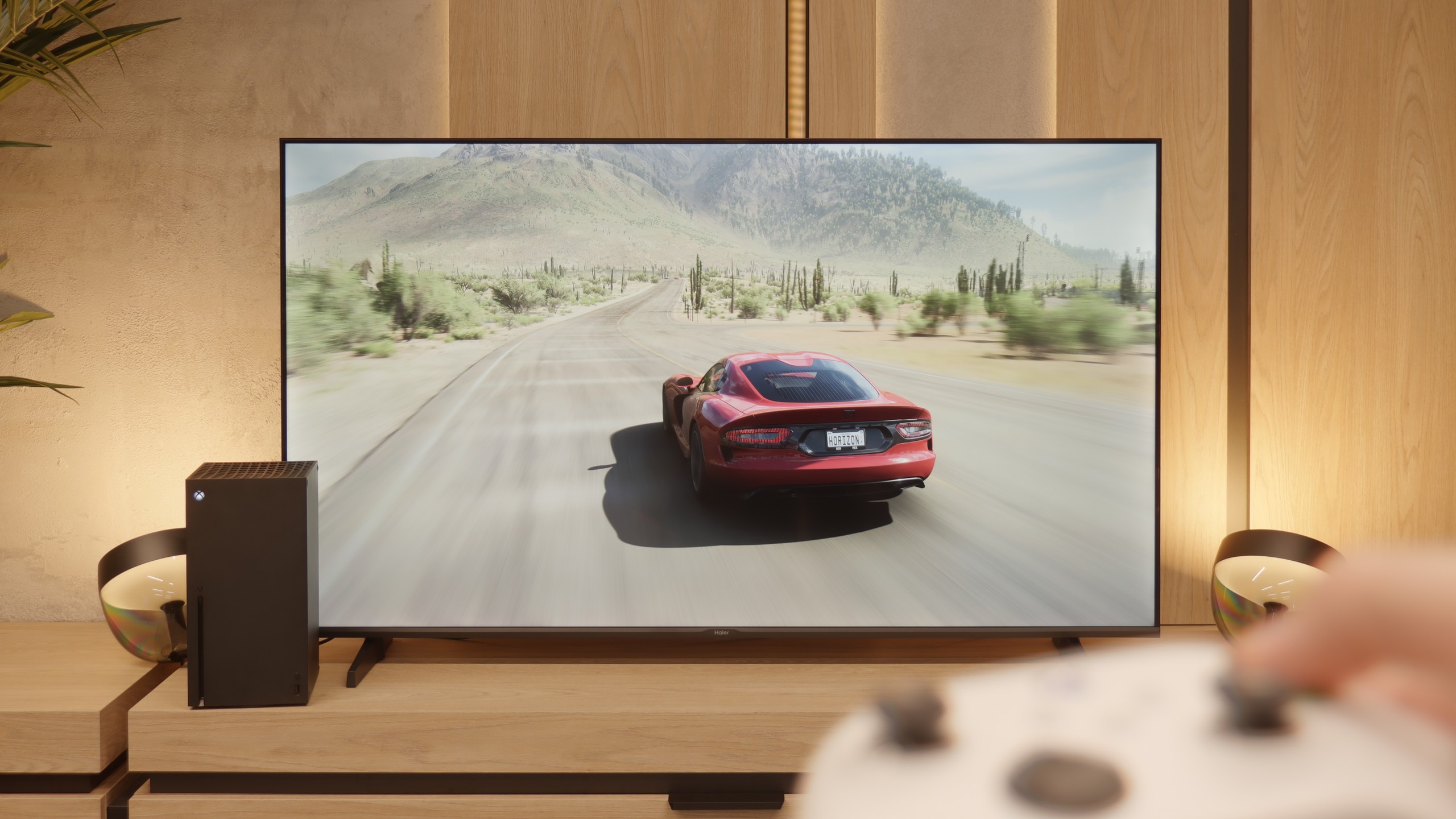
For gamers, the TCL P755 has benefits like low input lag, making it responsive enough for fast-paced games. While the TV’s 60 Hz panel and HGiG limitations may pose minor challenges, it remains a good choice for casual gaming.
However, the P755 has some limitations. Low brightness and narrow viewing angles may impact viewing in brightly lit spaces, and dithering can introduce artefacts in darker scenes and reduce font clarity on a PC.
Overall, the TCL P755 offers premium features like Dolby Vision, a wide colour gamut, and low input lag at an affordable price, with the trade-offs being reasonable given its price bracket.
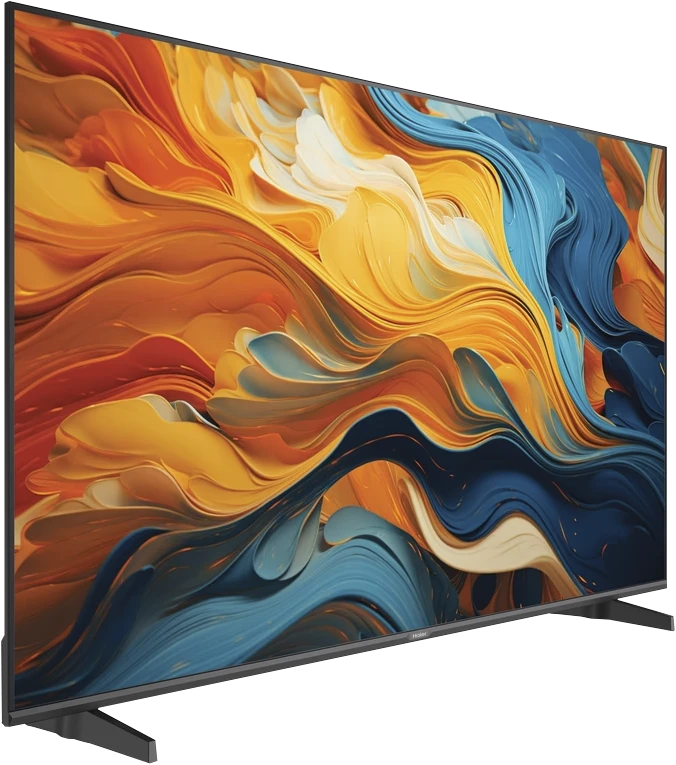
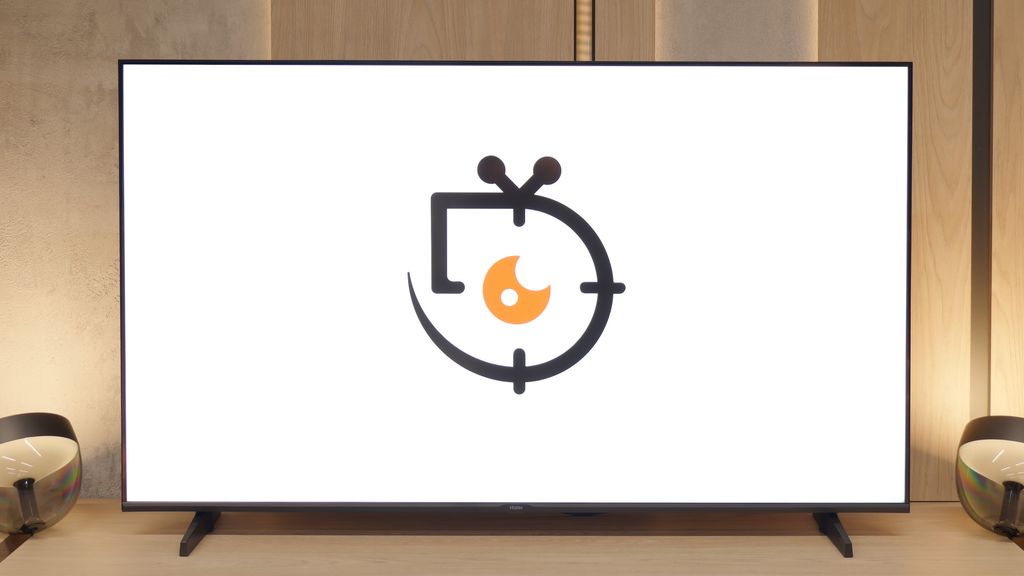
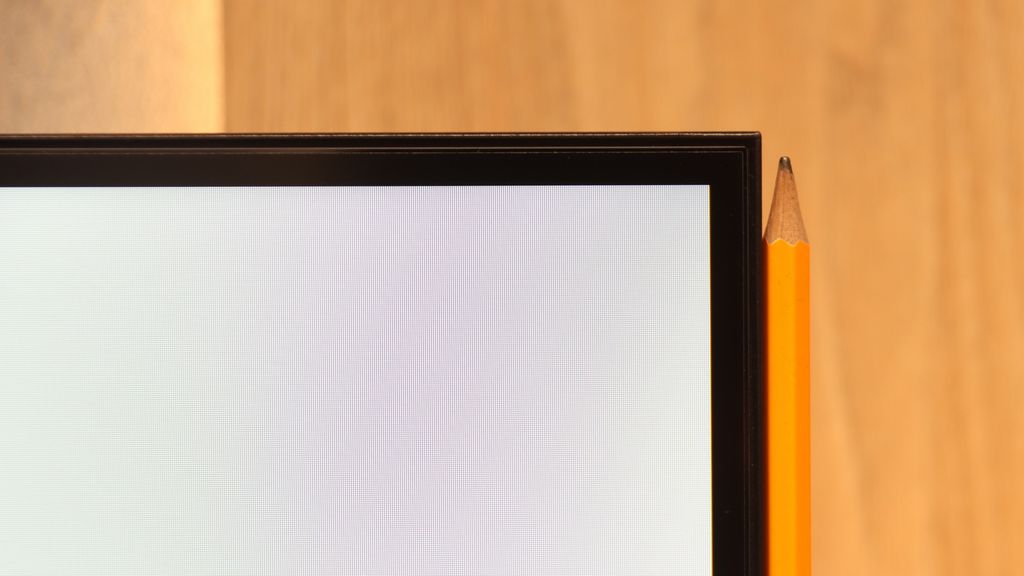
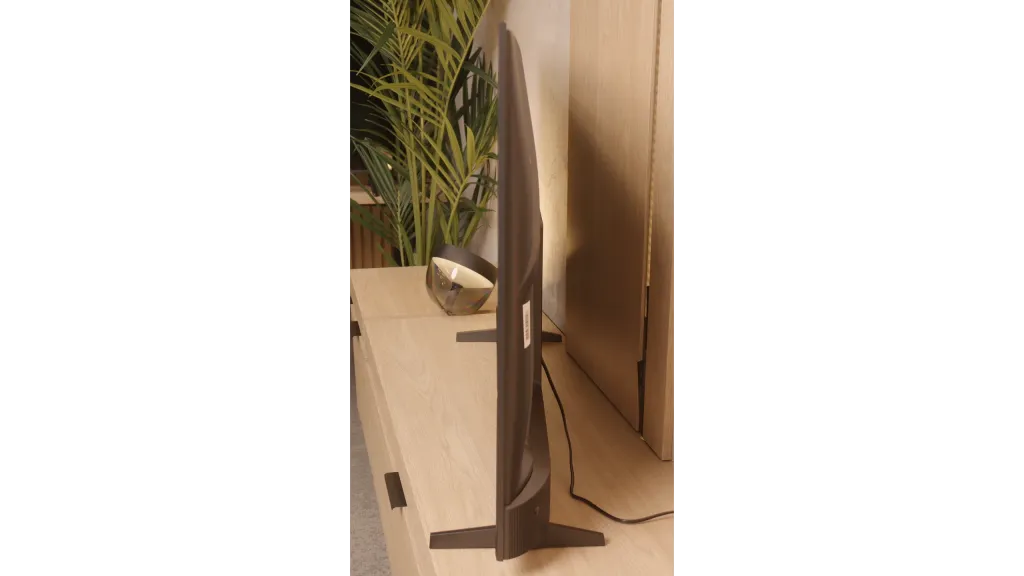
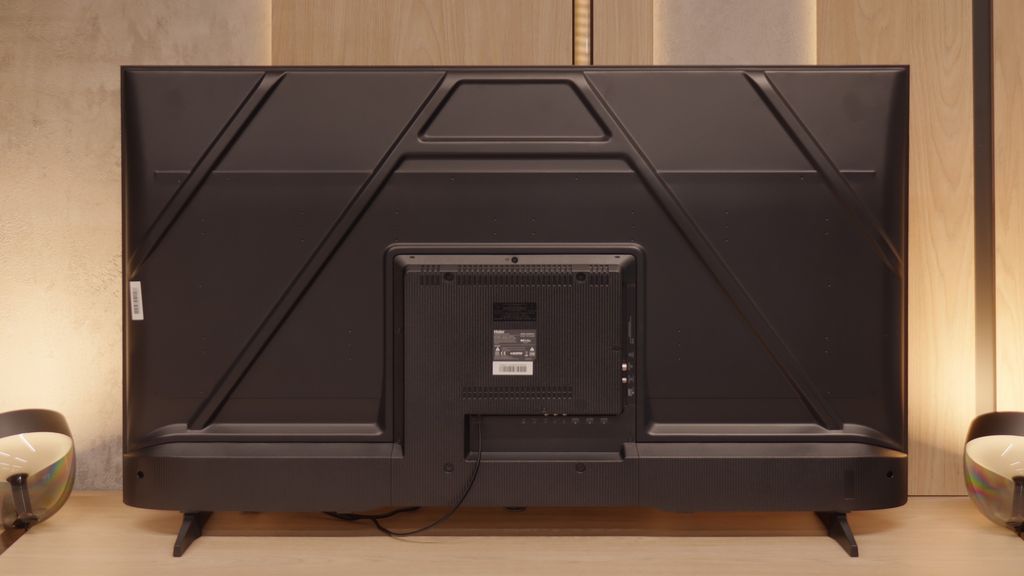
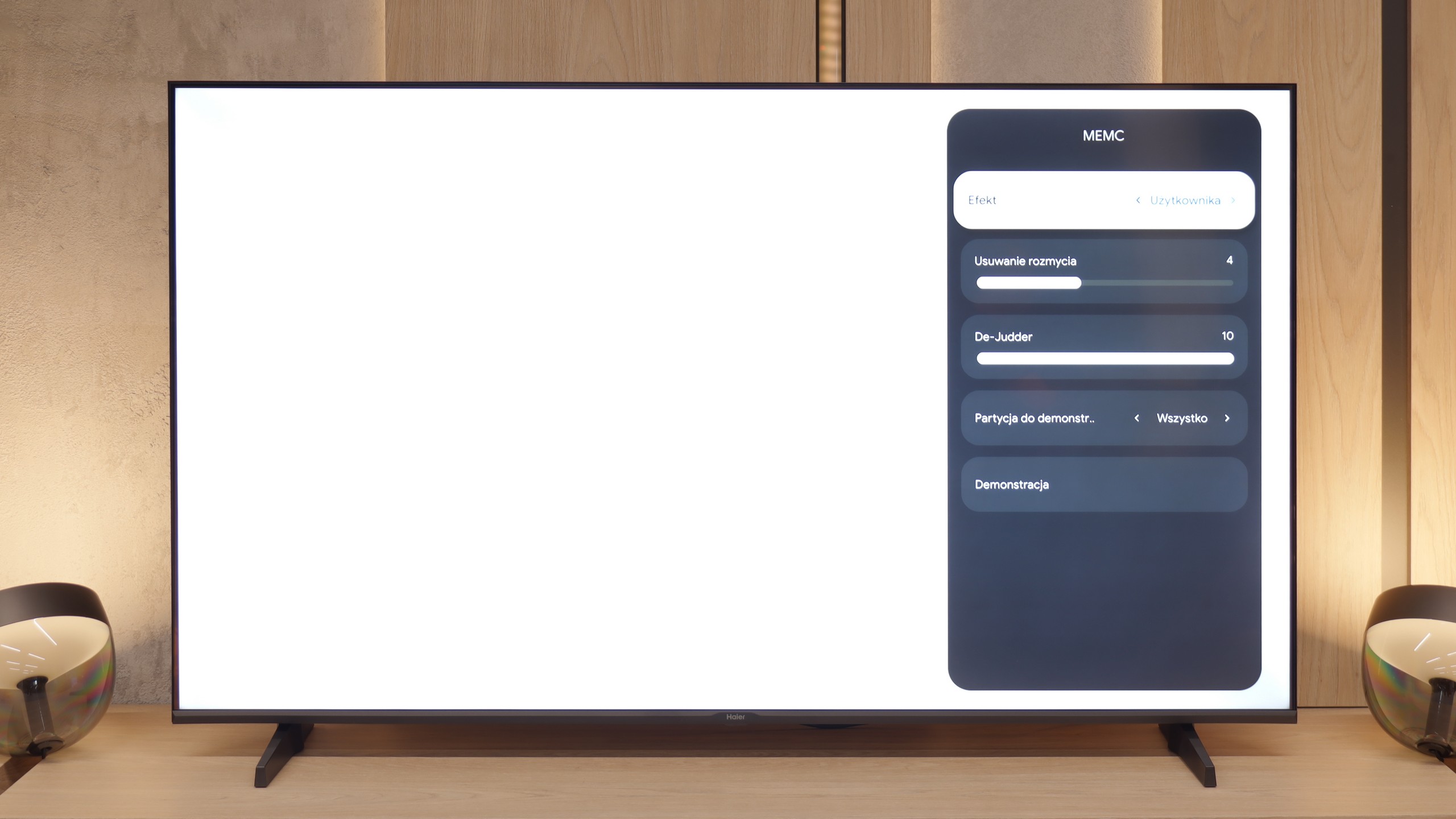
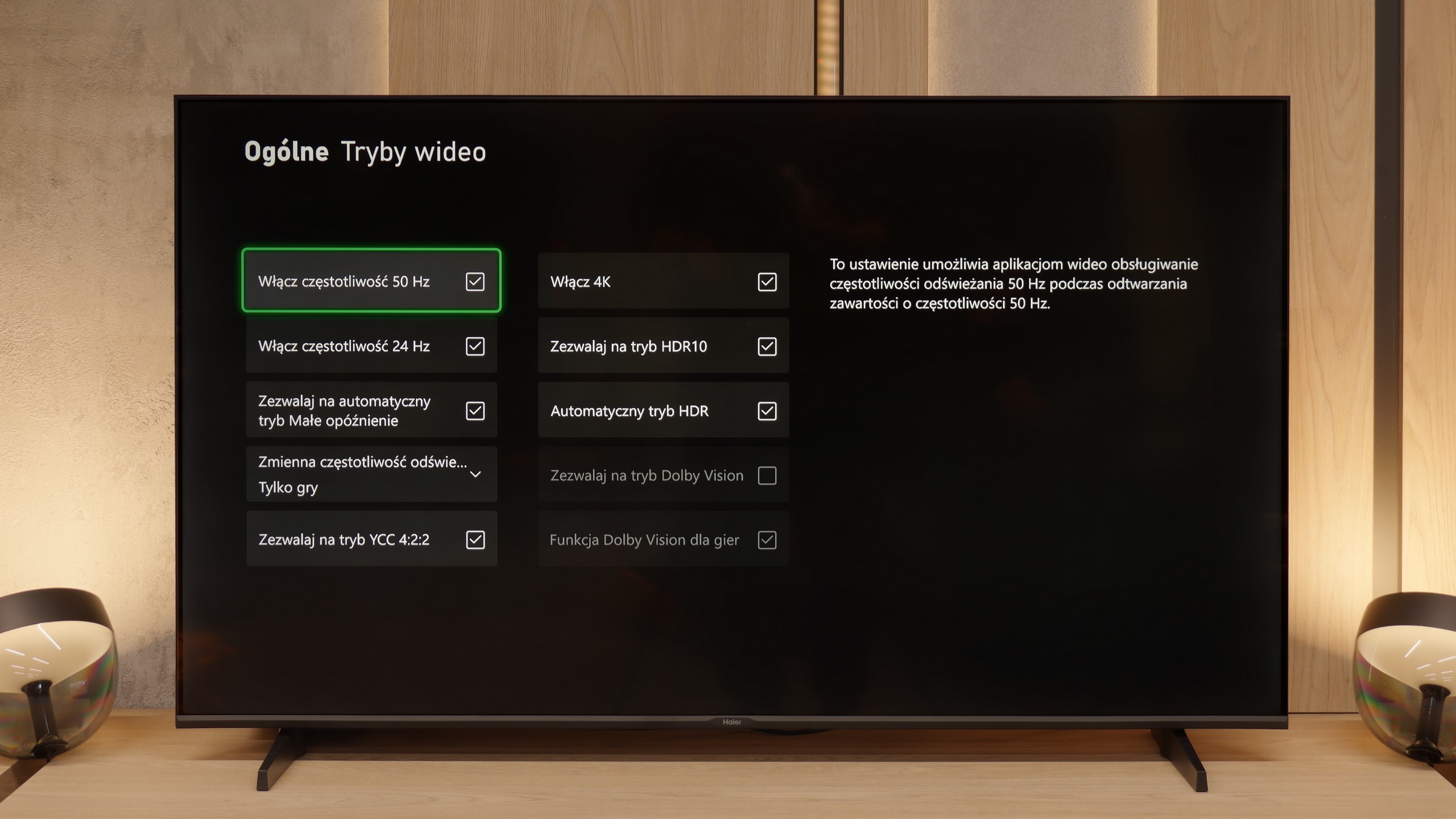
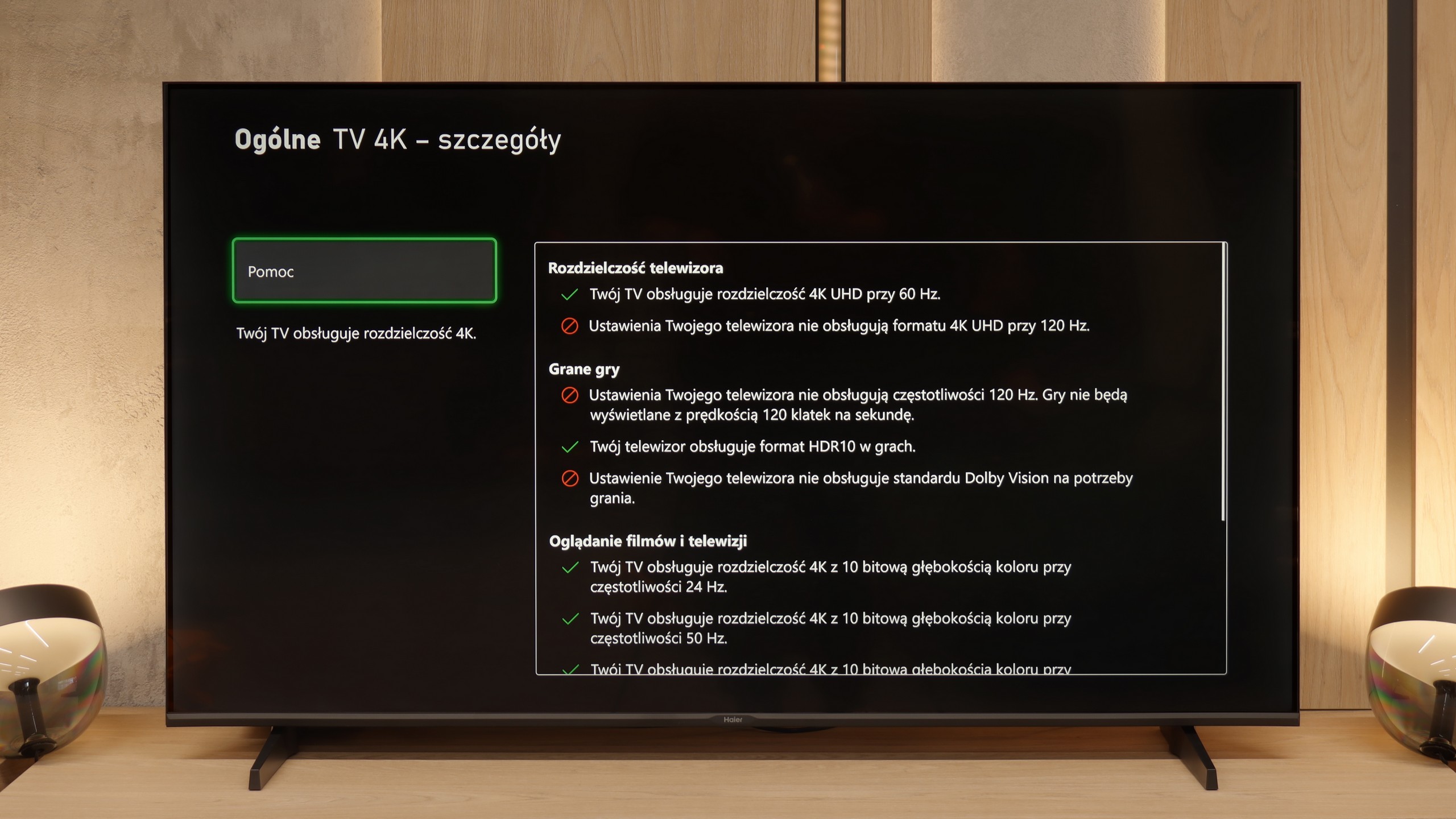
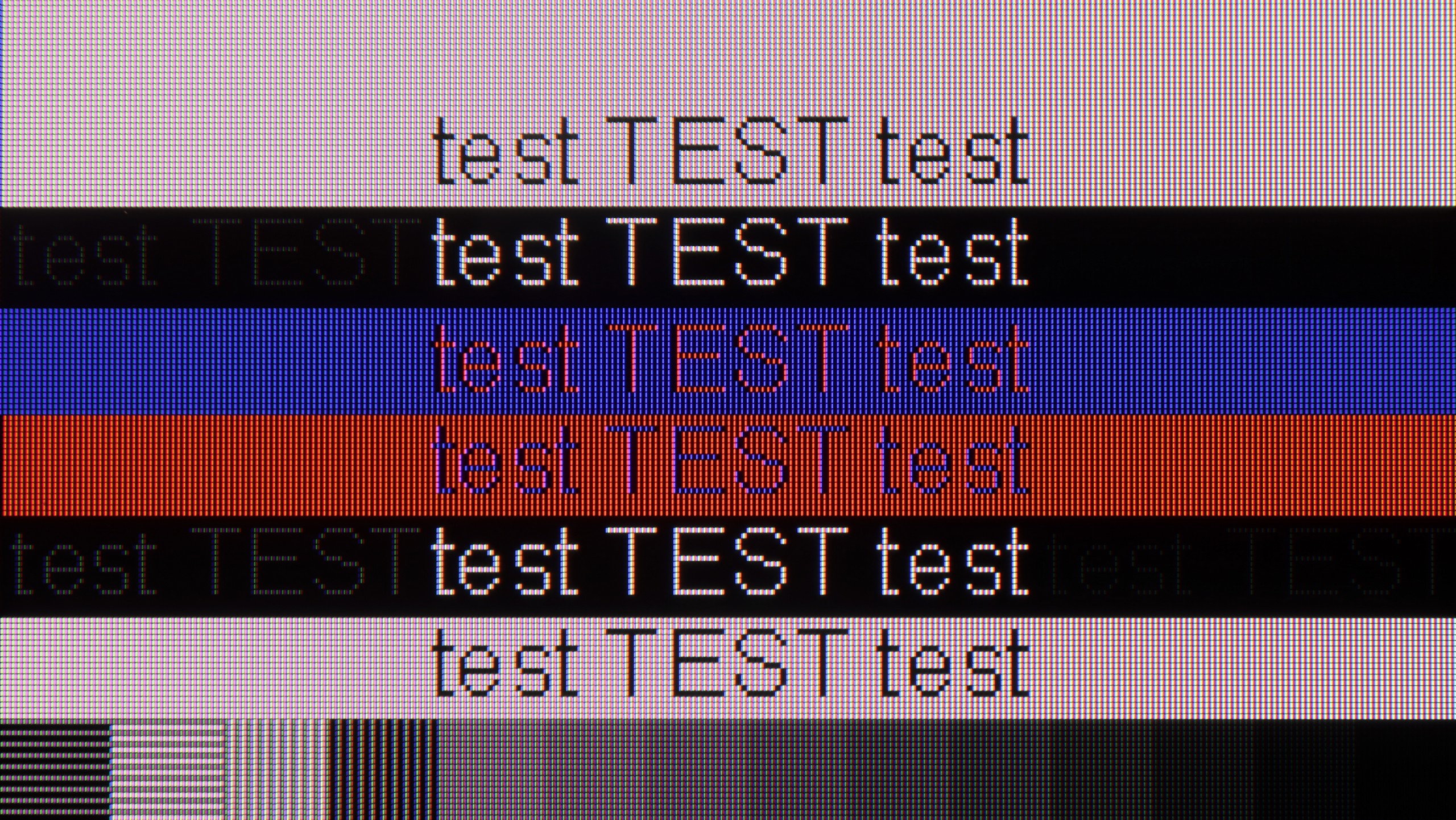
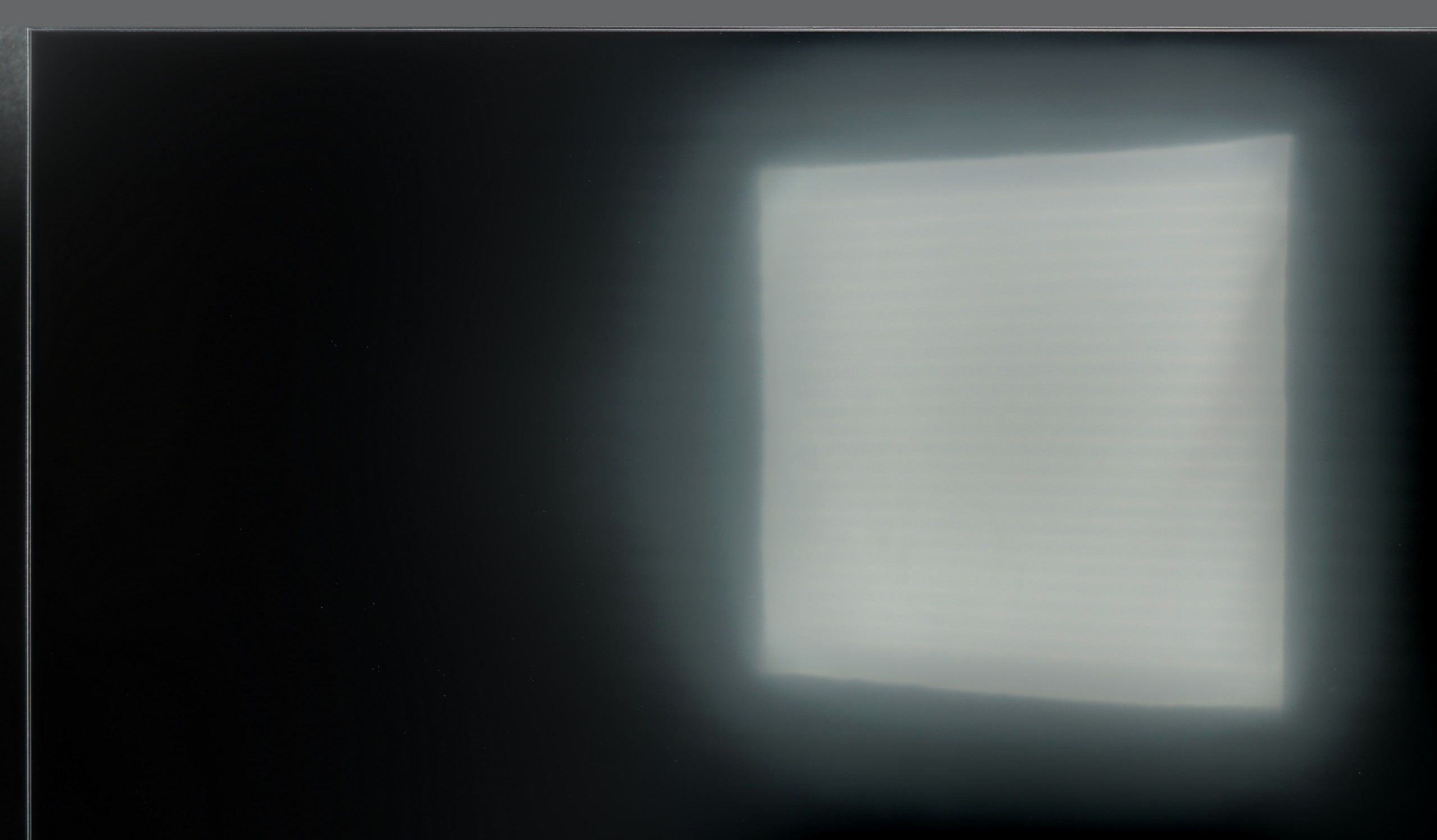
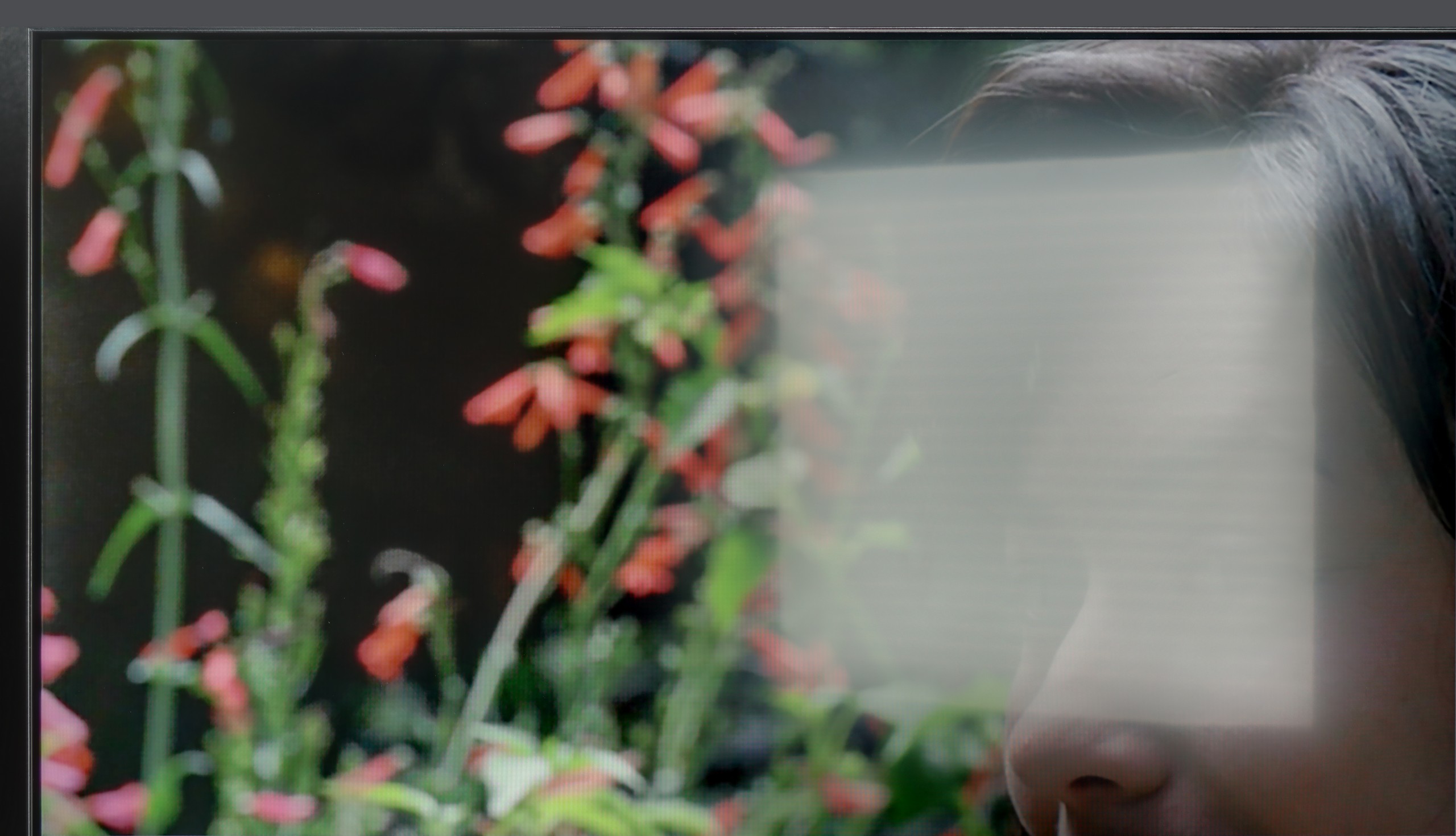
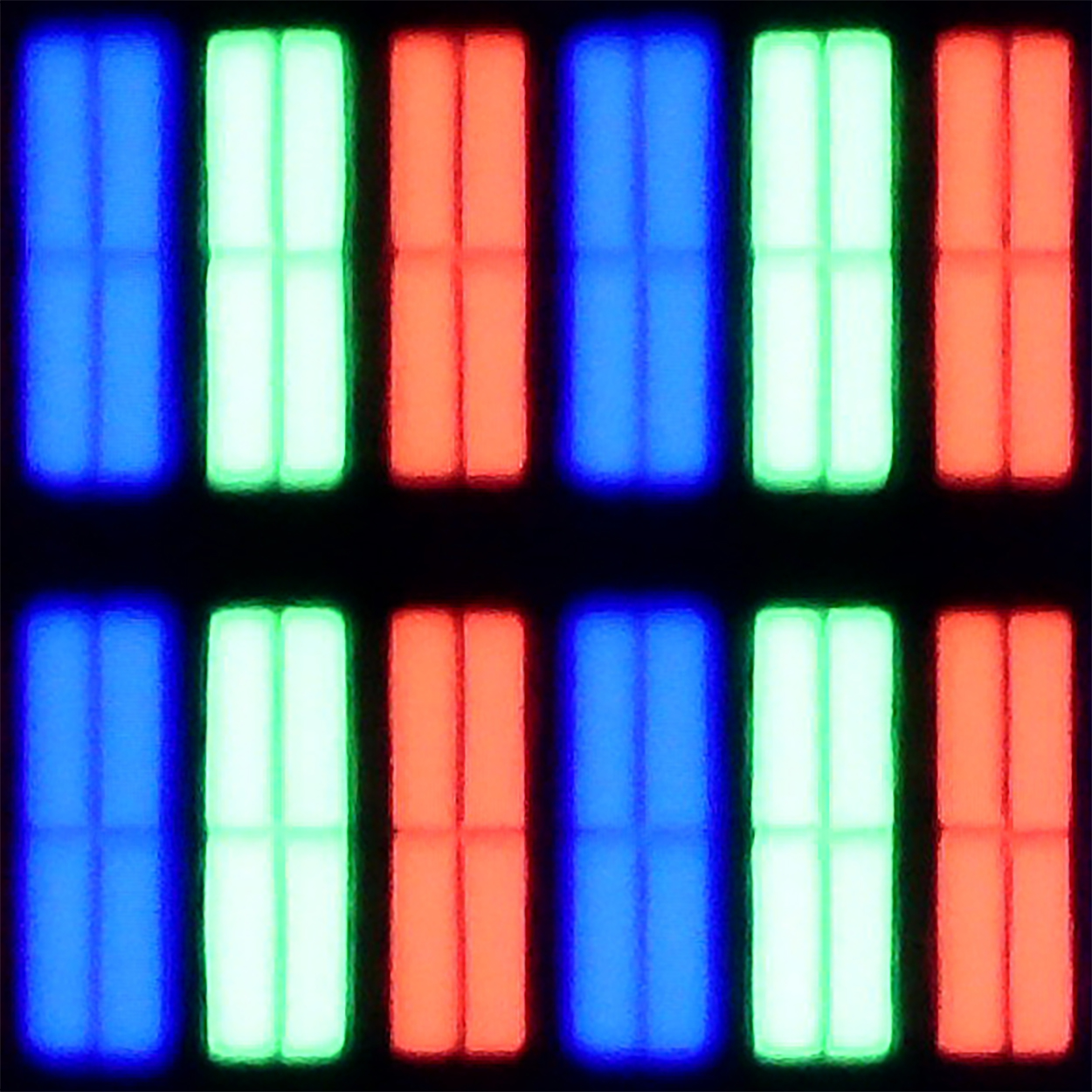
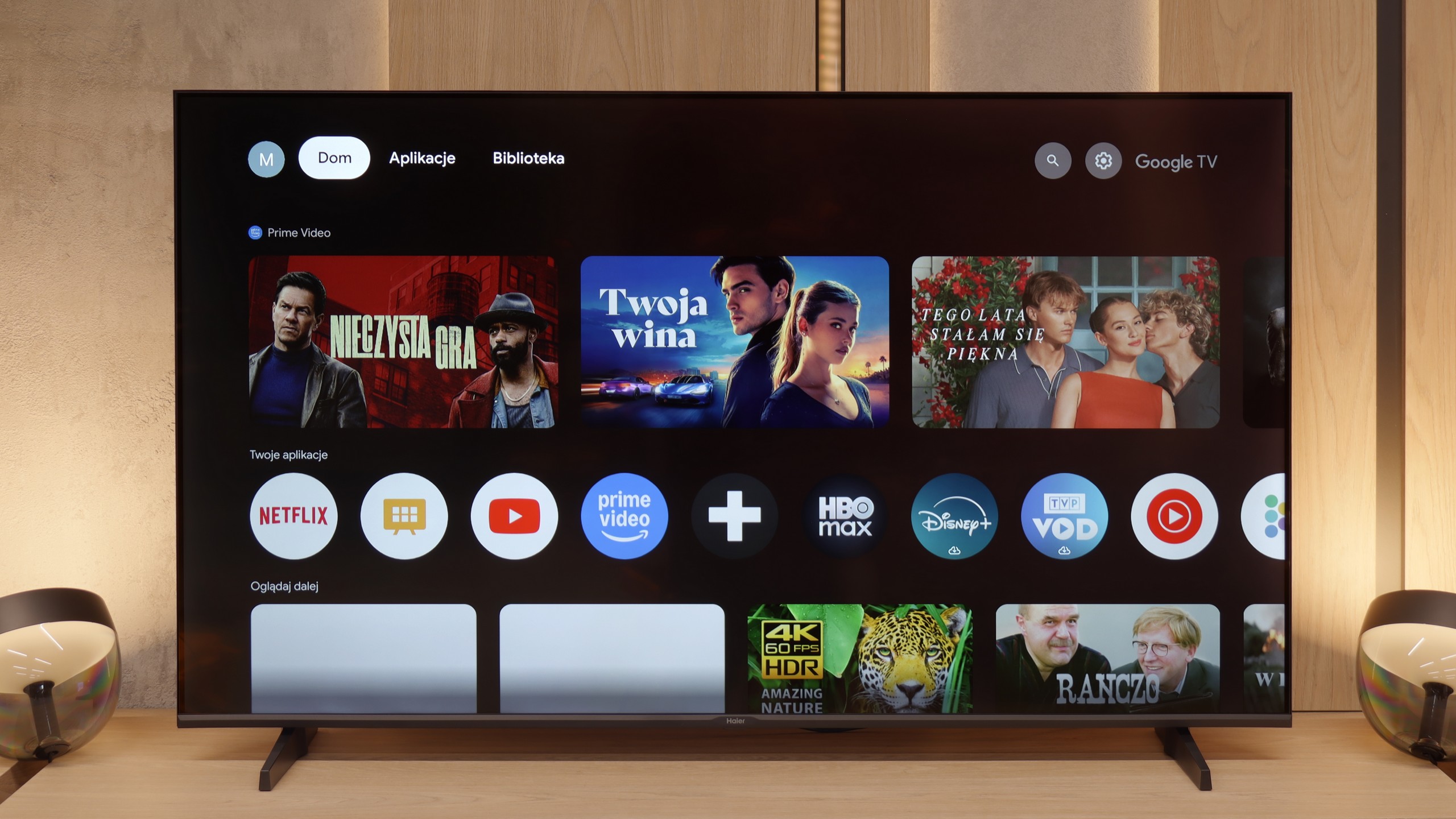
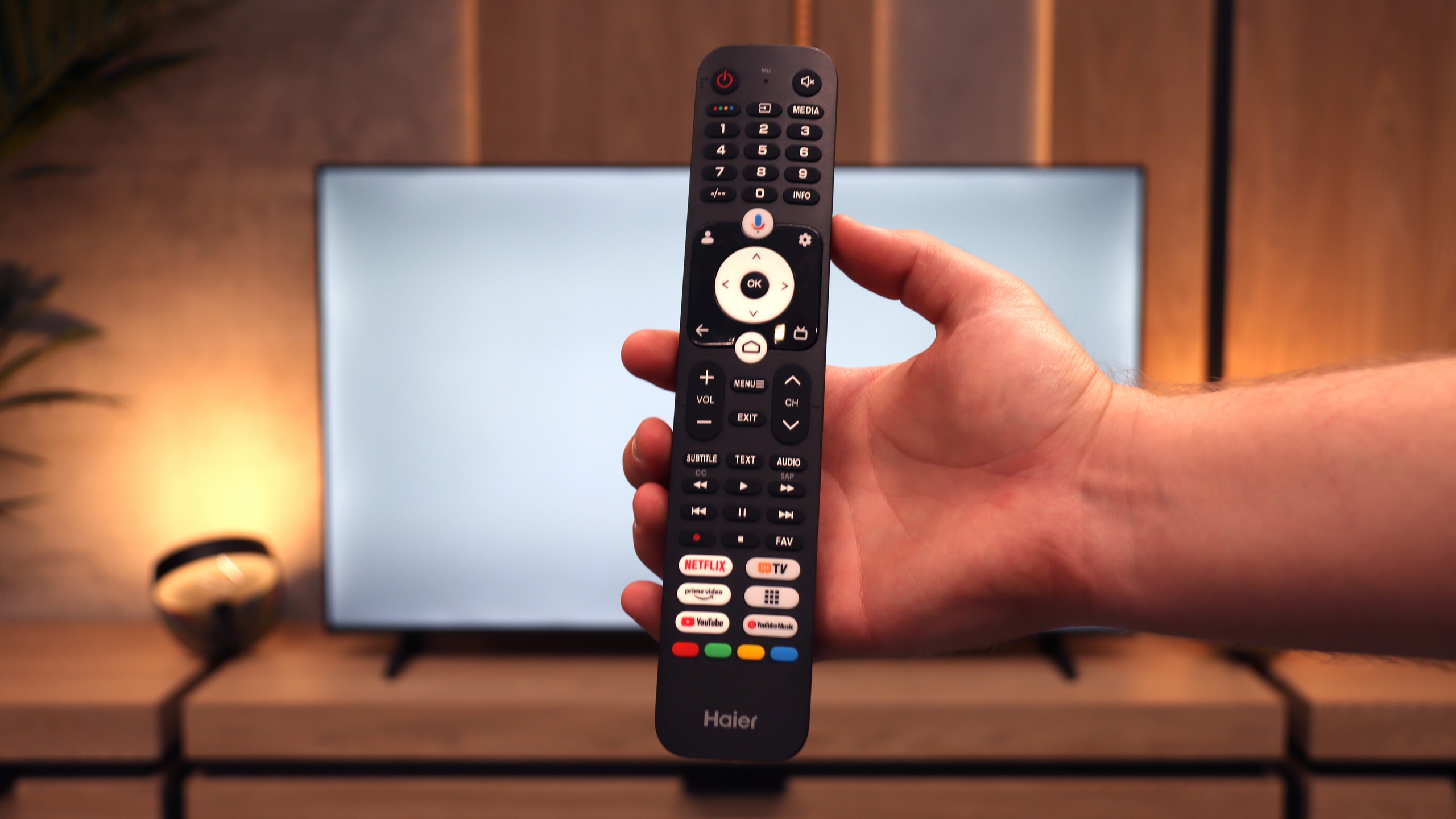
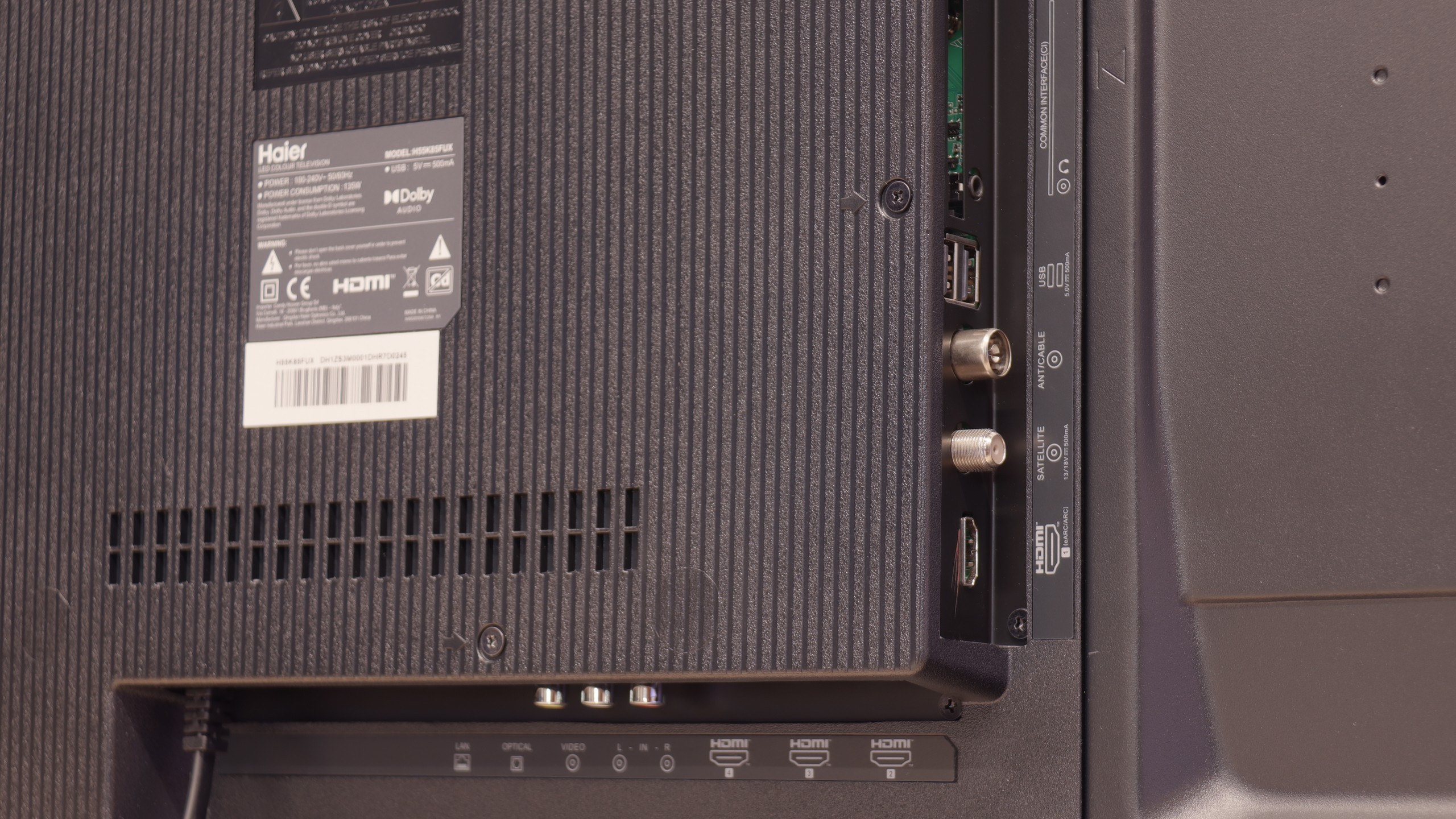
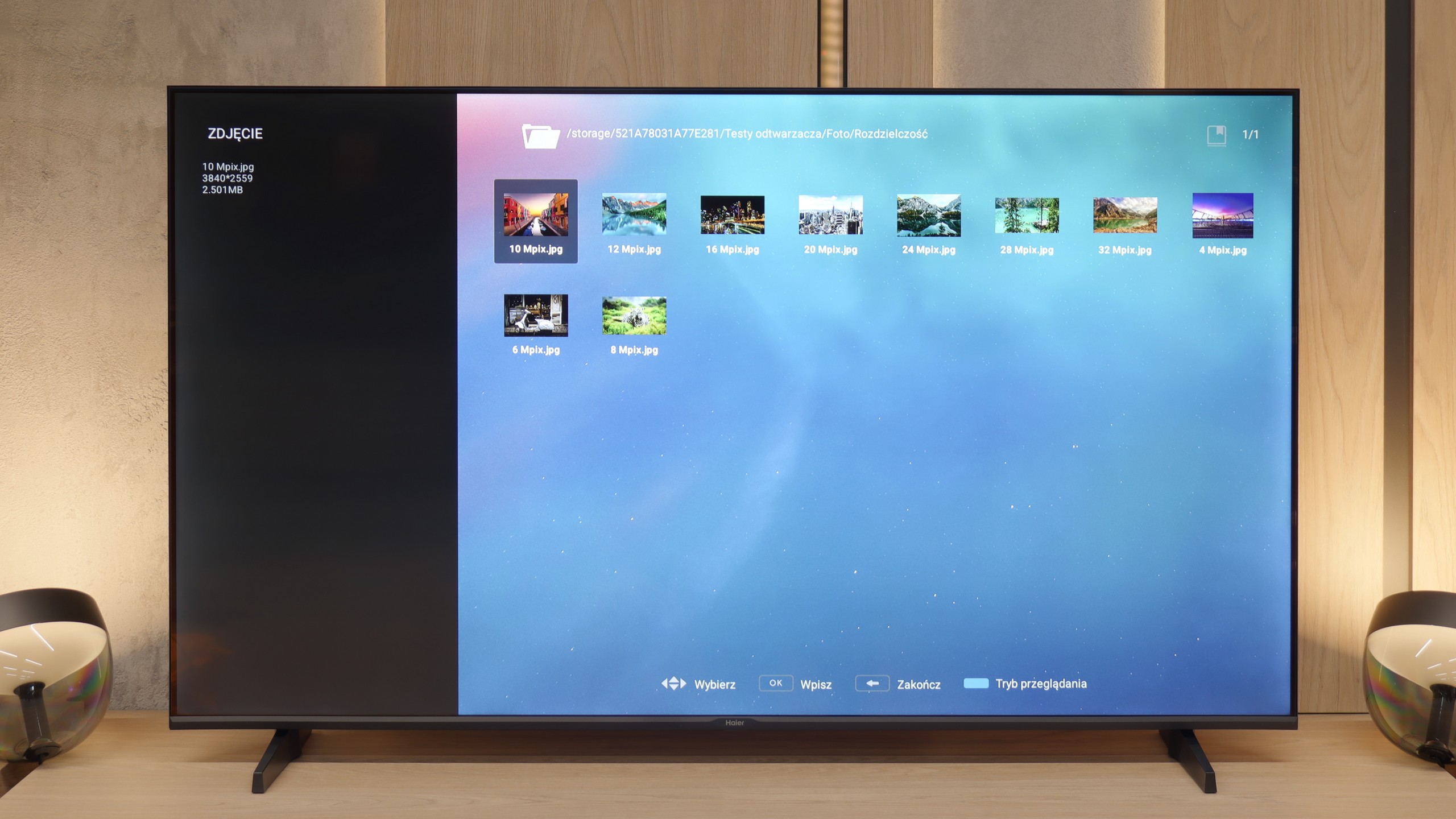
The debut of the Haier brand in the European TV market with the K85F model gives the impression of being rushed, and after thorough testing, it feels almost unfinished. Analyzing this product, we come to a fundamental conclusion: its biggest problem is not the quality of the panel used. Given its price segment, this is simply average, with the typical advantages of VA technology in the form of high contrast and equally typical disadvantages such as poor viewing angles. What actually disqualifies this model as a home entertainment center is the glaring lack of engineering and, above all, software refinement. The list of shortcomings is long and starts from the first contact with the device. Careless assembly, which could have been avoided at the quality control stage, a poorly optimized and poorly translated Google TV system, and annoying issues with such basic functions as pairing the remote—these all contribute to the picture of a product that seems to have been released to market without due diligence. The catastrophic picture quality in HDR mode, resulting not only from low brightness but also from a complete lack of intelligent adaptation to the signal, only adds to this disappointing image. However, it turns out that this model has its second, surprising face. It is enough to look at it not through the prism of a home TV, but rather as a large and cheap display for special tasks. Then its shortcomings take a backseat, and unexpected advantages come to the forefront: an exceptionally well-functioning media player with USB, outstanding font readability from a PC, and access to a huge database of applications. In such a role—as a screen in a conference room, hotel lobby, or simple advertising player—the Haier K85F performs surprisingly well. For the typical user seeking a reliable and simply well-functioning TV for the living room in 2025, however, the Haier K85F is a proposition that is extremely difficult to recommend with a clear conscience. It is a product full of contradictions that fails in its primary function intended by the manufacturer on too many fronts.
 Direct comparison