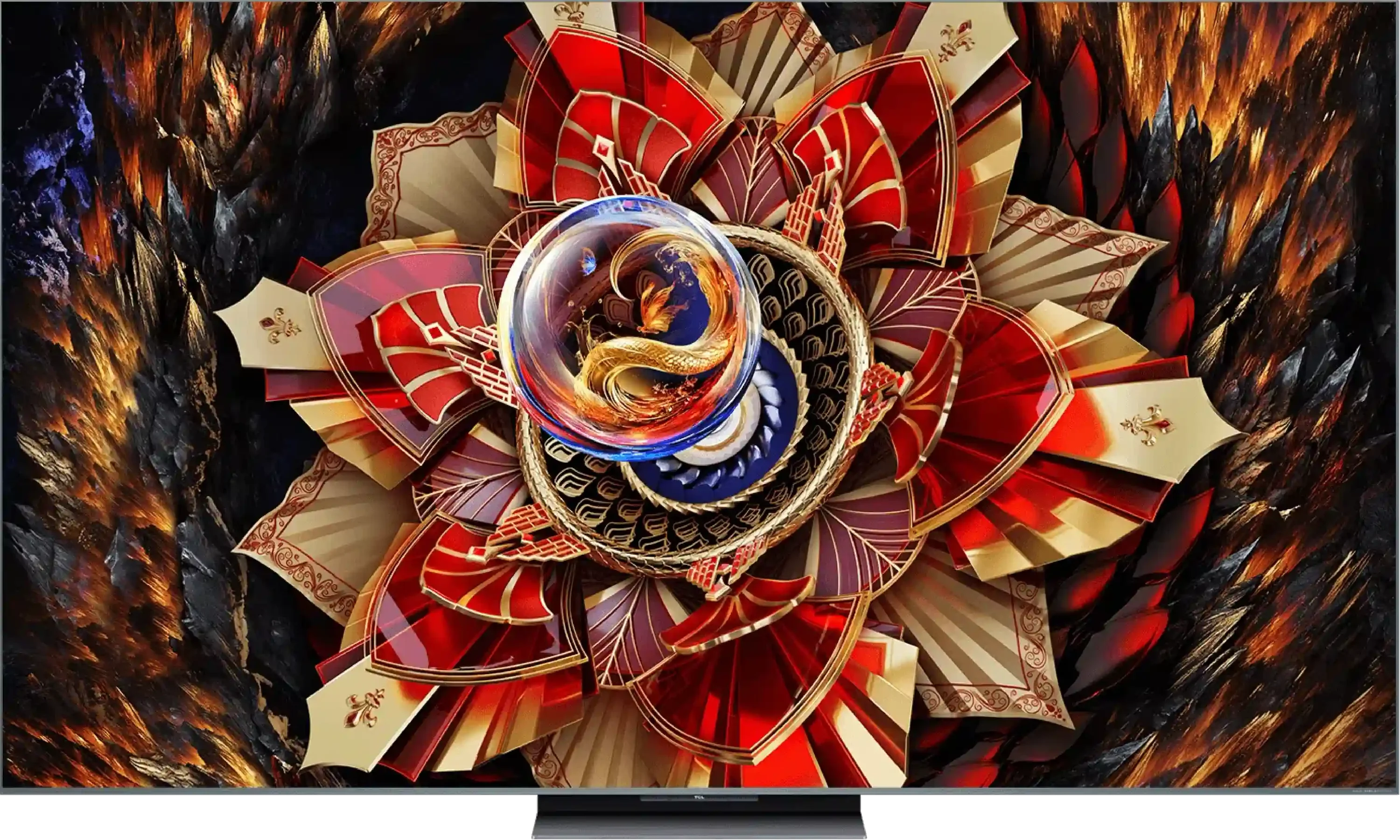
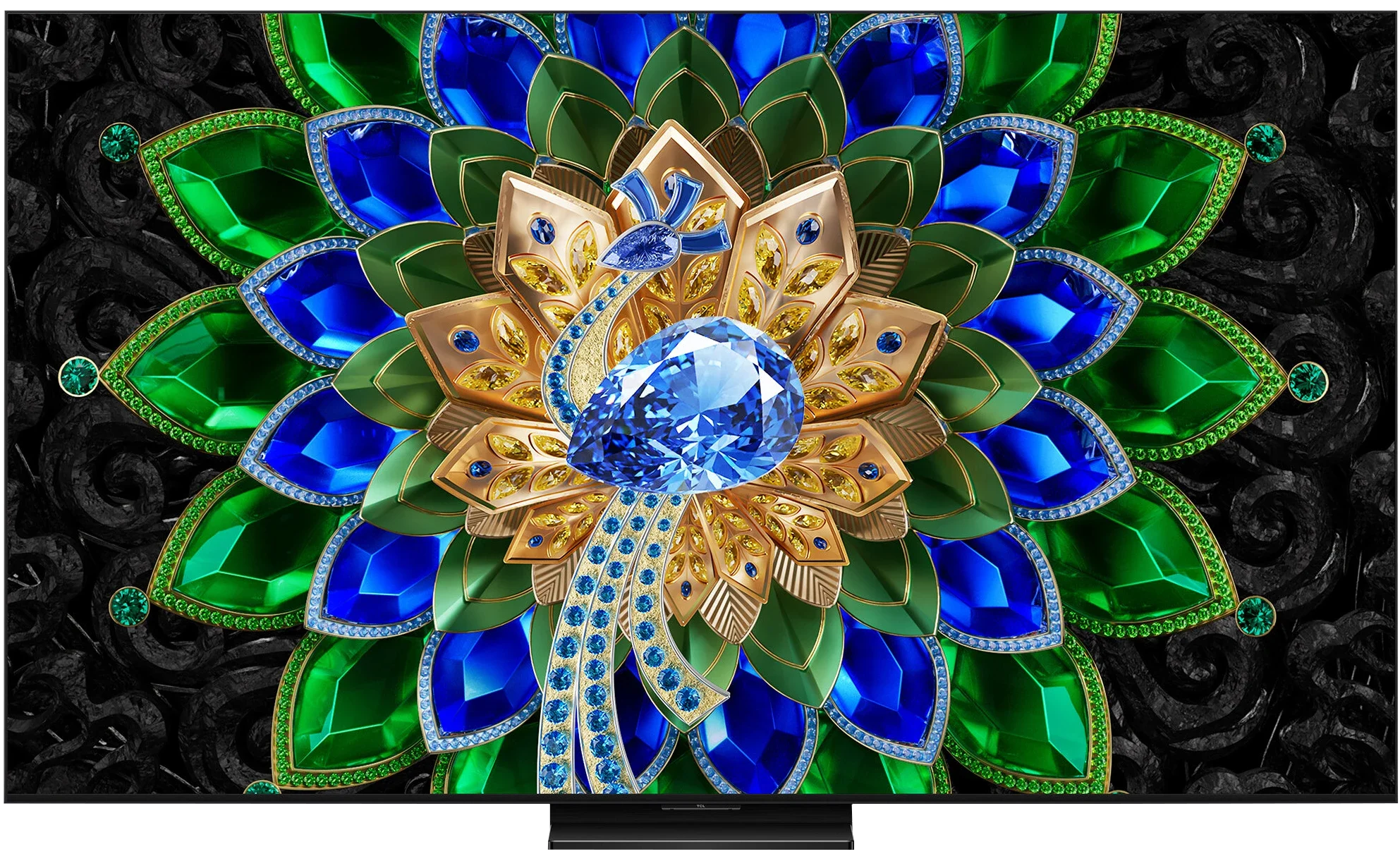
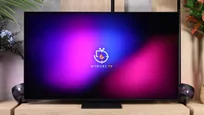
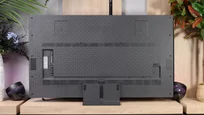
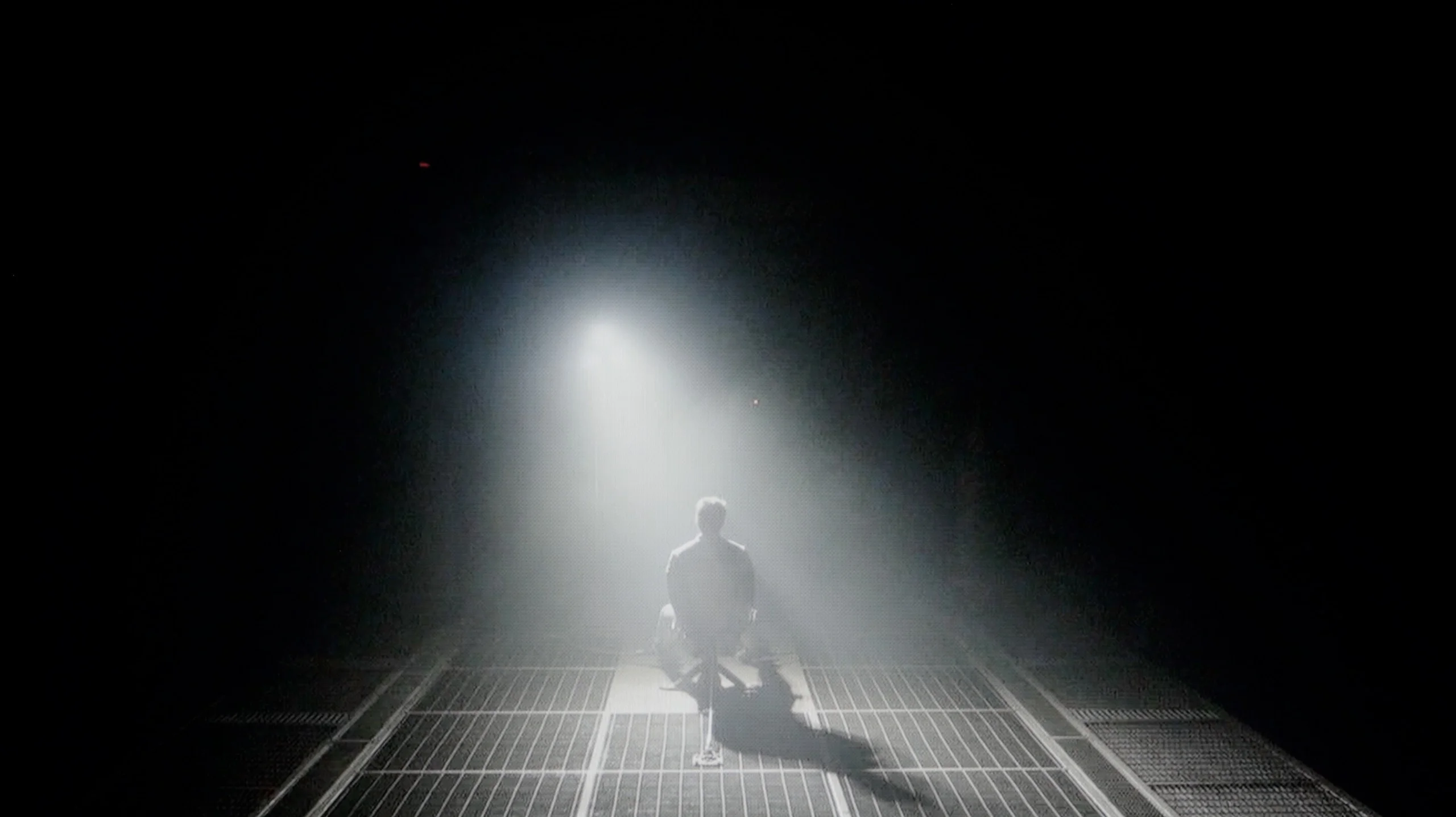
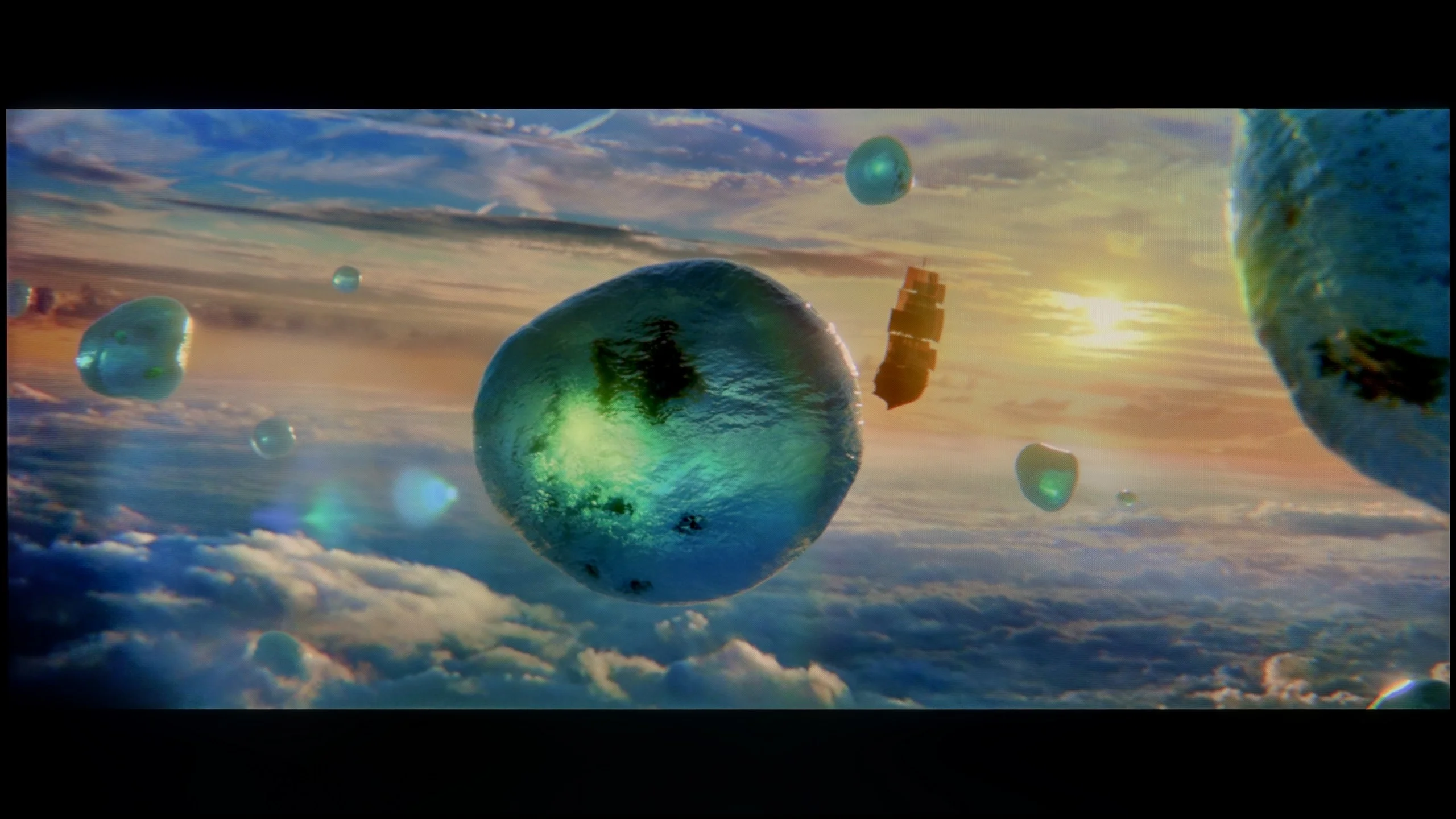
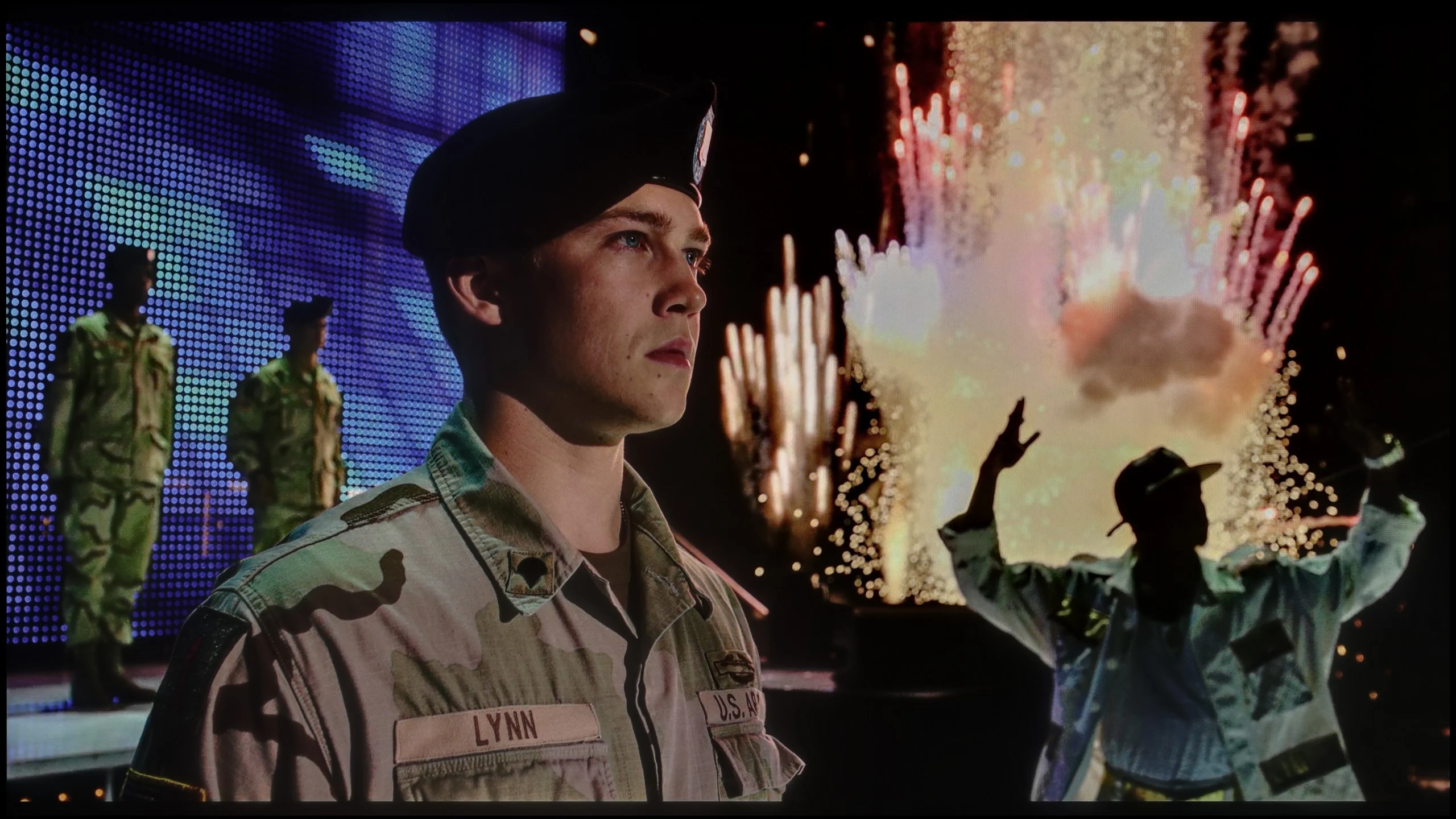
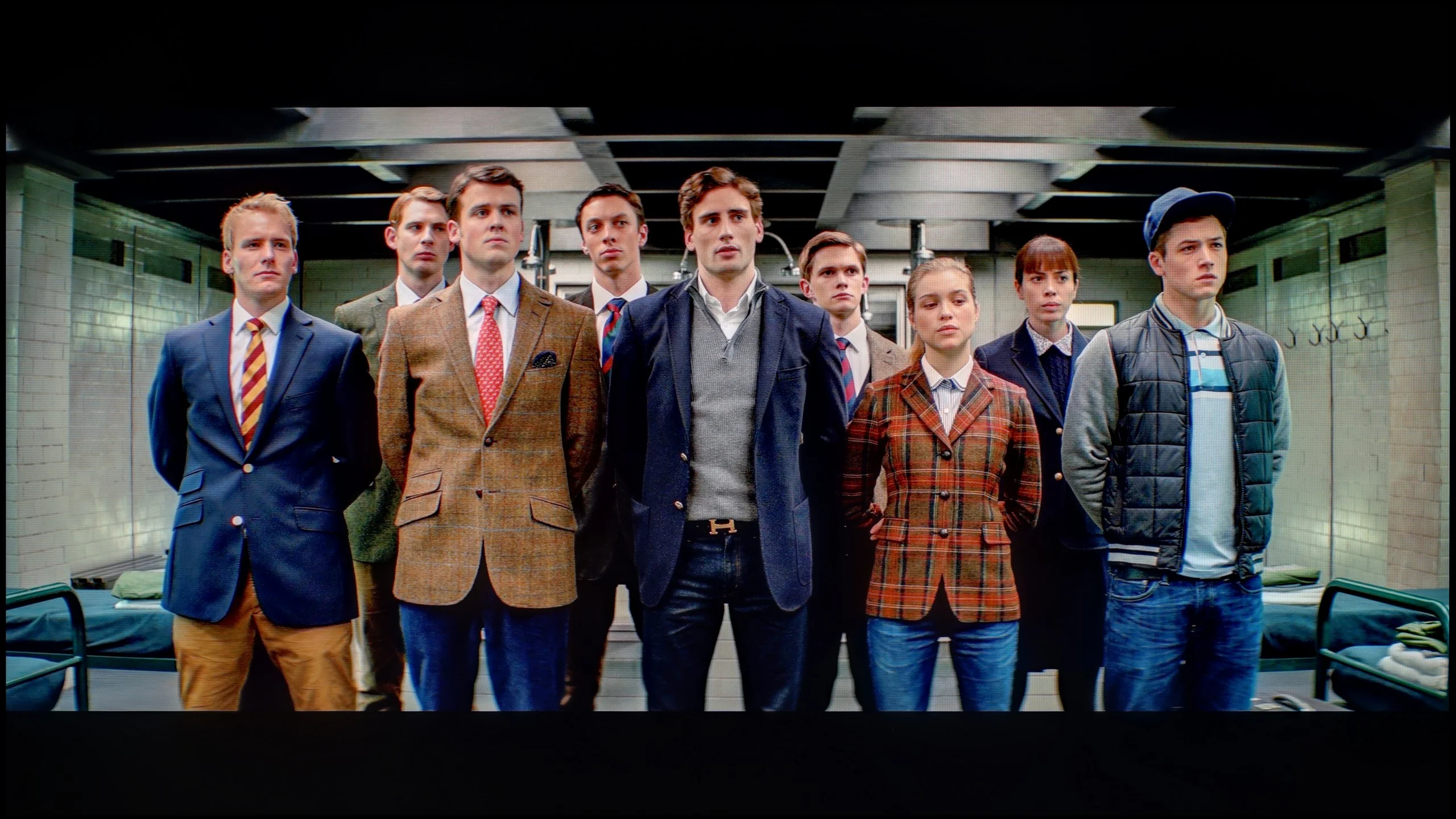
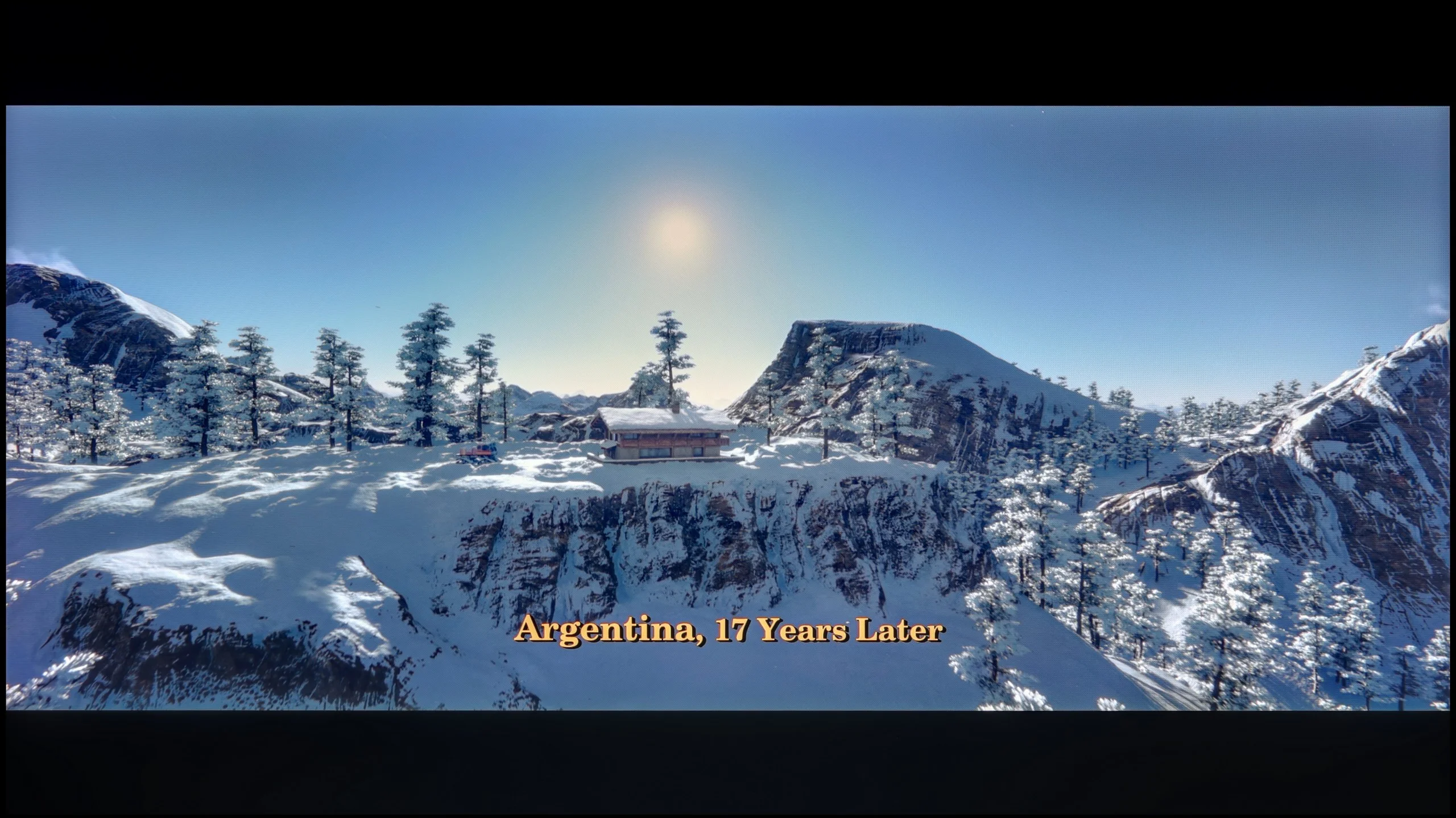
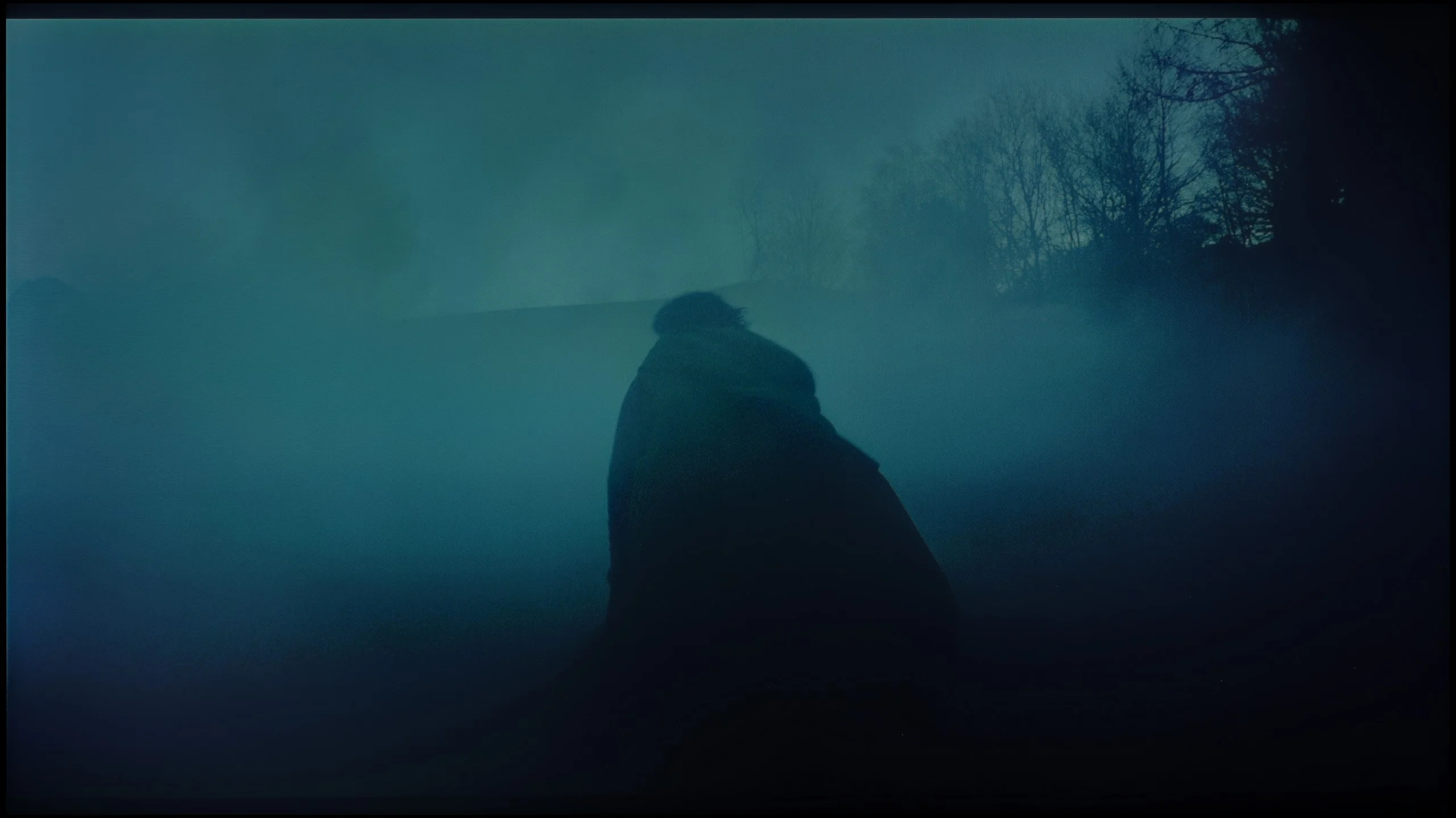
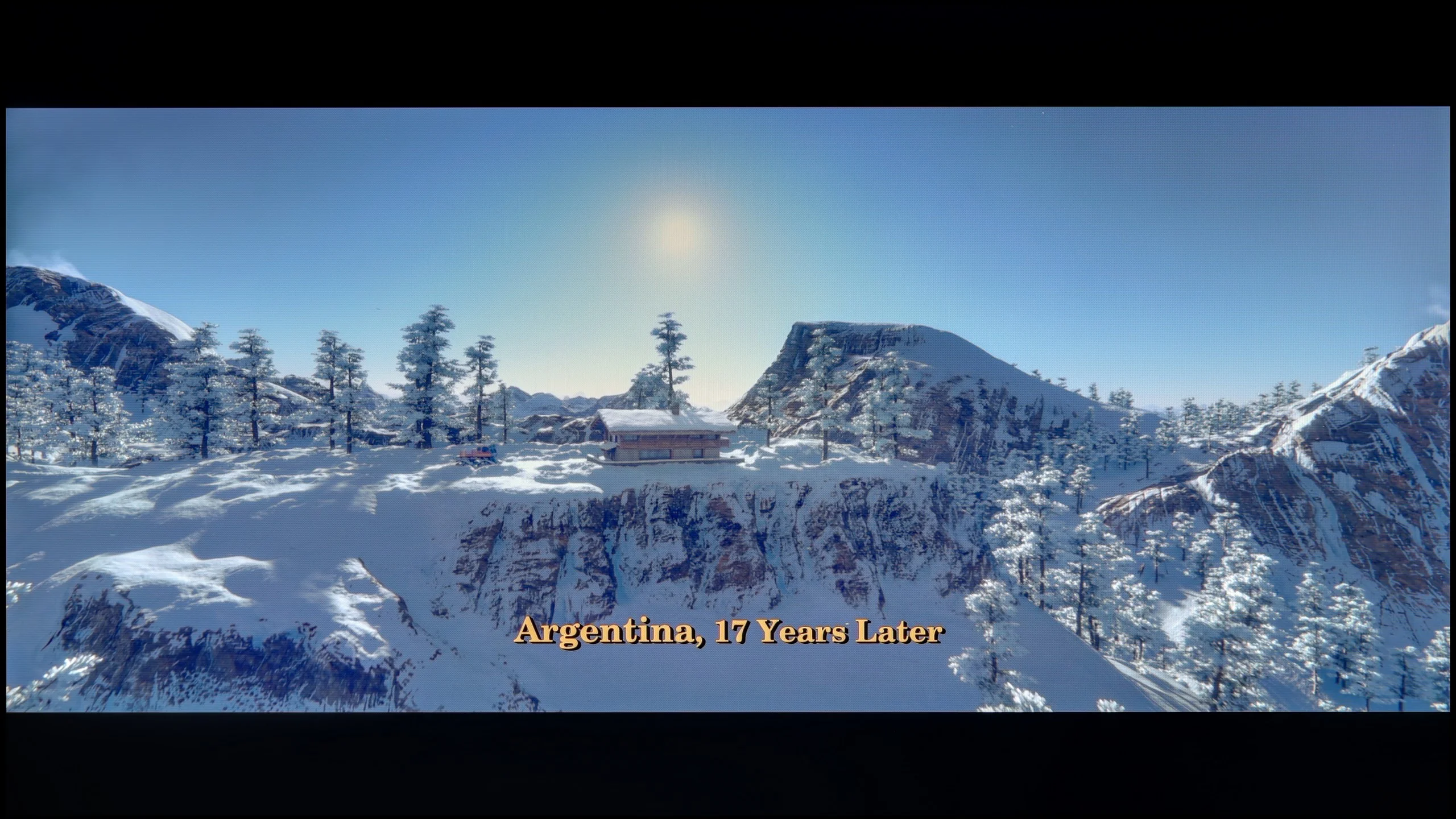
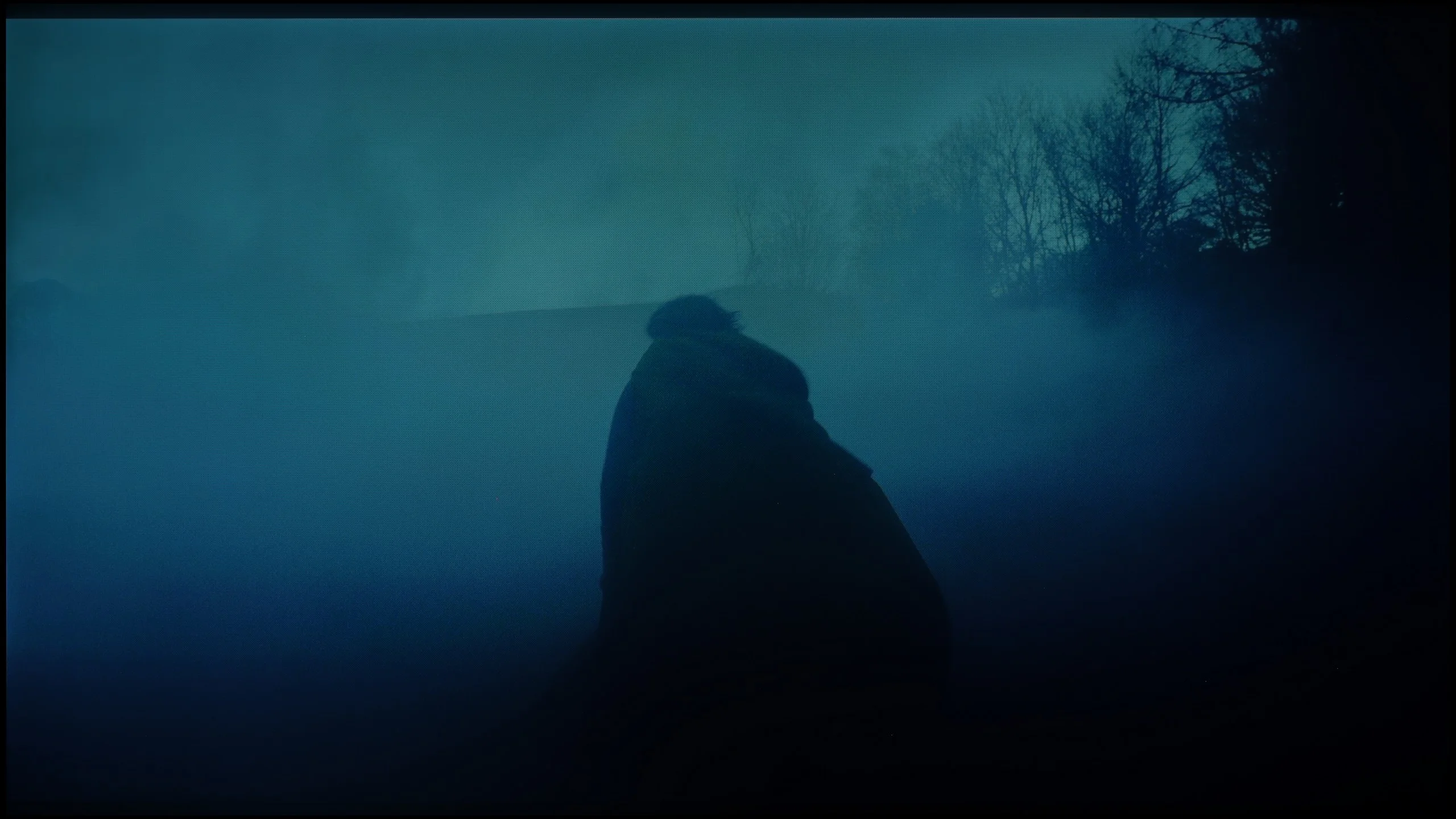
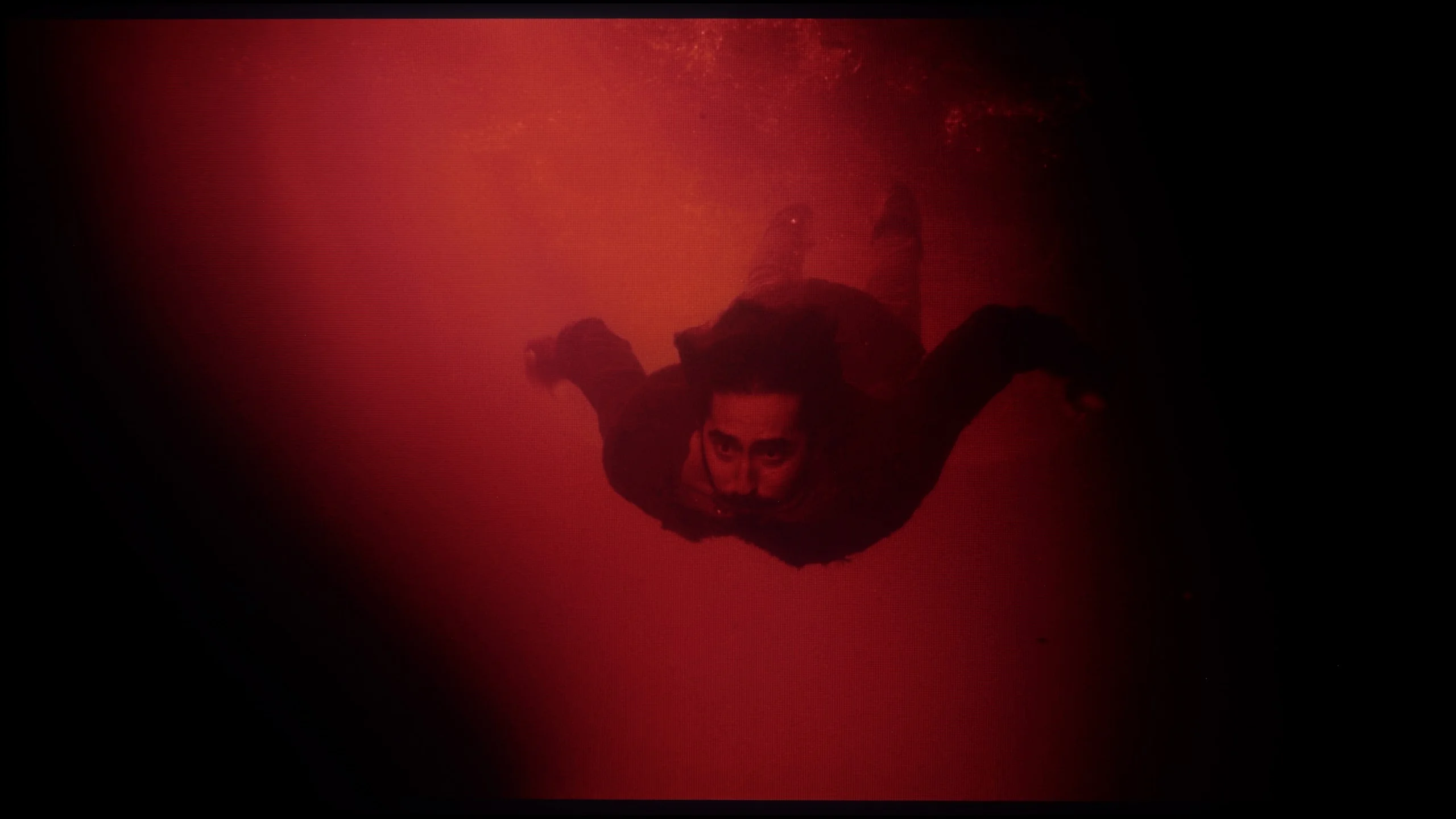
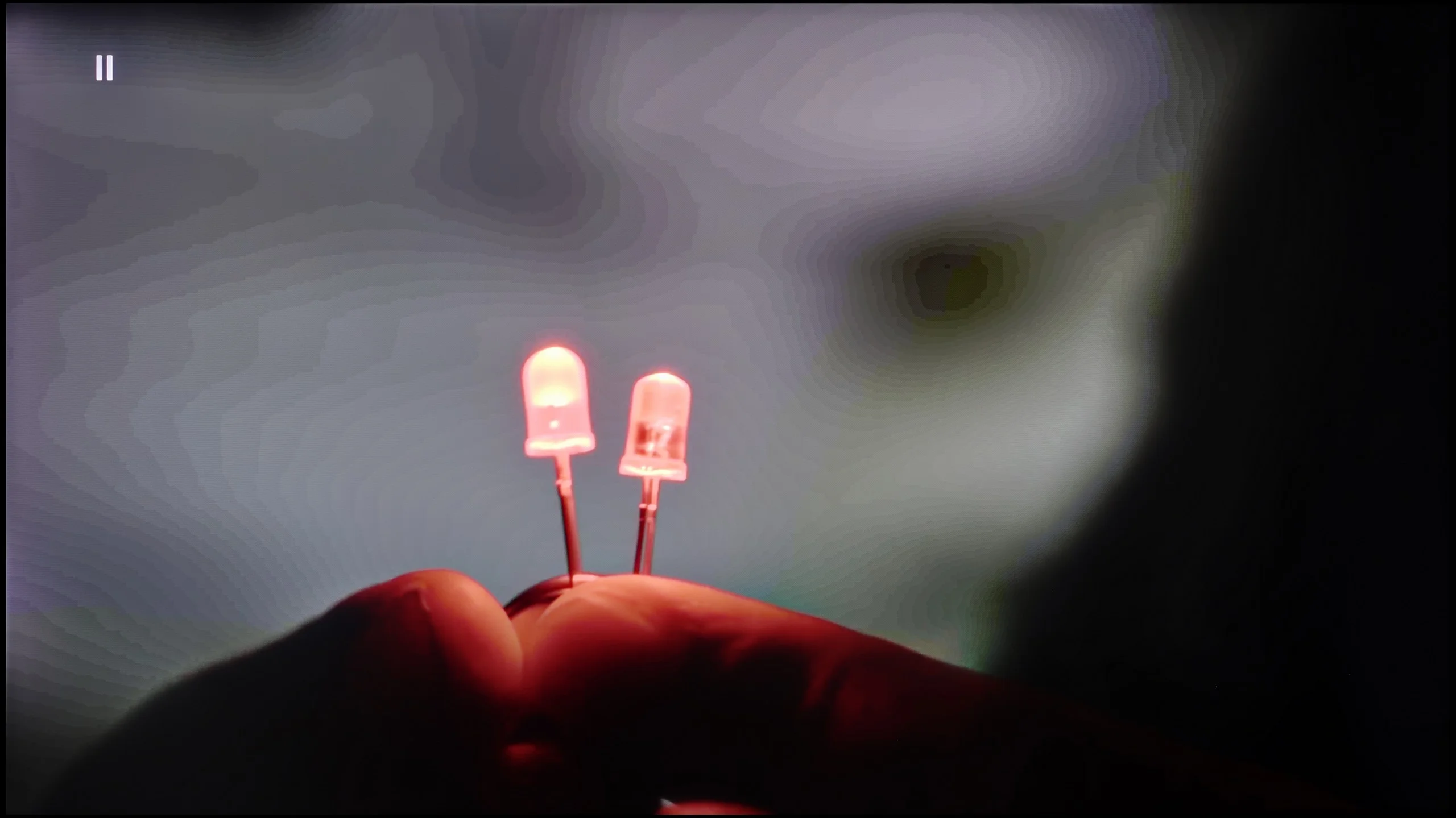
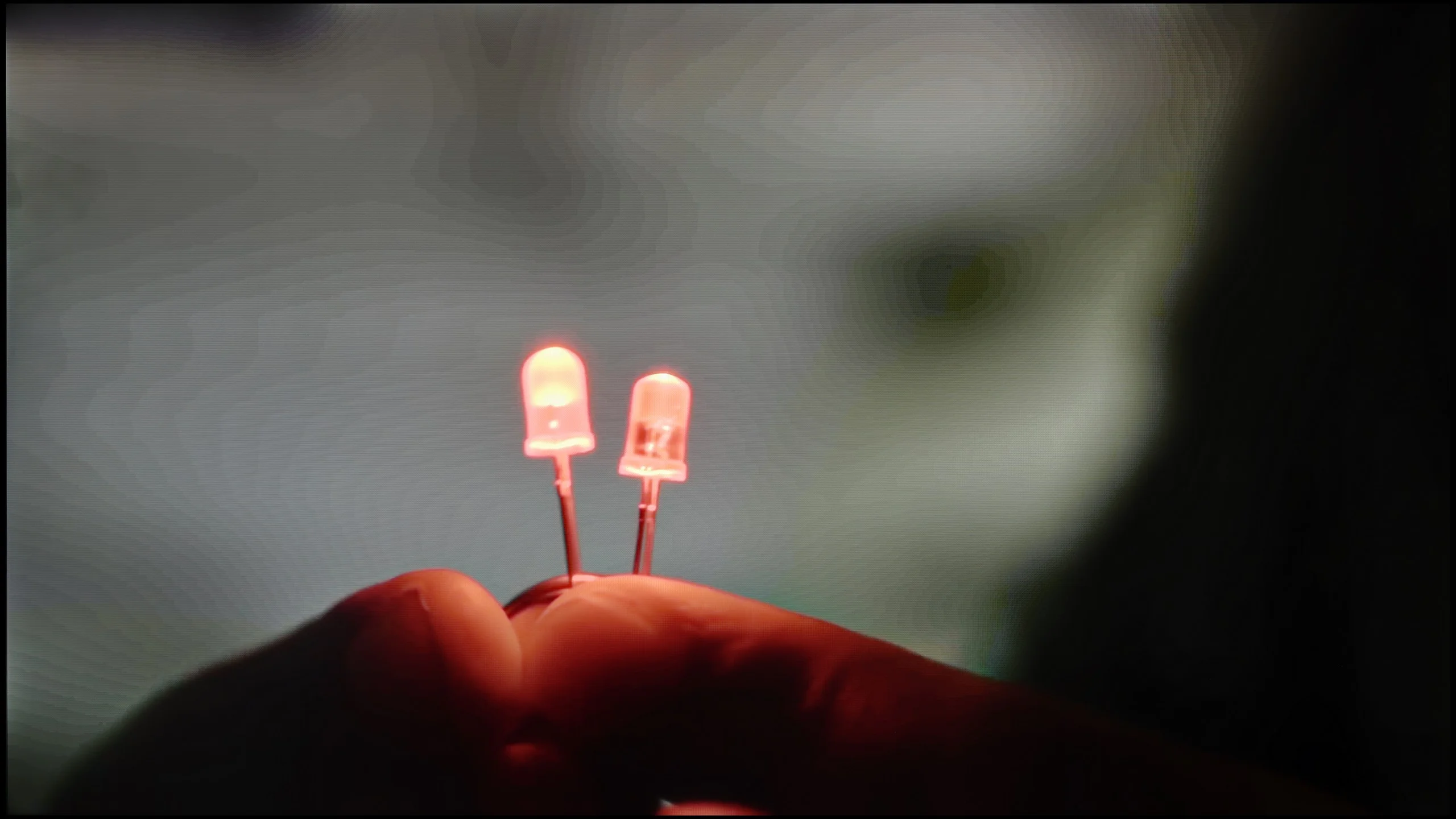
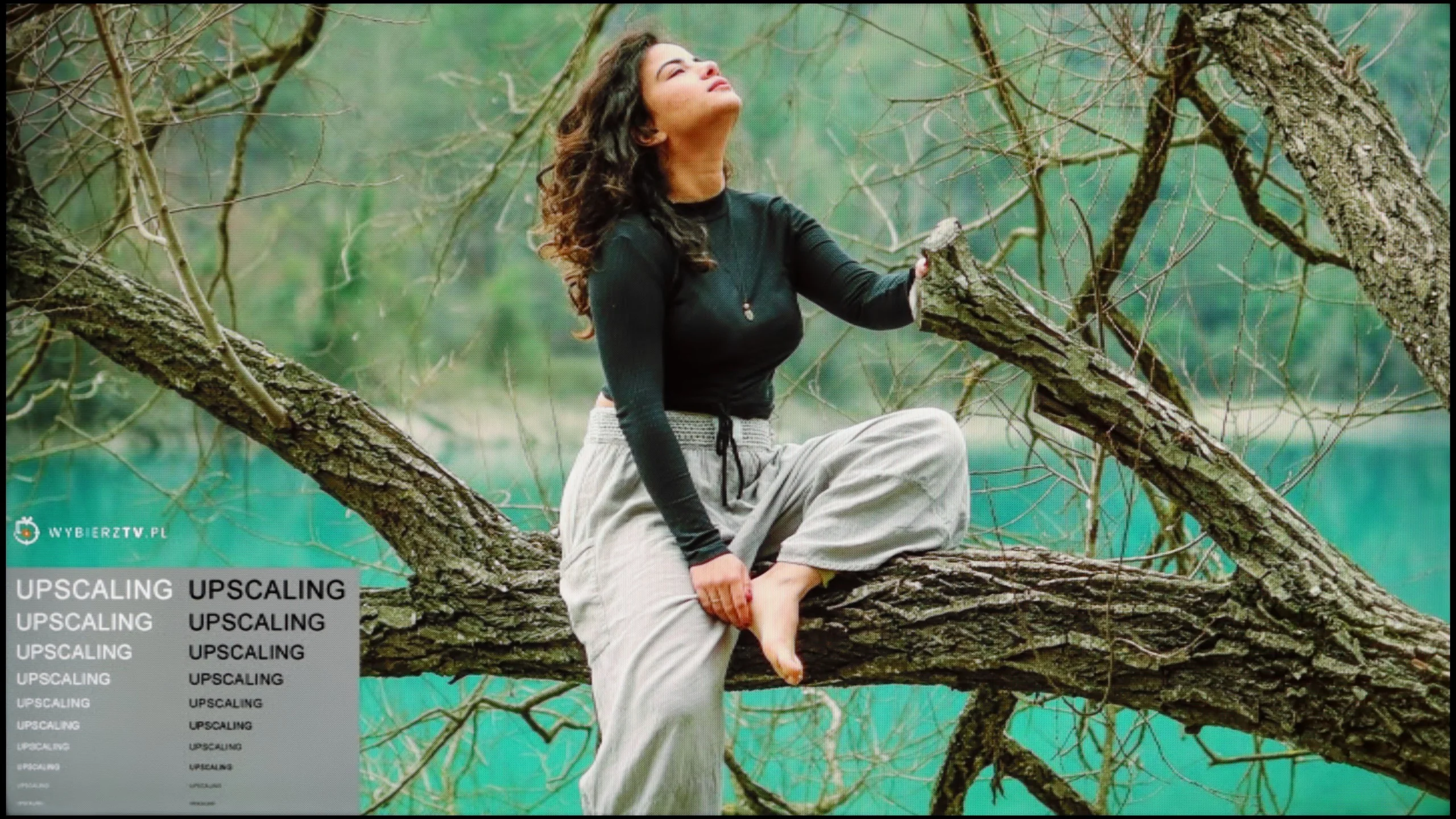
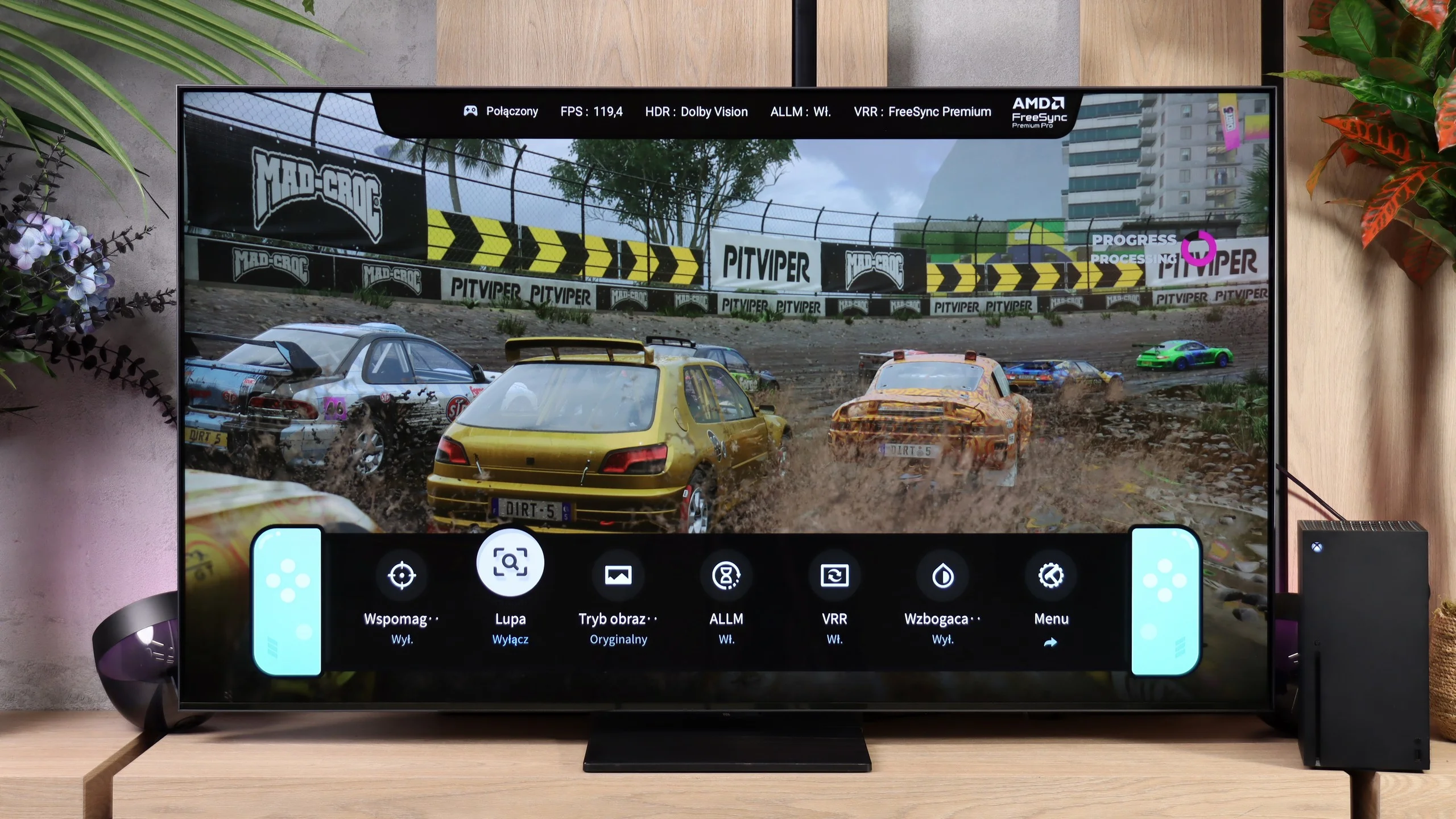
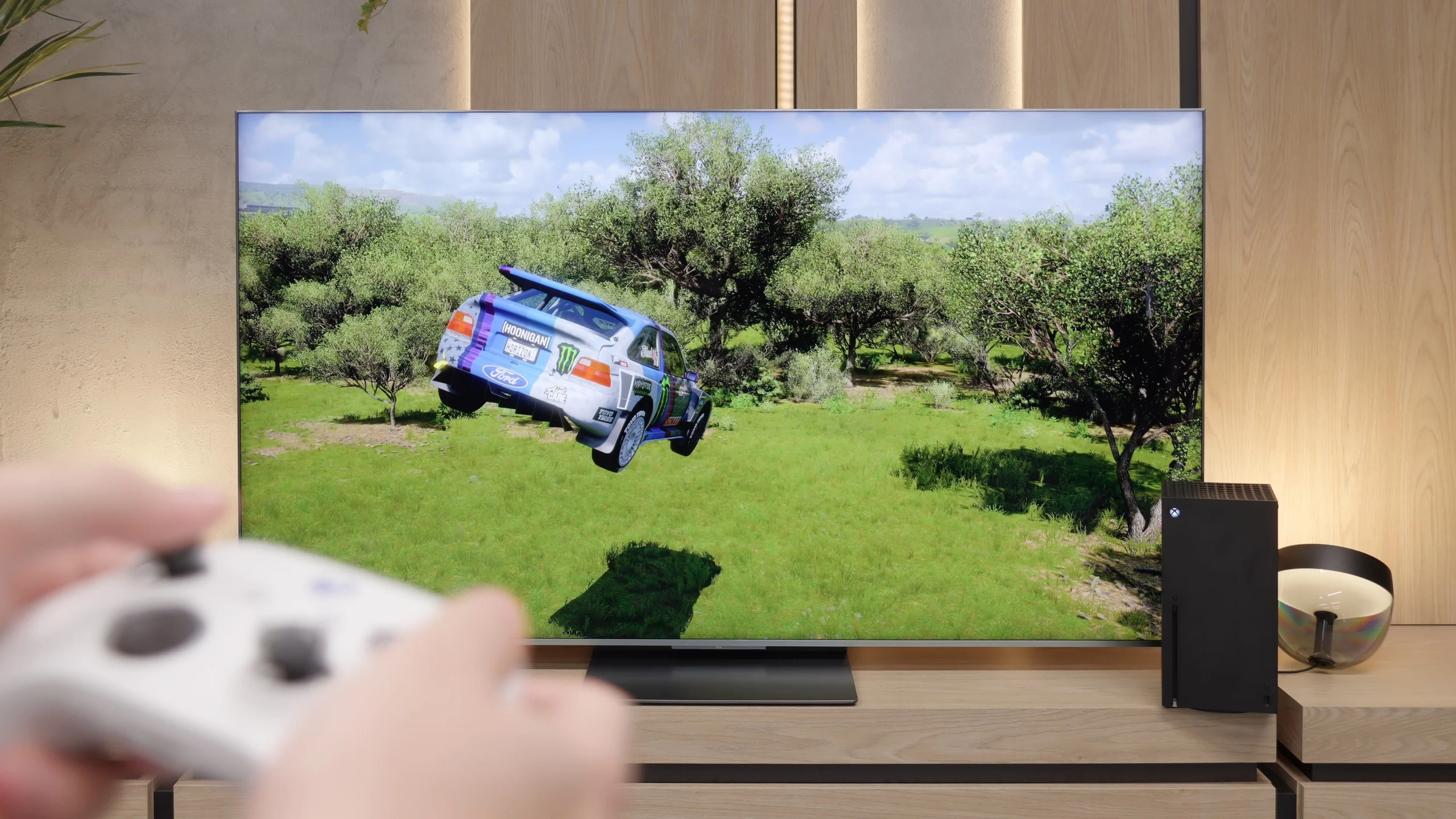
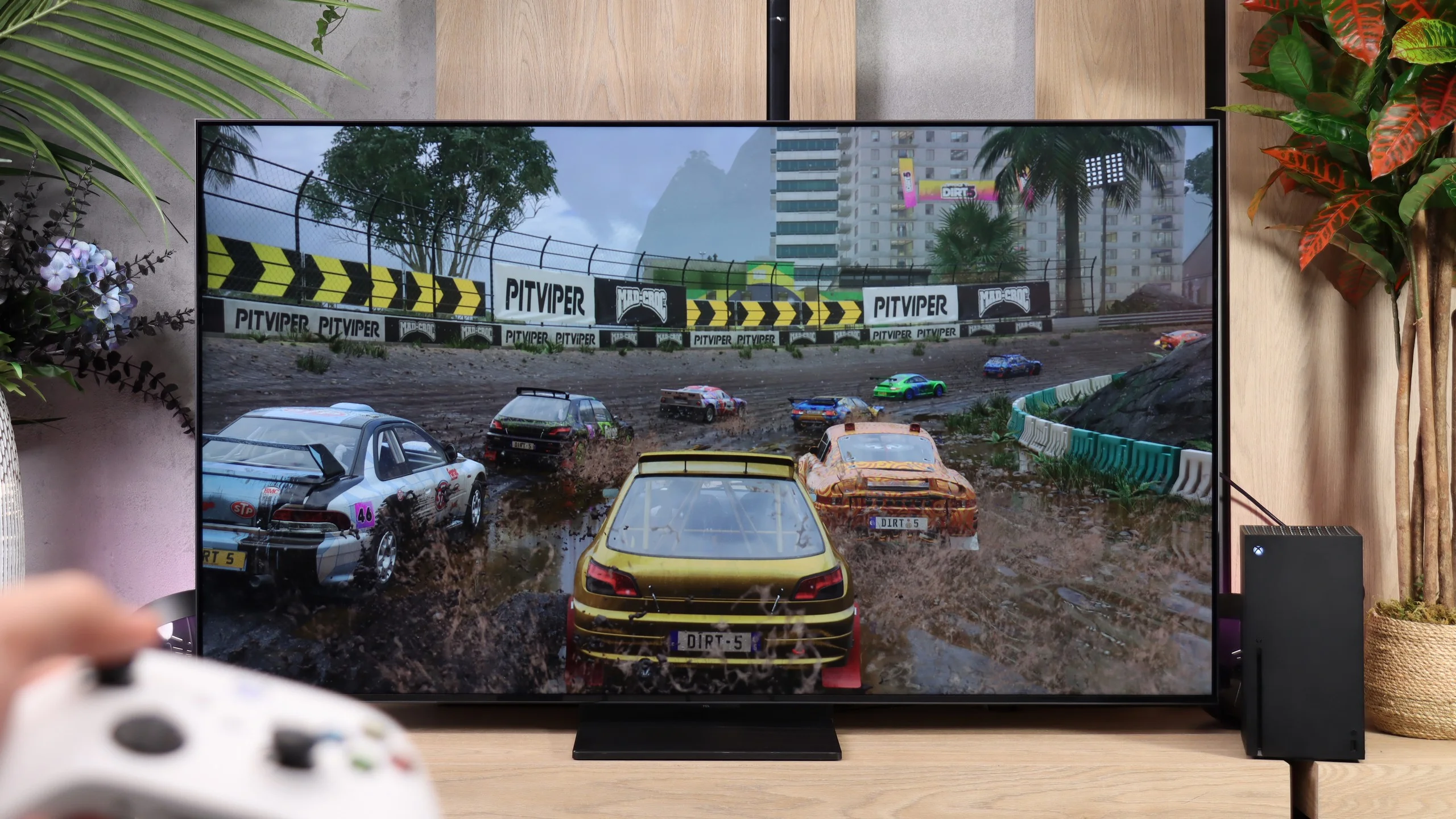
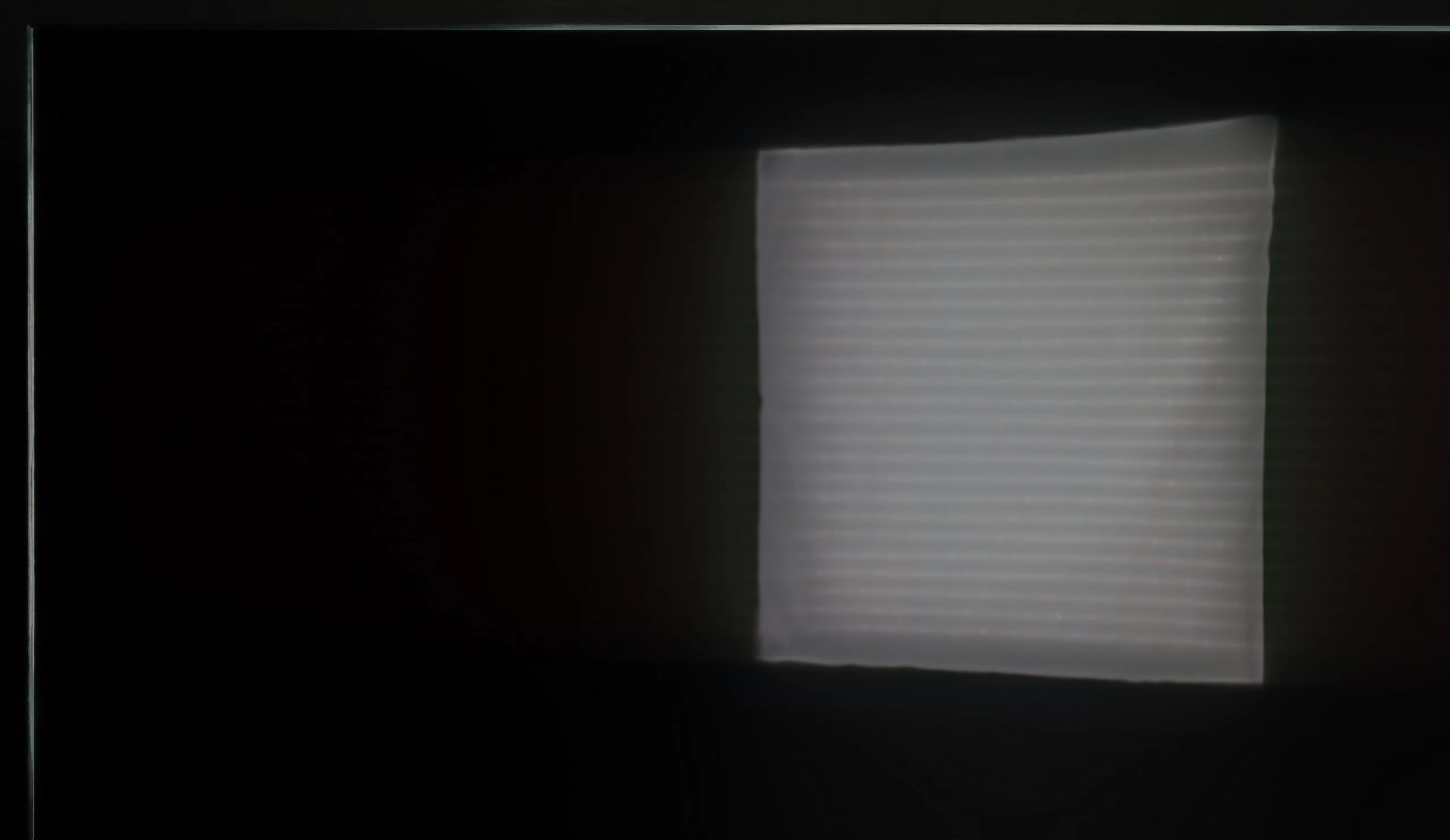
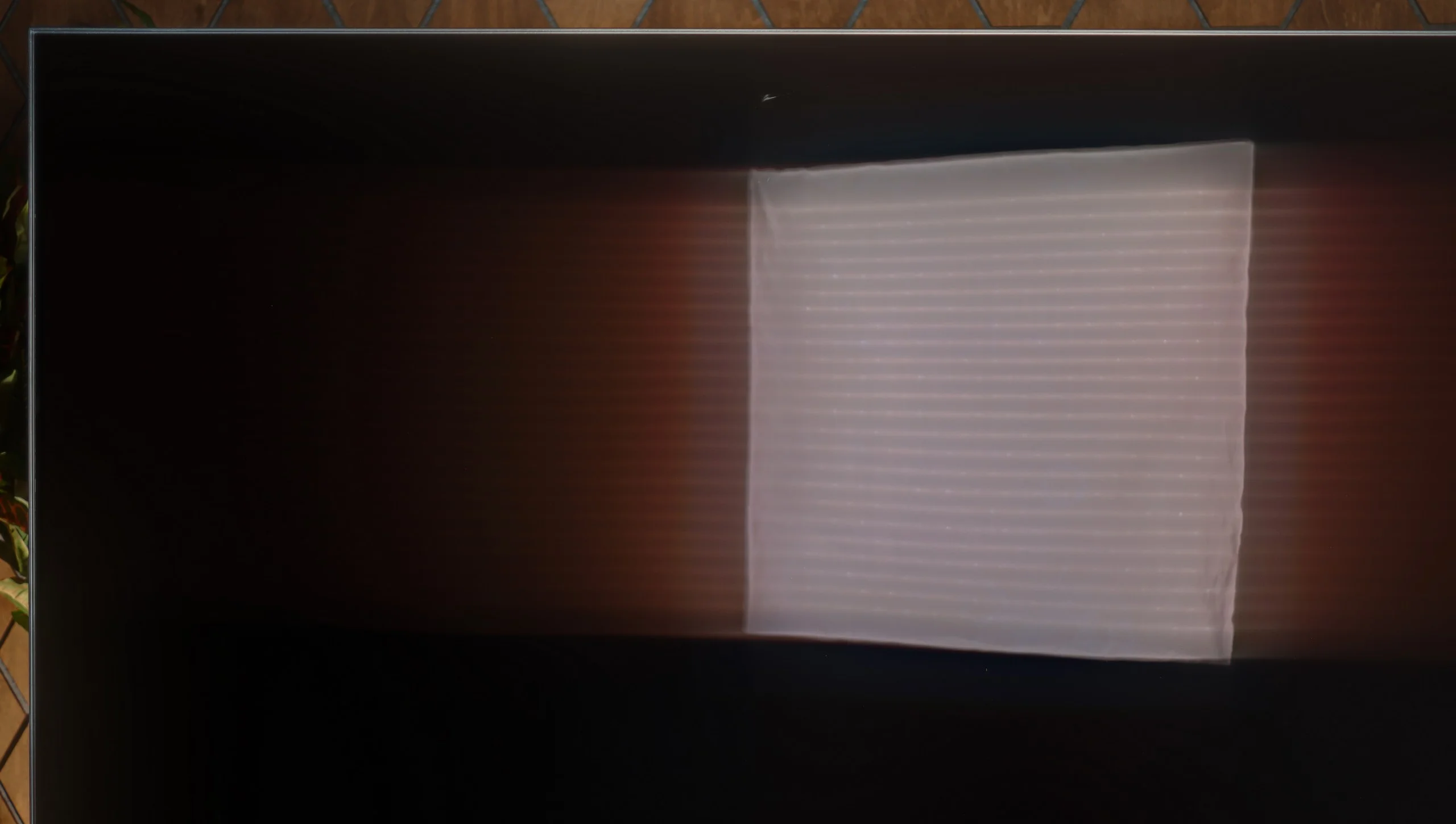
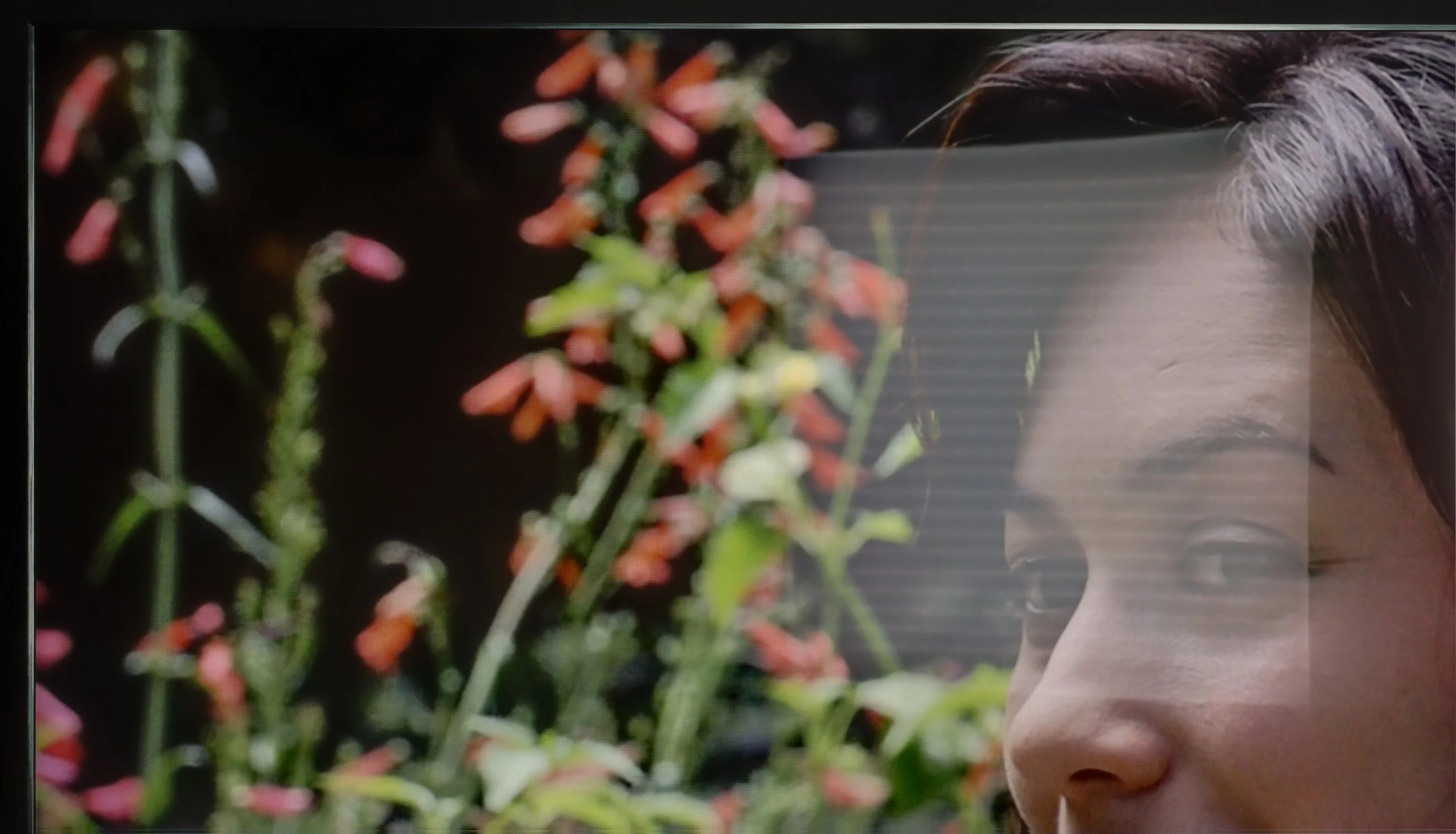
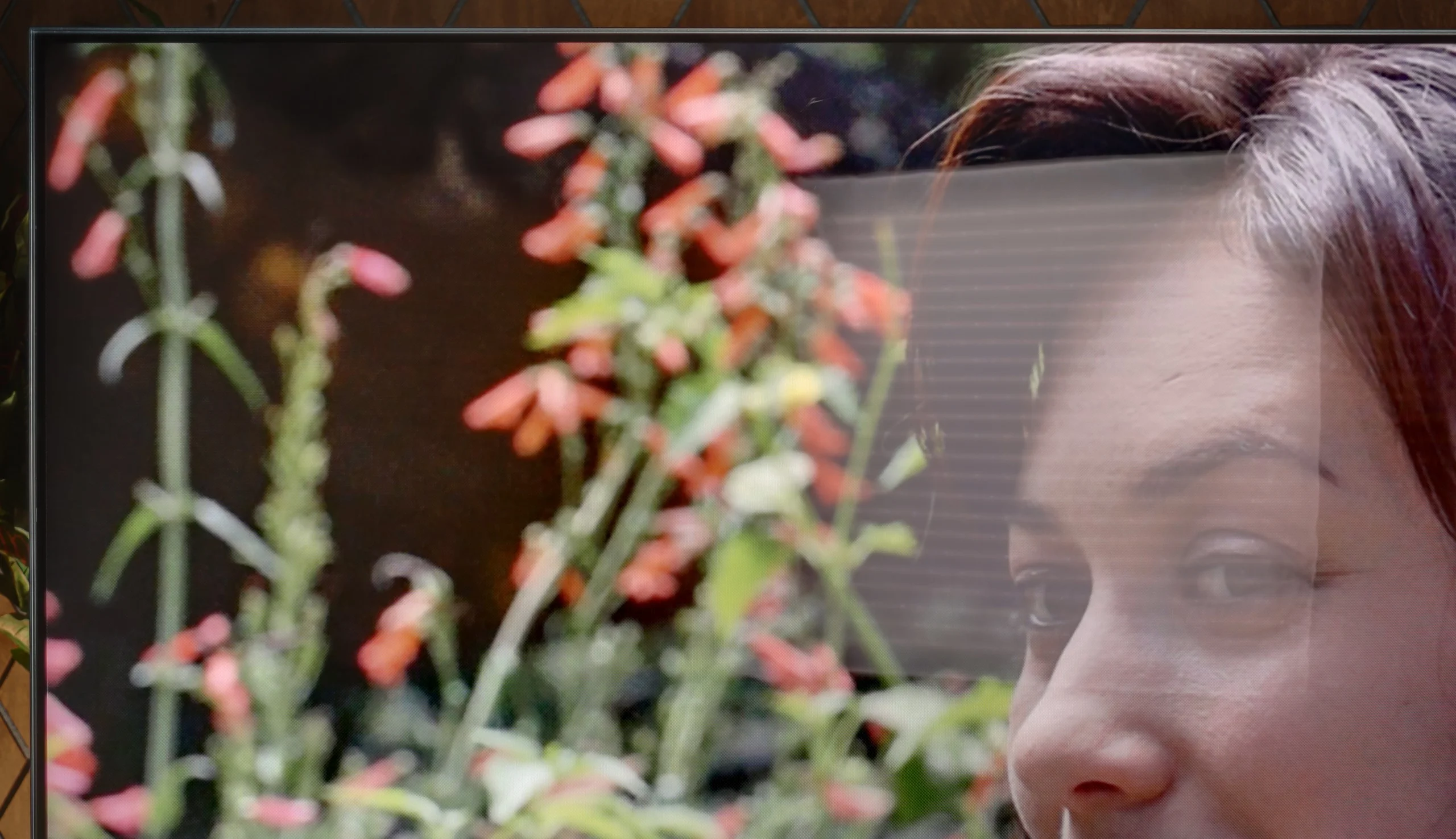
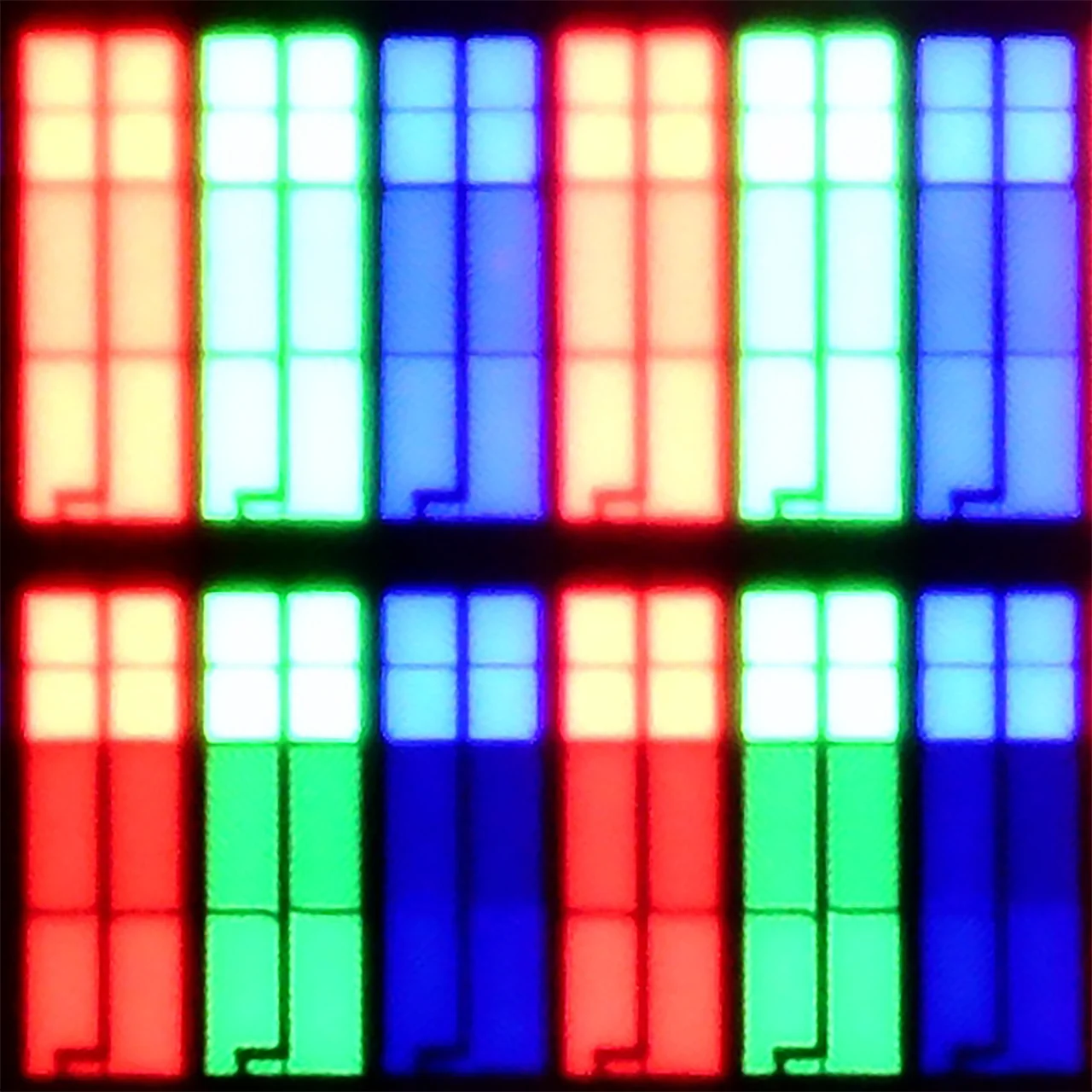
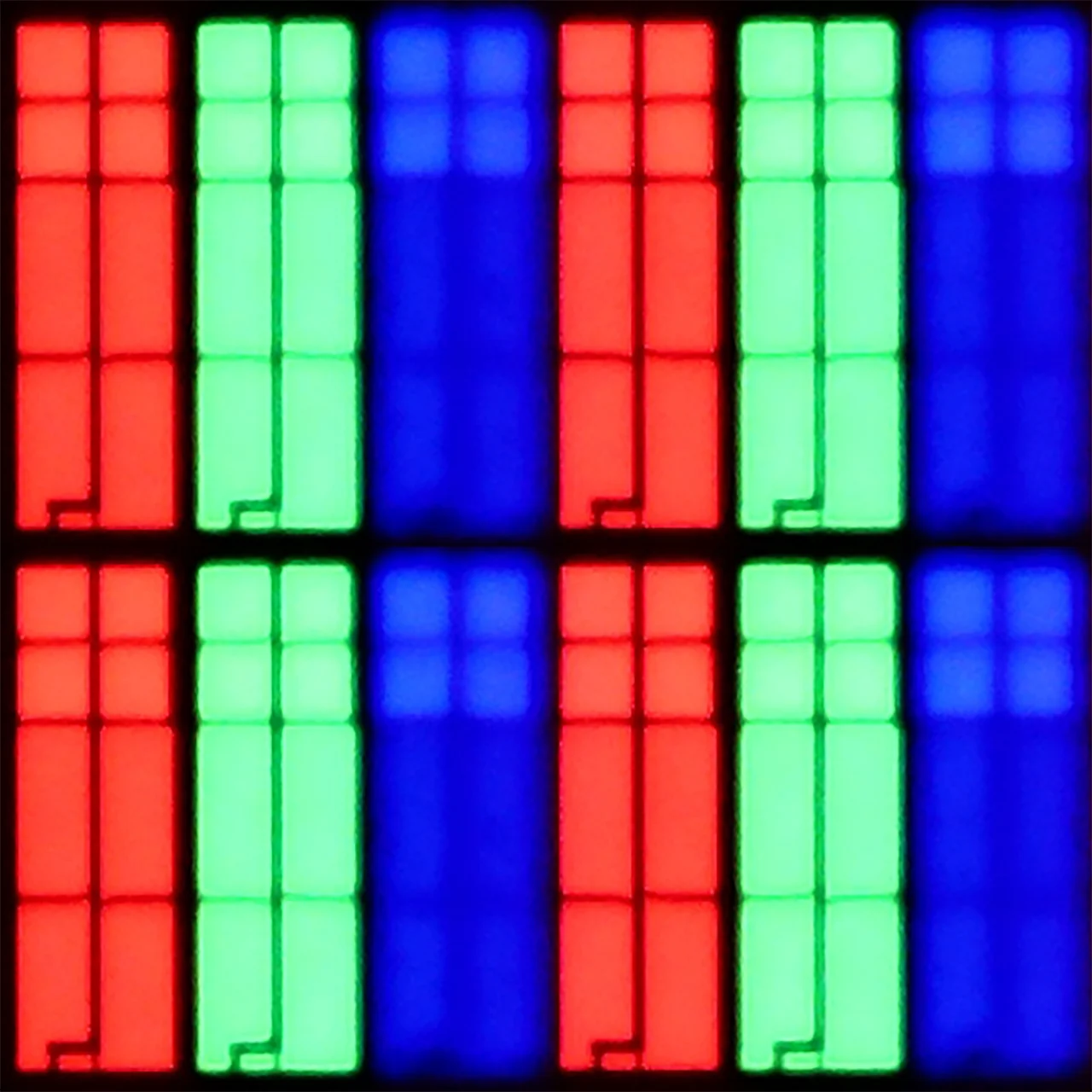
The TCL C9K is a television that on paper looks like a show of strength from the manufacturer – thousands of Mini-LED zones, WHVA panel, audio system from Bang & Olufsen, full support for HDR formats, gaming at 144 Hz, and even 288 Hz at lower resolutions. It’s clear that TCL wanted to throw in absolutely everything they had best. And indeed – in many aspects, the C9K can impress. The brightness is enormous, HDR in large scenes can be breathtaking, motion smoothness and gaming capabilities are at a top level, and the sound – considering it’s built into the television – sounds really good. This is a device that can easily be seen as a home entertainment center. But there is also another side to the coin. Brightness management simply falters despite the amazing technical specifications – smaller details often get lost in the shadows or are blown out. And although synthetic tests of contrast or brightness perform exceptionally well, in everyday viewing of movies and series, the effect is no longer so impressive.
To summarize briefly: the C9K is a television full of contrasts – literally and figuratively. It can provide experiences close to top screens, but it's still evident that TCL needs to work on the software and optimization. If someone is looking for a screen for gaming, sports, or spectacular blockbusters – they will be delighted. However, if one expects perfect reproduction of the director's vision and thinks they have managed to buy an absolutely top model at half the price of the competition, unfortunately, they will be disappointed. It's a pity, because the technological potential here is truly vast – it just lacked a bit of common sense in its utilization.
Is it worth buying the TCL A400U? Yes, because it’s one of those TVs where paying extra for a higher series doesn’t always make sense. In movies you get what you usually expect from a good TV: very good blacks, strong HDR impact and a natural image, especially after calibration. Brightness is also sufficient during the day, though because of the glossy panel it’s better not to place it opposite a large window. The whole package is completed by a slim, well-crafted chassis. The A400U doesn’t sell the picture-on-the-wall effect as convincingly as some “wallpaper” TVs, but as an elegant living-room set it looks very good.
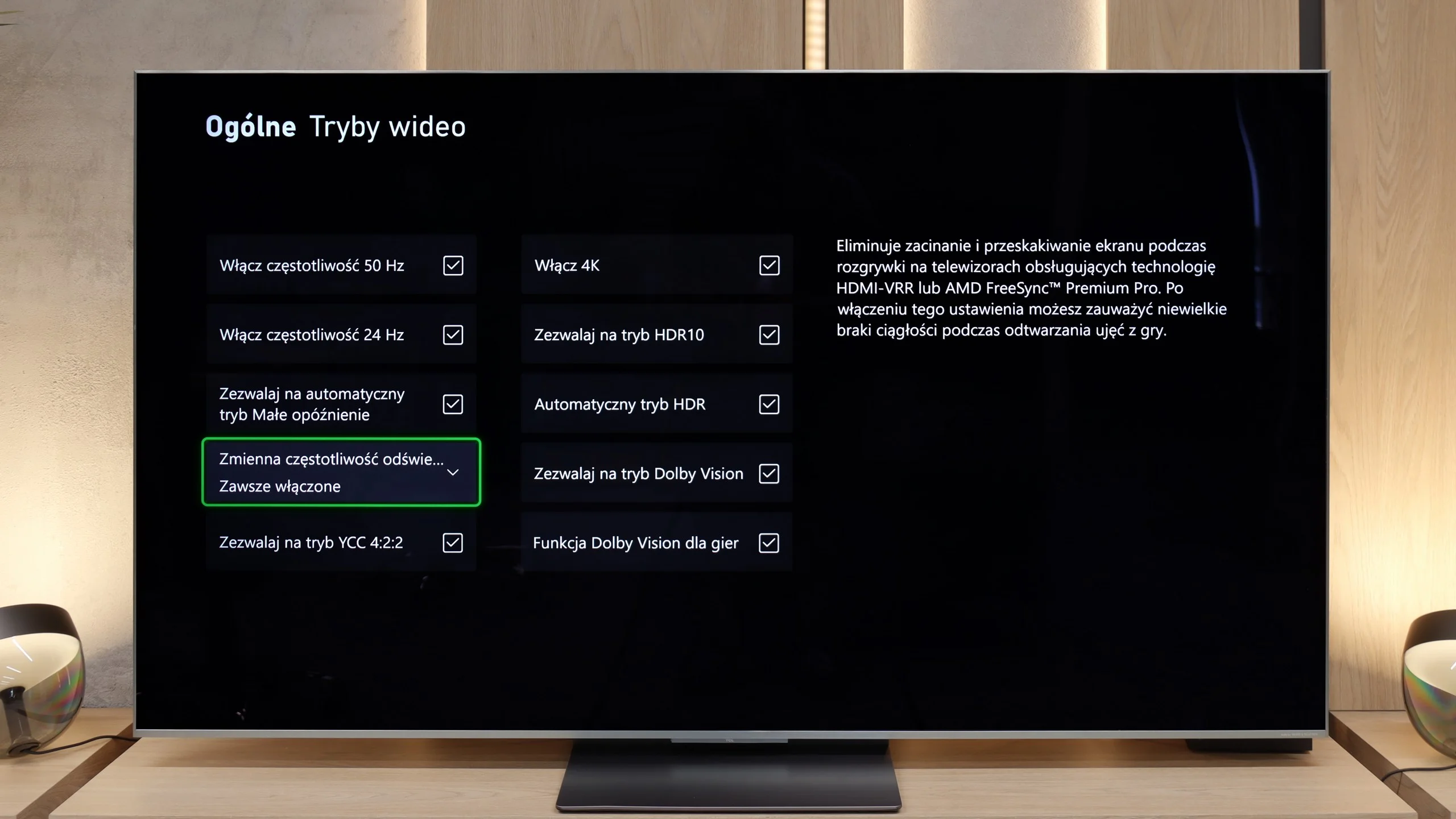
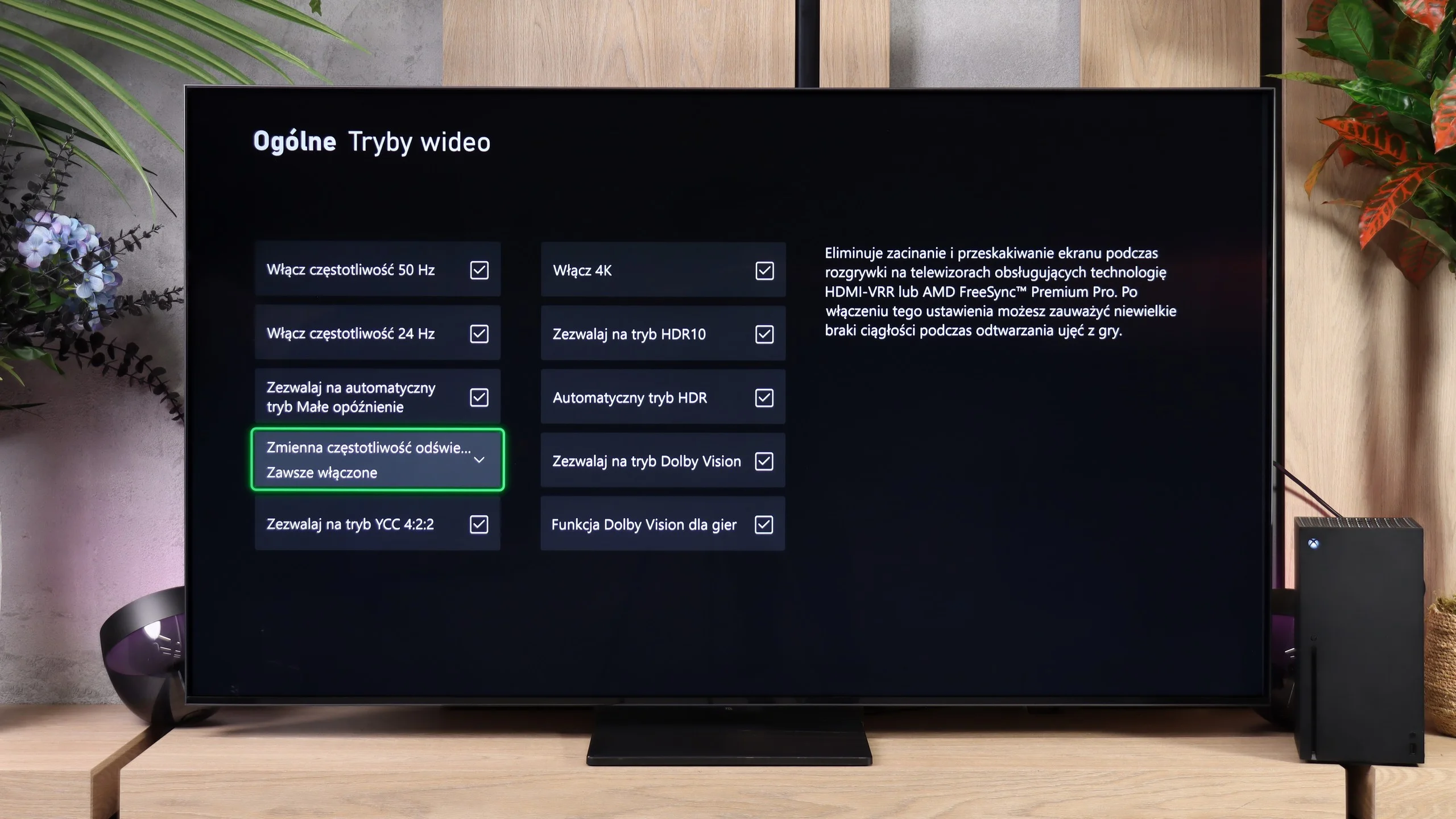
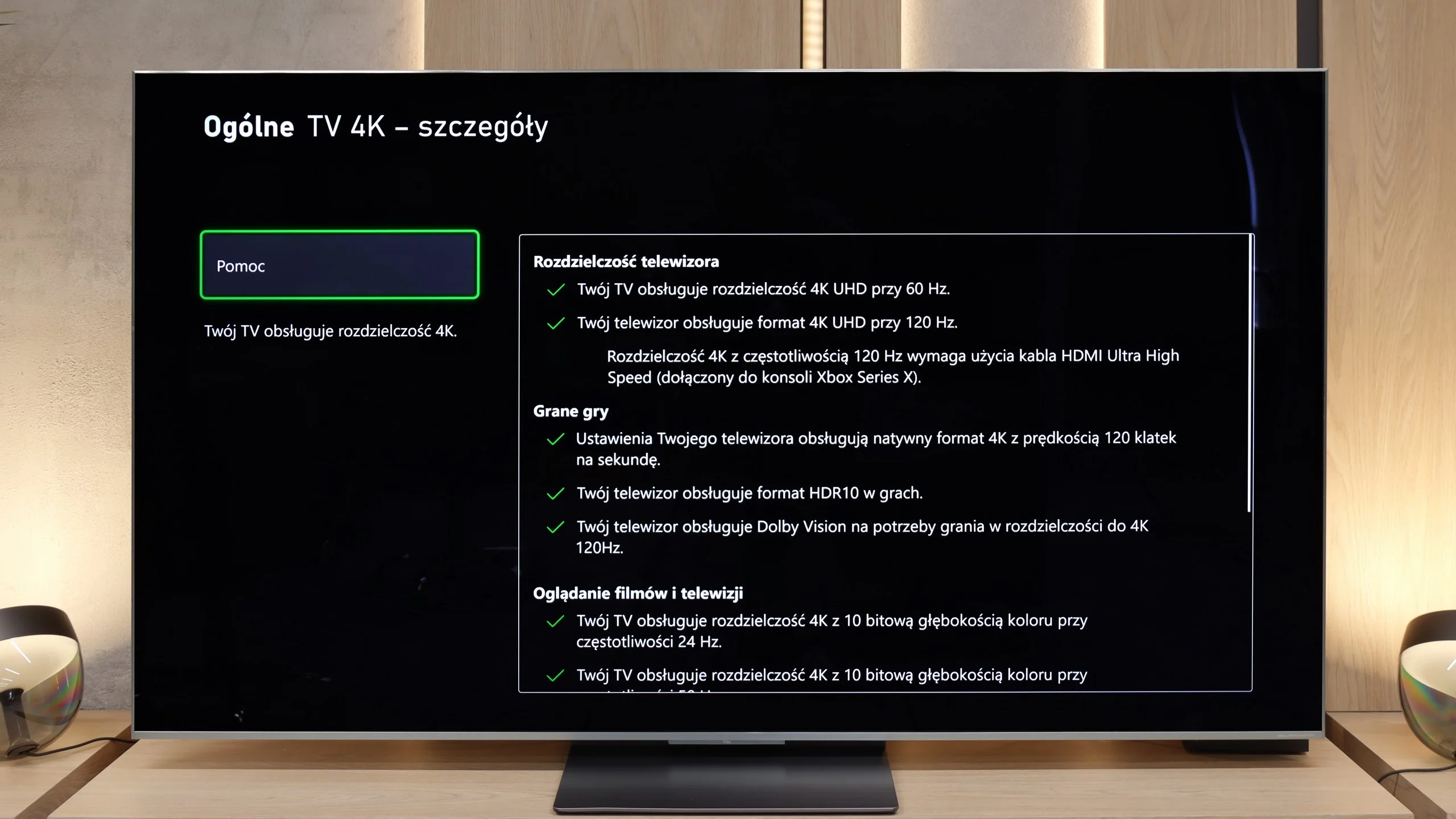
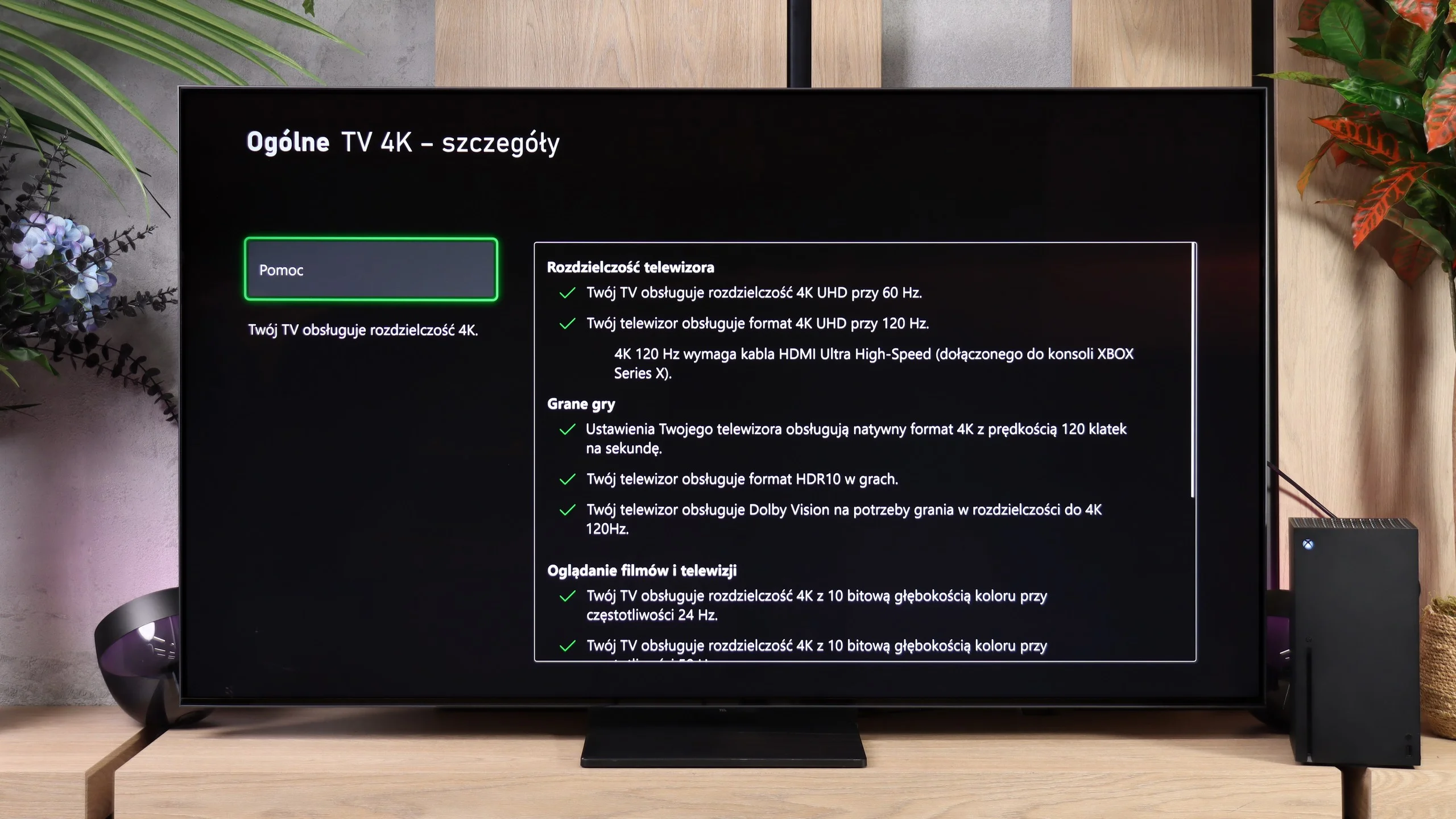
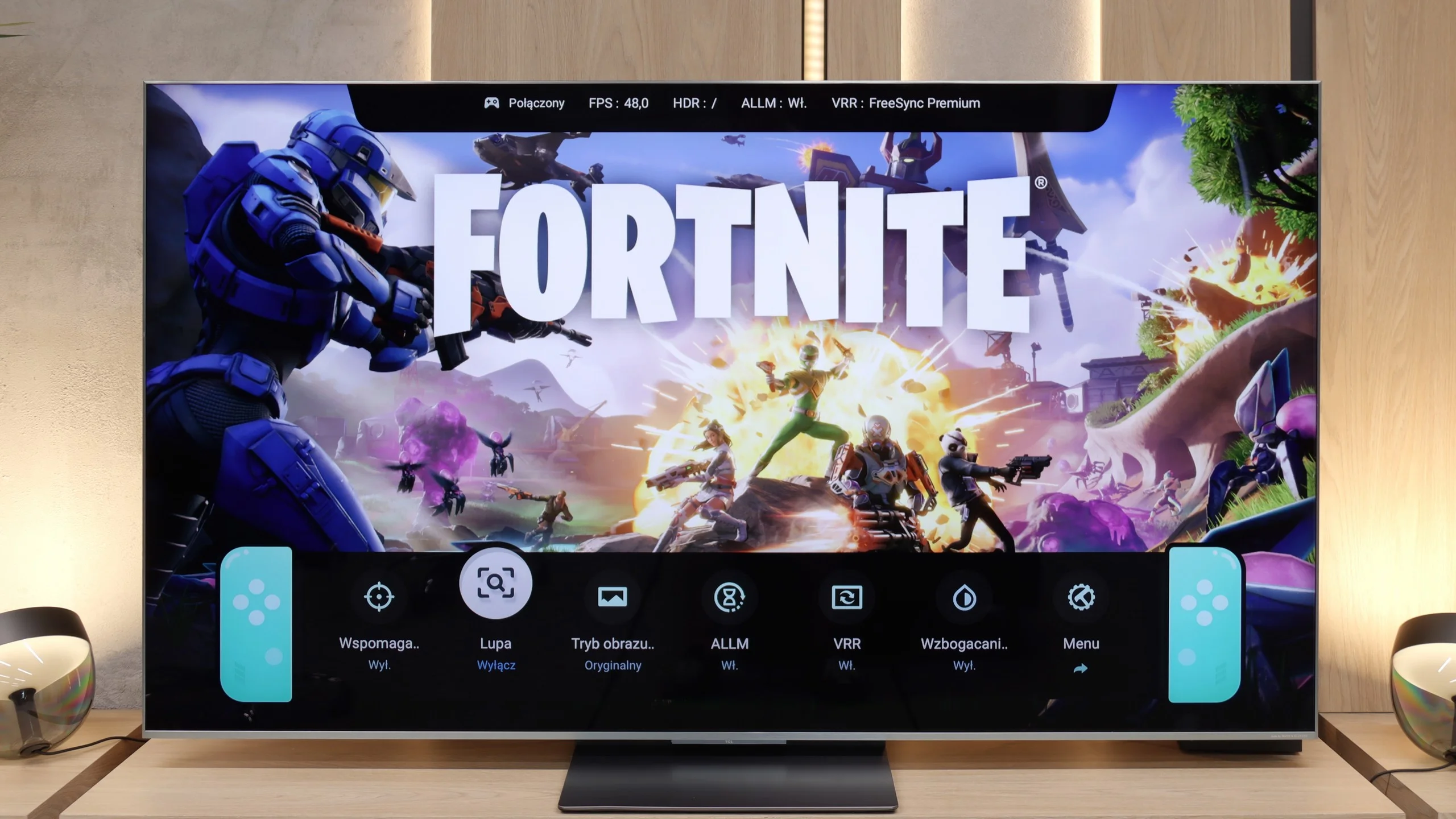
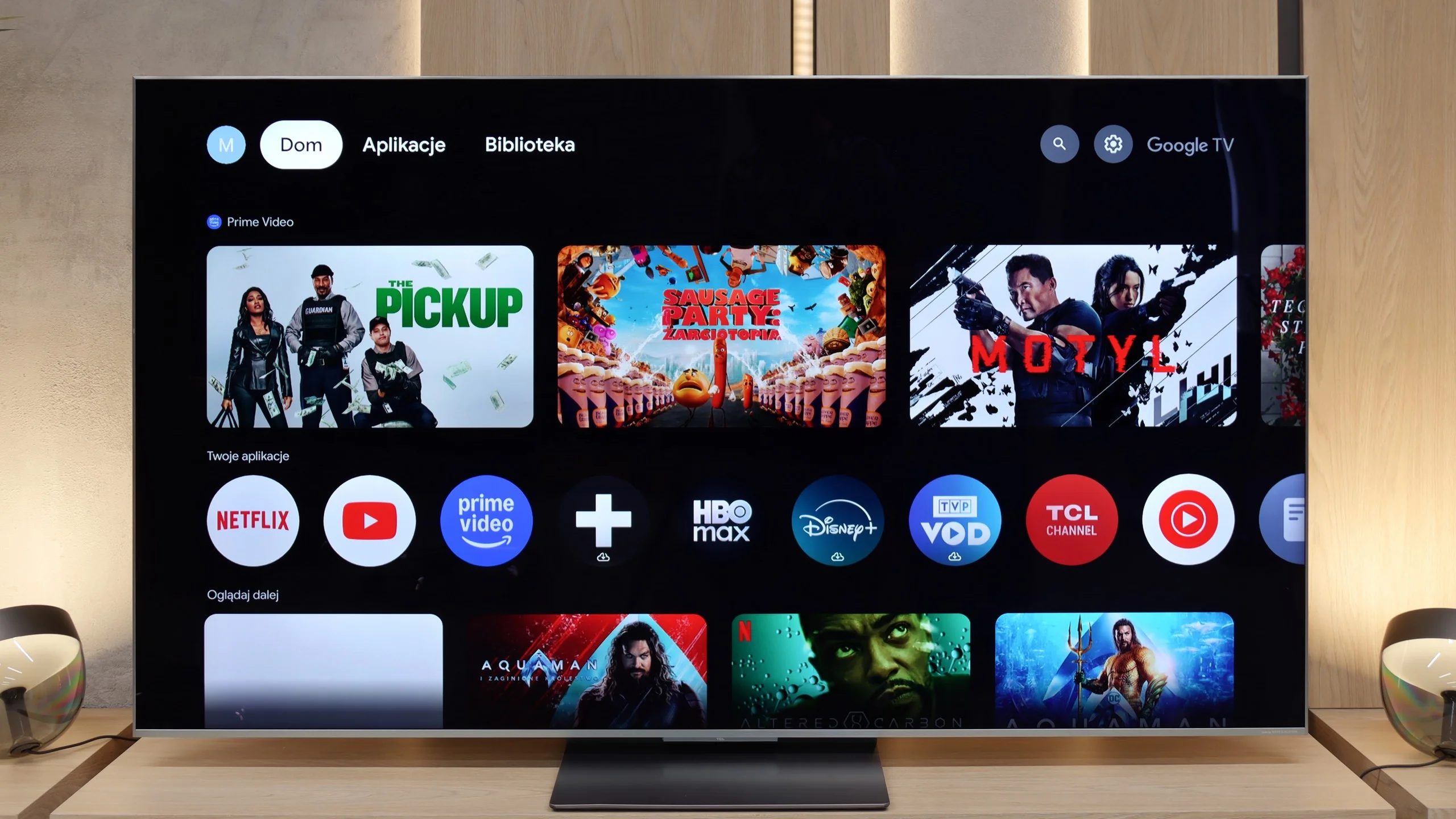
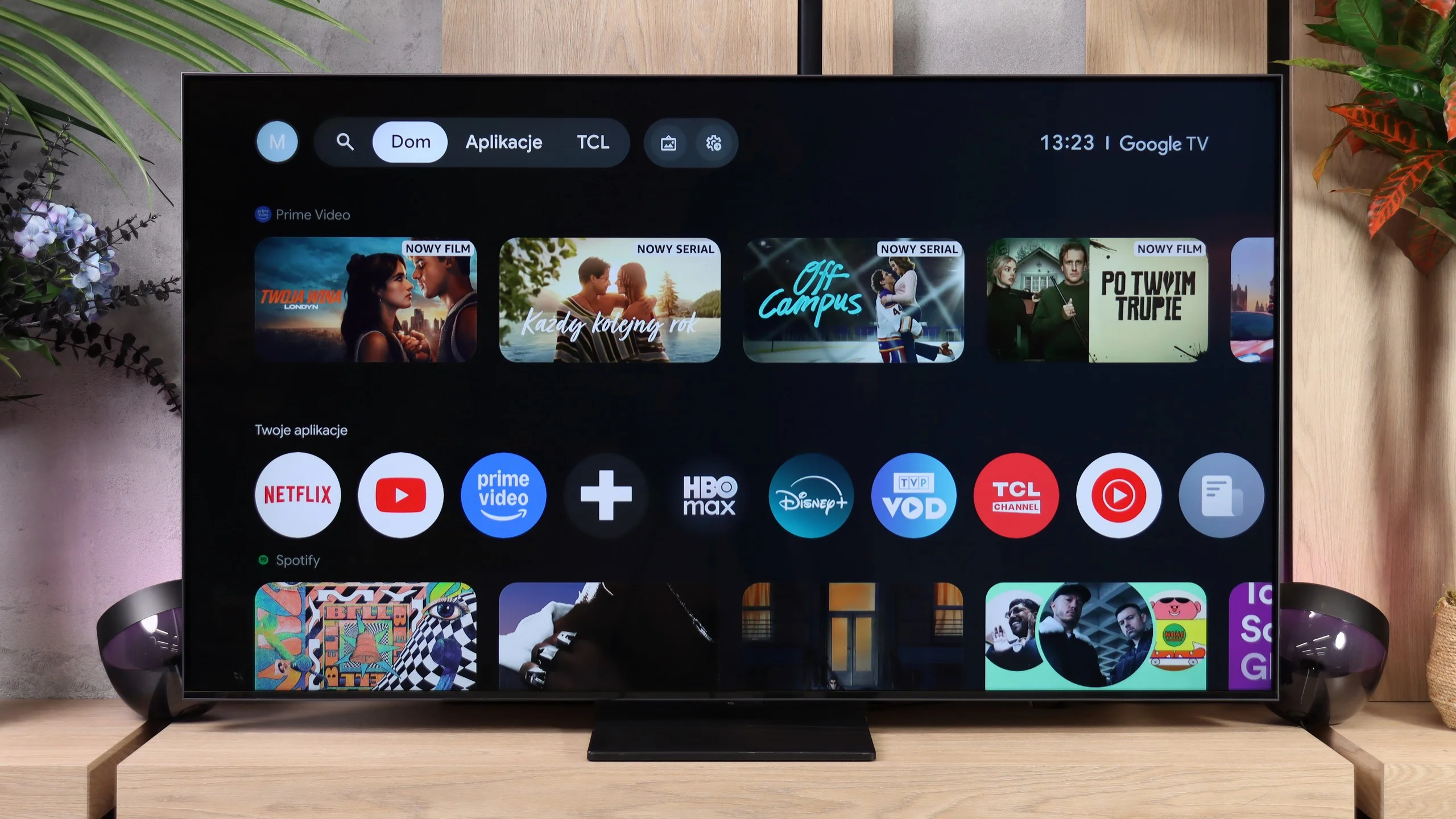
Buying it, you also don’t have to choose between a TV for movies and a screen for gaming. The A400U supports 4K at 120 Hz, including in Dolby Vision, and its low input lag keeps controls fast and responsive. On a PC you can even run 144 Hz at 4K or 288 Hz in Full HD. That level of capability makes it hard to justify paying more for a pricier model just for gamer-oriented features. In everyday use the TV also doesn’t disappoint. Google TV runs smoothly, apps launch without annoying delays, and using the device is simply convenient.
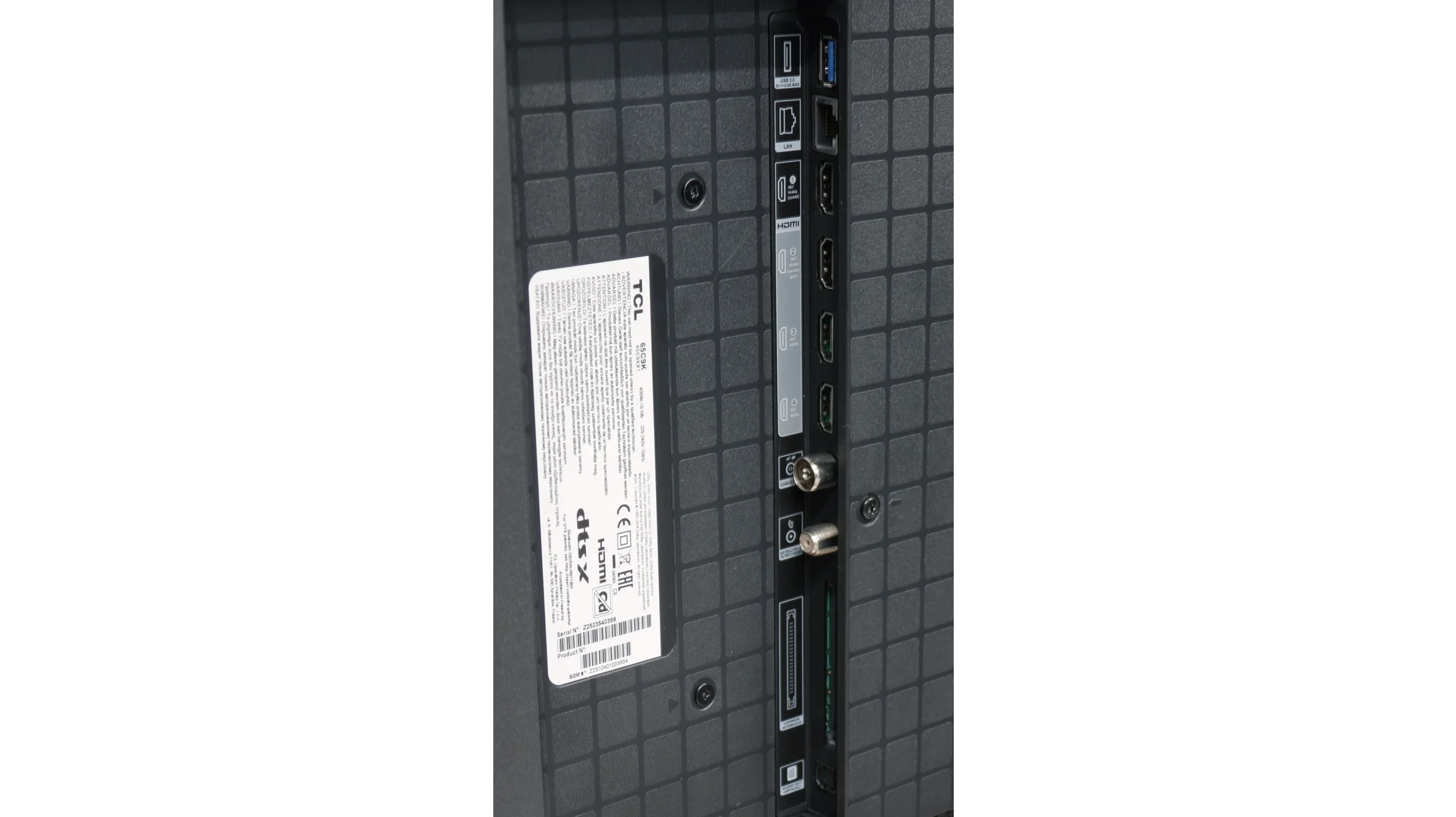
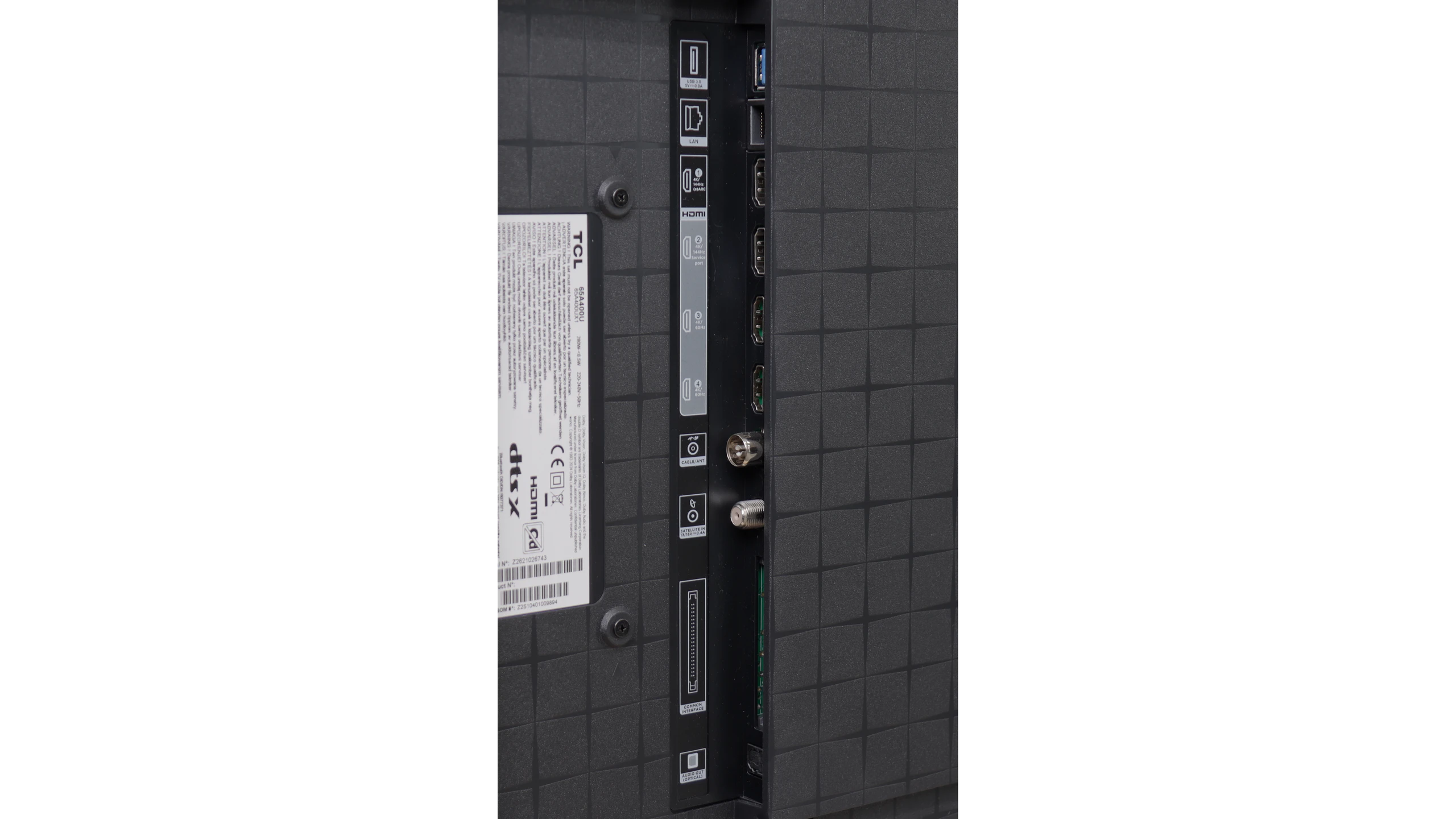
That doesn’t mean the A400U will fit every home. If you often watch regular broadcast TV or other lower-quality content, the Pentonic 700 processor won’t always improve it as much as you might expect. The slightly more expensive C7L has a similar limitation, so only moving up to a clearly higher series, like the C8L, brings a noticeable change in that regard. Before buying, check how many devices you want to connect. Two HDMI 2.1 inputs, one of which is taken by eARC, may prove insufficient if you have two consoles and a soundbar. It’s also wise to include a soundbar in your budget, because the built-in speakers clearly don’t match the capabilities of the picture.
However, if you’re looking for a TV primarily for movies, streaming and gaming, the TCL A400U is one of the most convincing buys in the midrange class in 2026. More expensive models can do more, but not every one of those advantages will matter in everyday viewing. Here you get a very good picture, extensive features and excellent build quality, without paying for functions you might never see. That’s why the TCL A400U is, in our view, one of the most cost-effective TVs of 2026.
 Direct comparison