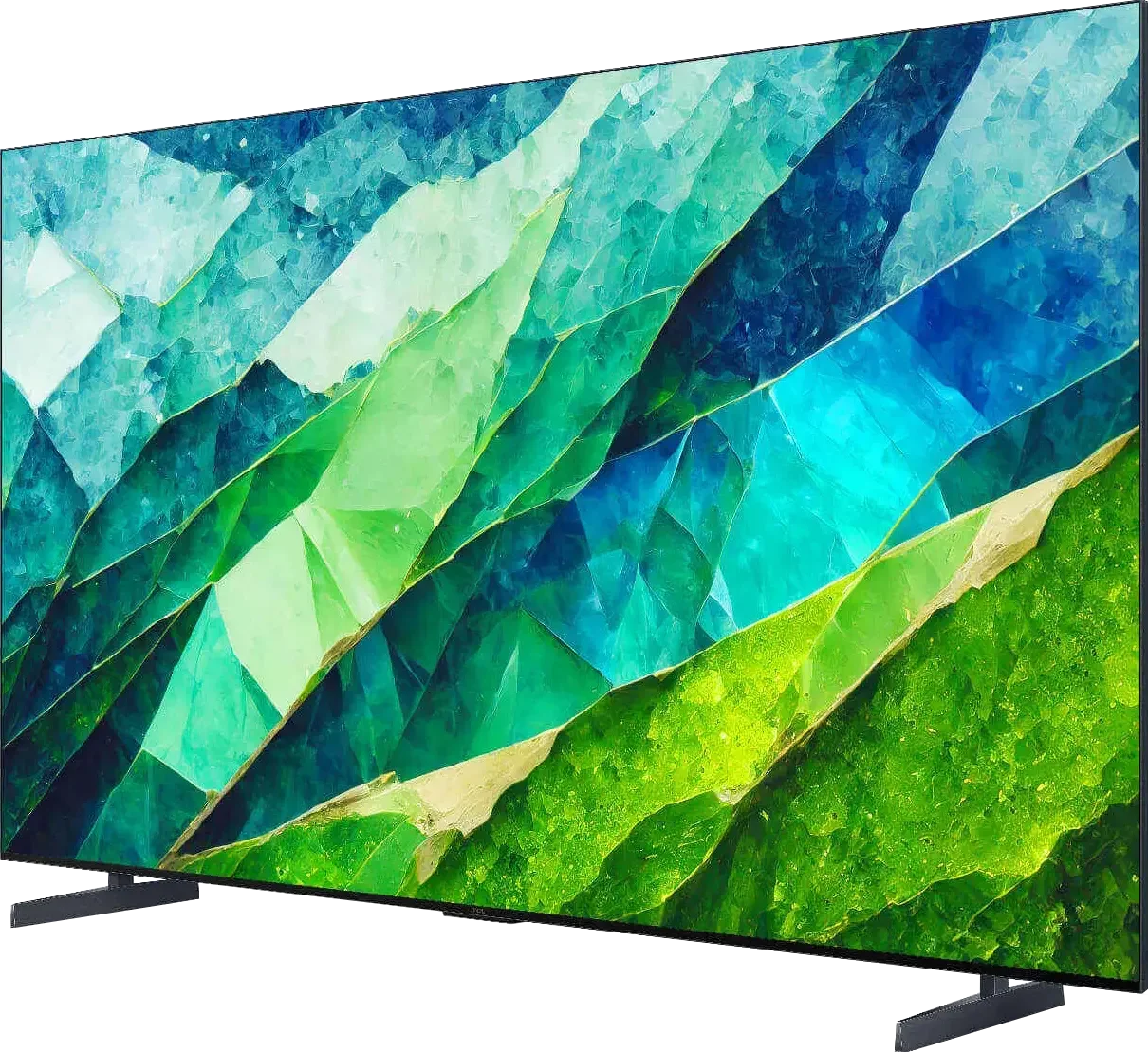
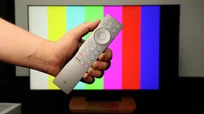
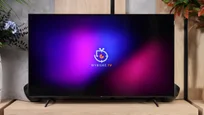
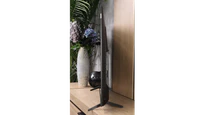
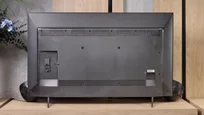
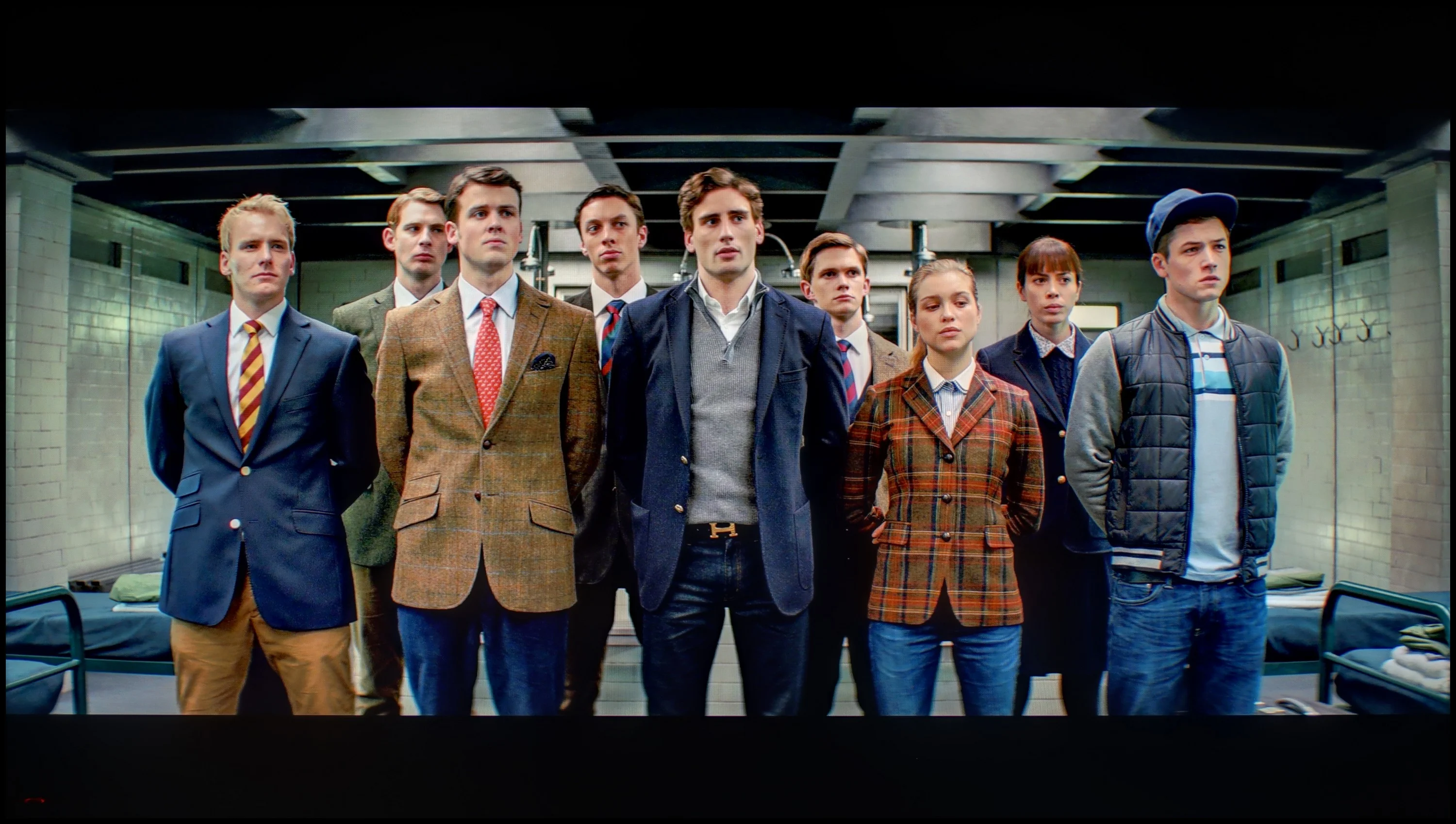
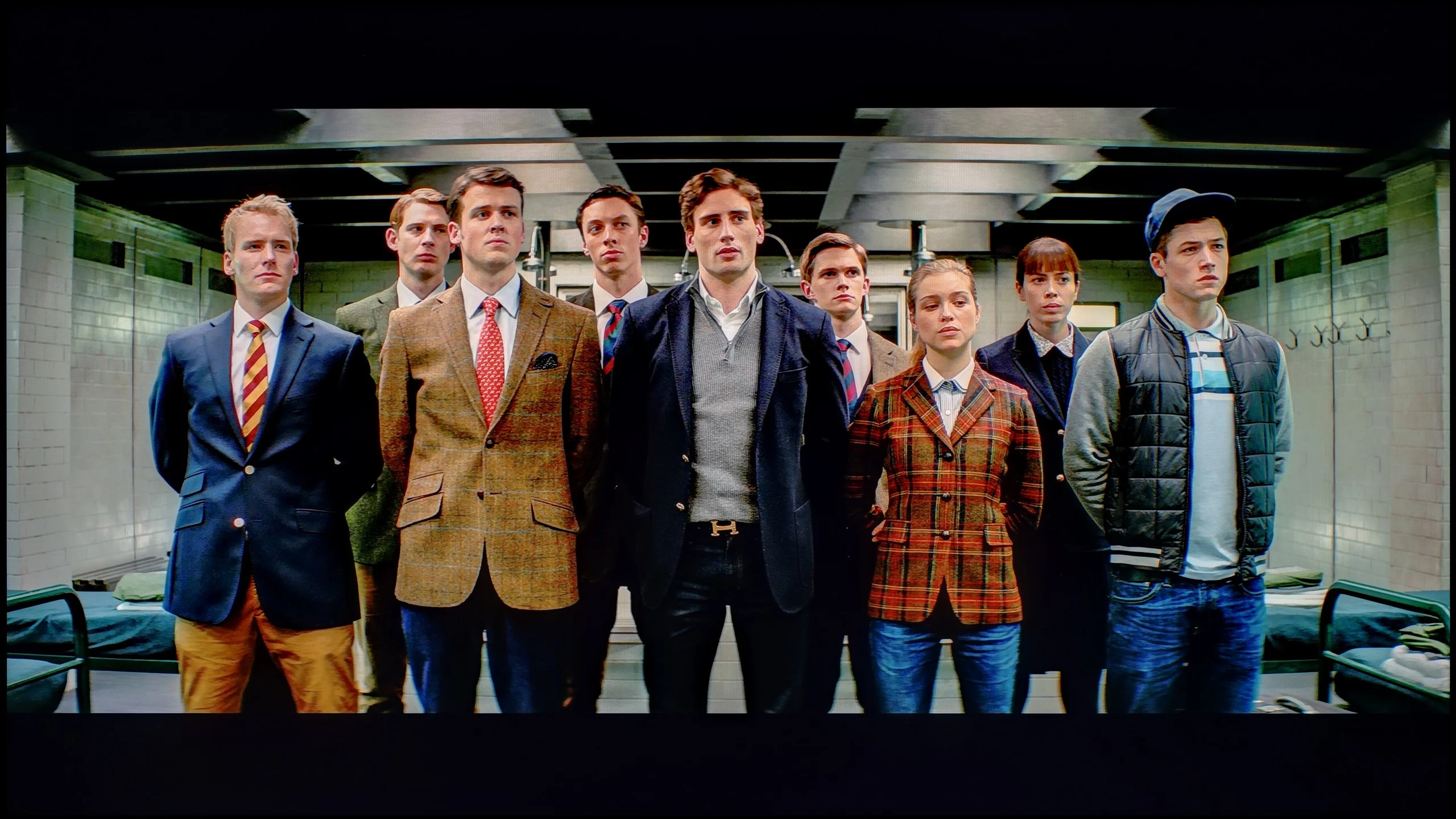
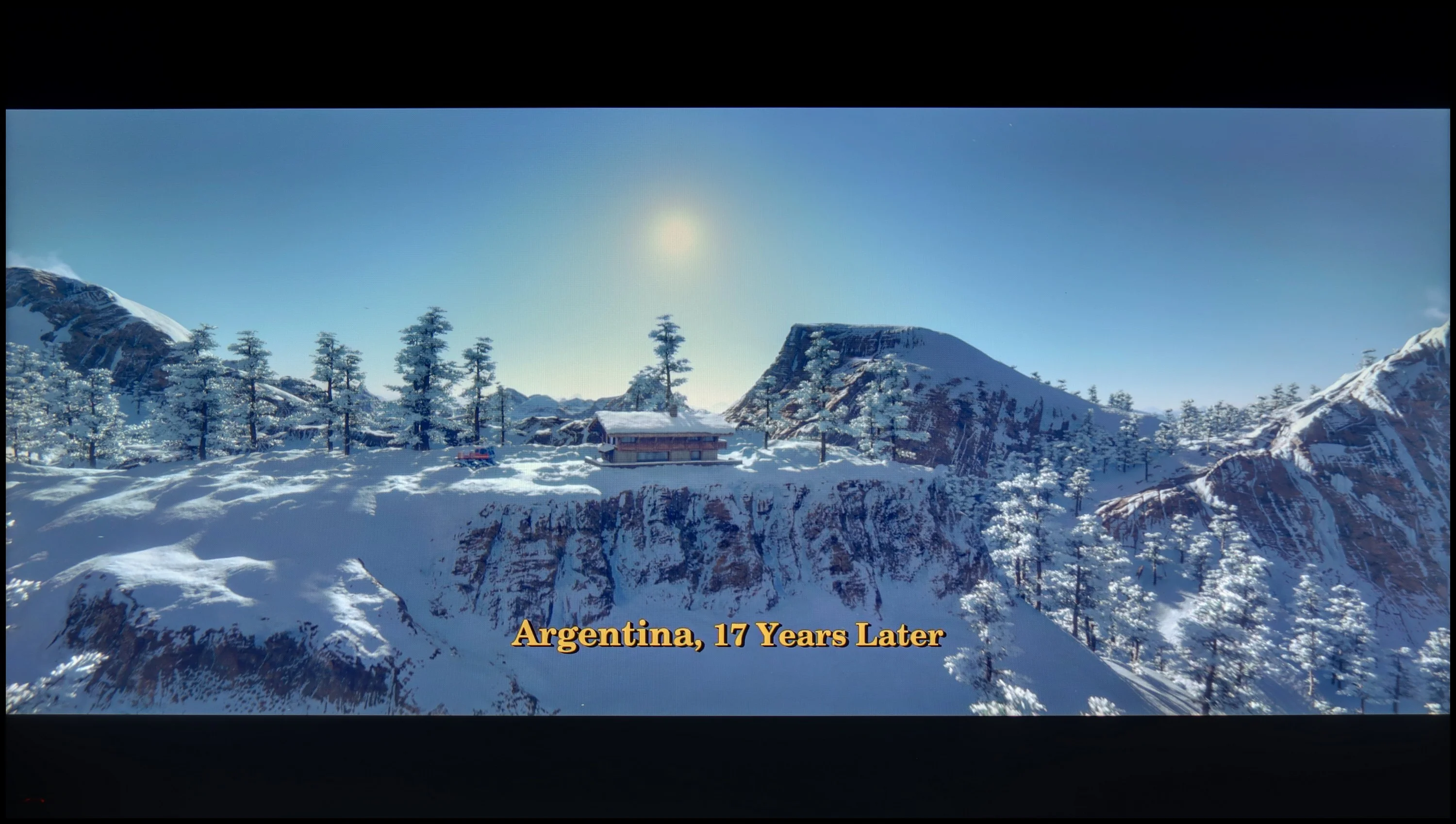
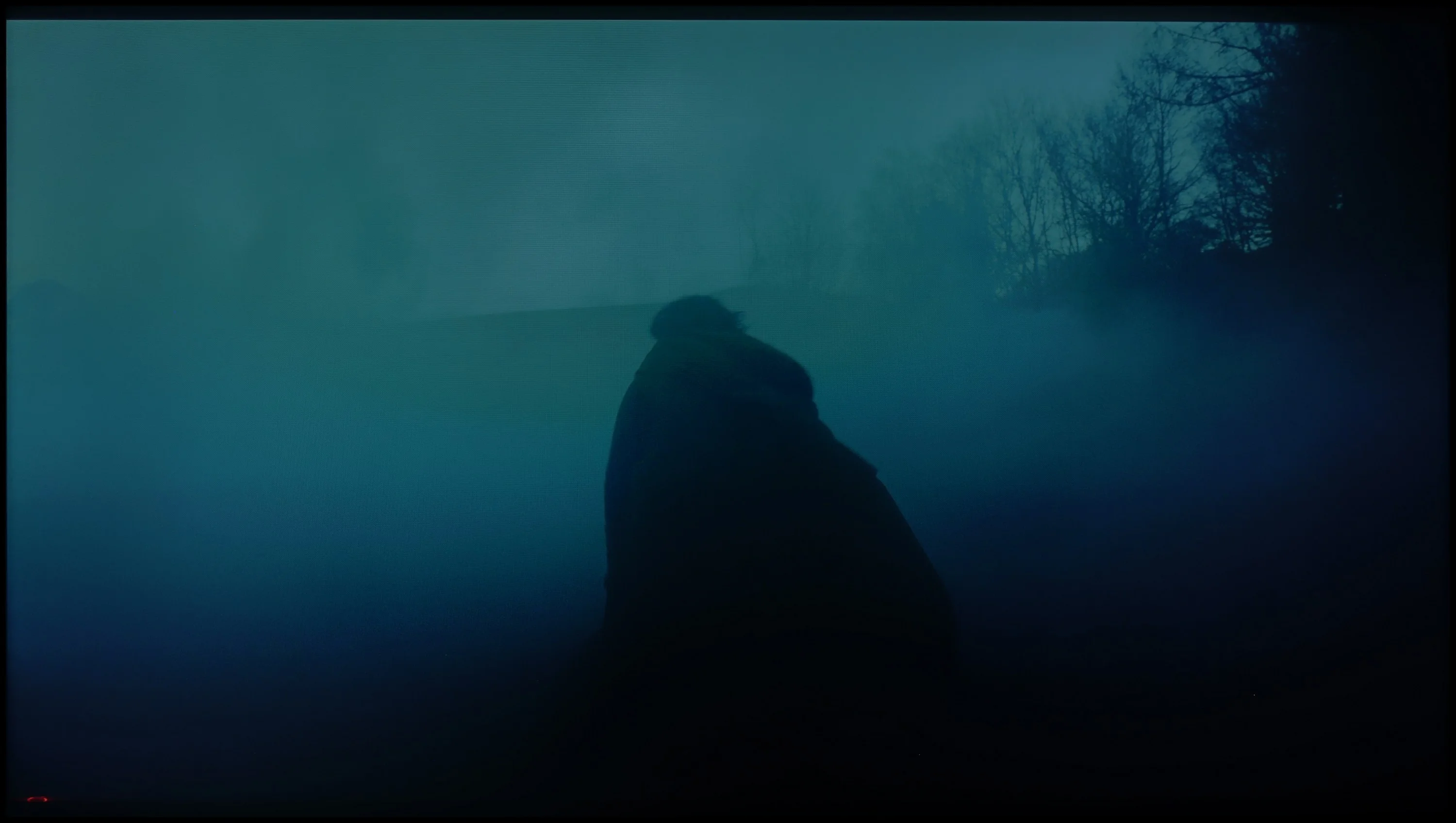
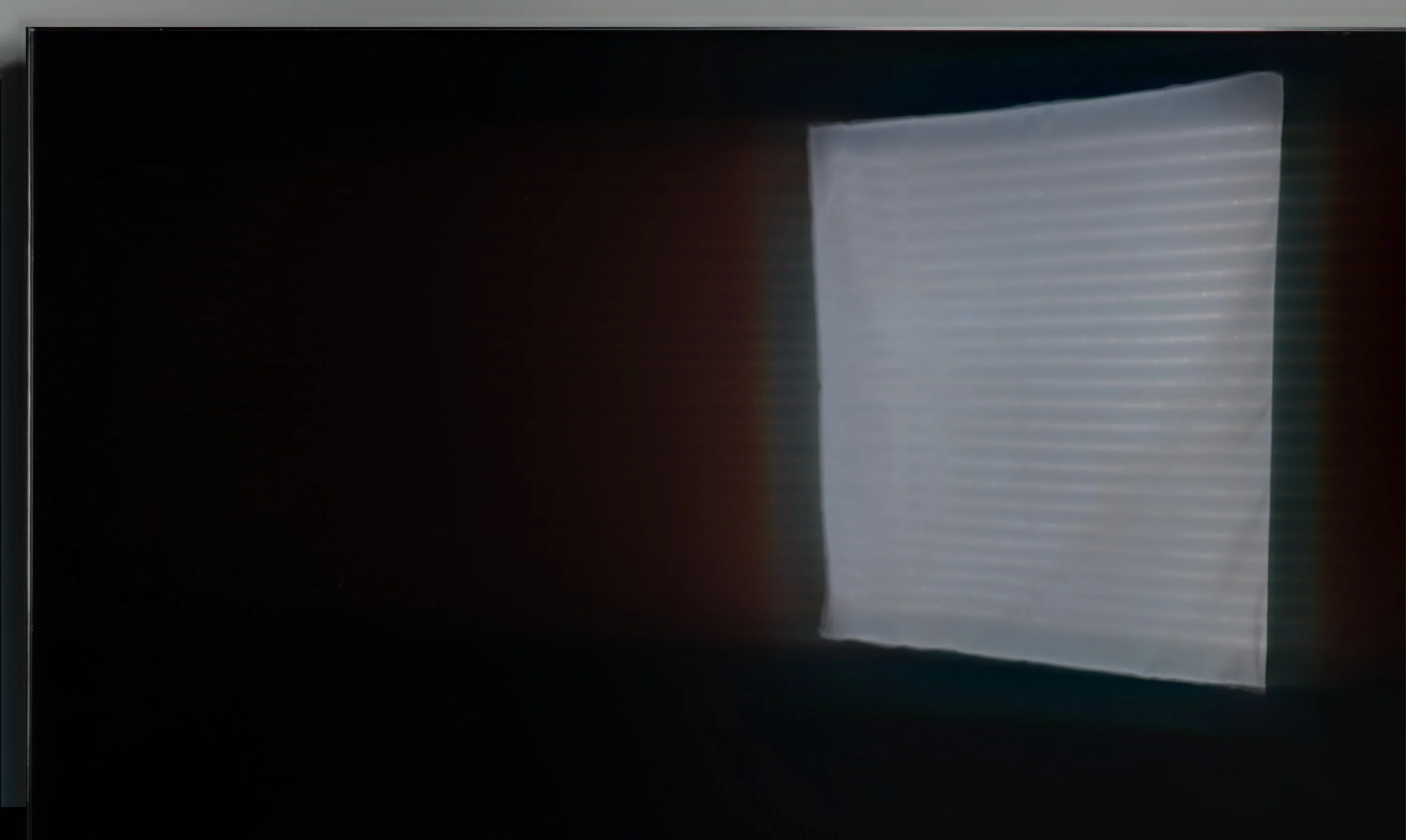
The TCL C855 is a standout television in the TV market, showcasing a versatile performance across various applications and excelling in its price range. With Mini LED backlighting, the TV achieves impressive contrast and black levels, resulting in deep, vivid images. Its algorithm effectively maintains black uniformity, minimizing blooming effects, a significant advantage for viewing HDR content.
While the TCL C855 can reach brightness levels of up to 1800 nits, which is commendable, it is worth noting that brightness can significantly drop to around 200 nits when bright but small elements appear on-screen. Additionally, the mid-tone boost can compromise contrast and reduce fidelity to the director's original vision.
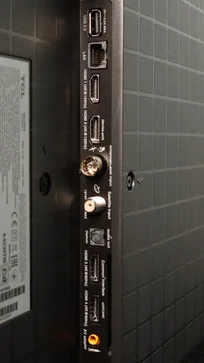
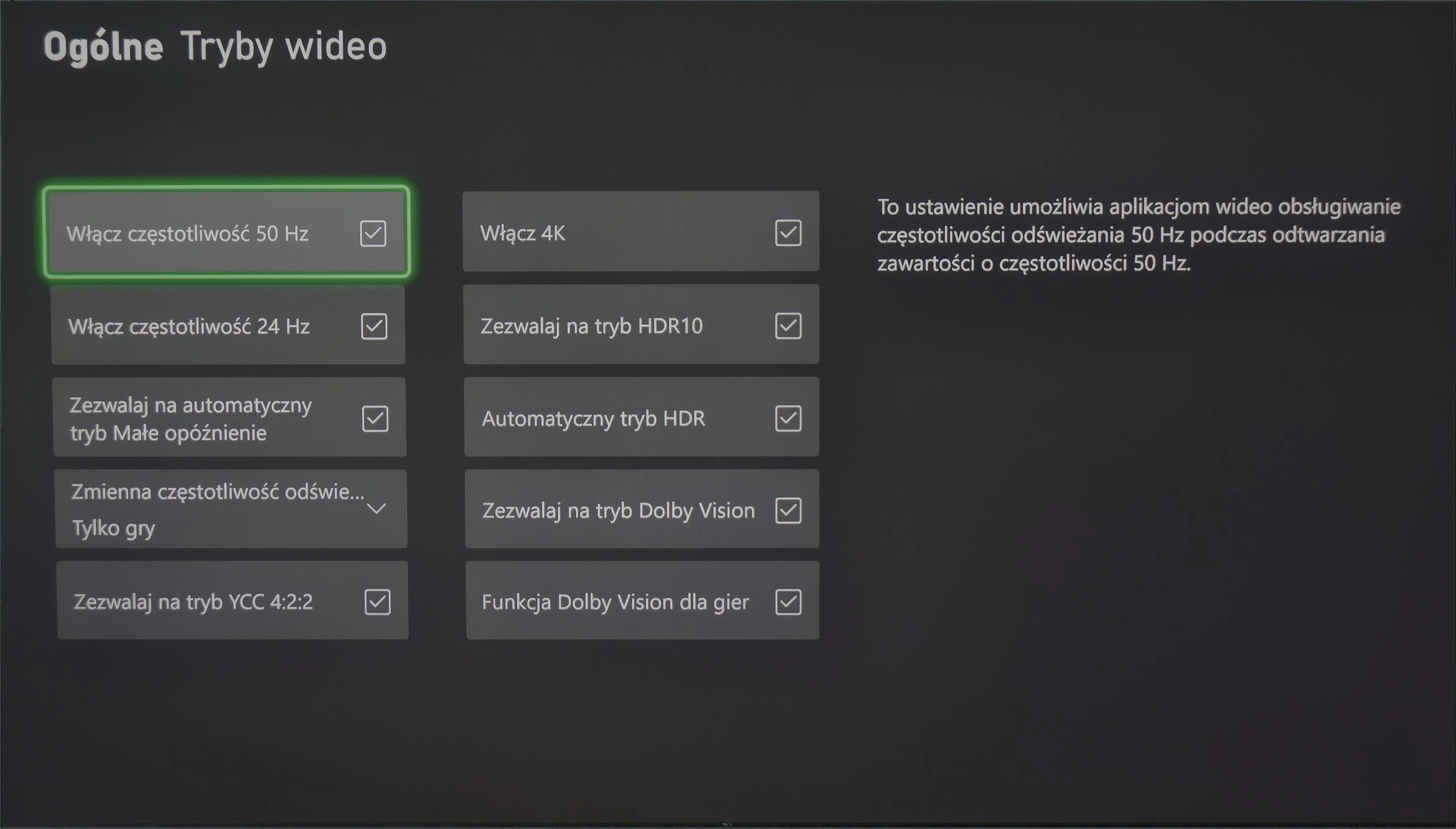
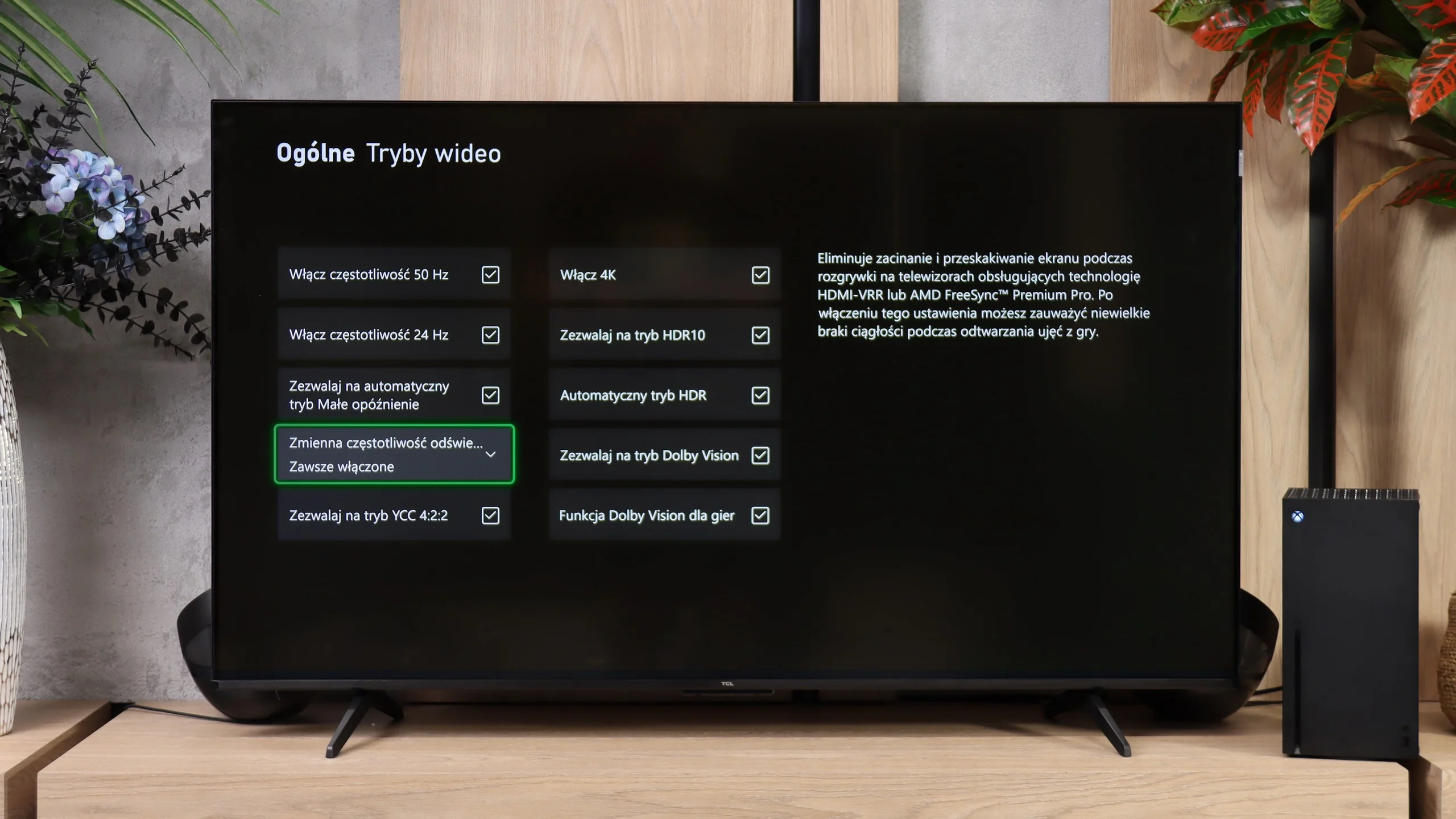
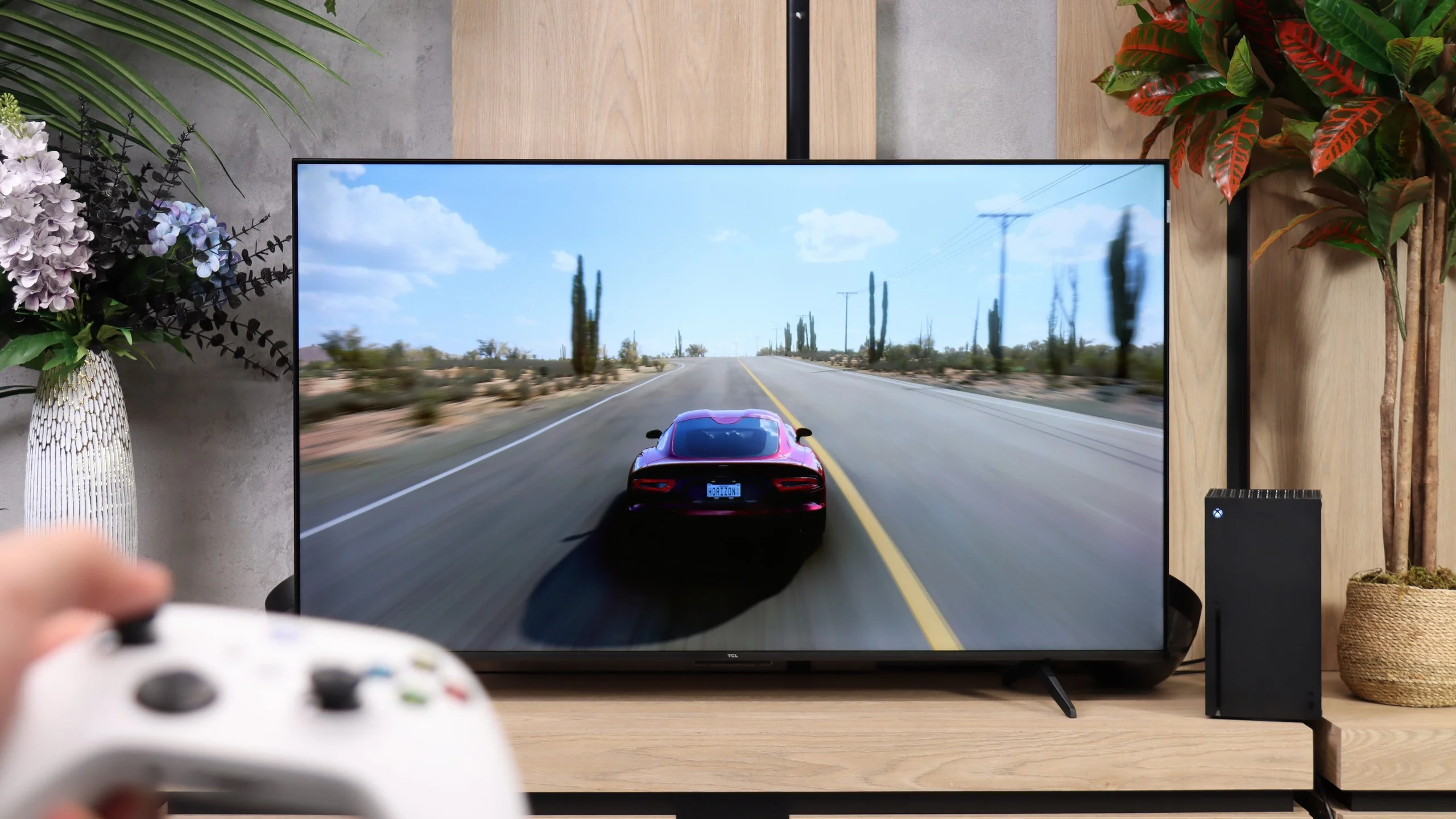
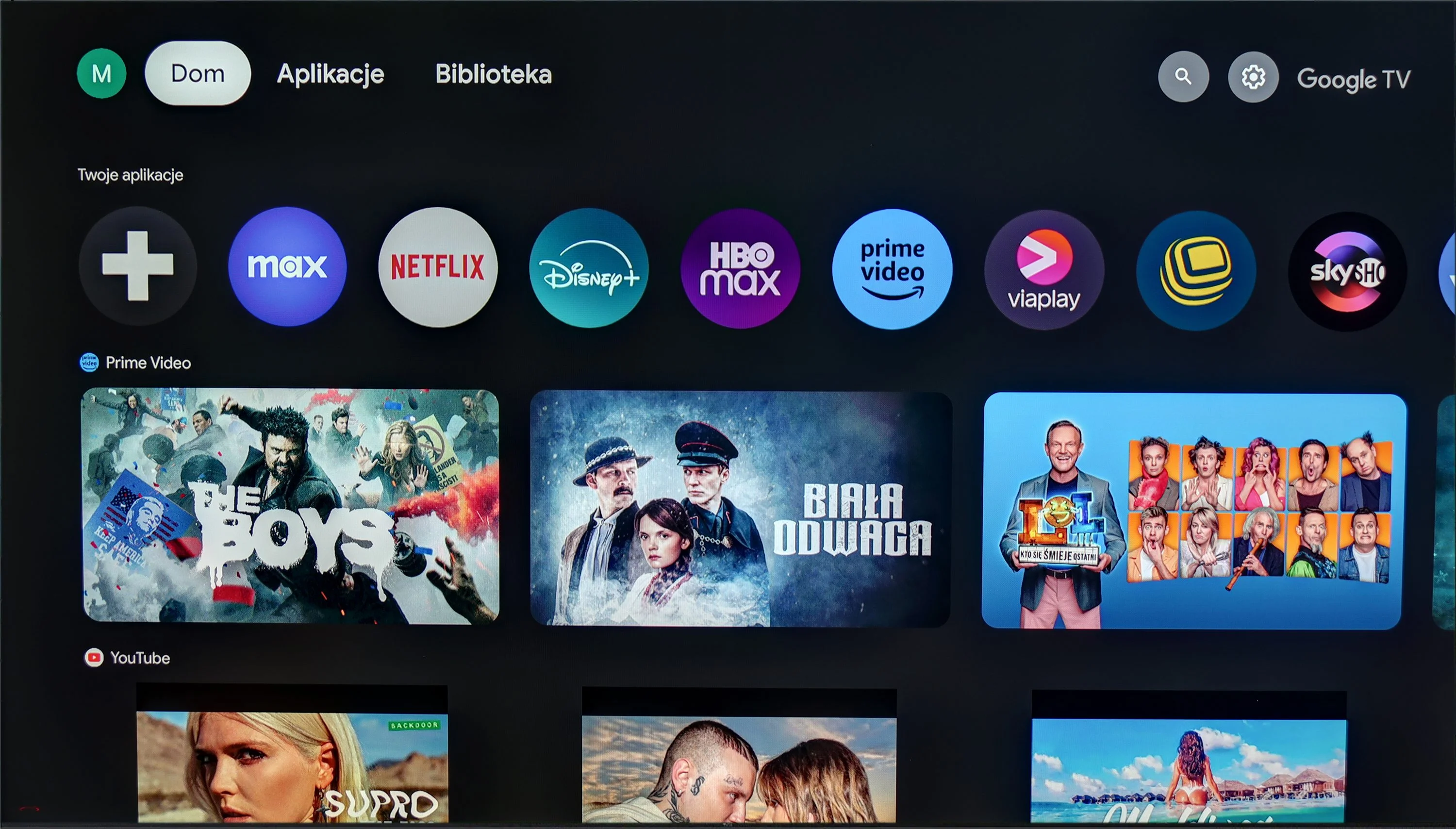
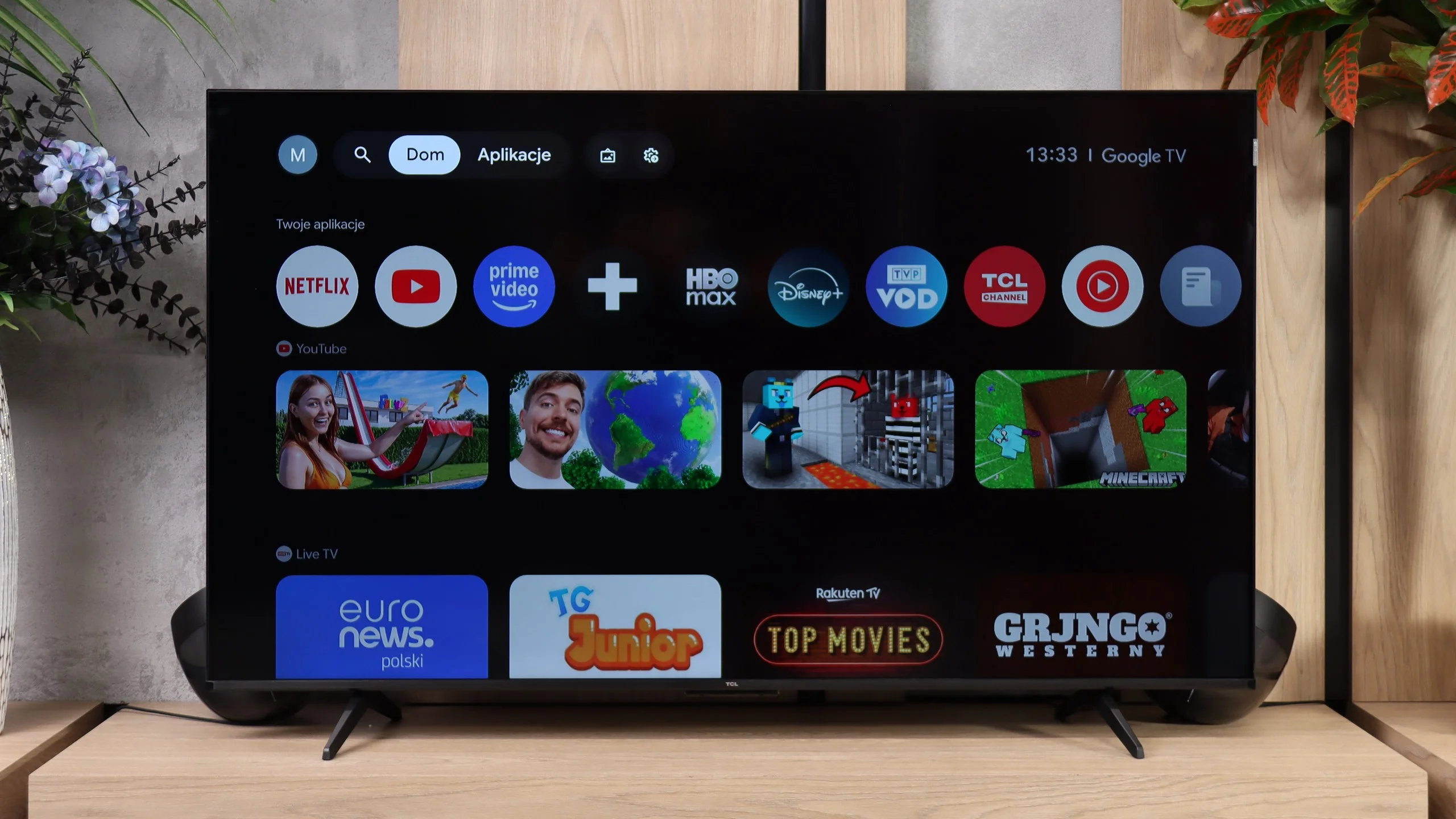
For gamers, the TCL C855 shines brightly, offering extremely low latency and high-quality performance thanks to its full implementation of HDMI 2.1 features. The inclusion of the Google TV operating system adds to its appeal, providing nearly limitless options for application installation, including support for APK files from outside the official store.
The TCL C855 is an excellent choice for those seeking a reliable and versatile television. While it may have some drawbacks, its overall image quality, gaming performance, and advanced operating system make it a strong contender in the market.
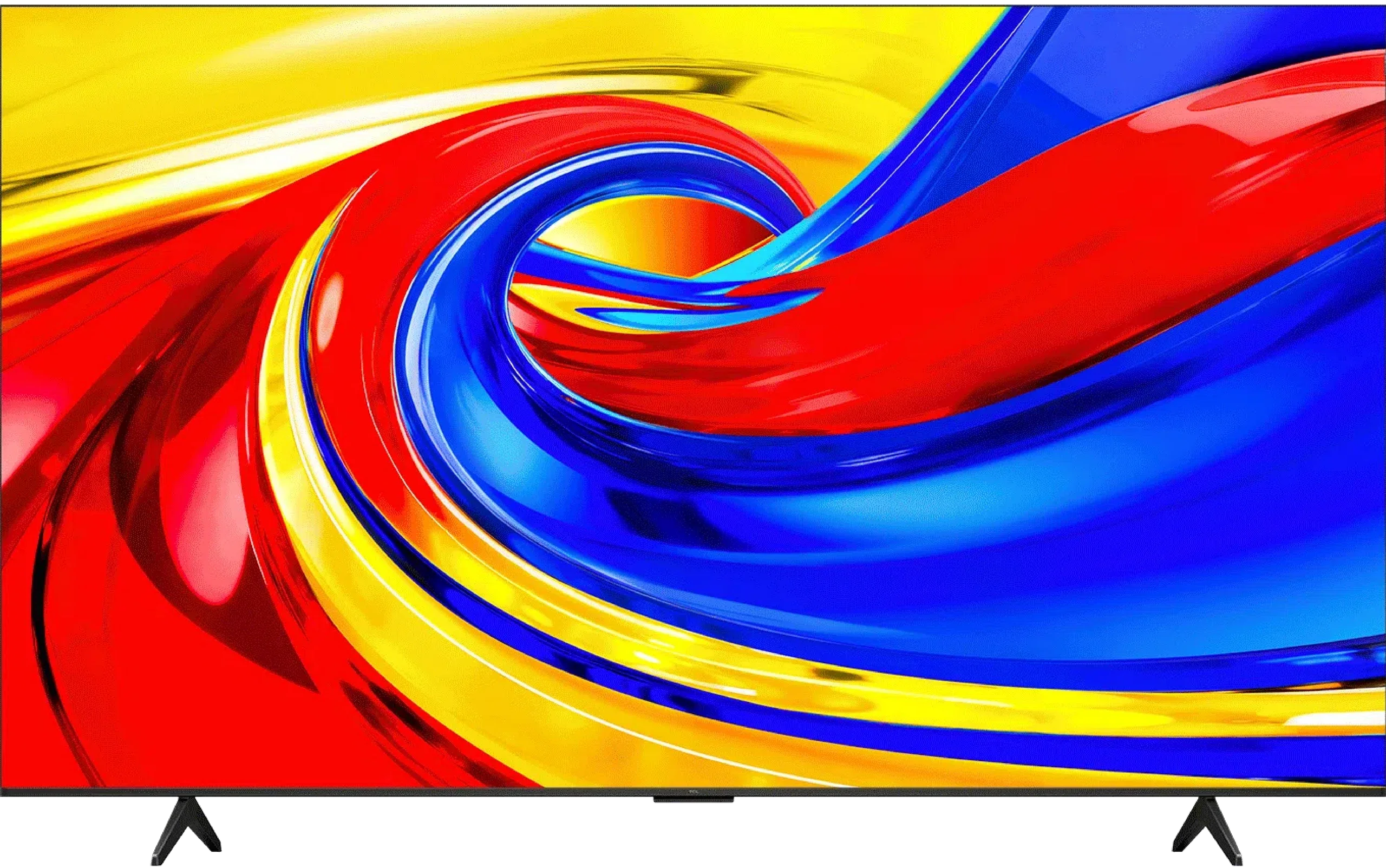
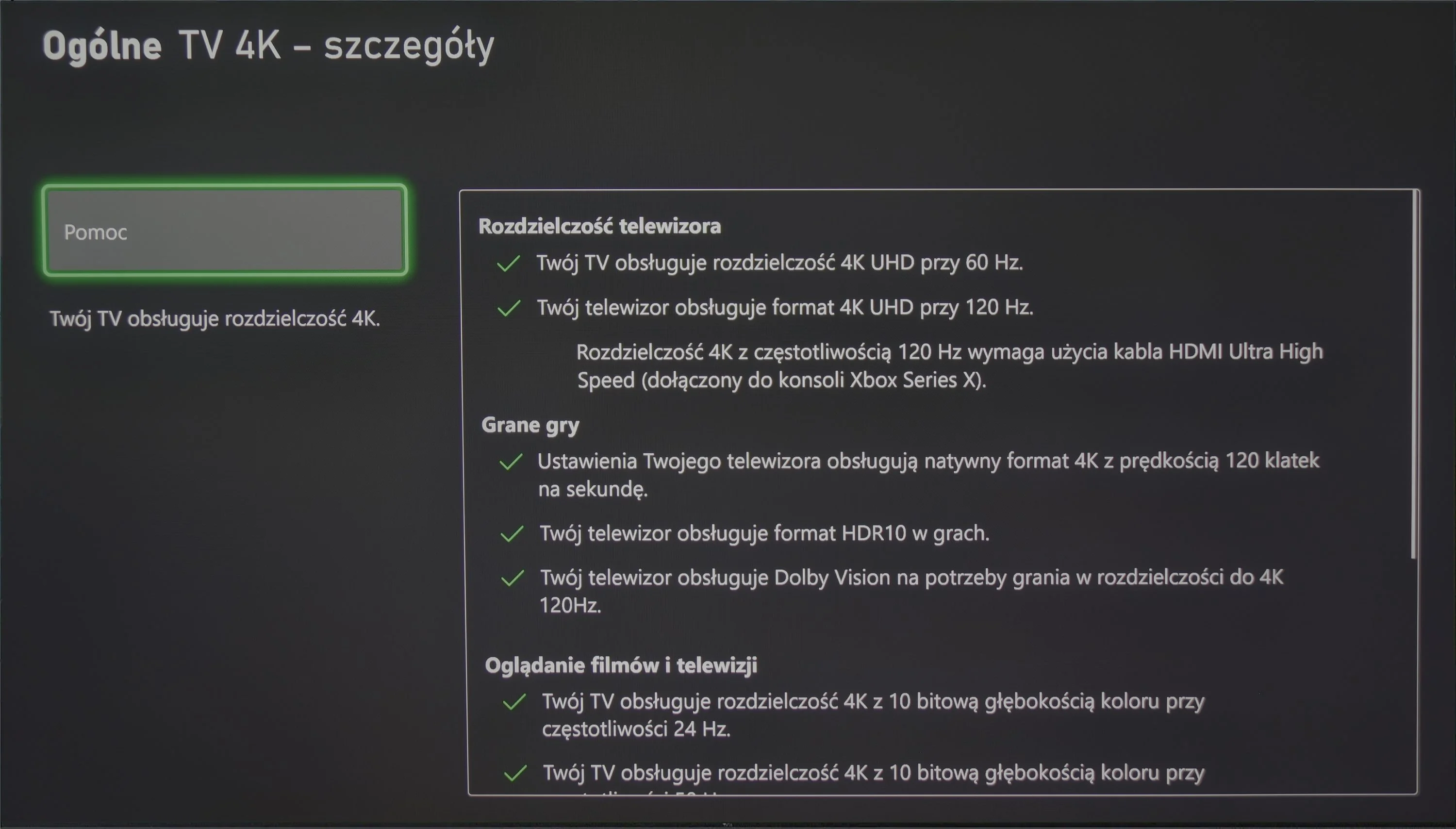
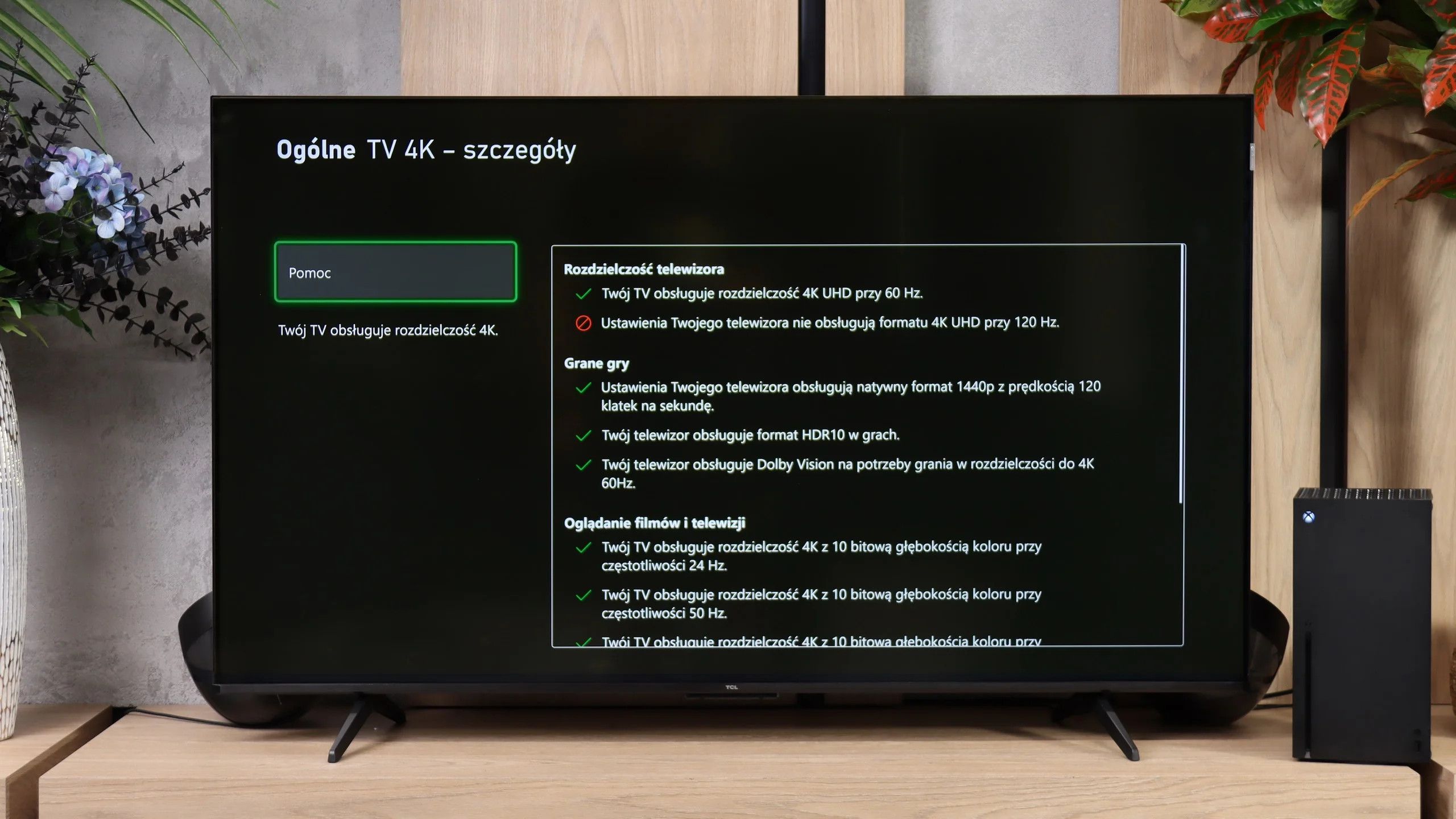
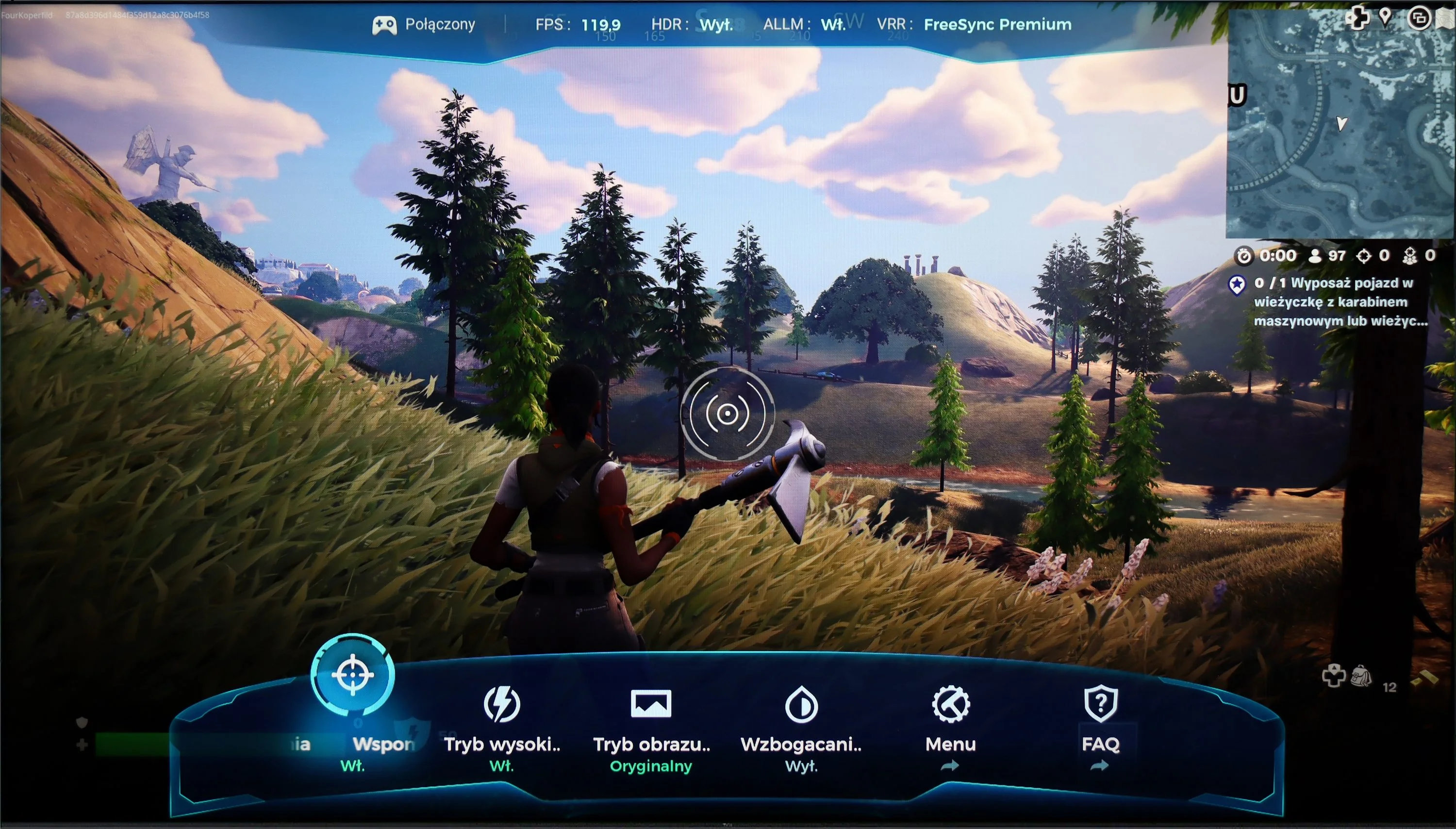
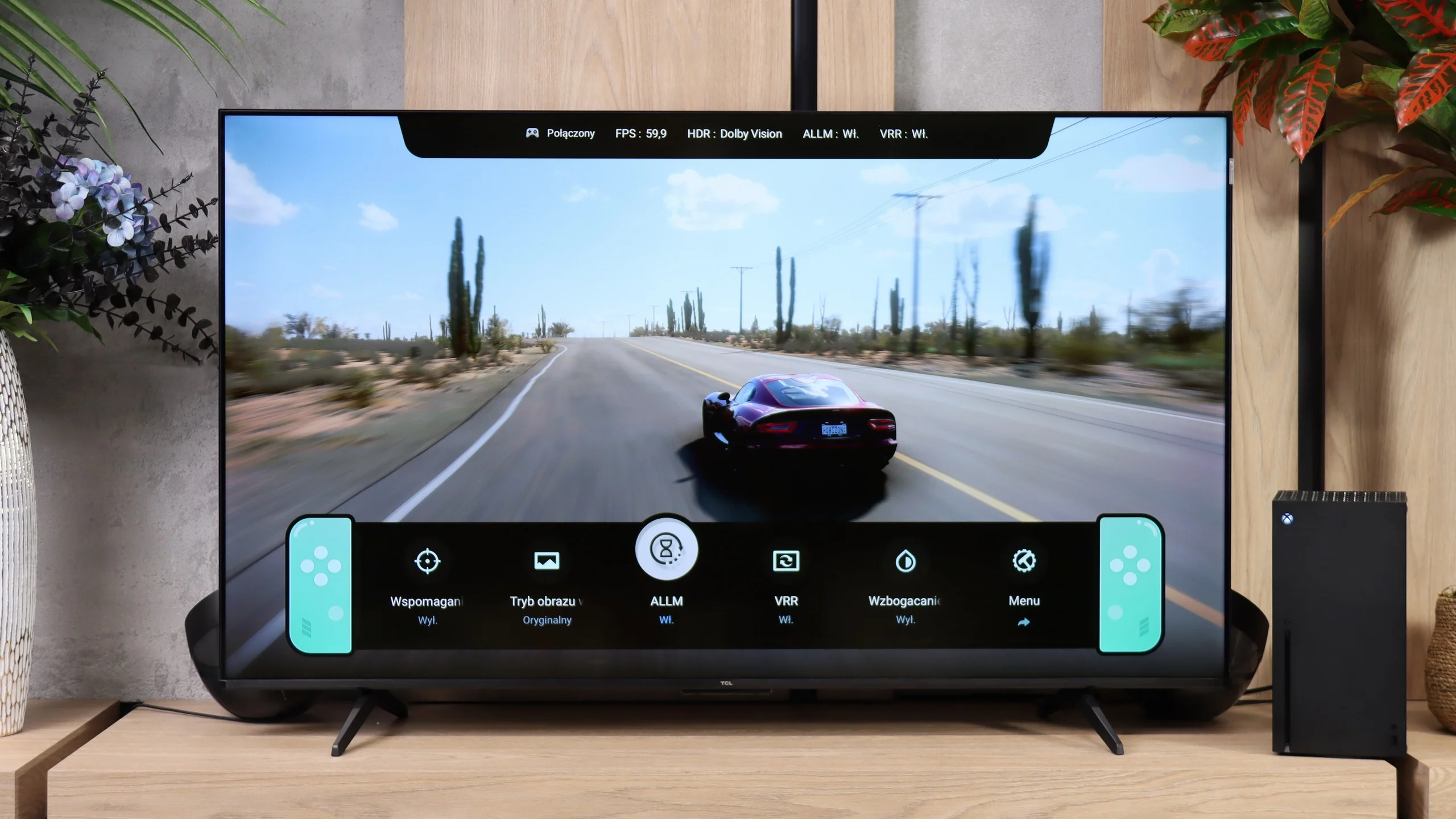
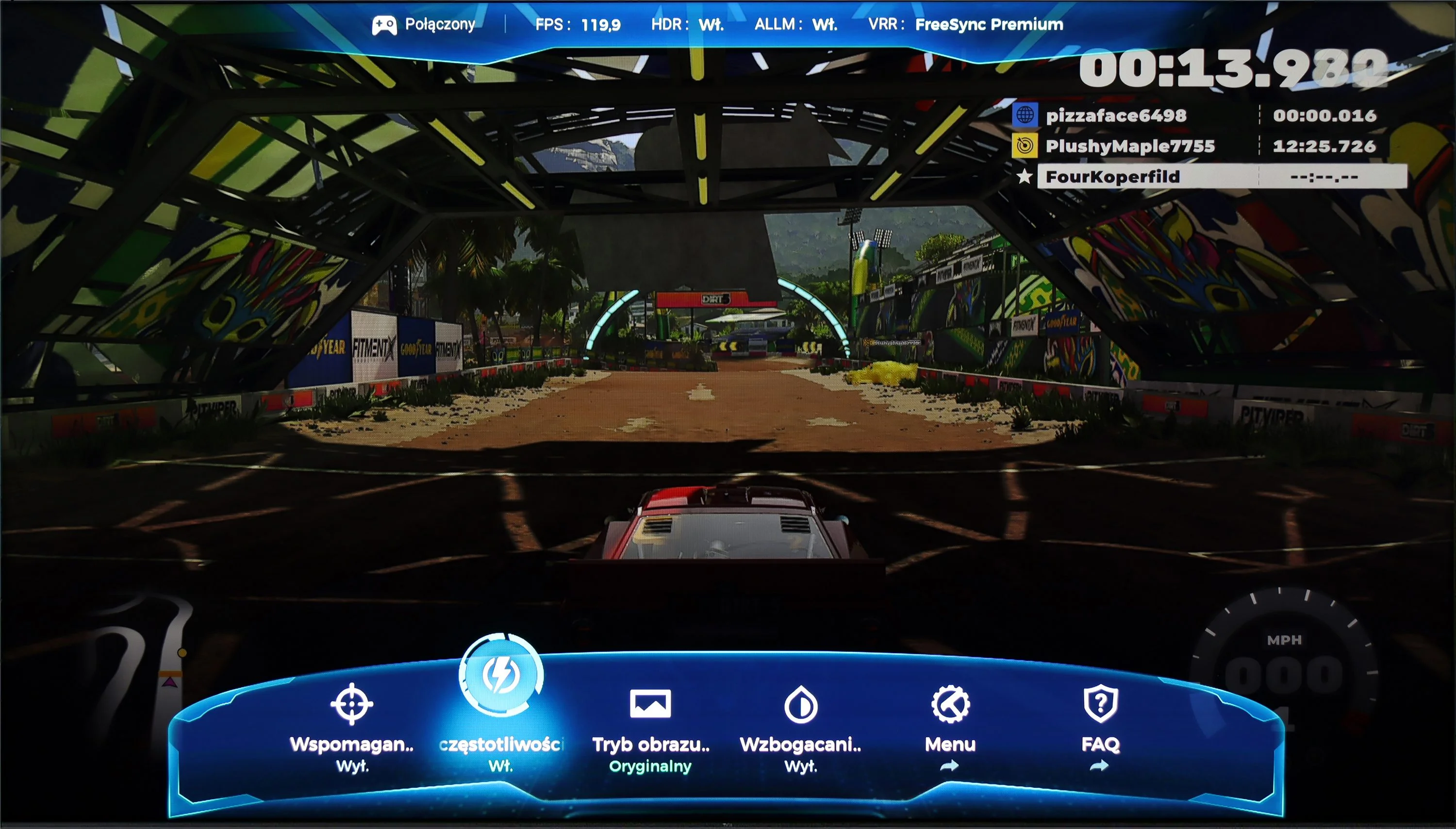
The TCL P7L is a successful budget TV that shows you can get more than just a basic screen for not much money. It doesn't match pricier Mini LEDs or OLEDs, but in its class it has a lot to offer. The VA panel delivers decent black levels and contrast, so during evening viewing the picture doesn't look as flat as on many cheap IPS models. Colors also perform well after calibration. For watching movies and TV shows it's a solid foundation, and Google TV provides access to a wide range of apps and streaming services. The biggest surprise is its gaming capabilities. The P7L responds quickly to controller input, supports VRR and automatically switches to game mode. It even offers Dolby Vision Gaming and a Game Bar with settings at hand. What's more, by lowering the resolution to 1080p or 1440p you can play at 120 Hz. In 4K you’re limited to 60 Hz, so you have to choose between more detail and smoother motion, but it's good that at this price you even have that option.
TCL also handles lower-quality sources quite well. Lower-resolution content looks acceptable, and the gradient-smoothing feature actually helps reduce visible banding between shades. The way it displays HDR is also commendable. The TV sensibly adapts content to its capabilities and tries to preserve detail in bright areas instead of turning them into blown-out white patches. Dolby Vision helps here, often producing noticeably better results than HDR10. That doesn't mean the HDR effect itself is breathtaking. The P7L's biggest limitation is brightness. Small highlights and reflections don't have the same punch you'd see on pricier screens, even if their detail remains visible. For the same reason the TV fares worse in a very sunlit living room. It performs much better in a moderately lit room.
So the P7L has its limits, but it's hard to argue with its value for money. It's suitable for everyday viewing, doesn't limit app choice, and offers surprising freedom for gaming. If you're looking for an affordable TV and can accept its flaws, the TCL P7L is a model worth considering.
 Direct comparison