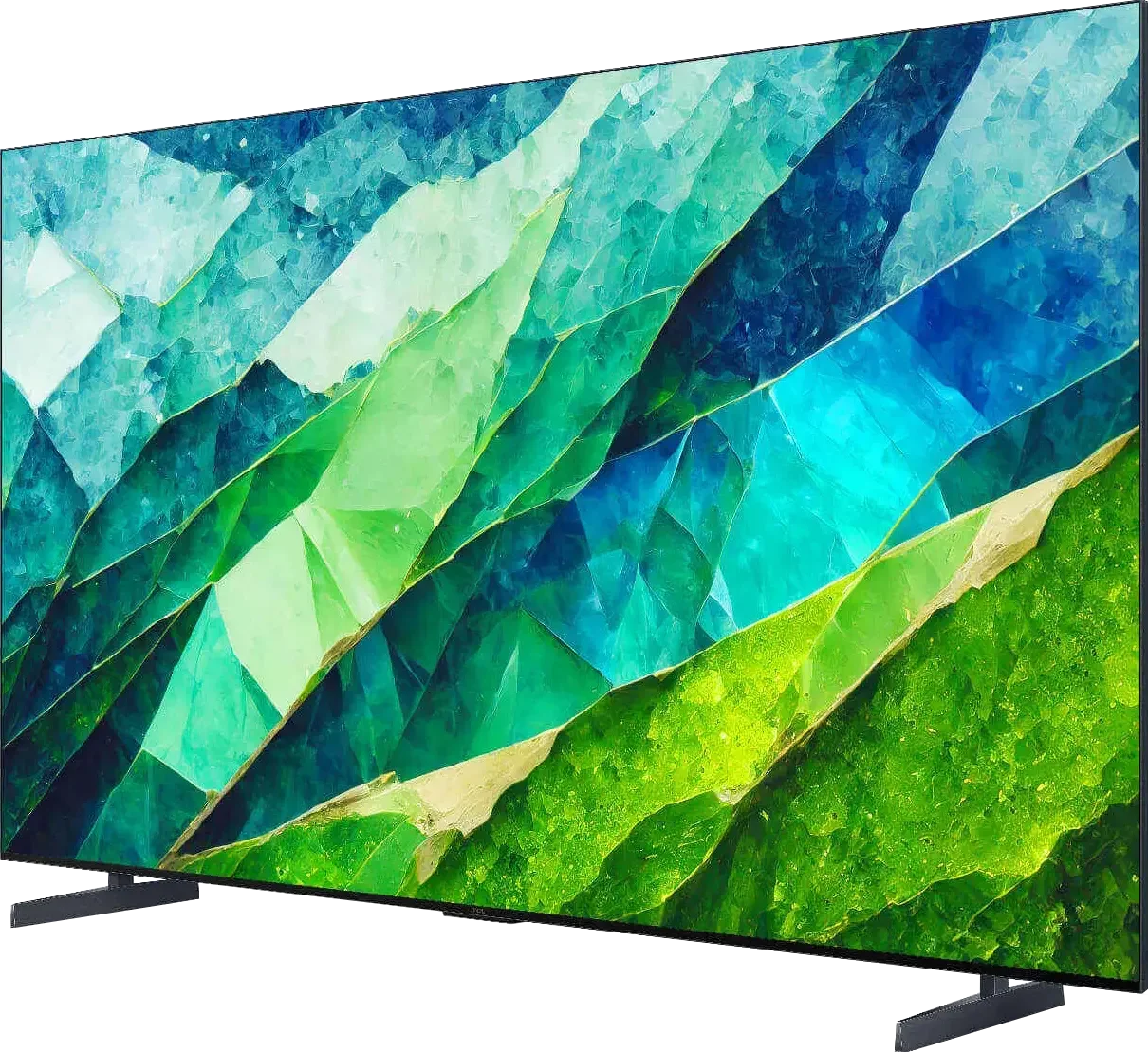
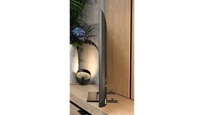
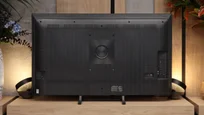
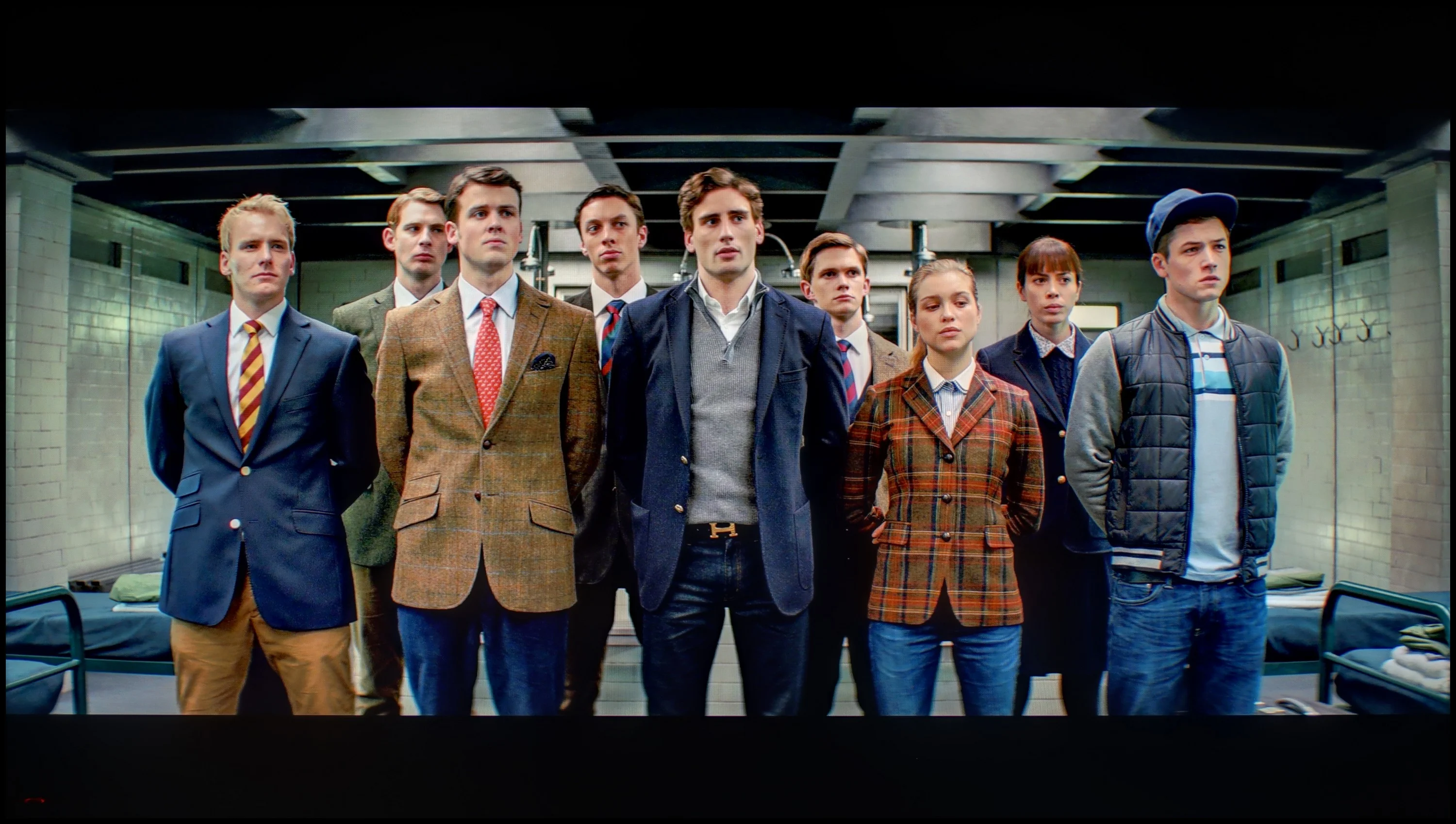
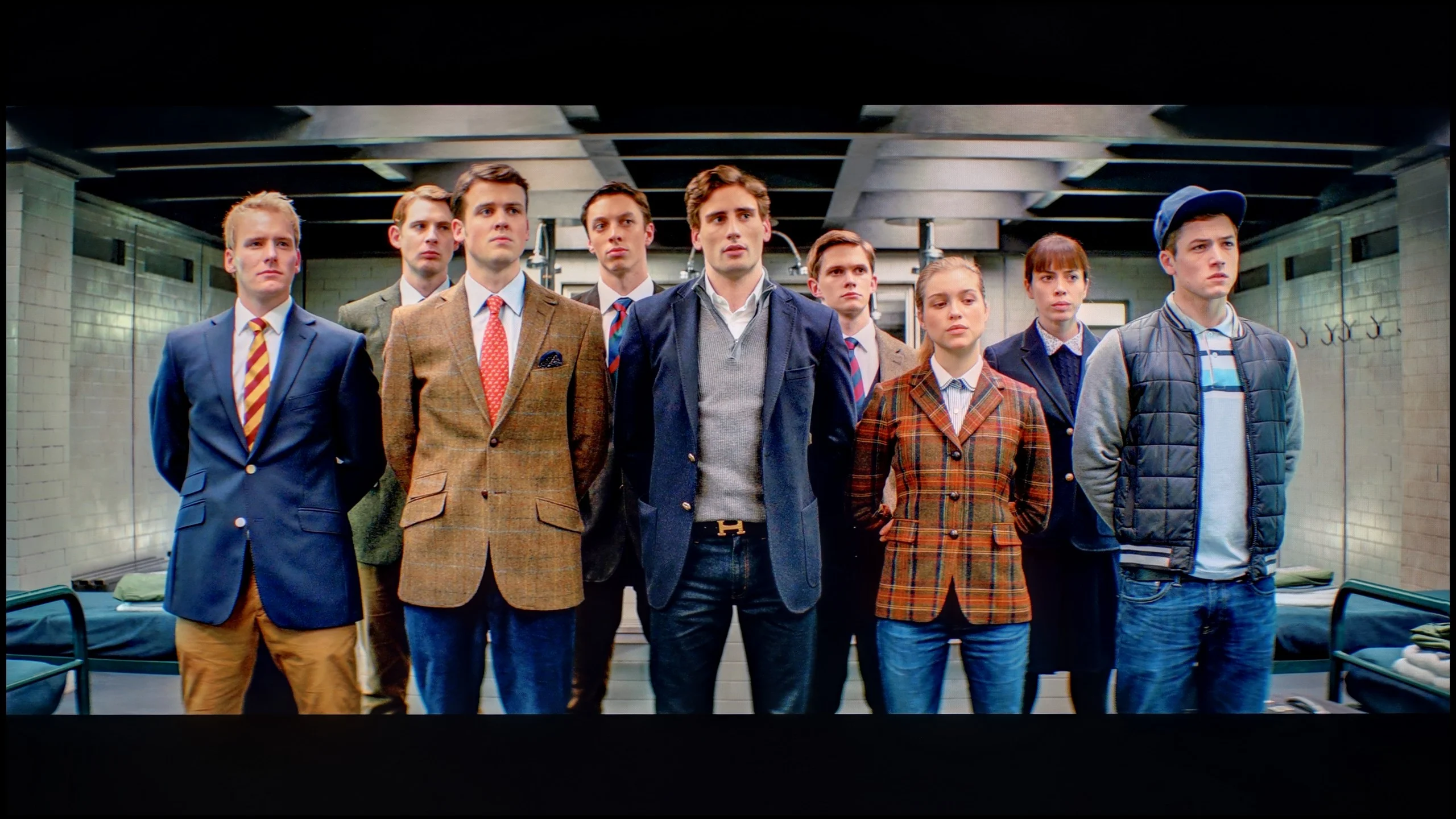
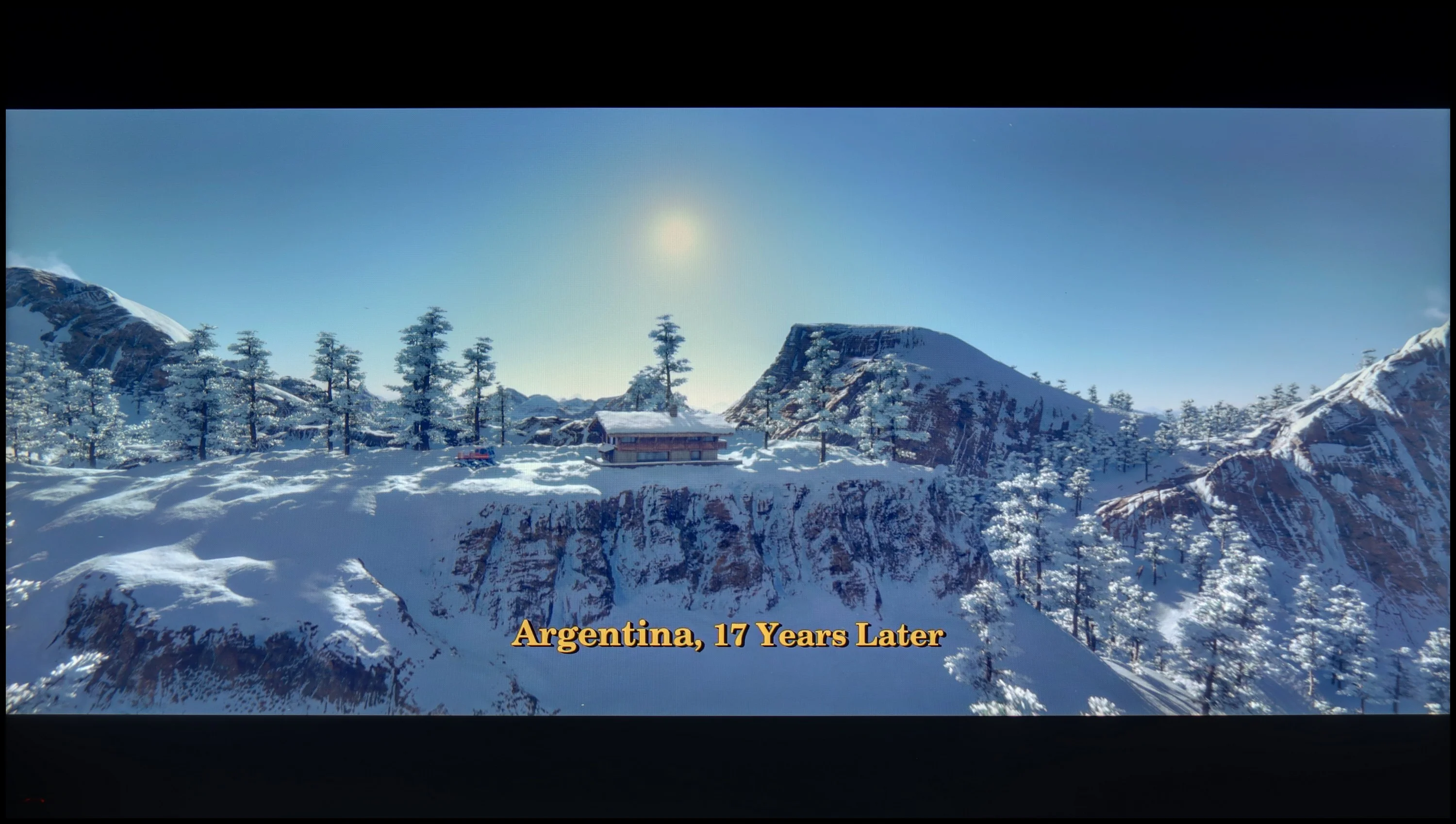
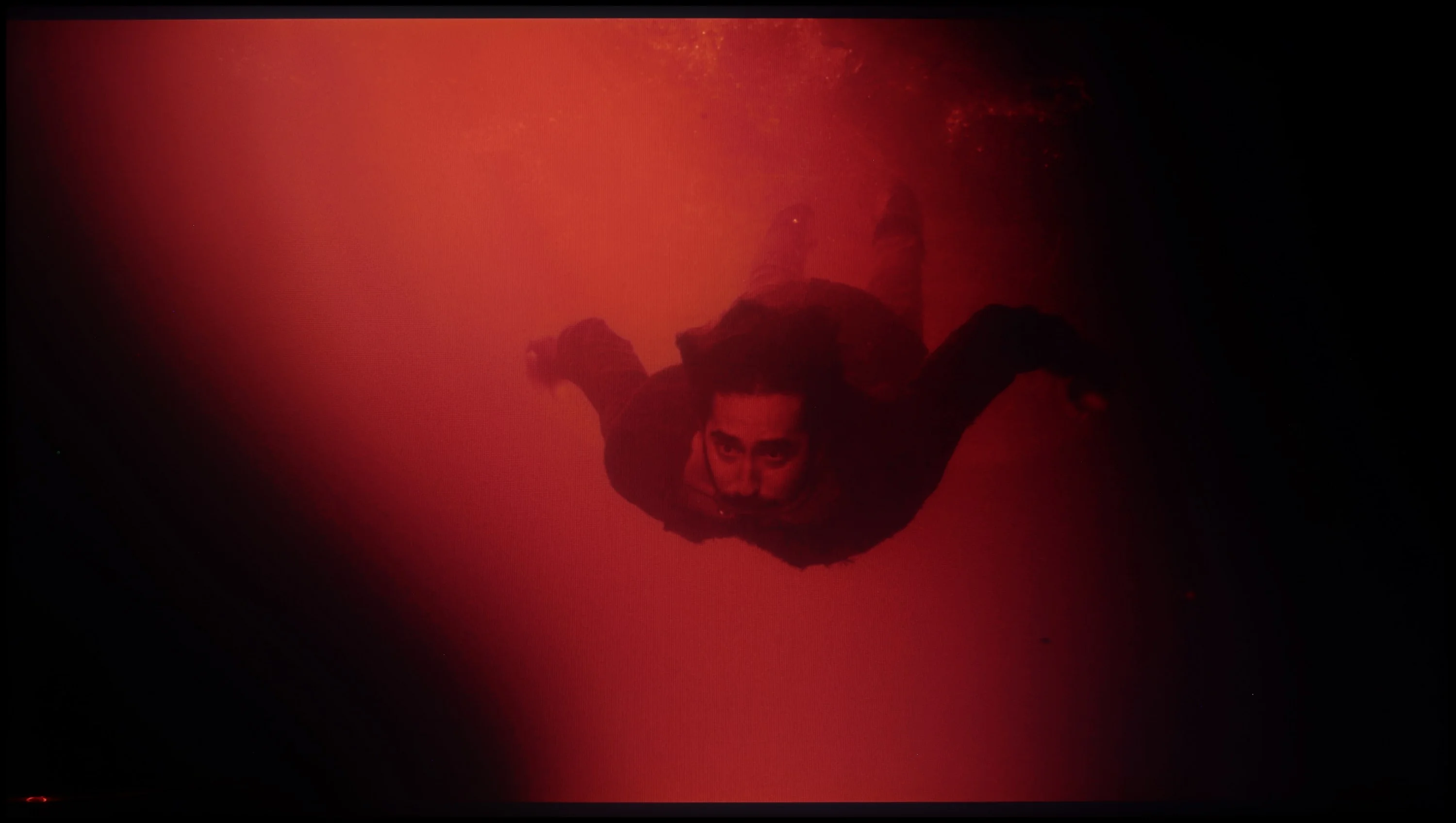
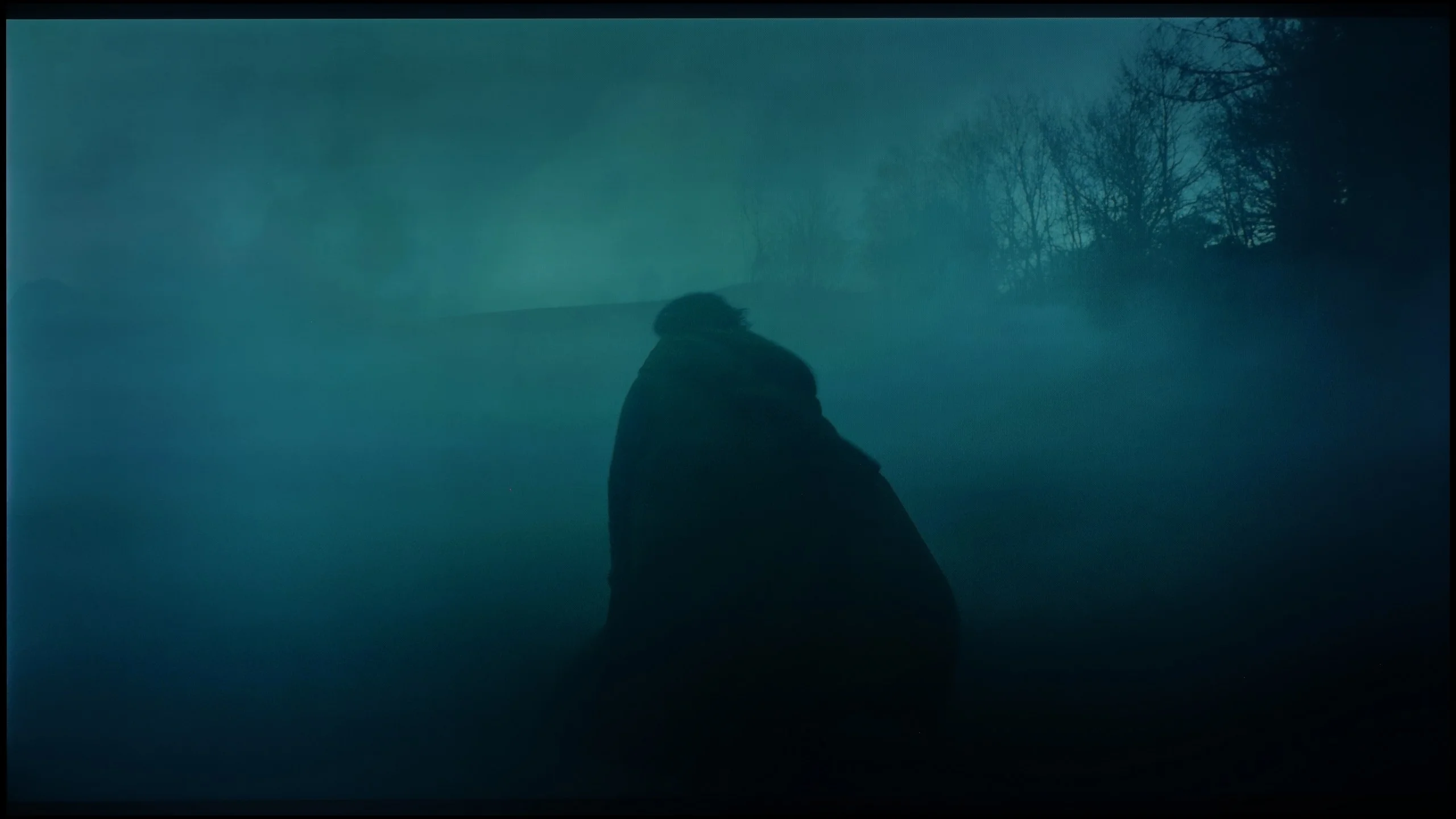
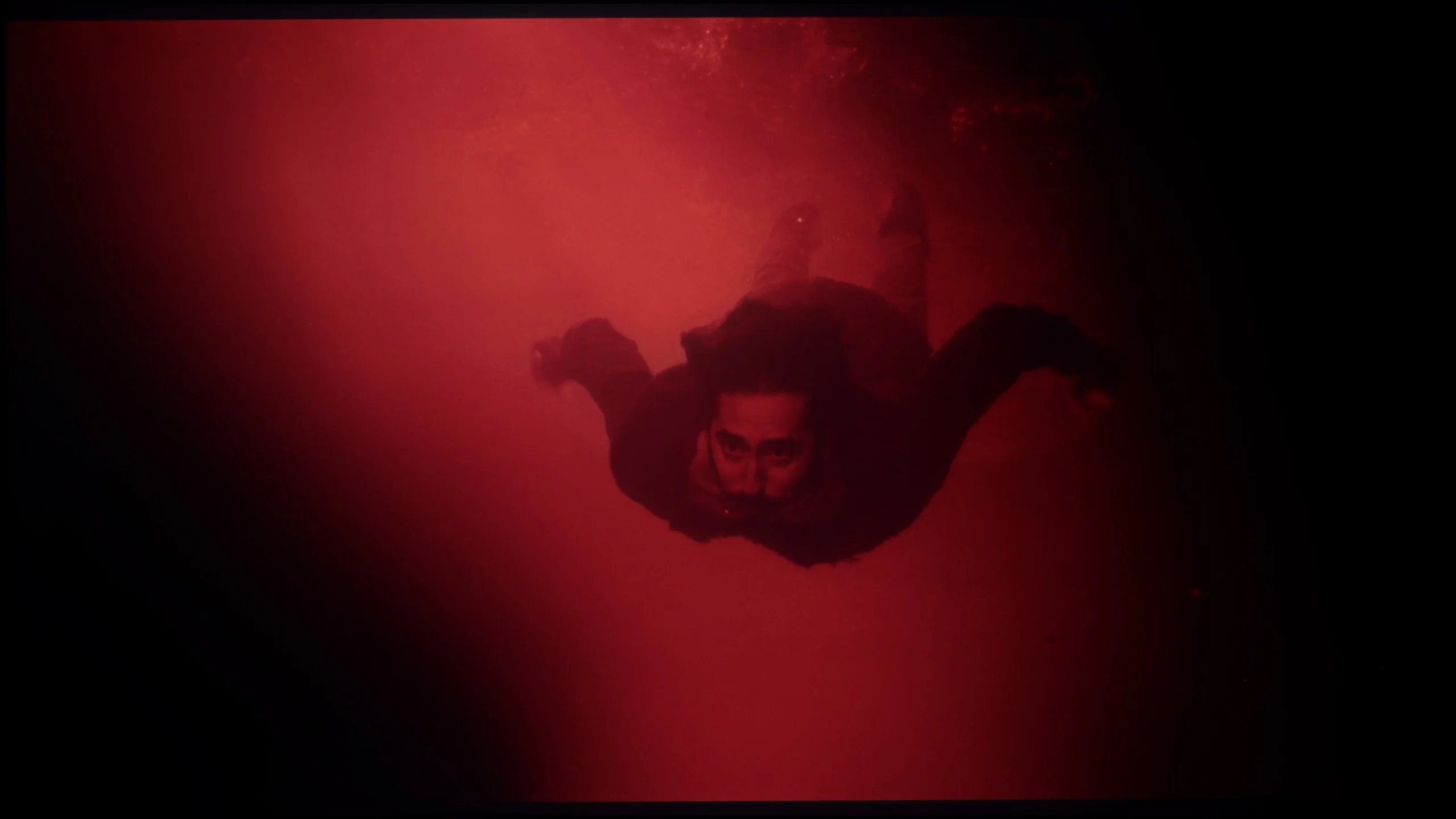
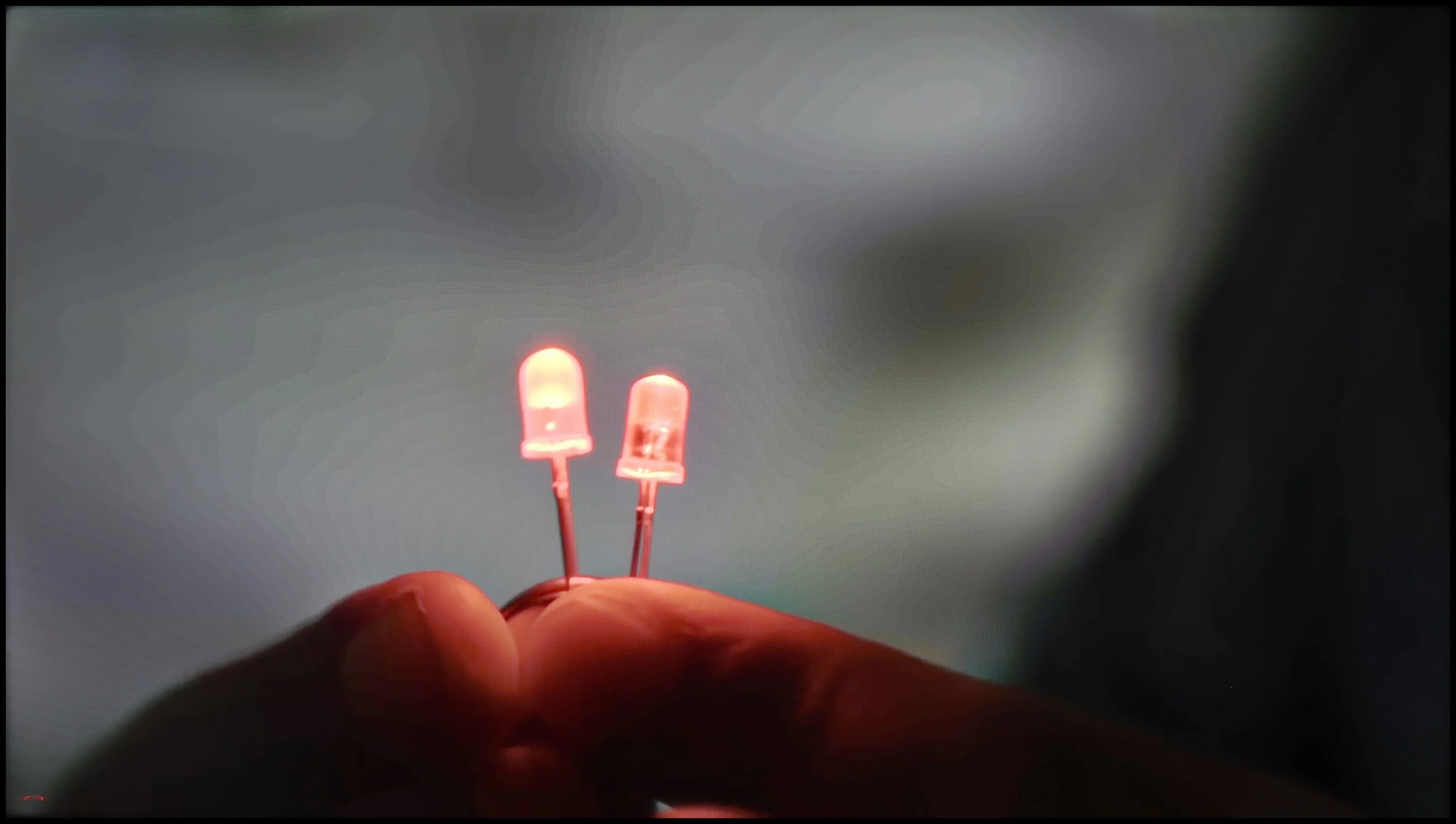
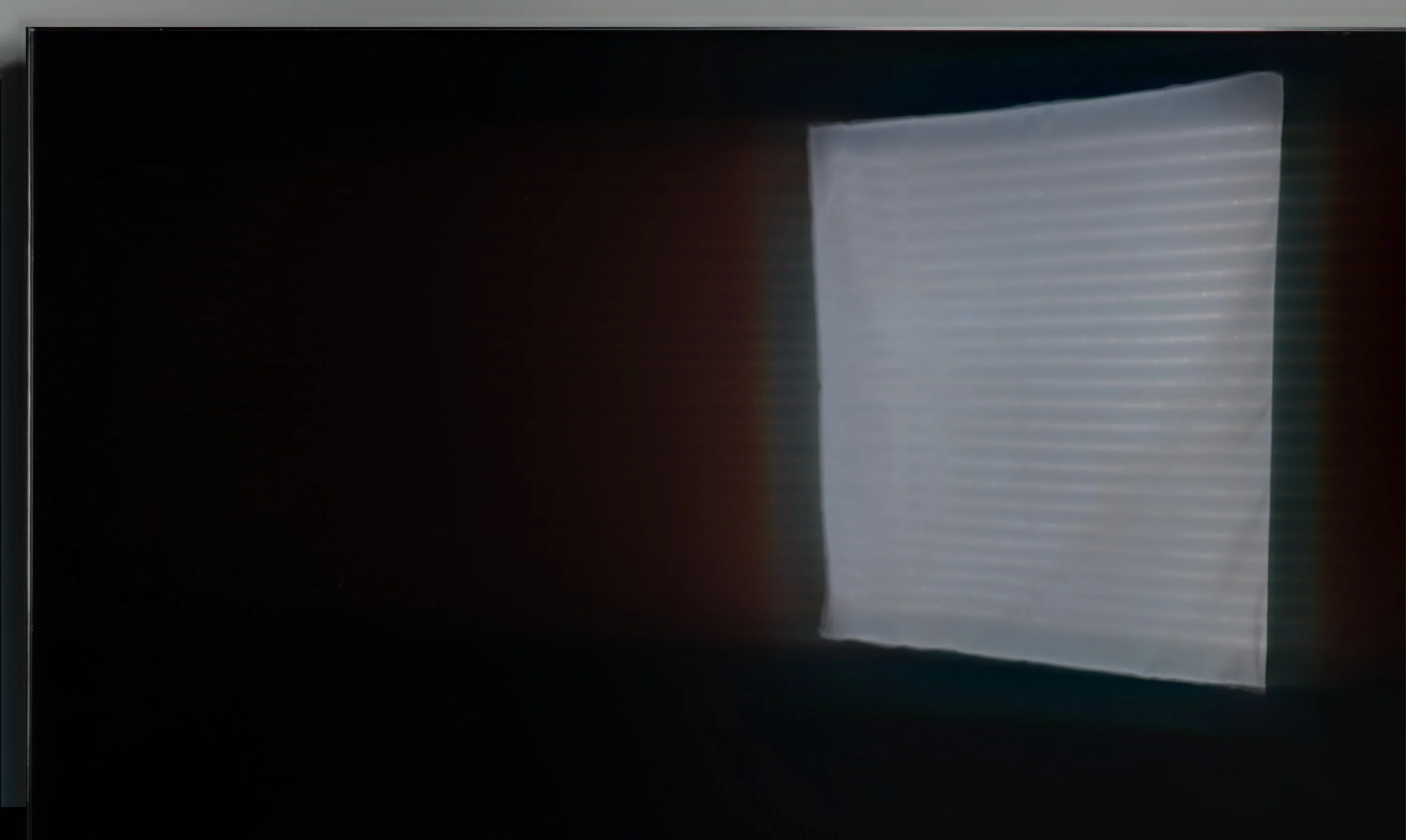
The TCL C855 is a standout television in the TV market, showcasing a versatile performance across various applications and excelling in its price range. With Mini LED backlighting, the TV achieves impressive contrast and black levels, resulting in deep, vivid images. Its algorithm effectively maintains black uniformity, minimizing blooming effects, a significant advantage for viewing HDR content.
While the TCL C855 can reach brightness levels of up to 1800 nits, which is commendable, it is worth noting that brightness can significantly drop to around 200 nits when bright but small elements appear on-screen. Additionally, the mid-tone boost can compromise contrast and reduce fidelity to the director's original vision.
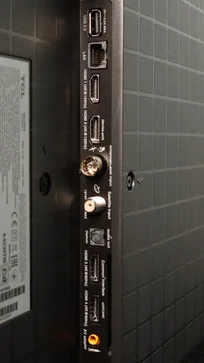
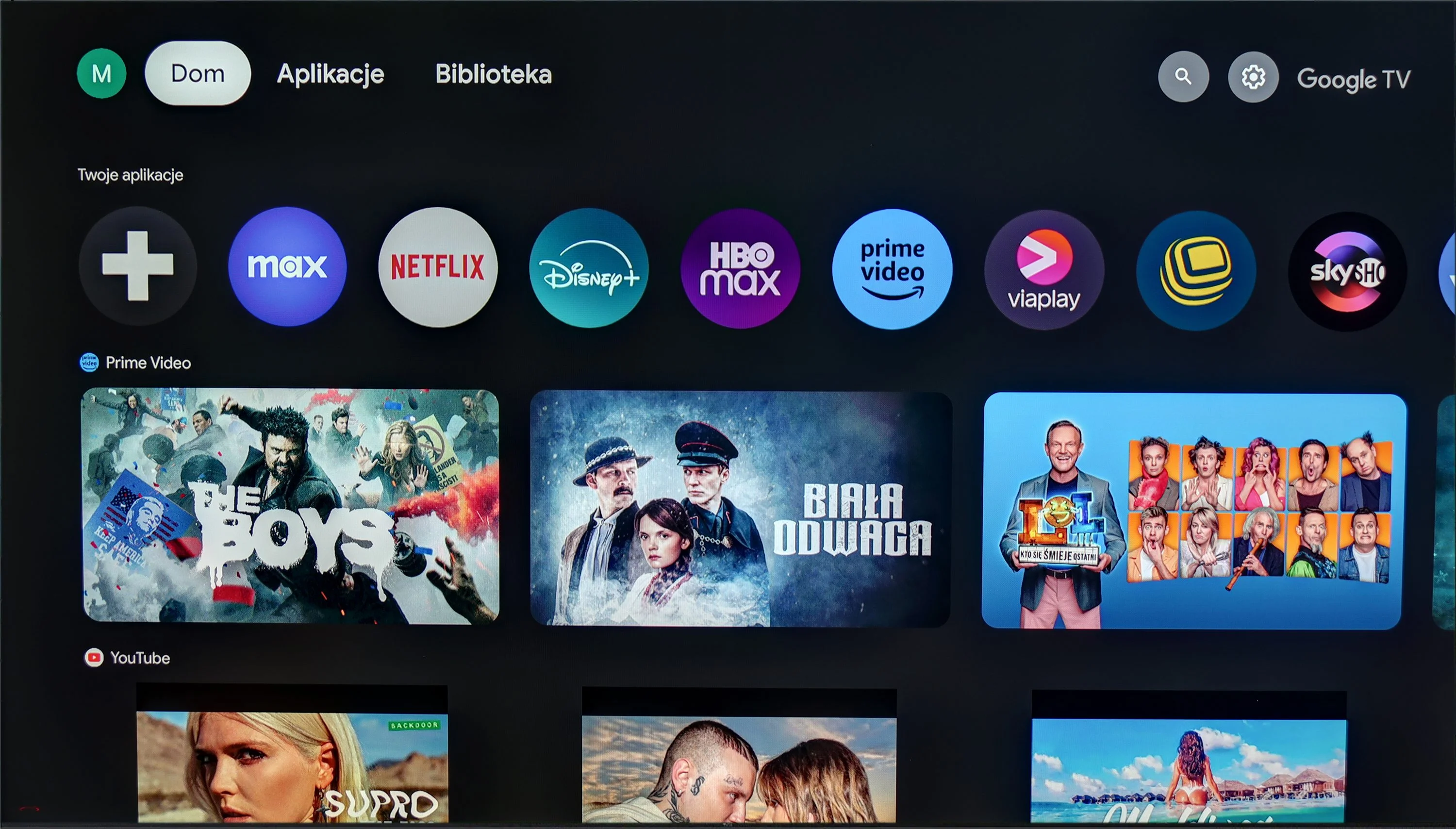
For gamers, the TCL C855 shines brightly, offering extremely low latency and high-quality performance thanks to its full implementation of HDMI 2.1 features. The inclusion of the Google TV operating system adds to its appeal, providing nearly limitless options for application installation, including support for APK files from outside the official store.
The TCL C855 is an excellent choice for those seeking a reliable and versatile television. While it may have some drawbacks, its overall image quality, gaming performance, and advanced operating system make it a strong contender in the market.
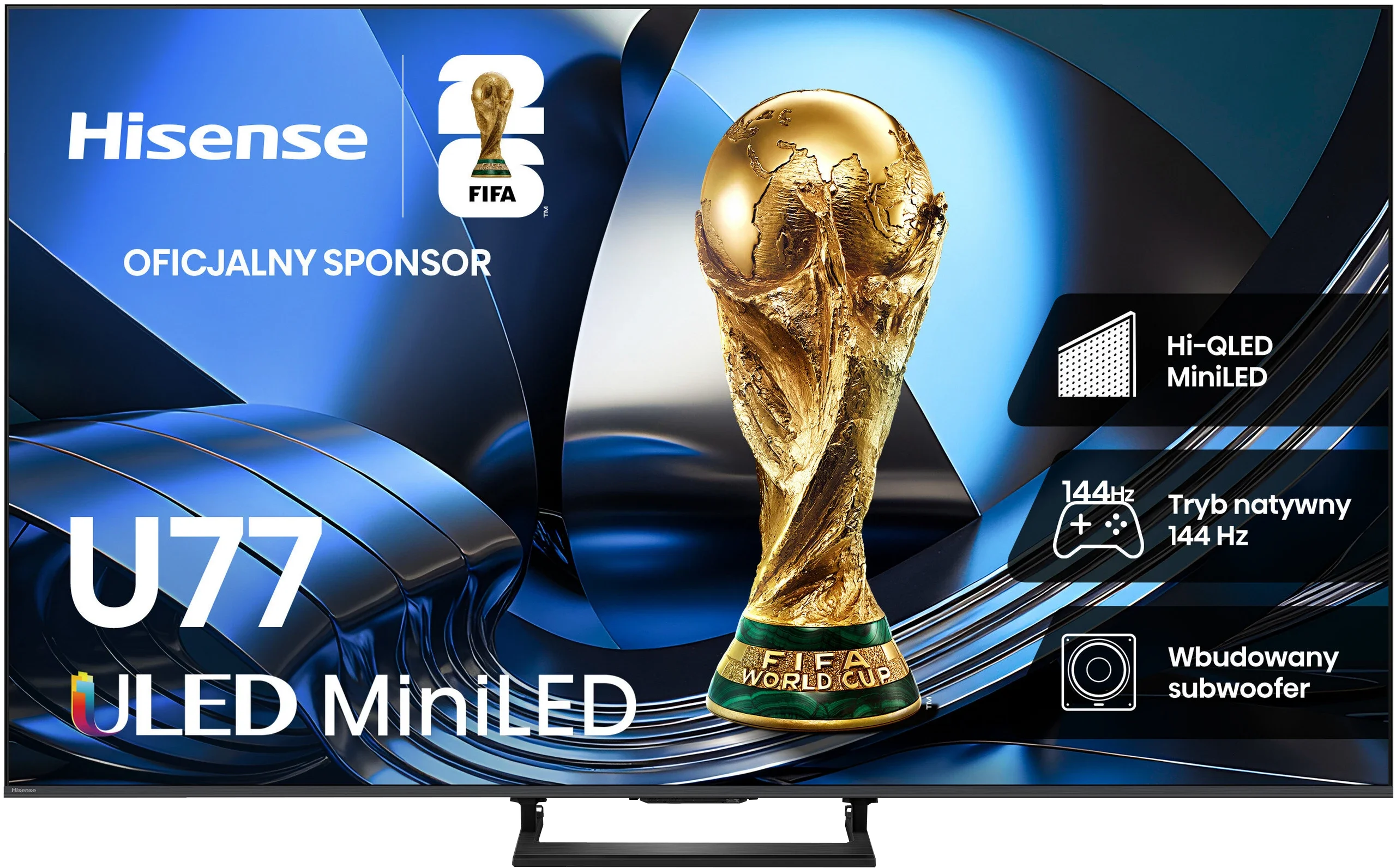
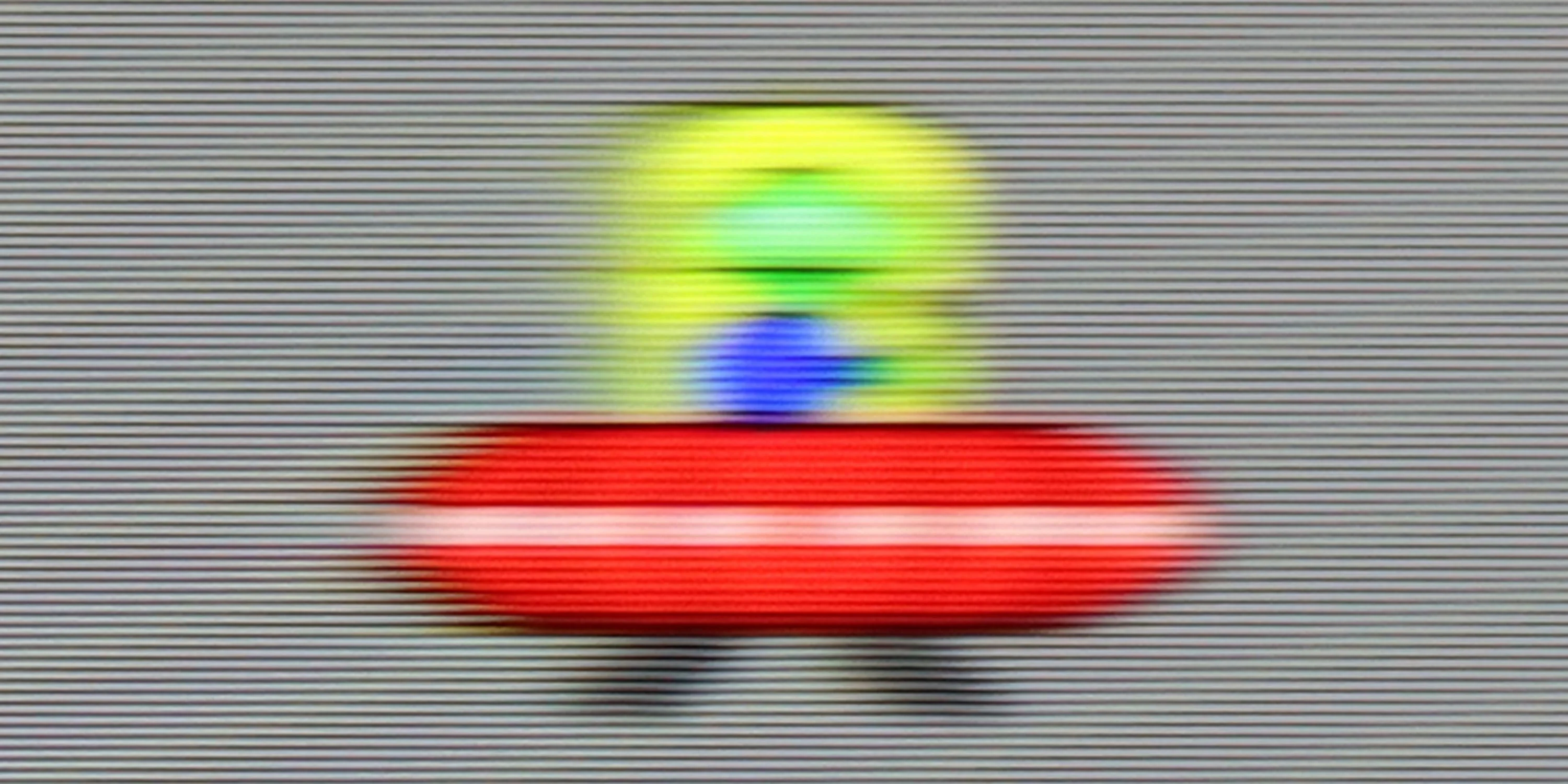
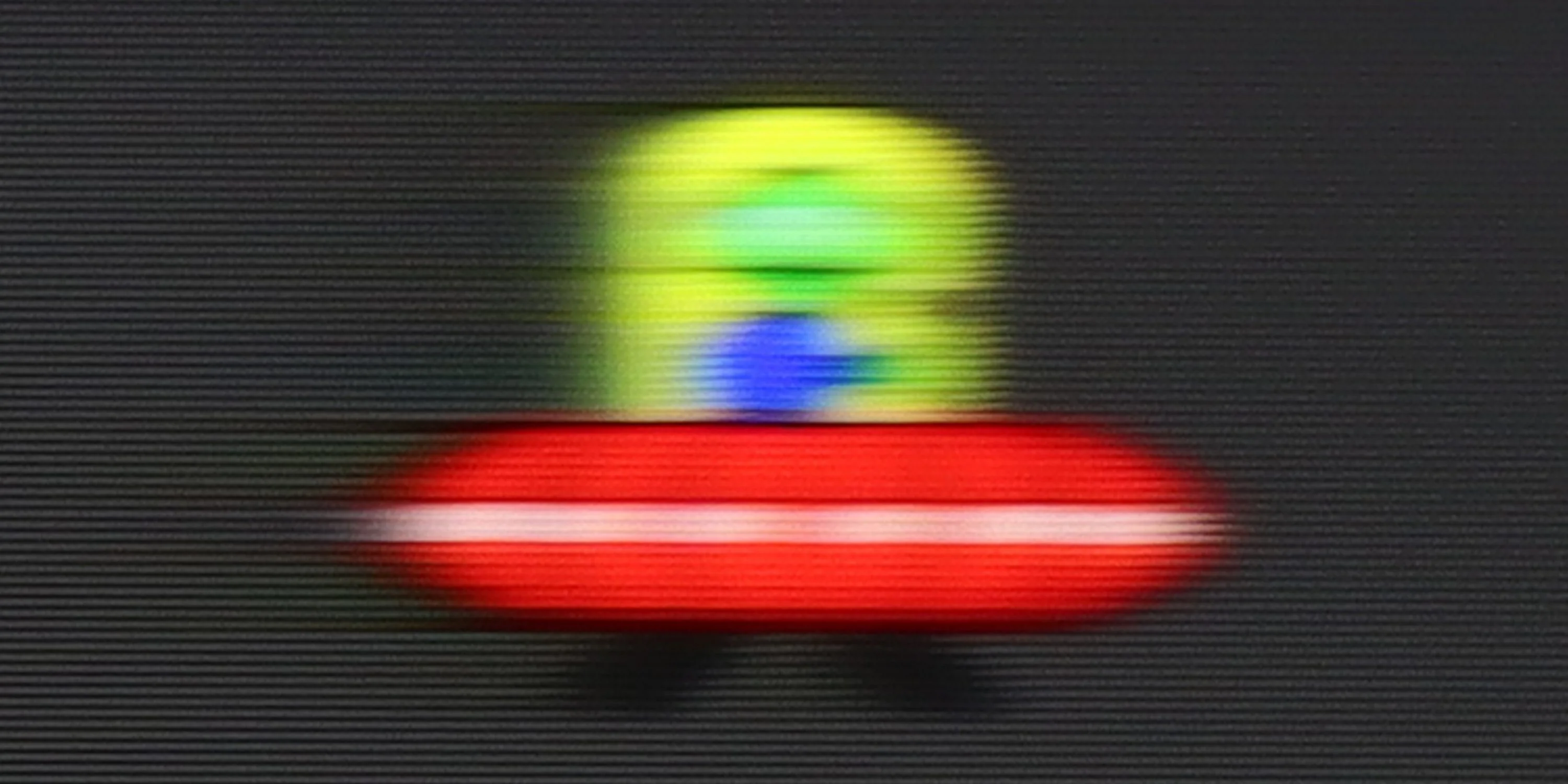
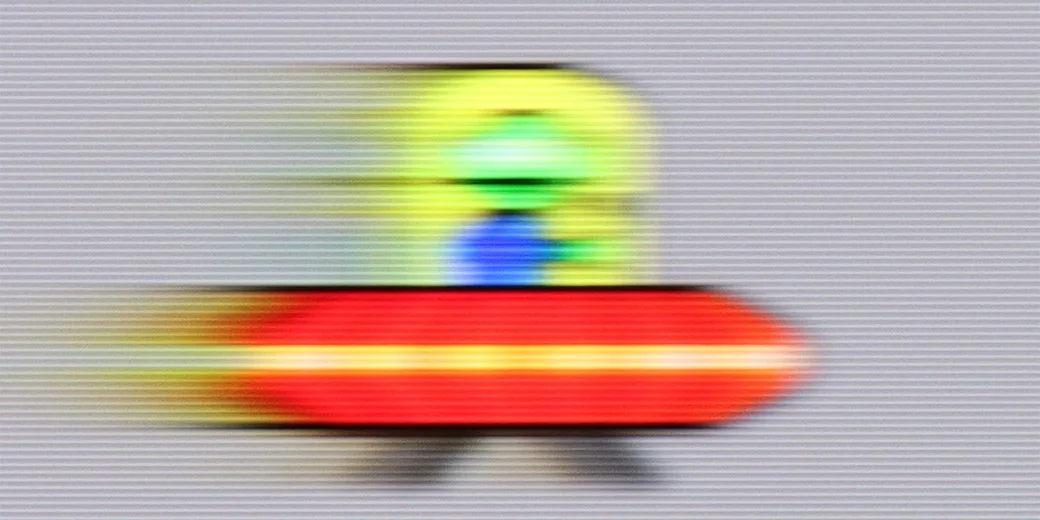
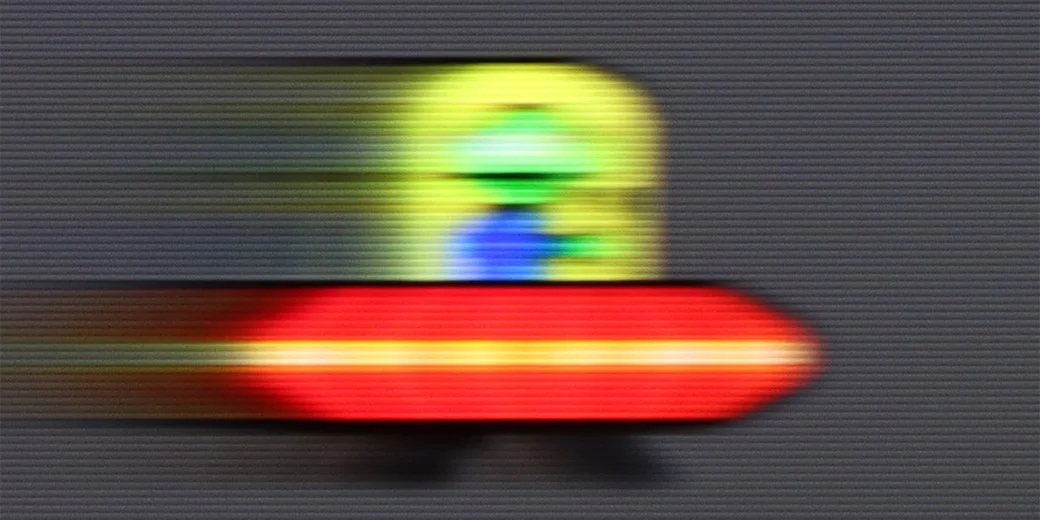
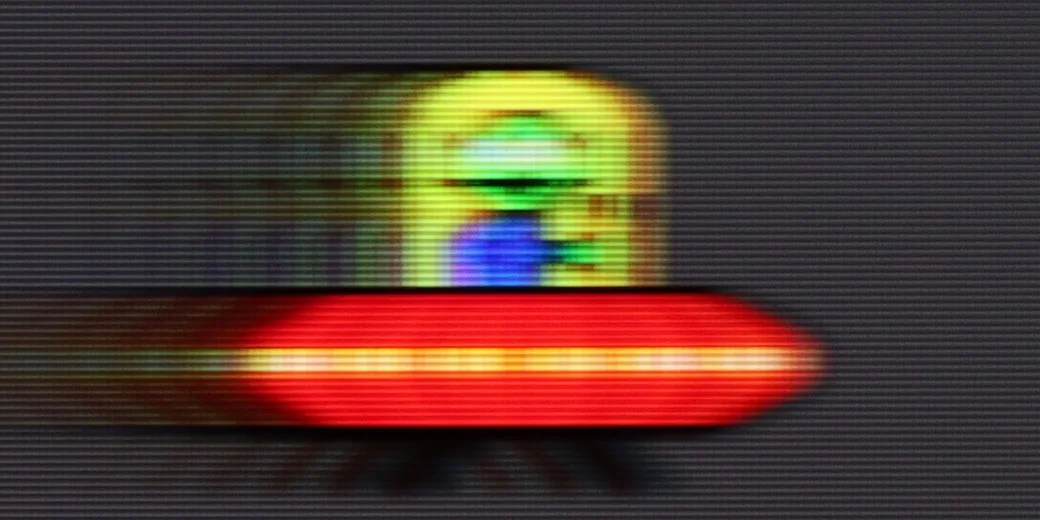
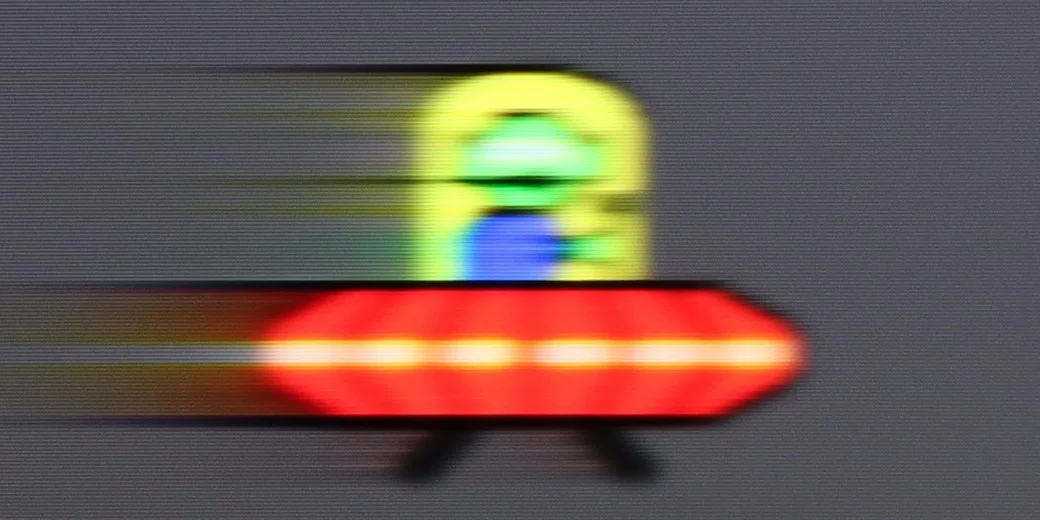
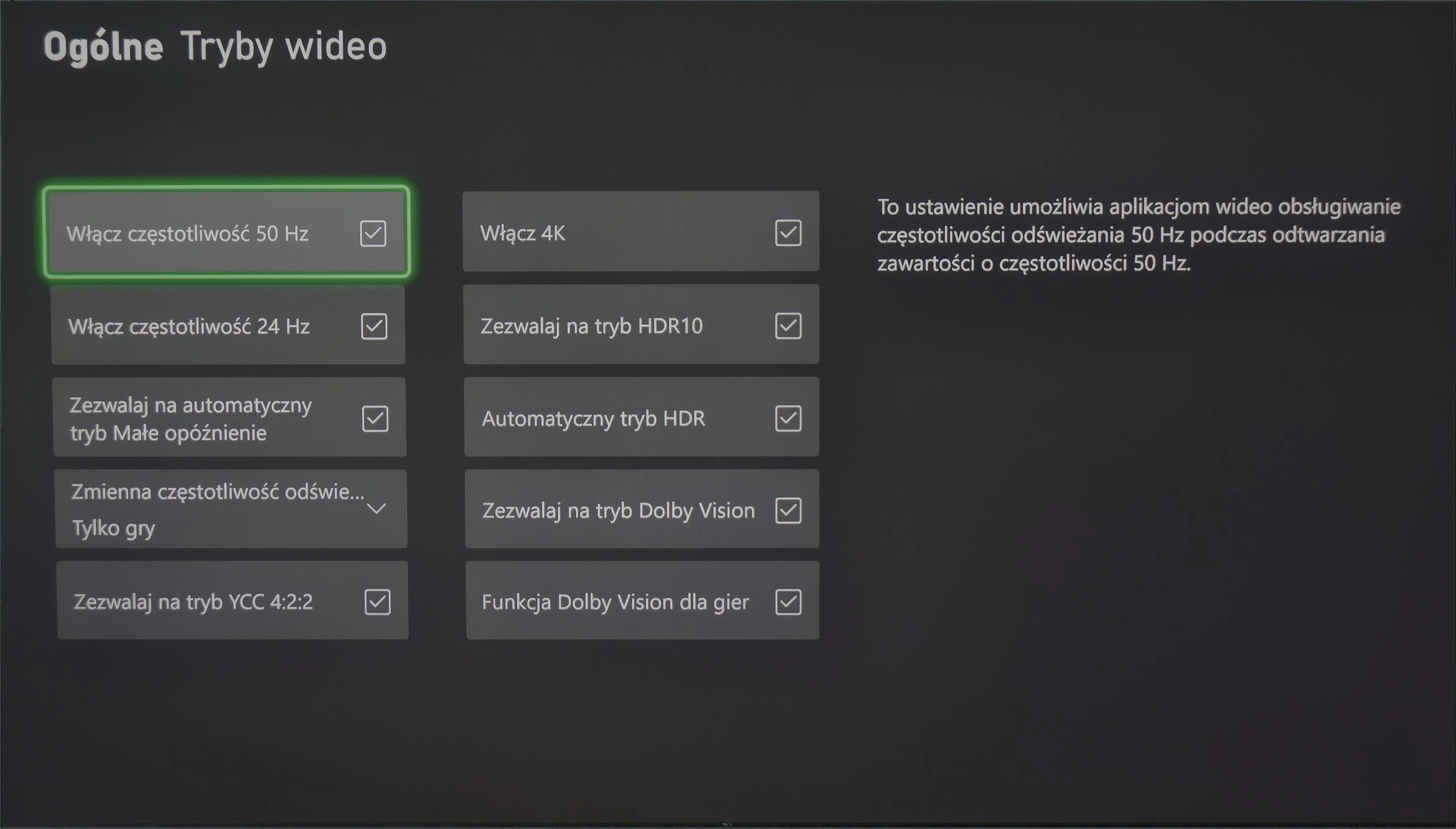
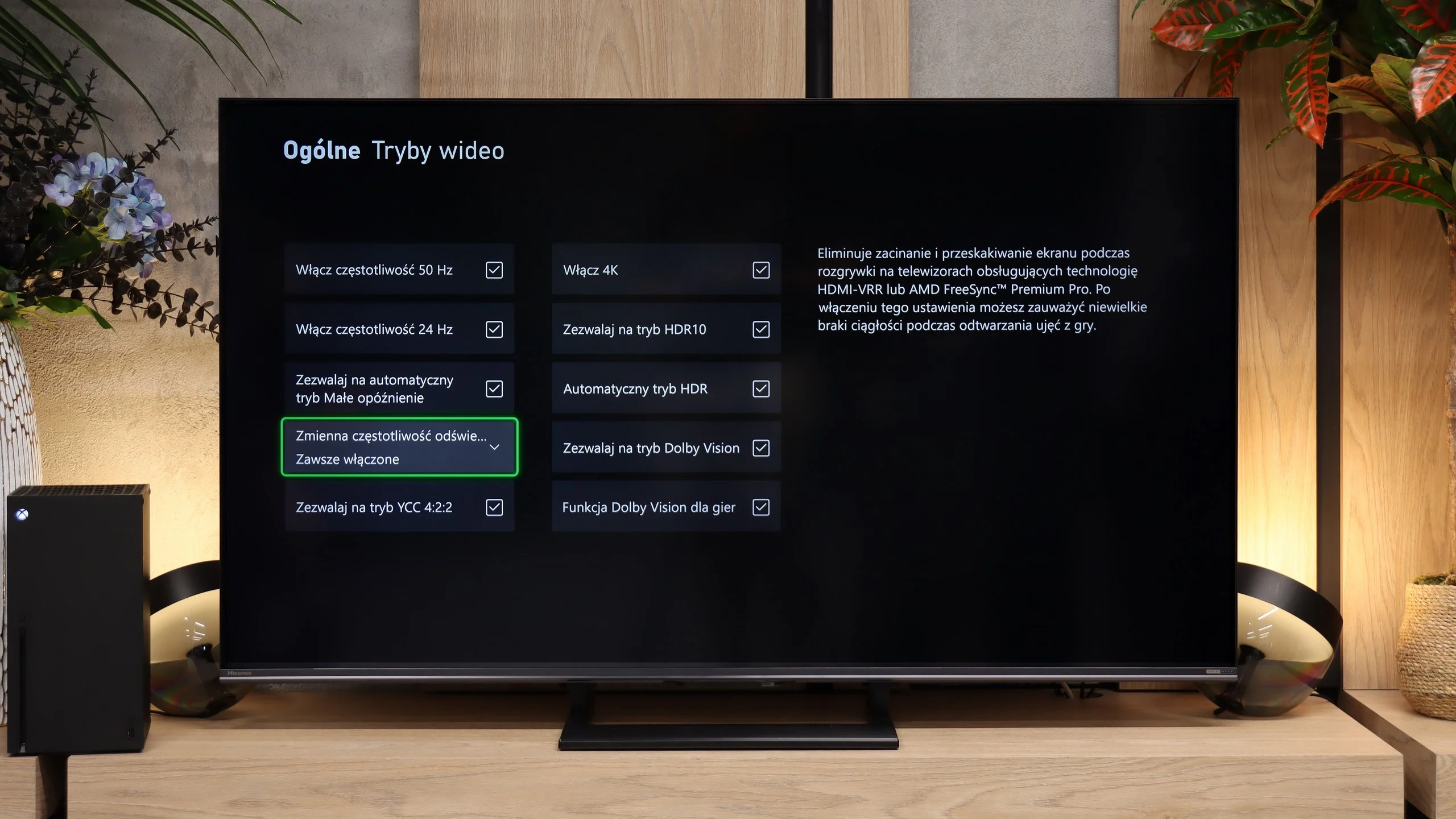
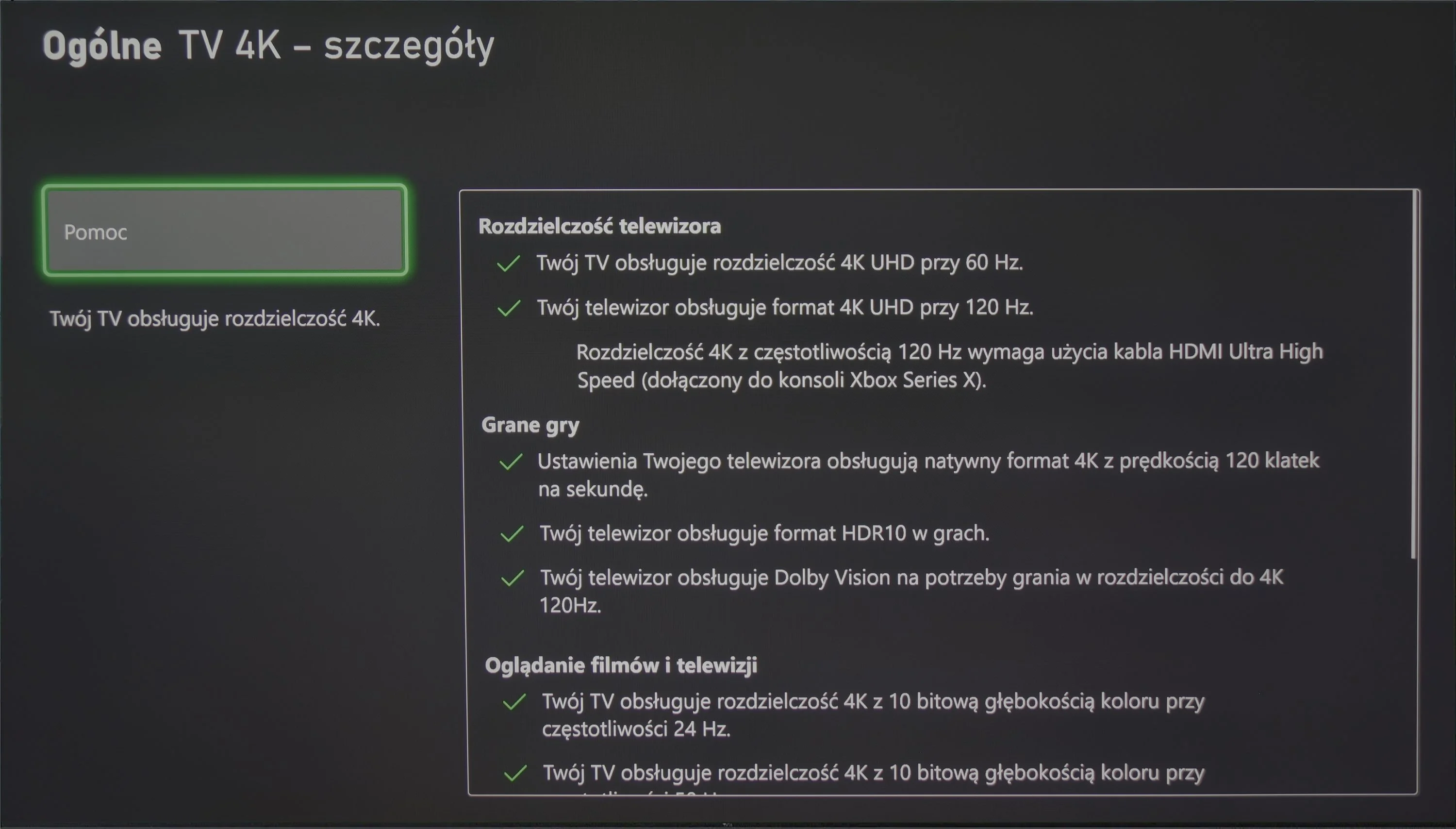
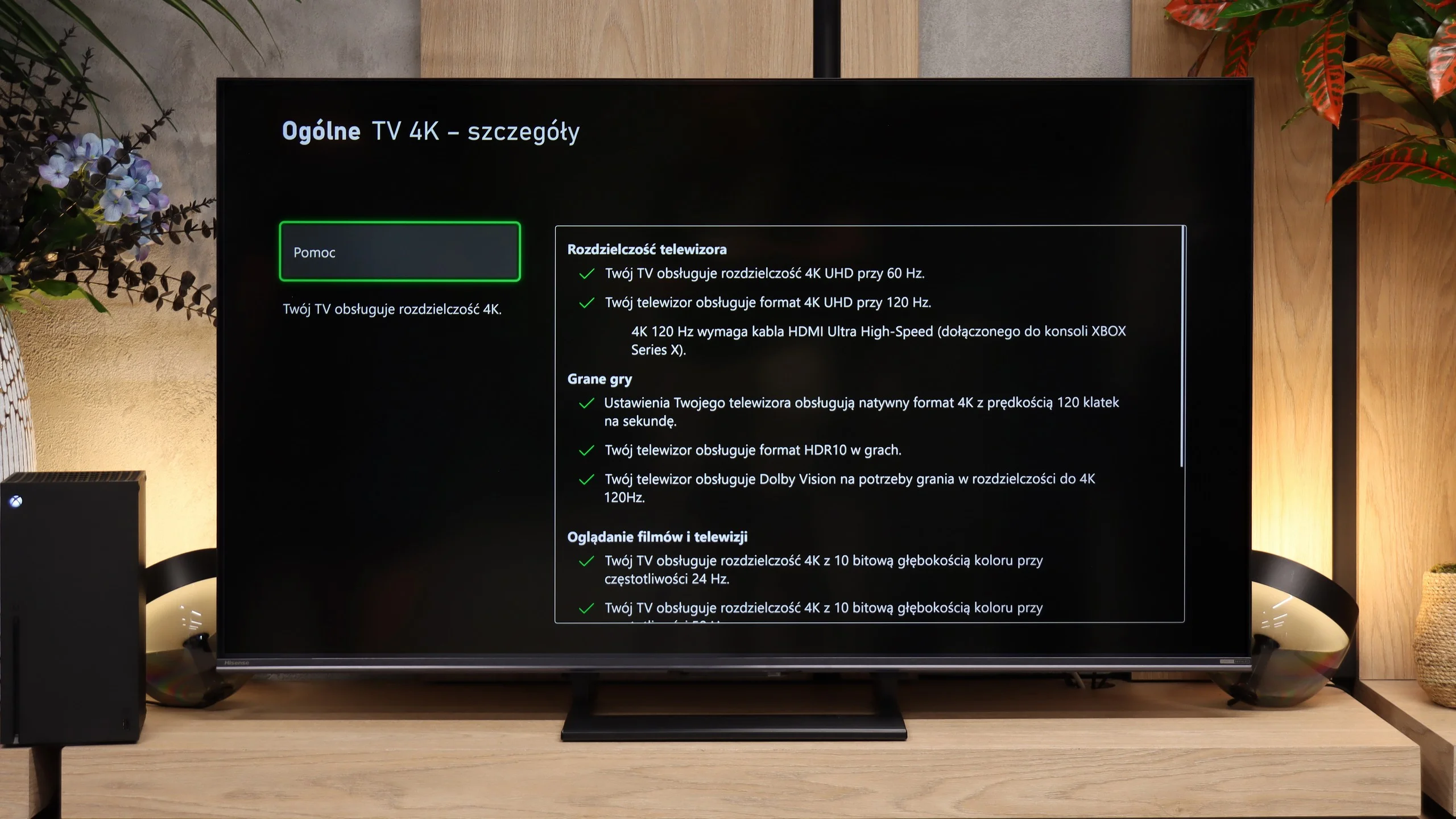
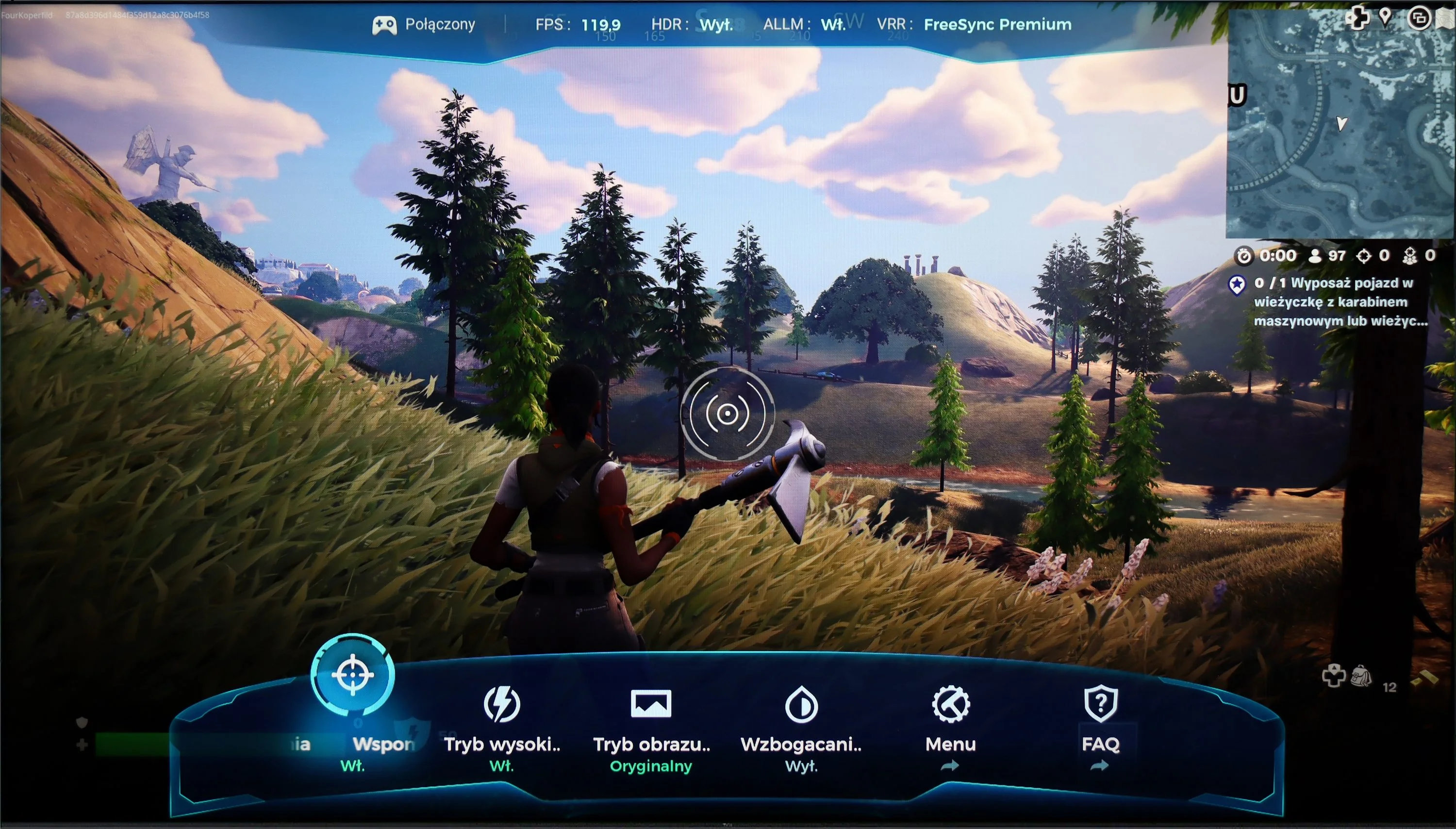
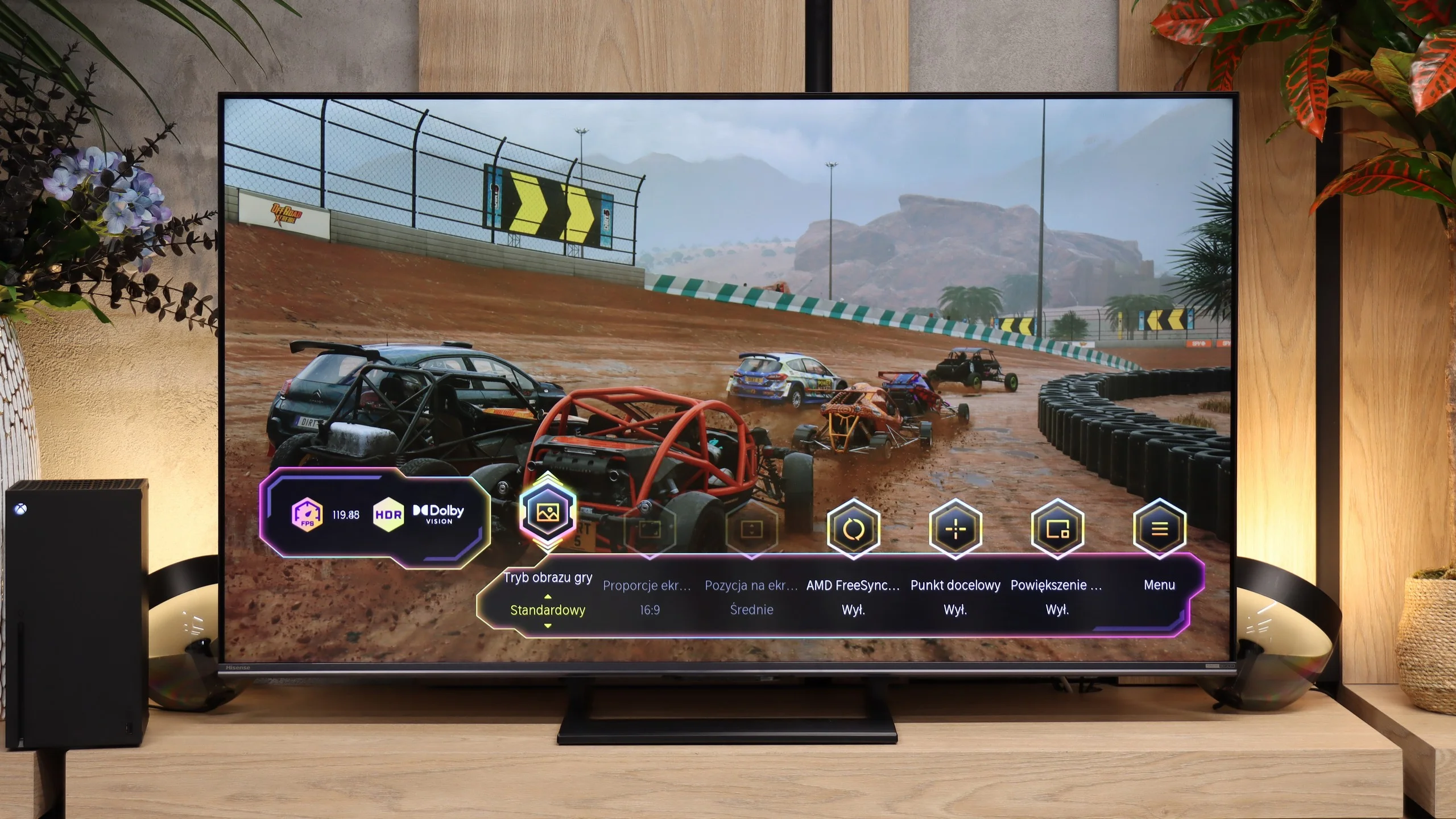
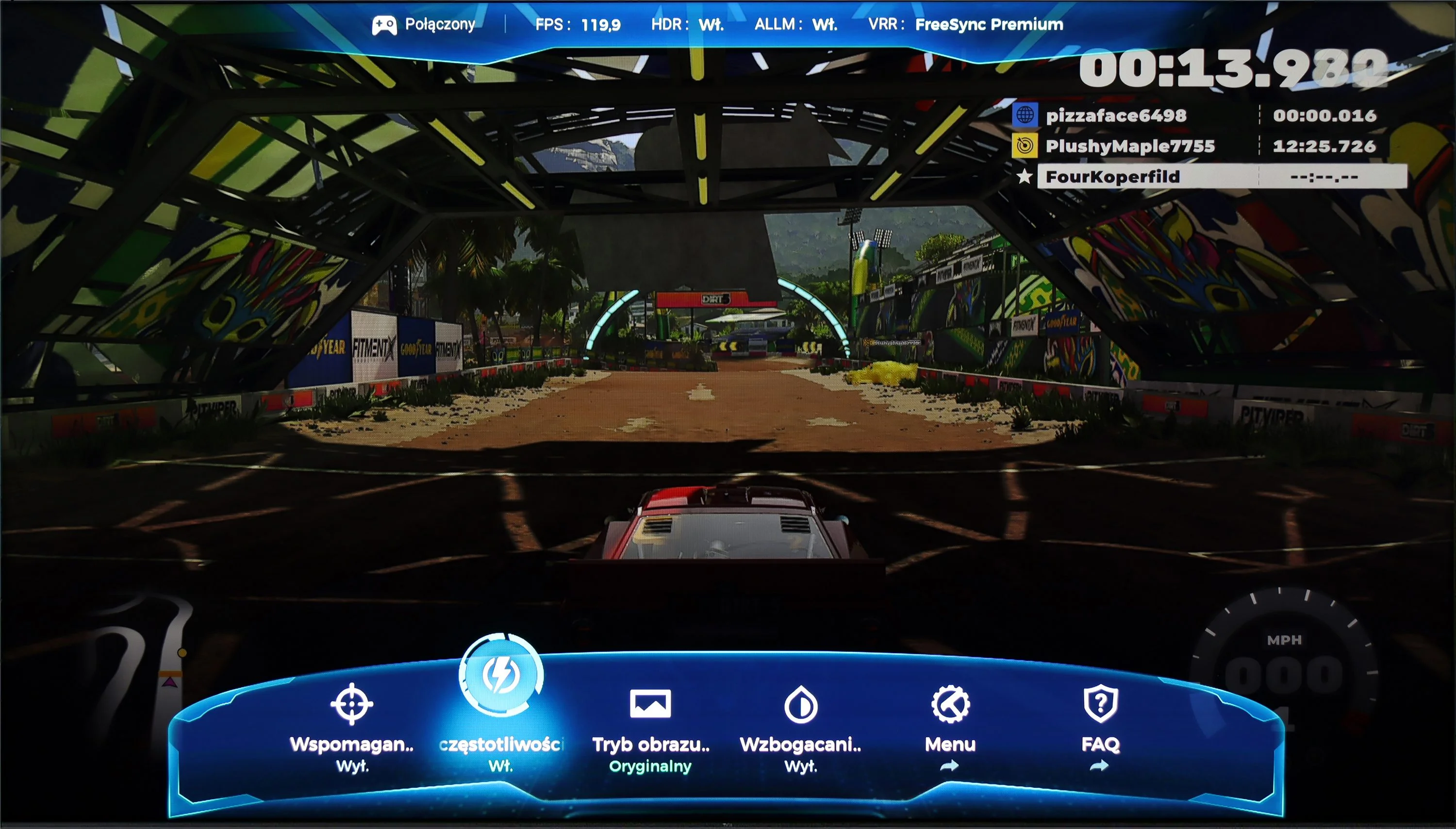
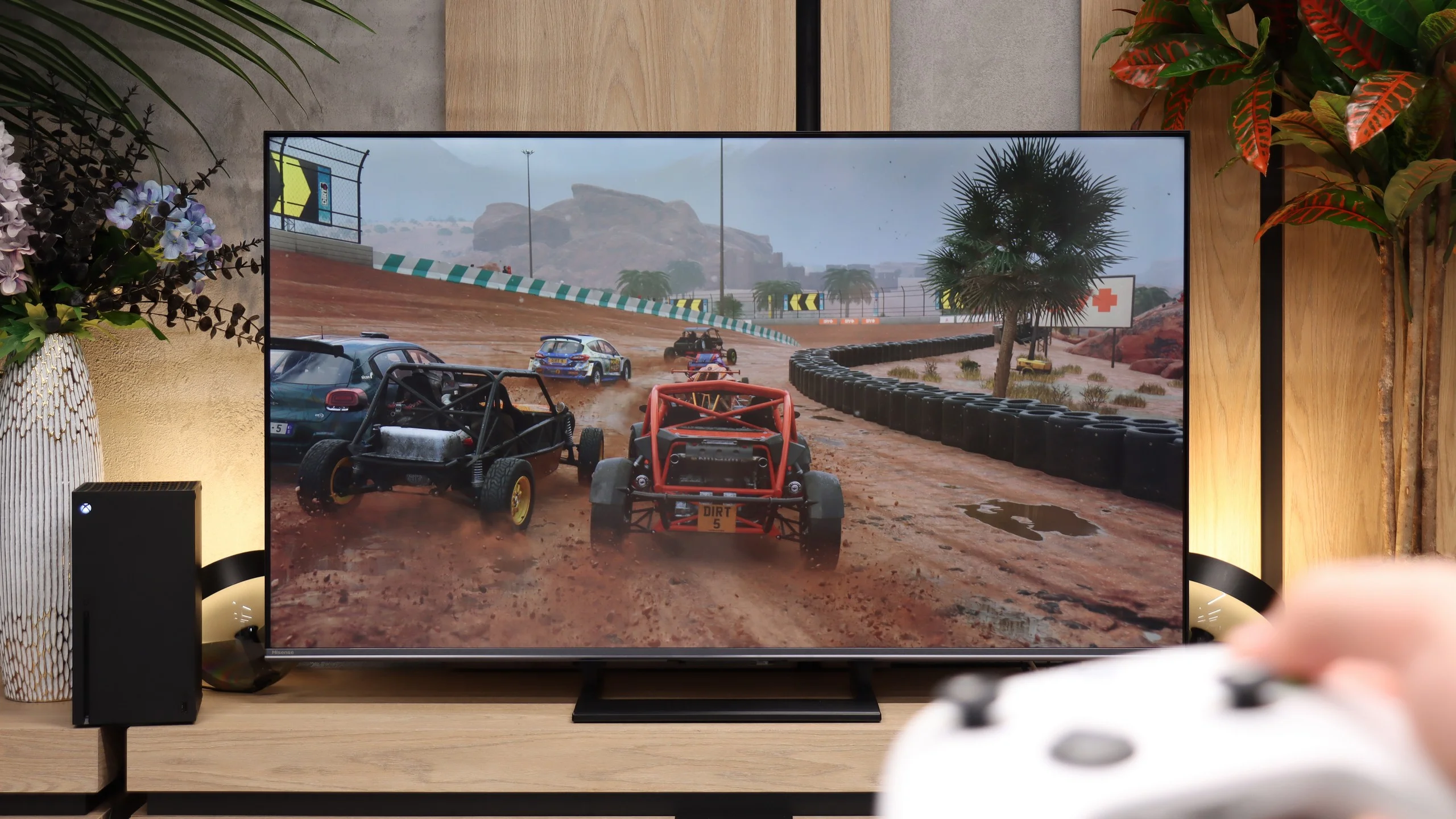
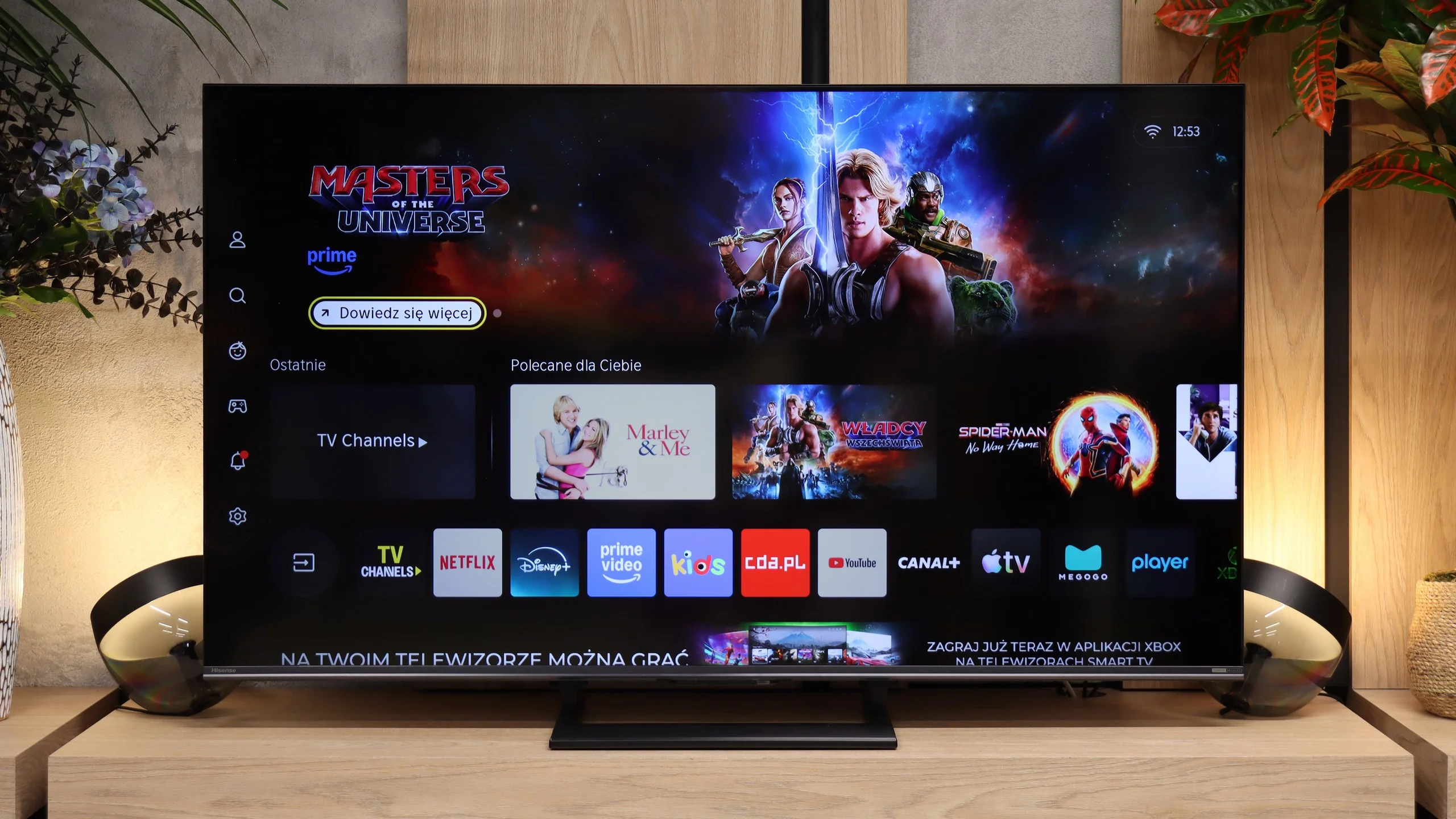
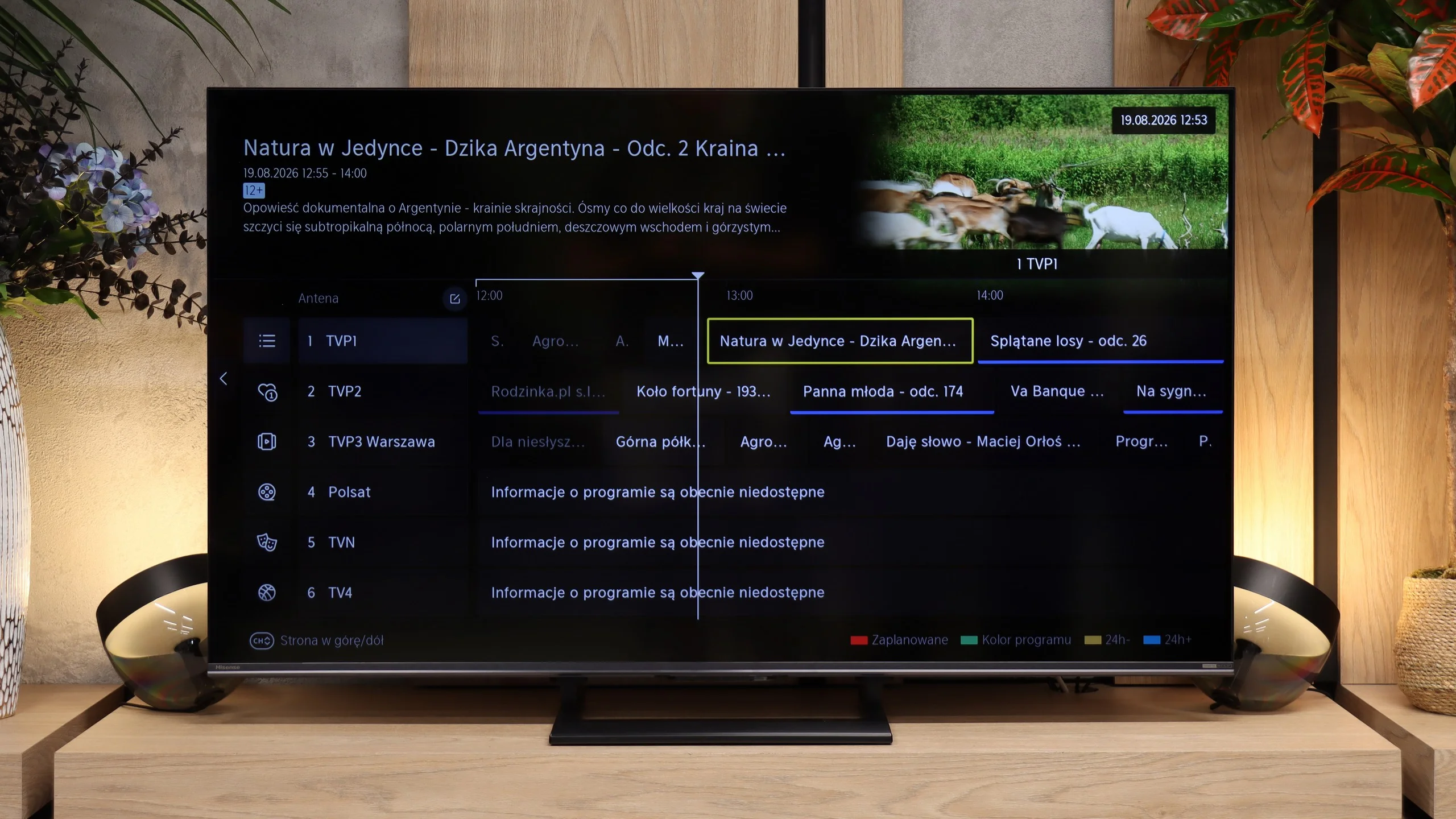
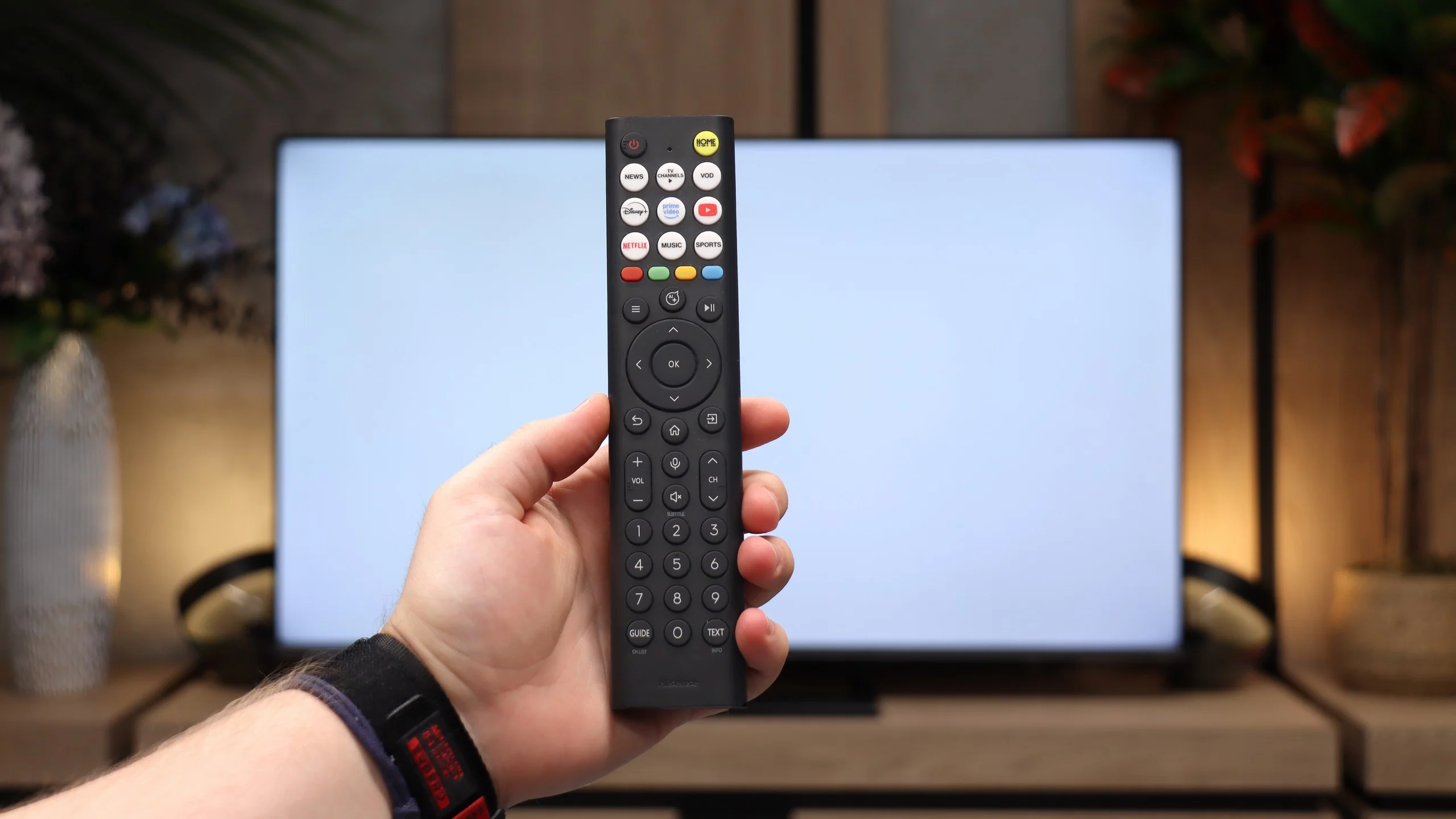
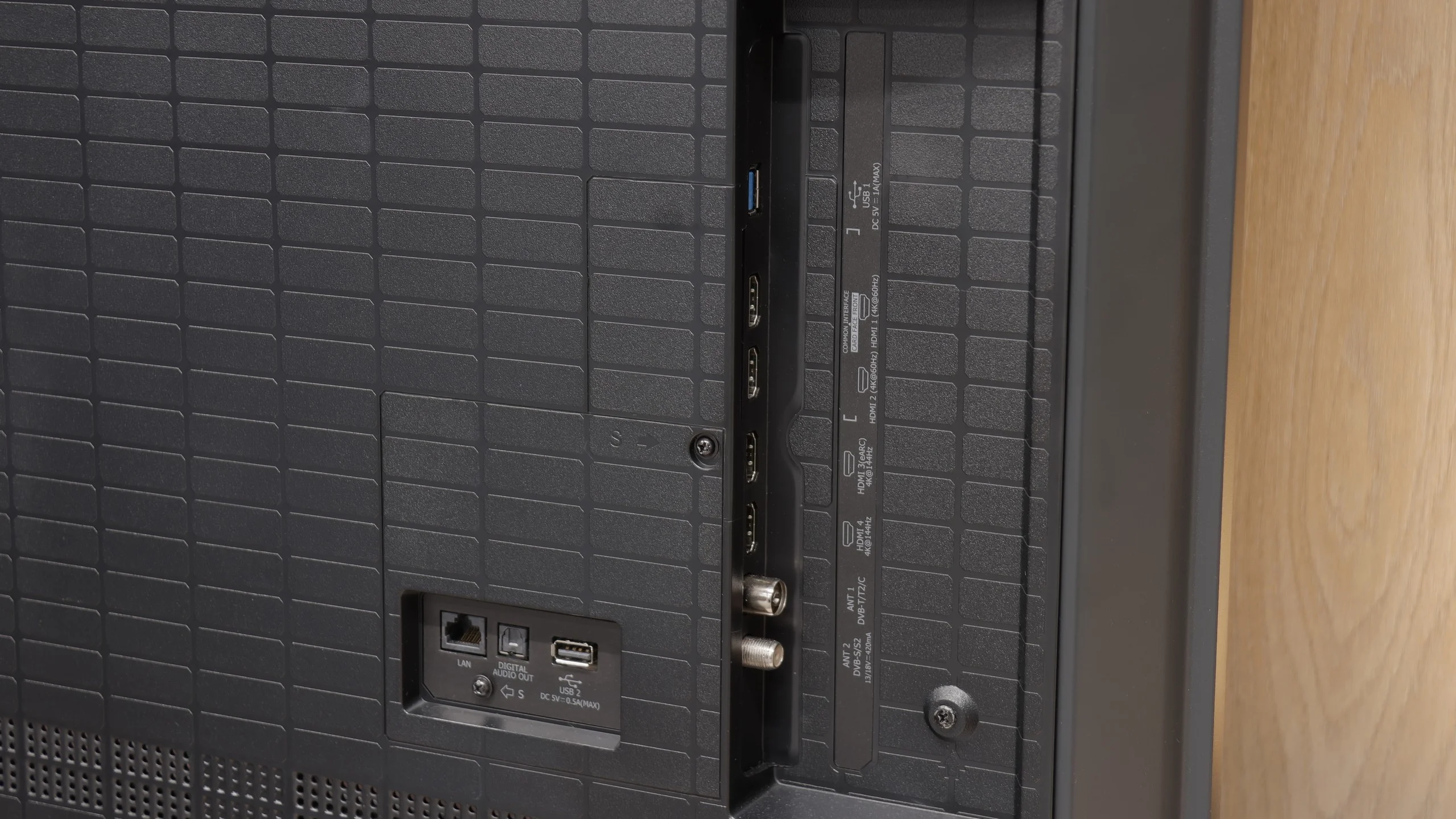
Hisense U7S is the latest iteration of the U7 series, whose biggest advantage remains its price-to-quality ratio. You get a Mini LED TV with local dimming, which really improves black levels and gives the picture depth for evening viewing. During the day, the generous brightness headroom is useful, so you don't have to immediately cover the windows. It's not a device without compromises, but as an everyday TV it makes a lot of sense. Gamers benefit a lot as well. The U7S supports high refresh rates from consoles and PCs, has an extensive set of gaming features, and responds very quickly to controller input. Pleasingly, the low input lag is preserved in Dolby Vision too. Add in the smoothly running VIDAA, which offers both Smart features and handy extras for regular TV, and the package is fairly versatile, though compared with last year's U7Q it's hard to call it a big step forward. Unfortunately there are also things that clearly bother us. The first is motion blur. The panel has a high refresh rate, but its pixels don't always keep up, so visible trails follow moving objects. Fans of sports and fast-paced games will notice this especially. The second issue is HDR, which the TV shows somewhat "its own way." Instead of sticking to the brightness encoded in the content, it strongly brightens parts of the image. That was probably meant to look more impressive, but it often has the opposite effect: the scene becomes over-bright, loses depth, and clearly departs from the creators' intent. It's a shame this behavior can't be effectively corrected even during calibration. Despite these remarks, the U7S remains an interesting choice if you're looking to get as much as possible for a reasonable price. Compared with basic LCDs without local dimming, which you can still find at a similar price, it primarily offers much better blacks. And that's exactly its greatest strength. You don't have to reach for an expensive model to get a Mini LED whose advantages are actually noticeable when watching. If you accept its flaws, the Hisense U7S can above all be a cost-effective purchase.
 Direct comparison