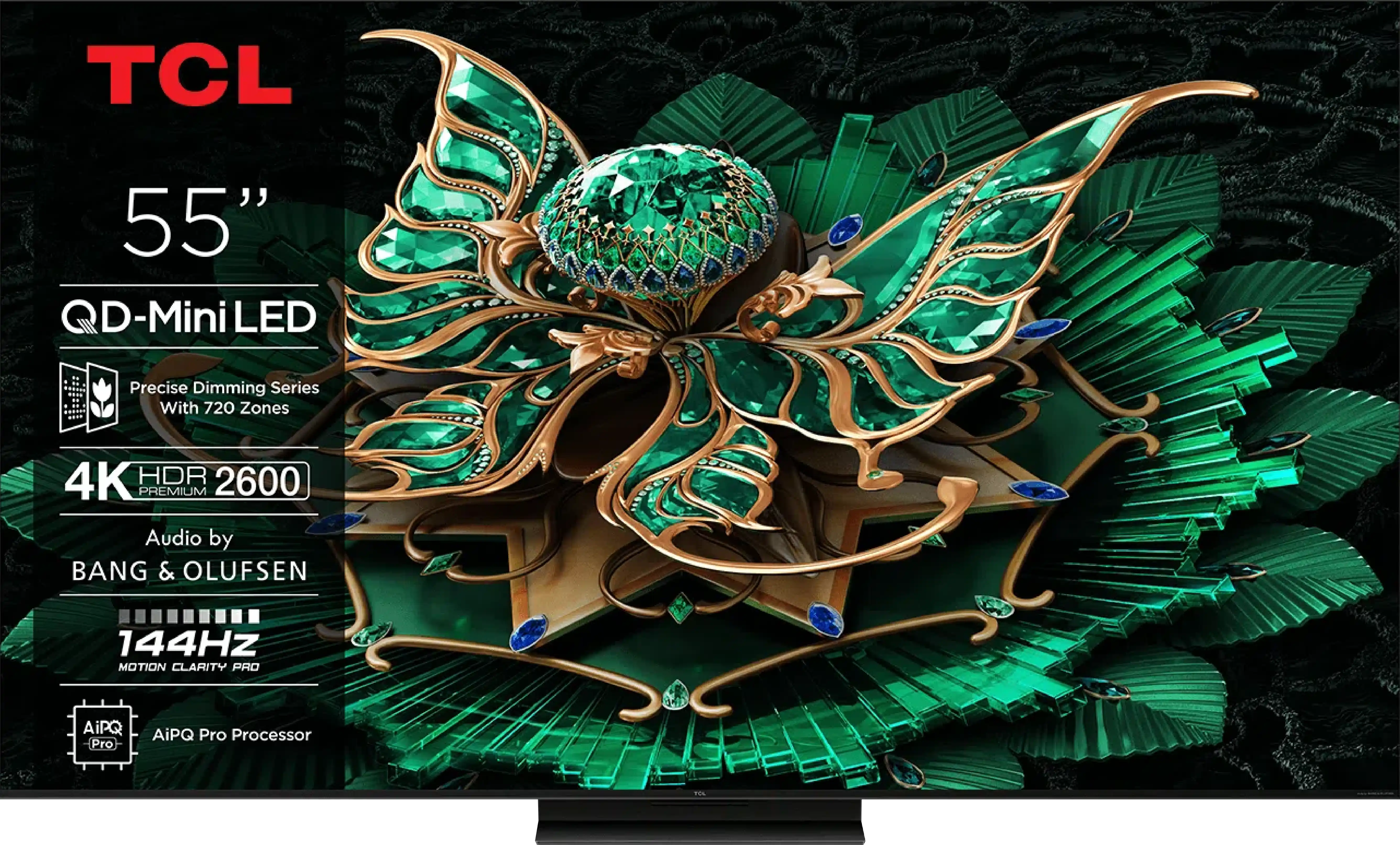
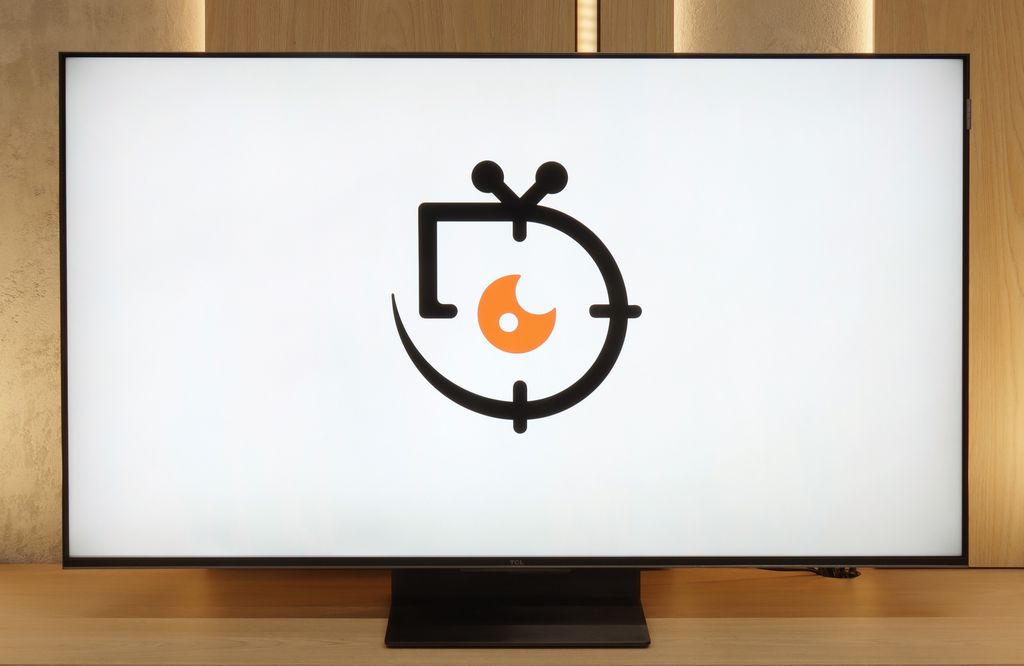
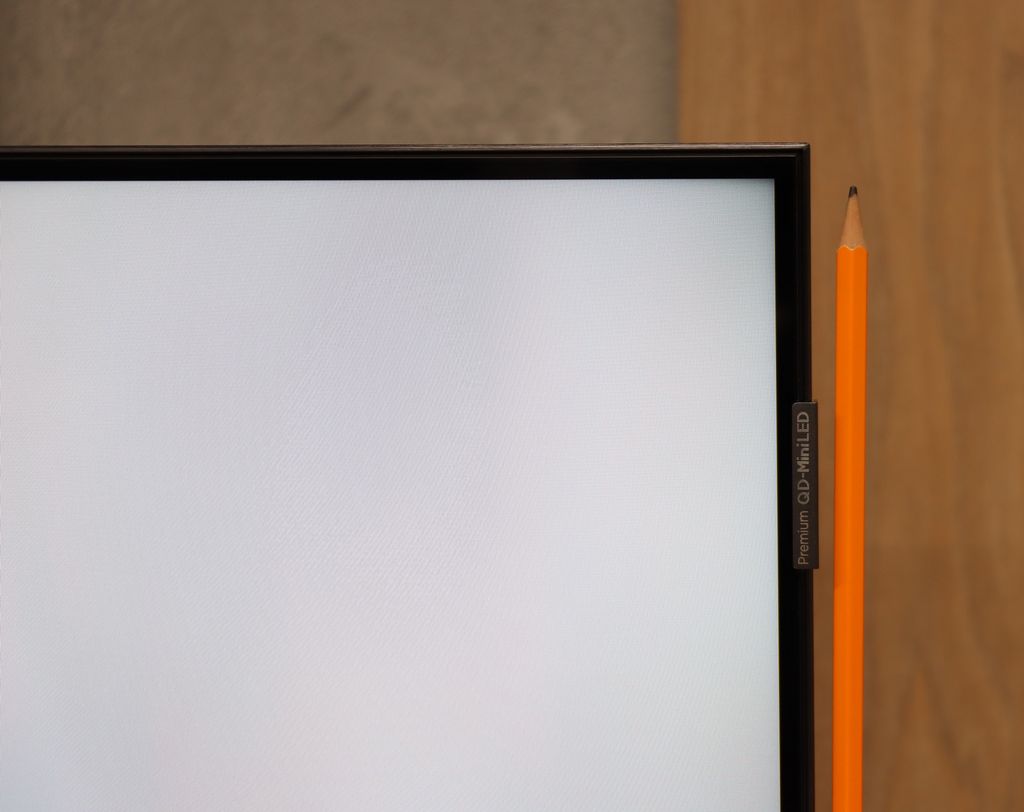
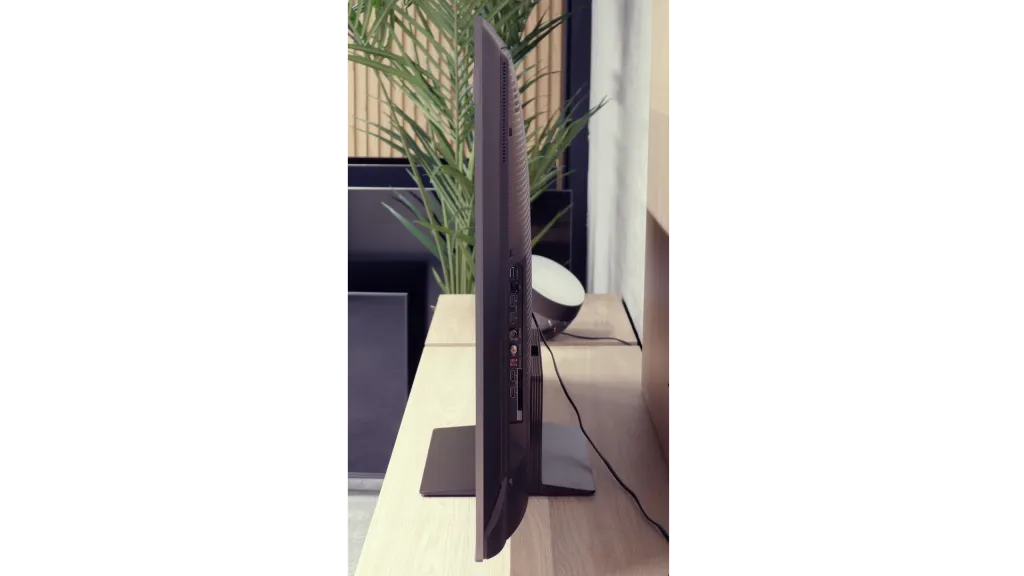
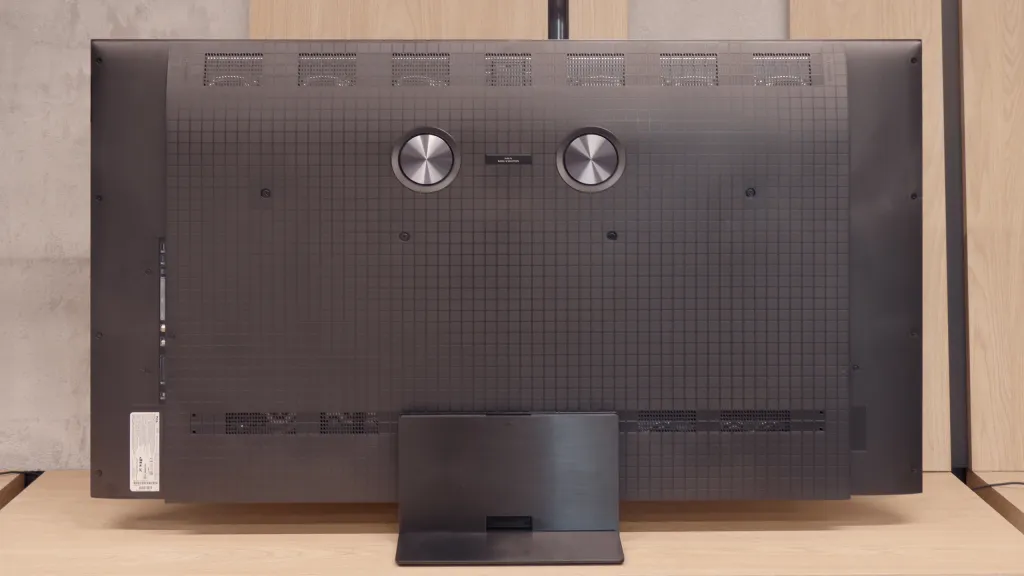
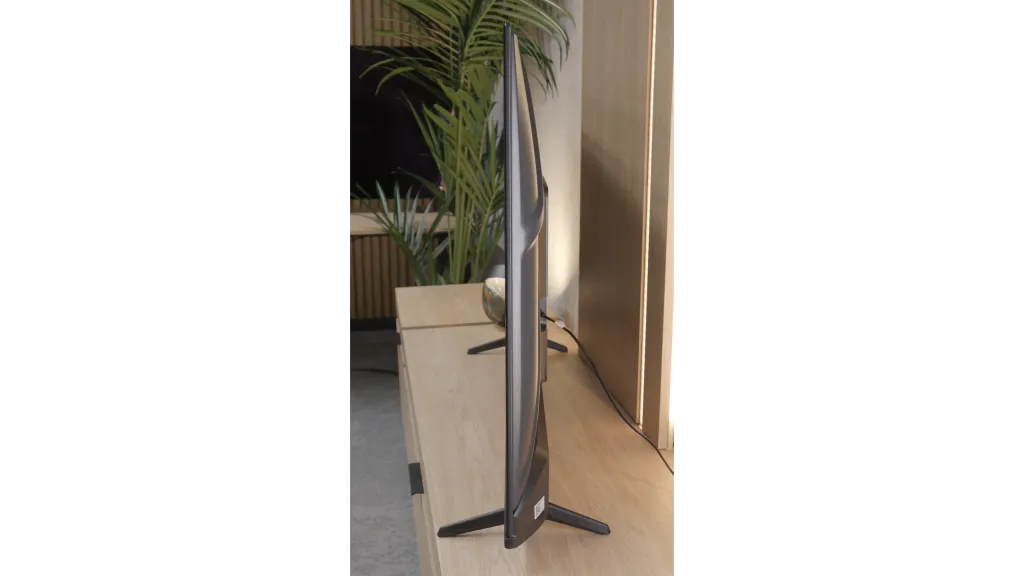
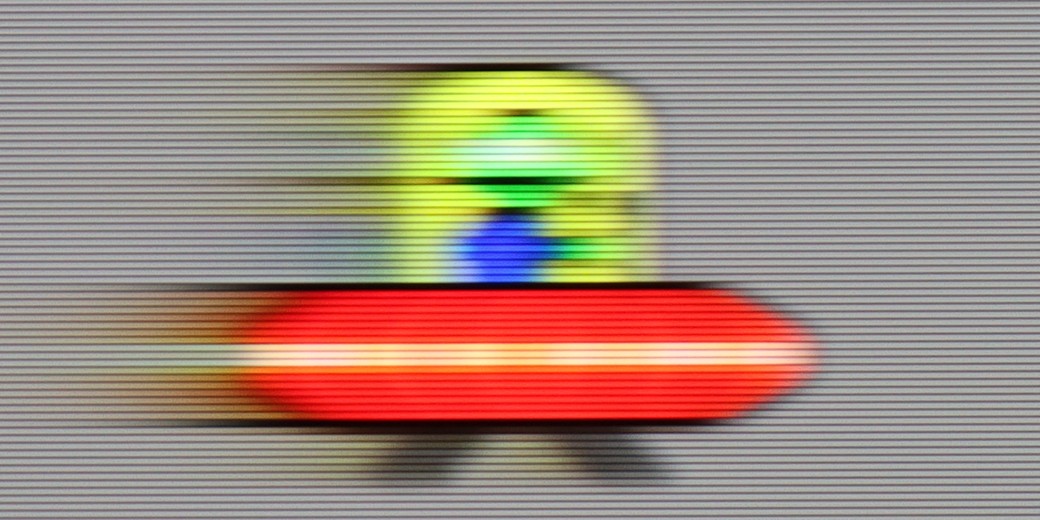
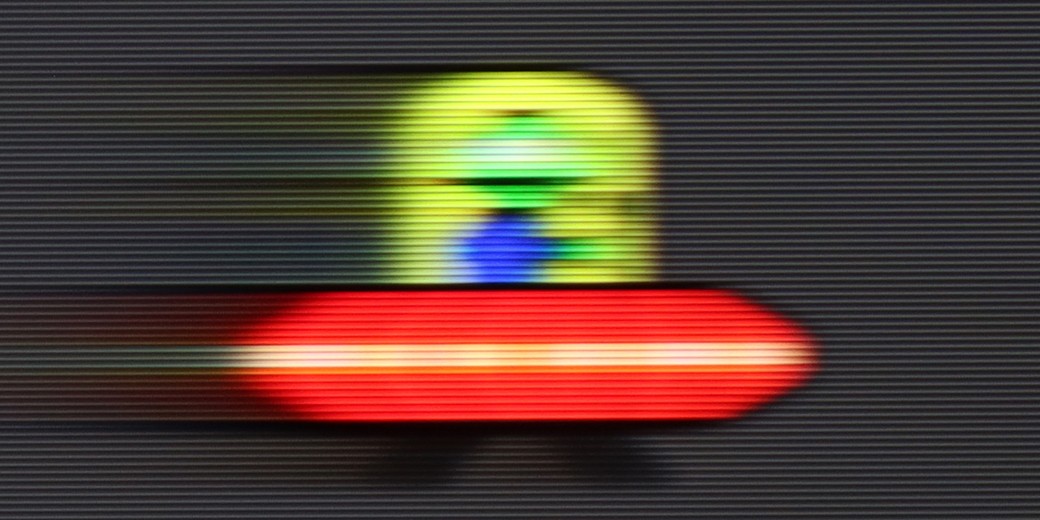
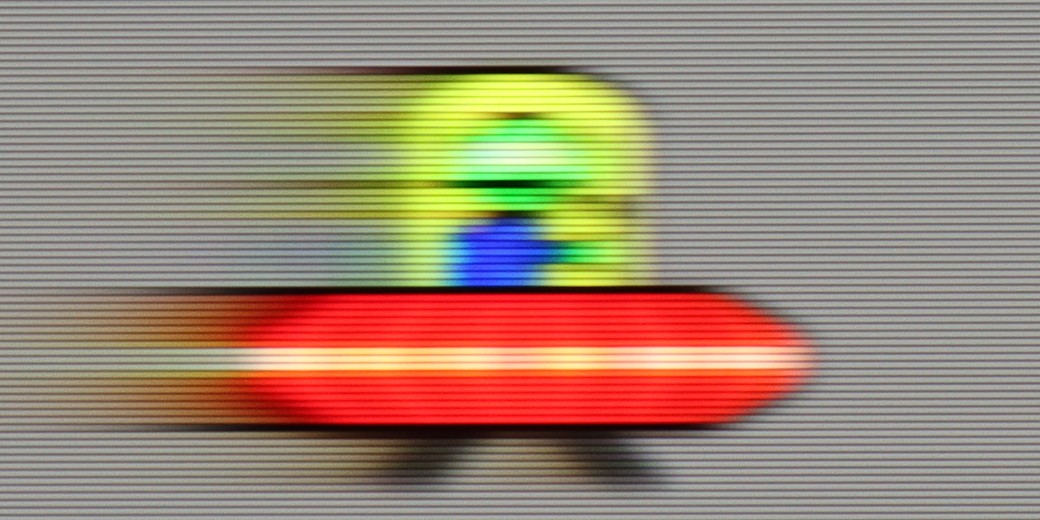
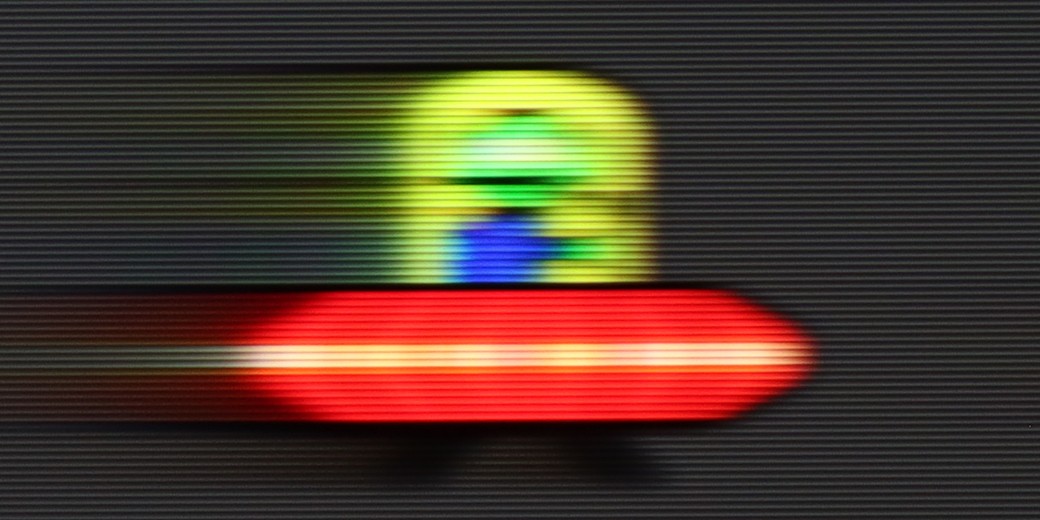
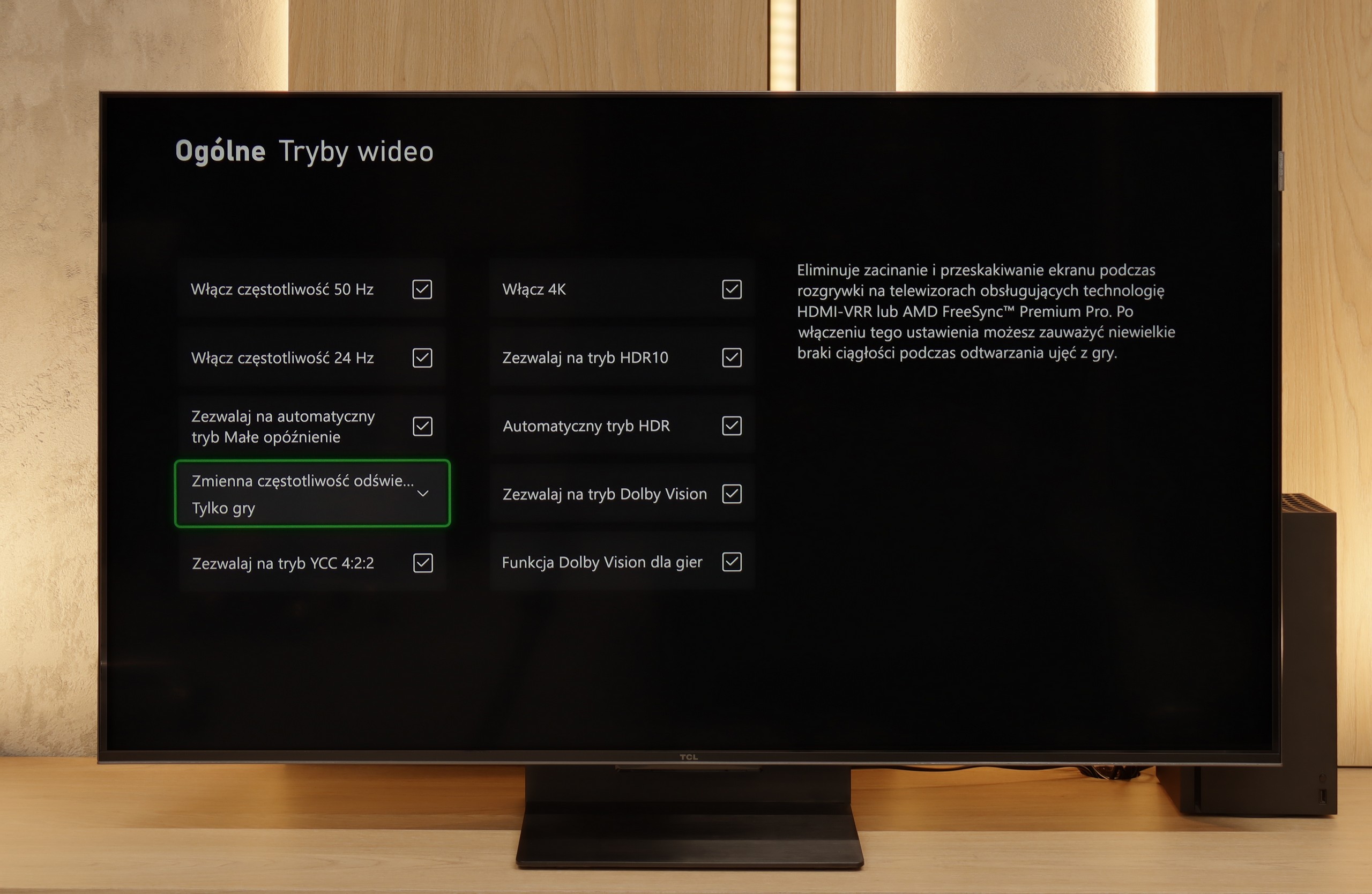
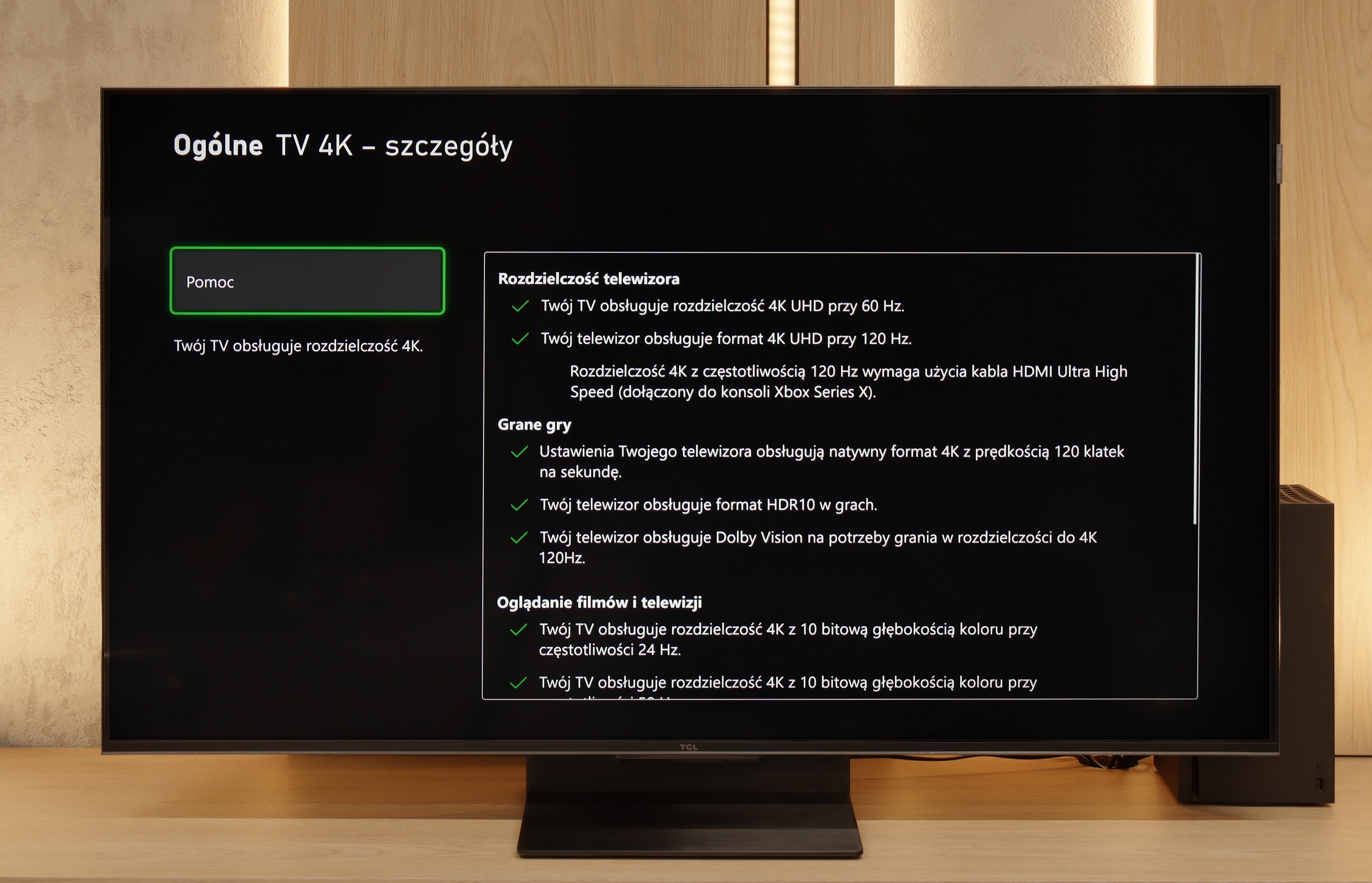
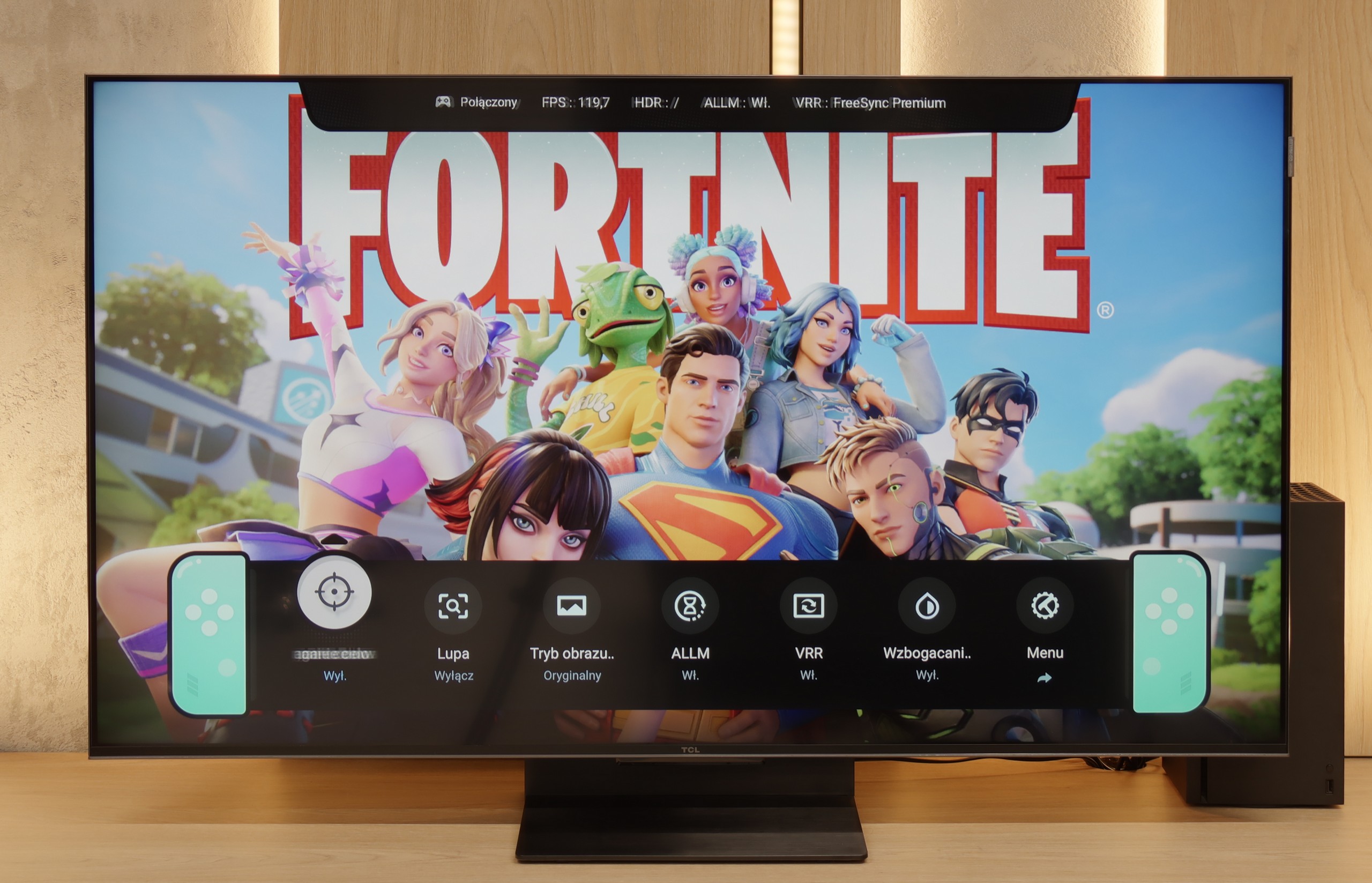
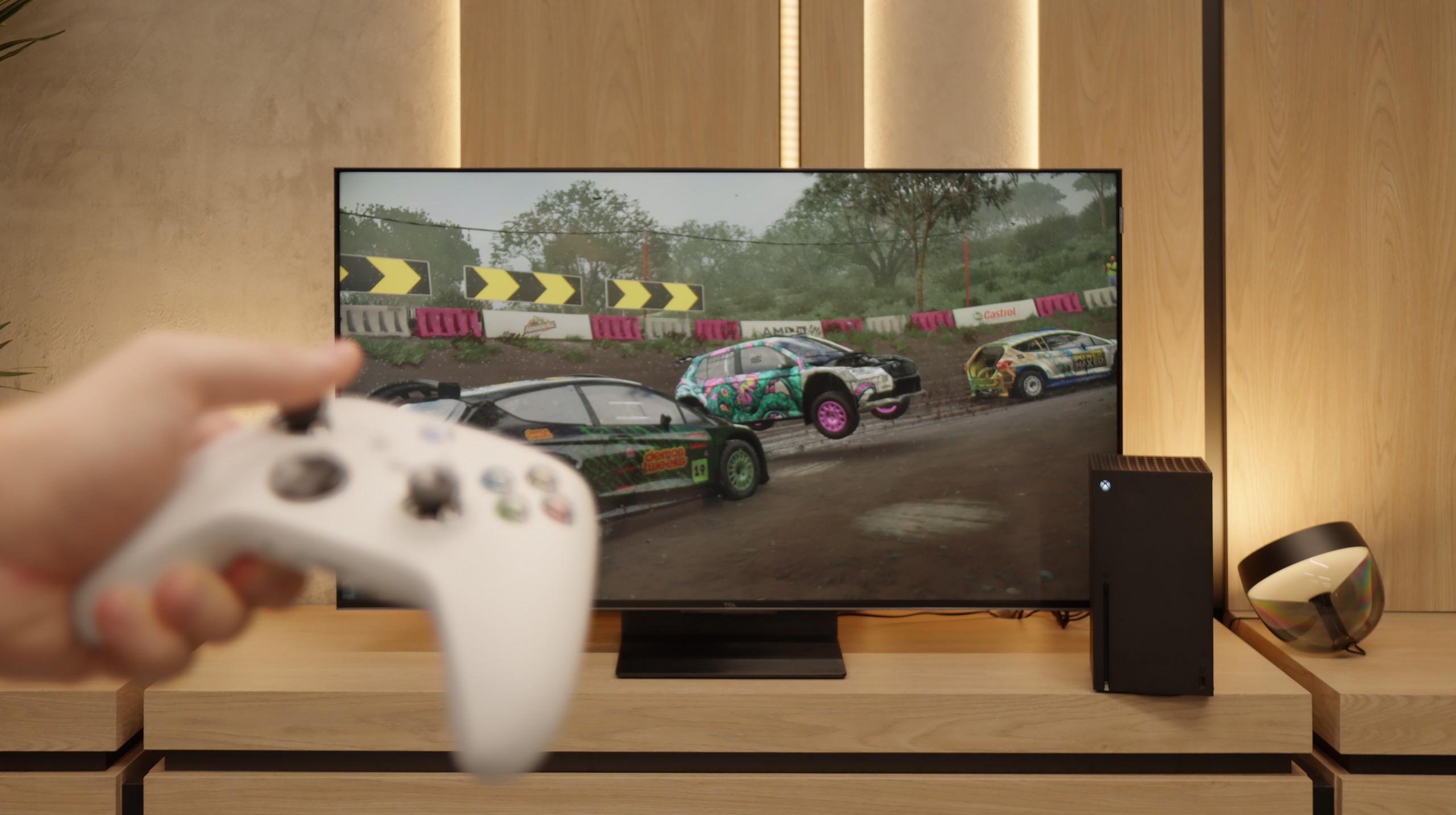
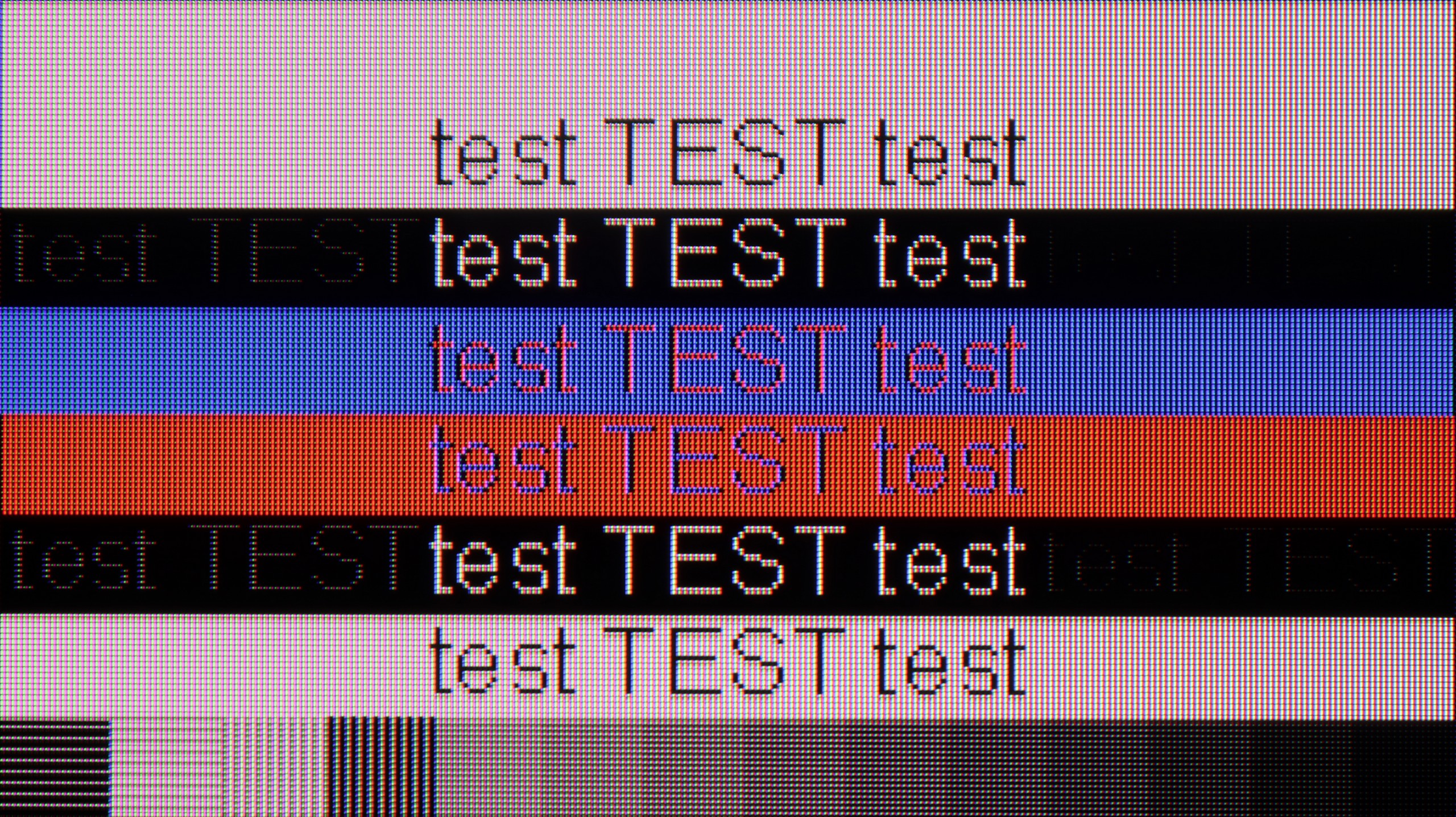
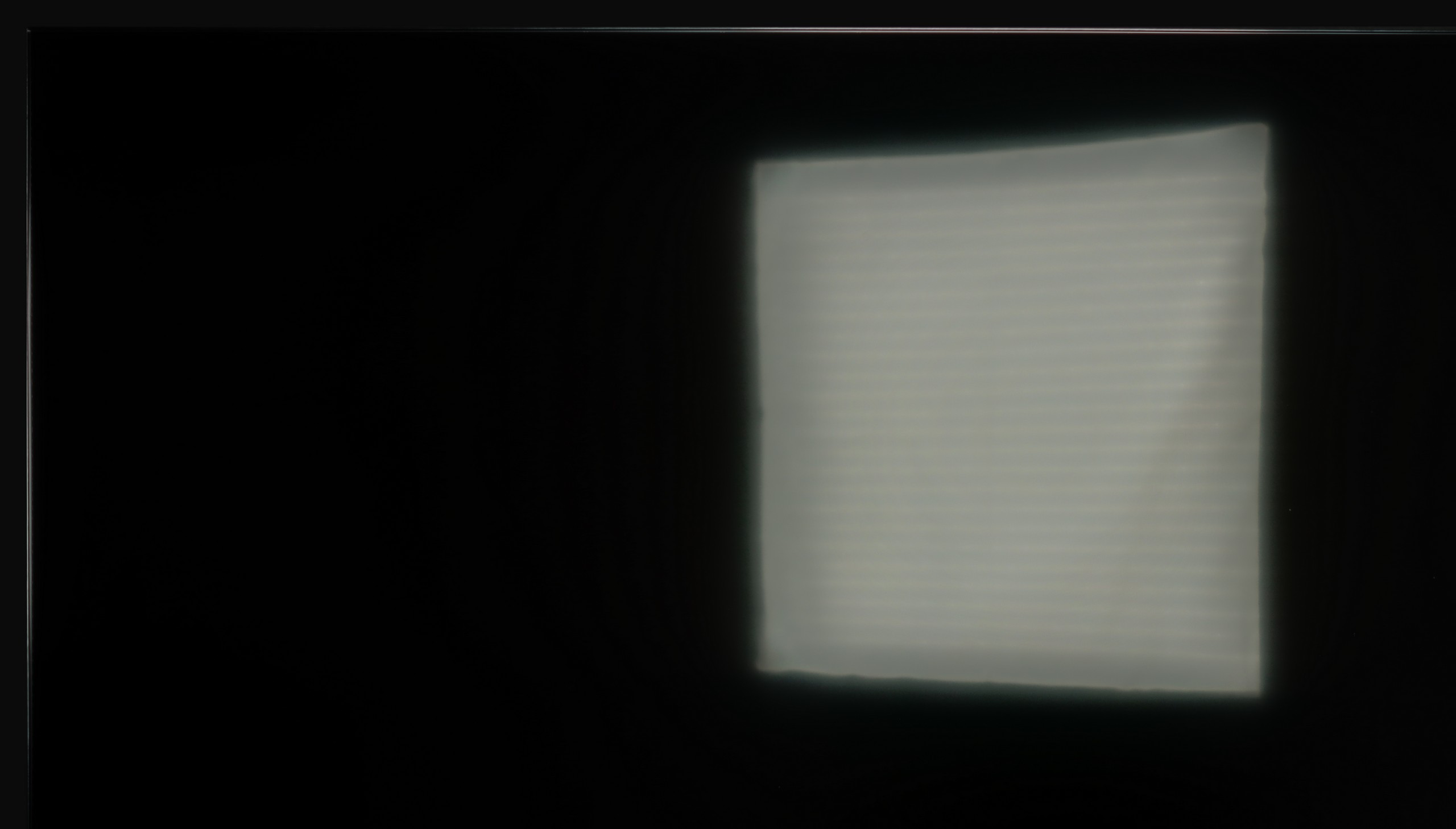
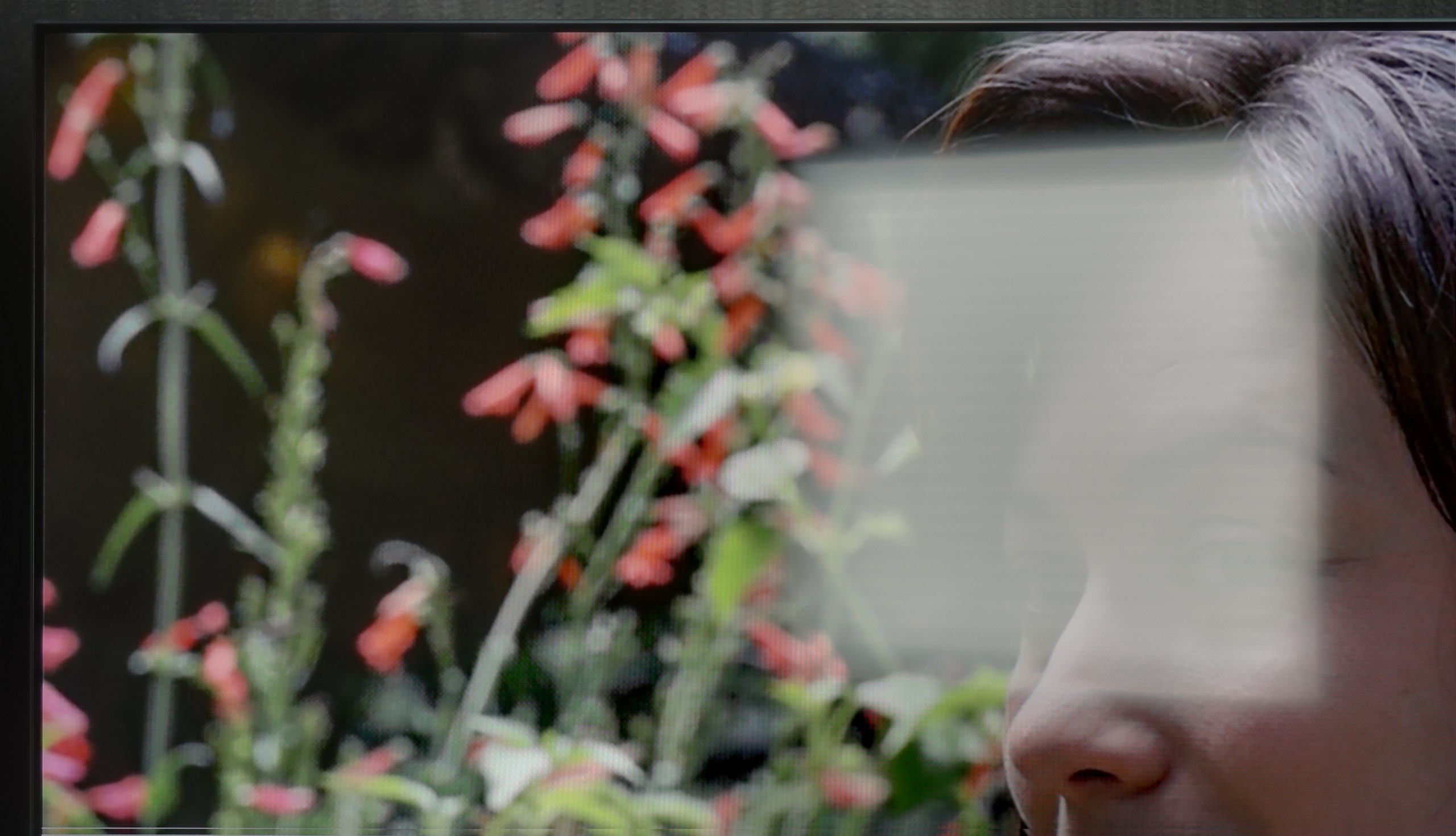
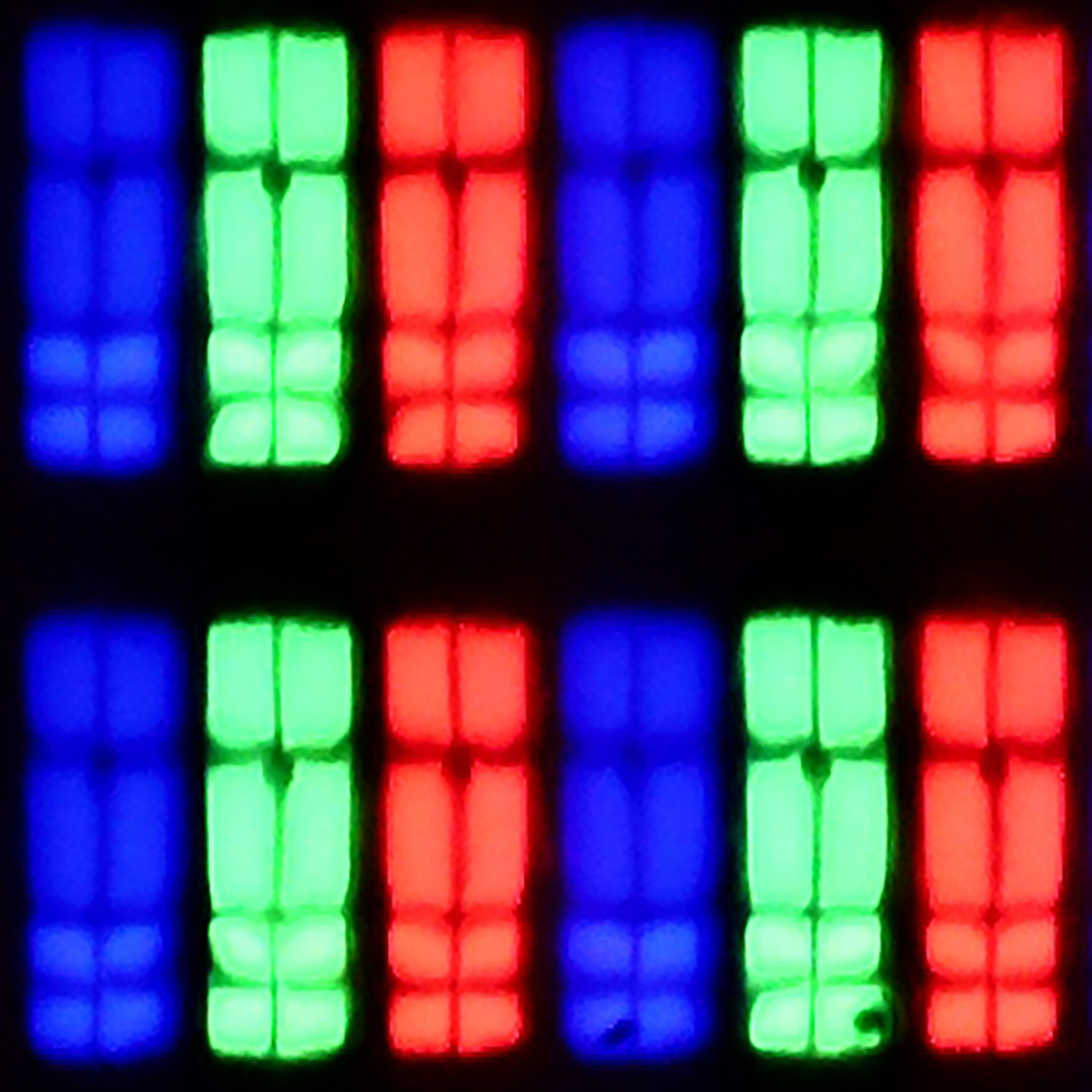
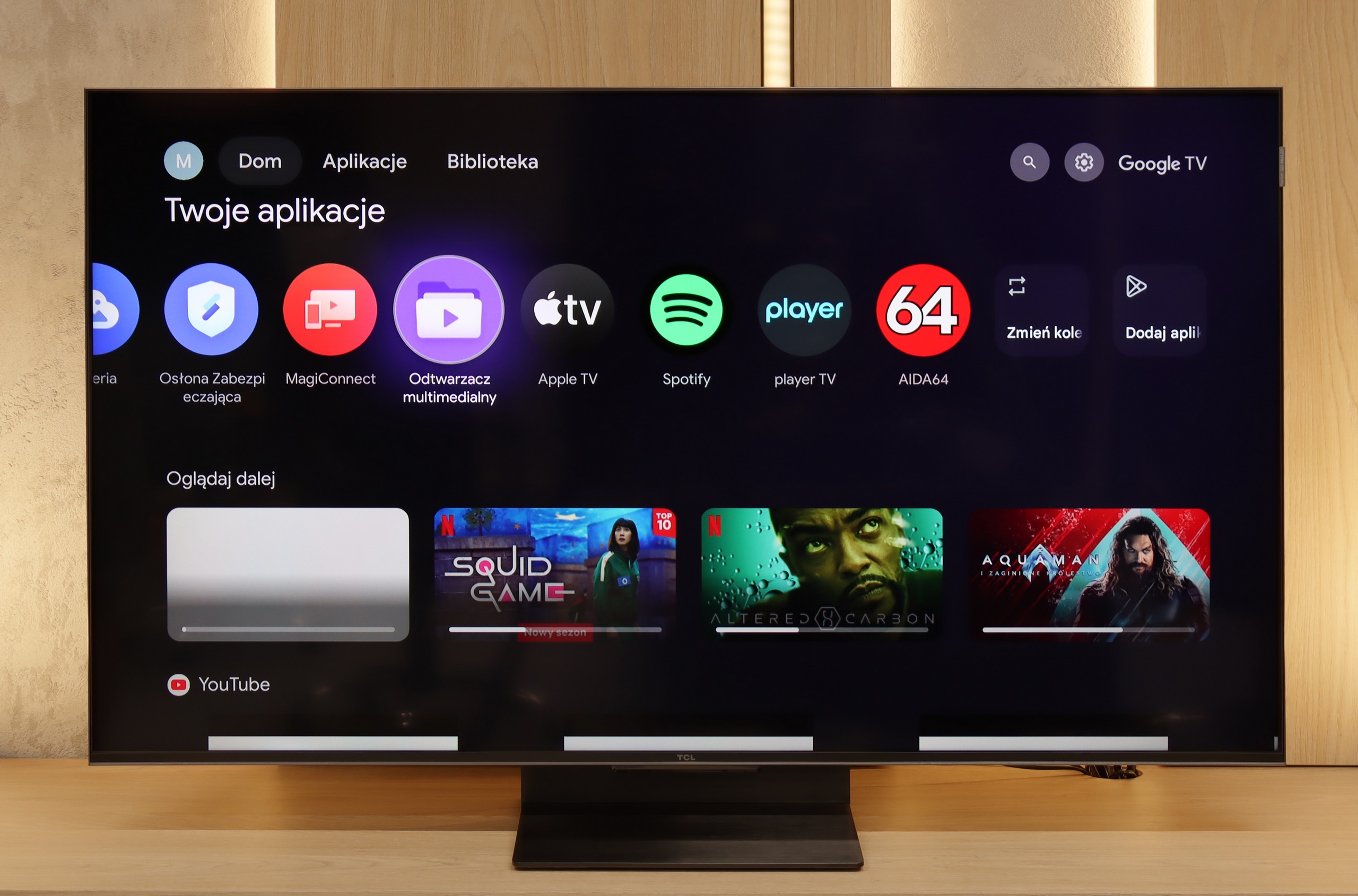
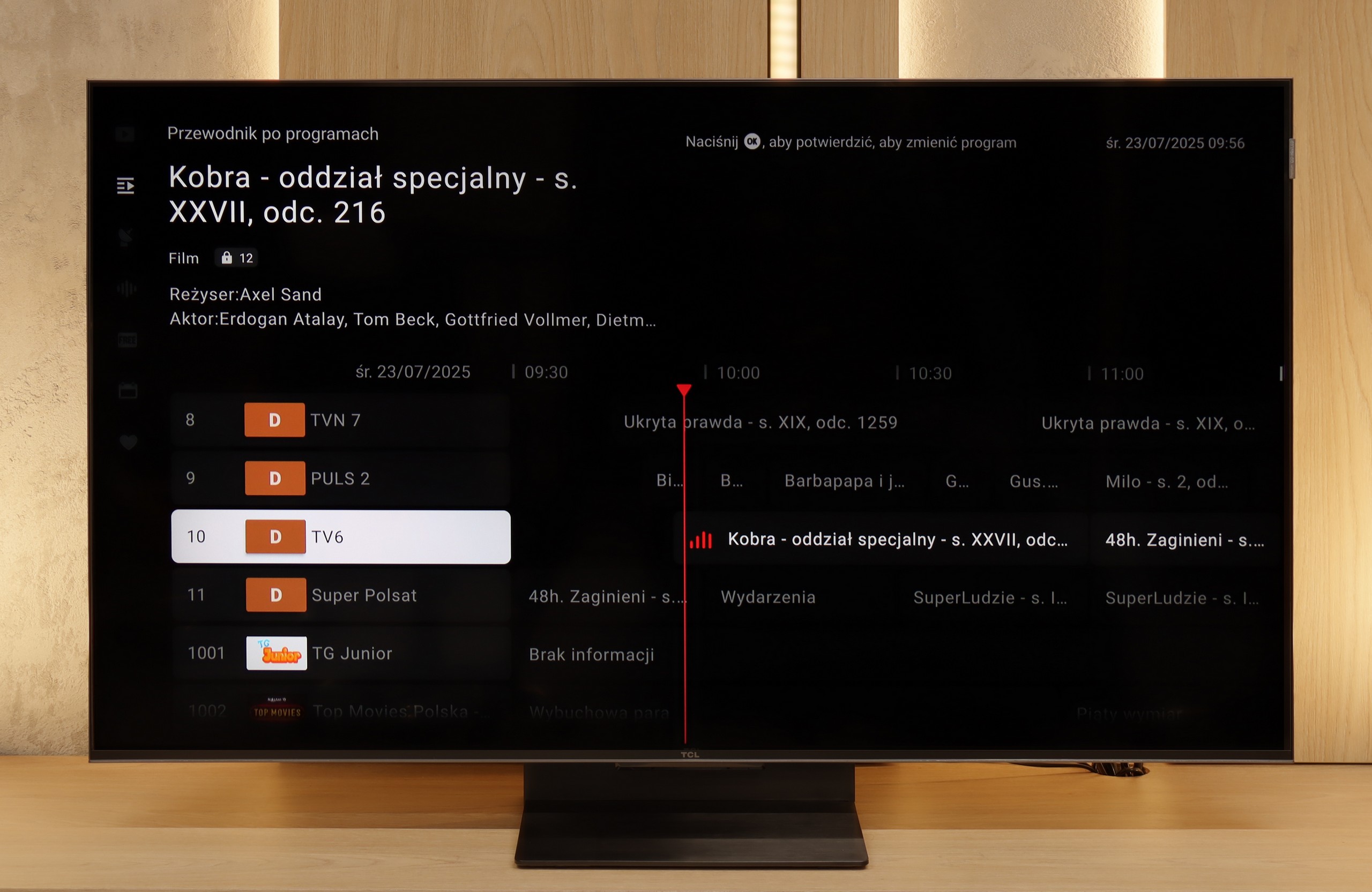
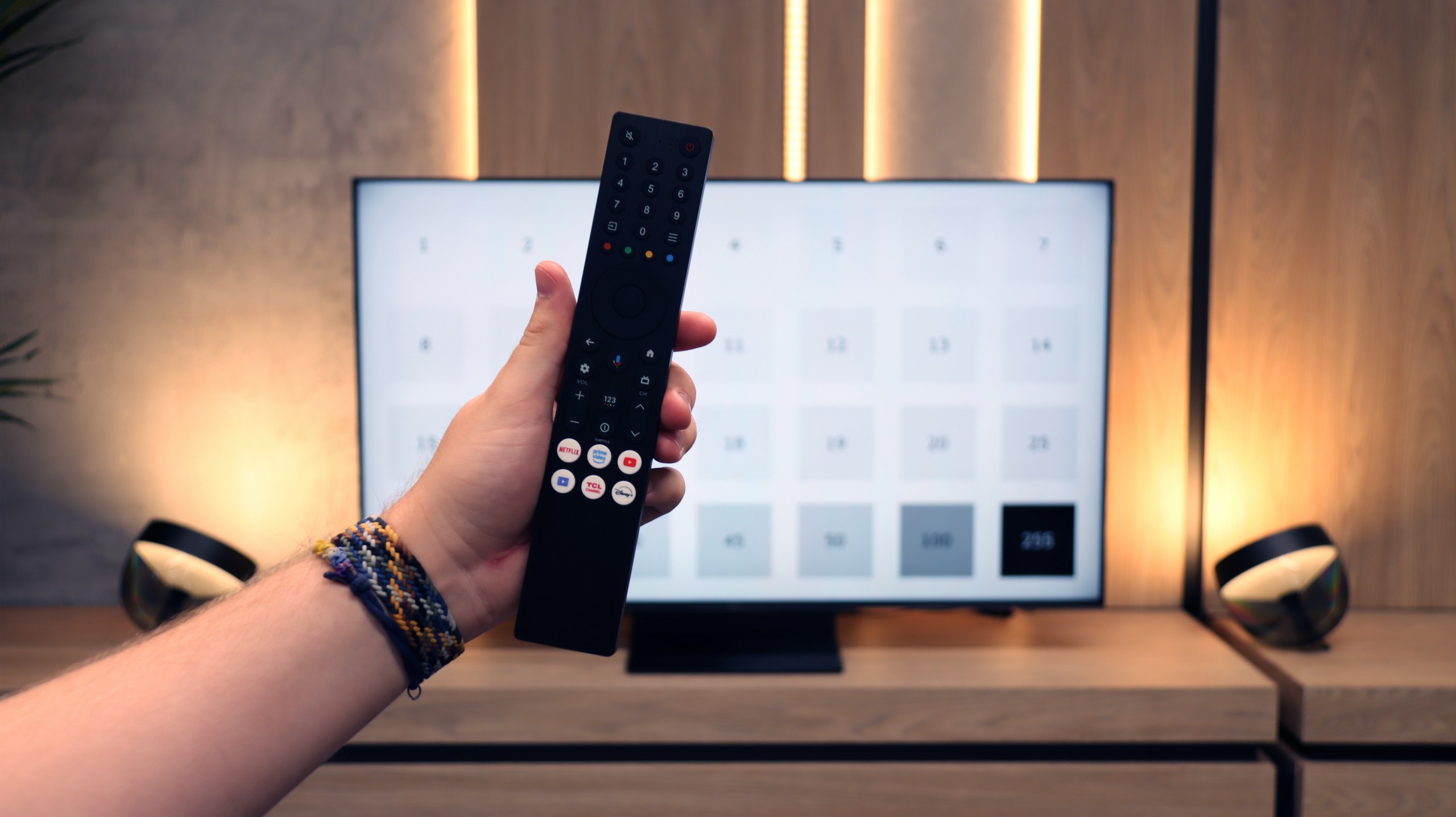
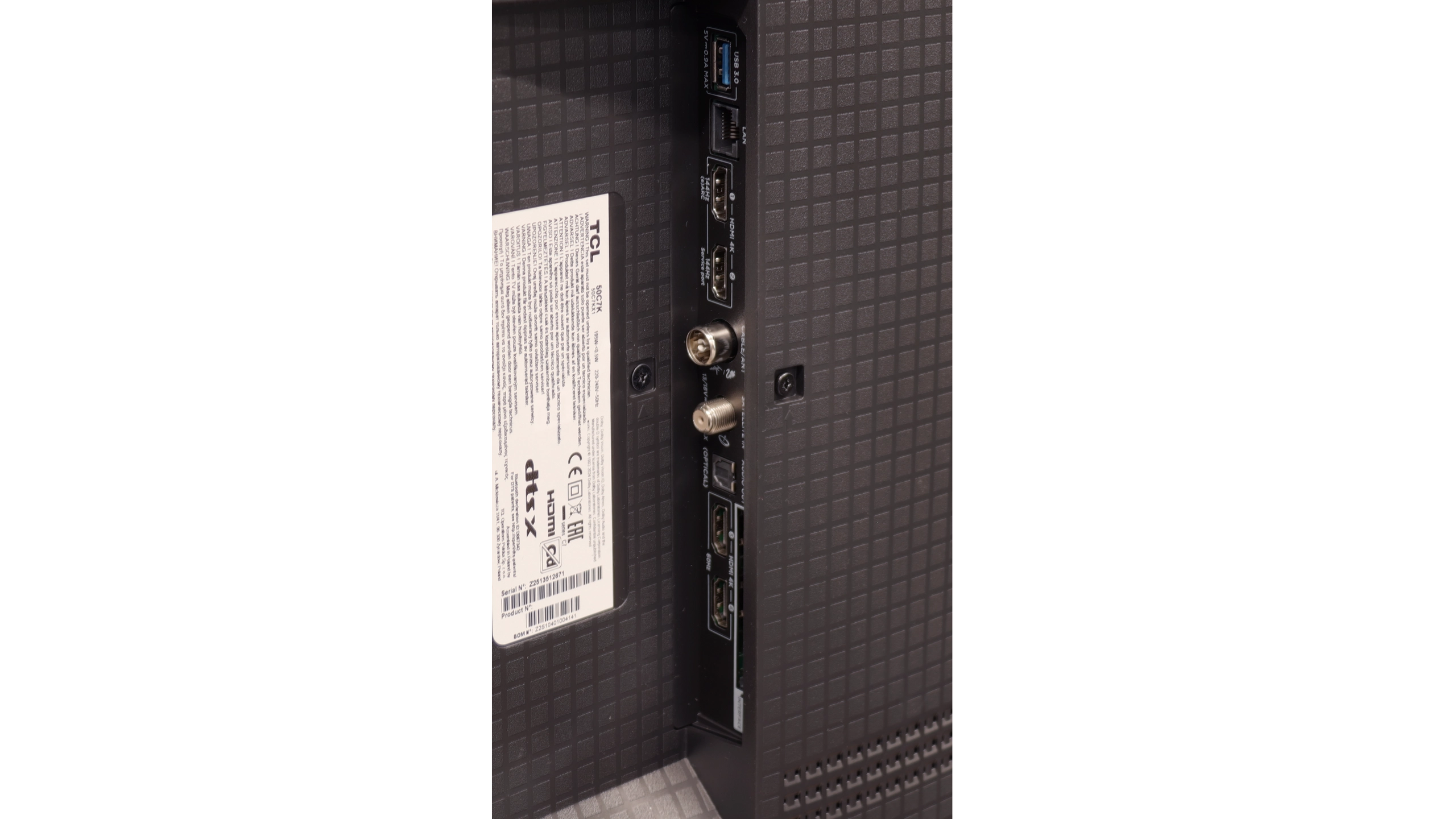
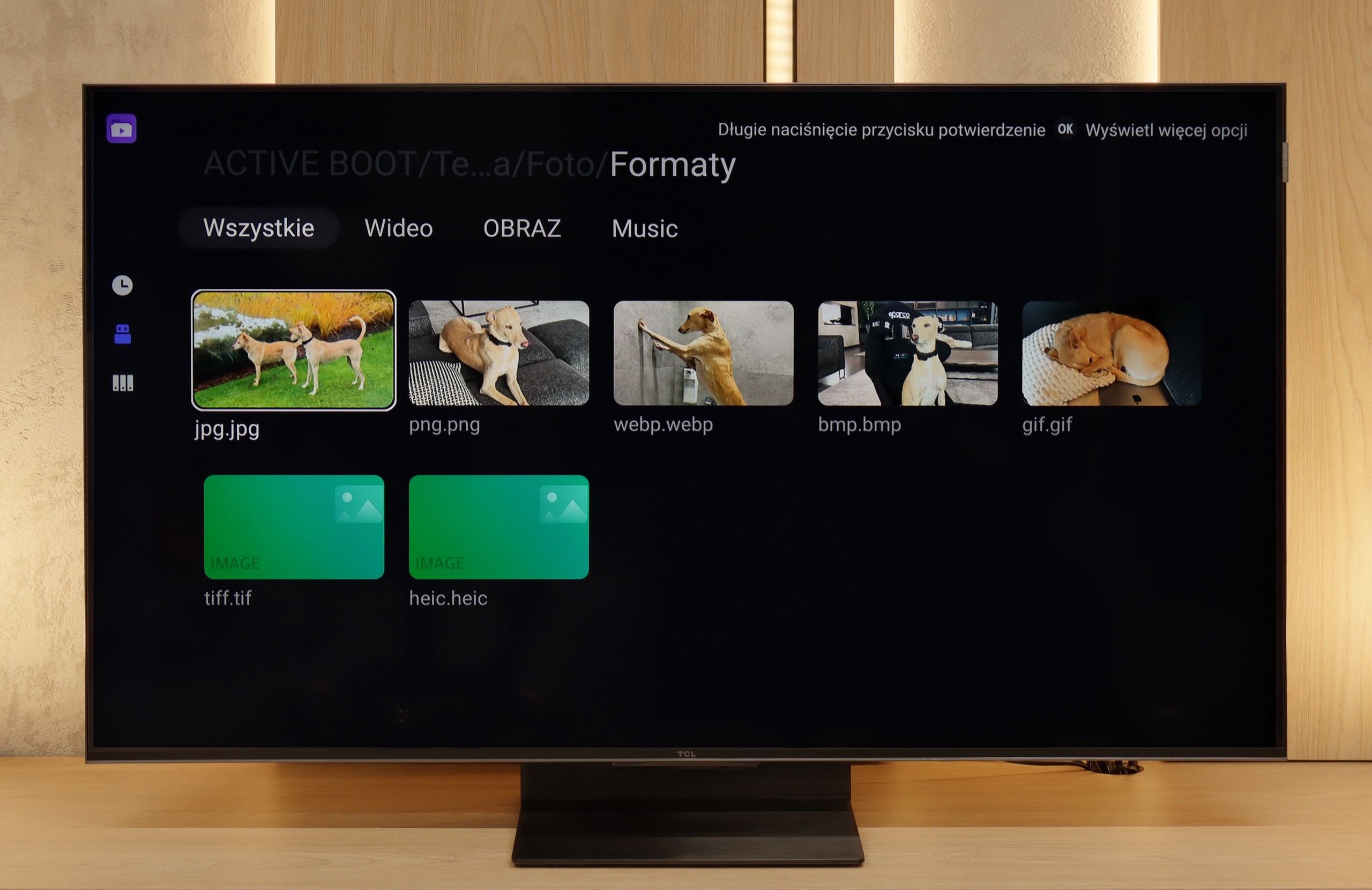
There are TVs that make it to reviews and at first glance seem like just another "mediocre" model. The TCL C7K looks just like that – without big slogans about revolution, without ambitions to dethrone OLEDs. Yet after spending a few days with this model, it's hard not to come to the conclusion that it's truly a successful piece of equipment. The biggest advantages? Very good picture quality at a reasonable price. MiniLED combined with a QLED filter delivers vibrant colors, high brightness, and contrast that really impresses in this class. Motion in sports or games looks smooth, and the presence of HDMI 2.1 and 144 Hz refresh rate makes gaming on this model pure enjoyment. Additionally, the Google TV system offers a huge range of possibilities: from voice control, to AirPlay support, to access to all the most important applications.
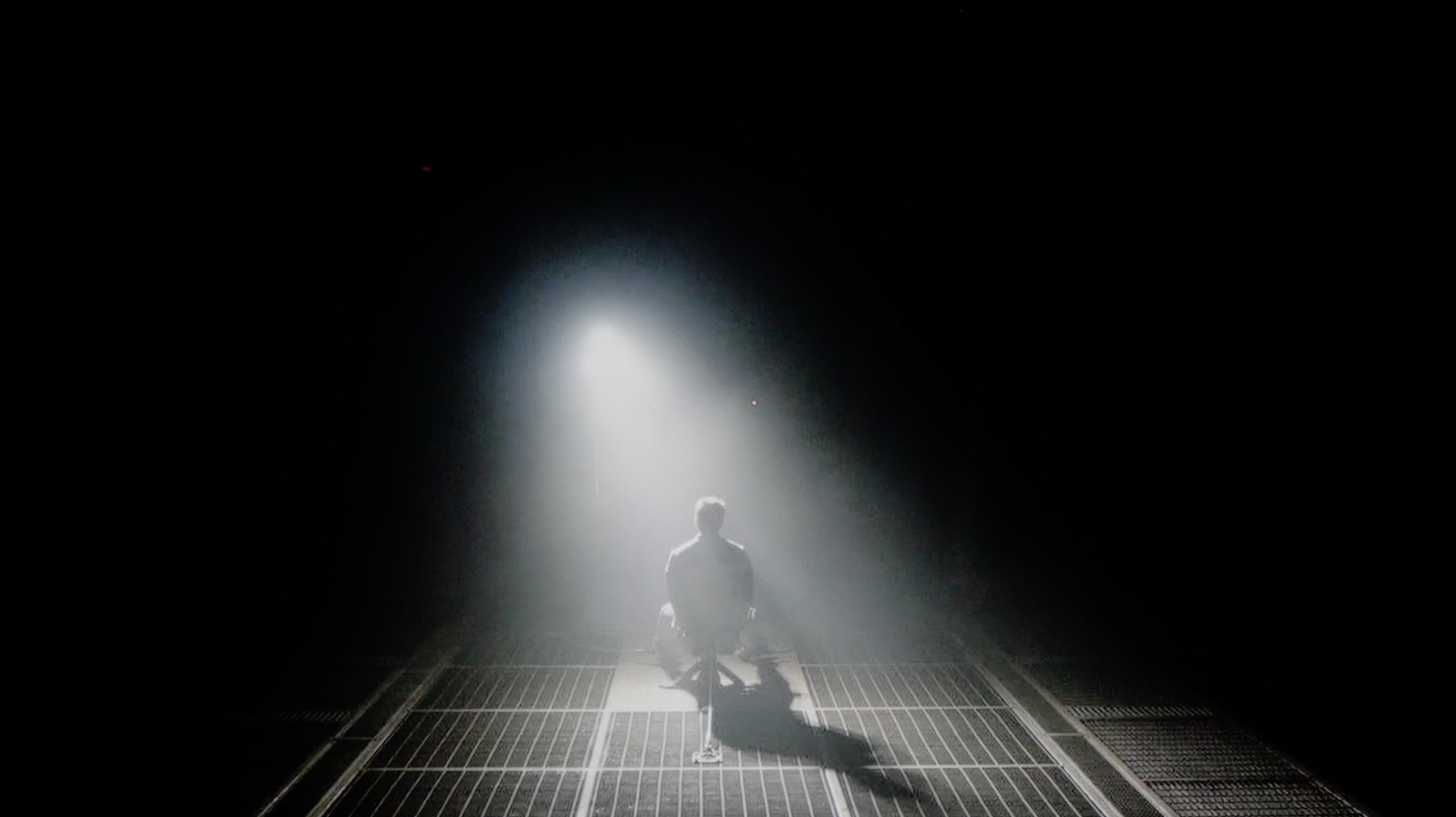
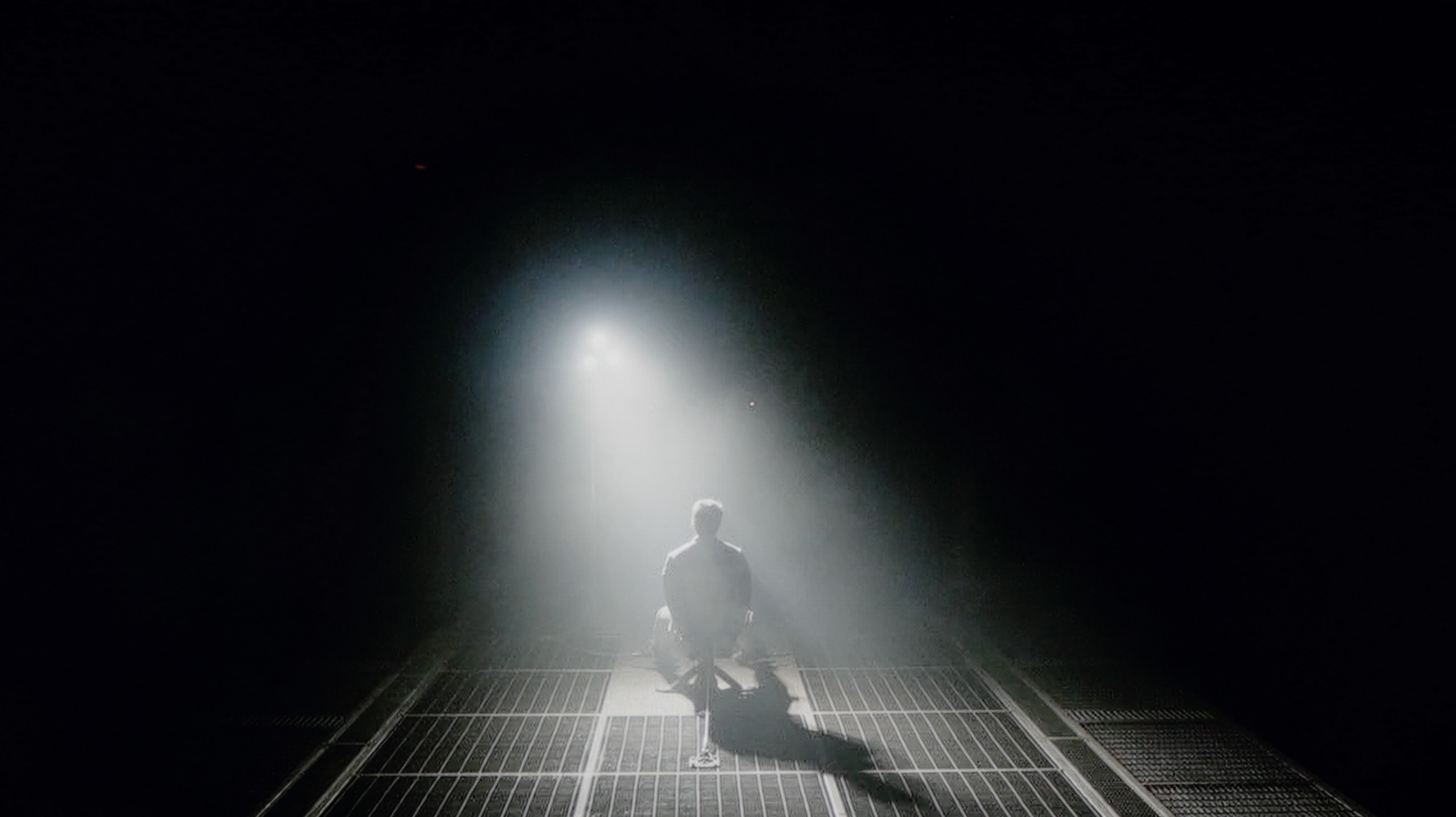
Are there any drawbacks? Yes. MiniLED still has its limitations, and in the most challenging movie scenes, compromises in dimming can be noticeable. Google TV also doesn't always operate perfectly smoothly. But these are rather minor issues that do not overshadow the overall picture – which is truly positive. It’s also worth highlighting the difference between variants. The 50-inch version we tested can be surprising, but the 55–85 inch models perform distinctly better – they have more backlight zones, even better contrast quality, and superior sound. Therefore, if you're considering purchasing the C7K, it's definitely worth going for a larger size.
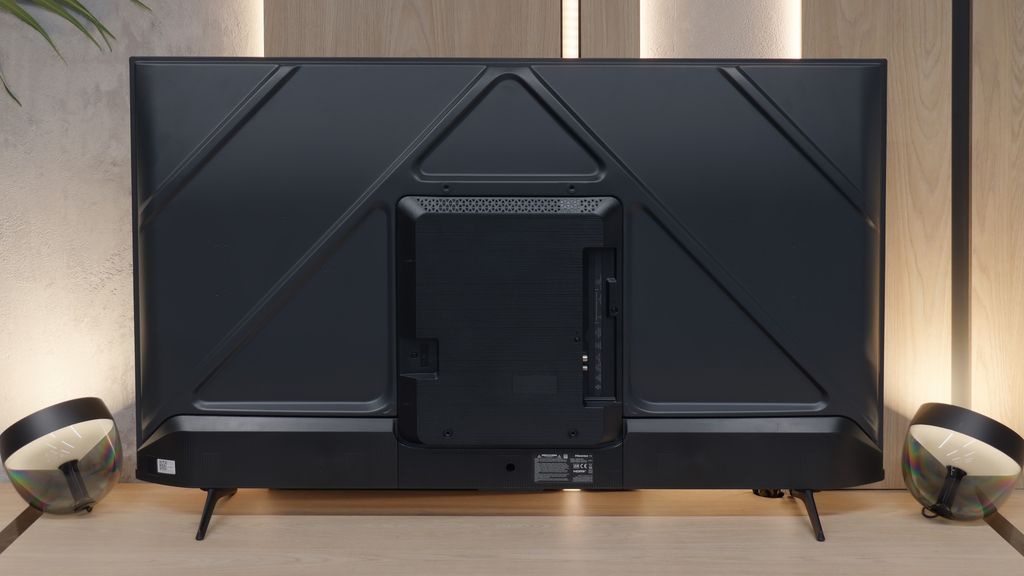
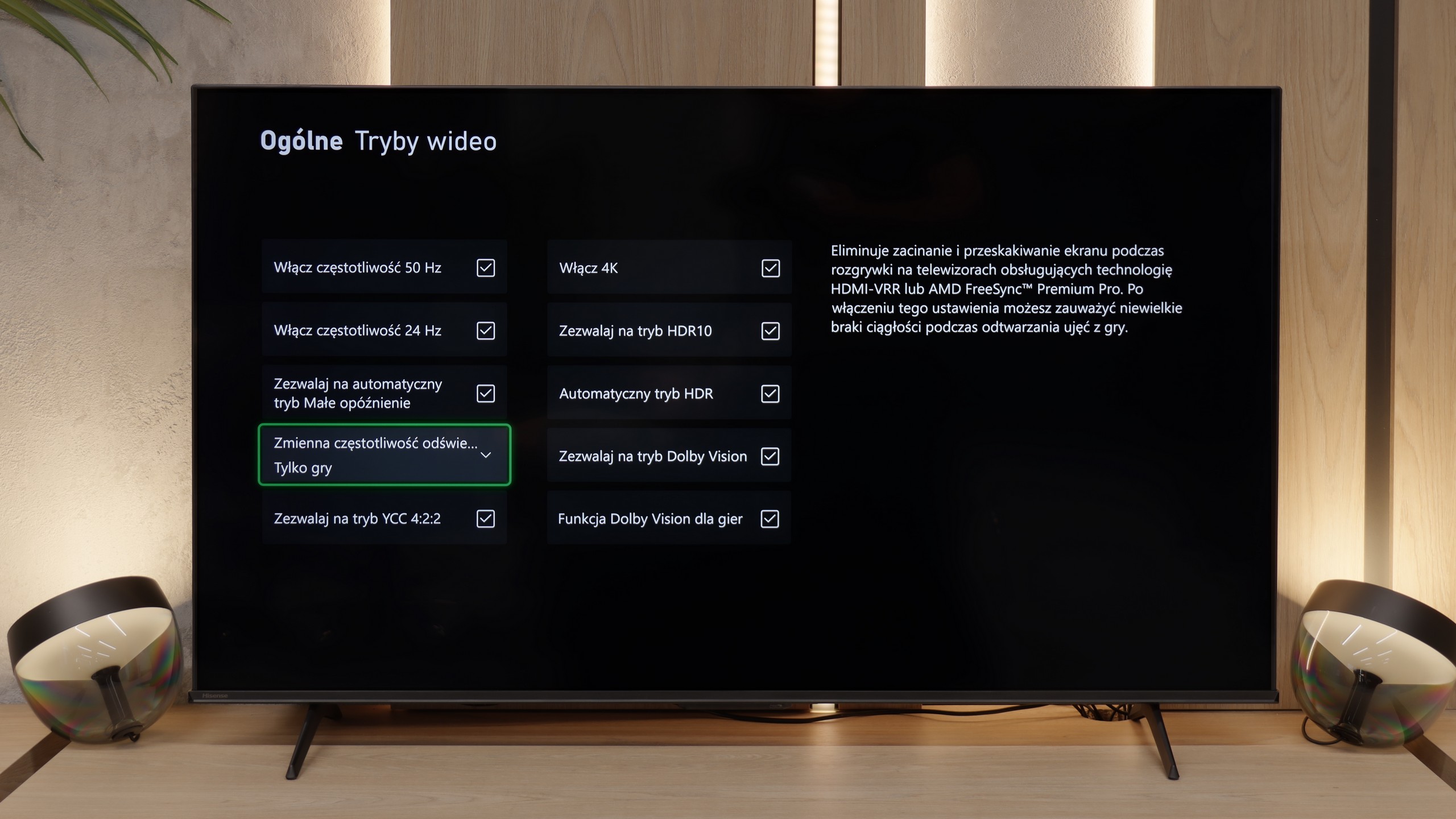
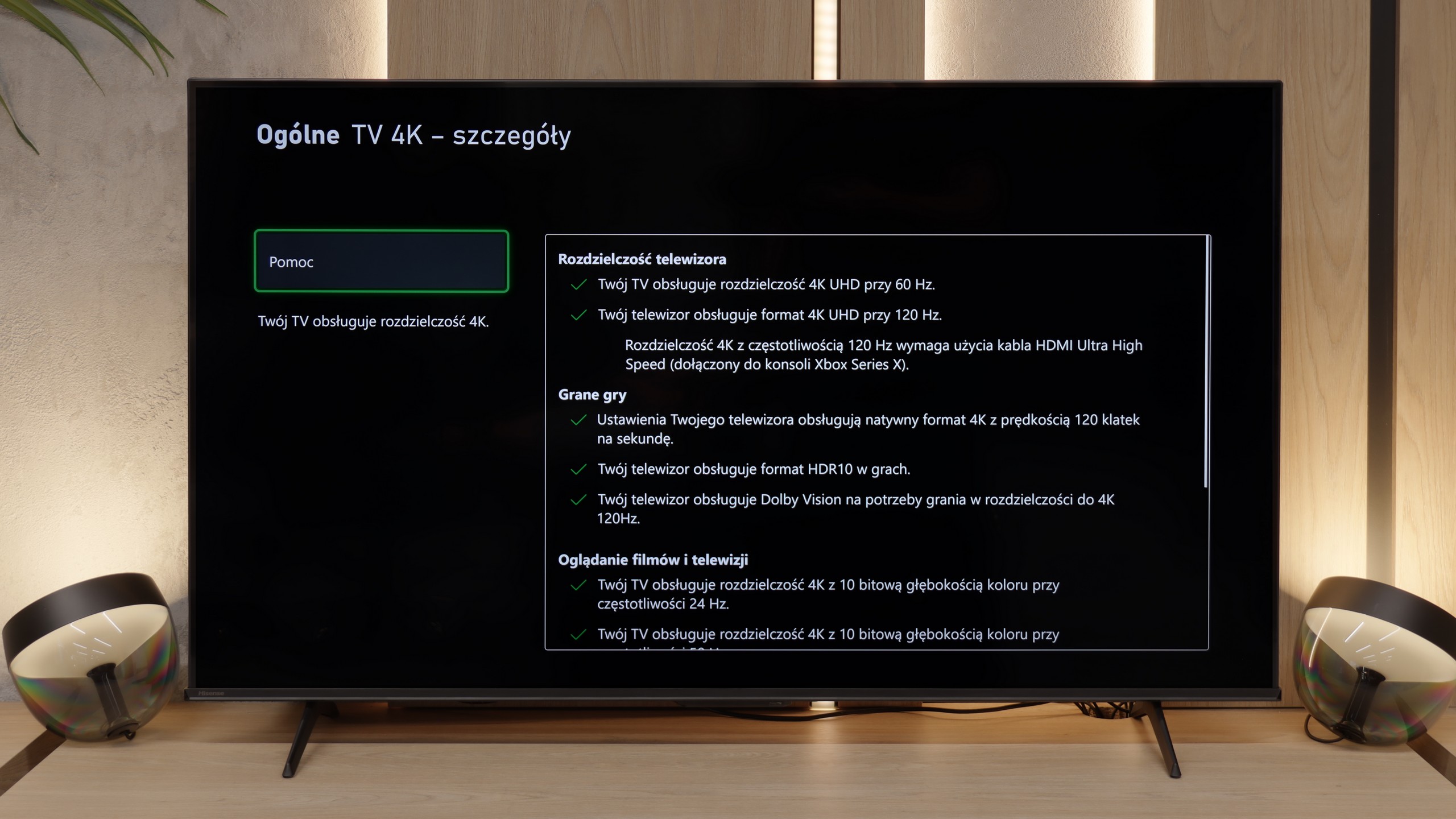
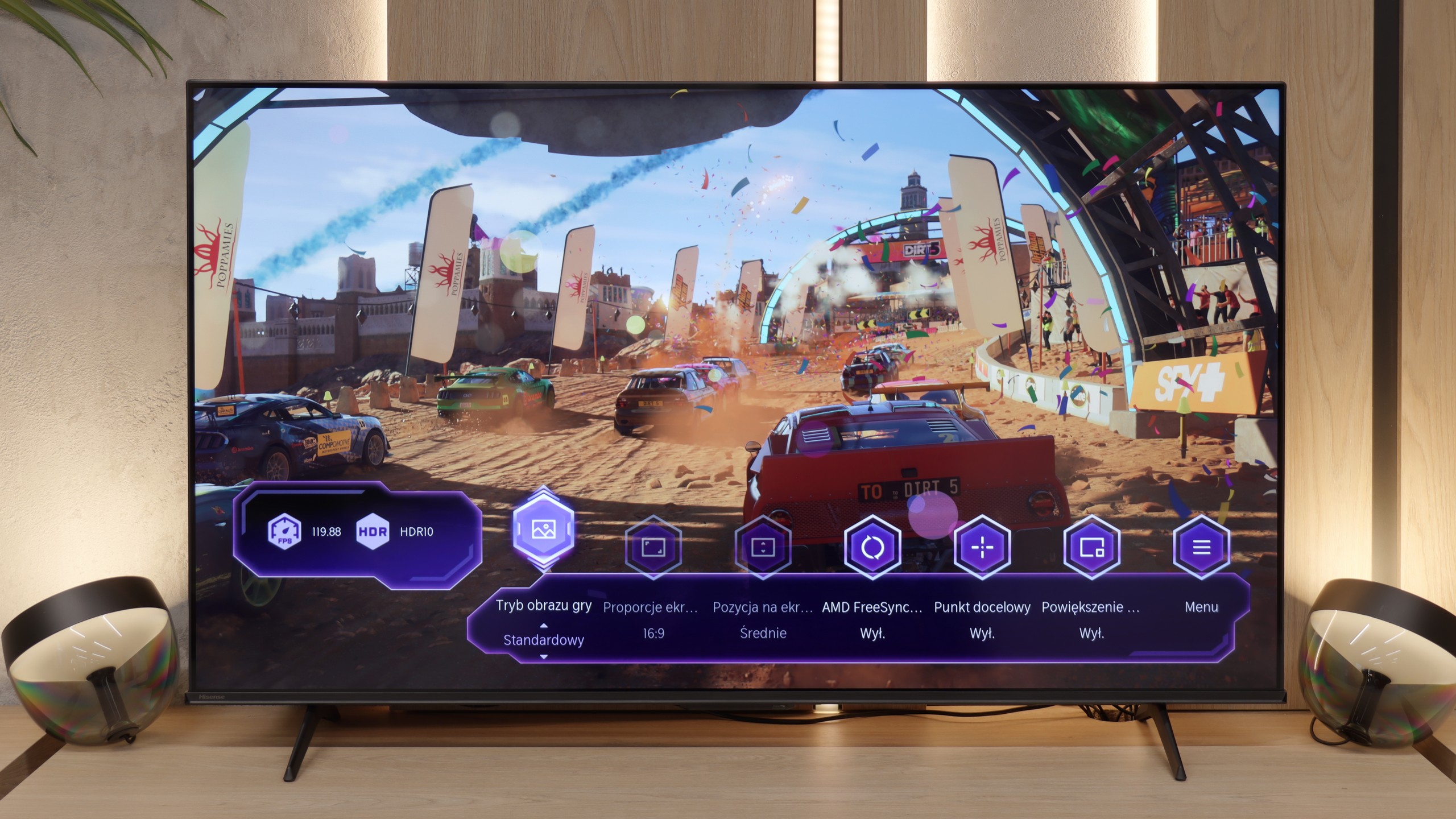
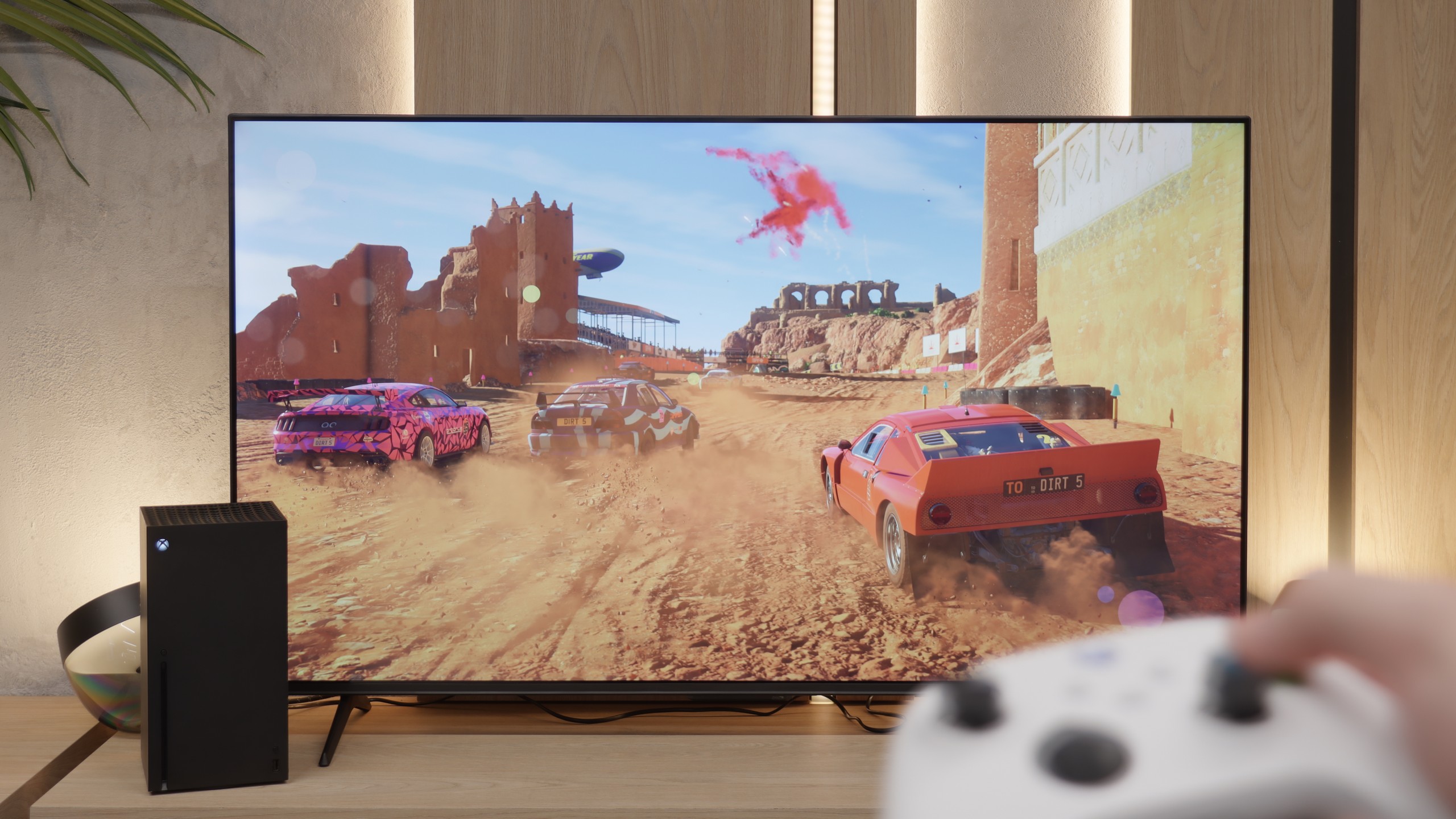
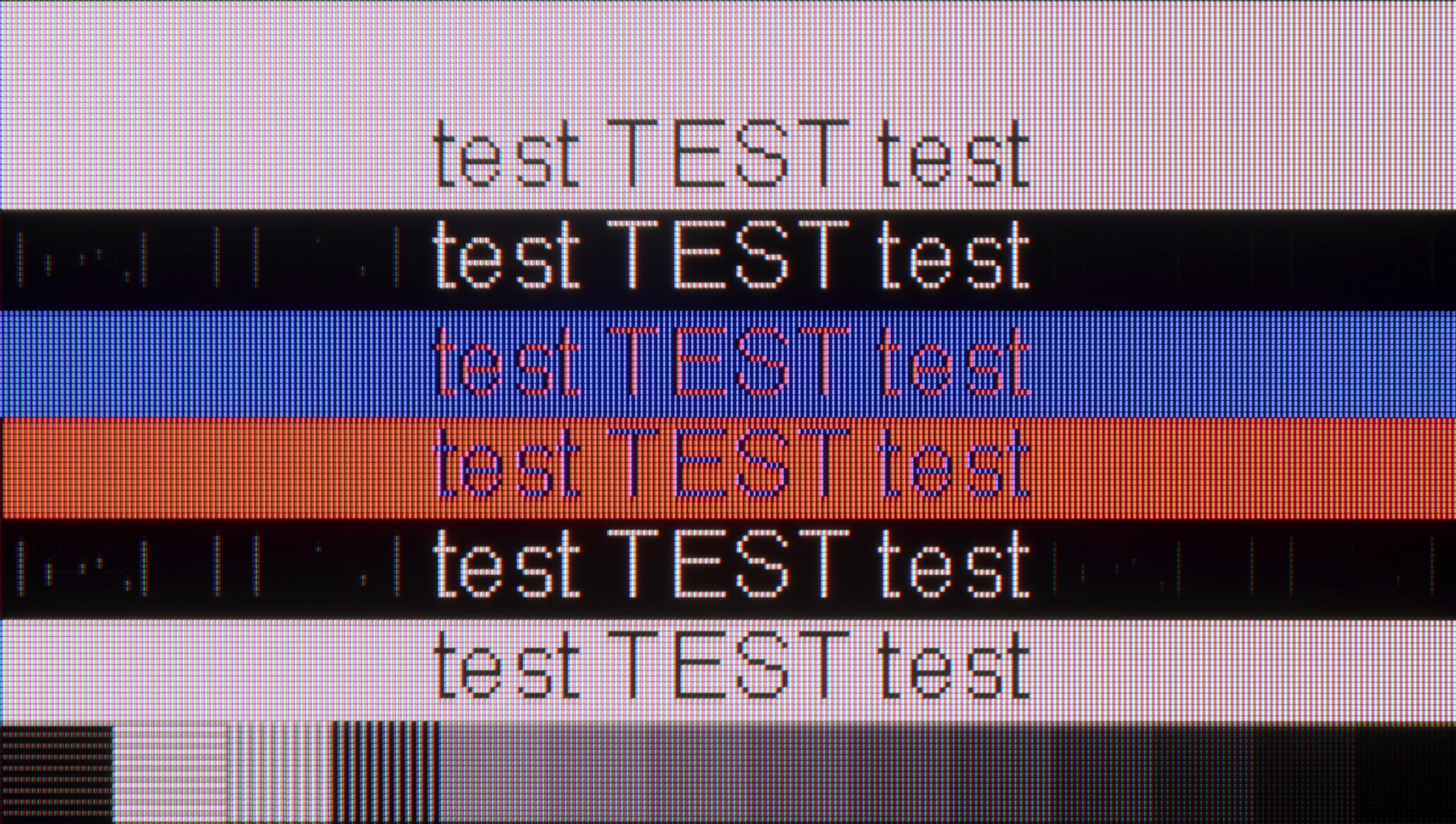
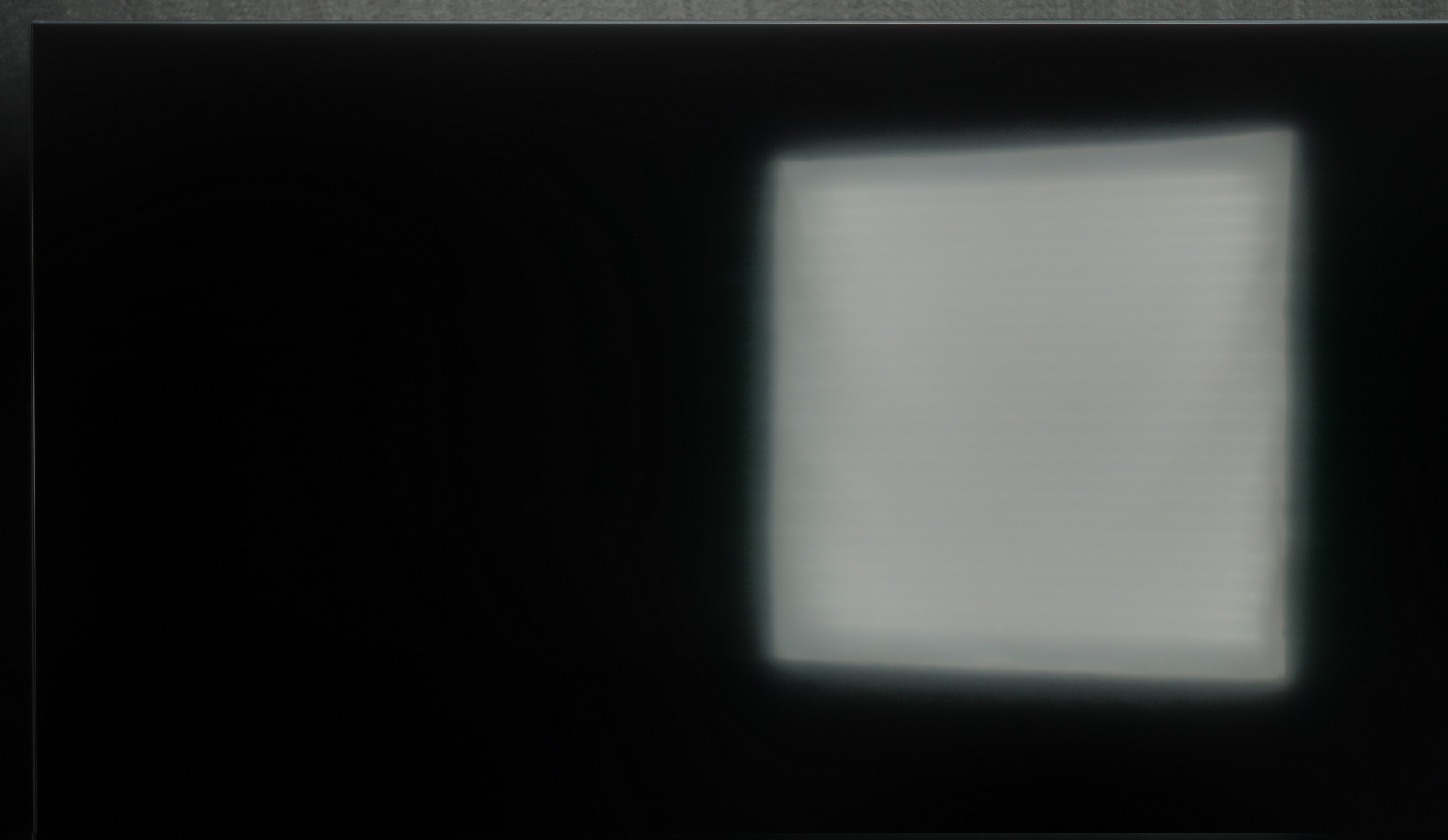
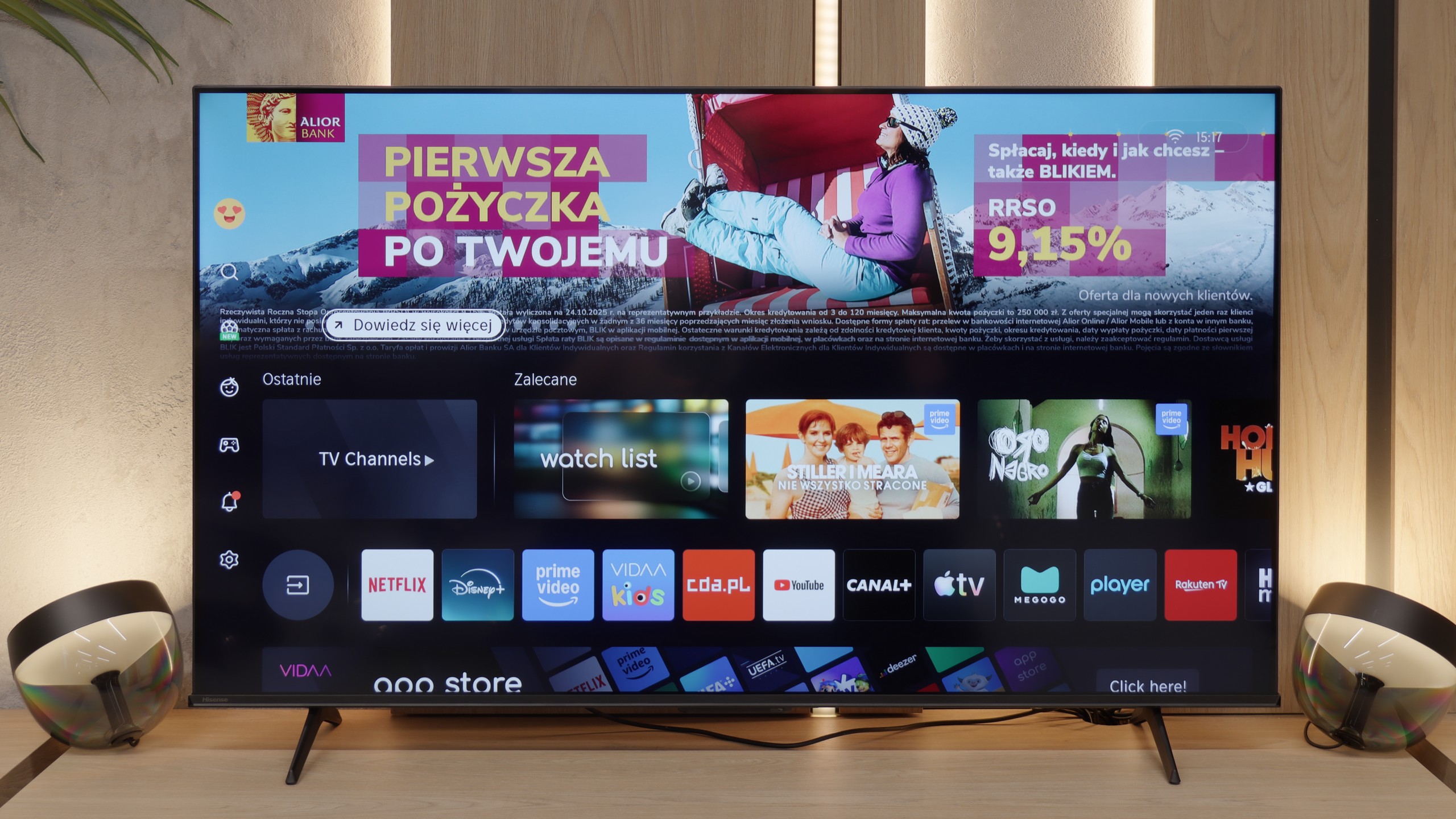
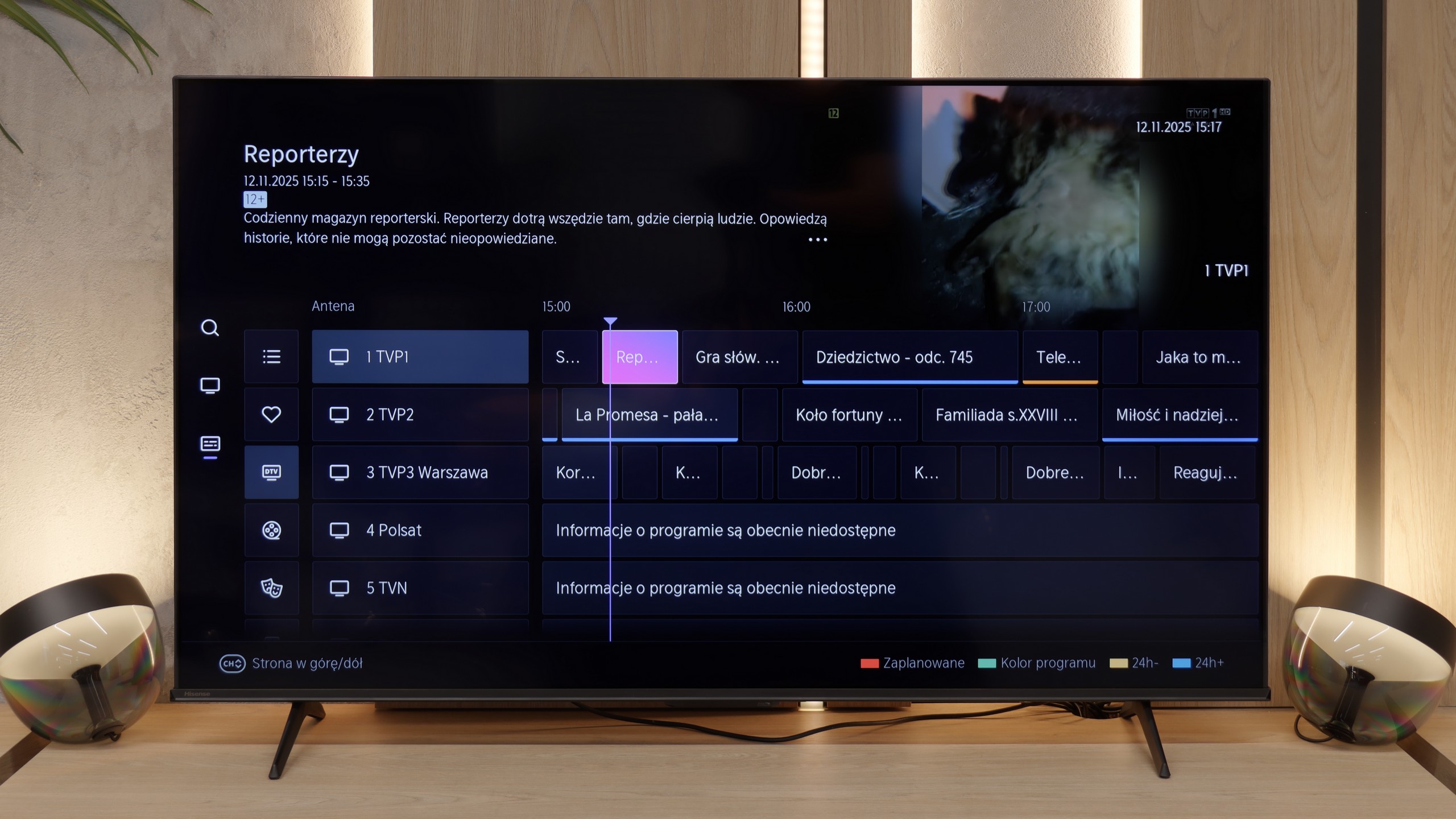
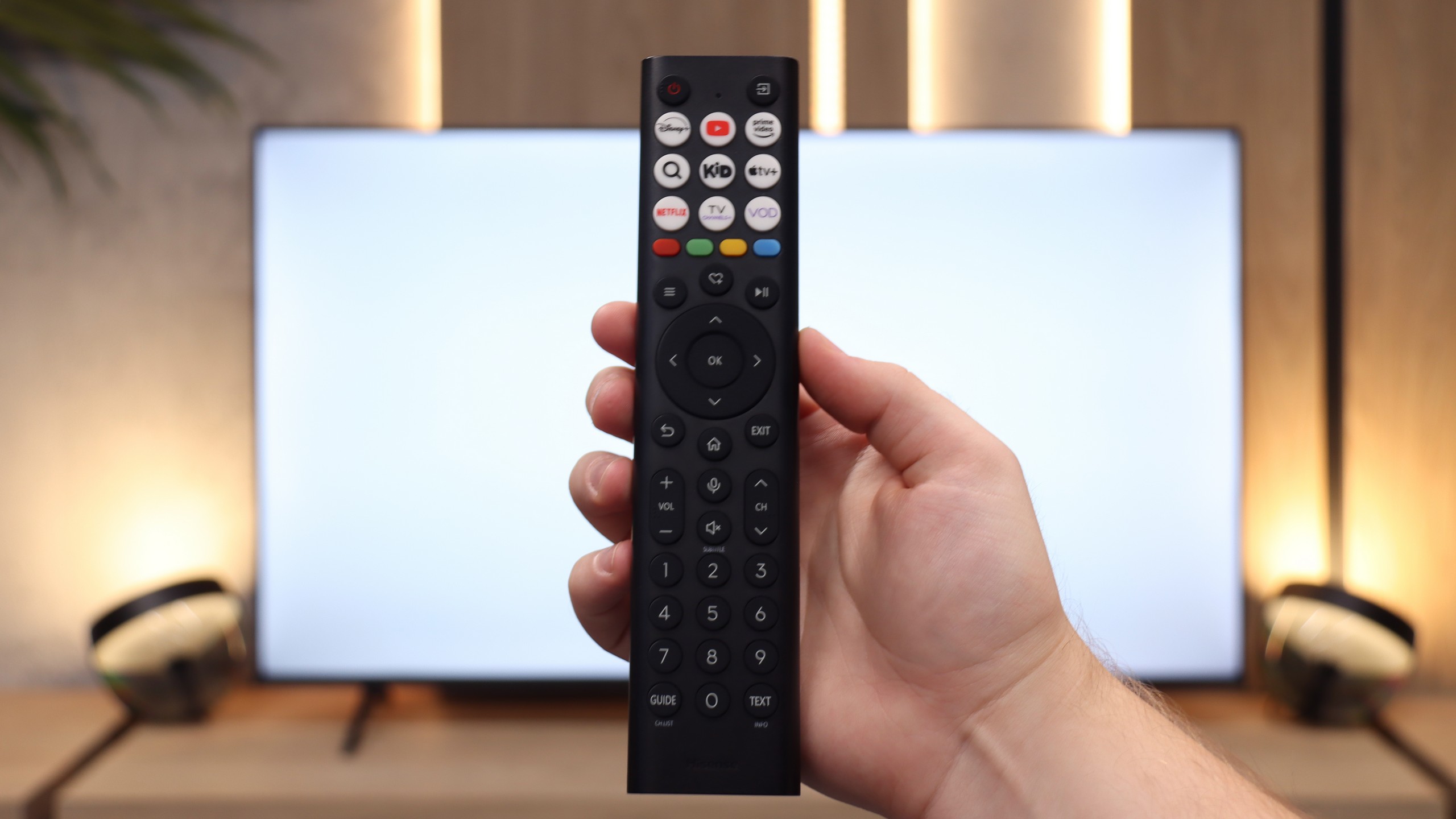
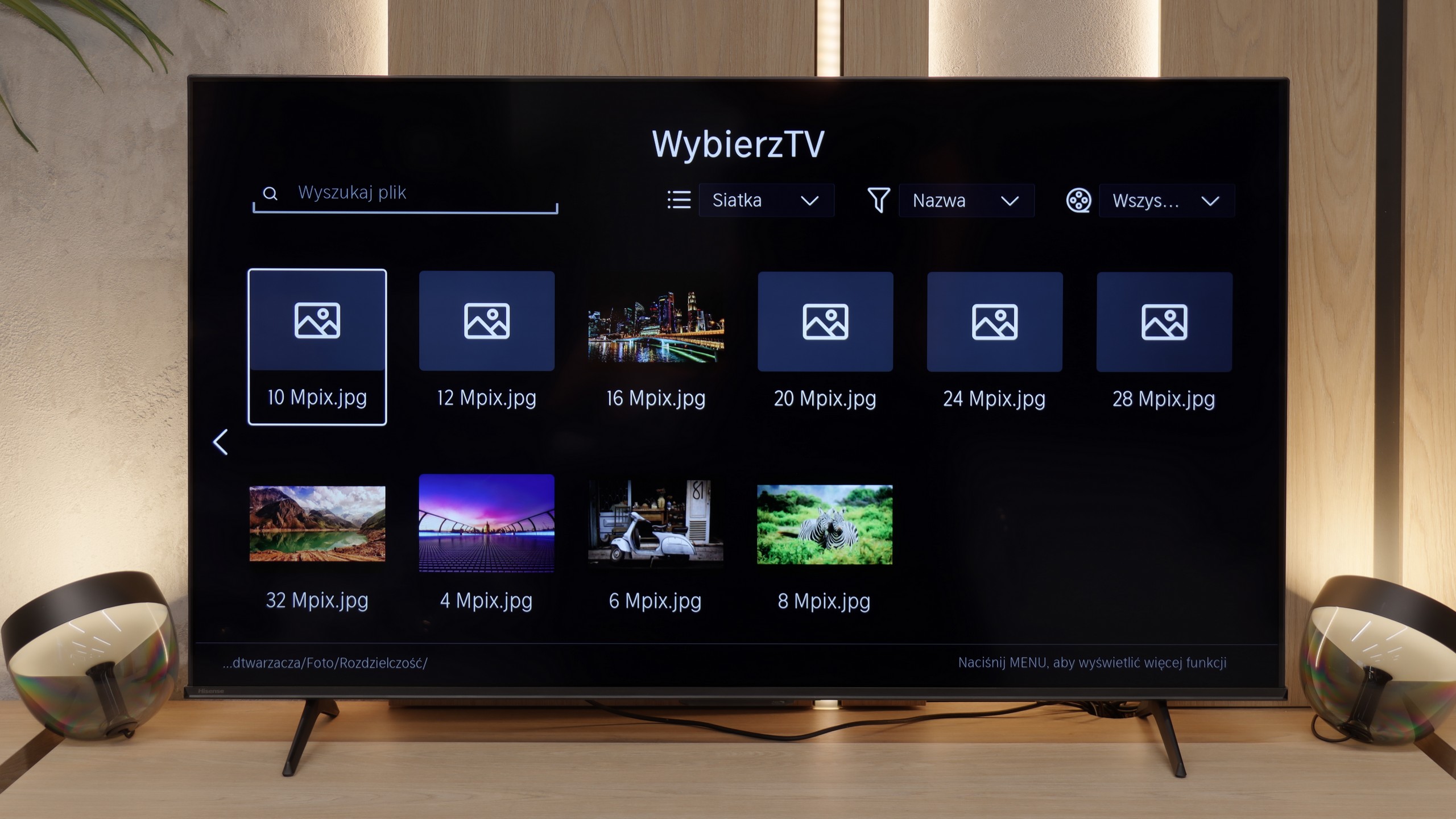
The Hisense E7Q PRO is a television that clearly shows where the manufacturer has set its priorities. It is not a model focused on impressive HDR or cinematic fireworks in a dark living room. This is equipment tailored for universal use, with a strong emphasis on gaming and everyday streaming content viewing at a very attractive price. The biggest disappointment remains the abandonment of local dimming compared to the 2024 model. This is a decision that realistically affects the perception of black levels and contrast. On the other hand, the VA panel with high native contrast does everything it can to mask this loss, and in most everyday applications, it does quite well. The E7Q PRO shines where it is most expected today: in gaming. A 120 Hz panel, 144 Hz mode for PC, HDMI 2.1, variable refresh rate, low input lag, and a very good Game Bar make it one of the more interesting gaming choices in its price segment. Additionally, there is a reliably working VIDAA system, fast menu, and a sensible set of smart functions. It is not a perfect television. HDR brightness is clearly limited, motion blur is average, and viewing angles are typically poor for VA. However, if someone is looking for a television available in various sizes, whether for gaming, series, or everyday viewing, and is aware of its limitations, the E7Q PRO can provide a lot of satisfaction. It is not a step forward compared to its predecessor in any category. Rather, it is a different, more budget-friendly direction. Less cinematic, but cheap and very gaming-oriented. If this is what you're looking for, the Hisense E7Q PRO makes a lot of sense.
 Direct comparison