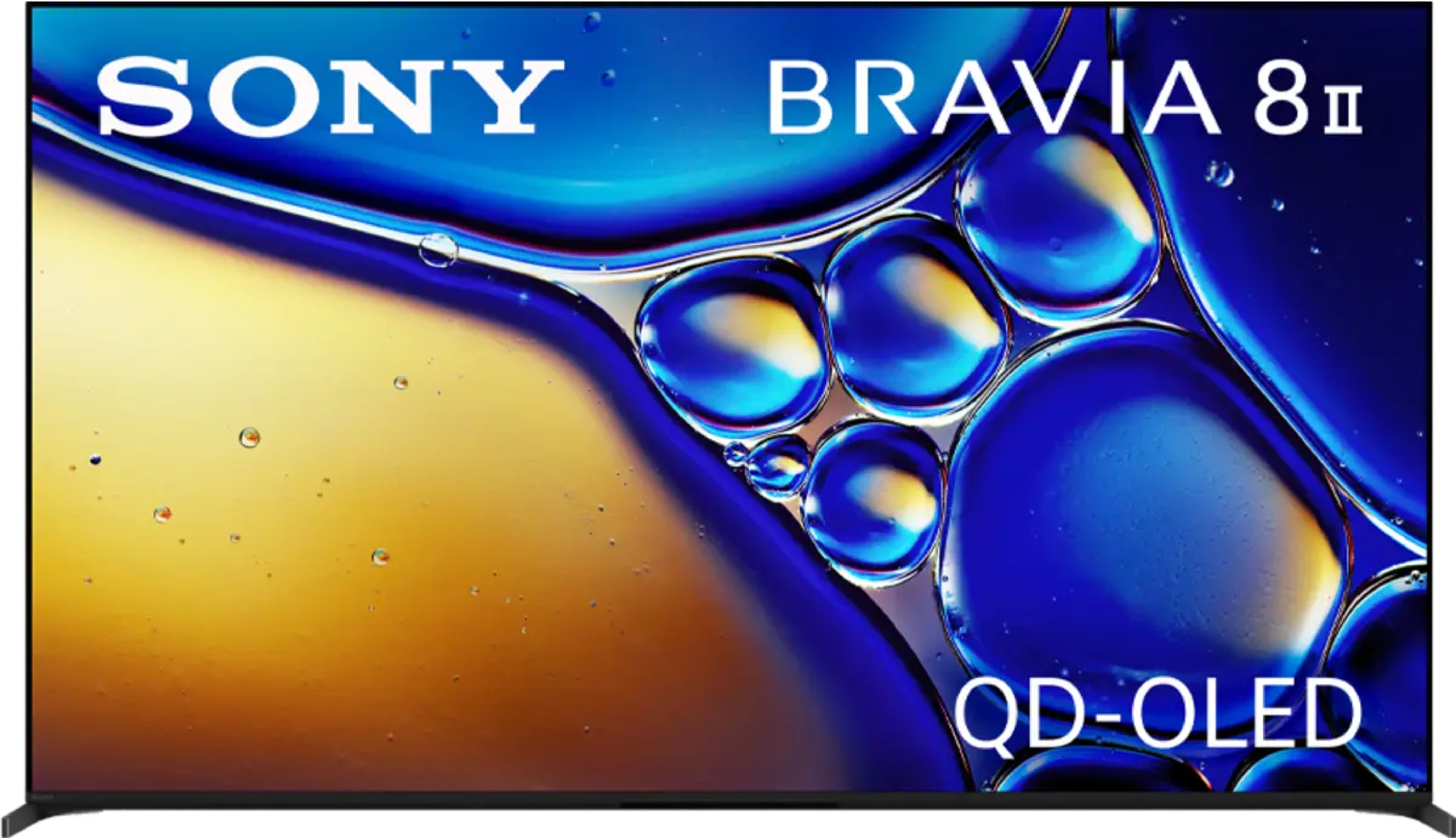
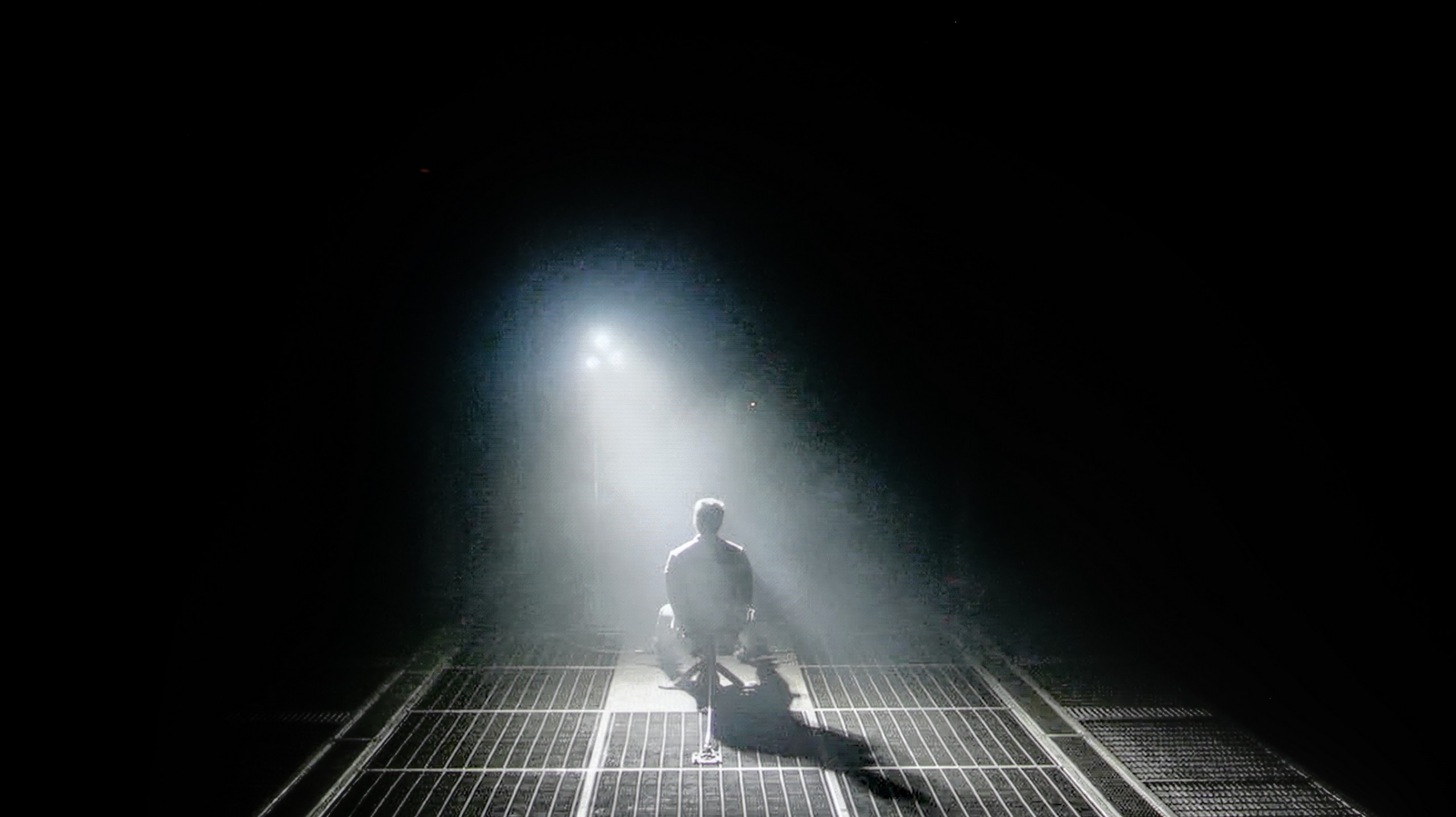
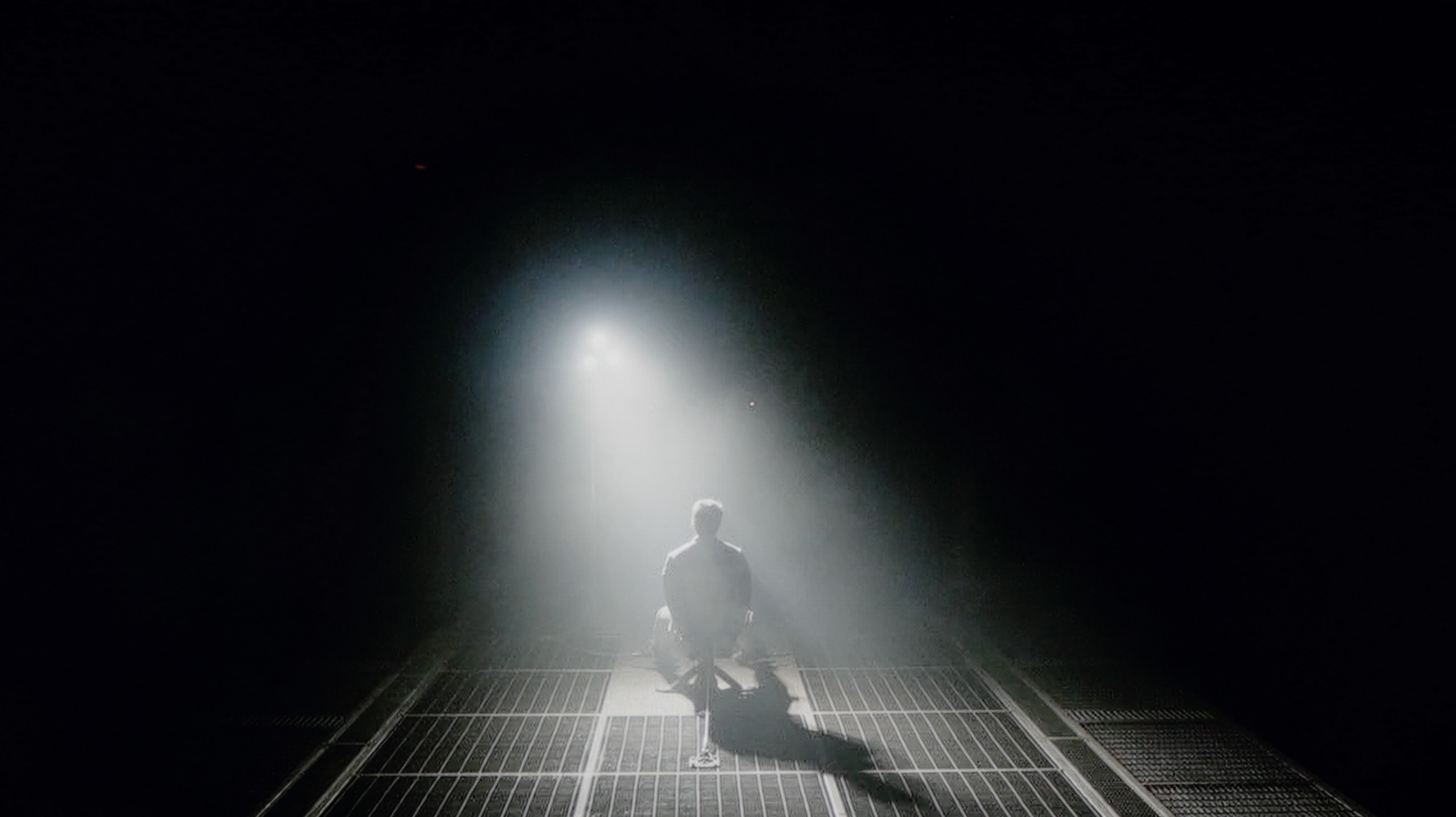
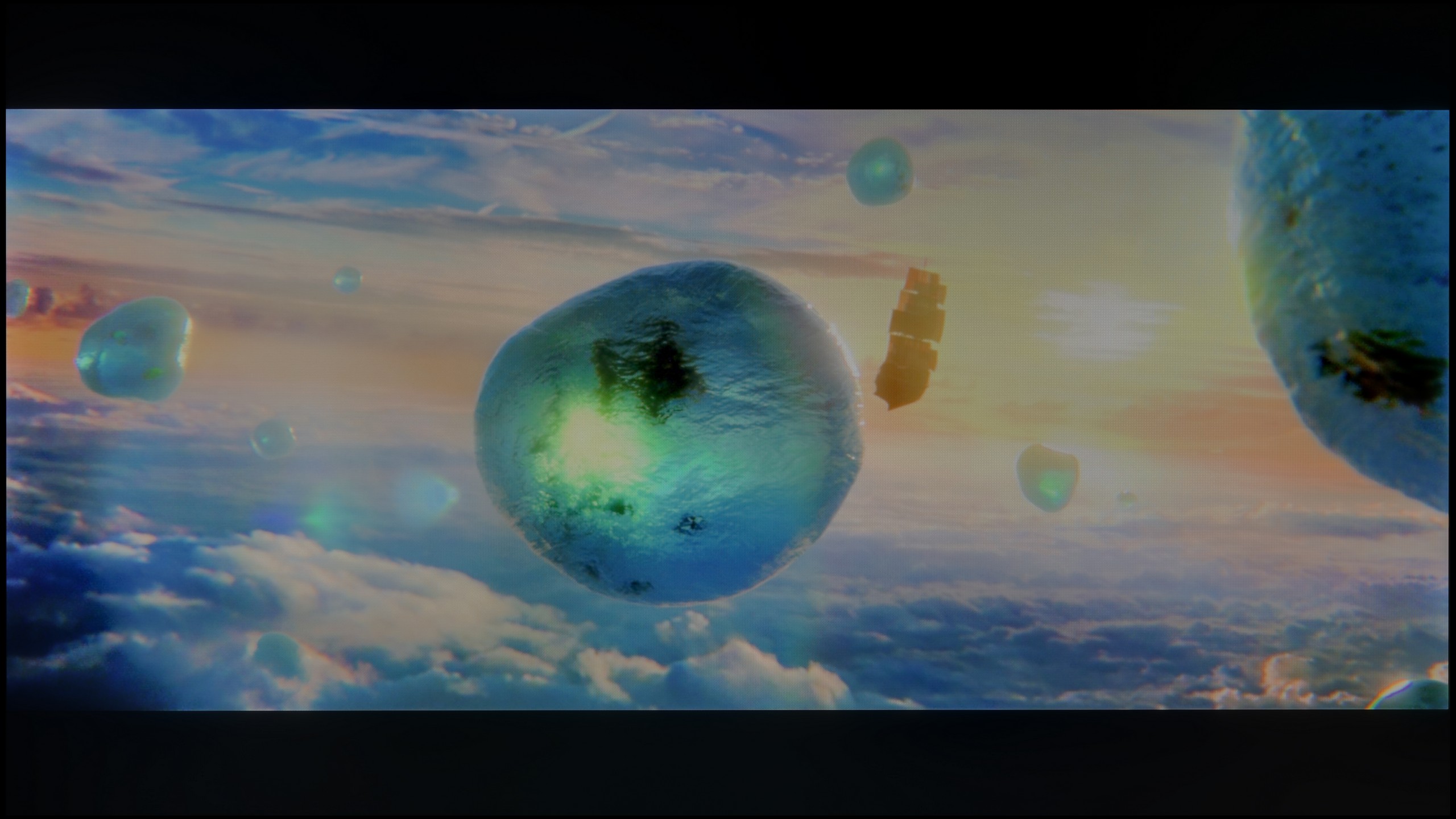
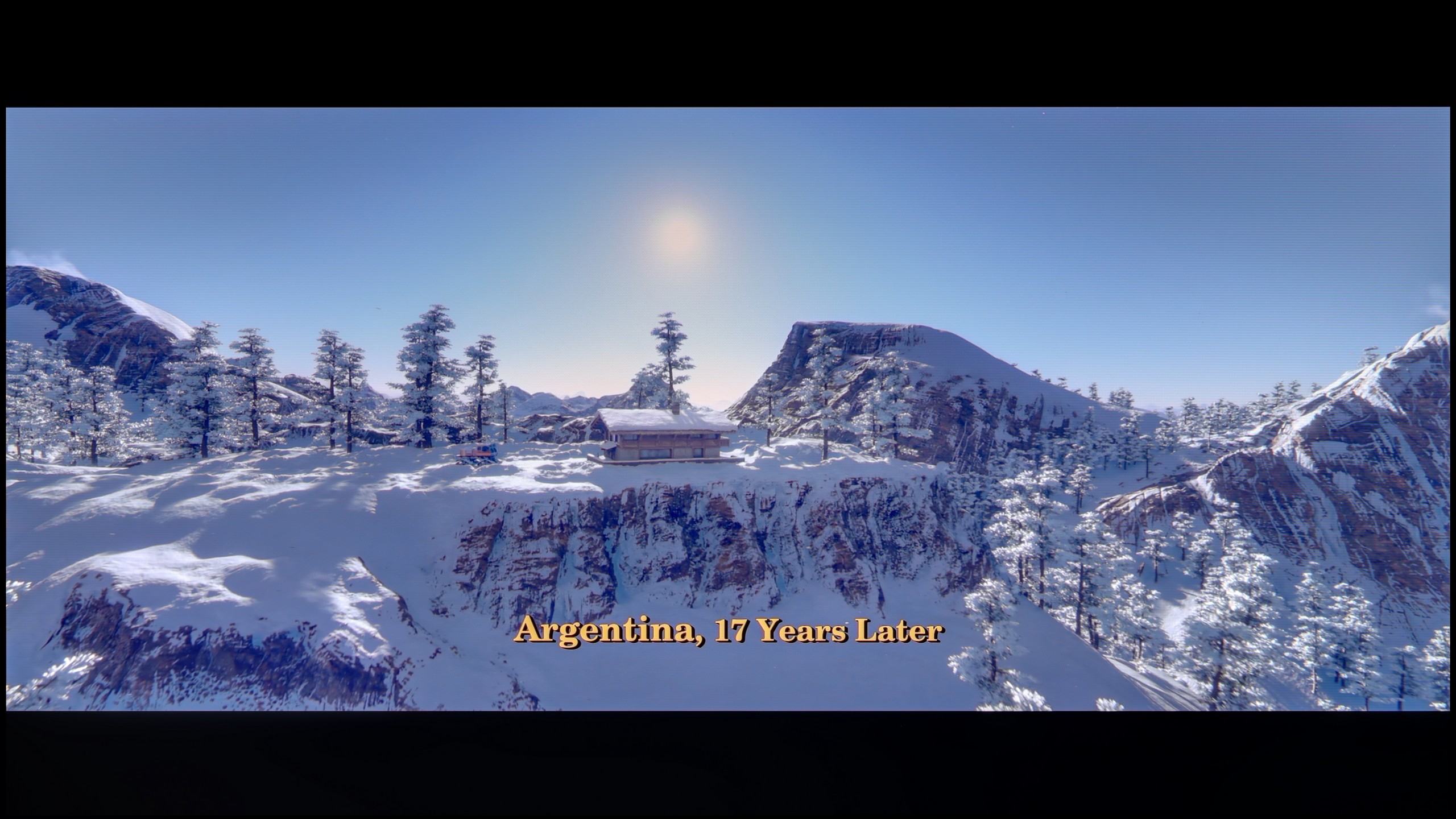
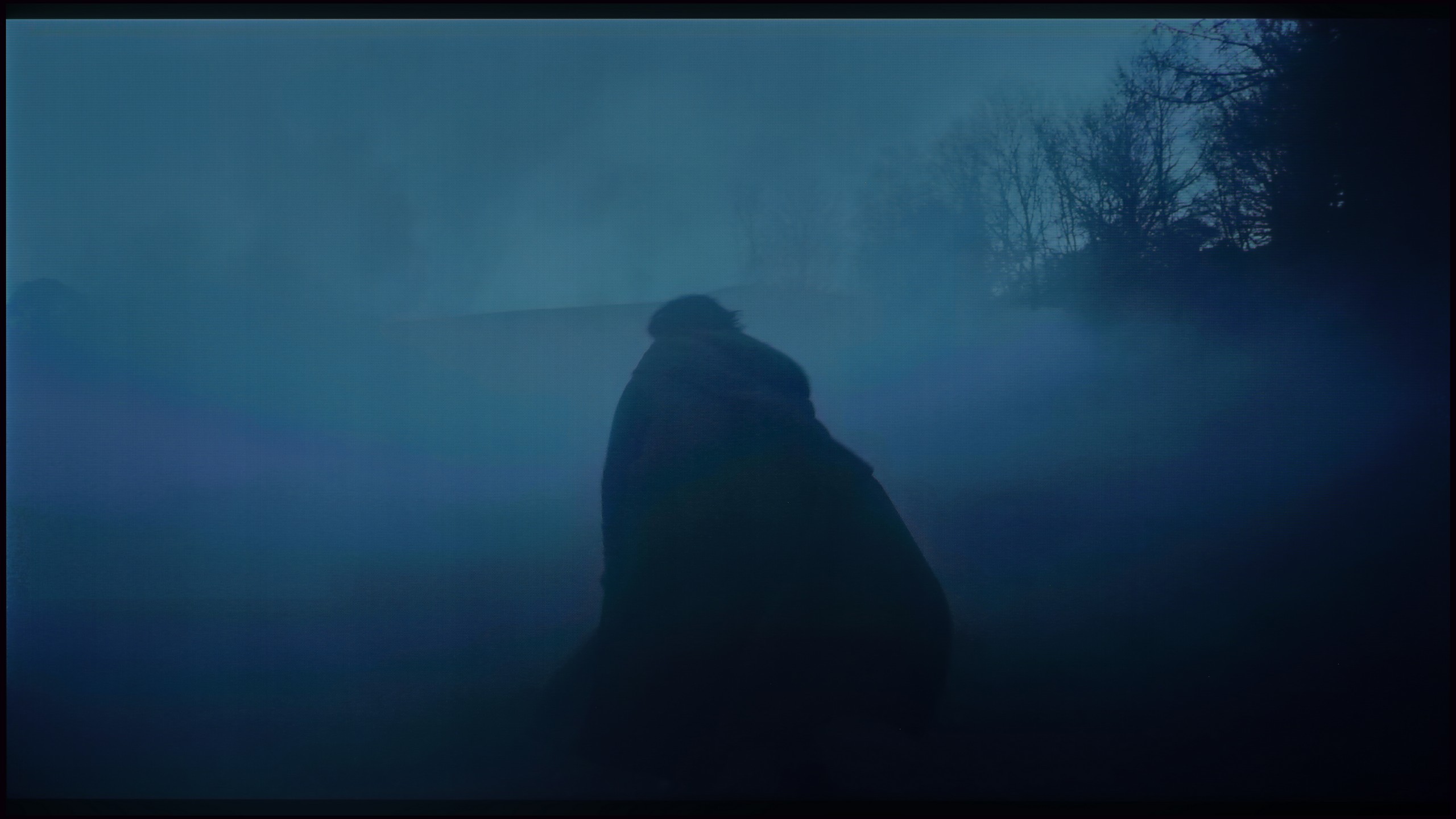
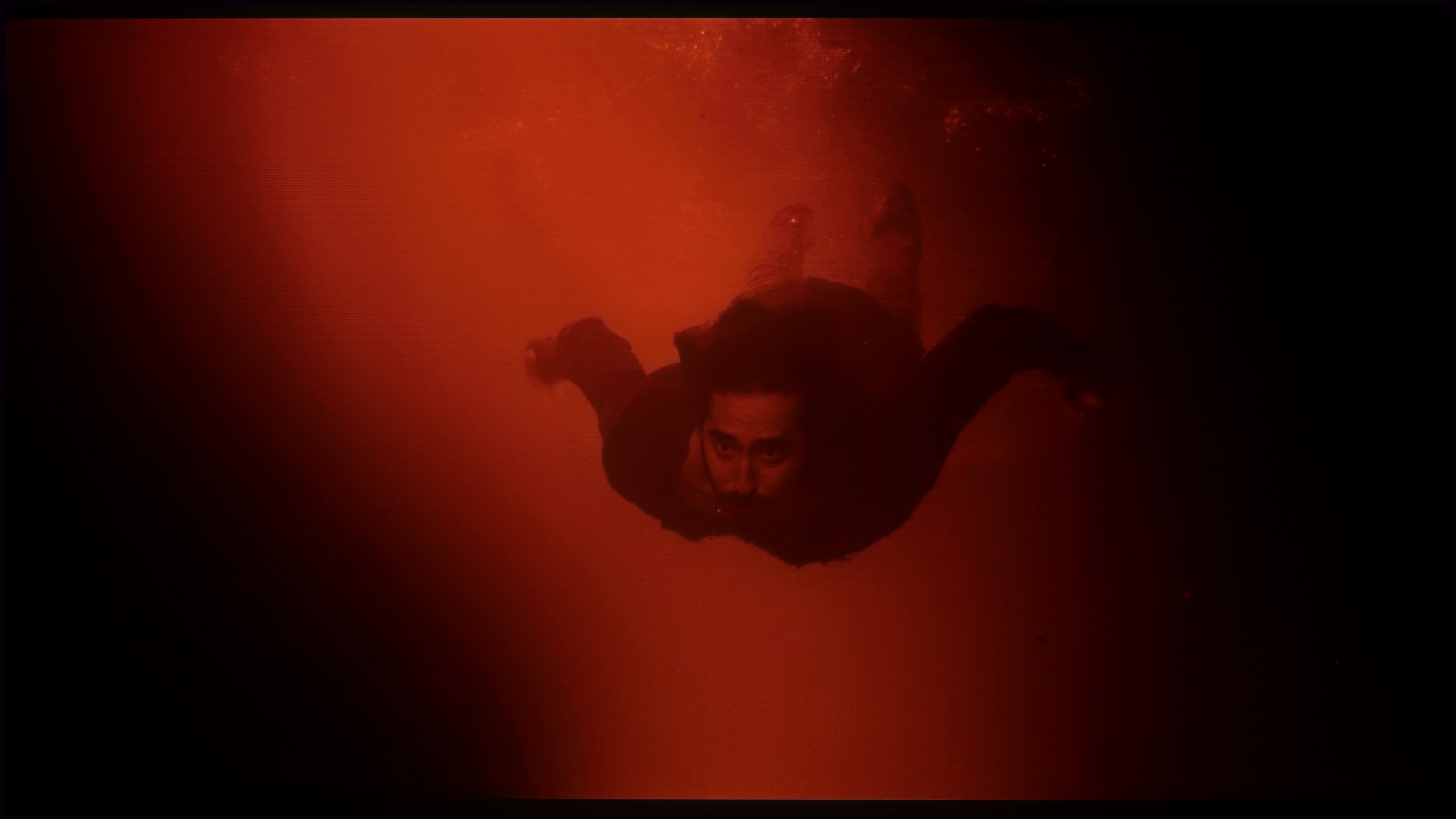
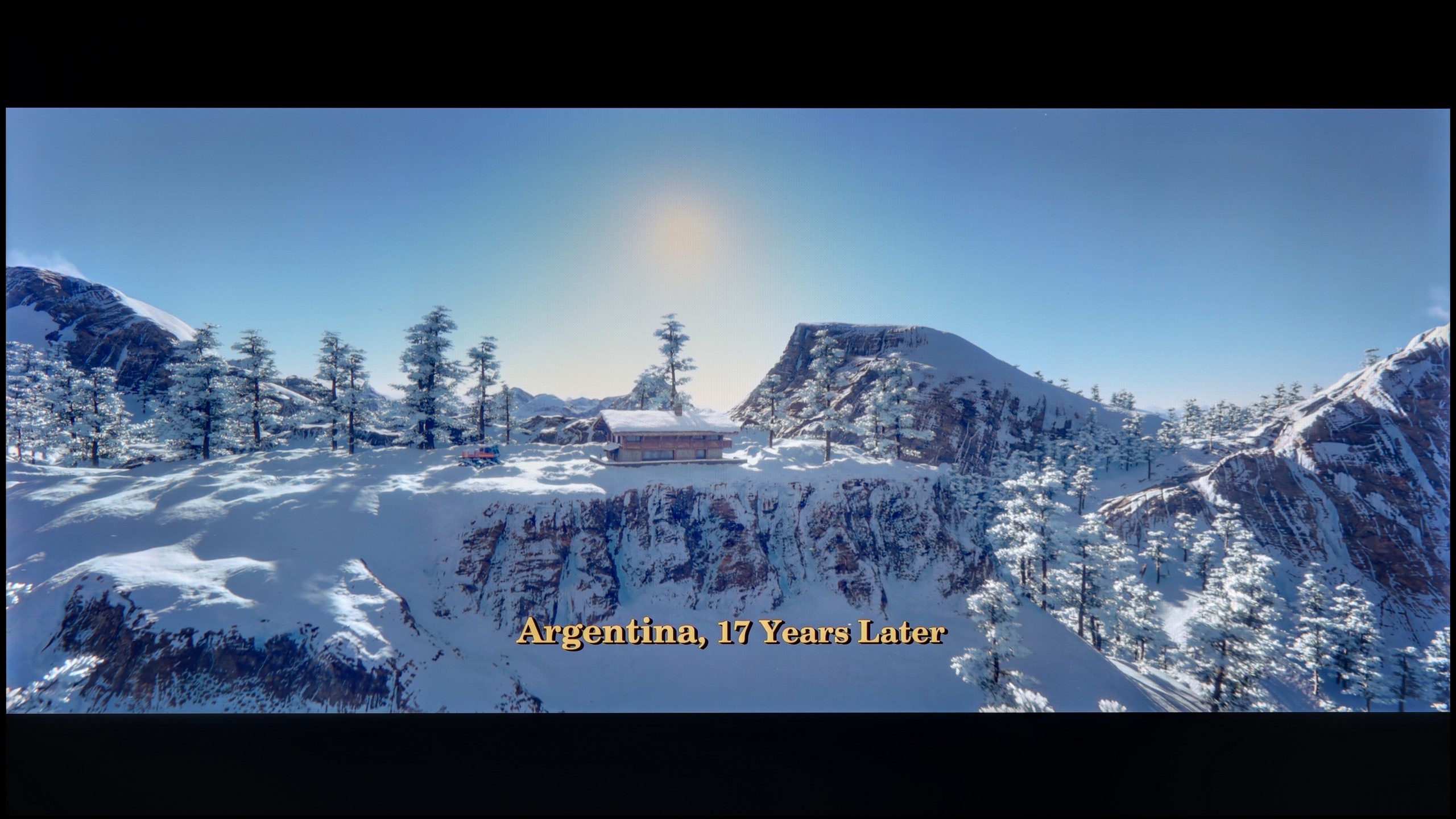
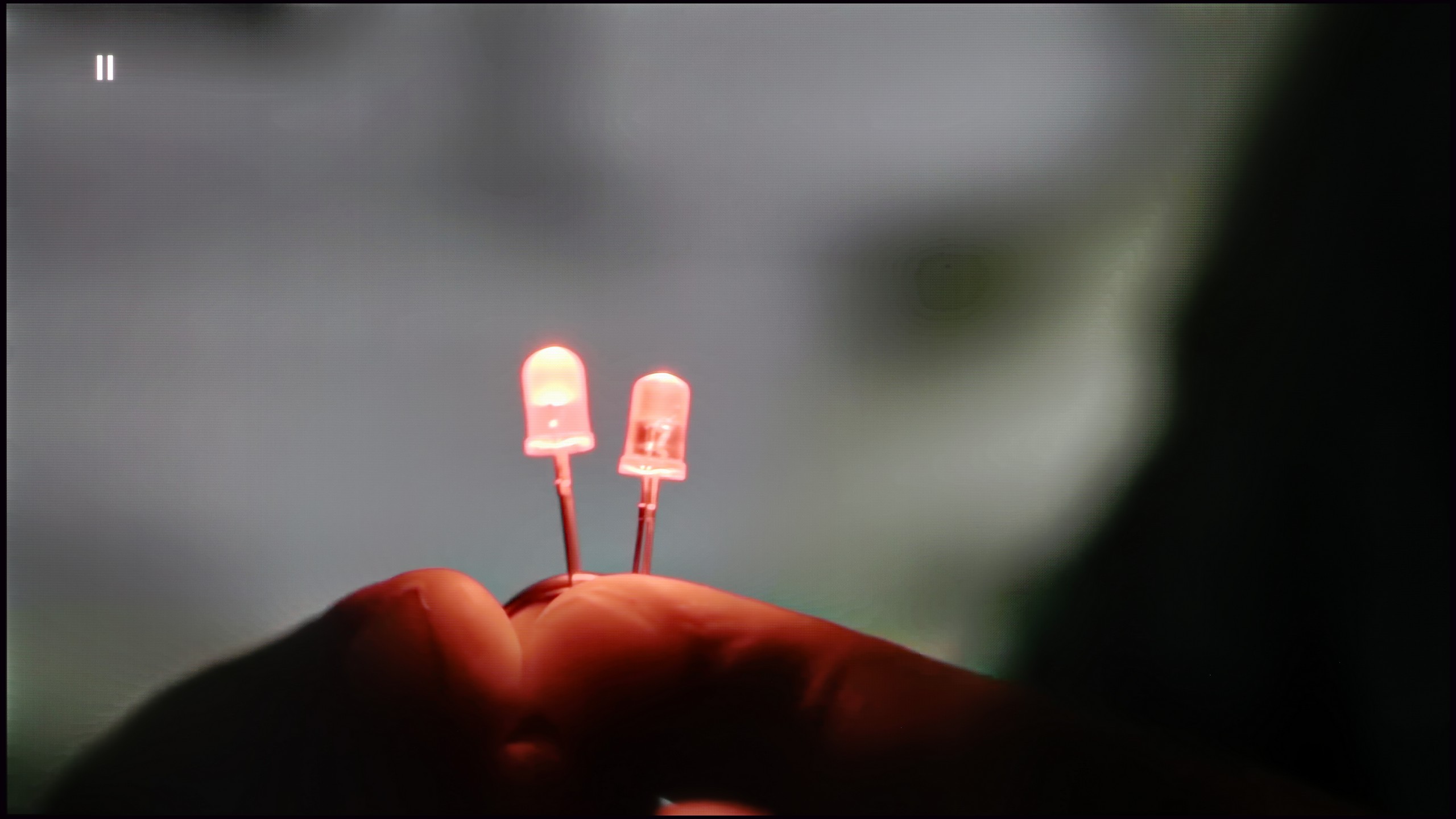
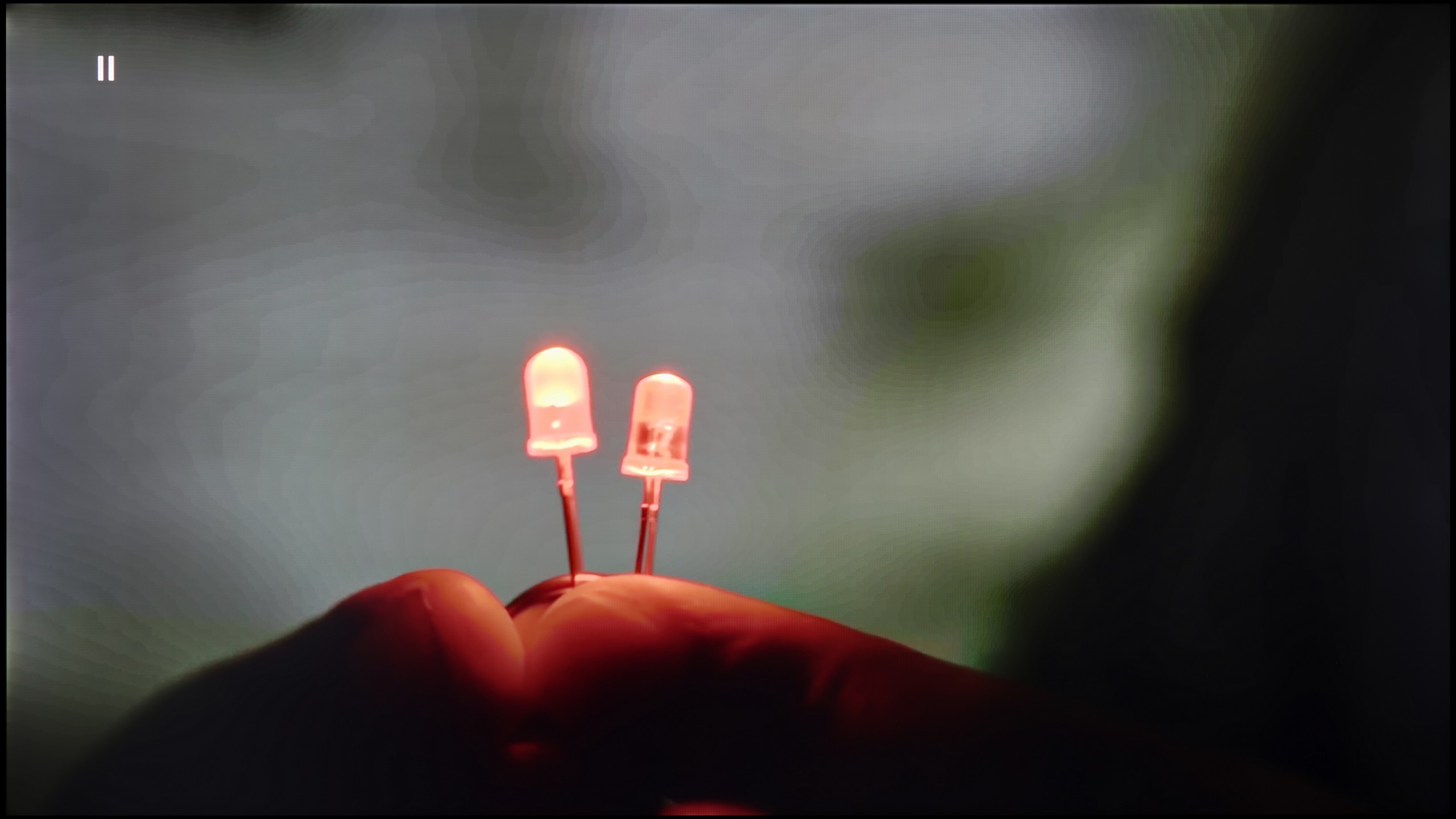
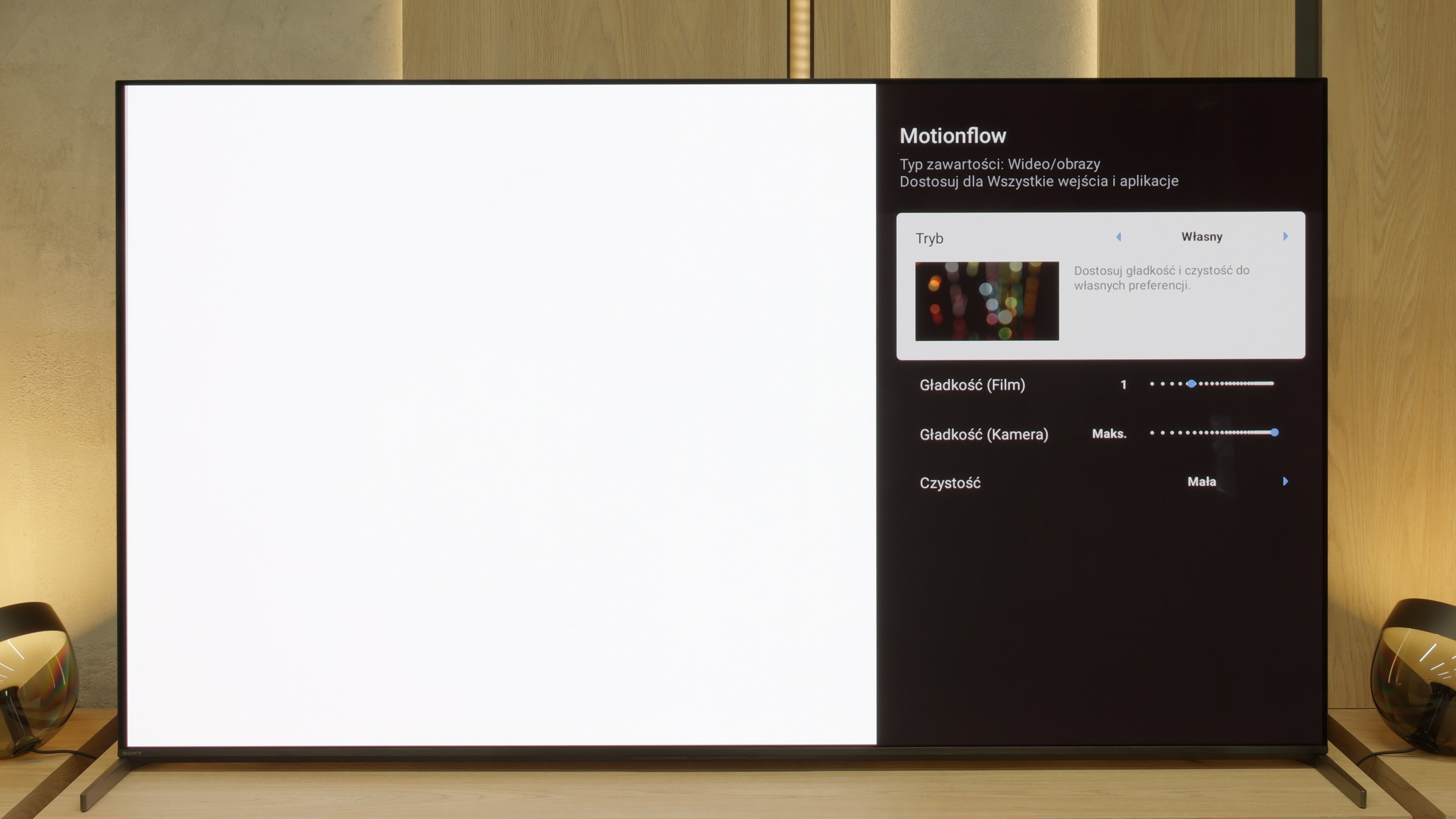
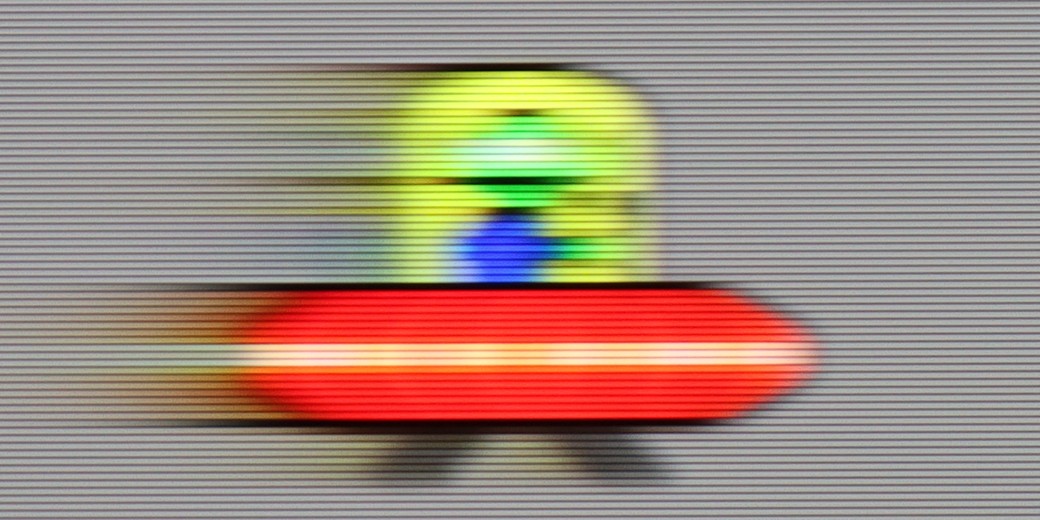
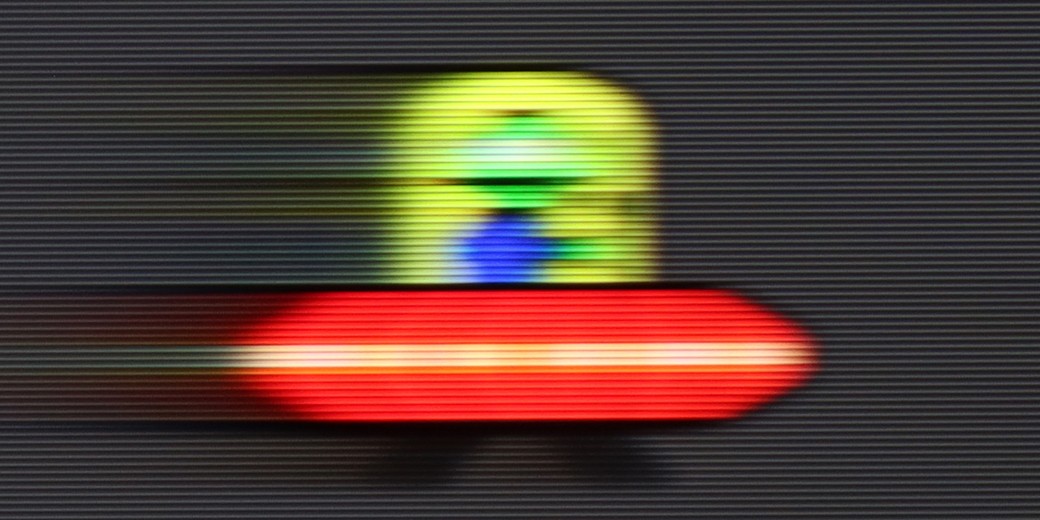
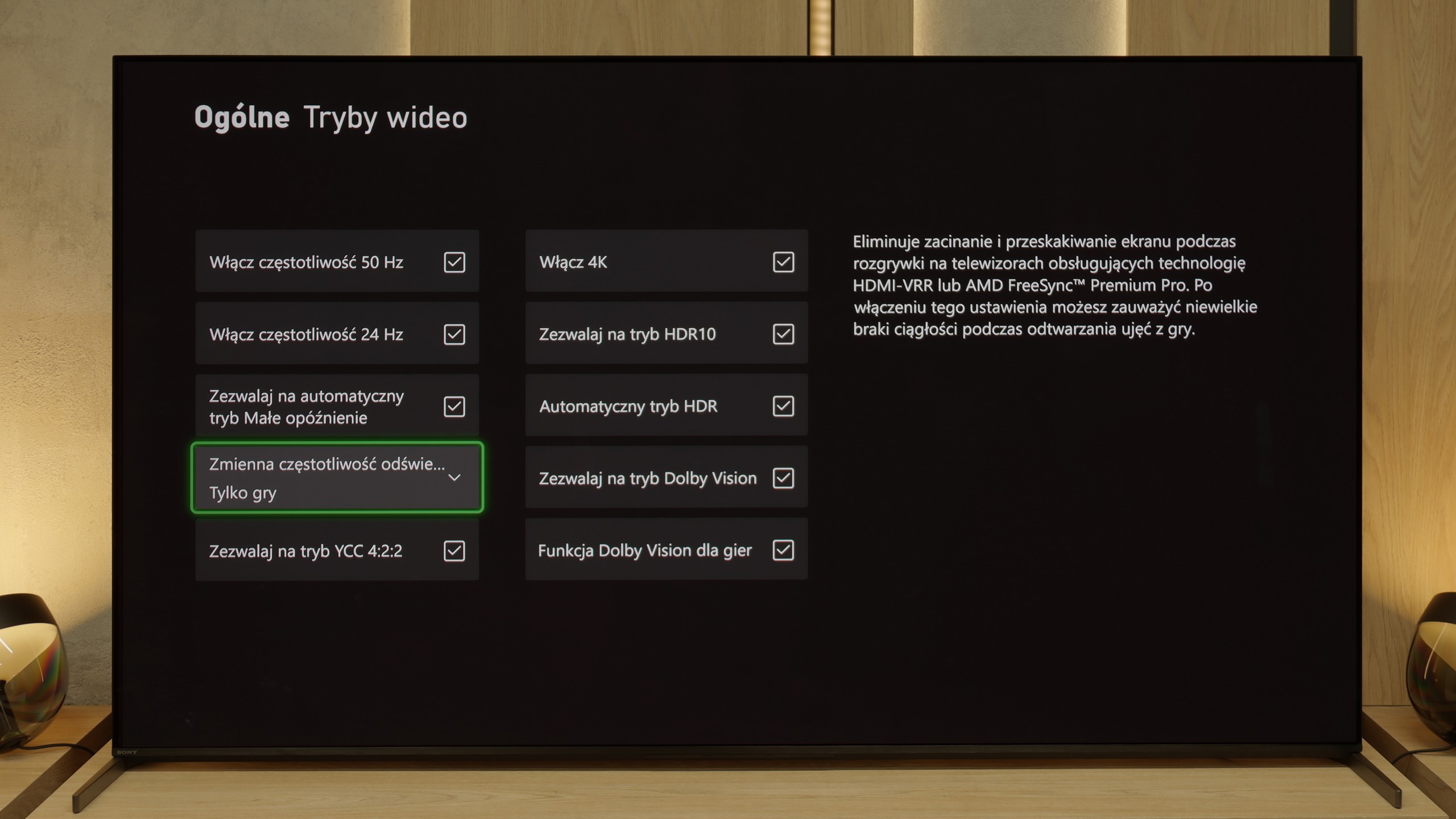
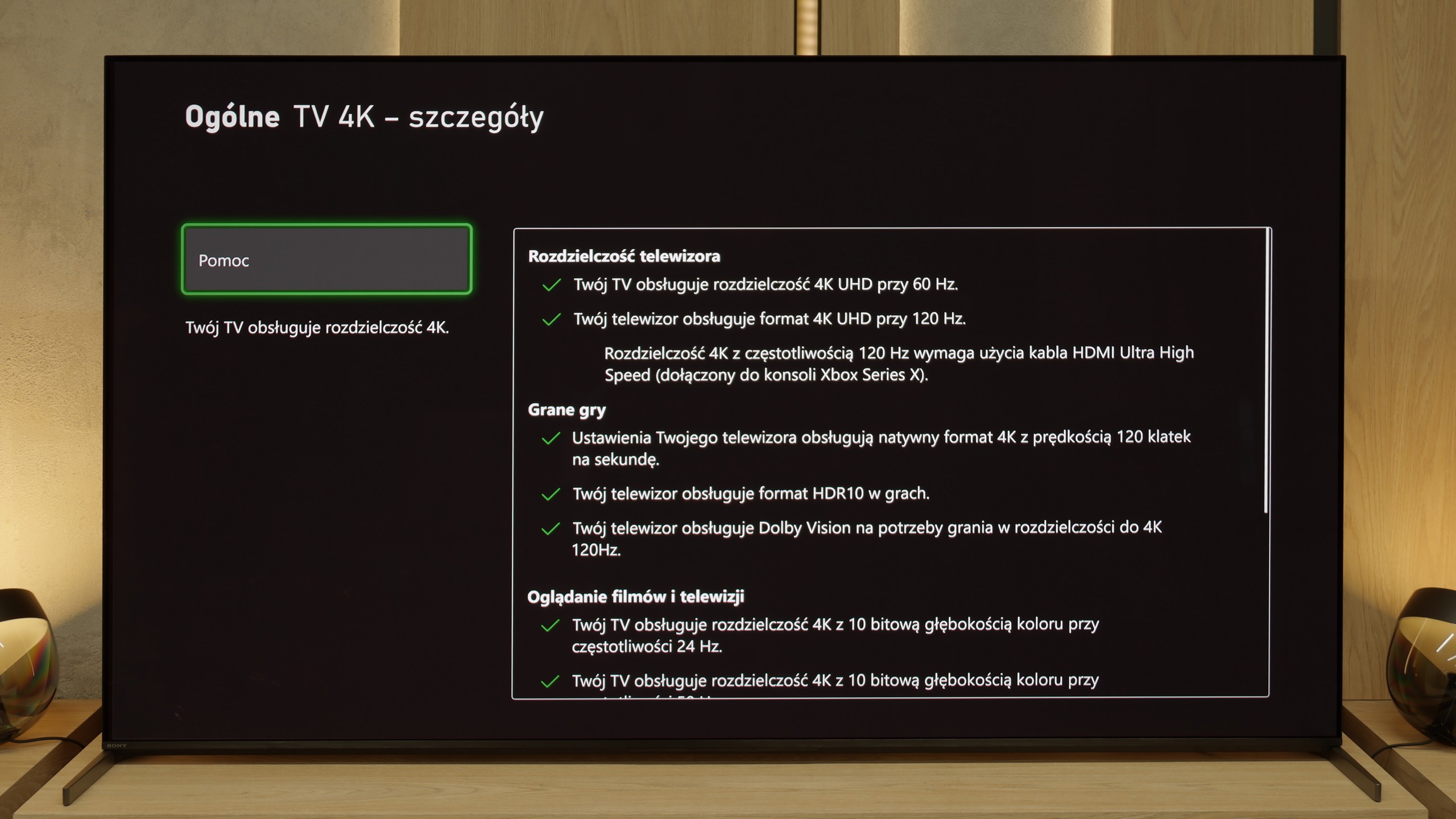
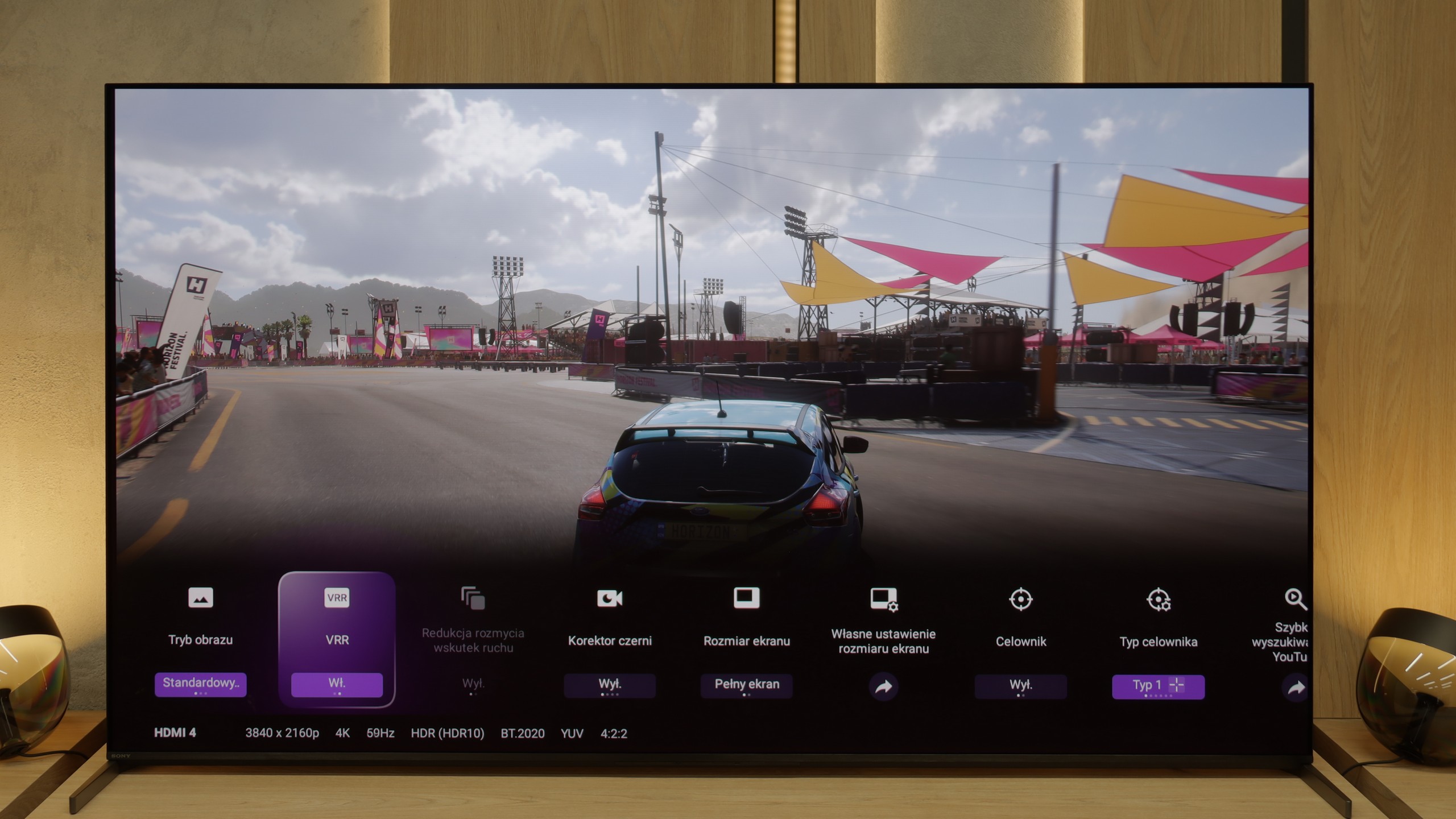
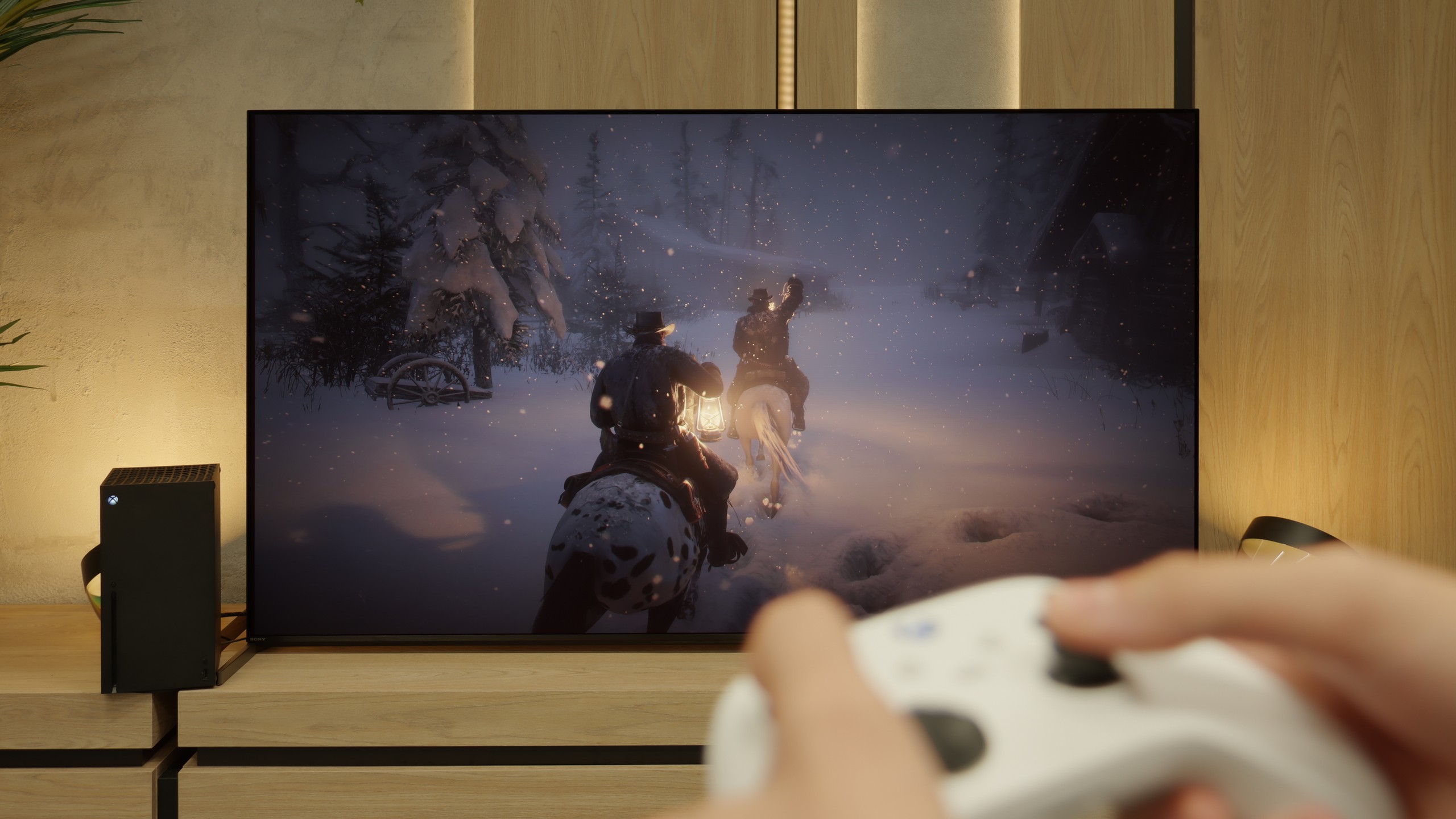
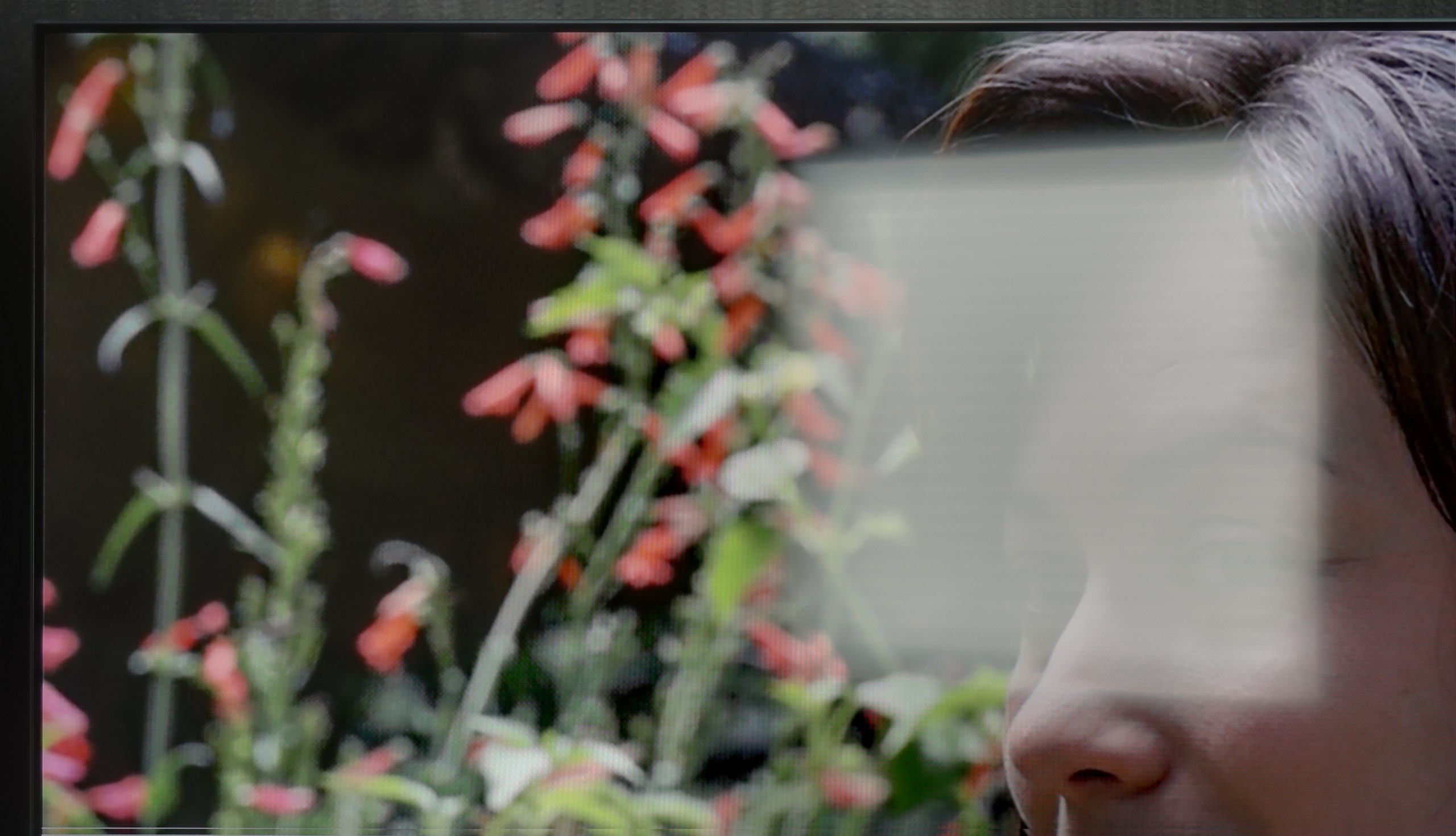
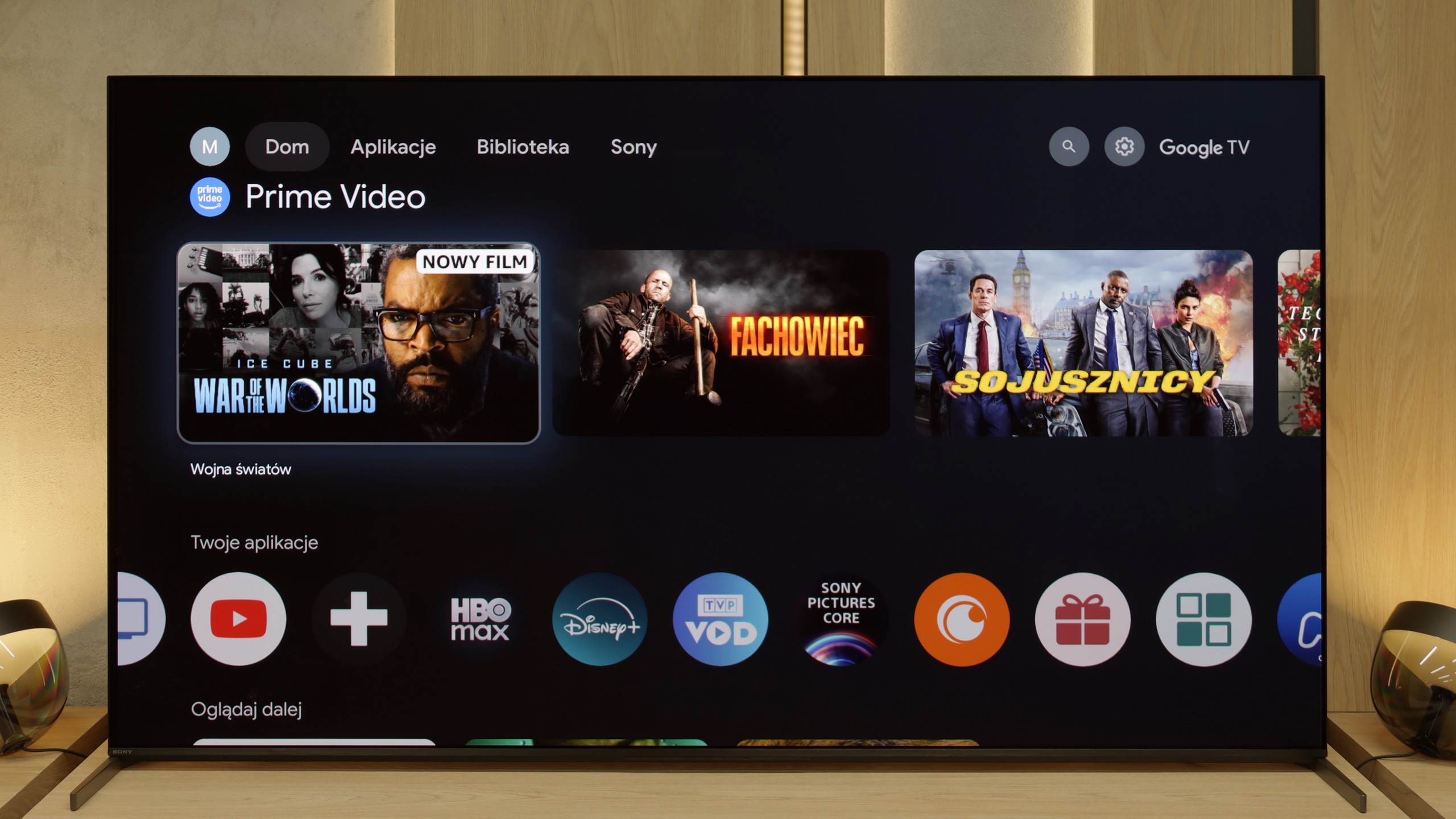
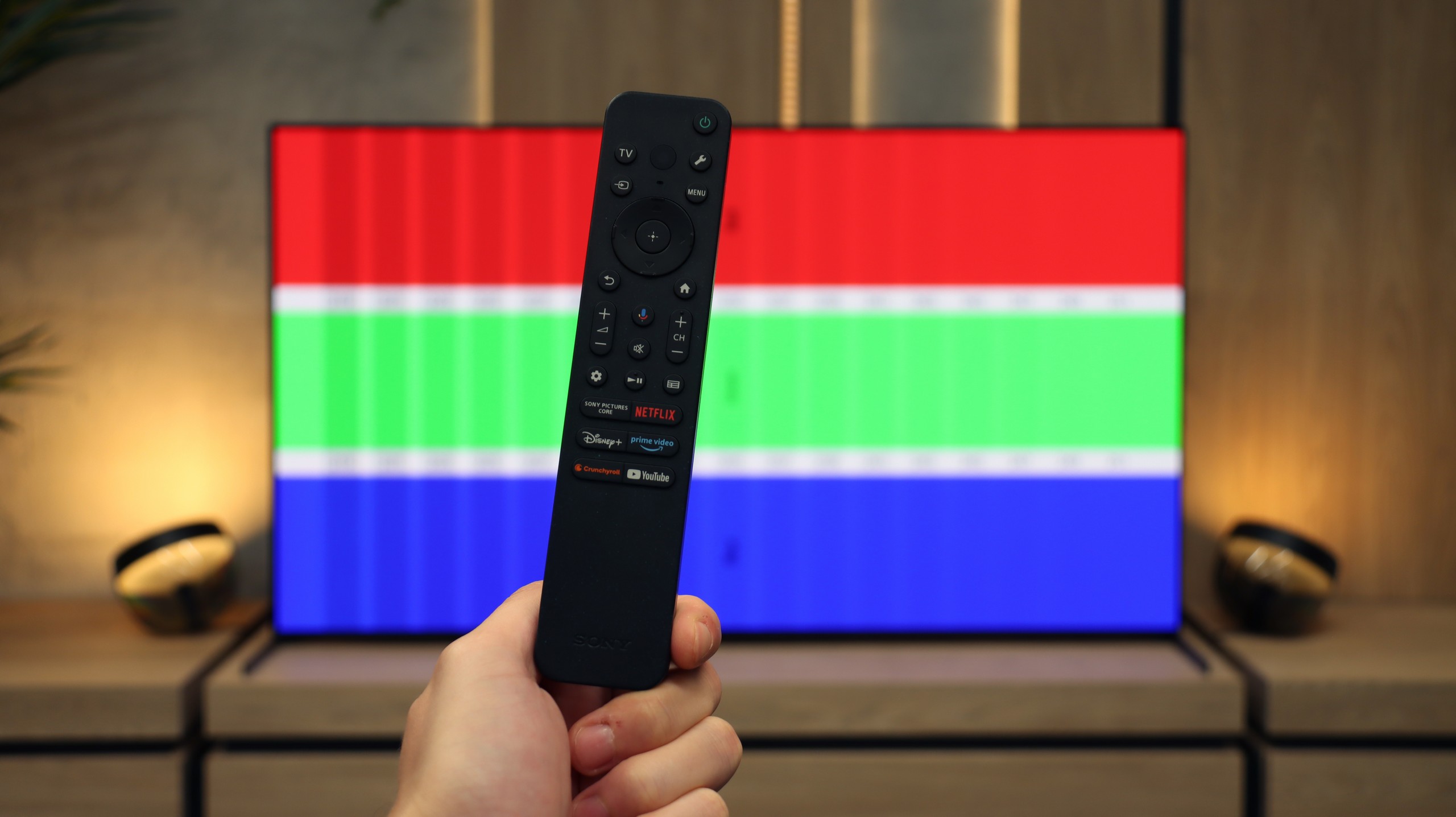
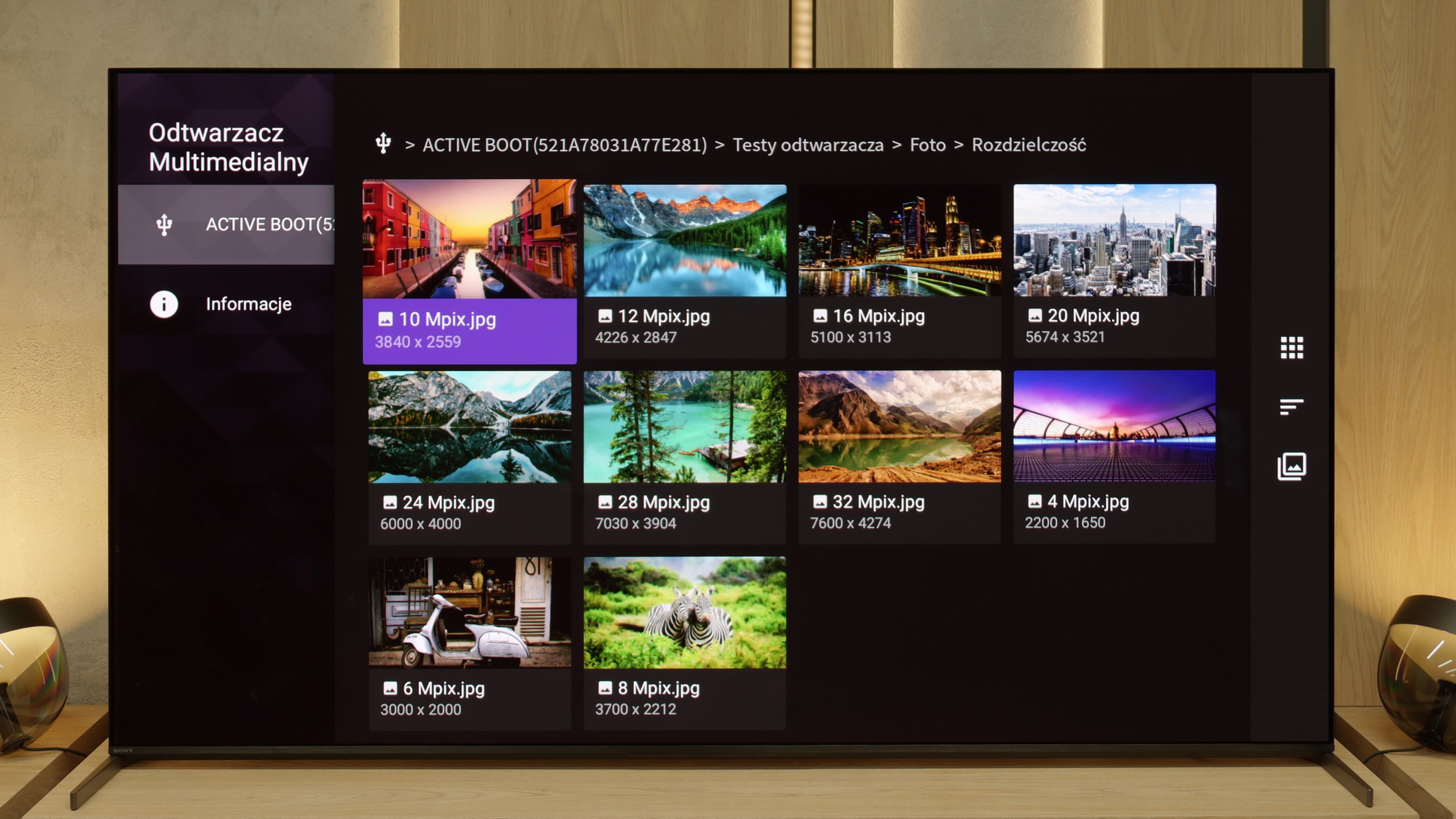
Sony Bravia 8 II is undoubtedly a worthy successor to the A95L – refined, incredibly versatile, and with several noticeable improvements over its predecessor. The quality of image, sound, and overall user experience position this model among the top premium TVs of 2025. It’s a device that can enchant both movie enthusiasts and demanding gamers. Among its greatest assets is the almost perfect image, where the XR processor subtly yet effectively enhances detail and smoothness, without overdoing interference with the source material. Additionally, there’s the phenomenal Acoustic Surface sound, creating the impression that dialogues and effects come directly from the screen. Google TV operates very smoothly, offering a vast selection of apps, while extra features – like the ability to game in the cloud on PlayStation or access Bravia Core – increase the device's value. It also boasts low input lag, variable refresh rate, and full support for modern HDR formats.
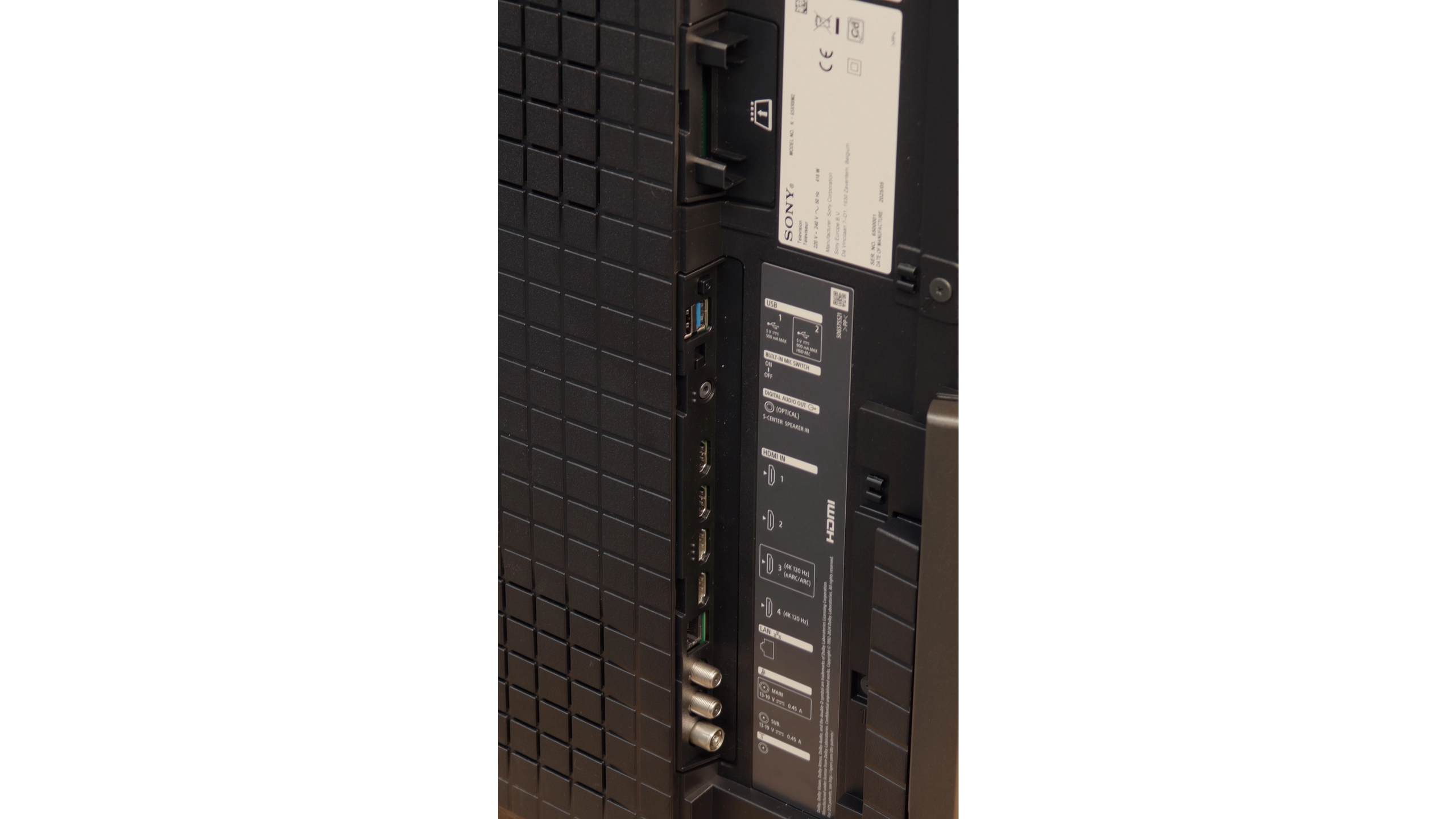
Despite this, in this barrel of honey, there are a few drops of tar. The lack of refresh rates above 120 Hz, only two HDMI 2.1 ports, and average daytime performance are drawbacks that shouldn't be present in a TV of this class in 2025. Although for many these might not be deal-breaking flaws, in the super premium segment, competition is becoming increasingly strong and uncompromising. Will these shortcomings make it harder for Bravia 8 II to compete for customers' wallets? That we leave to your judgment, the market... and sales results. Regardless, Bravia 8 II is a phenomenal product that would definitely be hard to not recommend.
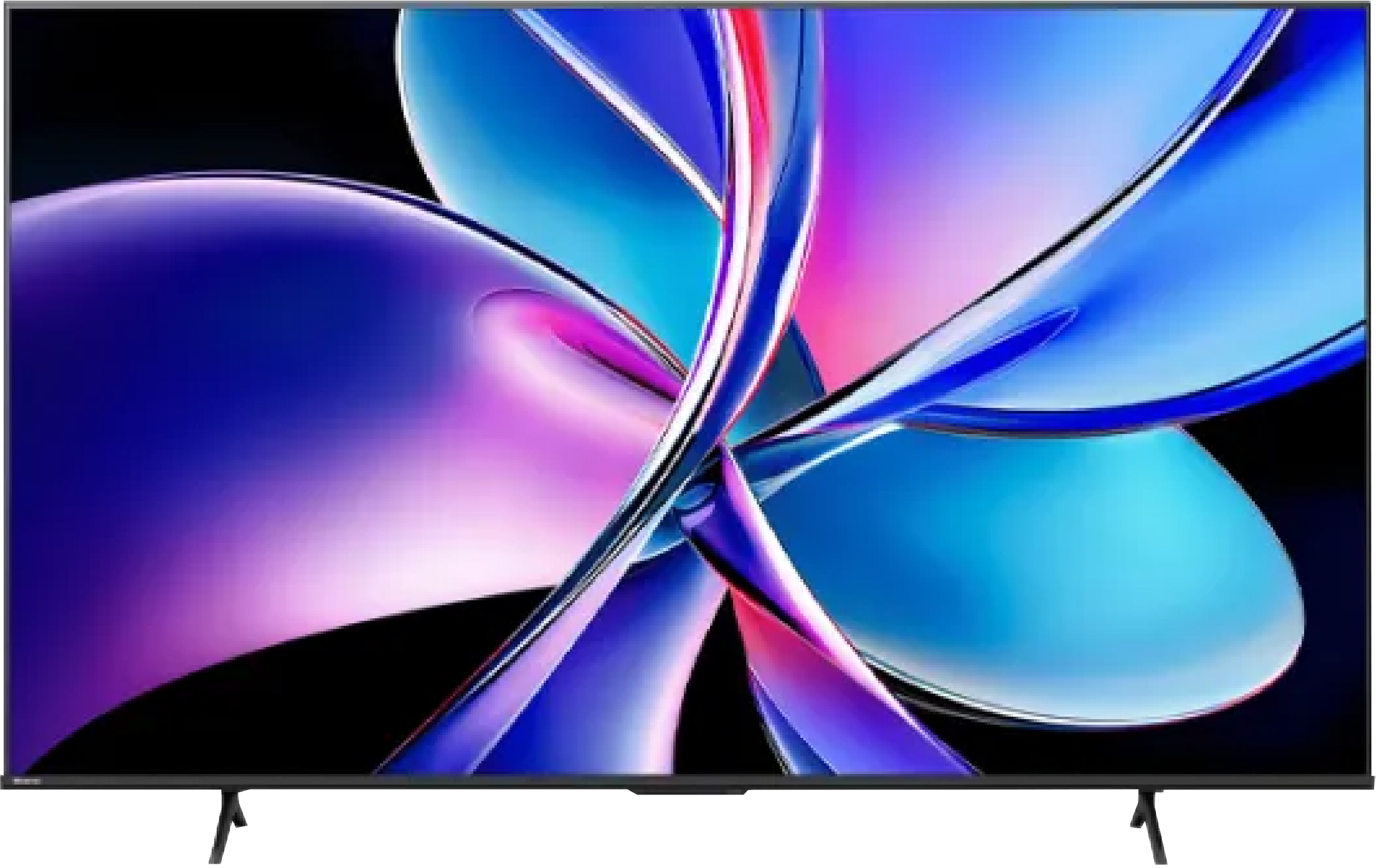
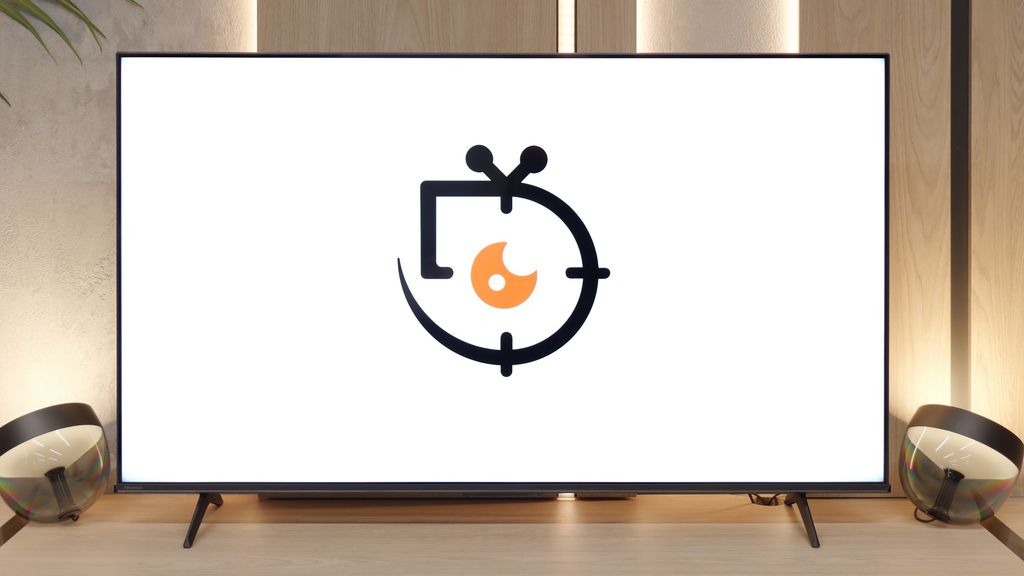
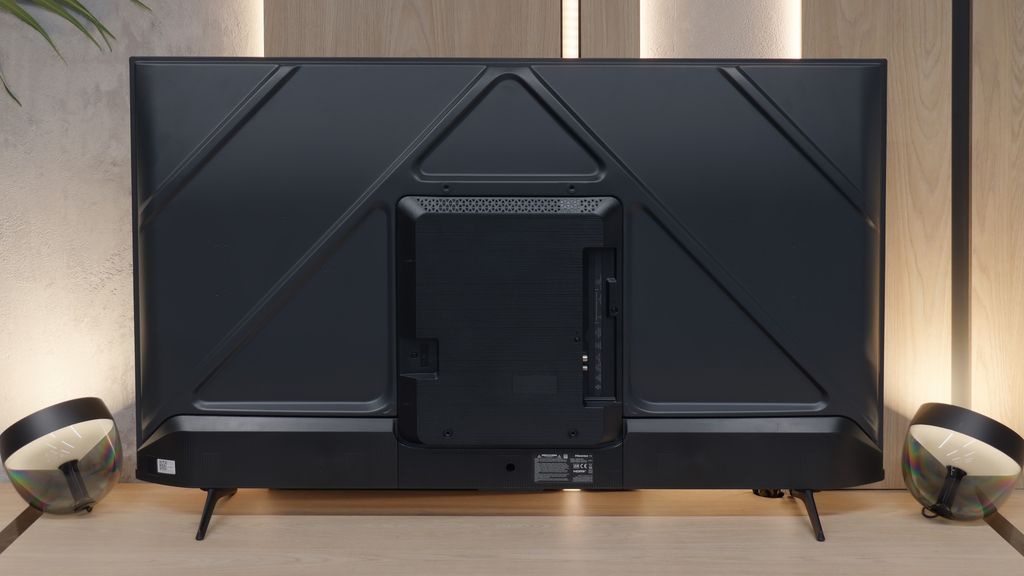
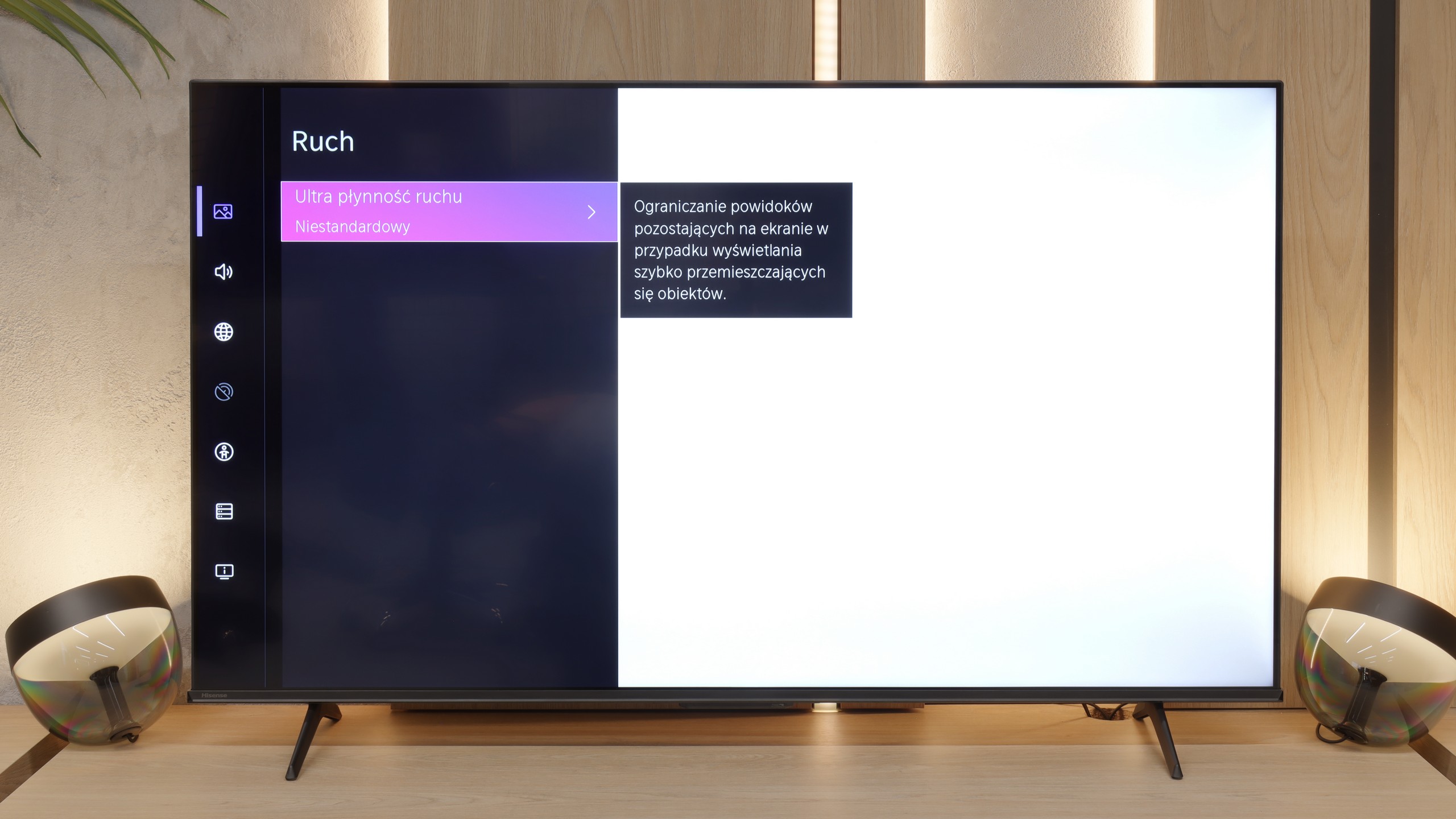
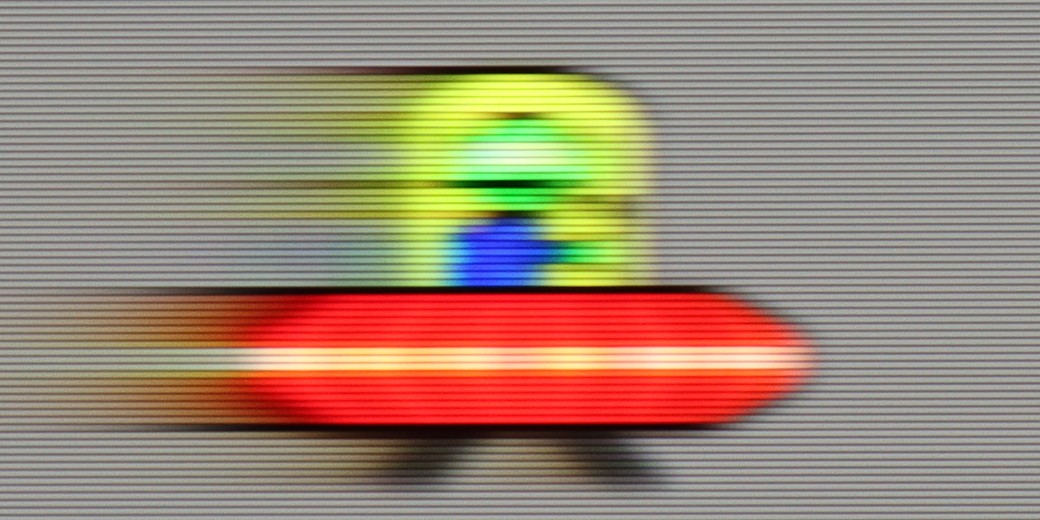
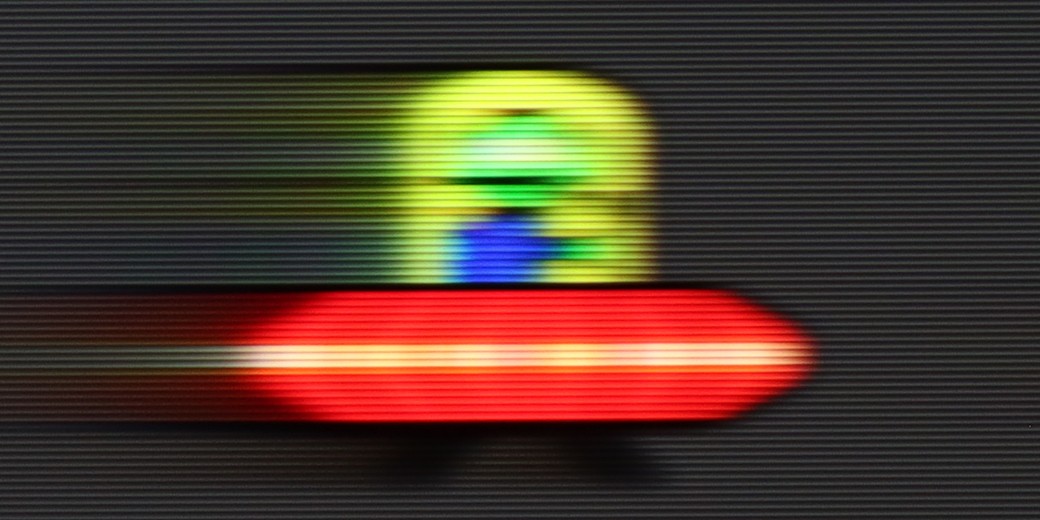
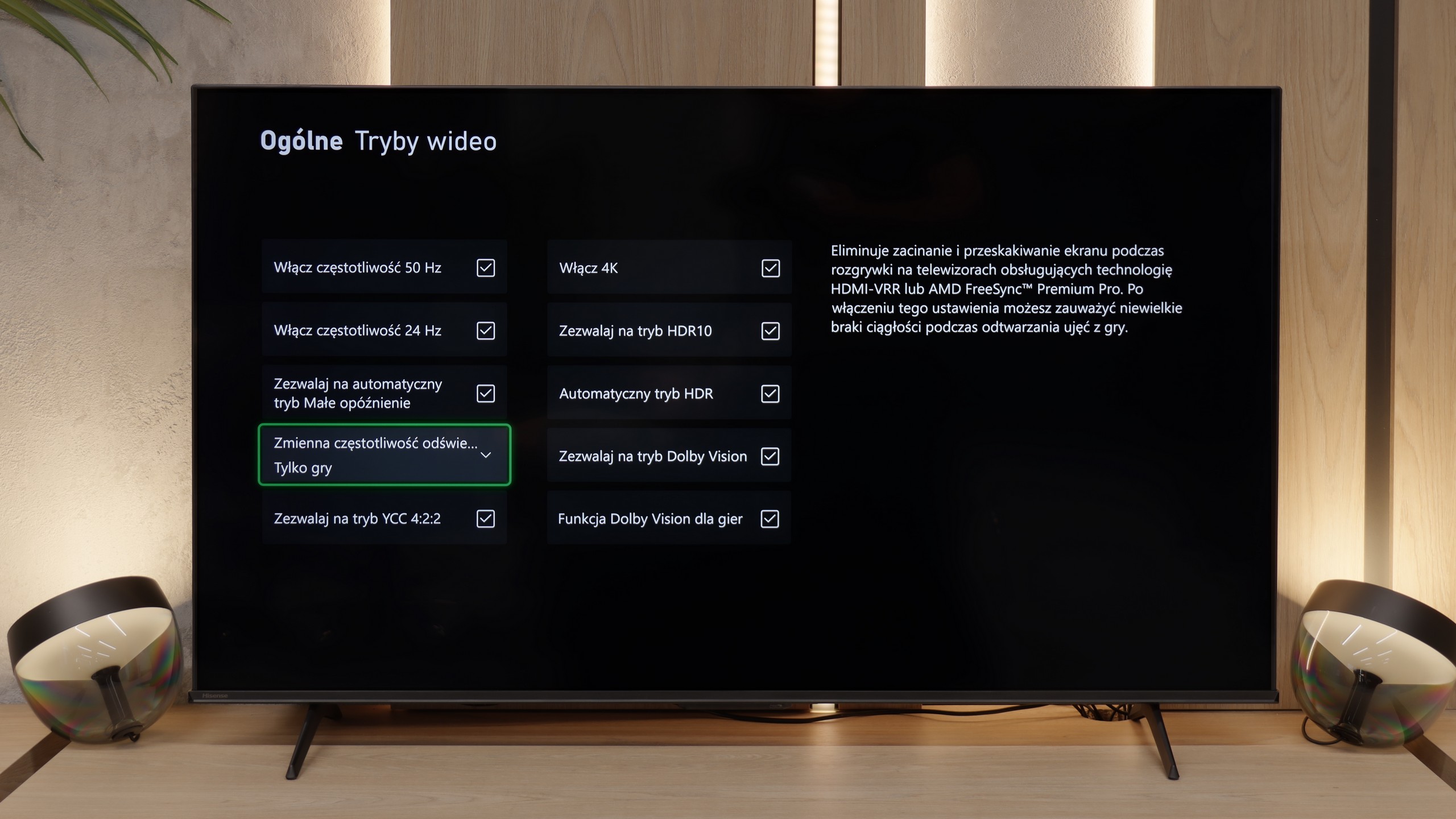
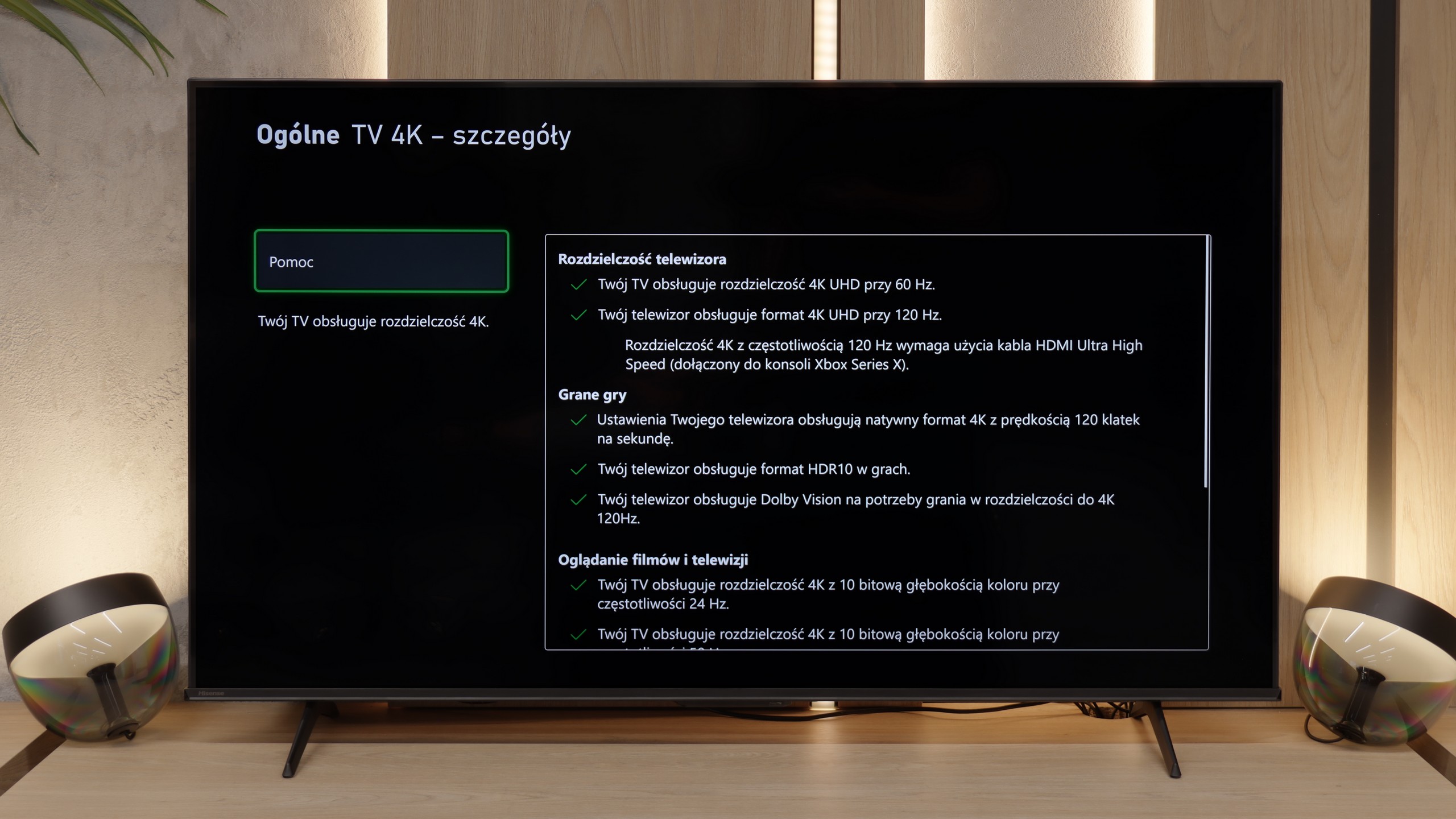
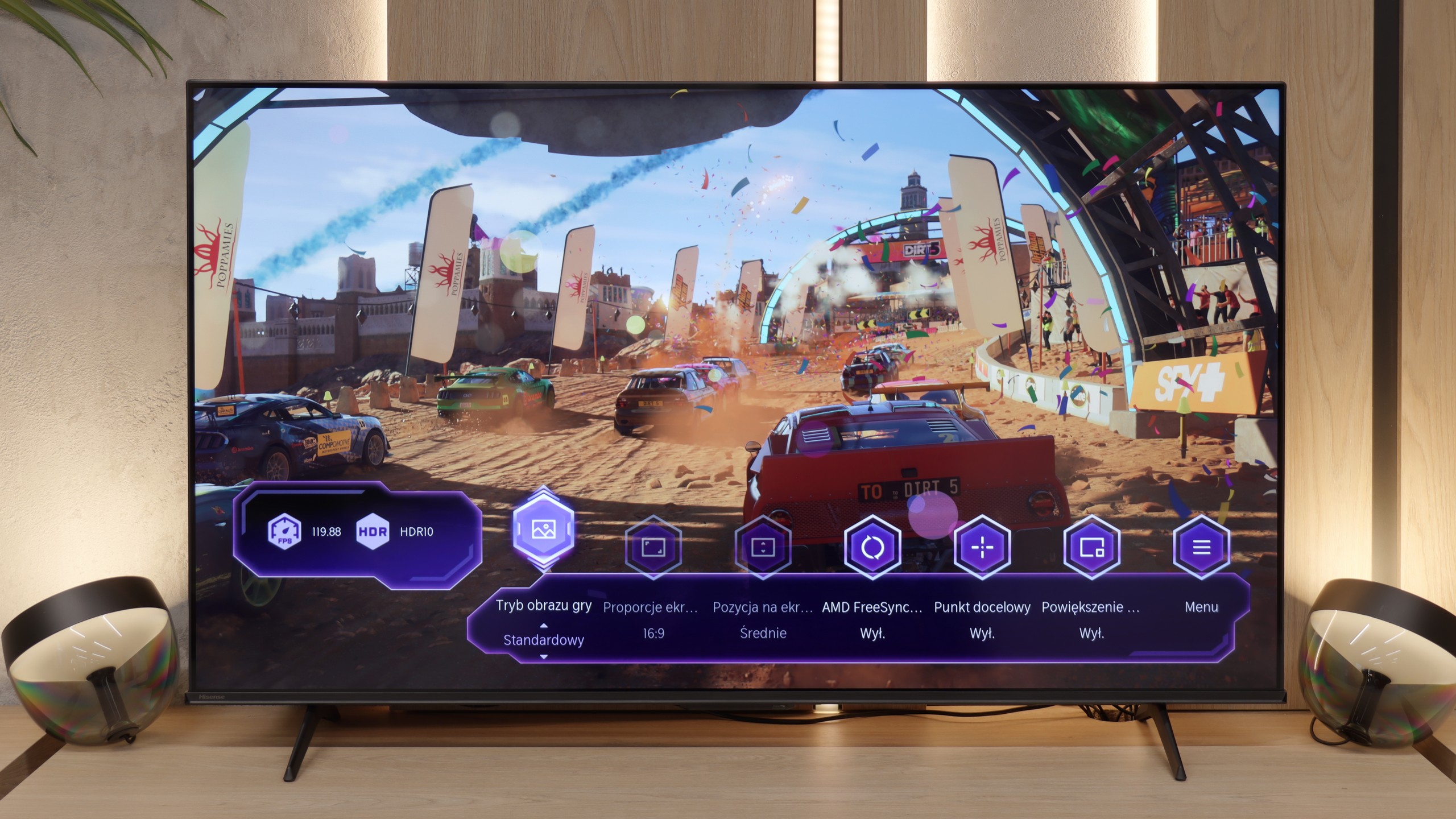
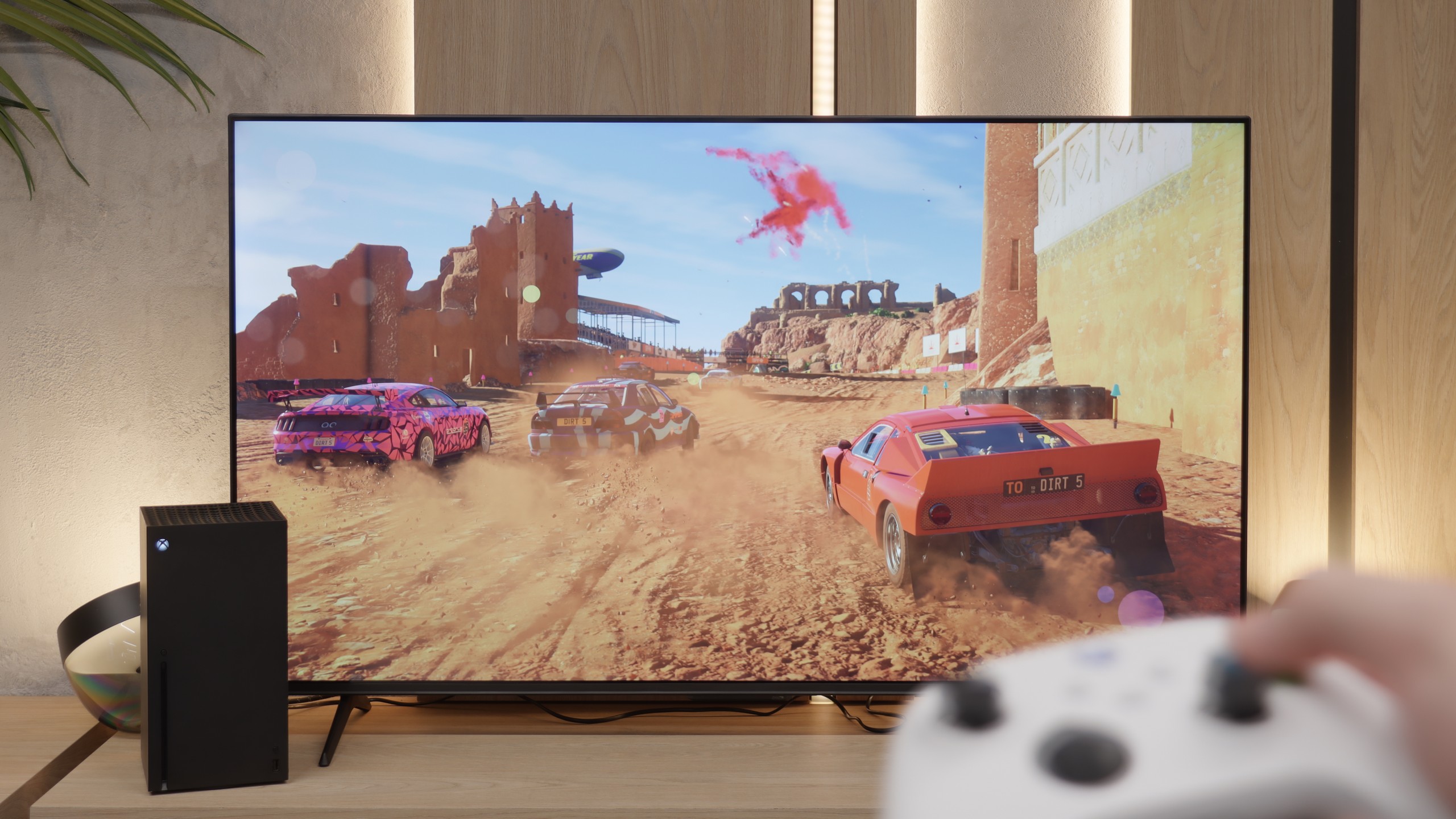
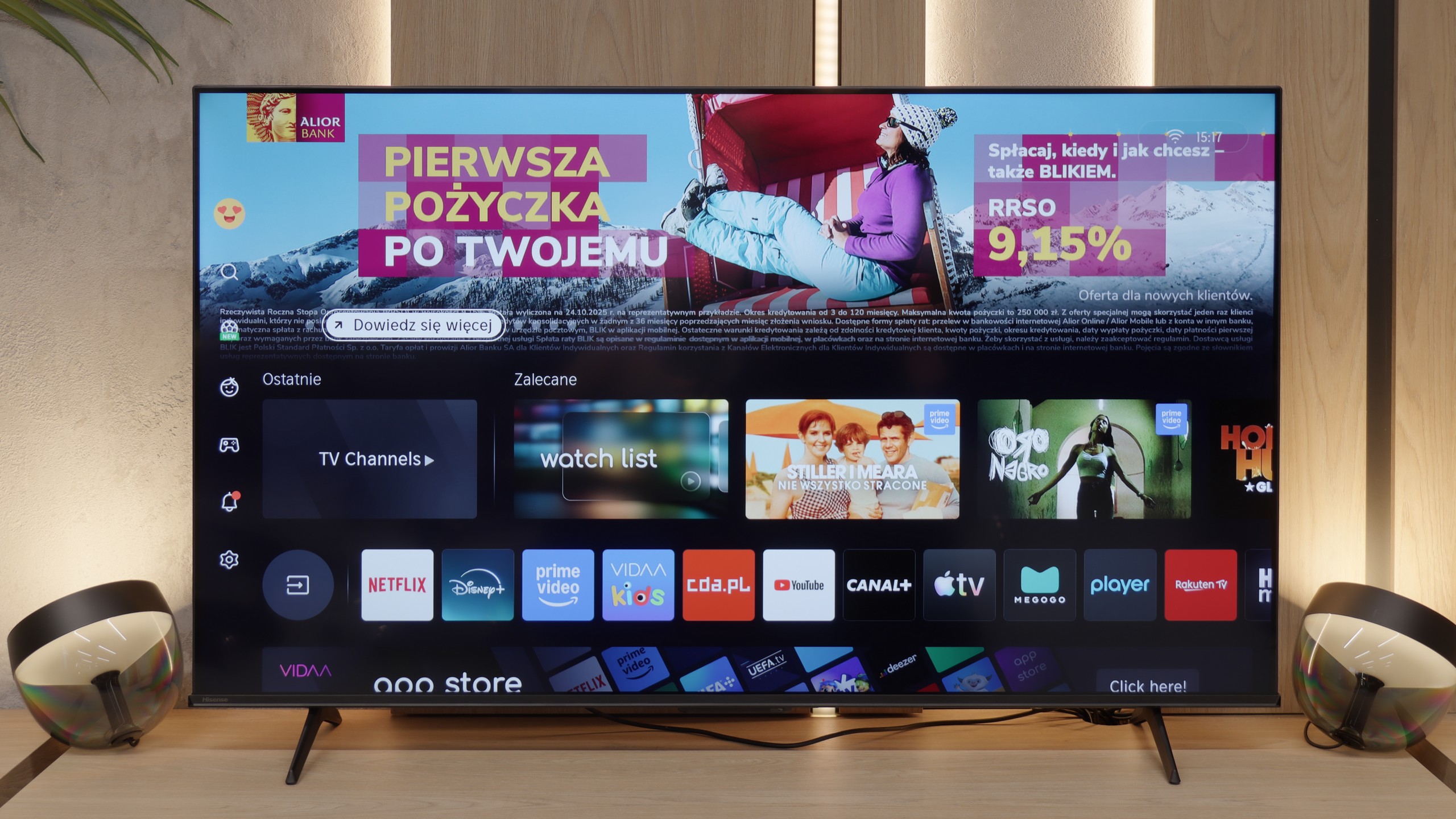
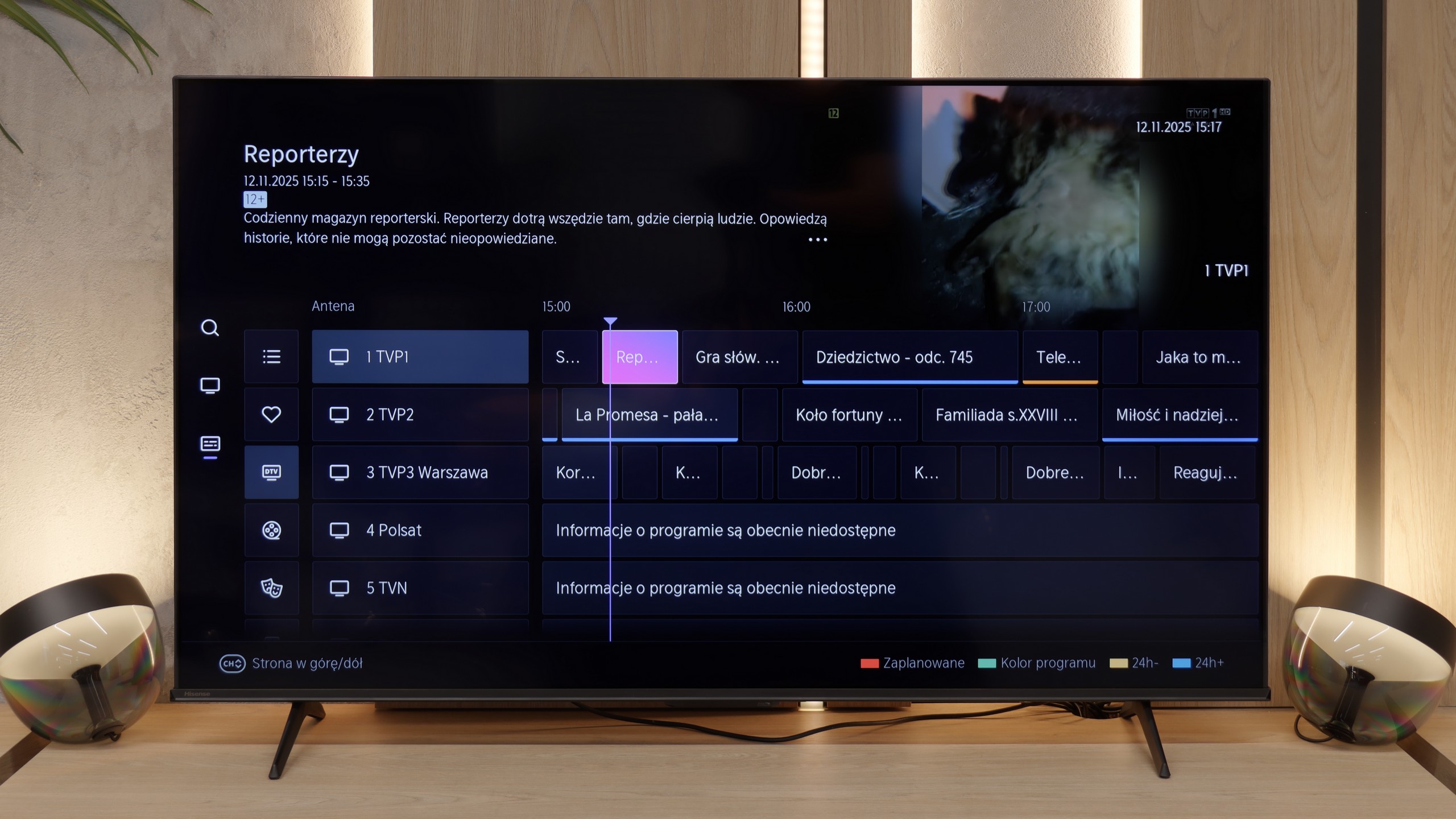
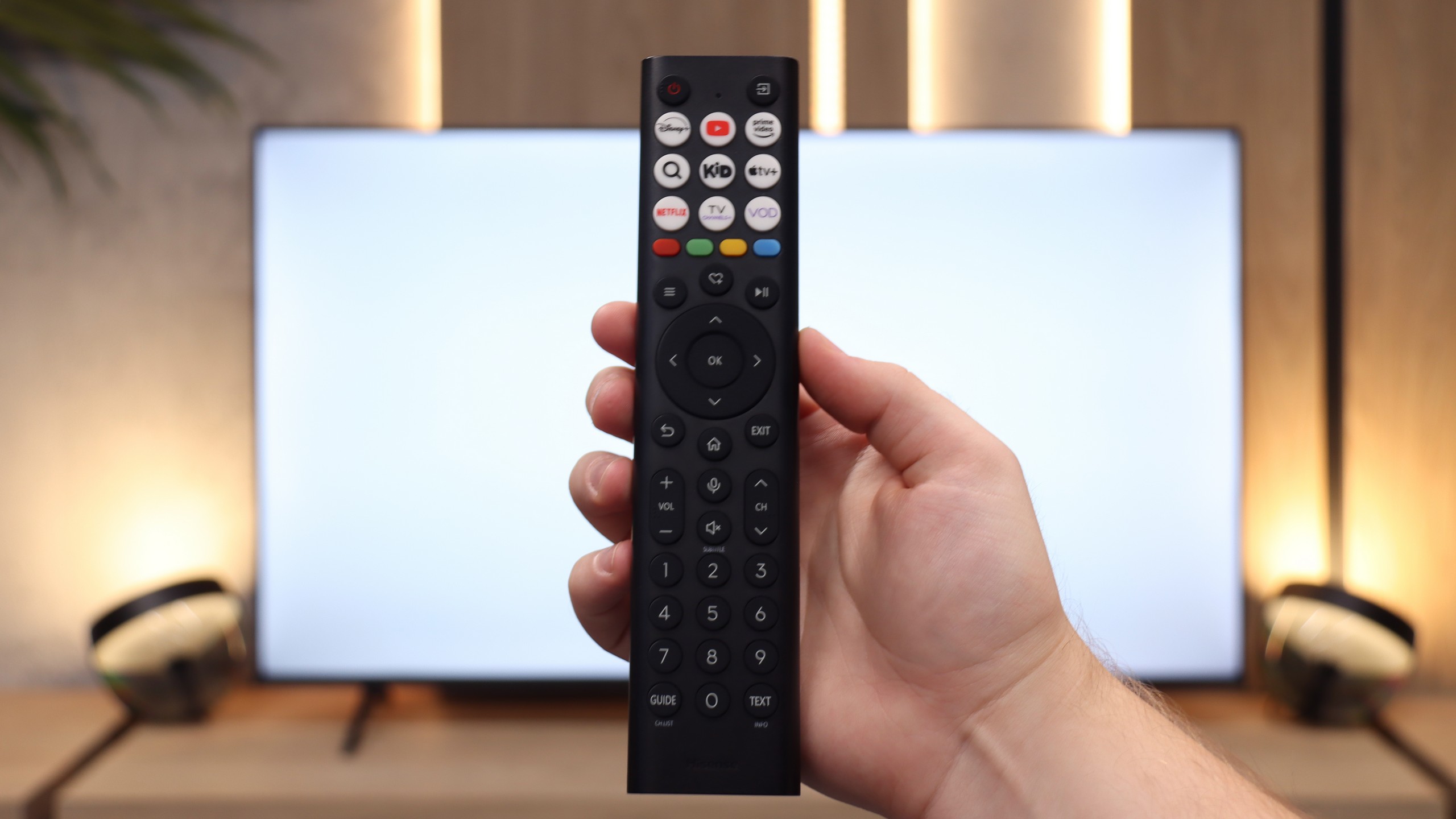
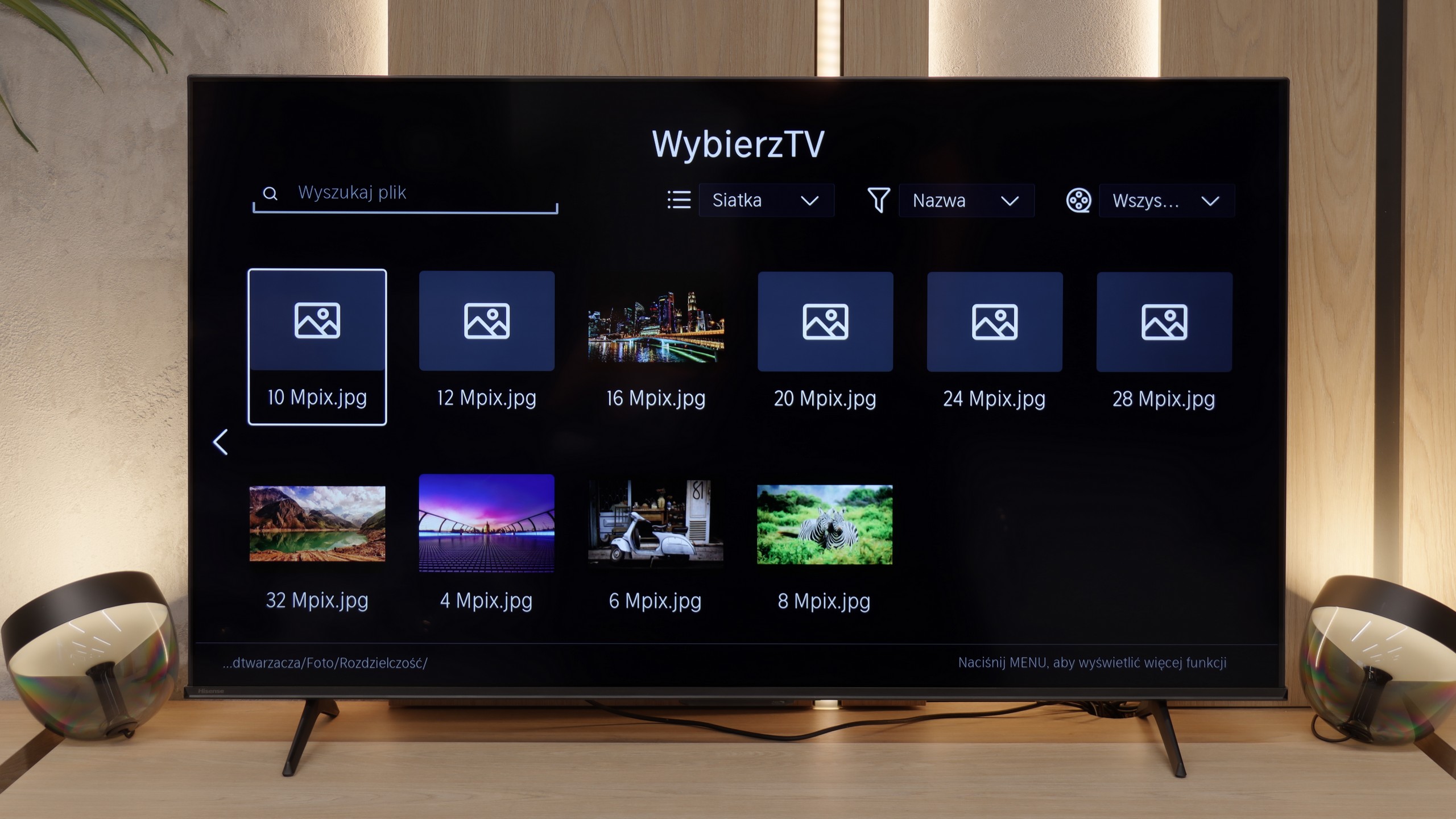
The Hisense E7Q PRO is a television that clearly shows where the manufacturer has set its priorities. It is not a model focused on impressive HDR or cinematic fireworks in a dark living room. This is equipment tailored for universal use, with a strong emphasis on gaming and everyday streaming content viewing at a very attractive price. The biggest disappointment remains the abandonment of local dimming compared to the 2024 model. This is a decision that realistically affects the perception of black levels and contrast. On the other hand, the VA panel with high native contrast does everything it can to mask this loss, and in most everyday applications, it does quite well. The E7Q PRO shines where it is most expected today: in gaming. A 120 Hz panel, 144 Hz mode for PC, HDMI 2.1, variable refresh rate, low input lag, and a very good Game Bar make it one of the more interesting gaming choices in its price segment. Additionally, there is a reliably working VIDAA system, fast menu, and a sensible set of smart functions. It is not a perfect television. HDR brightness is clearly limited, motion blur is average, and viewing angles are typically poor for VA. However, if someone is looking for a television available in various sizes, whether for gaming, series, or everyday viewing, and is aware of its limitations, the E7Q PRO can provide a lot of satisfaction. It is not a step forward compared to its predecessor in any category. Rather, it is a different, more budget-friendly direction. Less cinematic, but cheap and very gaming-oriented. If this is what you're looking for, the Hisense E7Q PRO makes a lot of sense.
 Direct comparison