SONY BRAVIA 3 vs TCL A400U

Direct comparison

BRAVIA 3 / K-(XX)S3

Info

A400U / Premium Wallpaper

Available screen sizes: 43”55”65”75”85”

Available screen sizes: 55”65”75”85”98”

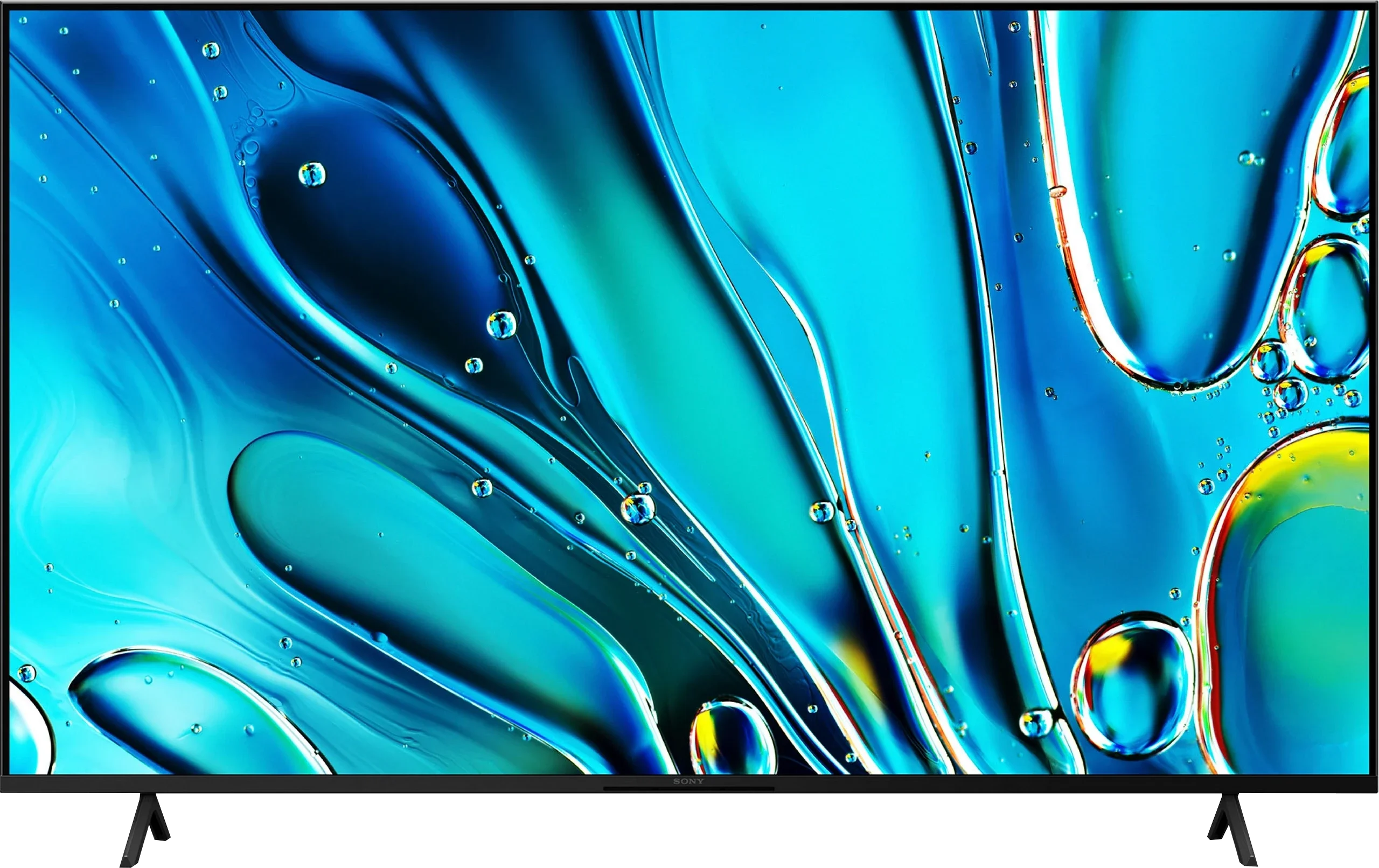
Review SONY BRAVIA 3 Main photo
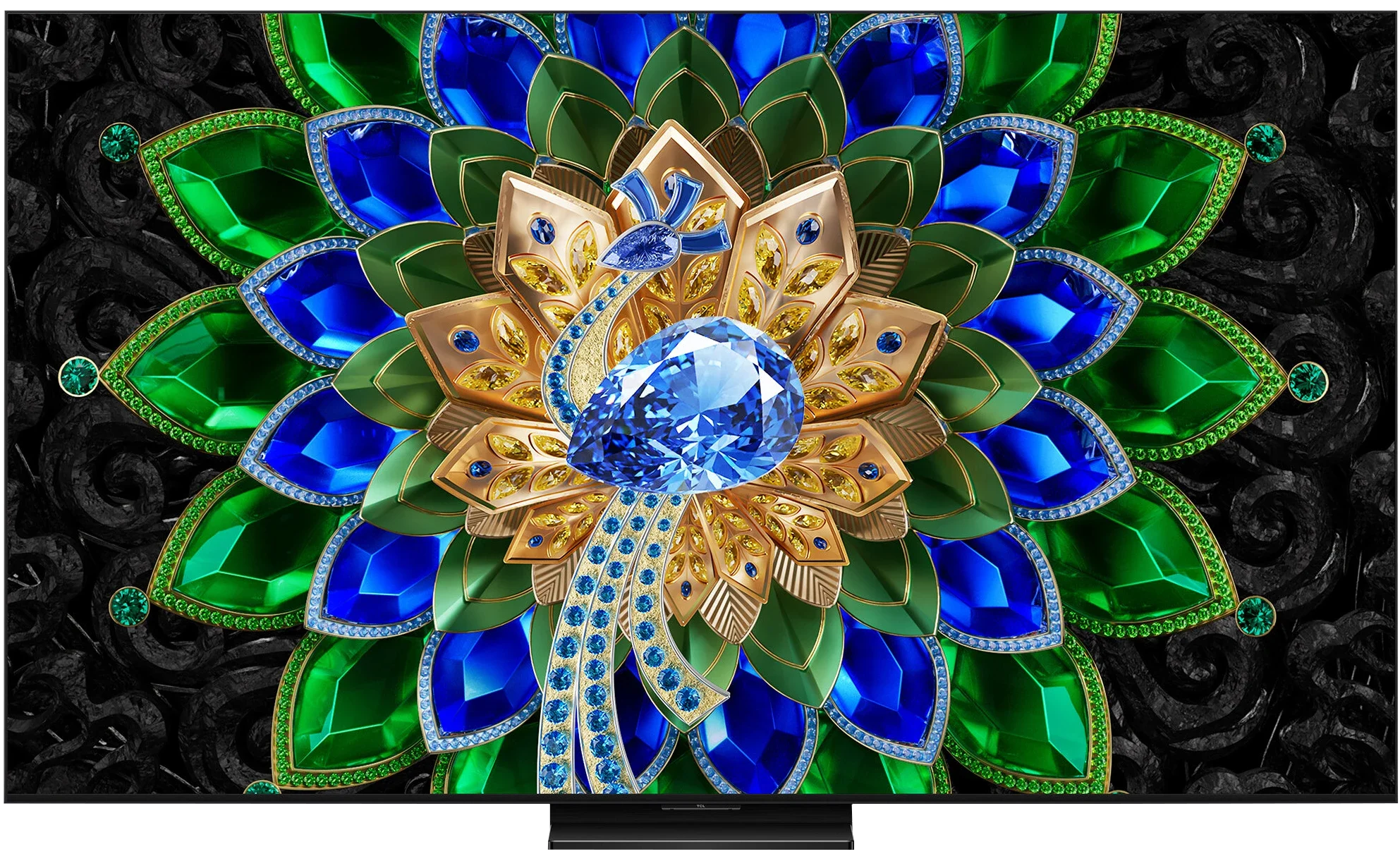
Review TCL A400U Main photo

Panel type: LCD IPS

Resolution: 3840x2160

System: Google TV

Model year: 2025

Complete the survey to find out the result

Panel type: LCD VA

Resolution: 3840x2160

System: Google TV

Model year: 2026

Complete the survey to find out the result

Overall rating

6.0

7.8

  • Movies and series in UHD quality

    5.4

    7.5

  • Classic TV, YouTube

    5.3

    7.3

  • Sports broadcasts (TV and apps)

    5.7

    7.0

  • Gaming on console

    6.4

    8.8

  • TV as a computer monitor

    6.0

    8.5

  • Watching in bright light

    4.9

    8.5

  • Utility functions

    6.6

    7.8

  • Apps

    9.6

    9.6

  • Sound quality

    6.5

    6.7

Advantages

  • Google TV system - a huge library of apps and services

  • IPS matrix with good viewing angles

  • Improved colors - (91% of the DCI-P3 color space)

  • Supports Dolby Vision

  • Good upscaling - lower quality materials look surprisingly good

  • Great input lag and ALLM mode

  • Very good compatibility with PC - supports chroma 4:4:4, excellent font readability

  • Two remotes included - a modern minimalist one and a classic one with a numeric keypad

  • Very good built-in media player - supports a wide range of files, even less common ones like HEIC

  • Slim bezels and modern look - a definite step forward compared to X75WL

  • Supports Dolby Atmos and DTS:X

  • Great value for money

  • Very good blacks and high contrast thanks to Mini LED backlighting and a VA panel

  • High brightness that delivers impressive HDR and comfortable daytime viewing

  • Accurate image reproduction after calibration

  • Extensive gaming features: VRR, ALLM, low input lag

  • High refresh rates up to 144 Hz at 4K and 288 Hz at Full HD when connected to a PC

  • Google TV with a wide selection of apps

  • Slim, flat design and very good build quality

Disadvantages

No like
  • Tragic black - IPS panel without local dimming

  • Limited brightness (about 350 nits), image in HDR mode is not very attractive

  • Issues with backlight uniformity

  • Google TV system can stutter

  • No recording function from built-in tuners to USB memory

  • Poor digital image processing due to the use of the older MediaTek Pentonic 700 processor

  • Only two HDMI 2.1 inputs, one of which is shared with eARC

  • Glossy screen that does a poor job of suppressing reflections

  • Limited viewing angles

  • Flat sound

Our verdict

Sony Bravia 3 is a television that brings several important improvements over its predecessor, while still staying true to its core. The biggest change is the design – slim bezels and solid metal legs make it look modern and fit much better in a living room than the X75WL. Improved colors thanks to the PFS filter and really good upscaling are also a plus. It is in lower-quality content, especially in classic SDR, that the Bravia 3 can show its best side – colors look pleasant, the image is clean, and thanks to the IPS panel, the viewing angles are at a very good level. For a role as a "classic" television receiver, where viewing comfort from different places in the room and decent quality of everyday content matters, it is virtually perfect. A huge advantage is also the Google TV system. During our tests, there were instances where the interface did not always work as smoothly as we would have liked, and some functions could freeze. However, despite these imperfections, the presence of Google TV is a huge plus – access to thousands of applications and a full streaming library compensates for the minor shortcomings. Unfortunately, what was weak in the X75WL remains weak here too. The IPS panel has very low contrast and does not offer local dimming, making watching movies in a dark room quickly lose its appeal – the black resembles gray and effectively detracts from the enjoyment of viewing. Additionally, the option to record content to USB, which was available in the predecessor, has been removed. It’s hard not to notice this and not add it to the list of cons.

So who is the Bravia 3 for? Primarily for those who want to enter the world of Sony televisions in the most affordable variant and at the same time value the Google TV system. However, it is not the most attractive option in its class – the competition in this budget can offer models with Mini-LED backlighting, whose image performs significantly better in terms of contrast and HDR. Therefore, the Bravia 3 is worth keeping in mind, but mainly when there is a solid discount. At its regular price, it will be very difficult to stand out against its more competitive rivals.

Is it worth buying the TCL A400U? Yes, because it’s one of those TVs where paying extra for a higher series doesn’t always make sense. In movies you get what you usually expect from a good TV: very good blacks, strong HDR impact and a natural image, especially after calibration. Brightness is also sufficient during the day, though because of the glossy panel it’s better not to place it opposite a large window. The whole package is completed by a slim, well-crafted chassis. The A400U doesn’t sell the picture-on-the-wall effect as convincingly as some “wallpaper” TVs, but as an elegant living-room set it looks very good.

Buying it, you also don’t have to choose between a TV for movies and a screen for gaming. The A400U supports 4K at 120 Hz, including in Dolby Vision, and its low input lag keeps controls fast and responsive. On a PC you can even run 144 Hz at 4K or 288 Hz in Full HD. That level of capability makes it hard to justify paying more for a pricier model just for gamer-oriented features. In everyday use the TV also doesn’t disappoint. Google TV runs smoothly, apps launch without annoying delays, and using the device is simply convenient.

That doesn’t mean the A400U will fit every home. If you often watch regular broadcast TV or other lower-quality content, the Pentonic 700 processor won’t always improve it as much as you might expect. The slightly more expensive C7L has a similar limitation, so only moving up to a clearly higher series, like the C8L, brings a noticeable change in that regard. Before buying, check how many devices you want to connect. Two HDMI 2.1 inputs, one of which is taken by eARC, may prove insufficient if you have two consoles and a soundbar. It’s also wise to include a soundbar in your budget, because the built-in speakers clearly don’t match the capabilities of the picture.

However, if you’re looking for a TV primarily for movies, streaming and gaming, the TCL A400U is one of the most convincing buys in the midrange class in 2026. More expensive models can do more, but not every one of those advantages will matter in everyday viewing. Here you get a very good picture, extensive features and excellent build quality, without paying for functions you might never see. That’s why the TCL A400U is, in our view, one of the most cost-effective TVs of 2026.

TV appearance

HDMI inputs
4 x HDMI 2.0, 0 x HDMI 2.1
2 x HDMI 2.0, 2 x HDMI 2.1 (48Gbps)
Other inputs
Outputs
Toslink (Optical audio), eARC (HDMI), ARC (HDMI)
Network Interfaces
Wi-Fi 2.4GHz, Wi-Fi 5GHz, Ethernet (LAN) 100Mbps
Build quality
Good
Premium
Stand type
Legs
Central
Bezel color
Graphite
Graphite
Stand
Base adjustment
Height adjustment
Flat design
No
Yes
Accessories
Two remote controls, Stand
Stand

Contrast and black detail

2.2/10

8/10

Local dimming function: No

Local dimming function: Yes, number of zones: 576 (18 x 32)

Contrast:

Review SONY BRAVIA 3 Contrast and black detail

Result

1,150:1

Review SONY BRAVIA 3 Contrast and black detail

Result

1,150:1

Review SONY BRAVIA 3 Contrast and black detail

Result

1,050:1

Review SONY BRAVIA 3 Contrast and black detail

Result

1,050:1

Review SONY BRAVIA 3 Contrast and black detail

Result

900:1

Review TCL A400U Contrast and black detail

Result

170,250:1

Review TCL A400U Contrast and black detail

Result

41,700:1

Review TCL A400U Contrast and black detail

Result

24,500:1

Review TCL A400U Contrast and black detail

Result

22,550:1

Review TCL A400U Contrast and black detail

Result

8,550:1

Halo effect and black detail visibility:

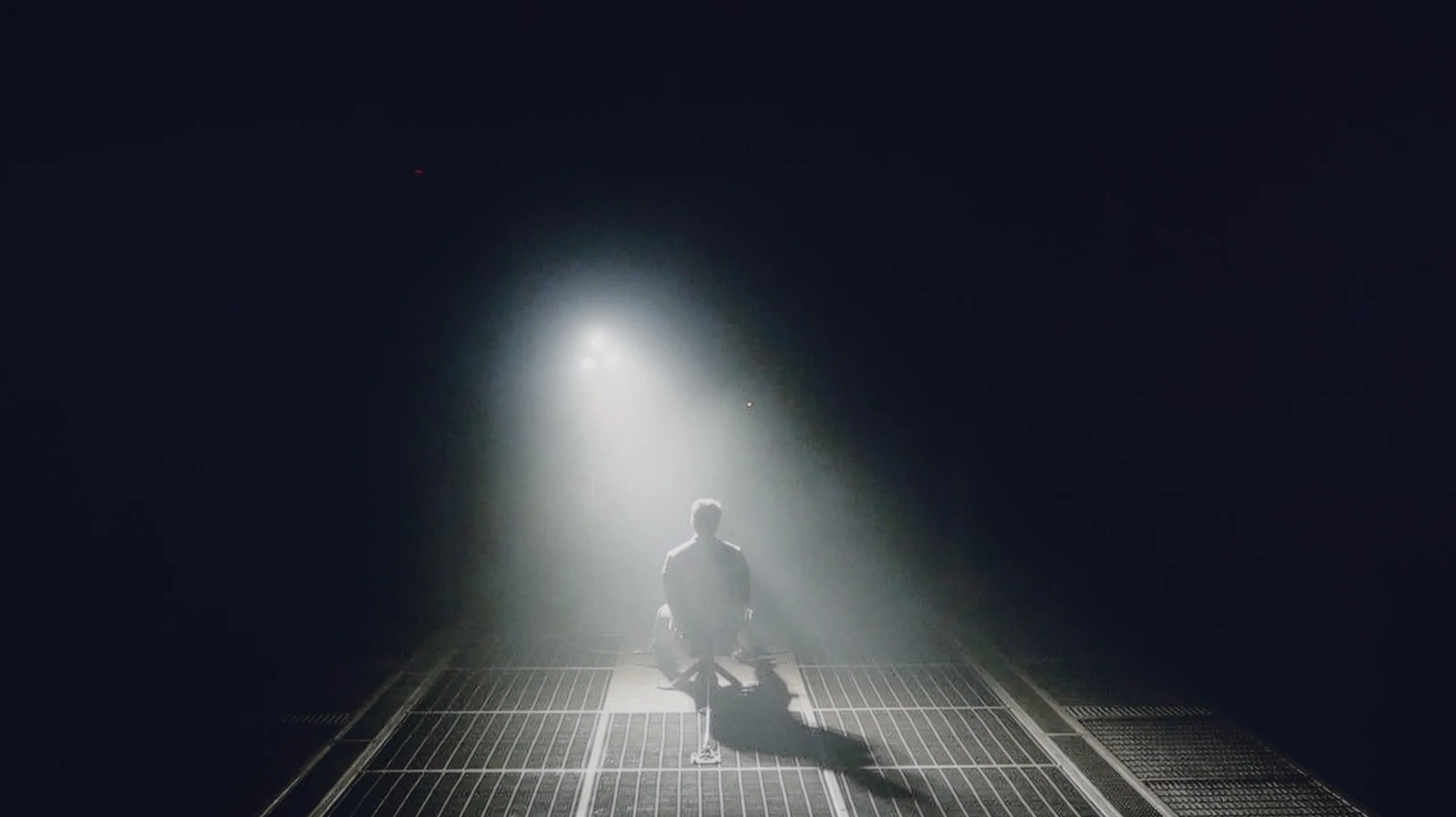
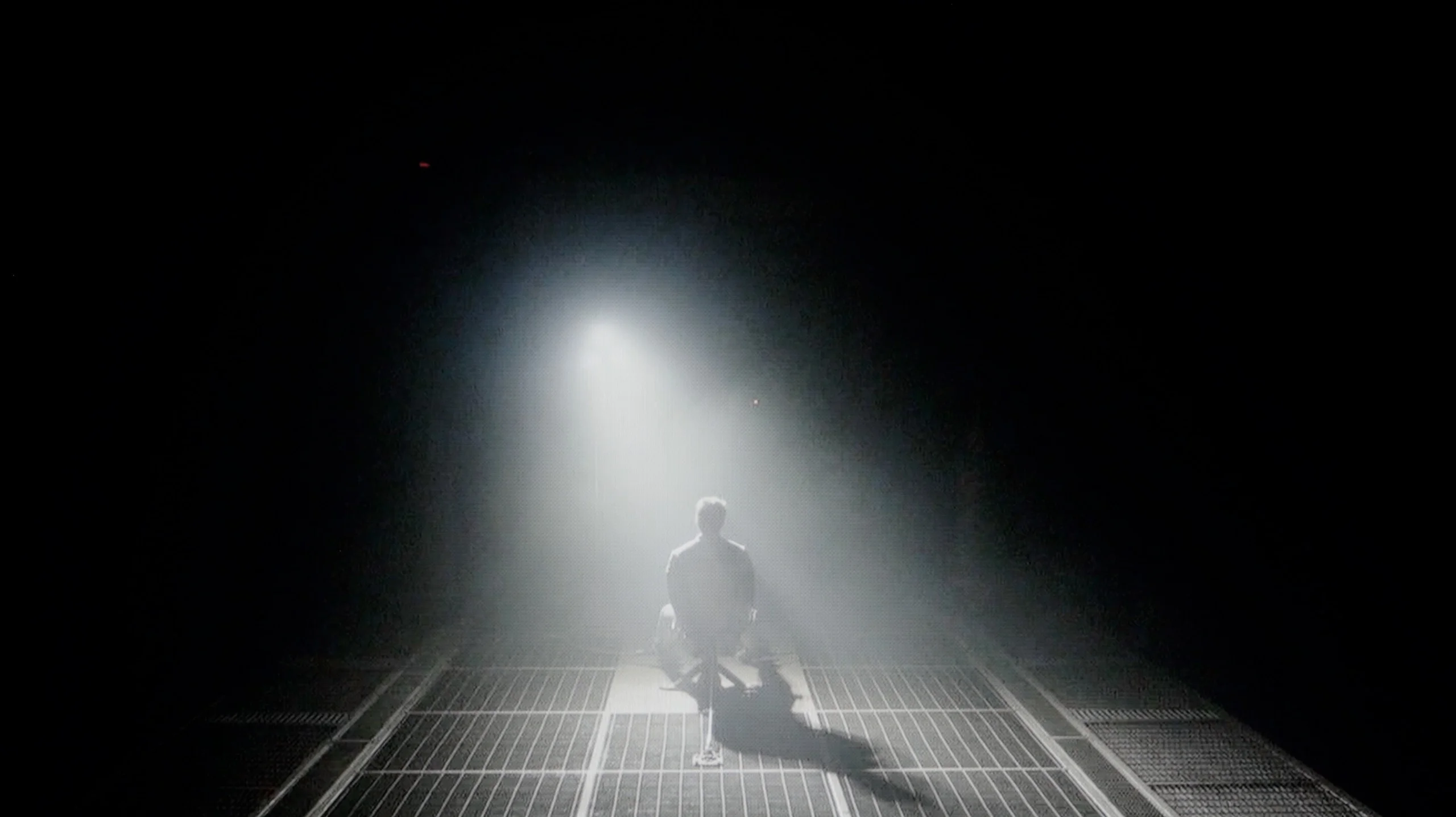
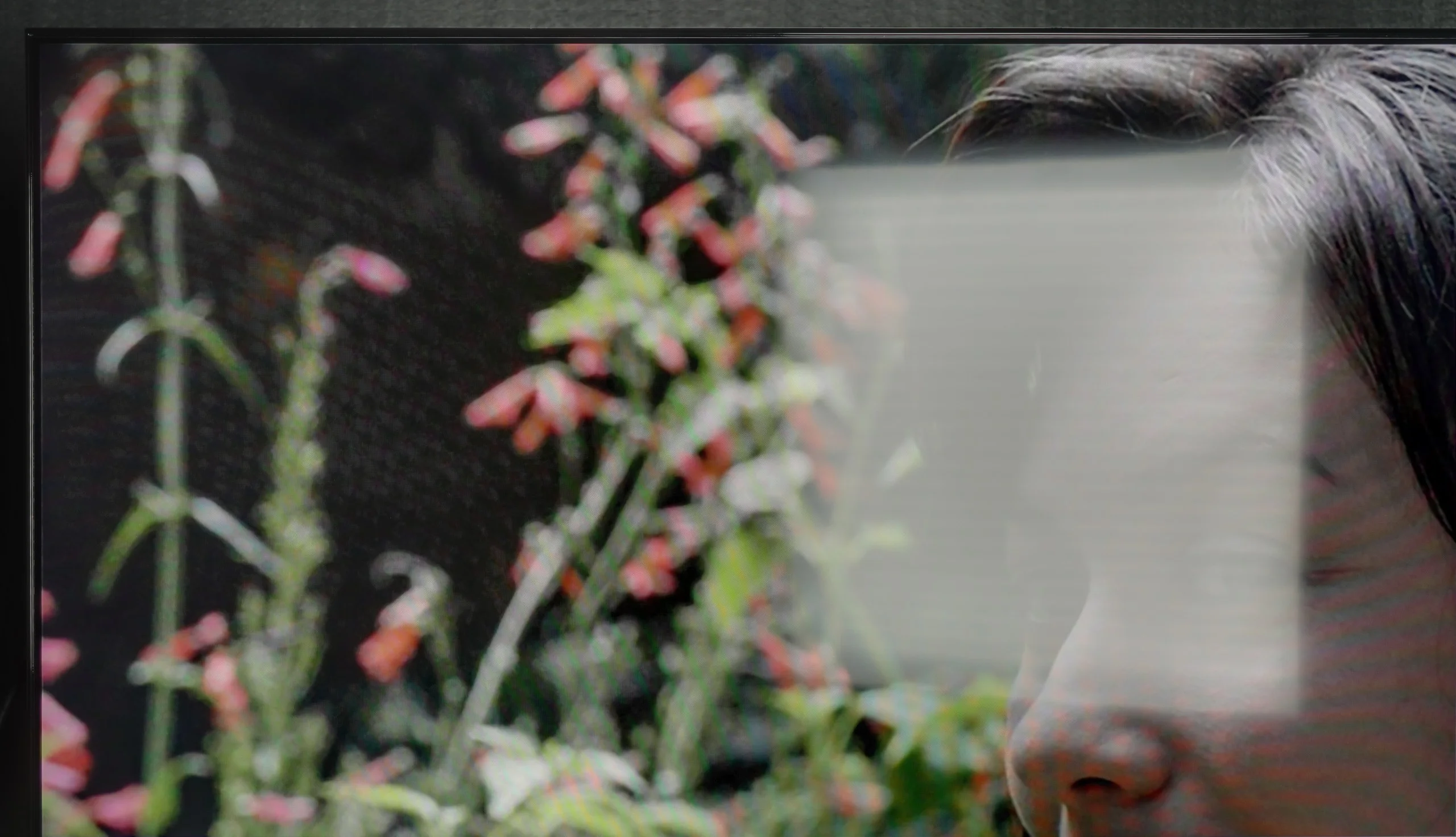
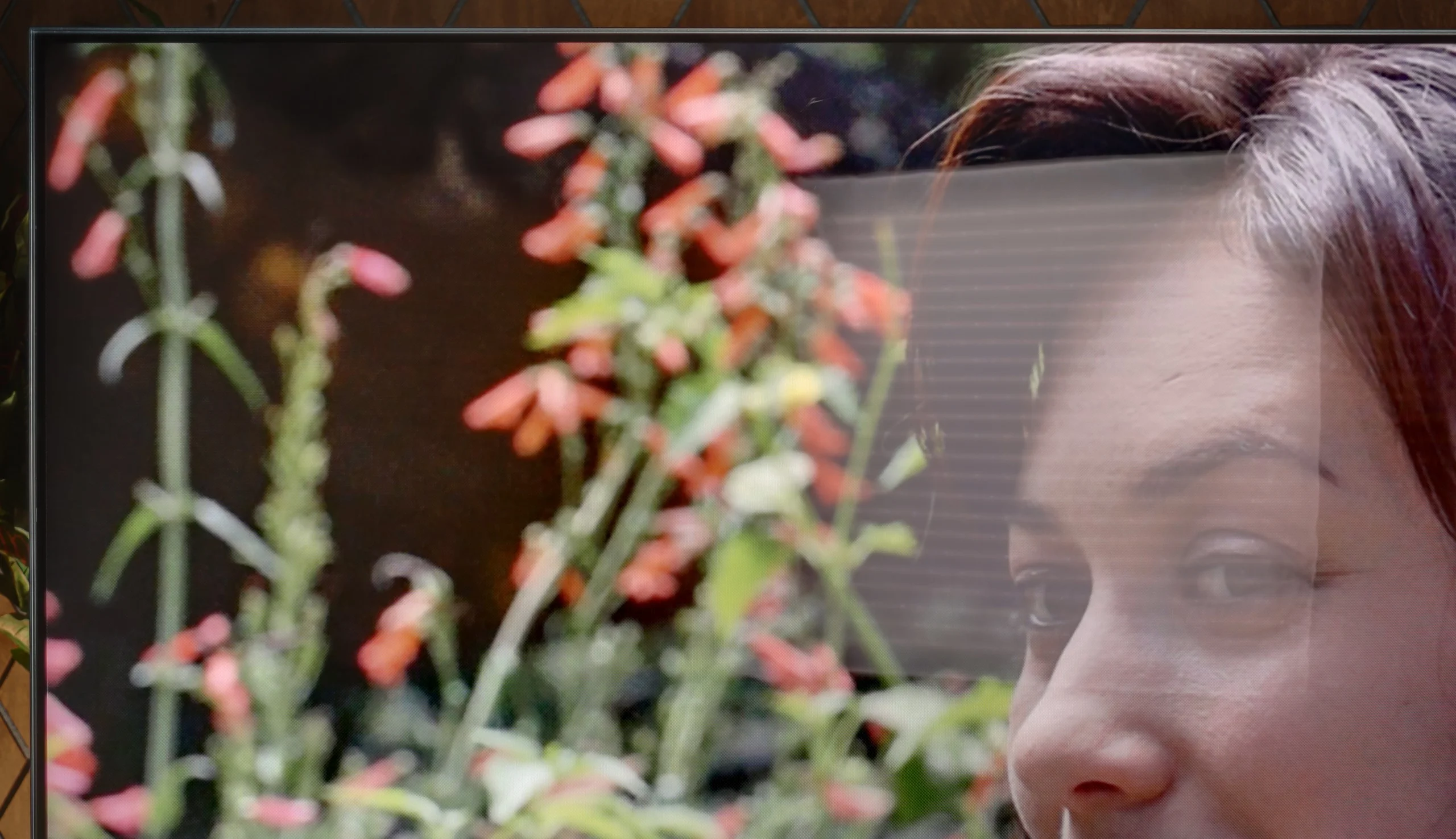
Check the visibility of bright lights on a dark background. Mini-LEDs often struggle with this. The photo does not compare black levels – that’s what the video below is for.
The video accurately shows differences in contrast and black levels between TVs, as well as potential issues: halo around bright objects or Mini-LED zone operation visible as brightness jumps.
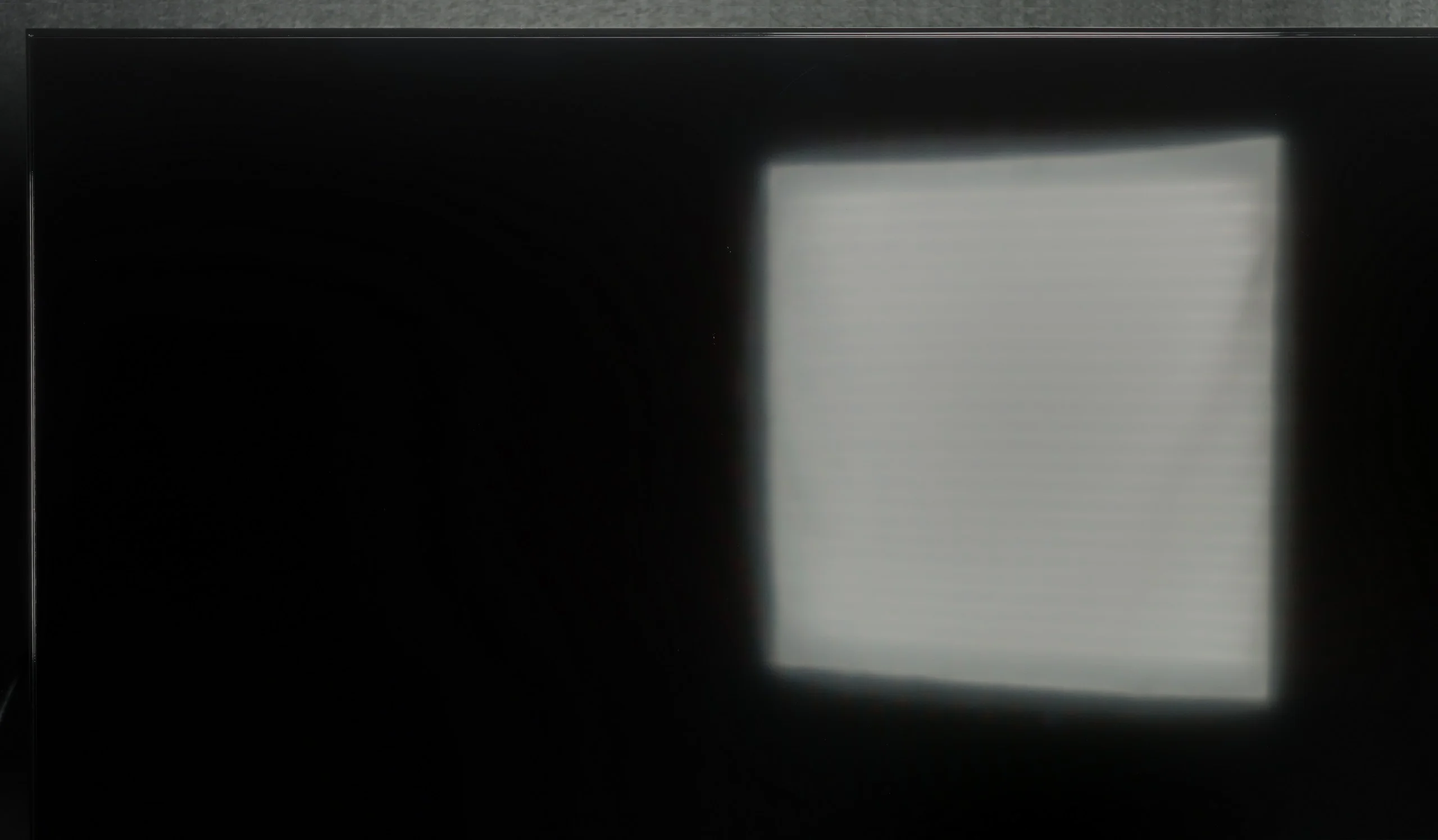
Bravia 3 in most variants, including the 65-inch model we tested, uses an IPS panel and unfortunately, this is not the best news for those who value depth of image and truly velvety blacks. This technology has its advantages, as it offers decent viewing angles, but this comes at the cost of very low contrast, which is especially noticeable during evening screenings when we expect the screen to go dark where it should. However, this is not the end of the list of problems. Our unit also showed noticeable inconsistencies in black levels, which exacerbate the effect of its shallowness. For example, in the scene with the helicopter, the light bleed in the corners of the screen and noticeable vignetting are clearly visible.
It’s hard not to think that even a simple local dimming system could save the situation and add a bit of drama to the picture, which is lacking here. Unfortunately, Sony did not opt for such a solution and as a result, we have a repeat of last year's performance. Bravia 3 is therefore not a television that will enchant with cinematic depth of black. At night, instead of intense black, we will rather see gray pretending to be darkness, which may disappoint more demanding viewers.

The A400U's blacks are excellent, even surprisingly so. In the 65-inch version we tested, TCL used 576 local dimming zones that effectively separate bright objects from a dark background. In most of our scenes the contrast ratio ranged from about 22,500:1 to 41,700:1, and in the most favorable shot it exceeded 170,000:1. That gives the picture very good depth at night, and the blacks don't look like the gray veil you get on ordinary LCDs without local dimming. Interestingly, the C7L we tested in the same size had over 1,000 zones, yet contrast results were very similar, in places even worse. The A400U shows that the number of zones alone doesn't determine the effect. Equally important is how the TV controls them, and here TCL did a very good job.

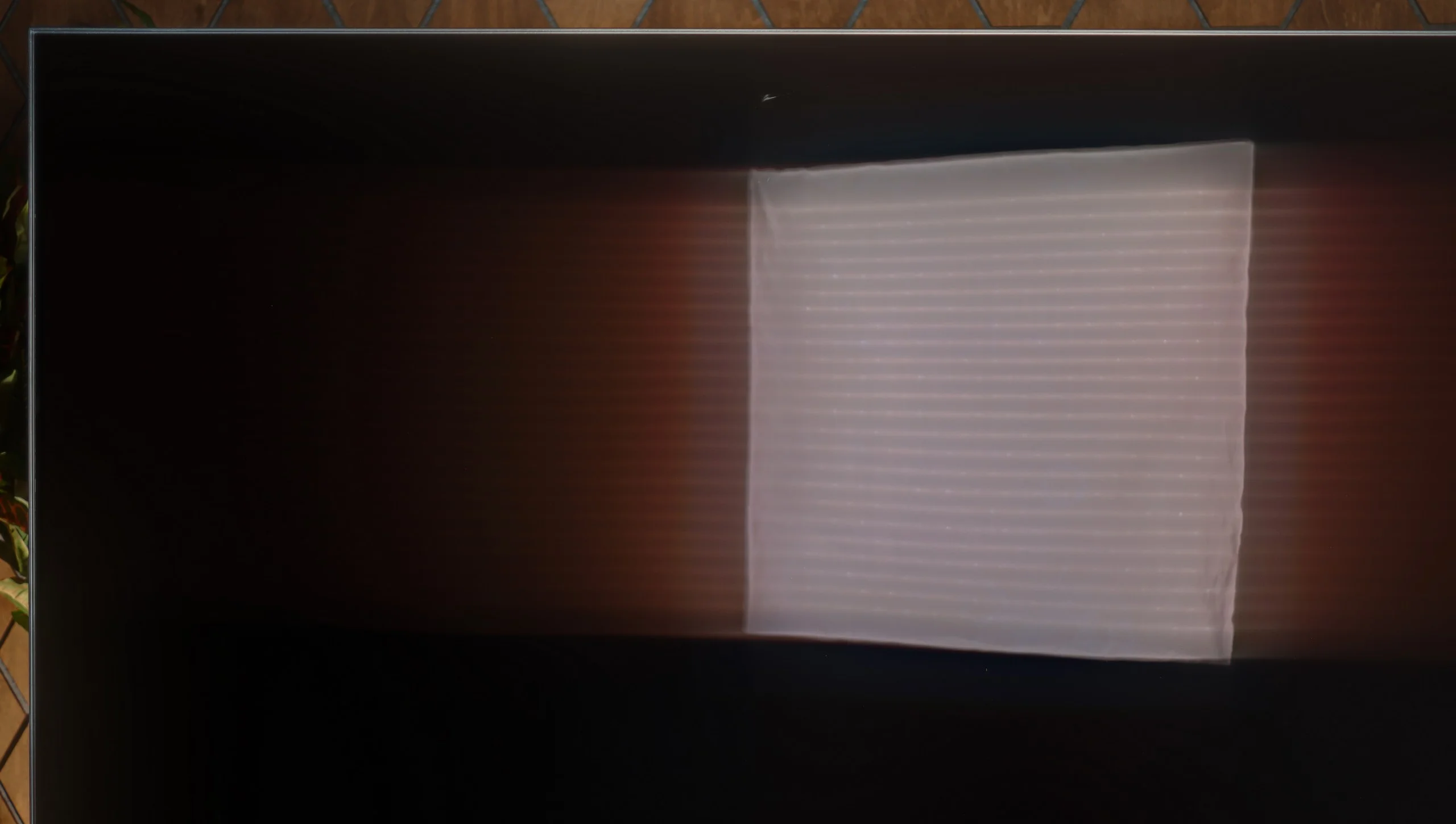
Of course there are scenes where the backlight reaches its limits. When a dark background contains many small bright elements, you can see a halo effect around them, a luminous rim. The zones cover too large an area to illuminate every tiny detail without brightening its surroundings. In our most challenging shot the contrast dropped to around 9,000:1, but even then it didn't look bad. It's not perfect black in every situation, but for most of a viewing session the A400U gives plenty of reasons to be satisfied in this regard.

HDR effect quality

4.6/10

6.1/10

Supported formats
HDR10, Dolby Vision, HLG
HDR10, HDR10+, Dolby Vision, Dolby Vision IQ, HLG
Color gamut coverage
DCI P3: 91.3%, BT.2020: 69.0%
DCI P3: 93.7%, BT.2020: 73.5%

Luminance measurements in HDR:

Review SONY BRAVIA 3 Brightness measurement

Result

316 nit

Review SONY BRAVIA 3 Brightness measurement

Result

327 nit

Review SONY BRAVIA 3 Brightness measurement

Result

369 nit

Review SONY BRAVIA 3 Brightness measurement

Result

236 nit

Review SONY BRAVIA 3 Brightness measurement

Result

379 nit

Review TCL A400U Brightness measurement

Result

1226 nit

Review TCL A400U Brightness measurement

Result

264 nit

Review TCL A400U Brightness measurement

Result

636 nit

Review TCL A400U Brightness measurement

Result

217 nit

Review TCL A400U Brightness measurement

Result

1434 nit

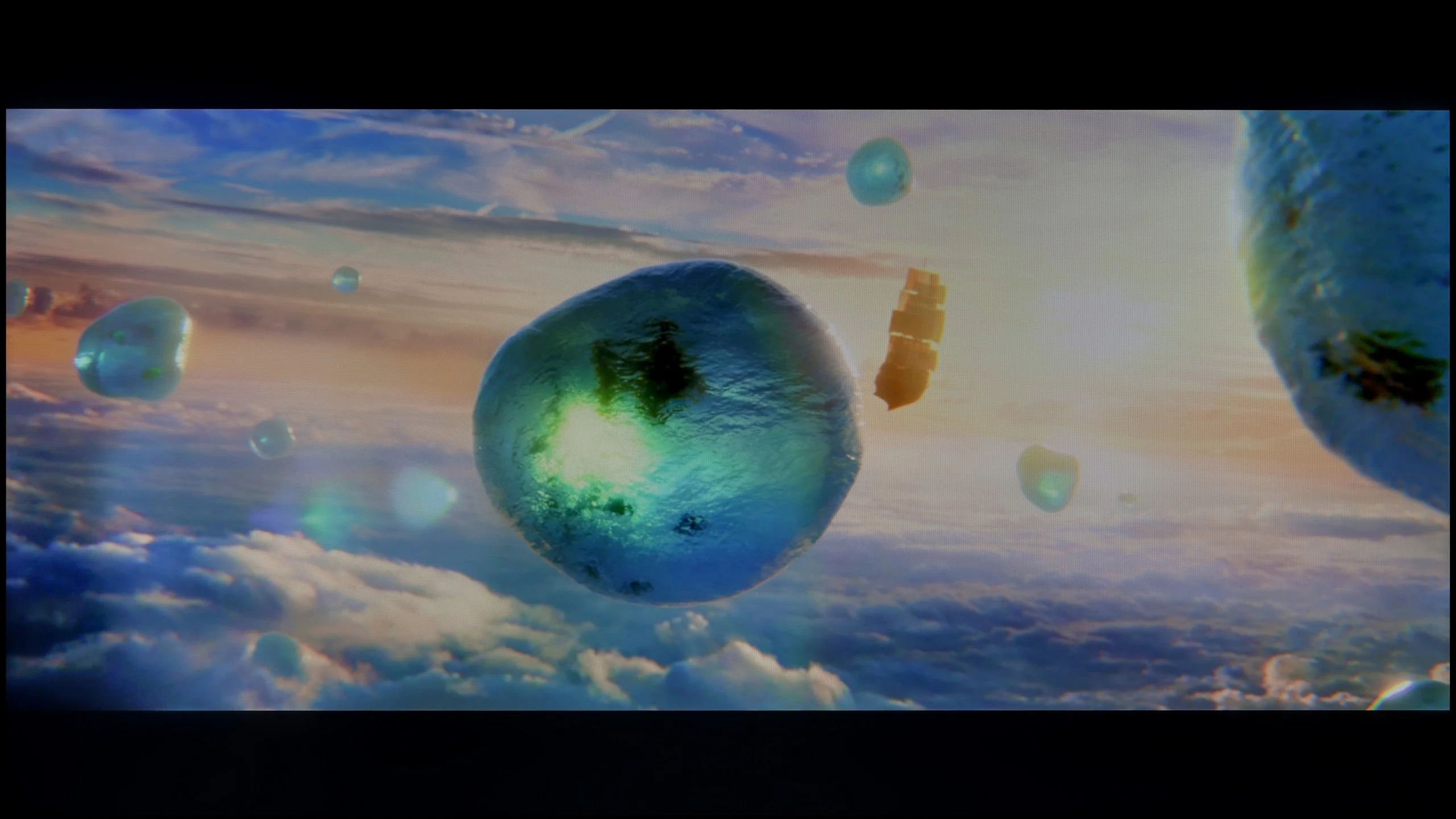
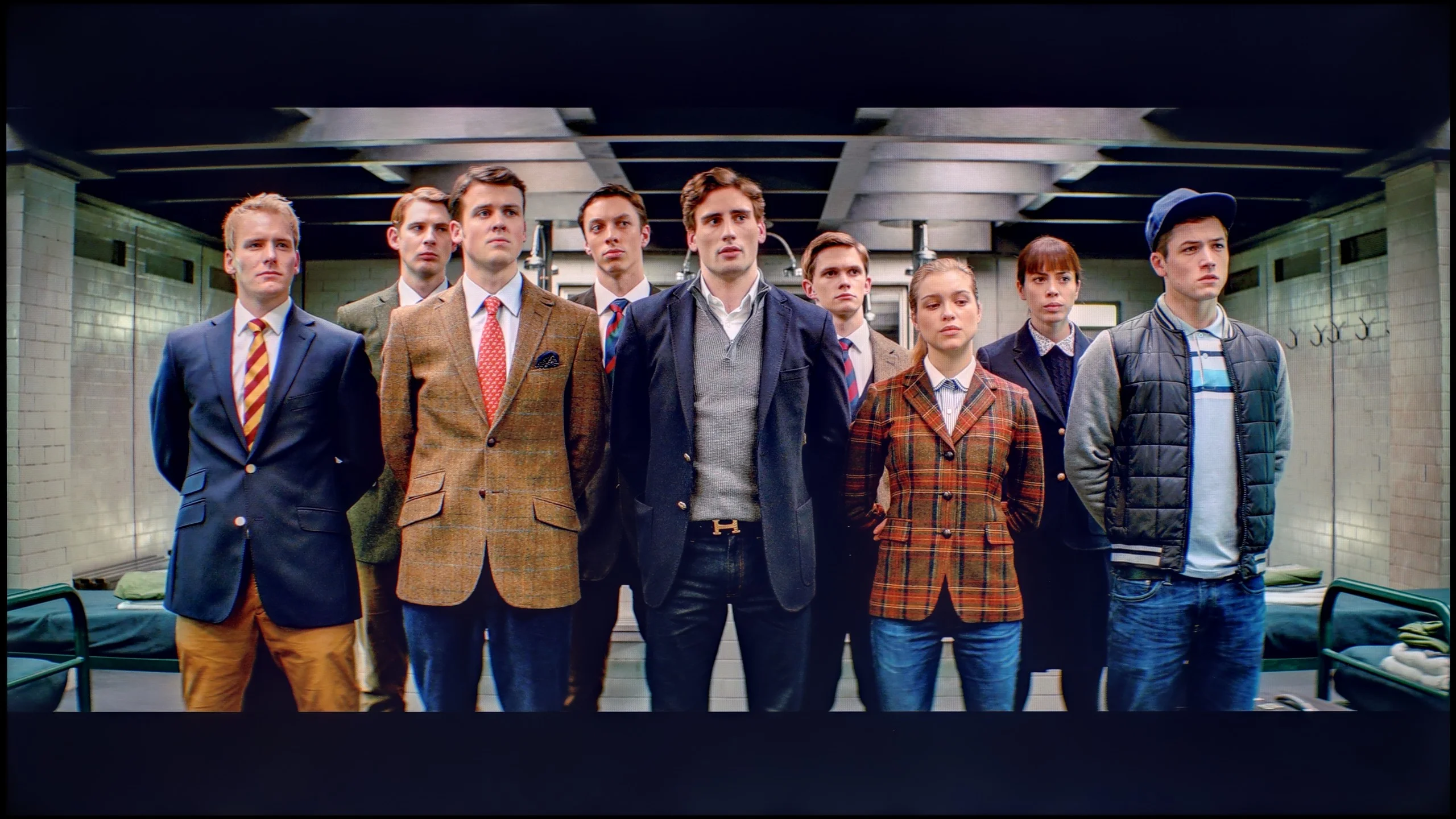
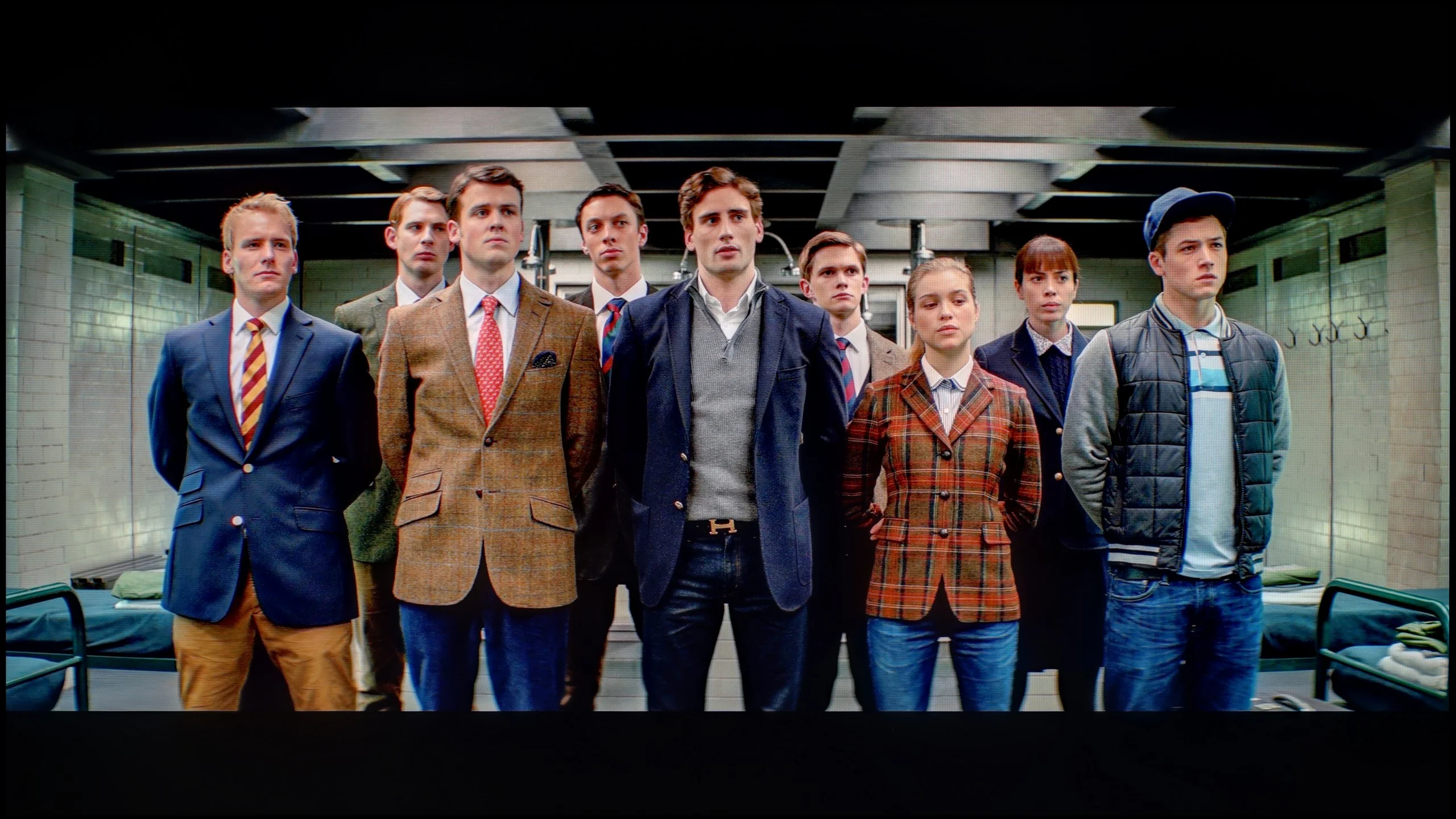
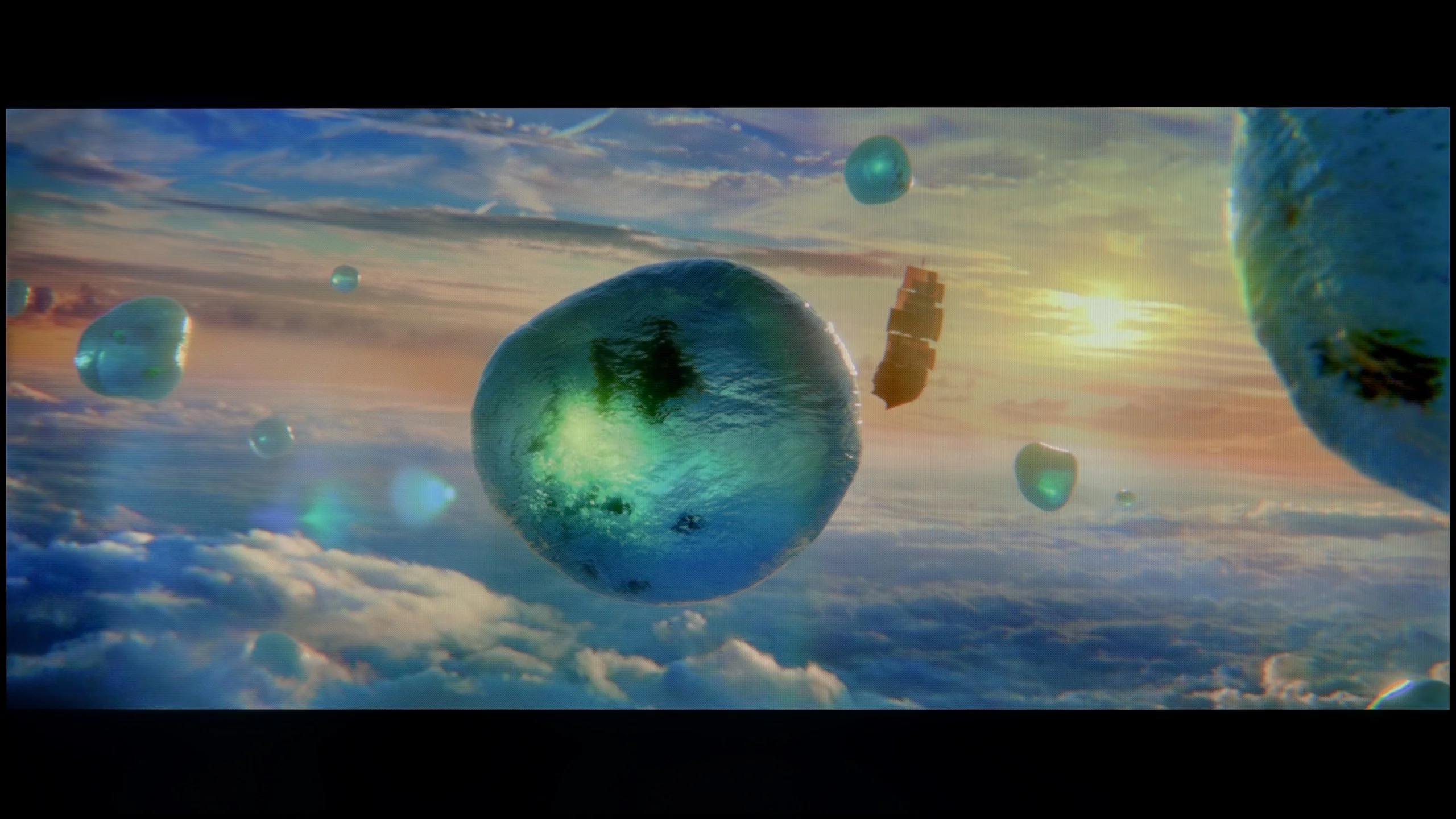
Scene from the movie “Pan” (about 2800 nits)

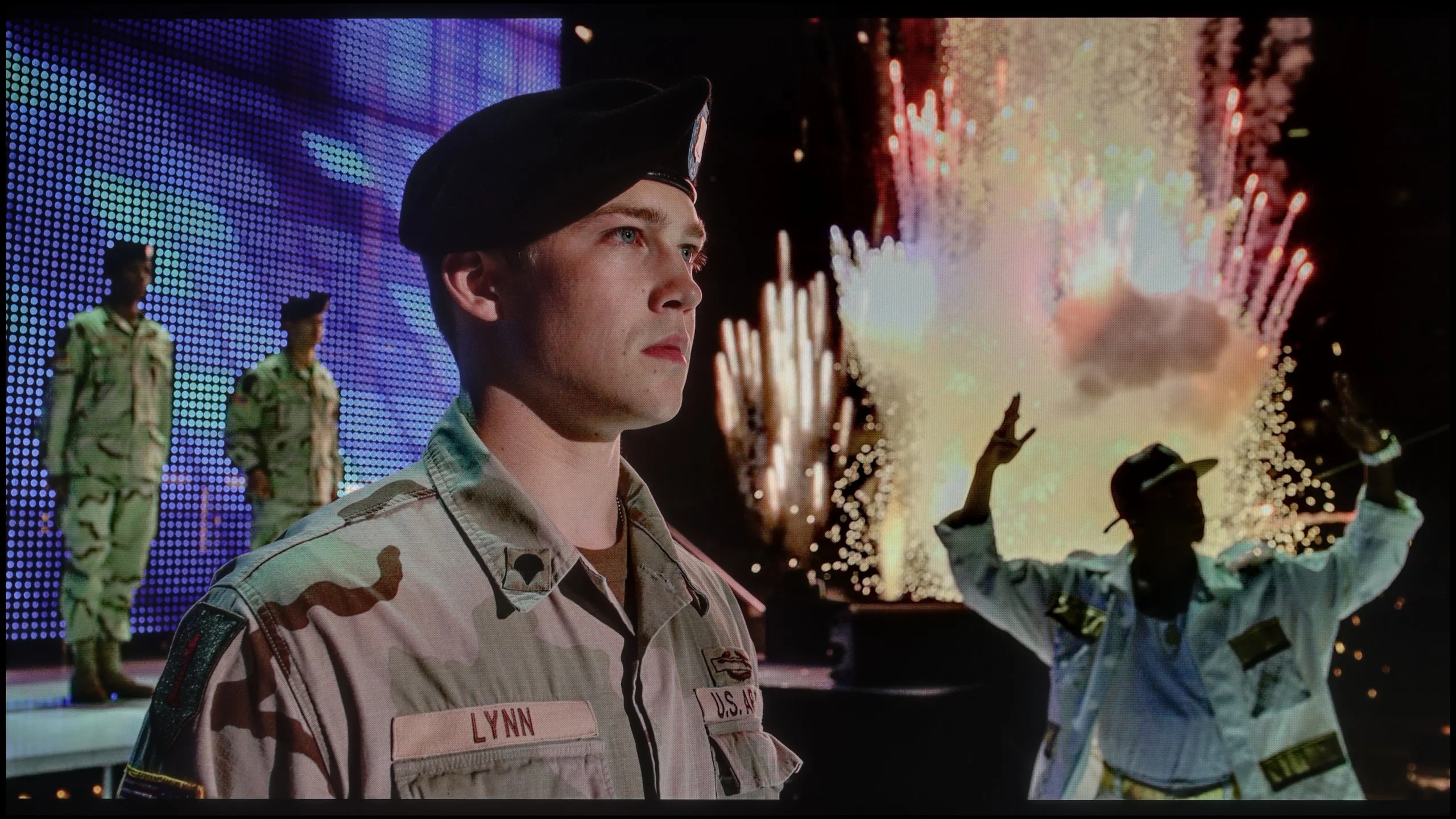
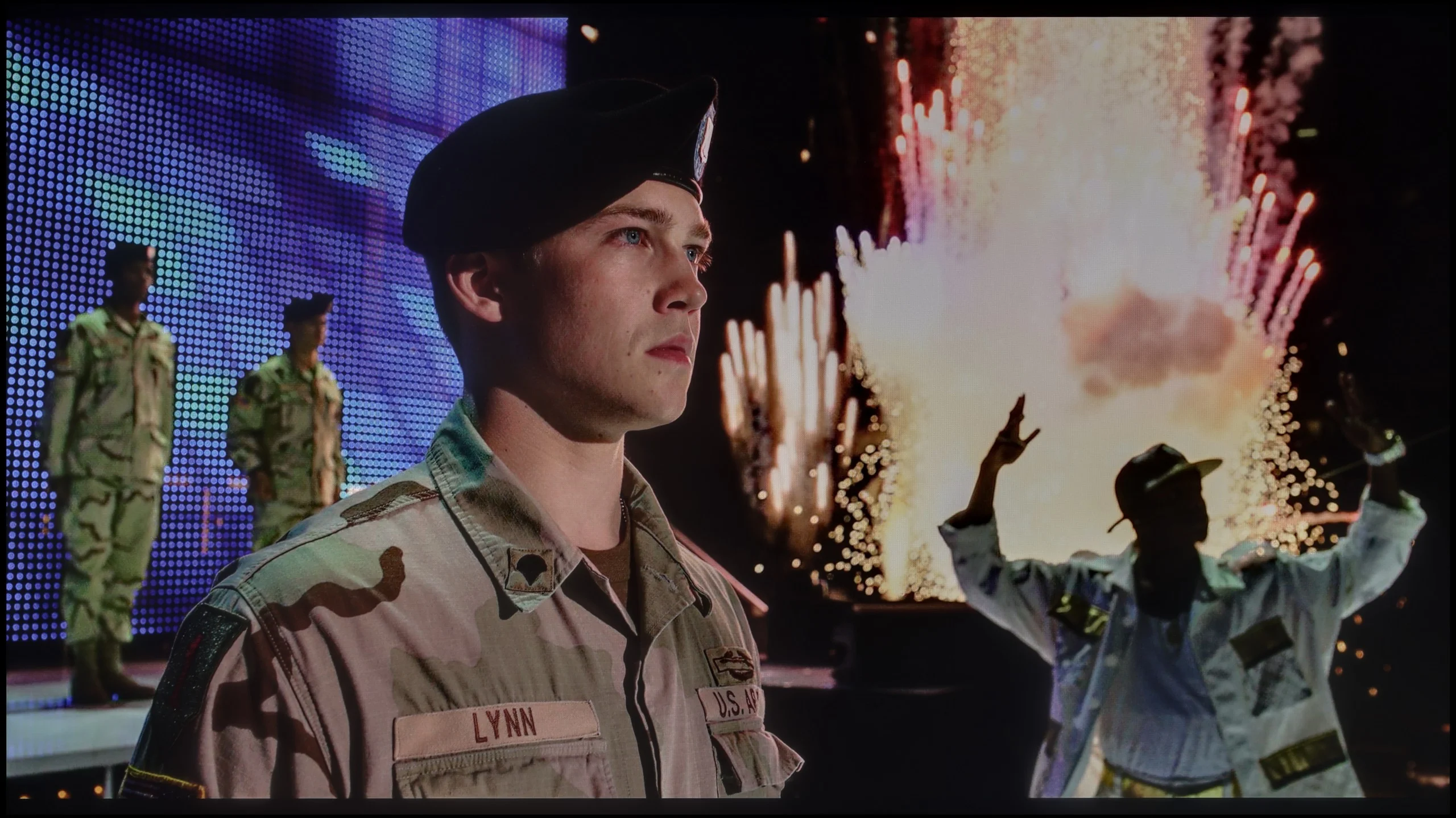
Scene from the movie “Billy Lynn” (about 1100 nits)

The photos show two HDR10 movies. 'Pan' is one of the brightest productions ever made, while 'Billy Lynn' (soldier) has brightness typical of streaming (Netflix, Prime, HBO MAX). Notice the intensity of effects and detail in whites.

Static HDR10

The photos present the visibility of white details in various HDR formats. They do not show brightness differences between TVs (these can be compared in the previous gallery).

Dynamic: Dolby Vision

Dynamic: Dolby Vision

The photos present the visibility of white details in various HDR formats. They do not show brightness differences between TVs (these can be compared in the previous gallery).

HDR luminance chart:

TCL A400U

SONY BRAVIA 3

Bravia 3 does not hide the fact that it belongs to the group of televisions that are rather modest in terms of brightness. Our measurements showed around 370 nits, which is a value balancing on the borderline where one can still speak of any HDR effect. For some, this is an acceptable level; for others, it is rather typical for SDR materials, where spectacular highlights or vivid contrasts are not expected. The impression is that this is not a television for those focused on the highest image quality in demanding film content. However, this does not mean that we won't find any advantages here. Compared to its predecessor, the X75WL, Bravia 3 has gained an additional PFS filter, functioning similarly to solutions known from QLED technology. Thanks to this, the DCI-P3 color gamut has been significantly expanded and reaches over 91 percent, which in practice provides more saturated colors and a more pleasant image texture. As a result, even everyday content looks a bit livelier, and movies and series can surprise with their colorful presentations, despite the limitations in brightness itself.

TCL A400U can deliver genuinely strong HDR. On test patterns peak brightness reaches around 2000 nits, and in brighter film scenes we measured roughly 1200 to over 1400 nits. Those are very good numbers, which translate into intense sun reflections and a noticeable glow on the bright parts of the image. In those shots it’s hard to complain about lack of punch. It isn’t always equally impressive. When small lights appear on a dark background the algorithm has to decide how strongly to light the local dimming zones that cover them. Higher brightness would also mean a more visible halo around objects, so the A400U favors preserving deep blacks. In our toughest scenes the small lights therefore reached only about 220–260 nits. They remain visible, but lose the intensity you would expect from such a bright TV. That’s a compromise common to many Mini LEDs in this price bracket. The backlight has plenty of power, but the number of zones limits how precisely it can be used. You can also see the advantage of the C7L here, which with its larger number of zones can render some of those elements brighter. Colors Colors look good, though they don’t achieve the same saturation as the new SQD Mini LED models. The A400U uses a PFS phosphor and covers about 94% of the DCI-P3 gamut and 74% of BT.2020. In HDR films this gives juicy, well-saturated hues. DCI-P3, which contains most of the colors used in those films, is almost fully covered. The shortcomings are most visible in the most saturated greens. They won’t be as intense as on screens able to reproduce a wider gamut, but in most movies it will be hard to notice. It’s easier to spot the difference in games with heavily saturated, neon colors that more often push beyond the panel’s capabilities.

Factory color reproduction

5.8/10

6.2/10

This gallery shows how colors change after professional TV calibration. If you notice the difference, we recommend ordering this service at SkalibrujTV.com.

Factory Mode

After calibration

This gallery shows how colors change after professional TV calibration. If you notice the difference, we recommend ordering this service at SkalibrujTV.com.

Factory Mode

After calibration

We primarily tested the Sony Bravia 3 in movie mode, which immediately proved to be the best choice among the factory settings. The picture is not perfect, but compared to the eco mode that the TV suggests right out of the box, the difference is significant and for the better. In movie mode, one can notice a certain problem—the image seems too warm, which results from a lack of blue in the white balance. Despite this, in SDR content, the final effect can still be considered quite decent and satisfying for everyday viewing. Much more serious errors occur in HDR materials. The Color Checker analysis showed significant deviations, and poor brightness management combined with limited color gamut coverage further exposes the shortcomings of the image in this mode. All of this makes HDR on the Bravia 3 look unconvincing and can spoil the impression left by the quite decent SDR content settings. Fortunately, this is not a situation without a solution. Various errors can be somewhat mitigated, and some can even be completely corrected through professional calibration. Therefore, we decided to check how the TV would perform after such adjustments.

On factory settings, Filmmaker mode on the A400U performs quite well, especially for regular TV and SDR content. However, there's a slight red deficiency. Whites have a faint greenish tint and faces can look a bit too pale. It's not glaring in every scene, but in shots with a lot of white or red the color cast is easier to notice. There are also minor inconsistencies in brightness. Dark areas are slightly lifted, while some of the lighter tones are overly muted. It's still perfectly watchable, though there's room for improvement. There are more issues with HDR. Out of the box the TV brightens the picture too much, which is clearly visible on the EOTF chart. This isn't about bright highlights like the sun or lamps, since those should be intense. Faces and surroundings that were meant to look more subdued in the film also become brighter. As a result the scene loses some depth and looks like its overall brightness has been cranked up. On top of that, the brightest whites trend slightly toward cool tones. The main thing to address is how HDR is mapped and displayed, because on factory settings the A400U adds more than it should in Filmmaker mode.

Color reproduction after calibration

7.5/10

8.9/10

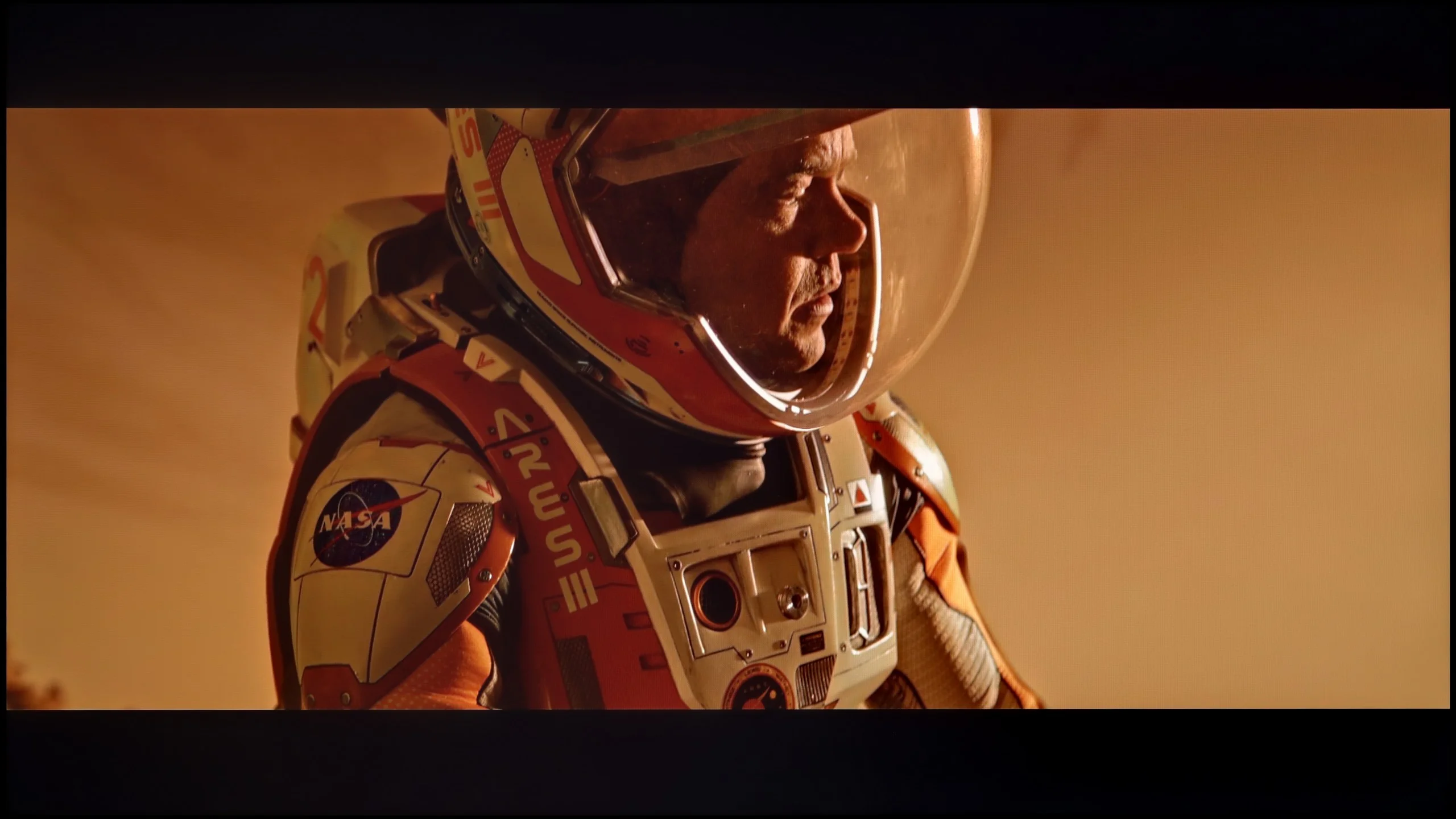
The photos show how movies look on the TV. Pay attention to black detail visibility, colors, and shadow tint.

The photos show how movies look on the TV. Pay attention to black detail visibility, colors, and shadow tint.

The calibration allowed us to extract significantly more from ChooseTV 3 than we could have expected at the beginning. First and foremost, we managed to address the shortage of blue color, which previously caused a noticeable warming of the image. After a slight adjustment in white balance, most of the errors in Color Checker measurements for SDR content practically disappeared. The shades of white gained a natural quality, and brightness management in gamma stabilized to a level that is nearly perfect, not exceeding the threshold of human eye perception. Therefore, it can be confidently said that in SDR content, after a few tweaks in settings, ChooseTV 3 performs really excellently. HDR content, however, fares much worse, although it is still definitely better than before calibration. The white balance has been corrected, but the limitations of the IPS panel are insurmountable. The lack of local dimming means that even the smallest elements can be overexposed, which immediately stands out. Color-wise, the effect has also improved, although it is far from ideal—many errors still exceed the threshold of four or even five delta E units, meaning they remain visible to the human eye. It was already clear before that ChooseTV 3 is not a television designed to amaze with HDR quality. Nonetheless, it is gratifying that in SDR content, after calibration, the image can look really great, and in this category, the television pleasantly surprised us.

The TCL A400U responds very well to calibration and allows you to fix most of the shortcomings of the factory Filmmaker mode. In SDR it was possible to nearly perfectly even out the white balance. The lack of red is gone, so whites and grays no longer have a greenish cast, and faces have regained a natural look. Brightness reproduction also improved. Apart from small deviations in the darkest and brightest parts, the TV sticks to the reference without unnecessary brightening or dimming of the image. The most important change, however, concerns HDR. Thanks to the available peak brightness adjustment, it was possible to rein in the brightening visible in the factory settings. Measurements in film scenes, not just on test patterns, confirm this. Faces and backgrounds are no longer artificially lit, while bright elements still retain proper strength. Errors in the Color Checker test in HDR mostly fall below 2, which is a very good result. Not everything is perfect, because the brightest whites retain a slightly cool tint, but overall the picture is much more accurate. This is exactly the improvement we described earlier when comparing scenes from "Pan" and "Billy Lynn." The A400U lets you fine-tune HDR to preserve both detail and the correct overall scene brightness. Other TCL models lacked this option, where peak brightness adjustment was not possible. Here the manufacturer exposed it to the user, and it’s clear it was needed. After calibration the A400U shows a film without unnecessary image boosting.

Smoothness of tonal transitions

8/10

9.4/10

These are selected scenes that show smooth tonal transitions from one color to another. If you see distinct banding, it’s the TV panel’s fault.

These are selected scenes that show smooth tonal transitions from one color to another. If you see distinct banding, it’s the TV panel’s fault.

These are selected scenes that show smooth tonal transitions from one color to another. If you see distinct banding, it’s the TV panel’s fault.

These are selected scenes that show smooth tonal transitions from one color to another. If you see distinct banding, it’s the TV panel’s fault.

In terms of the fluidity of tonal transitions, Bravia 3 performs really well. In brighter scenes, we did not notice any significant errors – the screen handles color blending almost perfectly and does not create artificial contours that can spoil the viewing experience. Also, in darker segments, there are no major issues with color gradation, though another problem arises here. Strong brightening and uneven backlighting of the panel in dark scenes make it difficult to unequivocally evaluate the gradation itself, as the effect is spoiled by the unevenness of the image. However, when we focus solely on color blending, the result can be considered very good.

The TCL A400U handles tonal transitions in 4K content very well. In bright scenes it's hard to find any problems. The sky or the subtle halo around the sun look smooth, without visible banding or boundaries between shades. Colors transition smoothly from one to another, so nothing draws attention away from the movie. Minor imperfections only appear in the darkest scenes, near black. You can notice slight banding there, but you have to look closely to spot it. During normal viewing it is unlikely to be distracting. That's a very good result and one of the A400U's strengths.

Image scaling and smoothness of tonal transitions

7/10

5.5/10

Image without overscan on the SD signal
OK
OK
Smooth transition function
OK
OK

Smooth transition function

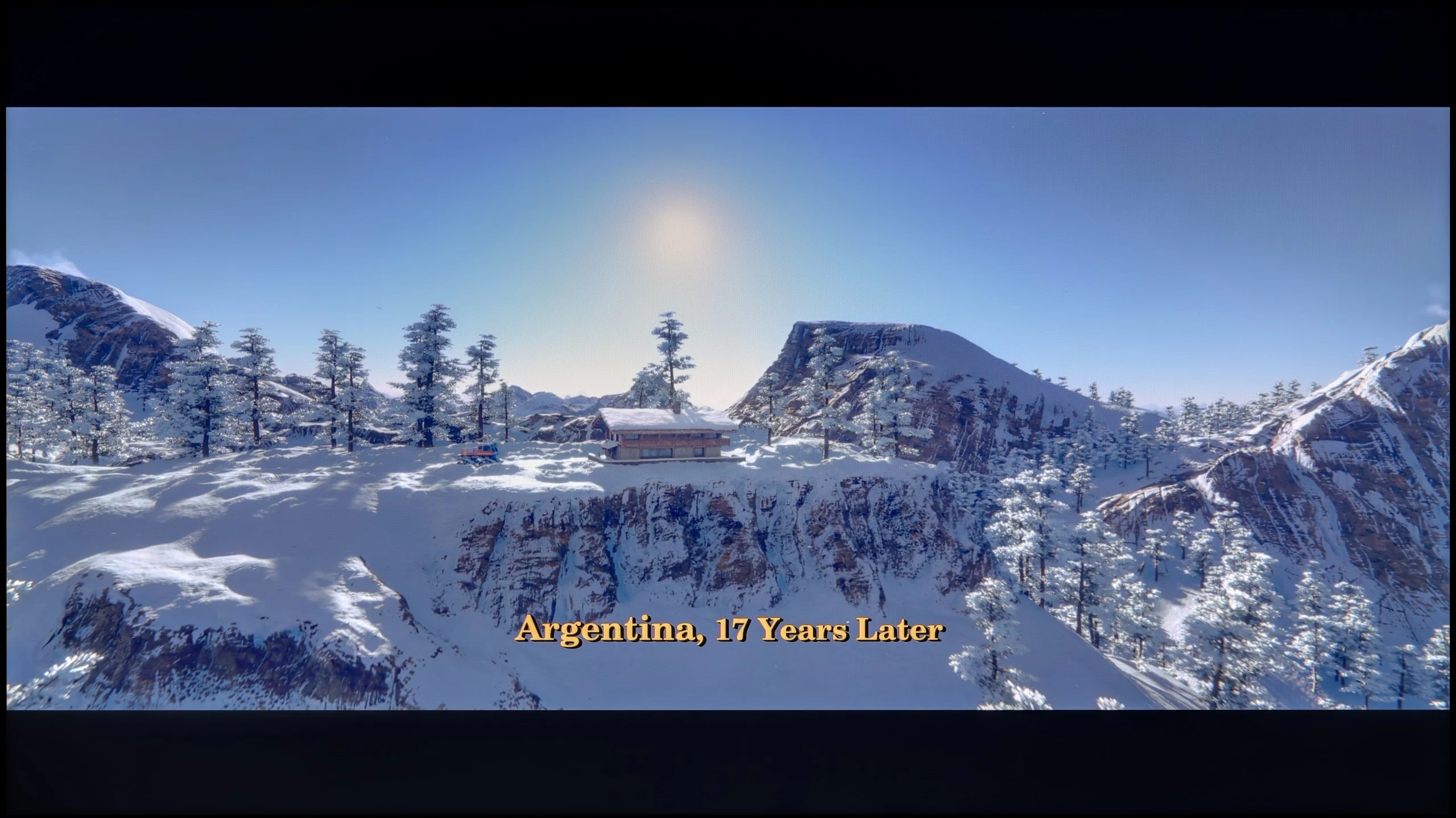
The match photo shows how the TV smooths weak tonal transitions in low-quality video.

Image scaling SD (576i)

The model photo shows how it handles upscaling of SD material.

Bravia 3 brings something more to the Sony television family than just a common name. It stands out primarily for its ability to improve the quality of weaker materials thanks to the applied processor. Of course, we won't find the advanced XR chip known from more expensive models here, but it must be acknowledged that the image at a lower resolution looked surprisingly good. Scaling worked effectively, and most parts of the screen were free from the typical excessive jagged edges found in budget constructions.

The feature that enhances the fluidity of tonal transitions is also worth noting. In the high setting, it works really well, effectively masking the imperfections of gradation without significant loss of detail. It does happen that the algorithm overly smooths elements that should remain sharp – for example, faces – however, in overall terms, the effect is beneficial. The best results were achieved precisely at the highest setting, and this option could be recommended to those watching lower-quality content.

TCL A400U correctly upscales lower-resolution content to 4K. Edges are clear and fine details stay legible, so older movies and regular TV look quite good. There’s also no issue with overscan, meaning the TV doesn’t crop the image edges. Even with very low-resolution material the set shows the entire frame.

It performs much worse at removing imperfections in heavily compressed recordings. The A400U, like the C7L, uses the older Pentonic 700 chipset. A function for smoothing tonal transitions is available, but in practice it does very little. Visible banding between shades remains on screen, and turning the feature on can even introduce additional artifacts. That’s one of the weaker aspects of this model. High-quality sources look smooth, as we noted earlier, but if imperfections are already baked into the recording, the A400U can’t do much about them.

Blur and motion smoothness

5/10

7.7/10

Maximum refresh rate of the panel
60Hz
144Hz
Film motion smoothing option
OK
OK
Blur reduction option
OK
OK
BFI function 60Hz
Yes, 120Hz (double contours)
BFI function 120Hz
No
Yes, 240Hz (double contours)
Brightness drop with BFI
22%
14%

Blur (native resolution, maximum refresh rate):

Blur (BFI function enabled):

Blur ():

Blur (1080p@288Hz):

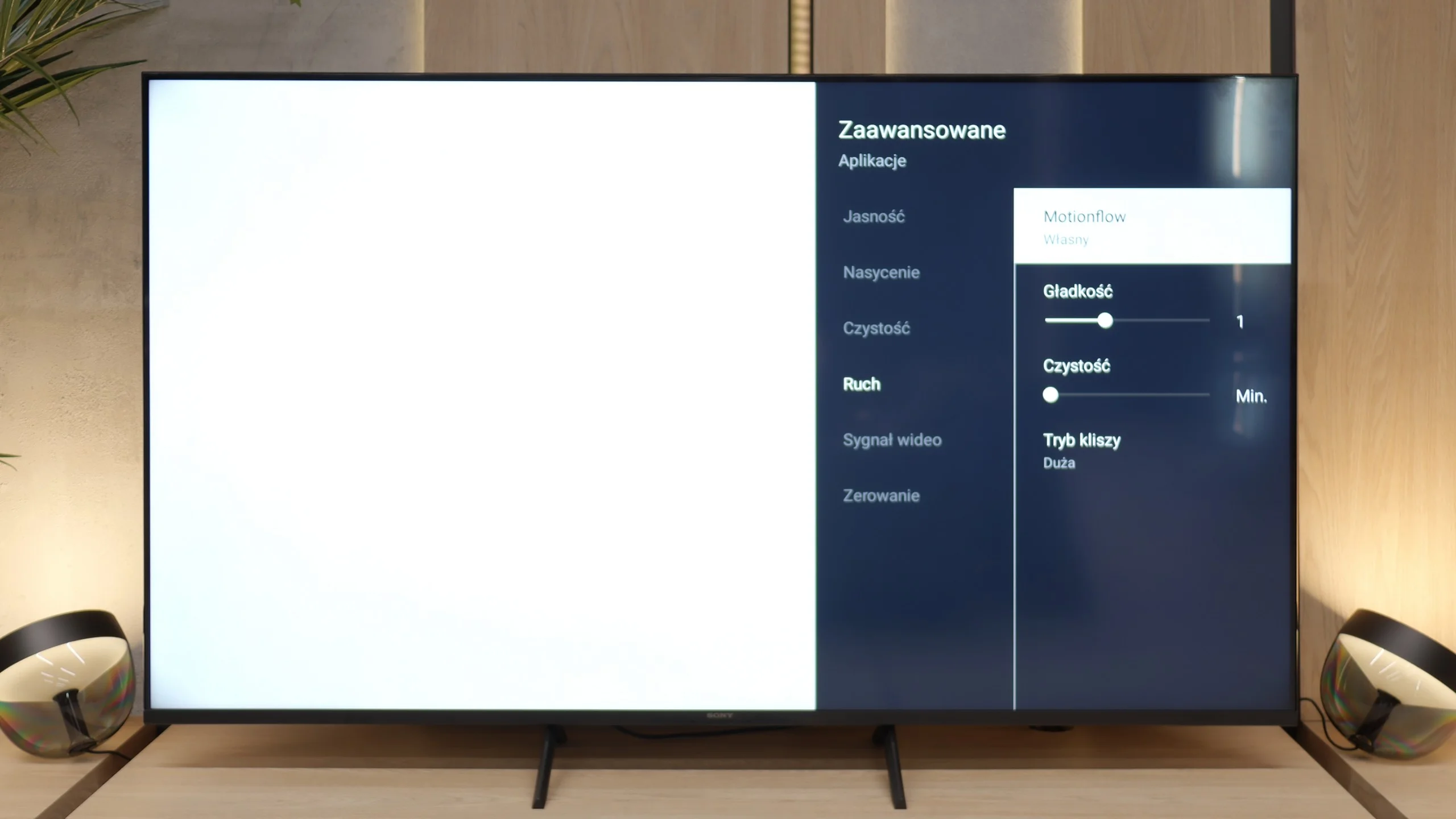
The fluidity of motion has never been a strong point of TVs equipped with 60 Hz panels, and the Bravia 3 is no exception. Nevertheless, Sony has added something that might appeal to those who are more sensitive to the way images are displayed. We are talking about the proprietary Motion Flow motion smoother, which offers users a lot of adjustment options. Thanks to it, one can make the image smoother, even theatrical, or stick to a more cinematic style with the characteristic stuttering that many simply associate with the film atmosphere. These features work with content at lower frame rates, such as movies and series recorded at 24 or 30 frames per second, which are the materials we encounter on a daily basis. It is precisely in this area that the motion smoother proves to be one of the most important features in everyday use of the television, and here the Bravia 3 performs really well.

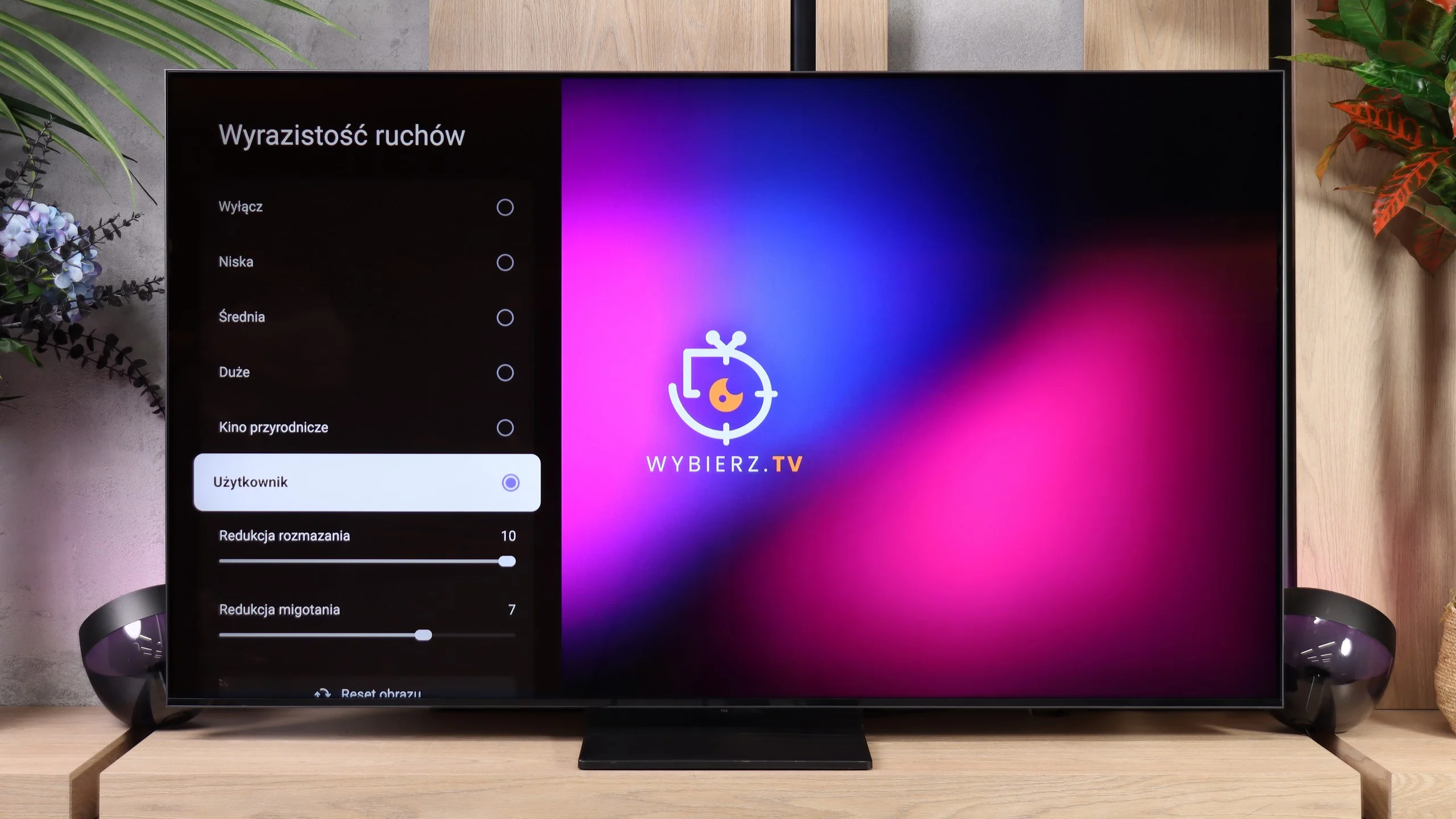
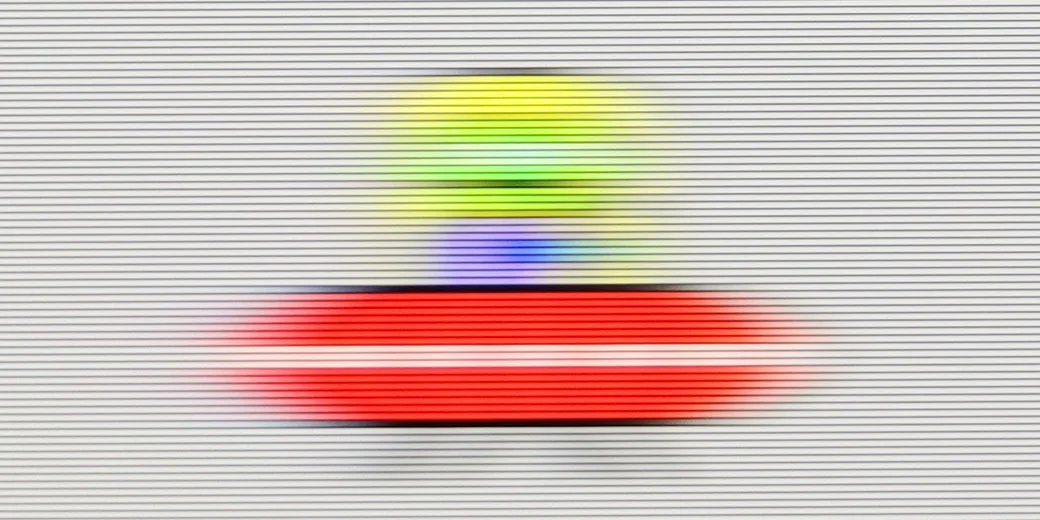
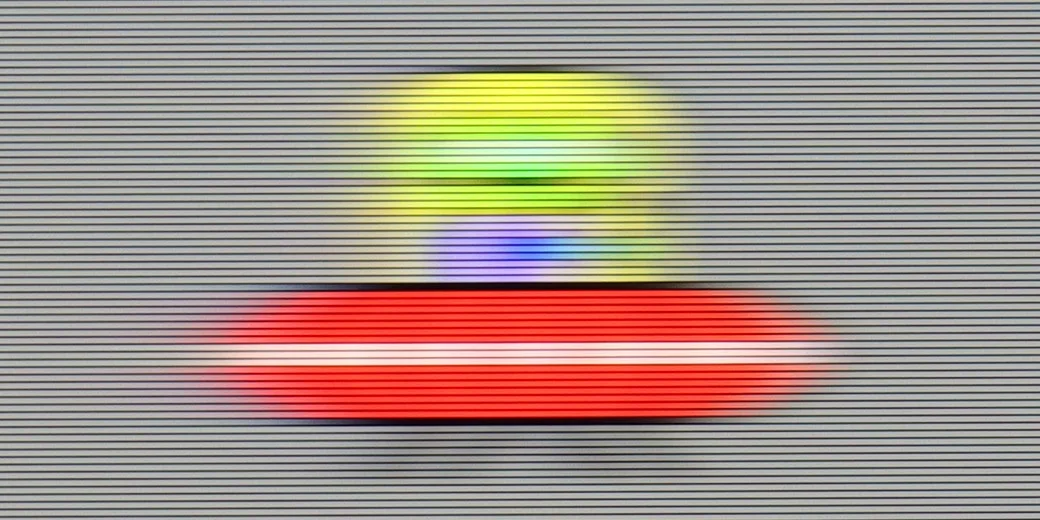
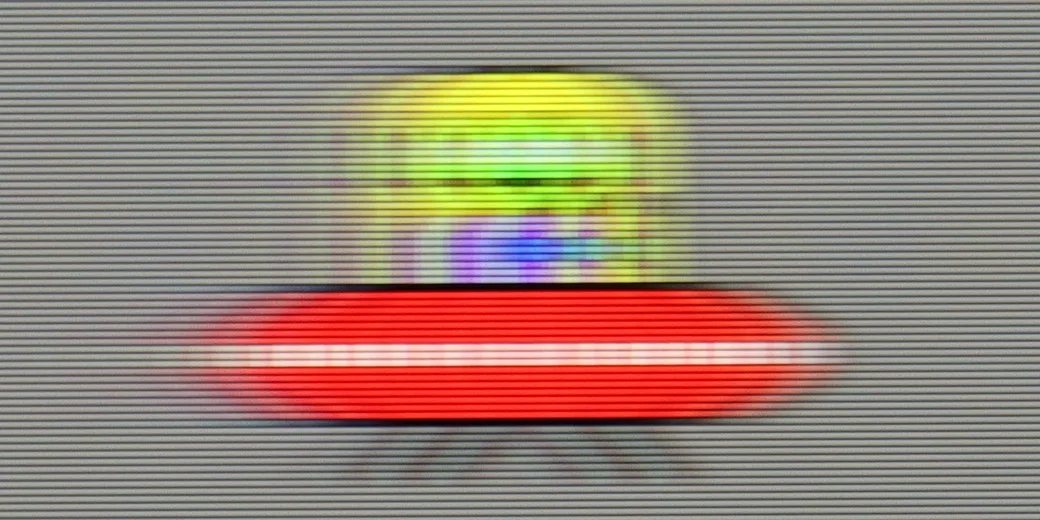
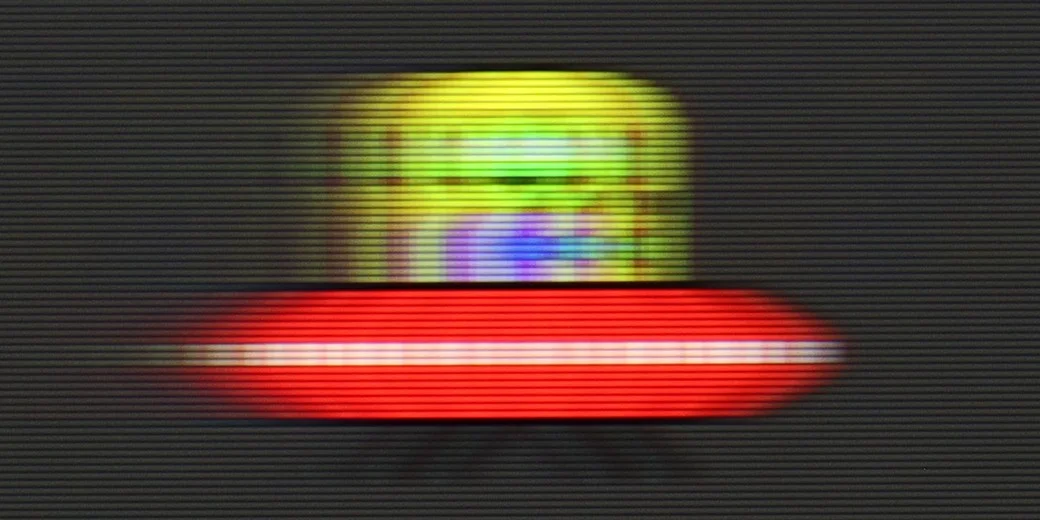
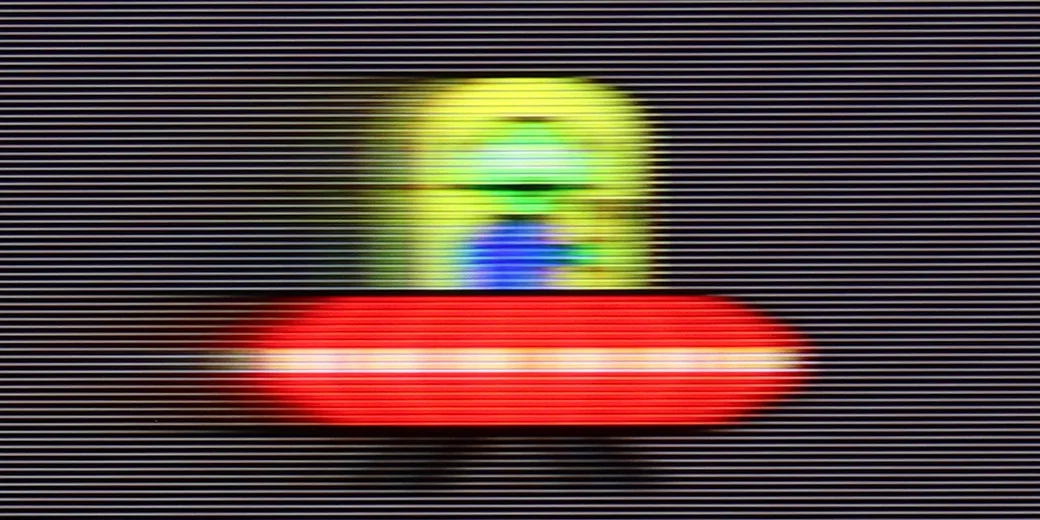
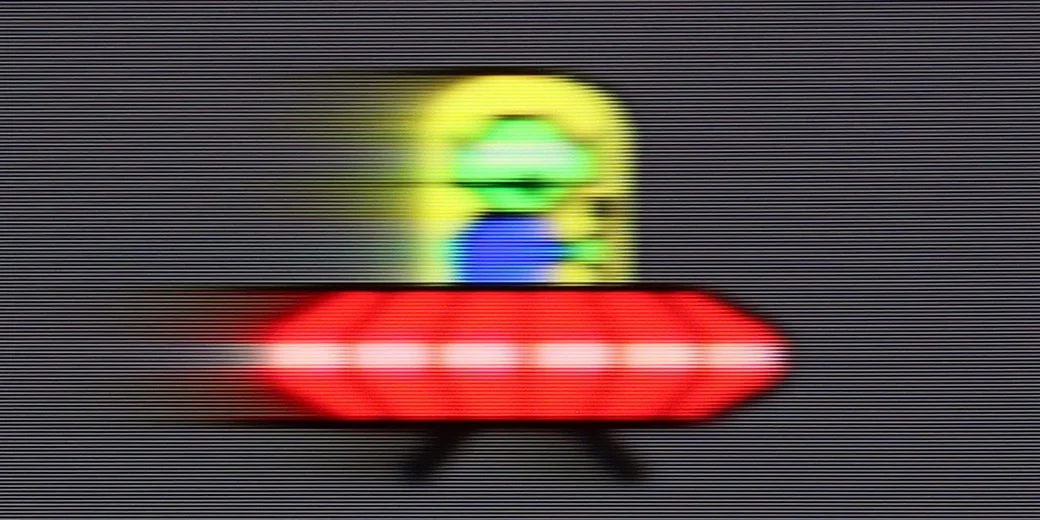
TCL A400U has a 144 Hz panel, so it's well suited for sports and gaming. For movies you can further tune motion handling using the "Motion Clarity" settings. There are two sliders: "Blur Reduction" and "Flicker Reduction". They help improve the legibility of fast motion and smooth out abrupt camera pans. You don't need to set them high right away, especially if you want to keep a cinematic look. The panel's response time is decent, although VA smearing is noticeable. In the UFO test at 120 Hz a blurred trail remains behind the object and its fine details lose sharpness. These aren't extremely long smears, but it's certainly not at the level of the best LCD panels on the market. The BFI (black frame insertion) function, which uses short interruptions in the image to improve perceived sharpness in motion, doesn't change much here. Instead, double contours appear, so it's hard to call it particularly useful. However, the brightness drop after enabling it is small, about 14%, so it's worth experimenting with on your own.

Console compatibility and gaming features

4/10

9.8/10

  • ALLM
    Yes
    Yes
  • VRR
    No
    Yes
  • VRR range
    No
    48 - 288Hz
  • Dolby Vision Game Mode
    Yes
    Yes
  • Correct implementation of HGIG
    No
    Yes
  • 1080p@120Hz
    No
    Yes
  • 1440p@120Hz
    No
    Yes
  • 4K@120Hz
    No
    Yes
  • Game bar
    Yes
    Yes

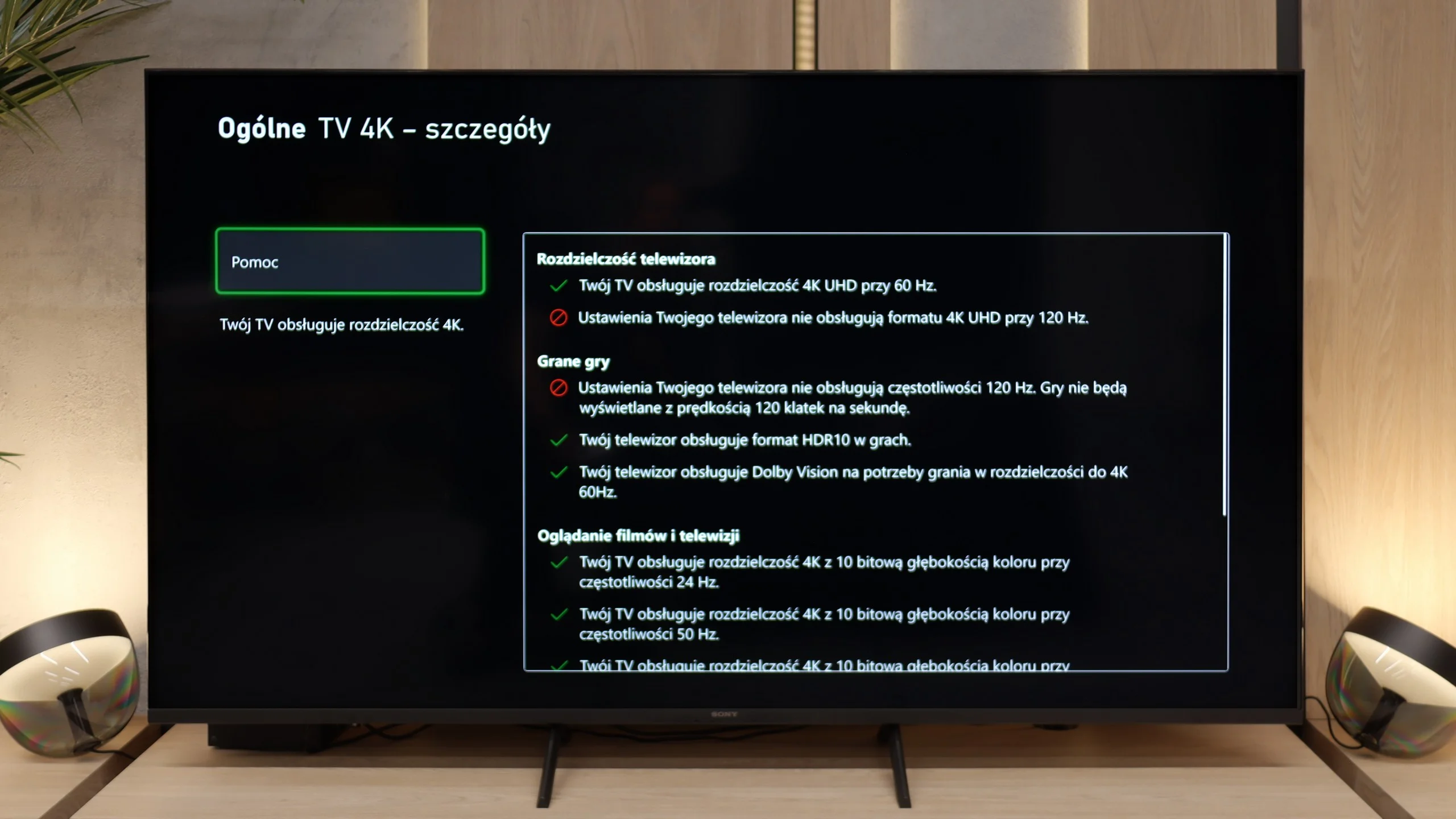
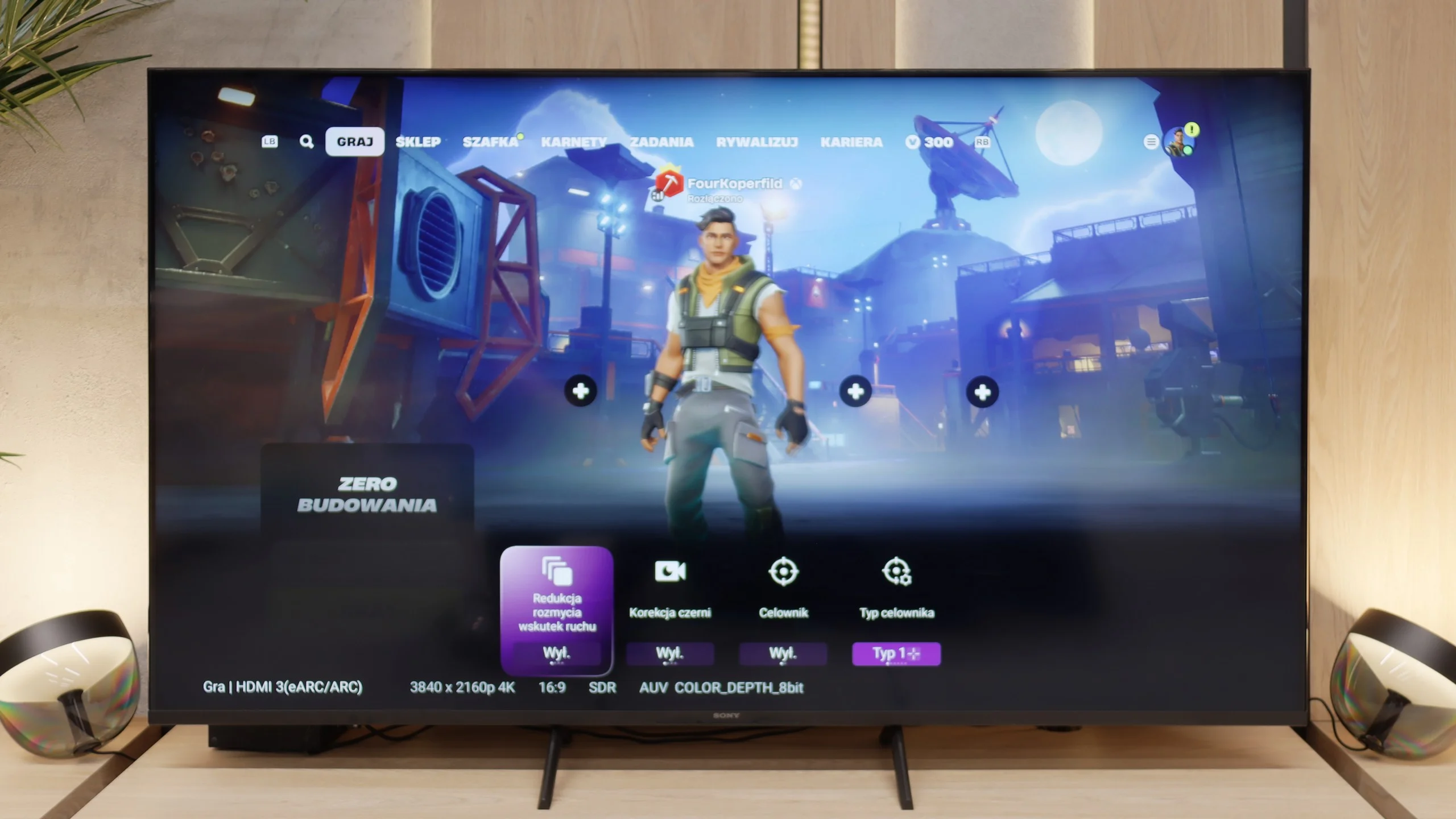
Bravia 3 is not a device for e-sports enthusiasts or fans of late-night marathons with a controller in hand. The lack of 120 Hz refresh rate and HDMI 2.1 ports wraps up the topic before it can even develop. This is a TV for casual gamers who, after work, want to fire up FIFA or racing games, not for someone who measures every frame in a spreadsheet. Nevertheless, Sony has added a few nice extras so it’s not too barren. ALLM works as it should, automatically switching the TV to game mode (low latency). We even find a simple Game Bar here that is clear. However, the biggest curiosity is the PlayStation Portal app. With it, you can launch games from PS5 wirelessly and immediately see them on the TV screen. It sounds great, but it only takes a few minutes to feel significant delays. In our opinion, it’s more of a showcase of capabilities than something usable on a daily basis. If someone really wants to play, it’s better to connect the console with an HDMI cable right away and forget about wireless problems.

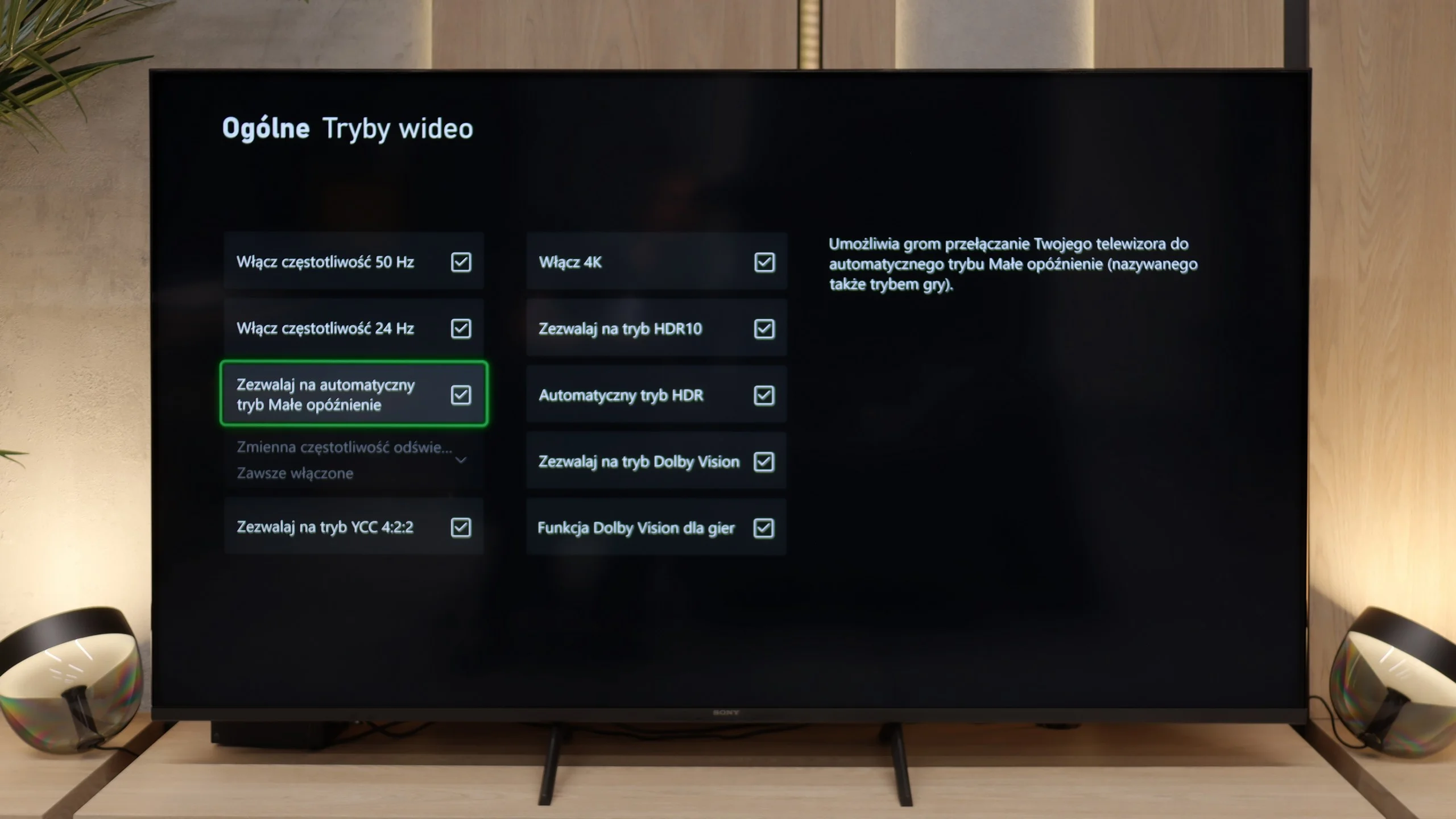
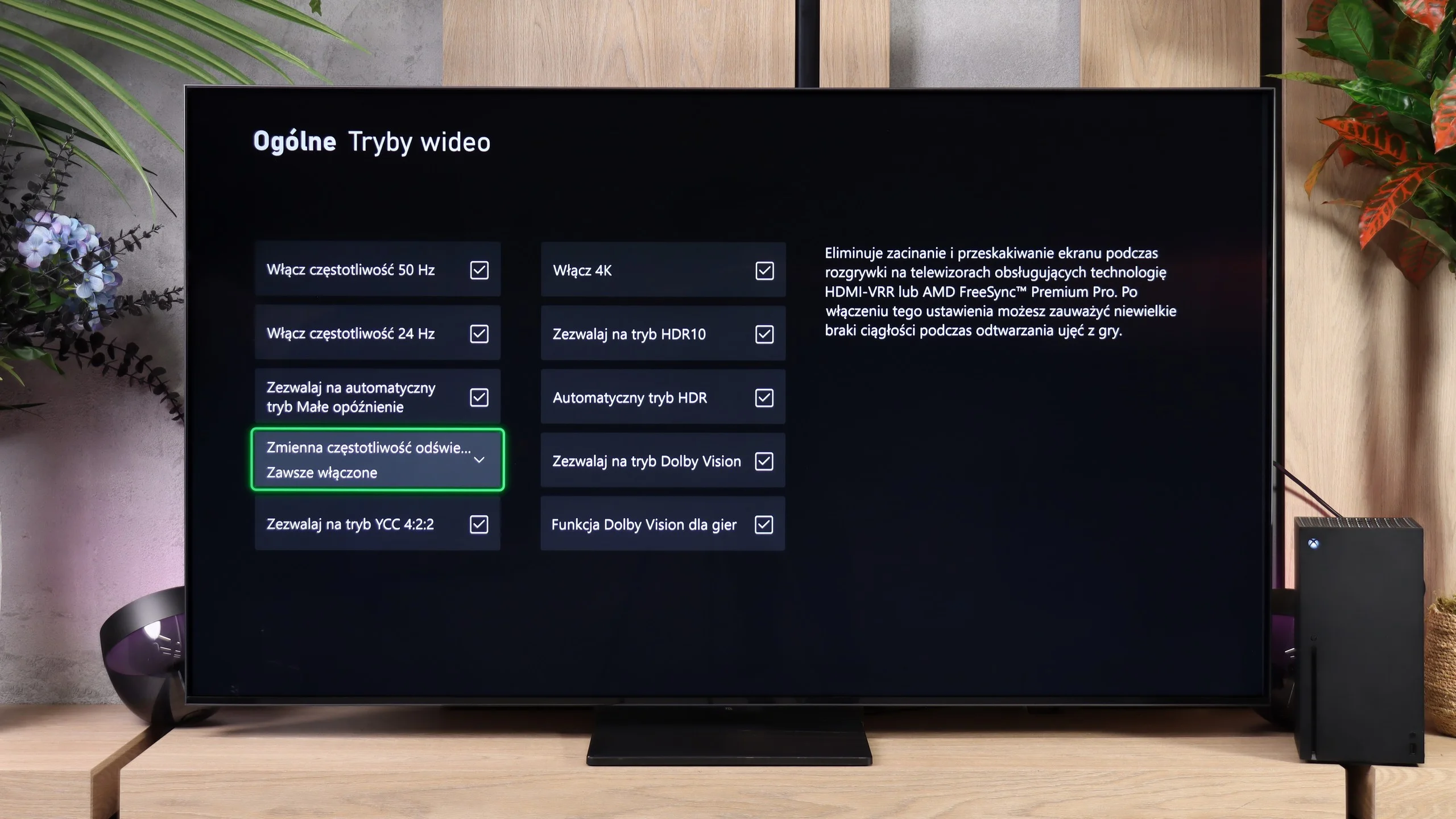
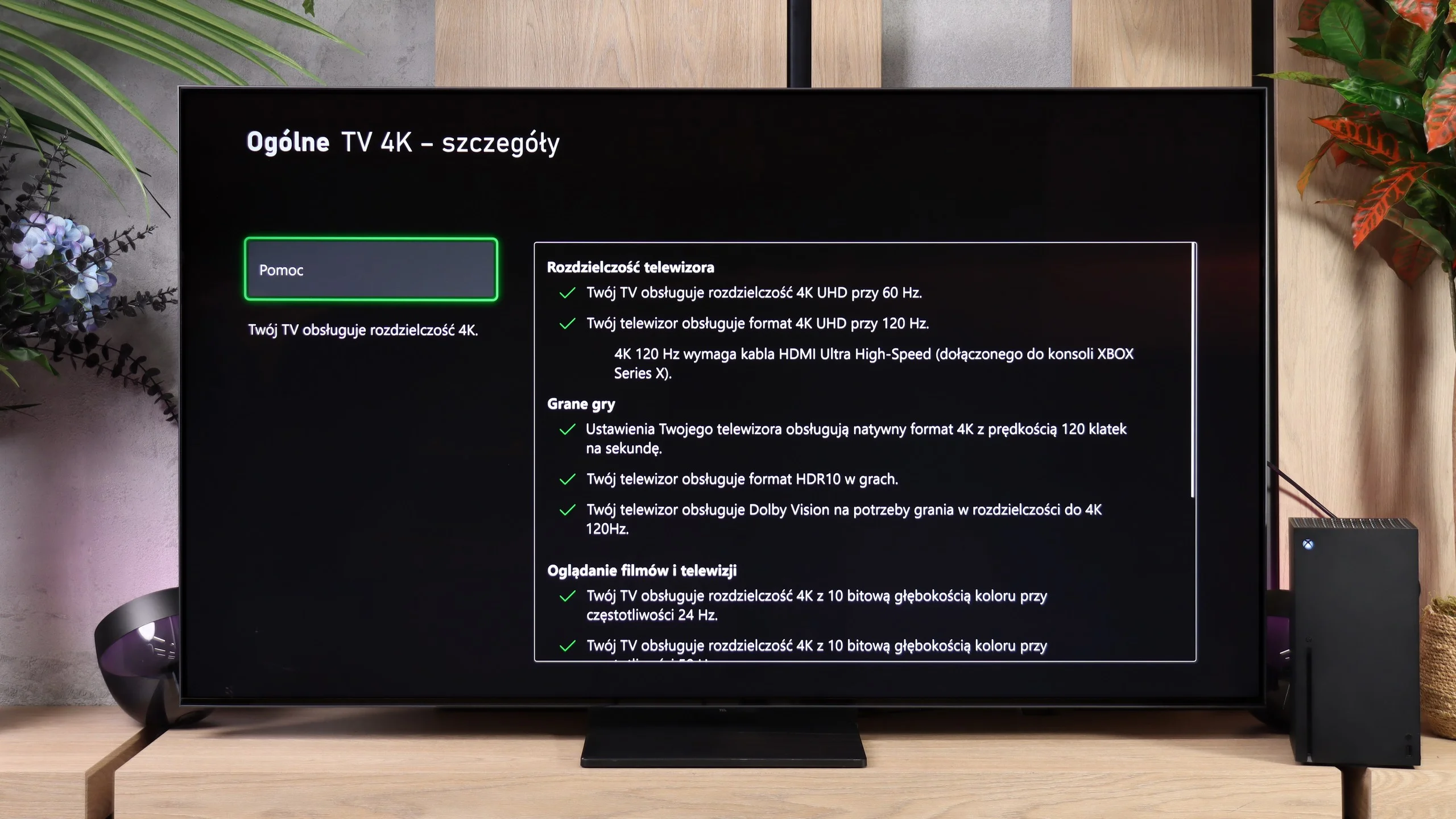
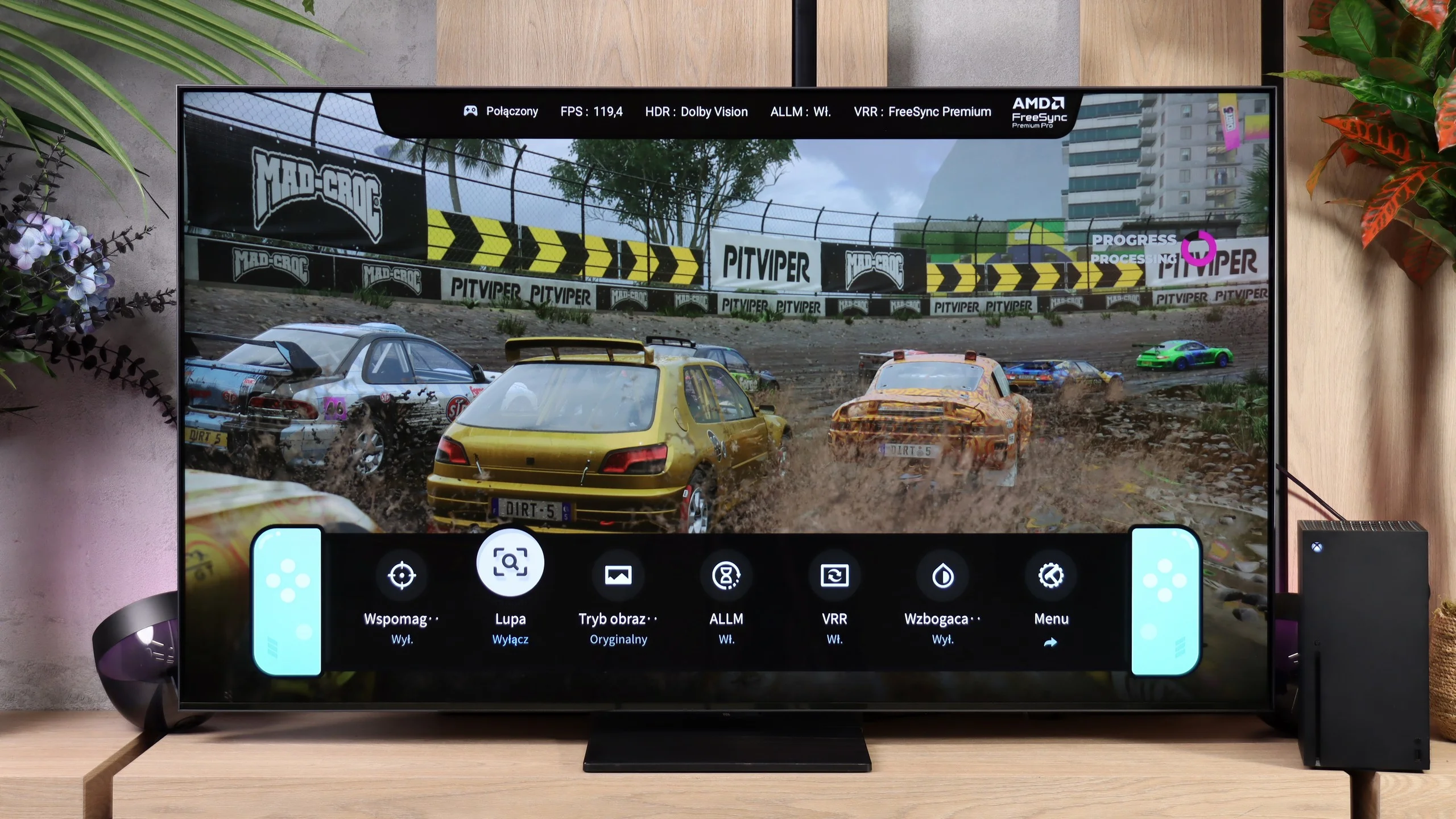
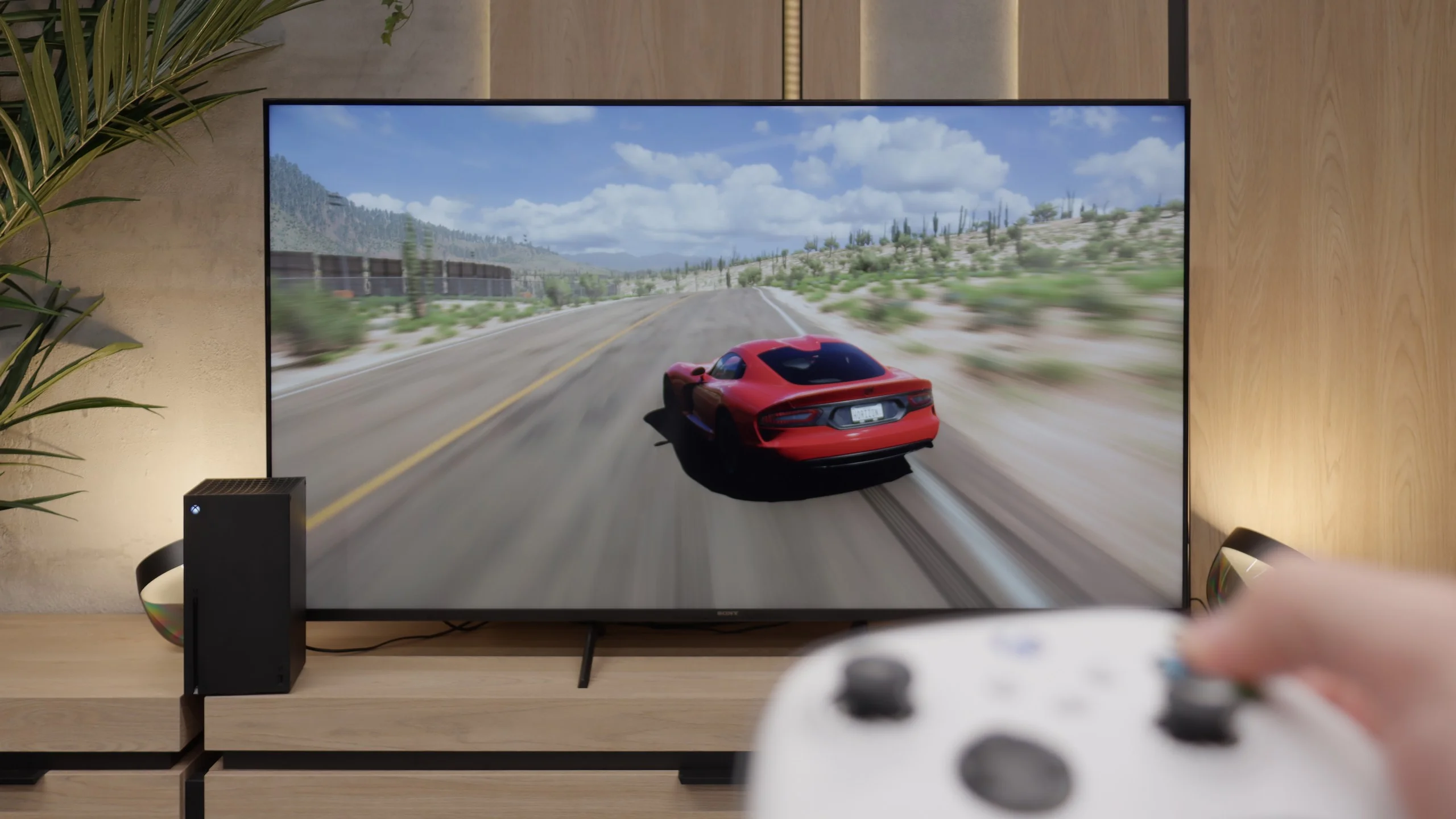
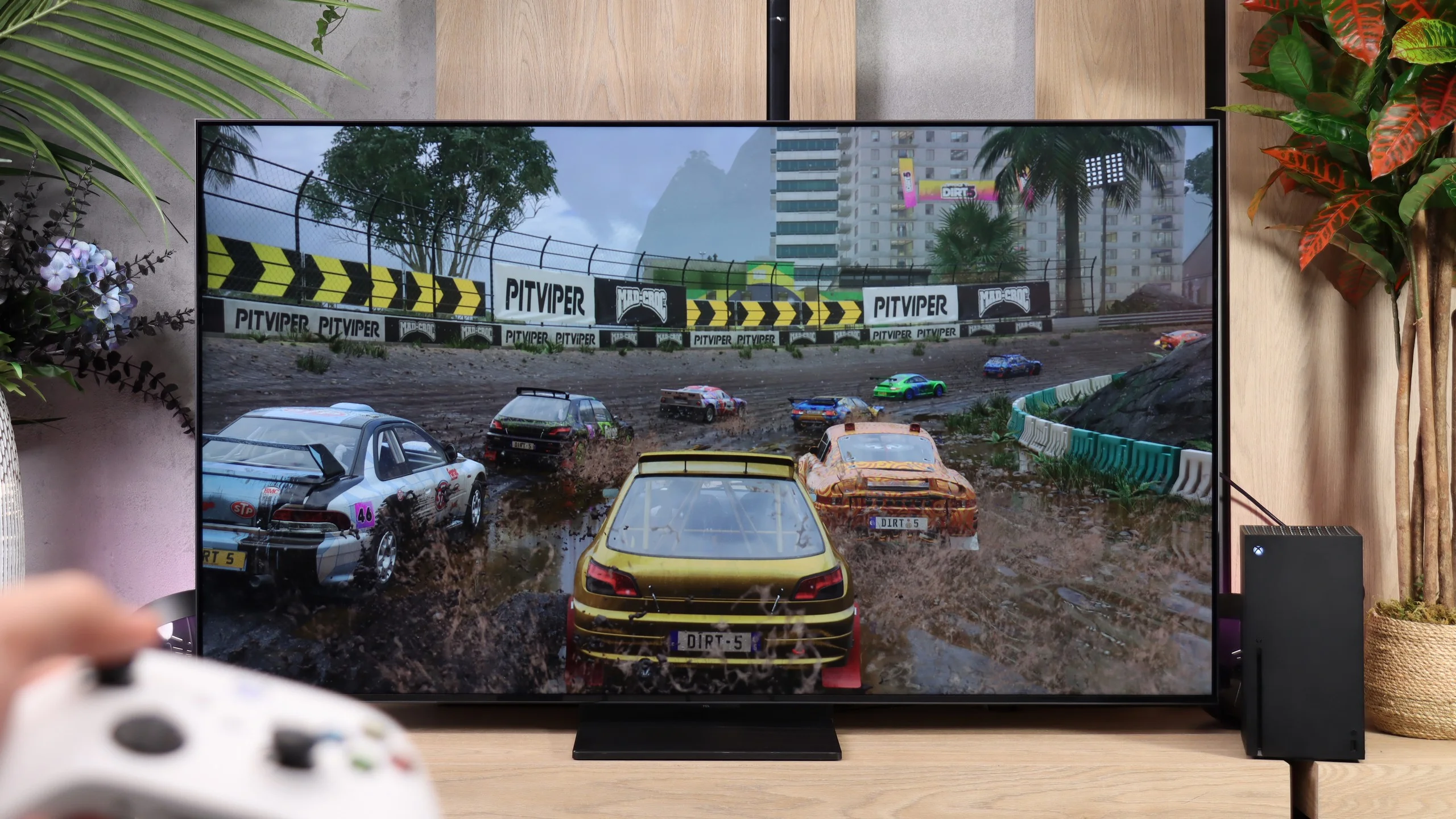
TCL A400U has very extensive features for gamers, even though its look suggests a TV for an elegant living room. It supports 120 Hz in Full HD, 1440p and 4K, so it lets you take advantage of the high-refresh modes available on consoles. When connected to a PC you can get 144 Hz at 4K or even 288 Hz at Full HD. In fast-paced games this gives you plenty of freedom to choose between image detail and smoothness. There’s also VRR, which matches the refresh rate to the frame rate and limits screen tearing when a game doesn’t maintain steady performance. Its range is 48–288 Hz, with the top value applying to Full HD. ALLM automatically switches the screen to game mode, and Xbox users can use Dolby Vision at 120 Hz. The properly working HGiG implementation deserves praise. It lets you set HDR on the console without the TV further altering the test pattern and making it hard to judge when the pattern should disappear. That doesn’t mean the picture brightness in game mode is perfect, as we noted during calibration, but the HDR setup proceeds correctly. The package is rounded out by a clear Game Bar. You can quickly check the frame rate, the active HDR format, and VRR status, and access extra tools like a crosshair and a magnifier. The most important options are at hand without going into the full settings menu.

Input lag

10/10

10/10

SDR

1080p60
12 ms
14 ms
1080p120
9 ms
2160p60
12 ms
14 ms
2160p120
9 ms

HDR

2160p60
11 ms
13 ms
2160p120
8 ms
4320p60

Dolby Vision

2160p60 DV
11 ms
14 ms
2160p120 DV
10 ms

Here, Bravia 3 shows its best side. Delays drop below 12 milliseconds almost in every resolution and mode, so the response to controller movements is instantaneous and there is no feeling of lag. It feels as if the console and the TV are speaking the same language, without any unnecessary pauses or hesitations. The Dolby Vision Gaming mode deserves special attention. In its predecessor, the X75WL model, using this feature was simply a nightmare – input lag could exceed 100 milliseconds, which effectively took away the enjoyment of gaming. In Bravia 3, this problem has been completely eliminated.

The A400U responds to controller inputs very quickly. At 60 Hz the delay is 13 to 14 ms, and at 120 Hz it falls to 8 to 9 ms in SDR and HDR10. Those are excellent results, also for fast-paced shooters and online multiplayer games. Dolby Vision is just as good: 14 ms at 60 Hz and 10 ms at 120 Hz, meaning using that format doesn't noticeably worsen control responsiveness. In terms of input lag, there's really nothing to complain about here.

Compatibility with PC

6/10

8.5/10

Chroma 444 (max. resolution and refresh rate)
Yes
Yes
Font clarity
Very Good
Very Good
Readability of dark text and shapes
Very Good
Average
Input lag in PC mode (4K, max. refresh rate)
12ms
9ms
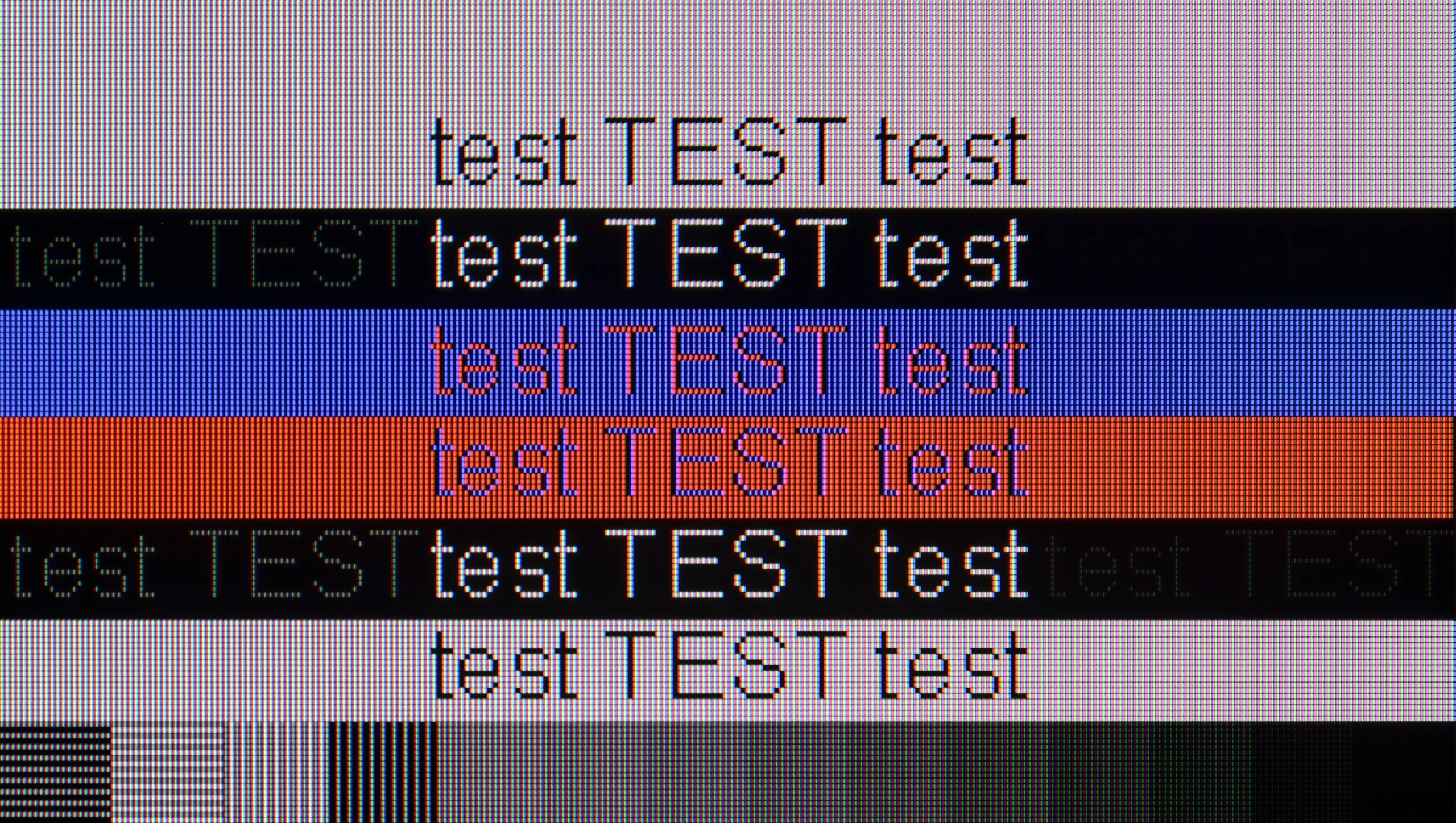
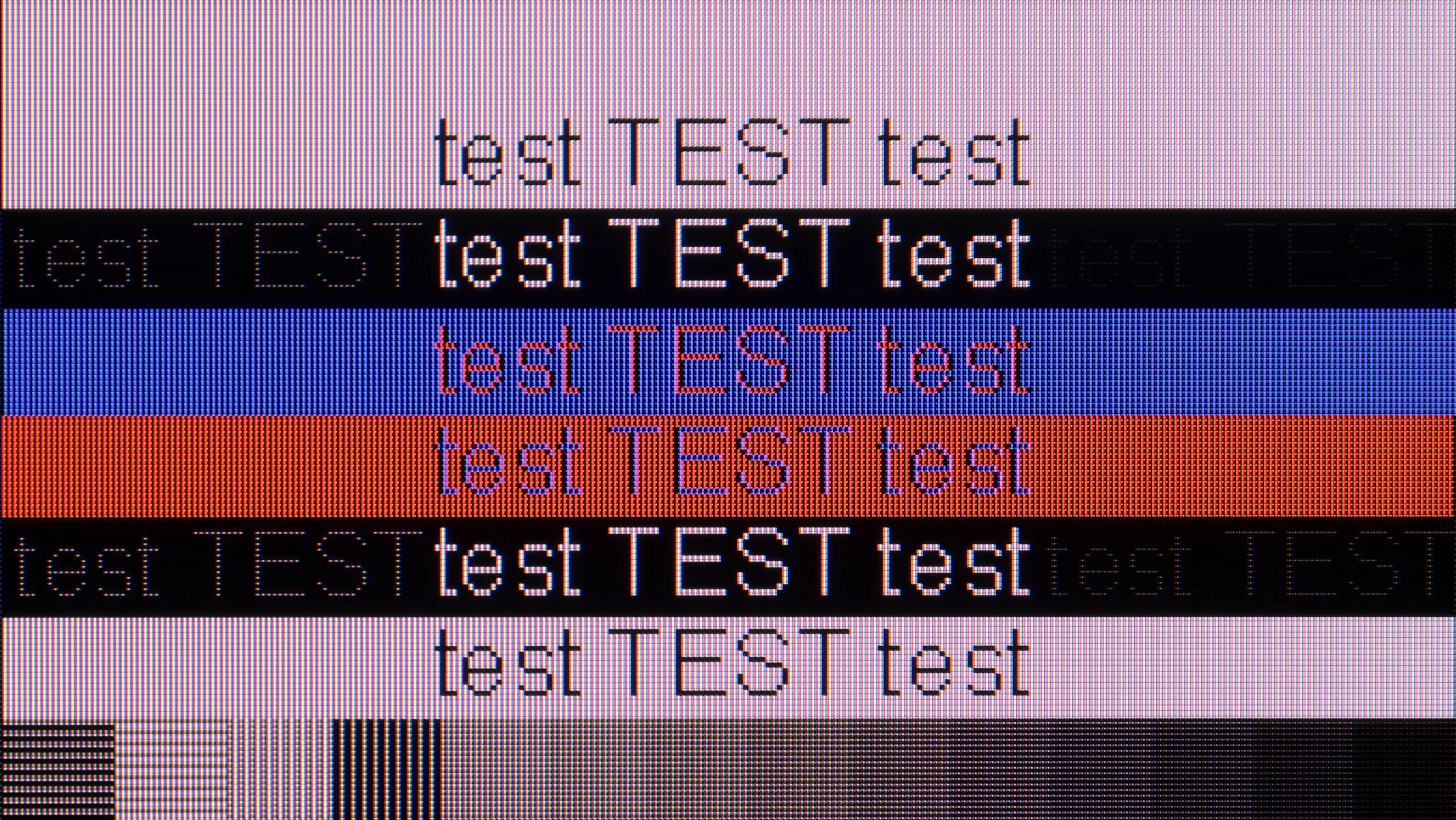
Matrix subpixel arrangement
RGB
RGB
Max refresh rate
60Hz
144Hz
G-Sync
No
Yes

The photo shows the legibility of small fonts. Ideally, lines should be the same thickness on both light and dark text, with minimal pixel gaps.

The applied IPS matrix, combined with properly functioning 4:4:4 chroma support, ensures that font readability is at an excellent level. Letters appear sharp, regardless of the background color or the content itself, making work with documents or browsing websites easy on the eyes. In this role, the television definitely deserves a very good rating, if not an excellent one, as few models in this budget perform as well. Of course, if we look at the Bravia 3 from a PC gamer's perspective, the picture won't be as rosy. We won't find G-SYNC or Free Sync frame synchronization with graphics cards or high refresh rates here, so for fast-paced computer games, the television is not the best choice. However, in the role of a monitor for work, whether in a home office or a student’s room, it performs excellently, and in this regard, it's really hard to criticize.

The TCL A400U works very well with a PC, mainly thanks to its extensive gaming capabilities. Support for 4K at 144 Hz and 288 Hz in Full HD, working G-Sync, and input lag of around 9 ms allow comfortable play even in fast-paced titles.

However, text readability depends on the selected refresh rate. At 120 Hz fonts look nearly perfect, regardless of size or color. Switching to 144 Hz introduces an issue with the horizontal strokes of letters, especially darker ones. They are noticeably dimmer than the vertical strokes, which makes small text appear uneven, despite retaining 4:4:4 chroma. If the A400U is also going to be used as a work monitor, it's best to stick with 120 Hz and only enable higher refresh rates for gaming. It's a minor inconvenience, but mainly affects people who sit close to the screen and work with small fonts. When gaming or using a PC from the couch it won't be a big problem.

Viewing angles

6.6/10

3.6/10

Brightness drop at an angle of 45 degrees
75%
79%

Thanks to the applied IPS matrix, colors do not lose intensity as quickly as with screens based on VA panels. Even when watching television in a larger group, when some people sit at an angle, the image remains clear and does not appear washed out. Of course, this is not the level offered by organic OLED matrices, where the image looks identical from almost every position, but for an LCD television, the viewing angles in the Bravia 3 are among the better ones. This provides a sense of comfort and freedom, especially in larger living rooms or during family screenings, where it is difficult for everyone to sit directly in front of the screen.

Viewing angles are not the strongest suit of the TCL A400U. The VA panel handles black levels well when viewed straight on, but from the side colors lose saturation and the image loses contrast. It’s not the worst result among TVs with this type of panel, but with a wider sofa setup the difference between a center seat and one at the edge will be noticeable. It clearly falls short compared to IPS screens, and even more so compared to OLEDs. The A400U is therefore best watched straight on if you want to maintain full color saturation and good black levels.

Daytime performance

4.9/10

8.5/10

Panel finish
Satin
Glare
Reflection suppression
Good
Poor
Black levels during daytime
Good
Very Good

Panel brightness

TCL A400U: 1227 cd/m2

SONY BRAVIA 3: 337 cd/m2

The Bravia 3 performs quite decently against daylight. The applied satin coating on the screen effectively reduces reflections, and colors do not lose their intensity when stronger light from outside hits the screen. As a result, in typical home conditions, with the blinds open or in a living room with a larger window, the image maintains its readability. However, it is important to remember that this is not a high-brightness television. The Bravia 3 has no chance of competing with brighter models, so in very sunlit rooms, there are moments when the screen simply cannot compete with the intense light. Under normal conditions, it handles well, but in more challenging scenarios, one should not expect miracles.

Televisions meant to serve as interior decoration often have matte screens that reduce reflections and help achieve a picture-on-the-wall look. The TCL A400U takes a different approach. It has a fully glossy coating that unfortunately shows clear reflections of windows and lamps. You notice this while watching, especially when a bright reflection falls on a darker part of the movie. On the plus side, it preserves blacks and colors in a well-lit room. The image doesn’t become washed out and colors remain well saturated.

The A400U’s biggest daytime advantage, however, is its brightness. Measurements averaged about 1,300 nits, and even with the entire screen filled with white the TV maintained around 700 nits. That’s a very good result, allowing comfortable viewing even in a brightly lit living room. You just need to choose the screen’s placement sensibly. The A400U has enough power to handle a bright environment, but it won’t eliminate reflections from a large window positioned directly opposite it.

Panel details

Backlight Type
PFS LED
Mini-LED PFS LED
Software version during testing
6120600301
v8-0012t01-lf1v641.003171
Image processor
MT5896 2,5 GB RAM
mt5896 2,5GB RAM

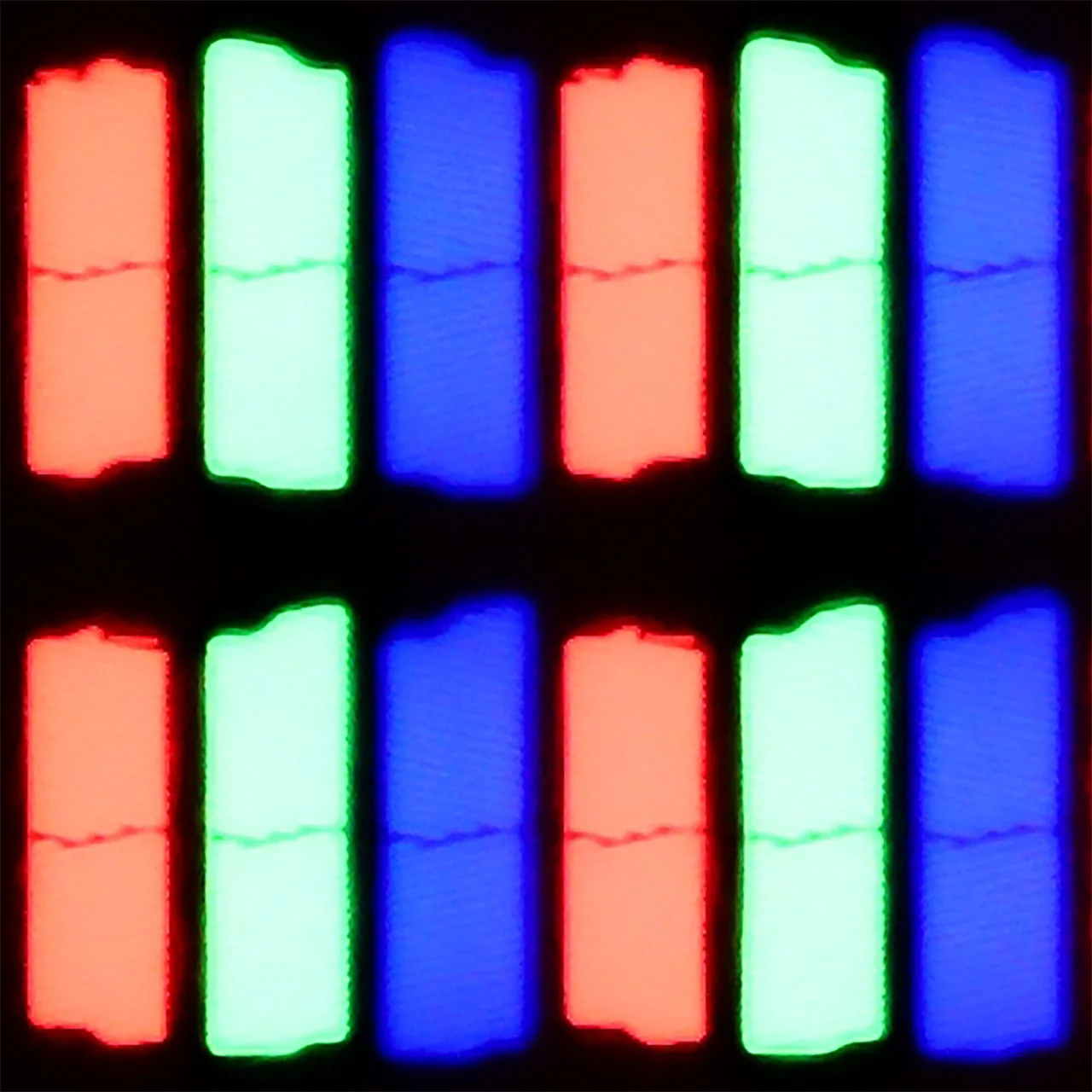
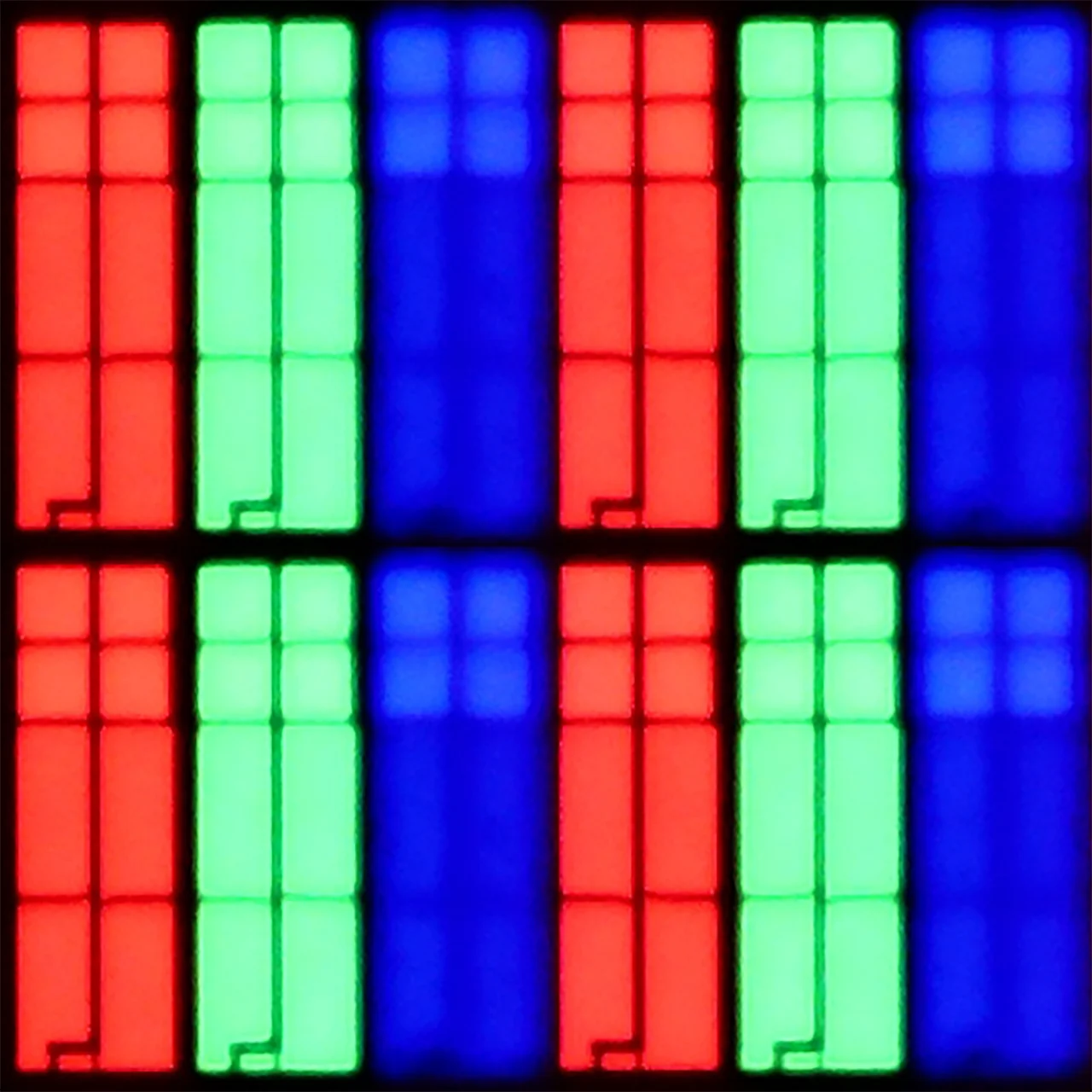
Subpixel Structure:

Panel uniformity and thermal imaging:

Review SONY BRAVIA 3 TV Panel details
Review TCL A400U TV Panel details

SONY BRAVIA 3

TCL A400U

TV features

6.6/10

7.8/10

  • System
    Google TV
    Google TV
  • System performance
    Decent
    Good
  • HDMI inputs
    4 x HDMI 2.0, 0 x HDMI 2.1
    2 x HDMI 2.0, 2 x HDMI 2.1 48Gbps
  • Outputs
    Toslink (Optical audio), eARC (HDMI), ARC (HDMI)
    Toslink (Optical audio), eARC (HDMI), ARC (HDMI)
  • Network Interfaces
    Wi-Fi 2.4GHz, Wi-Fi 5GHz, Ethernet (LAN) 100Mbps
    Wi-Fi 2.4GHz, Wi-Fi 5GHz, Ethernet (LAN) 100Mbps
  • TV reception
    DVB-T, DVB-T2, DVB-S, DVB-S2, DVB-C
    DVB-T, DVB-T2, DVB-S, DVB-S2, DVB-C

Classic features:

  • Recording to USB (terrestrial TV)
    No
    No
  • Recording programming
    No
    No
  • Picture in Picture (PiP)
    No
    No
  • RF remote control (no need to aim)
    Yes
    Yes
  • Backlit remote control
    No
    No
  • Teletext
    Yes
    Yes
  • Audio only mode
    Yes
    Yes
  • Bluetooth headphones support
    Yes
    Yes
  • Simultaneous Bluetooth headphones & TV audio
    No
    Yes

Smart features:

  • AirPlay
    Yes
    Yes
  • Screen mirroring (Windows Miracast)
    No
    Yes
  • Voice search
    Yes
    Yes
  • Voice search in native language
    Yes
    Yes
  • Ability to connect a keyboard and mouse
    Yes
    Yes
Review SONY BRAVIA 3 TV features
Review TCL A400U TV features

Sound connection options

  • HDMI audio
    eARC (HDMI), ARC (HDMI)
    eARC (HDMI), ARC (HDMI)
  • Other audio outputs
    Toslink (Optical audio)
    Toslink (Optical audio)
  • Wireless audio
    Bluetooth
    Bluetooth

Supported audio formats (external HDMI eARC audio):

  • Dolby Digital Plus 7.1
    Yes
    Yes
  • Dolby True HD 7.1
    Yes
    Yes
  • Dolby Atmos in Dolby Digital Plus (JOC)
    Yes
    Yes
  • Dolby Atmos in Dolby True HD
    Yes
    Yes
  • DTS:X in DTS-HD MA
    Yes
    Yes
  • DTS-HD Master Audio
    Yes
    Yes

Senior accessibility

  • Numeric keyboard on TV
    Yes
    Yes
  • Font size adjustment
    Yes
    Yes
  • Audio description
    Yes
    Yes

Smart TV Features

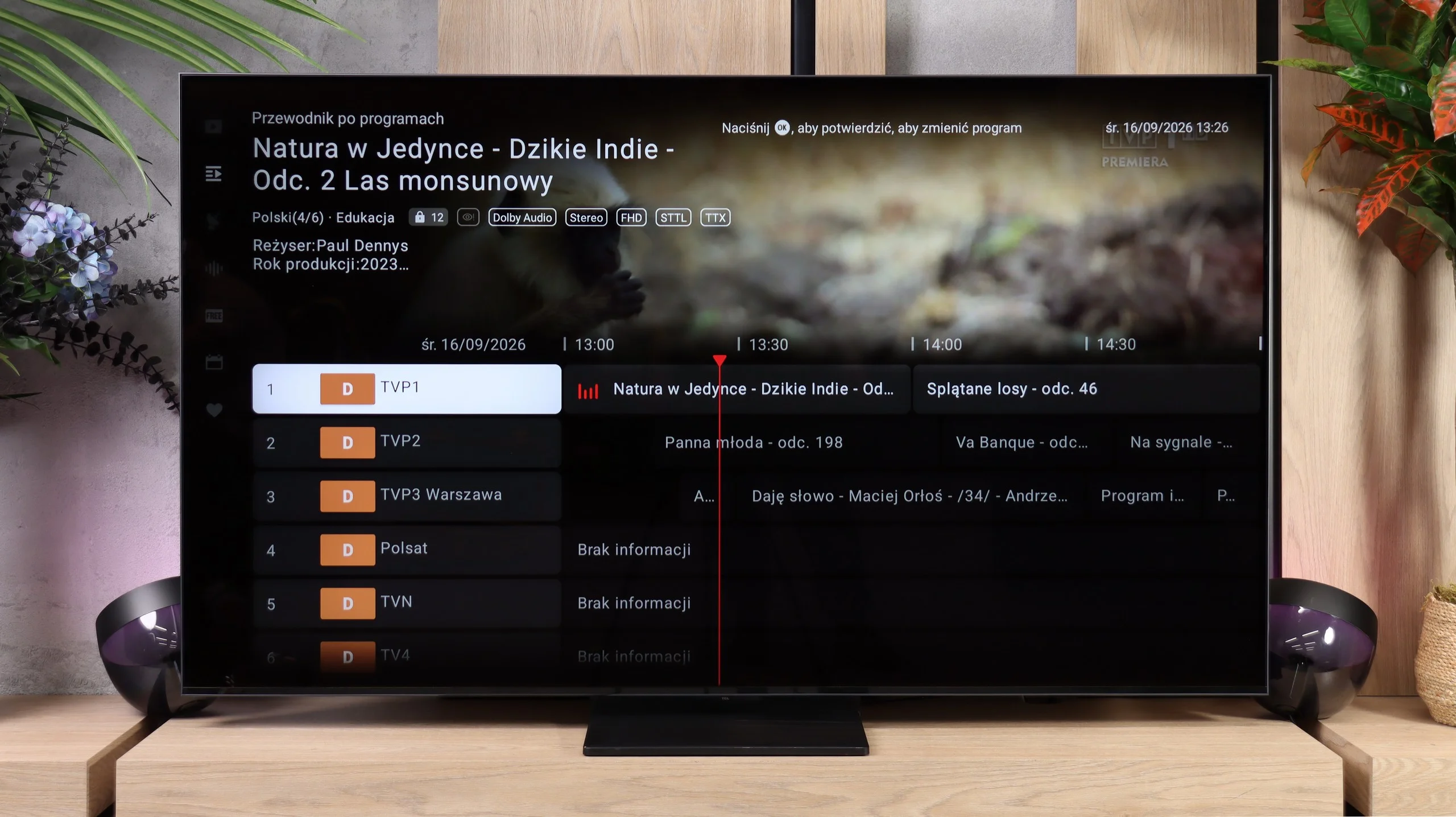
The biggest advantage of the Bravia 3 in everyday use is the presence of the Google TV system. Thanks to it, we have access to one of the largest libraries of applications and streaming services, so regardless of whether someone mainly uses Netflix, Disney+, or smaller platforms, everything is at their fingertips. The Google Assistant also worked very well, as it was able to respond to our commands quite "smartly." The Google TV system in theory should work very smoothly because Sony has been implementing it better than many cheaper competitors for years. Unfortunately, in the case of the Bravia 3, it is not as great as we would expect. During testing, we noticed slight stutters in the interface, and some functions, such as screen mirroring, simply refused to cooperate. One could get the impression that the processor in this model sometimes struggles with the demanding system, and not everything works as smoothly as we would hope.

Classic Features

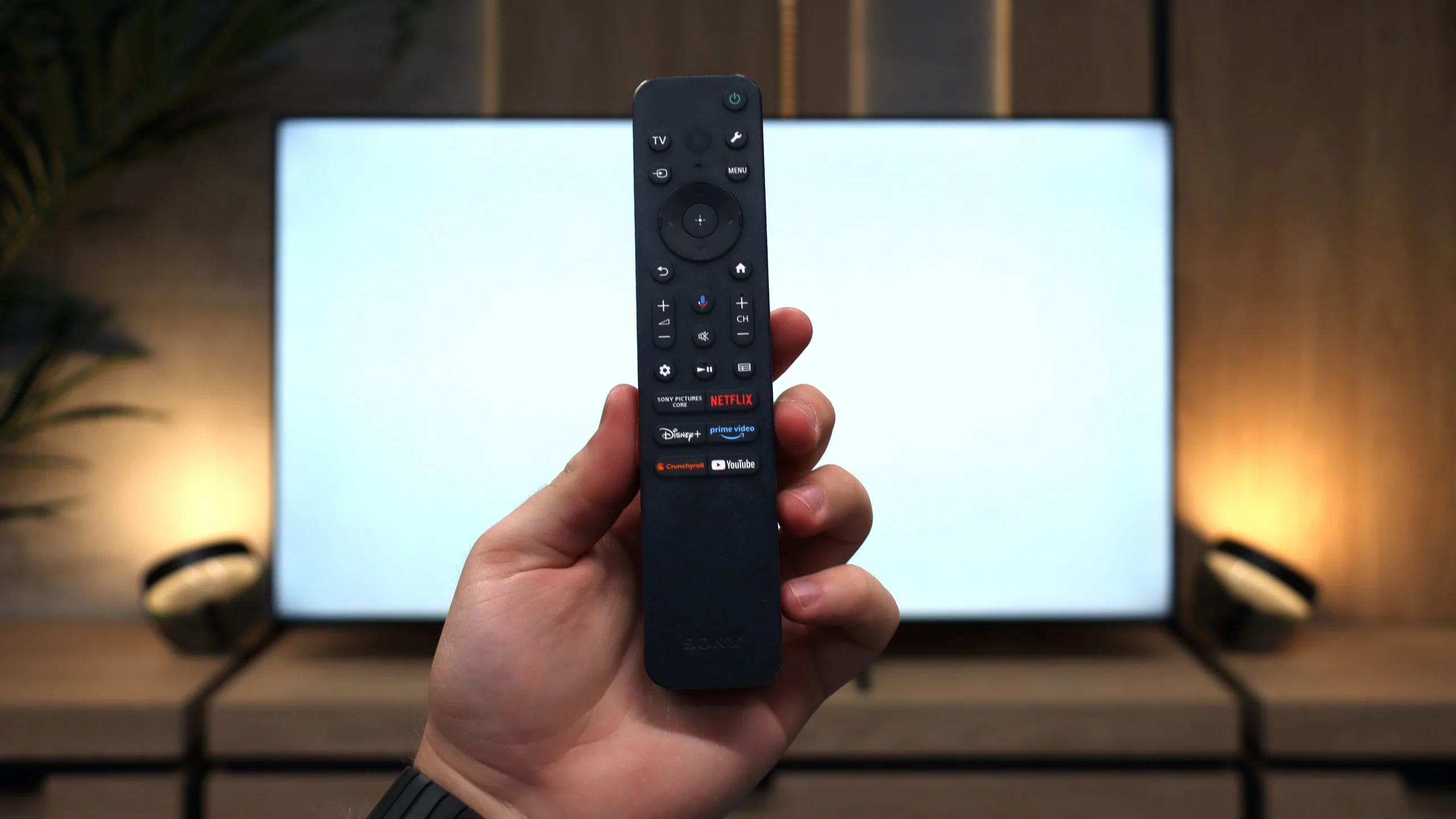
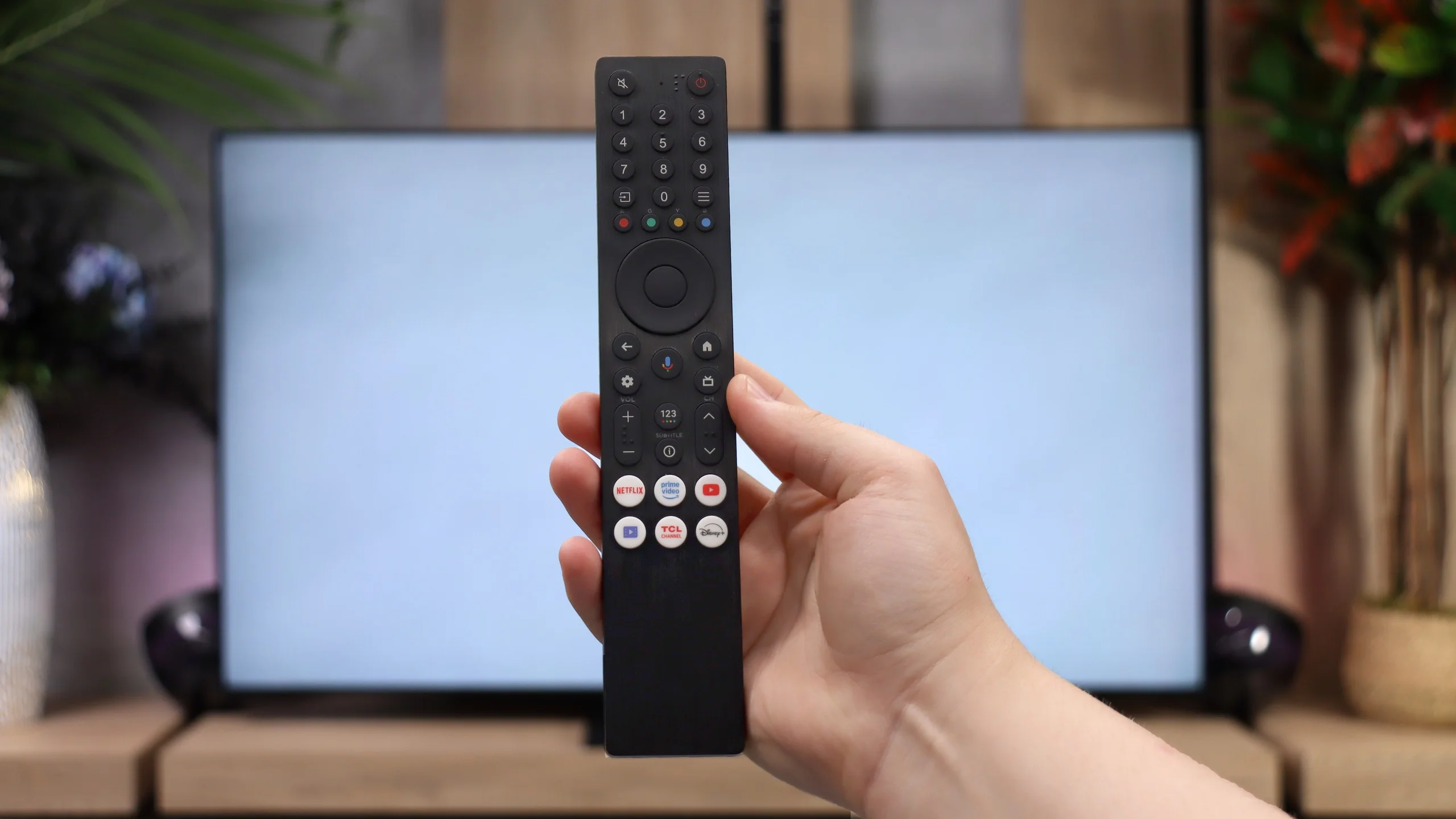
Sony, even in the cheapest series, manages to remind us of its experience with various users. In the set, we find as many as two remotes. The first is modern and minimalist, with a small number of buttons, which works great when using applications and Google TV functions. The second is a classic remote with a richer set of keys and a numeric keypad, which will be appreciated especially by older people accustomed to traditional solutions. This is a nice nod to different user groups, and it must be admitted that Sony handled this very practically. It is a pity, however, that compared to the X75WL model, the ability to record content from TV tuners to USB memory has disappeared. The manufacturer has completely eliminated this feature, so if someone was attached to it, they will unfortunately not find it in the Bravia 3.

Google TV

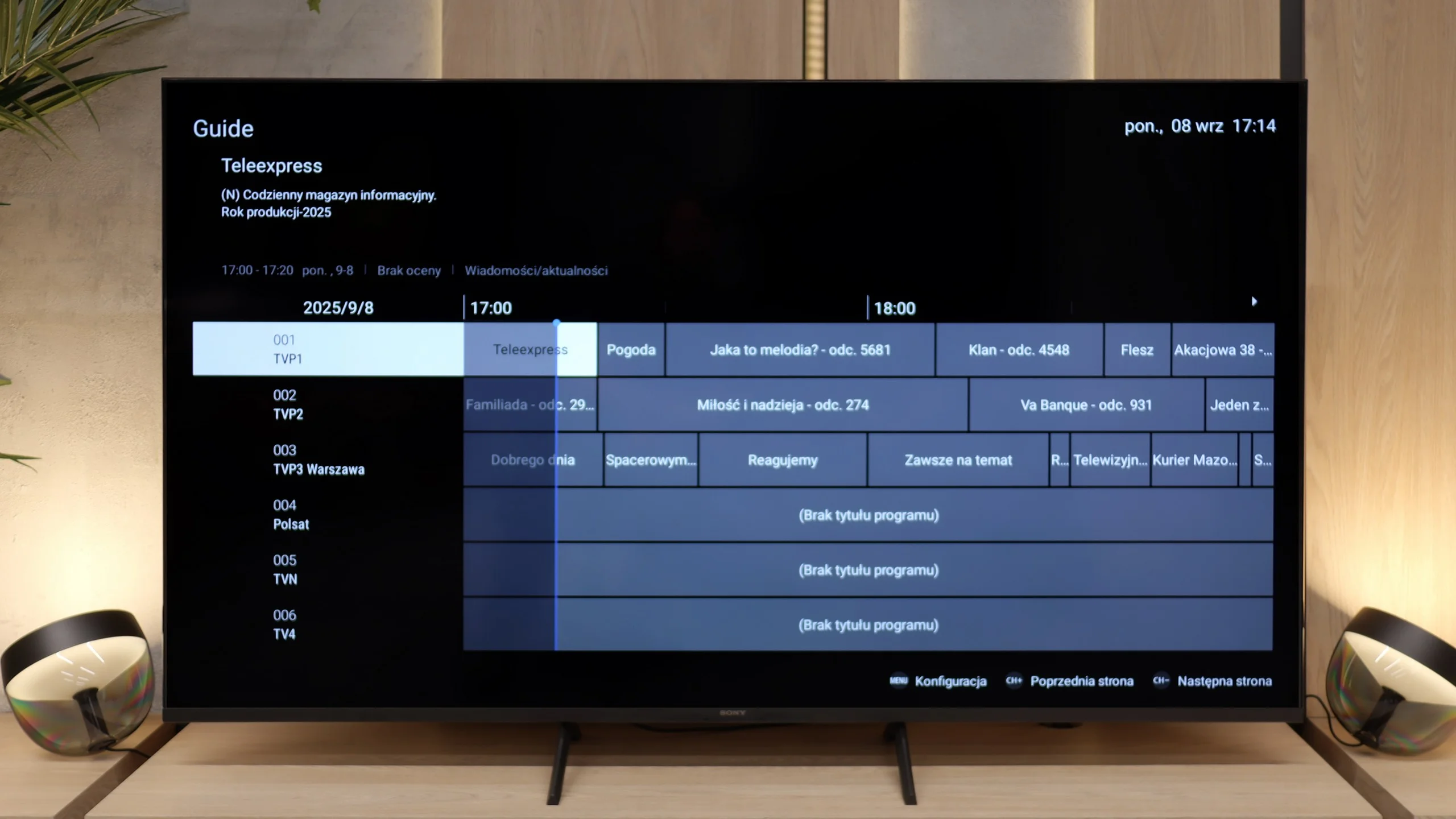
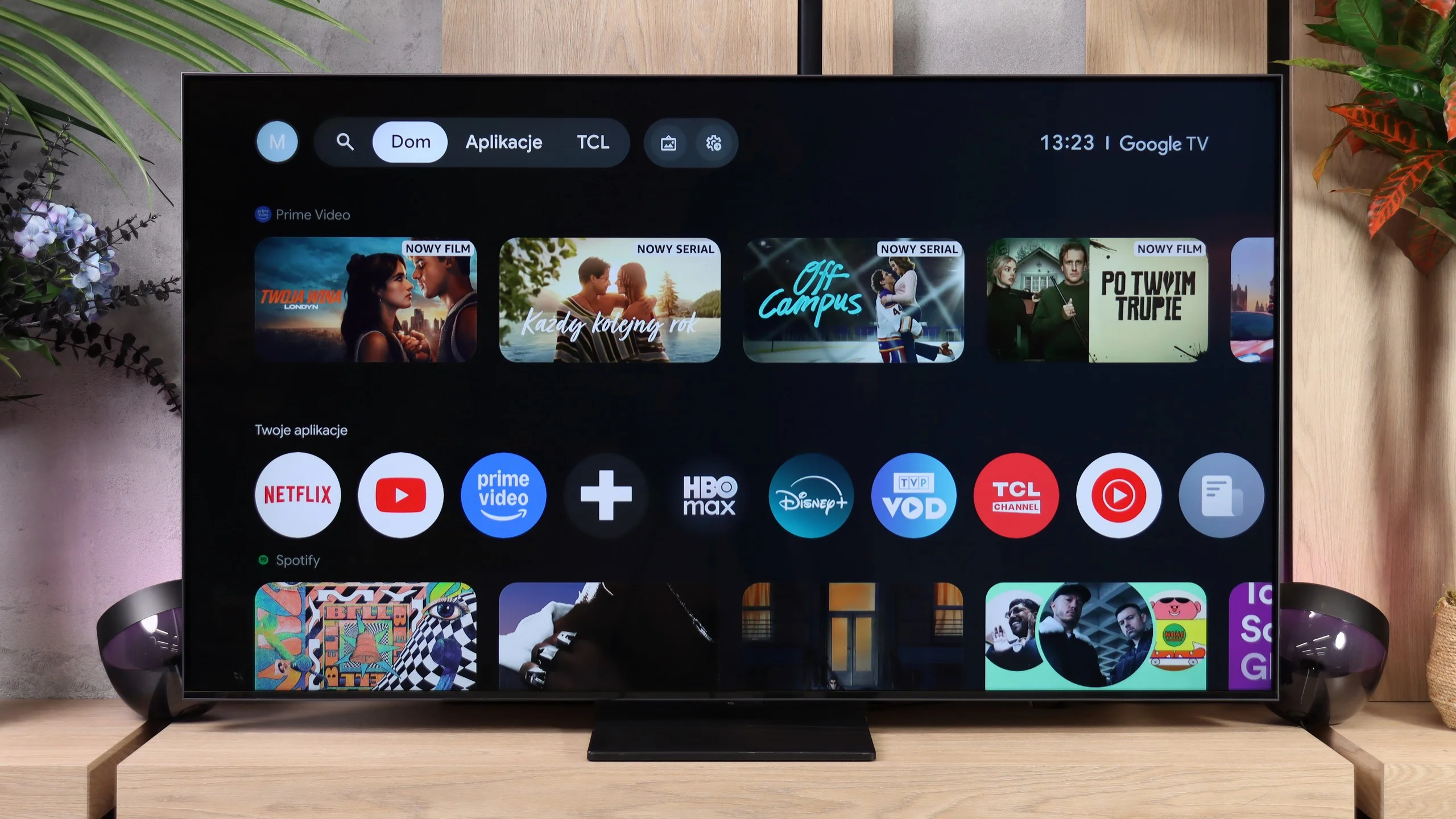
Google TV on the A400U runs smoothly and makes it convenient to use the TV without connecting an external set-top box. There’s a wide selection of apps, so it’s easy to find something to watch, and voice search in Polish is handy when looking for a specific movie. Instead of painstakingly entering each letter with the remote, you can just say the title. You can also cast content from your phone to the screen without much trouble. Viewers of traditional TV get slightly fewer options. The lack of USB recording means you can’t save a favorite program for later without an external decoder.

Practical features

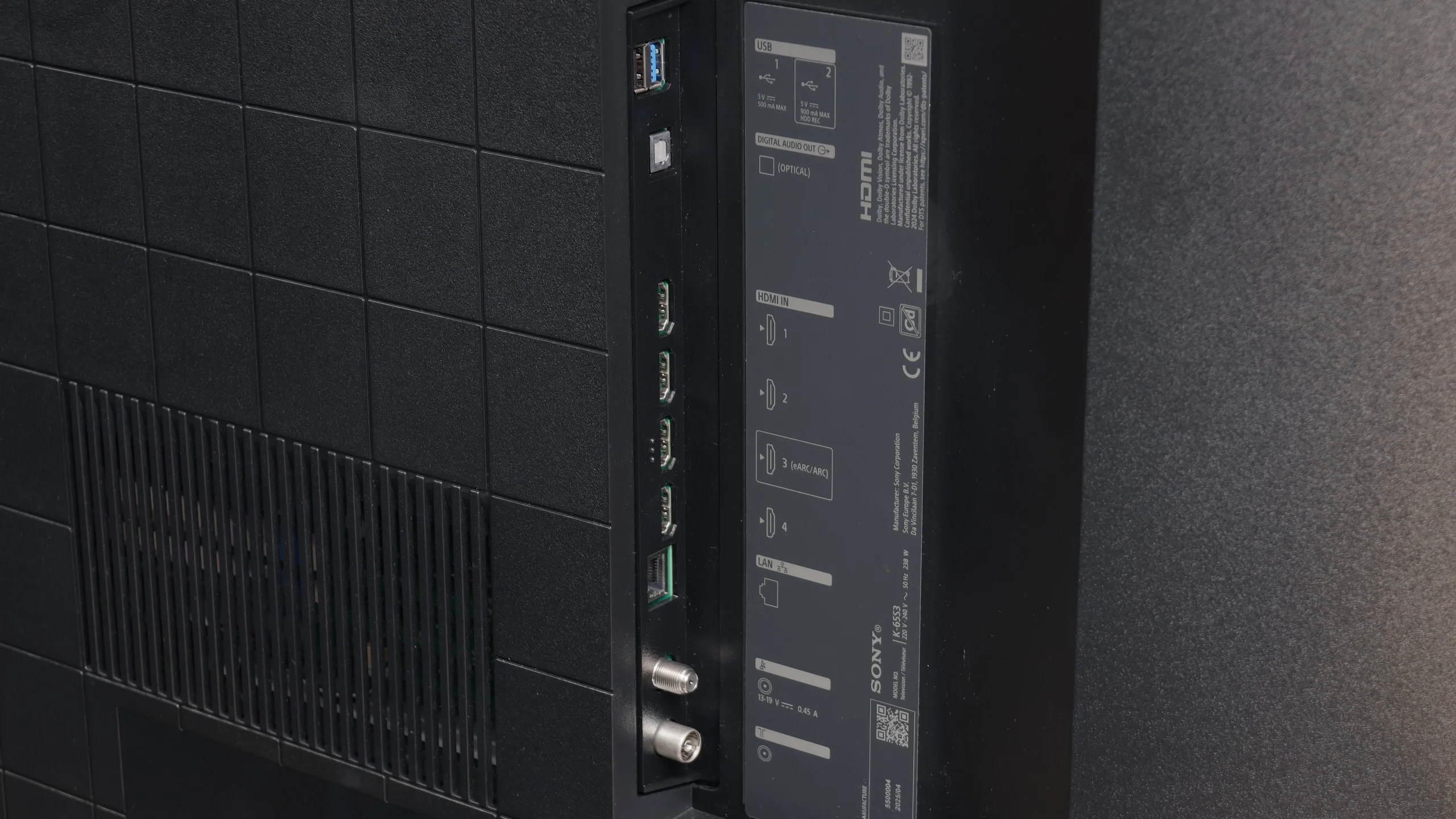
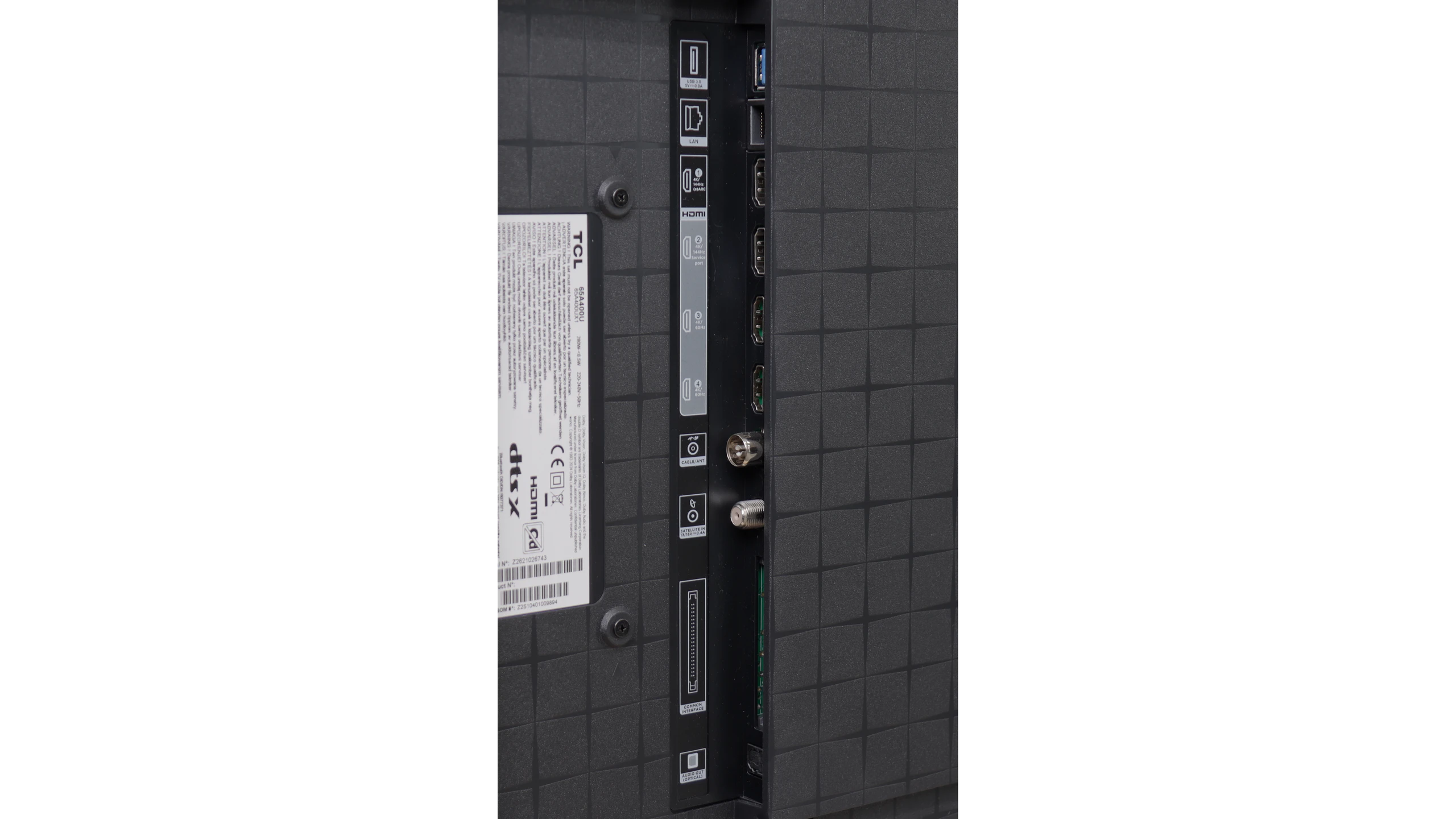
The A400U has a few useful conveniences. For example, you can connect Bluetooth headphones while keeping the TV speakers on. There are some omissions, though, especially for people who use broadcast TV. You can’t record programs to USB, and there’s no picture-in-picture mode to display two sources at once. It’s also worth thinking about connecting additional gear. Of the four HDMI inputs, only two support high refresh rates at 4K, and one of those is also used for audio via eARC. If you use that one for a soundbar, you’ll have only a single such input left for a console or PC. With one console that’s no problem, but with a more elaborate setup you might run out of inputs.

Remote

With such a refined look for the A400U, it’s a pity the same attention wasn’t given to the remote. The large plastic housing with lots of buttons looks rather ordinary next to the rest of the TV. A more minimalist remote, like the one in the C8L, would suit this model’s character much better. The A400U is, of course, a cheaper device, but if appearance is one of its main selling points, why not? 😉 The remote itself works well and doesn’t require aiming at the screen, though backlit buttons would be useful in the evening.

Apps

9.6/10

9.6/10

OK
Disney_Plus
OK
Amazon_Prime_Video
OK
Player_TVN
OK
Polsat_Box_Go
OK
Canal_Plus_Online
OK
TVP_VOD
OK
Apple_TV_Plus
OK
SkyShowtime
OK
Rakuten
OK
CDA_Premium_Browser
OK
Spotify
OK
Tidal
OK
Netflix
OK
YouTube
OK
HBO_MAX
OK
Kodi
No
Apple_music
OK
Eleven_sports
No
Xbox Game Pass
OK
GeForce NOW
No
Amazon Luna
OK
Boosteroid
OK
Steam Link
OK
Disney_Plus
OK
Amazon_Prime_Video
OK
Player_TVN
OK
Polsat_Box_Go
OK
Canal_Plus_Online
OK
TVP_VOD
OK
Apple_TV_Plus
OK
SkyShowtime
OK
Rakuten
OK
CDA_Premium_Browser
OK
Spotify
OK
Tidal
OK
Netflix
OK
YouTube
OK
HBO_MAX
OK
Kodi
No
Apple_music
OK
Eleven_sports
No
Xbox Game Pass
OK
GeForce NOW
No
Amazon Luna
OK
Boosteroid
OK
Steam Link

Playing files from USB

9.6/10

9.4/10

Supported photo formats:

JPEG
Yes
Yes
HEIC
Yes
Yes
PNG
Yes
Yes
GIF
Yes
Yes
WebP
Yes
Yes
TIFF
No
No
BMP
Yes
Yes
SVG
No
No

Maximum photo resolution:

4 Mpix
Yes
Yes
6 Mpix
Yes
Yes
8 Mpix
Yes
Yes
10 Mpix
Yes
Yes
12 Mpix
Yes
Yes
16 Mpix
Yes
Yes
20 Mpix
Yes
Yes
24 Mpix
Yes
Yes
28 Mpix
Yes
Yes
32 Mpix
Yes
Yes

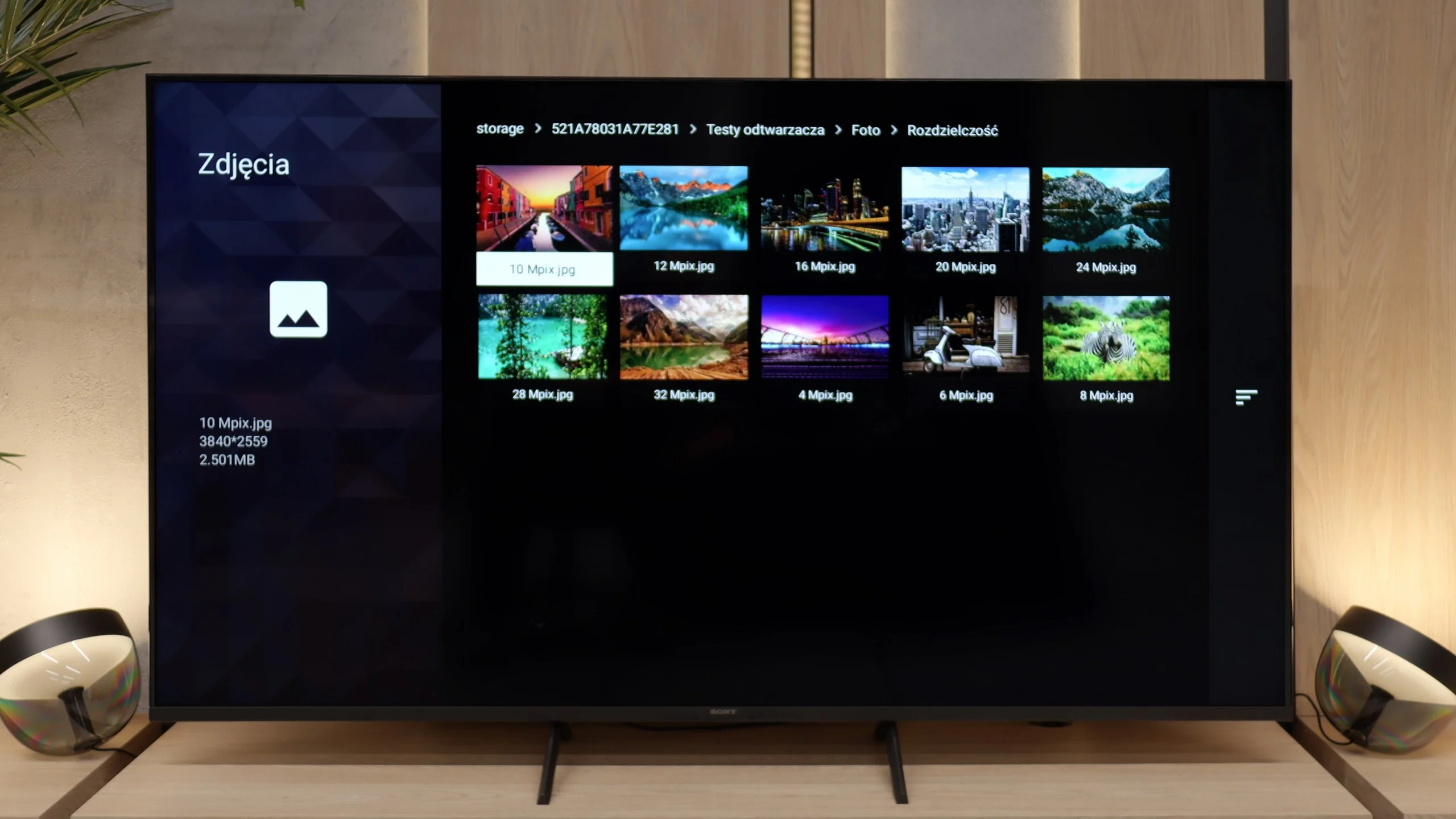
Here Sony really did a great job. The built-in player works quickly and doesn't "struggle" when launching various formats. We didn't need to reach for external applications like VLC because the television handled even files that can cause a lot of problems on other models – such as HEIC photos from Apple devices. It's a small detail, but one that shows the manufacturer wanted the user to have a sense of complete convenience. By plugging a movie onto a USB stick or photos from vacation onto an external drive, you can simply connect them and watch immediately on the big screen. No fussing, no installing additional software, no searching for workarounds. This is really rare in televisions, and it must be admitted that in this aspect, the Bravia 3 pleasantly surprised us.

The TCL A400U's built-in USB player performs very well. It opened almost all the video files, photos, and music tracks we tested, so to play your own content from a USB flash drive the TV's out-of-the-box capabilities are usually enough. A small caveat is the lack of support for subtitles in .txt format. If you have an older collection of movies with such subtitles, you may need to convert them or install a different player. There is no problem with common formats like .srt and .sub.

Sound

6.5/10

6.7/10

  • Maximum volume
    88dB
    82dB
  • Dolby Digital Plus 7.1
    Yes
    Yes
  • Dolby True HD 7.1
    Yes
    No
  • Dolby Atmos in Dolby Digital Plus (JOC)
    Yes
    Yes
  • Dolby Atmos in Dolby True HD
    No
    No
  • DTS:X in DTS-HD MA
    Yes
    Yes
  • DTS-HD Master Audio
    Yes
    Yes

Bravia 3 sounds quite flat, but makes up for it with volume. It is excellent for watching traditional television, as the dialogues are clear and the mid-tones are easily audible. This type of sound profile will be especially appreciated by older users, who primarily care about speech intelligibility. However, if someone expects something more from the sound, such as stronger bass or a wider soundstage, it is still worth reaching for a soundbar. The TV supports modern codecs, including Dolby Atmos and DTS:X, so an external sound system can easily take advantage of their potential. This assures that with a relatively small expenditure, one can achieve a much fuller and more engaging sound.

Unfortunately, the sound in the TCL A400U is as flat as its cabinet. The built-in 2.0 speaker system rated at 20 W is enough for watching the news or regular TV programming, but it clearly lacks bass for movies and music. Explosions lack punch, and music sounds rather thin. The slim design comes at a cost, so for watching movies it's worth considering a soundbar, ideally with a separate subwoofer. The TV supports Dolby Atmos and DTS, so additional speakers will also make better use of spatial audio tracks.

Sound Quality Test

Acoustic Measurements

88dBC (Max)

75dBC

82dBC (Max)

75dBC

Reader comments

Comments are provided by the external service Disqus (Zeta Global). Once loaded, Disqus may set cookies and process data about your activity.

We will remember your choice on this device. Provider's privacy policy