Sony Bravia 3 in the VA panel variant is a television that remains the same budget model in character, but the change in panel type makes watching movies and series much more enjoyable. Higher contrast and deeper blacks finally allow for viewing in the evening without the impression that the screen is drowning in shades of gray. This is a significant advantage over the IPS version, even if it comes at the cost of much worse viewing angles. In practice, this comes down to a choice – if we watch mainly from a couch positioned directly in front, the VA panel gives a decidedly better effect. The rest of the image remains largely the same. The PFS filter still provides pleasantly saturated colors, and the upscaling is at a good level, ensuring that SDR content looks clean and aesthetic. The Google TV system, although it doesn’t always work perfectly smoothly, remains a huge asset – access to a broad library of applications and streaming platforms is something that competitors in this price range don’t always offer in such a refined form. At the same time, the Bravia 3 with VA does not solve all the issues of its predecessor. HDR brightness at around 350 nits still does not allow for a true high dynamic effect, and the lack of local dimming means that fine details can still be blown out. Additionally, there’s no USB recording, which was present in the predecessor. So, who is the Bravia 3 in the VA version for? For those who want to enter the world of Sony televisions at a lower cost and care about decent quality in films and series, primarily watching lower-quality content. It is not a proposition for gamers or for someone expecting cinematic HDR effects. As with the IPS version, it’s hard to talk about a bargain – even if it is the "cheapest Sony of 2025," it is still more expensive than competitors who can offer Mini-LEDs with significantly better contrast and brightness at the same price. Therefore, it is worth considering this model primarily when we come across an attractive promotion.
- Matching (Score) |
- Our verdict |
- TV appearance |
- Where to buy |
- Contrast and black detail |
- HDR effect quality |
- Factory color reproduction |
- Color reproduction after calibration |
- Smoothness of tonal transitions |
- Image scaling and smoothness of tonal transitions |
- Blur and motion smoothness |
- Console compatibility and gaming features |
- Input lag |
- Compatibility with PC |
- Viewing angles |
- Daytime performance |
- Panel details |
- TV features |
- Apps |
- Playing files from USB |
- Sound
Sony Bravia 3 50' (VA) vs Hisense E7Q PRO / E79Q PRO
 Direct comparison
BRAVIA 3 / K-(XX)S3

Available screen sizes: 50”
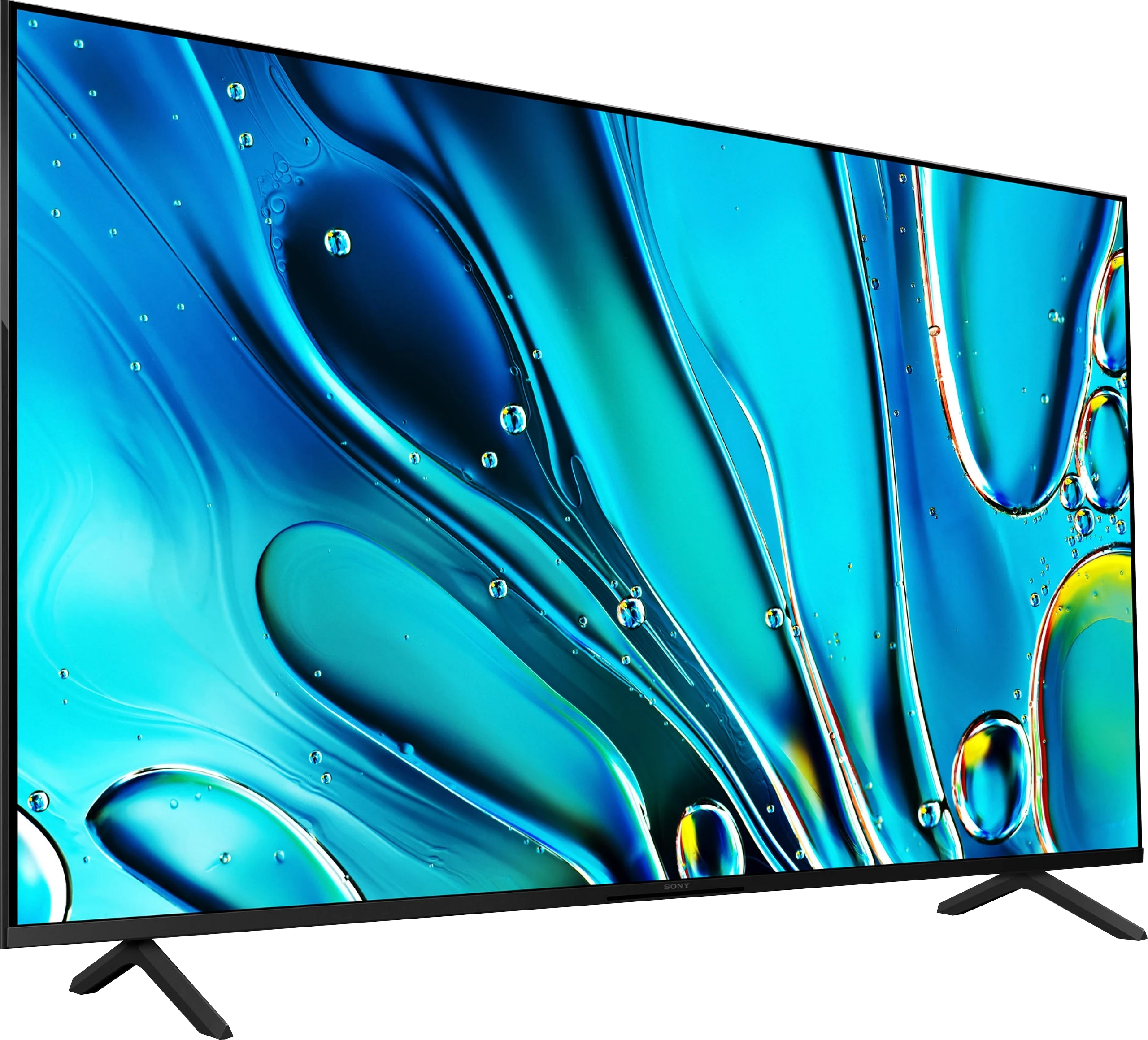
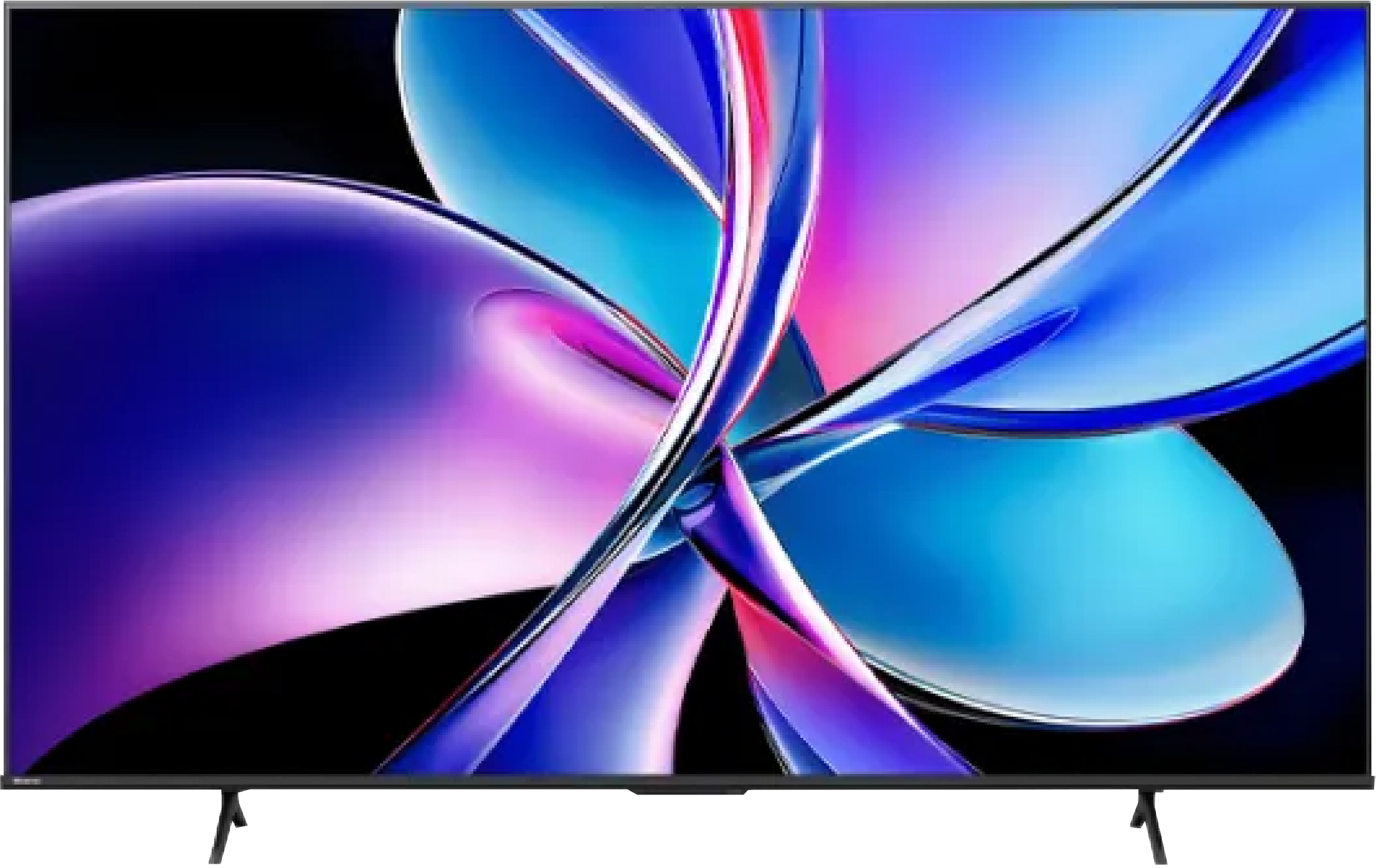
Panel type: LCD VA
Resolution: 3840x2160
System: Google TV
Model year: 2025
Complete the survey to find out the result
Panel type: LCD VA
Resolution: 3840x2160
System: VIDAA
Model year: 2025
Complete the survey to find out the result
Overall rating
6.2
6.6
 Movies and series in UHD quality
 6.3
6.4
 Classic TV, YouTube
 6.3
6.5
 Sports broadcasts (TV and apps)
 5.4
6.3
 Gaming on console
 6.6
7.9
 TV as a computer monitor
 3.5
8.4
 Watching in bright light
 5.4
4.7
 Utility functions
 6.1
7.8
 Apps
Apps 9.6
7.7
 Sound quality
 6.5
6.4
Complete the survey to find out what fits your preferences
Advantages

Significantly better contrast and deeper blacks than the IPS variant
Higher screen brightness, which improves viewing comfort during the day
More uniform panel, fewer issues with vignetting and lightening
Smooth tonal transitions, especially in bright scenes
Wide color gamut coverage (over 91% DCI-P3)
Effective upscaling of lower quality materials
Dolby Vision support, which partially enhances the experience of HDR content
Google TV system with a large app library
Two remotes included – classic and minimalist
High native contrast of the VA panel
Great smoothness of tonal transitions, no visible posterization
Good tone mapping in typical HDR streaming content
Support for Dolby Vision
120 Hz panel, and even 144 Hz in PC mode
Highly developed features for gamers: HDMI 2.1, VRR, ALLM, G-Sync and FreeSync, Game Bar
Low input lag
The VIDAA system works quickly and reliably, voice search
Support for AirPlay
Support for multiple audio formats, including Dolby Atmos and DTS:X
*The 100-inch version effectively dampens reflections thanks to the matte panel
Disadvantages

A lot worse viewing angles than in the version with the IPS panel
Collaboration with PC clearly weaker: worse font readability and visible dithering
Occasional system freezes on Google TV
Missing USB recording feature
No local dimming compared to the 2024 model
Low brightness
Quite strong trailing of fast objects
Issues with readability of thin, dark text when working with a PC
No support for HGiG format for gamers
No USB recording feature
Our verdict
The Hisense E7Q PRO is a television that clearly shows where the manufacturer has set its priorities. It is not a model focused on impressive HDR or cinematic fireworks in a dark living room. This is equipment tailored for universal use, with a strong emphasis on gaming and everyday streaming content viewing at a very attractive price. The biggest disappointment remains the abandonment of local dimming compared to the 2024 model. This is a decision that realistically affects the perception of black levels and contrast. On the other hand, the VA panel with high native contrast does everything it can to mask this loss, and in most everyday applications, it does quite well. The E7Q PRO shines where it is most expected today: in gaming. A 120 Hz panel, 144 Hz mode for PC, HDMI 2.1, variable refresh rate, low input lag, and a very good Game Bar make it one of the more interesting gaming choices in its price segment. Additionally, there is a reliably working VIDAA system, fast menu, and a sensible set of smart functions. It is not a perfect television. HDR brightness is clearly limited, motion blur is average, and viewing angles are typically poor for VA. However, if someone is looking for a television available in various sizes, whether for gaming, series, or everyday viewing, and is aware of its limitations, the E7Q PRO can provide a lot of satisfaction. It is not a step forward compared to its predecessor in any category. Rather, it is a different, more budget-friendly direction. Less cinematic, but cheap and very gaming-oriented. If this is what you're looking for, the Hisense E7Q PRO makes a lot of sense.
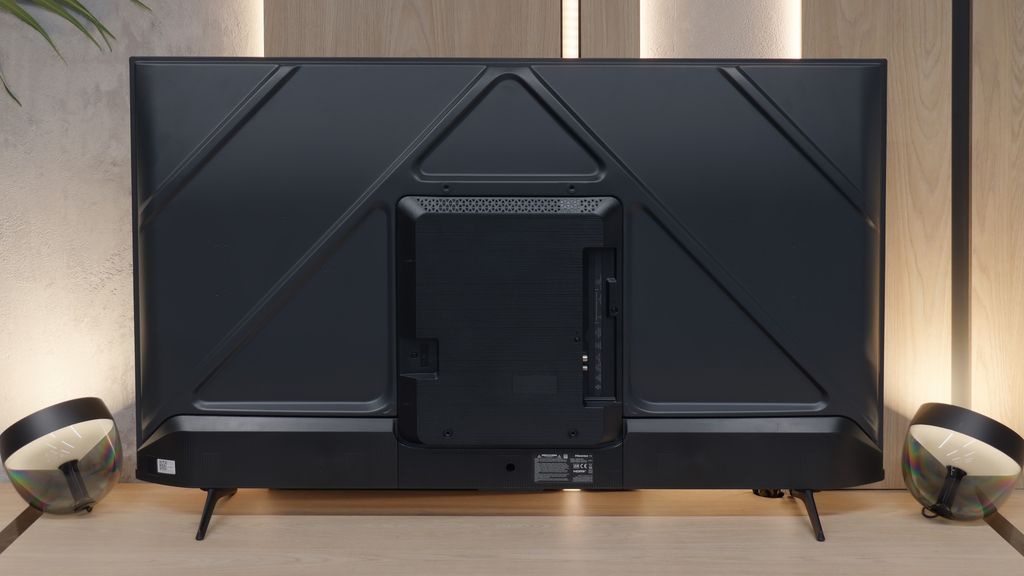
TV appearance
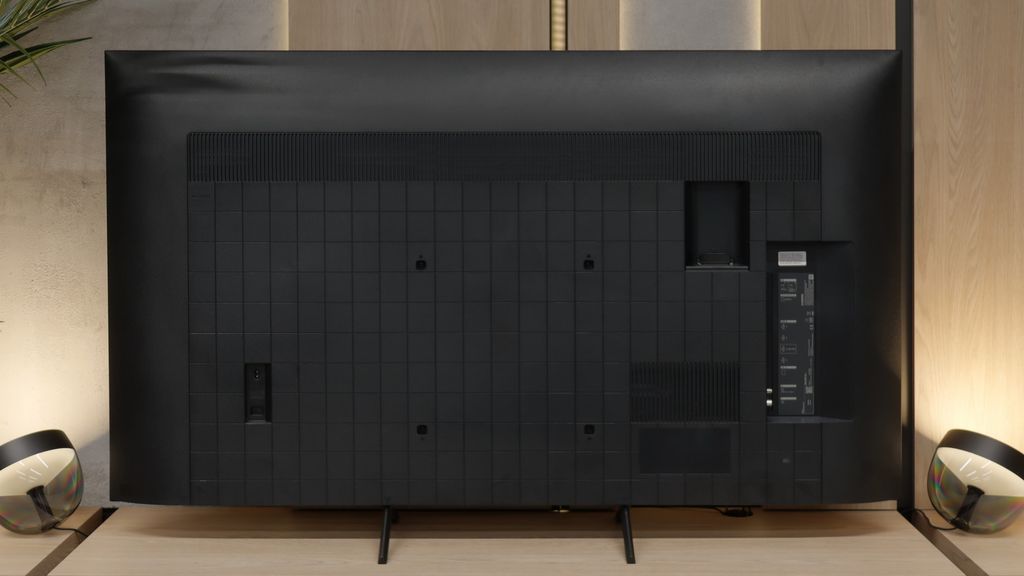
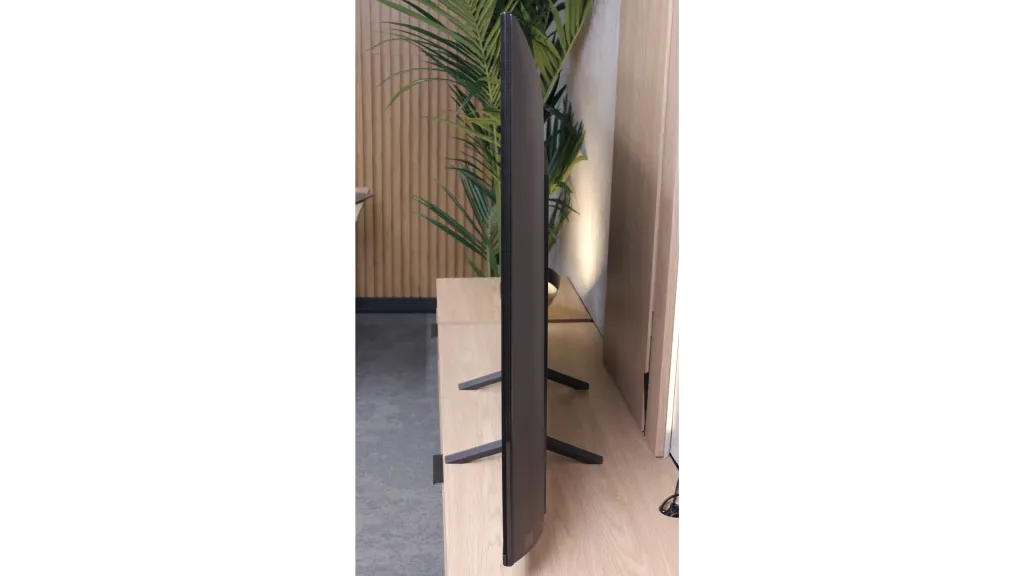
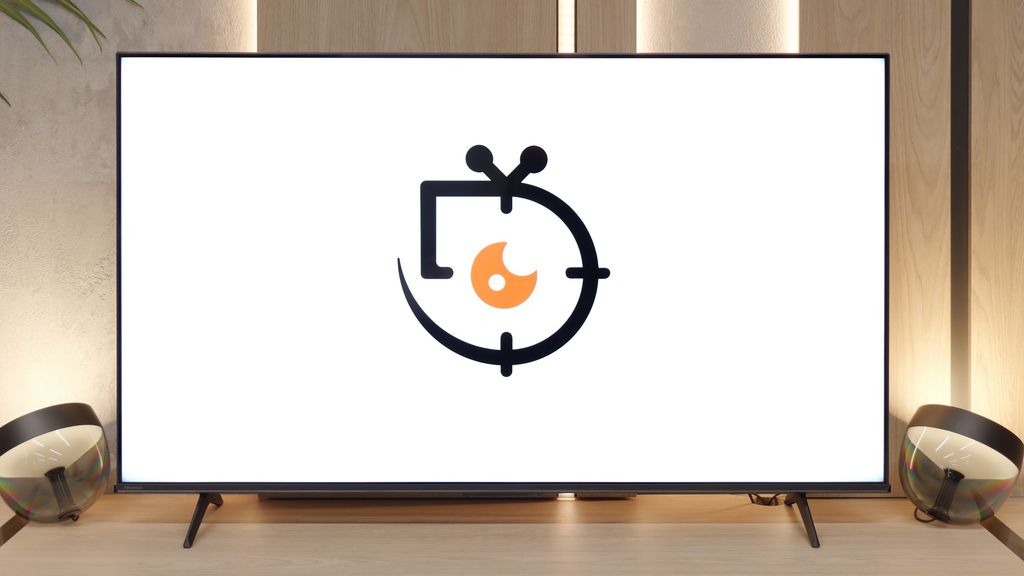

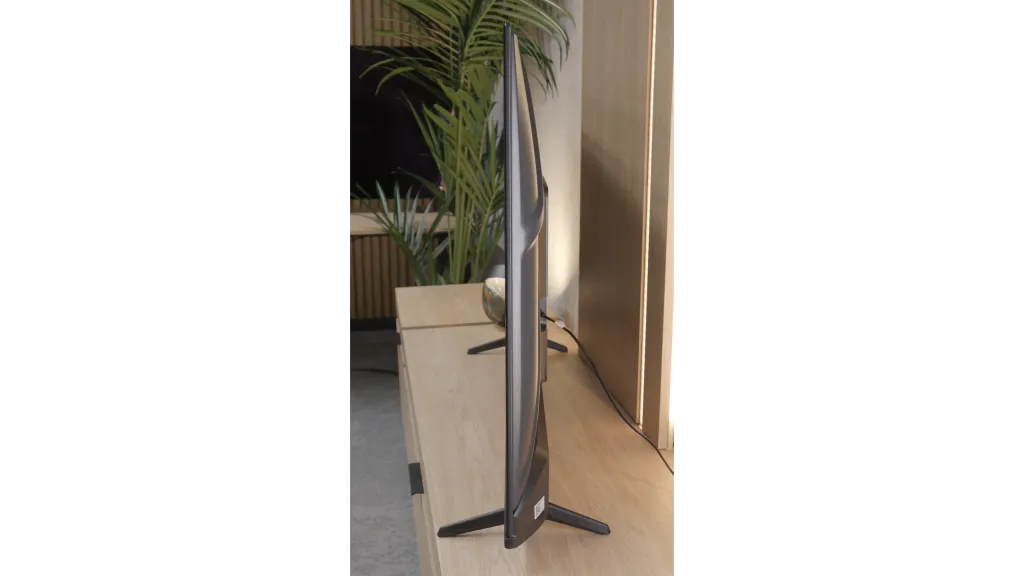

Contrast and black detail
5.7/10
6.3/10
Local dimming function: No
Local dimming function: No
Contrast:


Result
5,550:1

Result
5,250:1

Result
5,050:1

Result
5,150:1

Result
4,000:1
Result
6,850:1
Result
6,900:1
Result
7,300:1
Result
7,450:1
Result
5,950:1
Halo effect and black detail visibility:
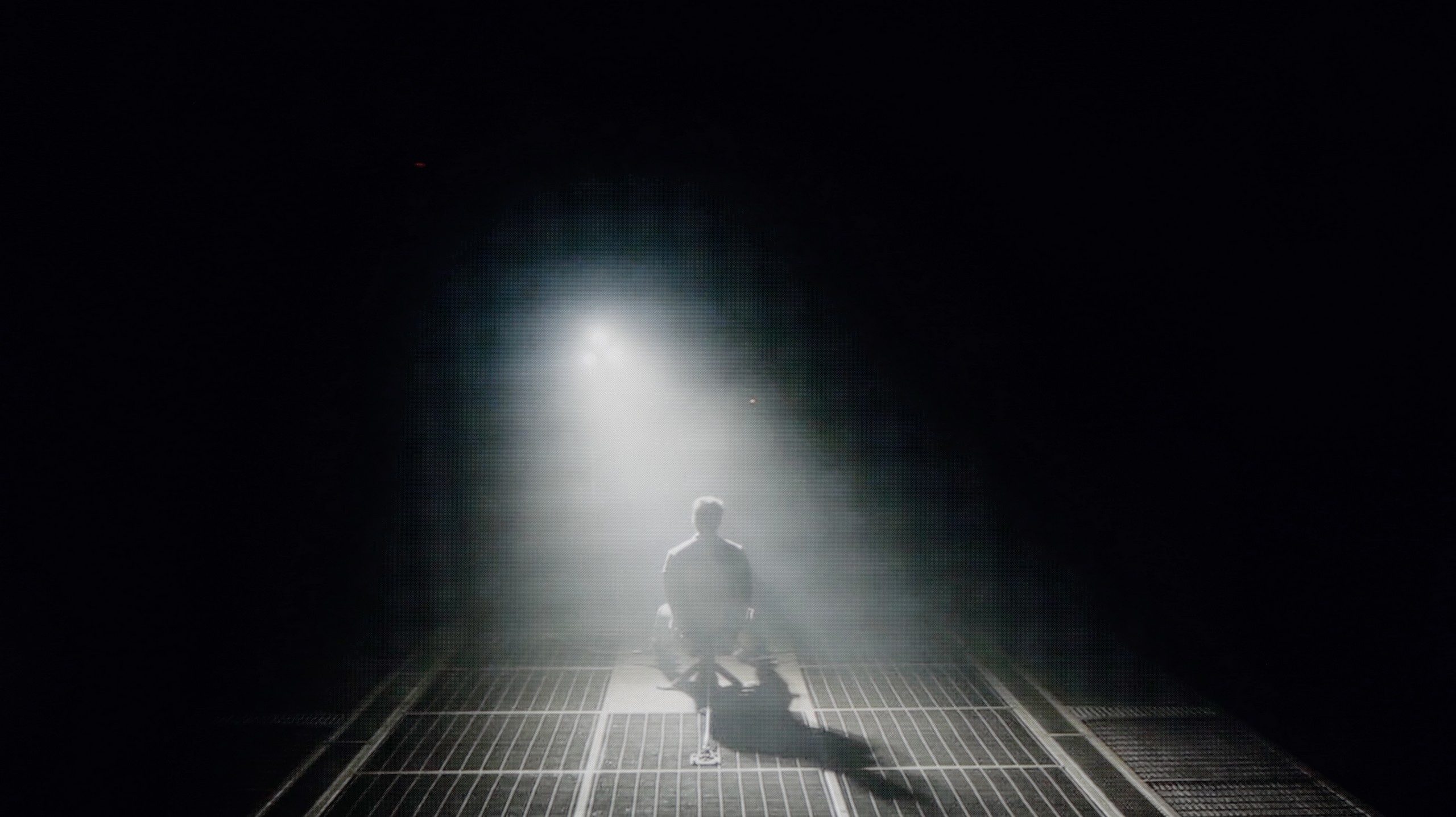
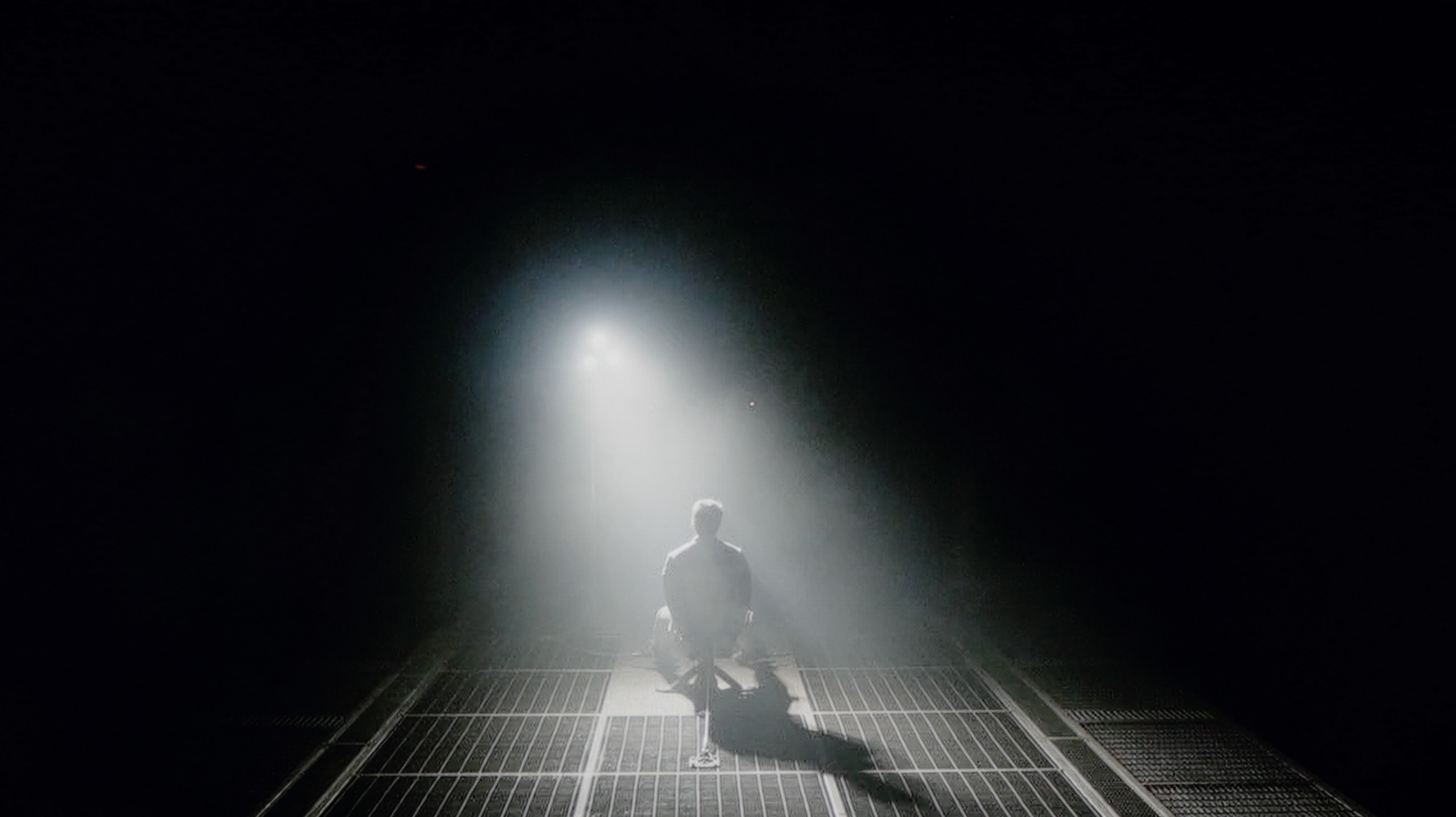
Check the visibility of bright lights on a dark background. Mini-LEDs often struggle with this. The photo does not compare black levels – that’s what the video below is for.
The video accurately shows differences in contrast and black levels between TVs, as well as potential issues: halo around bright objects or Mini-LED zone operation visible as brightness jumps.
The biggest difference in the 50-inch variant is the way Bravia 3 handles contrast. Although the television is not equipped with a local dimming system, simply changing the type of panel to VA provides a noticeable effect. The contrast is definitely higher than in the other sizes based on IPS panels, and the blacks no longer resemble washed-out shades of gray or navy. As a result, much more detail is visible in darker parts of the image, making evening viewing simply more enjoyable. It's still not at the level of more expensive Sony models, but the difference compared to the other variants of Bravia 3 is clear and easily noticeable after a short viewing session.
In the category of blacks and contrast, the biggest change compared to the 2024 model unfortunately goes in the wrong direction. The Hisense E7Q PRO has lost local dimming technology compared to its predecessor, which immediately reflects on how the television handles blacks. In dark scenes, there is no longer as much control over the backlighting, resulting in the screen not being able to "cut off" black areas as effectively as the predecessor did. However, the 55-inch version defends itself with a strong point, which is the VA panel with high native contrast. In our measurements, the results reached around 7000:1, which translates to quite solid blacks and pleasant contrast during everyday viewing. However, it must be said plainly. Despite decent results, overall it performs worse than the 2024 model, precisely due to the lack of local dimming.
HDR effect quality
4.9/10
4.7/10
Luminance measurements in HDR:

Result
319 nit

Result
360 nit

Result
393 nit

Result
365 nit

Result
395 nit
Result
241 nit
Result
270 nit
Result
317 nit
Result
329 nit
Result
326 nit
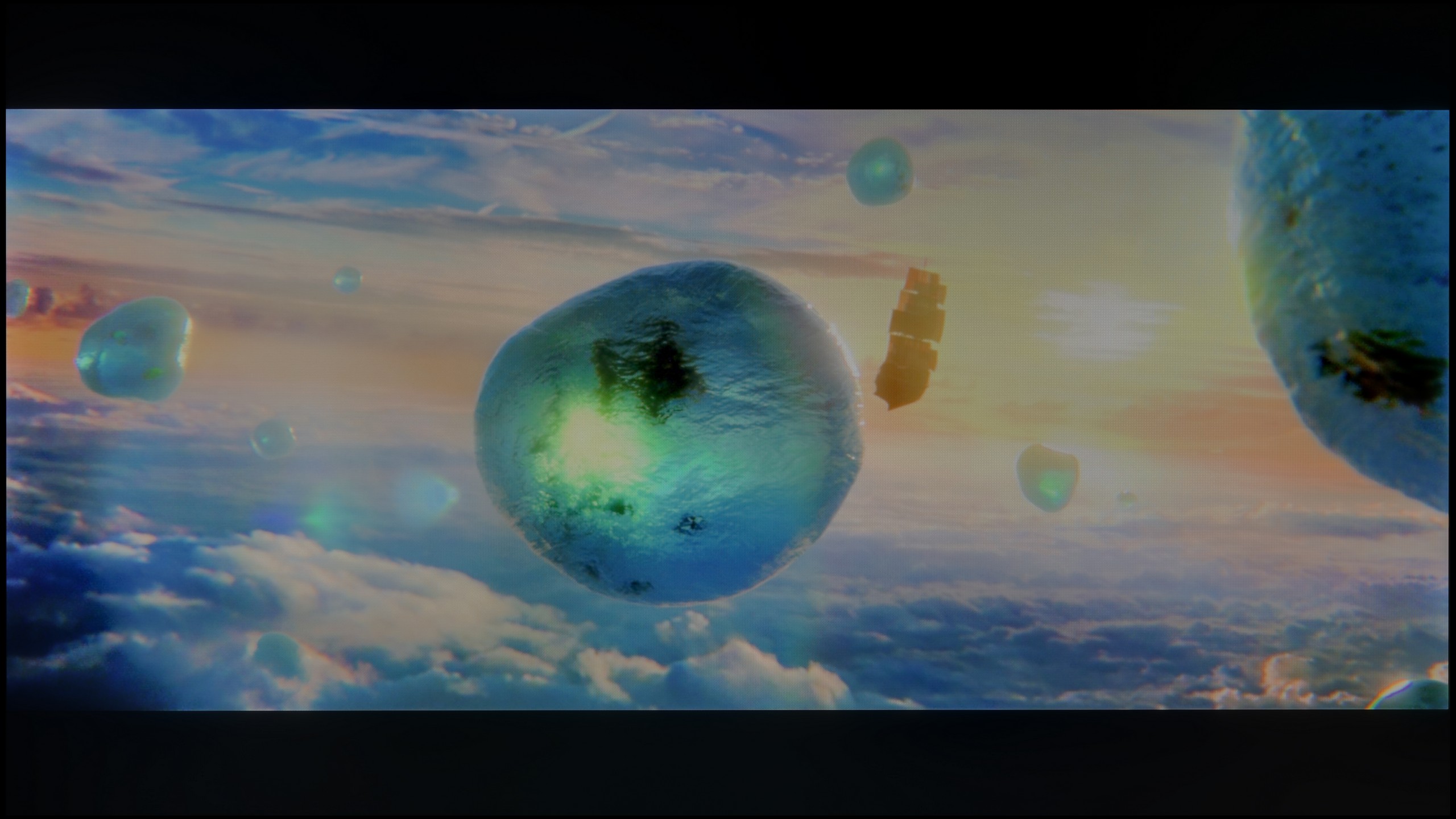
Scene from the movie “Pan” (about 2800 nits)

Scene from the movie “Billy Lynn” (about 1100 nits)
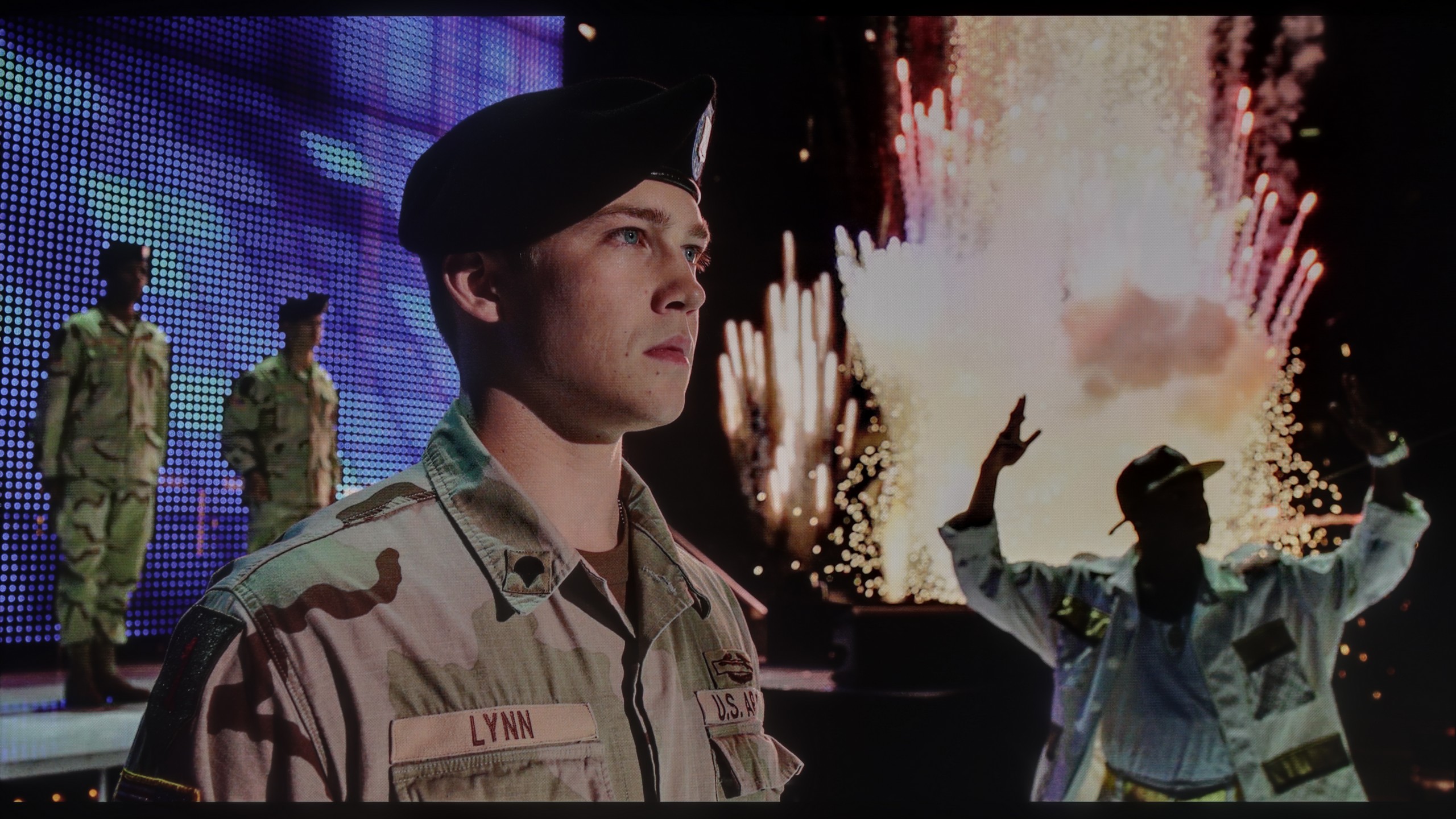
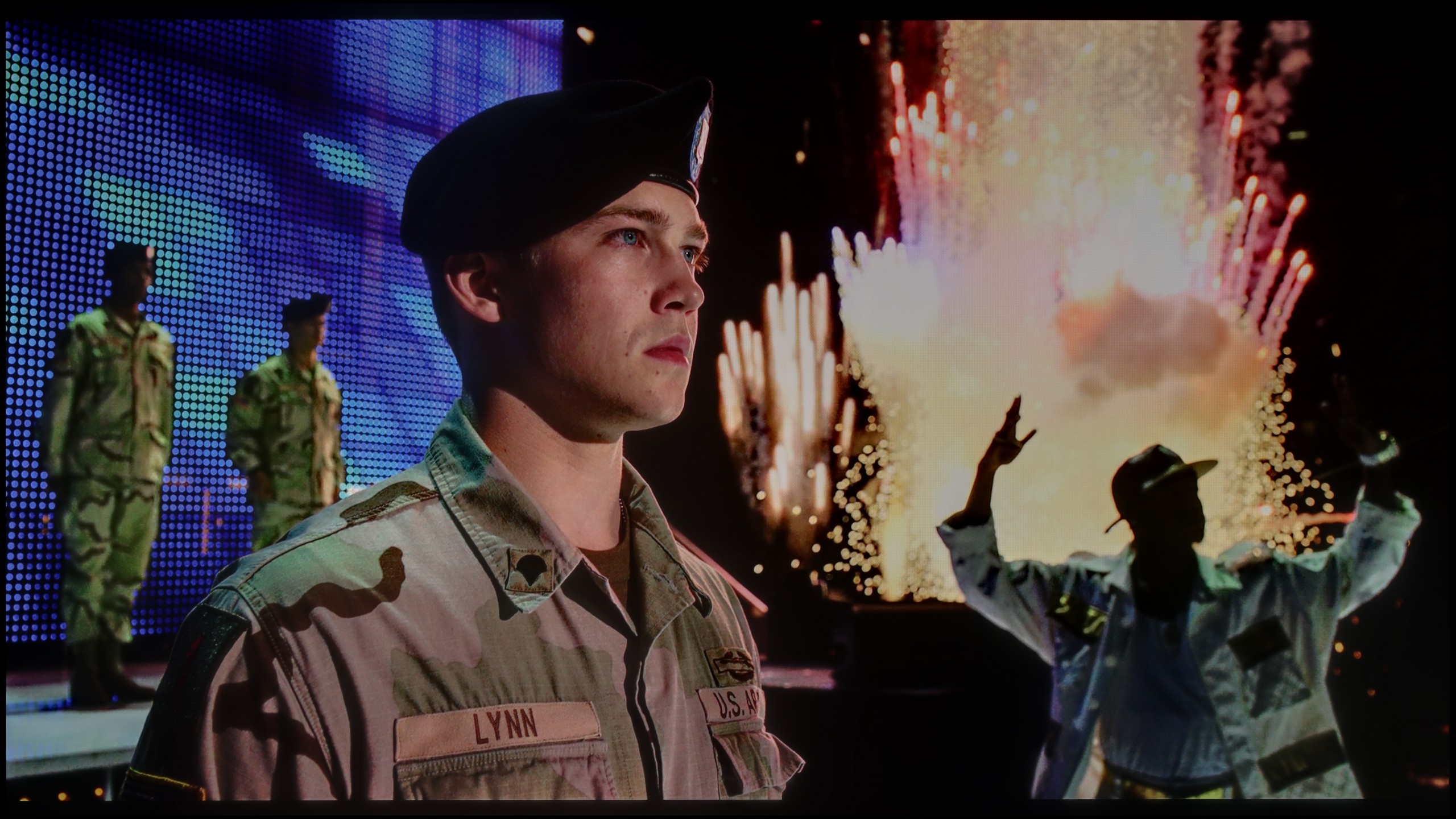
The photos show two HDR10 movies. 'Pan' is one of the brightest productions ever made, while 'Billy Lynn' (soldier) has brightness typical of streaming (Netflix, Prime, HBO MAX). Notice the intensity of effects and detail in whites.
Static HDR10


The photos present the visibility of white details in various HDR formats. They do not show brightness differences between TVs (these can be compared in the previous gallery).
Dynamic: Dolby Vision
Dynamic: Dolby Vision


The photos present the visibility of white details in various HDR formats. They do not show brightness differences between TVs (these can be compared in the previous gallery).
HDR luminance chart:
Hisense E7Q PRO / E79Q PRO
Sony Bravia 3 50' (VA)
Interestingly, in the 50-inch version, the Bravia 3 performs slightly better in terms of brightness than its larger variants. In measurements, it achieved around 370 nits, which still aren't values that can compete with top-end televisions, but enough to speak of a semblance of HDR effect. For some users, this level will be acceptable, while others will view it as typical for SDR content, where spectacular bursts or strong contrasts are not expected. It must be clearly stated that the Bravia 3 is not a television for those who want to extract maximum quality from the most challenging film materials.
However, this does not mean that everything is mediocre. Sony equipped this model with an additional PFS filter, which works similarly to solutions used in QLED televisions. As a result, the coverage of the DCI-P3 color palette increased to over 91 percent. In everyday use, this means livelier, more saturated colors and a more pleasing image texture. Even if strong lighting effects are lacking, movies and series can look significantly more attractive than in its predecessor, the X75WL.
If it comes to the quality of the HDR effect, the E7Q PRO is unfortunately not a television that can impress with brightness alone. In real film materials, we measured about 250–300 nits, which is simply too little for HDR to look spectacular. It lacks that "spark" in bright details, flashes, and light effects, and in many HDR scenes, it can resemble better SDR than true cinematic HDR. A consolation in all of this is the colors. We managed to confirm that the E7Q PRO is a PFS type television, meaning it has an additional filter that enhances color gamut coverage. As a result, even if the brightness doesn't deliver, the colors in HDR content can be adequately saturated and pleasant to the eye, without the feeling of a "faded" image.
Factory color reproduction
5.8/10
6.9/10


This gallery shows how colors change after professional TV calibration. If you notice the difference, we recommend ordering this service at SkalibrujTV.com.
Factory Mode
After calibration
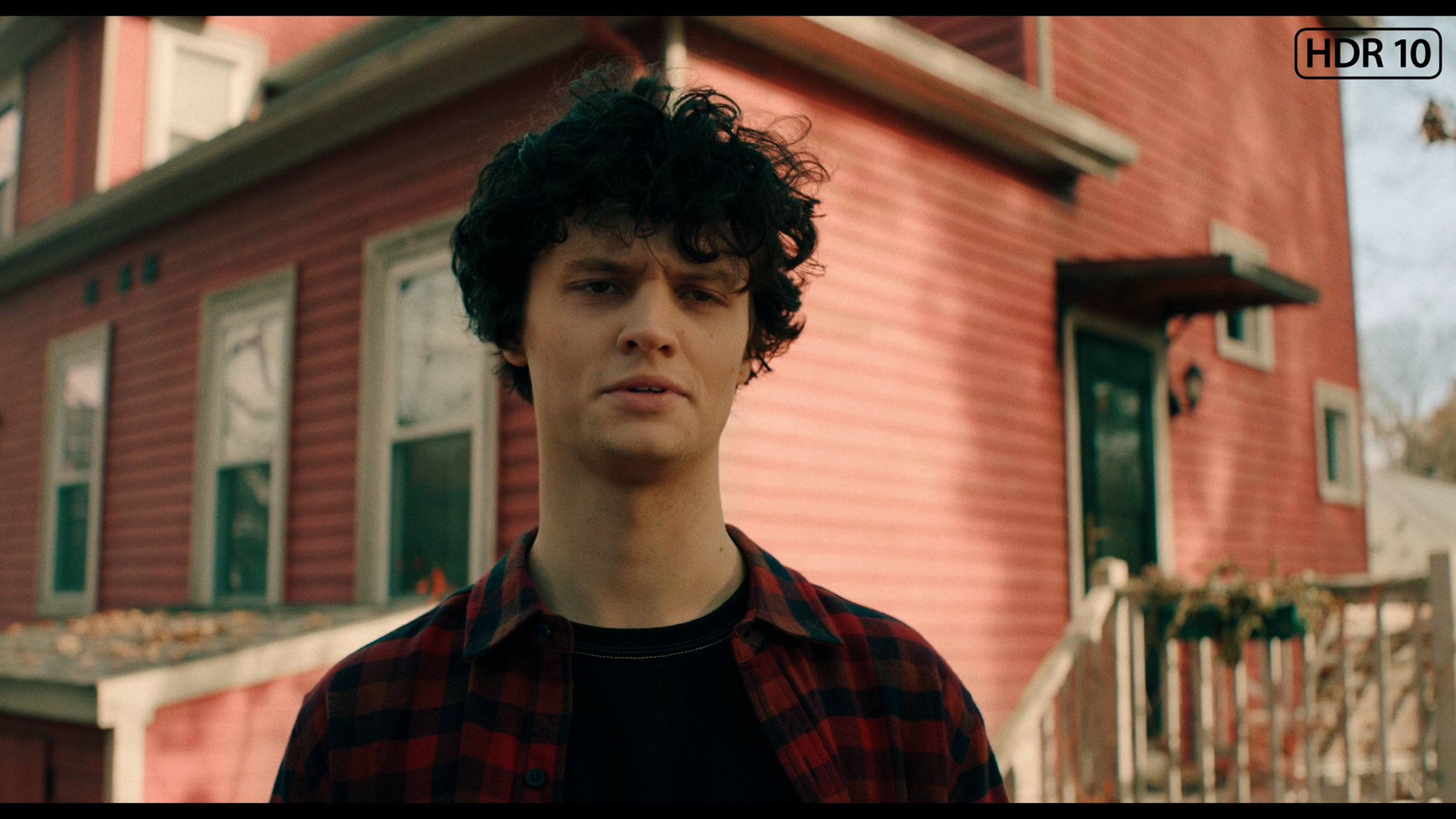
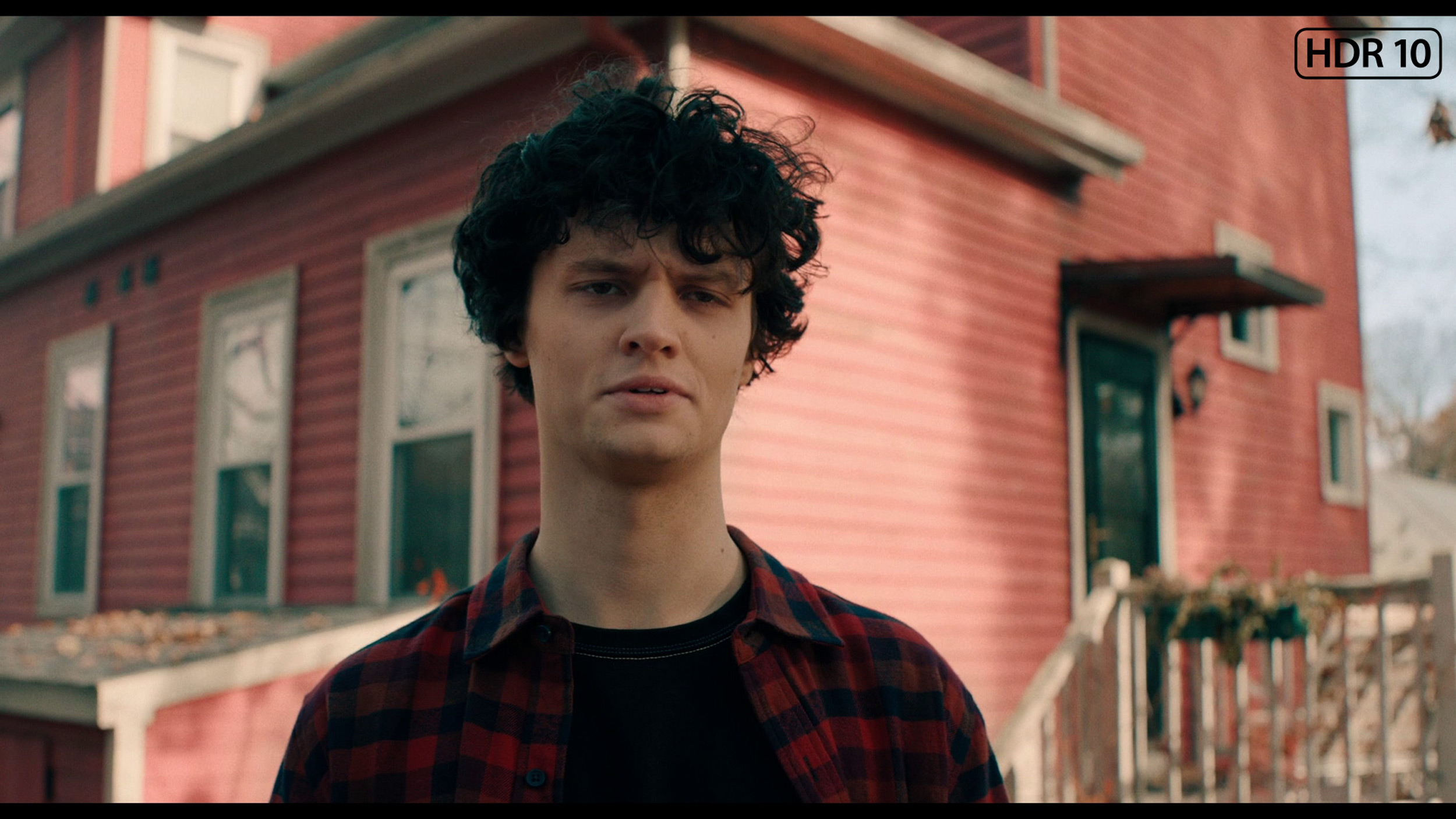
This gallery shows how colors change after professional TV calibration. If you notice the difference, we recommend ordering this service at SkalibrujTV.com.
Factory Mode
After calibration
We primarily tested the Sony Bravia 3 in movie mode, which immediately proved to be the best choice among the factory settings. It's not a perfect picture, but compared to eco mode, which the TV suggests right out of the box, the difference is clear and positive. In movie mode, one can notice a certain problem: the picture seems too warm, which results from a lack of blue in the white balance. Despite this, in SDR content, the final effect can still be considered quite decent and satisfactory for everyday viewing. Much more serious errors appear in HDR materials. The Color Checker analysis showed significant deviations, and poor brightness management, combined with limited color gamut coverage, further exposes the shortcomings of the picture in this mode. All this makes HDR on the Bravia 3 look unconvincing and can spoil the impression left by the quite decent SDR content settings. Fortunately, this is not a hopeless situation. All sorts of errors can be somewhat mitigated, and some can even be completely corrected through professional calibration. That’s why we decided to see how the TV would perform after such adjustments.
In terms of color reproduction, we tested the Hisense E7Q Pro in Movie mode, which proved to be the best built-in preset without a doubt. This mode, unlike the Eco, Standard, or Dynamic settings, offers the most natural colors right out of the box. Although no factory mode is completely free of flaws, the E7Q Pro deserves high praise for its color representation in standard SDR content. The color palette is very well tuned here, and errors in Color Checker tests often did not exceed a value of 3, which is an exceptional result rarely seen in such inexpensive TVs. The only drawback we noted in SDR is a tendency to darken some image elements, as indicated by a slightly raised gamma chart. The TV performs somewhat worse with colors in HDR mode. Here, color errors become noticeable to the naked eye, mainly due to a deficiency of blue in the white balance. This causes the colors on the screen to appear too warm, and for some viewers, they may seem “too cinematic.” Of course, to improve these parameters, we proceeded with professional calibration.
Color reproduction after calibration
7.5/10
8/10
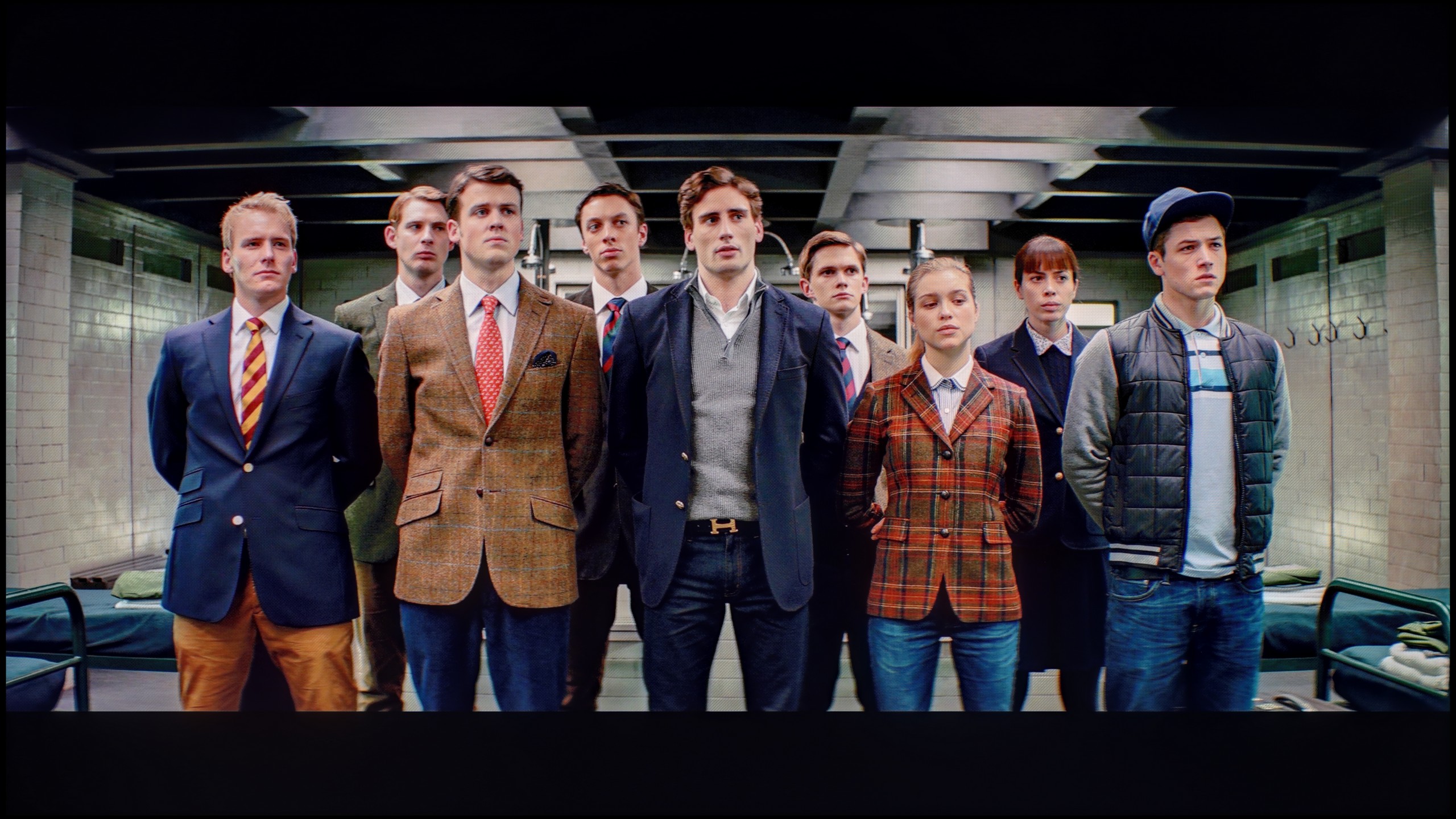
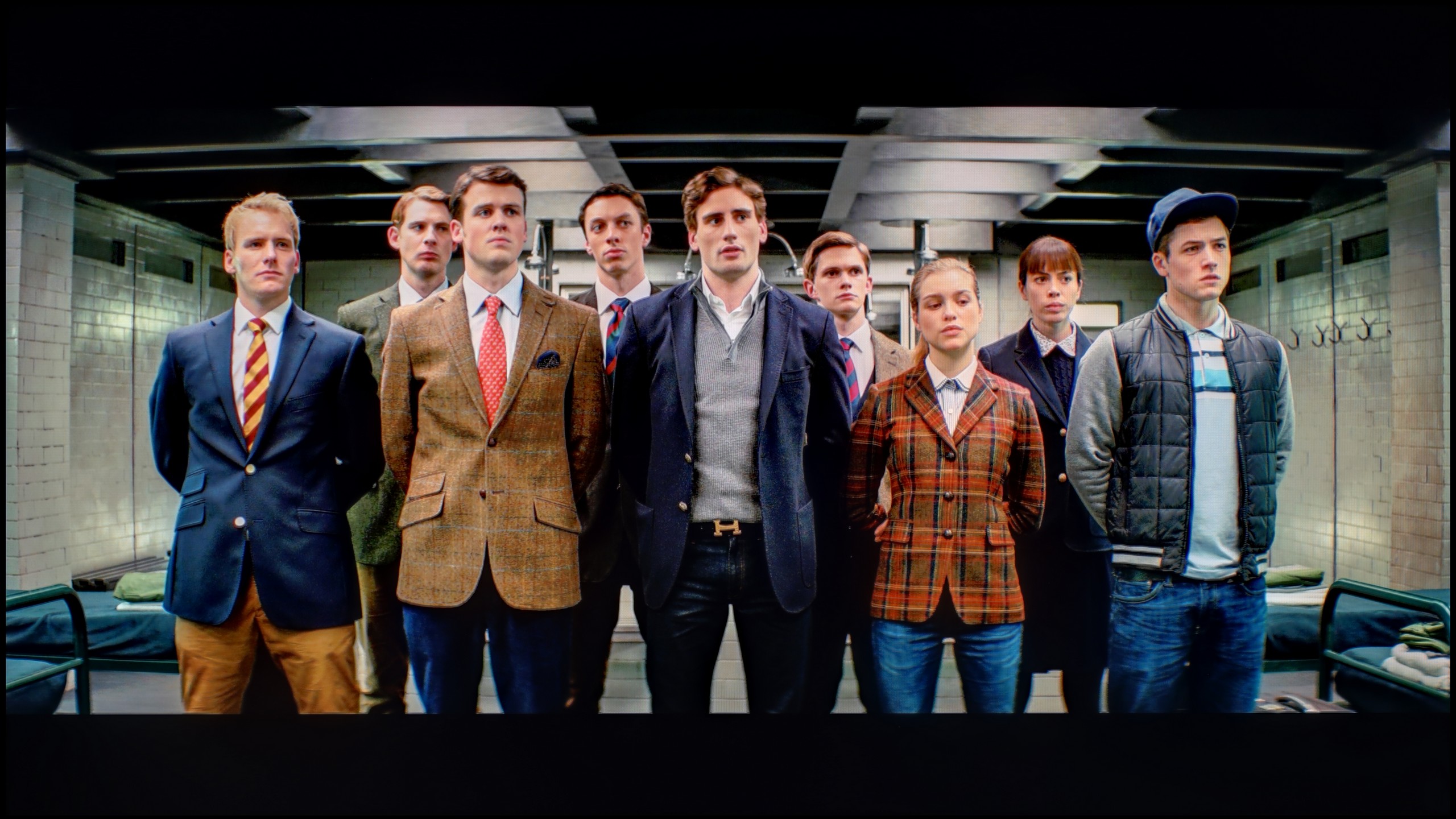
The photos show how movies look on the TV. Pay attention to black detail visibility, colors, and shadow tint.


The photos show how movies look on the TV. Pay attention to black detail visibility, colors, and shadow tint.
The calibration allowed us to extract significantly more from the Bravia 3 than we could have expected at the beginning. Most importantly, we managed to address the deficiency of blue, which previously caused a noticeable warming of the image. After a slight adjustment in the white balance, most of the errors in the Color Checker measurements for SDR content practically disappeared. The shades of white gained naturalness, and the brightness management in gamma stabilized to a level nearly ideal, not exceeding the threshold of human eye perception. One can therefore confidently say that in SDR content, after a few adjustments in settings, the Bravia 3 performs really impressively. Much worse, though still definitely better than before calibration, is its performance with HDR content. The white balance has been brought under control, but the limitations of the IPS panel are insurmountable. The lack of local dimming means that even the smallest elements can be overexposed, which is immediately noticeable. Color-wise, the effect is also improved, although far from perfect – many errors still exceed four, or even five delta E units, meaning they remain visible to the human eye. It was already clear that the Bravia 3 is not a television designed to impress with HDR quality. Nevertheless, it is gratifying that in SDR content, after calibration, the image can look truly great, and in this category, the television surprised us positively.
In the case of materials with a standard color range (SDR), our efforts in Filmmaker mode turned out to be largely cosmetic 😉. We mainly focused on gentle white balance correction and gamma curve adjustment, which allowed us to recover details in the darker parts of the image that previously tended to get lost. It is worth noting, however, that the E7Q Pro unit we tested happened to be exceptionally well-made from the factory. We remind you that these parameters depend on the specific unit – with mass production, factory calibration can be random, so your unit may require slightly different adjustments. The biggest beneficiary of professional calibration was undoubtedly the HDR mode. This is where we did the most work, which yielded spectacular results. We managed to effectively tame the excessive warmth of the image, caused by a factory deficiency of blue color. After calibration, color errors were reduced to a significantly lower level, which will certainly please those who watch a lot of streaming content in HDR format, expecting faithful reproduction.
Smoothness of tonal transitions
9.1/10
9/10
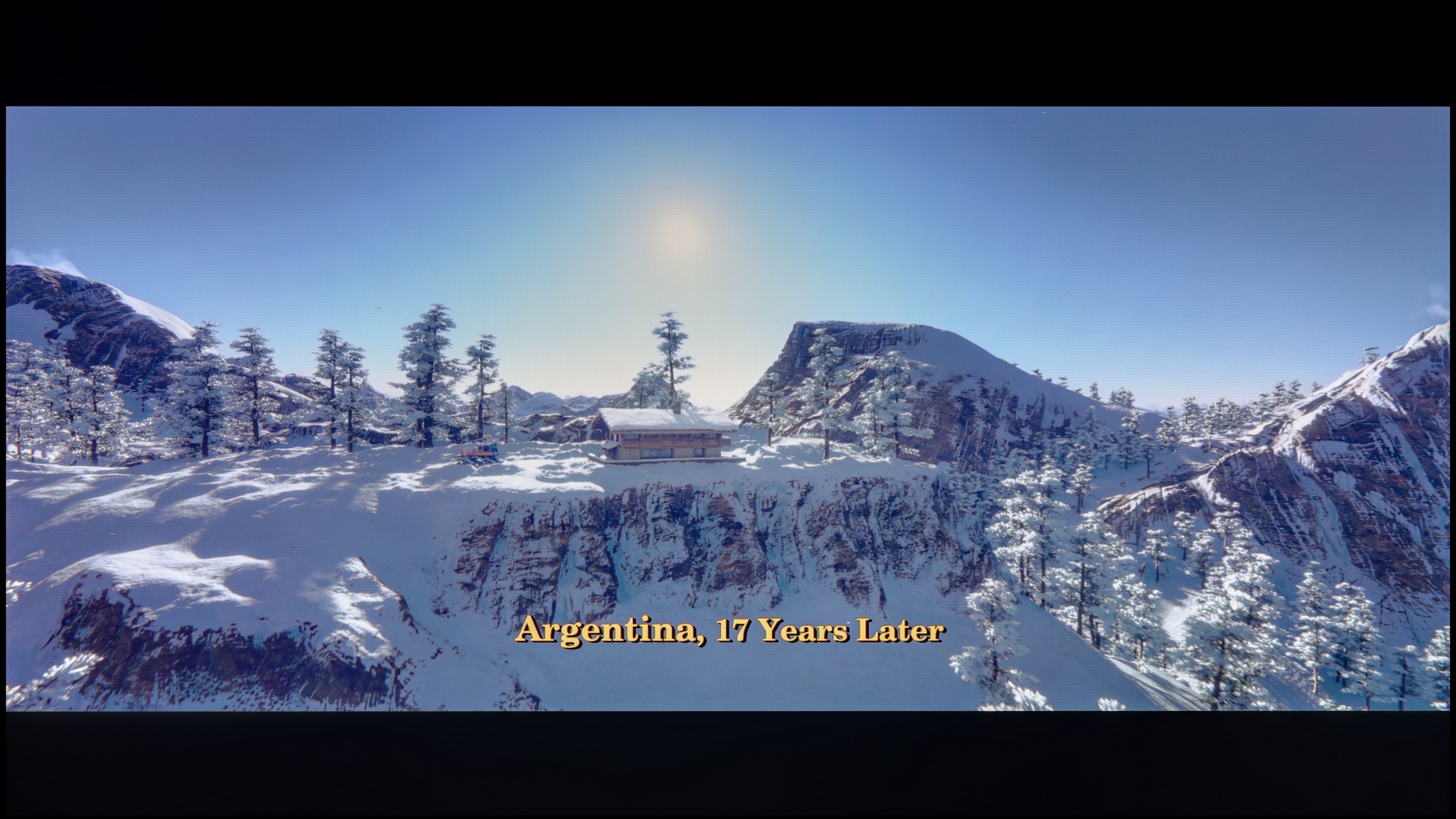
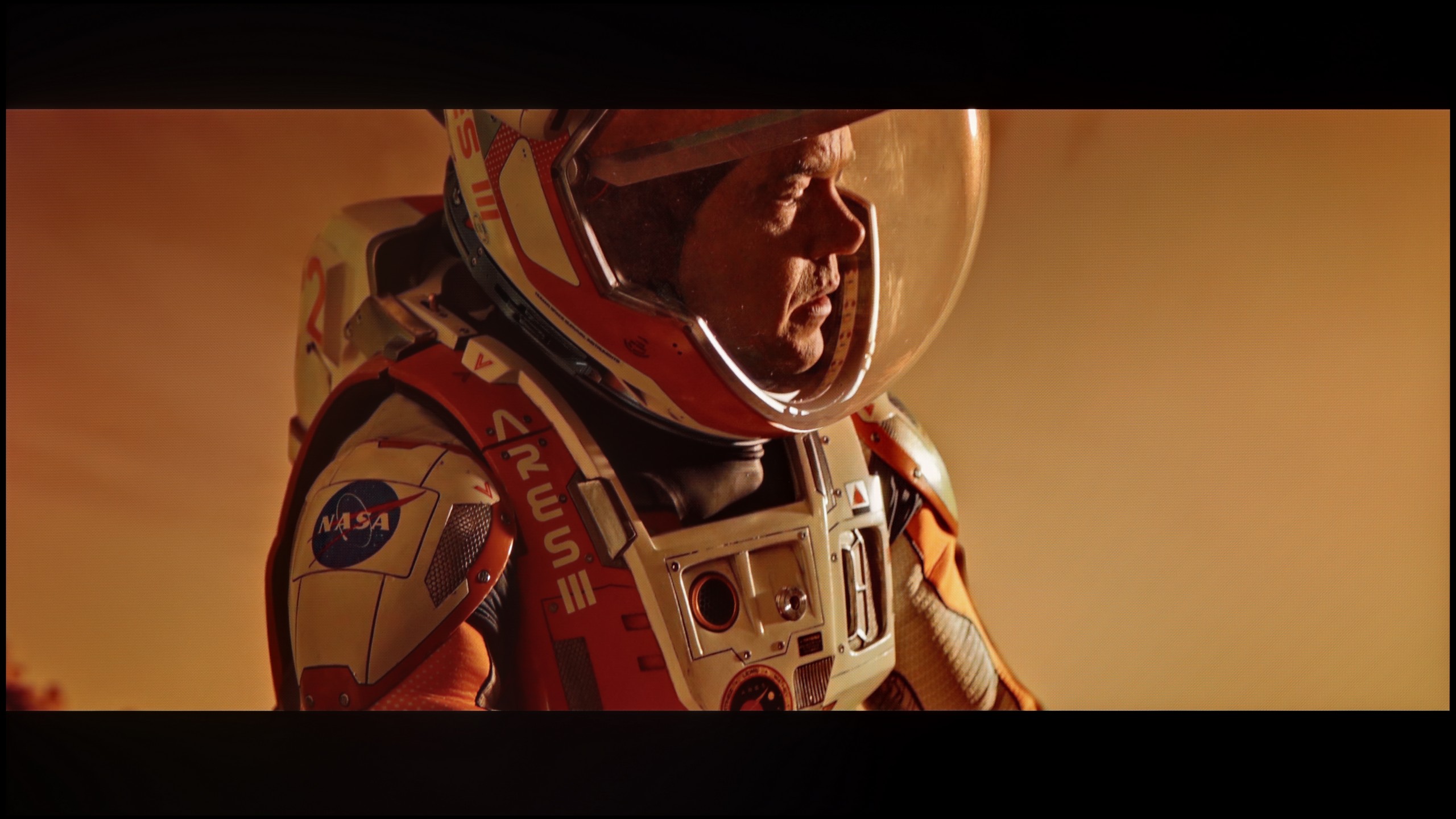
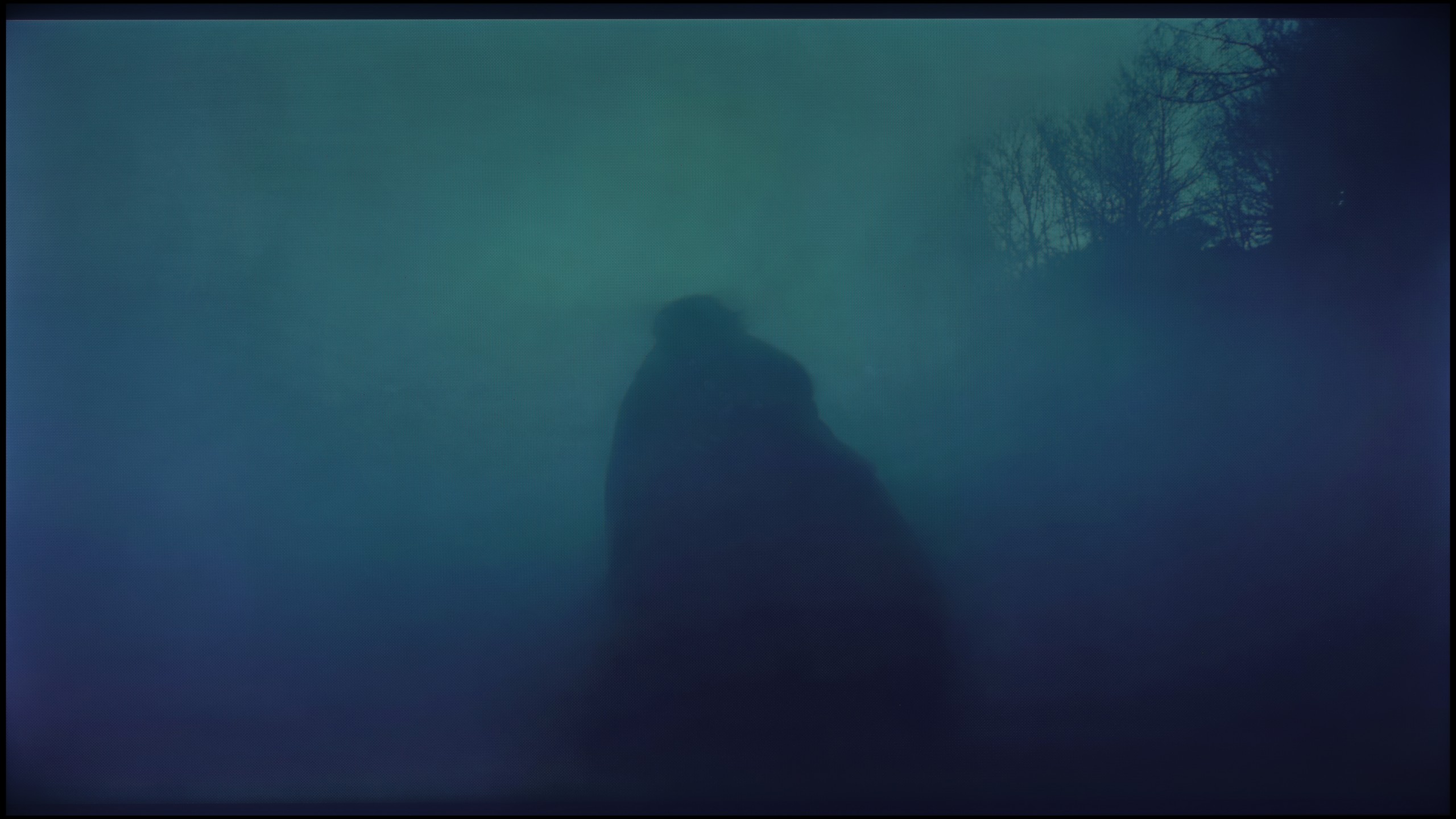
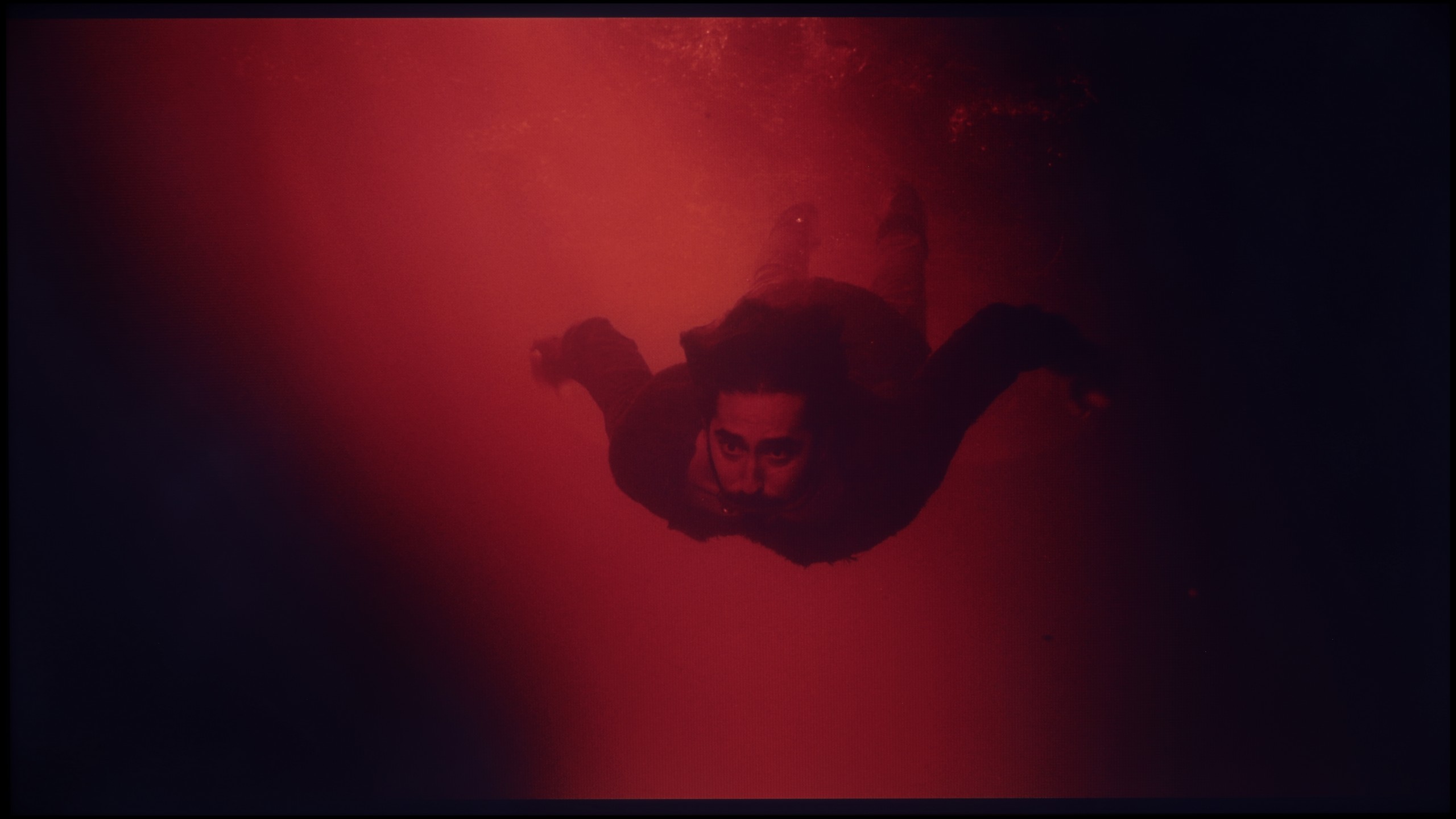
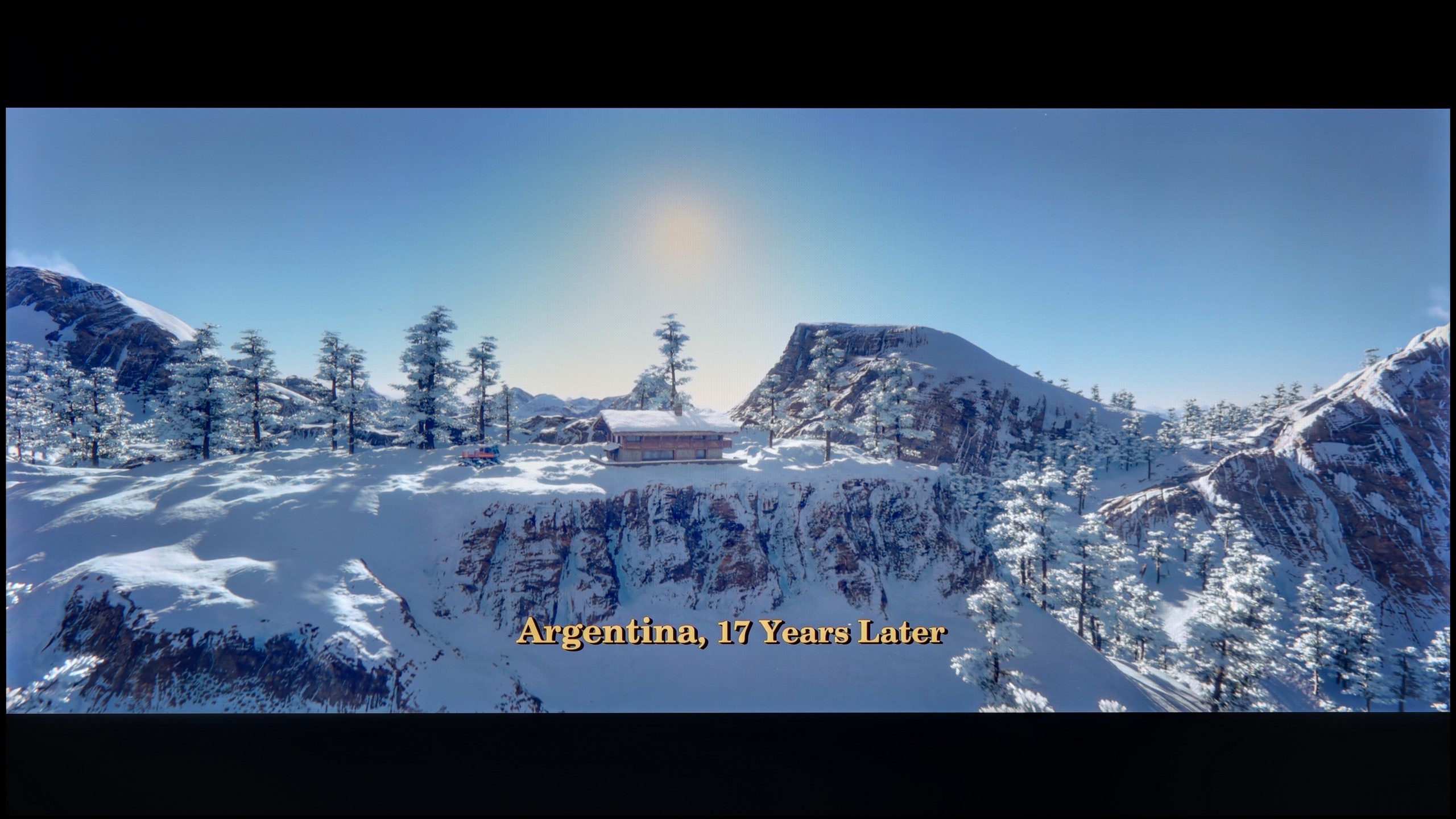
These are selected scenes that show smooth tonal transitions from one color to another. If you see distinct banding, it’s the TV panel’s fault.
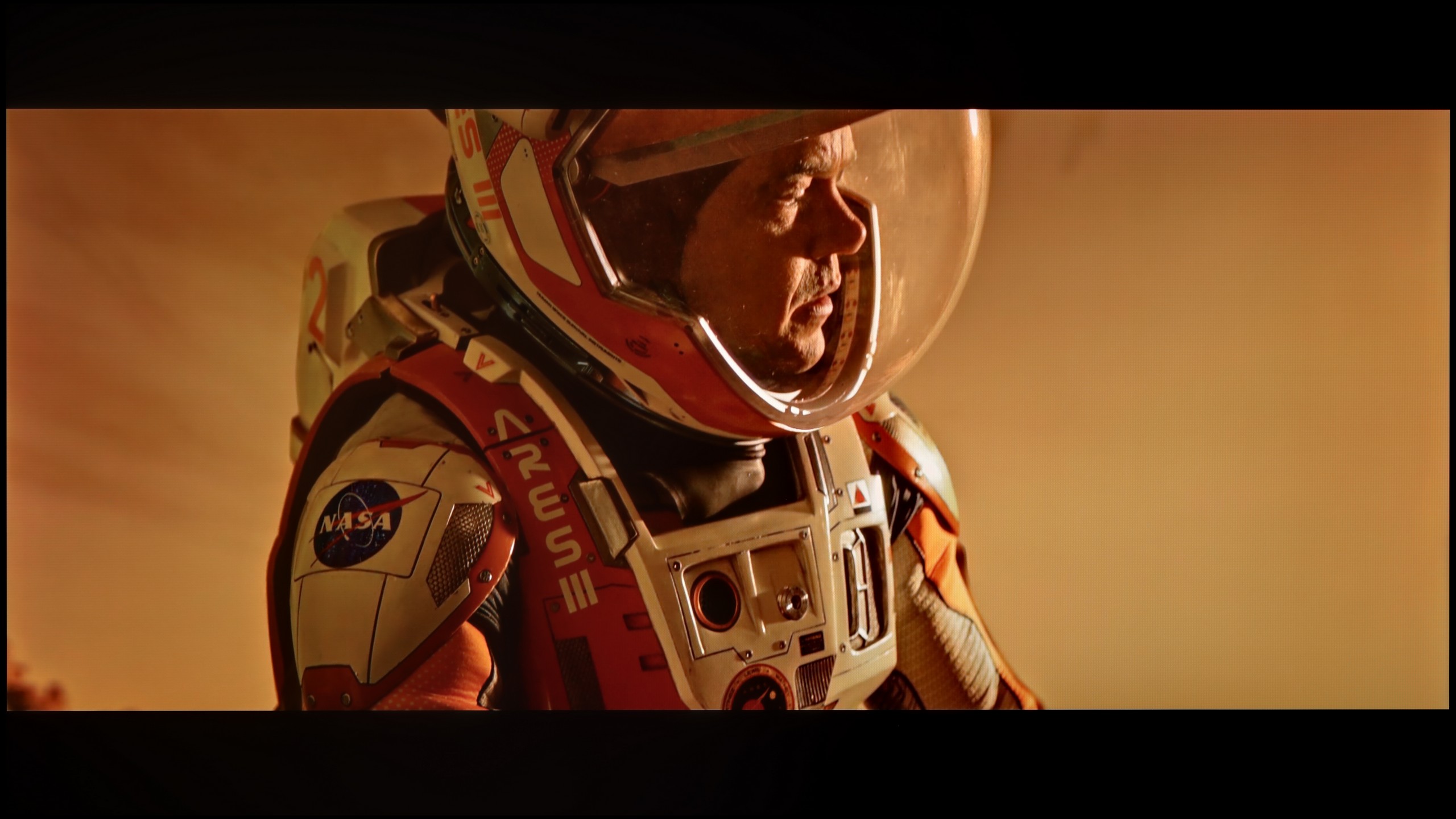
These are selected scenes that show smooth tonal transitions from one color to another. If you see distinct banding, it’s the TV panel’s fault.
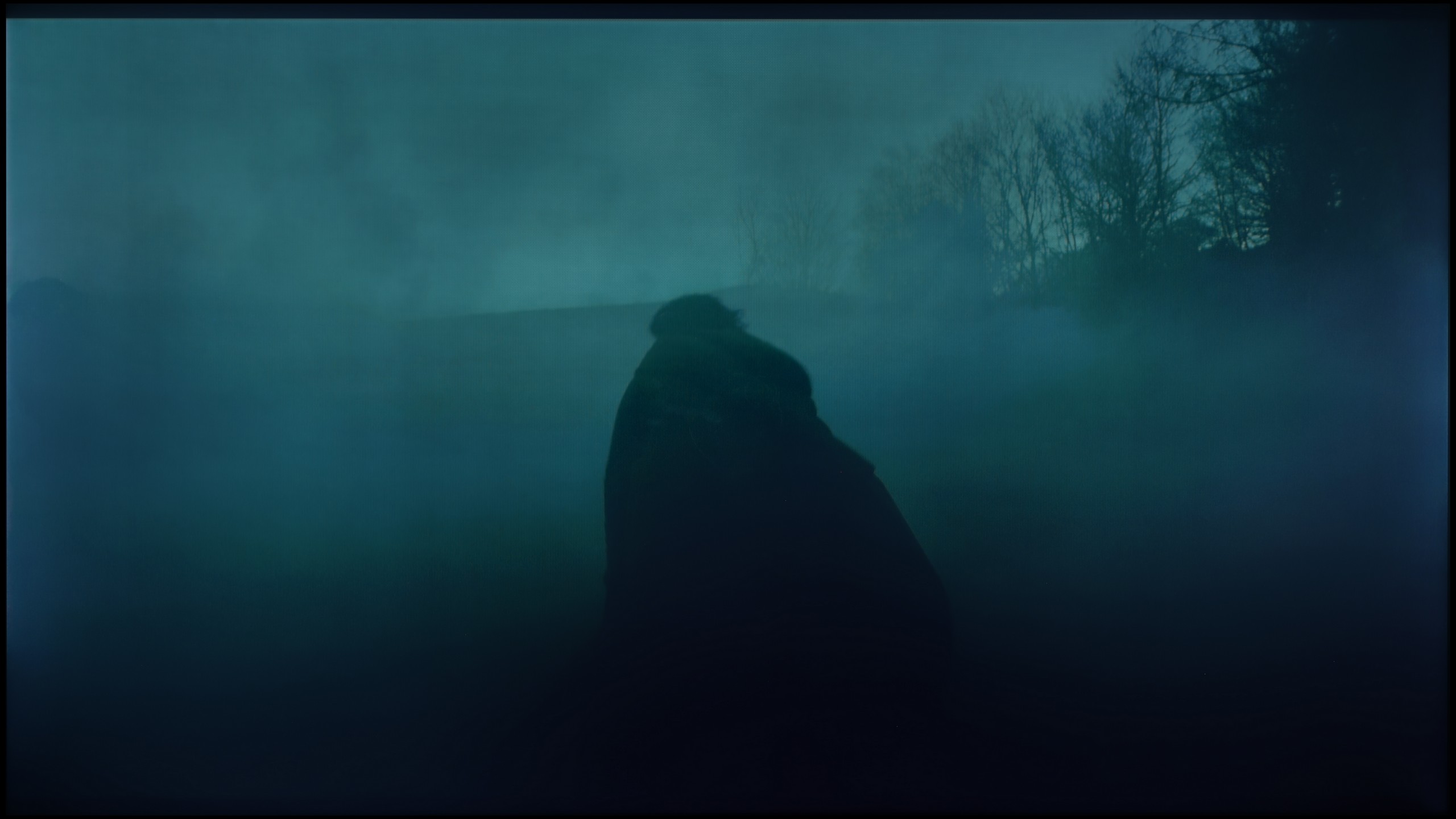
These are selected scenes that show smooth tonal transitions from one color to another. If you see distinct banding, it’s the TV panel’s fault.
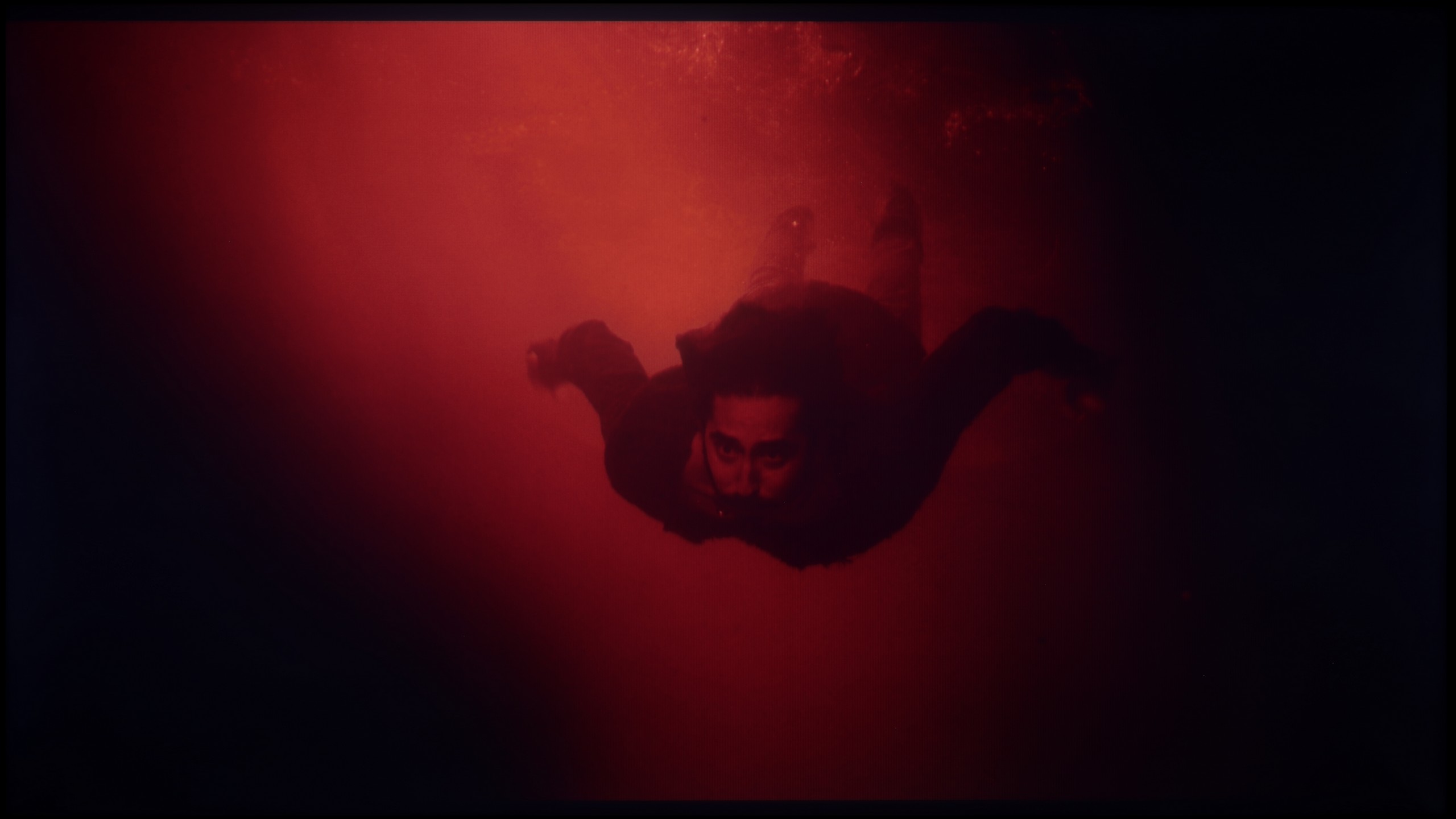
These are selected scenes that show smooth tonal transitions from one color to another. If you see distinct banding, it’s the TV panel’s fault.
In terms of the fluidity of tonal transitions, the impressions from the Bravia 3 with a VA panel are very similar to what we saw in the IPS variant; however, there is one crucial factor here – screen uniformity. The VA panel performs significantly better at maintaining image consistency, which immediately translates into a higher rating. This was most noticeable in scenes from the movie Green Knight. In the IPS version, strong brightening and vignetting practically made it impossible to assess the gradation itself, whereas in the 50-inch variant, this problem was greatly reduced. As for the tonal transitions themselves, the TV presents itself really well. In bright parts of the image, we did not notice any serious errors – colors combine smoothly, without creating artificial contours. In darker scenes, there are also no major issues with color gradation, and thanks to the more even backlighting, the image is much more pleasant to view than in the IPS panel version. So, one can say that this is one of those categories where the Bravia 3 in the 50-inch edition performs surprisingly well.
The fluidity of tonal transitions is one of those categories in which the E7Q PRO shows class. When it comes to color blending and gradation, the television performs phenomenally, just like many other Hisense models. In practice, it was difficult to find major issues with tonal transitions in almost every test scene, even in the most demanding shots, close to grays and darker shades. By choosing the E7Q PRO, one can have peace of mind in this regard. Posterization shouldn't be a concern here, and the image in gradients remains clear and very pleasant to the eye.
Image scaling and smoothness of tonal transitions
7/10
6.5/10

Smooth transition function
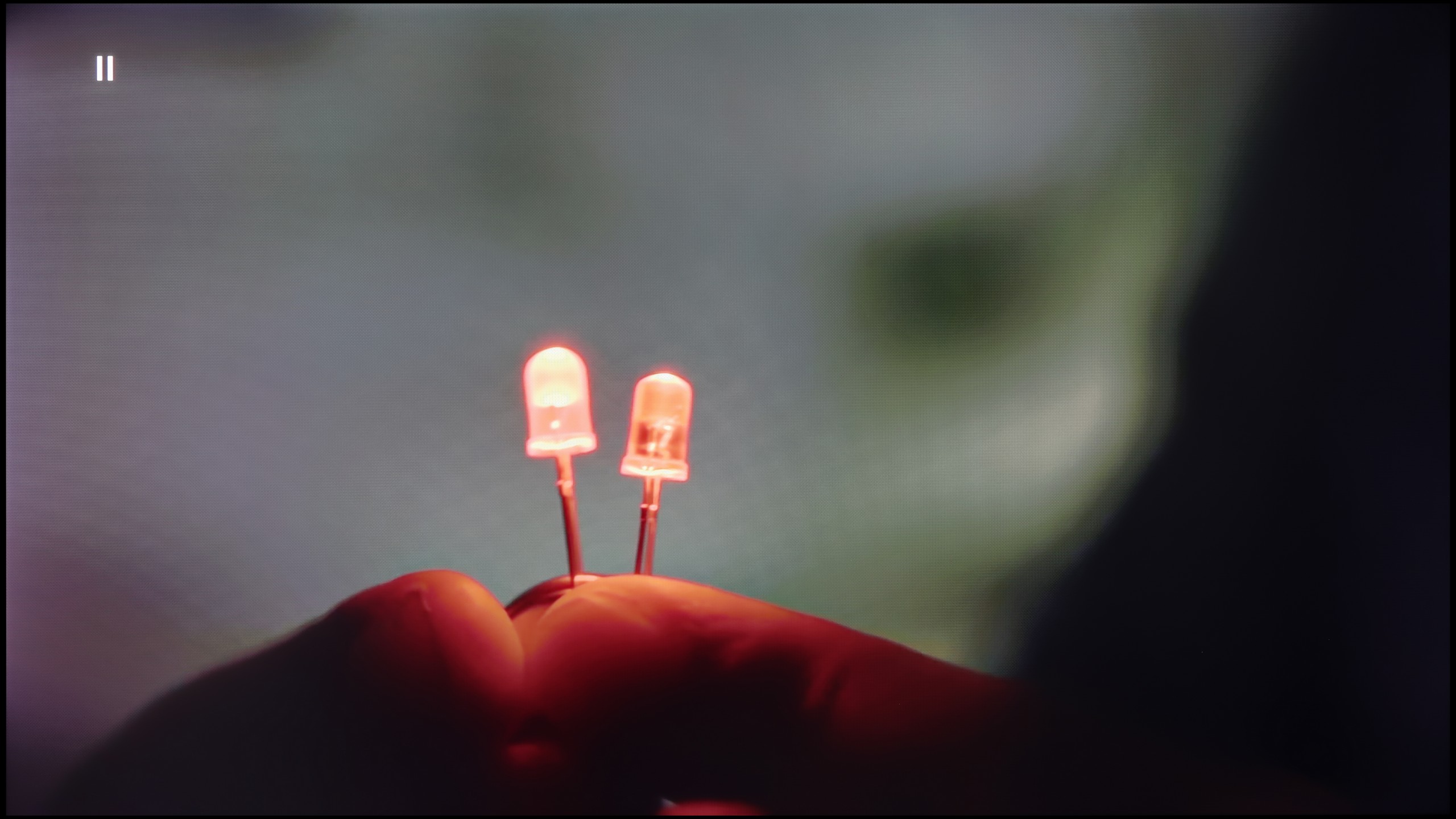
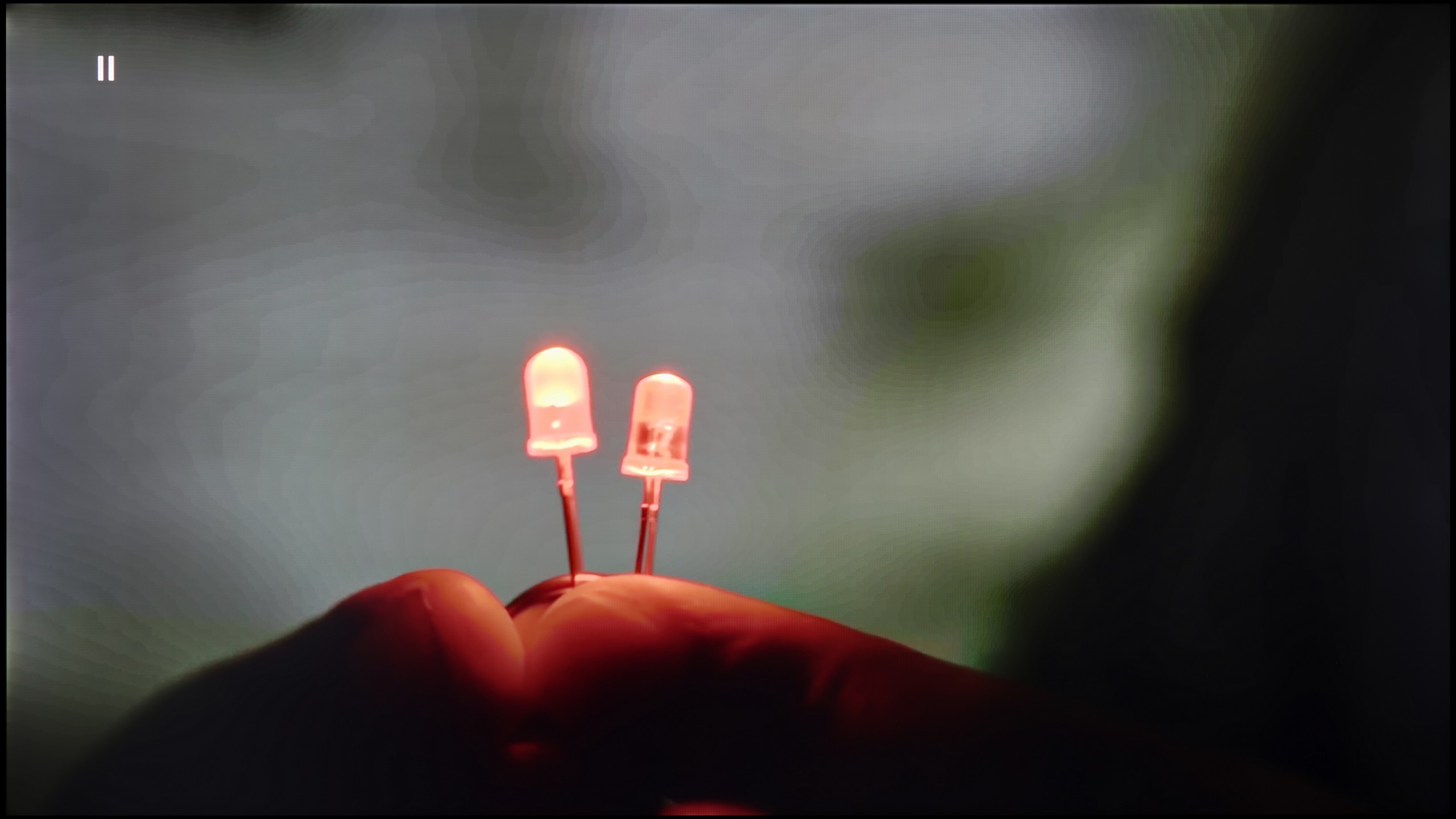
The match photo shows how the TV smooths weak tonal transitions in low-quality video.
Image scaling SD (576i)


The model photo shows how it handles upscaling of SD material.
Bravia 3 brings something more to the Sony TV family than just a common name. It stands out primarily for its ability to enhance the quality of weaker materials thanks to the processor used. Of course, we won't find the advanced XR chip known from more expensive models here, but still, it must be admitted that the image at lower resolutions looked surprisingly good. The upscaling worked effectively, and most parts of the screen were free from the typical excessive edge jaggedness found in budget constructions. The feature that improves the fluidity of tonal transitions is also noteworthy. In the high setting, it works really well, effectively masking gradation imperfections without significant loss of detail. It does happen that the algorithm overly smooths elements that should remain sharp - for example, faces - however, in general, the effect is beneficial. The best results were achieved precisely at the highest setting, and this option could be recommended to people watching lower quality content.
When it comes to upscaling and digital image processing, the E7Q PRO deserves praise. The scaling performs really well here and does not fall drastically behind much more expensive, advanced televisions. Lower-quality materials can look clean and sensible, without the impression that the image is artificially "overdrawn." However, the smoothing function presents a bit worse. It can indeed be effective and improve tonal transitions in low-quality materials, but at the same time, it can introduce unwanted effects. Sometimes it removes film grain or adds unwanted artifacts, giving the image a more "digital" character. Therefore, we mainly recommend it to those who prefer a smoother, less cinematic style of image.
Blur and motion smoothness
4.8/10
6.9/10

Blur (native resolution, maximum refresh rate):
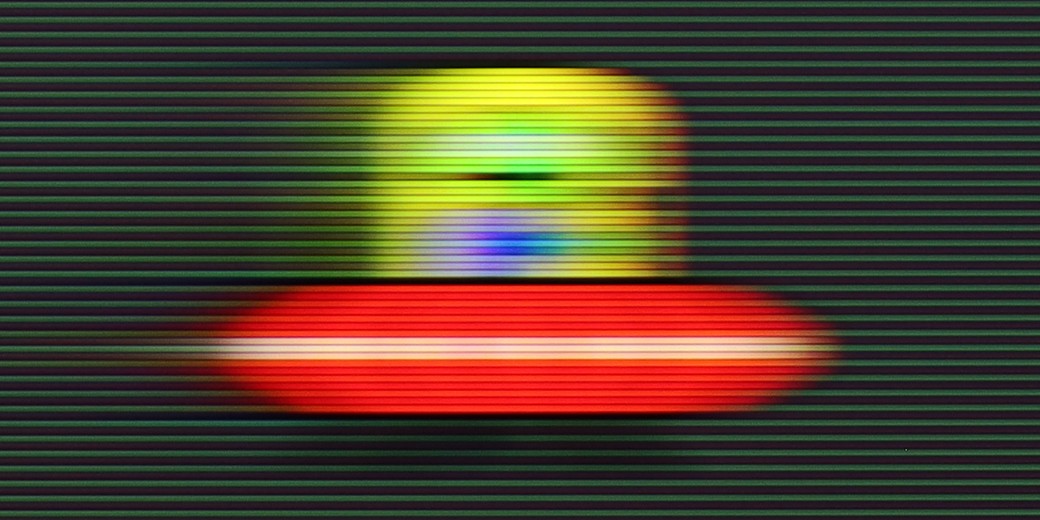
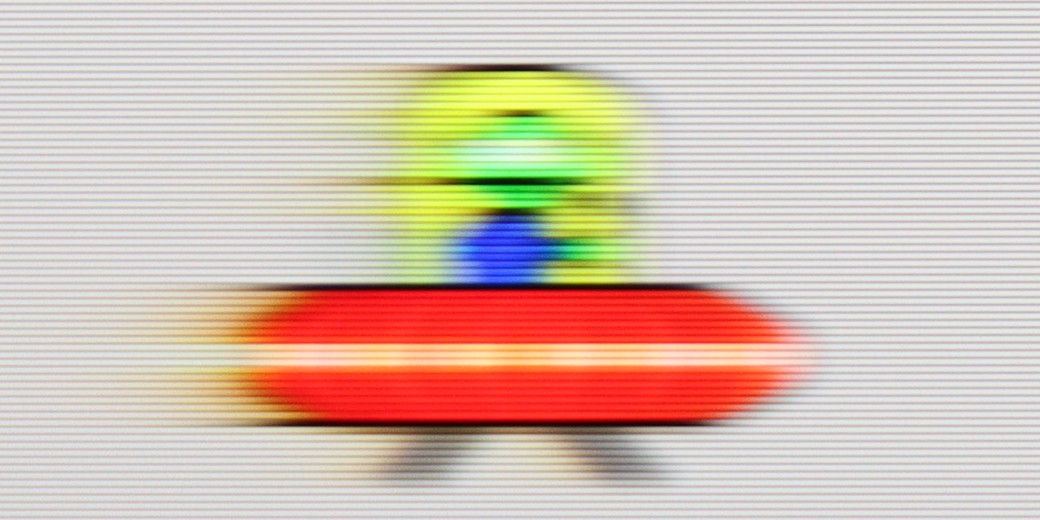
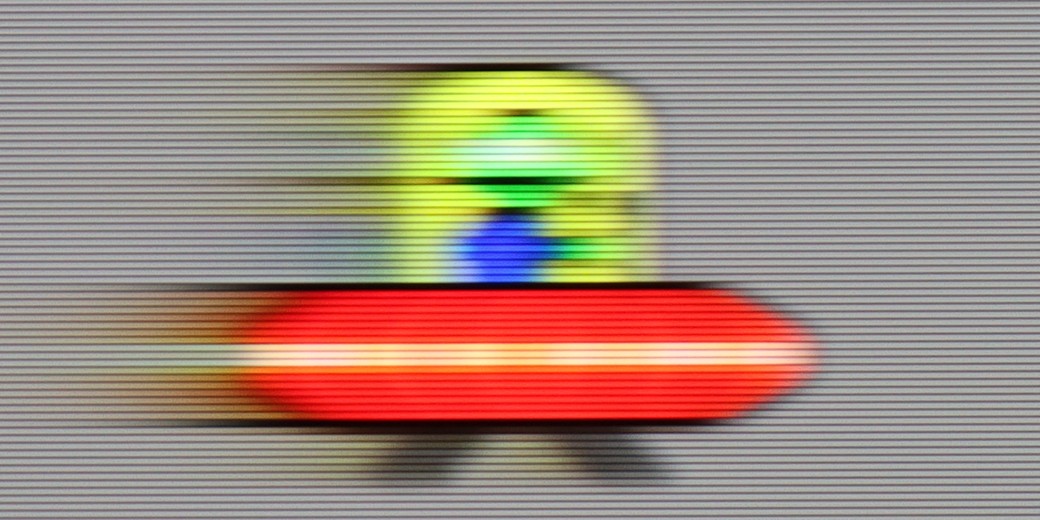
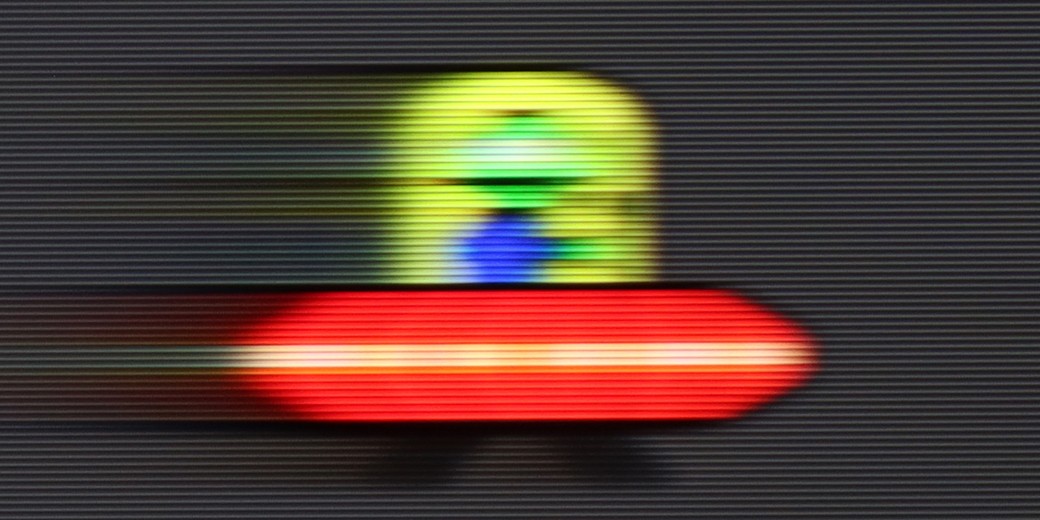
Blur (BFI function enabled):
Blur ():
Blur (4K@144Hz):
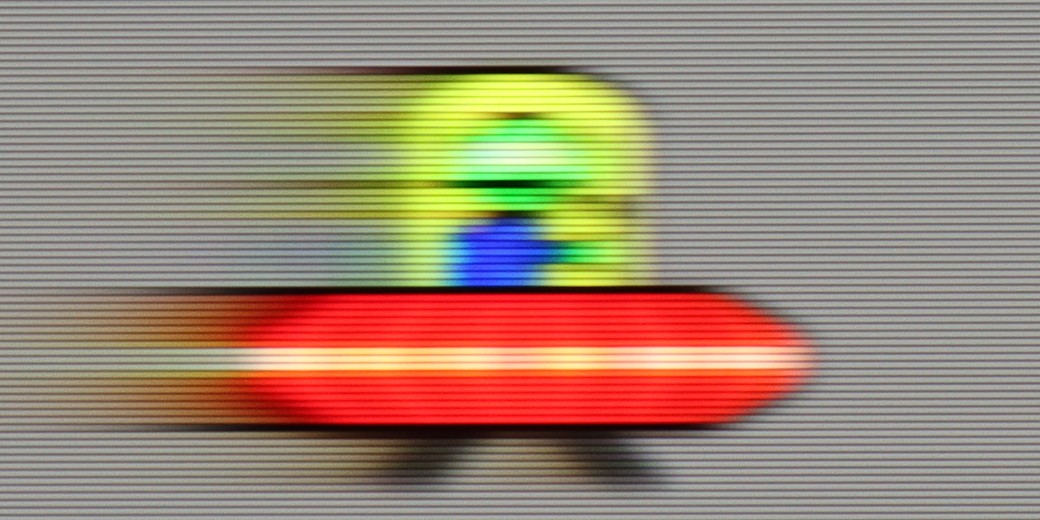
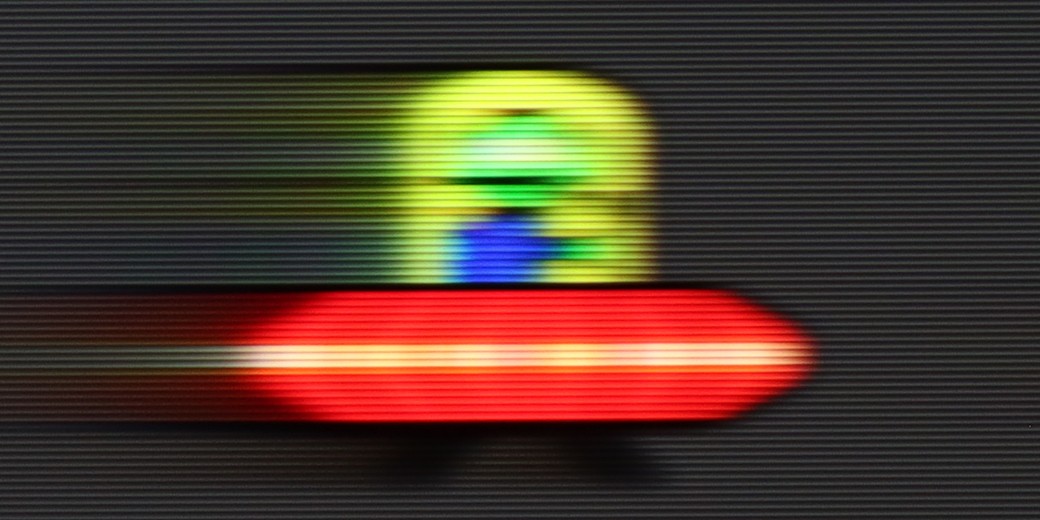
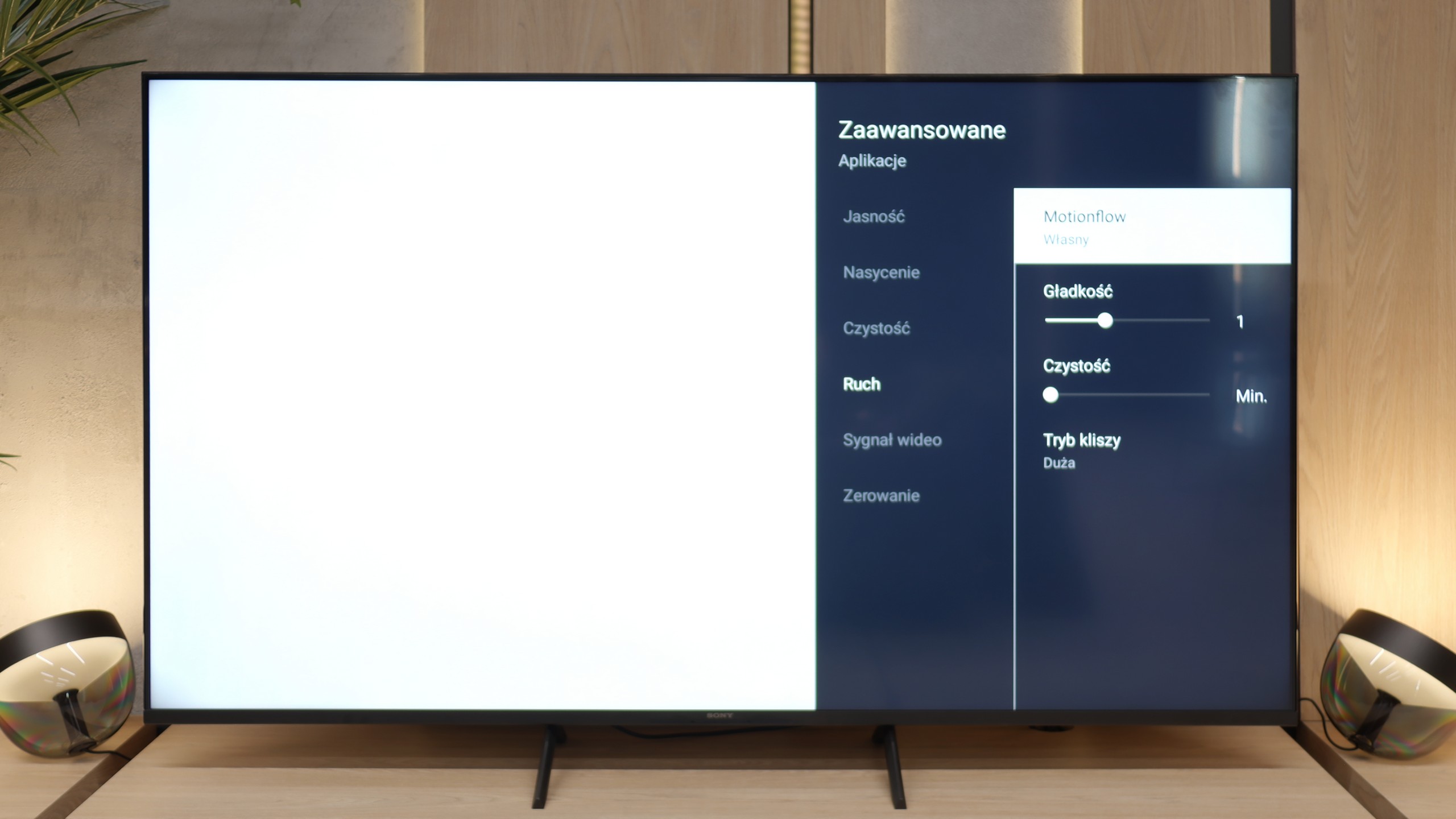
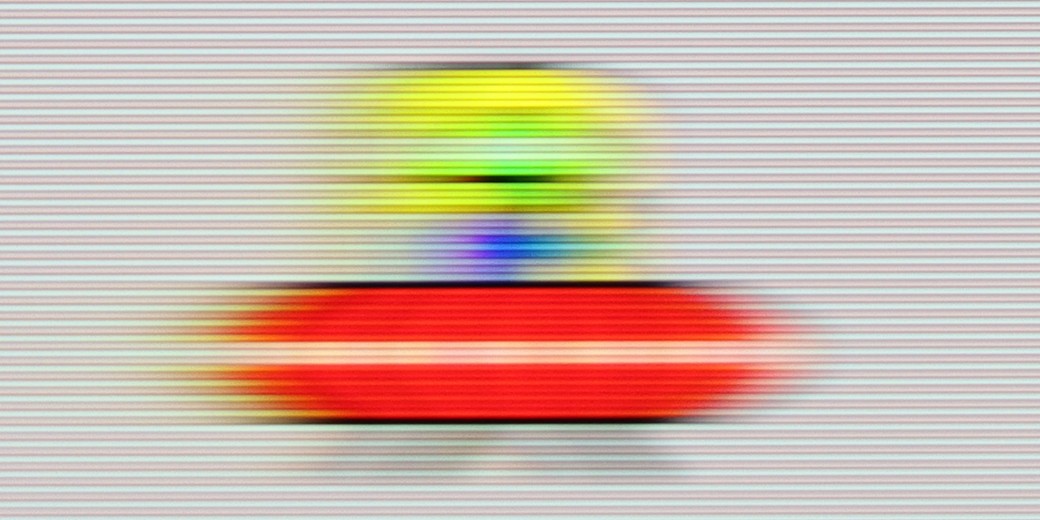
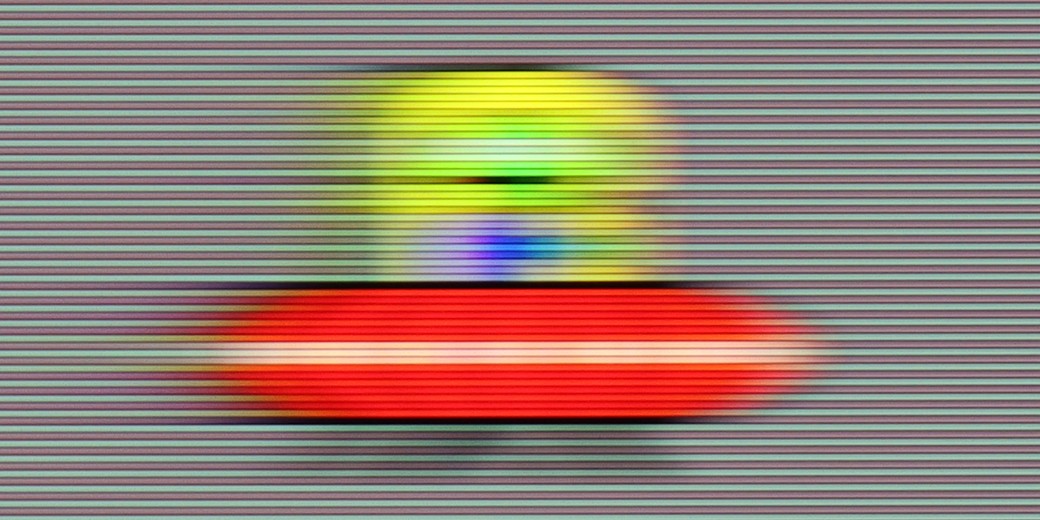
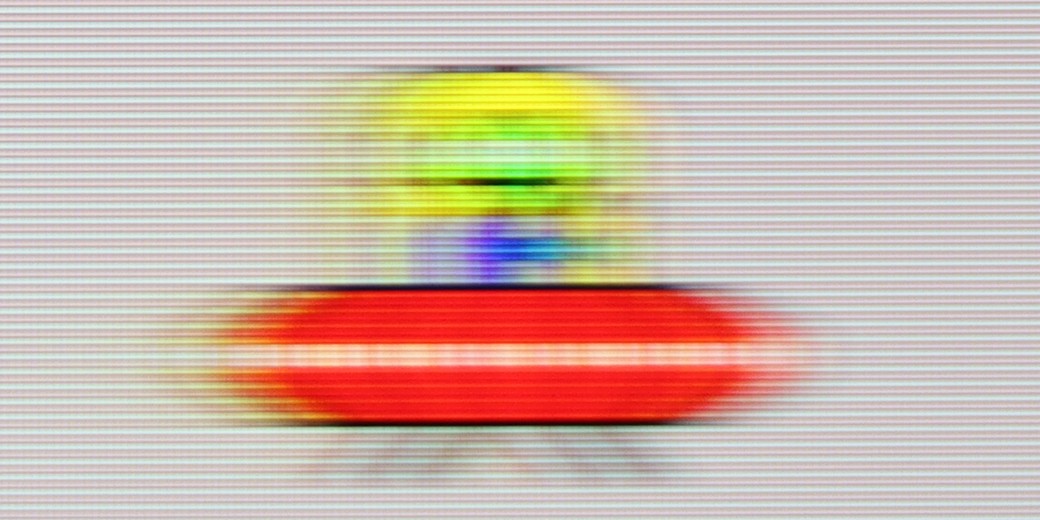
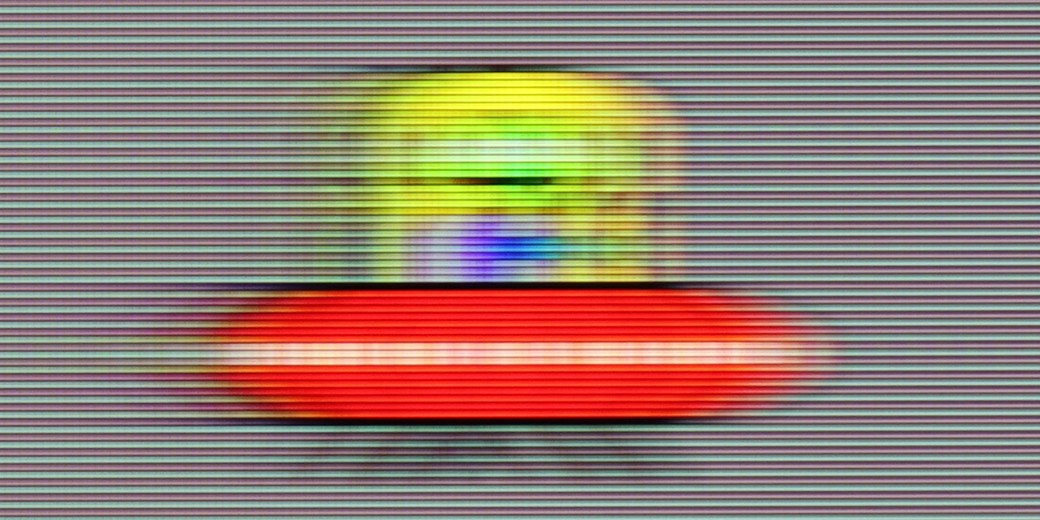
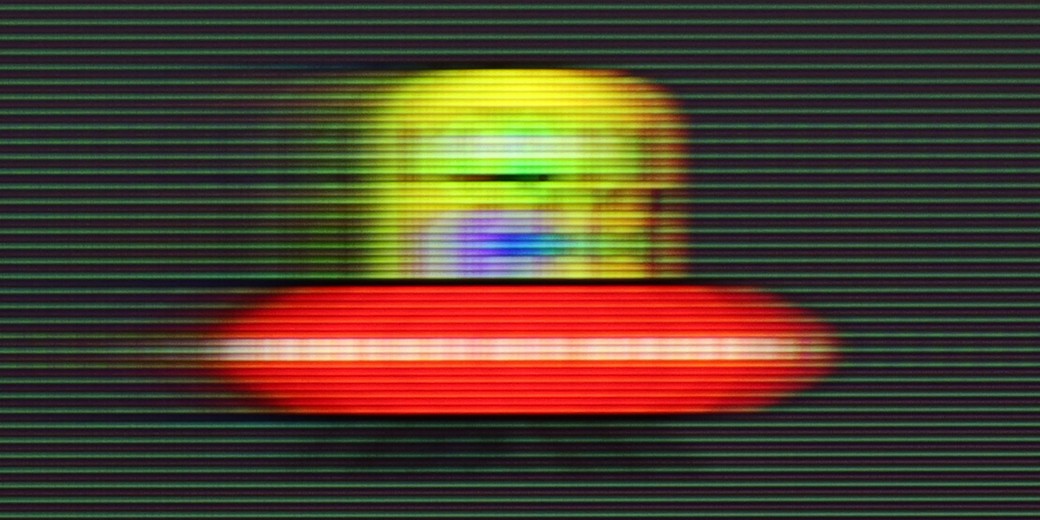
The fluidity of motion has never been a strong point of televisions equipped with 60 Hz panels, and the Bravia 3 is no exception. Nevertheless, Sony has added something that may appeal to those who are more sensitive to the way images are displayed. We are talking about the proprietary motion smoother, Motion Flow, which gives users a lot of adjustment options. Thanks to it, the image can become smoother, almost theatrical, or you can stick with a more cinematic style characterized by the jaggedness that many people simply associate with the filmic atmosphere. These features work for content with lower frame rates, such as movies and series recorded at 24 or 30 frames per second, which are the materials we encounter every day. This is where the motion smoother proves to be one of the most important features in everyday use of the television, and here the Bravia 3 performs really well.
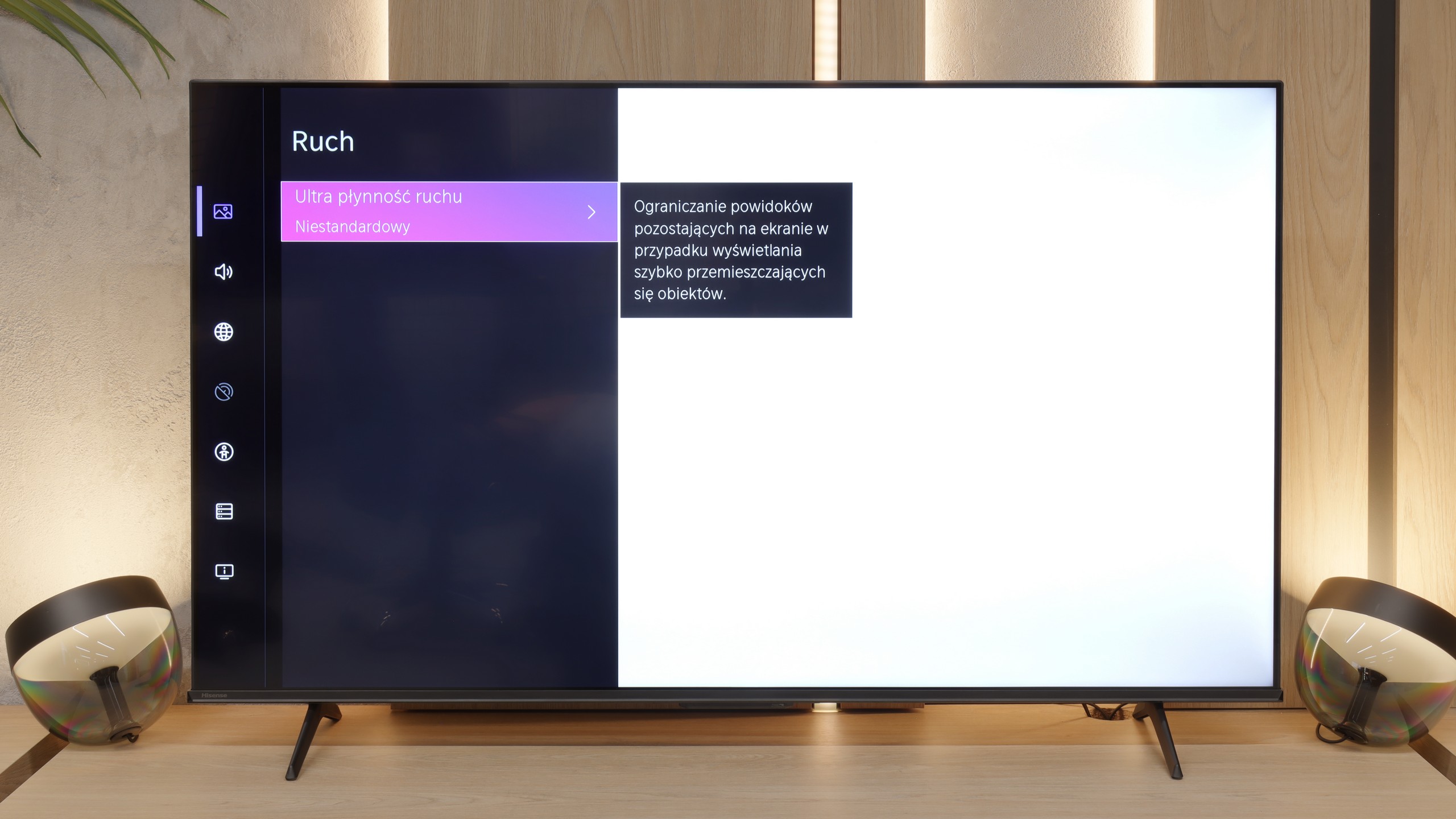
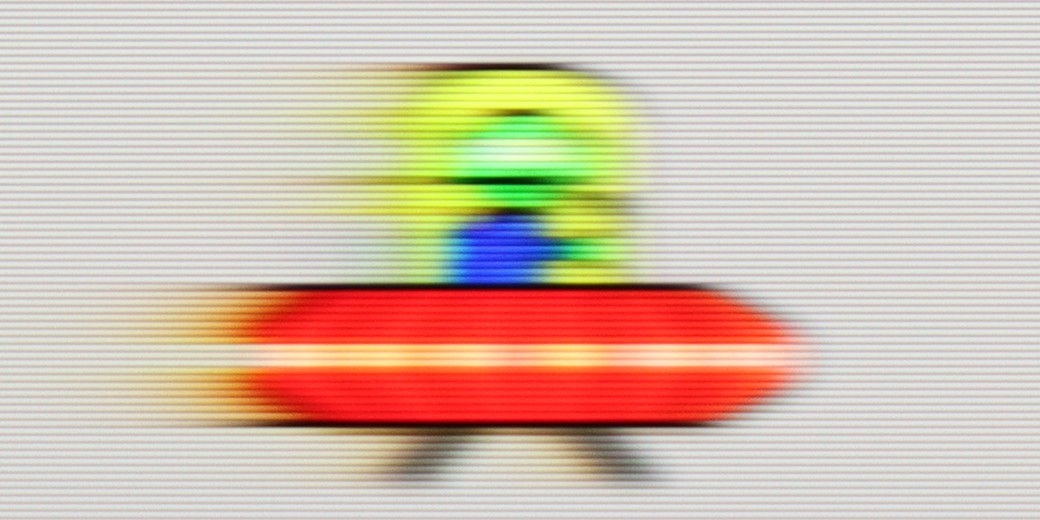
In the category of motion blur and fluidity of movement, the E7Q PRO has one very strong argument. At this price, Hisense has added a 120 Hz panel, and in PC mode, it can even operate at 144 Hz. This immediately provides greater possibilities in motion settings, as the menu displays more options for smoothing the image. Among other things, we have frame interpolation options, which allows us to adjust the fluidity for sports or for movies, depending on whether we prefer a more cinematic character or a "theatrical" smoothness.
Console compatibility and gaming features
4/10
8.5/10
- ALLM
- VRR
- VRR range 48 - 144Hz
- Dolby Vision Game Mode
- Correct implementation of HGIG
- 1080p@120Hz
- 1440p@120Hz
- 4K@120Hz
- Game bar
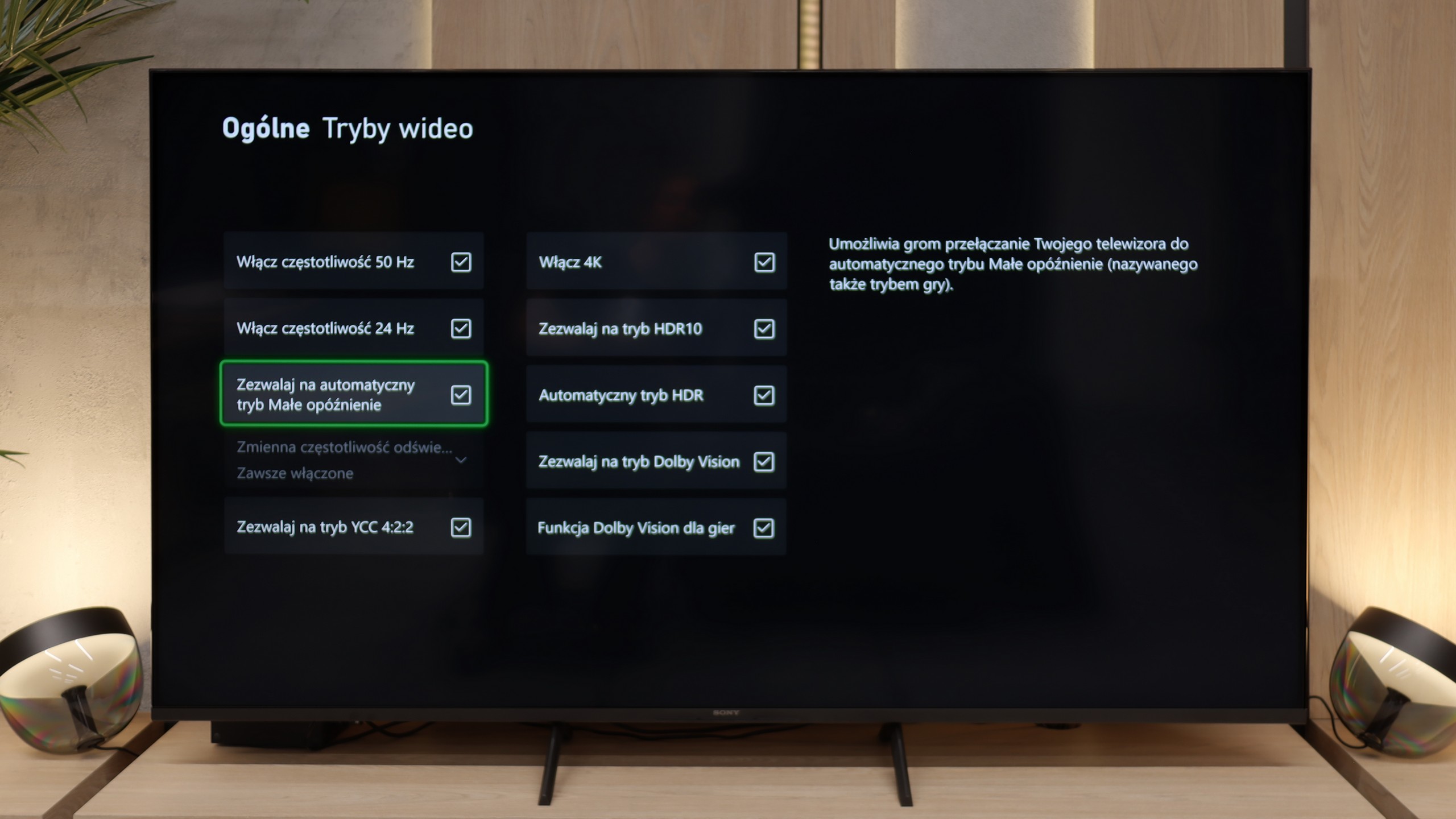
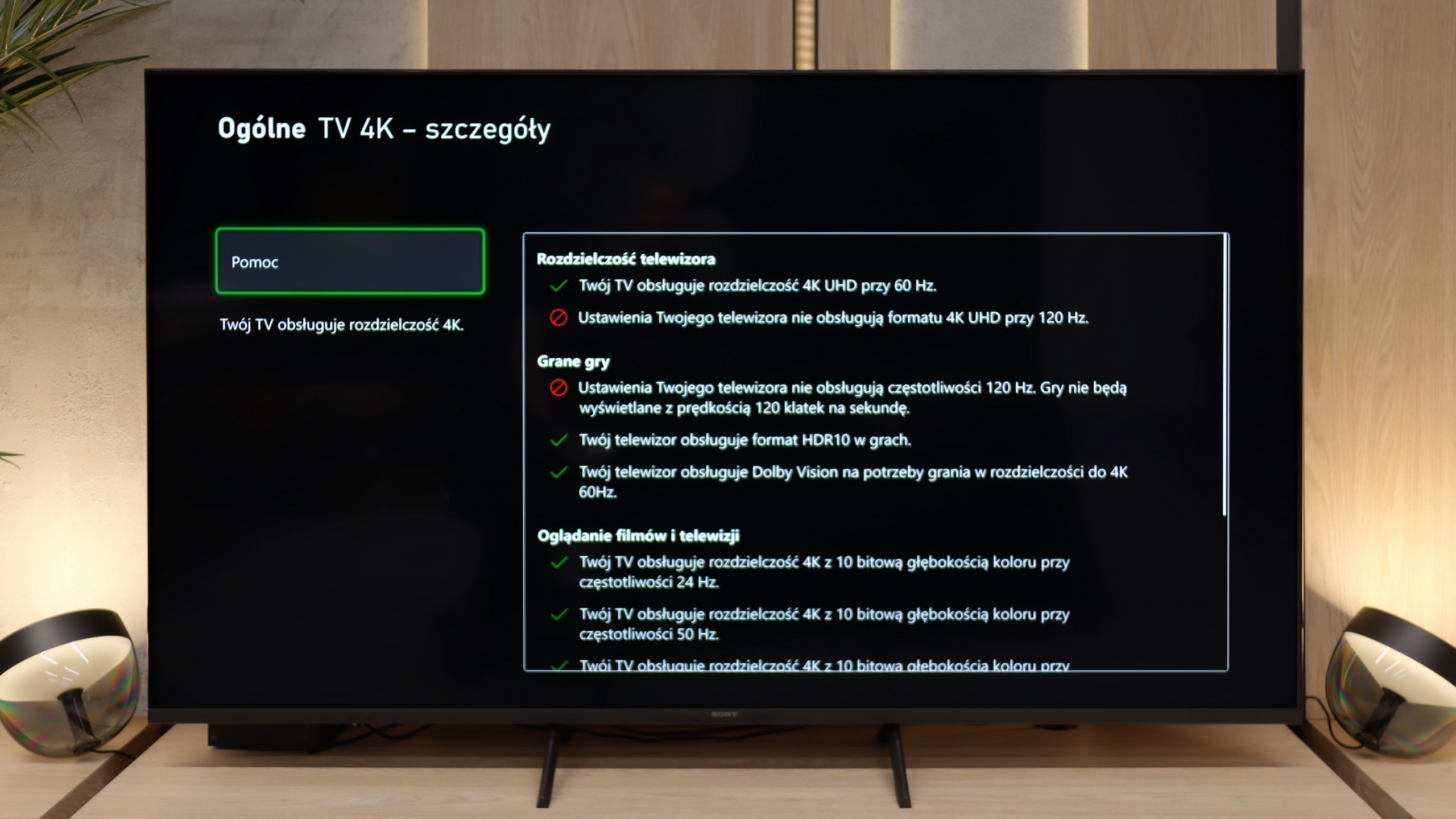
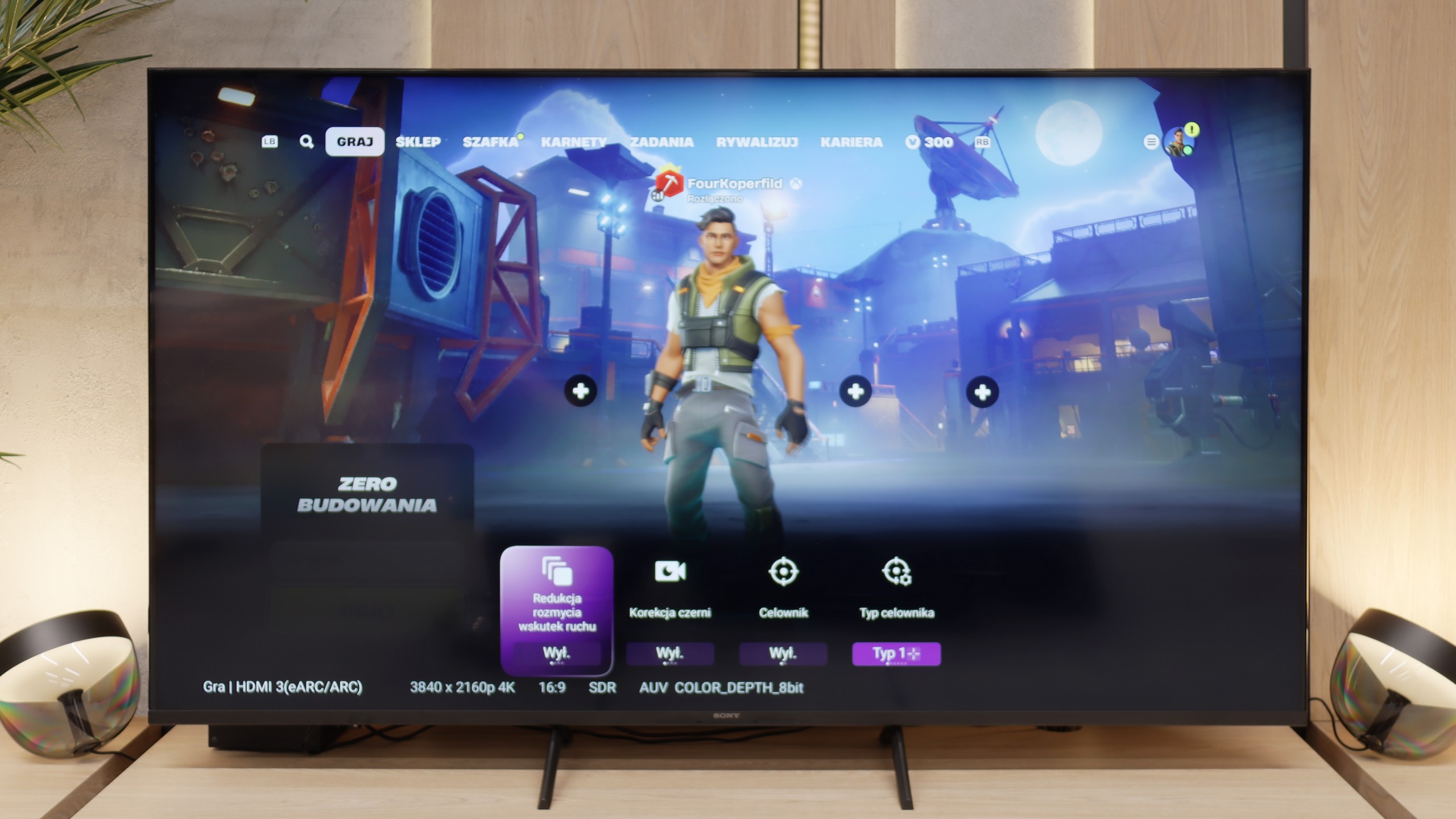
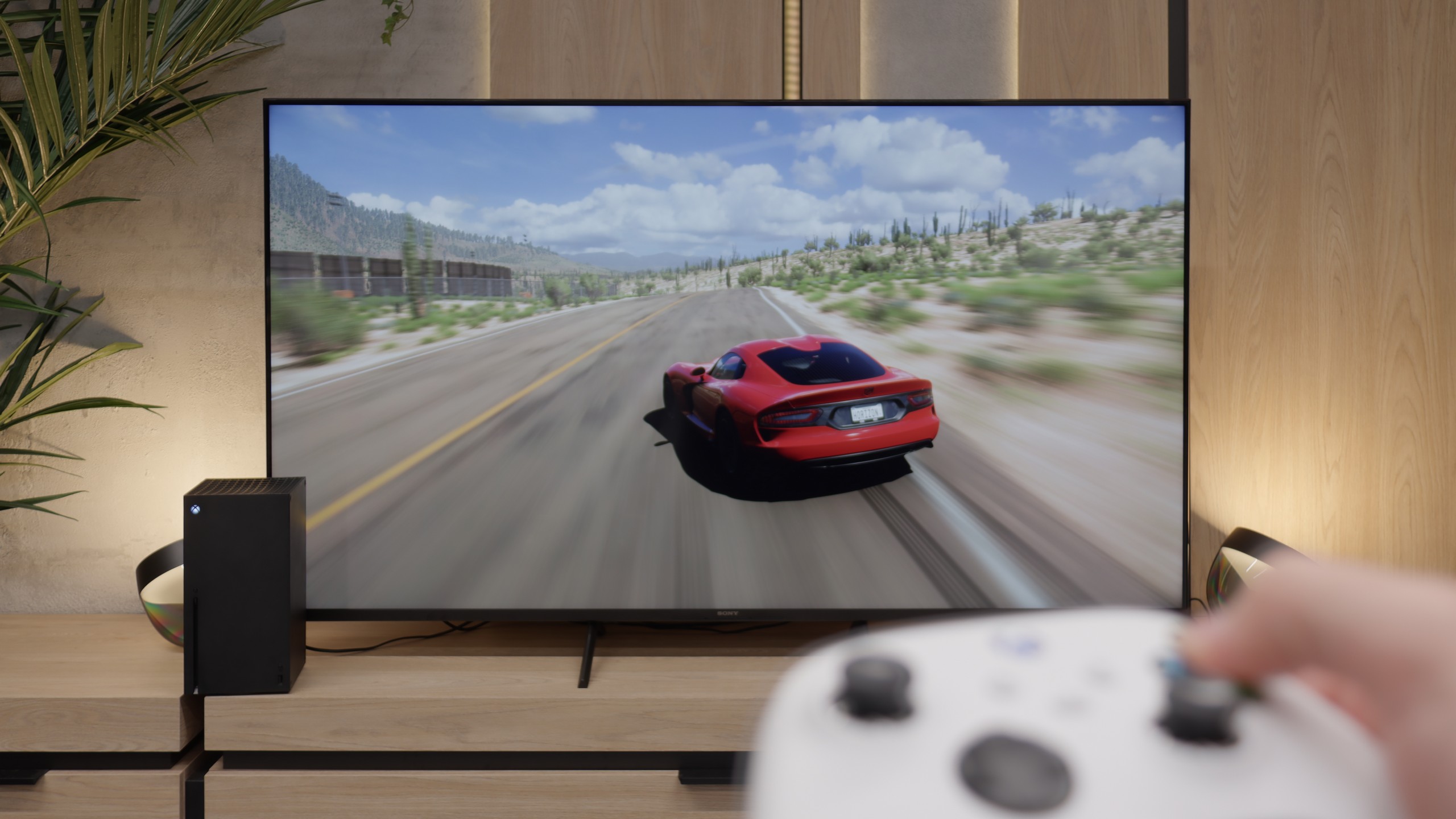
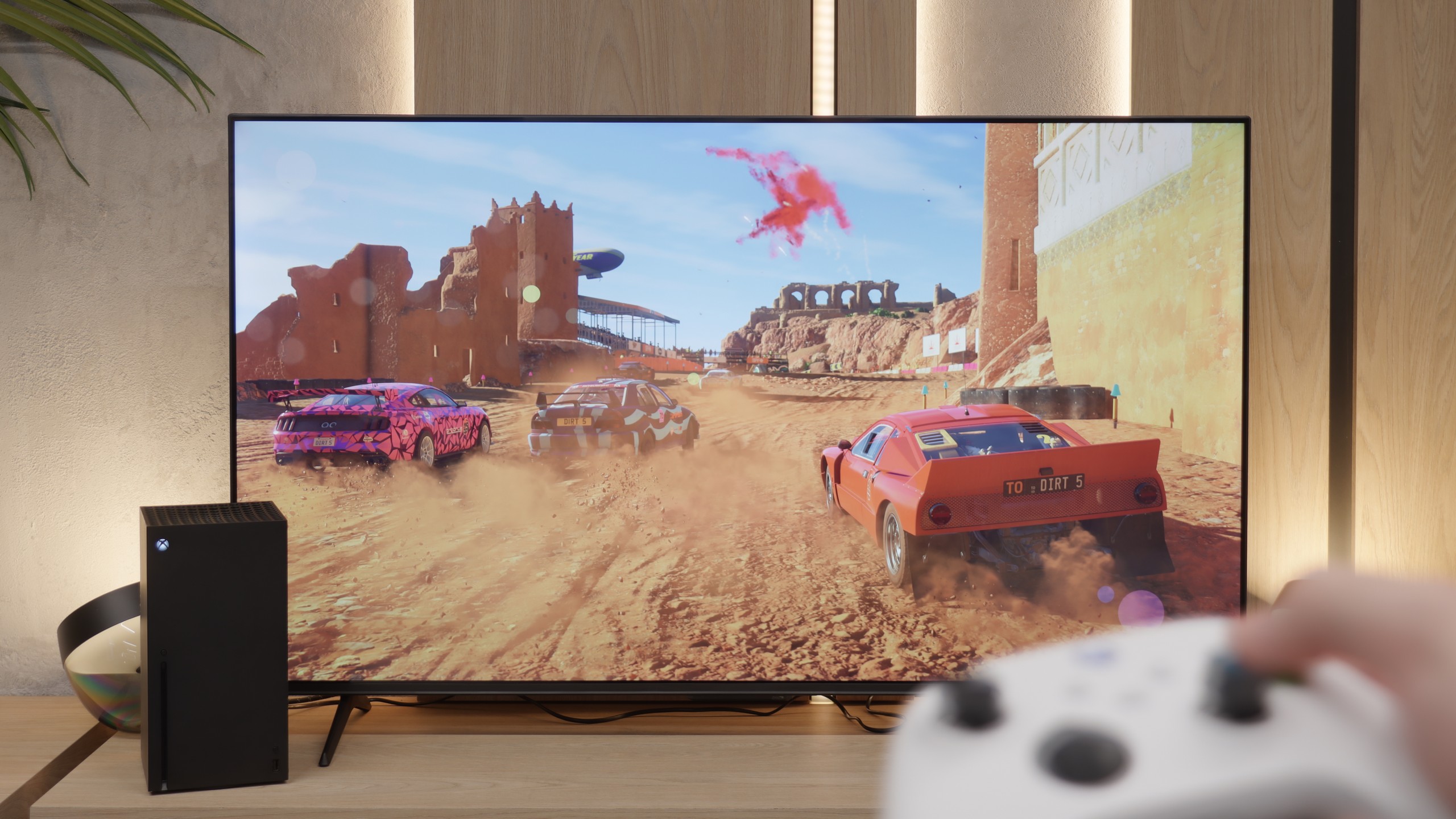
Bravia 3 is not equipment for e-sports players or fans of late-night marathons with a controller in hand. The lack of 120 Hz refresh rate and HDMI 2.1 ports closes the topic before it even gets a chance to develop. This is a television for a casual gamer who will play FIFA or racing games after work, not for someone who measures every frame in a spreadsheet. Nevertheless, Sony has added a few nice extras to make it feel less bare. ALLM works as it should, automatically switching the television to game mode (low latency). There's even a simple Game Bar that is clear. However, the biggest curiosity here is the PlayStation Portal app. Thanks to it, you can launch games from PS5 wirelessly and see them immediately on the television screen. It sounds great, but it only takes a few minutes to feel significant lag. In our opinion, it's more of a showcase of capabilities than something you can reliably use every day. If someone really wants to play, it's better to connect the console with an HDMI cable and forget about wireless issues.
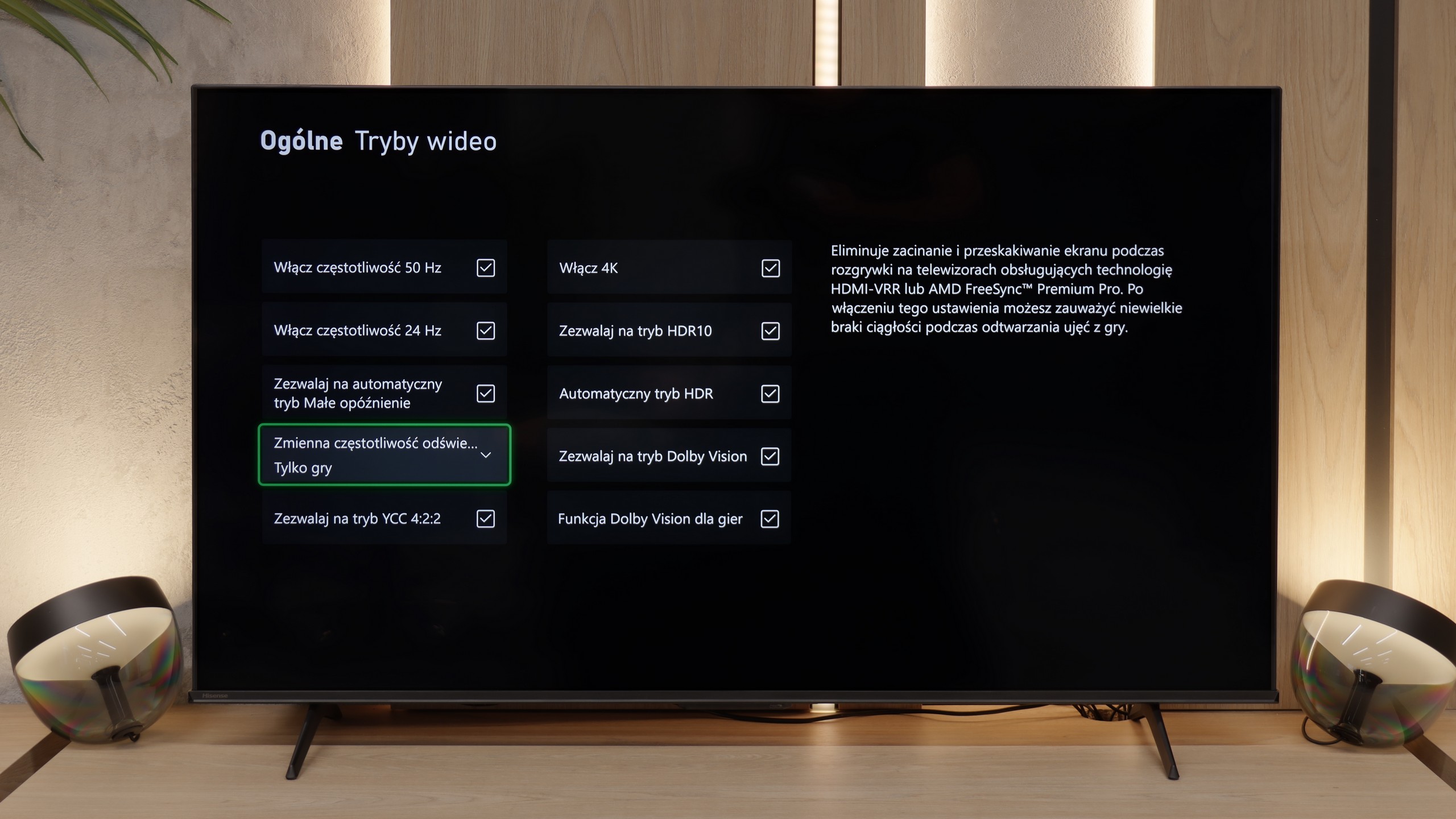
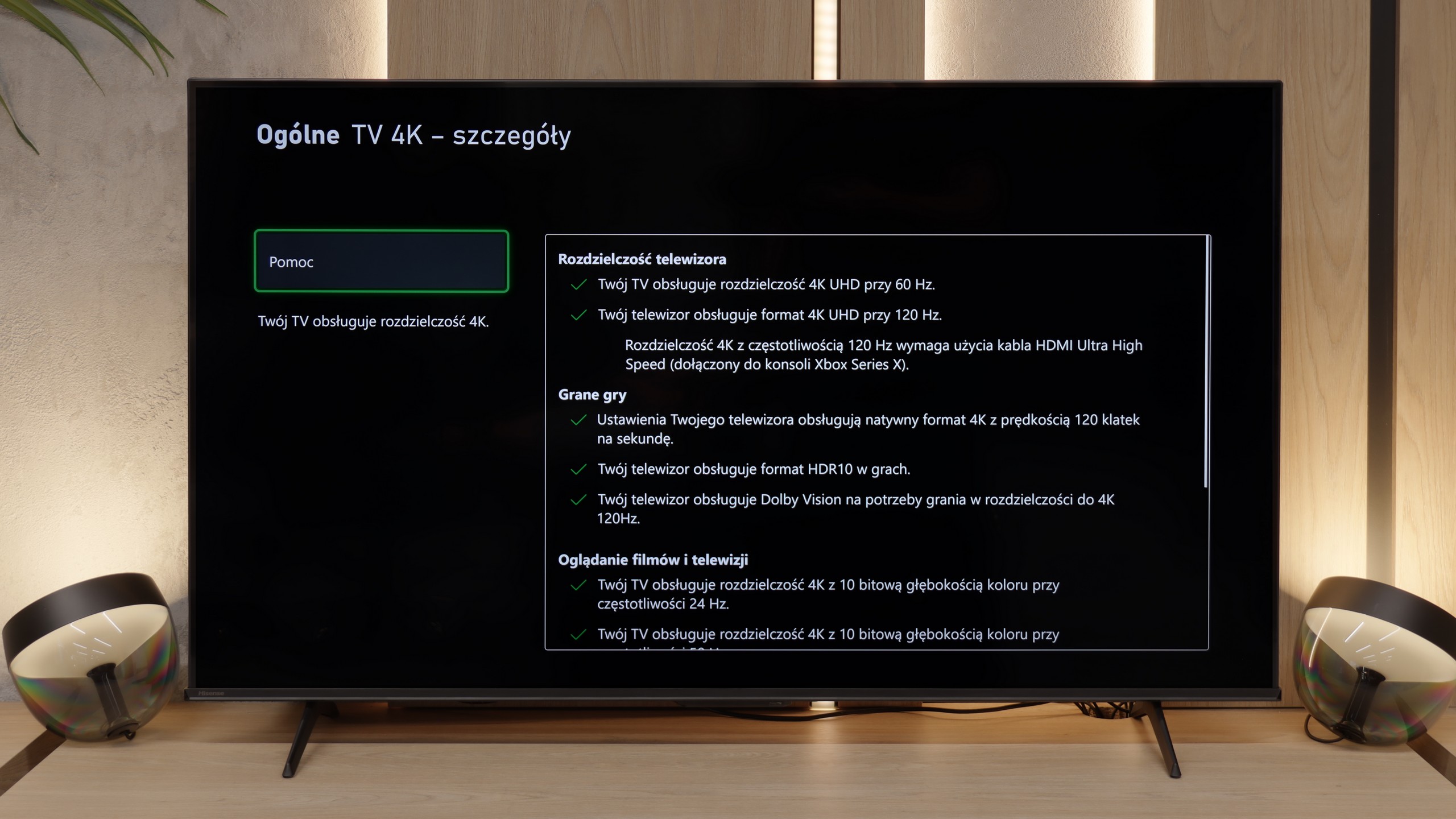
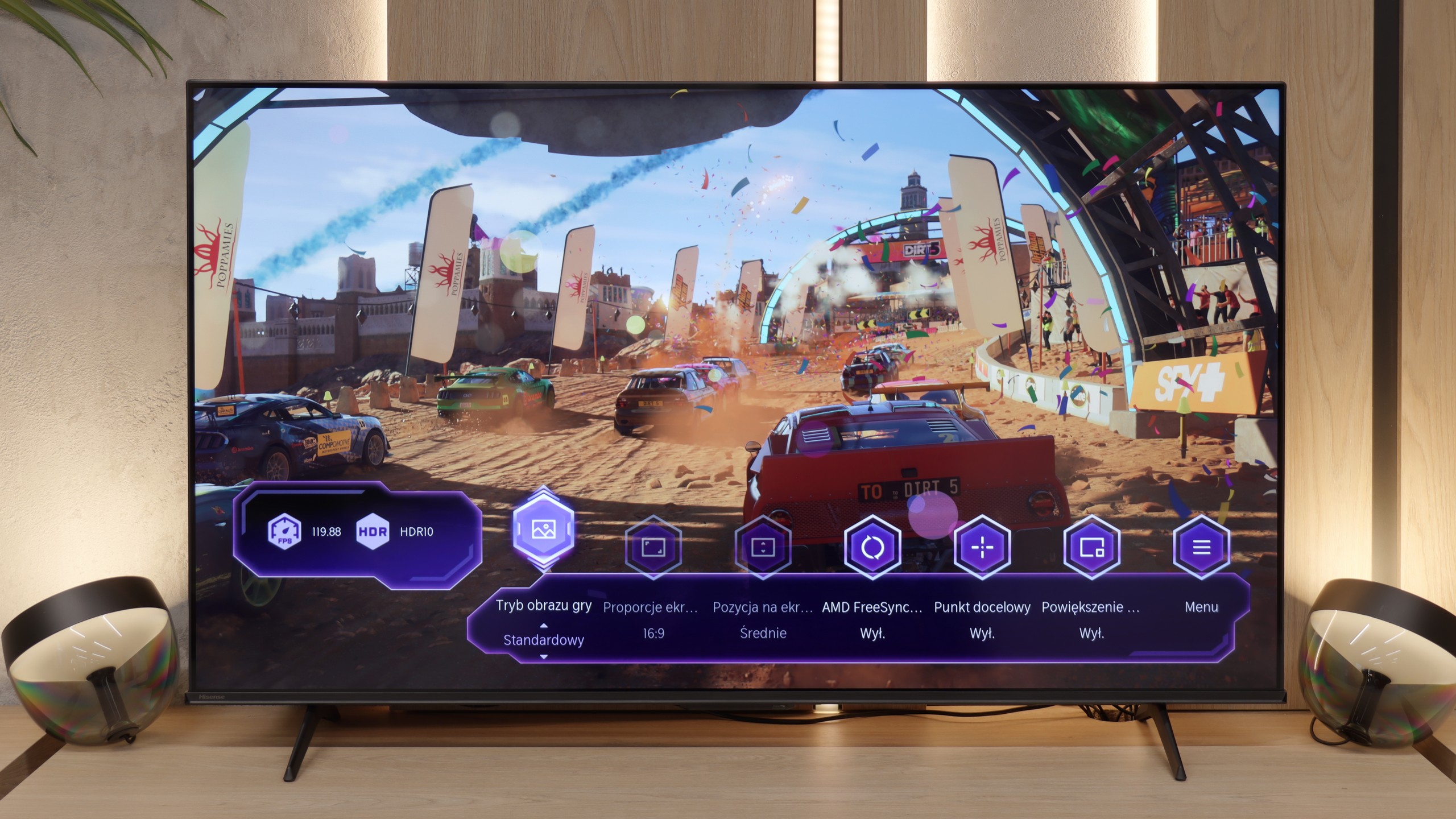
The E7Q PRO is a phenomenal screen for gamers. Aside from the typical "thorn" of Hisense, which is the lack of support for the HGiG format due to the constantly active tone mapping, we practically get everything one might expect from a television that is supposed to have a gaming label. There are two HDMI 2.1 ports, along with a full set of key features. We have variable refresh rates, automatic switching to game mode, and support for 4K at 120 Hz. On top of that, all the most important settings are at hand in a clear Game Bar. This tool not only looks modern but also has a distinctly "gaming" edge and actually makes life easier while playing.
Input lag
10/10
9.8/10
SDR
HDR
Dolby Vision
Here, Bravia 3 shows its best side. Latencies drop below 12 milliseconds in almost every resolution and mode, so the response to controller movements is instantaneous, and there is no noticeable delay. It feels like the console and the TV are speaking the same language, without unnecessary pauses and hesitations. Special attention should be given to the Dolby Vision Gaming mode. In its predecessor, the X75WL model, using this feature was simply agonizing – input lag could exceed 100 milliseconds, which effectively took away the pleasure of gaming. In Bravia 3, this problem has been completely eliminated.
Input lag performs very well. At 120 Hz, it drops below 10 ms, ensuring that the TV's response to our movements is practically instantaneous. In dynamic games, this is felt immediately; the controls remain responsive, and the delay does not hinder even in fast titles focused on reflexes.
Compatibility with PC
3.5/10
8.4/10
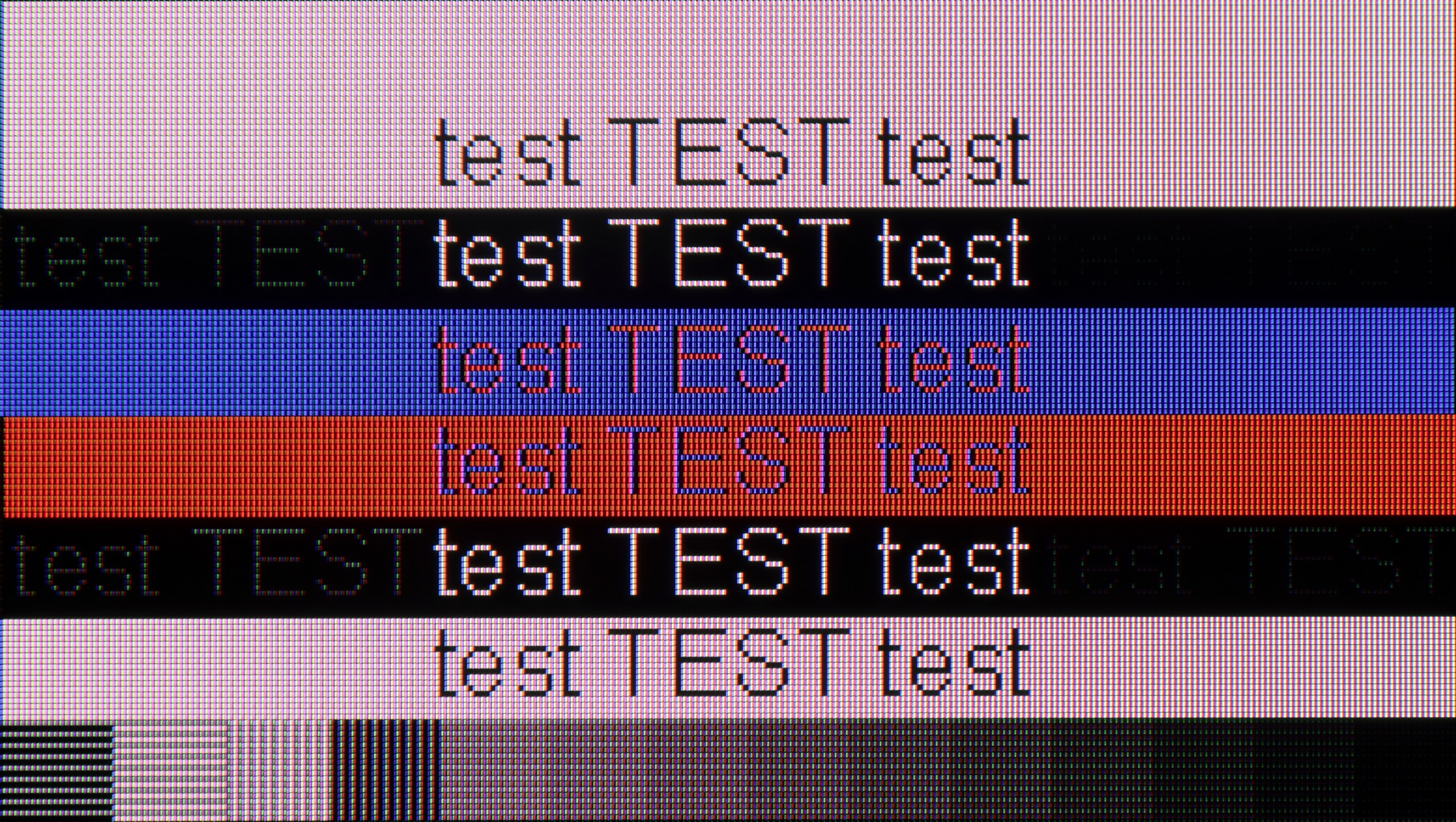
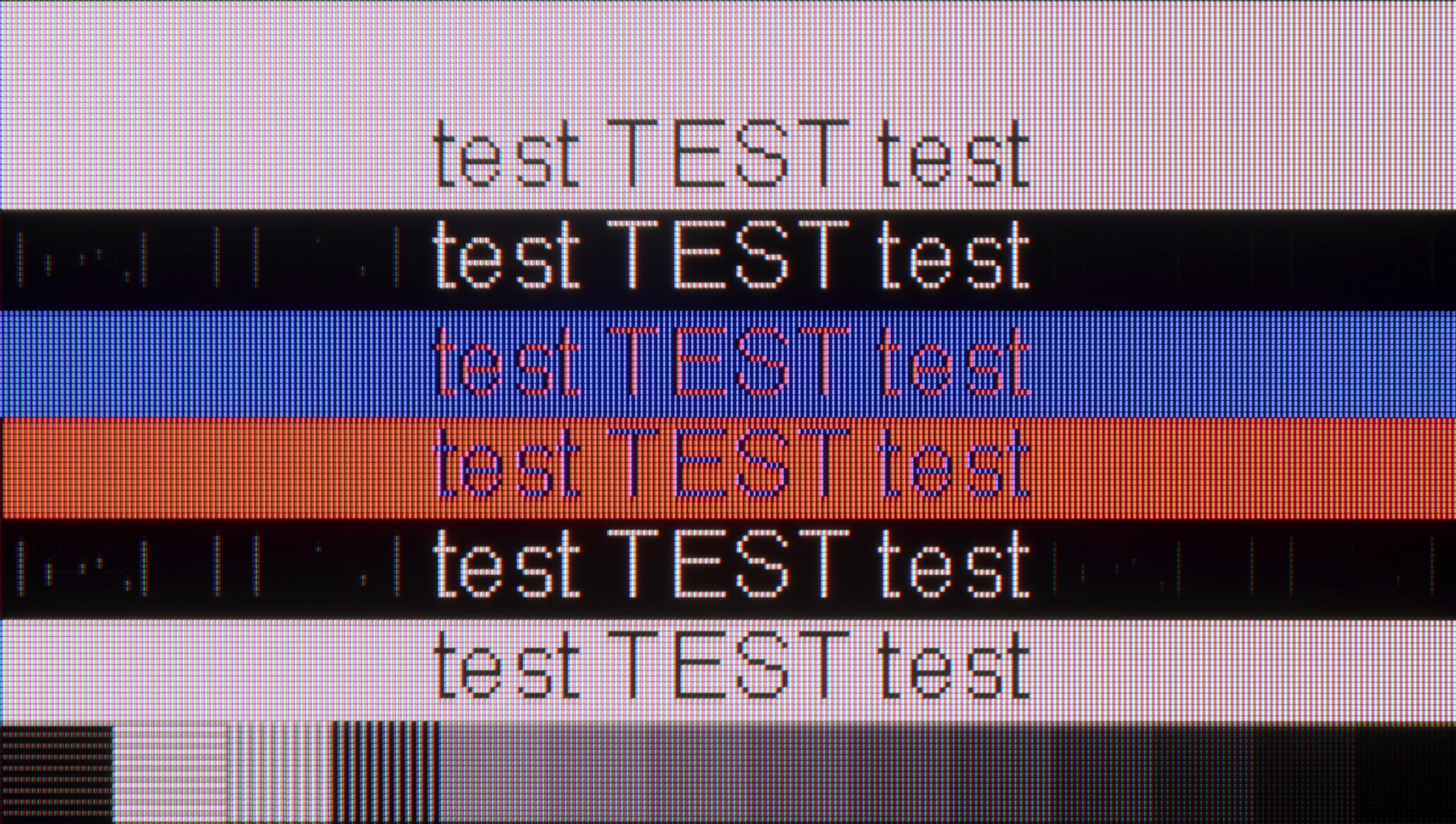
The photo shows the legibility of small fonts. Ideally, lines should be the same thickness on both light and dark text, with minimal pixel gaps.
Collaboration with a computer in the case of Bravia 3 with a VA panel does not perform as well as in the version with an IPS panel. The fonts are noticeably less sharp and harder to read, which is immediately apparent when working with text. To this, there is the surprising issue of dithering, which we did not notice in the IPS variant. This is quite an unusual situation, but definitely worth noting, as it may hinder those planning to use the television as a monitor. When it comes to PC gaming, there are also no major reasons for enthusiasm here. The lack of support for frame synchronization with graphics cards or higher refresh rates makes the screen rather unattractive in this role. Therefore, if someone is seriously considering connecting Bravia 3 to a computer, a better choice would be the variant with an IPS panel, which performs significantly better in this regard.
Working with a computer on the E7Q PRO is really good, especially if we look at this TV as a large screen for gaming. We get support for variable refresh rate (G-Sync and FreeSync) and refresh rates up to 144 Hz, so in fast-paced titles, the image can look very smooth and stable – it’s hard to have bigger complaints at this price. However, there is one clear downside. Regardless of the set refresh rate, there are issues with the readability of very thin, dark text. On our unit, it sometimes happened that mainly vertical "strokes" of letters were visible, making some texts difficult to read, and sometimes even impossible to decipher. For gaming – great. For working with text on a dark background – it can be quite annoying.
Viewing angles
3.2/10
3.2/10
The viewing angles in Bravia 3 with VA matrix are clearly weaker than in the version with IPS panel. It is enough to sit slightly to the side for the image to begin losing saturation and clarity, and the black to take on a lighter shade. This is the natural price to pay for the significantly better contrast and deeper blacks, which are a definite advantage in this variant.
The viewing angles on the E7Q PRO are exactly what one would expect from a VA panel, and the 55-inch size we tested uses just that. This means one thing. Sitting directly in front is very good, but a slight shift to the side causes the image to start losing saturation and a noticeable amount of brightness. The E7Q PRO is no exception here; it behaves typically for this technology. It's simply the price to pay for the high native contrast that VA can offer in return. One could say that it is the opposite of IPS or ADS panels, which usually provide better angles but much weaker black levels and contrast.
Daytime performance
5.4/10
4.7/10
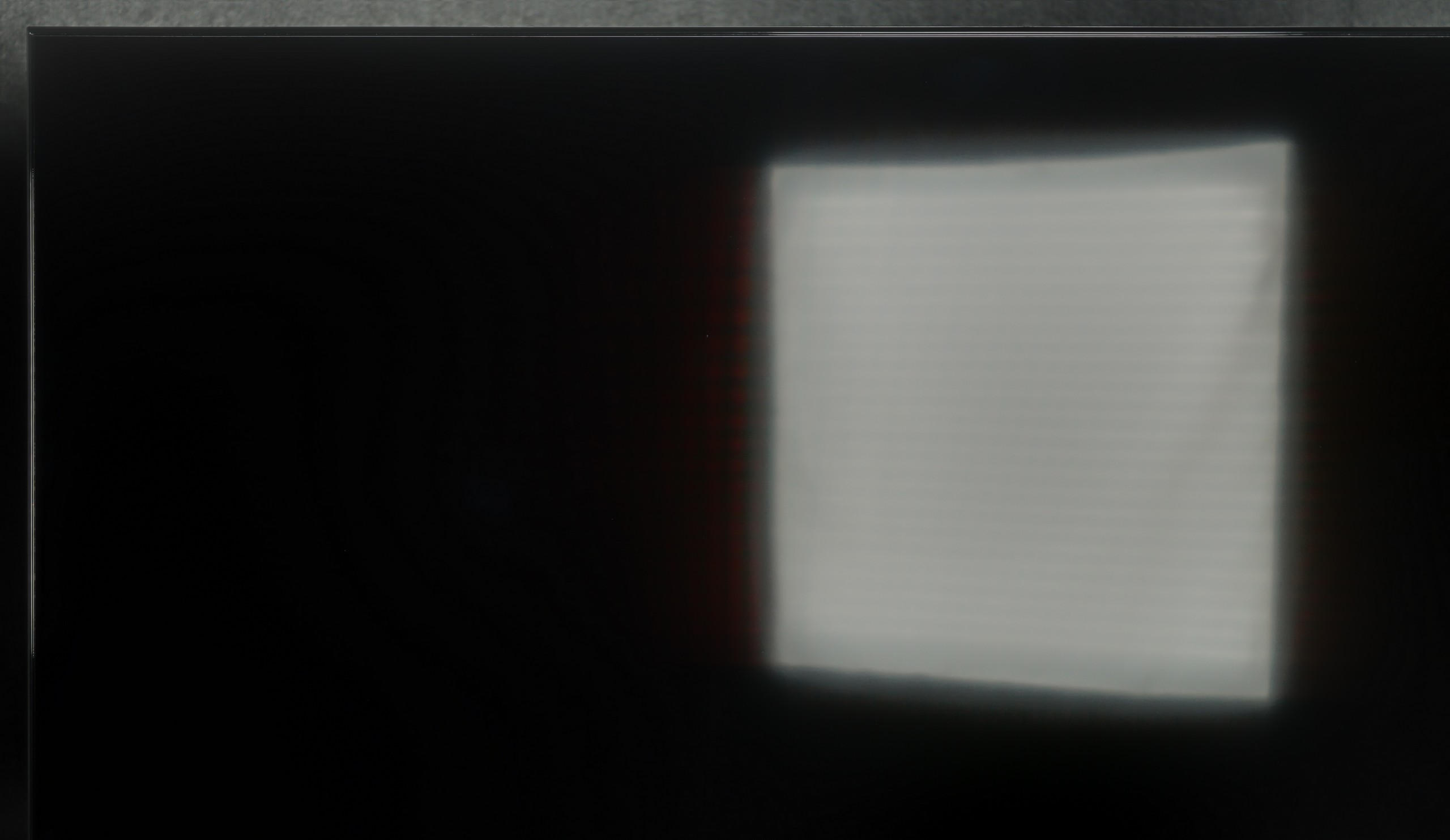
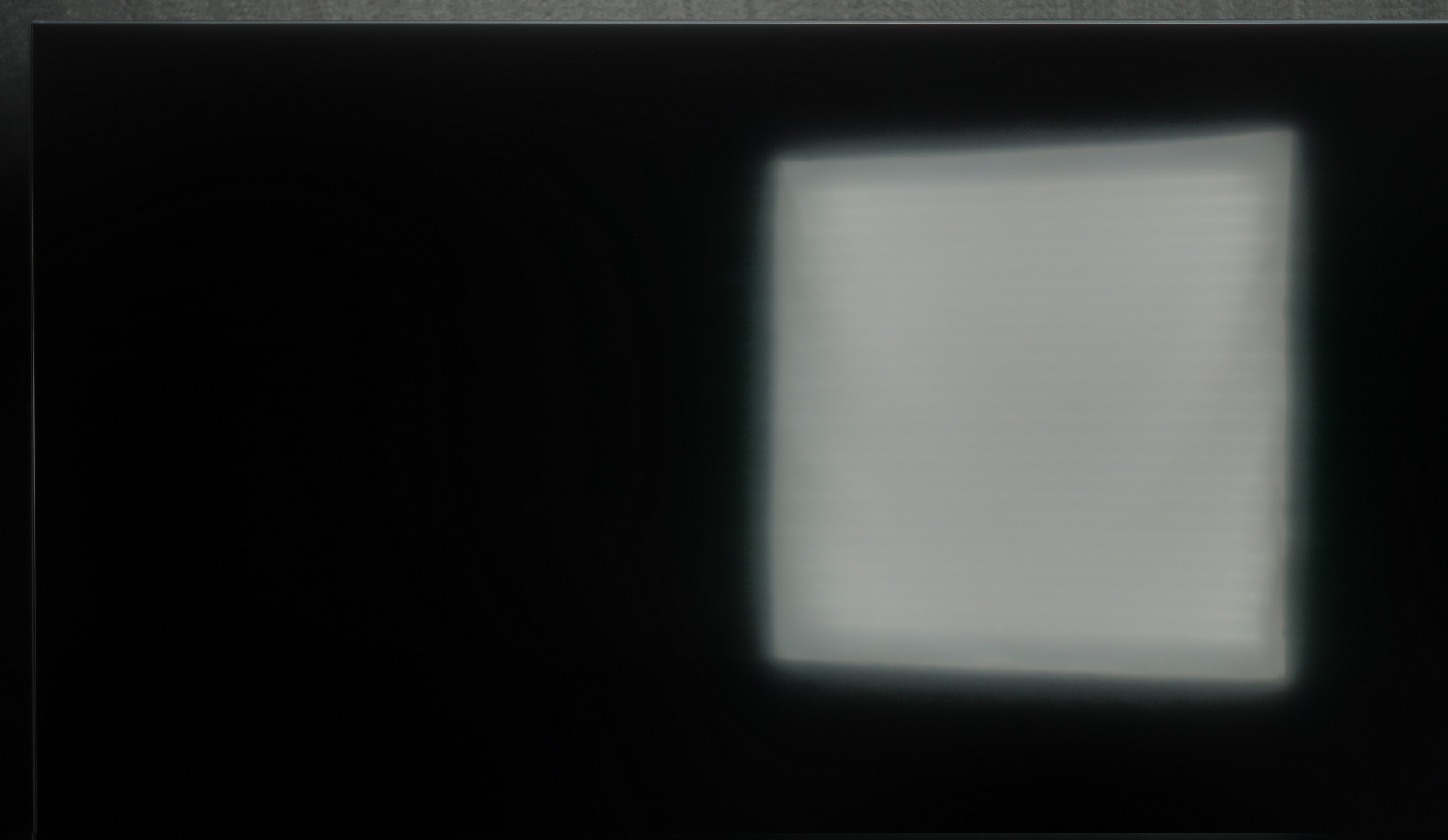
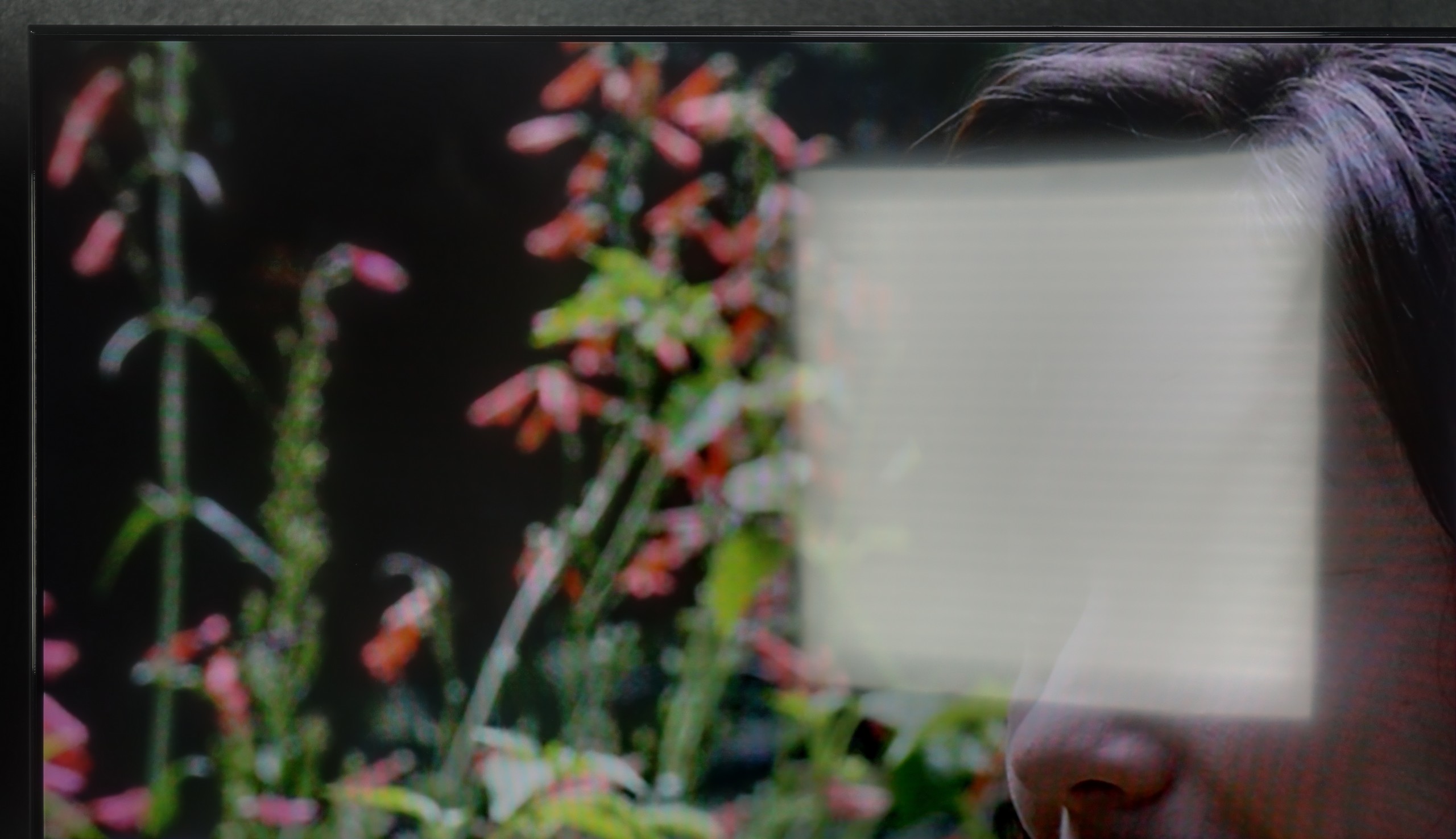
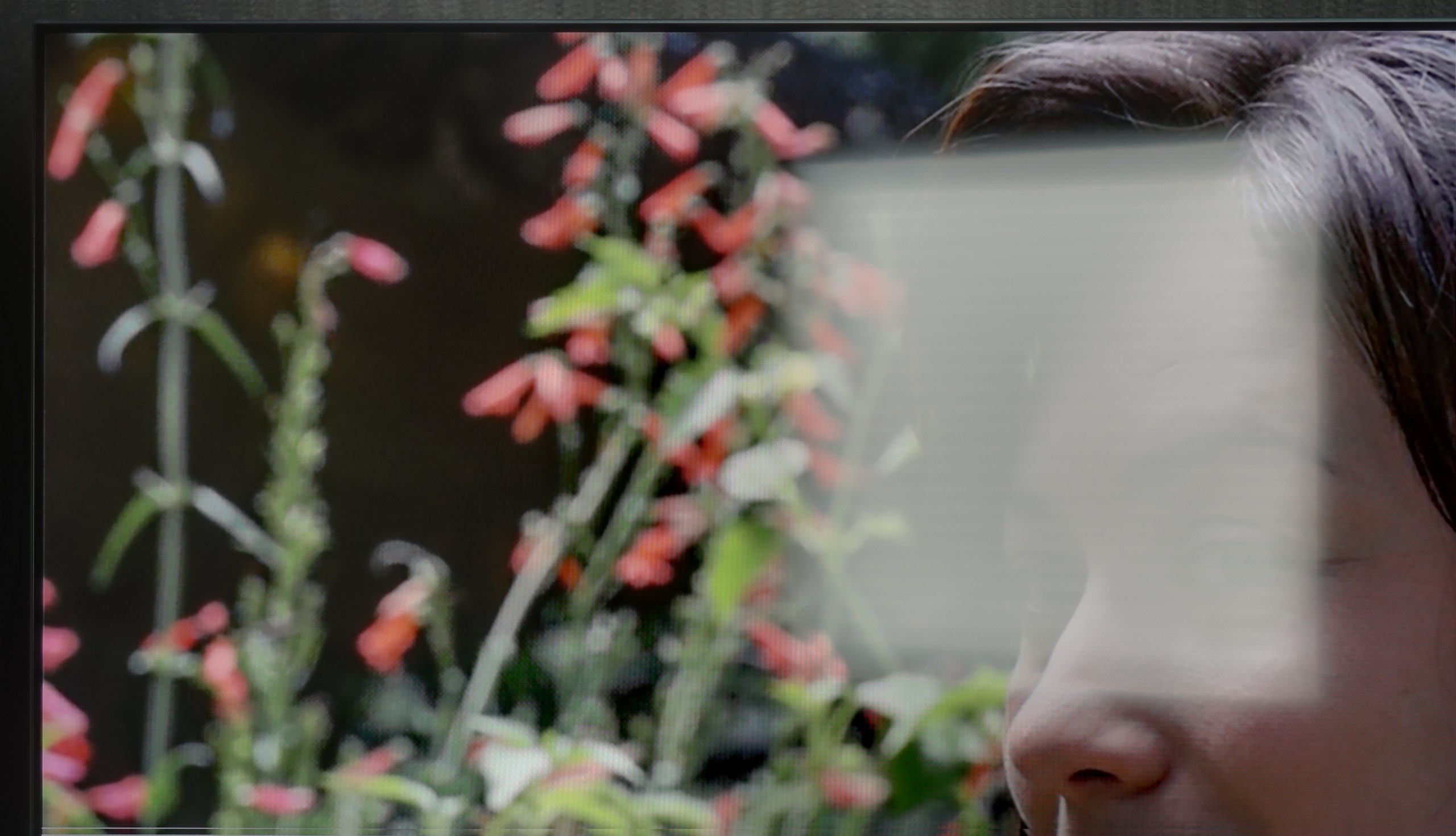
Panel brightness
Hisense E7Q PRO / E79Q PRO: 308 cd/m2
Sony Bravia 3 50' (VA): 397 cd/m2
The performance of the Bravia 3 in the VA variant during the day is a mix of pros and cons. The manufacturer has also used a satin coating here, but compared to IPS, it struggles more with direct reflections. When sharp light hits the screen, reflections can be more pronounced and may interfere with viewing. On the other hand, the television compensates with higher brightness. In normal daytime conditions, the image is clearer and sharper than in the version with the IPS panel. Thanks to this, in everyday use, the Bravia 3 in the VA edition can perform even better, as long as it is not placed in a highly sunlit area.
The performance of the television during the day in the E7Q PRO has one clear advantage, which is the satin coating of the panel. Reflections are suppressed quite decently, and in practice, it is this feature that saves this model the most in brighter rooms. The problem is that the screen itself is not particularly bright, which means that in more difficult lighting conditions, the television may struggle to cut through the daylight. For this reason, we would not recommend the E7Q PRO as the first choice for very bright living rooms.
*However, it's worth adding an important exception. The 100-inch version performs significantly better here. It has been equipped with a matte panel and is noticeably brighter. So if someone is wondering how 100 inches compares to the smaller sizes of this model, the answer is simple. Definitely better, especially in daytime use.
Panel details
Subpixel Structure:
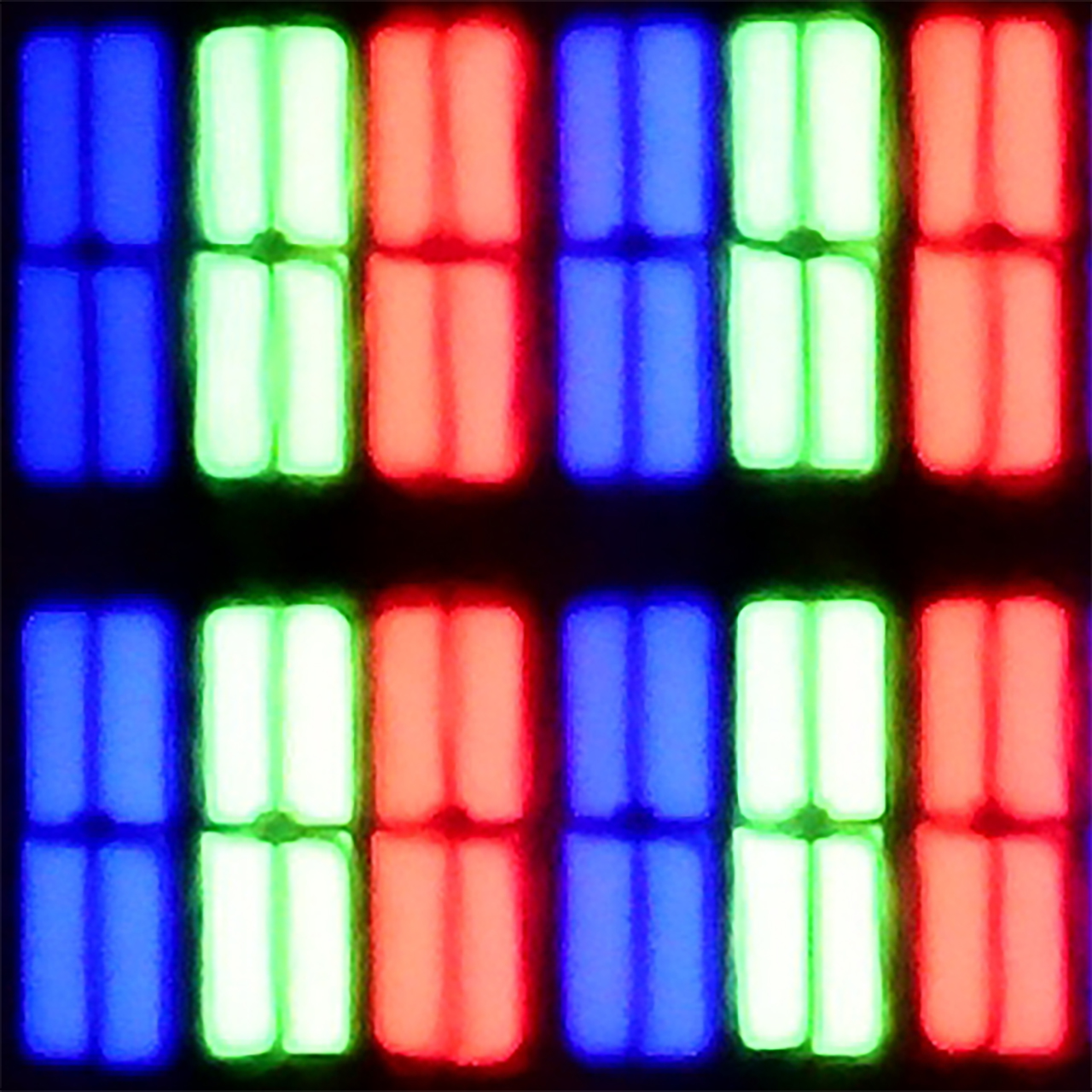
Panel uniformity and thermal imaging:


TV features
6.1/10
7.8/10
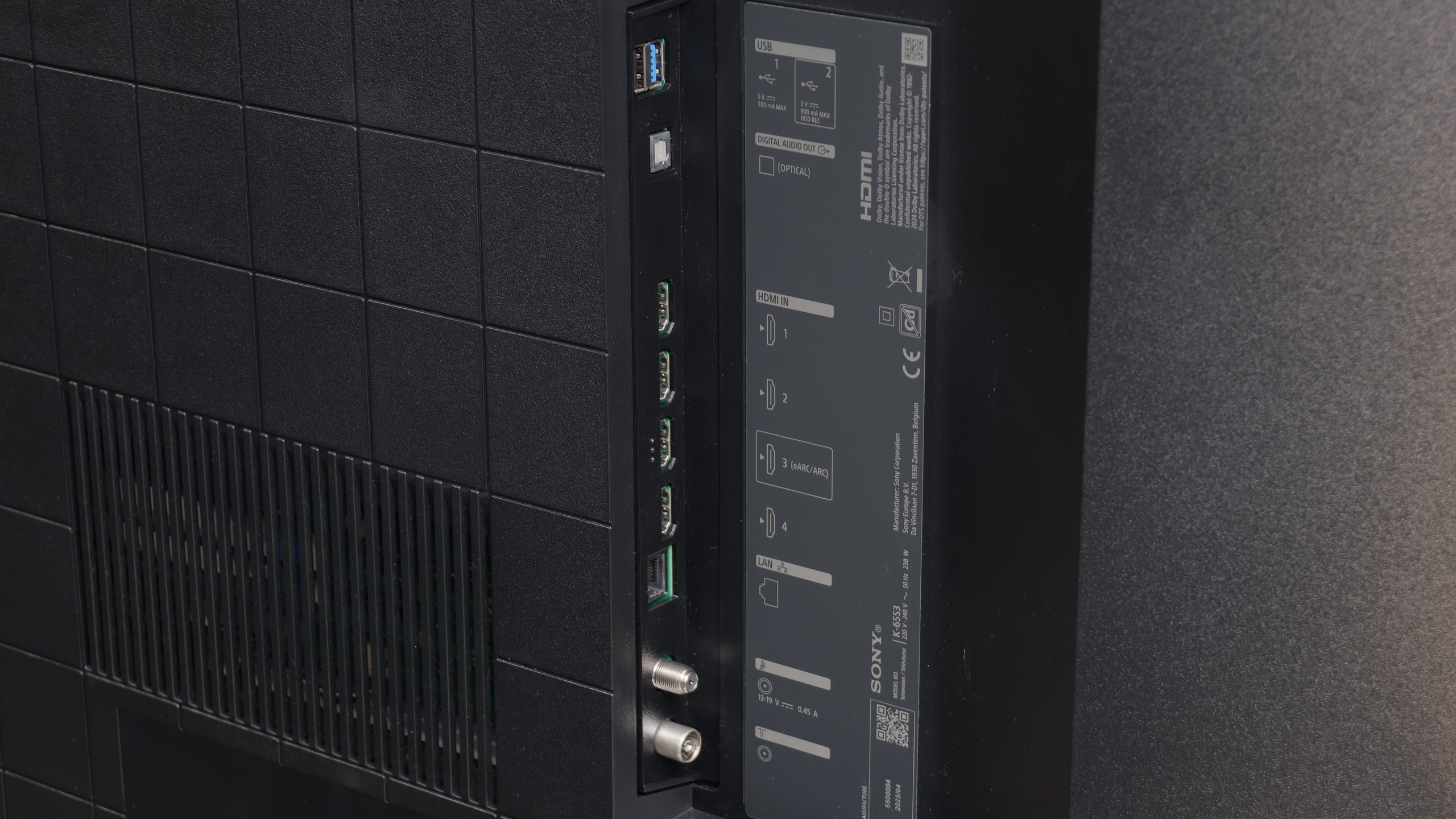
- HDMI inputs4 x HDMI 2.0, 0 x HDMI 2.11 x HDMI 2.0, 2 x HDMI 2.1 48Gbps
- Other inputsRCA (Chinch)
- OutputsToslink (Optical audio), eARC (HDMI), ARC (HDMI)Toslink (Optical audio), eARC (HDMI), ARC (HDMI), Mini-Jack (Headphones)
- Network InterfacesWi-Fi 2.4GHz, Wi-Fi 5GHz, Ethernet (LAN) 100MbpsWi-Fi 2.4GHz, Wi-Fi 5GHz, Ethernet (LAN) 100Mbps
- TV receptionDVB-T, DVB-T2, DVB-S, DVB-S2, DVB-CDVB-T, DVB-T2, DVB-S, DVB-S2, DVB-C
Classic features:
- Recording to USB (terrestrial TV)
- Recording programming
- Picture in Picture (PiP)
- RF remote control (no need to aim)
- Backlit remote control
- Teletext
- Audio only mode
- Bluetooth headphones support
- Simultaneous Bluetooth headphones & TV audio
Smart features:
- AirPlay
- Screen mirroring (Windows Miracast)
- Voice search
- Voice search in native language
- Ability to connect a keyboard and mouse
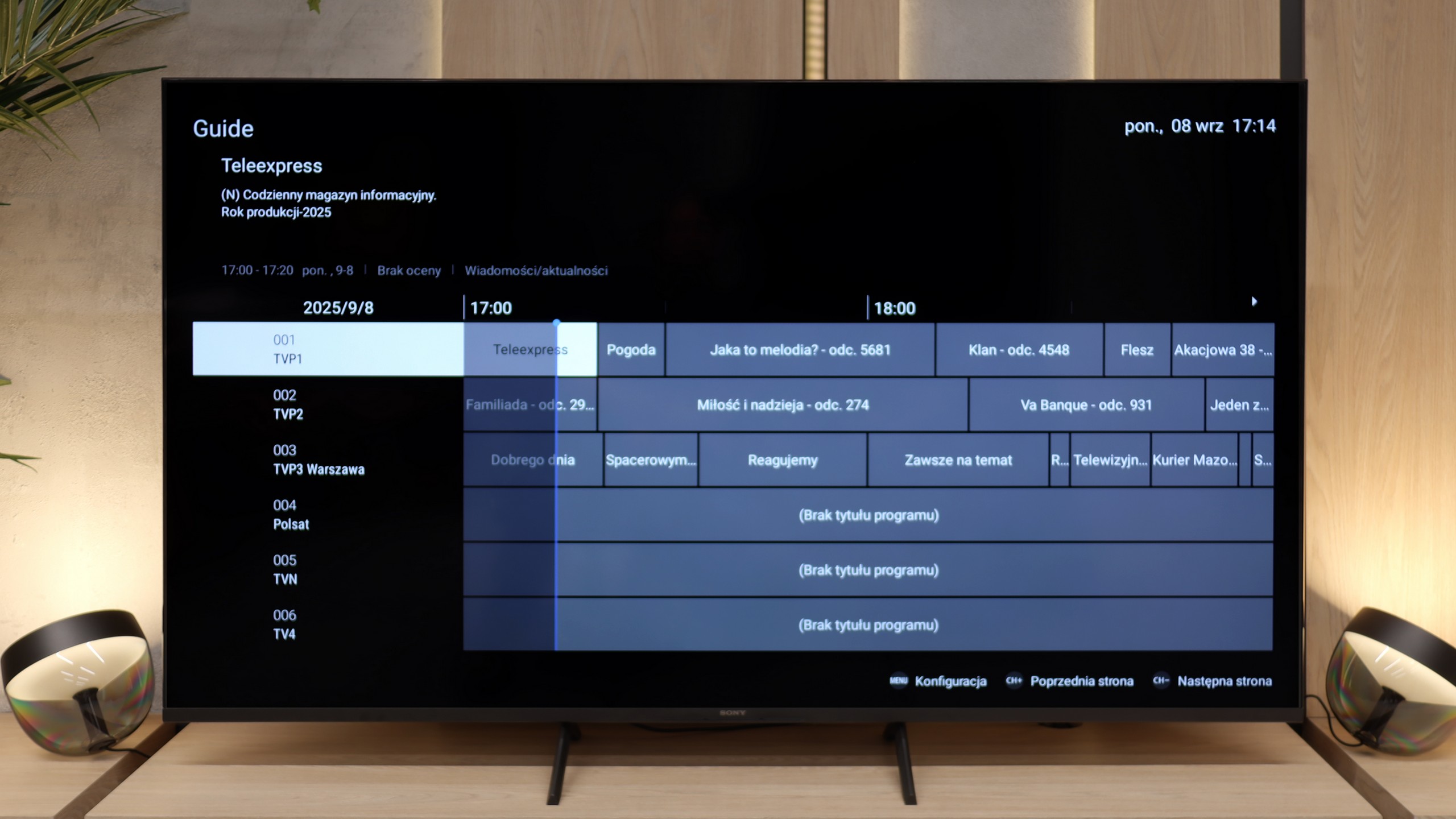
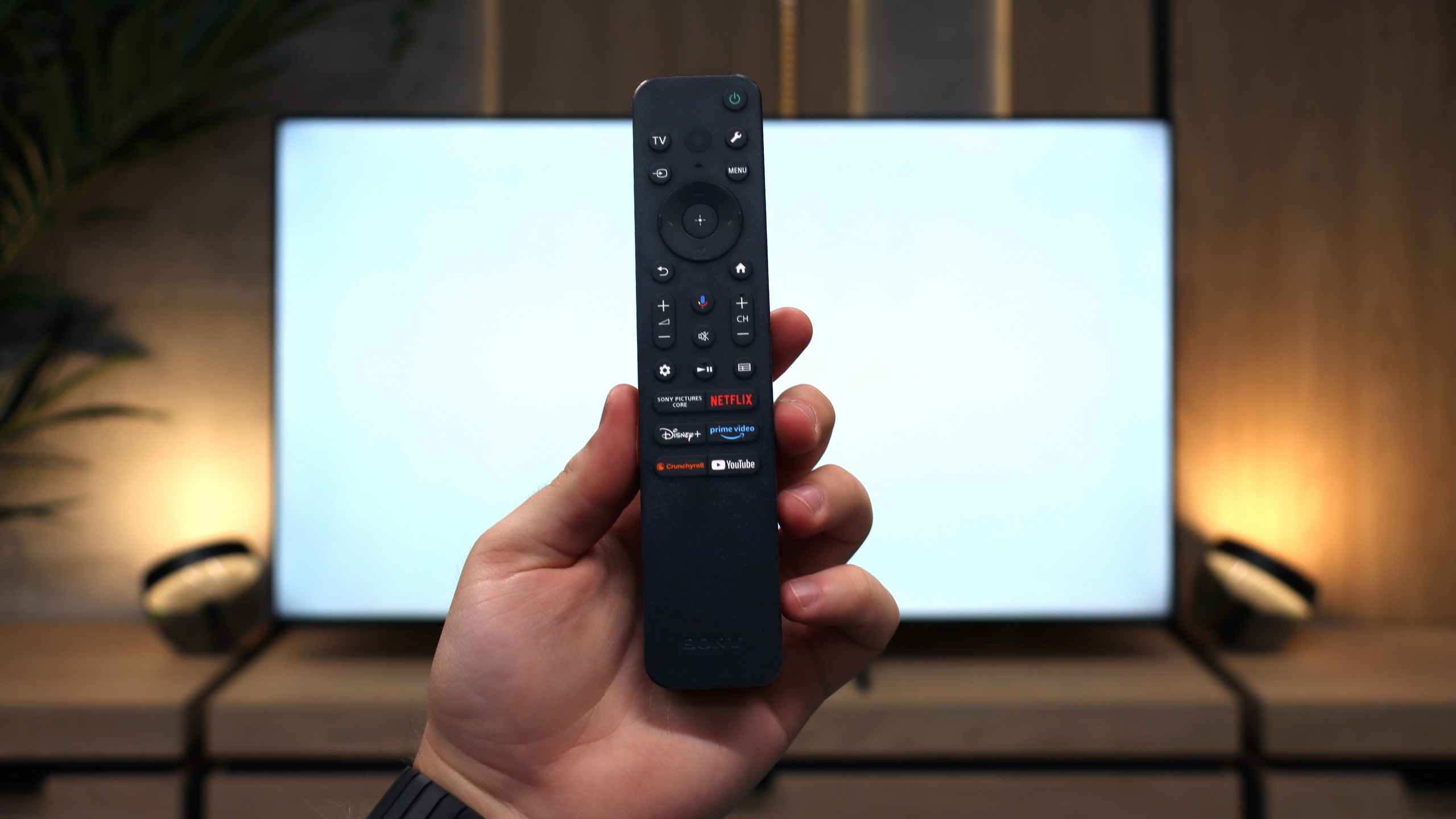
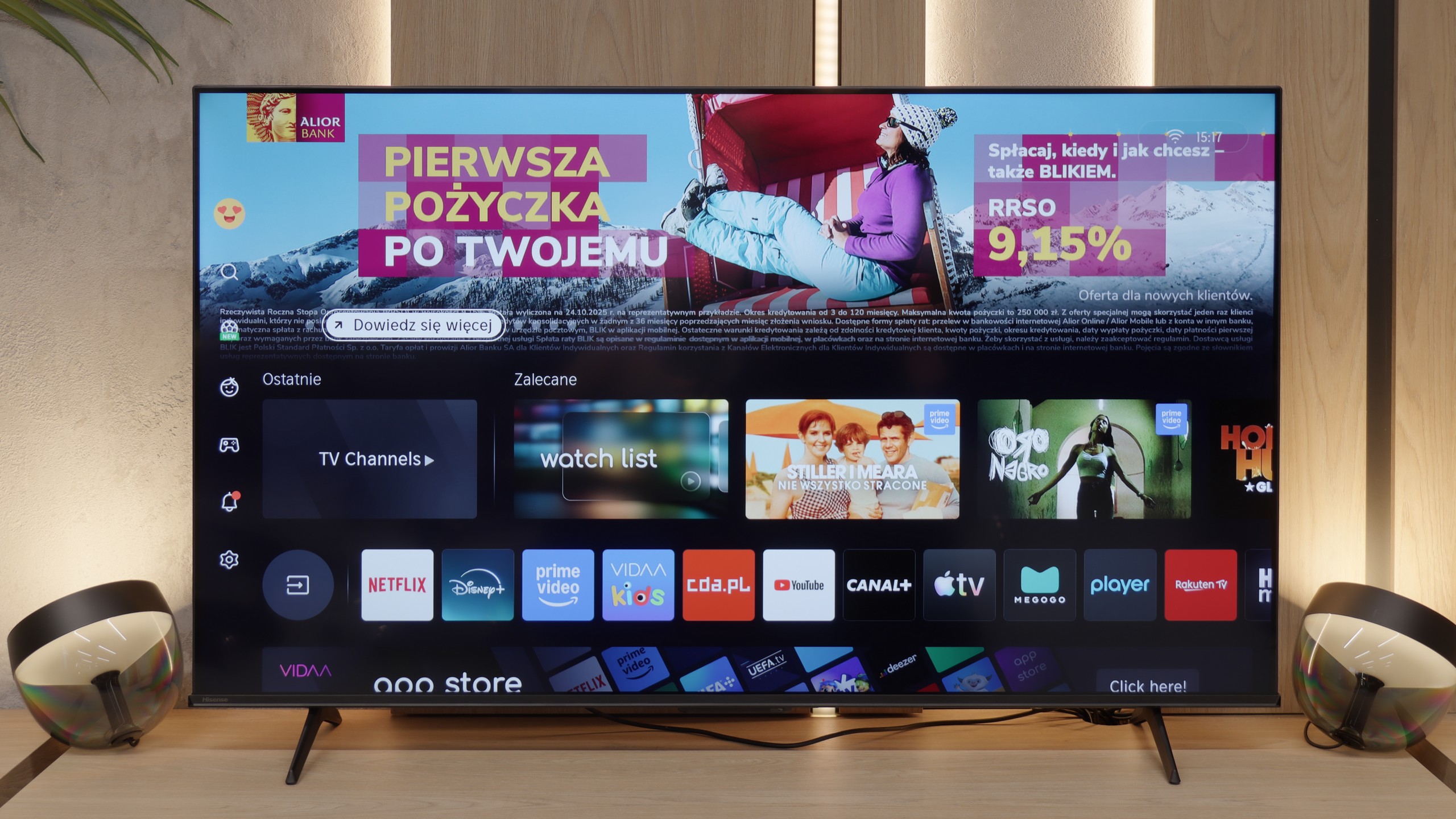
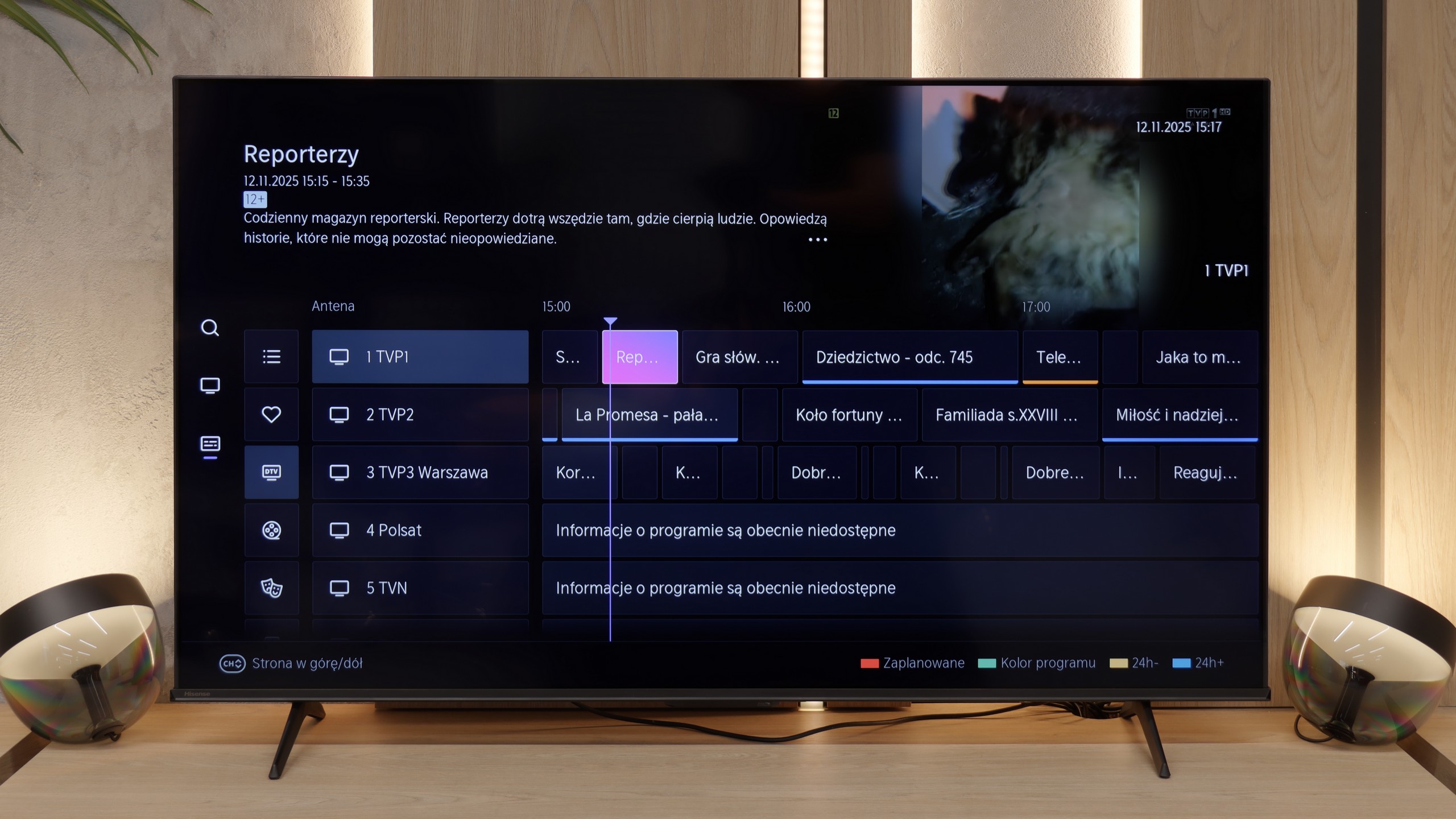
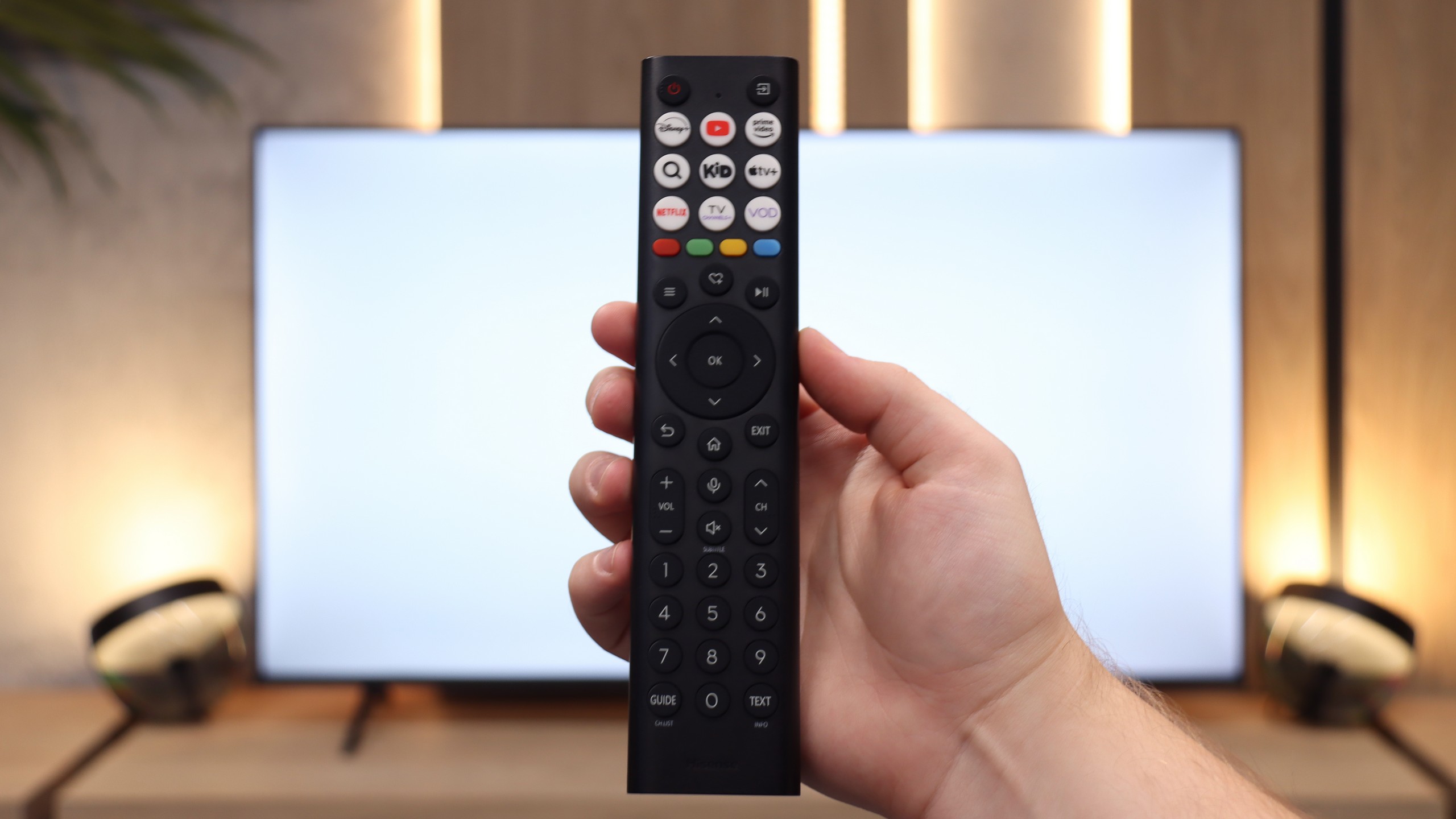
Smart TV Features
The biggest advantage of the Bravia 3 in everyday use is the presence of the Google TV system. Thanks to it, we have access to one of the largest libraries of applications and streaming services, so regardless of whether someone mainly uses Netflix, Disney+, or smaller platforms, everything is at their fingertips. The Google voice assistant also worked very well, responding to our commands quite "smartly." The Google TV system should theoretically operate very smoothly because Sony has been implementing it better than many cheaper competitors for years. Unfortunately, in the case of the Bravia 3, it's not as nice as we would expect. During testing, we noticed slight lagging in the interface, and some features, such as screen mirroring, simply refused to cooperate. One might get the impression that the processor in this model sometimes struggles to handle the demanding system, and not everything works as smoothly as we would expect.
Classic Features
Sony, even in the cheapest series, manages to remind us of its experience with various users. In the package, we find as many as two remotes. The first is modern and minimalist, with a small number of buttons, which works great for using apps and Google TV functions. The second is a classic remote with a richer set of keys and a numeric keypad, which will be especially appreciated by older people used to traditional solutions. This is a nice nod to different user groups, and it must be admitted that Sony handled this very practically. However, it is a pity that compared to the X75WL model, the ability to record content from TV tuners to USB memory has disappeared. The manufacturer has completely abandoned this feature, so if someone was attached to it, they will unfortunately not find it in the Bravia 3.
Smart Features
When it comes to the features of the TV and Smart TV system, VIDAA on the E7Q PRO operates quickly and stably. The menu responds smoothly, applications launch without annoying lag, and the whole experience feels polished. It includes all the essential smart features, such as AirPlay, screen mirroring, and even voice search that works in Polish. From the perspective of everyday use, it's hard to say there are shortcomings, at least at first glance. However, the biggest drawback of the VIDAA system remains the lack of music applications. This is something we are still waiting for, and we hope it will appear over time because then the system would be almost complete.
Classic Features
A significant surprise, and at the same time disappointment, is the lack of USB recording functionality. In the more expensive Hisense models from the 2025 lineup, such an option is already available, while the E7Q PRO has been deprived of it. A small consolation is the presence of analog audio inputs, which may still be useful for users with older equipment. However, one must keep in mind that in this version of VIDAA, available on the E7Q PRO, USB recording simply does not exist.
Apps
9.6/10
7.7/10






















Playing files from USB
9.6/10
8.5/10
Supported photo formats:
Maximum photo resolution:
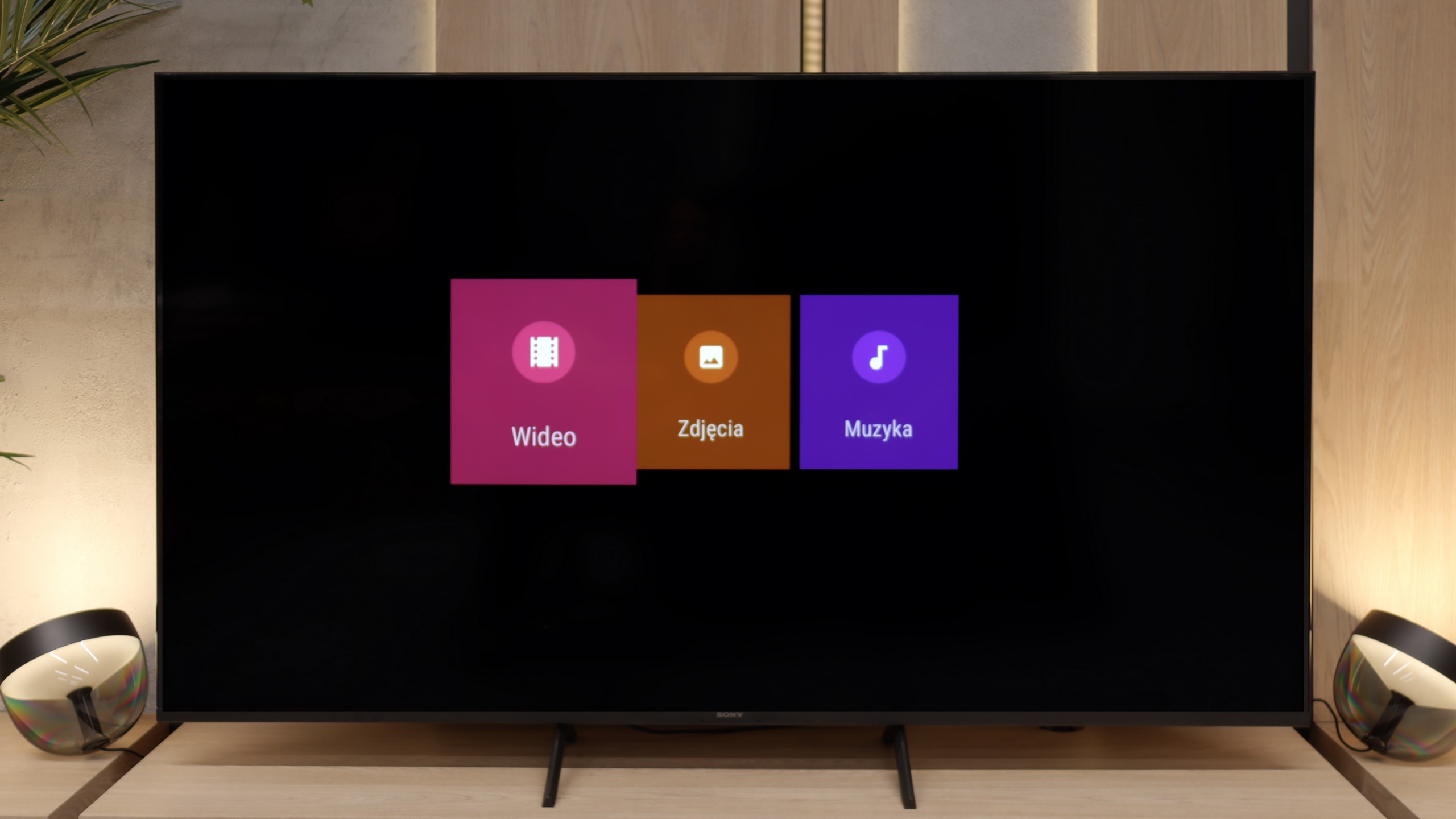
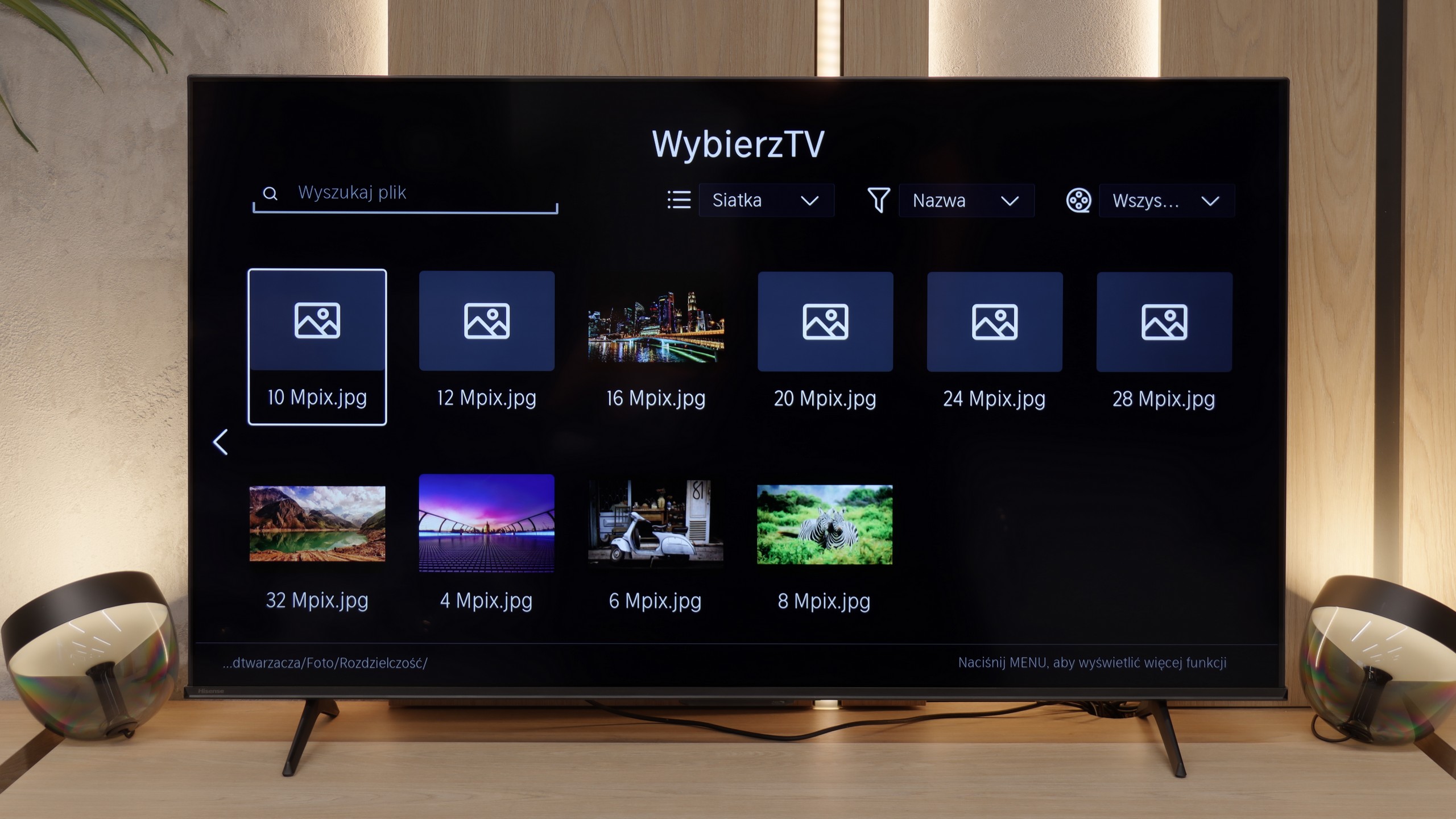
Here, Sony really did a great job. The built-in player works quickly and doesn’t "hassle" when launching various formats. We didn't have to reach for external applications like VLC, as the TV handled even files that can cause a lot of issues on other models – such as HEIC photos from Apple devices. It’s a small detail, but one that shows the manufacturer wanted the user to feel complete convenience. By just plugging in a USB drive with a movie or photos from vacation onto an external hard drive, you can connect it and start watching on the big screen immediately. No fuss, no installing additional software, no searching for workarounds. This is really a rarity in TVs, and it must be said that in this aspect, Bravia 3 truly surprised us pleasantly.
The built-in file player works quite well in the E7Q PRO. In everyday home use, it should be sufficient, as it opens most popular audio, video, and photo formats without major issues. If someone occasionally plugs in a USB drive with a movie or plays family materials, they are unlikely to have reasons to complain. The biggest surprise for us was the photo player. For some reason, it would not open certain files at specific resolutions. Therefore, when planning a slideshow of vacation photos from a USB drive, it’s worth ensuring in advance that the photographs are saved in a resolution that the TV accepts without issues.
Sound
6.5/10
6.4/10
- Maximum volume88dB83dB
- Dolby Digital Plus 7.1
- Dolby True HD 7.1
- Dolby Atmos in Dolby Digital Plus (JOC)
- Dolby Atmos in Dolby True HD
- DTS:X in DTS-HD MA
- DTS-HD Master Audio
Bravia 3 plays in a rather flat manner, but makes up for it with volume. It will perform flawlessly for watching traditional television, as the dialogues are clear and the mid-tones are well audible. This type of characteristic will be particularly appreciated by older users who primarily care about speech intelligibility. However, if someone expects something more from the sound, such as stronger bass or a wider soundstage, it is worth reaching for a soundbar despite everything. The television supports modern codecs, including Dolby Atmos and DTS:X, so an external sound system will easily utilize their potential. This ensures that with a relatively small expense, one can achieve a much fuller and more engaging sound.
The sound on the E7Q PRO has one very big advantage. It plays evenly, cleanly, and understandably, especially when it comes to dialogue. When watching regular television, news, or series, you can be sure that the words do not get lost in the background, and you don't have to keep adjusting the volume. There are also downsides, typical of budget constructions. It lacks depth, and the bass is practically nonexistent, which means that films and music do not have the "weight" that better audio can provide. In return, the E7Q PRO compensates with compatibility. The TV supports most popular audio formats, including Dolby Atmos and DTS:X, so regardless of the source, it is easy to transmit sound to external equipment in the appropriate format, without unnecessary complications.
Sound Quality Test
Acoustic Measurements
No acoustic data
83dBC (Max)
75dBC