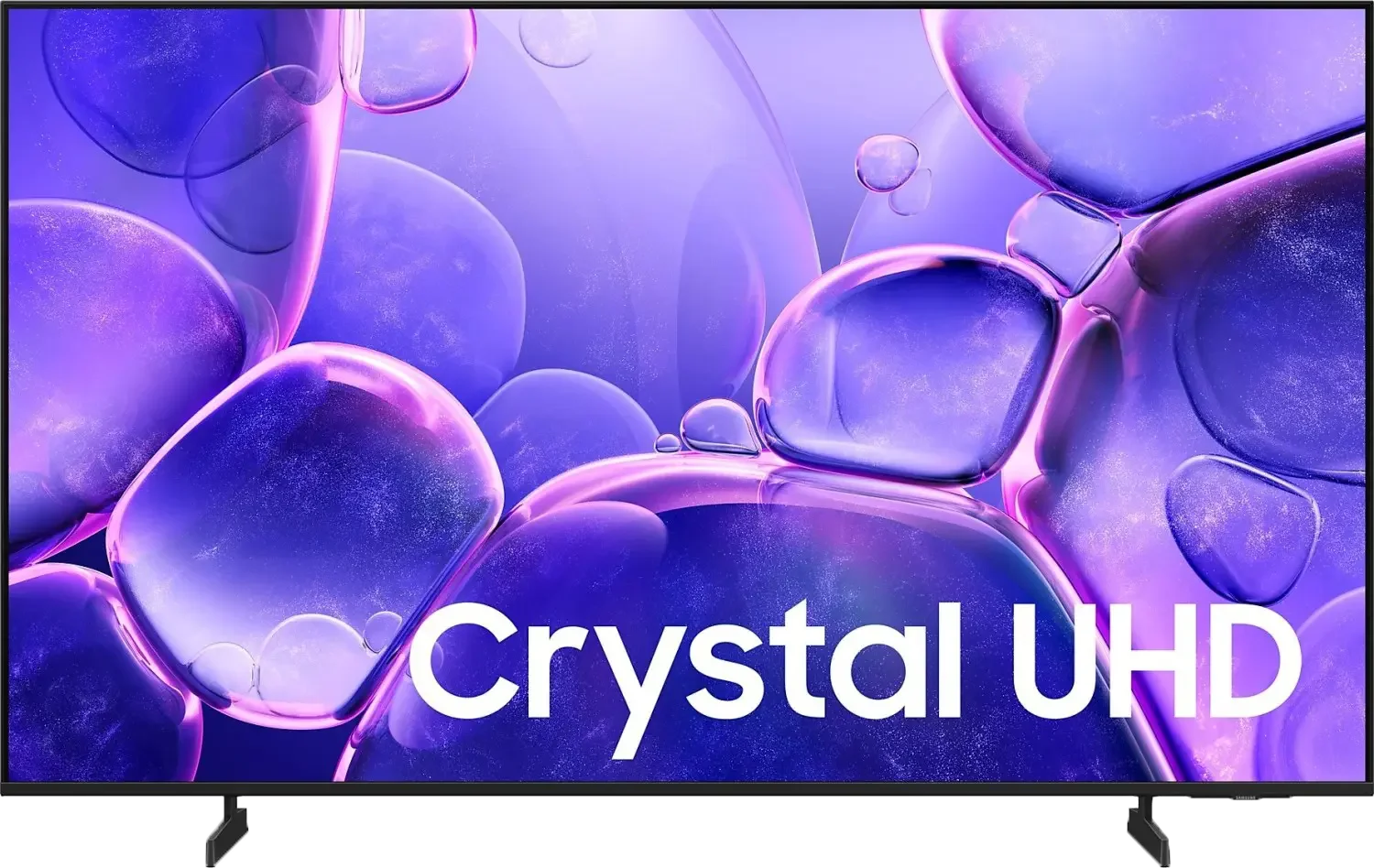
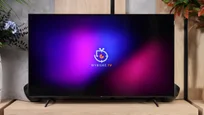
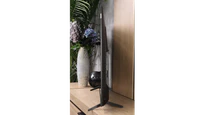
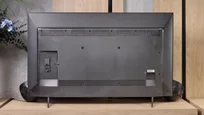
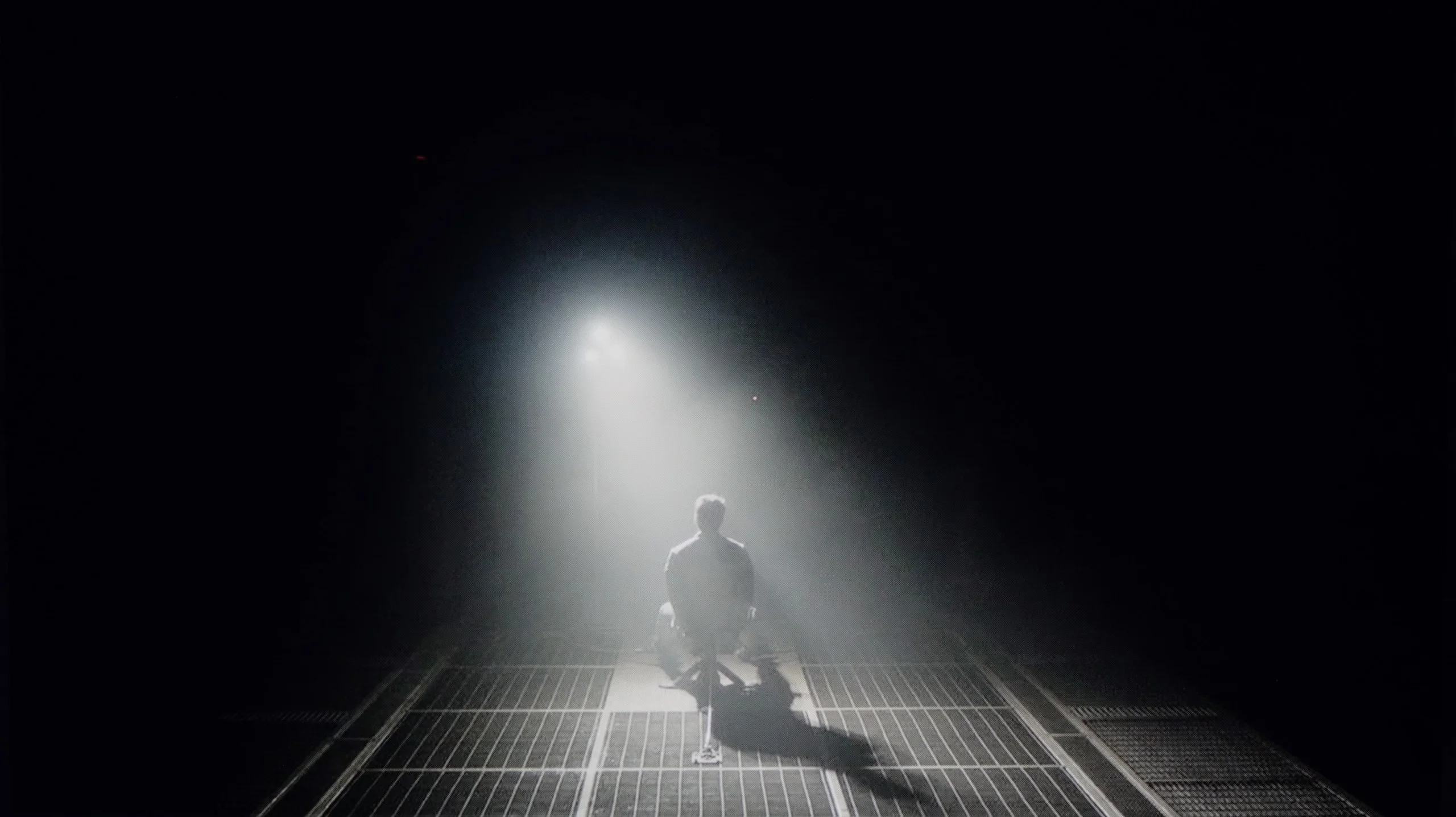
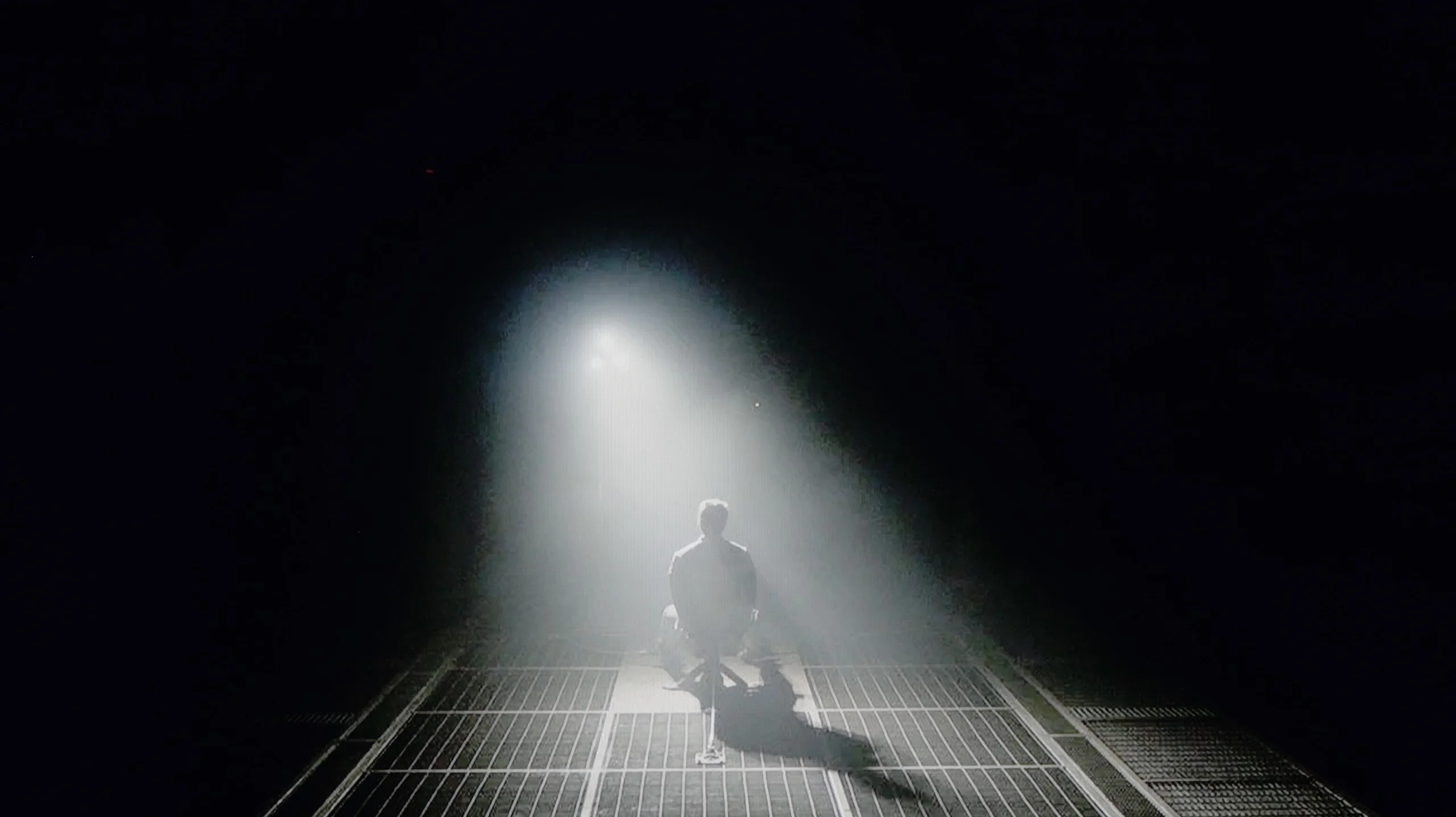
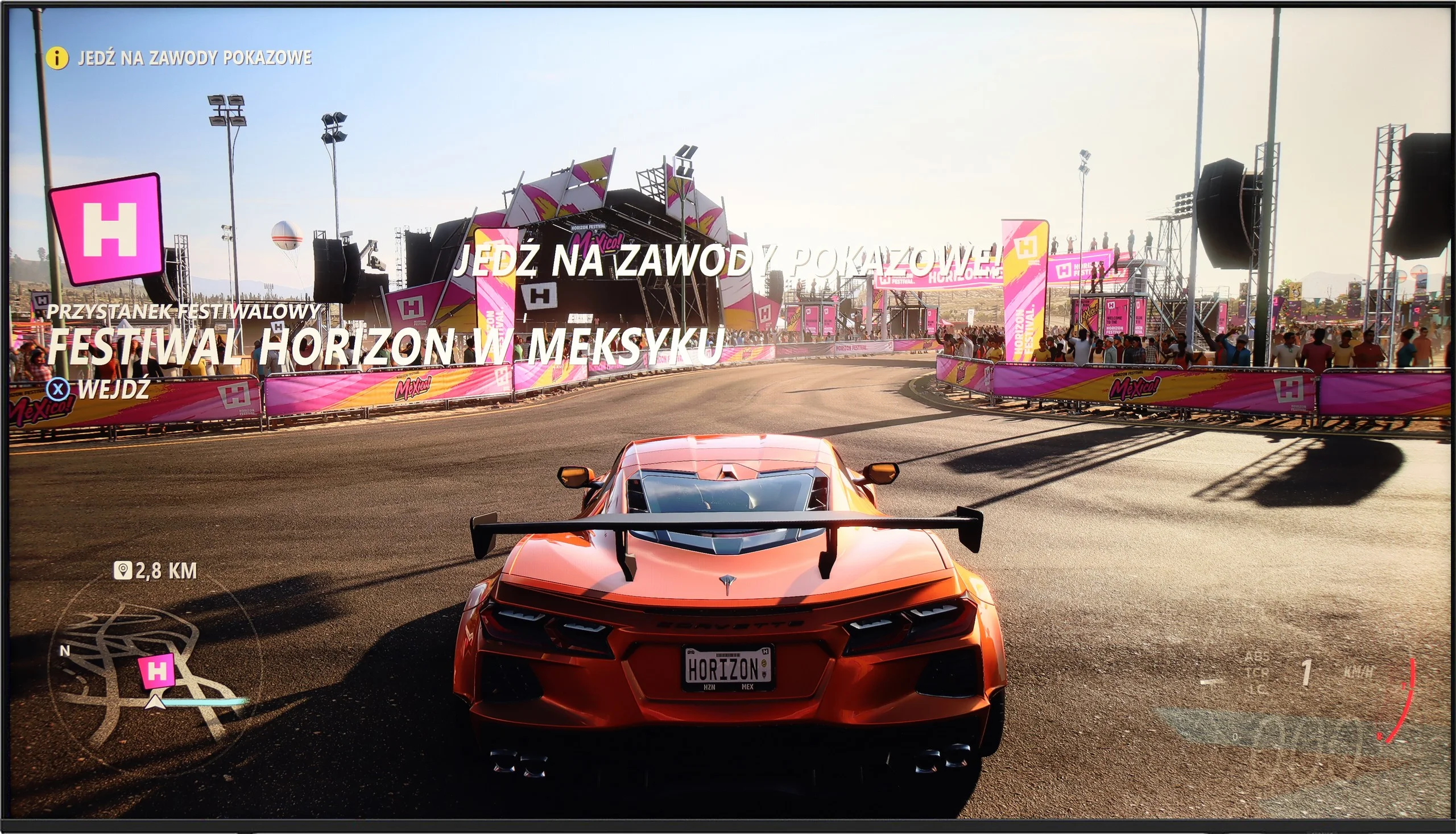
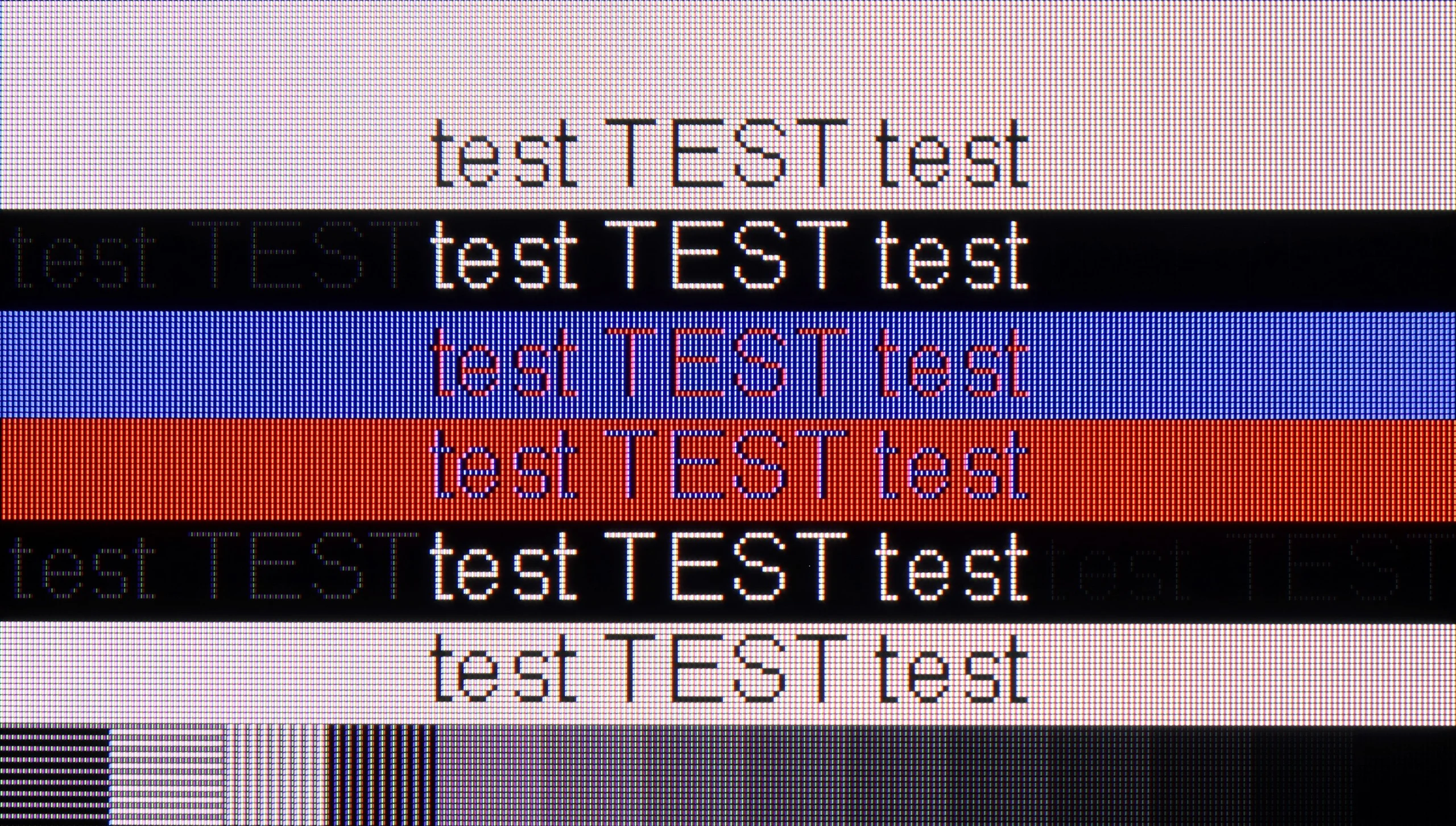
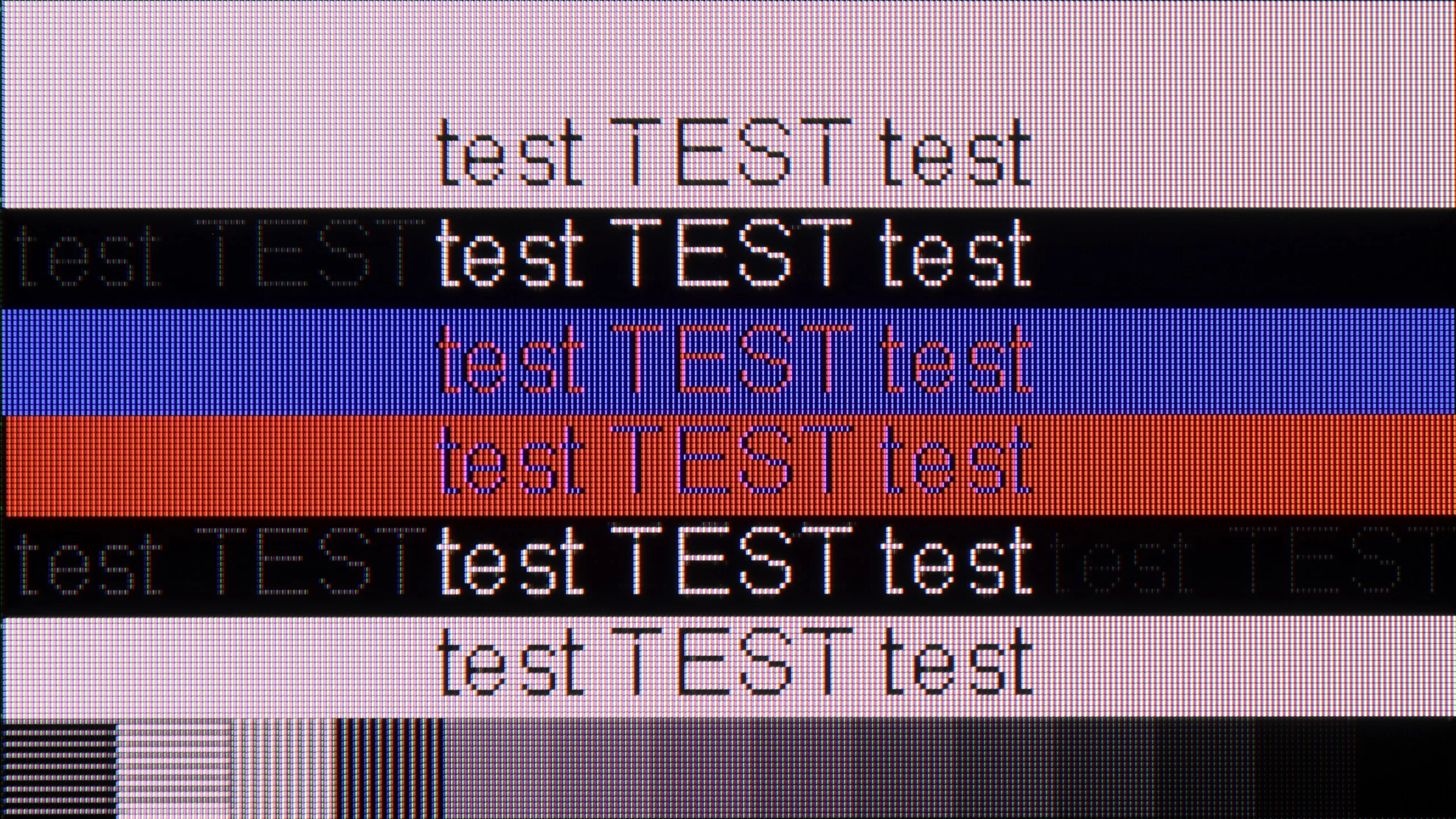
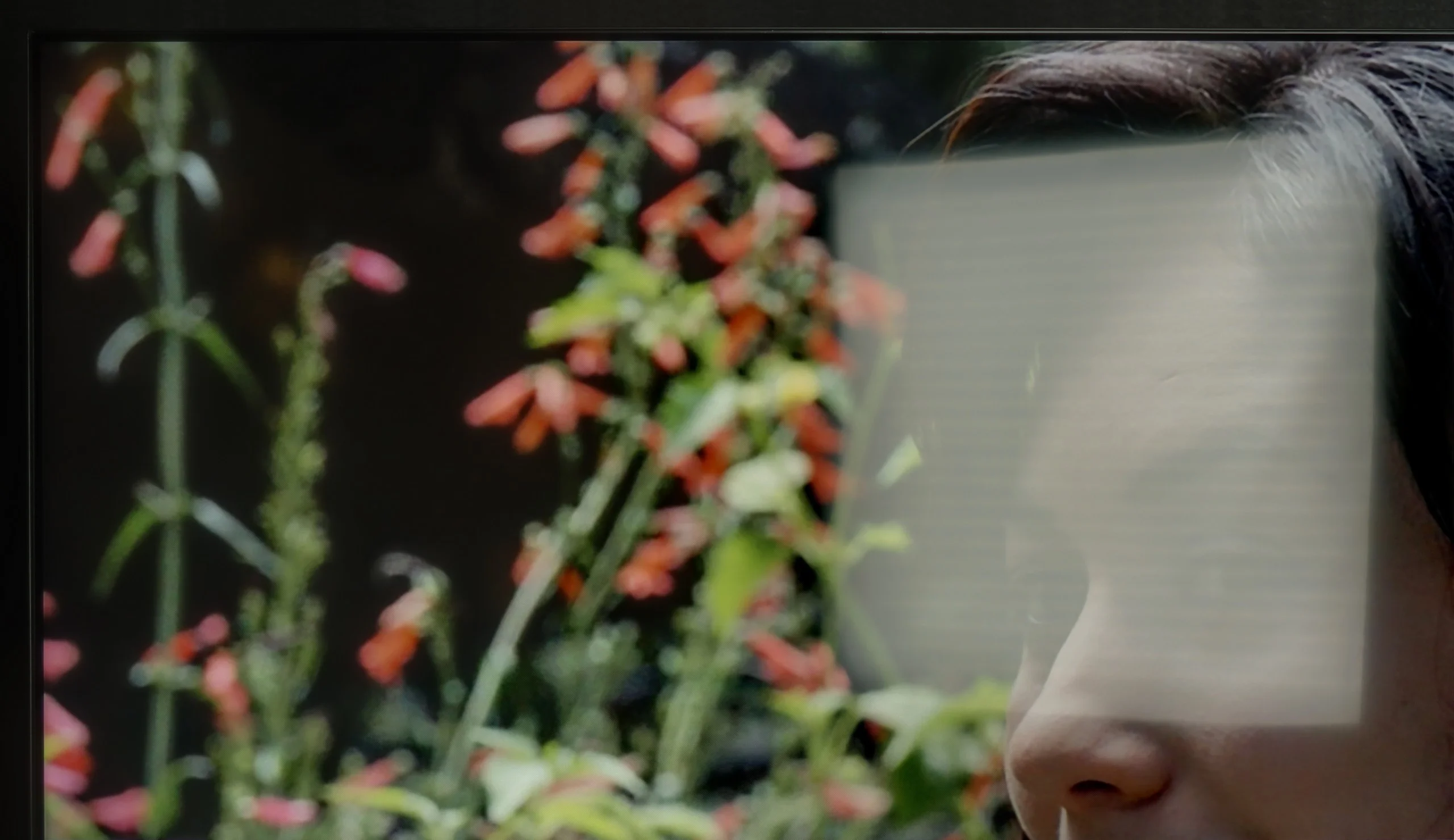
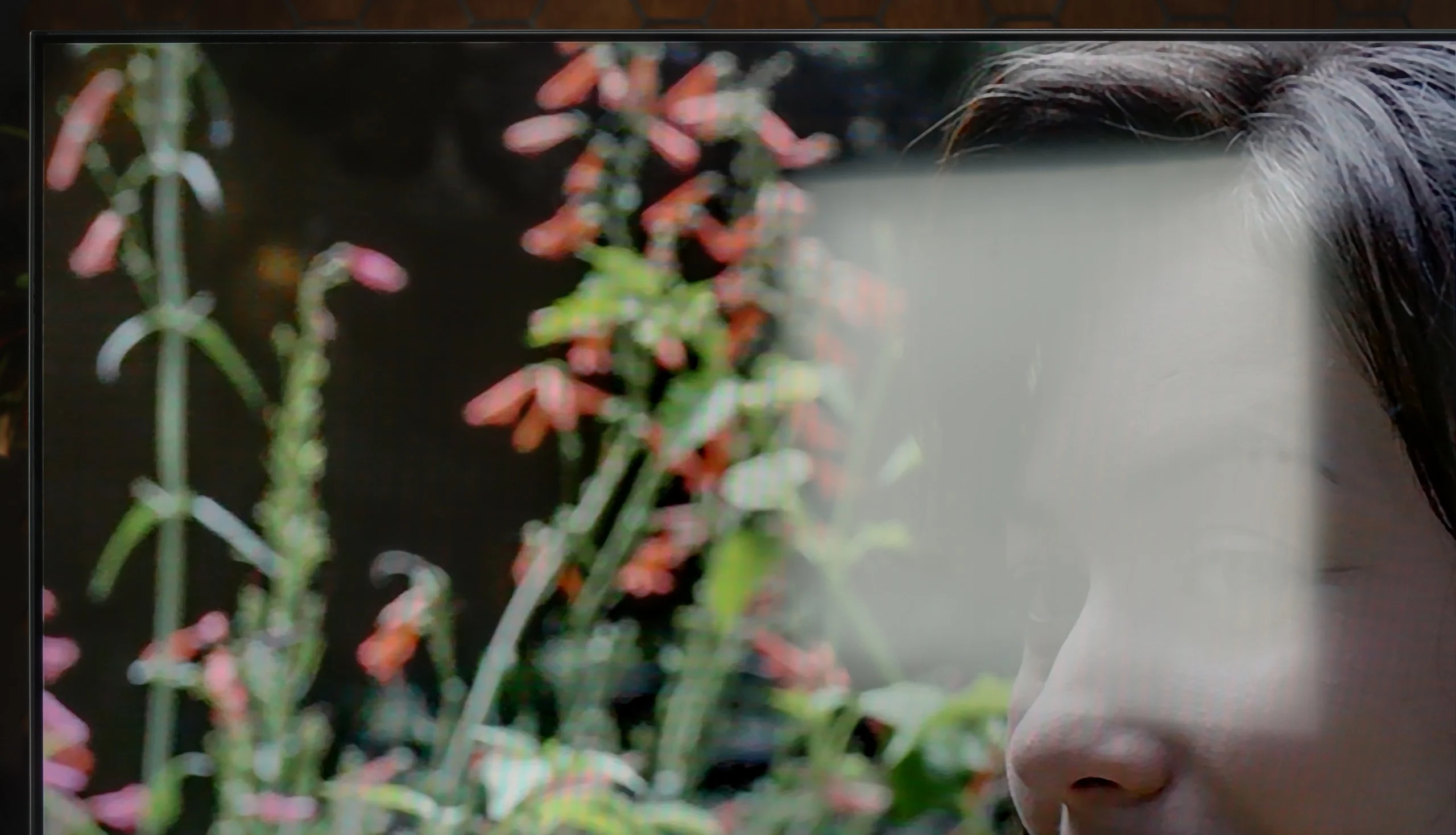
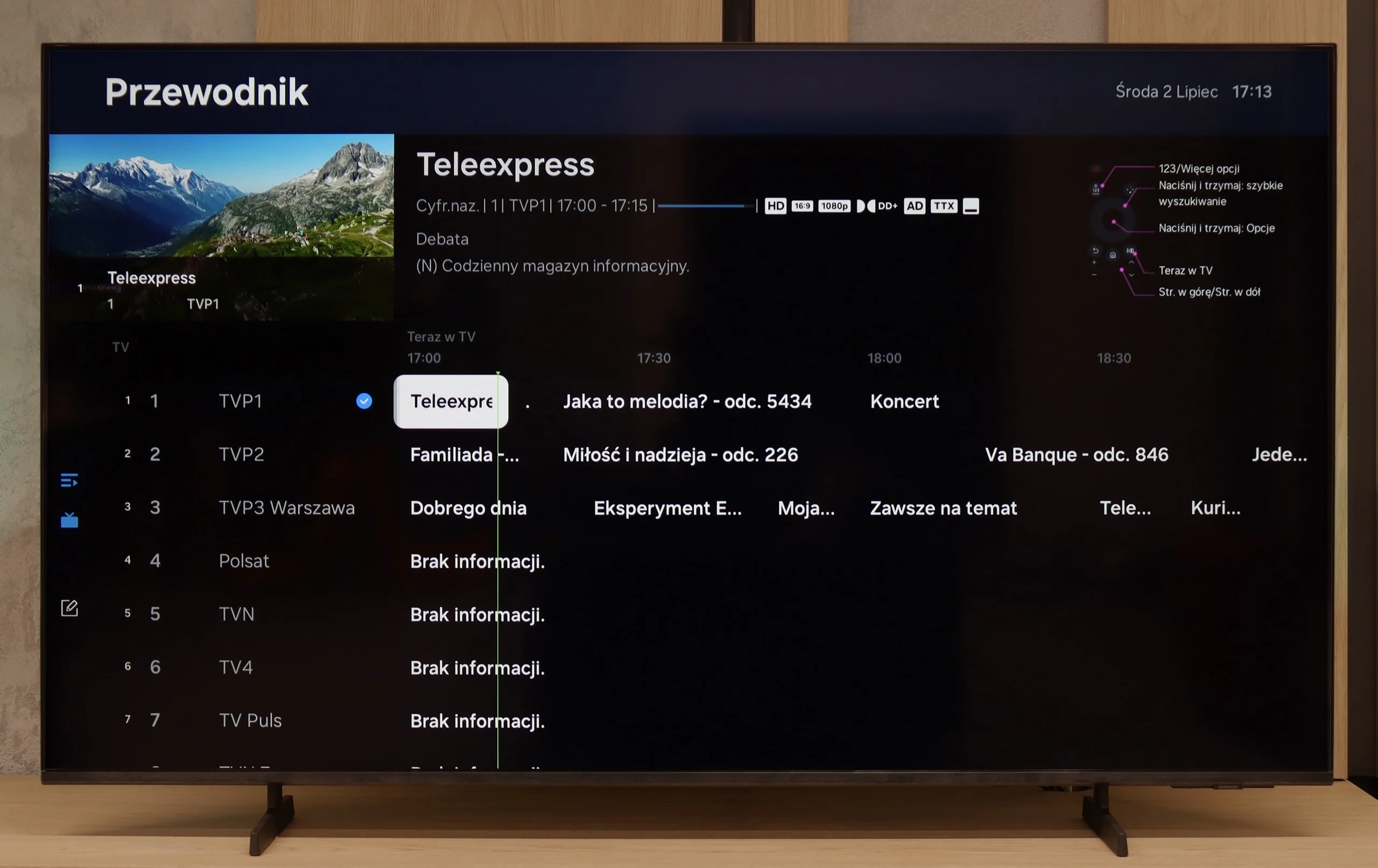
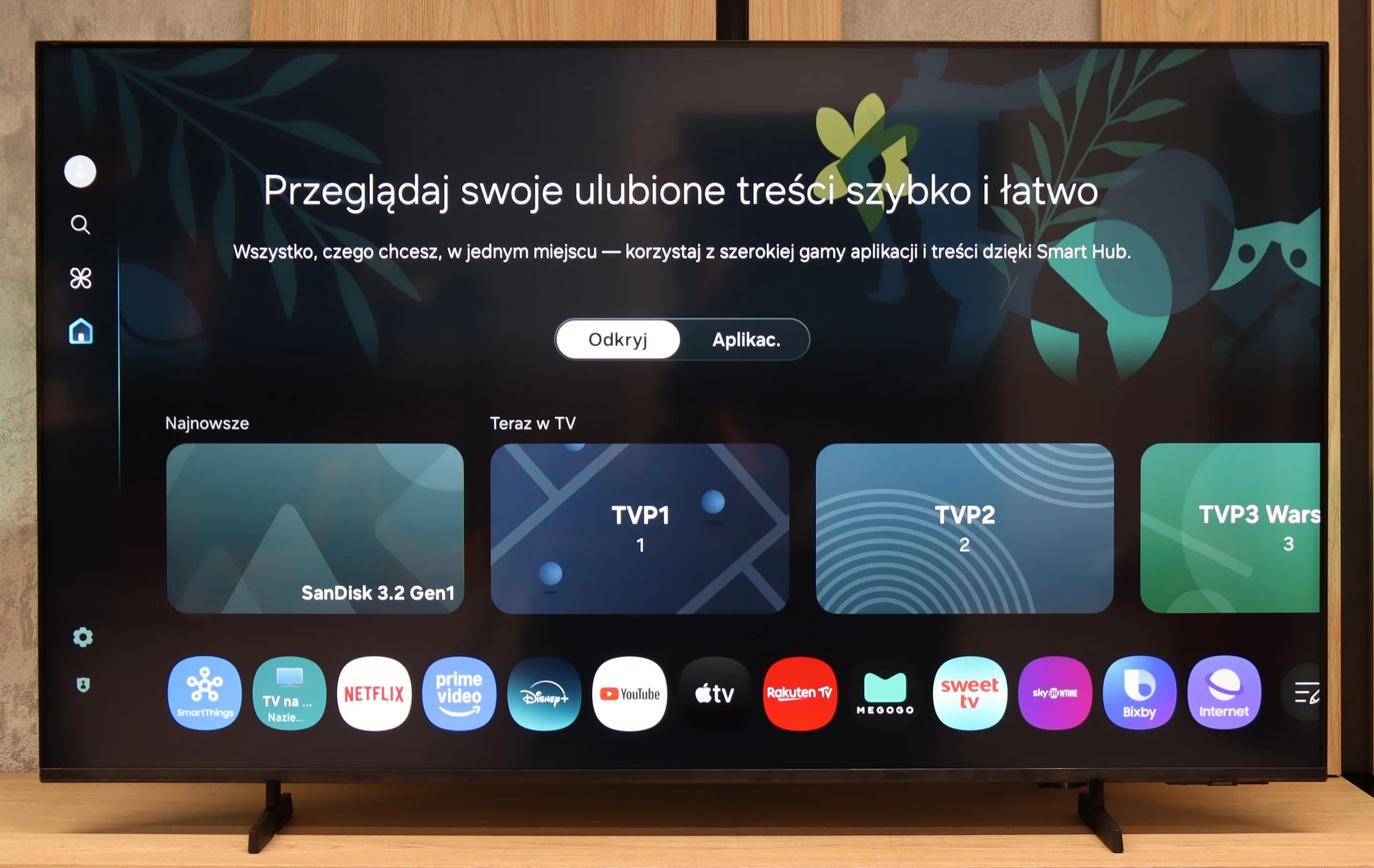
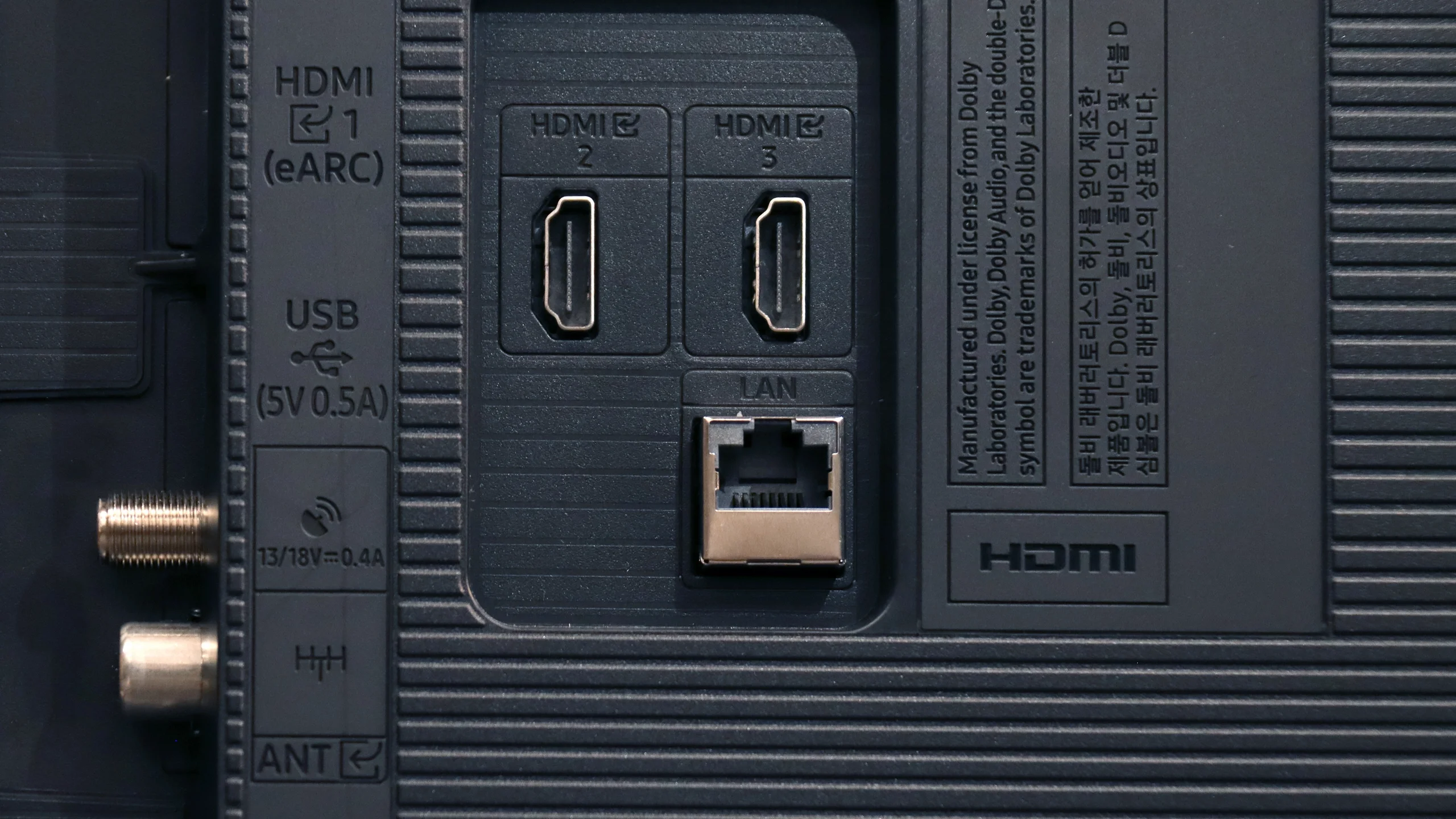
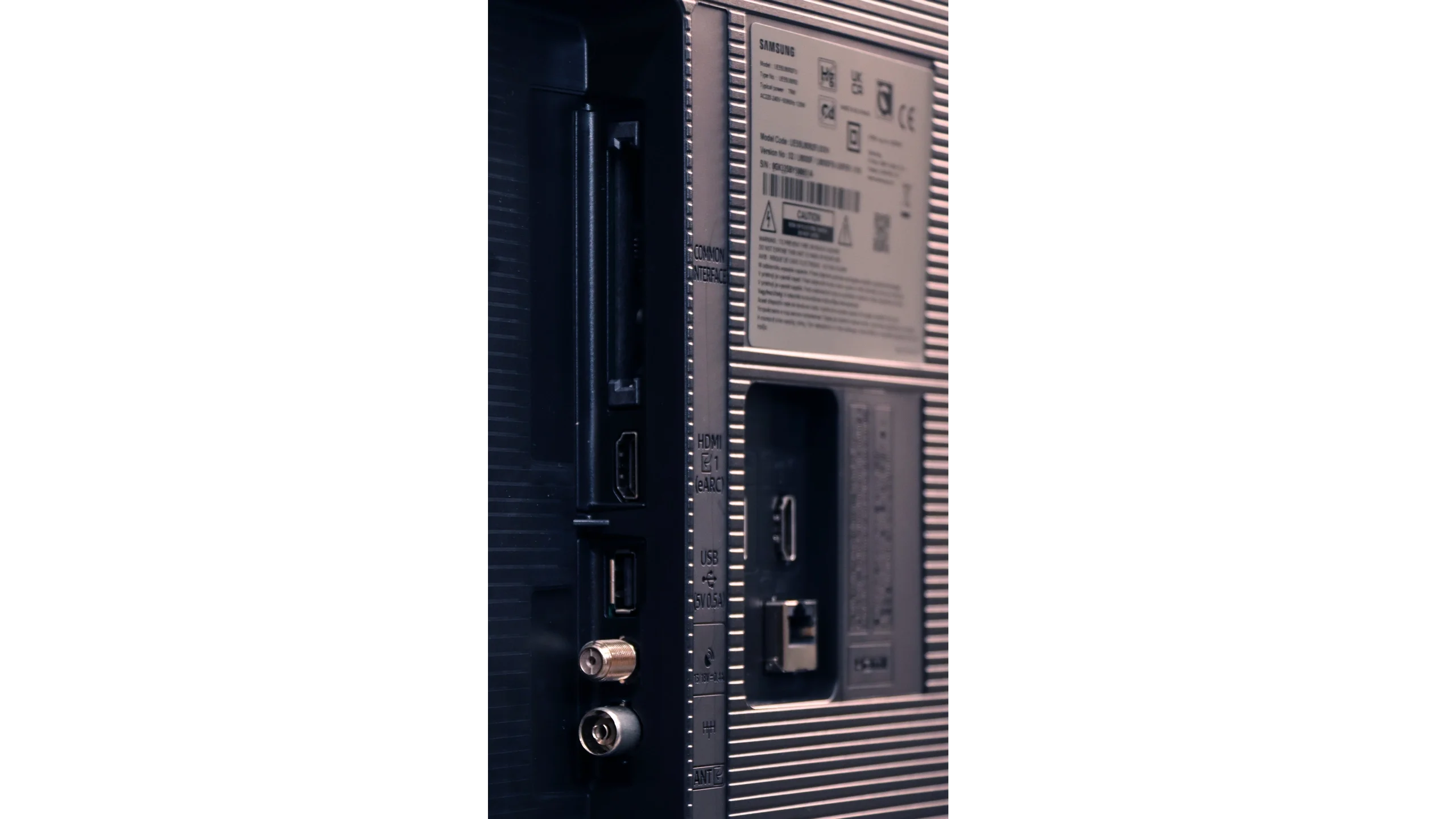
Samsung U8000F with a VA panel is a television that can pleasantly surprise in its class – of course, if we know what to expect from it. Its biggest advantage is definitely the black quality. Compared to the version with an IPS panel, the difference is enormous – the picture gains depth, the contrast looks much better, and evening movie sessions no longer feel like watching content through a gray filter. For a budget segment device, this is truly a nice surprise. The proven Tizen system also deserves credit, which not only works smoothly but also offers access to a full range of applications, support for SmartThings, and a voice assistant (via an app). The PC mode and connection to a console work flawlessly – the fonts are clear and readable. Additionally, it has basic features for gamers, such as VRR and ALLM, which – although they won’t turn this TV into an e-sport machine – are more than sufficient for occasional gaming.
Of course, like any construction in this budget, the U8000F with a VA panel has its limitations. The viewing angles are not one of its strong points – watching the picture from the side easily reveals a drop in quality. Nevertheless, it's hard to consider this a serious drawback – because something has to give. Better black levels are always associated with slightly lesser flexibility in adjustment. When it comes to HDR, we have rather a symbolic approach – the brightness is too low to talk about a true “wow” effect, and the color palette is limited. But let’s face the facts – that’s not why you buy such a TV. So if you're planning to purchase the U8000F, we definitely recommend opting for the version with a VA panel. It's still a very basic model, but in this version, it offers more than one might expect – especially in terms of black quality. And in this price range, that’s quite a lot.
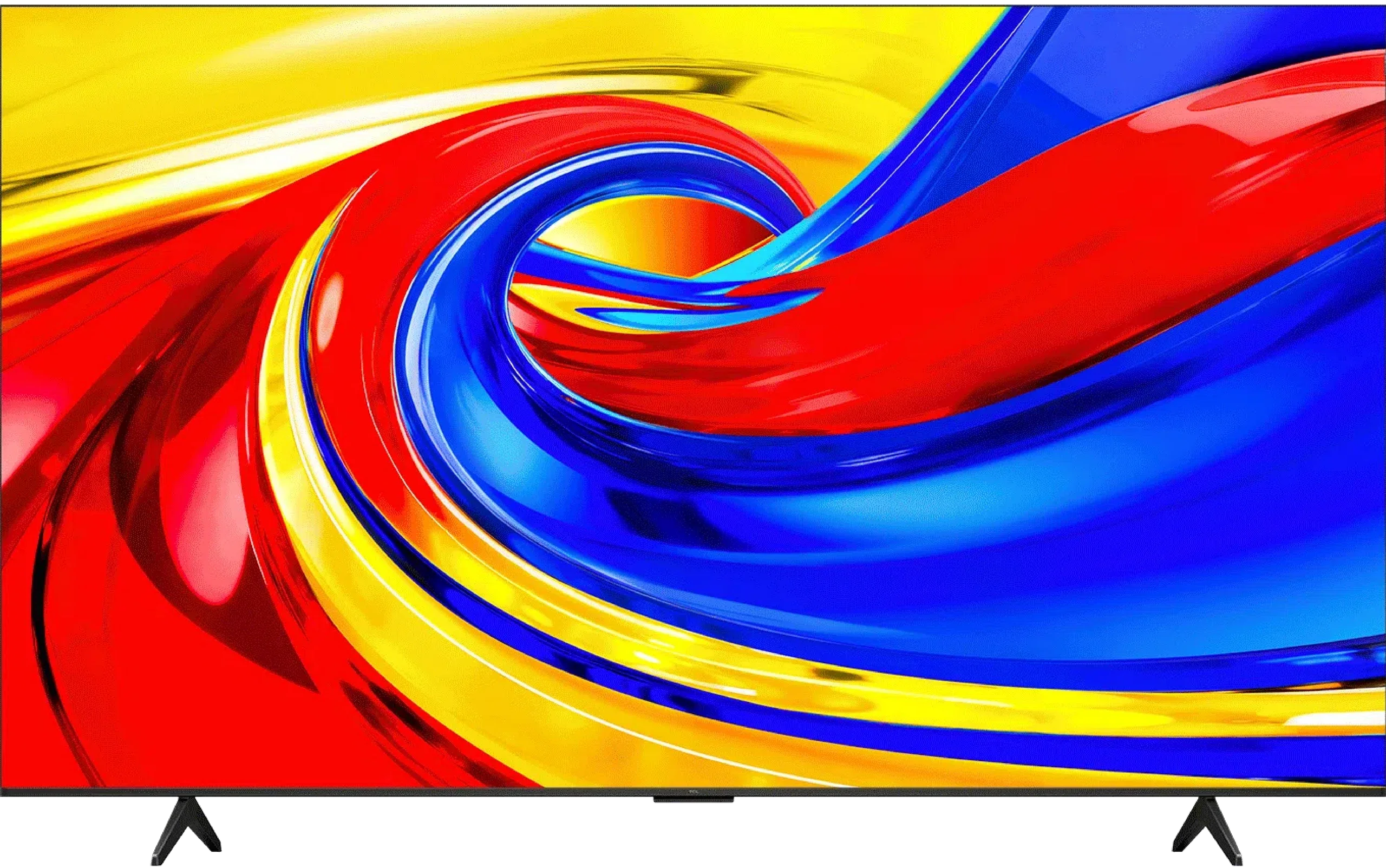
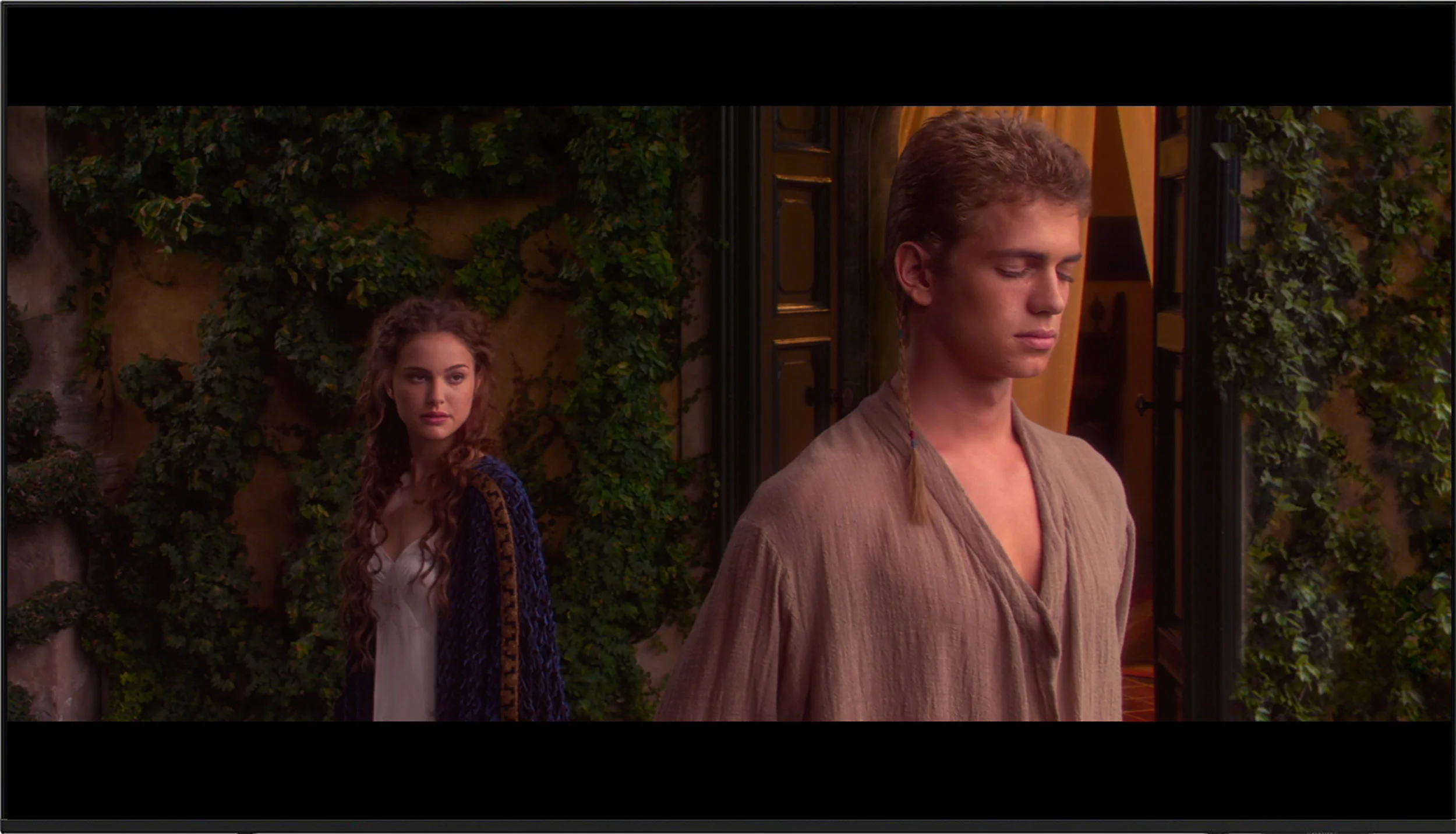
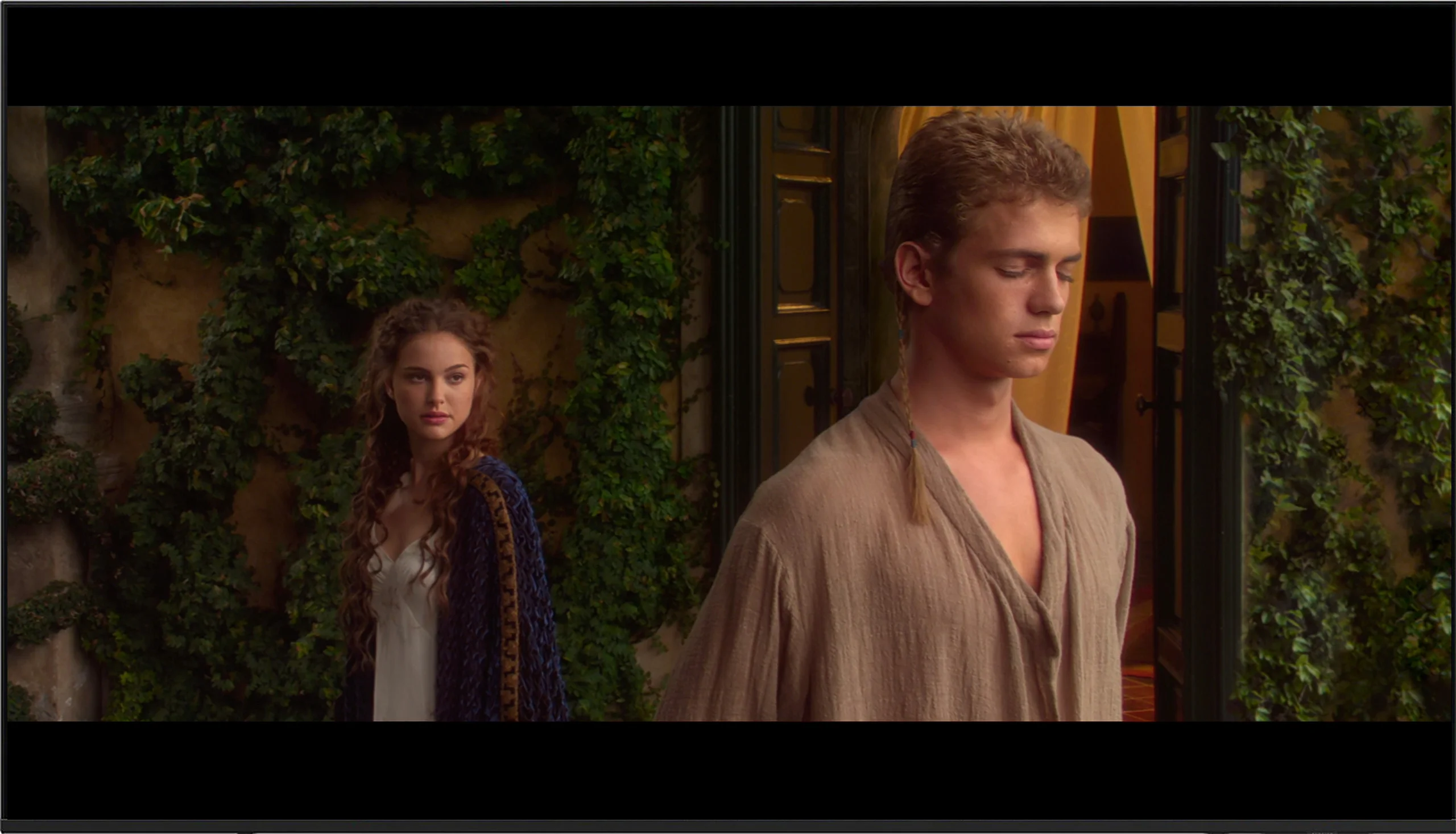
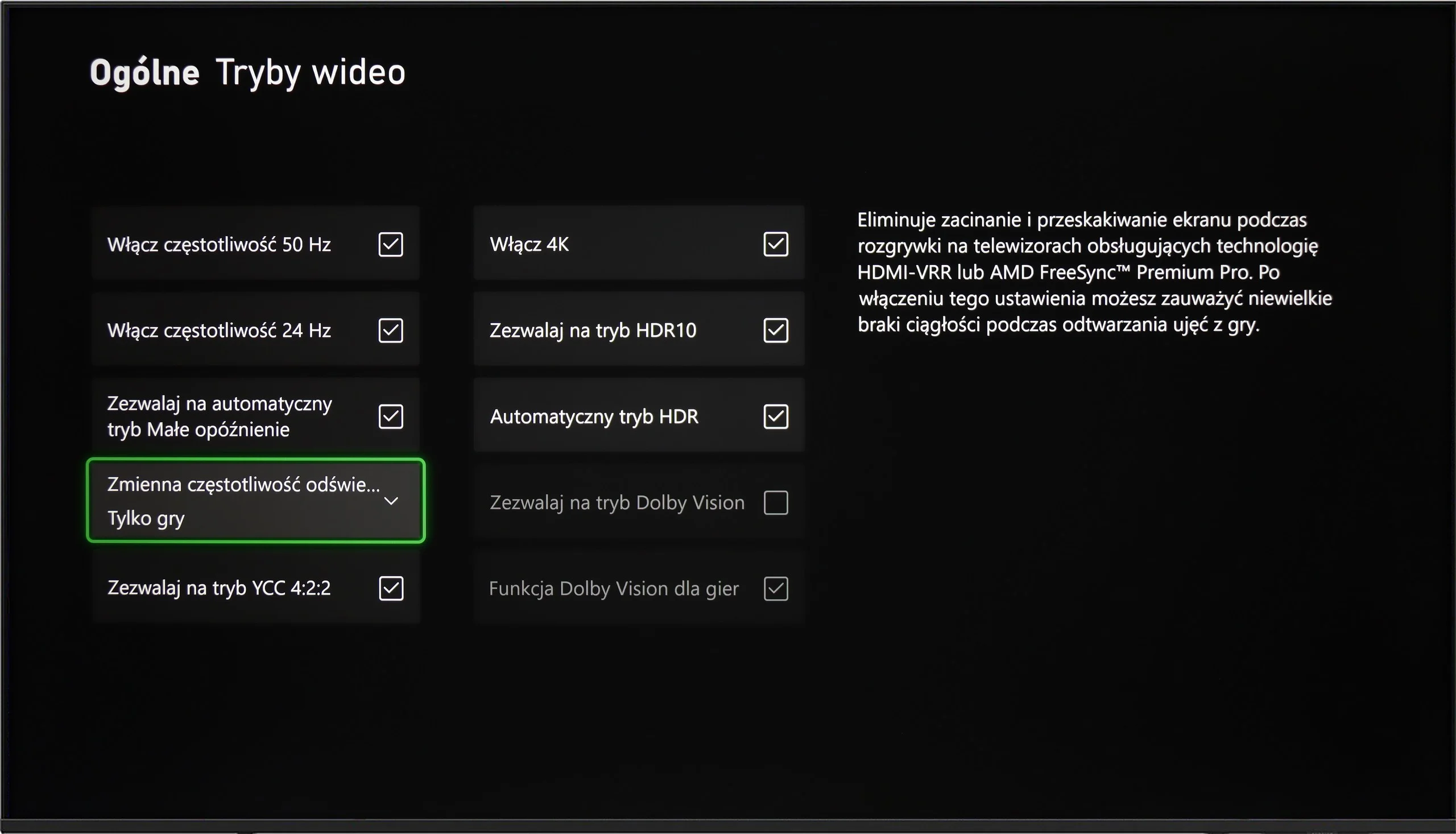
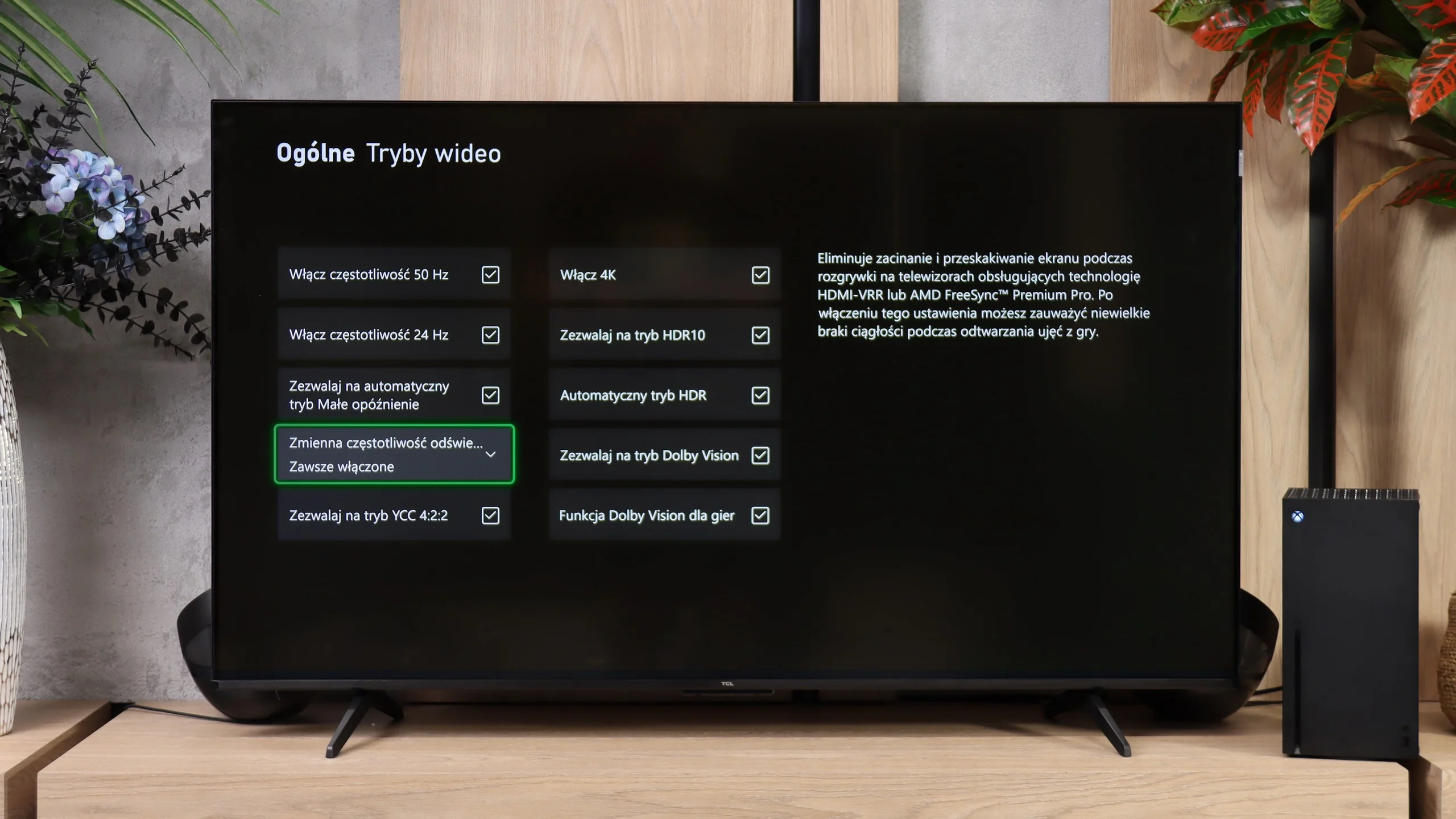
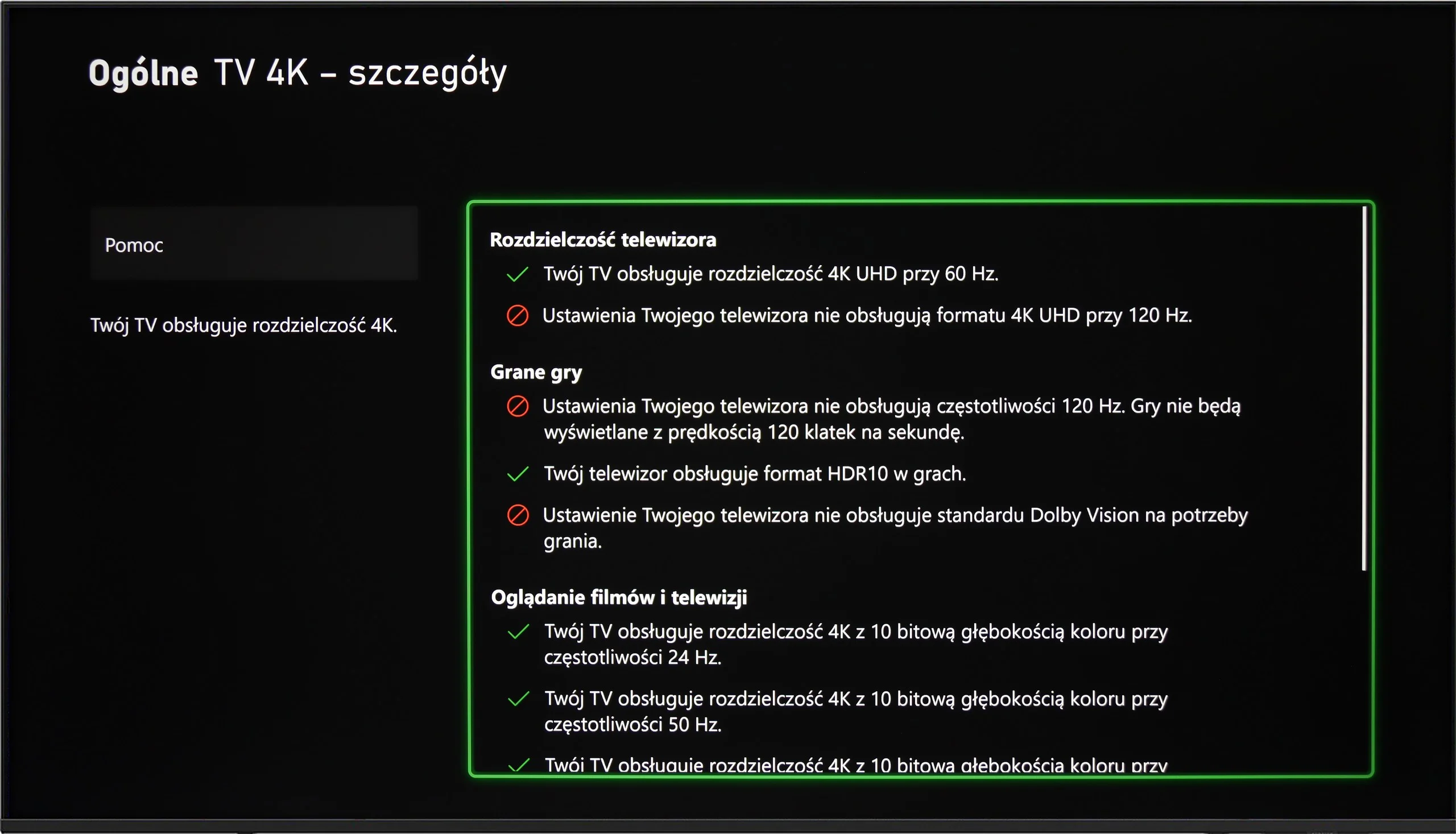
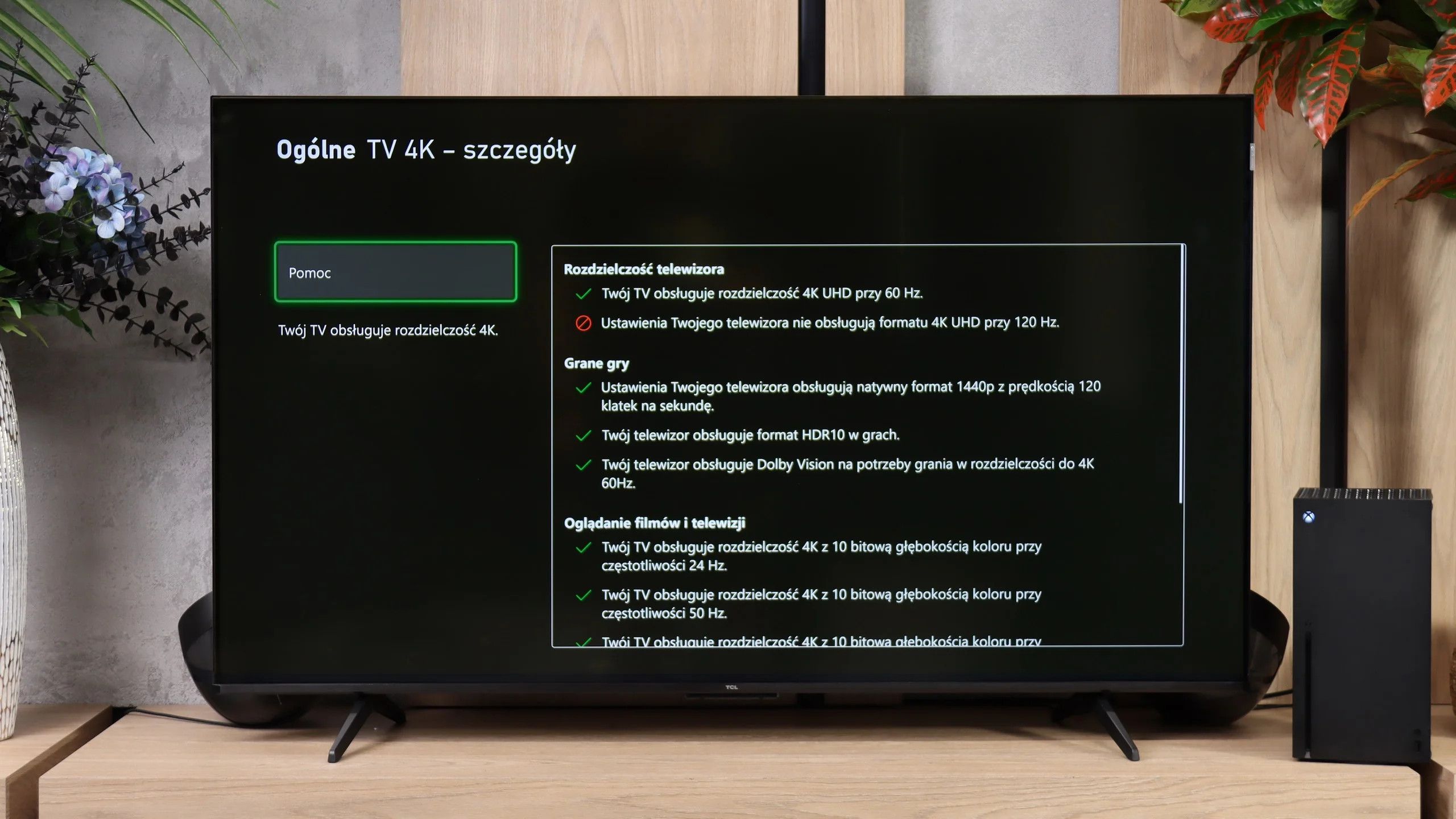
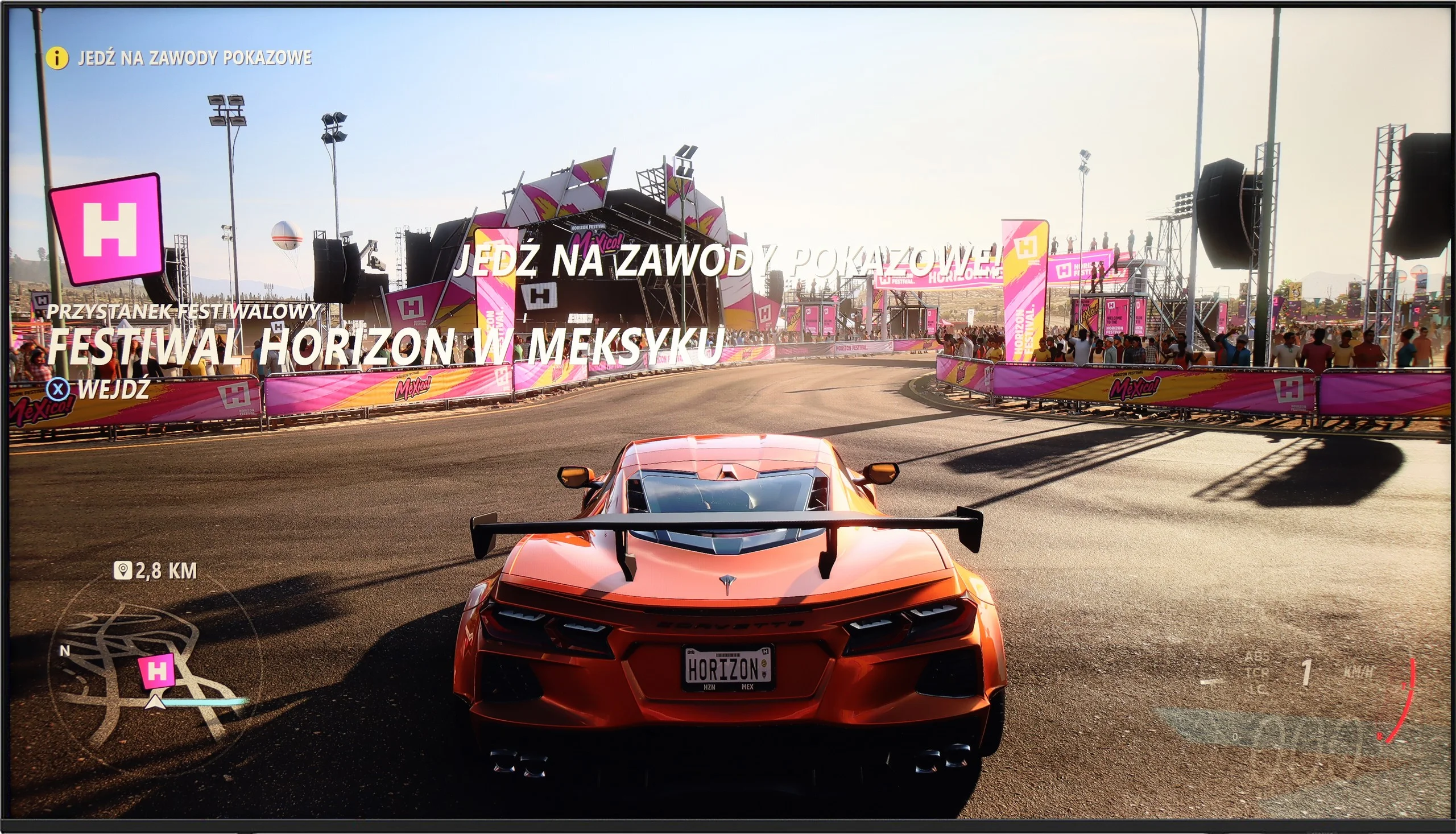
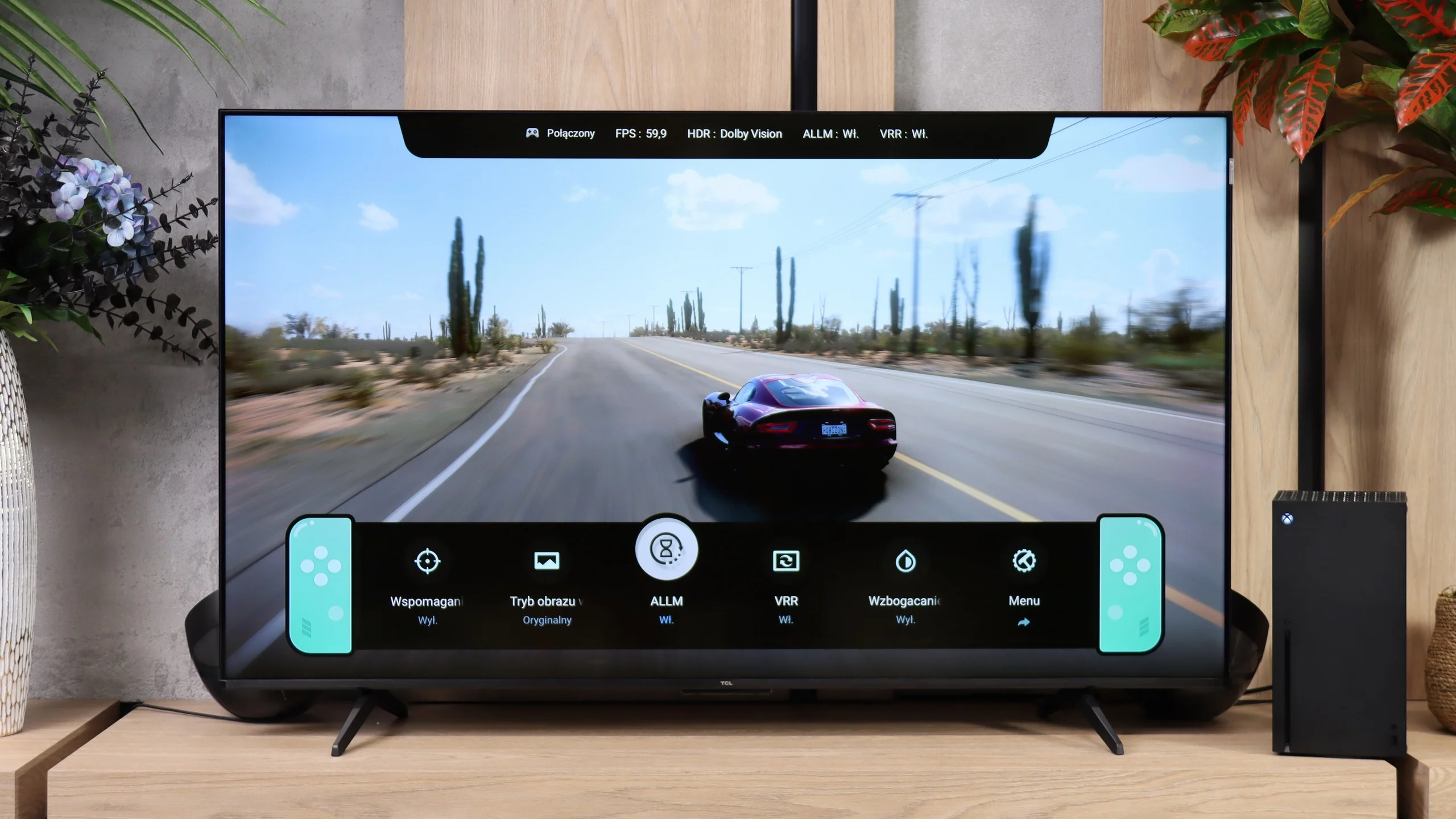
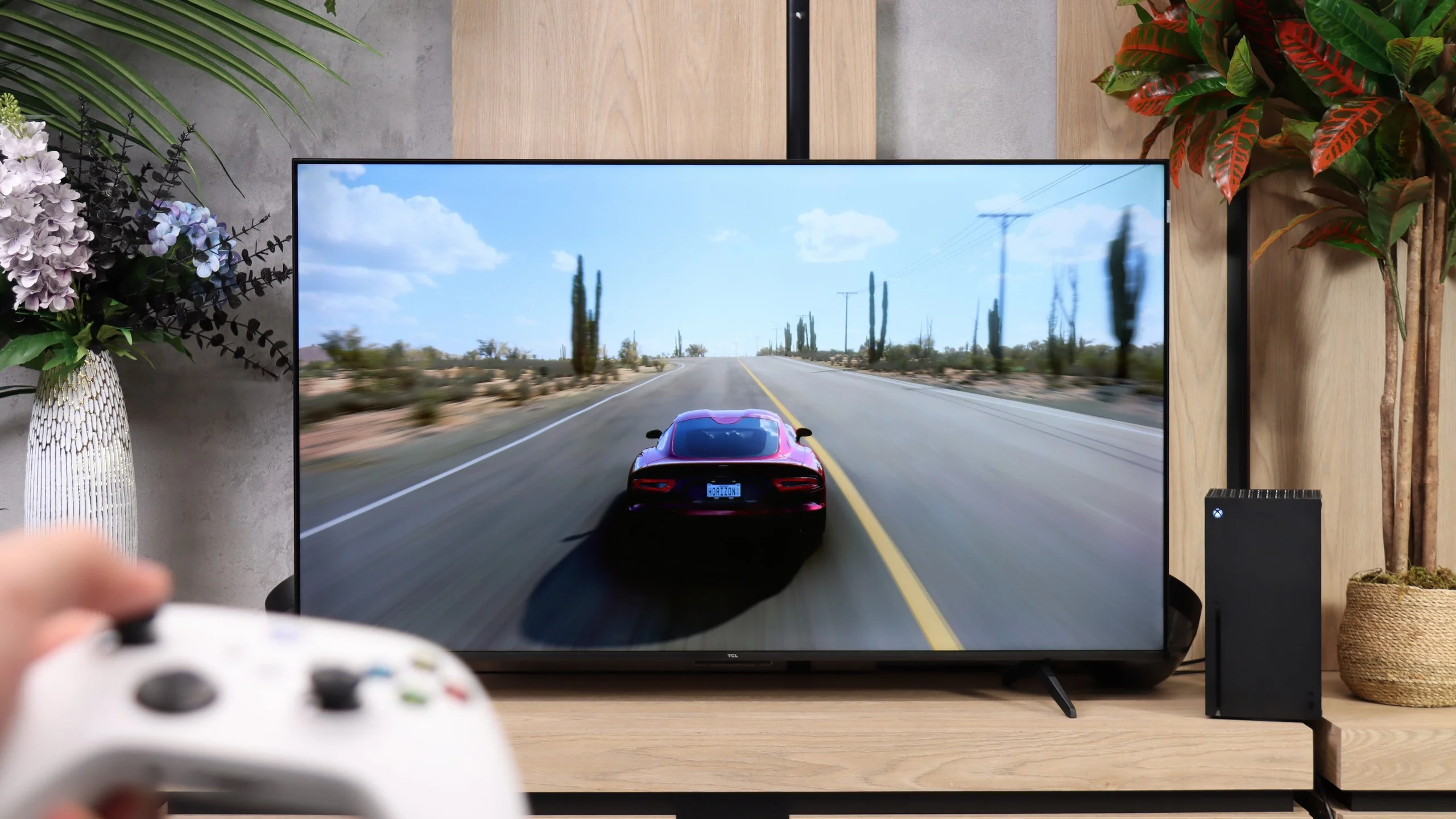
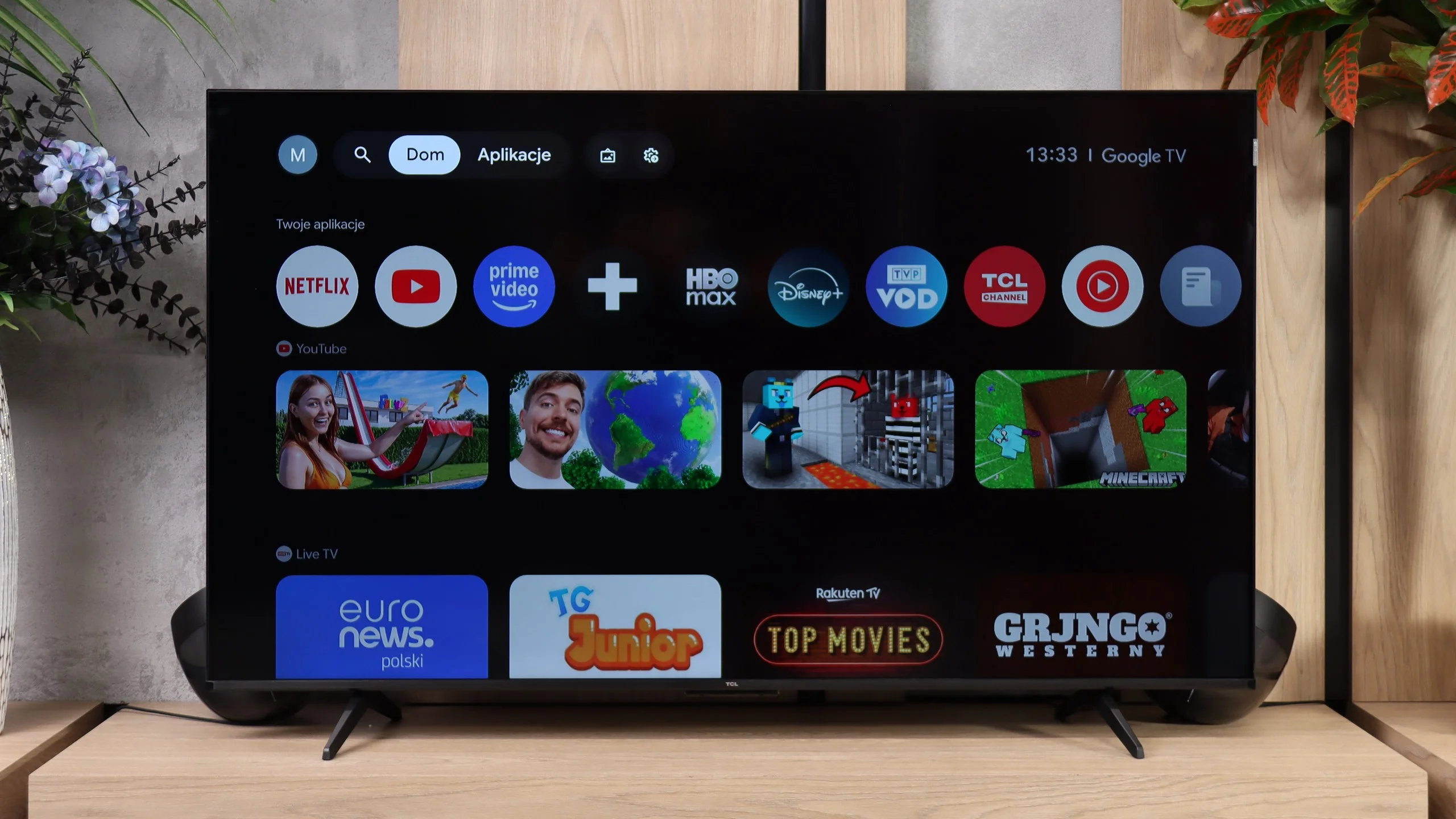
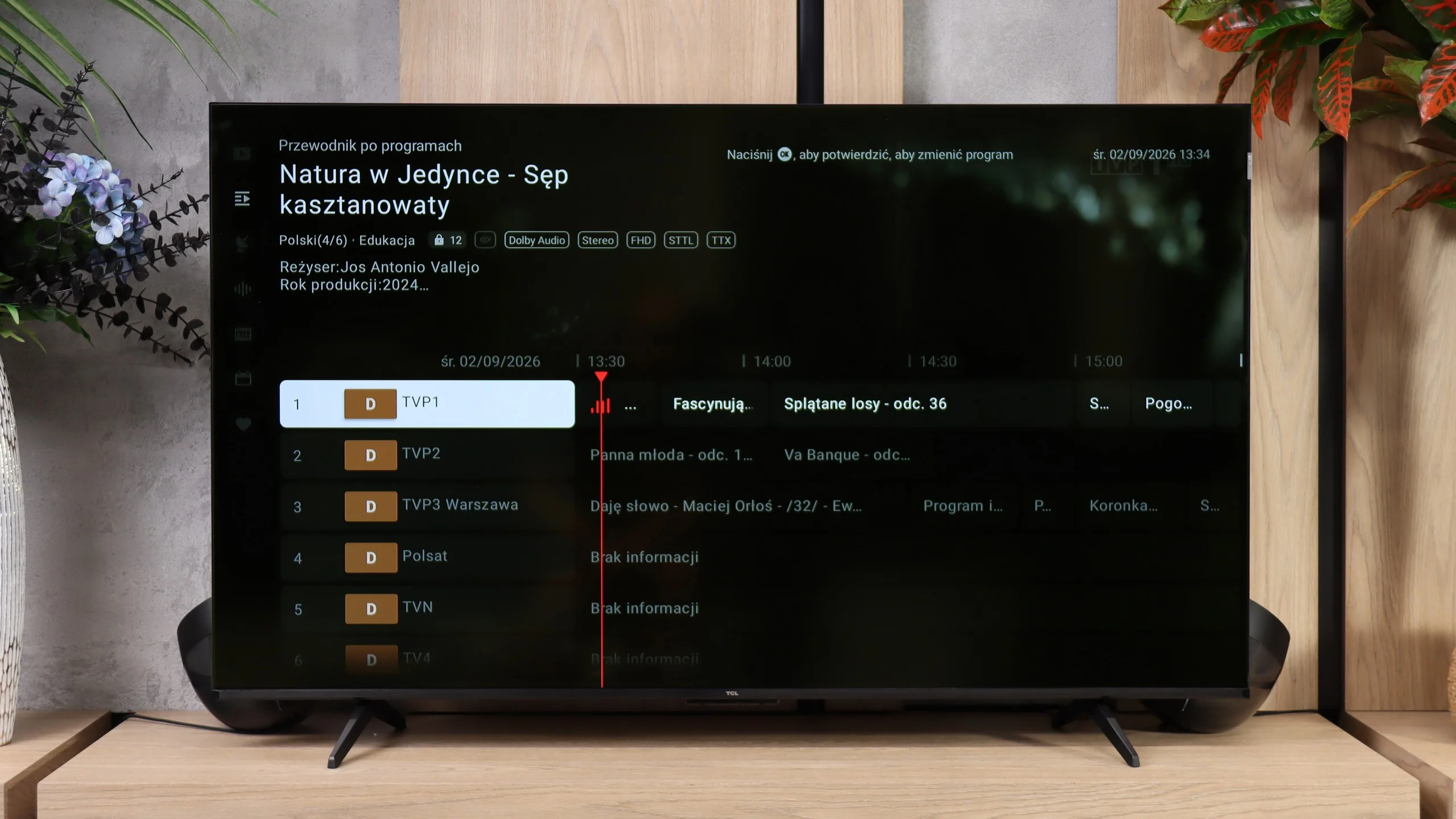
The TCL P7L is a successful budget TV that shows you can get more than just a basic screen for not much money. It doesn't match pricier Mini LEDs or OLEDs, but in its class it has a lot to offer. The VA panel delivers decent black levels and contrast, so during evening viewing the picture doesn't look as flat as on many cheap IPS models. Colors also perform well after calibration. For watching movies and TV shows it's a solid foundation, and Google TV provides access to a wide range of apps and streaming services. The biggest surprise is its gaming capabilities. The P7L responds quickly to controller input, supports VRR and automatically switches to game mode. It even offers Dolby Vision Gaming and a Game Bar with settings at hand. What's more, by lowering the resolution to 1080p or 1440p you can play at 120 Hz. In 4K you’re limited to 60 Hz, so you have to choose between more detail and smoother motion, but it's good that at this price you even have that option.
TCL also handles lower-quality sources quite well. Lower-resolution content looks acceptable, and the gradient-smoothing feature actually helps reduce visible banding between shades. The way it displays HDR is also commendable. The TV sensibly adapts content to its capabilities and tries to preserve detail in bright areas instead of turning them into blown-out white patches. Dolby Vision helps here, often producing noticeably better results than HDR10. That doesn't mean the HDR effect itself is breathtaking. The P7L's biggest limitation is brightness. Small highlights and reflections don't have the same punch you'd see on pricier screens, even if their detail remains visible. For the same reason the TV fares worse in a very sunlit living room. It performs much better in a moderately lit room.
So the P7L has its limits, but it's hard to argue with its value for money. It's suitable for everyday viewing, doesn't limit app choice, and offers surprising freedom for gaming. If you're looking for an affordable TV and can accept its flaws, the TCL P7L is a model worth considering.
 Direct comparison