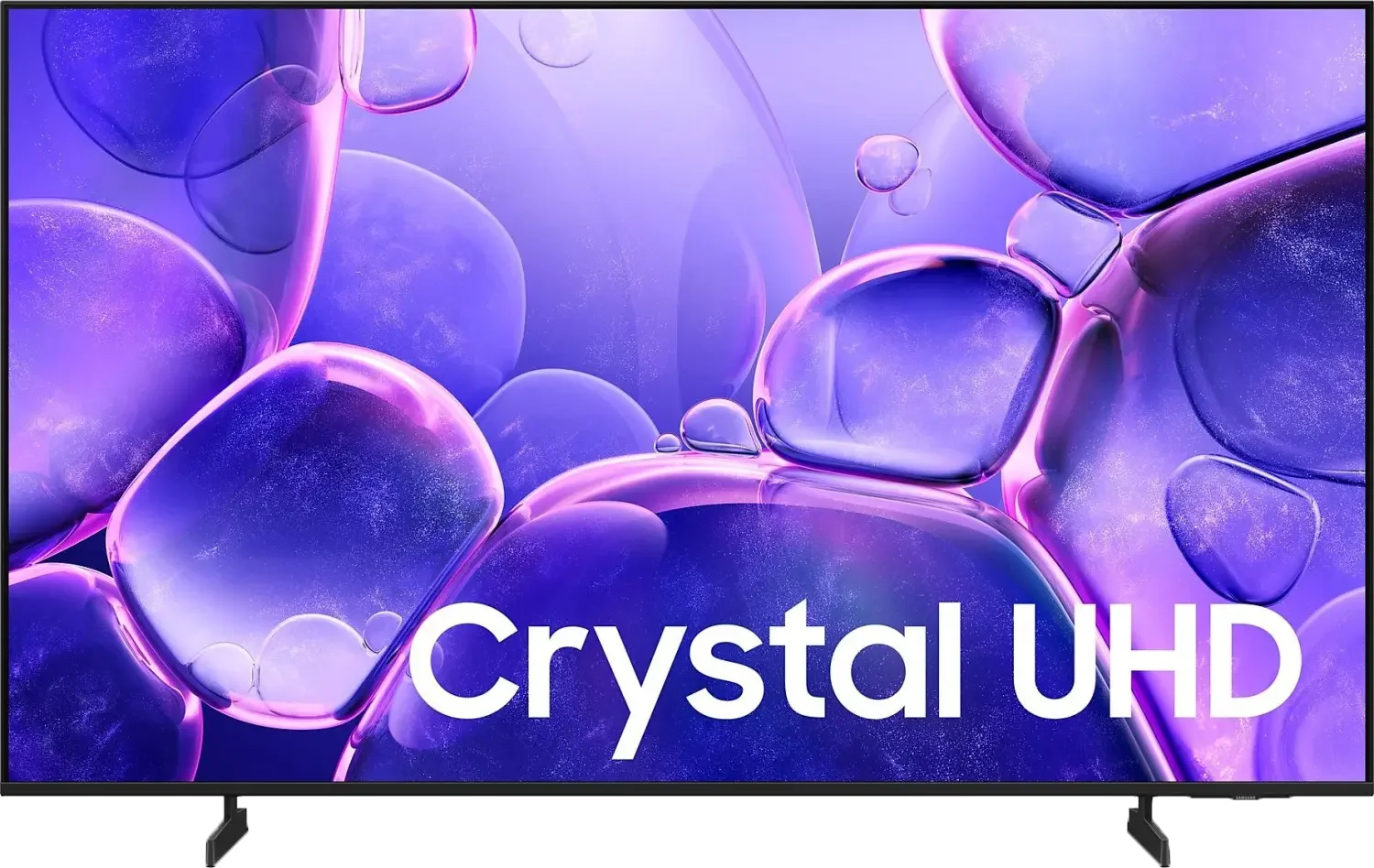
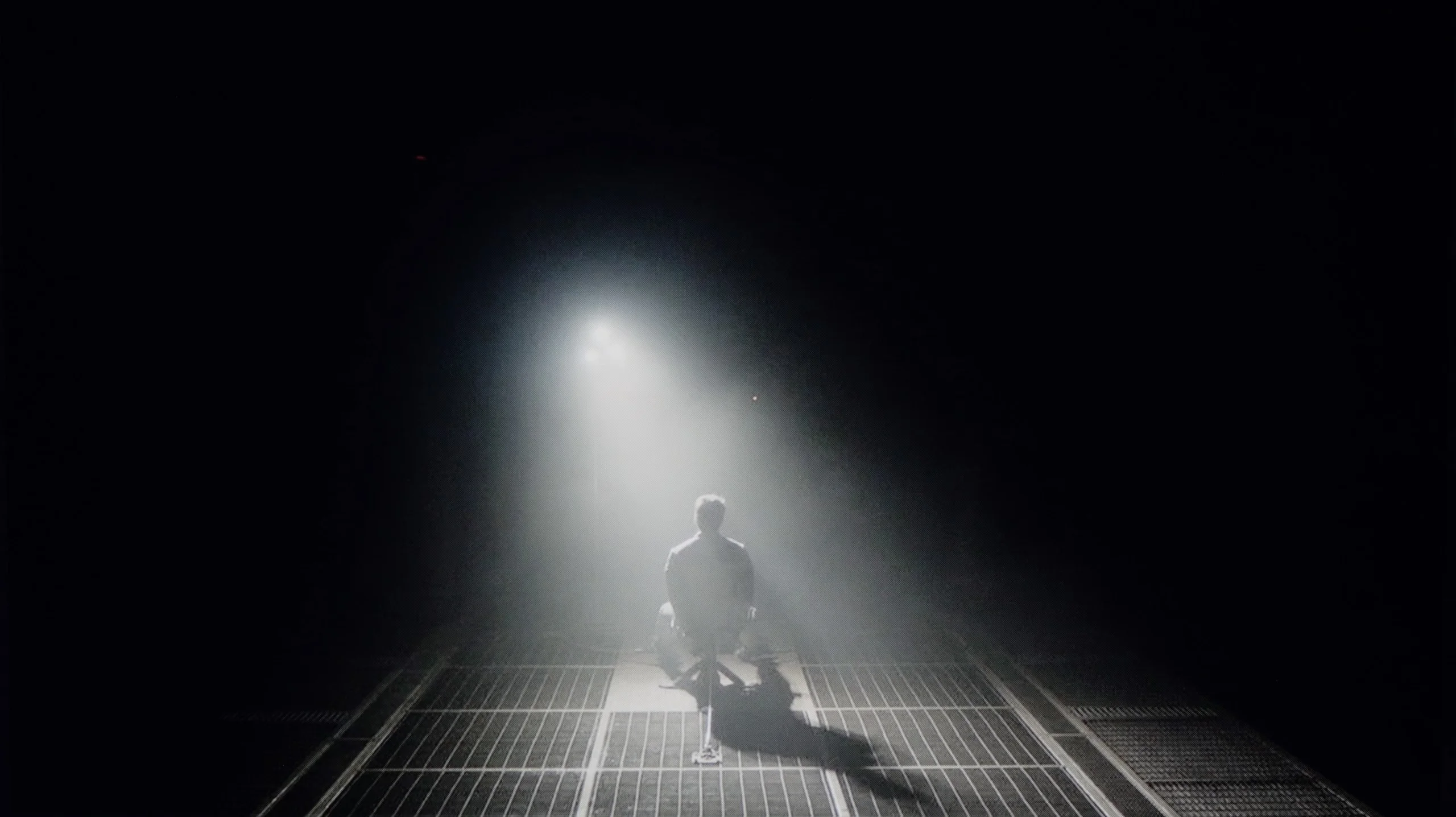
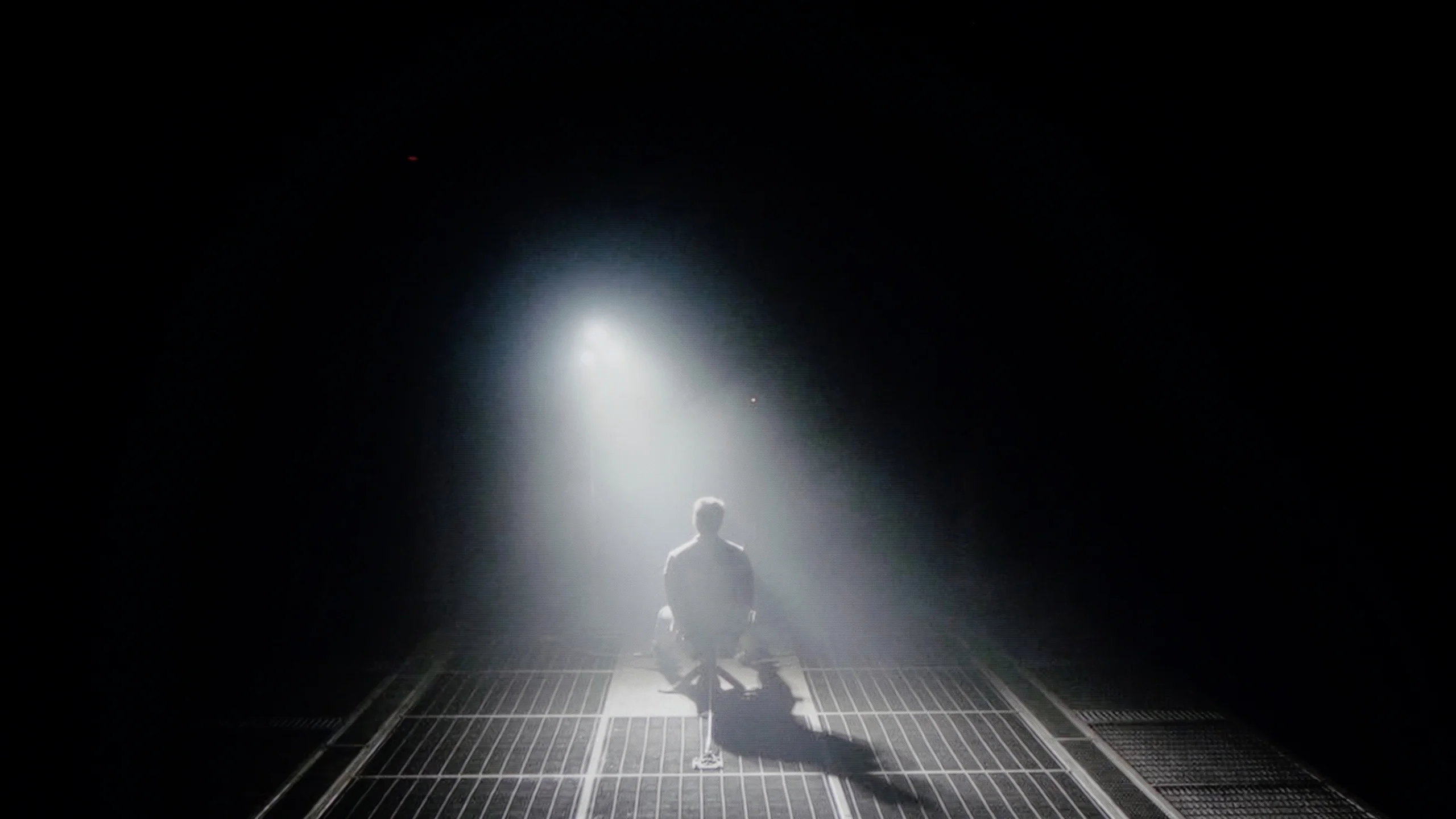
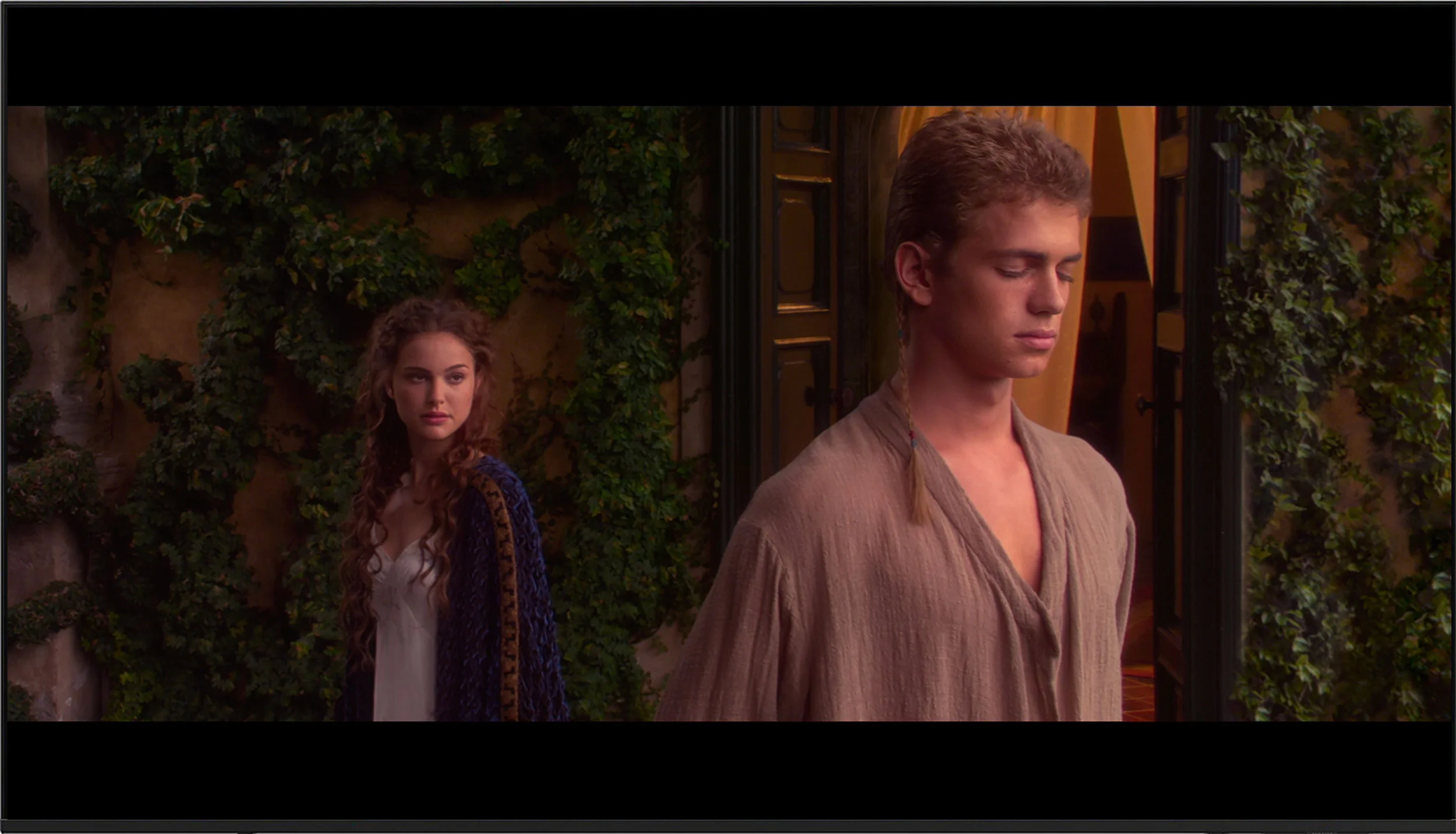
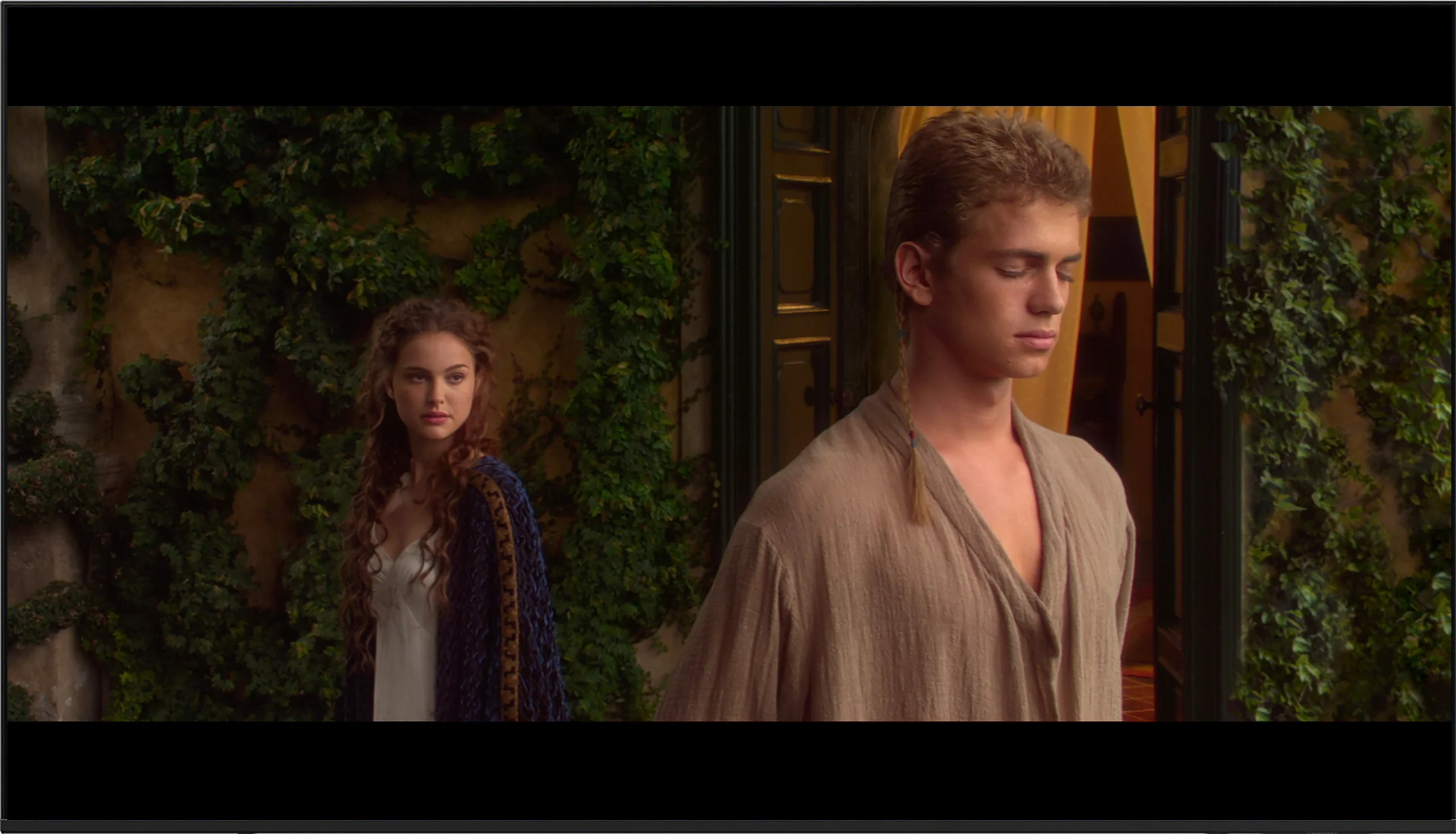
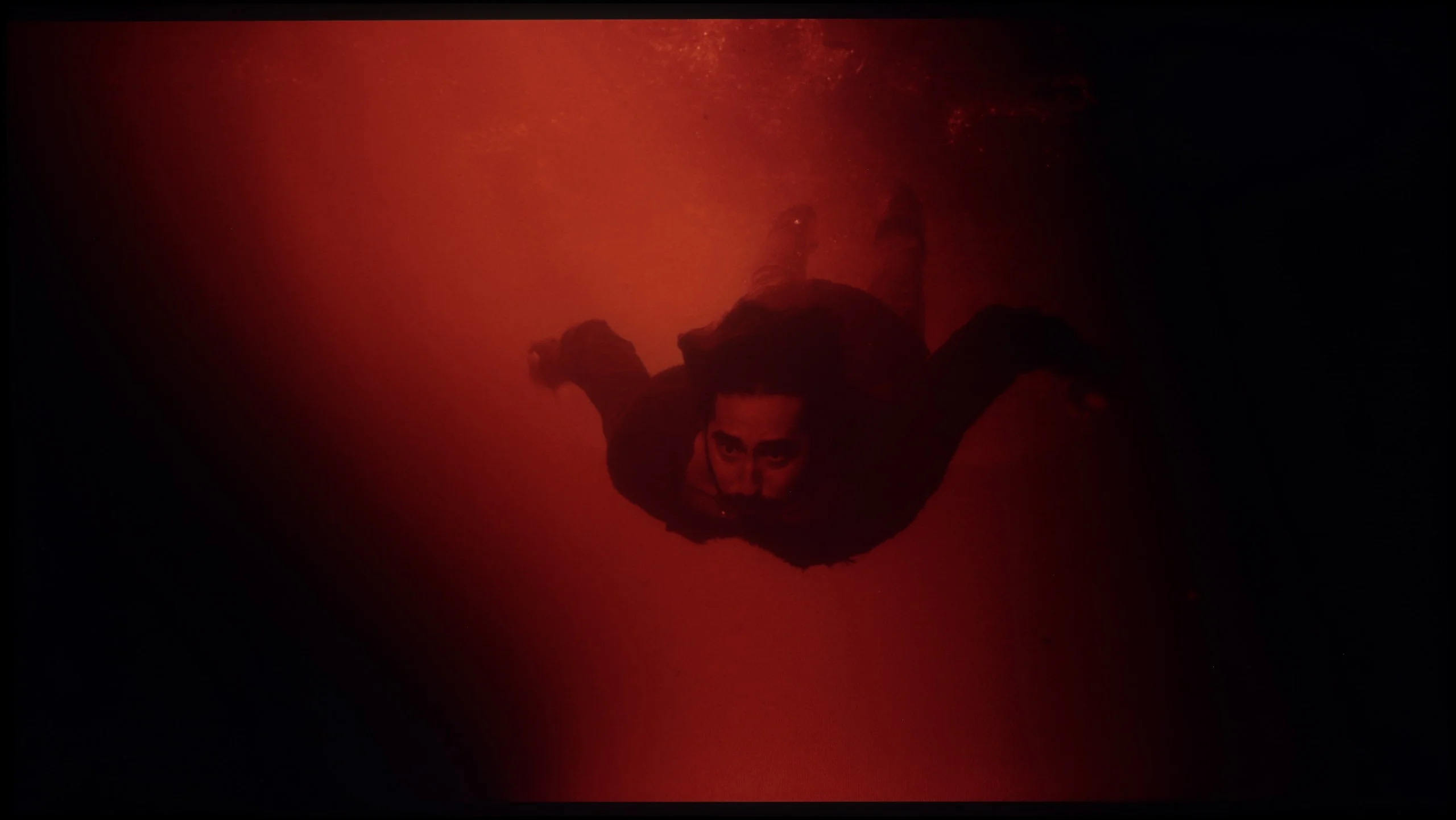
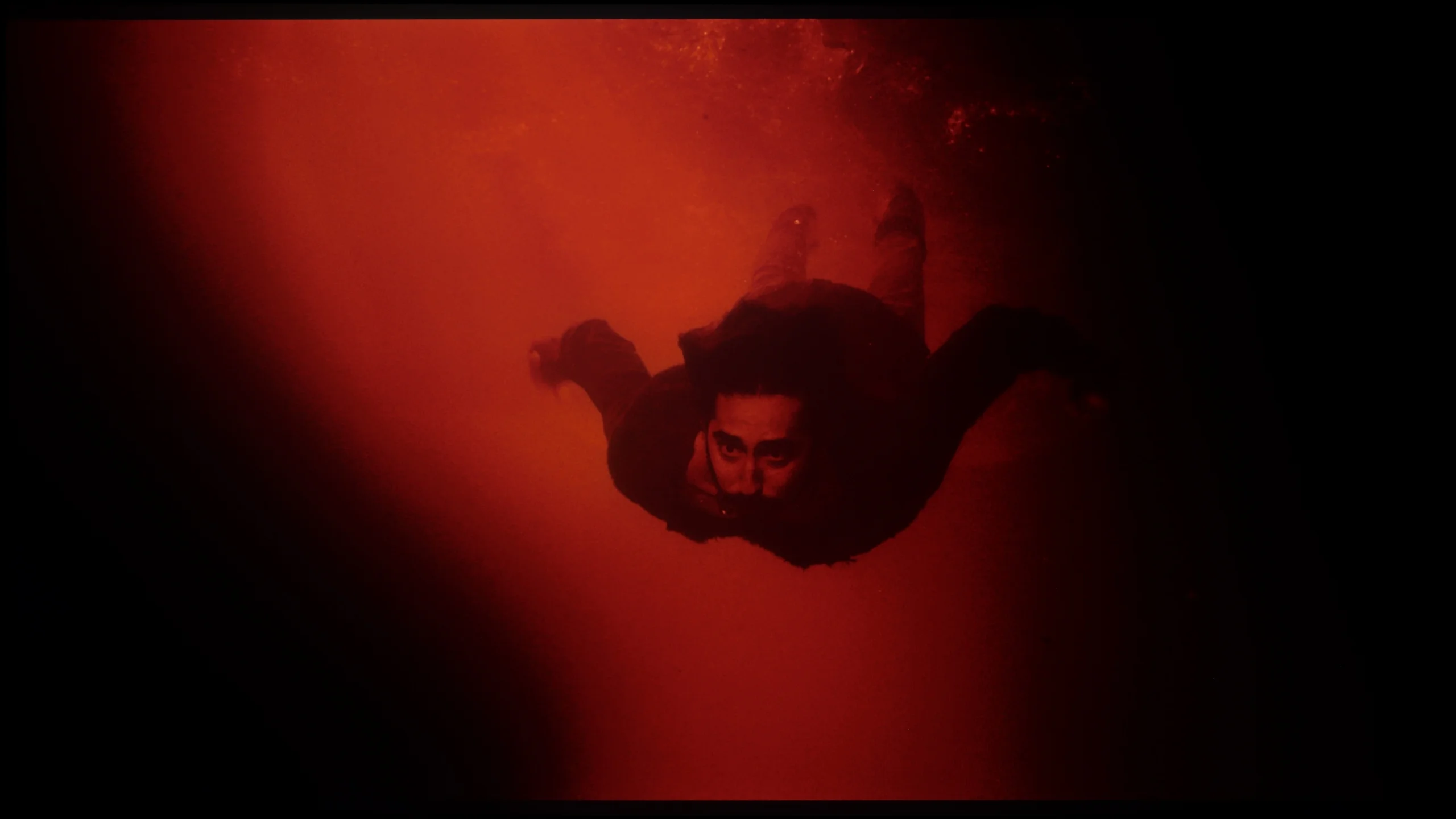
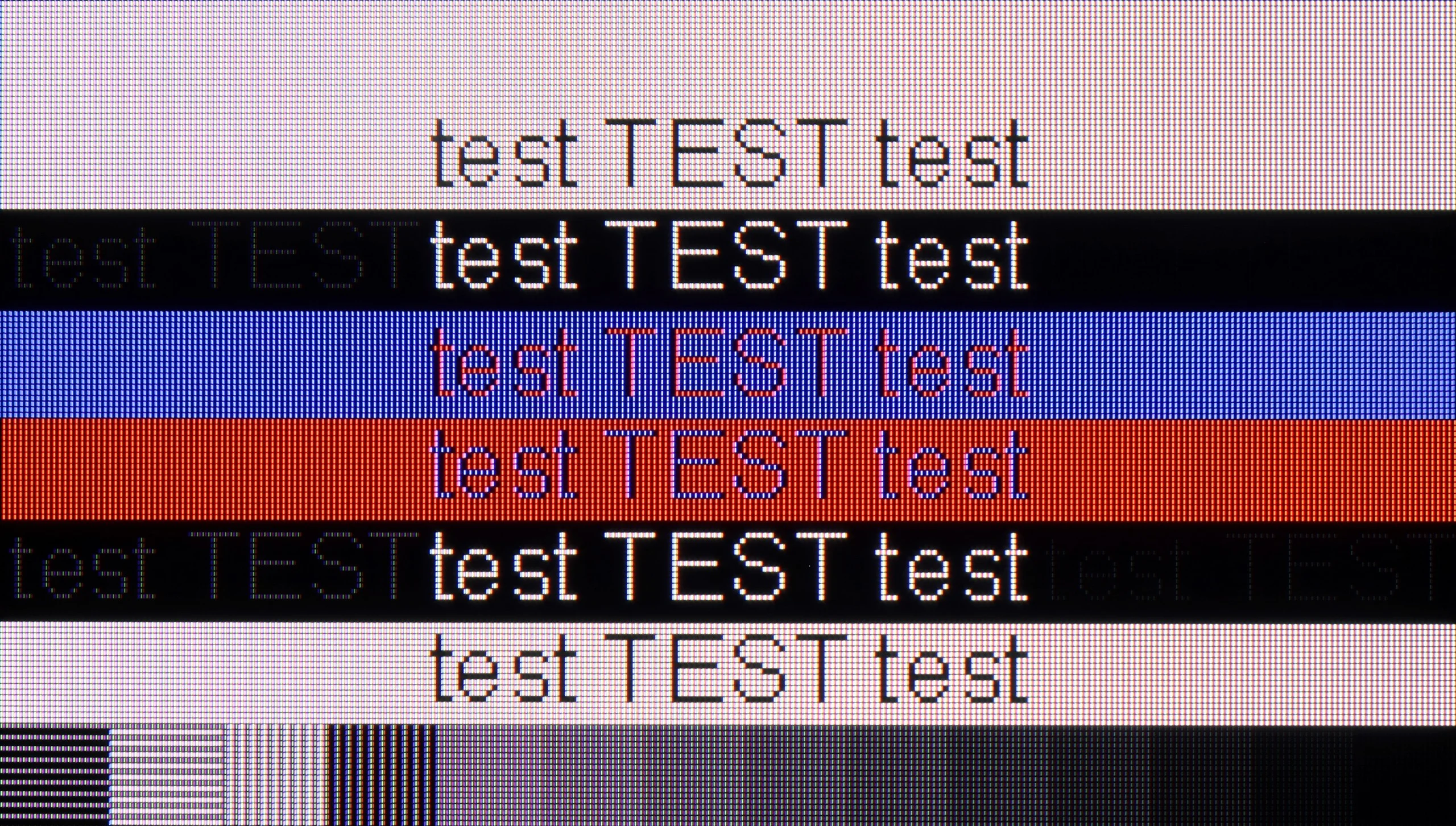
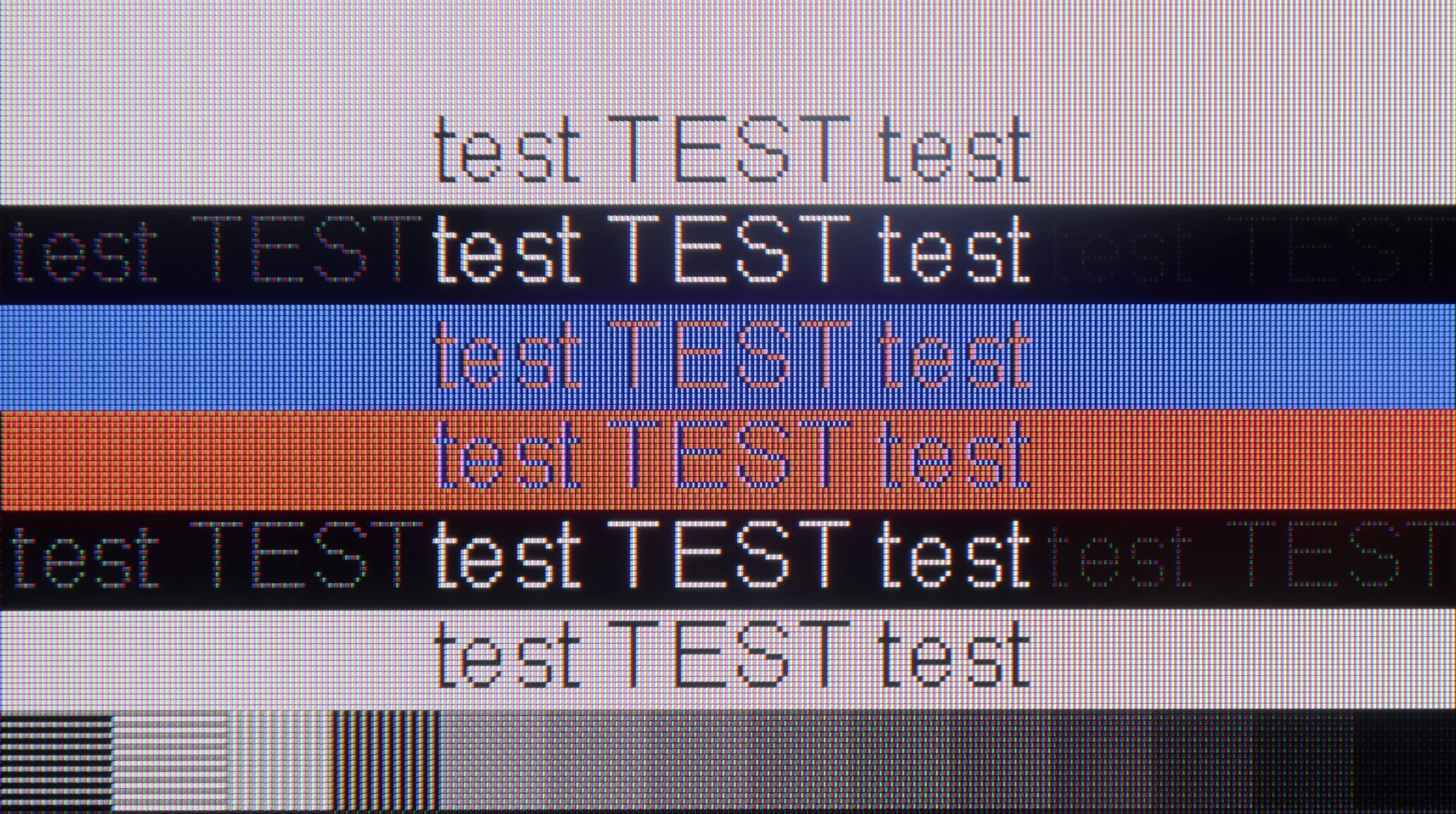
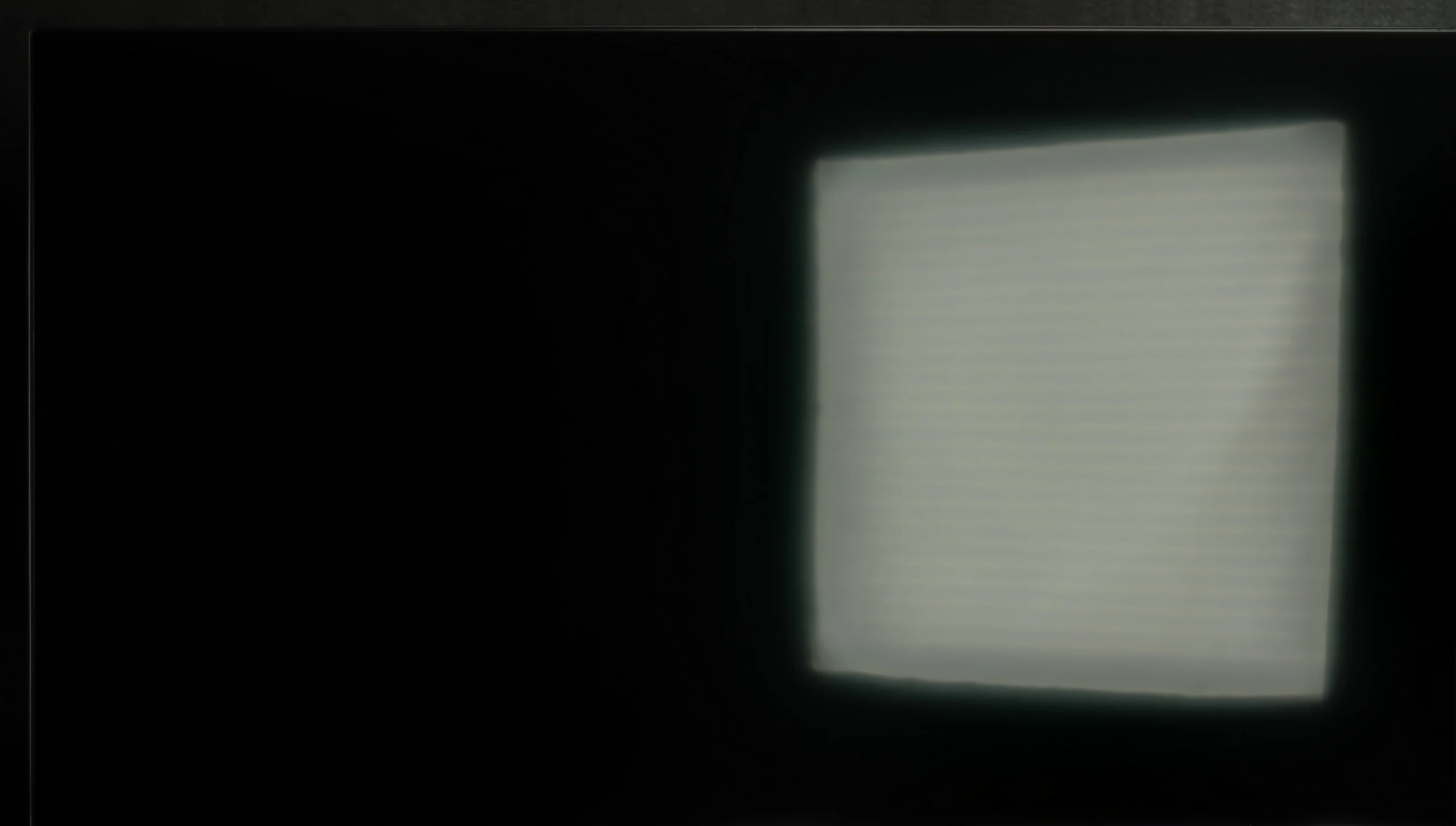
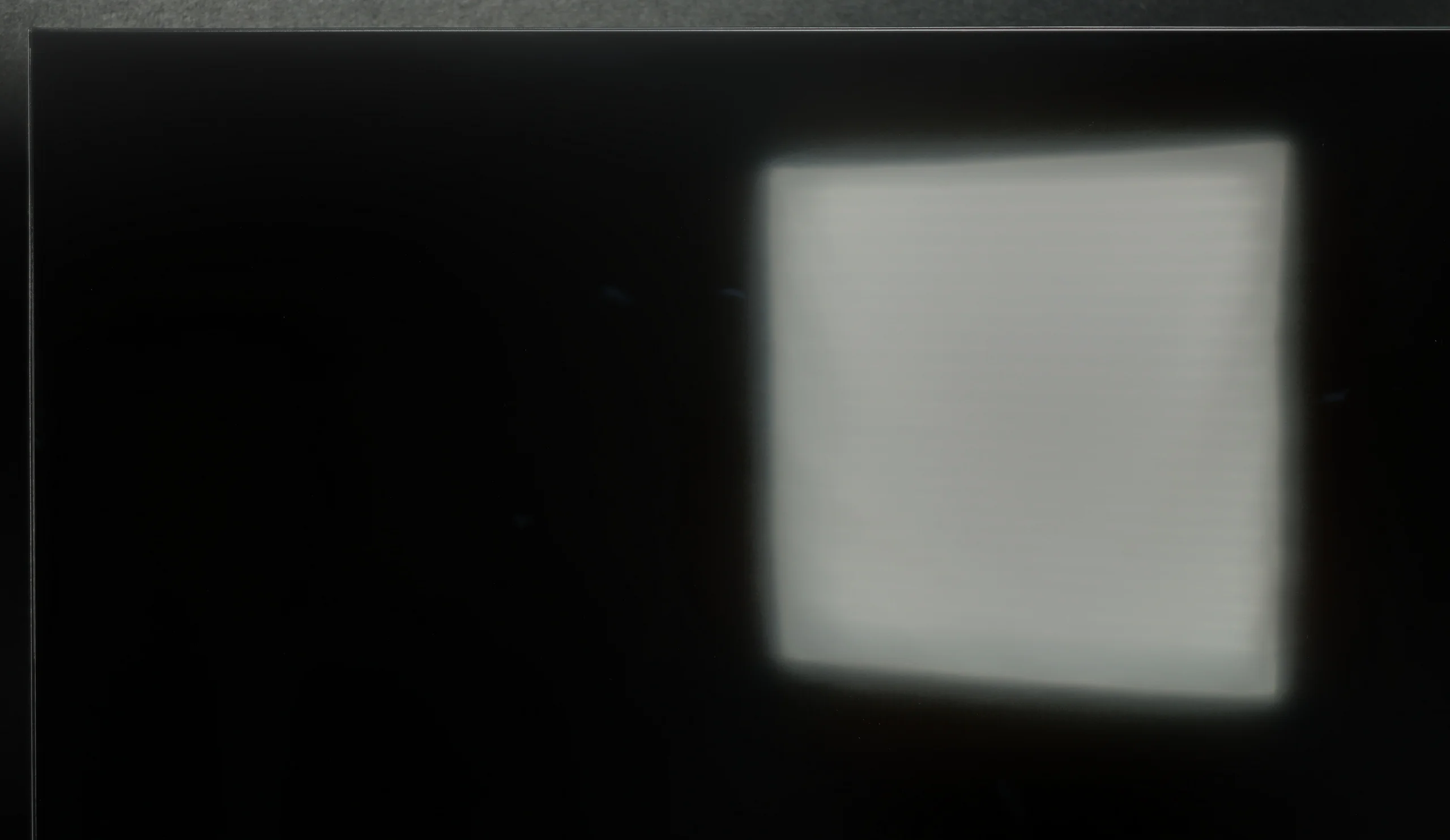
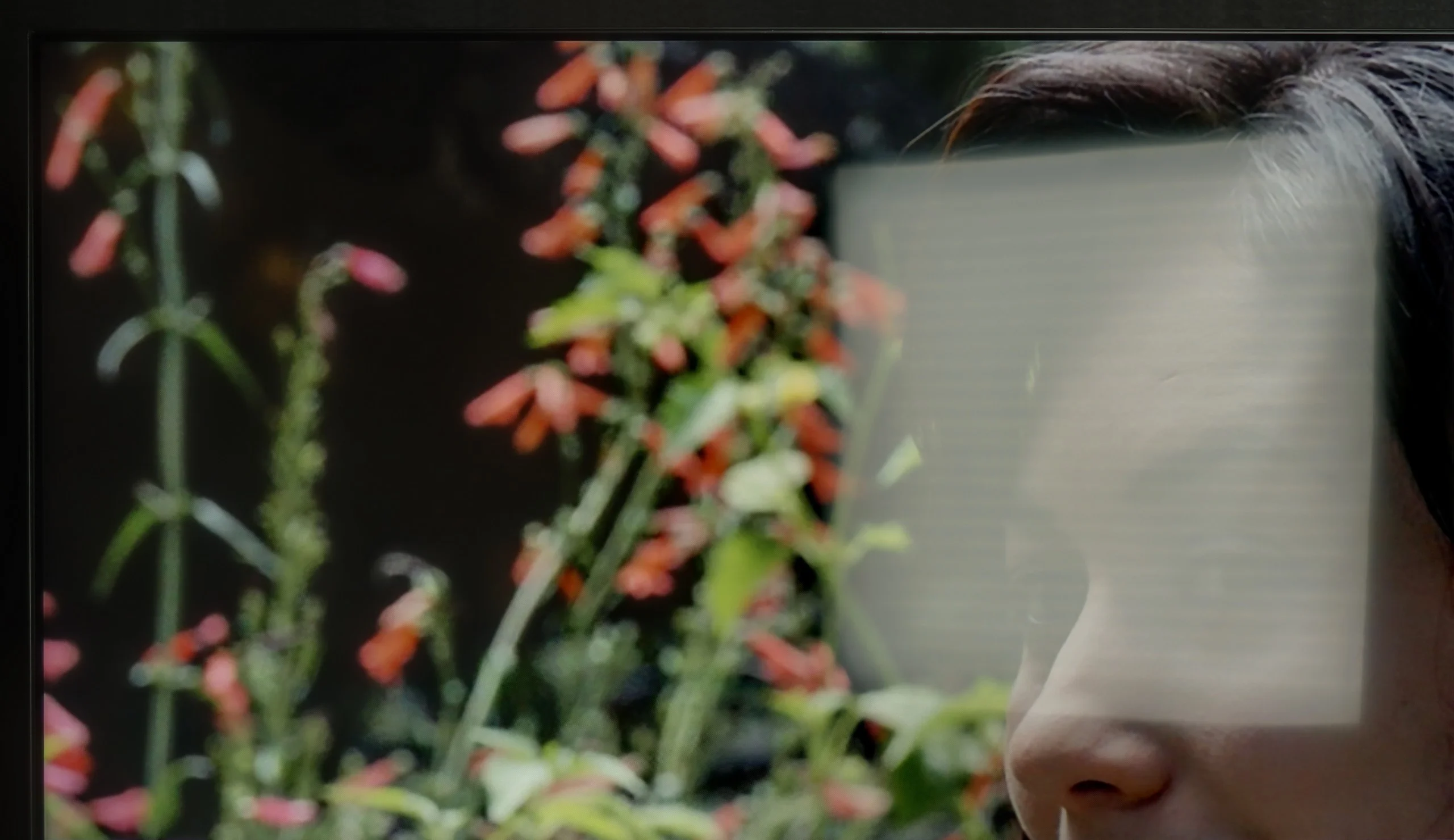
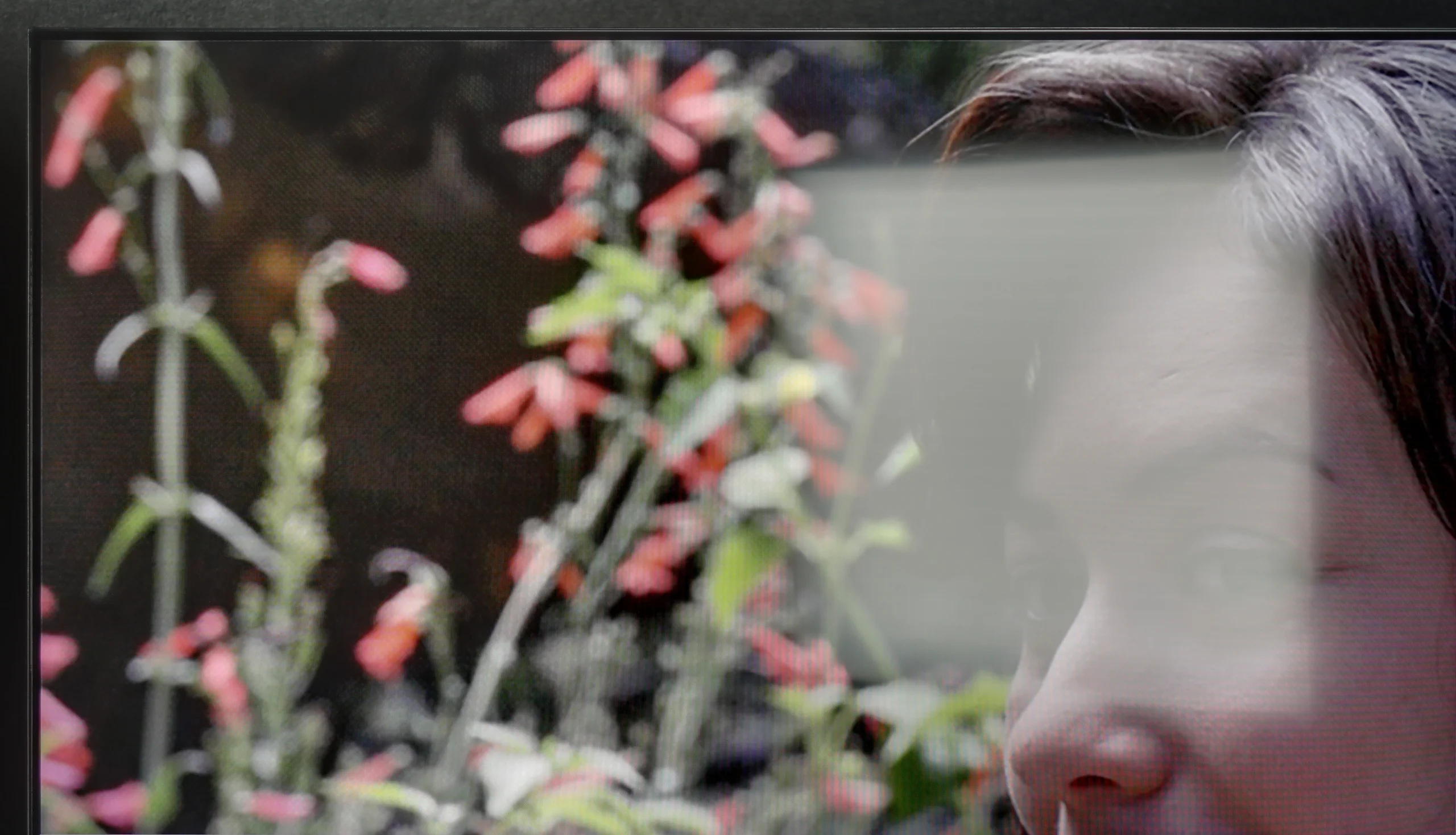
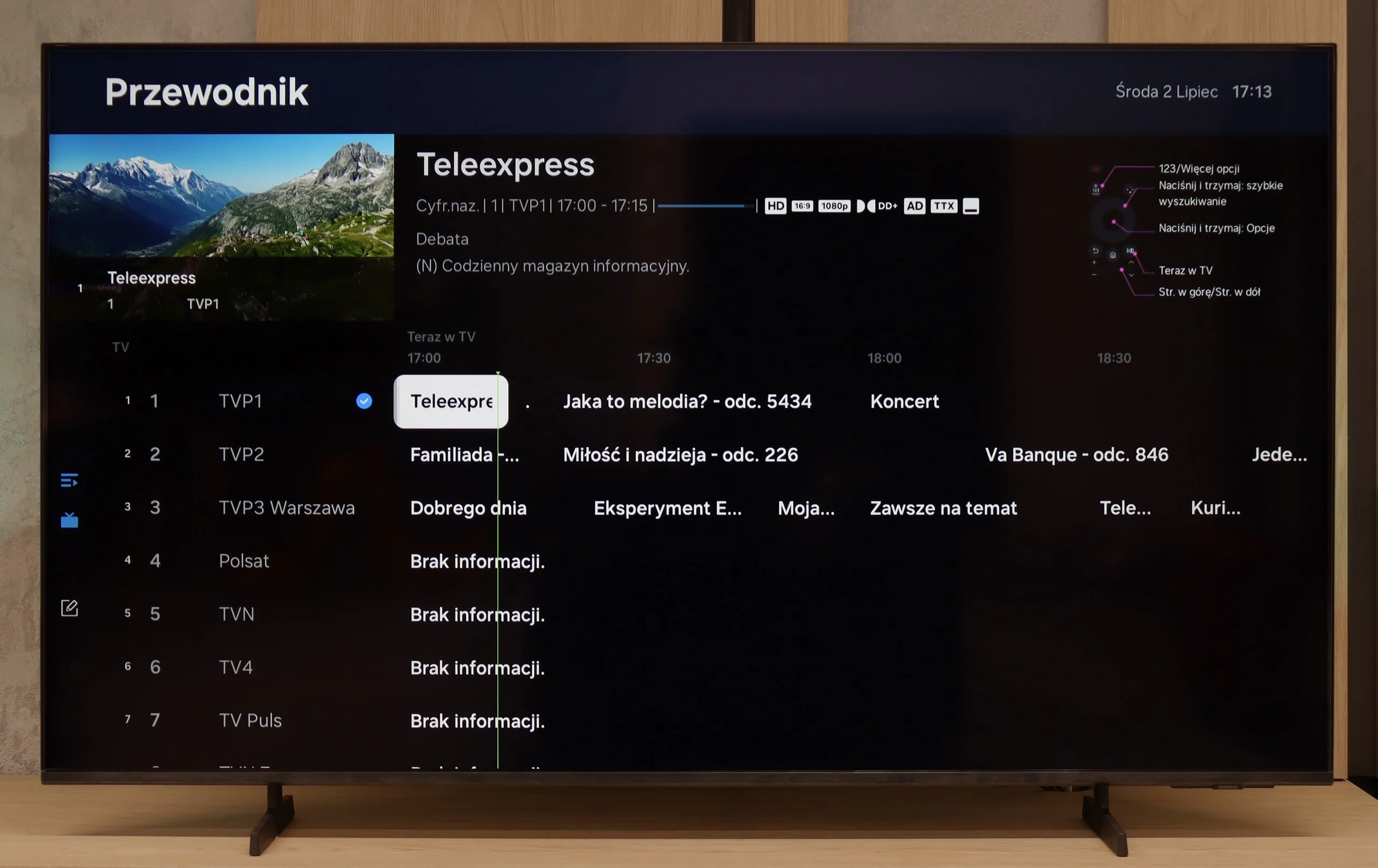
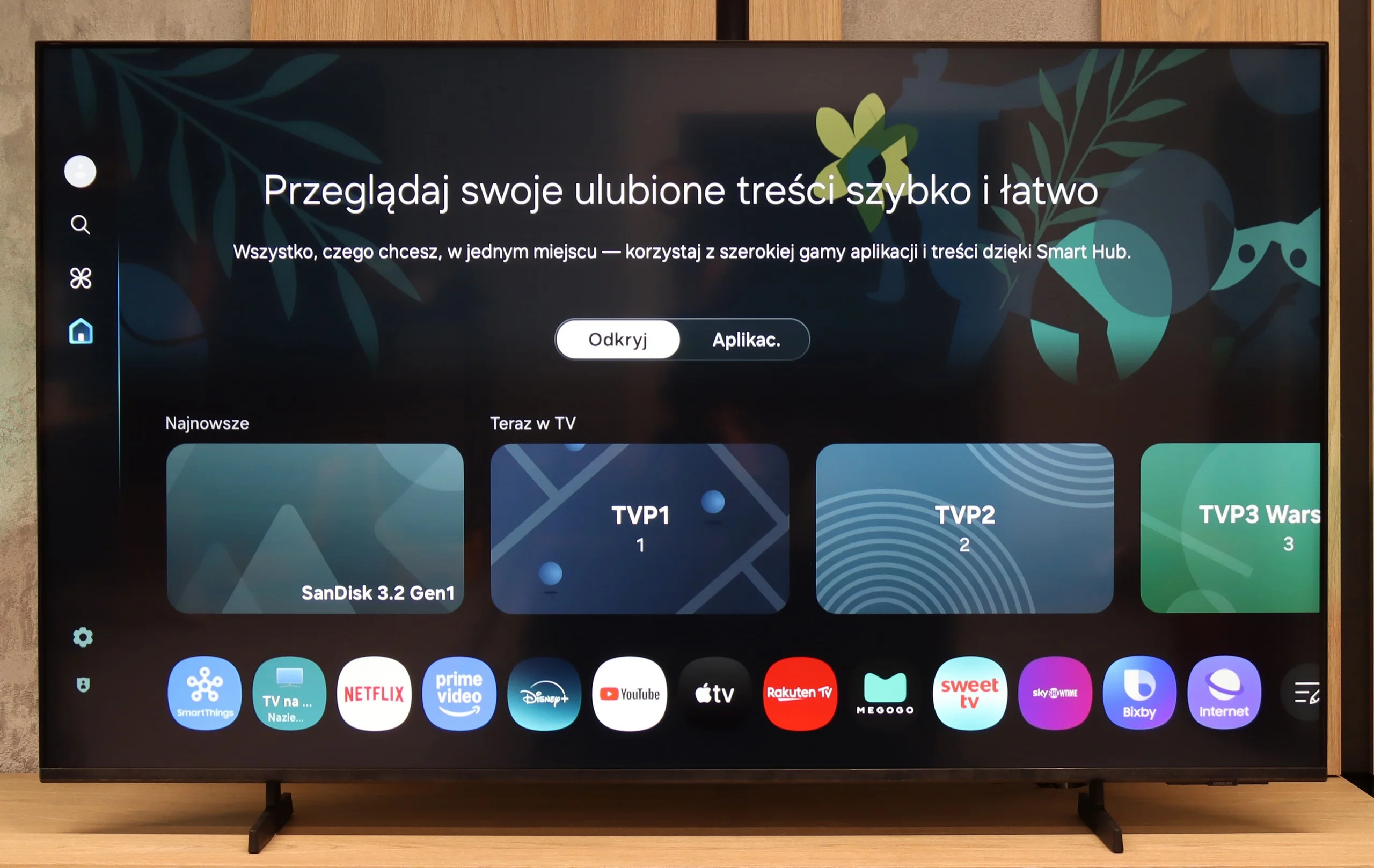
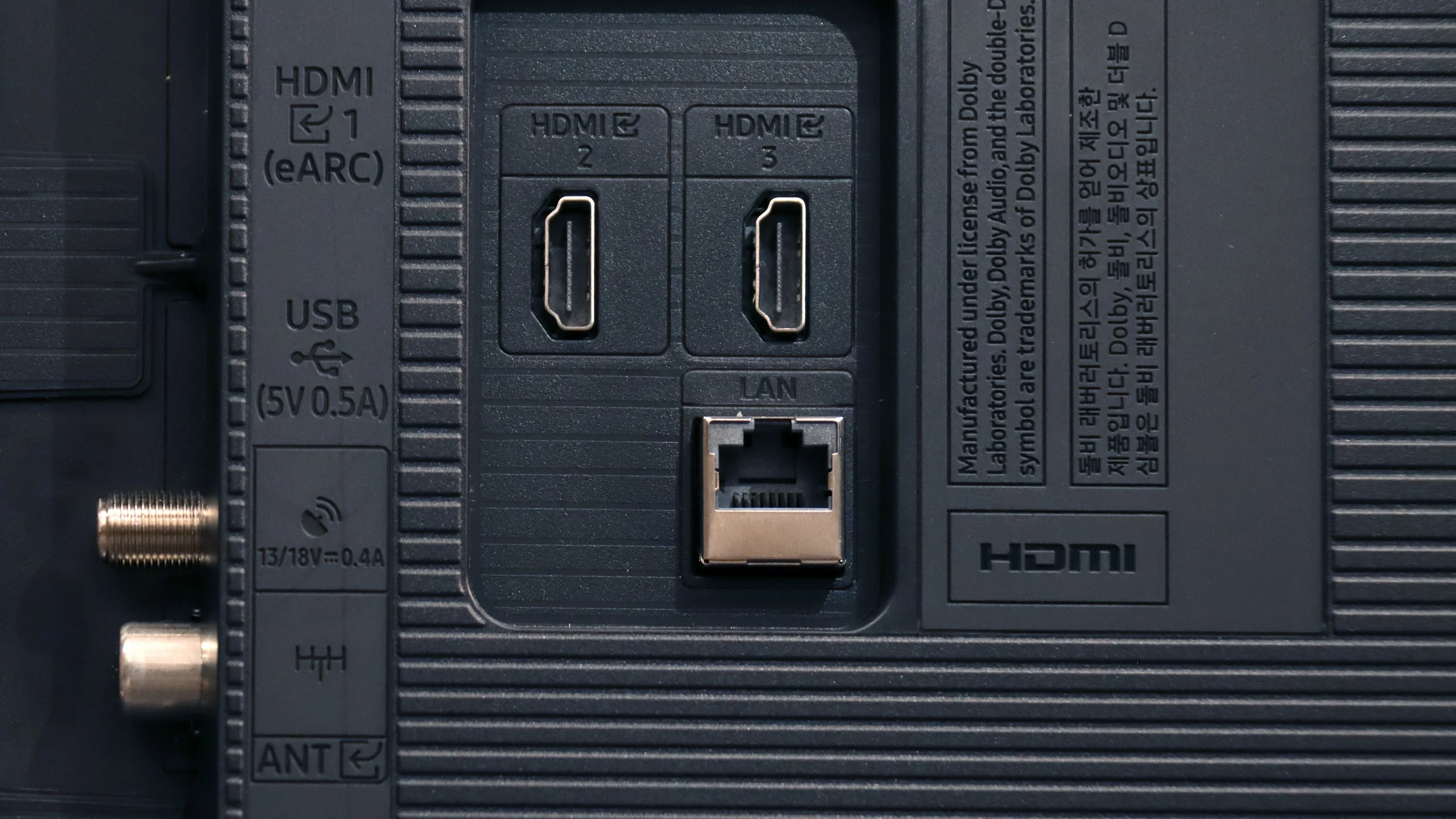
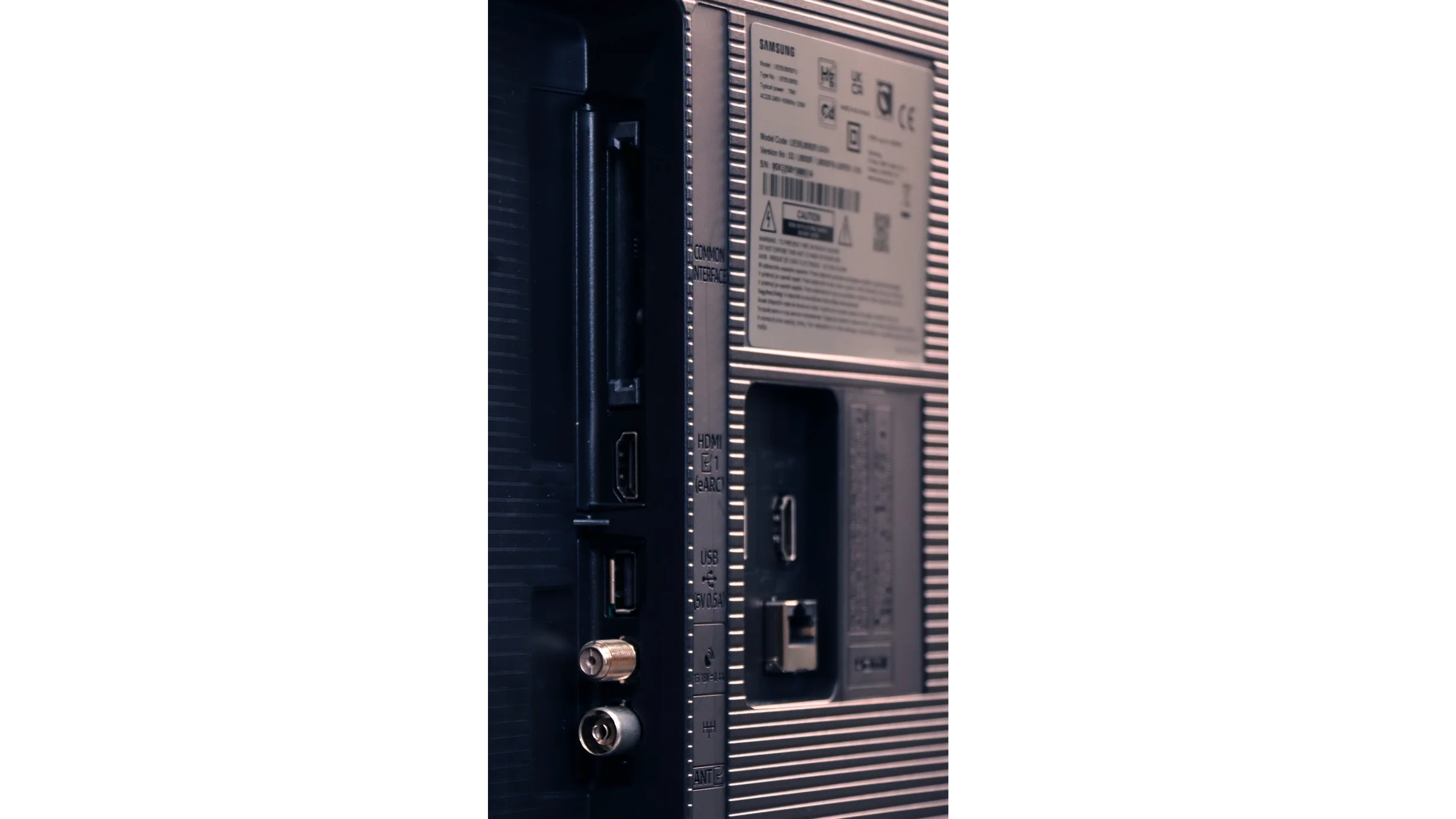
Samsung U8000F with a VA panel is a television that can pleasantly surprise in its class – of course, if we know what to expect from it. Its biggest advantage is definitely the black quality. Compared to the version with an IPS panel, the difference is enormous – the picture gains depth, the contrast looks much better, and evening movie sessions no longer feel like watching content through a gray filter. For a budget segment device, this is truly a nice surprise. The proven Tizen system also deserves credit, which not only works smoothly but also offers access to a full range of applications, support for SmartThings, and a voice assistant (via an app). The PC mode and connection to a console work flawlessly – the fonts are clear and readable. Additionally, it has basic features for gamers, such as VRR and ALLM, which – although they won’t turn this TV into an e-sport machine – are more than sufficient for occasional gaming.
Of course, like any construction in this budget, the U8000F with a VA panel has its limitations. The viewing angles are not one of its strong points – watching the picture from the side easily reveals a drop in quality. Nevertheless, it's hard to consider this a serious drawback – because something has to give. Better black levels are always associated with slightly lesser flexibility in adjustment. When it comes to HDR, we have rather a symbolic approach – the brightness is too low to talk about a true “wow” effect, and the color palette is limited. But let’s face the facts – that’s not why you buy such a TV. So if you're planning to purchase the U8000F, we definitely recommend opting for the version with a VA panel. It's still a very basic model, but in this version, it offers more than one might expect – especially in terms of black quality. And in this price range, that’s quite a lot.
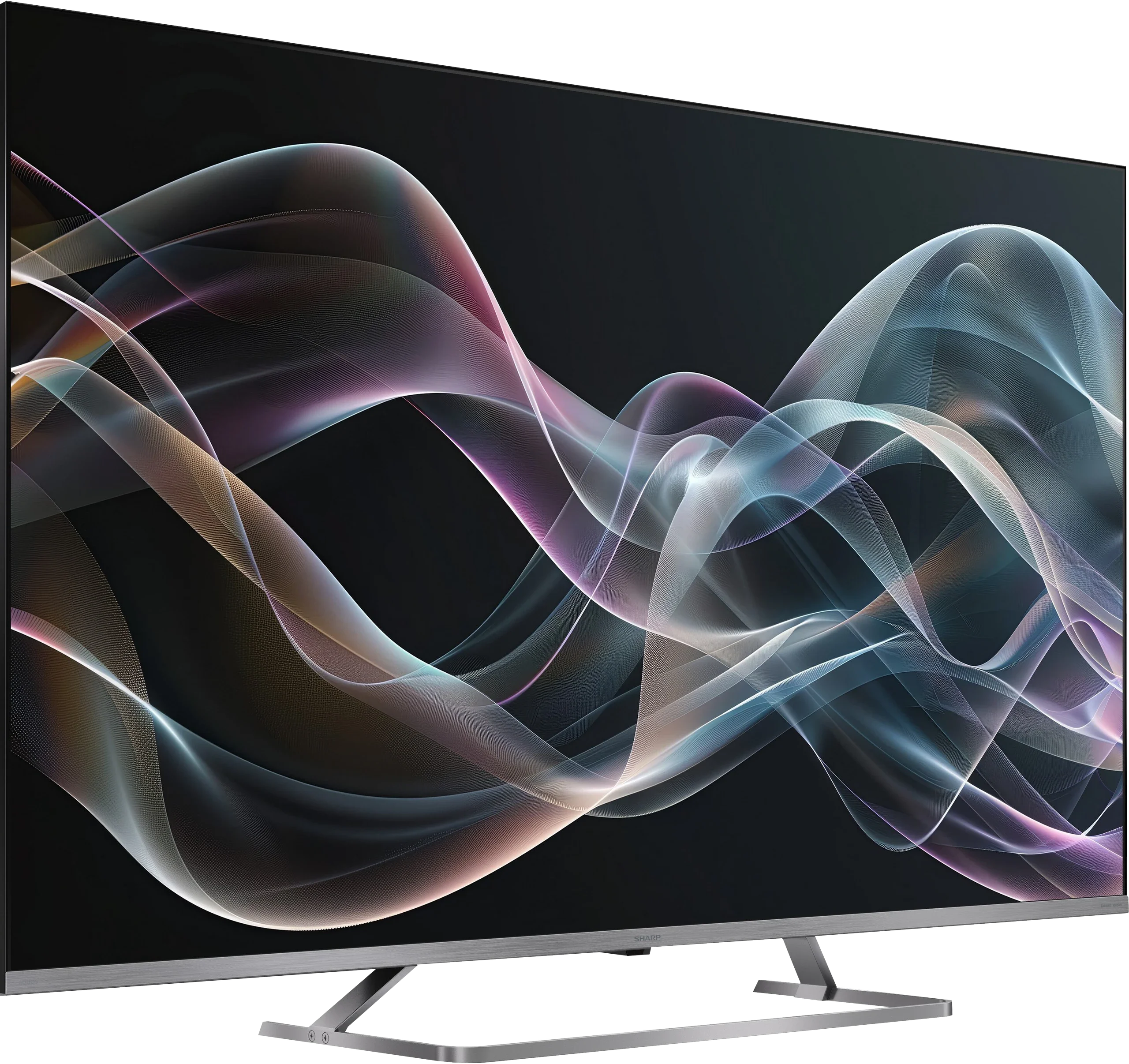
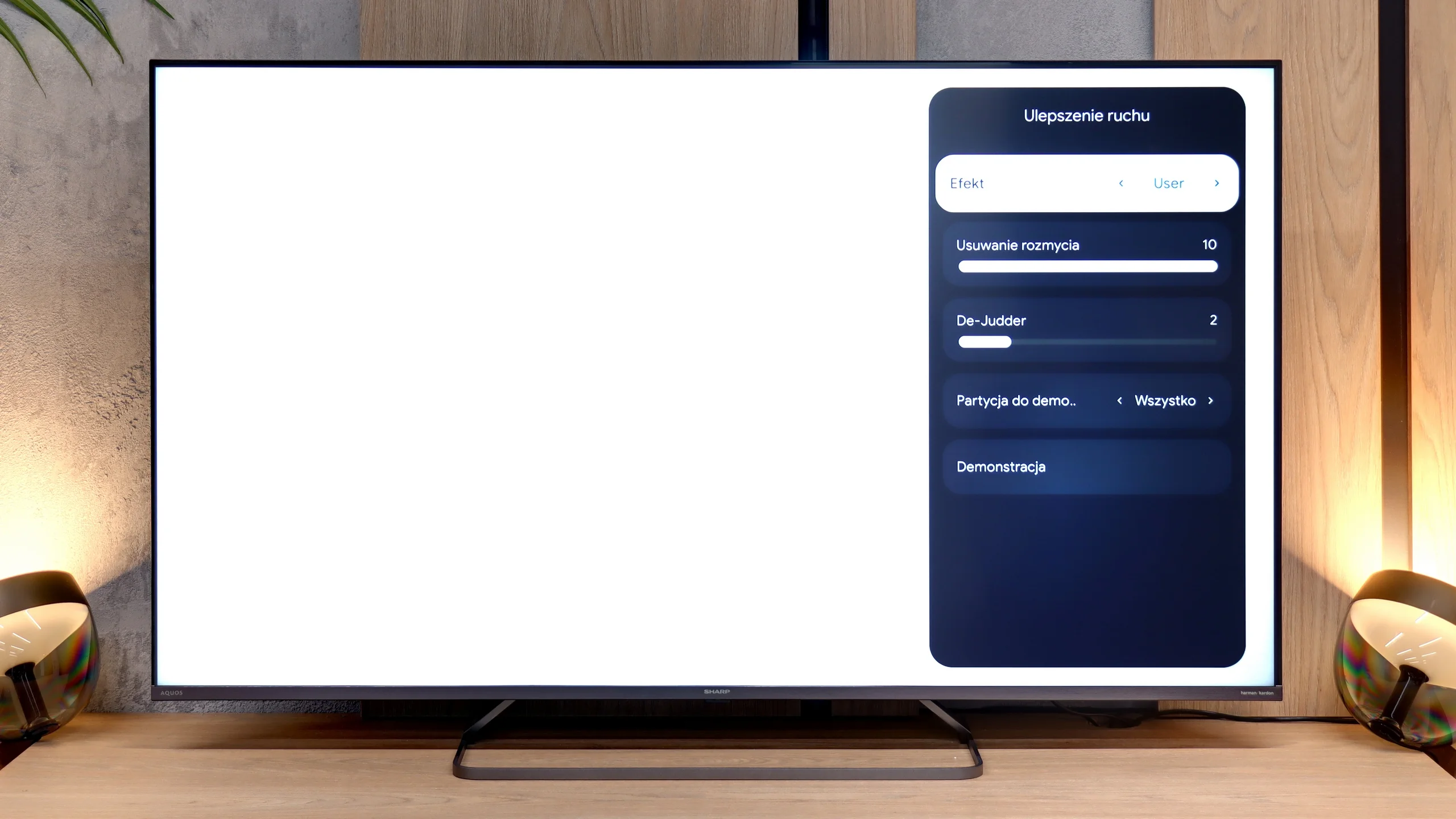
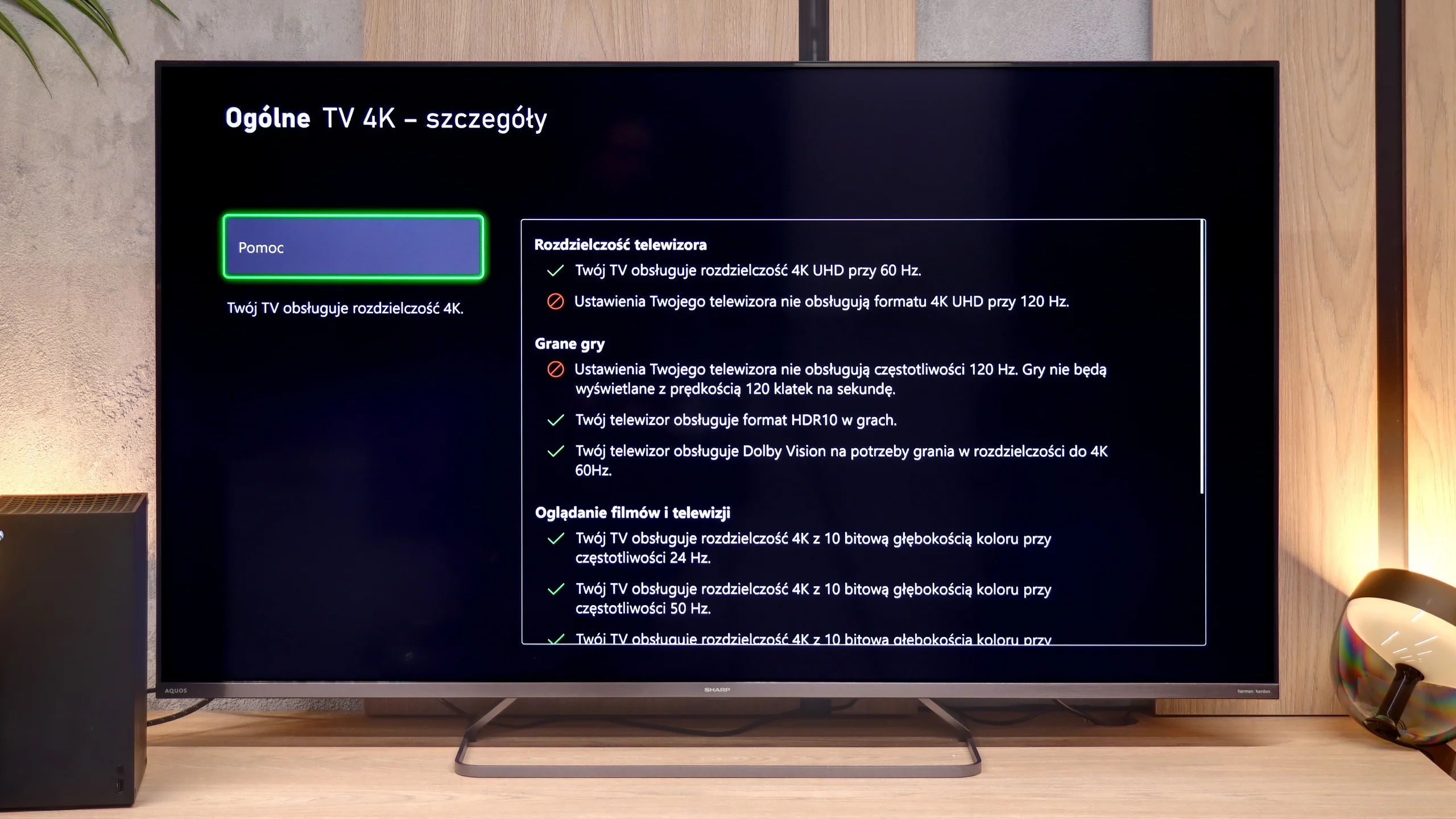
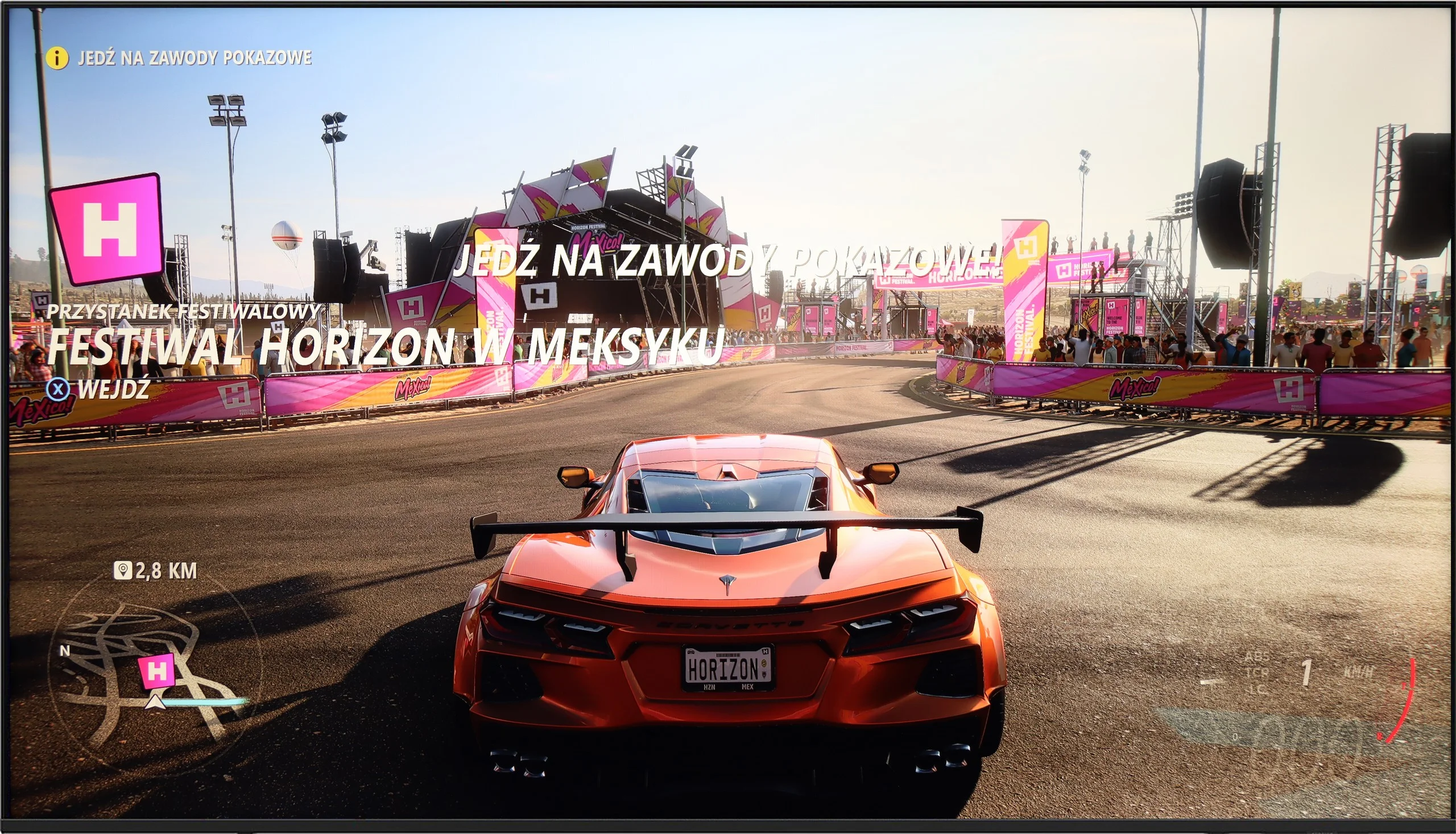
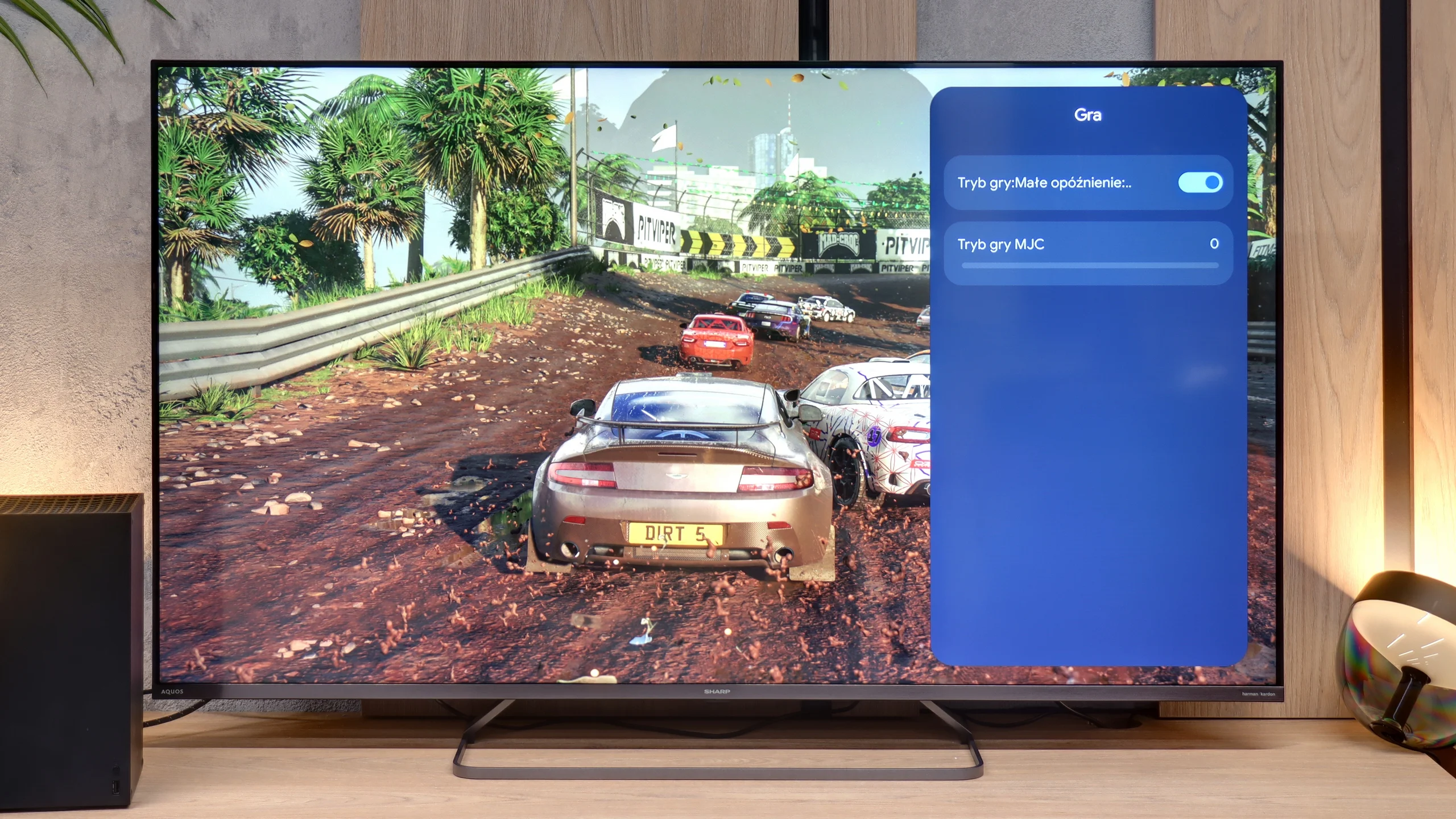
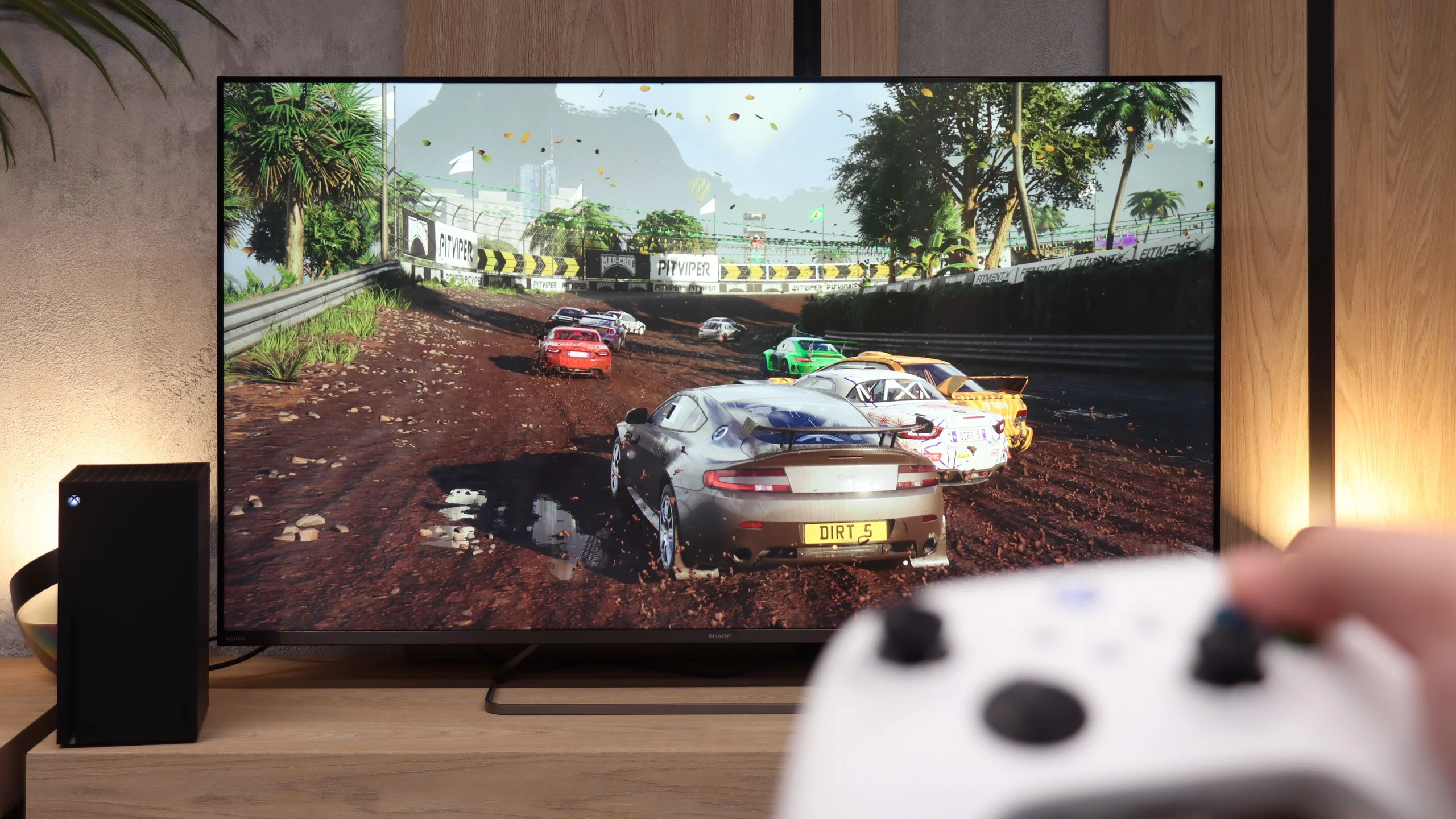
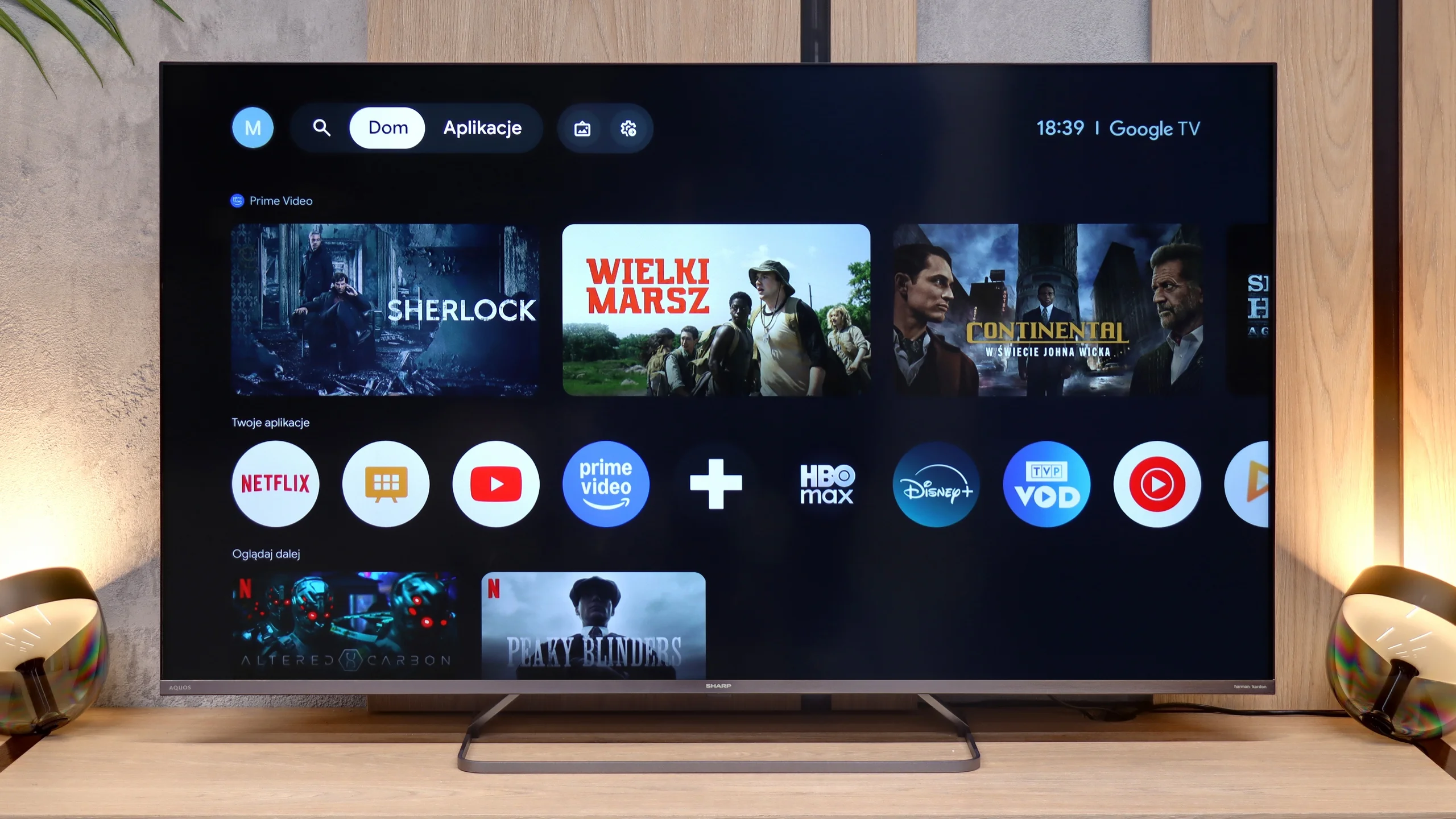
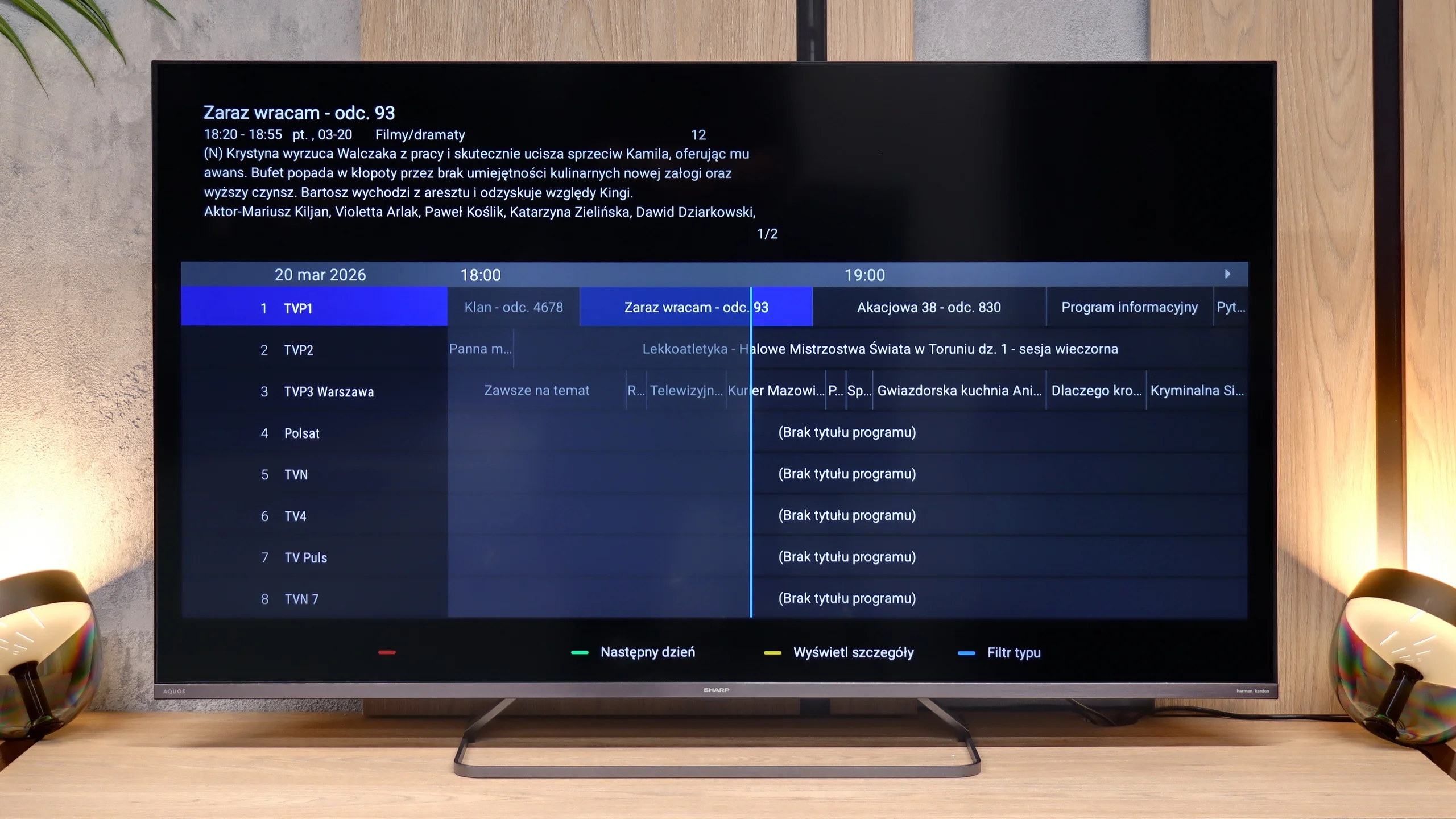
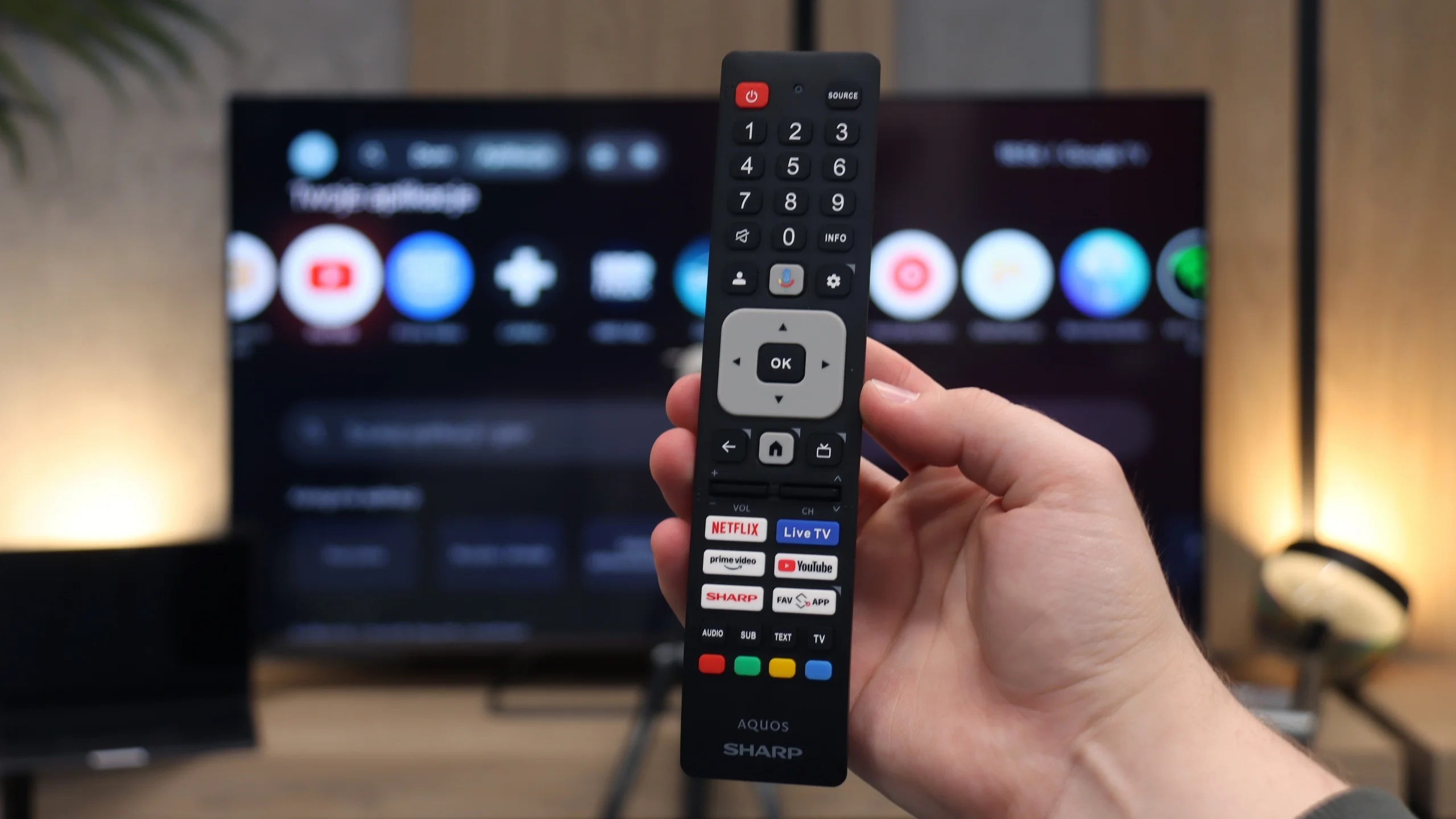
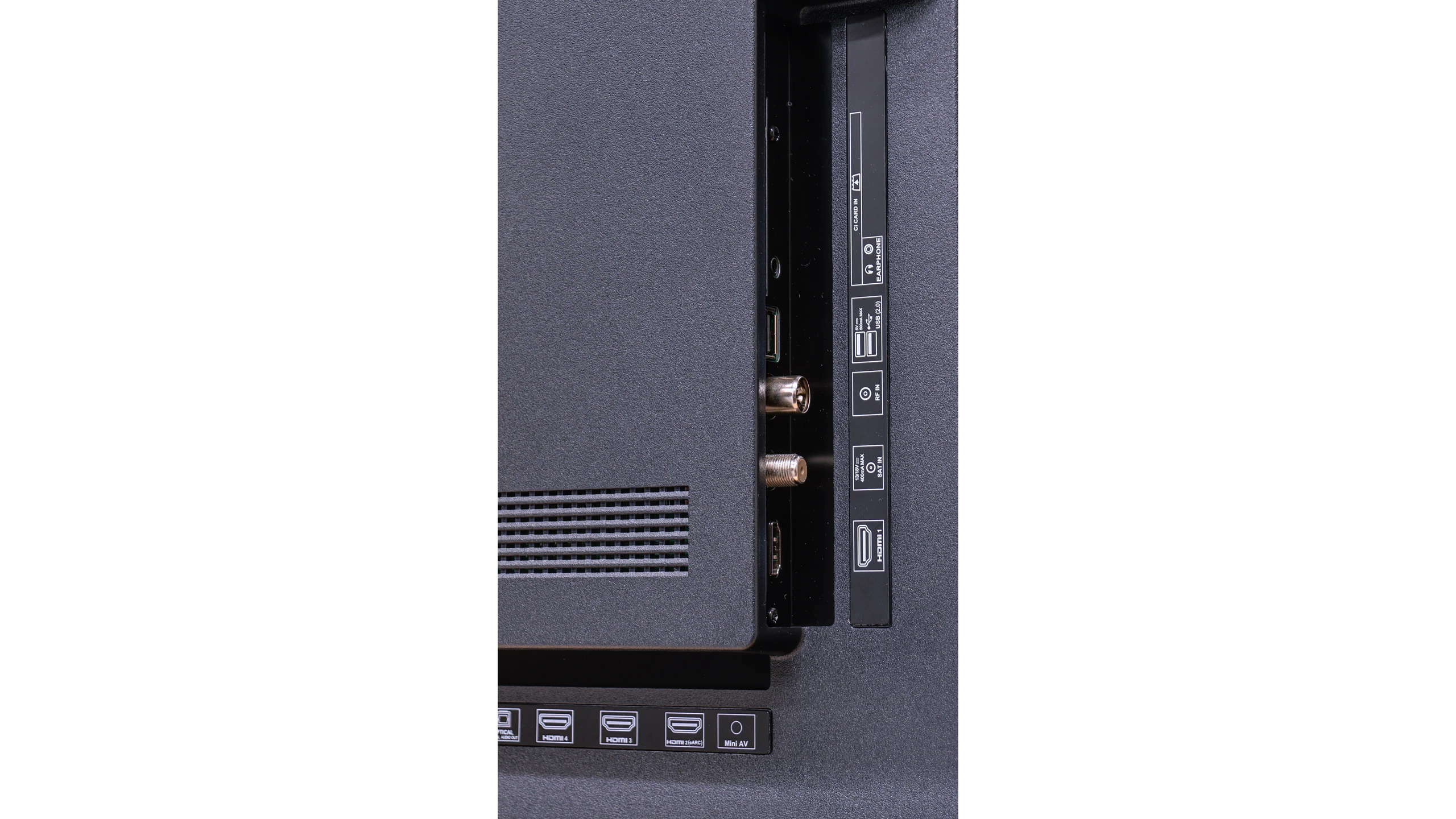
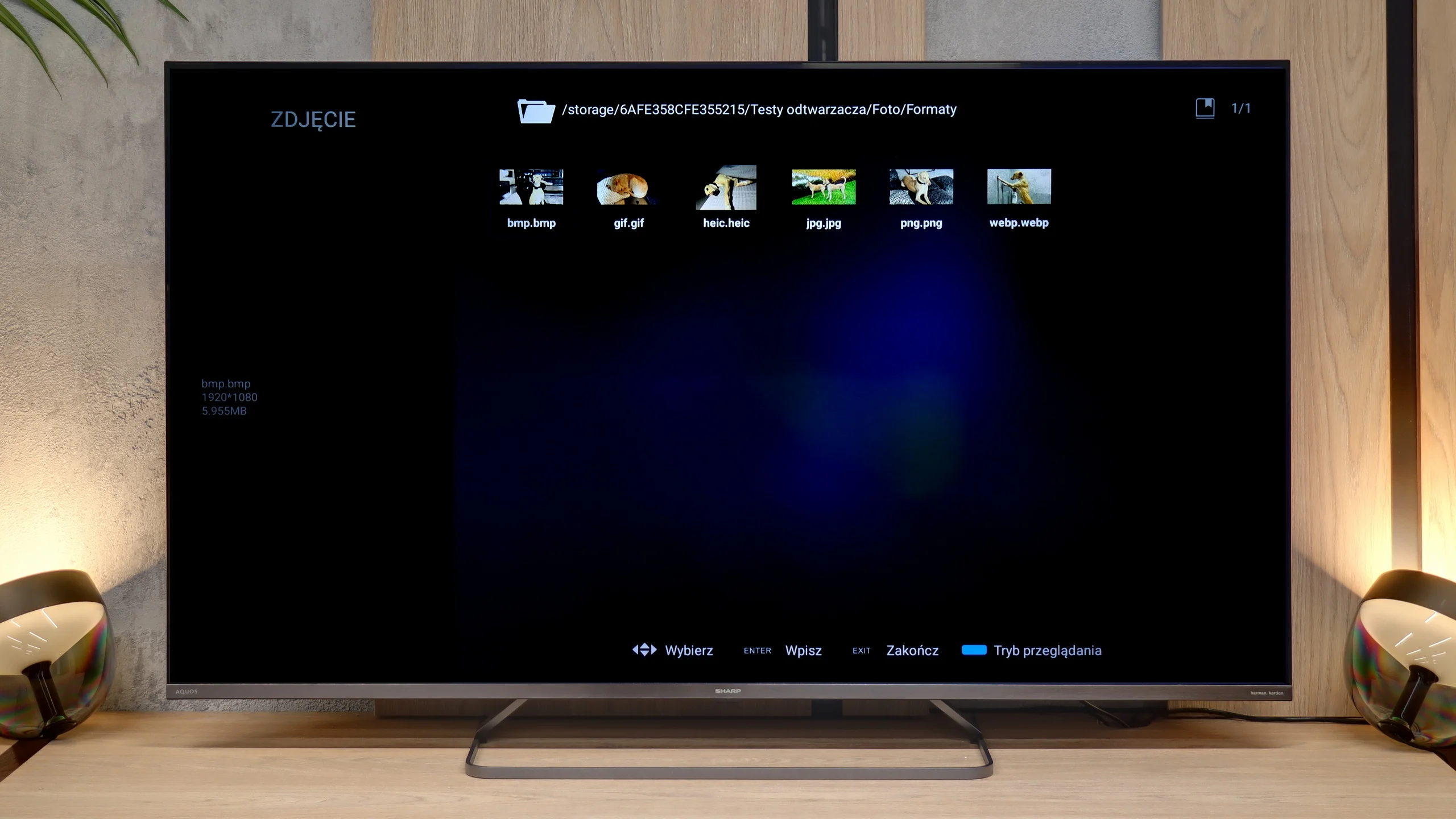
Sharp JP7765 is another offering in the market that tries to prove that Mini-LED technology doesn’t have to cost a fortune. The low price is matched with an exceptionally high brightness — a peak of 1000 nits in HDR is a result that simply impresses in this price range. Although the proprietary processor doesn’t always manage backlighting perfectly in demanding scenes, support for Dolby Vision effectively saves the situation. Thanks to dynamic metadata, the image becomes plastic, deep, and simply appealing to the eye. Adding to this the Google TV system, extreme volume, and a rarely-seen headphone jack, we get a device that is a brilliant option for seniors or less demanding viewers transitioning from basic, cheap LCDs. In such a scenario, the Sharp JP7 appears to be a really decent and cost-effective choice. However, it must be made clear: contrary to marketing slogans, this is not equipment for everyone. Gamers or sports fans will definitely not find themselves here. The biggest drawback of the JP7765 model is the slow, 60Hz panel and significant motion blur, which essentially disqualifies this television when watching dynamic matches or playing fast-paced titles. The image loses sharpness so markedly during rapid movements that for a football or racing fan, it may be an unacceptable barrier.
So who is the Sharp JP7765 for? It is a sensible option for budget-conscious individuals who do not have high demands for motion fluidity but appreciate a “kick” of brightness. By choosing the Sharp JP7, you will definitely make a better deal than purchasing basic (non-dimming) televisions from the competition. Rivals usually offer standard LCD panels at a similar price that cannot compare to the capabilities of even such a basic Mini-LED model as the JP7. Ultimately, it’s a matter of a simple arrangement: you accept weaker motion fluidity in exchange for the powerful brightness that is hard to find with other manufacturers at this price point.
 Direct comparison