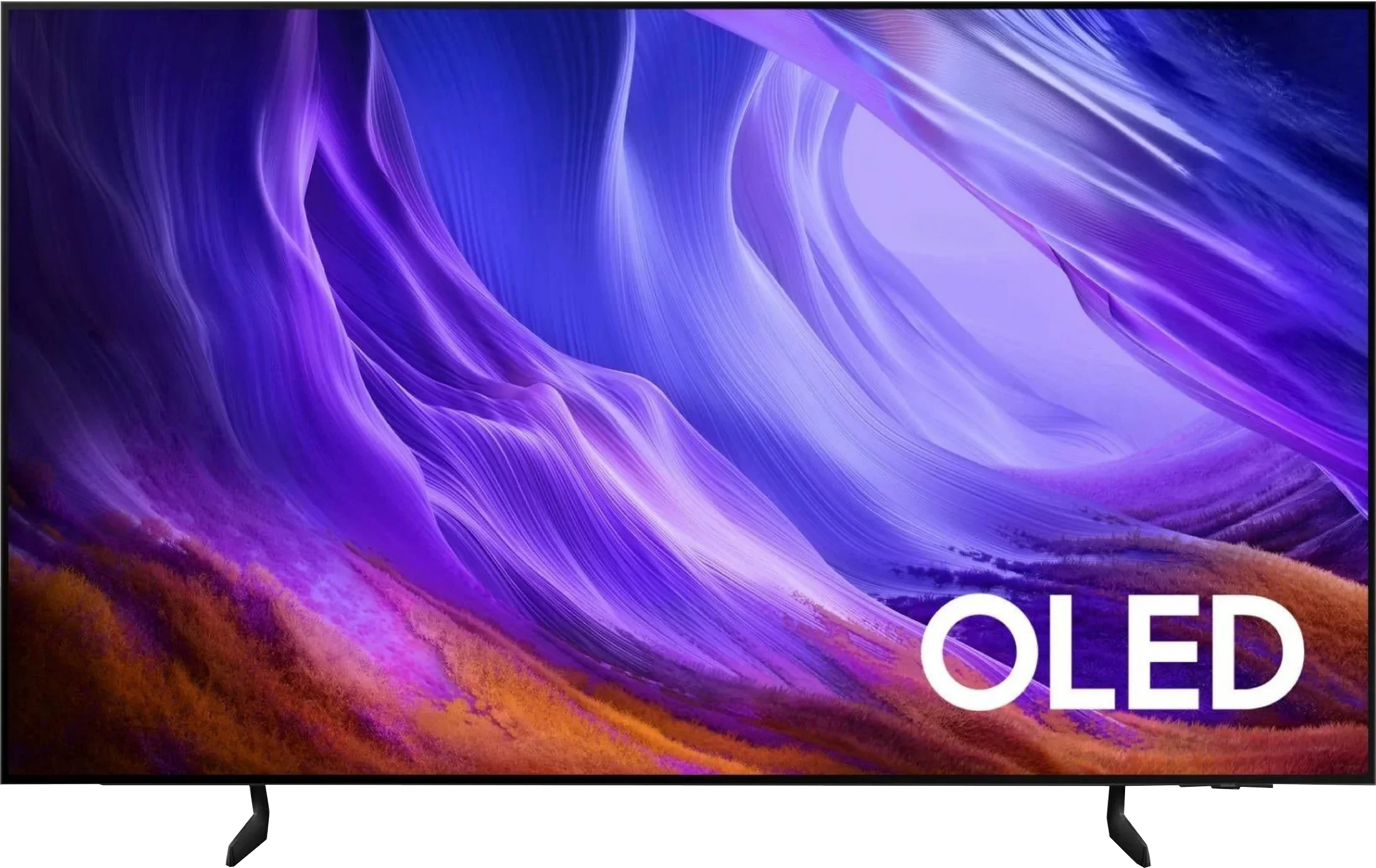
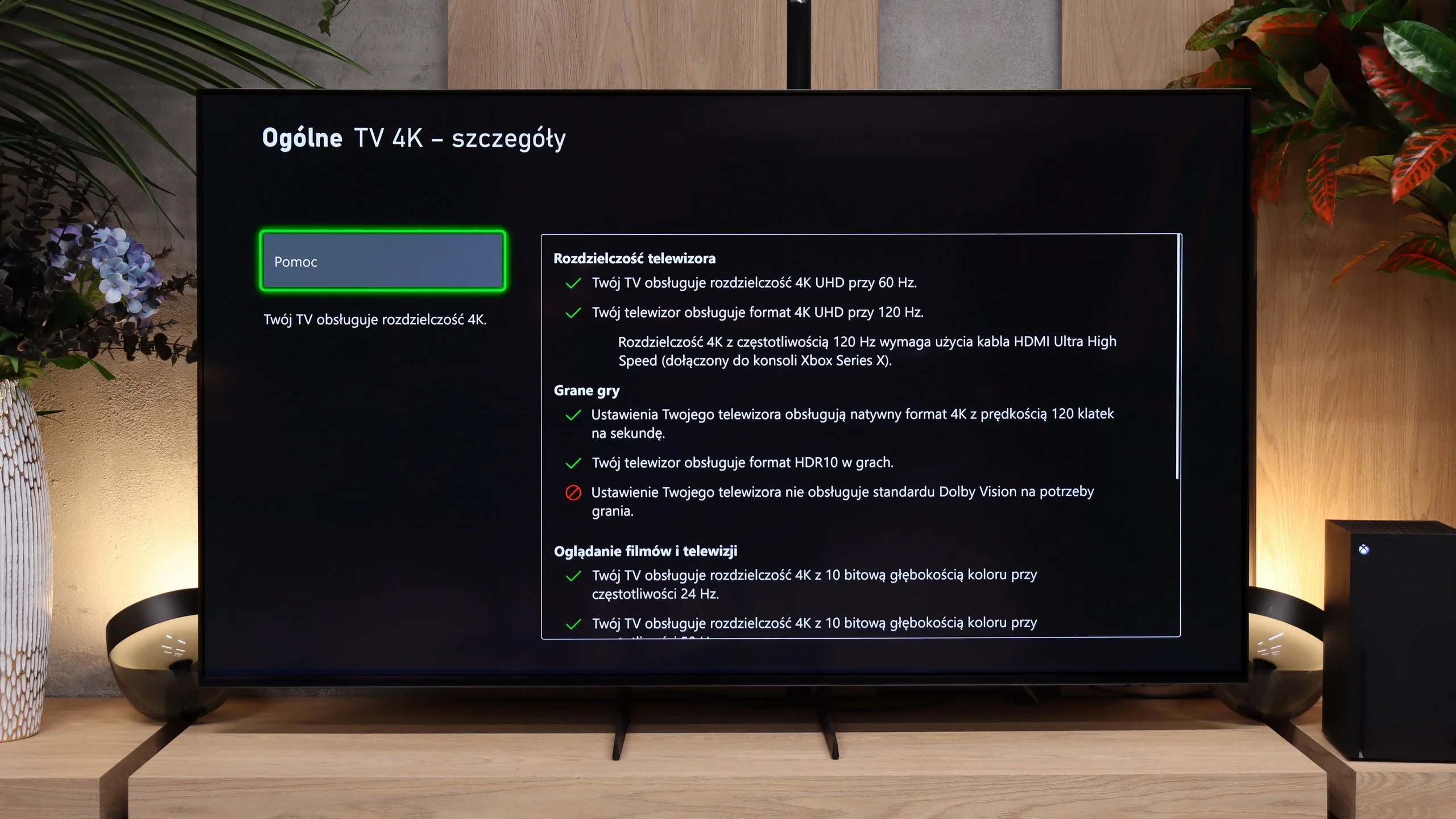
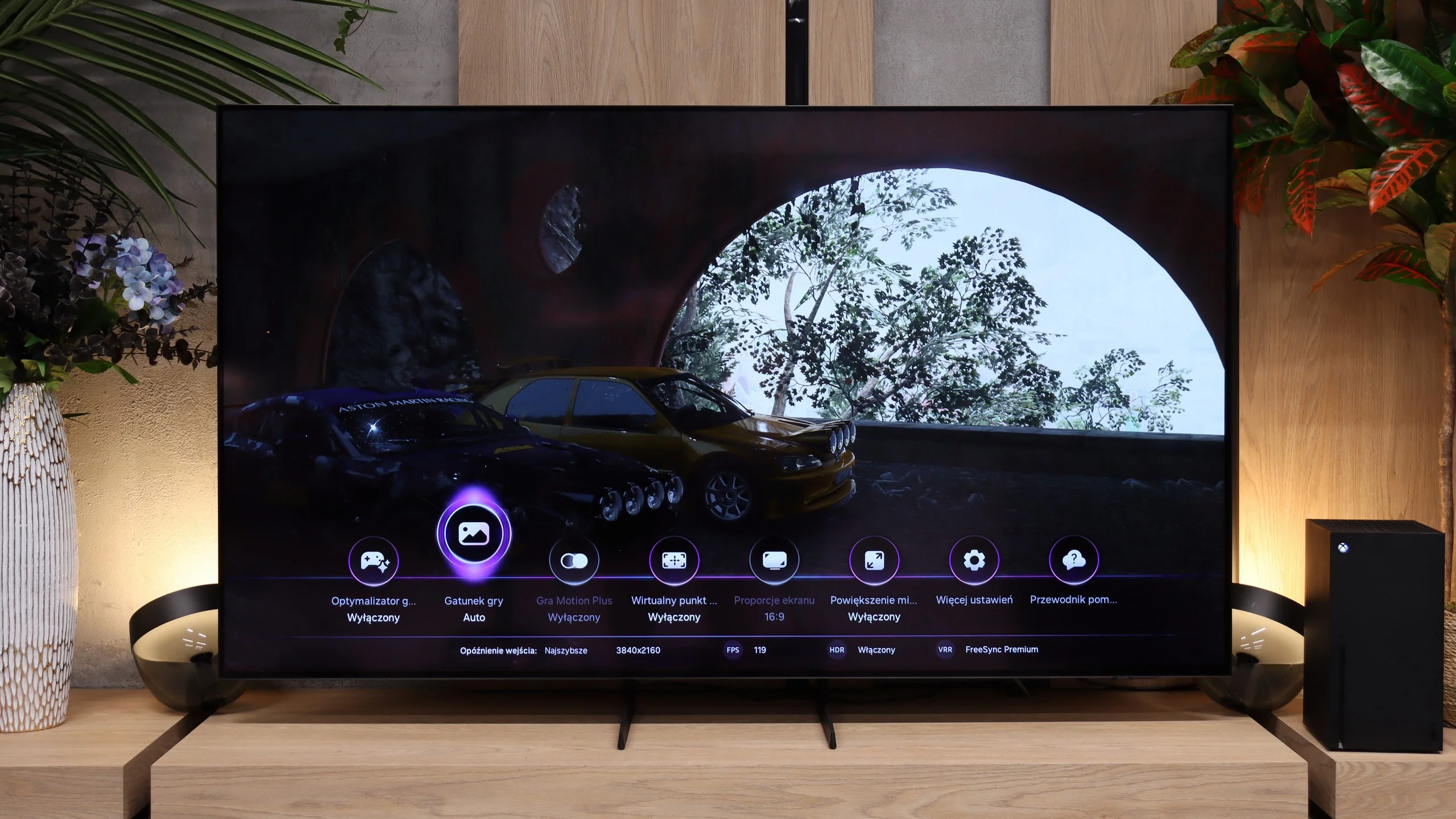
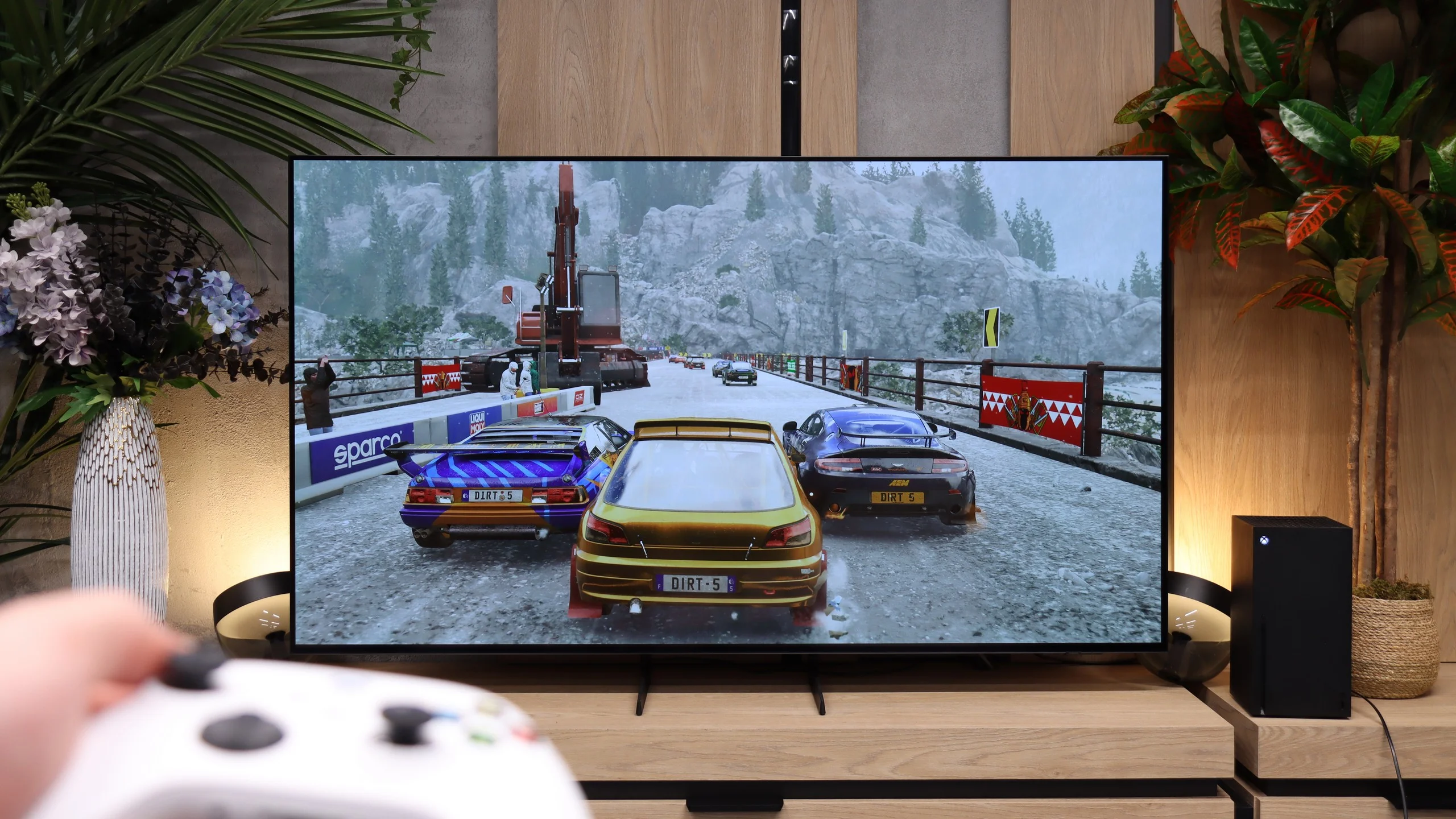
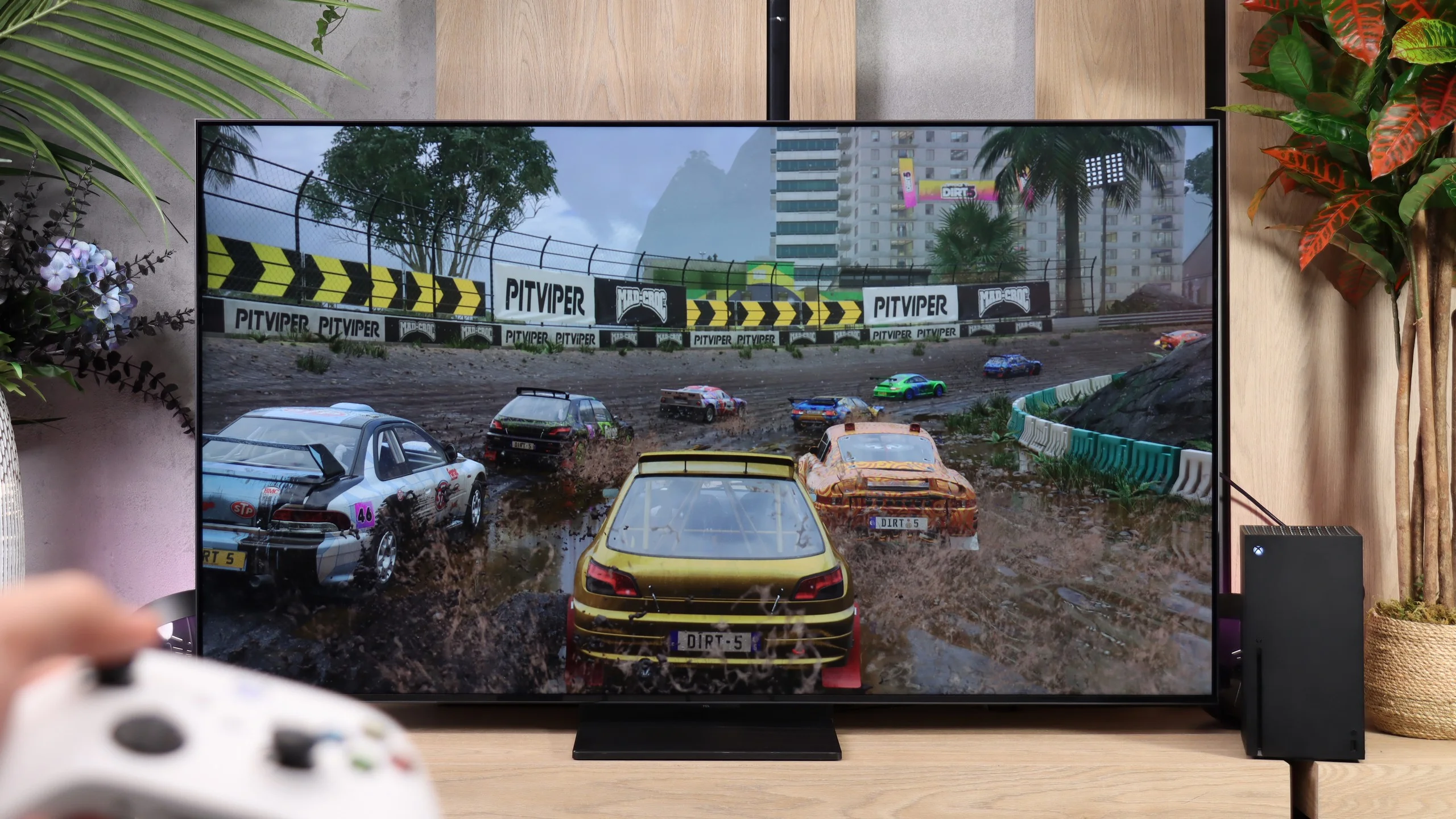
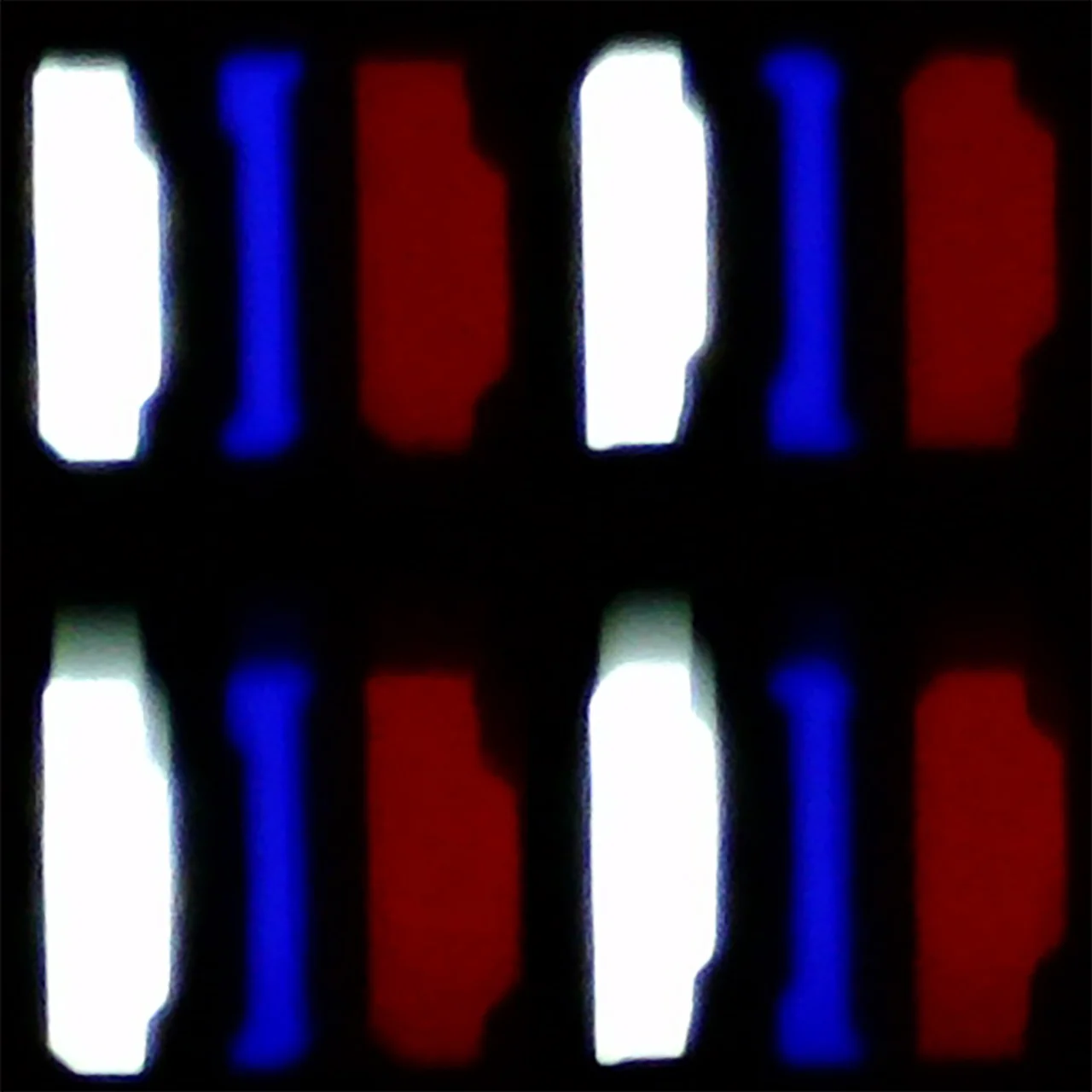
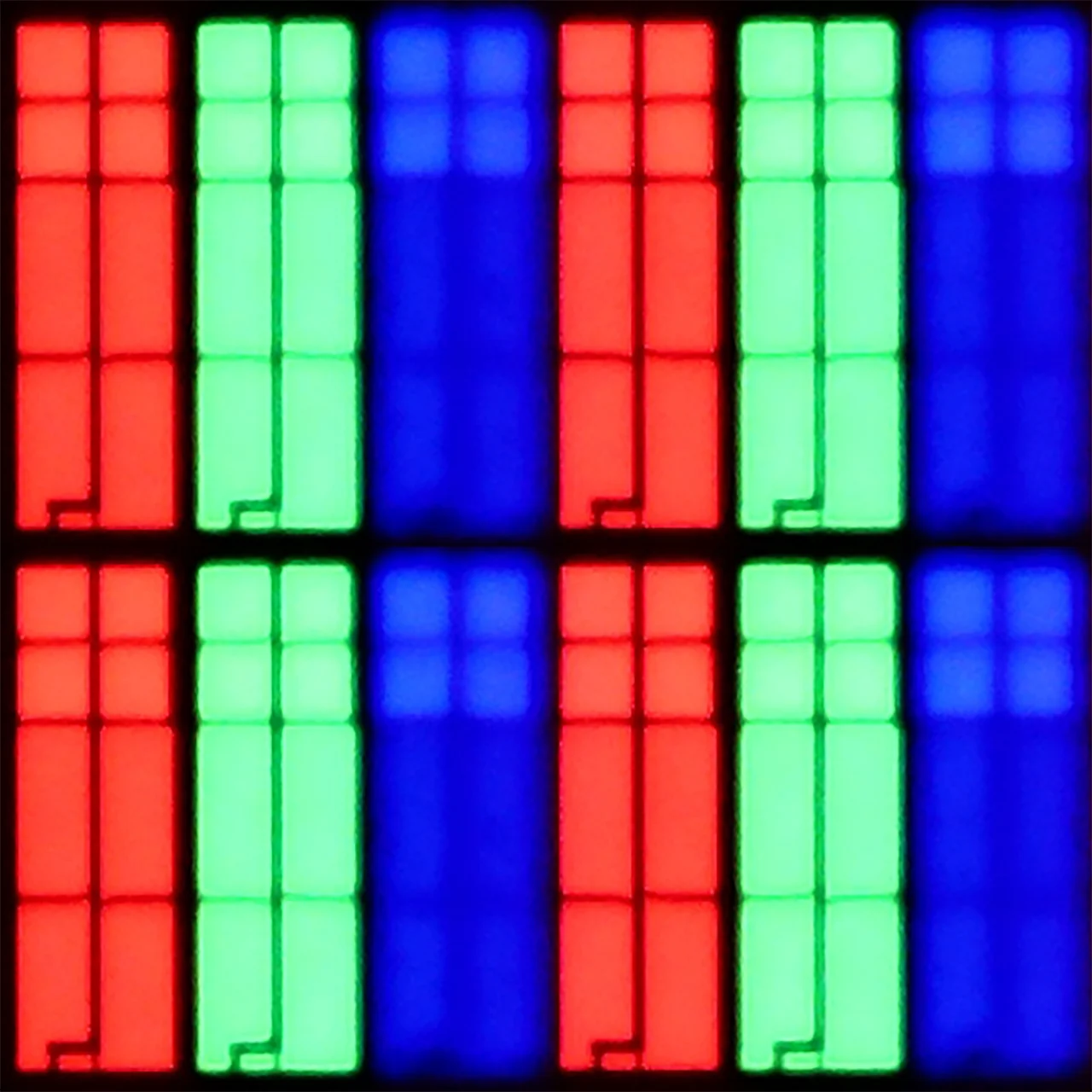
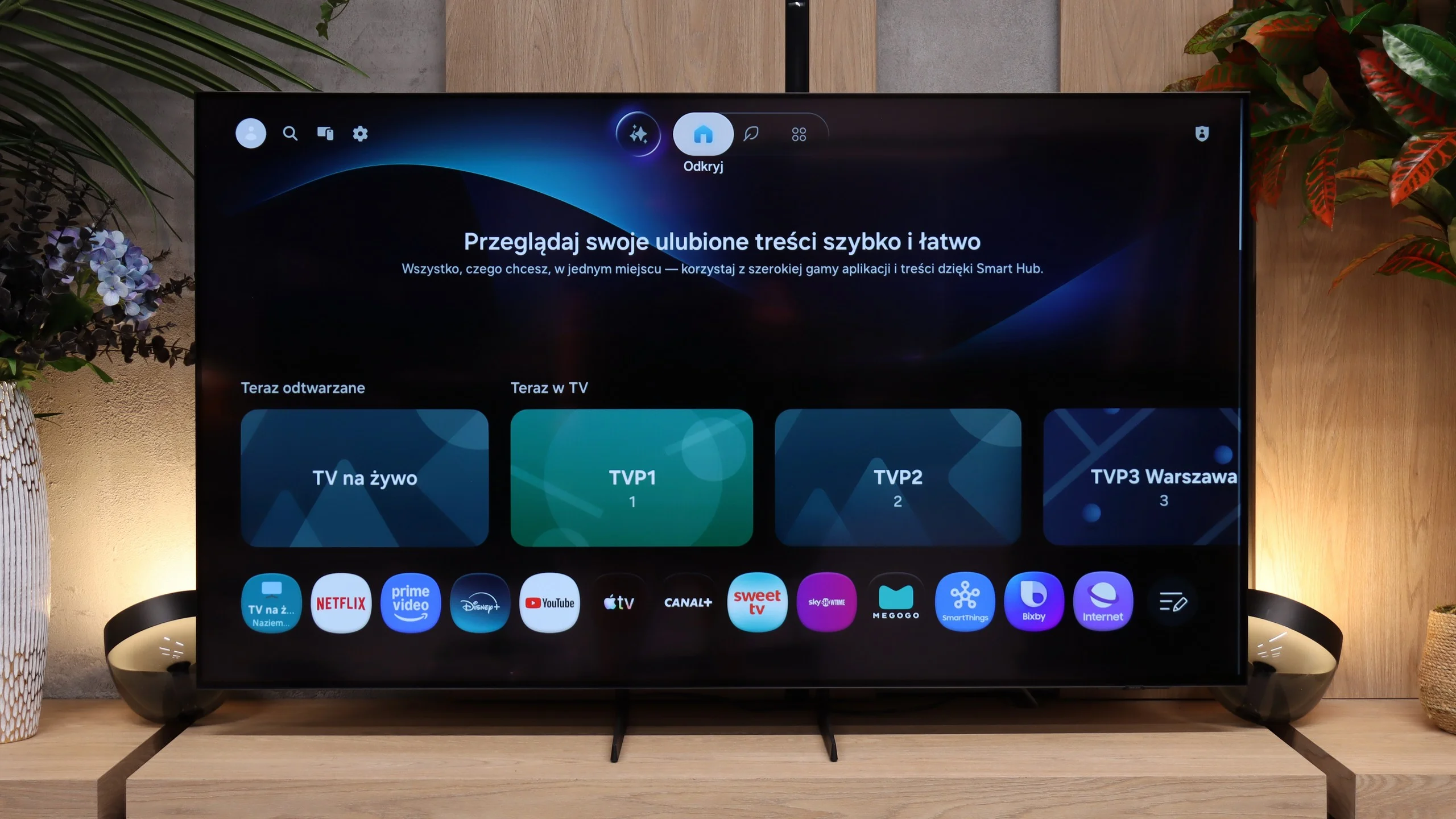
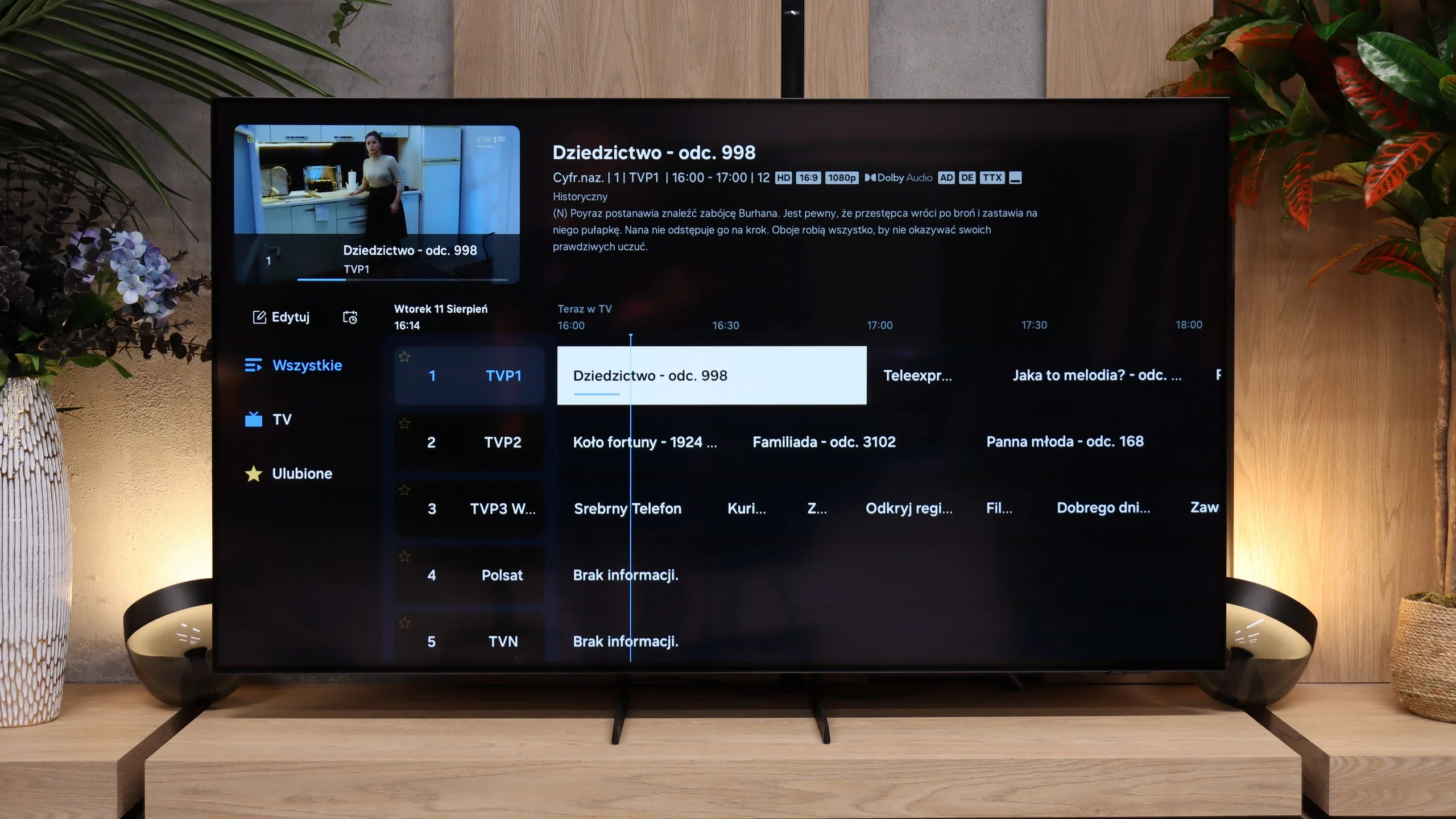
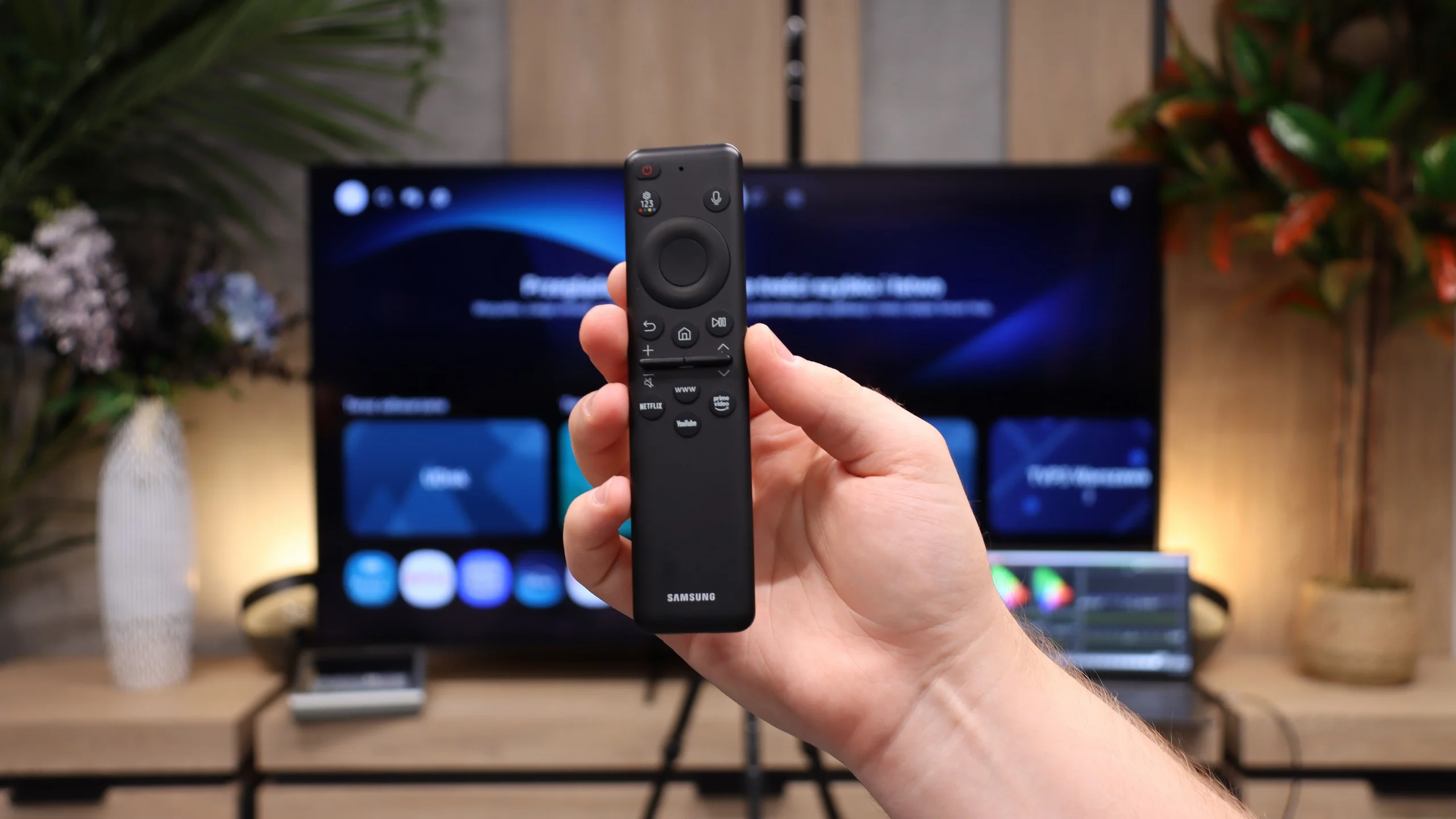
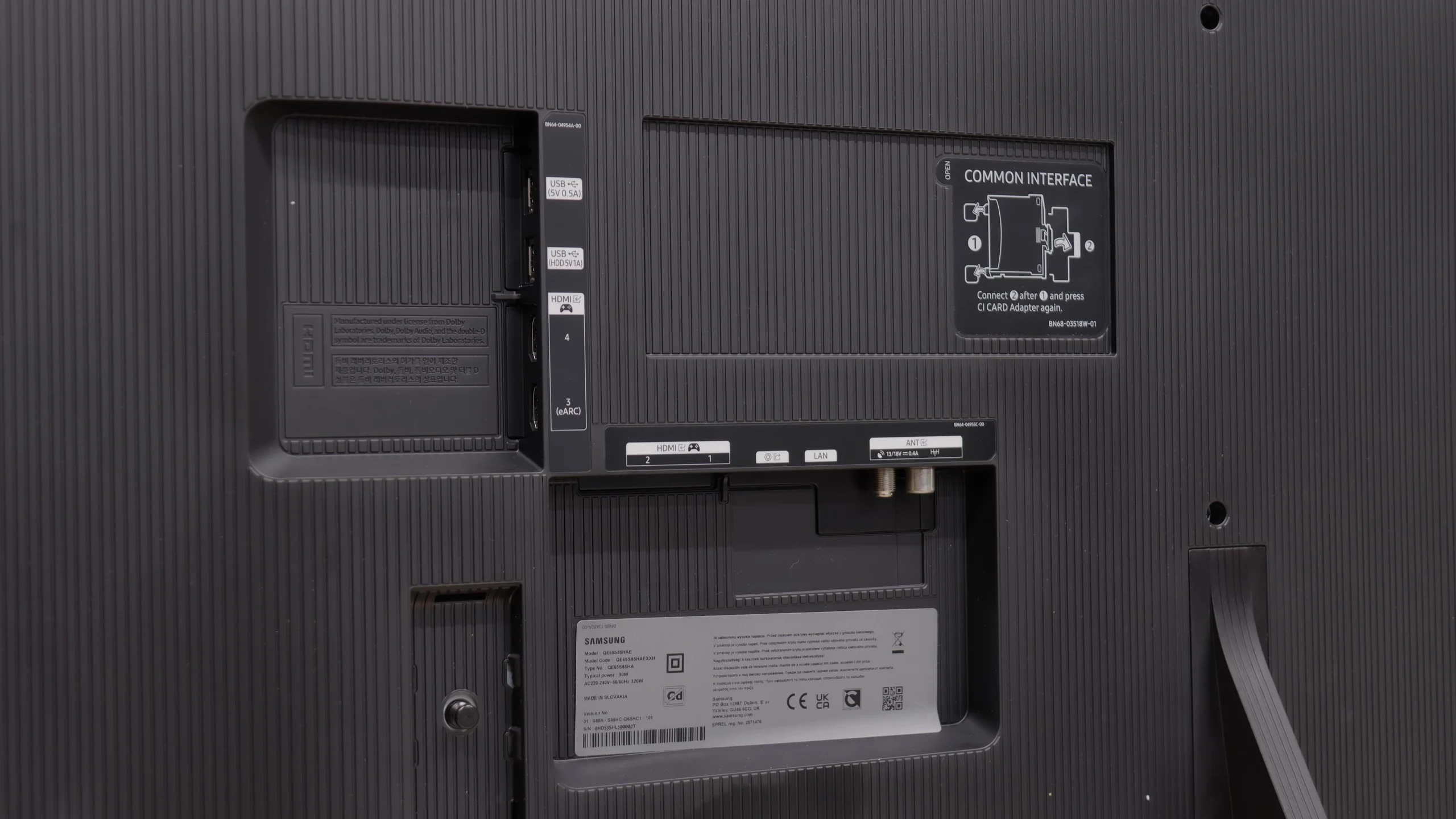
Samsung S85H is a very successful continuation of the S85 series and a TV that still performs its main role well: to be an affordable entry into the world of OLEDs. The biggest change from its predecessor is the use of LG Display's new OLED SE panel, but the overall character of this model remains practically unchanged. Its greatest strengths are still perfect blacks, very high contrast and a picture that can look truly excellent in the evening. Add to that good colors and the ability to achieve a high degree of fidelity to the director's vision. The S85H also works very well as a versatile TV. Gamers get four HDMI 2.1 ports, 120 Hz, VRR, very low input lag and Game Motion Plus, so there is little to complain about here. Tizen runs fast and is user-friendly, and the whole system clearly targets users who today mainly use Netflix, YouTube and other streaming services, while traditional broadcast TV is treated as an extra.
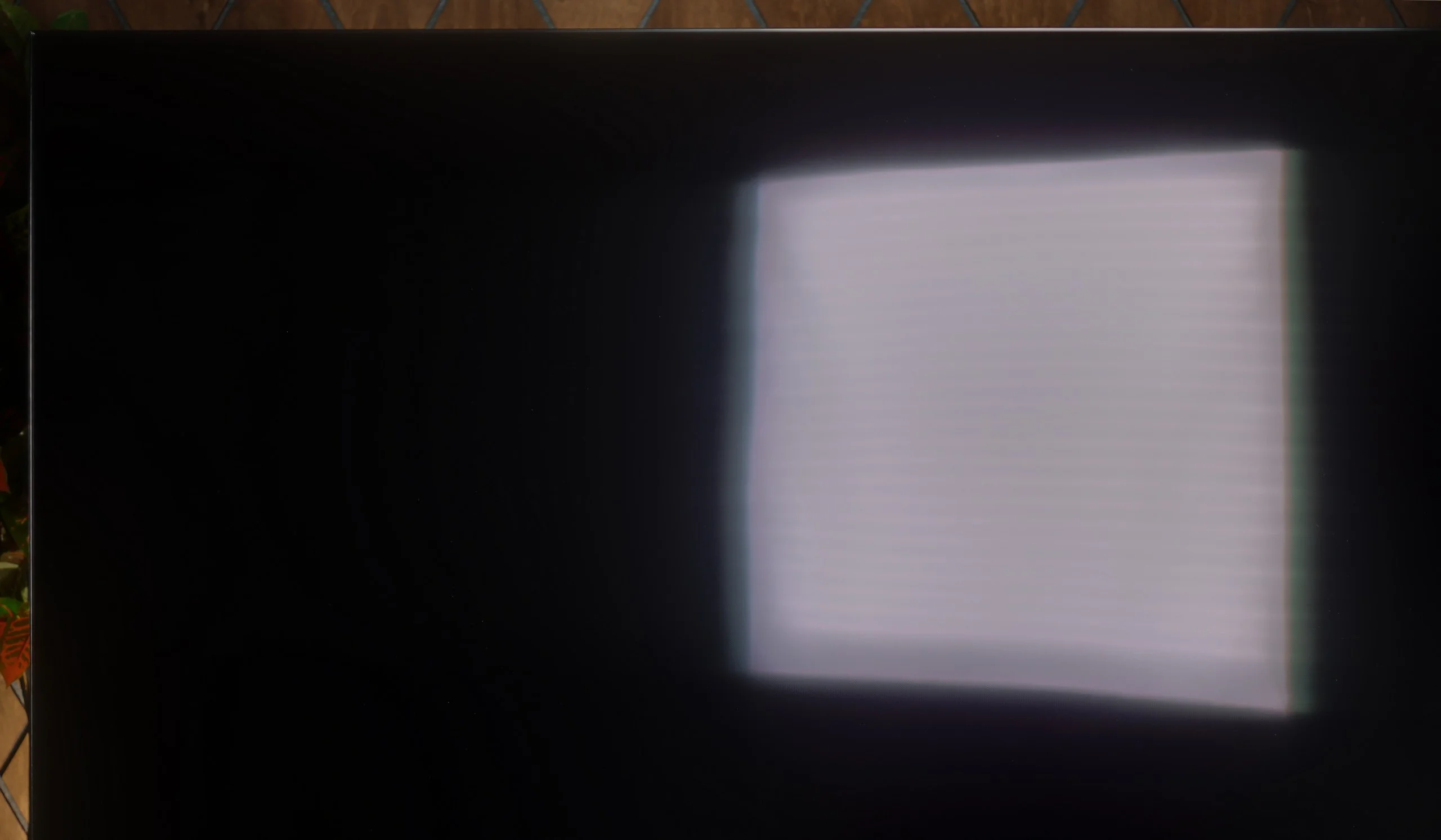
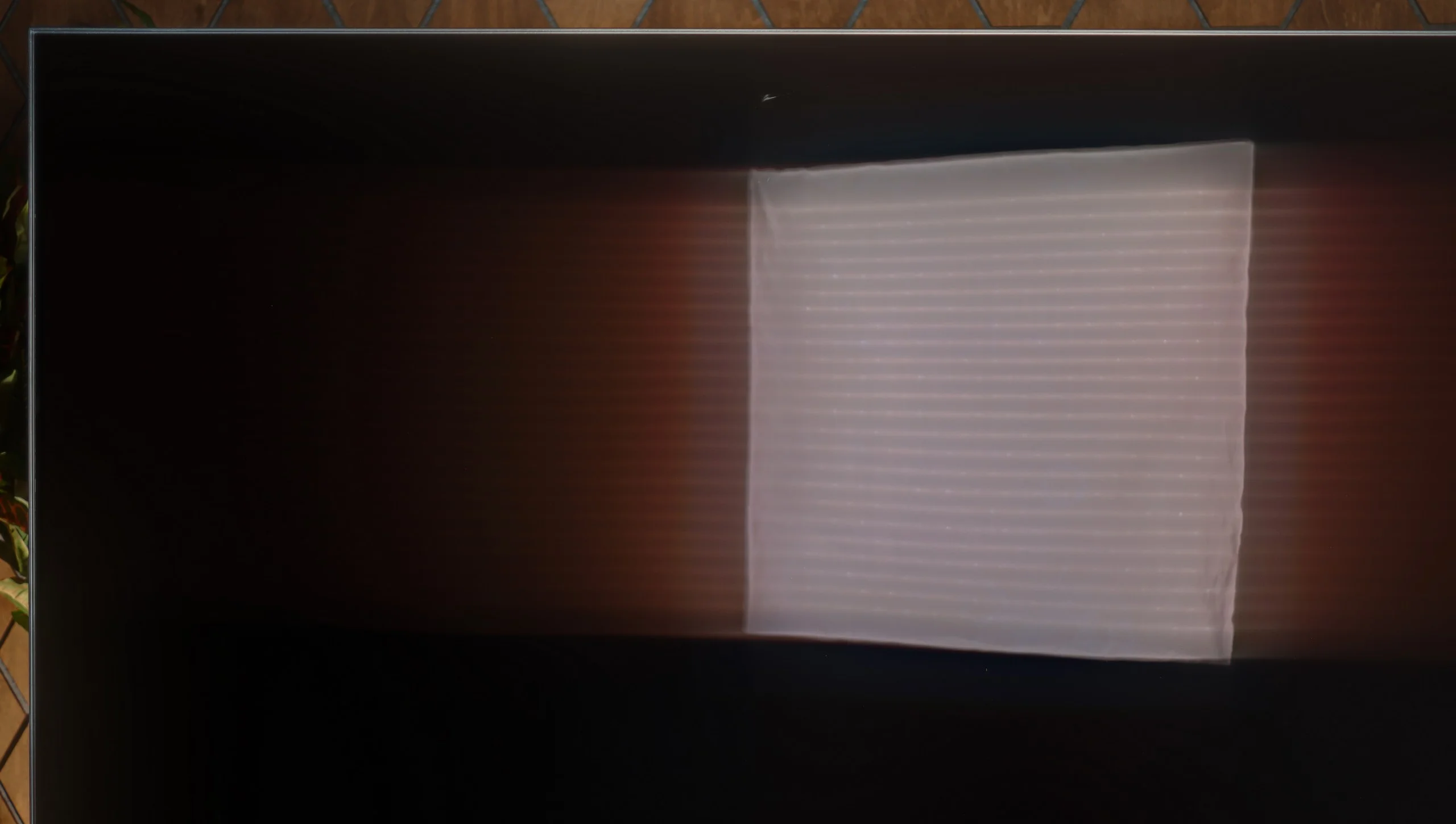
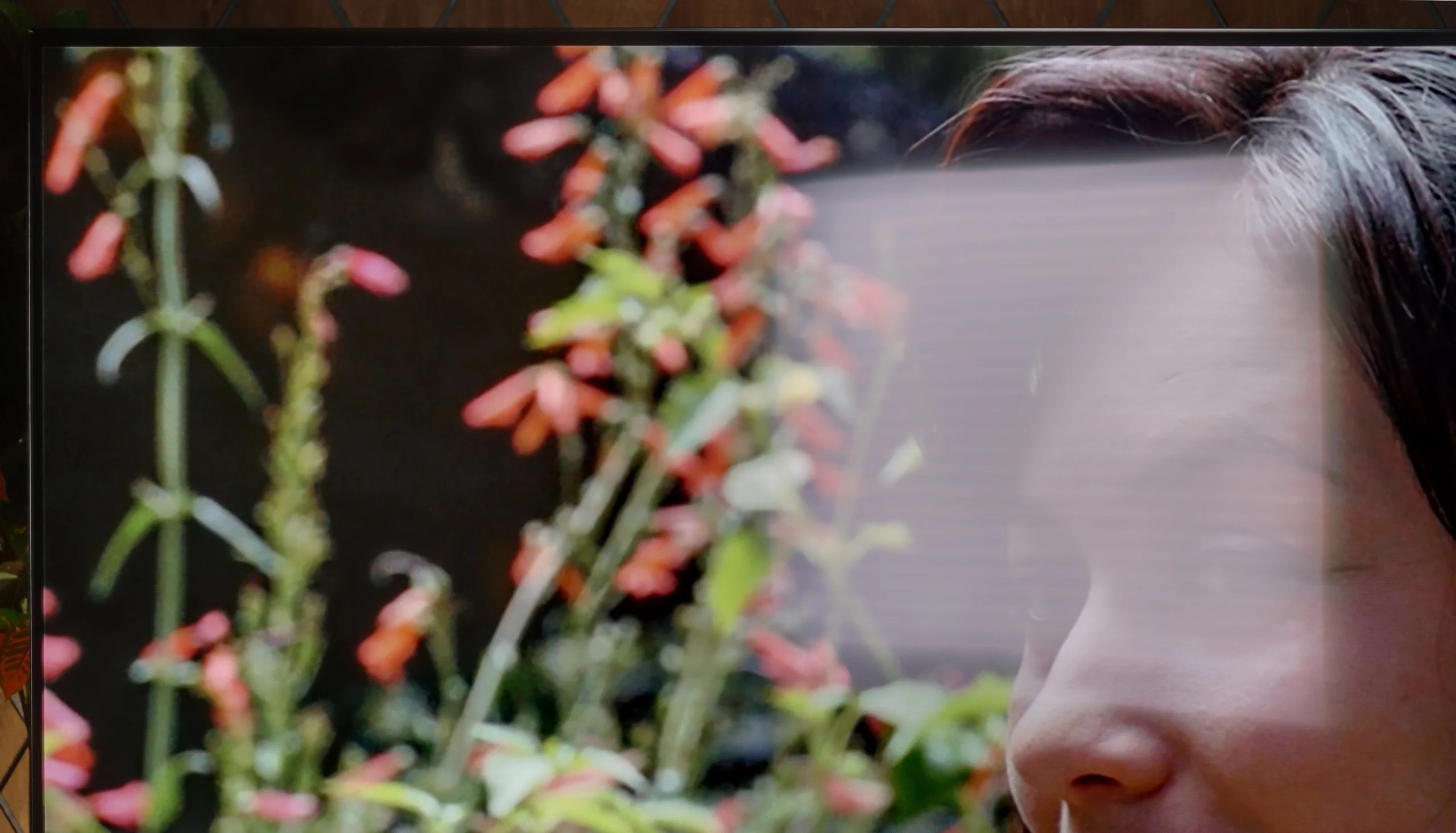
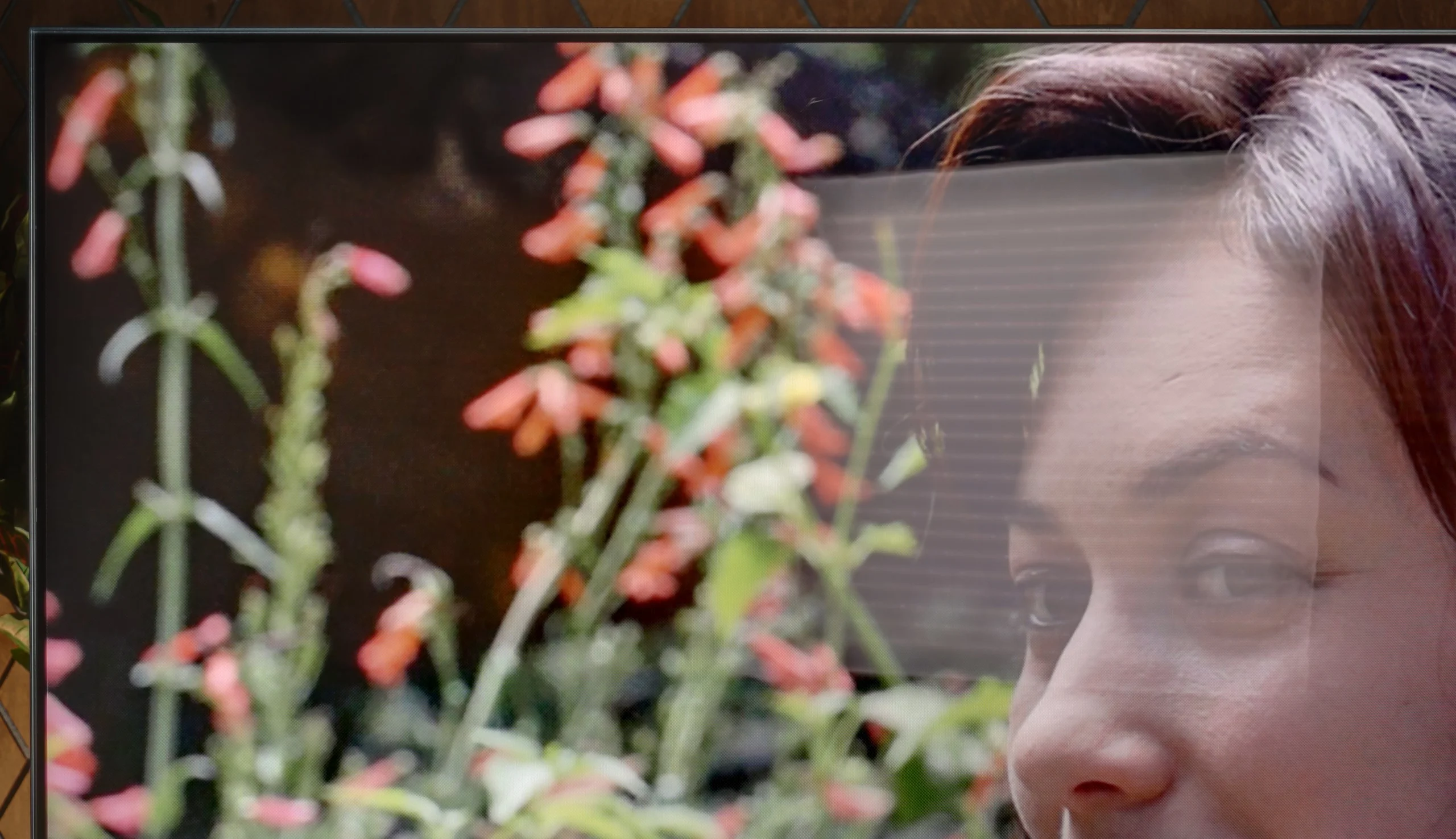
However, the new OLED SE panel is not without flaws. This is most noticeable when watching during the day, because its glare handling is worse than previous OLED panels. Its peak brightness is also not high enough for the S85H to perform particularly well in a very sunlit living room. It is still a TV that shows its strengths best in the evening or in a room with at least partial control over ambient light. And that is probably the best way to look at the S85H. It is not an OLED meant to break brightness records or compete with the most expensive panels. It simply aims to offer what people like most about the technology, but at a lower price. Perfect blacks, very good movie picture quality, excellent gaming features and a convenient smart system make the S85H one of the easiest ways to get into OLED without spending a fortune.
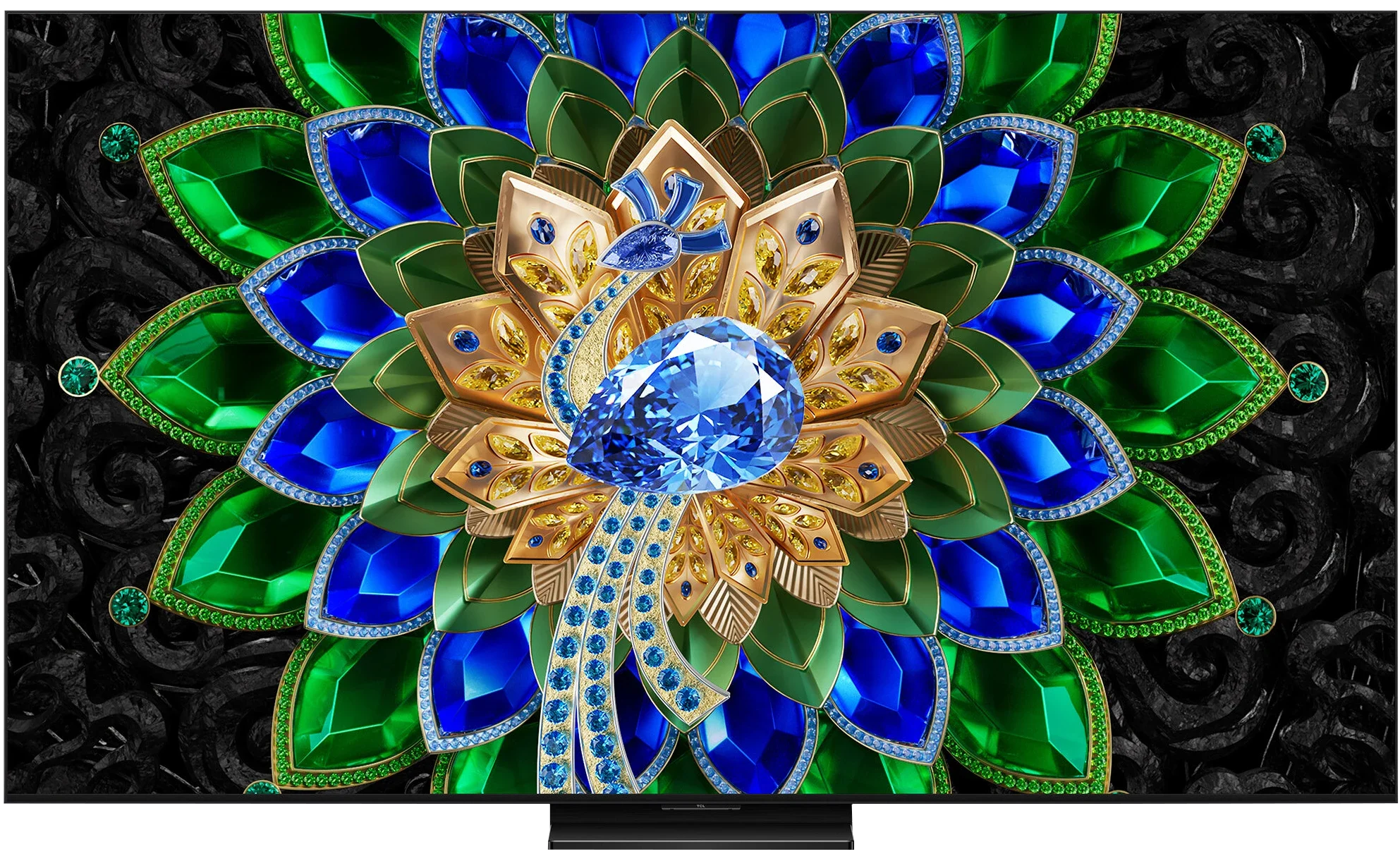
Is it worth buying the TCL A400U? Yes, because it’s one of those TVs where paying extra for a higher series doesn’t always make sense. In movies you get what you usually expect from a good TV: very good blacks, strong HDR impact and a natural image, especially after calibration. Brightness is also sufficient during the day, though because of the glossy panel it’s better not to place it opposite a large window. The whole package is completed by a slim, well-crafted chassis. The A400U doesn’t sell the picture-on-the-wall effect as convincingly as some “wallpaper” TVs, but as an elegant living-room set it looks very good.
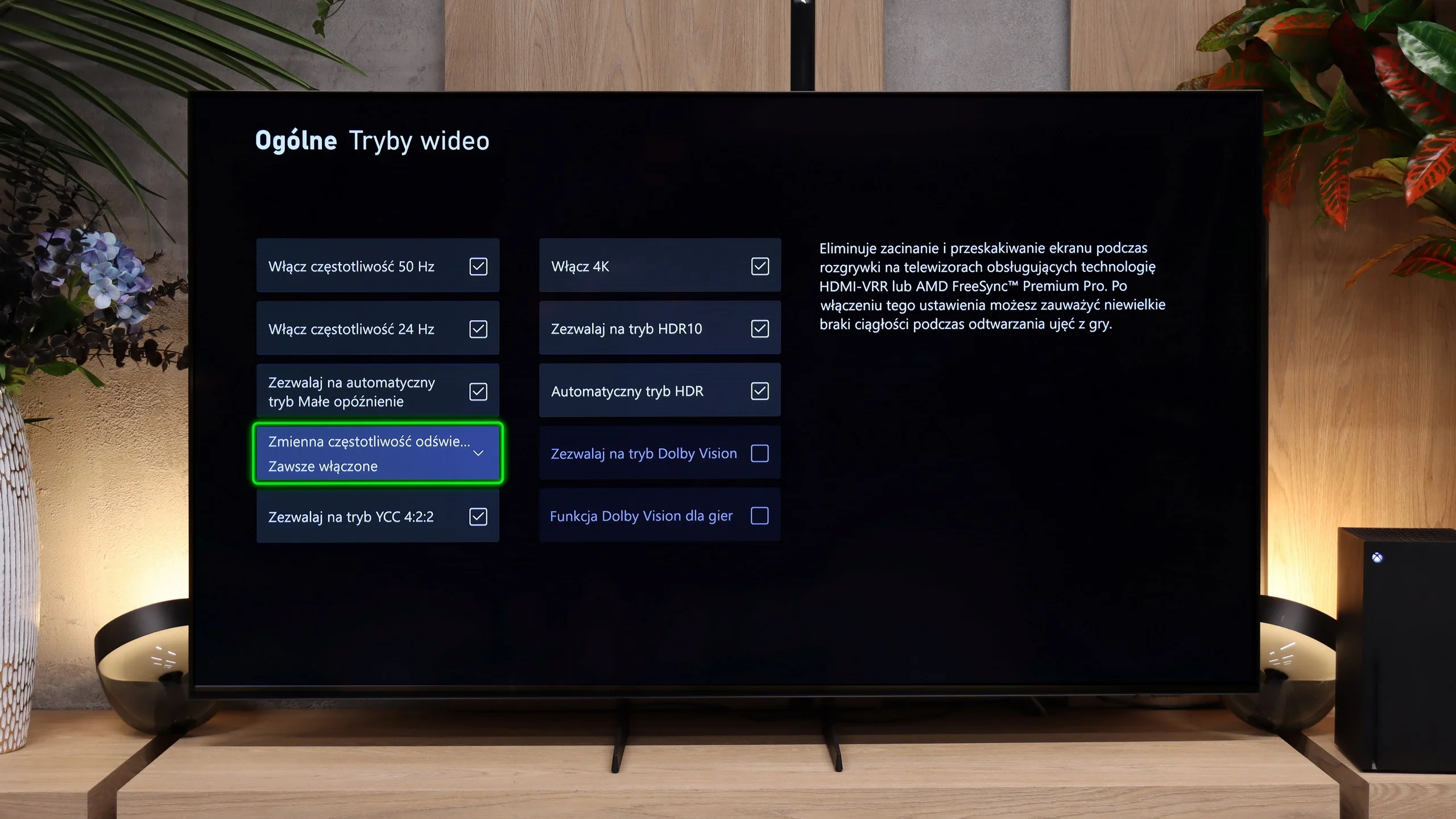
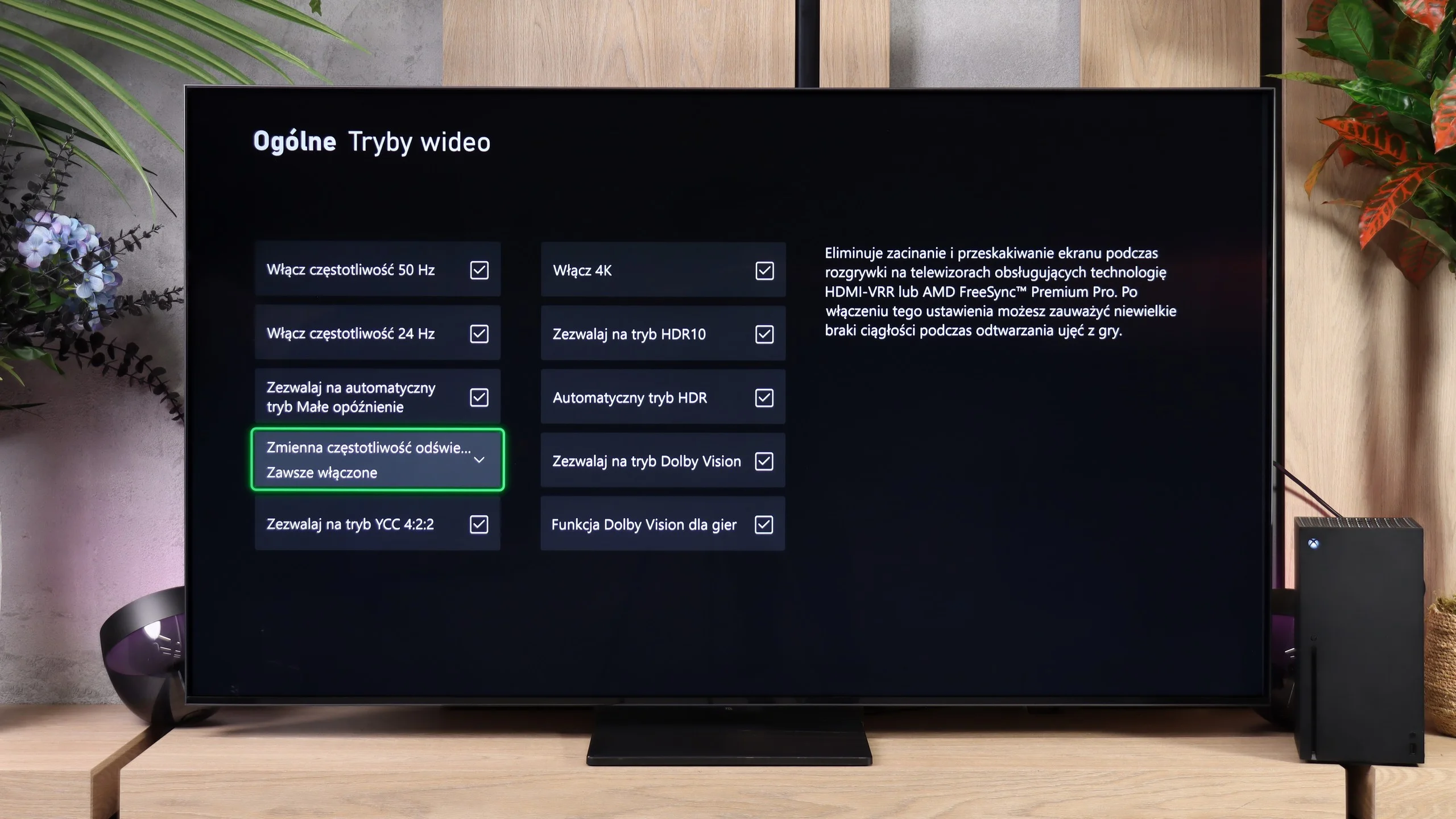
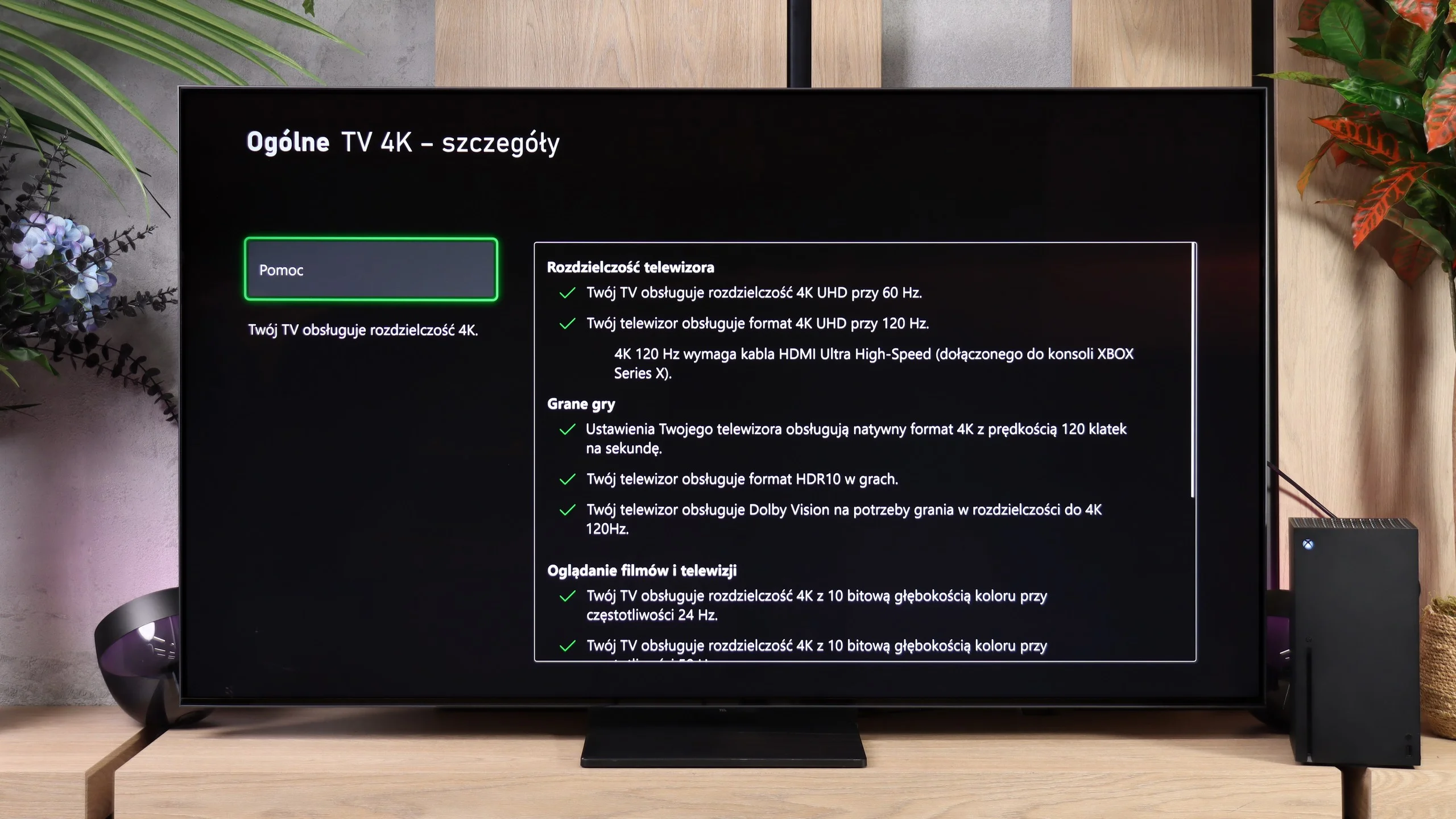
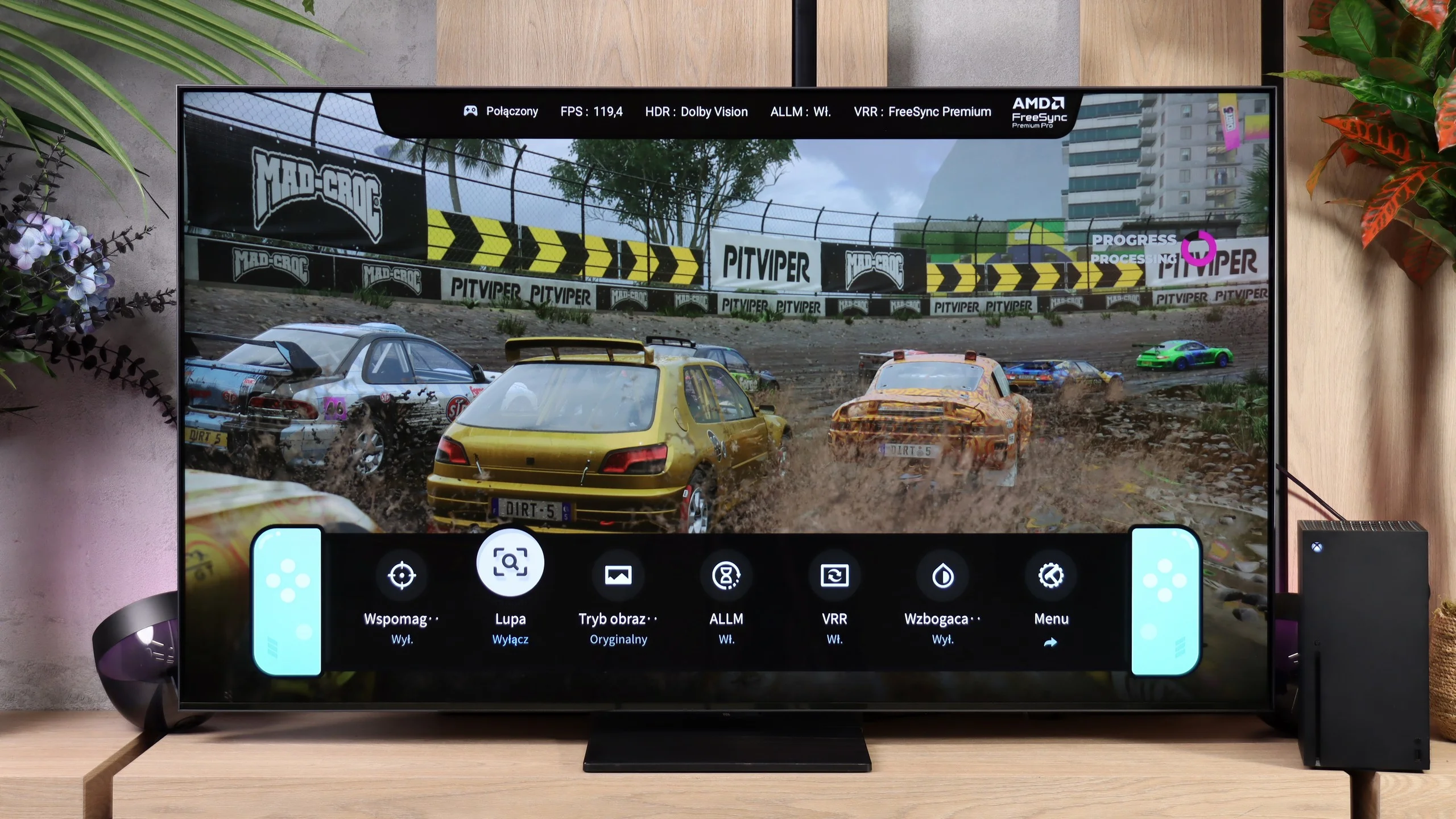
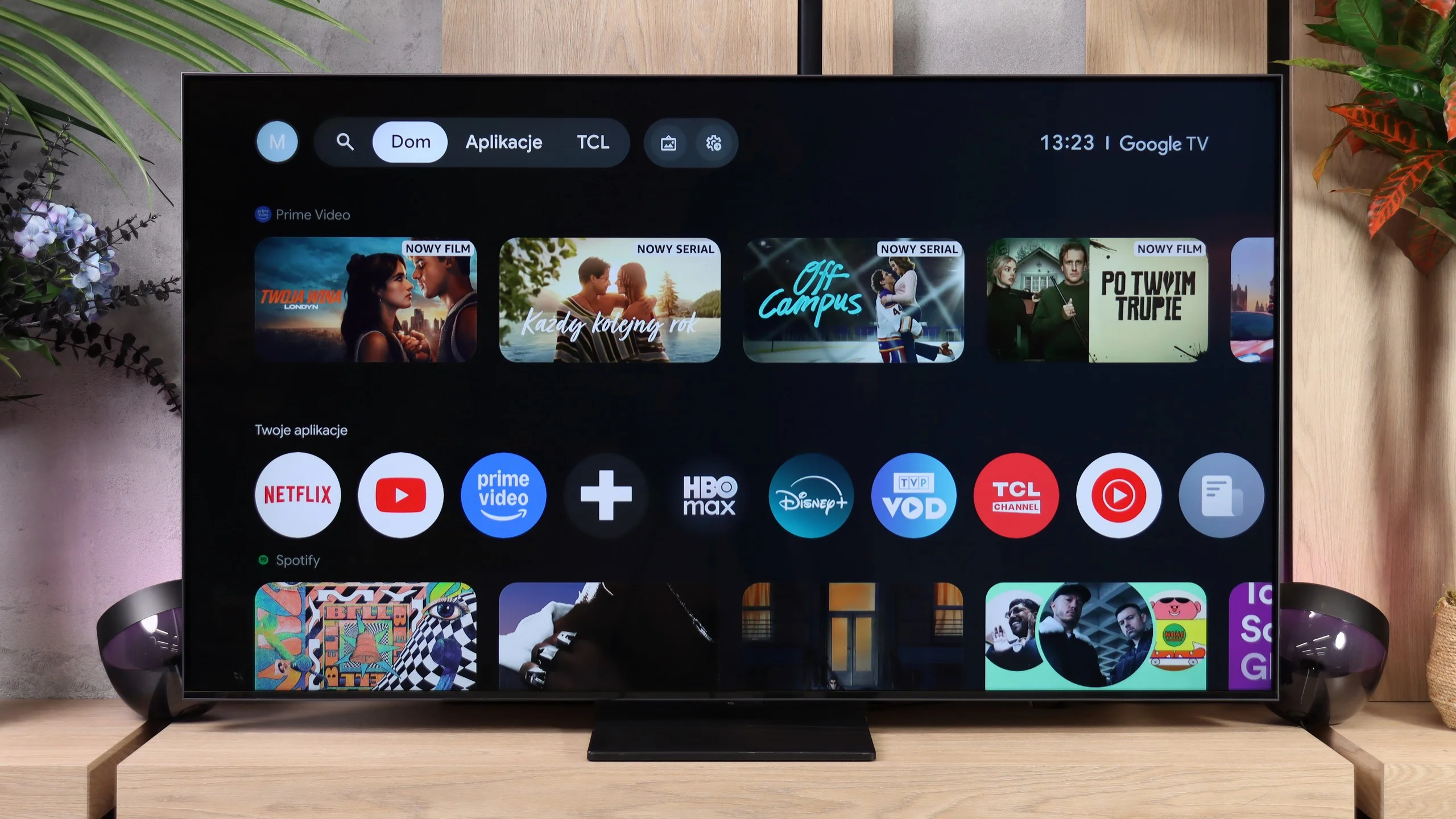
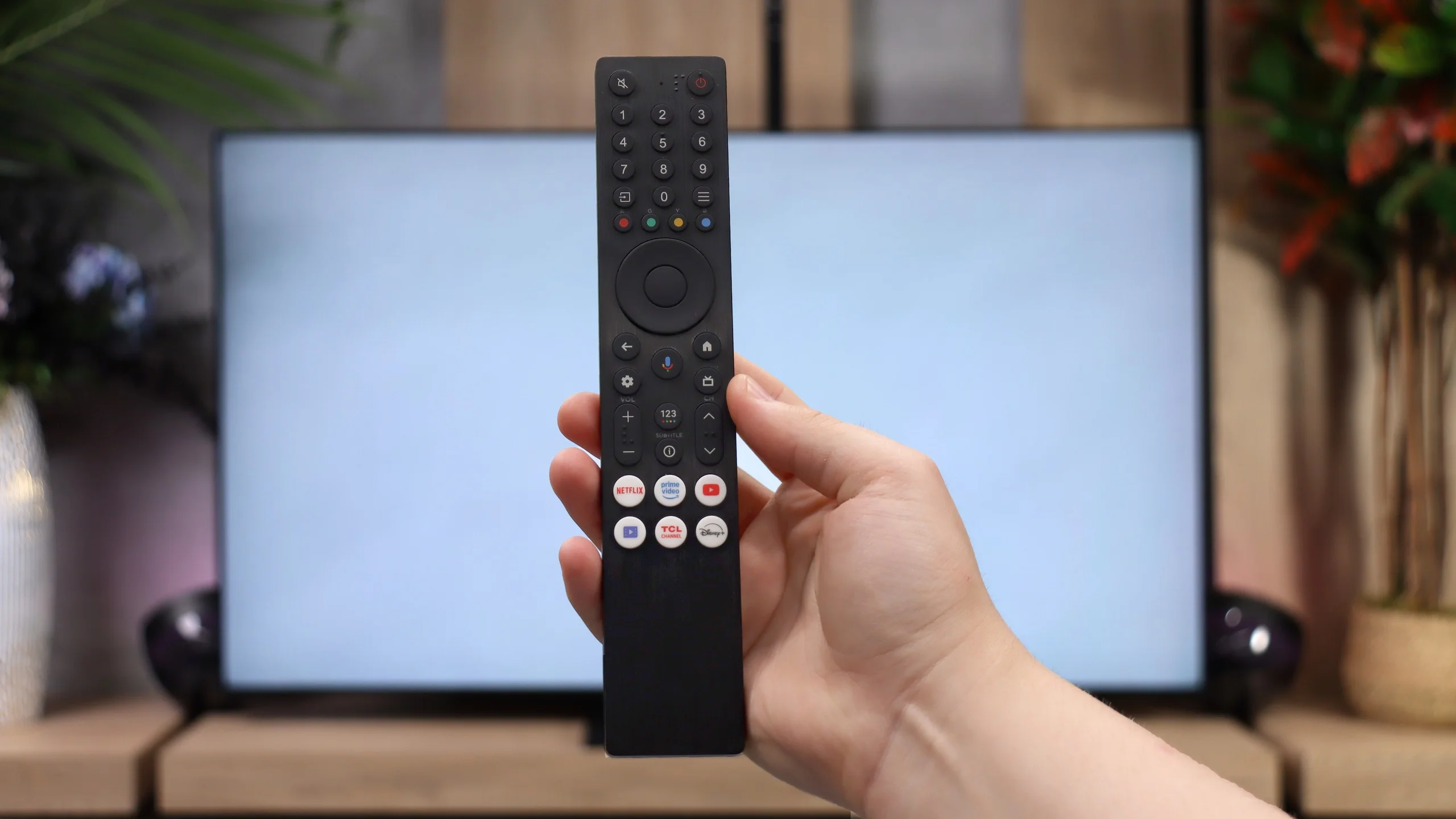
Buying it, you also don’t have to choose between a TV for movies and a screen for gaming. The A400U supports 4K at 120 Hz, including in Dolby Vision, and its low input lag keeps controls fast and responsive. On a PC you can even run 144 Hz at 4K or 288 Hz in Full HD. That level of capability makes it hard to justify paying more for a pricier model just for gamer-oriented features. In everyday use the TV also doesn’t disappoint. Google TV runs smoothly, apps launch without annoying delays, and using the device is simply convenient.
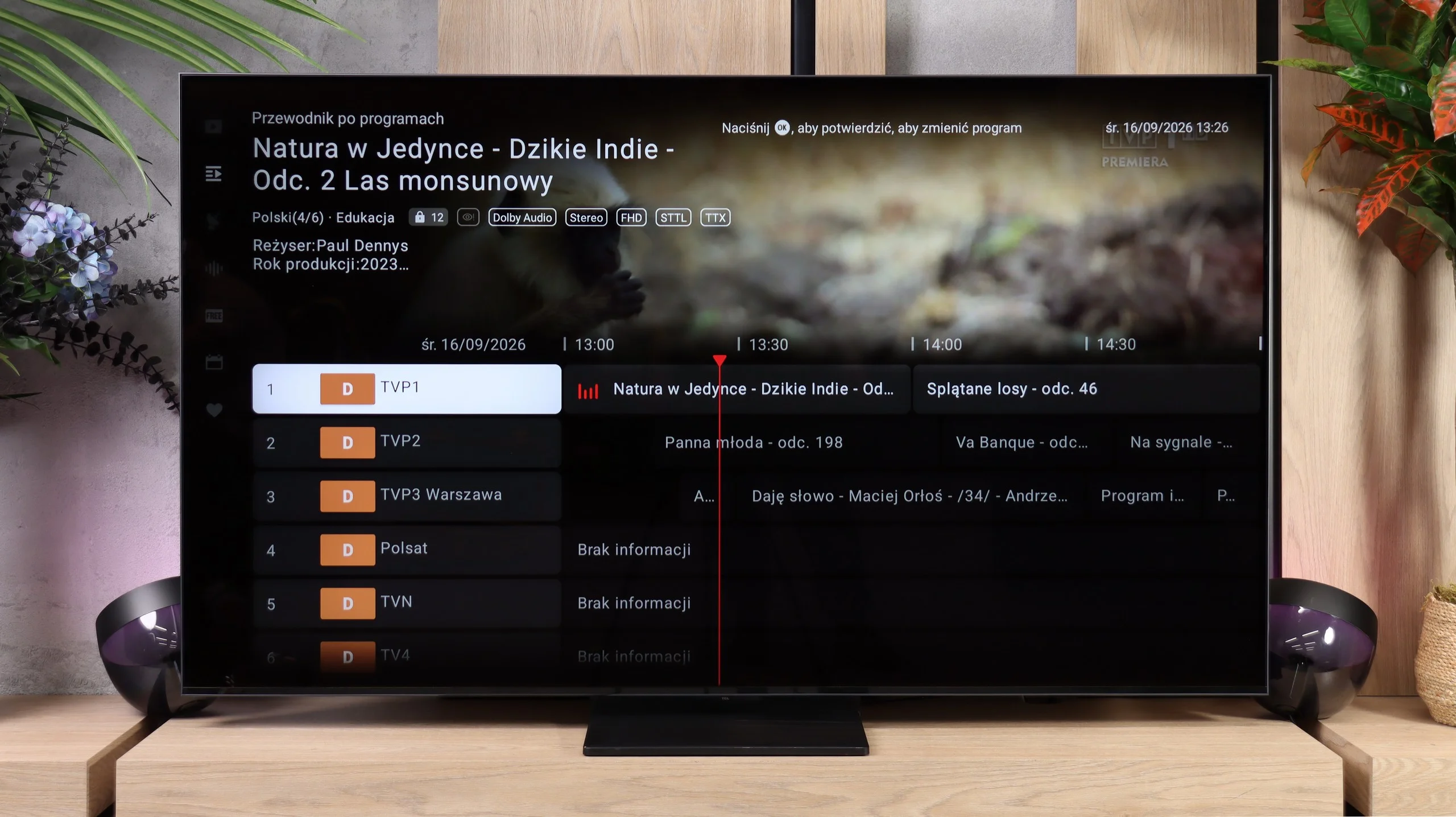
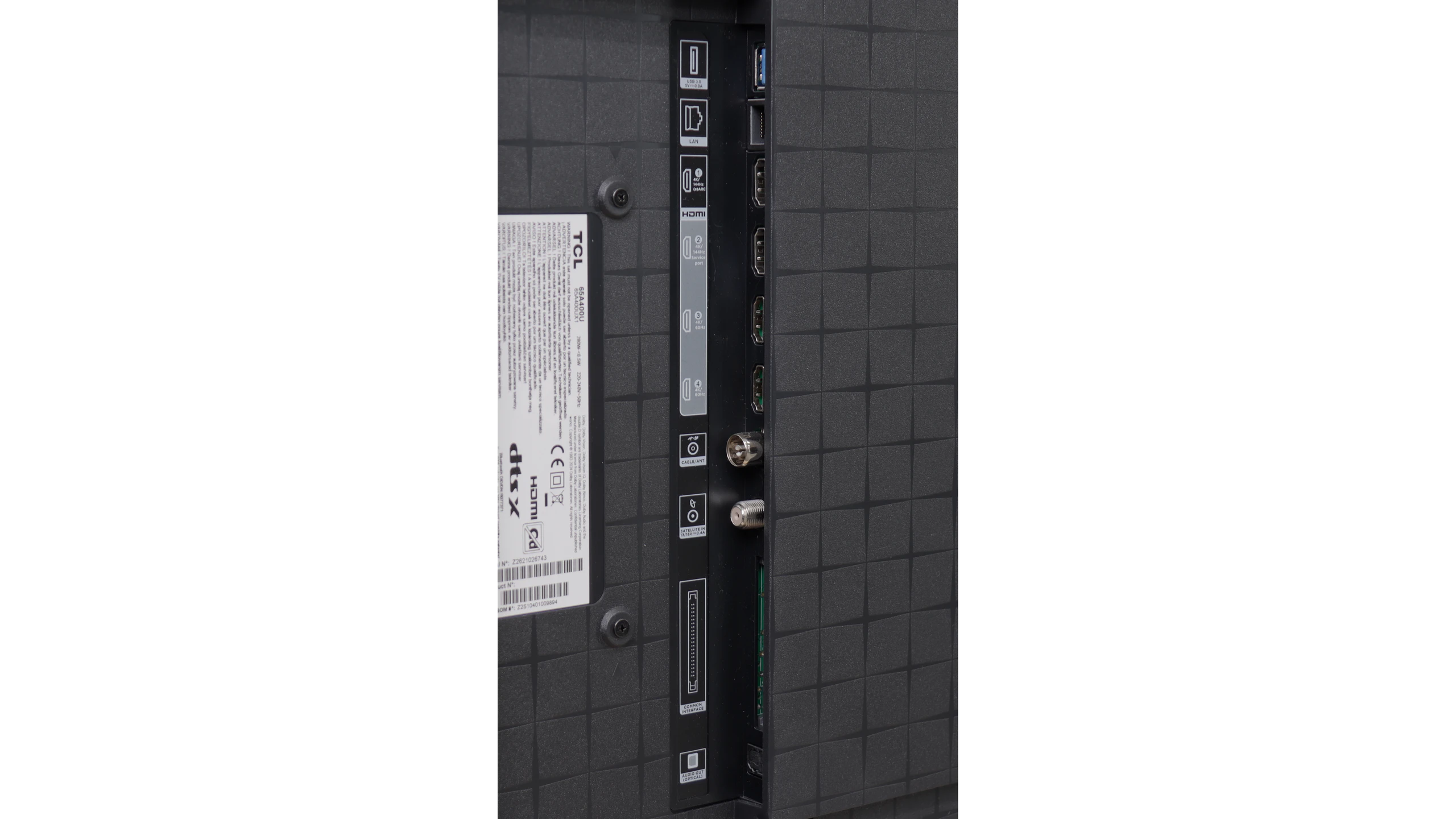
That doesn’t mean the A400U will fit every home. If you often watch regular broadcast TV or other lower-quality content, the Pentonic 700 processor won’t always improve it as much as you might expect. The slightly more expensive C7L has a similar limitation, so only moving up to a clearly higher series, like the C8L, brings a noticeable change in that regard. Before buying, check how many devices you want to connect. Two HDMI 2.1 inputs, one of which is taken by eARC, may prove insufficient if you have two consoles and a soundbar. It’s also wise to include a soundbar in your budget, because the built-in speakers clearly don’t match the capabilities of the picture.
However, if you’re looking for a TV primarily for movies, streaming and gaming, the TCL A400U is one of the most convincing buys in the midrange class in 2026. More expensive models can do more, but not every one of those advantages will matter in everyday viewing. Here you get a very good picture, extensive features and excellent build quality, without paying for functions you might never see. That’s why the TCL A400U is, in our view, one of the most cost-effective TVs of 2026.
 Direct comparison