The S85D is the 2024 entry-level OLED model from Samsung, which offers a lot for its reasonable price tag.
Thanks to OLED technology, you can enjoy excellent contrast, deep blacks, and impeccable viewing angles, ensuring a comfortable watch from anywhere in the room.
The Tizen operating system provides easy access to applications and streaming services including Netflix, Disney+, and HBO Max. At the same time, the solar remote permits control of other devices in the home - such as a satellite decoder, console, and more.
Its AirPlay feature allows for connection to iPhones, iPads and Macs and Bluetooth support enables wireless pairing with headphones, soundbars and gaming controllers.
The design of the Samsung S85D stands out among its peers due to its unusual, rounded shape at the back, giving the TV an elegant appearance. High compatibility with other devices allows for easy transition into a home entertainment system without major issues.
However, no device is without flaws. The lack of recording functionality and DTS audio support means that users who prefer this codec will need an external audio system, and the average SDR brightness may affect viewing in very bright rooms.
Despite these slight imperfections, the Samsung S85D is an excellent choice for anyone looking for a modern, versatile TV with outstanding picture quality. It offers many features that significantly enhance the user experience, leaving a positive impression. A lot for a little – the Samsung S85D proves you don't have to spend a fortune to enjoy premium viewing from your TV.
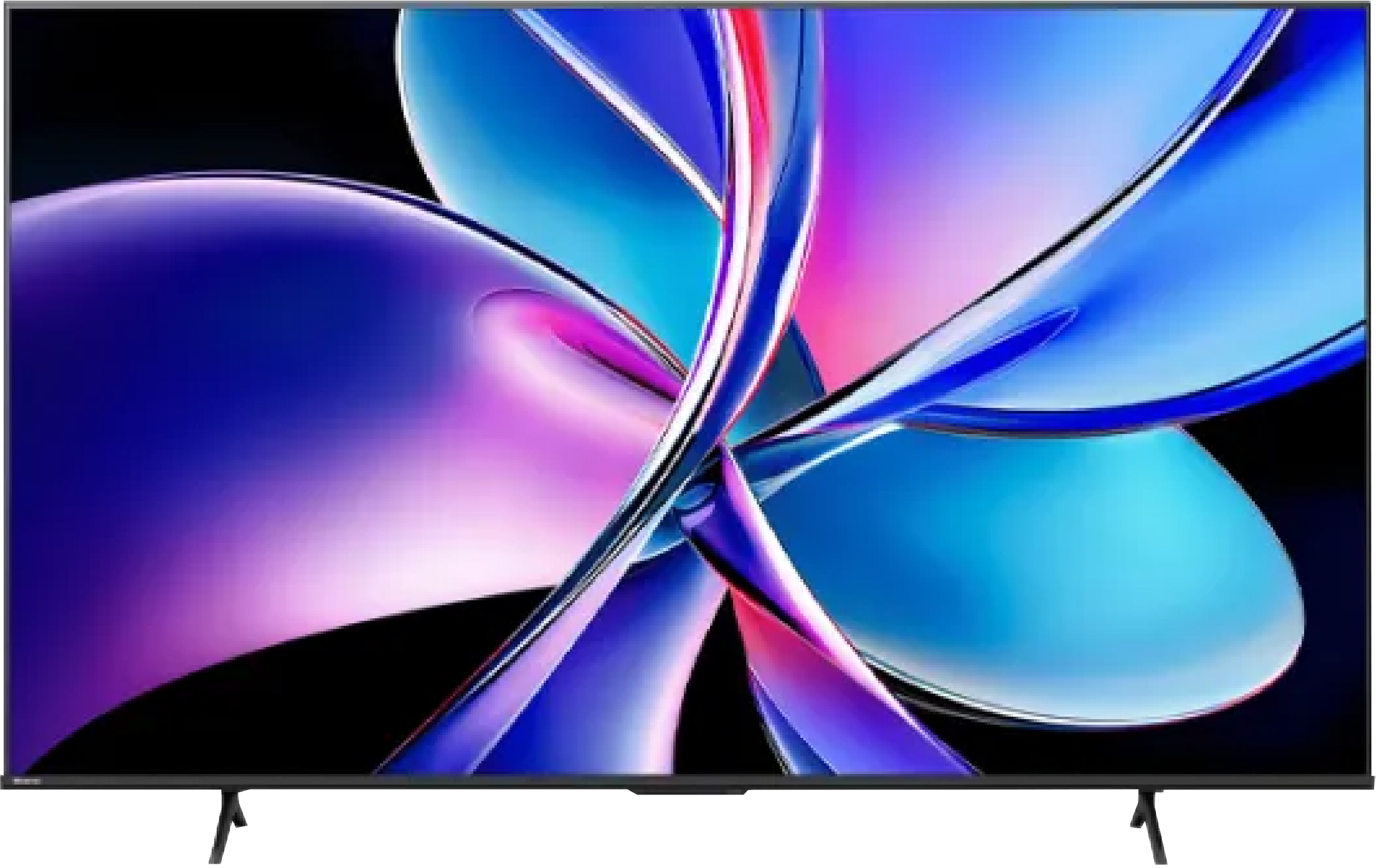
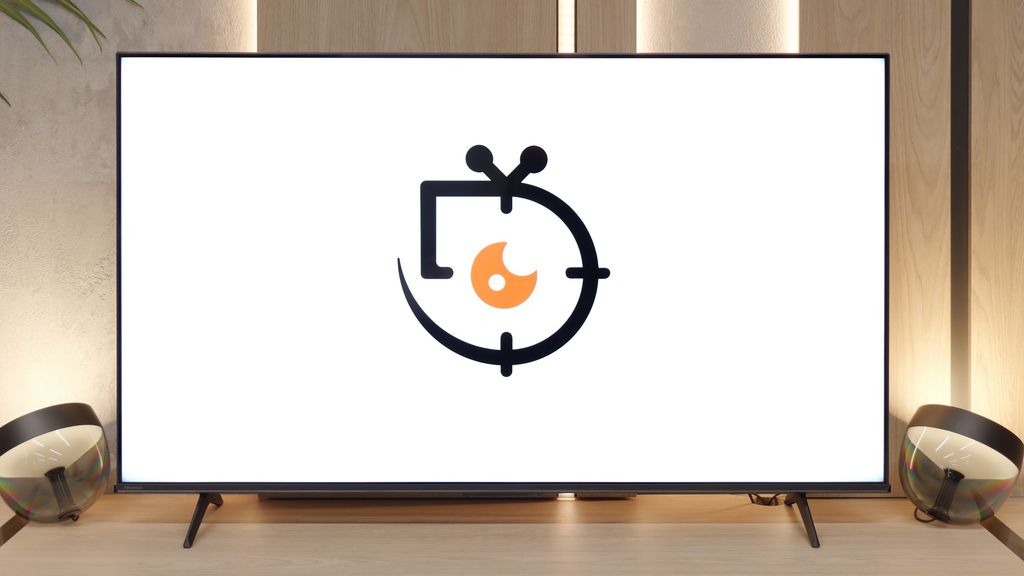
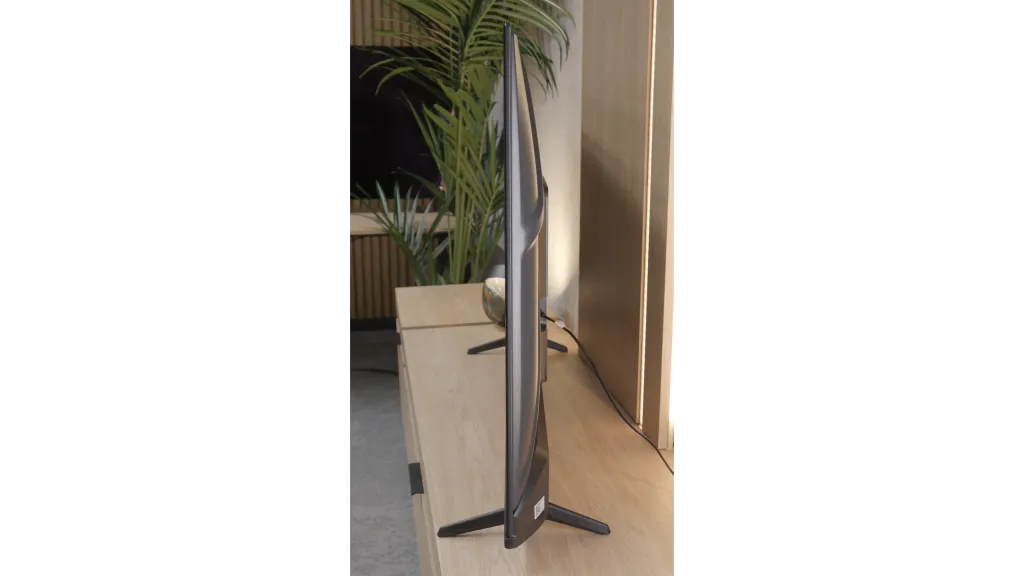
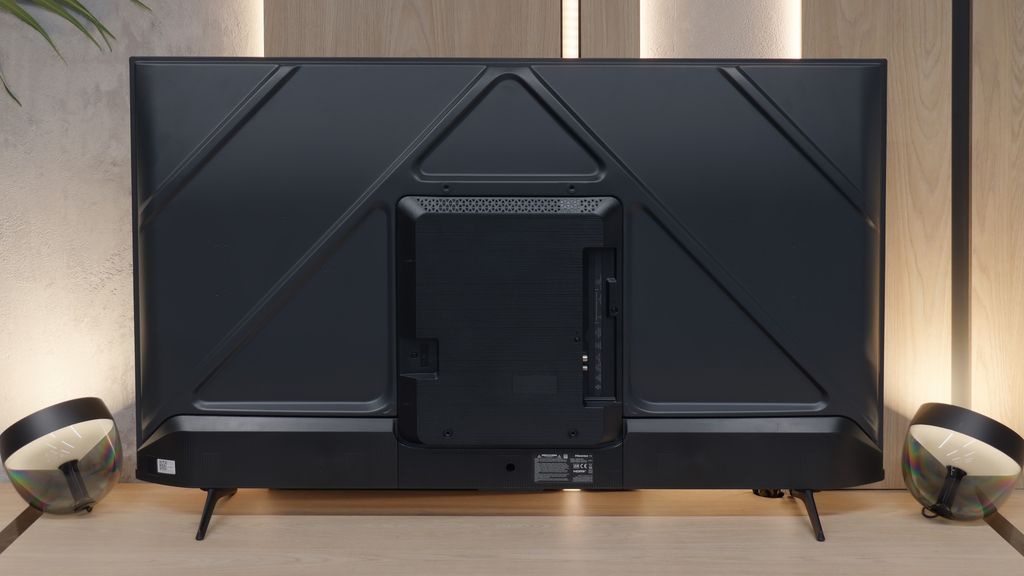
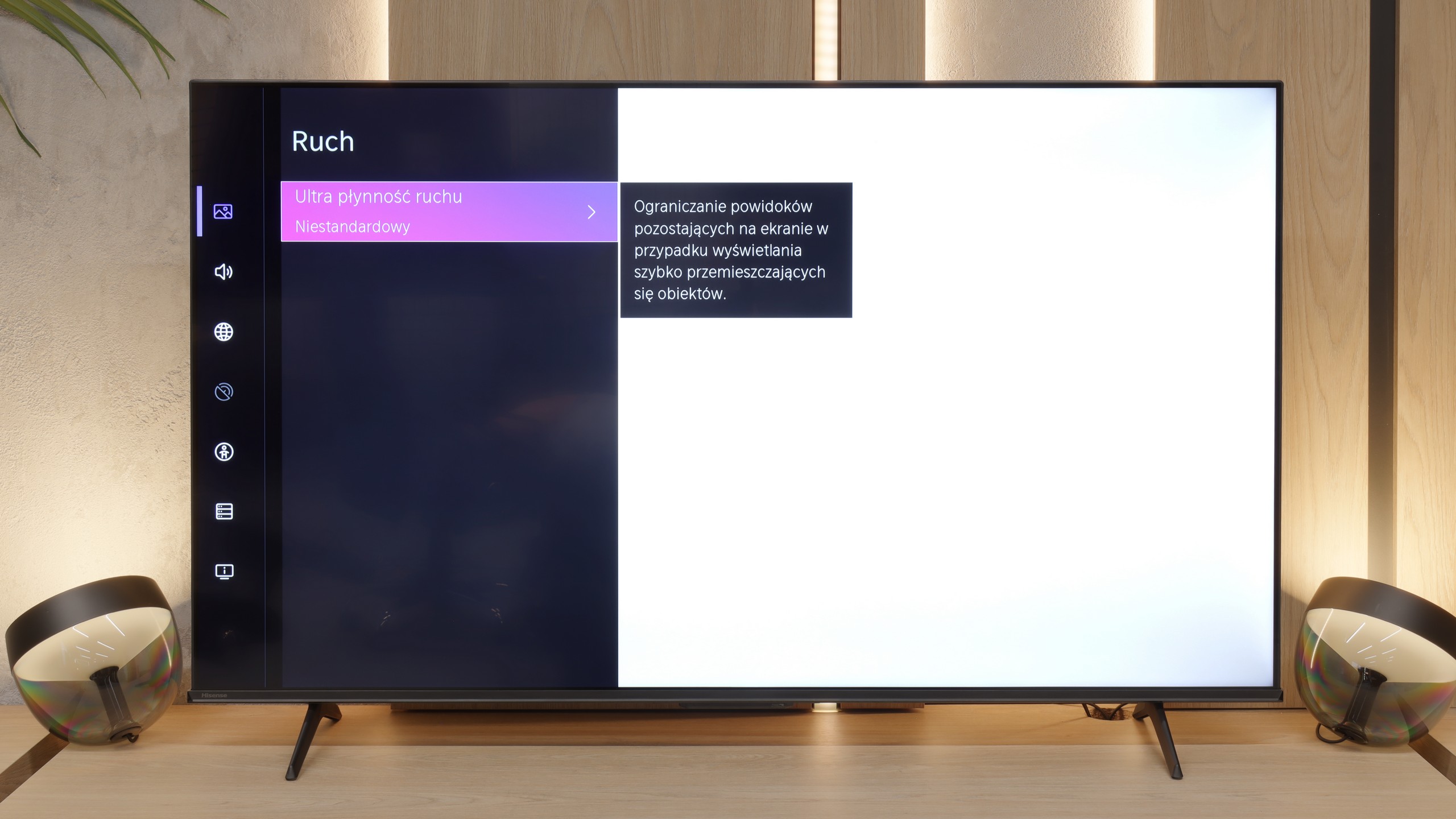
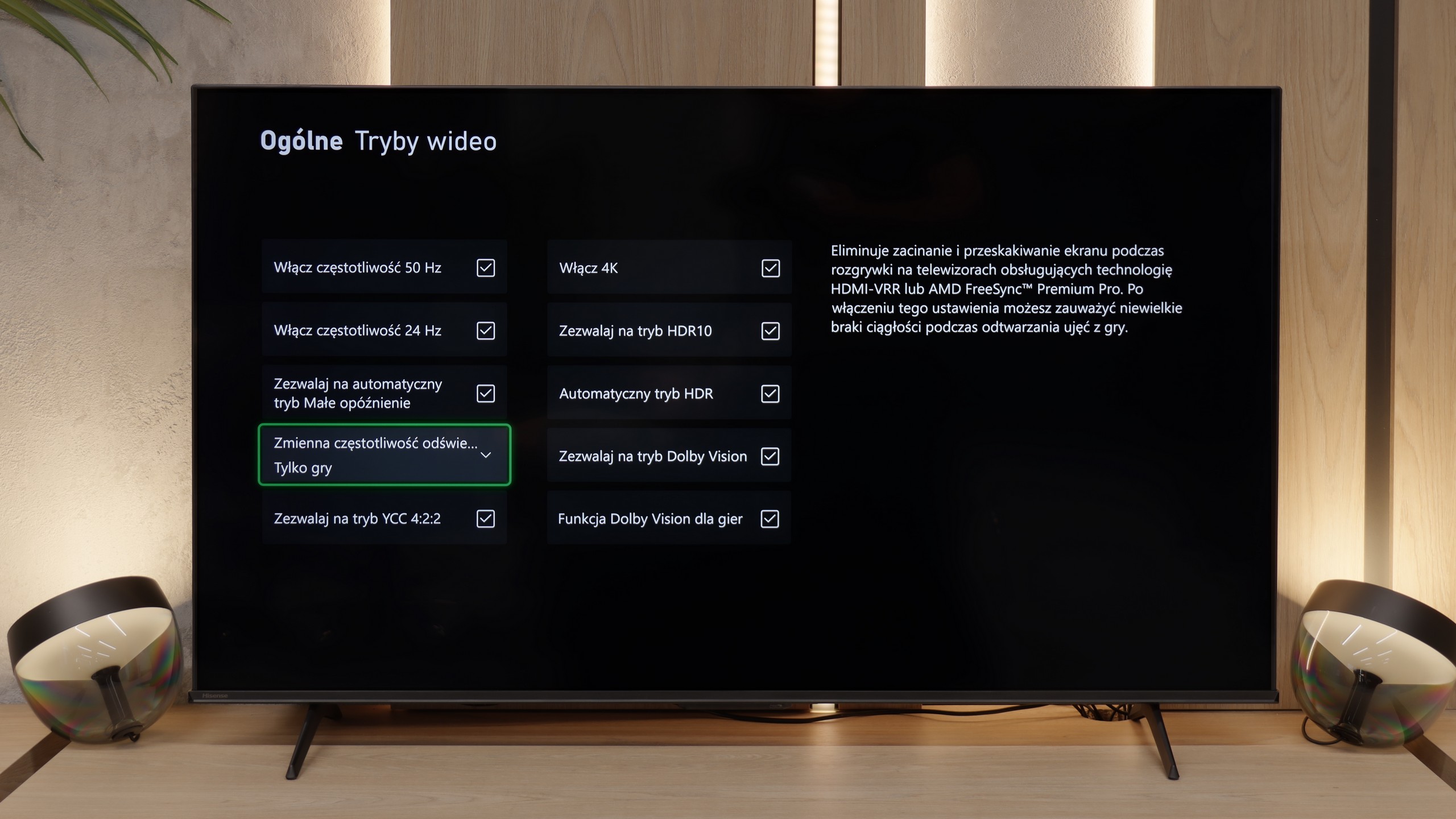
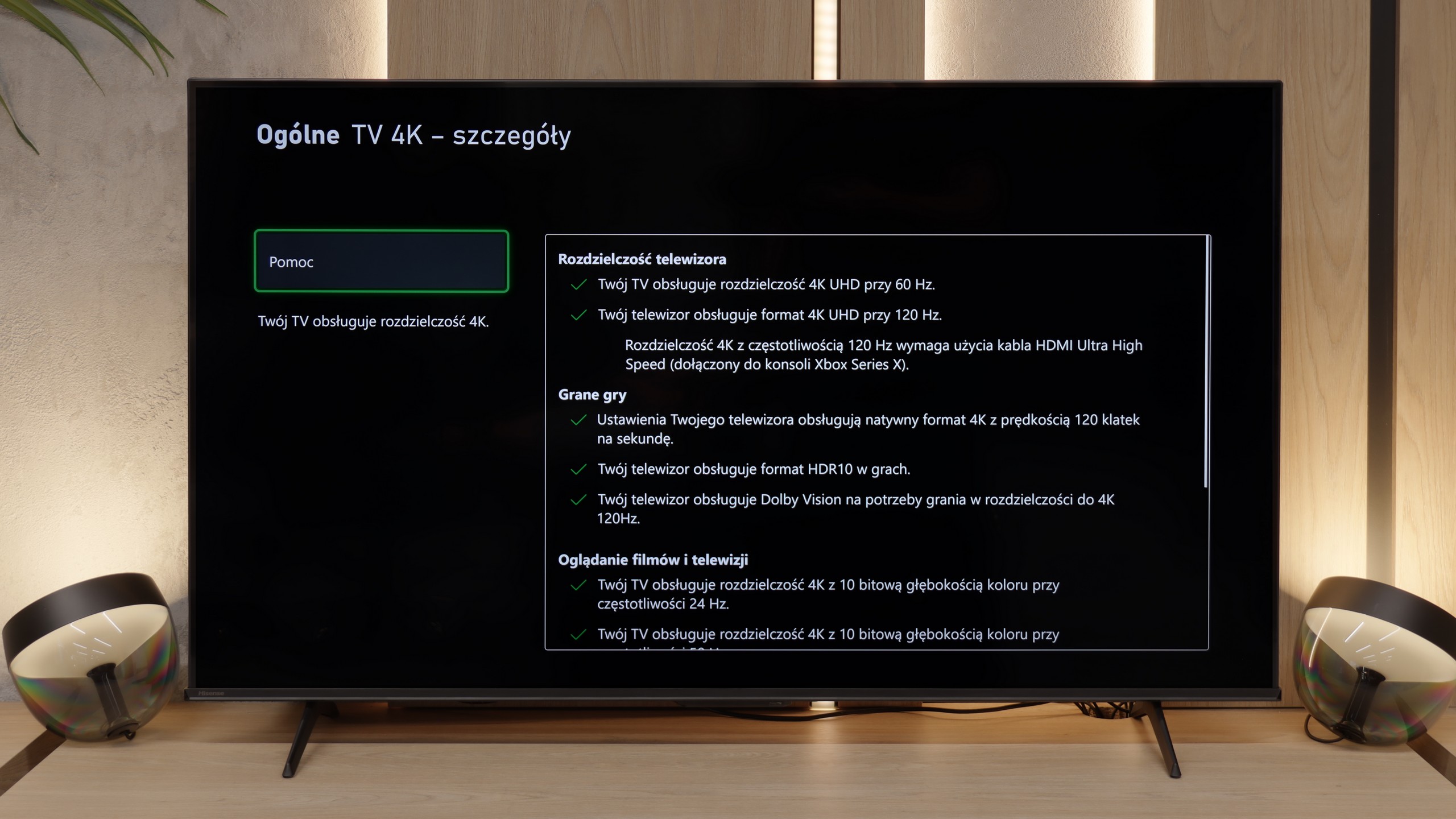
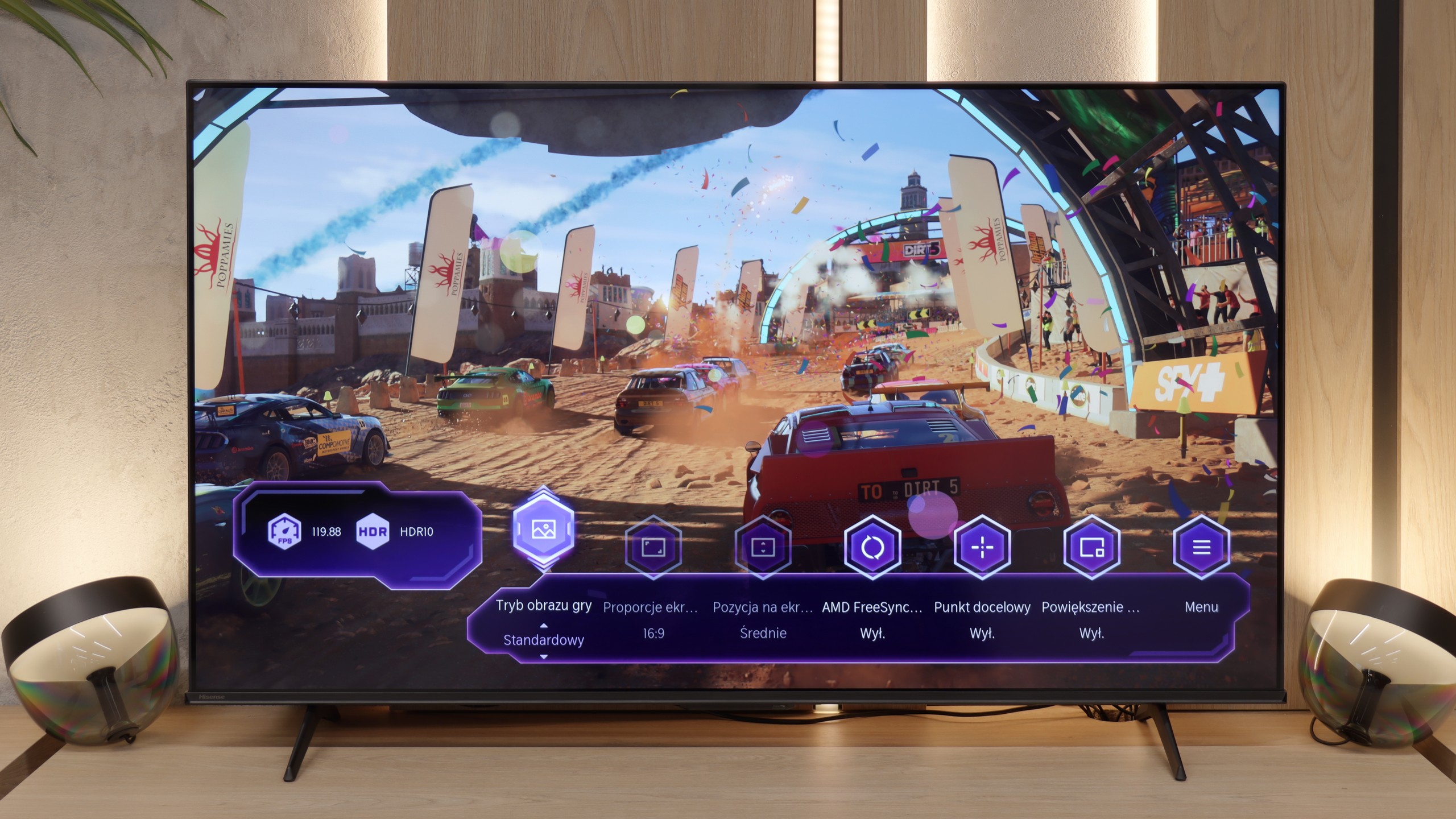
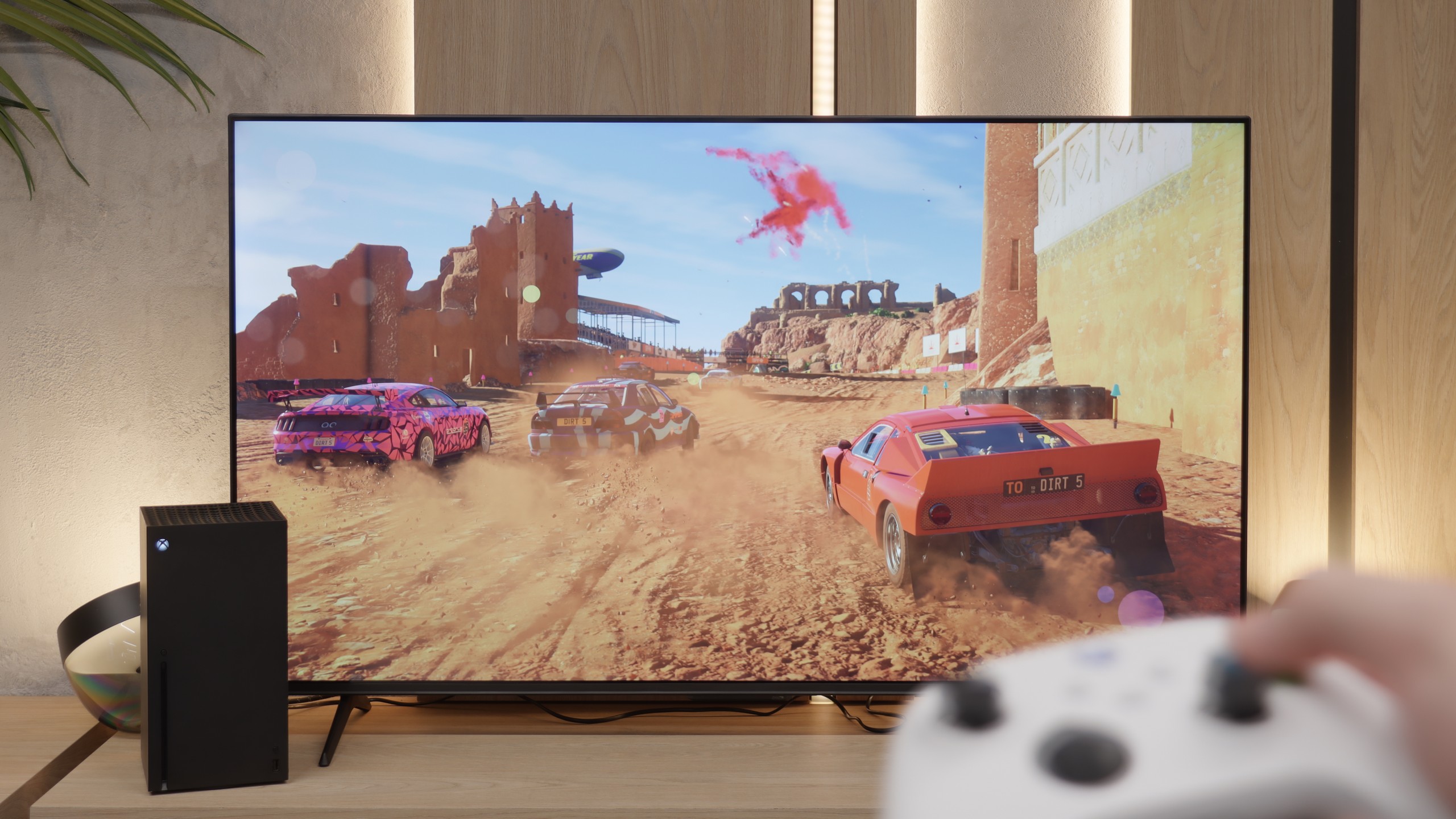
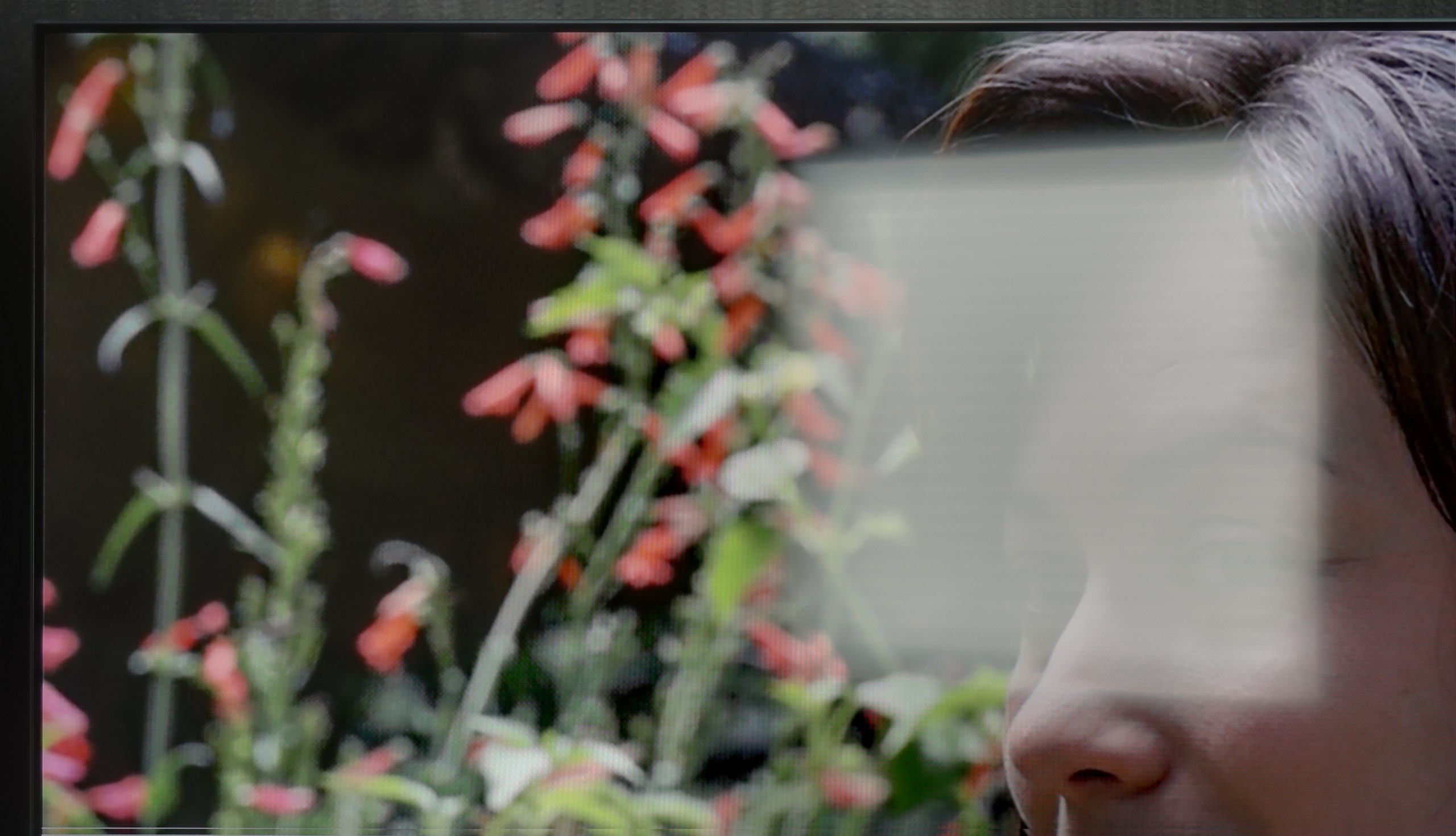
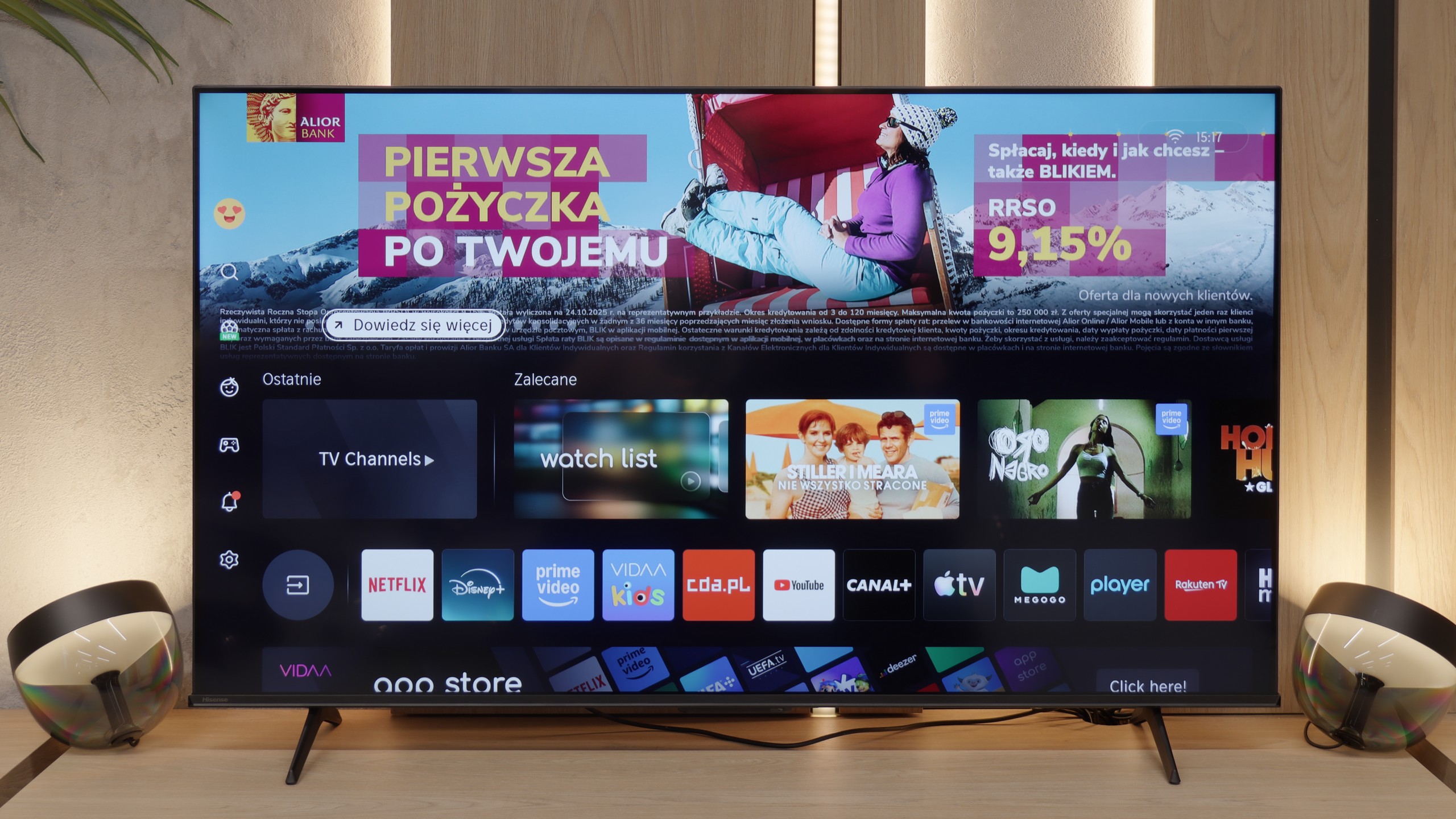
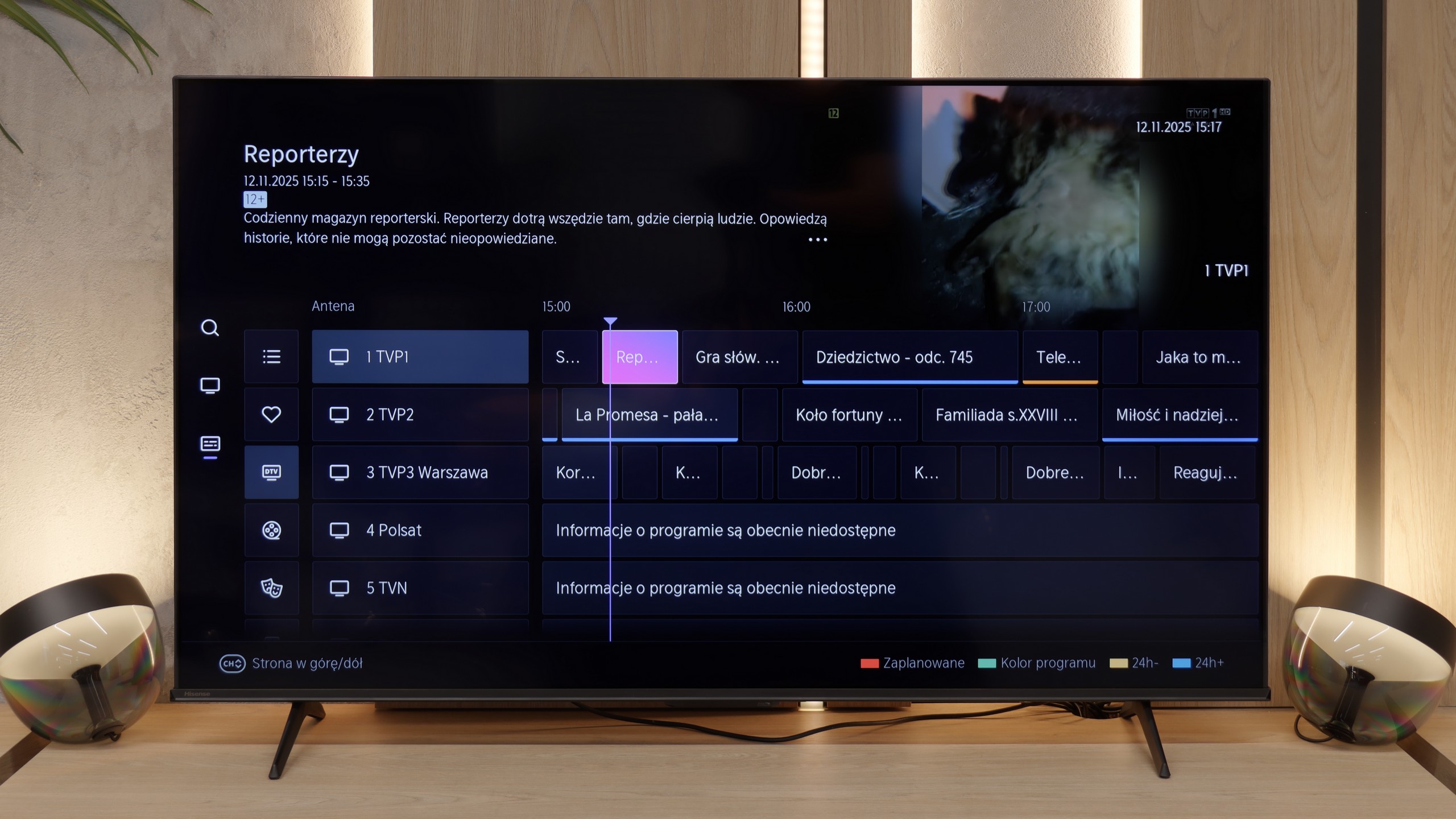
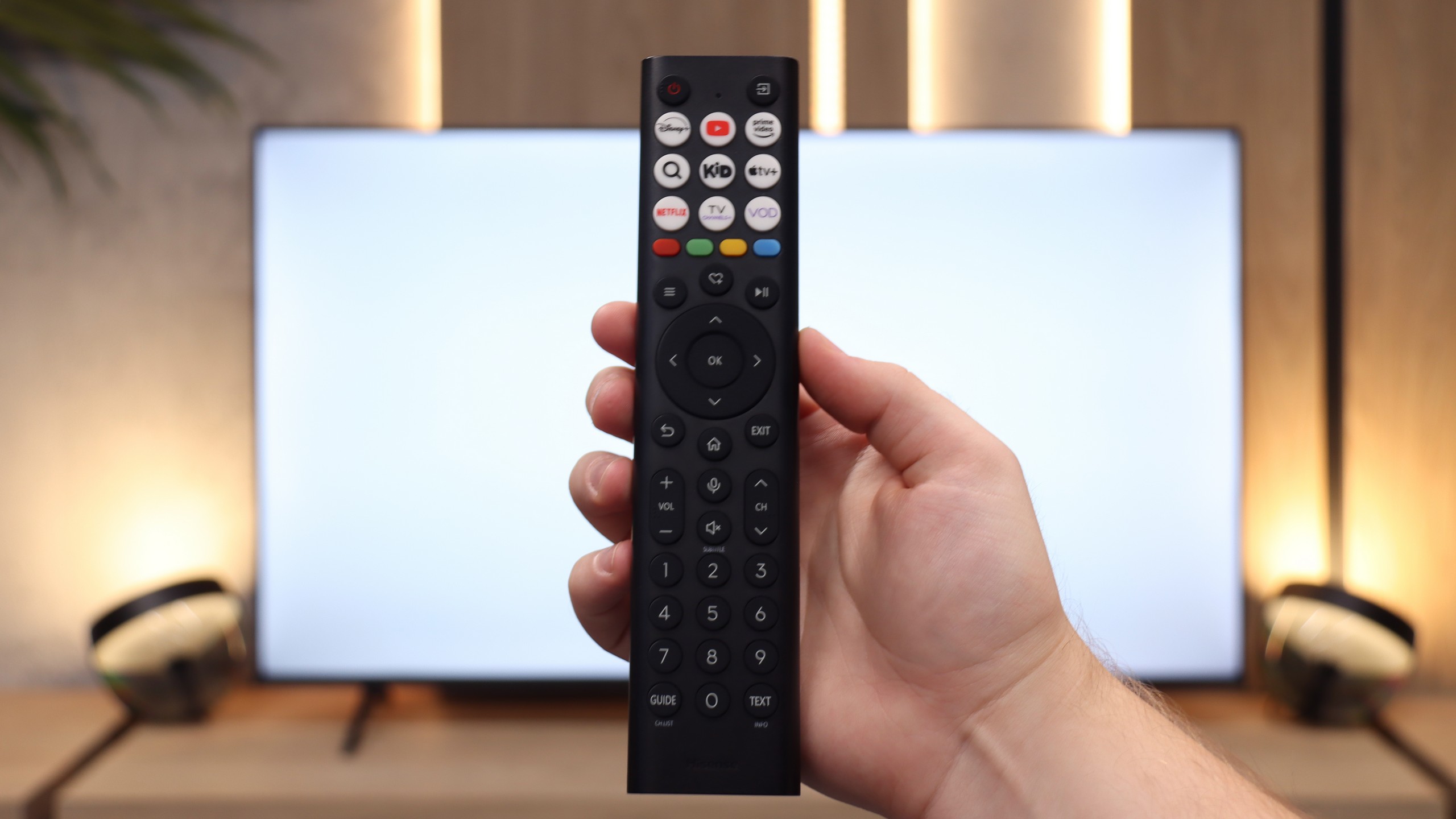
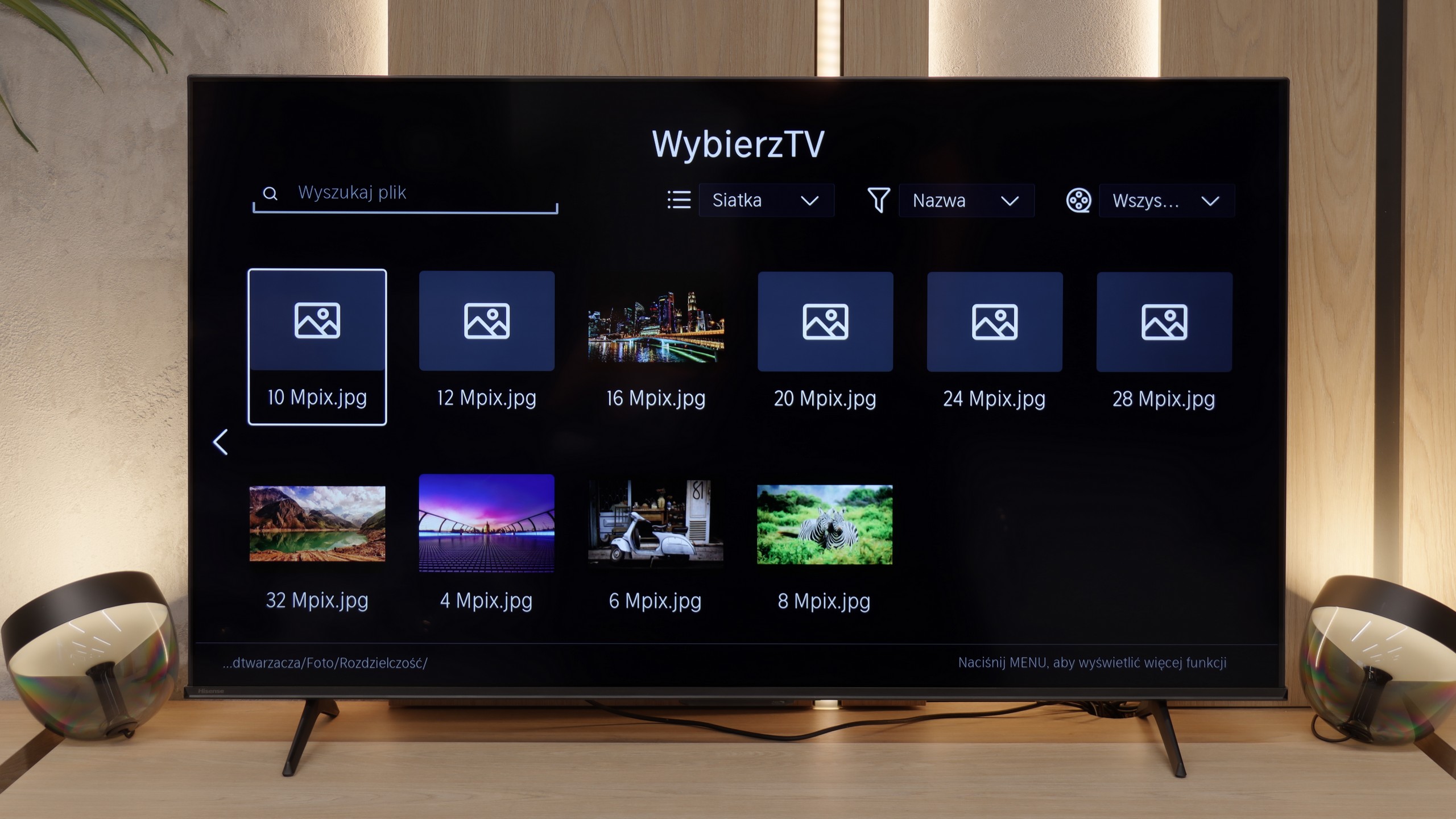
The Hisense E7Q PRO is a television that clearly shows where the manufacturer has set its priorities. It is not a model focused on impressive HDR or cinematic fireworks in a dark living room. This is equipment tailored for universal use, with a strong emphasis on gaming and everyday streaming content viewing at a very attractive price. The biggest disappointment remains the abandonment of local dimming compared to the 2024 model. This is a decision that realistically affects the perception of black levels and contrast. On the other hand, the VA panel with high native contrast does everything it can to mask this loss, and in most everyday applications, it does quite well. The E7Q PRO shines where it is most expected today: in gaming. A 120 Hz panel, 144 Hz mode for PC, HDMI 2.1, variable refresh rate, low input lag, and a very good Game Bar make it one of the more interesting gaming choices in its price segment. Additionally, there is a reliably working VIDAA system, fast menu, and a sensible set of smart functions. It is not a perfect television. HDR brightness is clearly limited, motion blur is average, and viewing angles are typically poor for VA. However, if someone is looking for a television available in various sizes, whether for gaming, series, or everyday viewing, and is aware of its limitations, the E7Q PRO can provide a lot of satisfaction. It is not a step forward compared to its predecessor in any category. Rather, it is a different, more budget-friendly direction. Less cinematic, but cheap and very gaming-oriented. If this is what you're looking for, the Hisense E7Q PRO makes a lot of sense.
 Direct comparison