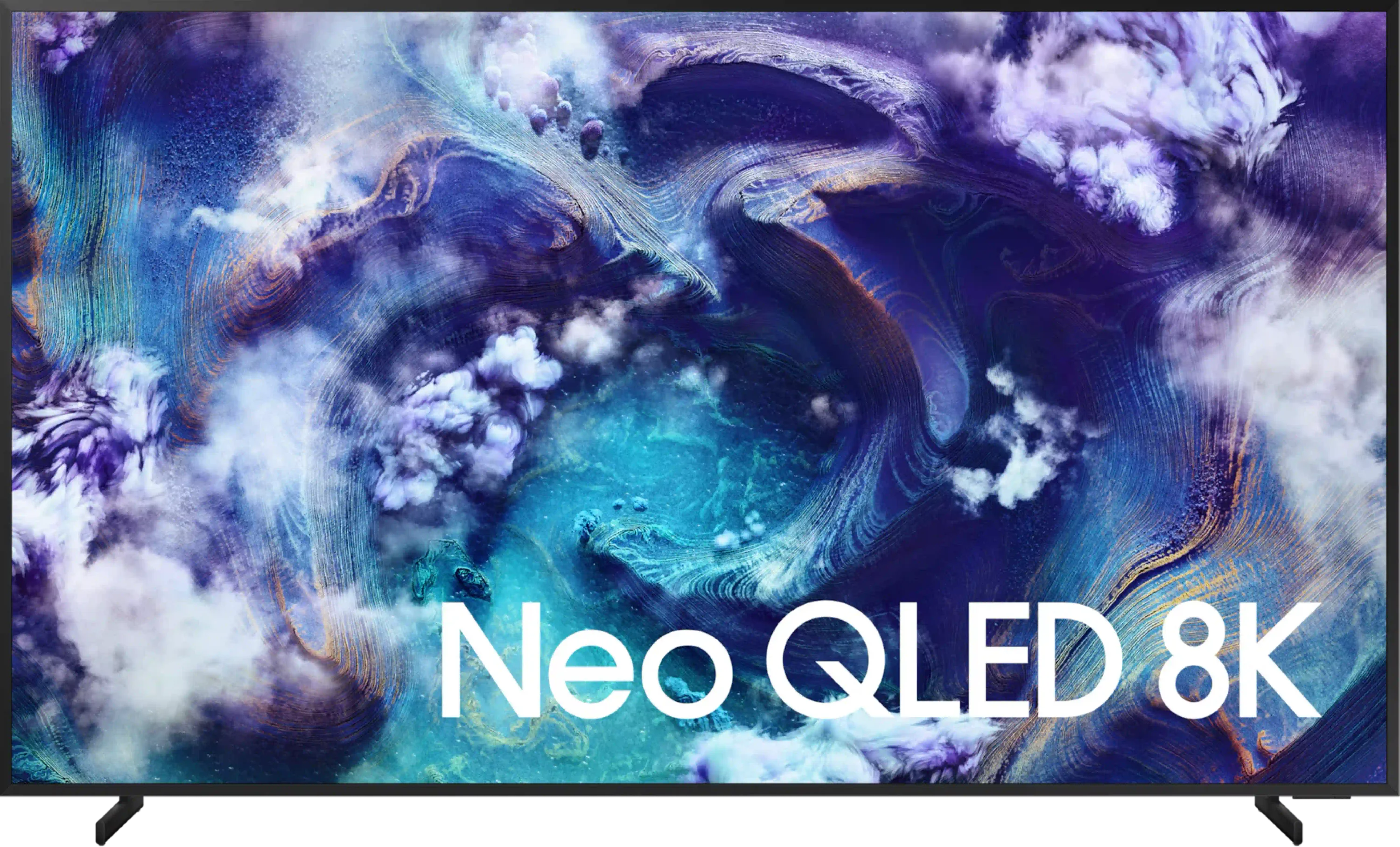
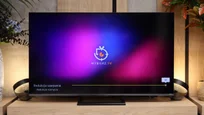
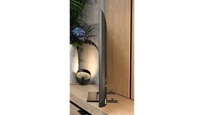
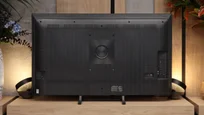
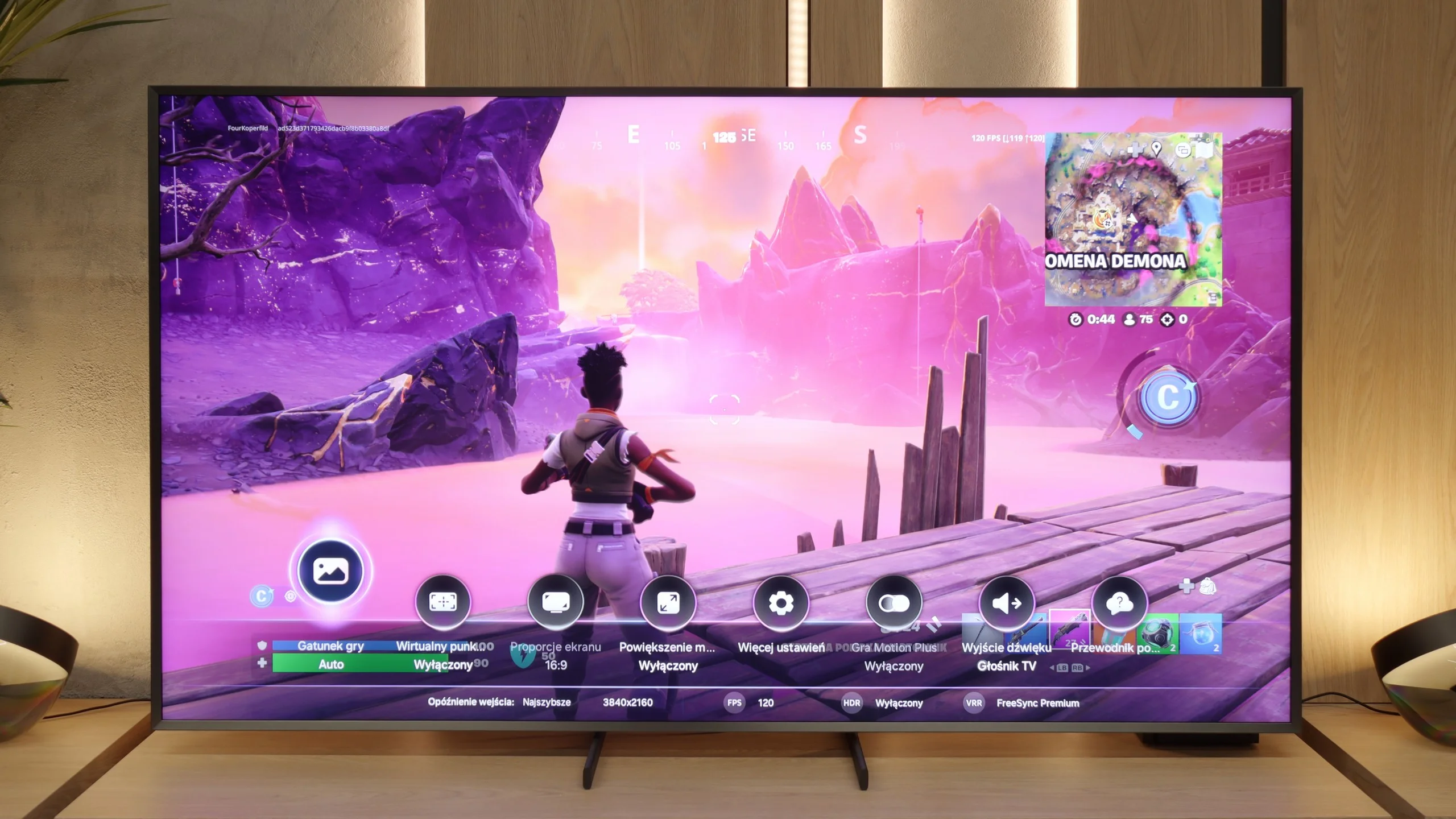
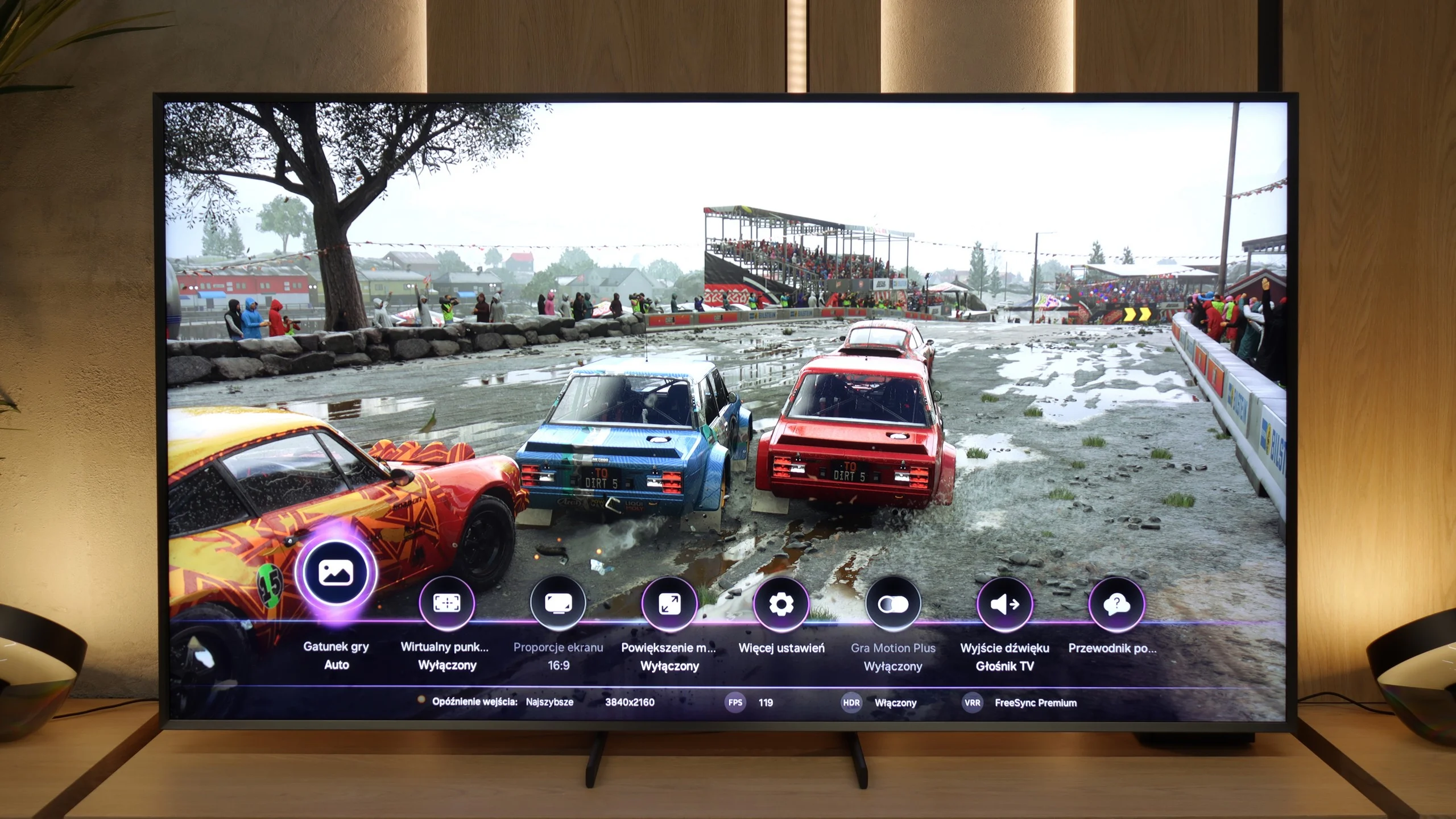
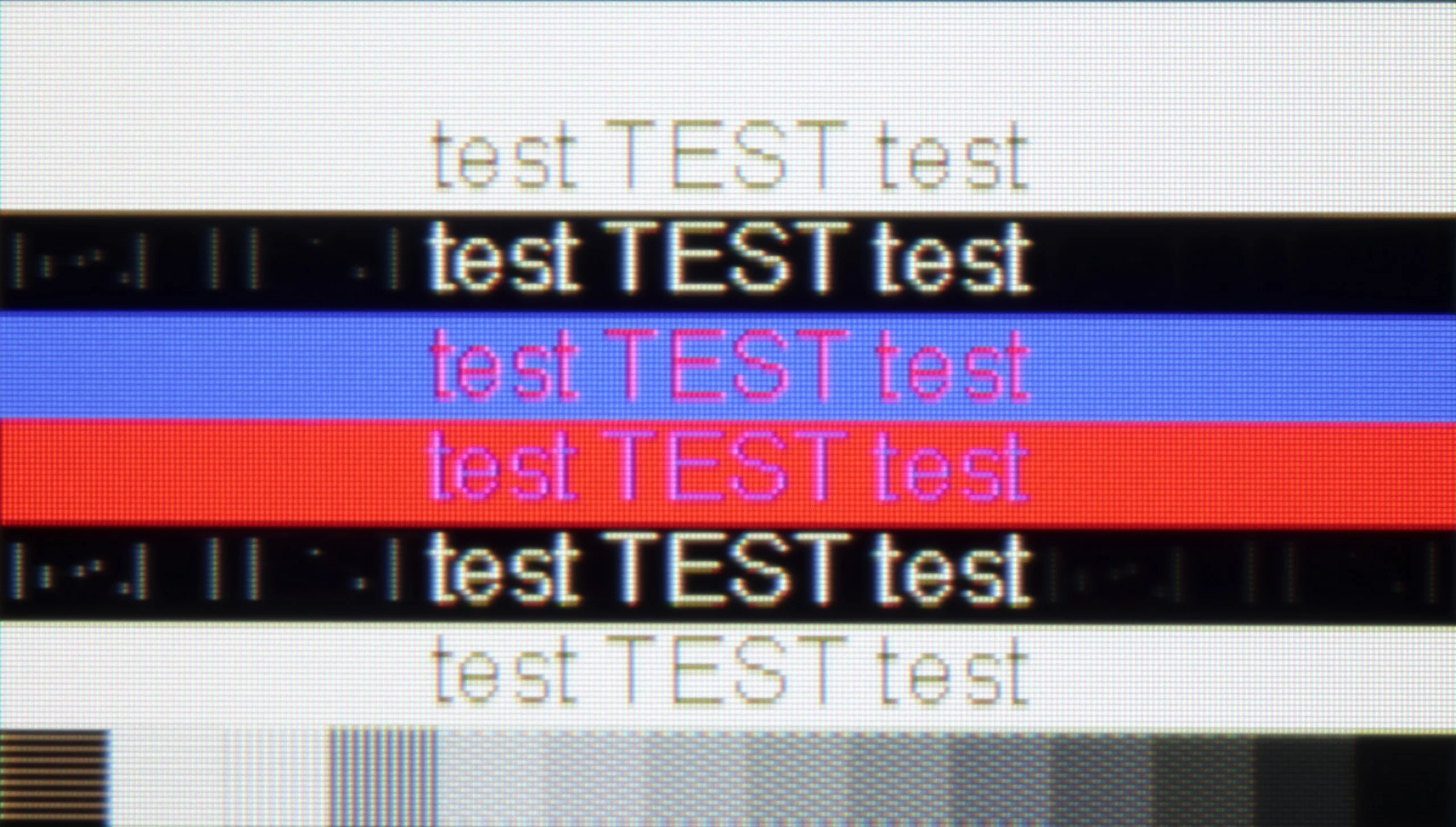
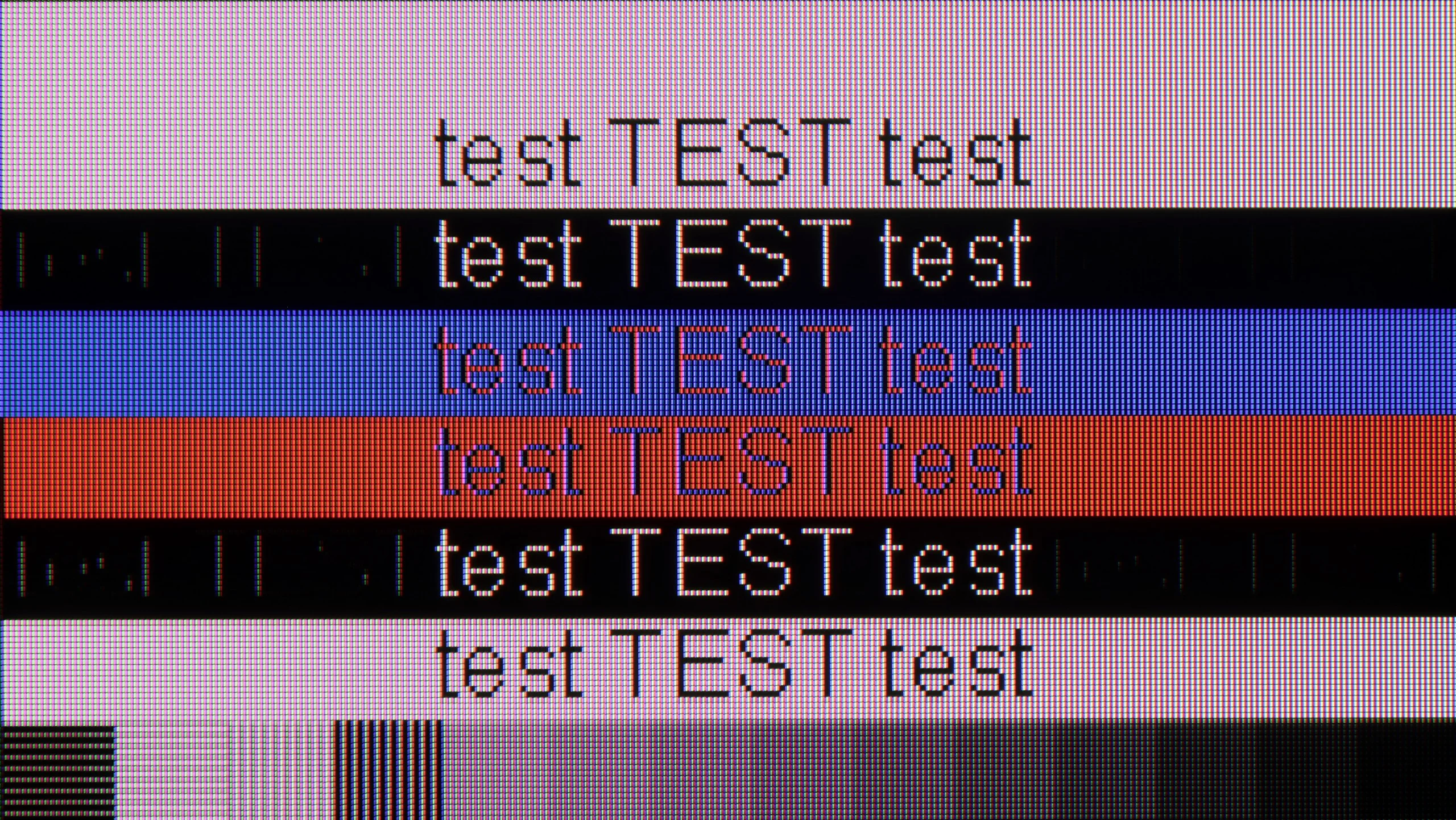
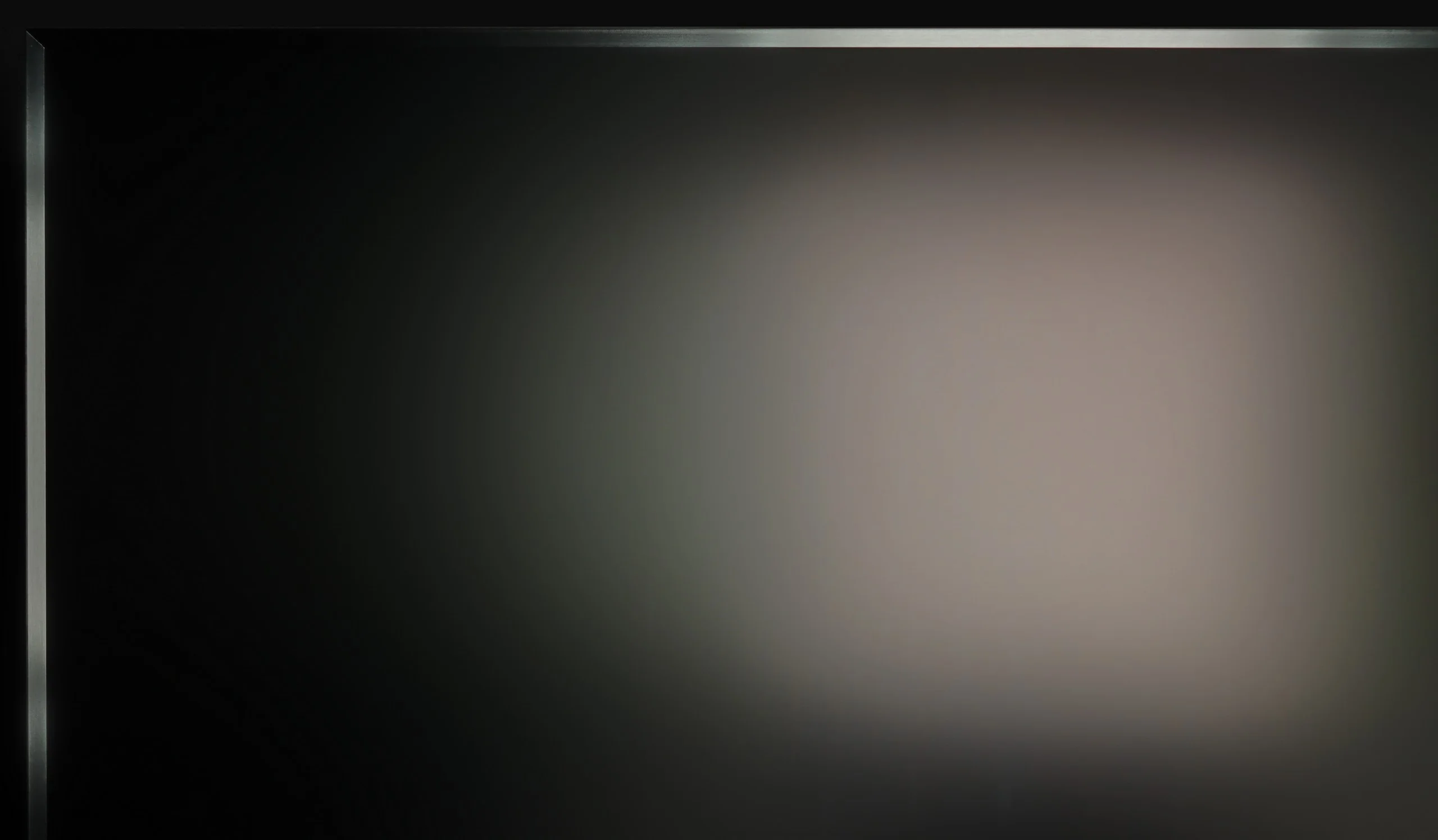
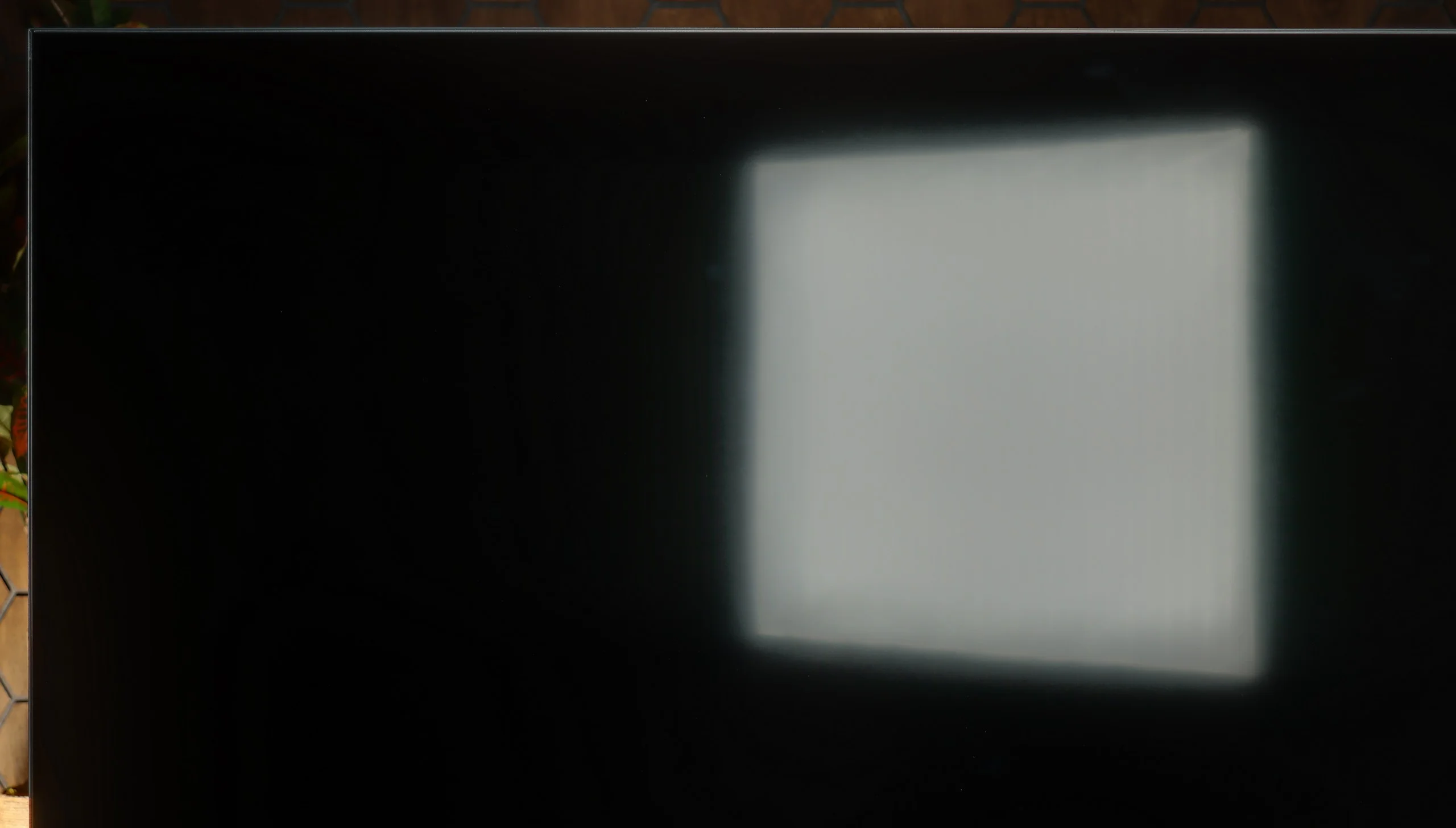
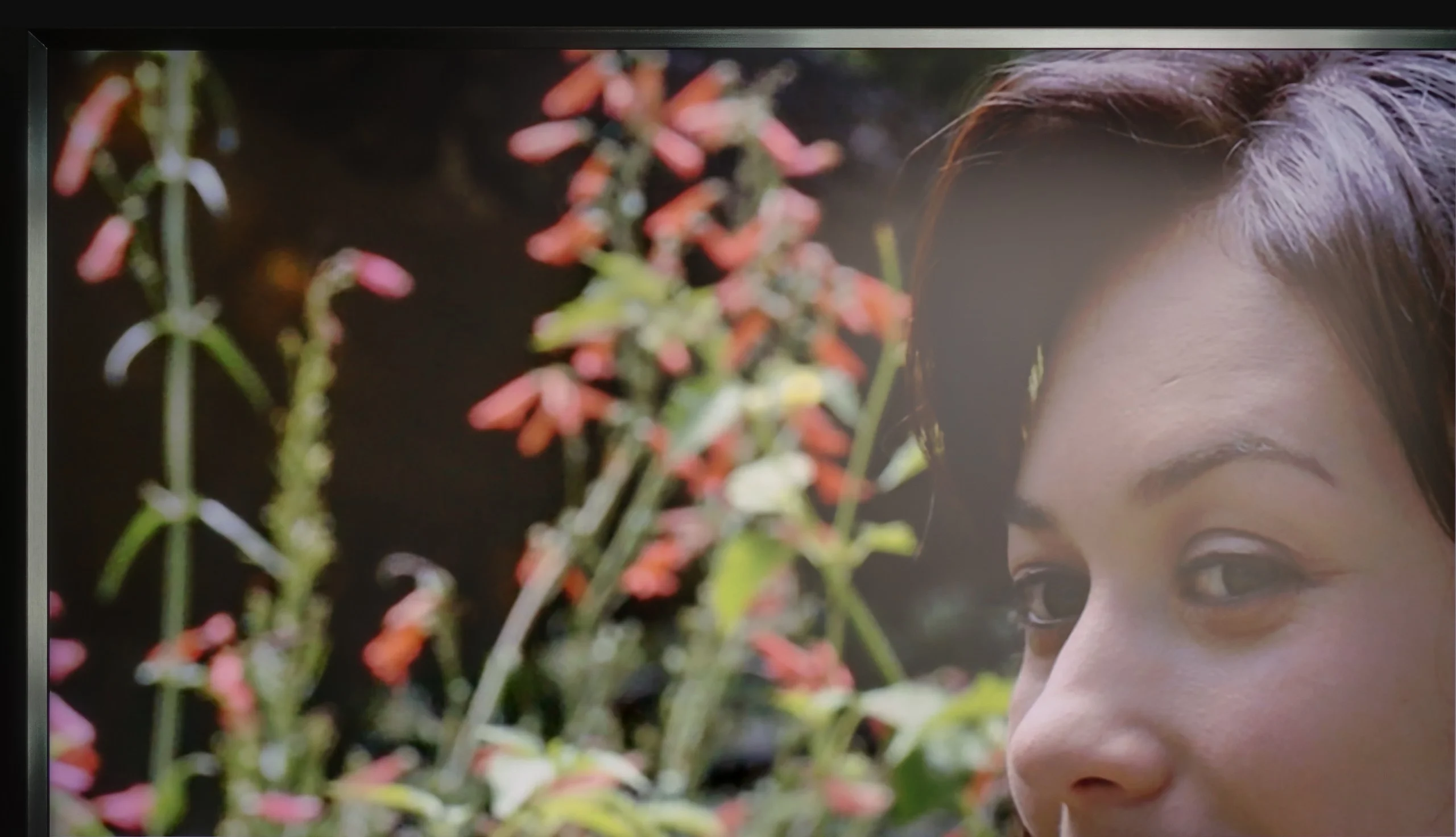
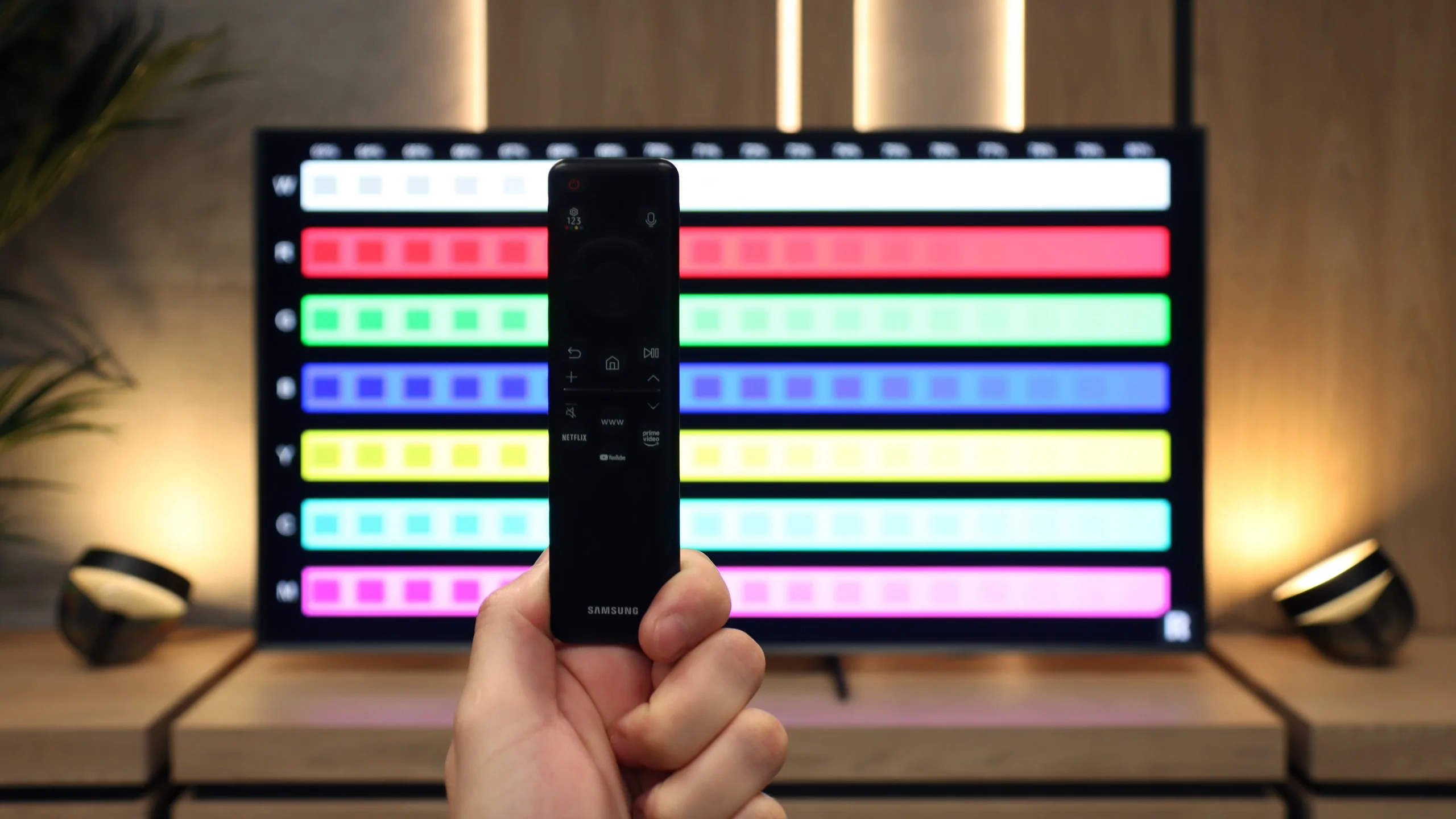
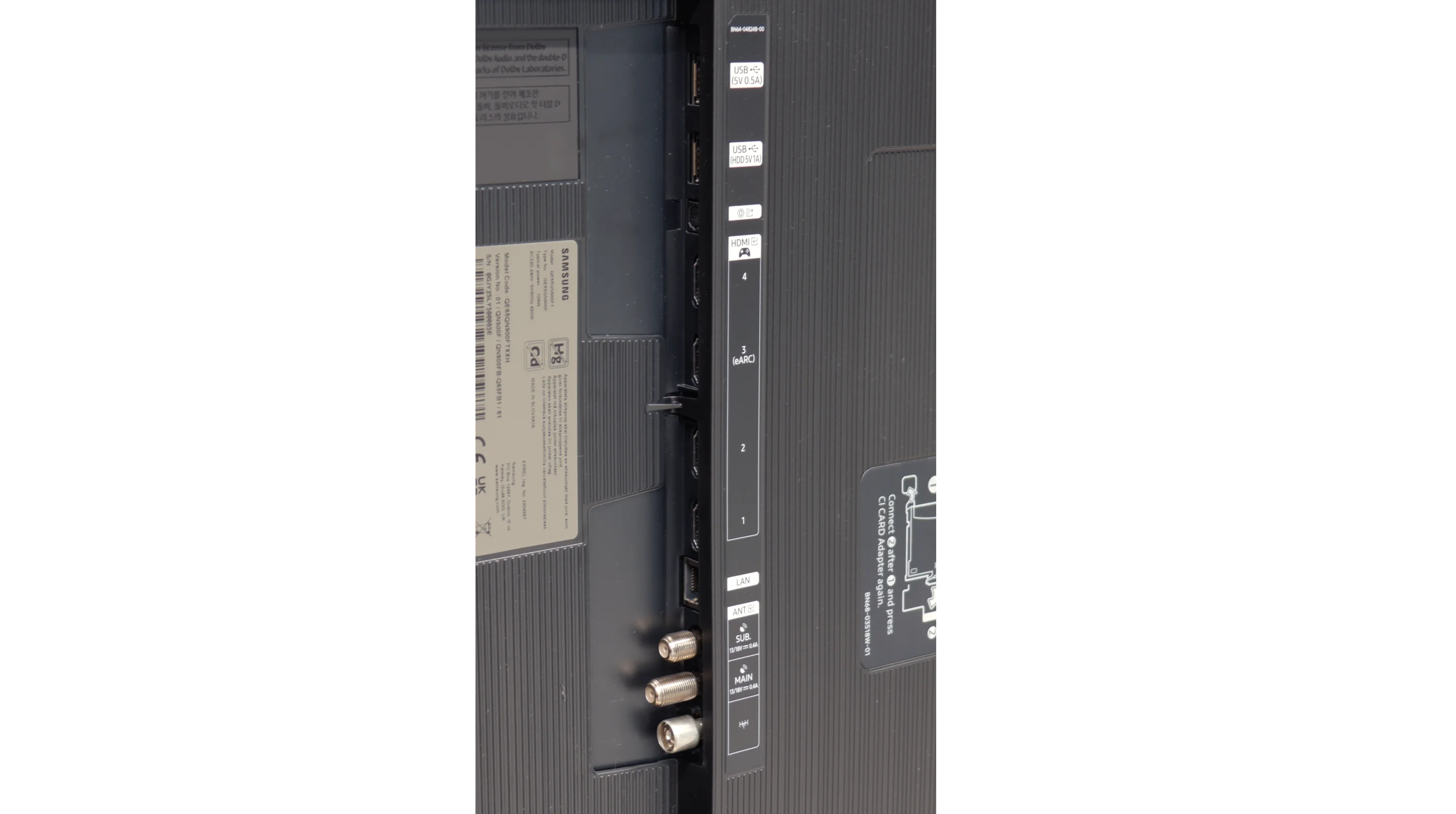
The Samsung QN900F is a television that can make a huge impression. The biggest strength of this model is the combination of Mini-LED backlighting with a matte panel. Thanks to this, we not only have decent blacks but, above all, incredible brightness and excellent readability in any conditions. During the day, in a brightly lit living room, it is probably the best-performing television in Samsung's offering this year. Gamers will also find plenty to enjoy here – even though it's an 8K screen, it can operate at a frequency of up to 165 Hz in 4K. Additionally, it comes with a full suite of HDMI 2.1, VRR and ALLM features, and low input lag, so the QN900F works well with both next-generation consoles and PCs. The design also deserves applause – when hung on the wall with a thick metal frame, this model resembles a more luxurious version of the iconic The Frame. Combined with the matte panel and Art Store mode, it can indeed be treated as a piece of equipment that not only plays and shines but also decorates the living room.
However, not everything is perfect. Despite its impressive specifications, managing local dimming doesn't always perform as well as one might expect. With such a large number of zones, Samsung could refine the control over blacks and HDR effects – it's clear that the potential is immense, but it doesn't always translate into top-tier picture quality. Also, it’s worth remembering that 8K resolution is still more of a novelty than a real necessity, and the price of this model makes it easy to start looking for cheaper alternatives, even within Samsung's own range. Despite these reservations, the QN900F is a television that can certainly impress. Its strength doesn't lie in 8K alone, but in how it presents the image, how it looks, and the enjoyment it provides during use.
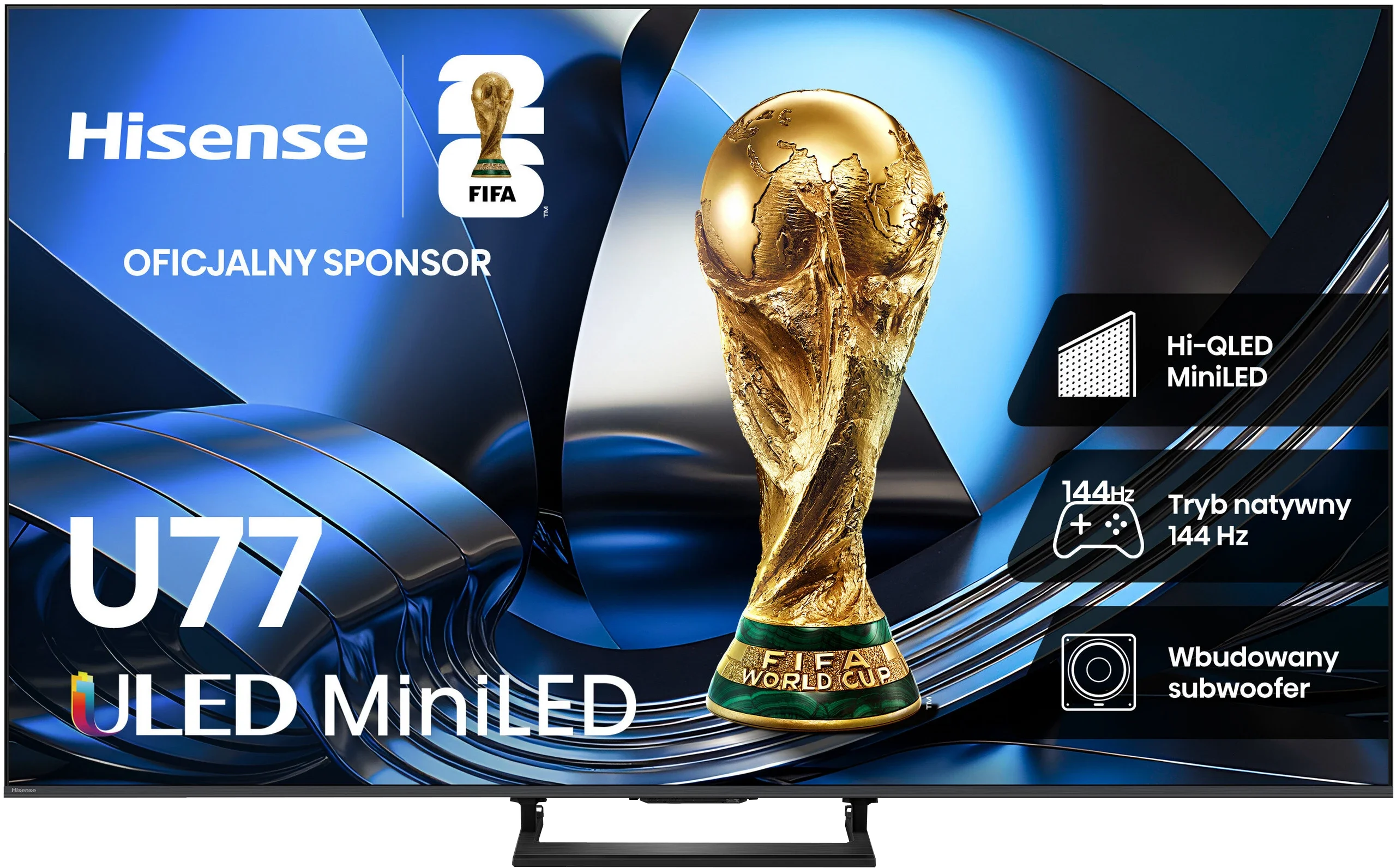
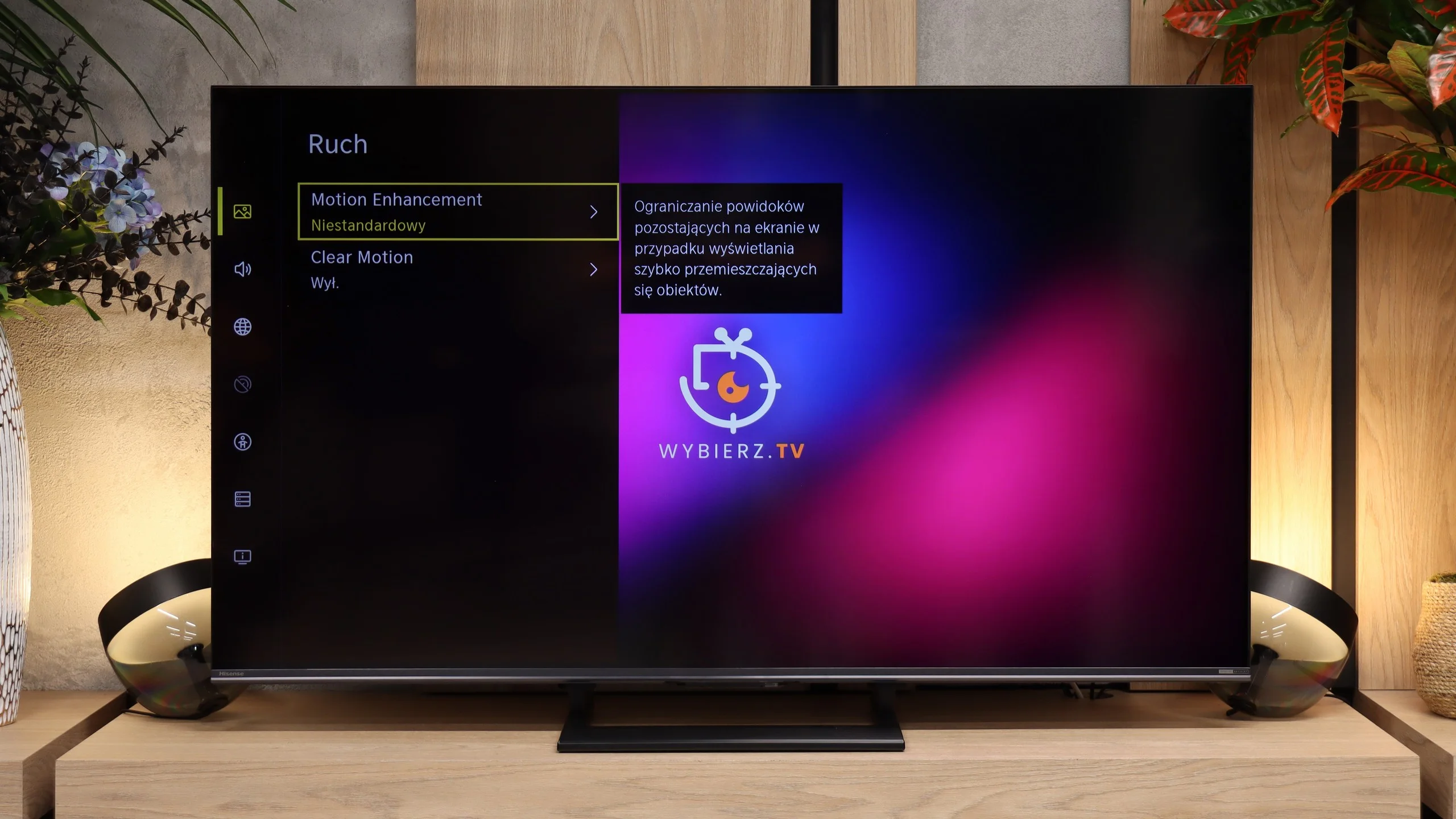
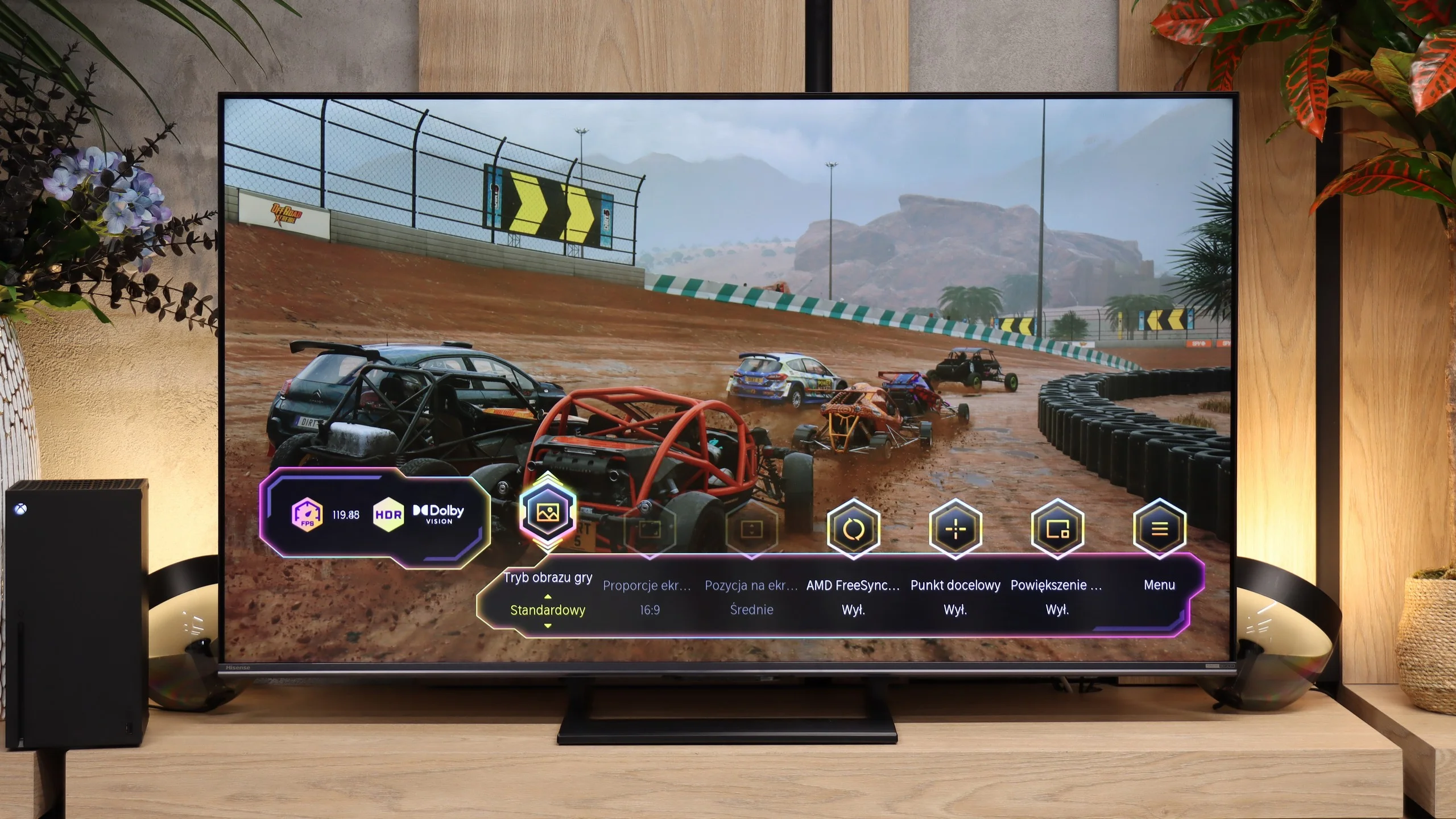
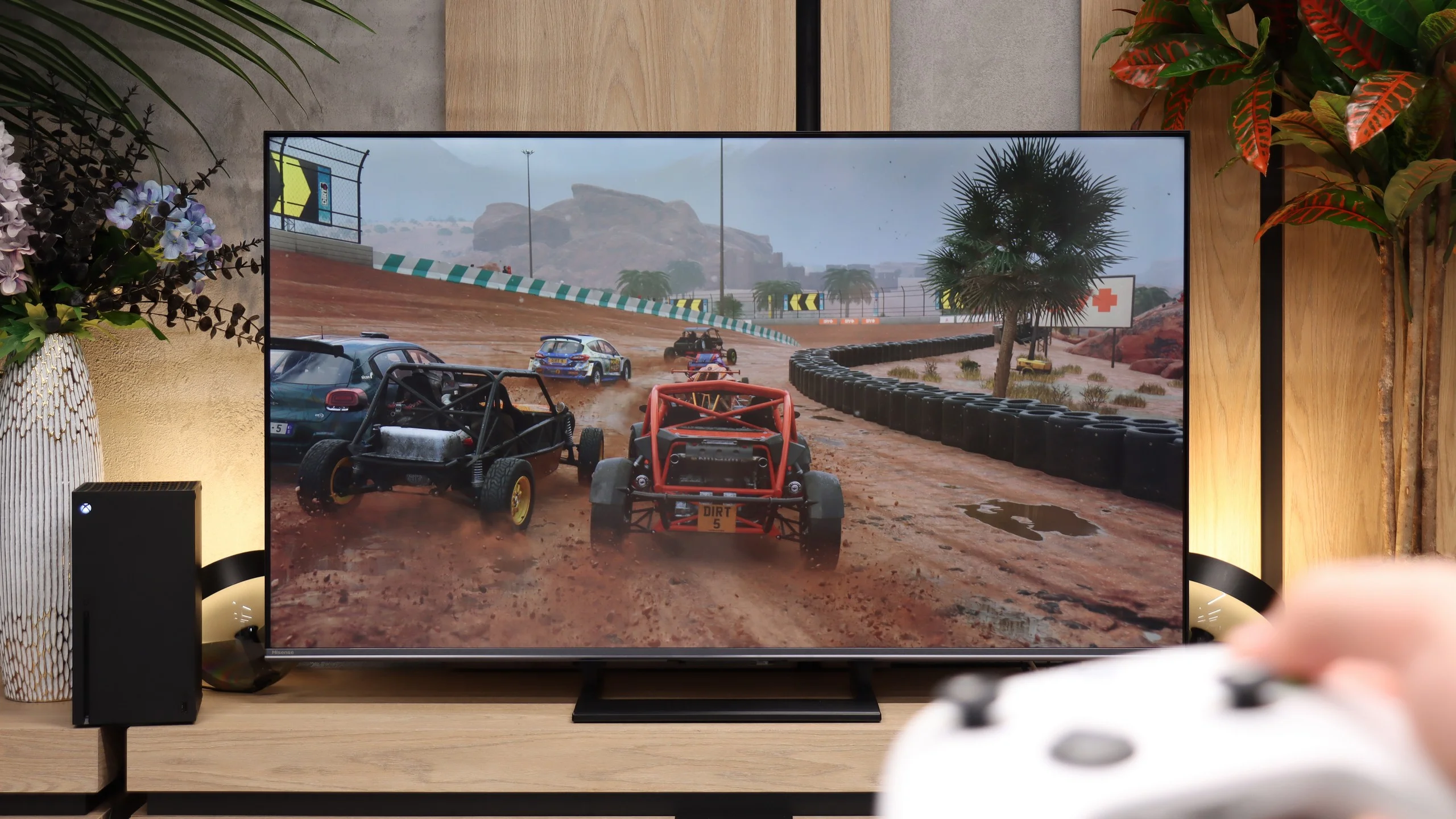
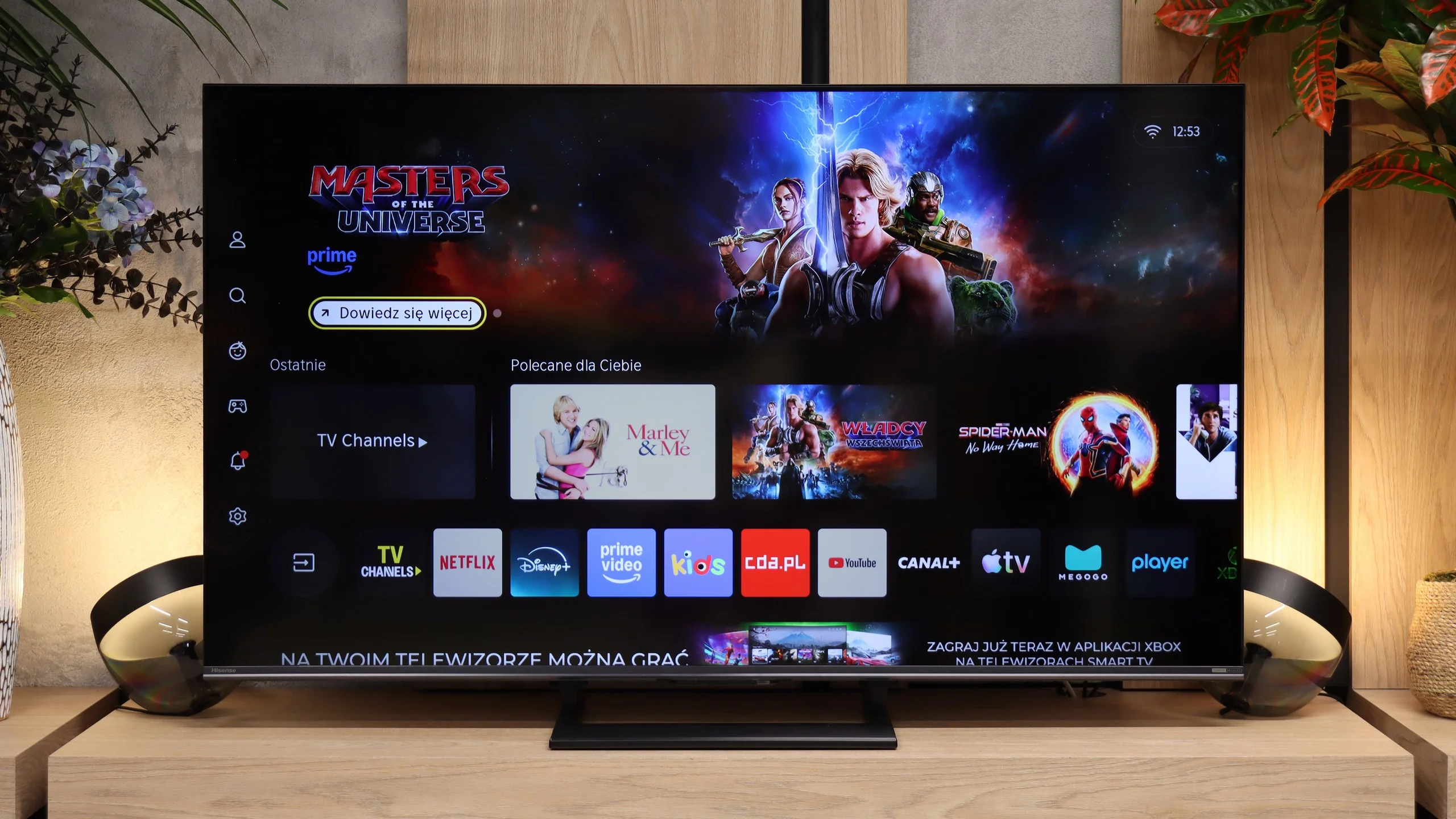
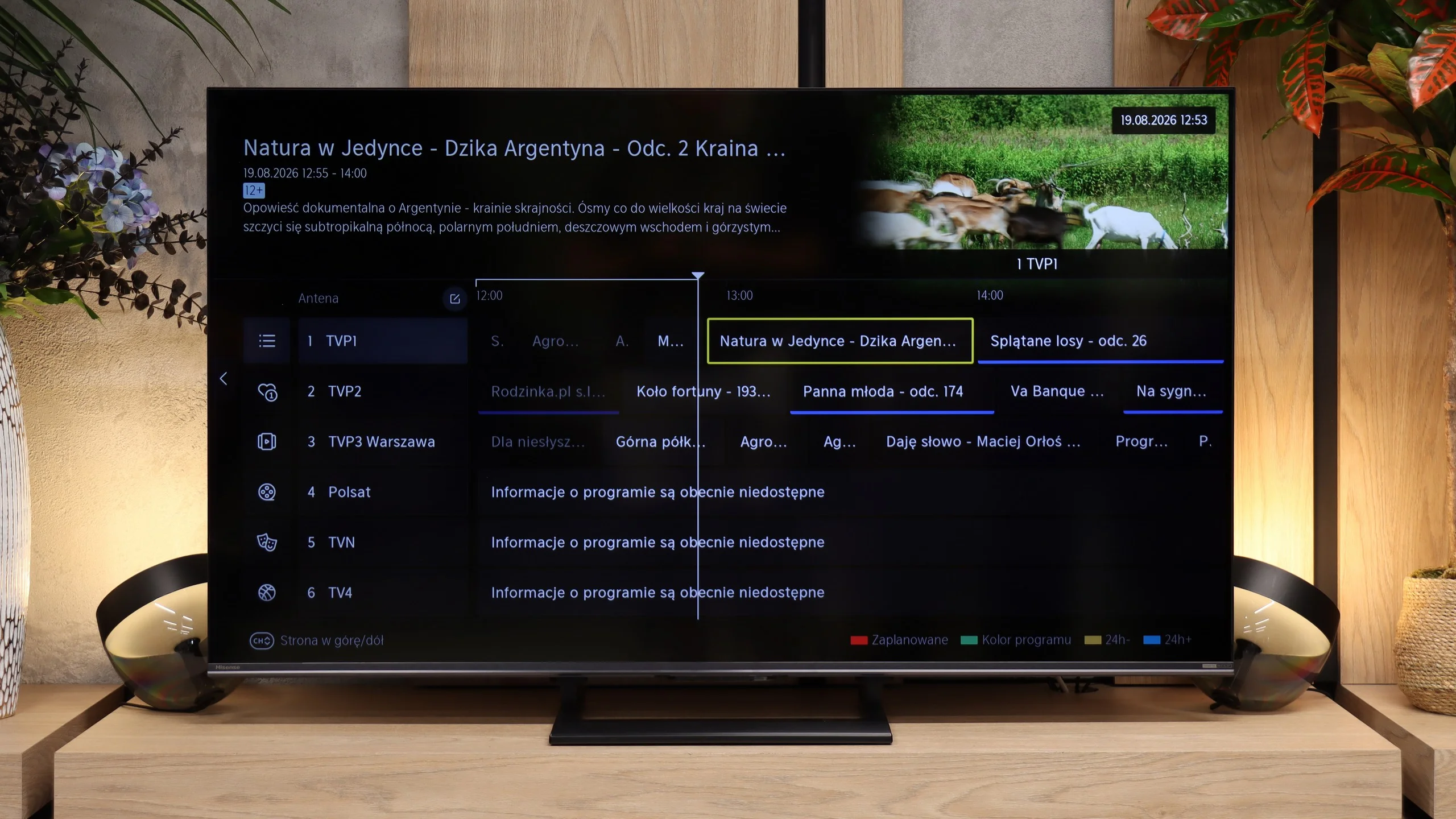
Hisense U7S is the latest iteration of the U7 series, whose biggest advantage remains its price-to-quality ratio. You get a Mini LED TV with local dimming, which really improves black levels and gives the picture depth for evening viewing. During the day, the generous brightness headroom is useful, so you don't have to immediately cover the windows. It's not a device without compromises, but as an everyday TV it makes a lot of sense. Gamers benefit a lot as well. The U7S supports high refresh rates from consoles and PCs, has an extensive set of gaming features, and responds very quickly to controller input. Pleasingly, the low input lag is preserved in Dolby Vision too. Add in the smoothly running VIDAA, which offers both Smart features and handy extras for regular TV, and the package is fairly versatile, though compared with last year's U7Q it's hard to call it a big step forward. Unfortunately there are also things that clearly bother us. The first is motion blur. The panel has a high refresh rate, but its pixels don't always keep up, so visible trails follow moving objects. Fans of sports and fast-paced games will notice this especially. The second issue is HDR, which the TV shows somewhat "its own way." Instead of sticking to the brightness encoded in the content, it strongly brightens parts of the image. That was probably meant to look more impressive, but it often has the opposite effect: the scene becomes over-bright, loses depth, and clearly departs from the creators' intent. It's a shame this behavior can't be effectively corrected even during calibration. Despite these remarks, the U7S remains an interesting choice if you're looking to get as much as possible for a reasonable price. Compared with basic LCDs without local dimming, which you can still find at a similar price, it primarily offers much better blacks. And that's exactly its greatest strength. You don't have to reach for an expensive model to get a Mini LED whose advantages are actually noticeable when watching. If you accept its flaws, the Hisense U7S can above all be a cost-effective purchase.
 Direct comparison