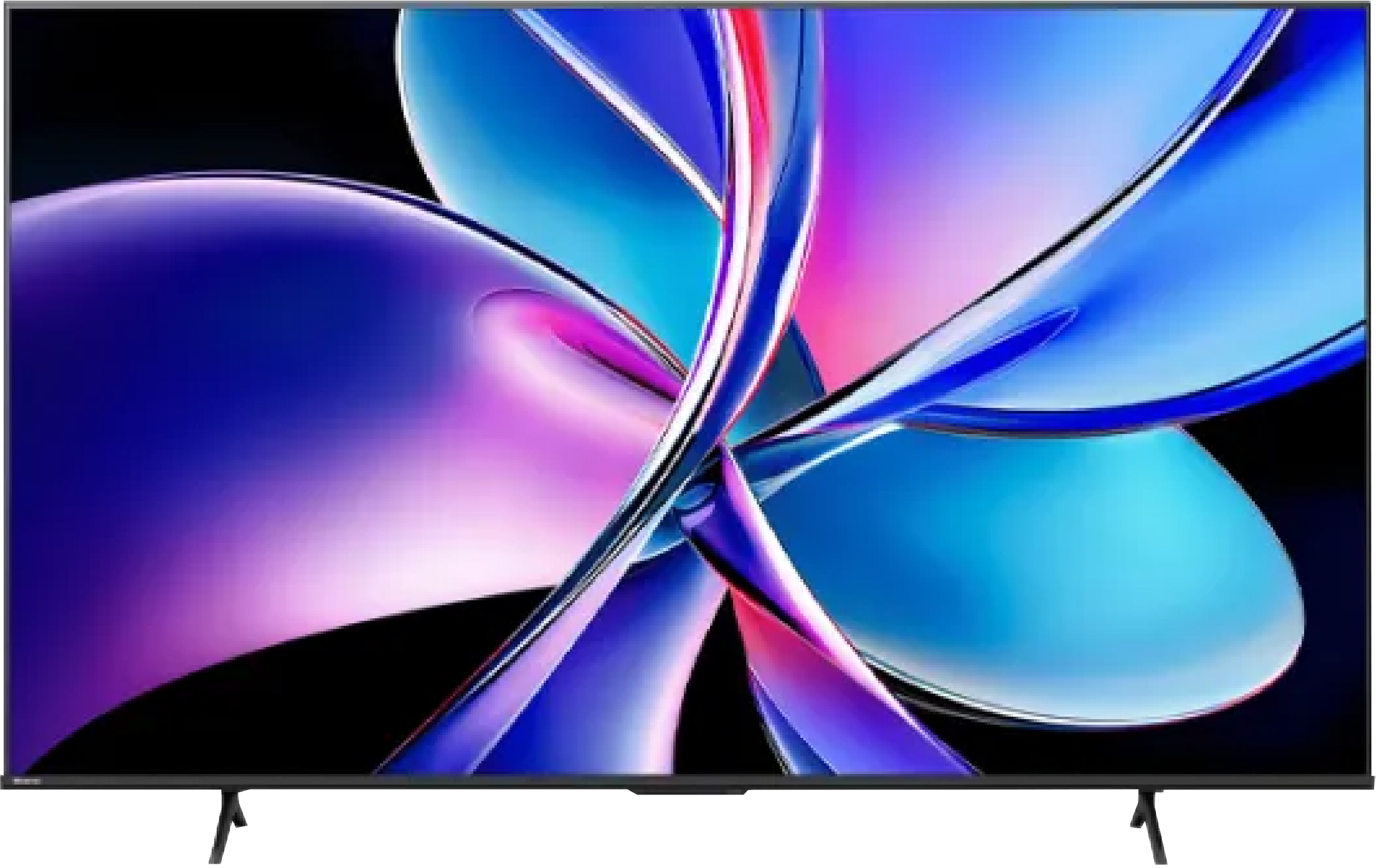
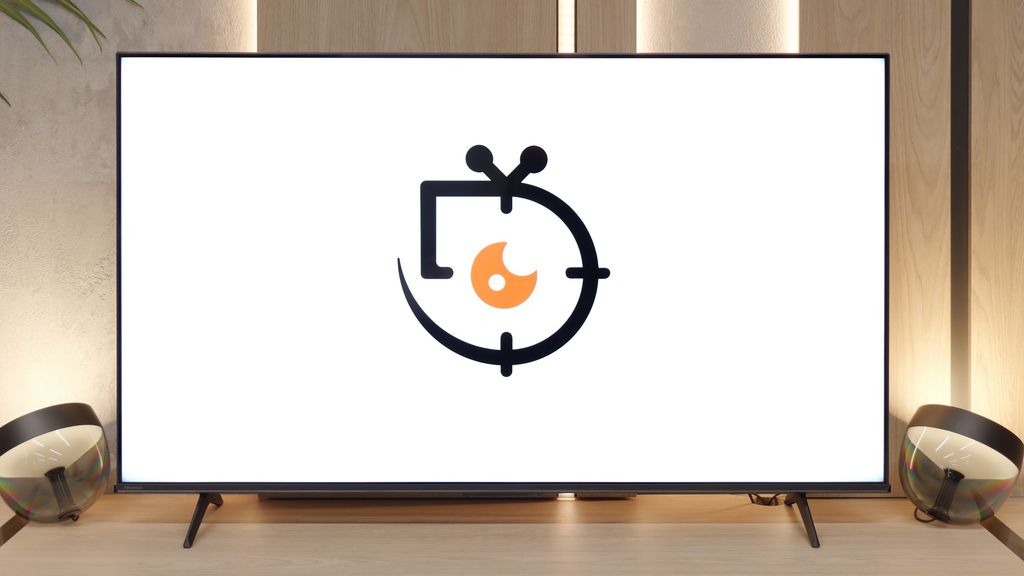
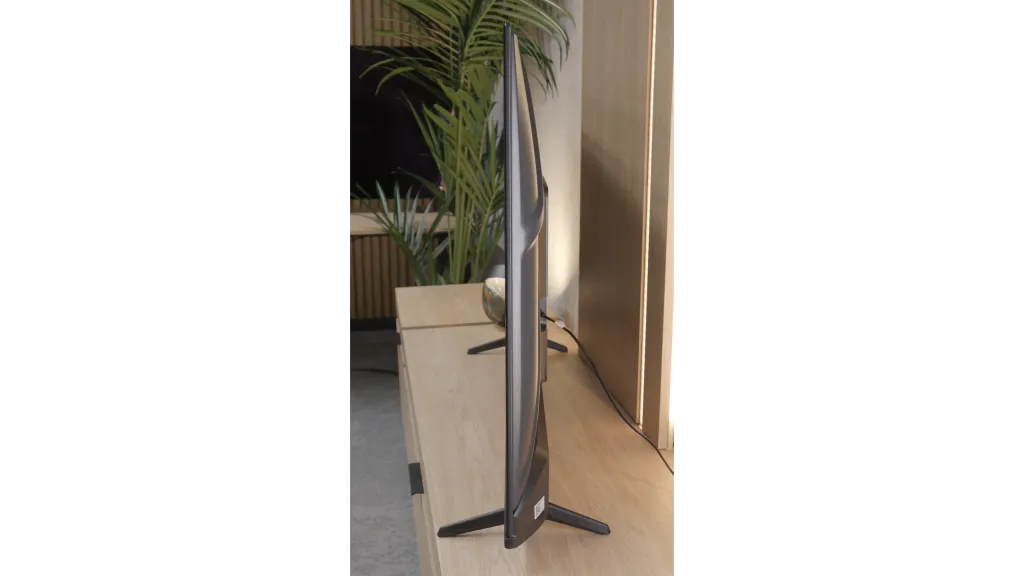
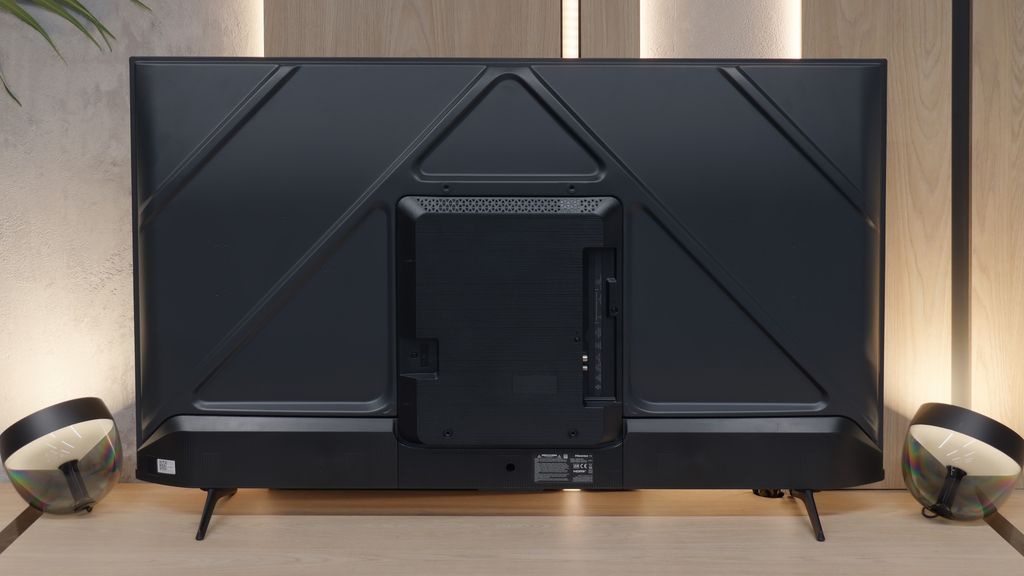
The Samsung Q60D operates on the proprietary Tizen system, which, while not as open as Google’s OS and with some limitations regarding app availability, is likely to satisfy most users. The interface is clean and intuitive, providing straightforward access to popular streaming services like Netflix, YouTube, and Prime Video. Users will appreciate the customisable home screen, allowing for quick access to favourite apps and content. One potential drawback is the absence of a recording function, which may disappoint those wanting to save shows or films for later viewing. However, the inclusion of AirPlay is a pleasant surprise, facilitating seamless content streaming from Apple devices such as iPhones and iPads, enabling users to share photos, videos, and other media without cables.
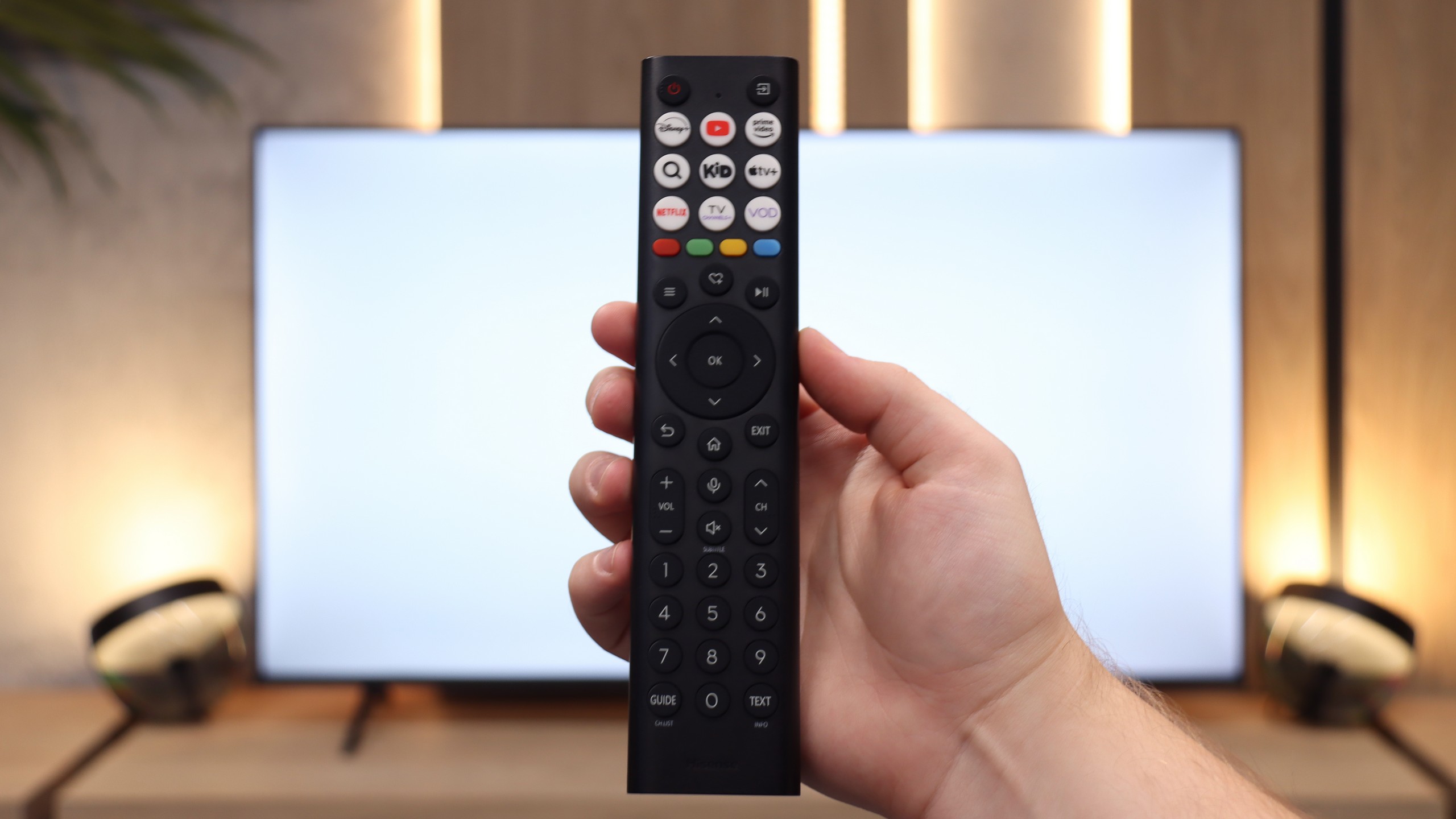
The TV also supports Bluetooth connectivity, allowing the use of various peripherals like wireless headphones and soundbars, enhancing user convenience. The remote control is slim, stylish, and ergonomic, featuring an internal rechargeable battery that can be powered via USB-C or solar energy, eliminating the need for disposable batteries. It can also control external devices, such as the NC+/Canal+ decoder.
Furthermore, the SmartThings app for Android and iOS enables the TV to integrate with other smart devices around the home. This feature allows users to remotely control elements like Philips Hue smart lighting, Yeelight, and other compatible products. As a result, the Samsung Q60D can act as a central hub for a smart home, streamlining the management of everyday tasks and enhancing the entertainment experience.
Smart Features
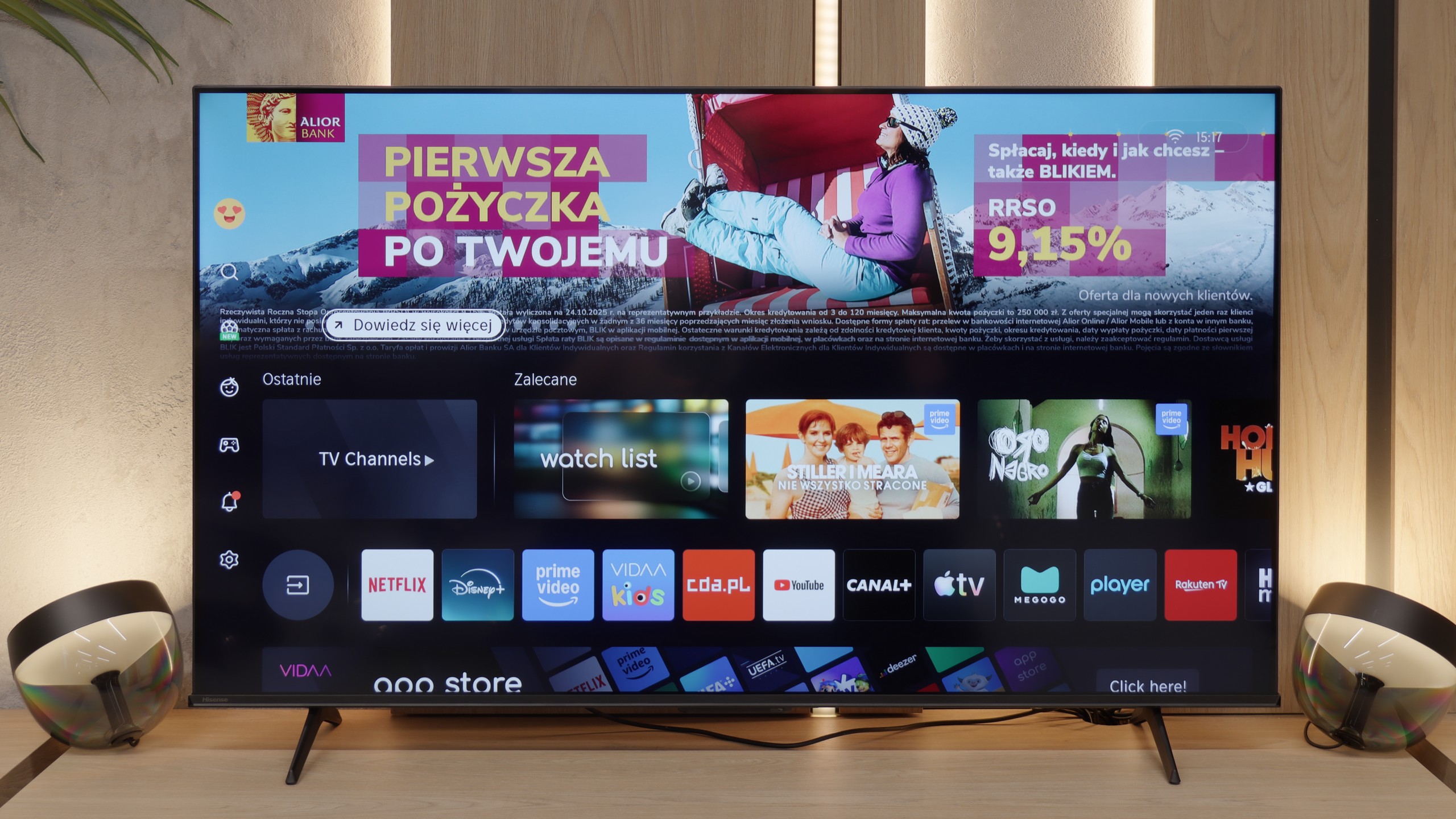
When it comes to the features of the TV and Smart TV system, VIDAA on the E7Q PRO operates quickly and stably. The menu responds smoothly, applications launch without annoying lag, and the whole experience feels polished. It includes all the essential smart features, such as AirPlay, screen mirroring, and even voice search that works in Polish. From the perspective of everyday use, it's hard to say there are shortcomings, at least at first glance. However, the biggest drawback of the VIDAA system remains the lack of music applications. This is something we are still waiting for, and we hope it will appear over time because then the system would be almost complete.
Classic Features
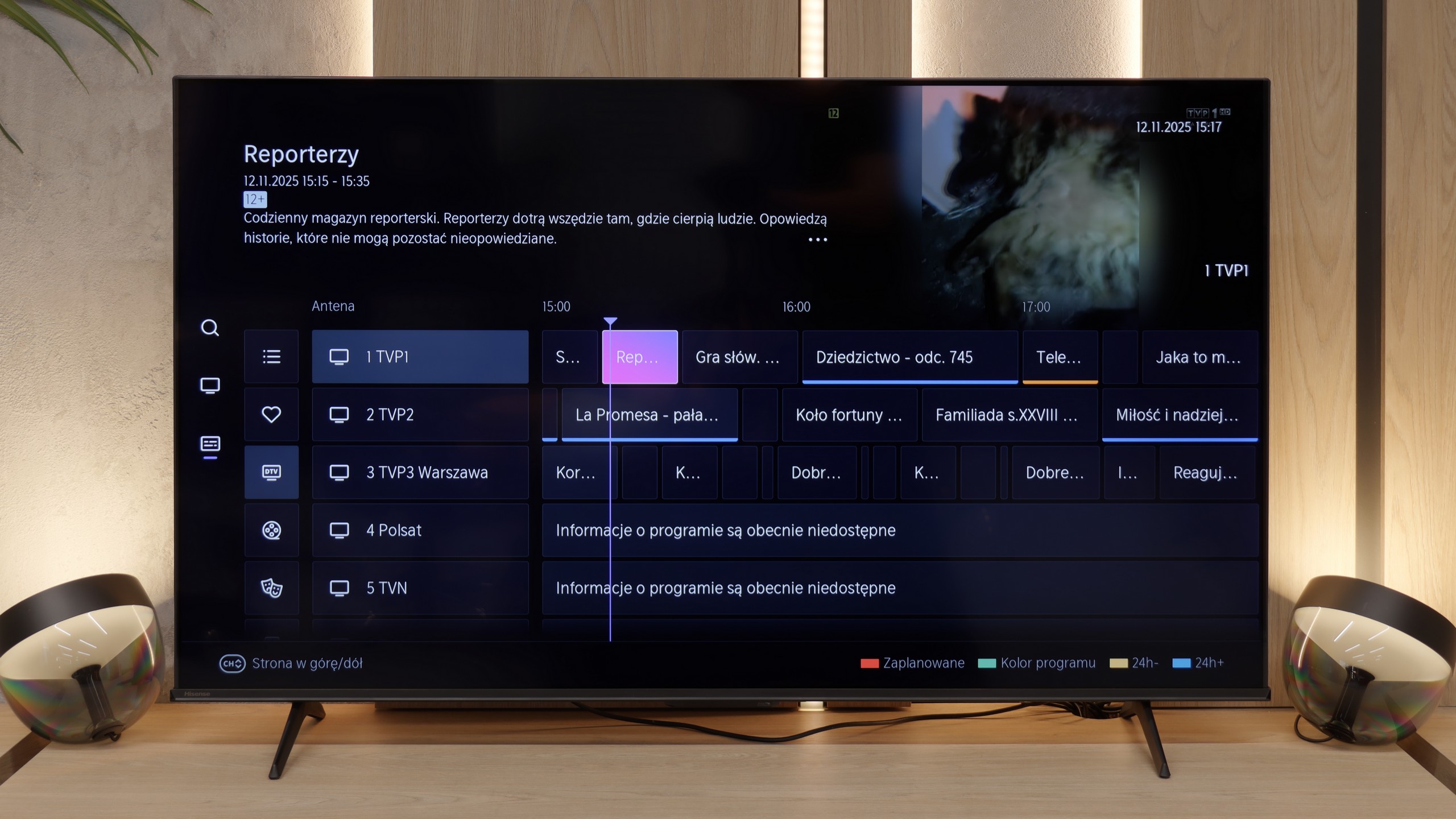
A significant surprise, and at the same time disappointment, is the lack of USB recording functionality. In the more expensive Hisense models from the 2025 lineup, such an option is already available, while the E7Q PRO has been deprived of it. A small consolation is the presence of analog audio inputs, which may still be useful for users with older equipment. However, one must keep in mind that in this version of VIDAA, available on the E7Q PRO, USB recording simply does not exist.
 Direct comparison