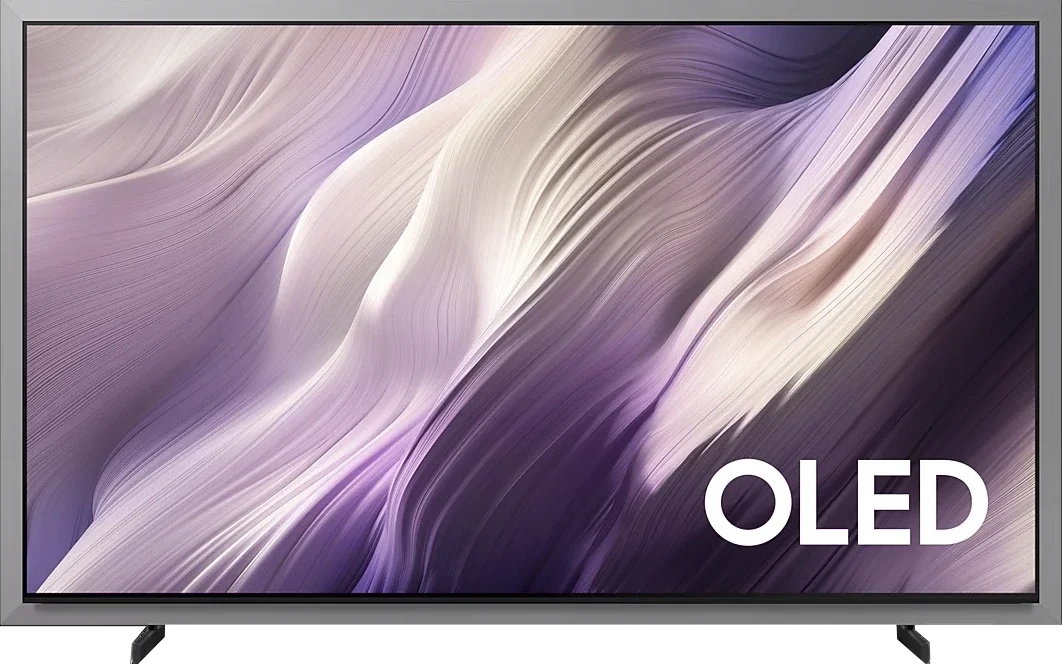
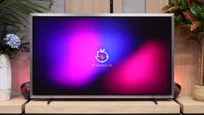
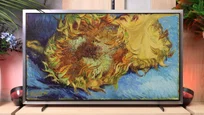
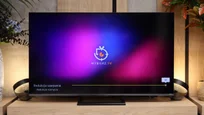
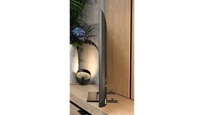
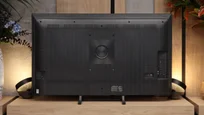
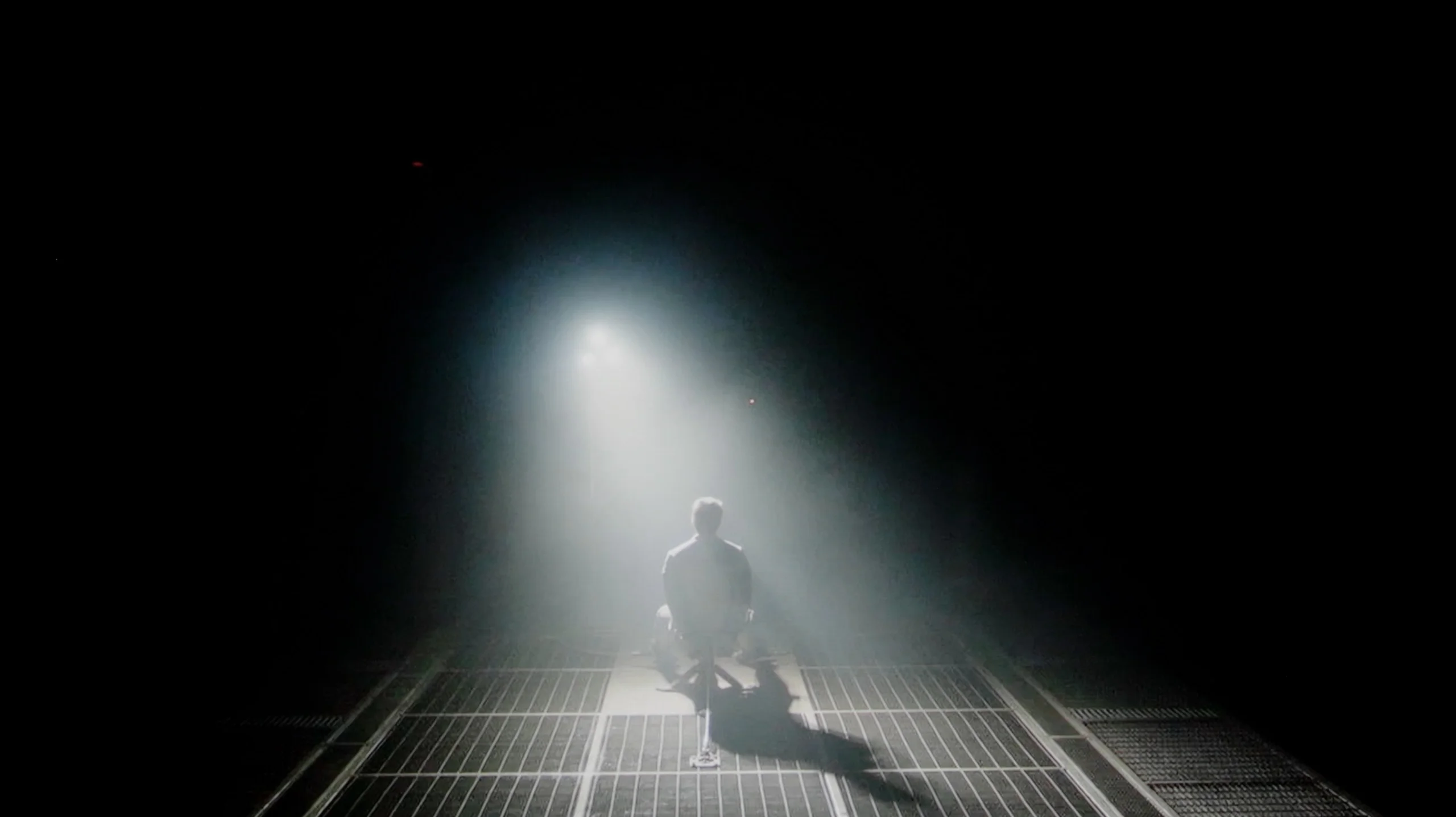
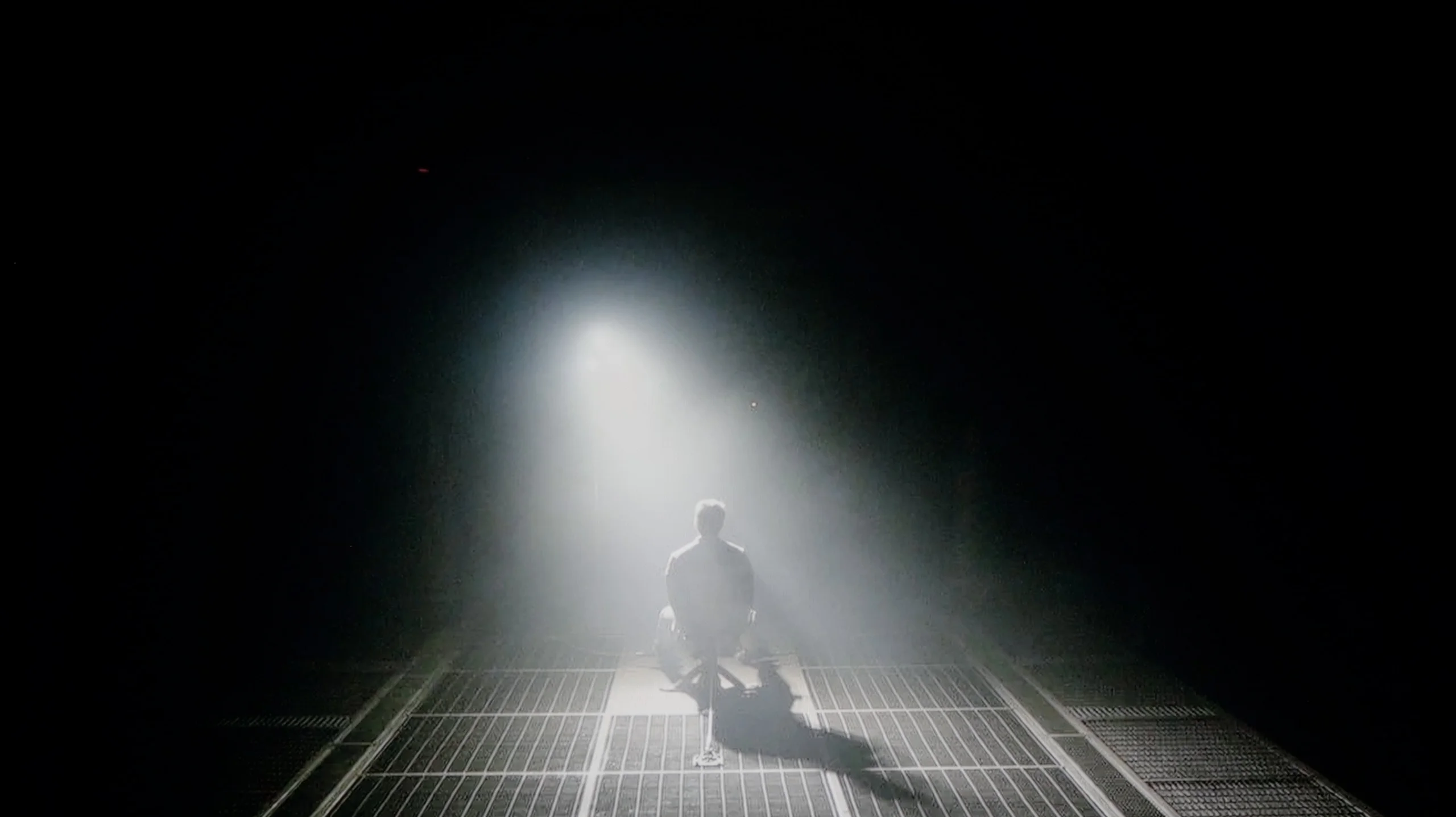
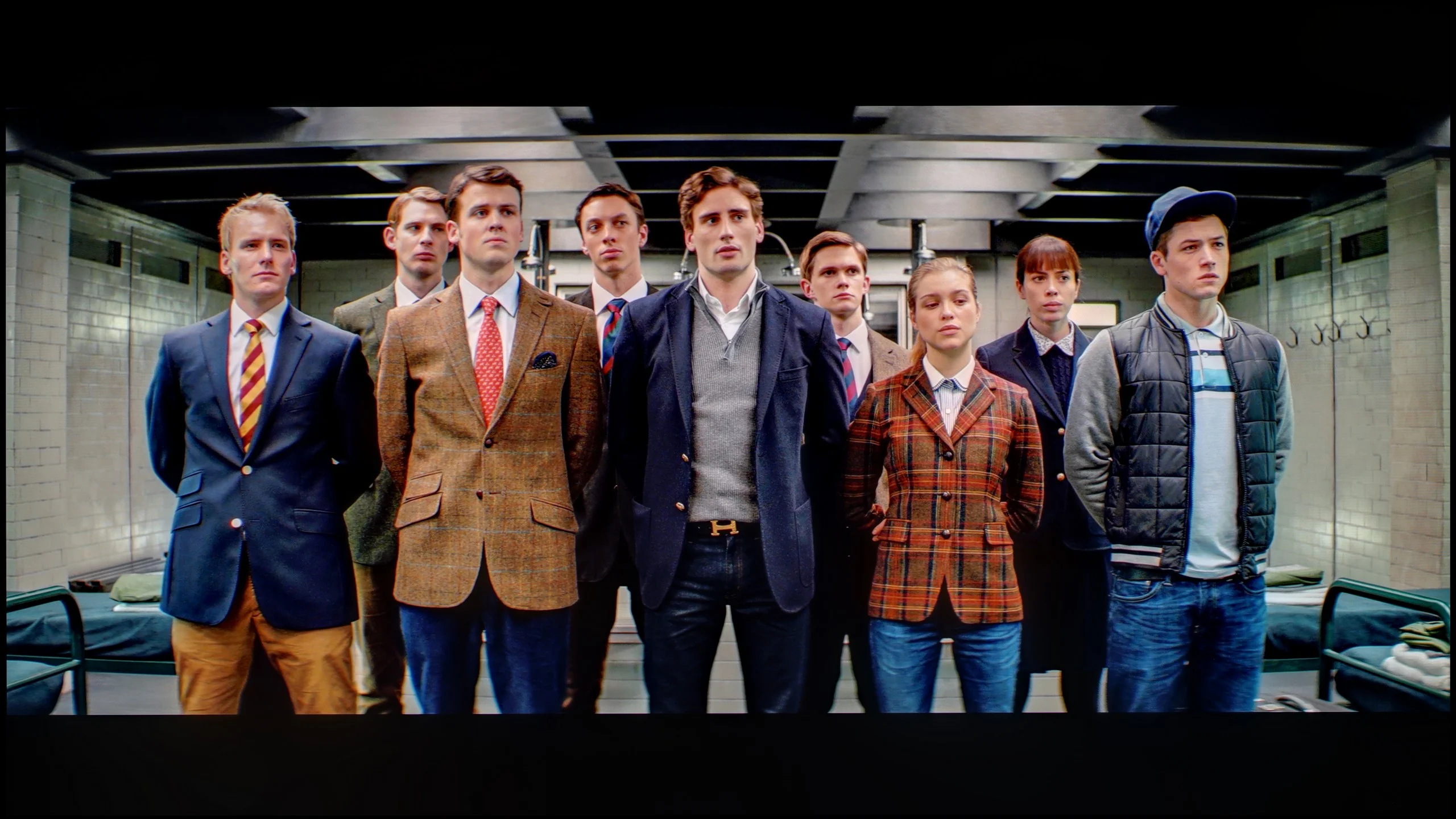
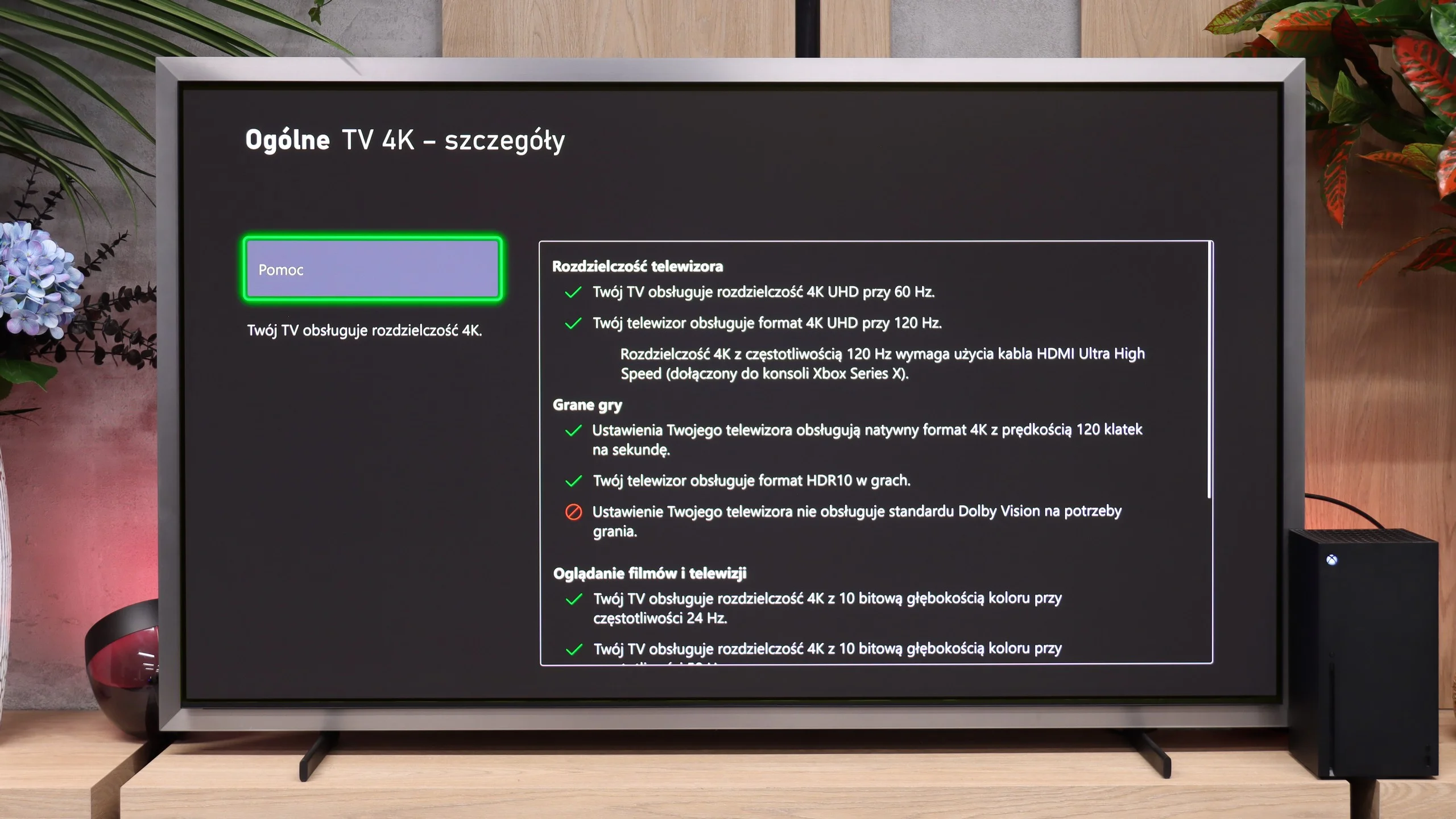
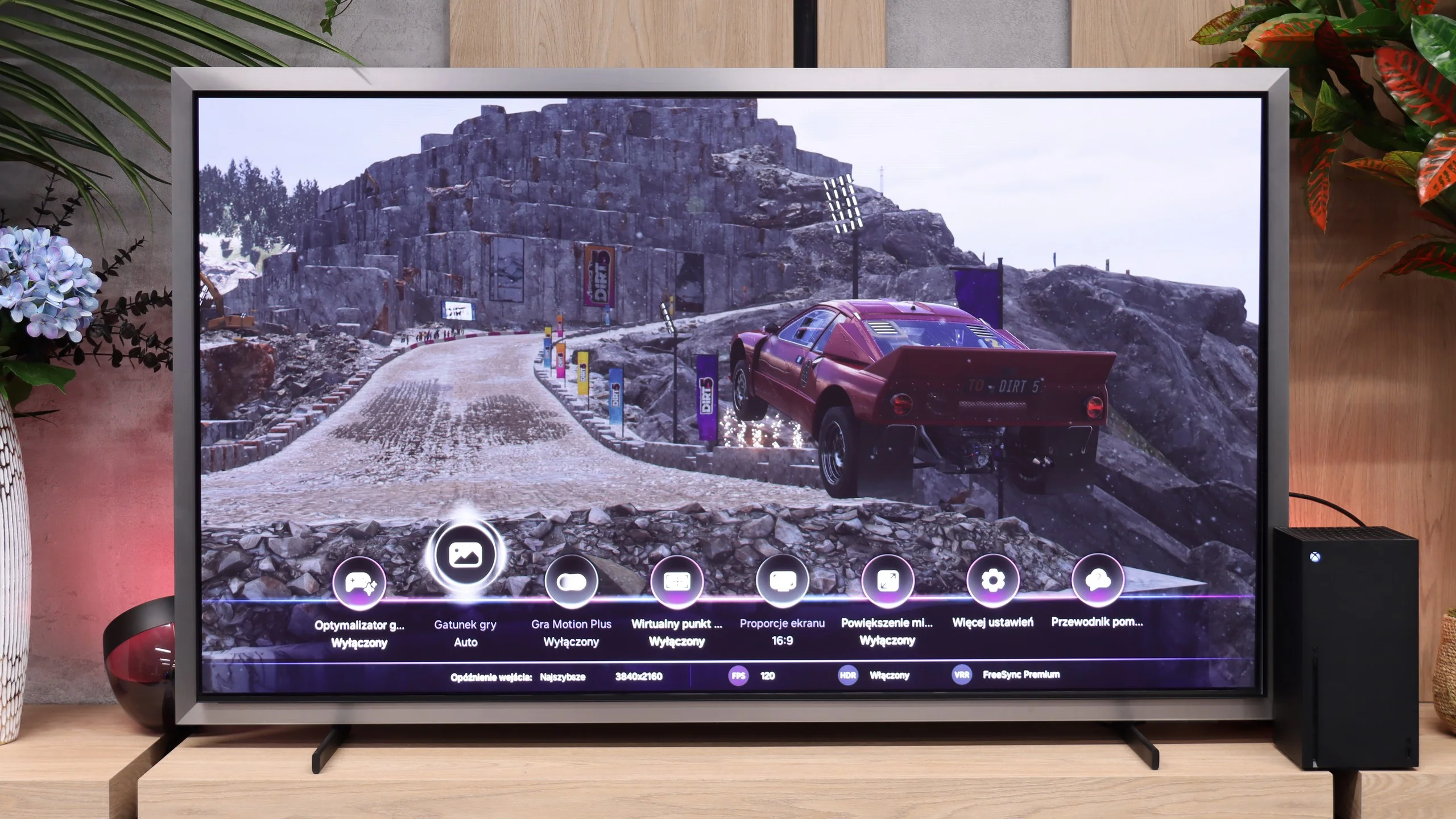
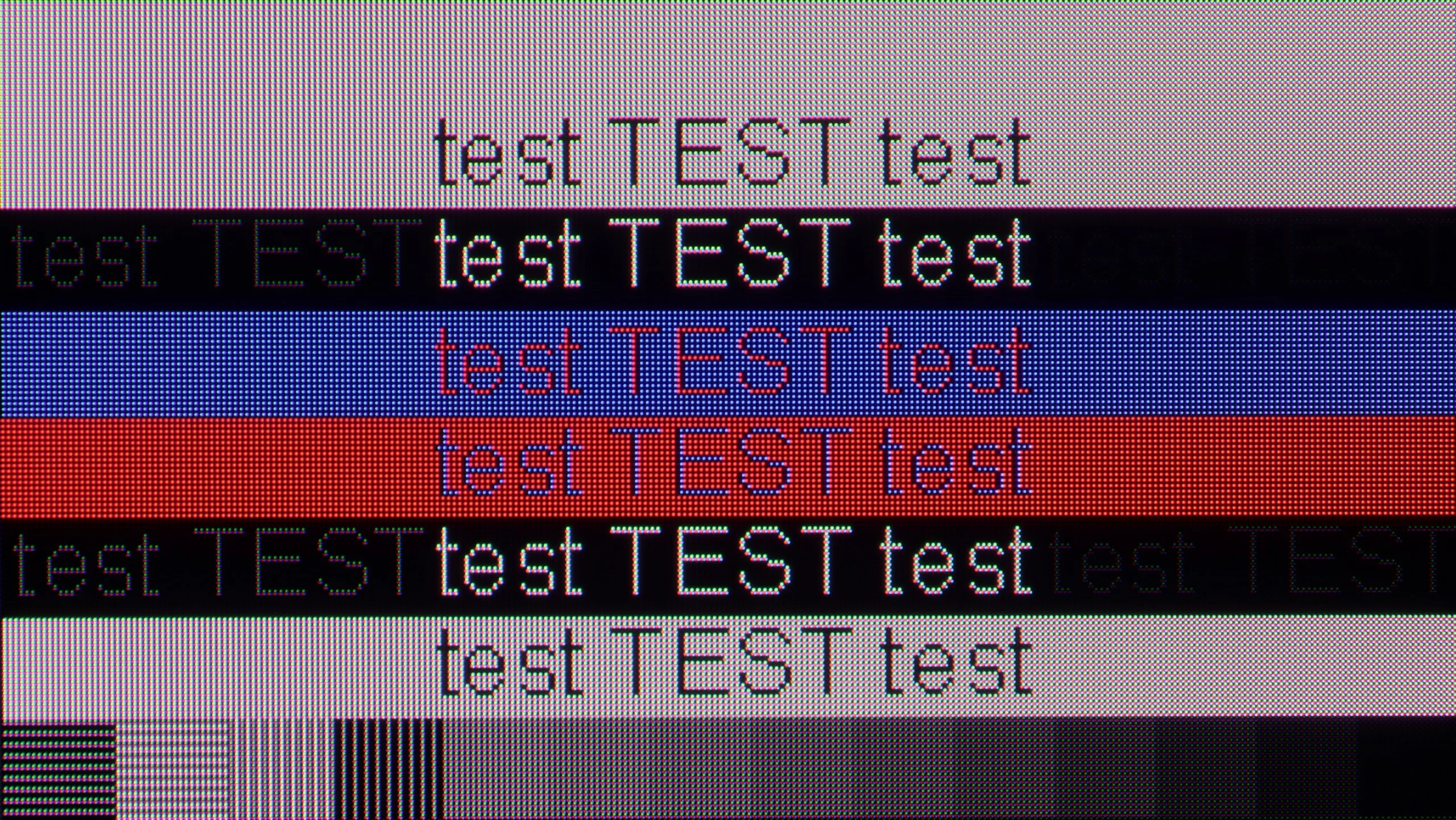
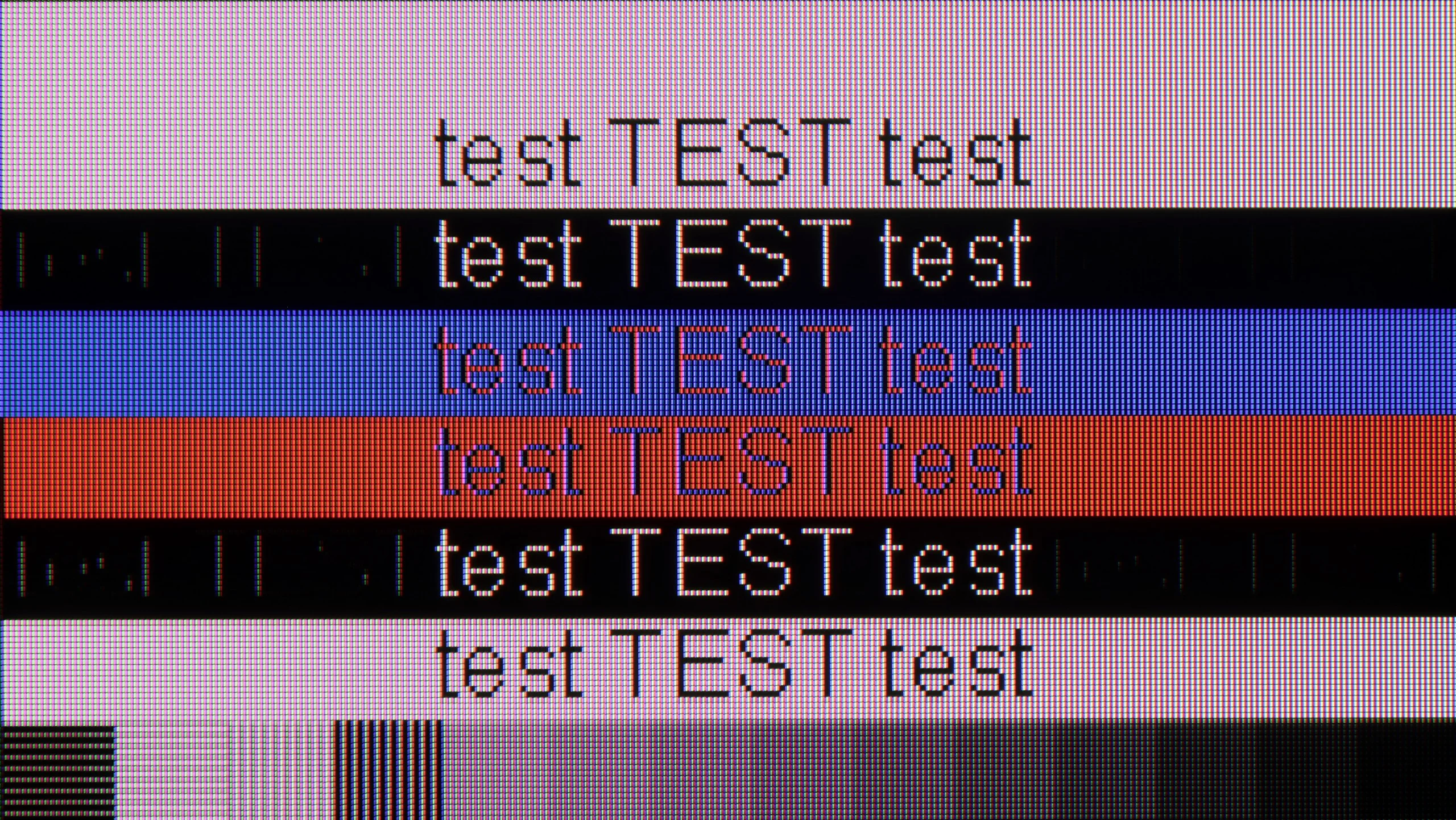
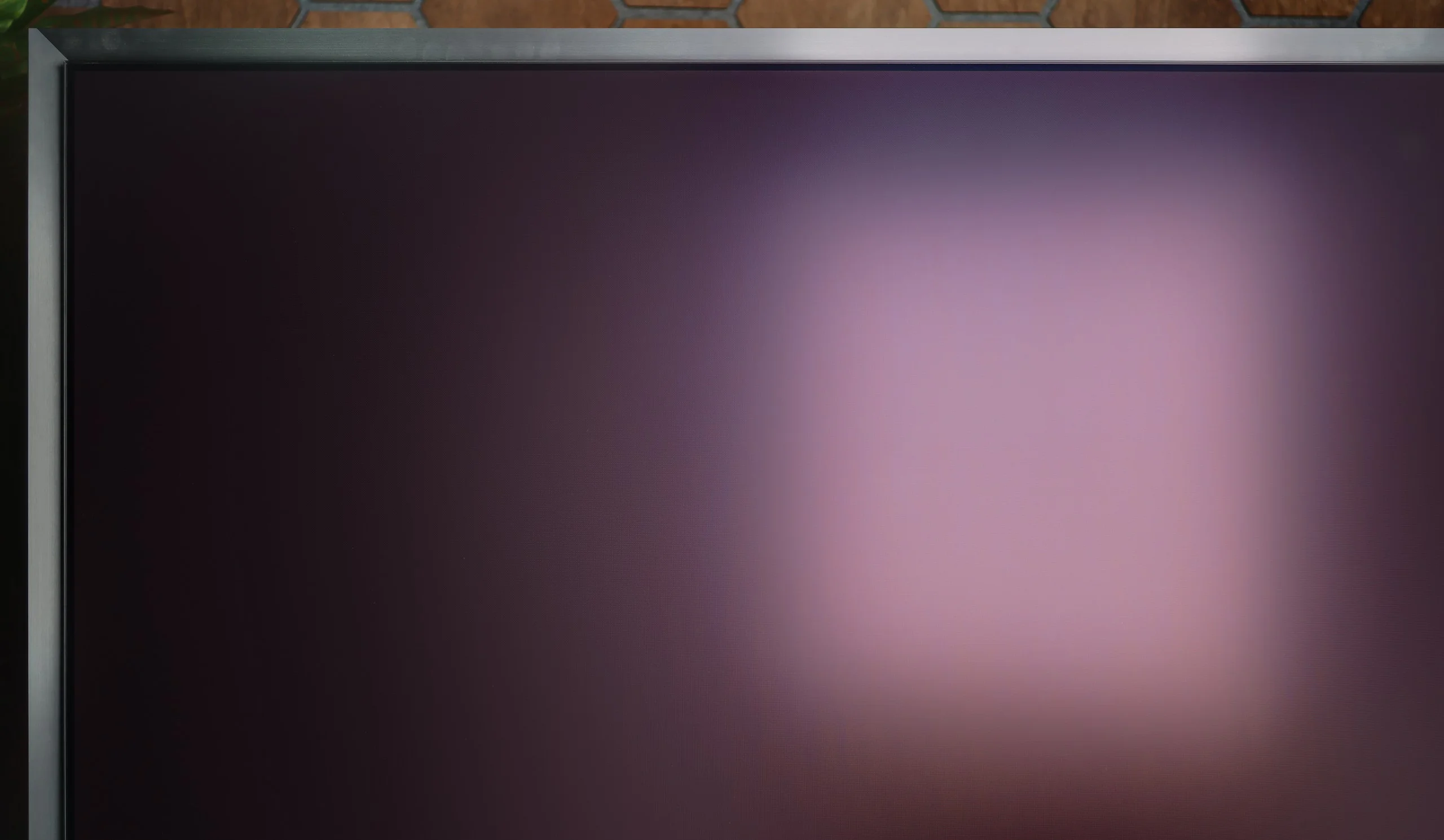
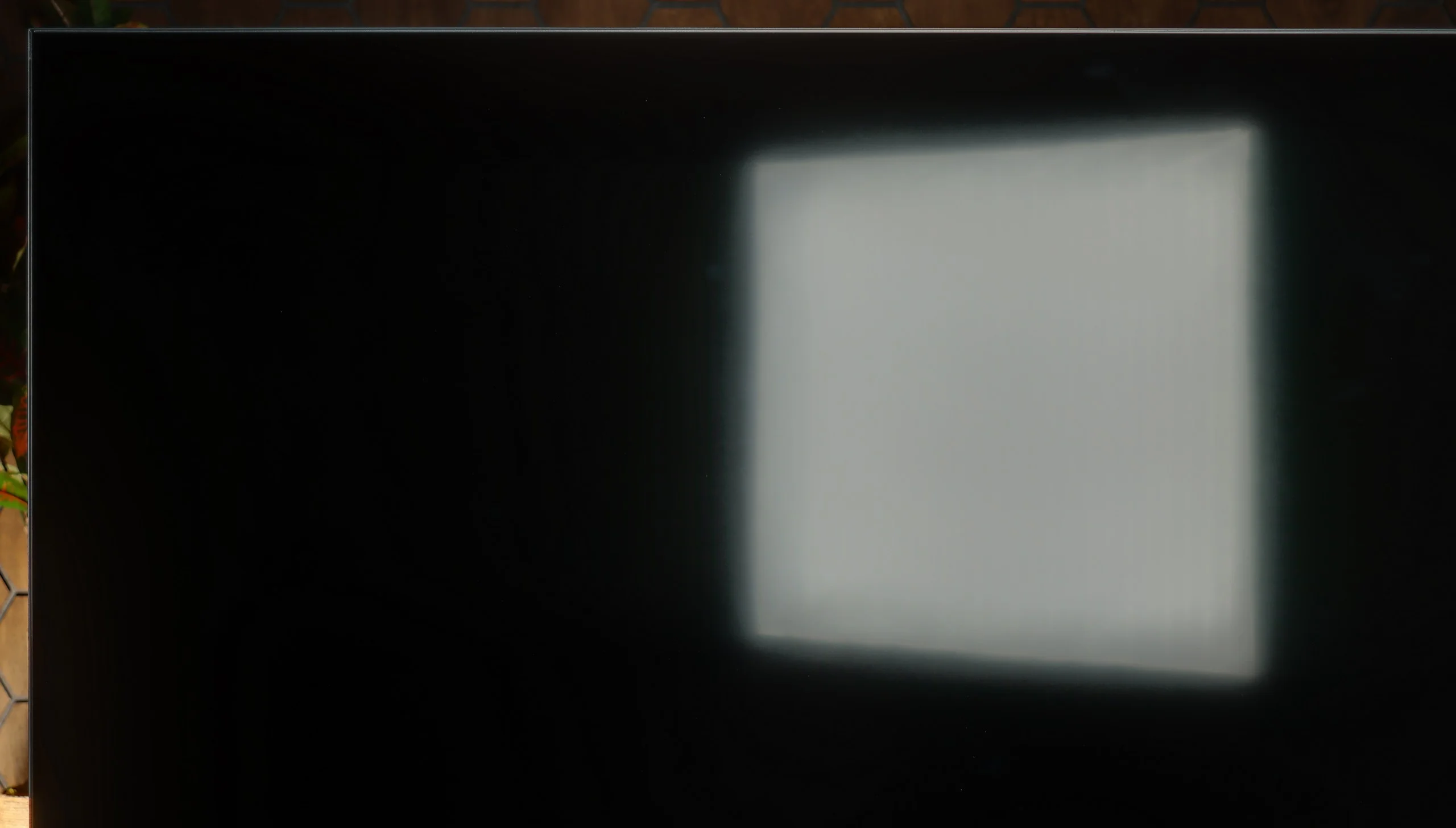
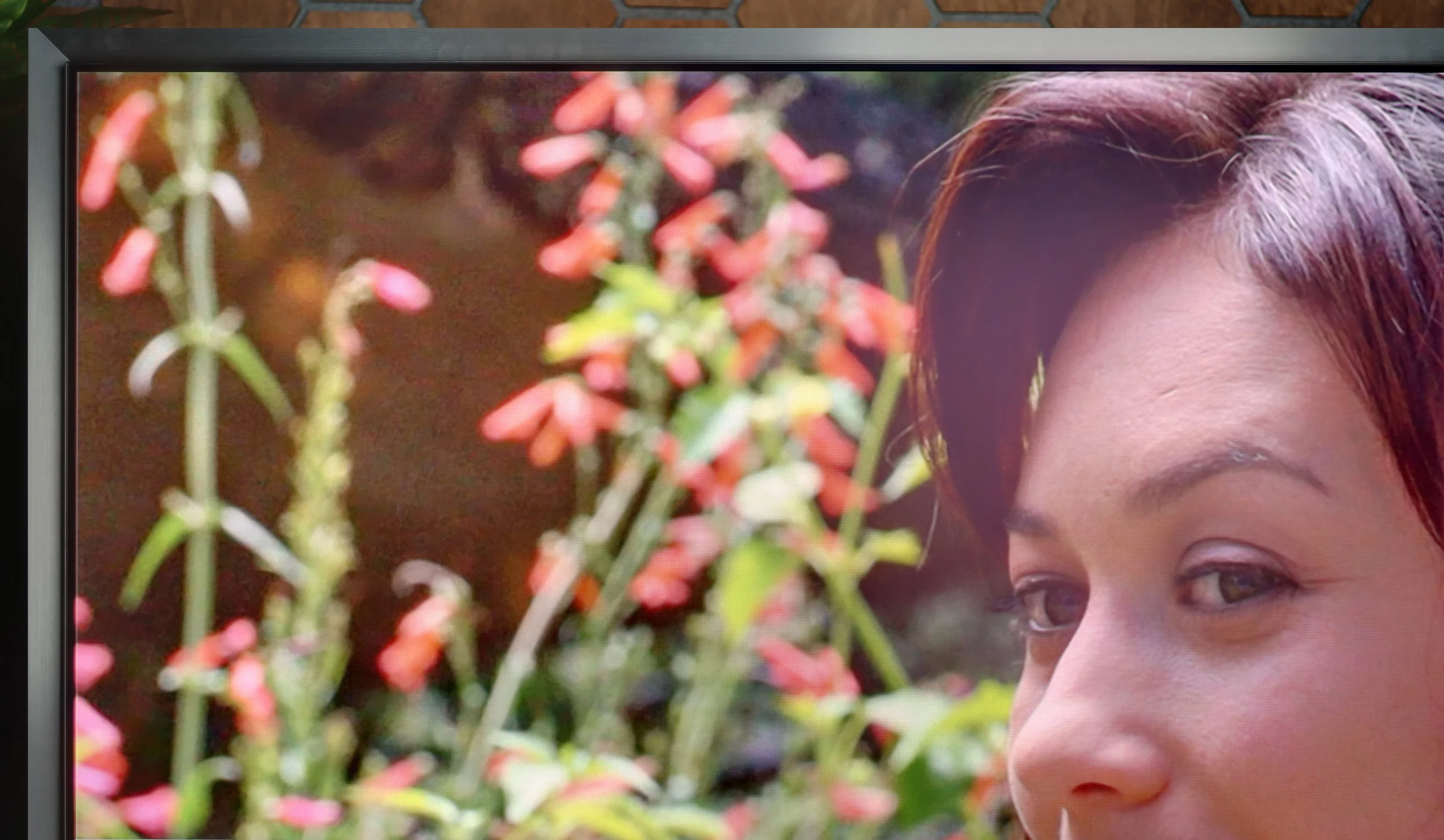
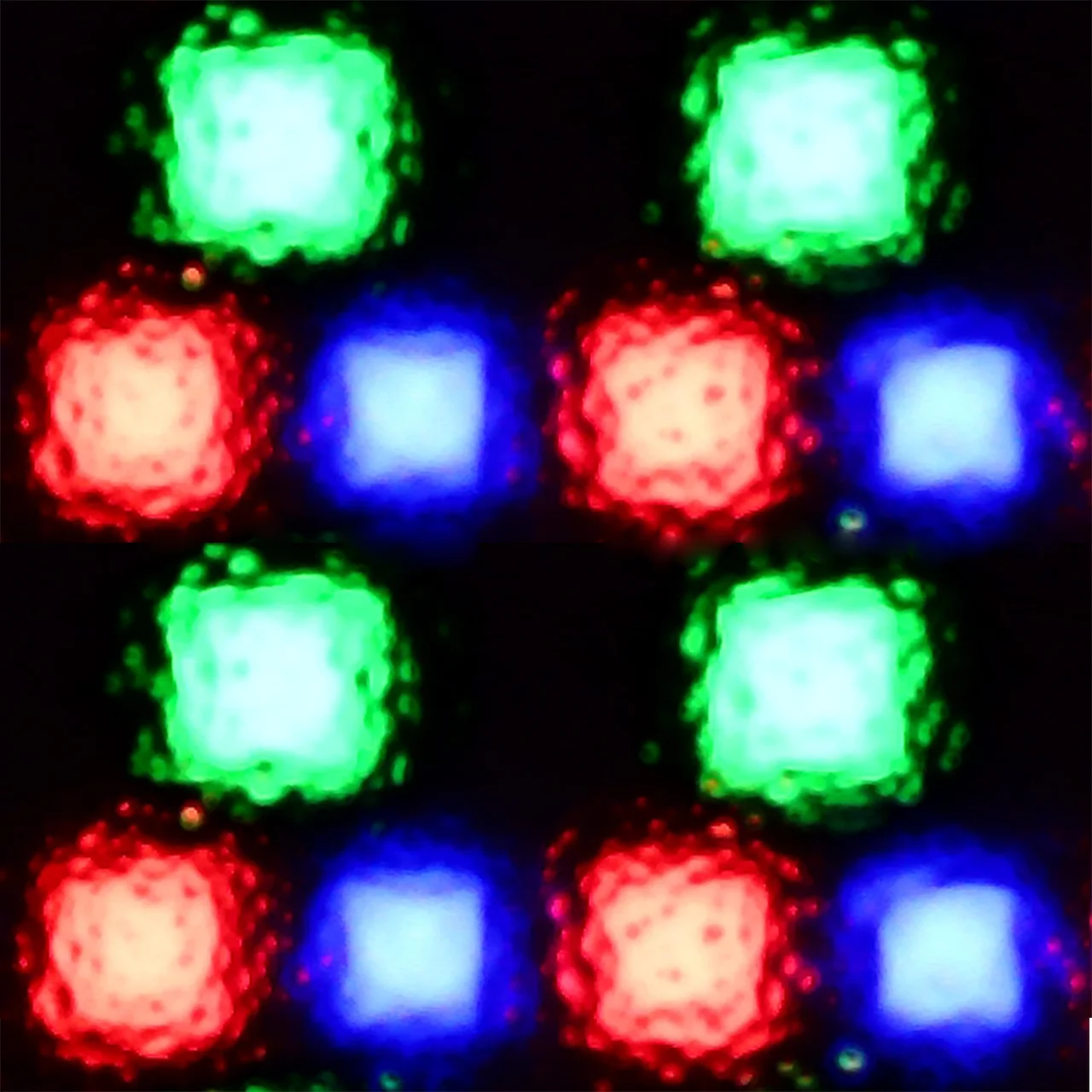
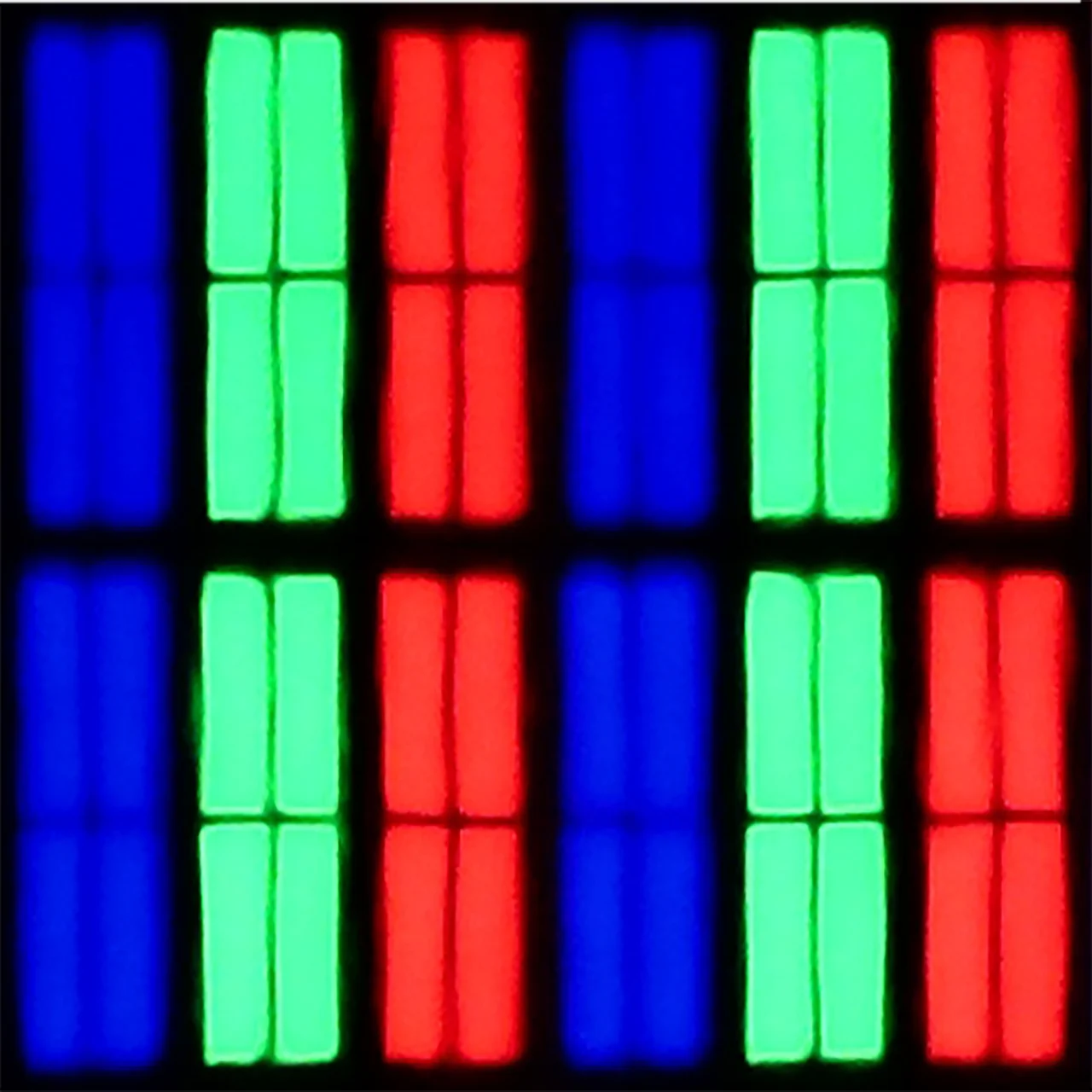
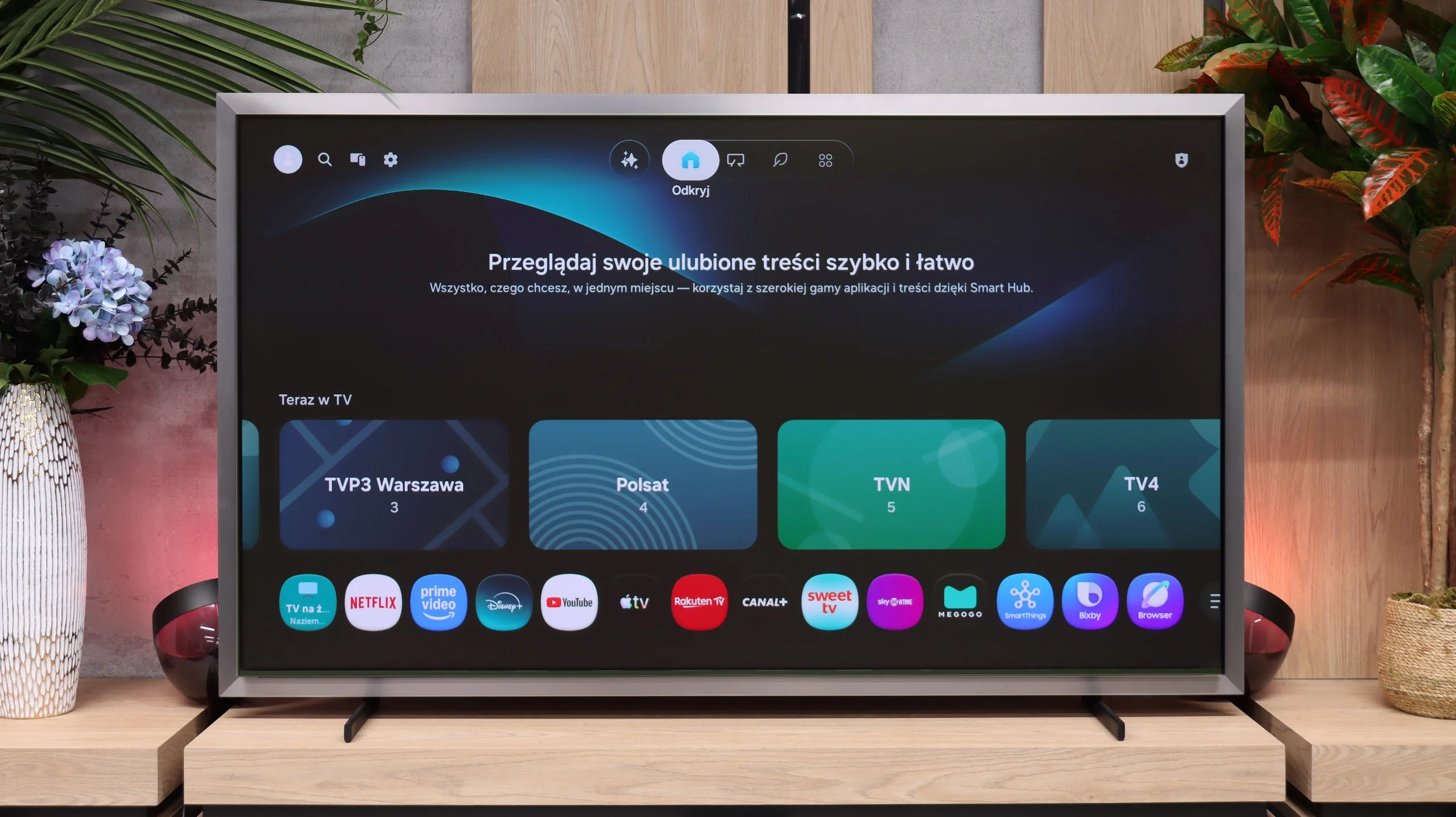
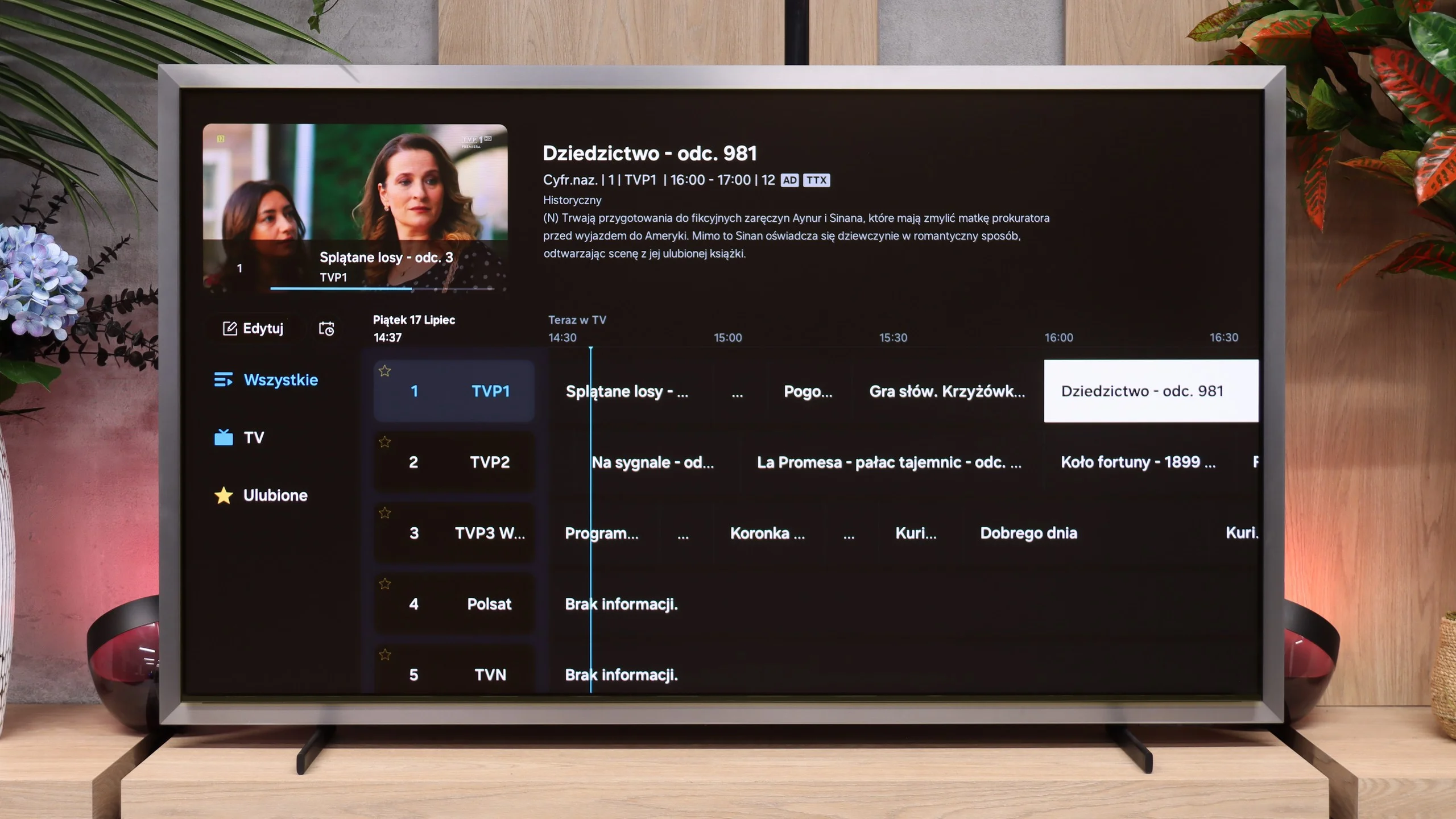
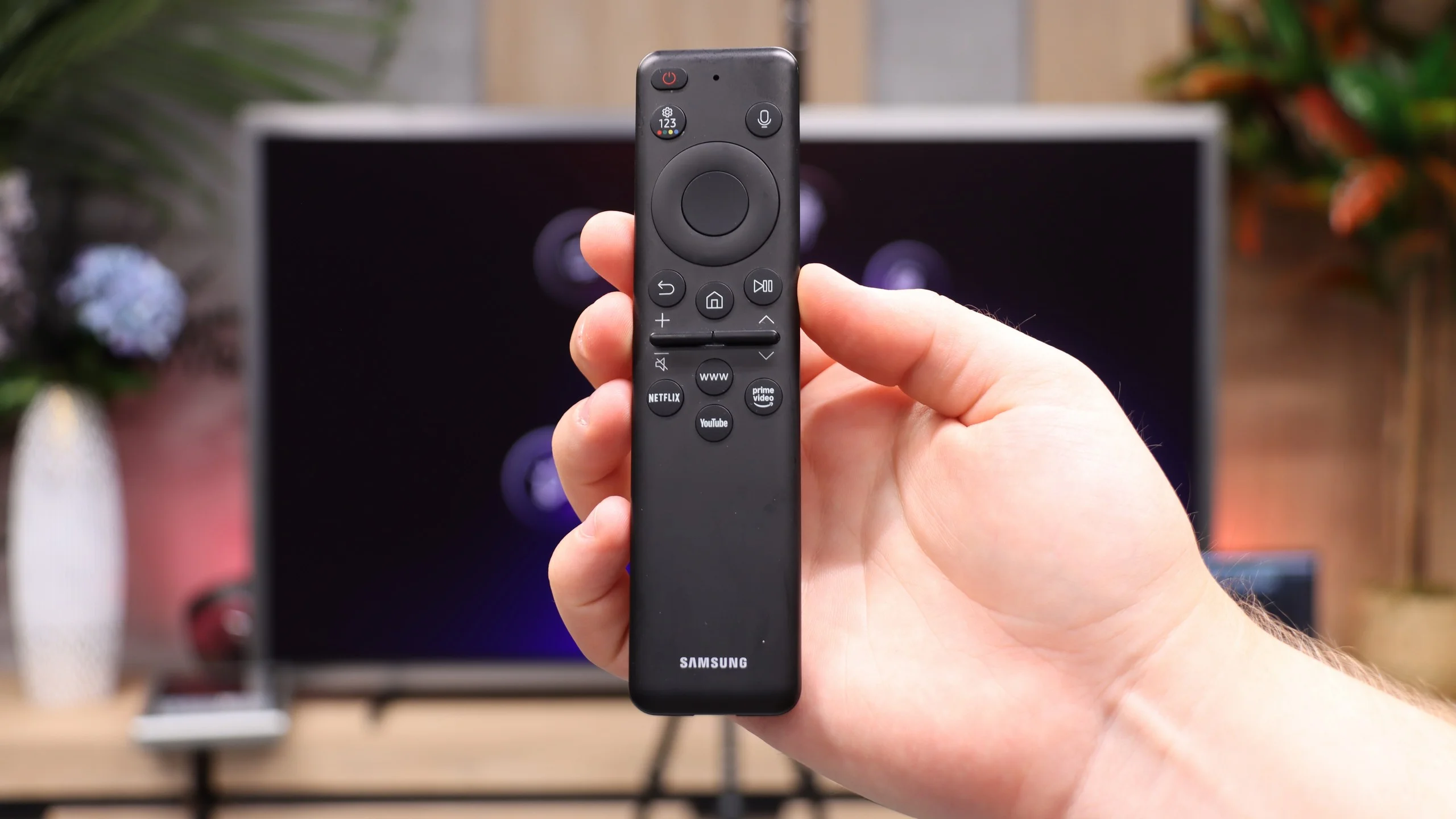
The Samsung S99H is probably the best OLED TV we’ve tested so far, and certainly the best Samsung OLED in years. In terms of picture quality it’s really hard to find a weak point. Black levels are perfect, as you’d expect from an OLED panel, and HDR performance impresses with brightness and color saturation. Using a QD-OLED panel delivers an image that in many scenes looks almost reference-grade. Practically every parameter related to display quality is excellent. It’s also hard to deny that the S99H is simply a pleasure to use day to day. Tizen runs quickly, has access to all the major apps, and is covered by seven years of update support. On top of that are brilliant gaming features, which translated into one of the highest scores in that category on our site. The S99H will therefore perform well in virtually any situation — whether we’re watching movies in the evening, watching regular TV in a bright living room, or spending several hours on a console.
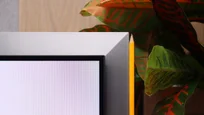
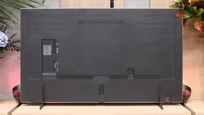
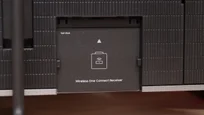
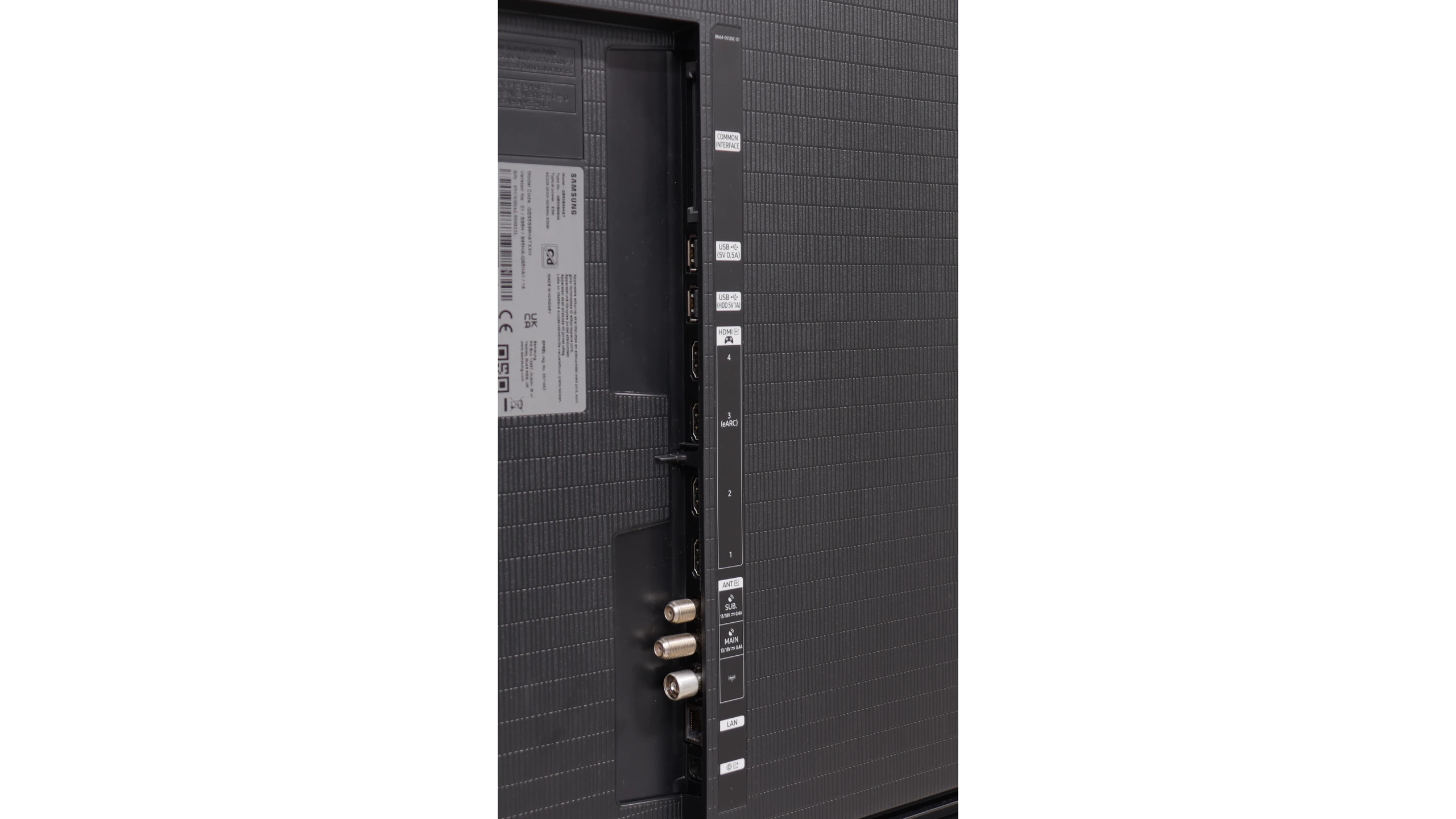
So is it a perfect TV? Not entirely. The most controversial aspect is, of course, the design. The unique look with a wide bezel means this TV will either be loved immediately or completely rejected, and that’s purely subjective. We can, however, assess the equipment, and in that respect Samsung left something to be desired. In a model designed primarily for wall mounting there’s no dedicated wall bracket, nor a One Connect module. Samsung does allow you to buy its wireless version, the Wireless One Connect, but for a product at this price point both items should, in our opinion, be included.
These aren’t, however, flaws that should rule out this model. The Samsung S99H stands above all on its picture, and it is simply phenomenal. If you like the way it looks and are after the best possible TV, it’s hard to find a better choice today. Right now the Samsung S99H is the frontrunner for best TV of 2026.
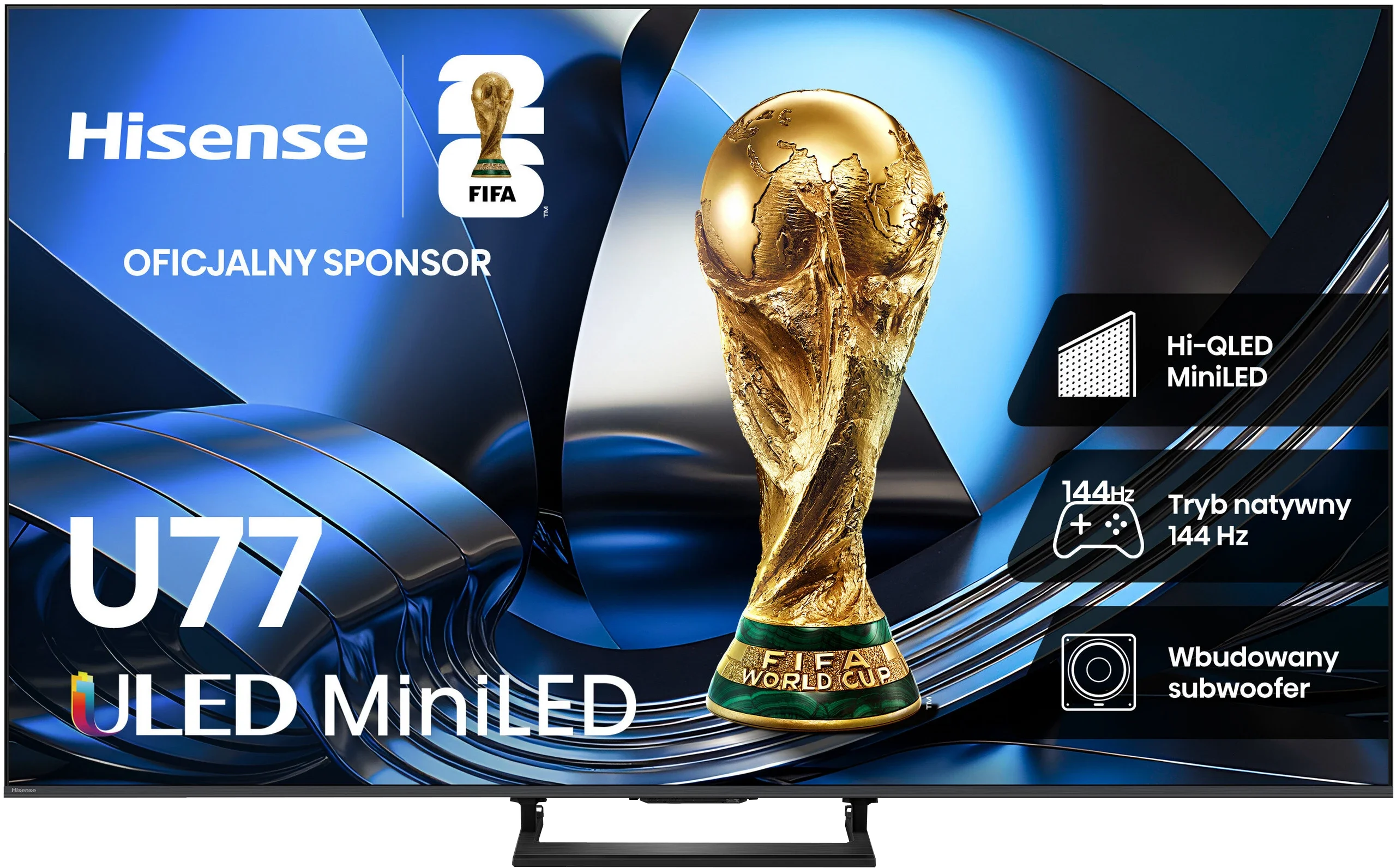
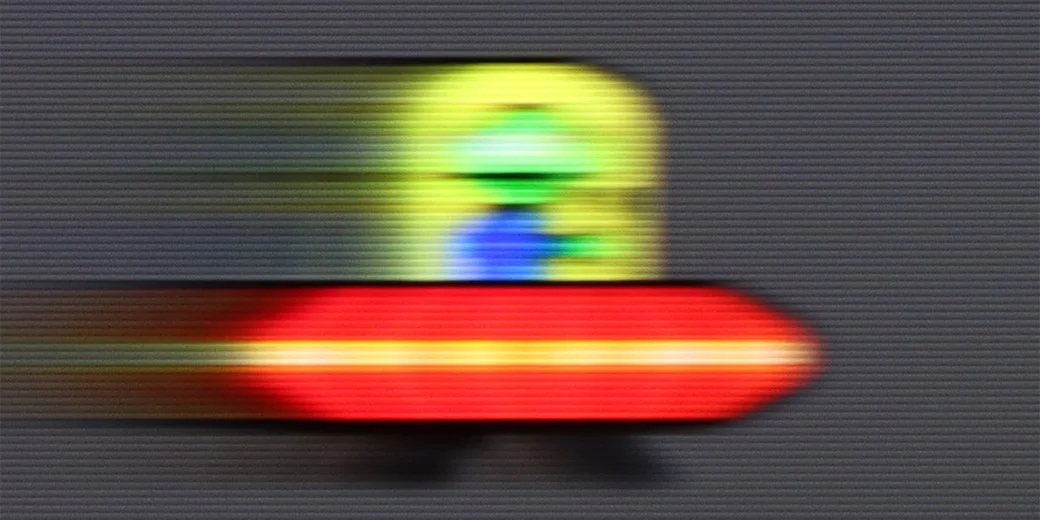
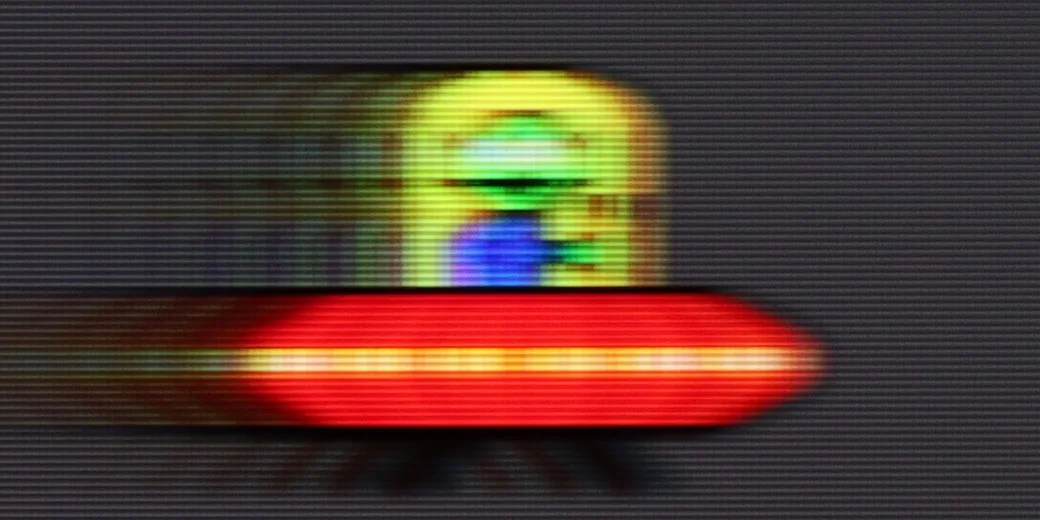
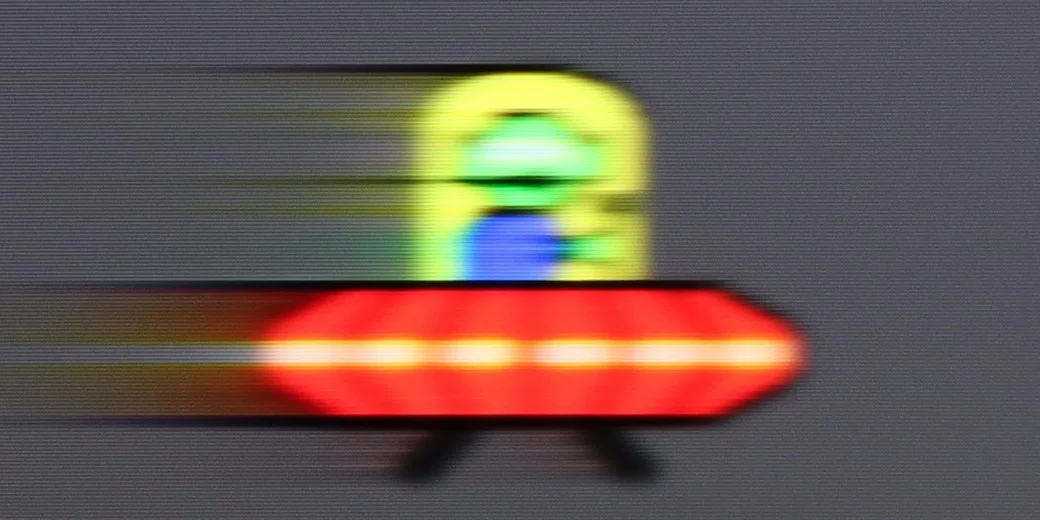
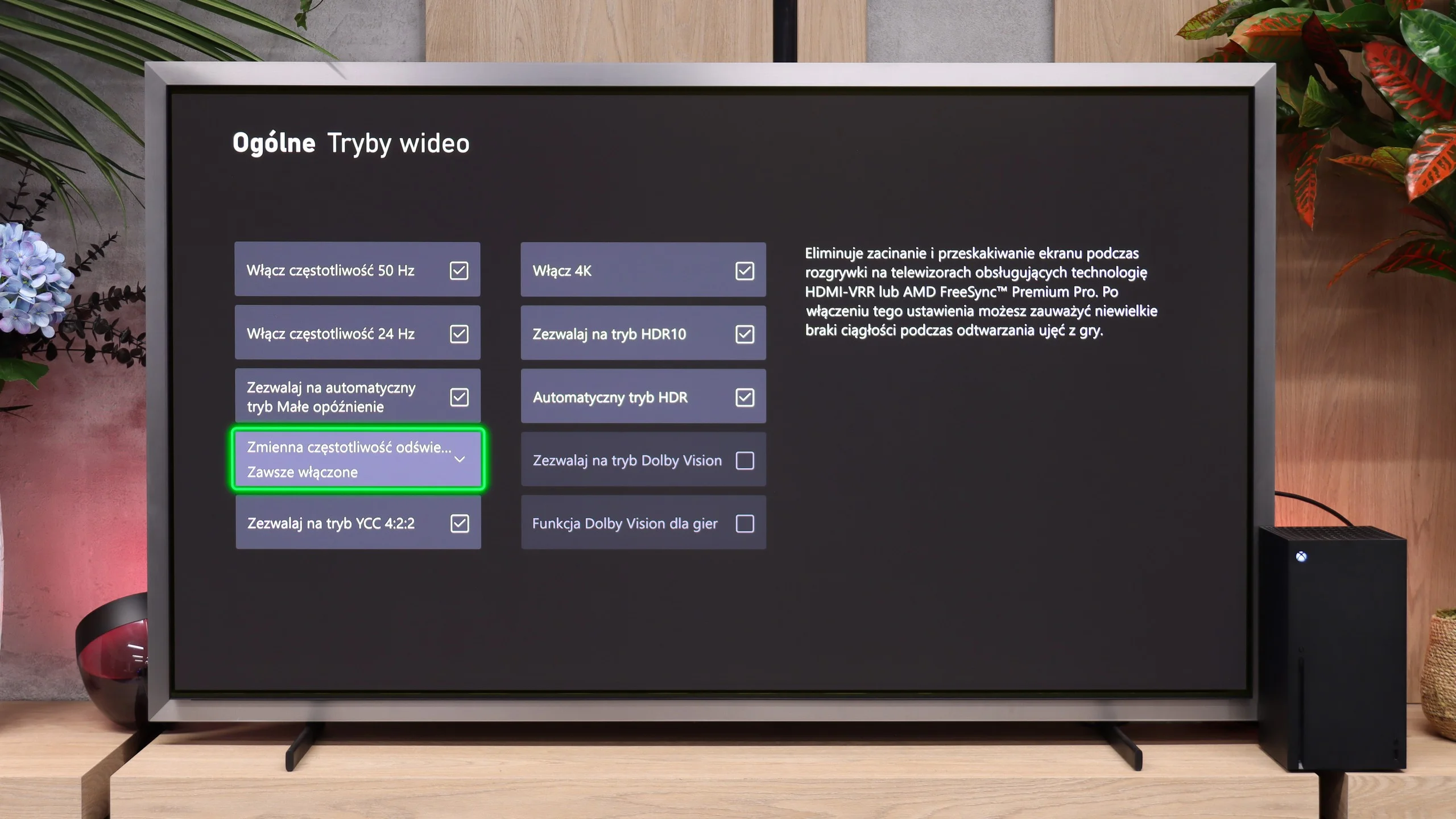
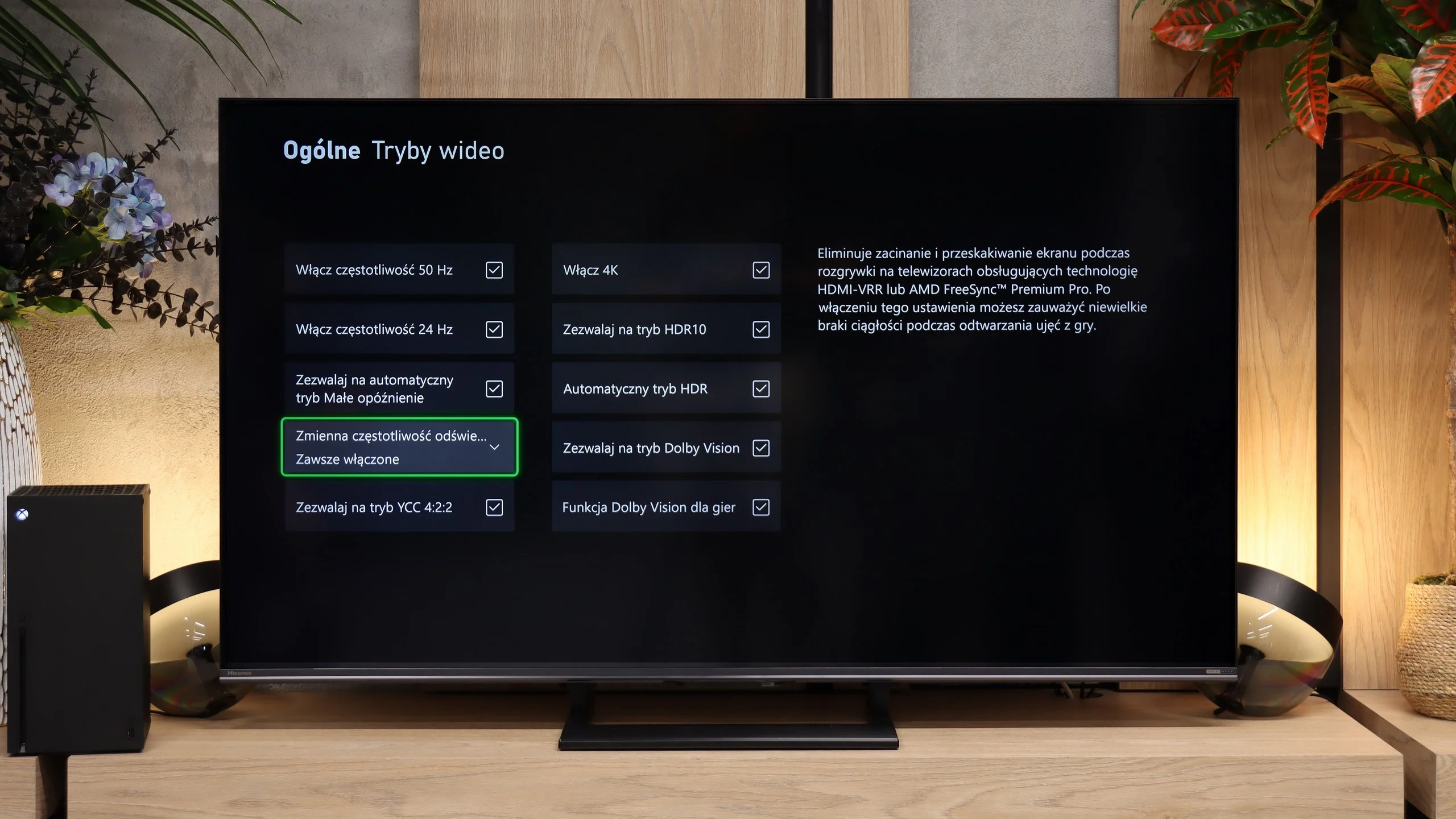
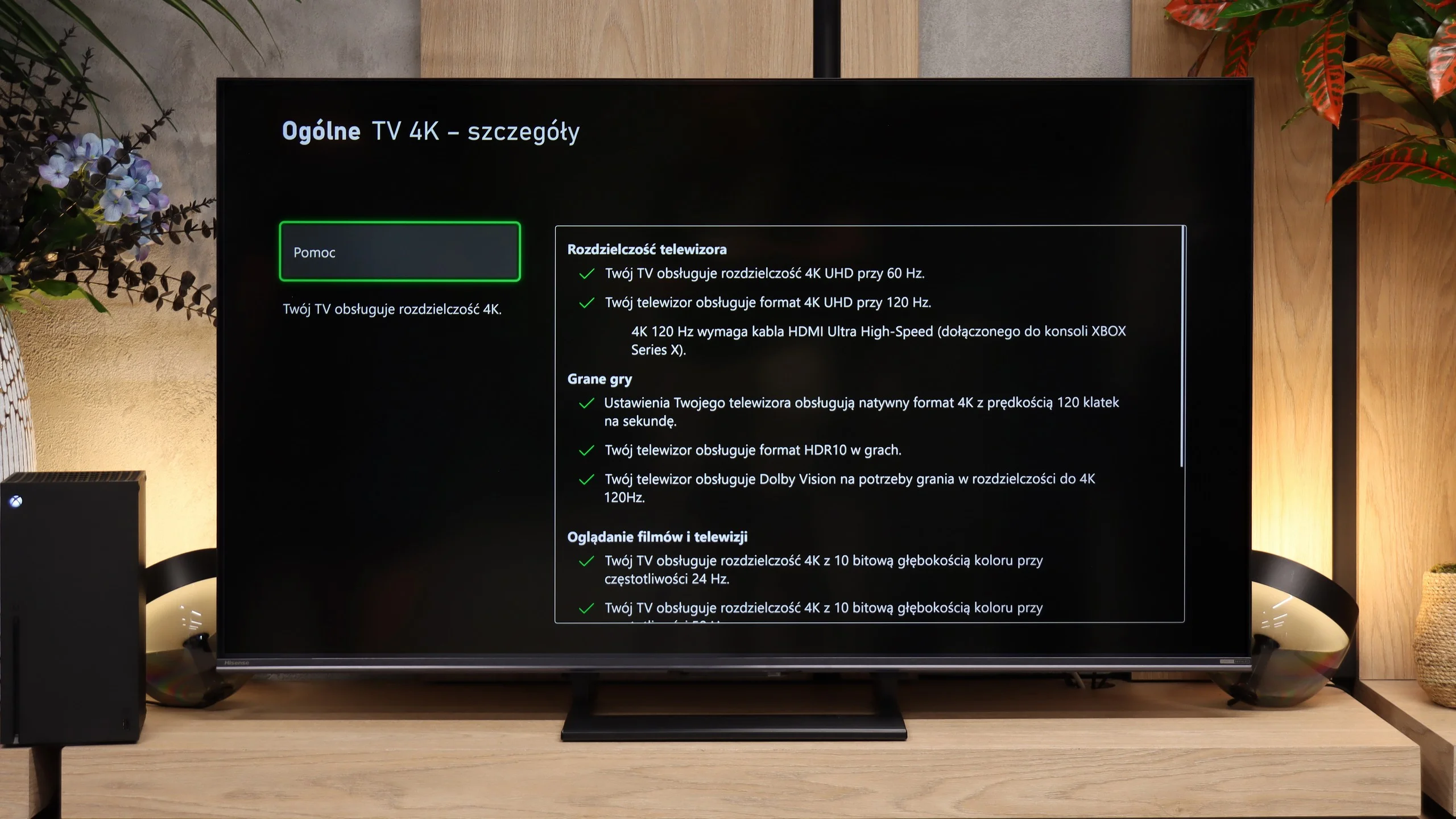
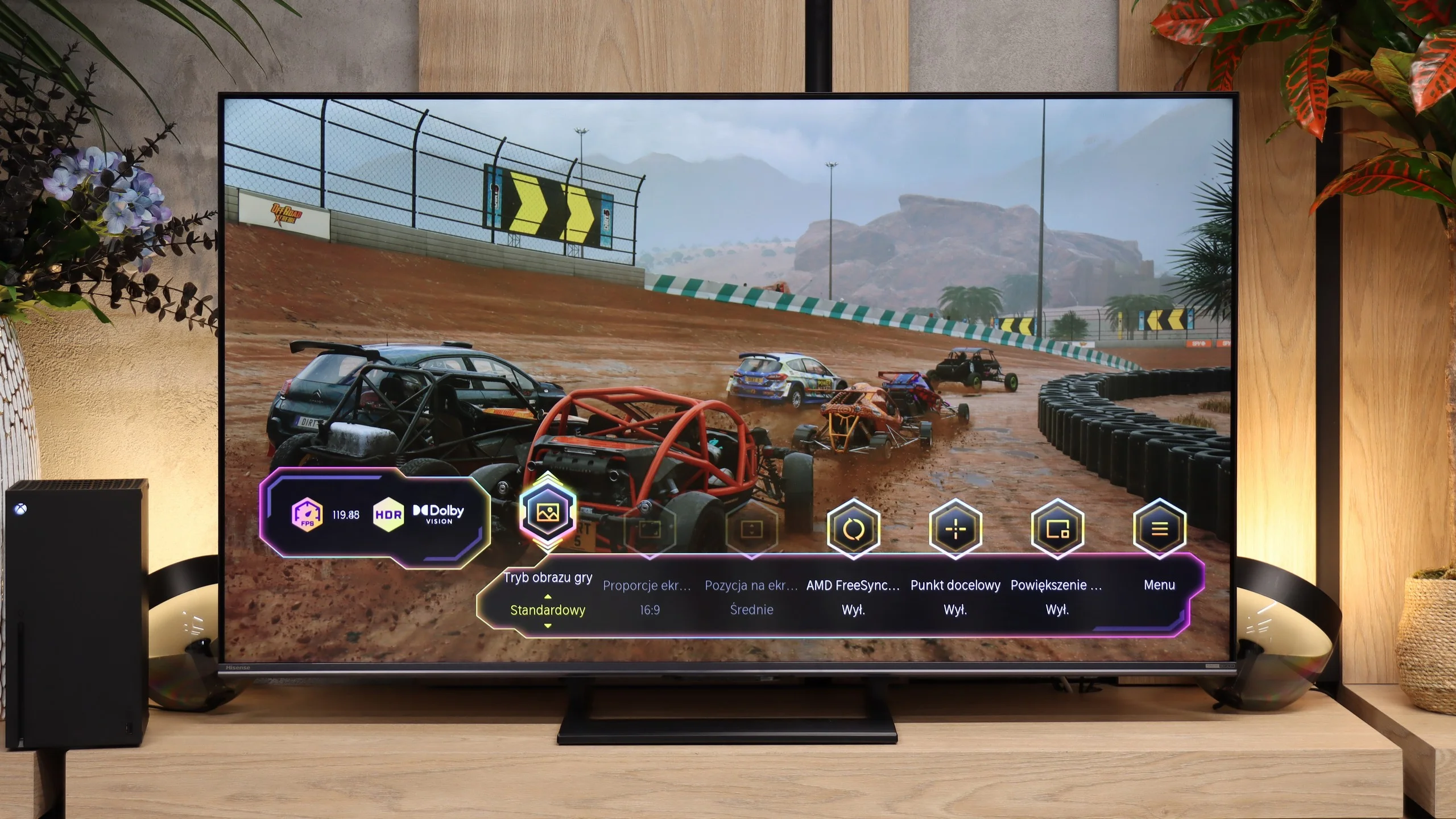
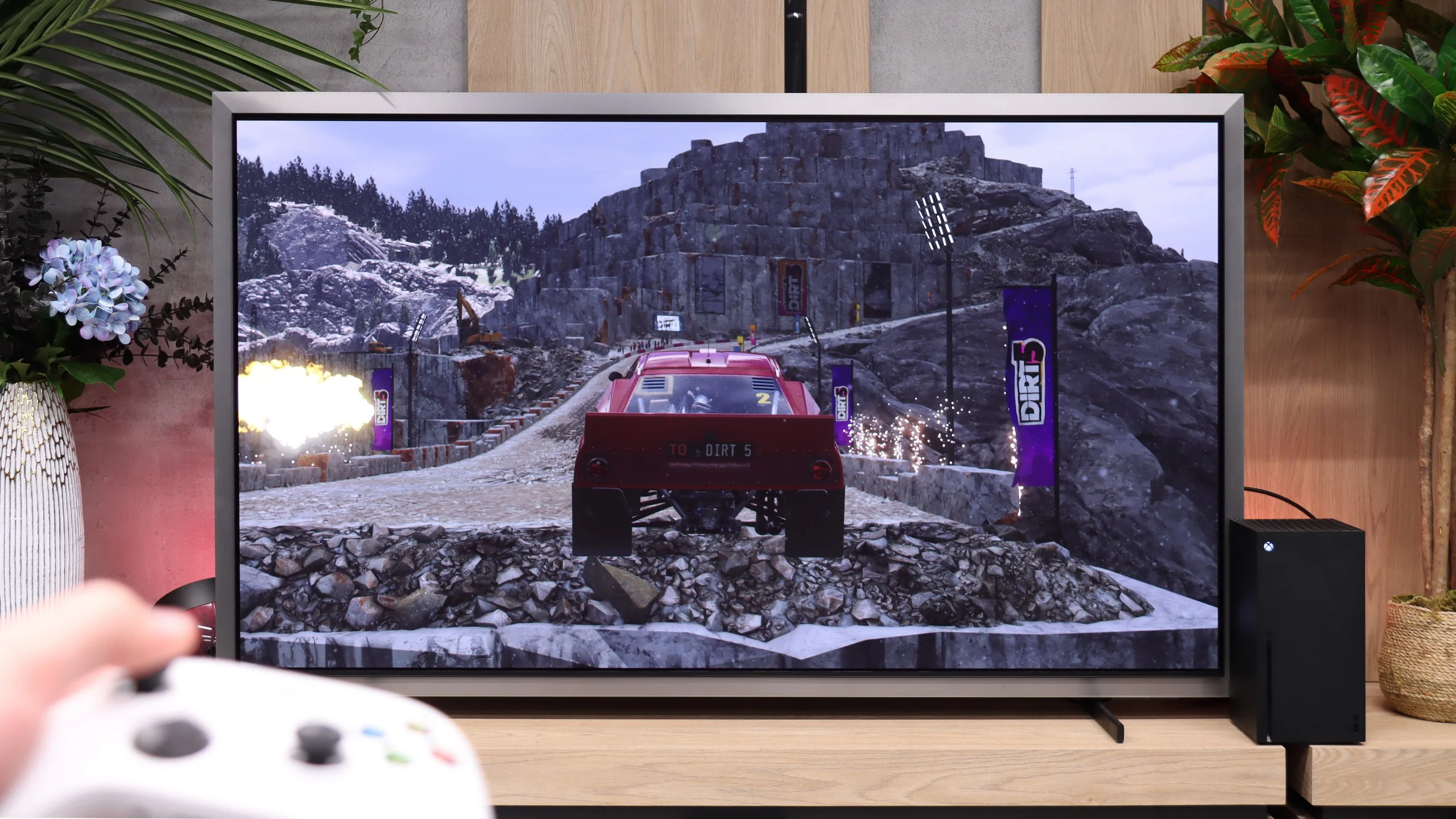
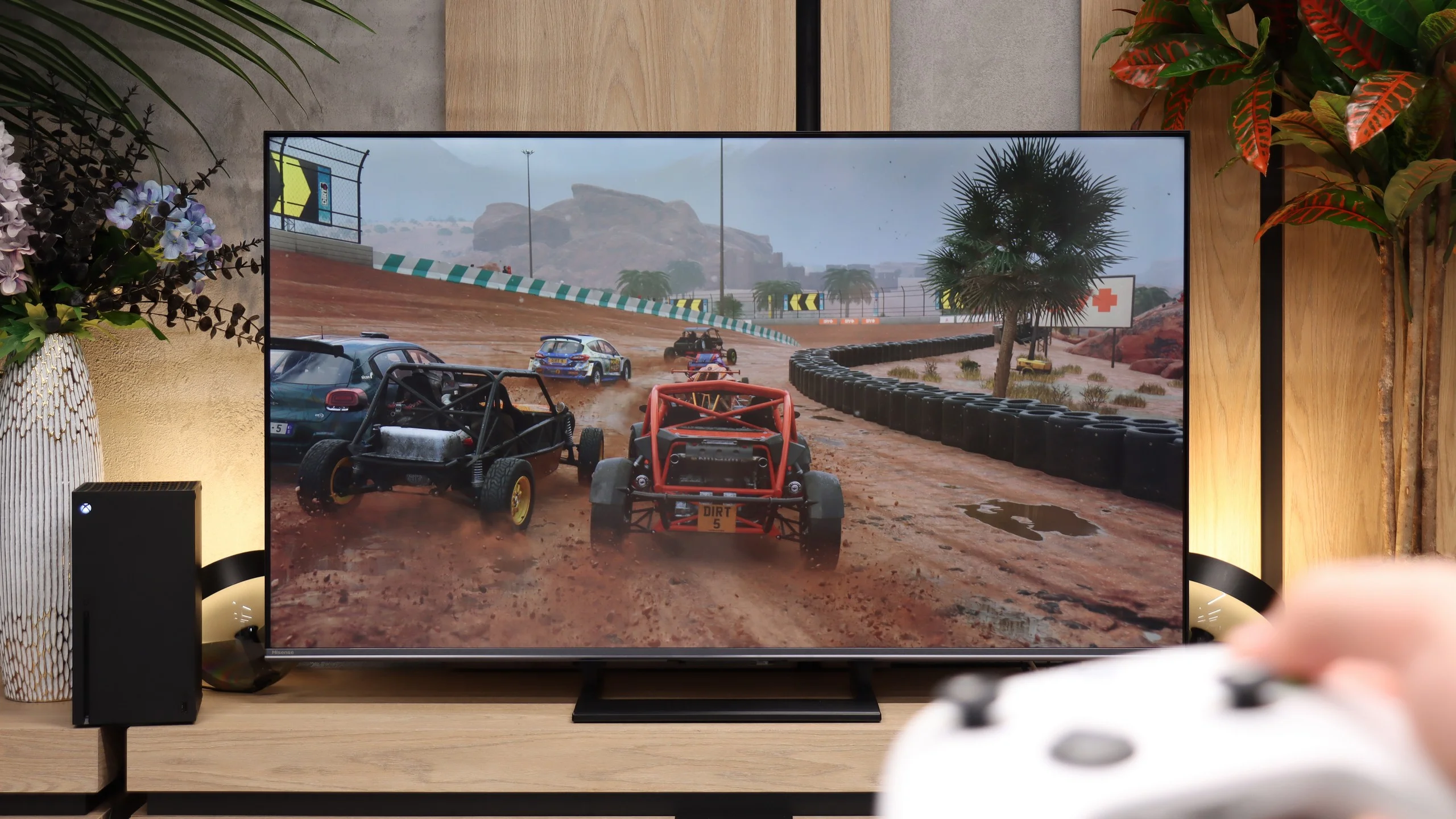
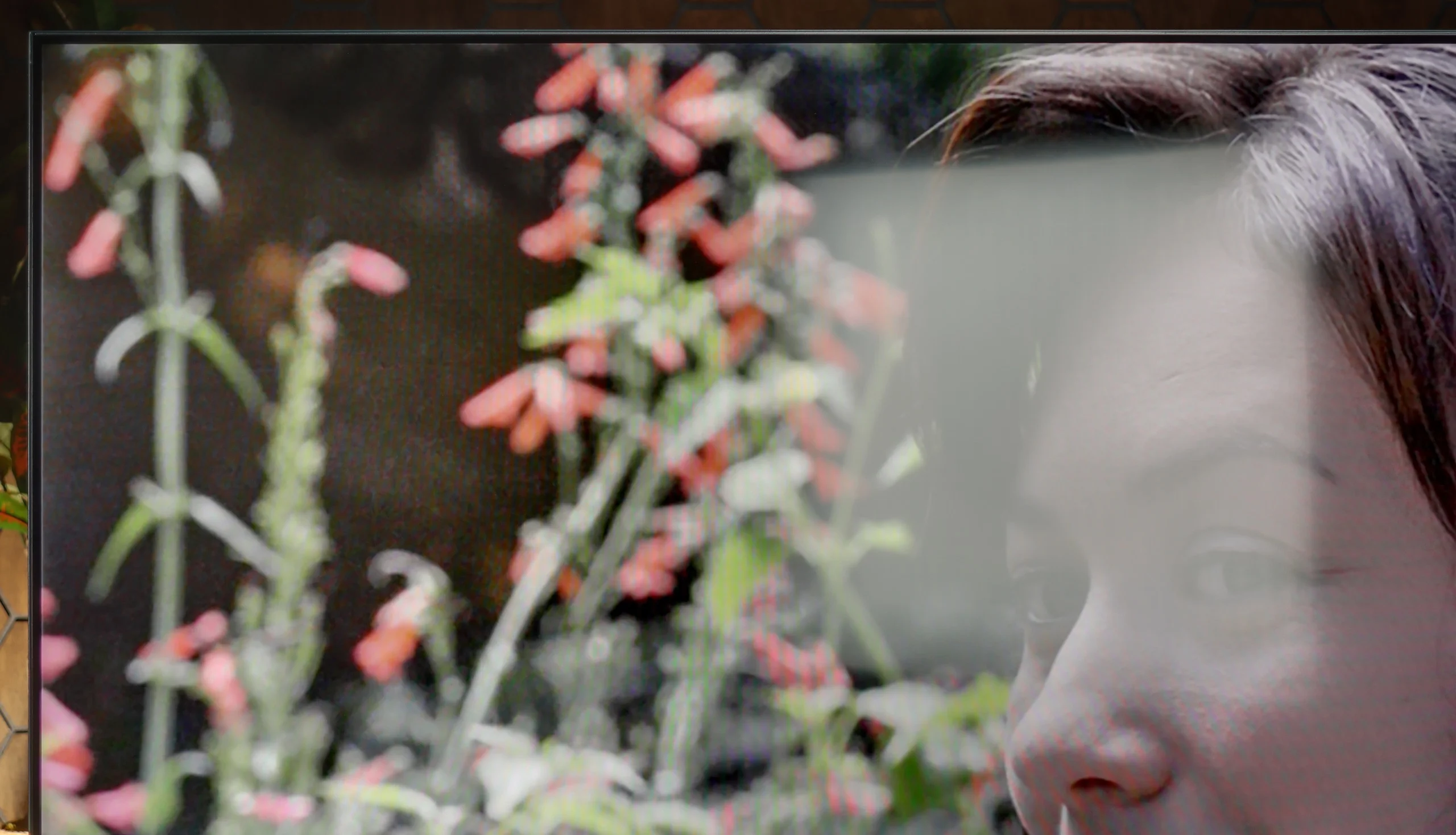
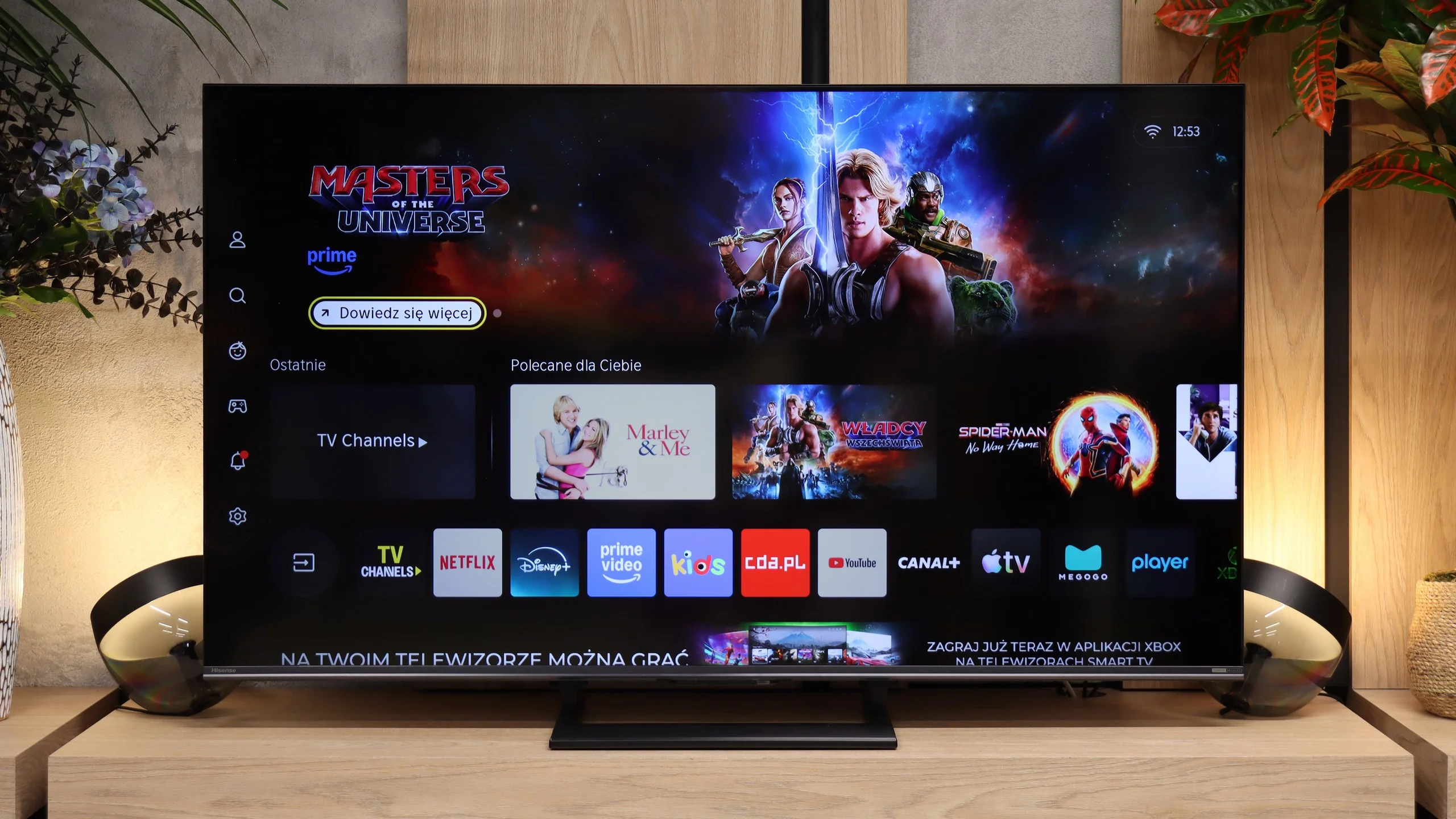
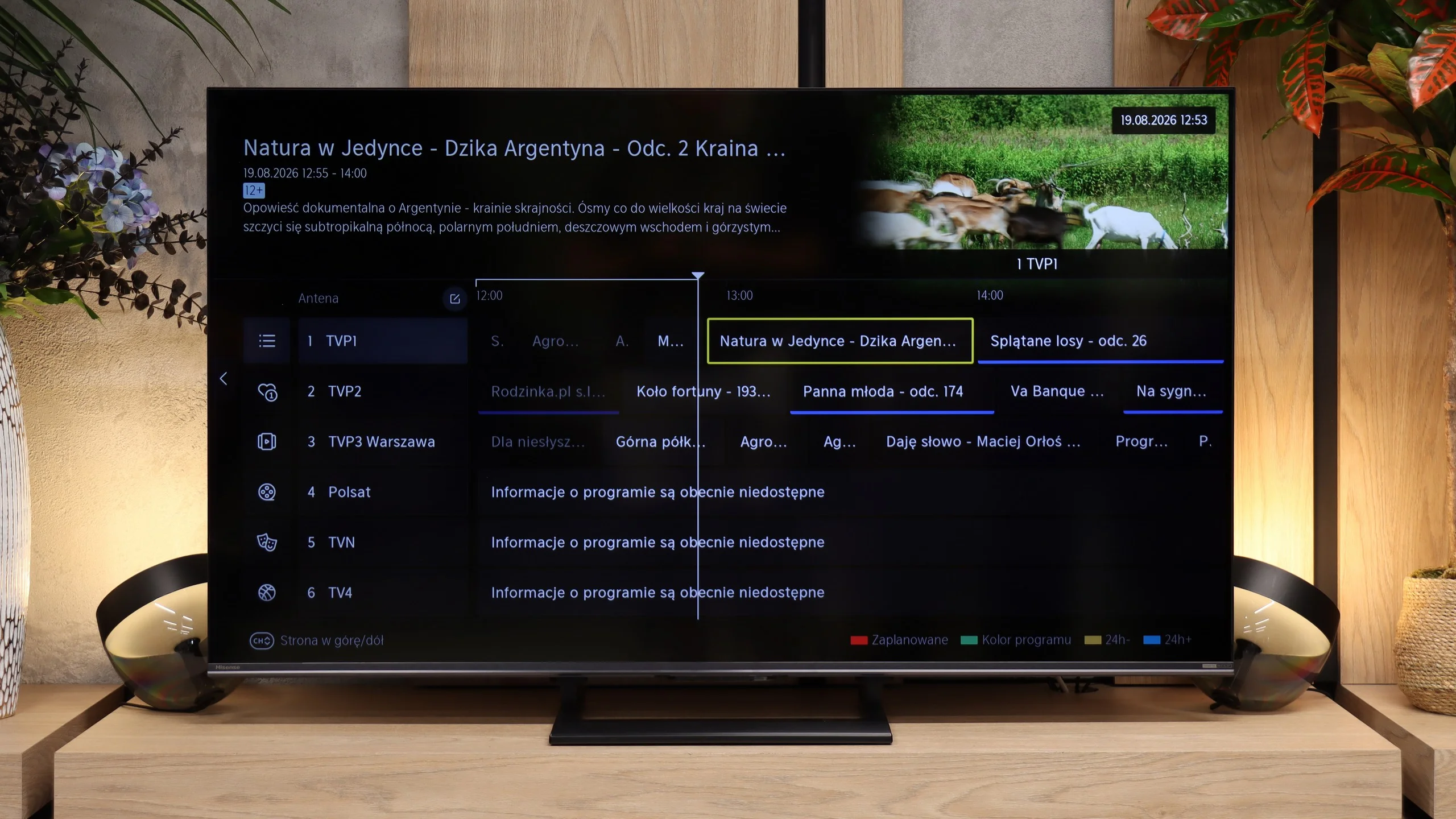
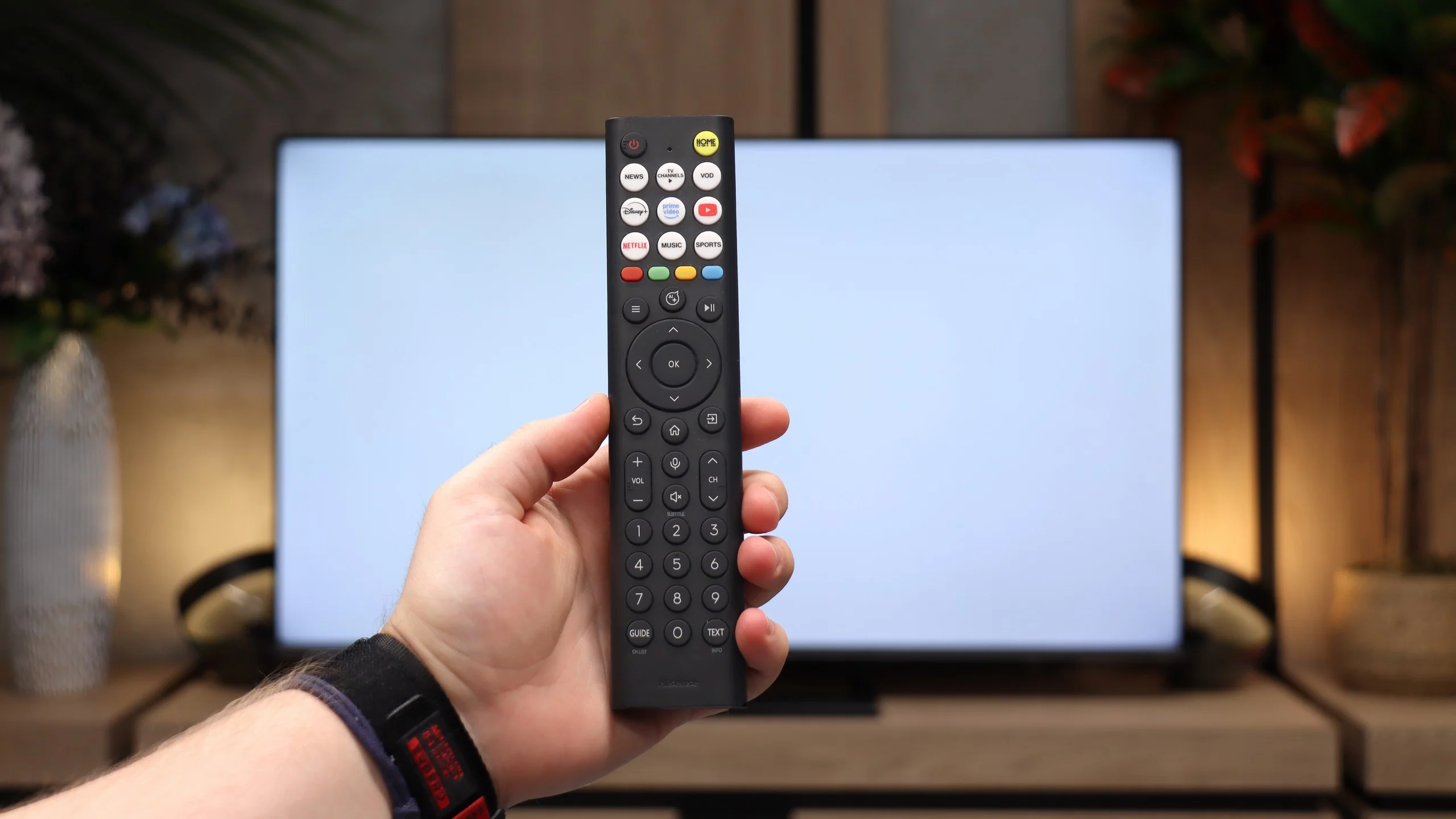
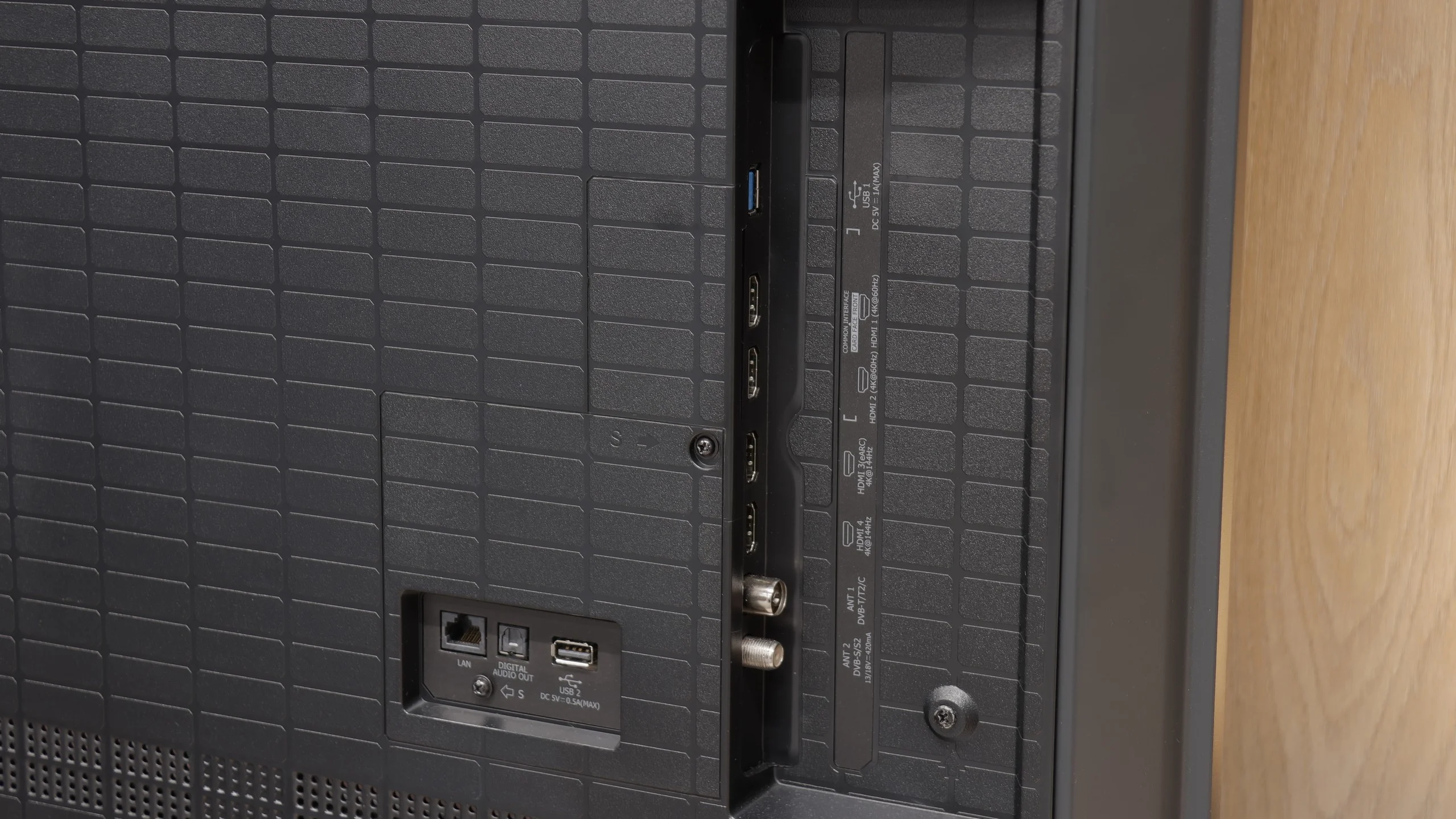
Hisense U7S is the latest iteration of the U7 series, whose biggest advantage remains its price-to-quality ratio. You get a Mini LED TV with local dimming, which really improves black levels and gives the picture depth for evening viewing. During the day, the generous brightness headroom is useful, so you don't have to immediately cover the windows. It's not a device without compromises, but as an everyday TV it makes a lot of sense. Gamers benefit a lot as well. The U7S supports high refresh rates from consoles and PCs, has an extensive set of gaming features, and responds very quickly to controller input. Pleasingly, the low input lag is preserved in Dolby Vision too. Add in the smoothly running VIDAA, which offers both Smart features and handy extras for regular TV, and the package is fairly versatile, though compared with last year's U7Q it's hard to call it a big step forward. Unfortunately there are also things that clearly bother us. The first is motion blur. The panel has a high refresh rate, but its pixels don't always keep up, so visible trails follow moving objects. Fans of sports and fast-paced games will notice this especially. The second issue is HDR, which the TV shows somewhat "its own way." Instead of sticking to the brightness encoded in the content, it strongly brightens parts of the image. That was probably meant to look more impressive, but it often has the opposite effect: the scene becomes over-bright, loses depth, and clearly departs from the creators' intent. It's a shame this behavior can't be effectively corrected even during calibration. Despite these remarks, the U7S remains an interesting choice if you're looking to get as much as possible for a reasonable price. Compared with basic LCDs without local dimming, which you can still find at a similar price, it primarily offers much better blacks. And that's exactly its greatest strength. You don't have to reach for an expensive model to get a Mini LED whose advantages are actually noticeable when watching. If you accept its flaws, the Hisense U7S can above all be a cost-effective purchase.
 Direct comparison